
Hollywood's Star Who Defied The Fuhrer
Marlene Dietrich could have spent World War II enjoying the comforts of Hollywood. Instead, the German-born superstar risked her safety to entertain American soldiers, sometimes performing within earshot of enemy artillery. Her own country regarded her as a traitor, but Dietrich refused to abandon the nation she had adopted. Her wartime courage became one of the most remarkable chapters in Hollywood history.
 Public Domain, Wikimedia Commons
She Became A Hollywood Sensation
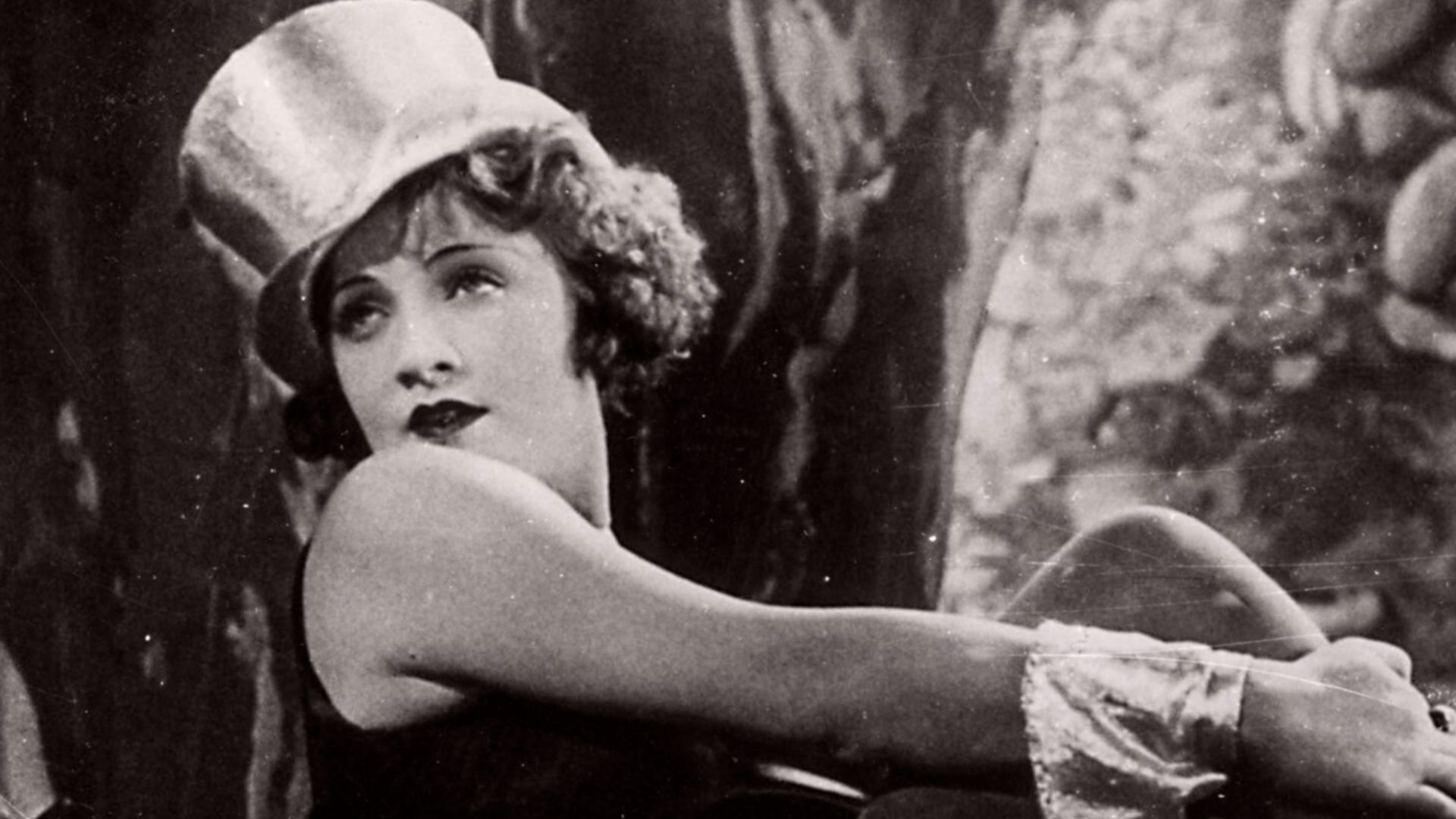
Dietrich's extraordinary career began in Berlin, where Josef von Sternberg cast her opposite Emil Jannings in The Blue Angel (1930). Her performance as cabaret singer Lola Lola made her an international sensation. She soon followed von Sternberg to Hollywood, where Morocco (1930), co-starring Gary Cooper, established her as one of Paramount's biggest attractions.
 Spaarnestad Photo (05887), Wikimedia Commons
She Conquered American Cinema
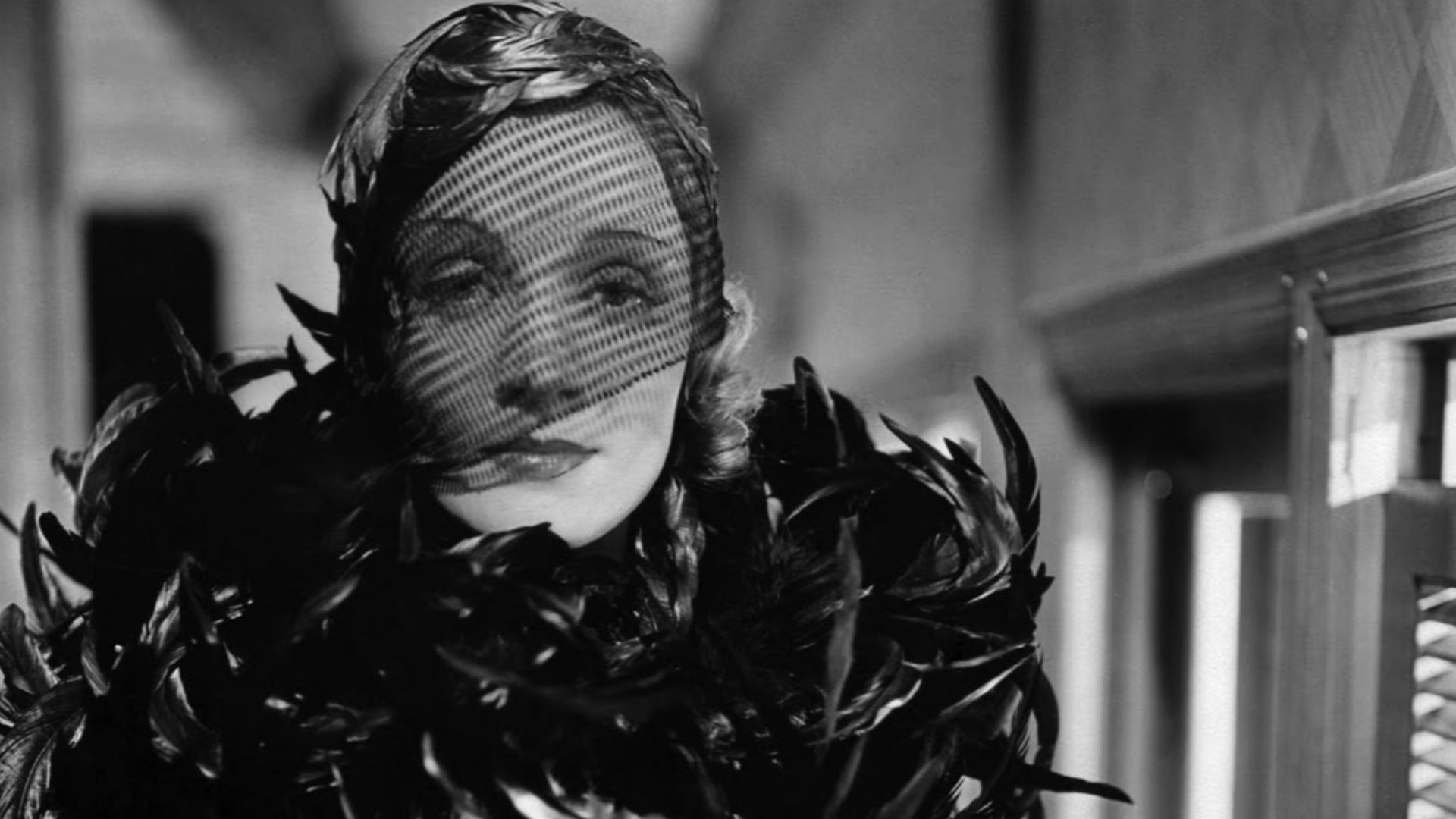
Throughout the early 1930s, Dietrich became synonymous with Hollywood glamour. She starred alongside Clive Brook in Shanghai Express (1932) and Brian Aherne in The Song Of Songs (1933). Her provocative costumes, smoky singing voice, and sophisticated screen persona made her unmistakable. But events in her native Germany were beginning to overshadow her success.
 Unknown authorUnknown author, Wikimedia Commons
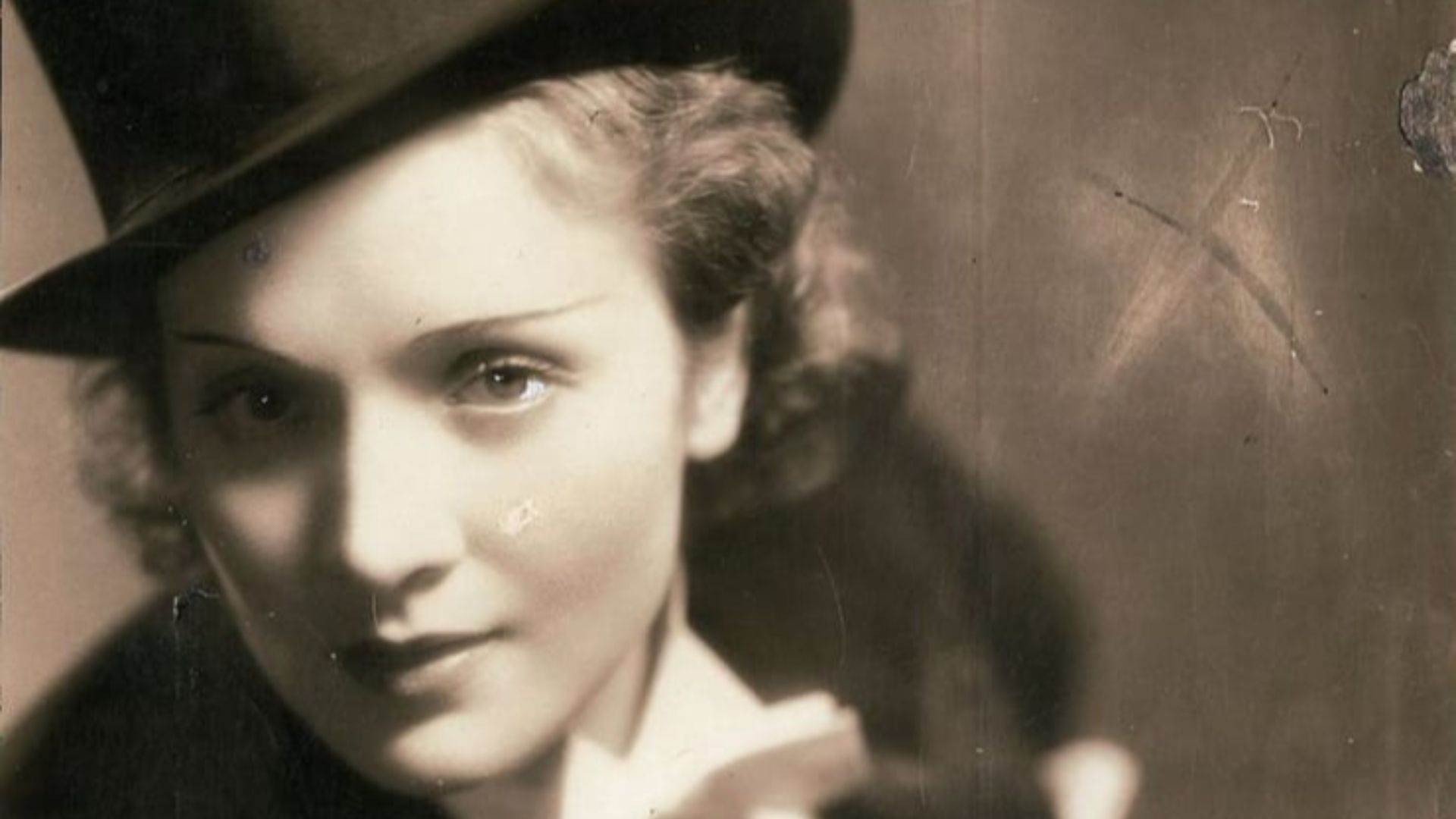
1933 Changed Everything
When Adolf Hitler became Germany's chancellor in January 1933, Dietrich was already established in America. The new German regime soon began persecuting Jewish citizens, political opponents, and cultural figures. Dietrich rejected the government's ideology and increasingly associated herself with German émigrés who had fled the dictatorship. Her opposition would eventually become much more than a private political conviction.
 Paramount Pictures, Josef von Sternberg, Wikimedia Commons
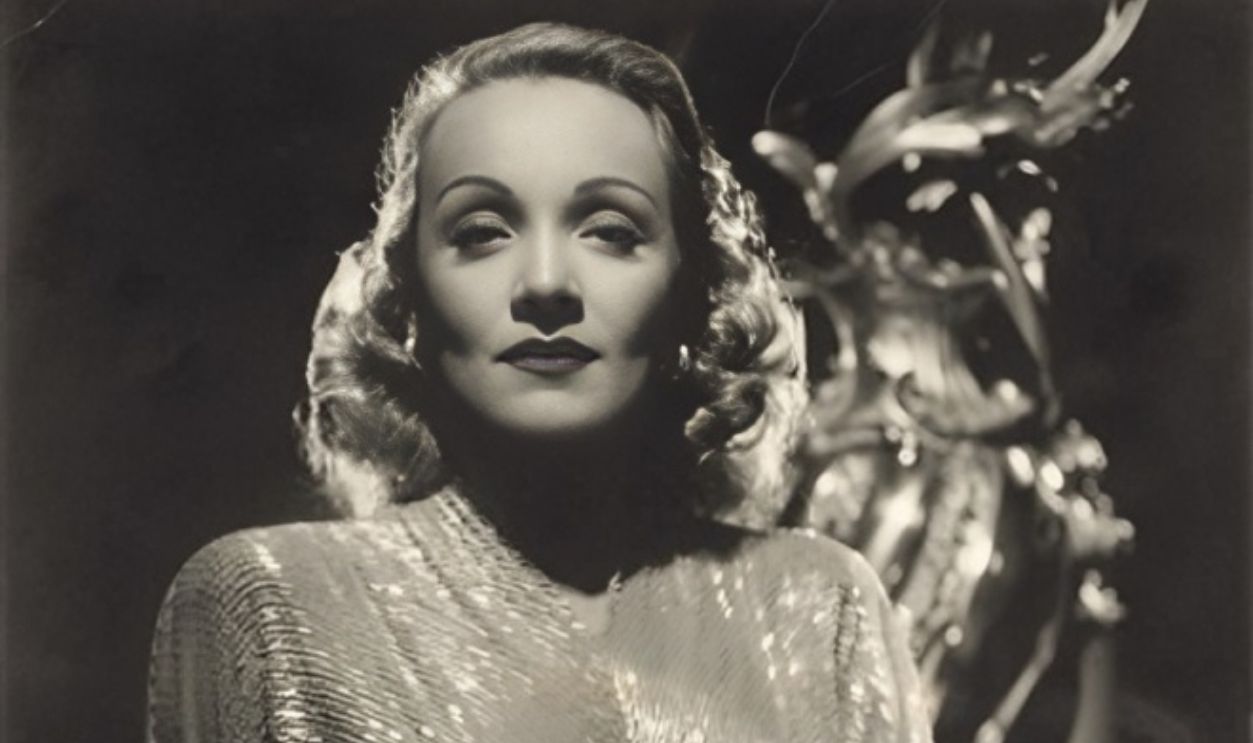
She Helped German Refugees
Dietrich used her wealth and Hollywood connections to assist people escaping the persecution of 1930s Germany. Working alongside fellow German émigré Ernst Lubitsch, she supported Jewish refugees and political exiles seeking safety abroad. The effort reflected her growing hostility toward the German government. Long before America entered the war, she was already using her celebrity and resources to oppose the Third Reich.
 Whitey Schafer (1903–1951), Wikimedia Commons, Enhanced
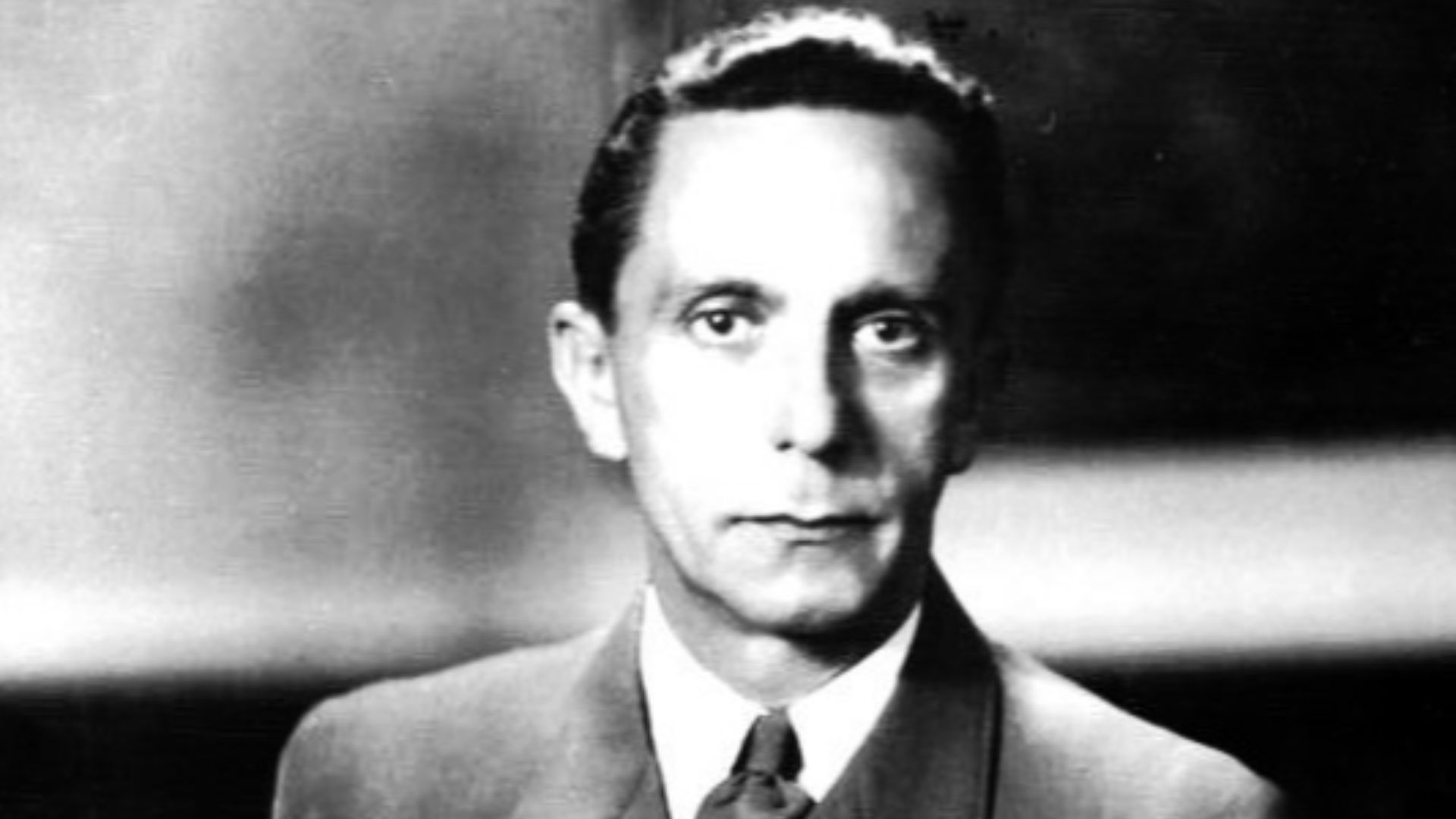
They Wanted Her Back
Despite her opposition, National Socialist party officials recognized Dietrich's enormous propaganda value. Joseph Goebbels's government made lucrative offers intended to lure her back into German filmmaking. She could have returned as one of the Third Reich's most celebrated entertainers, enjoying exceptional professional privileges. Instead, Dietrich refused, rejecting the opportunity to become a glamorous symbol of a regime she opposed.
Hollywood Turned Against Her
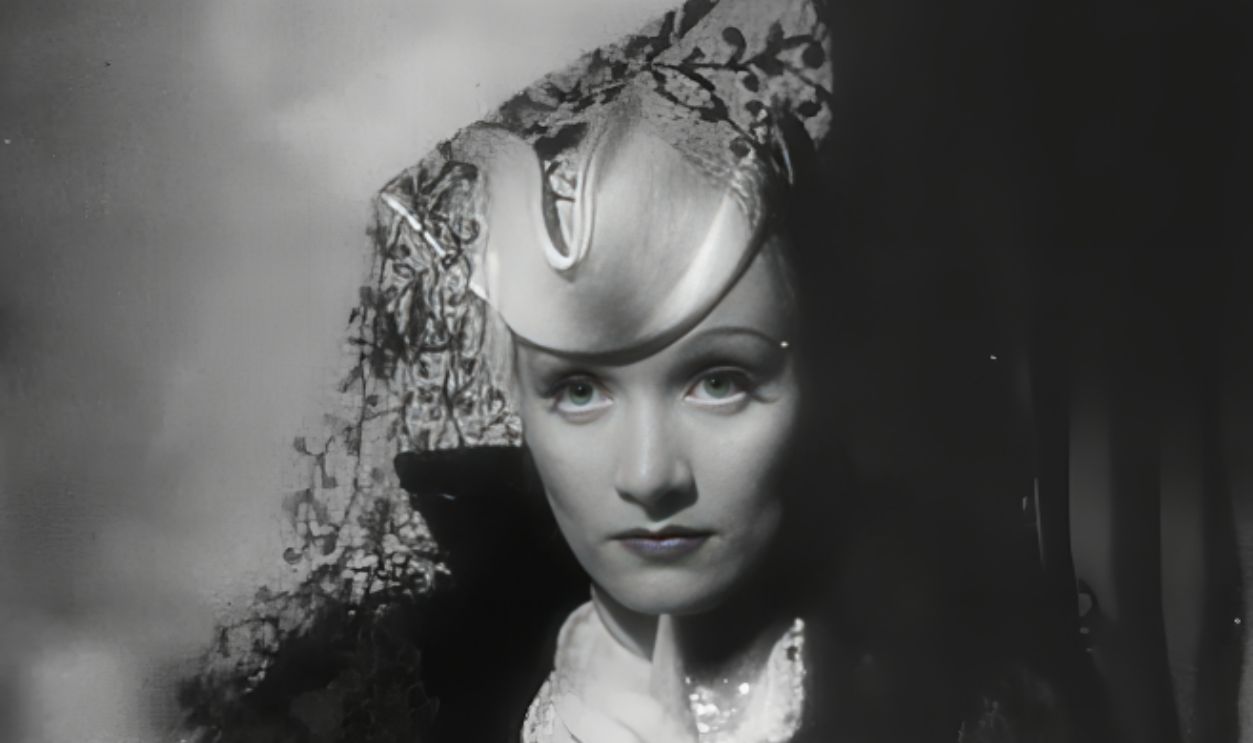
By 1937, Dietrich's Hollywood career had become less secure. Several expensive productions disappointed commercially, and an influential industry advertisement in May 1938 labeled her among the stars considered “box-office poison.” Yet she continued working, appearing opposite Robert Donat in Knight Without Armour (1937), directed by Jacques Feyder. Professional uncertainty did nothing to soften her opposition to what was going on back in Germany.
 Screenshot from Knight Without Armour, United Artists (1937), Enhanced
She Chose American Citizenship
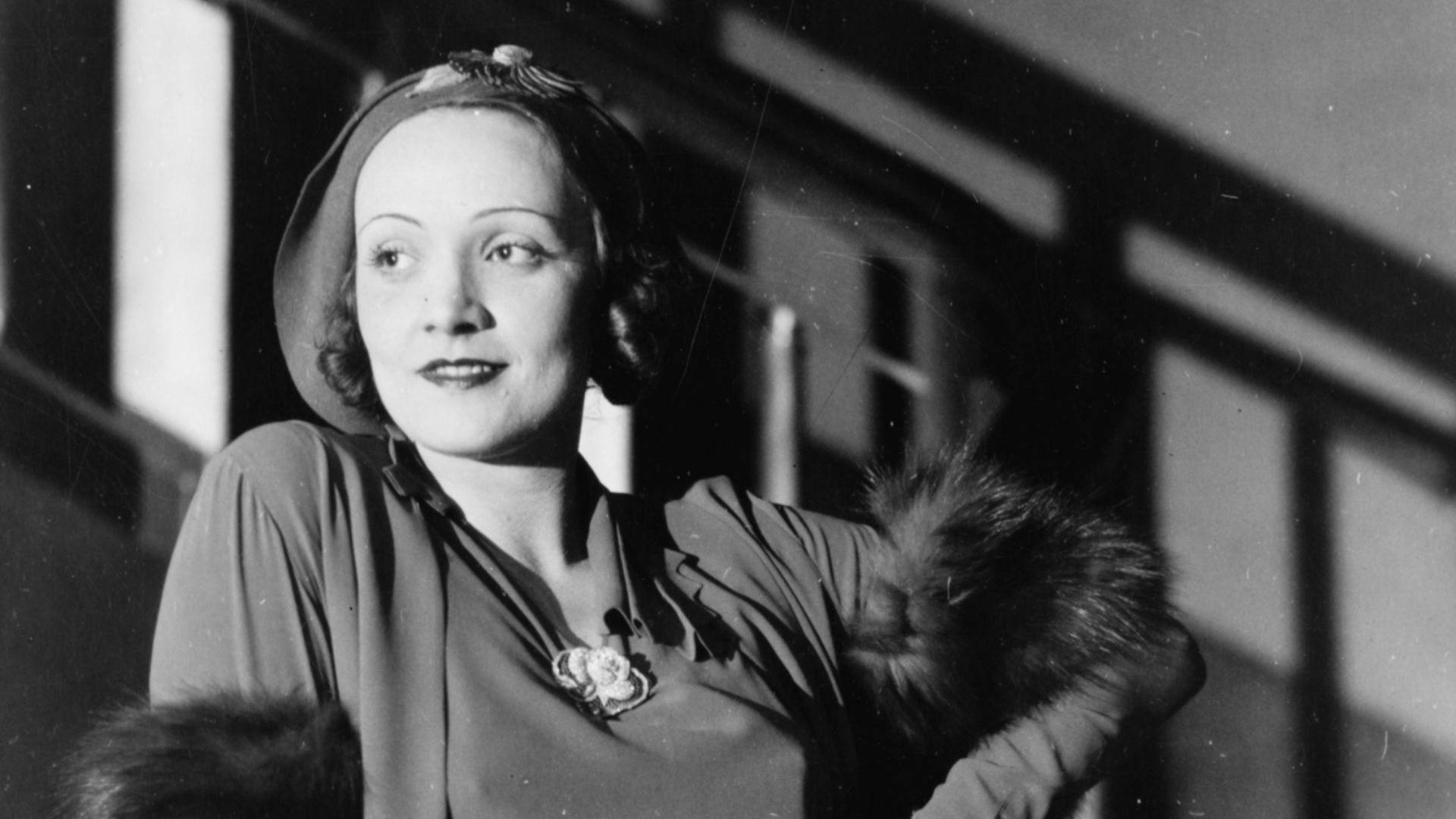
On March 5, 1937, Dietrich formally declared her intention to become an American citizen. Her decision carried particular significance because she was turning away from a homeland increasingly dominated by National Socialist party ideology. She completed the naturalization process on June 9, 1939, just months before Germany invaded Poland. Dietrich had chosen the United States as her country.
 George Grantham Bain Collection (Library of Congress), Wikimedia Commons
Her Career Found New Life
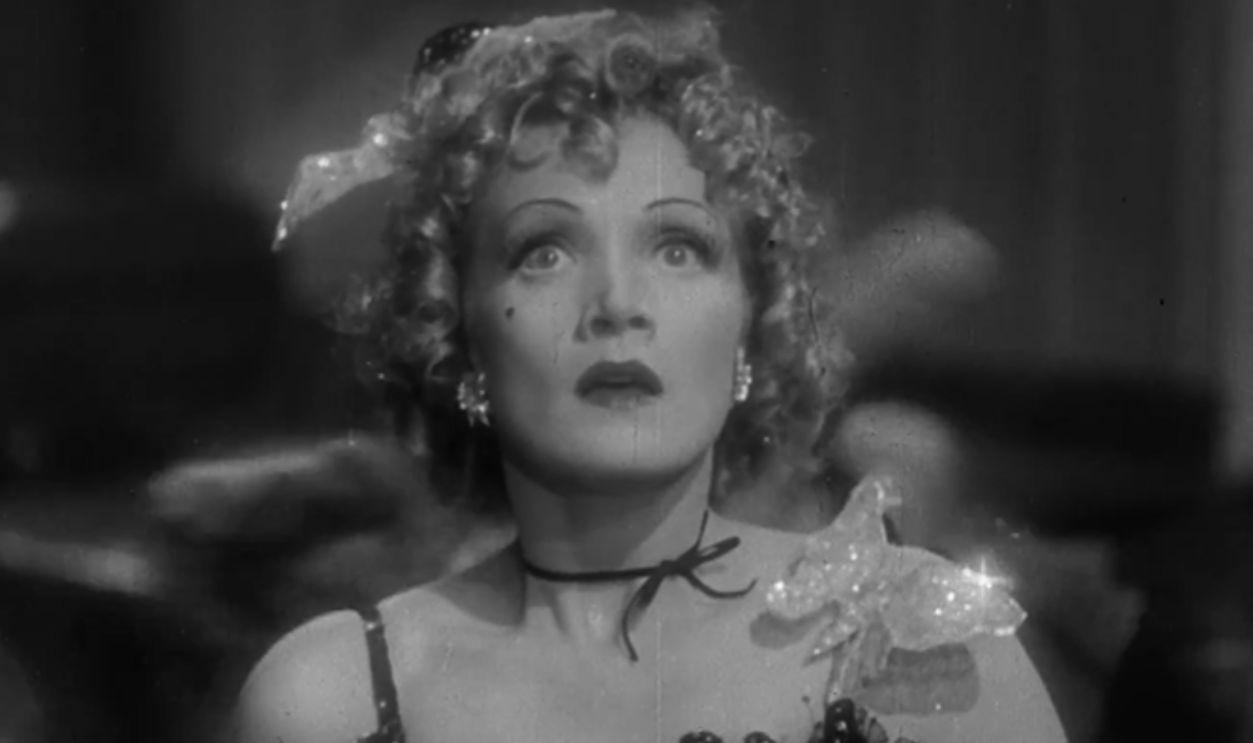
Dietrich's fortunes improved with Destry Rides Again (1939), directed by George Marshall. Playing the spirited saloon entertainer Frenchy opposite James Stewart, she demonstrated a comic vitality audiences had rarely seen in her earlier films. The Western revived her popularity and helped establish a new phase of her career just as Europe descended into armed conflict.
 Screenshot from Destry Rides Again, Universal Pictures (1939)
Germany Branded Her A Traitor
Dietrich's rejection of her native country and adoption of American citizenship made her an object of hostility among Nazi supporters. She was denounced as a traitor to Germany, and her refusal to cooperate with the Fuhrer's regime became an enduring source of resentment. Although accounts sometimes describe her as having been charged with treason, a formal prosecution is not clearly established in the available historical records.
 Paramount Pictures, Wikimedia Commons
She Kept Making Movies
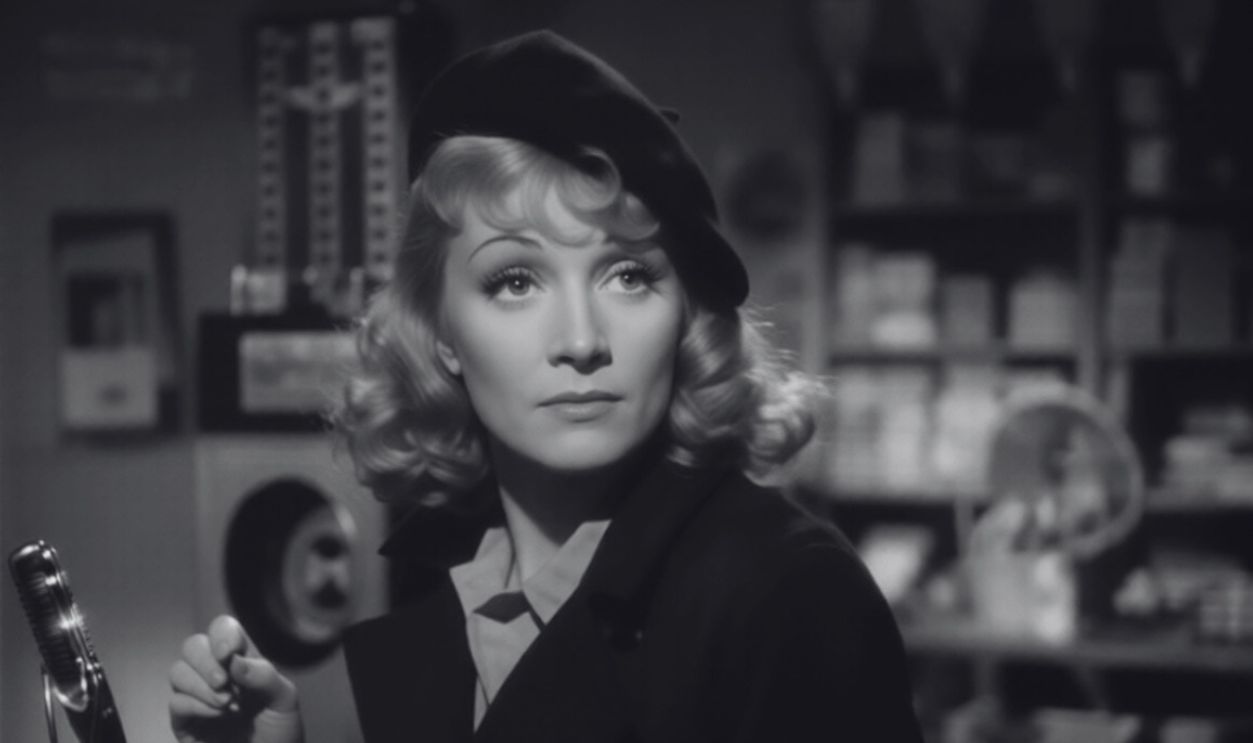
As war engulfed Europe, Dietrich continued appearing in American films. She starred opposite John Wayne in Seven Sinners (1940), directed by Tay Garnett, and appeared alongside Edward G Robinson and George Raft in Raoul Walsh's Manpower (1941). She also worked with director René Clair on The Flame of New Orleans (1941), demonstrating that her Hollywood career remained active even as her attention increasingly turned toward events overseas.
 Screenshot from Manpower, Warner Bros. Pictures (1941), Enhanced
Pearl Harbor Changed Everything
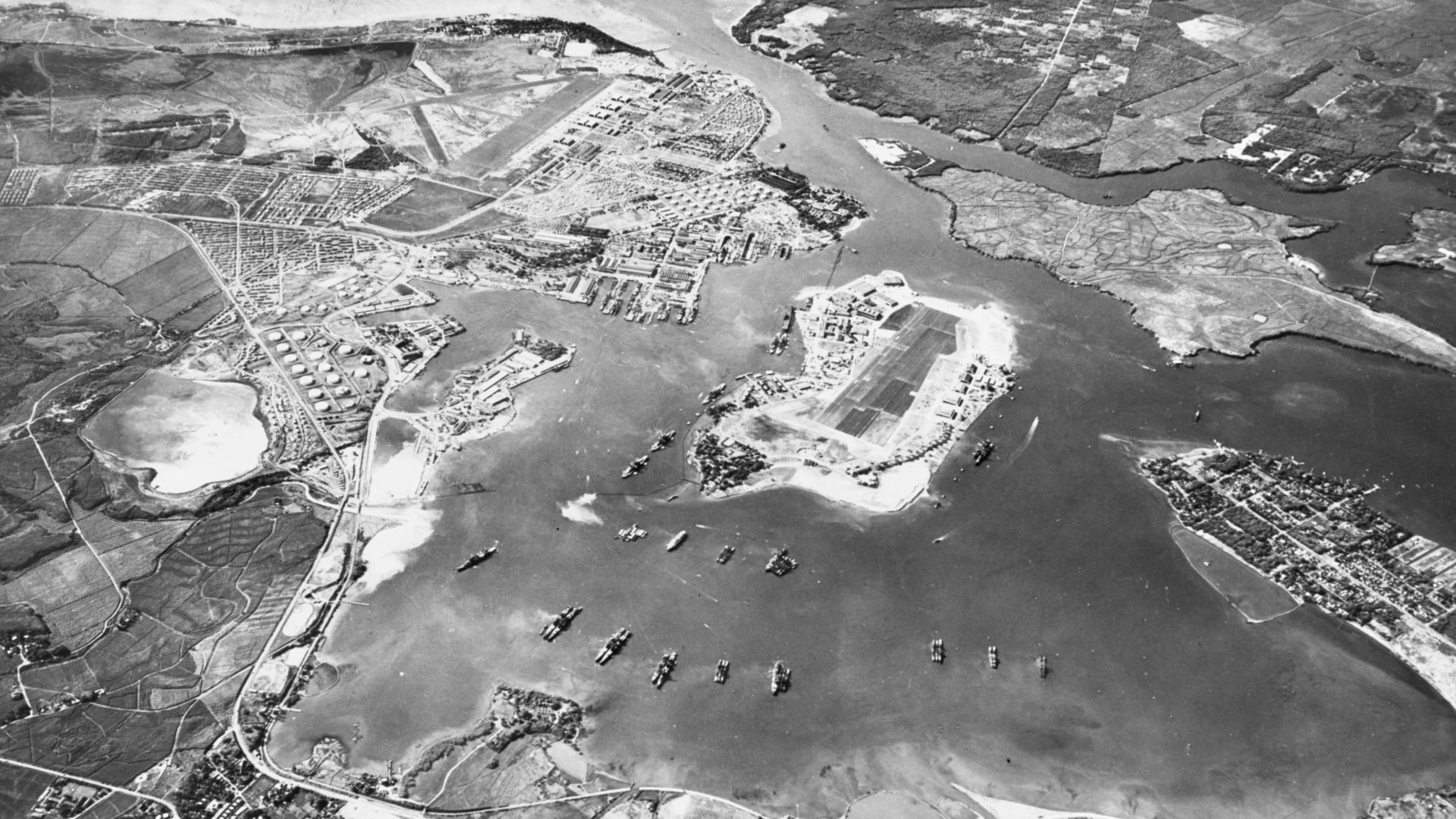
Japan's attack on Pearl Harbor in December 1941 brought the United States into World War II. Germany declared war on America days later, placing Dietrich's adopted country directly against her birthplace. For the German-born actress, the conflict was intensely personal. She was determined to contribute more than encouraging words, and soon devoted considerable energy to supporting American servicemen.
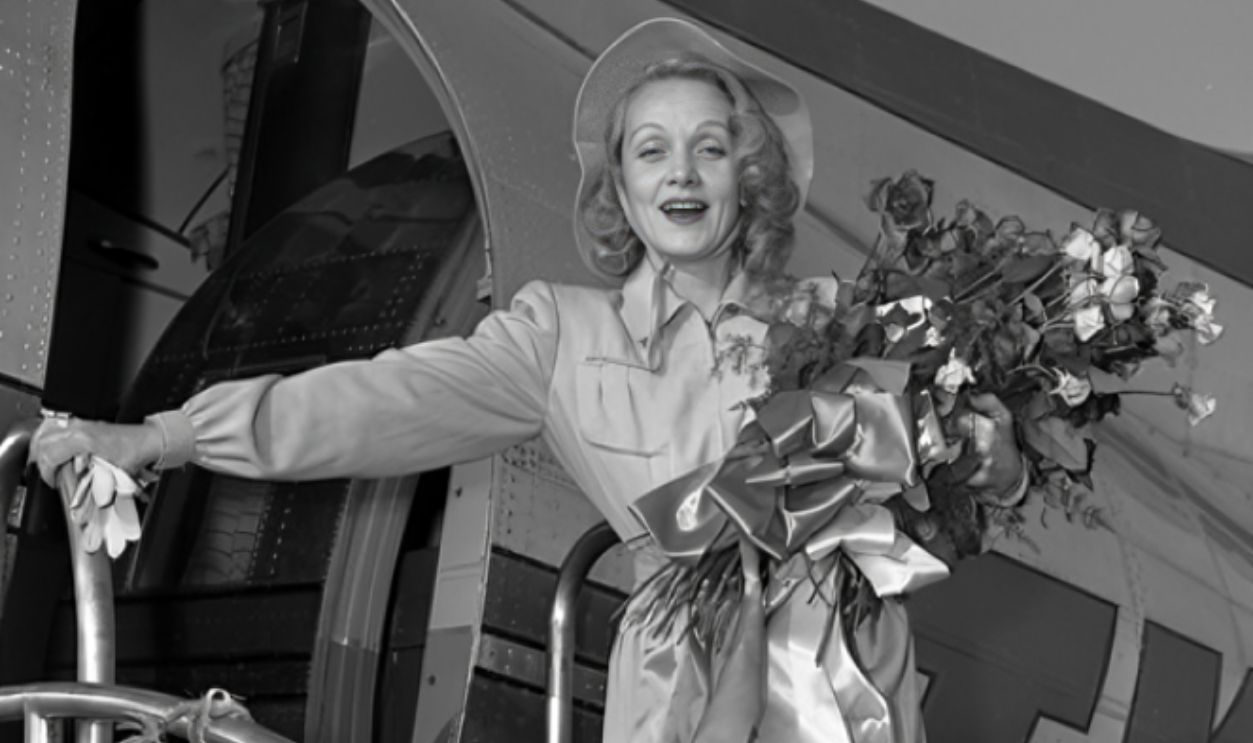
She Sold War Bonds
Beginning in 1942, Dietrich traveled across the United States promoting war bonds, encouraging Americans to finance the military effort. Her celebrity helped attract crowds, and her appearances contributed to substantial bond sales. Estimates have credited her efforts with helping raise more than $1 million. For Dietrich, the exhausting promotional work was an opportunity to serve the country that had welcomed her.
 Los Angeles Daily News, Wikimedia Commons, Enhanced
She Served Soldiers Coffee
Dietrich also volunteered at the Hollywood Canteen, the famous wartime gathering place where entertainers served food, danced, and socialized with servicemen. Rather than remaining an untouchable movie star, she worked directly with the young men preparing to go overseas. The experience reinforced her commitment to the troops and foreshadowed the much more dangerous service she would undertake abroad.

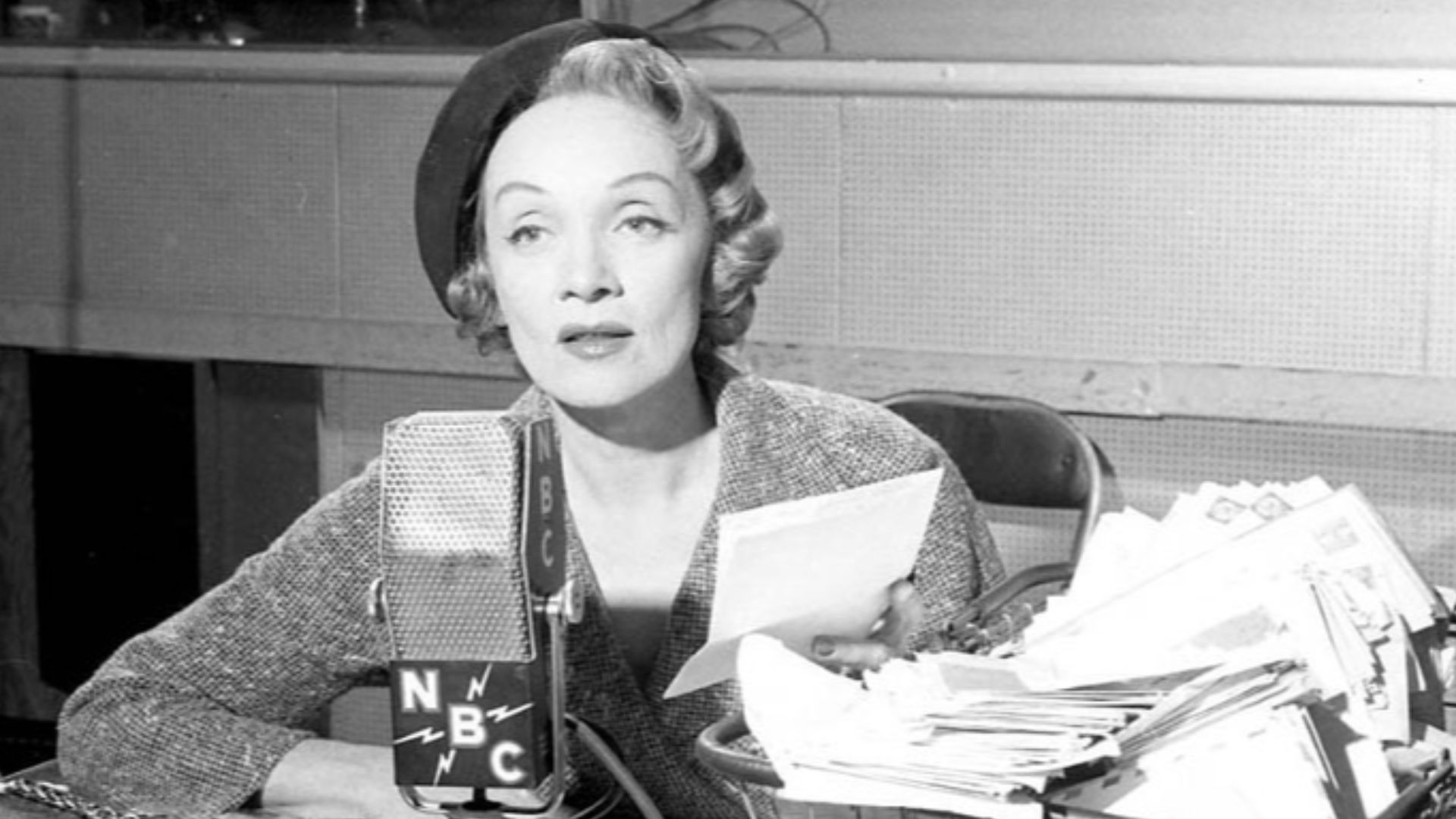
She Helped Fight A Psychological War
Dietrich's wartime contribution extended beyond fundraising. In 1944, she collaborated with the Office of Strategic Services, America's wartime intelligence agency, recording German-language songs for its MUZAK propaganda project. The recordings were broadcast on clandestine radio stations intended to undermine enemy morale. Her unmistakable voice, once celebrated in Germany, was now being used against Adolf H.'s regime.
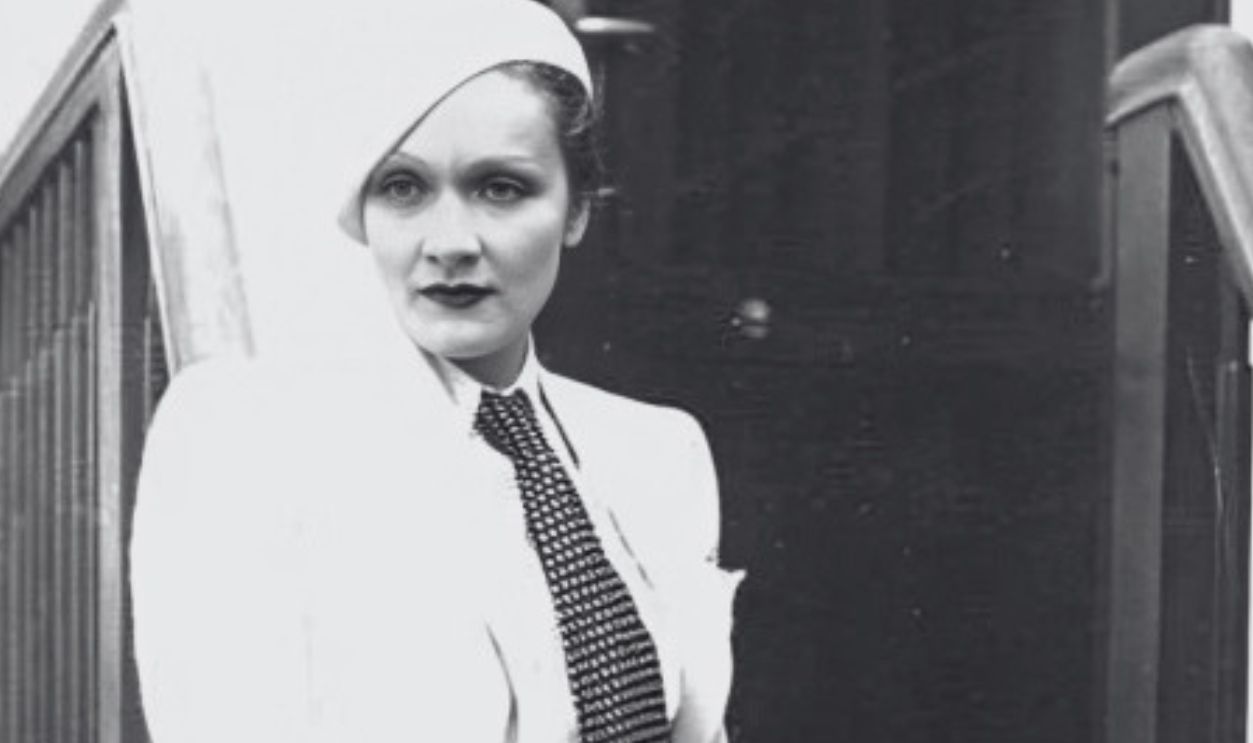
She Went Overseas
In 1944, Dietrich joined a USO entertainment tour that took her to American forces in North Africa and Italy. Unlike Hollywood appearances, these performances offered few comforts. She traveled through war zones, endured difficult conditions, and entertained soldiers far from home. The glamorous actress was discovering what life was really like for the men on the frontlines.
 Paul Cwojdzinski (1893–), Wikimedia Commons, Enhanced
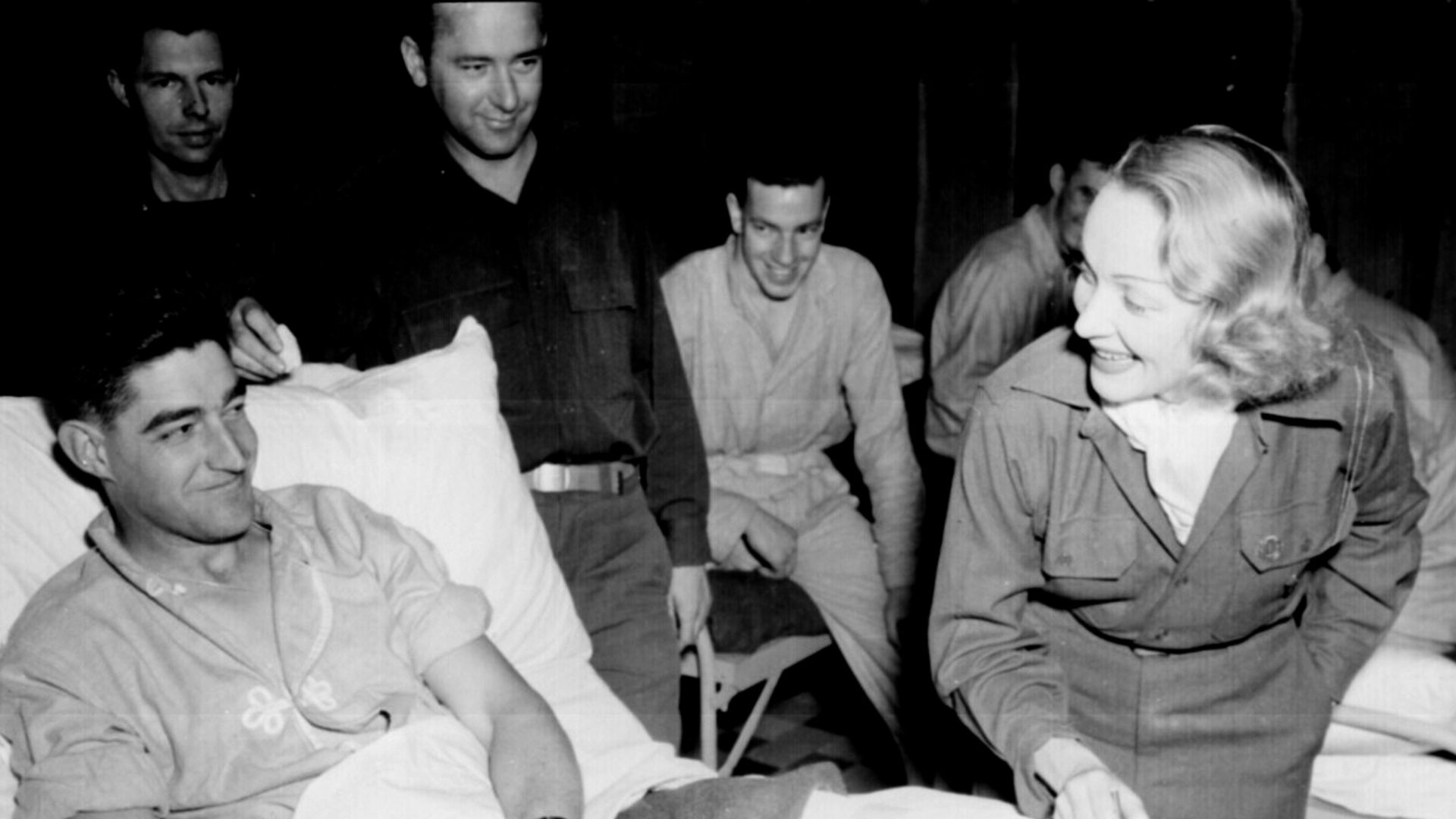
She Reached The Anzio Soldiers
During the Italian campaign, Dietrich became the first entertainer to reach Allied soldiers rescued from the fighting around Anzio. The battle had been particularly brutal, and the men had endured extraordinary danger. Her appearance offered a welcome distraction from their experiences. Dietrich's willingness to travel into hazardous areas made an enormous impression on the servicemen she encountered.
 Unknown or not provided, Wikimedia Commons
She Followed The Allied Advance
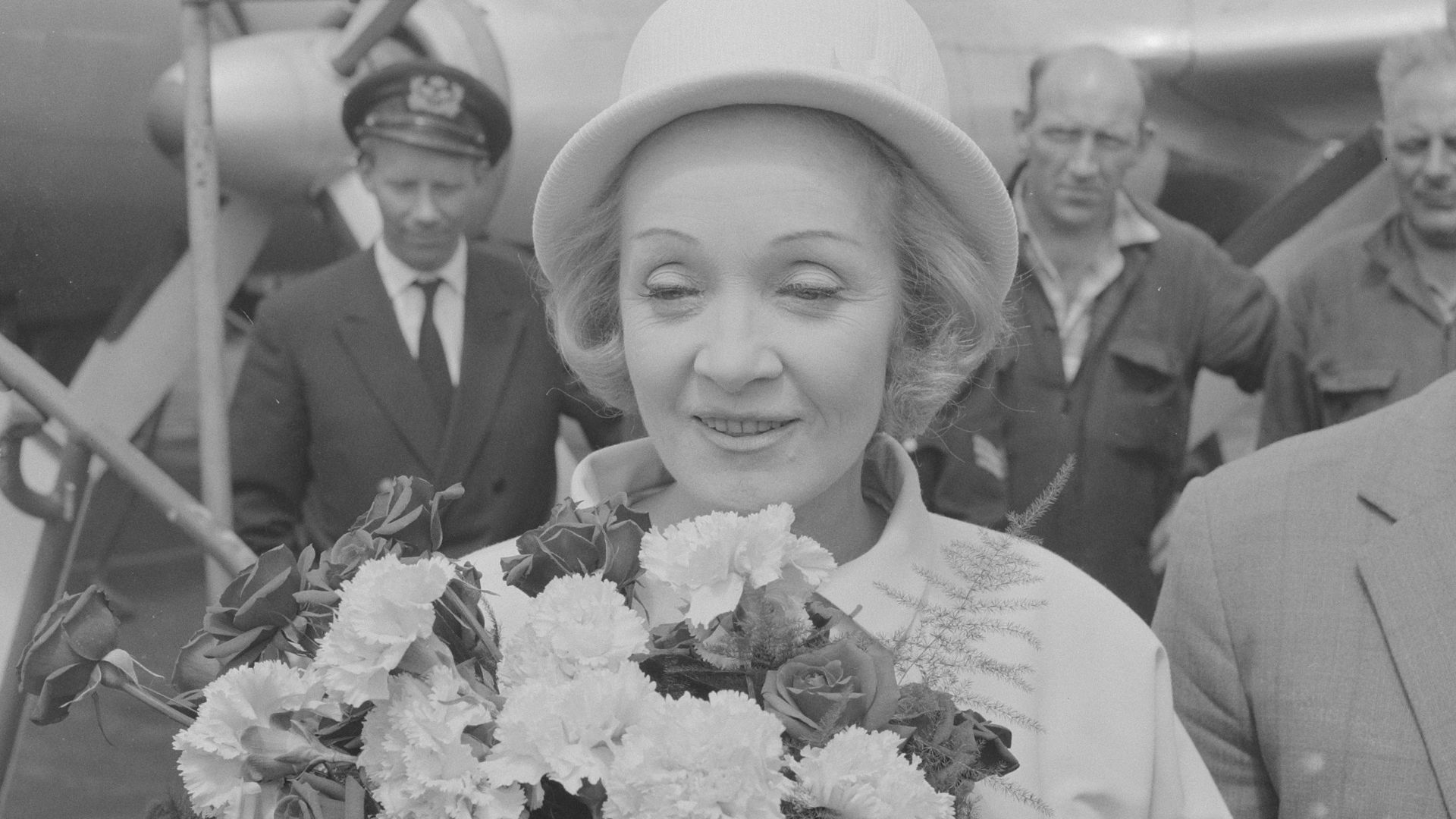
Following the Normandy invasion in June 1944, Dietrich embarked on another extensive USO tour, traveling through France and eventually into Germany. The second tour lasted approximately 11 months. Rather than restricting herself to safe entertainment centers, she sought opportunities to perform near the front, bringing a familiar Hollywood face to soldiers living under extraordinary strain.
 Jack de Nijs for Anefo / Anefo, Wikimedia Commons
She Played A Musical Saw
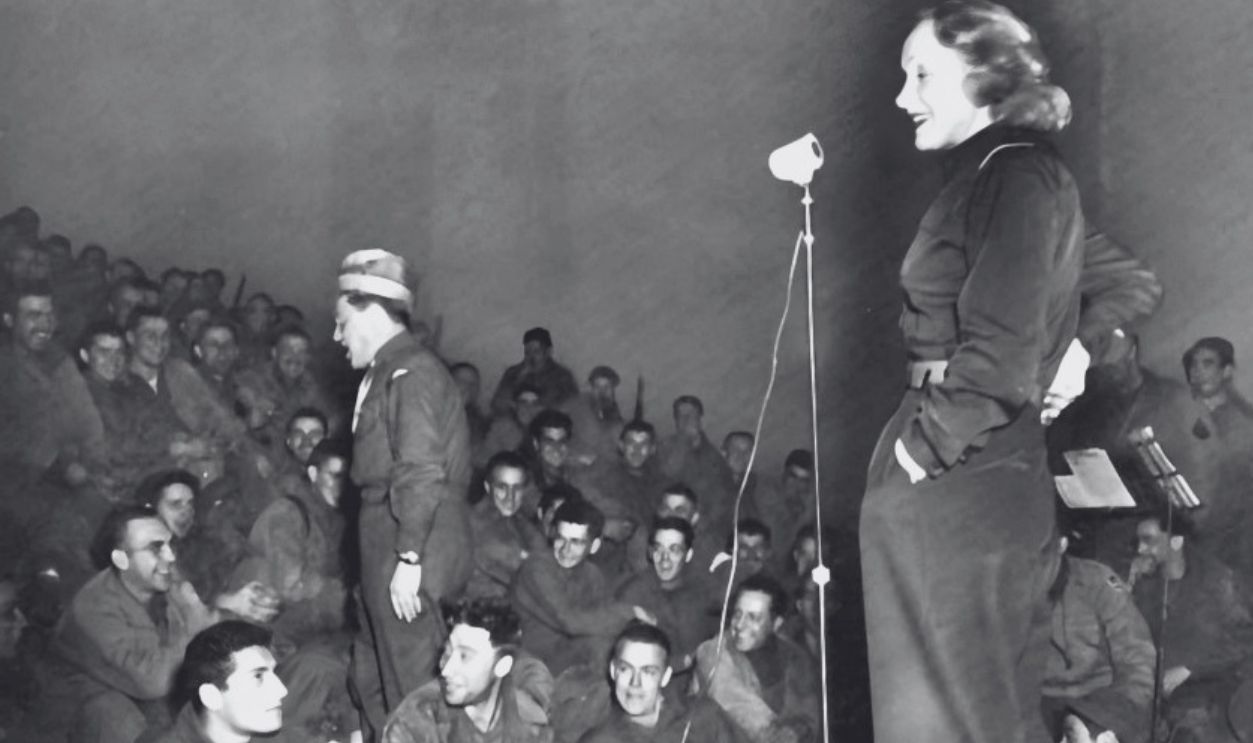
Dietrich's shows featured singing, comedy, and an unusual musical instrument: a saw. By bending the blade and drawing a bow across it, she produced eerie, wavering notes that delighted her audiences. The routine became a favorite among soldiers. Her willingness to make herself ridiculous contrasted wonderfully with the sophisticated screen image that had made her famous.
 The Lorraine Campaign p 291, Wikimedia Commons, Enhanced
Her Songs Crossed Enemy Lines
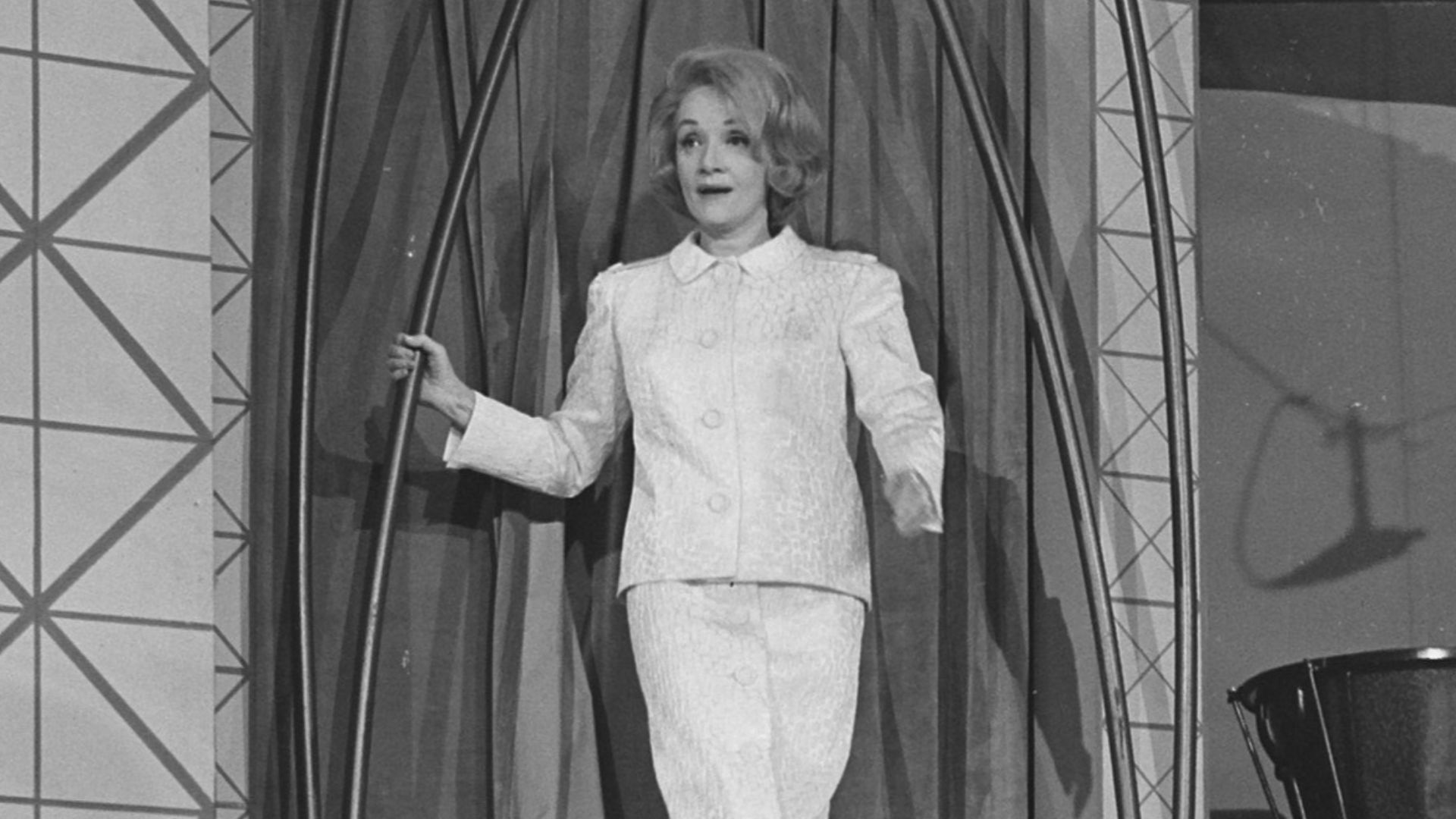
One of Dietrich's most memorable wartime numbers was "Lili Marlene," a sentimental German song that became popular with soldiers on both sides of the conflict. She performed it in German and English, transforming a familiar tune into a reminder of home. Her recordings and broadcasts demonstrated how music could reach people even when their governments were at war.
 Eric Koch for Anefo, Wikimedia Commons
She Endured The Bitter Cold
Dietrich's devotion came at a physical cost. During the winter of 1944–1945, she performed under harsh conditions, sometimes without reliable electricity or comfortable accommodations. She slept in tents, suffered from illness, and developed frostbite. Yet she continued entertaining soldiers near the fighting. By the war's end, she had reportedly given more than 500 performances for Allied troops.
She Visited Wounded Soldiers
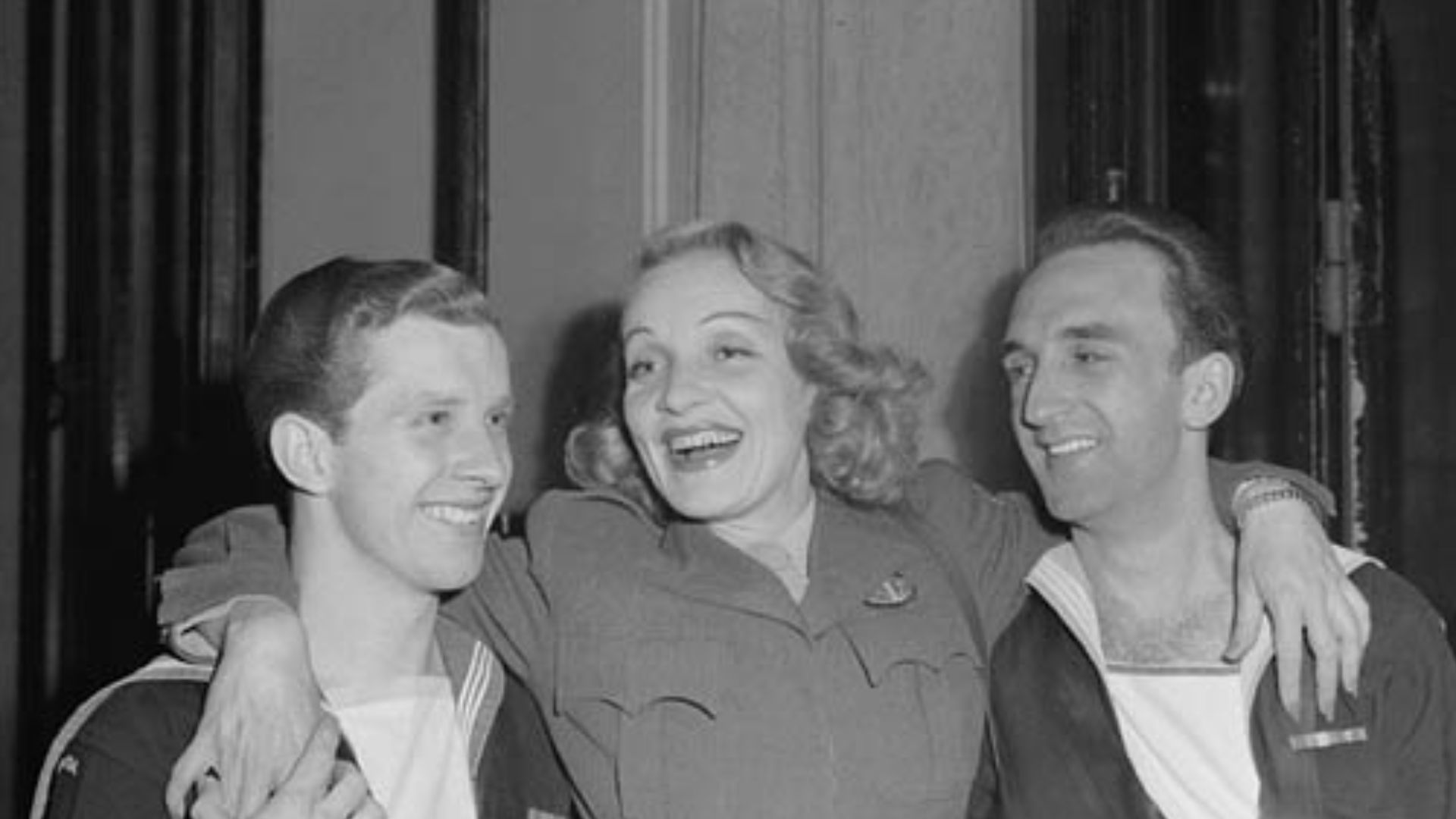
Dietrich's commitment extended beyond the stage. She visited wounded servicemen in military hospitals, offering conversation and encouragement to men recovering from terrible injuries. Photographs from Belgium show her spending time with hospitalized soldiers. These encounters demonstrated that her wartime service was not simply a series of celebrity appearances. She wanted to provide personal comfort wherever possible.
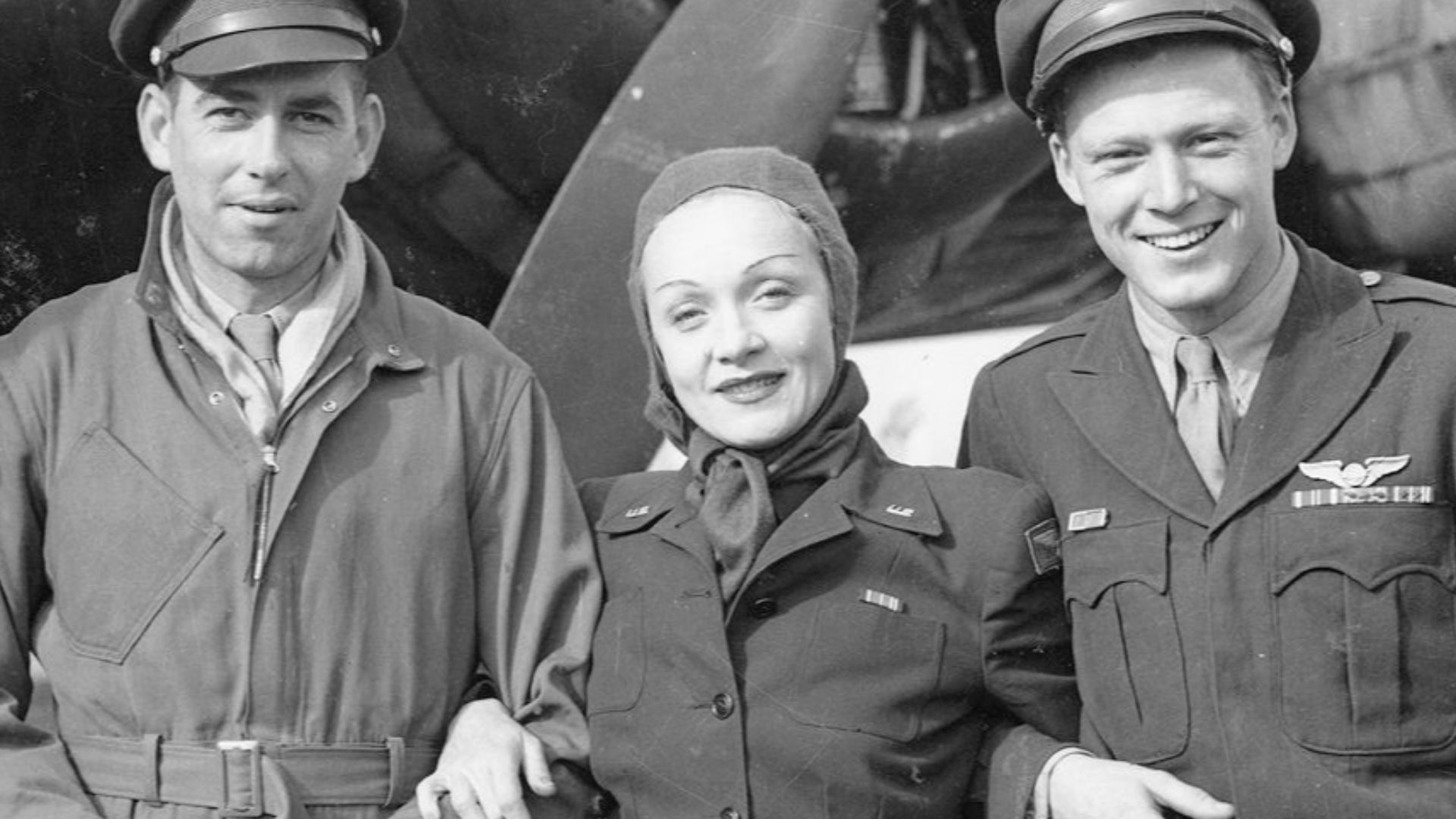 United States Army Air Forces, Wikimedia Commons
She Returned To Germany
In 1945, Dietrich entered defeated Germany alongside American forces. Returning to her birthplace under such circumstances was deeply emotional. In September, she visited her mother in Berlin, whom she had not seen for years. Her mother died that November. Dietrich had helped defeat the regime she despised, but the war had also left her confronting the devastation of her homeland.
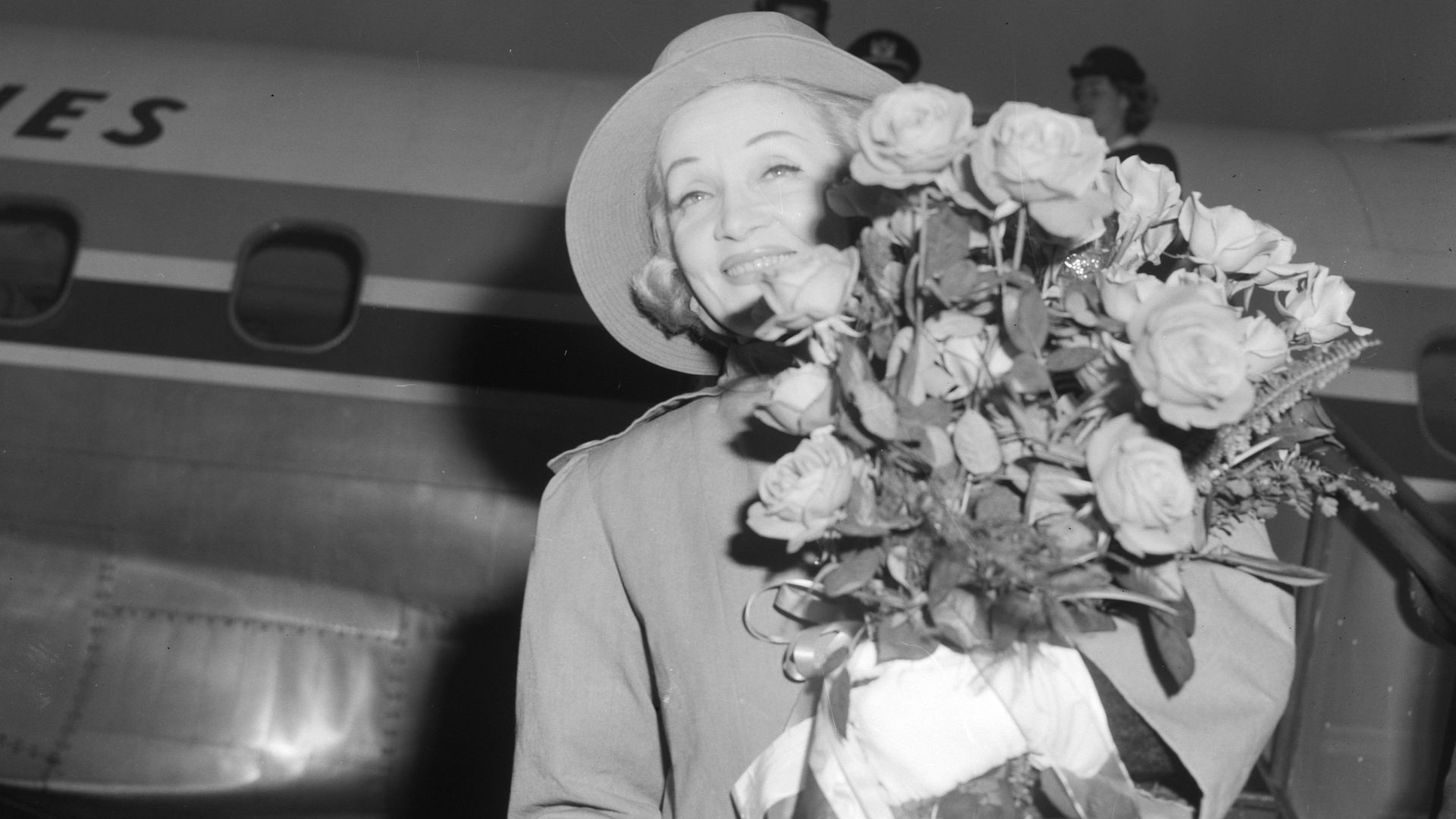 Joop van Bilsen for Anefo, Wikimedia Commons
America Honored Her Courage
Dietrich's extraordinary service brought official recognition. On November 18, 1947, she received the American Medal of Freedom for her contributions during World War II. France subsequently honored her with the Legion of Honor, while Belgium awarded her the Order of Leopold. The woman condemned as a traitor by her native country had become a celebrated figure among the victorious Allies.
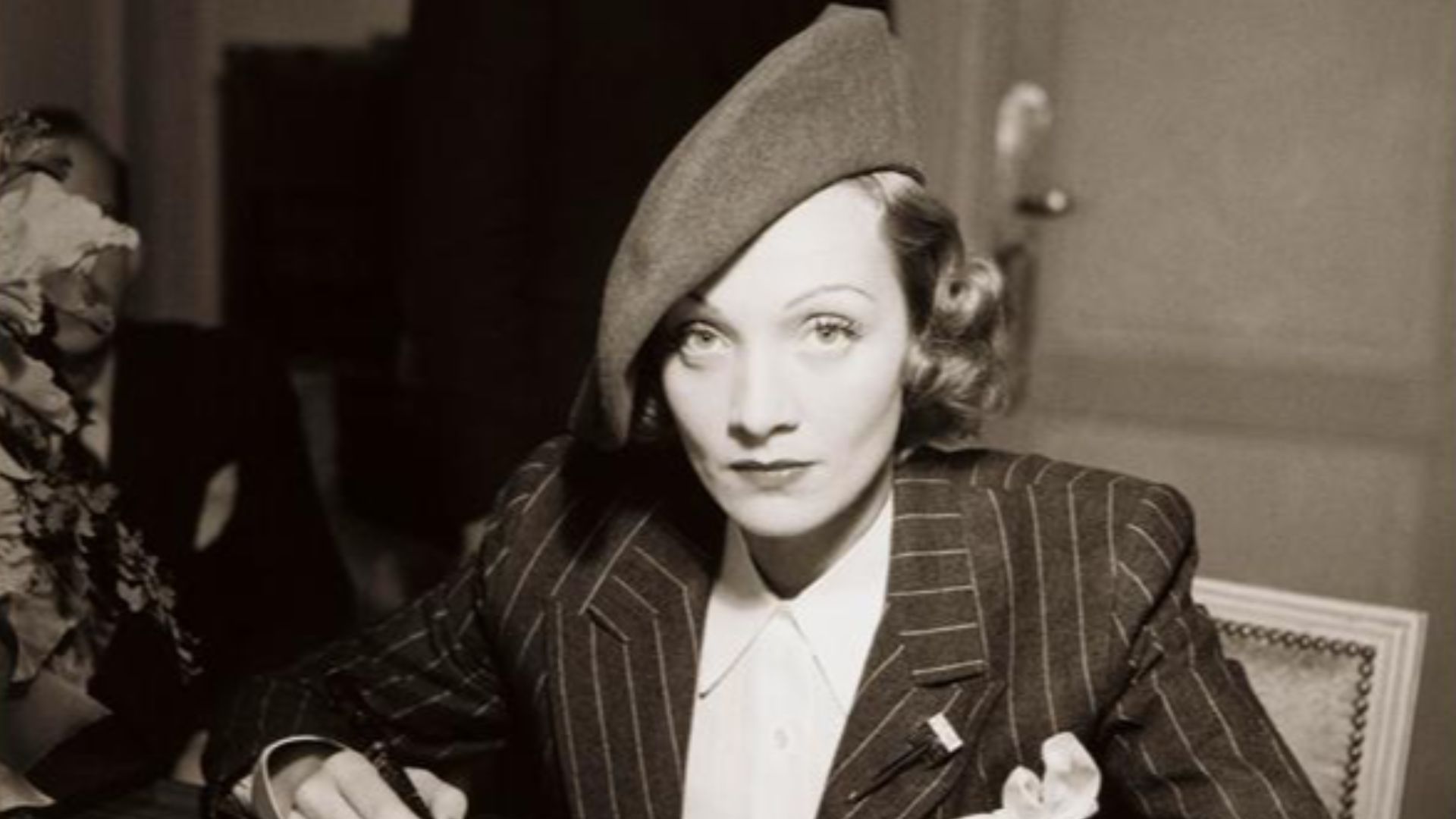 Studio Harcourt, Wikimedia Commons
She Returned To Hollywood
After the war, Dietrich resumed her film career, appearing opposite Jean Gabin in the French production Martin Roumagnac (1946), directed by Georges Lacombe. She later played a nightclub singer with former party connections in Billy Wilder's A Foreign Affair (1948), alongside Jean Arthur and John Lund. Incorporating authentic footage of Berlin's ruins, the comedy confronted the uncomfortable realities of Germany's postwar occupation.
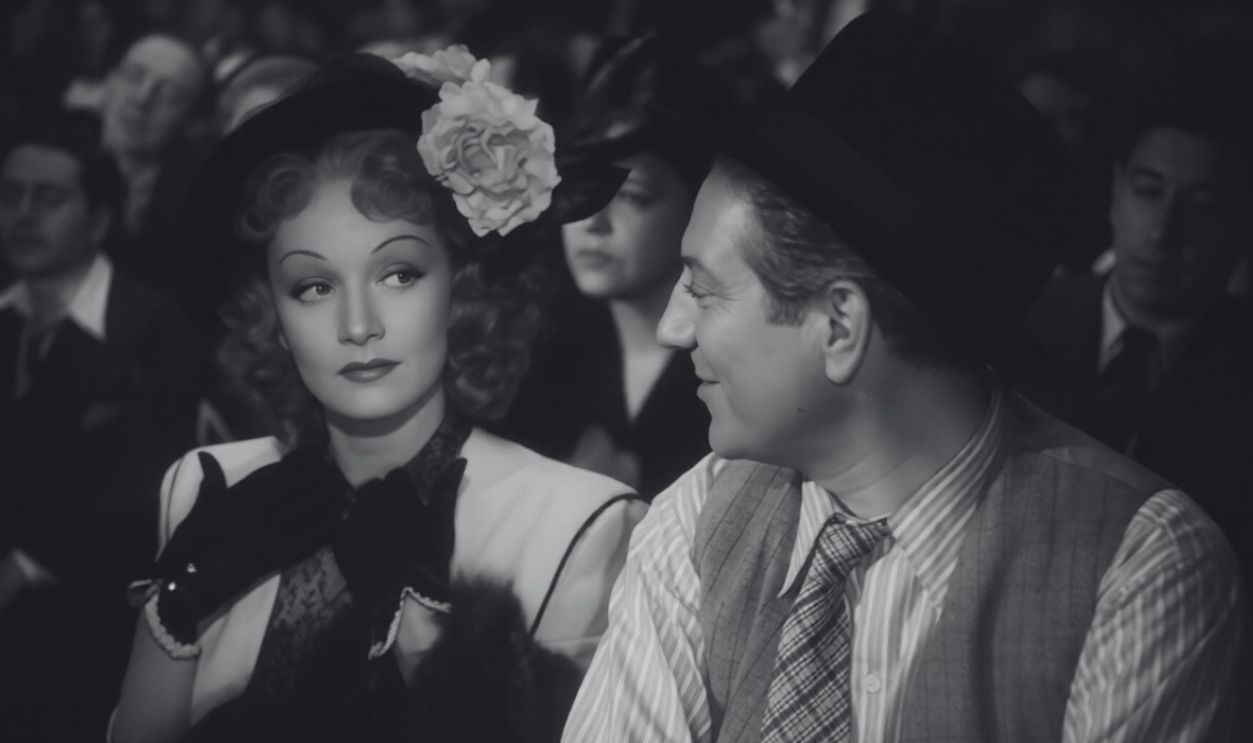 Screenshot from Martin Roumagnac, Gaumont Distribution (1946), Enhanced
Germany Had Not Forgiven Her
Dietrich increasingly concentrated on concert performances during the 1950s, but her wartime choices continued to provoke controversy. When she toured West Germany in 1960, some demonstrators denounced her as a traitor and protested her appearances. Others welcomed her enthusiastically. The divided reaction revealed how difficult it remained for Germans to confront the legacy of their recent past and those who had opposed it.
 für die Datei Arths-at, Wikimedia Commons
Her Courage Became Her Legacy
Dietrich's final decades were spent largely away from public life. She died in Paris on May 6, 1992, aged 90, and was buried in Berlin. Her reputation in Germany eventually underwent a profound reassessment. Today, she is remembered not merely as a Hollywood legend, but as a German-born American who rejected the Third Reich and risked her safety to support the soldiers fighting it.
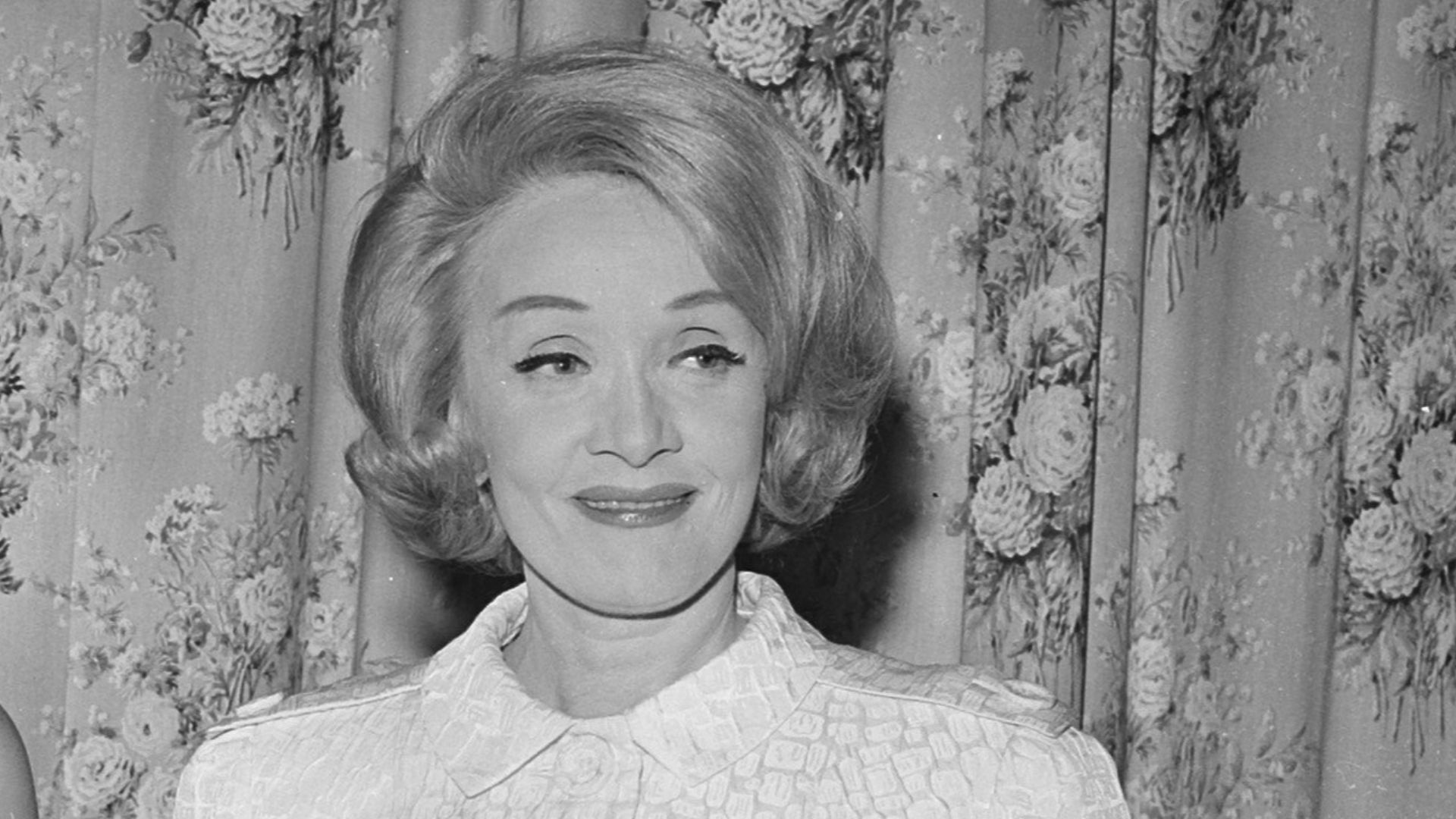 Eric Koch for Anefo, Wikimedia Commons
You May Also Like: