A Face the Killers Recognized
In November 1977, Peter Lorre’s 24-year-old daughter, Catharine, was stopped by two men near Hollywood Boulevard—men later exposed as the Hillside Stranglers. Rather than brutally take her life like they had already done to many other woman, the Hillside Stranglers let Catharine go...and it may have had something to do with Daddy dearest.
Hollywood’s Most Unforgettable Villain
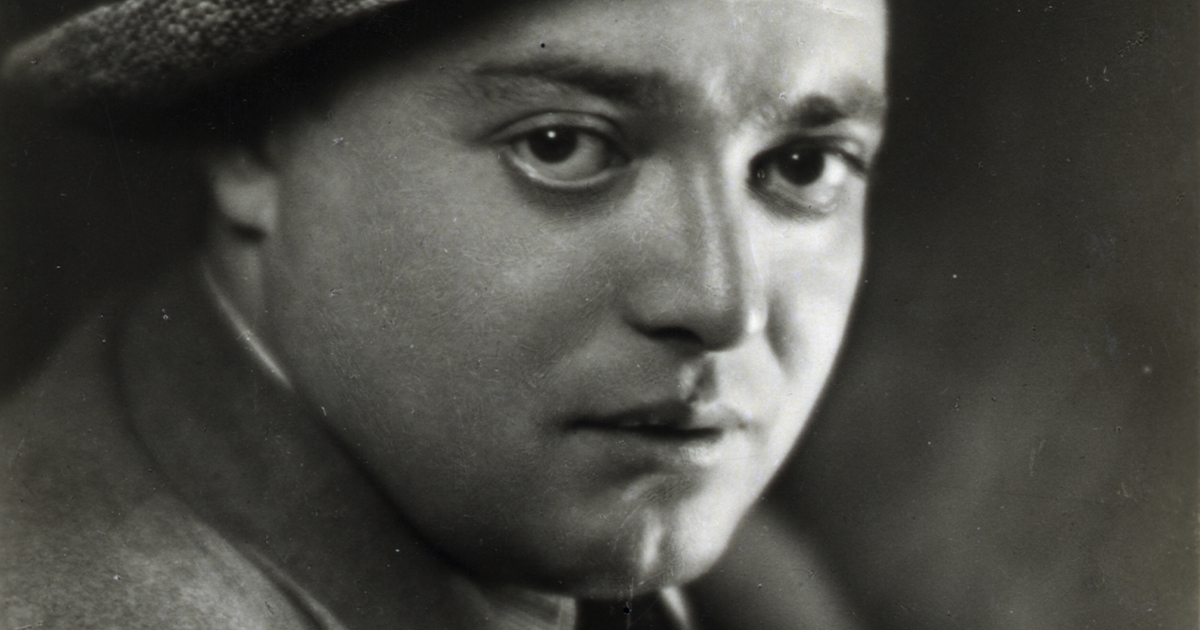
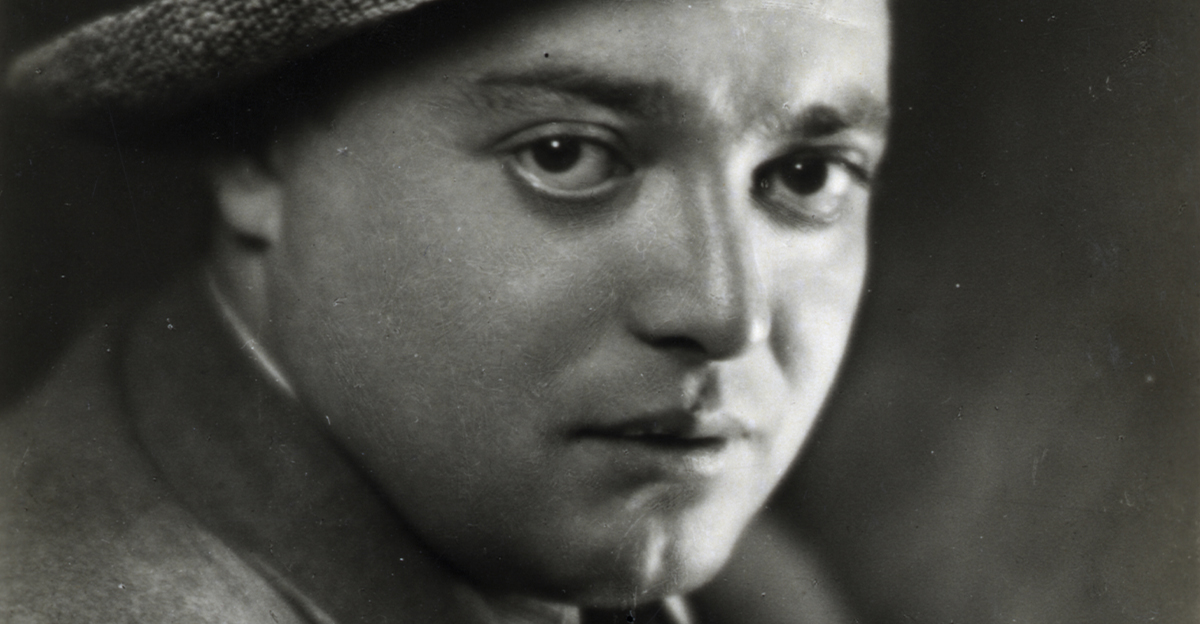
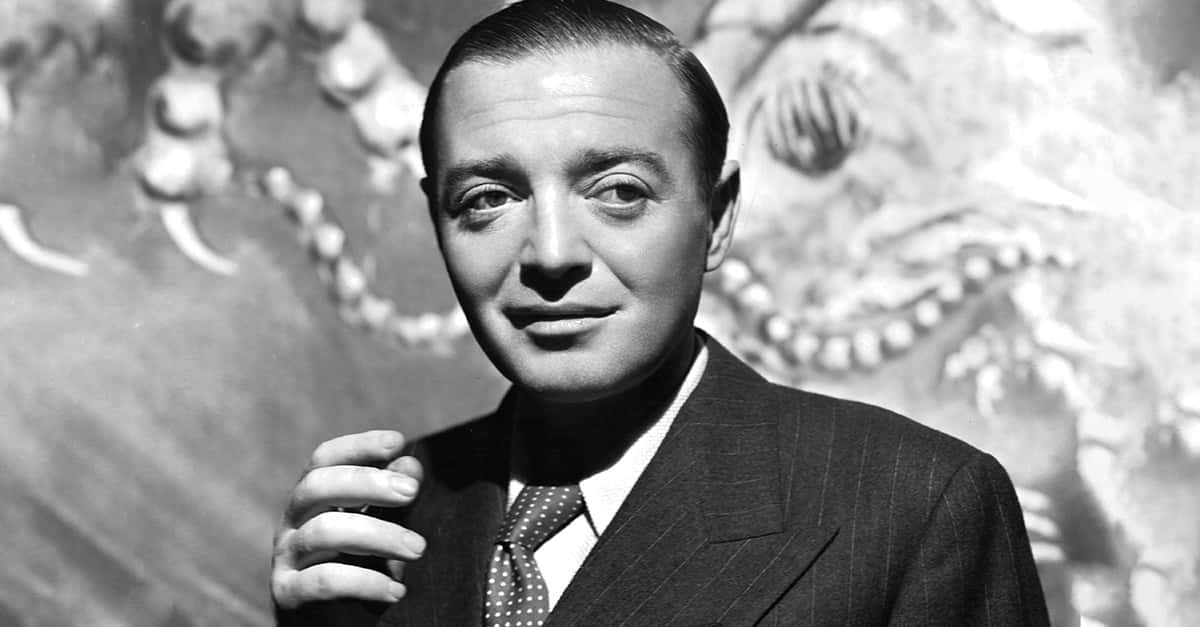
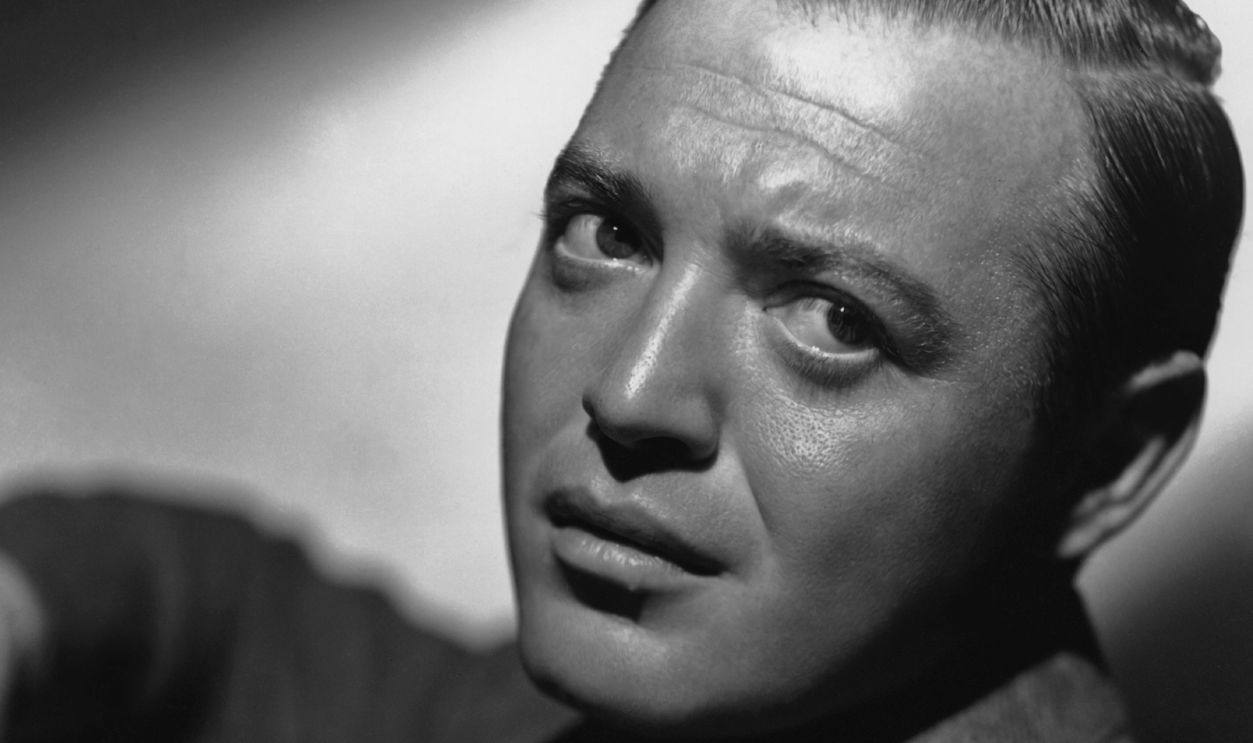
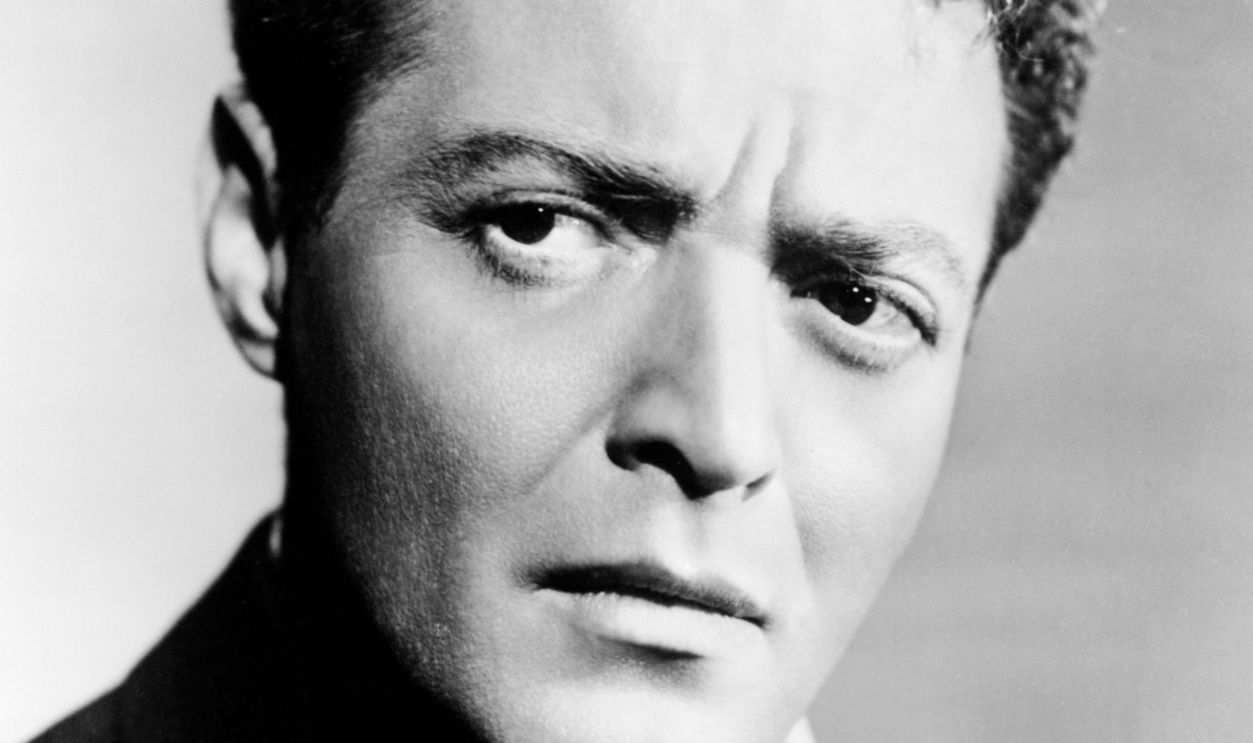
Born László Löwenstein on June 26, 1904, Peter Lorre built his career by making audiences uneasy. His soft voice, expressive eyes, and unpredictable manner could suggest vulnerability one moment and menace the next.
The Performance That Haunted Him
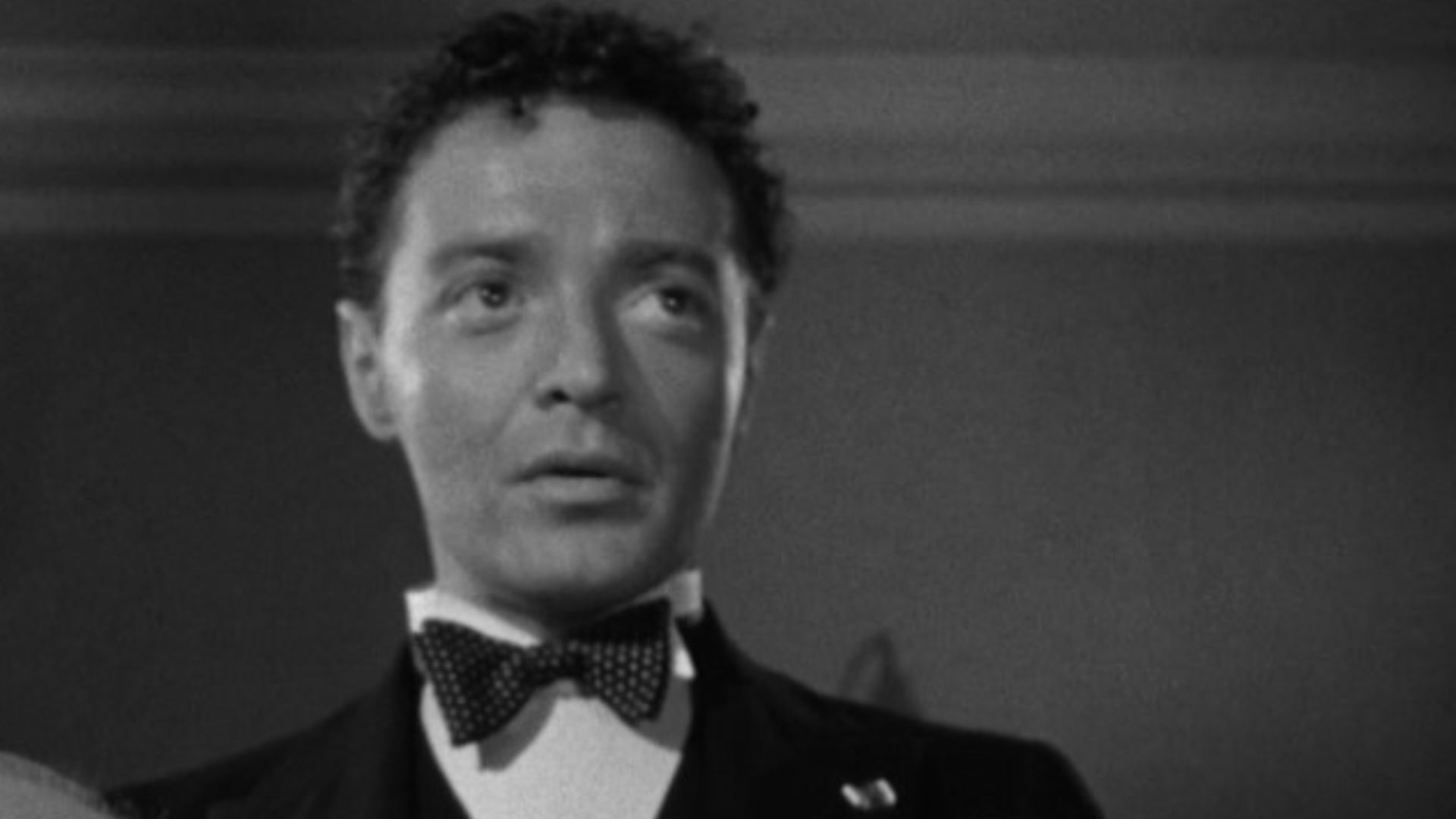
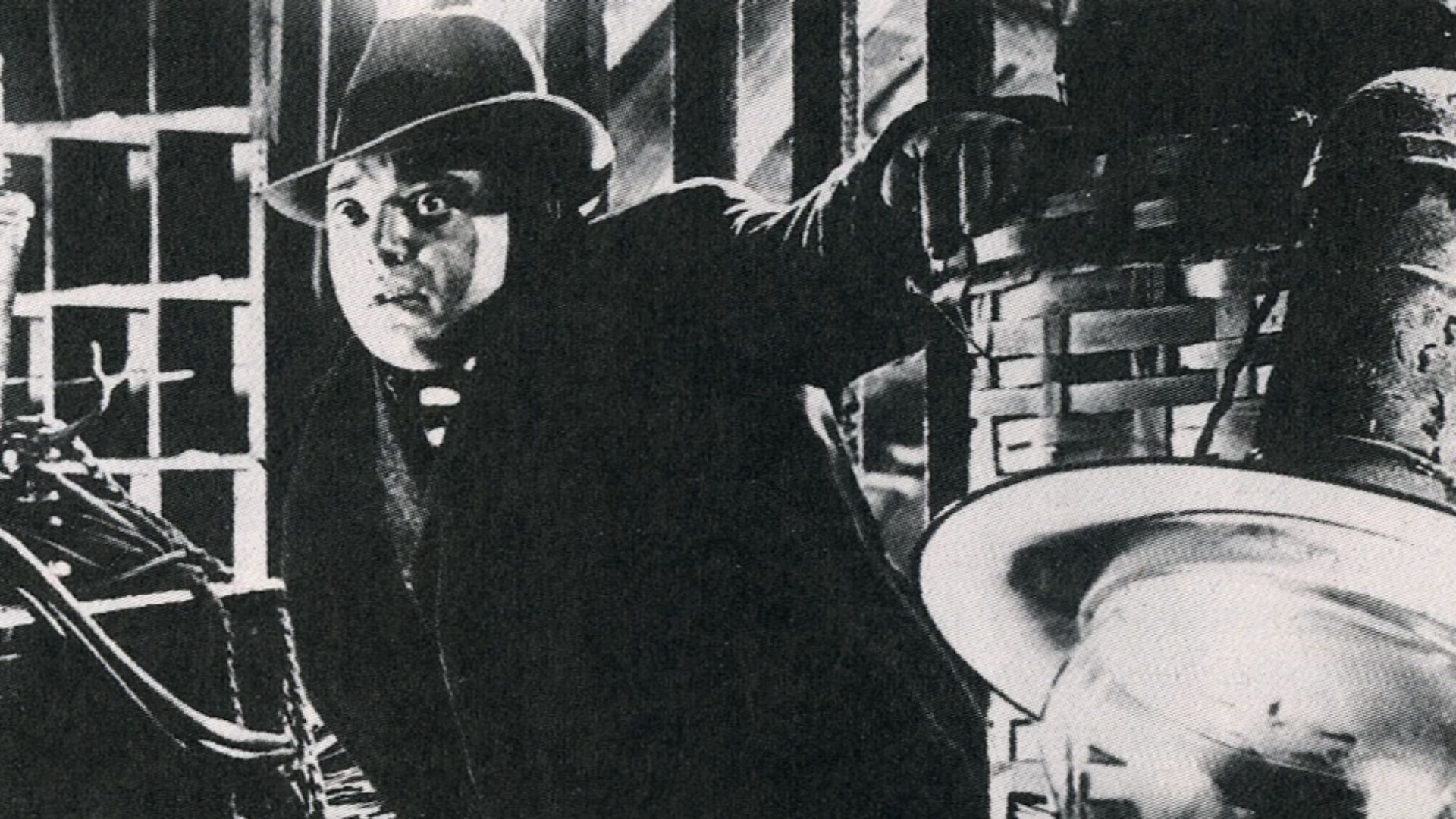
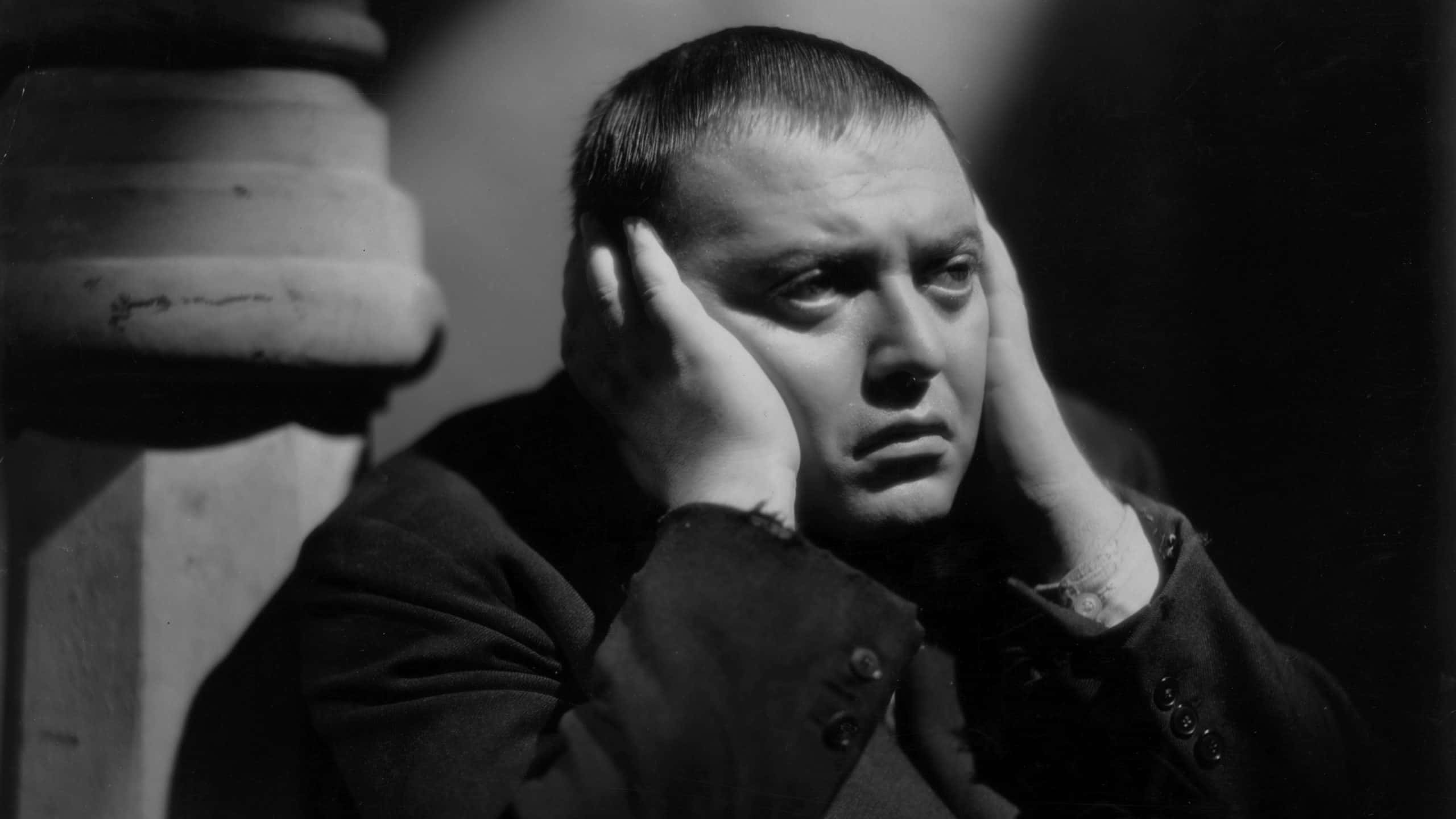
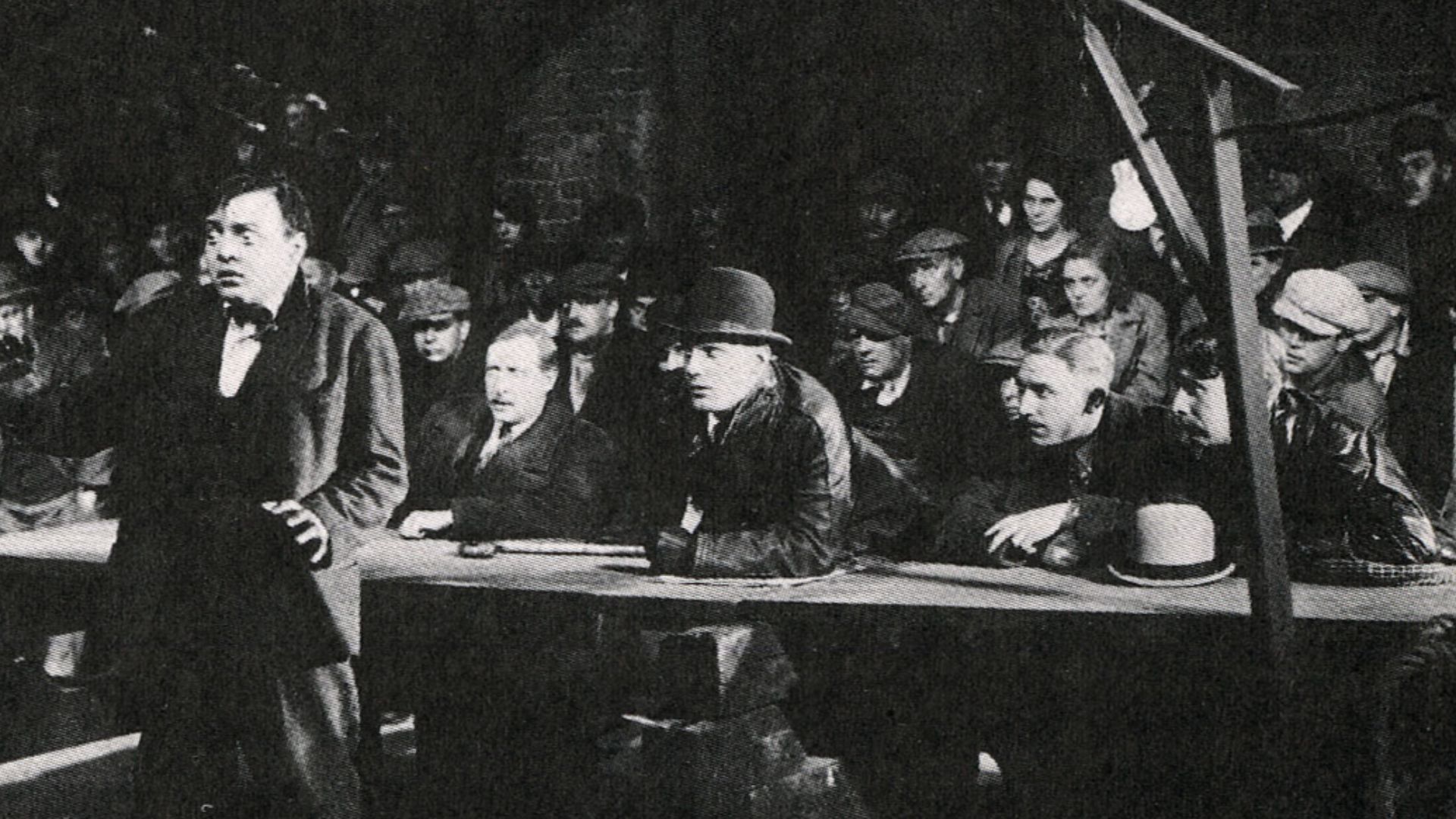
Lorre’s breakthrough came in Fritz Lang’s M, released in Germany in 1931. He played Hans Beckert, a child murderer hunted by both police and criminals, delivering a performance the British Film Institute calls “searing” and “animalistic.”
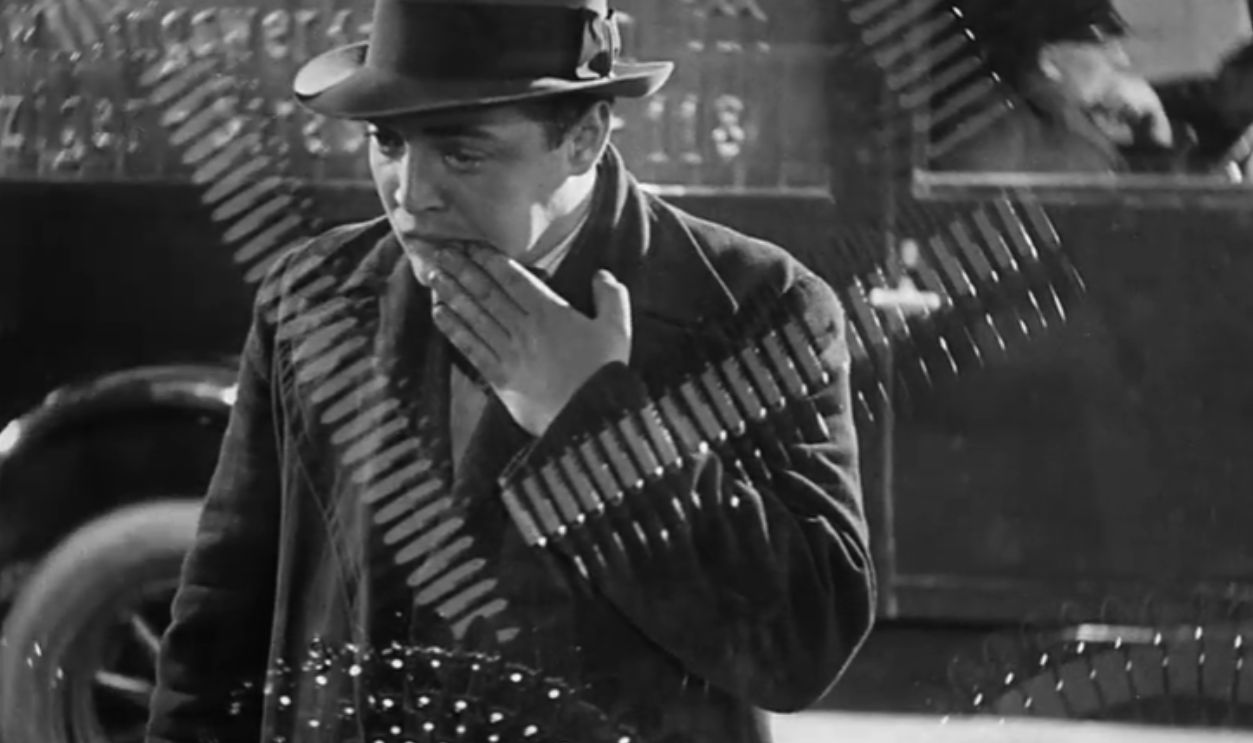 Screenshot from M, Nero-Film AG (1931)
A Star Trapped Inside a Shadow
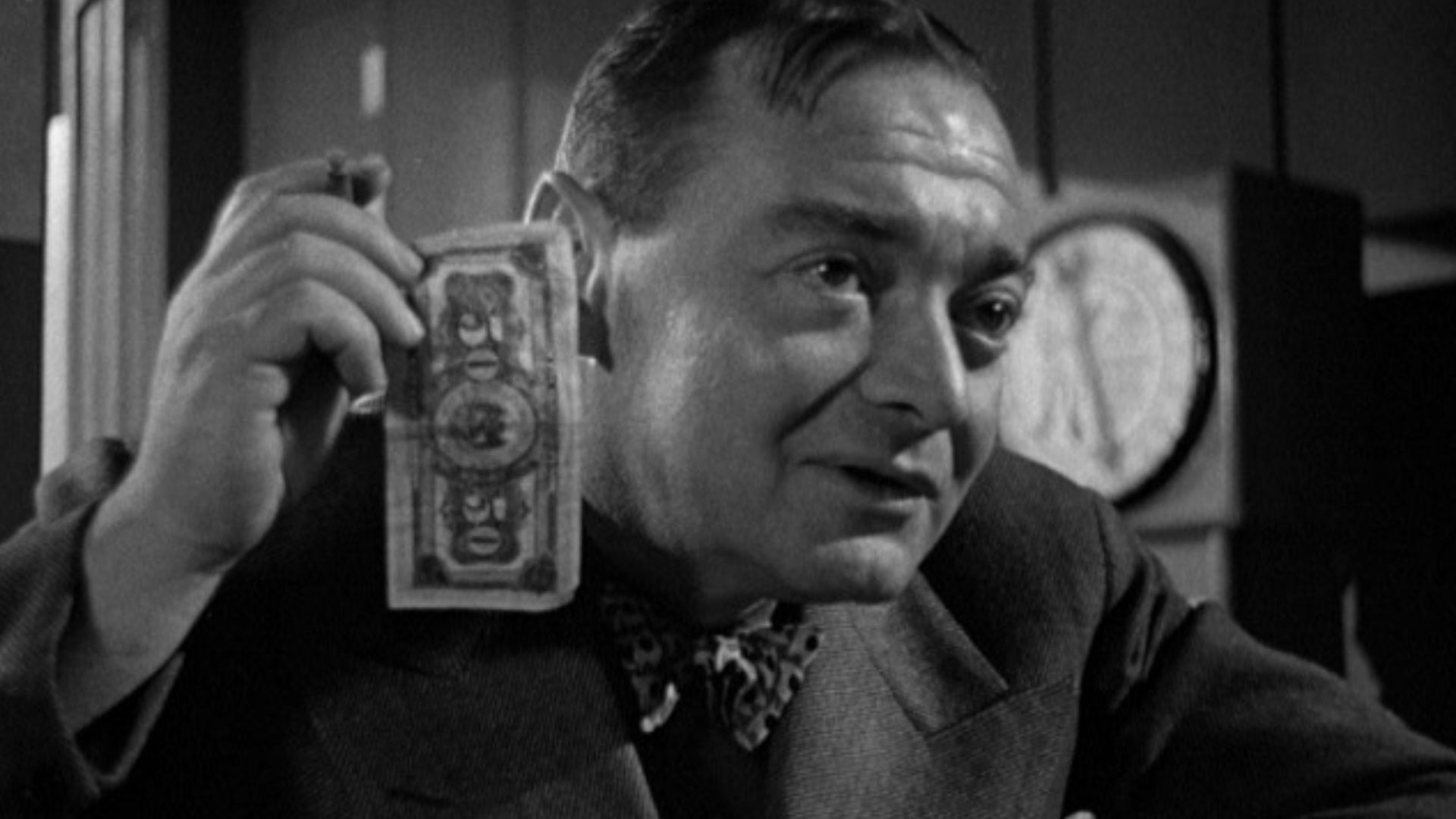
The role made Lorre internationally famous, but it also encouraged filmmakers to keep casting him as dangerous outsiders. Hollywood audiences later recognized him from The Maltese Falcon in 1941 and Casablanca in 1942.
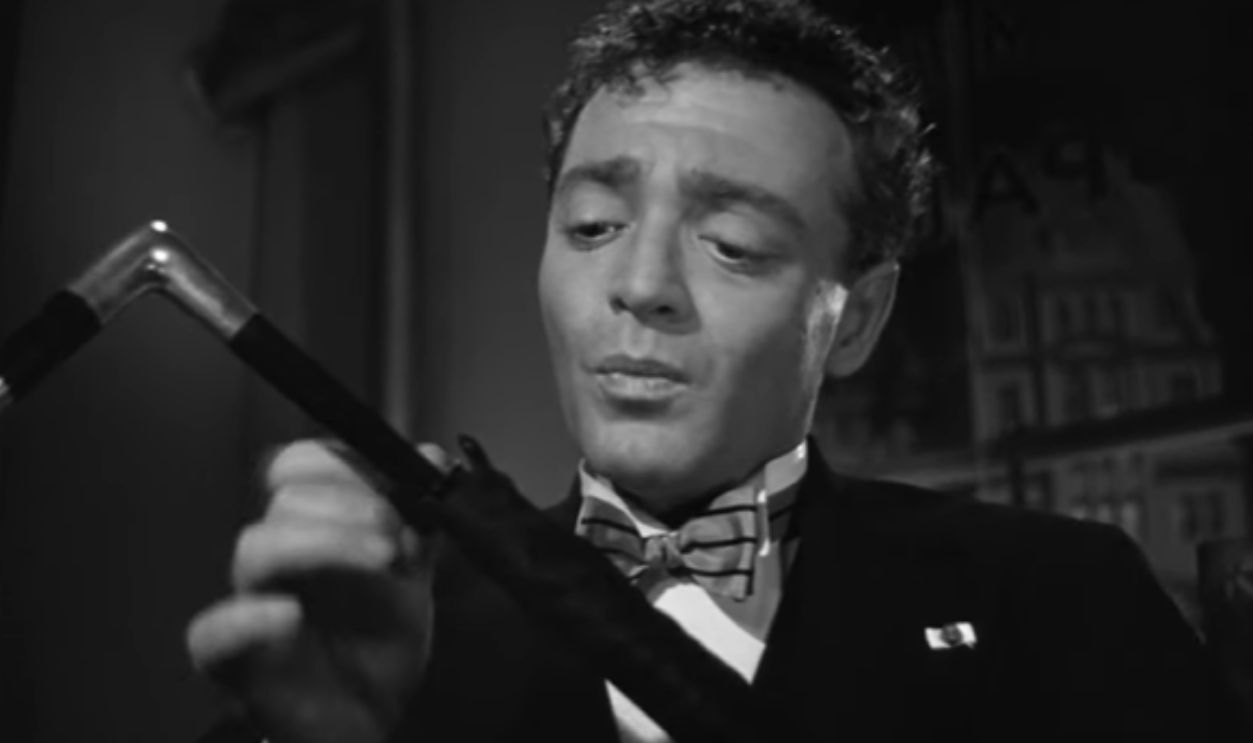 Screenshot from The Maltese Falcon, Warner Bros. (1941)
More Than the Monsters He Played
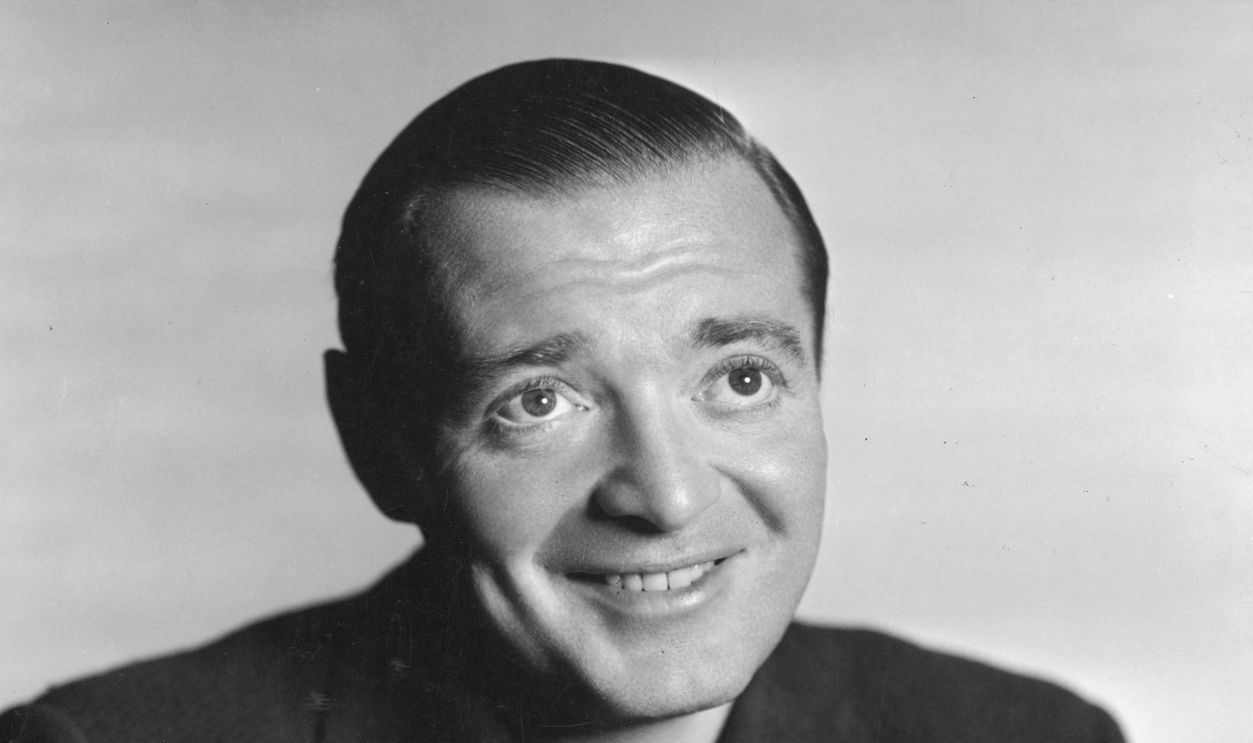
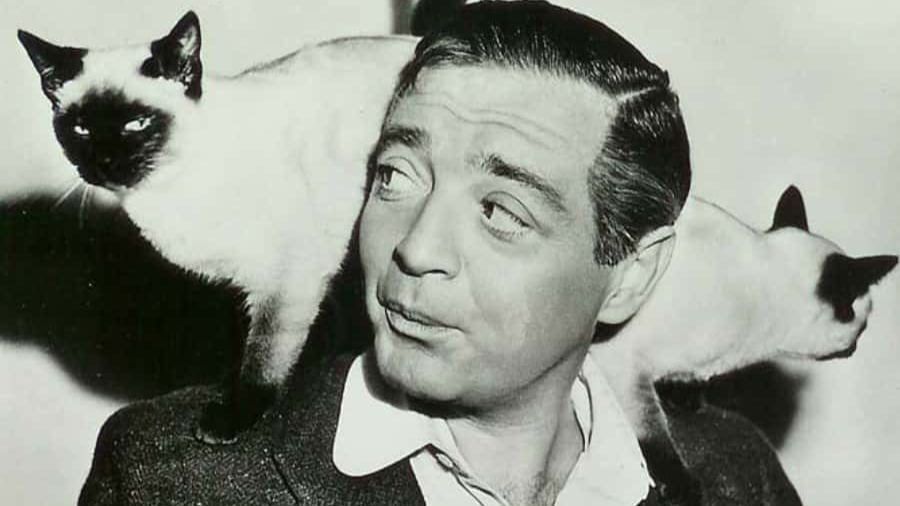
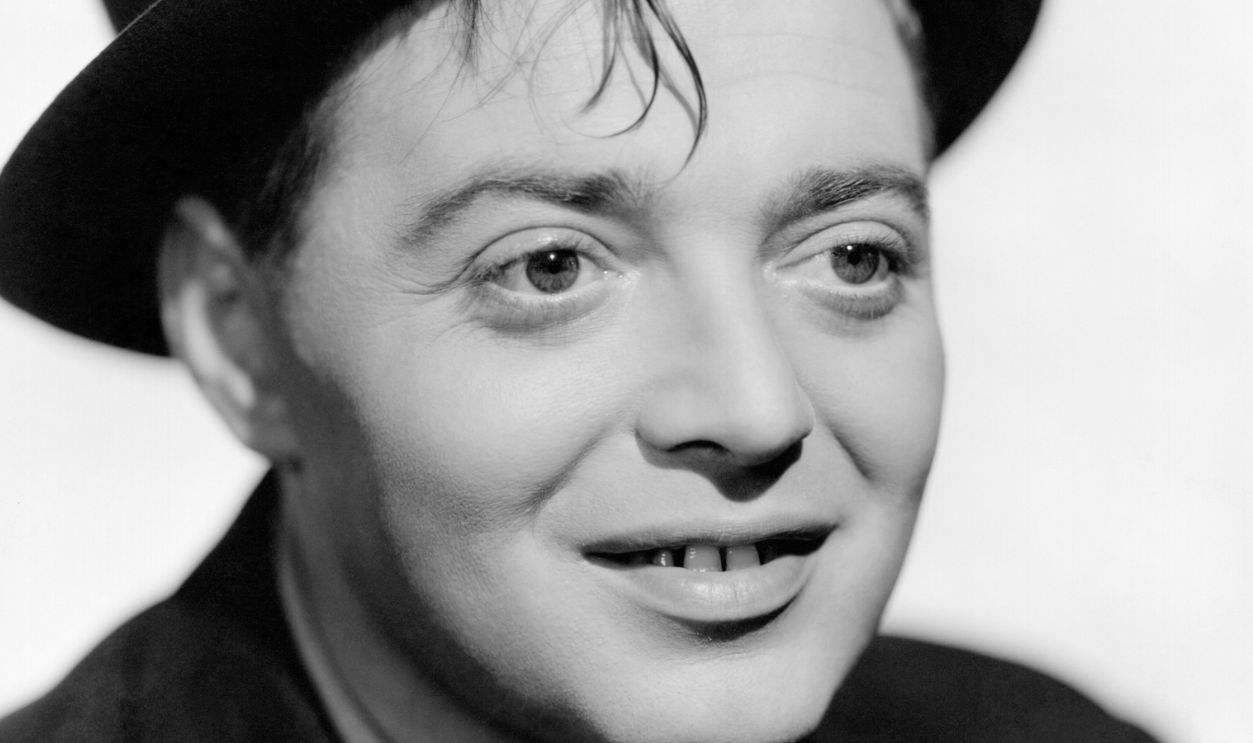
Lorre was capable of comedy, tenderness, and remarkable emotional complexity, yet his public image remained inseparable from sinister characters. He appeared in 79 films, but the murderer from M continued following him through popular culture.
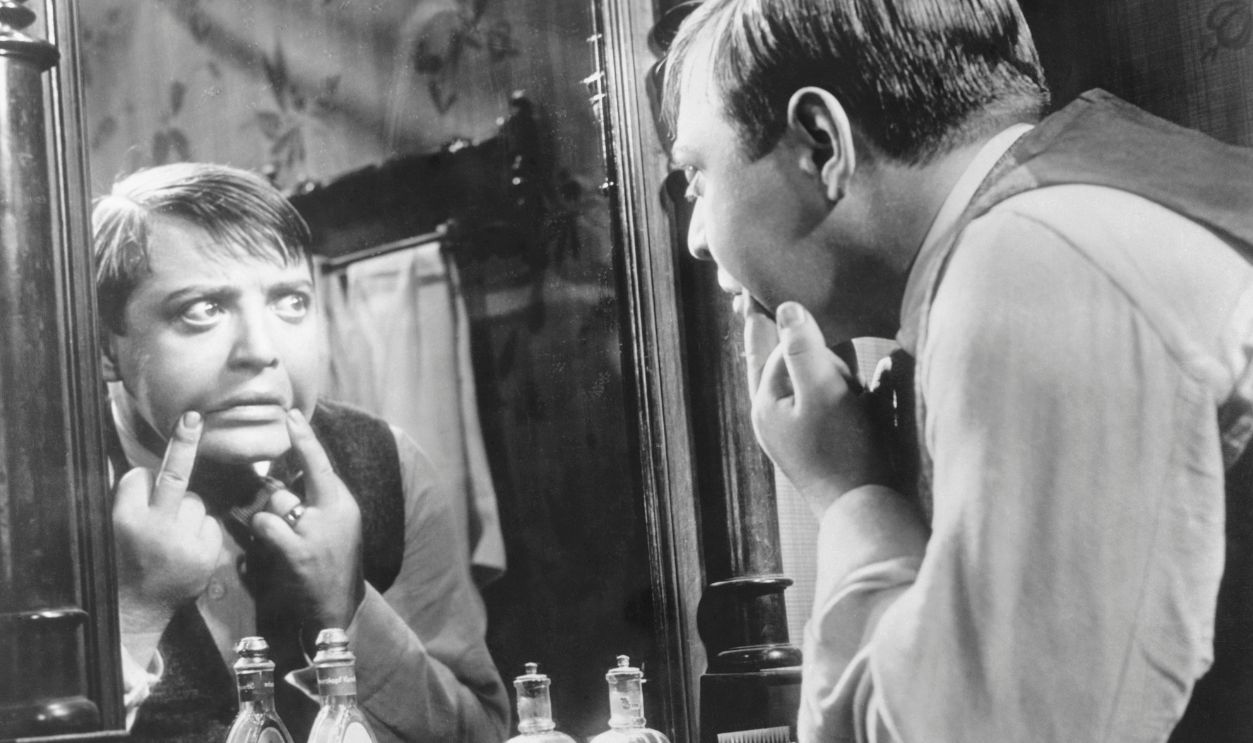 John Springer Collection, Getty Images
His Only Child Entered the Story
In 1953, Lorre and Annemarie Brenning welcomed Catharine, his only child. She inherited a surname that strangers immediately connected with classic Hollywood—and with the unforgettable face of one of cinema’s most famous fictional killers.
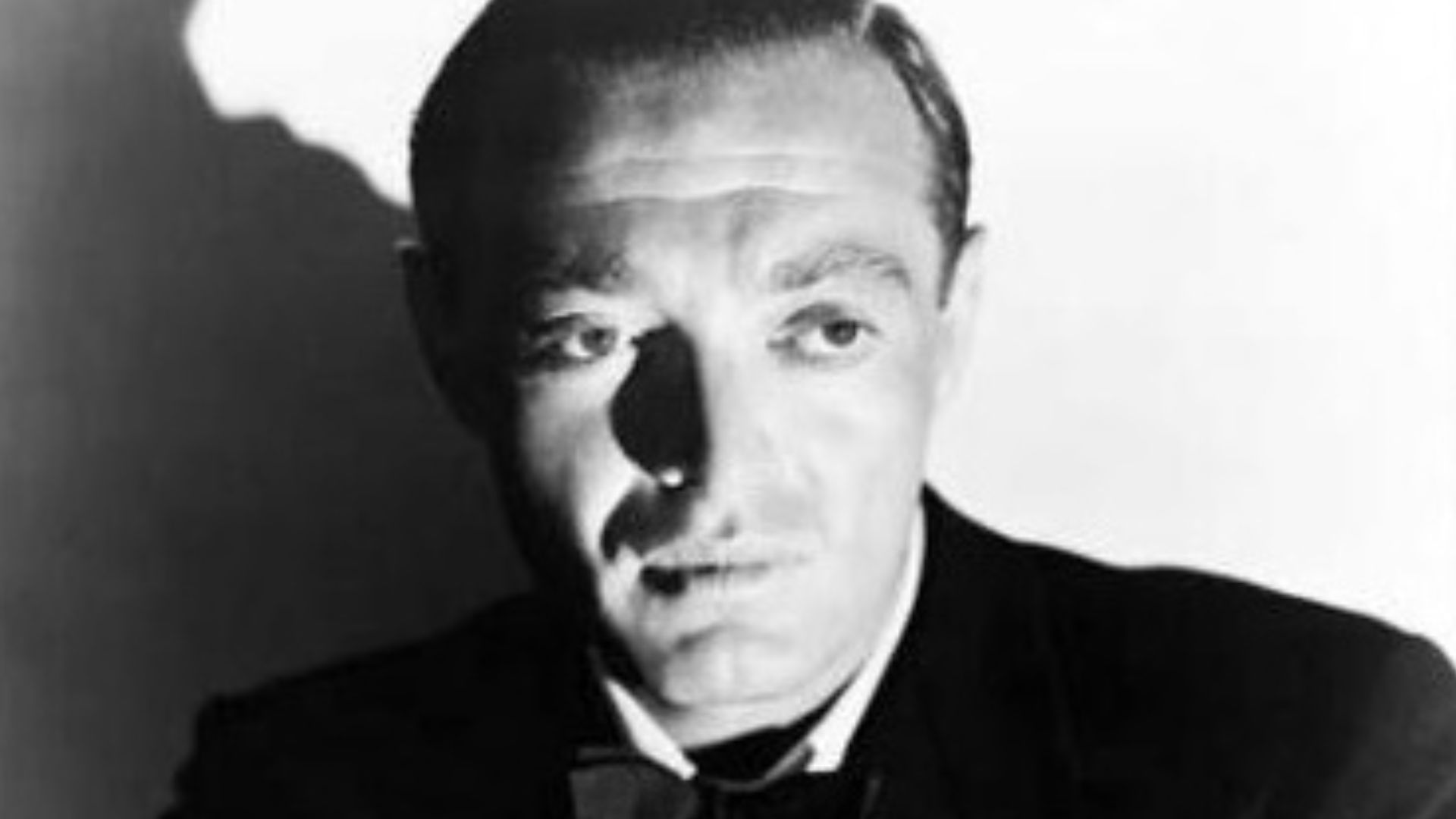 Unknown authorUnknown author, Wikimedia Commons
Peter Was Gone Before the Nightmare
Peter Lorre died from a stroke at his Los Angeles home on March 23, 1964. He was 59, and Catharine was approximately 10 years old when the father whose image would later protect her disappeared from her life.
 my own screen capture, Wikimedia Commons
Los Angeles Had a New Monster
By October 1977, young women were being found unalived on hillsides around Los Angeles. Because investigators initially believed one person was responsible, newspapers gave the unknown killer a singular and chilling name: the Hillside Strangler.
 John Springer Collection, Getty Images
The Killer Was Actually Two Men
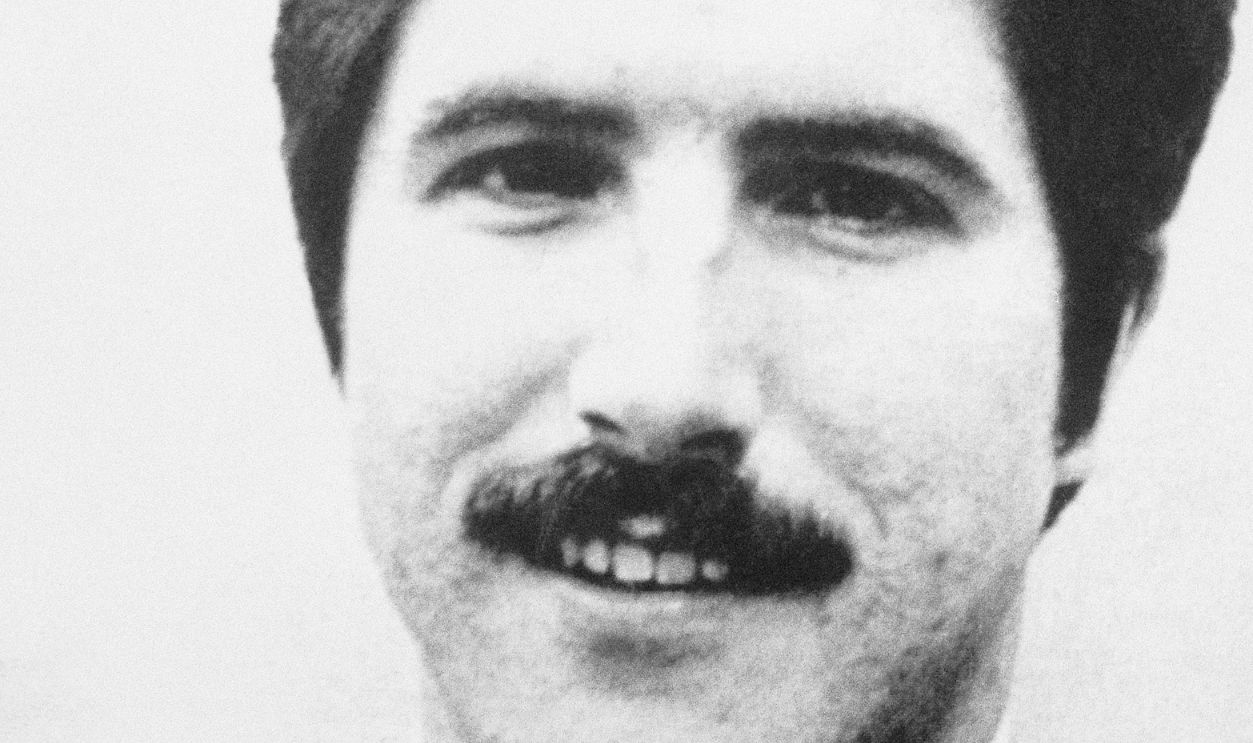
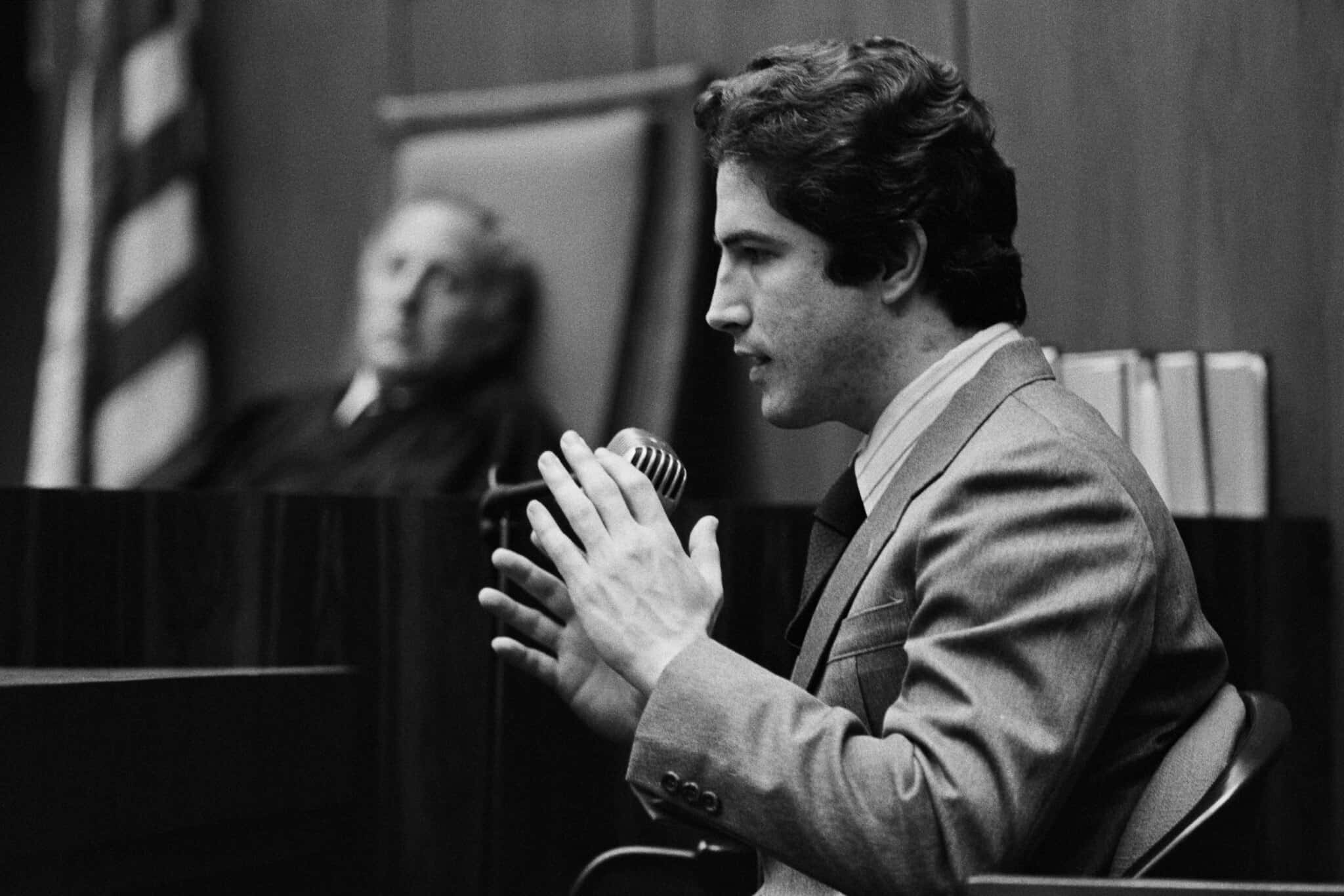
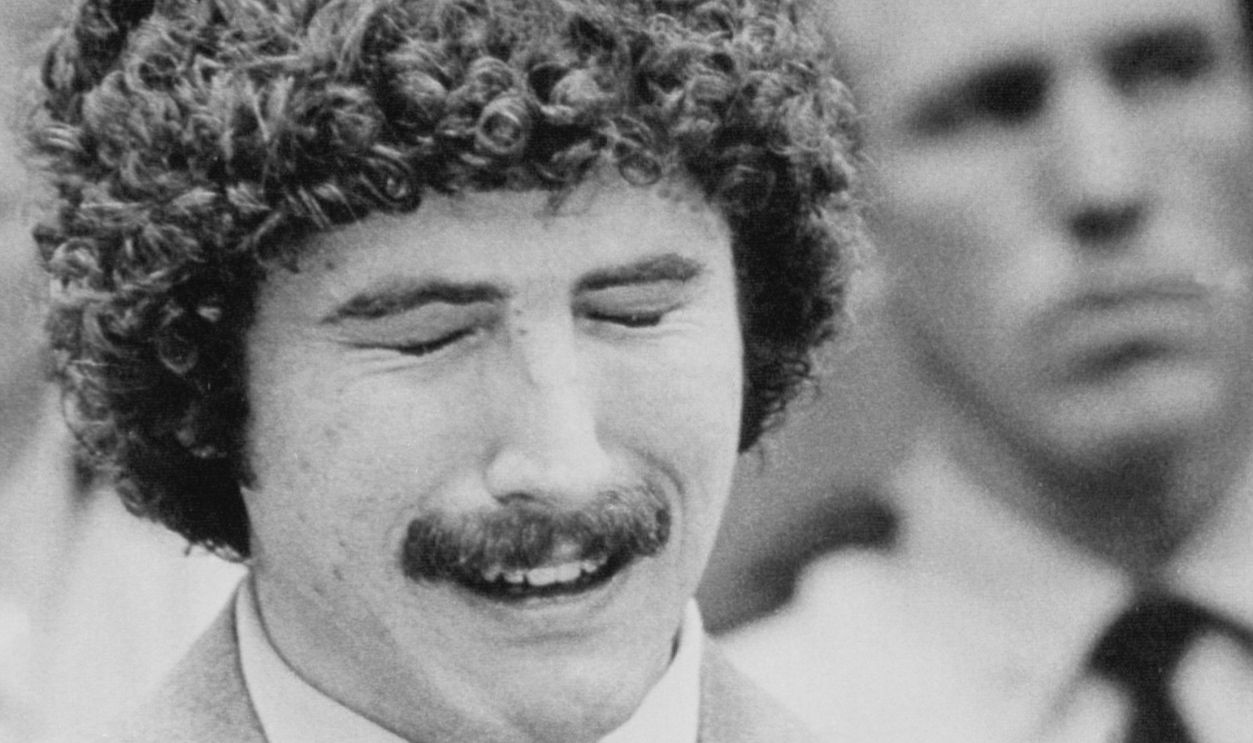
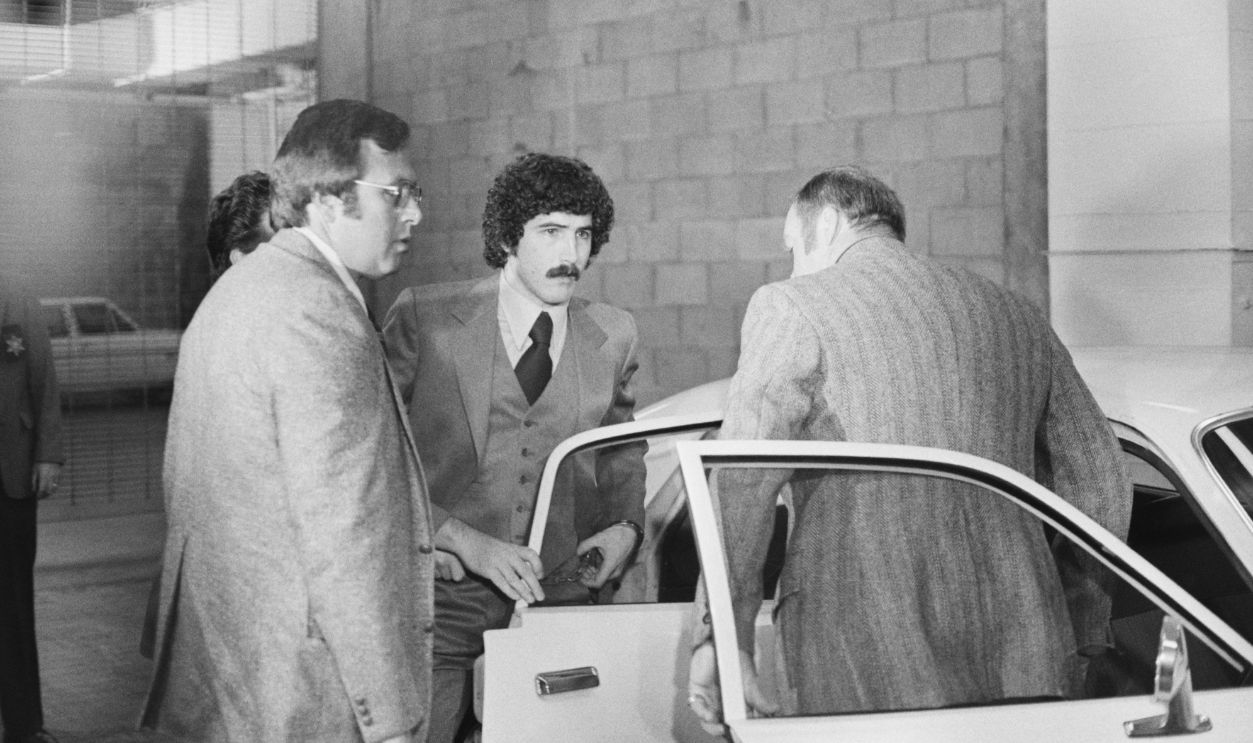
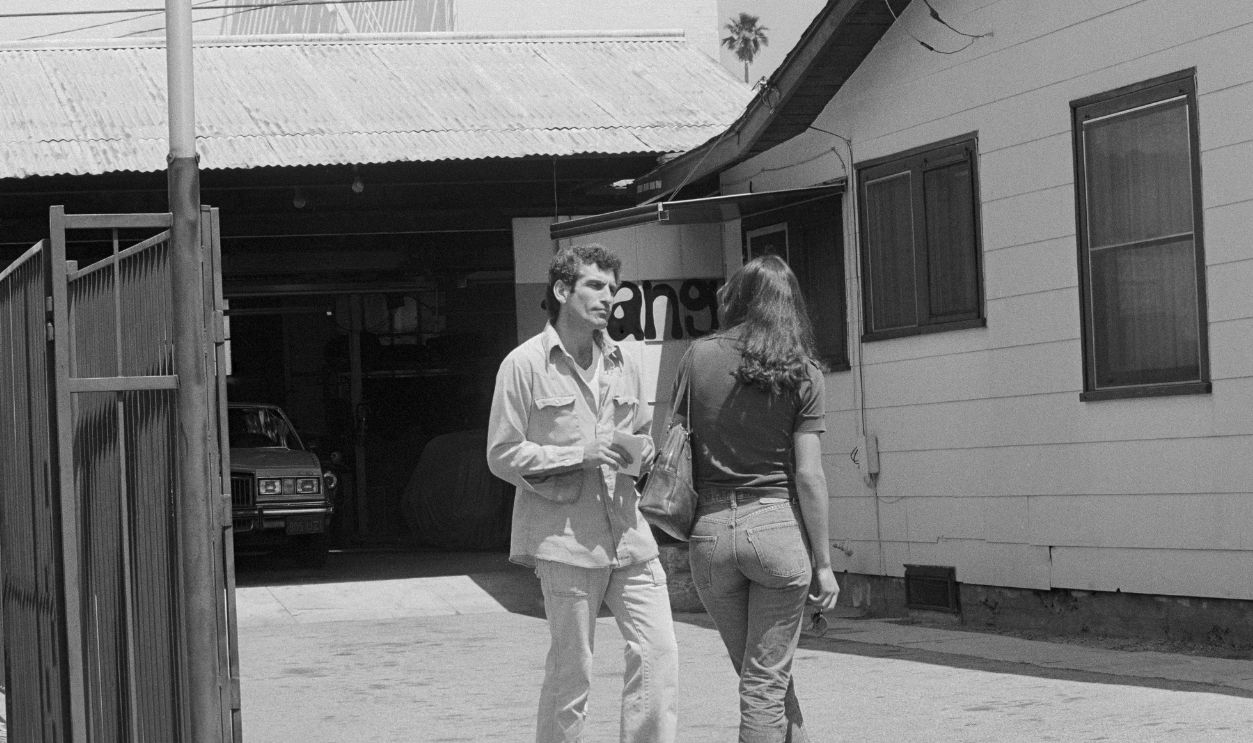
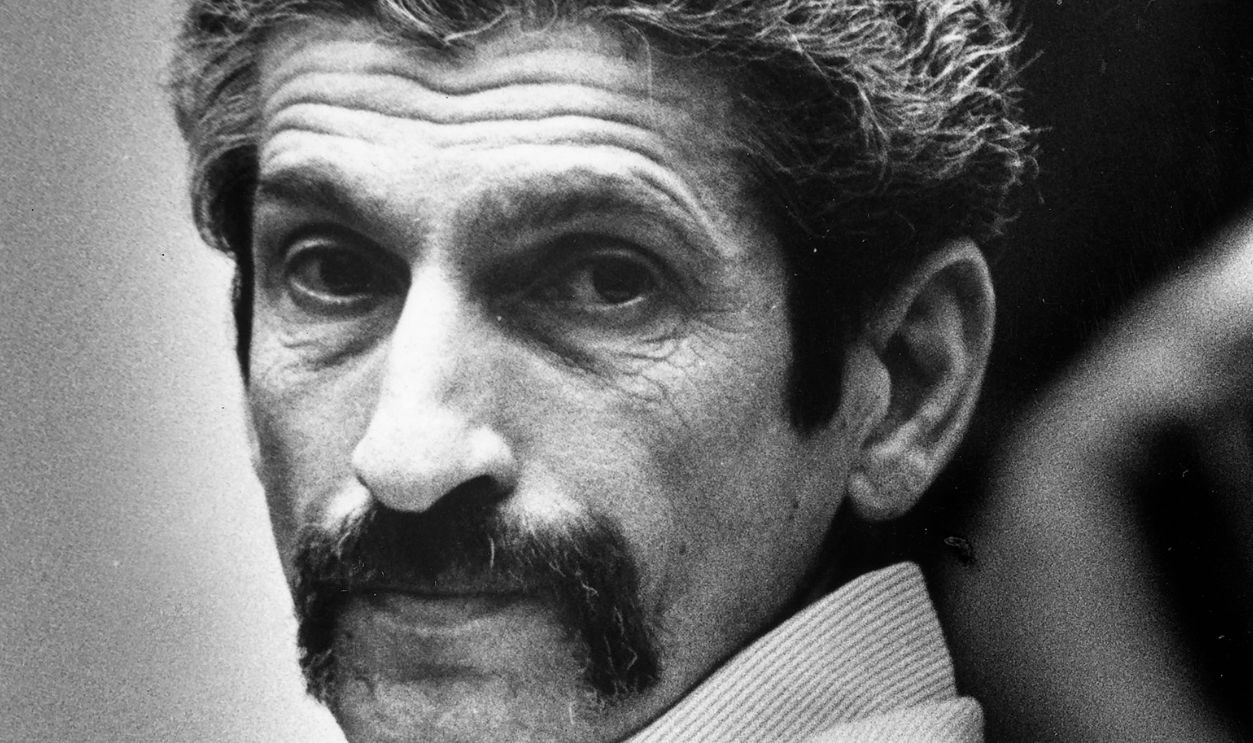
The slayings were committed by cousins Kenneth Bianchi and Angelo Buono Jr. Bianchi was 26 when the spree began, while Buono, an auto upholsterer operating from his Glendale property, was 43.
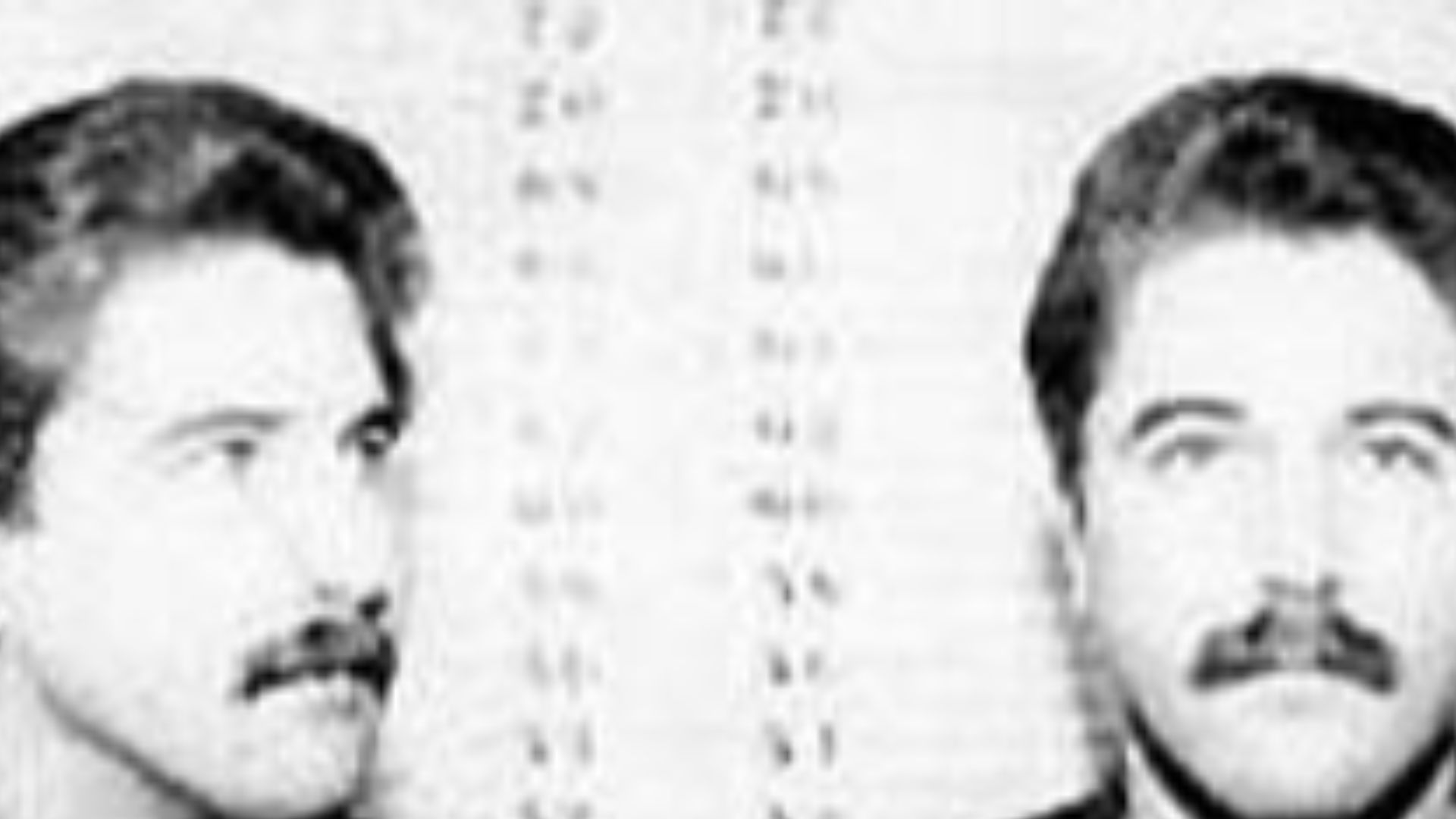 Los Angeles Sheriff's Department, Wikimedia Commons
They Knew How to Look Trustworthy
The cousins reportedly approached some victims while pretending to be undercover officers. A badge, an authoritative manner, and an ordinary-looking car allowed them to turn apparent encounters with law enforcement into abductions.
Five Lives Taken in Weeks
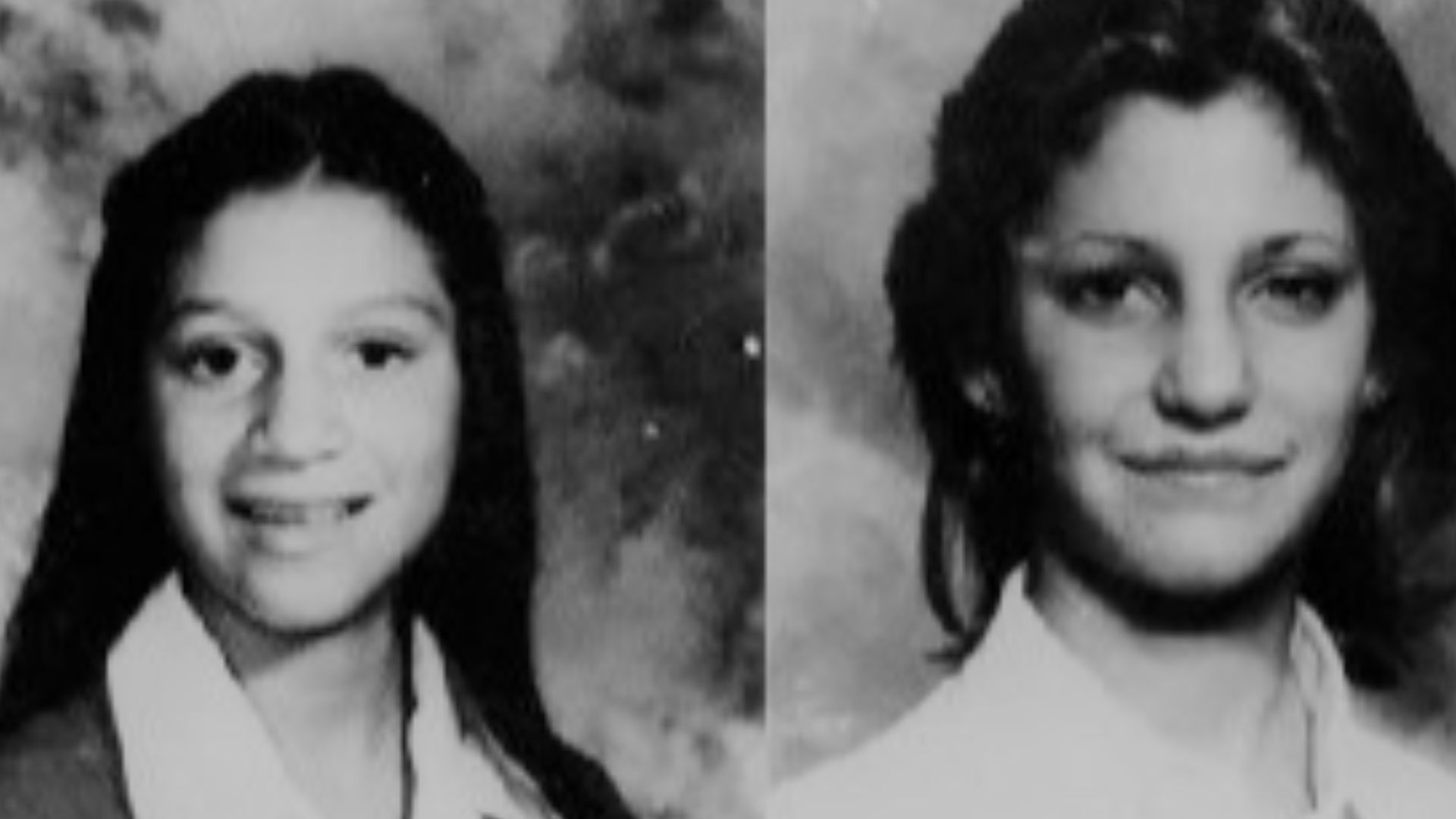
Yolanda Washington, 19; Judith Miller, 15; Lissa Kastin, 21; Dolores Cepeda, 12; and Sonja Johnson, 14, were among the first victims. Their bodies were discovered between October and November 1977.
 School photographer, 1977., Wikimedia Commons
Five More Names That Matter
The other Los Angeles victims were Kristina Weckler, 20; Jane King, 28; Lauren Wagner, 18; Kimberly Martin, 17; and Cindy Hudspeth, 20. The killings continued until February 1978, leaving 10 confirmed victims.
A Night Near Hollywood Boulevard
During the spree, Bianchi and Buono stopped Catharine near the former Max Factor building, just off Hollywood Boulevard. The encounter occurred one evening in November 1977, although surviving accounts do not provide a confirmed day.
They Were Looking Through Her Wallet
Later accounts describe the men examining Catharine’s identification and discovering photographs she carried. Whatever they had originally intended, the encounter changed once they understood that the young woman in front of them was Peter Lorre’s daughter.
Two Photographs Changed Everything
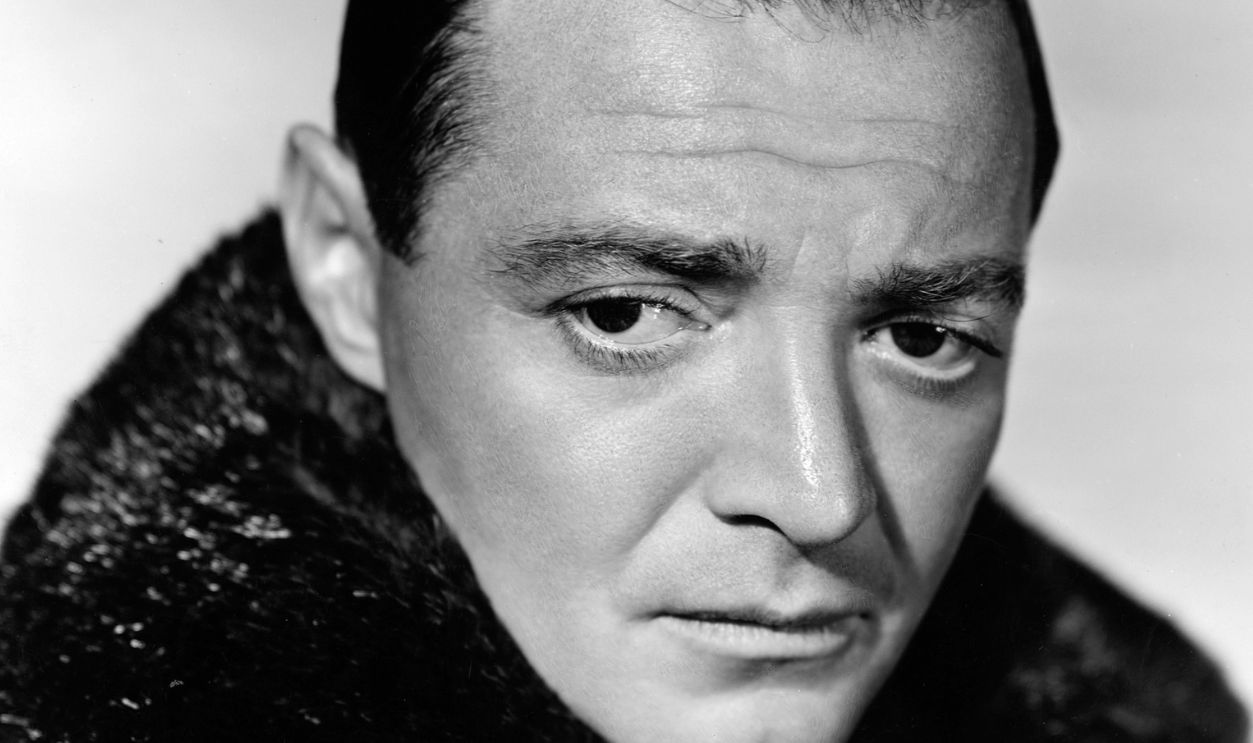
“I had two photographs depicting my father and myself together,” Catharine later testified. Those personal pictures provided something more convincing than a famous surname: visible proof that she genuinely belonged to Hollywood history.
 Silver Screen Collection, Getty Images
The Moment of Recognition
Catharine remembered one of the men reacting with surprise: “Hey, this really is Peter Lorre’s kid!” Shortly afterward, she was released—walking away without yet understanding who the men were or what apparently had nearly happened.
 film screenshot (United Artists), Wikimedia Commons
She Had Not Felt the Danger
Accounts published after the killers were identified say Catharine remembered the encounter as casual and almost friendly. She reportedly did not recognize the men—or realize that she might have narrowly escaped a brutal demise—until their photographs became public.
The Most Famous Theory
The most repeated explanation is that Bianchi and Buono admired Peter Lorre’s films and spared Catharine because of him. Some retellings specifically claim they were fascinated by his performance as the murderer in M.
 Unknown authorUnknown author, Wikimedia Commons
A Less Sentimental Explanation
Another theory is considerably colder: taking the life of a famous actor’s daughter would have produced overwhelming publicity and pressure with authorities. Under this interpretation, Catharine’s surname saved her because the killers considered her too conspicuous a target.
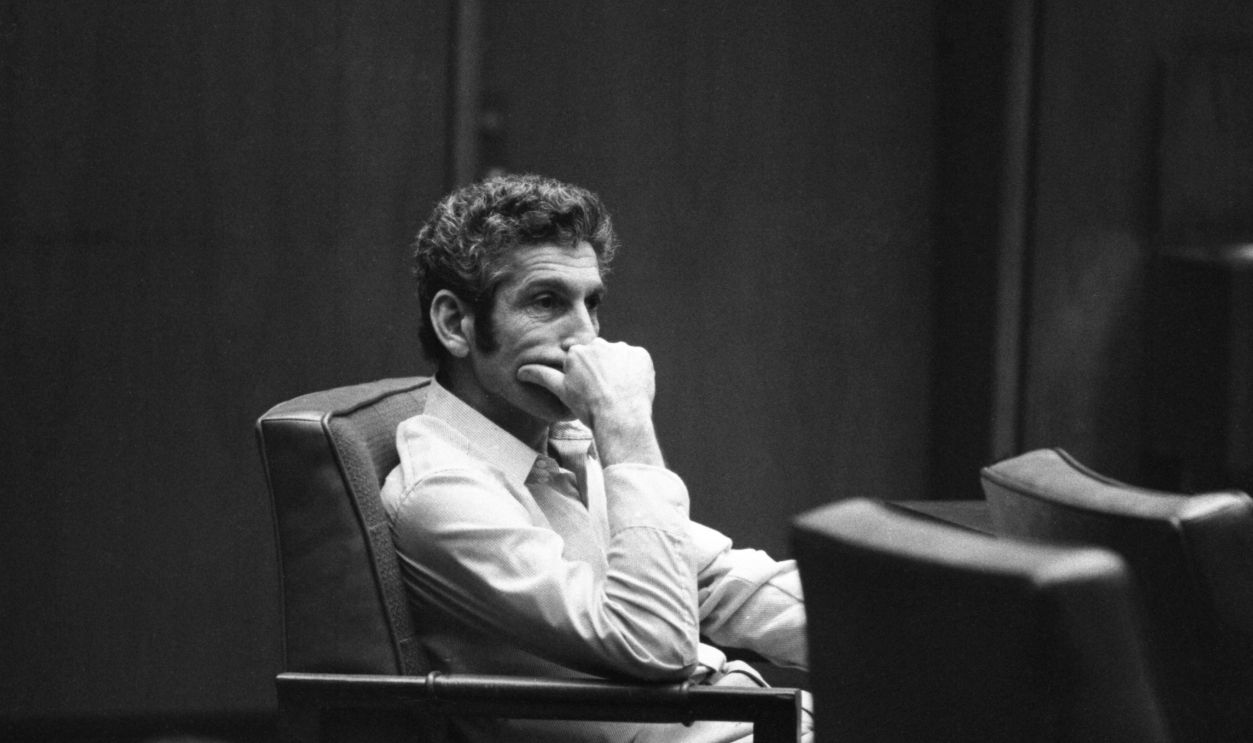
Admiration and Fear May Have Overlapped
The two theories are not mutually exclusive. Recognizing Lorre may have created a flicker of admiration, while the likelihood of an enormous investigation gave the cousins a practical reason to abandon whatever they were planning.
What the Evidence Actually Proves
Catharine’s testimony supports the location, the wallet photographs, the recognition of her father, and her release. Claims about exactly what the men intended—or precisely why they changed course—depend heavily on later accounts attributed to Bianchi.
Bianchi Was Not a Reliable Narrator
Bianchi repeatedly changed his descriptions of the slayings and admitted giving false testimony during parts of the legal proceedings. Even courts recognized that his shifting stories made him unusually vulnerable to attacks on his credibility.
 De Carvalho Collection, Getty Images
The Cruel Irony of M
The most haunting possibility remains that Lorre’s portrayal of a fictional serial murderer helped his real daughter survive two actual ones. A role that followed the actor for decades may have reached beyond his death in an astonishing way.
 Unknown authorUnknown author, Wikimedia Commons
The Investigation Finally Turned North
On January 12, 1979, Bianchi was apprehended in Bellingham, Washington, following the deaths of Karen Mandic, 22, and Diane Wilder, 27. Investigators soon connected him with the unsolved Los Angeles killings.
 Silver Screen Collection, Getty Images
Bianchi Turned on His Cousin
Facing the possibility of execution, Bianchi confessed to multiple murders and implicated Buono. His cooperation gave prosecutors their essential witness, but his lies, contradictions, and attempts to feign multiple personalities badly complicated the case.
Catharine Faced Them Again
Catharine later appeared as a prosecution witness during Buono’s extraordinarily long murder trial, which began in November 1981. This time, she was not an unsuspecting woman on a Hollywood street—she was helping establish what the men had done.
The Verdicts Finally Arrived
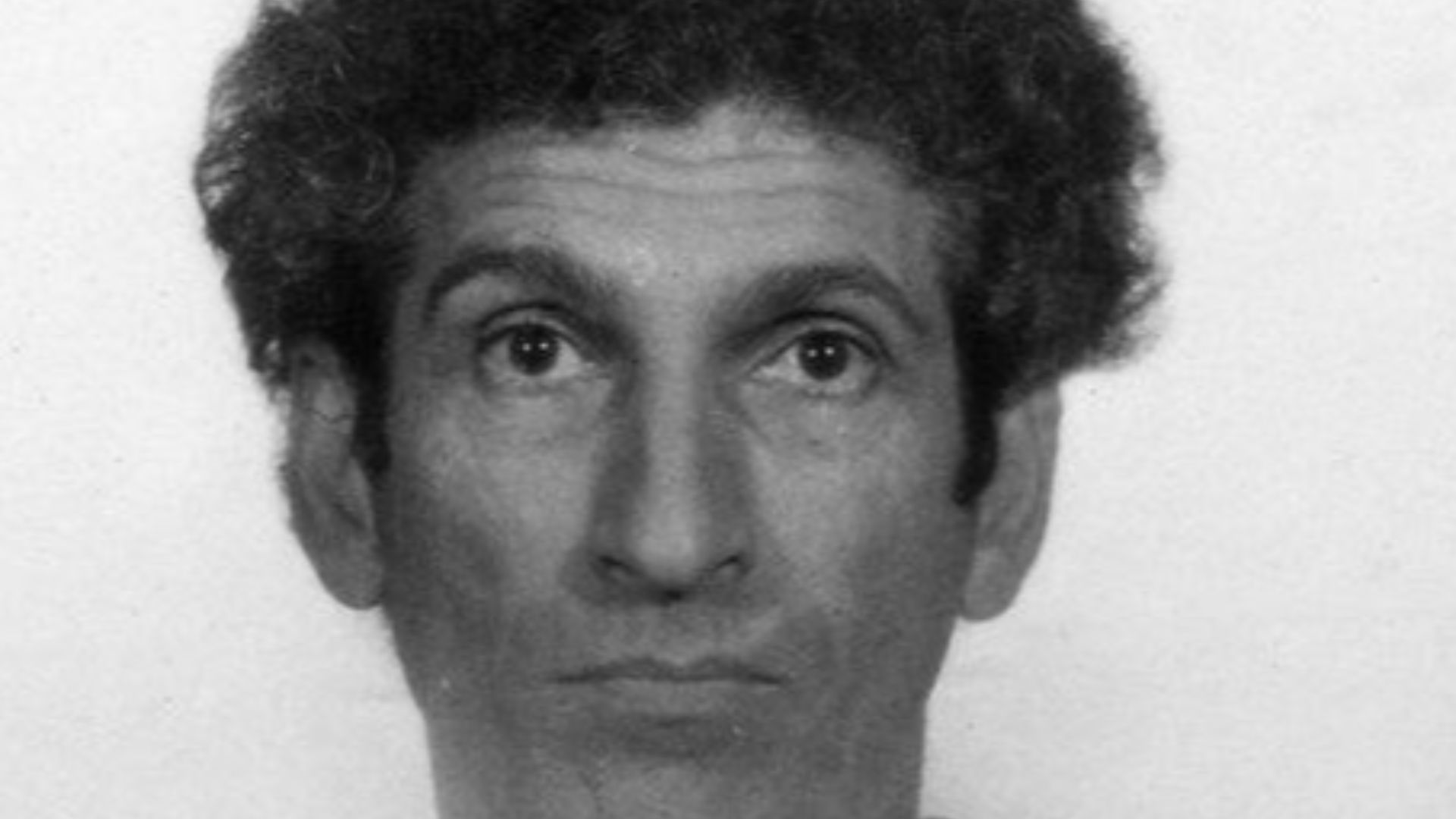
In November 1983, Buono was convicted of nine murders and sentenced to life without parole. Bianchi also received life sentences after pleading guilty in California and Washington and testifying against his cousin.
 Californian law enforcement, Wikimedia Commons
The Survivor Behind the Famous Name
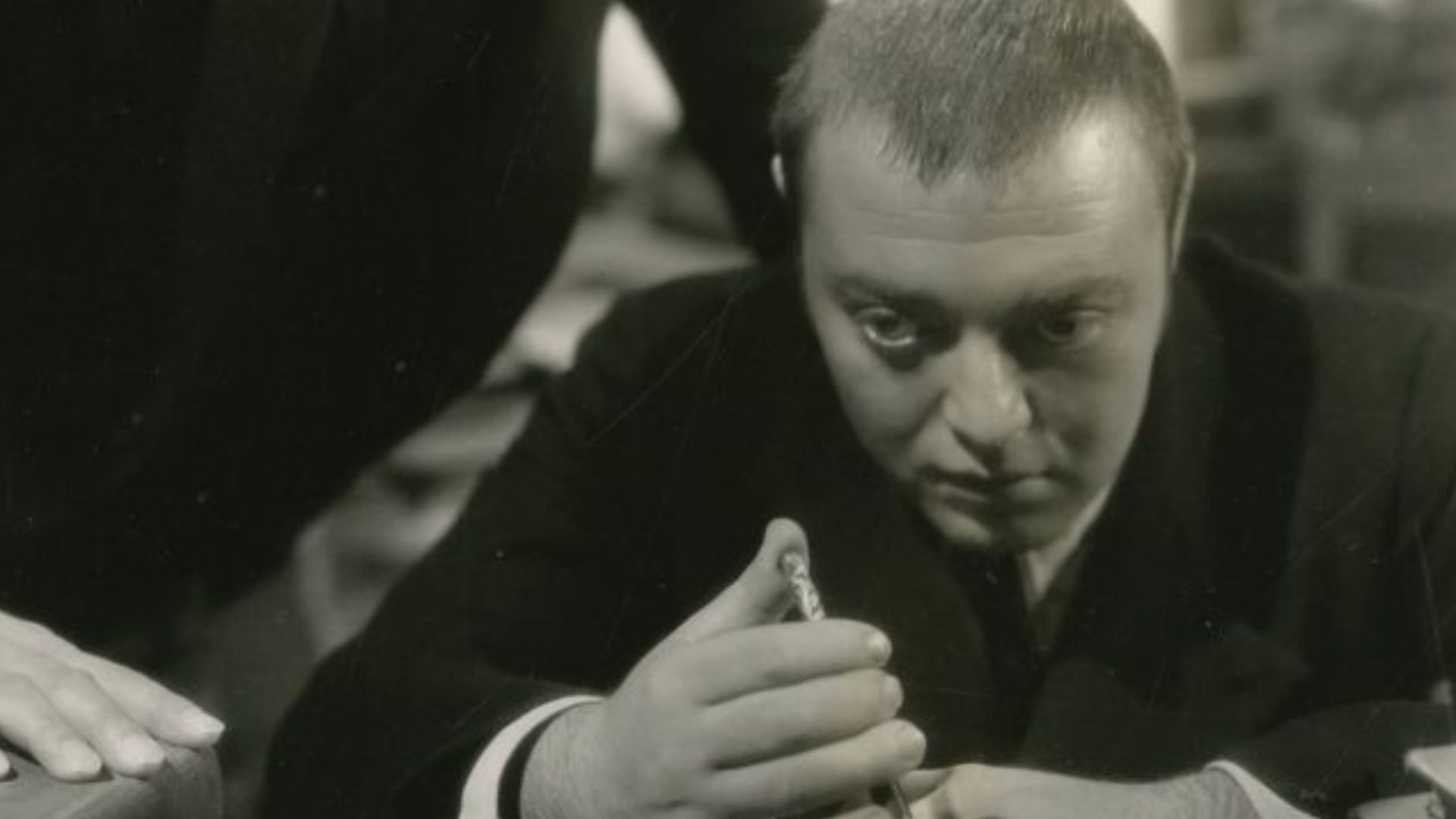
Catharine died on May 7, 1985, while still in her early thirties, after suffering serious complications from diabetes. Her life should not be reduced to one terrifying encounter, but her testimony ensured that the encounter became evidence rather than legend alone.
 Columbia Pictures, Josef von Sternberg, Wikimedia Commons
Fame Became an Unexpected Shield
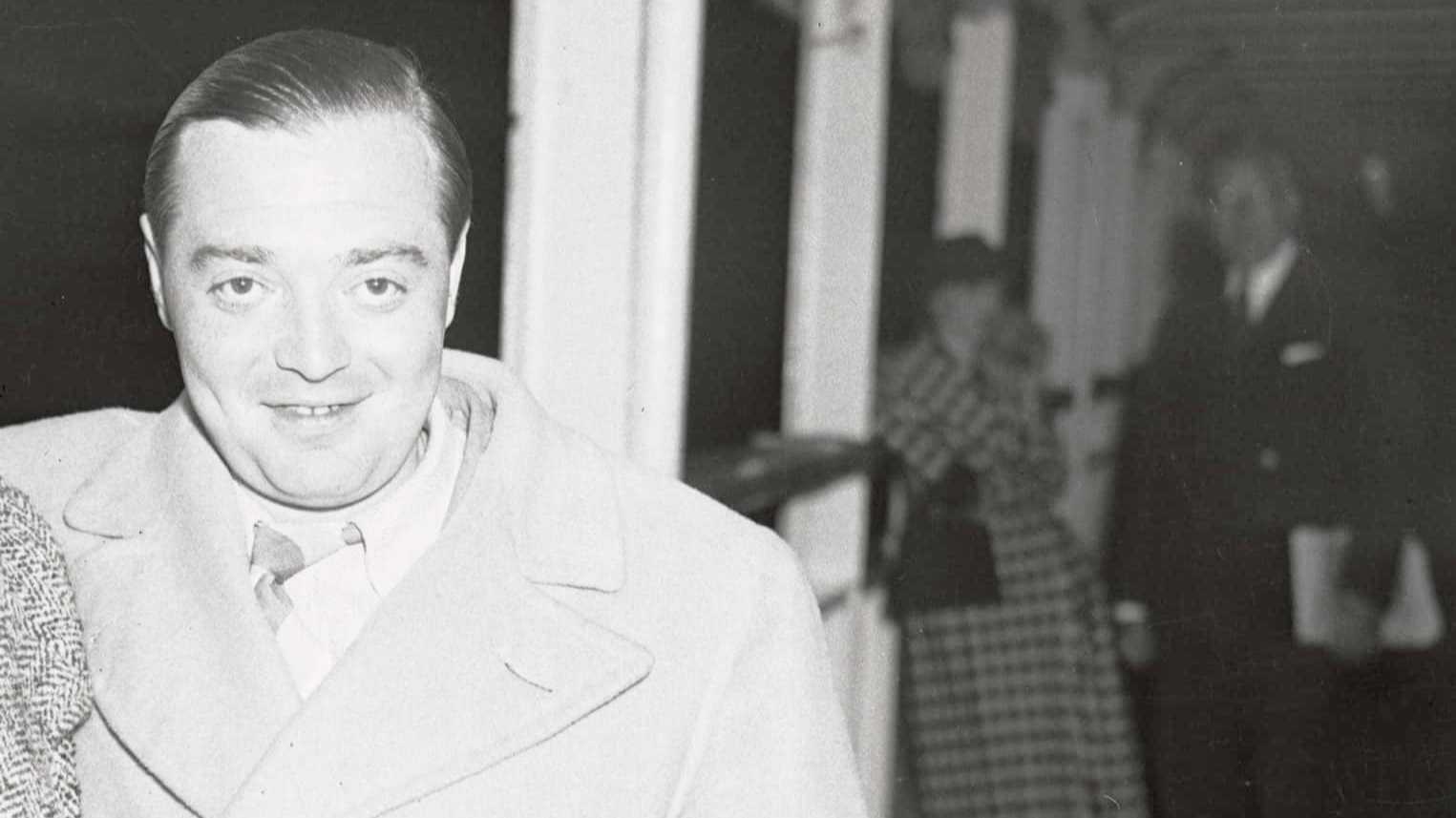
Peter Lorre spent much of his career resisting the frightening image Hollywood imposed upon him. Yet years after his death, that unmistakable image may have helped save his daughter—turning one of cinema’s darkest legacies into an improbable shield.
You May Also Like:
Natalie Wood’s death was one of Hollywood’s most enduring mysteries—until the captain of her yacht changed his story.