The Man Who Knew Nothing
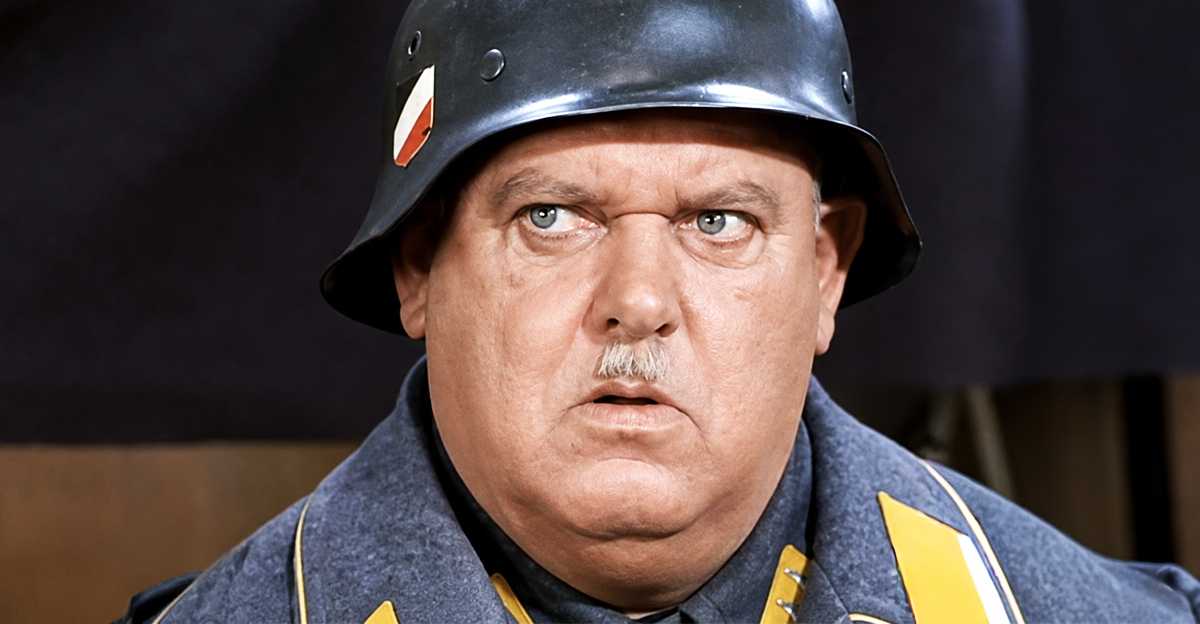
Millions of television viewers knew John Banner as Sergeant Schultz, the bumbling German prison guard whose favorite expression was "I know nothing!" on Hogan's Heroes. But behind Banner's lovable comic character was a remarkable and heartbreaking story. He was a Jewish refugee who had escaped persecution, only to lose many members of his family in the Holocaust.
 Screenshot of John Banner as Schultz on Hogan's Heroes (CBS Television)
Born Into A Changing Europe
John Banner was born Johann Banner on January 28, 1910, in Stanislau, then part of the Austro-Hungarian Empire and now known as Ivano-Frankivsk, Ukraine. He grew up in a Jewish family during a period of enormous political upheaval. The collapse of Austria-Hungary after WWI would reshape the world into which he was born.
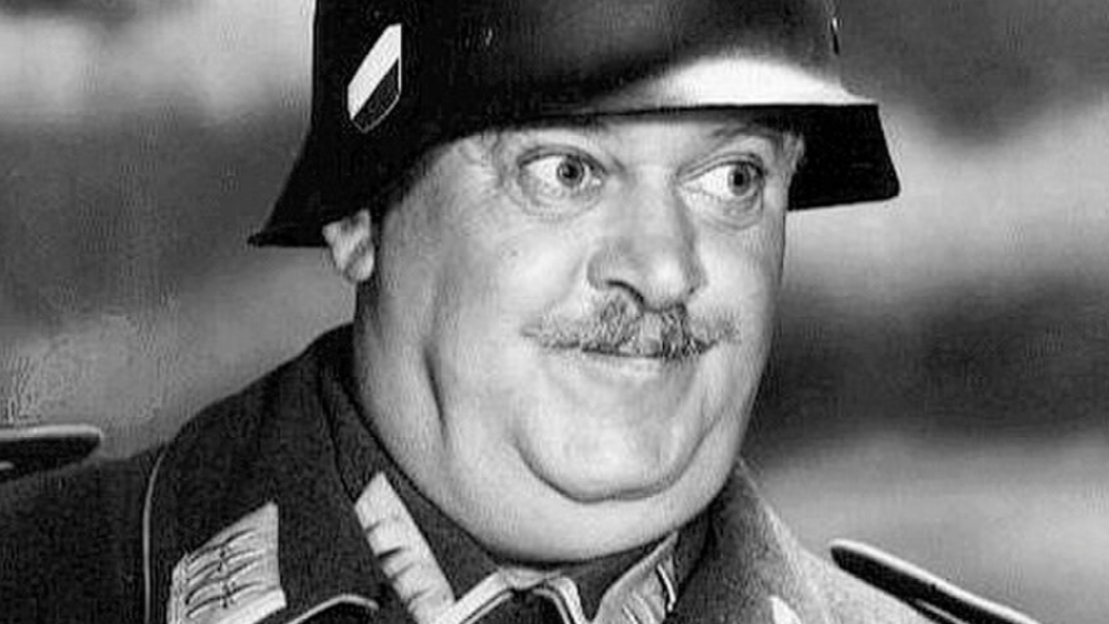 CBS Television, Wikimedia Commons
A Different Career In Mind
As a young man, Banner studied law at the University of Vienna, apparently expecting a respectable professional career. But the theater held more appeal for the young Banner than legal textbooks did. He abandoned his studies and began training as an actor, setting himself on a path that would eventually take him thousands of miles from home.
His First Taste Of Acting
Banner studied at Vienna's Deutsches Volkstheater, where he made an early stage appearance in Caramba. During the 1930s, he gained experience performing with theatrical companies in Central Europe. His early career included work in cities now located in Poland and the Czech Republic, as well as appearances in Switzerland.
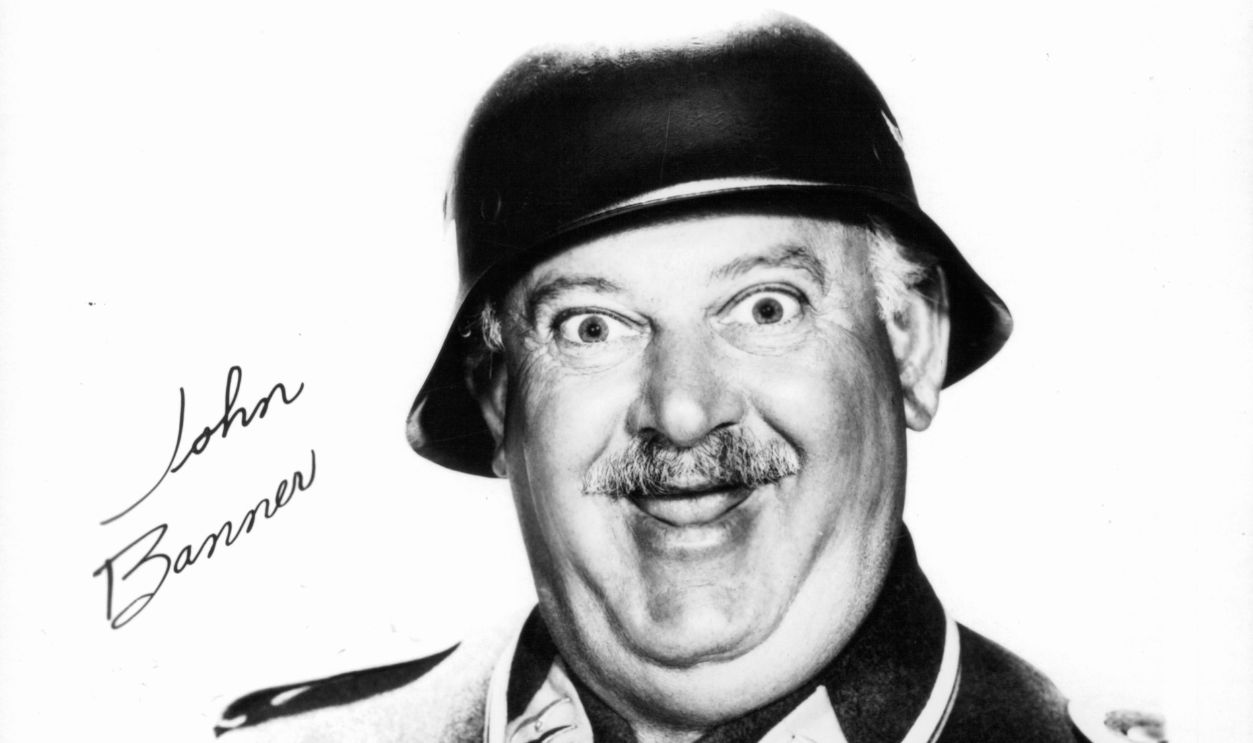 Michael Ochs Archives, Getty Images
Europe Takes A Dark Turn
By the late 1930s, Banner had established himself as a working actor, but the political situation was becoming increasingly dangerous. Adolf H's regime had already imposed severe restrictions on Jewish life in Germany. For Banner and countless other Austrian Jews, the aggressive expansion of the Third Reich threatened not only their livelihoods but their survival.

The German Annexation Of Austria
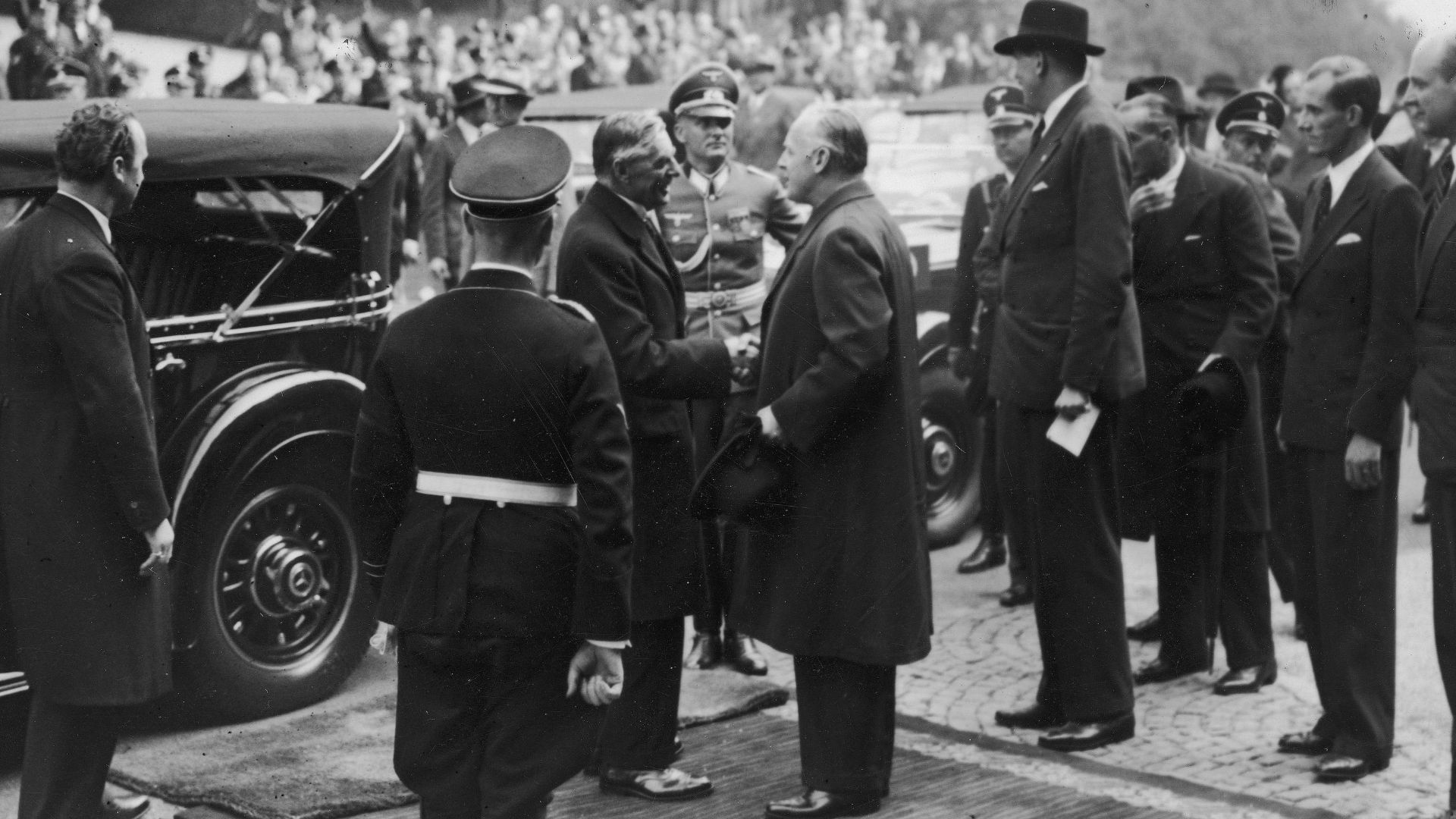
In March 1938, Germany annexed Austria in an event known as the Anschluss. Banner was reportedly performing with a theatrical company in Switzerland around this period, although historical records leave some uncertainty about when he first reached America. As a Jewish actor, he would've faced a terrifying future if he returned home. He ultimately settled in the United States, where he could continue his career in safety.
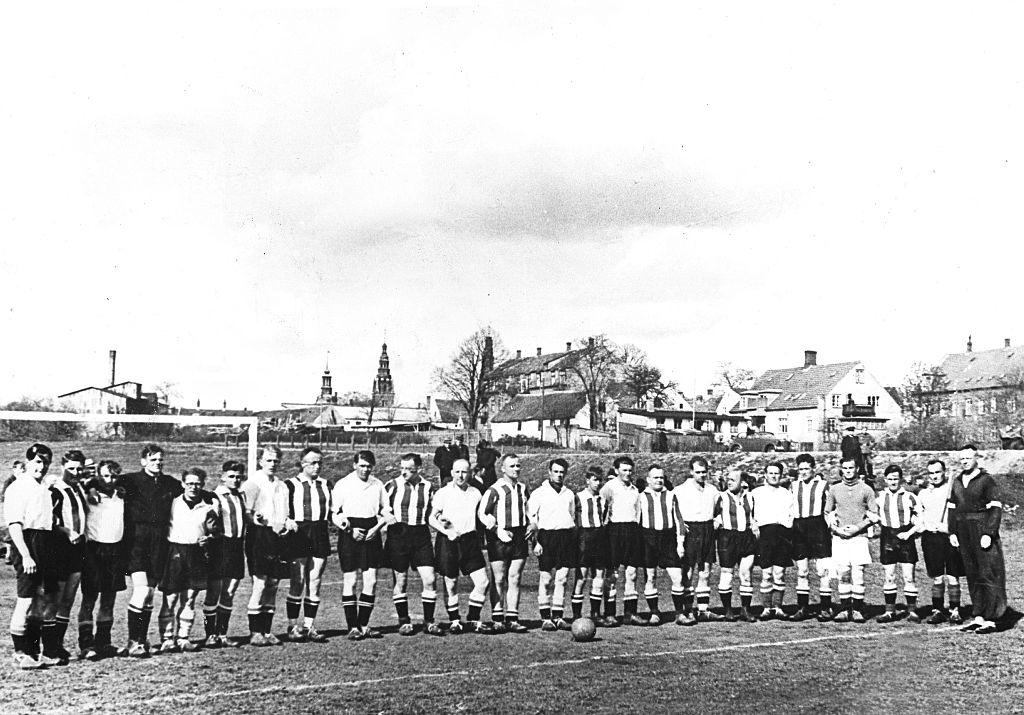 ullstein bild Dtl., Getty Images
Starting Over In America
Banner arrived in America facing the challenges familiar to many European refugees. His English was limited, his professional contacts were few, and his theatrical experience did not guarantee employment. Nevertheless, he found a place among fellow émigré performers in New York, where displaced European artists were attempting to rebuild their careers.
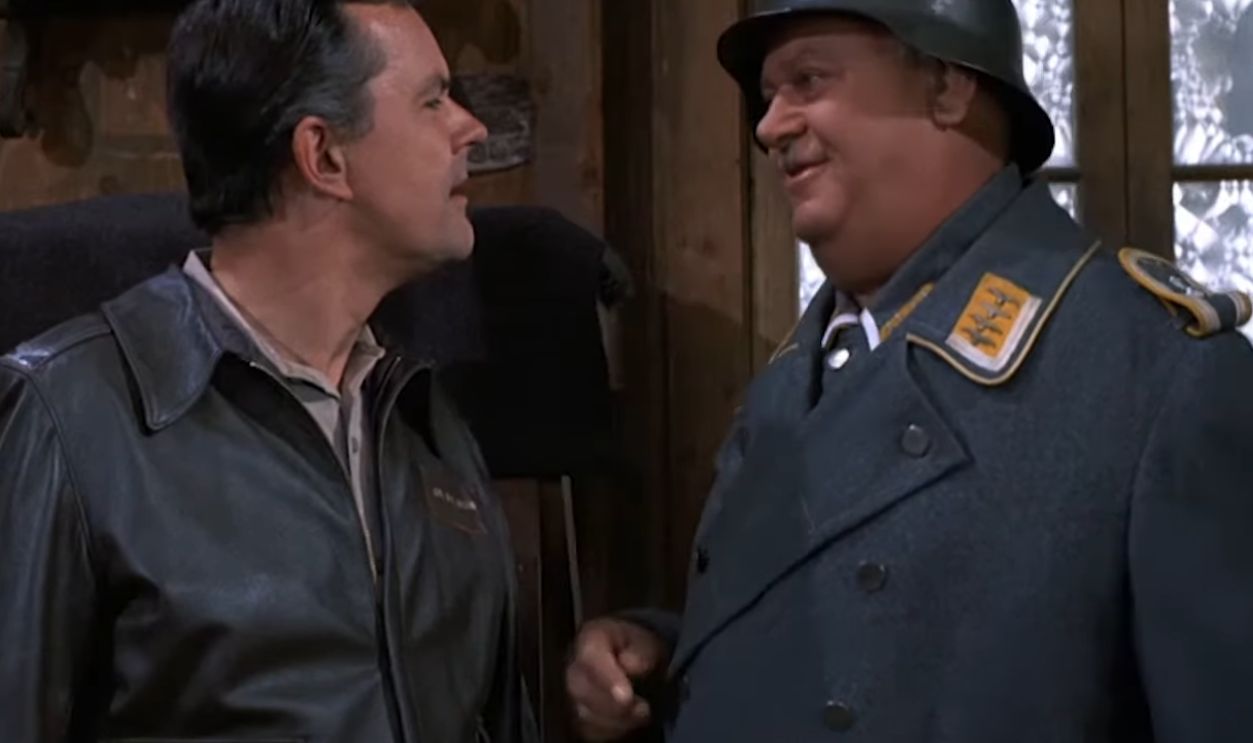 Screenshot from Hogan’s Heroes, CBS (1965–1971)
Broadway Opens Its Doors
In 1939, Banner appeared in the Broadway revue From Vienna, performed by European entertainers who had fled the growing threat overseas. He also appeared in the short-lived comedy Pastoral. Because he was still learning English, he reportedly memorized some dialogue phonetically. It was an unusual start to an American acting career, but Banner was determined to succeed.
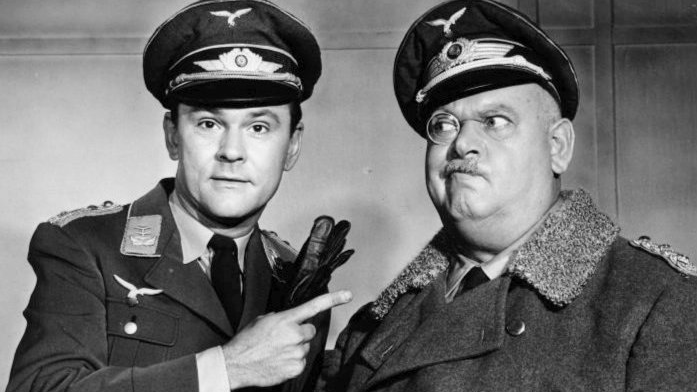 CBS Television, Wikimedia Commons
Hollywood Comes Calling
By 1940, Banner had moved to Los Angeles, hoping to find opportunities in motion pictures. Work was initially inconsistent, and he sometimes supported himself with restaurant jobs. His European accent made him recognizable, but it also limited his casting opportunities. Hollywood frequently wanted actors who sounded authentically German, especially as the specter of armed conflict loomed on the horizon.
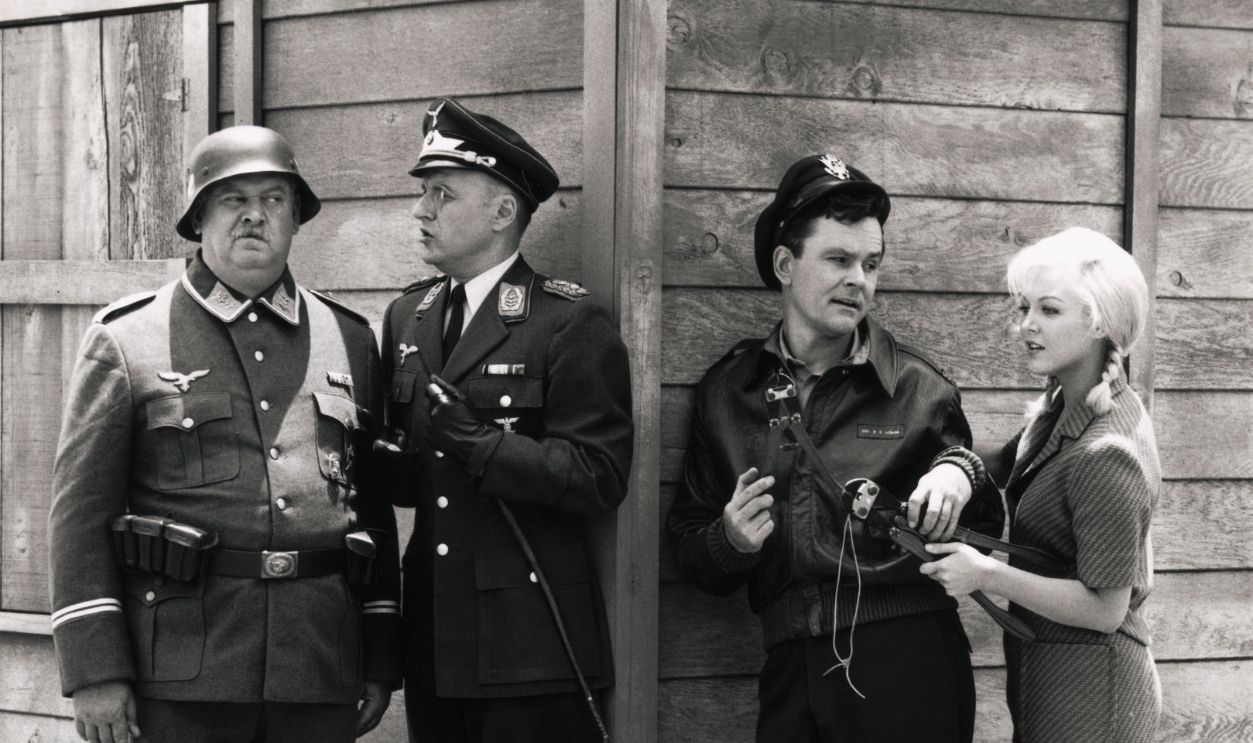
His First Hollywood Roles
Banner appeared in small parts in Spring Parade (1940), directed by Henry Koster and starring Deanna Durbin, and It Started with Eve (1941), another Koster comedy featuring Durbin and Charles Laughton. His first credited film appearance came in Leo McCarey's Once Upon a Honeymoon (1942), starring Cary Grant and Ginger Rogers, in which he played a German officer.
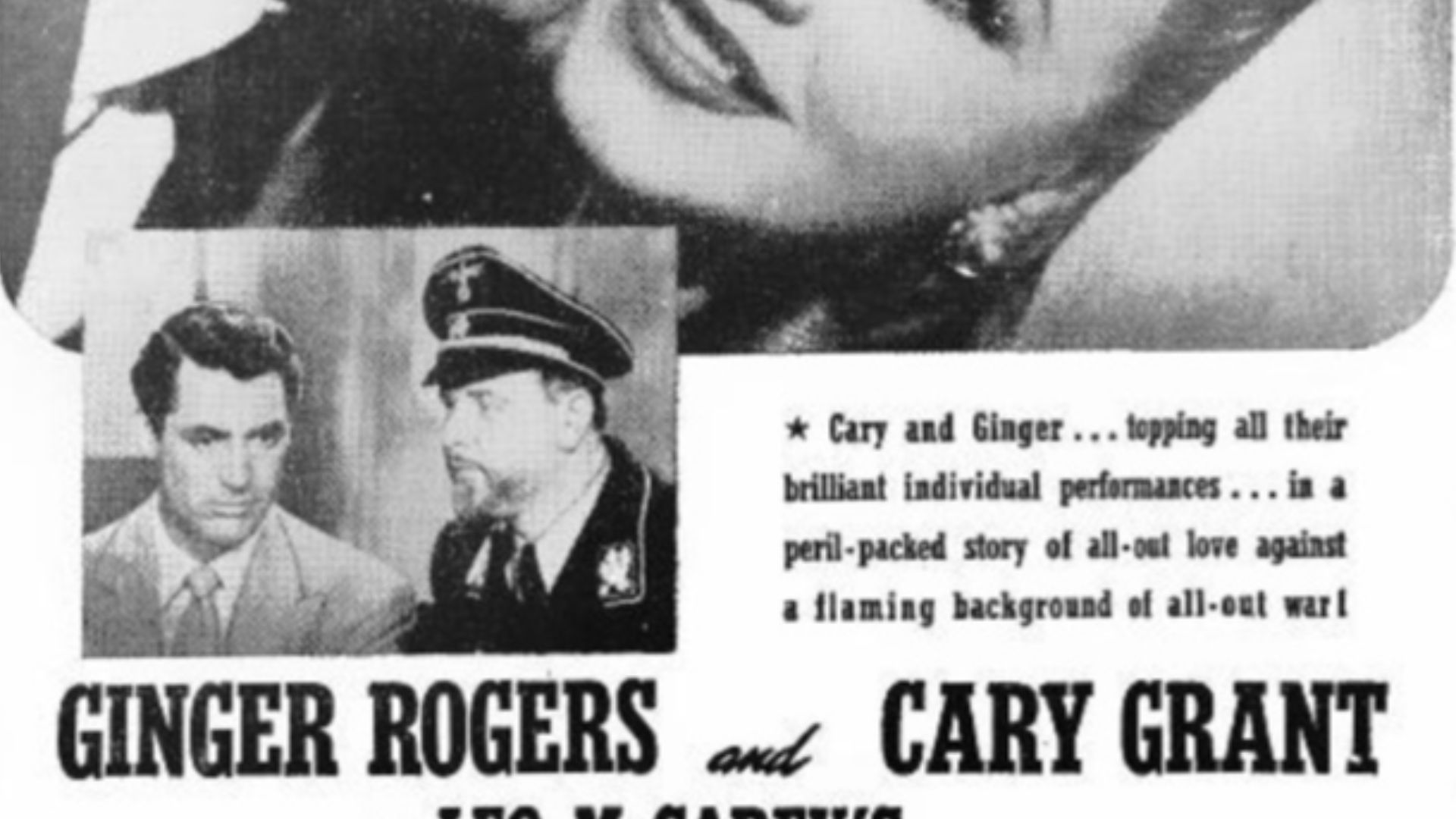 Unknown authorUnknown author, Wikimedia Commons
Playing The Enemy
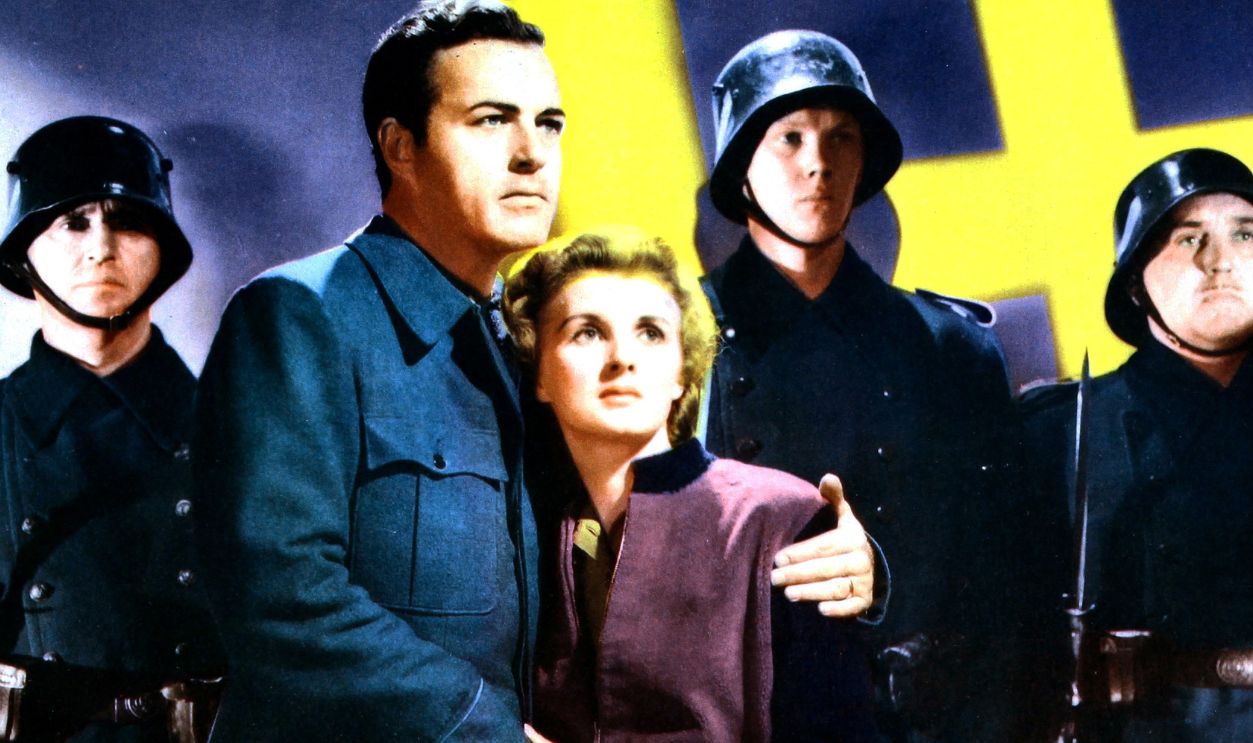
As Hollywood produced more wartime dramas, Banner found himself repeatedly cast as German soldiers and National Socialist Party officials. He appeared in films including The Moon Is Down (1943), directed by Irving Pichel and featuring Cedric Hardwicke and Lee J Cobb. The irony was considerable: a Jewish refugee who had escaped the Holocaust was now earning his living portraying members of the regime he had fled.
Serving His Adopted Country
Banner's wartime contribution extended beyond the movie studio. He entered the United States Army during World War II and served with the Army Air Forces, becoming a supply sergeant. His military service lasted until 1945. Years before television audiences knew him as Sergeant Schultz, Banner had actually worn an American sergeant's uniform.
 Army; part of the collection of the Office of War Information, Wikimedia Commons
A Devastating Family Tragedy
While Banner was building a new life in America, his family in Europe faced a terrible fate. His parents and sister disappeared in 1942 at Maly Trostenets, an infamous site of war crimes near Minsk. Fellow Hogan's Heroes actor Robert Clary later recalled that Banner had lost many relatives during the Holocaust. The tragedy would give his later television fame an extraordinary and painful irony.
 Photographer/studio not provided., Wikimedia Commons
Returning To Hollywood
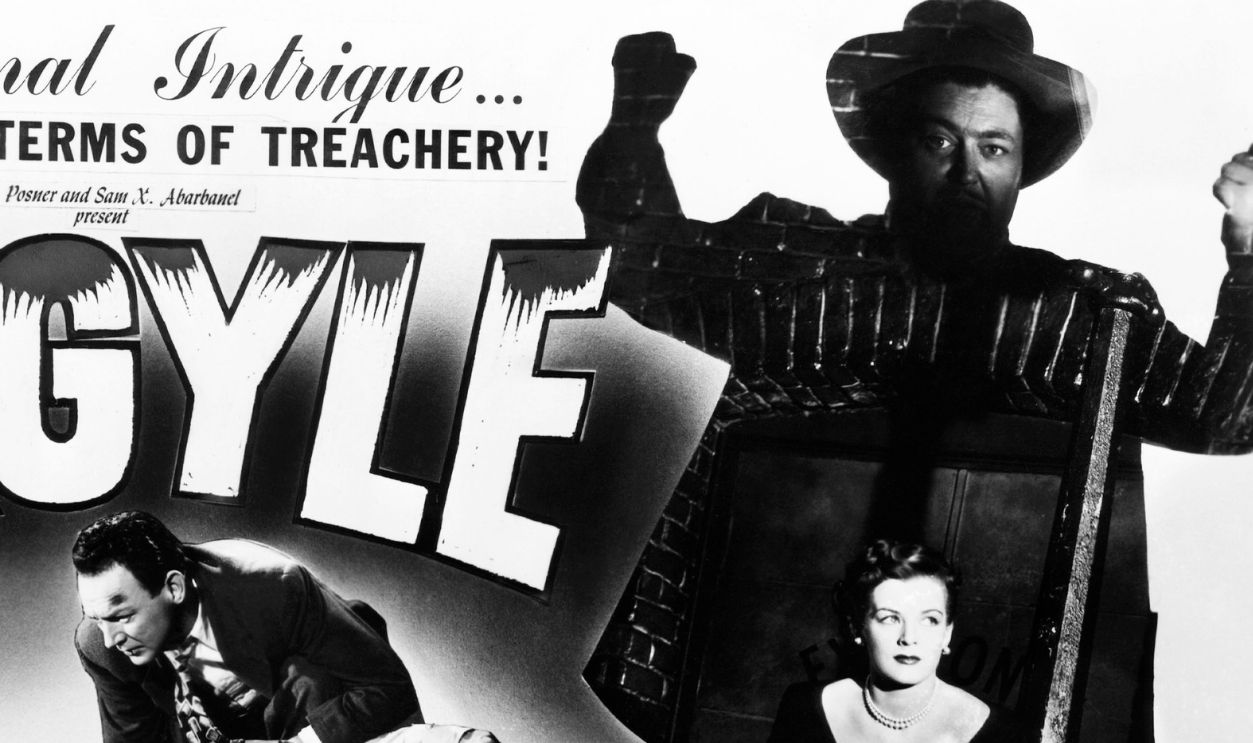
After the war, Banner resumed acting, appearing in supporting roles throughout the late 1940s. His credits included The Argyle Secrets (1948), directed by Cy Endfield, and King Solomon's Mines (1950), starring Stewart Granger and Deborah Kerr. Although he rarely received major billing, his distinctive appearance and accent helped him maintain a steady presence in Hollywood productions.
Television Offers New Opportunities
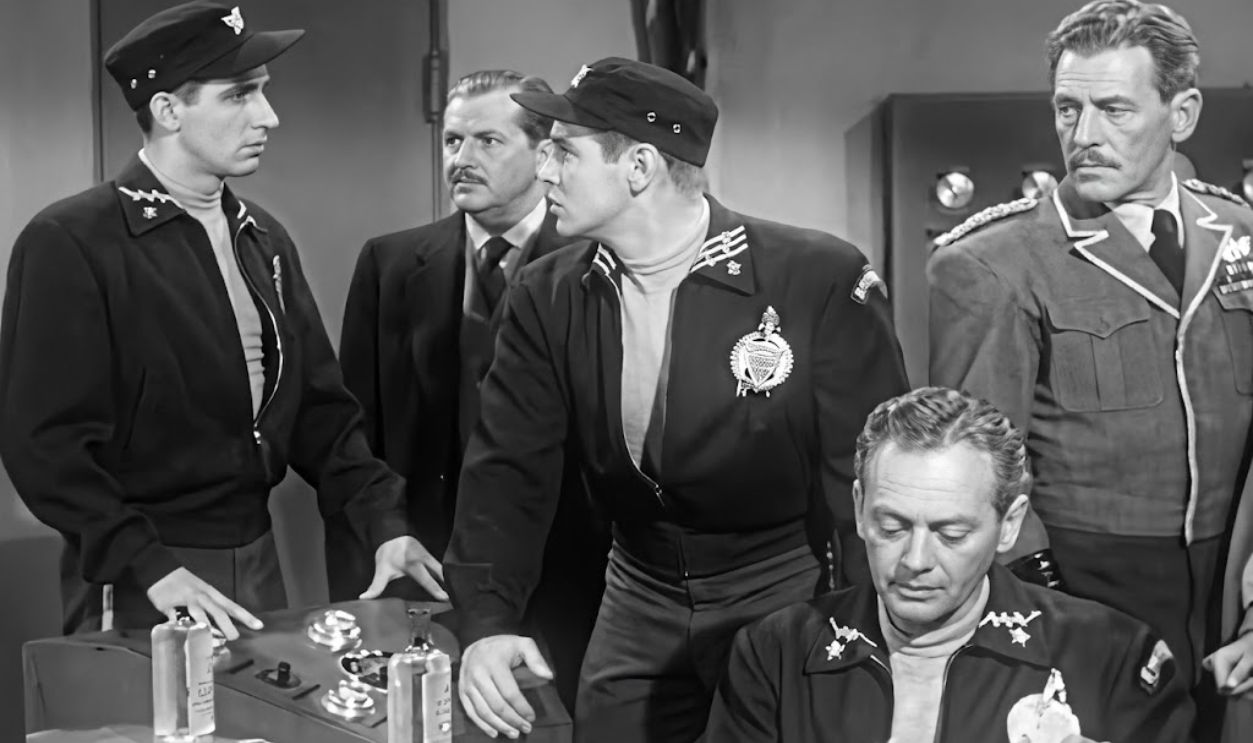
As television expanded during the 1950s, Banner became a familiar character actor. He appeared in The Lone Ranger, Sky King, Adventures of Superman, and Father Knows Best. He also played a recurring character in the science-fiction series Rocky Jones, Space Ranger. These appearances demonstrated his versatility, although his accent continued to influence the parts he was offered.
 Screenshot from Rocky Jones, Space Ranger, Roland Reed TV Productions (1953–1954), Enhanced
A Familiar Face In Films
Banner's film work continued alongside his television appearances. He appeared in The Blue Angel (1959), starring Curd Jürgens and May Britt, and portrayed Rudolf Höss in Operation Eichmann (1961). He also appeared in 36 Hours (1964), directed by George Seaton and starring James Garner, Eva Marie Saint, and Rod Taylor. By then, Banner was an established character actor still waiting for his defining role.
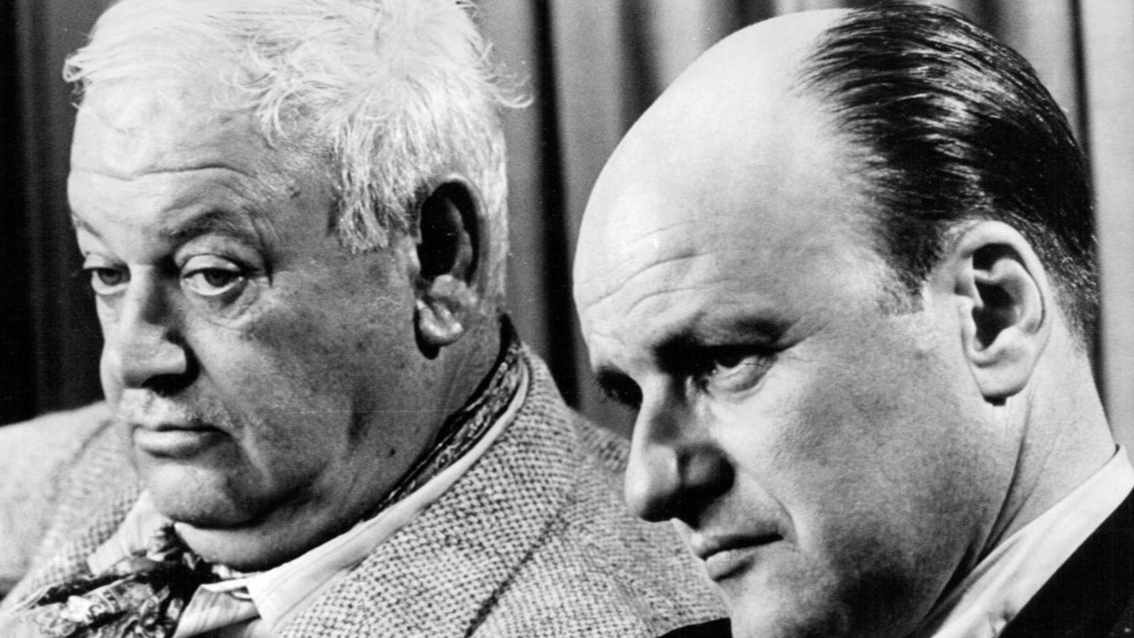 Fairfax Media Archives, Getty Images
Love And Marriage
John Banner married fellow actress Illa Raudnitz in Los Angeles in October 1940, but the marriage eventually ended in divorce. On June 19, 1965, just months before Hogan's Heroes premiered, he married Renee Christine Gemenne Muhr. The couple lived in Sherman Oaks, California, and later purchased a home in France. They had no children, and he and Christine were married for the rest of Banner's life.
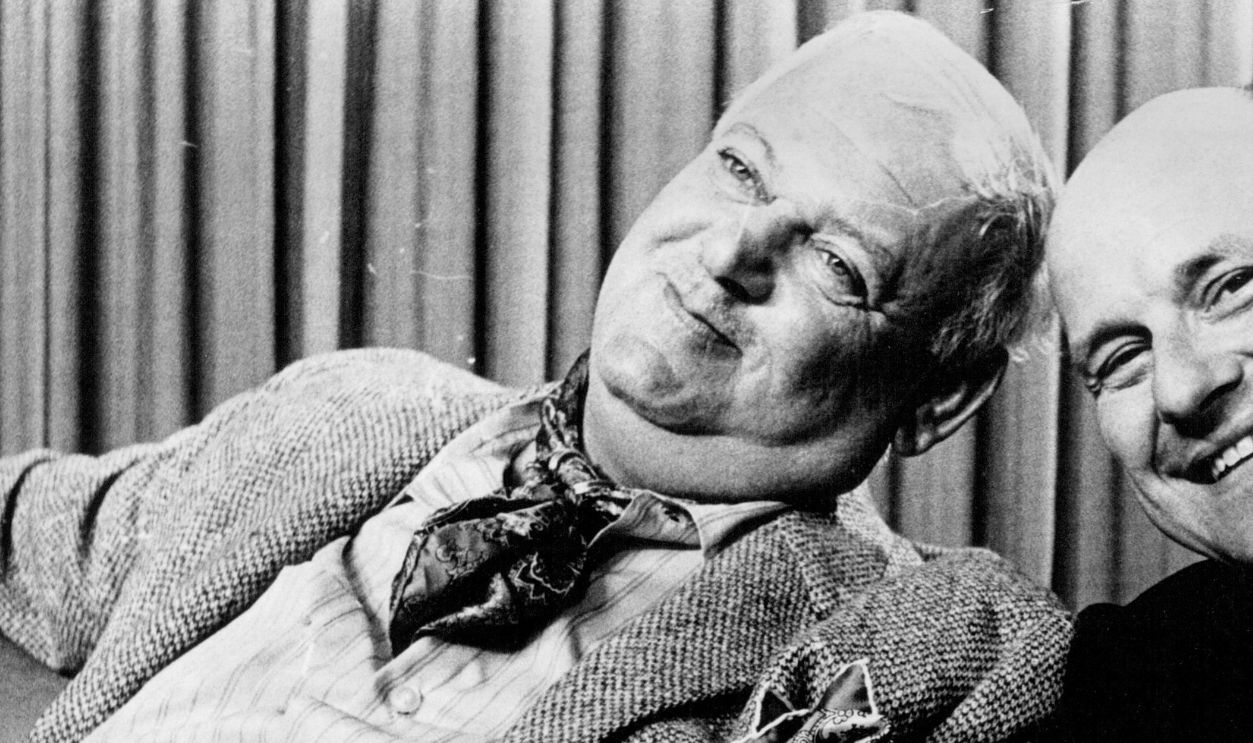 Fairfax Media Archives, Getty Images
The Role That Changed Everything
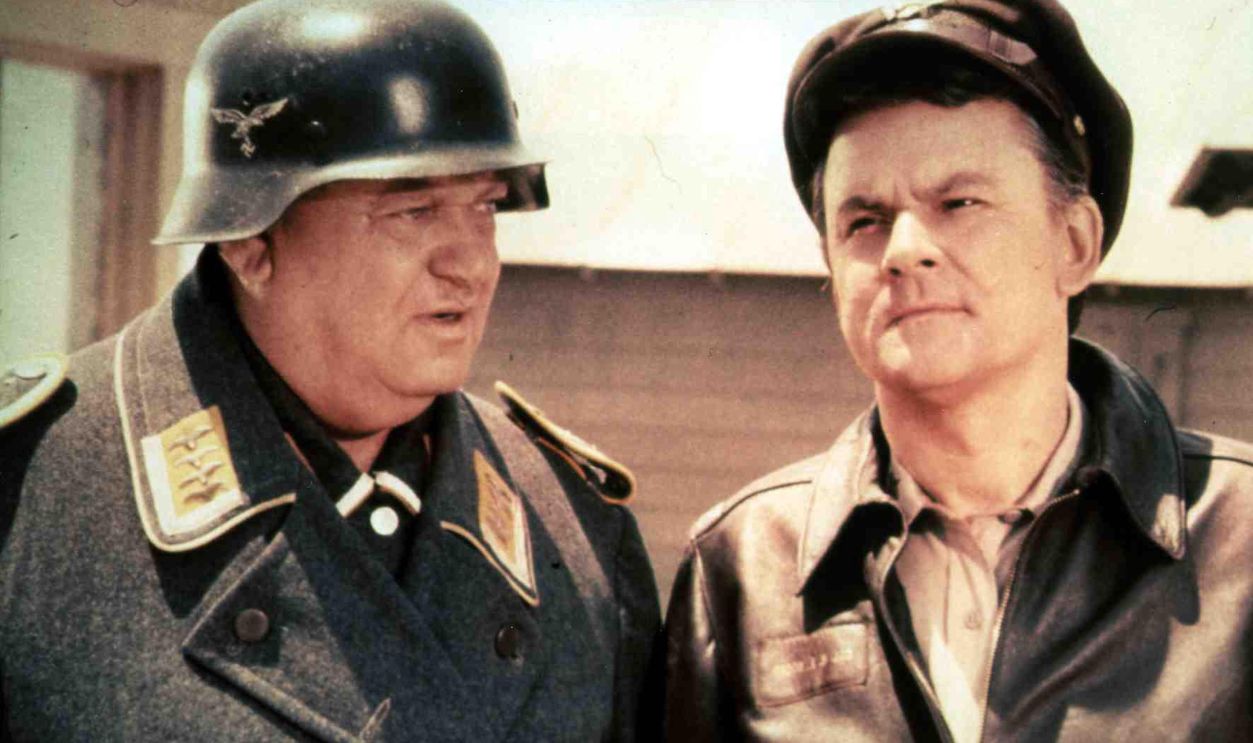
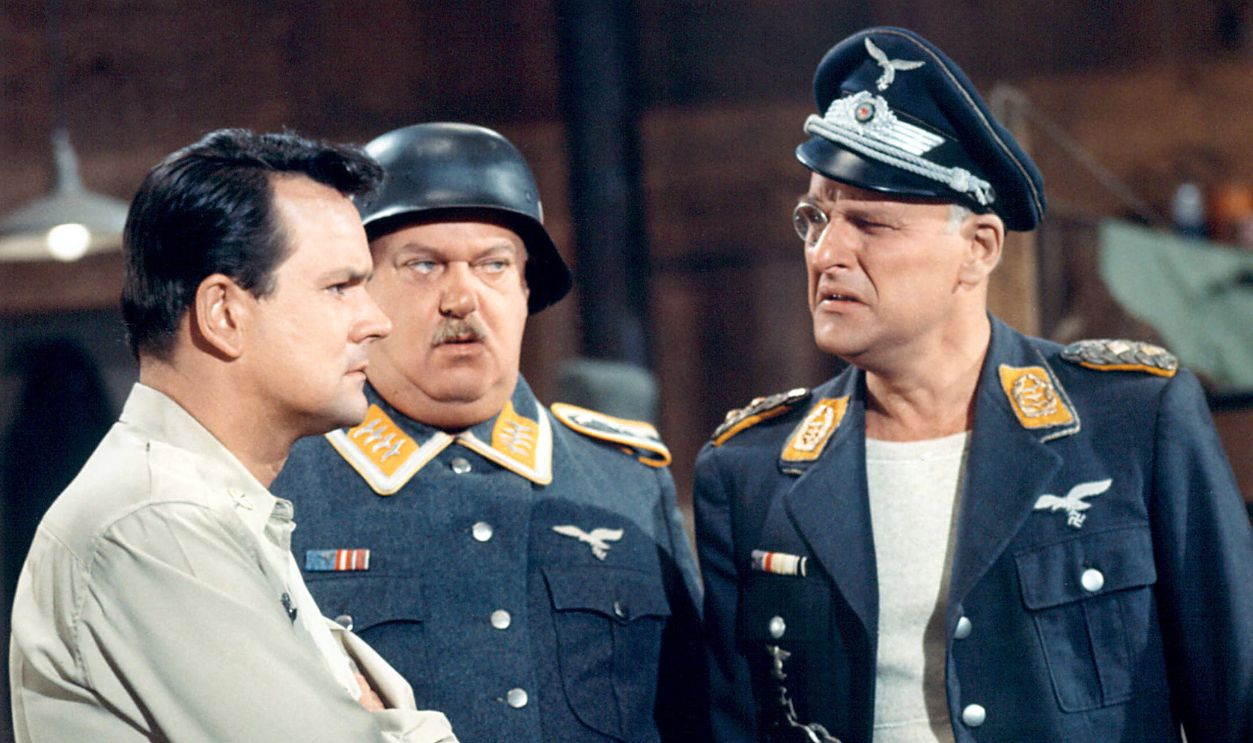
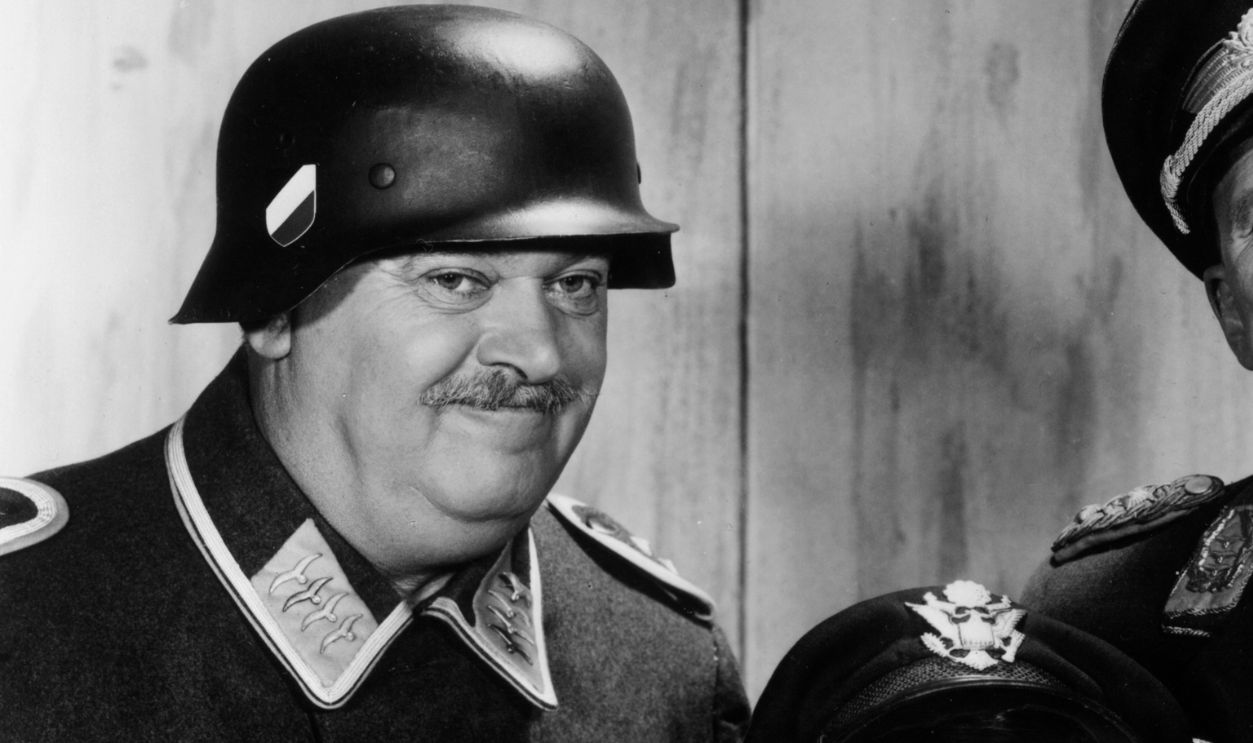
In 1965, Banner was cast as Sergeant Hans Schultz in the new CBS comedy Hogan's Heroes. The series starred Bob Crane as Colonel Robert Hogan, an American prisoner of war secretly directing Allied sabotage operations from a German POW camp. Banner's Schultz was an overweight, easily frightened guard who preferred food and personal comfort to military discipline.
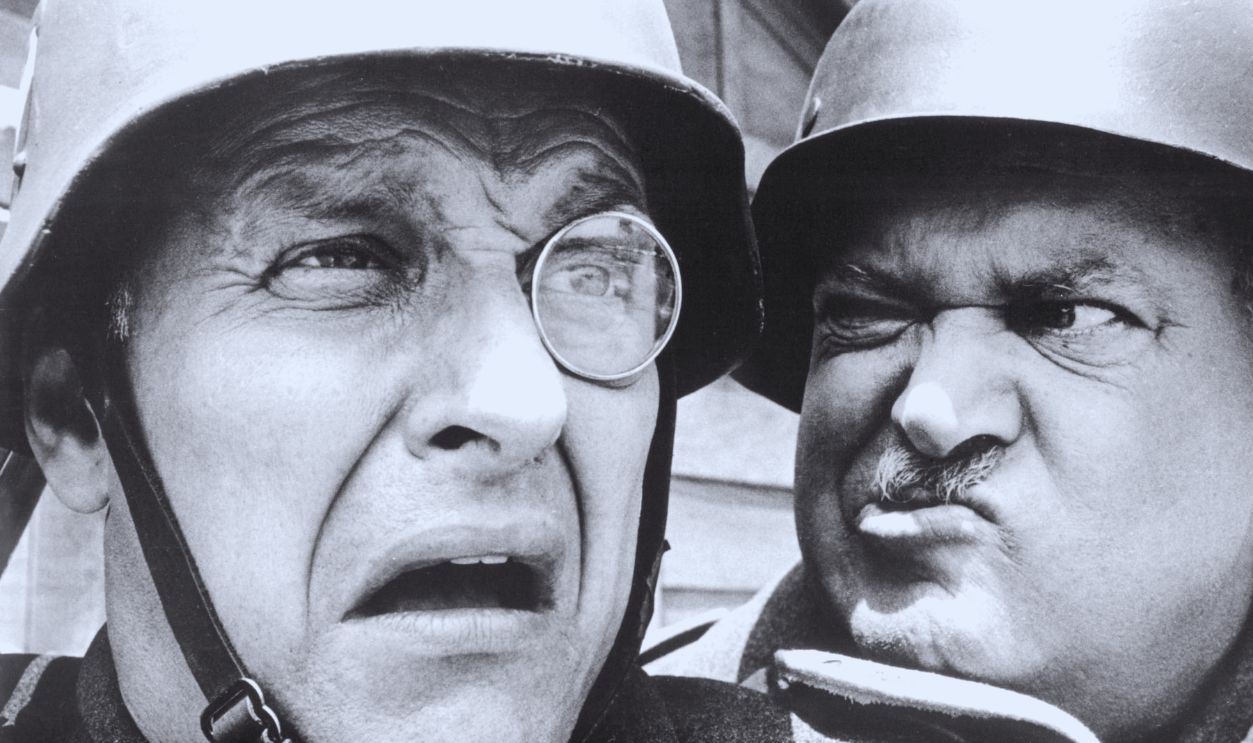 Silver Screen Collection, Getty Images
A Very Different German Soldier
Schultz was technically part of the German military establishment, but Banner portrayed him as fundamentally harmless and deeply reluctant to get involved in anything dangerous. Rather than discovering Hogan's elaborate operations, Schultz generally preferred to look the other way. His famous declaration, "I know nothing!" became one of television's most recognizable catchphrases.
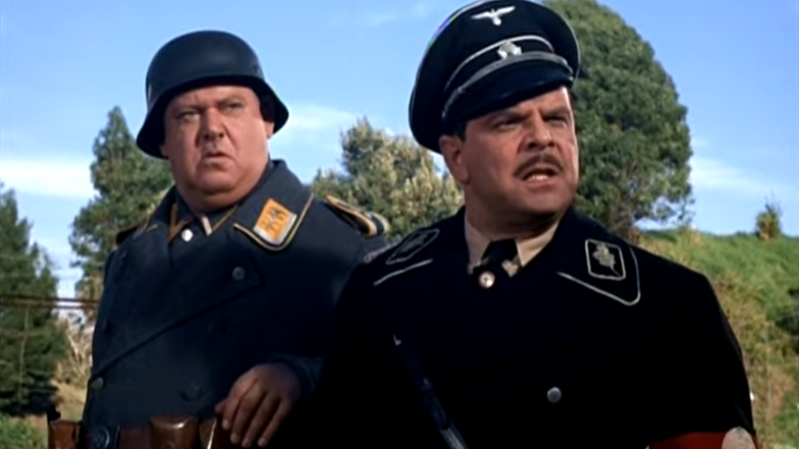 Screenshot from Hogan’s Heroes, CBS (1965–1971)
Finding Comedy In Tragedy
Given Banner's personal history, his willingness to portray a German guard might seem surprising. But Hogan's Heroes consistently presented the German military establishment as foolish, corrupt, and easily outwitted. Schultz was motivated primarily by self-preservation, not ideology. For Banner, the character offered an opportunity to ridicule the kind of authority that had once threatened his life.
 Screenshot from Hogan’s Heroes, CBS (1965–1971)
Werner Klemperer's Approach
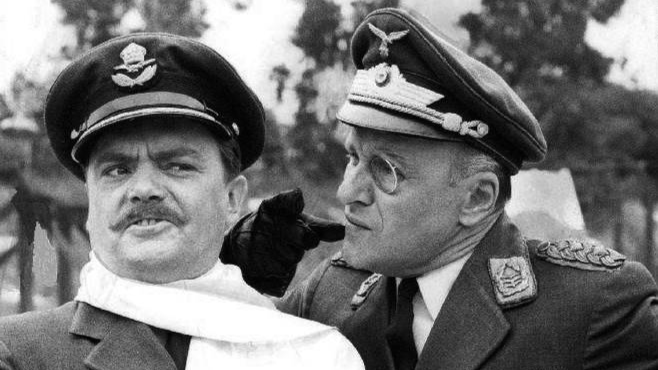
Banner's co-star Werner Klemperer, who played Colonel Klink, was also a Jewish refugee from Nazi Germany. Klemperer was particularly concerned that his character should never emerge victorious over the Allied prisoners. Banner's approach was somewhat different: Schultz was a gentle, frightened figure who avoided confrontation. Together, the two actors transformed their German characters into comic foils rather than scary enemies.
 CBS Television, Wikimedia Commons
A Cast With Shared History
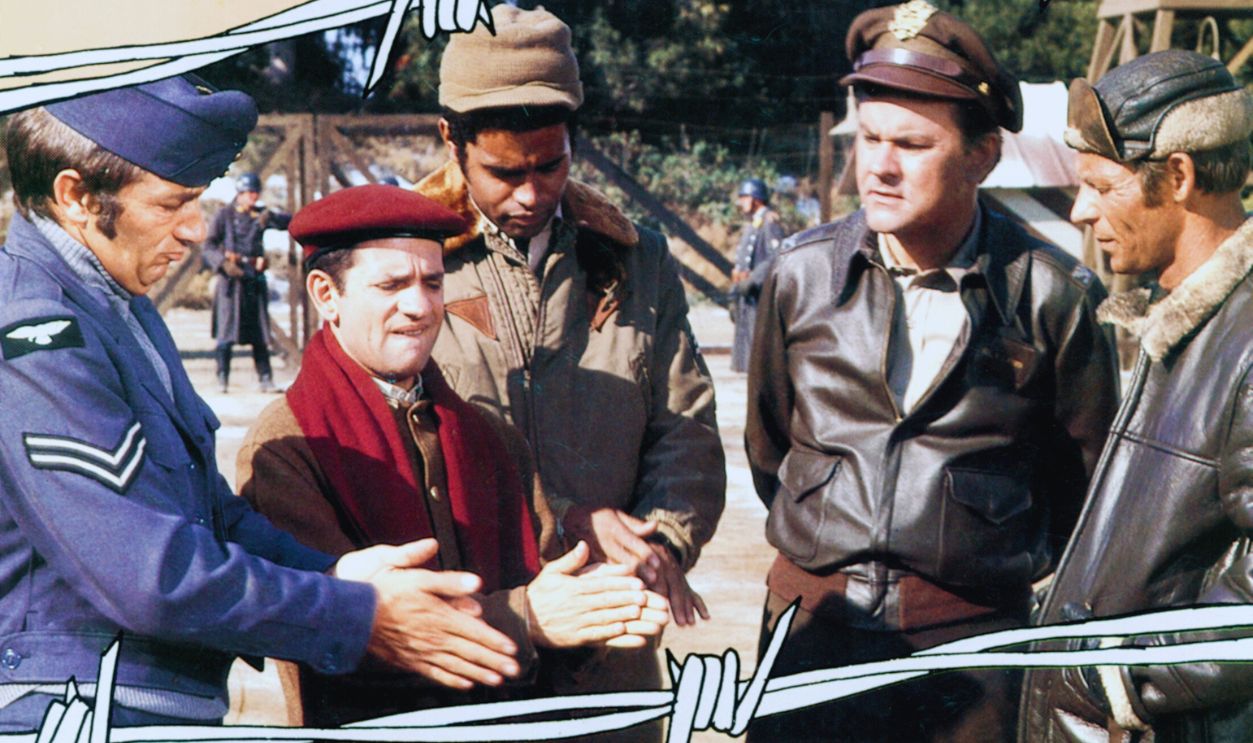
Another cast member, Robert Clary, who played Corporal Louis LeBeau, had survived concentration camps, including Buchenwald. The show's wartime subject therefore carried deeply personal significance for several performers. Yet the atmosphere on set was reportedly affectionate. Richard Dawson, who played Corporal Peter Newkirk, later remembered Banner warmly and recalled that he visited Dawson's home and spent time with his children.
Schultz Becomes A Television Favorite
Hogan's Heroes quickly became a ratings success, running for six seasons from 1965 to 1971. Banner appeared throughout the series, making Schultz one of its most familiar characters. His nervous expressions, exaggerated German accent, and desperate attempts to avoid trouble made him a perfect counterpoint to Hogan's confidence. The character's popularity also helped introduce Banner to audiences who knew nothing about his earlier career.
 Screenshot from Hogan’s Heroes, CBS (1965–1971)
Fame Beyond Stalag 13
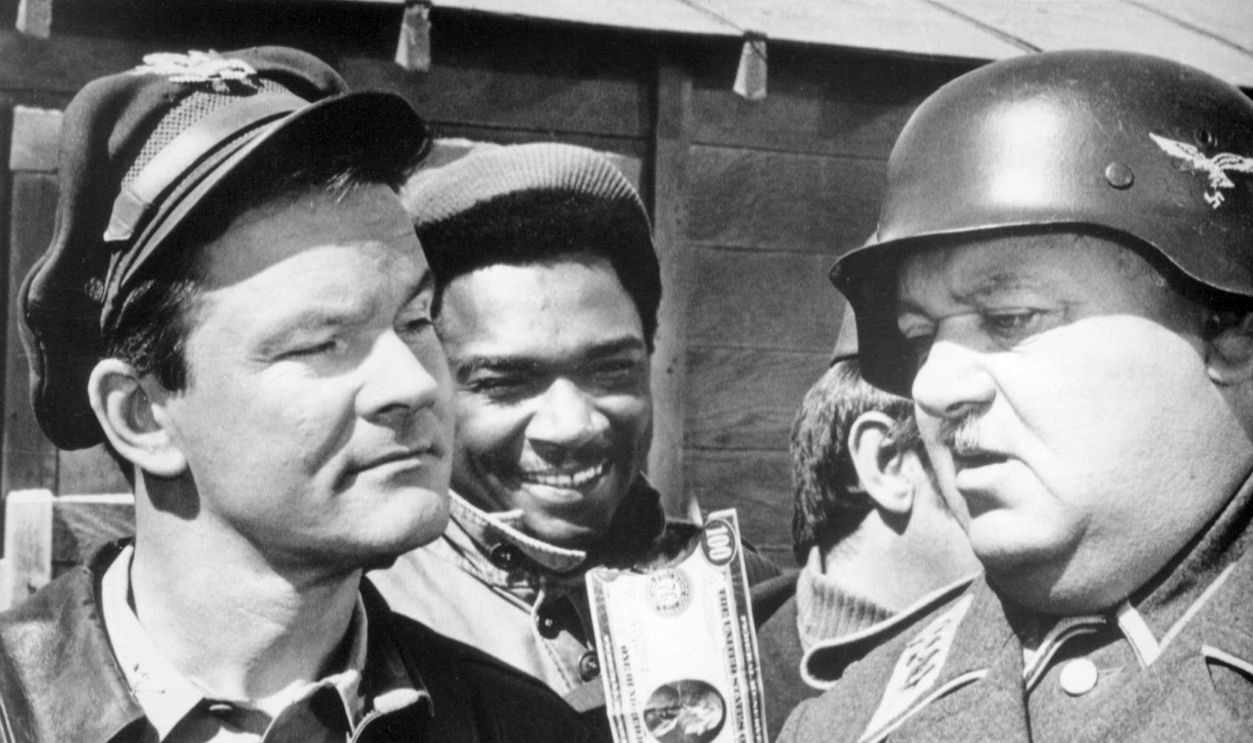
Banner's success led to appearances as Schultz on other television programs, including The Lucy Show and The Red Skelton Hour. He also joined fellow cast members Bob Crane and Werner Klemperer in the comedy The Wicked Dreams of Paula Schultz (1968), directed by George Marshall and starring Elke Sommer. The film was unrelated to Hogan's Heroes, despite the familiar performers and its German setting.
 Silver Screen Collection, Getty Images
One More Television Series
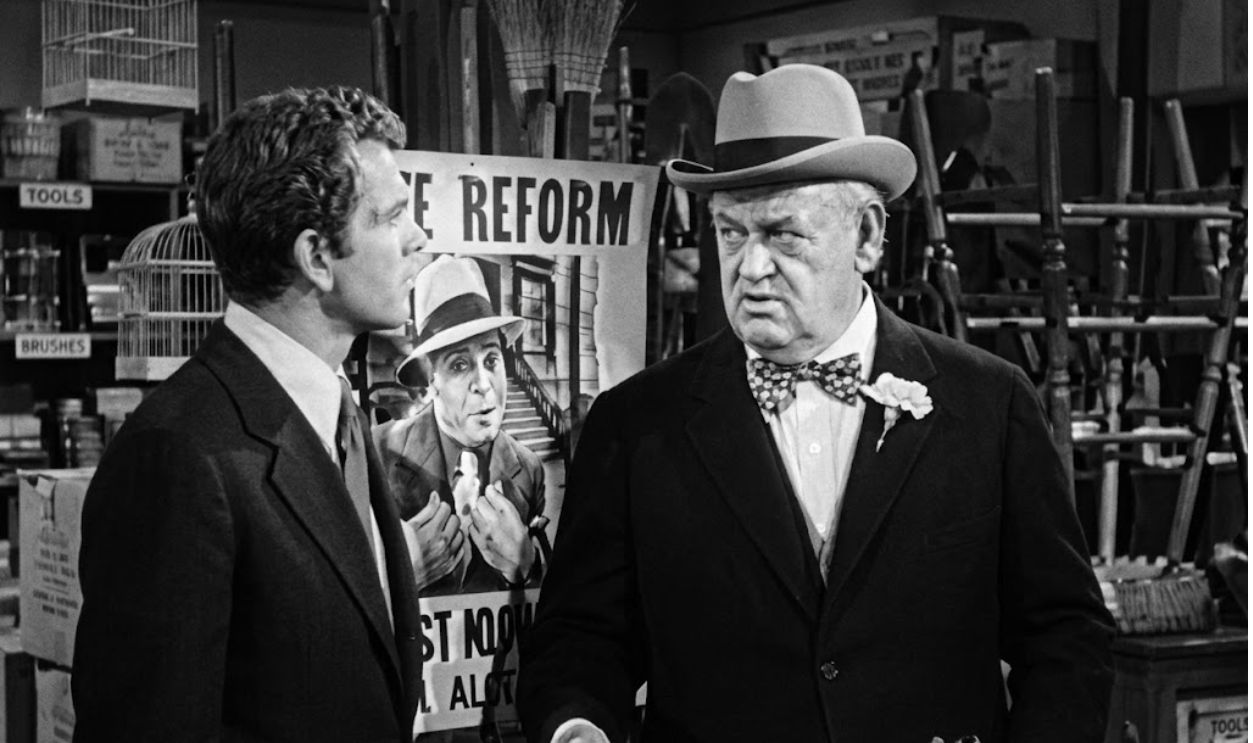
After Hogan's Heroes ended in 1971, Banner joined the cast of The Chicago Teddy Bears, a sitcom set during Prohibition. He played Uncle Latzi, a bumbling organized crime figure whose comic personality resembled Schultz. The series starred Dean Jones and Art Metrano, but failed to attract a substantial audience. CBS canceled it after just 13 episodes, ending Banner's brief attempt to establish another regular television character.
 Screenshot from The Chicago Teddy Bears, Warner Bros. Television (1971), Enhanced
His Final Acting Years
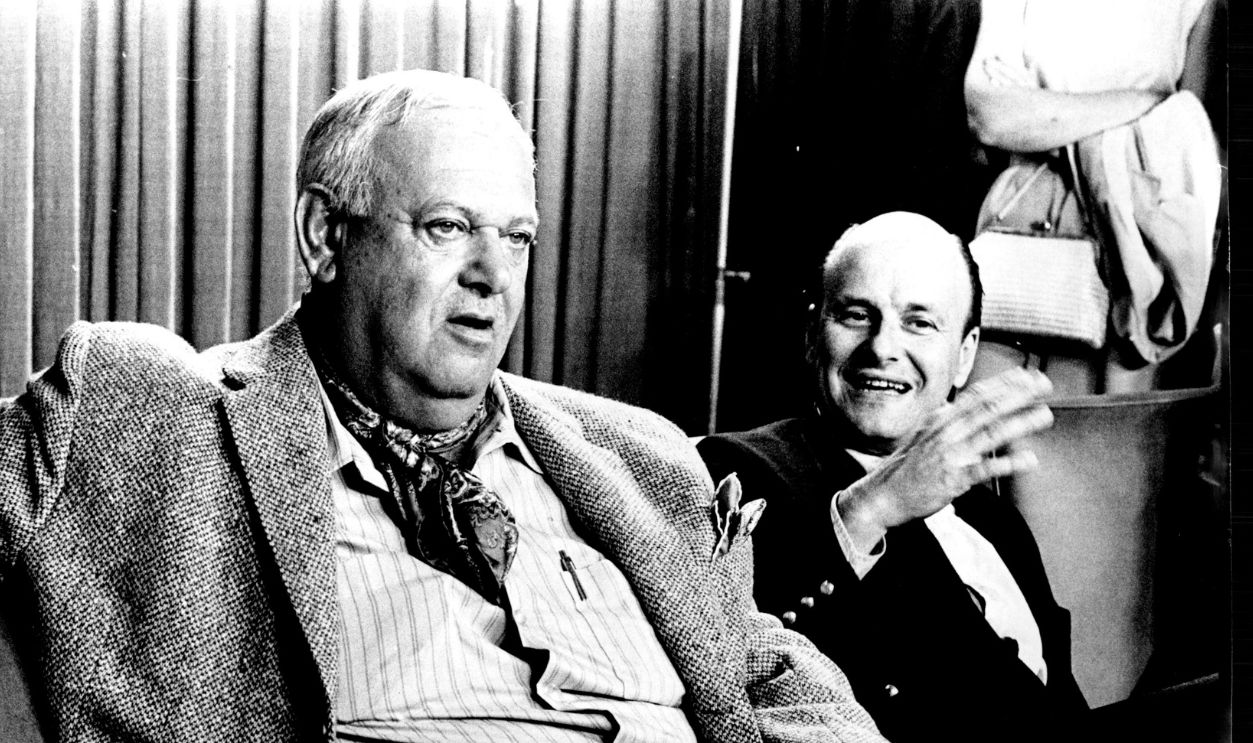
Banner continued making occasional television appearances, including roles in The Doris Day Show, Alias Smith and Jones, and The Partridge Family in 1972. By then, he was contemplating trying to lead a quieter life away from Hollywood. He and his wife Christine had acquired a home in France, and Banner was spending more time in Europe, returning to the continent he had fled decades earlier.
 Fairfax Media Archives, Getty Images
A Sudden And Tragic End
On January 28, 1973, Banner died in Vienna after suffering a severe abdominal hemorrhage, reportedly caused by a ruptured aortic aneurysm. In a remarkable coincidence, it was his 63rd birthday. His death came less than two years after Hogan's Heroes ended. He was buried at Vienna's Mauer Cemetery, leaving behind his wife Christine and a television character beloved by generations of viewers.
 Silver Screen Collection, Getty Images
The Man Behind The Uniform
There was a lot more to John Banner than Sergeant Schultz's familiar catchphrase. He was a refugee, an American serviceman, a working character actor, and a man who lost several family members and friends to the insanity of the Holocaust. That he became famous for making audiences laugh at a German military guard remains one of television history's most poignant ironies. Behind the character who claimed to know nothing was a man who understood far too much about the horrors of war.
 CBS Photo Archive, Getty Images
You May Also Like:
What Happened To The Cast Of Hogan's Heroes (Where They Are Now)