When Movie Roles Broke Friendships
Old Hollywood sold the illusion that everyone was one family. Behind the cameras, a movie part could shatter partnerships or turn friends into strangers. Not every fight concerned casting. Sometimes the argument was over how a role should be played.
 Paramount Studios Publicity Department, Wikimedia Commons
Crawford Trusted The Wrong Writers
For 25 years, Joan Crawford had been close to writers Katherine Albert and Dale Eunson. Crawford was even godmother to their daughter. Then they wrote a movie about a fading star. Crawford apparently recognized herself in it.
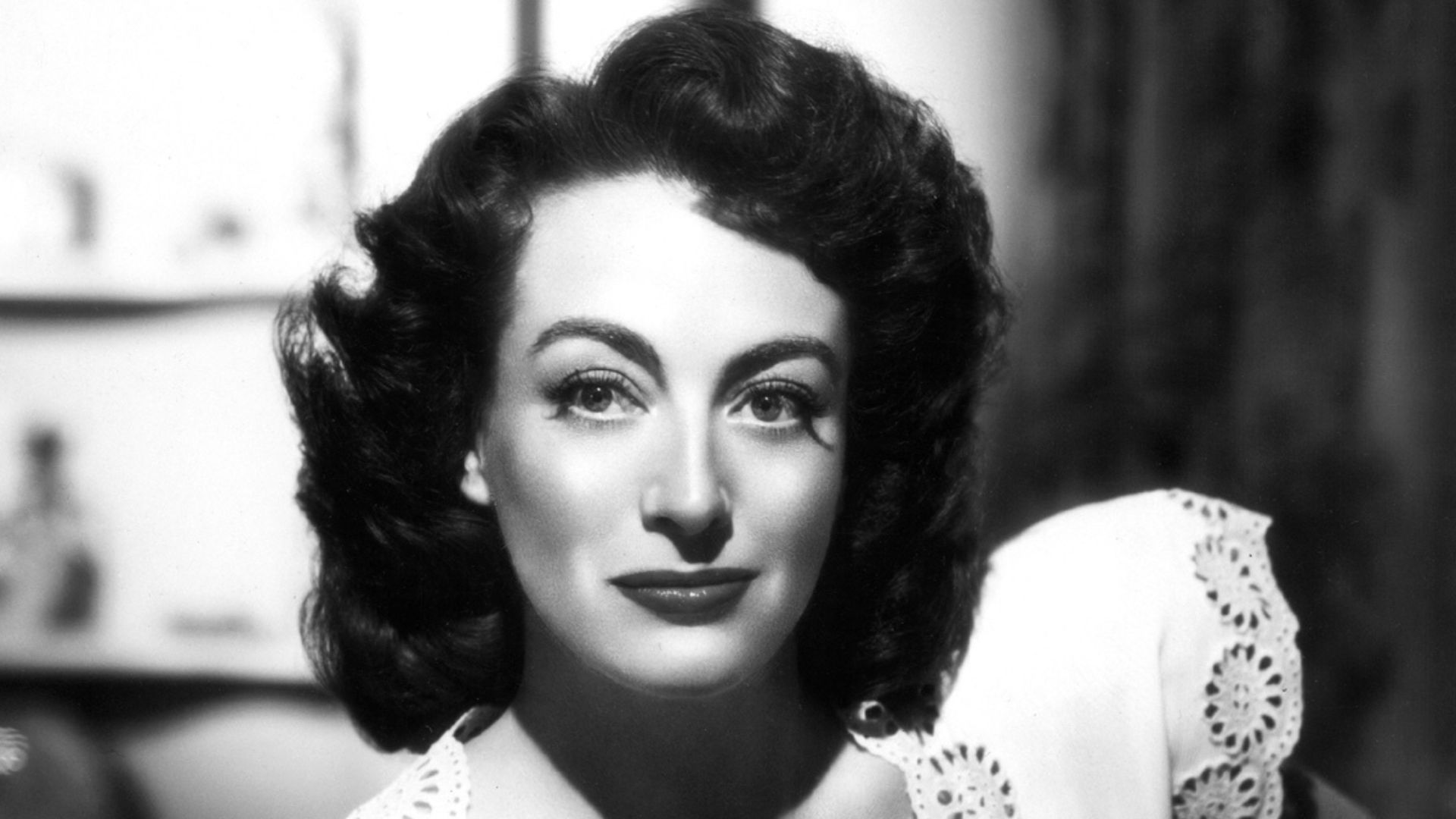 Studio publicity still, Wikimedia Commons
Bette Davis Starred In The Star
Their 1952 drama The Star cast Bette Davis as Margaret Elliot, an Oscar winner desperate to return. Davis acknowledged Crawford inspired the character, but denied imitating her. Davis later called it one of the best screenplays about an actress she had encountered.
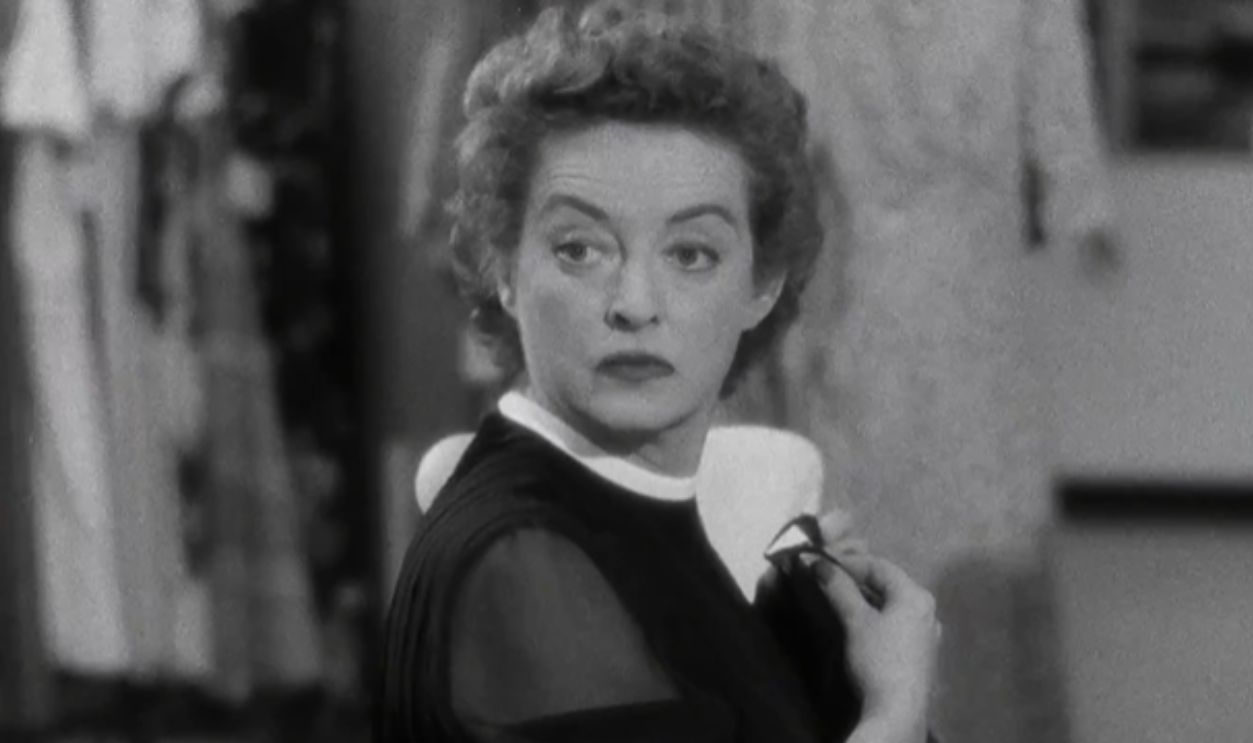 Screenshot from The Star, 20th Century Studios (1952)
A Family Wedding Made Things Worse
Their friendship ended during production. Eunson said Crawford secretly arranged their teenage daughter's wedding without inviting them. Their estrangement was therefore about more than a film script.
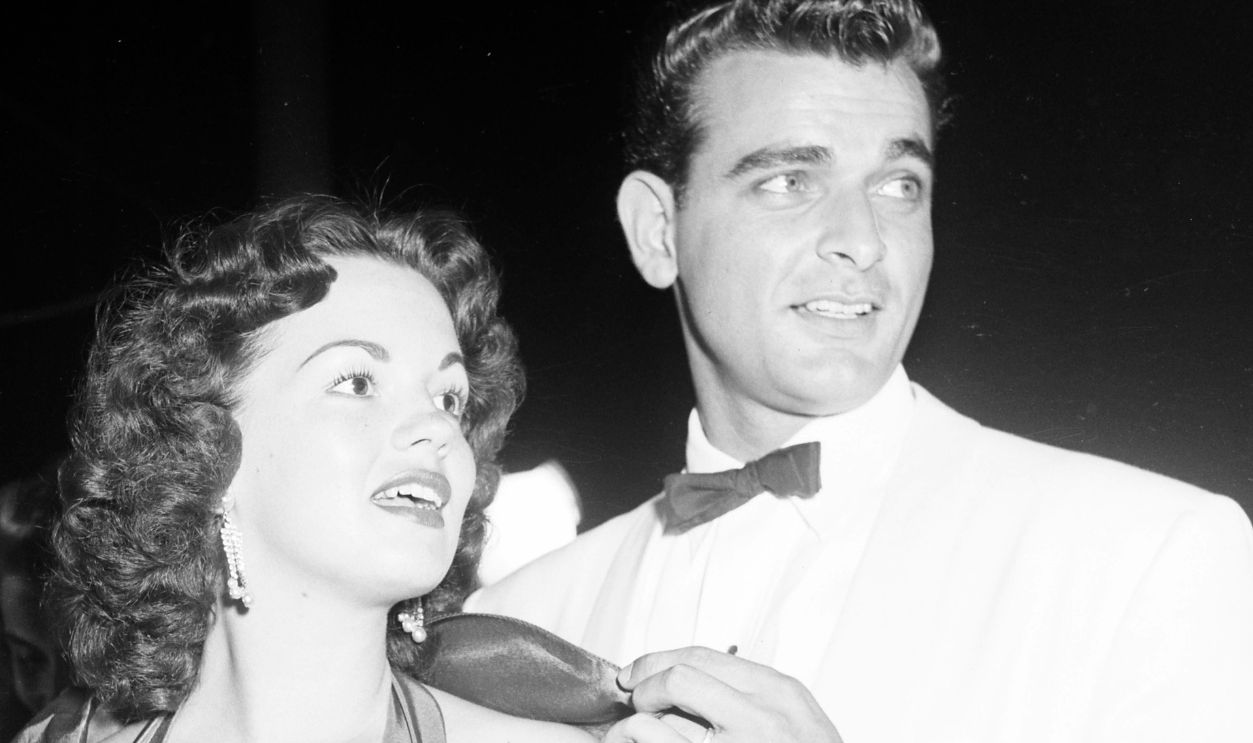 Michael Ochs Archives, Getty Images
Miriam Hopkins Had Played Jezebel First
Before Jezebel became a 1938 Bette Davis triumph, Miriam Hopkins had played its heroine on Broadway. The women were once friendly acquaintances, but Hopkins believed the movie role belonged to her. Davis won the part and an Academy Award.
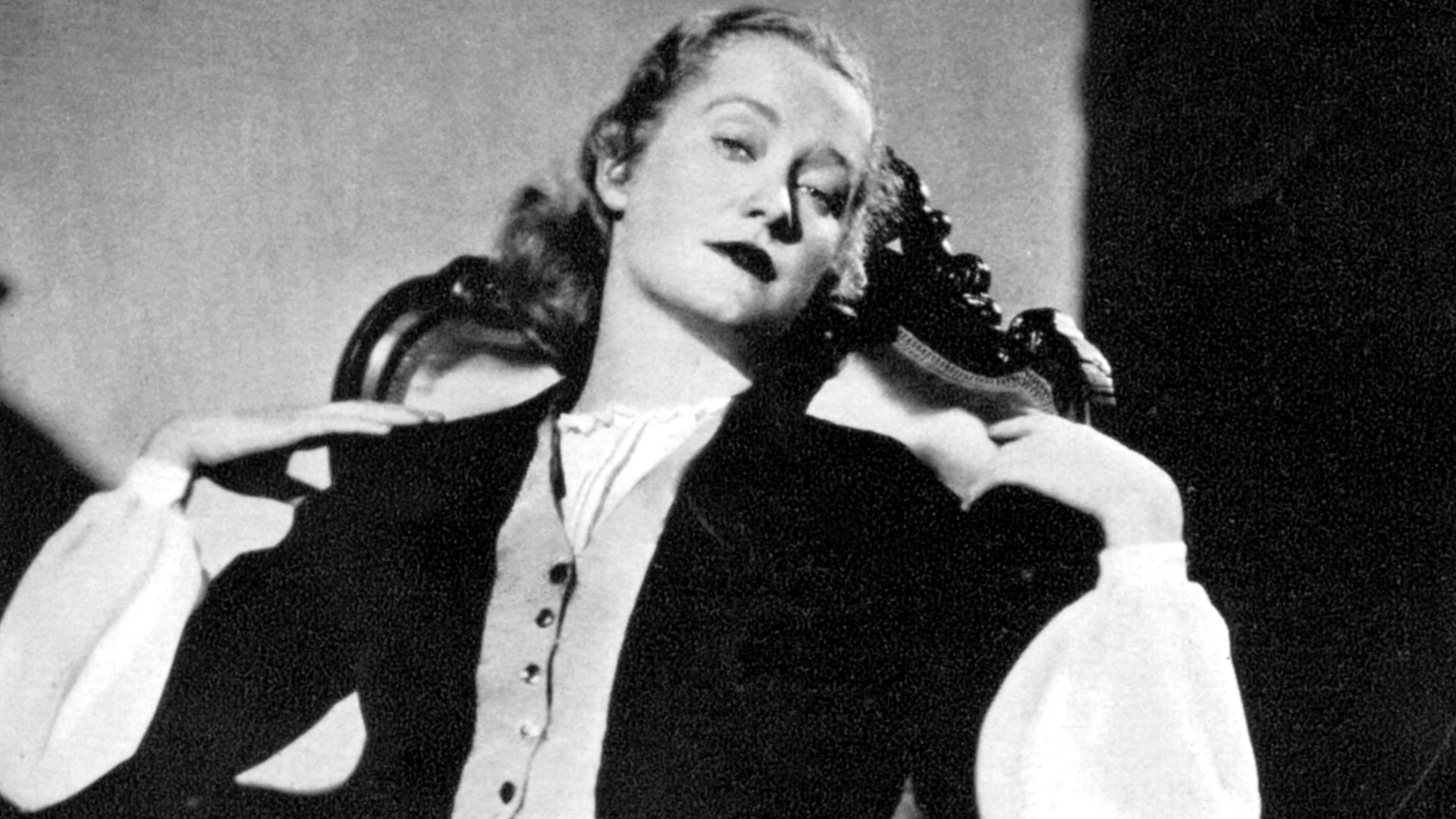 Ben Pinchot, Wikimedia Commons
Their Feud Had Another Cause
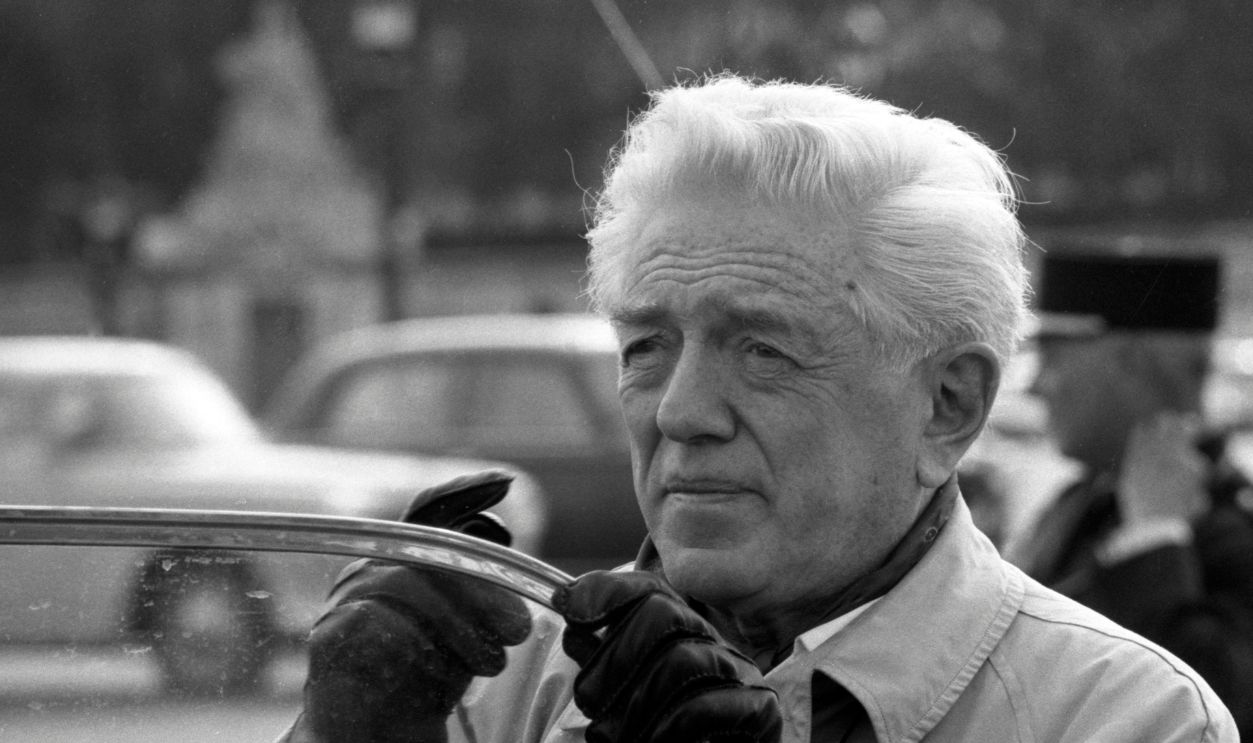
Hopkins's biographer Allan Ellenberger says she also learned Davis had an affair with her husband, director Anatole Litvak. The reported affair occurred while The Sisters was being made. That grievance deepened her casting resentment. The story was considerably messier than a stolen role.
 REPORTERS ASSOCIES, Getty Images
The Old Maid Reunited Them
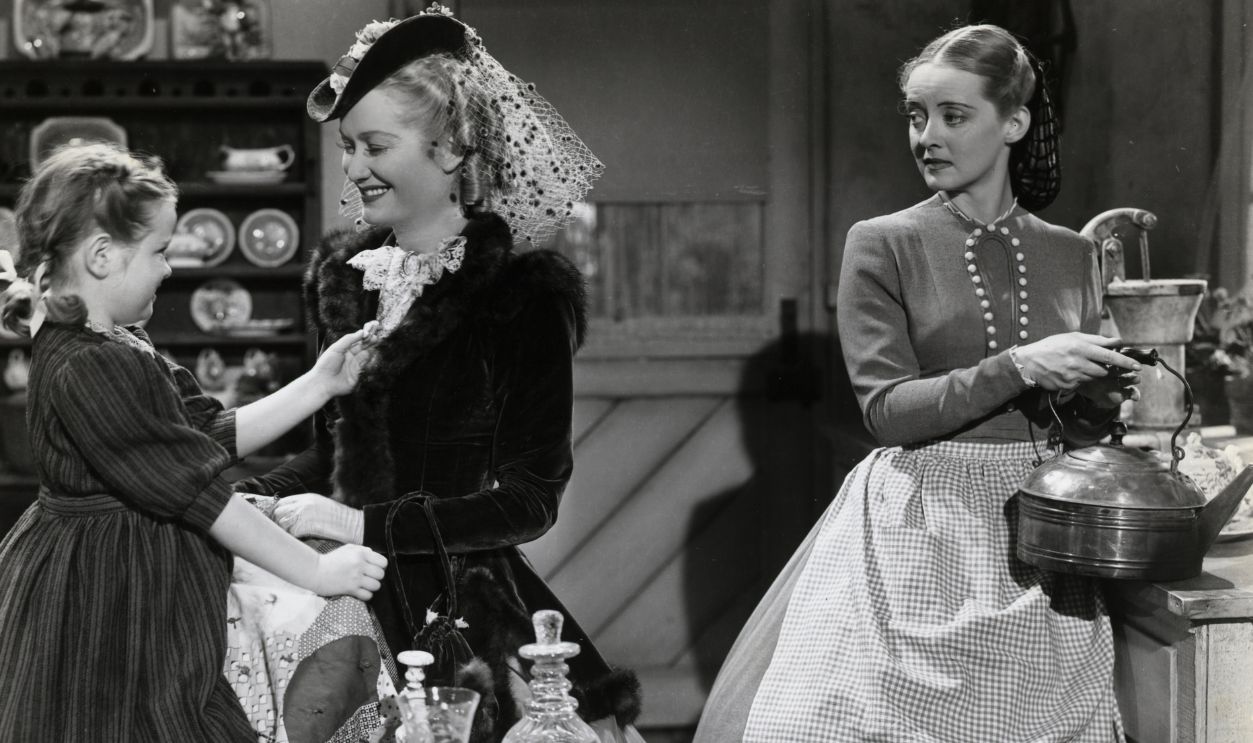
In 1939, Davis and Hopkins starred together in The Old Maid, playing women locked in a bitter family struggle. Offscreen, both actresses reportedly tried to upstage each other. They reunited for Old Acquaintance in 1943, but their earlier friendliness had vanished.
Bette Davis Had A Favorite Director
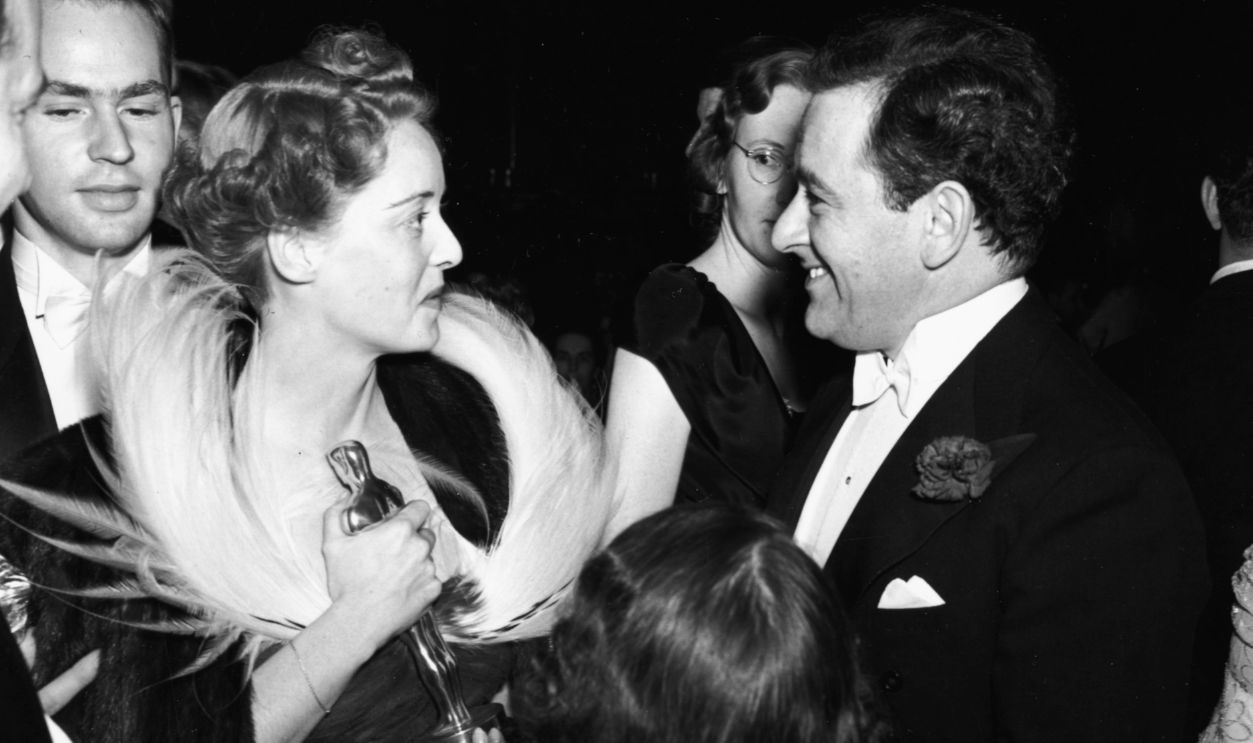
William Wyler helped Davis win her second Oscar with Jezebel, and they reunited for The Letter. She considered Wyler her favorite director. Their next film, 1941's The Little Foxes, became a painful turning point.
Regina Giddens Became A Battleground
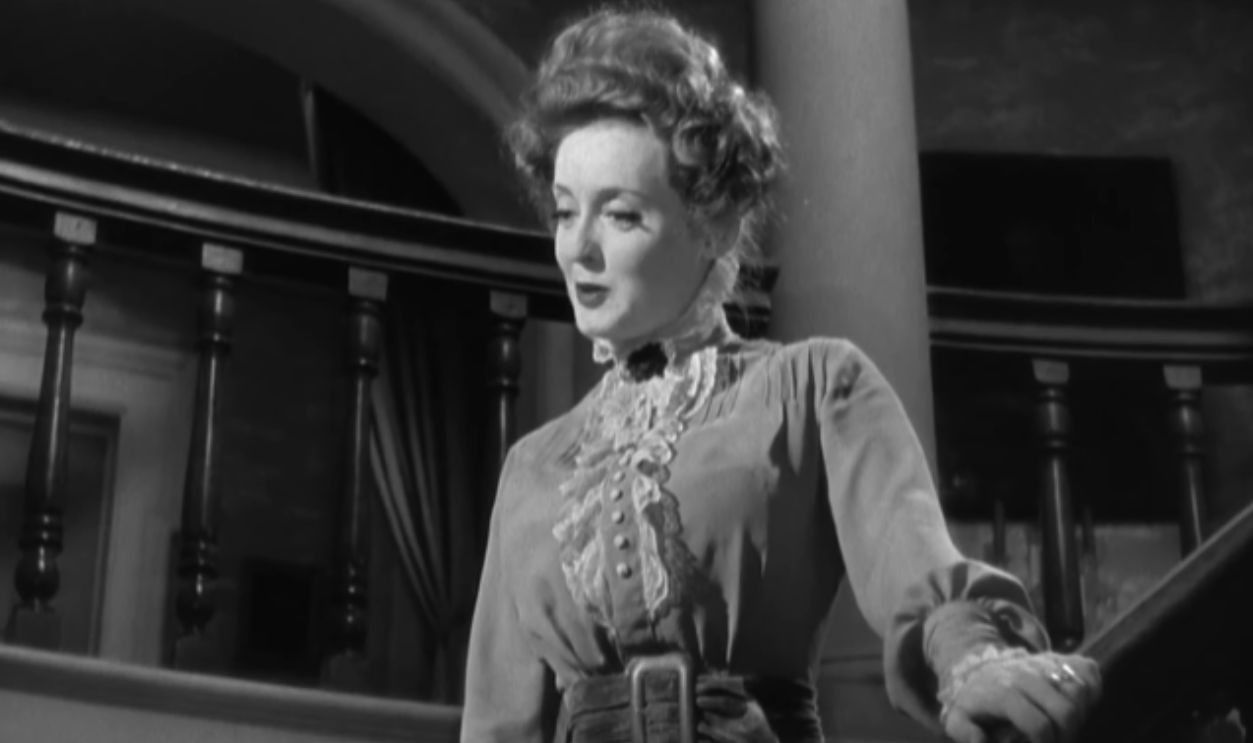
Davis wanted Regina Giddens to be cold and ruthless, while Wyler pushed for more wit and warmth. They also disputed Davis’s deliberately aging makeup, elaborate costumes, and expensive-looking sets. Davis refused to compromise, and their arguments intensified.
 Screenshot from The Little Foxes, RKO Radio Pictures (1941)
Davis Actually Walked Off The Picture
Davis left production for an extended absence before returning to finish the film. The Little Foxes earned critical praise and multiple Oscar nominations, but she and Wyler never made another picture together. Their collaboration ended over a contested performance.
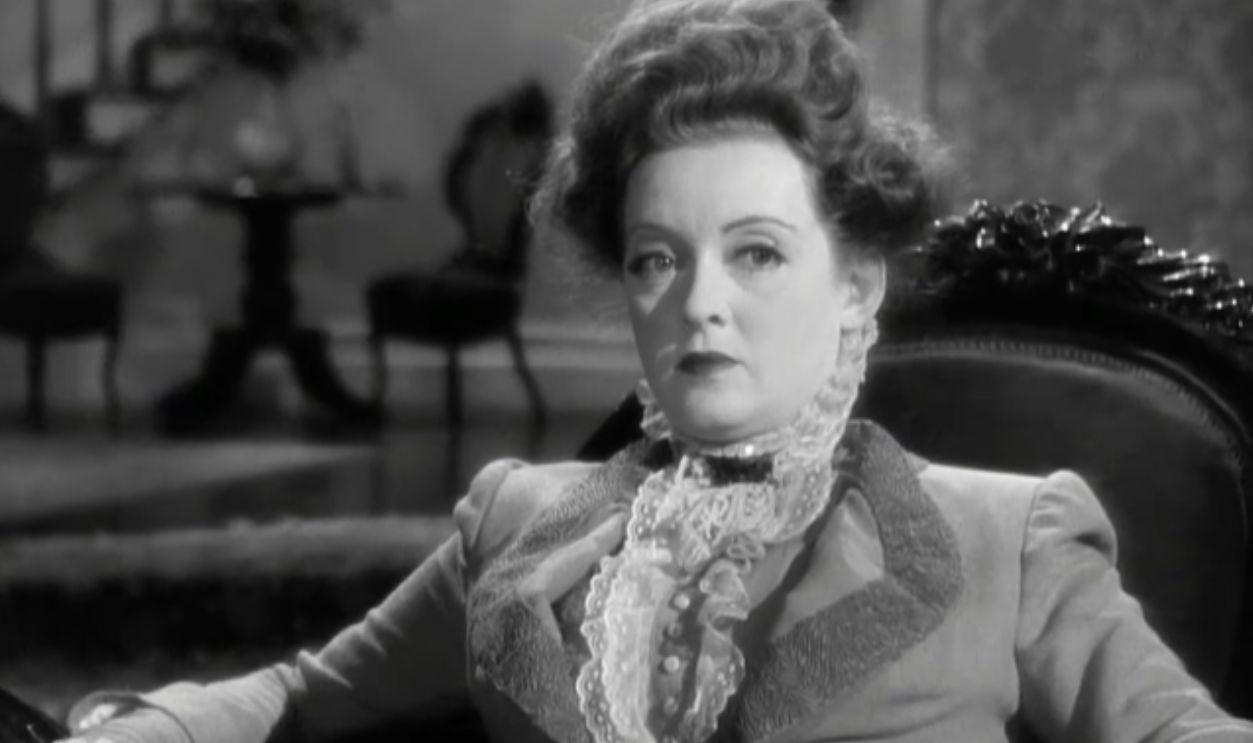 Screenshot from The Little Foxes, RKO Radio Pictures (1941)
Fonda Owned The Mister Roberts Role
Fonda had originated Mister Roberts on Broadway, perfecting the title role. Warner Bros initially preferred Marlon Brando or William Holden for the 1955 movie. Ironically, director John Ford insisted that his longtime friend Fonda should get the part.
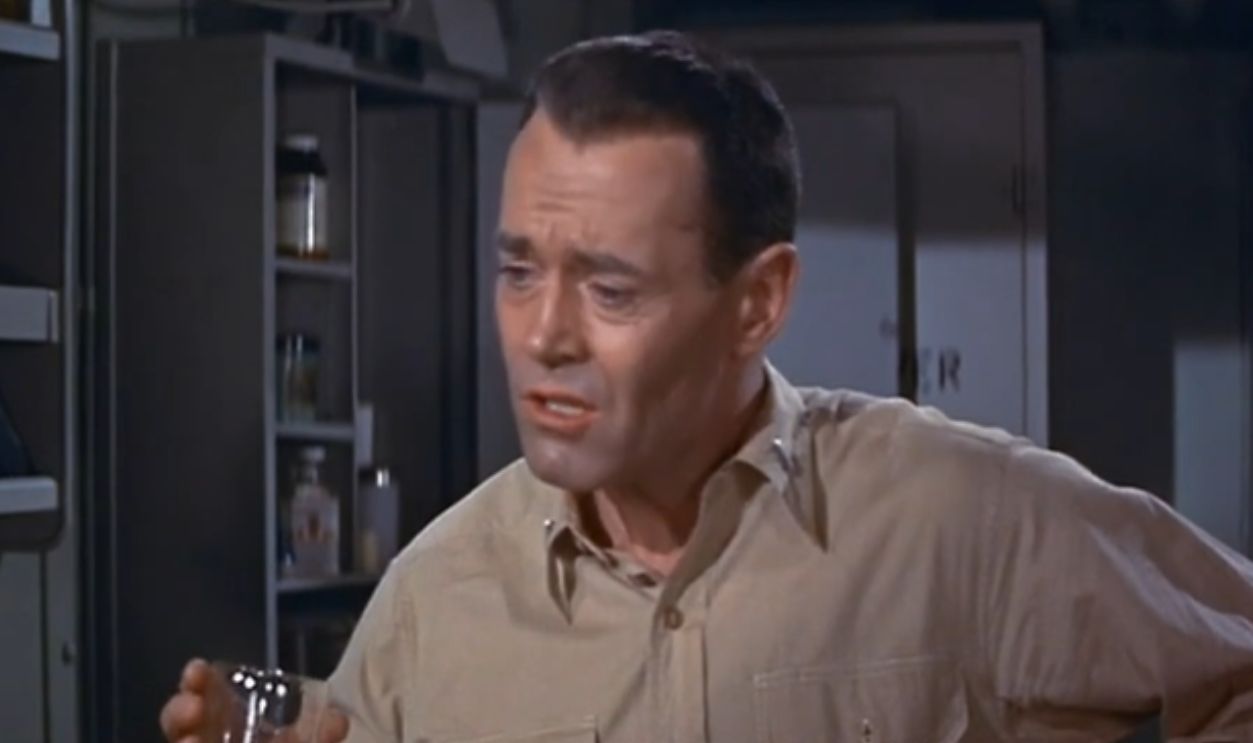 Screenshot from Mister Roberts, Warner Bros. (1955)
Ford Rewrote The Character
Fonda disliked Ford's broader comedy and changes to the play. According to Turner Classic Movies, Ford also seemed to shift attention toward Jack Lemmon's supporting character. Fonda felt sidelined.
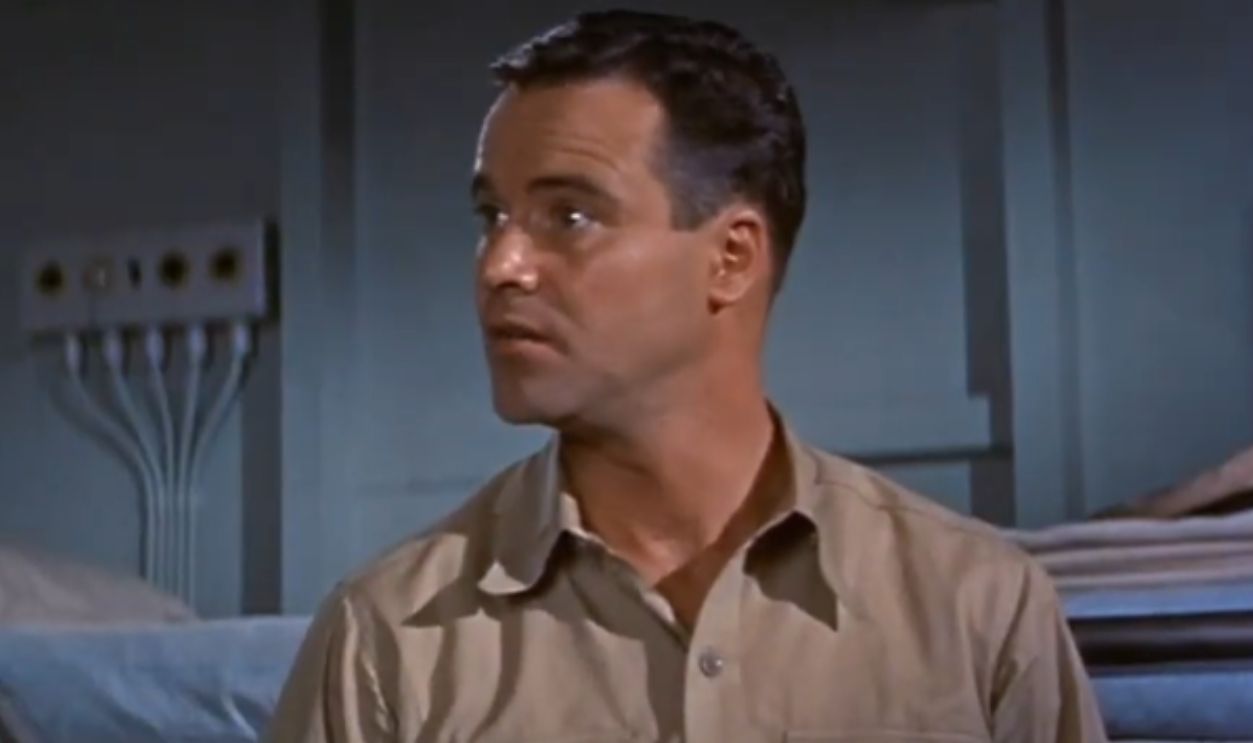 Screenshot from Mister Roberts, Warner Bros. (1955)
One Confrontation Crossed The Line
Ford confronted Fonda during location filming. Accounts describe the director swinging at the actor, although details vary. Ford apologized afterward, but their years of trust could not be restored. Their creative disagreement became a personal rupture.
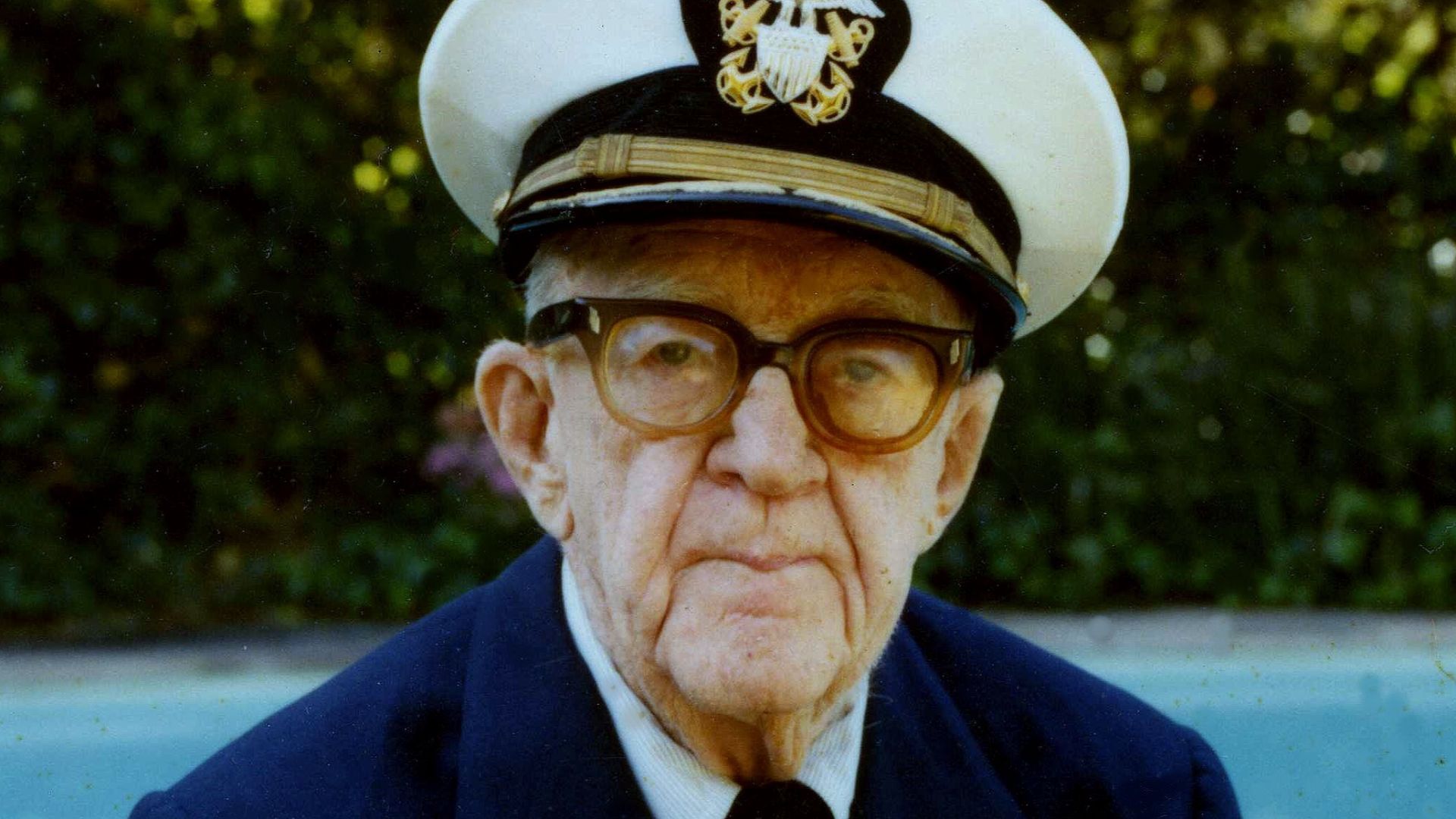 Allan warren, Wikimedia Commons
Their Final Movie Was Still A Hit
Ford left the production after becoming ill, and Mervyn LeRoy completed much of the picture. Mister Roberts was a box-office success, and Lemmon won an Oscar. Ford and Fonda, however, never worked together again despite their earlier friendship and memorable film collaborations.
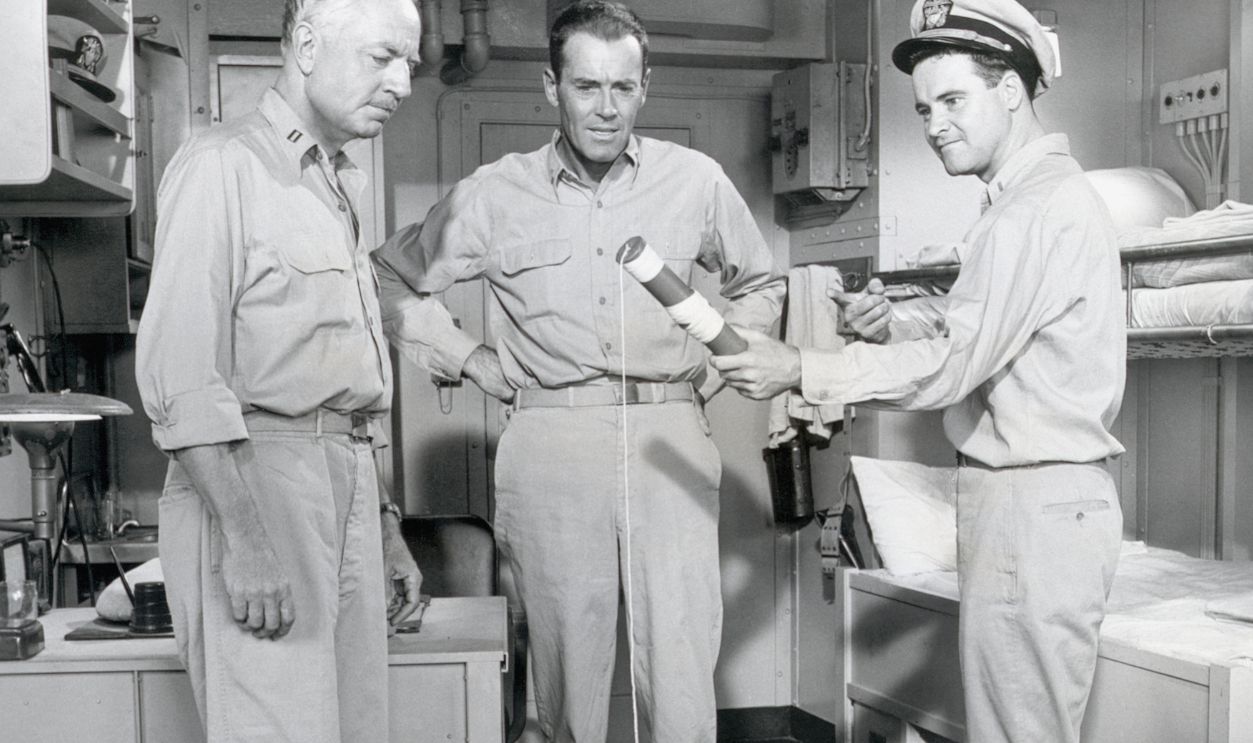
Stewart And Mann Made Western Magic
Stewart and director Anthony Mann had built a remarkable partnership with Westerns including Winchester '73, The Naked Spur, and The Man From Laramie. They specialized in morally complicated heroes rather than conventional, spotless Western good guys. Then another Western, Night Passage, threatened the relationship.
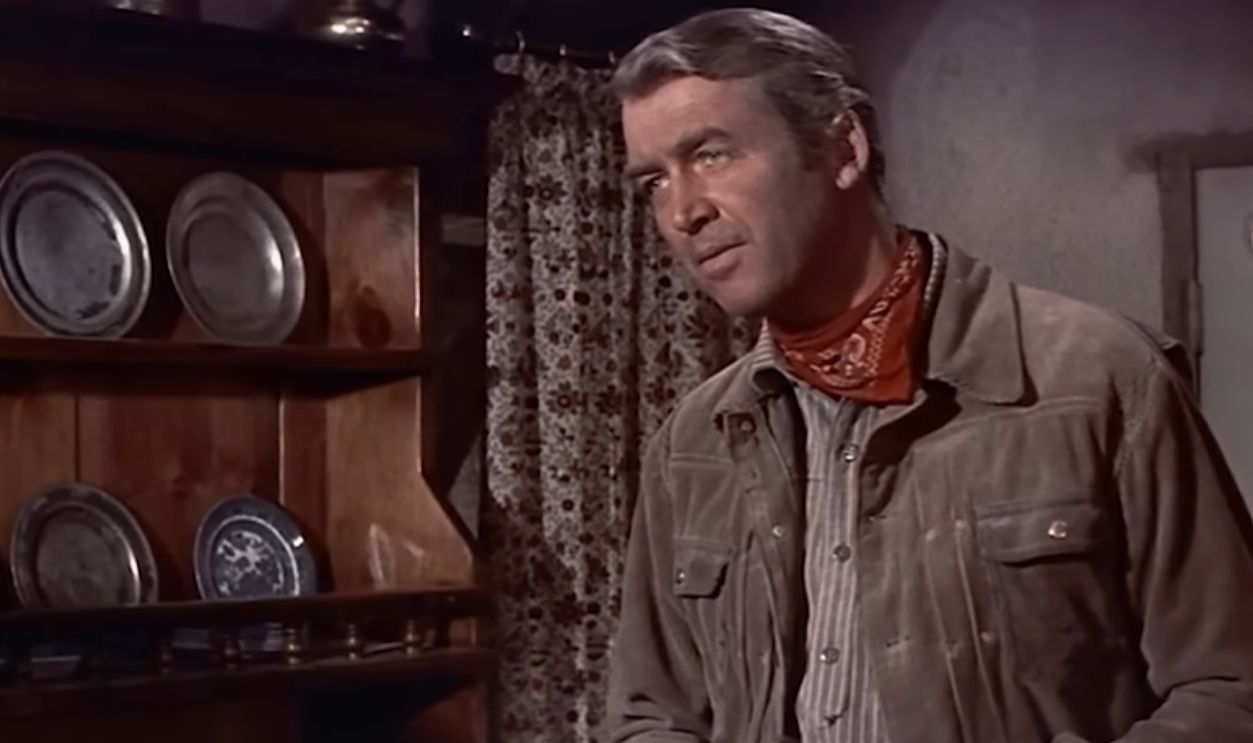 Screenshot from The Man from Laramie, Sony Pictures (1955)
Mann Didn't Believe In The Script
Mann initially planned to direct Night Passage, with Stewart playing a railroad detective. But Mann thought the screenplay was weak and withdrew before filming. Stewart pressed ahead, while Mann moved to The Tin Star. James Neilson directed instead. Their disagreement was hardly an ordinary scheduling change.
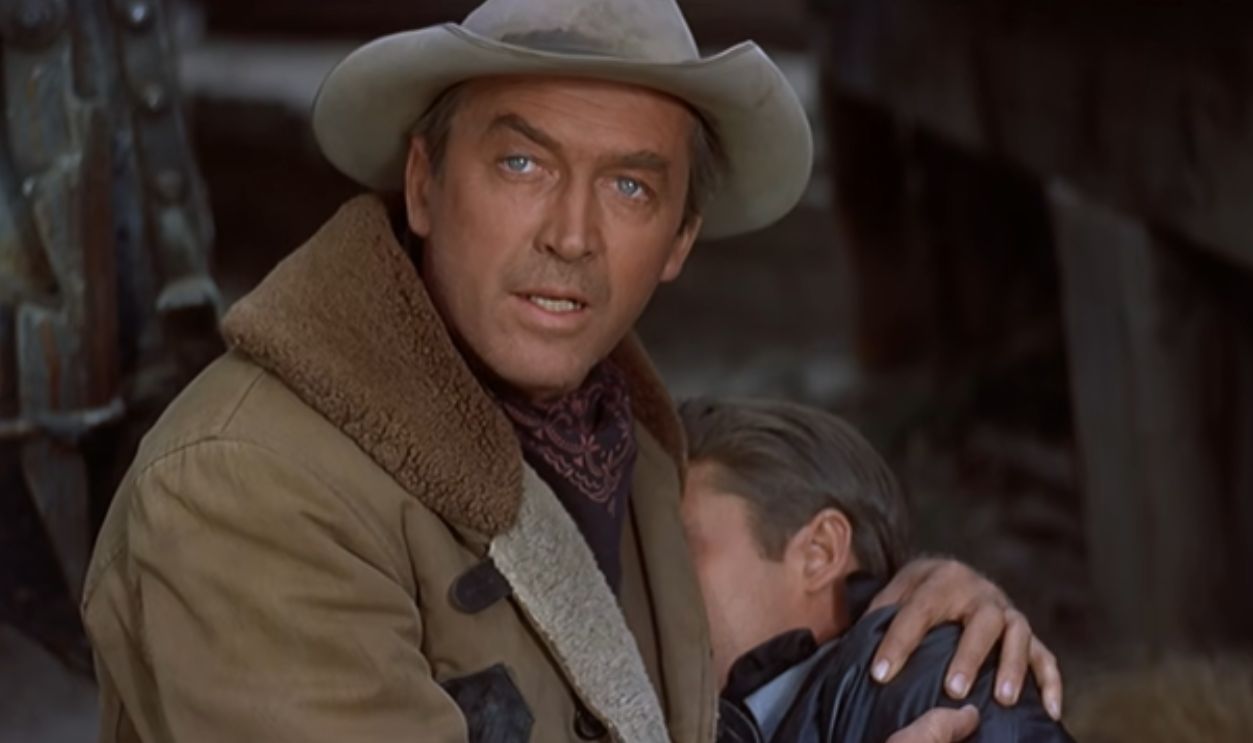 Screenshot from Night Passage, Universal Pictures (1957)
A Professional Split, Not Permanent Silence
The 1957 film marked the end of Stewart and Mann's screen partnership. Turner Classic Movies reports they did not speak for several years, although contact eventually resumed. Their later reconnection matters: this was not a lifelong estrangement.
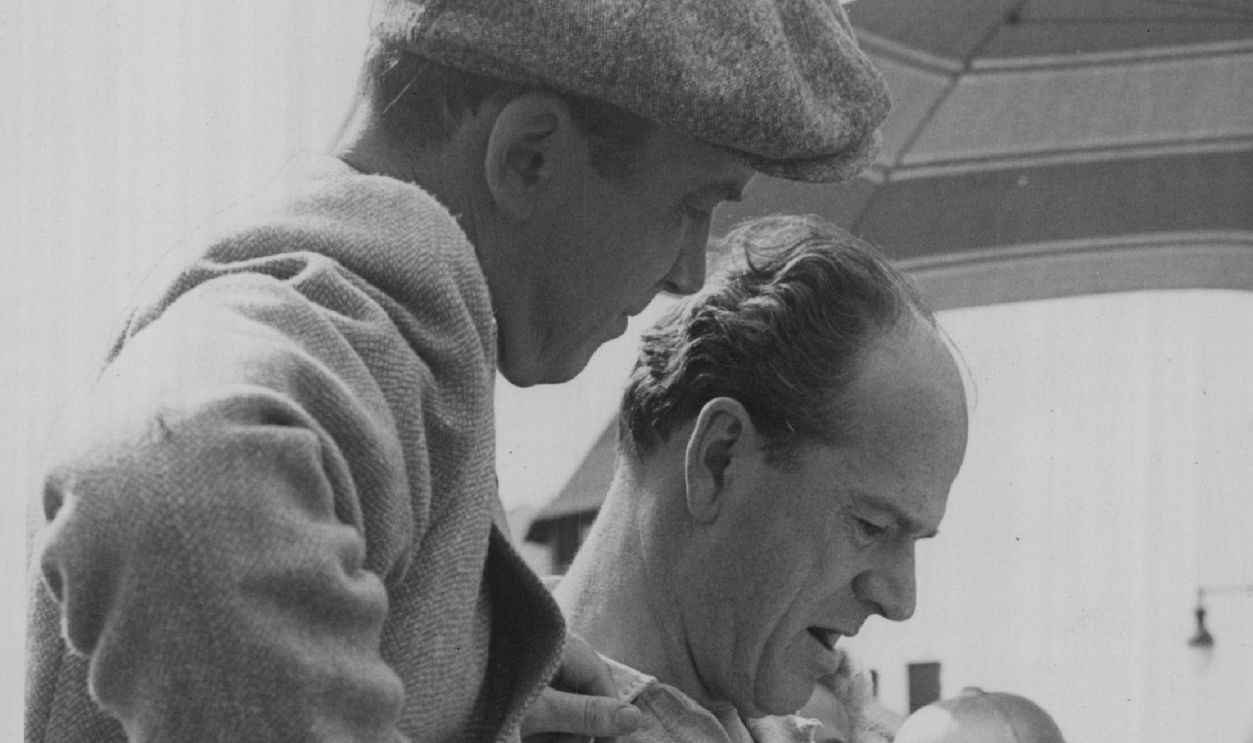
Gene Kelly Helped Stanley Donen Get Started
Kelly and Stanley Donen first worked together in theater before becoming a celebrated musical-making team. They co-directed On The Town and Singin' In The Rain. Donen later directed independently, finding success with Seven Brides For Seven Brothers.
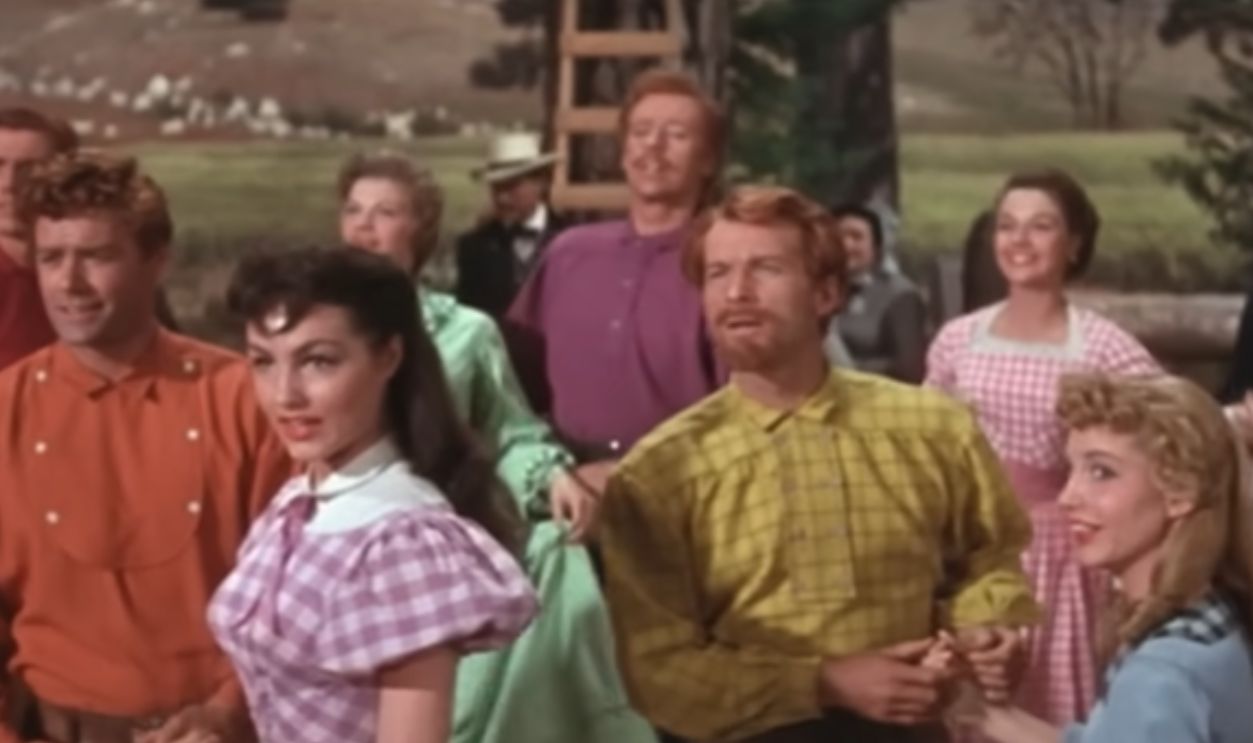 Screenshot from Seven Brides for Seven Brothers, MGM (1954)
Always Fair Weather Wasn't So Friendly
Donen reluctantly agreed to co-direct 1955's It's Always Fair Weather with Kelly. They disagreed throughout production; Donen regarded the reunion as a backward step. Both men later regarded their reunion as a mistake.
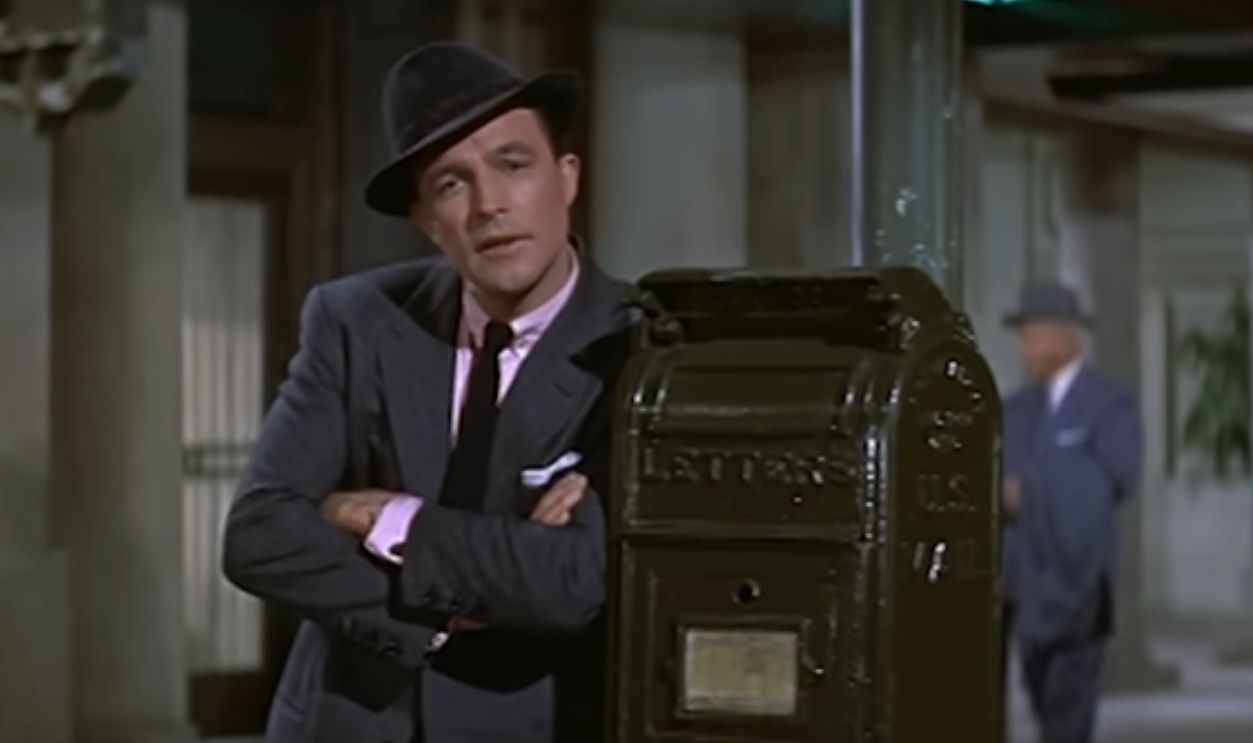 Screenshot from It's Always Fair Weather, Warner Bros. (1955)
The Plot Was Almost Too Appropriate
The movie follows three wartime friends who reunite years later and discover they barely like each other. Kelly and Donen never directed together again. Their partnership had reached a similarly unhappy end, though their last film survived as a musical.
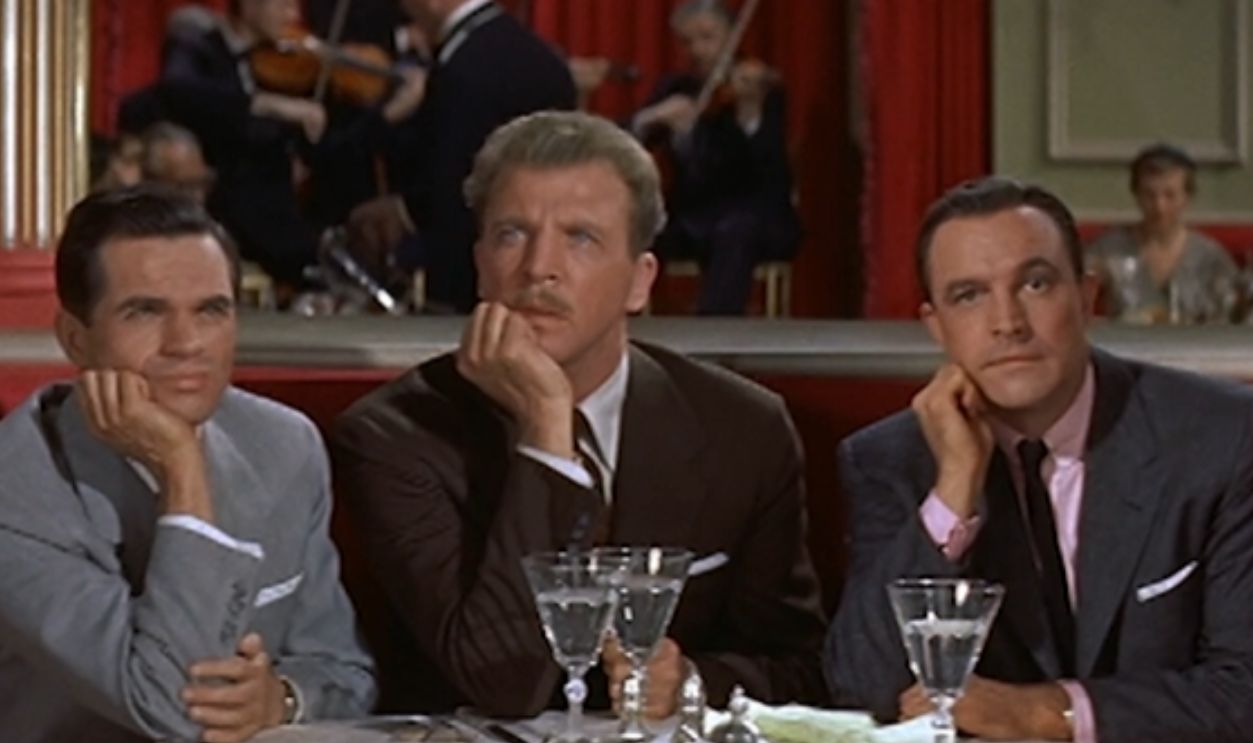 Screenshot from It's Always Fair Weather, Warner Bros. (1955)
Alec Guinness And David Lean Fell Out
David Lean and Alec Guinness had collaborated on Great Expectations, The Bridge on the River Kwai, and Lawrence Of Arabia. Their partnership ended after Lean cast Guinness as Professor Godbole in his 1984 adaptation of A Passage To India.
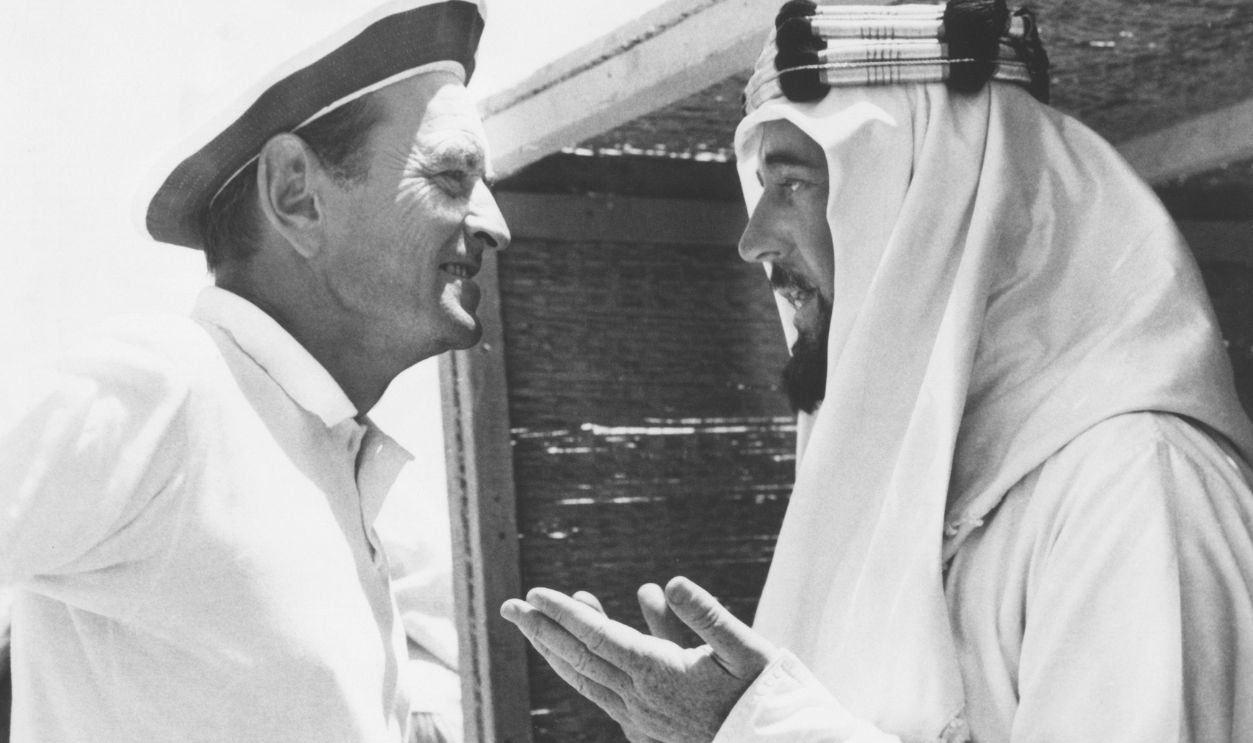
A Passage To India Caused The Rift
Guinness later called himself miscast in the Indian role. Lean wanted restraint, while Guinness worried about caricature. Guinness counted on a temple dance to deepen his performance. The sequence never appeared in the finished movie.
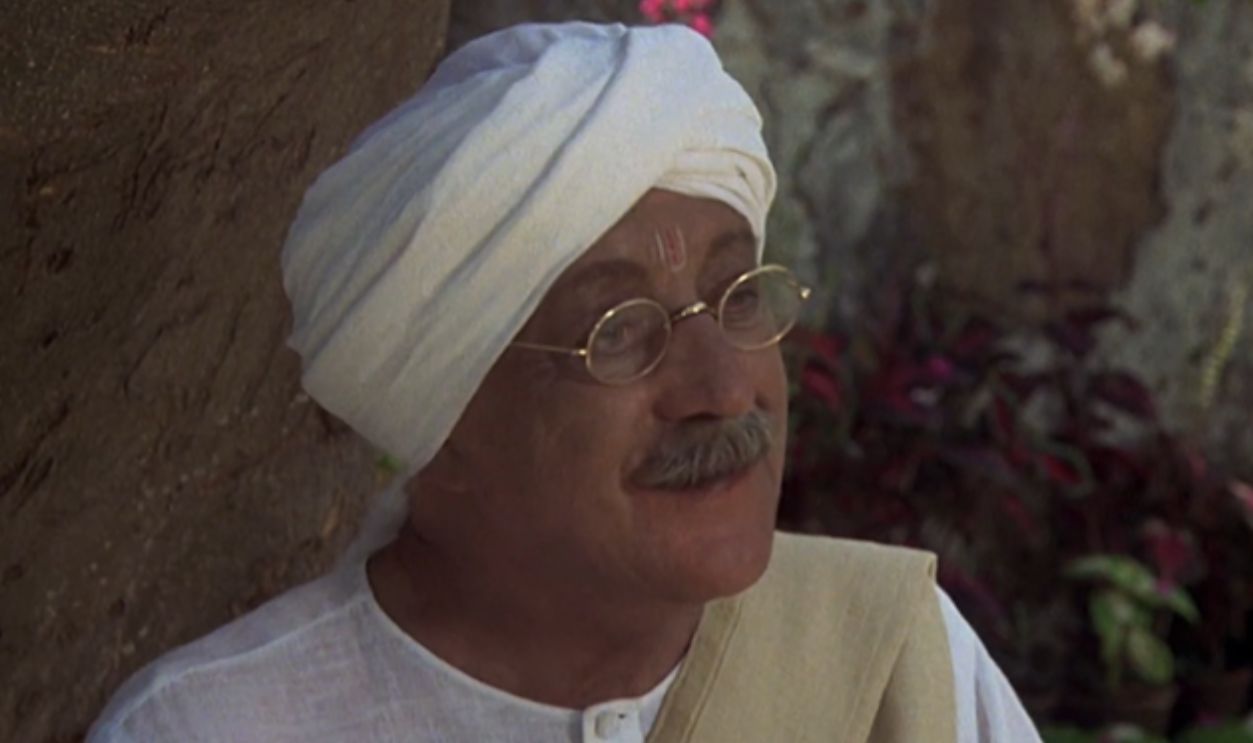 Screenshot from A Passage to India, Sony Pictures (1984)
A Missing Dance Ended Their Partnership
Guinness told The Washington Post in 1986 he had seen Lean only once since their disagreement. In 1989 Lean acknowledged their fight but still praised Guinness's talent and suggested reconciliation was possible. Despite that mutual respect, the two never made another film together.
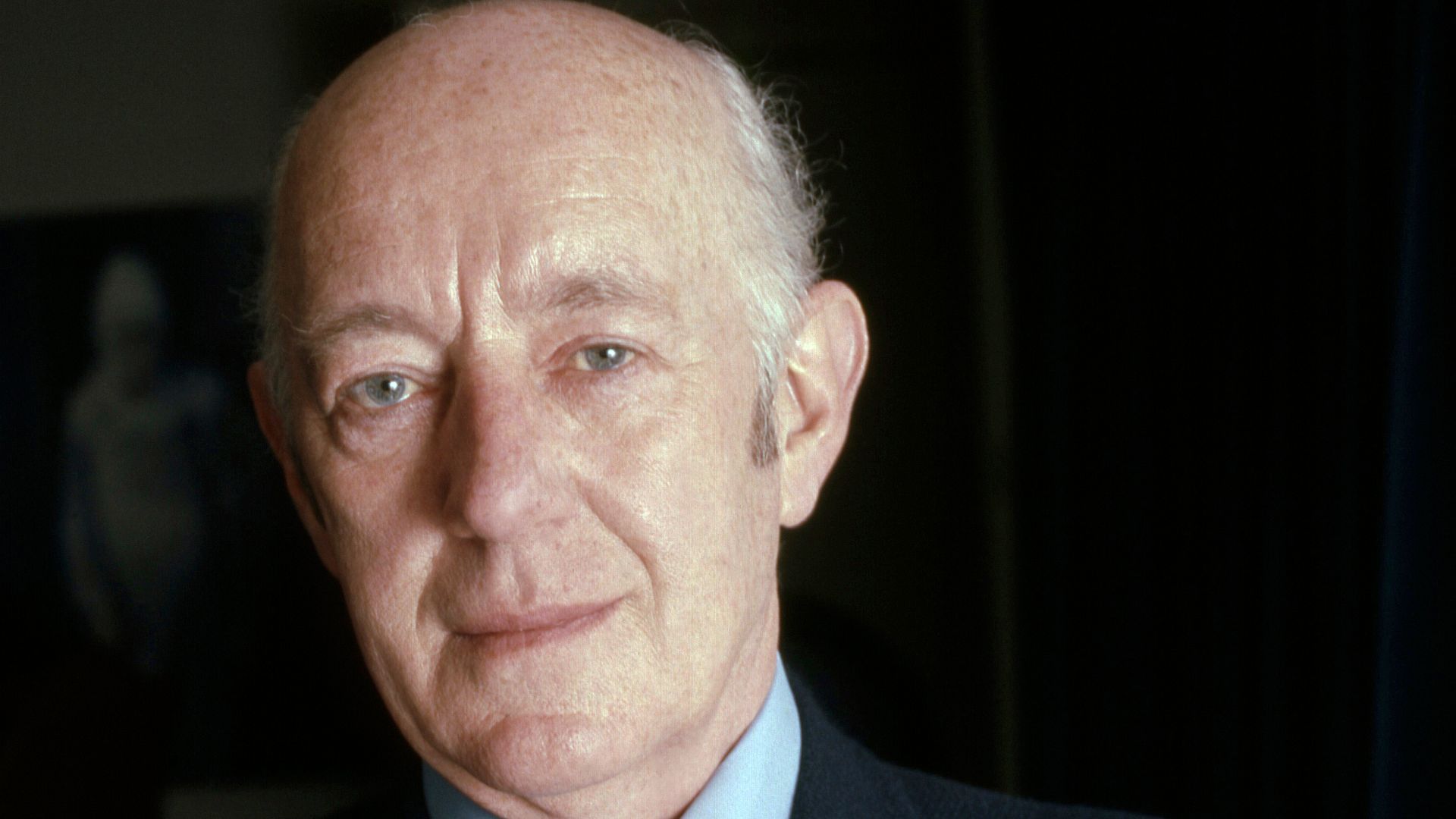 Allan warren, Wikimedia Commons
Chinatown Friends Fought Over Casting
Jack Nicholson, producer Robert Evans, and screenwriter Robert Towne had helped create Chinatown. Years later, they planned a sequel, The Two Jakes, that would reunite their creative team. But Evans wanted to play Jake Berman, and Towne came to believe his old colleague was wrong for the part.
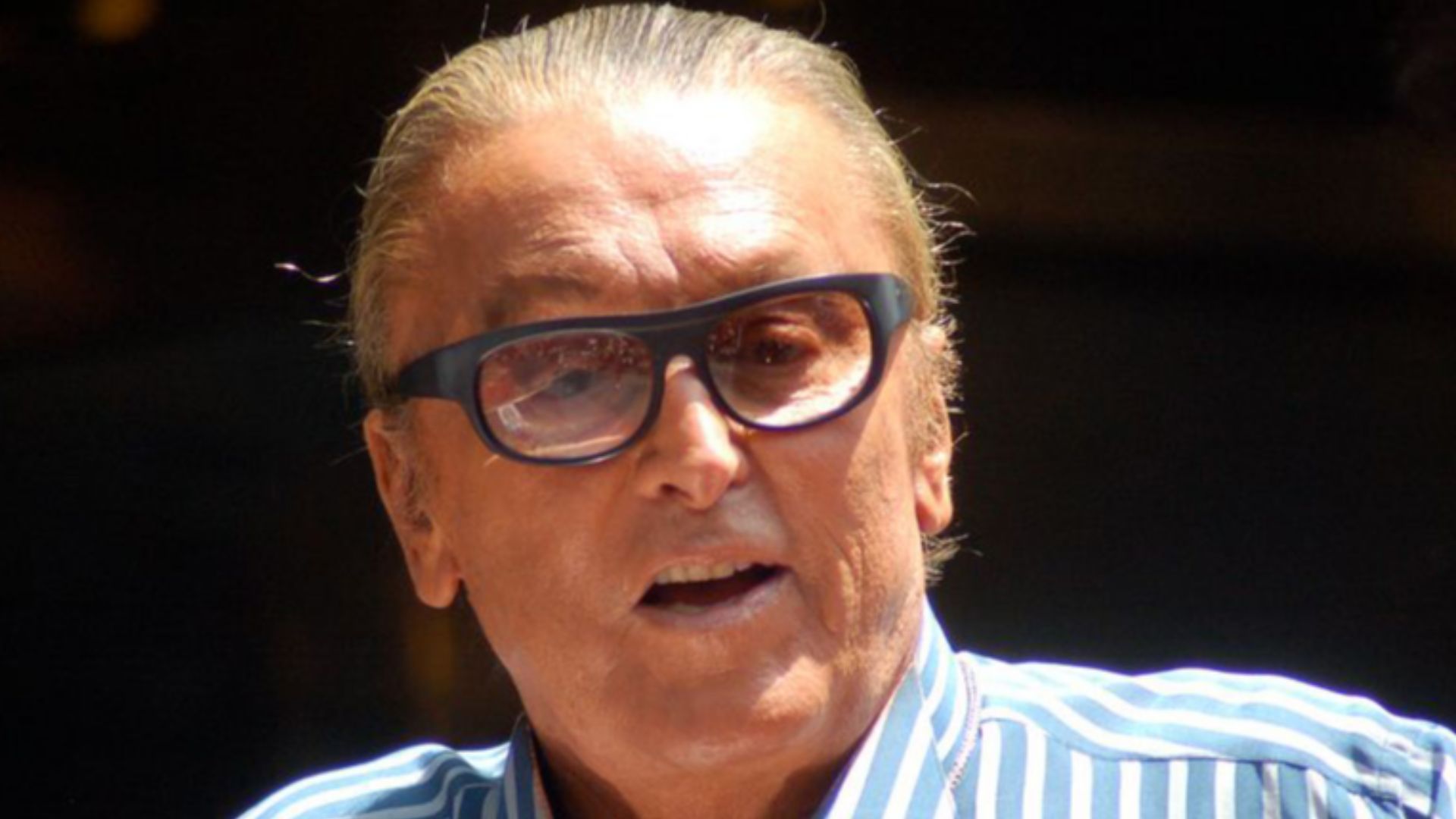 Angela George, Wikimedia Commons
The Casting Argument Stopped The Movie
Nicholson supported Evans, while Towne argued the role needed someone else. The dispute derailed the 1985 production before principal photography began. Sets were dismantled, substantial expenses mounted, and lawsuits followed. The friends had split over casting before filming could properly begin.
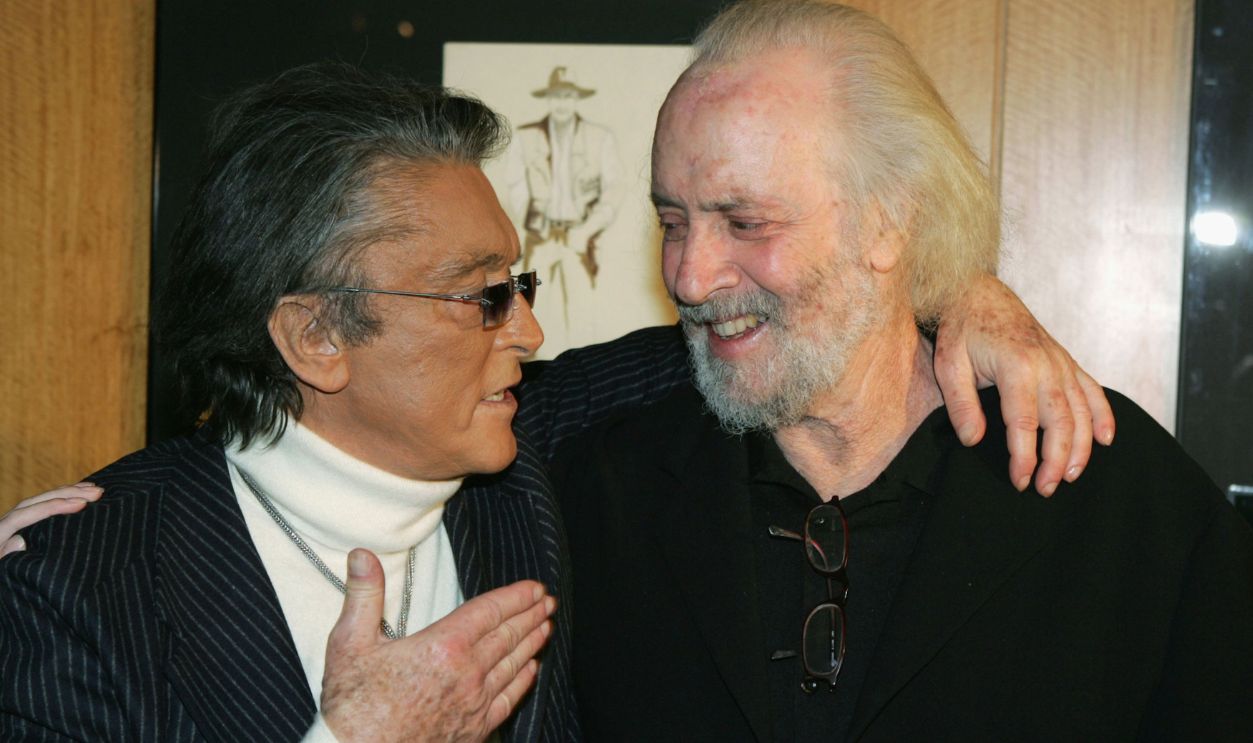
Harvey Keitel Eventually Played The Part
The Two Jakes finally reached theaters in 1990, directed by Nicholson, with Harvey Keitel playing Berman. Evans retained a producer credit and Towne a writing credit. Their partnership had fractured over a single role.
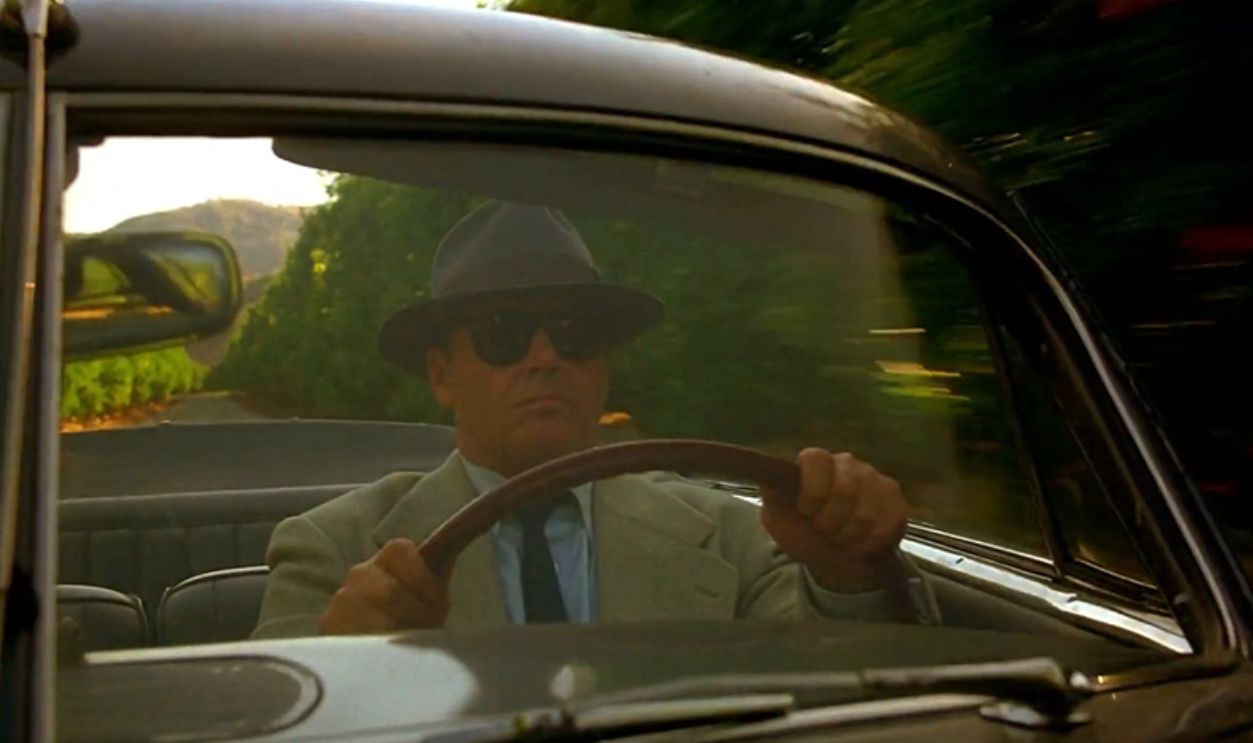 Screenshot from The Two Jakes, Paramount Pictures (1990)
You May Also Like:
Hollywood Co-Stars Who Fell In Love On Set
Sources: 1, 2, 3, 4, 5, 6, 7, 8, 9, 10, 11, 12, 13, 14, 15, 16