When Hollywood Turned Competition Into A Spectator Sport
Old Hollywood loved a feud, especially when two famous names could sell extra tickets. But those icy stares seldom told the whole story. Some stars genuinely clashed; others were friends, and plenty understood that rivalry made excellent publicity. Behind the gossip were studio politics, career anxiety, and complicated relationships.
Bette Davis And Joan Crawford's Supposed Feud
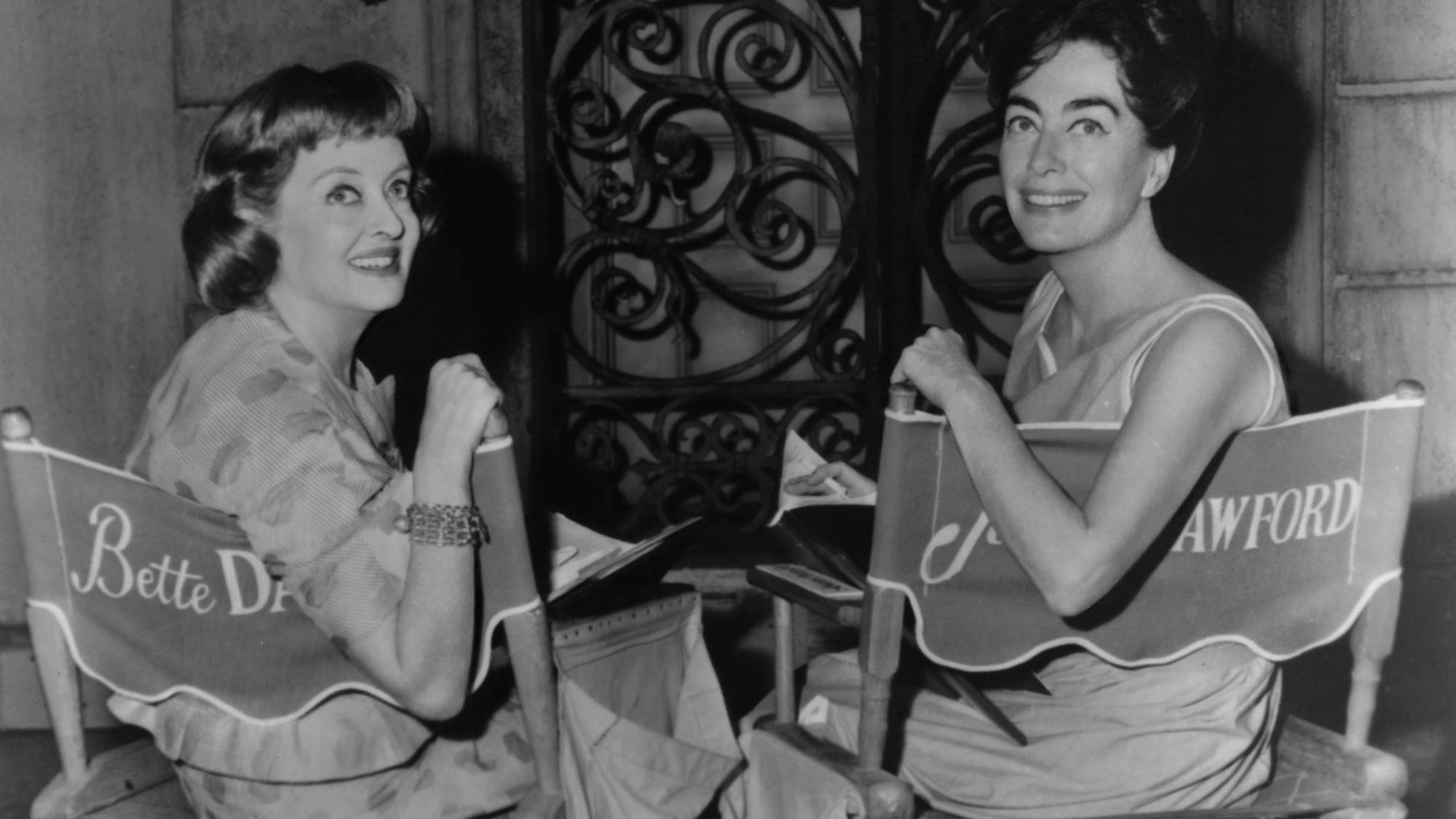
Davis and Crawford became synonymous with feuding after 1962's What Ever Happened to Baby Jane? Yet Davis maintained they hadn't competed for parts at Warner Bros. Their screen images were simply too different.
Crawford Was The One Who Wanted Them Together
Crawford admired Davis and encouraged director Robert Aldrich to find a film for them. She accepted Davis as the title character and supported her top billing. Their collaboration began with admiration, not declared war.
Olivia De Havilland And Joan Fontaine's Oscar Showdown
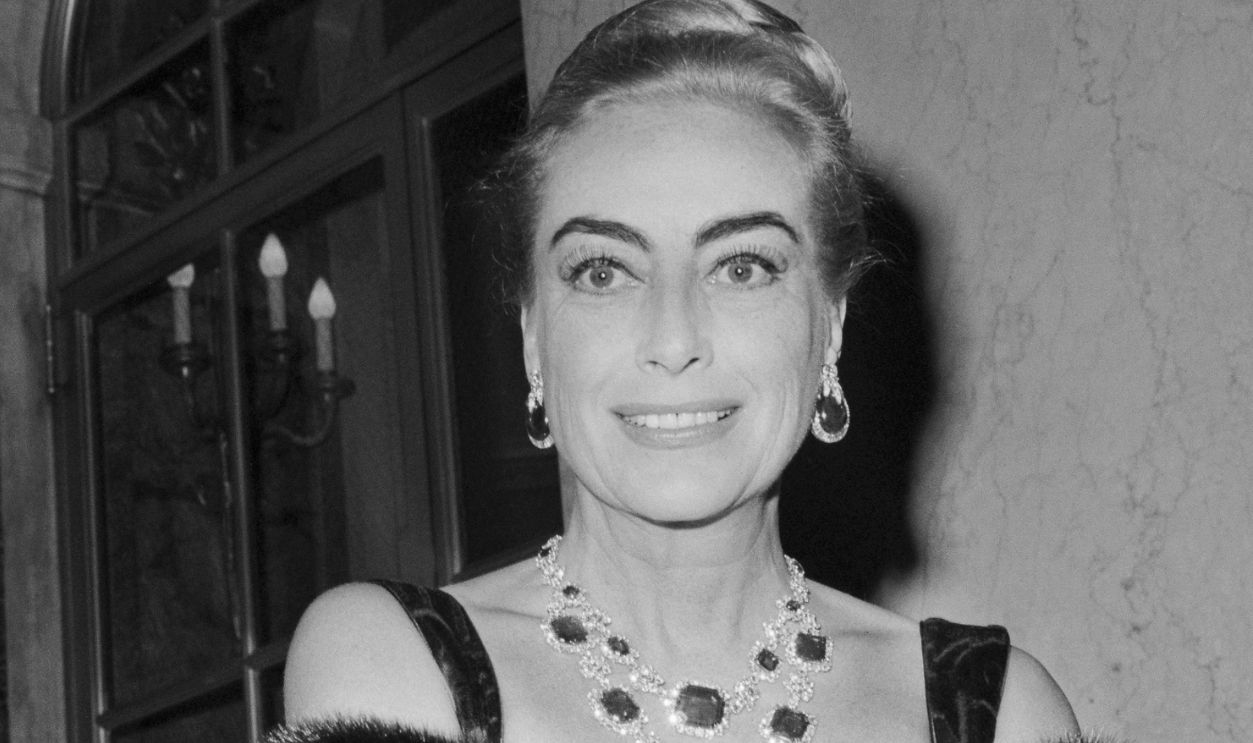
Fontaine won Best Actress for Suspicion in 1942 while her older sister competed for Hold Back the Dawn. The ceremony made their tensions international news, but their difficulties predated Hollywood stardom.
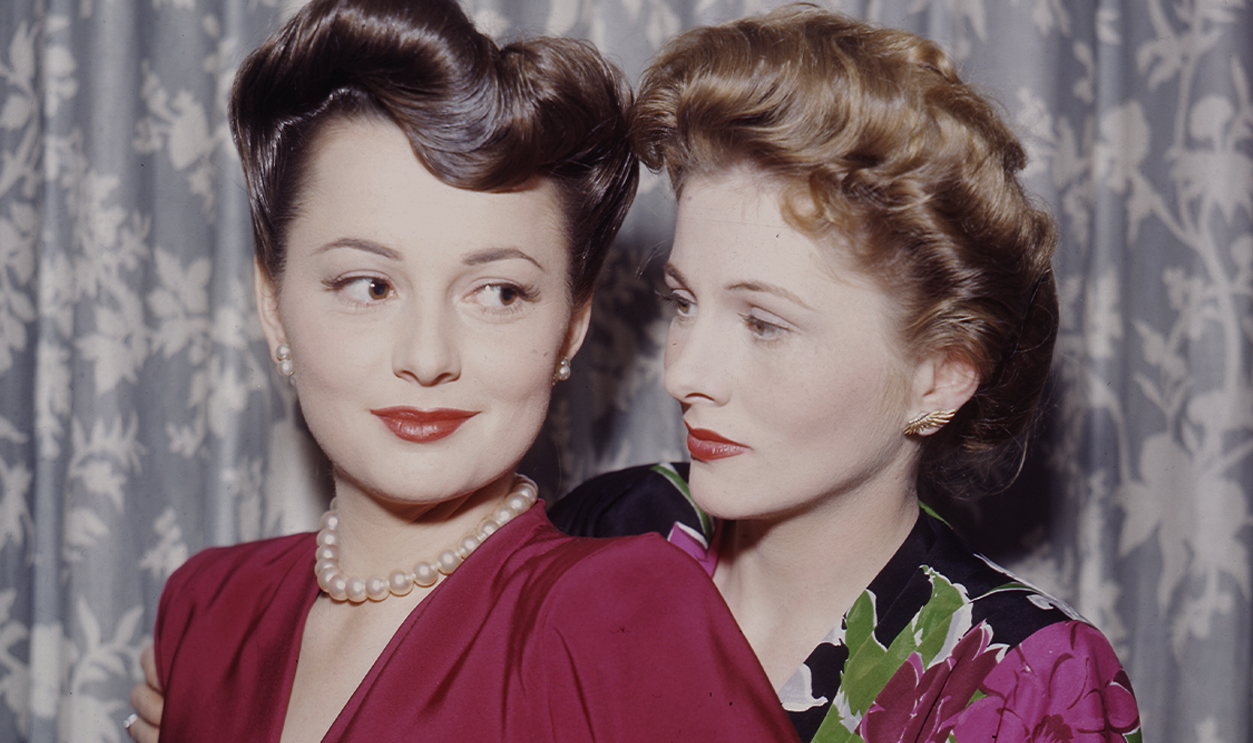 Silver Screen Collection / Contributor, Getty Images
Their Childhood Stories Clashed
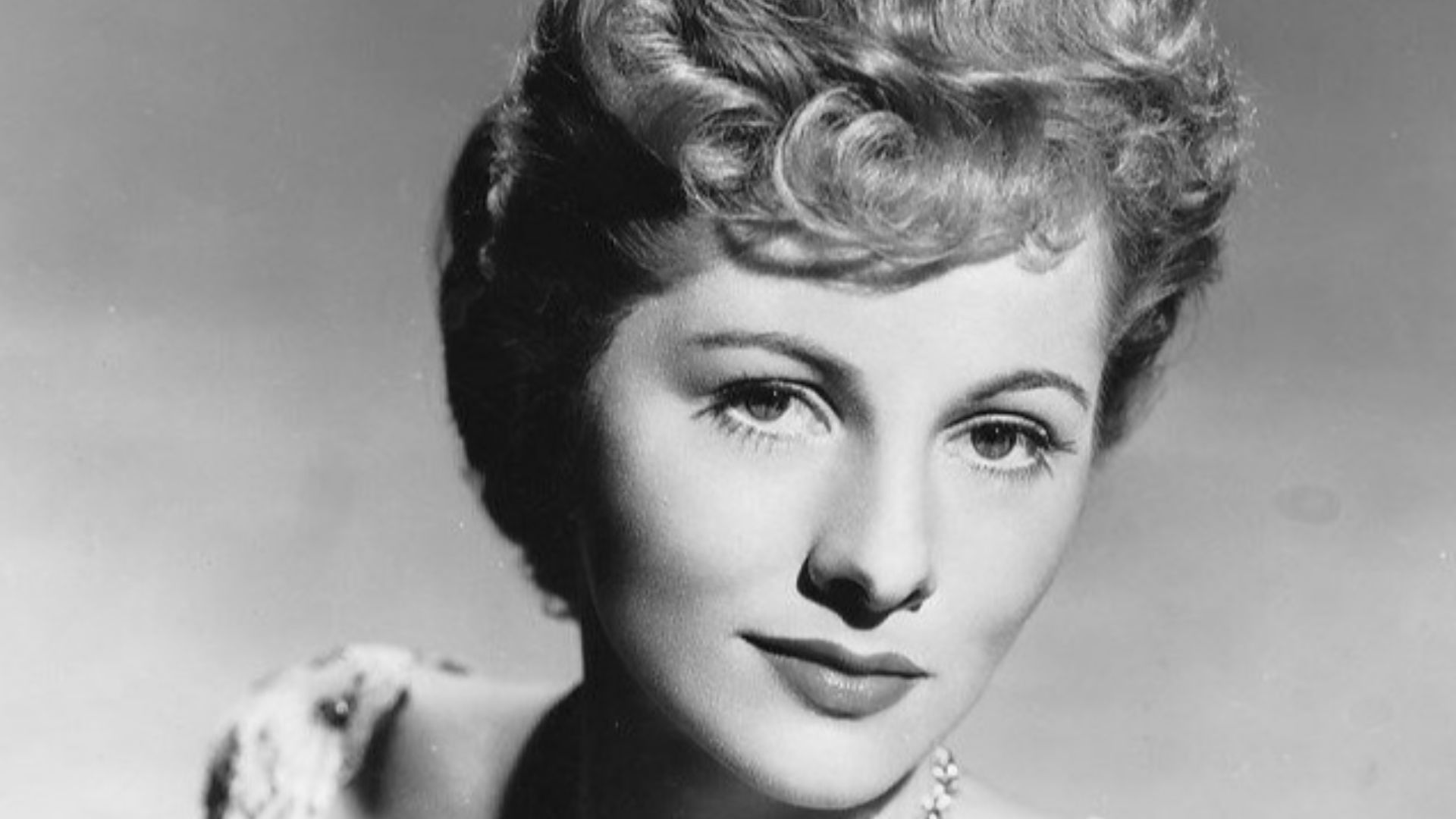
Fontaine recalled a childhood without kindness from Olivia. De Havilland remembered early tenderness and later disagreements, disputing her sister's autobiography. Their conflicting accounts reveal how little outsiders could confidently know about their history.
 Unknown authorUnknown author, Wikimedia Commons
Joan Crawford Had Another Rival At MGM
Long before Baby Jane, Crawford competed with Norma Shearer for important MGM roles. Shearer wielded considerable influence as the wife, then widow, of production chief Irving Thalberg. Unequal studio power helped fuel Crawford's resentment.
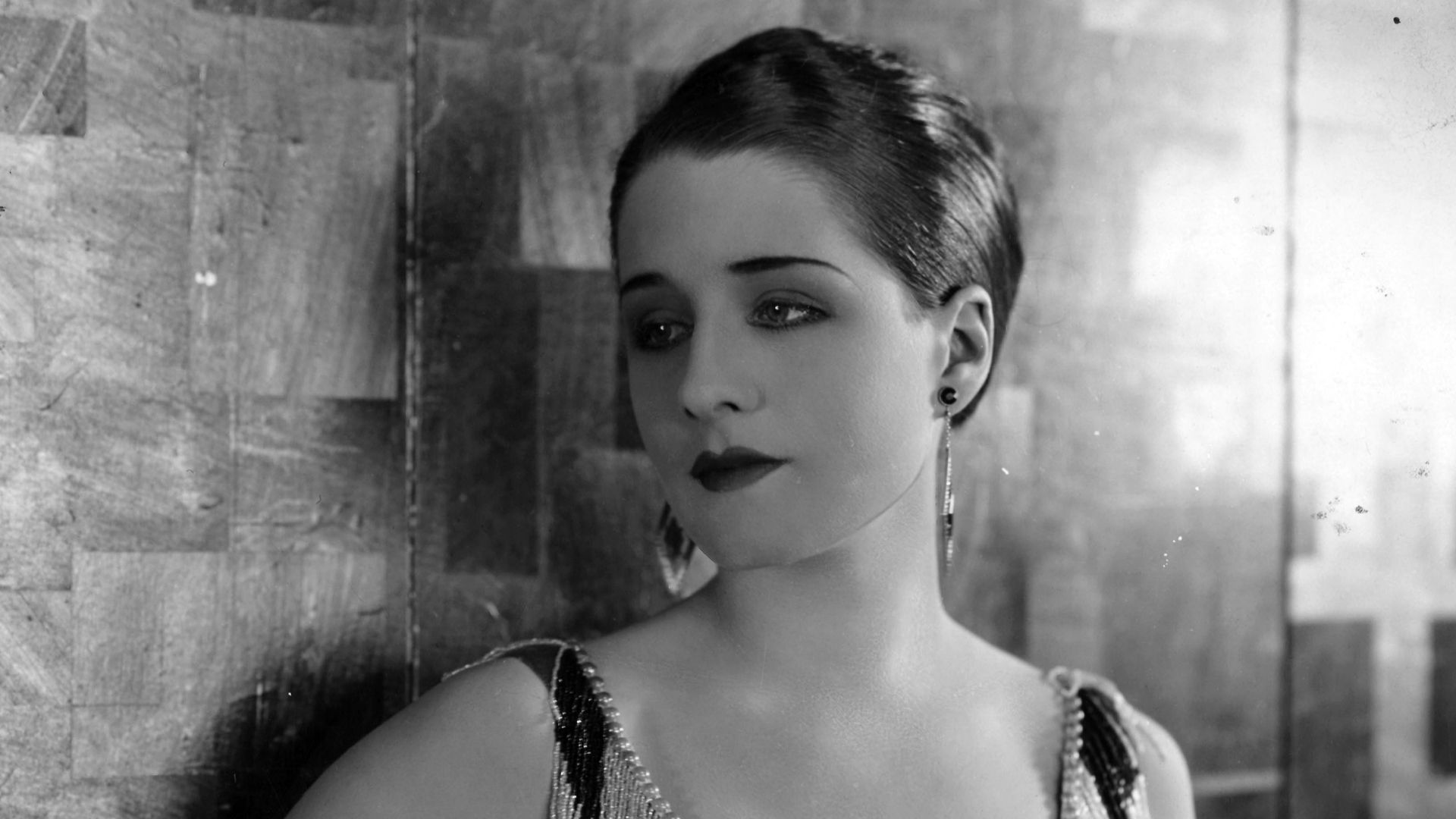 Merritt J Siebald, Wikimedia Commons
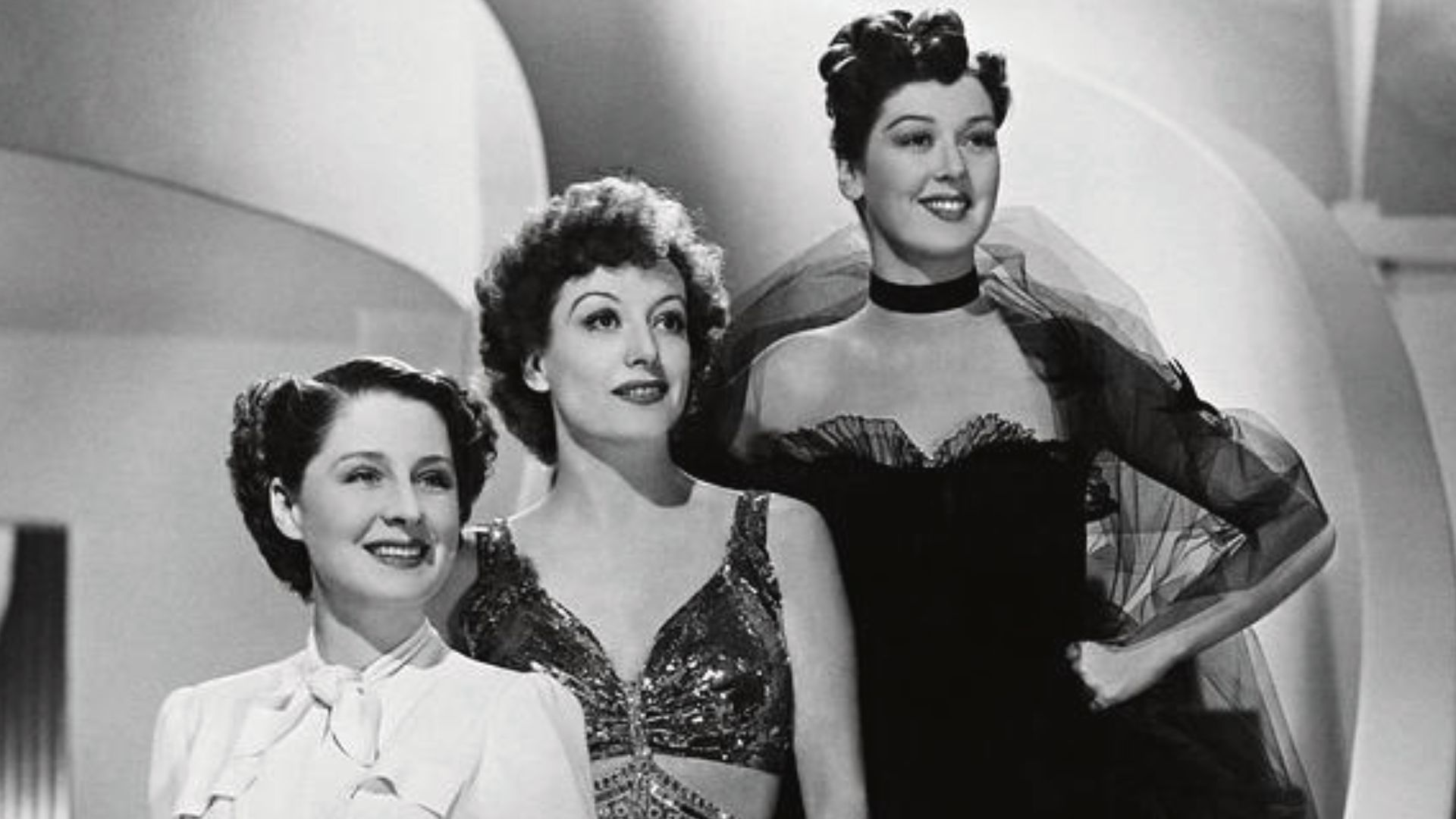
The Women Made Their Competition A Selling Point
The two actresses played opposing characters in 1939's The Women. Screenwriter Anita Loos recalled that both understood their much-publicized competitiveness was good for business. Personal friction and commercial calculation could exist simultaneously.
 Metro-Goldwyn-Mayer, Wikimedia Commons
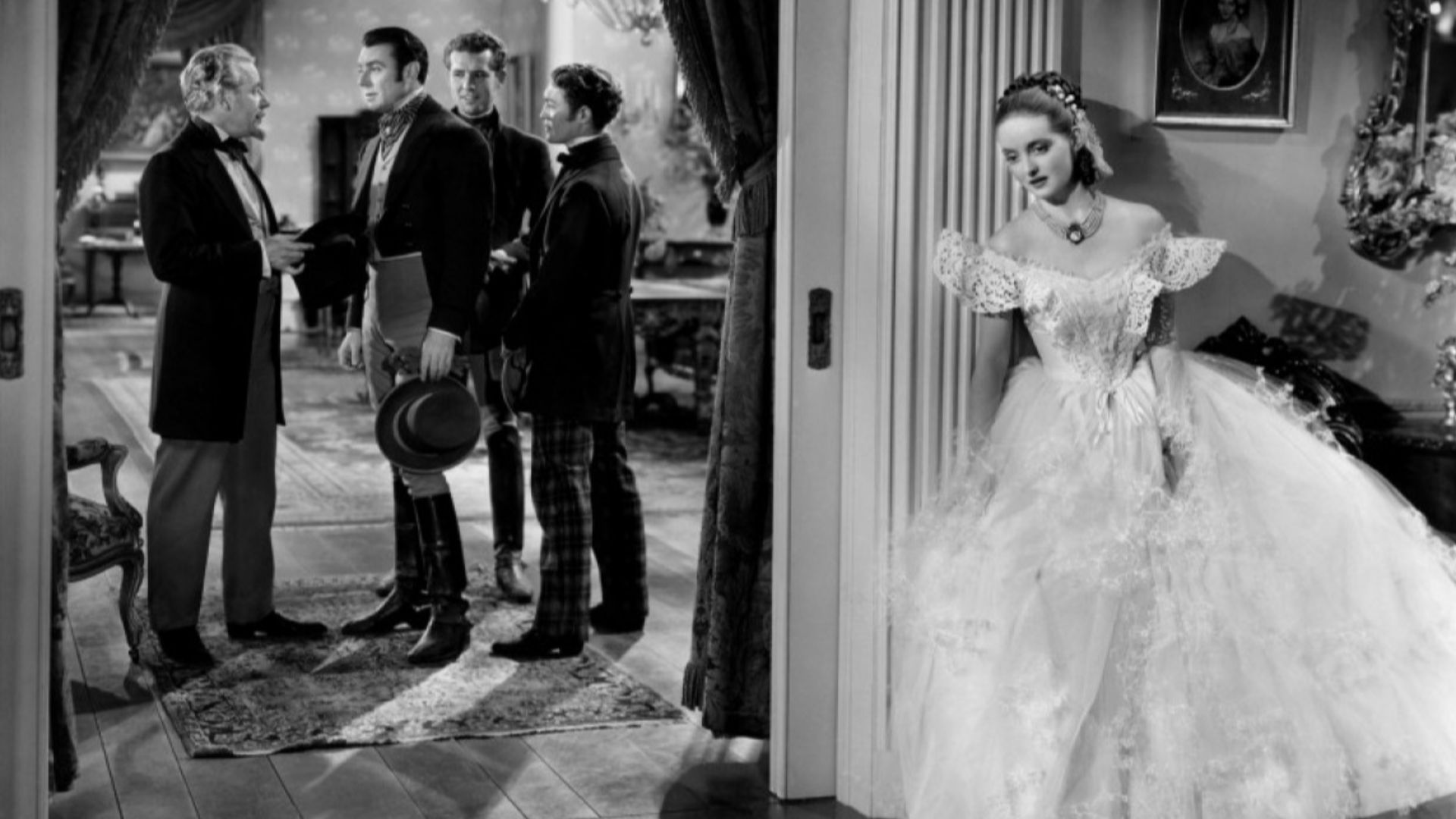
Bette Davis And Miriam Hopkins Had History
Hopkins had played Jezebel onstage before Davis won an Oscar for its film adaptation. Their tensions followed them into 1939's The Old Maid, where Hopkins reportedly attempted to upstage her costar.
 Warner Bros., Wikimedia Commons
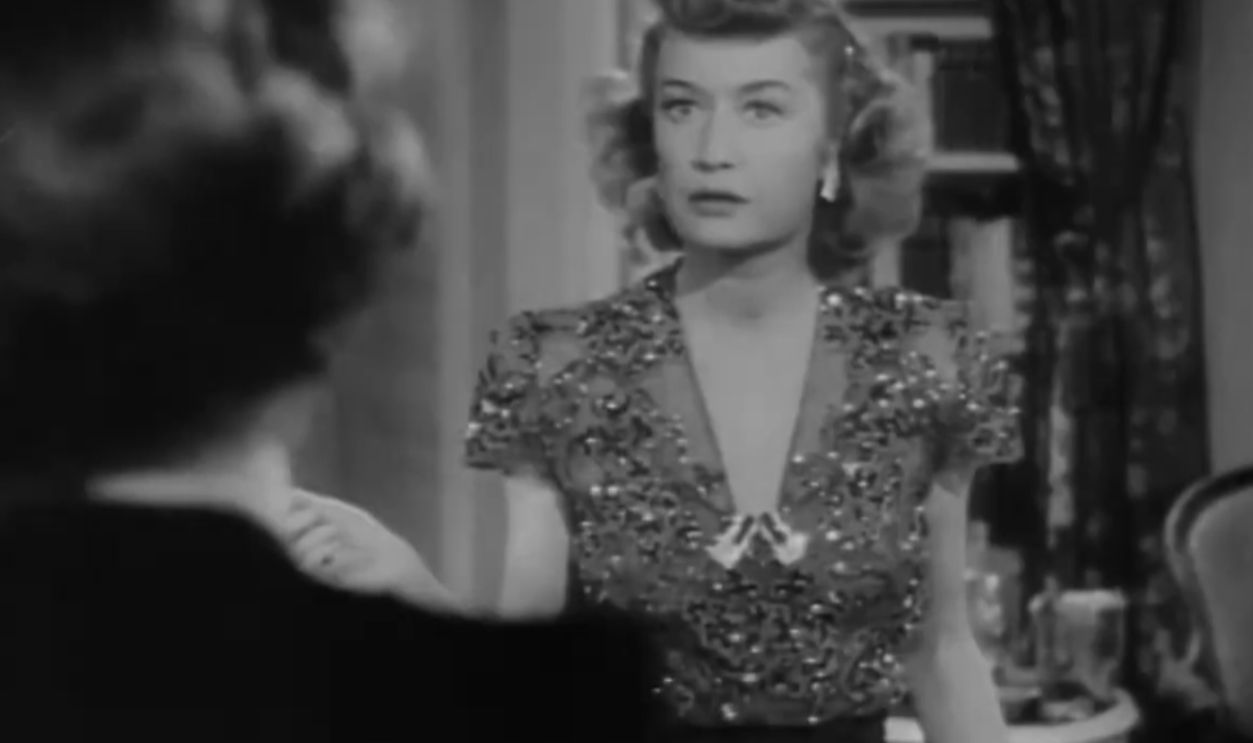
Their Feud Also Sold Tickets
Despite their difficulties, Davis and Hopkins reunited for 1943's Old Acquaintance. Hopkins acknowledged that stories about feuding actresses made excellent publicity. Behind the spectacle were professionals whose onscreen chemistry benefited from real tension.
 Screenshot from Old Acquaintance, Warner Bros. Pictures (1943)
Ginger Rogers And Katharine Hepburn Clashed
Both were major RKO performers during 1937's Stage Door. Rogers later described distrusting Hepburn's determination to get her way. Their combative onscreen relationship had an uncomfortable echo behind the cameras.
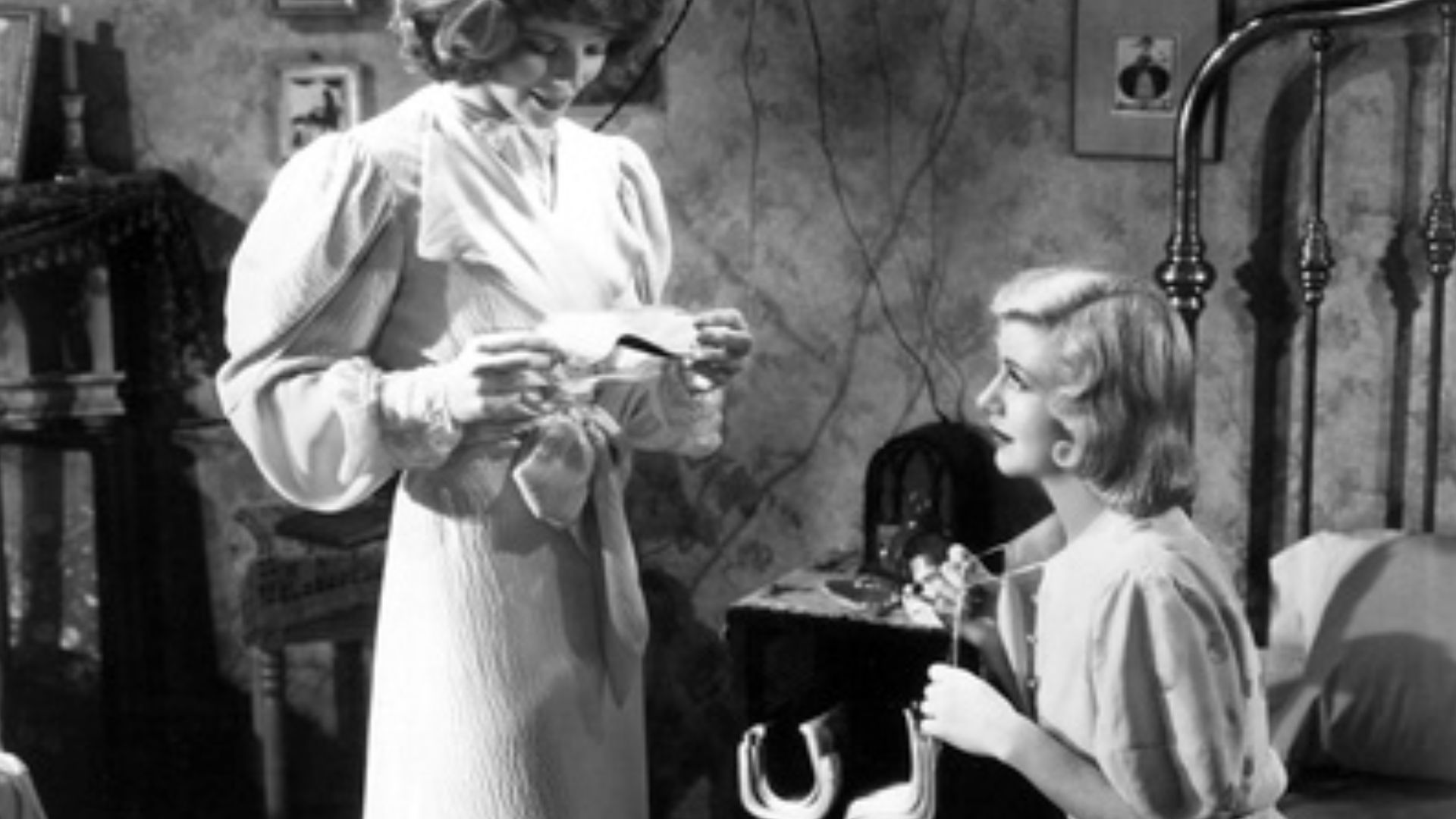 RKO Radio Pictures, Wikimedia Commons
Hepburn Had Her Own Reasons To Feel Uncomfortable
Hepburn struggled with director Gregory La Cava's improvisational approach and worried that Rogers was receiving the stronger showcase. Her uncertainty complicates the image of a powerful actress simply bullying everyone around her.
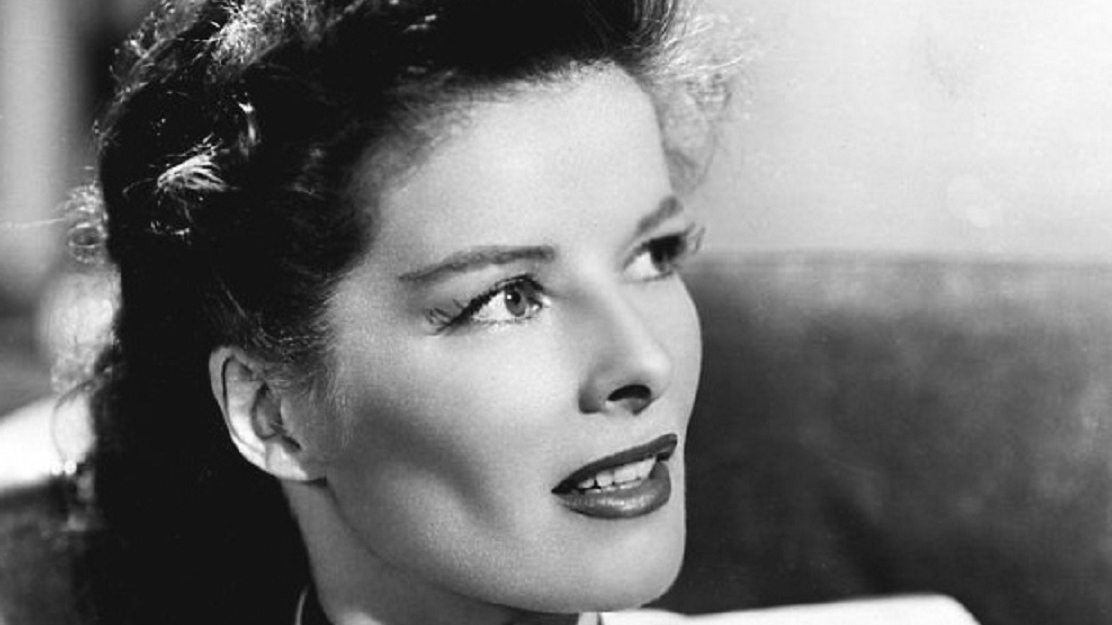
Marilyn Monroe And Jane Russell Were Friends
Their shared billing in Gentlemen Prefer Blondes invited comparisons between two glamorous actresses. Yet Russell and Monroe became friends during production. Russell's support challenged the assumption that competing leading ladies inevitably disliked each other.
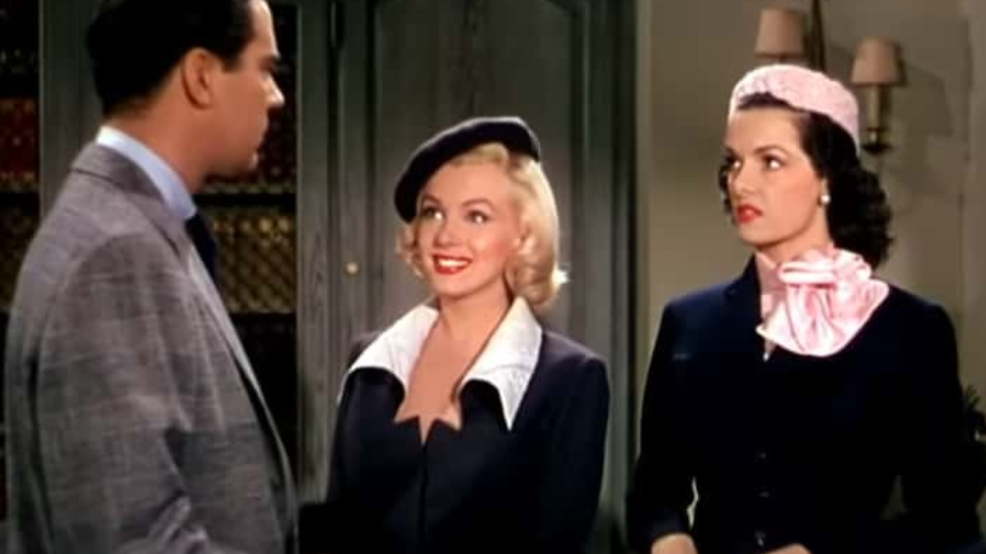 Screenshot from Gentlemen Prefer Blondes, Twentieth Century Fox (1953)
The Pay Gap Was Real, Even If The Feud Wasn't
Monroe later contrasted her modest weekly wages with Russell's substantially higher compensation. Russell had been borrowed from another studio for the 1953 film. The financial imbalance was real even without a personal feud.
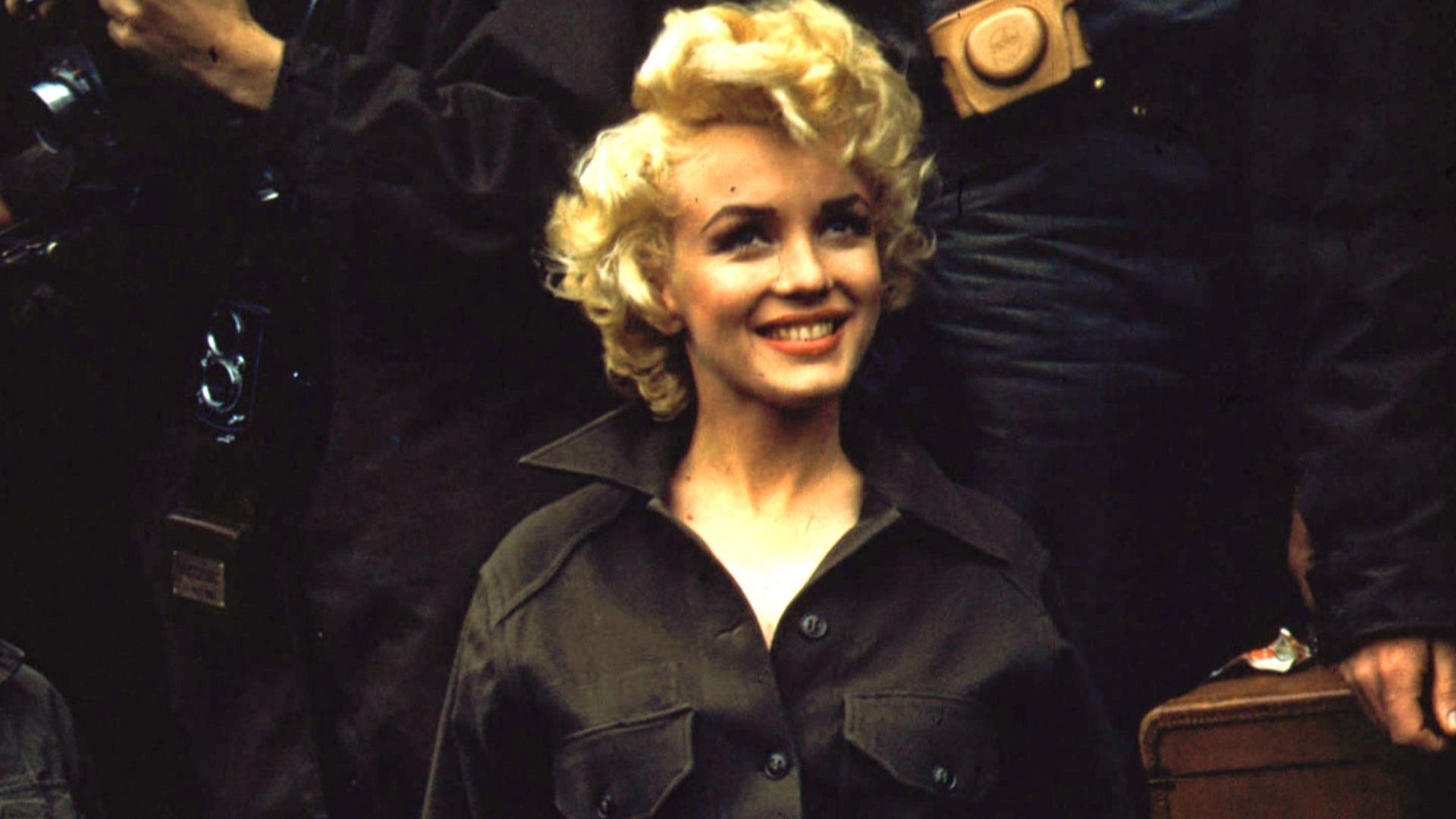 USMC Archives, Wikimedia Commons
Betty Grable Saw Marilyn Monroe Coming
Fox originally considered Grable for the leading role in Gentlemen Prefer Blondes that ultimately went to Monroe. Grable's established appeal was giving way to a younger star. Gossip writers had an obvious rivalry ready.
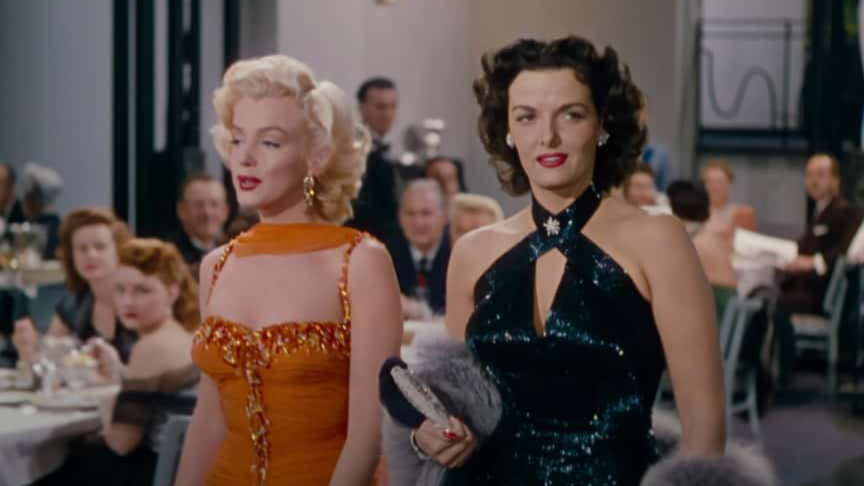 Screenshot from Gentlemen Prefer Blondes, Twentieth Century Fox (1953)
Grable Chose To Encourage Her Successor
Instead, while making How to Marry a Millionaire, Grable reportedly encouraged Monroe's success. Their friendly working relationship contradicted expectations that an established star would resent her successor. Sometimes Hollywood's changing guard was surprisingly gracious.
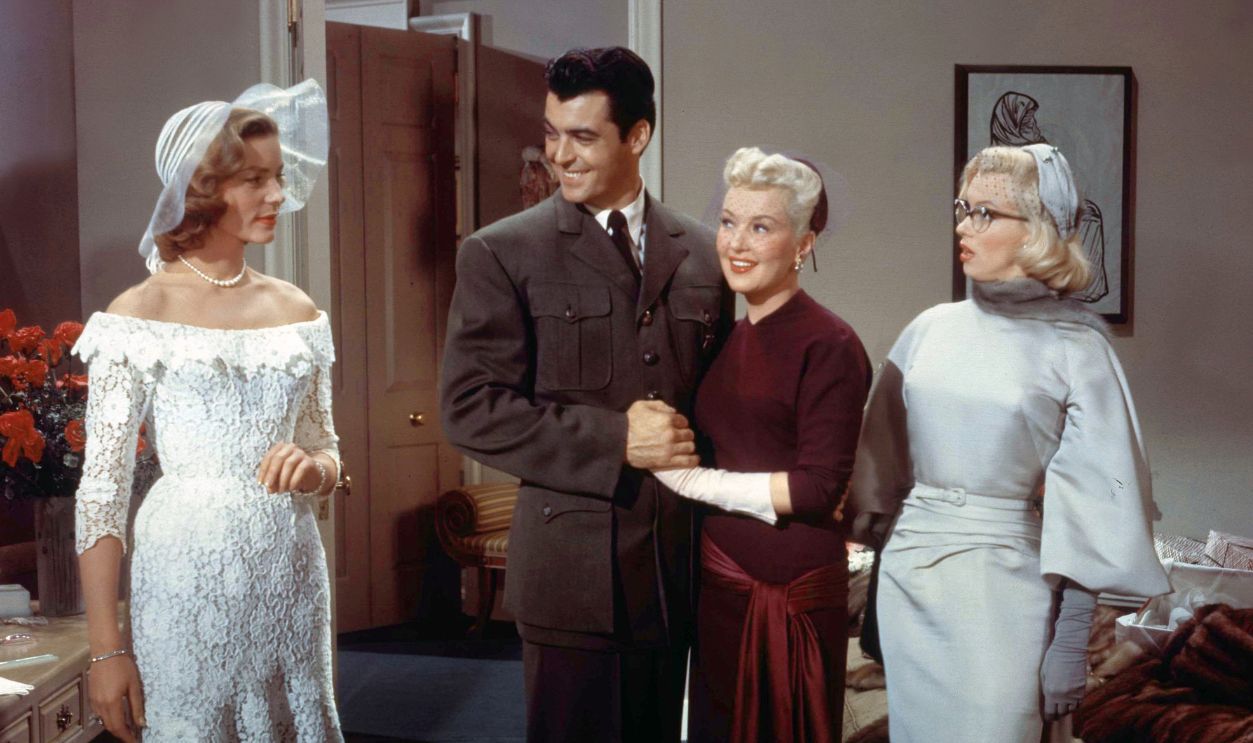 Sunset Boulevard, Getty Images
Judy Garland And Deanna Durbin's Screen Test
The teenage singers appeared together in MGM's 1936 short Every Sunday. Executives weighed their potential, and Durbin's contract expired while Garland stayed. The decisive competition occurred in studio offices, not necessarily between the girls.
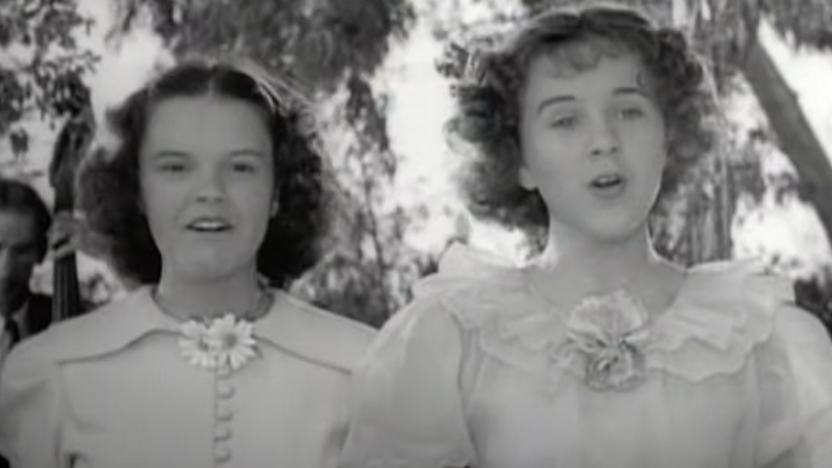 Screenshot from Every Sunday, MGM (1936)
Their Careers Went In Very Different Directions
Durbin achieved enormous popularity at Universal; Garland ultimately became an MGM musical icon. Their contrasting paths illustrate how studio decisions shaped young performers' futures. Neither outcome proves the two singers personally considered themselves enemies.
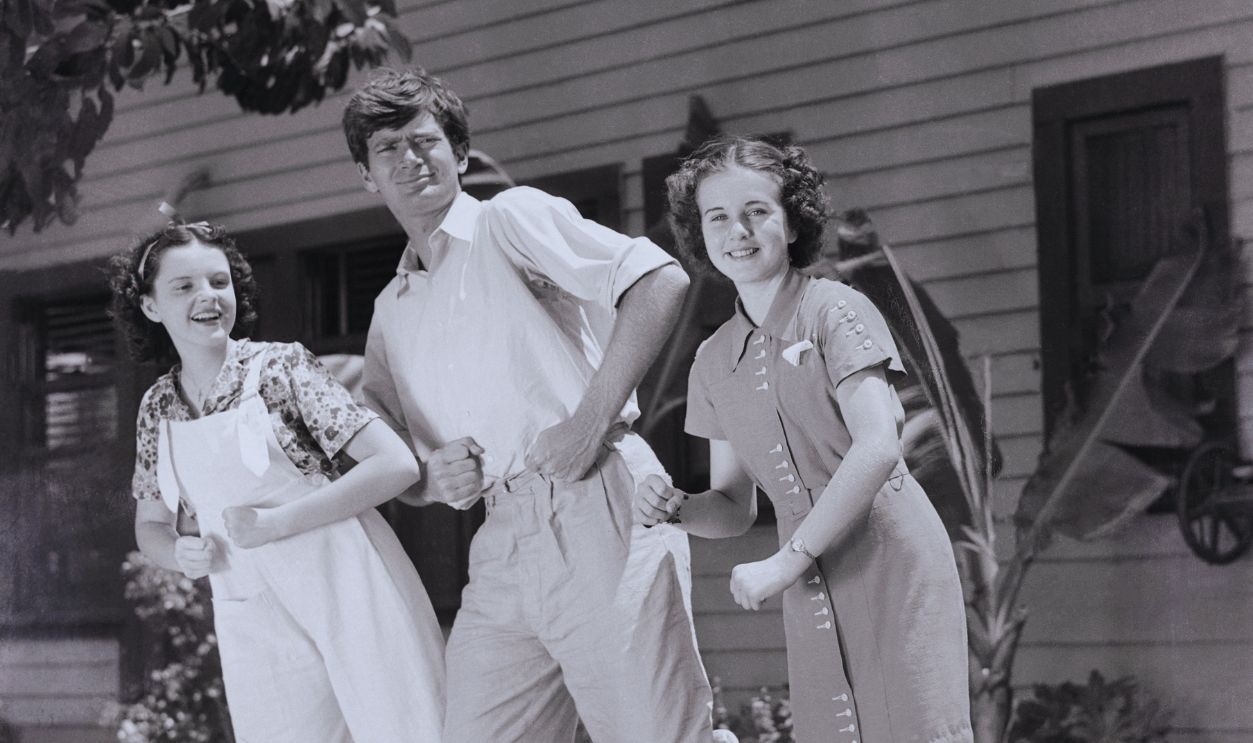
Fred Astaire And Gene Kelly Were Always Compared
Astaire's elegant precision contrasted with Kelly's athletic screen dancing. Critics loved comparing their techniques, but Kelly called their professional bond a fraternity of two. Their different styles were strengths, not evidence of animosity.
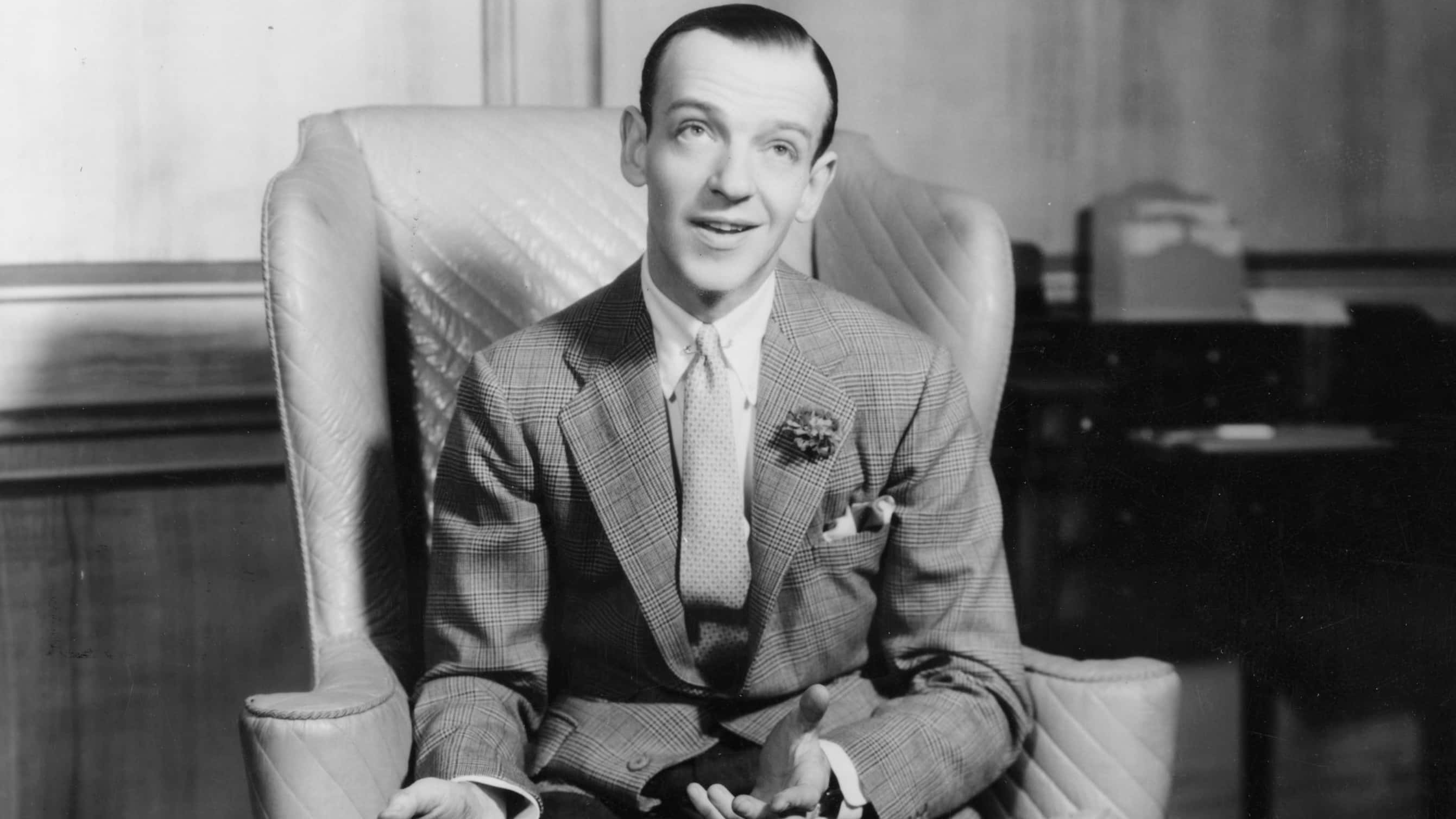
The Dancers Had Nothing But Respect
They danced together in Ziegfeld Follies and reunited for That's Entertainment, Part II. After Astaire died, Kelly publicly remembered him as a dear friend. Hollywood could accommodate two extraordinary talents without a grudge.

Bing Crosby And Frank Sinatra Were Cast As Rivals
Sinatra's rise invited comparisons with the already established Crosby. Their differing generations and approaches made irresistible publicity material. But accounts from their professional lives suggest the much-advertised competition didn't translate into personal hostility.
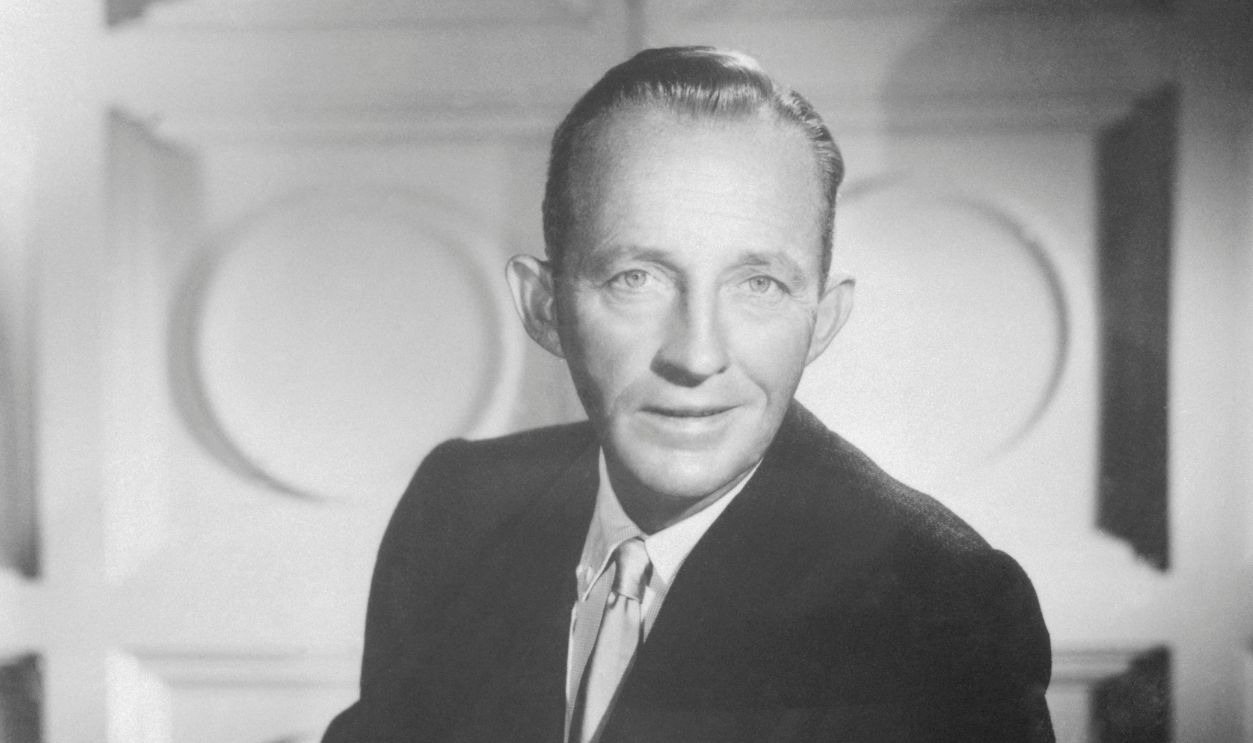
High Society Gave Them A Very Public Duet
Crosby and Sinatra performed “Well, Did You Evah!” together in 1956's High Society. Despite stories of rivalry, production accounts describe an amicable collaboration. Sharing the spotlight apparently wasn't the crisis gossip might suggest.
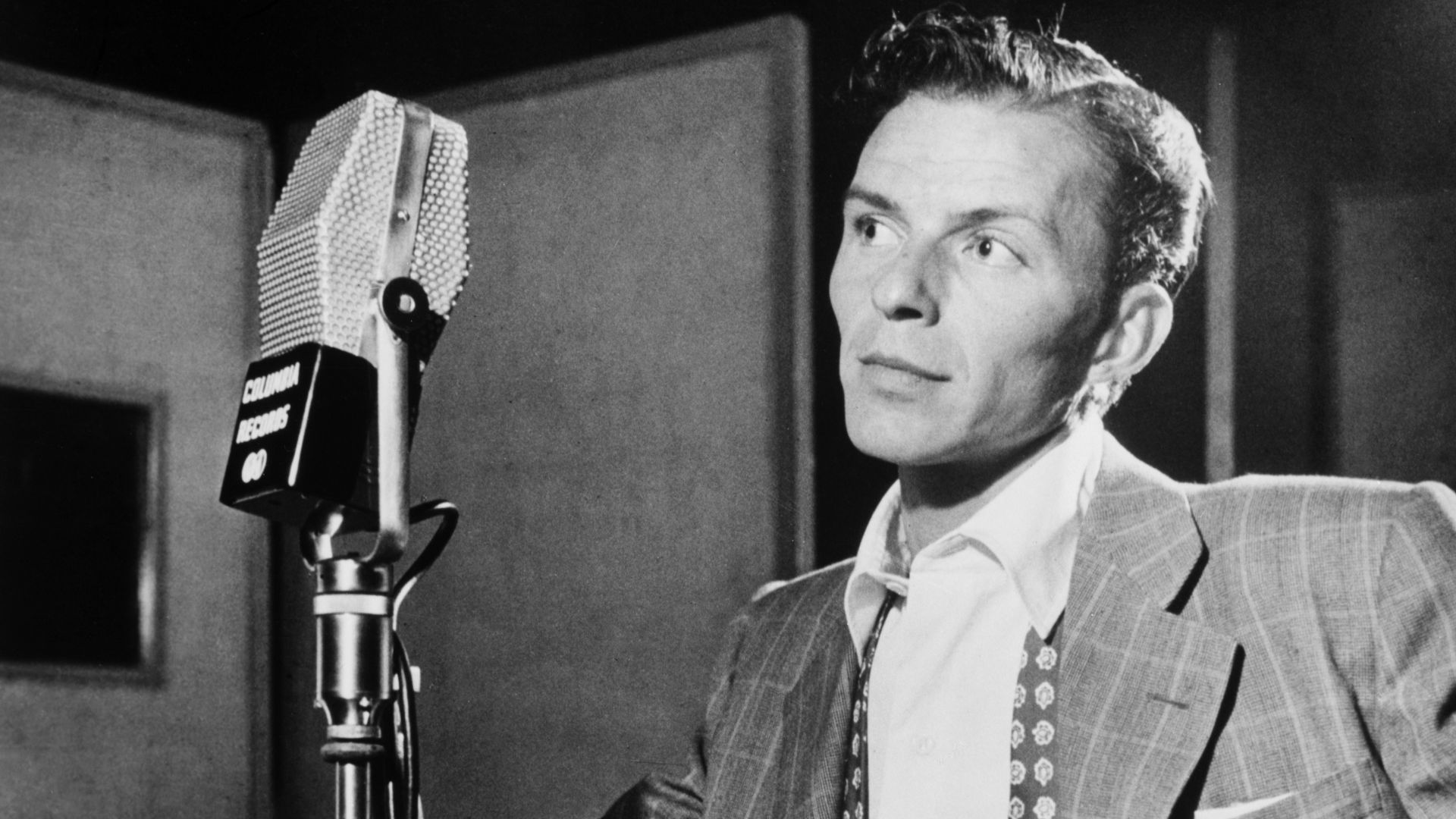 William P. Gottlieb, Wikimedia Commons
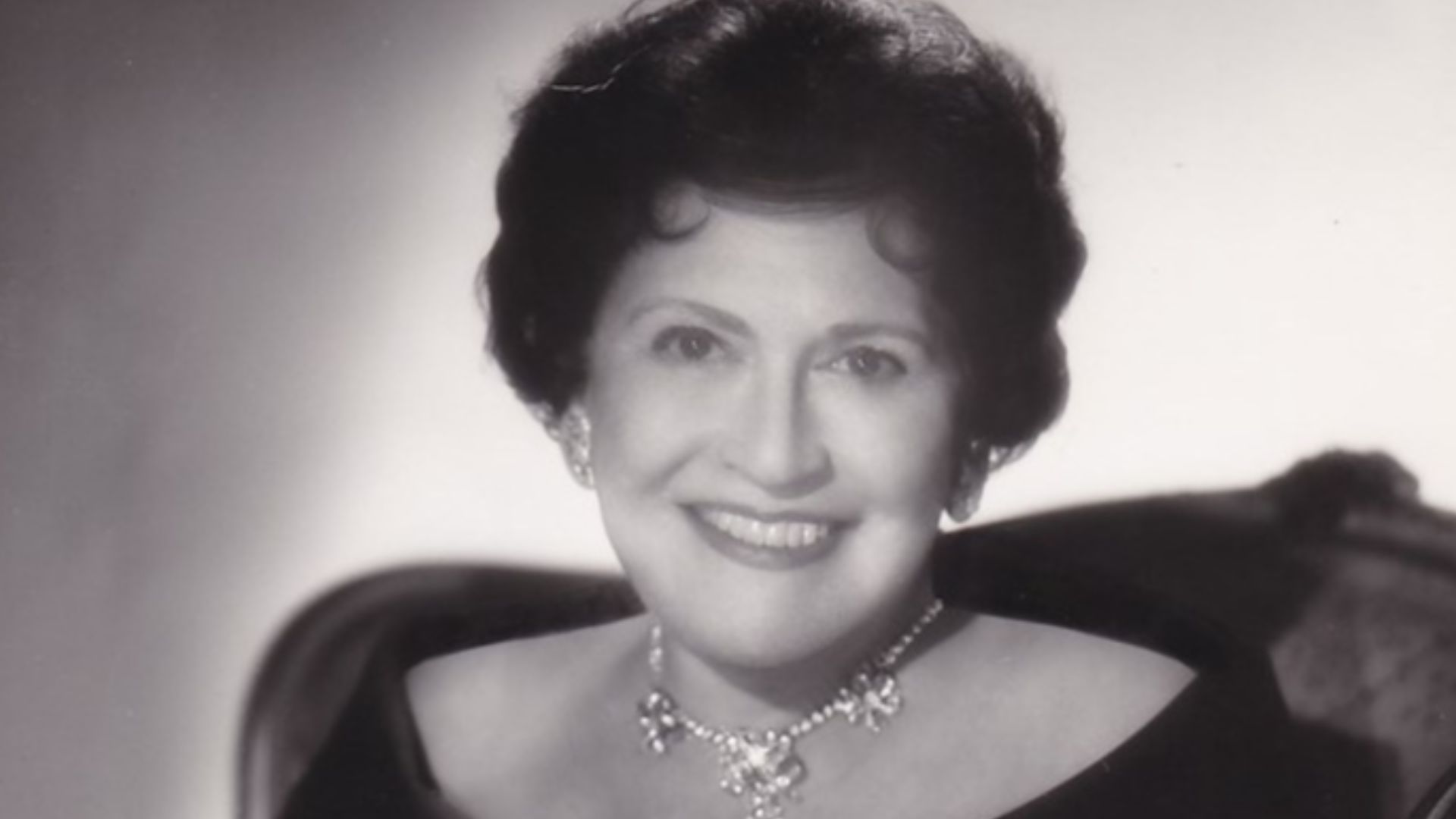
Hedda Hopper And Louella Parsons Were Once Allies
Before their infamous feud, Hopper supplied Hollywood information to the established columnist Parsons, who helped publicize her acting career. Their professional friendship deteriorated once Hopper launched a competing column and became a serious threat.
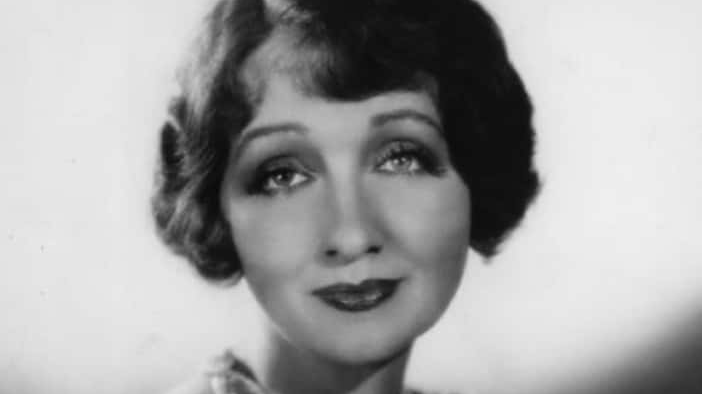 Photoplay magazine, Wikimedia Commons
Their Feud Was Big Business
Studios encouraged competition by offering exclusive stories, and both columnists knew feuds attracted attention. The rivals even shared a conspicuously friendly lunch in 1948. That temporary thaw didn't end their profitable rivalry.
 John Engstead, Wikimedia Commons
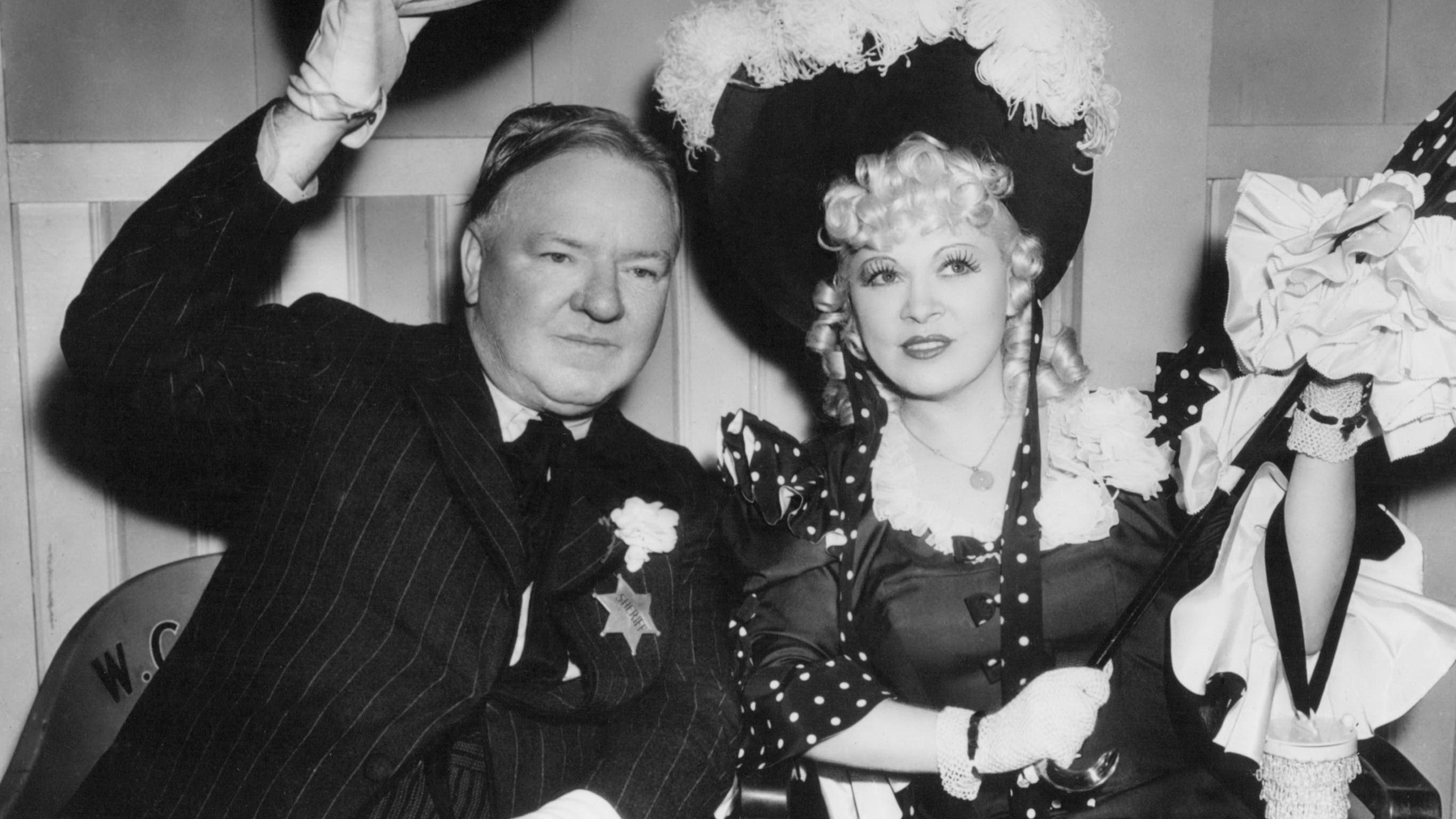
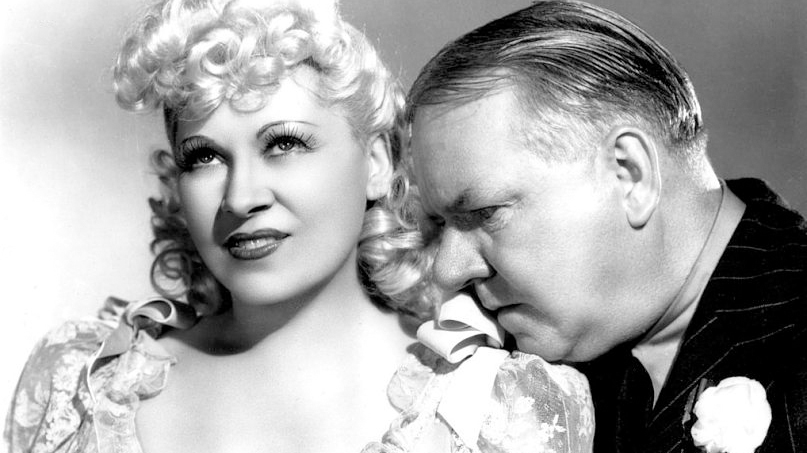
Mae West And W. C. Fields Were A Comedy Dream Team
Universal paired them for 1940's My Little Chickadee, expecting comedy fireworks. But Fields liked improvisation, while West carefully crafted dialogue. Two stars accustomed to controlling their own material proved difficult to coordinate.
 Silver Screen Collection, Getty Images
Their Different Working Styles Became The Real Problem
Both received screenplay credit, although accounts differed about their contributions. On-set arguments occurred, but some later observers said the predicted all-out battles never materialized. Their profitable film nevertheless remained their only collaboration.
 Universal Pictures, Wikimedia Commons
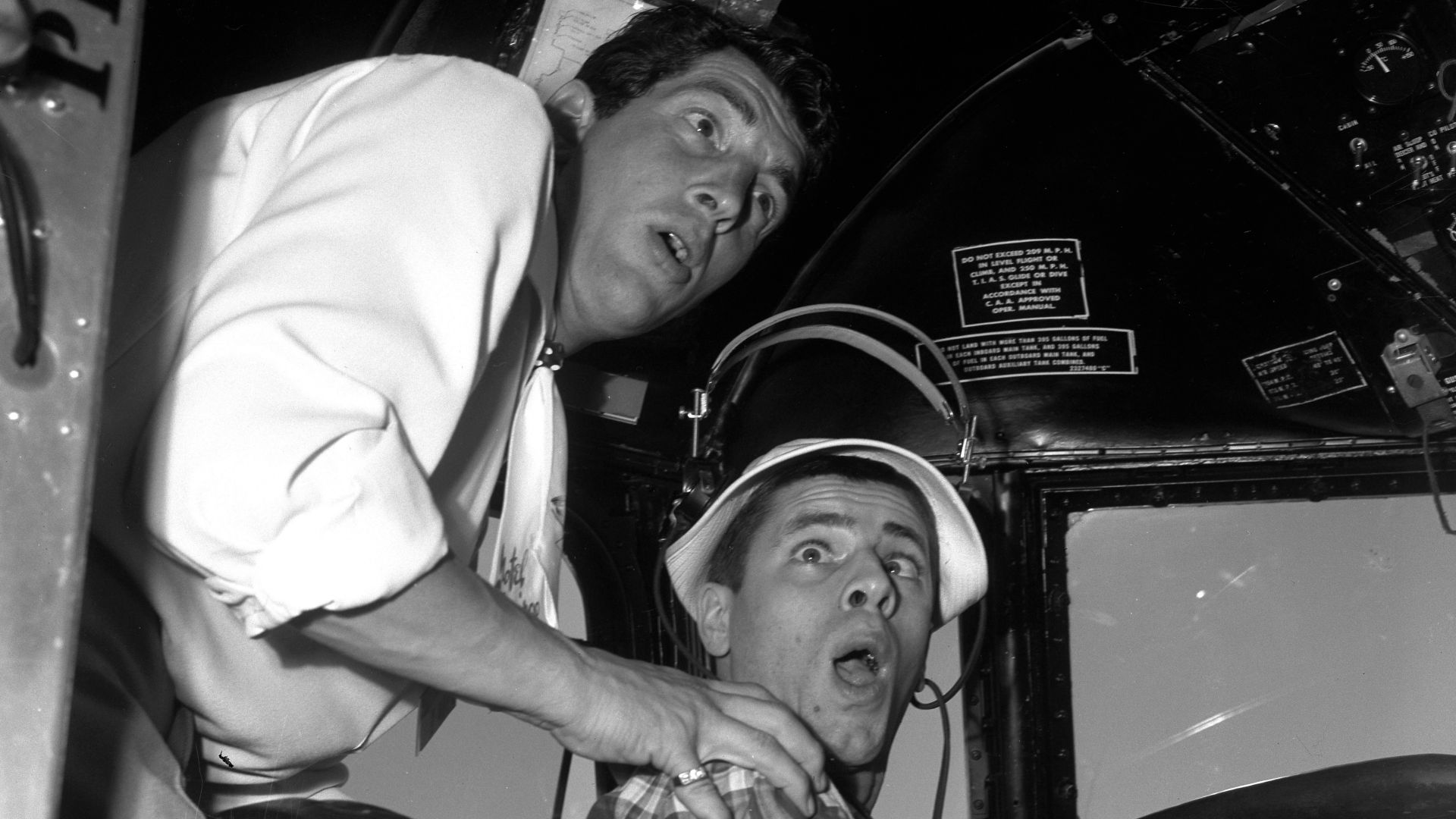
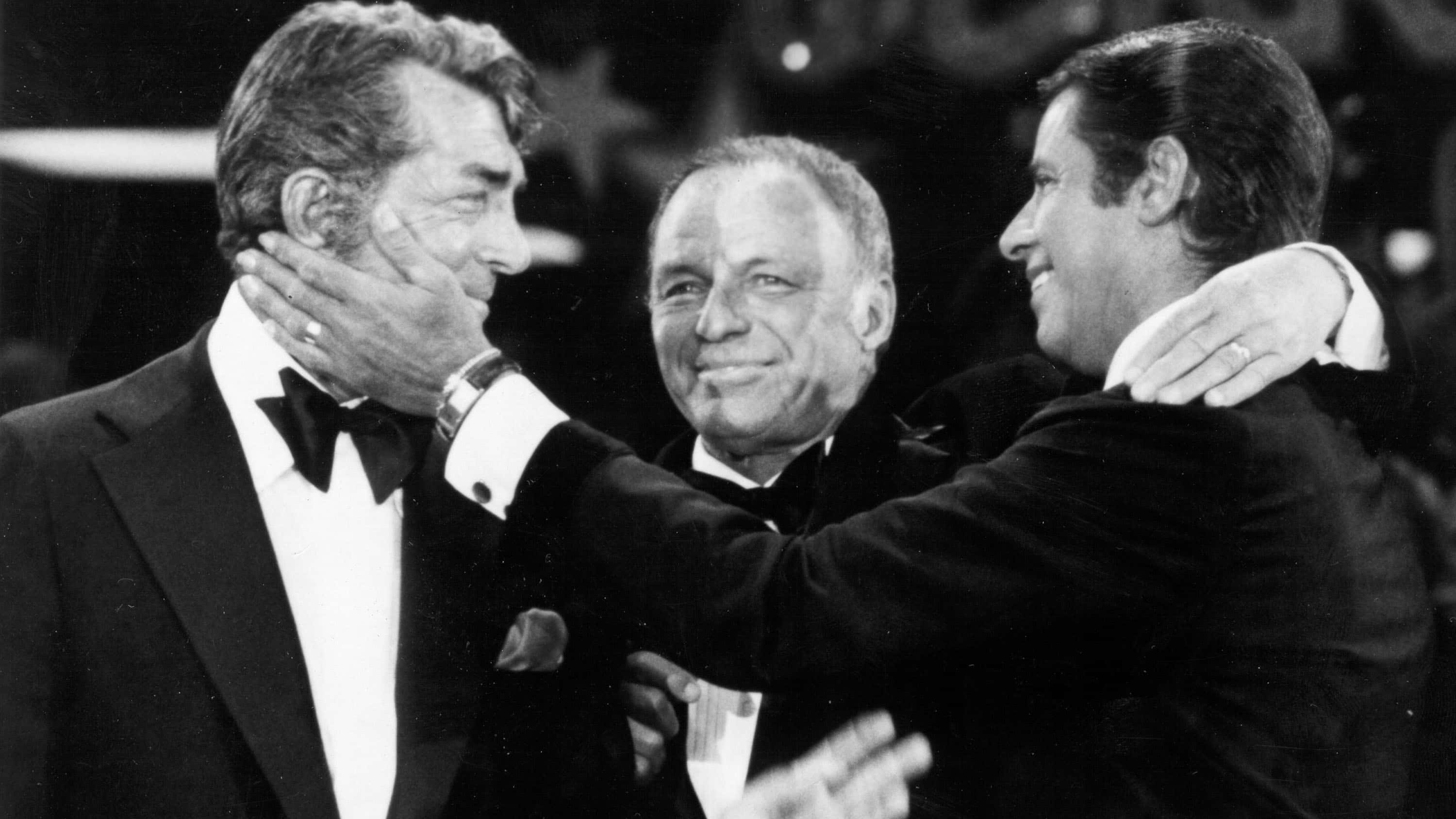
Dean Martin And Jerry Lewis Split
Their comedy partnership dominated 1950s entertainment before Martin grew frustrated at being overshadowed. They split in 1956 and barely communicated for two decades. Professional imbalance had become a deeply personal rift.
 Los Angeles Daily News, Wikimedia Commons
The Reunion Didn't Erase Two Decades
Frank Sinatra arranged a surprise reunion during Lewis's 1976 telethon. Lewis later said that moment didn't immediately restore their friendship. They eventually reconnected following the loss of Martin's son, revealing lingering affection beneath the estrangement.
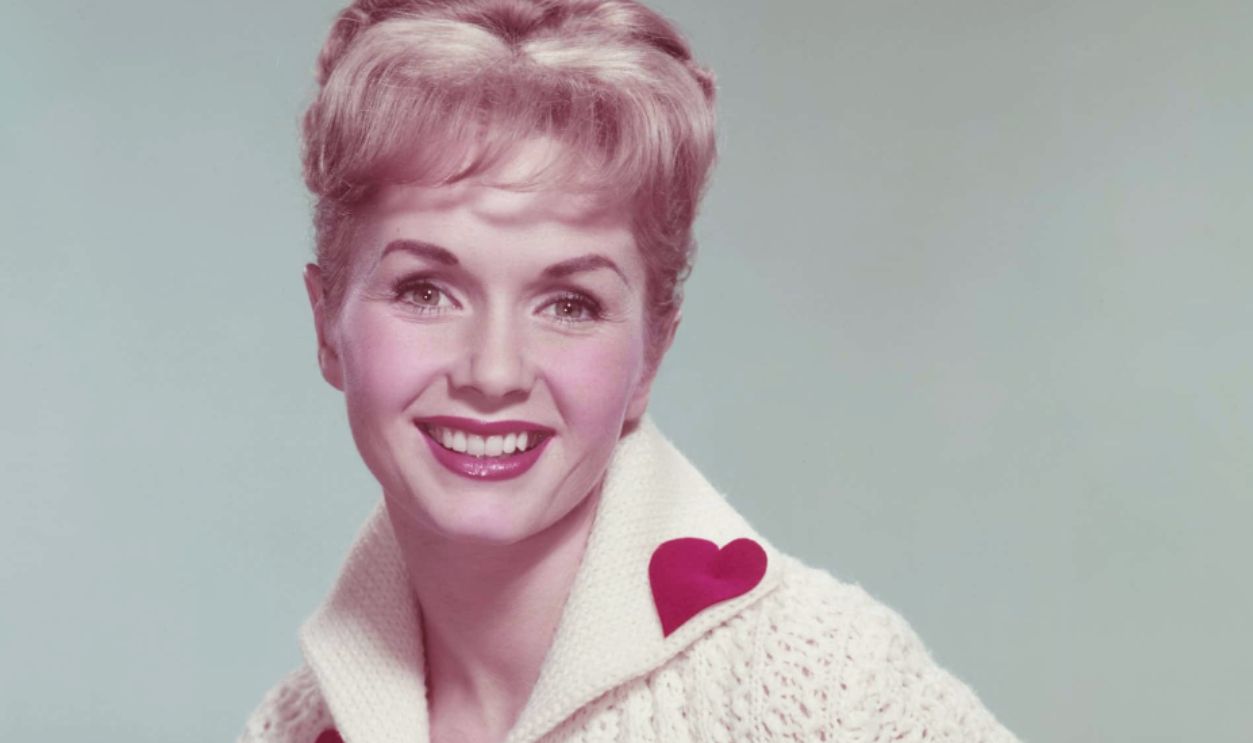
Taylor And Reynolds Were Friends First
Taylor and Reynolds had known each other since their MGM youth. Their friendship fractured after Reynolds's husband Eddie Fisher left her for Taylor, following Mike Todd's death. Headlines rarely captured that painful earlier closeness.
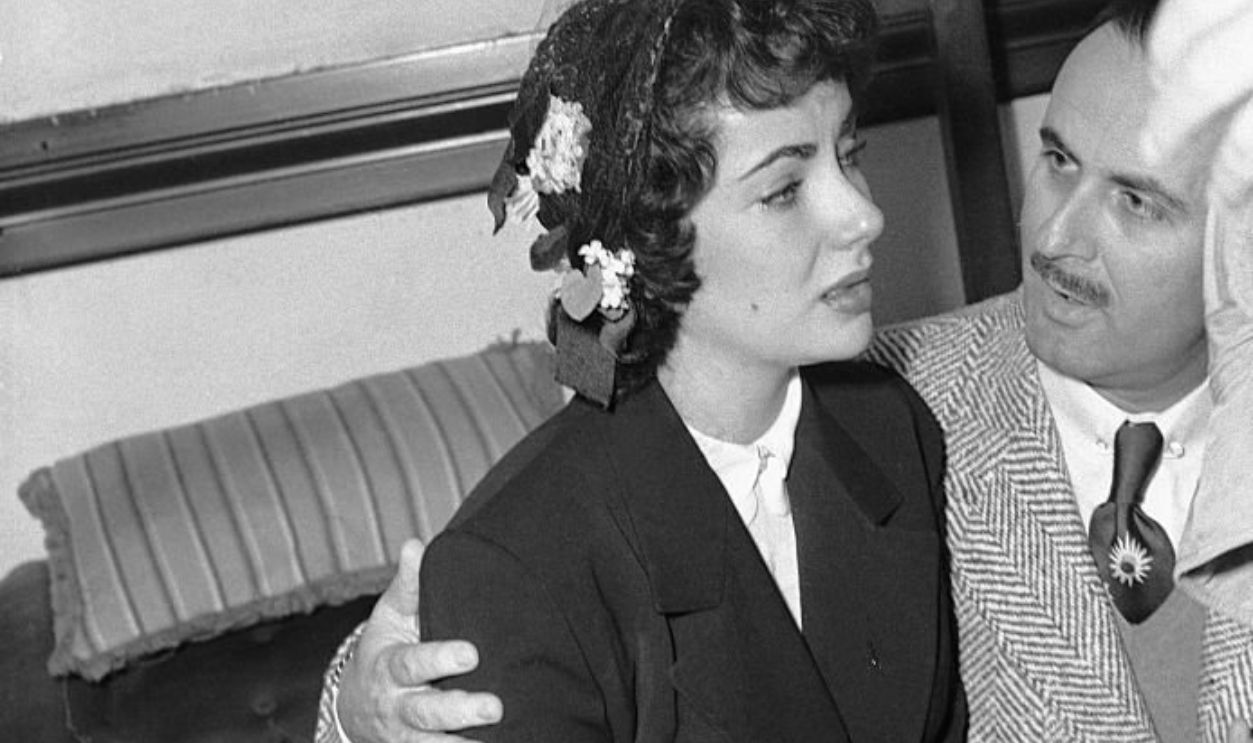
The Women Eventually Picked Friendship Over Resentment
The actresses later encountered each other aboard the Queen Elizabeth and reconciled. They eventually appeared together in These Old Broads. Reynolds concluded their friendship mattered more than Fisher, giving the scandal an unexpected ending.
You May Also Like:
Hollywood Co-Stars Who Fell In Love On Set
Sources: 1, 2, 3, 4, 5, 6, 7, 8, 9, 10, 11, 12, 13, 14, 15, 16, 17, 18