The Forgotten Detectives Who Once Owned Prime Time
The 1980s were packed with crime shows, shoulder pads, saxophone themes, and detectives who could solve a murder while looking fabulous in a linen jacket. Some became legends, while others burned bright, grabbed huge audiences, and then quietly slipped into TV history. These are the forgotten detective shows that briefly dominated television.
 ABC Network, Public domain, via Wikimedia Commons
Riptide
Before every TV detective needed a tragic backstory, Riptide gave viewers three buddies, a pink helicopter, and a robot named Roboz. It was goofy, breezy, and proudly ridiculous. For a while, audiences loved its mix of beachside crime-solving and buddy-comedy energy, even if it later vanished behind bigger 80s hits.
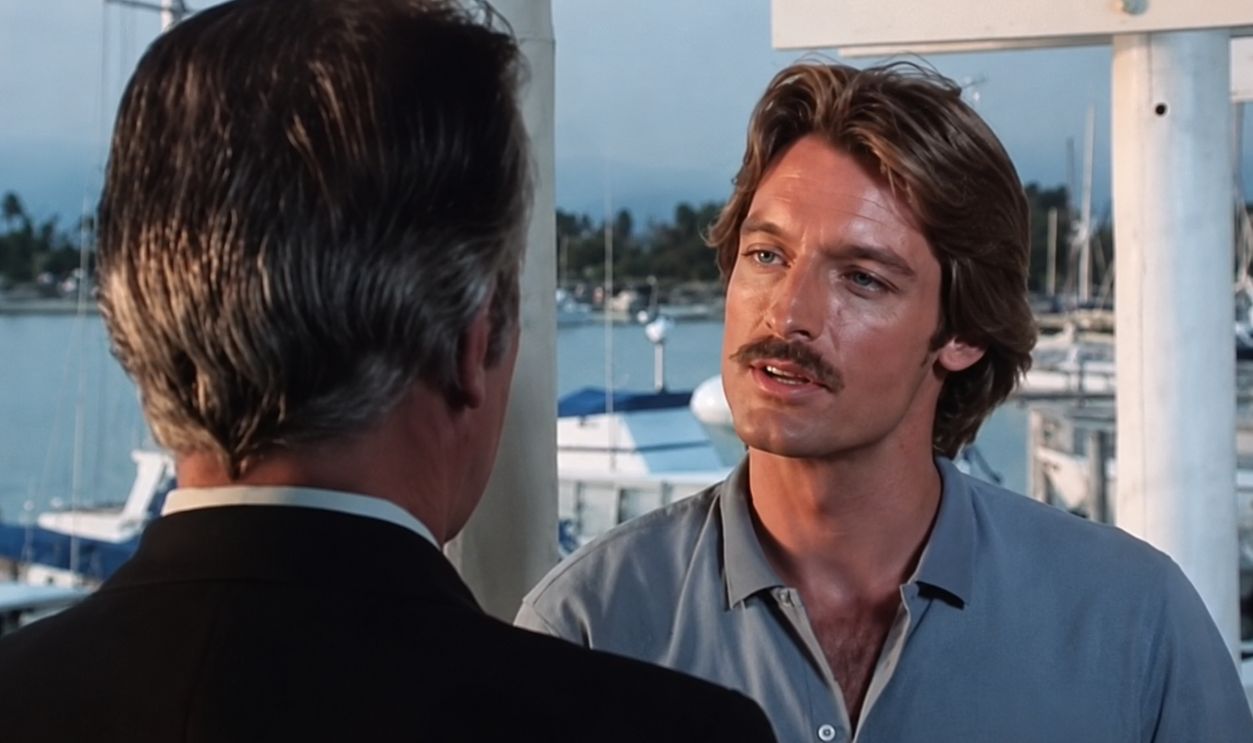 Screenshot from Riptide, Sony Pictures Entertainment (1984-1986), enhanced
Remington Steele
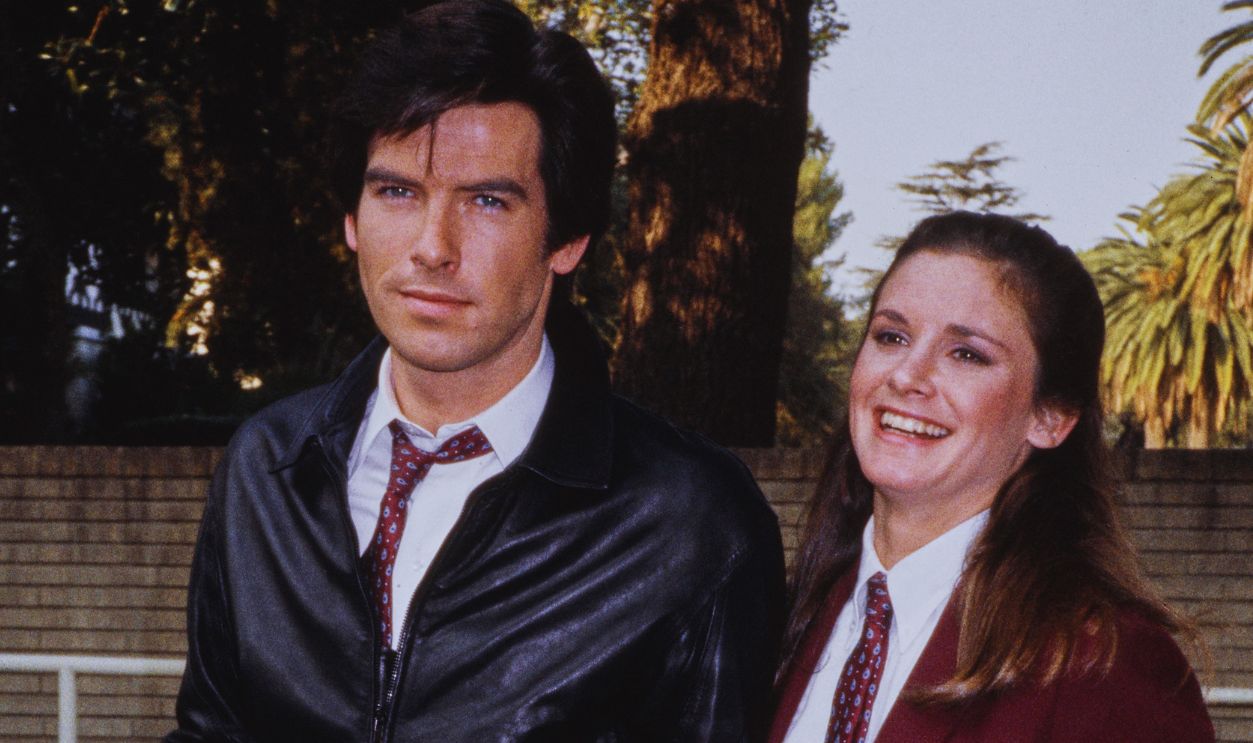
Remington Steele is remembered by some for launching Pierce Brosnan, but the show itself deserves more love. It flipped the detective formula by making Laura Holt the real brains while a charming fake boss took the spotlight. The mystery was fun, but the sparkling chemistry made viewers come back.
Spenser: For Hire
Based on Robert B. Parker’s novels, Spenser: For Hire brought a tougher, more literary kind of detective to 80s TV. Robert Urich gave Spenser a thoughtful edge, while Hawk added instant cool. It had action, heart, and Boston grit, but somehow faded from casual rerun memory.
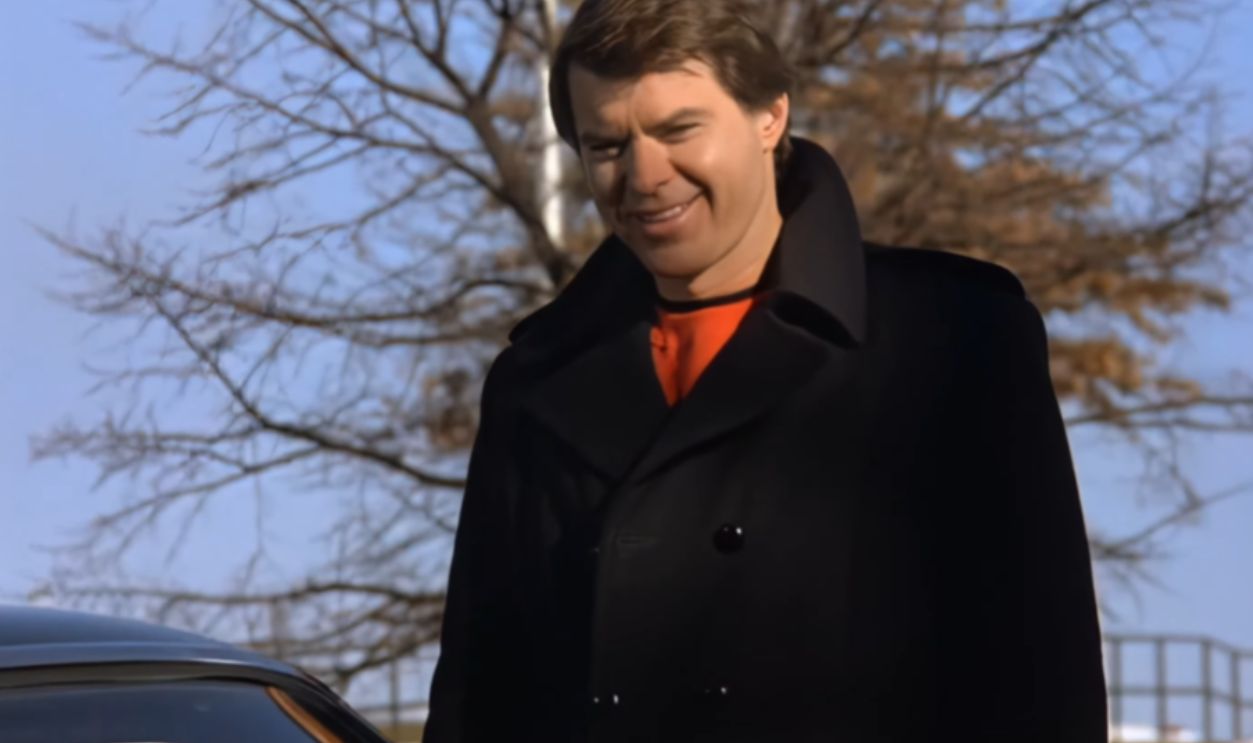 Screenshot from Spenser: For Hire, Warner Bros. Discovery (1985-1988)
Simon & Simon
For a few years, Simon & Simon was everywhere. The sibling detective duo worked because the brothers were complete opposites: one buttoned-up, one scruffy, both constantly bickering. It had the comfort of a family sitcom with car chases, which was basically 80s television in one perfect package.
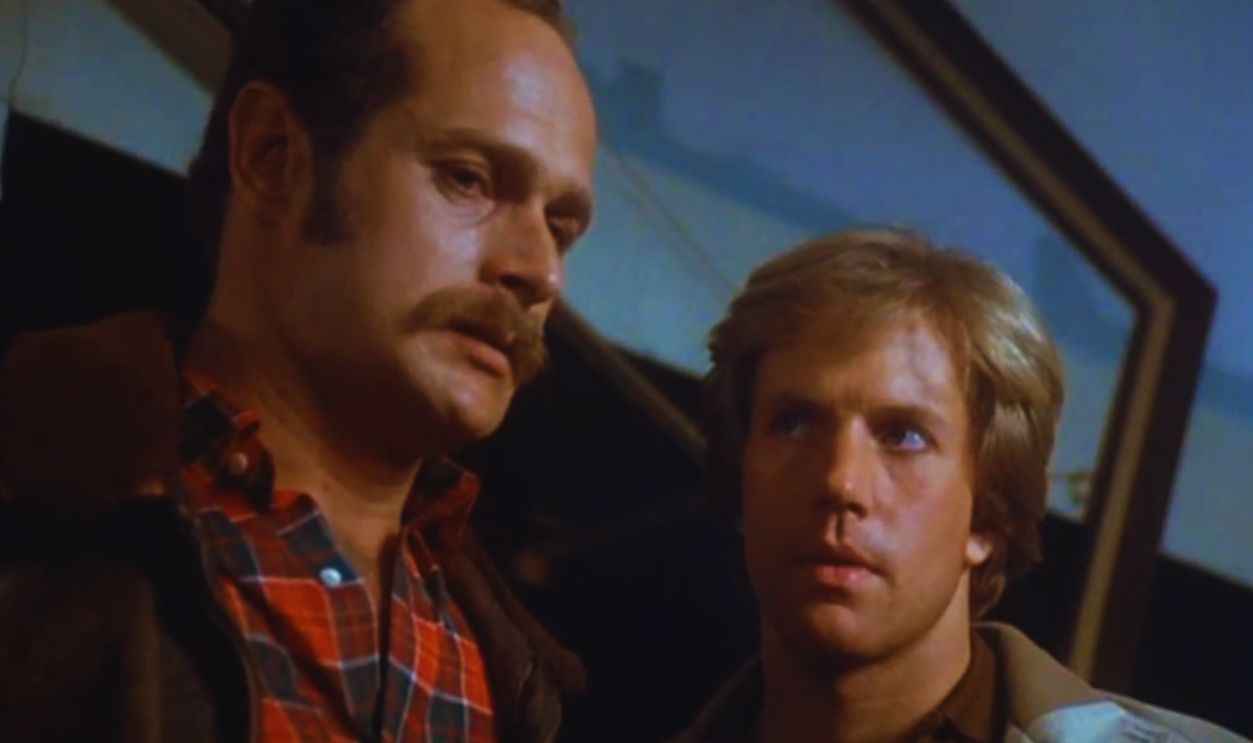 Screenshot from Simon & Simon, NBCUniversal (1981-1989)
Matt Houston
Matt Houston understood one simple truth: rich detectives are more fun when they are wildly over-the-top. Lee Horsley’s Texas millionaire private eye solved crimes with charm, money, and a cowboy swagger. It was glossy, silly, and briefly very popular before disappearing like a yacht at sunset.
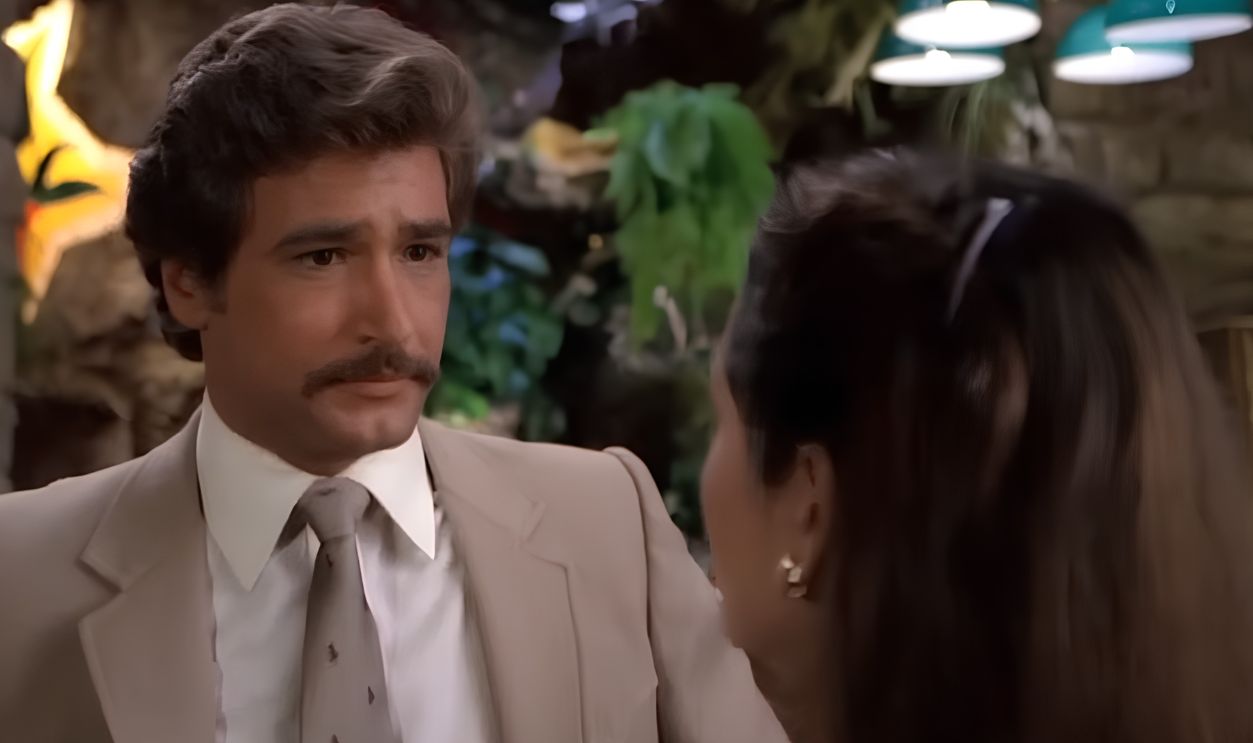 Screenshot from Matt Houston, Paramount (1982-1985), enhanced
Hardcastle And McCormick
This show paired a retired judge with an ex-con race car driver, because the 1980s never met a premise it thought was too much. Hardcastle And McCormick offered fast cars, odd-couple banter, and justice outside the courtroom. For action fans, it was pure popcorn TV.
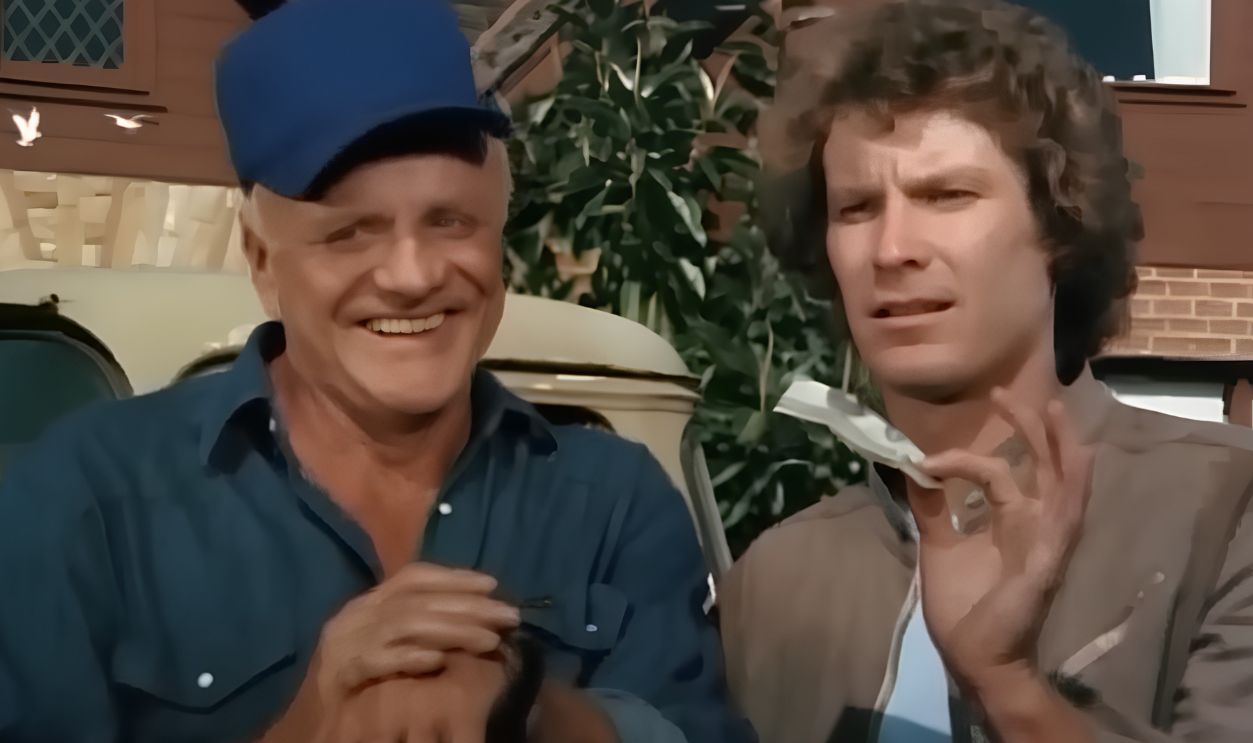 Screenshot from Hardcastle and McCormick, Sony Pictures Entertainment (1983-1986), enhanced
Crazy Like A Fox
Crazy Like A Fox had one of the decade’s most lovable setups: a quirky private detective keeps dragging his sensible lawyer son into trouble. Jack Warden made Harry Fox impossible not to enjoy. It was light, funny, and charming, the kind of show that felt made for Sunday night comfort.
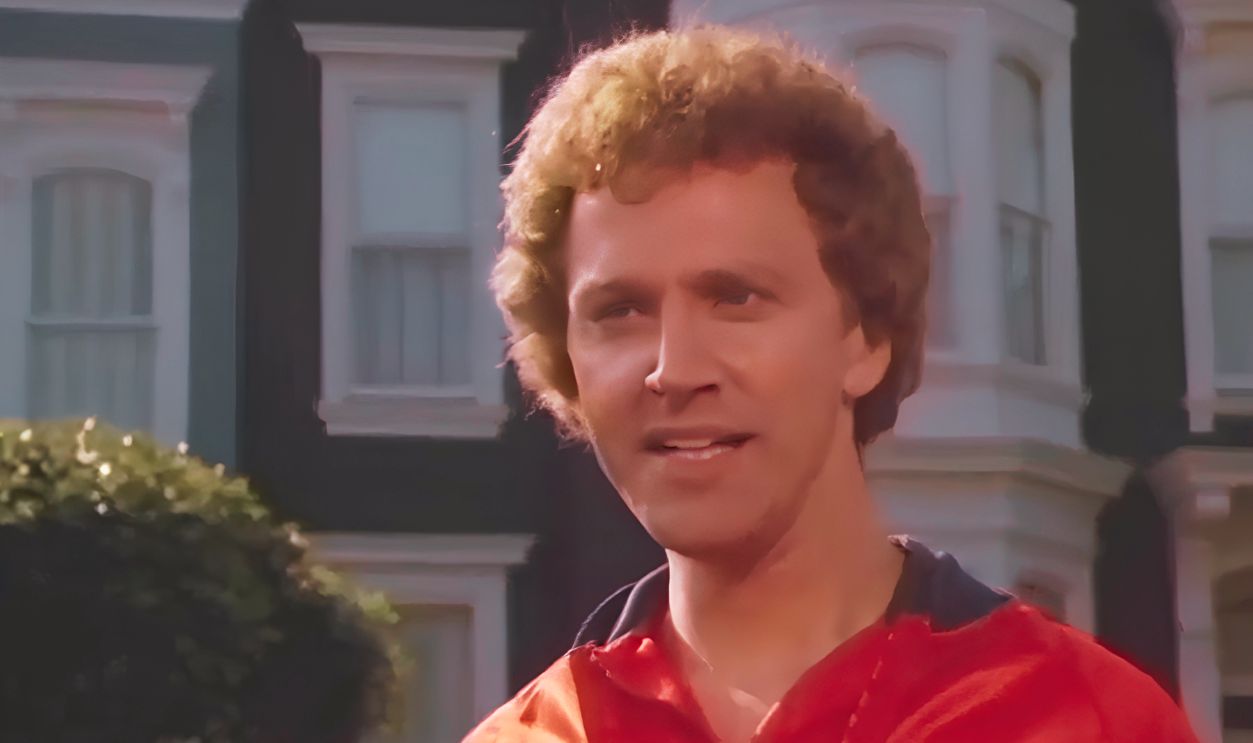 Screenshot from Crazy Like a Fox, Sony Pictures Entertainment (1984-1986)
Tenspeed And Brown Shoe
Created by Stephen J. Cannell, Tenspeed And Brown Shoe starred Ben Vereen and Jeff Goldblum as one of TV’s strangest detective teams. One was a con man, the other a daydreaming accountant obsessed with pulp novels. It was clever, weird, and maybe too odd to survive.
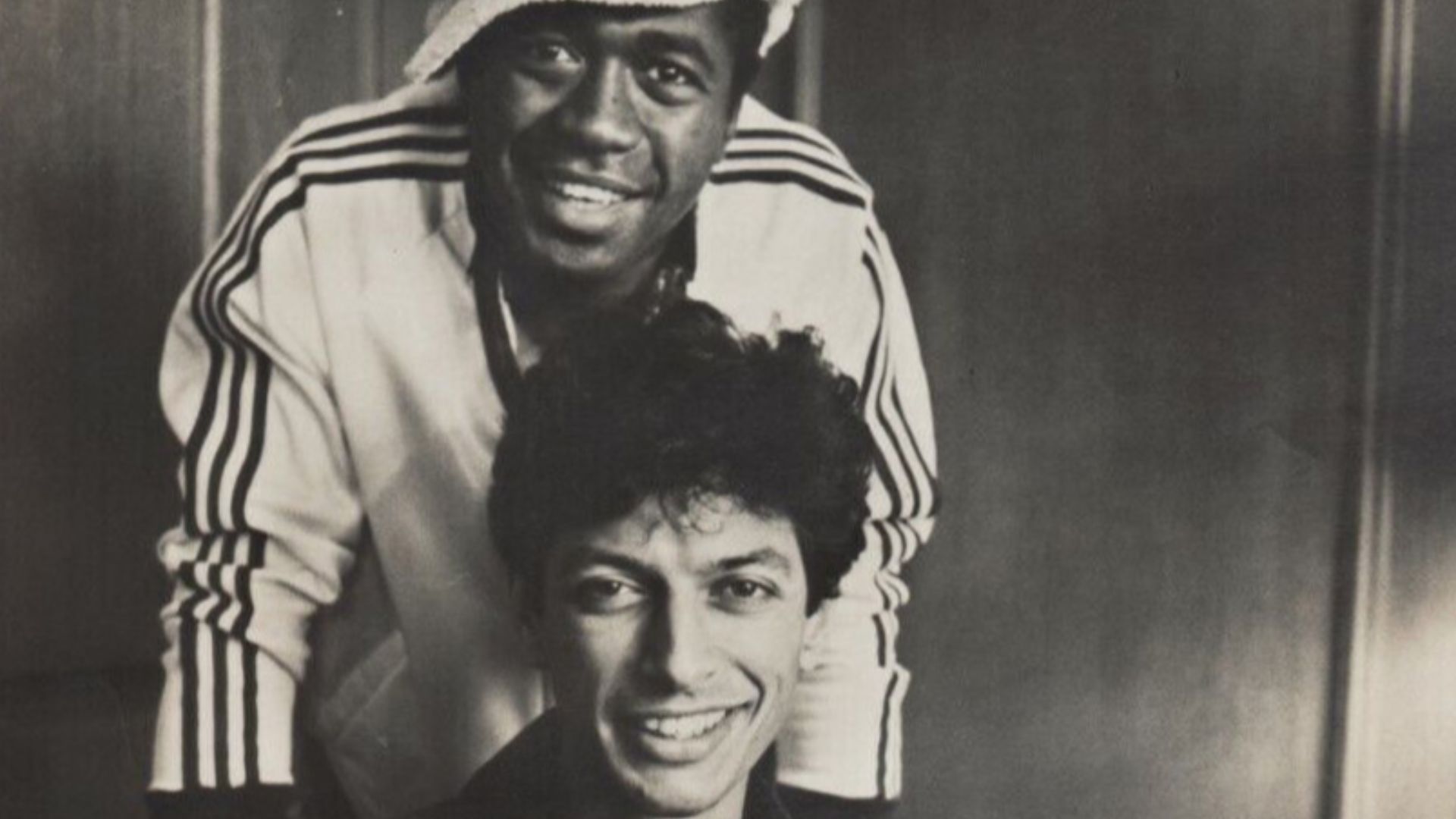 ABC Television, Wikimedia Commons
The Equalizer
Before the movie franchise, The Equalizer was a moody CBS crime drama starring Edward Woodward as Robert McCall, a former intelligence agent helping desperate people. It had a darker, cooler feel than many detective shows of the era. For a time, it felt dangerous in the best way.
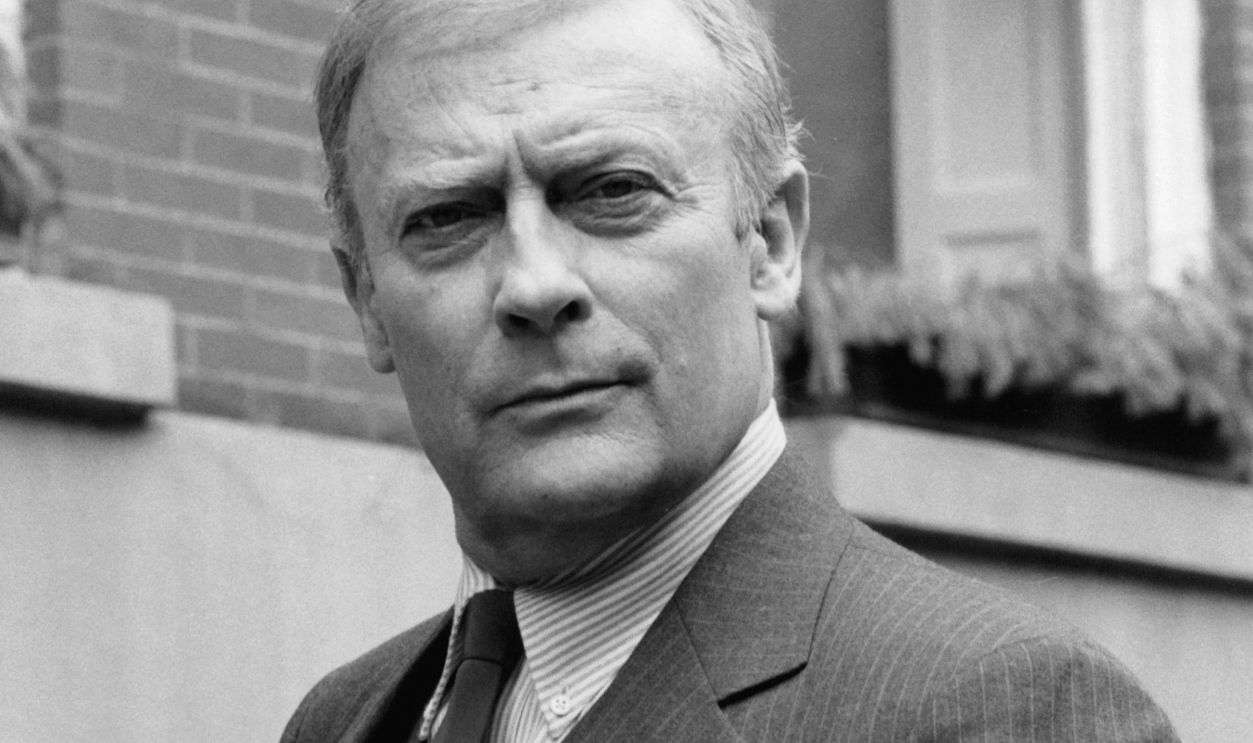 Michael Ochs Archives, Getty Images
Moonlighting
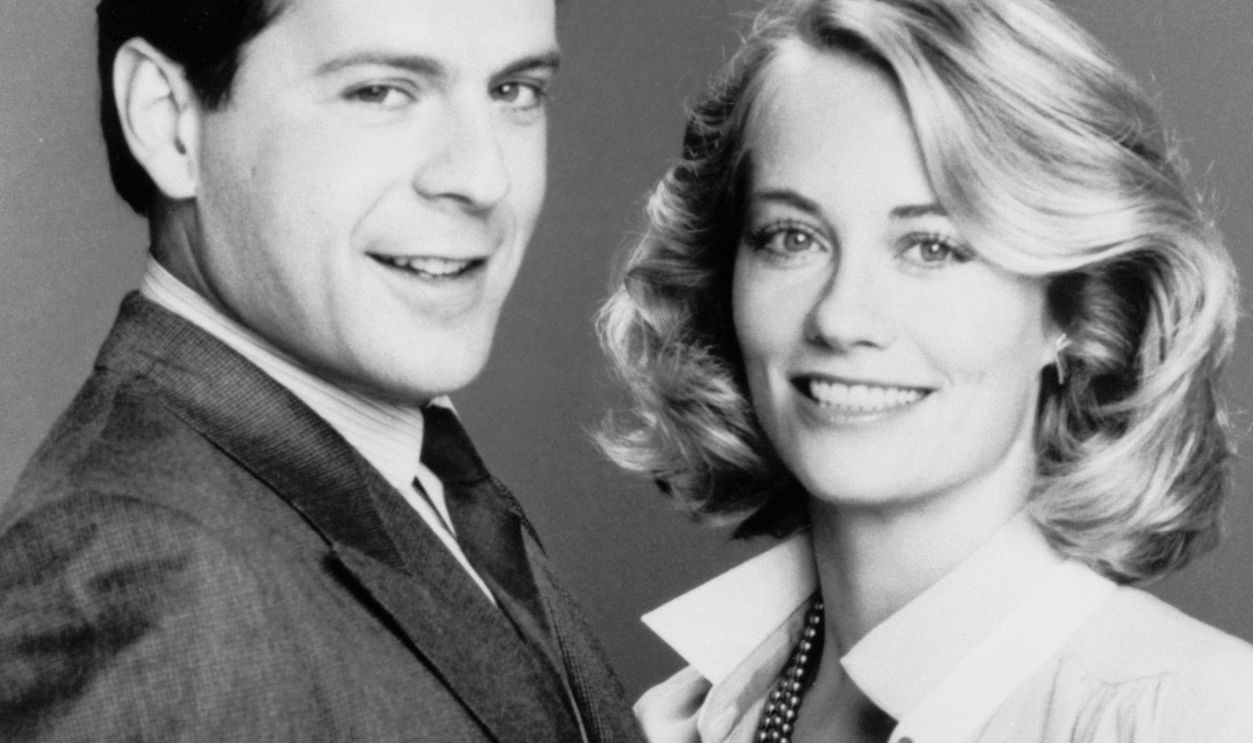
Yes, Moonlighting is famous, but younger viewers often know it more as a trivia answer than a full-on TV sensation. Bruce Willis and Cybill Shepherd turned detective work into flirtation, chaos, and fast-talking comedy. When it worked, it felt like television had learned to dance.
The New Mike Hammer
Mickey Spillane’s tough-guy detective got an 80s revival with Stacy Keach bringing gravelly charm to the role. The New Mike Hammer was smoky, pulpy, and proud of its old-school attitude. It gave viewers a throwback detective in a neon decade, and somehow that contrast worked.
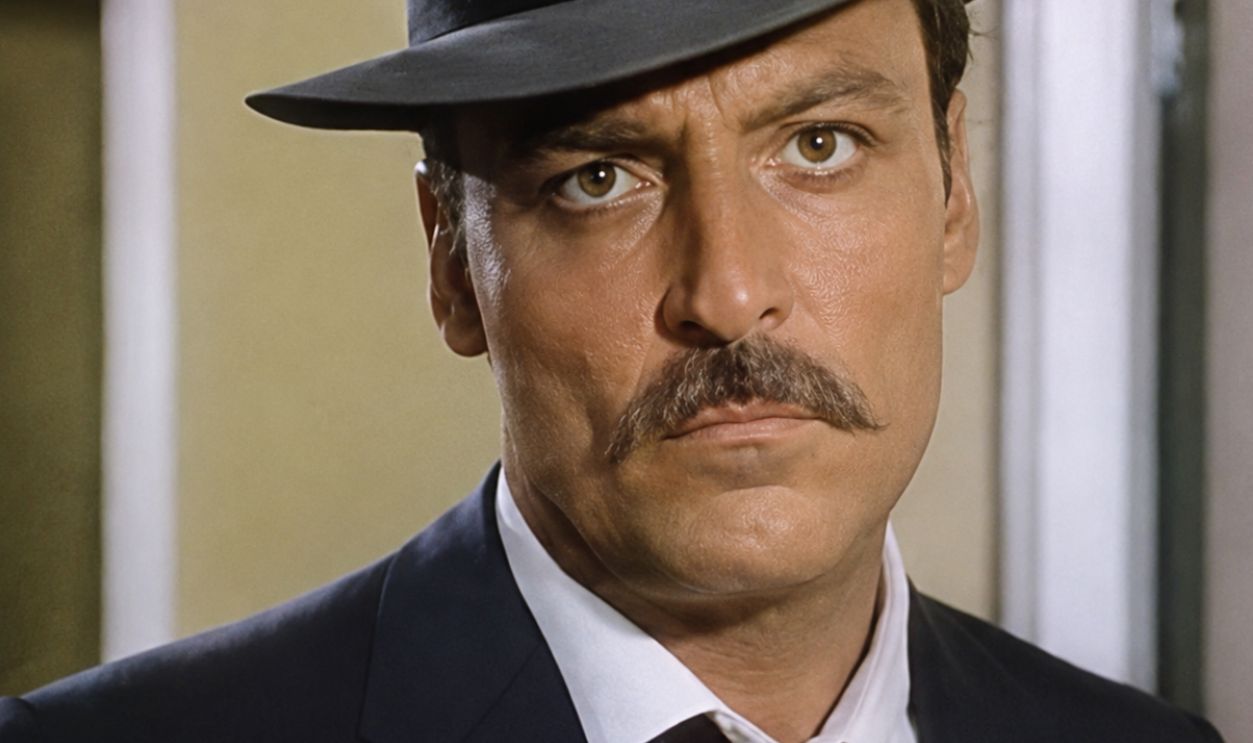 Screenshot from The New Mike Hammer, Sony Pictures Entertainment (1984-1987), enhanced
Scarecrow And Mrs. King
Part spy show, part detective caper, Scarecrow And Mrs. King gave audiences a suburban mom accidentally pulled into espionage. Kate Jackson and Bruce Boxleitner made the unusual pairing easy to love. It was softer than many crime shows, but its charm helped it become a genuine hit.
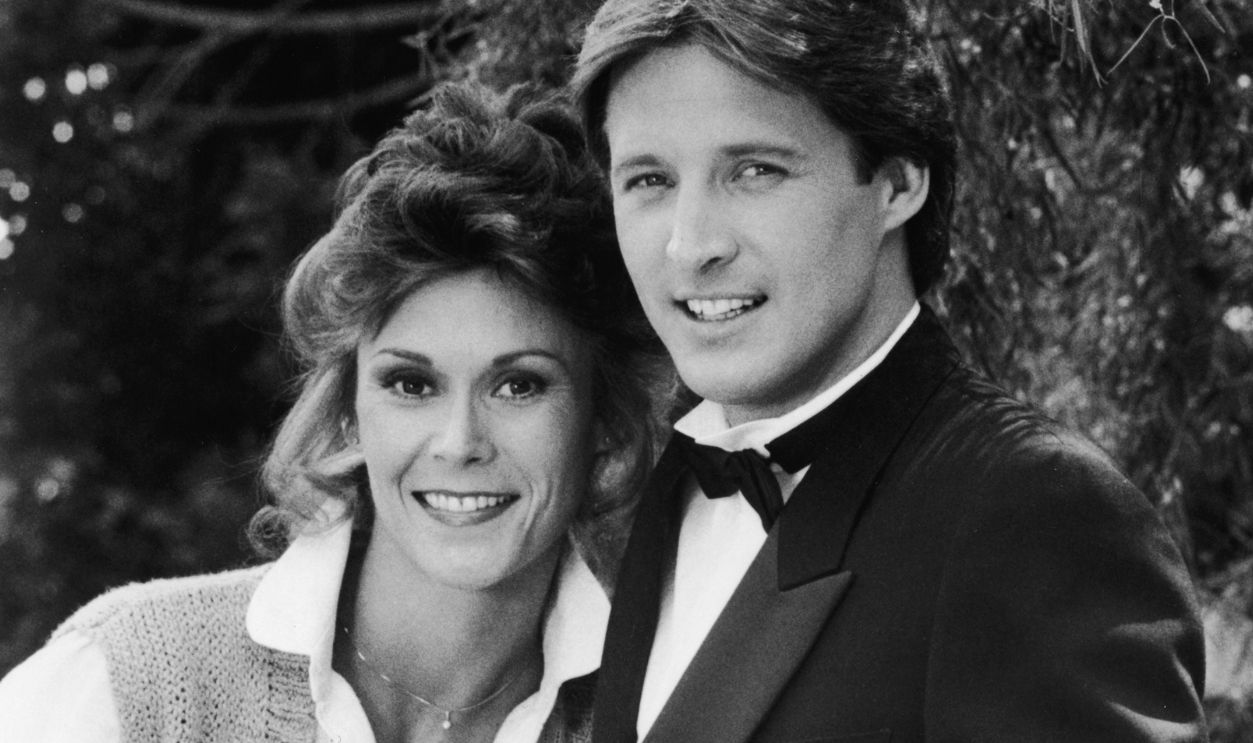 Fotos International, Getty Images
Jake And The Fatman
With a gruff prosecutor and a smooth private investigator, Jake And The Fatman had a formula that practically screamed late-80s CBS. William Conrad brought authority, while Joe Penny brought TV-star cool. It ran longer than many remember, but rarely gets the nostalgia treatment it earned.
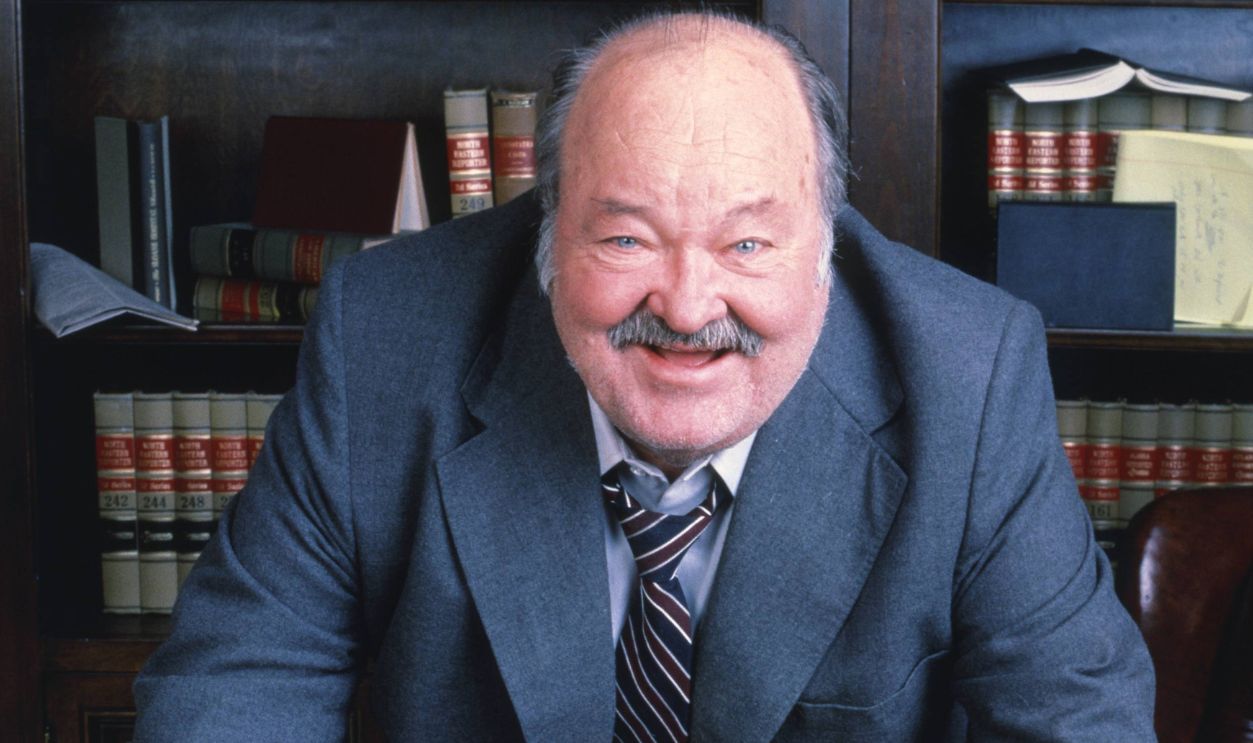 Silver Screen Collection, Getty Images
Leg Work
Leg Work barely had time to make its mark, but it had all the ingredients of a cult favorite. Margaret Colin starred as Claire McCarron, a stylish New York private eye with wit and grit. The show felt urban, sharp, and ahead of the curve, but vanished too quickly.
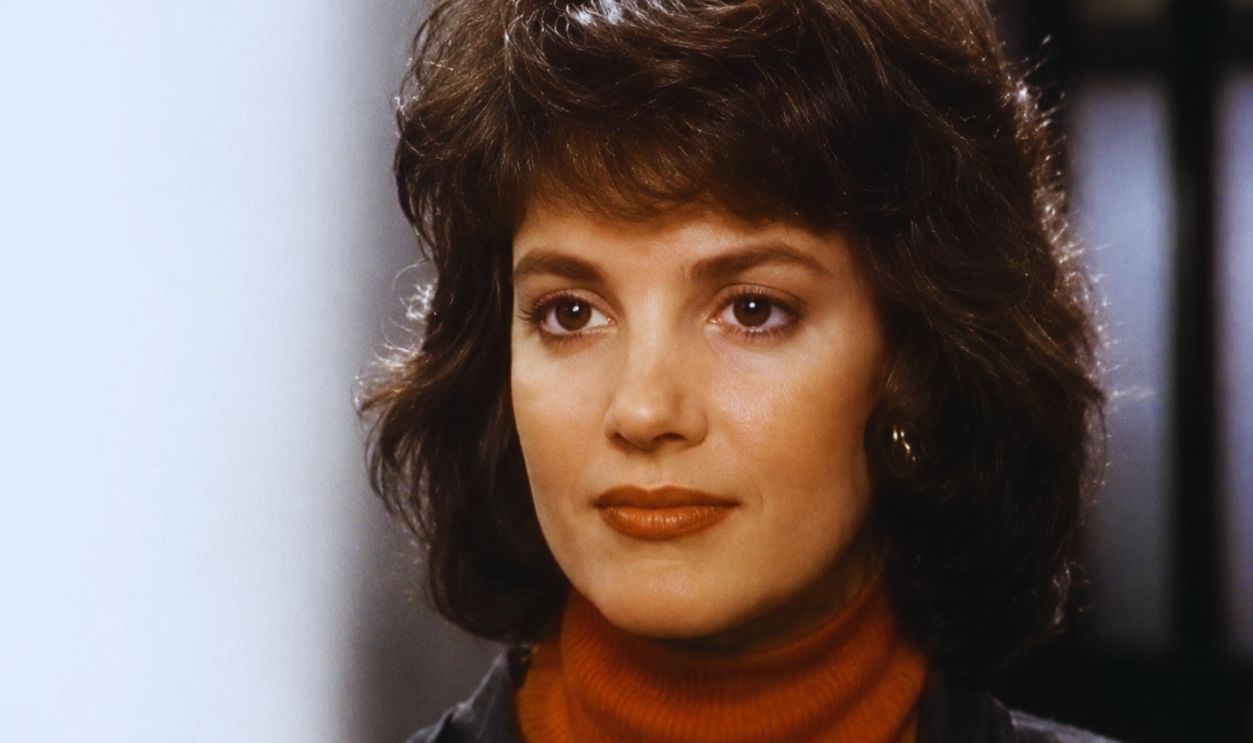 Screenshot from Leg Work, The Walt Disney Company (1987), enhanced
Partners In Crime
Lynda Carter and Loni Anderson as glamorous private detectives should have been a slam dunk. Partners In Crime leaned into fashion, banter, and flashy mysteries, giving viewers two TV icons solving cases together. It did not last long, but for a moment, it had big “event television” energy.
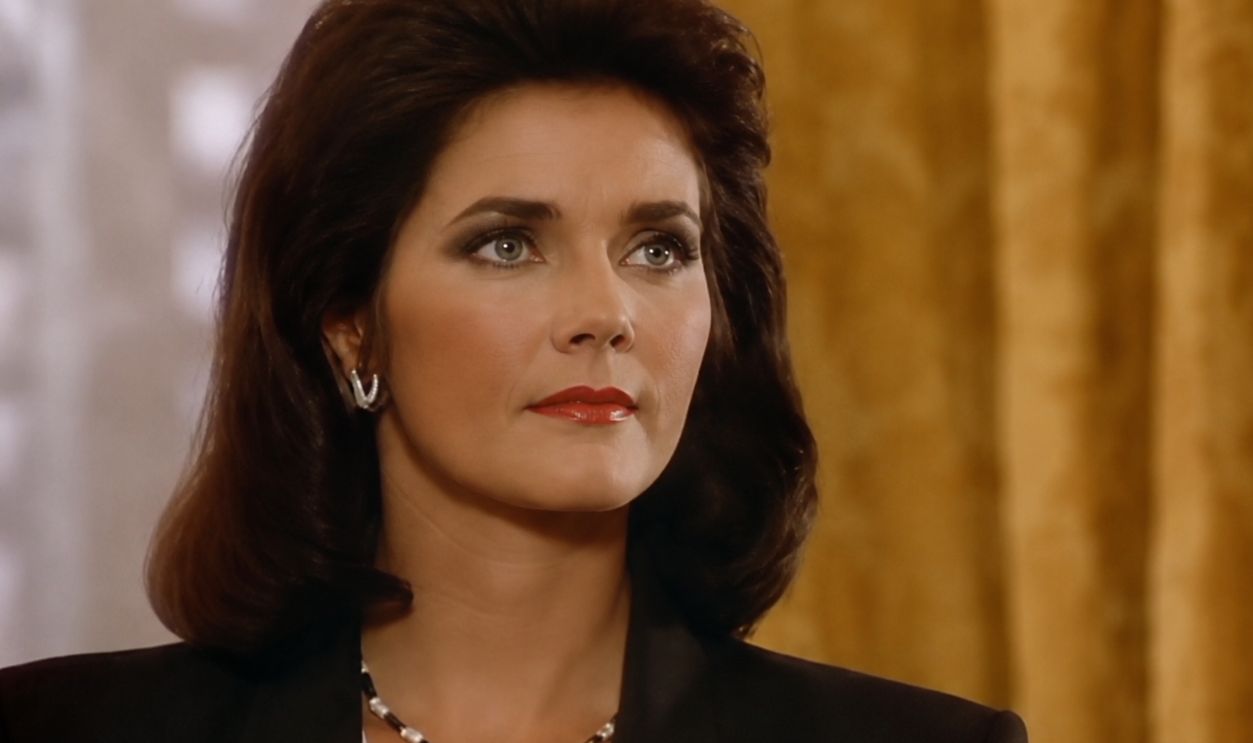 Screenshot from Partners in Crime, Sony Pictures Entertainment (1984), enhanced
The Insiders
The Insiders mixed journalism with detective work, following an investigative reporter and an ex-con as they chased stories and criminals. It had a solid 80s hook: media, danger, and unlikely partners. The show never became a classic, but it captured the decade’s obsession with renegade justice.
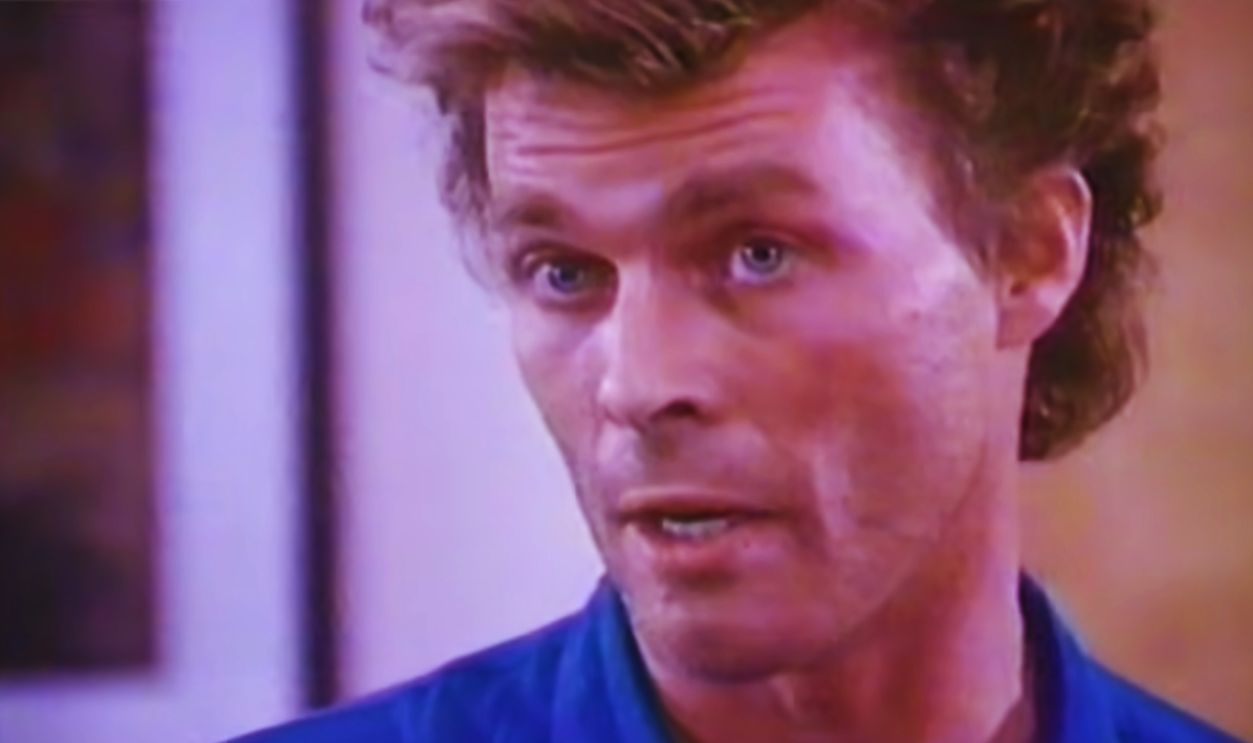 Screenshot from The Insiders, NBCUniversal (1985-1986)
Stingray
No, not the puppet show. This Stingray followed a mysterious man who helped people in trouble, asking only for a future favor in return. It had a sleek, almost mythic quality. Nick Mancuso made the title character feel like a detective, drifter, and urban legend all at once.
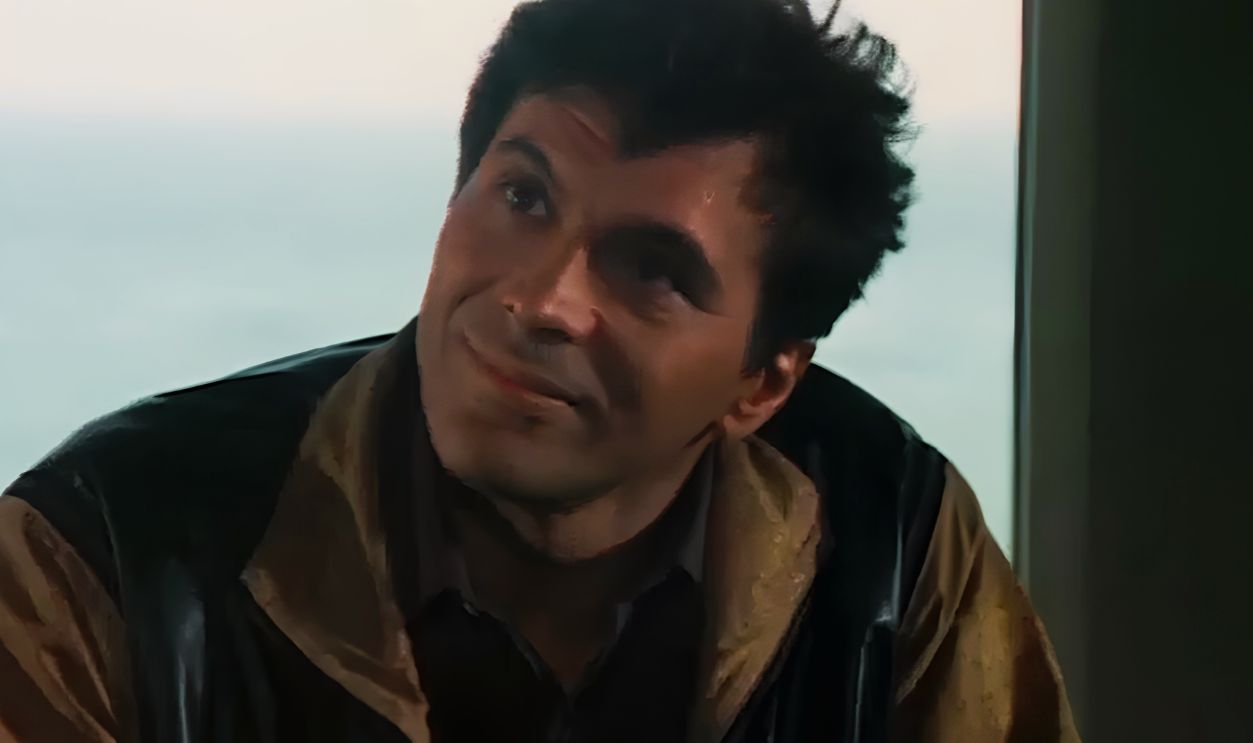 Screenshot from Stingray, NBCUniversal (1985-1987)
Lady Blue
Lady Blue was tough, loud, and very 1985. Jamie Rose starred as Katy Mahoney, a Chicago cop who played by her own rules. Critics were mixed, but the show made noise because it pushed a female action lead into territory usually reserved for TV’s hard-boiled men.
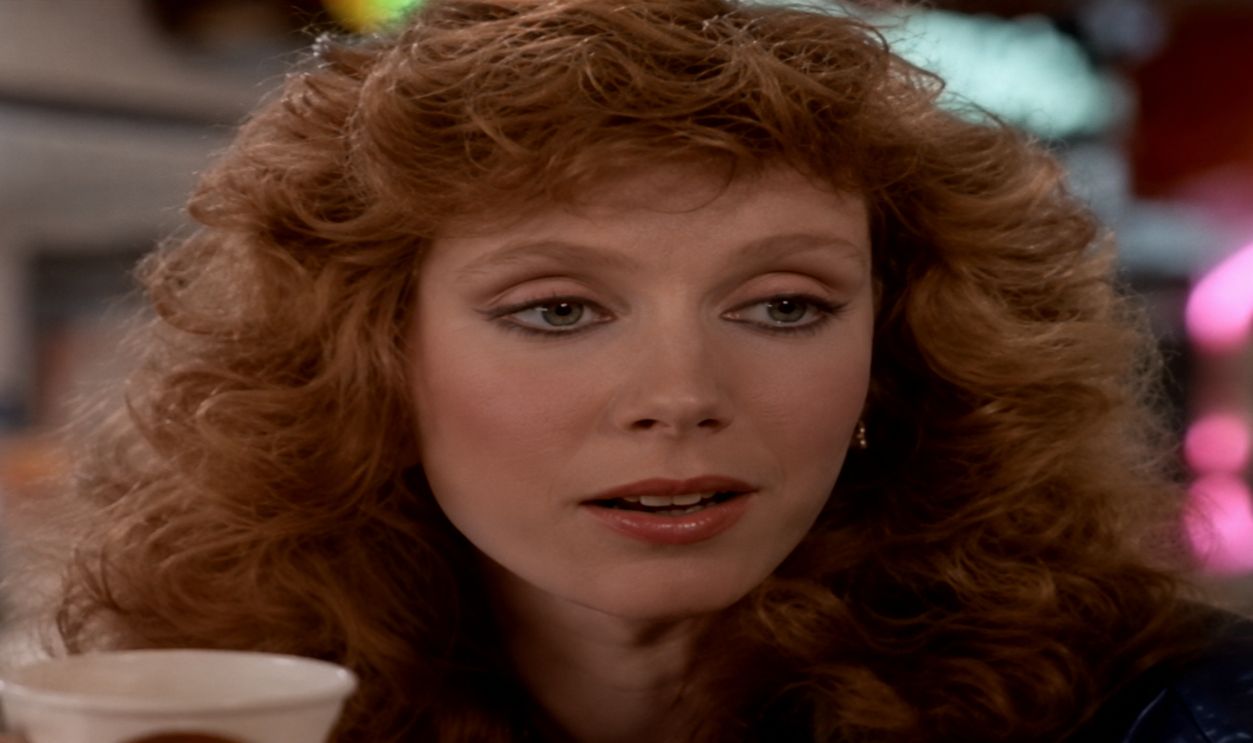 Screenshot from Lady Blue, Amazon MGM Studios (1985-1986), enhanced
T. J. Hooker
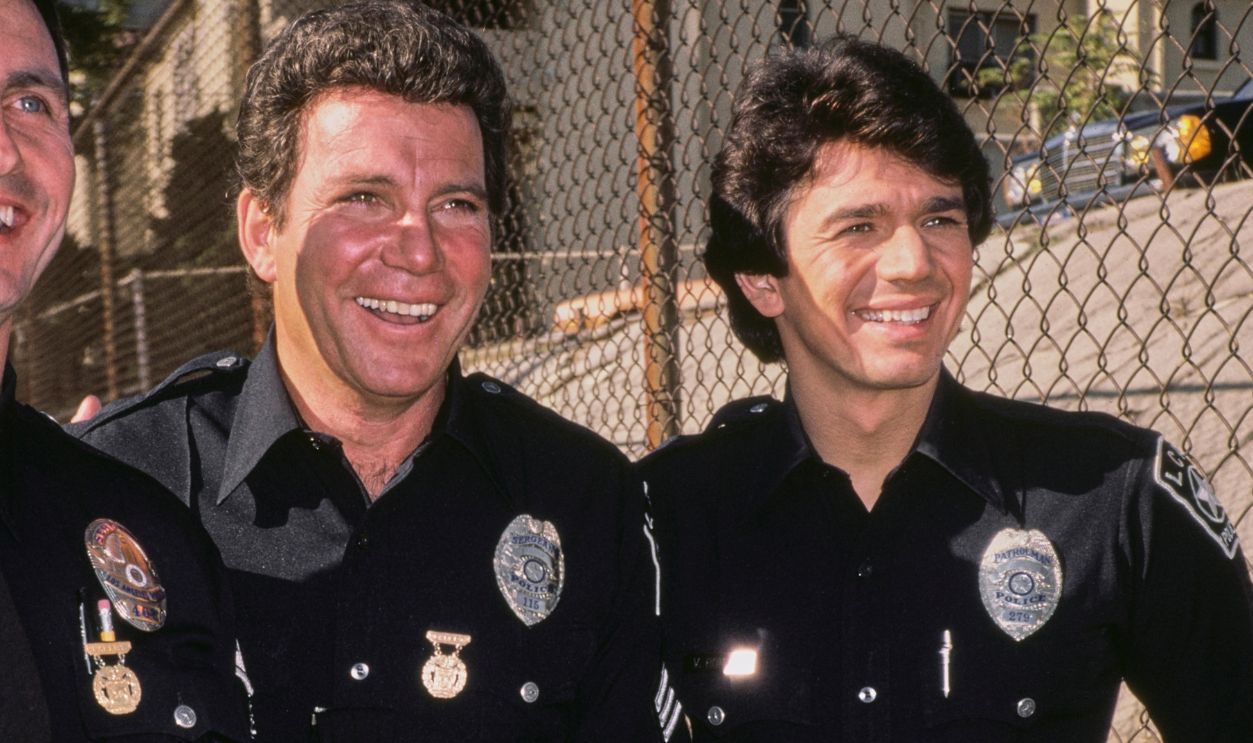
William Shatner chasing criminals as a veteran cop was exactly the kind of television the 80s knew how to sell. T. J. Hooker was more police drama than private-eye mystery, but its case-of-the-week style fit right in. It was big, bold, and wonderfully earnest.
Hunter
Hunter started as a gritty cop drama with a Dirty Harry flavor, then became one of the decade’s most dependable crime hits. Fred Dryer and Stepfanie Kramer gave the show its punch. It was tough, quotable, and huge at the time, even if it rarely gets prestige nostalgia.
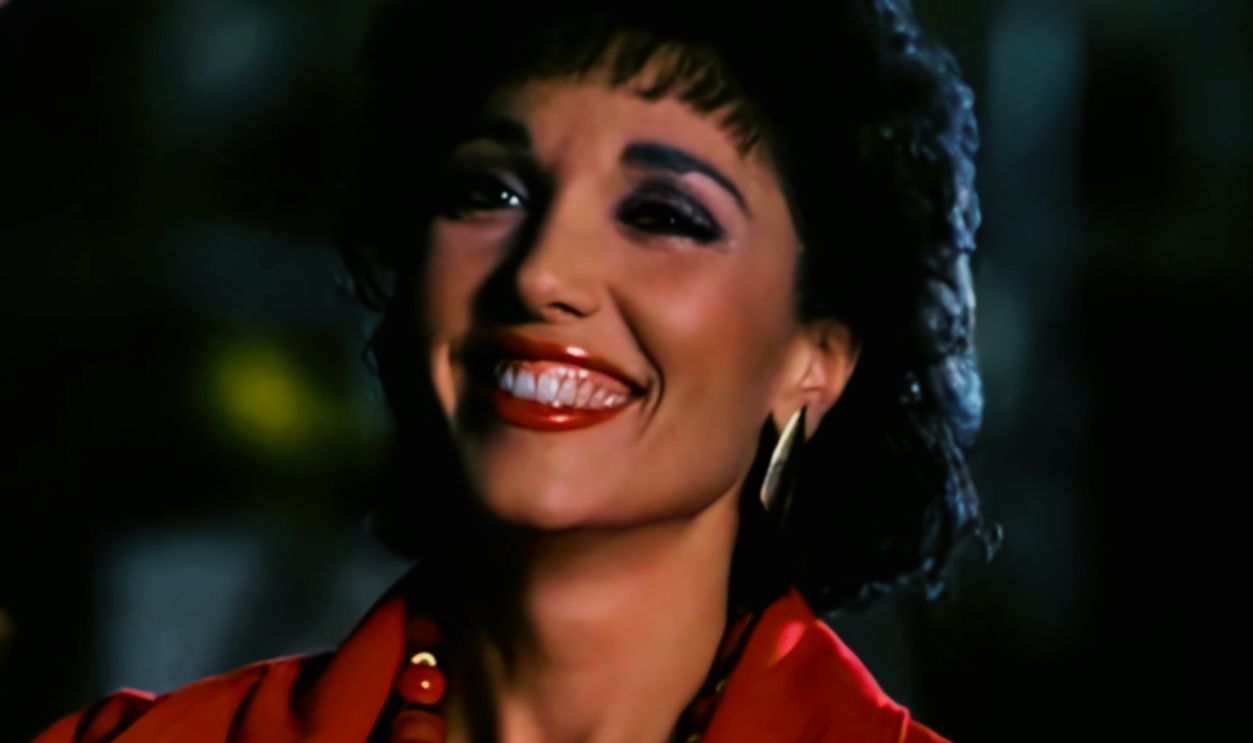 Screenshot from Hunter, NBCUniversal (1984-1991)
Cagney & Lacey
Unlike many detective shows of the decade, Cagney & Lacey mixed cases with real emotional weight. Sharon Gless and Tyne Daly made the partnership feel lived-in, funny, and complicated. The show won acclaim and fans, but it still feels oddly under-discussed compared with flashier 80s crime dramas.
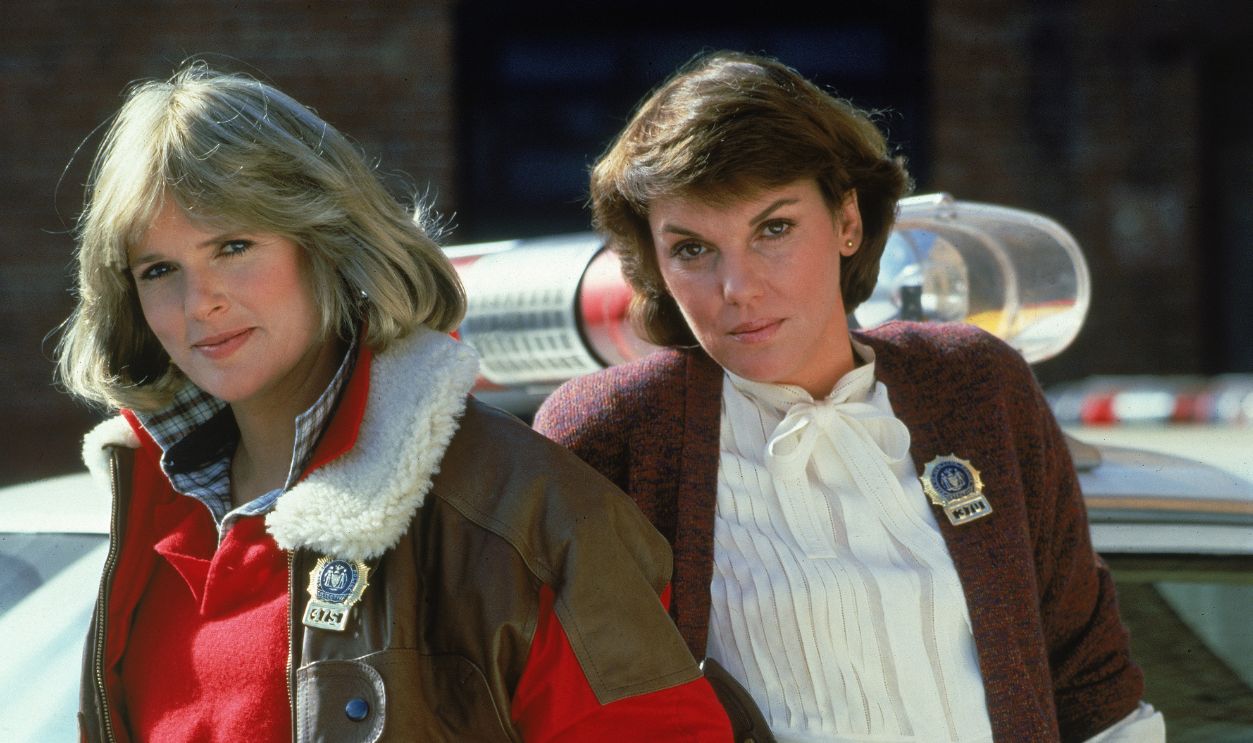 Pictorial Parade, Getty Images
Hooperman
Before NYPD Blue, John Ritter tried detective comedy with Hooperman, playing a San Francisco cop who inherits an apartment building. It mixed police cases with quirky tenants and everyday chaos. The tone was unusual for its time, and that may be why it remains such a fascinating almost-hit.
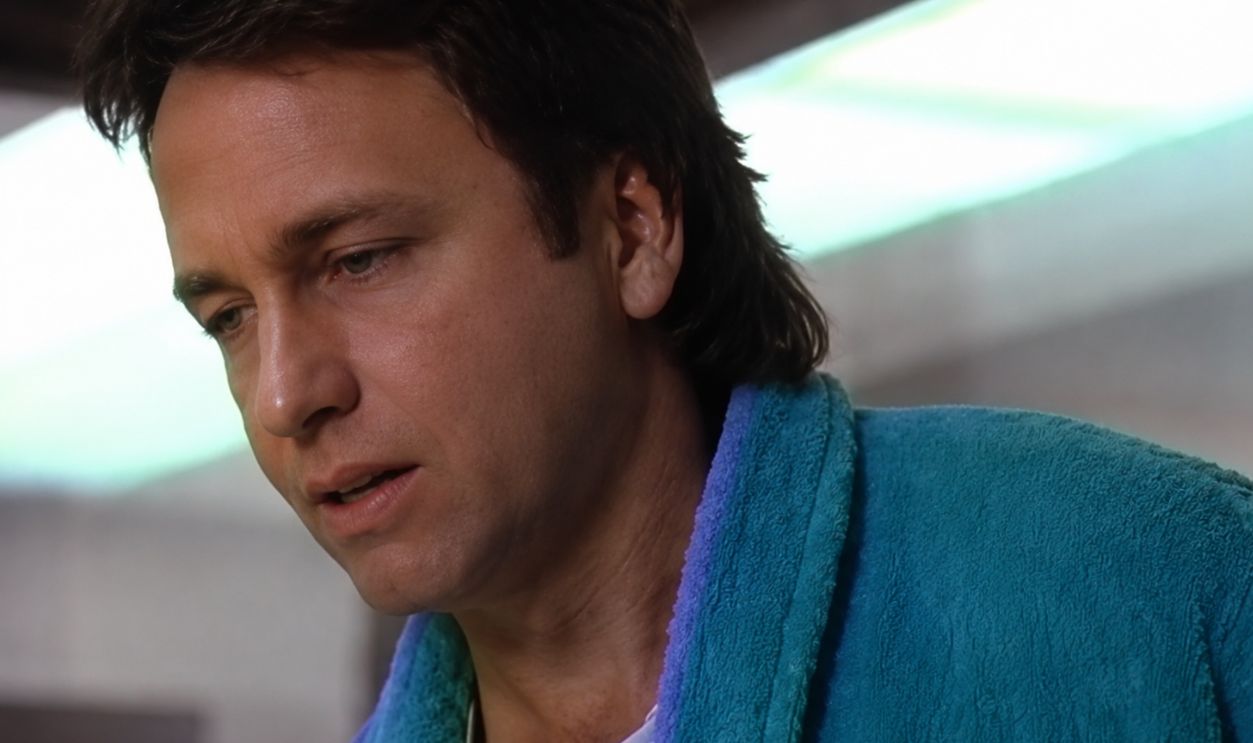 Screenshot from Hooperman, The Walt Disney Company (1987-1989), enhanced
Private Eye
Set in 1950s Los Angeles, Private Eye was a stylish throwback that arrived in the late 80s, complete with noir atmosphere and vintage cool. Michael Woods played Jack Cleary, a former cop turned private investigator. It looked great, but audiences did not stick around long enough.
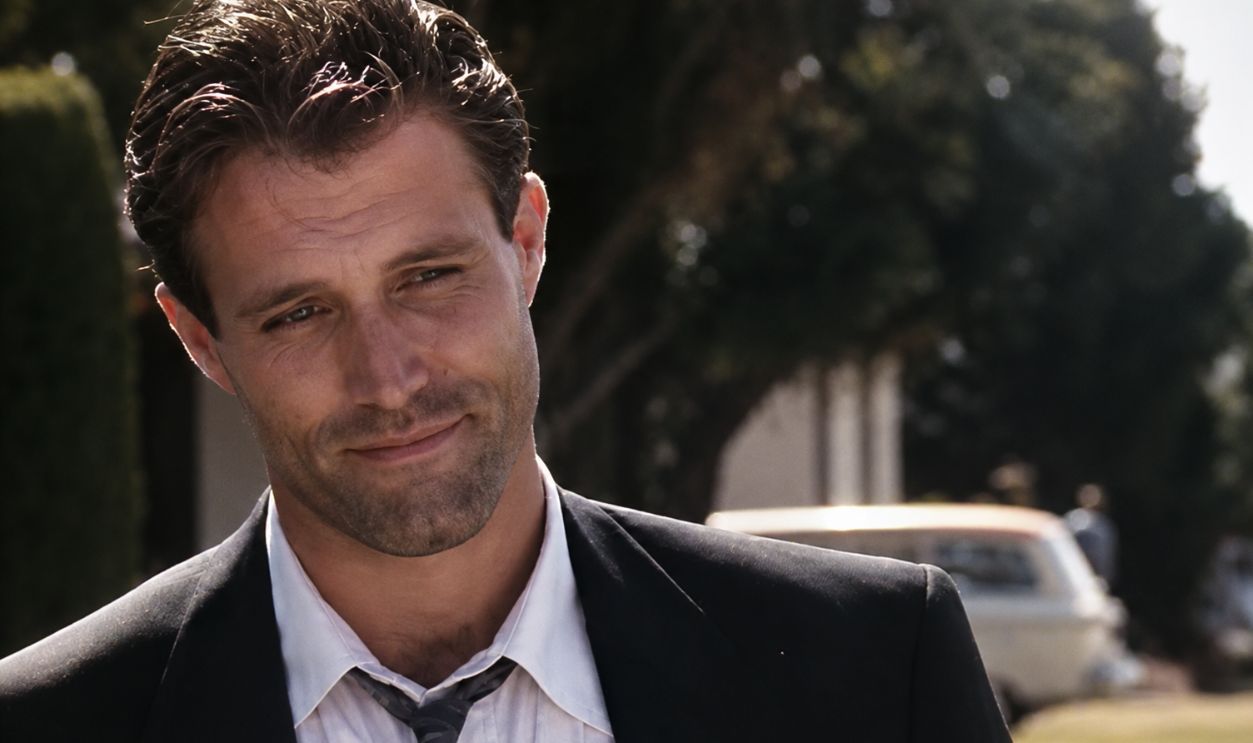 Screenshot from Private Eye, NBCUniversal (1987-1988), enhanced
Shell Game
Shell Game had a delicious setup: two former spouses, one a con artist and the other a federal agent, teaming up to solve crimes. Margot Kidder and James Read brought spark to the idea. It had screwball energy, romantic tension, and the feeling of a show gone too soon.
 Screenshot from Shell Game, Warner Bros. Discovery (1987), enhanced
Ohara
Pat Morita starred as Lieutenant Ohara, a thoughtful police detective who relied more on observation and philosophy than brute force. That made Ohara stand out in a decade full of car crashes and tough talk. It was calmer, smarter, and more unusual than most viewers probably expected.
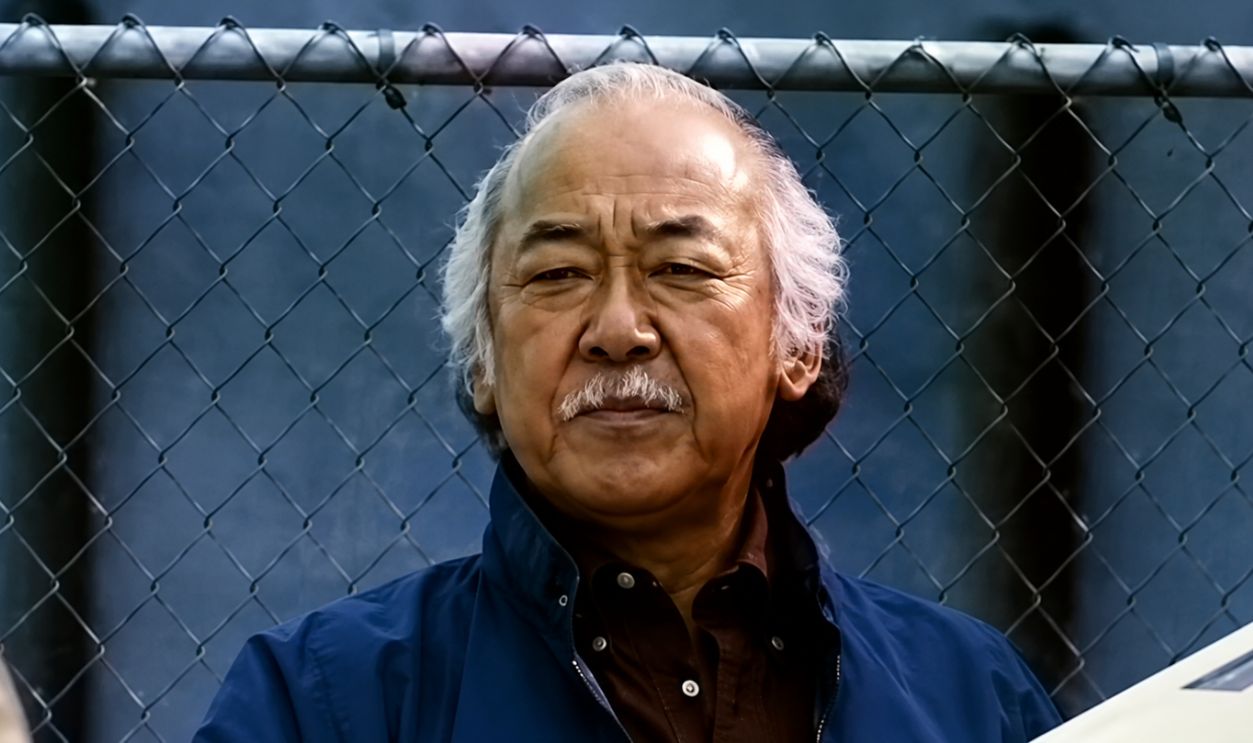 Screenshot from Ohara, Warner Bros. Discovery (1987-1988), enhanced
The Law And Harry McGraw
Spun off from Murder, She Wrote, The Law And Harry McGraw followed Jerry Orbach as a rumpled private eye with old-school charm. The show had a built-in audience and a great lead, but it never fully escaped Jessica Fletcher’s shadow. Still, Harry deserved more time.
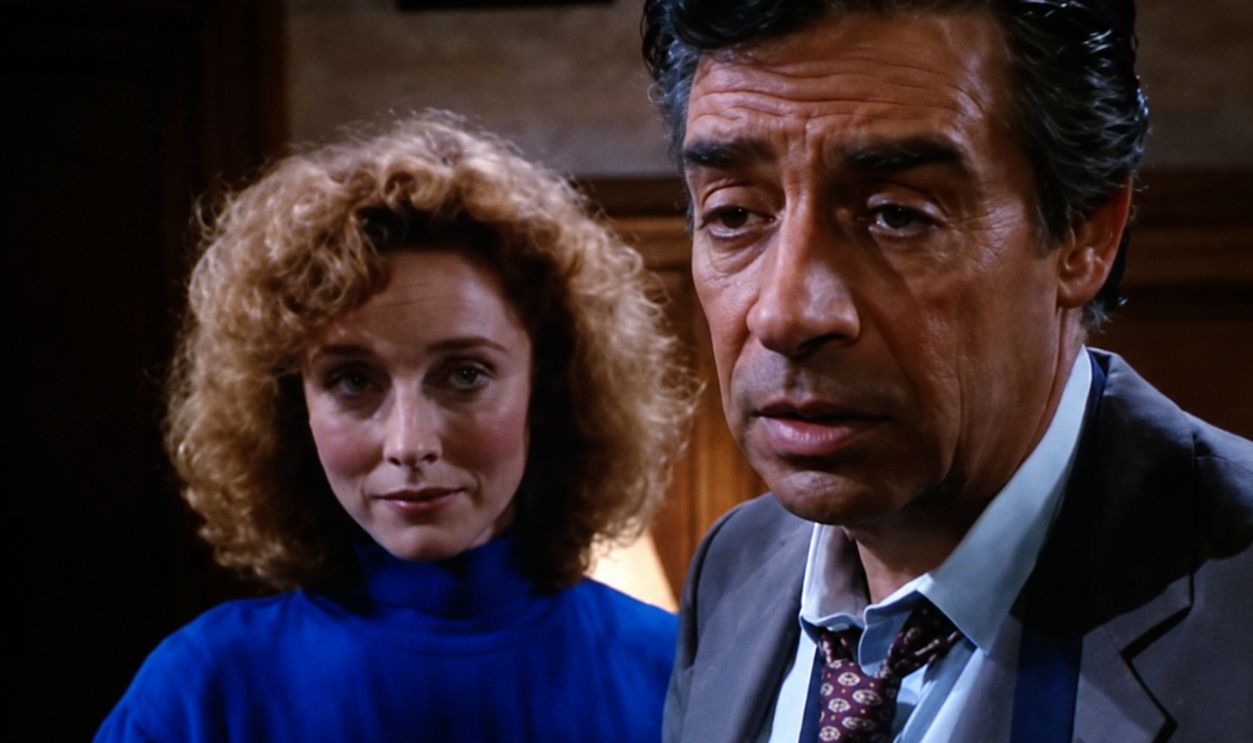 Screenshot from The Law And Harry McGraw, The Walt Disney Company (1987-1988), enhanced
Why These Shows Deserve Another Case
Not every 80s detective show became Magnum, P.I. or Miami Vice, but that is part of the fun. These series were strange, stylish, comforting, and sometimes completely bonkers. They remind us that television history is full of almost-classics waiting to be rediscovered, one dusty case file at a time.
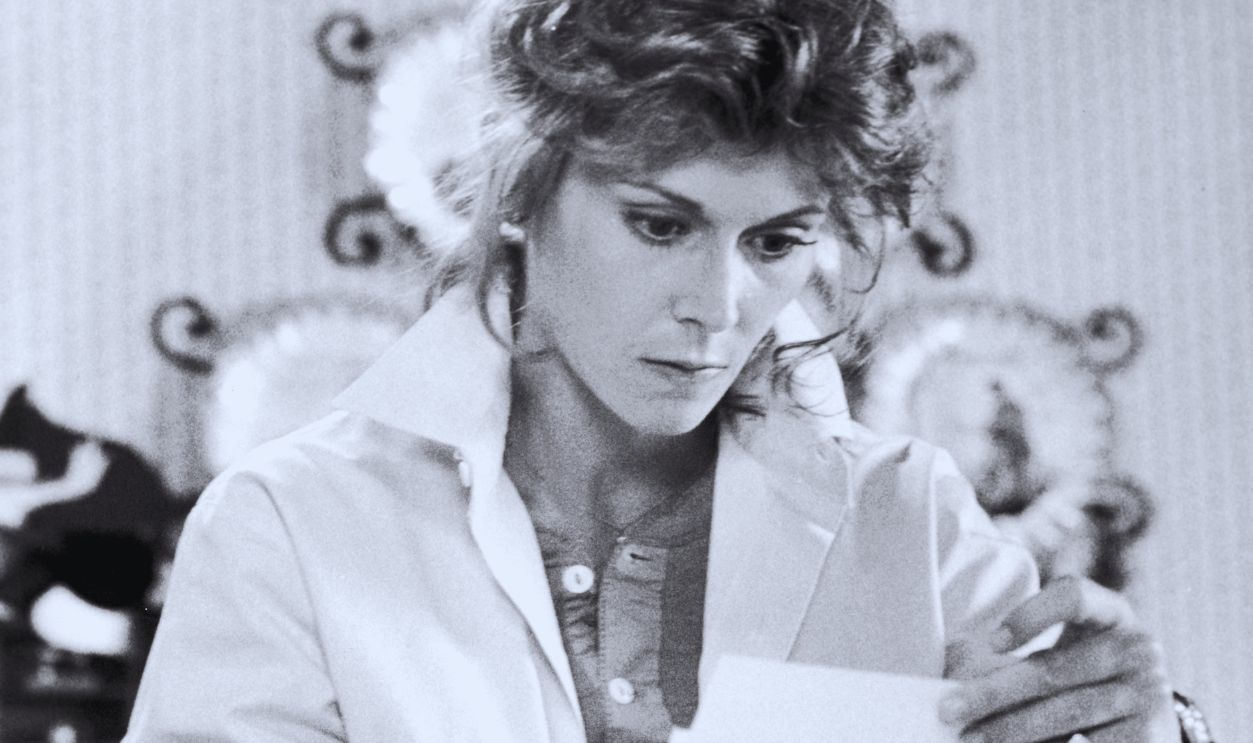 Fotos International, Getty Images
You May Also Like:
Great Movies From The 1960s That No One Remembers—Seriously, Do You Remember Even 5 Of These Films?
Classic TV Westerns Younger Americans Have Never Even Heard Of—And Probably Never Will