America’s Mom Could Handle Any Emergency
June Lockhart became one of television’s most familiar mothers by making family life look believable in two wildly different settings. On Lassie, she managed a farmhouse, an adventurous boy, and a remarkably heroic collie. On Lost in Space, she protected her children while crossing an unpredictable galaxy. The scenery changed completely, but Lockhart’s warmth and composure remained reassuringly constant.
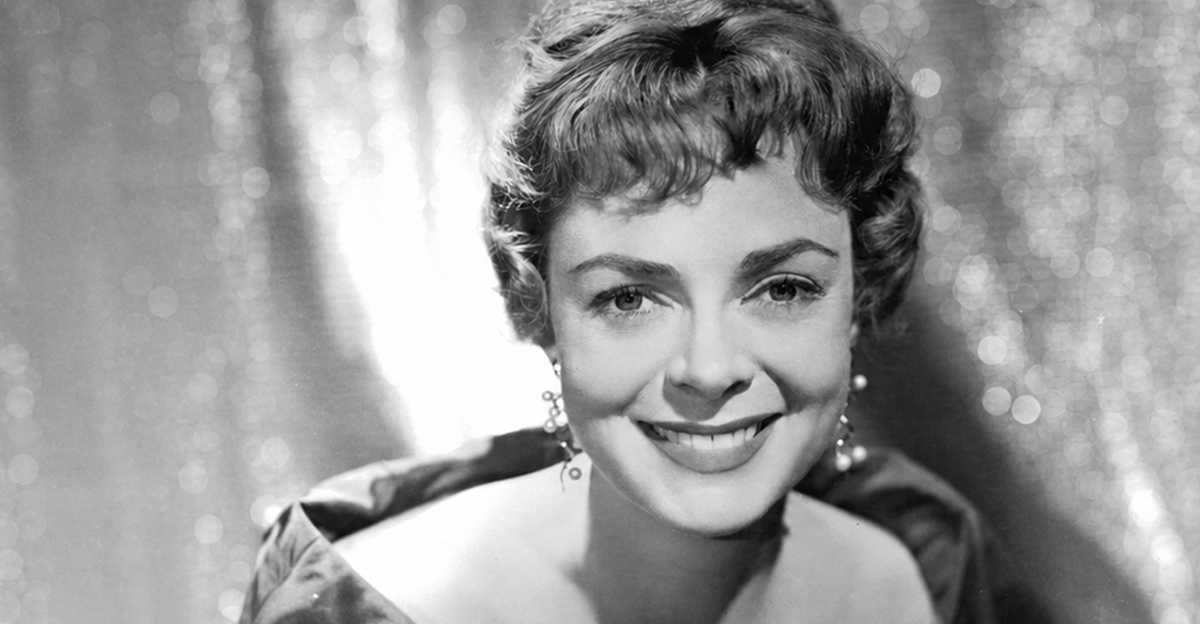 Michael Ochs Archives, Getty Images
Show Business Ran In The Family
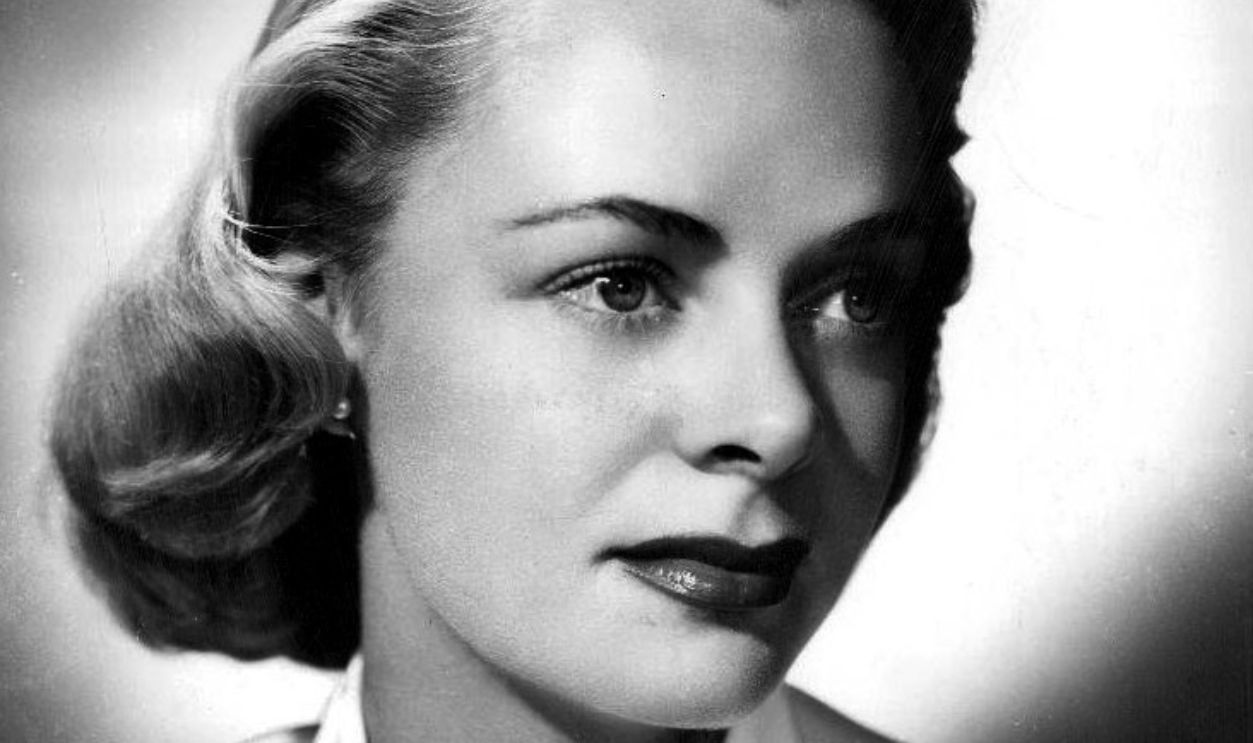
Born in New York City on June 25, 1925, Lockhart was the daughter of actors Gene and Kathleen Lockhart. She made her professional stage debut at eight in a Metropolitan Opera production of Peter Ibbetson. Her parents therefore introduced her to performance as a working craft rather than a distant fantasy. That early experience prepared her for a career that would span stage, film, and television.
 Photographer-Alexander Bender, Wikimedia Commons
The Lockharts Celebrated Christmas Together
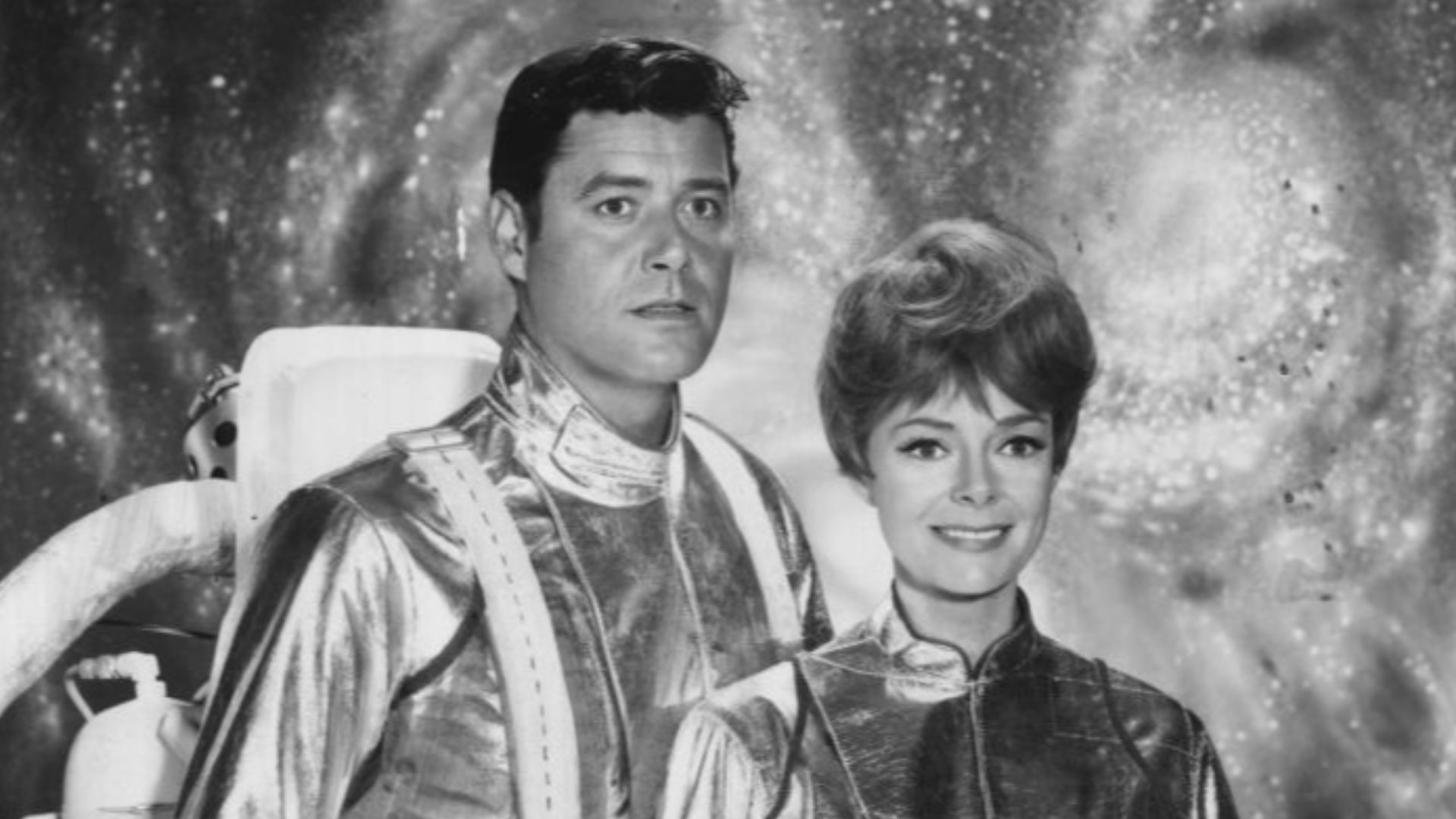
Lockhart made her film debut alongside both parents in MGM’s 1938 adaptation of A Christmas Carol. Gene played Bob Cratchit, Kathleen portrayed Mrs. Cratchit, and June appeared as their daughter Belinda. The casting gave audiences an actual acting family within Charles Dickens’s famous fictional household. It also placed the 13-year-old performer inside a major Hollywood production remarkably early.
 CBS Television, Wikimedia Commons
Hollywood Offered A Serious Education
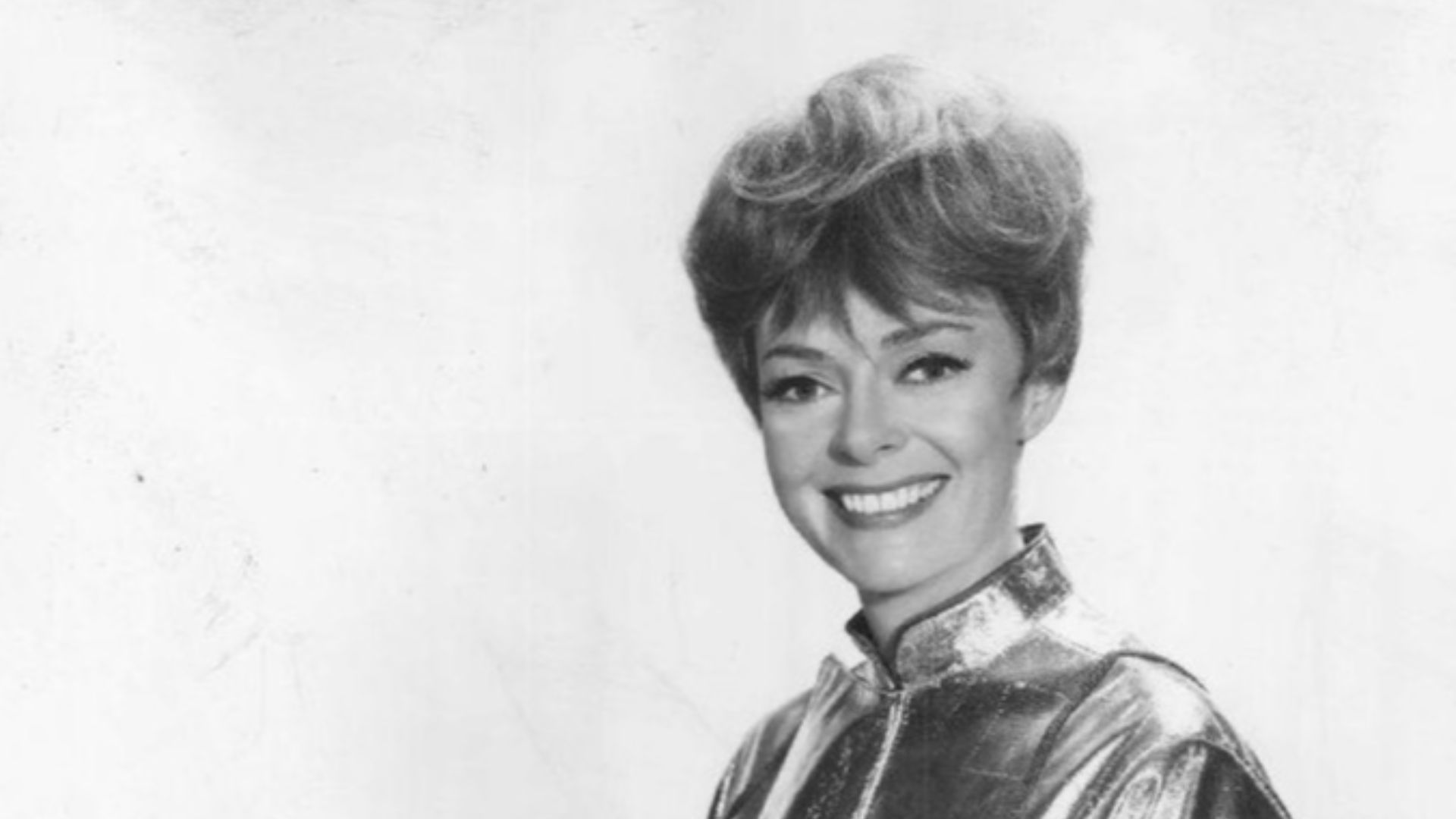
More film work followed, including appearances in Sergeant York, Meet Me in St. Louis, and The Yearling. Lockhart also took the leading role in the 1946 thriller She-Wolf of London. These projects exposed her to musicals, dramas, family pictures, and atmospheric horror. Long before she became associated with wholesome television, she had already developed an unusually broad screen résumé.
 CBS Television, Wikimedia Commons
Broadway Confirmed Her Talent
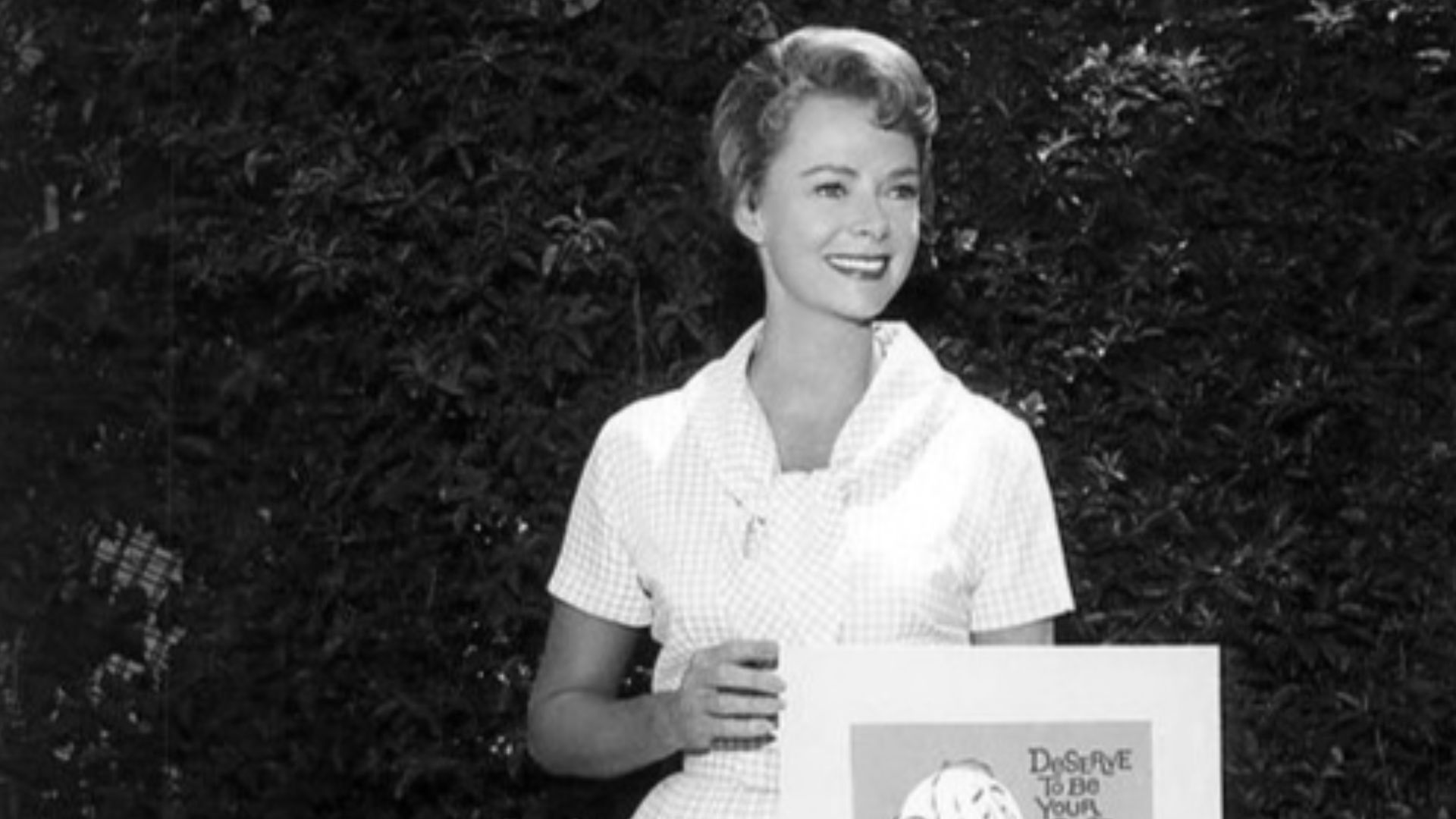
Lockhart made her Broadway debut in the comedy For Love or Money in 1947. Her performance earned her a special Tony Award as a promising newcomer at the 1948 ceremony. The award took the form of a medallion attached to a bracelet, which she later donated to the Smithsonian. Her theatrical success established that she was more than the child of two respected performers.
 CBS Television, Wikimedia Commons
Live Television Opened Another Door
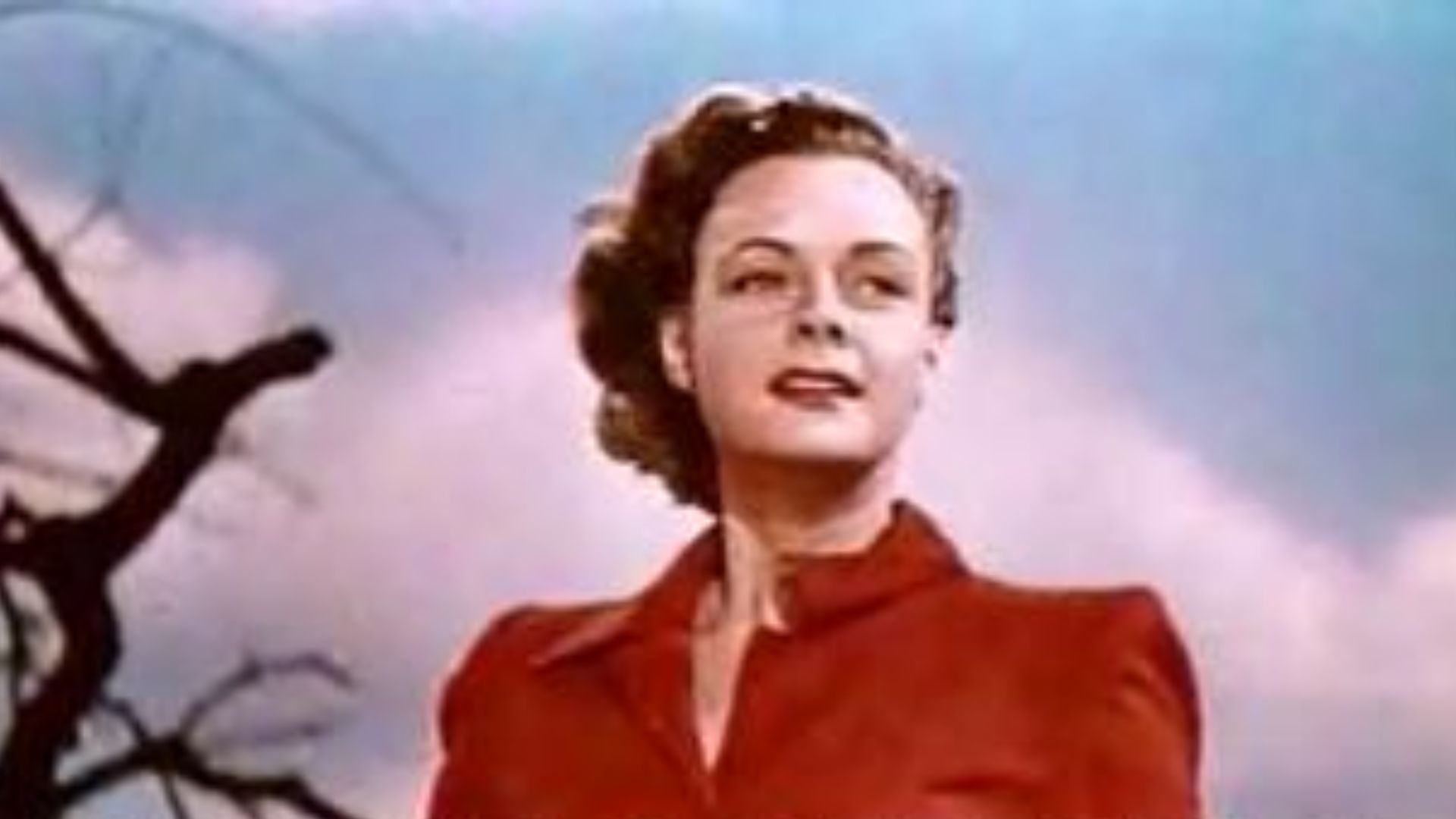
Lockhart entered television while the medium was still developing its identity. Her early work included dramatic anthology productions and guest appearances across several genres. She played Dolley Madison on Hallmark Hall of Fame and appeared in Westerns including Wagon Train, Gunsmoke, and Have Gun, Will Travel. That versatility made her a sensible choice when a major family series needed a new leading woman.
 Trailer screenshot, Wikimedia Commons
Lassie Needed A New Family
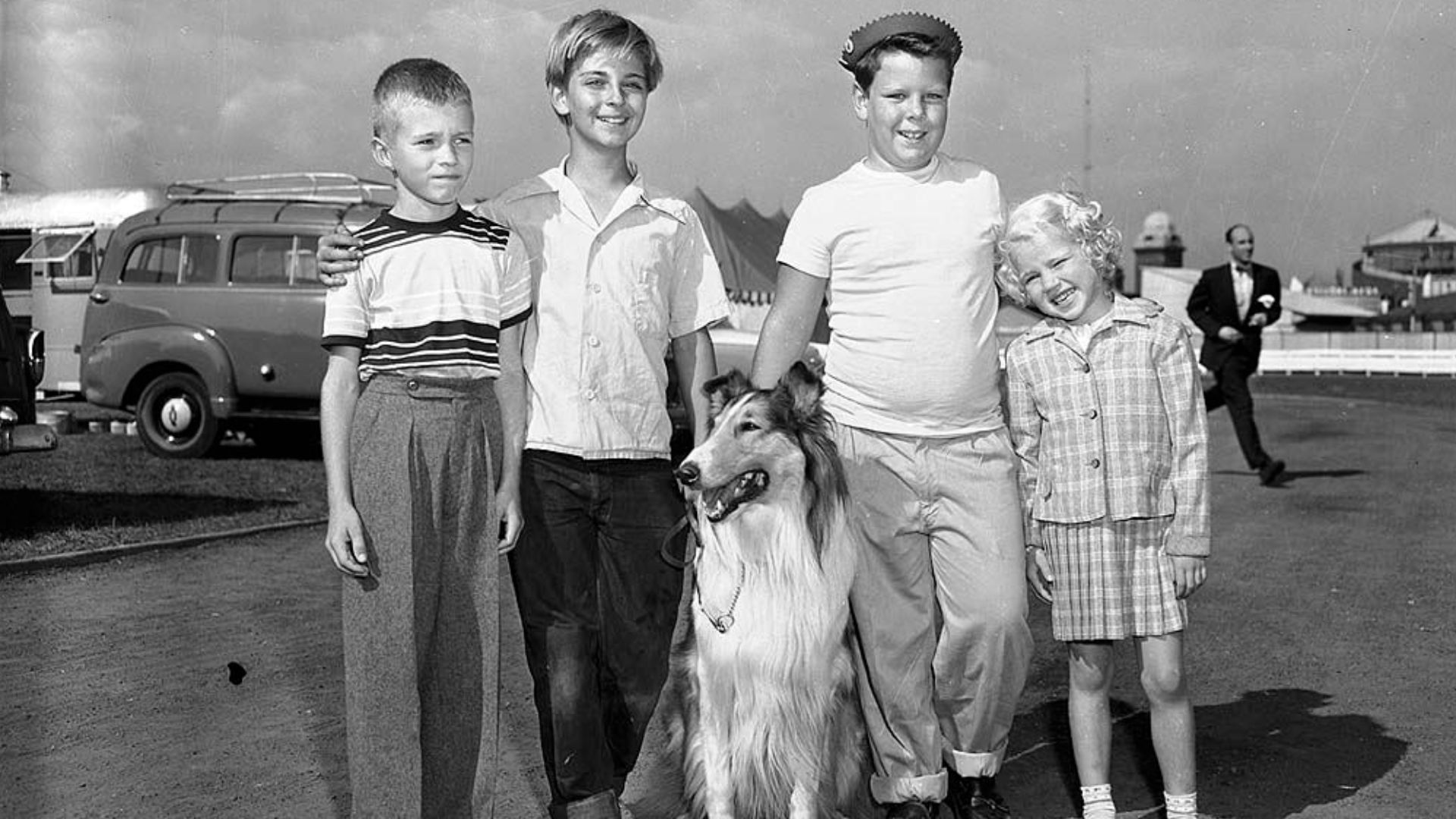
By 1958, Lassie was already an established CBS success, but its human cast was changing. The series moved Timmy and Lassie into the household of farmers Paul and Ruth Martin. Hugh Reilly played Paul, Jon Provost continued as Timmy, and Lockhart arrived as Ruth. The transition gave the long-running show a fresh family structure without abandoning its loyal young hero.
 Alexandra Studio, Wikimedia Commons
Ruth Martin Felt Instantly Familiar
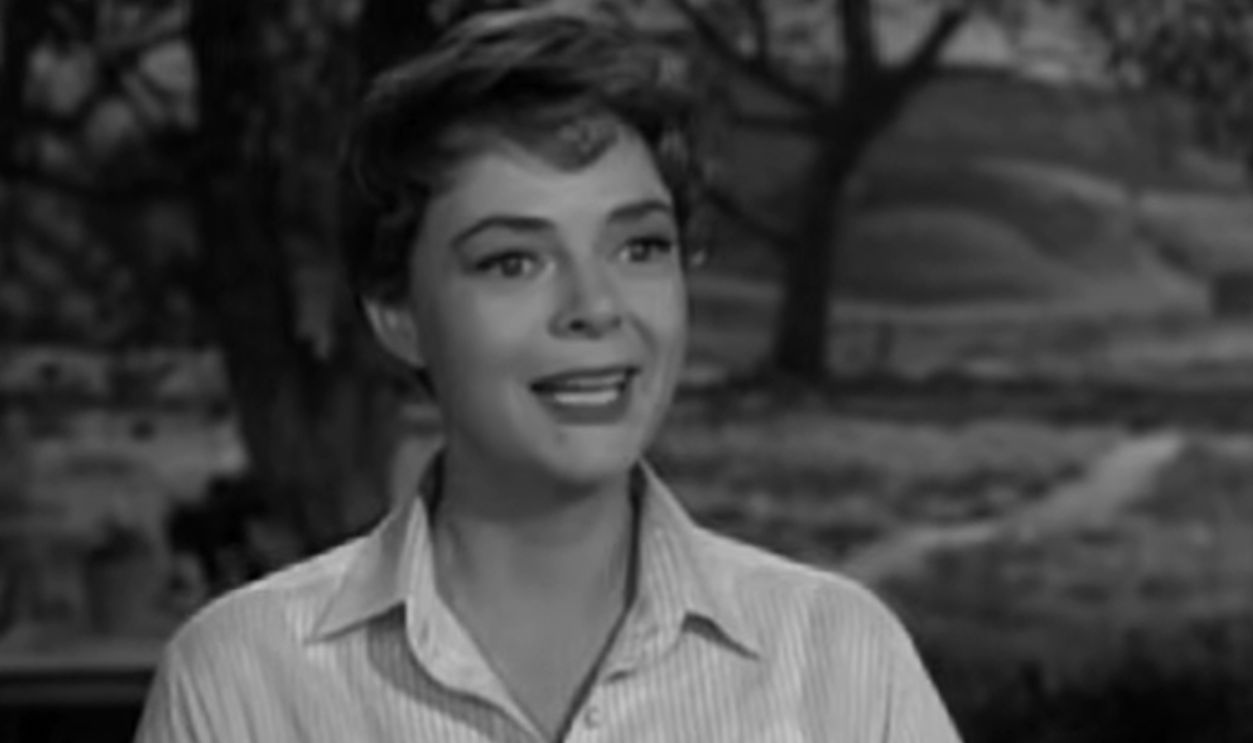
Lockhart made Ruth loving without turning her into a flawless domestic ornament. Ruth could be affectionate, worried, firm, or practical depending on what Timmy and Lassie had gotten into that week. Her calm delivery helped keep extraordinary canine rescues connected to recognizable family emotions. Viewers could enjoy the adventure because Ruth made the Martin home feel safe.
 Screenshot from Lassie, CBS (1954–1973)
Timmy Gained More Than A Guardian
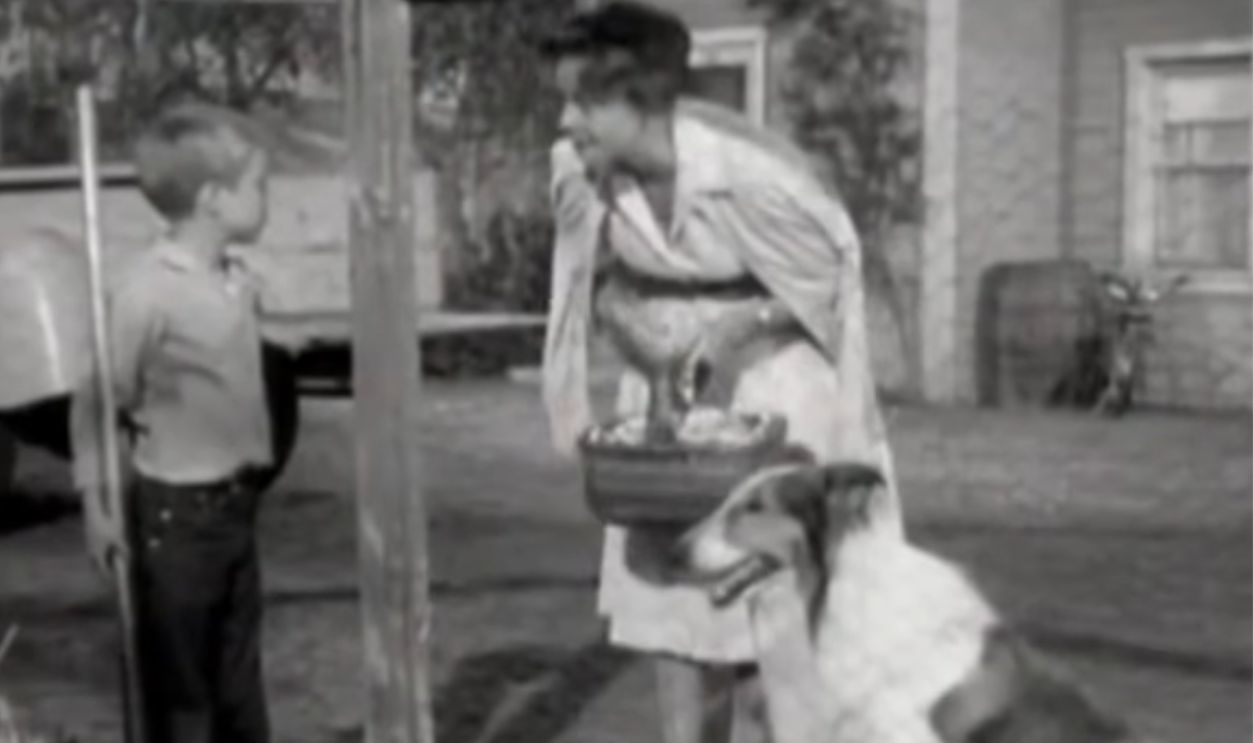
Within the story, Paul and Ruth adopted the orphaned Timmy and provided the stable home that shaped this era of Lassie. That relationship required Lockhart to communicate trust quickly to an audience that already knew the boy. She treated Timmy’s fears and enthusiasms seriously while retaining clear parental authority. Her performance made Ruth seem like someone who had always belonged in his life.
 Screenshot from Lassie, CBS (1954–1973)
The Farm Created Everyday Stakes
The Martin years placed Lassie within a rural community where weather, animals, accidents, and neighbors regularly produced trouble. Ruth was often the character who connected those dangers to their emotional consequences for the family. Lockhart did not need to compete with Lassie’s spectacular rescues to remain essential. She provided the human concern that made those rescues matter.
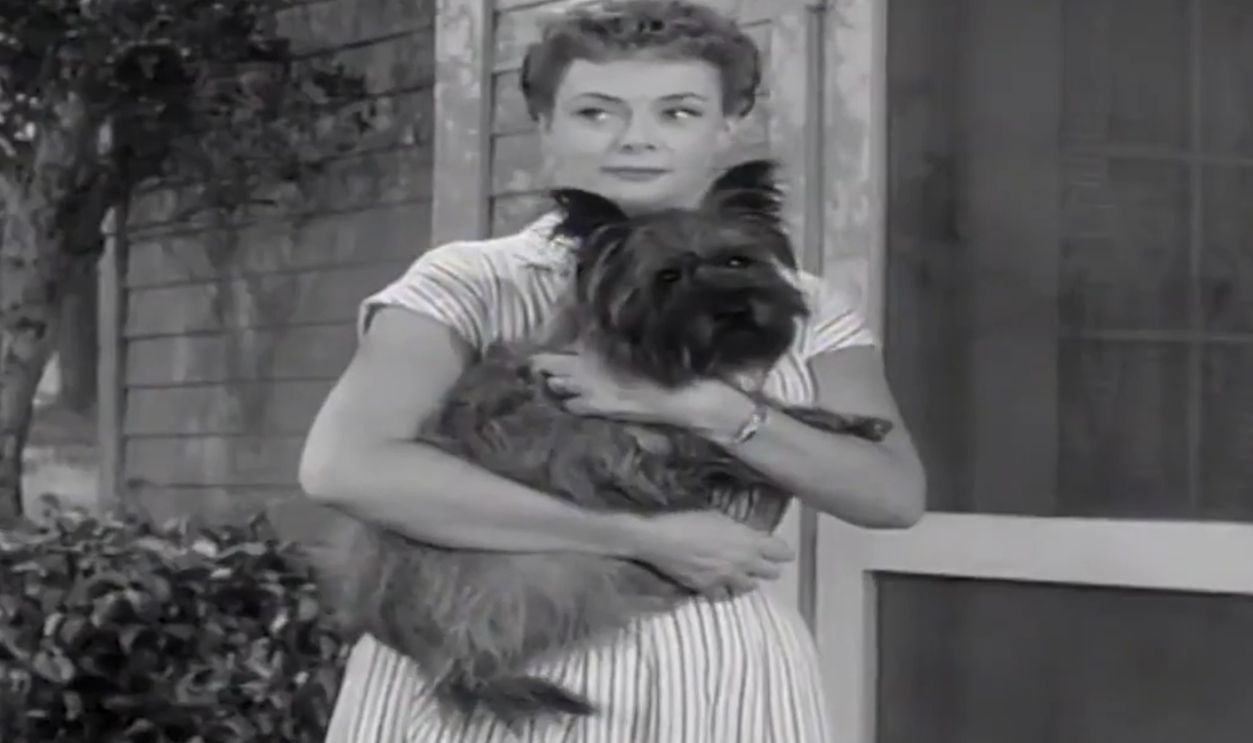 Screenshot from Lassie, CBS (1954–1973)
Six Seasons Built A Lasting Bond
Lockhart remained with Lassie from 1958 through 1964, appearing throughout the Martin-family period. Six seasons gave audiences ample time to associate her voice and manner with dependable motherhood. It also allowed her to develop a genuine working relationship with Jon Provost. Decades later, Provost remembered her as both a consummate professional and a second mother.
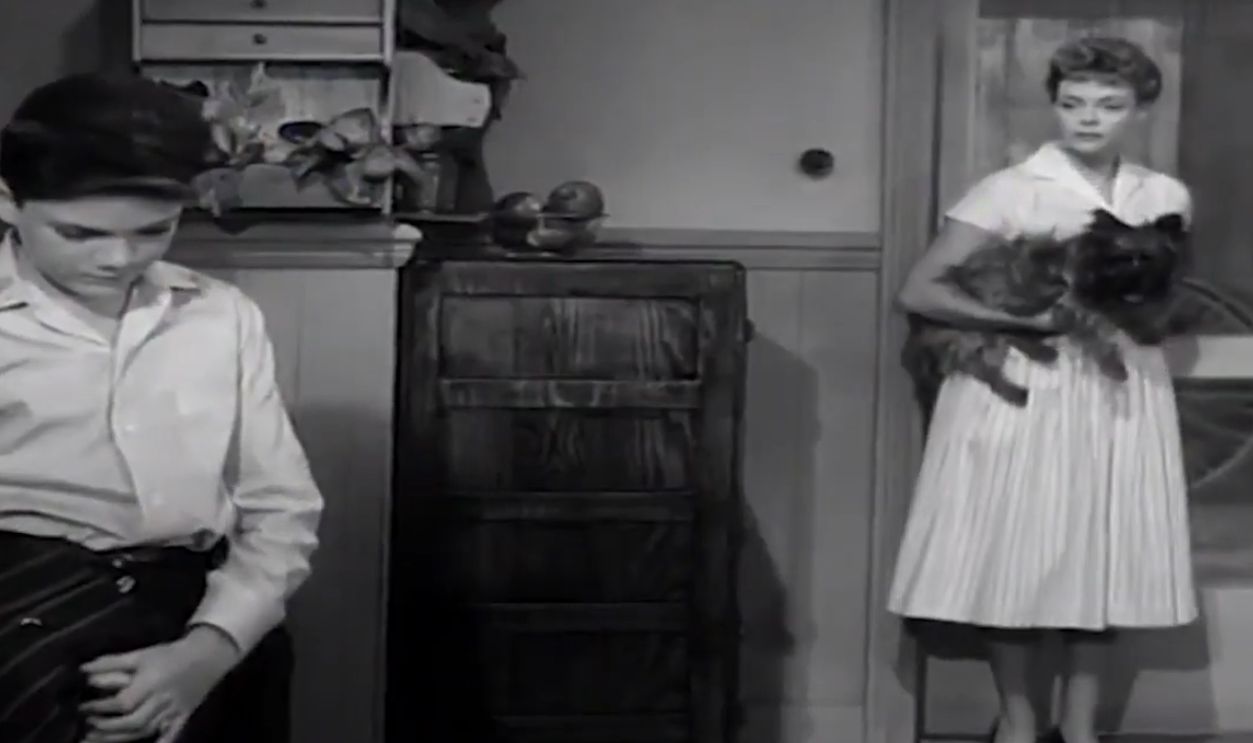 Screenshot from Lassie, CBS (1954–1973)
Professionalism Extended Beyond The Camera
Provost recalled that Lockhart once corrected him when he became mischievous on the set. She reminded the young actor that they were professionals with a job to perform. The lesson was firm, but Provost remembered it as evidence of her care rather than harshness. They remained in contact for decades through cards, calls, and other personal exchanges.
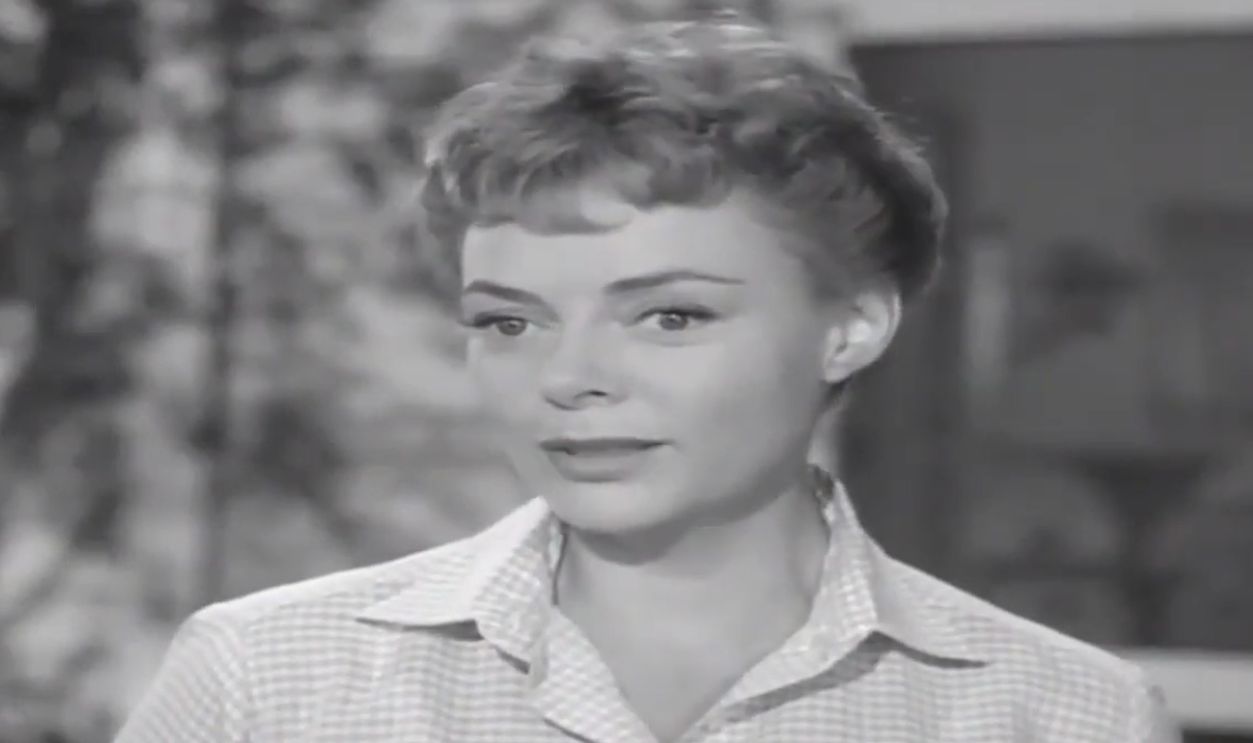 Screenshot from Lassie, CBS (1954–1973)
Emmy Voters Noticed Her Work
Lockhart received a 1959 Emmy nomination for playing Ruth Martin. The recognition placed her performance among television’s notable continuing dramatic roles. Her work depended more on consistency and emotional clarity than showy speeches. That quiet skill would soon become equally valuable in a much stranger television universe.
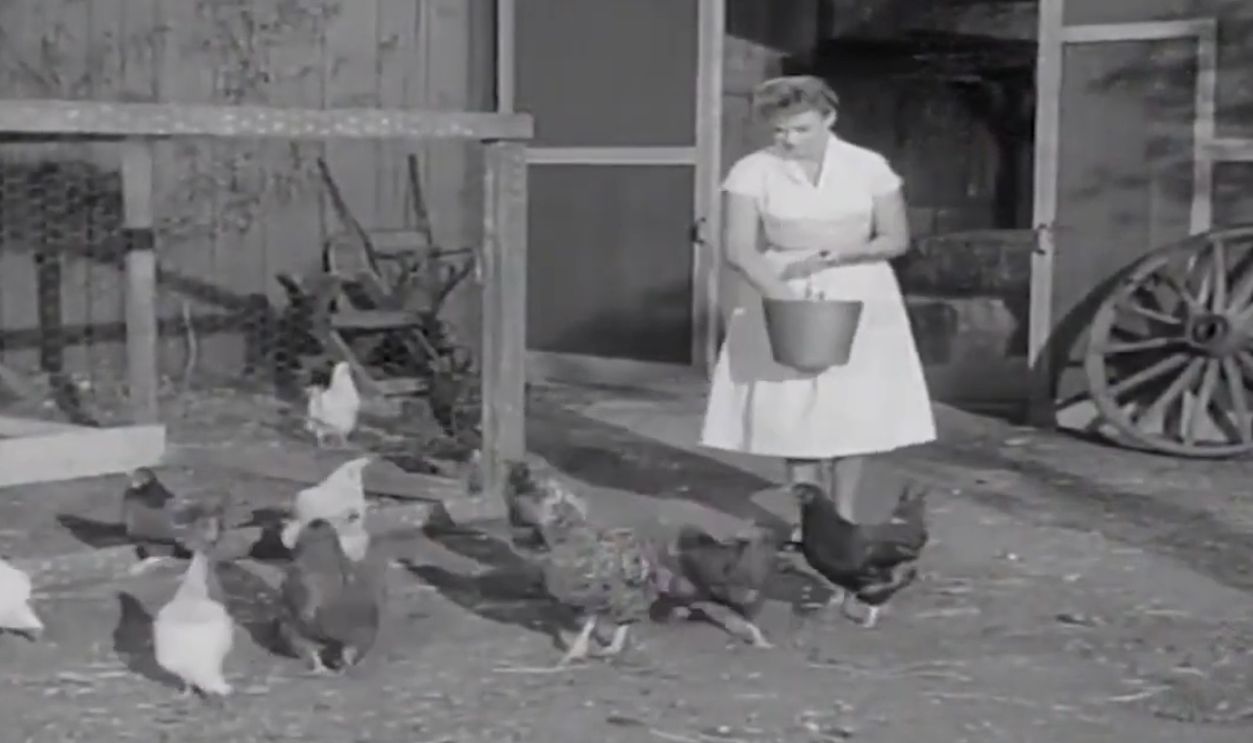 Screenshot from Lassie, CBS (1954–1973)
One Motherhood Role Ended
Lockhart left Lassie in 1964 as the show prepared to move away from the Martin family. The series continued with Lassie accompanying Forest Service ranger Corey Stuart rather than living with Timmy. For Lockhart, the departure could have marked the end of her television-mother era. Instead, she soon found a second family that needed her on an entirely different frontier.
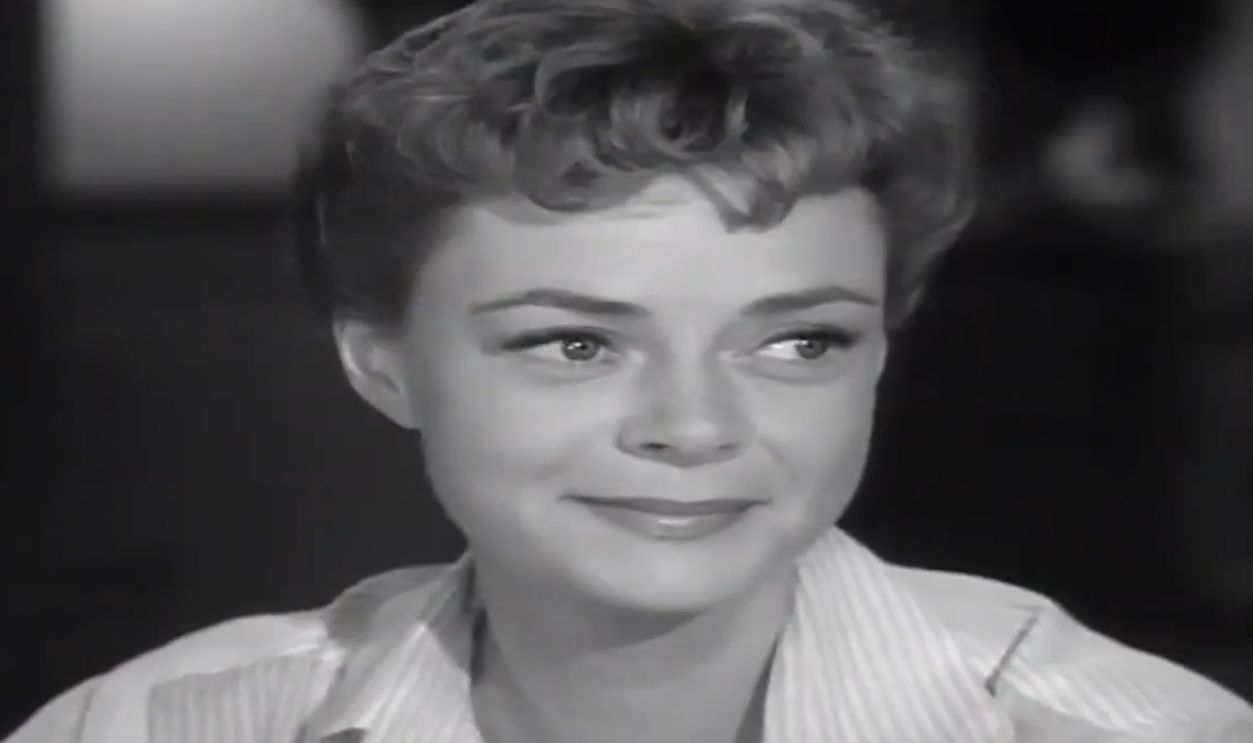 Screenshot from Lassie, CBS (1954–1973)
From Farmhouse To Jupiter II
Lost in Space premiered on CBS in September 1965, only a year after Lockhart’s Lassie run ended. Created and produced by Irwin Allen, the series followed the Robinson family on a disrupted mission into space. Guy Williams played Professor John Robinson, while Lockhart portrayed his wife, Maureen. The familiar farmhouse mother had become a pioneering space traveler.
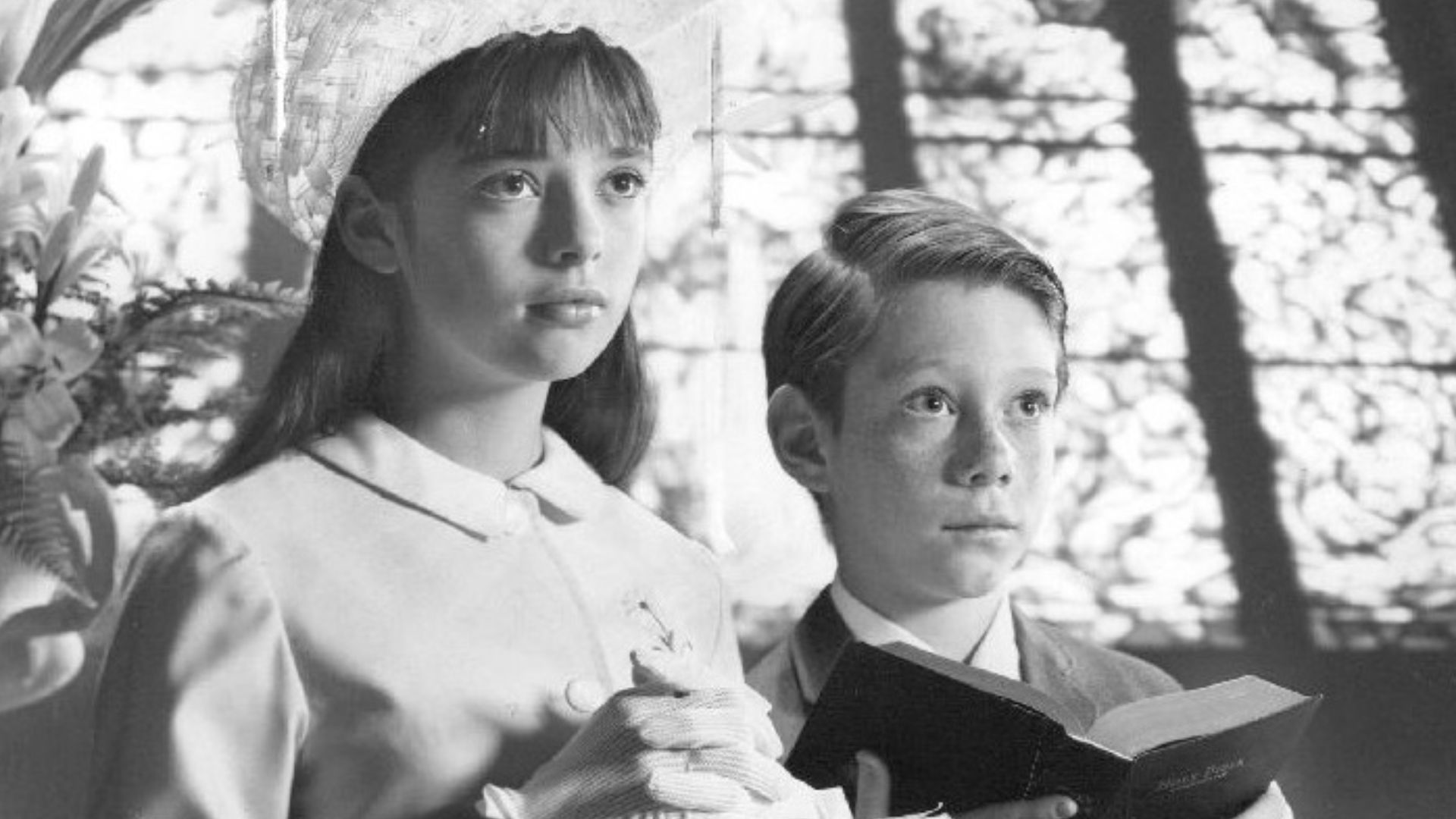 CBS Television., Wikimedia Commons
Maureen Robinson Brought Real Credentials
Maureen was not merely a passenger assigned to watch the children. The character was presented as a biochemist and a working member of the Jupiter II expedition. She helped operate equipment, evaluate dangers, and keep the Robinsons functioning as a team. Lockhart’s composed intelligence made the scientific role feel like a natural extension of her maternal authority.
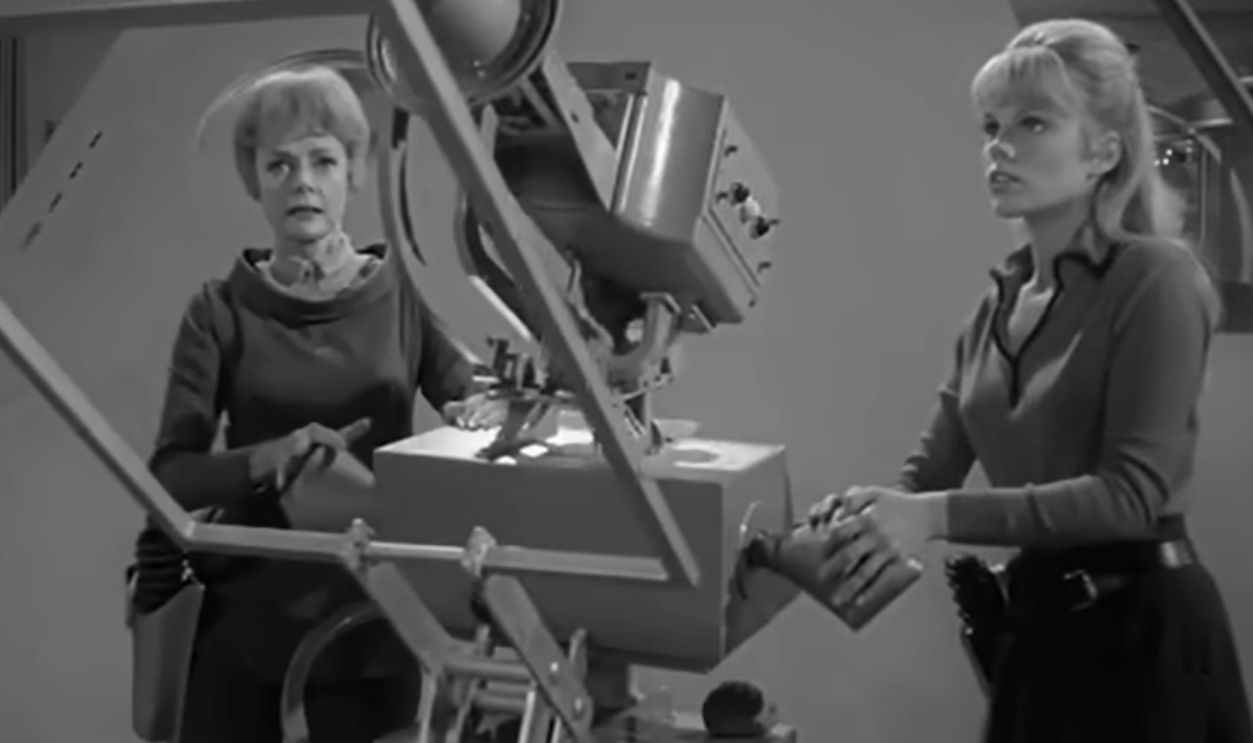 Screenshot from Lost in Space, CBS (1965–1968)
The Family Was Truly Lost
The Robinsons intended to establish a colony at Alpha Centauri, but sabotage sent their ship off course. Their predicament placed Maureen, John, and their children Judy, Penny, and Will in continuing danger. Major Don West, Dr. Zachary Smith, and the Robot completed the central ensemble. Every new planet gave Lockhart a fresh collection of monsters, mechanical failures, and family crises to confront.
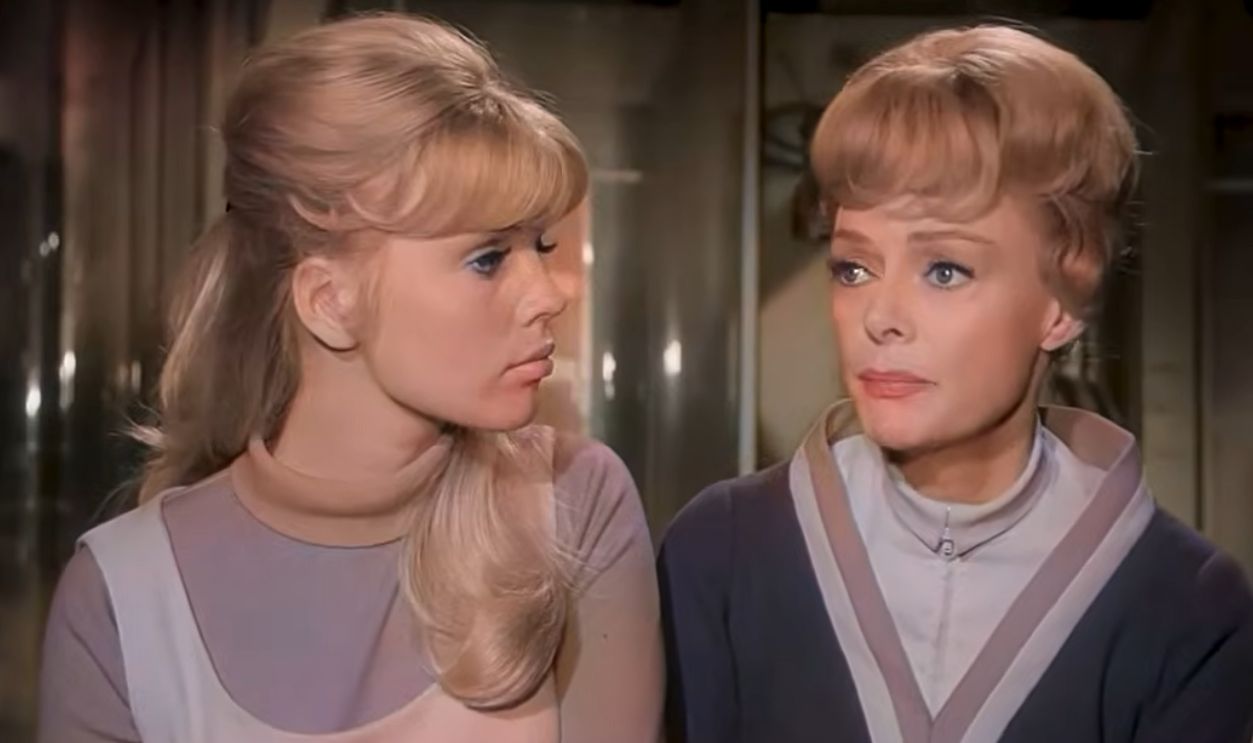 Screenshot from Lost in Space, CBS (1965–1968)
A Black-And-White Beginning
The first season of Lost in Space was filmed in black and white and carried a comparatively serious survival tone. The Robinsons faced limited resources, hostile environments, and uncertainty about reaching home. Lockhart’s controlled performance suited that atmosphere particularly well. She gave the fantastic premise a grounded emotional center that viewers could understand.
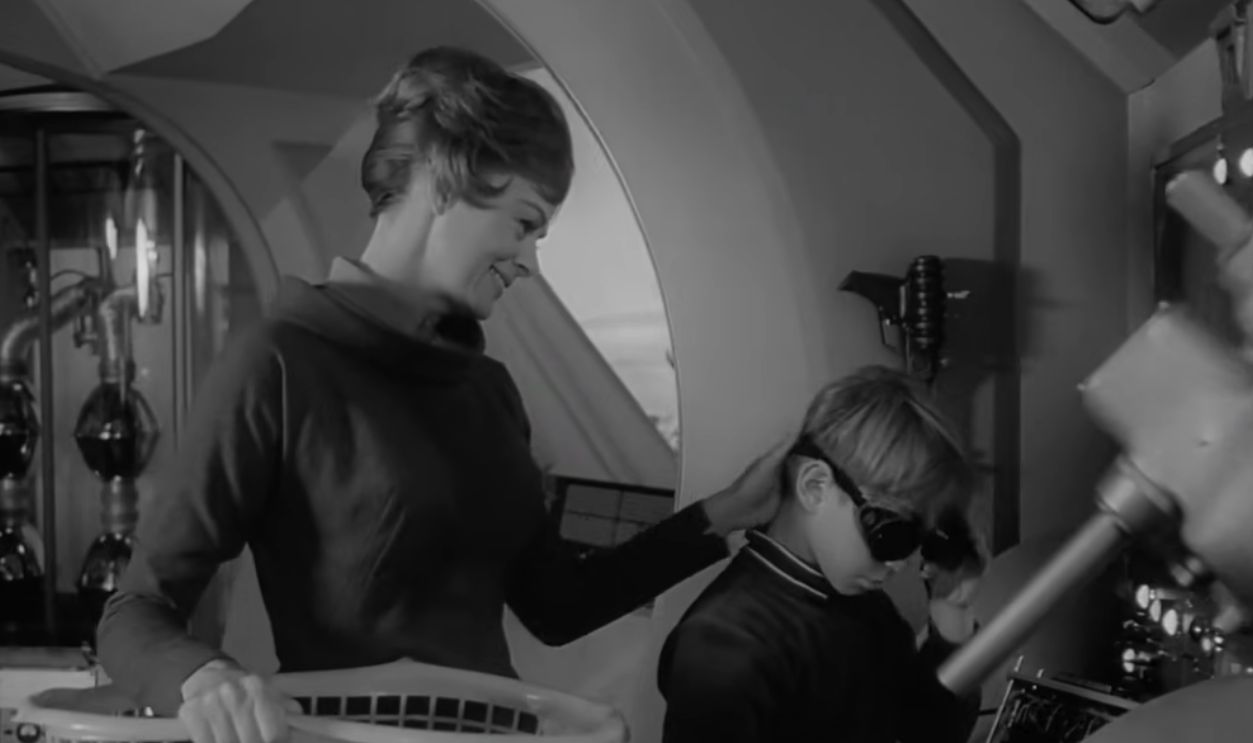 Screenshot from Lost in Space, CBS (1965–1968)
Color Brought A Wilder Galaxy
The second and third seasons were produced in color, and the program increasingly embraced comedy and extravagant fantasy. Dr. Smith, Will, and the Robot moved toward the center of many stories. Even when the plots grew playful, Maureen remained a stabilizing presence aboard the Jupiter II. Lockhart’s sincerity helped hold the family together while the surrounding adventures became more outlandish.
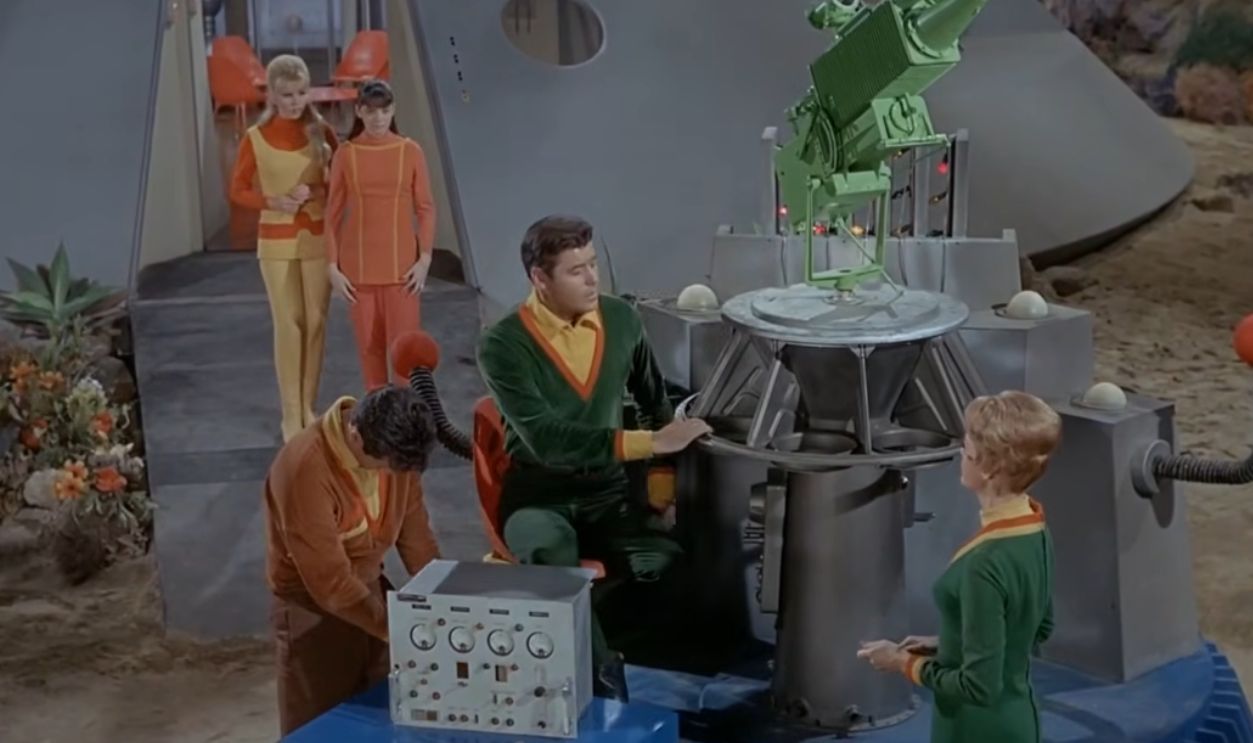 Screenshot from Lost in Space, CBS (1965–1968)
Space Mom Had A Sense Of Humor
Lockhart did not treat the series as a solemn exercise at all times. In a later NPR interview, she laughingly remembered The Great Vegetable Rebellion, an episode populated by talking plants. She recalled that the performers struggled to maintain their composure during the unusual production. Her amusement suggested that she understood and appreciated the show’s campier qualities.
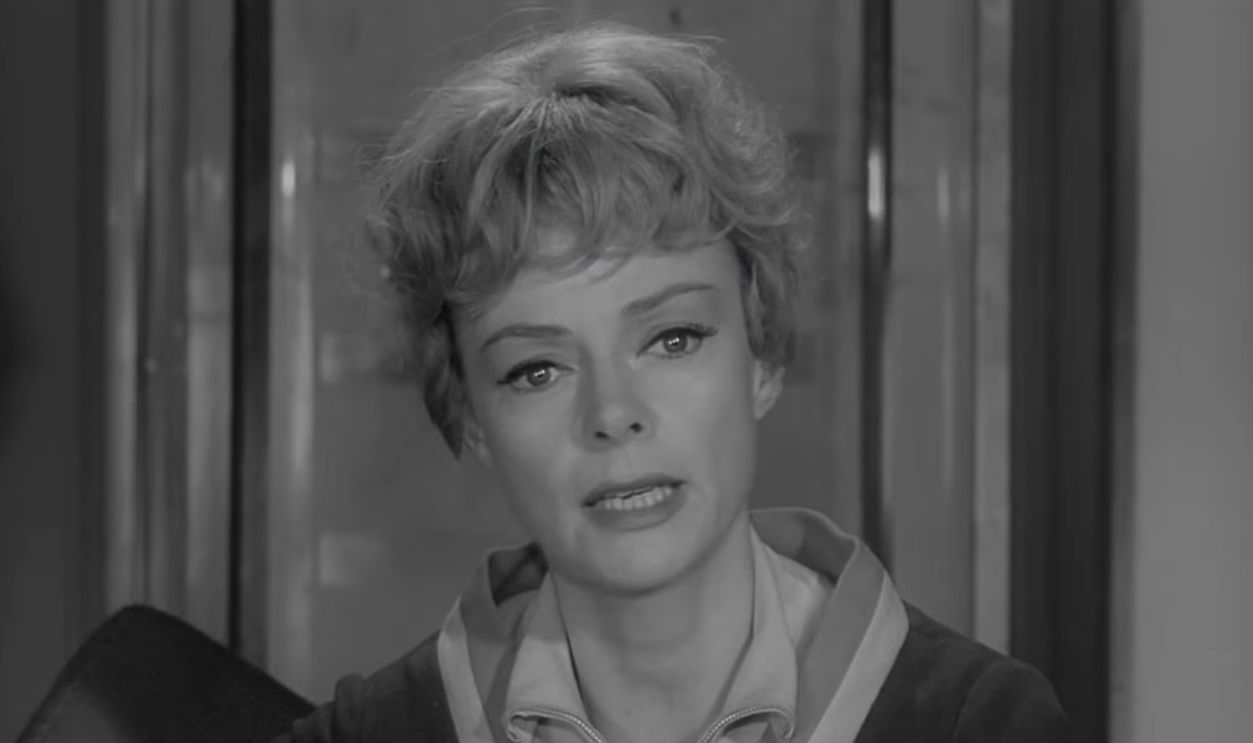 Screenshot from Lost in Space, CBS (1965–1968)
Young Costars Found A Confidante
Bill Mumy and Angela Cartwright, who played Will and Penny, spent important childhood years working with Lockhart. Mumy later described her as smart, independent, funny, and supportive. He remembered being able to discuss music, politics, and current events with her. Those interests made their off-camera relationship livelier than her conventional television image might suggest.
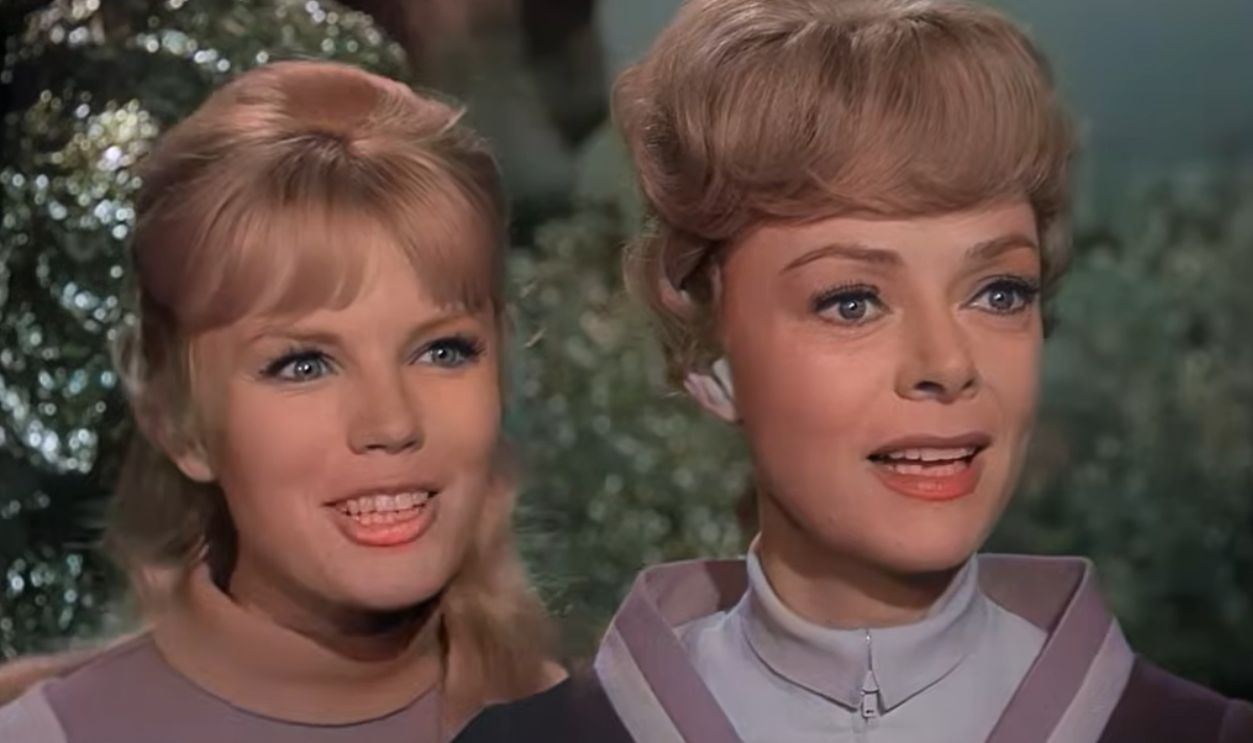 Screenshot from Lost in Space, CBS (1965–1968)
The Two Mothers Were Not Copies
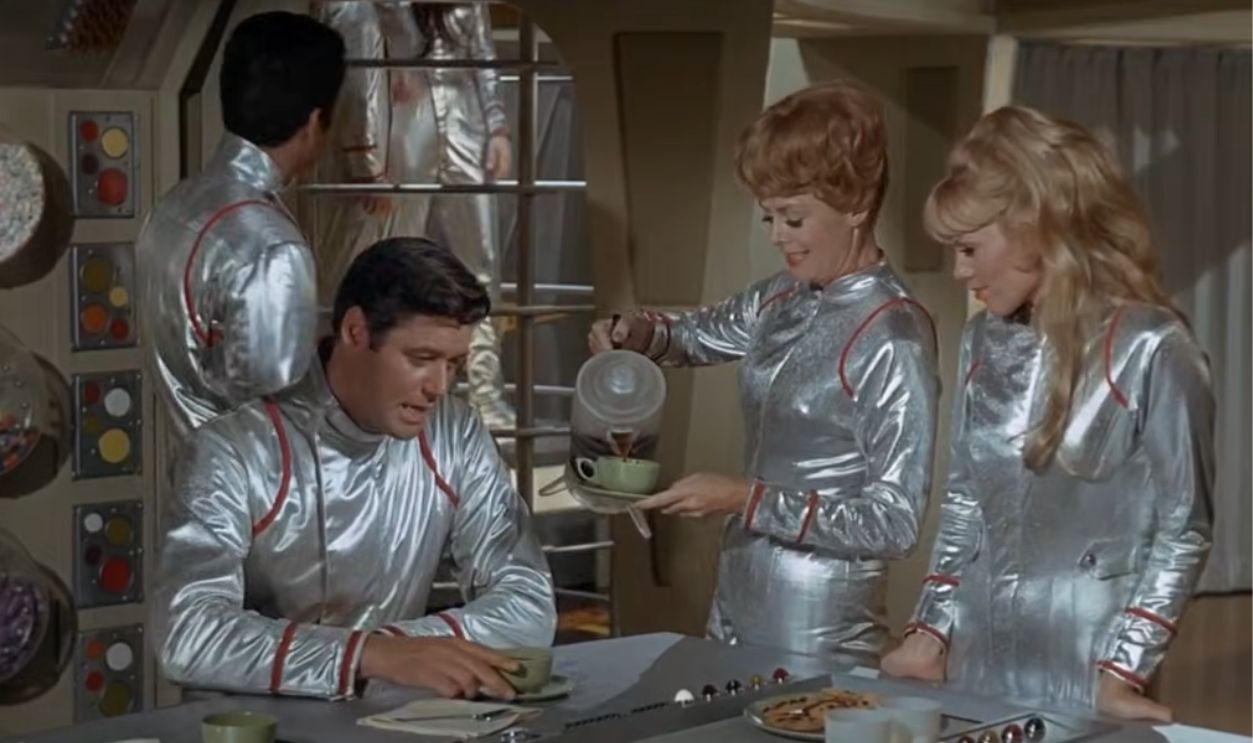
Ruth Martin and Maureen Robinson shared kindness, courage, and a powerful instinct to protect their families. However, their worlds demanded different forms of strength. Ruth anchored a rural household, while Maureen combined caregiving with scientific and exploratory responsibilities. Lockhart adjusted the details without sacrificing the trust that audiences already placed in her.
 Screenshot from Lost in Space, CBS (1965–1968)
Three Seasons Secured A Cult Favorite
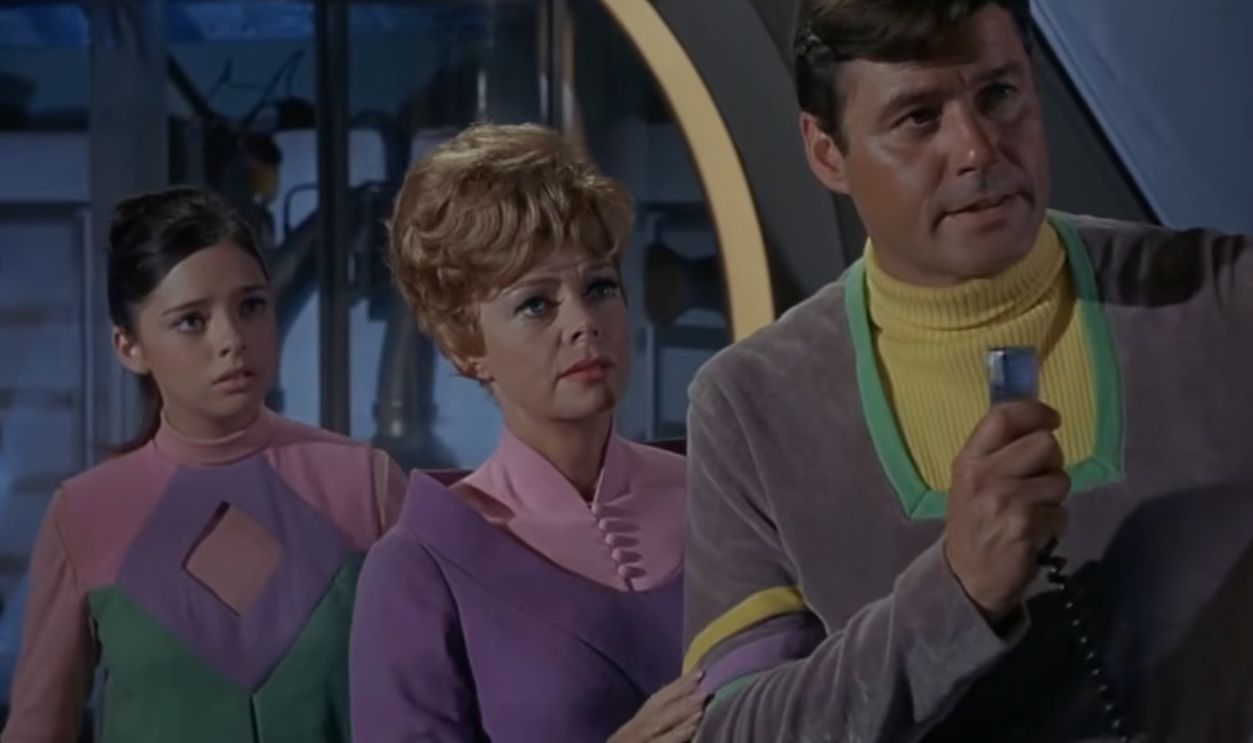
Lost in Space ran for three seasons and produced 83 episodes before ending in 1968. Its combination of family adventure, science fiction, comedy, and memorable design helped it remain popular through reruns. Lockhart’s participation connected the futuristic program to an earlier tradition of family-centered television. She had successfully carried her screen authority from one classic CBS series into another.
 Screenshot from Lost in Space, CBS (1965–1968)
Another Small Town Came Calling
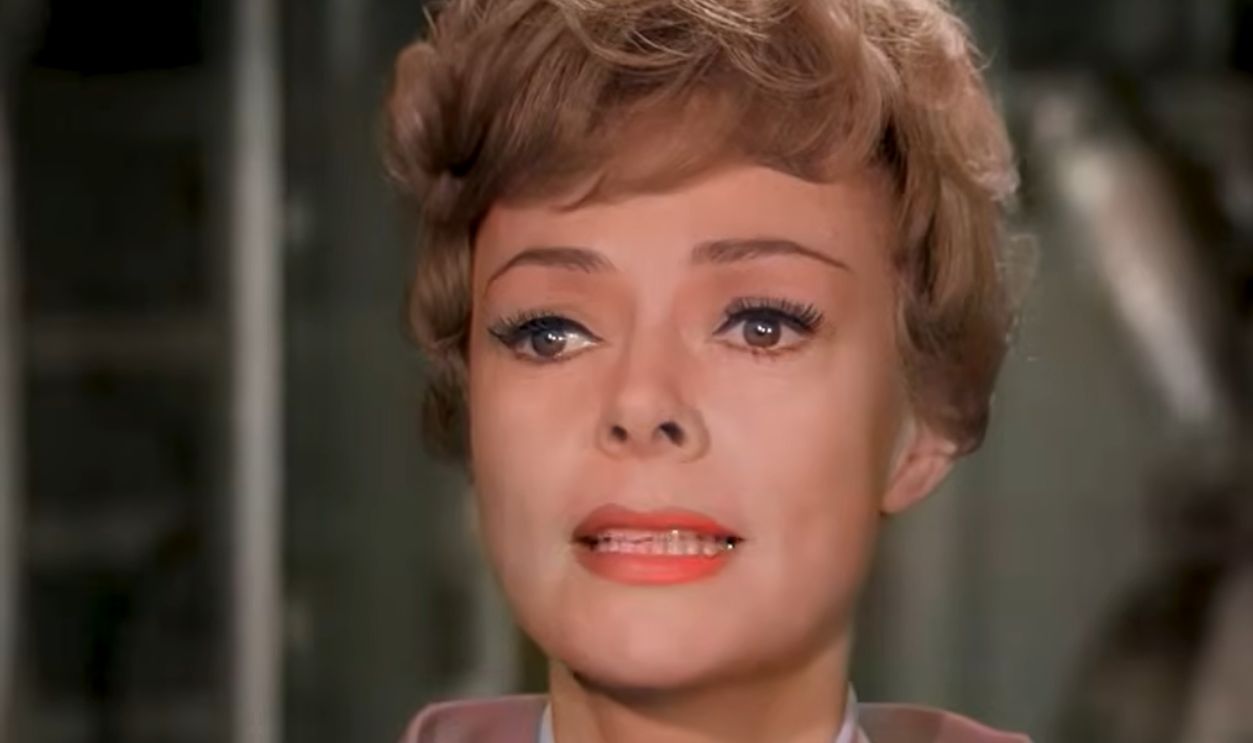
Lockhart moved directly into another regular CBS role on Petticoat Junction. From 1968 to 1970, she played Dr. Janet Craig, who settled at the Shady Rest Hotel. The character was a physician rather than another variation on Ruth Martin. That professional identity again allowed Lockhart to project compassion and practical intelligence without repeating herself exactly.
 Screenshot from Lost in Space, CBS (1965–1968)
Television Kept Welcoming Her Back
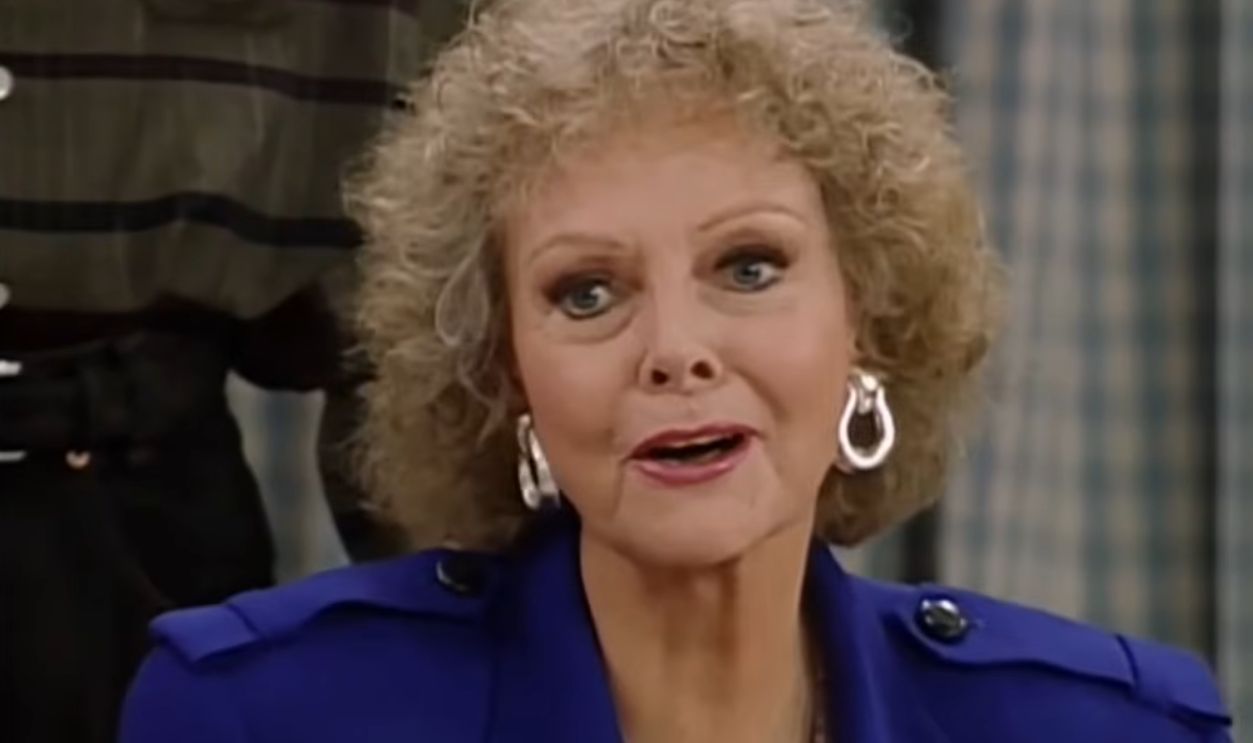
Later appearances included roles on General Hospital, Full House, The Drew Carey Show, Cold Case, and Grey’s Anatomy. She also appeared in the 1998 feature-film version of Lost in Space as Principal Cartwright. These projects introduced her to audiences who had not watched her original series during their first broadcasts. Her familiar presence became a bridge across several generations of television.
 Screenshot from Full House, ABC (1987–1995)
Fiction Inspired Real Exploration
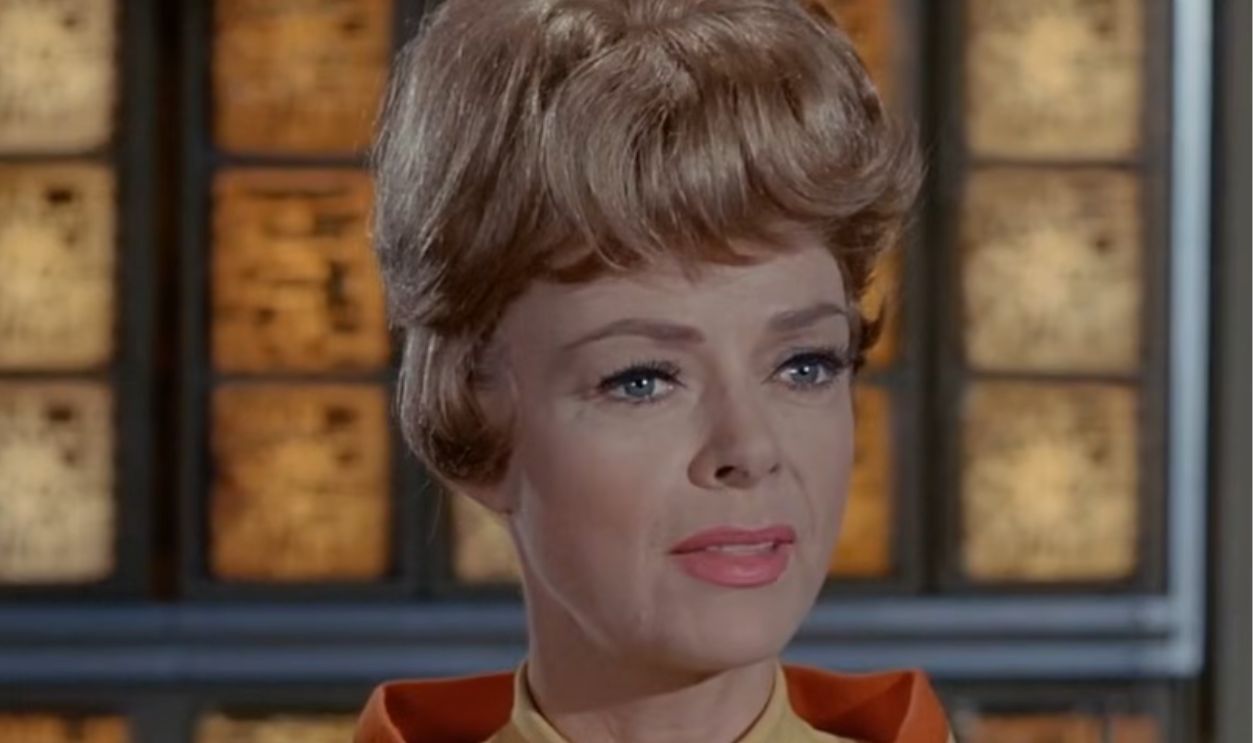
Lockhart developed a genuine enthusiasm for NASA and space exploration long after the Jupiter II stopped flying. In a 2004 interview, she said astronauts had told her that Lost in Space helped inspire their career choices. NASA later presented her with its Exceptional Public Achievement Medal for encouraging public interest in space. The fictional space mother had become a respected supporter of actual explorers.
 Screenshot from Lost in Space, CBS (1965–1968)
Trust Became Her Television Legacy
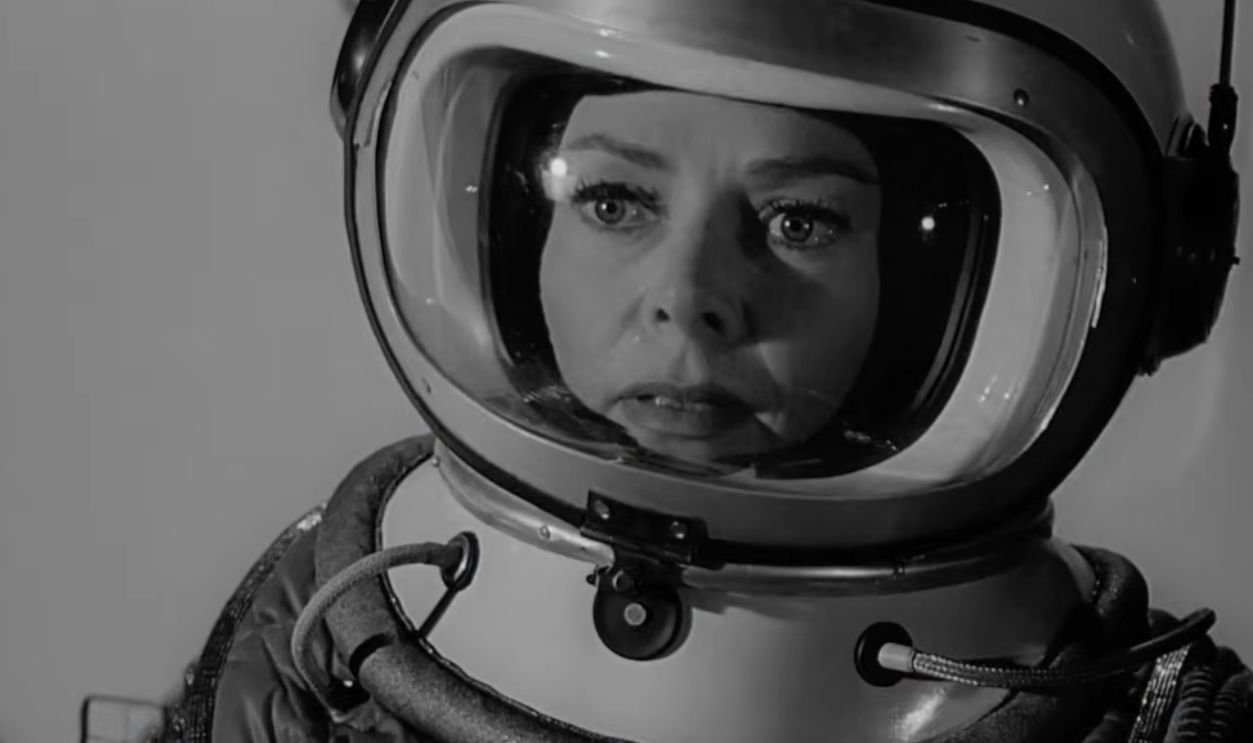
Lockhart received separate Hollywood Walk of Fame stars for motion pictures and television in 1960. She lived to 100 and died of natural causes at her Santa Monica home on October 23, 2025. Yet her most enduring achievement remains the emotional credibility she brought to two radically different families. Whether Timmy was missing near the farm or Will was wandering across an alien planet, viewers trusted June Lockhart to help bring everyone home.
 Screenshot from Lost in Space, CBS (1965–1968)
You May Also Like:
Why Barbara Rush Quietly Became One Of Hollywood's Most Dependable Leading Ladies
Barbara Stanwyck Was a Screen Legend—But Her Surprising Choices Made Her Unique in Hollywood