The Sitcom Star Who Was More Radical Than She Looked
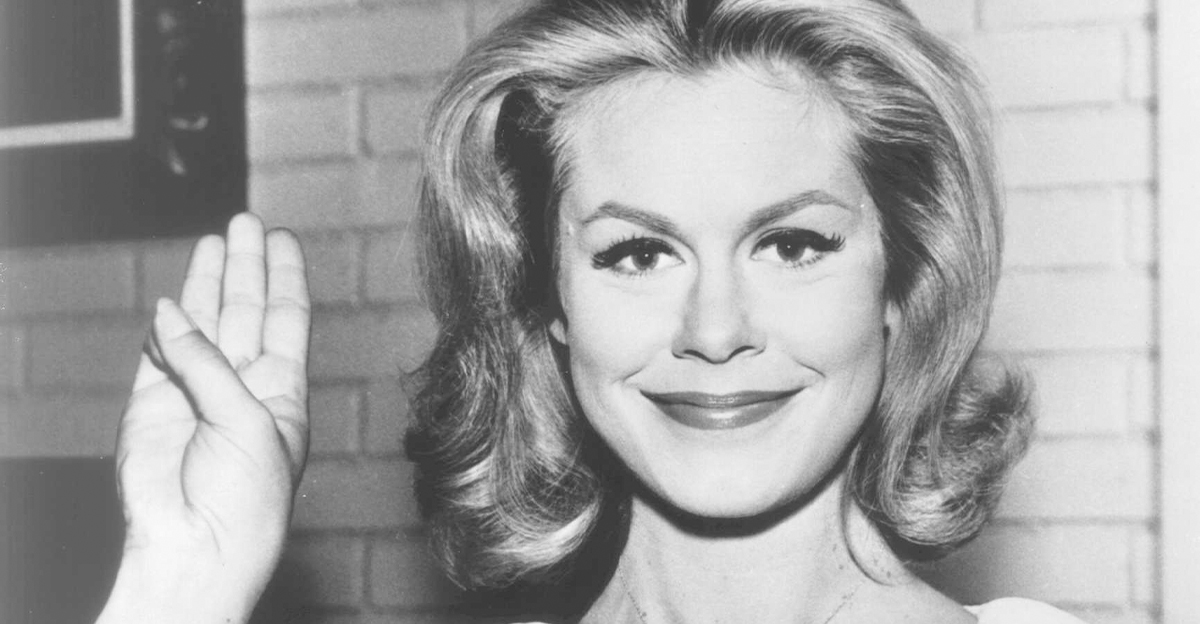
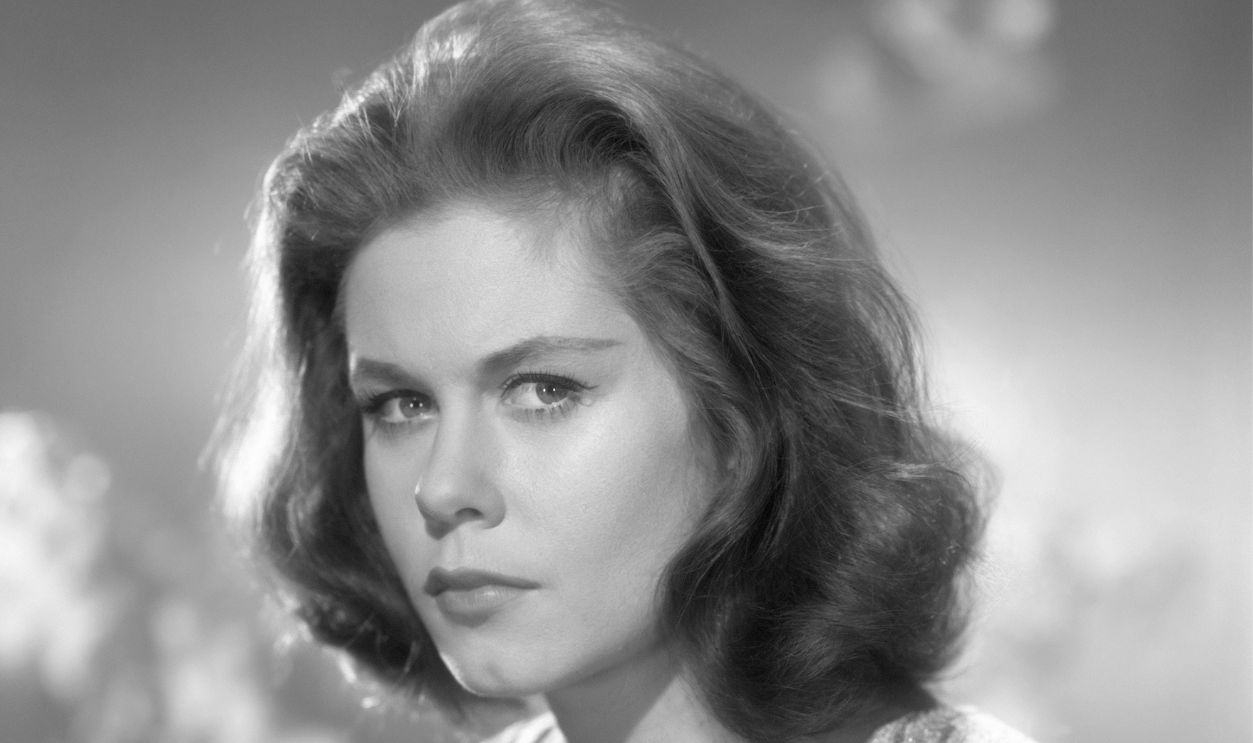
Elizabeth Montgomery became famous as Samantha Stephens on Bewitched, a smiling suburban wife with a twitch of her nose and powers she was constantly told not to use. But off screen, Montgomery was no passive sitcom sweetheart. She was a feminist, a political activist, a gay rights supporter, and a performer who helped turn a fantasy comedy into something quietly subversive.
She Was More Than America’s Favorite TV Witch
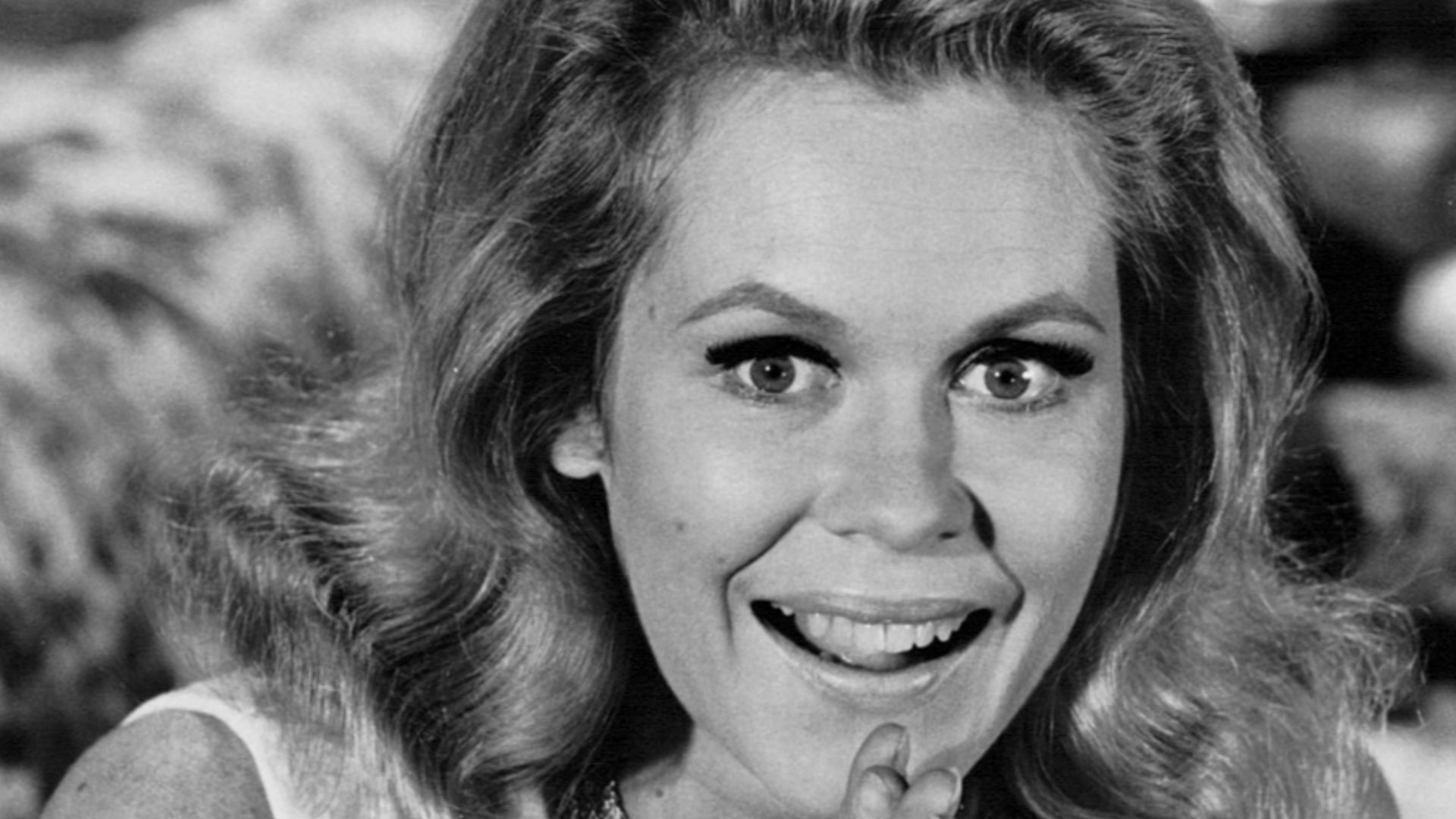
Montgomery’s place in television history is secure because of Bewitched, which ran from 1964 to 1972. Her performance made Samantha warm, funny, elegant, and deeply likable. But the softness of the role sometimes hides how much the character challenged the domestic expectations placed on women at the time.
 ABC Television, Wikimedia Commons
Bewitched Looked Conventional At First
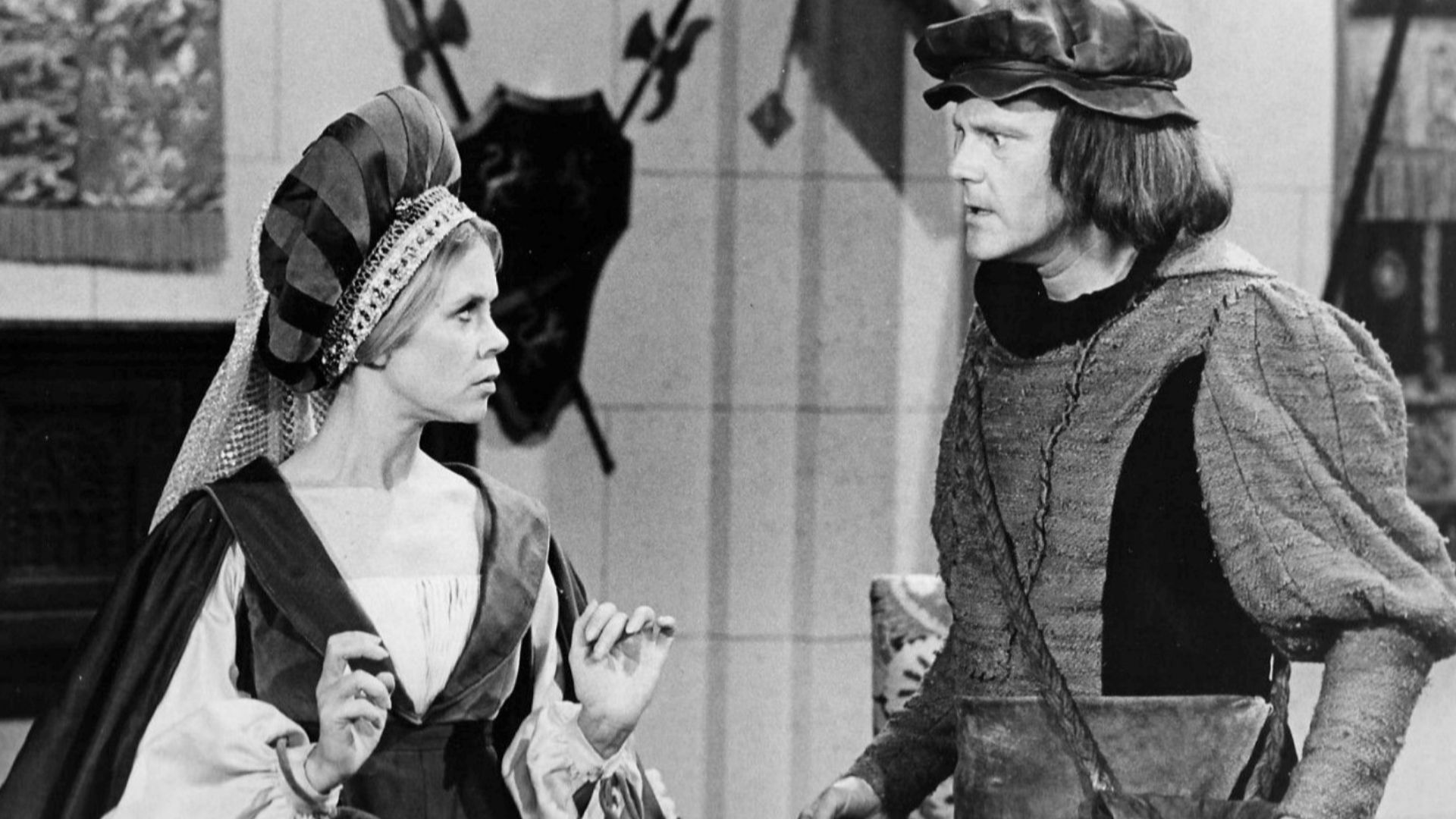
On the surface, Bewitched seemed like a light sitcom about a pretty wife, a nervous husband, and magical household chaos. Samantha lived in the suburbs, loved her husband, and tried to keep domestic peace. But beneath that familiar setup was a sharper question: why should a woman have to shrink herself to make a man comfortable?
 ABC Television, Wikimedia Commons
Samantha Was The Most Powerful Person In The House
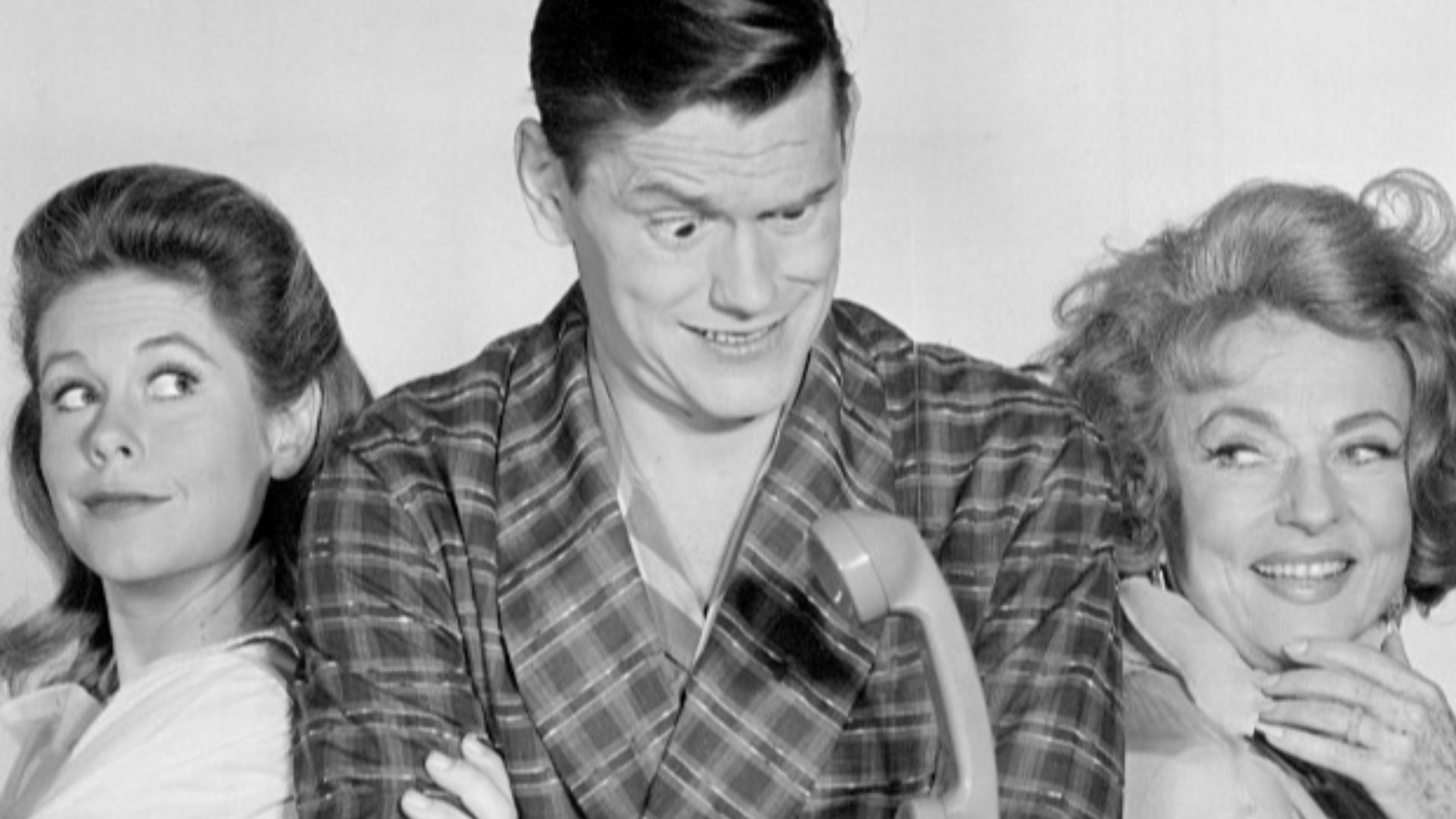
Darrin Stephens wanted a normal marriage, but he had married a witch who could transform reality with a twitch. That made the show’s central joke deeply revealing. The husband was supposed to be head of the household, yet Samantha was clearly stronger, smarter, and more capable than almost everyone around her.
 ABC Television, Wikimedia Commons
Her Magic Became A Feminist Metaphor
The central tension of Bewitched was that Samantha had extraordinary power, but Darrin repeatedly asked her not to use it. That premise turned the show into a comedy about repression. Samantha’s magic could stand for talent, independence, sexuality, ambition, or anything else women were expected to hide in order to seem properly domestic.
Montgomery Made Rebellion Feel Charming
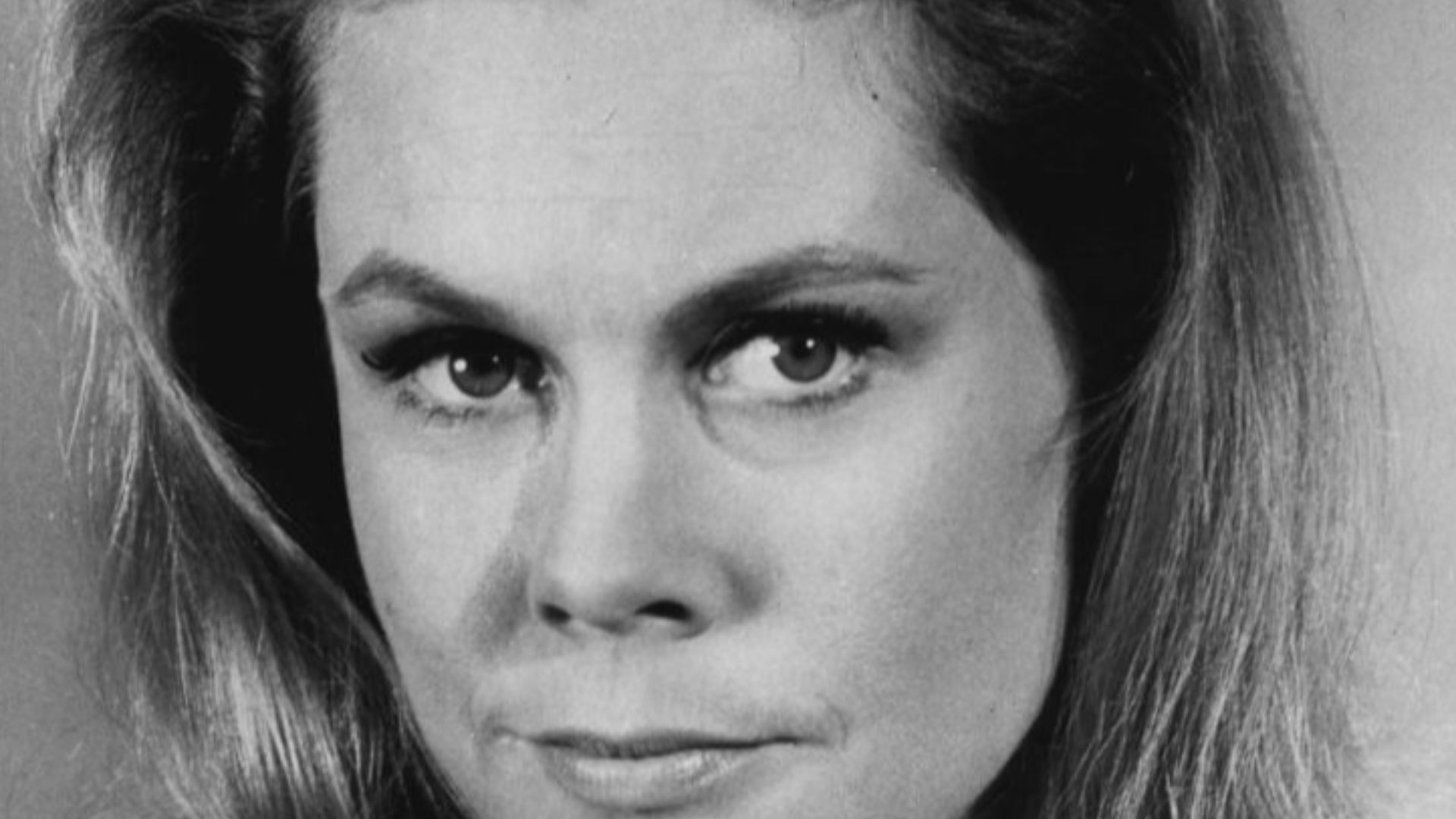
Elizabeth Montgomery’s performance was crucial. Samantha never came across as bitter or cruel. She was loving, witty, patient, and amused by the absurdity around her. Montgomery made the character radical without making her frightening to mainstream audiences, which helped the show smuggle feminist ideas into living rooms.
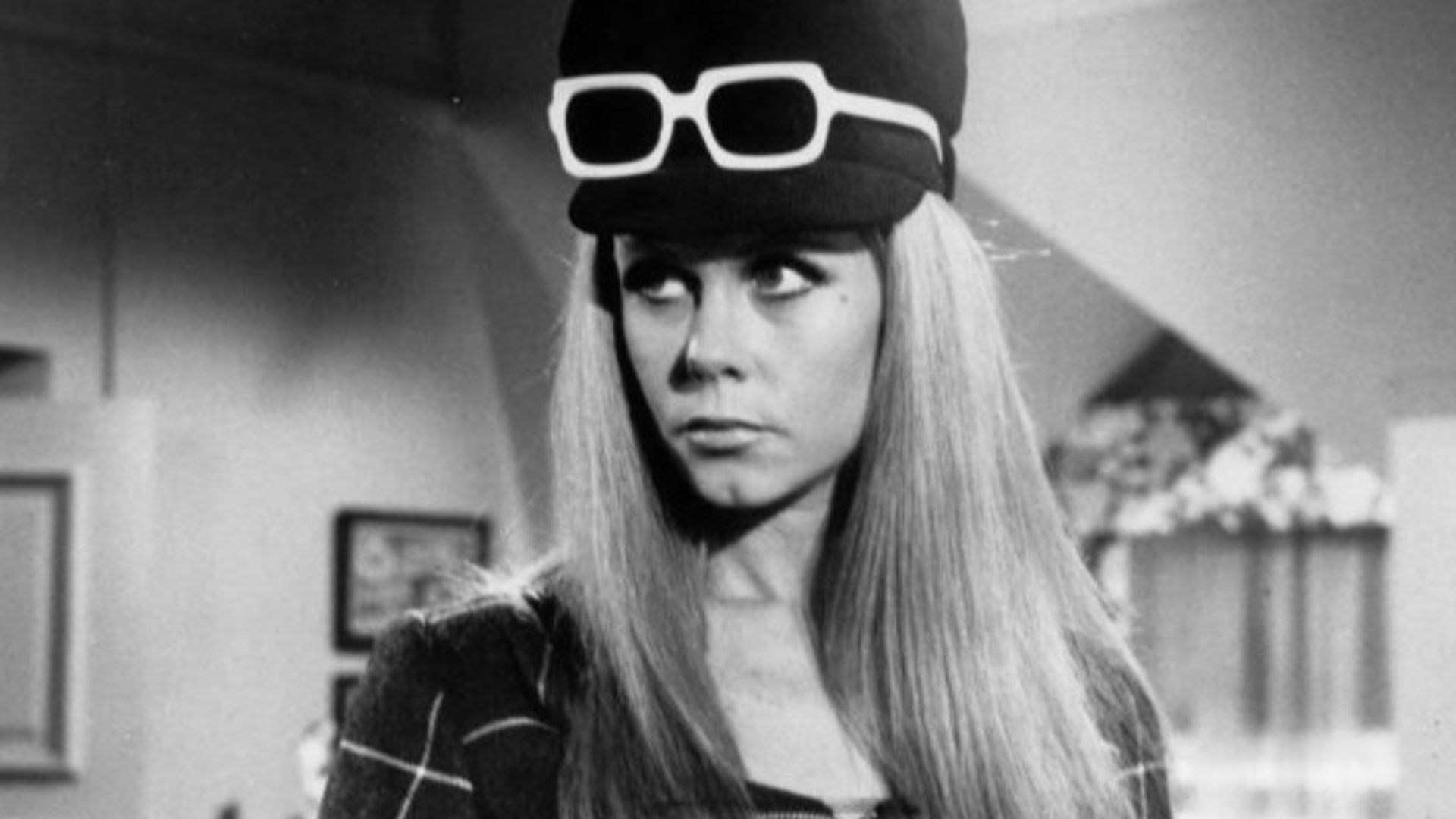 ABC Television, Wikimedia Commons
She Played A Wife Who Was Not Lesser Than Her Husband
Many sitcom wives of the era existed mainly to support male characters. Samantha did love Darrin, but she was never simply his accessory. She had her own family history, her own powers, her own instincts, and her own moral judgment. The show worked because audiences knew she was the one with the real authority.
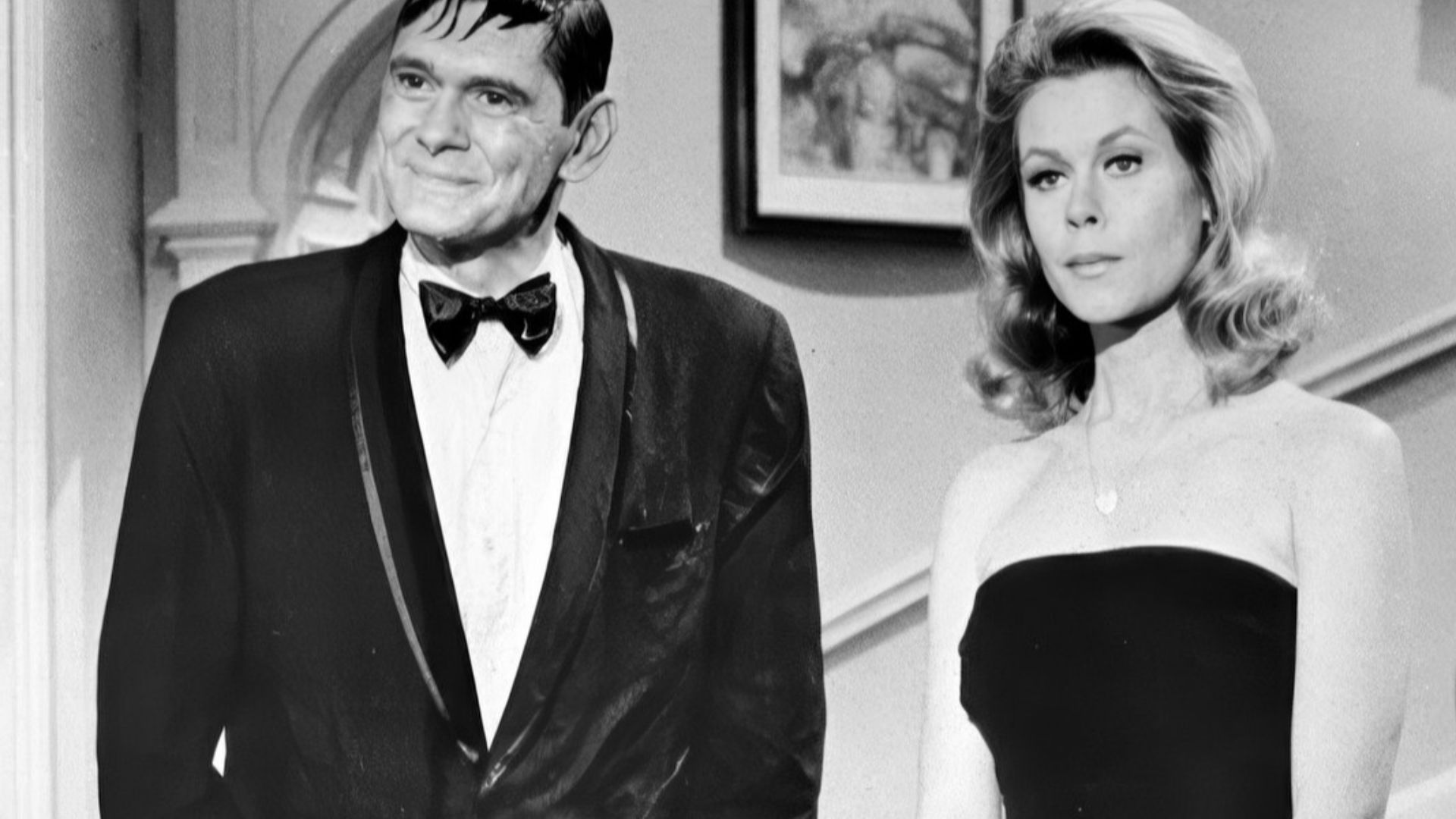 ABC Television Uploaded by We hope at en.wikipedia, Wikimedia Commons
The Show Exposed The Absurdity Of Female Obedience
Again and again, Bewitched put Samantha in situations where acting “normal” was the real joke. Darrin’s demand for a conventional wife became ridiculous because Samantha’s difference was not a flaw. She was asked to suppress the very thing that made her extraordinary.
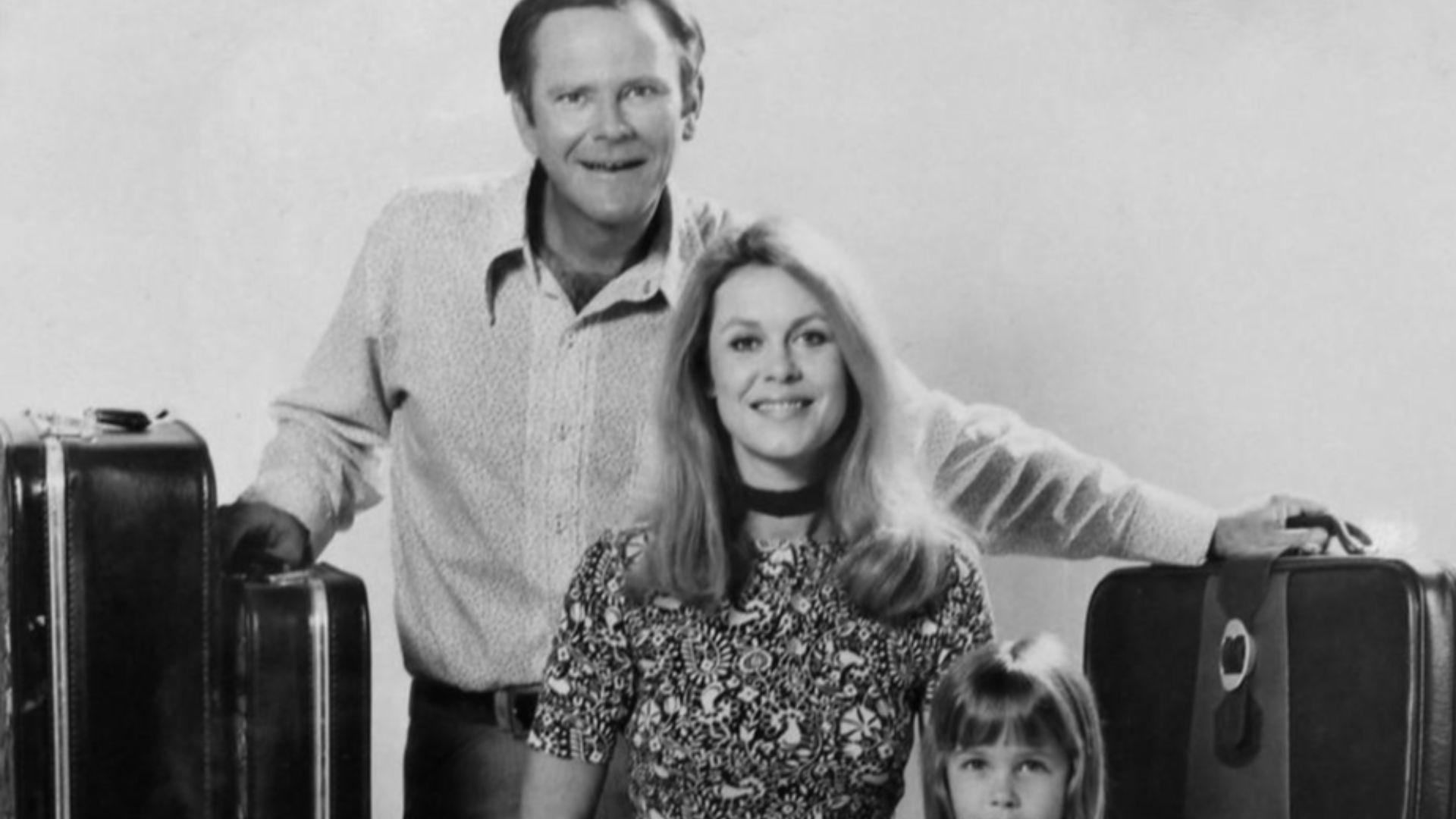 ABC Television, Wikimedia Commons
Endora Said The Quiet Part Out Loud
Agnes Moorehead’s Endora, Samantha’s mother, often mocked Darrin’s ordinary mortal expectations. She saw what Samantha was being asked to give up and treated Darrin’s insecurity with open contempt. Through Endora, the show could say what Samantha usually softened: the demand for submission was foolish.
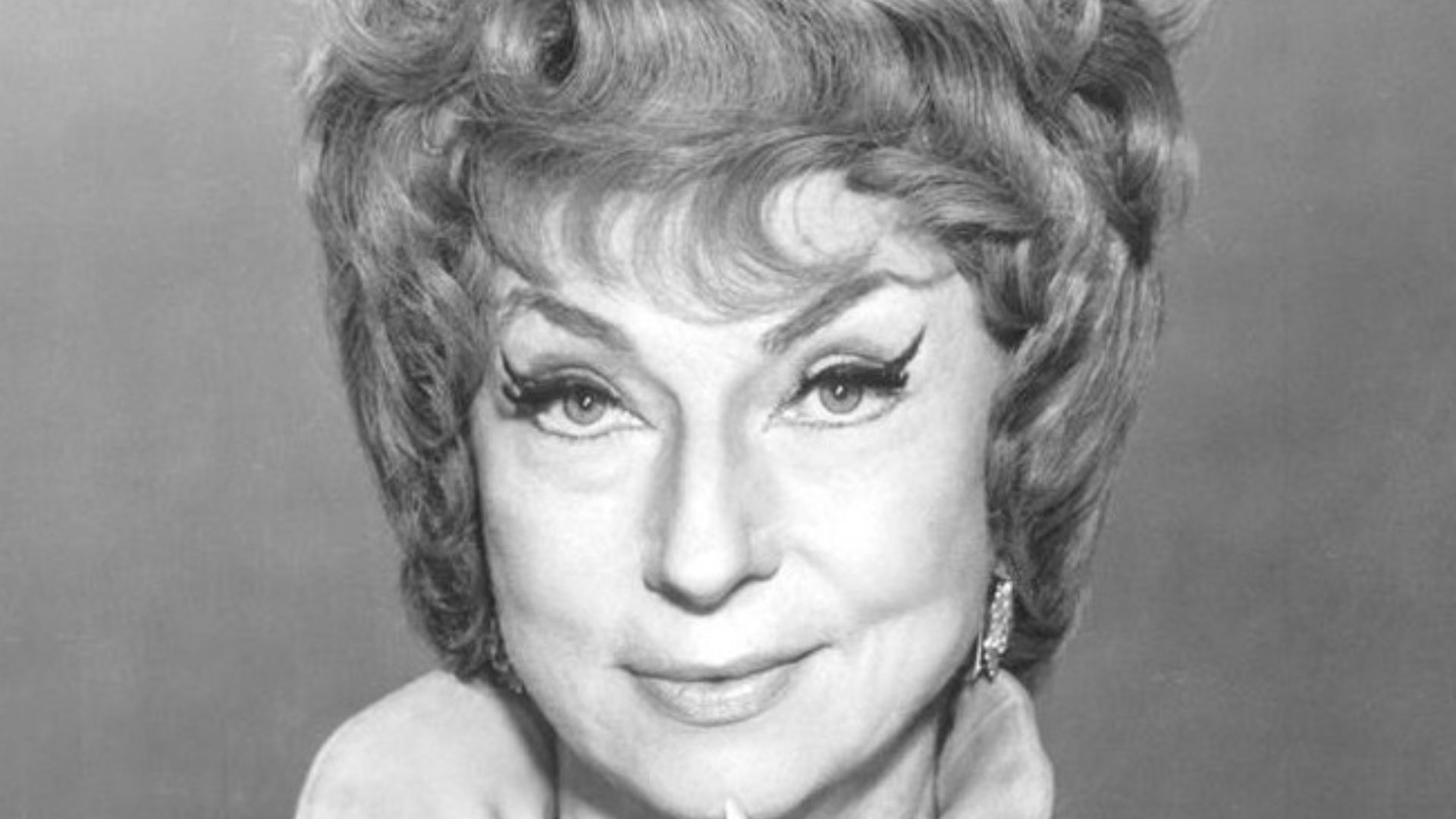 ABC Television, Wikimedia Commons
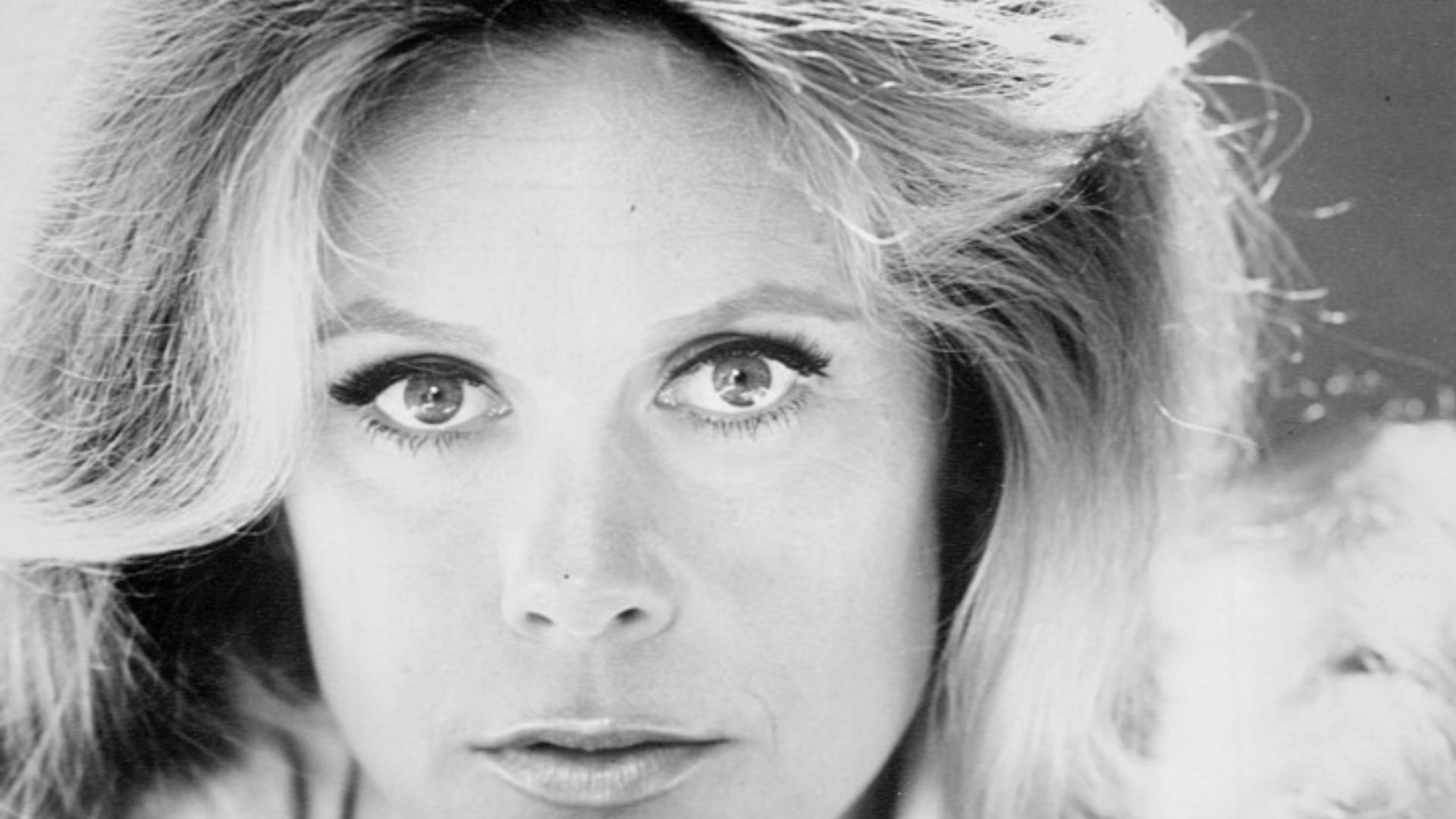
Samantha Was Different, And The Show Asked Viewers To Love Her
The power of Bewitched was that Samantha’s difference never made her unworthy. She was magical, unusual, and constantly pressured to pass as normal, yet she remained the heart of the series. That message later resonated with viewers who understood what it meant to hide part of themselves.
 Screen Gems, Wikimedia Commons
The Outsider Theme Became Queerly Resonant
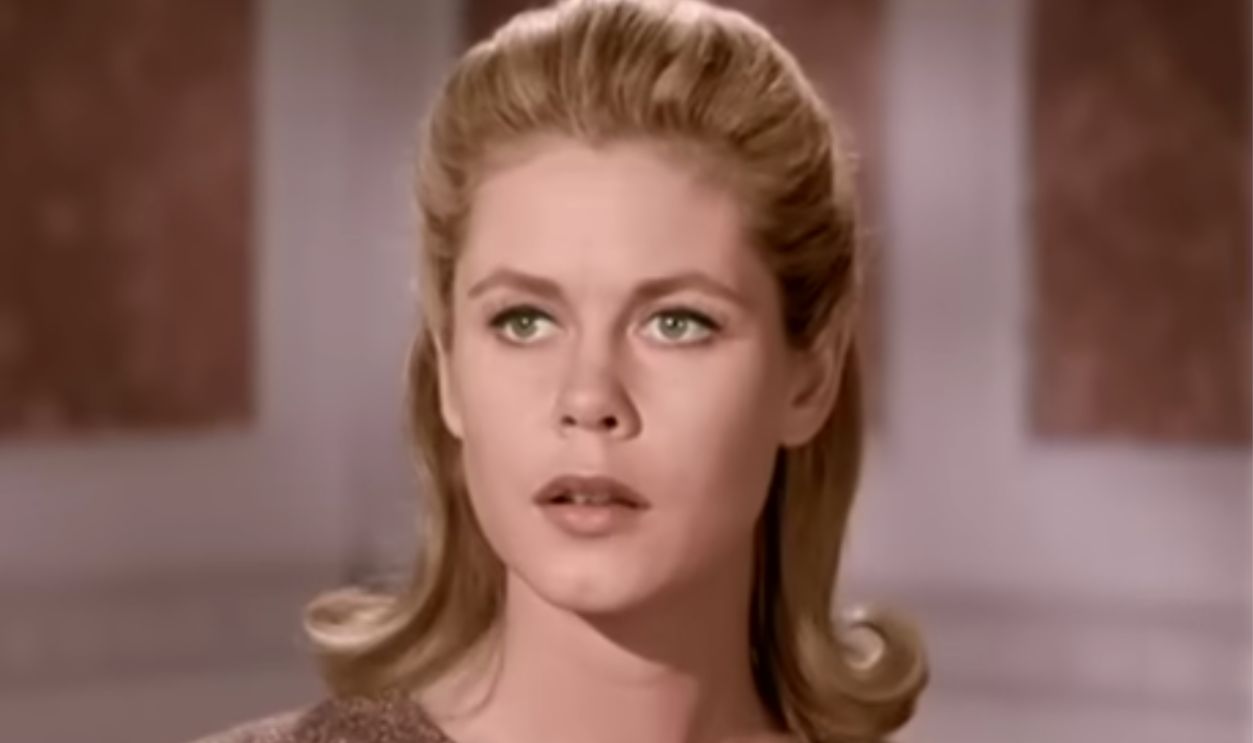
Although Bewitched was not explicitly about gay rights, its central metaphor had obvious power for queer audiences. Samantha had to pass, conceal her true nature, and manage the anxiety of people who feared difference. Later readings of the show have connected that secrecy and pressure to queer identity.
 Screenshot from Bewitched, Screen Gems (1964–1972)
Montgomery Understood The Power Of Difference
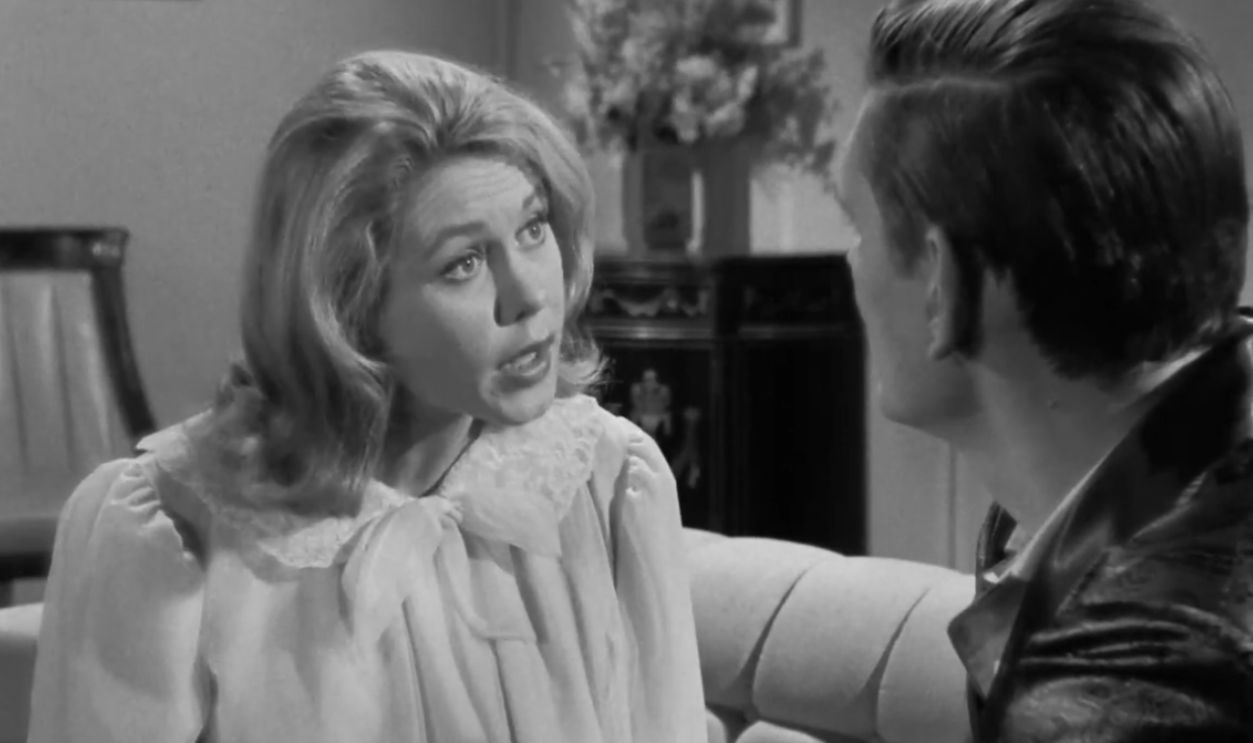
Montgomery did not play Samantha as a monster, a joke, or a problem to be solved. She played her as the most emotionally grounded person in the room. That mattered. The show quietly suggested that the person being asked to hide might not be the problem at all.
 Screenshot from Bewitched, Screen Gems (1964–1972)
Her Feminism Went Beyond The Screen
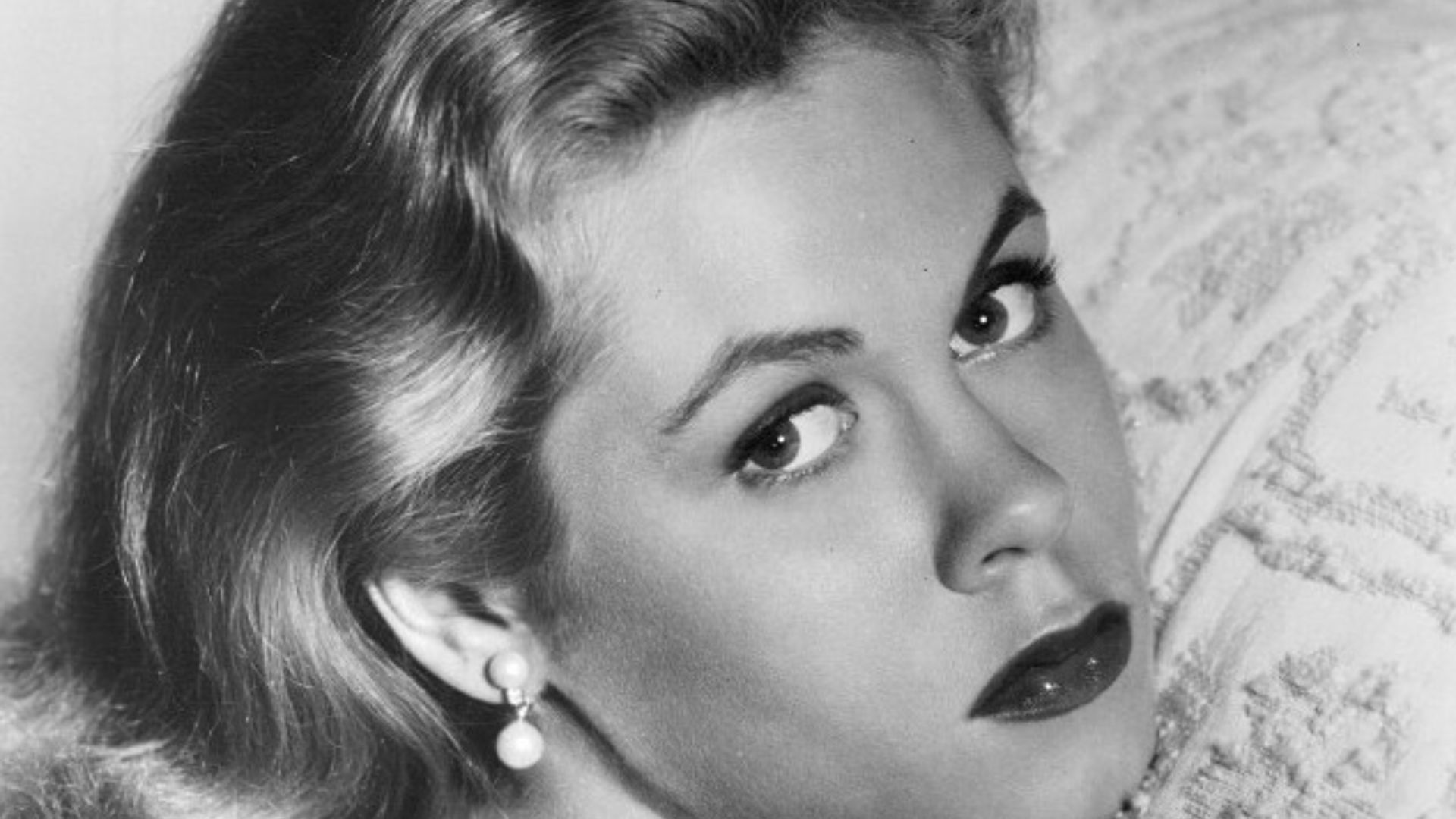
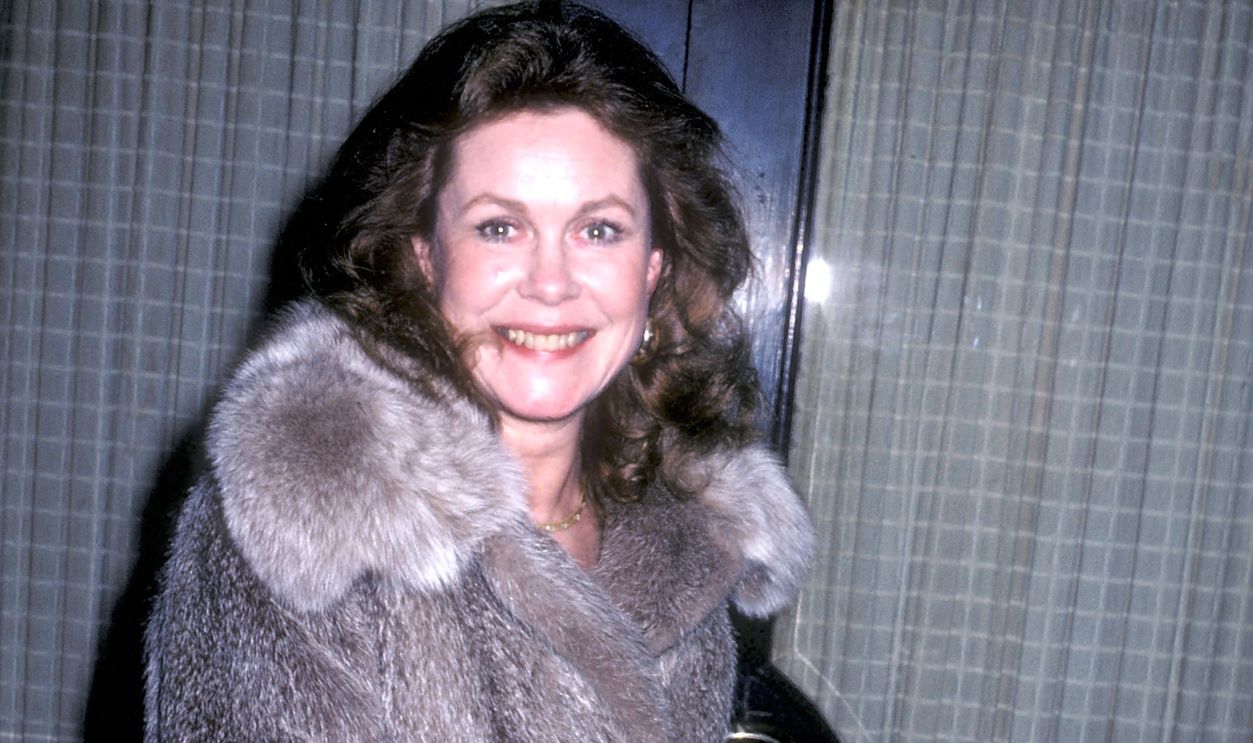
Montgomery’s feminism was not limited to Samantha Stephens. In her real life, she became associated with women’s rights, political causes, humanitarian activism, and support for marginalized people. Her public image may have been gentle, but her convictions were firm.
 Milburn McCarty Associates-publicity agency, Wikimedia Commons
She Used Her Fame For Uncomfortable Causes
Montgomery supported causes that were not always safe for mainstream celebrities. She was linked to Amnesty International, animal welfare, AIDS activism, gay rights, and politically liberal projects. She was not content to simply remain a beloved TV icon. She used her visibility.
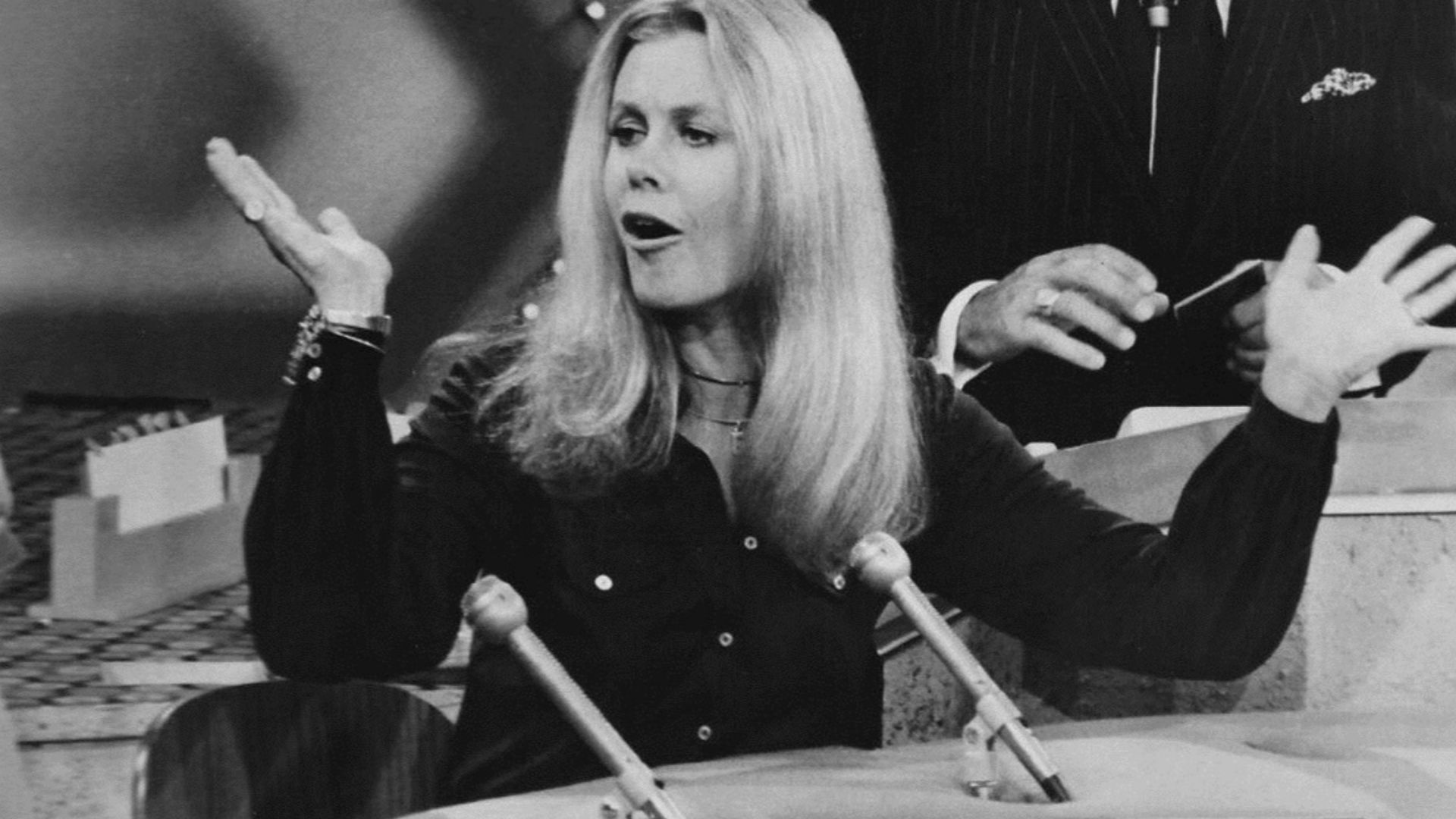
The 1960s Were Not Built For Open Defiance
When Bewitched premiered in 1964, American television still leaned heavily on traditional gender roles. LGBTQ rights were also far outside mainstream acceptance. In that context, Montgomery’s later activism and Samantha’s quiet resistance both stand out more sharply.
 ABC Television Network, Wikimedia Commons
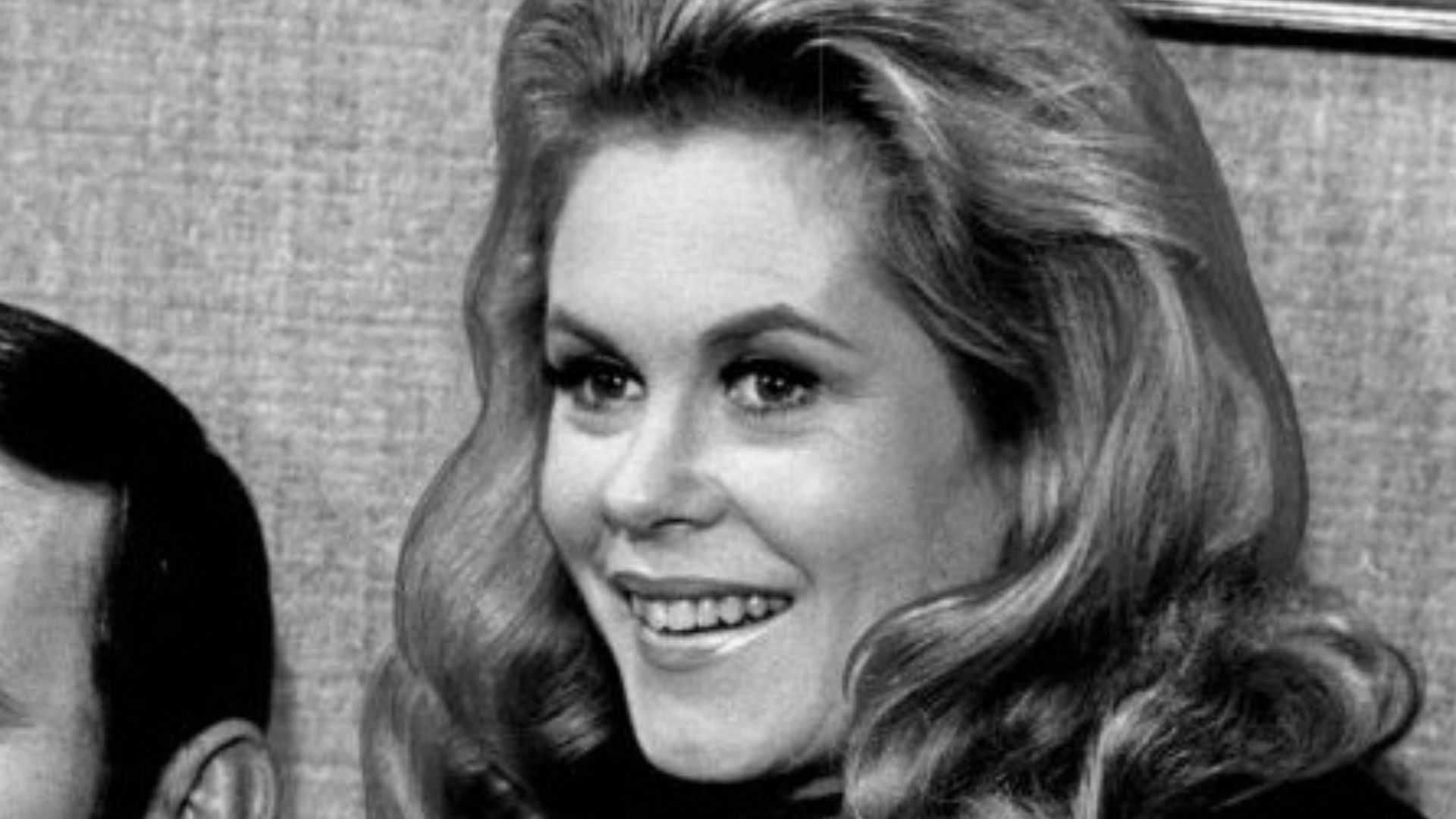
She Supported Gay Rights Before It Was Easy
Multiple accounts of Montgomery’s life describe her as a supporter of gay and lesbian civil rights. That was not a small thing in the 1970s, 1980s, or early 1990s. Hollywood had many LGBTQ workers and fans, but public allyship still carried real risks.
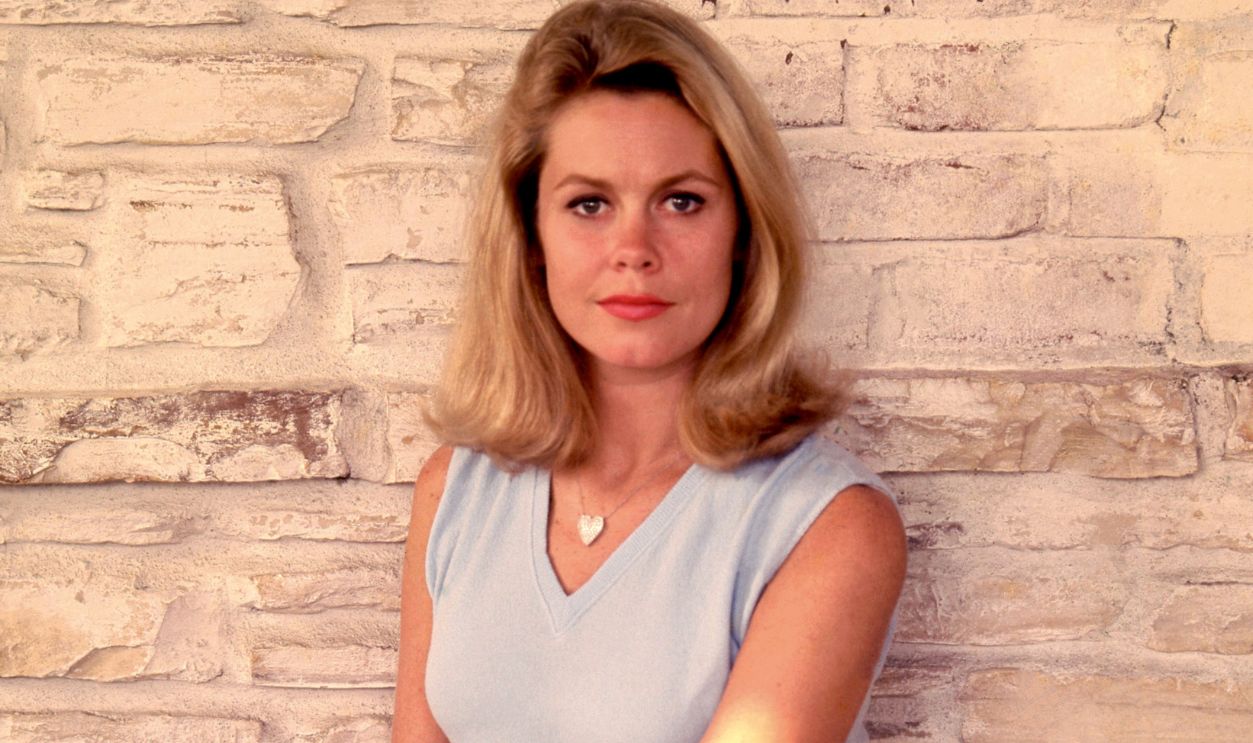
AIDS Activism Made Her Support Even More Important
Montgomery’s support for gay rights intersected with the AIDS crisis. As HIV/AIDS devastated communities and intensified fear, prejudice, and misinformation, she lent her name to AIDS-related causes. At a time when many public figures stayed silent, that support mattered.
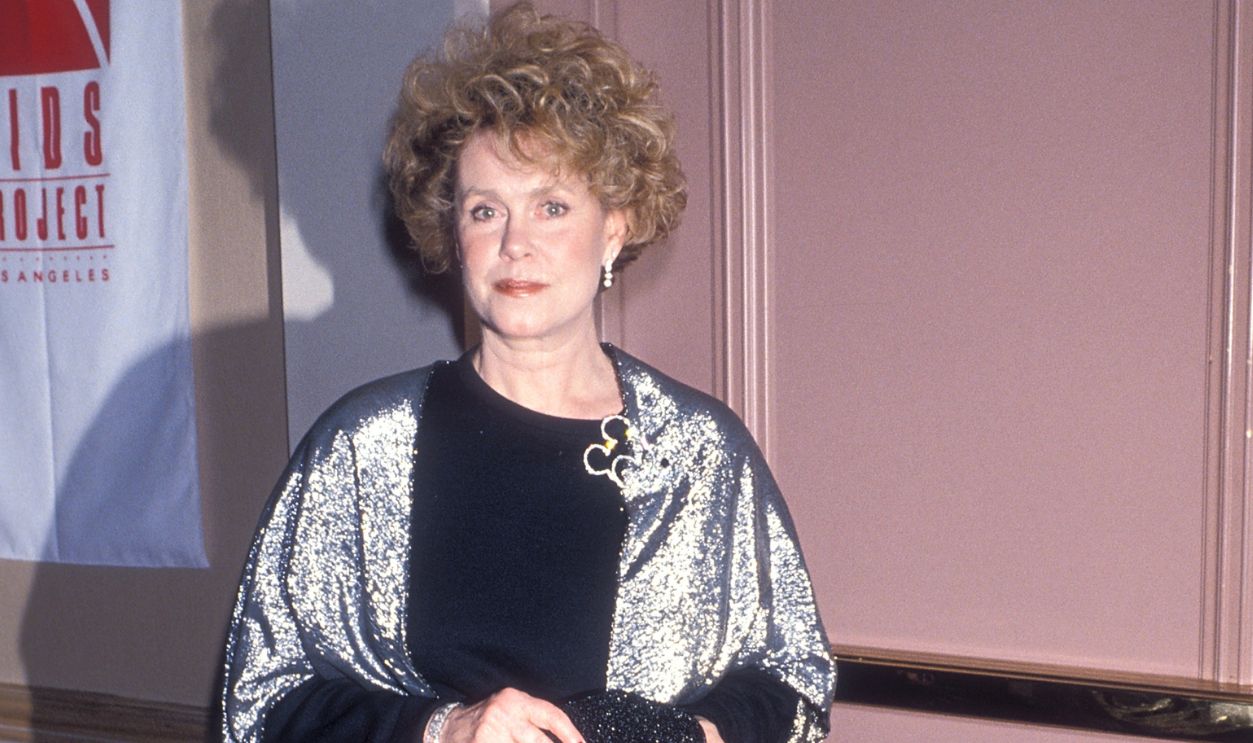
The AIDS Crisis Made Silence Dangerous
During the 1980s and early 1990s, AIDS was widely stigmatized and often falsely treated as a disease limited to gay men. People living with HIV/AIDS faced discrimination, abandonment, and political neglect. Celebrity support could help bring attention, funding, and legitimacy to the fight for care.
Montgomery Did Not Distance Herself
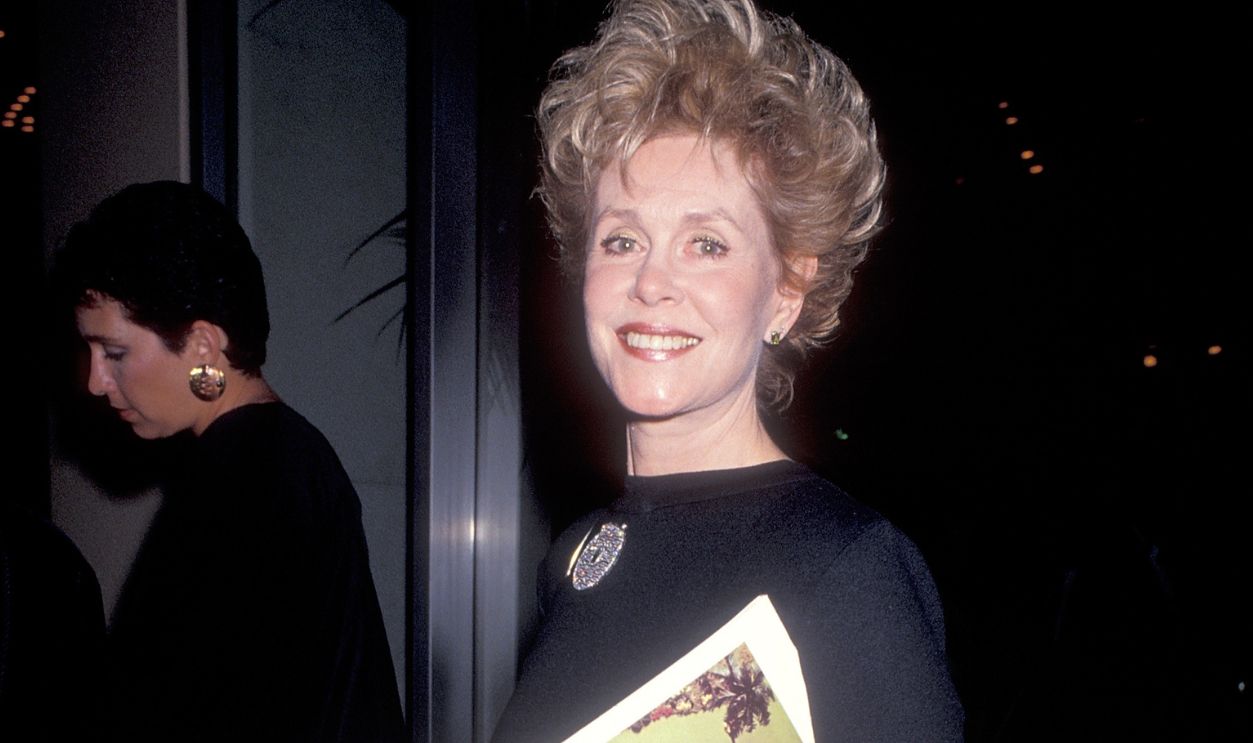
Montgomery’s activism is remembered partly because she did not pull away from causes that made some people uncomfortable. She supported AIDS education and gay rights while many entertainers remained cautious. Her status as beloved Samantha made that public support even more meaningful.
Dick Sargent Became Part Of Her Legacy
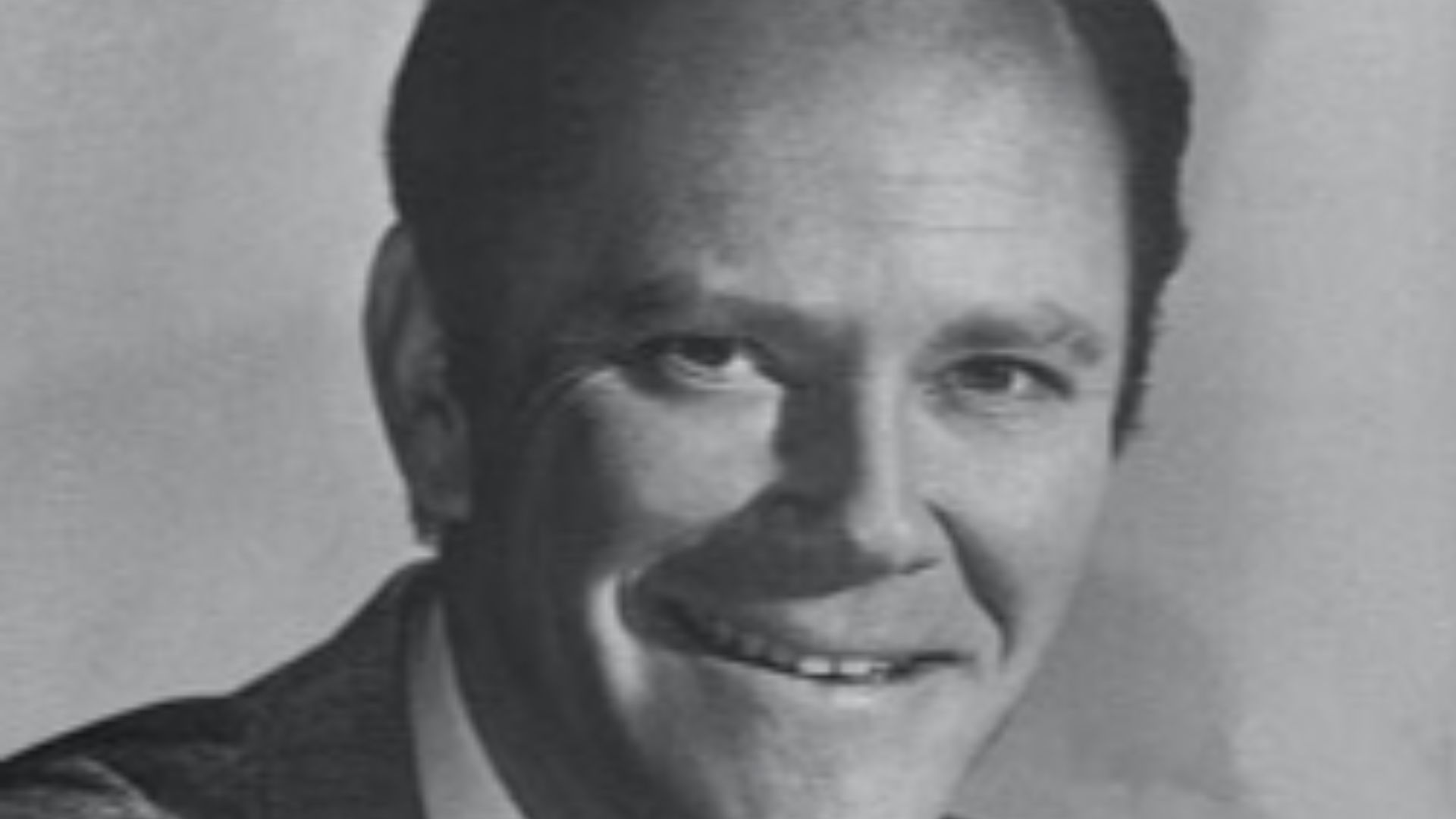
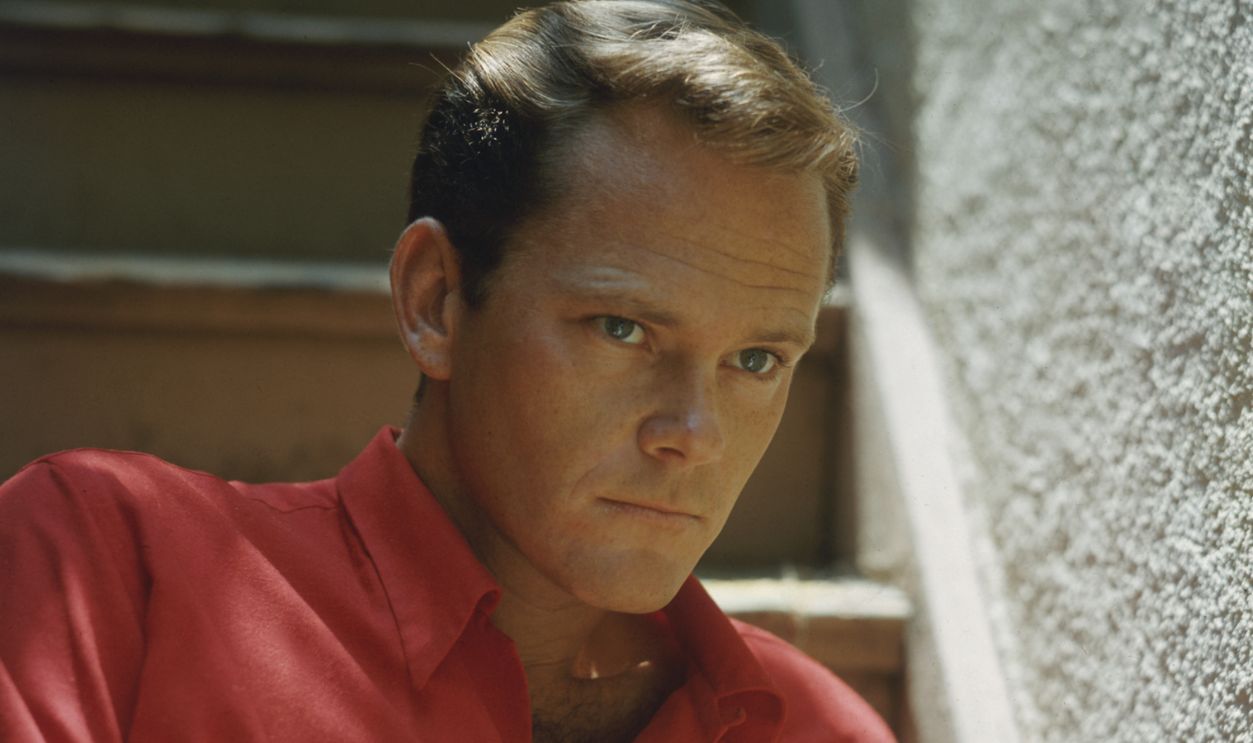
One of the clearest examples of Montgomery’s allyship involved her Bewitched co-star Dick Sargent, who played the second Darrin Stephens. Sargent publicly discussed his homosexuality in 1991, which was still a significant act for a familiar television actor of his generation.
 American Broadcasting Company, Wikimedia Commons
Coming Out Still Carried Risk
Sargent’s public coming out happened after LGBTQ visibility had grown, but stigma remained strong. Gay actors still faced typecasting, lost opportunities, invasive questions, and hostility. For a former sitcom star associated with a classic family show, coming out carried emotional and professional weight.
Montgomery Stood Beside Him At Pride
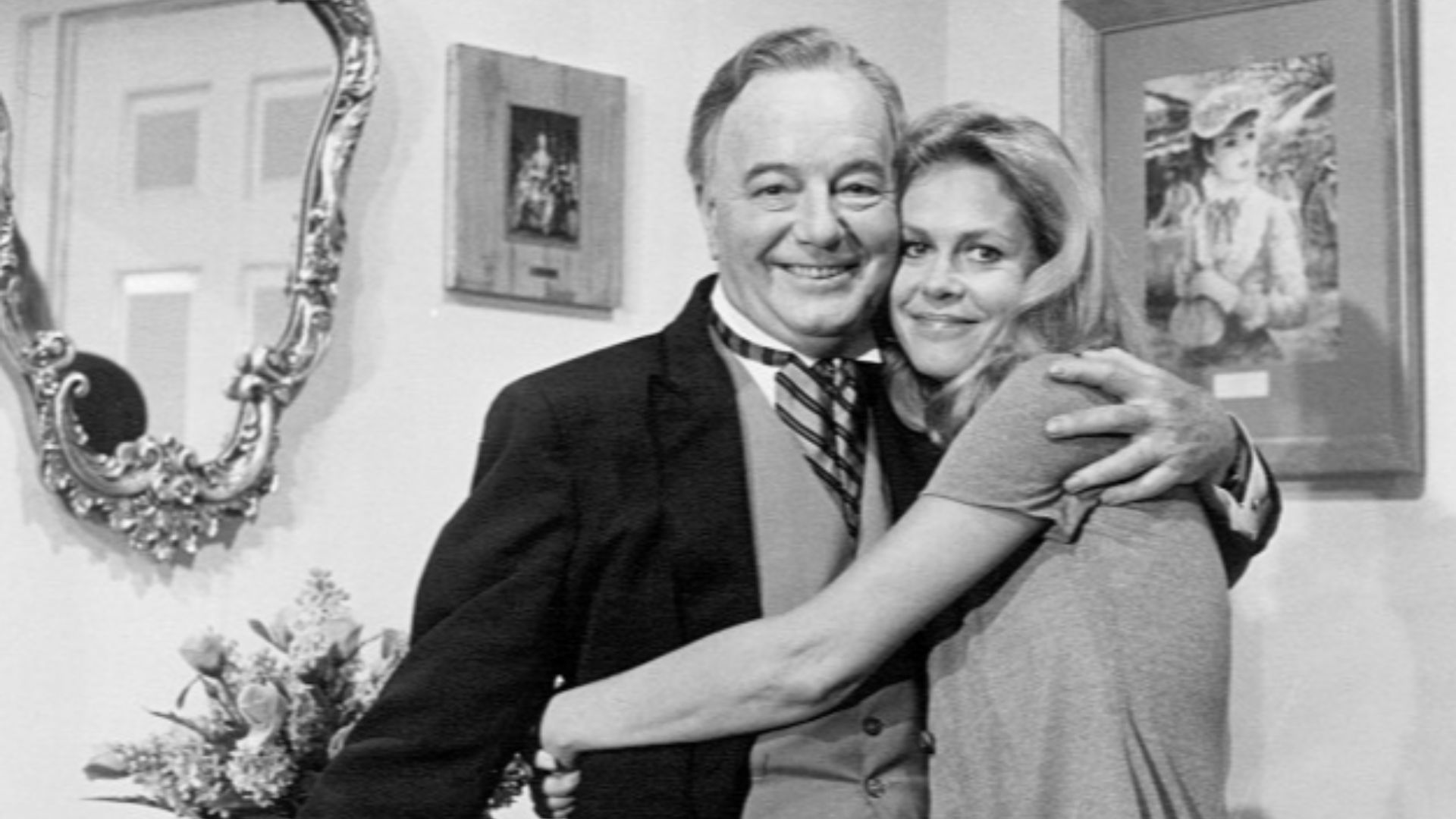
In June 1992, Montgomery joined Sargent as a grand marshal of the Los Angeles Gay and Lesbian Pride Parade. It was a striking image: Samantha and Darrin from Bewitched, reunited not simply for nostalgia, but to support gay visibility and civil rights.
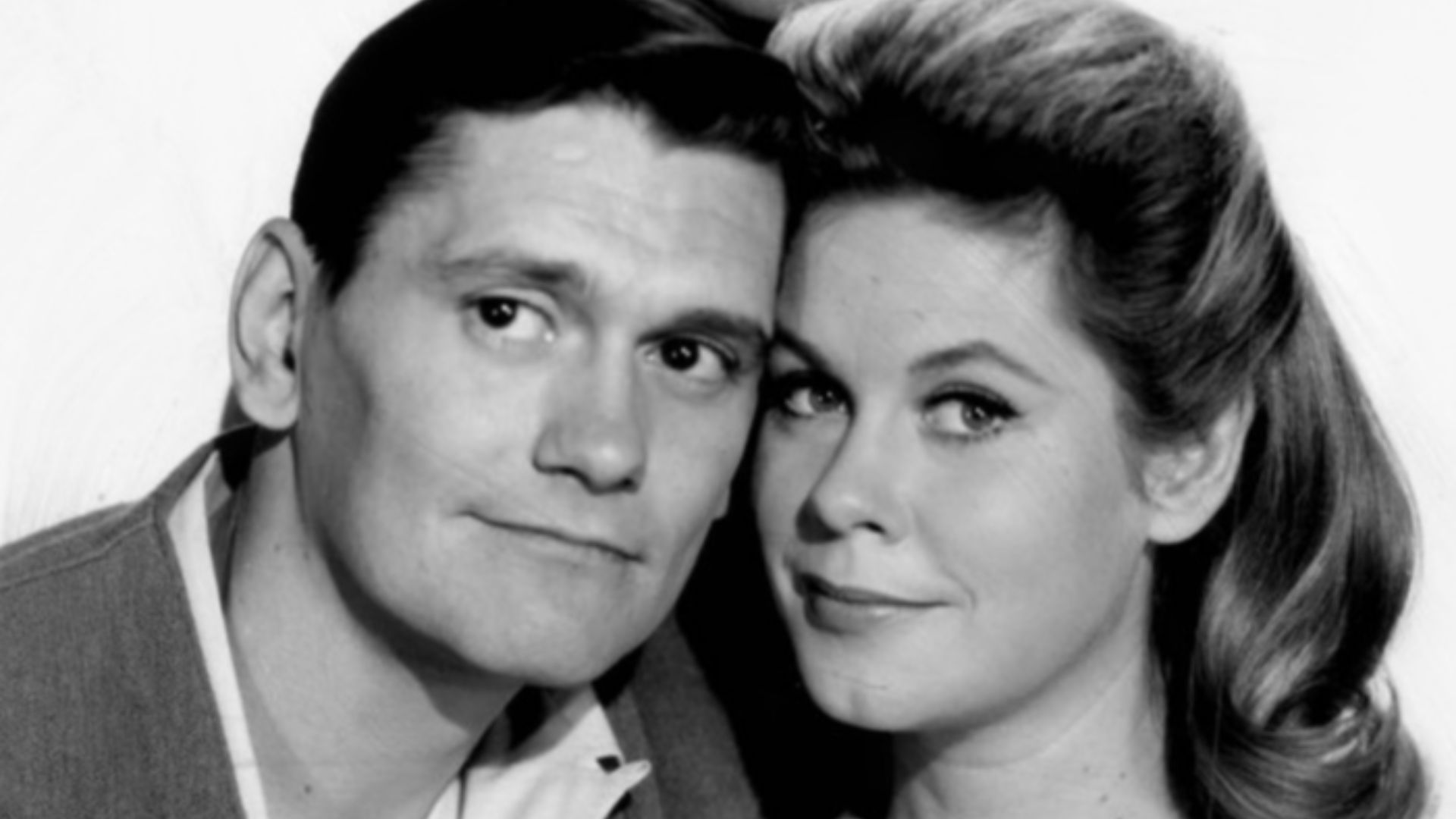 ABC Television, Wikimedia Commons
The Parade Appearance Said Everything
Montgomery’s presence at Pride sent a clear message. She was not embarrassed by Sargent. She was not distancing herself from him. She was standing beside him in public, at a gay rights event, using her fame to make support visible.
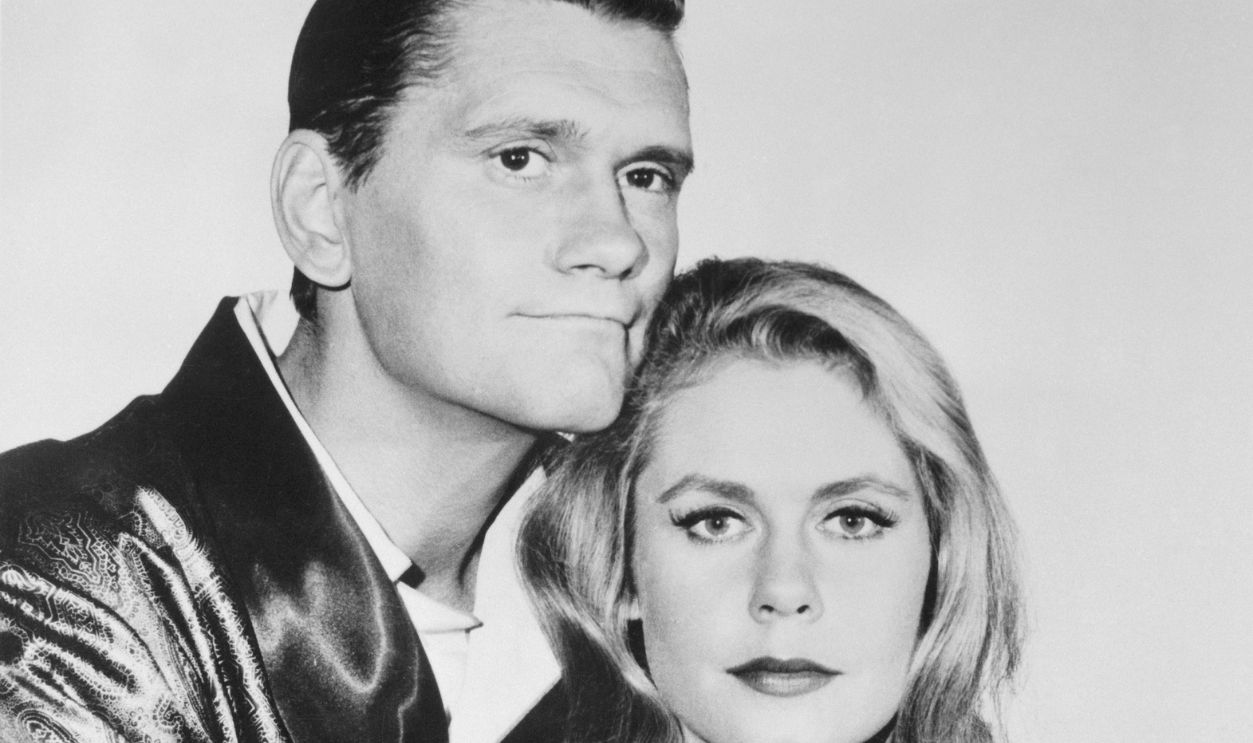
It Turned TV Nostalgia Into Real Solidarity
Because Montgomery and Sargent had played a married couple on one of television’s most beloved sitcoms, their Pride appearance carried symbolic power. Fans who had grown up with Bewitched saw a familiar TV partnership transformed into real-life allyship.
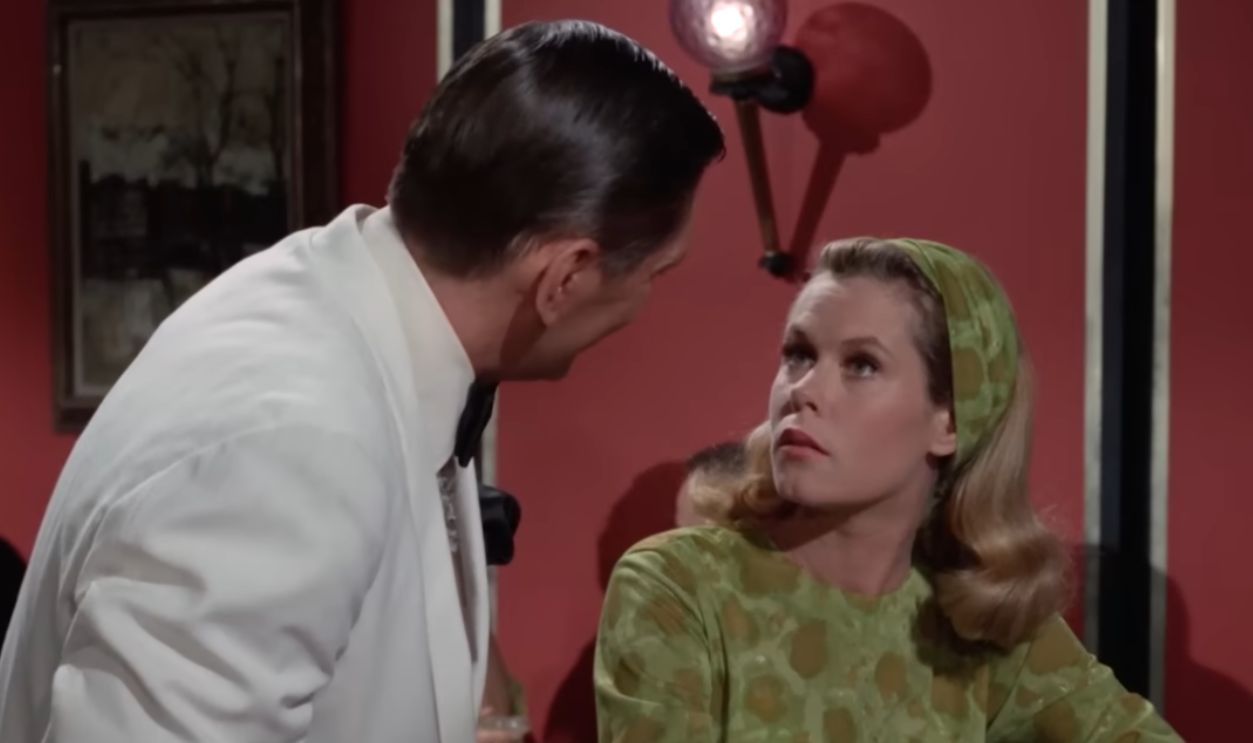 Screenshot from Bewitched, Screen Gems (1964–1972)
Sargent Used His Own Voice Too
Sargent became an advocate after coming out, speaking publicly at gay pride events and encouraging visibility. At the 1992 gay pride parade and festival in Orange County, he declared, “We won’t be ignored". Montgomery’s support placed her directly alongside that message.
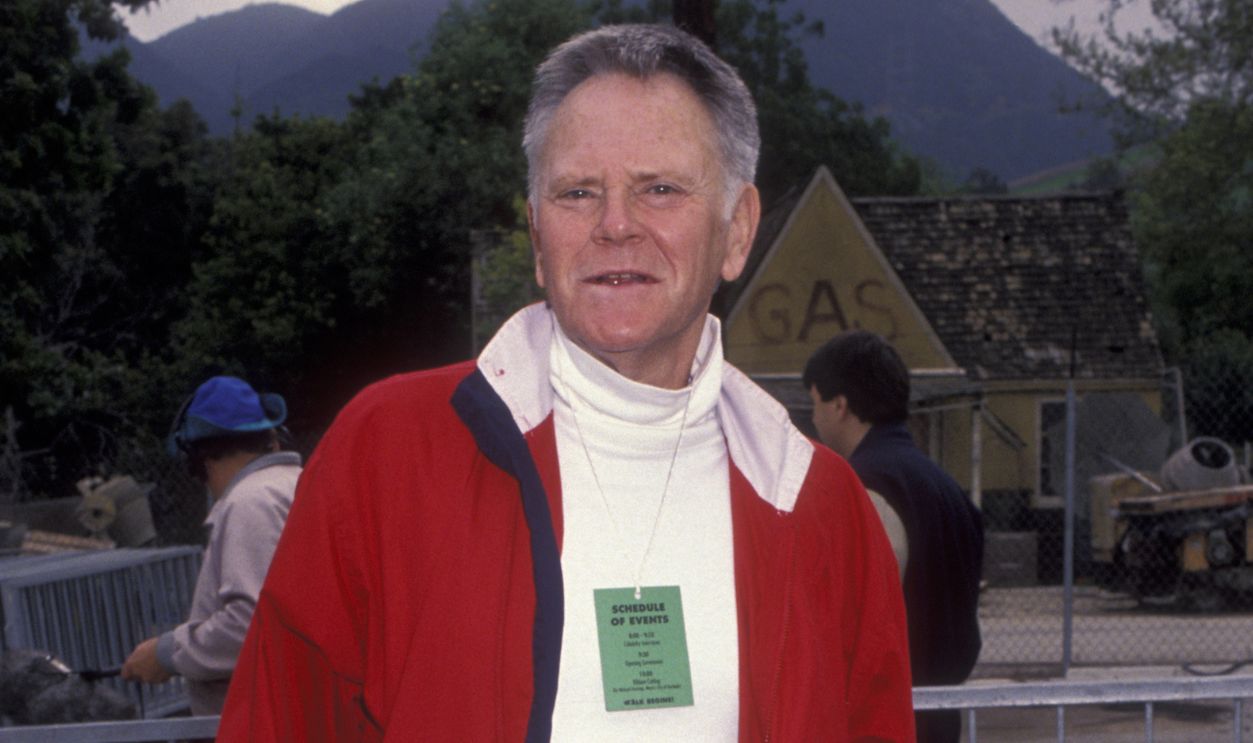 Ron Galella, Ltd., Getty Images
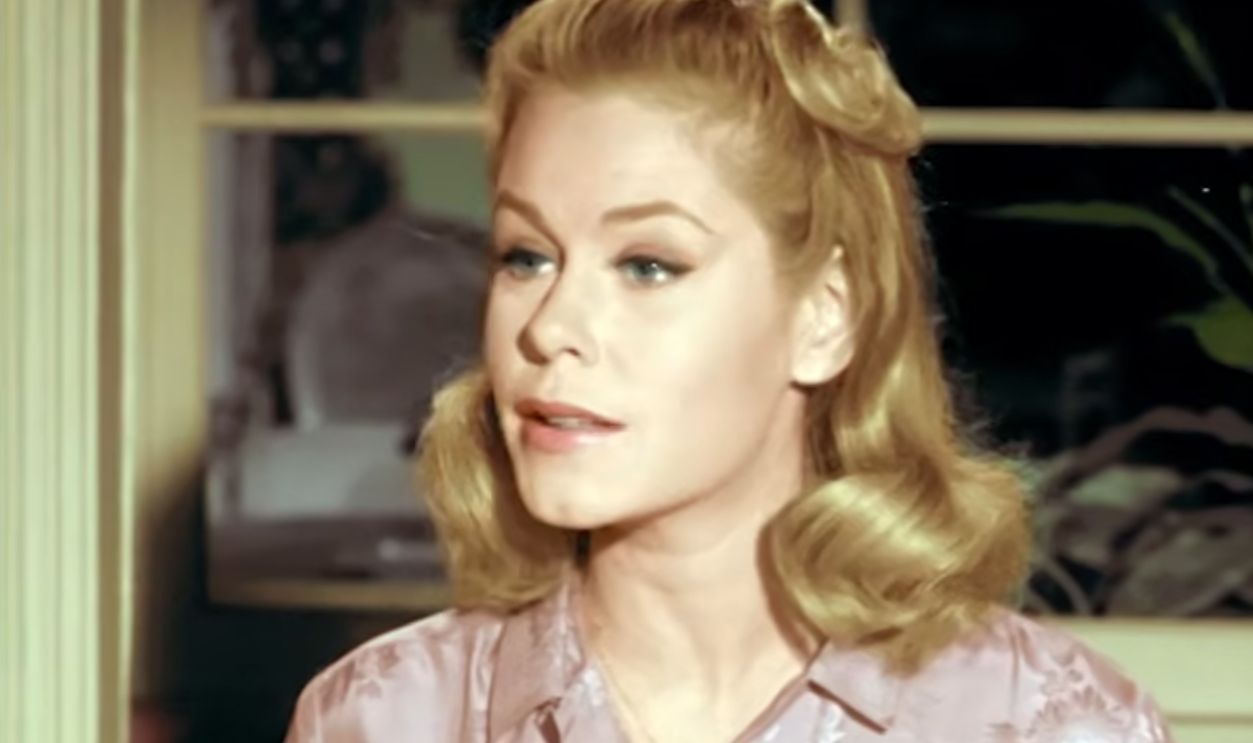
She Made Allyship Feel Familiar
Due to her fame, Montgomery wasn't seen as a radical outsider by the general public. She was Samantha Stephens, a beloved figure from living-room television. When someone that familiar stood with gay people, it helped make allyship feel more human and less distant.
 Screenshot from Bewitched, Screen Gems (1964–1972)
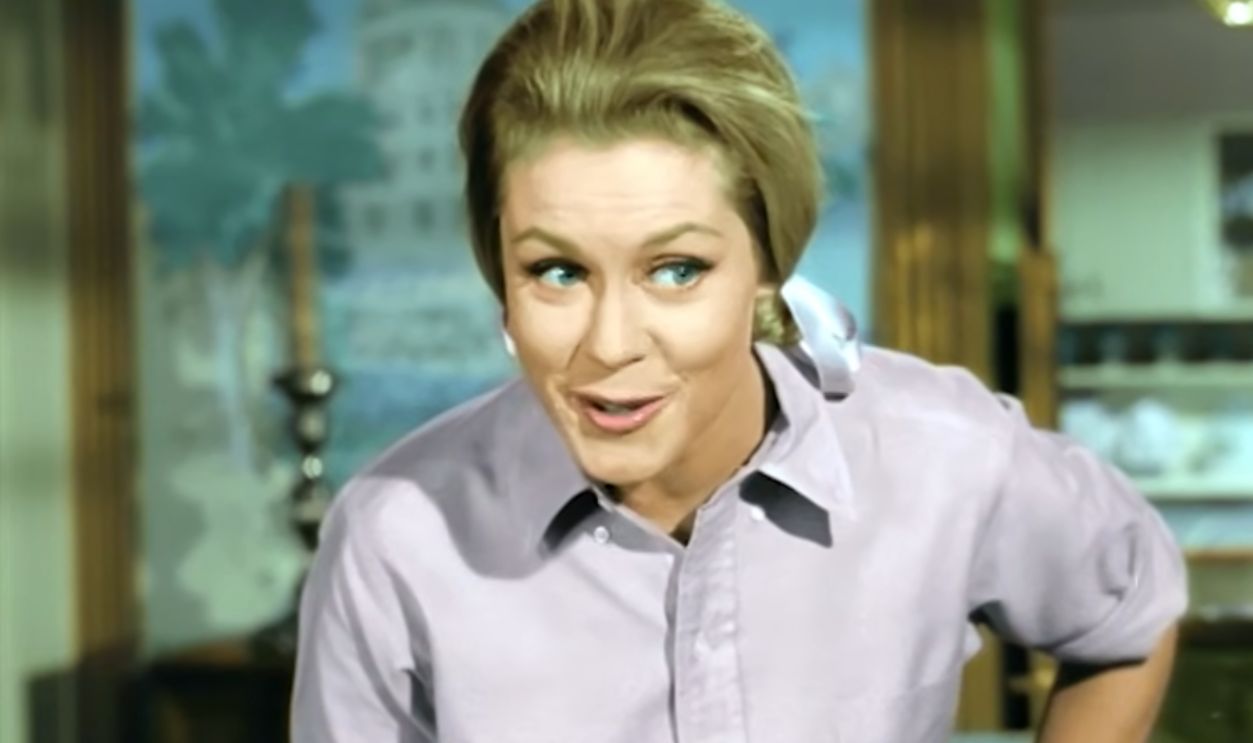
Her Feminism And Allyship Were Connected
Montgomery’s feminism, gay rights support, and Bewitched legacy were not separate stories. They all centered on dignity, selfhood, and the right to live openly. Samantha Stephens was told to hide her power. Montgomery, in real life, stood with people who were told to hide who they were.
 Screenshot from Bewitched, Screen Gems (1964–1972)
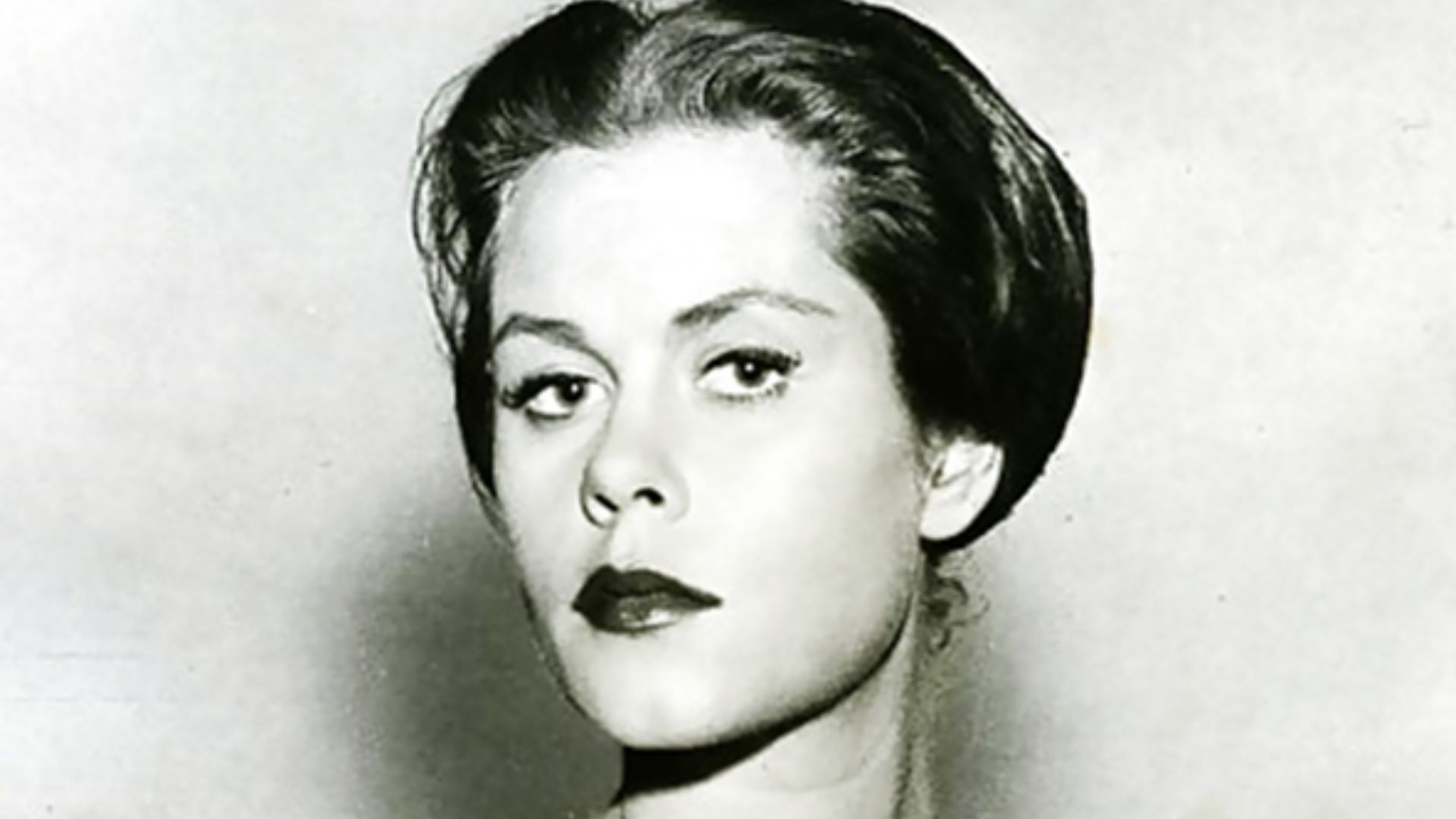
Her Support Fit A Larger Pattern
Montgomery’s gay rights advocacy was part of a broader political conscience. She supported women’s rights, AIDS causes, animal welfare, and humanitarian work. Her values seem to have grown from a belief that people pushed to the margins deserved protection, visibility, and respect.
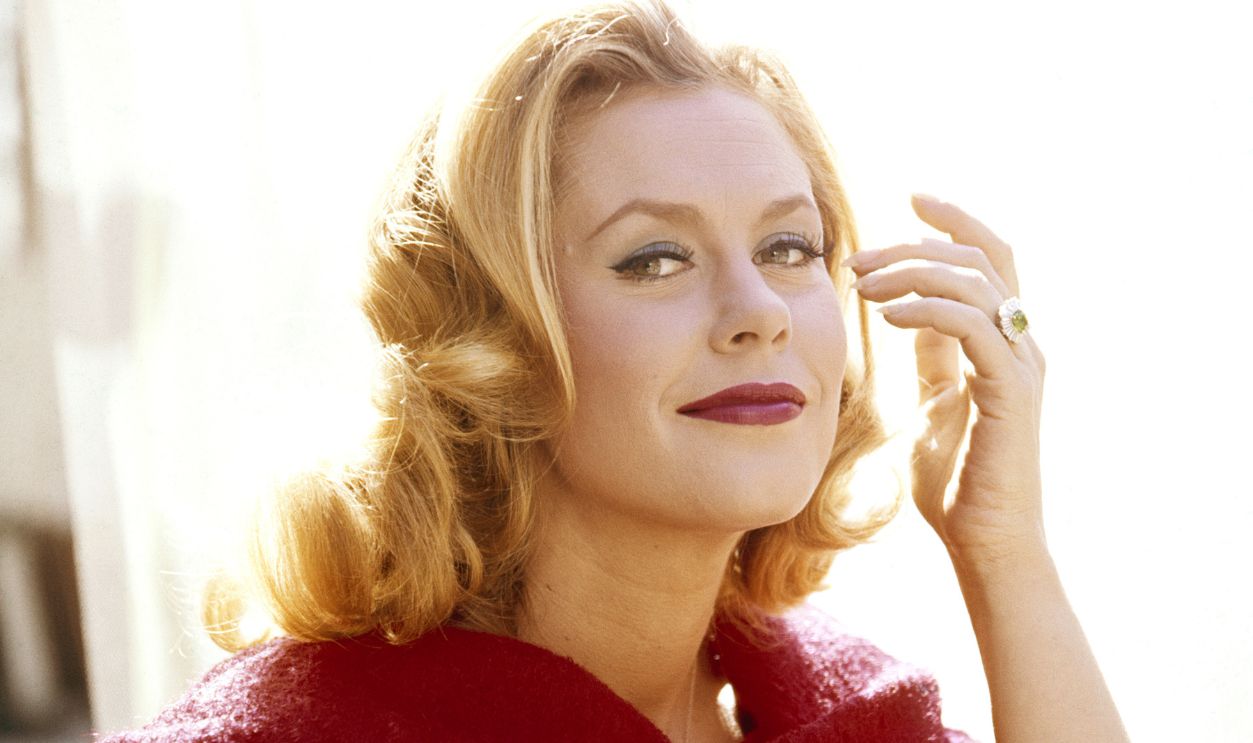
She Was Quiet, But She Was Not Passive
Montgomery was not always loud in the way modern celebrity activists can be. Much of her support appeared through public appearances, cause work, and the way people remembered her values. But quiet did not mean weak. She showed up when showing up still meant something.
 Silver Screen Collection, Getty Images
The Timing Made Her Stand Brave
Today, celebrity support for LGBTQ rights is far more common. In Montgomery’s era, it was not. Supporting AIDS causes and gay civil rights could anger fans, advertisers, or industry figures. Montgomery’s choice stands out because she did it before allyship became easy branding.
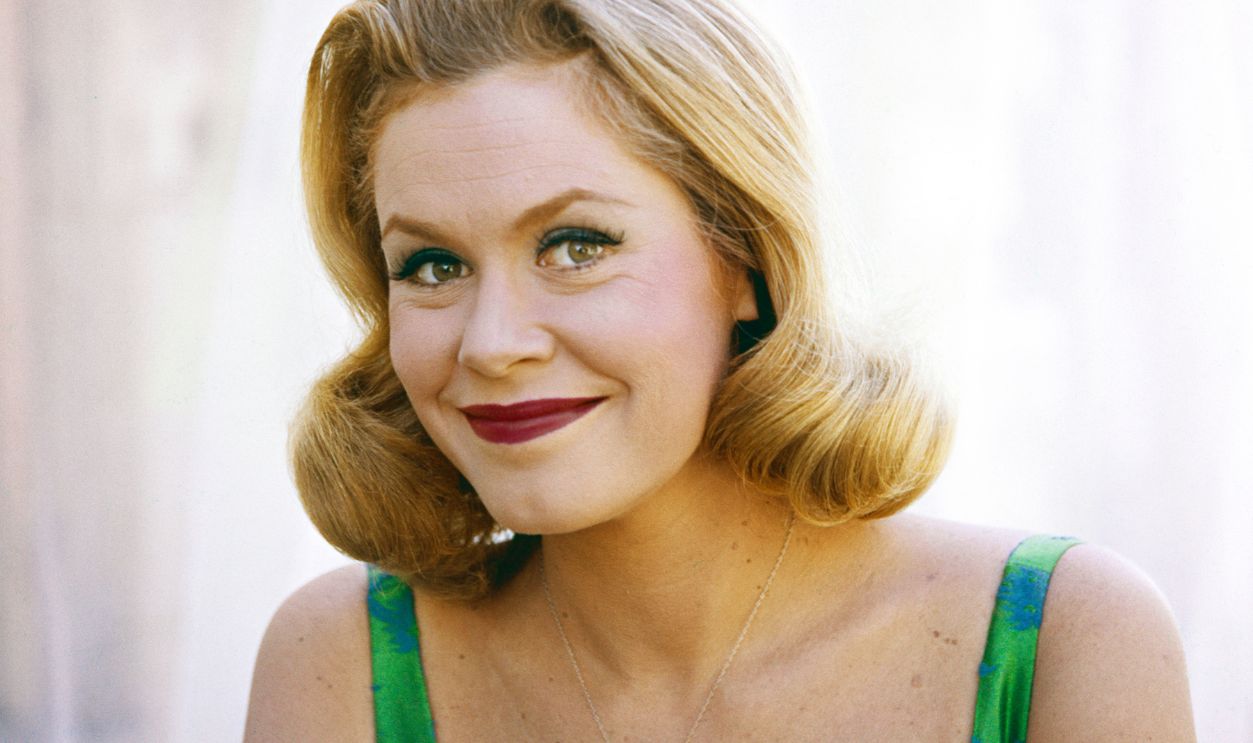 Silver Screen Collection, Getty Images
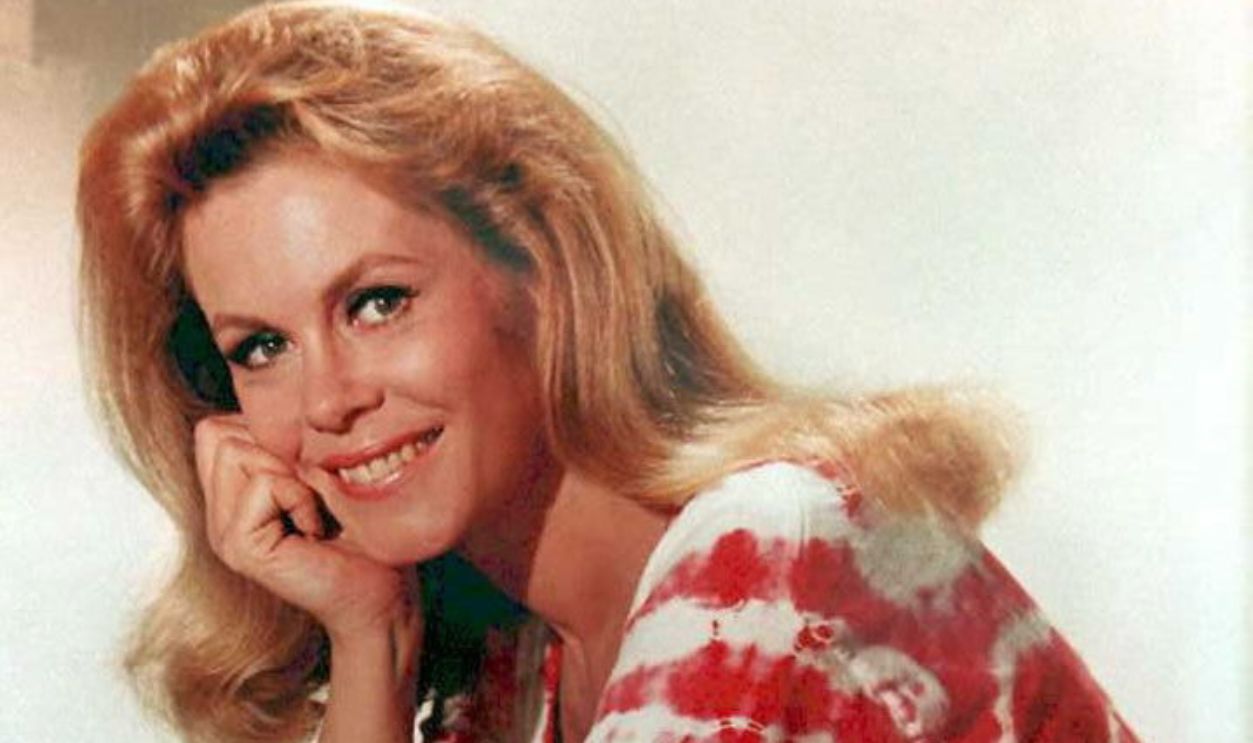
Bewitched Became More Meaningful With Time
As viewers looked back at classic television, Bewitched took on new resonance. The show’s themes of passing, secrecy, chosen identity, and being loved despite difference made Samantha a powerful figure. Montgomery’s real-life activism made that connection feel even stronger.
 ABC Television, Wikimedia Commons
She Never Treated Difference As Shameful
Montgomery’s support for Sargent showed something deeply humane. His coming out was not treated by her as a scandal to manage. It was part of who he was. By appearing with him at Pride, she helped frame his truth as something worthy of respect, not embarrassment.
Her Passing Came Too Soon
Montgomery died of cancer in 1995 at age 62. Obituaries remembered her as the star of Bewitched, but they also noted her advocacy, including her support for gay rights and the fight against AIDS. Her legacy included both entertainment and principle.
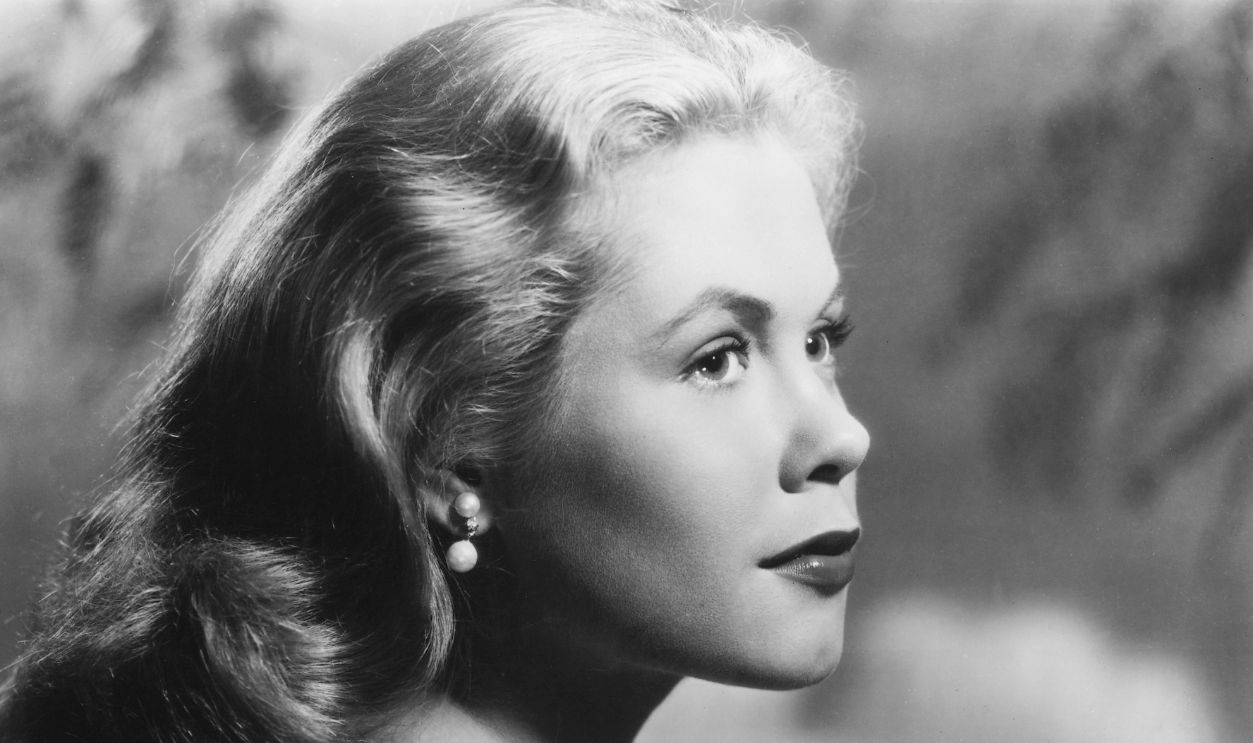 Silver Screen Collection, Getty Images
Her Legacy Looks Stronger Now
Decades later, Montgomery’s legacy feels richer than simple sitcom nostalgia. She was a feminist performer who gave America a quietly rebellious heroine, and she was a real-life ally who stood beside LGBTQ people before it was common. Samantha Stephens had magic, but Montgomery had conviction.
Her real magic was not just Samantha’s twitch. It was the courage to stand for people being told to hide.
You May Also Like:
The Six-Decade Legend Of Sally Kellerman
Behind The Scenes Of I Love Lucy
Loni Anderson Became A 1970s TV Bombshell, But She Was Always Sharper Than Her Image Suggested