Dick York's Real-Life Nightmare
To television audiences in the 1960s, Dick York seemed energetic, charming, and effortlessly funny as Darrin Stephens on Bewitched. But behind the sitcom’s magical world, York was enduring severe physical pain that slowly destroyed his health, career, finances—and eventually his life.
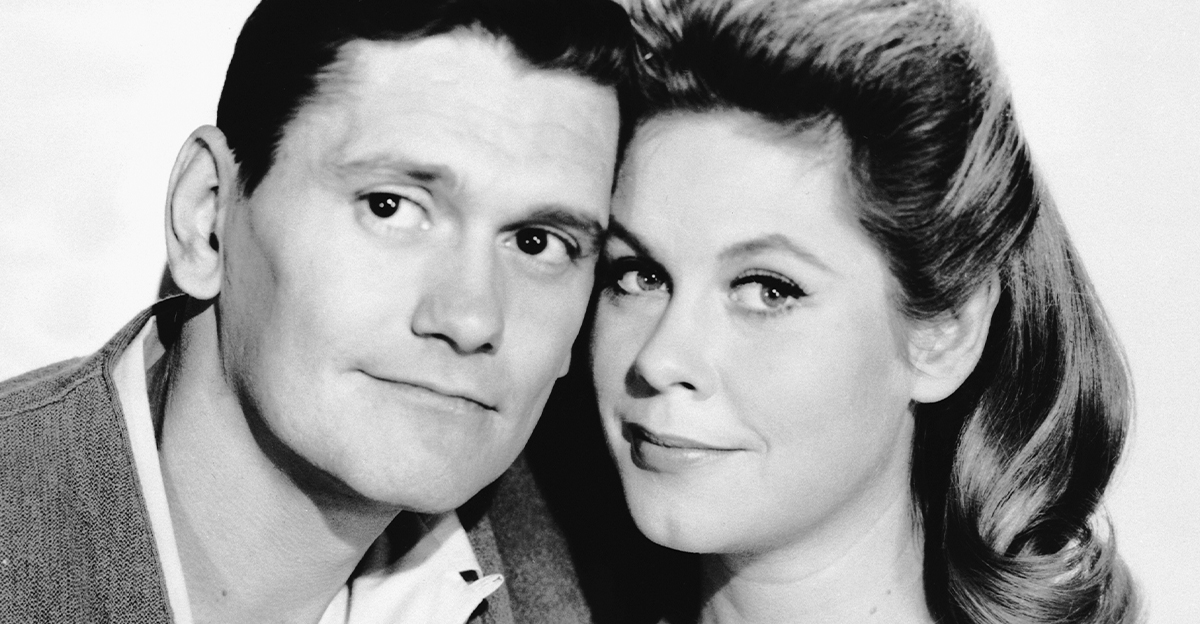
Dick York Was Already A Respected Actor
Before Bewitched, Dick York built a strong reputation as a dramatic actor in film, television, and radio. He appeared in productions alongside stars like Gary Cooper, earning praise for his emotional intensity and professionalism long before sitcom fame arrived. But fate had a tragic store in plan for him.
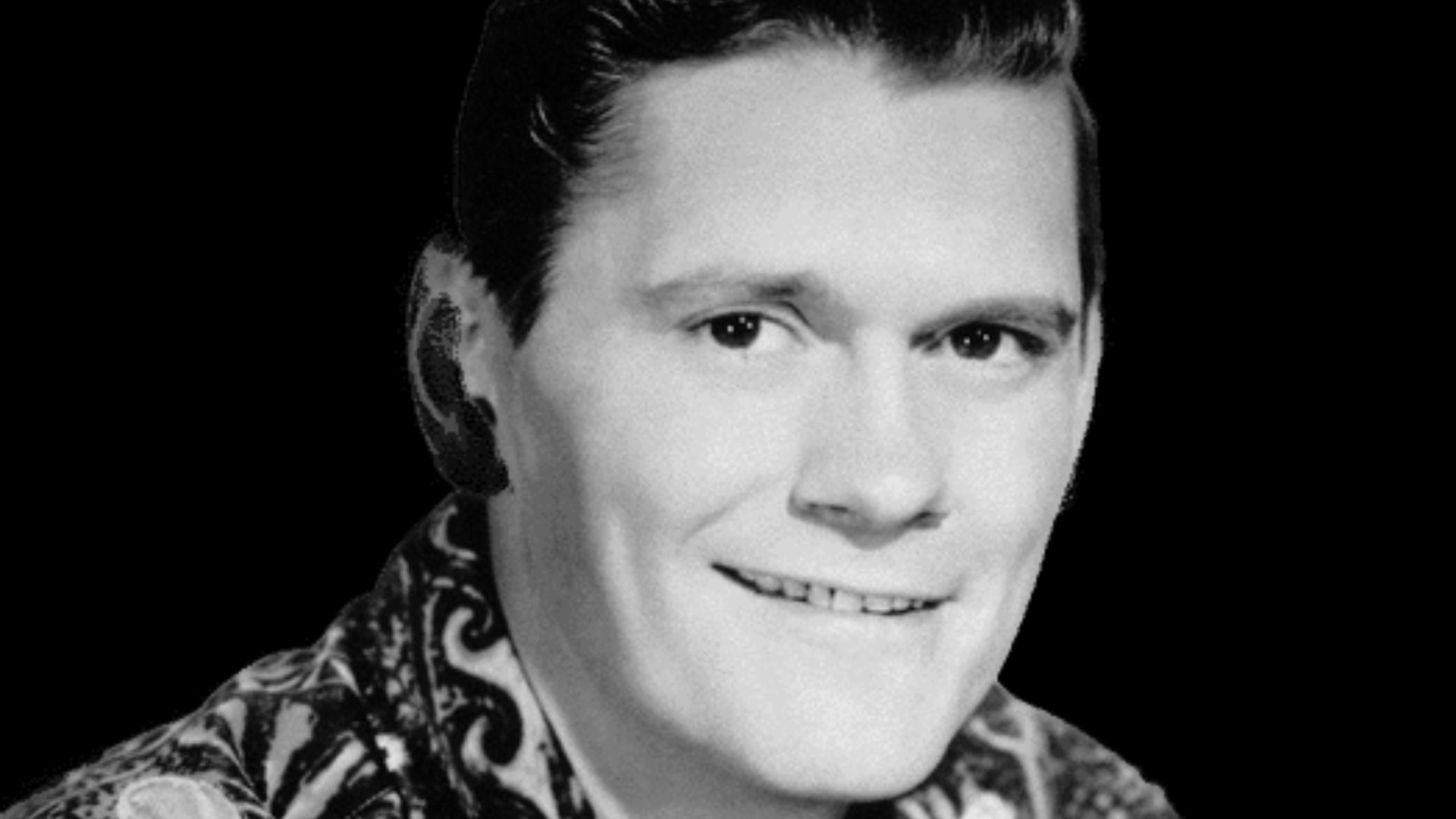 McDermott Company, Wikimedia Commons
The Injury That Changed Everything
York’s life changed forever while filming the 1959 movie They Came to Cordura. During a physically demanding scene, he suffered a devastating back injury after lifting heavy equipment improperly secured by crew members. The damage would haunt him for the rest of his life.
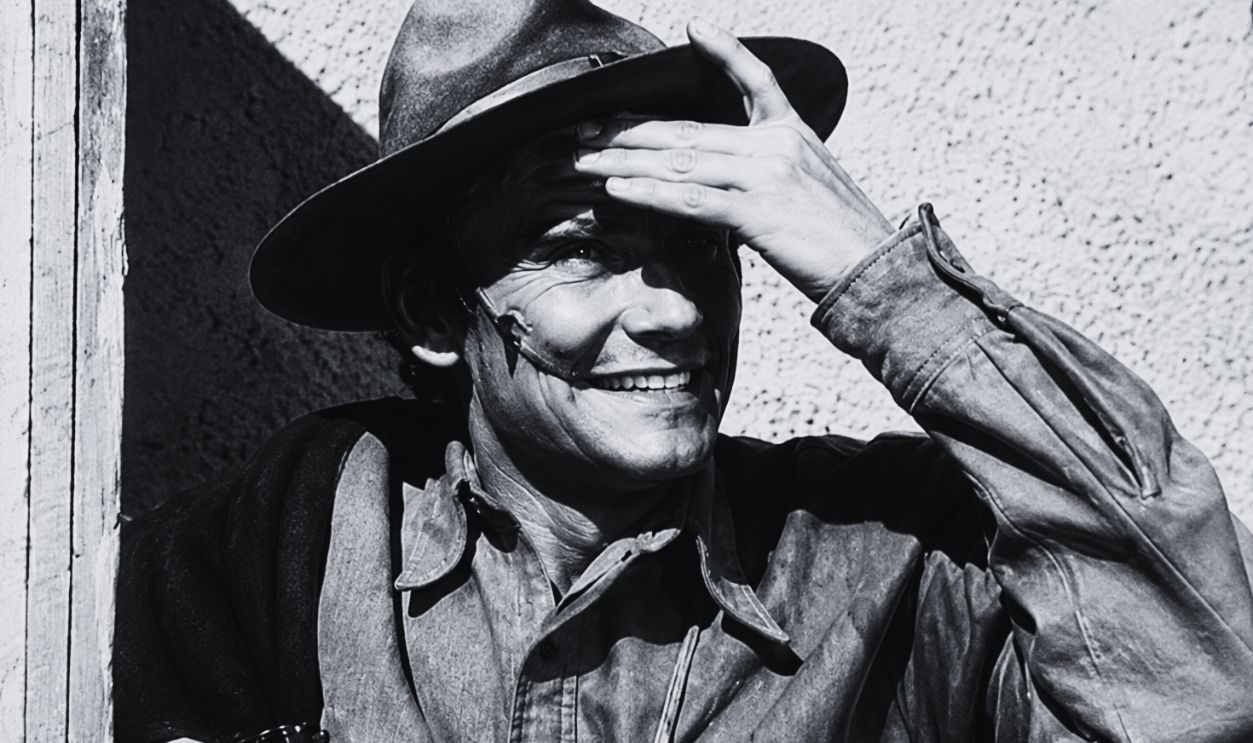 Screenshot from They Came to Cordura, Columbia Pictures (1959)
He Described The Awful Pain
York later recalled feeling sudden pain shoot through his body during the accident: "The muscles along the right side of my back tore. They just snapped and let loose. And that was the start of it all." But he initially tried to continue working despite the agony. That decision began years of worsening physical suffering.
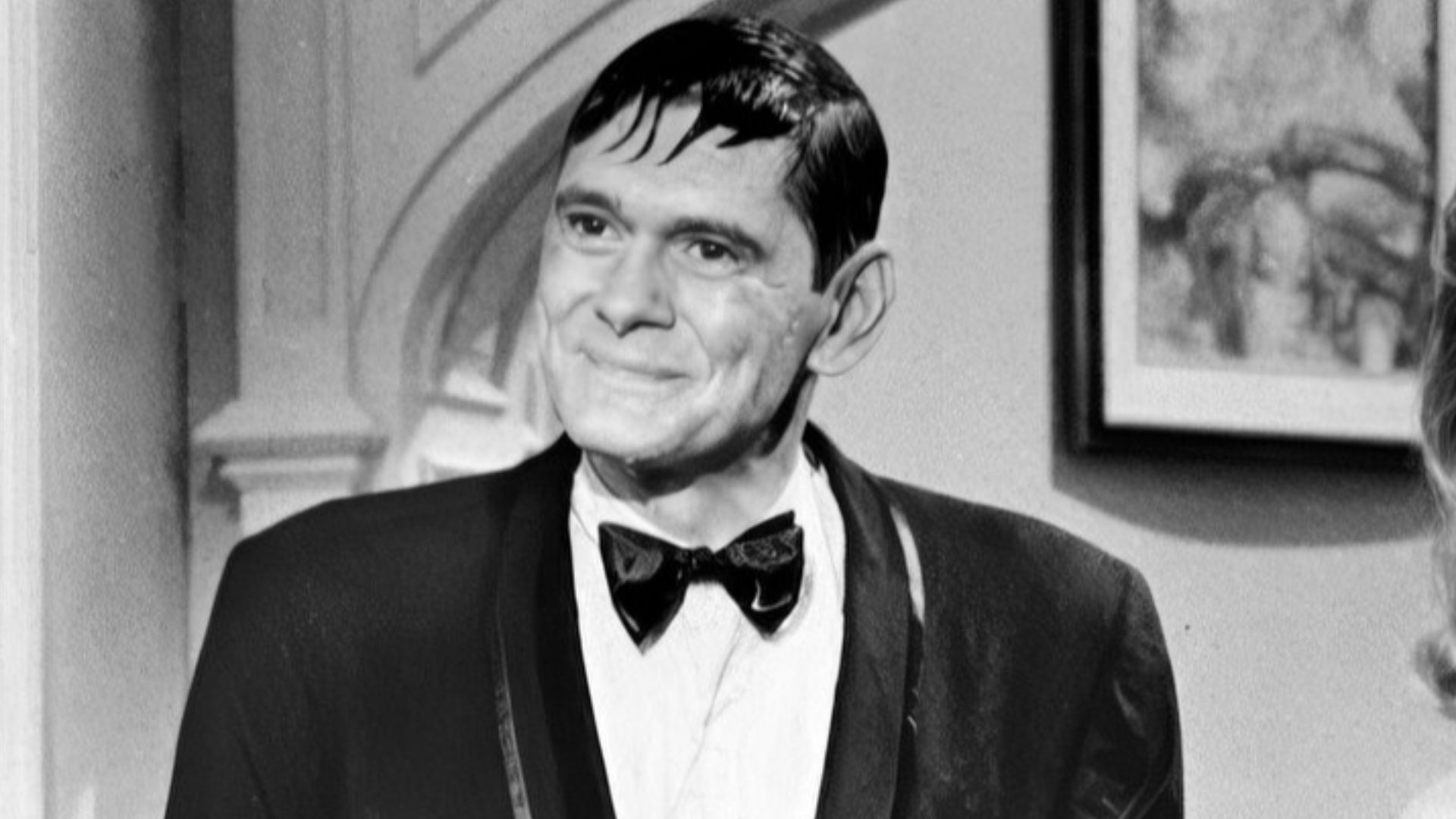 ABC Television Uploaded by We hope at en.wikipedia, Wikimedia Commons
Pain Became Part Of Everyday Life
By the early 1960s, York was living with nearly constant pain. Sitting, standing, and walking became increasingly difficult. Even simple movements could trigger spasms, yet he continued accepting acting jobs because he needed to support his growing family financially.
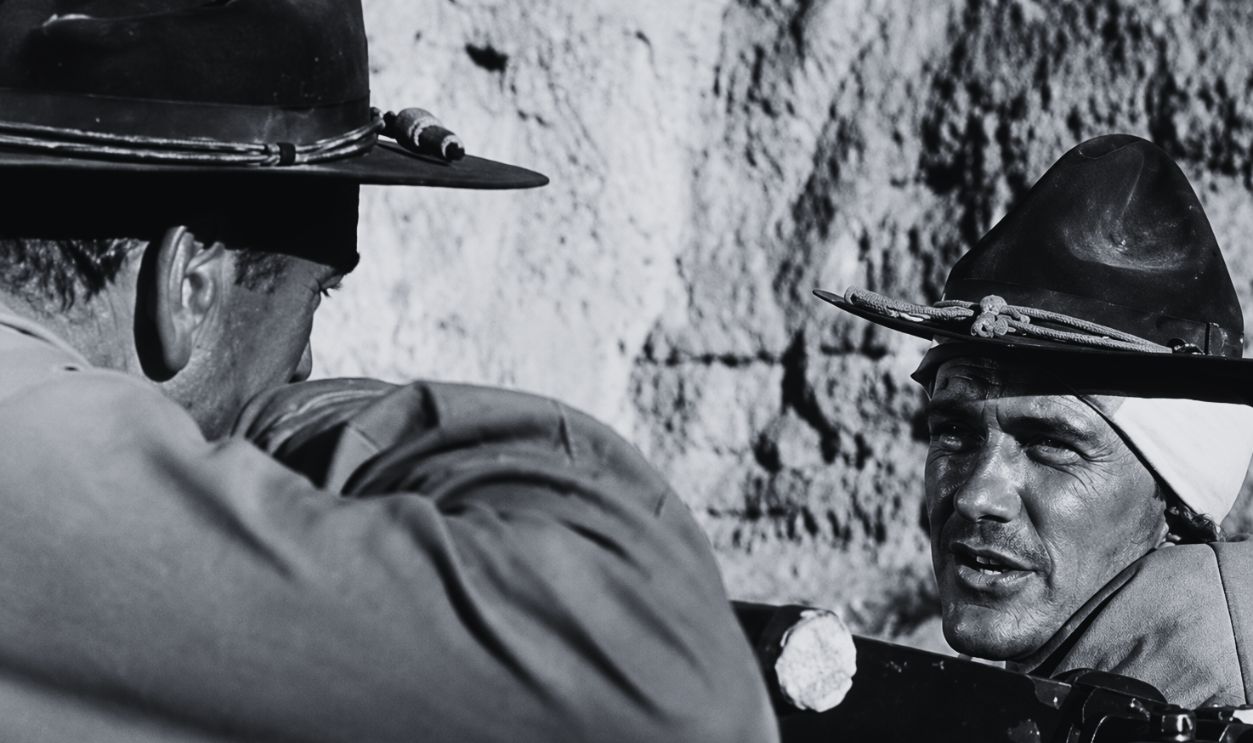 Screenshot from They Came to Cordura, Columbia Pictures (1959)
Bewitched Turned Him Into A Television Star
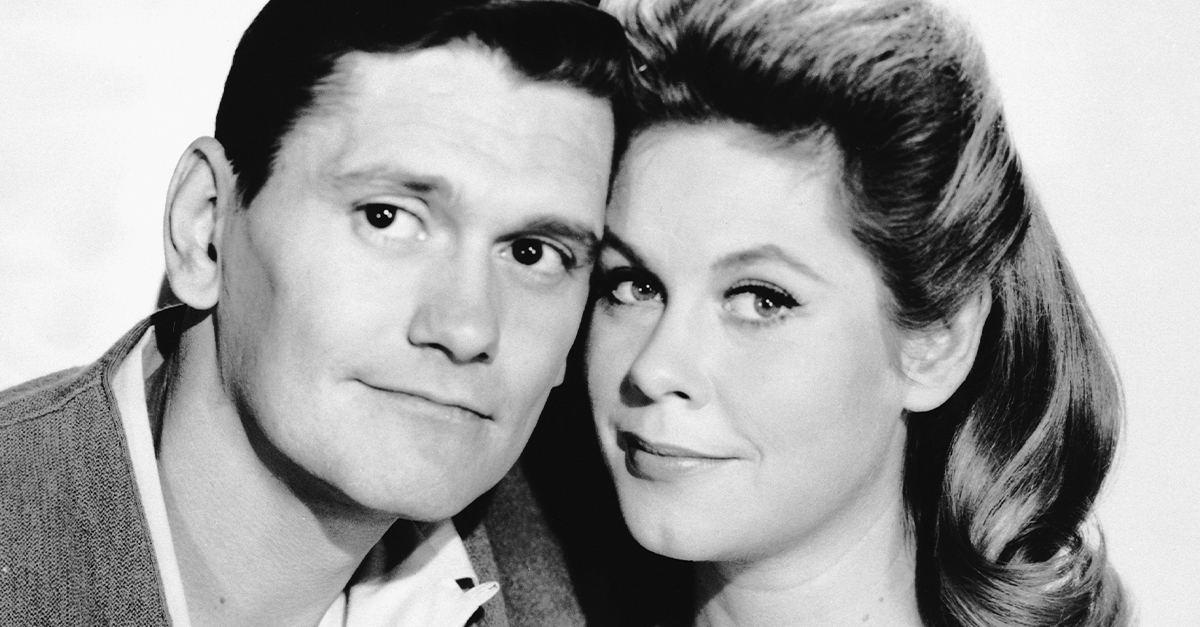
In 1964, York was cast as Darrin Stephens on Bewitched. His frantic comedic timing and chemistry with Elizabeth Montgomery helped make the sitcom a major hit. Audiences loved his expressive reactions to the magical chaos constantly surrounding his character.
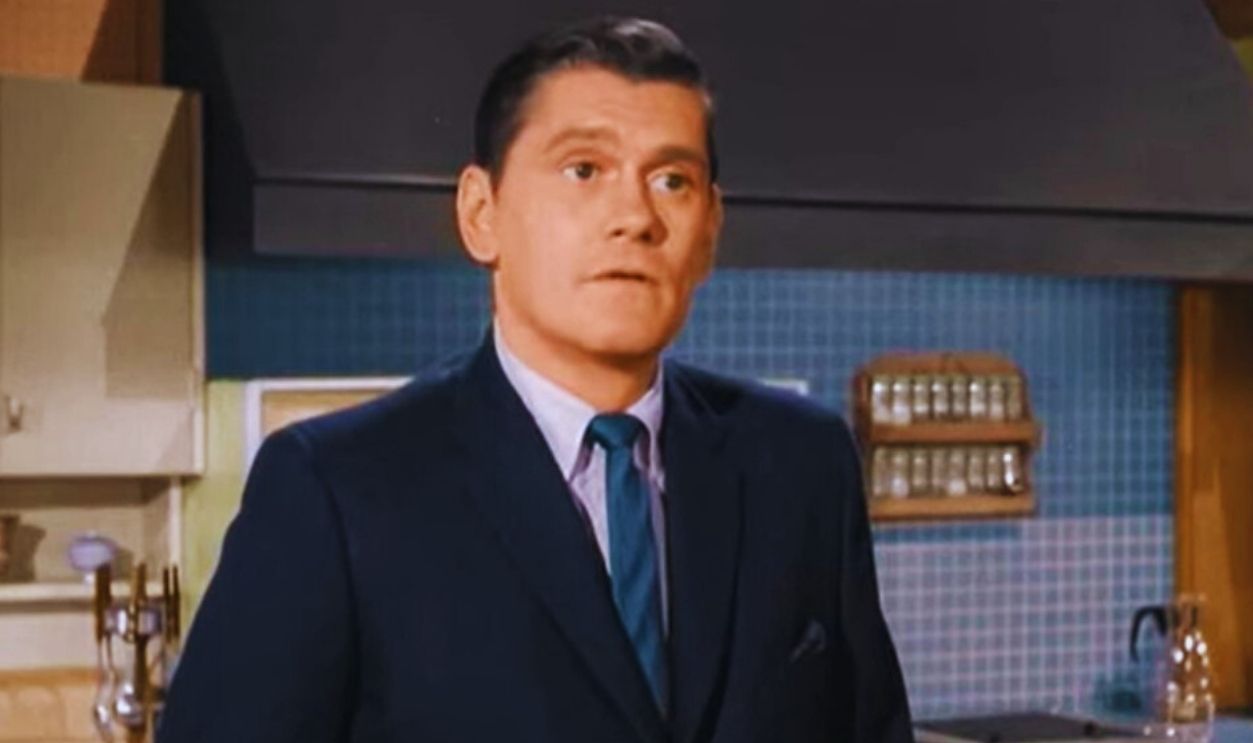 Screenshot from Bewitched, Screen Gems Television / ABC (1964–1972)
Few Viewers Knew How Much He Was Suffering
While York appeared lively on screen, many viewers had no idea he was performing through crippling pain. Cast and crew members later recalled seeing him struggle physically between takes while trying desperately to maintain professionalism during filming.
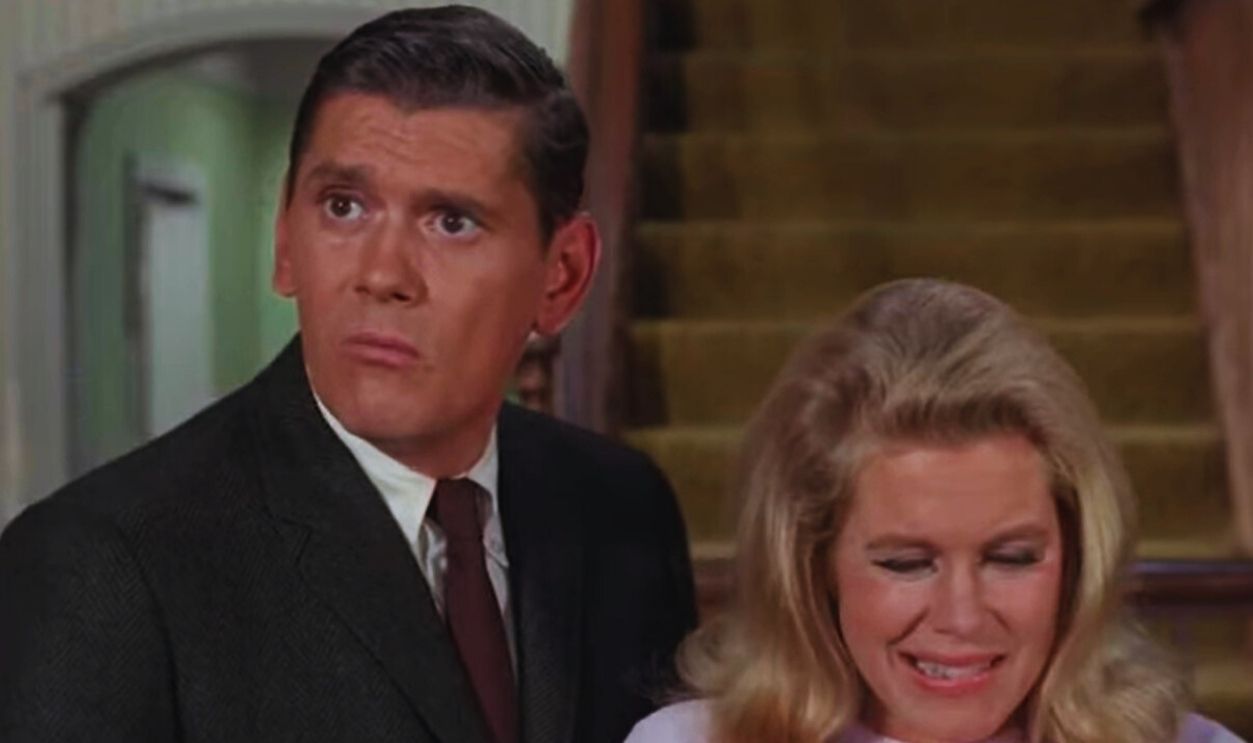 Screenshot from Bewitched, Screen Gems Television / ABC (1964–1972)
The Set Became Increasingly Difficult
As Bewitched continued, York’s injury worsened dramatically. Long filming days became exhausting, and he increasingly relied on pain medication to function. The demands of weekly television production placed enormous strain on his already fragile physical condition.
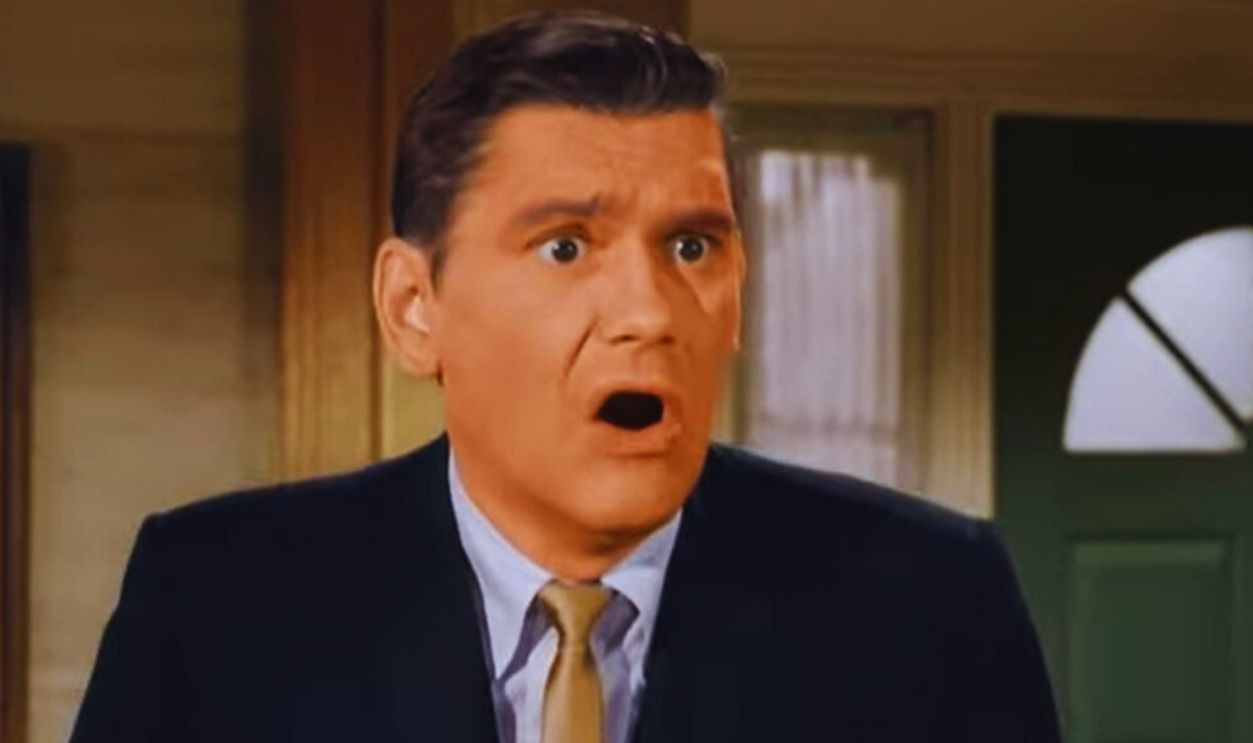 Screenshot from Bewitched, Screen Gems Television / ABC (1964–1972)
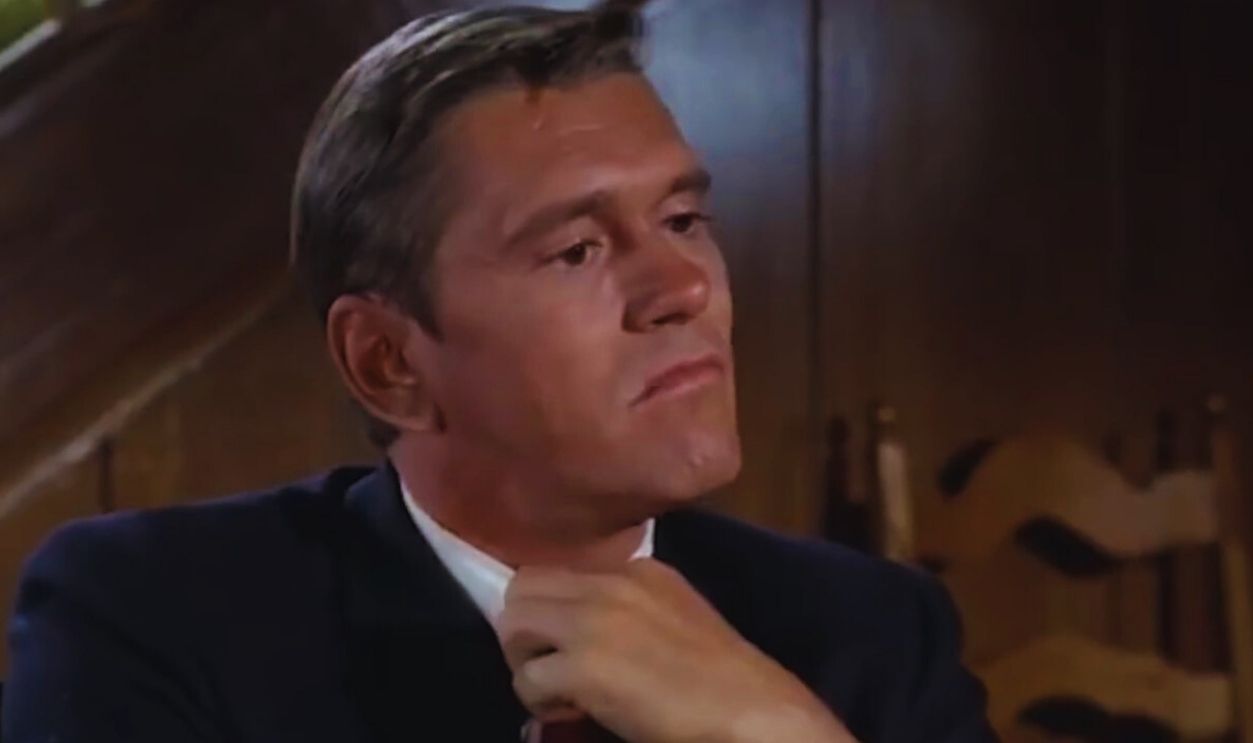
Painkillers Slowly Took Over His Life
Doctors prescribed York strong medications to manage his back pain, including opioids that eventually led to dependency. What began as medical treatment slowly evolved into addiction, creating another devastating layer of suffering behind the scenes of his fame.
 Screenshot from Bewitched, Screen Gems Television / ABC (1964–1972)
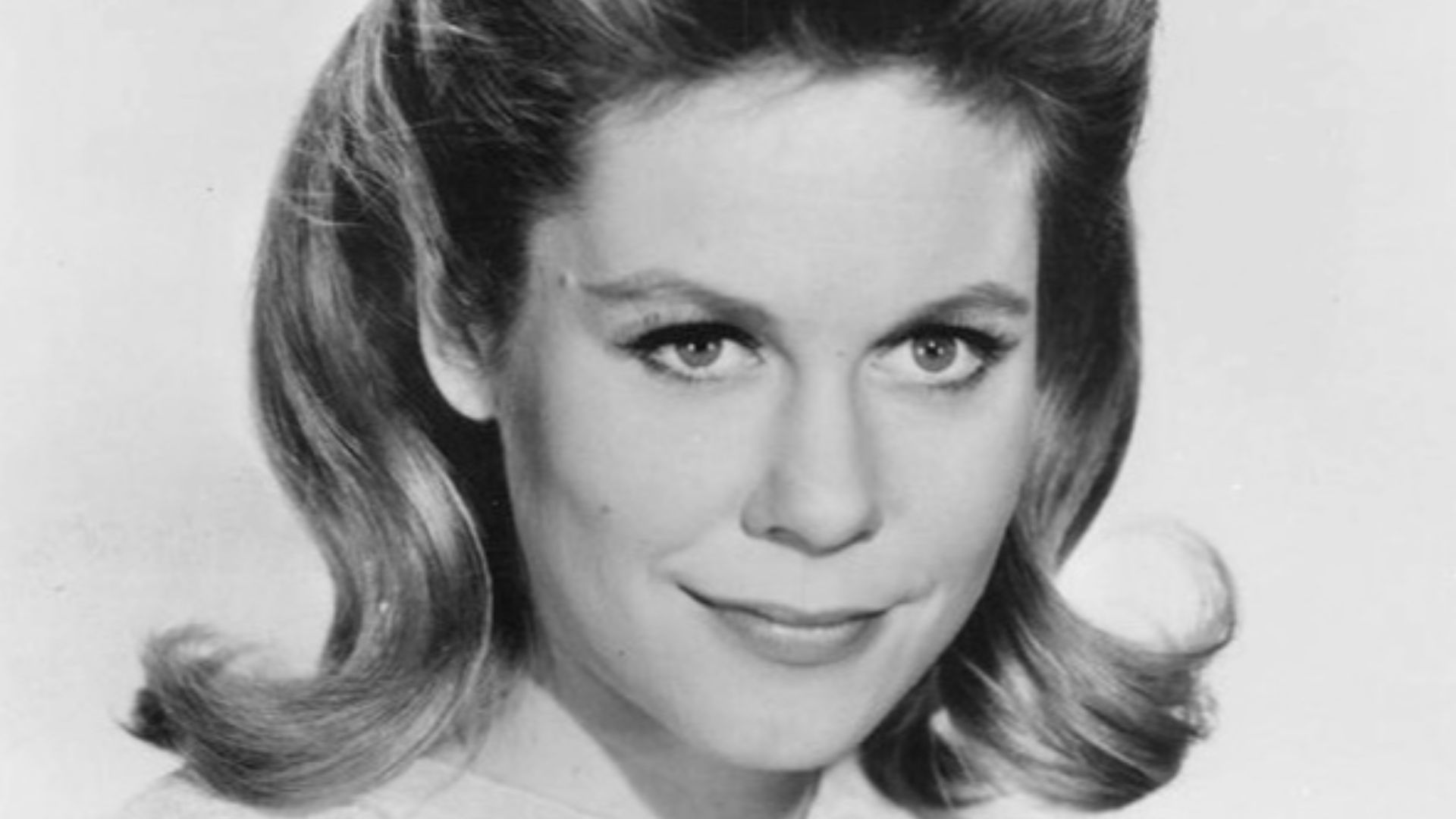
Elizabeth Montgomery Tried To Support Him
Elizabeth Montgomery, who played Samantha Stephens, reportedly cared deeply about York and worried about his declining health. Cast members understood he was struggling physically, but the relentless pace of television production left little room for true recovery.
 ABC Television Uploaded by We hope at en.wikipedia, Wikimedia Commons
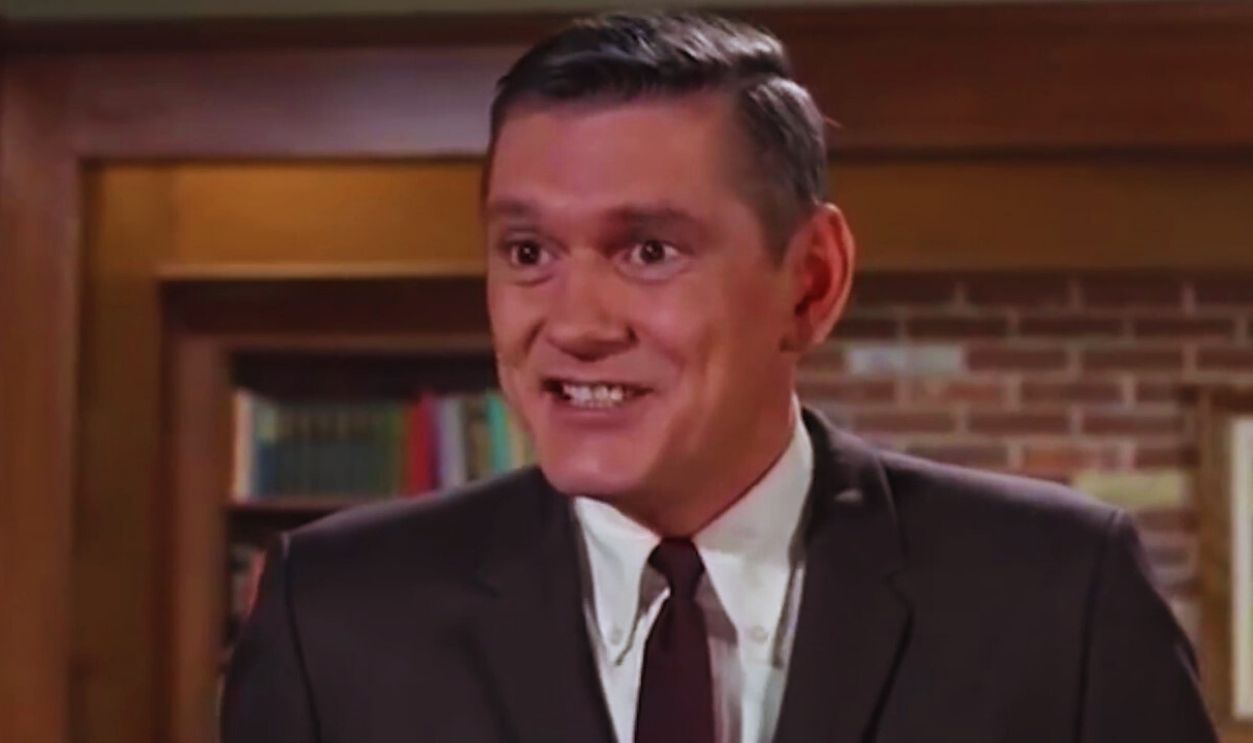
The Pain Became Impossible To Hide
By the late 1960s, York’s condition had deteriorated severely. He often needed assistance moving around the set and struggled to complete scenes. The cheerful fantasy world of Bewitched increasingly contrasted with the harsh reality unfolding behind the cameras.
 Screenshot from Bewitched, Screen Gems Television / ABC (1964–1972)
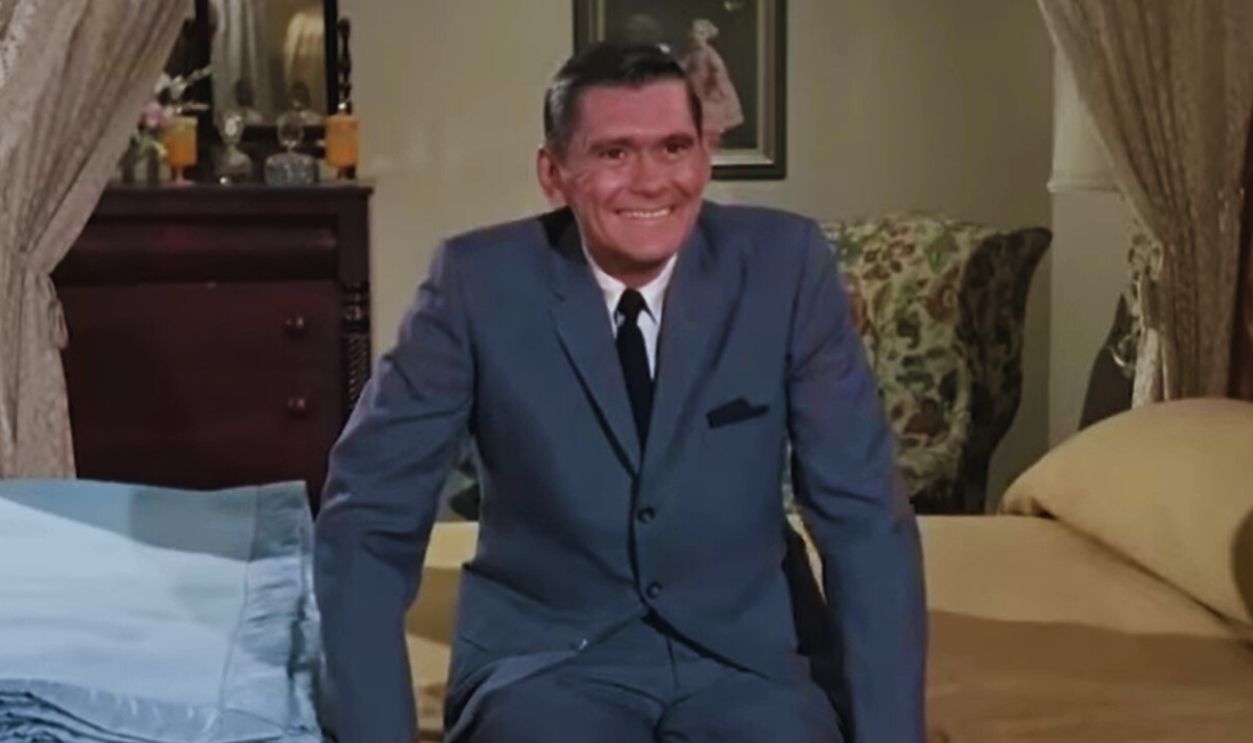
Dick York Left Bewitched In 1969
In 1969, York finally collapsed during filming and could no longer continue the series. When director William went to visit York in the hospital, he asked him one difficult question: "Do you want to quit?" York's response was downright heartbreaking: "If it's all right with you, Billy."
Producers replaced him with actor Dick Sargent as Darrin Stephens, a casting change that shocked audiences and became one of television’s most famous recastings.
 Screenshot from Bewitched, Screen Gems Television / ABC (1964–1972)
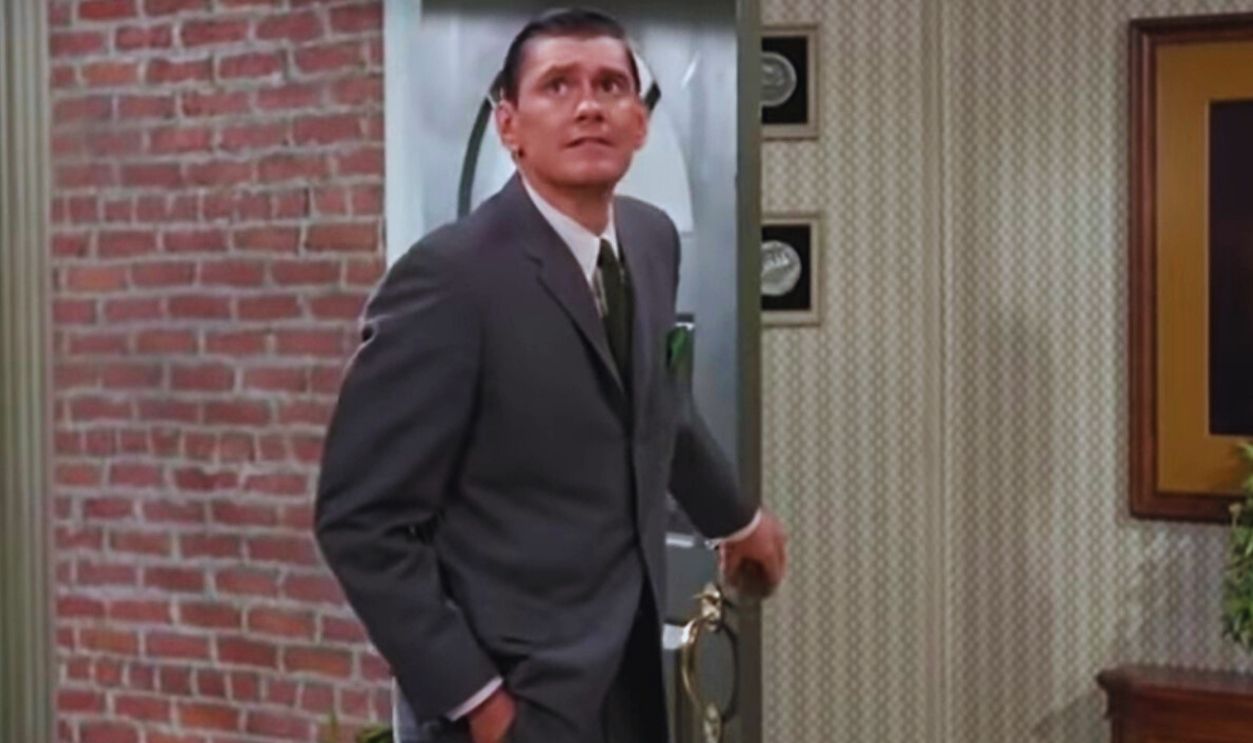
Leaving The Show Was Emotionally Devastating
For York, leaving Bewitched was heartbreaking. The role had made him famous, but his body could no longer handle the physical demands of production. But sadly, losing the series also meant losing financial security at a time when his medical problems were growing worse.
 Screenshot from Bewitched, Screen Gems Television / ABC (1964–1972)
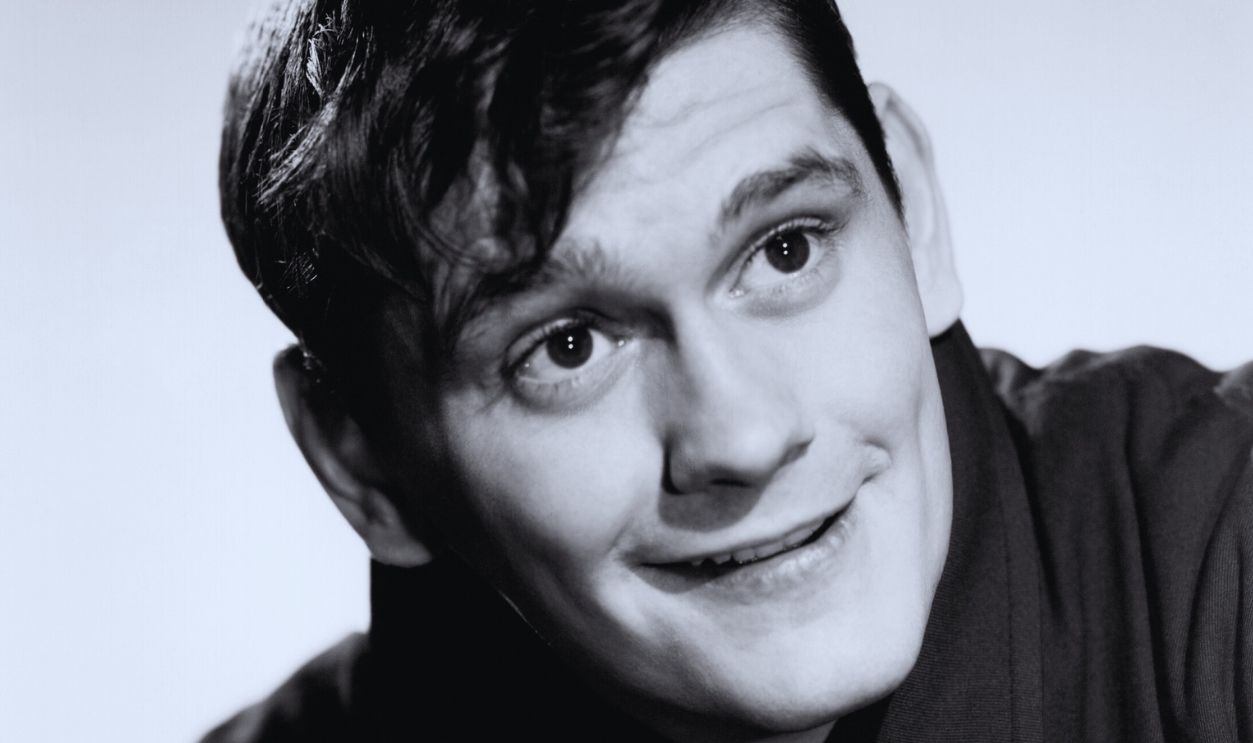
Addiction Deepened After His Career Ended
Though he left Hollywood, hoping to recover, York only spiraled further. After departing Bewitched, York’s dependency on pain medication intensified. He later admitted to becoming addicted to prescription drugs while desperately trying to control unbearable physical pain. His acting career largely disappeared as his health continued declining.
 De Carvalho Collection, Getty Images
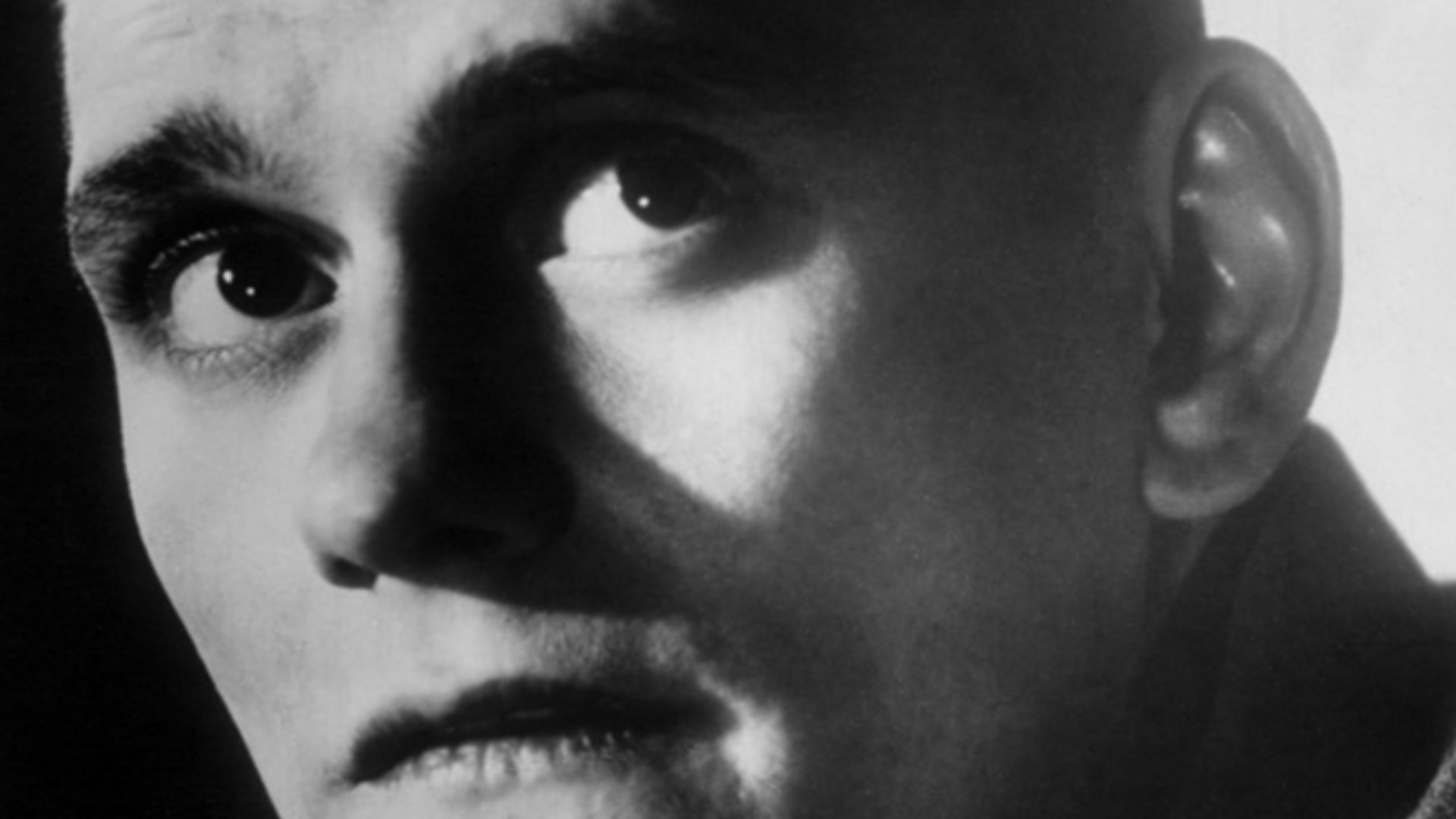
Financial Problems Followed
Without steady acting work, York faced severe financial difficulties. Medical expenses and years away from major roles left him struggling economically. The contrast between his former television fame and later hardship became one of the saddest aspects of his story. He even had to take on a job cleaning apartments just to scrape by.
 Leo Burnett, ad agency for Chrysler, the program's sponsor., Wikimedia Commons
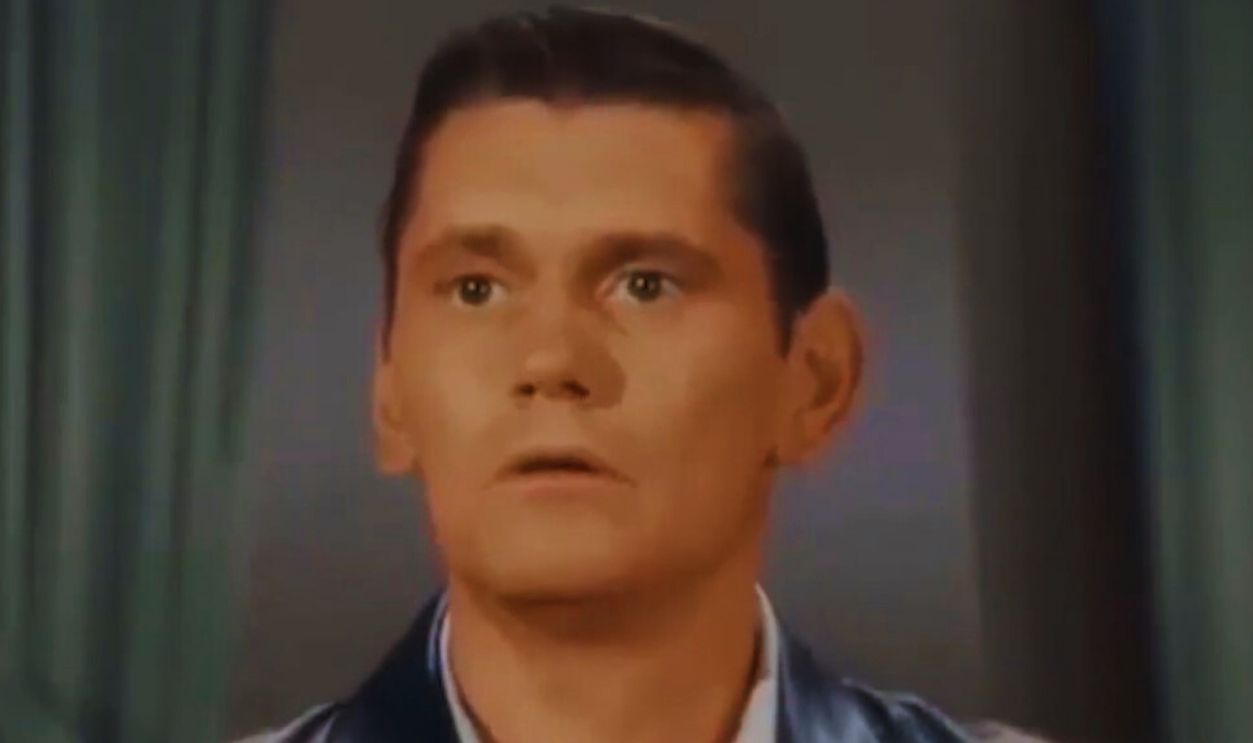
He Spent Years Bedridden
At his worst, York reportedly spent long periods confined to bed because of chronic pain and spinal damage. The once-energetic television actor who made audiences laugh weekly now lived largely isolated from the entertainment world that once celebrated him.
 Screenshot from Bewitched, Screen Gems Television / ABC (1964–1972)
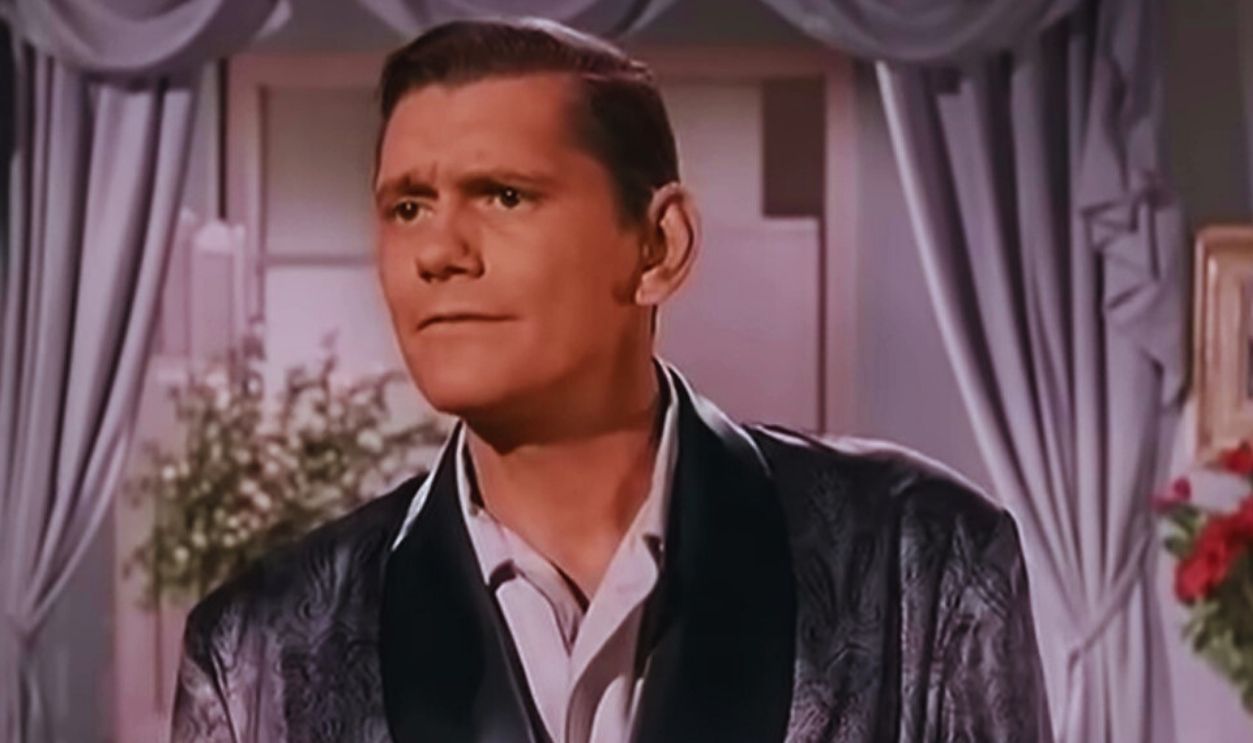
His Marriage Helped Sustain Him
Throughout his struggles, York’s wife Joan remained by his side. Their marriage endured decades of illness, addiction recovery, and financial instability. Friends later described her loyalty and support as one of the few constants during his painful decline.
 Screenshot from Bewitched, Screen Gems Television / ABC (1964–1972)
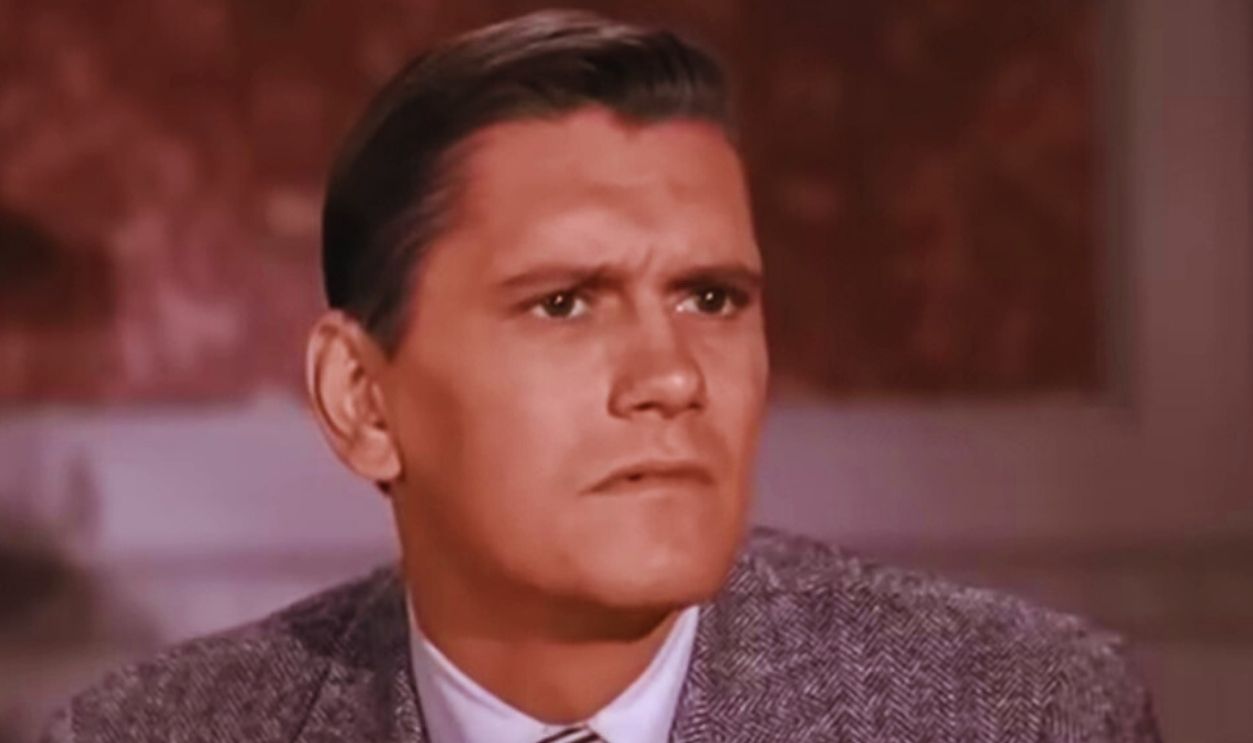
He Eventually Overcame Addiction
Despite immense hardship, York eventually managed to overcome his dependence on prescription painkillers. His recovery reflected extraordinary determination, especially considering the severe physical pain he continued experiencing even after ending his addiction.
 Screenshot from Bewitched, Screen Gems Television / ABC (1964–1972)
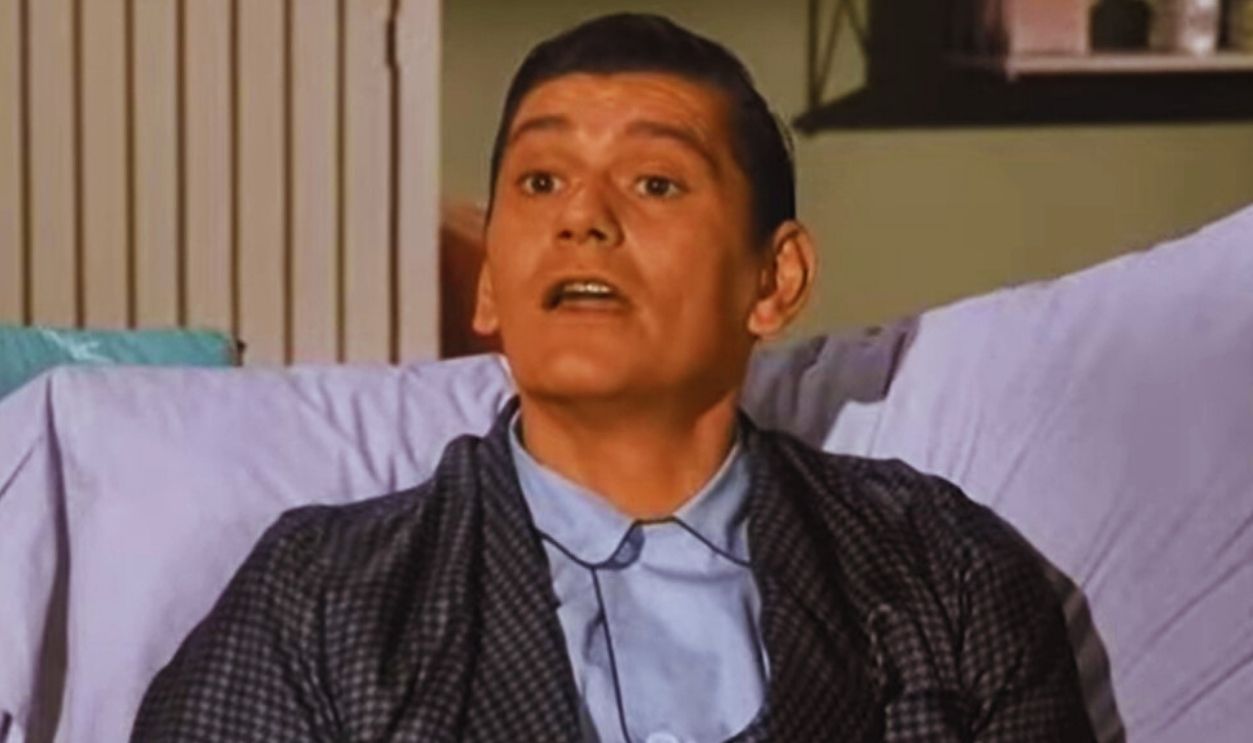
York Turned Toward Helping Others
Later in life, York focused much of his energy on charitable work, including helping homeless people and those struggling financially. Even while battling illness himself, he tried to support vulnerable people facing hardship and instability.
 Screenshot from Bewitched, Screen Gems Television / ABC (1964–1972)
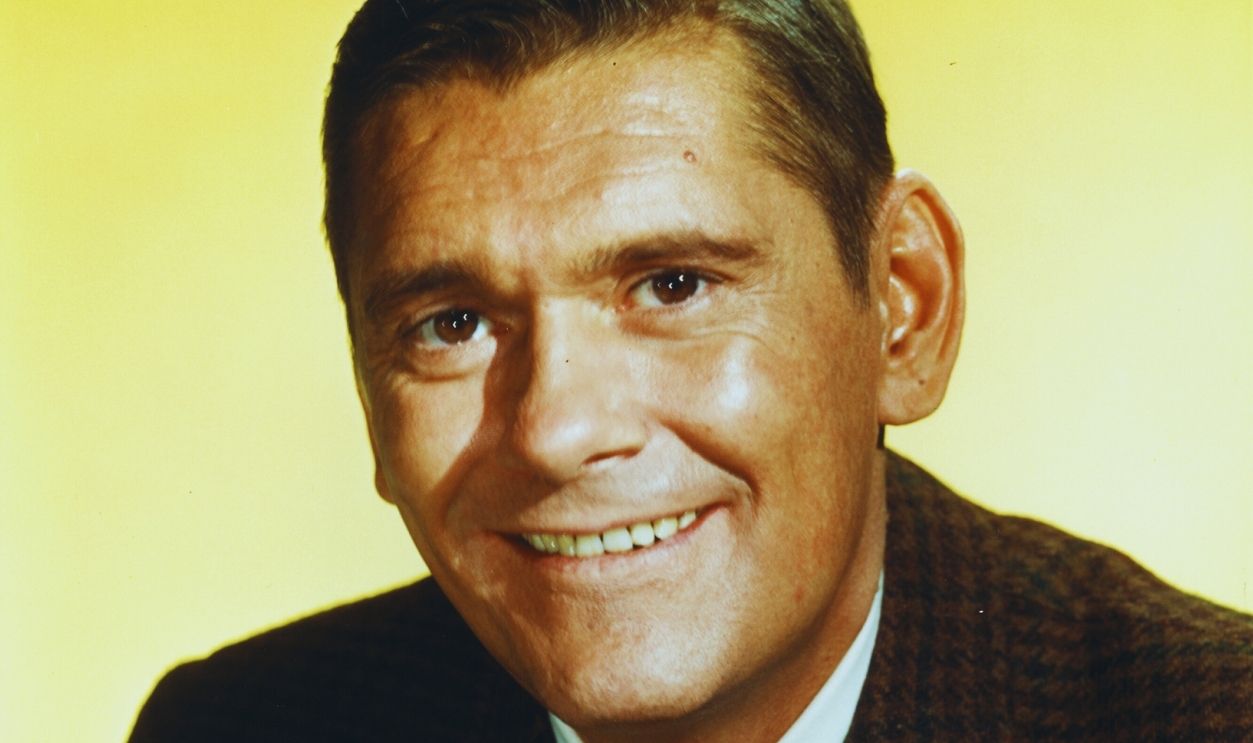
Emphysema Added Another Health Crisis
Years of smoking contributed to York developing emphysema later in life. Combined with decades of chronic pain and physical deterioration, the disease further weakened him physically during his final years.
 Silver Screen Collection, Getty Images
Elizabeth Montgomery Apologized
In 1992, not long before his tragic passing, Dick York had a special visitor—none other than Elizabeth Montgomery, his old co-star, whom he hadn't spoken to in years. It was a bittersweet moment. Reportedly, Montgomery was in tears, apologizing to York for falling out of contact with him. True to character, York graciously accepted her apology.
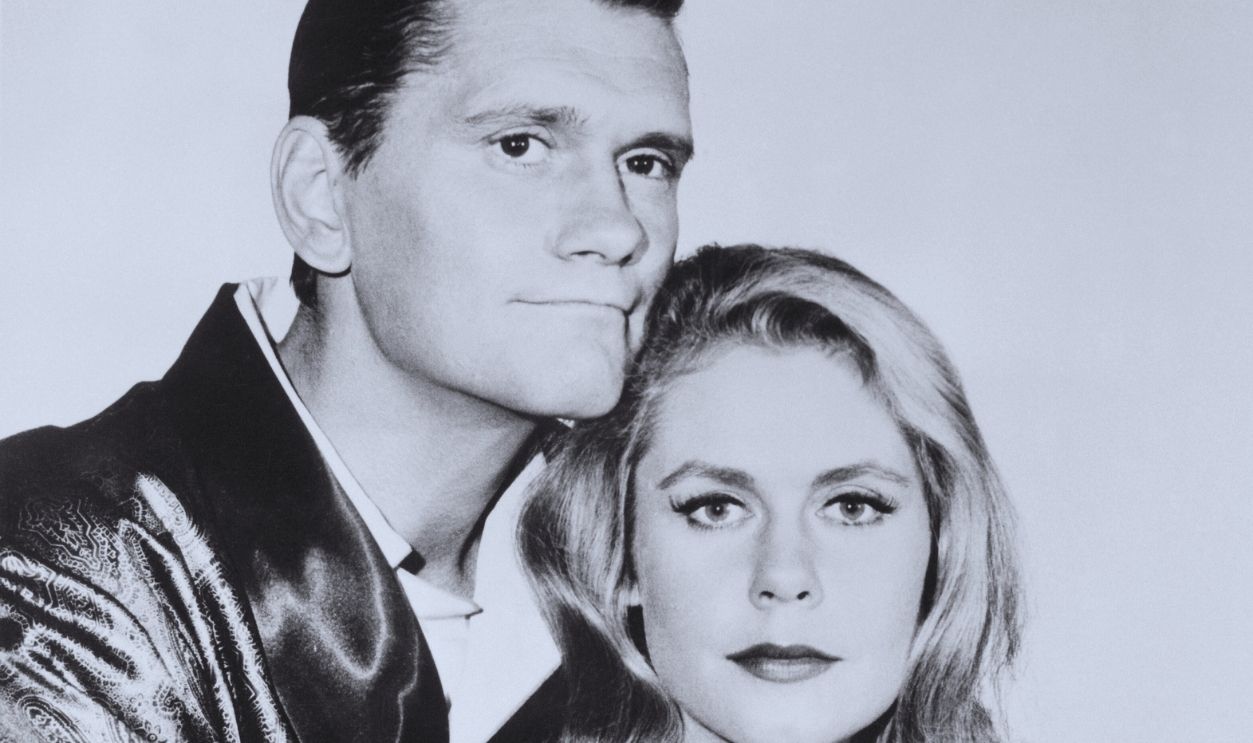
Dick York Died In 1992
Dick York died on February 20, 1992, at the age of 63. The official cause of his demise was complications from emphysema. By the end of his life, the actor once associated with sitcom magic had endured decades of pain, addiction, and declining health.
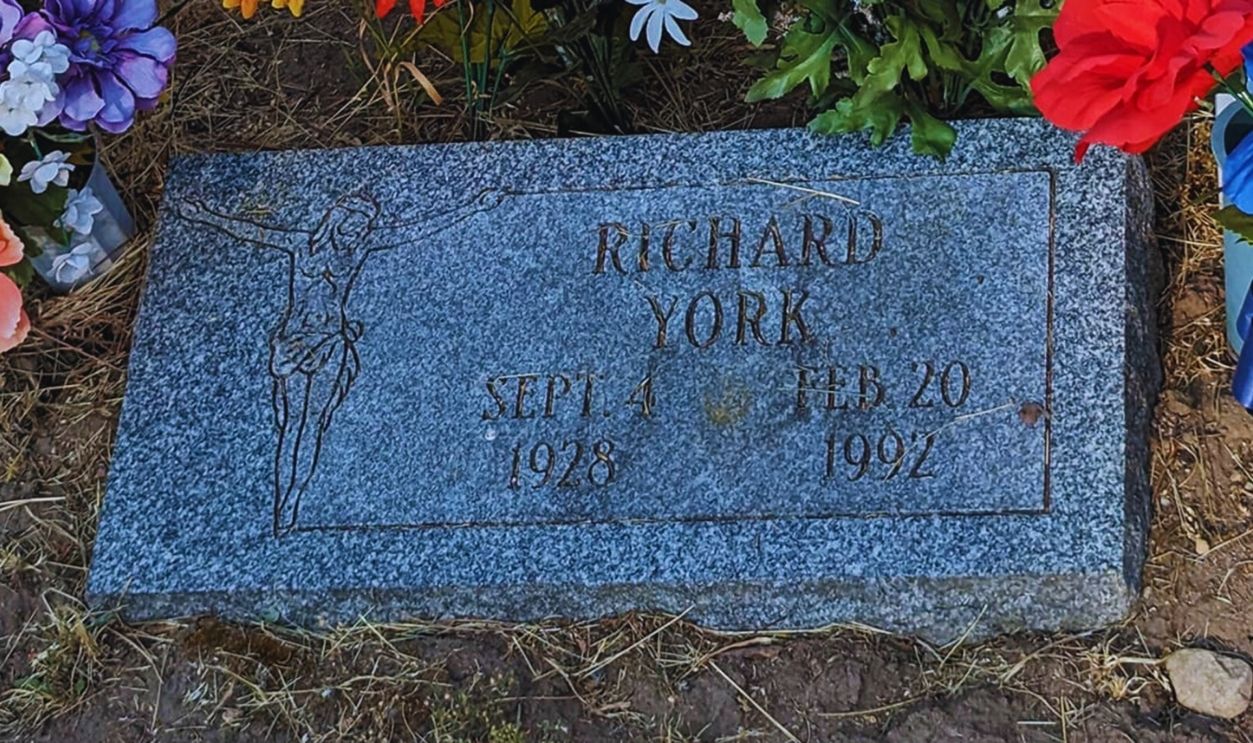
Many Fans Never Knew The Full Story
For years, many viewers only remembered that Darrin Stephens had suddenly “changed” actors on Bewitched. Few understood the tragic medical crisis unfolding behind the scenes or how profoundly York’s injury altered every part of his life afterward.
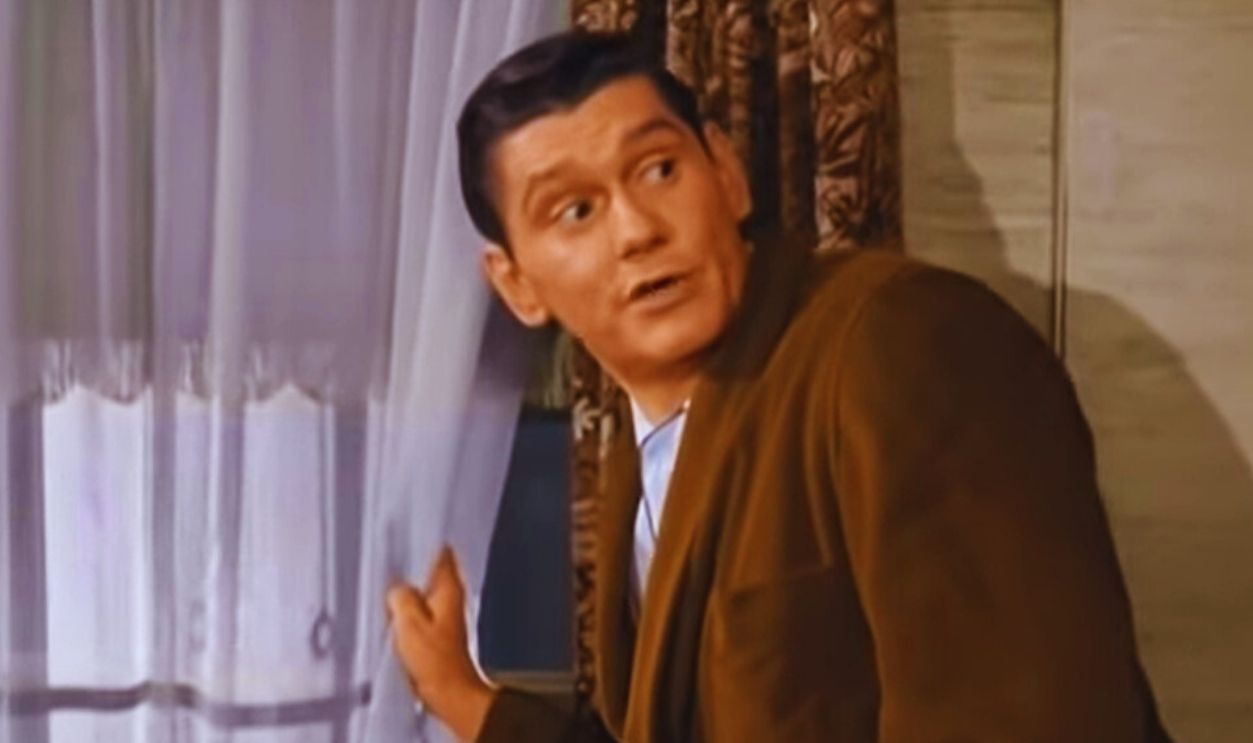 Screenshot from Bewitched, Screen Gems Television / ABC (1964–1972)
His Story Became A Warning About Hidden Suffering
Dick York’s life remains one of classic television’s saddest stories. Behind the laughter, special effects, and sitcom charm was a man enduring relentless pain while trying to keep working. His story revealed how easily Hollywood could hide enormous suffering behind a smile.
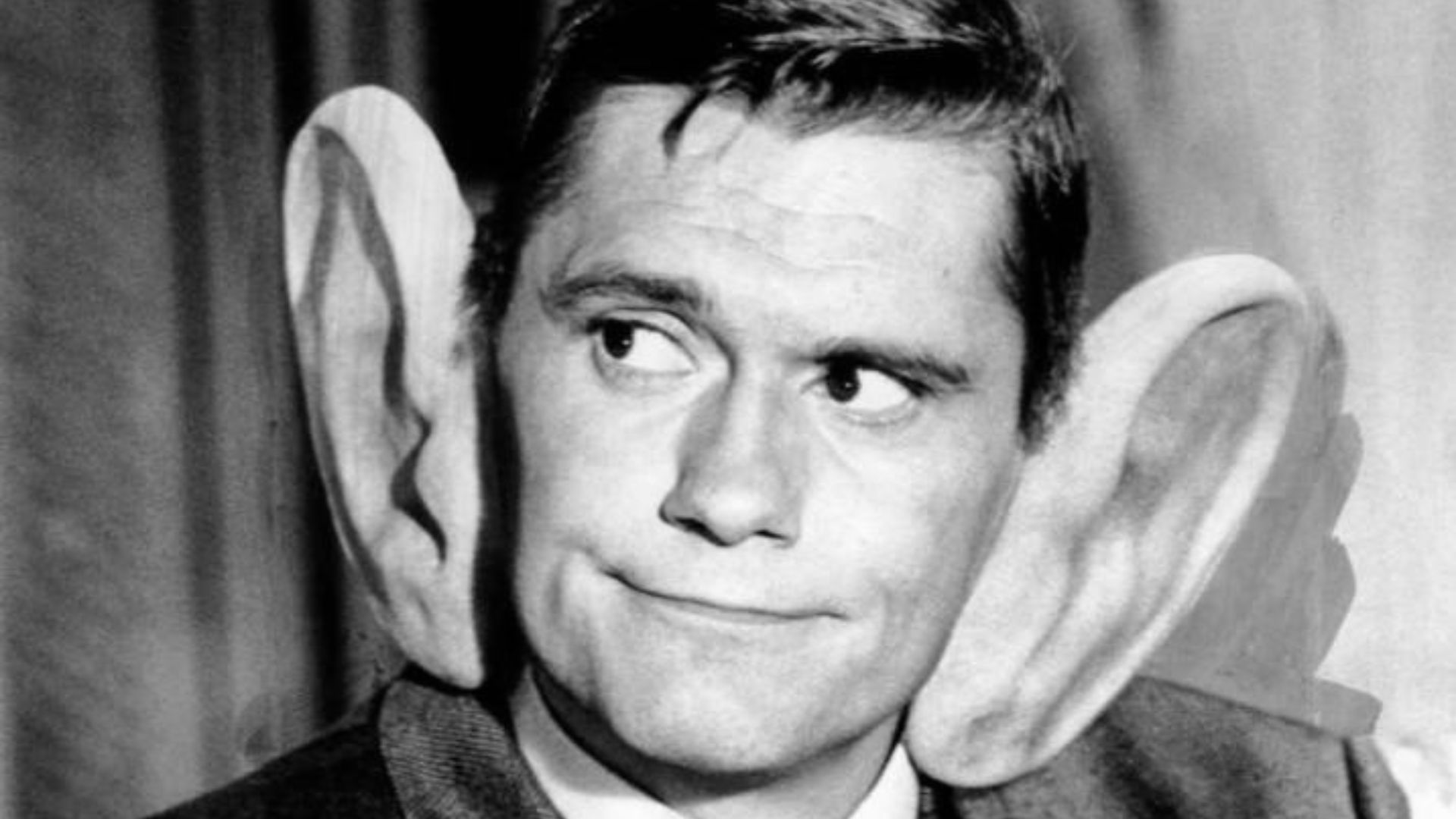 ABC Television, Wikimedia Commons
Spellbound Facts About Elizabeth Montgomery, TV’s Angelic Enchantress
Shocking Stories From The Set Of Gilligan's Island