Happy And Magical On Screen
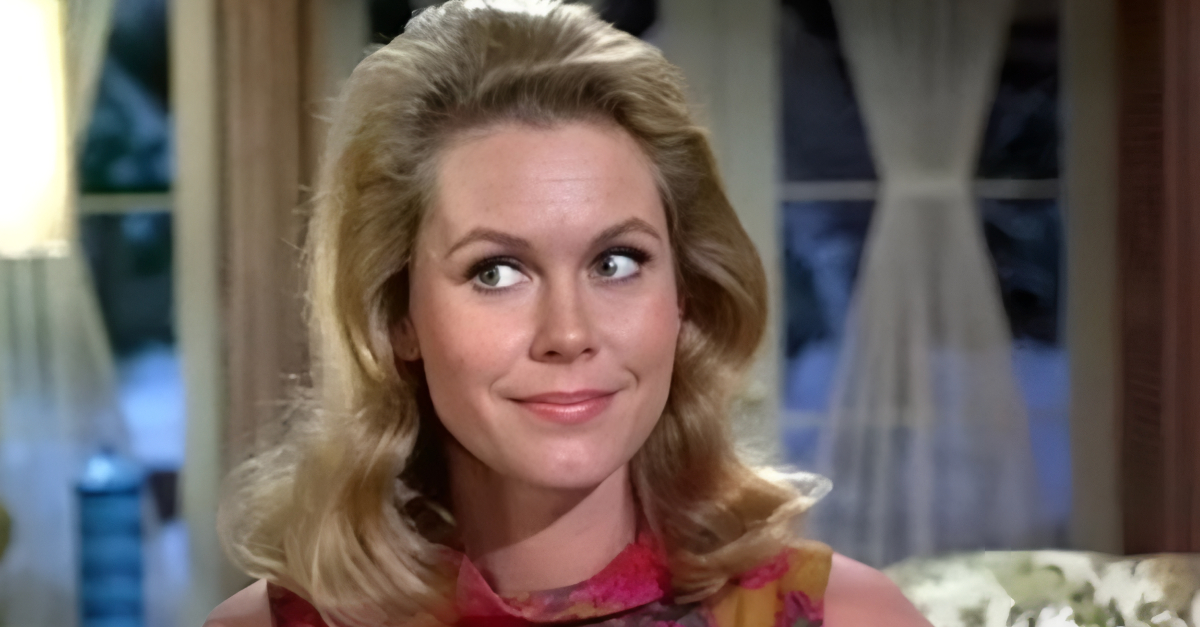
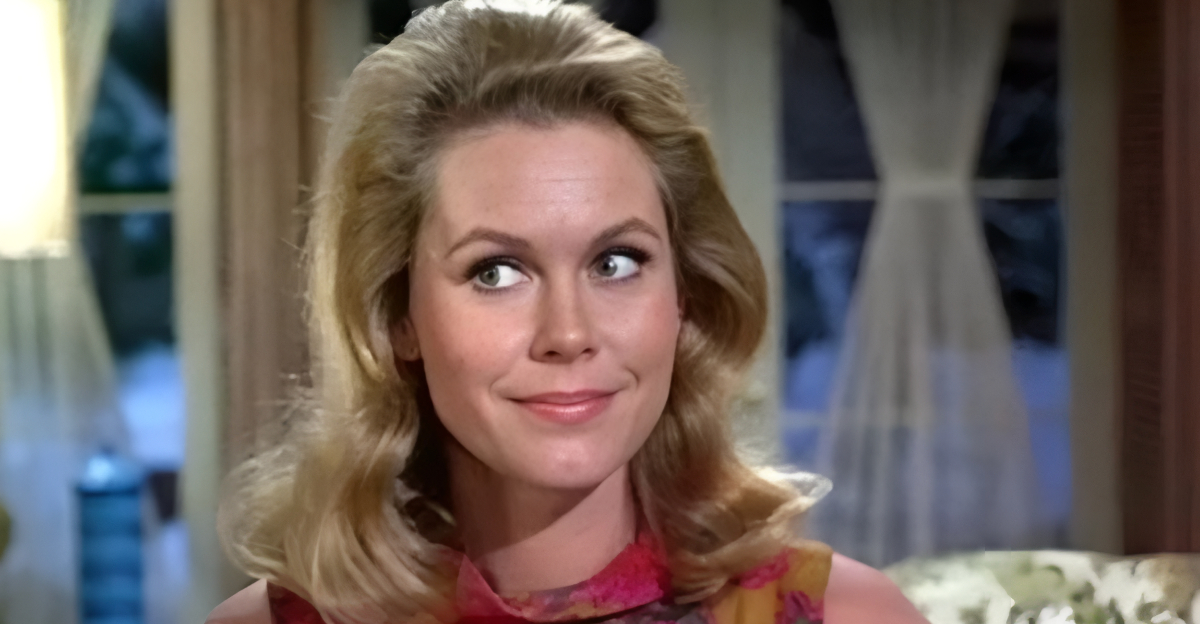
To viewers, Elizabeth Montgomery looked like she had it all. On Bewitched, she smiled through chaos and made every problem disappear. But the woman behind the magic was carrying fractures most fans never saw—and the fantasy hid a life quietly unraveling long before it ended.
A Star From The Start
Born in 1933, Montgomery grew up surrounded by Hollywood success. Her father, Robert Montgomery, was a respected actor and studio figure. Acting felt inevitable, but so did pressure. From childhood on, she was learning how closely approval and achievement were linked.
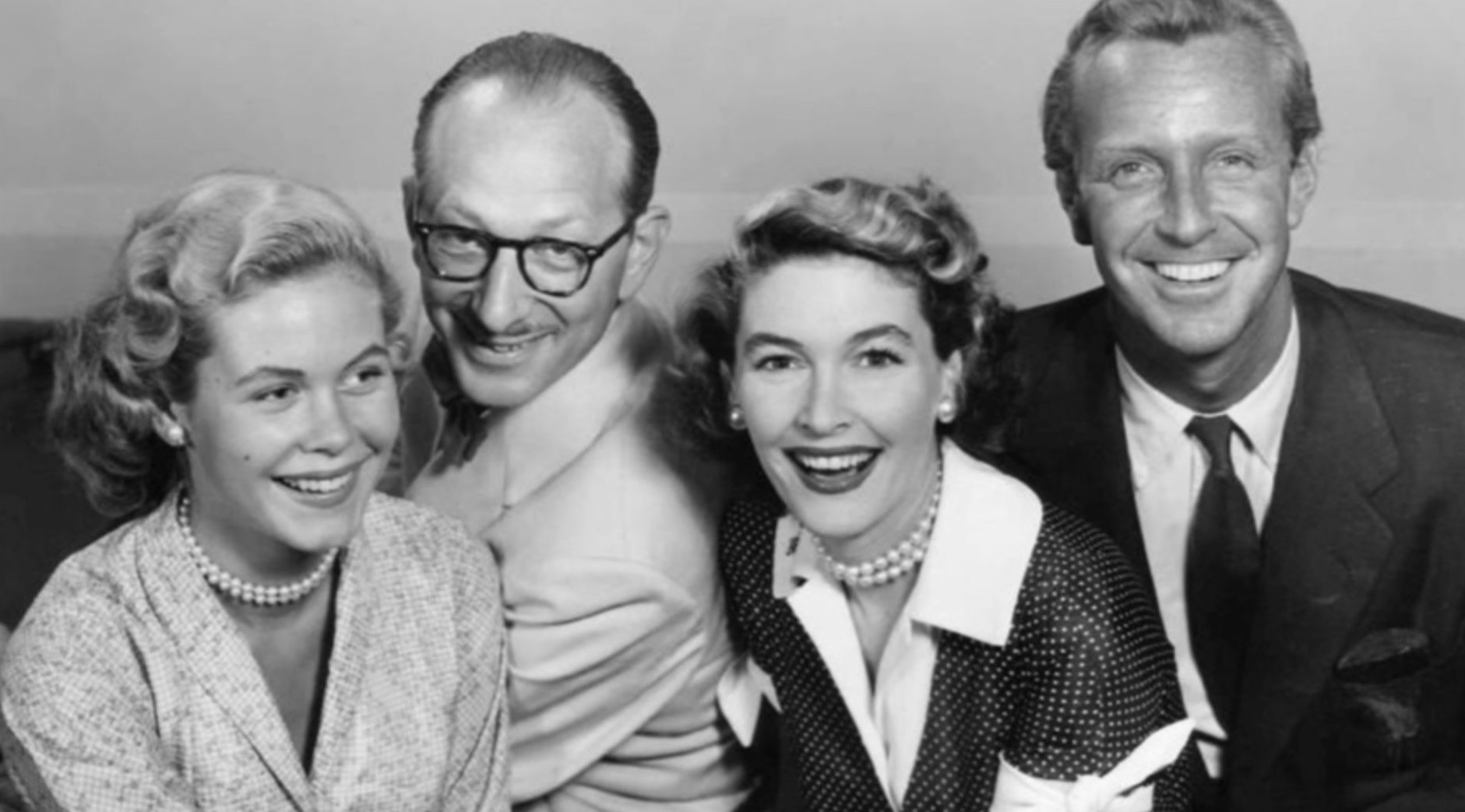 NBC Television, Wikimedia Commons
A Father Who Stayed Distant
Despite sharing the same profession, Montgomery’s relationship with her father was emotionally distant. He was demanding and often critical. Friends later said she spent much of her life chasing validation that never fully arrived—a dynamic that quietly shaped her confidence and personal relationships.
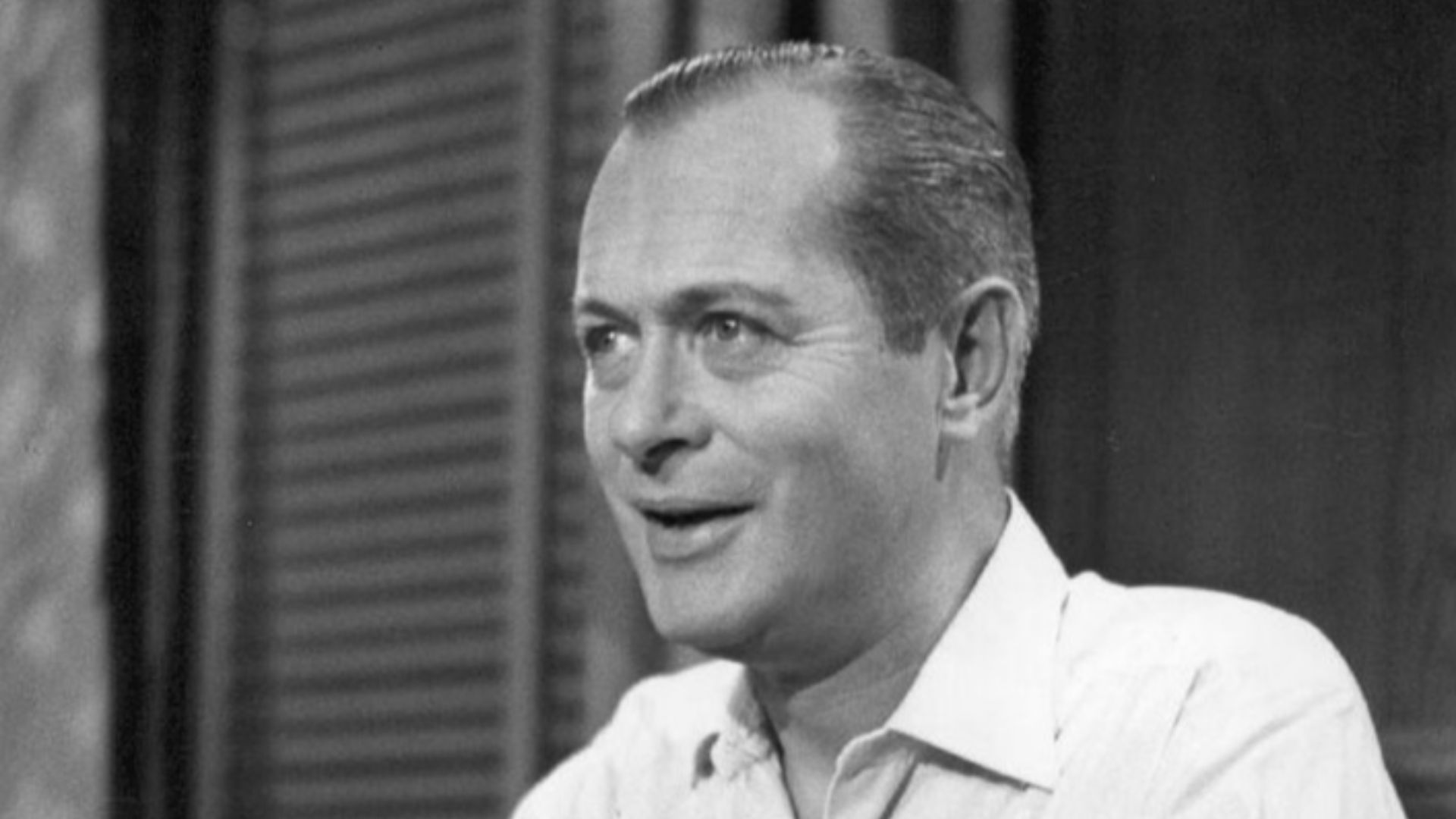 NBC Television, Wikimedia Commons
Early Promise, Early Expectations
Before Bewitched, Montgomery earned praise in live TV dramas and films. She was seen as serious, capable, and emotionally precise. By the time the show premiered in 1964, she was just 31 years old—already accomplished, but still early in a career that would soon narrow dramatically.
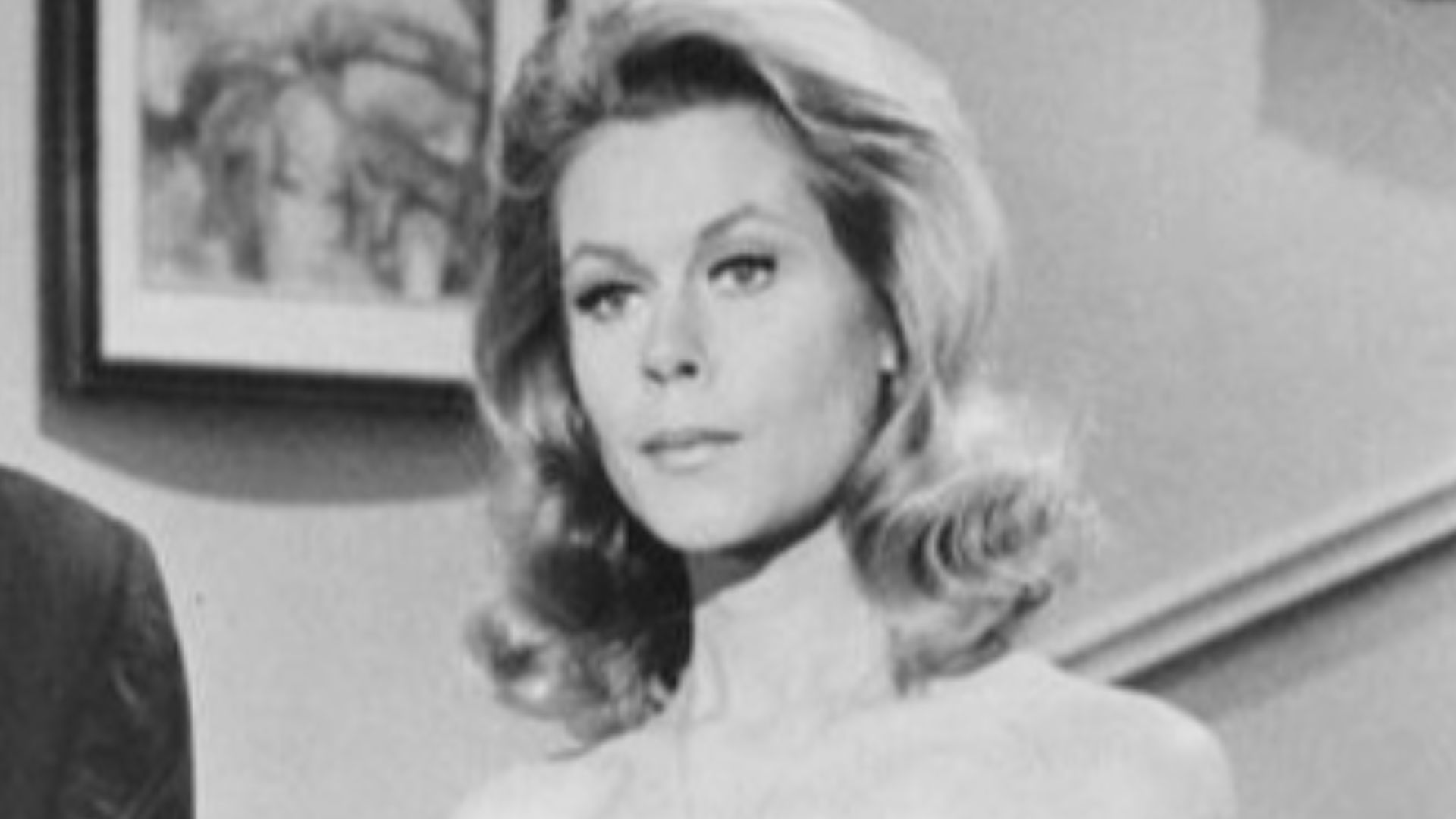 ABC TelevisionUploaded by We hope at en.wikipedia, Wikimedia Commons
The Samantha Stephens Effect
When Bewitched premiered, it became a phenomenon. The series ran eight seasons and 254 episodes, consistently ranking high in early Nielsen ratings. Montgomery’s Samantha Stephens was warm, clever, and endlessly likable—but the role began defining her before she’d finished defining herself.
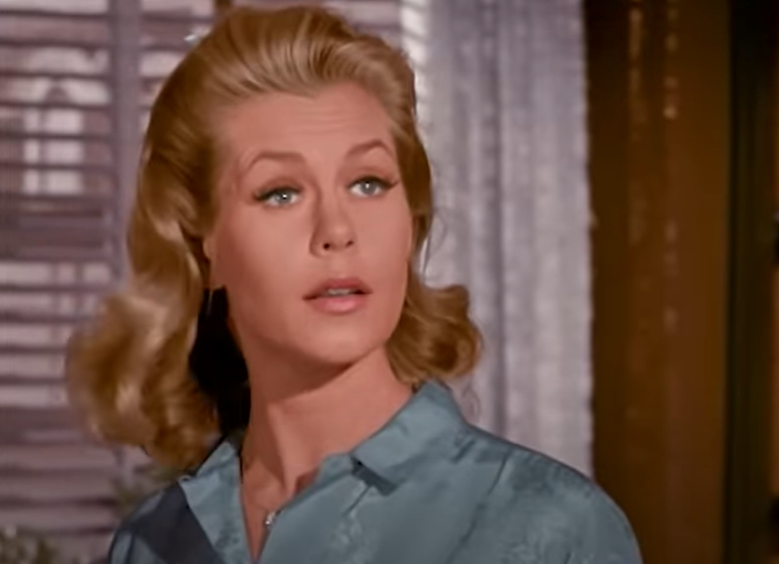 Screenshot from Bewitched, ABC (1964–1972)
Trapped Inside The Fantasy
As the seasons went on, Montgomery grew restless. The show leaned broader while she wanted depth. Audiences saw perfection; she felt repetition. Television historians later noted that Bewitched froze her public image at its lightest setting, despite her proven dramatic ability.
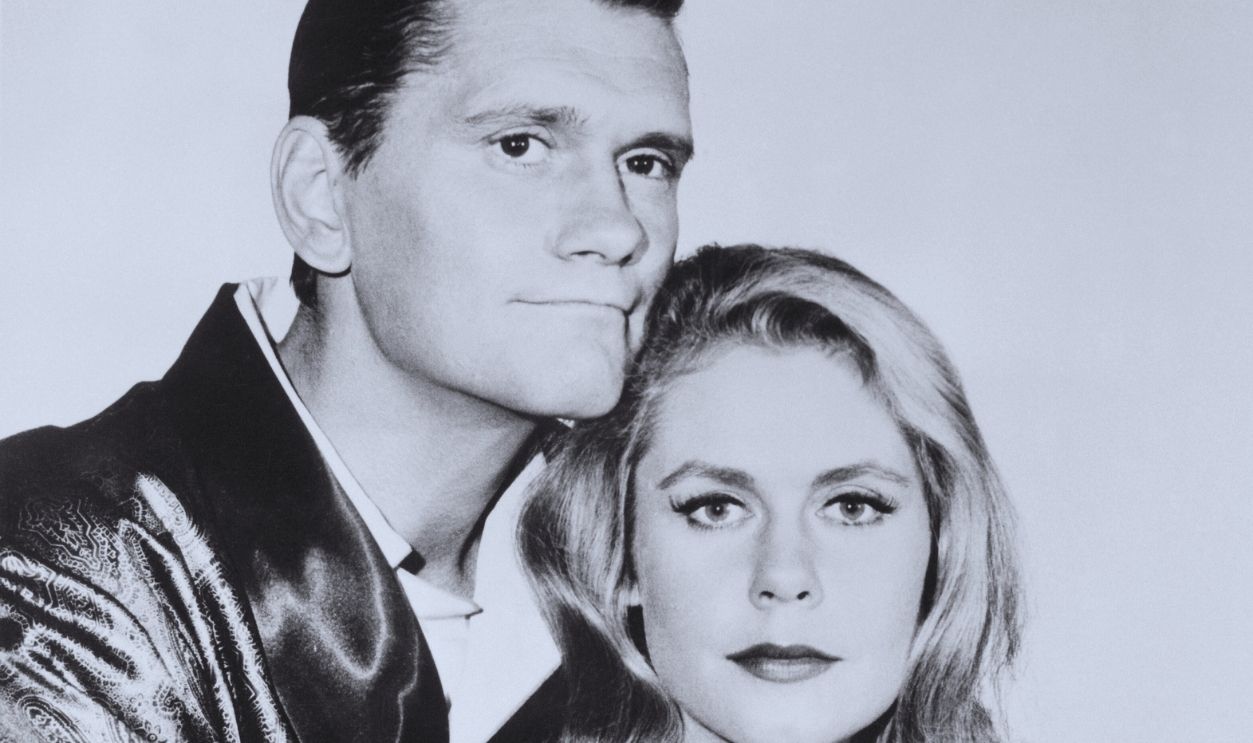
Behind-The-Scenes Fractures
Montgomery didn’t just work on Bewitched—she married into it. Her husband, director William Asher, was deeply involved in the show. As creative tensions grew, their marriage unraveled alongside the series, blurring the line between professional success and personal strain in ways viewers never saw.
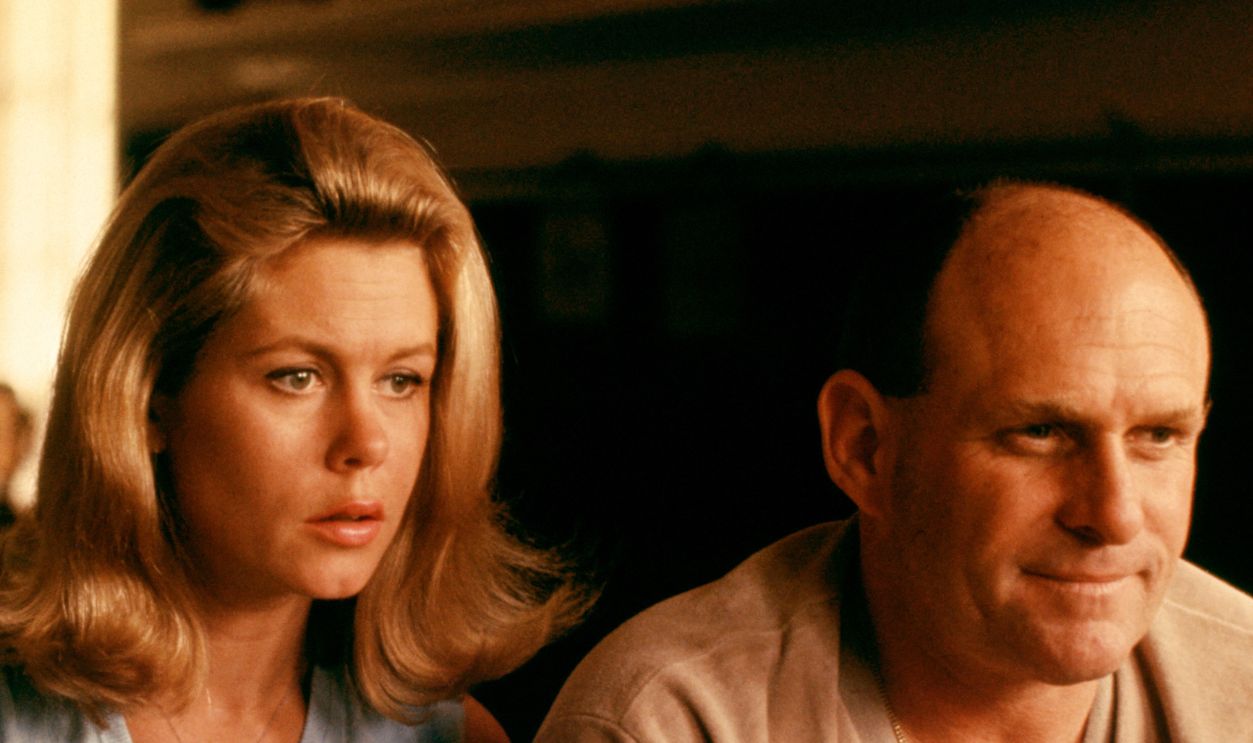
Four Marriages, No Stability
Montgomery married four times. None lasted. She once acknowledged how difficult intimacy could be when independence mattered so much. To outsiders, her love life looked glamorous. In reality, it reflected restlessness, compromise, and relationships that quietly collapsed rather than exploded.
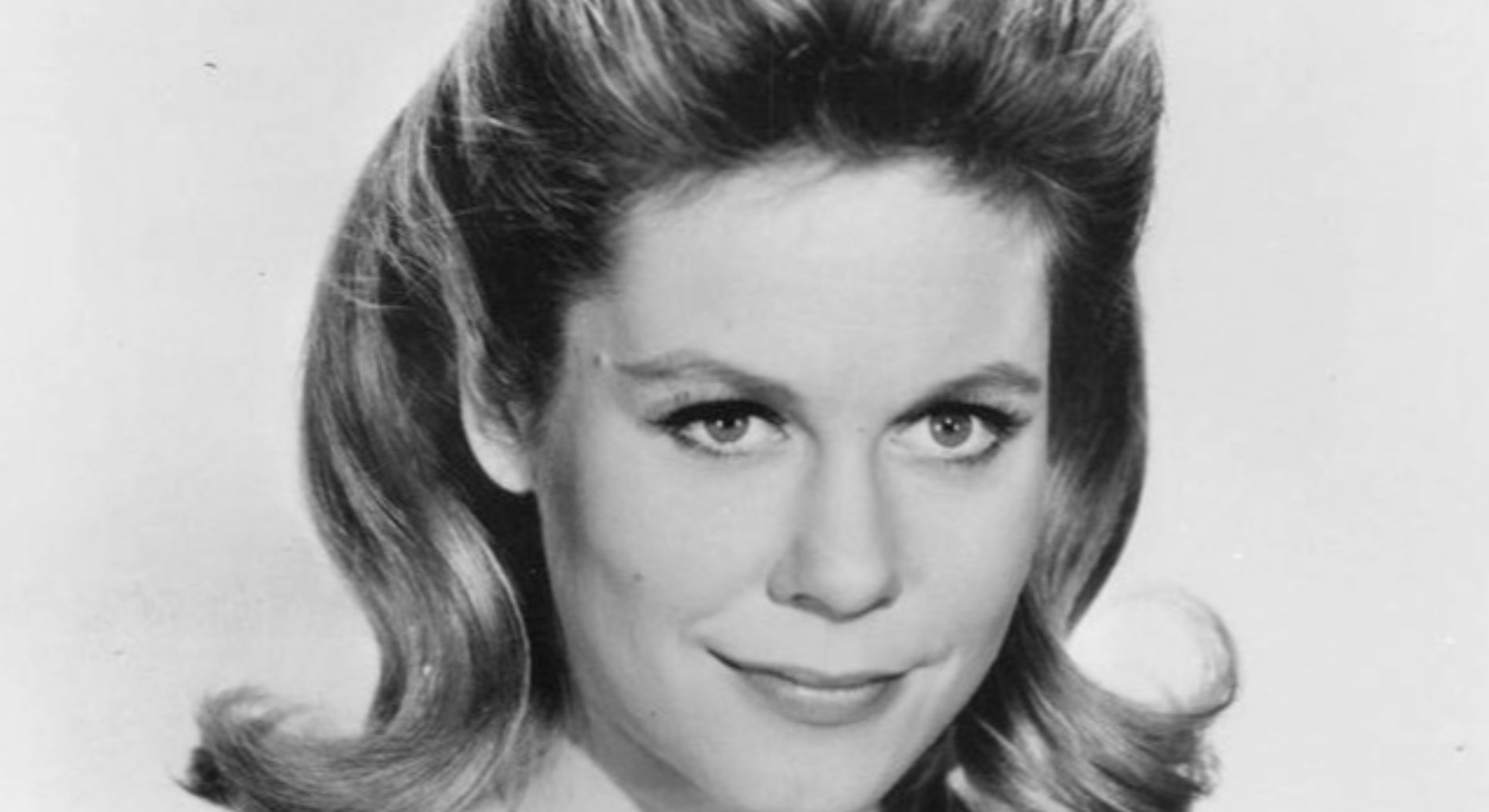 ABC TelevisionUploaded by We hope at en.wikipedia, Wikimedia Commons
Fame Without Freedom
By the early 70s, Montgomery felt boxed in by her own success. She earned five Emmy nominations for Bewitched but never won during the show’s run. Later, her darker TV movies brought renewed critical respect—suggesting recognition arrived only after she broke away.
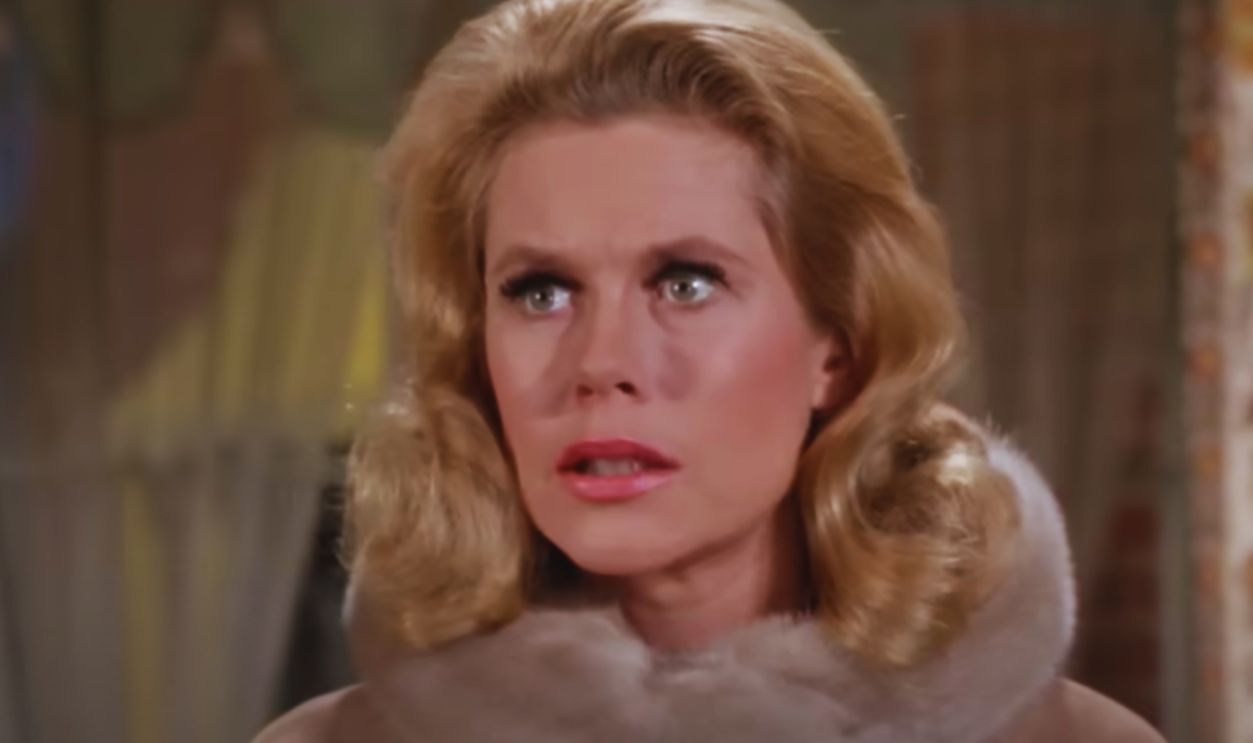 Screenshot from Bewitched, ABC (1964–1972)
Reinvention Came With A Cost
After Bewitched, she deliberately chose darker TV movies. Victims. Abusers. Women unraveling. Critics praised her bravery, noting that Montgomery seemed intent on dismantling her own image one unsettling role at a time.
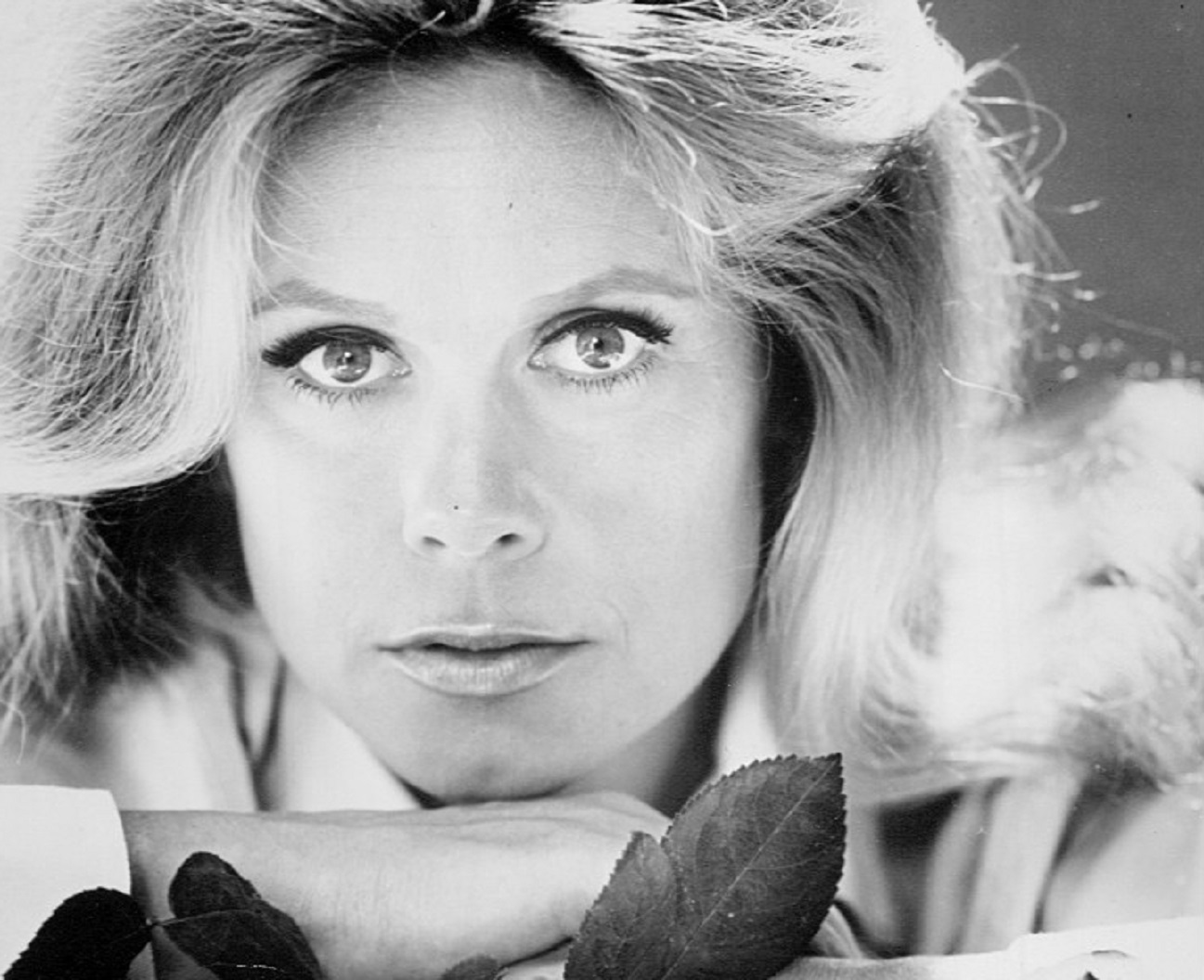 Screen Gems, Wikimedia Commons
Drawn To Uncomfortable Truths
Montgomery once said she gravitated toward roles that made people uncomfortable. The performances were intense and often bleak. They also hinted at an inner life far removed from sitcom charm—a woman more interested in honesty than reassurance.
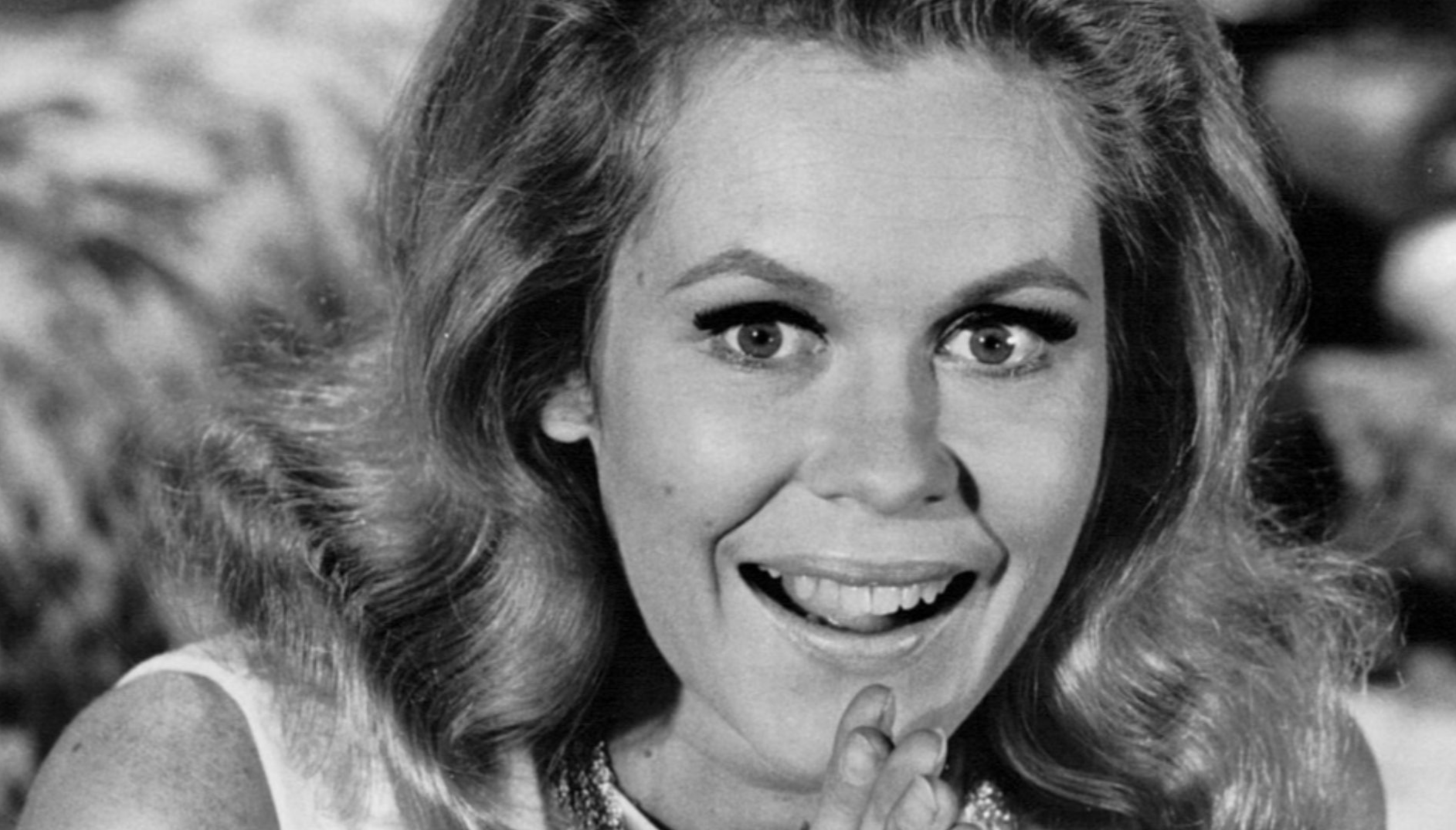 ABC Television, Wikimedia Commons
A Life Of Stacked Pressures
By midlife, the fractures had layered: unresolved family wounds, failed marriages, creative frustration, and public misunderstanding. Nothing dramatic collapsed at once. Instead, her life wore down quietly—pressure accumulating without any clean release.
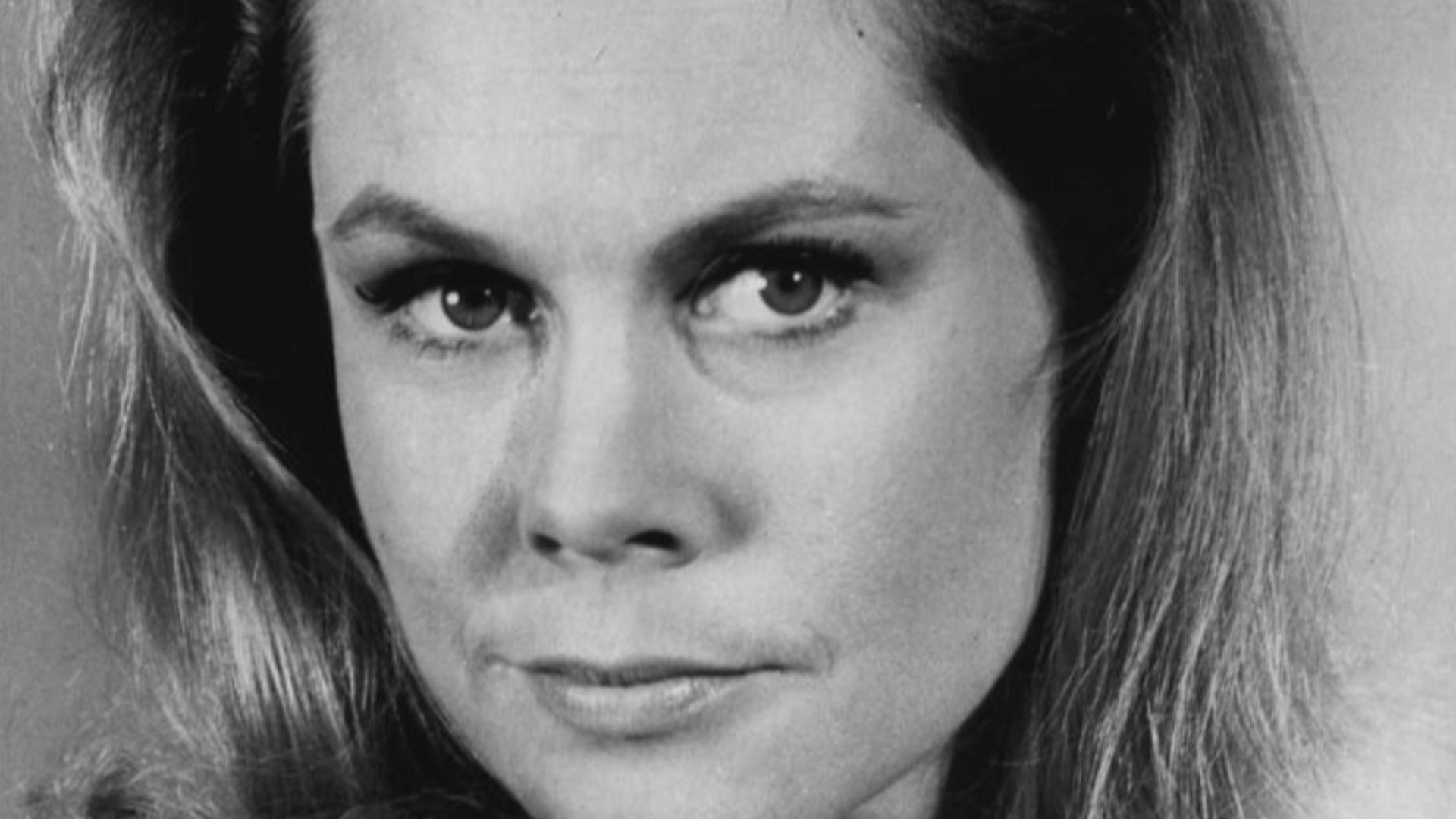
A Private Battle She Later Acknowledged
In the late 80s, Montgomery quietly struggled with alcoholism and later entered recovery. She spoke openly about getting sober, acknowledging how pressure, disappointment, and emotional strain had accumulated over years.
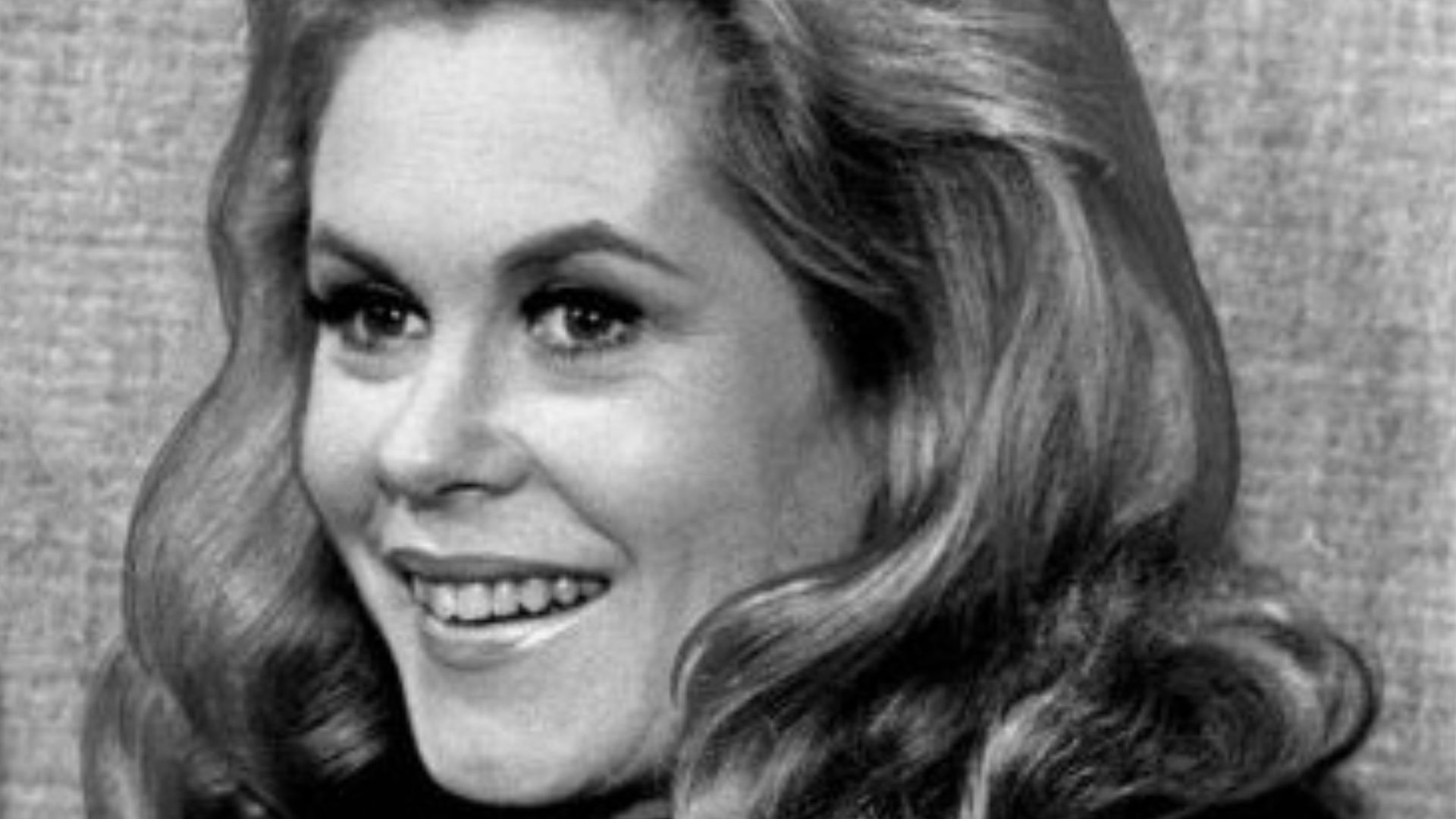 ABC Television Network, Wikimedia Commons
Politically Vocal, Personally Guarded
Montgomery was outspoken about civil rights, women’s rights, and later LGBTQ+ causes—especially AIDS awareness at a time when many celebrities stayed silent. She accepted backlash rather than soften her views, even as it risked alienating parts of her audience.
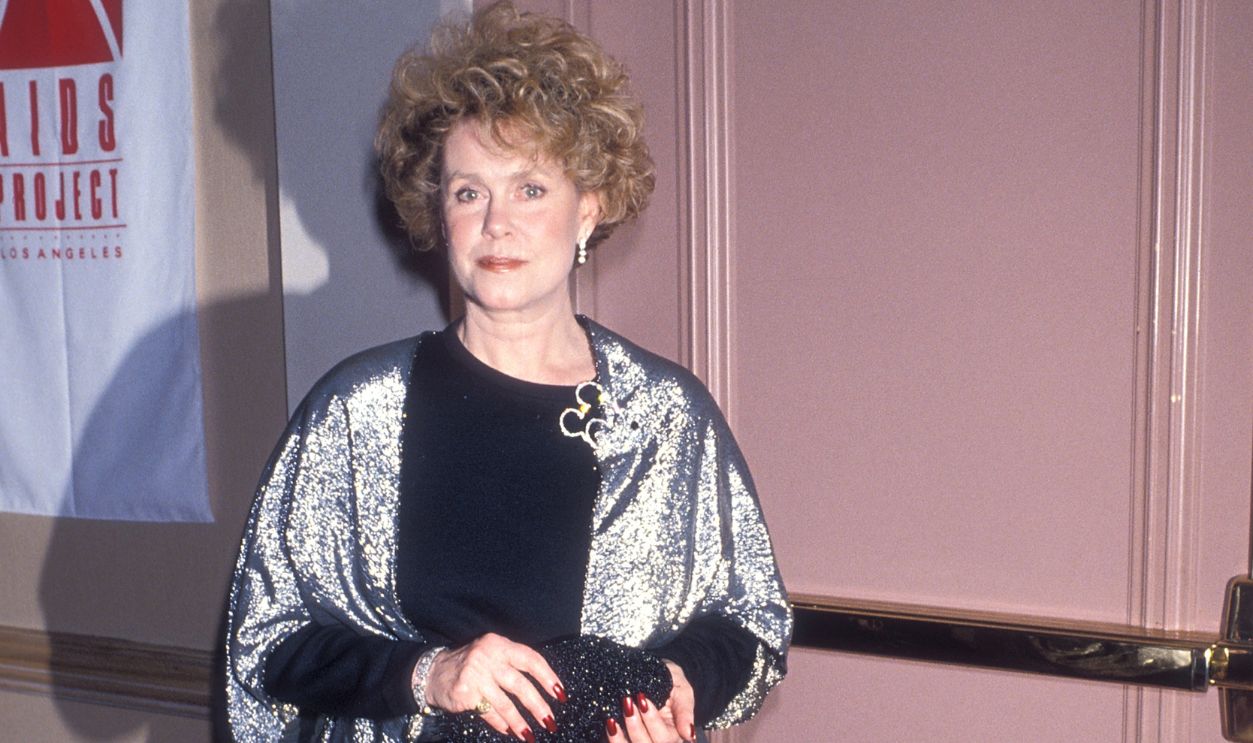
Privacy As Self-Protection
Friends described her as warm but cautious. Her brother later noted that she valued privacy deeply and disliked public vulnerability. Fame had taught her what exposure cost, and she was determined not to let it take more.
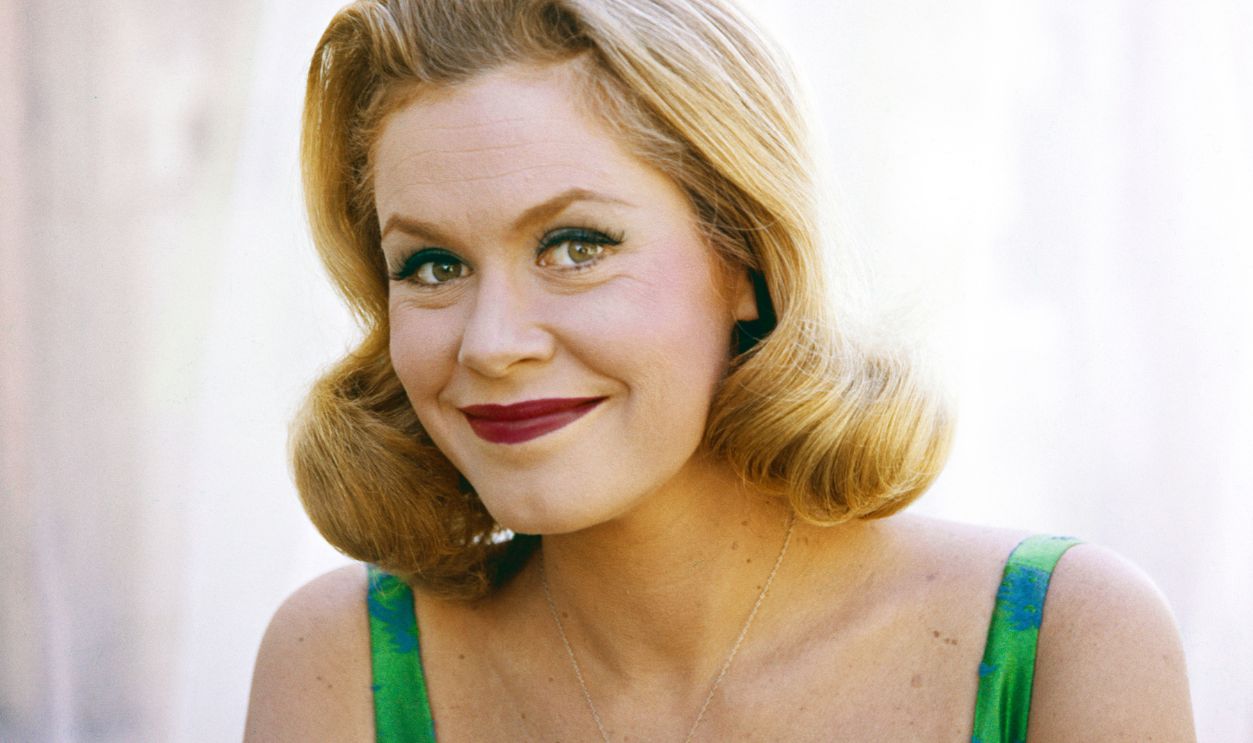 Silver Screen Collection, Getty Images
Warning Signs That Came Late
In the mid-90s, Montgomery experienced symptoms linked to colon cancer, but early signs are often vague and easy to dismiss—fatigue, digestive discomfort, changes that don’t feel urgent. At the time, routine screening was far less common, especially for people under 65, making early detection unlikely.
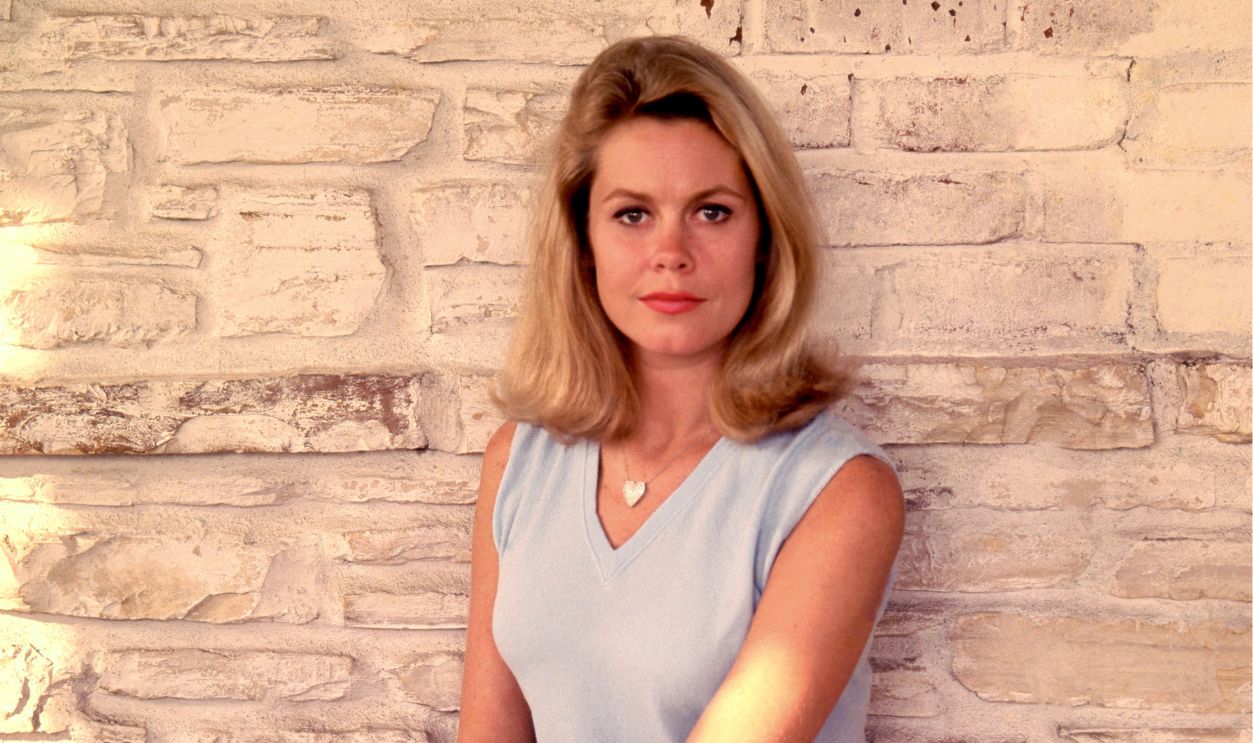
Why It Wasn’t Caught Earlier
In 1995, colon cancer screening wasn’t routine, awareness was limited, and preventive colonoscopies were rarely emphasized. Montgomery was also famously private and not alarmist about her health. By the time symptoms became unmistakable, the disease was already advanced.
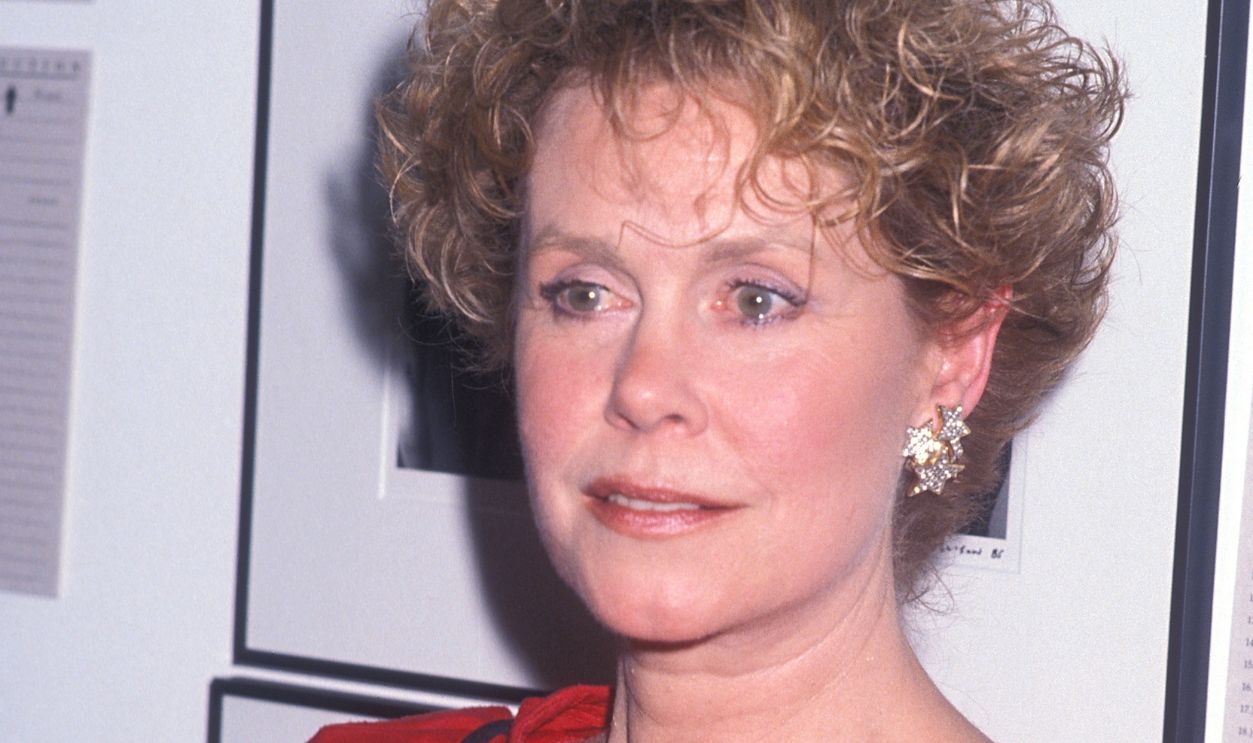
A Diagnosis That Changed Everything
In early 1995, Montgomery was diagnosed with colon cancer. The situation deteriorated rapidly. From diagnosis to death, less than eight weeks passed, leaving little time for treatment, preparation, or public awareness.
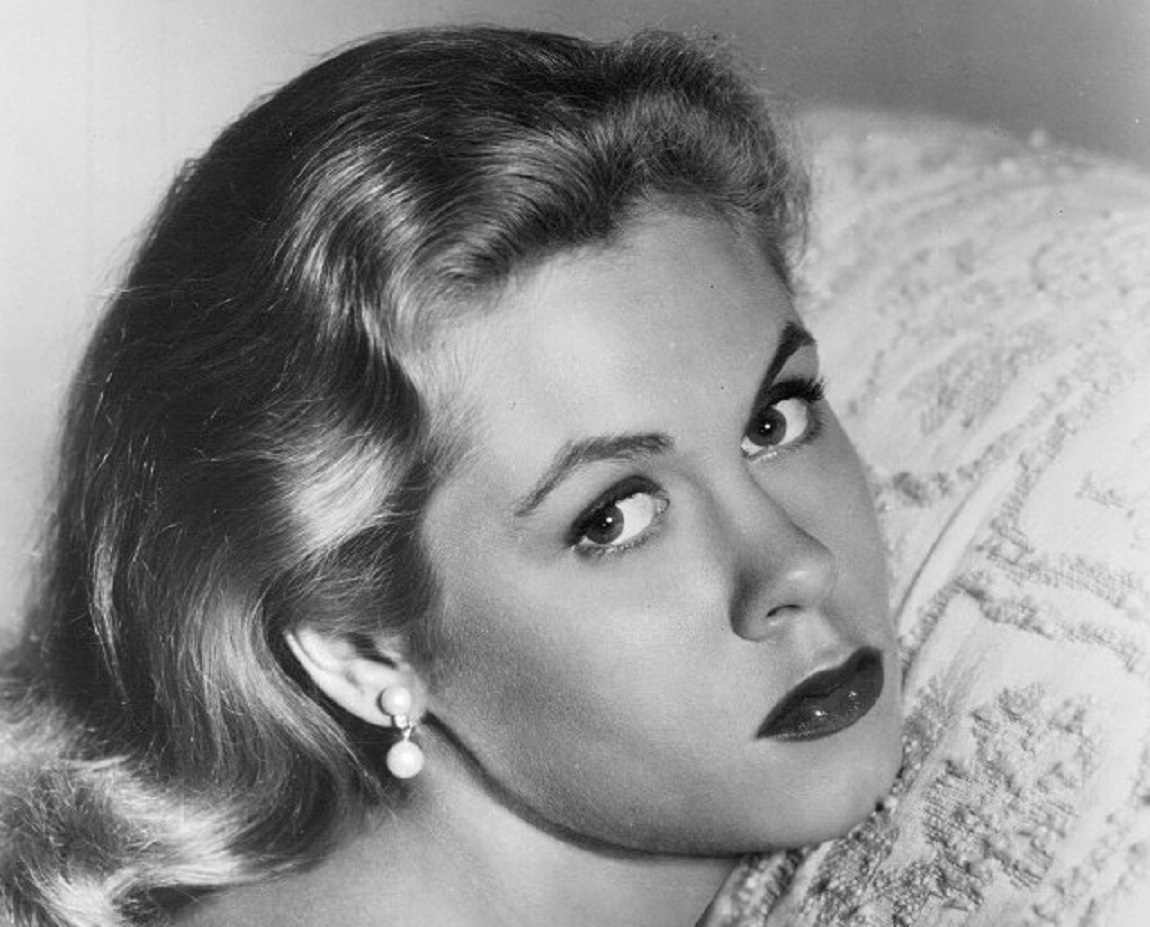 Milburn McCarty Associates, Wikimedia Commons
An Ending That Came Too Fast
Elizabeth Montgomery died on May 18, 1995, at 62. Contemporary obituaries noted that many people did not even know she was ill until after her death, underscoring how abruptly her life ended.
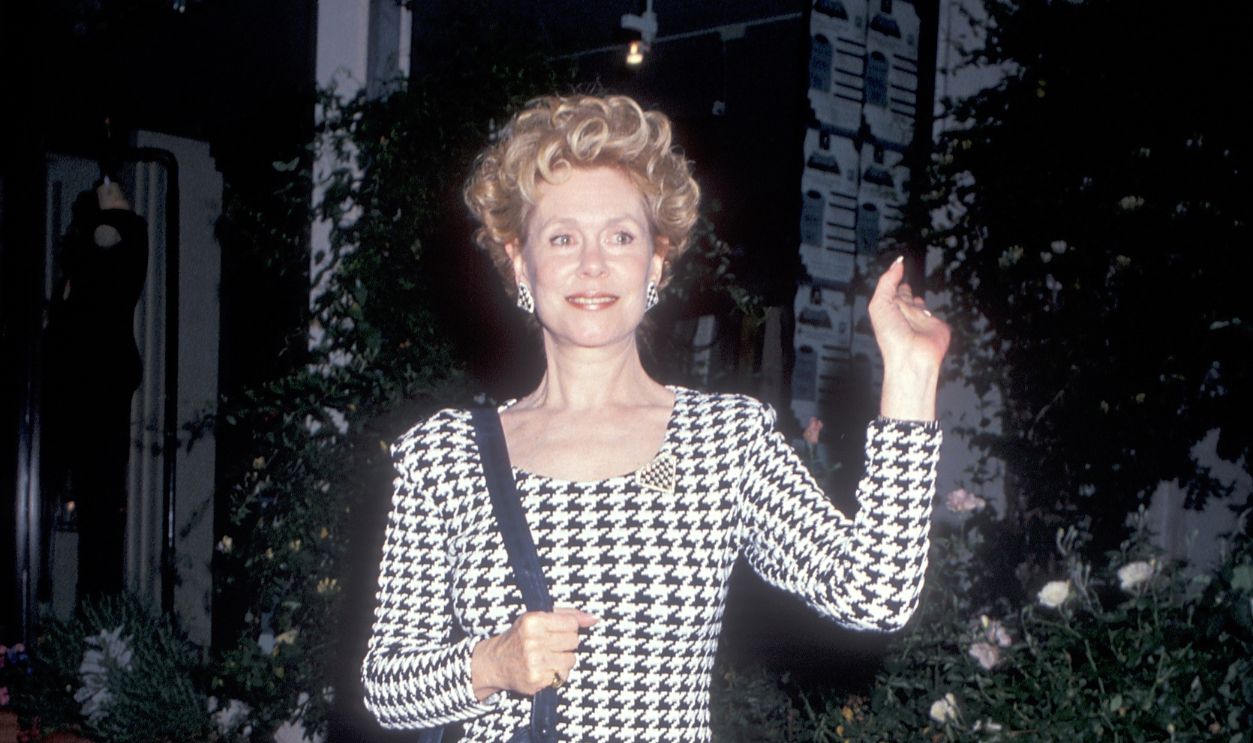
The Cruel Irony
She spent her career playing someone who could fix anything instantly. In real life, there was no reset. No magic escape. Just an ending that arrived without warning or resolution.
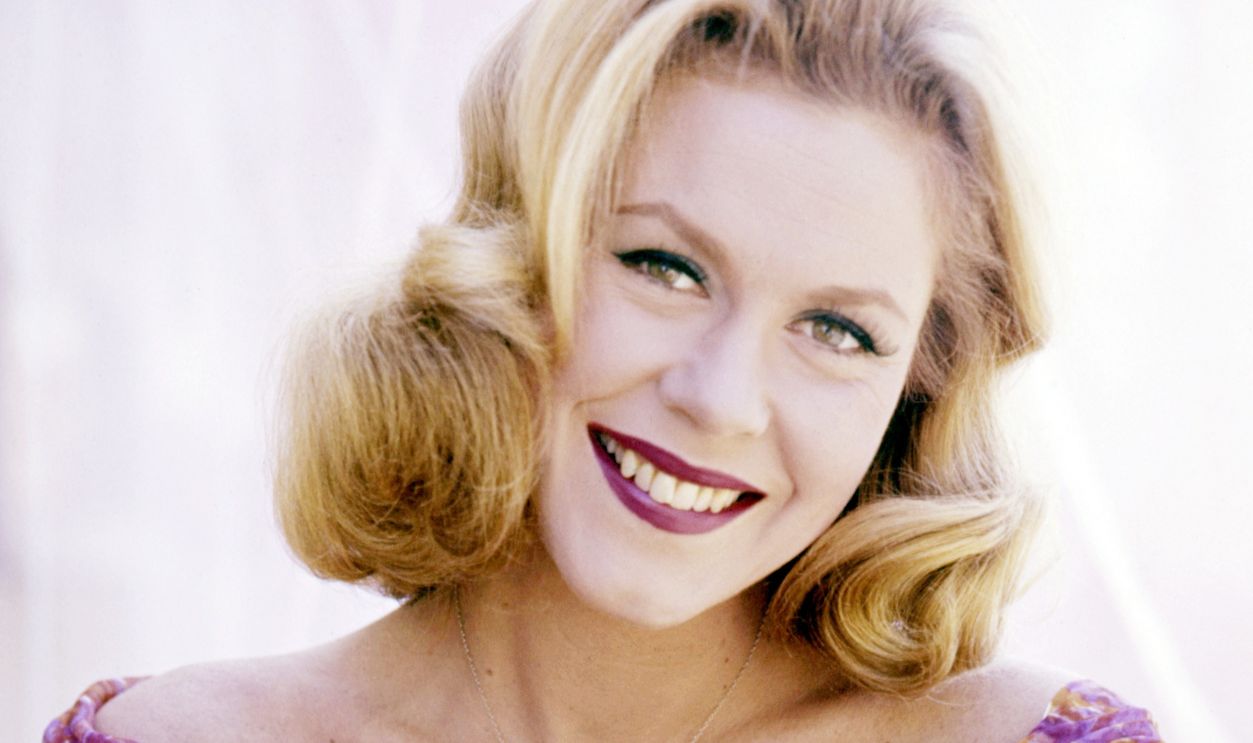 Silver Screen Collection, Getty Images
What Fame Never Fixed
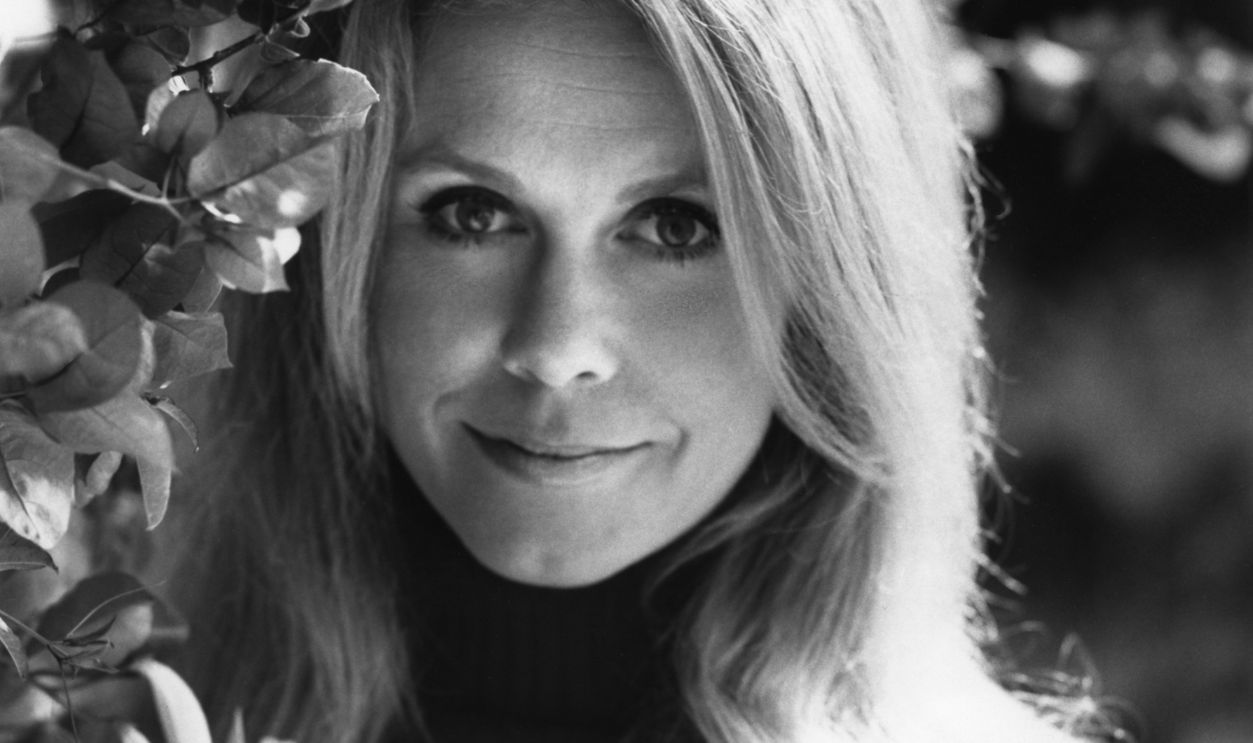
Montgomery once said fame doesn’t bring happiness—it only creates a lifestyle. Her life reflected that truth. Success didn’t heal emotional distance, guarantee love, or slow time. It only made the contrast harder to ignore.
 Michael Ochs Archives, Getty Images
A Legacy More Complicated Than Magic
Today, Montgomery is remembered for Bewitched, but her later work tells the fuller story. A performer who fought typecasting, embraced darkness, and refused to stay comfortable—even when comfort was what the public wanted most.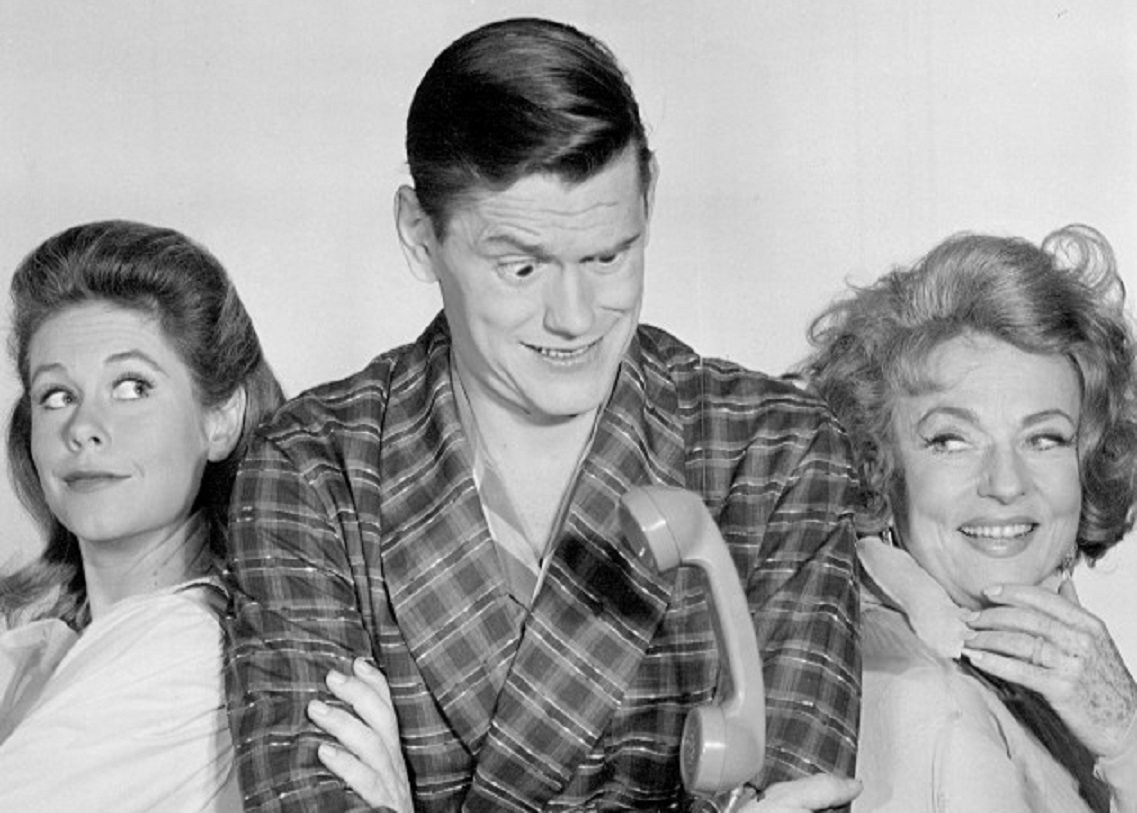 ABC Television, Wikimedia Commons
The Part That Still Lingers
Elizabeth Montgomery looked happy and magical on Bewitched. Off camera, her life was quietly falling apart—and her death was tragically avoidable.
You Might Also Like:
If You Actually Understand These TV Shows, You Probably Have An Above Average IQ