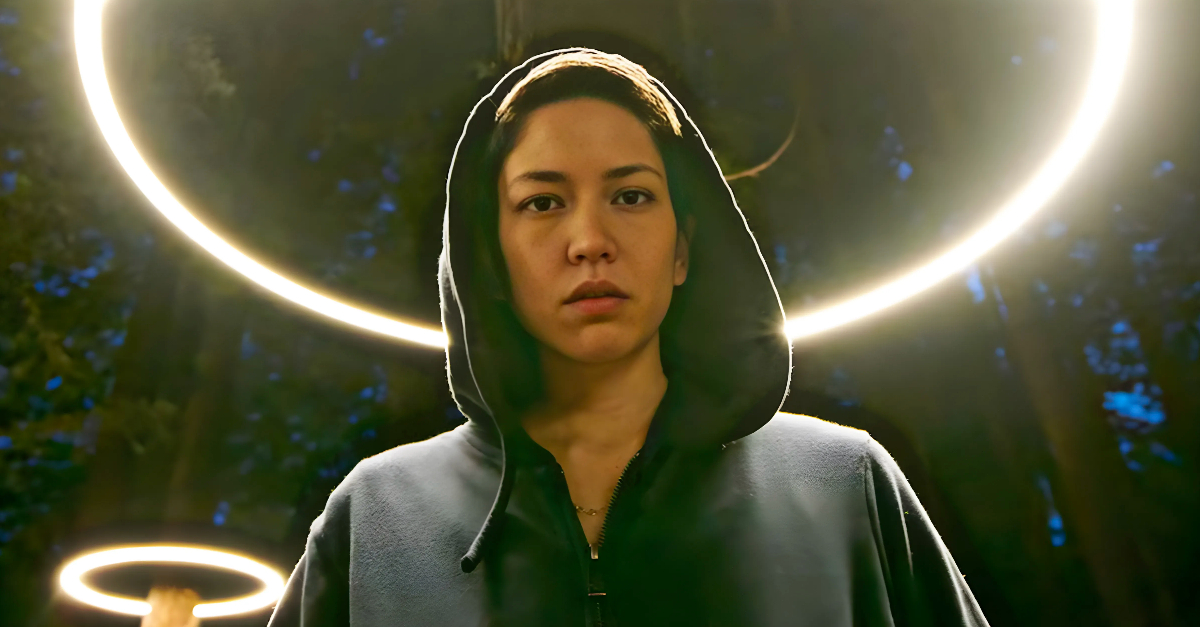
Not Everyone Was Supposed to Get These
Some TV shows are built for easy viewing. These aren’t. They reward patience, attention, and the ability to sit with ambiguity. If you didn’t just watch these shows but actually followed what they were doing—narratively, thematically, or structurally—you were probably exercising more brainpower than the average viewer.
Dark (2017–2020)
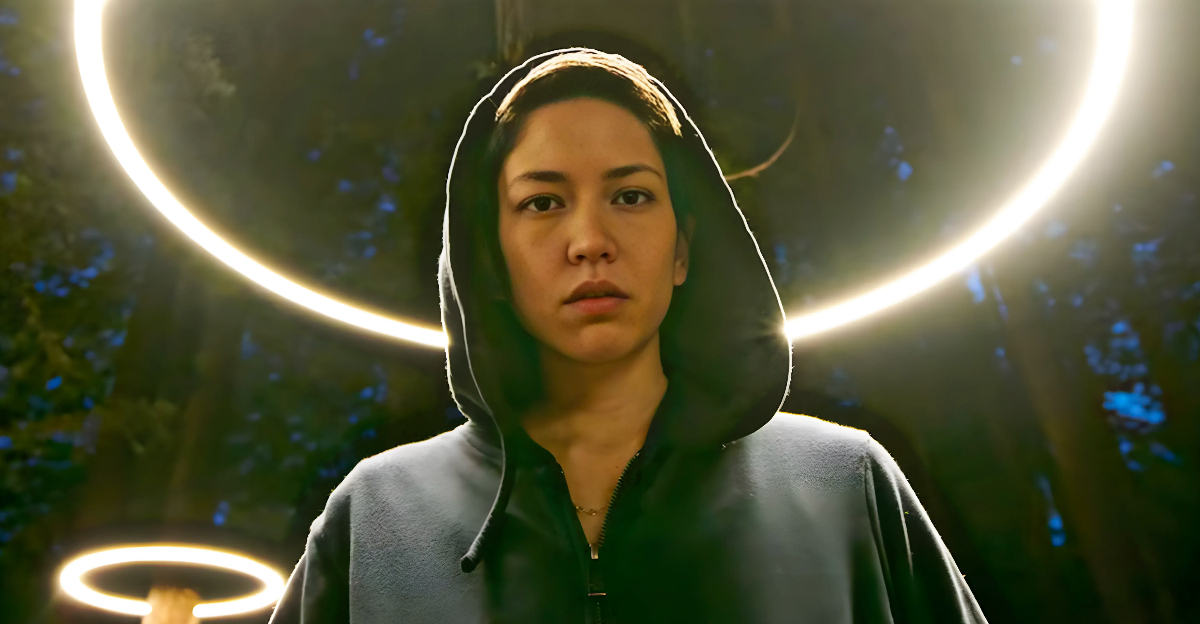
Time travel usually comes with hand-holding. Dark offers none. Multiple timelines, mirrored characters, shifting identities, and causal loops pile up fast. Viewers who followed the family trees, timelines, and philosophical questions without giving up halfway through probably discovered their brain enjoys punishment—and complexity. (Yes, you still needed a family tree—and no, that doesn’t mean you didn’t understand it.)
 Screenshot from Dark, Netflix (2017–2020)
The Leftovers (2014–2017)
This show never explains its central mystery—and that’s the point. The Leftovers asks viewers to focus on grief, belief, and meaning instead of answers. If you didn’t spend every episode waiting for a reveal and instead followed the emotional logic, you understood what many viewers missed entirely. (If you kept waiting for answers, this show probably drove you insane.)
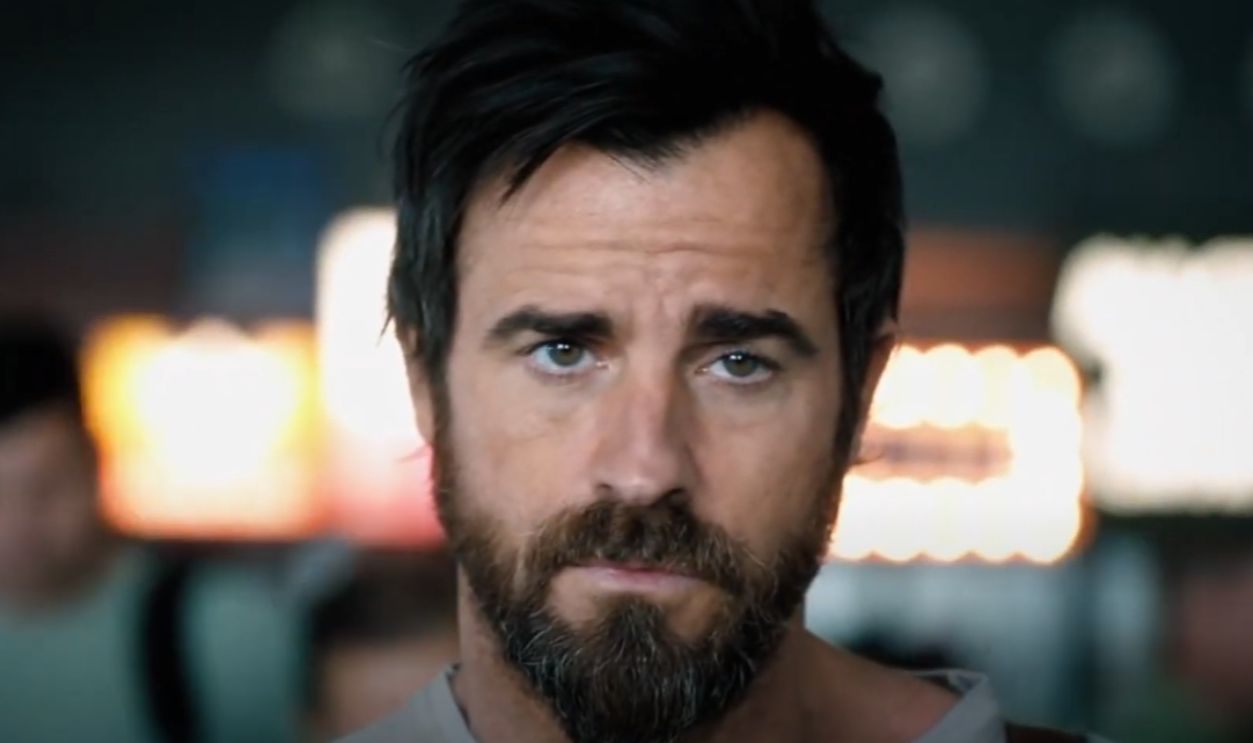 Screenshot from The Leftovers, HBO (2014–2017)
The Wire (2002–2008)
The Wire never explains itself. It drops you into Baltimore’s institutions—police, politics, schools, media—and expects you to keep up. Characters come and go without warning. Plotlines unfold quietly across seasons. If you tracked its shifting perspectives and understood what it was saying about systems over individuals, you were doing some serious mental work.
 Screenshot from The Wire, HBO (2002-2008)
Twin Peaks (1990–1991, 2017)
Twin Peaks looks like a simple mystery. It isn’t. Understanding it means accepting dream logic, symbolism, and unanswered questions. If you grasped that the show cared more about mood, trauma, and the subconscious than neat solutions, you were already thinking on David Lynch’s wavelength. (If you were waiting for closure, you were watching the wrong show.)
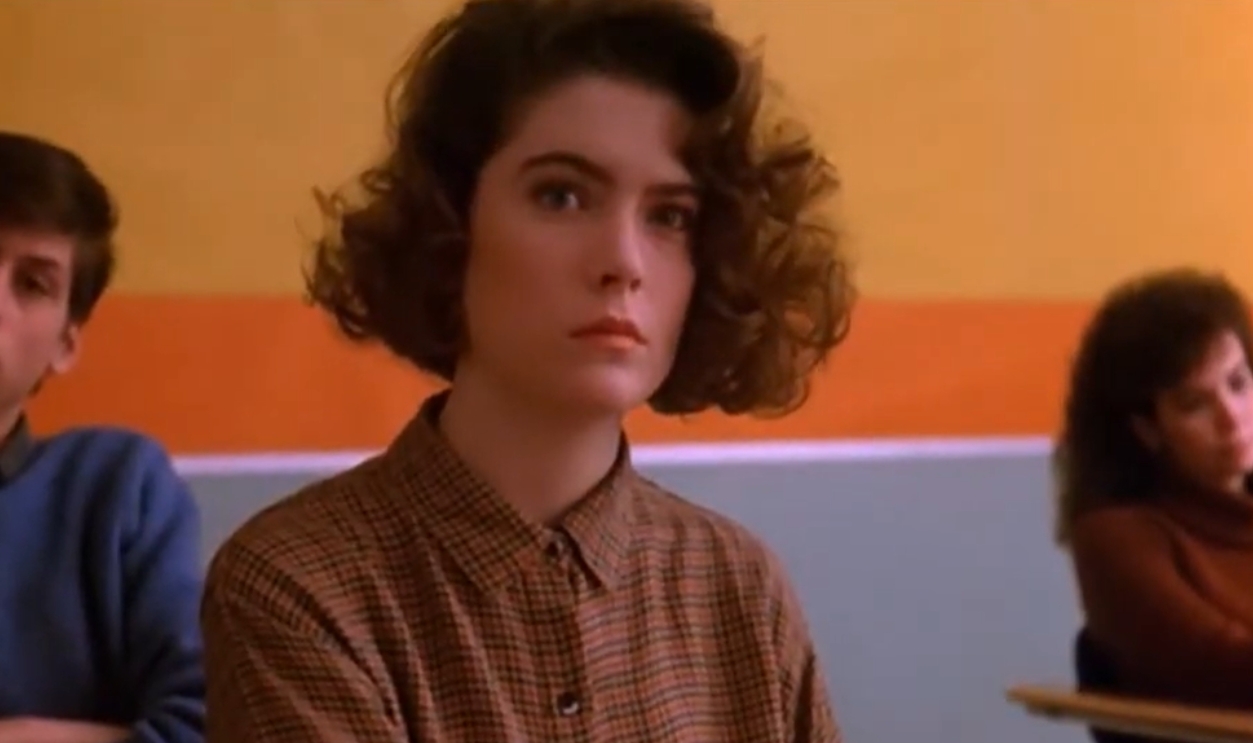 Screenshot from Twin Peaks, ABC (1990–1991)
Mr. Robot (2015–2019)
Mr. Robot demands constant attention. Unreliable narration, shifting realities, and long-form psychological twists mean viewers have to actively question what they’re seeing. If you tracked the show’s perspective changes and understood how its themes of control, identity, and isolation evolved, you weren’t just watching—you were decoding.
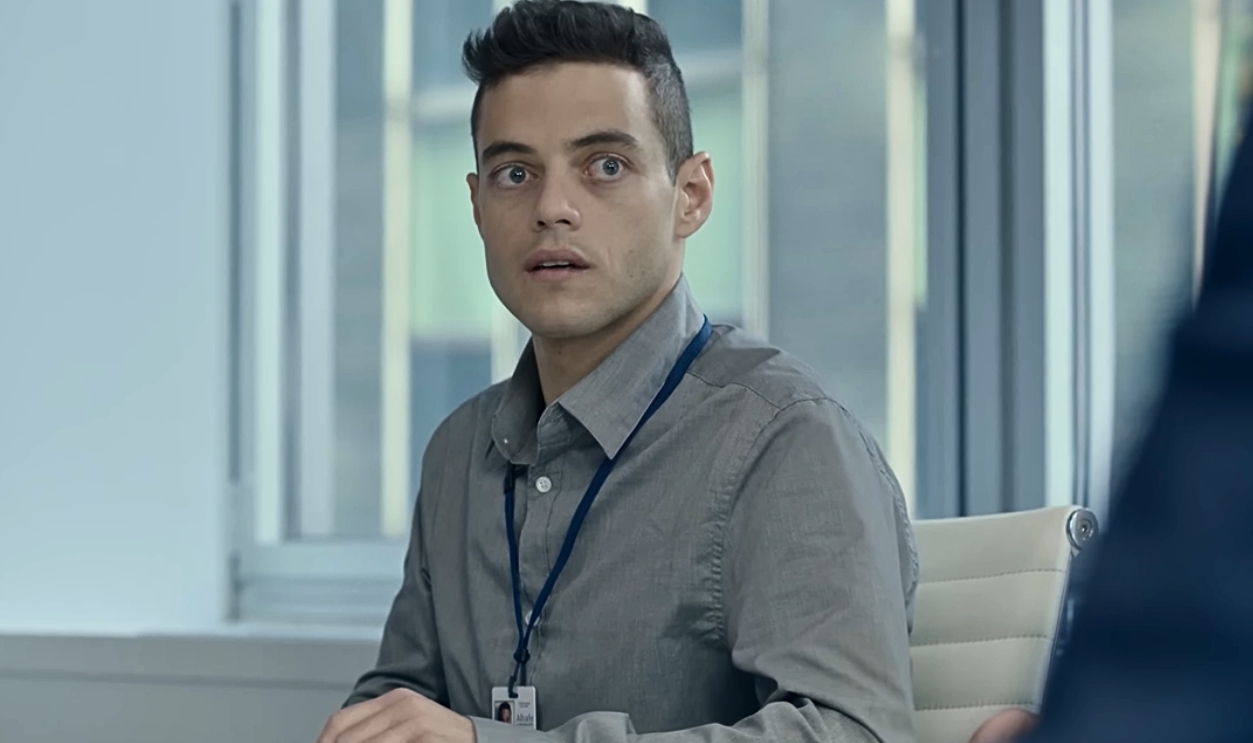 Screenshot from Mr. Robot, NBCUniversal (2015–2019)
Arrested Development (2003–2019)
It’s a sitcom—but an incredibly dense one. Arrested Development stacks jokes on jokes, callbacks span seasons, and visual gags fly by unnoticed on first viewing. If you caught the layered humor, background jokes, and long-running setups without needing rewinds, your brain was working faster than most. (Yes, you definitely missed jokes the first time. Everyone did.)
 Screenshot from Arrested Development, Netflix (2019)
The Prisoner (1967–1968)
Decades ahead of its time, The Prisoner blended sci-fi, political allegory, and surrealism into something still debated today. The show refuses easy answers, especially its famously baffling finale. If you grasped its critique of authority, conformity, and personal freedom, you were thinking well beyond standard TV logic.
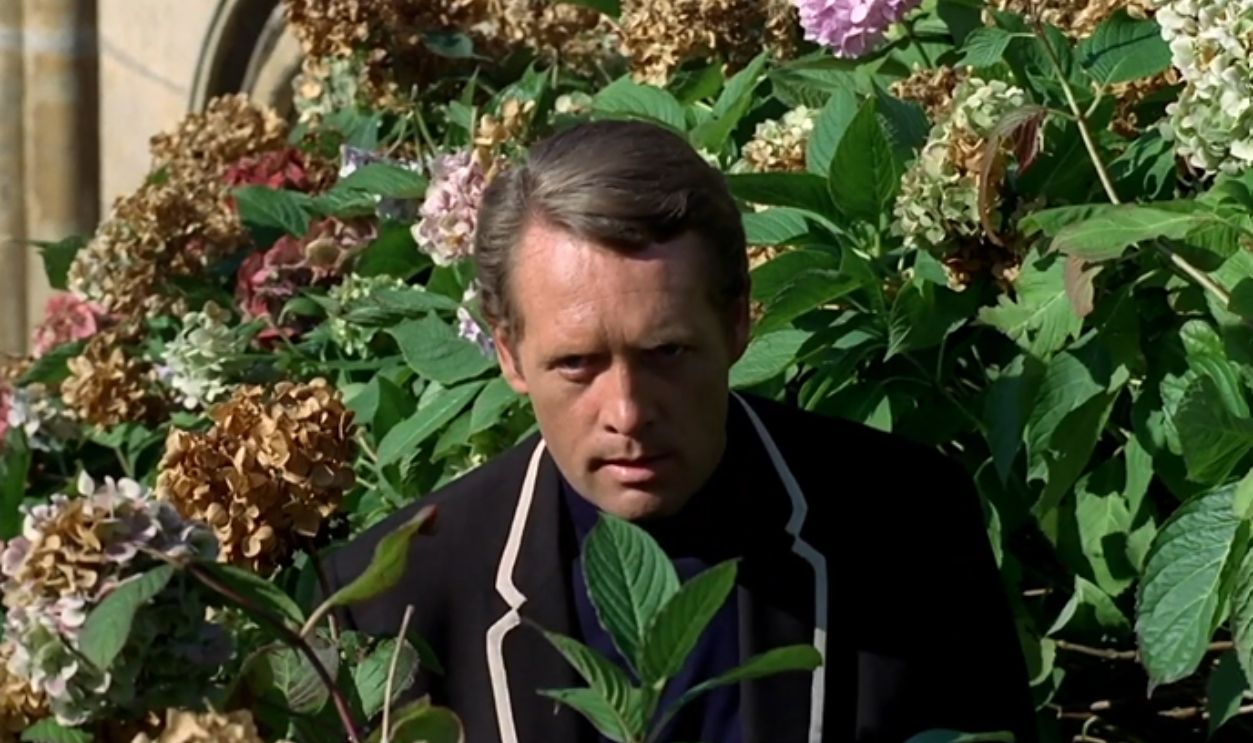 Screenshot from The Prisoner, ITV (1967–1968)
Succession (2018–2023)
On the surface, Succession is about rich people fighting. Underneath, it’s a masterclass in subtext, power dynamics, and language. If you followed the shifting alliances, read between the insults, and understood who was actually winning each conversation, you weren’t just watching—you were analyzing. (Winning an argument on this show rarely means saying the most.)
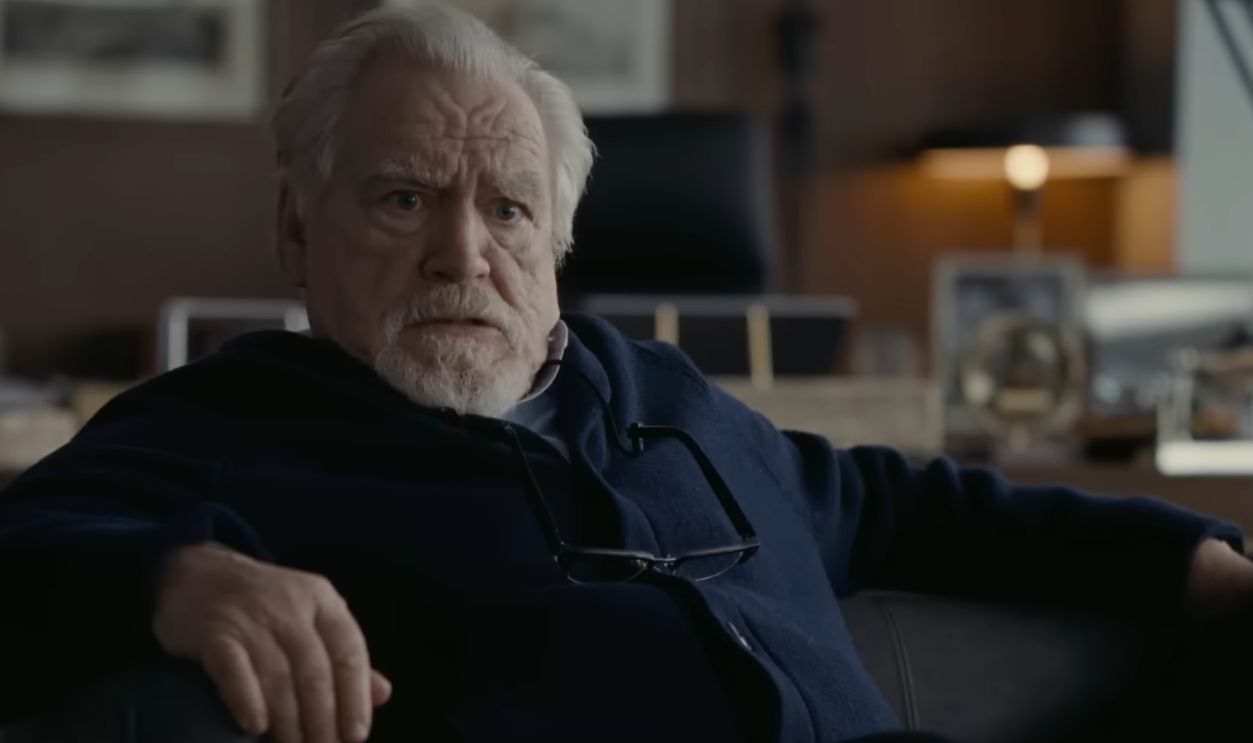 Screenshot from Succession, HBO (2018–2023)
Hannibal (2013–2015)
Hannibal operates on symbolism, subtext, and psychological mirroring. Conversations rarely mean what they appear to mean. Visual metaphors replace exposition. If you followed the emotional chess match between Will Graham and Hannibal Lecter—and understood how identity slowly dissolves—you were watching at a very high level.
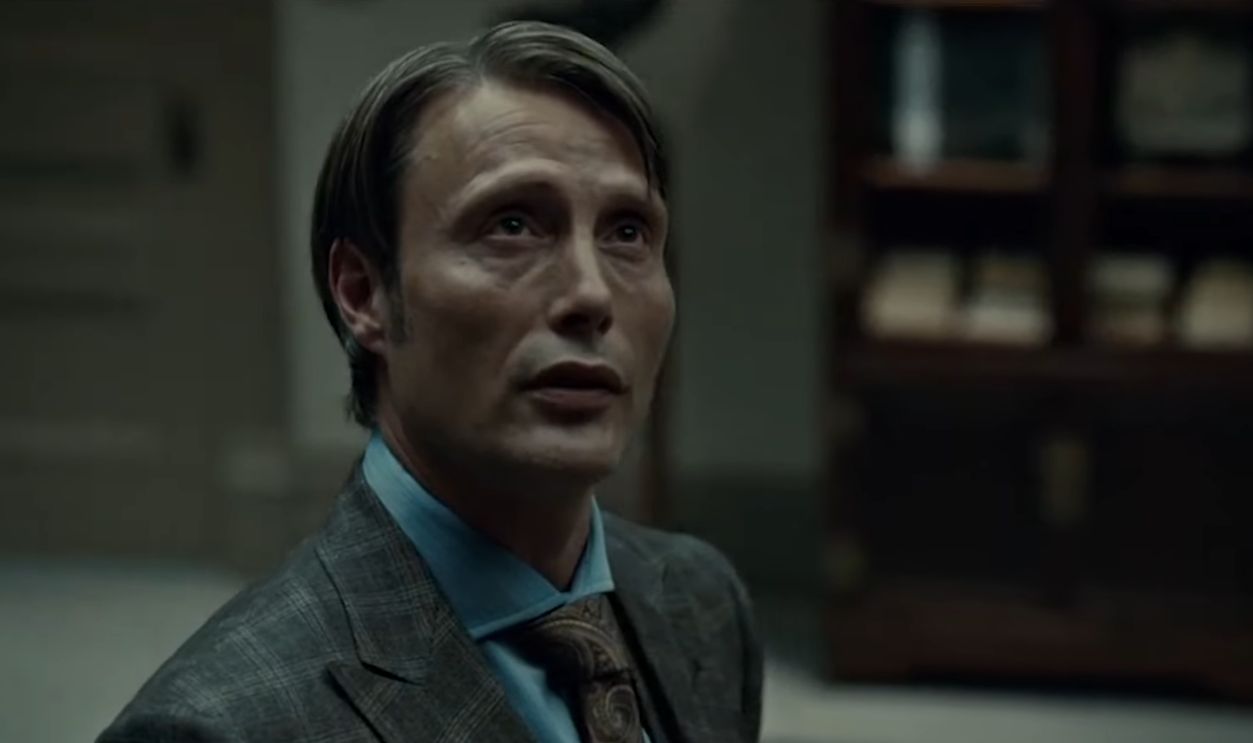 Screenshot from Hannibal, NBC (2013–2015)
Westworld (2016–2022)
Early Westworld demanded attention. Nonlinear timelines, unreliable perspectives, and philosophical questions about consciousness all overlap. Viewers who pieced together the timeline twists before they were spelled out—and grasped the show’s ideas about free will—were clearly engaging at a higher level.
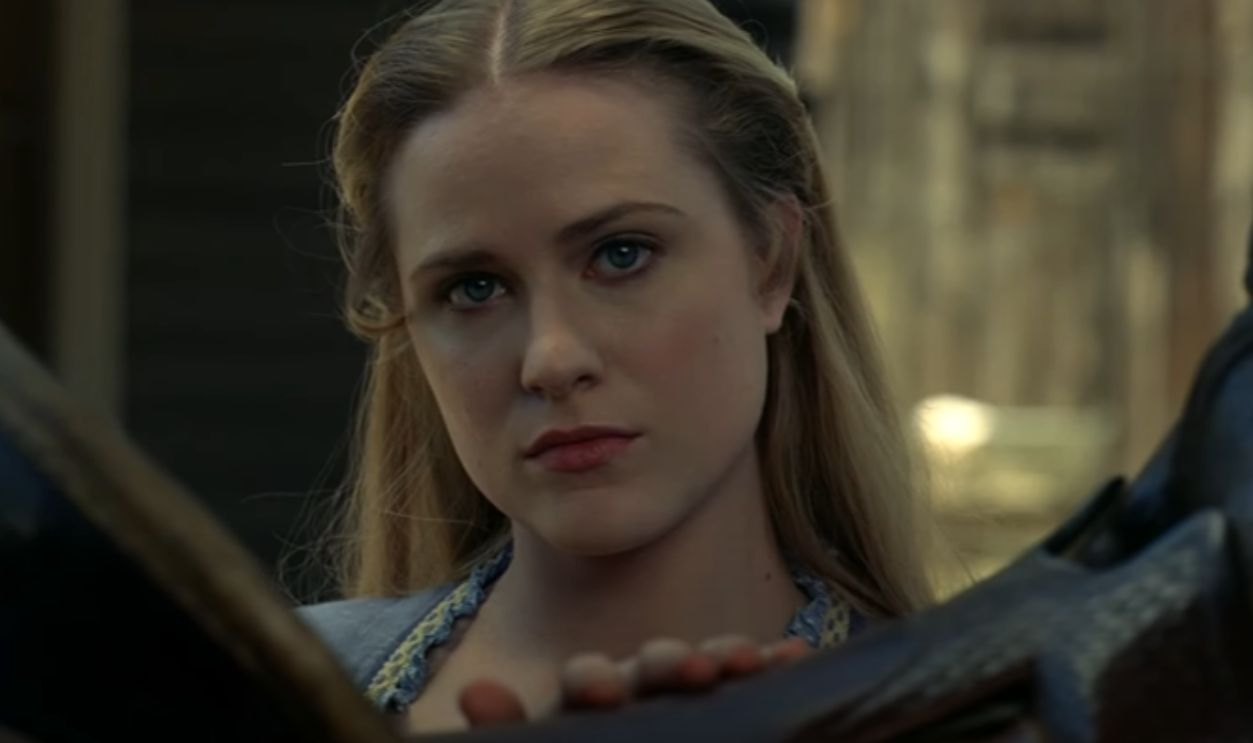 Screenshot from Westworld, HBO (2016–2022)
Severance (2022– )
On the surface, Severance is a workplace satire. Underneath, it’s a philosophical puzzle about identity, consent, and autonomy. If you followed the dual selves, tracked the quiet world-building, and understood why the show’s slow pacing mattered, you were thinking several layers deep.
 Screenshot from Severance, Apple TV+ (2022–)
The Sopranos (1999–2007)
Many viewers watched The Sopranos as a mob show. Smarter viewers saw therapy, repression, and moral decay wrapped in crime drama. If you understood that Tony wasn’t evolving—and that the ending wasn’t a trick—you grasped the show’s deeper psychological intent. (No, the ending wasn’t a trick. And yes, that’s the point.)
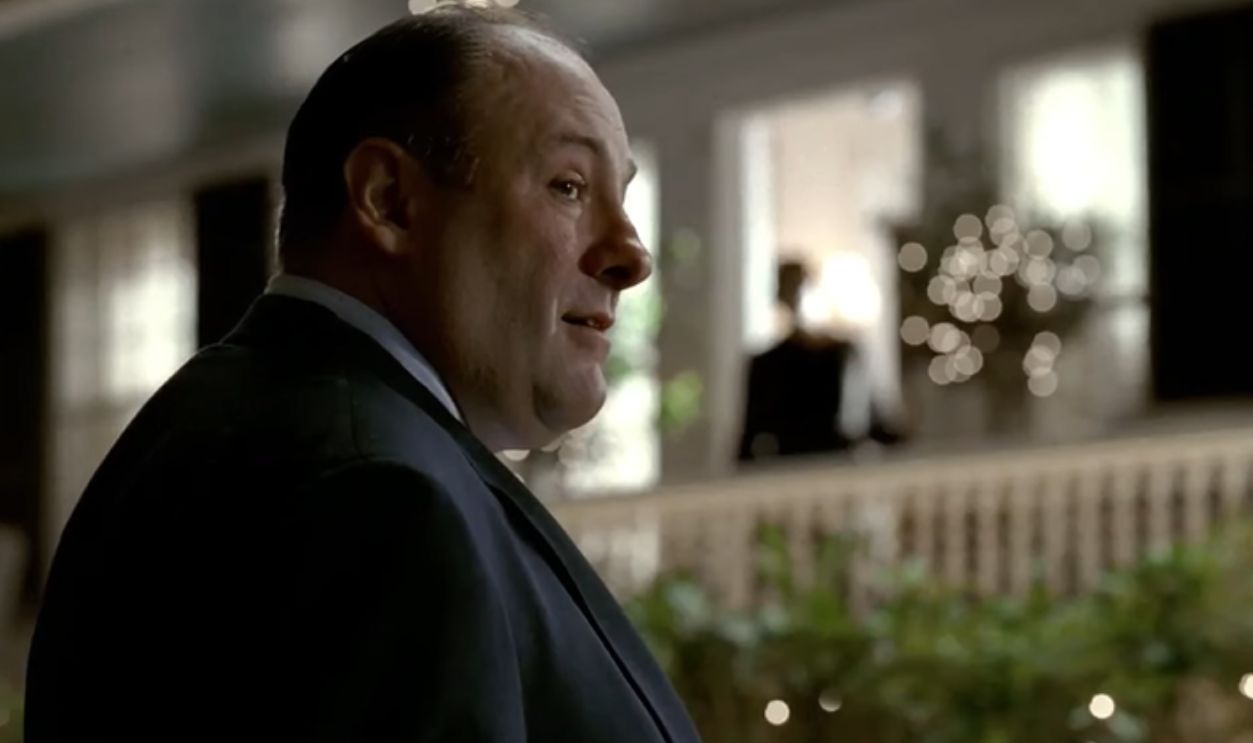 Screenshot from The Sopranos, HBO (1999-2007)
Mad Men (2007–2015)
Nothing in Mad Men is said outright. Character growth happens in glances, silences, and bad decisions repeated over years. If you understood how advertising mirrored identity, how cycles repeated, and why progress felt so slow, you were tuned into its subtle intelligence.
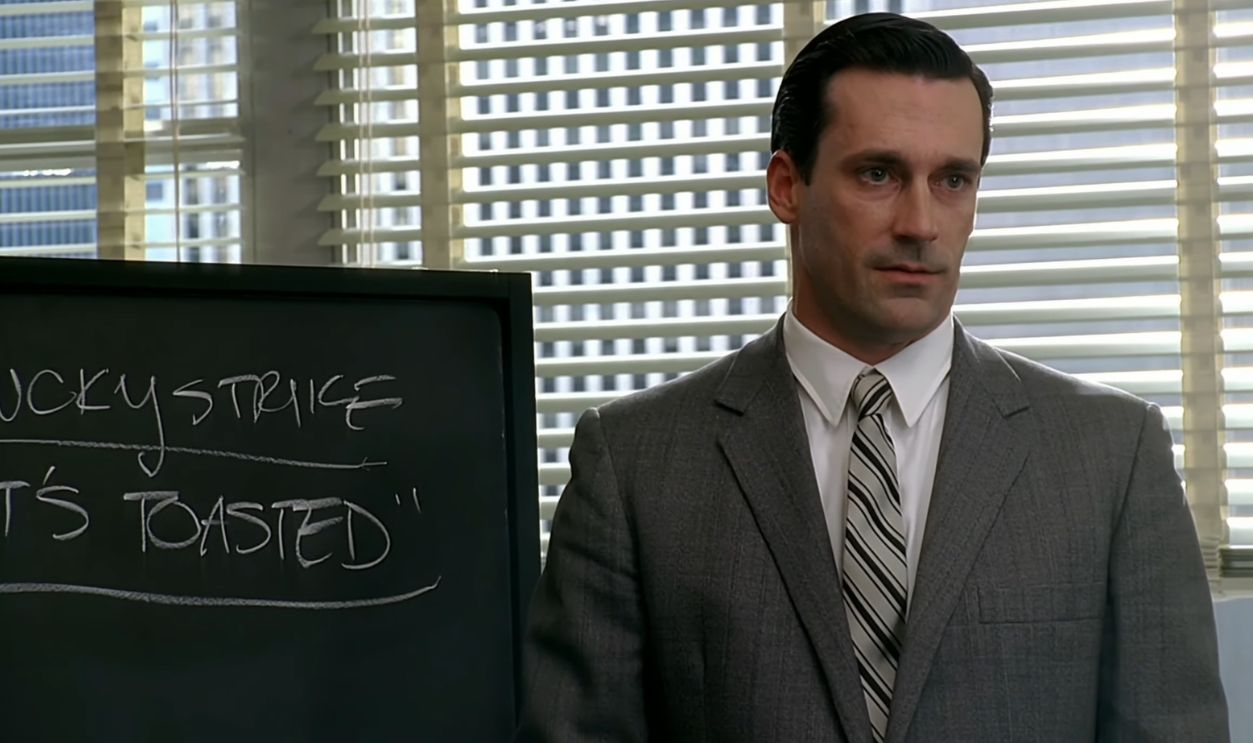 Screenshot from Mad Men, AMC (2007–2015)
The OA (2016–2019)
This series asks viewers to accept sincerity, abstraction, and narrative risk all at once. The OA blends metaphysics, trauma, and belief without explaining the rules. If you engaged with it emotionally instead of demanding logic at every turn, you understood what the show was trying to achieve.
 Screenshot from The OA, Netflix (2016-2019)
Devs (2020)
Devs leans heavily into determinism, free will, and quantum theory. It’s deliberately slow and philosophically dense. Viewers who followed its scientific and ethical arguments—and didn’t expect traditional emotional payoffs—were engaging with TV closer to a thought experiment than a drama.
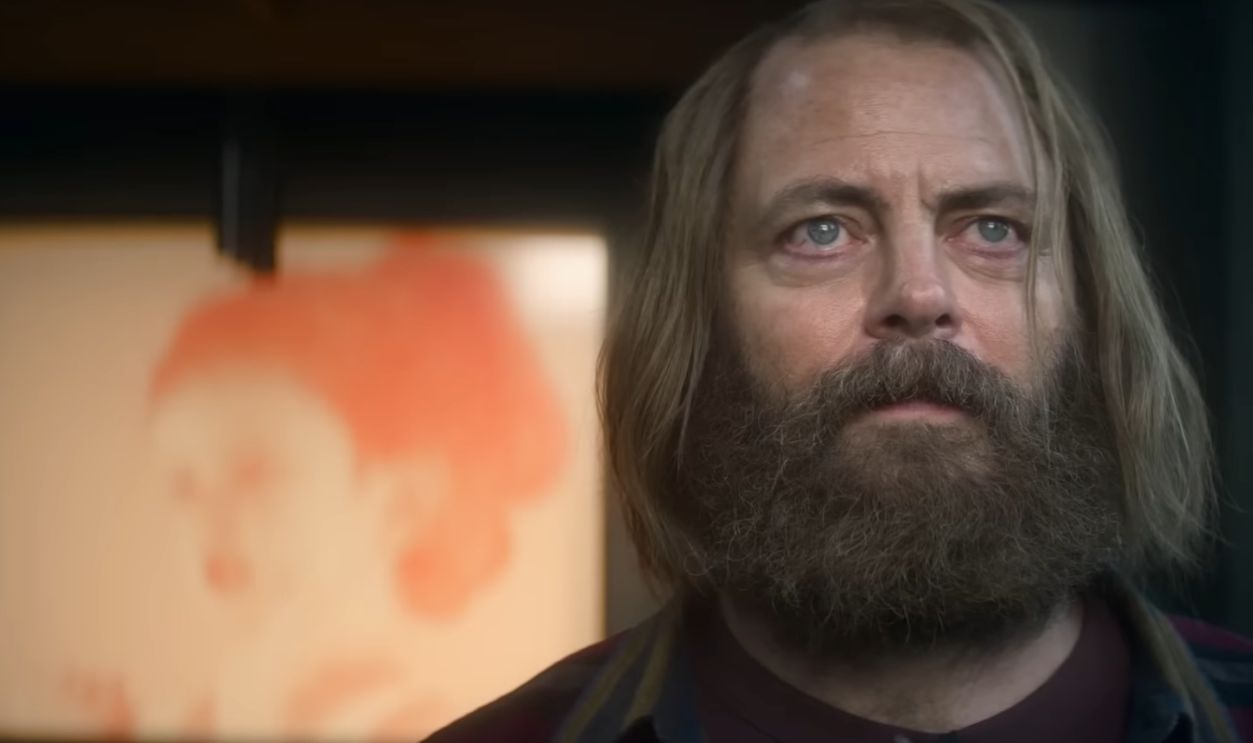 Screenshot from Devs, FX on Hulu (2020)
Legion (2017–2019)
Legion doesn’t just tell a story—it scrambles perception. Unreliable narration, shifting realities, and visual symbolism dominate. Viewers who accepted confusion as part of the experience and still followed its themes of identity and control were thinking several steps ahead.
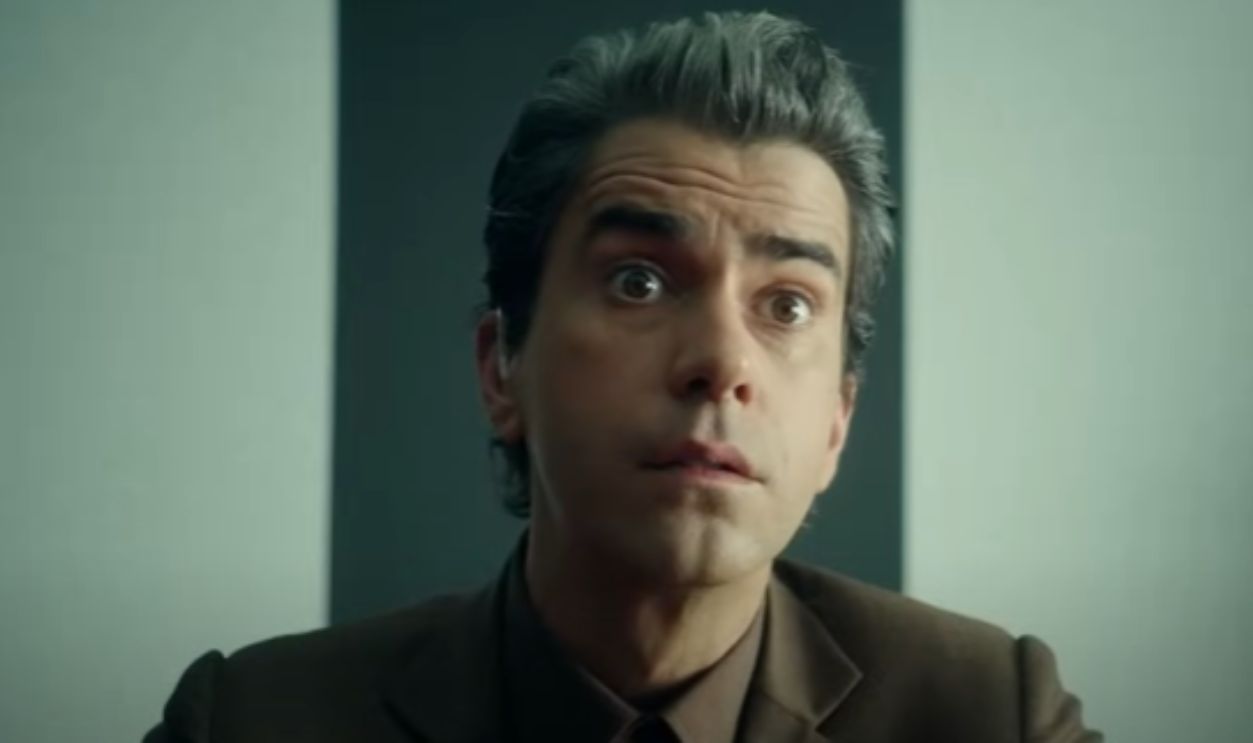 Screenshot from Legion, FX (2017–2019)
BoJack Horseman (2014–2020)
Animated, funny, and devastating. BoJack Horseman blends comedy with philosophy, addiction, and self-sabotage. If you followed its non-linear storytelling, understood its visual metaphors, and caught the emotional patterns repeating beneath the jokes, you were engaging far beyond surface-level viewing.
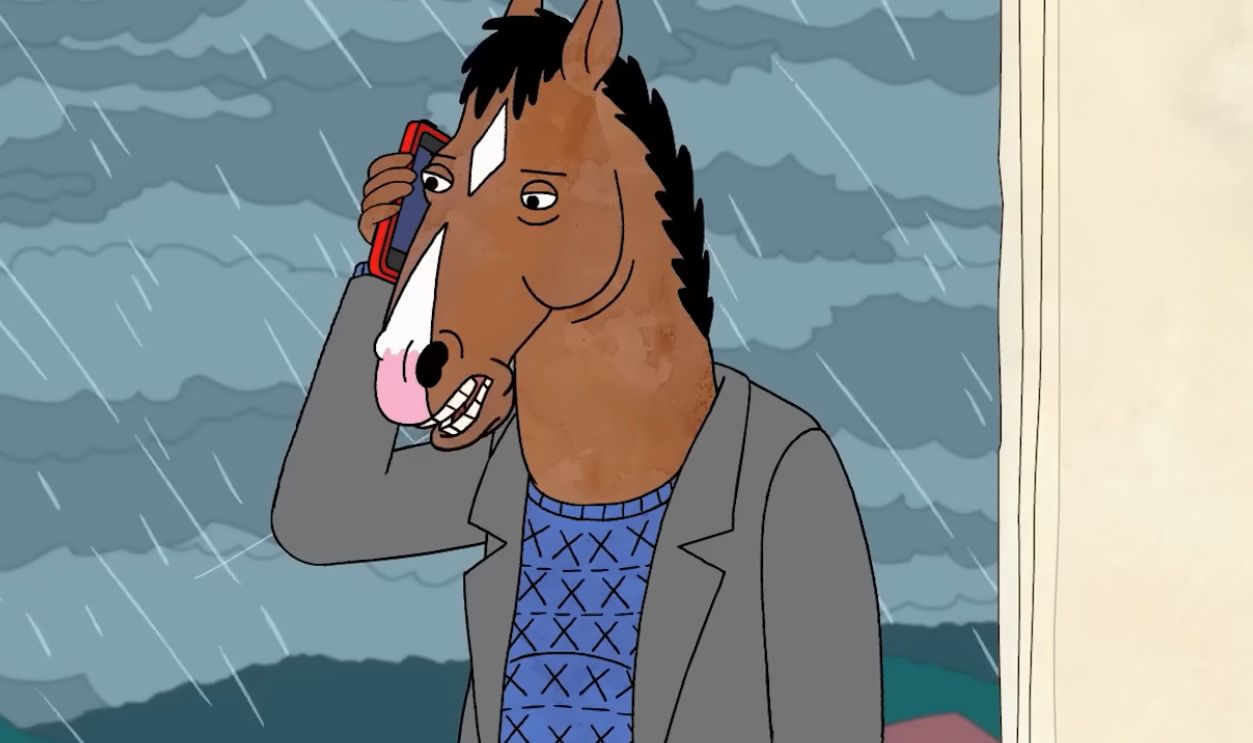 Screenshot from BoJack Horseman, Netflix (2014–2020)
Watchmen (2019)
This series assumes viewers either remember the graphic novel—or are willing to catch up fast. Watchmen overlaps timelines, shifts identities, and reexamines history through a modern lens. If you followed its structure and themes without getting lost, you were doing some serious mental lifting.
 Screenshot from Watchmen, HBO (2019)
Undone (2019–2022)
Using rotoscope animation and fragmented storytelling, Undone blurs reality and perception. The show never confirms what’s real—and that’s intentional. If you focused on emotional truth rather than literal answers, you were engaging with its intelligence the way it was meant to be watched.
 Screenshot from Undone, Prime Video (2019–2022)
Fargo (2014– )
Each season of Fargo plays with morality, coincidence, and human nature. The show rarely tells viewers what to think. If you understood how chance and choice collide—and why characters often defeat themselves—you caught the Coen-inspired intelligence baked into every season.
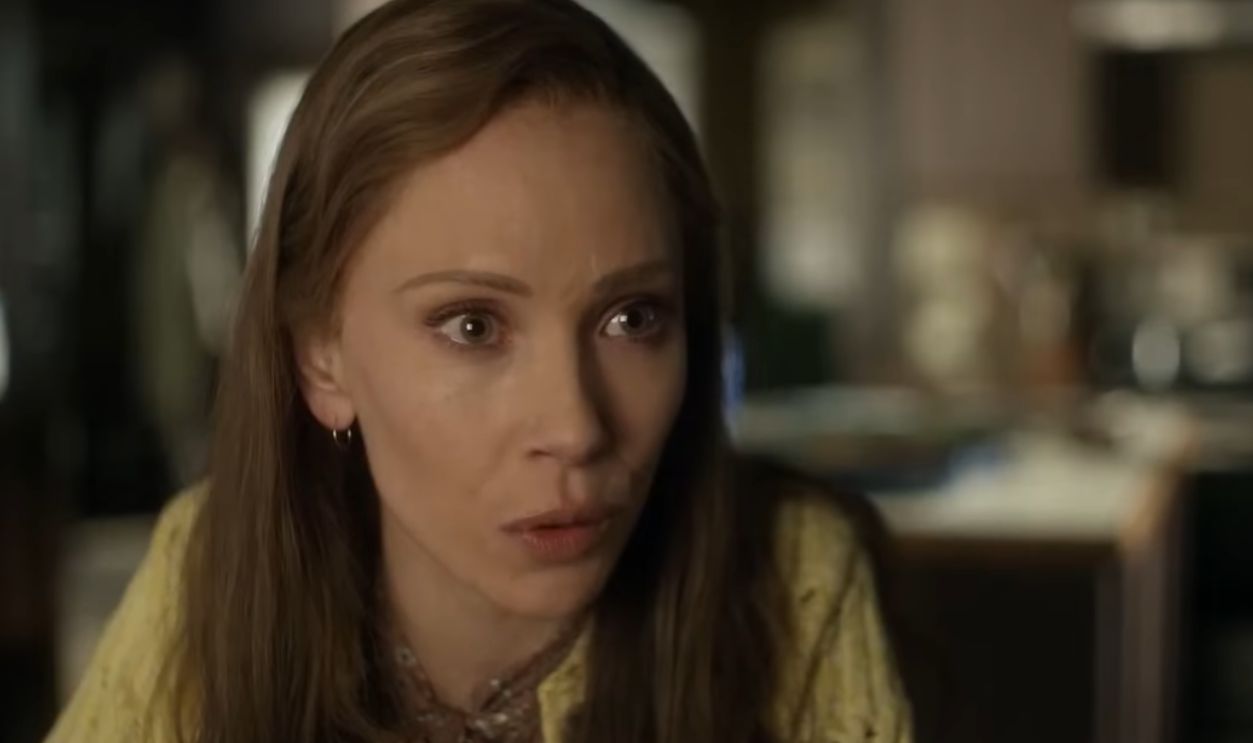 Screenshot from Fargo, FX Networks (2014–present)
Lost (2004–2010)
Lost rewarded viewers who paid attention. Timelines, symbolism, character backstories, and philosophical themes overlapped constantly. If you followed the emotional resolution rather than expecting a purely scientific one, you understood what the show was actually doing—even if you didn’t like it (and yes, we’re talking about that disappointing series finale).
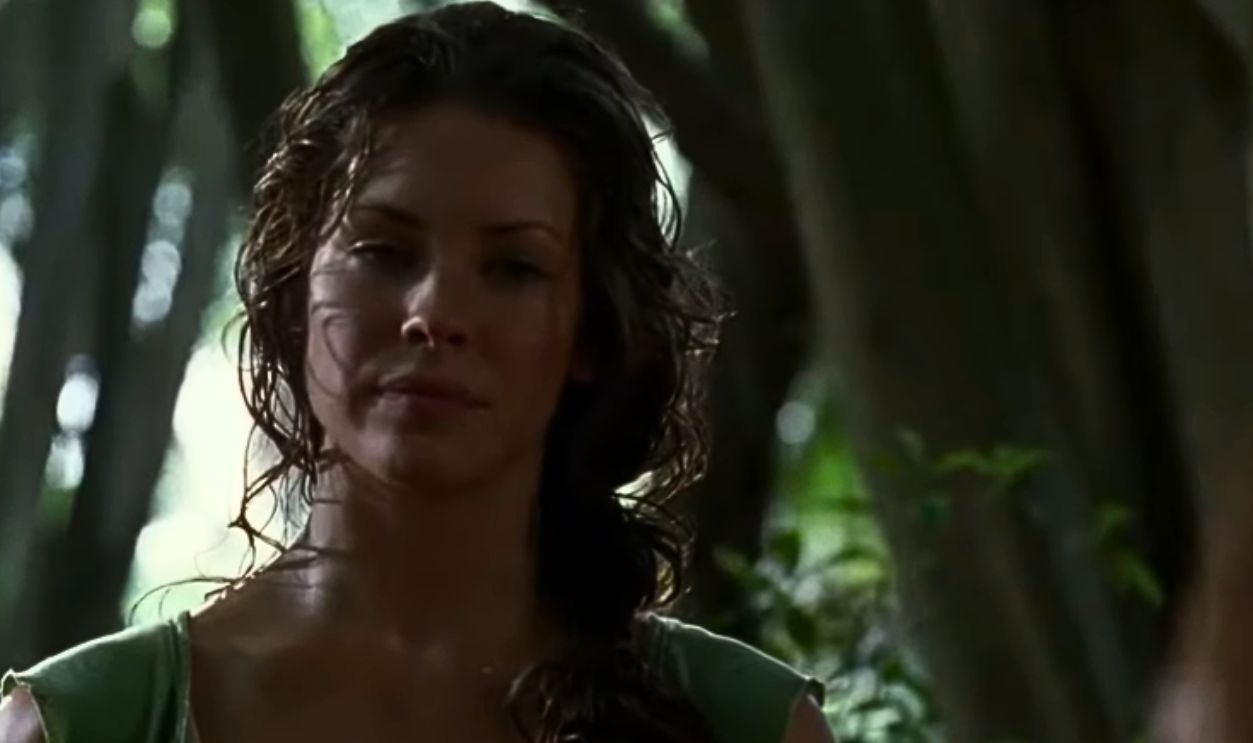 Screenshot from Lost, ABC (2004–2010)
Station Eleven (2021)
Station Eleven jumps across timelines and perspectives to explore memory, art, and survival. Understanding it means recognizing emotional echoes rather than chronological order. If you followed how the stories connected thematically instead of literally, you picked up on its quiet brilliance.
 Screenshot from Station Eleven, HBO Max (2021)
Better Call Saul (2015–2022)
This was a slow burn by design. Better Call Saul requires patience and close observation, turning minor choices into long-term consequences. If you appreciated how small moments built toward inevitable tragedy, you were picking up on its deeply intelligent storytelling. (If you got impatient, that was kind of the test.)
 Screenshot from Better Call Saul, AMC (2015–2022)
Black Mirror (2011– )
Not every episode lands the same way, but the best ones demand ethical thinking. Black Mirror asks viewers to wrestle with technology, responsibility, and unintended consequences. If you focused on the moral questions instead of just the shock factor, you were watching it the right way. (If you focused only on the twist, you missed the warning.)
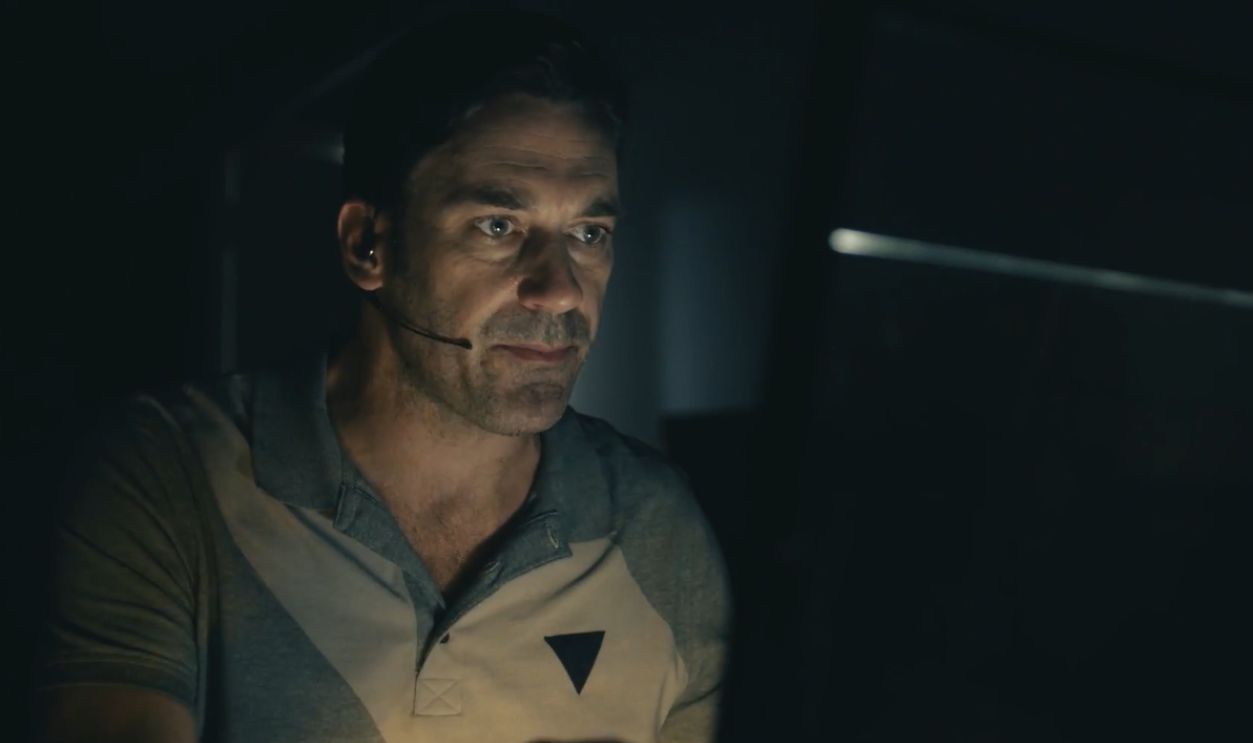 Screenshot from Black Mirror, Channel 4 (2011–)
You Might Also Like:
These 44 Shows Let Their Main Characters Slip Out Of Focus
Great TV Shows That Would've Been Even Better If They'd Just Ended Things One Season Earlier