When The Page Gave TV Its Best Ideas
Adapting a book for television is always a gamble. Get it right and you expand a world fans have cherished in their imaginations. Mess it up and you risk disappointing loyal readers. The best adaptations honor the heart of their source material while also embracing what makes television special. The following shows did just that, each bringing a great book to life in ways that resonated with audiences and critics alike.
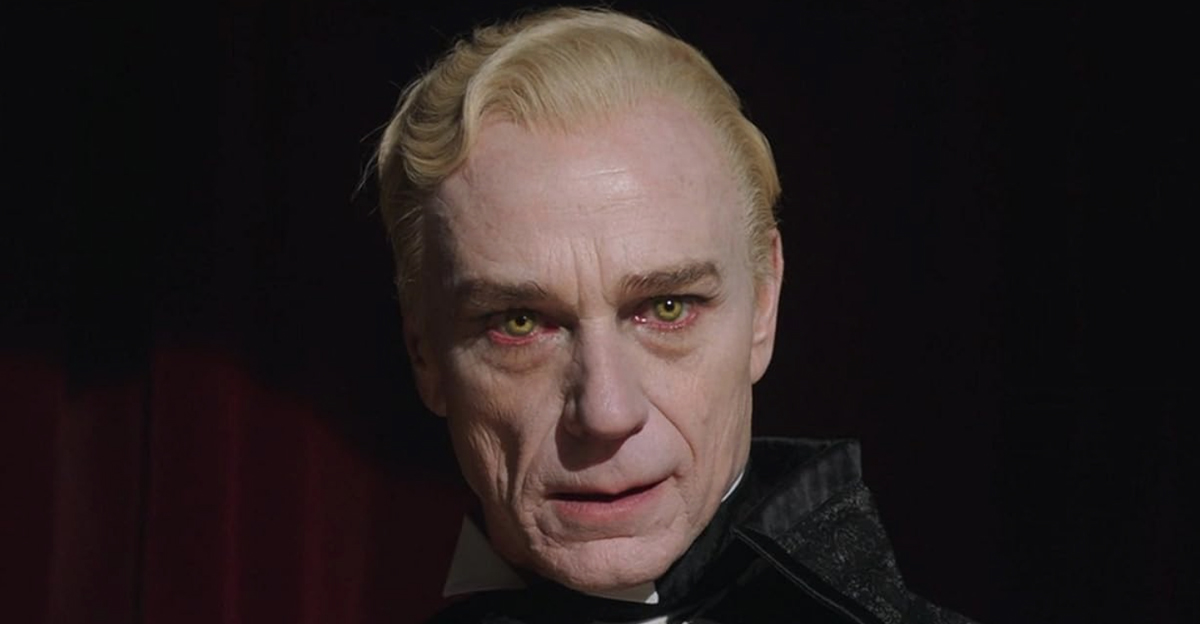
Alias Grace
Based on Alias Grace by Margaret Atwood
This limited series leaned heavily into atmosphere and ambiguity, just like the novel. Instead of rushing to answers, Alias Grace lets doubt and memory shape the story. The result is a quiet but unsettling adaptation that trusts the audience and preserves the psychological tension that made Atwood’s book so compelling.
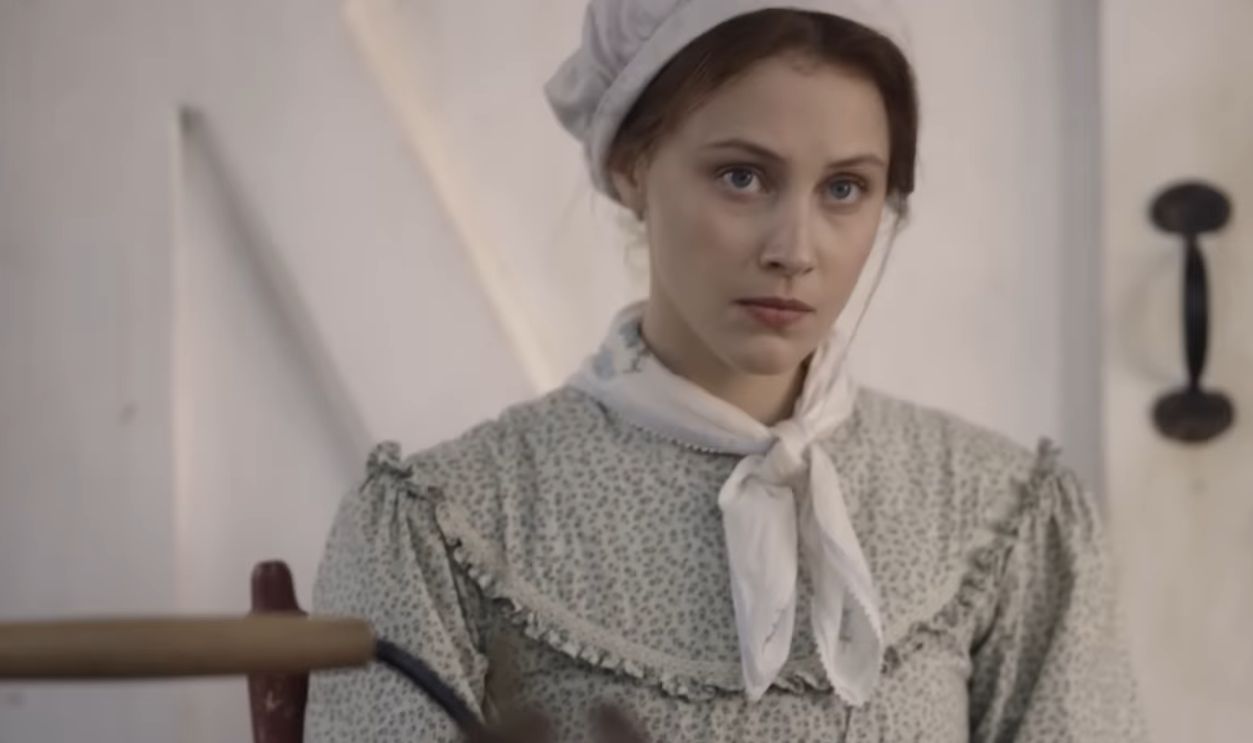 Screenshot from Alias Grace, Netflix (2017)
Game Of Thrones
Based on A Song of Ice and Fire by George RR Martin
This adaptation turned Martin’s dense fantasy novels into appointment television. Early seasons captured the books’ political intrigue, moral ambiguity, and shocking consequences with remarkable confidence. Even as the show moved beyond the published material, Game of Thrones changed expectations for fantasy on TV and became a true global phenomenon.
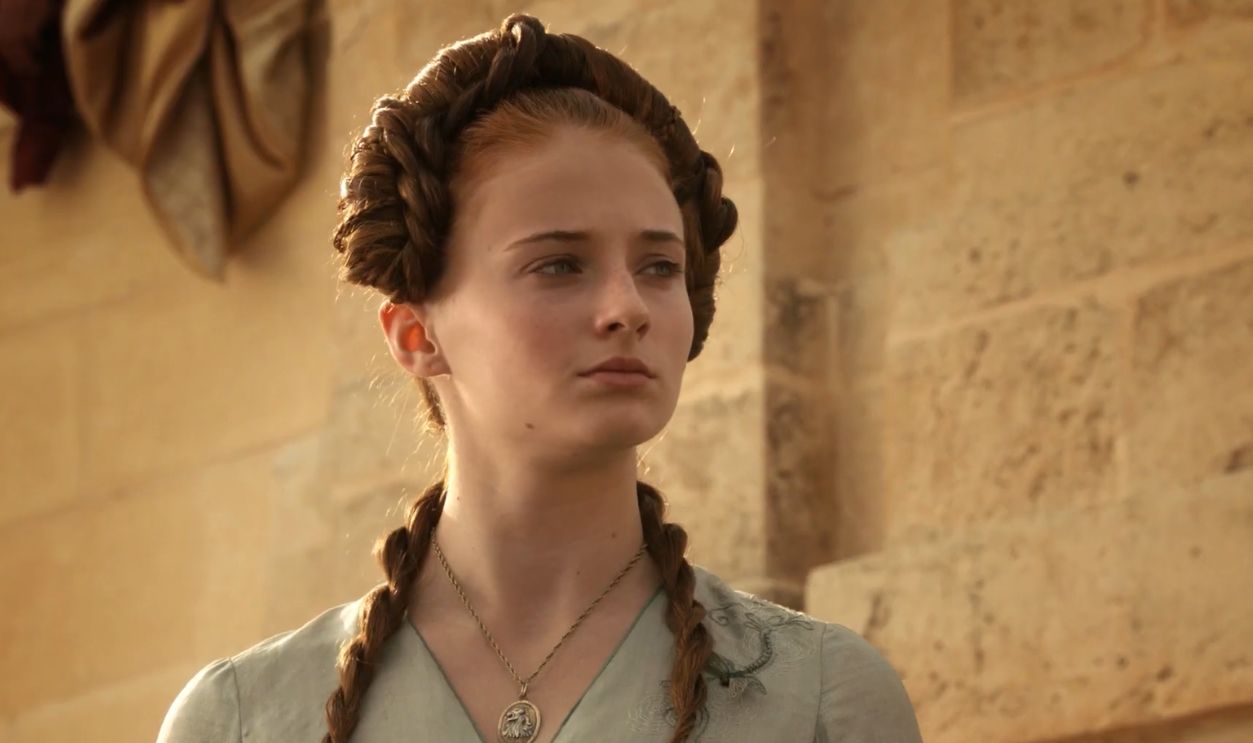 Screenshot from Game of Thrones, HBO (2011–2019)
Killing Eve
Based on the Villanelle novels by Luke Jennings
The books provided the framework, but the series found its voice through tone and character. Killing Eve sharpened the cat-and-mouse dynamic and leaned into dark humor and obsession. By loosening its grip on strict plot fidelity, the show became more stylish and unpredictable than a straightforward adaptation.
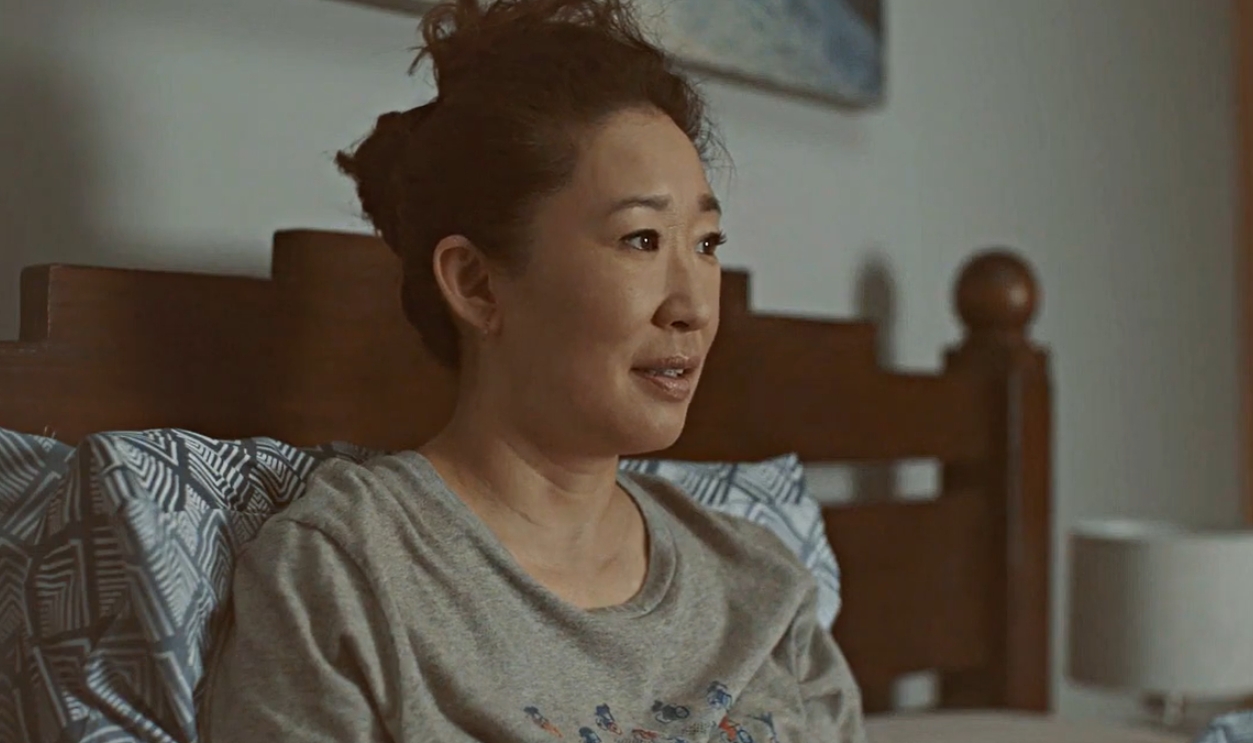 Screenshot from Killing Eve, BBC America (2018–2022)
Outlander
Based on Outlander by Diana Gabaldon
This show had the tricky job of balancing romance, history, and time travel, and it largely pulled it off. Fans appreciated how closely it followed the books while still adjusting pacing and focus for television. The emotional commitment to its characters helped the adaptation build a fiercely loyal audience.
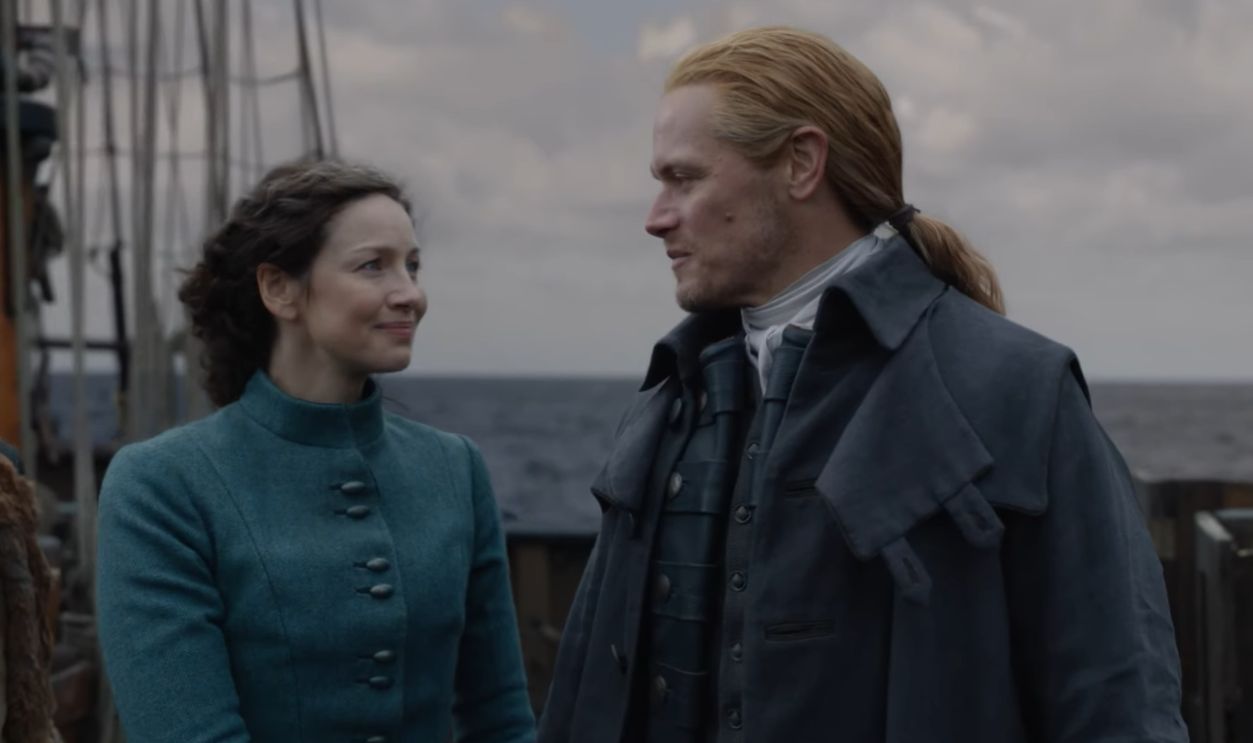 Screenshot from Outlander, Starz (2014–Present)
Roots
Based on Roots: The Saga of an American Family by Alex Haley
Roots was more than a TV series, it was a cultural event. The adaptation brought Haley’s family history into millions of homes and forced difficult conversations about slavery and American history. Few literary adaptations have ever had this kind of lasting social and educational impact.
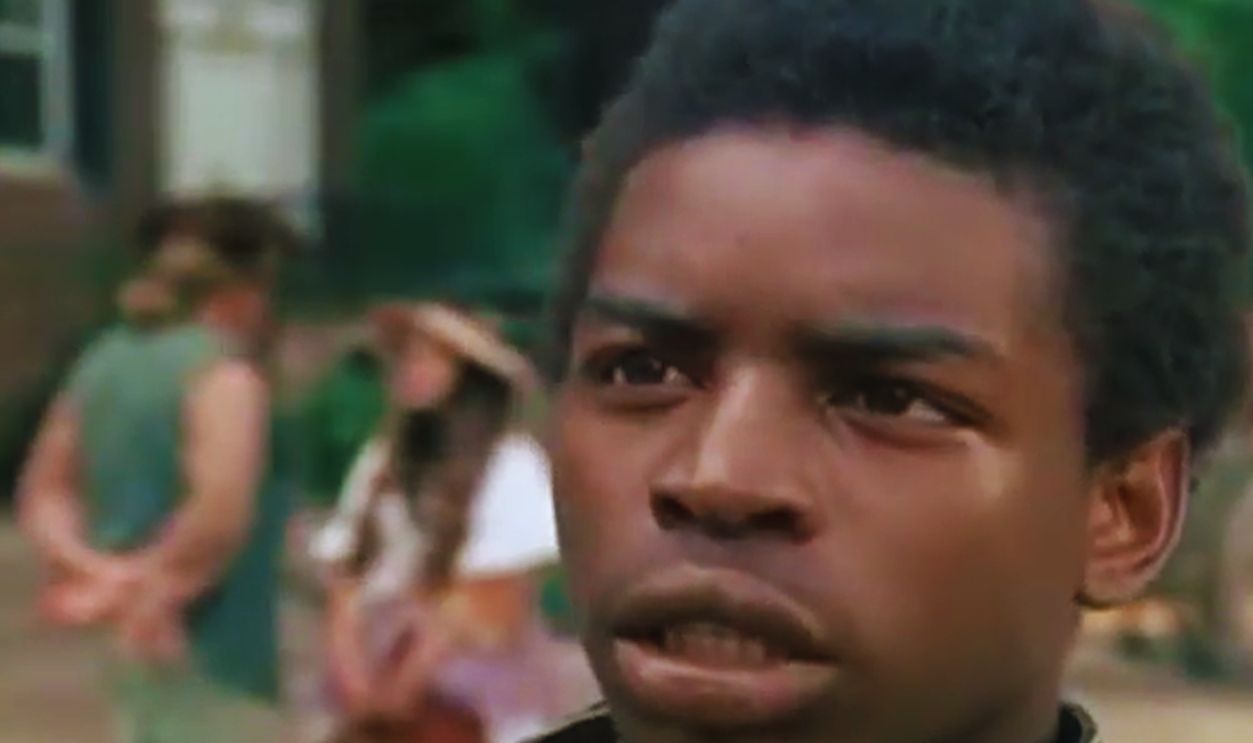 Screenshot from Roots, ABC (1977)
Friday Night Lights
Based on Friday Night Lights: A Town, a Team, and a Dream by HG Bissinger
The show took a nonfiction book and turned it into an intimate character drama. Football remained important, but the series focused on relationships, pressure, and community. By expanding beyond the book’s scope, Friday Night Lights became something far more universal than a sports story.
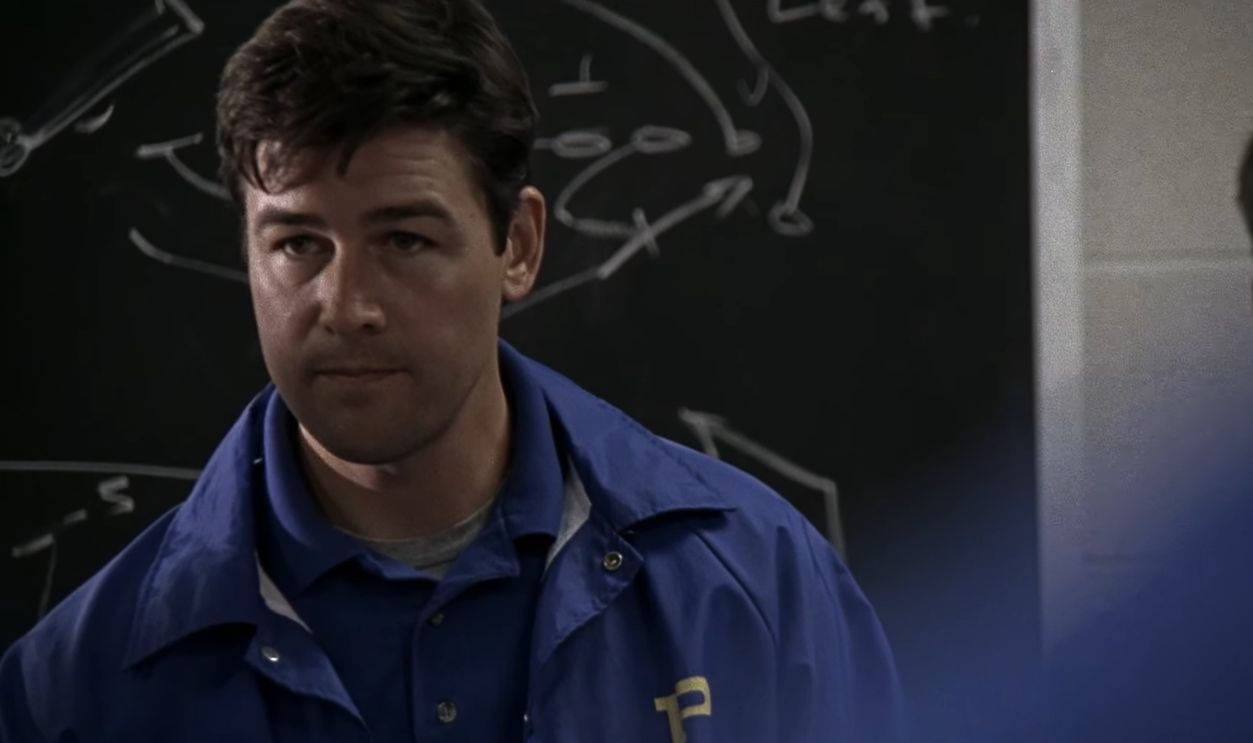 Screenshot from Friday Night Lights, NBC (2006–2011)
The Leftovers
Based on The Leftovers by Tom Perrotta
Rather than sticking rigidly to the novel, the show used it as a starting point. After covering the book’s events, The Leftovers expanded outward, becoming stranger, sadder, and more emotionally ambitious. Its willingness to sit with grief instead of explaining it is what made the adaptation feel so special.
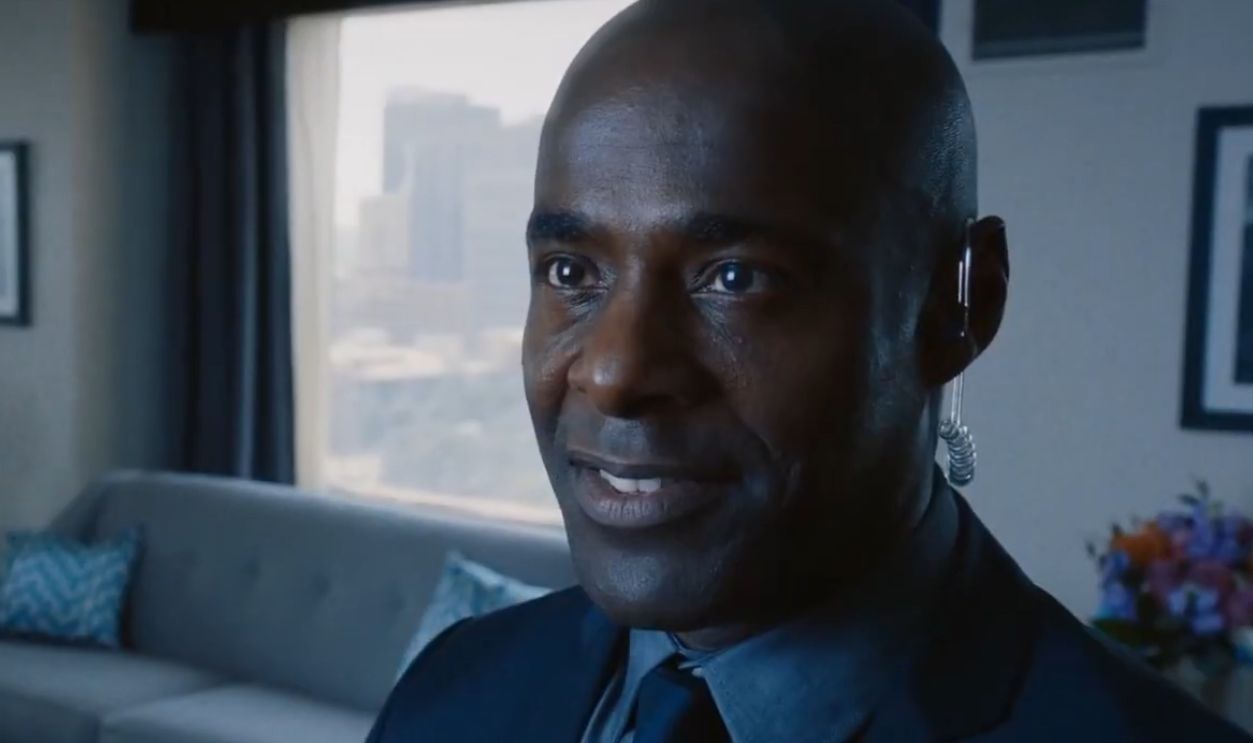 Screenshot from The Leftovers, HBO (2014–2017)
Gossip Girl
Based on Gossip Girl by Cecily von Ziegesar
The books laid the foundation, but the show fully leaned into excess. Gossip Girl embraced heightened drama, fashion, and scandal, turning a teen book series into a pop culture juggernaut. It may not be the most faithful adaptation, but it perfectly captured the spirit of its source.
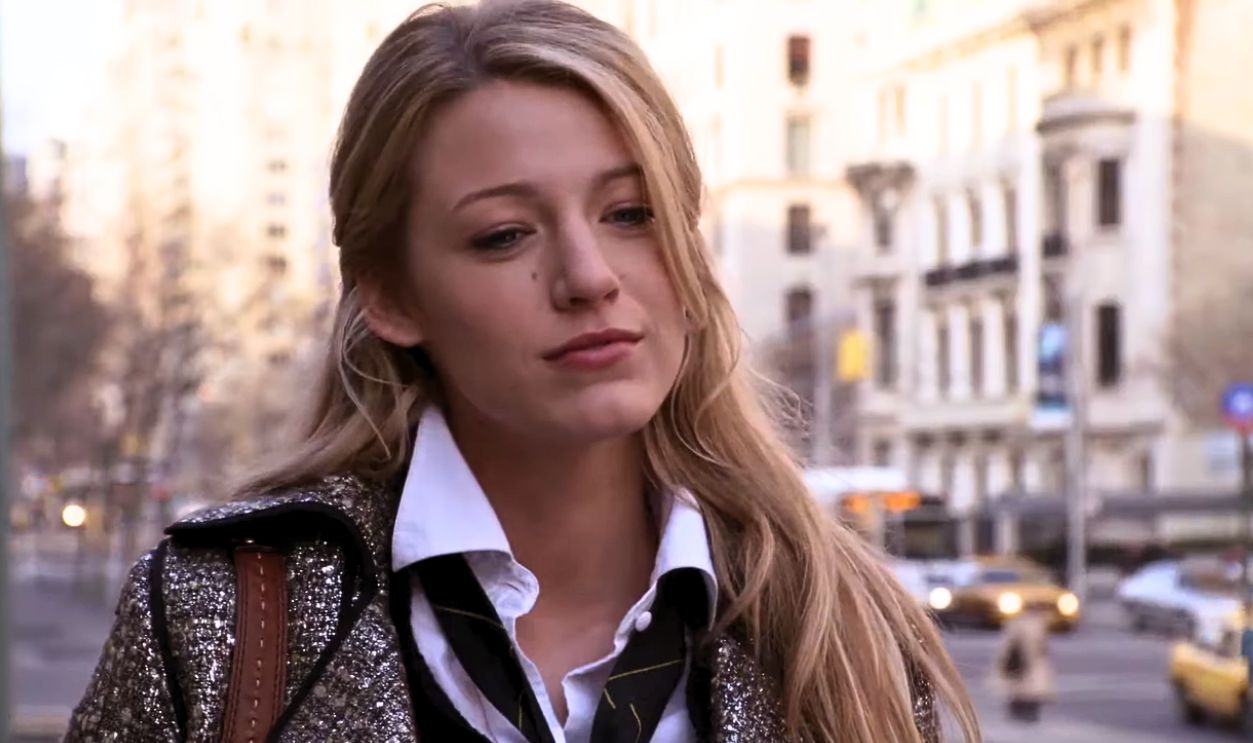 Screenshot from Gossip Girl, The CW (2007–2012)
Sex And The City
Based on Sex and the City by Candace Bushnell
Bushnell’s essays became the backbone for a series that shaped conversations about relationships and independence. The show expanded the book’s observations into character-driven storytelling, turning personal anecdotes into a defining portrait of modern urban life.
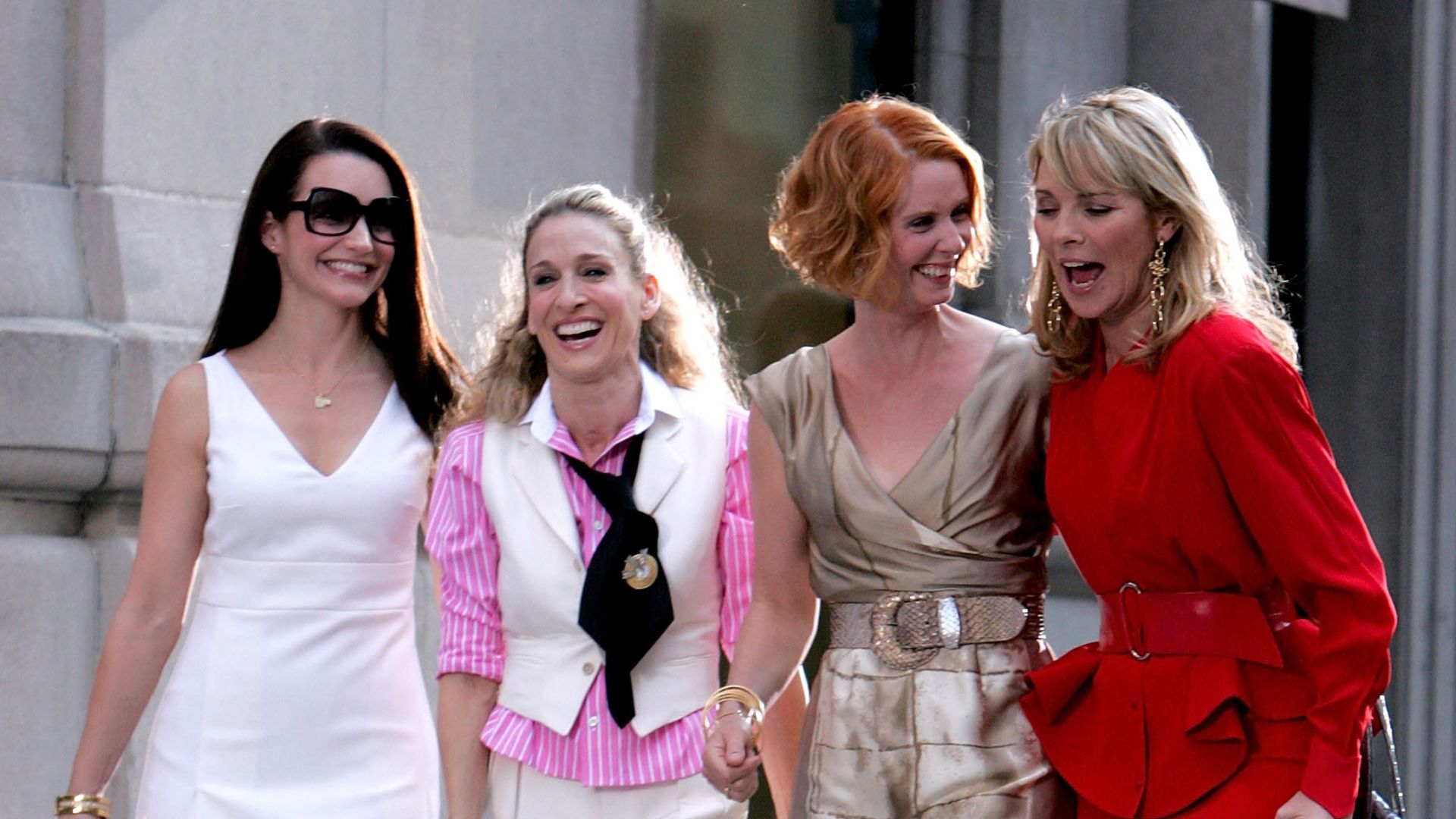 Martamenchini, Wikimedia Commons
Brideshead Revisited
Based on Brideshead Revisited by Evelyn Waugh
This adaptation is often cited as one of the most faithful literary translations ever made for television. It takes its time, respects the novel’s tone, and lets performances carry the emotional weight. The result feels timeless rather than dated.
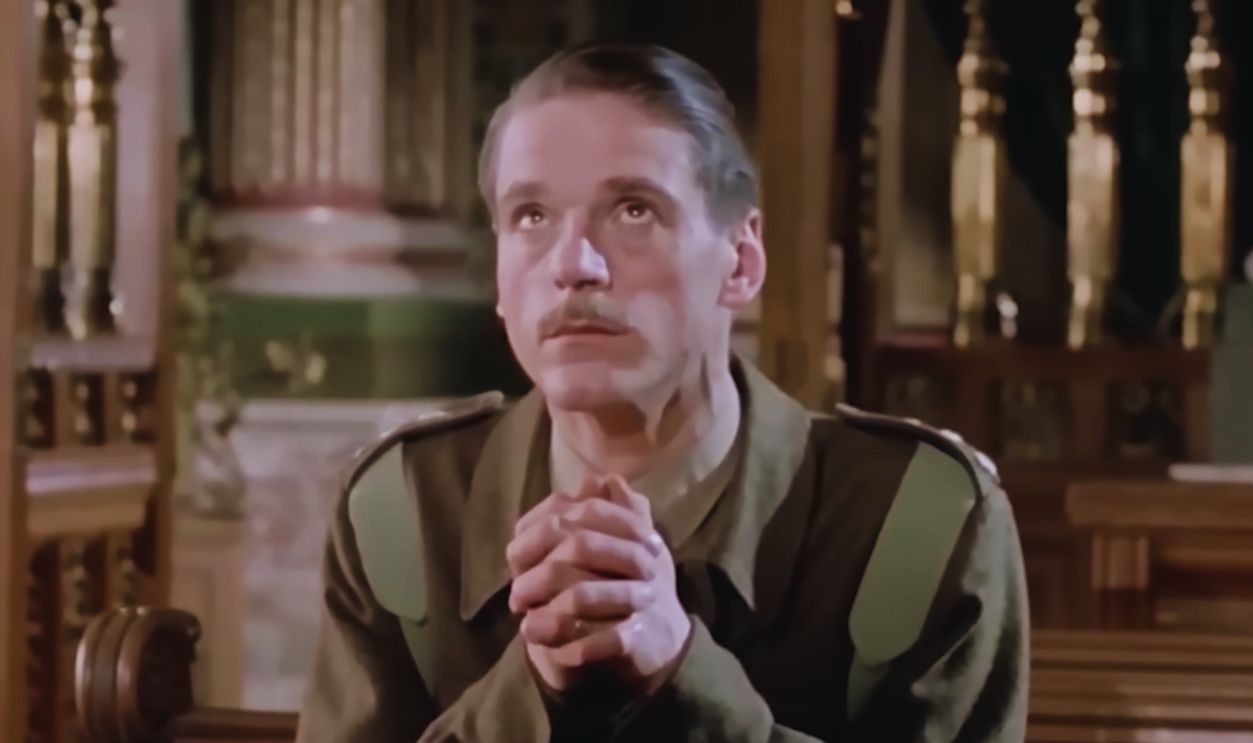 Screenshot from Brideshead Revisited, ITV (1981)
Justified
Based on Fire in the Hole by Elmore Leonard
Elmore Leonard’s voice is hard to fake, but Justified nailed it. The show expanded a short story into a full series while preserving Leonard’s sharp dialogue and moral complexity. It feels like the books brought to life rather than rewritten for TV.
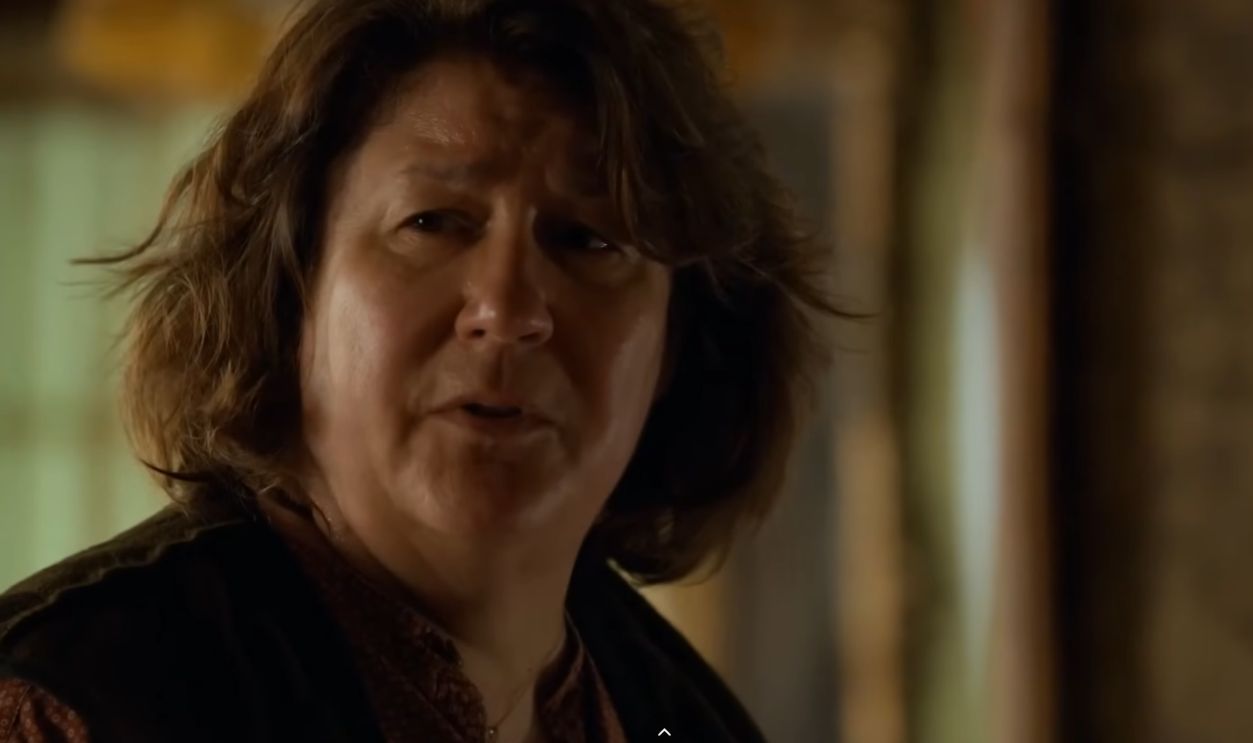 Screenshot from Justified, FX (2010–2015)
Pride And Prejudice
Based on Pride and Prejudice by Jane Austen
This BBC version of the story remains the benchmark for Austen adaptations. It balances faithfulness with warmth, capturing both the romance and the social satire of the novel. For many viewers, this series became the definitive way to experience Austen’s story.
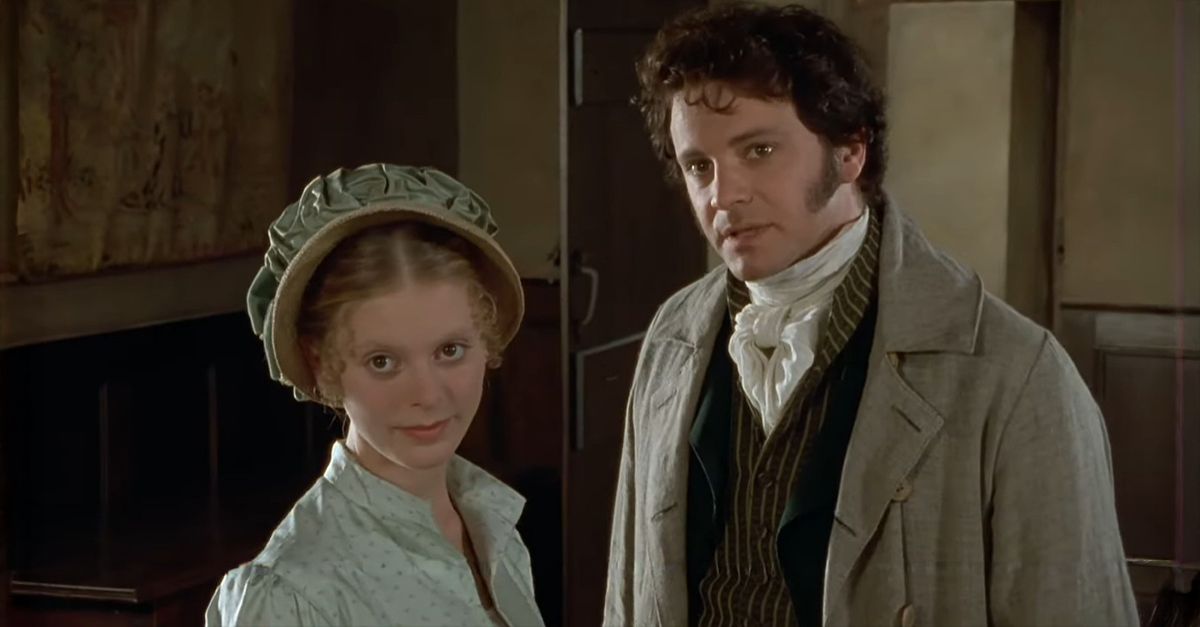 Screenshot from Pride and Prejudice, BBC One (1995)
True Blood
Based on The Southern Vampire Mysteries by Charlaine Harris
The show embraced the books’ supernatural world but pushed the tone further into satire and provocation. While later seasons drifted from the source, early True Blood seasons captured Harris’ blend of fantasy, romance, and social commentary with confidence.
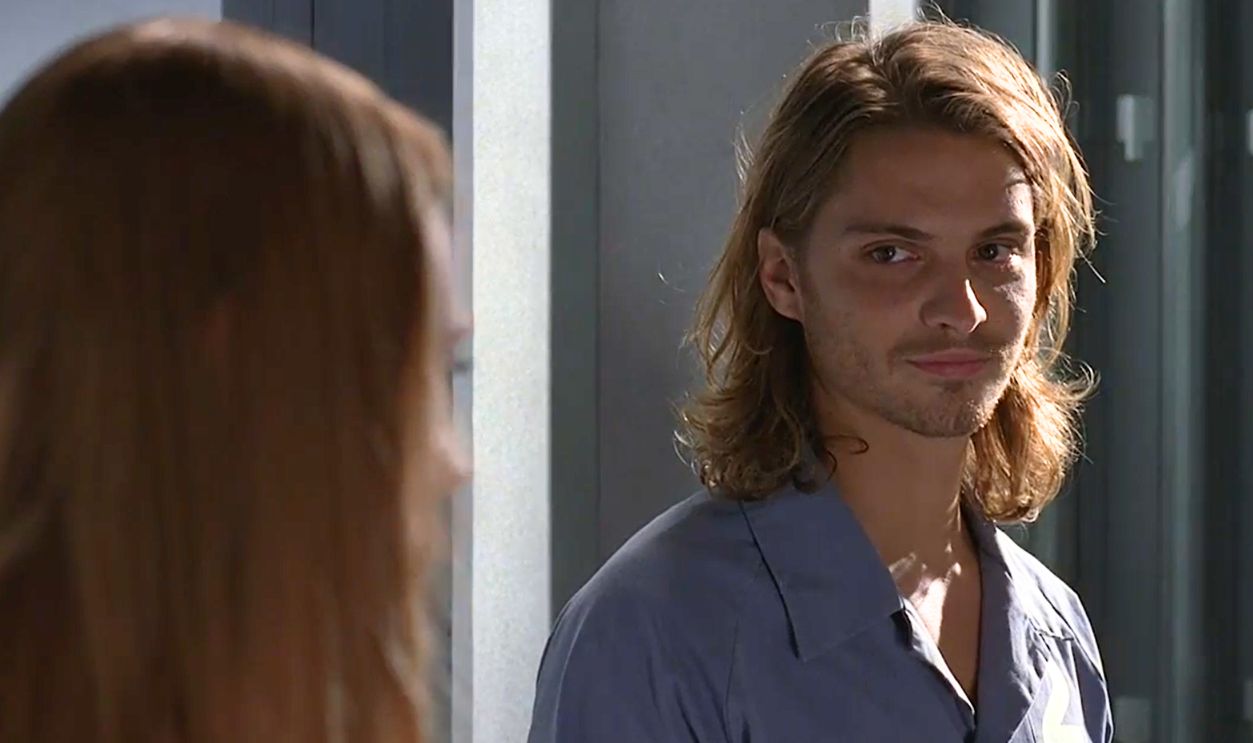 Screenshot from True Blood, HBO (2008–2014)
The Handmaid’s Tale
Based on The Handmaid’s Tale by Margaret Atwood
The first season closely follows Atwood’s novel, translating its quiet dread into striking visuals. Later seasons expanded the world beyond the book, but the adaptation stayed grounded in themes of control, resistance, and survival that made the novel so enduring.
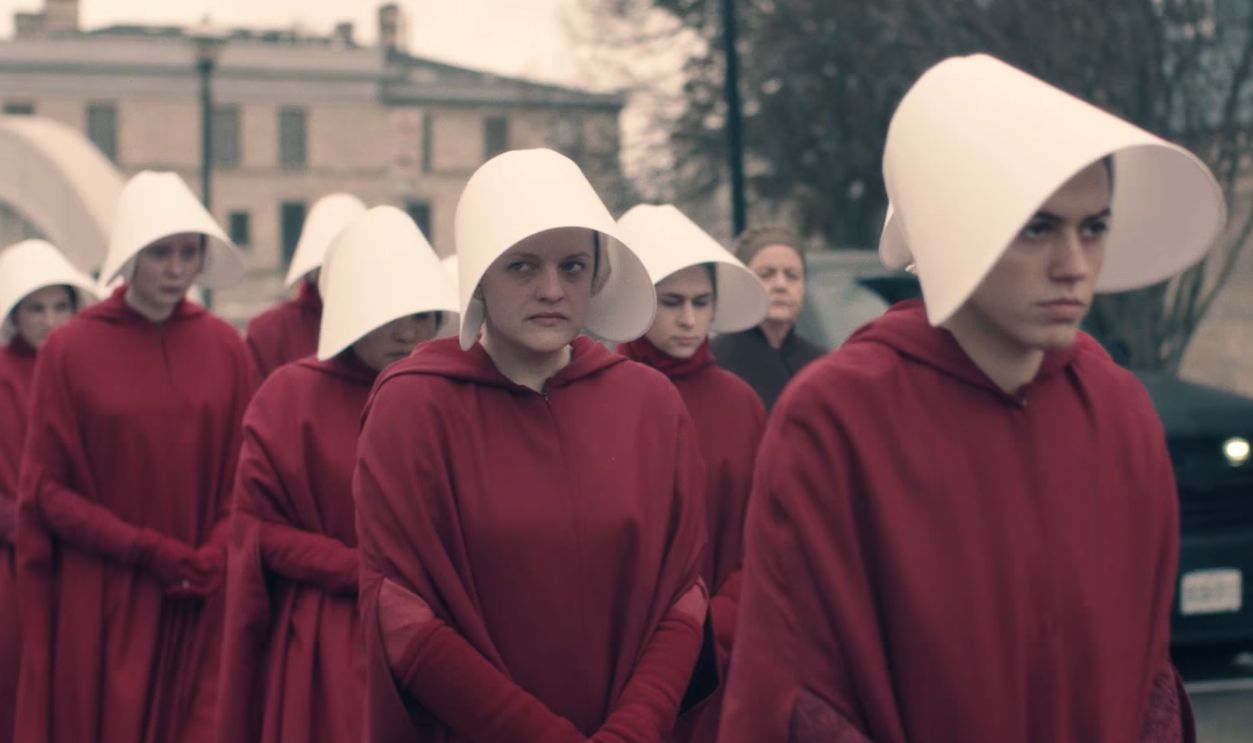 Screenshot from The Handmaid’s Tale, Hulu (2017–2025)
The Expanse
Based on The Expanse series by James SA Corey
With the authors directly involved, the show handled complex world-building with care. The Expanse respected the science, politics, and character depth of the books, earning a reputation as one of the smartest science fiction adaptations on television.
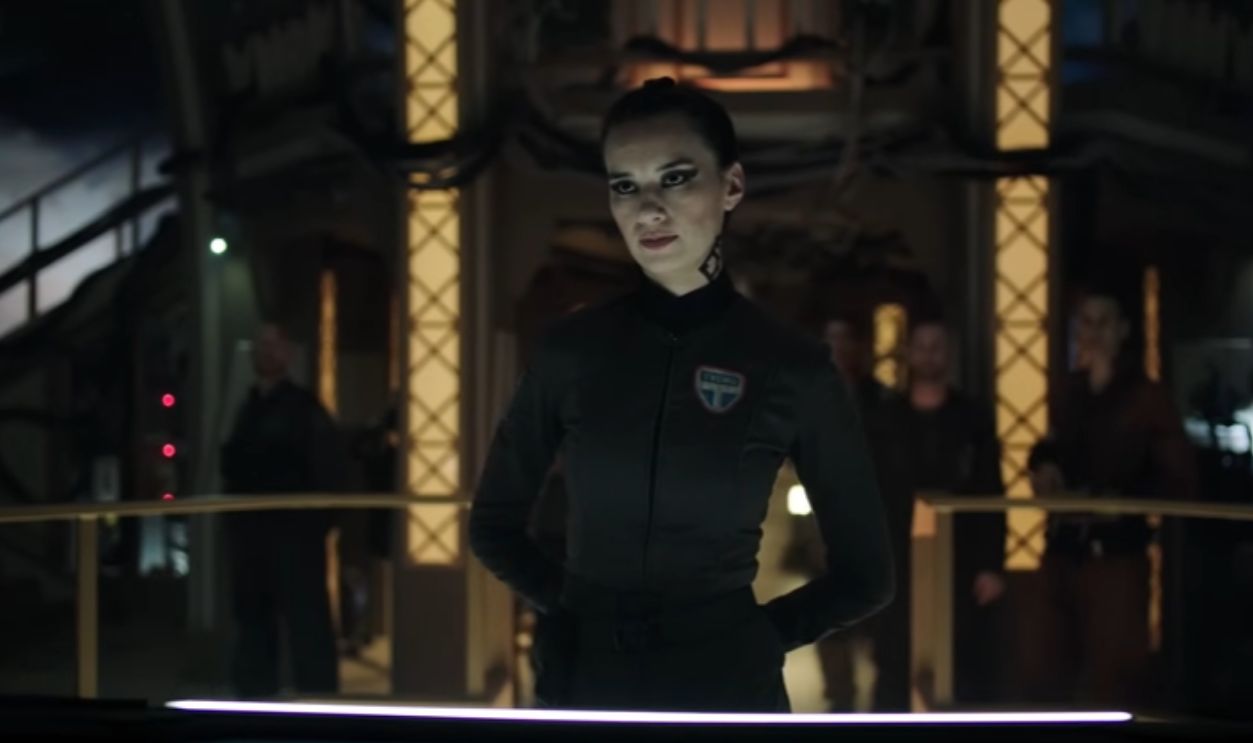 Screenshot from The Expanse, Amazon Prime Video (2015–2022)
The Queen’s Gambit
Based on The Queen’s Gambit by Walter Tevis
This adaptation took a quiet, internal novel and made it visually compelling without losing its emotional center. By focusing on character over spectacle, the series turned chess into gripping drama and introduced a new audience to Tevis’ work.
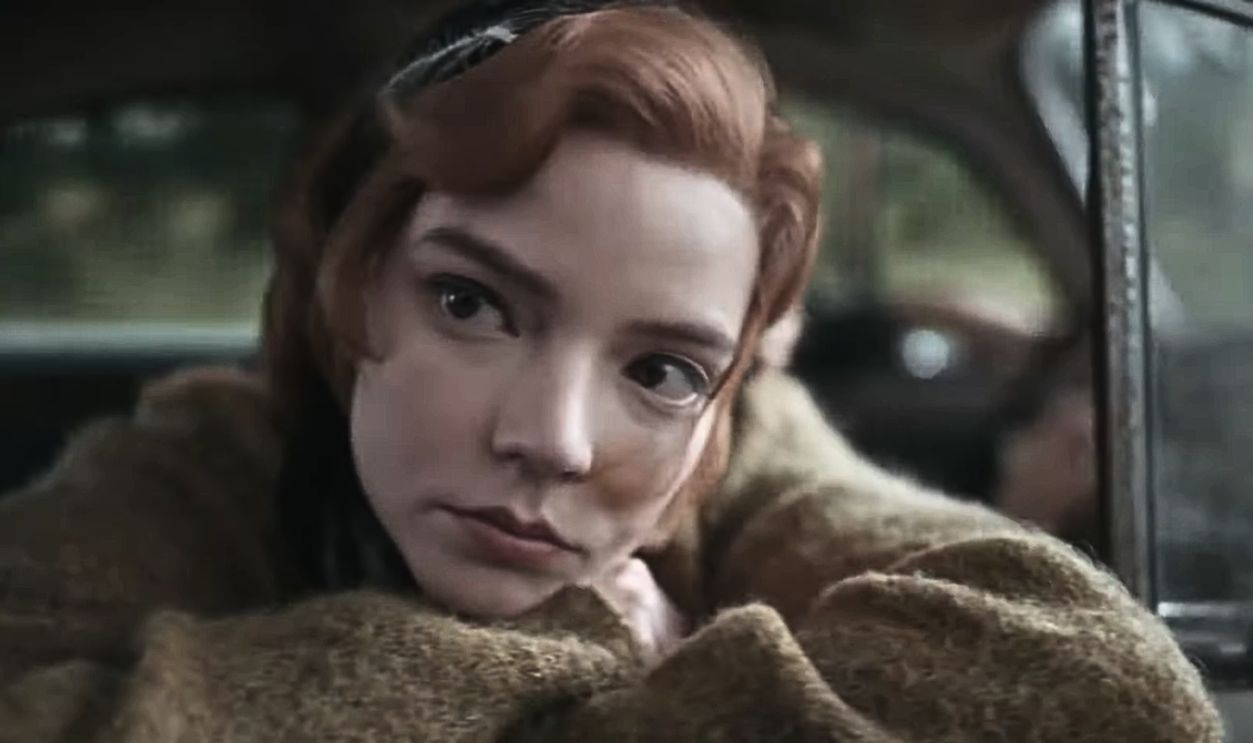 Screenshot from The Queen’s Gambit, Netflix (2020)
I, Claudius
Based on I, Claudius by Robert Graves
Despite limited production resources, this adaptation thrives on writing and performance. It brings Roman history to life through intrigue and character psychology, proving that strong storytelling matters more than spectacle when adapting complex novels.
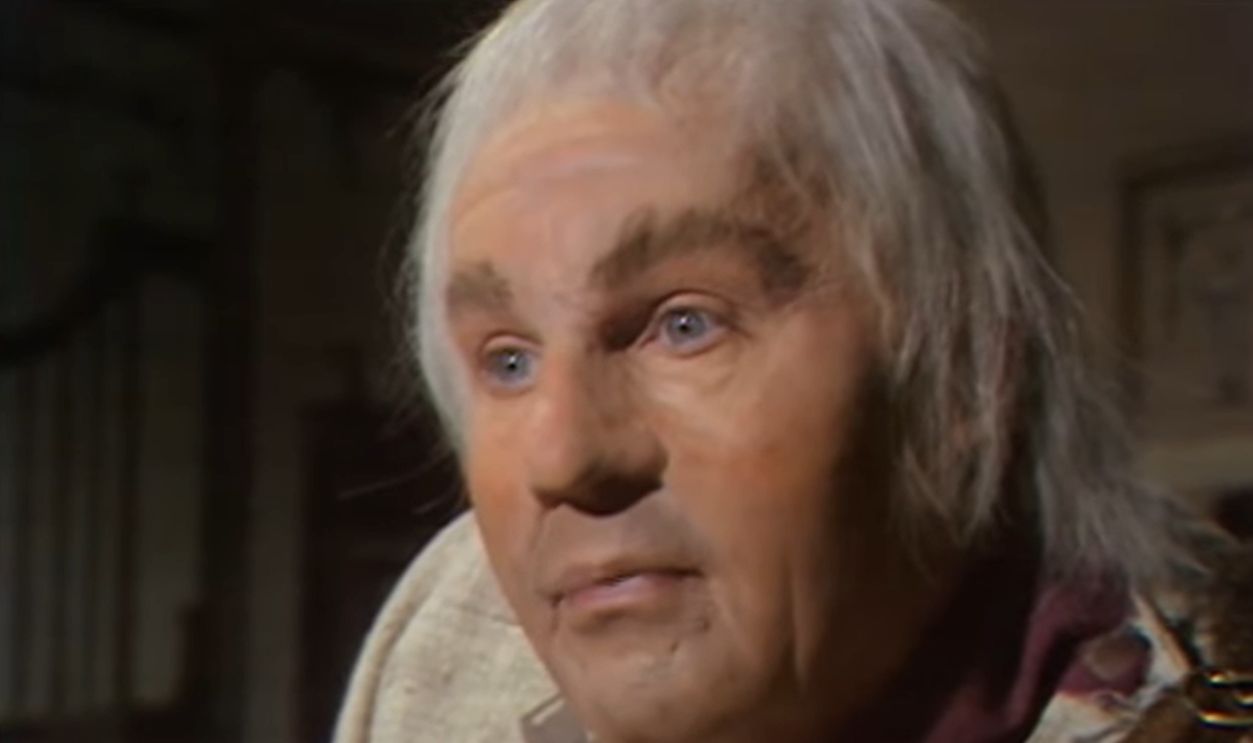 Screenshot from I, Claudius, BBC Two (1976)
M*A*S*H*
Based on MASH: A Novel About Three Army Doctors by Richard Hooker
The show took Hooker’s book and expanded it into something richer and more emotionally layered. While often remembered as a comedy, M*A*S*H* used its literary roots to explore war, ethics, and humanity over an unusually long and successful run.
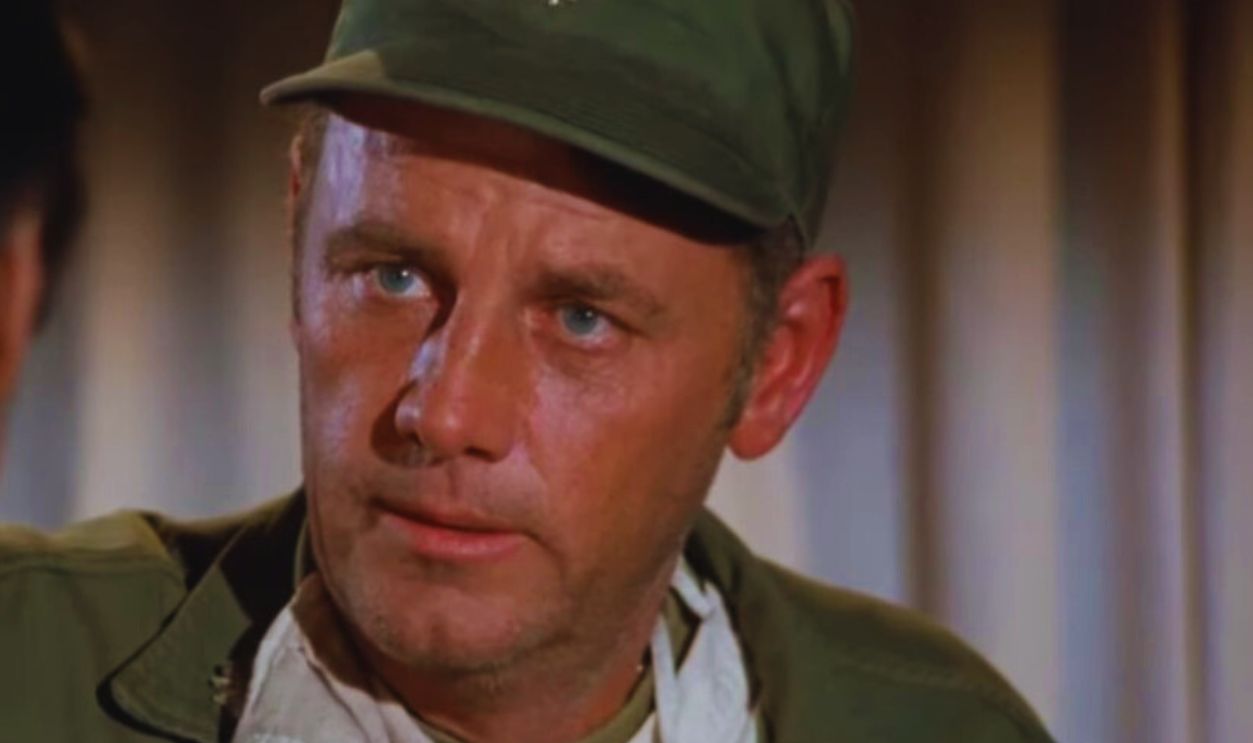 Screenshot from M*A*S*H, CBS (1972-1983)
Sherlock
Based on the Sherlock Holmes stories by Sir Arthur Conan Doyle
By modernizing the setting, Sherlock made classic stories feel urgent again. The show kept Holmes’ intellect and eccentricity intact while reworking the format for modern television, introducing Doyle’s characters to a whole new generation.
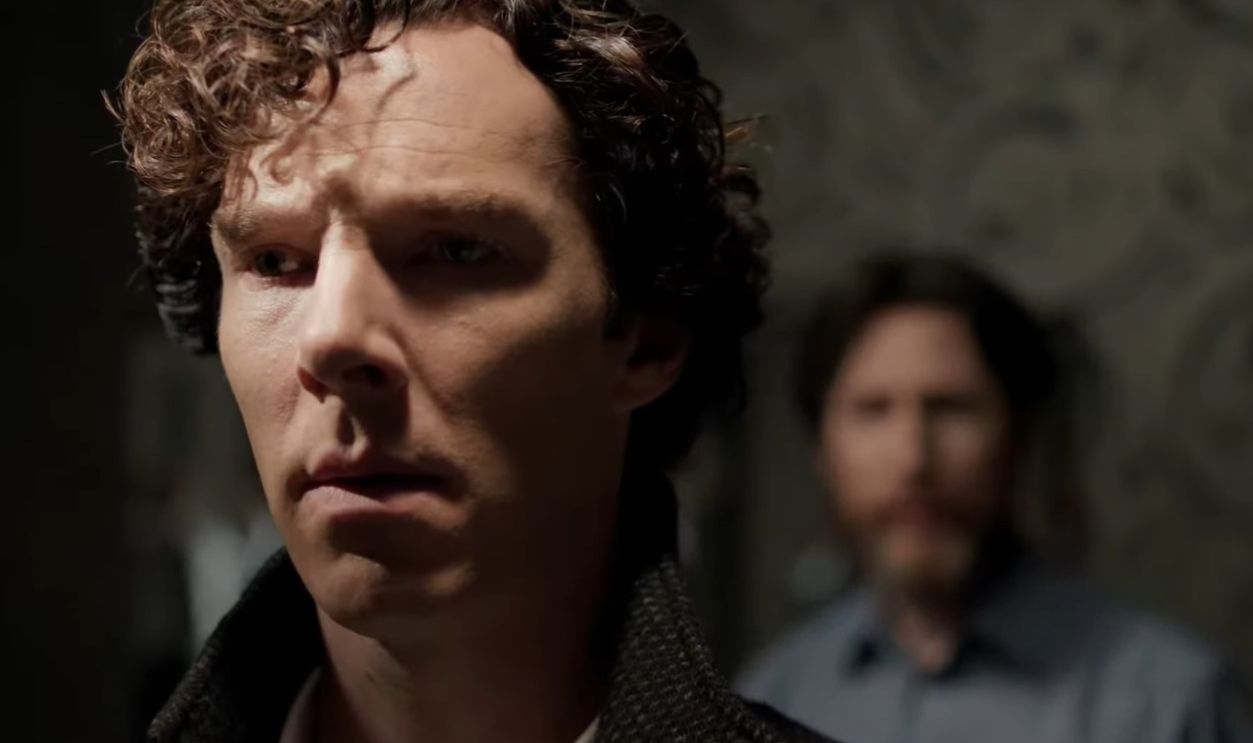 Screenshot from Sherlock, BBC One (2010–2017)
Orange Is The New Black
Based on Orange Is the New Black by Piper Kerman
What began as a memoir became a sprawling ensemble series. The show expanded beyond Kerman’s experience to explore systemic issues and personal stories, using fiction to deepen the book’s themes rather than simply retelling them.
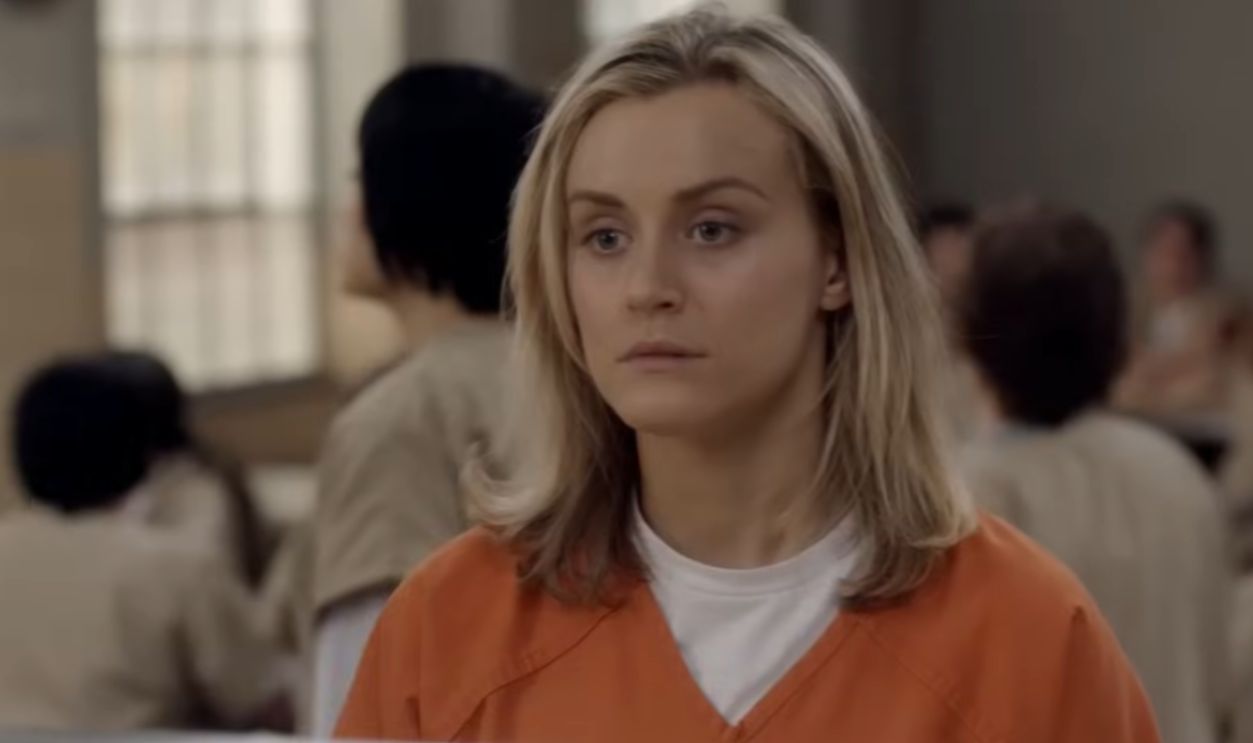 Screenshot from Orange Is The New Black, Netflix (2013–2019)
Big Little Lies
Based on Big Little Lies by Liane Moriarty
This adaptation sharpened the novel’s tension and emotional stakes. With strong performances and careful pacing, the show deepened character relationships while preserving the mystery that drives the story forward.
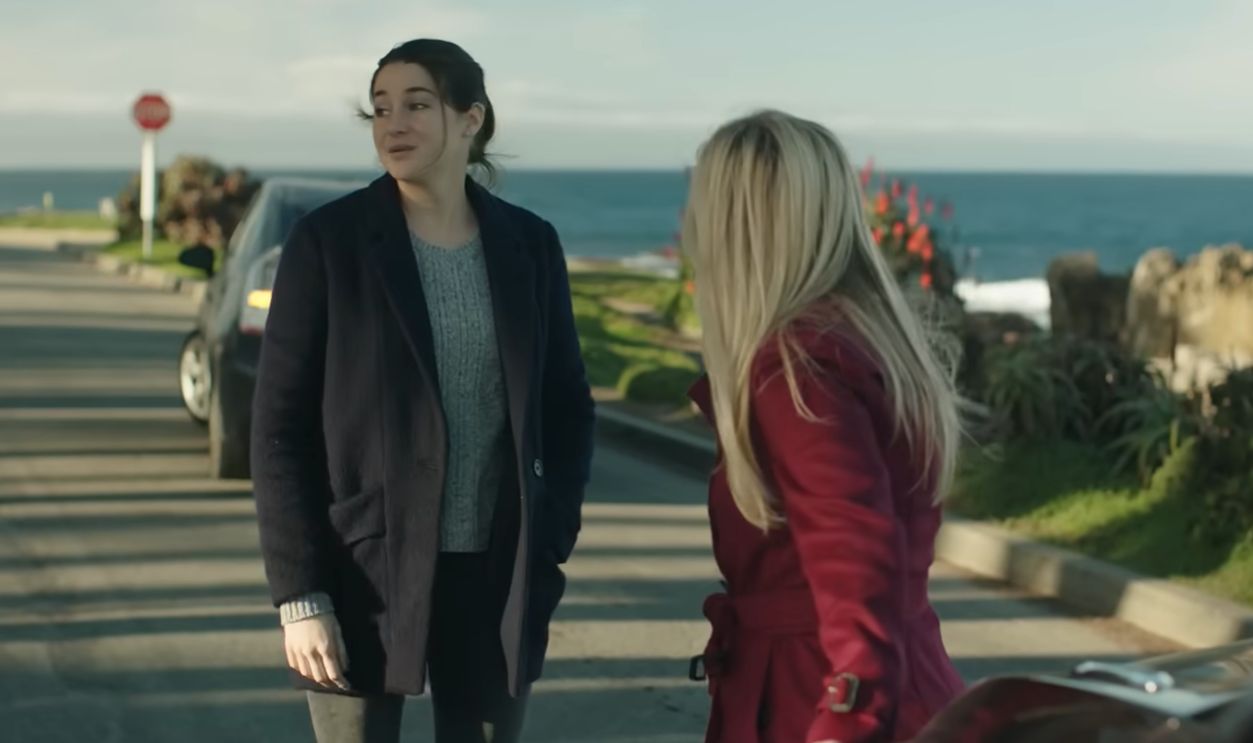 Screenshot from Big Little Lies, HBO (2017-)
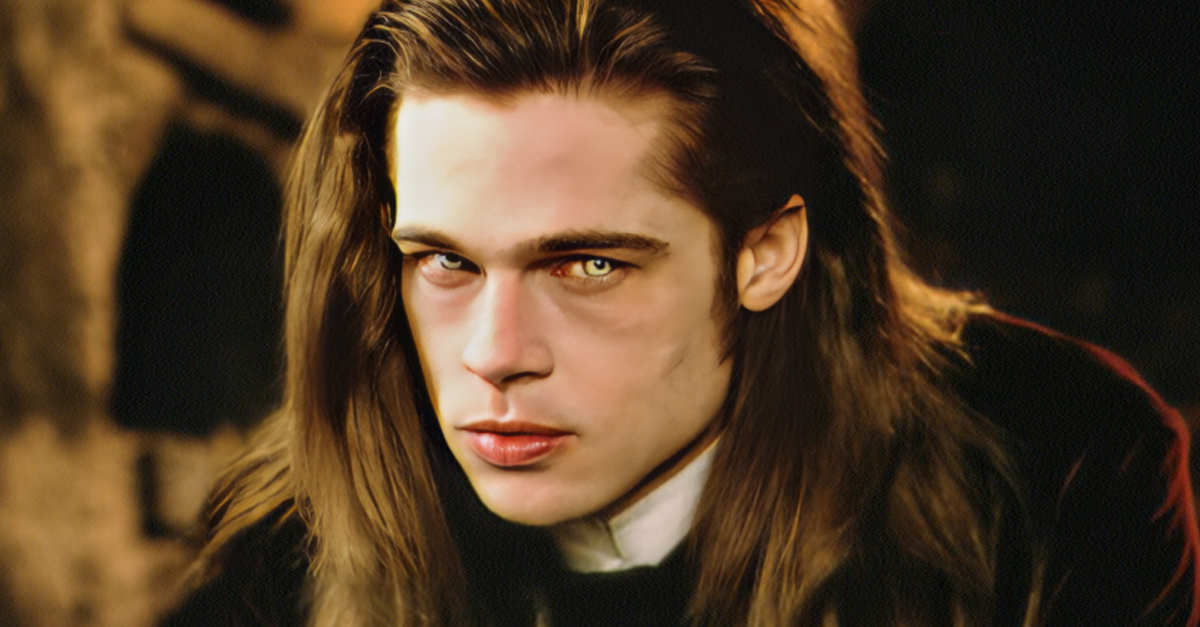
Interview With The Vampire
Based on Interview with the Vampire by Anne Rice
The series reimagined Rice’s gothic novel with more room for character exploration. It stayed true to the emotional core of the book while expanding its themes of immortality, power, and identity across episodes.
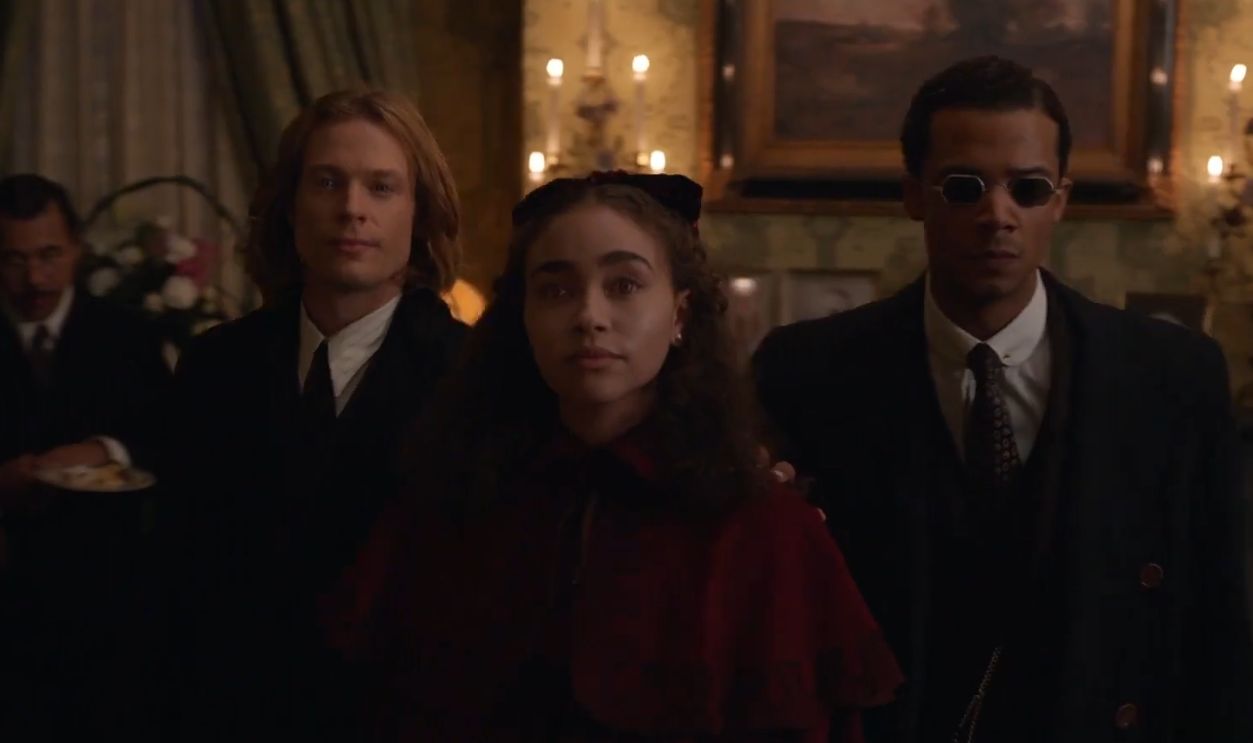 Screenshot from Interview With The Vampire, AMC (2022)
Bosch / Bosch: Legacy
Based on the Harry Bosch novels by Michael Connelly
These shows stayed remarkably close to Connelly’s books in tone and character. By allowing stories to unfold slowly, the adaptation captured the moral weight and realism that made the novels so popular in the first place.
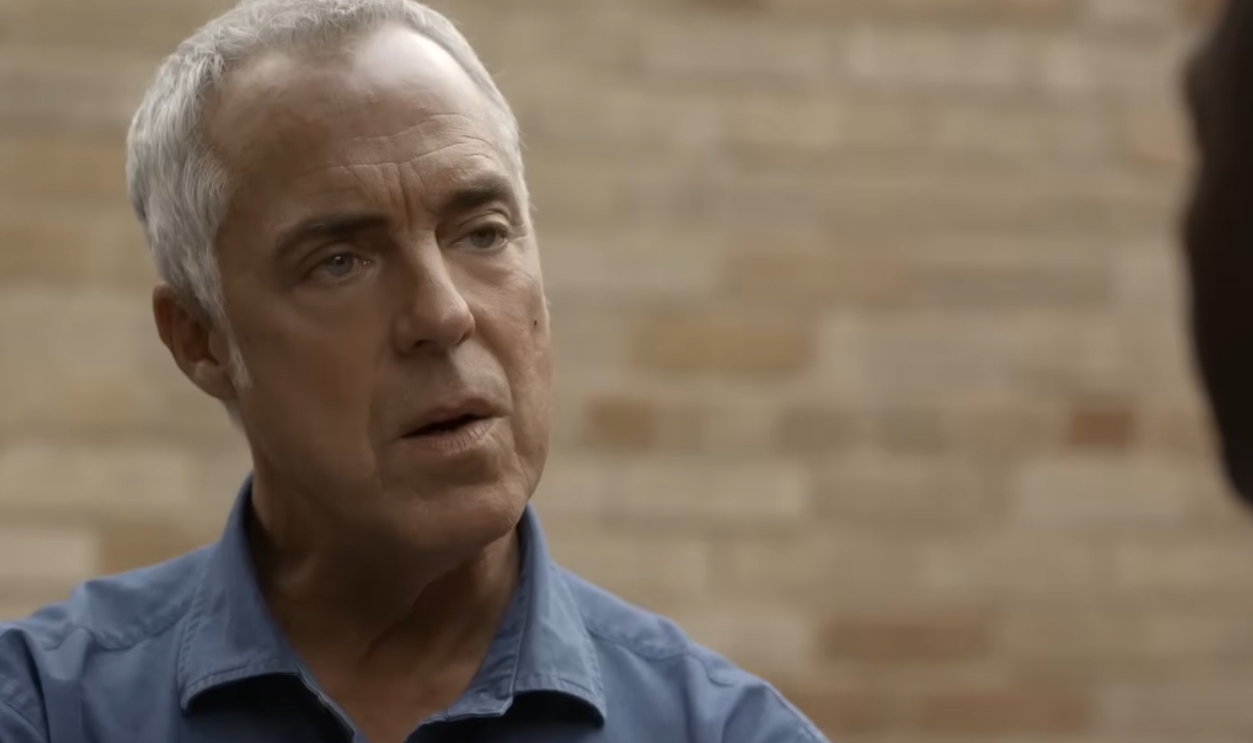 Screenshot from Bosch, Amazon Prime Video (2014–2021)
Reacher
Based on the Jack Reacher novels by Lee Child
This series finally delivered a version of Reacher that matched the books. The tone, pacing, and physical presence felt right, earning trust from longtime readers and setting the stage for a faithful long-term adaptation.
 Screenshot from Reacher, Amazon Prime Video (2022–Present)
The Boys
Based on The Boys by Garth Ennis and Darick Robertson
The show took the comic’s brutal satire and refined it for television. By focusing more tightly on character and power dynamics, The Boys managed to feel even more relevant than its source material.
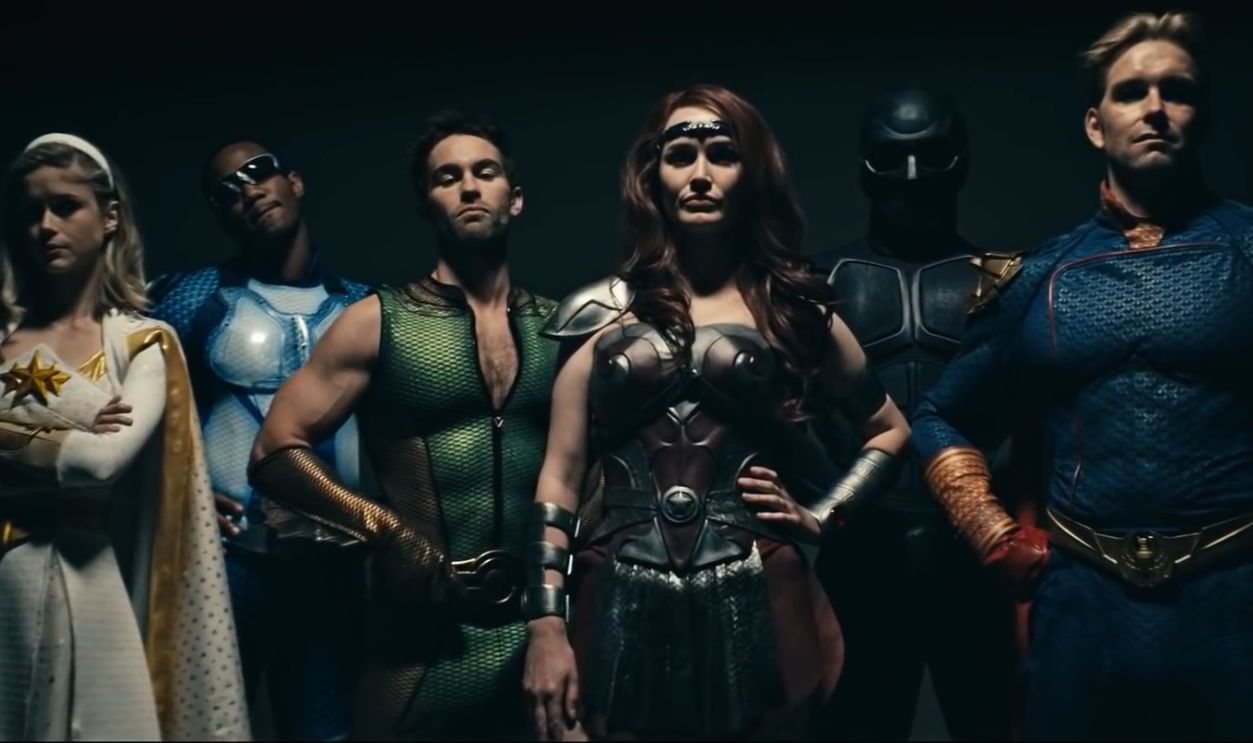 Screenshot from The Boys, Amazon Studios (2019–Present)
You May Also Like:
The Worst Book-to-Movie Adaptations of All Time
Horror Books Hollywood Can’t Fully Capture, No Matter How Hard It Tries
TV To Movie Adaptations So Bad They Nearly Ruined The Show Forever