Country Music Has Always Had A Messy Side
Country music built its mythology around heartbreak, drinking, faith, family, and redemption. Sometimes the lives behind the songs were even messier. These scandals are not ranked, because a conviction obviously belongs in a different category from an awards-show controversy. But each became part of country history.
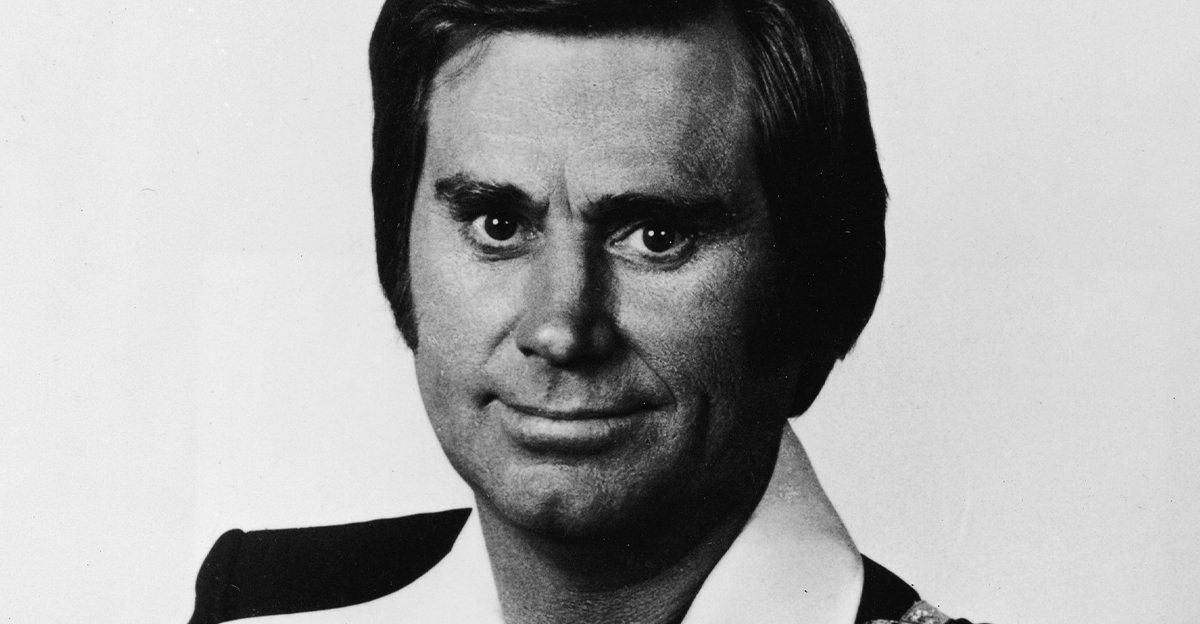
Spade Cooley Was Convicted Of Murdering His Wife
Western swing star Spade Cooley once led a major band, hosted a television program, and carried the nickname “King of Western Swing". His career ended horribly in 1961 when he was convicted of first-degree murder in the killing of his wife, Ella Mae. Cooley received a life sentence.
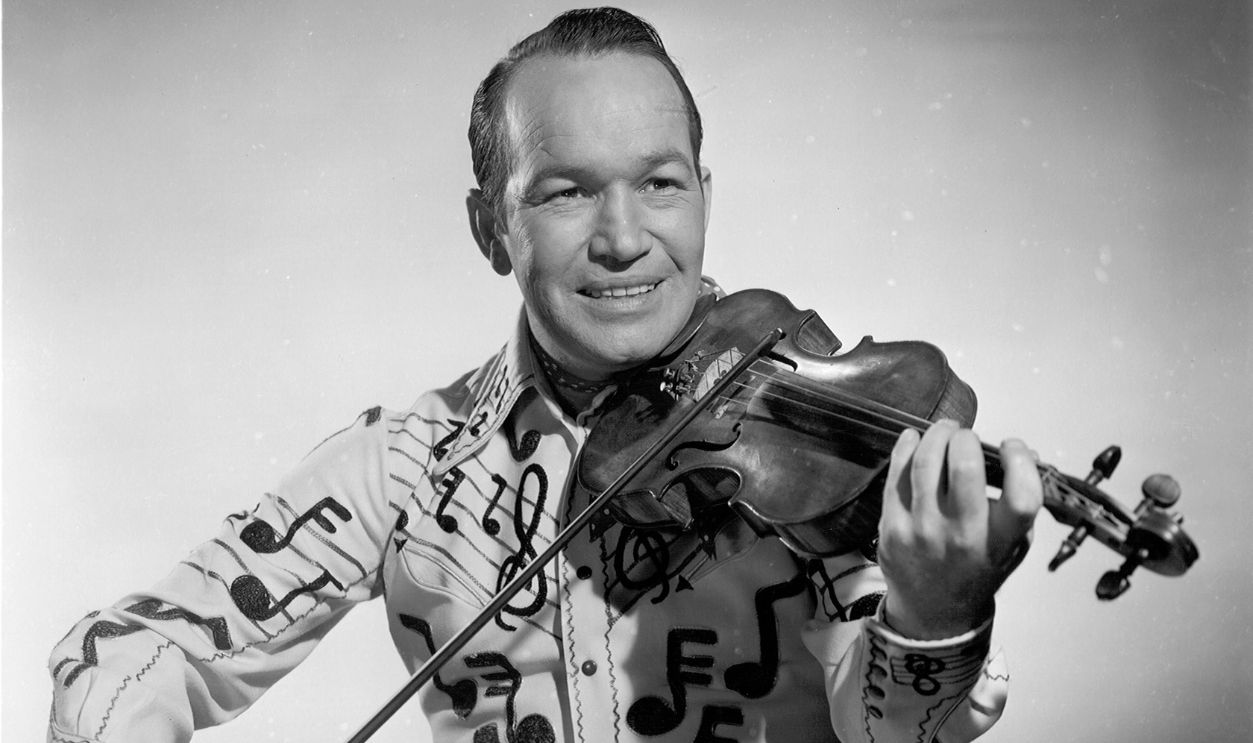 Michael Ochs Archives, Getty Images
His Stardom Could Not Survive The Crime
The details of Ella Mae Cooley’s demise were brutal, and the trial destroyed any separation between Cooley’s public celebrity and his private brutality. Once a recognizable entertainment figure with a Hollywood Walk of Fame star, he became better remembered for his conviction than for the career that preceded it.
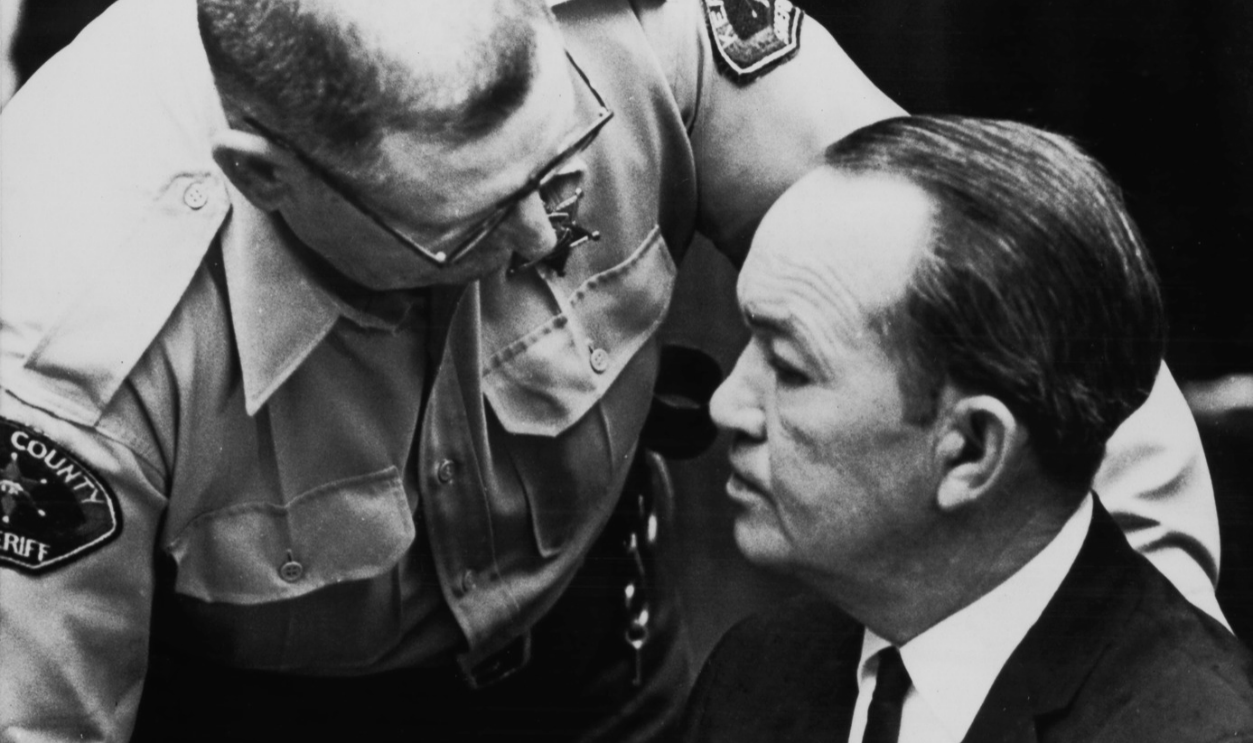
Jerry Lee Lewis Married His 13-Year-Old Cousin
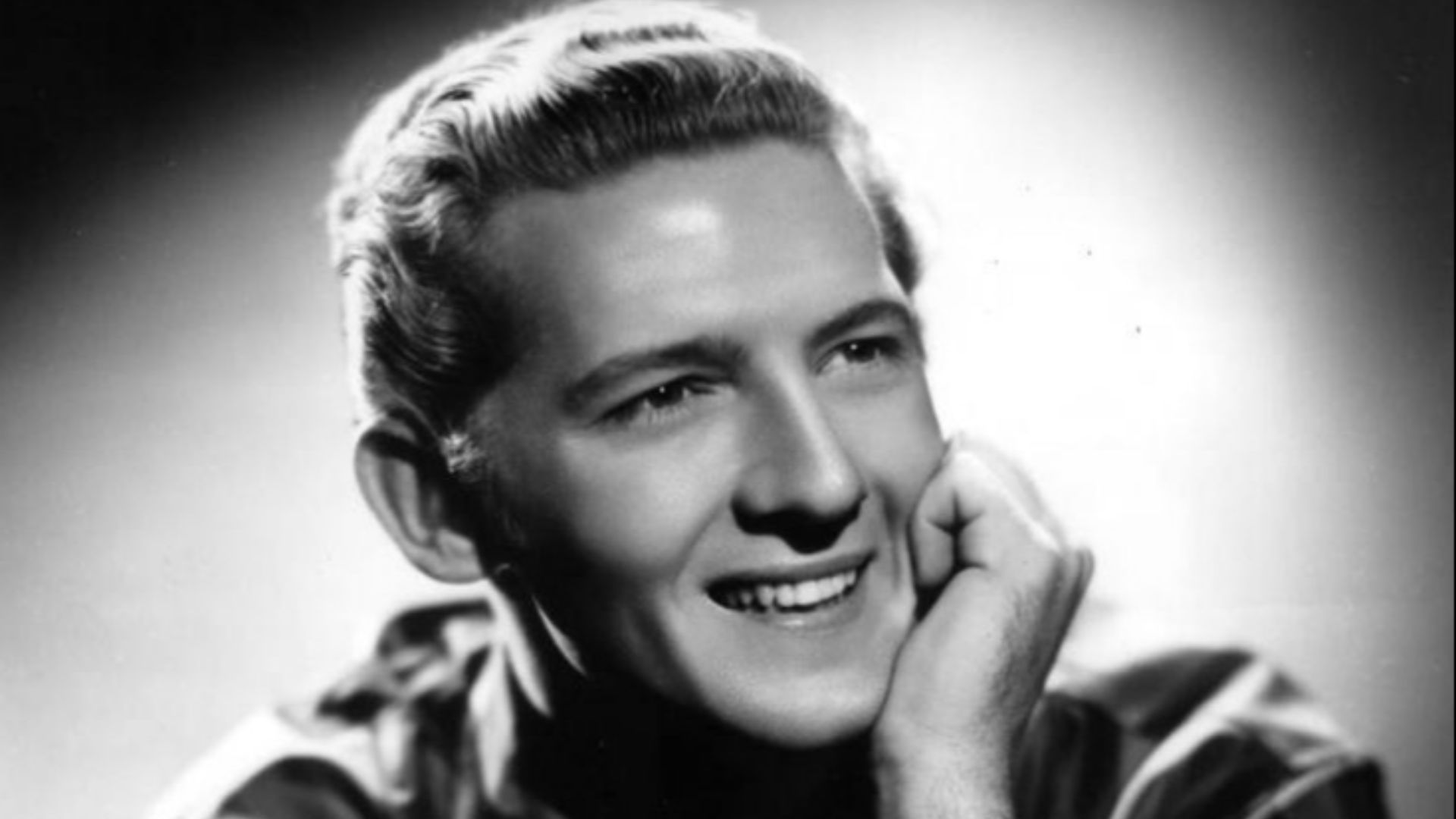
Jerry Lee Lewis was 22 when he married 13-year-old Myra Gale Brown in 1957. She was his second cousin, and Lewis was still legally married to another woman when the wedding occurred. The marriage became public during his 1958 British tour, turning a soaring career into an international scandal almost overnight.
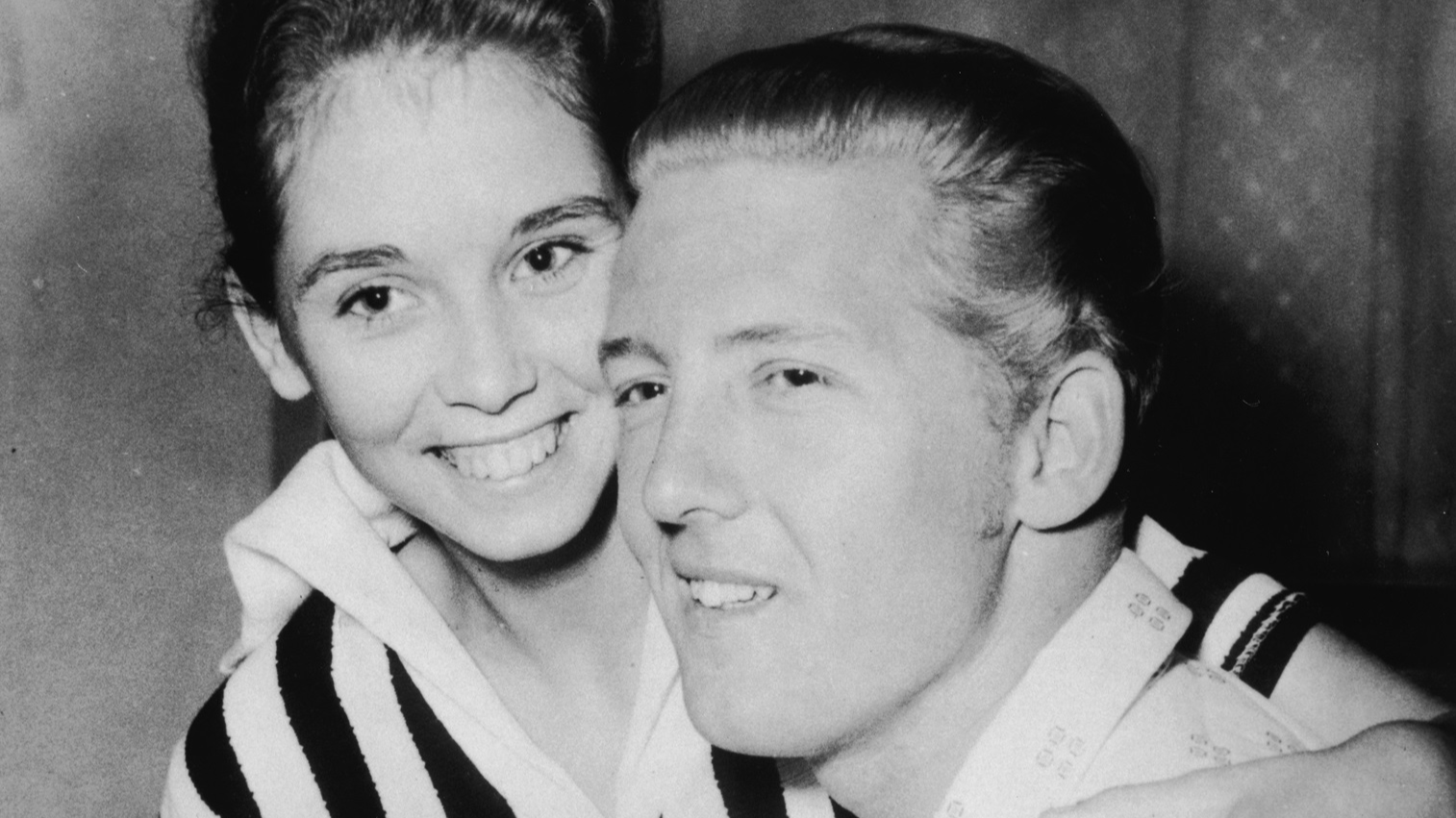
The Fallout Nearly Destroyed His Career
The British tour was quickly canceled, American radio stations turned against Lewis, and his earnings collapsed. Lewis eventually rebuilt his career, particularly as a country performer, but the scandal never disappeared. Decades later, Myra Williams continued speaking publicly about what it was like to become a wife and mother while still a teenager.
 photographer:Maurice Seymour, Chicago., Wikimedia Commons
Hank Williams Was Fired By The Grand Ole Opry
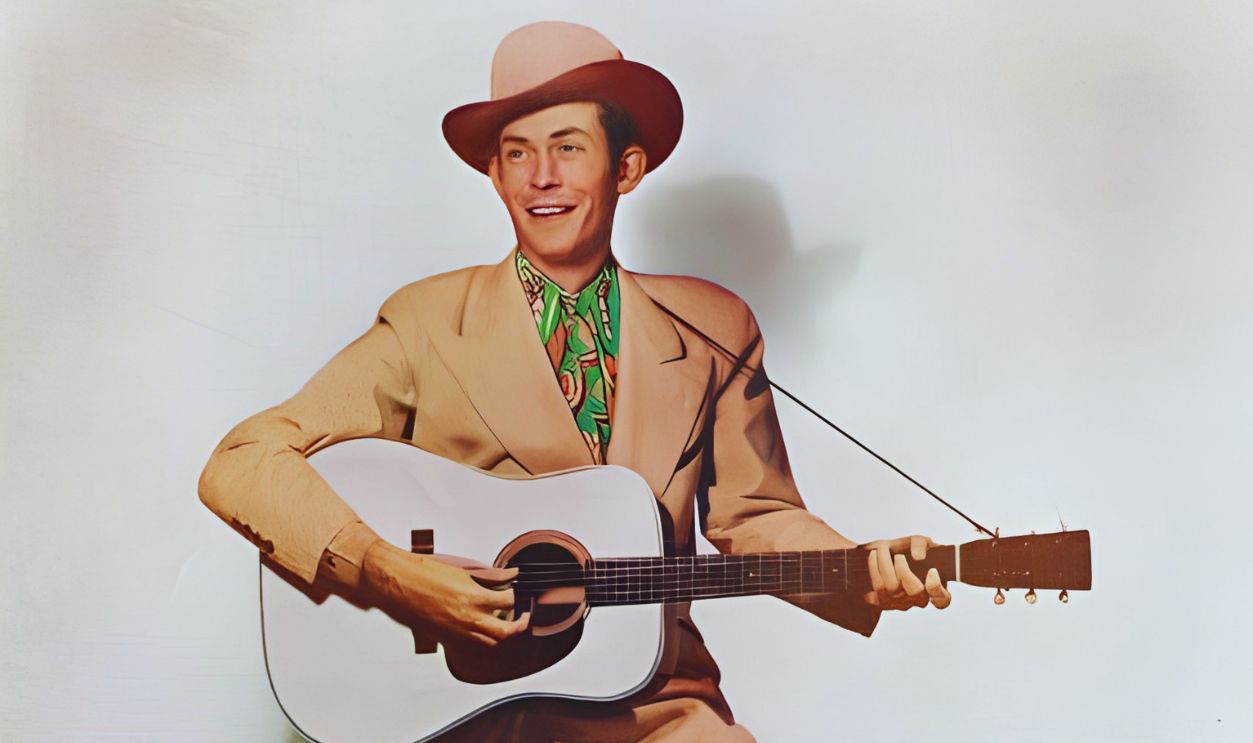
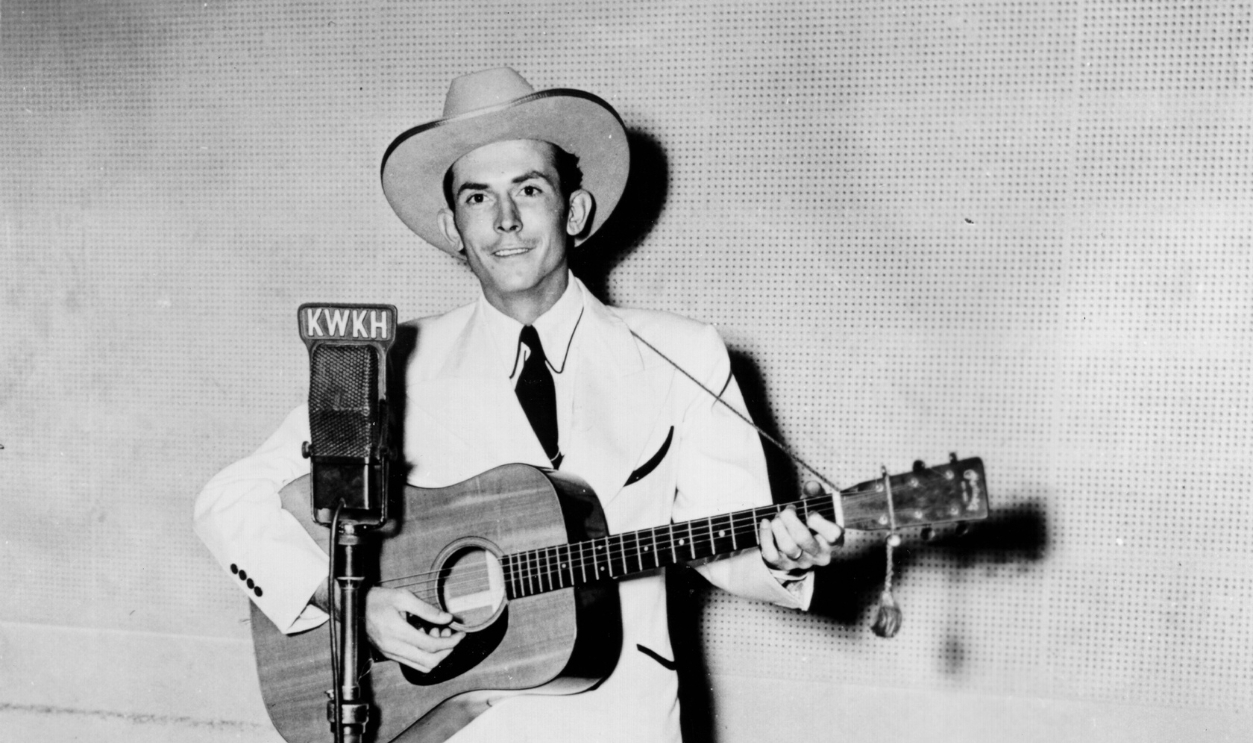
Hank Williams was one of country music’s brightest stars when drinking, prescription drug use, chronic pain, and missed performances began destabilizing his career. In August 1952, the Grand Ole Opry dismissed him. Williams continued performing elsewhere, but his professional reliability had deteriorated dramatically.
His Collapse Happened Frighteningly Fast
Williams was only 28 when the Opry let him go. Less than five months later, he passed at 29 while traveling to a performance. The firing has become one of country history’s saddest examples of an institution recognizing that a superstar was in serious trouble without being able to stop what followed.
 Michael Ochs Archives, Getty Images
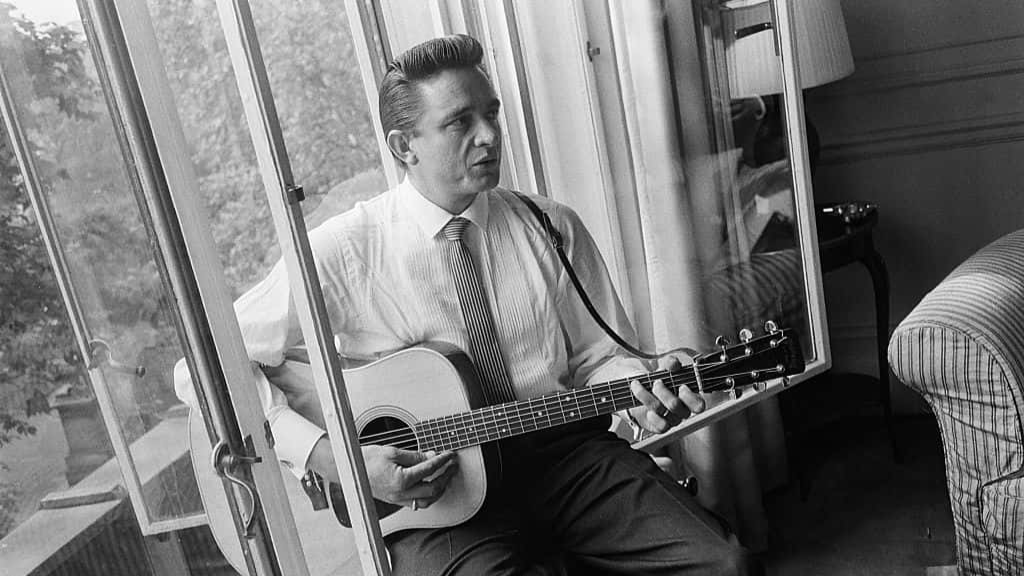
Johnny Cash Was Caught With Hundreds Of Pills
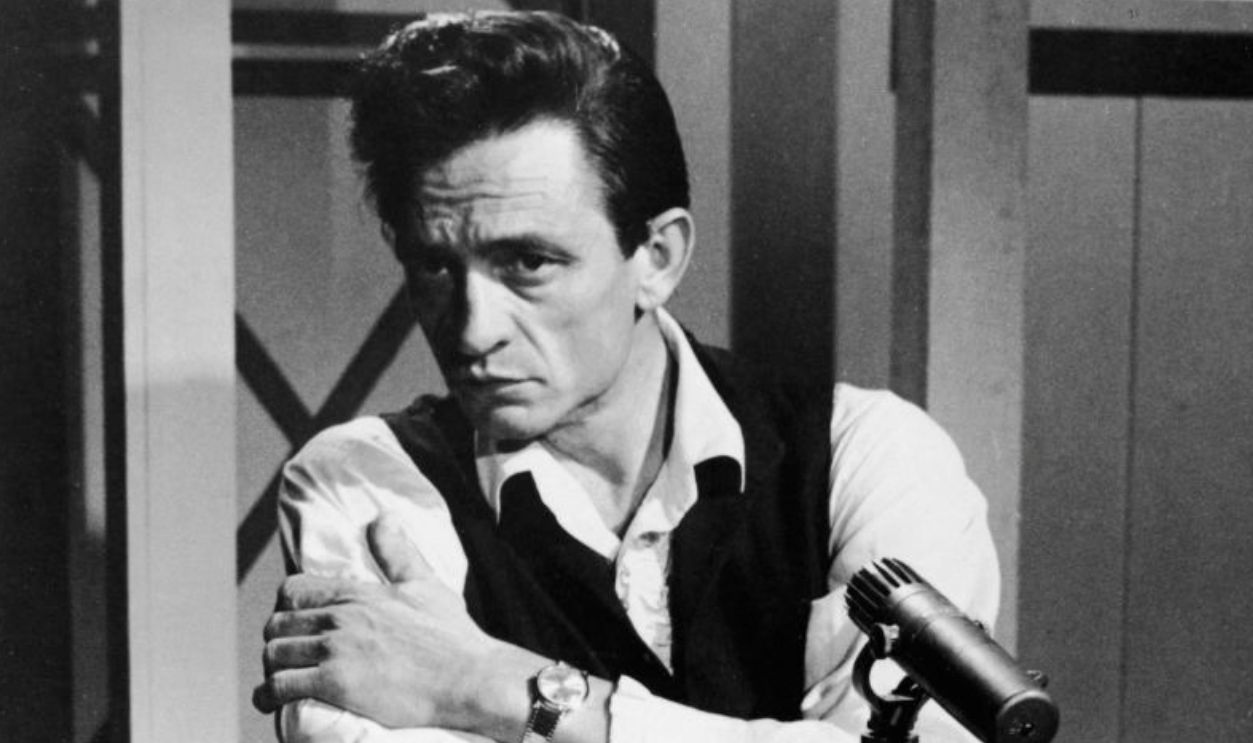
Johnny Cash’s outlaw image was not entirely manufactured. In 1965, customs officers in El Paso discovered hundreds of amphetamine and sedative pills hidden in his guitar case after he returned from Mexico. Cash spent a night behind bars and later pleaded guilty to possession, receiving a deferred sentence and fine.
Cash’s Arrests Became Part Of His Legend
Cash was taken in more than once during his years of heavy substance use, although the popular idea that he served a long sentence is false. He never did. His real struggles were serious enough without embellishment, and his eventual recovery became nearly as central to his public mythology as the outlaw years themselves.
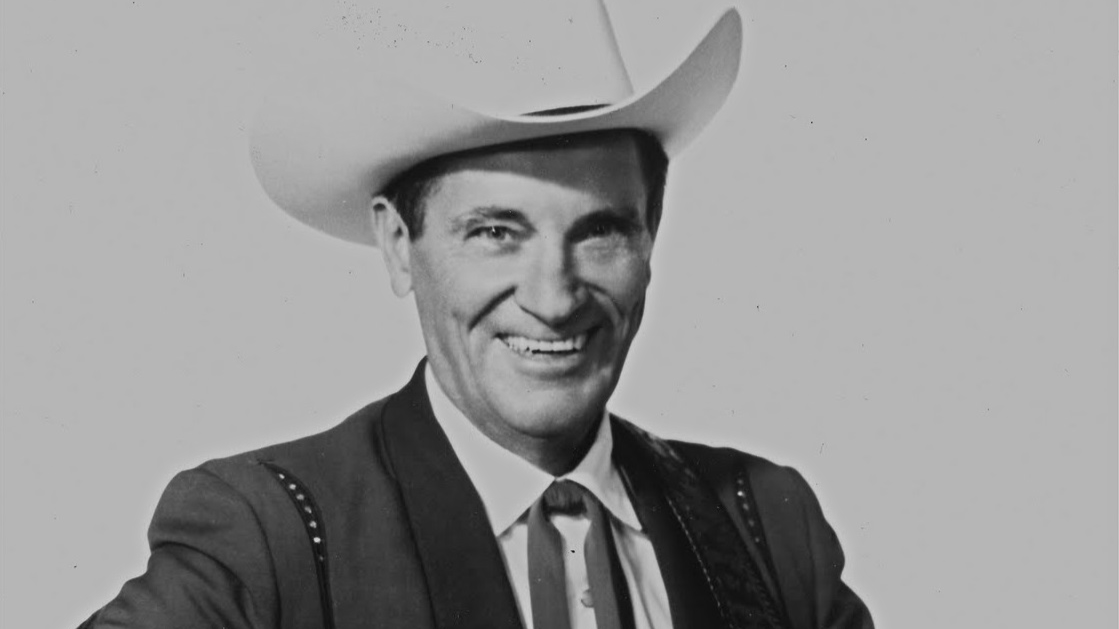
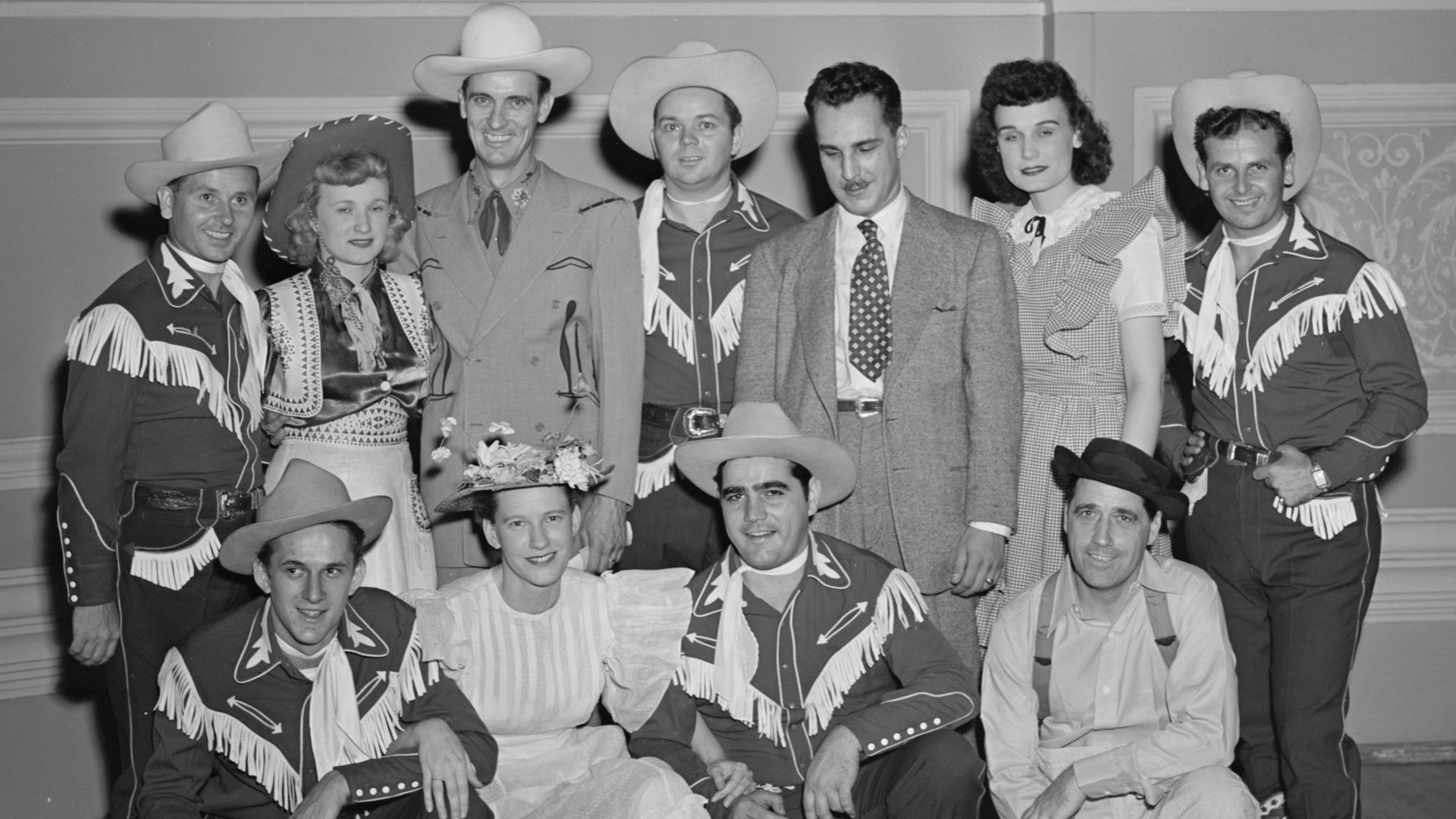
Ernest Tubb Went Looking For A Man With A Gun
One of old Nashville’s strangest incidents involved Grand Ole Opry legend Ernest Tubb. In 1957, an unstable Tubb entered Nashville’s National Life Building carrying a magnum while looking for music executive Jim Denny. He shot at a man he mistook for Denny, but the bullets struck the walls instead.
 Atlas Artist Bureau, Wikimedia Commons
The Incident Somehow Did Not End Tubb’s Career
Tubb was apprehended for drinking too much in public, yet the bizarre episode did surprisingly little lasting damage to his stature. He remained a major Opry figure and later entered the Country Music Hall of Fame. It is an astonishing reminder of how differently celebrity scandals could be handled in an earlier era.
 William P. Gottlieb, Wikimedia Commons
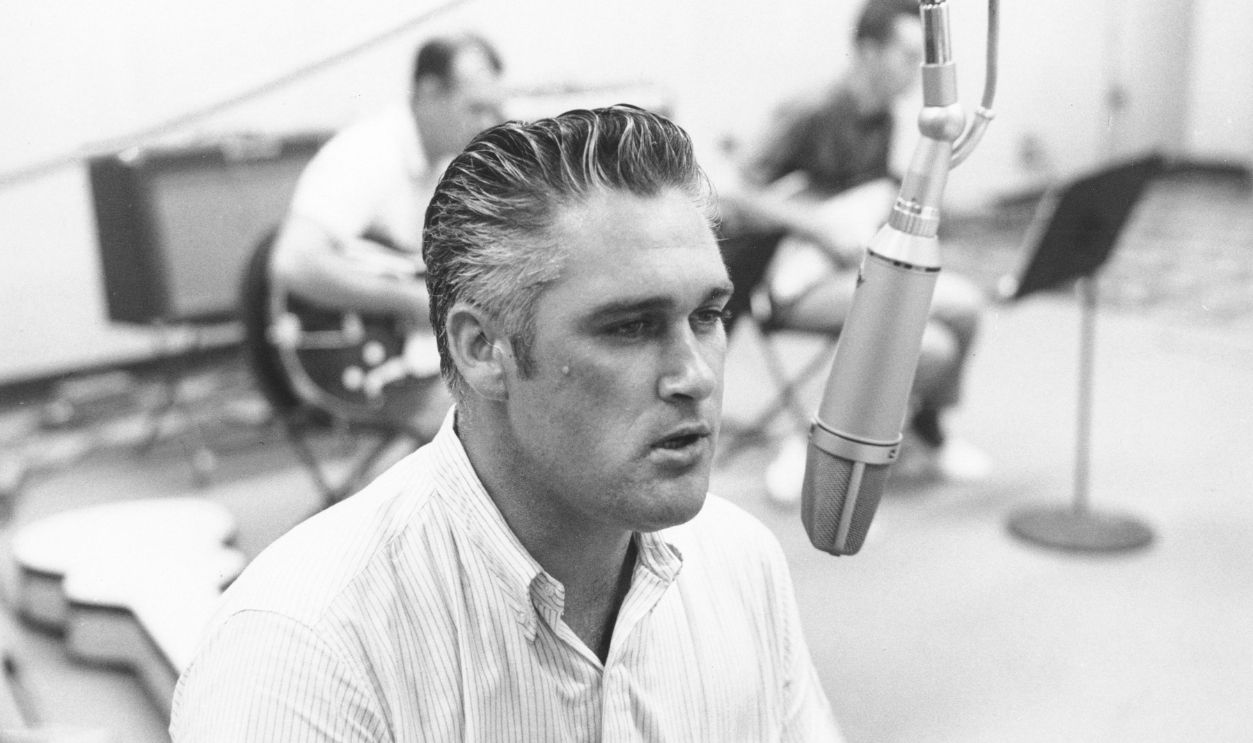
Charlie Rich Set John Denver’s Winning Card On Fire
At the 1975 CMA Awards, Charlie Rich opened the envelope naming John Denver Entertainer of the Year, took out a lighter, and set the winning card on fire before announcing Denver’s name. To viewers, it looked like a spectacular protest against country music’s increasingly pop-friendly direction.
 Michael Ochs Archives, Getty Images
The Story Behind The Fire Was Less Simple
Rich’s son later disputed the idea that the moment was a calculated attack on Denver. Rich had reportedly been drinking, taking pain medication, and suffering from a broken foot. Whatever his intention, the image of a country star burning the CMA winner’s name on live television became impossible to forget.
Johnny Paycheck Shot A Man In A Bar
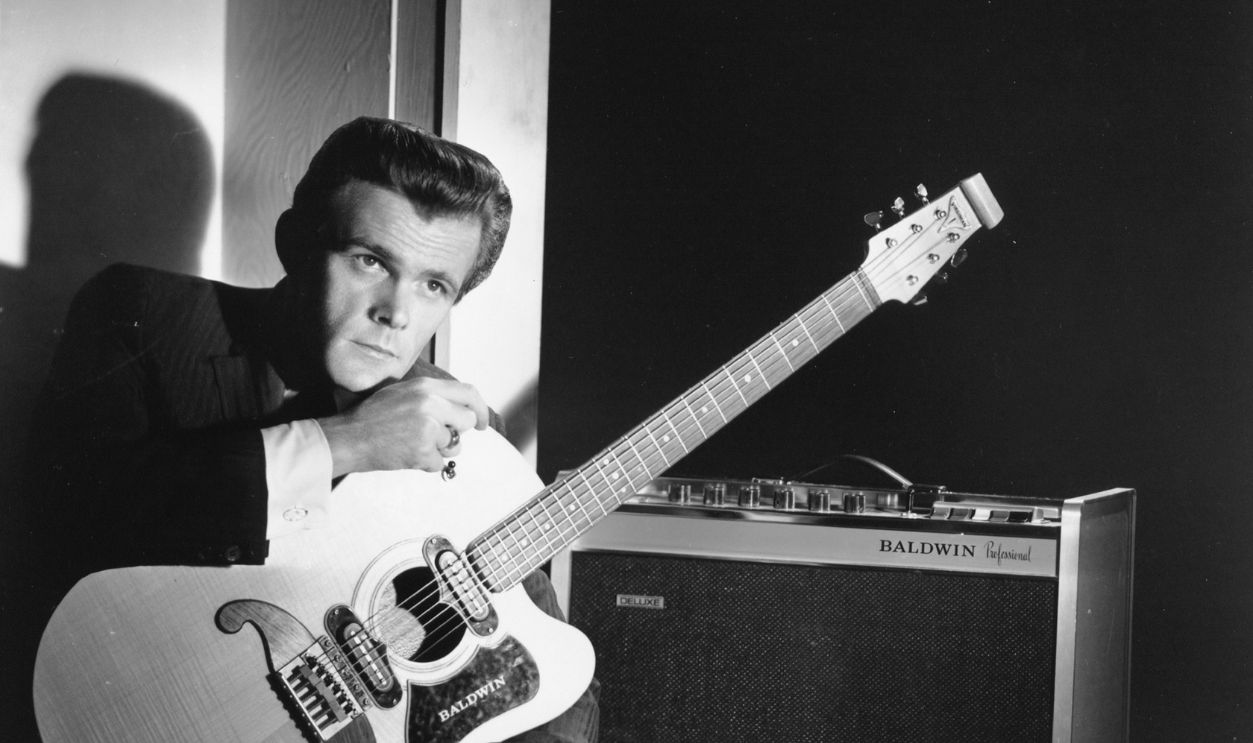
Johnny Paycheck’s outlaw reputation became frighteningly literal after a 1985 argument in an Ohio bar. Paycheck shot patron Larry Wise and was later convicted. The case led to years of appeals before Paycheck finally wound up behind bars in 1989.
 Michael Ochs Archives, Getty Images
Paycheck Wounds Up Behind Bars
Ohio Governor Richard Celeste later commuted Paycheck’s sentence, and he was released in early 1991 after serving roughly two years. For a singer famous for “Take This Job and Shove It,” the real-life outlaw chapter was far more serious than anything suggested by his rebellious image.
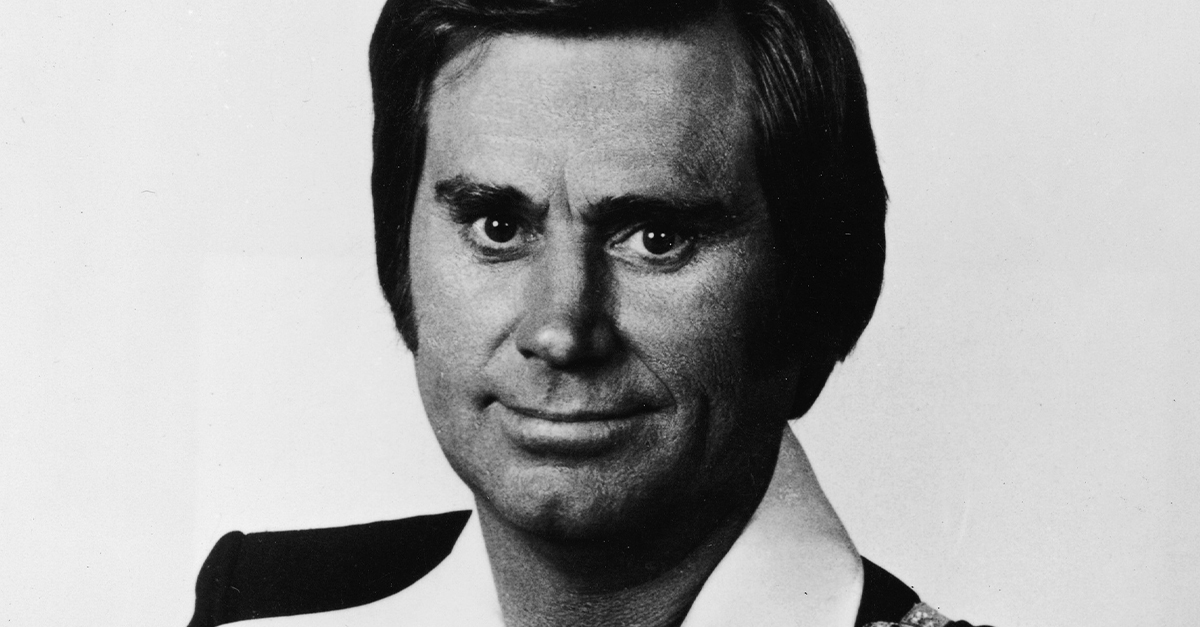
George Jones Became “No-Show Jones”
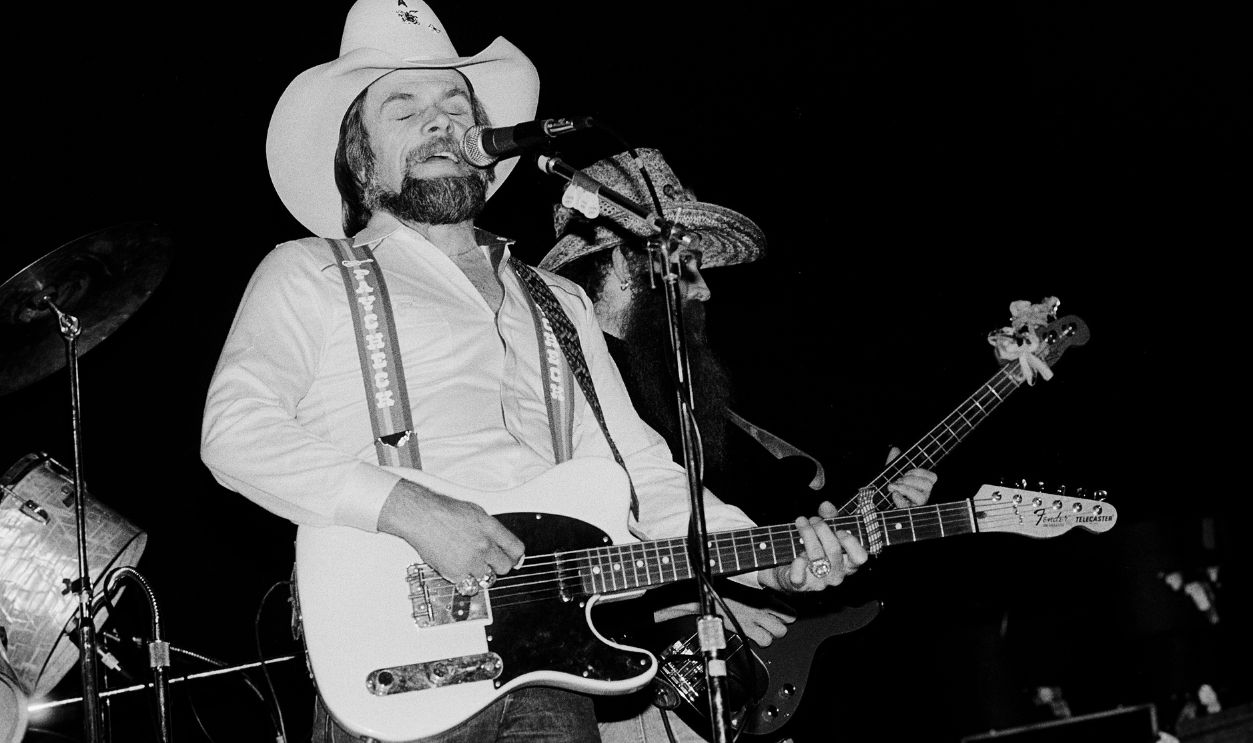
George Jones had one of country music’s most revered voices, but his drinking and addiction repeatedly wrecked his professional life. During the 1970s and early 1980s, he missed dozens of concerts, was apprehended by authorities and hospitalized repeatedly, and earned the humiliating nickname “No-Show Jones".
His Problems Became Almost As Famous As His Voice
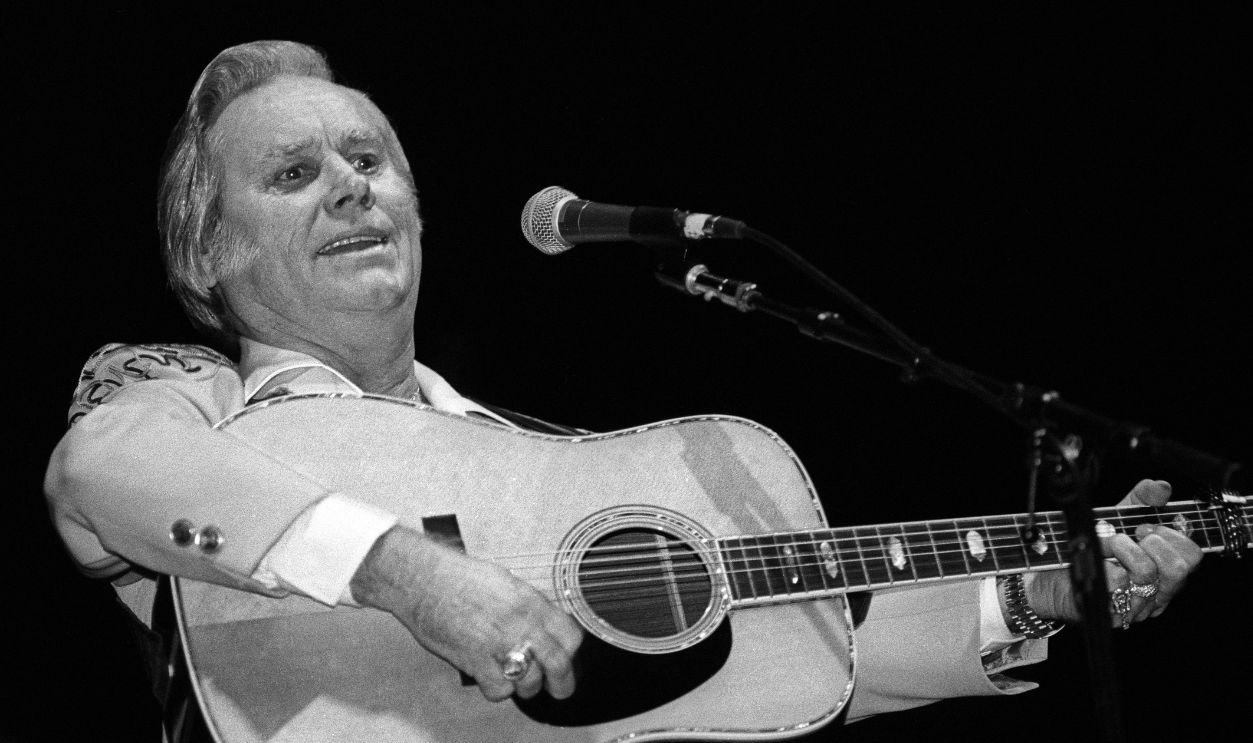
Jones’s addictions generated financial trouble, damaged relationships, and unpredictable behavior even while he recorded masterpieces such as “He Stopped Loving Her Today". His later sobriety transformed the final decades of his career, but the chaos of the “No-Show” years remained a major part of his legend.
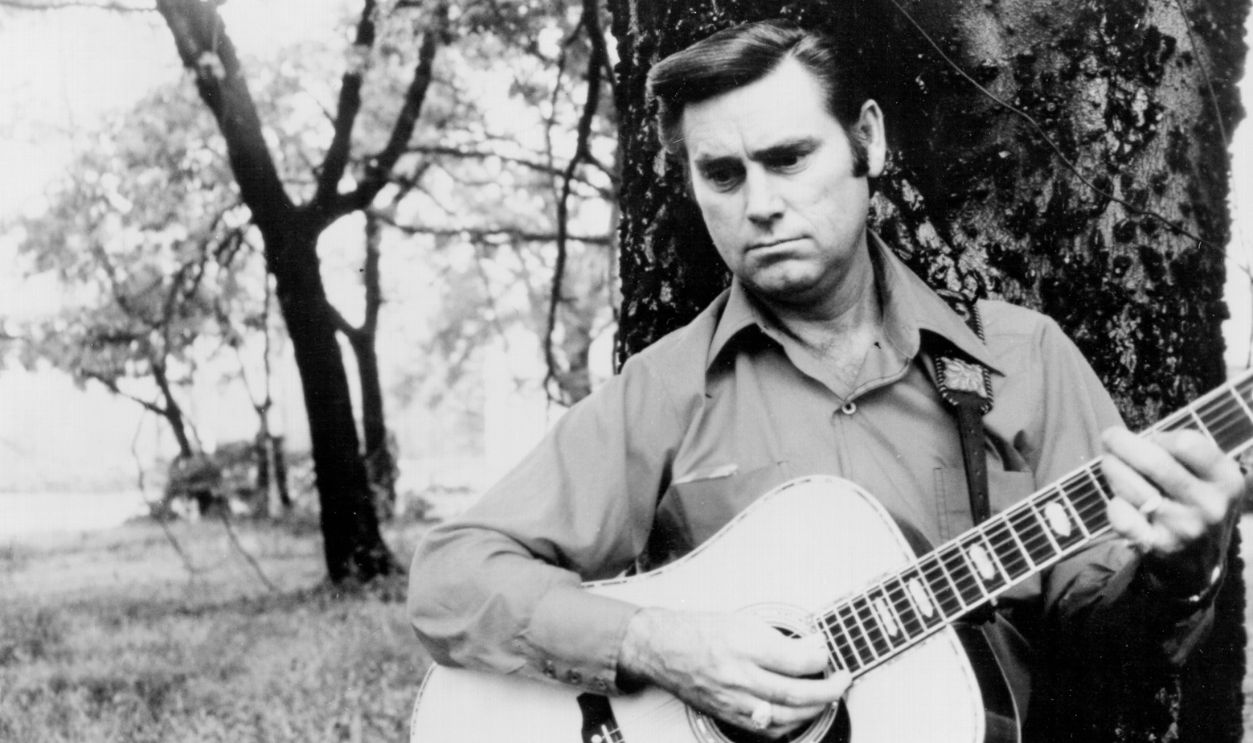 Michael Ochs Archives, Getty Images
Waylon Jennings Faced Serious Charges
At the height of the outlaw-country movement, Waylon Jennings was apprehended in Nashville in 1977 and charged with conspiracy and possession with intent to distribute. The charges were eventually dismissed. Jennings later spoke openly about the extent of his substance use and the financial and personal destruction it caused.
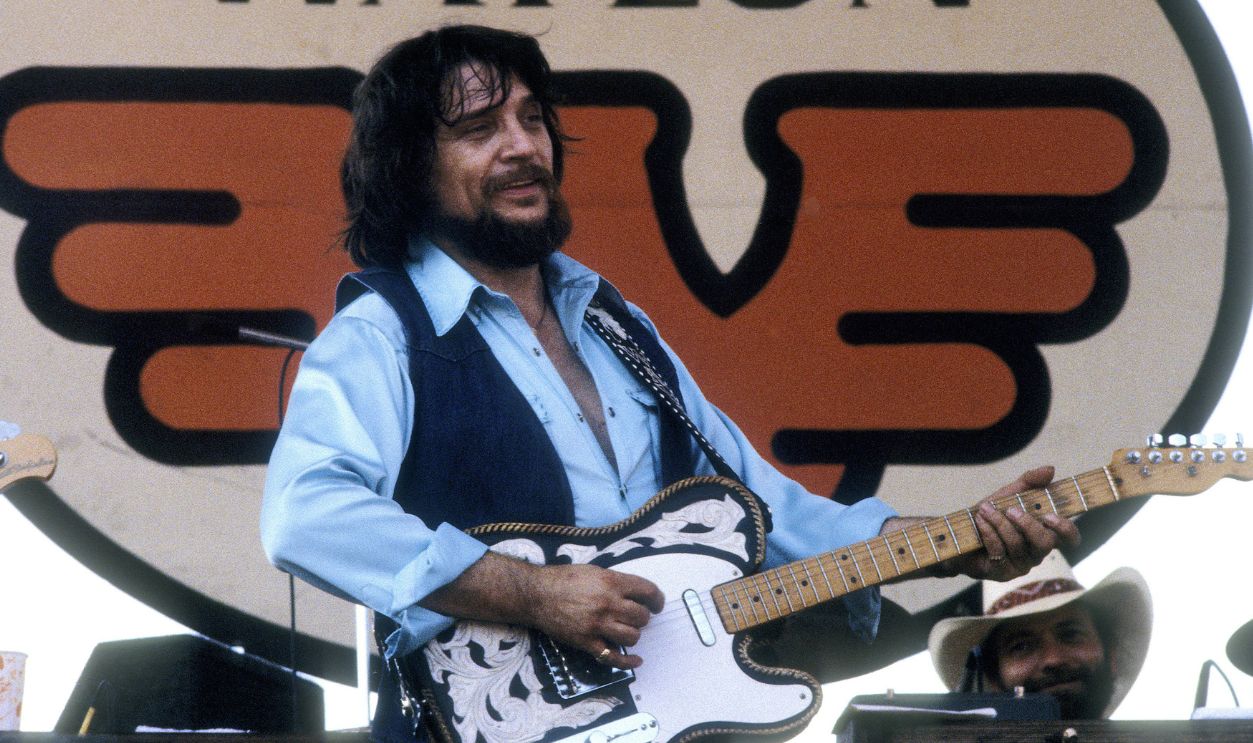
The Outlaw Persona Had A Real Cost
Jennings later described a substance habit that consumed huge amounts of money and years of his life. By the early 1980s, he was struggling financially despite enormous musical success. He finally quit in 1984, giving the outlaw mythology a much less glamorous reality than the album covers suggested.
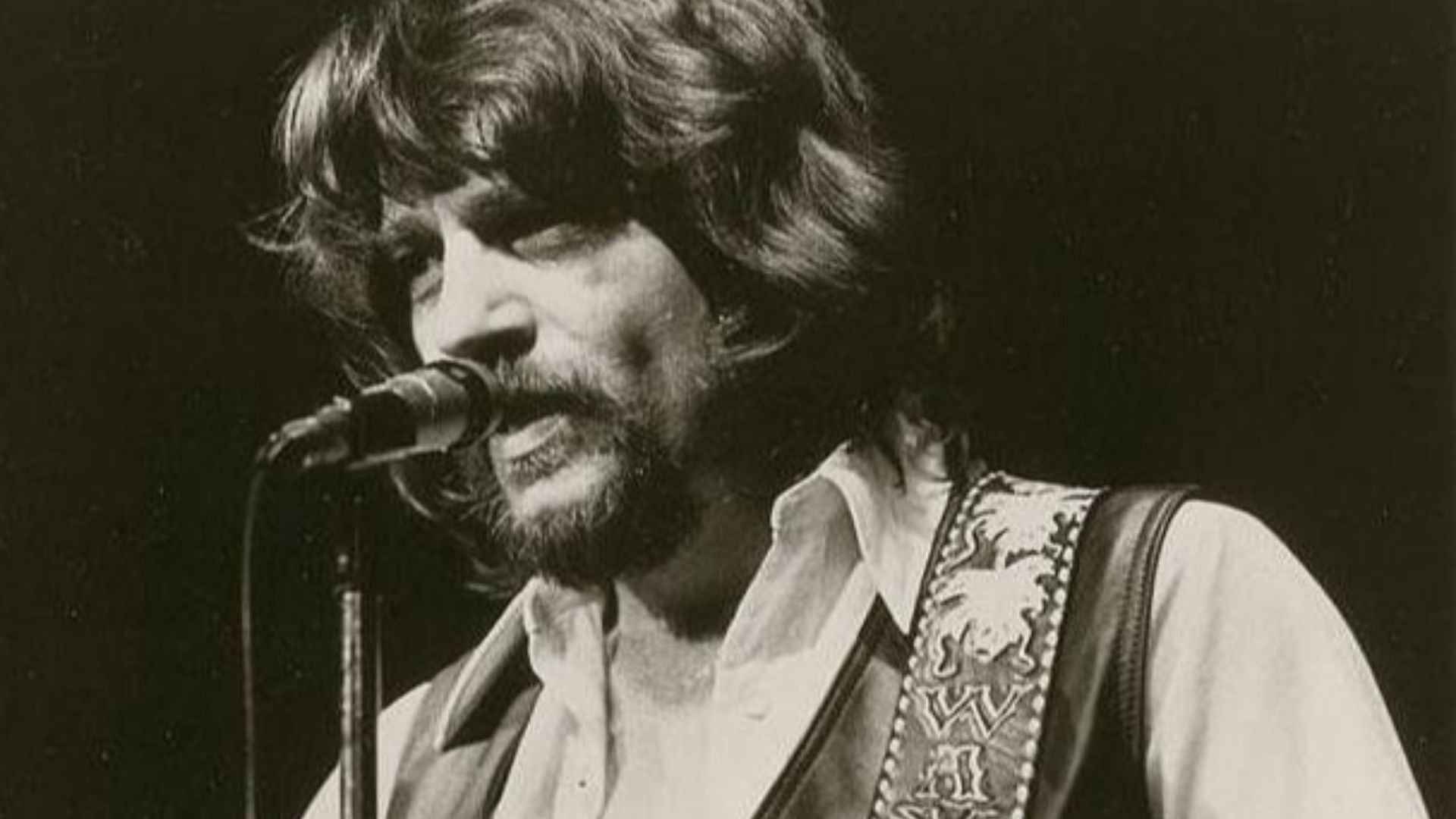 Waylon_Jennings_RCA_promotional_card_2.jpg: RCA Records derivative work: GDuwen, Wikimedia Commons
Merle Haggard Had Already Been To San Quentin
Merle Haggard’s shocking history came before his country stardom. As a young man, he cycled through reform schools and local jails before being caught burglarizing a Bakersfield roadhouse in 1957. After attempting to escape county jail, he was sent to San Quentin State Prison.
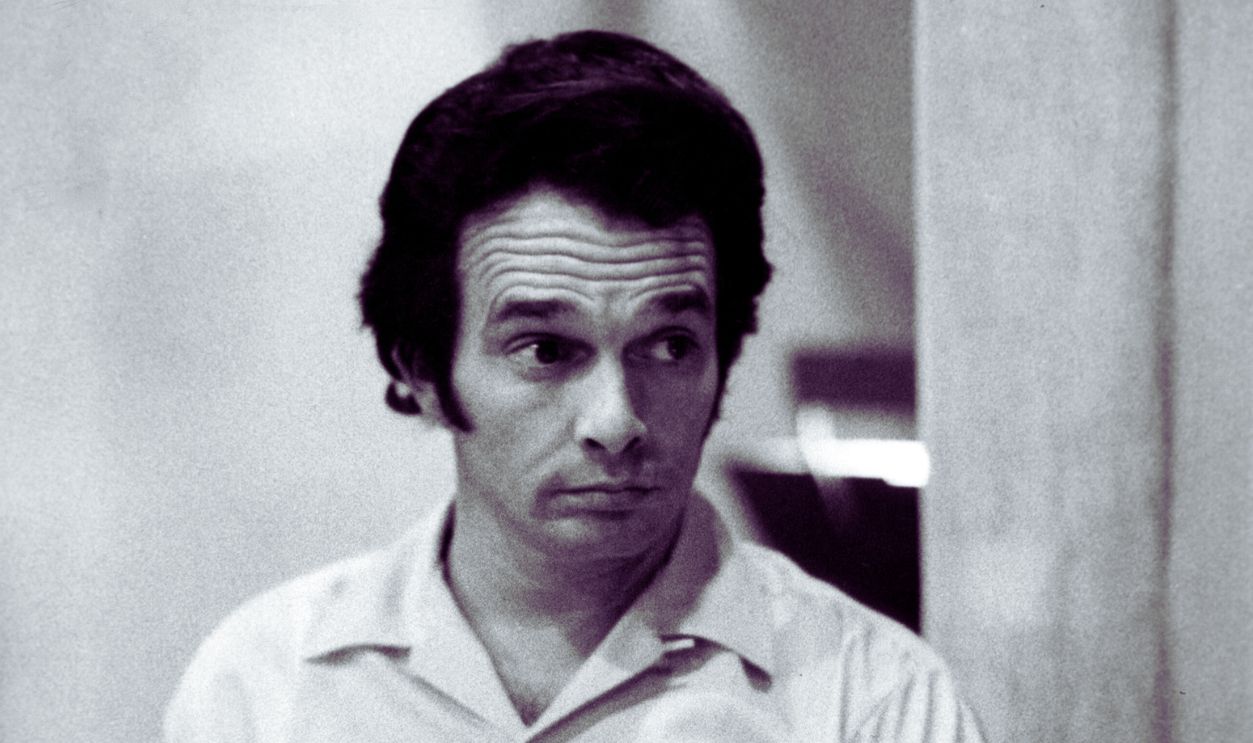 Michael Ochs Archives, Getty Images
Time Behind Bars Became Part Of Haggard’s Music
Haggard was paroled in 1960 and transformed his life. Rather than hiding his history, he eventually drew from it in songs about inmates, outsiders, regret, and working-class survival. His case stands apart from many scandals here because his darkest chapter came before fame and was followed by extraordinary rehabilitation.
 Michael Ochs Archives, Getty Images
Glen Campbell’s Car Crash Became A National Headline
In 2003, Glen Campbell was apprehended in Arizona after a traffic collision. Officers accused him of drinking while driving, leaving the scene, and assaulting an officer while in custody. Campbell ultimately pleaded guilty to a hit and run.
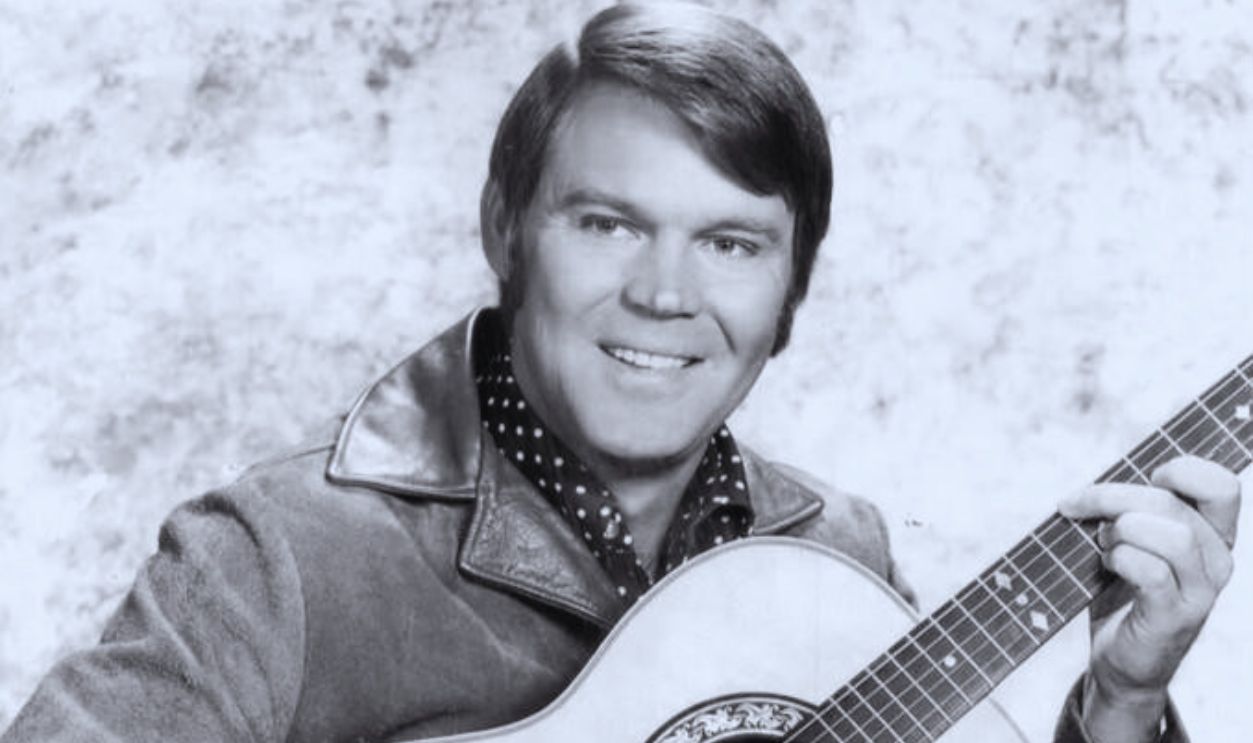 CBS Television, Wikimedia Commons
Campbell Publicly Apologized
Campbell received 10 days behind bars, along with community service. He later apologized publicly to his family, friends, and fans, describing the incident as a lesson learned even at his age. It became an uncomfortable late-career chapter for the singer of “Rhinestone Cowboy".
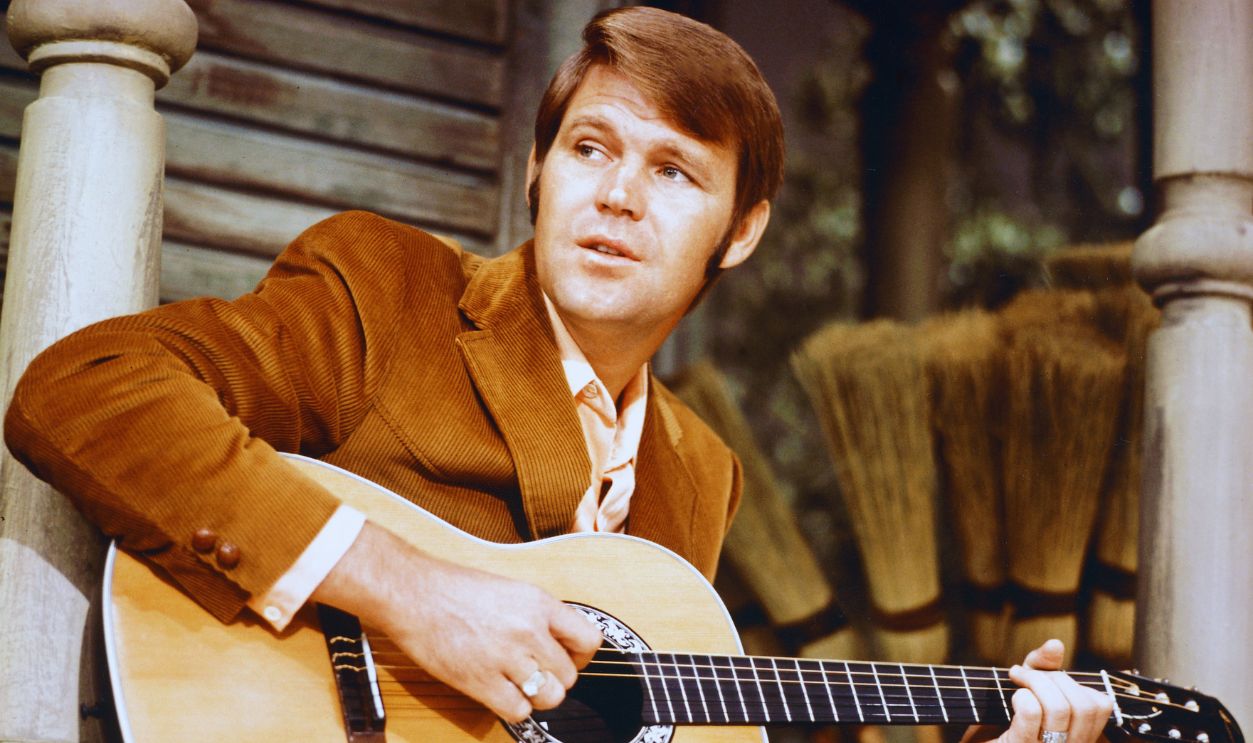 Silver Screen Collection, Getty Images
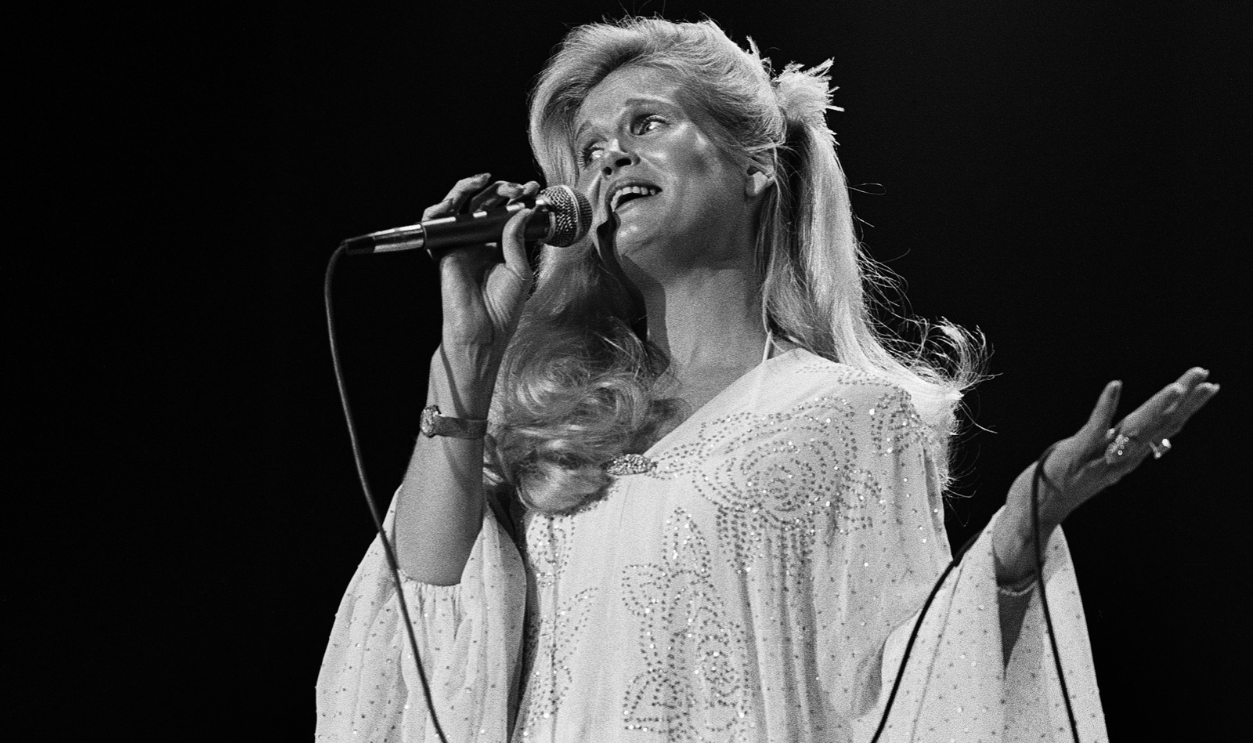
Lynn Anderson’s Later Years Included Several Arrests
“Rose Garden” singer Lynn Anderson was apprehended for drinking while driving in Texas in 2004. The following year, authorities accused her of taking a Harry Potter DVD without paying and striking an officer during the resulting confrontation.
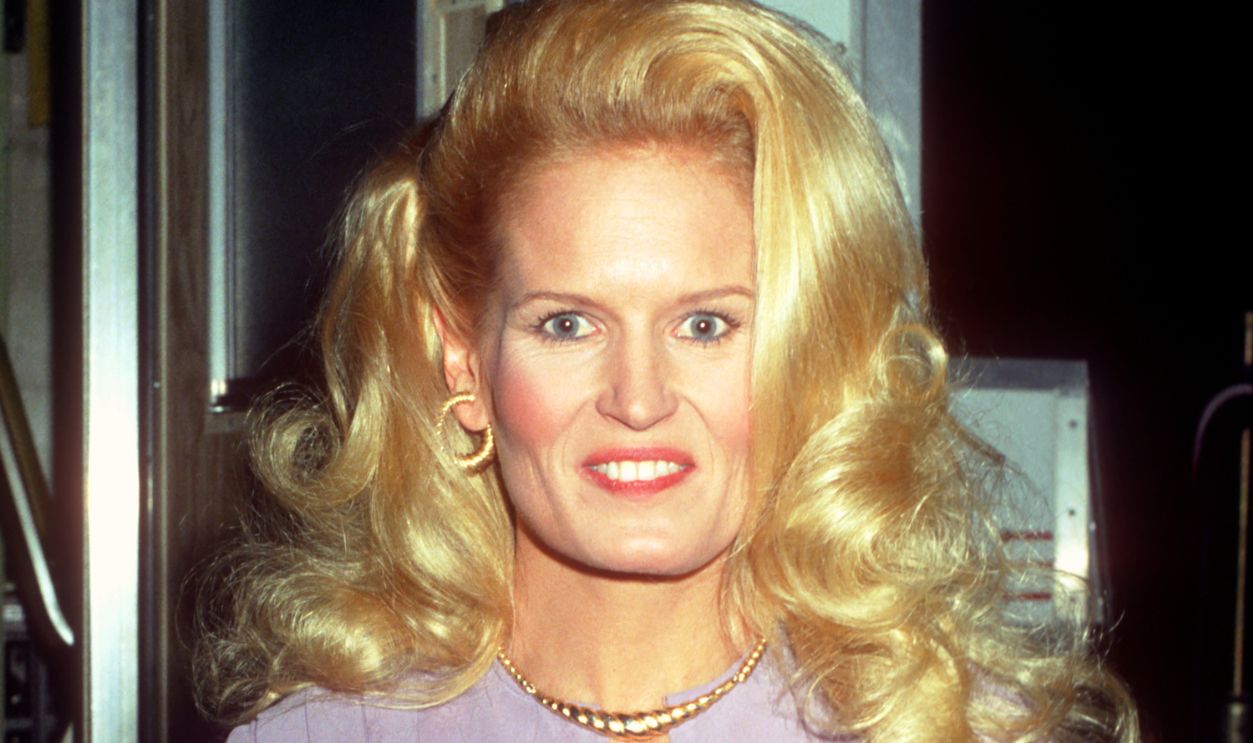 Michael Ochs Archives, Getty Images
The Legal Outcome Was More Limited Than The Headlines
Anderson later pleaded no contest to obstructing an officer and received a conditional discharge. She was not convicted of every allegation posed against her. Her career achievements remained substantial, but the incidents created an unexpectedly troubled late chapter for a performer associated with mainstream country success.
Billy Joe Shaver Shot A Man And Claimed Self-Defense
Outlaw-country songwriter Billy Joe Shaver faced an aggravated assault charge after shooting Billy Coker outside a bar near Waco, Texas, in 2007. Shaver acknowledged firing the weapon but maintained that he feared for his safety and acted in self-defense.
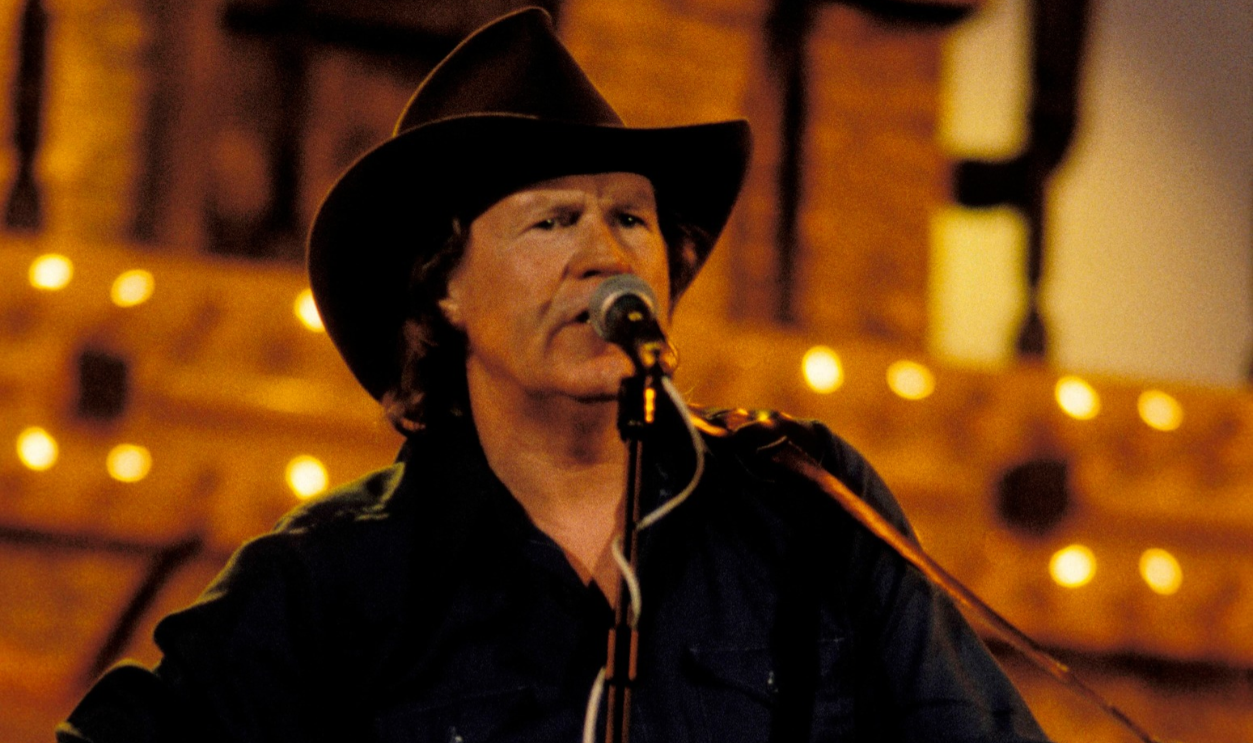
A Jury Acquitted Shaver
The case reached trial in 2010, and a jury found Shaver not guilty after he argued that he had acted in self-defense. He later pleaded no contest to a misdemeanor charge for carrying the pistol inside the bar, paid a $1,000 fine, and surrendered the piece.
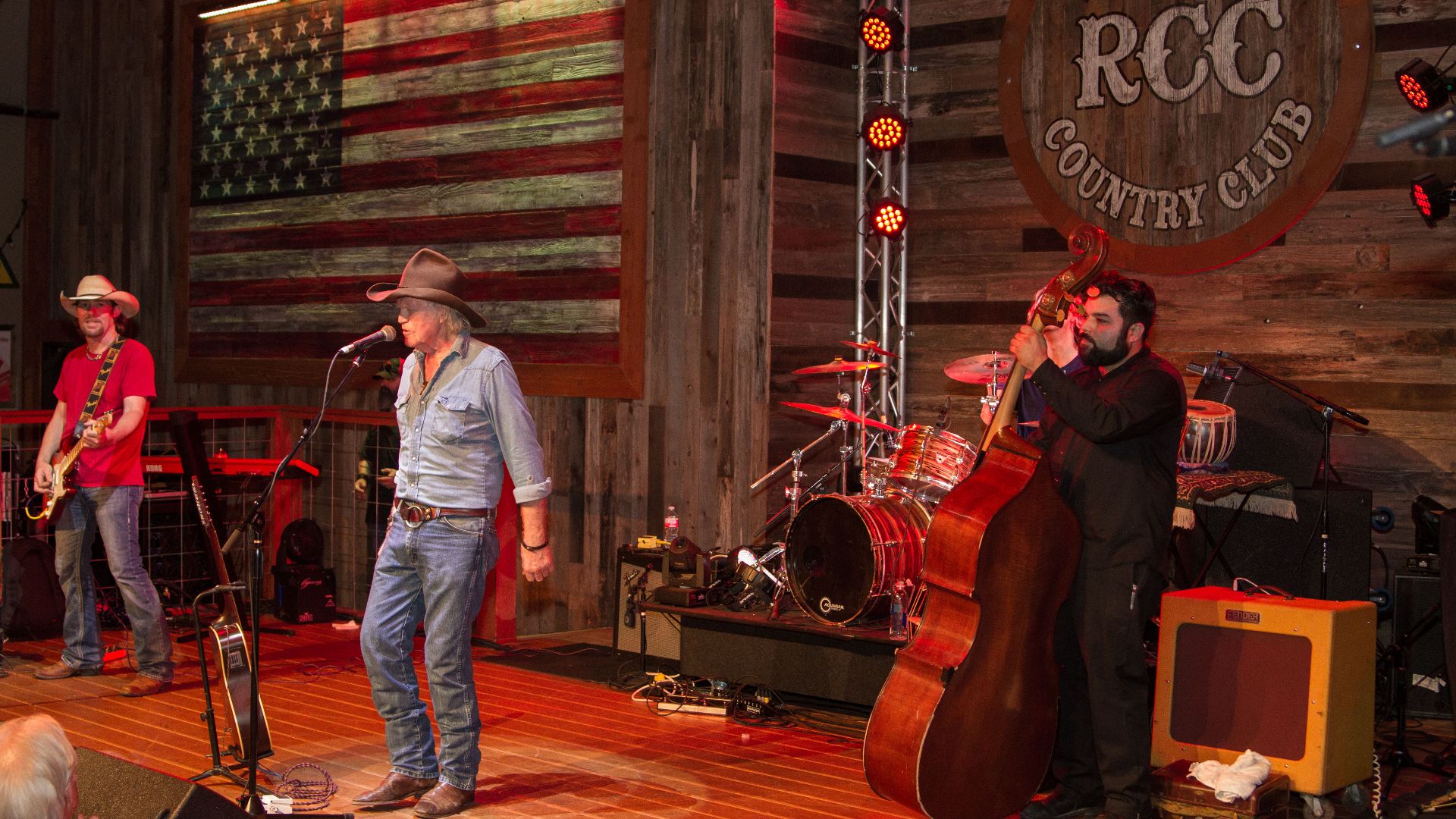 Republic Country Club, Wikimedia Commons
Mindy McCready’s Career Became Buried Under Legal Trouble
Mindy McCready arrived in Nashville with major hits in the 1990s, but her later career became increasingly overshadowed by legal and personal crises. She received a suspended sentence connected to obtaining OxyContin with a prescription issued in another person’s name and later faced repeated probation problems.

The Headlines Eventually Overtook The Music
McCready faced time for probation violations and additional legal issues as her personal life deteriorated. By the late 2000s, coverage of her crumbling private world frequently eclipsed discussion of her recordings. Her story remains one of country music’s most troubling examples of fame unraveling publicly.

Loretta Lynn’s “The Pill” Caused A Different Kind Of Scandal
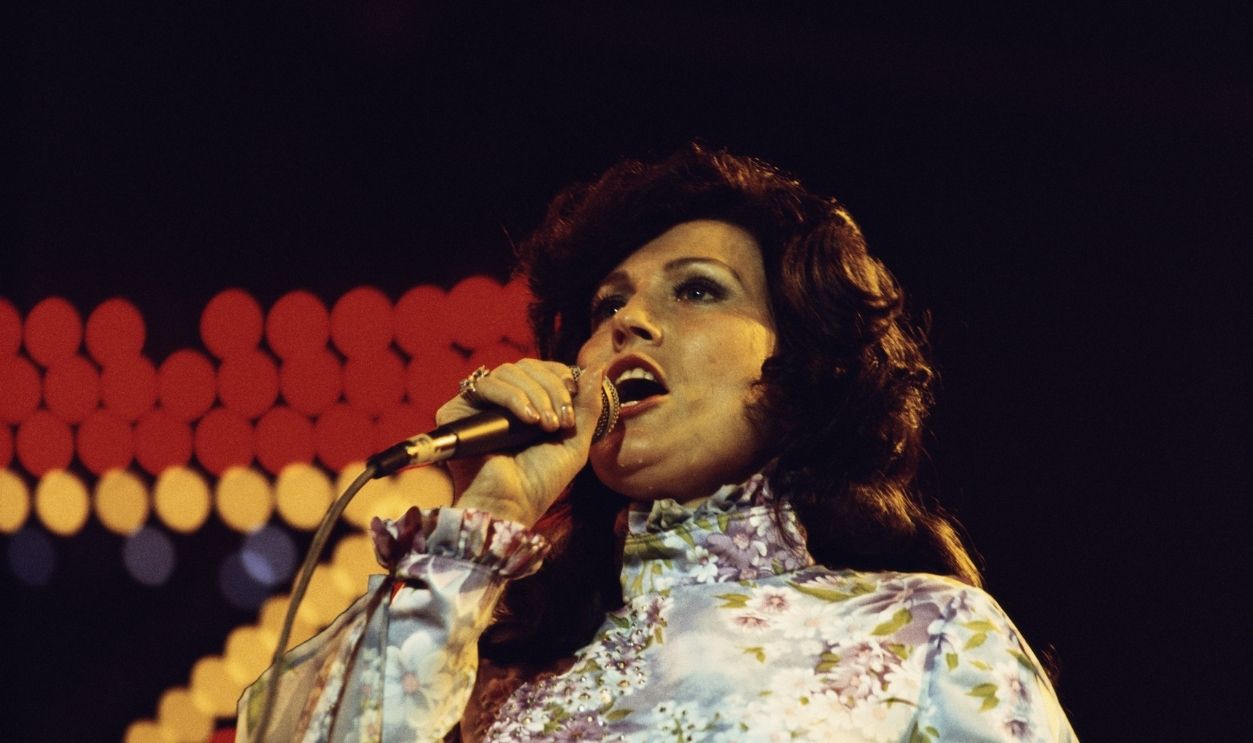
Not every country scandal involved authorities or addiction. In 1975, Loretta Lynn released “The Pill,” celebrating a married woman gaining control over pregnancy through birth control. Some country radio stations refused to play it, and the song drew criticism from conservative corners of the country-music world.
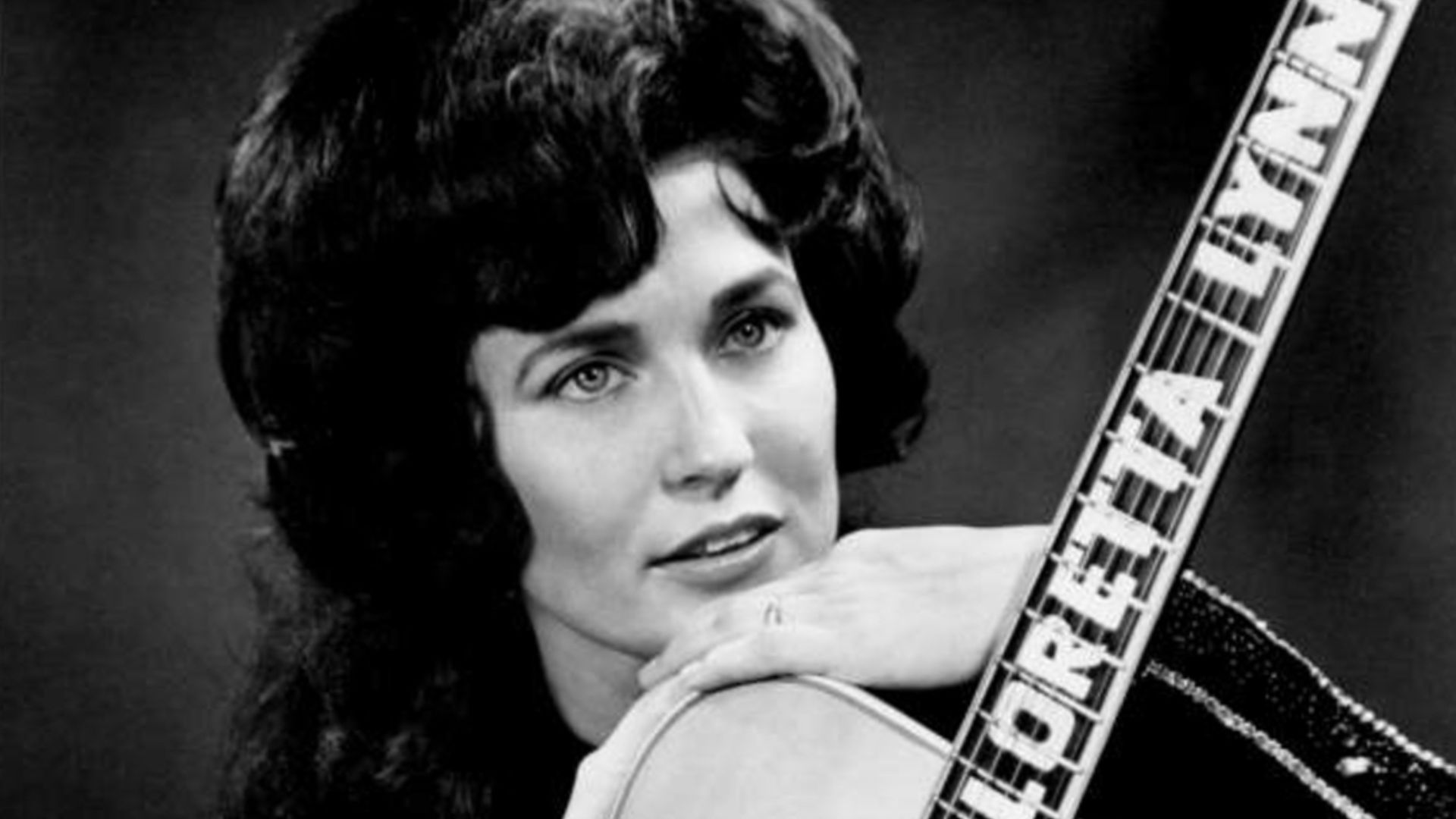 Les Leverett, Wikimedia Commons
The Controversy Eventually Looked More Courageous Than Scandalous
What upset some programmers in 1975 later became part of Lynn’s reputation as a groundbreaking songwriter. She repeatedly wrote about subjects country music often preferred women not discuss openly, including divorce, cheating husbands, double standards, and reproductive autonomy.
Gram Parsons’ Demise Produced Country Music’s Strangest Aftermath
Gram Parsons passed in 1973 at the Joshua Tree Inn. What happened afterward became almost as famous as his music. Friend and road manager Phil Kaufman and an accomplice took Parsons’ coffin from Los Angeles International Airport, drove it into the desert, and attempted to cremate his body near Joshua Tree.

The Body Theft Became A Macabre Music Legend
Kaufman said he was honoring an agreement with Parsons about what should happen after either man passed, but in the end, Kaufman and his accomplice faced consequences connected to taking the coffin. The bizarre episode became inseparable from Parsons’ legend.

Not All Of These Scandals Belong In The Same Category
There is an enormous moral difference between taking someone's life, addiction, an acquitted self-defense case, a controversial song, and an embarrassing awards-show stunt. Putting them in one history does not make them equivalent. What connects them is the way each changed, complicated, or permanently attached itself to an artist’s public story.
Country Music Has Always Made Room For Redemption
Haggard rebuilt his life after San Quentin. Cash overcame the worst period of his addiction. Jones eventually became sober. Other cases ended far more tragically. Country music’s obsession with wrongdoing and second chances did not come only from songwriters’ imaginations. Many of its greatest performers lived those themes themselves.
The Music And The Headlines Refuse To Separate
Years after these artists passed, their scandals remain attached to their names because listeners keep encountering the music. That creates an uncomfortable legacy: extraordinary songs can survive alongside terrible decisions, heinous acts, addiction, controversy, and regret. Country history rarely gives its audience simple people to remember.
You May Also Like:
Country Music Legends Who Found Fame Later In Life
Eartha Kitt Challenged The First Lady Over Vietnam—Then Her American Career Collapsed
The 60s Soul Legend Of Doris Troy
Sources: 1, 2, 3, 4, 5, 6, 7, 8, 9, 10, 11, 12, 13, 14, 15, 16, 17, 18, 19, 20