One Lunch Changed Everything
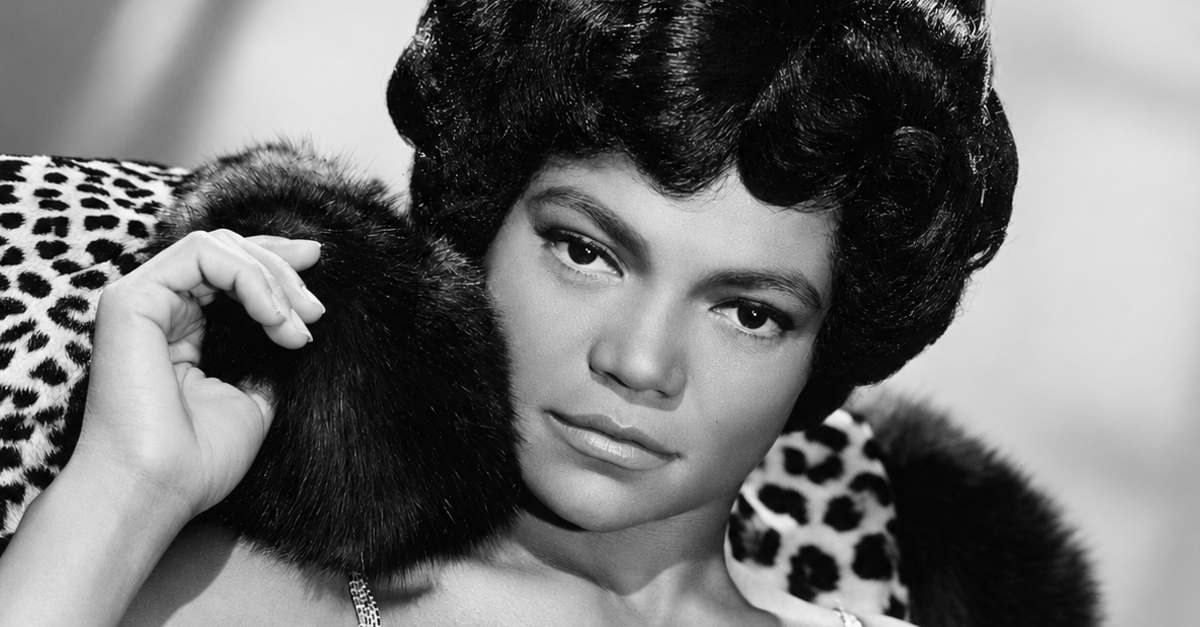
In January 1968, Eartha Kitt walked into the White House as one of America’s most recognizable entertainers. She had recorded “Santa Baby,” starred on Broadway, and recently made Catwoman her own on Batman. Then she challenged the Johnson administration over Vietnam in front of First Lady Lady Bird Johnson. Almost overnight, Kitt went from mainstream star to struggling to find work in her own country.
She Had Fought Her Way Out Of Poverty
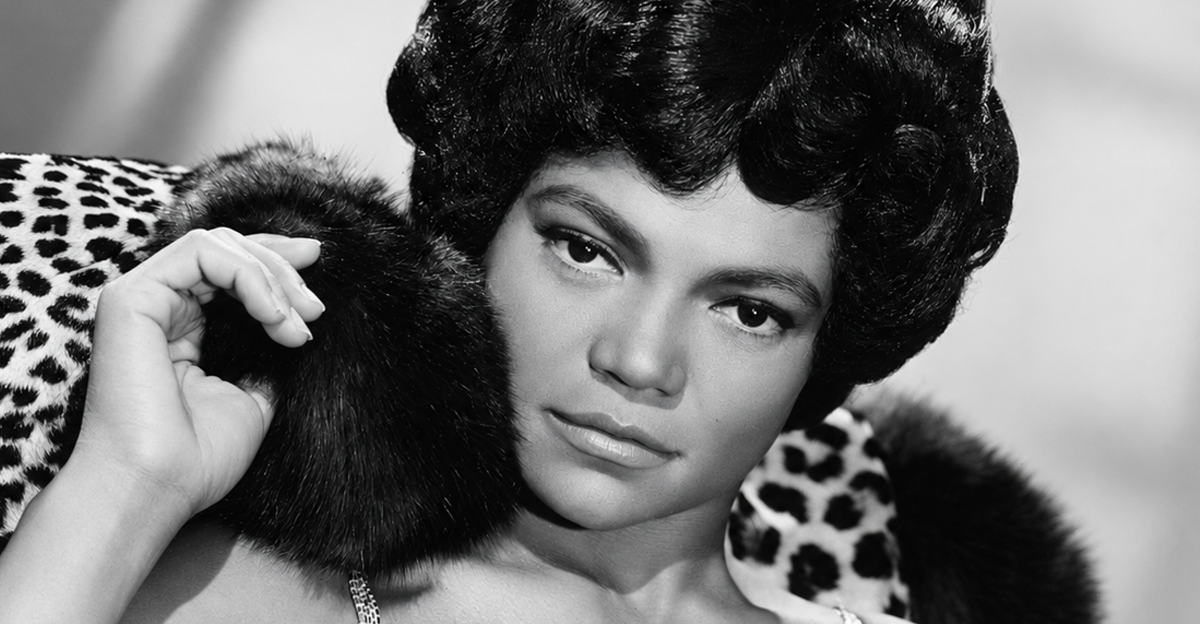
Kitt was born Eartha Mae Keith in North, South Carolina, in 1927 and endured an extremely difficult childhood. She was sent to New York as a child and grew up facing poverty, rejection, and racial prejudice. Those beginnings made her eventual transformation into an international entertainer even more remarkable.
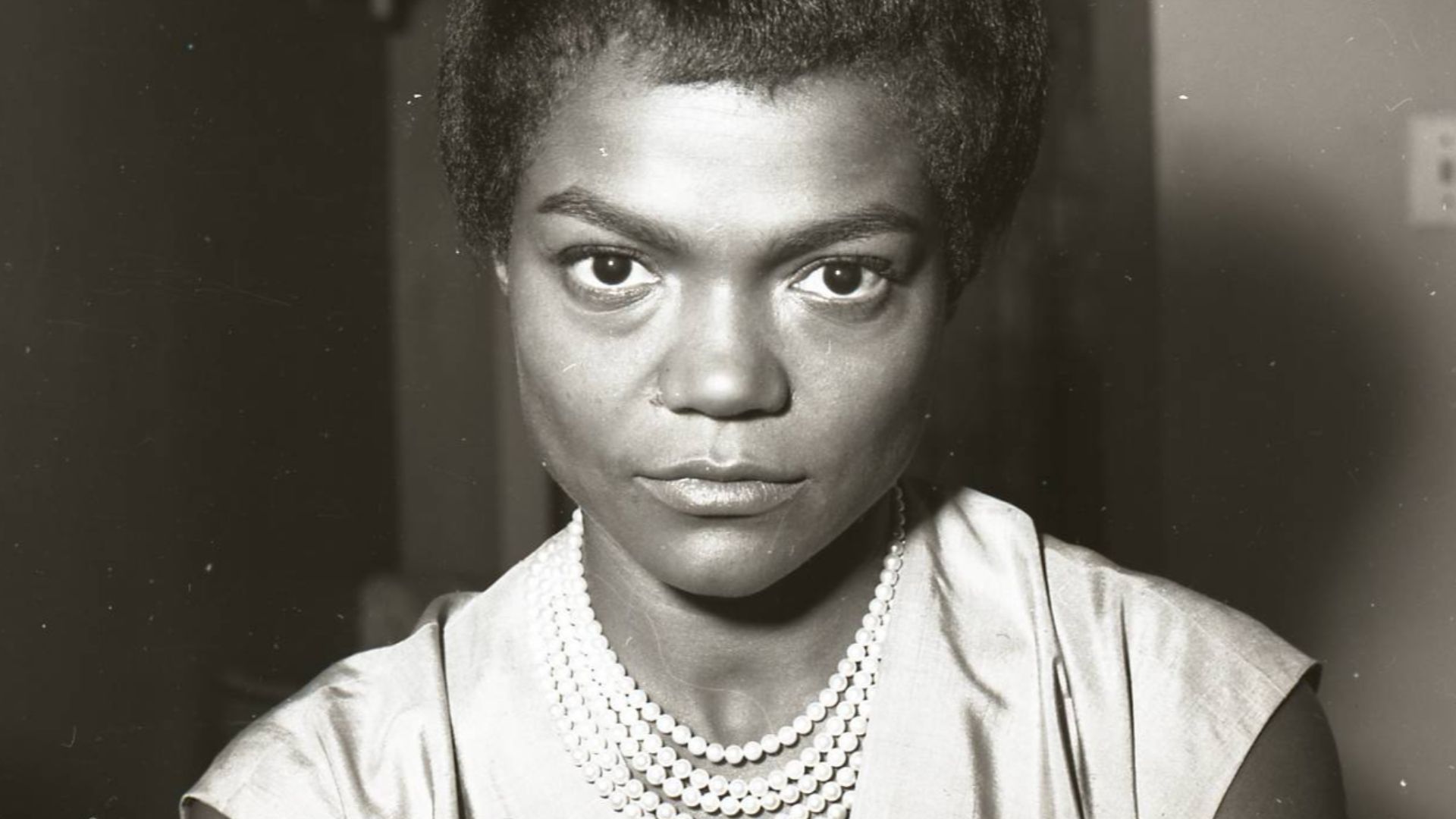 Boris Carmi, Wikimedia Commons
A Dance Audition Changed Her Life
As a teenager, Kitt auditioned for the renowned Katherine Dunham Company and earned an opportunity to train and perform with the troupe. The company took her far beyond New York, exposing her to audiences around the world. That international experience became the foundation of the unusual career that followed.
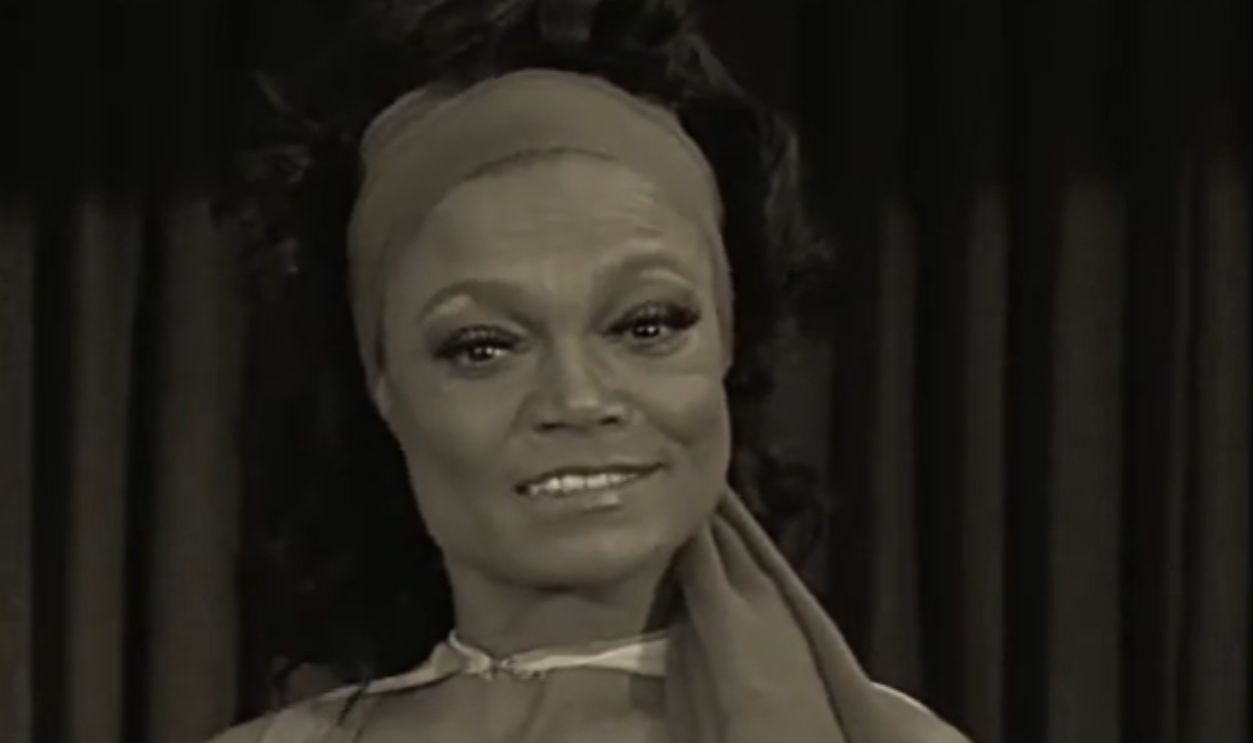 Screenshot from Friday Foster, Amazon MGM Studios (1975)
Europe Discovered Her Early
Kitt eventually left the Dunham company and developed herself as a nightclub singer in Europe, particularly in Paris. Her distinctive voice, theatrical delivery, and magnetic stage presence made her stand out immediately. Orson Welles was impressed enough to cast her as Helen of Troy in his theatrical adaptation of Faust.
Broadway Turned Her Into A Sensation
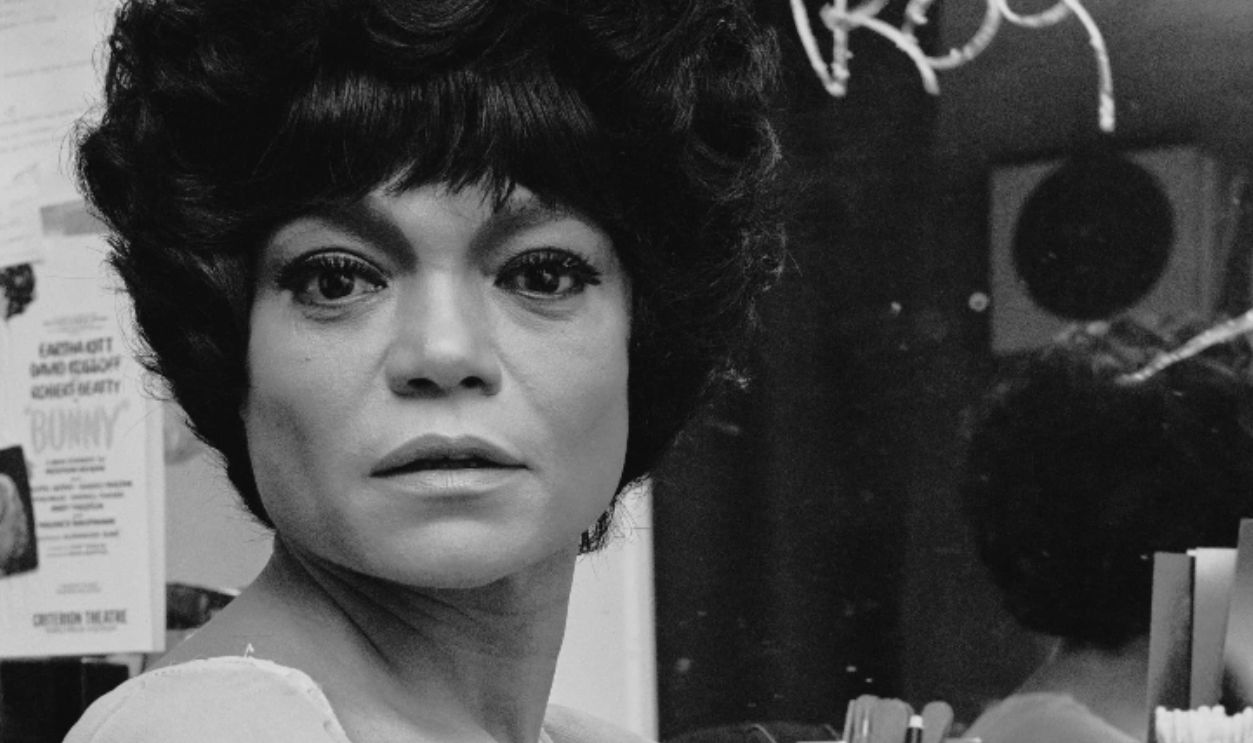
Back in New York, Kitt landed a featured role in New Faces of 1952. Her performances helped make her one of the revue's breakout personalities and pushed her toward a recording career. Suddenly, the former dancer from South Carolina was becoming a major American star.
“Santa Baby” Sealed Her Image
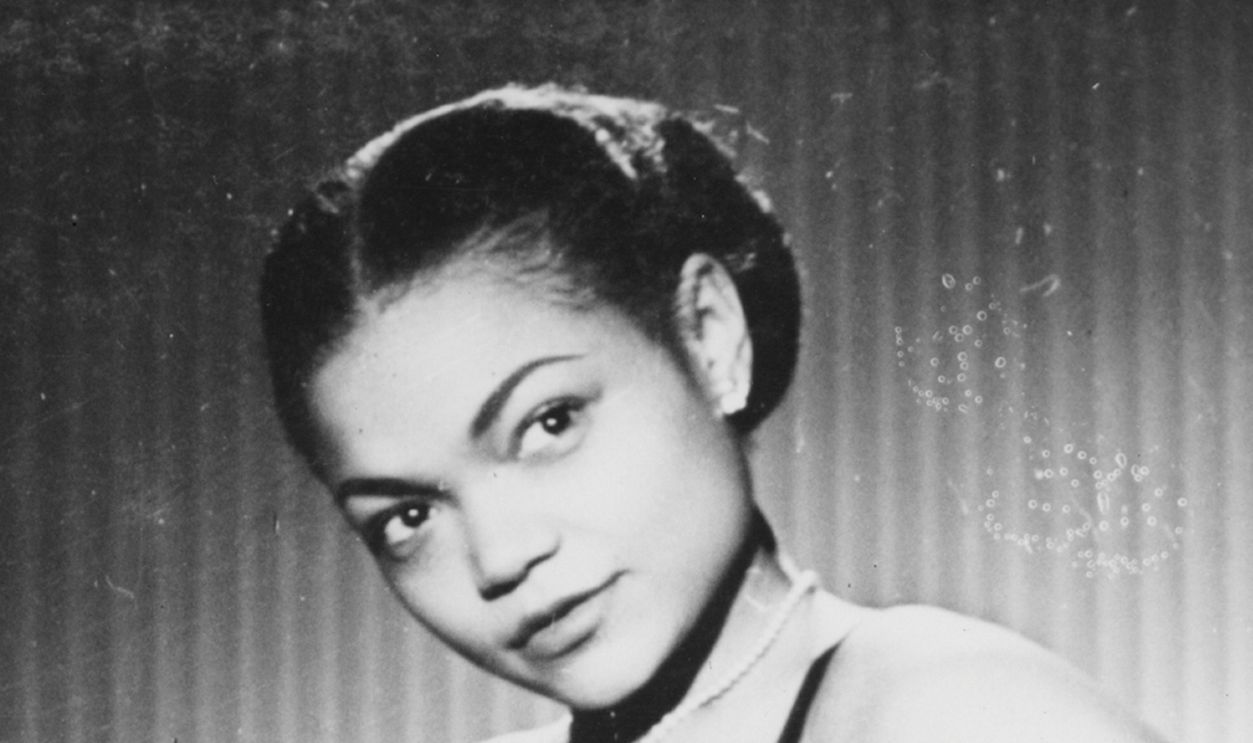
Kitt signed with RCA and recorded a string of songs that perfectly suited her playful, sophisticated persona. Among them was the 1953 recording of “Santa Baby,” which became the song most closely associated with her. She also found lasting success with recordings like “C'est Si Bon,” helping cement her reputation as a uniquely stylish vocalist.
 Screenshot from Santa Baby, Sony Music Entertainment (1953)
Television Was Opening Up Too
Kitt moved easily between nightclubs, recordings, theater, movies, and television. She appeared on programs including The Ed Sullivan Show and earned a Primetime Emmy nomination for a 1966 performance on I Spy. By the mid-1960s, she had already built a career that few performers could easily categorize.
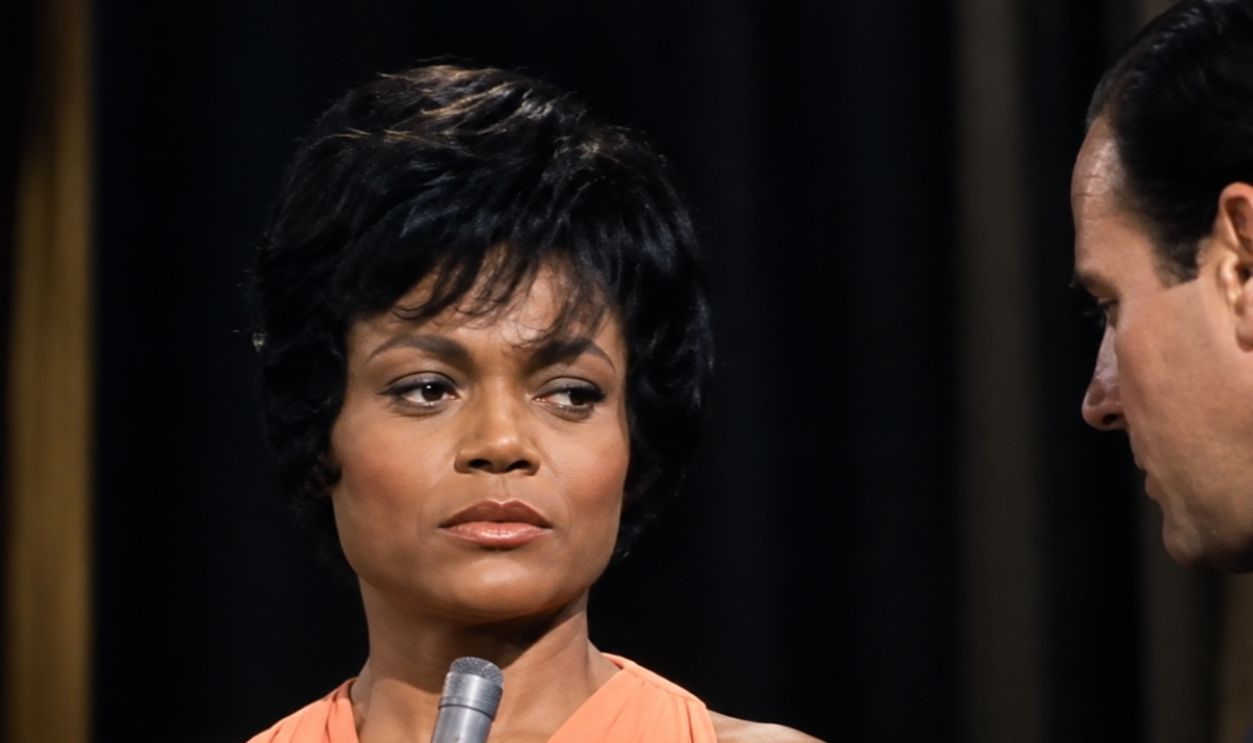 Screenshot from I Spy, Peter Rodgers Organization (1965-1968), enhanced
Then Catwoman Gave Her Another Boost
Kitt later recalled that her career needed help when Batman came along in 1967. Taking over the role of Catwoman brought her back before a huge television audience and made her recognizable to a younger generation. She credited the role with helping restore her name recognition in America.
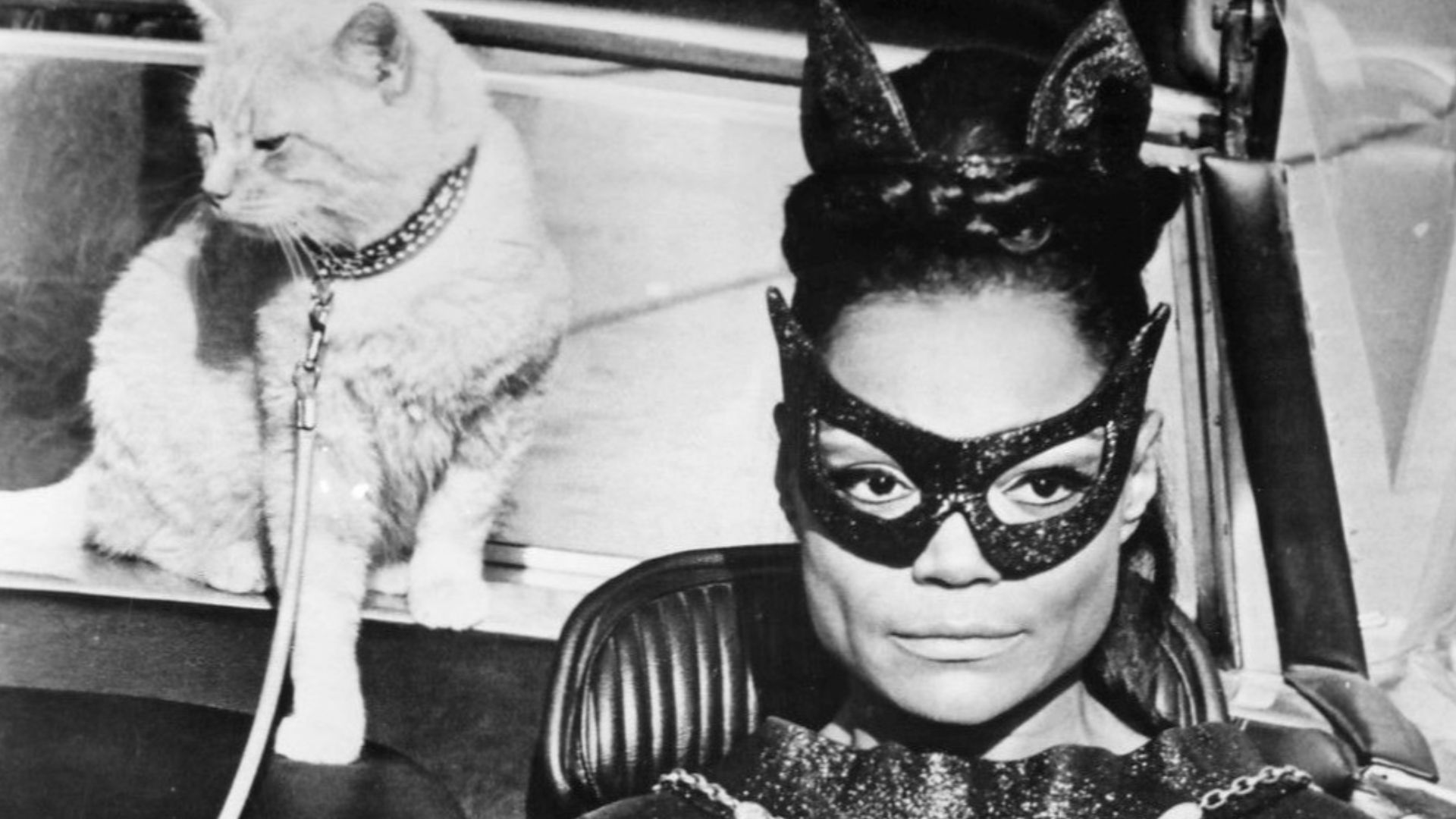 ABC Television, Wikimedia Commons
She Was More Than An Entertainer
Away from the stage, Kitt spent time working with young people and supporting programs aimed at preventing juvenile crime. One of those organizations was the Washington, D.C. group Rebels with a Cause. Her involvement with youth issues would be the reason she received one of the most consequential invitations of her life.
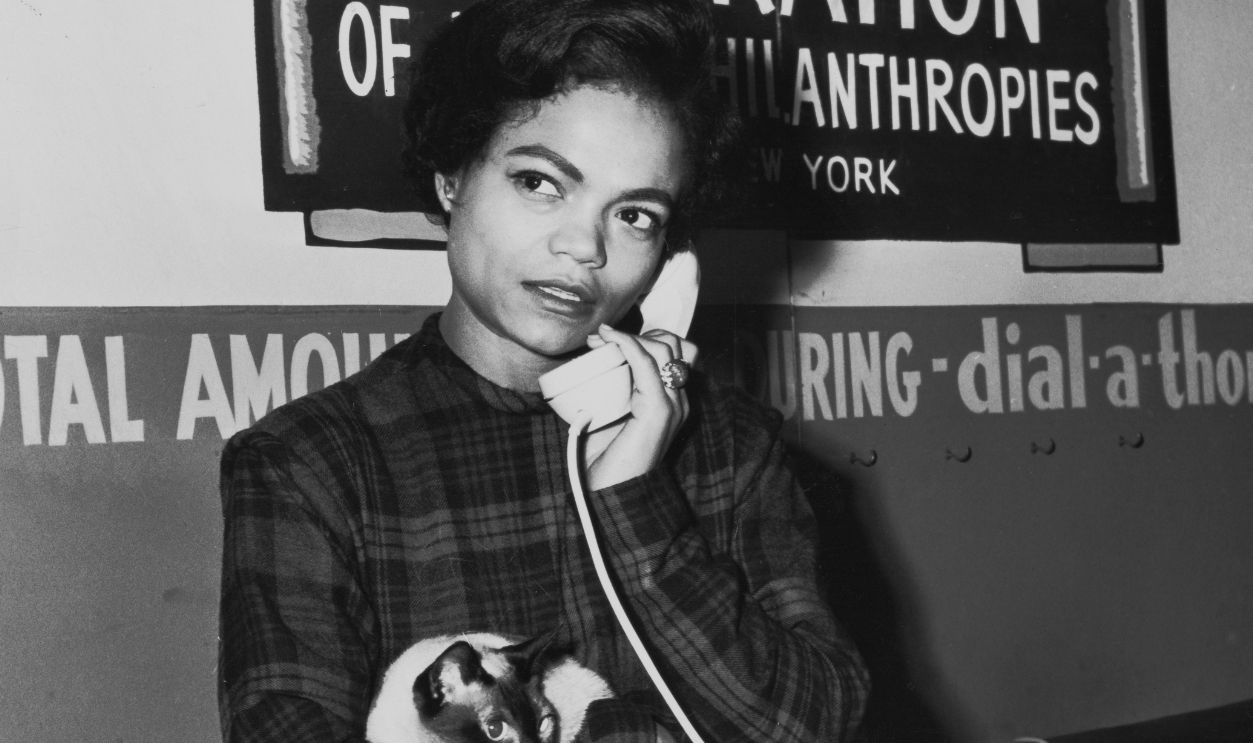
The White House Wanted Her Perspective
Lady Bird Johnson invited Kitt to a January 18, 1968, “Women Doers” luncheon at the White House. The gathering brought professional women together to discuss youth crime and problems in American cities. Kitt had even been recommended partly because of her advocacy surrounding federal juvenile delinquency legislation.
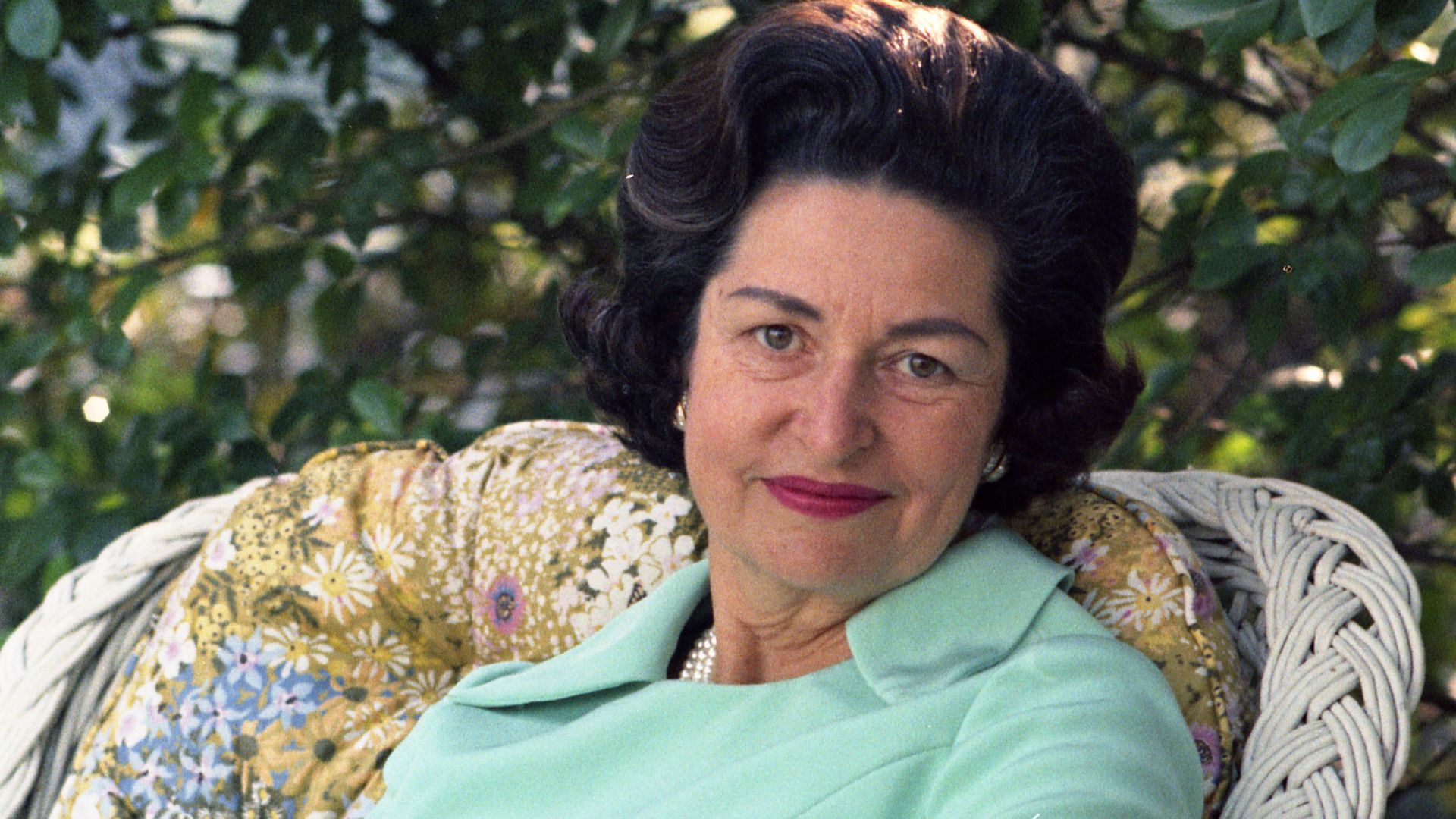 Lyndon B. Johnson Presidential Library, Wikimedia Commons
She Almost Skipped The Luncheon
Kitt later remembered being skeptical about attending at all. She worried that the gathering would produce polite conversation without seriously confronting what young Americans were experiencing. Eventually, she agreed to go, bringing her own experience with youth organizations into a room filled with influential women.
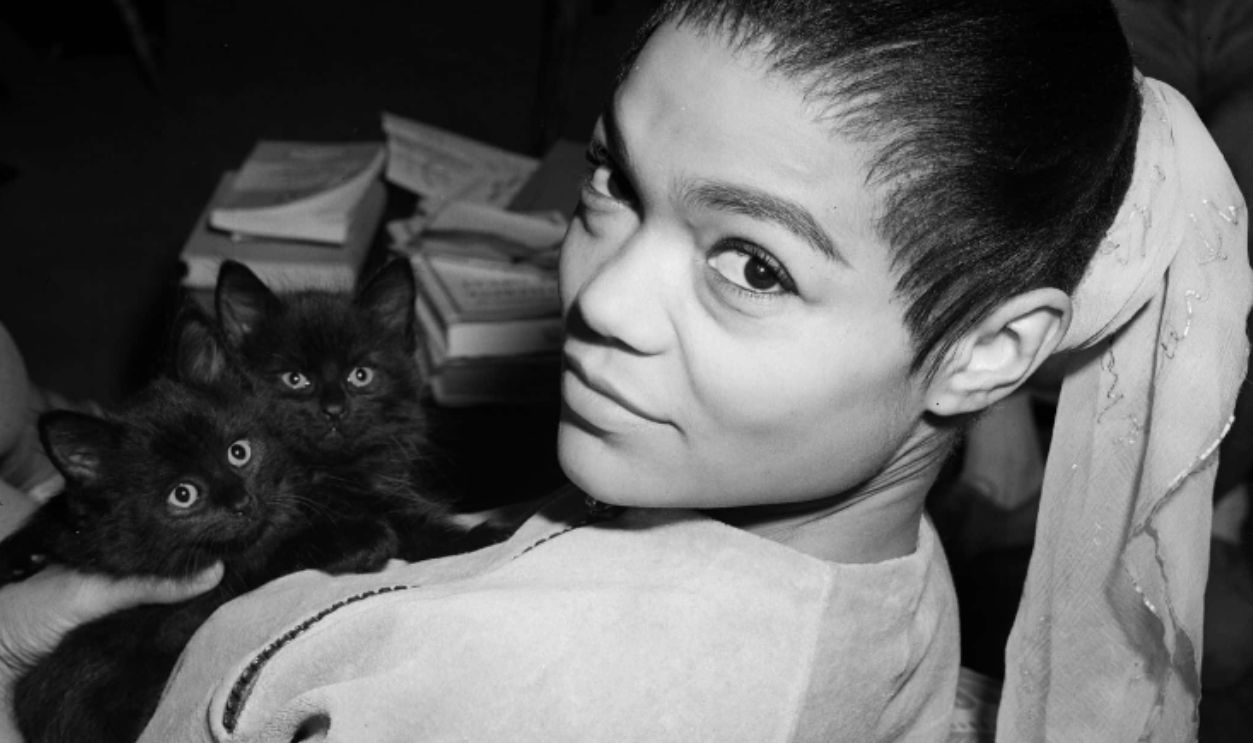
The Luncheon Had Political Stakes
The event was not happening in a vacuum. Crime had become an important political subject, and the White House luncheon was intended partly to support the Johnson administration's agenda during an election year. The previous evening, President Lyndon Johnson had delivered his State of the Union address.
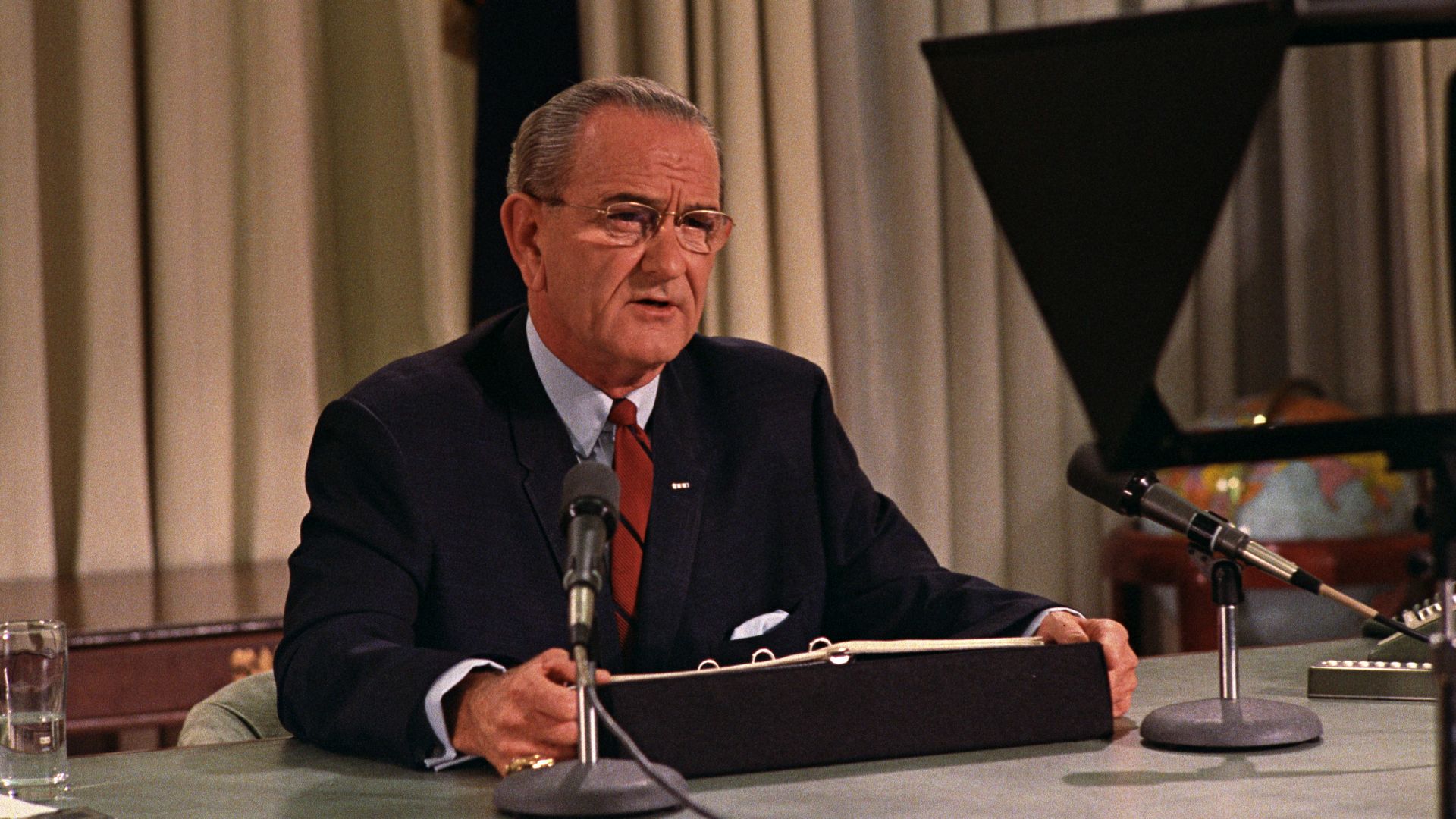 Yoichi Okamoto, Wikimedia Commons
Then The President Walked In
President Johnson made an appearance and offered remarks to the assembled guests. Kitt was not satisfied with a conversation that focused heavily on individual responsibility while she saw deeper social problems affecting families. As Johnson prepared to leave, she decided to question him directly.
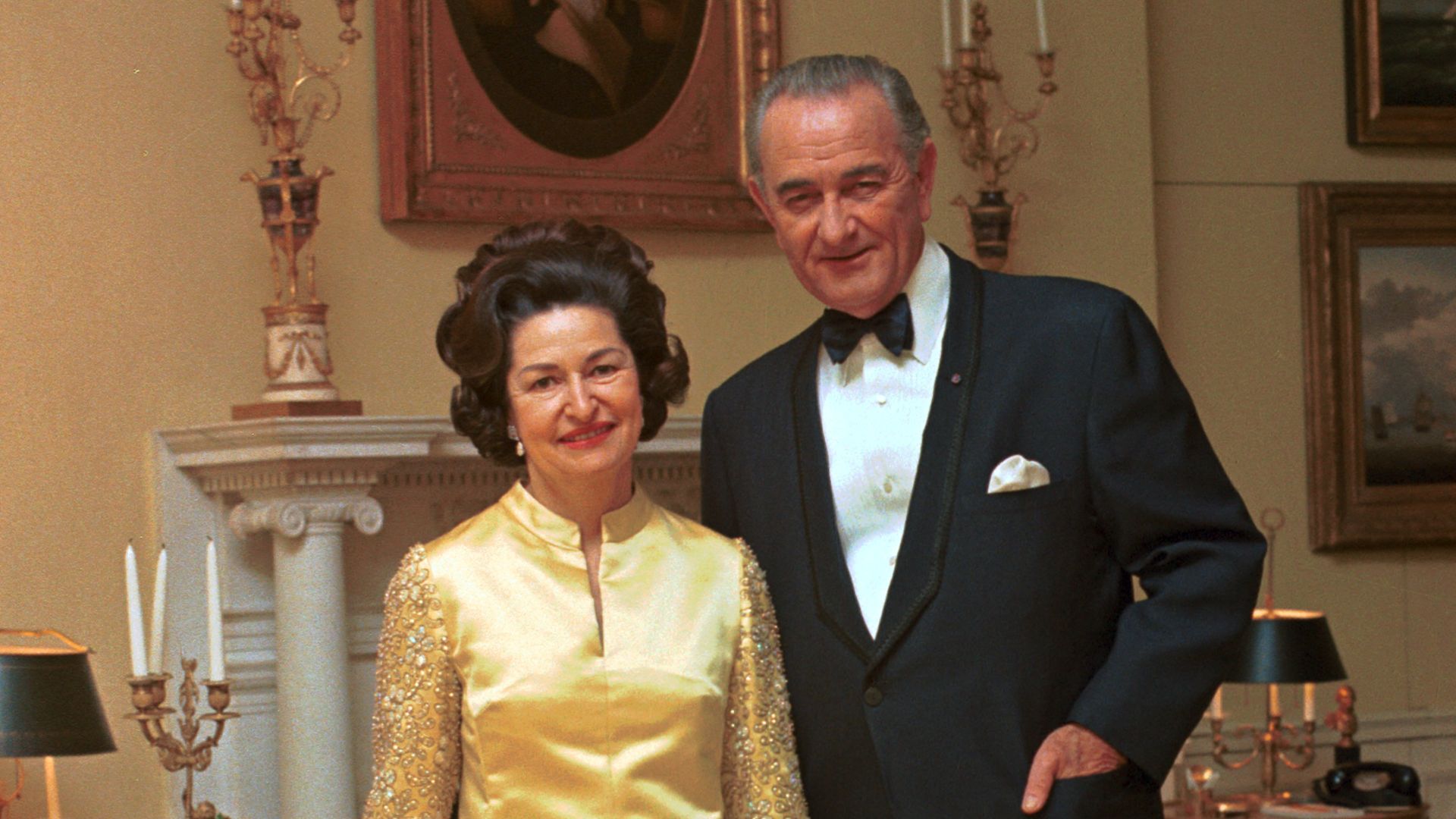 Robert LeRoy Knudsen, Wikimedia Commons
Kitt Put LBJ On The Spot
Kitt asked Johnson what could be done about parents who had to work and could not adequately care for their children. Johnson responded by referring to federal money that had recently been approved for daycare. It was a brief exchange, but Kitt clearly wanted the discussion to go further.
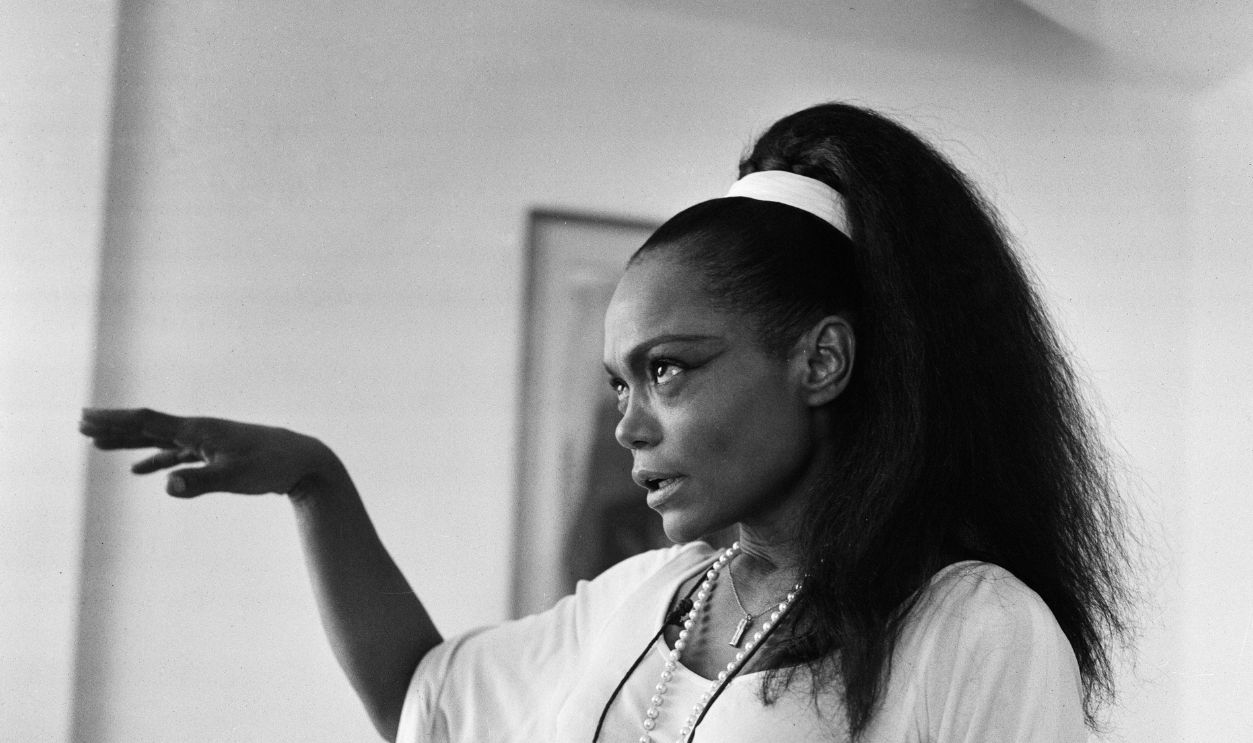
She Kept Waiting For Her Turn
After the president left, the luncheon continued with presentations and discussion. Kitt repeatedly raised her hand as other women spoke. Lady Bird Johnson's own later account recorded the growing tension in the room before Kitt was finally recognized.
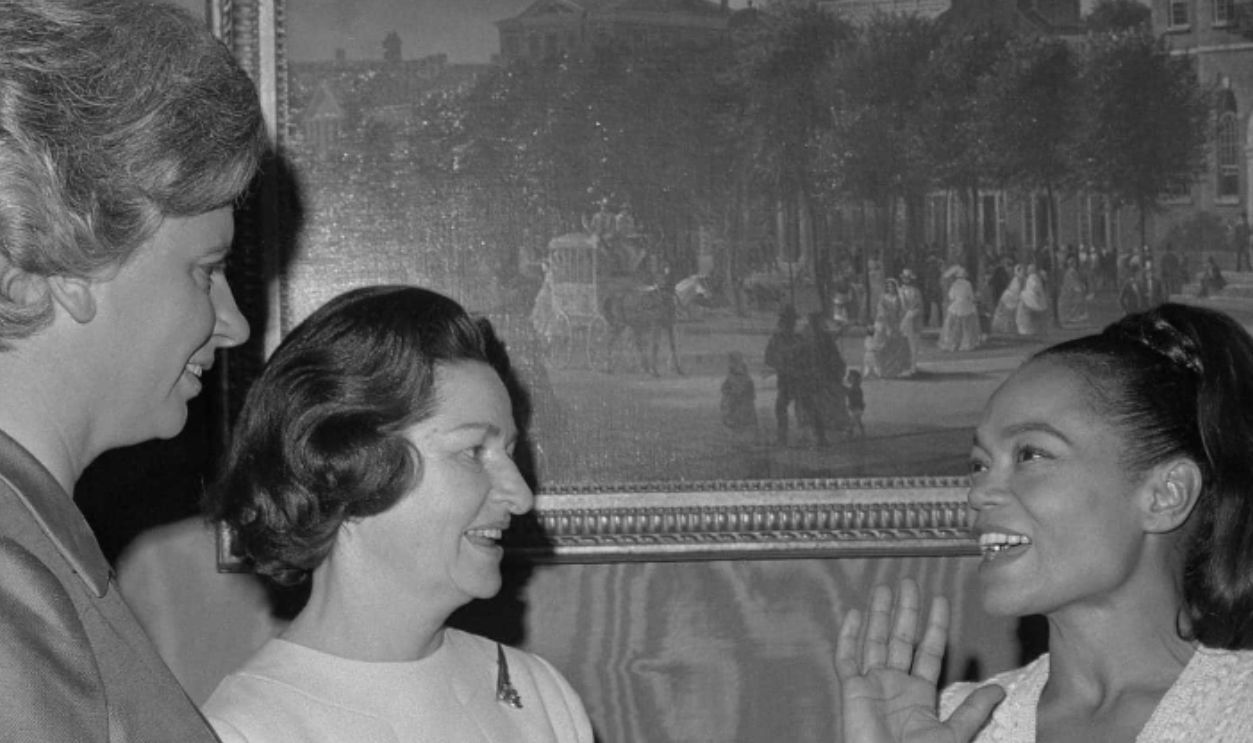
Then Vietnam Entered The Conversation
When Kitt finally spoke, she argued that the discussion of juvenile delinquency was ignoring a major source of young Americans' anger and fear. She connected unrest in American cities directly to the Vietnam War and the prospect of young men being drafted. That was a far more explosive subject than the luncheon organizers had expected.
She Had Asked Mothers What They Thought
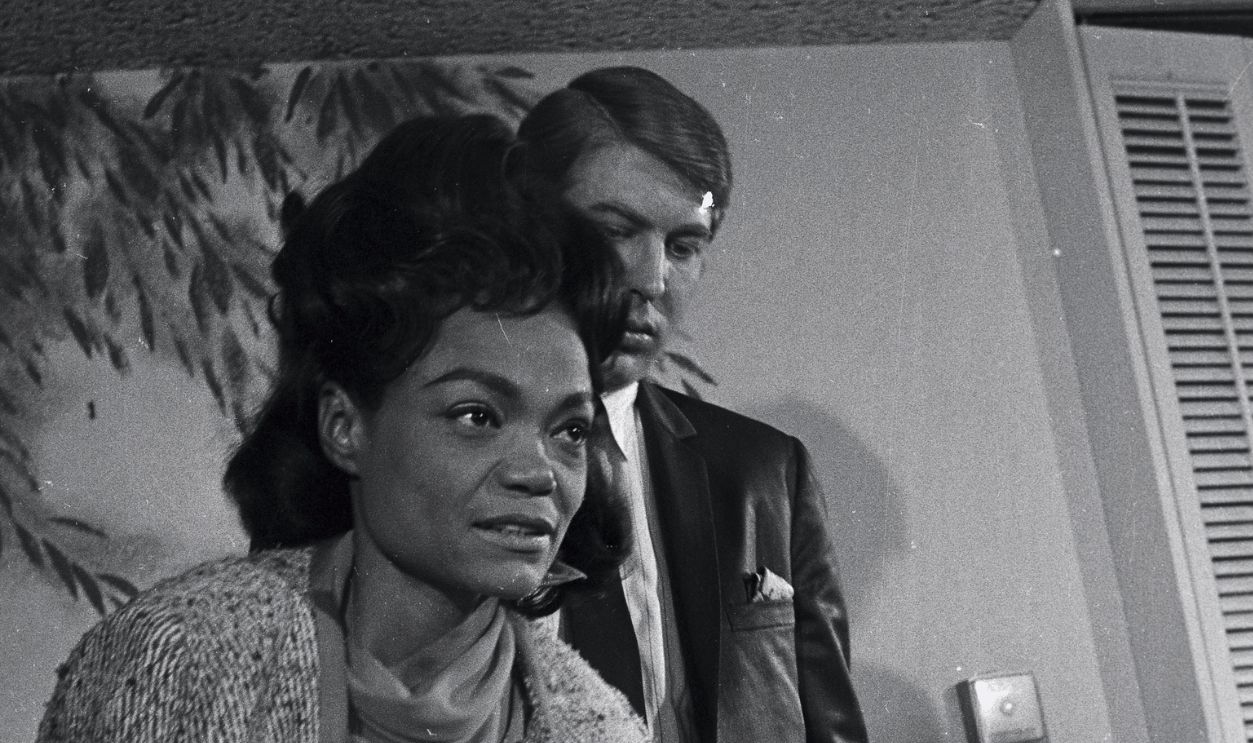
Kitt's argument did not come only from her own impressions. Before the luncheon, she said she had spoken with women connected to the Mothers of Watts in Los Angeles, where she had also worked with young people. She later recalled that concerns about Vietnam included its moral and economic cost and the burden placed on minority communities.
![Collectie / Archief : Fotocollectie Anefo
Reportage / Serie : [ onbekend ]
Beschrijving : Eartha Kit (kop) ogen dicht
Datum : 5 mei 1962
Trefwoorden : artiesten
Fotograaf : Gelderen, Hugo van / Anefo
Auteursrechthebbende : Nationaal Archief
Materiaalsoor](https://www.factinate.com/storage/app/media/theshot/2026/9/11/178912128266cc78857a569a796c8a41d1d3da7d4819d654fa.jpg) Hugo van Gelderen / Anefo, Wikimedia Commons
Hugo van Gelderen / Anefo, Wikimedia Commons
Her Argument Was About Fear
Kitt said young people were watching their generation being sent to Vietnam and reacting with anger, rebellion, and drug use. She believed officials could not seriously discuss problems in the streets without asking why young people felt so powerless. In her view, more policing and streetlights could not address that deeper frustration.
Lady Bird Johnson Pushed Back
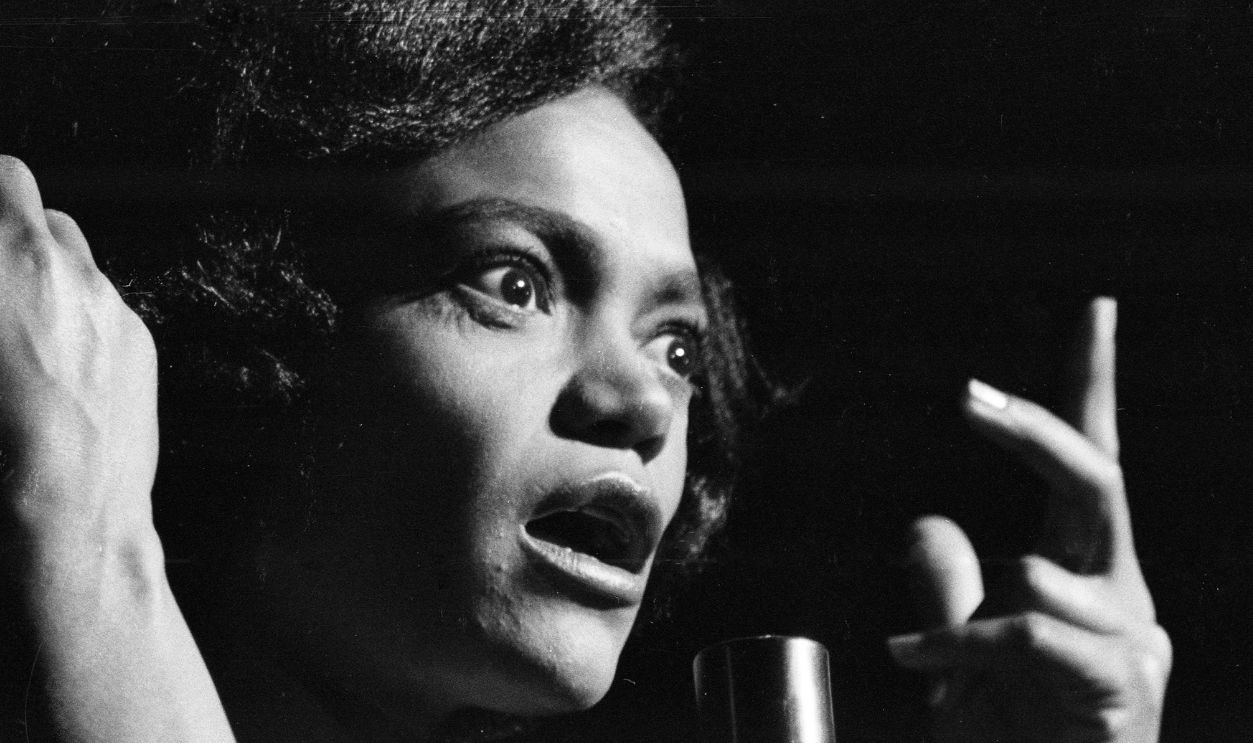
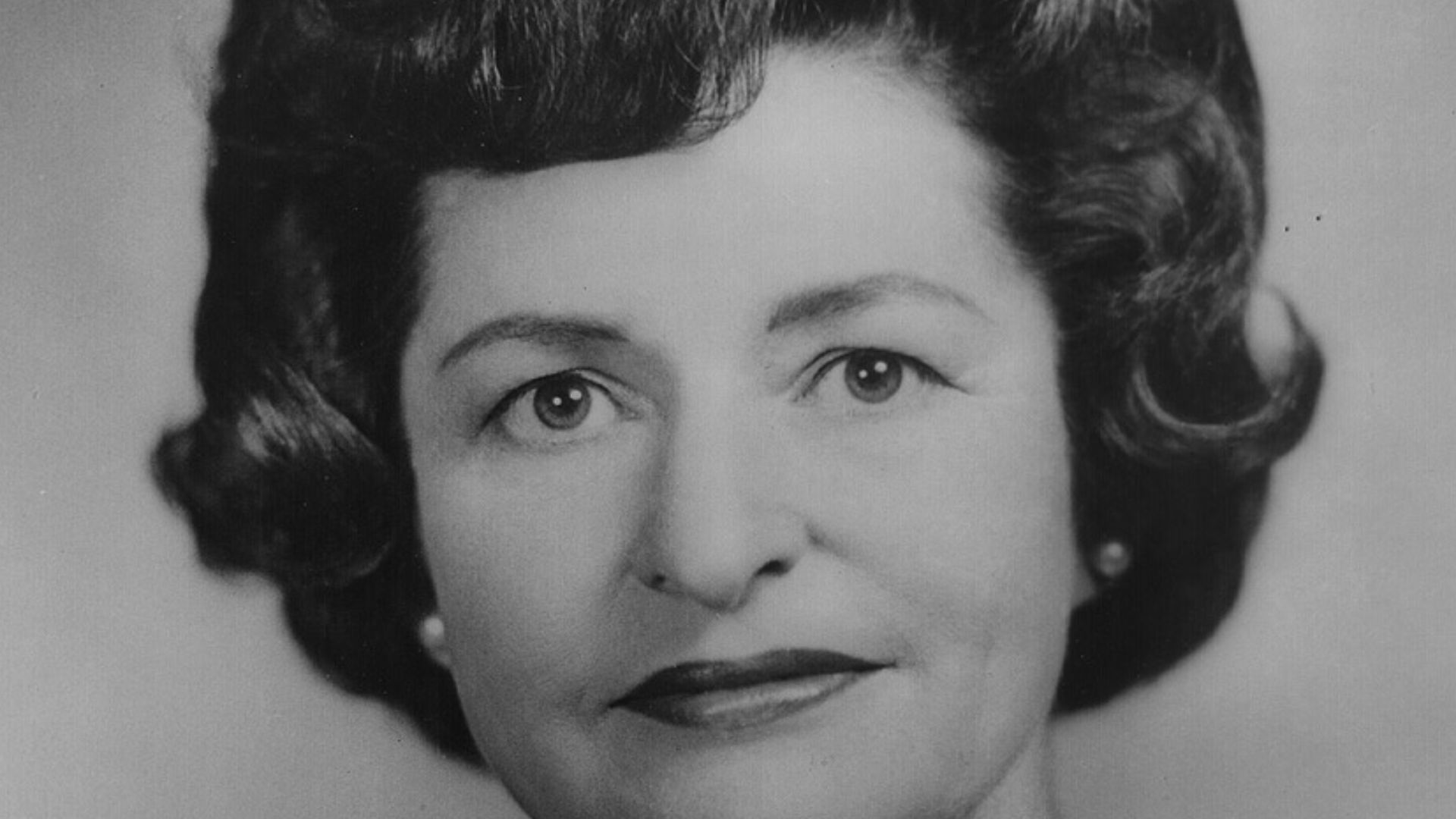
The first lady did not accept Kitt's argument without challenge. Lady Bird responded that the existence of the war did not excuse Americans from trying to improve conditions at home. Her audio diary from that day preserves her account of the increasingly uncomfortable exchange and her concern about how the luncheon had unfolded.
 White House, Wikimedia Commons
The Polite Luncheon Was Suddenly Anything But
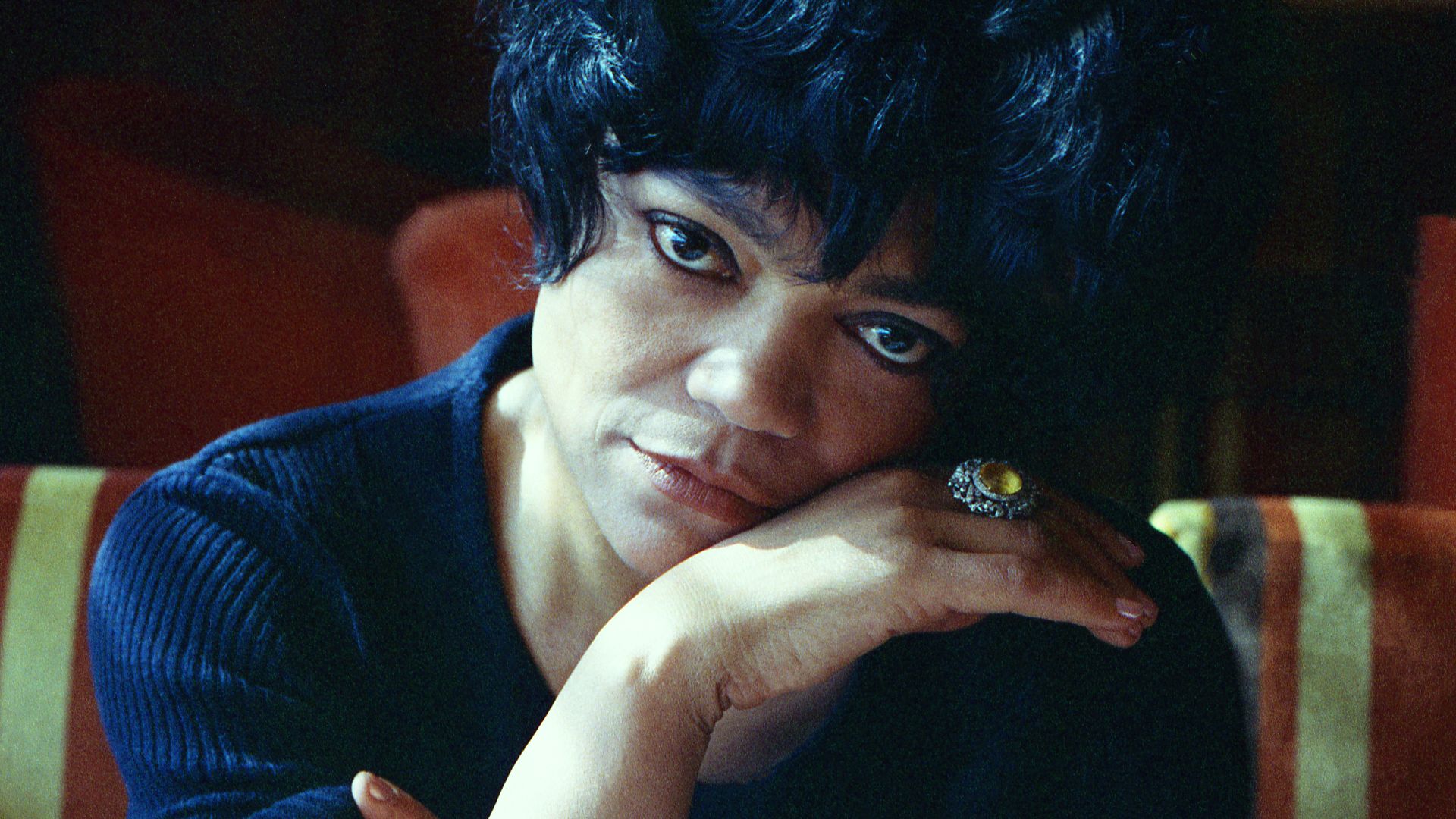
Other guests also responded to Kitt, and what had begun as an orderly White House discussion became a heated political story. Lady Bird later described fearing that the luncheon would be remembered almost like a riot. Kitt, meanwhile, insisted afterward that she had raised her hand, waited to speak, and honestly answered the subject placed before her.
 Allan warren, Wikimedia Commons
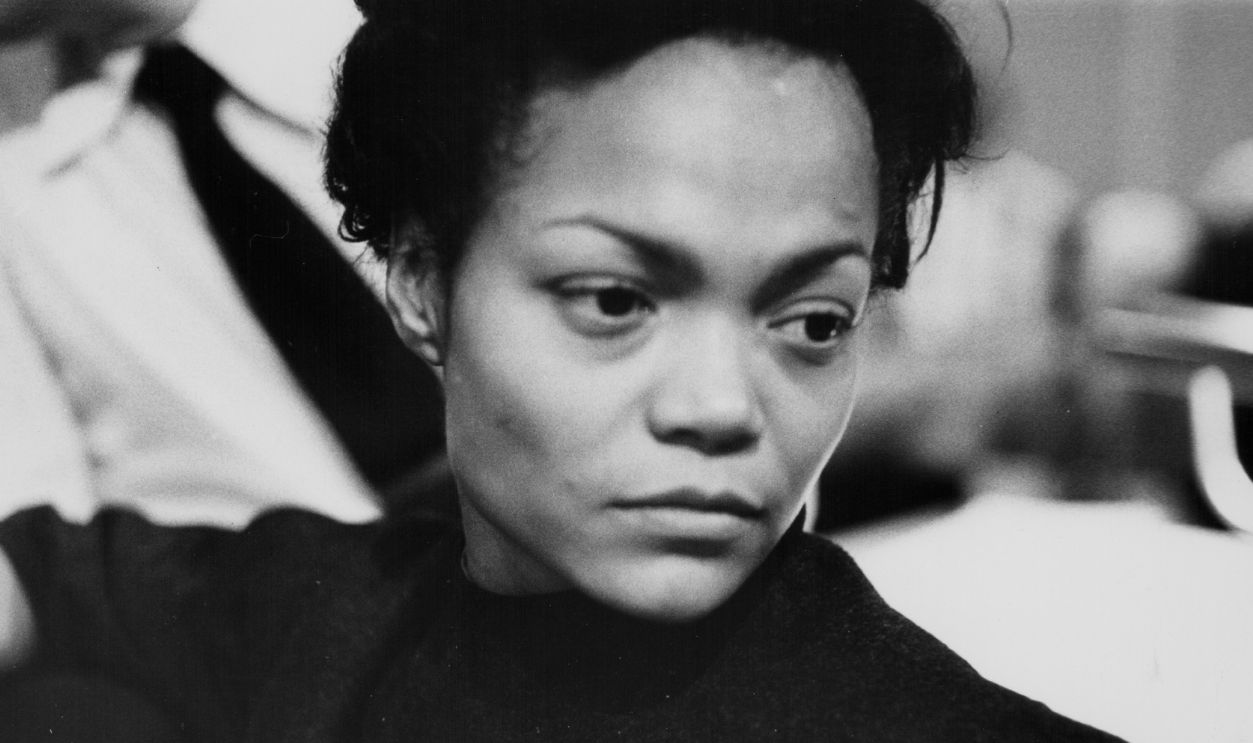
The Headlines Were Brutal
The confrontation quickly became national news, including front-page coverage in The New York Times. Some reporting characterized Kitt as angry or belligerent, while descriptions repeatedly emphasized that she was Black. Kitt denied that she had been intentionally rude and maintained that the White House was exactly where national problems should be discussed.
 Pictorial Parade, Getty Images
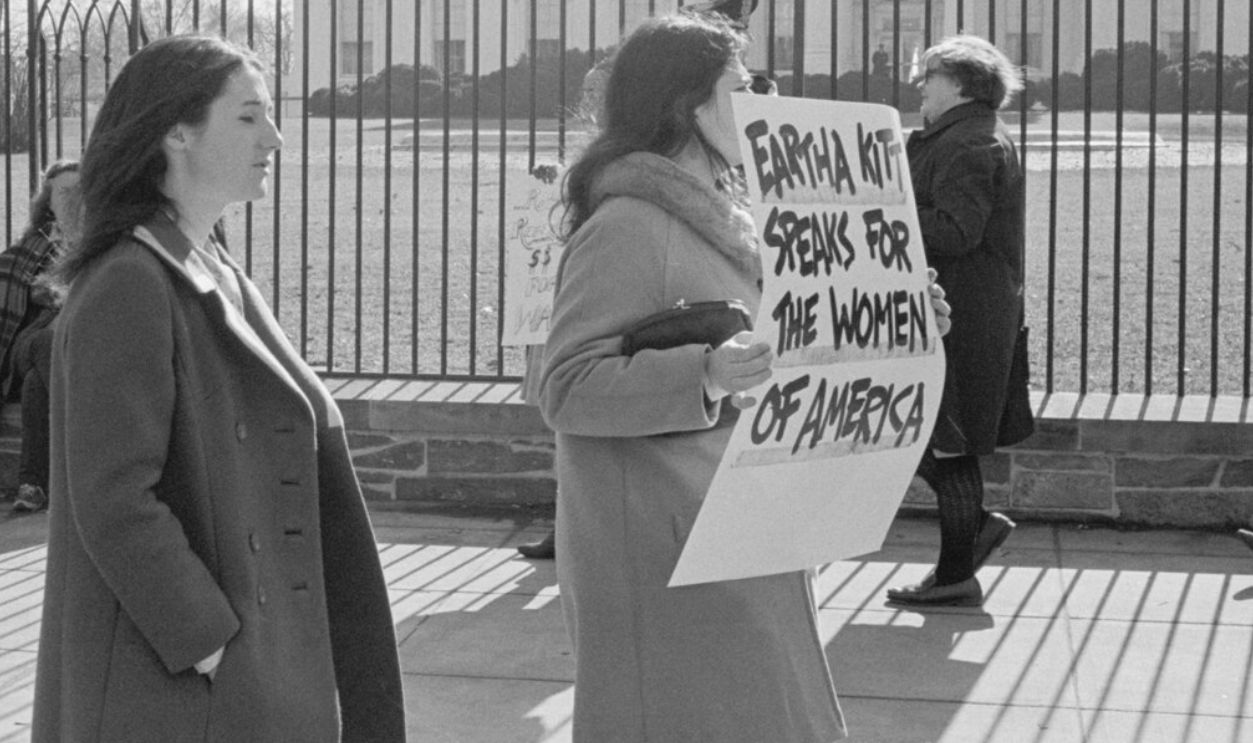
Plenty Of Americans Supported Her
The backlash was not universal. The day after the luncheon, antiwar protesters demonstrated outside the White House, including women carrying signs declaring that Kitt spoke for them. A Library of Congress photograph still documents that demonstration from January 19, 1968.
 Thomas J. O'Halloran, Wikimedia Commons
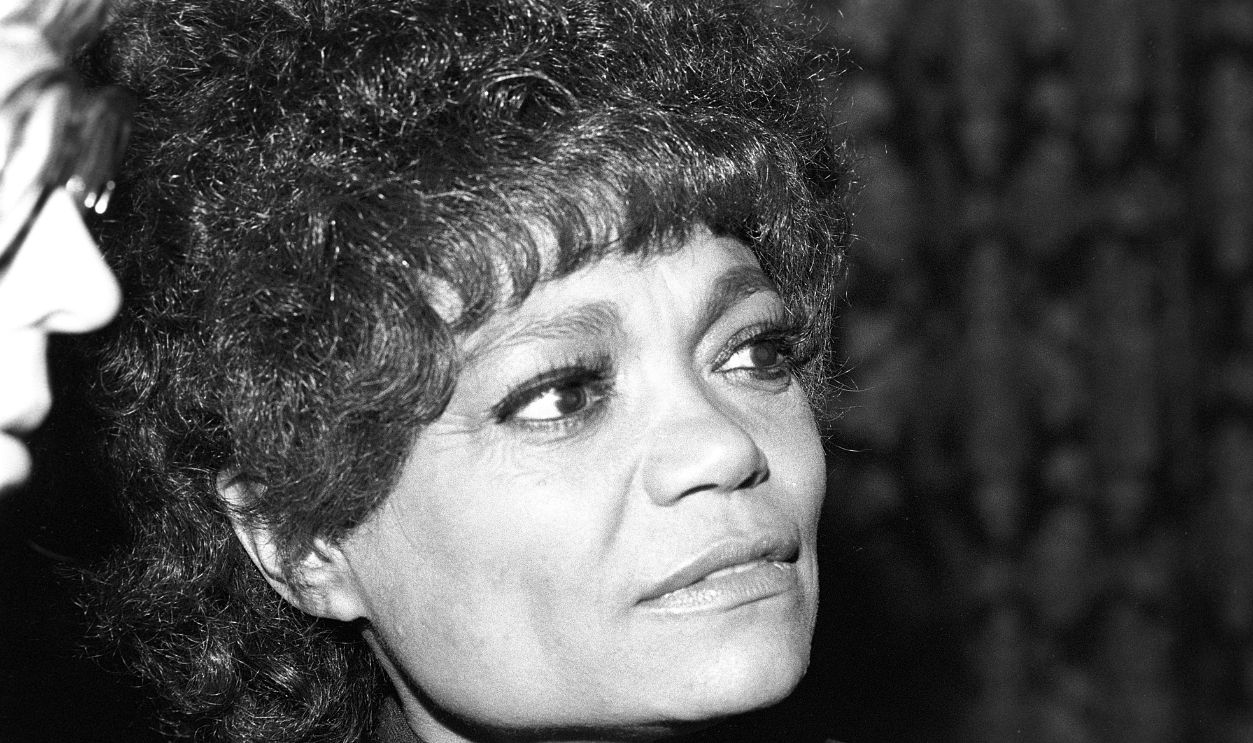
Then Her Bookings Started Disappearing
Whatever support Kitt received on the streets did not translate into security inside show business. She later recalled that engagements began being canceled and that one club owner essentially told her she had become too problematic to book. The Washington Post reported that she found American work extremely difficult to obtain after the incident.
 Sjoberg Bildbyra, Getty Images
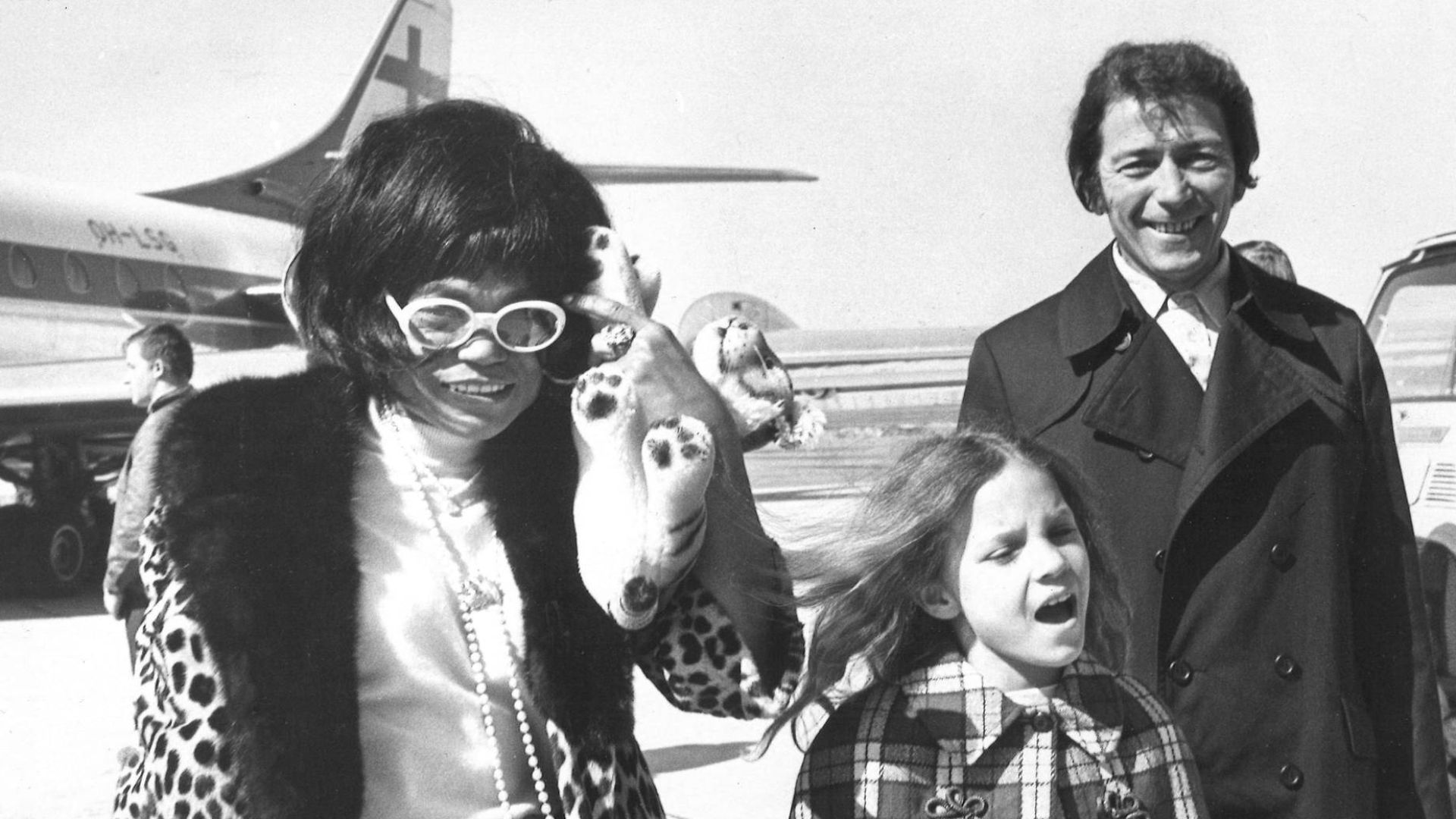
Europe Became Her Lifeline
Kitt had already been an international star, so she still had somewhere to go. With opportunities drying up in the United States, she spent much of the next several years performing overseas, particularly in Europe. Her career had not disappeared, but its American side had suffered a dramatic collapse.
 AnonymousUnknown author / Helsingin Sanomat, Wikimedia Commons
Proving A Formal Blacklist Is Harder
Kitt believed the fallout was political, and many later accounts described her as blacklisted or nearly unemployable. Still, not every lost booking can be tied to a government order, and nightclub entertainment was also changing. What is clear is that her U.S. bookings dropped sharply after the luncheon, pushing her to work mainly abroad.
The Government Really Did Investigate Her
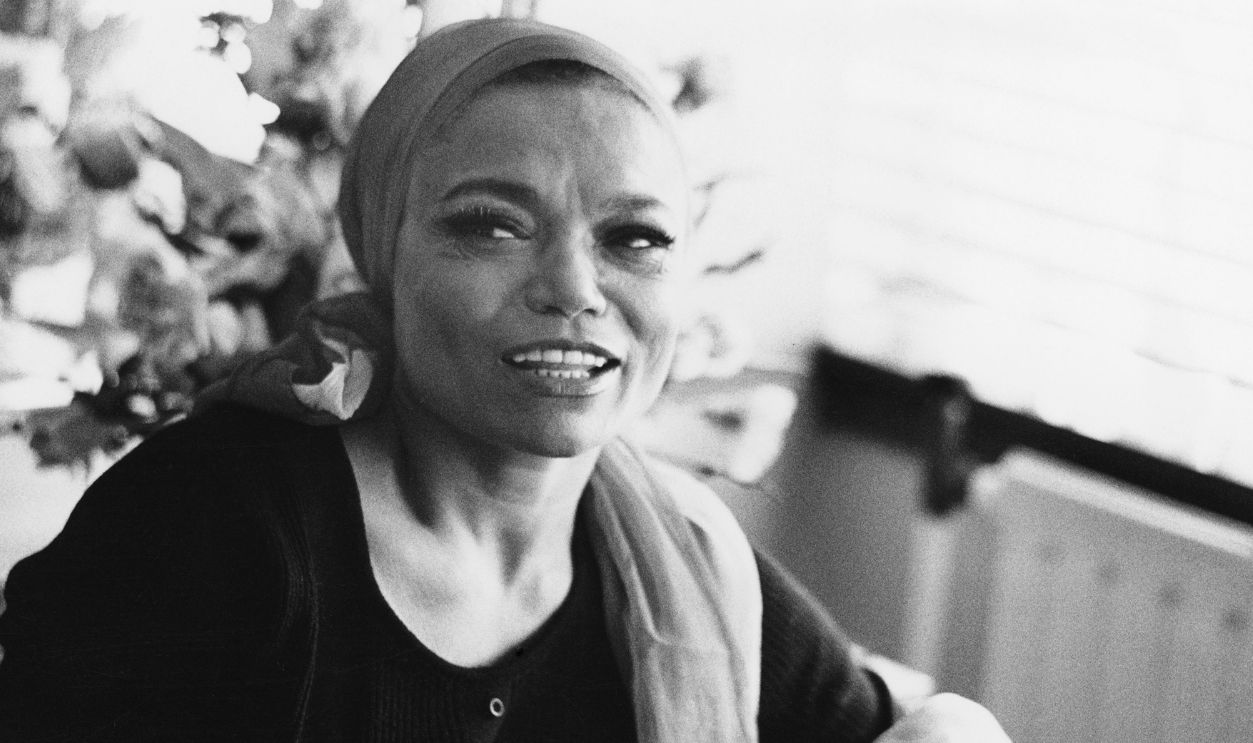
One part of the story eventually became undeniable. The Secret Service requested information about Kitt immediately after the luncheon, and the CIA supplied a report about her roughly a week later. The agency had already been collecting information concerning Kitt dating back to at least 1956 because of her international activities.
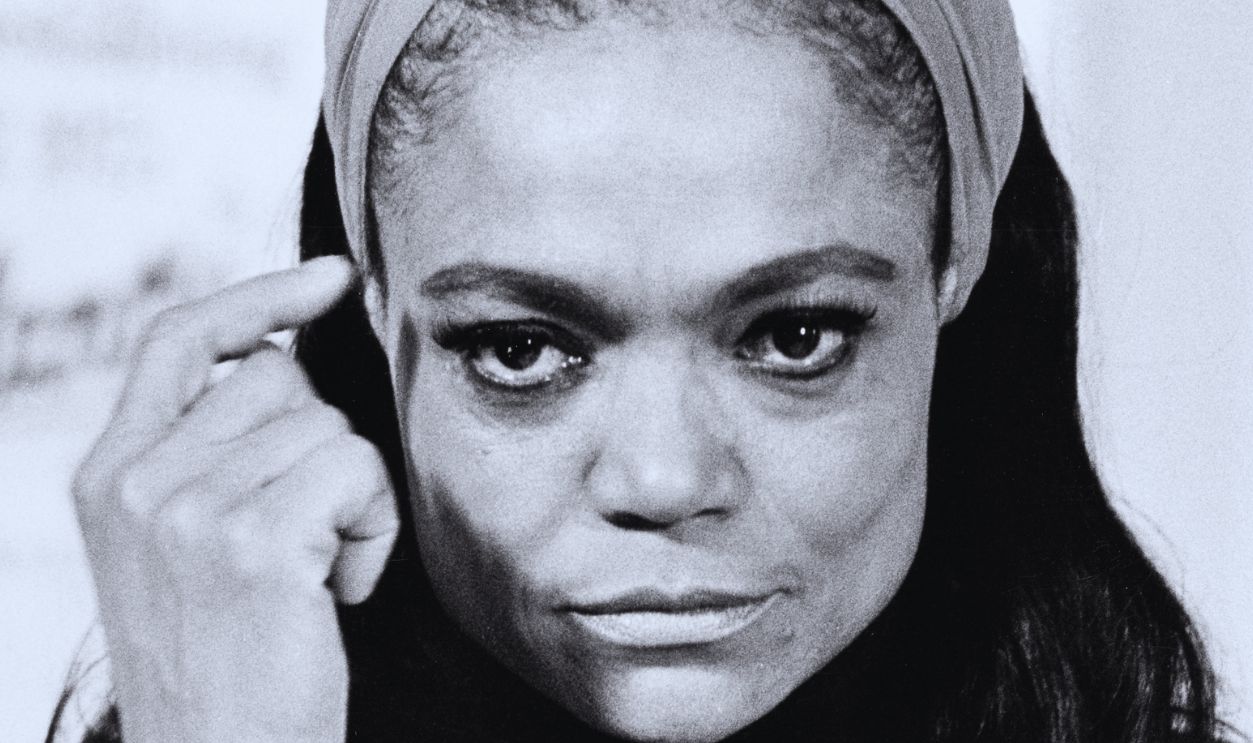 Sjoberg Bildbyra, Getty Images
The CIA File Was Filled With Gossip
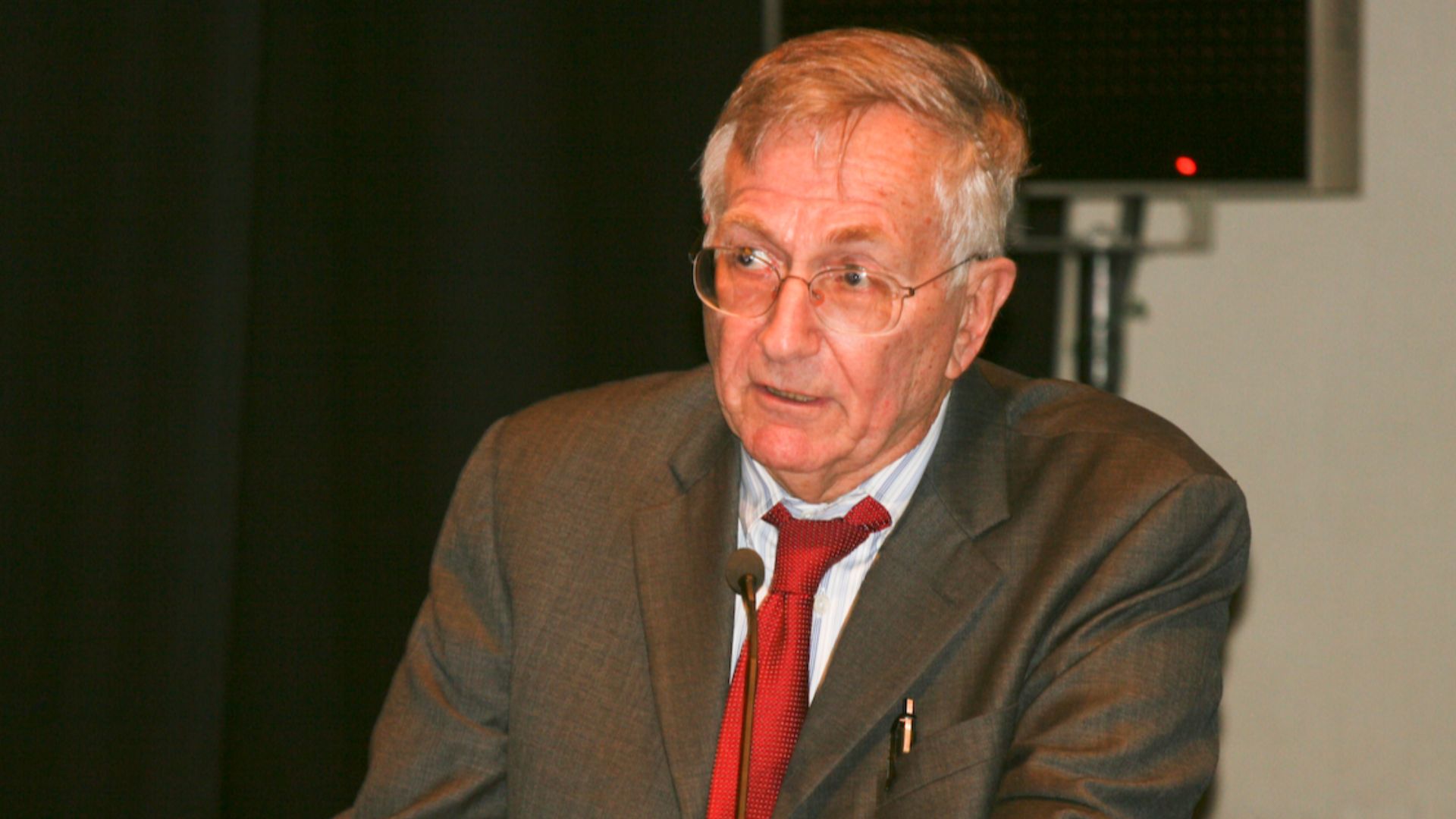
Journalist Seymour Hersh exposed the report in 1975. It contained secondhand claims about Kitt's personality and private life, while finding no evidence that she had foreign intelligence connections. Some of its most notorious passages attacked her character in deeply personal terms rather than documenting any genuine security threat.
 Giorgio Montersino from Milan, Italy, Wikimedia Commons
But Lady Bird Did Not Order It
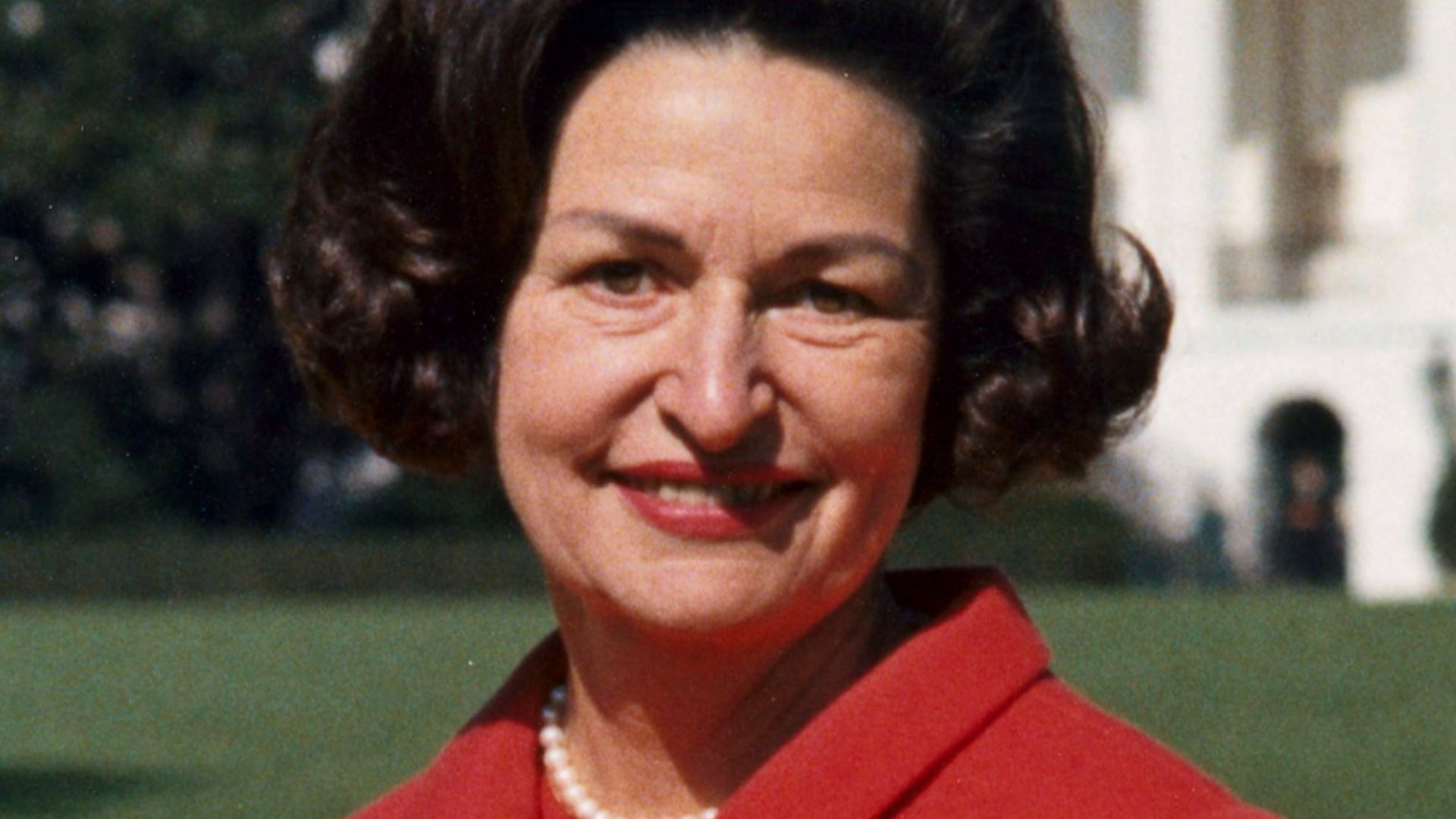
One popular version of the story says Lady Bird Johnson personally instructed the CIA to destroy Kitt. Available evidence does not establish that. PolitiFact's review of the records found that the Secret Service made the request and that historians could not determine who, if anyone, ordered the agency to seek information specifically to punish her.
 Robert Knudsen, White House Press Office (WHPO), Wikimedia Commons
Broadway Finally Put Her Back In The Spotlight
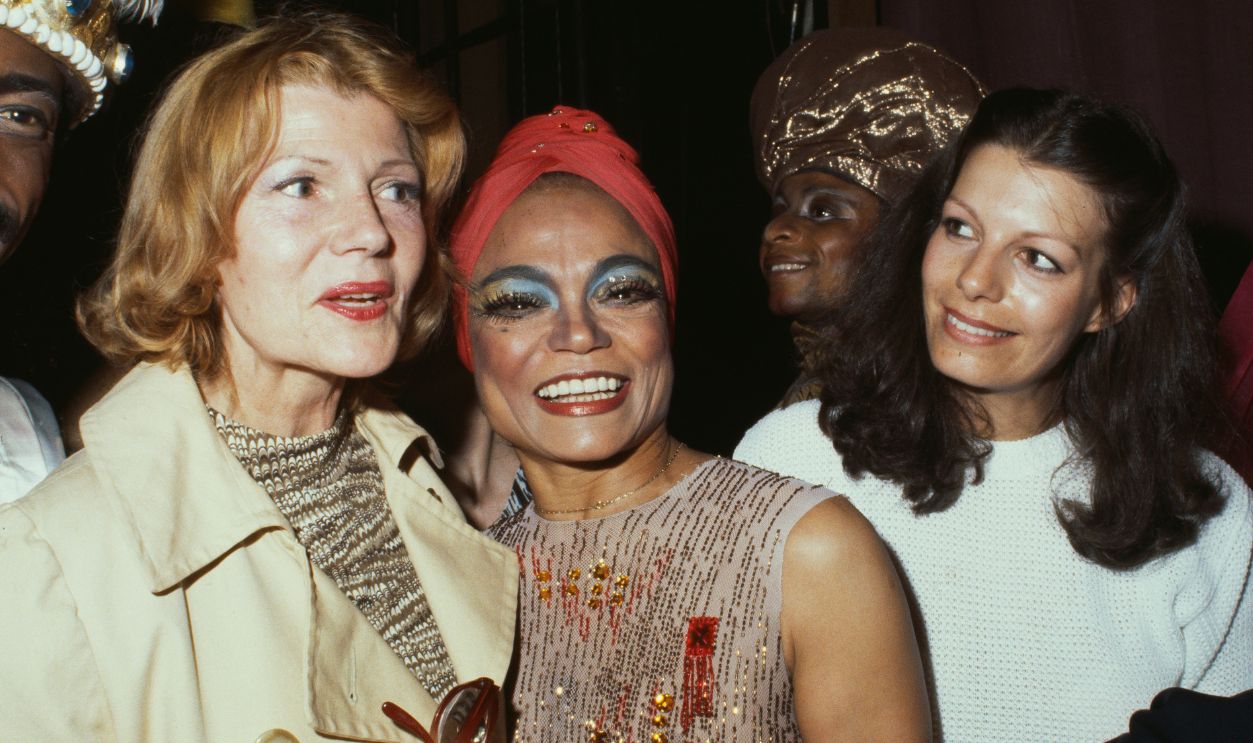
Kitt gradually began rebuilding her American career, including a return to U.S. concert work during the 1970s. In 1978, she starred as Shaleem-La-Lume in the Broadway musical Timbuktu!. The performance earned her a Tony nomination for Best Actress in a Musical, almost exactly a decade after the White House confrontation.
Eartha Kitt Was Not Finished
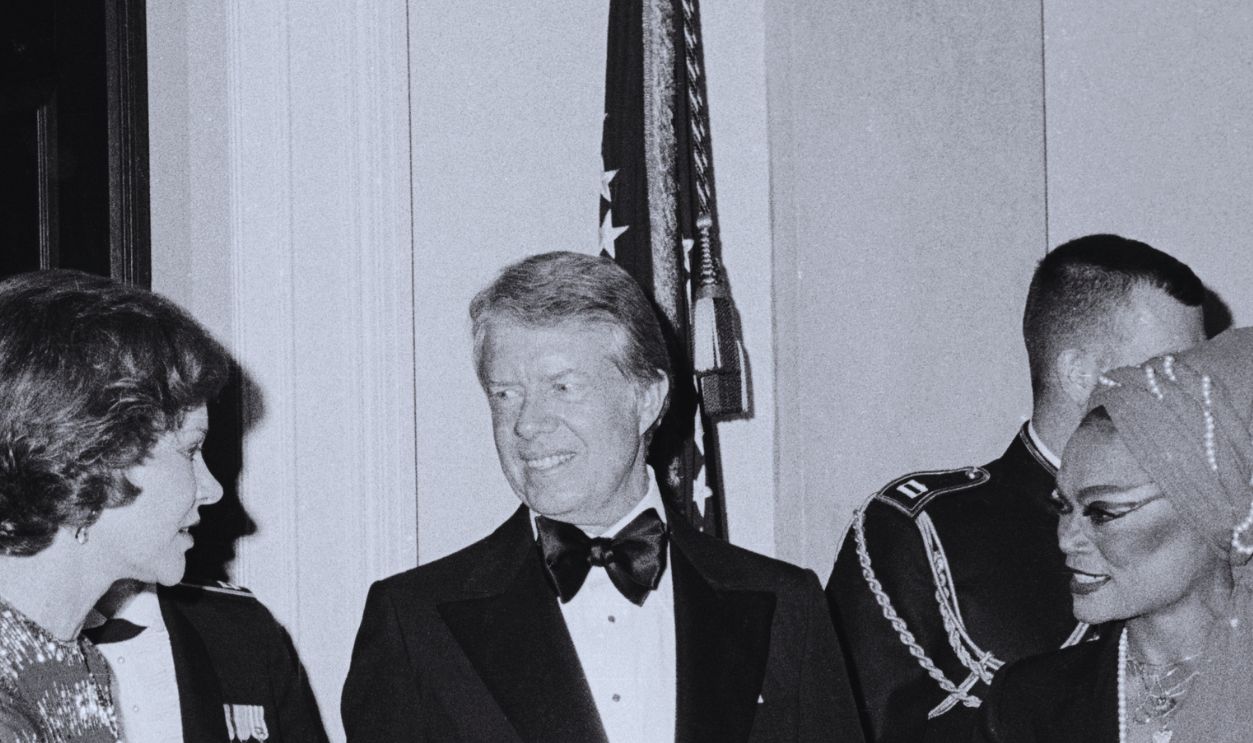
While Timbuktu! was playing, President Jimmy Carter welcomed Kitt back to the White House, marking a remarkable reversal from 1968. She went on to earn another Tony nomination, find new fans through roles such as Yzma in The Emperor's New Groove, and remain active almost until her death in 2008. The confrontation cost her crucial years in America, but it never made Kitt retreat from what she believed she had the right to say.
You May Also Like:
Adam West Knew Batman Had Typecast Him—So He Learned To Make The Joke Work For Him
Sultry Facts About Lena Horne, Hollywood's Velvet Voice