Famous Until Further Notice
Their faces filled magazines. Their names sold movie tickets. Fans screamed before they even opened their mouths. With that much attention, fame must have looked pretty permanent. But by the mid-80s, their biggest years were behind them.
How many of these names still mean anything to you?
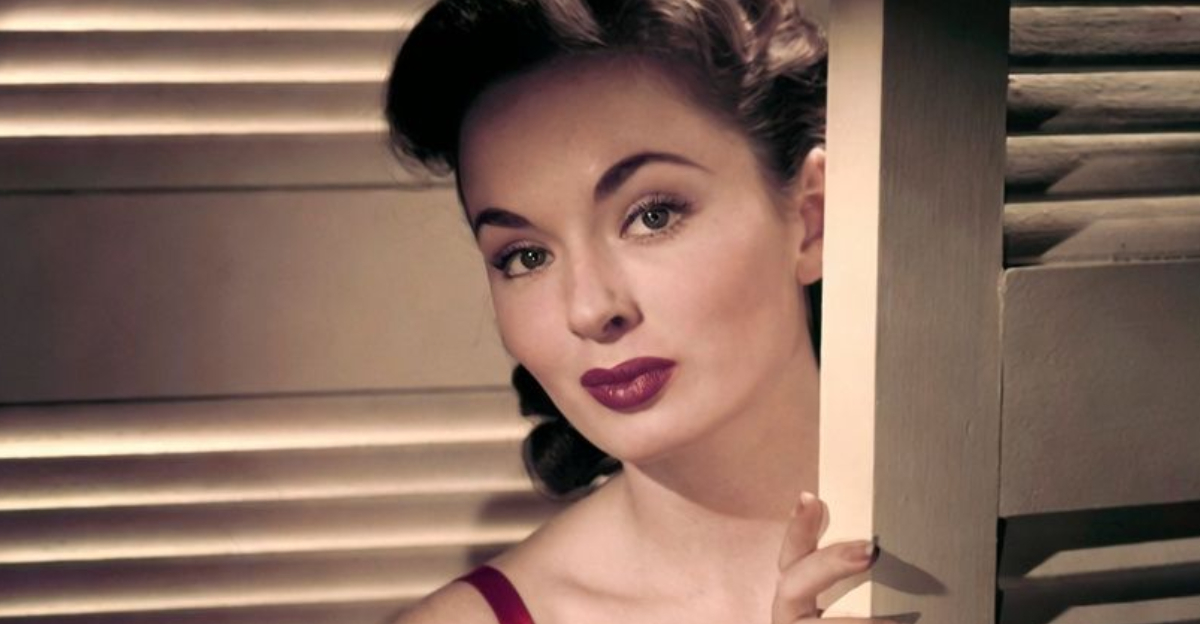
Leif Garrett
Leif Garrett’s face was everywhere a teenage girl might look in the late 70s. “I Was Made for Dancin’” gave him his biggest hit, but the momentum didn’t last. By the early 80s, his pop career was fading fast, and acting wasn’t restoring his teen-idol status.
Troy Donahue
After “A Summer Place” in 1959, Troy Donahue became the blond heartthrob Hollywood wanted teenage girls to fall for. It worked. Staying on top didn’t. He asked to leave his Warner Bros. contract in 1966, and the years of smaller roles that followed never restored his leading-man status.
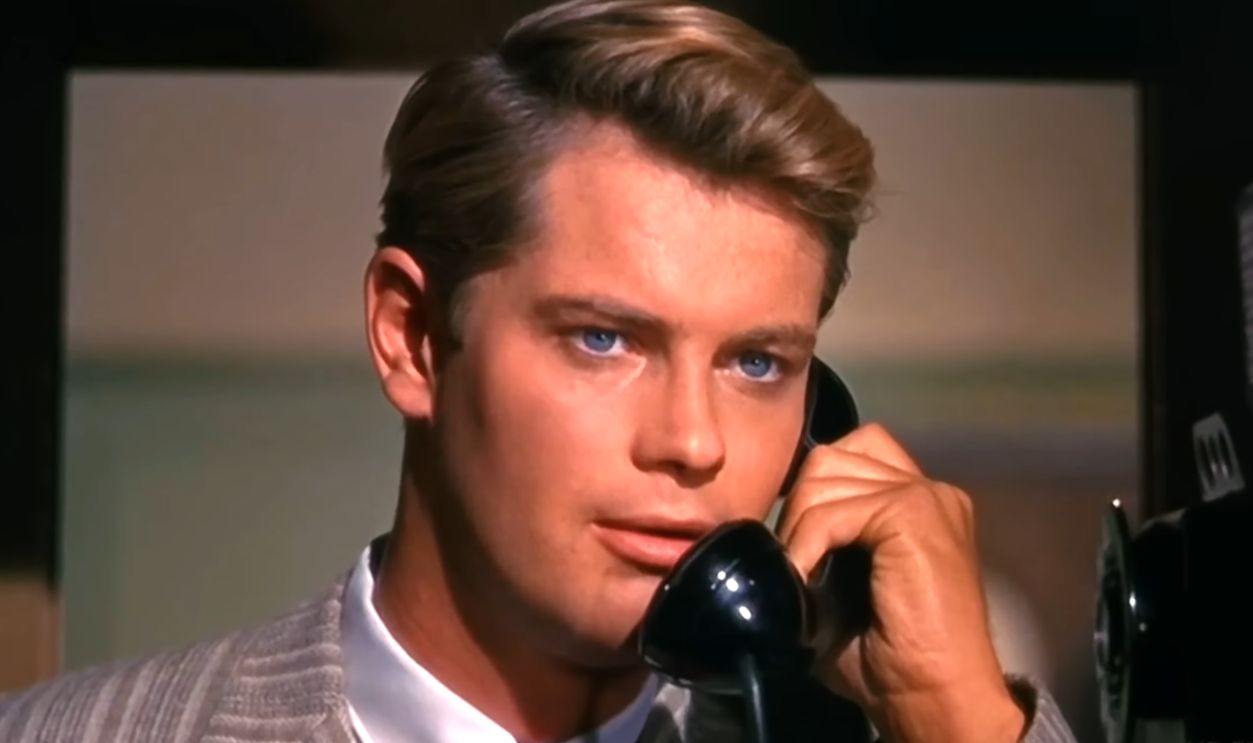 Screenshot from A Summer Place, Warner Bros. Pictures (1959)
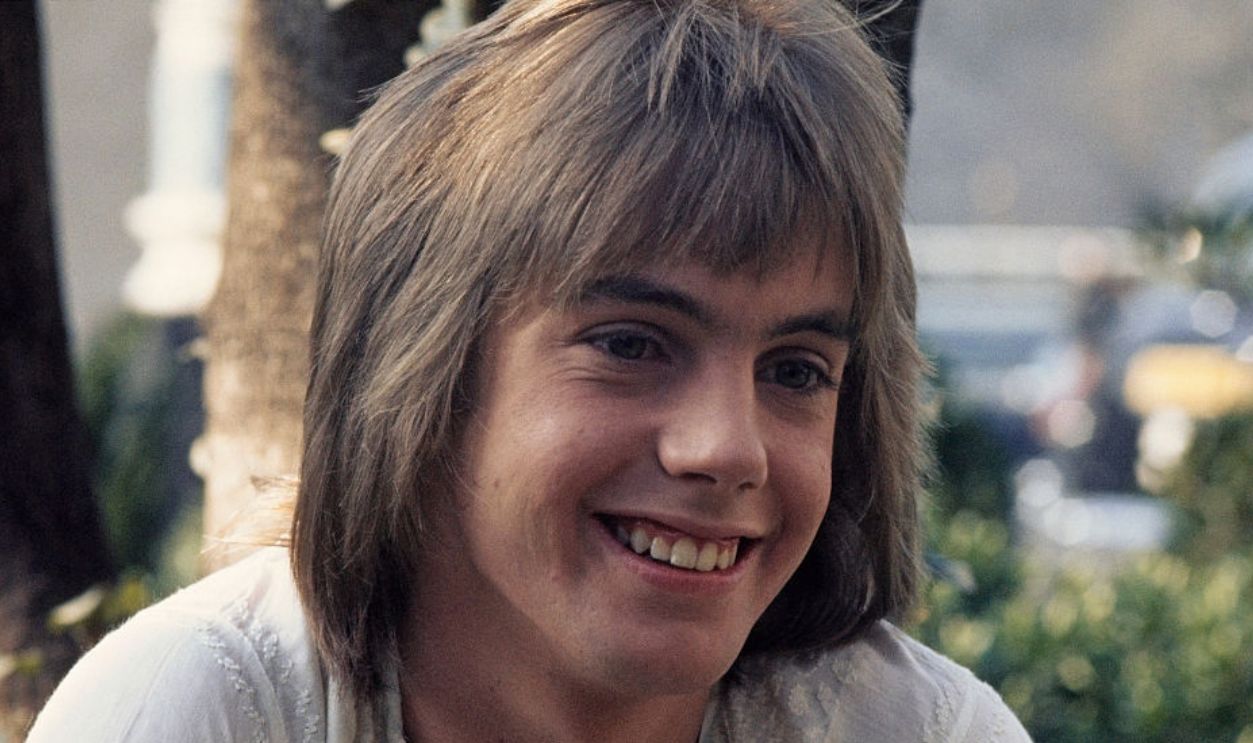
Shaun Cassidy
Shaun Cassidy had hit records and “The Hardy Boys” making him a major teen idol in the late 70s. But his 1980 album “Wasp” flopped. He stepped away from performing and later built a successful television writing and producing career. The screaming fans became a much smaller part of his life.
Gale Storm
In a 1953 popularity poll, Gale Storm ranked behind only Lucille Ball among television stars. Yes, she was that big. “My Little Margie” led to another successful sitcom, but after “The Gale Storm Show” ended in 1960, her career declined dramatically. Lucy’s name traveled much further.
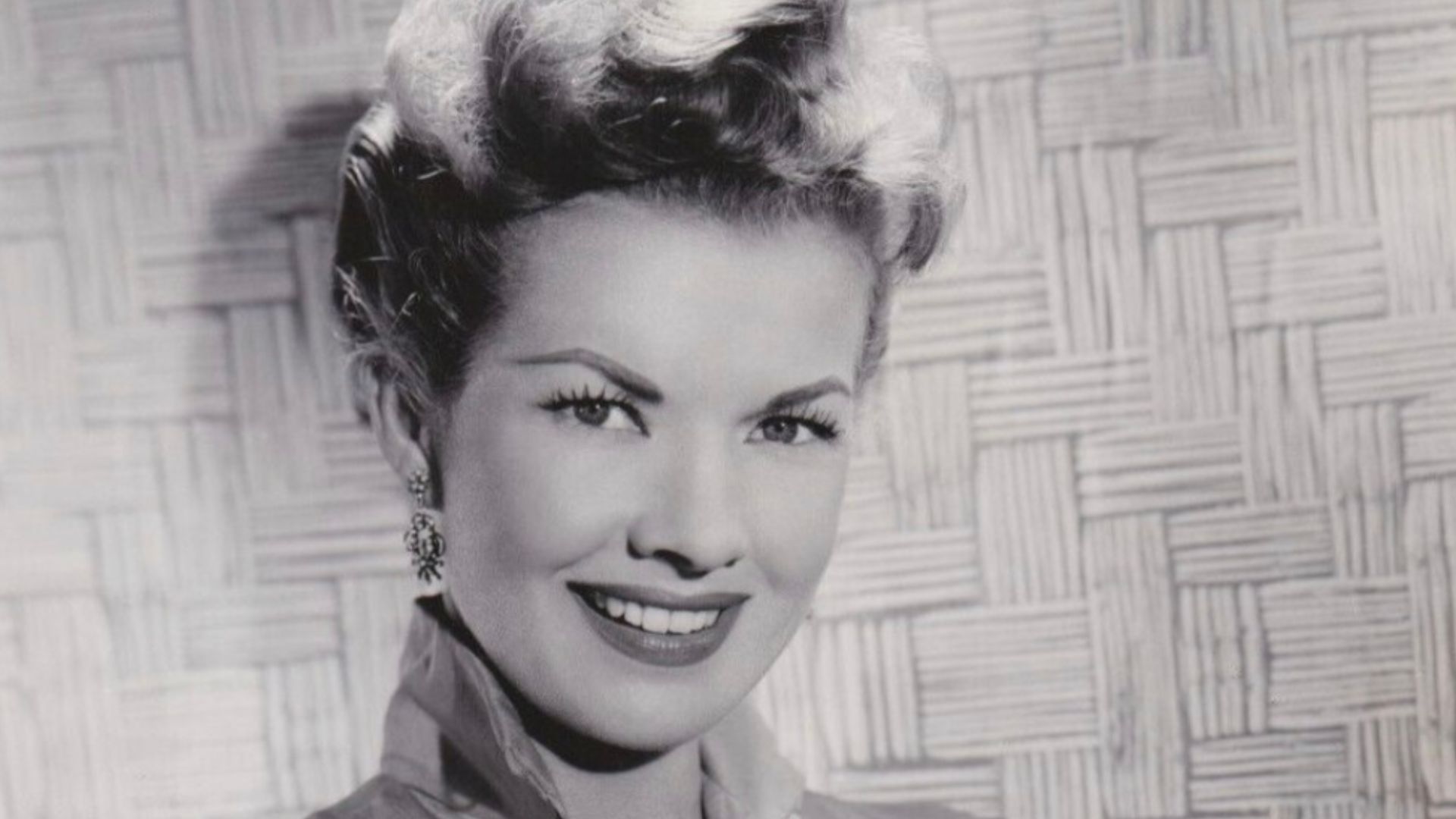 CBS Television, Wikimedia Commons
Bobby Sherman
Bobby Sherman had hit records, television exposure, and the kind of teenage following that kept fan magazines busy. His biggest years came in the late 60s and early 70s. He eventually pulled back from that exhausting schedule and found another calling teaching first aid and CPR.
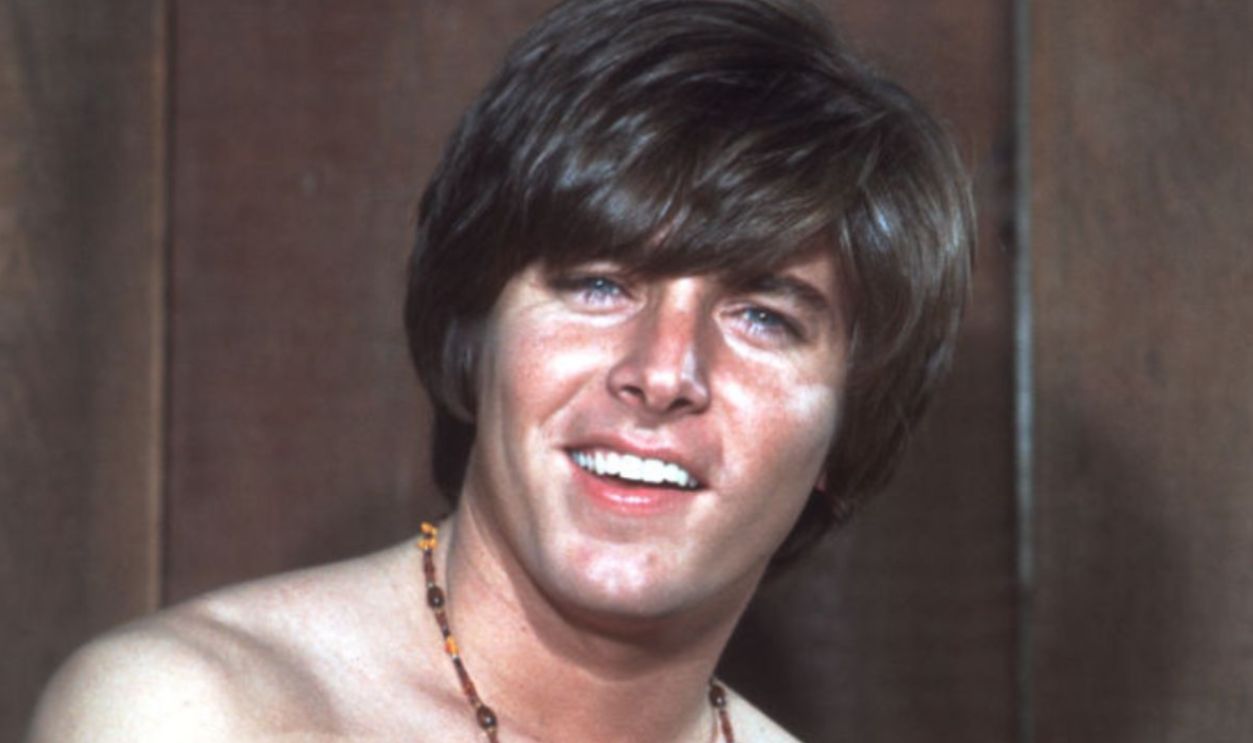 Michael Ochs Archives, Getty Images
Betty Hutton
Betty Hutton starred in “Annie Get Your Gun” and “The Greatest Show on Earth.” Then she left Paramount in 1952 following a dispute involving her husband directing her. Her major movie career never recovered. By 1974, she was working as a cook in a Rhode Island rectory.
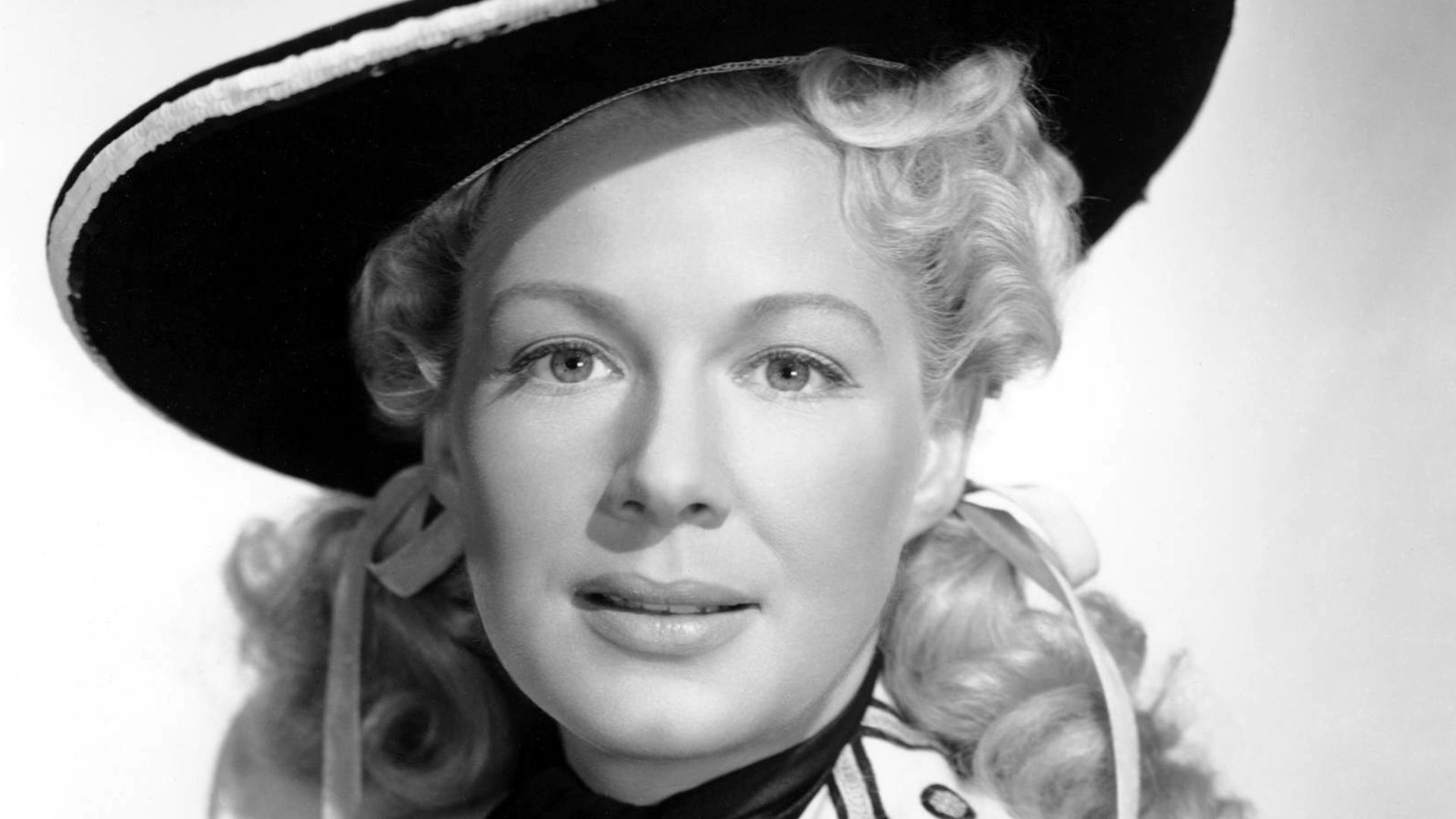
Johnnie Ray
Before Elvis had fans screaming, Johnnie Ray was causing a sensation with “Cry” and his wildly emotional performances. His American stardom began fading in the late 50s and early 60s, although audiences overseas stayed loyal. He kept performing, but his days as America’s latest singing sensation were over.
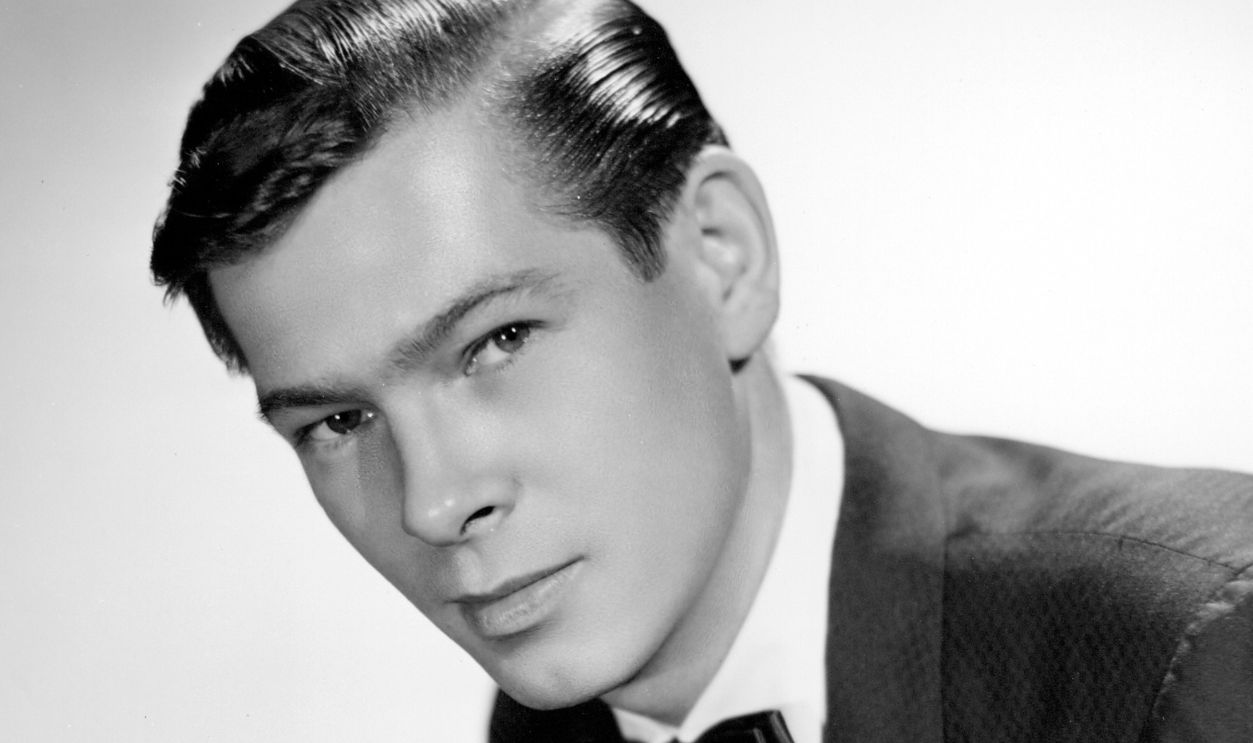 Michael Ochs Archives, Getty Images
Edd Byrnes
Playing Kookie on “77 Sunset Strip” made Edd Byrnes a teen idol. His character’s hair-combing habit even inspired a hit record. Unfortunately, the role also became a trap. Later appearances, including Vince Fontaine in “Grease,” kept him working without restoring that original level of stardom.
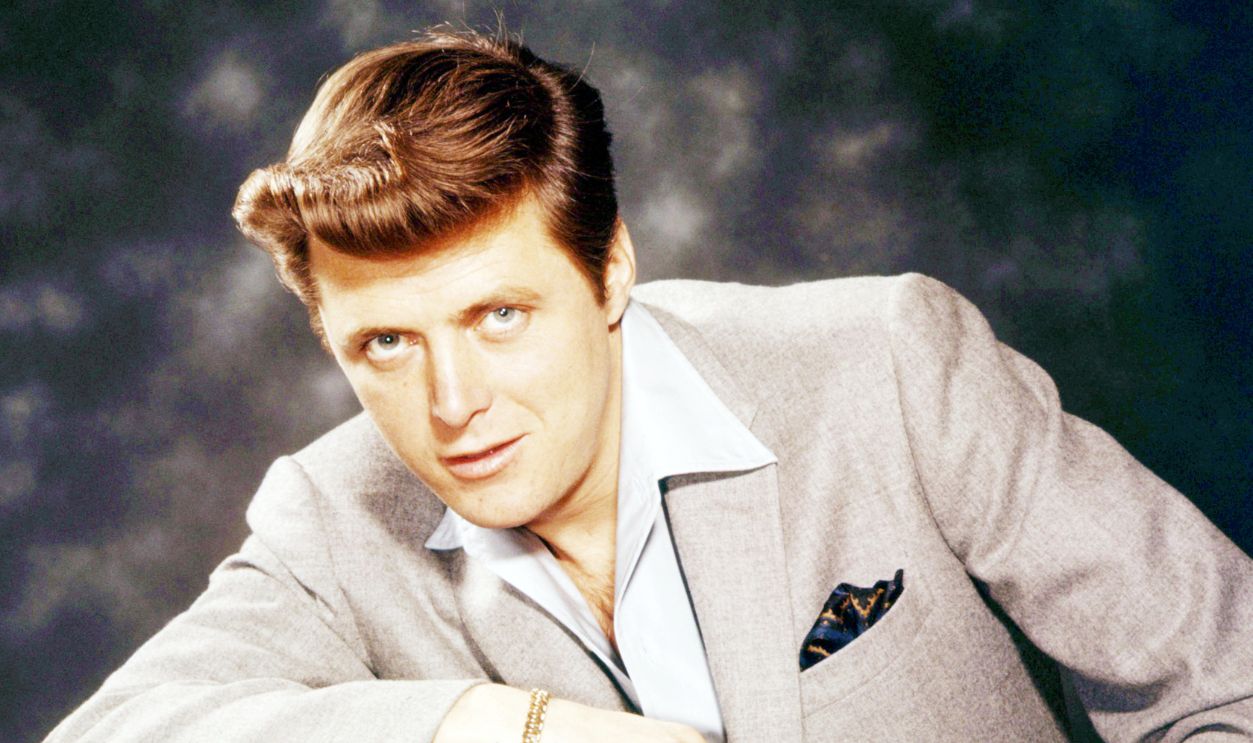 Silver Screen Collection, Getty Images
Alice Faye
Alice Faye was a major Fox musical star before walking away after her role was cut down in “Fallen Angel” in 1945. But she didn’t disappear. Popular radio comedy with husband Phil Harris kept her familiar through 1954, even as the movie career that launched her took a long break.
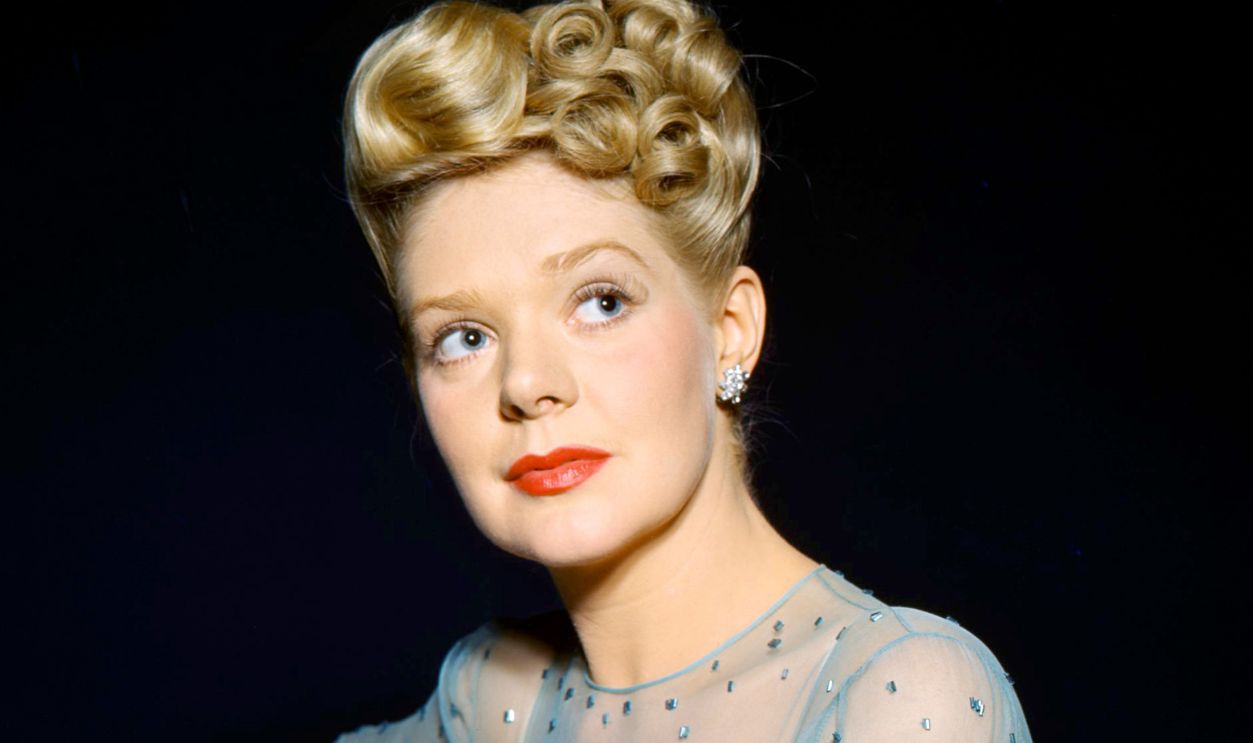 Silver Screen Collection, Getty Images
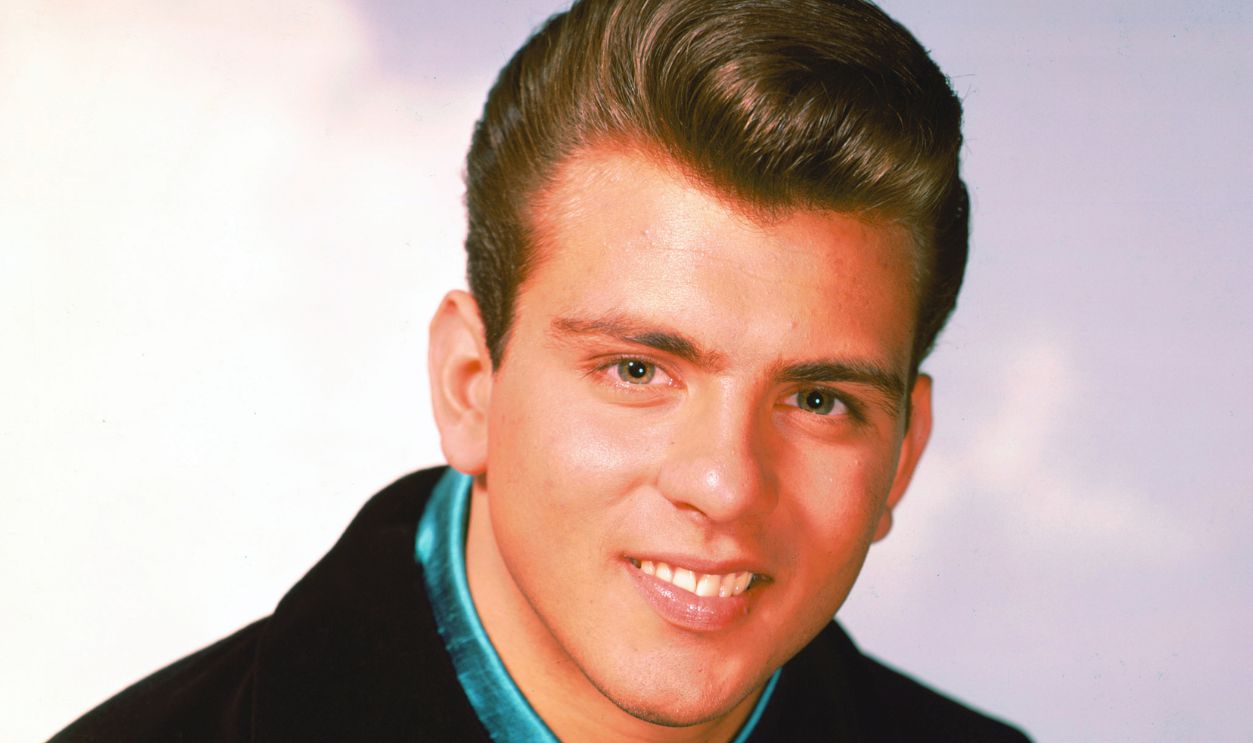
Fabian
Fabian’s rise was fast enough to make fame look easy. In 1959, “Tiger,” “Turn Me Loose,” and “Hound Dog Man” all reached the American Top 10. But his Top 40 run ended in 1960. Movies and later nostalgia appearances kept him visible after the chart excitement disappeared.
 Silver Screen Collection, Getty Images
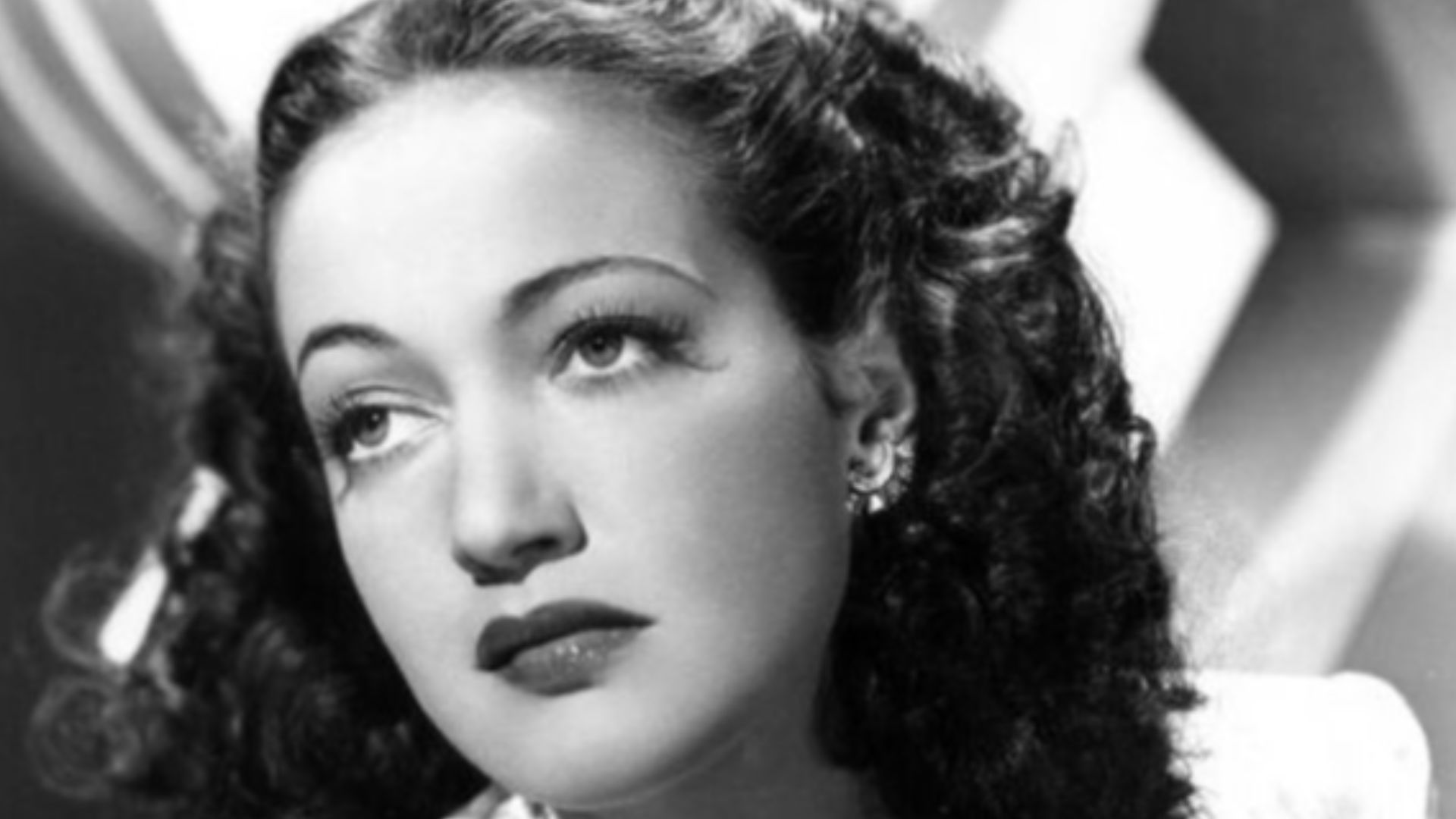
Dorothy Lamour
Dorothy Lamour was the glamorous third member of the “Road” movies with Bob Hope and Bing Crosby. But in “The Road to Hong Kong” in 1962, Joan Collins became the leading lady and Lamour got a small appearance. Even an established star could find herself pushed aside.
 Paramount Pictures, Wikimedia Commons
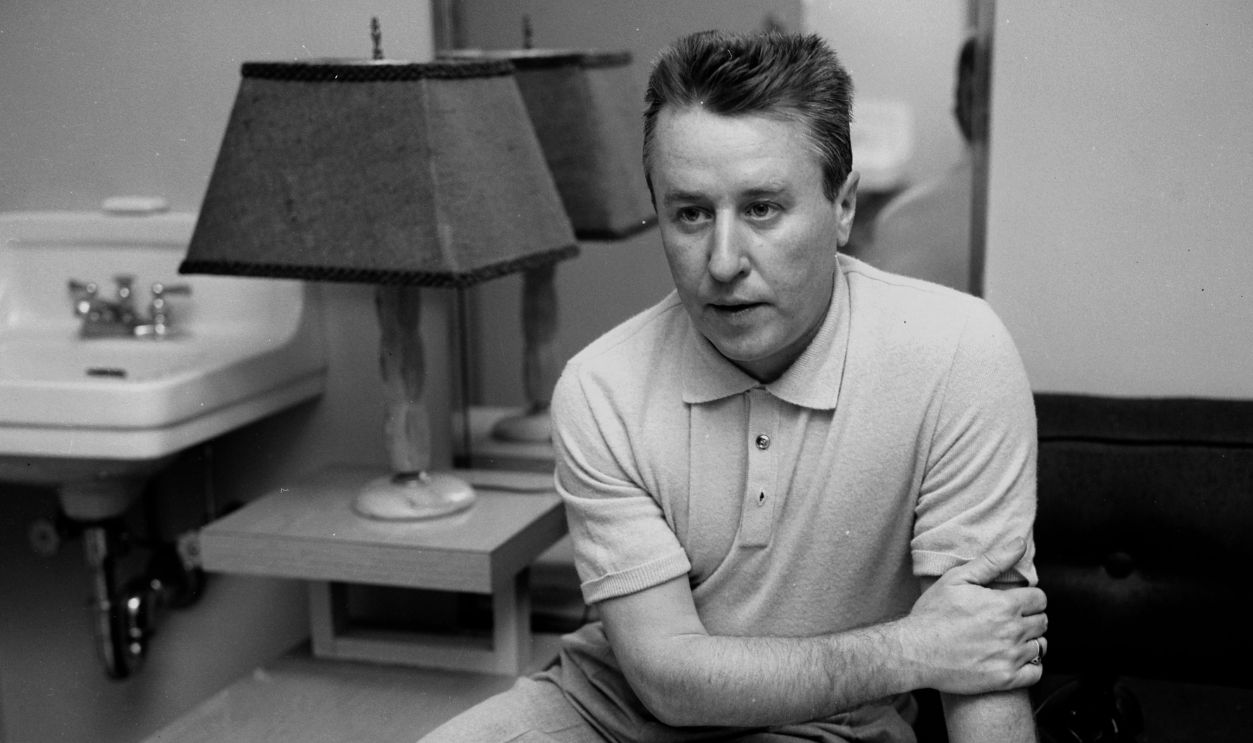
George Gobel
George Gobel’s quiet delivery made him one of television’s biggest comedy stars in the 50s. His own show ended in 1960, but talk shows and “Hollywood Squares” kept him familiar afterward. He remained a welcome television guest long after his days of headlining a hit show were over.
 Michael Ochs Archives, Getty Images
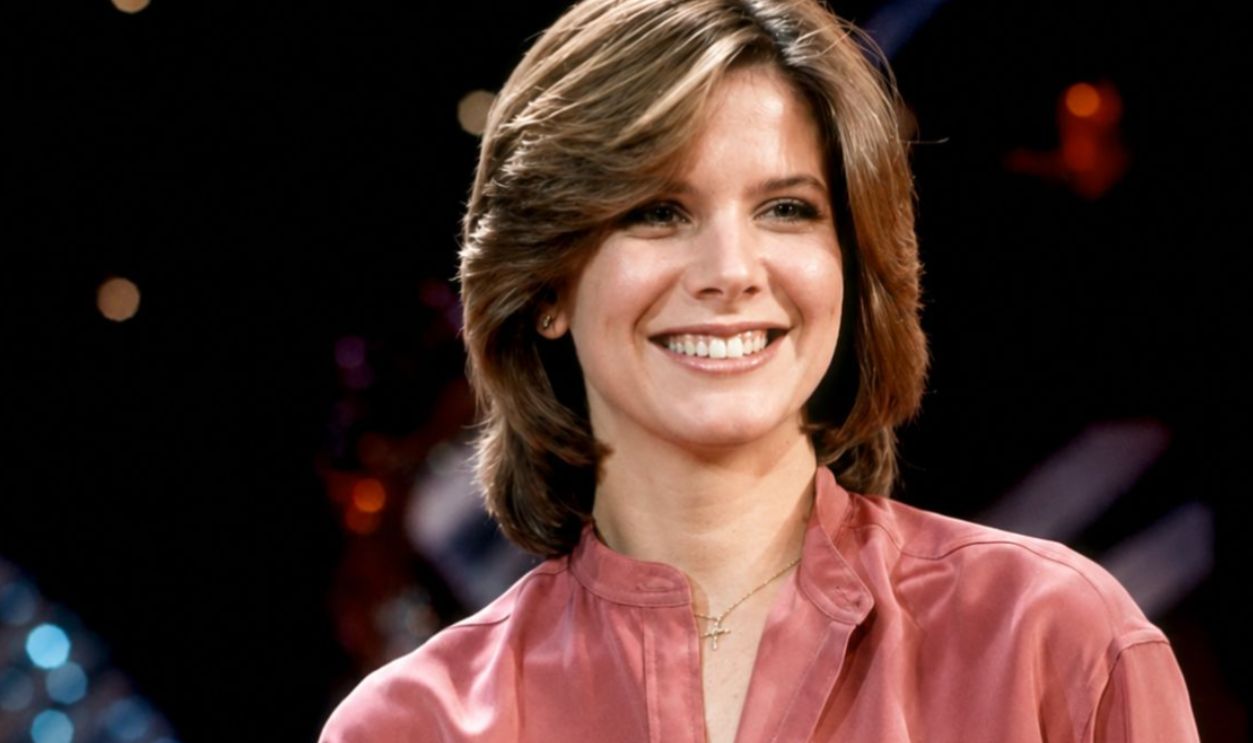
Debby Boone
In 1977, Debby Boone’s “You Light Up My Life” spent ten weeks at No. 1. That’s quite an entrance. But she couldn’t maintain that level of pop success. Country and Christian music brought further achievements, while the enormous mainstream attention surrounding her breakthrough gradually moved elsewhere.
 Michael Ochs Archives, Getty Images
Eddie Fisher
Eddie Fisher had hit records and his own television shows before his private life swallowed his public image. Leaving Debbie Reynolds for Elizabeth Taylor in 1959 created a scandal his career never fully recovered from. Eventually, the marriages became more famous than the music that made him a star.

Jane Powell
Jane Powell sang and danced her way through MGM’s musical heyday, including “Royal Wedding” and “Seven Brides for Seven Brothers.” But Hollywood’s appetite for those musicals weakened during the 50s. Theater and television gave her more work, while the movie stardom that launched her became something to look back on.
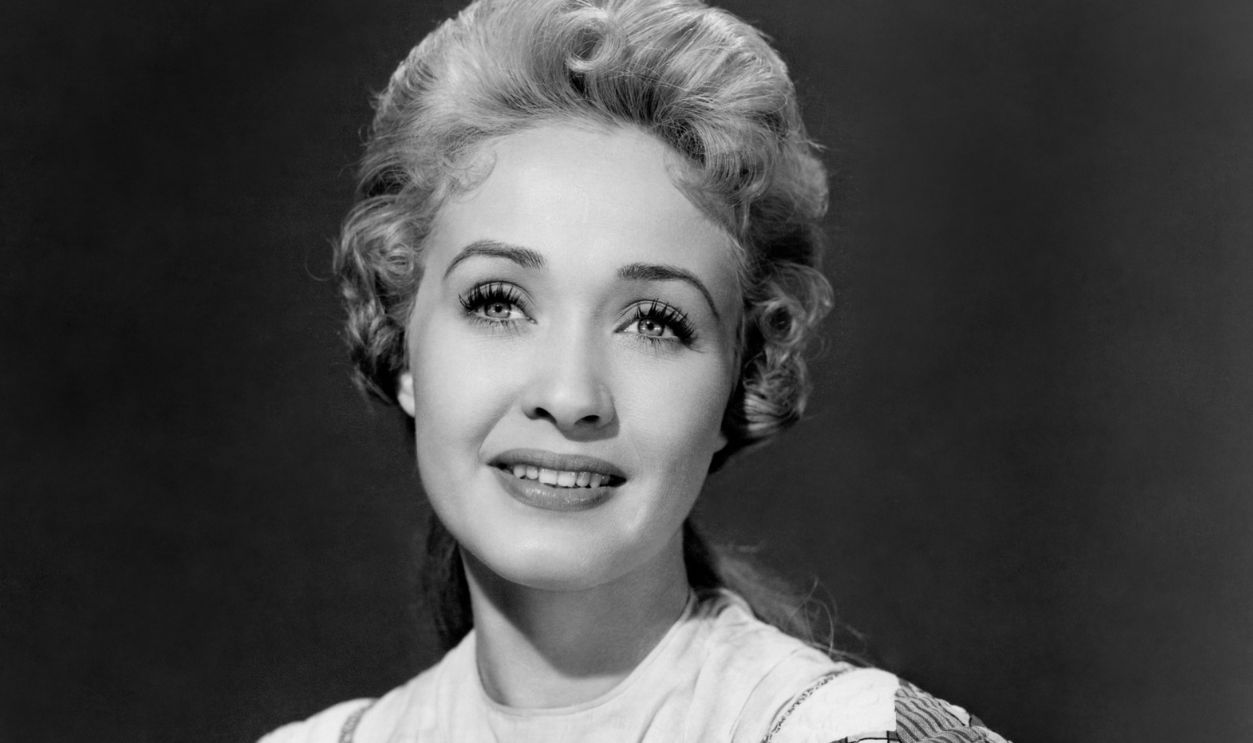 De Carvalho Collection, Getty Images
Guy Madison
Guy Madison became a familiar face playing the title character in “The Adventures of Wild Bill Hickok” throughout the 50s. After the series ended in 1958, American opportunities became harder to find. He went to Europe and kept making movies, while his profile back home slipped.
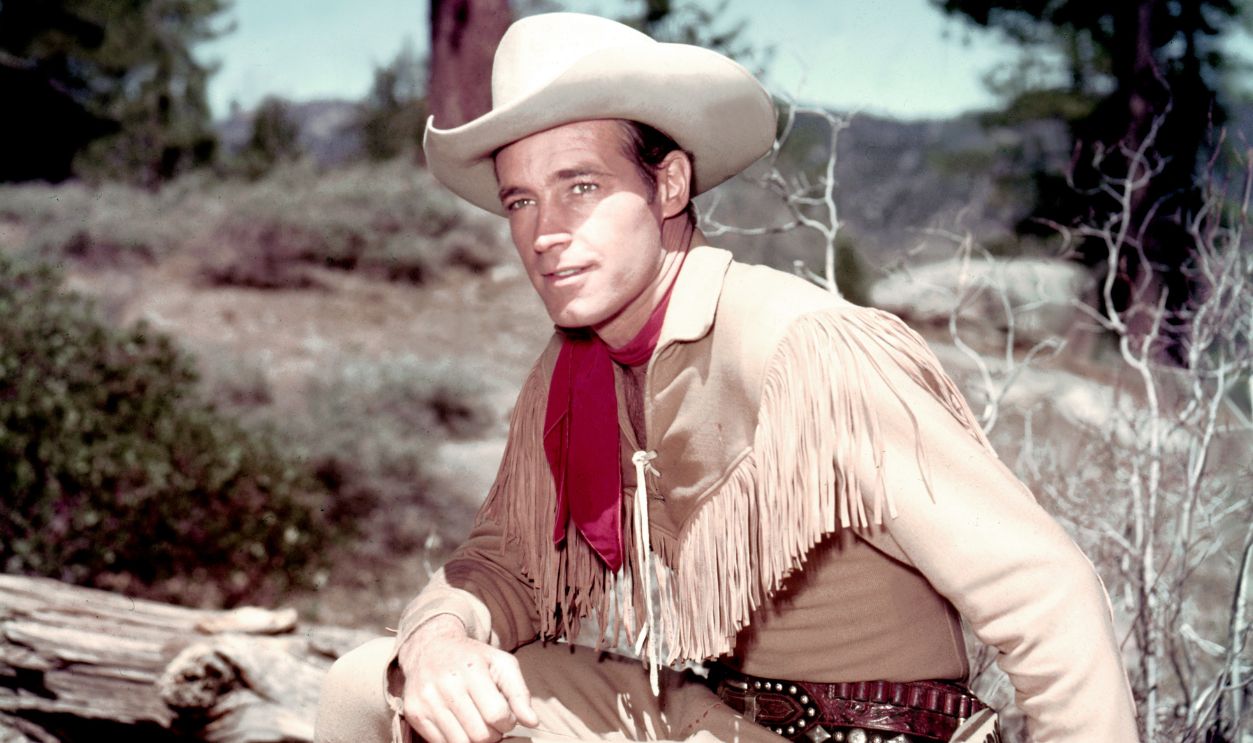 Sunset Boulevard, Getty Images
Teresa Brewer
Teresa Brewer’s “Music! Music! Music!” was a chart-topping hit in 1950, followed by a string of successful records. Her final American Top 40 single arrived in 1960. She later recorded with major jazz musicians, but the years of being a current pop sensation were already over.
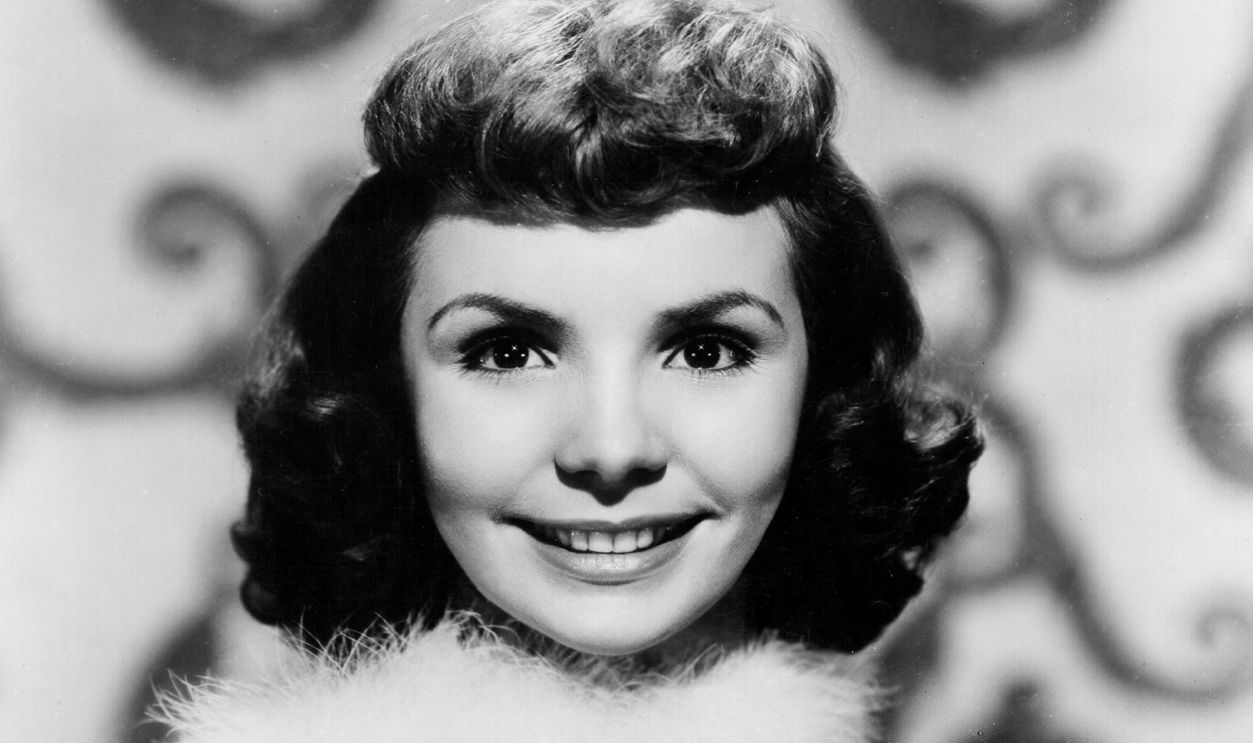 Michael Ochs Archives, Getty Images
Dennis Morgan
Dennis Morgan was a Warner Bros. leading man opposite stars including Barbara Stanwyck and Ginger Rogers. His film career faded in the 50s, and he later admitted turning down early television was a mistake. He had believed audiences should pay to see him. Audiences had other plans.
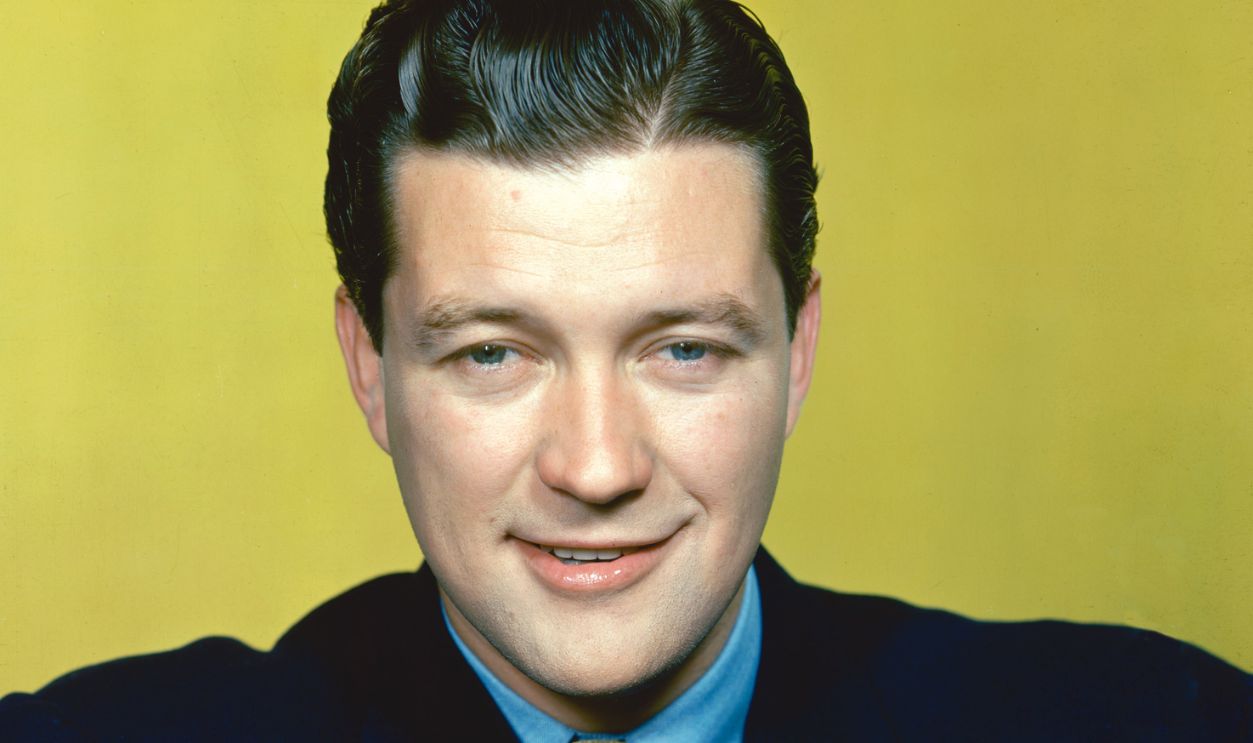 Silver Screen Collection, Getty Images
Imogene Coca
Imogene Coca helped make “Your Show of Shows” essential Saturday-night television alongside Sid Caesar. When that partnership ended in 1954, her own show lasted just one season. More work followed, including Aunt Edna in “National Lampoon’s Vacation,” but her biggest television years had ended long before the 80s.

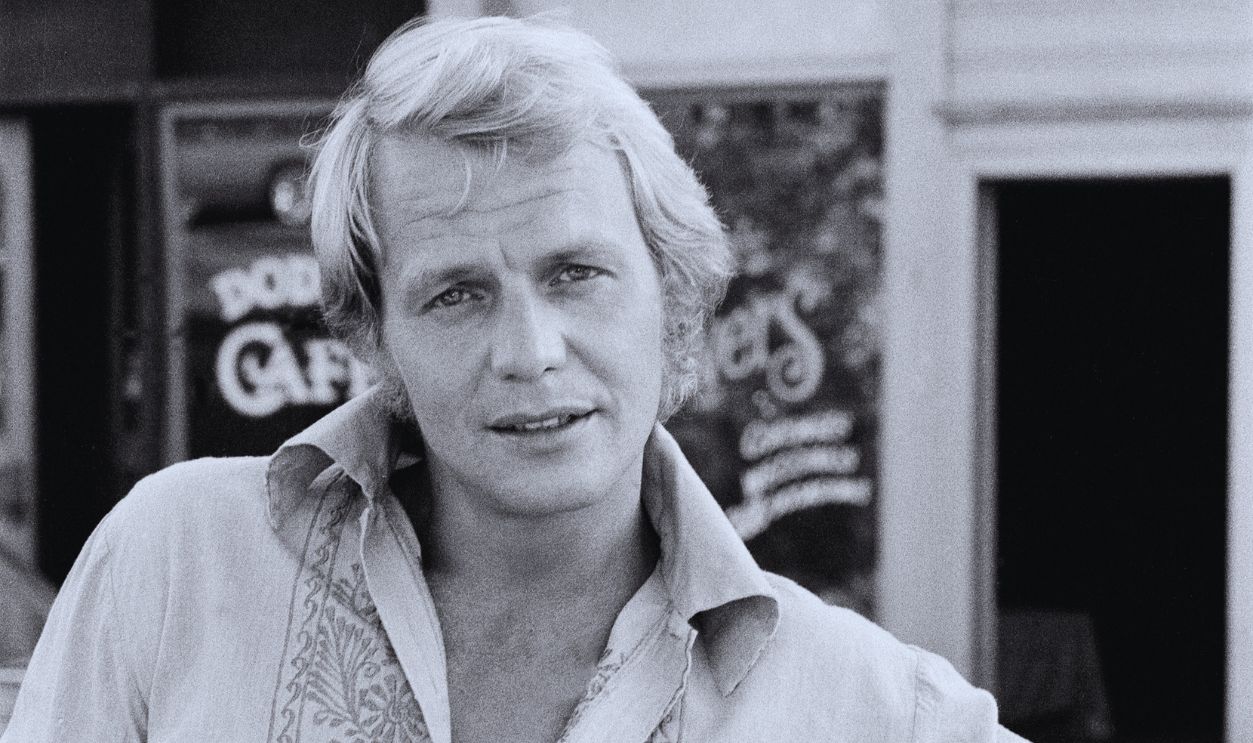
David Soul
David Soul had a hit television series and a chart-topping singing career in the 70s. “Starsky & Hutch” made him a heartthrob, while “Don’t Give Up on Us” added pop stardom. Later series proved less durable: “The Yellow Rose” lasted just one season in 1983–1984.
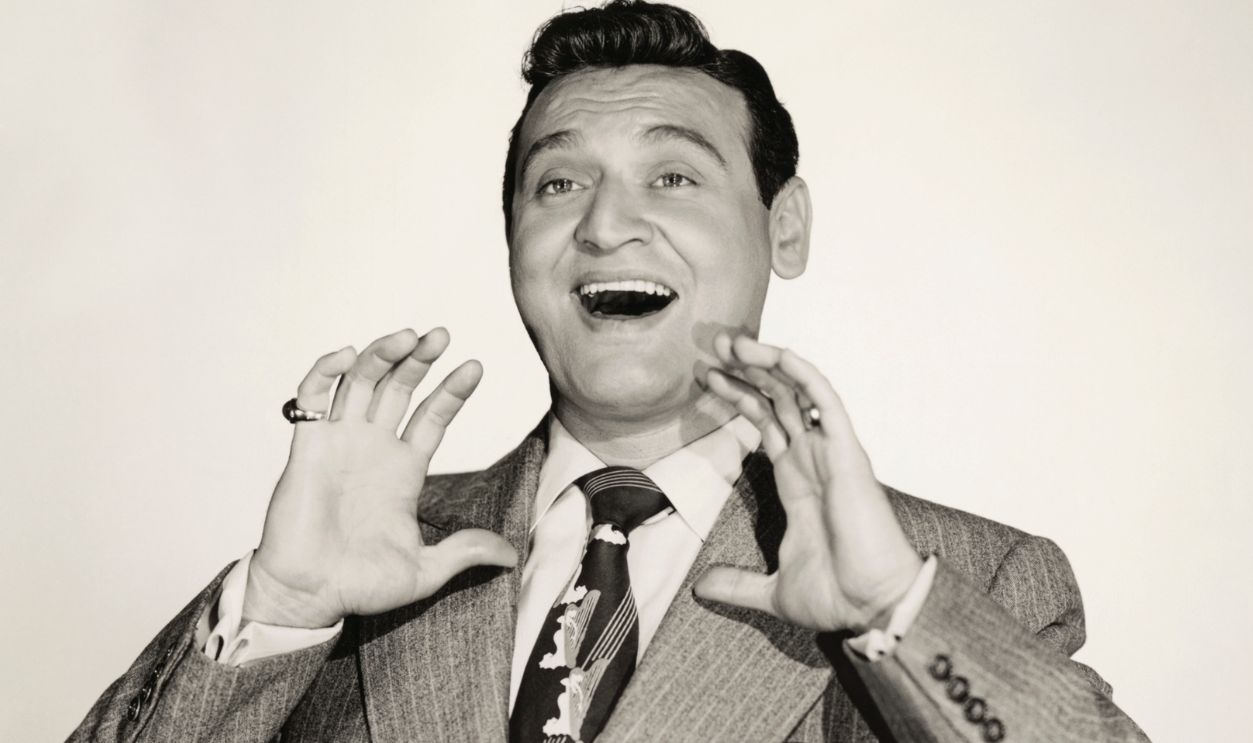
Frankie Laine
Frankie Laine’s booming voice made him one of the biggest singers of the 50s, with hits including “Mule Train” and “I Believe.” Later audiences heard him singing the themes to “Rawhide” and “Blazing Saddles.” His voice survived in familiar places even as his name became less familiar.
 John Springer Collection, Getty Images
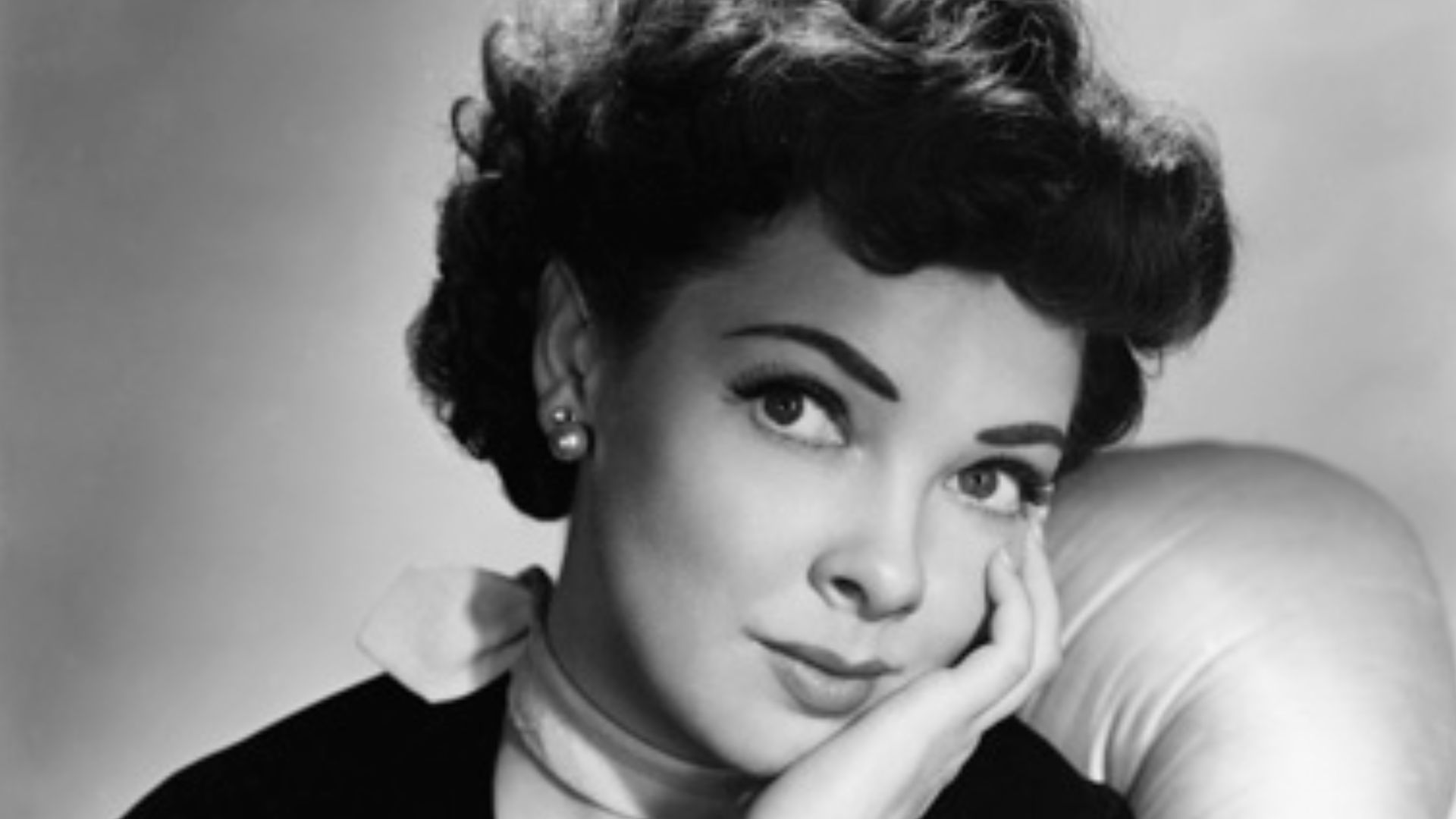
Kathryn Grayson
Kathryn Grayson starred in MGM musicals including “Anchors Aweigh,” “Show Boat,” and “Kiss Me Kate.” But as the big studio musical lost ground, so did her movie career. Her final film, “The Vagabond King,” arrived in 1956. Concerts, theater, and television kept her performing after Hollywood moved on.
 Unknown authorUnknown author, Wikimedia Commons
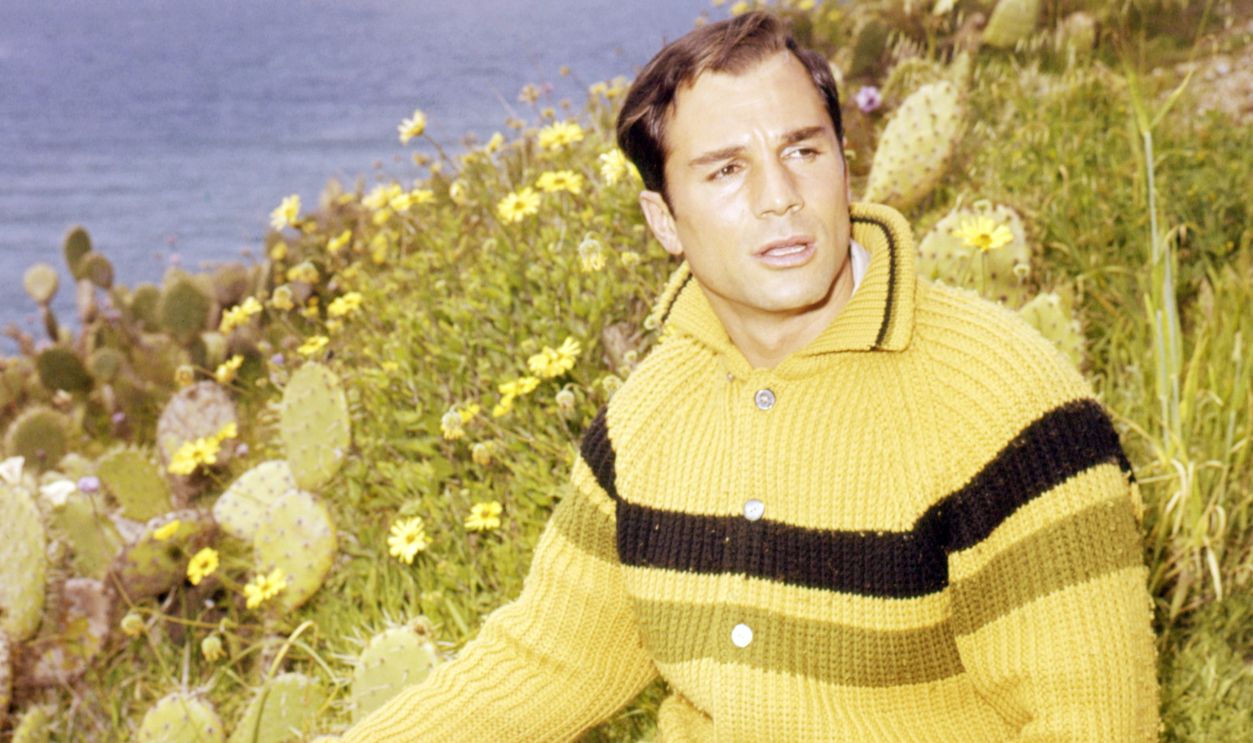
George Maharis
“Route 66” made George Maharis a star in the early 60s. Then hepatitis, a dispute over the filming schedule, and a contract battle ended his time on the series. He kept acting afterward, but he never found another television role as big as Buz Murdock.
 Silver Screen Collection, Getty Images
Jimmie Rodgers
This was the “Honeycomb” singer, not the earlier country legend with the same name. Jimmie Rodgers scored major hits in 1957 and kept recording into the 60s. A severe head injury in 1967 disrupted his career. He returned to performing, but rebuilding his earlier success proved much harder.
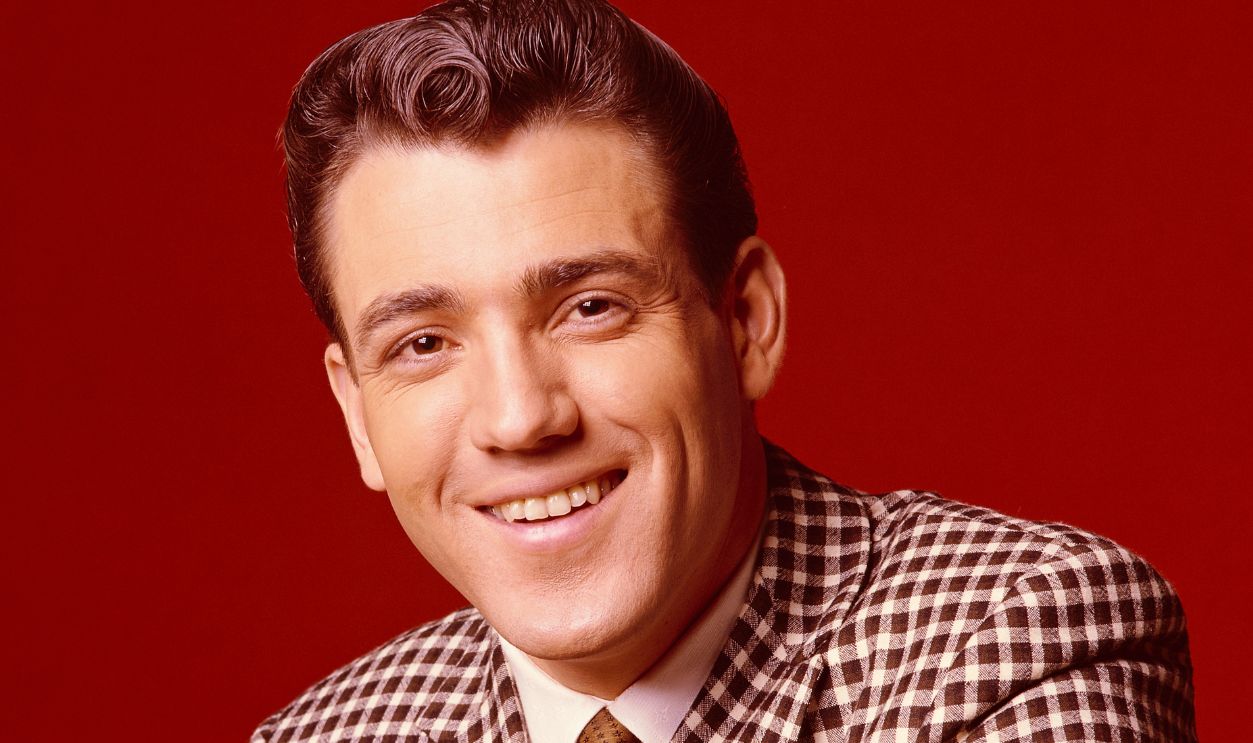
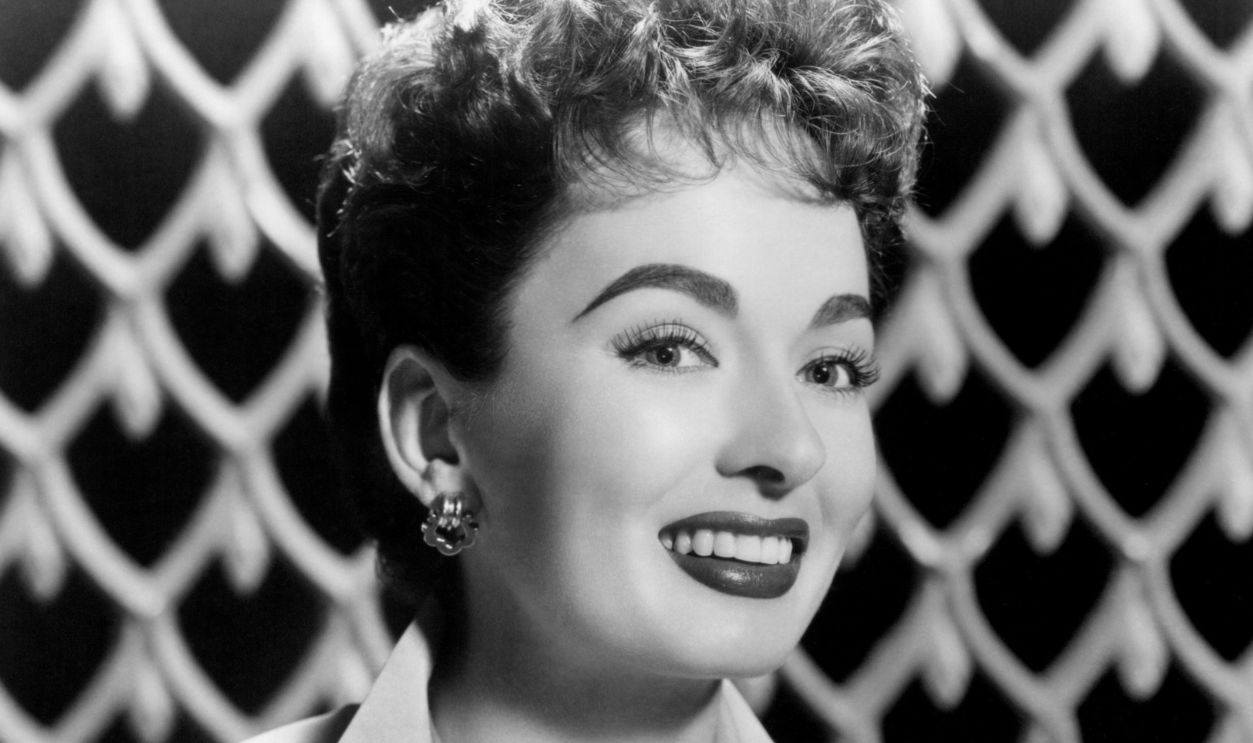
Ann Blyth
Ann Blyth earned an Oscar nomination playing Joan Crawford’s daughter in “Mildred Pierce,” then became a musical leading lady opposite stars including Mario Lanza. But her film career ended with “The Helen Morgan Story” in 1957. She continued onstage and television, decades after leaving movie stardom behind.
 De Carvalho Collection, Getty Images
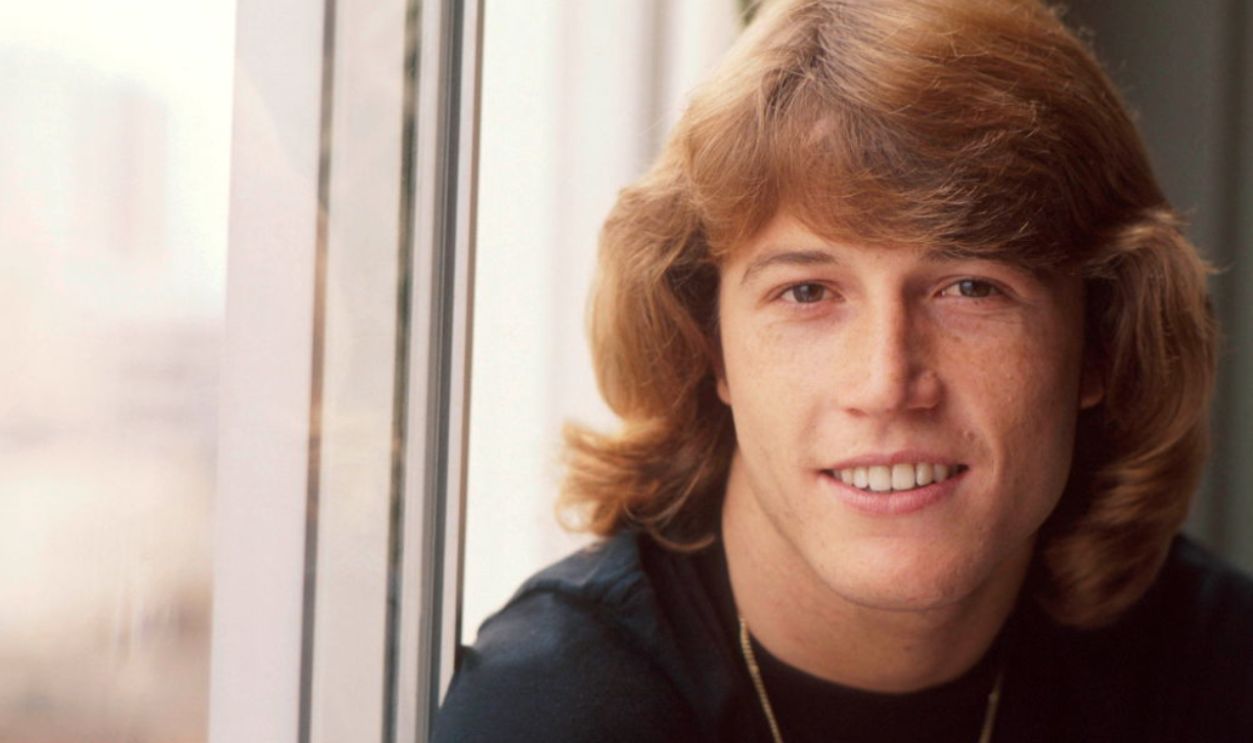
Andy Gibb
Andy Gibb’s first three American singles all reached No. 1. In the late 70s, the Bee Gees’ younger brother looked unstoppable. But changing musical tastes and personal struggles derailed his career in the early 80s. By 1987, the former chart sensation had filed for bankruptcy.
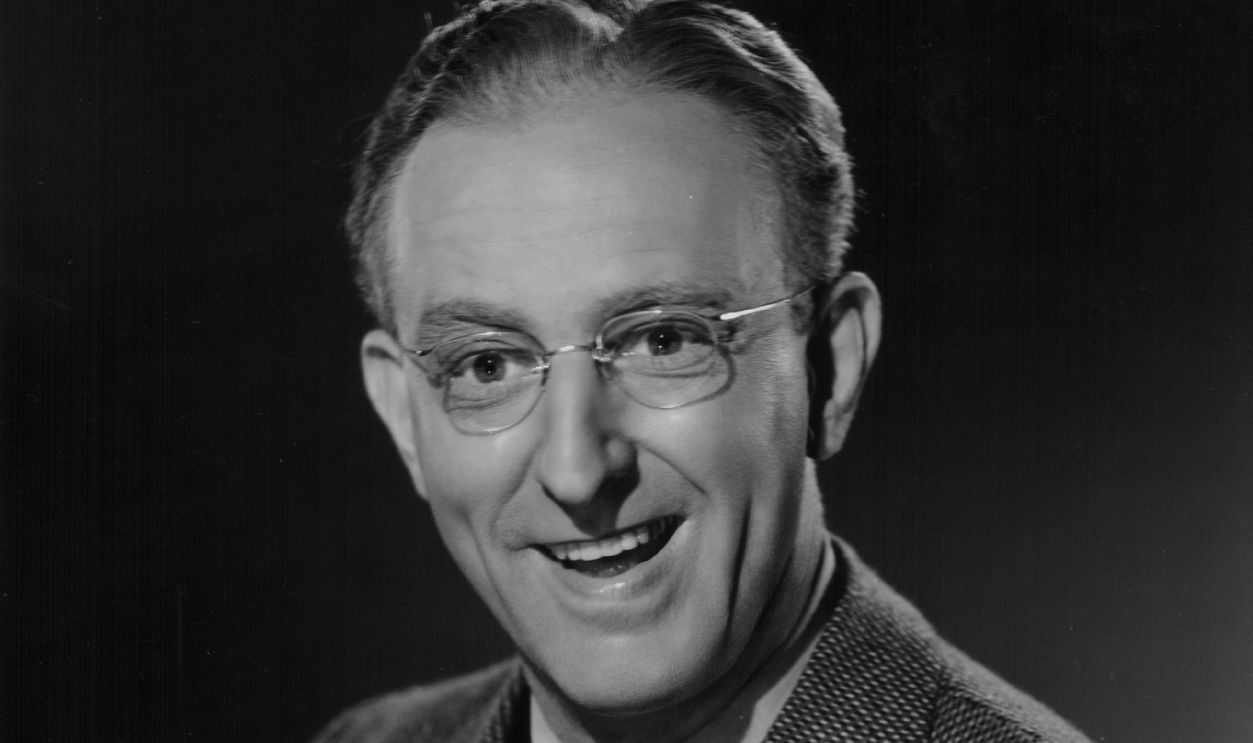
Kay Kyser
Kay Kyser was a huge radio personality and bandleader whose “Kollege of Musical Knowledge” mixed music, comedy, and quizzes. Hollywood put him in movies, too. Then he retired from show business in the early 50s. One of America’s most familiar entertainers became someone later generations needed explained.
Tab Hunter
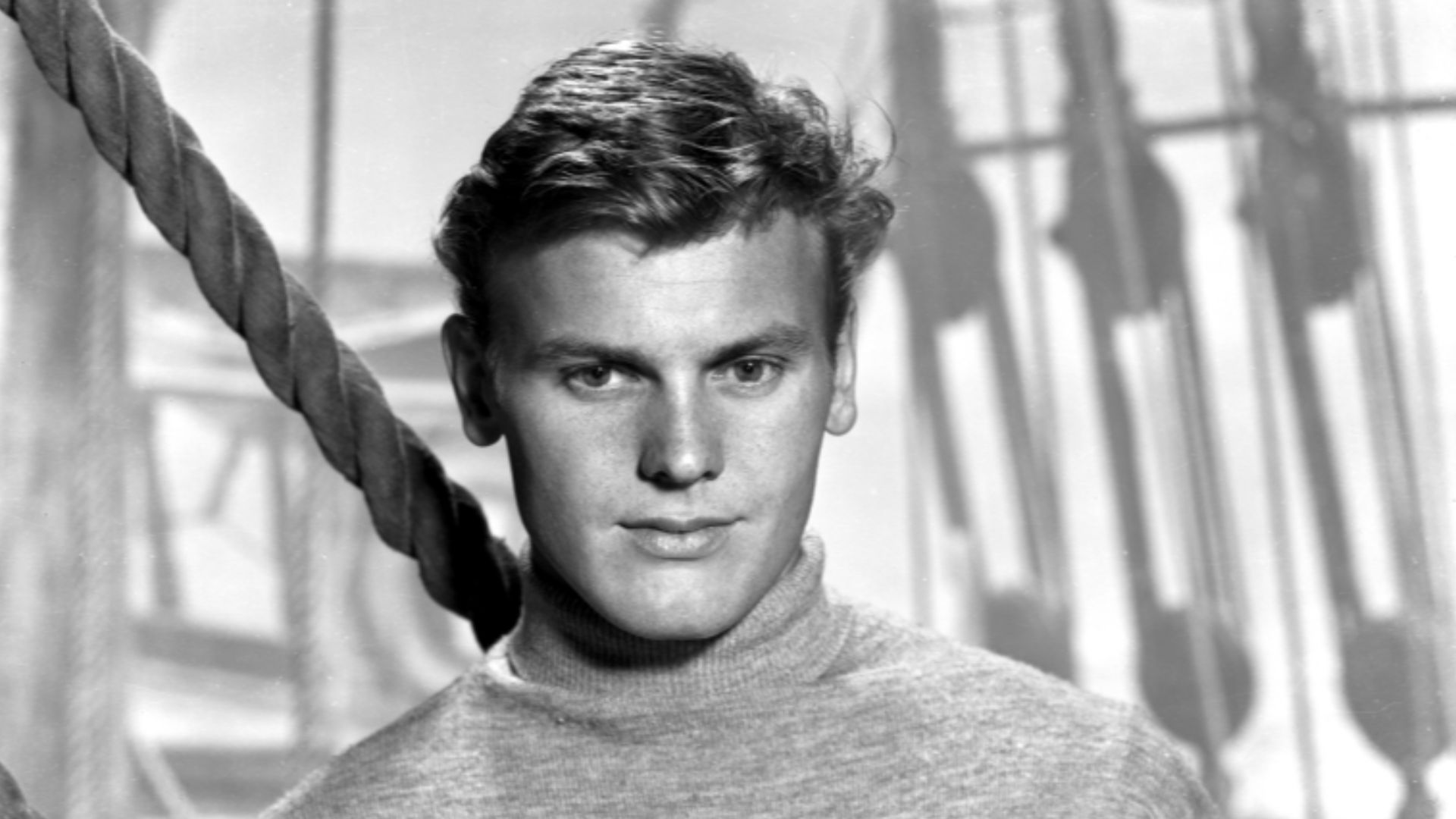
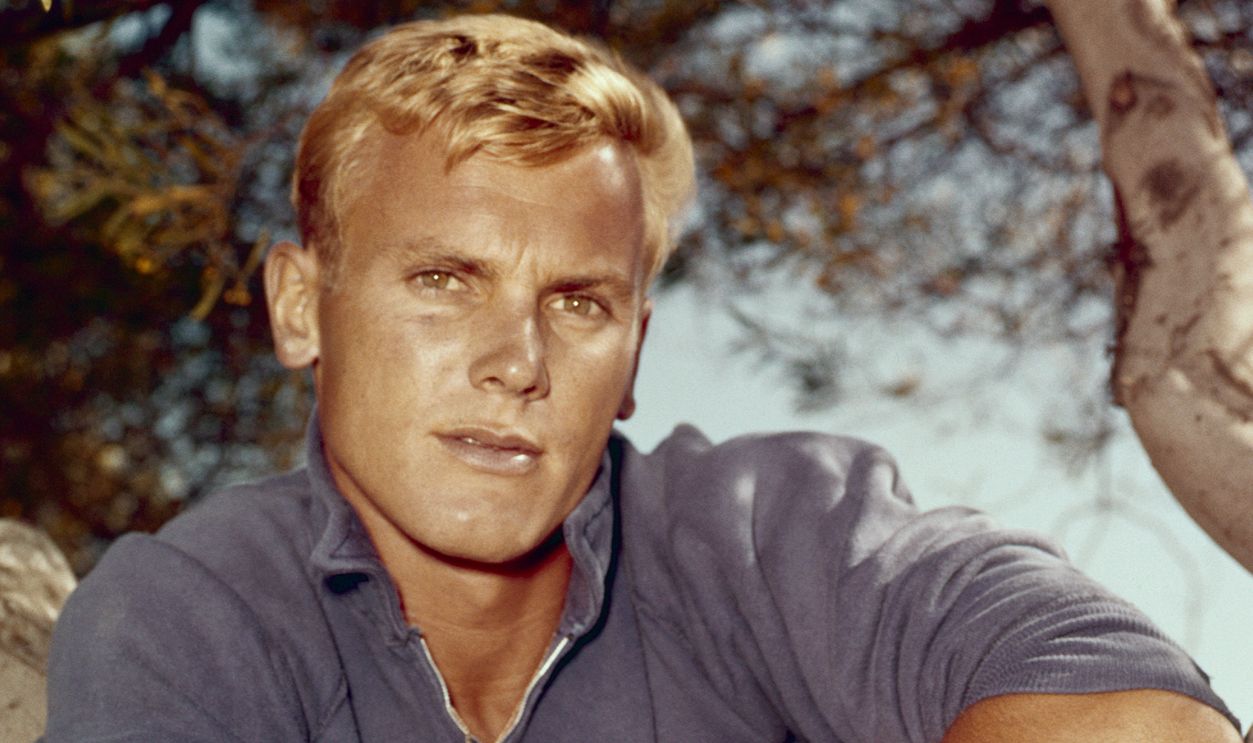
Tab Hunter had movie-star looks and a No. 1 record with “Young Love” in 1957. After leaving Warner Bros., his career lost momentum. “Polyester” brought a memorable comeback in 1981, but cult-film recognition was a different thing from being one of Hollywood’s hottest young heartthrobs.
 Studio Publicity, Wikimedia Commons
Gisele MacKenzie
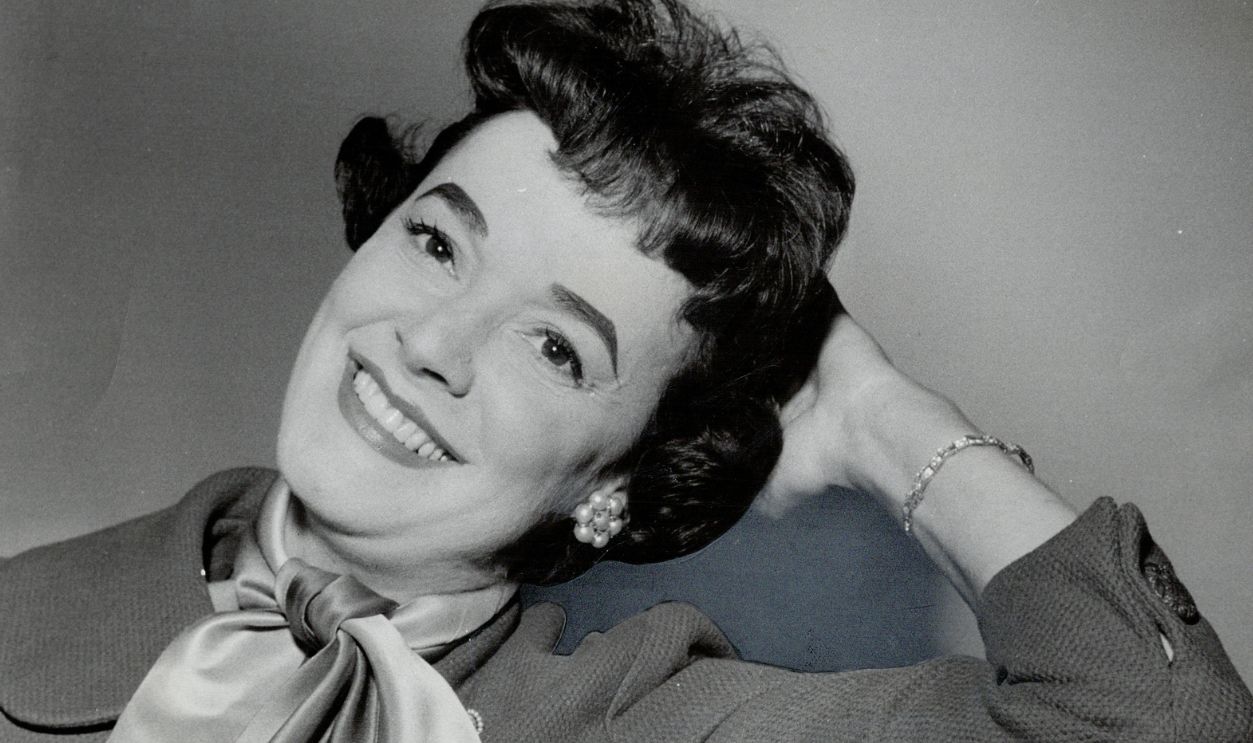
Gisele MacKenzie became a household name on “Your Hit Parade” in the 50s. Her own hit, “Hard to Get,” even appeared among the songs the show featured. But her subsequent NBC series lasted only six months. She kept working, while her days of headlining a network show became history.
 Toronto Star Archives, Getty Images
Are We Wrong?
If you remember these names, some probably still sound too famous to need an introduction. Try them on someone born after 1980 and see what happens. Are we wrong?
 Silver Screen Collection, Getty Images
You Might Also Like:
1970s Movie Stars Who Never Got Another Role As Big As Their Breakthrough
Classic Sitcom Actors Who Never Played The Star, But Were Quietly The Best Part Of Every Episode