America's Sweetheart Had A Terrible Secret
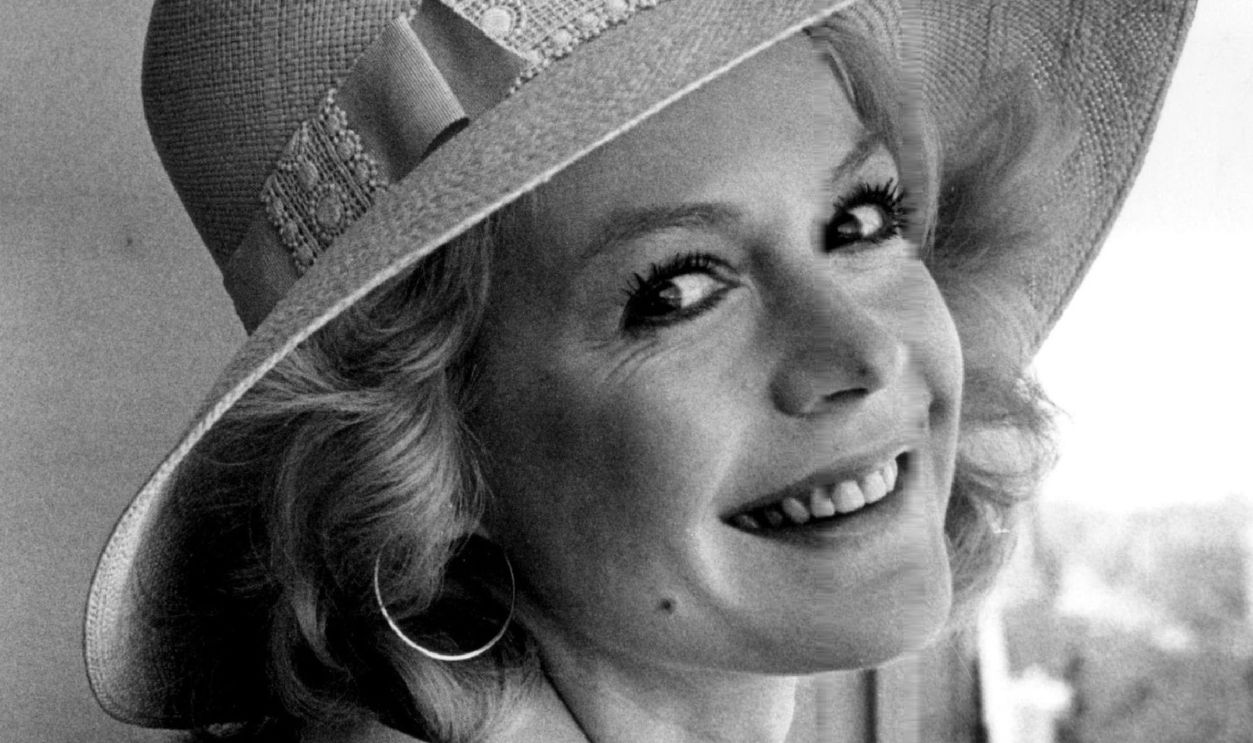
Sandra Dee was Hollywood's ultimate girl next door, but the wholesome image that made her famous concealed a childhood filled with trauma and a private struggle that nearly destroyed her. After her career collapsed, she spent years battling an eating disorder, drinking dependence, and depression before finally revealing the heartbreaking truth about her life.
Her Childhood Wasn't What Fans Imagined
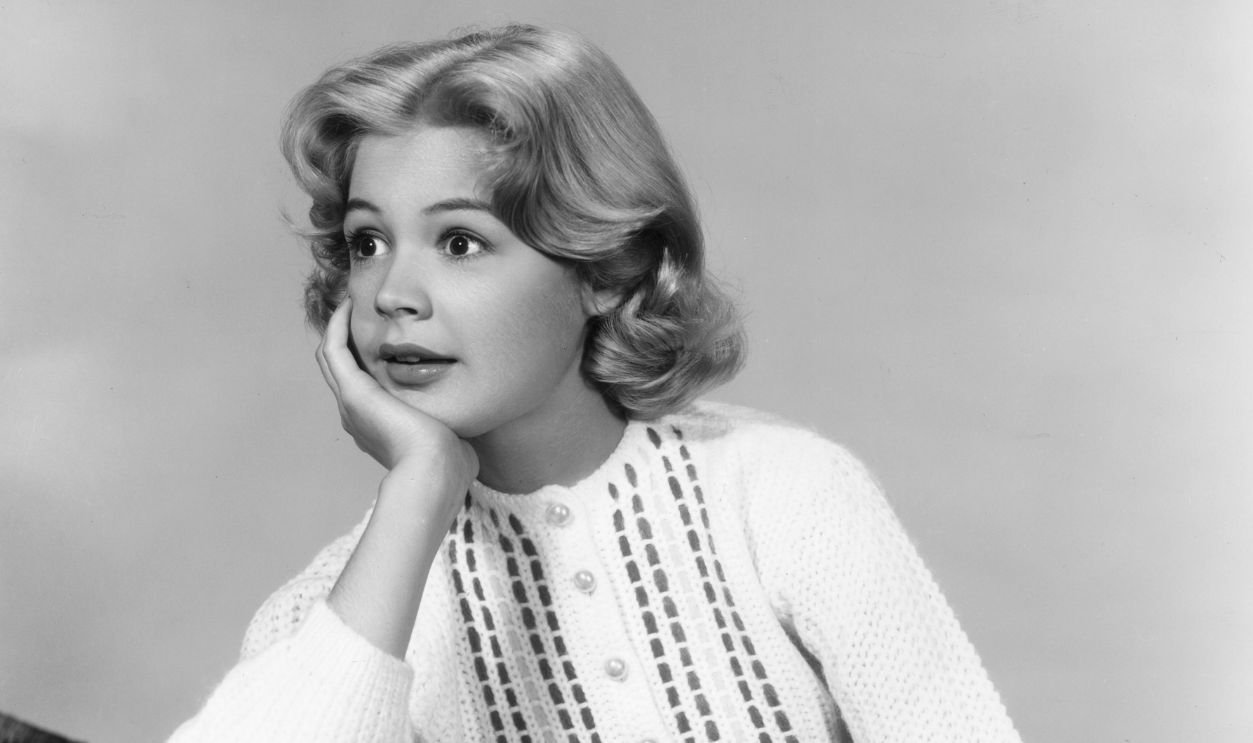
Sandra Dee was born Alexandra Zuck in Bayonne, New Jersey, on April 23, 1942. Her father left the family when she was very young, and her mother, Mary, became the dominant figure in her upbringing. Although Sandra would later symbolize the carefree American teenager, her early life was much more complicated than the movies suggested.
Her Mother Controlled Everything
Sandra's mother took an intense interest in her daughter's appearance and future, encouraging her to pursue modeling while she was still a child. Sandra later described a controlling upbringing in which her mother's expectations shaped nearly every aspect of her life. What appeared to outsiders as a remarkably successful mother-daughter partnership concealed considerable emotional strain.
She Was Famous Before She Was Grown
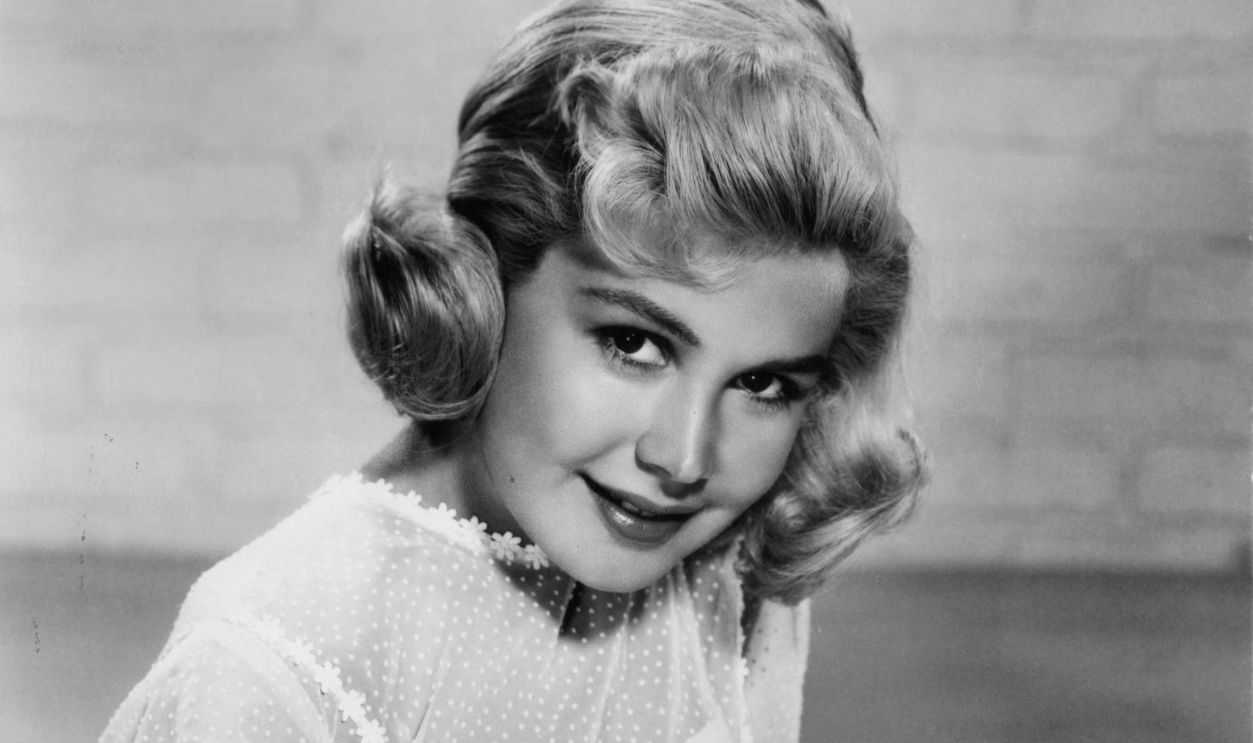
Sandra began modeling while still attending school, eventually attracting the attention of influential talent representatives. Her youthful appearance and natural charm made her particularly appealing to advertisers seeking an idealized image of American girlhood. Before she was old enough to make many important decisions independently, she was already building a professional career.
Hollywood Wanted To Reinvent Her
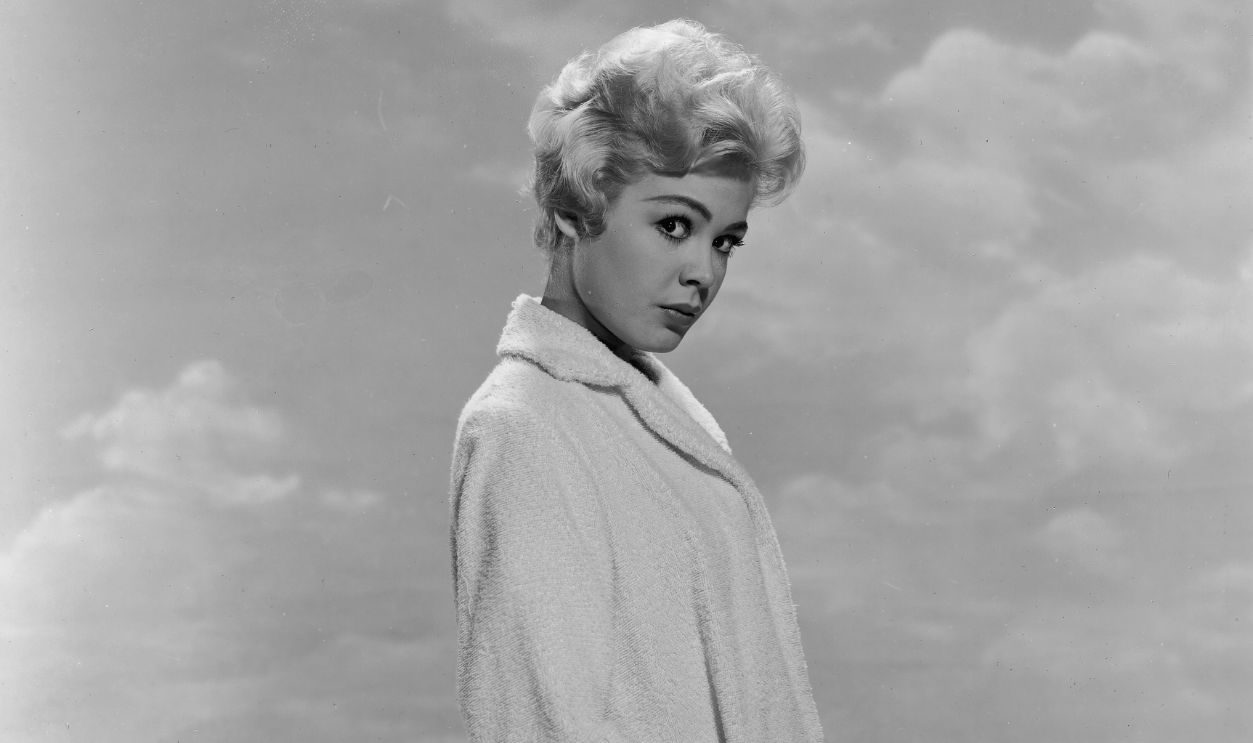
When Alexandra Zuck entered the movie business, studio executives decided that her name needed a more memorable Hollywood sound. She eventually became Sandra Dee, a name that perfectly complemented her fresh-faced image. The transformation helped establish her public identity, but it also contributed to the growing distance between the actress audiences adored and the young woman behind the publicity photographs.
She Got Her First Big Break
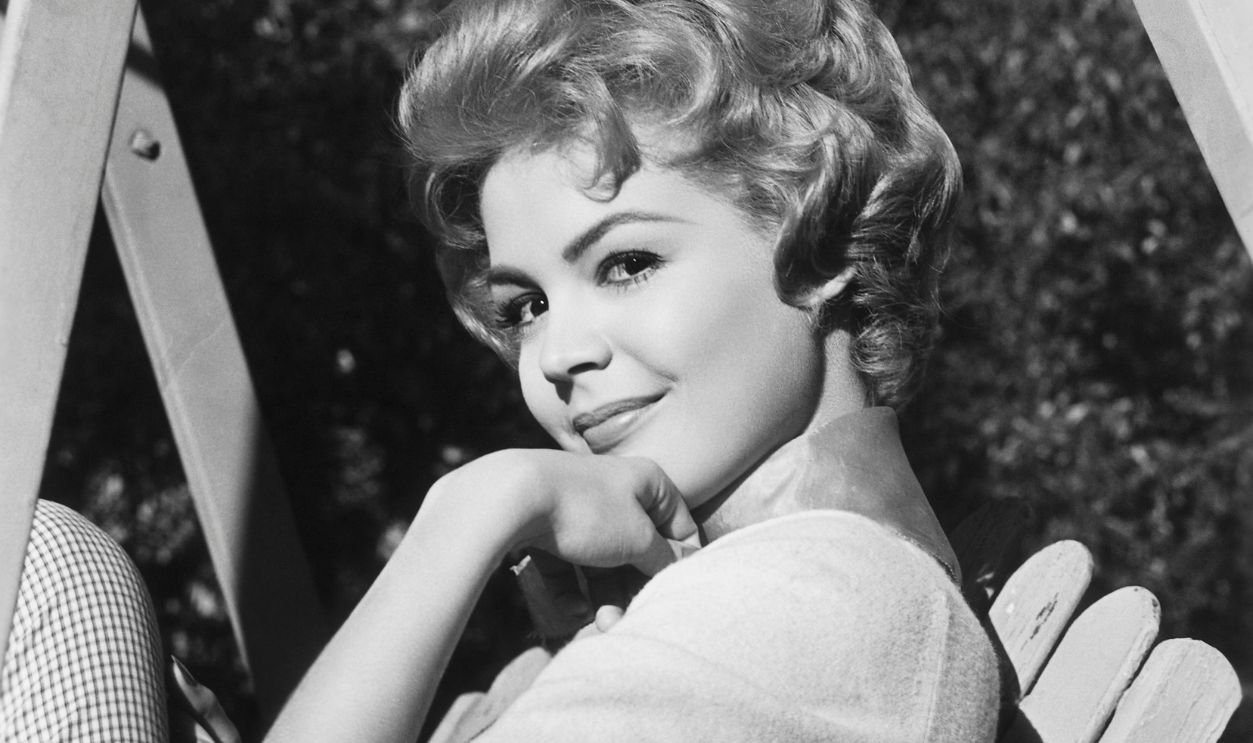
Sandra made her feature-film debut in Until They Sail, appearing alongside established performers including Joan Fontaine, Jean Simmons, and Paul Newman. Although she was still a teenager, her performance attracted favorable attention. Hollywood had discovered a promising new actress who could play youthful characters with remarkable sincerity.
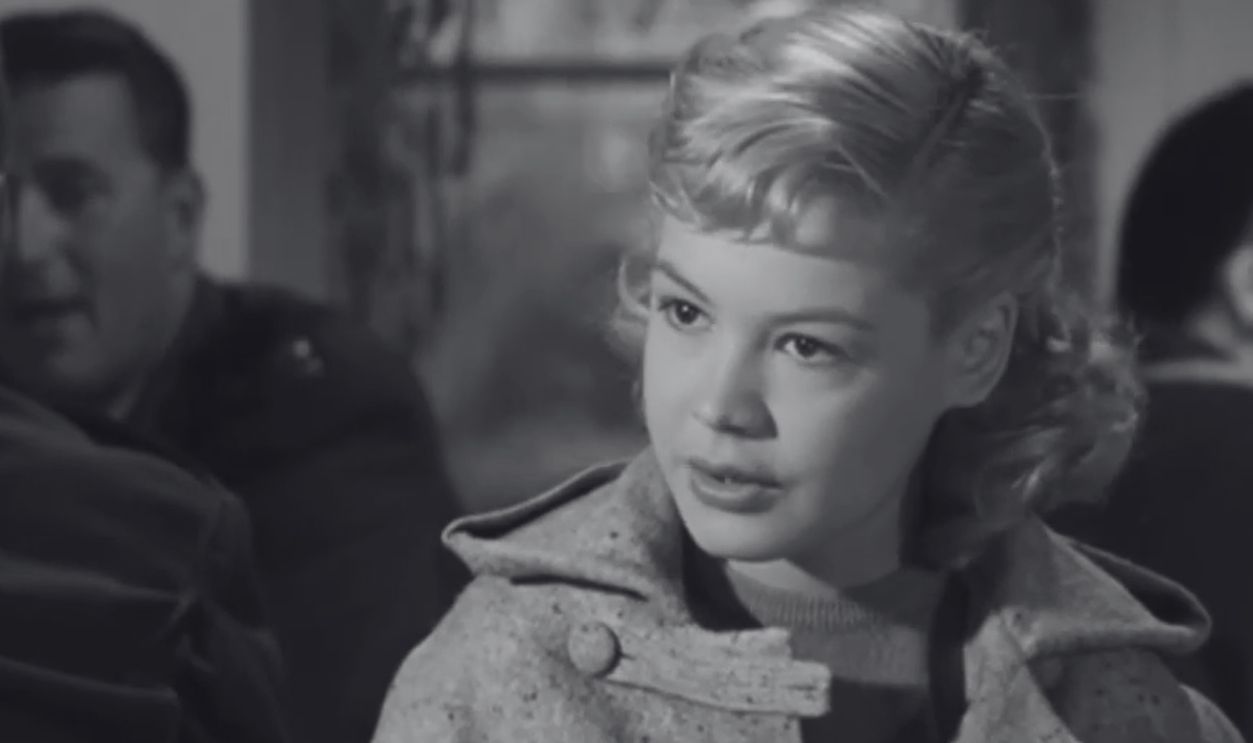 Screenshot from Until They Sail, Metro Goldwyn Mayer (1957)
Hollywood Couldn't Get Enough Of Her
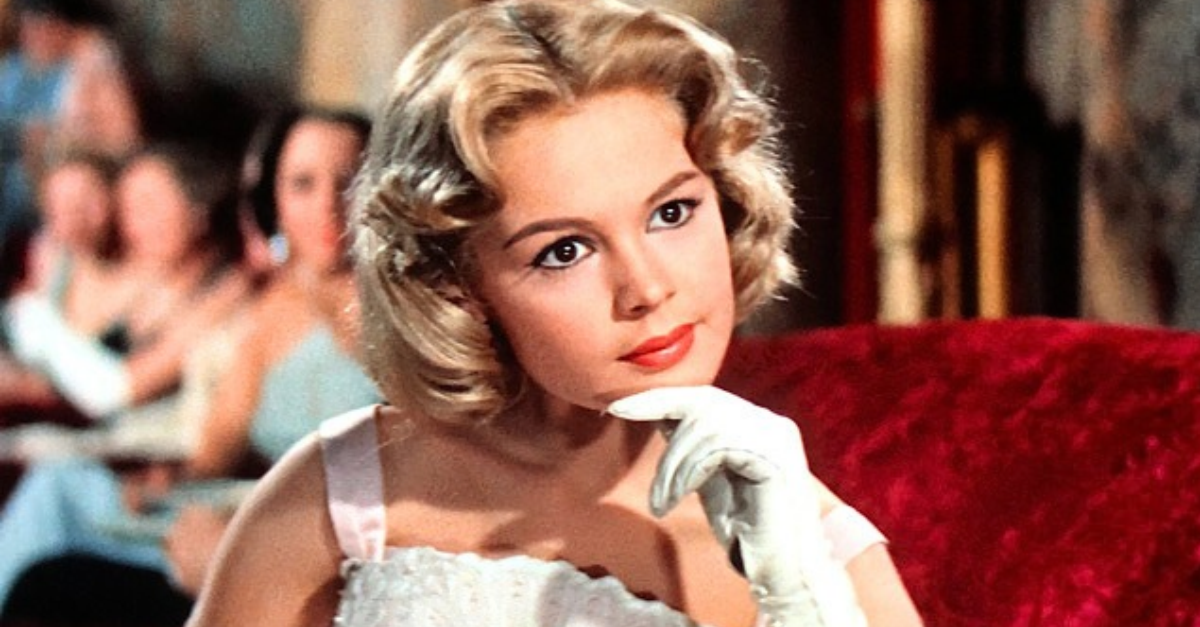
After her promising debut, Sandra appeared in The Reluctant Debutante, directed by Vincente Minnelli. The comedy featured Rex Harrison and Kay Kendall, giving her another opportunity to work alongside respected performers. The film strengthened her growing reputation and established her as one of Hollywood's most recognizable young actresses.
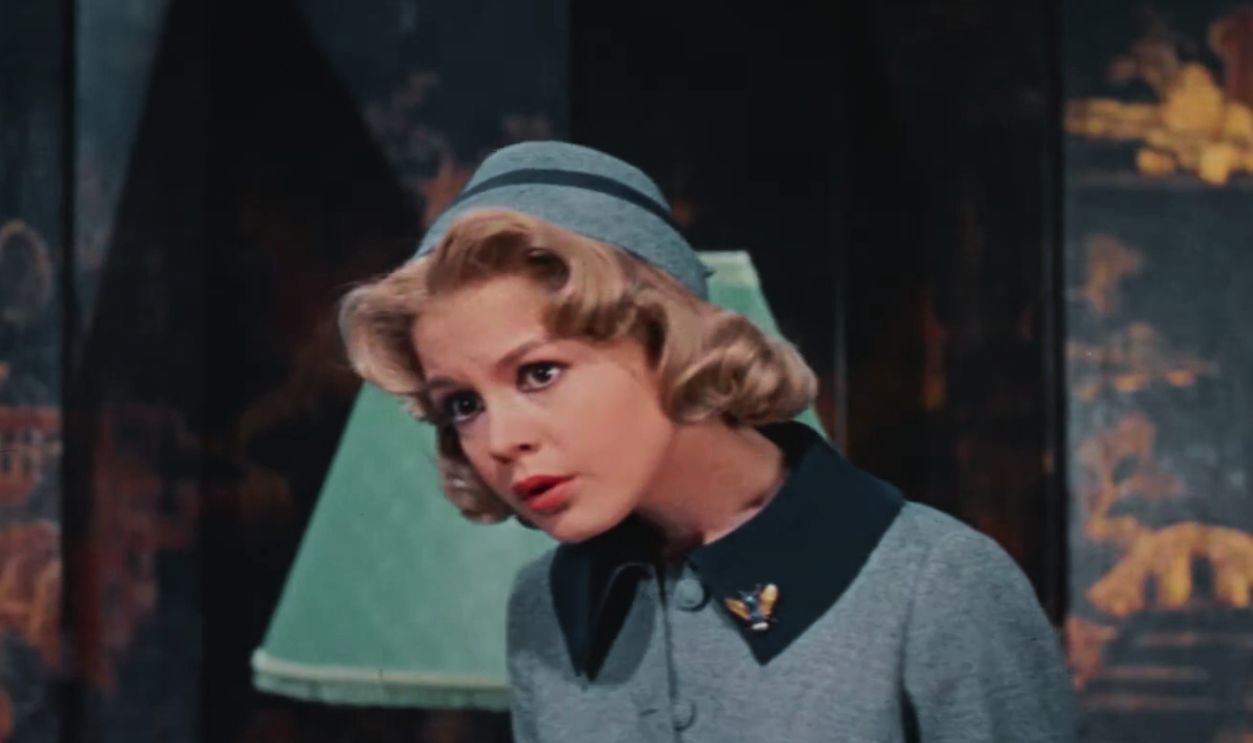 Screenshot from The Reluctant Debutante, Metro Goldwyn Mayer (1958)
She Became The Perfect Teenager
In 1959, Sandra landed the title role in Gidget, playing a teenager who discovers surfing and romance during a summer vacation. The movie captured the imagination of young audiences and helped popularize California beach culture. Sandra's cheerful performance transformed her into a cultural symbol, but the success also made it increasingly difficult for Hollywood to imagine her playing anyone different.
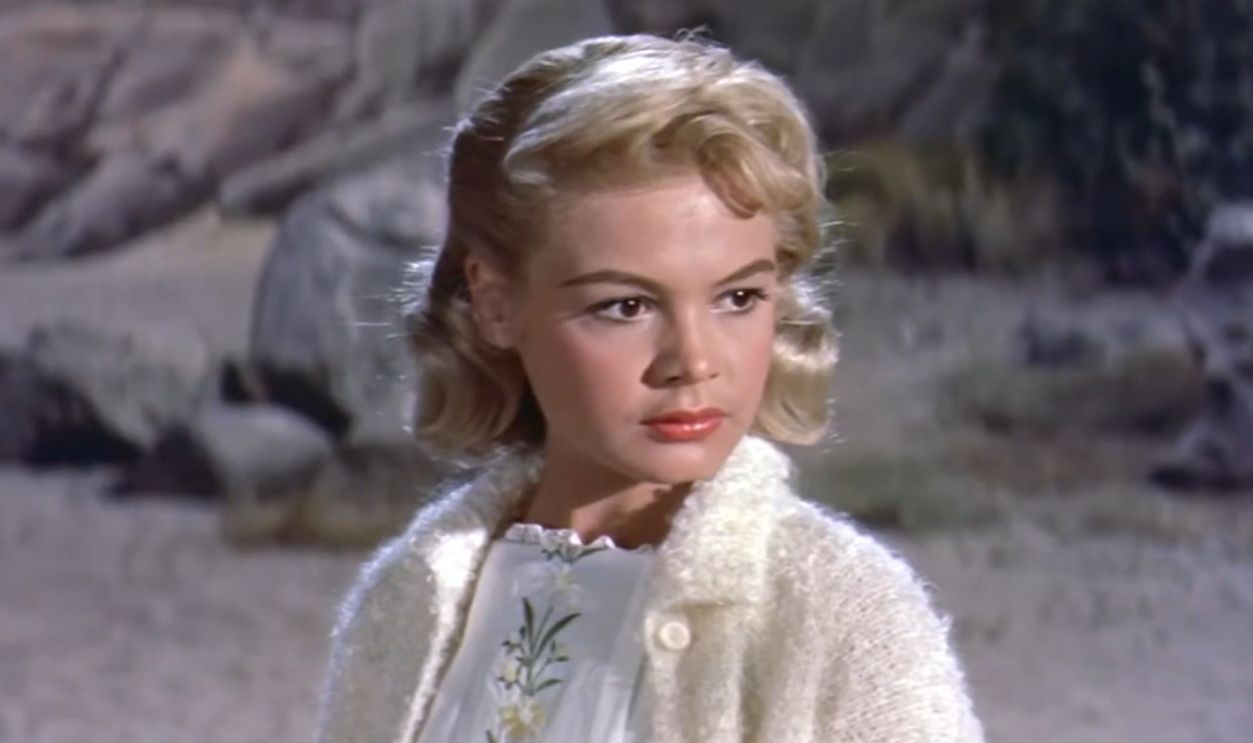 Screenshot from Gidget, Columbia Pictures (1959)
Her Next Movie Made Her Even Bigger
Later that year, Sandra starred opposite Troy Donahue in A Summer Place. The romantic drama became a major box-office success, while its memorable musical theme gained enormous popularity. Sandra's image as an innocent young woman confronting unfamiliar adult responsibilities resonated with audiences, reinforcing her status as a leading teenage star.
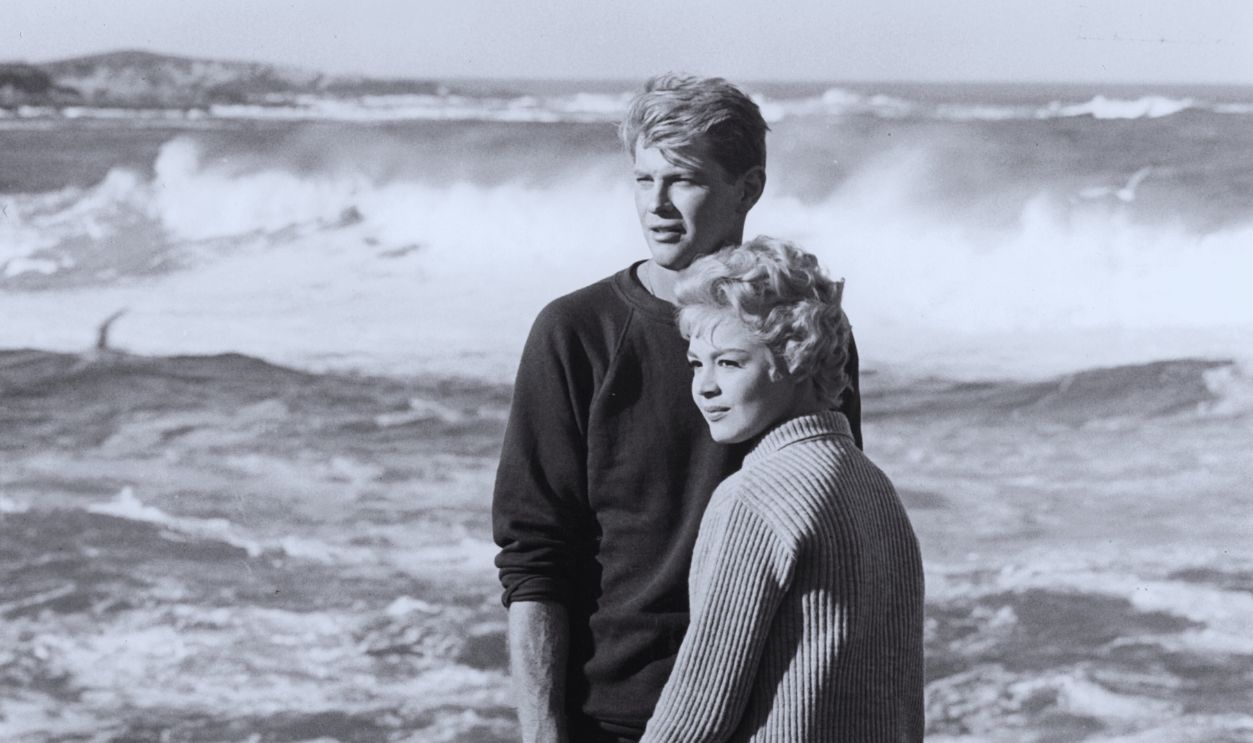
She Was More Than A Pretty Face
Sandra also appeared in Douglas Sirk's Imitation of Life, a drama featuring Lana Turner, Juanita Moore, and Susan Kohner. The film confronted difficult questions about family relationships, racial prejudice, and social expectations. Although Sandra's role was not the movie's most emotionally demanding, her participation demonstrated that she could work within serious dramatic productions.
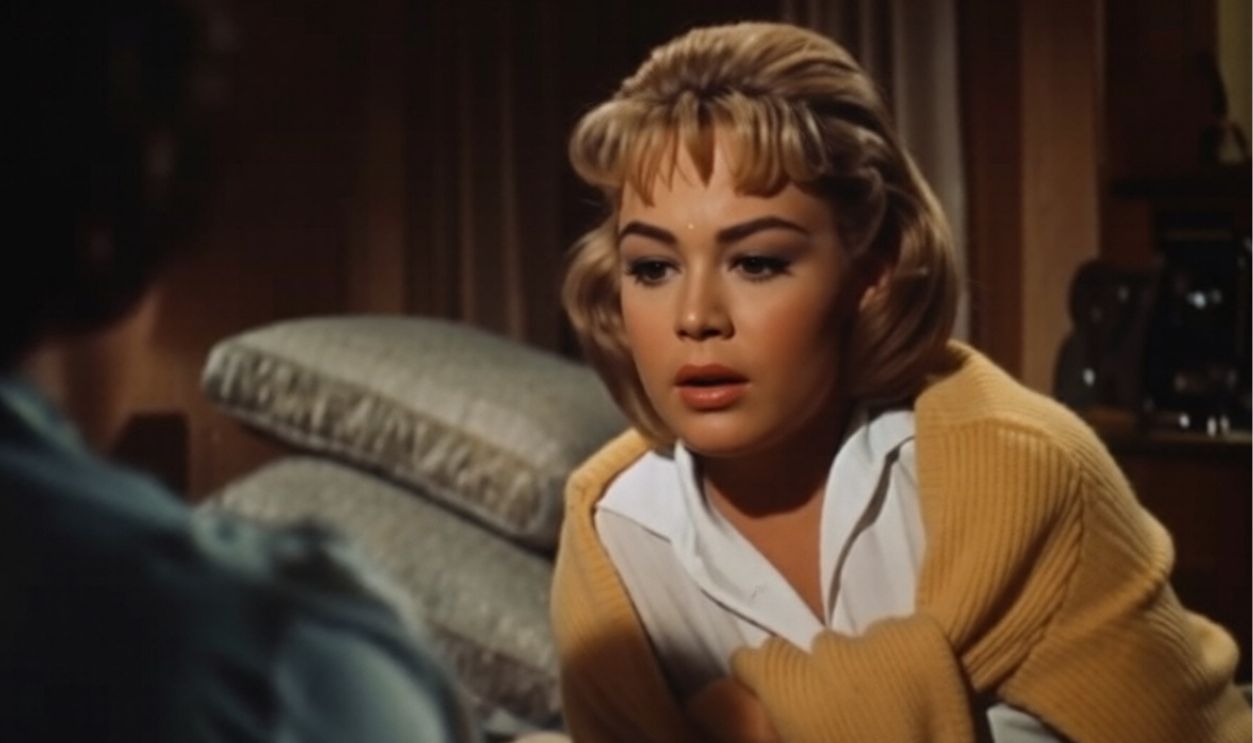 Screenshot from Imitation of Life, Universal Pictures (1959), Enhanced
Hollywood Turned Her Into A Fantasy
By the beginning of the 1960s, Sandra had become one of Universal Pictures' most valuable young attractions. Audiences knew her for her cheerful smile, blonde hair, and apparently innocent personality. The studio repeatedly cast her in similar roles, creating a wholesome screen identity that brought commercial success but severely limited her opportunities to demonstrate greater range.
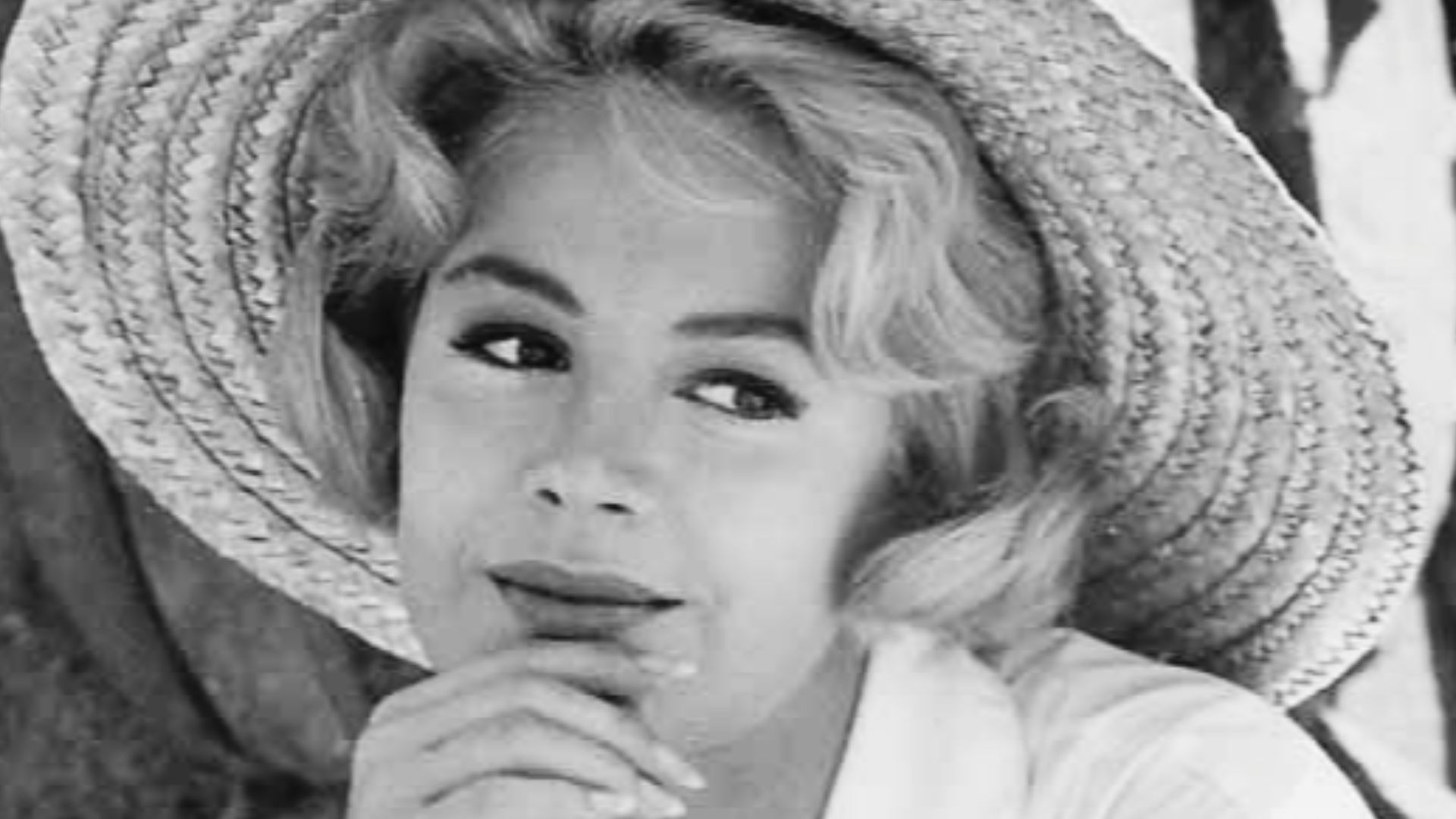 Unknown authorUnknown author, Wikimedia Commons
Then She Met A Famous Singer
In 1960, Sandra traveled to Portofino, Italy, to film Come September alongside Rock Hudson, Gina Lollobrigida, and singer-actor Bobby Darin. Darin was already a major recording star thanks to hits including Splish Splash and Mack the Knife. Their meeting would transform Sandra's personal life almost as dramatically as Gidget had transformed her career.
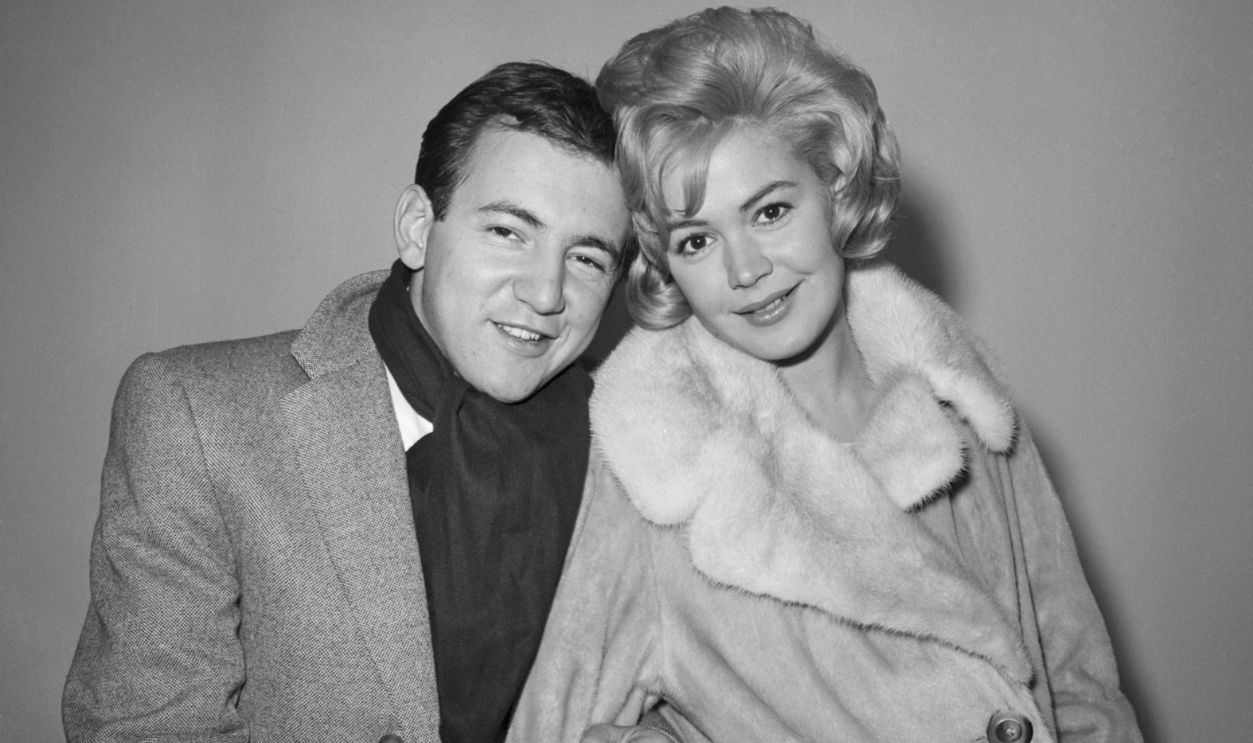
She Couldn't Stand Him At First
According to later accounts, Bobby Darin immediately became interested in Sandra, but she initially found his confidence irritating. He reportedly asked her to marry him almost as soon as they met, prompting an unimpressed response. Rather than giving up, Darin pursued her with elaborate romantic gestures, including sending yellow roses during the production.
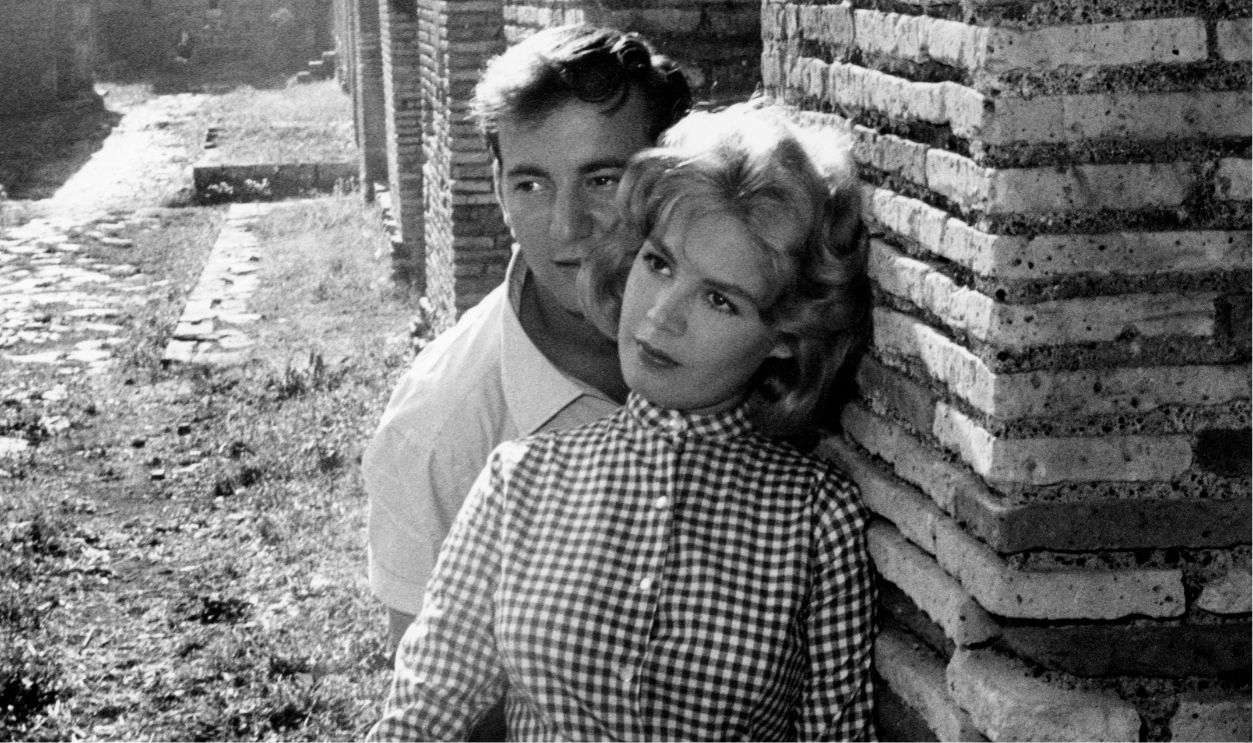
He Eventually Won Her Heart
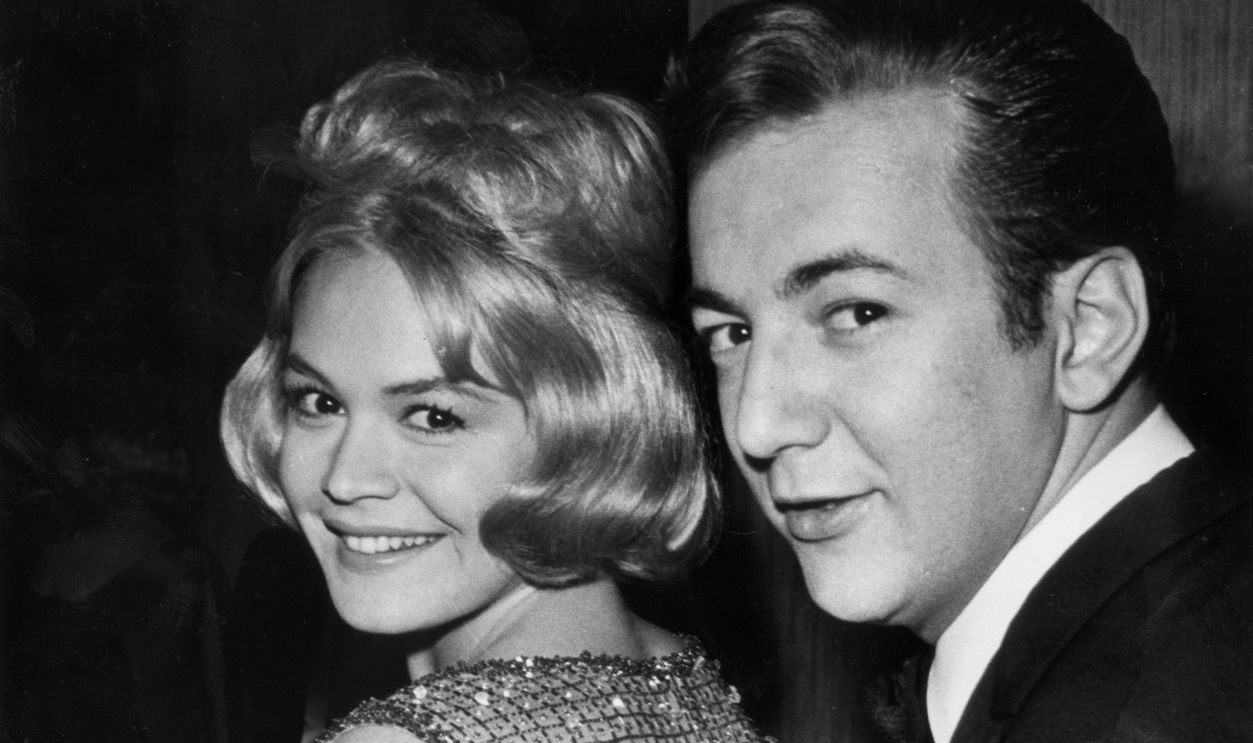
Despite her initial reluctance, Sandra began spending time with Darin and gradually fell in love. Their courtship moved quickly, attracting considerable attention from entertainment reporters who recognized the appeal of two young stars becoming a couple. In December 1960, they married, creating one of Hollywood's most celebrated celebrity partnerships.
Their Marriage Looked Like A Fairy Tale
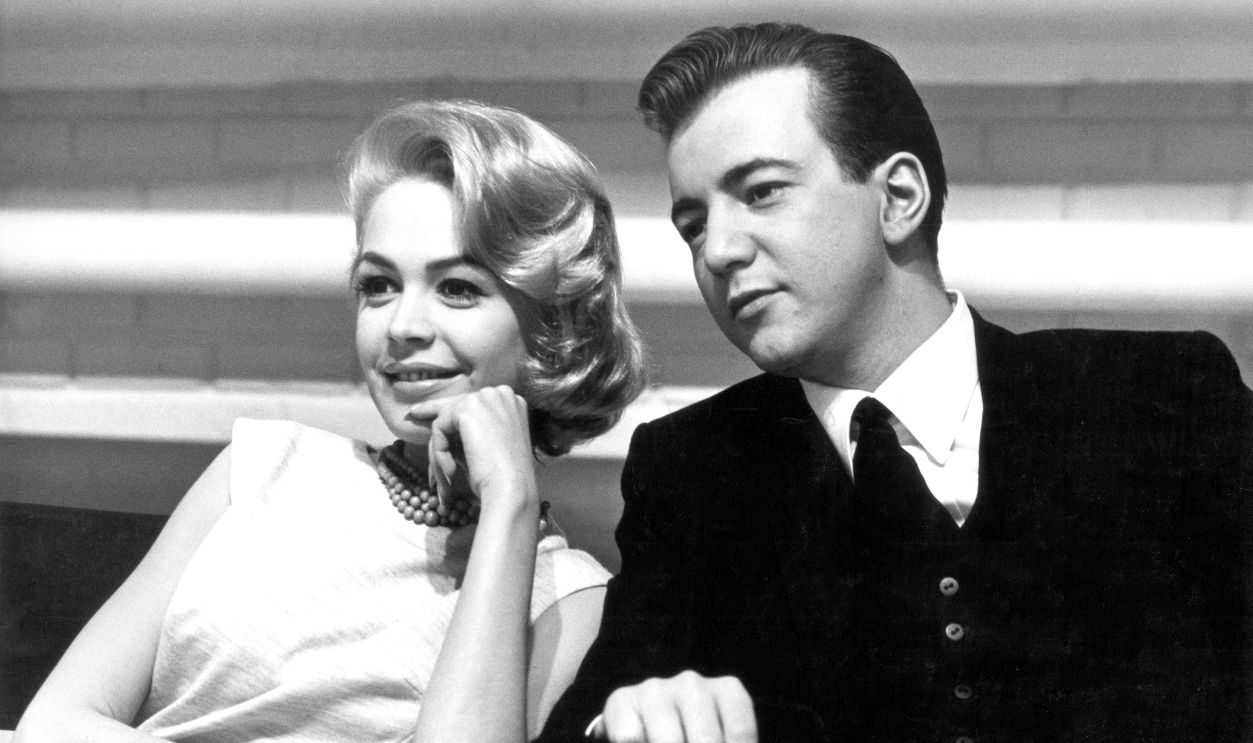
Sandra and Bobby seemed perfectly matched from the outside, combining her movie-star popularity with his extraordinary musical success. They appeared together in films including If a Man Answers and That Funny Feeling. Their marriage became a favorite subject of fan magazines, which promoted the couple as an example of glamorous young love.
They Welcomed A Son
In December 1961, Sandra gave birth to the couple's only child, Dodd Mitchell Darin. Becoming a mother added another important responsibility to her already demanding life as a performer and celebrity. Although the family appeared happy in publicity photographs, their domestic life was becoming increasingly complicated.
Her Husband Had His Own Demons
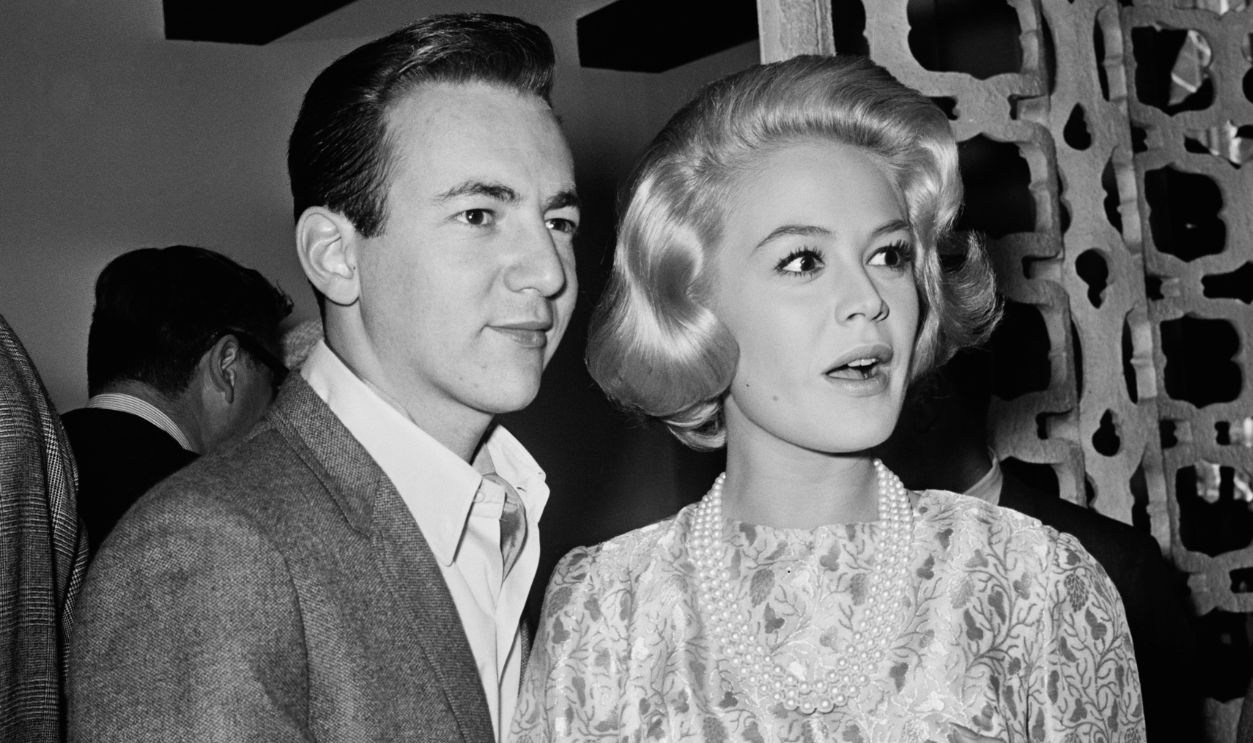
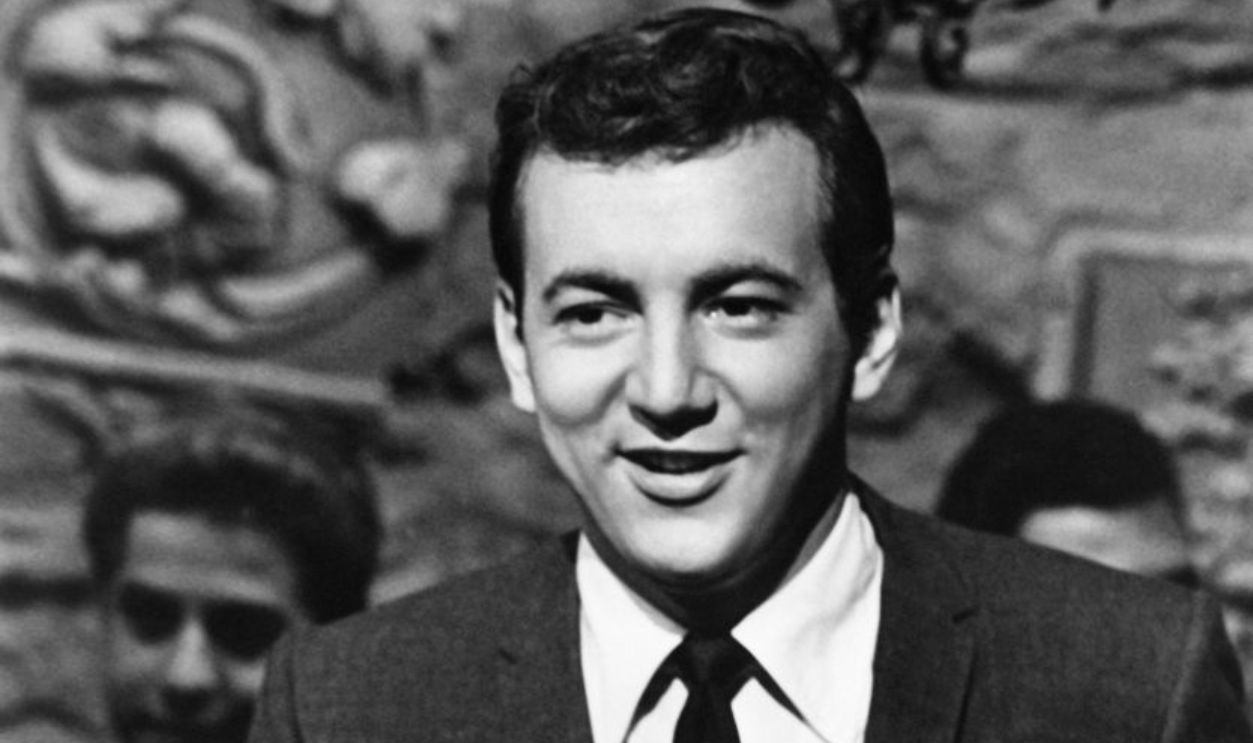
Bobby Darin had suffered serious health problems since childhood, including rheumatic fever that damaged his heart. Doctors had warned that his life could be unusually short, a prognosis that influenced his relentless professional ambition. His determination to achieve everything possible placed additional pressure on a marriage already strained by the demands of two entertainment careers.
Their Marriage Began Falling Apart
As the 1960s progressed, Sandra and Bobby experienced increasingly serious disagreements. Their relationship was affected by professional commitments, personal tensions, and the difficulty of maintaining a stable family life under constant public scrutiny. They separated and reconciled more than once, but the problems ultimately proved impossible to overcome.
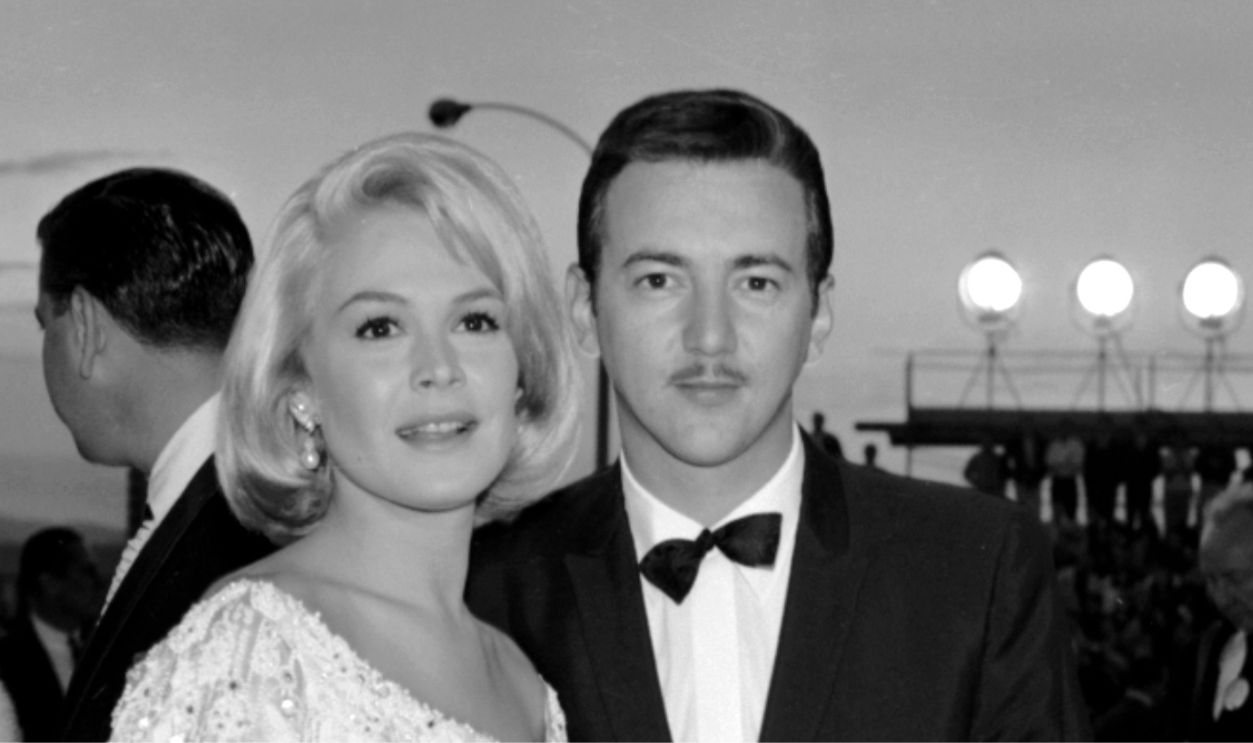 Michael Ochs Archives, Getty Images
Hollywood Started Turning Against Her
Sandra's youthful screen persona became harder to maintain as she entered adulthood. Universal Pictures continued offering familiar roles, but the studio eventually decided that her commercial appeal had diminished. After the disappointing performance of several later films, her contract ended, leaving her facing an uncertain future in an industry that had once celebrated her.
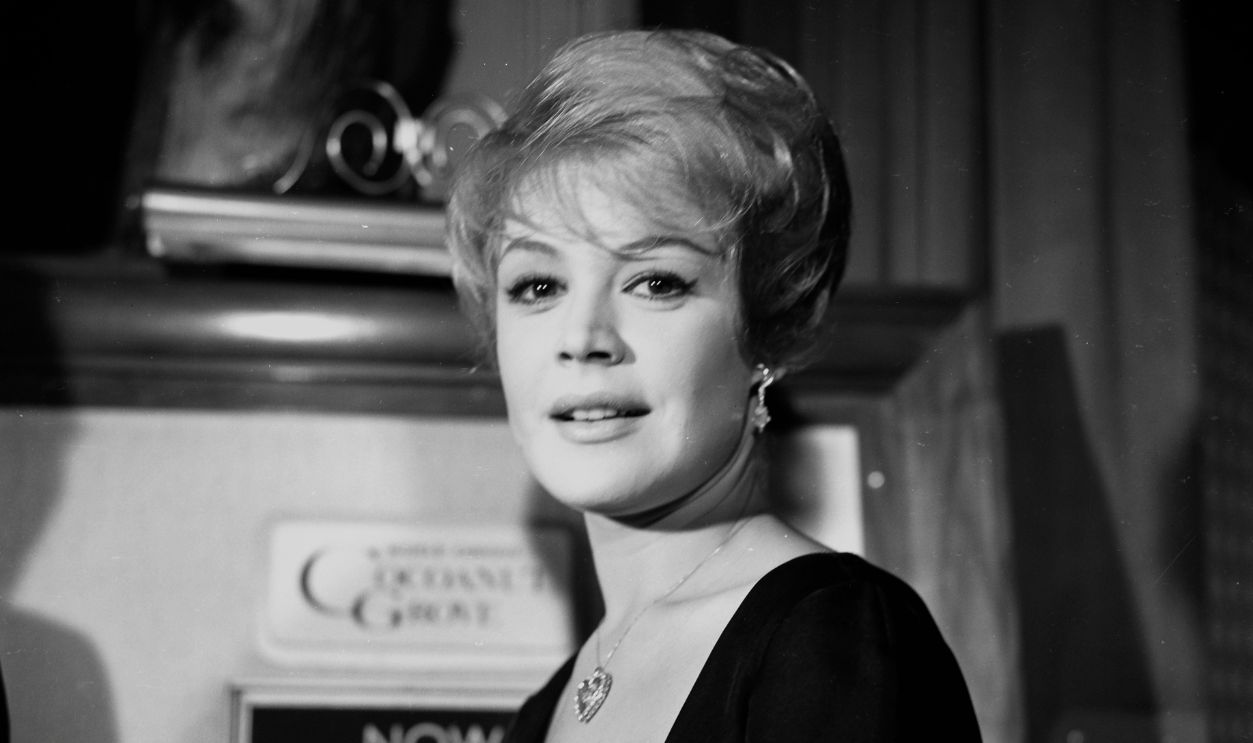 Michael Ochs Archives, Getty Images
She Felt Betrayed By Her Studio
Sandra was deeply disappointed by the way Universal handled the end of her contract. In a contemporary Associated Press interview, she described feeling that studio executives had treated her as property rather than as someone whose concerns mattered. The experience reinforced her growing disillusionment with an industry that had built her public image while offering limited control over her professional decisions.
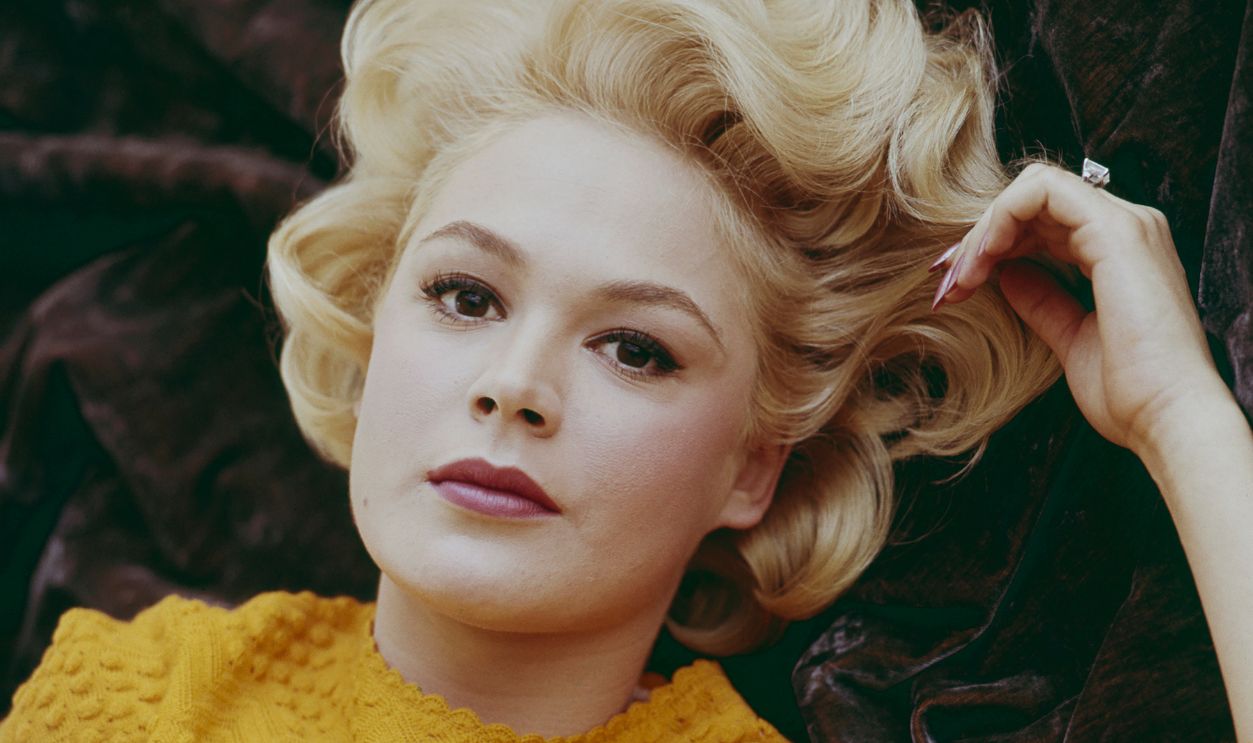 Silver Screen Collection, Getty Images
Her Marriage Finally Ended
Sandra and Bobby divorced in 1967 after years of difficulties and unsuccessful attempts to reconcile. Although their marriage had been troubled, friends and family later suggested that the emotional connection between them remained important. The breakup coincided with Sandra's declining career, leaving her without two of the central pillars that had defined her adult life.
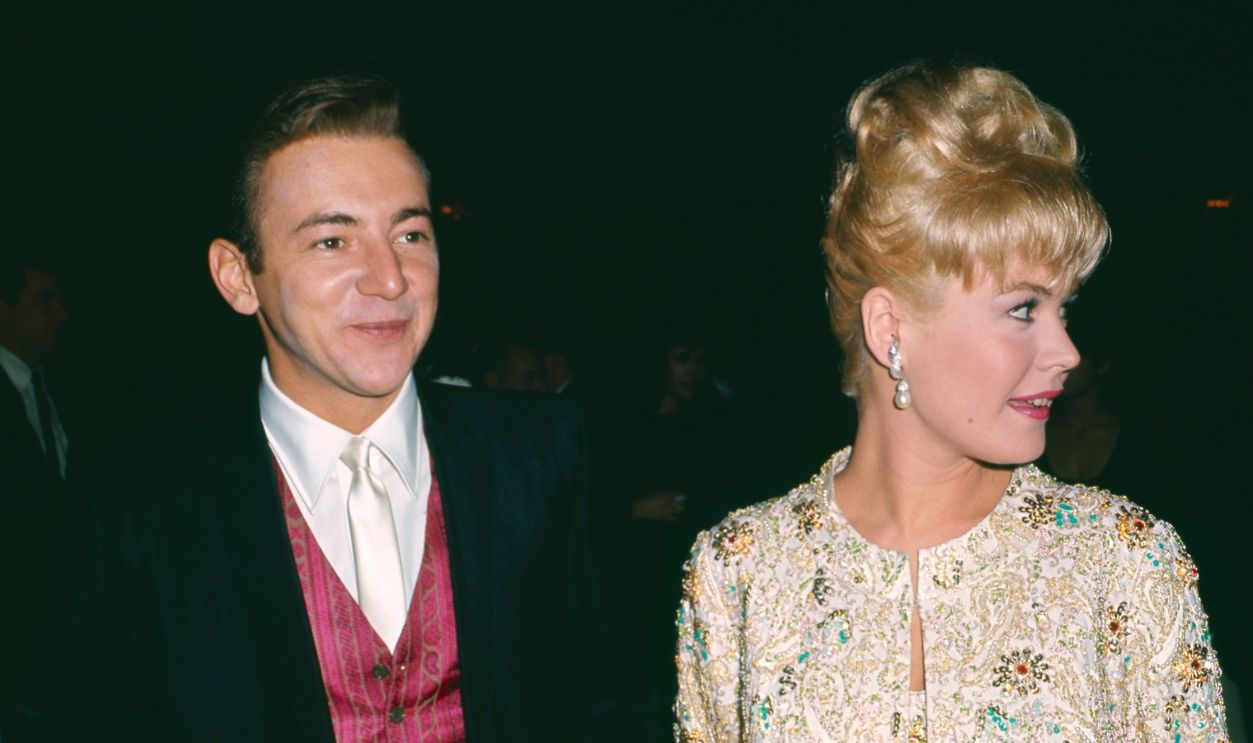 Silver Screen Collection, Getty Images
She Tried To Escape Her Old Image
Sandra attempted to move beyond her familiar teenage roles by accepting parts in productions such as The Dunwich Horror. The supernatural thriller presented her in a dramatically different setting from the cheerful romantic comedies that had made her famous. Although she demonstrated a willingness to experiment, the movie did little to revive her Hollywood career.
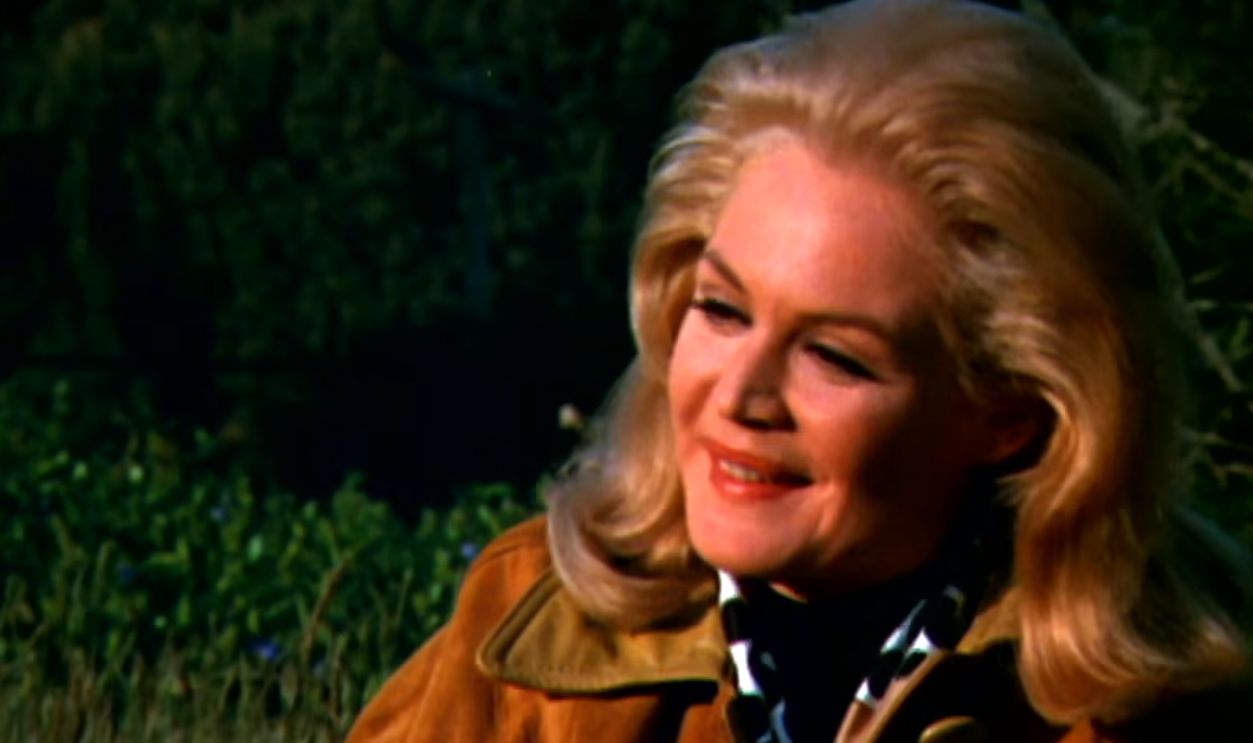 Screenshot from The Dunwich Horror, American International Pictures (1970)
Then Another Tragedy Struck
On December 20, 1973, Bobby Darin died at just 37 years old following complications from heart surgery. Although he and Sandra had been divorced for several years, his death was a devastating loss for their family. Their son Dodd was only 12, and the tragedy removed a figure who had remained deeply connected to Sandra's life.
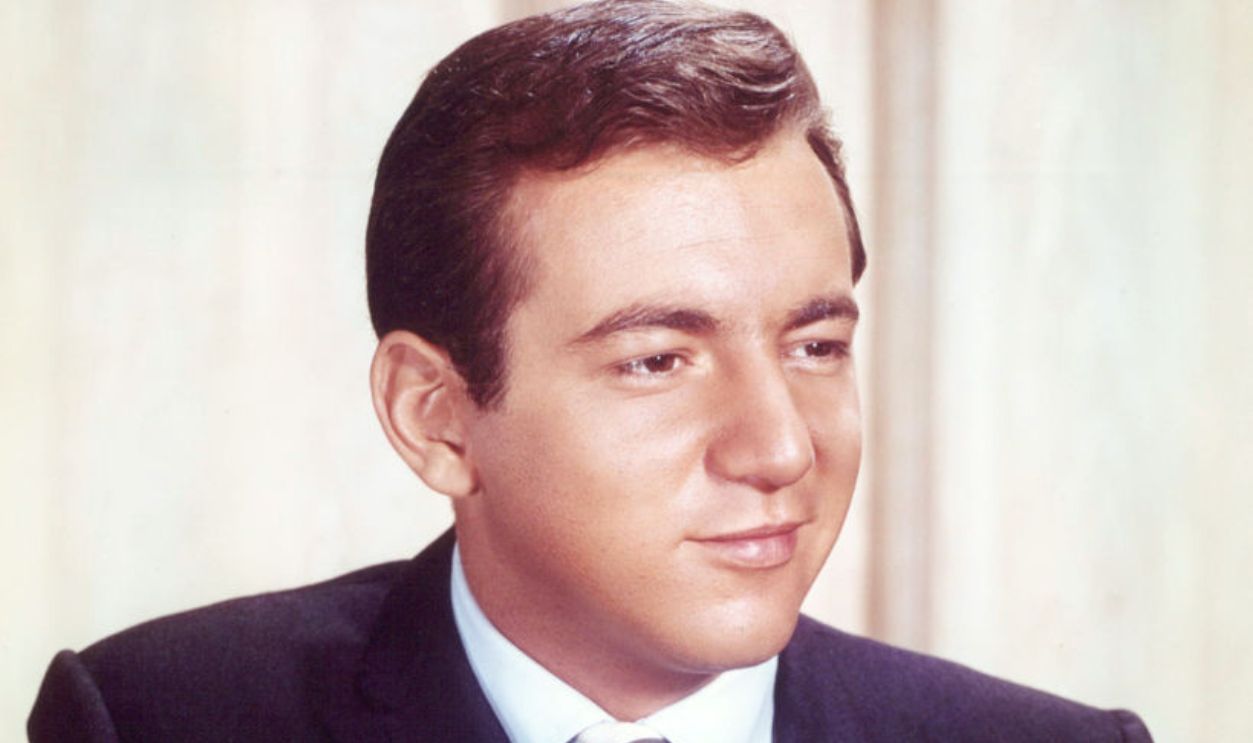 Silver Screen Collection, Getty Images
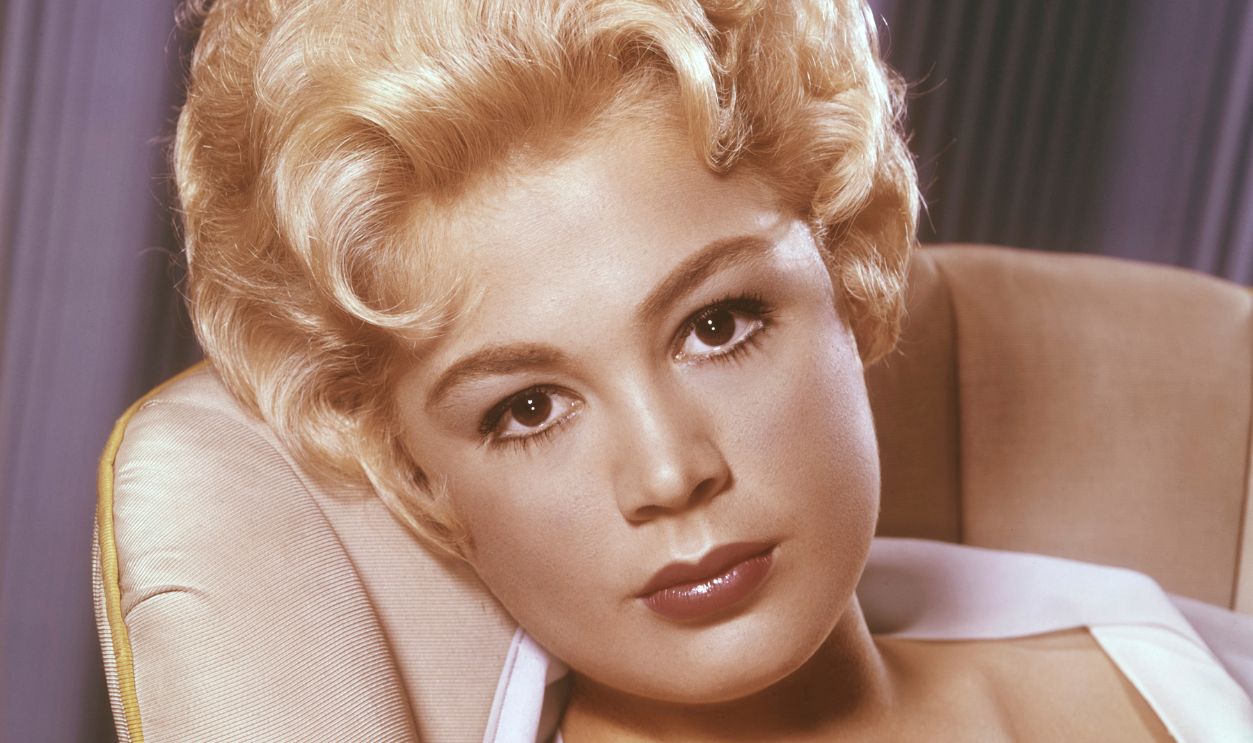
Her Name Became A National Joke
In 1978, the movie musical Grease introduced a new generation to Sandra's famously wholesome image. One musical number used her name to poke fun at the innocent teenage ideal she had represented during the 1950s. Sandra reportedly found the reference amusing, but the joke demonstrated how permanently Hollywood had identified her with a character type she had outgrown decades earlier.
She Slowly Disappeared From Hollywood
By the late 1970s and 1980s, Sandra had largely withdrawn from acting and public appearances. Her occasional television work could not restore the remarkable popularity she had enjoyed as a teenager. Behind her disappearance were serious personal struggles, although the full extent of those difficulties remained unknown to most of the public for years.
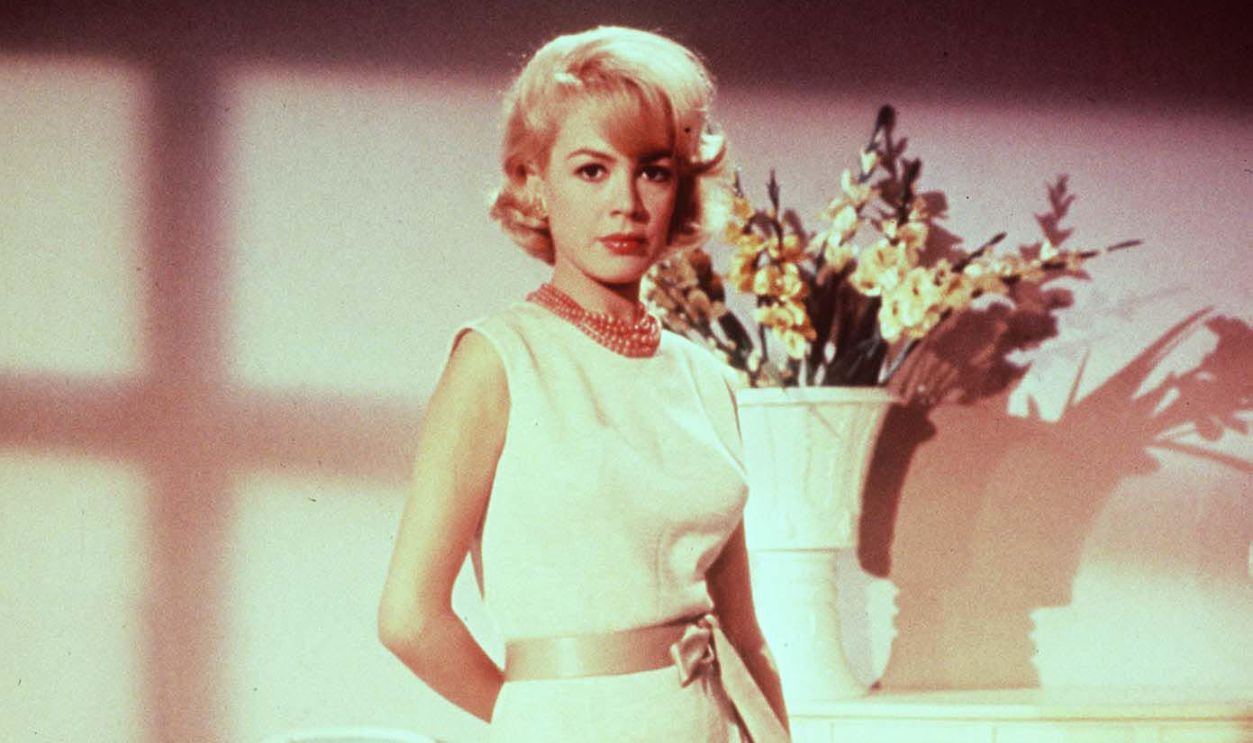
She Finally Revealed The Heartbreaking Truth
In March 1991, Sandra gave a candid interview to People magazine that shocked readers who remembered her as America's wholesome sweetheart. She revealed that her stepfather had repeatedly mistreated her during childhood, leaving emotional wounds that followed her into adulthood. For decades, she had carried those memories privately while Hollywood continued celebrating the cheerful image that bore little resemblance to her actual experience.
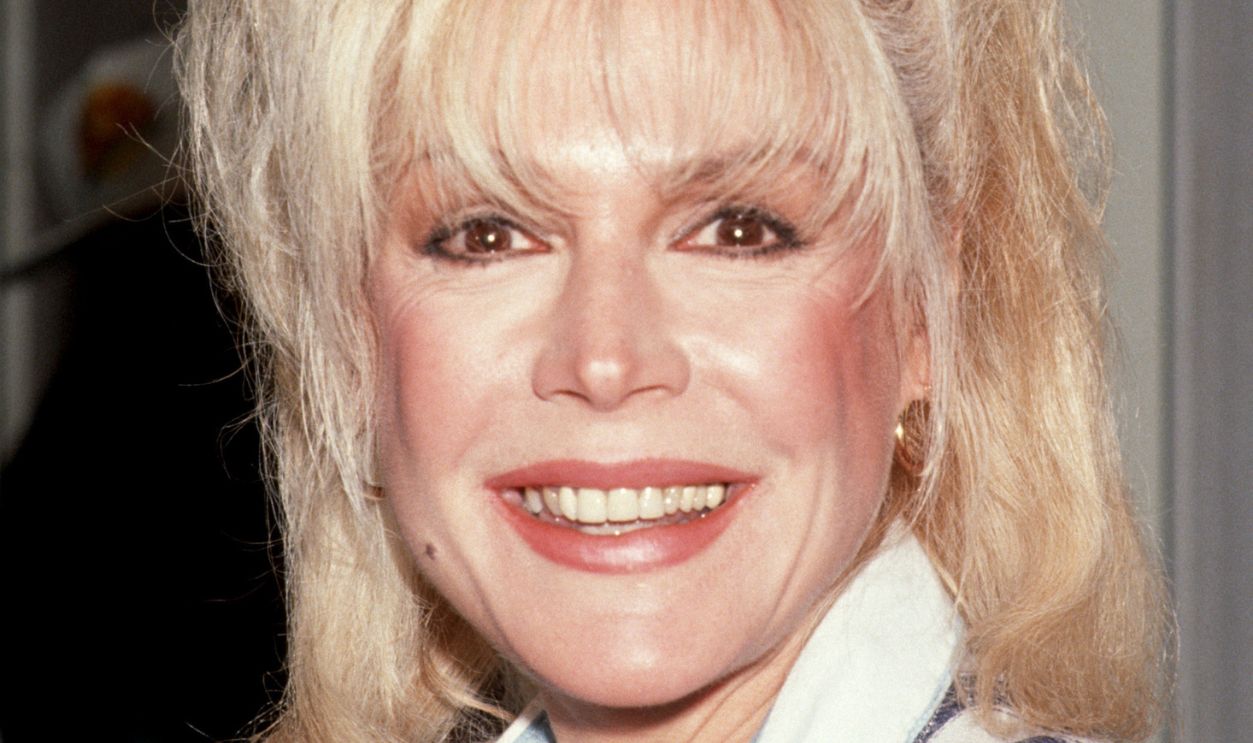
Her Eating Problems Started Young
Sandra also disclosed that she had struggled with anorexia for much of her life, a condition closely connected to her upbringing. According to her recollections, her mother had exerted extraordinary control over her appearance and eating habits from an early age. Even after becoming a successful actress, Sandra found it difficult to escape the patterns established during childhood.
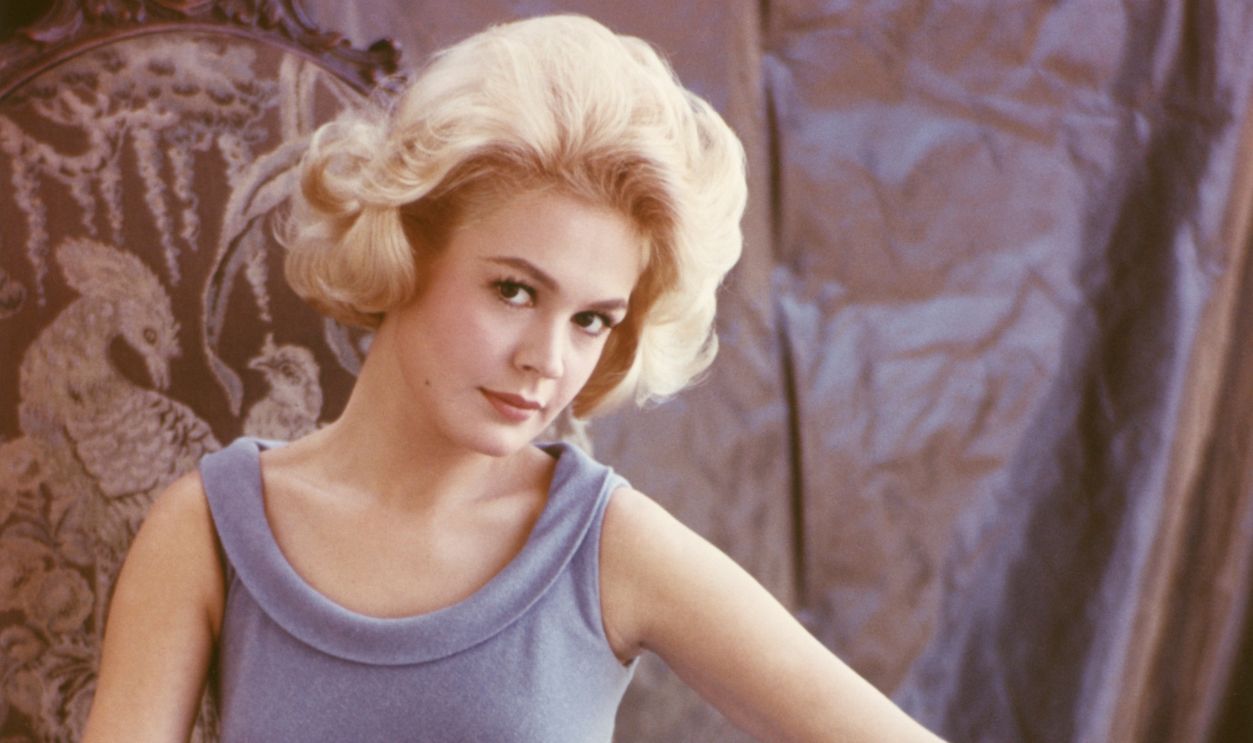
Her Mother's Death Nearly Destroyed Her
When Sandra's mother died in 1988, the actress entered one of the darkest periods of her life. She later admitted that her drinking had become dangerously excessive and that her weight had fallen to approximately 80 pounds. For nearly three years, she rarely left her home, overwhelmed by emotional difficulties and increasingly serious health concerns.
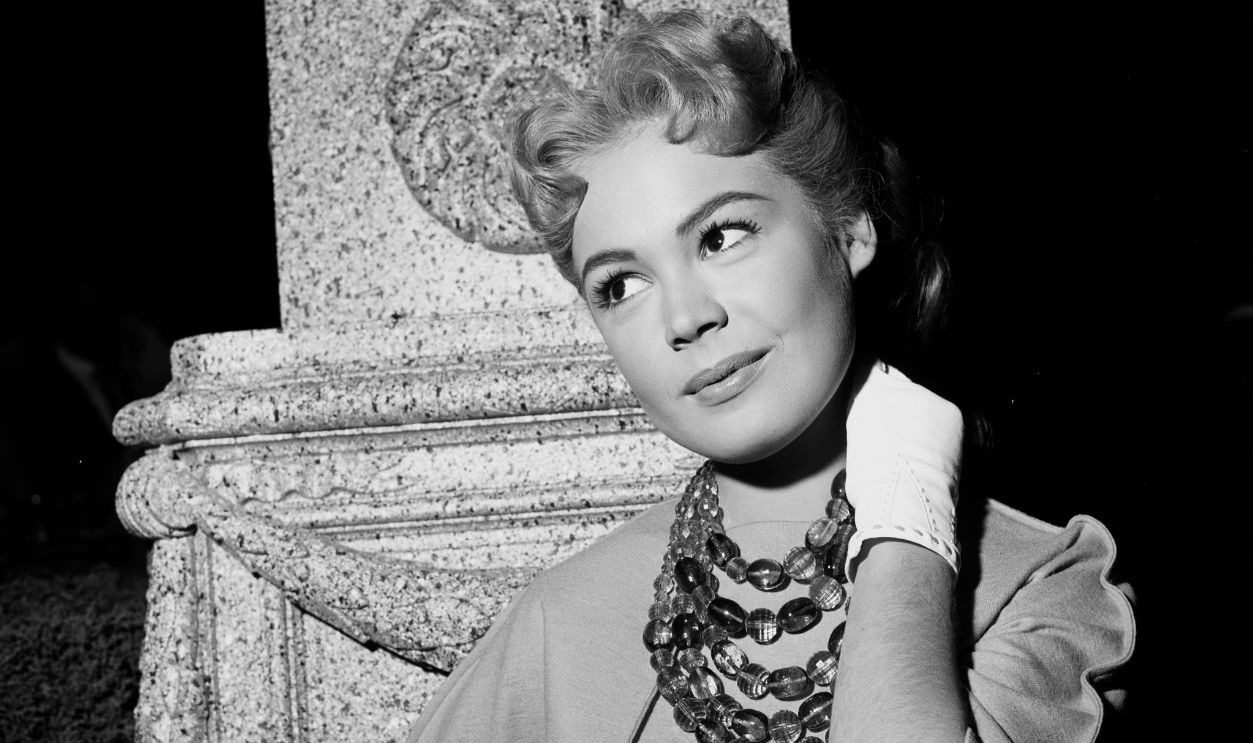 Michael Ochs Archives, Getty Images
Her Son Helped Bring Her Back
Sandra credited Dodd with encouraging her to seek professional help during this devastating period. With his support, she began attending therapy and working toward recovery, eventually finding the courage to discuss her experiences publicly. In 1991, she even returned to performing in a Los Angeles stage production of Love Letters alongside John Saxon, offering a glimpse of the actress audiences had not seen in years.
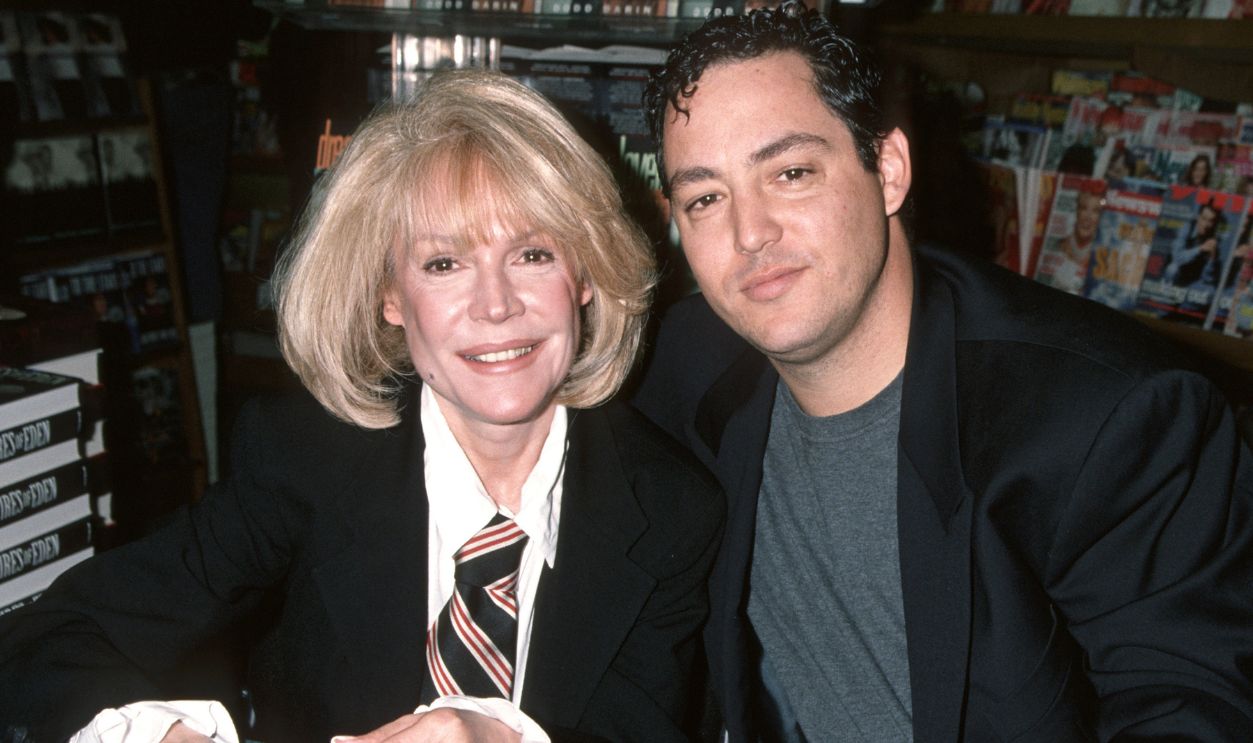
Her Final Years Were Bittersweet
During her later years, Sandra faced serious kidney disease and underwent regular dialysis treatments. She died on February 20, 2005, at a hospital in Thousand Oaks, California, at the age of 62, following complications involving kidney disease and pneumonia. Her son and grandchildren survived her, while the revelations about her private struggles permanently changed how audiences understood the beloved star of Gidget.
You May Also Like:
Photos Of Old Hollywood Actresses Who Aged Beautifully
Handsome 1960s Leading Men Who Never Quite Became The Superstars Hollywood Expected
Movie Masterpieces That Show Why So Many Critics Think Film Peaked In The 50s