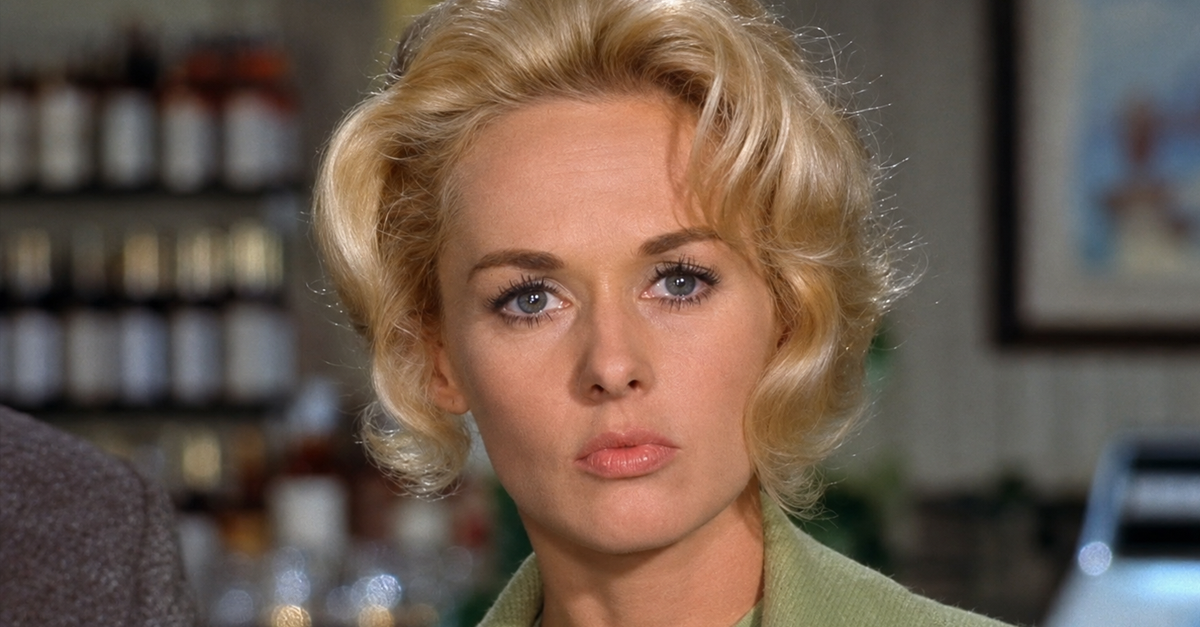
Hitchcock Made Her A Star, Then Everything Changed
Alfred Hitchcock made Tippi Hedren a Hollywood star almost overnight with The Birds. But behind the cameras, she claimed the legendary director became obsessed with her, subjected her to terrifying ordeals, and threatened to ruin her career when she rejected him. What began as the opportunity of a lifetime allegedly became a nightmare that changed her future forever.
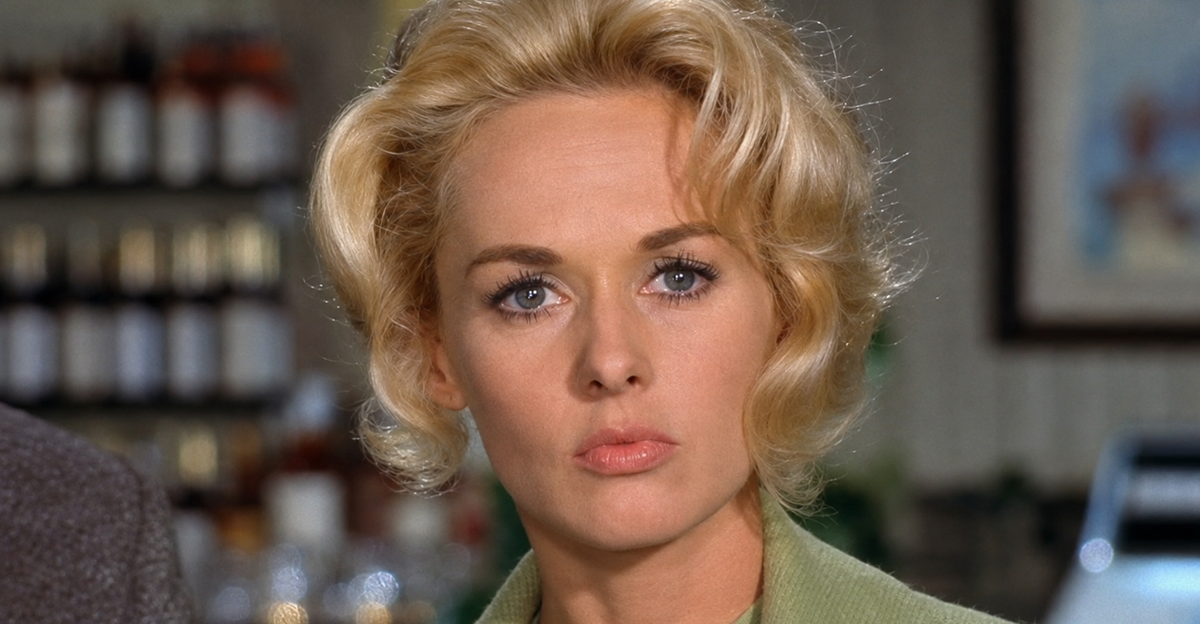 The Birds (1963), Universal Pictures
She Was A Model With No Hollywood Ambitions
Before becoming a Hitchcock leading lady, Tippi Hedren was a successful fashion model working in New York and Los Angeles. Born in Minnesota in 1930, she had spent years appearing in advertisements and magazines. By the early 1960s, she was raising her young daughter, Melanie Griffith, with little expectation of becoming a movie star.
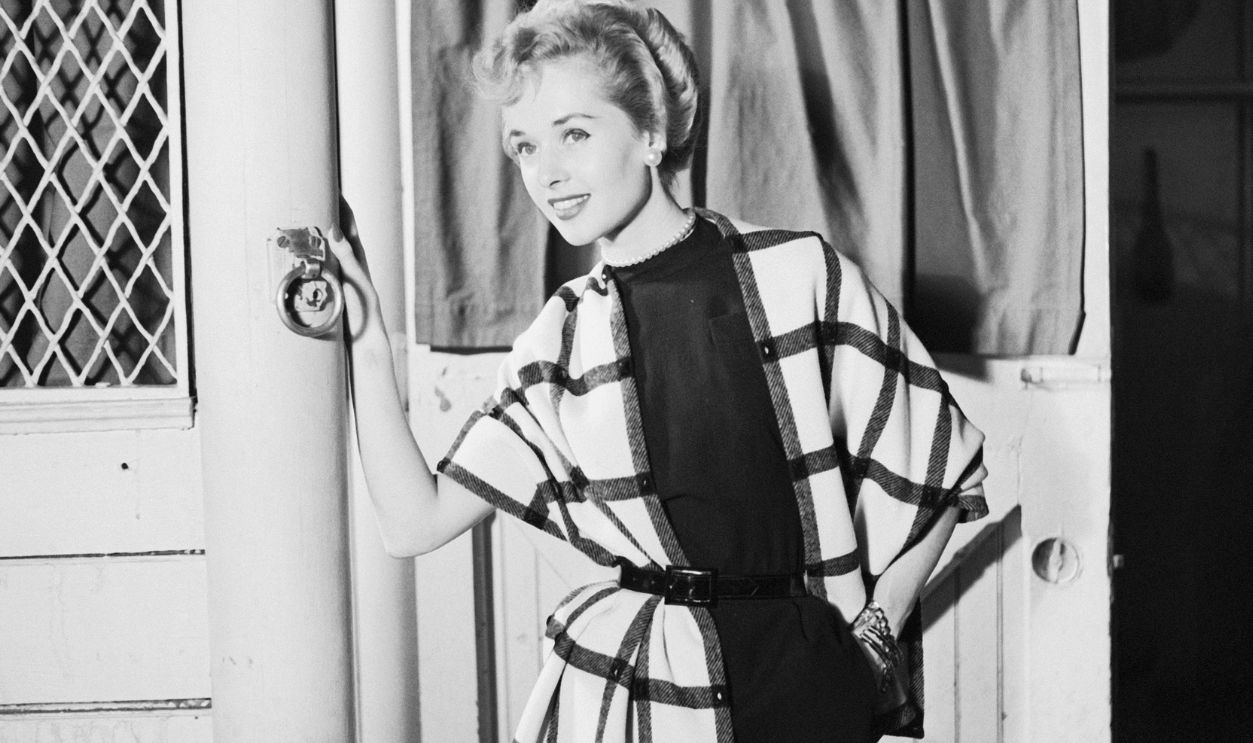 Genevieve Naylor, Getty Images
Hitchcock Spotted Her In A Commercial
In 1961, Hitchcock became interested in Hedren after seeing her in a television commercial for a diet drink. The director was searching for a new blonde leading lady, and the relatively unknown model caught his attention. Soon, representatives contacted Hedren about a possible acting career.
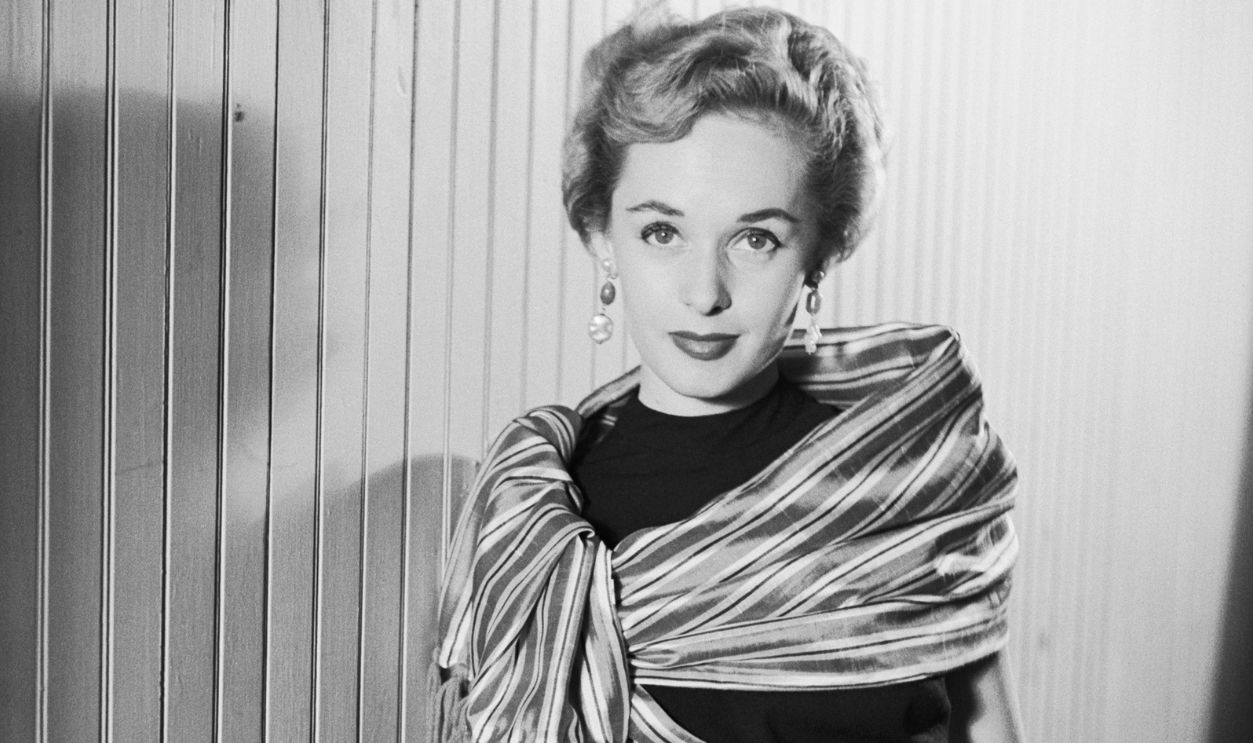 Genevieve Naylor, Getty Images
He Put Her Through An Elaborate Test
Despite her lack of acting experience, Hitchcock arranged an unusually extensive three-day screen test. Hedren performed scenes from Rebecca, Notorious, and To Catch a Thief, opposite actor Martin Balsam. When Hitchcock finally offered her the leading role in his next film, he presented her with a gold-and-pearl pin featuring three birds.
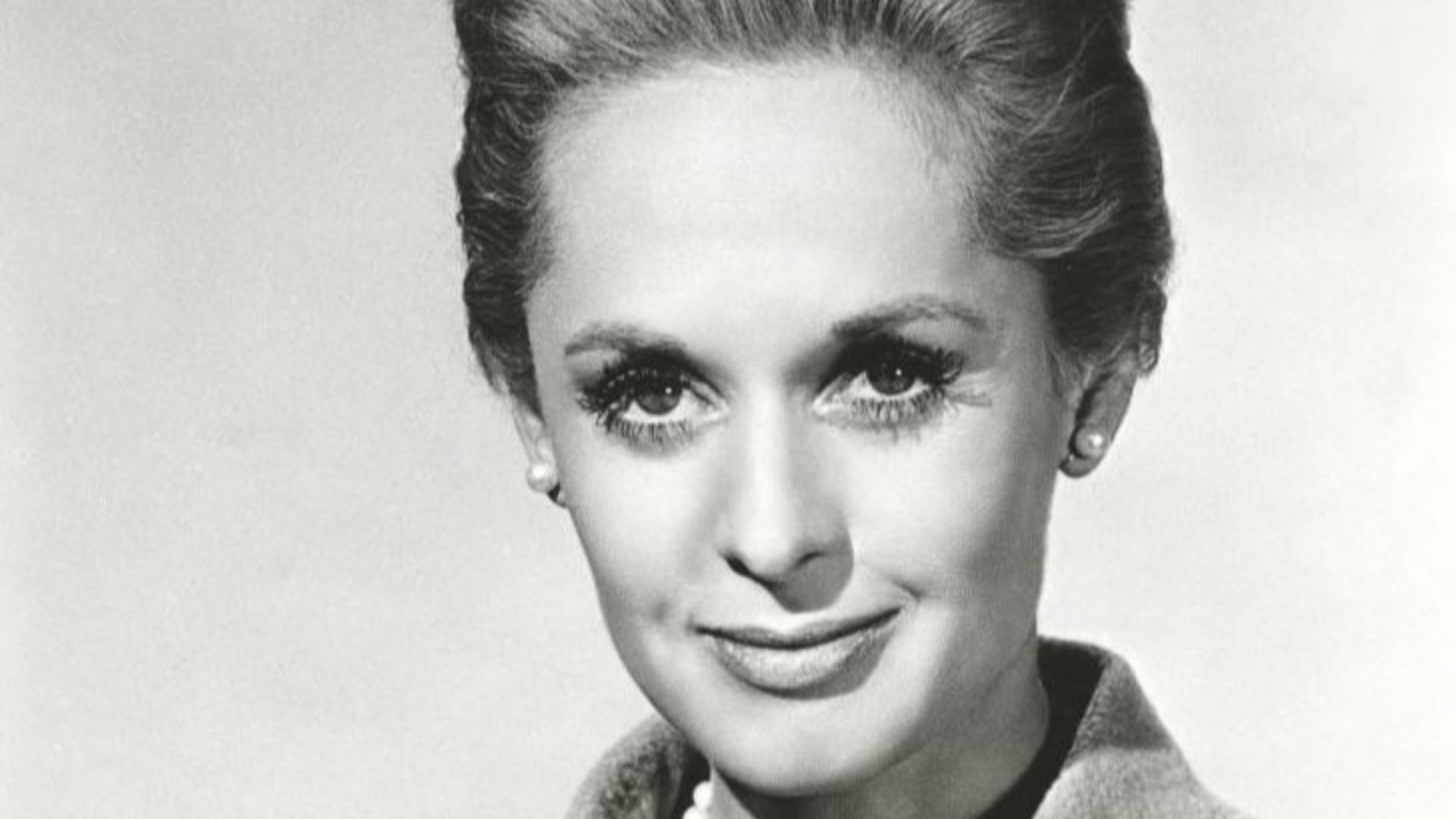 Hollywood Press Syndicate, Wikimedia Commons
She Received A Hollywood Education
Hitchcock and his wife, Alma, personally helped Hedren learn the fundamentals of acting and filmmaking. She studied scripts, character development, and the technical demands of performing for the camera. Hedren later described the experience as an extraordinary education that might otherwise have taken years.

Her First Movie Was A Major Thriller
Hitchcock cast Hedren as Melanie Daniels in The Birds, his 1963 thriller about a California coastal town terrorized by violent bird attacks. She starred alongside Rod Taylor, Jessica Tandy, and Suzanne Pleshette. For someone who had never carried a major motion picture, the role was an extraordinary opportunity.
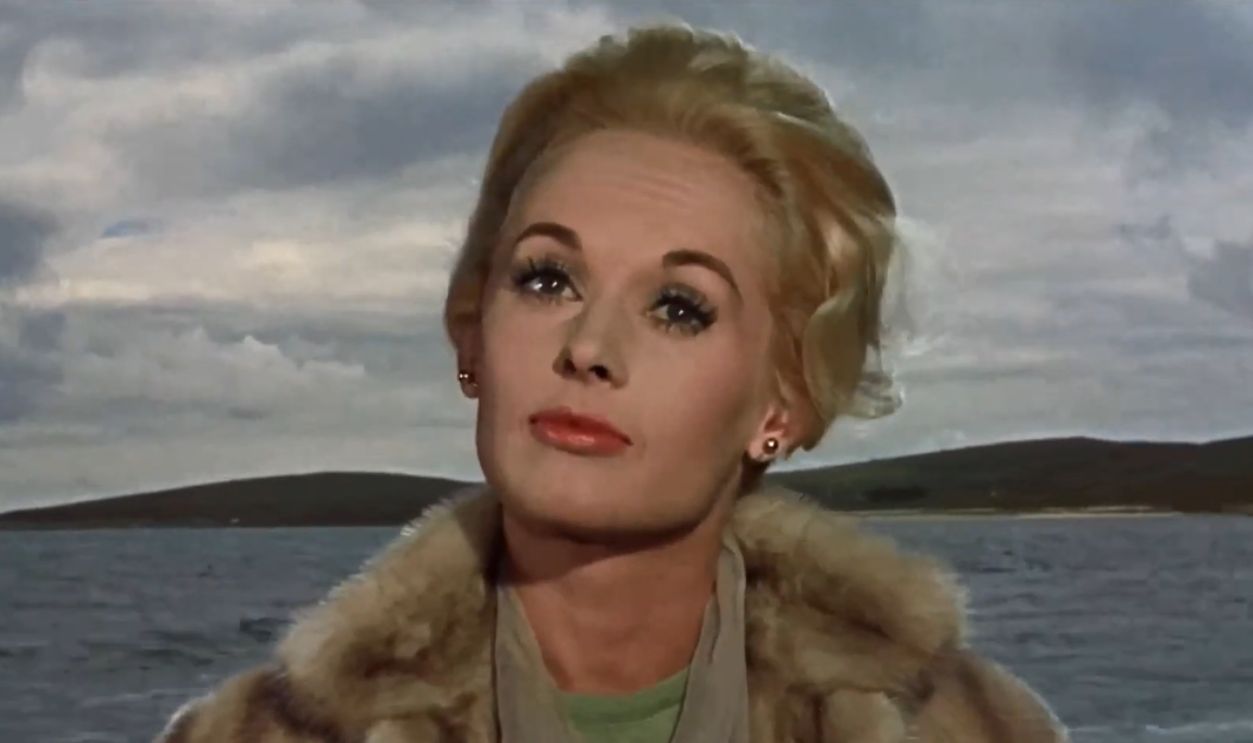 Screenshot from The Birds, Universal Pictures (1963)
She Became A Star Almost Overnight
The Birds made Hedren one of Hollywood's most promising newcomers, earning her widespread attention. Her elegant appearance and cool screen presence seemed perfectly suited to Hitchcock's filmmaking style. In 1964, she won the Golden Globe for New Star of the Year, but her relationship with the director had already become increasingly complicated.
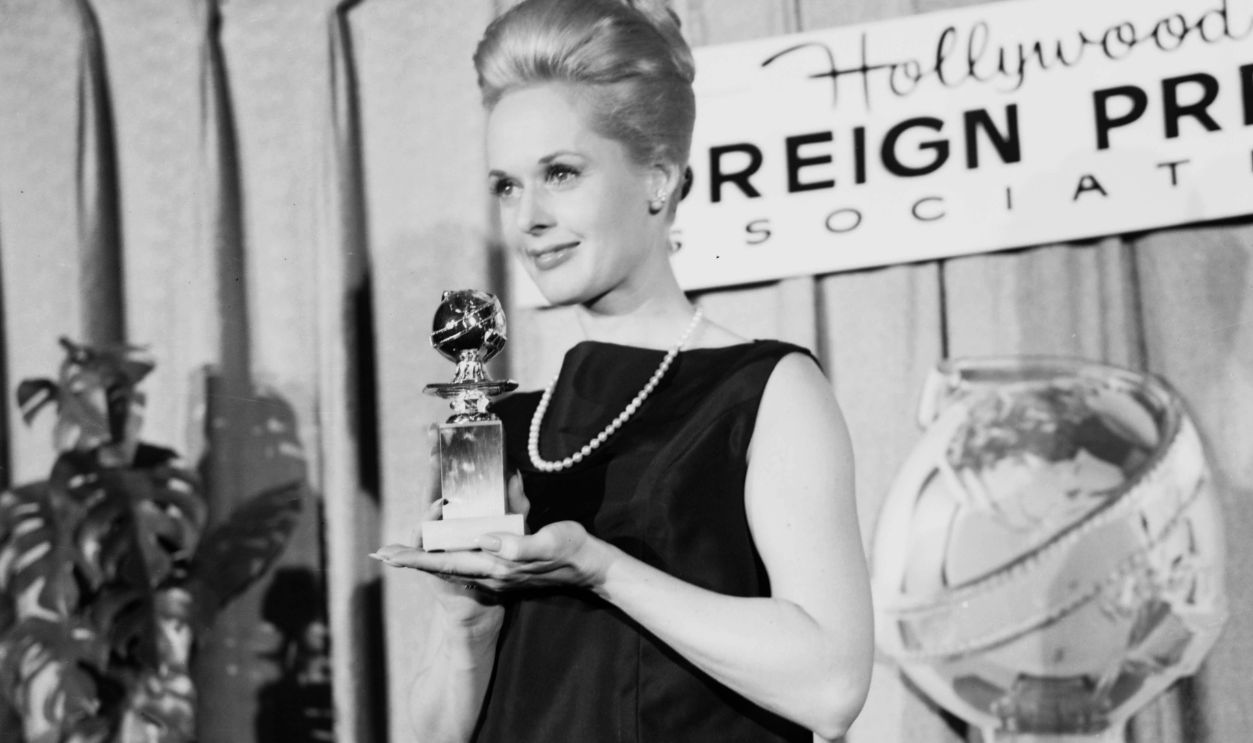 Michael Ochs Archives, Getty Images
She Claimed Hitchcock Became Possessive
Hedren later alleged that Hitchcock's professional admiration developed into an unsettling obsession. She claimed he discouraged male colleagues from approaching her and became jealous whenever he suspected she might be dating someone. According to Hedren, he also pressured her to share private drinks after filming, even when she wanted to return home to her daughter.
 Sunset Boulevard, Getty Images, Enhanced
An Unwanted Advance Changed Everything
In her memoir, Hedren alleged that Hitchcock suddenly tried to kiss her while they were traveling in his limousine. She rejected his advances, but claimed his behavior became increasingly hostile afterward. When a frightening incident occurred during filming, Hedren later questioned whether Hitchcock was deliberately punishing her.
 REPORTERS ASSOCIES, Getty Images
Then A Dangerous Scene Went Wrong
During the famous telephone-booth attack in The Birds, Hedren was assured that the glass surrounding her was shatterproof. Instead, a mechanical bird struck the booth, sending shattered glass toward her face. Hedren recalled spending hours having tiny fragments removed, an experience she later suspected was connected to Hitchcock's anger over her rejection.
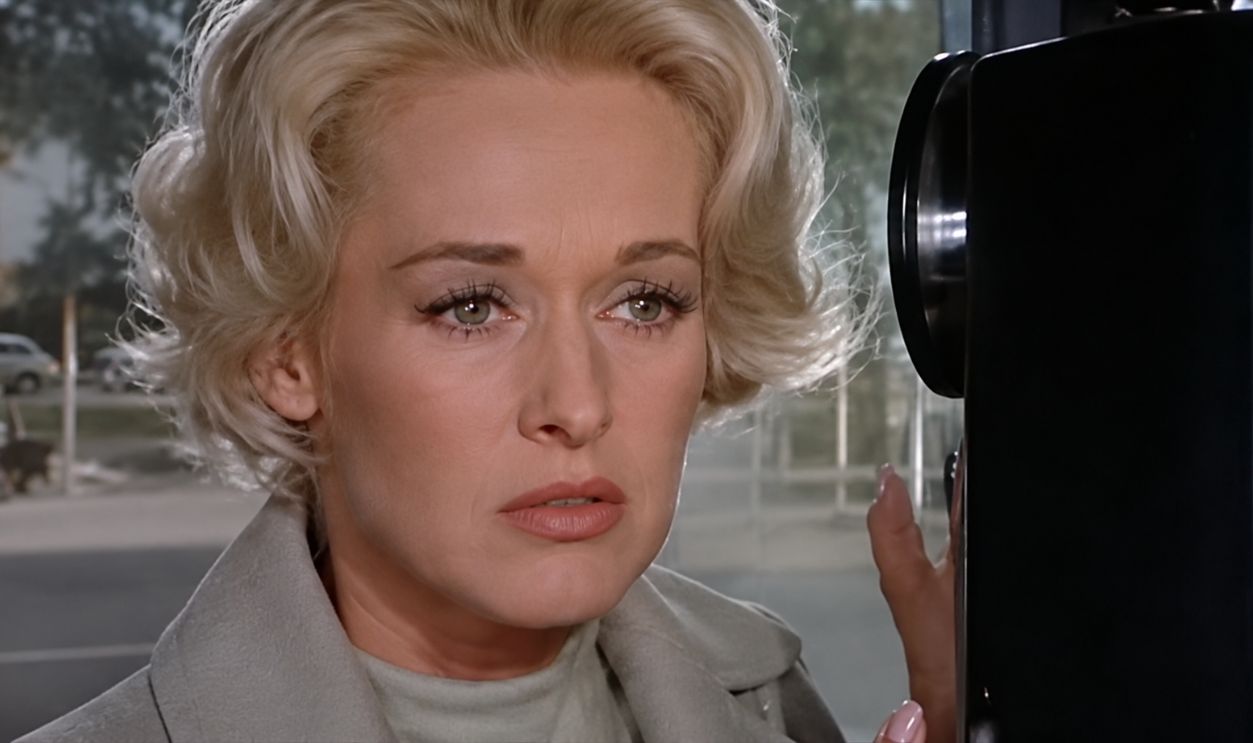 Screenshot from The Birds, Universal Pictures (1963), Enhanced
The Attic Scene Was Even Worse
For the film's terrifying attic attack, Hedren said Hitchcock had promised to use mechanical birds. When filming began, however, an assistant director informed her that live birds would be used instead. Hedren entered the set to find cages filled with birds and handlers preparing to send them directly toward her.

Five Days Of Relentless Bird Attacks
According to Hedren, handlers repeatedly threw live birds toward her as cameras captured the frightening sequence. On the fifth day, handlers tied live birds to elastic strands threaded through holes in her costume, keeping them close enough to flap and peck at her. The finished scene lasted only about a minute, but filming it consumed five exhausting days.
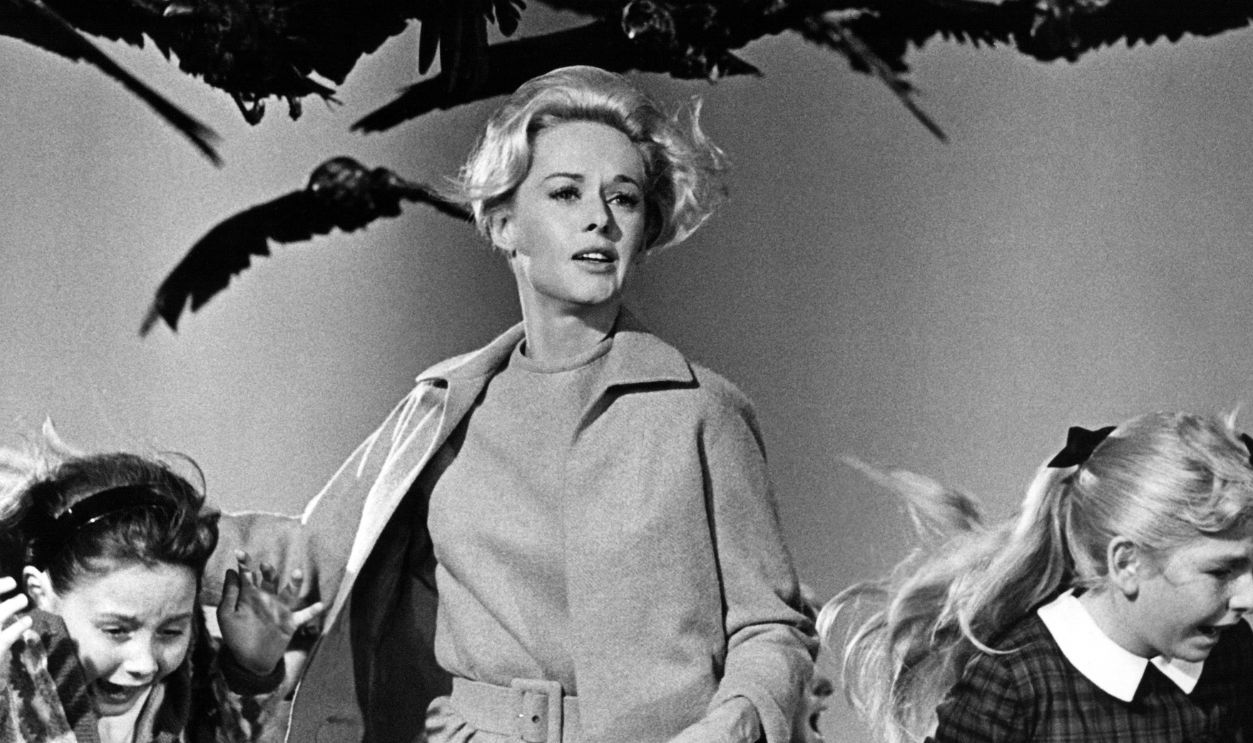
One Bird Nearly Struck Her Eye
By the final day, Hedren said she was physically and emotionally exhausted. When a bird attached near her shoulder struck dangerously close to her eye, she stopped filming and broke down in tears. A doctor subsequently ordered her to rest before she could return to complete the movie.
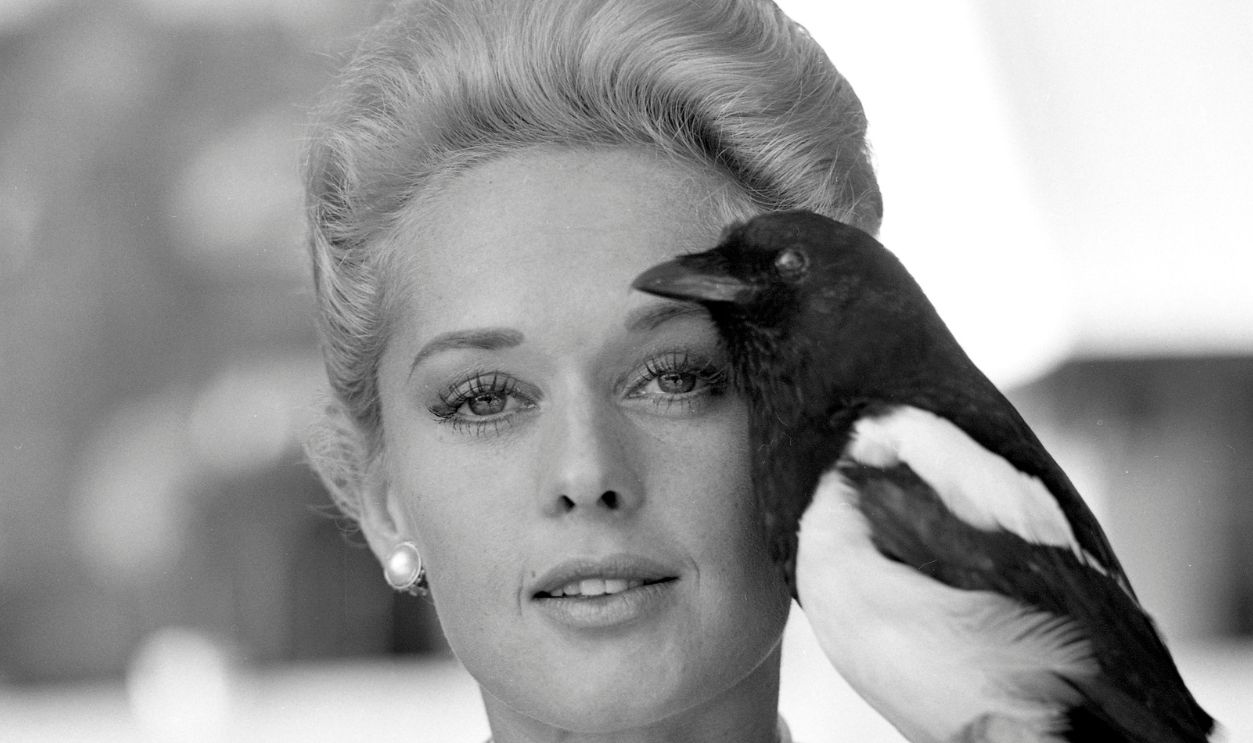 Sjoberg Bildbyra, Getty Images
The Crew Remembered Things Differently
Hedren's account of the attic scene has been challenged by some crew members and Hitchcock historians. Film historian Tony Lee Moral has examined production records and recollections suggesting that safety precautions were used during filming. Although the demanding shoot is well documented, whether Hitchcock deliberately endangered Hedren as punishment remains disputed.
Hitchcock Cast Her In Another Film
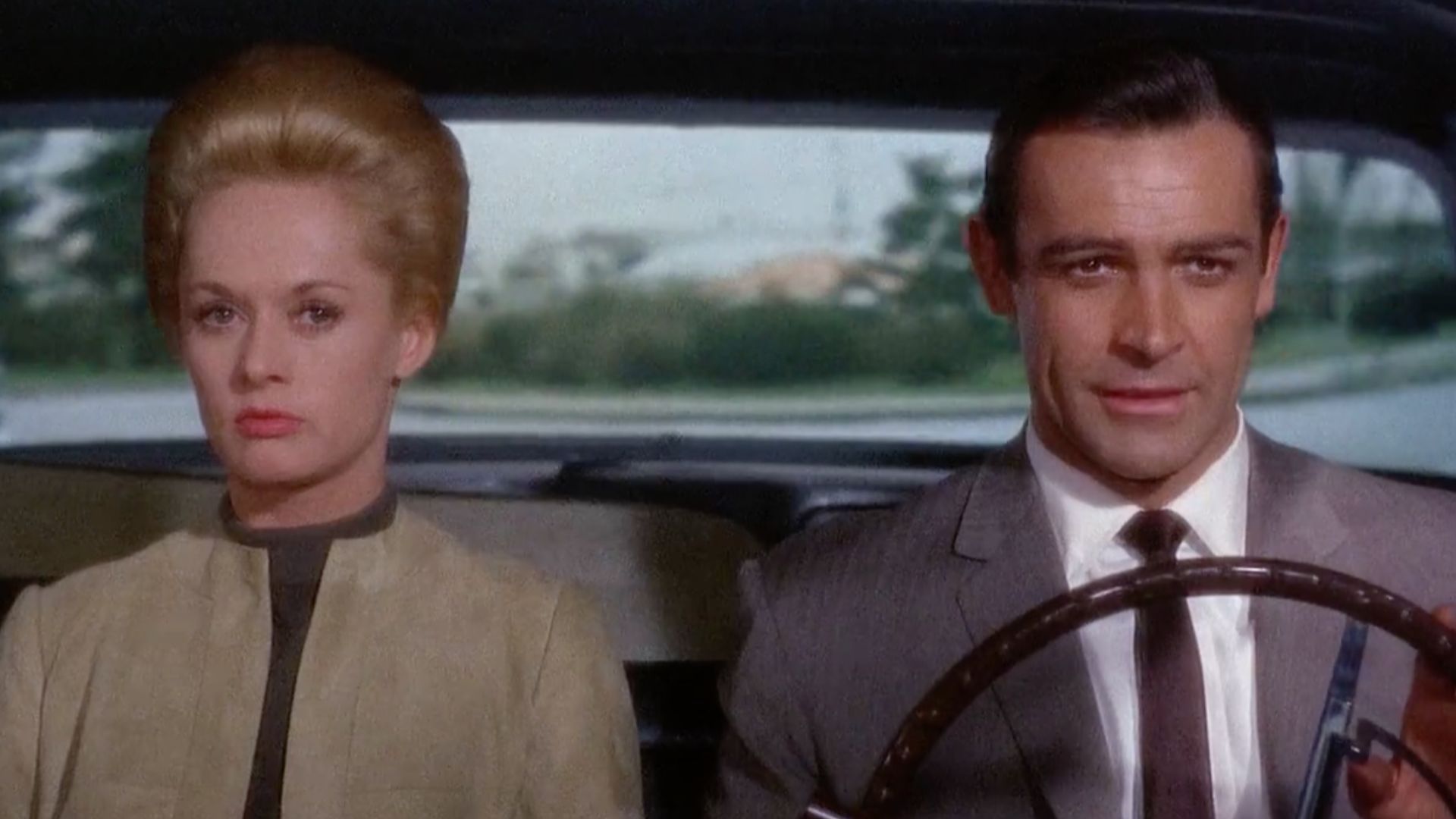
Despite their increasingly troubled relationship, Hitchcock cast Hedren opposite Sean Connery in Marnie, released in 1964. She played a troubled woman whose compulsive stealing and traumatic past drive the psychological thriller. The complex role offered her another chance to establish herself as a serious actress, but tensions with Hitchcock continued.
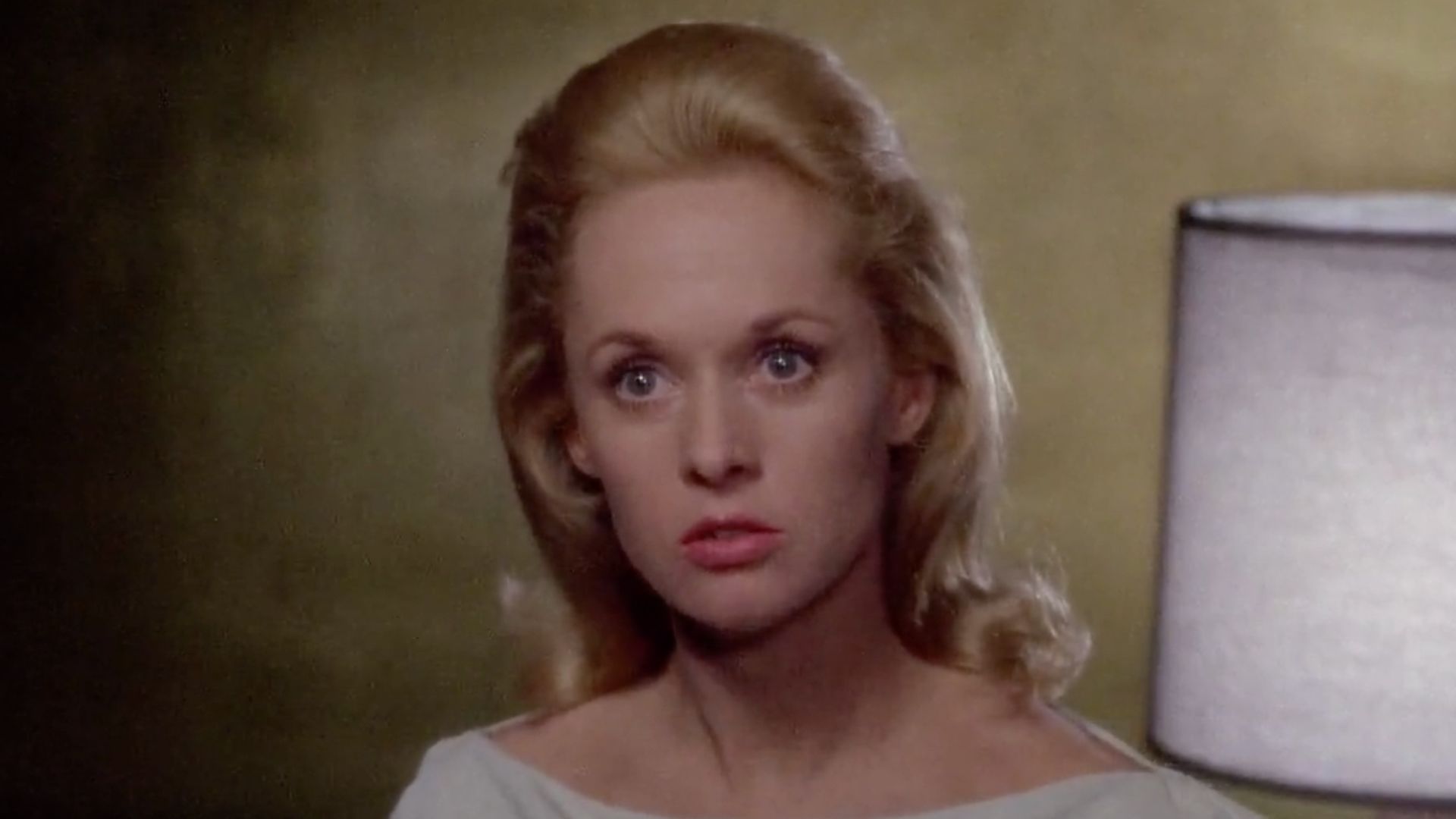 Trailer screenshot, Wikimedia Commons
The Story Of Marnie Felt Uncomfortably Personal
Marnie featured disturbing psychological themes, including a troubling scene in which a husband forces himself on his wife. Hedren later suggested that Hitchcock had projected his own feelings toward her onto the relationship between the film's main characters. Although this interpretation was never established as fact, she believed the director's personal fixation had influenced the production.
 Trailer screenshot, Wikimedia Commons
She Claimed He Had Her Watched
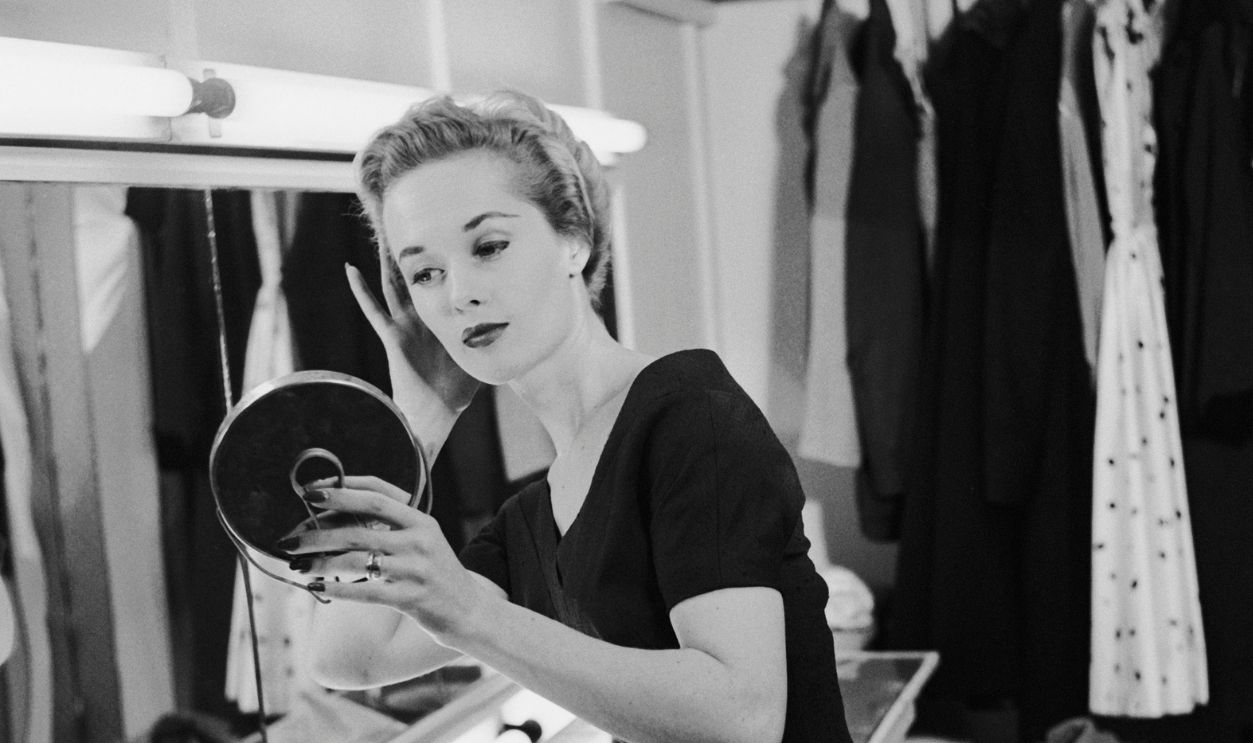
Hedren later alleged that Hitchcock had people monitor her activities and even arranged to have her handwriting analyzed. She also claimed he positioned her dressing room beside his office, with a connecting door allowing him access. According to Hedren, his increasingly intrusive behavior made her feel that her personal freedom was disappearing.
 Genevieve Naylor, Getty Images
She Accused Him Of A Serious Assault
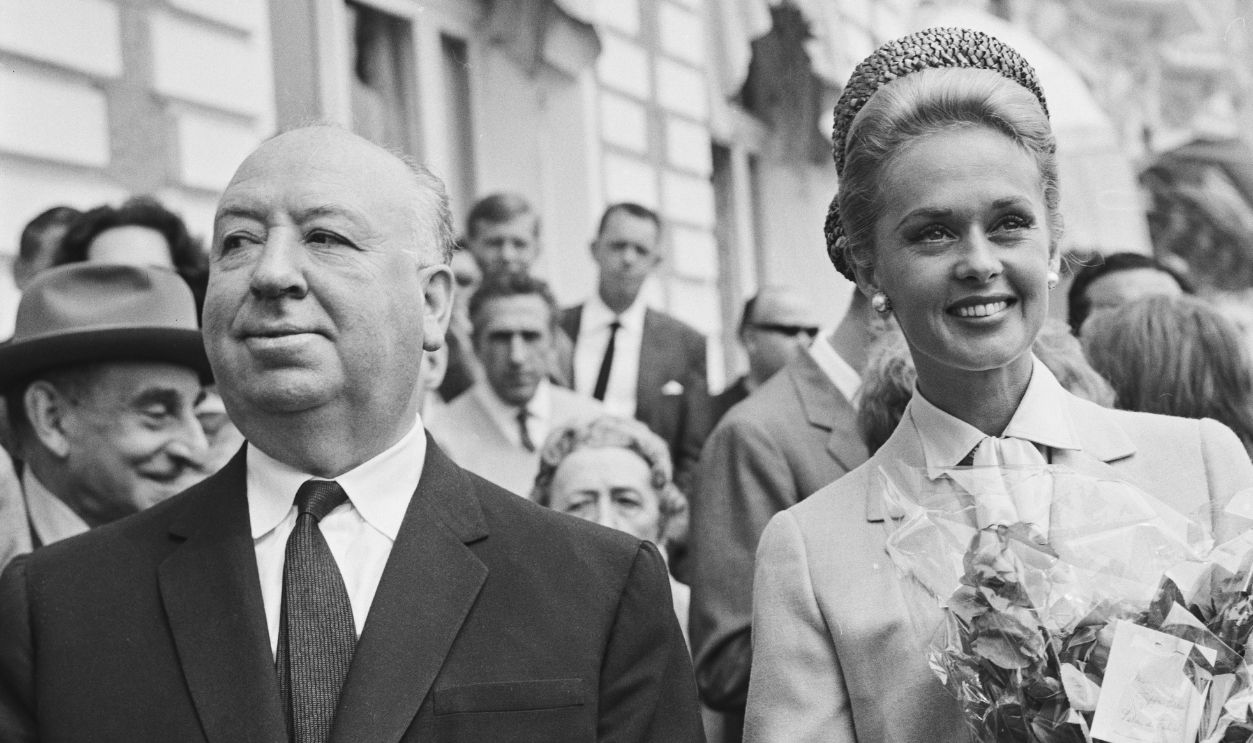
In her 2016 memoir, Hedren described a disturbing encounter in Hitchcock's office during the production of Marnie. She alleged that he suddenly grabbed her and touched her inappropriately without her consent. Hedren said she resisted his advances, making it clear that his behavior was unacceptable.
She Finally Refused To Work With Him
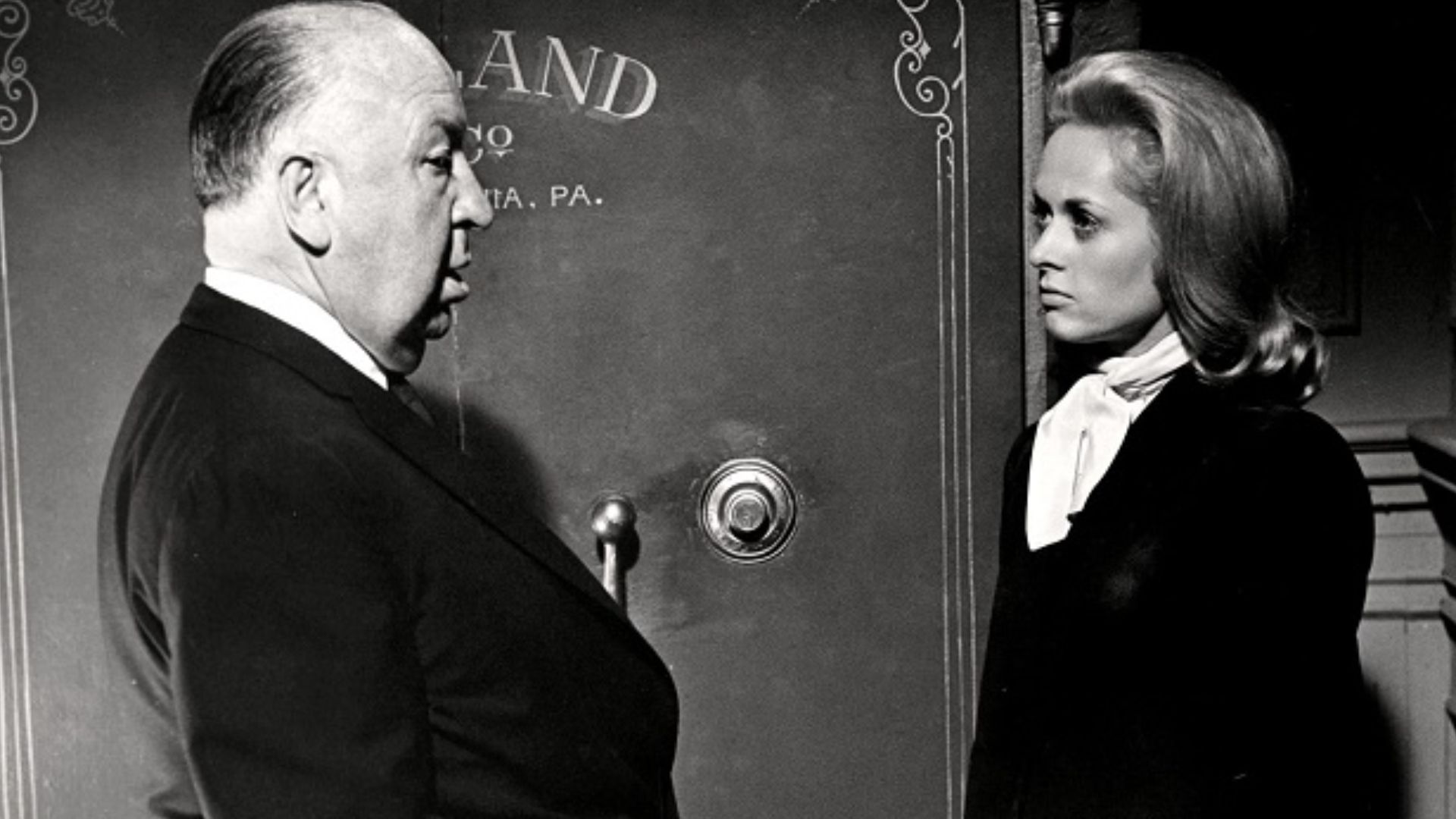
By the end of Marnie, Hedren had decided she could no longer continue their professional relationship. She demanded to be released from her contract, prompting what she described as an angry confrontation. According to Hedren, Hitchcock threatened to ruin her career if she refused to cooperate.
 Universal Pictures, Wikimedia Commons
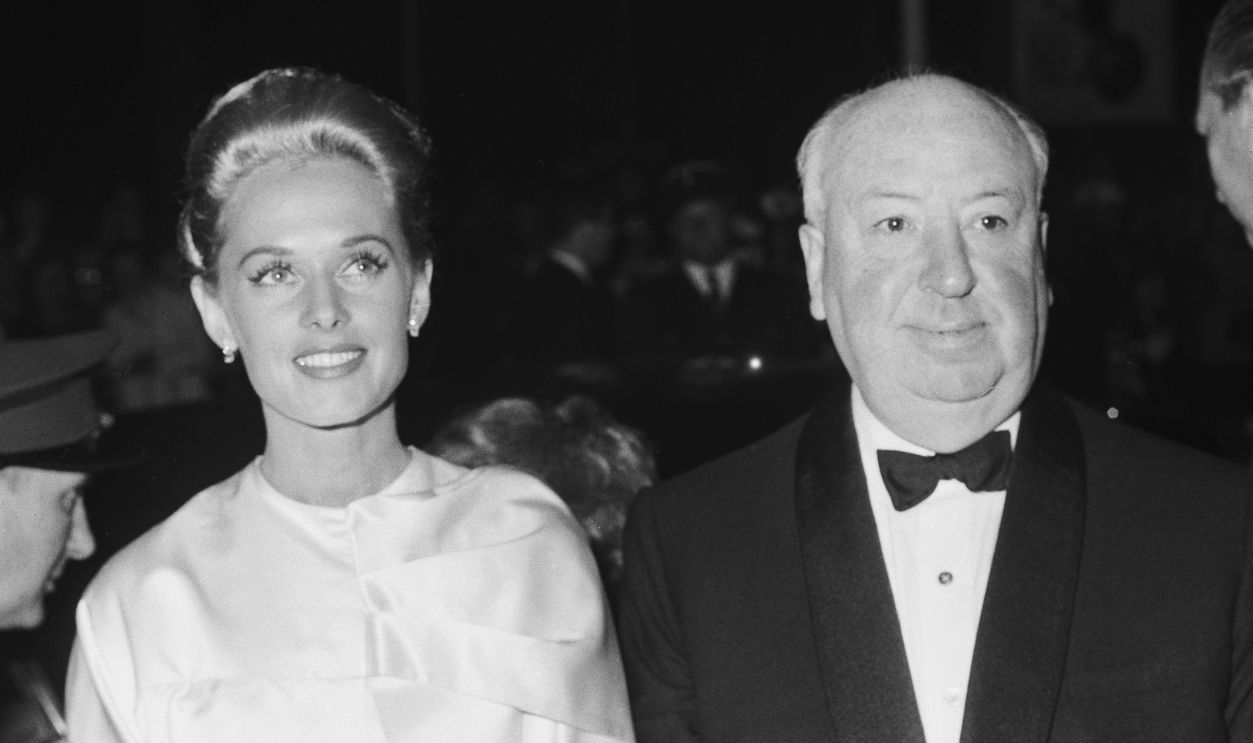
He Still Controlled Her Contract
Hedren claimed Hitchcock kept her under contract for approximately two years after she refused to work with him again. During that period, she continued receiving around $600 a week but was unable to freely accept other film roles. For an actress whose career had just taken off, the restrictions came at a devastating time.
Other Directors Wanted Her
Hedren later revealed that filmmakers had tried to hire her while she remained under Hitchcock's control. Among them, she said, was acclaimed French director François Truffaut, whose interest had never been communicated to her. According to Hedren, Hitchcock simply told interested filmmakers that she was unavailable, cutting off opportunities that might have transformed her career.
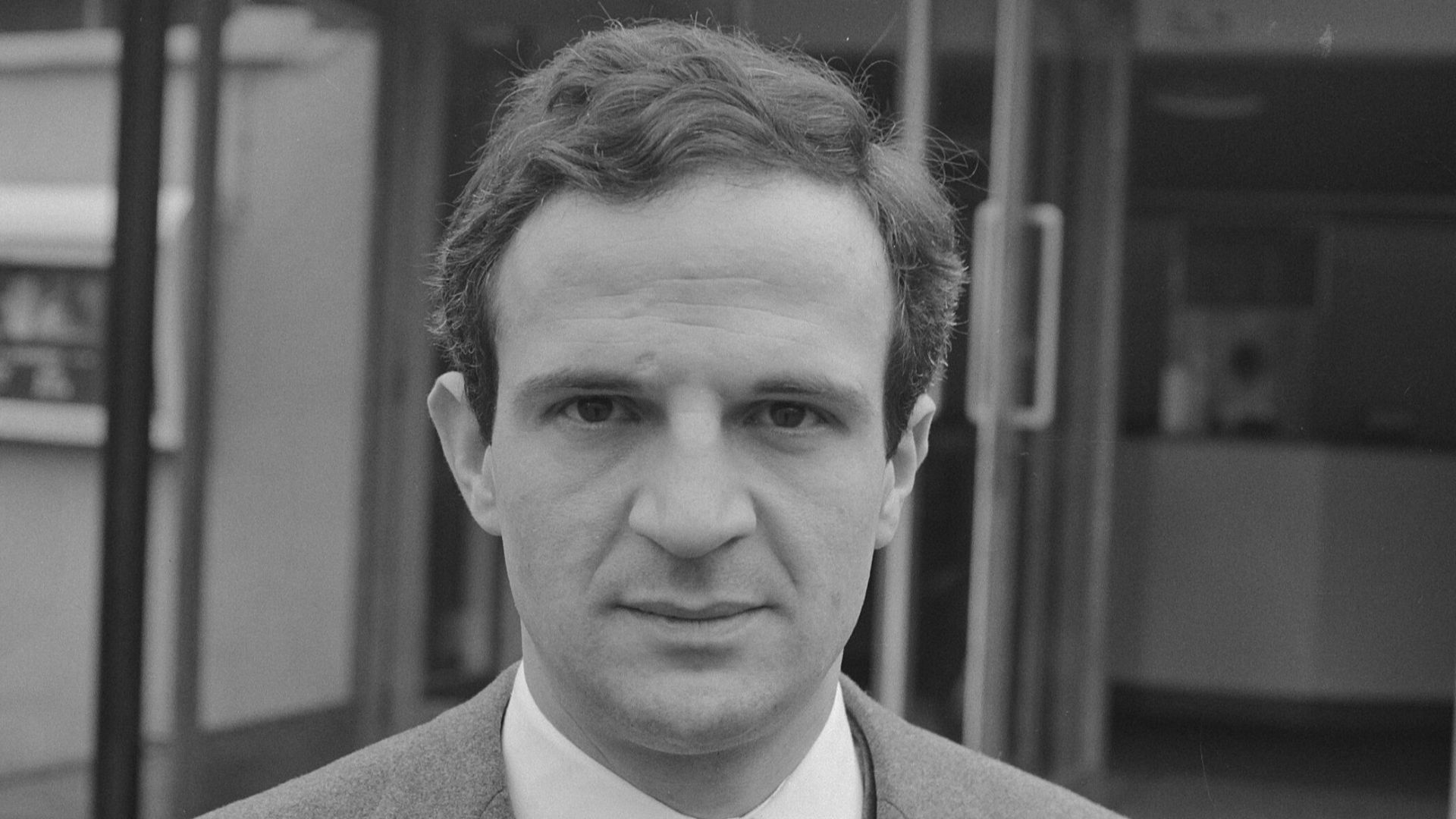 Jack de Nijs for Anefo, Wikimedia Commons
Charlie Chaplin Offered Her A Fresh Start
After finally escaping Hitchcock's contract, Hedren landed a role in Charlie Chaplin's 1967 film A Countess from Hong Kong. Although she appeared alongside Marlon Brando and Sophia Loren, her part was relatively small and did little to revive her fading Hollywood momentum. Nevertheless, Hedren remembered working with Chaplin fondly, particularly his unusual habit of acting out every character's role himself.
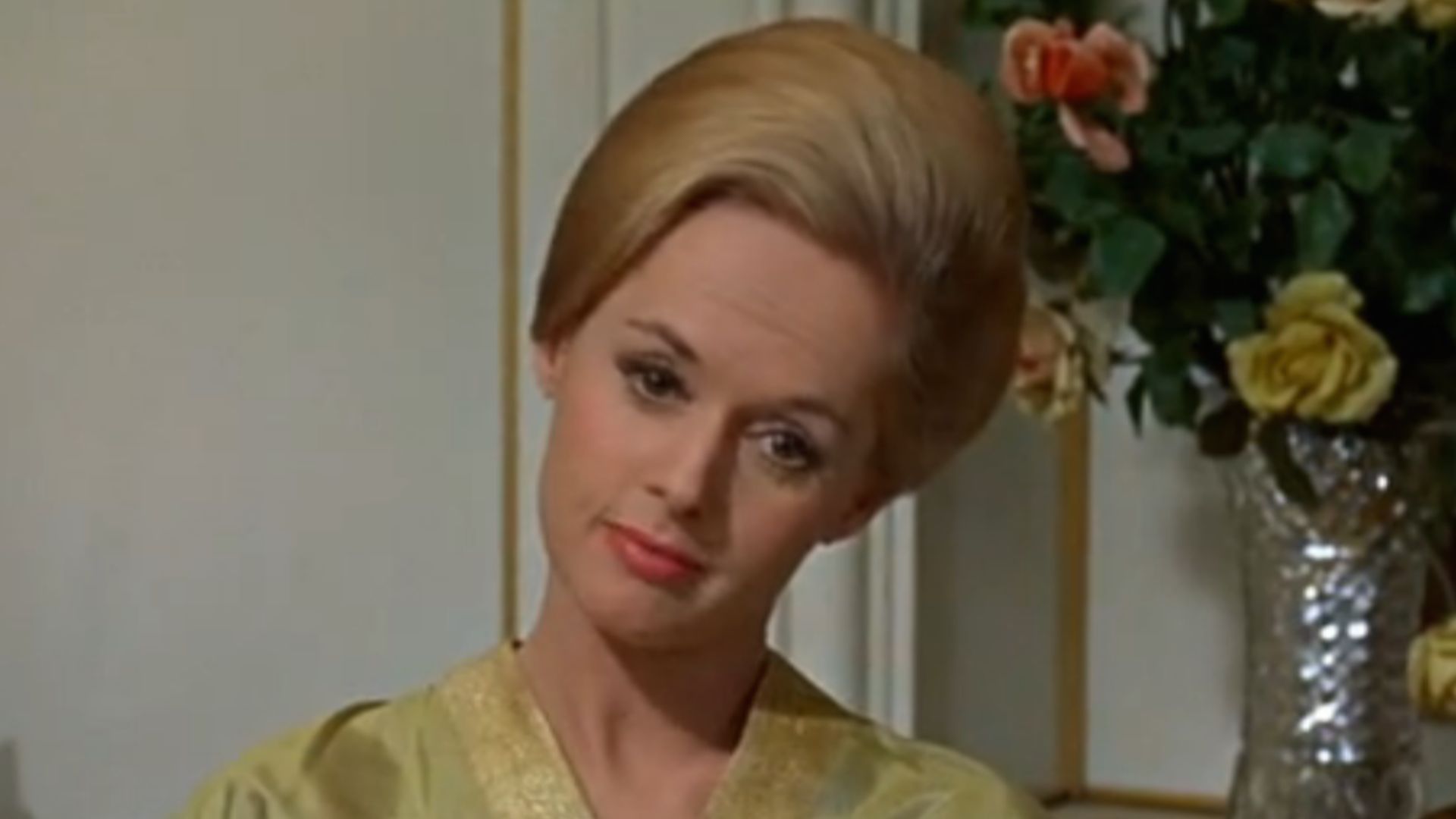 Trailer screenshot, Wikimedia Commons
She Found A New Passion With Wild Animals
As major acting opportunities became less frequent, Hedren developed a growing interest in protecting exotic animals. She and her then-husband, Noel Marshall, eventually made Roar, a 1981 adventure film featuring their family alongside numerous lions and other big cats. The notoriously dangerous production caused serious injuries, but Hedren's experiences helped deepen her commitment to animal welfare.
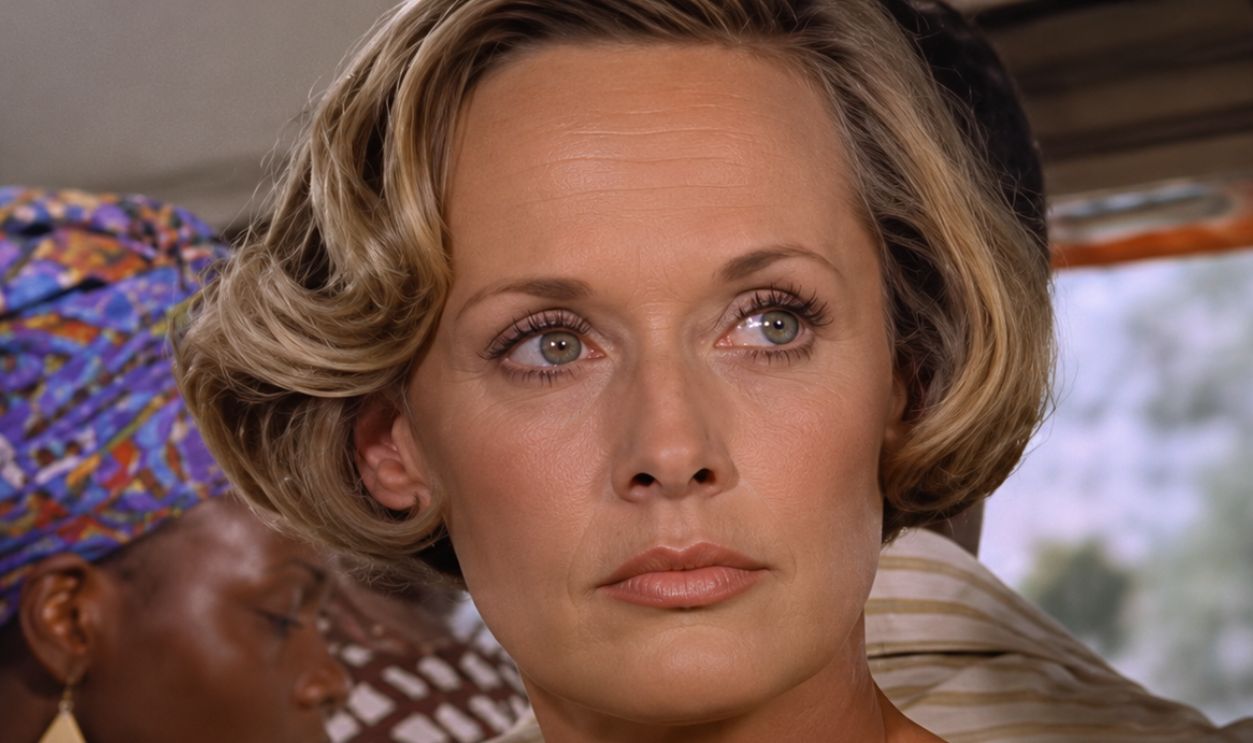 Screenshot from Roar, Filmways Pictures (1981), Enhanced
Her Sanctuary Became Her Life's Work
Hedren began rescuing exotic cats in 1972 and later established the Shambala Preserve in Southern California. In 1983, she founded the Roar Foundation to support the sanctuary and educate the public about the dangers of privately owning big cats. Over the decades, her organization has provided refuge for hundreds of exotic animals.
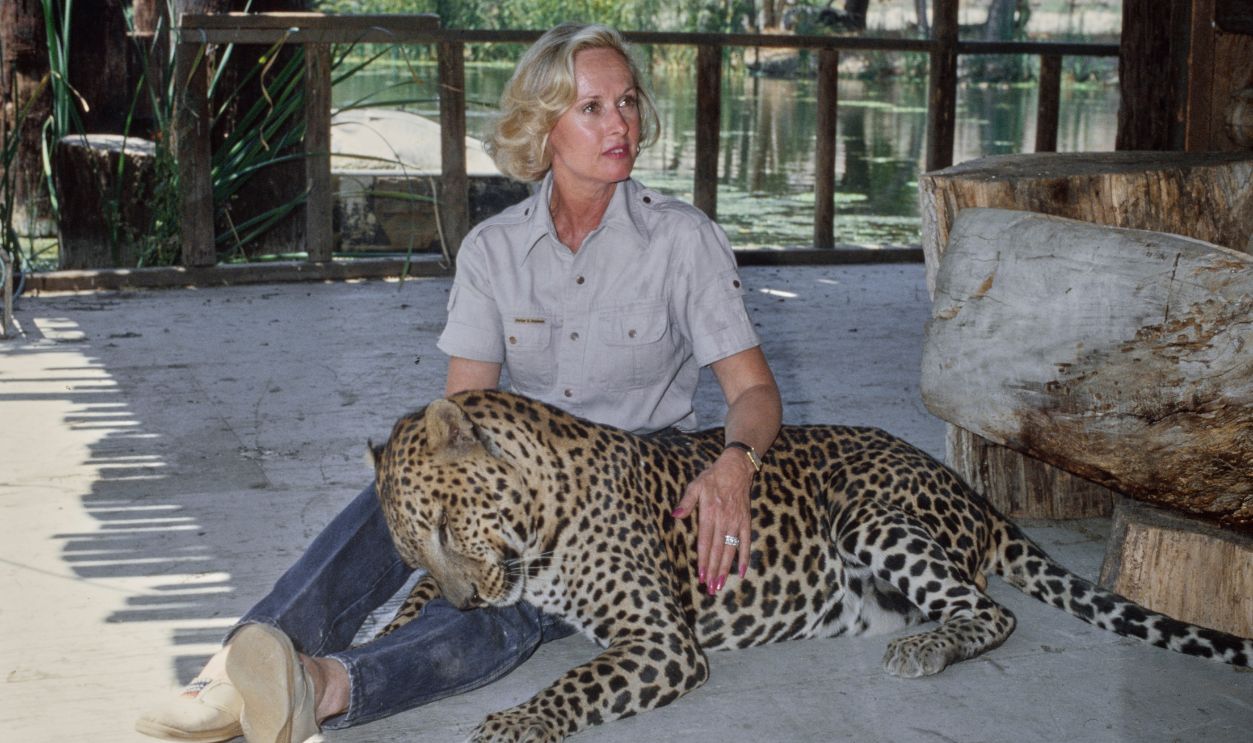 Michael Ochs Archives, Getty Images
Hollywood Finally Revisited Her Allegations
In 2012, HBO released The Girl, a television drama depicting Hedren's troubled relationship with Hitchcock. Sienna Miller portrayed Hedren, while Toby Jones played the legendary filmmaker. The production renewed public interest in her allegations, although some former Hitchcock associates and historians challenged its portrayal of the director.
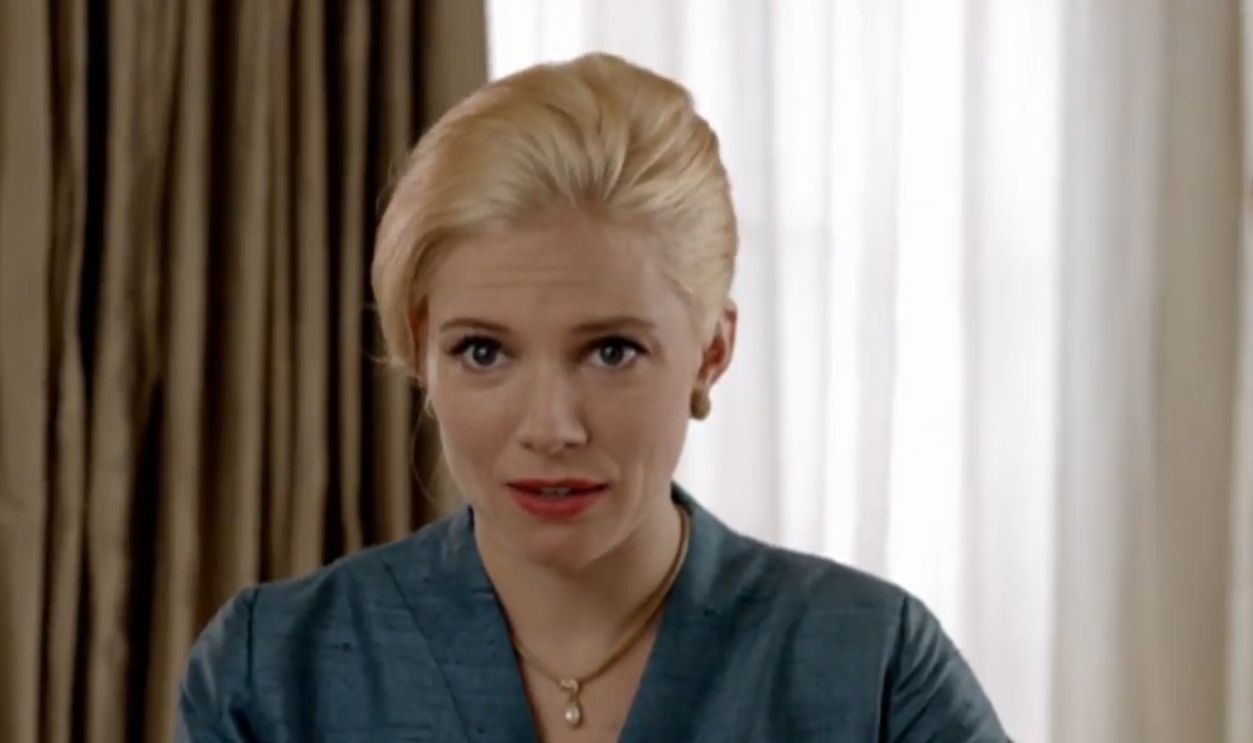 Screenshot from The Girl, HBO Films (2012)
Her Memoir Revealed Even More
In 2016, Hedren published Tippi: A Memoir, offering her most detailed account of her experiences with Hitchcock. She described alleged assaults and other encounters she had not previously discussed so openly, explaining that she wanted women to feel empowered to reject unwanted advances. More than five decades after The Birds, her story was attracting renewed international attention.
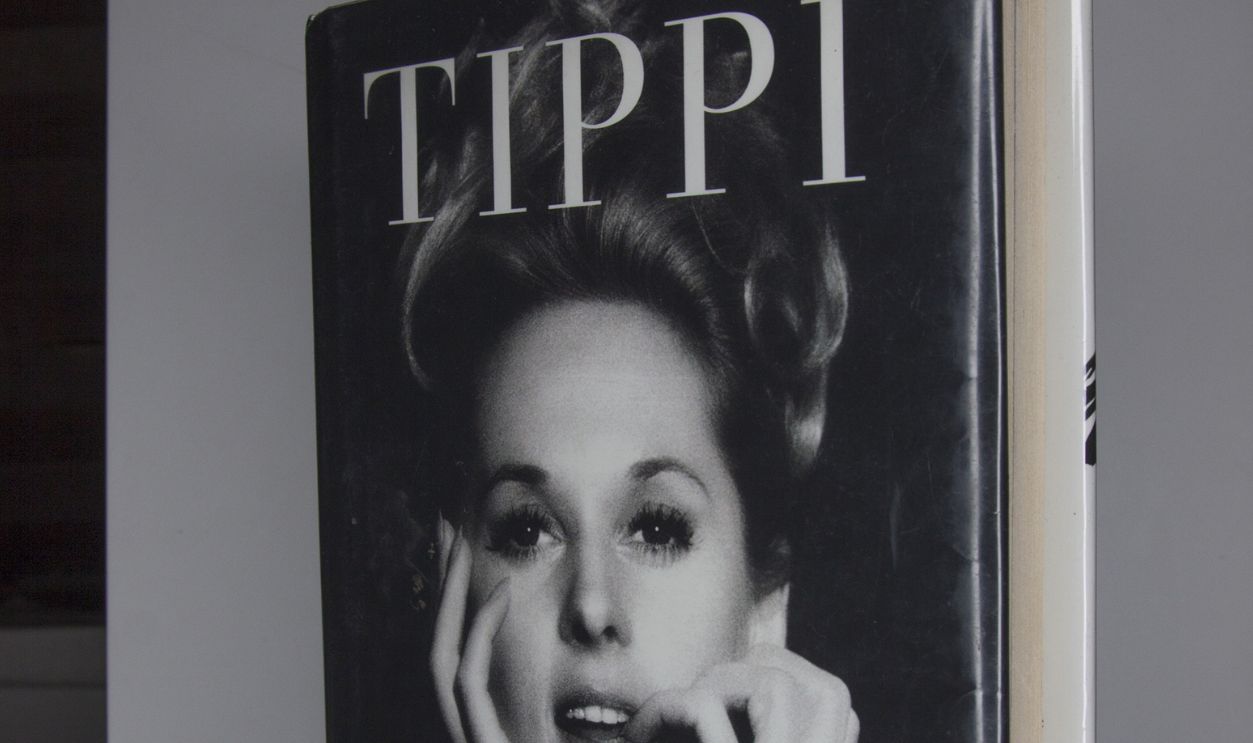
Her Granddaughter Defended Her Publicly
Hedren's granddaughter, actress Dakota Johnson, publicly supported her account during a 2021 appearance on The Hollywood Reporter's Awards Chatter podcast. Johnson accused Hitchcock of terrorizing her grandmother and deliberately damaging her career after she rejected his advances. She also praised Hedren for teaching her the importance of standing up for herself, even when confronting powerful people.
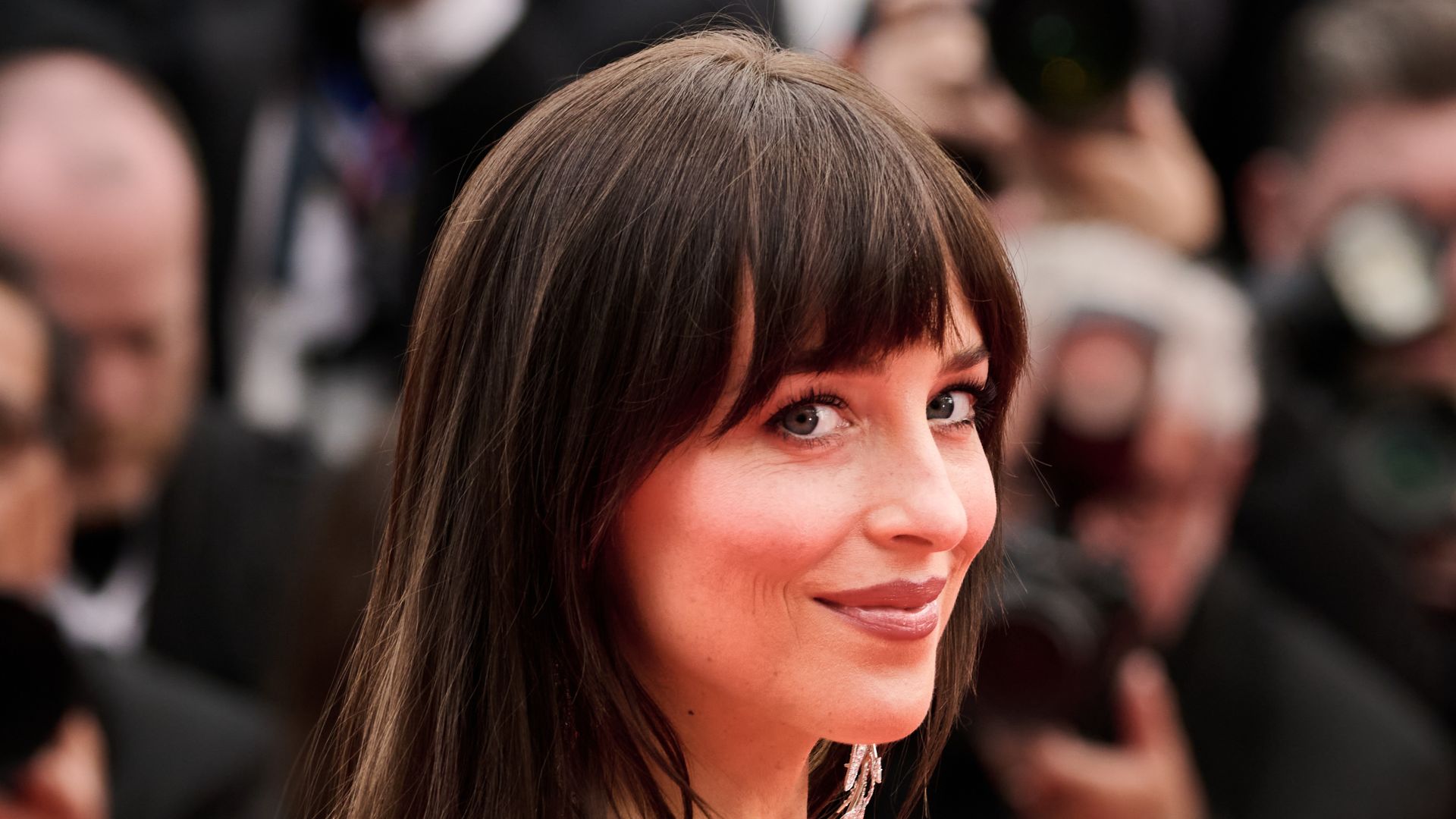 Gabriel Hutchinson, Wikimedia Commons
She Refused To Let Hitchcock Define Her Life
Hedren never denied Hitchcock's extraordinary filmmaking talent or the valuable lessons he taught her. But she maintained that his alleged obsession and retaliation prevented her from enjoying the Hollywood career she might otherwise have had. Looking back, she summed up their complicated history with a powerful distinction: Hitchcock had ruined her career, she said, but he hadn't ruined her life.
You May Also Like:
Eartha Kitt Challenged The First Lady Over Vietnam—Then Her American Career Collapsed
Amanda Blake's Greatest Legacy Had Nothing To Do With Gunsmoke