Hollywood's Most Beautiful Tragedy
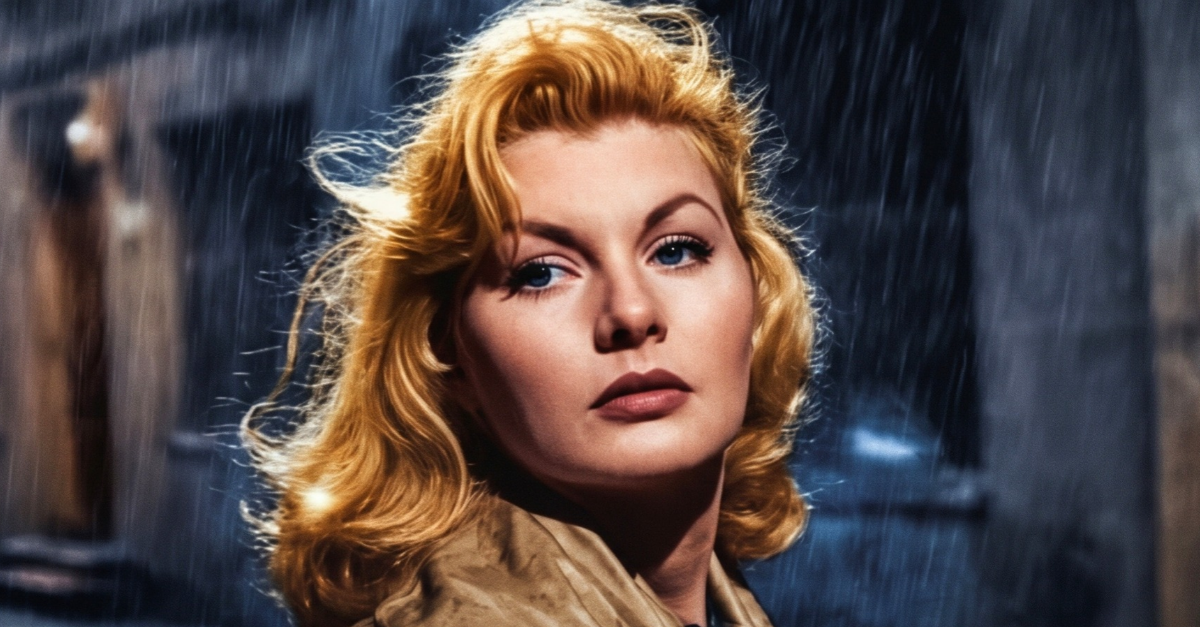
Barbara Payton was once considered one of Hollywood's most beautiful women, but her extraordinary rise ended in poverty, addiction, and a devastating death at just 39. Behind her glamorous photographs was a story of ambition, turbulent relationships, and a downfall that stunned the very industry that had celebrated her.
She Was Born To Be Noticed
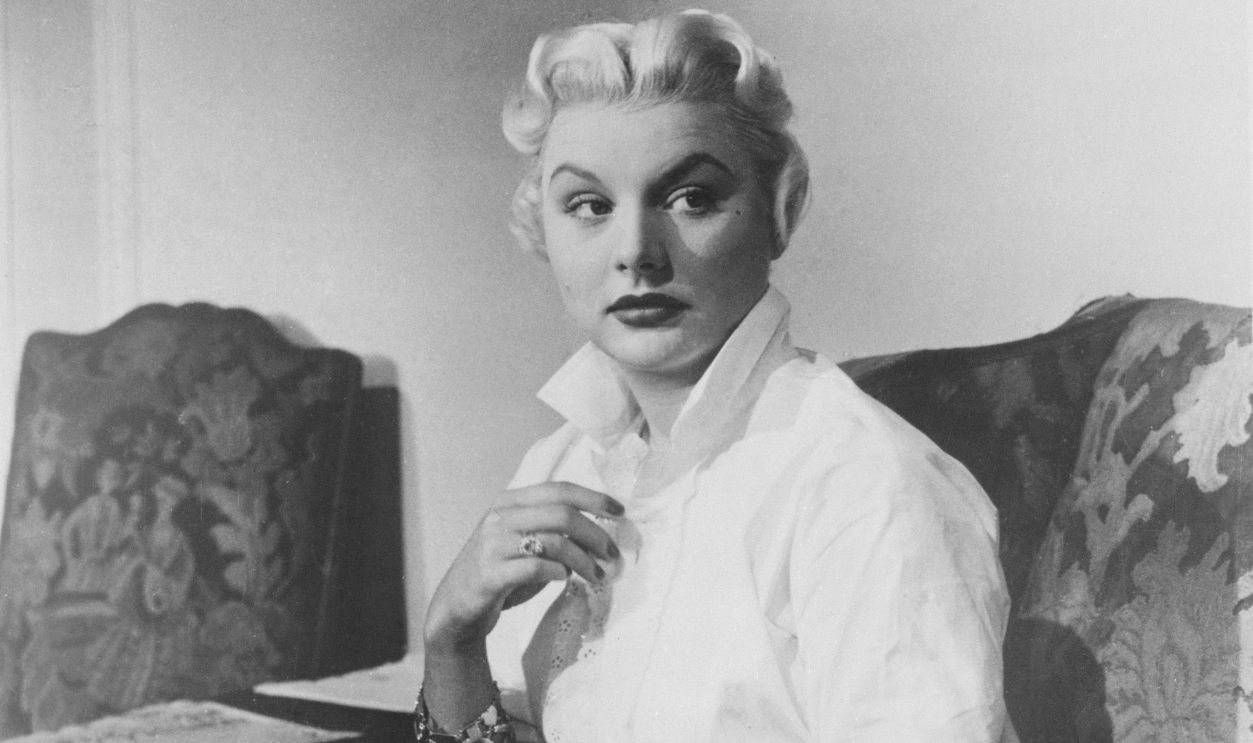
Barbara Lee Redfield was born on November 16, 1927, in Cloquet, Minnesota. Her family later moved to Odessa, Texas, where she spent part of her childhood. With her striking blonde hair and blue eyes, Barbara discovered early that her appearance could attract attention and open doors.
Her Childhood Was Far From Perfect
Although Barbara would eventually become famous for her glamorous appearance, her childhood was troubled. Both of her parents struggled with alcohol, and her relationship with her stern father was particularly difficult. According to her later autobiography, Barbara became determined to escape her surroundings and create a different life for herself.
 University of Southern California, Getty Images
She Married Before Turning Eighteen
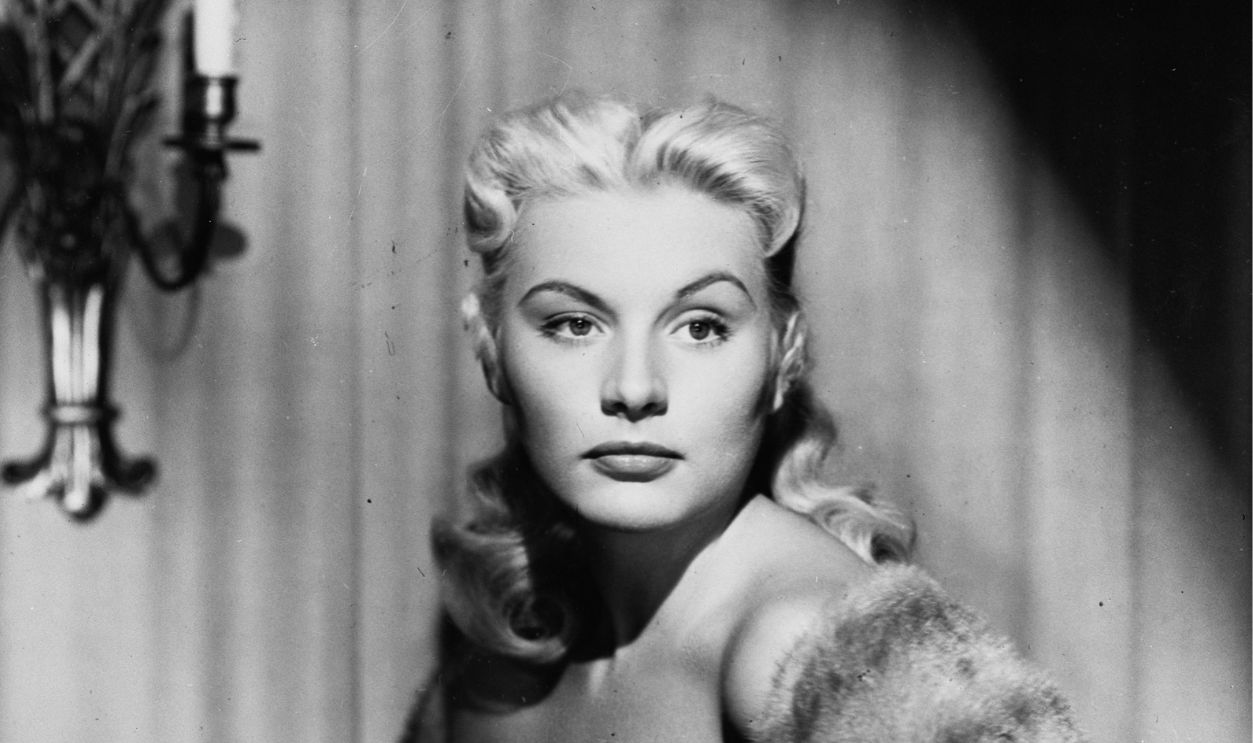
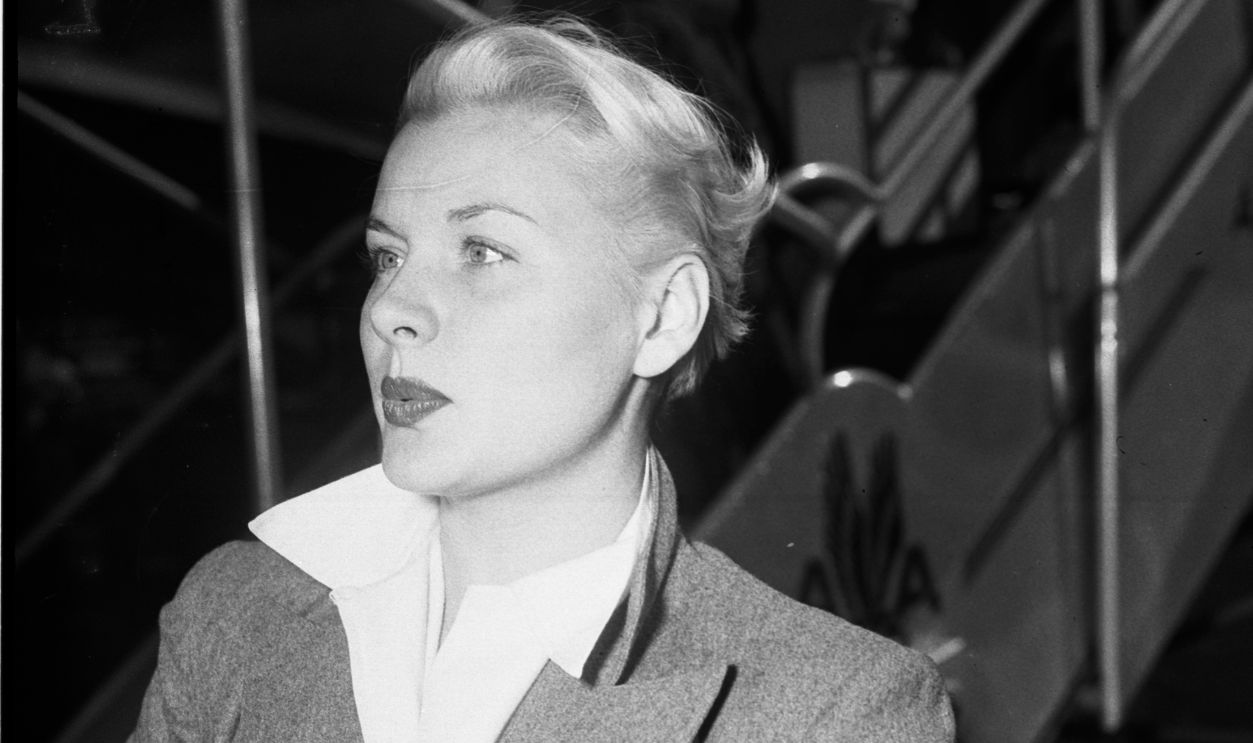
In 1945, at just 17 years old, Barbara married Air Force captain John Payton. When he asked where she wanted to spend their honeymoon, she reportedly had one destination in mind: Hollywood. What began as a young woman's dream of visiting the movie capital would soon become a much greater ambition.
 University of Southern California, Getty Images
Hollywood Was Her Real Destination
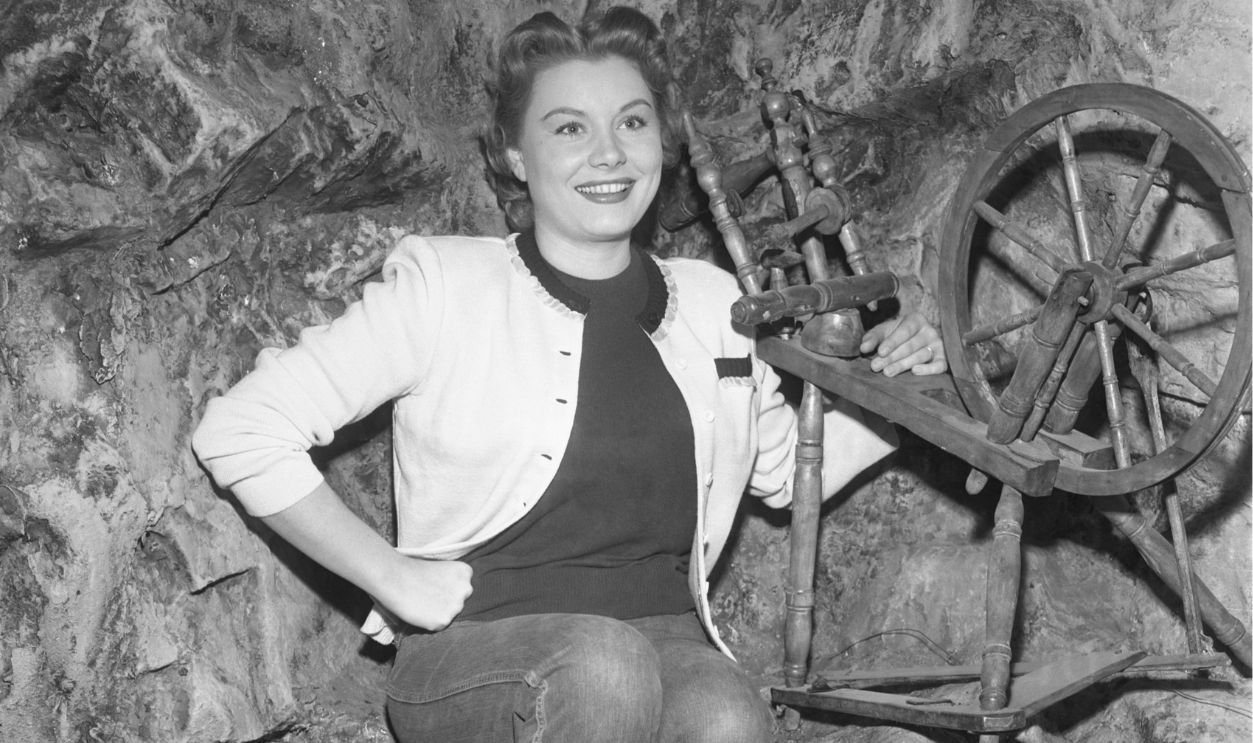
After arriving in Los Angeles, Barbara began finding modeling assignments and making connections in the entertainment industry. Her marriage eventually deteriorated, and she increasingly concentrated on pursuing an acting career. She was convinced that her looks and determination could get her noticed in a city crowded with aspiring stars.
She Turned Heads Everywhere
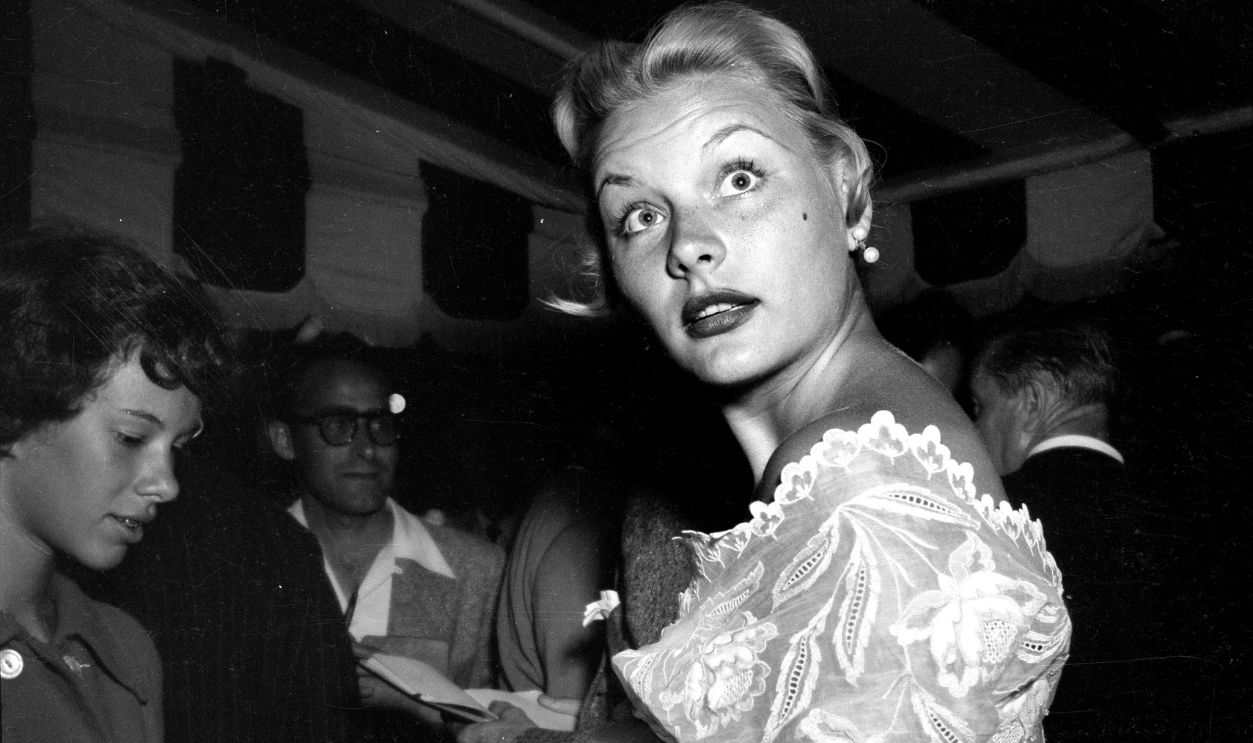
Barbara quickly became a familiar presence in Hollywood's fashionable nightclubs. Her beauty impressed even established stars, including Joan Crawford, who reportedly praised Barbara's appearance after meeting her at Ciro's. Producer A.C. Lyles later recalled Crawford predicting that Barbara could become a major star if her acting abilities matched her looks.
 Michael Ochs Archives, Getty Images
Her Beauty Became Her Greatest Advantage
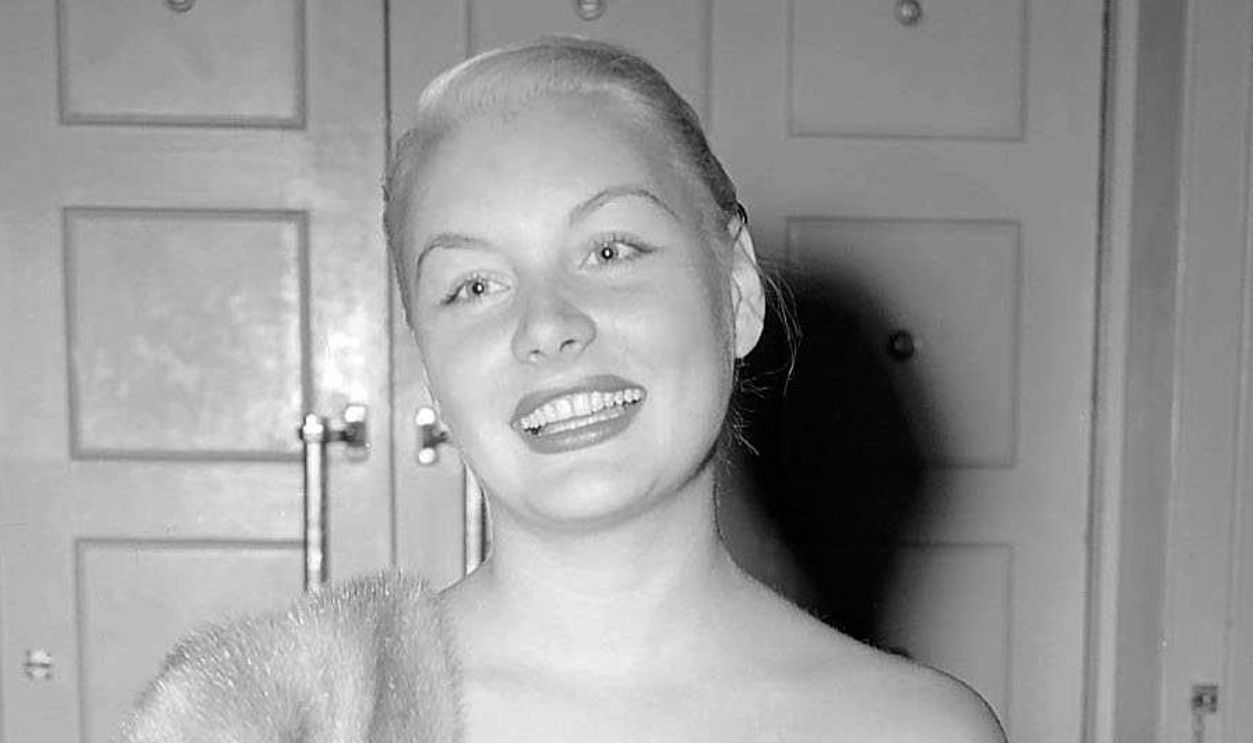
Barbara understood that standing out in Hollywood required more than waiting patiently for an opportunity. She worked modeling jobs, attended industry gatherings, and pursued introductions to influential people. Her charm and striking appearance helped her attract attention, but securing meaningful film roles would require considerably more effort.
Her First Film Roles Opened Doors
In 1949, Barbara appeared in the crime drama Trapped, alongside Lloyd Bridges. The film gave her an opportunity to demonstrate her screen presence beyond modeling photographs. Although she was still relatively unknown, her career was beginning to move in the direction she had hoped.
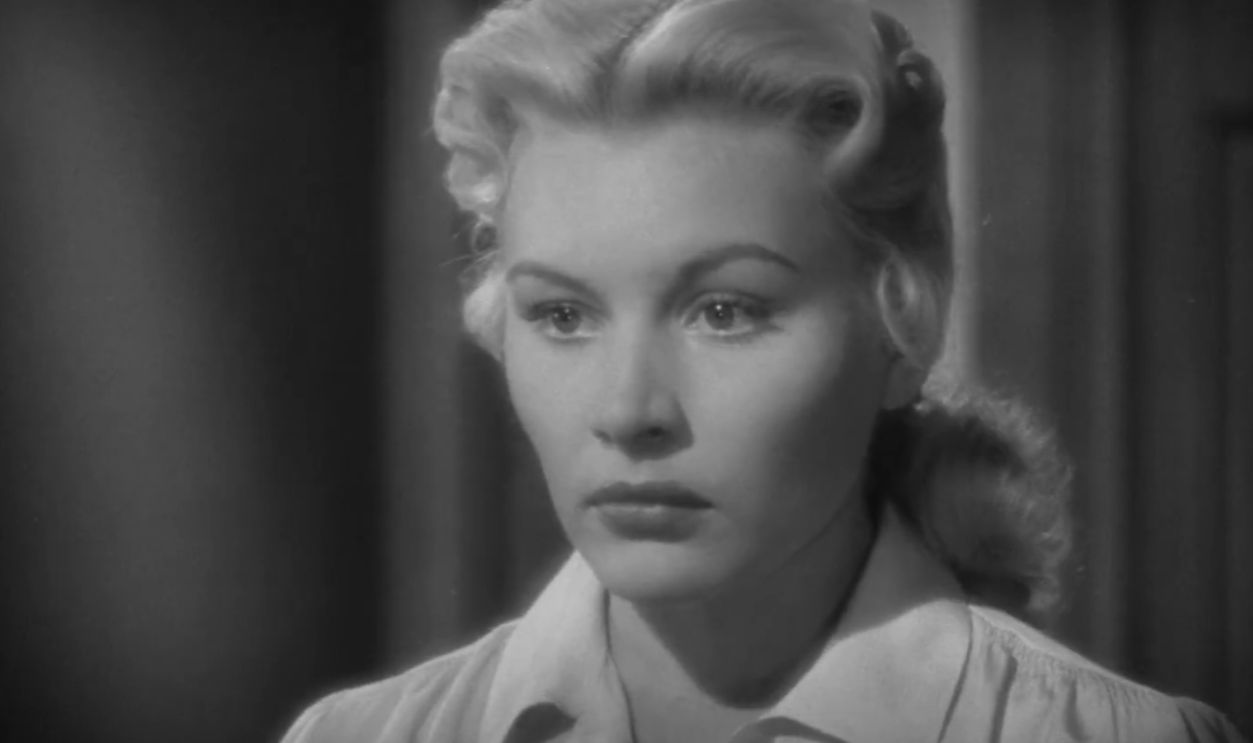 Screenshot from Kiss Tomorrow Goodbye, Warner Bros. (1950)
James Cagney Changed Everything
Barbara's major opportunity arrived when she was considered for a role opposite James Cagney in the 1950 crime thriller Kiss Tomorrow Goodbye. According to her autobiography, she had admired Cagney since childhood and was determined to win the part. She eventually landed the role of Holiday Carleton, a character that would become central to her Hollywood legacy.
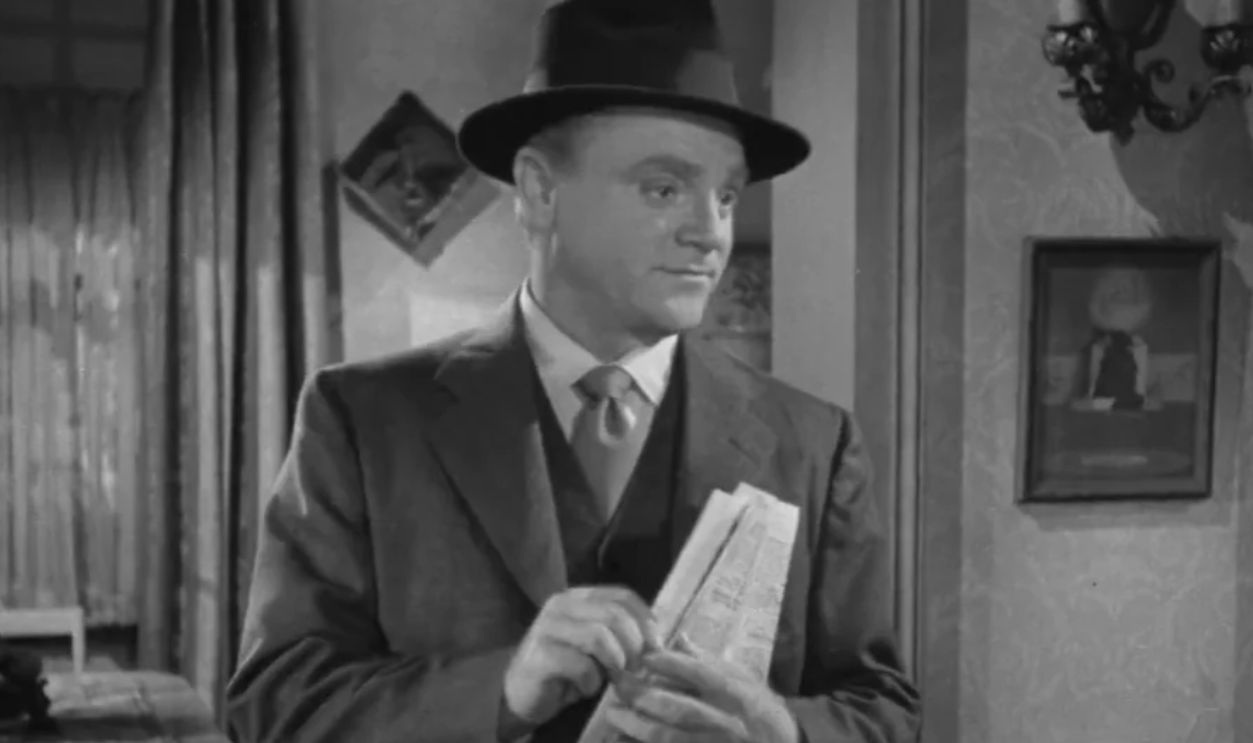 Screenshot from Kiss Tomorrow Goodbye, Warner Bros. (1950)
She Proved She Could Act
Working alongside an established star like Cagney could have overwhelmed an inexperienced performer. Instead, Barbara earned favorable attention for her performance in Kiss Tomorrow Goodbye, demonstrating that she could hold her own in a demanding crime drama. The film became the high point of her career and suggested that she had genuine potential as an actress.
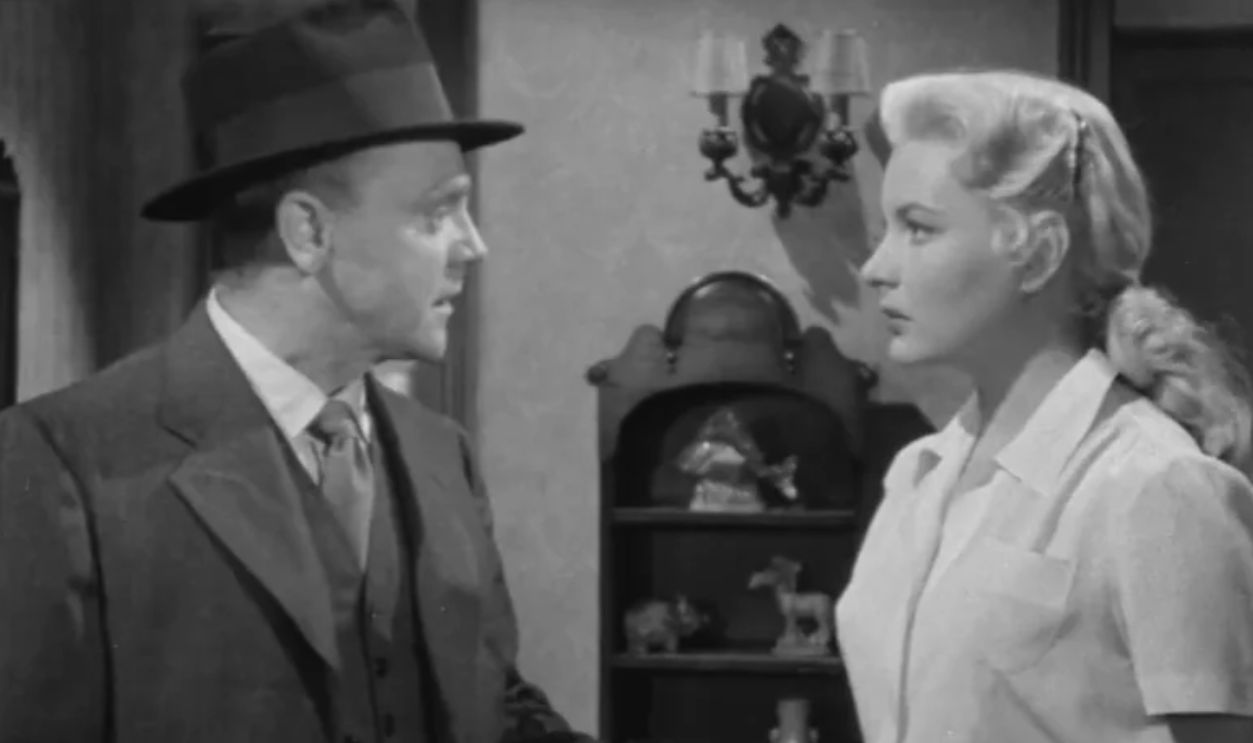 Screenshot from Kiss Tomorrow Goodbye, Warner Bros. (1950)
Hollywood Offered Her A Fortune
Following her breakthrough, Barbara secured a contract arrangement involving Warner Bros. and William Cagney Productions. Her reported salary of $5,000 per week was an extraordinary amount for a relatively new actress in the early 1950s. With financial success and growing recognition, she appeared to have everything necessary to become a lasting Hollywood star.
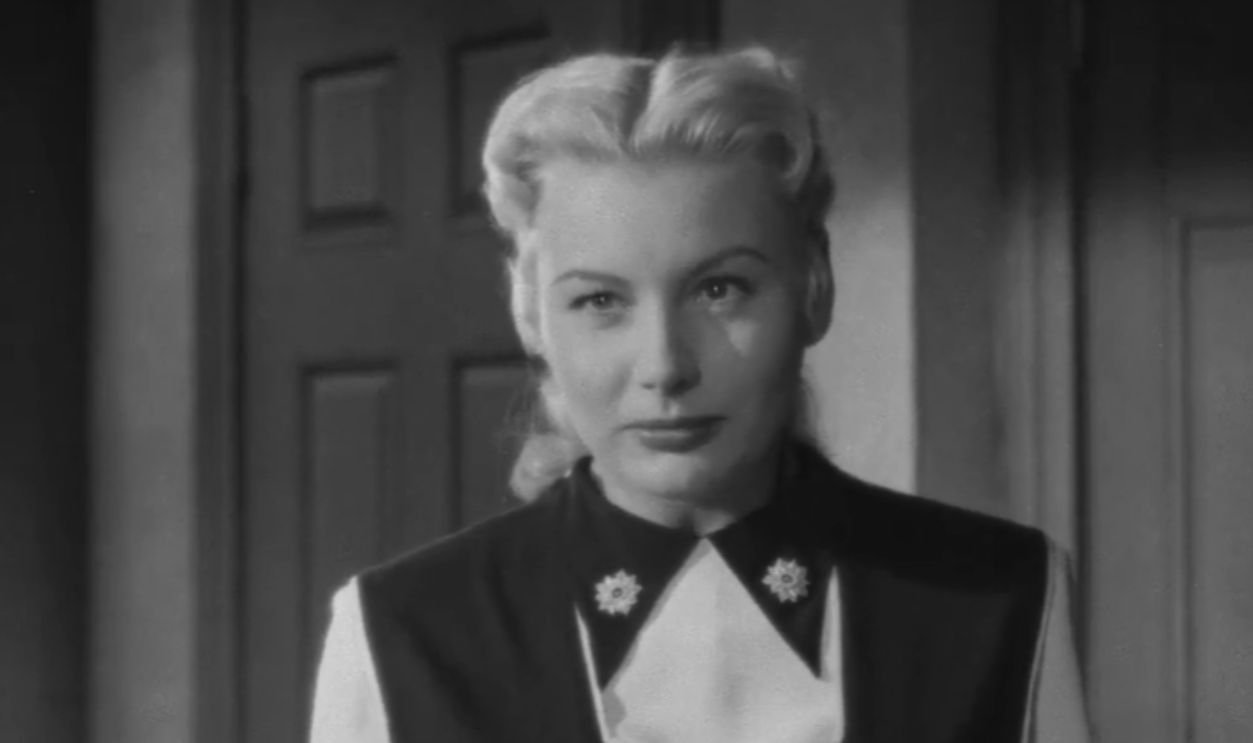 Screenshot from Kiss Tomorrow Goodbye, Warner Bros. (1950)
She Worked With Hollywood Royalty
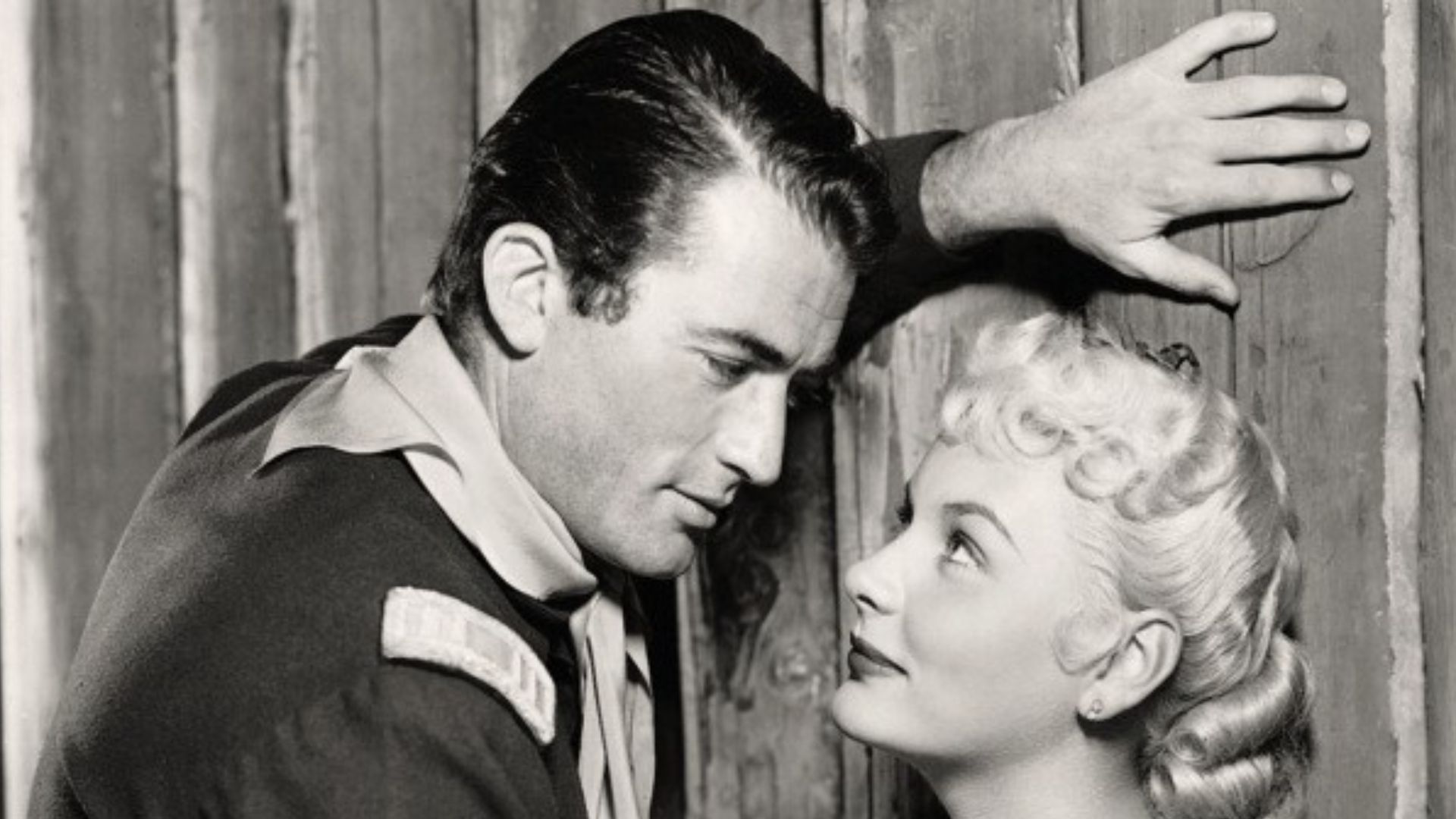
Barbara's rising status brought her opportunities to appear alongside some of the industry's biggest names. She worked with Gary Cooper in Dallas and Gregory Peck in Only the Valiant. These prominent appearances helped establish her as a recognizable leading lady, even though neither film showcased her abilities quite as effectively as her breakthrough performance.
 unknown (Warrner Bros.), Wikimedia Commons
Her Reputation Started Changing
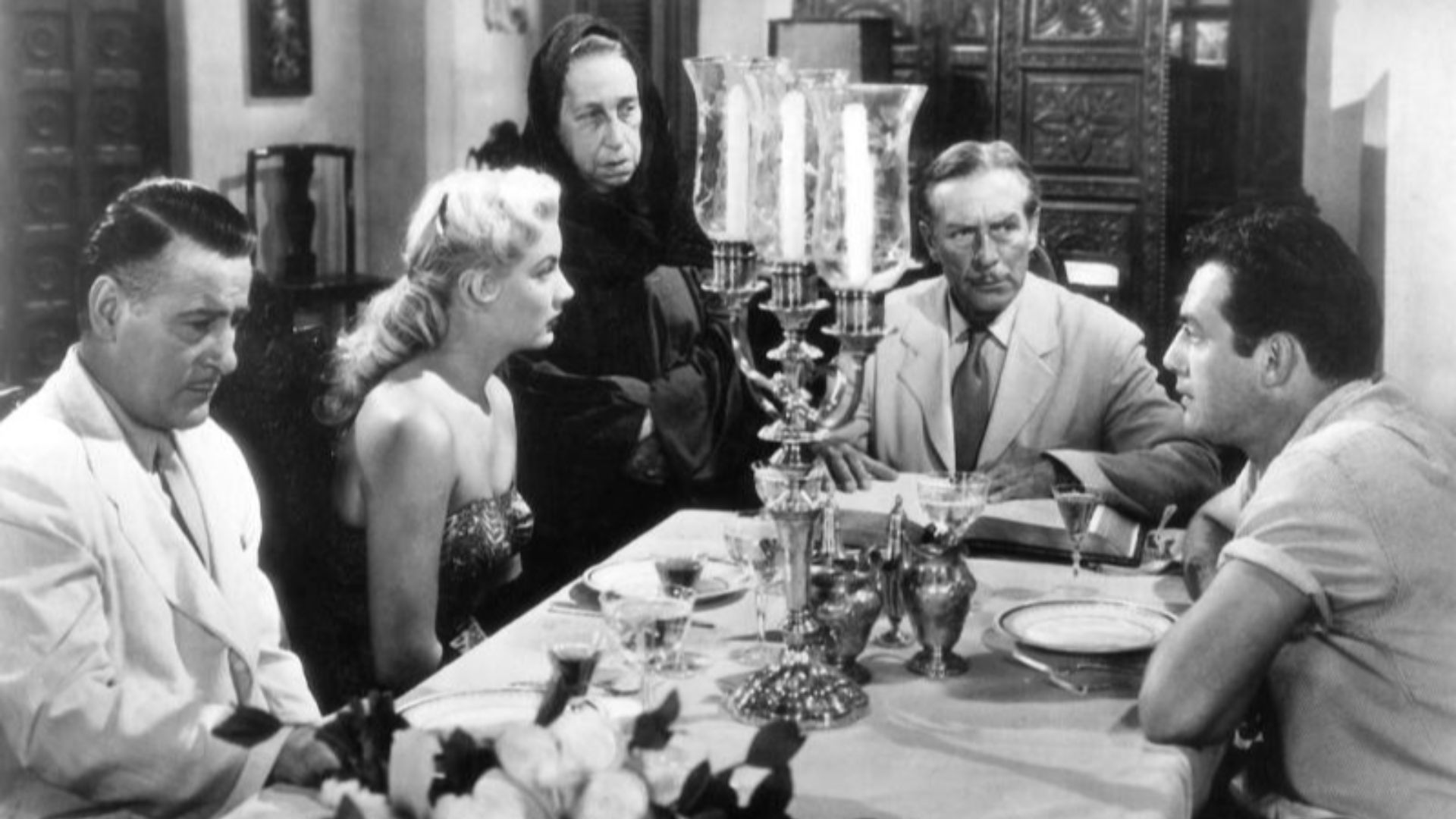
As her career progressed, Barbara became increasingly famous for her busy social life and high-profile relationships. Hollywood gossip columnists regularly reported on her activities, turning her private decisions into public entertainment. The attention initially helped keep her name in circulation, but it also threatened to overshadow her professional accomplishments.
 film screenshot, Wikimedia Commons
She Caught The Eye Of A Famous Actor
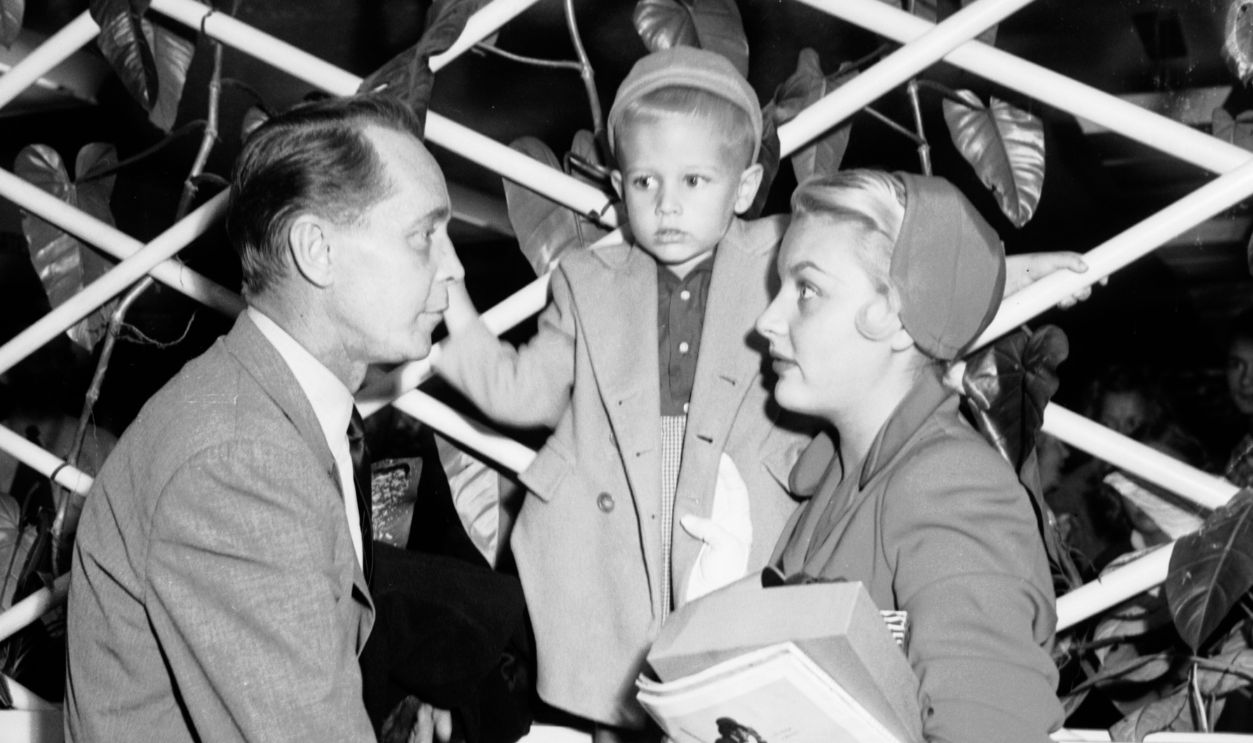
One of the men who became fascinated with Barbara was Franchot Tone, an established actor with an impressive Hollywood career. Tone had previously been married to Joan Crawford and had earned an Academy Award nomination for Mutiny on the Bounty. Despite their considerable age difference, Barbara and Tone began a relationship and eventually became engaged.
 University of Southern California, Getty Images
Another Man Entered The Picture
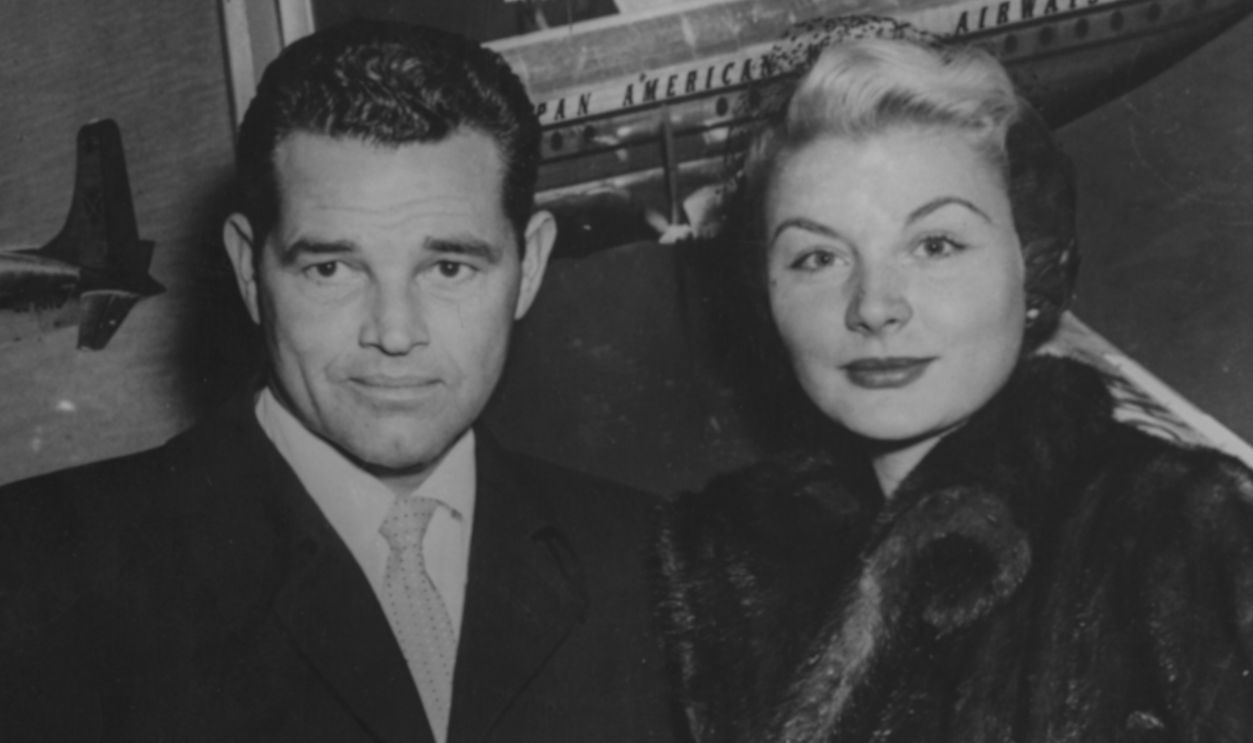
Barbara's relationship with Tone became complicated when she became involved with actor Tom Neal. Neal was known for playing tough characters and had appeared in the celebrated film noir Detour. Barbara found herself caught between two very different men, and the situation soon became impossible to keep private.
She Changed Her Mind Repeatedly
During 1951, Barbara's relationships with Tone and Neal became a favorite subject of Hollywood reporters. She moved between the two men, with announcements and apparent reconciliations attracting considerable publicity. What might otherwise have remained a private romantic dispute was rapidly developing into one of the year's biggest celebrity controversies.
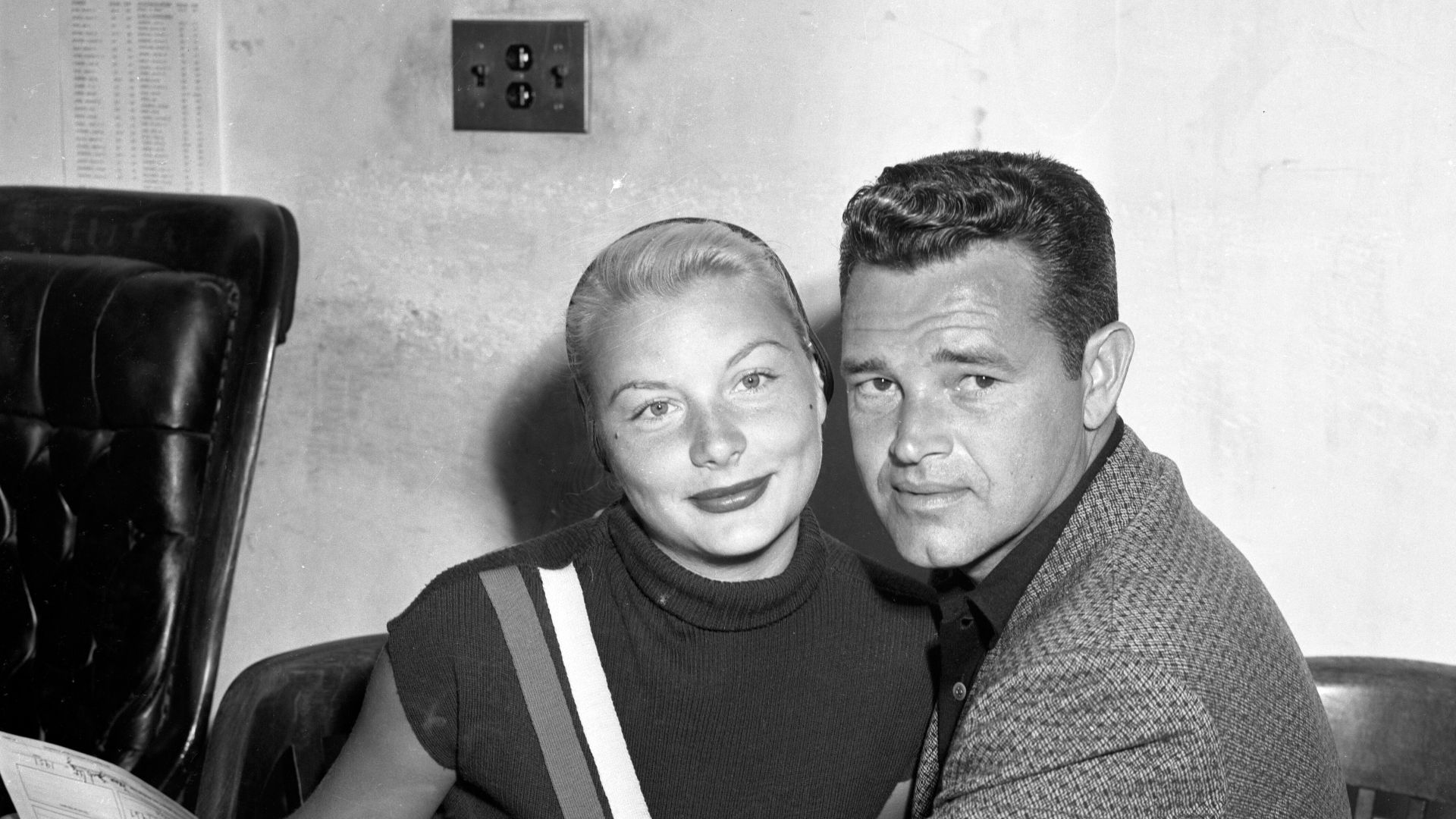 Los Angeles Times, Wikimedia Commons
The Rivalry Turned Violent
On September 14, 1951, the conflict reached a horrifying turning point when Tom Neal and Franchot Tone confronted each other. Neal, who had experience as a boxer, seriously injured Tone during a physical altercation. The resulting injuries included a broken nose and damaged facial bones, leaving Tone hospitalized and the entertainment press scrambling to cover the story.
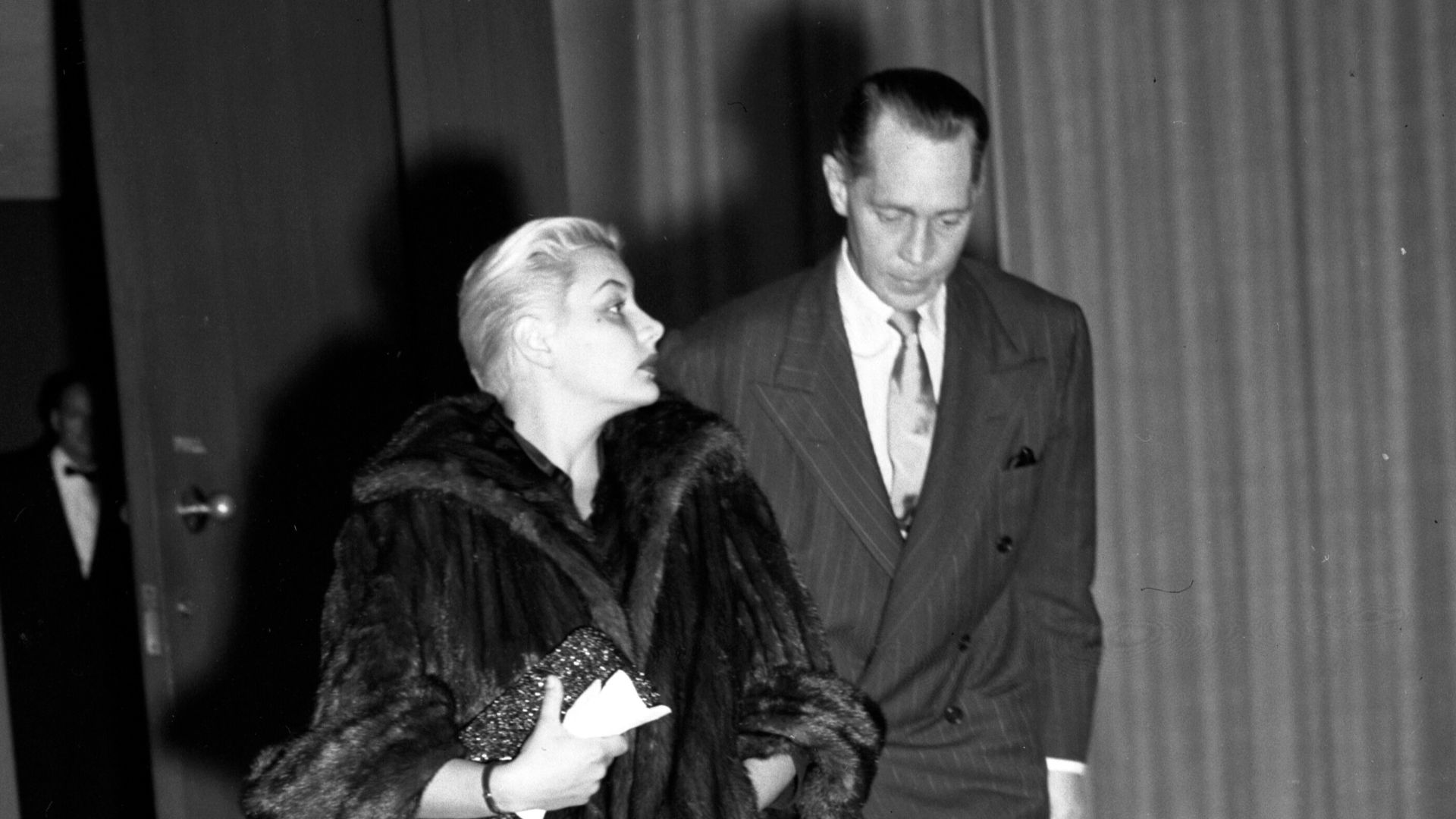 S. A. Hixon, Los Angeles Times, Wikimedia Commons
Hollywood Couldn't Stop Talking
The confrontation became an enormous scandal, with newspapers following nearly every development. Barbara visited Tone in the hospital and publicly indicated that she intended to marry him. But reporters continued documenting the complicated situation, and Barbara's name became inseparable from the violent incident.
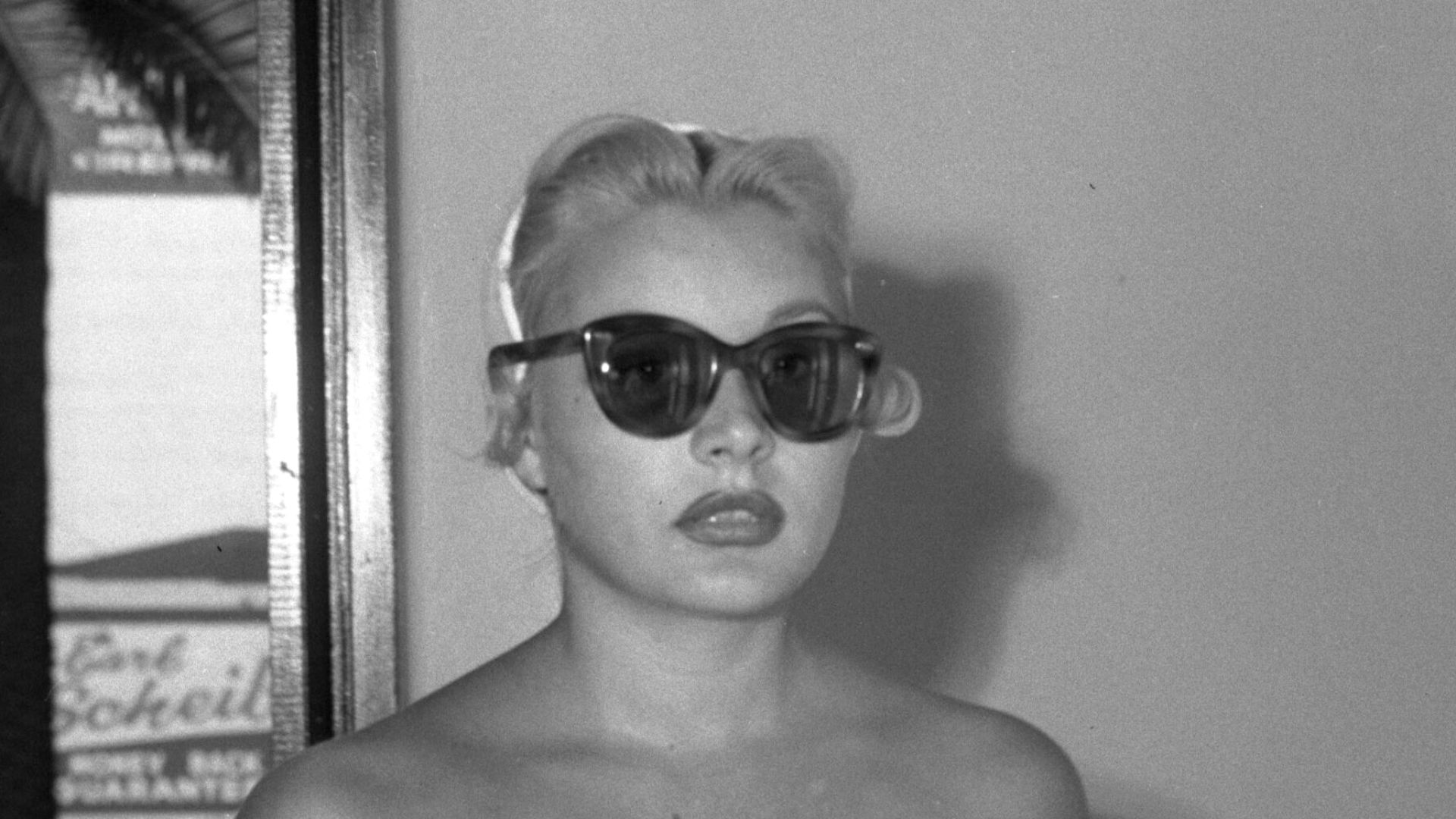 Los Angeles Times, Wikimedia Commons
She Lost More Than Her Privacy
The growing publicity was beginning to create serious professional consequences for Barbara. A contemporary report in TIME indicated that the controversy had already cost her a leading movie role. Although her name was attracting attention, that attention was becoming increasingly difficult to turn into lasting career success.
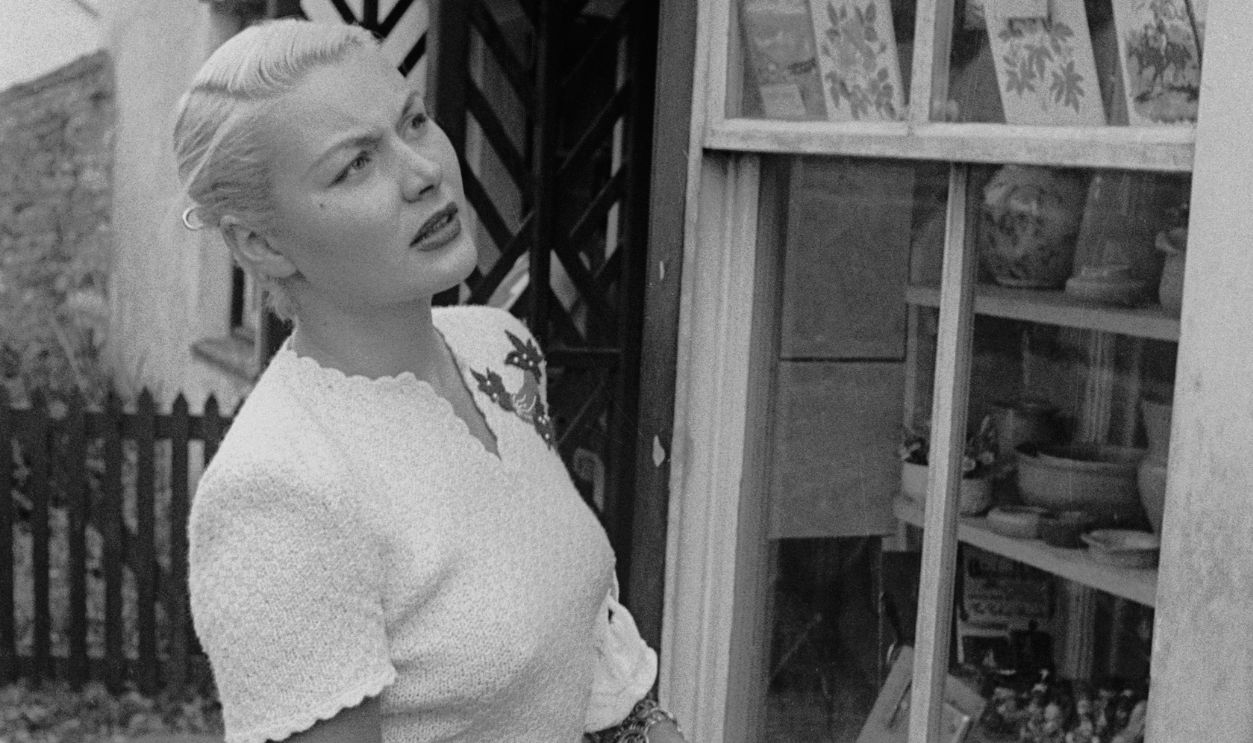
She Married The Injured Actor
Despite the turmoil, Barbara married Franchot Tone in September 1951, shortly after his hospitalization. The marriage attracted enormous public curiosity because of the confrontation that had preceded it. Unfortunately, their relationship remained troubled, and the union lasted only about seven weeks before the couple separated.
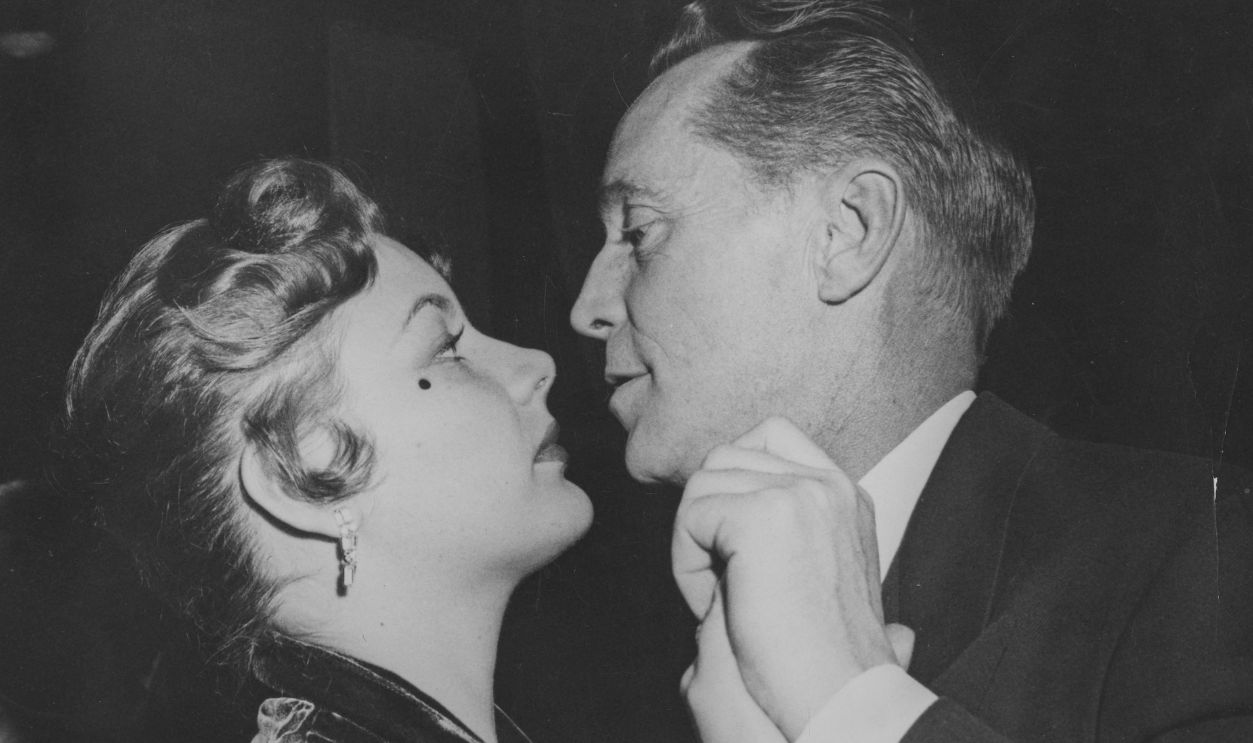
She Returned To The Other Man
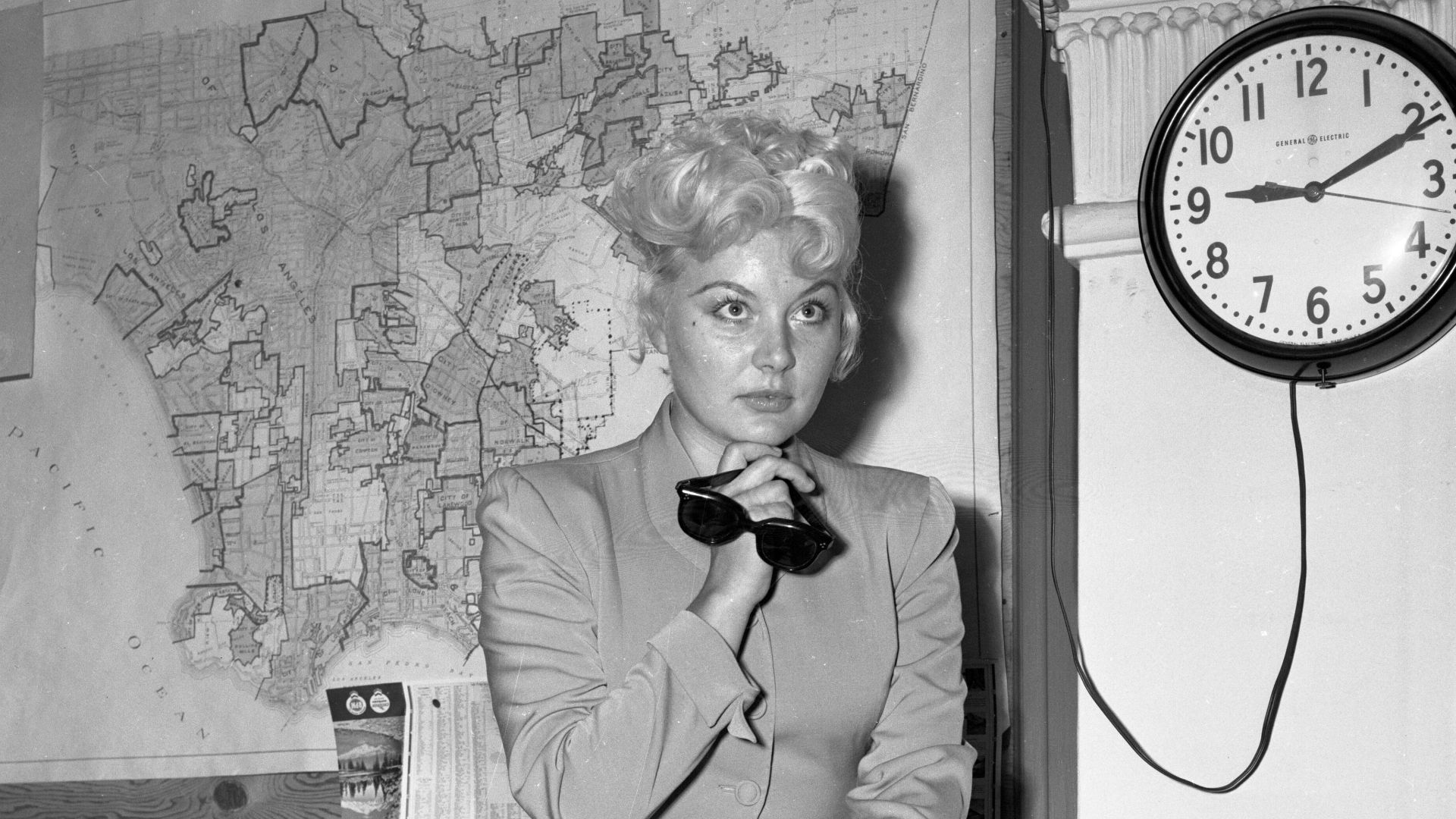
After separating from Tone, Barbara renewed her relationship with Tom Neal. Their continued association generated further unfavorable attention, especially given the injuries Neal had inflicted on her husband. By the time Barbara and Tone divorced in 1952, her Hollywood career had suffered damage that would prove extremely difficult to reverse.
 Los Angeles Times, Wikimedia Commons
Her Film Career Began Falling Apart
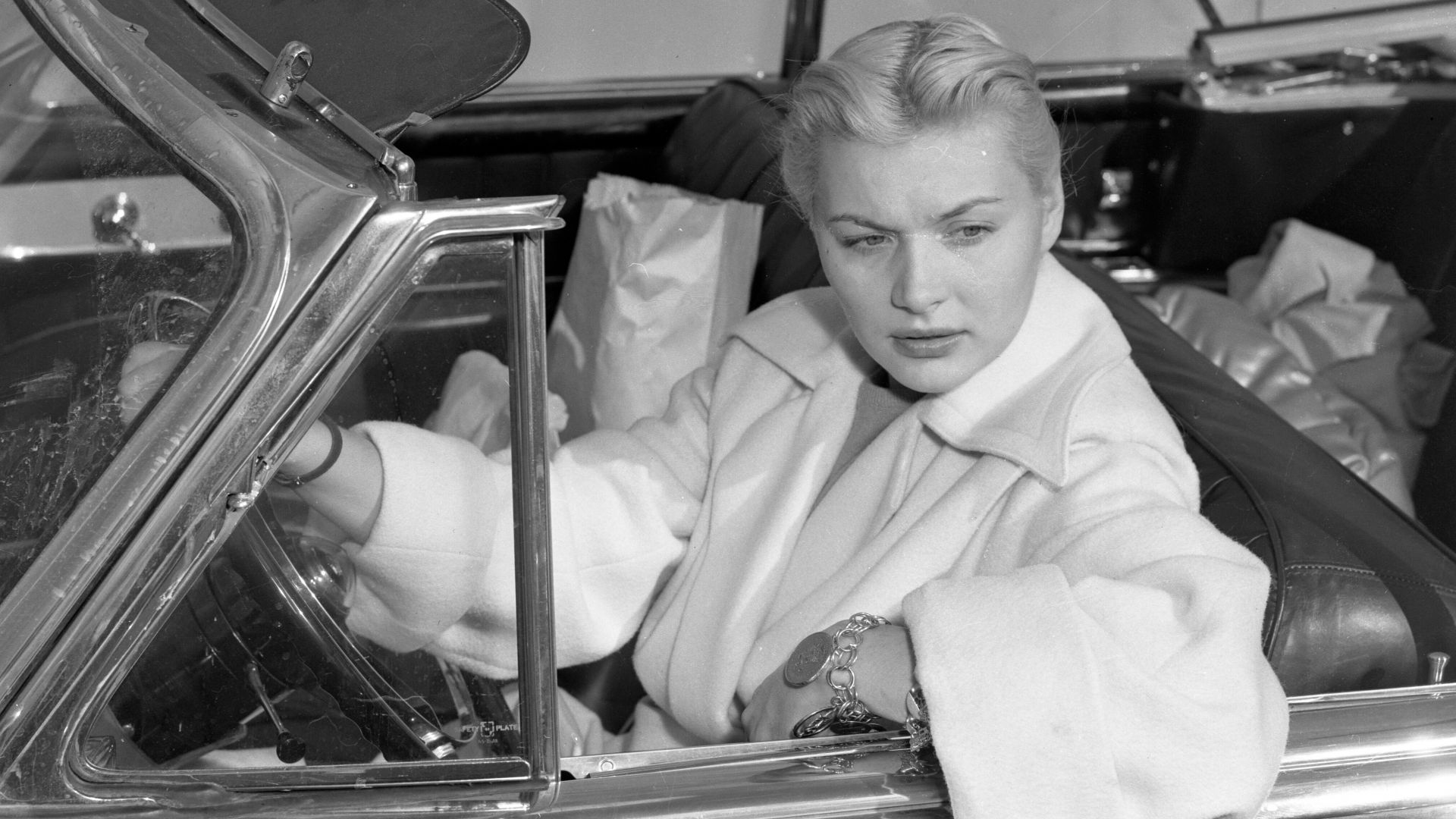
Barbara continued appearing in movies, but the prestigious opportunities that had once seemed within reach became increasingly scarce. Her credits included Bride of the Gorilla, a 1951 jungle thriller starring Raymond Burr, followed by several lower-budget productions. Warner Bros. had also ended its contract with her, leaving the actress facing an uncertain professional future.
 Los Angeles Times, Wikimedia Commons
She Tried Finding Success Overseas
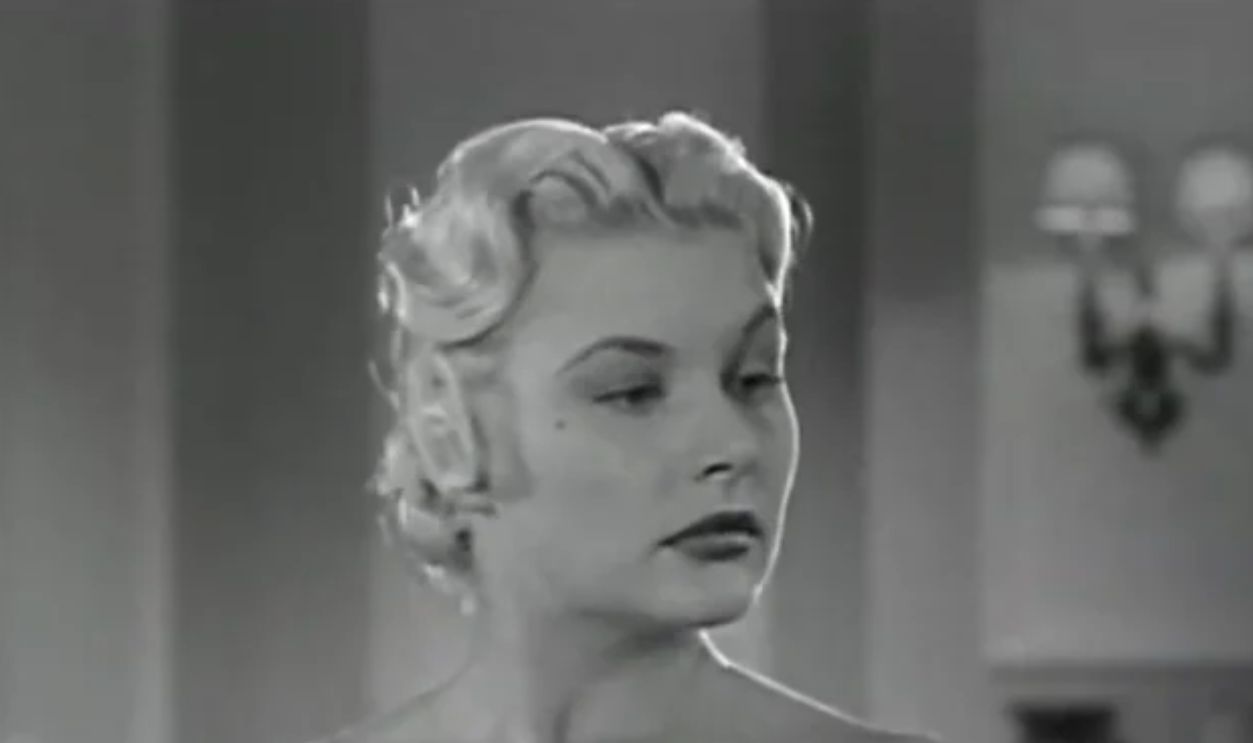
In 1953, Barbara appeared in the British production Bad Blonde, playing a calculating character named Lorna Vecchi. She also appeared in Four Sided Triangle, another British film. These performances demonstrated that she could still find work, but they did not restore the Hollywood momentum she had enjoyed just a few years earlier.
 Screenshot from Bad Blonde, Lippert Pictures (1953)
Her Final Leading Role Arrived
Barbara's last credited feature-film role came in Murder Is My Beat, directed by Edgar G. Ulmer. She portrayed Eden Lane, a nightclub singer whose involvement in a murder case creates a complicated mystery. The performance gave Barbara another opportunity to explore a dramatic character, but the movie marked the effective end of her film career.
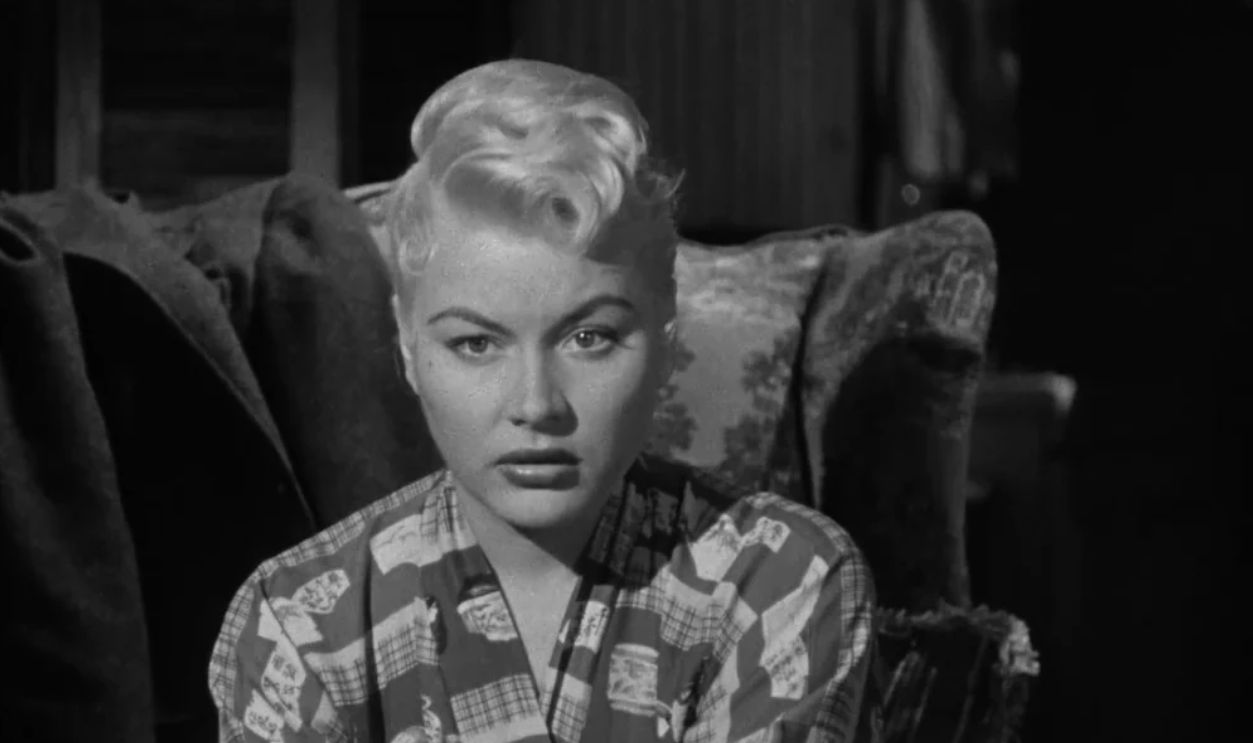 Screenshot from Murder Is My Beat, Allied Artists Pictures (1955)
Her Personal Life Grew Darker
Without steady acting work, Barbara faced increasing financial instability and struggled with alcohol dependence. Her relationships, professional disappointments, and deteriorating circumstances continued attracting unfavorable attention. The woman who had once earned thousands of dollars a week was becoming increasingly disconnected from the glamorous Hollywood world she had worked so hard to enter.
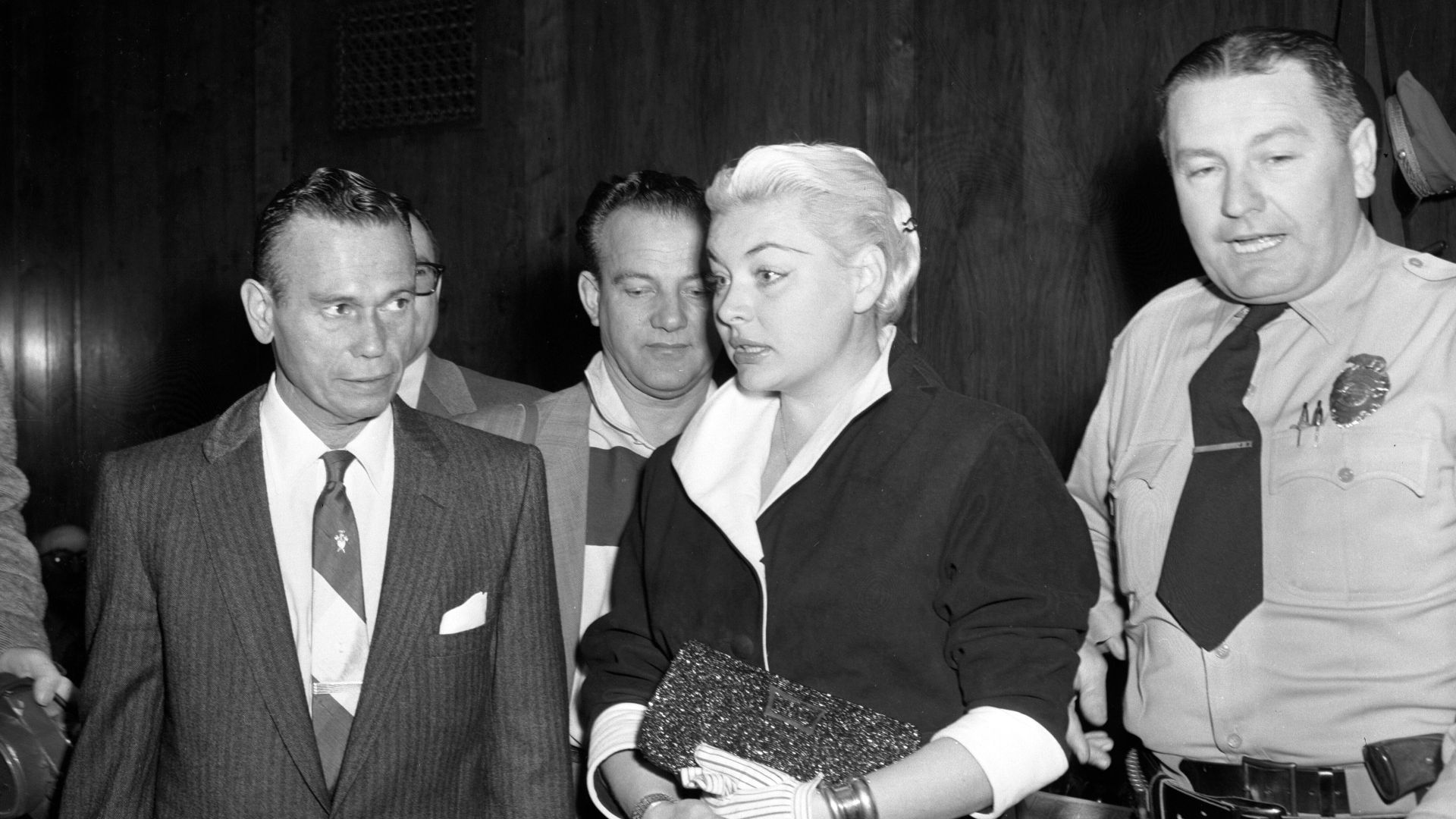 Los Angeles Times, Wikimedia Commons
She Lost Something More Precious Than Fame
Barbara had a son, John Lee Payton, from her marriage to John Payton. As her personal circumstances deteriorated, she became involved in a custody dispute with her former husband. The court ultimately awarded custody to the boy's father, adding another painful chapter to Barbara's already troubled life.
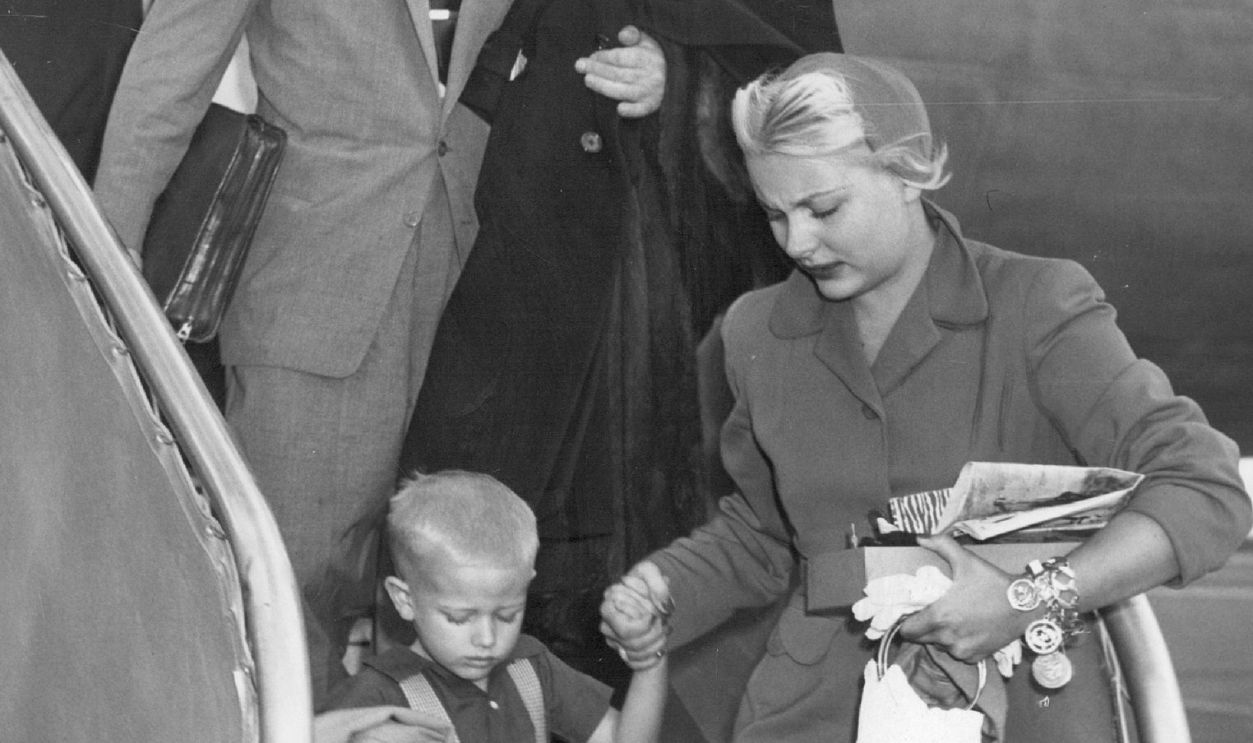
Her Former Leading Lady Image Vanished
By the early 1960s, Barbara was living in desperately difficult circumstances in Los Angeles. She struggled with poverty and addiction, and accounts of her later years describe periods of homelessness and serious physical decline. Her transformation was especially startling because she had once been promoted as one of Hollywood's most beautiful young actresses.
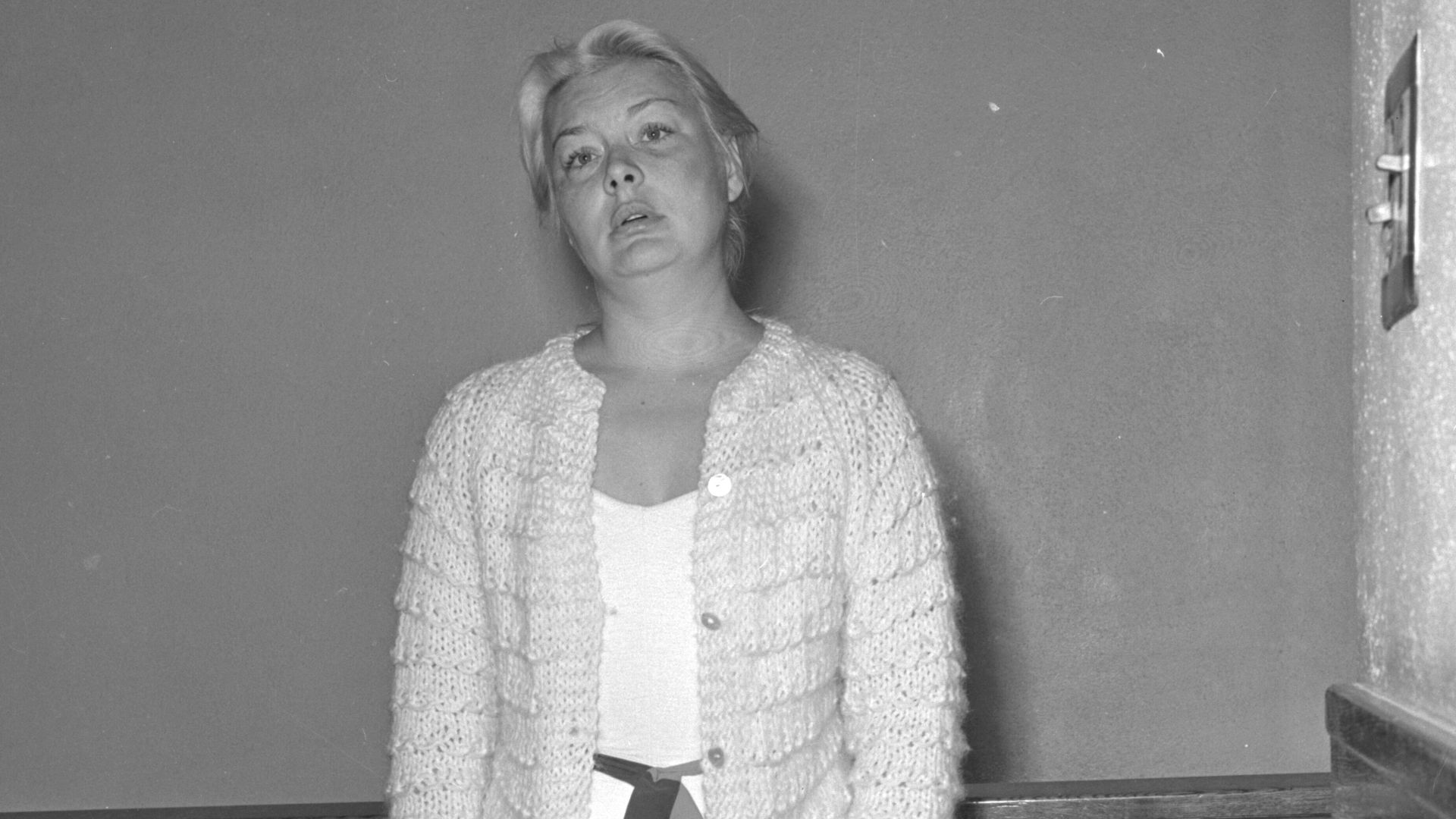 Gene Hackley, Los Angeles Times, Wikimedia Commons
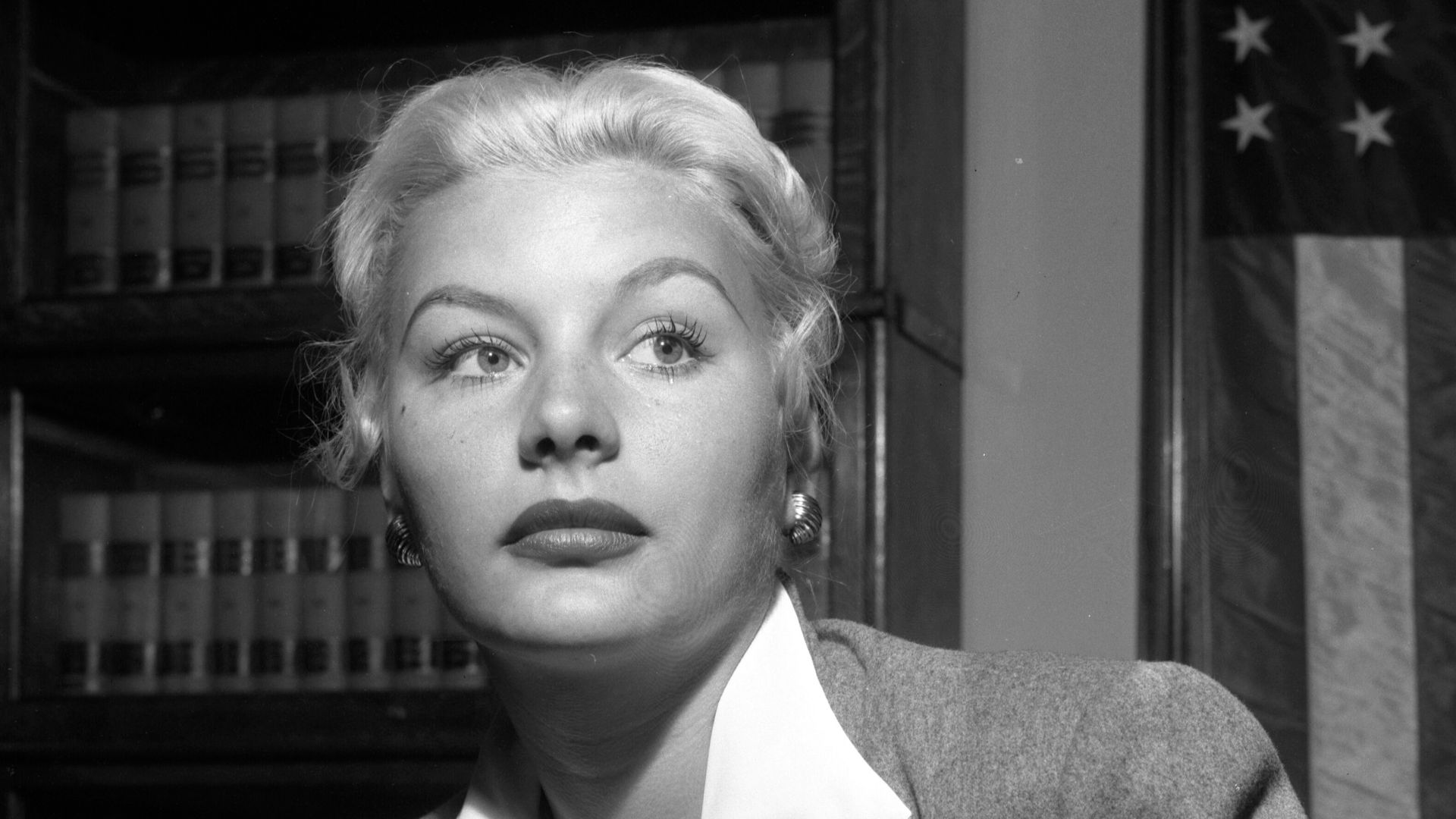
She Told Her Story Without Hiding
In 1963, Barbara published an autobiography titled I Am Not Ashamed, written with Leo Guild. The book offered an unusually candid account of her rise, relationships, disappointments, and struggles, although some of its sensational stories have been questioned. It became a lasting part of her legacy because it revealed how dramatically her life had changed since her Hollywood success.
 Los Angeles Times, Wikimedia Commons
Her Final Months Were Devastating
By early 1967, Barbara's health had deteriorated severely, particularly because of complications associated with long-term alcohol dependence. According to later biographical accounts, she was eventually taken to her parents' home in San Diego as her condition worsened. The former star was now gravely ill, far removed from the film sets and glamorous parties that had once defined her life.
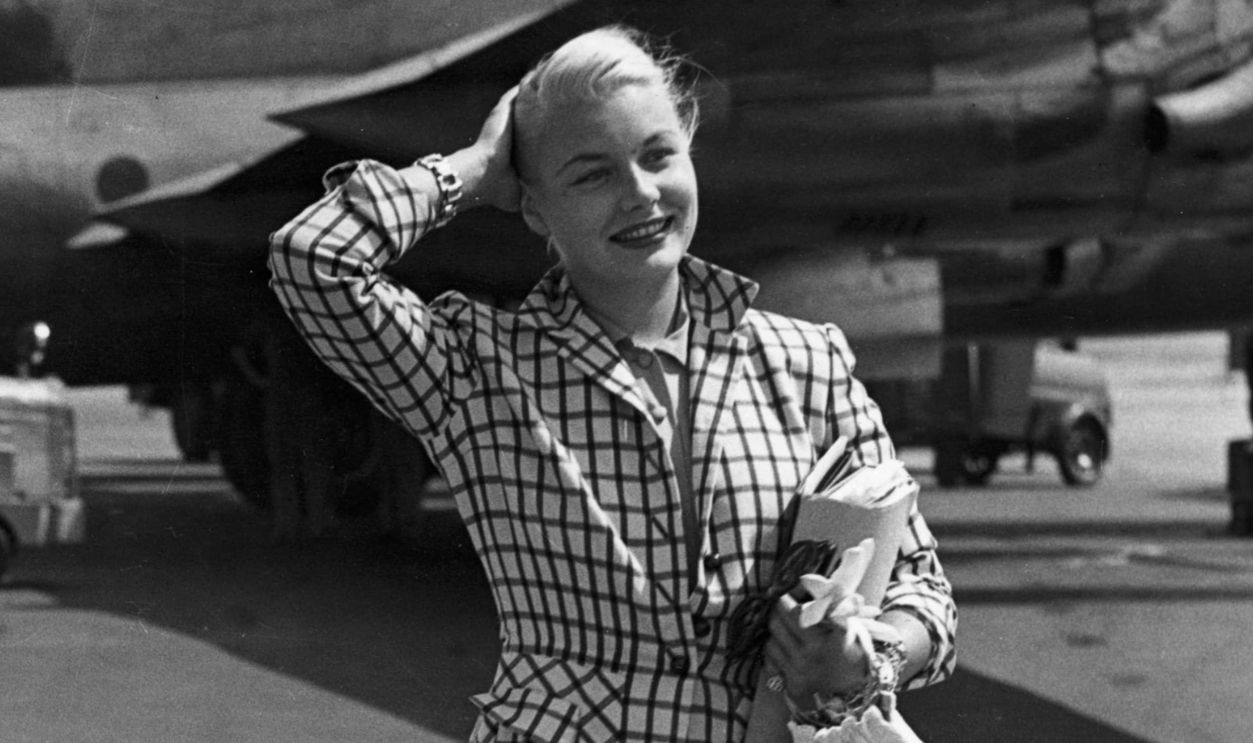
Her Beauty Couldn't Save Her In The End
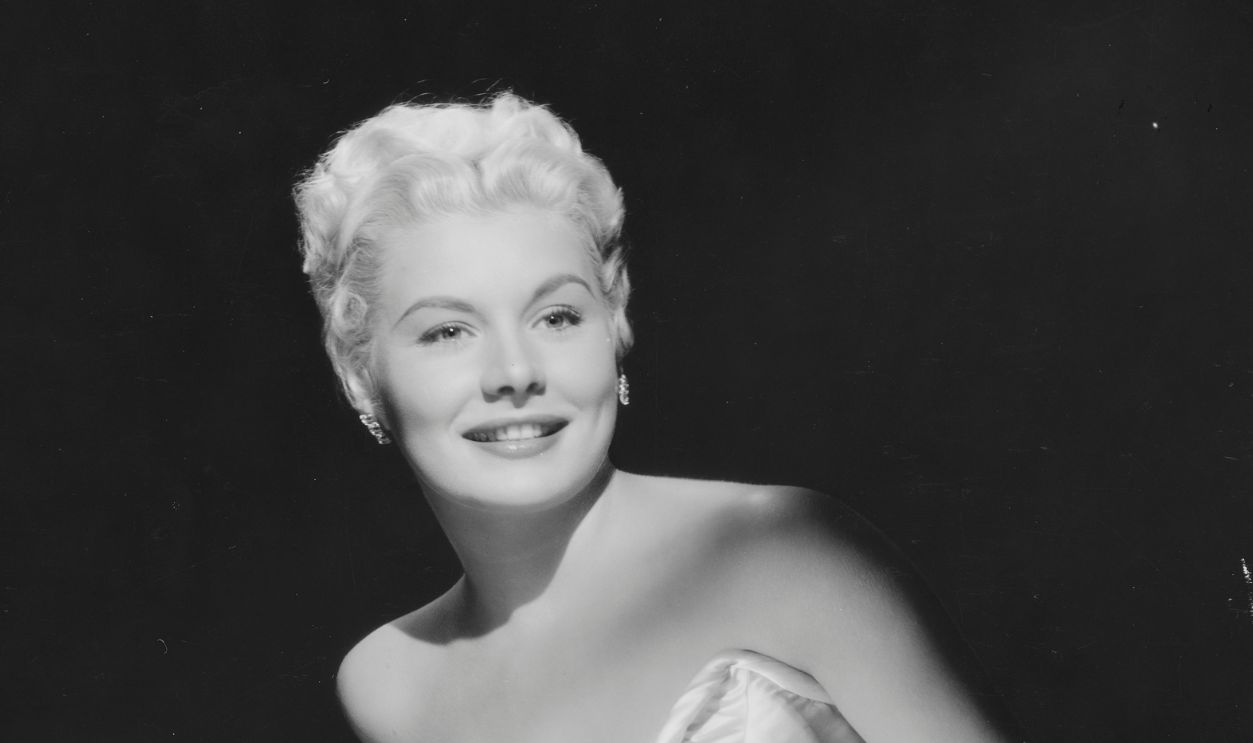
On May 8, 1967, Barbara Payton died at her parents' home in San Diego at just 39 years old. Her death certificate identified serious complications associated with liver cirrhosis, including pulmonary congestion and hemorrhage. Her story remains one of old Hollywood's most heartbreaking cautionary tales, a reminder that extraordinary beauty and early fame could offer little protection against illness, exploitation, and personal tragedy.
 John Springer Collection, Getty Images
You May Also Like:
Photos Of Old Hollywood Actresses Who Aged Beautifully
Handsome 1960s Leading Men Who Never Quite Became The Superstars Hollywood Expected
Movie Masterpieces That Show Why So Many Critics Think Film Peaked In The 50s