Hollywood's Remarkable Late Bloomer
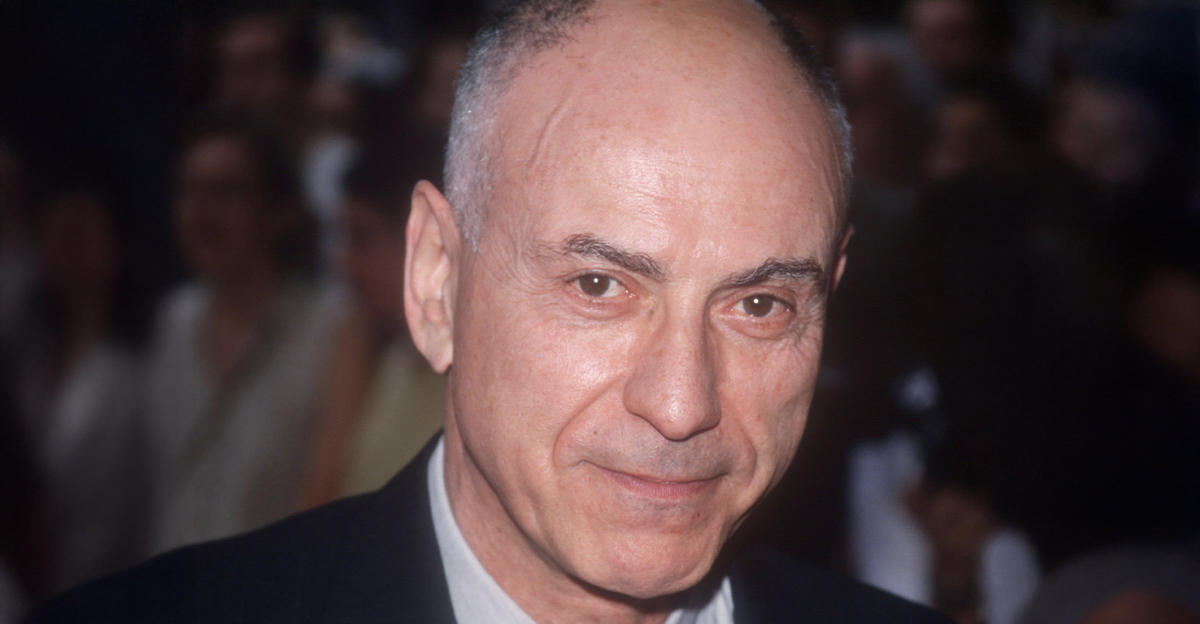
Alan Arkin was already an acclaimed actor when many of his future co-stars were still kids. He worked with everyone from Audrey Hepburn and Peter Falk to Johnny Depp and Steve Carell, earning admiration across generations. Yet despite receiving an Oscar nomination in the 1960s, he wouldn't take home Hollywood's biggest prize until he was 72. His extraordinary career was full of surprises.
 Evan Agostini/Liaison, Getty Images
A Brooklyn Beginning
Alan Wolf Arkin was born on March 26, 1934, in Brooklyn, New York, to David and Beatrice Arkin. His parents were involved in education and the arts, and he grew up in a household that encouraged creativity. Acting interested him from the start, long before he ever imagined that it could become a career lasting more than six decades.
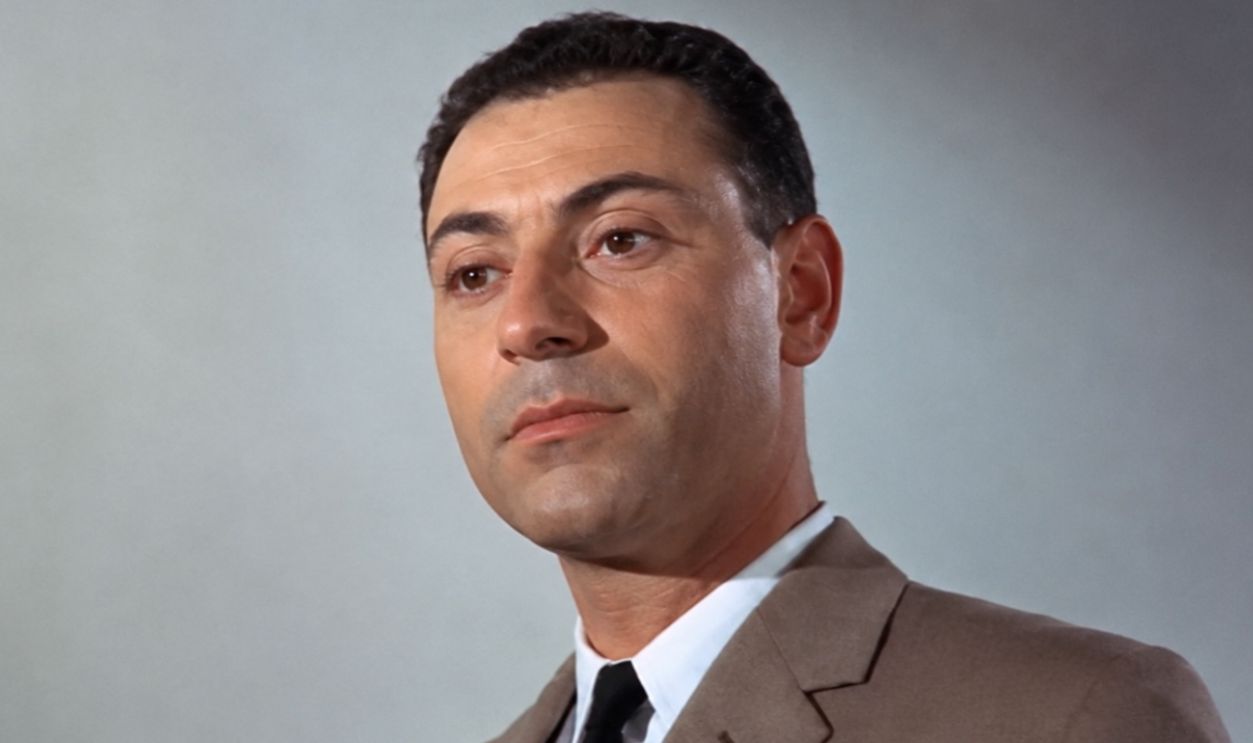 Screenshot from The Heart is a Lonely Hunter, Warner Bros. (1968), Enhanced
Hollywood Beckoned Early
When Arkin was 11, his family moved to Los Angeles. His father worked as a teacher and artist but faced professional difficulties during the politically charged atmosphere of the McCarthy era. Young Alan continued pursuing music and acting, developing interests that would one day take him far beyond conventional Hollywood stardom.
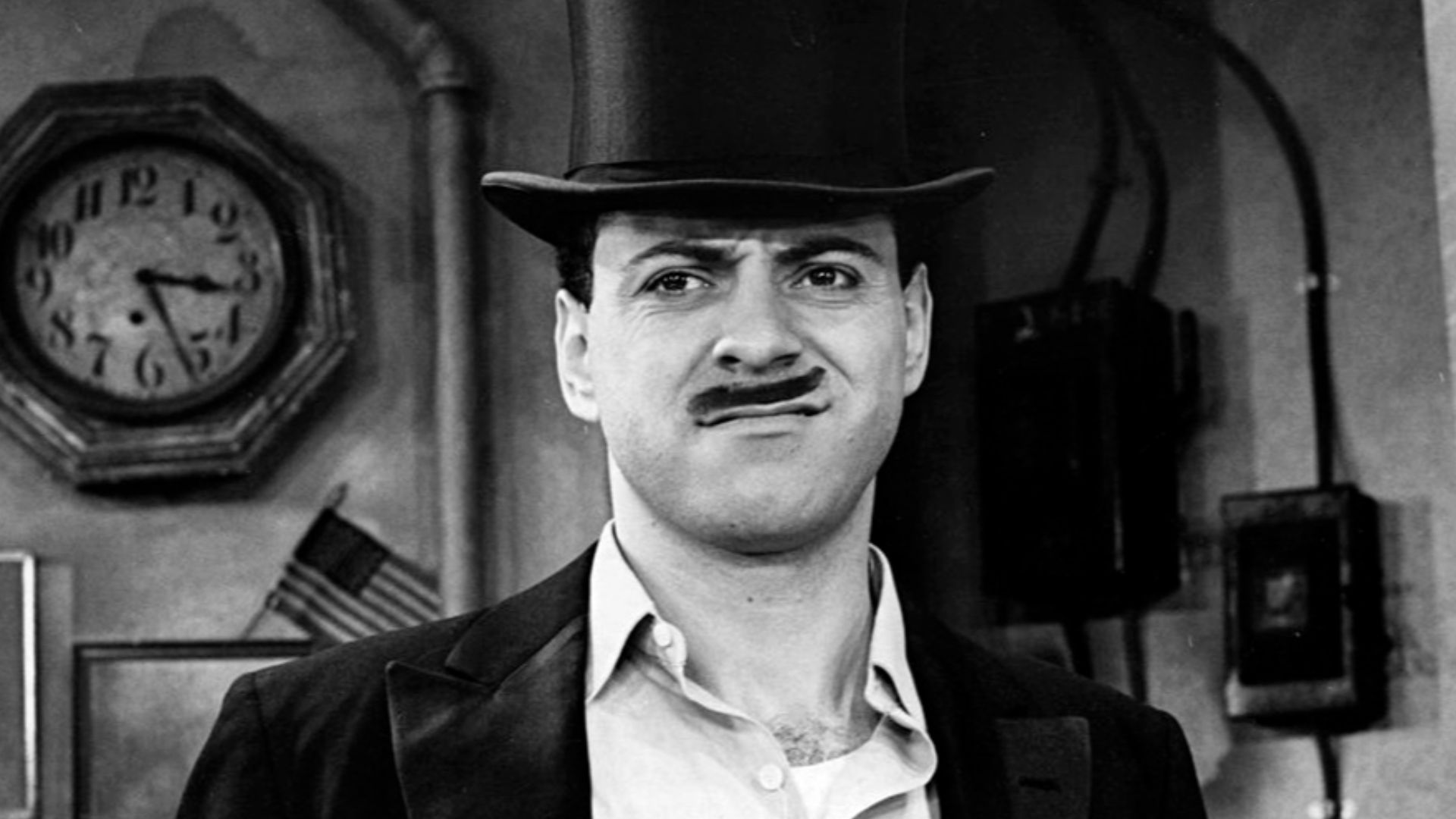 Werner J. Kuhn, Wikimedia Commons
An Unconventional Education
Arkin attended Los Angeles City College and Bennington College in Vermont, where he continued exploring theater and music. Rather than following a straightforward path into Hollywood, he experimented with performing, songwriting, and the stage. His early years were characterized by a willingness to pursue whatever creative opportunity seemed most interesting.
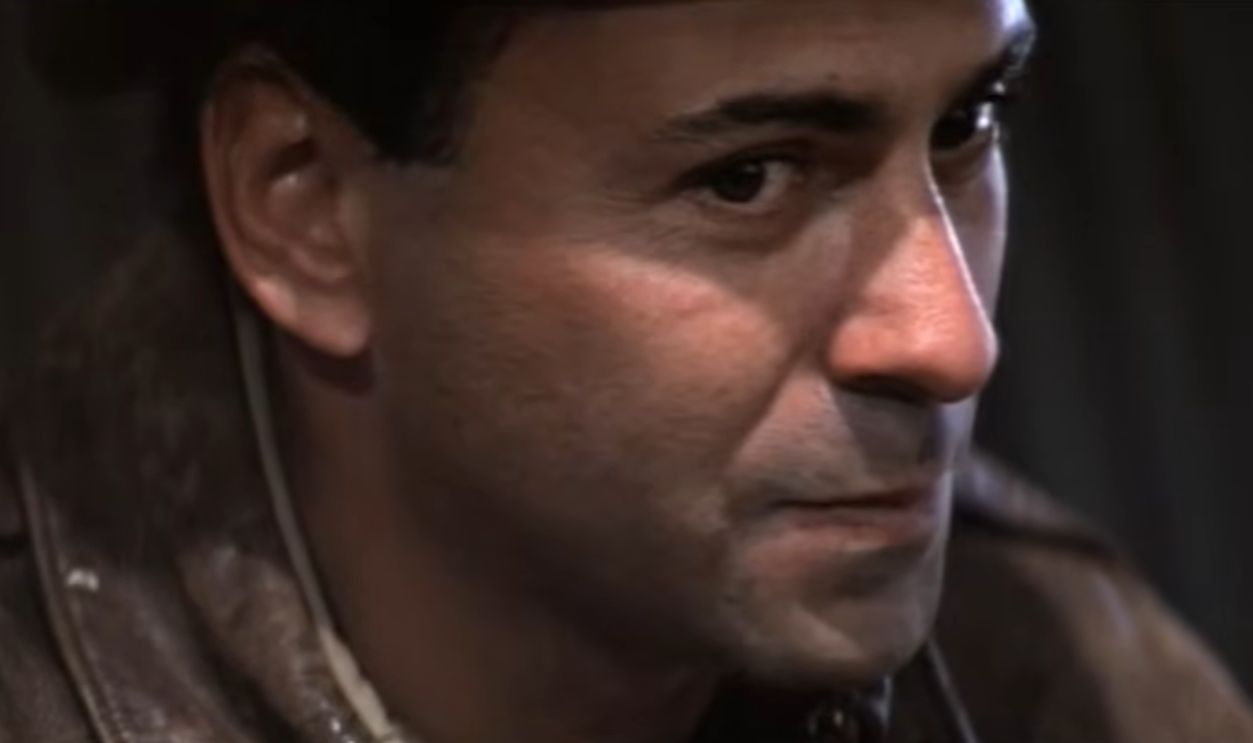 Screenshot from Catch-22, Paramount (1970)
His First Career Was Music
Before movie audiences knew his face, Arkin was a professional folk musician. During the 1950s, he joined the Tarriers, a folk group that enjoyed commercial success during the calypso craze. Arkin helped develop the group's arrangement of "The Banana Boat Song," which became a Top 10 hit in 1956. Harry Belafonte had already recorded the song, but his own single became a hit shortly afterward.
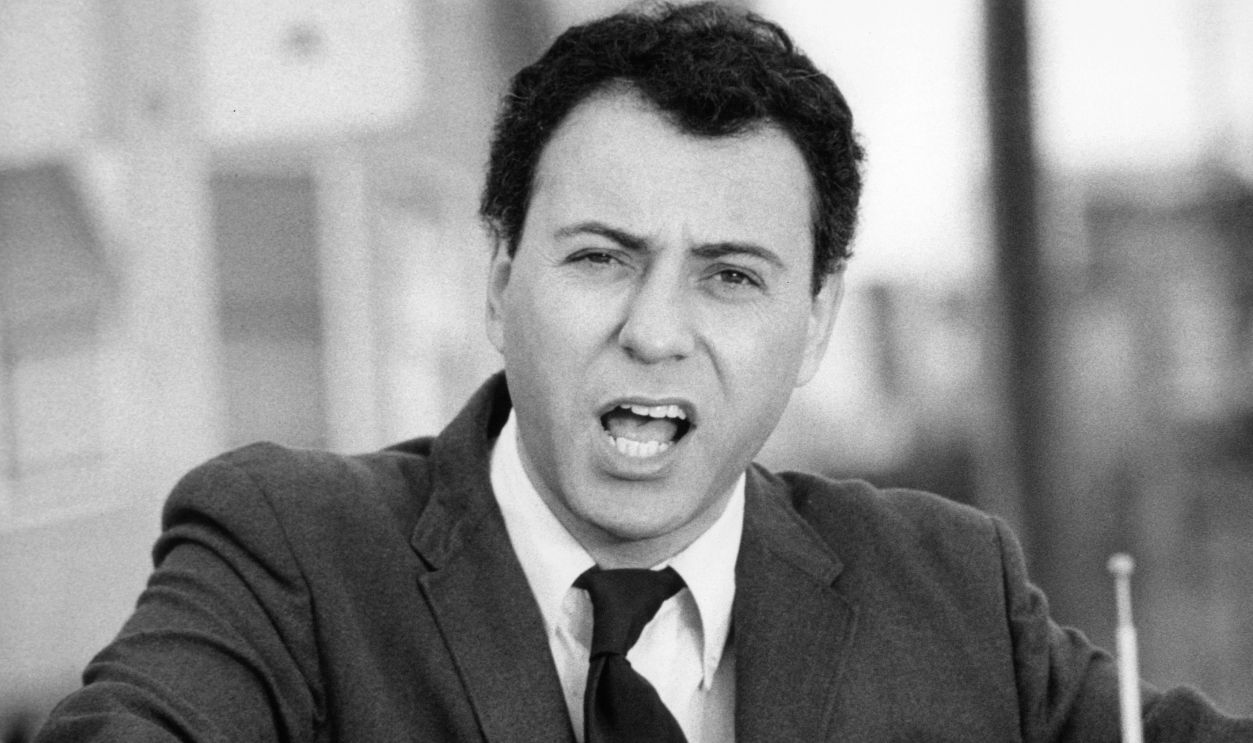
He Appeared Onscreen Early
Arkin's musical career even brought him into a movie. The Tarriers appeared in Calypso Heat Wave (1957), giving him an early screen credit nearly a decade before his major acting breakthrough. Although the film attracted little lasting attention, it remains an interesting footnote in the career of a performer who would eventually earn four Academy Award nominations.
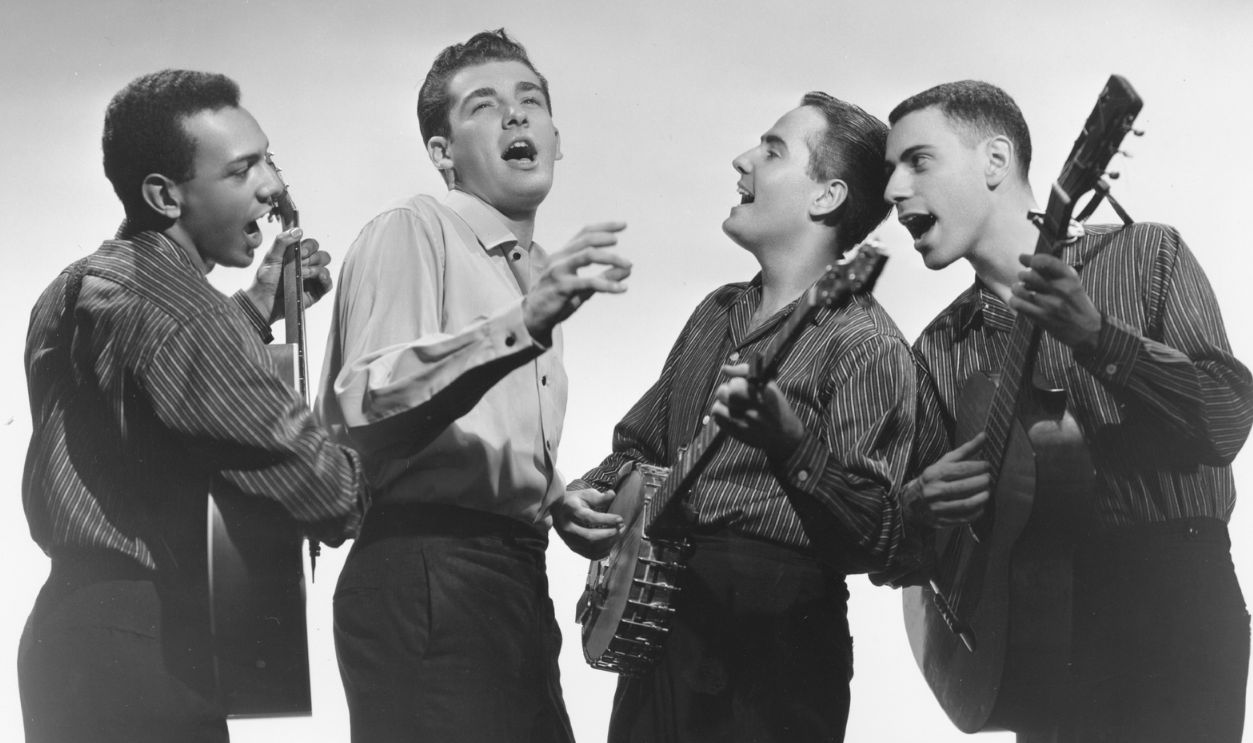 Michael Ochs Archives, Getty Images
Comedy Changed Everything
In 1960, Arkin joined Chicago's pioneering improvisational company, the Second City. Working alongside talented performers including Barbara Harris and Severn Darden, he developed the quick reactions and understated comic timing that later became his trademarks. Arkin credited the company with transforming his life and giving him the confidence to pursue acting seriously.
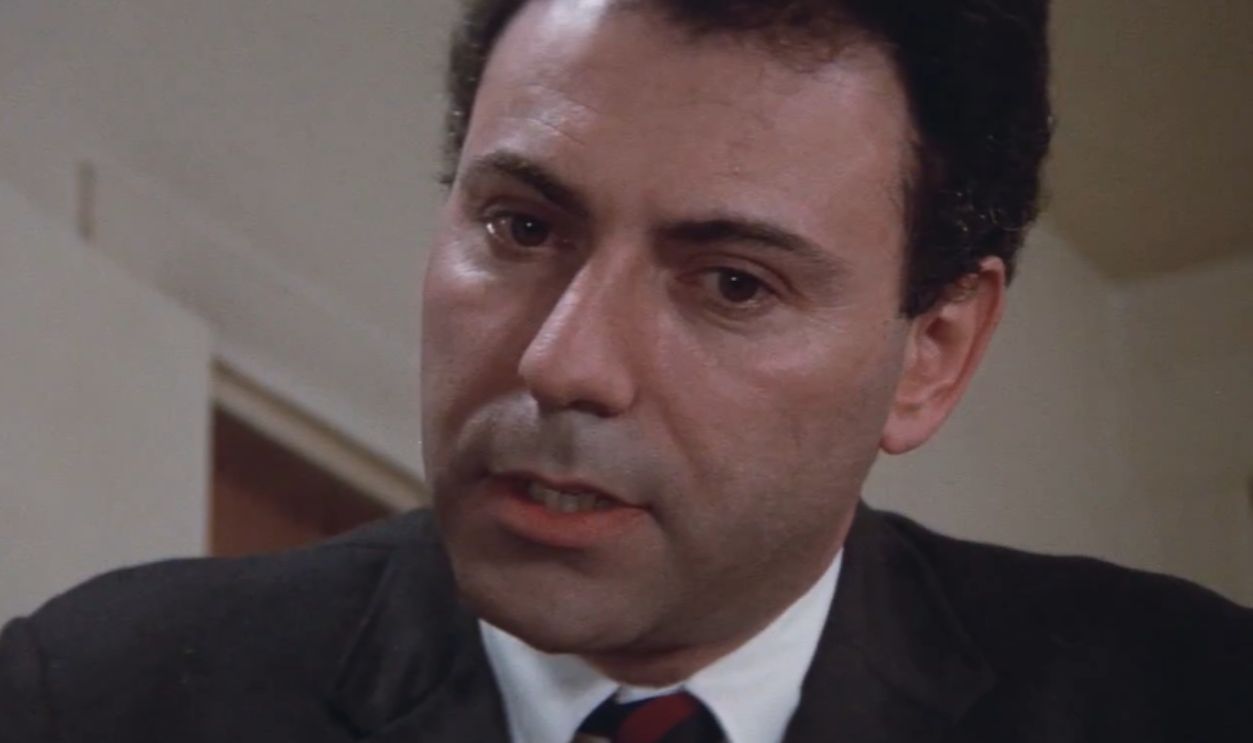 Screenshot from Freebie and the Bean, Warner Bros. (1974)
Broadway Made Him A Star
Arkin's breakthrough onstage came with Joseph Stein's comedy Enter Laughing in 1963. Playing an aspiring young actor, he won the Tony Award for Best Featured Actor in a Play. The success established him as a major theatrical talent, and he then appeared in Murray Schisgal's Luv, showing his ability to handle sophisticated comedy.
He Discovered Directing
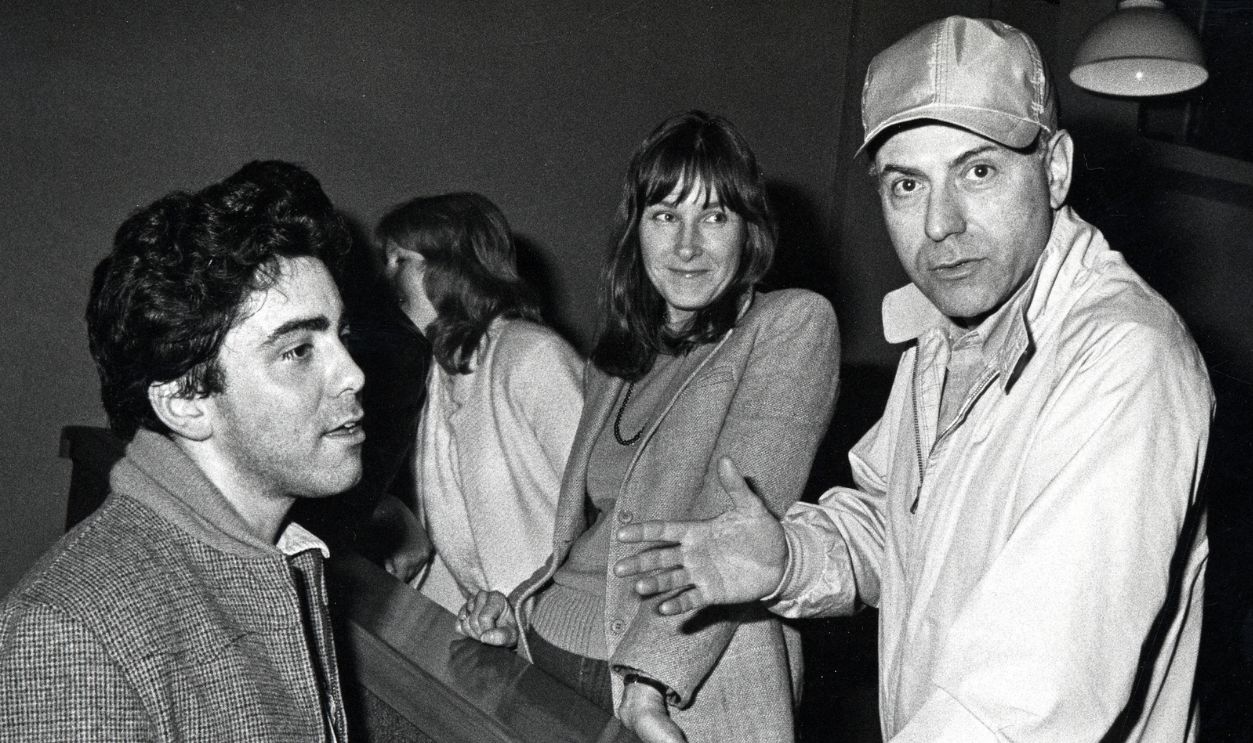
Arkin wasn't content simply performing. During the 1960s, he also began directing theatrical productions, including the Off-Broadway play Eh?, which featured a young Dustin Hoffman. His growing reputation as both actor and director suggested a creative range that would characterize his entire career. Hollywood, meanwhile, was starting to sit up and take notice.
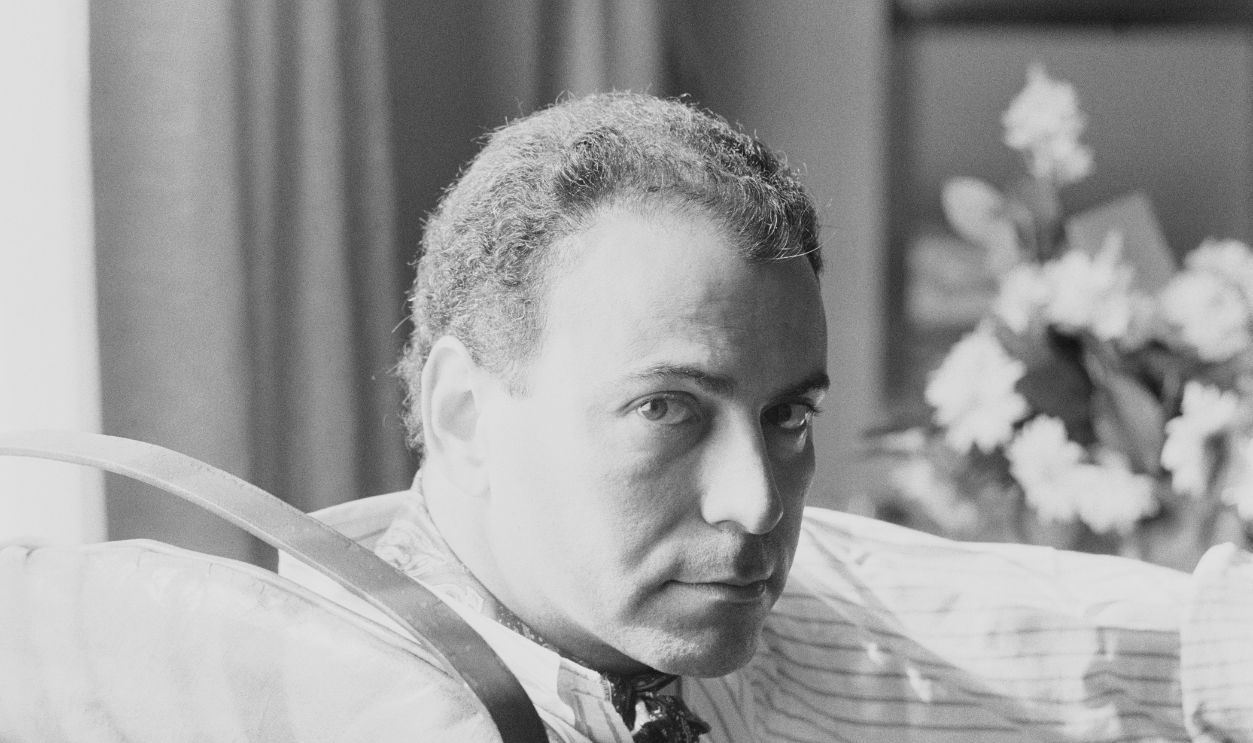 Evening Standard, Getty Images
The 1960s Changed Everything
By the middle of the decade, Arkin had become an accomplished stage performer with relatively little Hollywood experience. That changed almost overnight when director Norman Jewison cast him in a major comedy, The Russians Are Coming, the Russians Are Coming, in 1966. His distinctive combination of intelligence, intensity, and comic restraint immediately distinguished him from more conventional leading men.
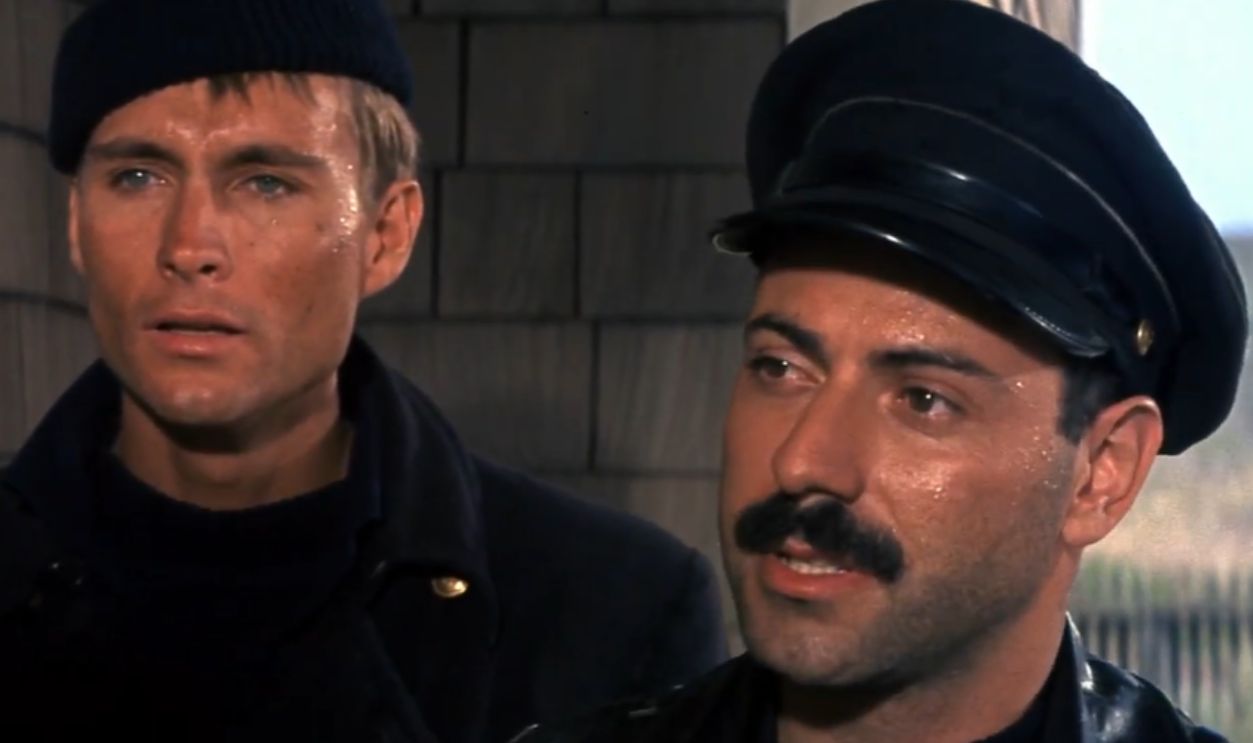 Screenshot from The Russians are Coming, Amazon MGM Studios (1966)
The Russians Are Coming
In The Russians Are Coming, the Russians Are Coming (1966), Arkin played Rozanov, a Soviet submarine officer whose arrival on a New England island creates international panic. Directed by Norman Jewison, the comedy featured Carl Reiner, Eva Marie Saint, and Brian Keith. Arkin earned a Golden Globe and an Academy Award nomination for Best Actor, establishing himself as a major film star.
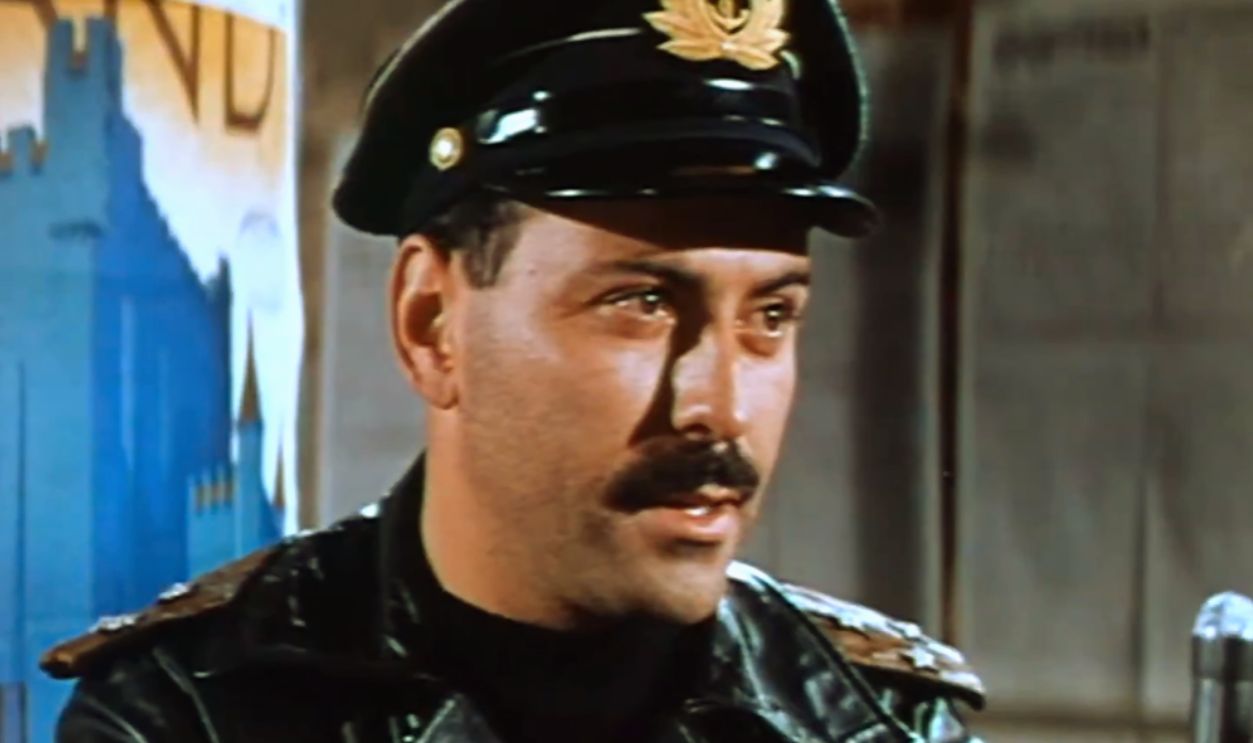 Screenshot from The Russians are Coming, Amazon MGM Studios (1966)
He Became A Villain
Arkin demonstrated his versatility in Wait Until Dark (1967), playing a ruthless criminal who terrorizes a blind woman portrayed by Audrey Hepburn. Directed by Terence Young, the suspense thriller also featured Richard Crenna and Efrem Zimbalist Jr. Arkin's chilling performance proved he could be every bit as convincing in a sinister role as in comedy.
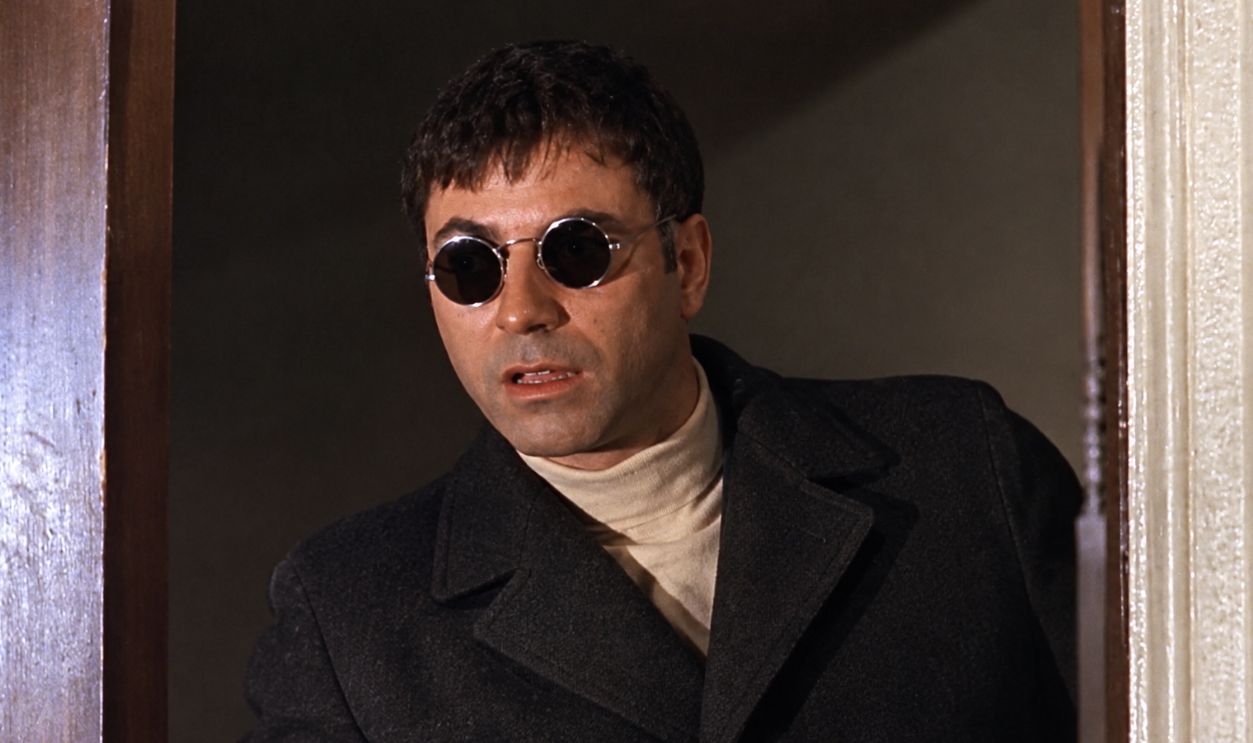 Screenshot from Wait Until Dark, Warner Bros. (1967), Enhanced
His Second Oscar Nomination
In The Heart Is a Lonely Hunter (1968), Arkin played John Singer, a deaf man struggling with isolation and human connection in the American South. Directed by Robert Ellis Miller and co-starring Sondra Locke, the drama required extraordinary emotional expression without spoken dialogue. Arkin received another Best Actor nomination, confirming that his first success had been no fluke.
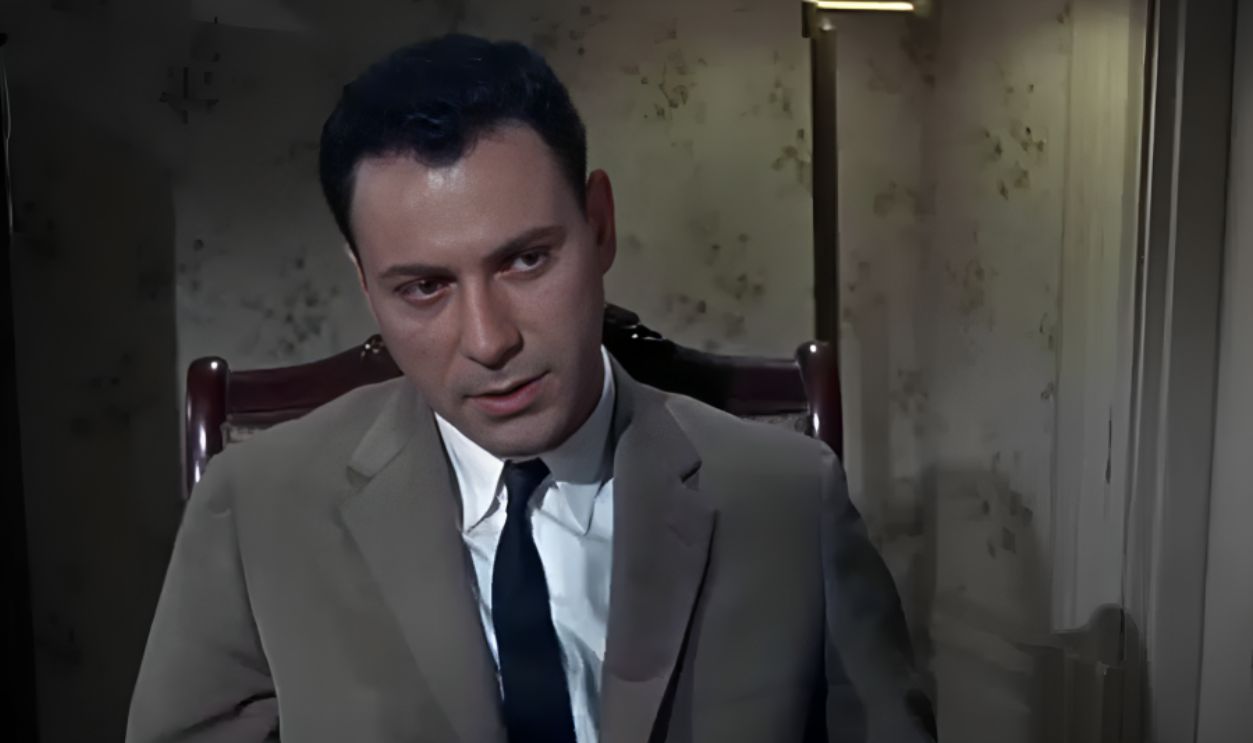 Screenshot from The Heart is a Lonely Hunter, Warner Bros. (1968), Enhanced
His Range Kept Expanding
Arkin rounded out the decade with Inspector Clouseau (1968), temporarily taking over the famous detective role associated with Peter Sellers, and Popi (1969), playing a struggling Puerto Rican father opposite Rita Moreno. Neither project resembled his previous work. His willingness to move between comedy, suspense, and socially conscious drama was already becoming a defining characteristic.
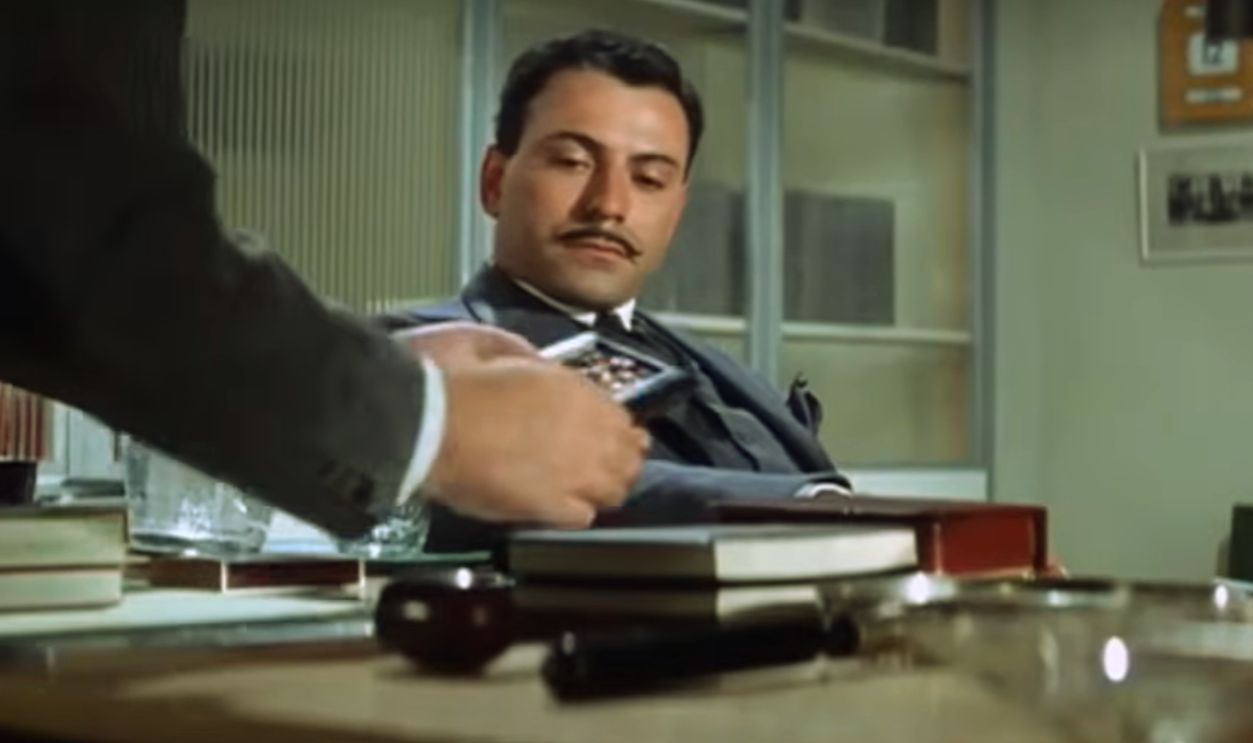 Screenshot from Inspector Clouseau, Amazon MGM Studios (1968)
The 1970s Brought Experimentation
The 1970s found Arkin pursuing increasingly unconventional projects. He appeared in comedies, political satires, and dramas while also establishing himself as a film director. Rather than concentrating on becoming a traditional box-office star, he gravitated toward unusual characters and stories that allowed him to explore different aspects of his talent.
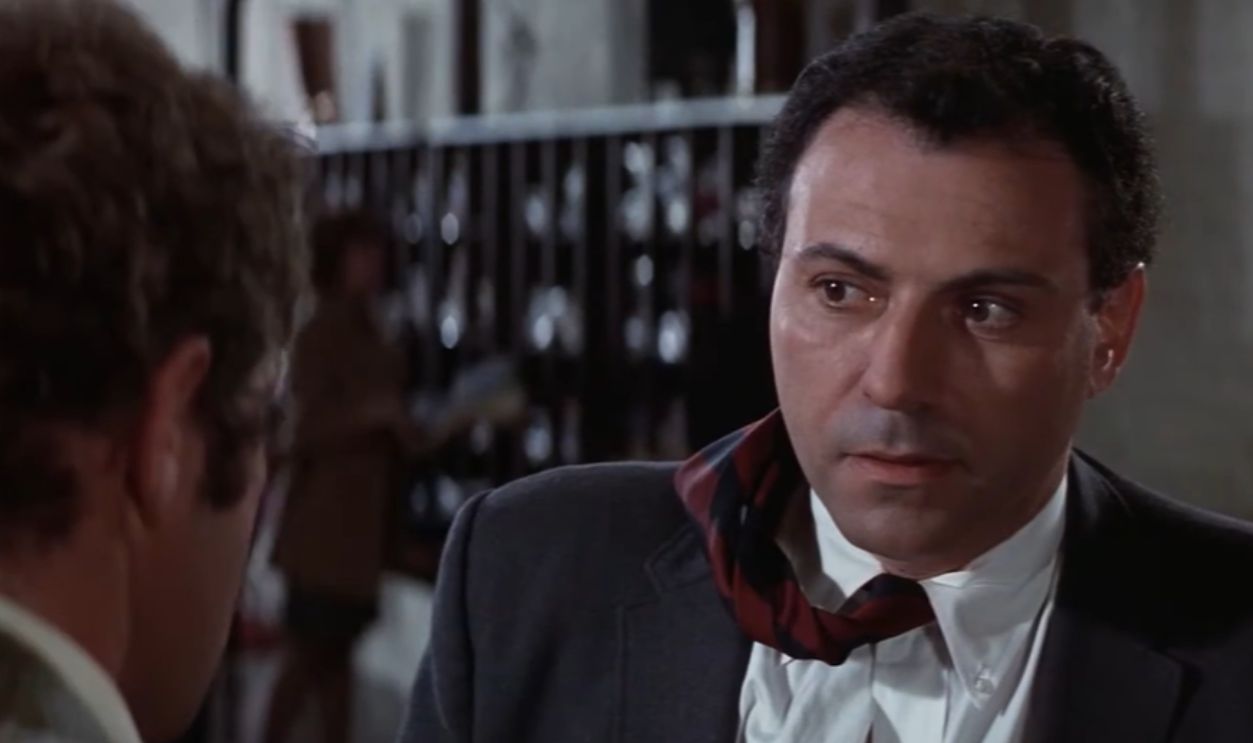 Screenshot from Freebie and the Bean, Warner Bros. (1974)
Catch-22 Was A Challenge
Director Mike Nichols cast Arkin as Captain John Yossarian in Catch-22 (1970), adapted from Joseph Heller's celebrated antiwar novel. The ensemble included Martin Balsam, Richard Benjamin, Art Garfunkel, and Orson Welles. Arkin portrayed an increasingly desperate bombardier trying to escape the absurdities of military bureaucracy, delivering one of his most memorable performances.
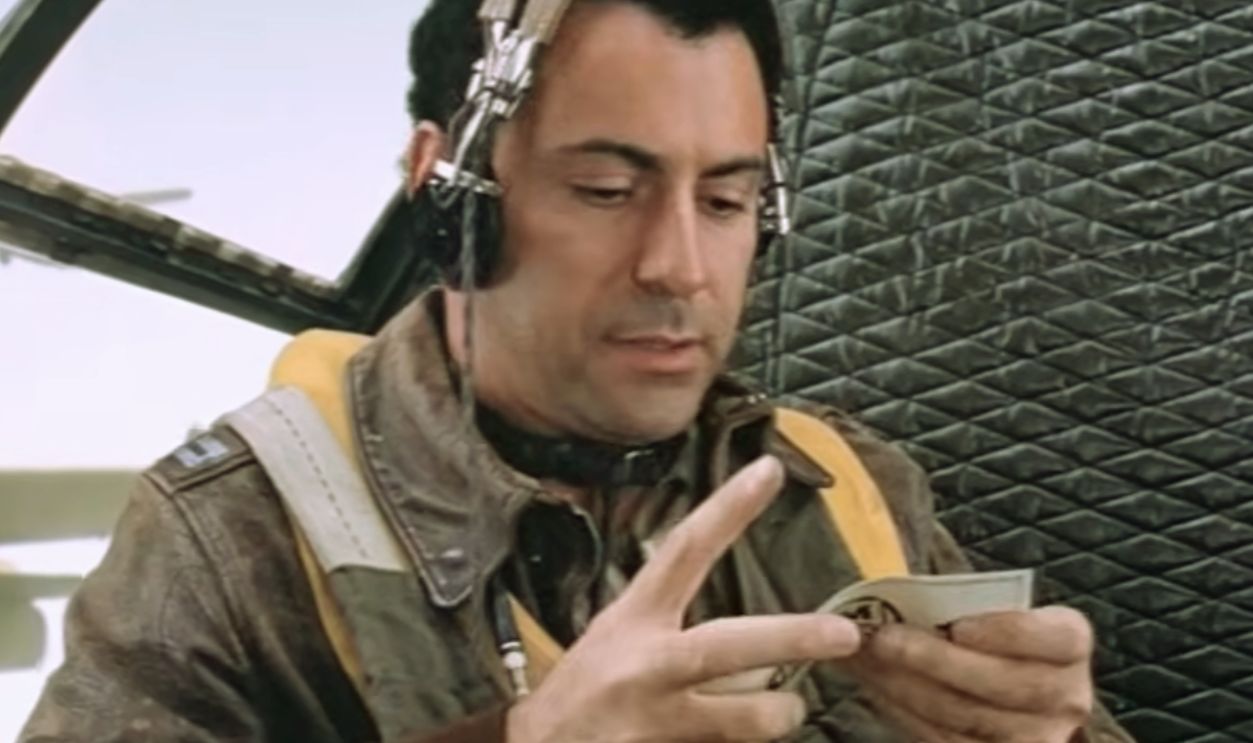 Screenshot from Catch-22, Paramount (1970)
He Directed His Own Films
Arkin directed the dark comedy Little Murders (1971), starring Elliott Gould and Marcia Rodd, after previously directing the stage version. He also directed Fire Sale (1977), featuring Rob Reiner and Vincent Gardenia. His directing work revealed an appetite for offbeat humor and social satire, although acting remained his primary occupation.
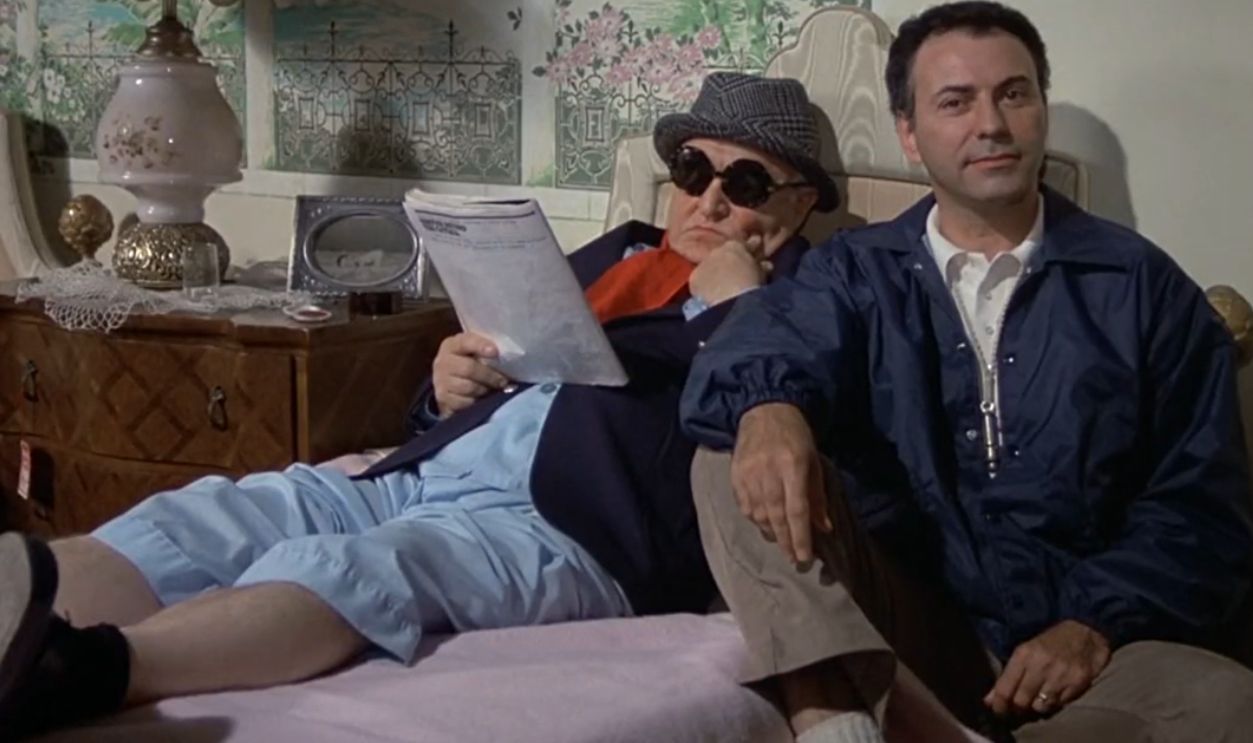 Screenshot from Fire Sale, The Walt Disney Company (1977)
He Refused Easy Categories
Arkin appeared opposite James Caan in the buddy-cop comedy Freebie and the Bean (1974), then joined Jeff Bridges and Andy Griffith in the Hollywood satire Hearts of the West (1975). He also portrayed Sigmund Freud in The Seven-Per-Cent Solution (1976), starring Nicol Williamson as Sherlock Holmes. His characters rarely seemed predictable, even when the films themselves were conventional entertainment.
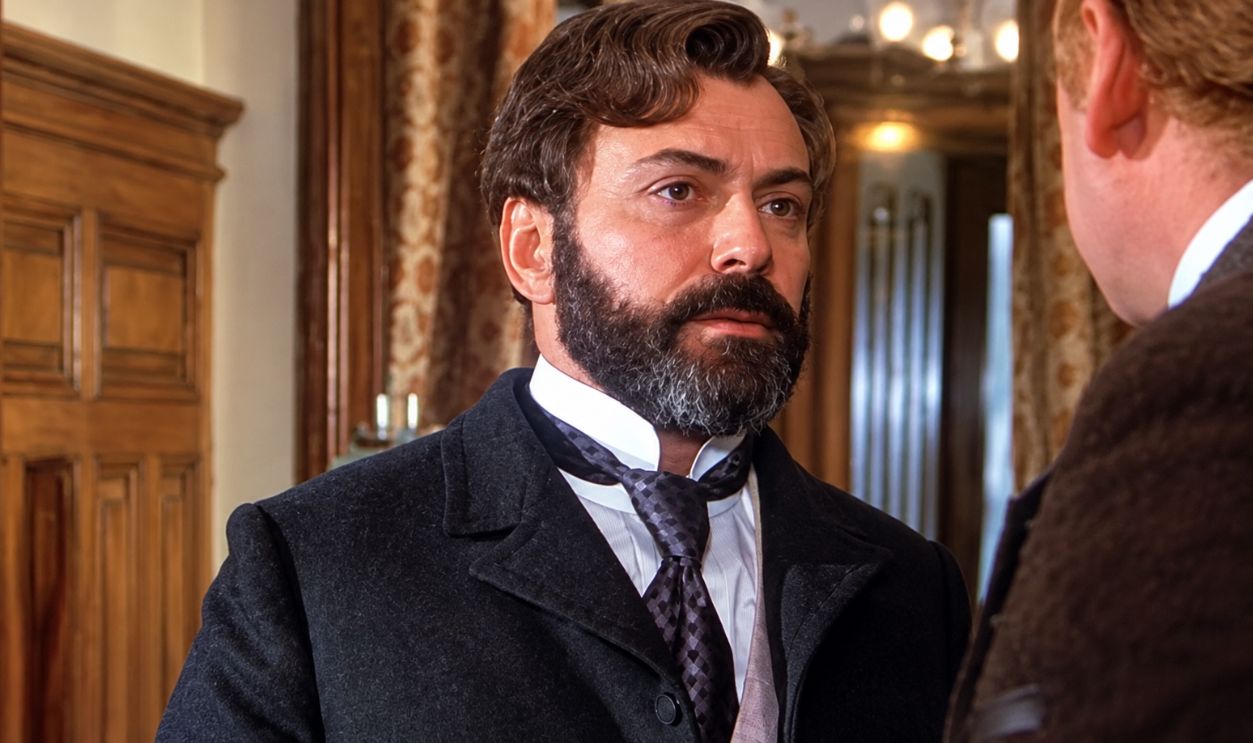 Screenshot from The Seven-Per-Cent Solution, NBCUniversal (1976), Enhanced
The In-Laws Became A Favorite
Arkin teamed with Peter Falk in The In-Laws (1979), directed by Arthur Hiller. Arkin played Sheldon Kornpett, a mild-mannered dentist dragged into international intrigue by Falk's wildly unpredictable Vincent Ricardo. Their contrasting personalities produced one of the decade's most beloved screen comedy partnerships. The film became a lasting favorite among Arkin's admirers.
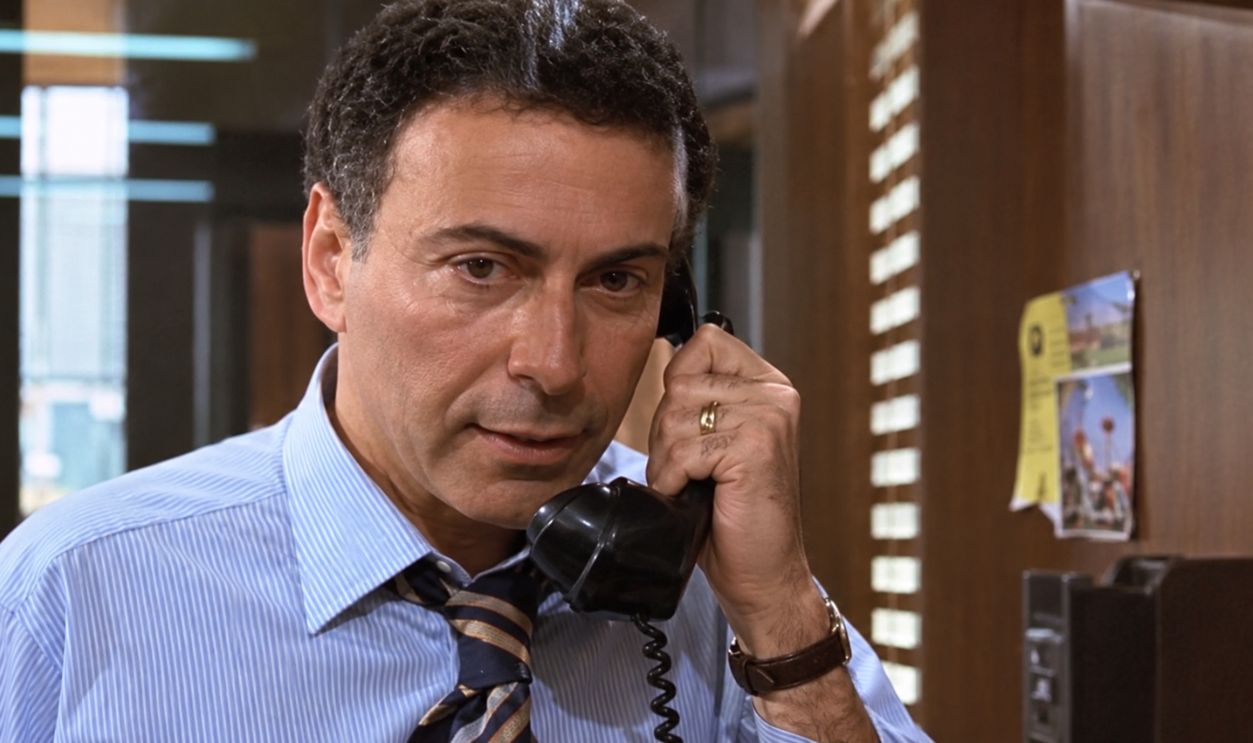 Screenshot from The In-Laws, Warner Bros. (1979), Enhanced
The 1980s Brought New Challenges
Although the 1980s didn't produce another major Hollywood breakthrough, Arkin continued working steadily in films and television. He appeared in Simon (1980), Improper Channels (1981), and Joshua Then and Now (1985). His performances demonstrated an increasing preference for complicated, sometimes eccentric characters rather than the conventional leading-man roles he might once have pursued.
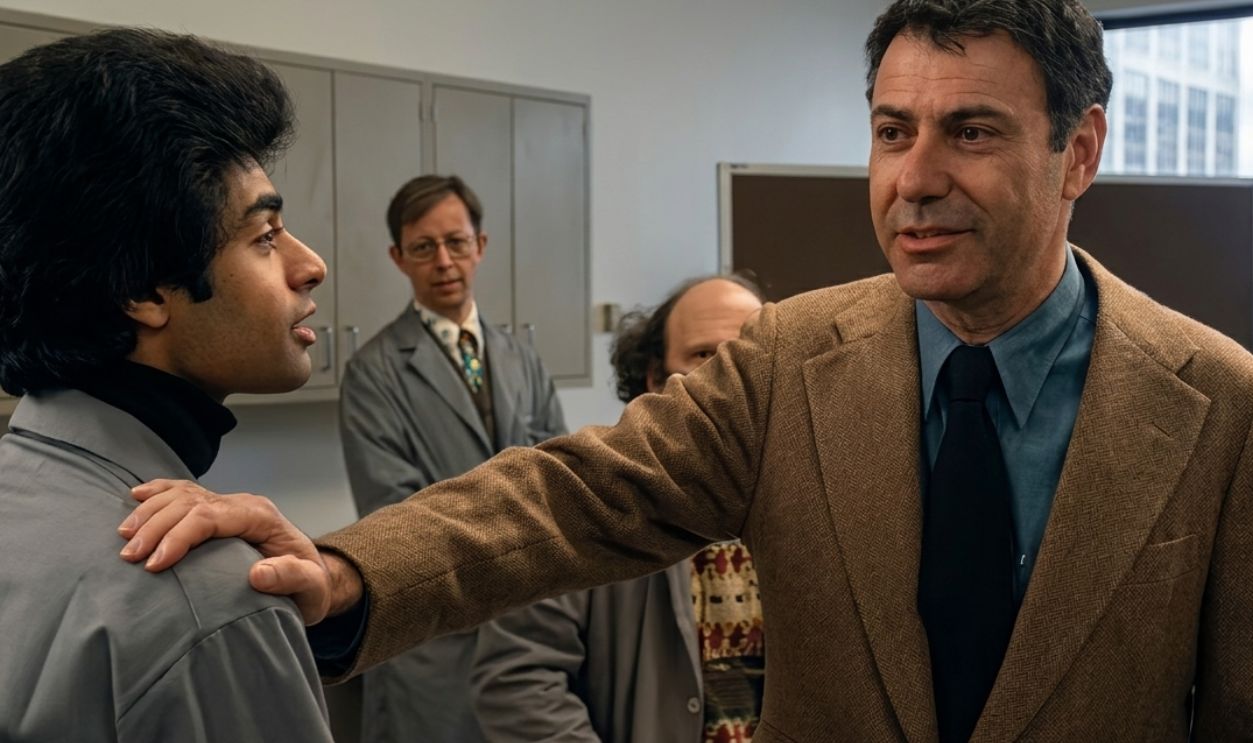 Screenshot from Simon, Warner Bros. (1980), Enhanced
He Found Success In Canada
Arkin starred opposite Marsha Mason in the Canadian drama Joshua Then and Now (1985), directed by Ted Kotcheff and adapted from Mordecai Richler's novel. Playing a writer reflecting on his turbulent life, Arkin earned a Genie Award for Best Supporting Actor. The recognition illustrated how his reputation extended well beyond Hollywood's traditional awards circuit.
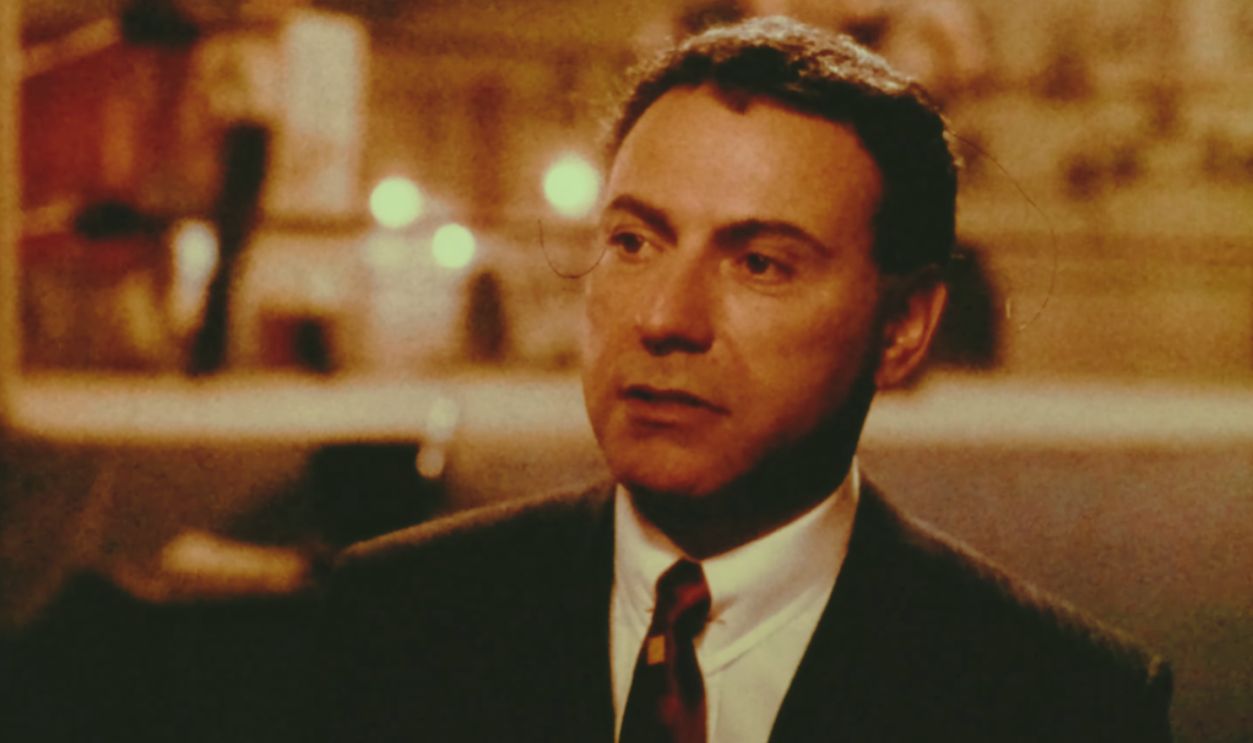 Screenshot from Joshua Then and Now, The Walt Disney Company (1985)
Television Offered Dramatic Opportunities
Arkin received an Emmy nomination for portraying Leon Felhendler in the television film Escape from Sobibor, which dramatized the 1943 prisoner uprising at the infamous concentration camp. The production starred Rutger Hauer and Joanna Pacuła. Arkin's performance demonstrated the dramatic intensity he could bring to historical material, far removed from the comedies that had first made him famous.
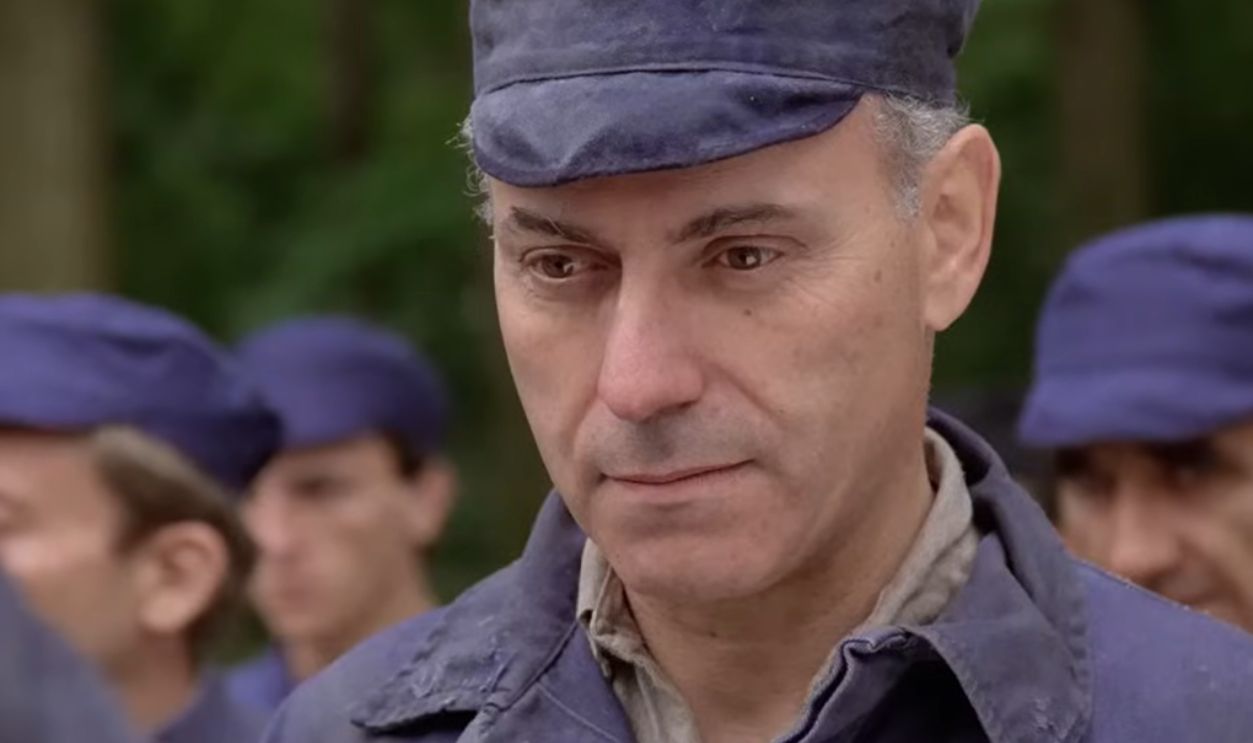 Screenshot from Escape from Sobibor, CBS (1987)
The 1990s Introduced New Audiences
The 1990s brought another remarkable chapter in Arkin's career. A new generation of filmmakers recognized his ability to play eccentric fathers, troubled professionals, and deeply flawed authority figures. He appeared in everything from fantasy films to hard-edged ensemble dramas, introducing his distinctive screen personality to audiences who hadn't experienced his earlier work.
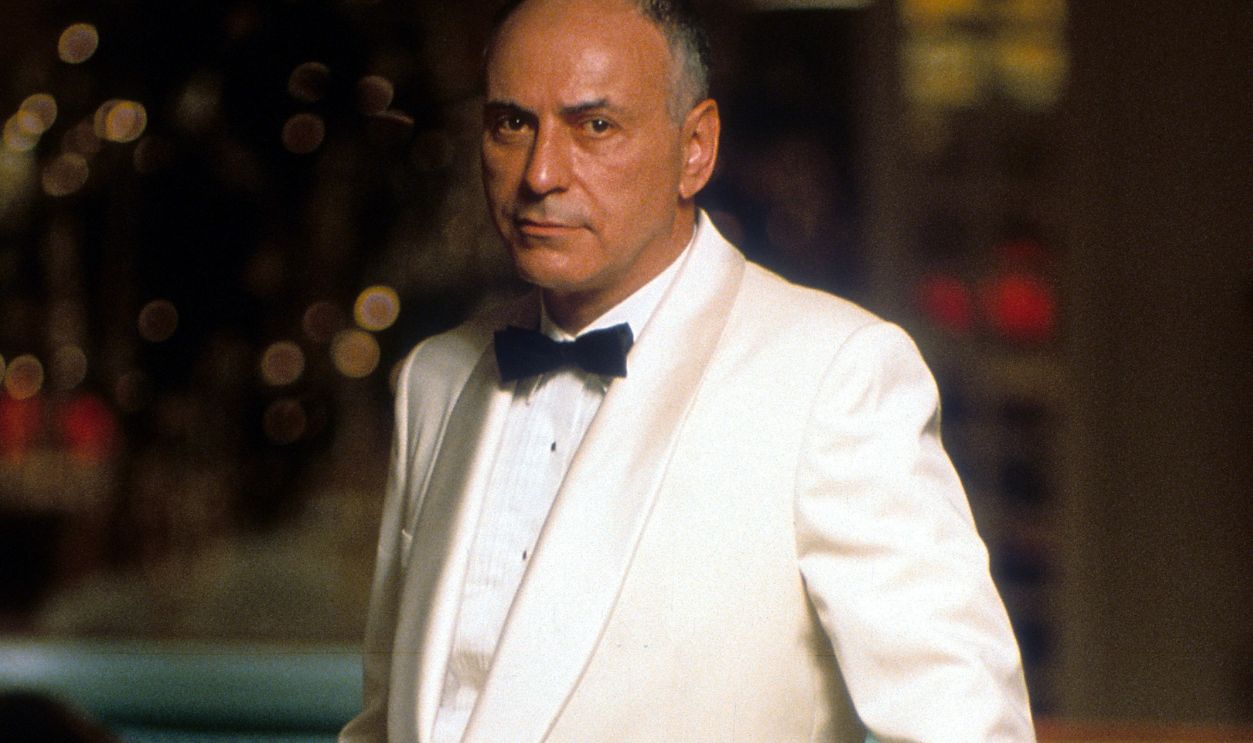
Edward Scissorhands Found New Fans
Tim Burton cast Arkin as Bill Boggs in Edward Scissorhands (1990), the gentle suburban fantasy starring Johnny Depp and Winona Ryder. Arkin played the well-meaning husband of Dianne Wiest's character, Peg. His understated performance helped ground the film's increasingly strange events in everyday family life, earning him recognition among a younger generation of moviegoers.
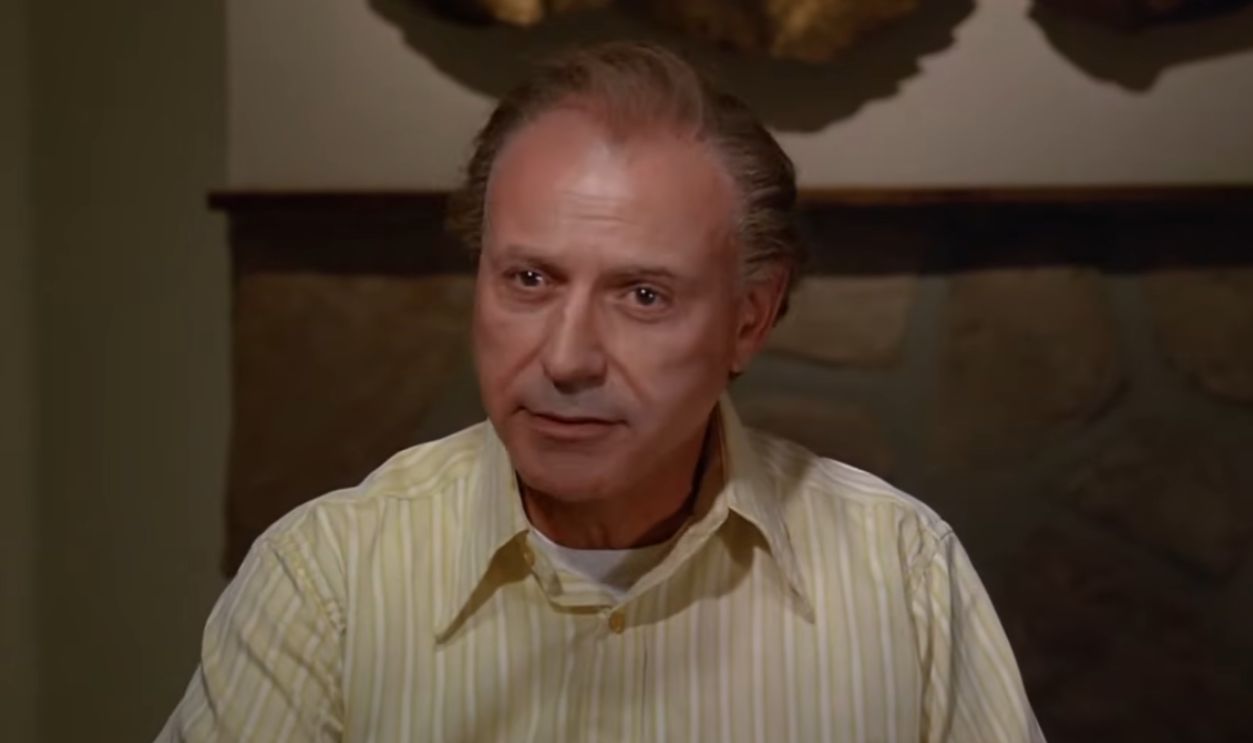 Screenshot from Edward Scissorhands, The Walt Disney Company (1990)
Glengarry Glen Ross Showed His Range
In Glengarry Glen Ross (1992), Arkin portrayed George Aaronow, an anxious real-estate salesman struggling in a ruthless workplace. Directed by James Foley from David Mamet's play, the extraordinary ensemble included Al Pacino, Jack Lemmon, Alec Baldwin, Ed Harris, and Kevin Spacey. Arkin's quiet desperation stood out amid the film's explosive performances.
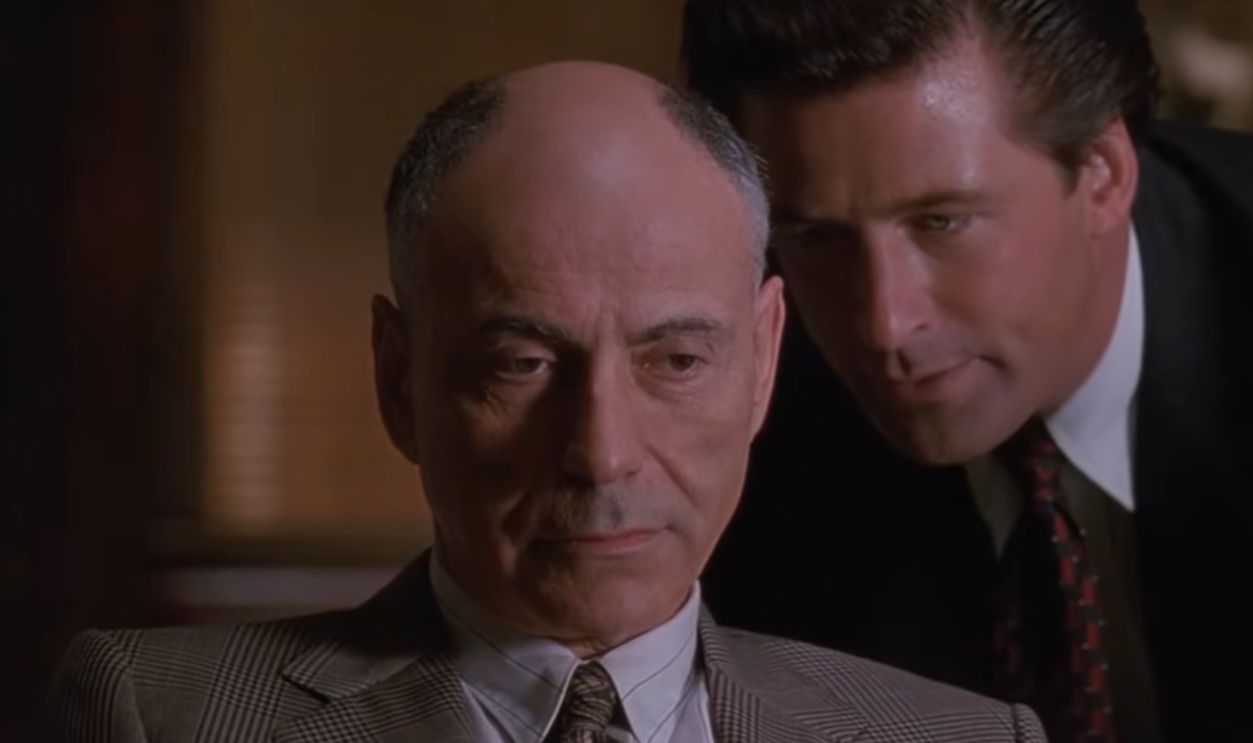 Screenshot from Glengarry Glen Ross, Shout! Factory (1992)
He Was Everywhere Again
Arkin continued appearing in memorable 1990s productions, including So I Married an Axe Murderer (1993), Mother Night (1996), Grosse Pointe Blank (1997), and Gattaca (1997). He also appeared in Slums of Beverly Hills (1998), playing the struggling father of Natasha Lyonne's character. His career had become a remarkable mixture of independent cinema and mainstream Hollywood.
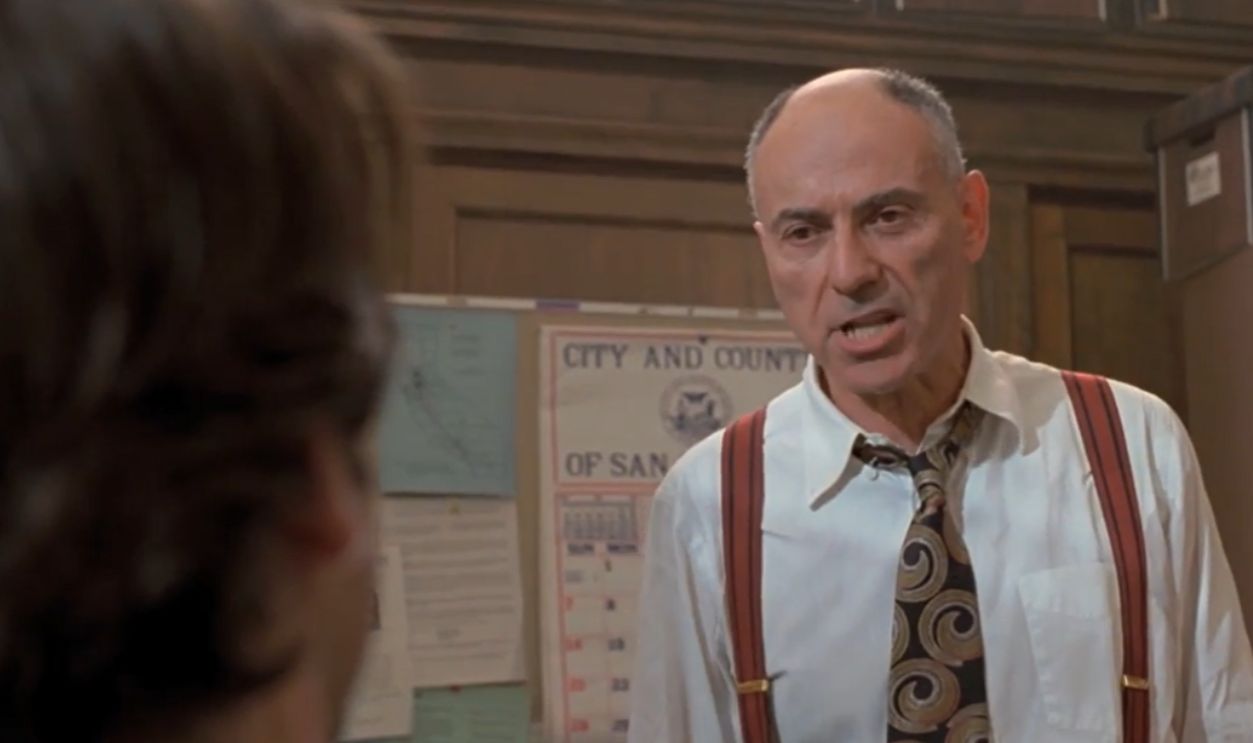 Screenshot from So I Married an Axe Murderer, Sony Pictures Entertainment (1993)
The 2000s Brought A Renaissance
Arkin entered the new millennium as a veteran actor who could still surprise audiences. He appeared in the ensemble drama Thirteen Conversations About One Thing (2001) and earned another Emmy nomination for the television film The Pentagon Papers. Yet his greatest professional recognition was approaching, thanks to a modest independent comedy that became an unexpected sensation.
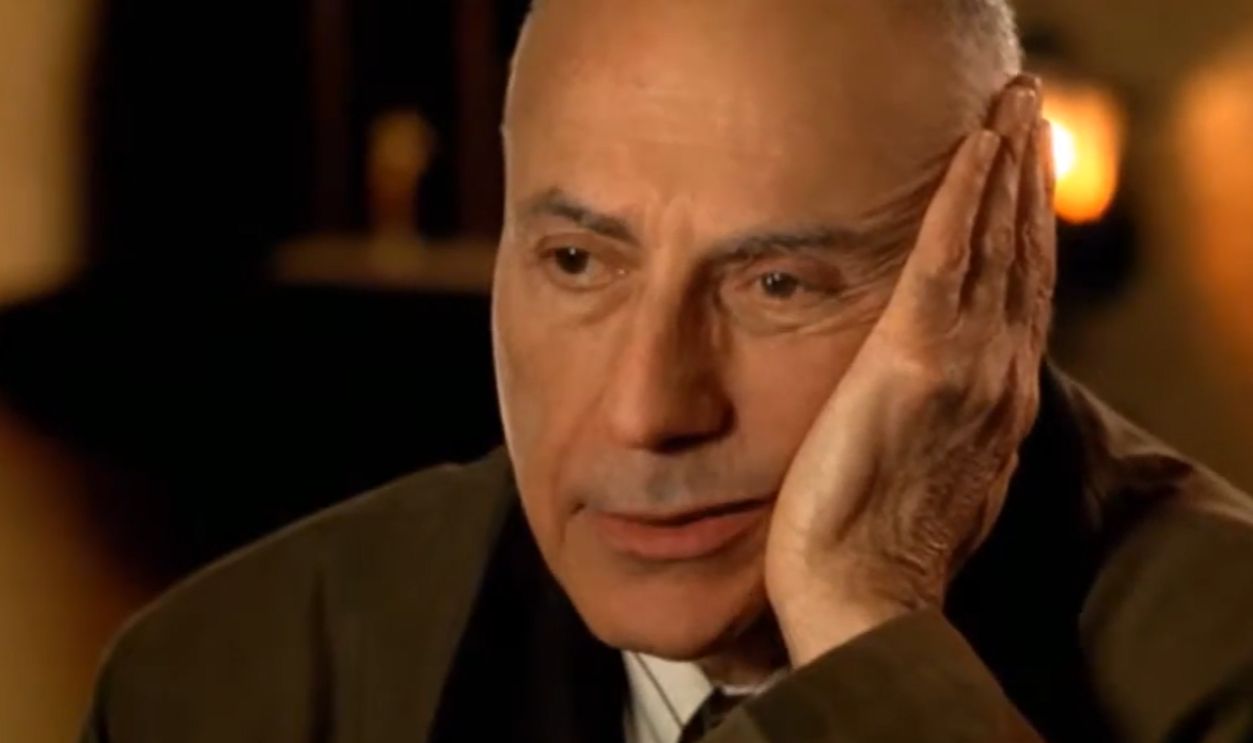 Screenshot from Thirteen Conversations About One Thing, Sony Pictures Entertainment (2001)
Little Miss Sunshine Changed Everything
In Little Miss Sunshine (2006), Arkin played Edwin Hoover, the outspoken grandfather of a young beauty-pageant contestant portrayed by Abigail Breslin. Directed by Jonathan Dayton and Valerie Faris, the film also starred Greg Kinnear, Toni Collette, Steve Carell, and Paul Dano. Arkin's outrageous humor and genuine affection for his granddaughter made him one of the film's most memorable characters.
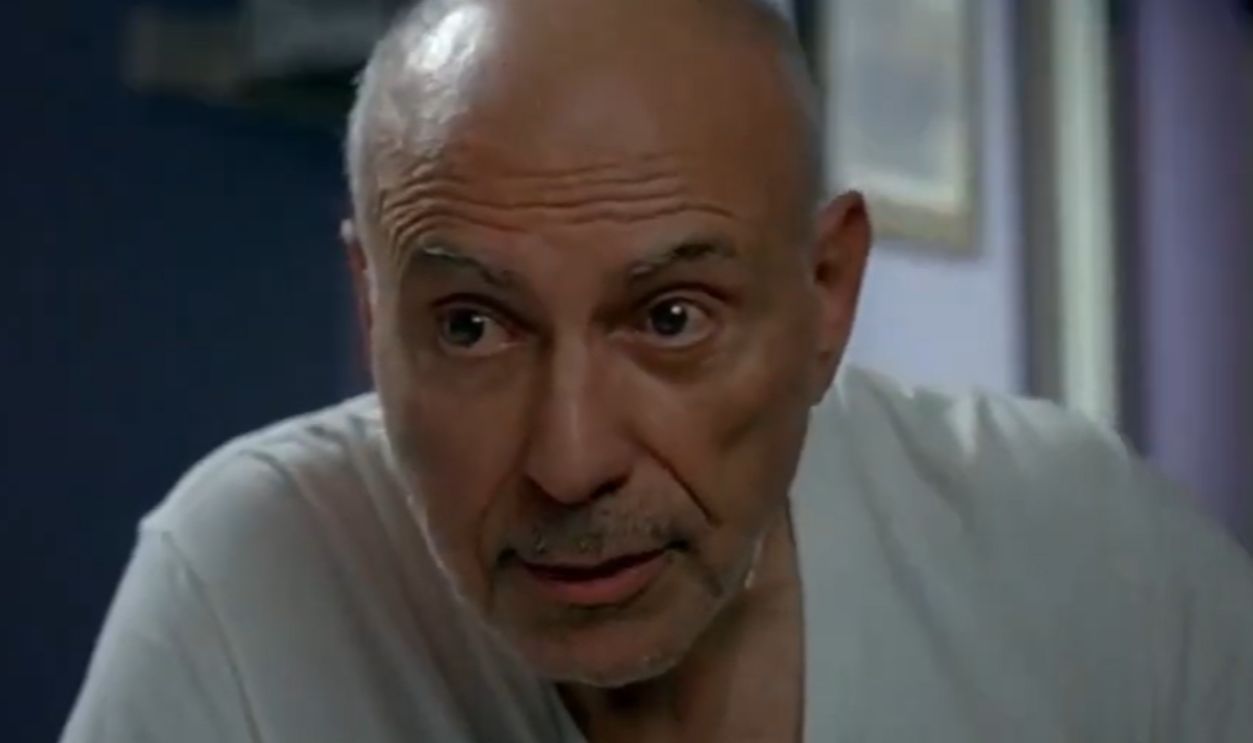 Screenshot from Little Miss Sunshine, The Walt Disney Company (2006)
His Oscar Finally Arrived
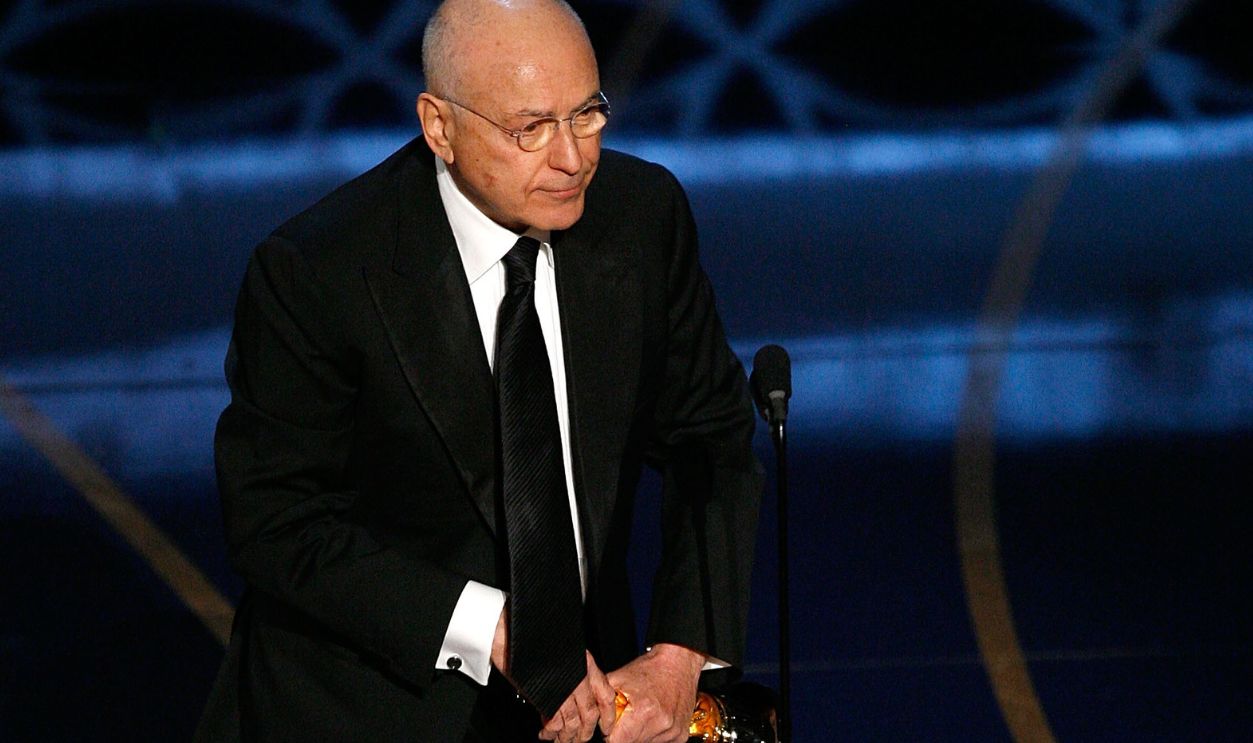
At the 2007 Academy Awards, Arkin won Best Supporting Actor for Little Miss Sunshine (2006). He was 72 years old, and 40 years had passed since his first Oscar nomination. His victory was especially remarkable because he had remained an active, respected performer throughout those intervening decades. Hollywood had finally given him its most prestigious acting award.
The 2010s Brought More Triumphs
Arkin continued accepting substantial roles well into his late 70s and 80s. In Argo (2012), directed by and starring Ben Affleck, he played veteran Hollywood producer Lester Siegel, who helps create a fake science-fiction production as cover for a CIA rescue operation. Co-starring Bryan Cranston and John Goodman, the acclaimed thriller earned Arkin his fourth Academy Award nomination and won Best Picture.
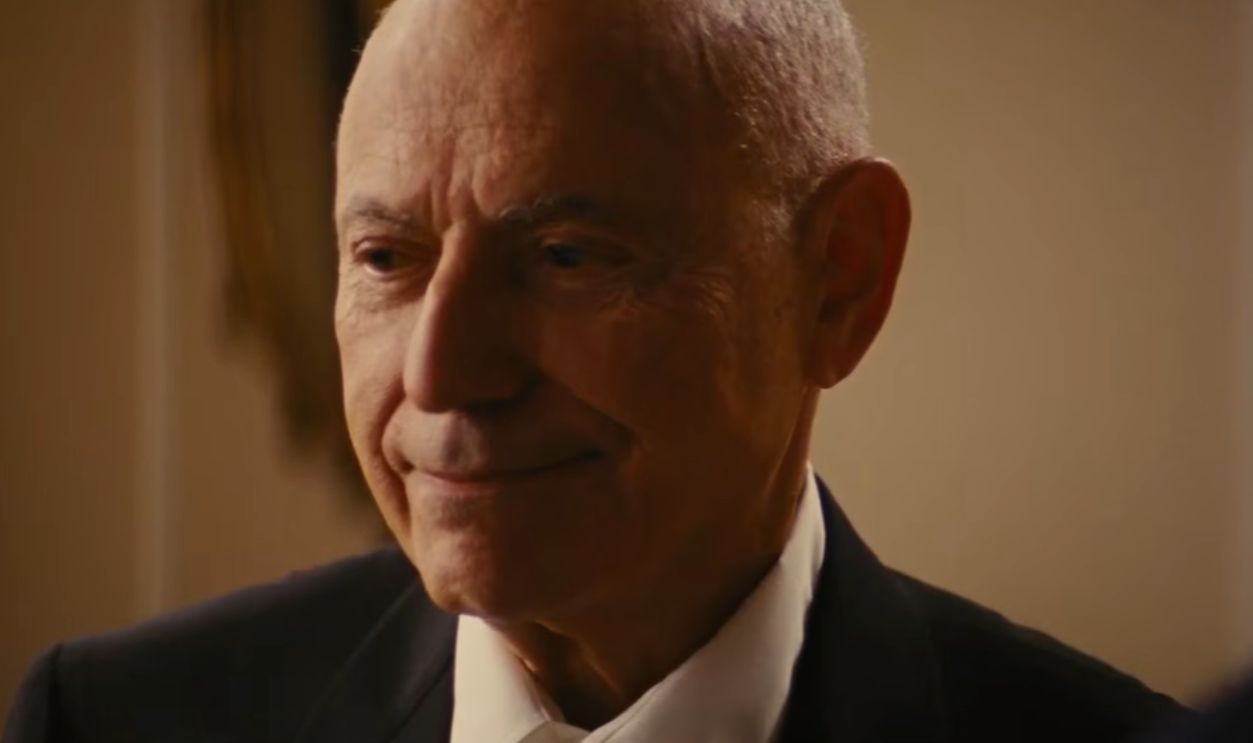 Screenshot from Argo, Warner Bros. (2012)
He Kept Working Into His 80s
Arkin joined Michael Caine and Morgan Freeman in Going in Style (2017), directed by Zach Braff. The comedy followed three retirees who decide to rob a bank after their pensions are threatened. Arkin's dry humor remained unmistakable. He subsequently starred opposite Michael Douglas in The Kominsky Method, earning Emmy nominations for his portrayal of Norman Newlander, a sharp-tongued Hollywood talent agent.
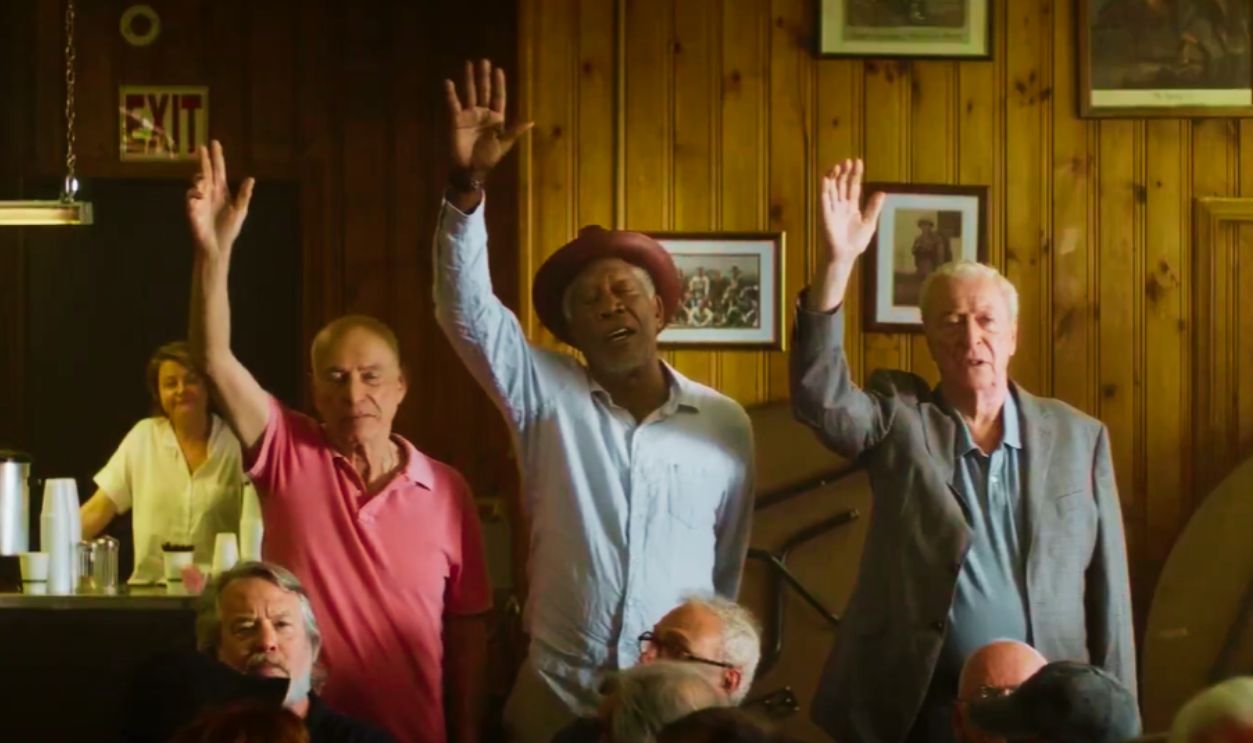 Screenshot from Going in Style, Warner Bros. (2017)
An Extraordinary Final Chapter
Arkin remained active into his late 80s, appearing in Dumbo (2019), Spenser Confidential (2020), and providing a voice for Minions: The Rise of Gru (2022). He also enjoyed a long family life and had three sons, Adam, Matthew, and Anthony, two of whom pursued acting. Arkin passed away on June 29, 2023, aged 89, leaving behind one of Hollywood's most varied and enduring careers. His legacy was never defined by a single role or award, but by an extraordinary ability to reinvent himself across generations.
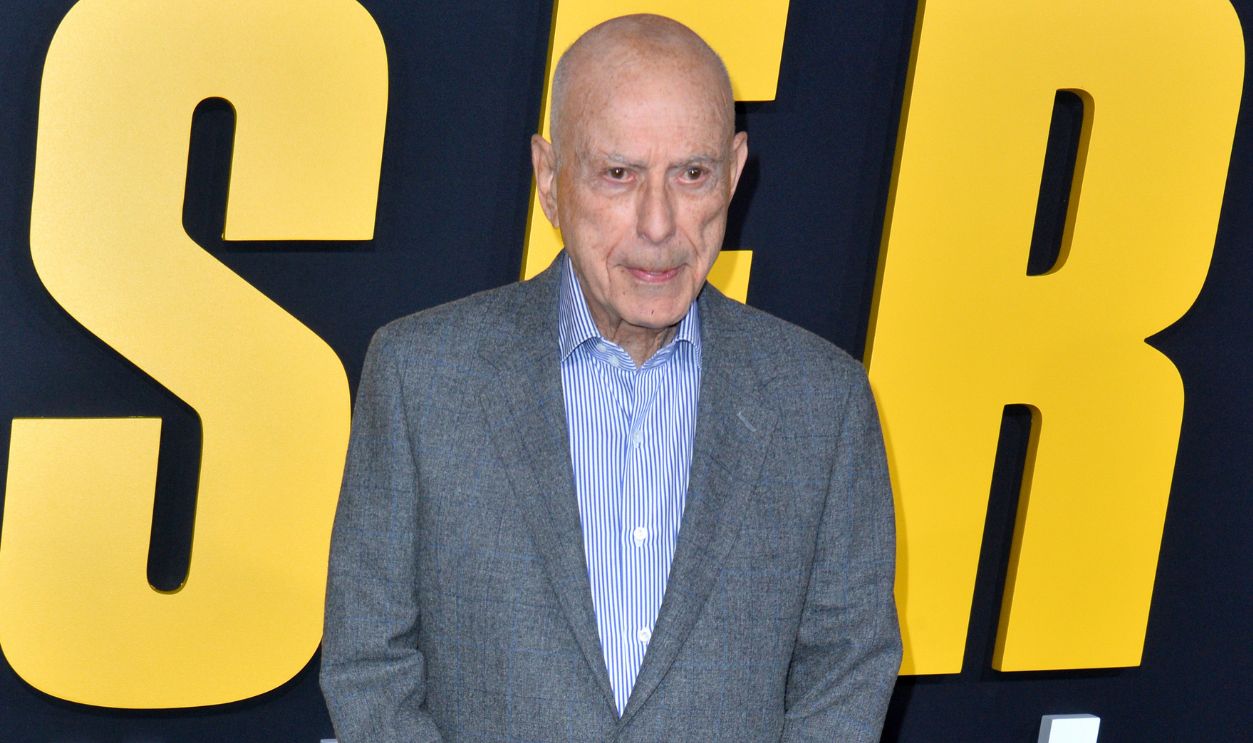 Featureflash Photo Agency, Shutterstock
You May Also Like: