A Natural Intensity
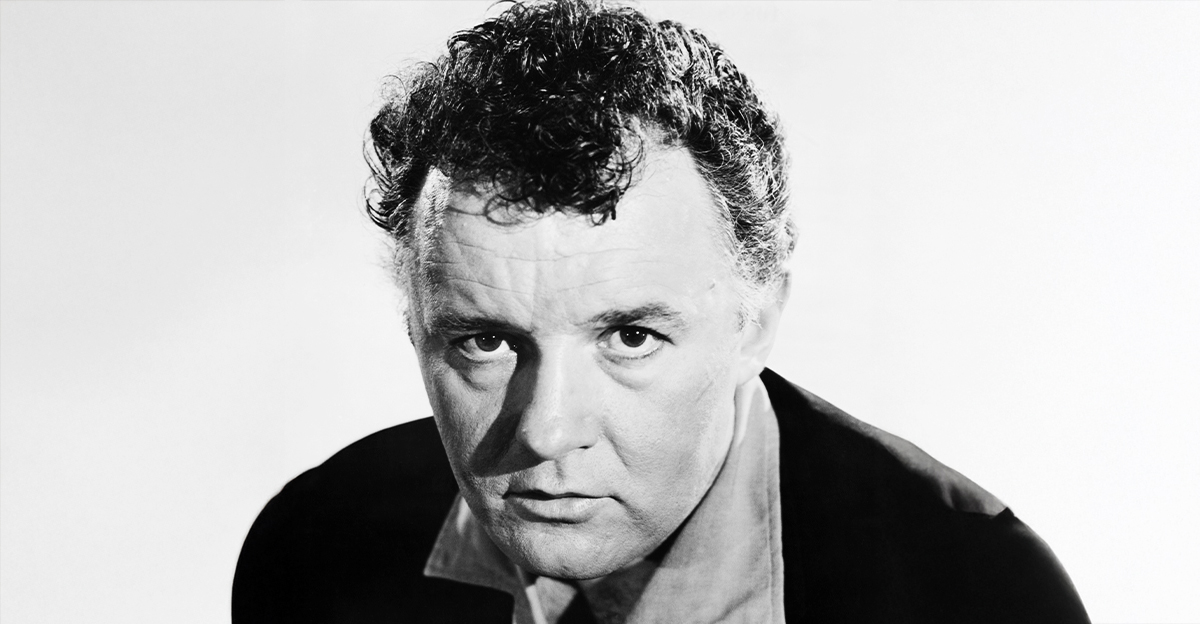
Rod Steiger became one of the most respected and intimidating actors of his generation through emotionally explosive performances in films like On the Waterfront (1954), The Pawnbroker (1964), and In the Heat of the Night (1967). Yet beneath the fierce screen presence was a complex man haunted by depression, insecurity, failed relationships, and painful professional regrets.
 John Springer Collection/CORBIS/Corbis via Getty Images
Birth
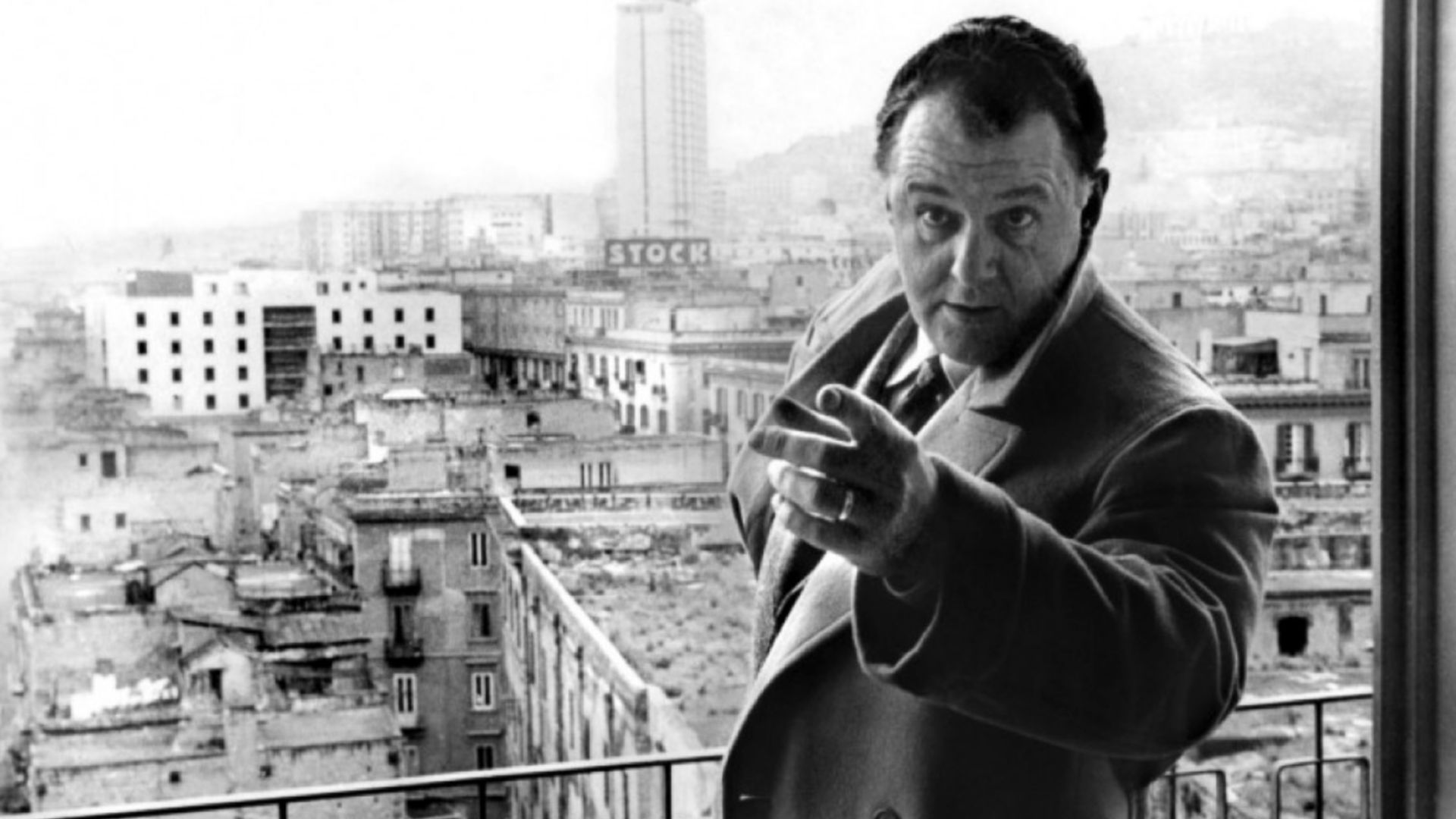
Rodney Stephen Steiger was born on April 14, 1925, in Westhampton, New York. His parents separated before he was born, and his difficult upbringing would profoundly shape both his personality and his acting style. The emotional instability surrounding his earliest years would linger in his memory for the rest of his life.
 Francesco Rosi, Wikimedia Commons
Unstable Childhood
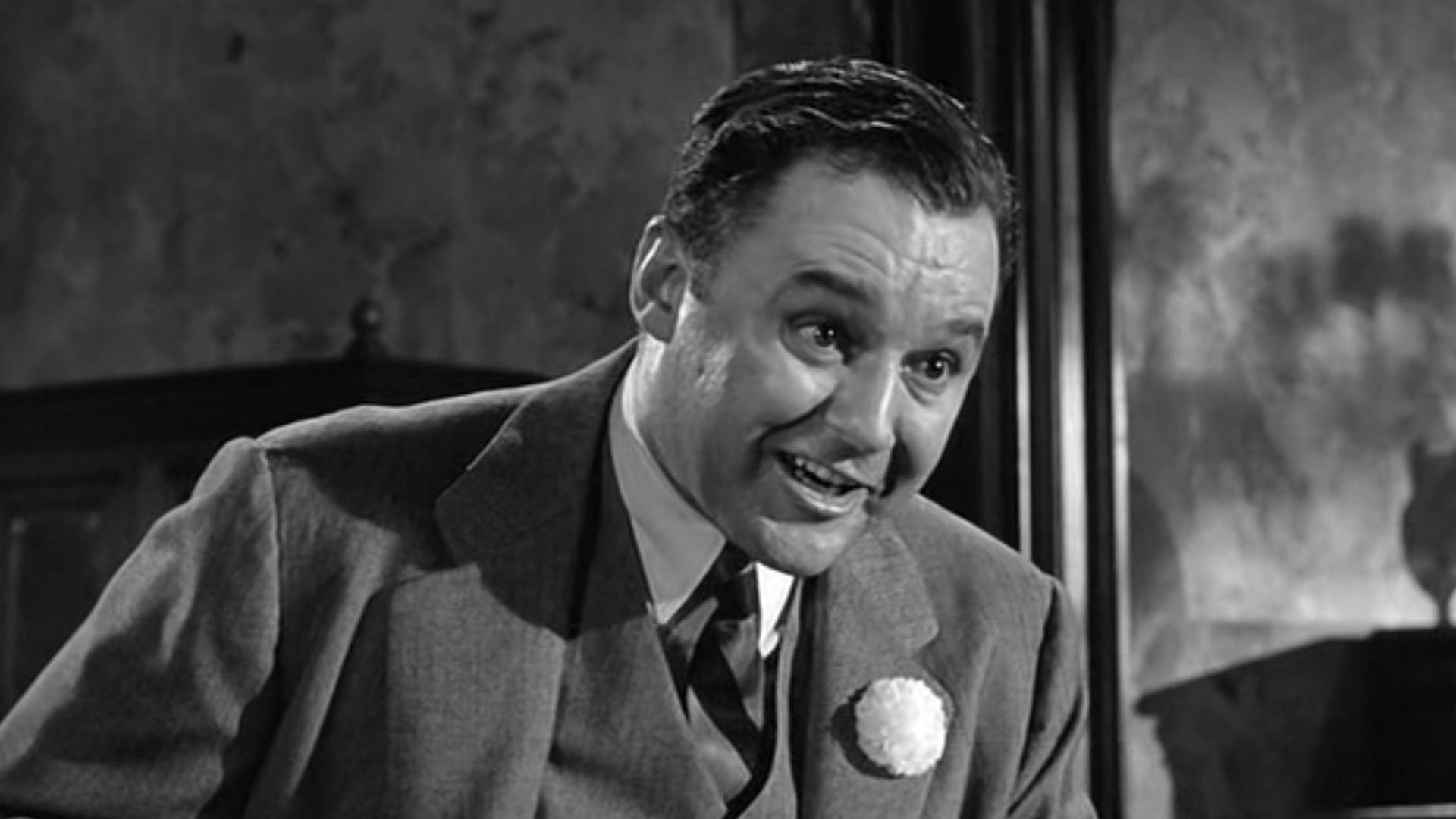
Steiger grew up in a troubled household marked by poverty and emotional turmoil during the desperate times of the Great Depression. He was often shuffled between relatives while struggling to understand his fractured family life. Those early experiences left him deeply insecure, something he later admitted fueled the emotional desperation visible in many of his performances.
 Burrows-Ackerman/Allied Artists, Wikimedia Commons
Broken Dreams
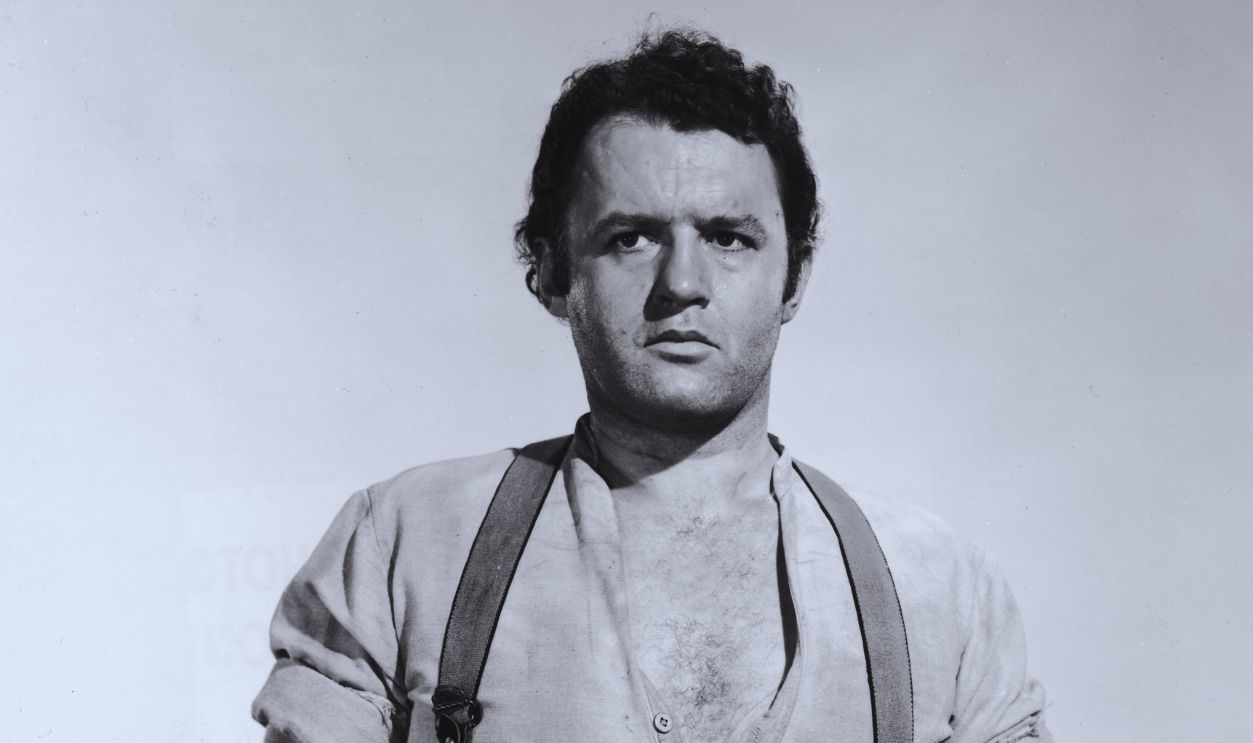
Steiger’s mother had once hoped for an acting career, but a leg injury ended those ambitions and contributed to severe alcoholism. Young Rod often cared for her while enduring unpredictable emotional outbursts. Watching unrealized dreams destroy his mother left a lasting psychological mark that later influenced his complicated relationship with success and fame.
An Event That Marked Him
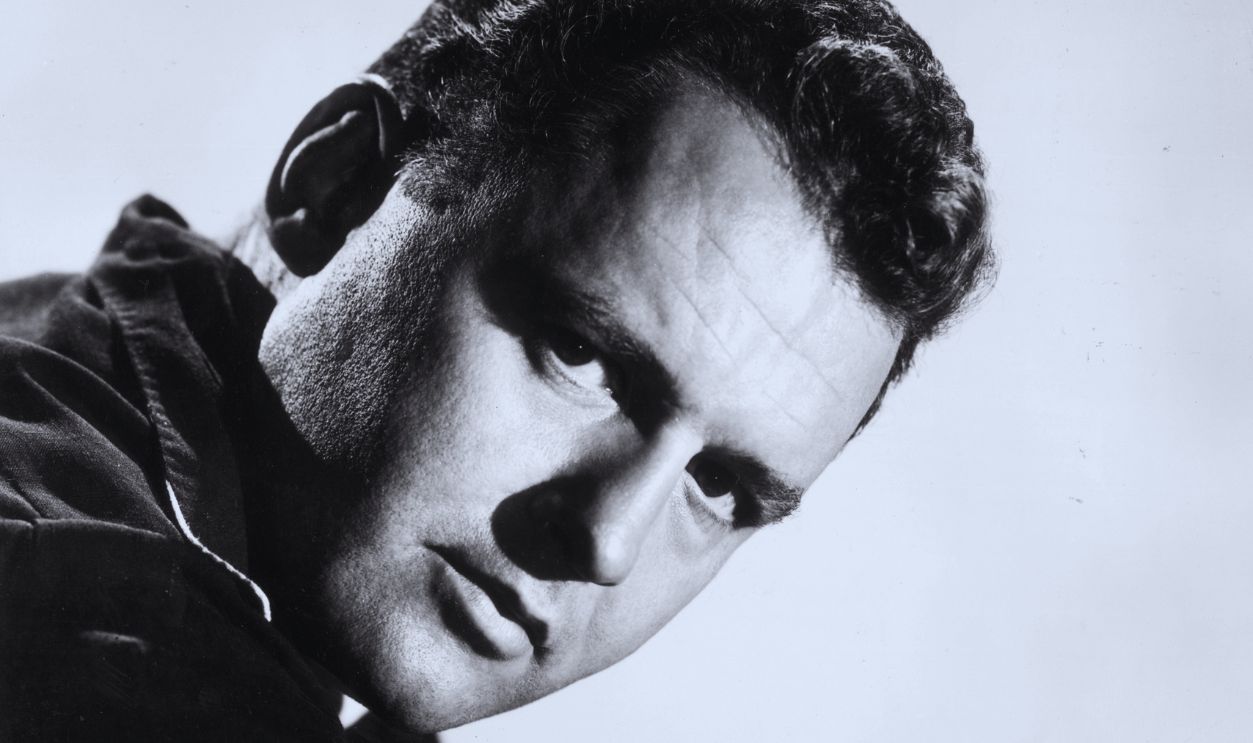
When he was five years old, Steiger was sexually assaulted by an older man who lured him in with an elaborate butterfly collection. The traumatic experience haunted him for decades and contributed to his lifelong struggles with depression and emotional volatility. The incident also deepened the emotional intensity he later brought to damaged and vulnerable characters.
Strong Physique And Athletic Talent
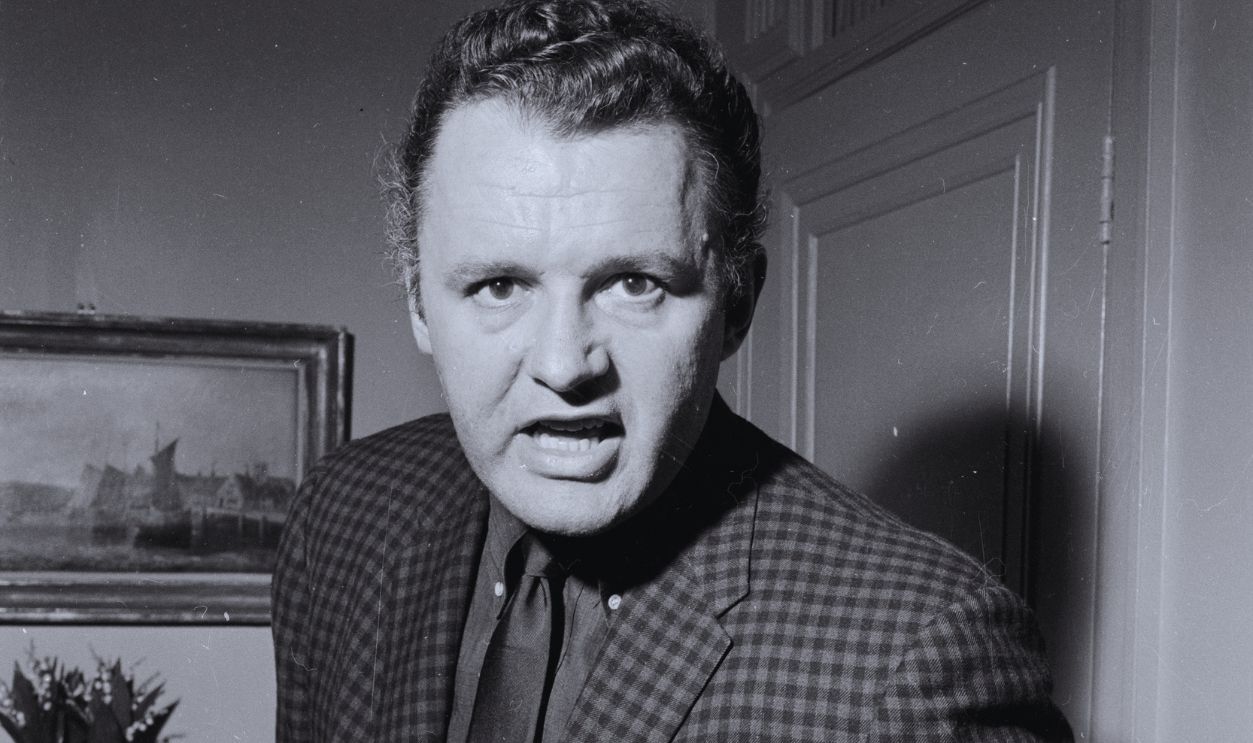
Despite his troubled upbringing, Steiger developed into a physically powerful teenager and became an accomplished athlete in high school. Friends nicknamed him “The Rock” because of his muscular build and intimidating presence. His strong physique later made him convincing in tough-guy roles, even though privately he remained painfully insecure about himself.
 William Lovelace, Getty Images
Running Away To Join The Navy
Steiger frequently clashed with his mother and eventually ran away from home as a teenager to join the United States Navy during World War II. The decision gave him structure and purpose for the first time in his life. But military service would also expose him to traumatic experiences as well.
 Donaldson Collection, Getty Images
War In The Pacific And Typhoon Cobra
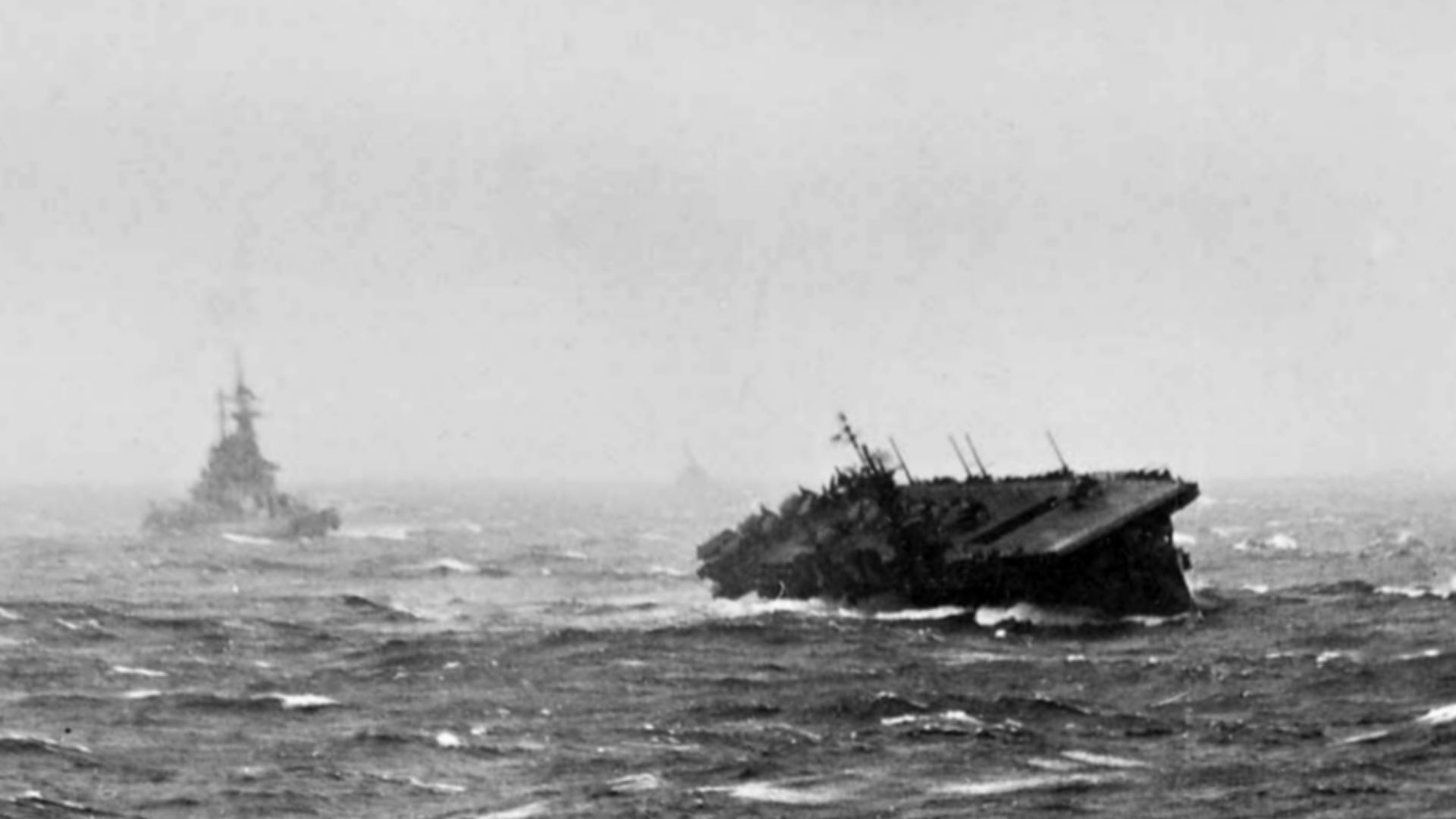
Serving in the Pacific theater, Steiger witnessed combat and survived terrifying conditions at sea. During the devastating Typhoon Cobra in 1944, he reportedly lashed himself to the deck of his ship, the USS Taussig, to avoid being swept overboard. The horrors of war and memories of death all around him contributed to lifelong emotional scars and recurring depression.
 U.S. Navy, Captain Carlos W. Wieber, Wikimedia Commons (Representation)
Studying Drama On The GI Bill
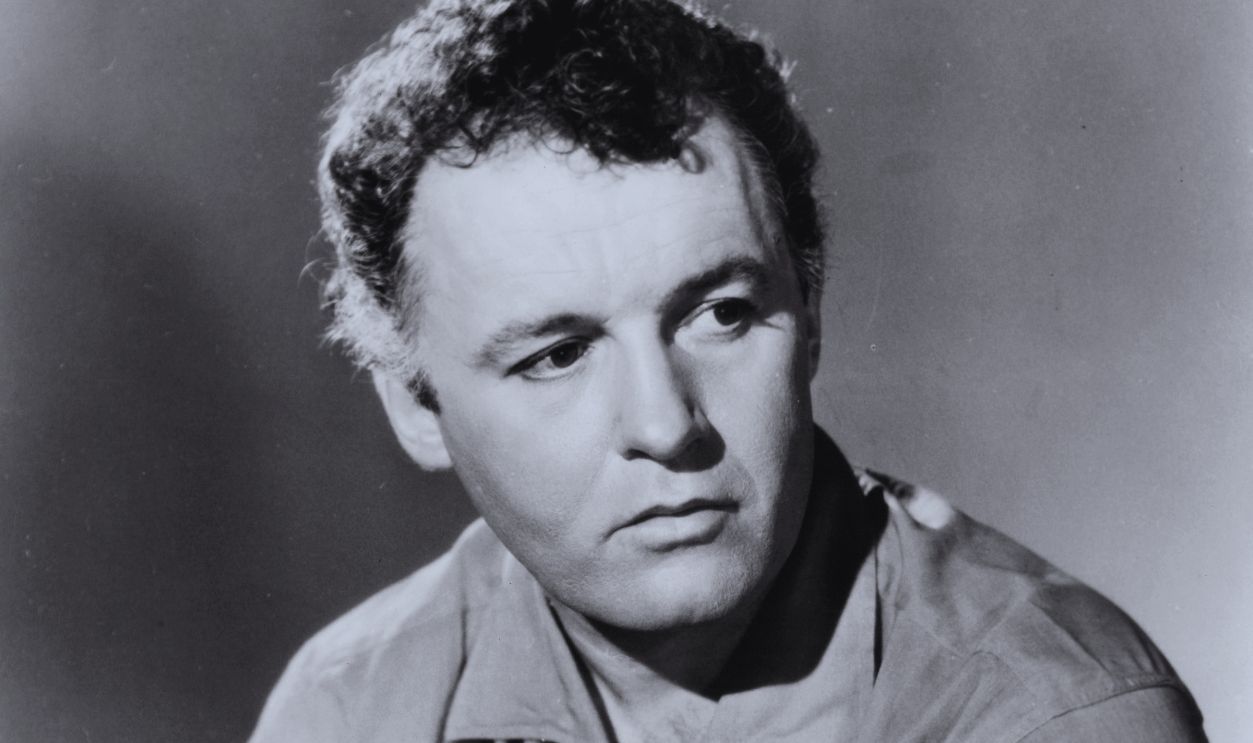
After the war, Steiger took advantage of the GI Bill to study drama at the New School for Social Research in New York. One of his classmates was future star Walter Matthau. For the first time, Steiger discovered an outlet where his emotional intensity and psychological complexity could become artistic strengths rather than personal burdens.
First Stage Role
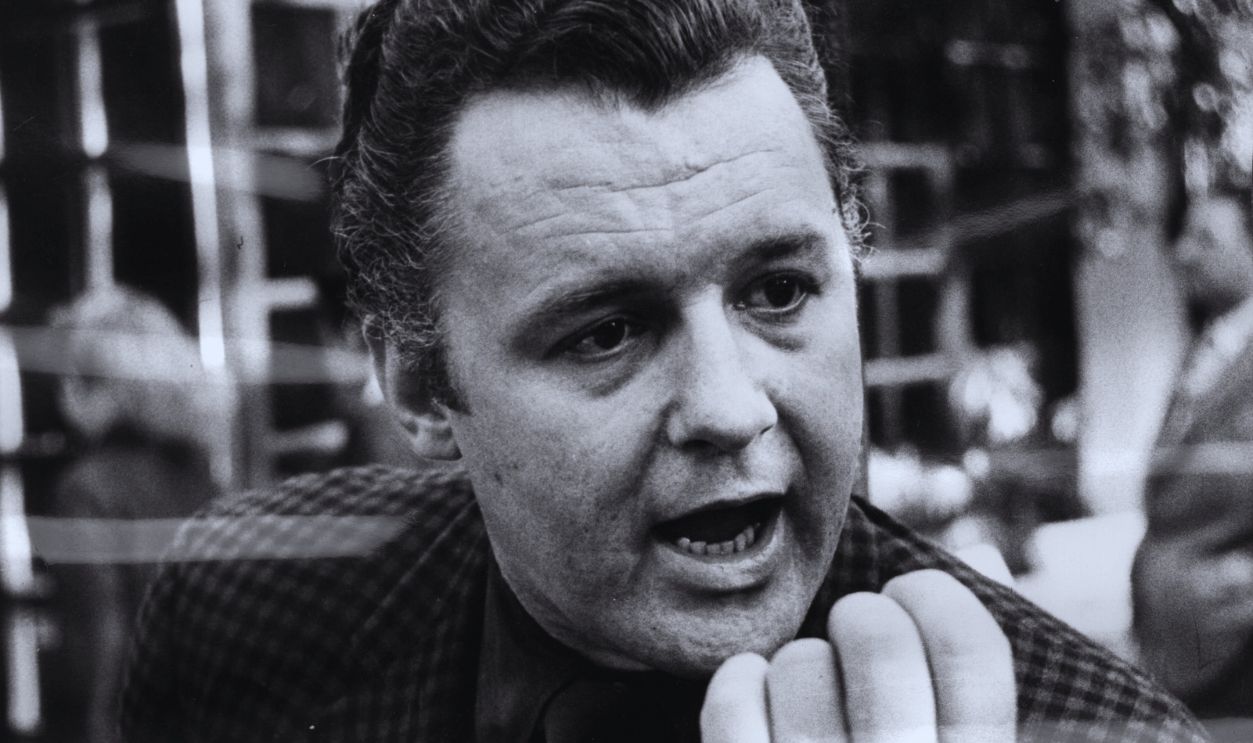
Steiger’s first professional stage appearance came in the play Curse You, Jack Dalton! during the late 1940s. Though still inexperienced, he immediately impressed audiences with his emotional realism and commanding voice. The performance marked the beginning of a career that would soon place him among America’s most respected young actors.
 John Chillingworth, Getty Images
Method Acting Revolution
Steiger studied alongside Marlon Brando, Karl Malden, and Eli Wallach during the rise of Method acting in New York. Believing his ordinary looks prevented him from becoming a traditional leading man, he instead embraced character acting, focusing on emotional authenticity and psychological complexity over glamour.
Broadway Recognition In Night Music
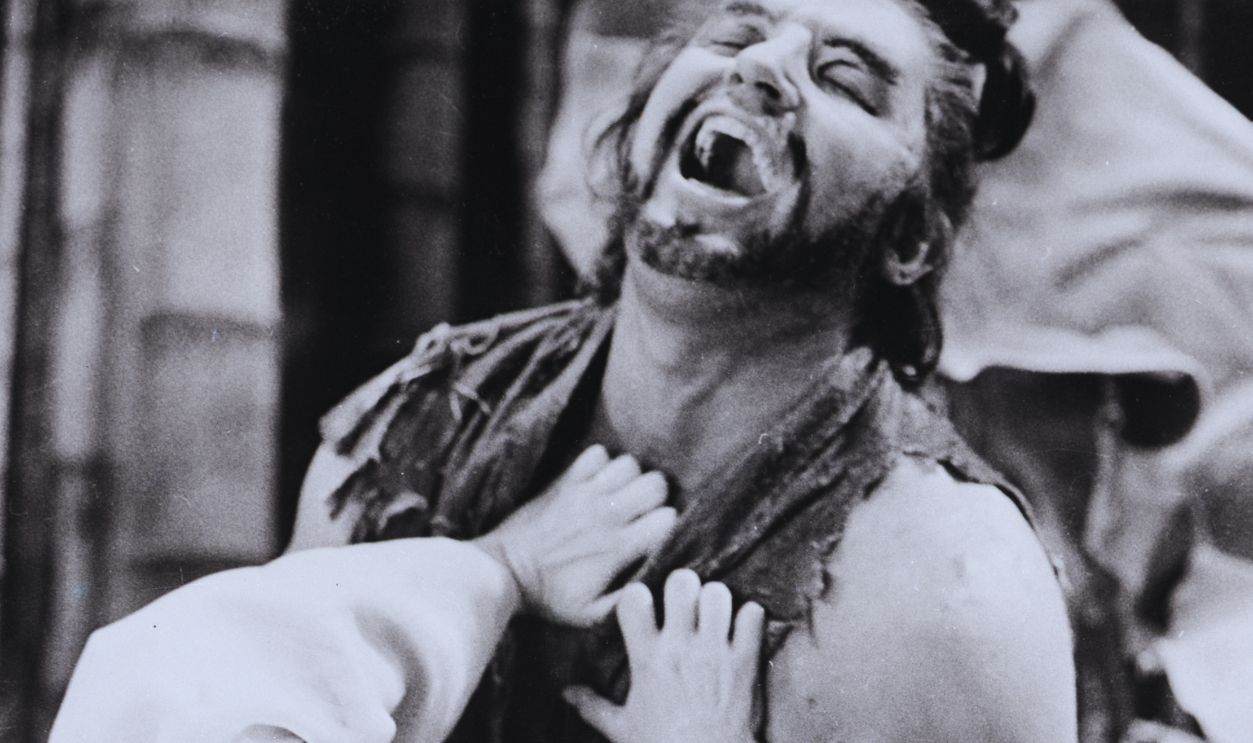
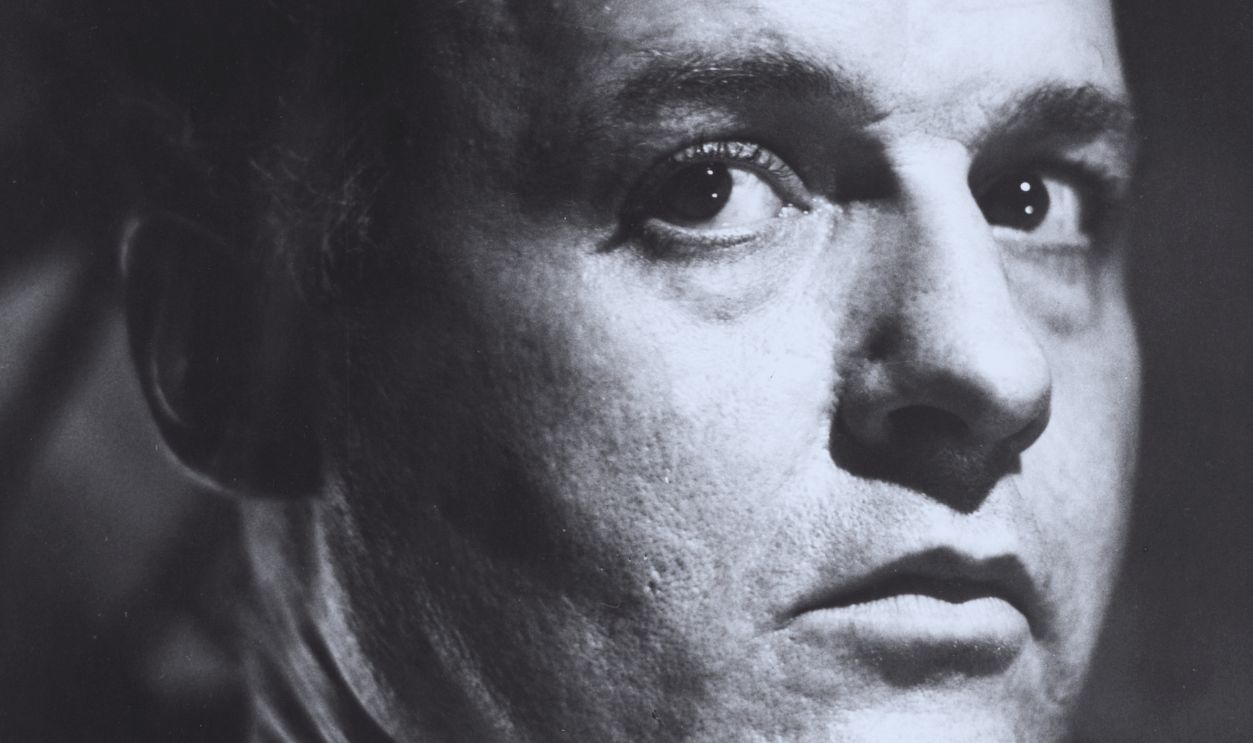
Steiger gained significant attention for his Broadway work in Clifford Odets’ Night Music during the early 1950s. Theater critics praised his emotional force and raw realism. By this point, producers increasingly viewed him as one of the most promising dramatic actors emerging from New York’s influential Method acting movement.
 Silver Screen Collection, Getty Images
Early Television Success
During the early 1950s, Steiger became a familiar face on prestigious live television dramas including Studio One, Kraft Television Theatre, Danger, and Goodyear Television Playhouse. The demanding live format sharpened his acting instincts and introduced him to national audiences before Hollywood studios fully recognized his enormous dramatic potential.
 Michael Ochs Archives, Getty Images
The Role Of Marty
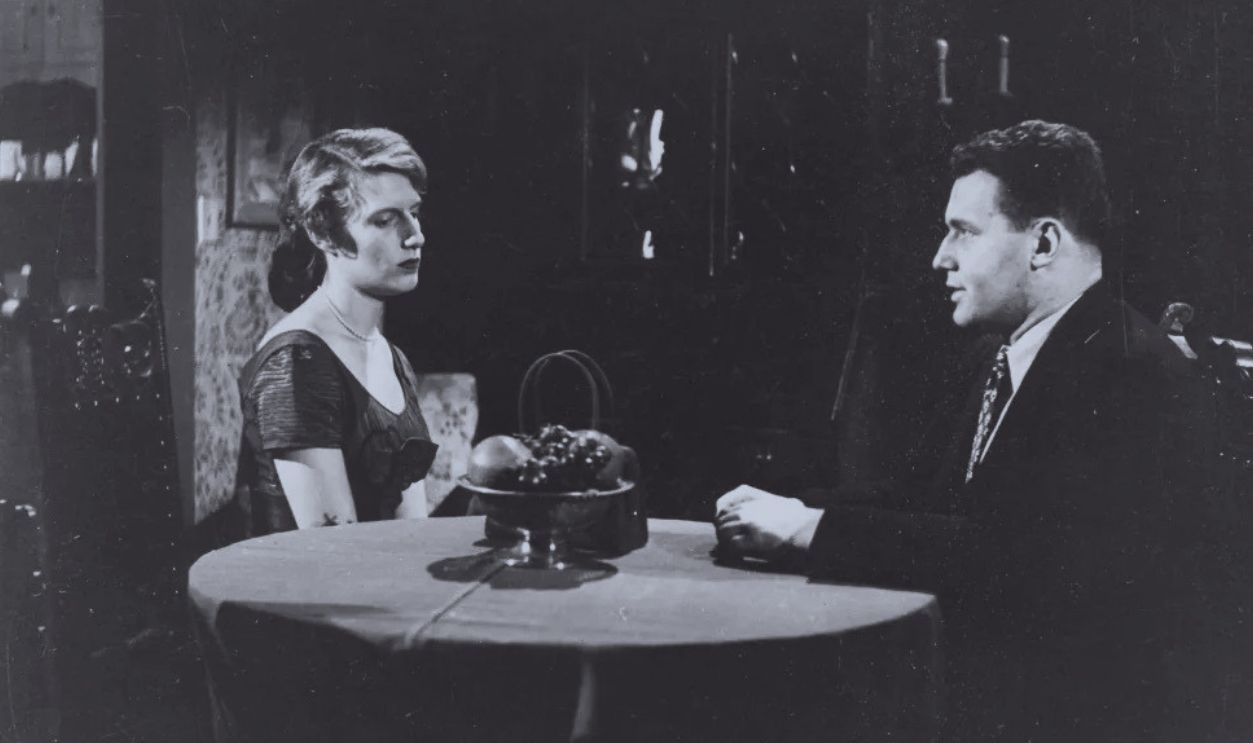
Steiger originally played lonely Bronx butcher Marty Piletti in the television production of Marty before refusing to sign a long-term studio contract for the film adaptation. The movie role instead went to Ernest Borgnine, who won the Academy Award for Best Actor. Steiger later admitted that the decision haunted him professionally for years afterward.
 Screenshot from Marty, NBC / Goodyear Television Playhouse (1953)
Explosive Tension In On The Waterfront (1954)
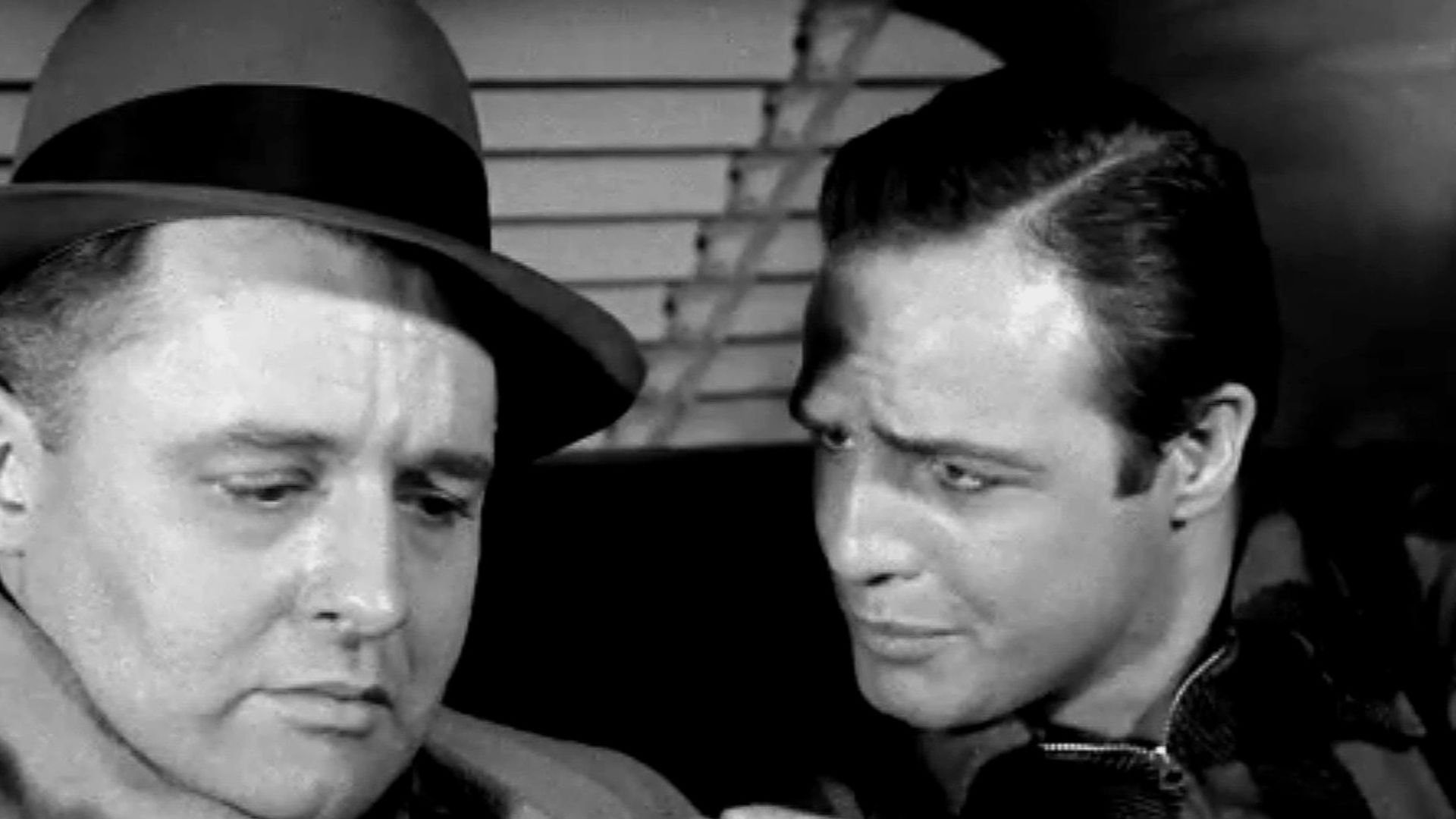
Director Elia Kazan cast Steiger as Charley Malloy in On the Waterfront (1954), opposite Marlon Brando, Eva Marie Saint, and Karl Malden. His emotionally conflicted mob second-in-command became one of the film’s most memorable figures. Although Steiger earned an Academy Award nomination, working with Brando reportedly created professional tension and personal resentment.
 Elia Kazan Productions-Columbia Pictures, Wikimedia Commons
Broadway Ambition In The Big Knife (1955)
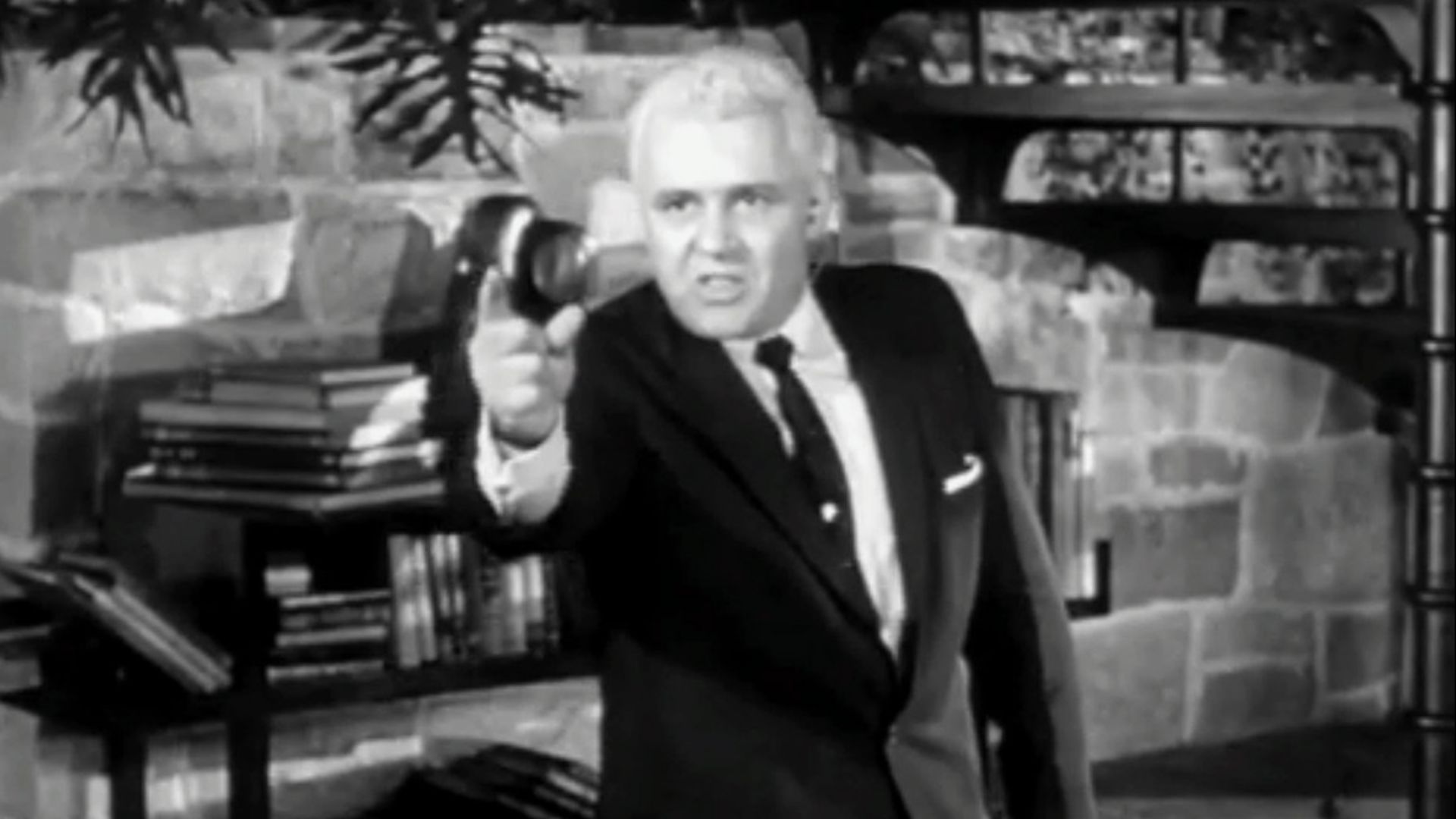
In Robert Aldrich’s Hollywood drama The Big Knife (1955), Steiger appeared alongside Jack Palance, Ida Lupino, Shelley Winters, and Wendell Corey. Playing studio honcho Stanley Hoff, he helped the film's exploration of the corruption lurking beneath the glamor of the movie industry. The bitter backstage drama fit perfectly with Steiger’s intense acting style.
 Associates & Aldrich/United Artists, Wikimedia Commons
Military Drama In The Court-Martial Of Billy Mitchell (1955)
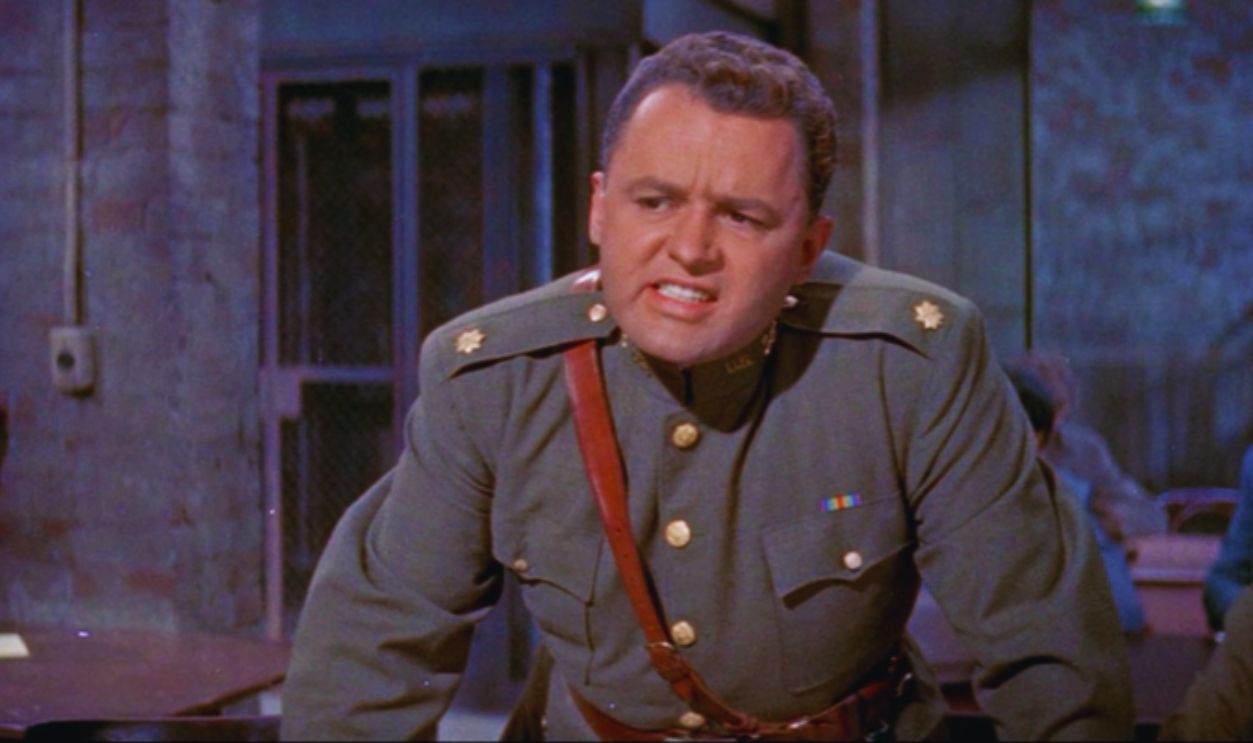
Steiger appeared in Otto Preminger’s military courtroom drama The Court-Martial of Billy Mitchell (1955), starring Gary Cooper as the outspoken American air power advocate. Sharing the screen with Charles Bickford, Ralph Bellamy, and Elizabeth Montgomery, Steiger played one of the officers surrounding Mitchell’s controversial prosecution. The tense historical drama further strengthened Steiger’s growing reputation for intense, authoritative performances.
 Screenshot from The Court-Martial of Billy Mitchell, Warner Bros. Pictures (1955)
Working With Bogie In The Harder They Fall (1956)
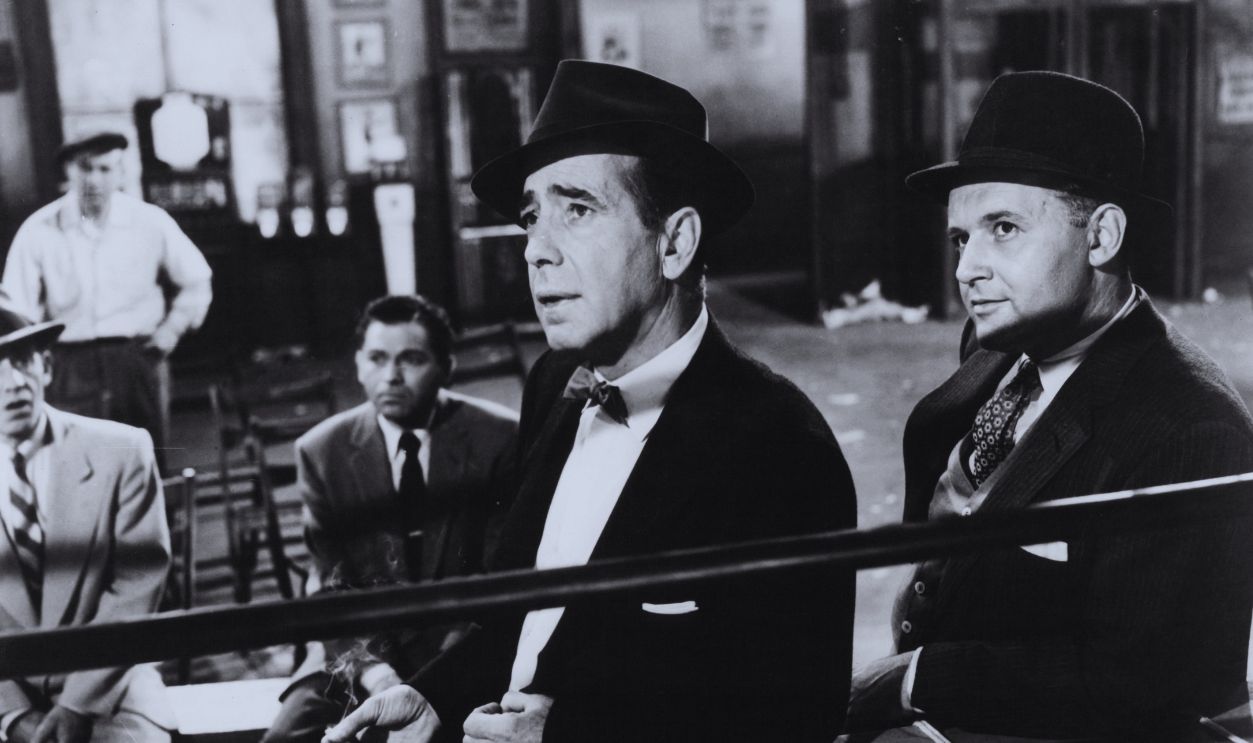
In Mark Robson’s boxing drama The Harder They Fall (1956), Steiger played corrupt boxing promoter Nick Benko opposite Humphrey Bogart as the morally conflicted sportswriter Eddie Willis. The film became Bogart’s final screen appearance before his death. Steiger’s aggressive, manipulative performance demonstrated how effectively he could dominate scenes even alongside legendary stars.
Marriage To Claire Bloom
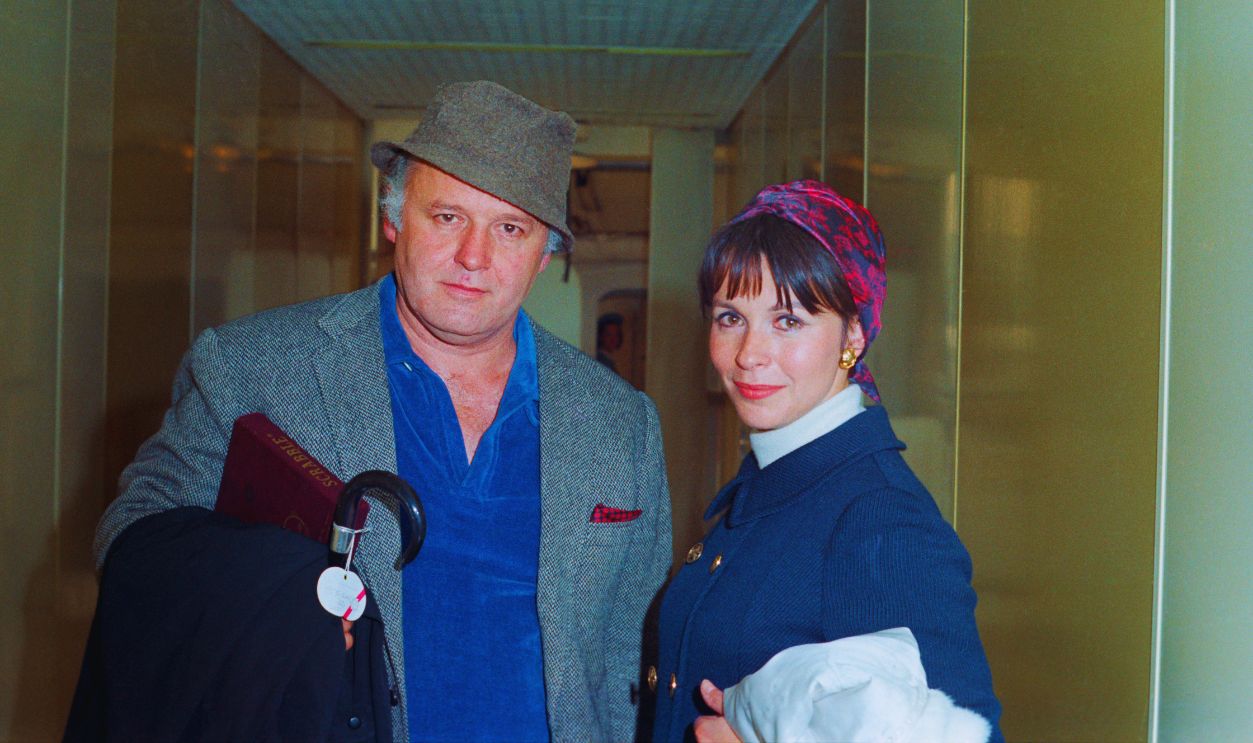
Steiger married acclaimed British actress Claire Bloom in 1960, and the couple later had a daughter, Anna Steiger. Their relationship initially appeared passionate and intellectually stimulating. Bloom soon became the love of Steiger’s life, though his emotional instability and depression would eventually place enormous strain on the marriage.
Becoming Scarface In Al Capone (1959)
Steiger took on the role of infamous Chicago gangster Al Capone in Richard Wilson’s Al Capone (1959), co-starring Fay Spain, James Gregory, and Nehemiah Persoff. Rather than portraying Capone as glamorous, Steiger emphasized the mobster’s volatility, paranoia, and brutality, creating a violent and psychologically unstable portrait of organized crime power.
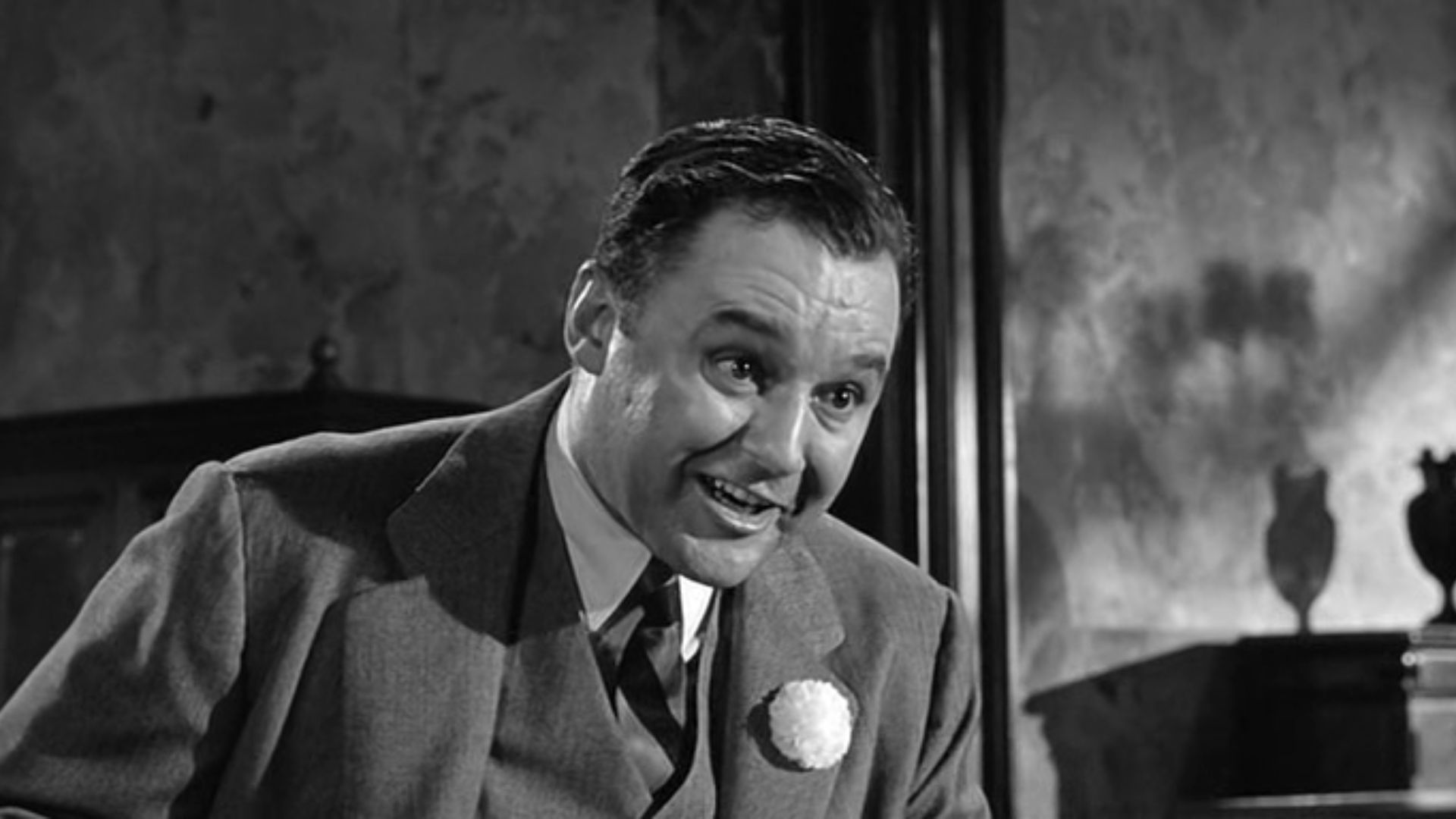 Burrows-Ackerman/Allied Artists, Wikimedia Commons
Career Momentum With Seven Thieves (1960)
Steiger starred in Henry Hathaway’s stylish caper film Seven Thieves (1960) alongside Edward G. Robinson, Joan Collins, and Eli Wallach. Playing sophisticated criminal Paul Mason, he received strong reviews for balancing charm with menace. The film suggested Steiger was becoming one of Hollywood’s most versatile and dependable dramatic stars.
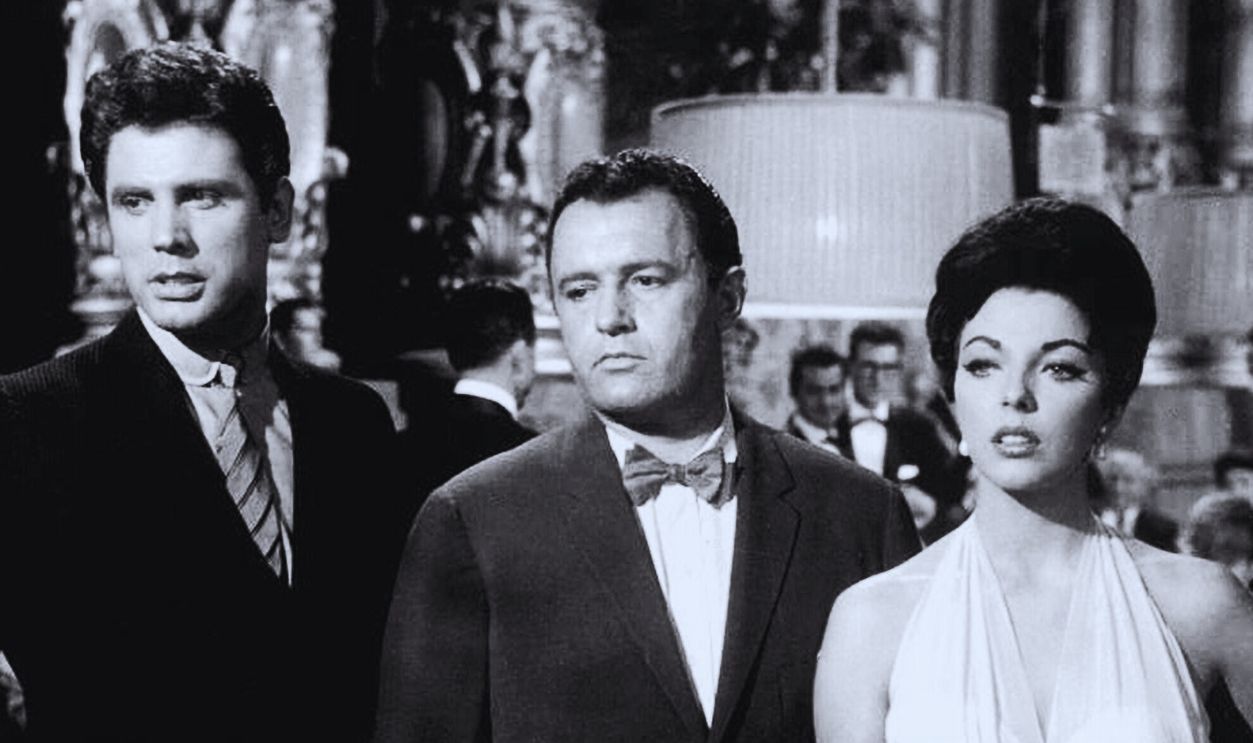 Screenshot from Seven Thieves, 20th Century Fox (1960)
Psychological Depth In The Mark (1961)
In Guy Green’s controversial drama The Mark (1961), Steiger portrayed Dr Edmund McNally a psychiatrist helping an ex-con deal with his troubled past. His deeply unsettling performance felt so realistic that psychiatric institutions reportedly invited him to speak about psychological trauma and rehabilitation after the film’s release.
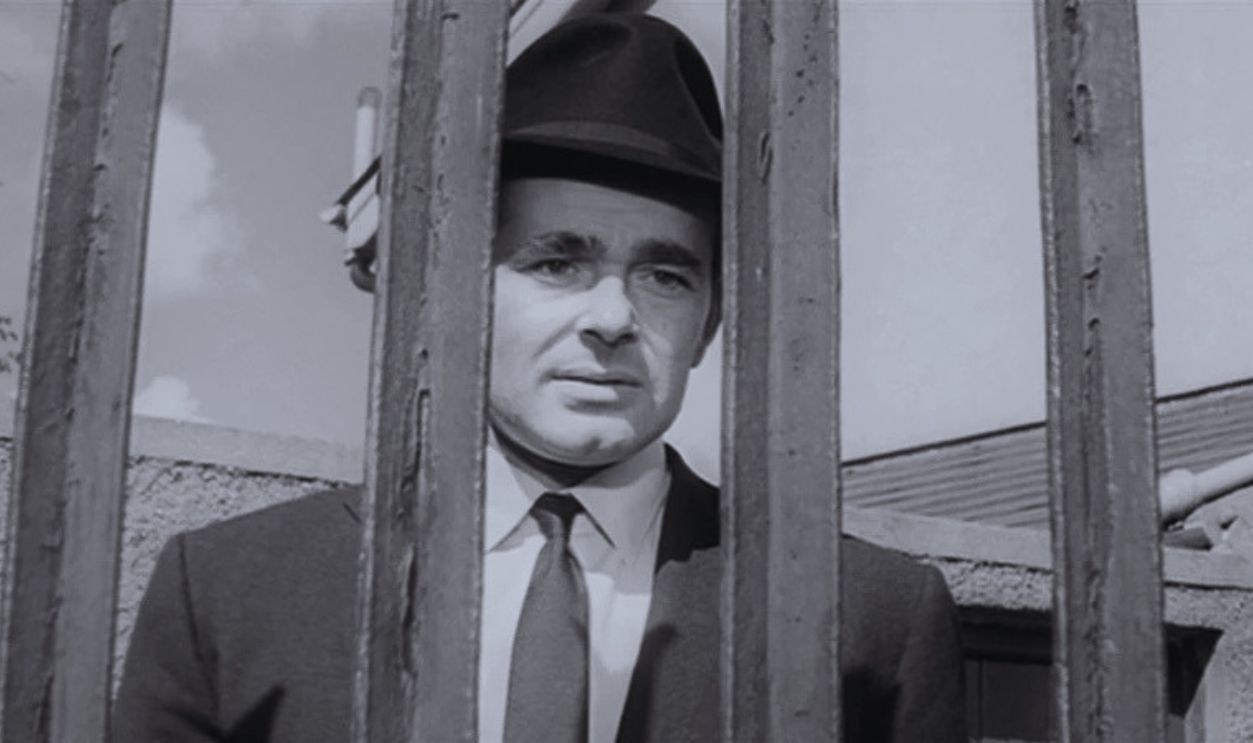 Screenshot from The Mark, Associated British Picture Corporation (1961)
Epic War Drama In The Longest Day (1962)
Steiger joined one of the largest casts in Hollywood history for Darryl F. Zanuck’s World War II epic The Longest Day (1962). Appearing alongside John Wayne, Henry Fonda, Sean Connery, and Robert Mitchum, he portrayed a determined American officer during the D-Day invasion. The massive production further increased his international reputation.
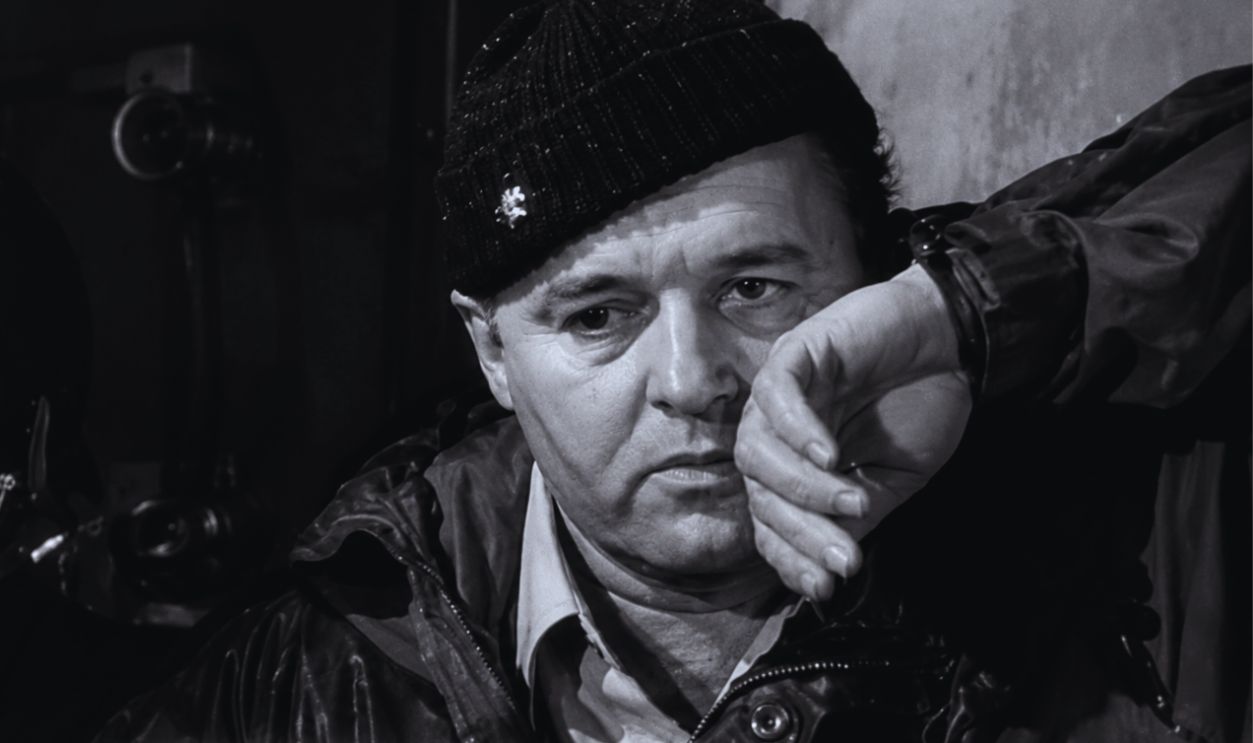 Darryl F. Zanuck Productions-20th Century Fox., Wikimedia Commons
Career-Defining Work In The Pawnbroker (1964)
Steiger considered his performance as Holocaust survivor Sol Nazerman in Sidney Lumet’s The Pawnbroker (1964) the finest work of his career. Acting opposite Geraldine Fitzgerald and Brock Peters, he portrayed emotional devastation with extraordinary restraint. The painful role drew widespread acclaim and became one of American cinema’s earliest major Holocaust dramas.
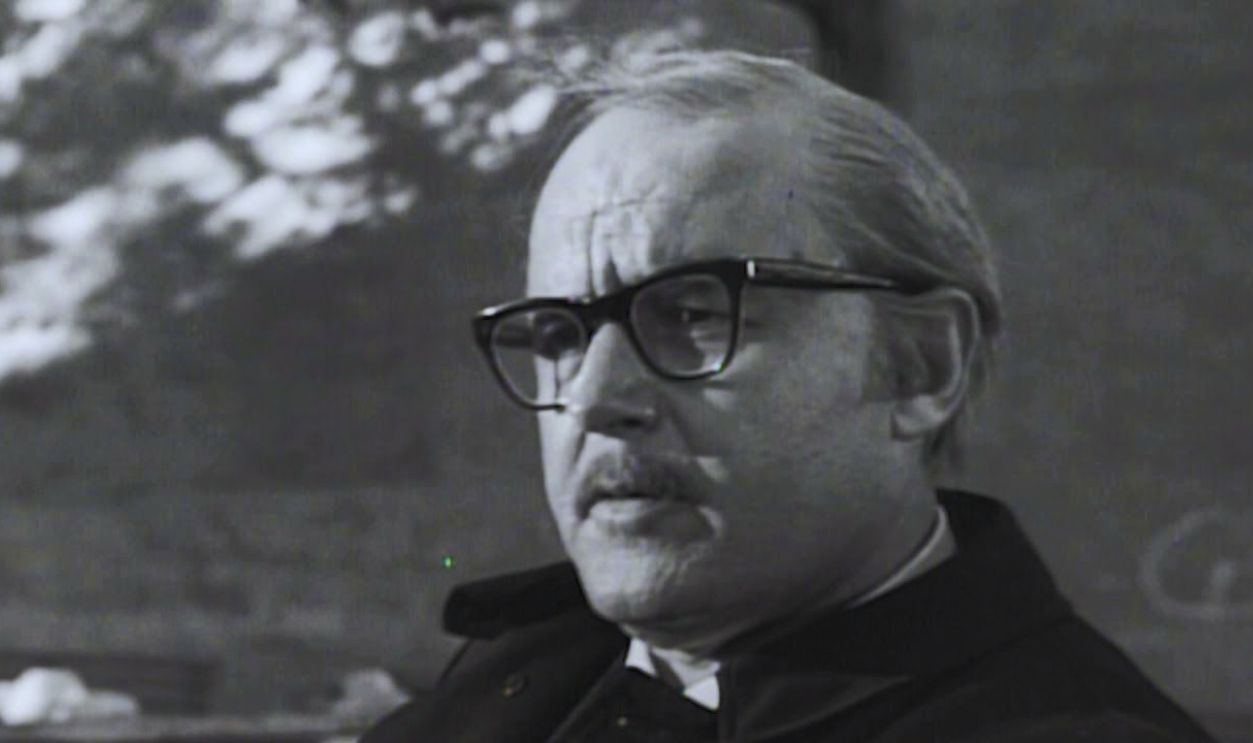 Screenshot from The Pawnbroker, Allied Artists Pictures (1964)
Controversy In The Loved One (1965)
In Tony Richardson’s dark satire The Loved One (1965), Steiger played flamboyant embalmer Mr. Joyboy opposite Robert Morse, Jonathan Winters, and Anjanette Comer. Critics were divided by the exaggerated performance, with some offended by its effeminate qualities. Still, the role demonstrated Steiger’s willingness to take unusual artistic risks despite possible backlash.
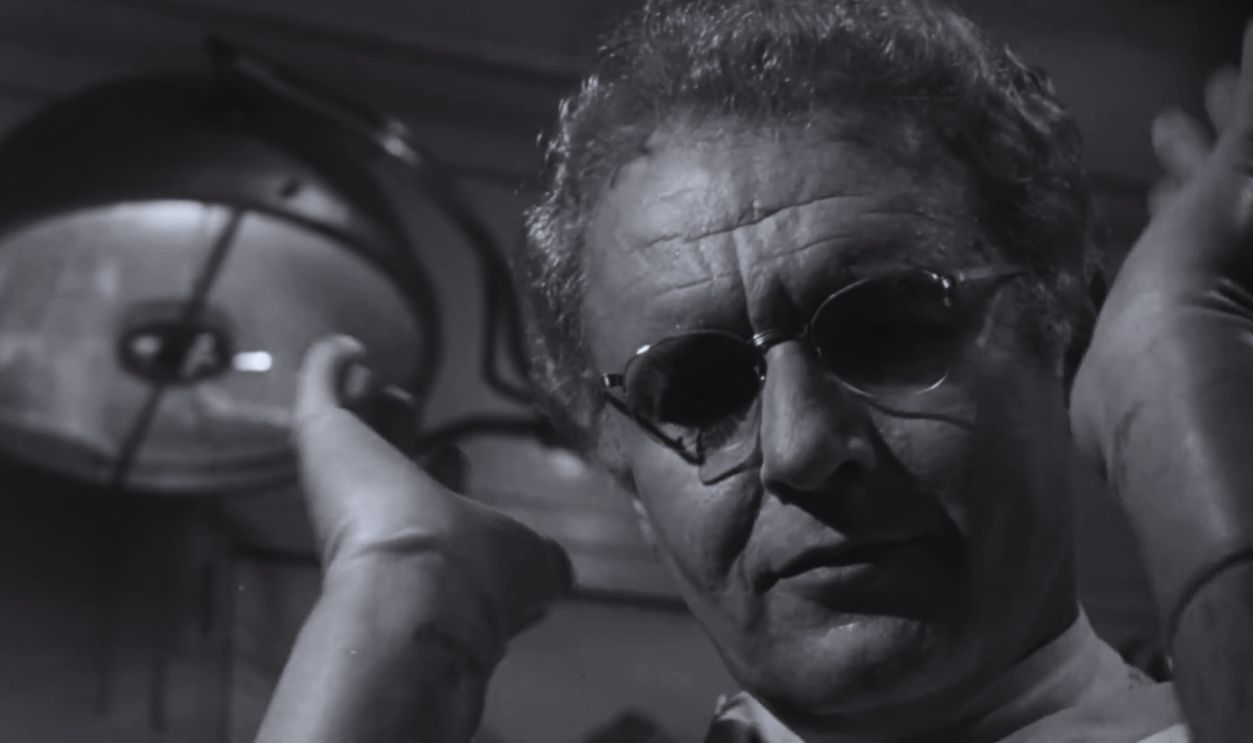 Screenshot from The Loved One, Metro-Goldwyn-Mayer (MGM) (1965)
Villainy In Doctor Zhivago (1965)
David Lean cast Steiger as the manipulative lawyer Viktor Komarovsky in Doctor Zhivago (1965), opposite Omar Sharif, Julie Christie, Alec Guinness, and Geraldine Chaplin. His morally corrupt aristocrat became one of the film’s most memorable antagonists. The internationally successful epic further elevated Steiger’s status as a world-class dramatic actor.
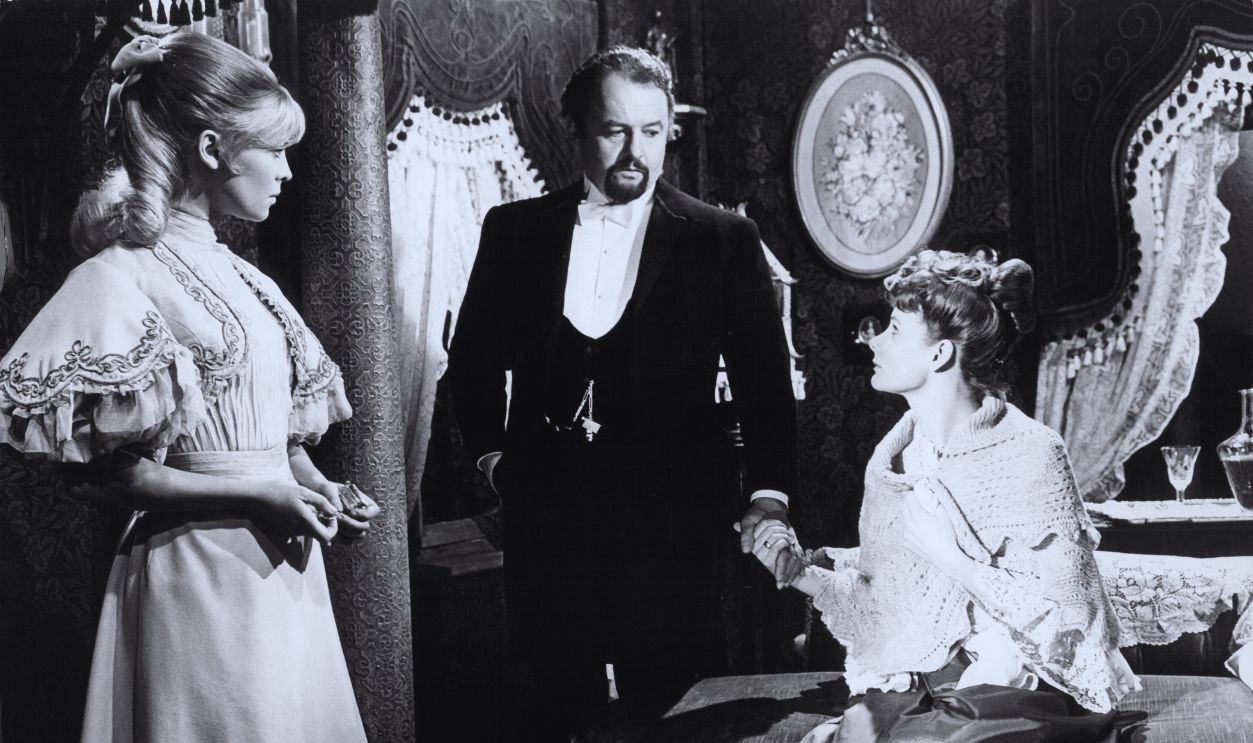
Triumph In In The Heat Of The Night (1967)
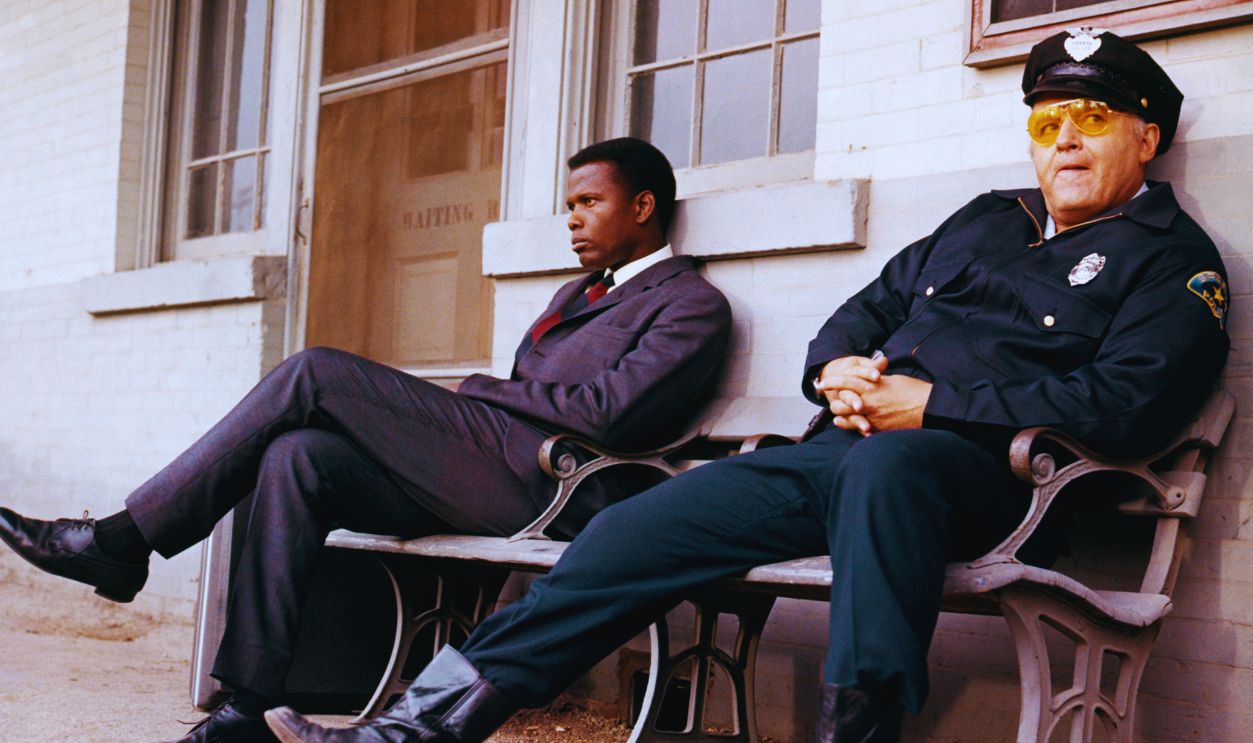
Steiger delivered perhaps his most famous performance as racist Mississippi police chief Bill Gillespie in Norman Jewison’s In the Heat of the Night (1967). Acting opposite Sidney Poitier, Warren Oates, and Lee Grant, Steiger portrayed a deeply flawed man gradually confronting his own prejudice during a murder investigation.
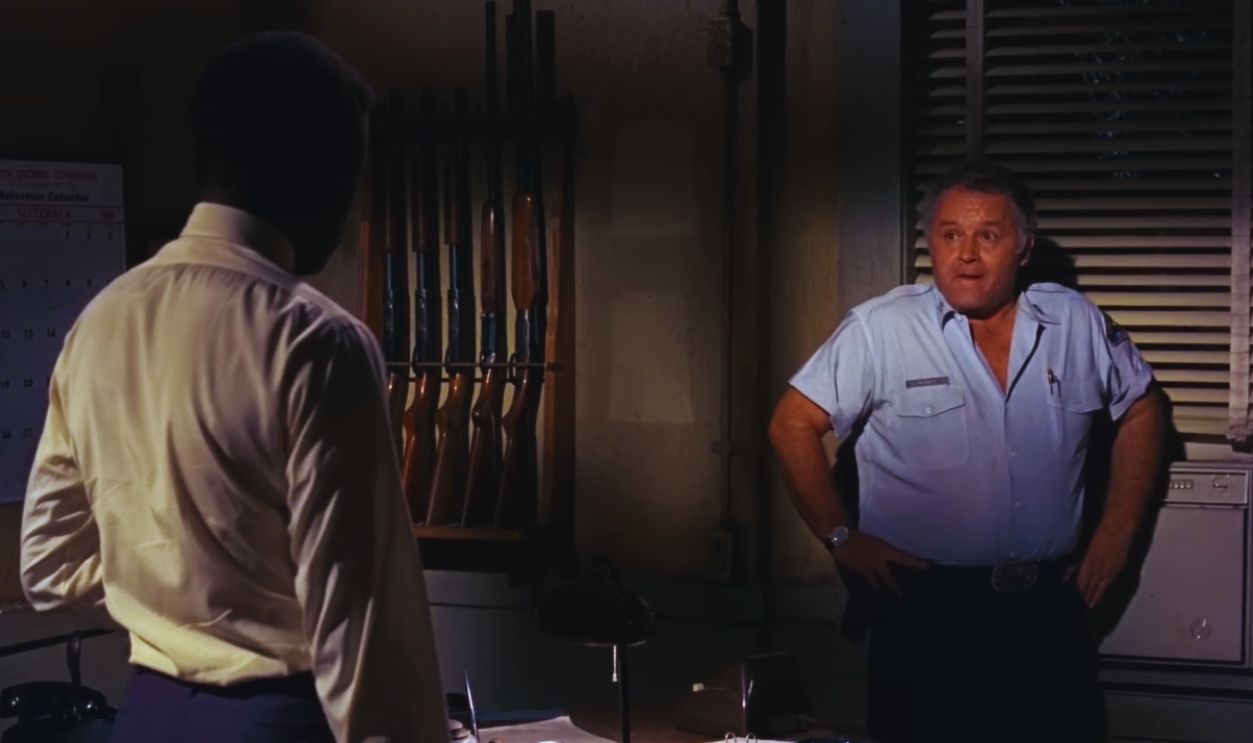 Screenshot from In the Heat of the Night, United Artists (1967)
Oscar Glory And Worldwide Acclaim
Steiger won the Academy Award for Best Actor for In the Heat of the Night (1967), along with BAFTA and Golden Globe honors. Critics praised the emotional complexity he brought to Bill Gillespie, transforming what could have been a one-dimensional racist caricature into a layered and deeply human performance.
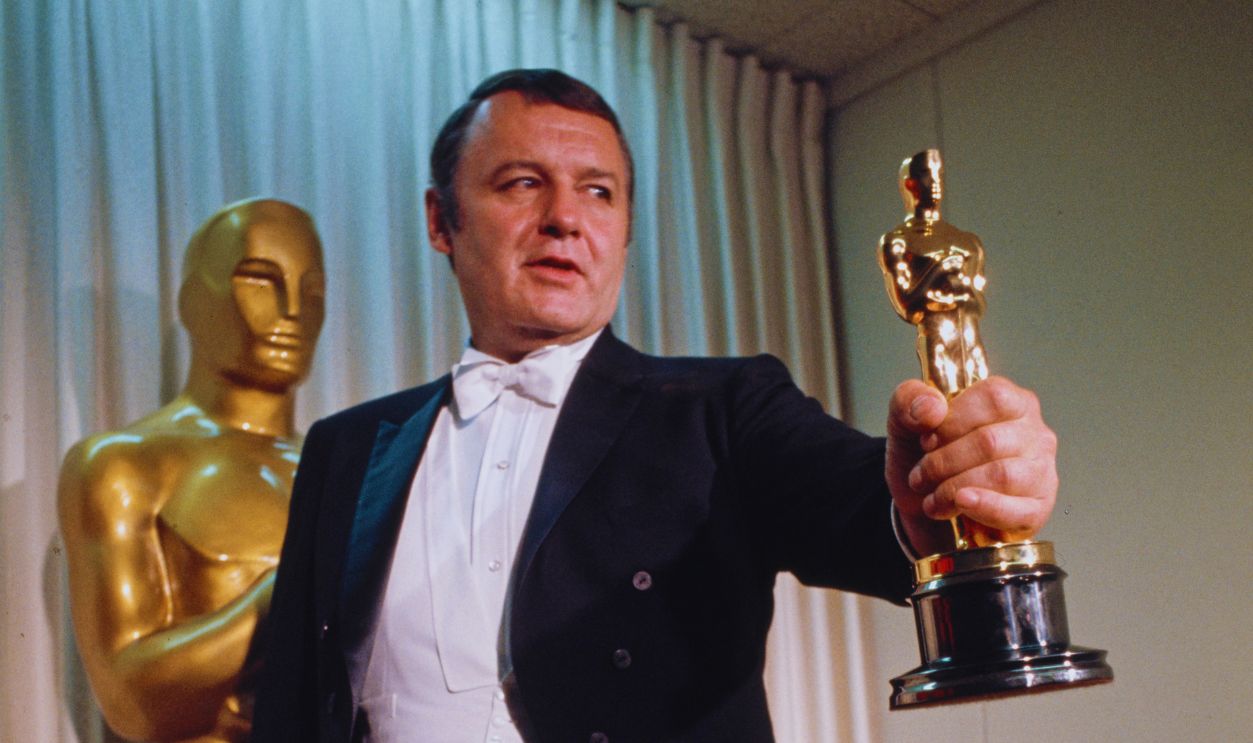
Dark Comedy In No Way To Treat A Lady (1968)
In Jack Smight’s dark comedy thriller No Way to Treat a Lady (1968), Steiger delivered one of the most eccentric performances of his career as serial killer Christopher Gill. Opposite George Segal, Lee Remick, and Eileen Heckart, he constantly shifted disguises and personalities throughout the film, demonstrating both his theatricality and his willingness to embrace bizarre material.
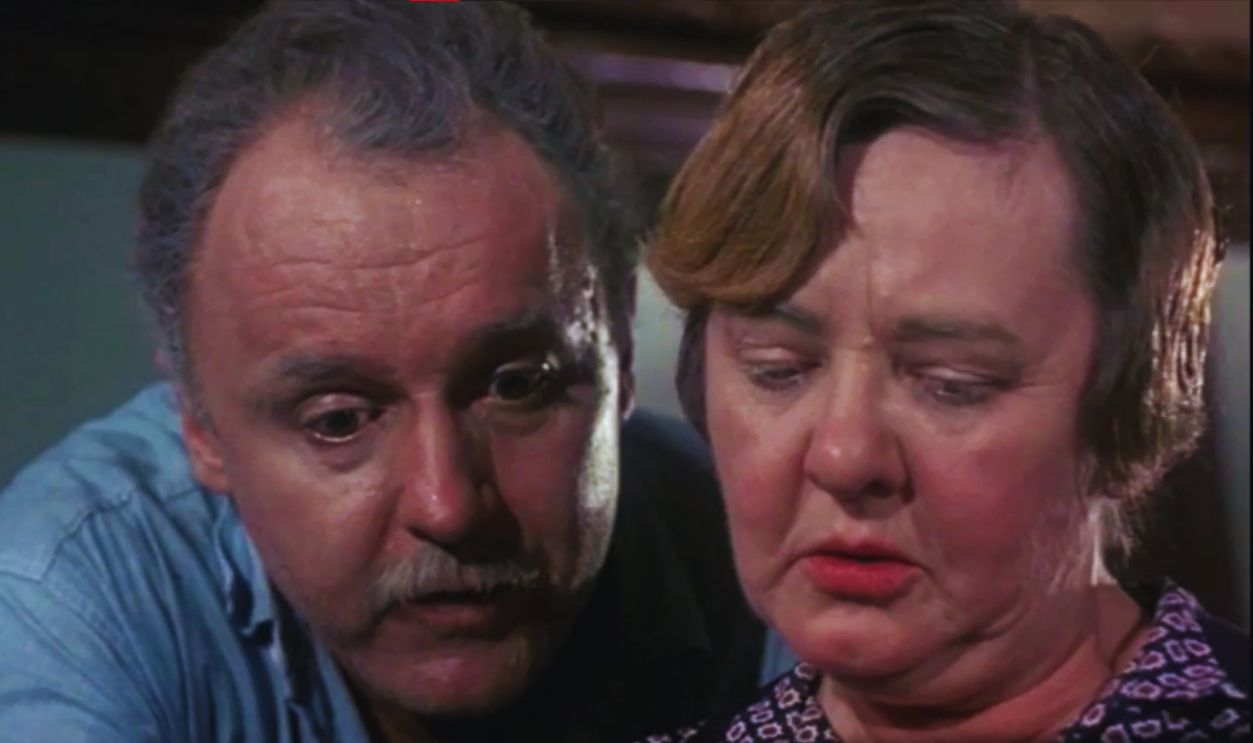 Screenshot from No Way to Treat a Lady, Paramount Pictures (1968)
Science Fiction Misfire The Illustrated Man (1969)
In Jack Smight’s adaptation of Ray Bradbury’s The Illustrated Man (1969), Steiger played Carl and multiple additional characters opposite Claire Bloom. Critics largely disliked the film, though Bradbury personally praised Steiger’s ambitious performance. The mixed reception marked the beginning of a more uneven phase in Steiger’s once unstoppable career momentum.
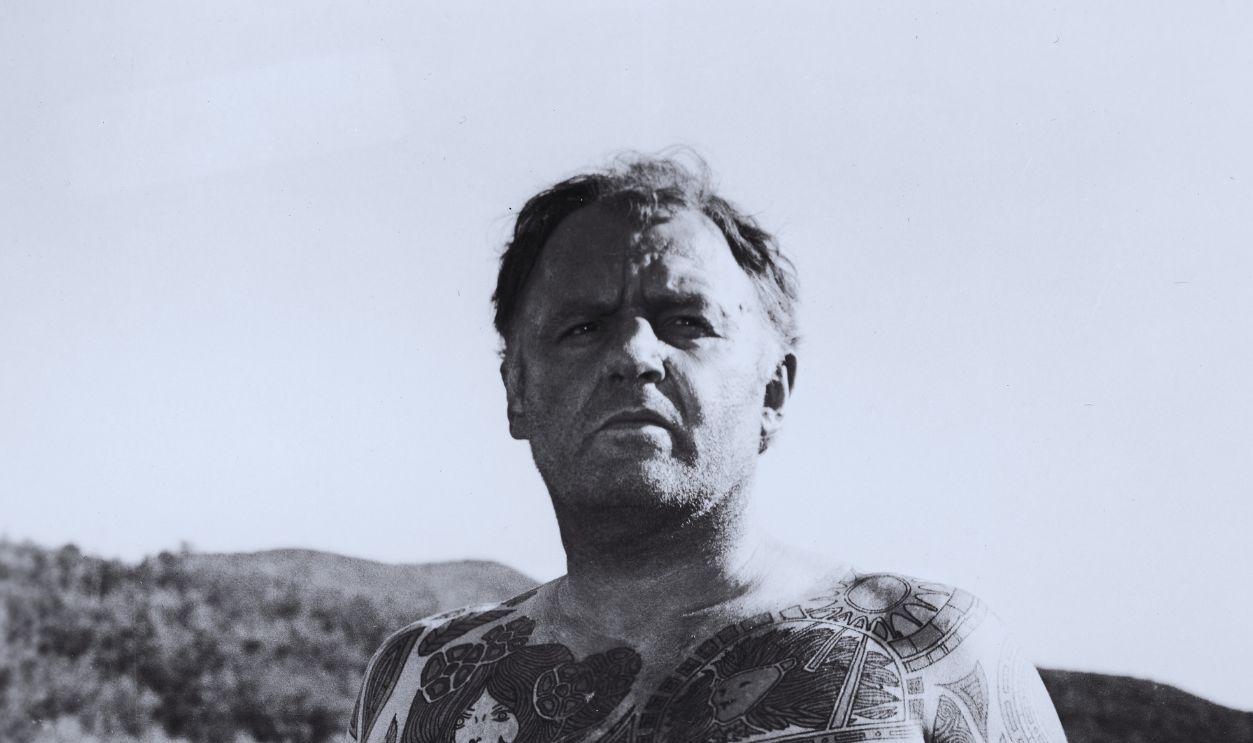
Heartbreak With Claire Bloom
Steiger’s marriage to Claire Bloom eventually collapsed amid emotional volatility and personal unhappiness. Bloom later remarried quickly after their separation, devastating Steiger emotionally because he considered her the love of his life. The breakup intensified his depression and contributed to the growing instability that increasingly affected his career decisions.
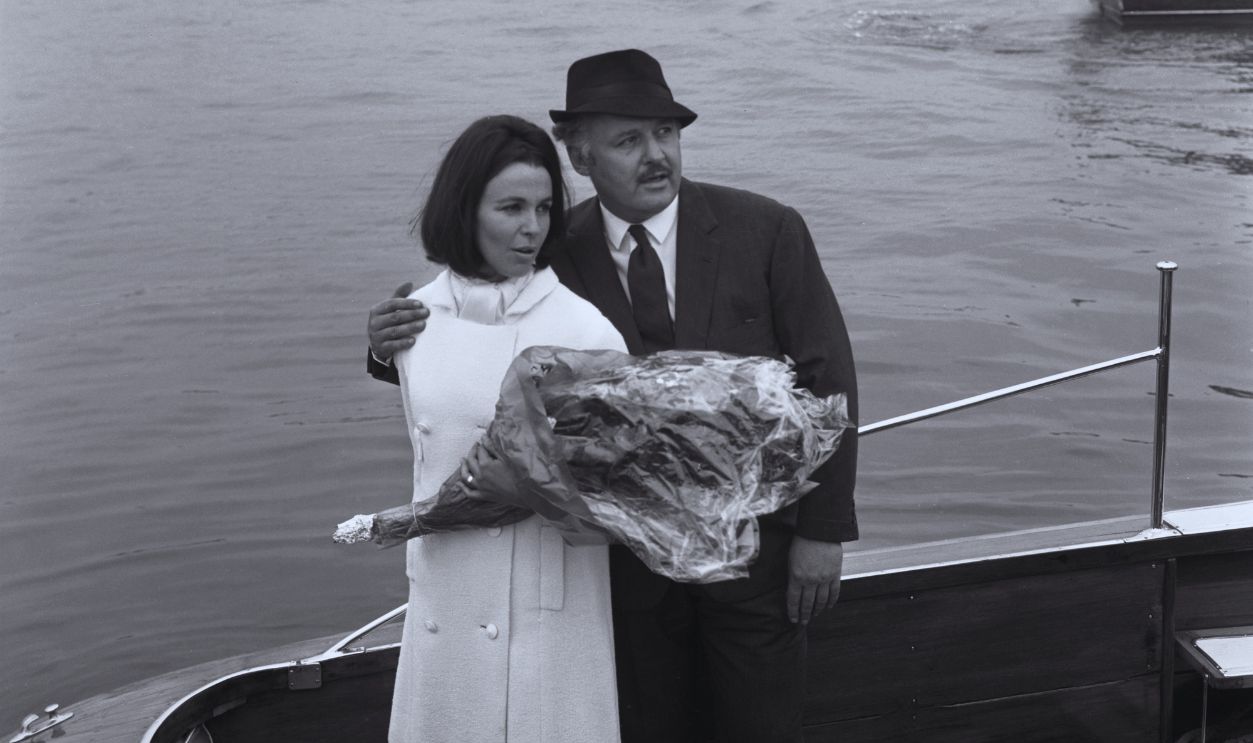 Archivio Cameraphoto Epoche, Getty Images
Turning Down Patton (1970)
At the height of his fame, Steiger made one of the most ill-advised decisions of his career by turning down the title role in Franklin J. Schaffner’s Patton (1970). Steiger told himself at the time that the film wasn't in line with his self-admitted "pacifist views." The role instead went to George C. Scott, who won the Academy Award. Steiger later admitted the decision haunted him for years afterward.
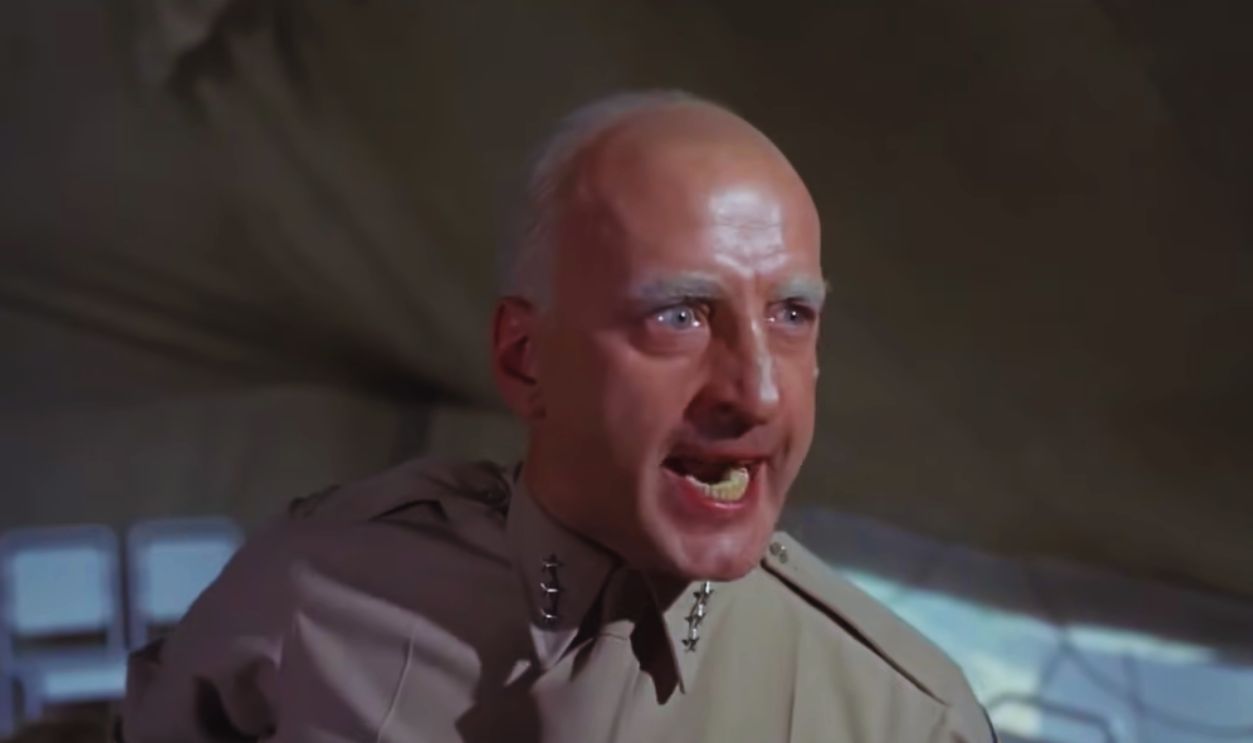 Screenshot from Patton, 20th Century Fox (1970)
Becoming Napoleon In Waterloo (1970)
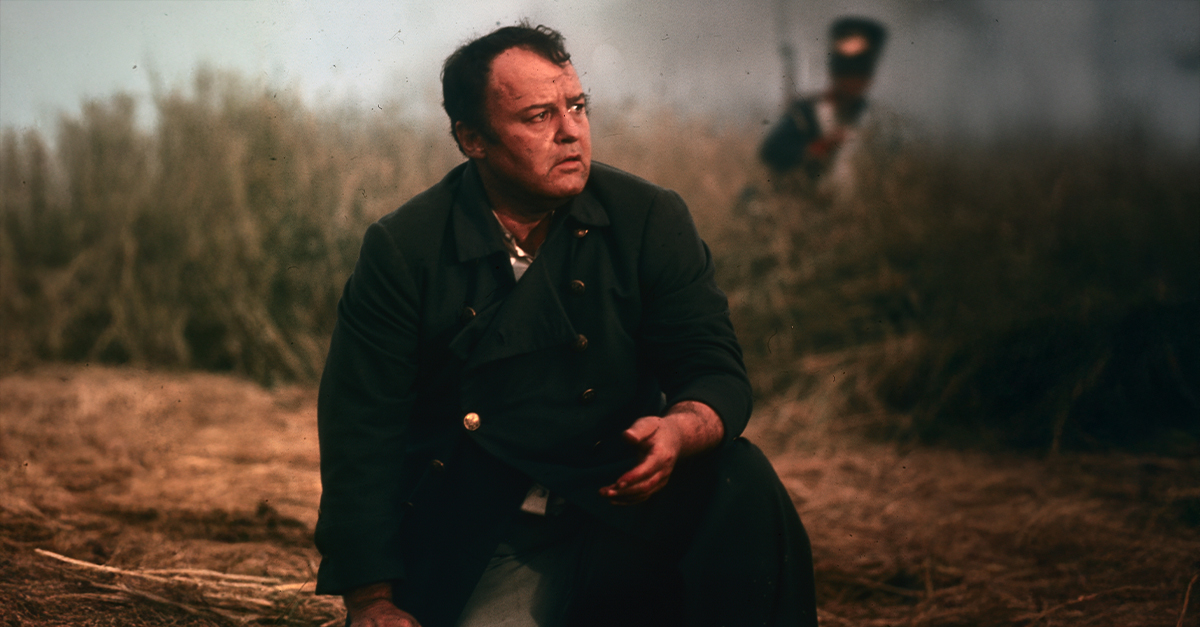
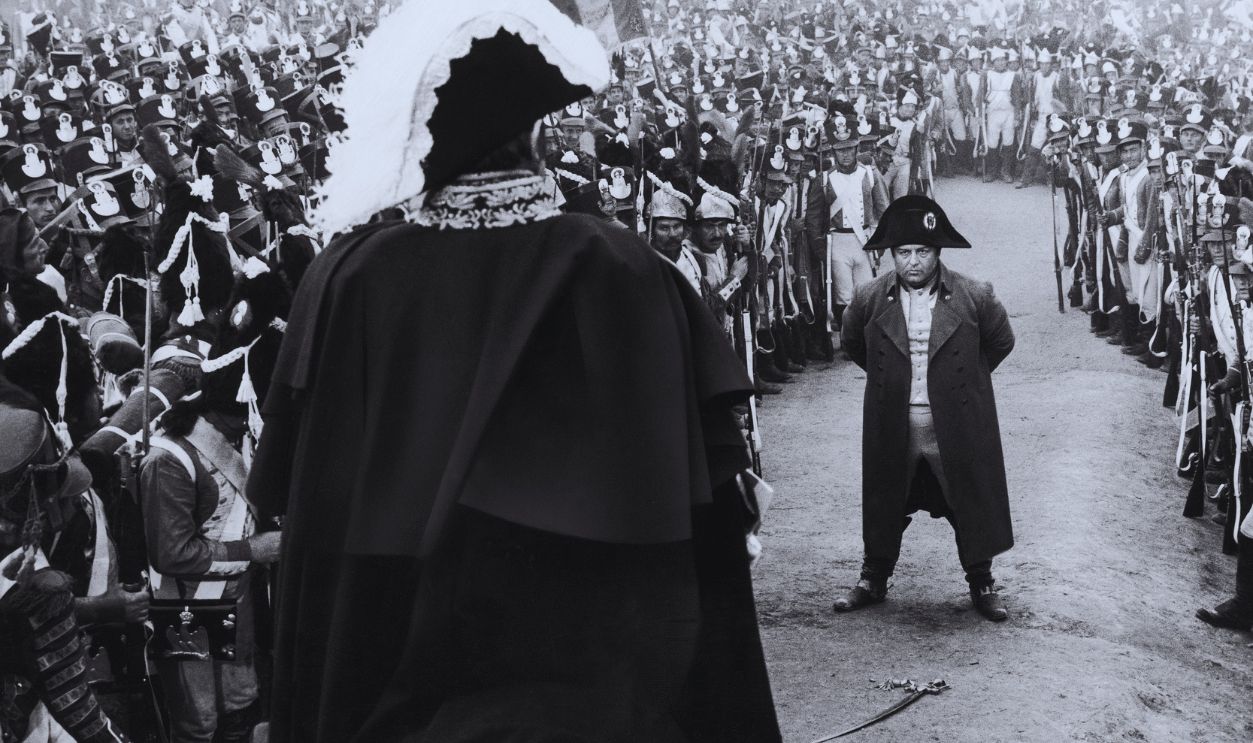
Steiger portrayed Napoleon Bonaparte in Sergei Bondarchuk’s epic Waterloo (1970), co-starring Christopher Plummer and Orson Welles. His performance emphasized Napoleon’s exhaustion, ego, and deteriorating confidence during the famous battle. Though admired by many critics, the expensive film disappointed commercially and failed to restore Steiger’s fading momentum.
Failing To Become Michael Corleone
Steiger auditioned for the role of Michael Corleone in Francis Ford Coppola’s The Godfather (1972), but producers instead selected Al Pacino. By that point, Steiger’s age and increasingly volatile reputation worked against him. Missing another iconic role became yet another painful professional disappointment during a difficult decade.

Revolutionary Chaos In Duck, You Sucker! (1971)
Director Sergio Leone cast Steiger opposite James Coburn in the sprawling revolutionary adventure Duck, You Sucker! (1971), also known as A Fistful of Dynamite. Playing Mexican bandit Juan Miranda, Steiger mixed comedy, violence, and tragedy in one of his most energetic performances. Although critics were divided at first, the film later gained a strong cult following.
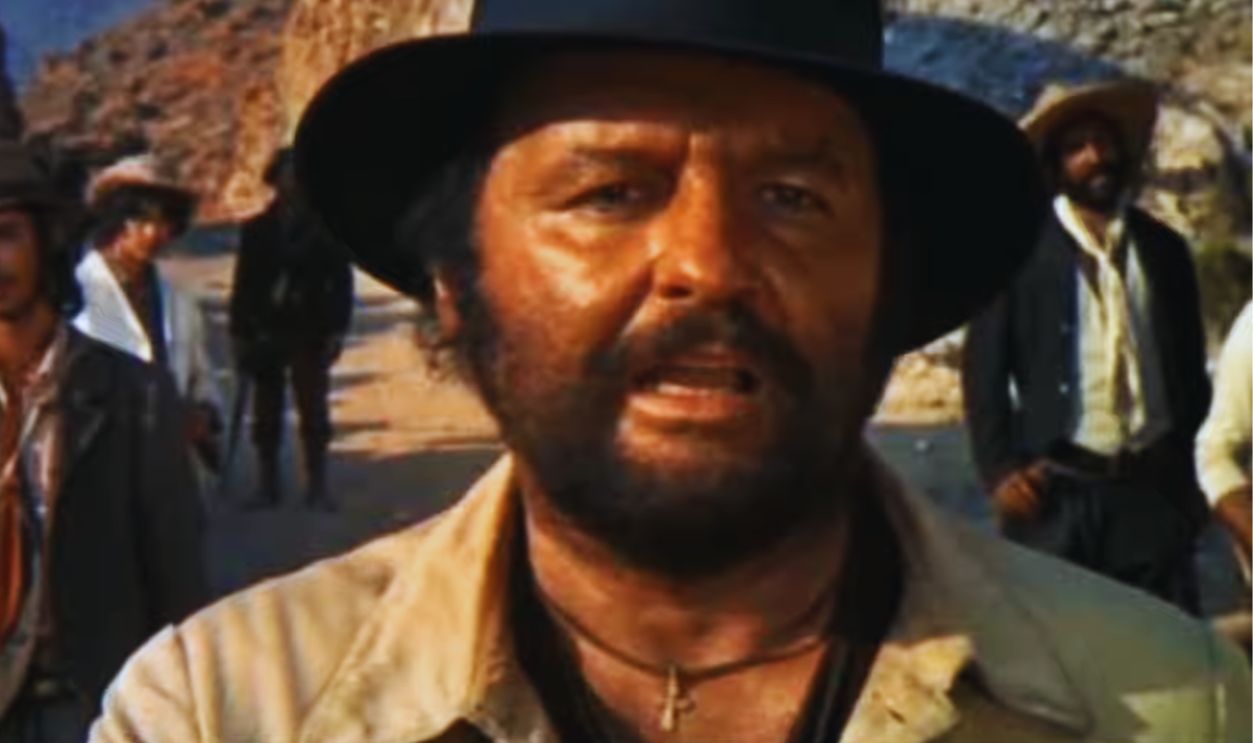 Screenshot from A Fistful of Dynamite, United Artists (1971)
Portraying Mussolini In Last Days Of Mussolini (1974)
Steiger earned praise for portraying Italian dictator Benito Mussolini in Carlo Lizzani’s Last Days of Mussolini (1974). Opposite Lisa Gastoni and Henry Fonda, he depicted the fallen fascist leader during the regime’s collapse. The intense historical performance demonstrated that Steiger remained capable of commanding international productions despite declining Hollywood opportunities.
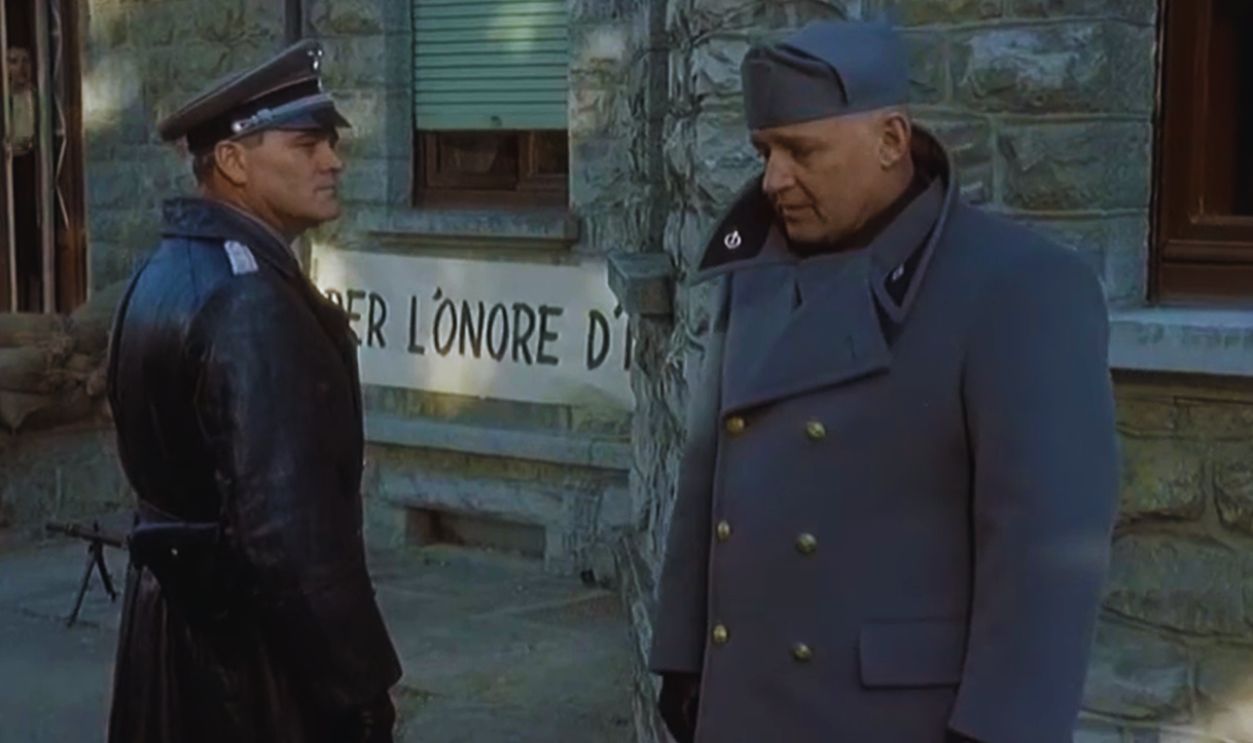 Screenshot from Last Days of Mussolini, PEA / Euro International Films (1974)
Becoming W.C. Fields
In Arthur Hiller’s biographical comedy W.C. Fields and Me (1976), Steiger portrayed legendary comedian W. C. Fields opposite Valerie Perrine and John Marley. Fields’ widow reportedly praised Steiger’s performance, though critics disliked the film itself. Once again, Steiger’s commitment exceeded the material surrounding him.
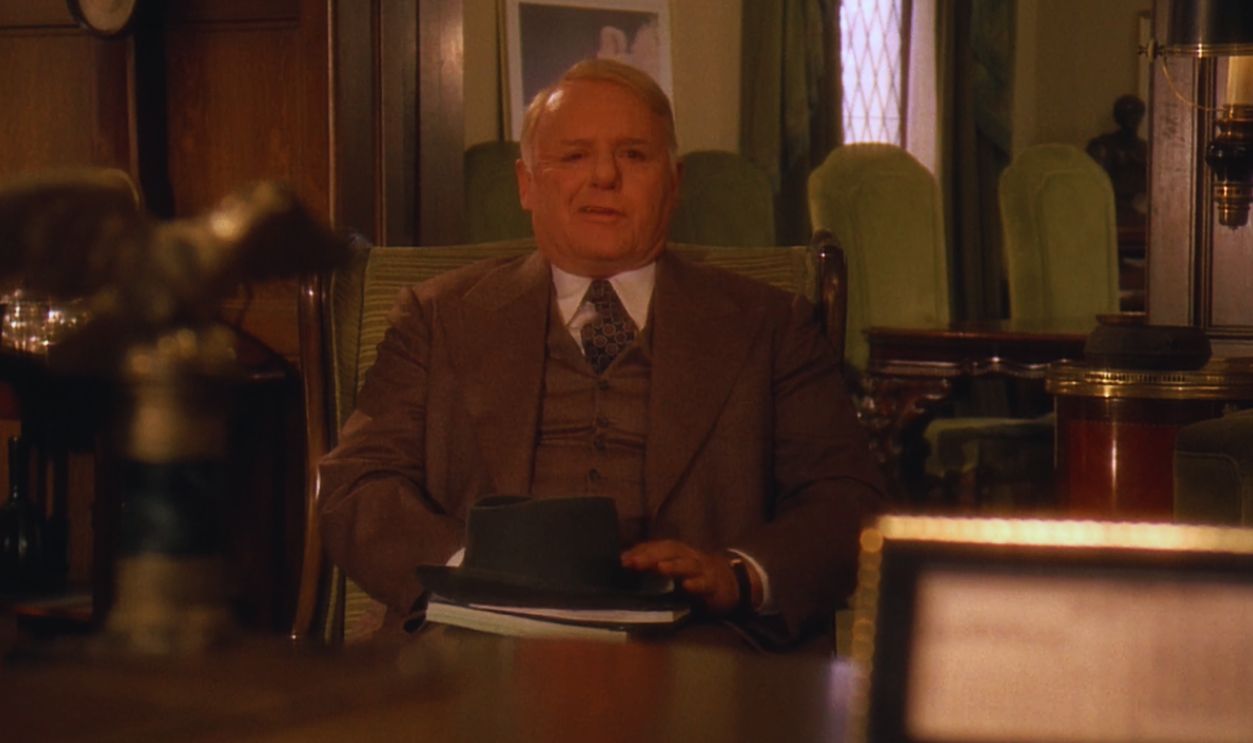 Screenshot from W.C. Fields and Me, Universal Pictures (1976)
Pontius Pilate In Jesus Of Nazareth (1977)
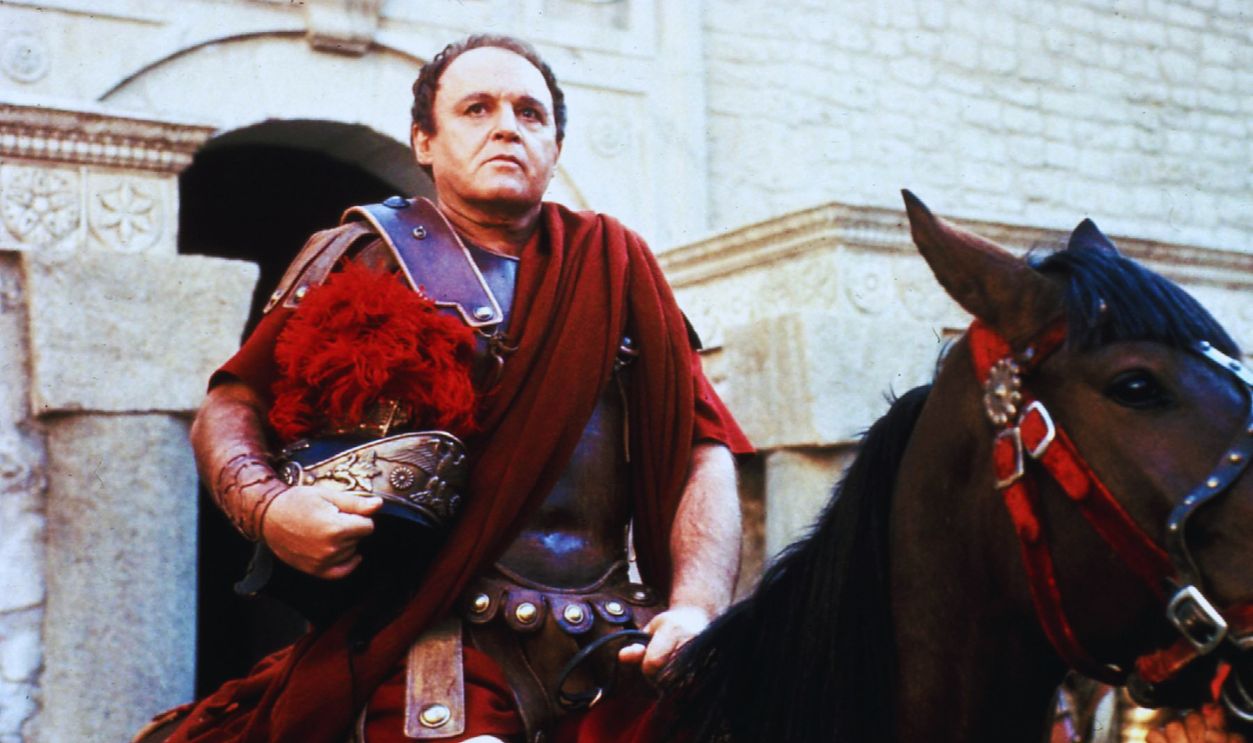
Franco Zeffirelli cast Steiger as Pontius Pilate in the acclaimed television miniseries Jesus of Nazareth (1977). Sharing scenes with Robert Powell, Laurence Olivier, Anne Bancroft, and James Mason, Steiger portrayed Pilate as conflicted and politically trapped rather than purely villainous. The role introduced him to a massive worldwide television audience.
Open Heart Surgery And Divorce
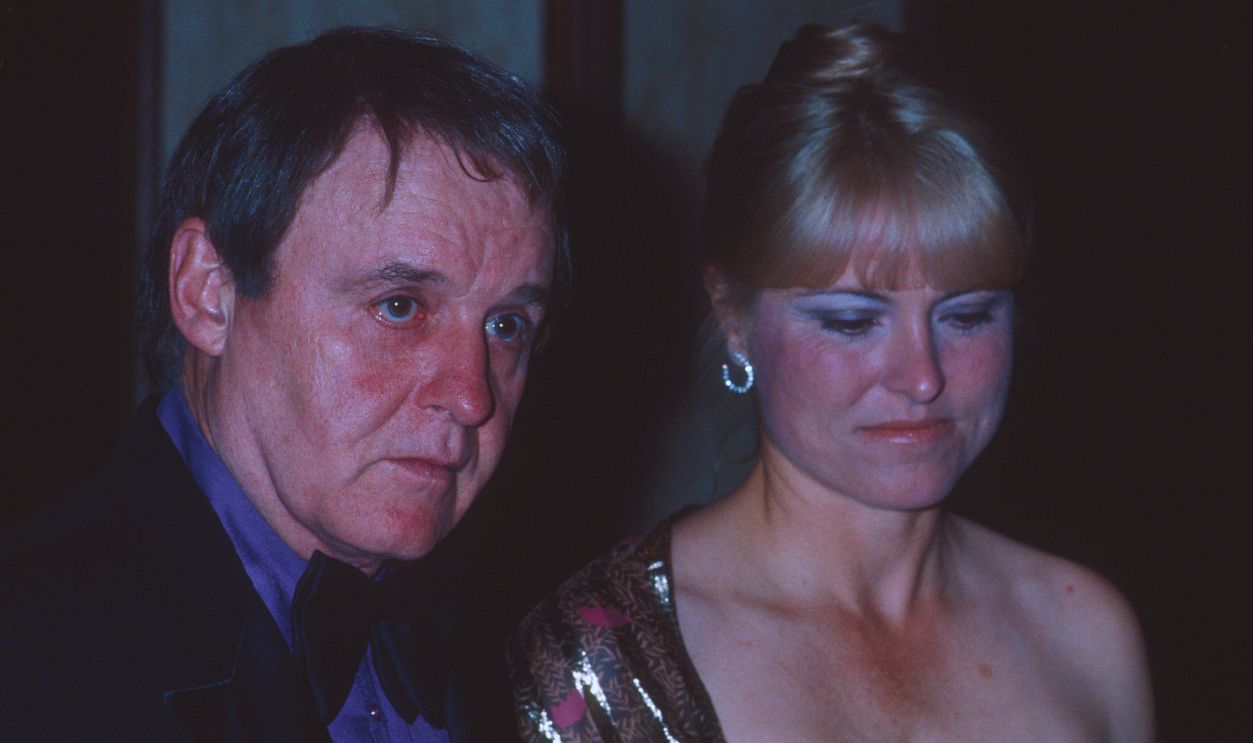
Steiger underwent open heart surgery in 1979 after years of heavy smoking and health problems. Around the same period, his third marriage to actress Sherry Nelson also ended. The combined emotional and physical toll accelerated the depression and insecurity that increasingly dominated his personal life during the following decade.
Depression And Declining Health
Throughout the 1980s, Steiger struggled with worsening health issues, including obesity and chronic depression. He openly discussed spending long periods emotionally withdrawn and unable to function normally. The psychological pain contrasted sharply with the intimidating public image audiences associated with his fiery and commanding film performances.
Trapped In B Movies
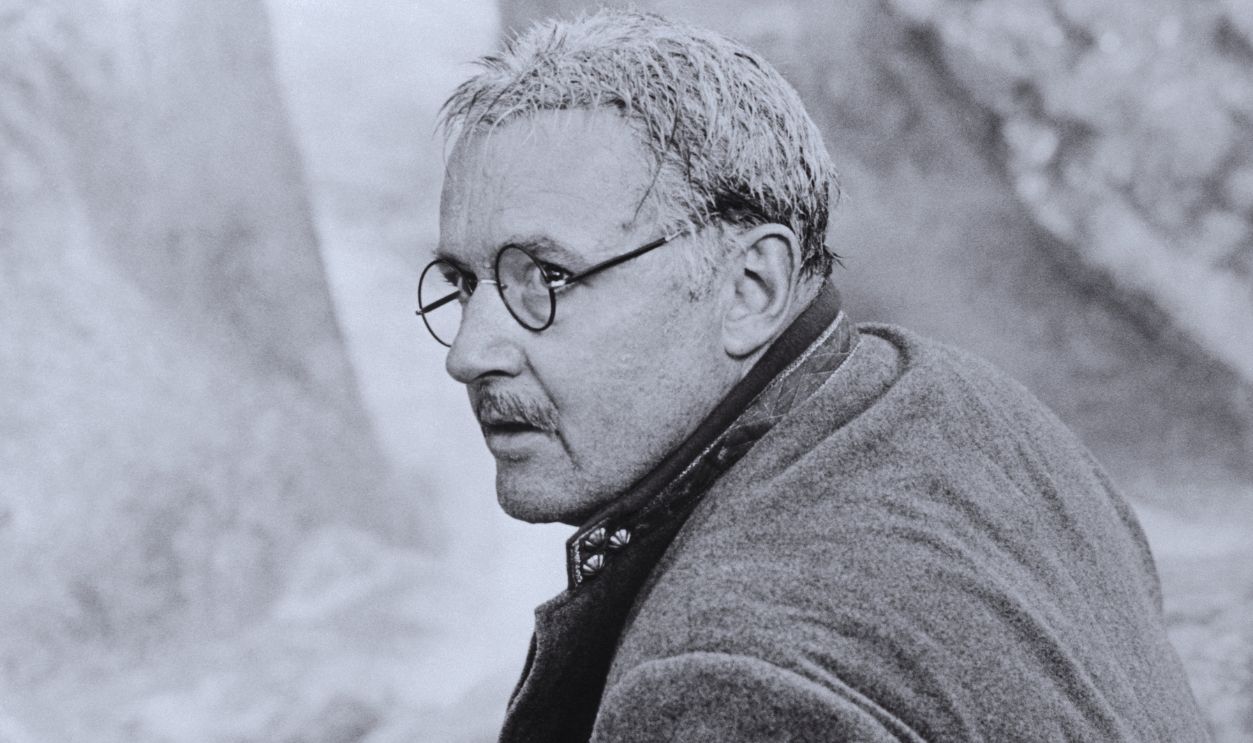
As major Hollywood studios became reluctant to hire him because of rumors about emotional instability and difficult behavior, Steiger increasingly accepted whatever acting jobs were available. Many of these projects were low-budget B movies and exploitation films that lacked the prestige of his earlier career triumphs.
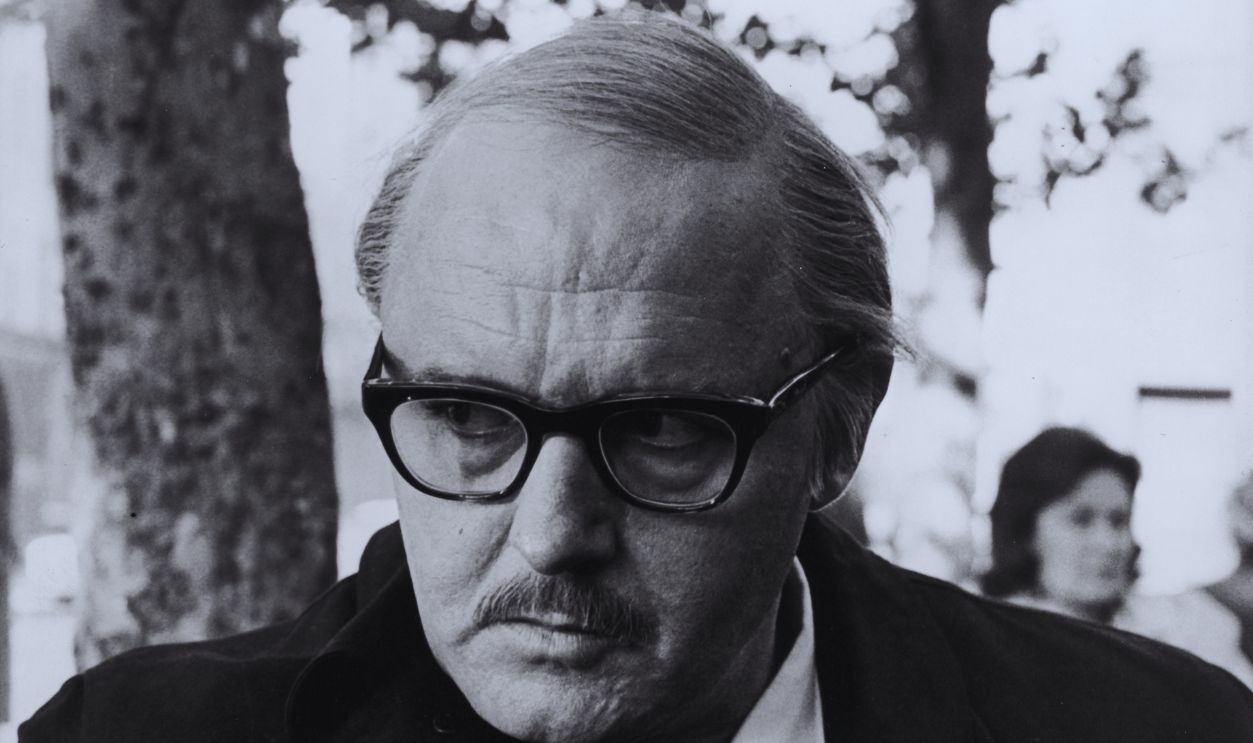
Anger Over Far And Away (1992)
Steiger auditioned for a role in Ron Howard’s Far and Away (1992), hoping for a major Hollywood comeback. After being rejected, he reportedly never forgave Howard for videotaping auditions during the casting process. The incident reflected Steiger’s growing bitterness about aging, rejection, and Hollywood’s changing attitudes toward older actors.

A Late-Career Highlight In The Hurricane (1999)
Steiger reunited with director Norman Jewison for The Hurricane (1999), starring Denzel Washington as boxer Rubin Carter. Playing Judge H. Lee Sarokin, Steiger delivered one of his final acclaimed performances. The reunion with Jewison reminded critics and audiences that his immense talent had never truly disappeared despite years of decline.
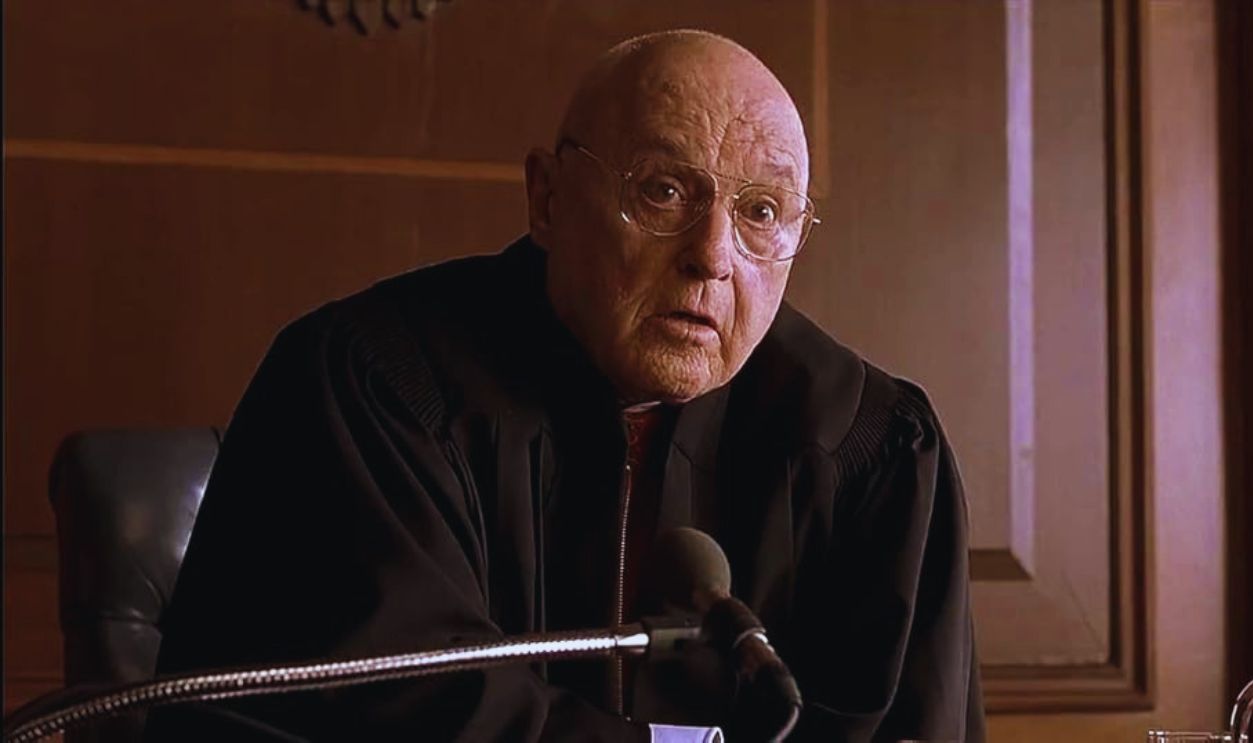 Screenshot from The Hurricane, Universal Pictures (1999)
Political Clashes And Regrets
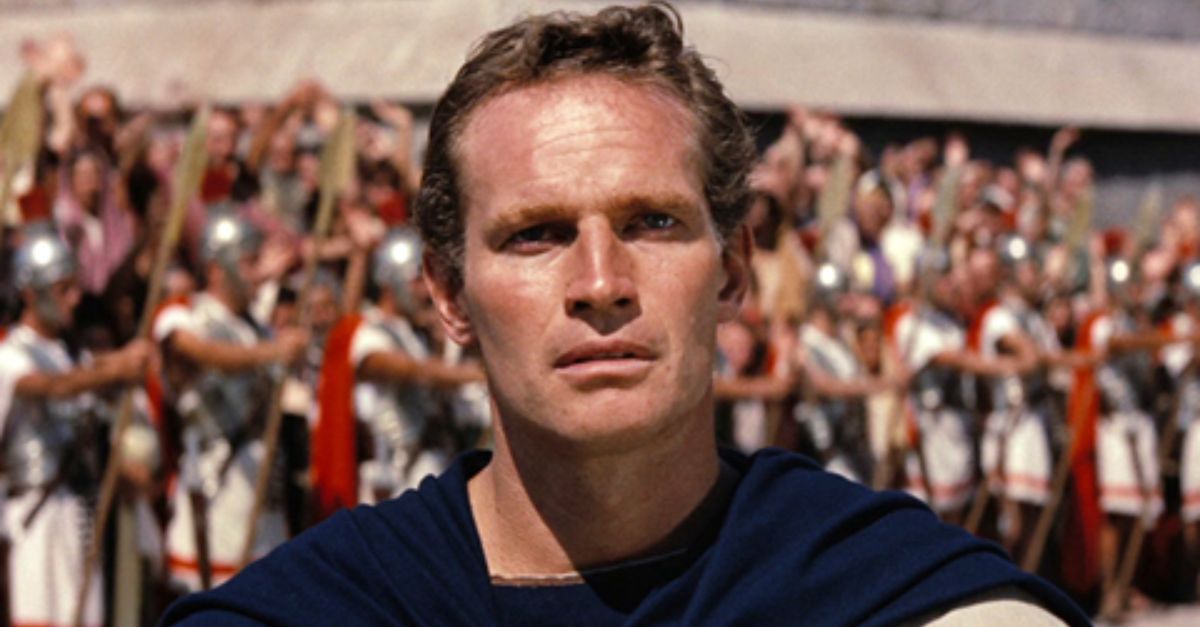
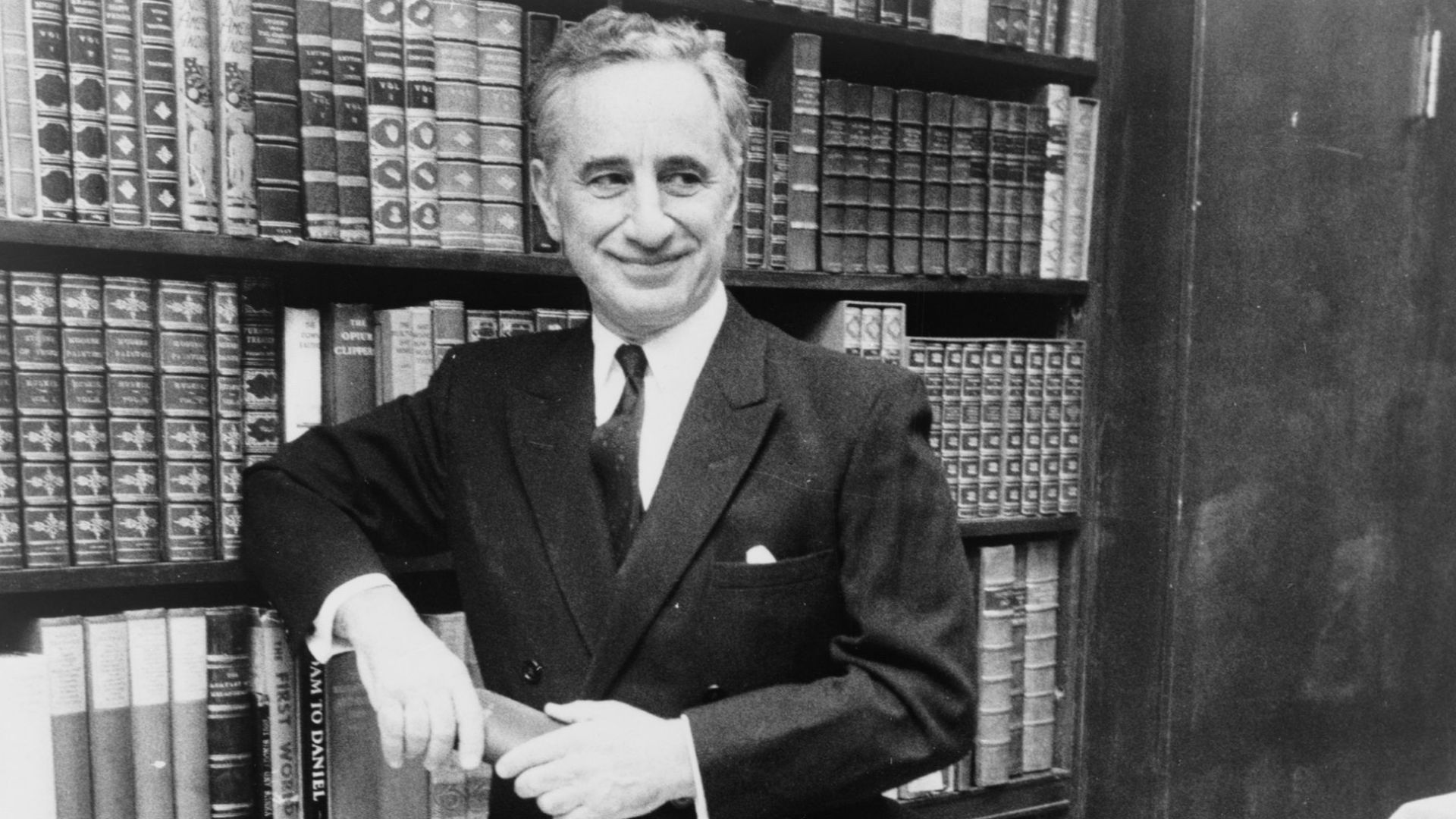
A committed Hollywood liberal, Steiger frequently clashed politically with conservative actors such as Charlton Heston. He also expressed regret over appearing in On the Waterfront (1954) after learning more about Elia Kazan’s cooperation with McCarthy-era investigators who identified suspected communists within Hollywood.
Eight Years Of Depression Before The Oscar
Steiger later admitted he had suffered severe depression for eight years before winning the Academy Award for In the Heat of the Night (1967). Despite professional acclaim, he privately felt emotionally broken and uncertain of his own worth. The revelation shocked many who associated him with overwhelming confidence and authority.
Death And Sidney Poitier’s Tribute
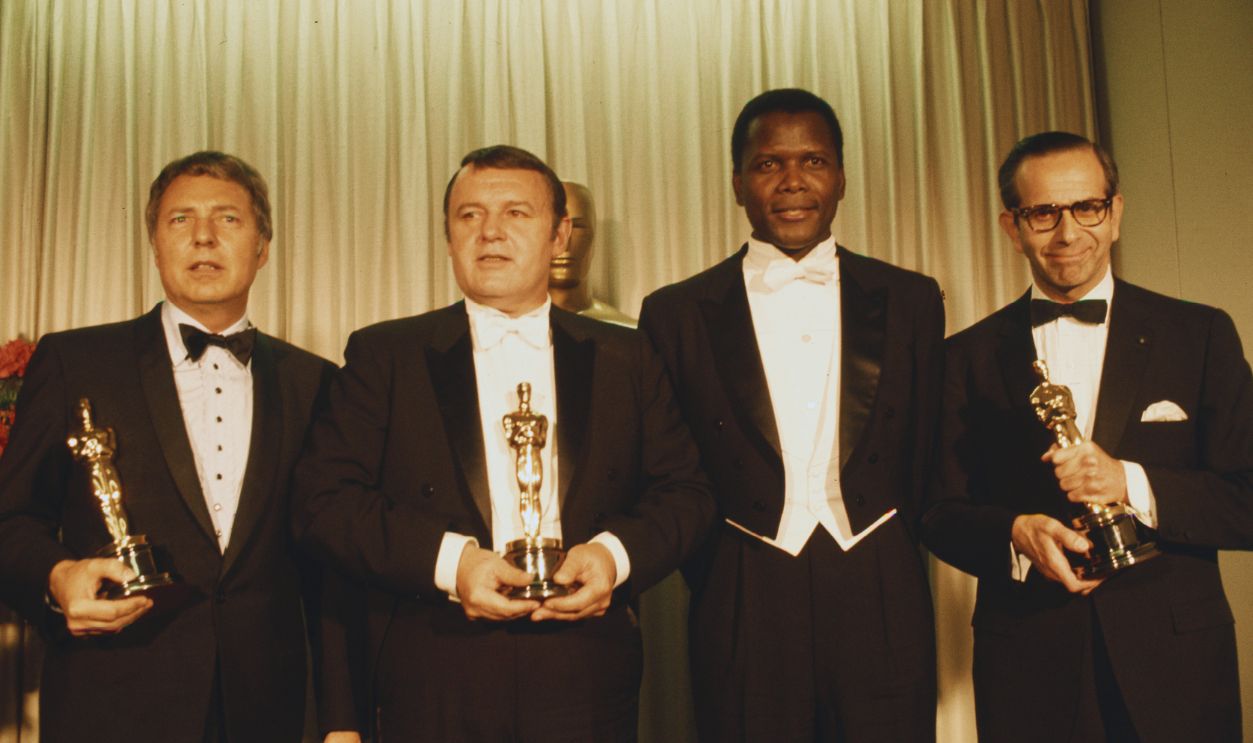
Rod Steiger died in 2002 at the age of 77 following complications from pneumonia and kidney failure. After his death, Sidney Poitier called him the greatest actor he had ever worked with. The tribute reflected the immense respect Steiger commanded among fellow performers despite his lifelong personal struggles.
 Sunset Boulevard, Getty Images
You May Also Like:
Scandalous Facts About Mary Astor, The Film Noir Femme Fatale
Classic Facts About Grace Kelly, Hollywood's Lost Princess
Actors Who Turned Down Iconic Roles And Never Looked Back—And Those Who Regretted It