Hollywood’s Biggest “What If?” Moments
Sometimes an actor says no to a role that later becomes legendary. Scheduling conflicts, creative disagreements, low salaries, or simple bad instincts have all led stars to pass on movies that went on to define careers and shape pop culture. These casting near-misses remain some of Hollywood’s most fascinating stories.
 Ron Galella, Ltd./Ron Galella Collection via Getty Images
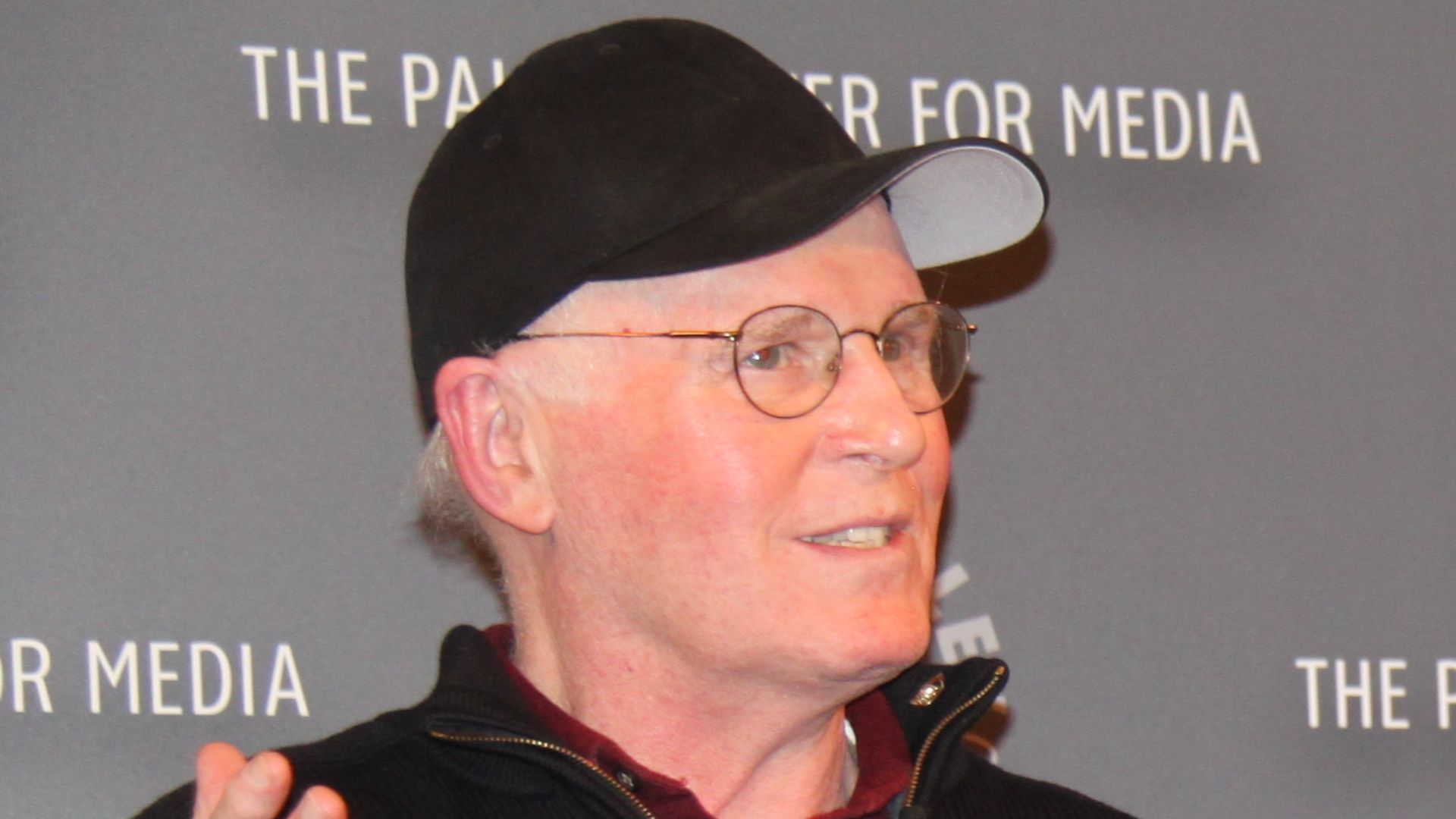
Charles Grodin - The Graduate
Charles Grodin was originally considered for Benjamin Braddock in The Graduate (1967), but he turned the role down because he felt uncertain about the project and its direction. Dustin Hoffman eventually landed the role and became an overnight star, while the film became one of the defining movies of the 1960s.
 Adam Schartoff, Wikimedia Commons
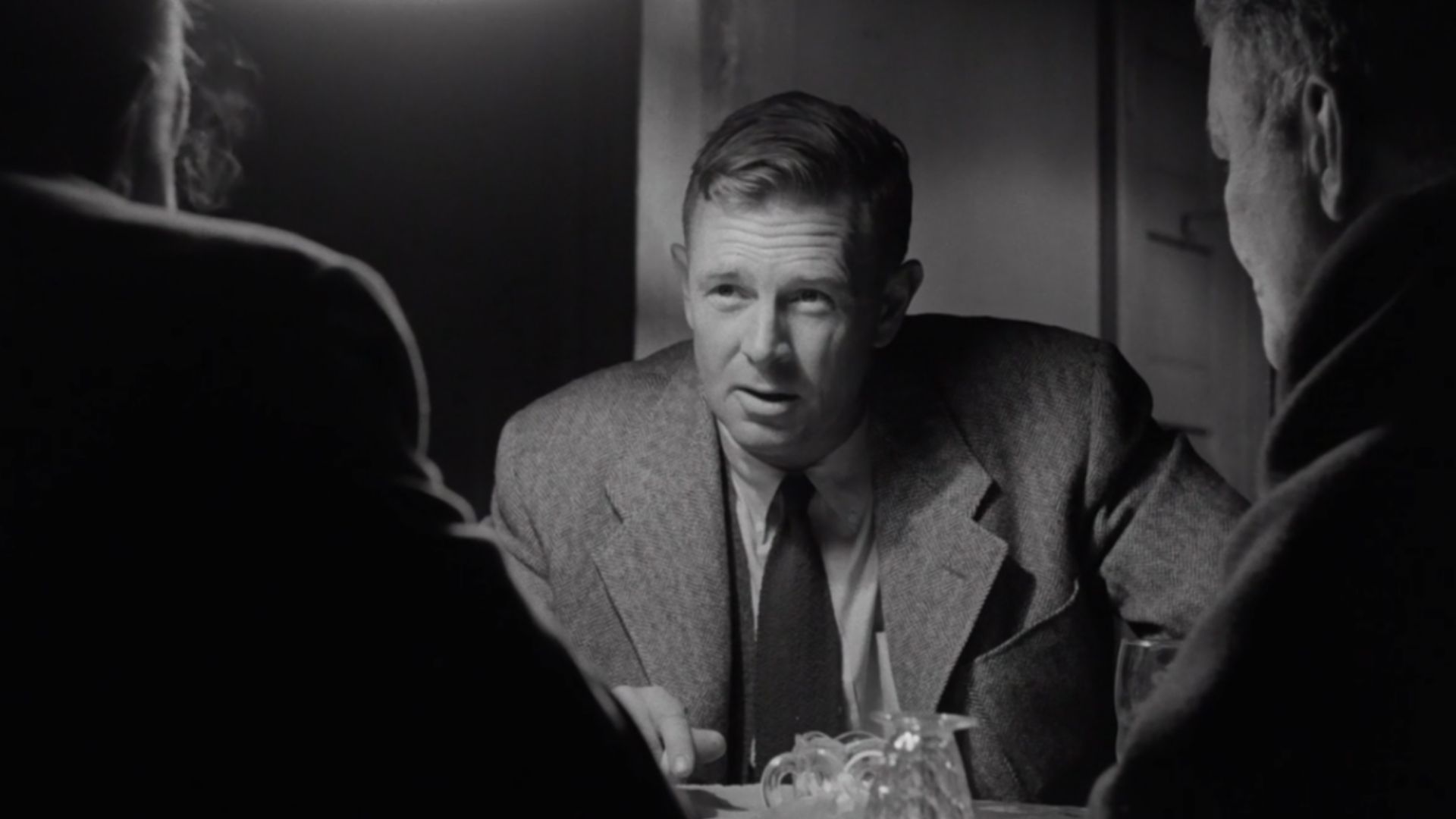
Sterling Hayden - Jaws
Sterling Hayden reportedly turned down the role of Quint in Jaws (1975), the obsessive shark hunter who was eventually played by Robert Shaw. Shaw’s performance became one of the most memorable parts of the film, especially during Quint’s chilling USS Indianapolis monologue, which remains legendary among movie fans.
 trailer screenshot (United Artists), Wikimedia Commons
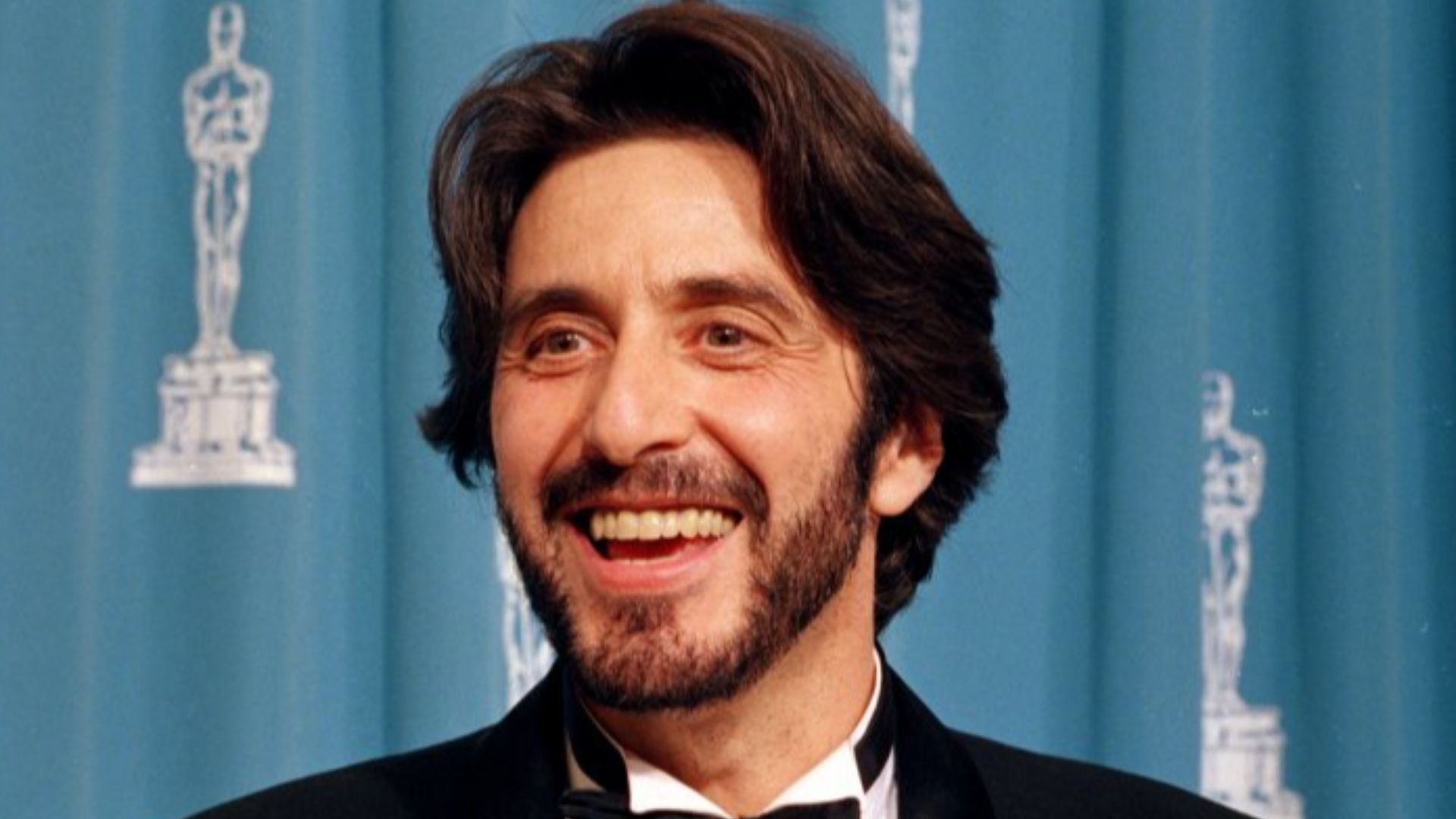
Al Pacino - Star Wars
Al Pacino was offered the role of Han Solo in Star Wars (1977), but admitted he did not understand the script and declined the opportunity. Harrison Ford stepped into the role instead and became one of Hollywood’s biggest stars thanks to the massive success of George Lucas’s space saga.
 Crisiinho.19x, Wikimedia Commons
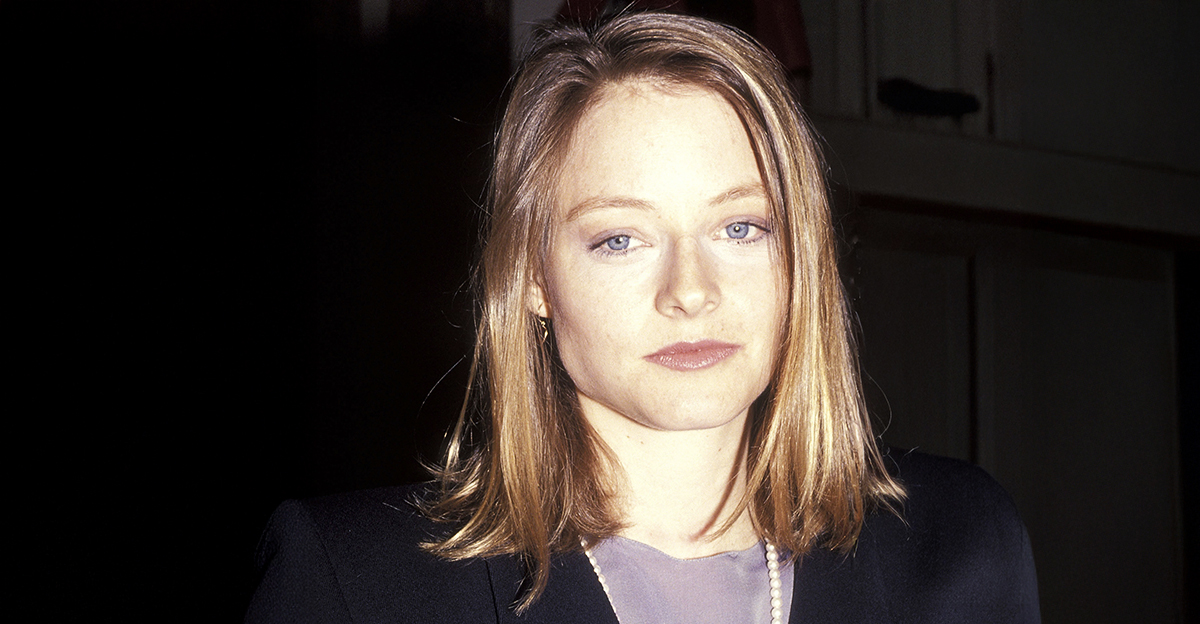
Jodie Foster - Star Wars
Jodie Foster was reportedly considered for the role of Princess Leia in Star Wars (1977), but existing Disney commitments and scheduling conflicts prevented her from taking the part. Carrie Fisher ultimately stepped into the iconic role and became permanently associated with one of science fiction’s most beloved heroines.

Michelle Pfeiffer - The Silence Of The Lambs
Michelle Pfeiffer was considered for Clarice Starling in The Silence of the Lambs (1991), but she found the material too dark and disturbing. Jodie Foster accepted the role instead and won an Academy Award, helping transform the psychological thriller into an enduring classic of American cinema.
 Jeremiah Christopher, Wikimedia Commons
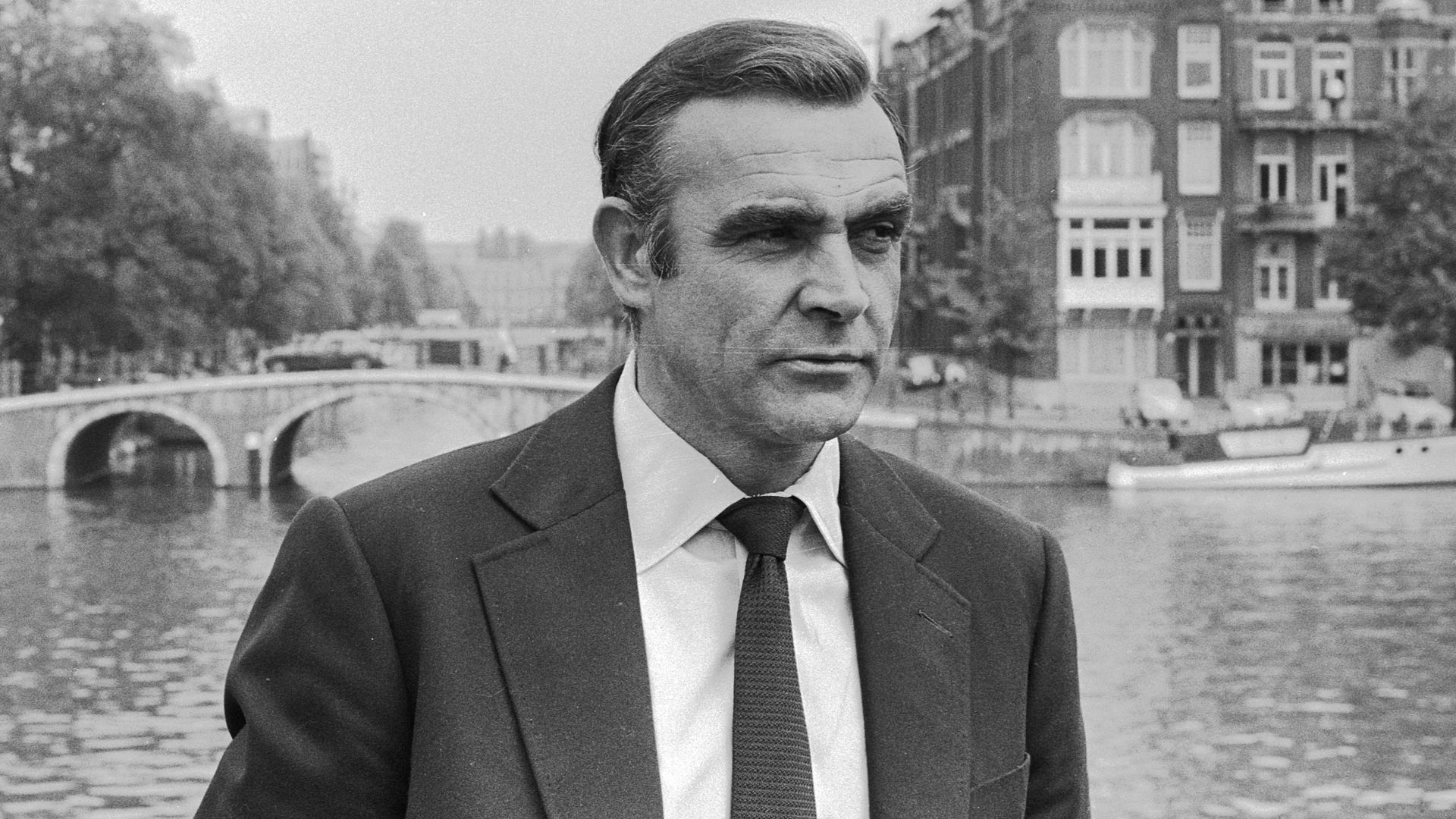
Sean Connery - The Lord Of The Rings
Sean Connery famously passed on playing Gandalf in The Lord of the Rings: The Fellowship of the Ring (2001) because he did not fully understand the fantasy story. Ian McKellen took the role and delivered one of the most beloved wizard performances ever captured on film.
 Rob Mieremet, Wikimedia Commons
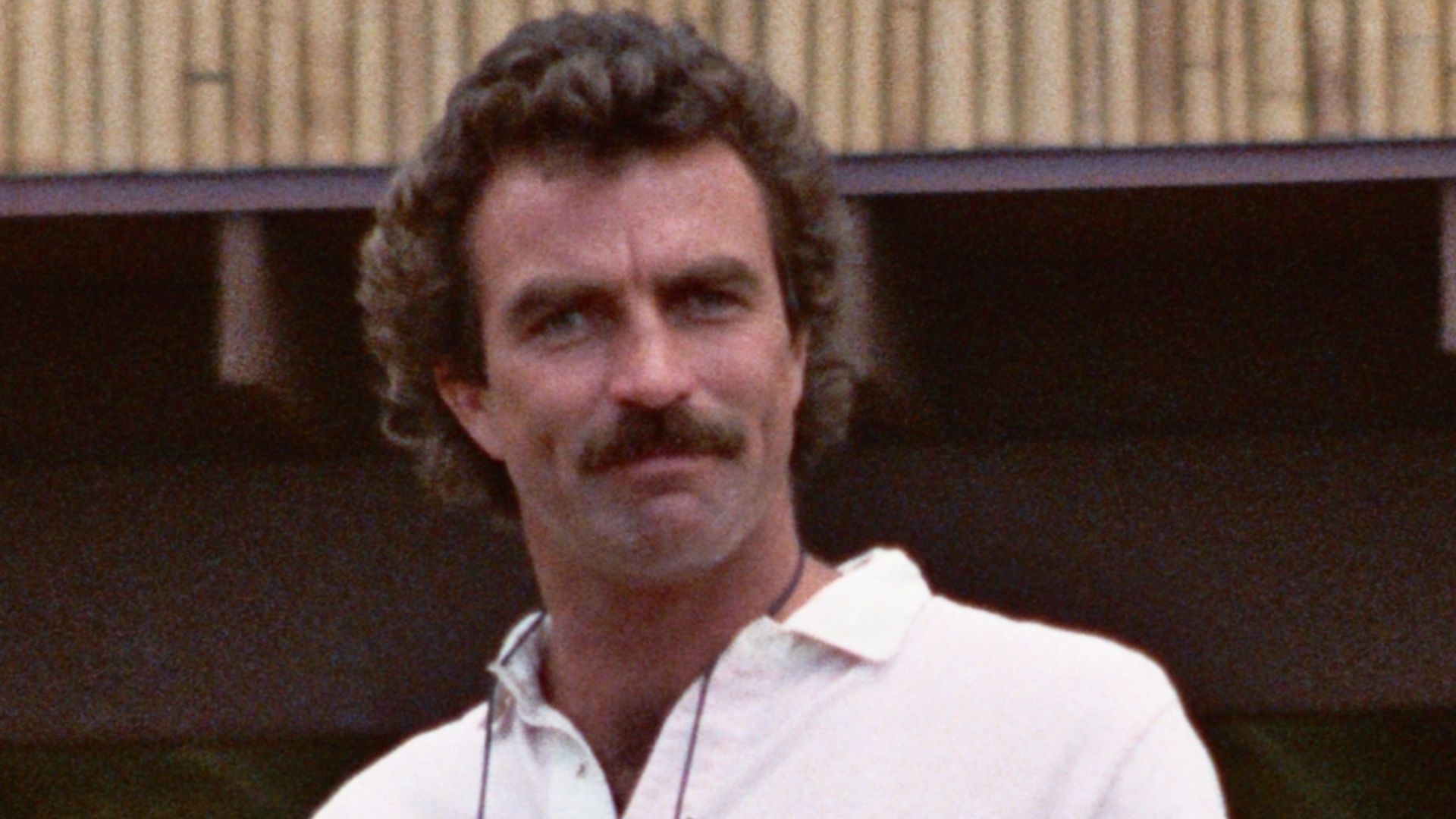
Tom Selleck - Raiders Of The Lost Ark
Tom Selleck was George Lucas and Steven Spielberg’s original choice for Indiana Jones in Raiders of the Lost Ark (1981), but television commitments to Magnum, P.I. (1980) prevented him from accepting. Harrison Ford inherited the role and became permanently linked with the adventurous archaeologist.
Molly Ringwald - Pretty Woman
Molly Ringwald turned down the lead role in Pretty Woman (1990), partly because she felt uncomfortable with aspects of the story. Julia Roberts accepted the part instead and quickly became one of the most bankable actresses in Hollywood following the romantic comedy’s enormous success.
 Panio Gianopoulos, Wikimedia Commons
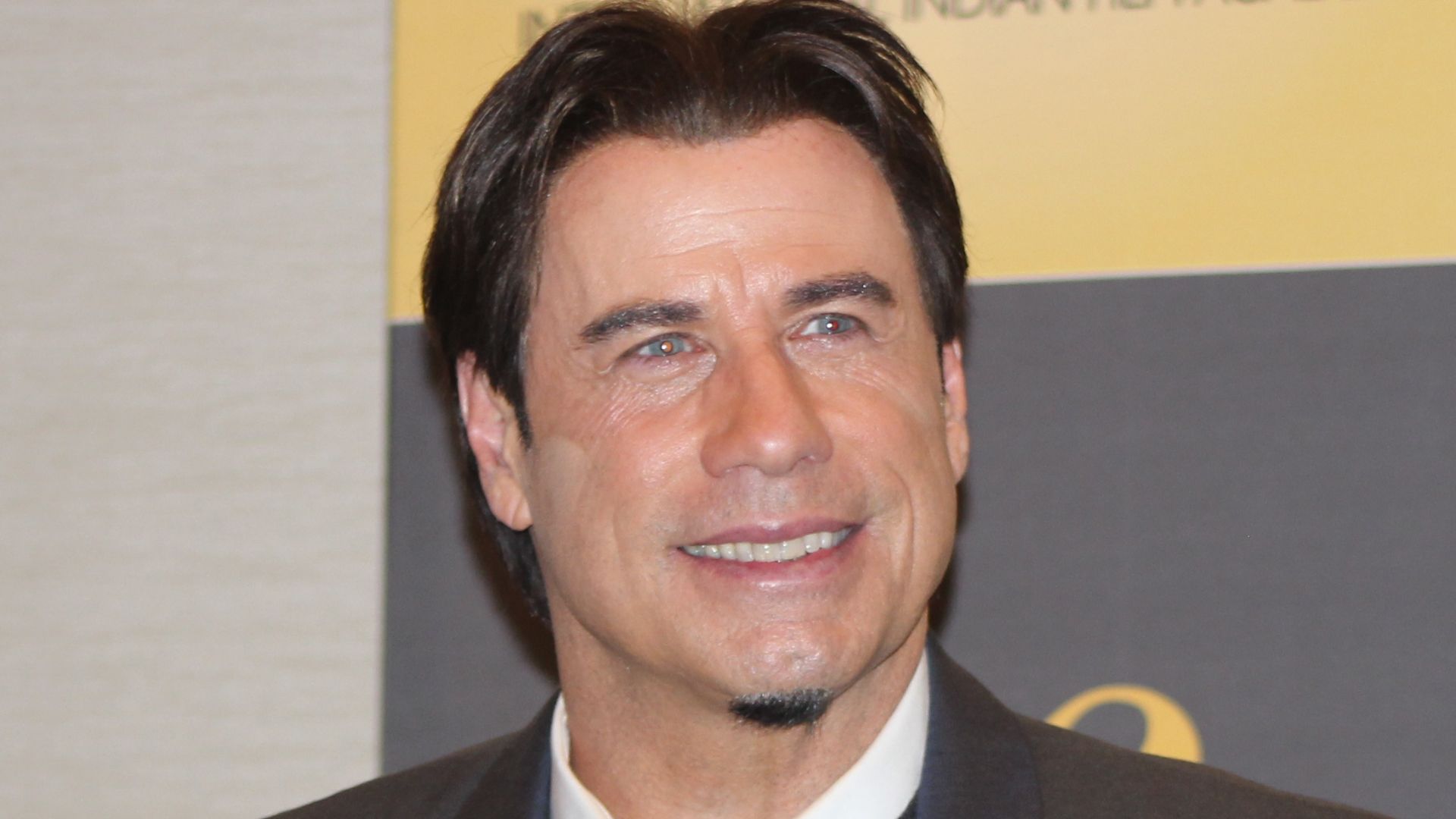
John Travolta - Forrest Gump
John Travolta passed on the title role in Forrest Gump (1994), a decision he later admitted was probably a mistake. Tom Hanks accepted the part and won an Academy Award, while the emotional drama became one of the defining and most quoted films of the decade.
 lauraleedooley, Wikimedia Commons
Emily Blunt - Black Widow
Emily Blunt was originally cast as Natasha Romanoff in Iron Man 2 (2010), but contractual obligations forced her to withdraw from the project. Scarlett Johansson ultimately took over the role and became one of the central figures in the Marvel Cinematic Universe for more than a decade.

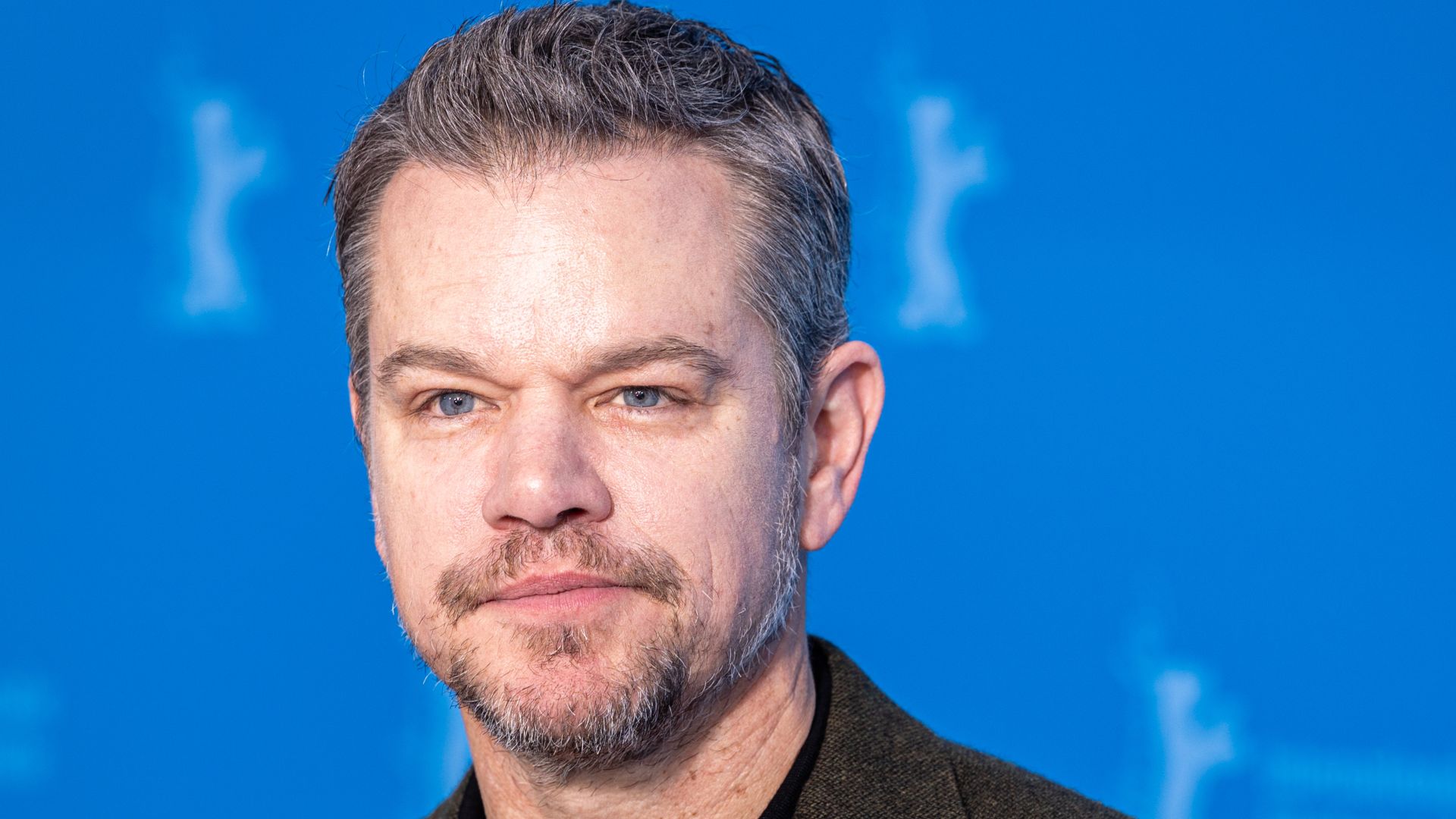
Matt Damon - Avatar
Matt Damon turned down the lead role in Avatar (2009), despite reportedly being offered a percentage of the film’s profits by director James Cameron. Sam Worthington accepted the role instead, while Avatar became one of the highest-grossing movies in cinema history.
 Harald Krichel, Wikimedia Commons
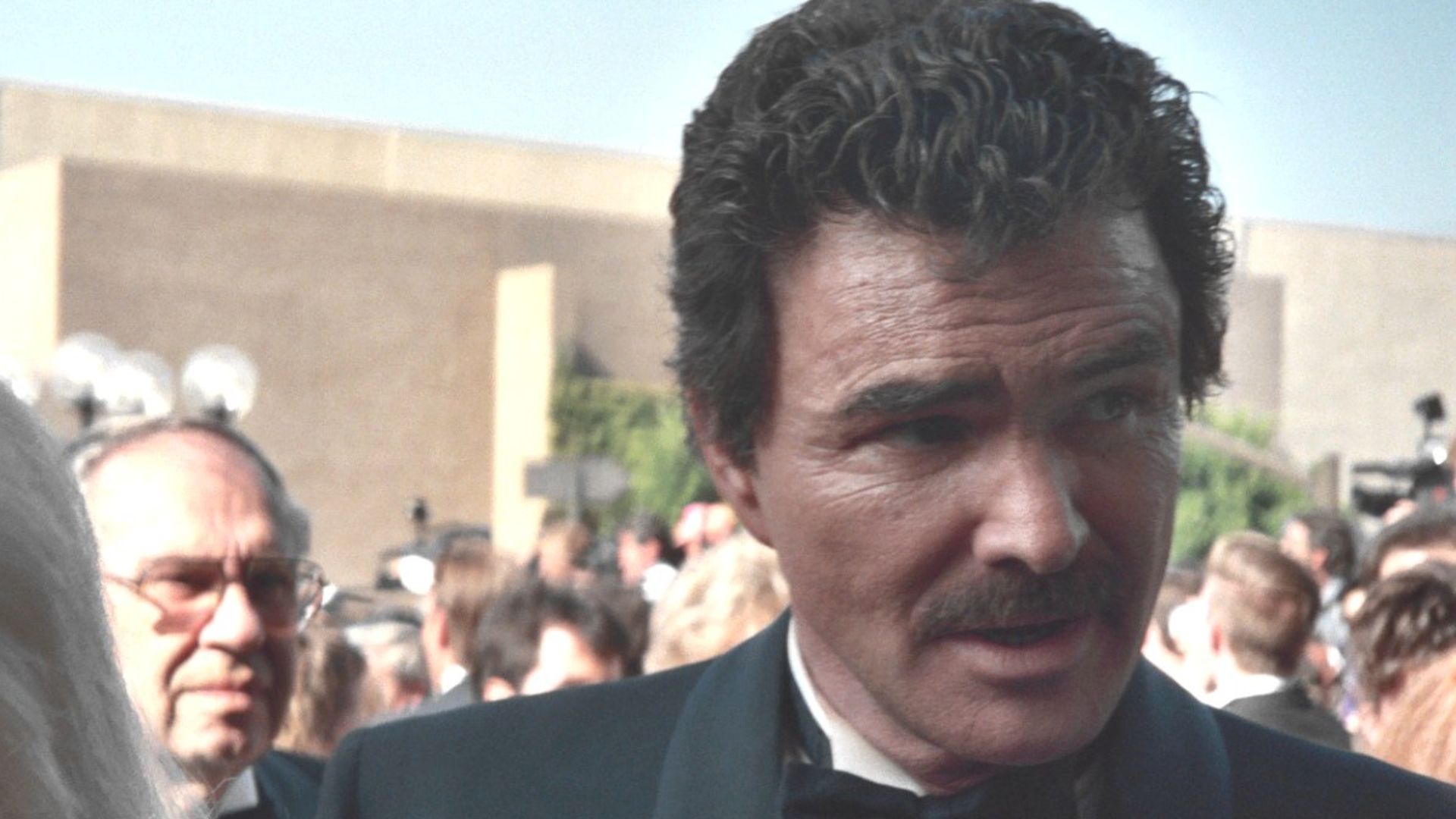
Burt Reynolds - Terms Of Endearment
Burt Reynolds rejected the role of astronaut Garrett Breedlove in Terms of Endearment (1983), believing the project would not succeed. Jack Nicholson accepted the role instead and won an Academy Award, while the film became both a commercial hit and a critical success as well.
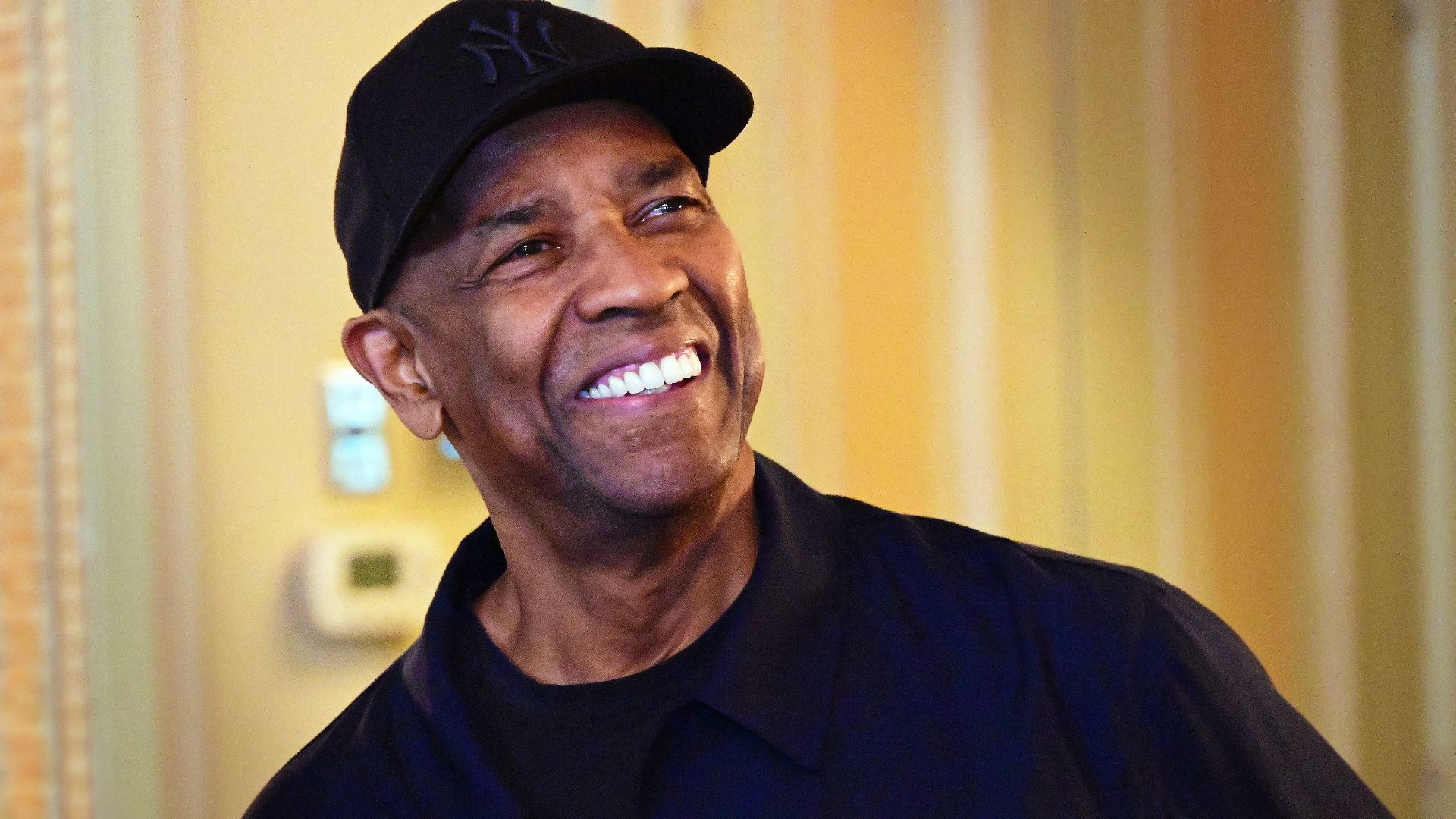
Denzel Washington - Seven
Denzel Washington passed on Detective David Mills in Seven (1995) because he initially felt the screenplay was excessively dark and unpleasant. Brad Pitt eventually starred opposite Morgan Freeman, and the disturbing thriller became one of the most influential crime films of the 1990s.
 PhilipRomanoPhoto, Wikimedia Commons
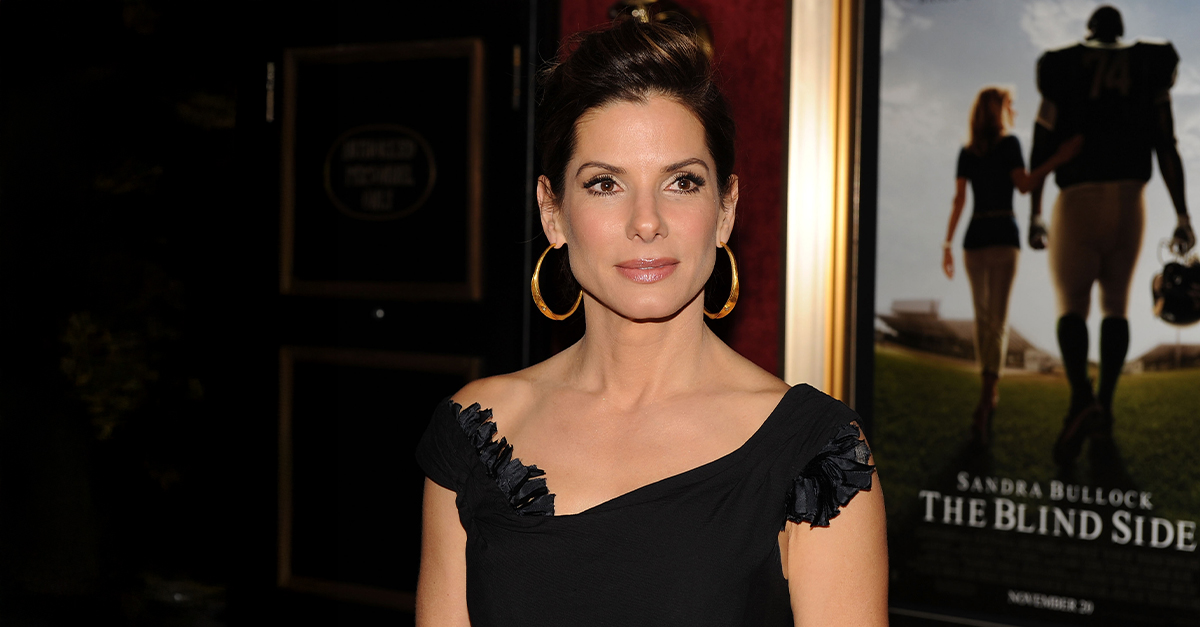
Julia Roberts - The Blind Side
Julia Roberts declined the role of Leigh Anne Tuohy in The Blind Side (2009). Sandra Bullock eventually accepted the role and won the Academy Award for Best Actress, while the sports drama became a major commercial success despite later controversies surrounding the real-life story.
![Julia Roberts delivers remarks at the Kennedy Center Honors Dinner in Washington, DC., on December 3, 2022. [State Department Photo by Freddie Everett/ Public Domain]](https://www.factinate.com/storage/app/media/theshot/2026/5/16/177896041454def9fcbd869e57f181411a362a95e25e93b147.jpg) U.S. Department of State from United States, Wikimedia Commons
U.S. Department of State from United States, Wikimedia Commons
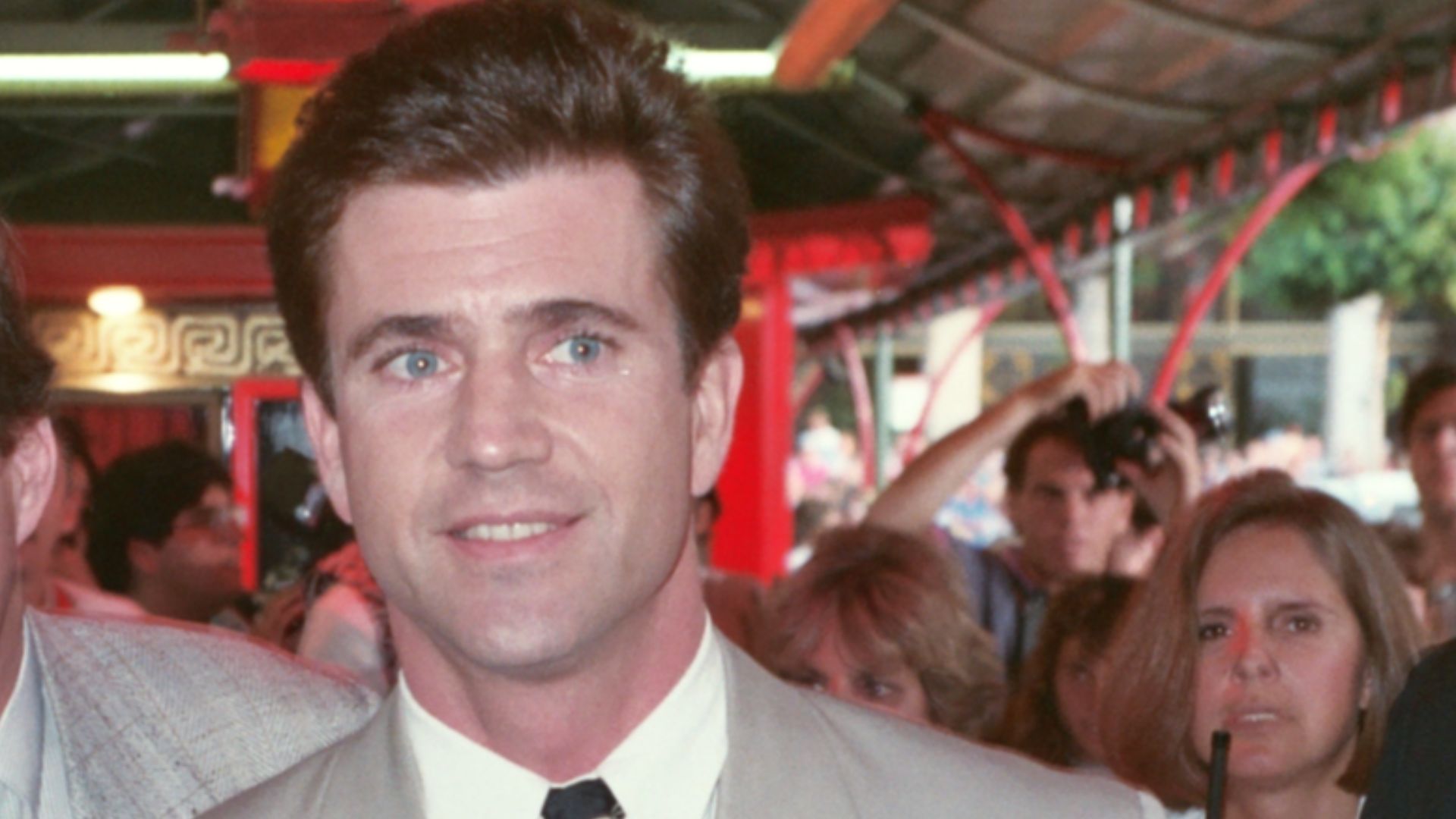
Mel Gibson - Gladiator
Mel Gibson was approached about starring in Gladiator (2000), but reportedly felt he was too old for the physically demanding role. Russell Crowe ultimately took the part and became an international superstar thanks to Ridley Scott’s epic historical drama.
Gwyneth Paltrow - Titanic
Gwyneth Paltrow was heavily considered for the role of Rose in Titanic (1997), but Kate Winslet fought hard for the role and ultimately secured it. Winslet’s performance opposite Leonardo DiCaprio helped turn James Cameron’s seagoing disaster romance into one of the most successful movies ever made.

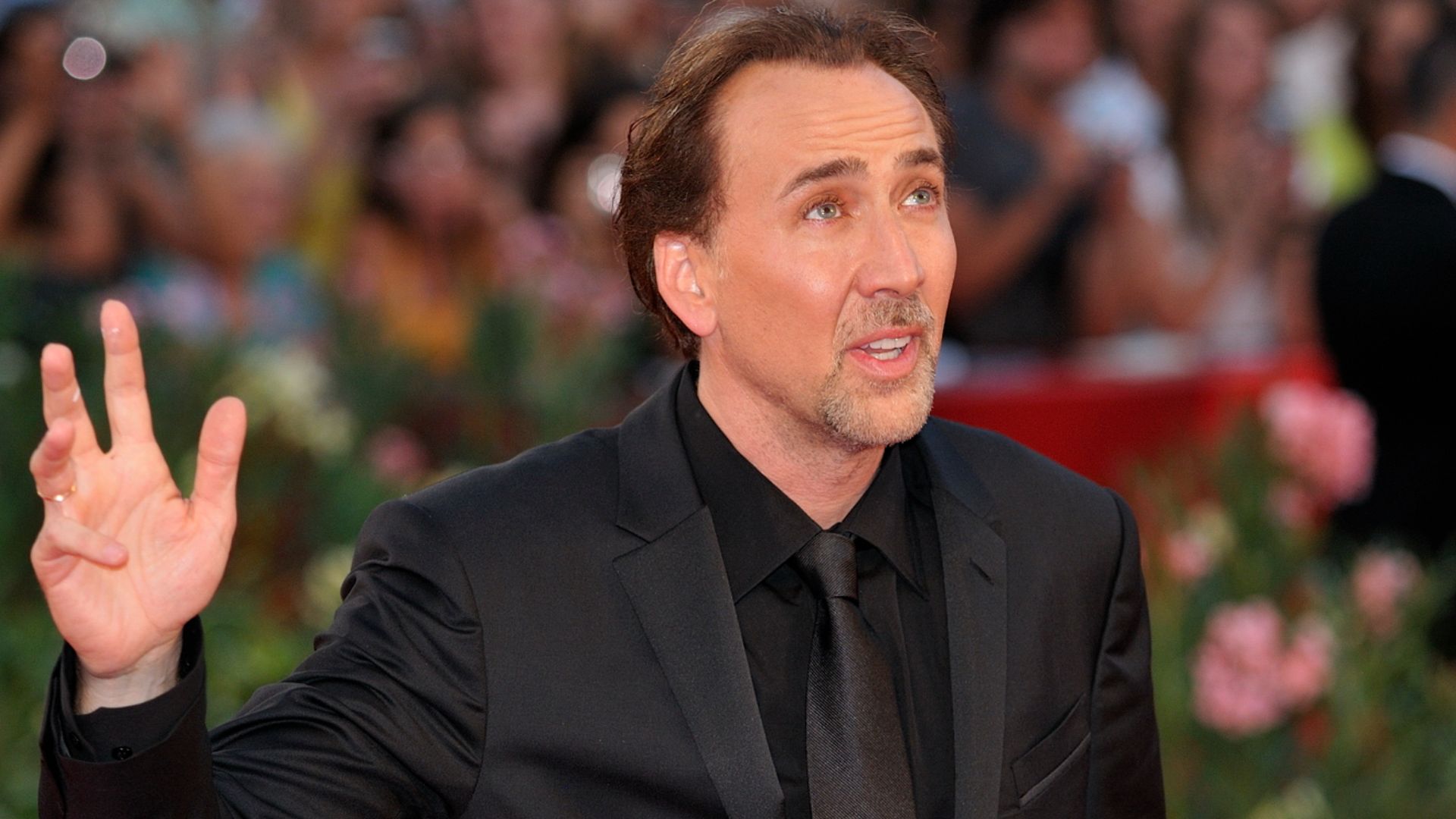
Nicolas Cage - The Wrestler
Nicolas Cage was originally attached to star in The Wrestler (2008), but he left the project before filming began. Mickey Rourke stepped into the lead role and delivered a critically acclaimed comeback performance that revived his career after years away from major Hollywood attention.
 nicolas genin from Paris, France, Wikimedia Commons
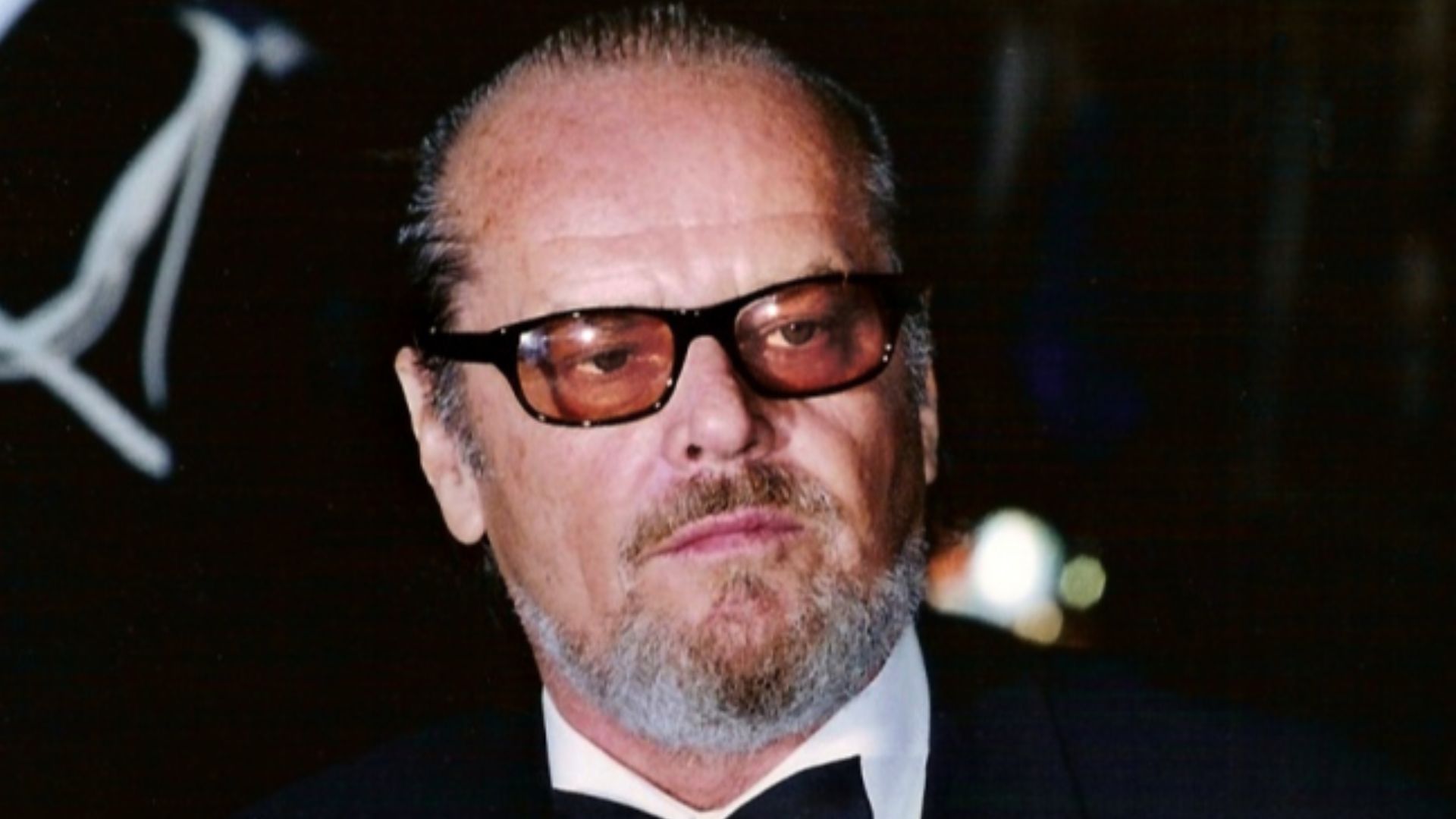
Jack Nicholson - The Godfather
Jack Nicholson declined the role of Michael Corleone in The Godfather (1972), believing that an Italian-American actor should play the character. Al Pacino ultimately nailed down the part and created one of cinema’s greatest performances in Francis Ford Coppola’s gangster masterpiece.
 Georges Biard, Wikimedia Commons
Dougray Scott - X-Men
Dougray Scott was originally cast as Wolverine in X-Men (2000), but production delays on Mission: Impossible II (2000) and an injury suffered in a motorcycle accident forced him to leave the superhero movie. Hugh Jackman inherited the role and became forever associated with the muscular, razor-clawed mutant hero.
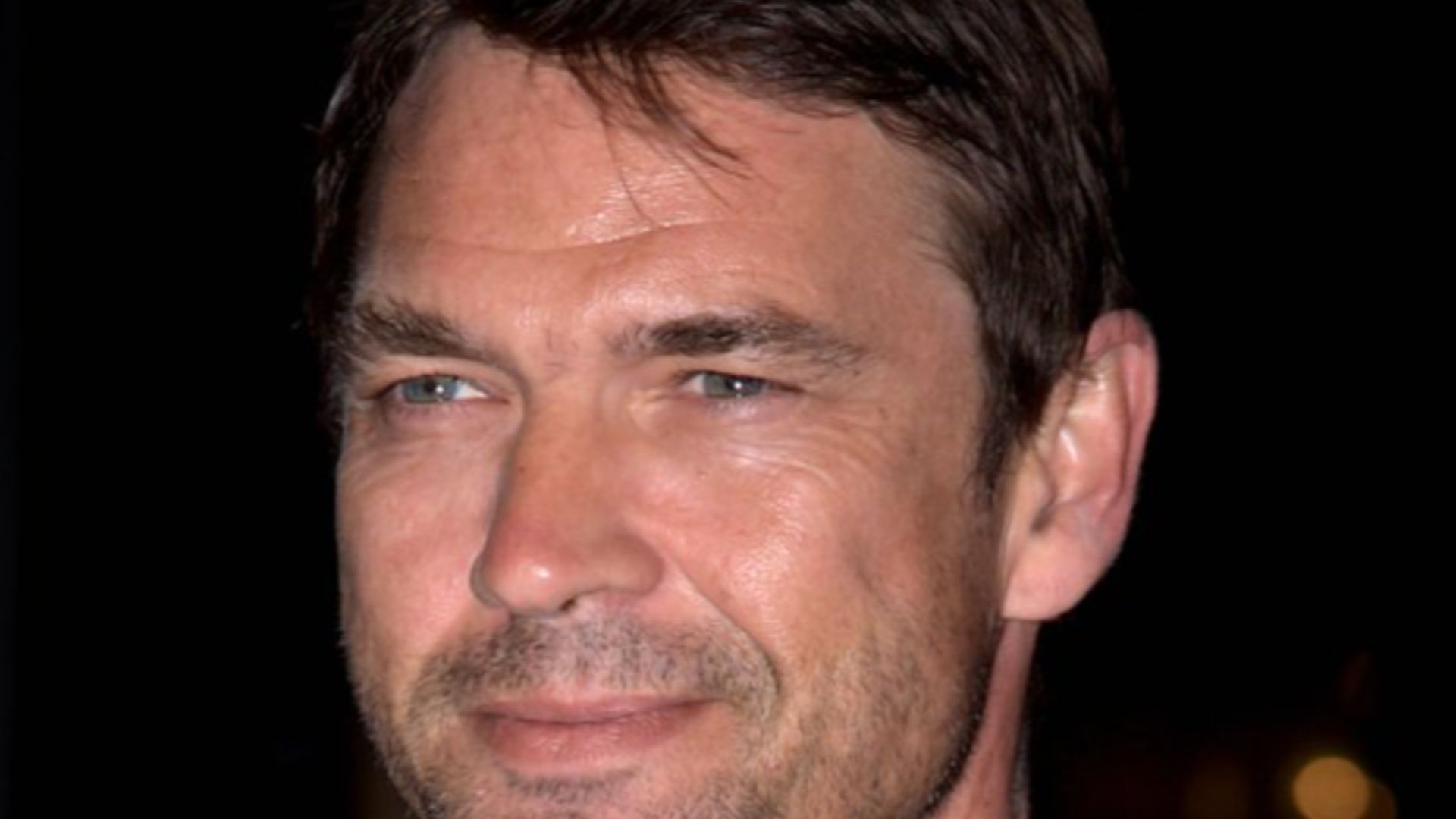 Ian Smith from London, England, Wikimedia Commons
Sylvester Stallone - Beverly Hills Cop
Sylvester Stallone was originally tagged to star in Beverly Hills Cop (1984), but creative disagreements caused him to leave the production. Eddie Murphy then transformed the film into a fast-talking comedy hit that became one of the defining movies of the 1980s.
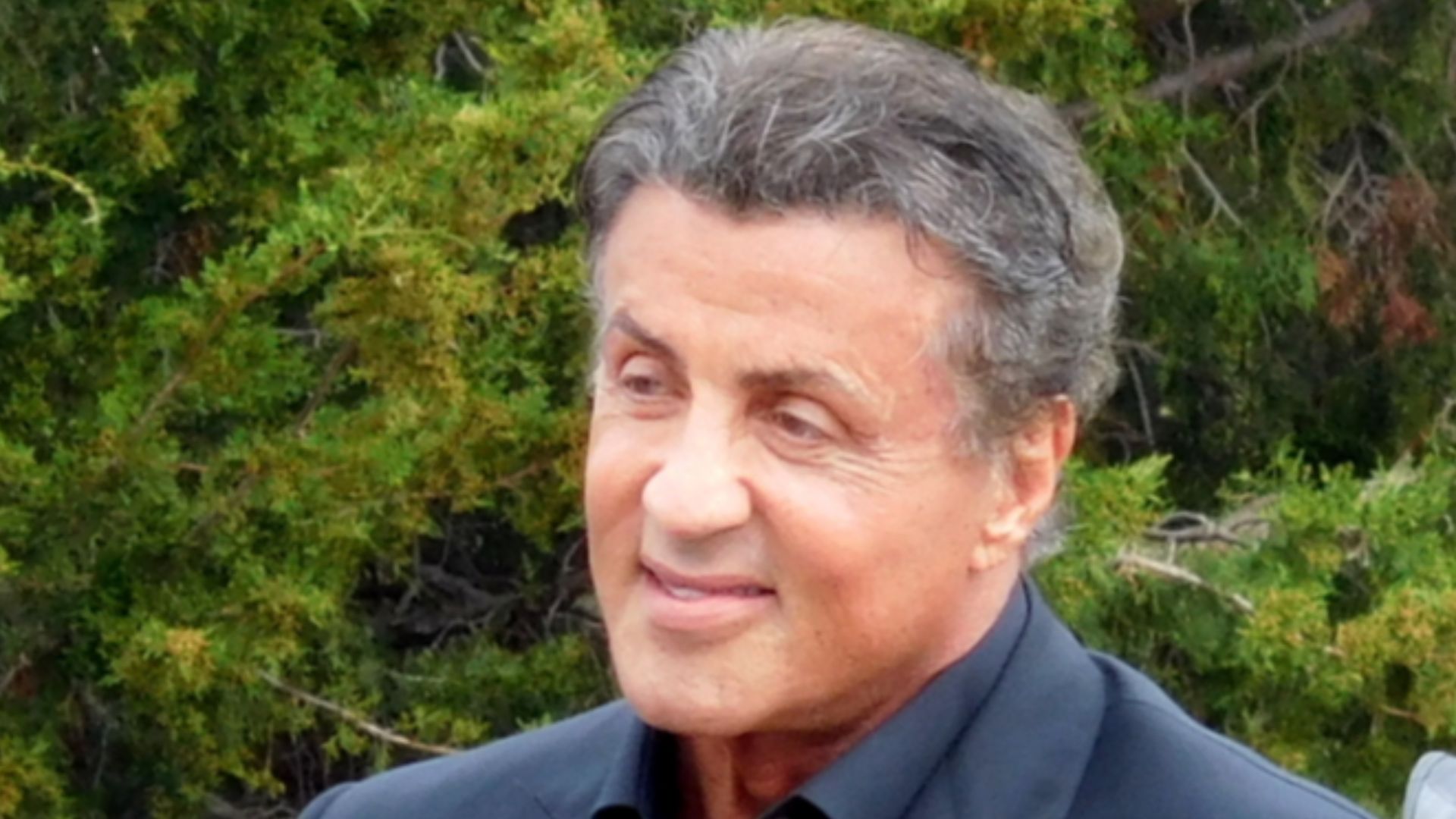 Patriarca12, Wikimedia Commons
Hugh Jackman - James Bond
Hugh Jackman reportedly declined the opportunity to audition for James Bond in Casino Royale (2006) because he was concerned about being trapped in another long-running franchise after X-Men (2000). Daniel Craig eventually became 007 and revitalized the famous spy series for modern audiences.
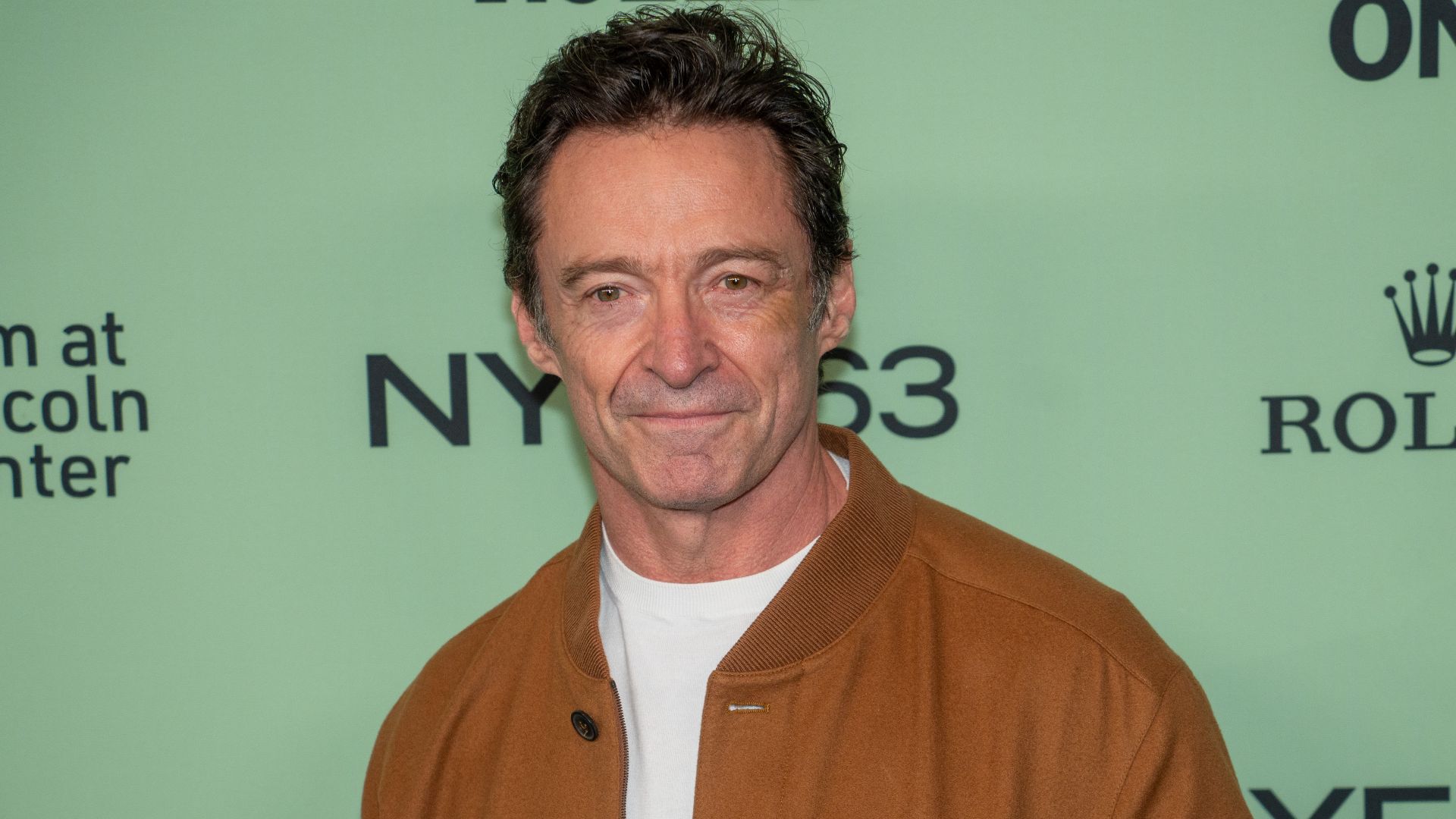 Bryan Berlin, Wikimedia Commons
Anne Hathaway - Knocked Up
Anne Hathaway exited Knocked Up (2007) due to concerns involving the planned childbirth scene. Katherine Heigl ultimately starred in the Judd Apatow comedy, which became one of the biggest comedic hits of the decade and helped launch several performers into stardom.
 Looking Glass Films, Wikimedia Commons
Leonardo DiCaprio - American Psycho
Leonardo DiCaprio briefly became attached to American Psycho (2000), but controversy over the violent material and studio pressure complicated the casting process. Christian Bale eventually landed the role of Patrick Bateman and gave one of the most iconic dark comedy performances in modern film history.
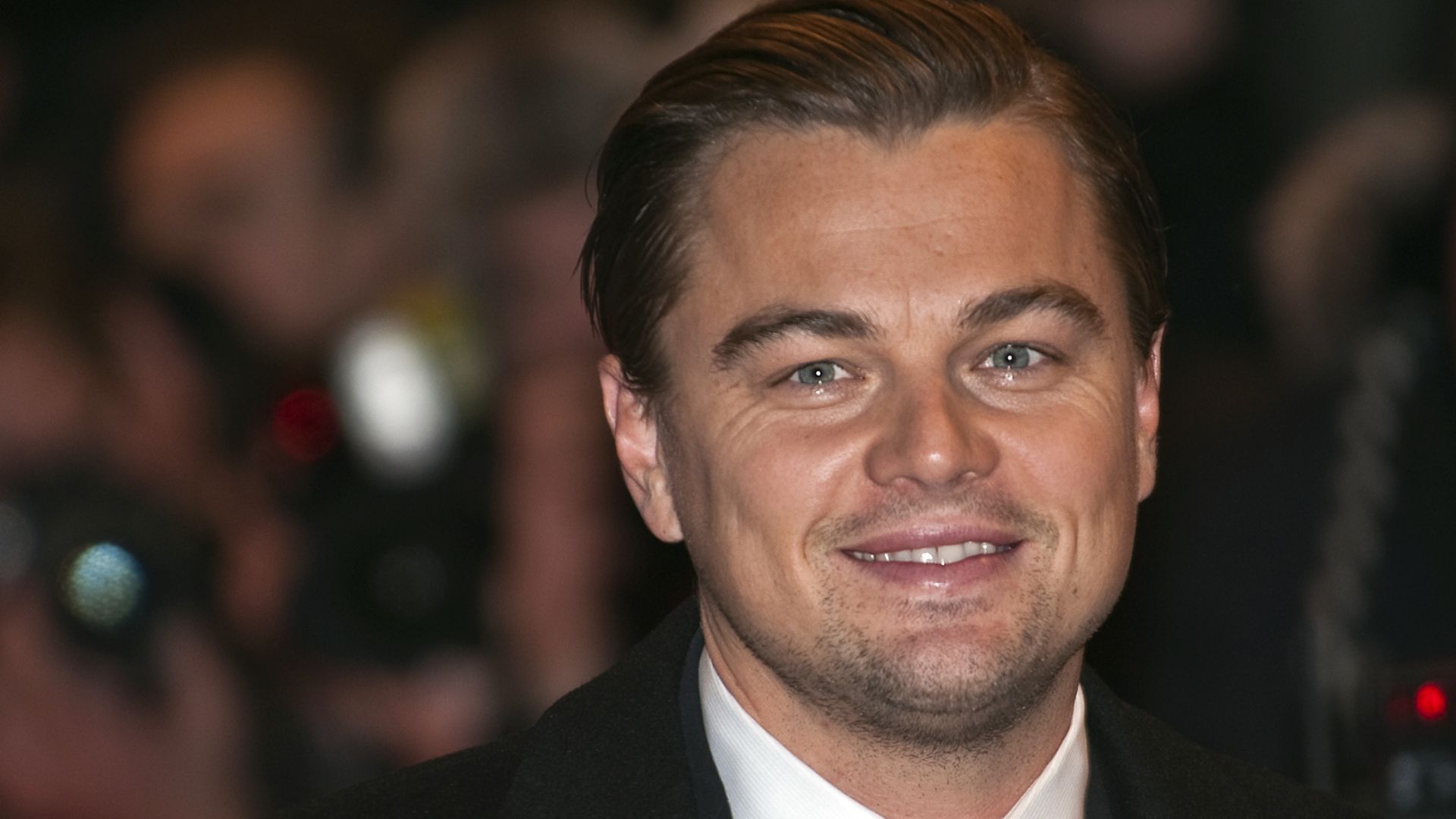 Thore Siebrands, Wikimedia Commons
Bruce Willis - Ghost
Bruce Willis turned down the lead role in Ghost (1990) because he doubted audiences would accept a romantic supernatural drama involving a dead protagonist. So Patrick Swayze starred opposite Demi Moore instead, and the film became an enormous box office and VHS success worldwide.
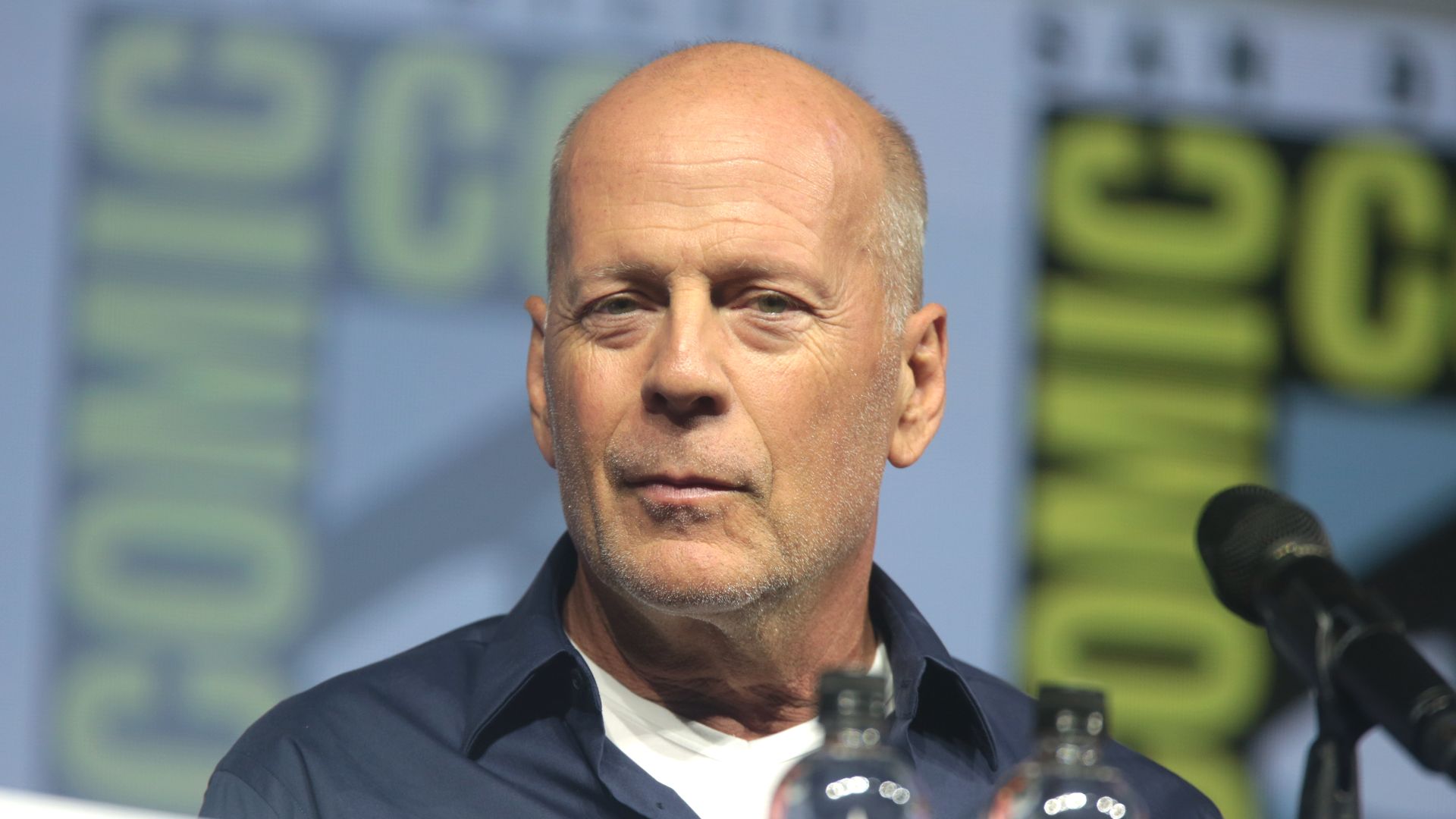 Gage Skidmore from Peoria, AZ, United States of America, Wikimedia Commons
Tim Robbins - The Shawshank Redemption
Tim Robbins almost passed on The Shawshank Redemption (1994) before eventually accepting the role of Andy Dufresne. Had he declined completely, the beloved prison drama might have looked very different. Robbins and Morgan Freeman ultimately helped transform the film into a modern-day classic.
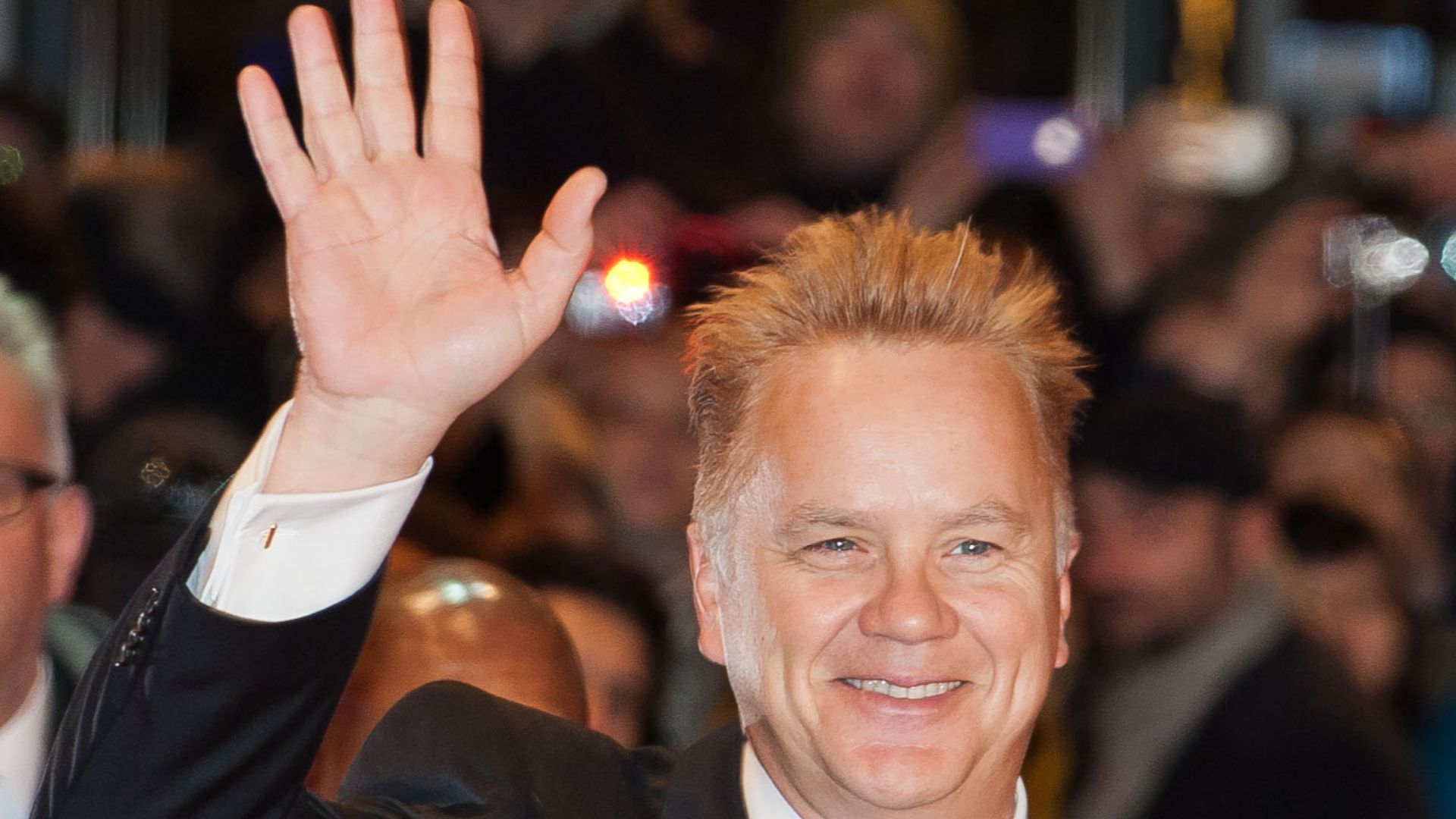
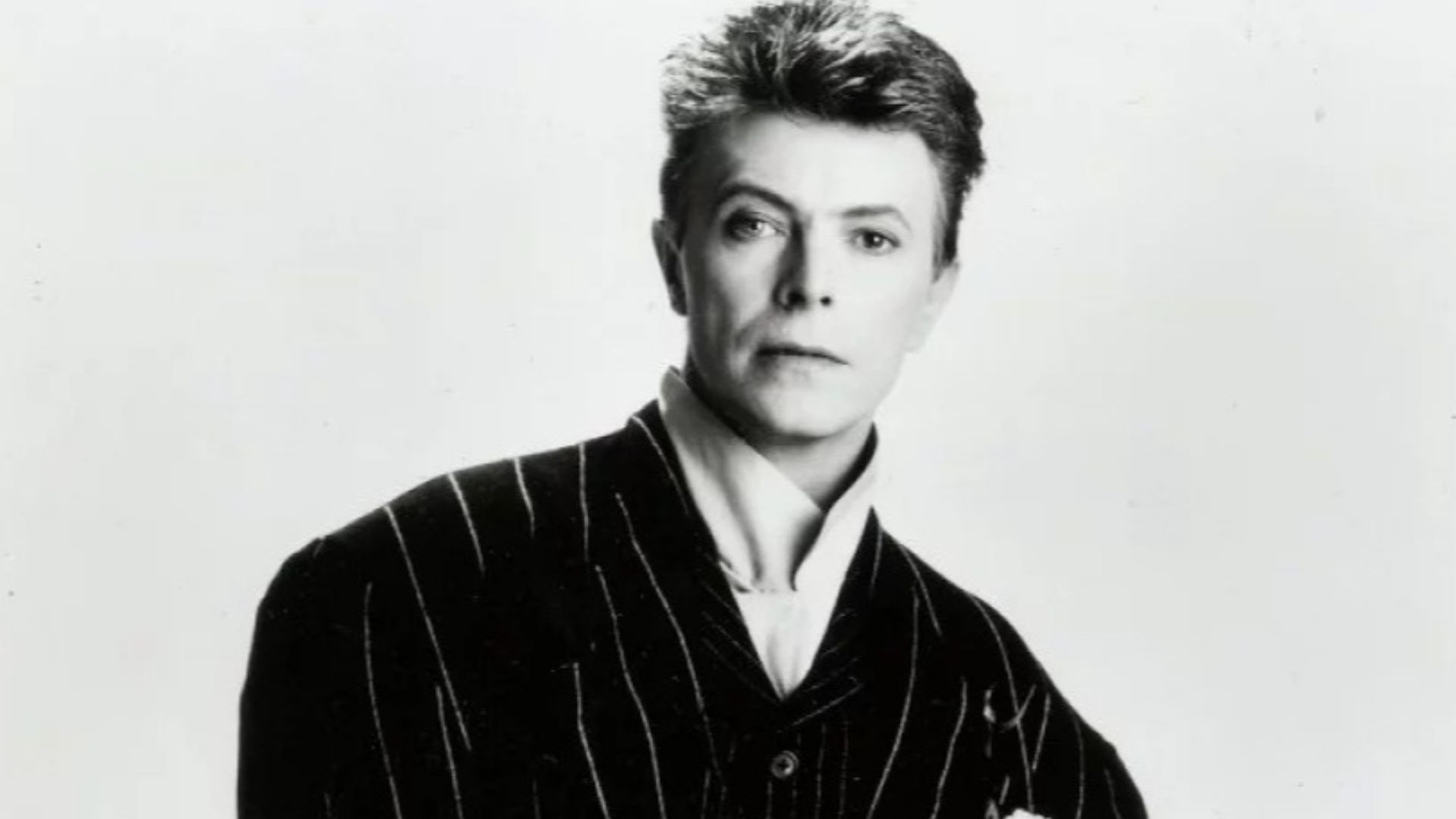
David Bowie - Blade Runner 2049
David Bowie was reportedly considered for Niander Wallace in Blade Runner 2049 (2017) before his death in January 2016. Jared Leto eventually assumed the role in Denis Villeneuve’s ambitious science fiction sequel, though a lot of fans still wonder how Bowie’s unusual screen presence might have changed the character.
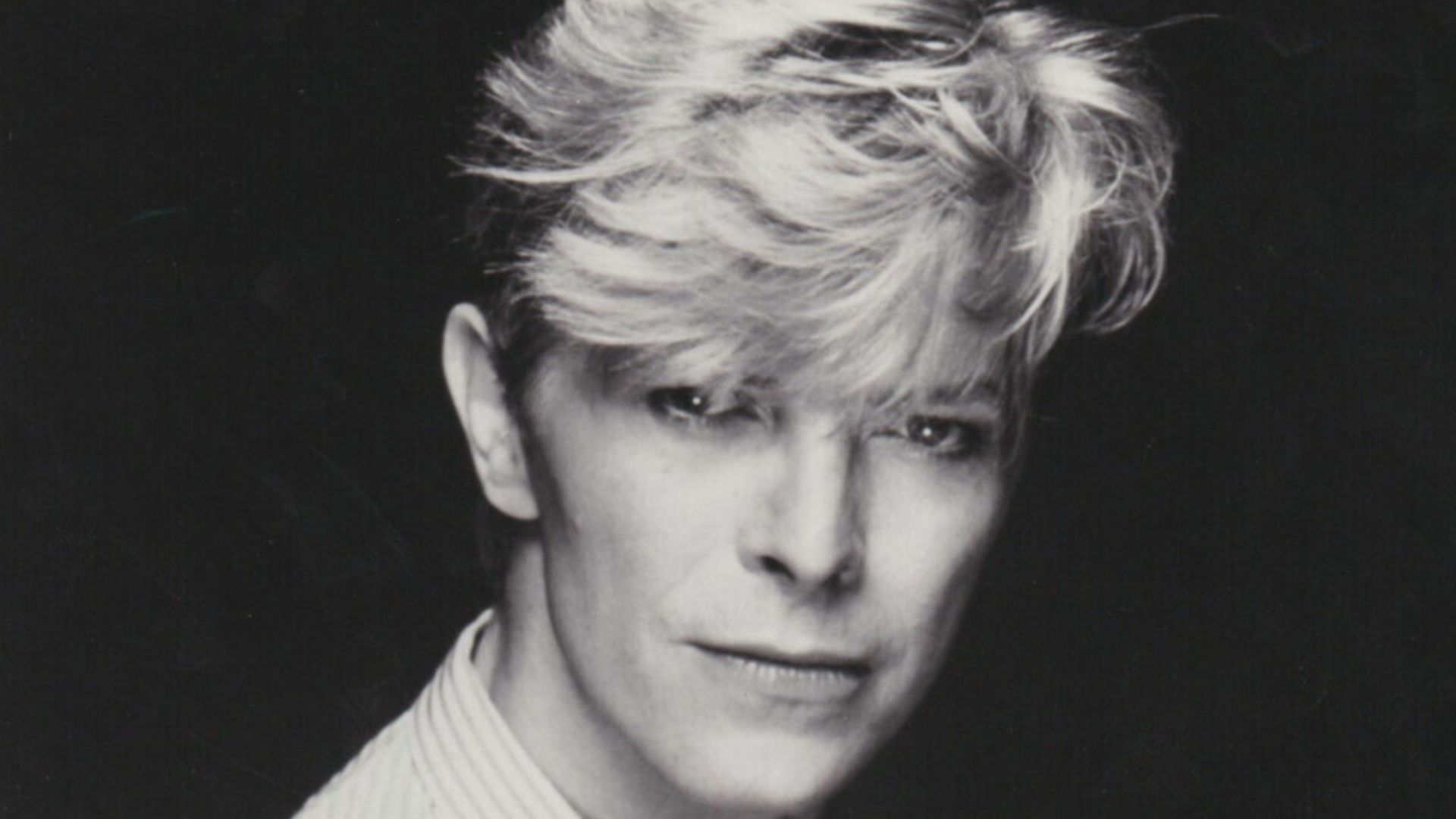 Distributed by EMI America. Photographer is unknown., Wikimedia Commons
Tom Hanks - Jerry Maguire
Tom Hanks declined the lead role in Jerry Maguire (1996) because he was focused on directing That Thing You Do! (1996). Tom Cruise ultimately starred in Cameron Crowe’s sports drama and delivered one of the signature performances of his long Hollywood career.
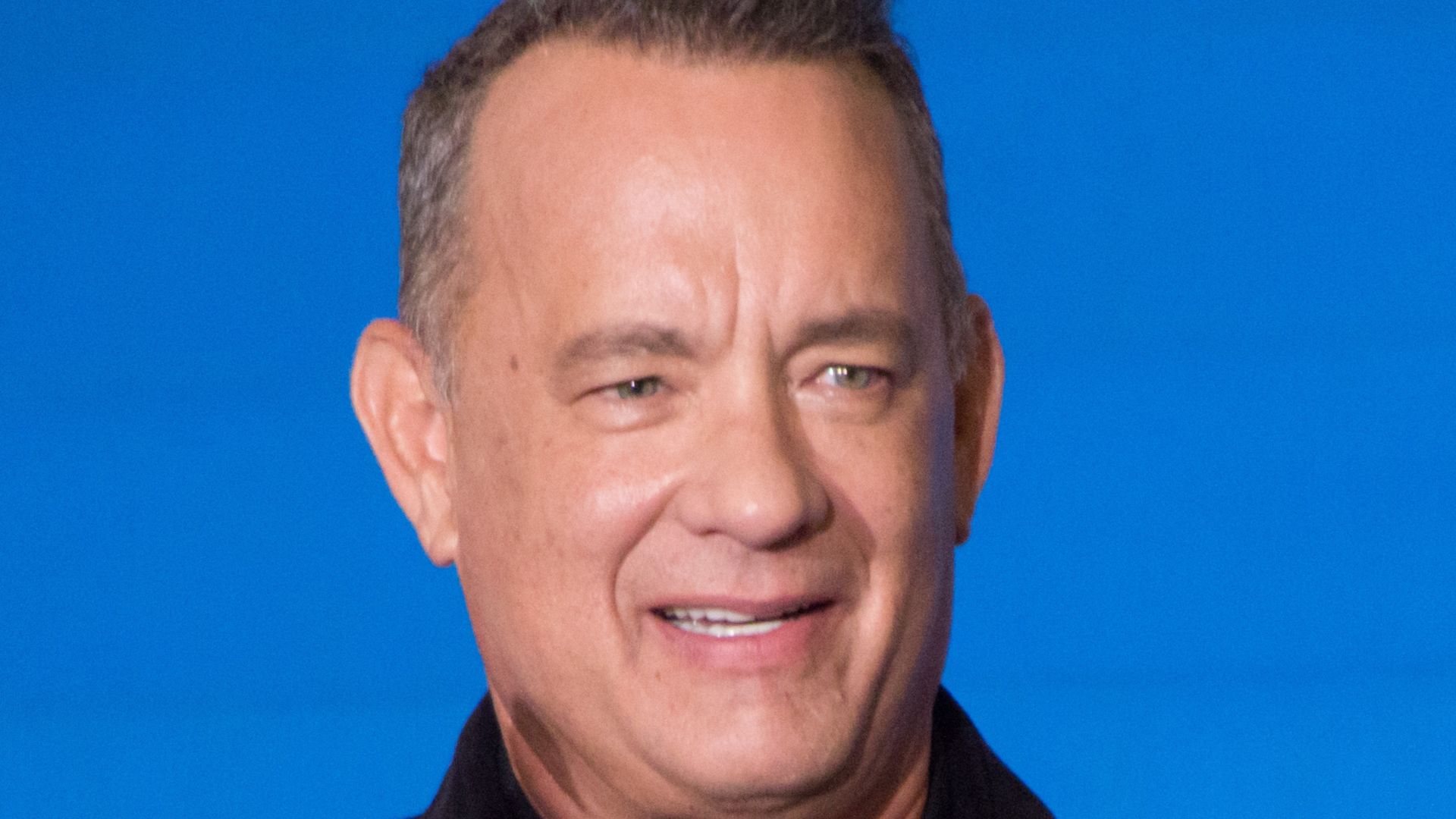 Dick Thomas Johnson, Wikimedia Commons
Burt Reynolds - Die Hard
Burt Reynolds turned down several action films during the 1980s, including Die Hard (1988), thinking he wasn’t right for the material. Bruce Willis eventually starred as John McClane, creating one of the most influential action heroes and franchises in movie history.
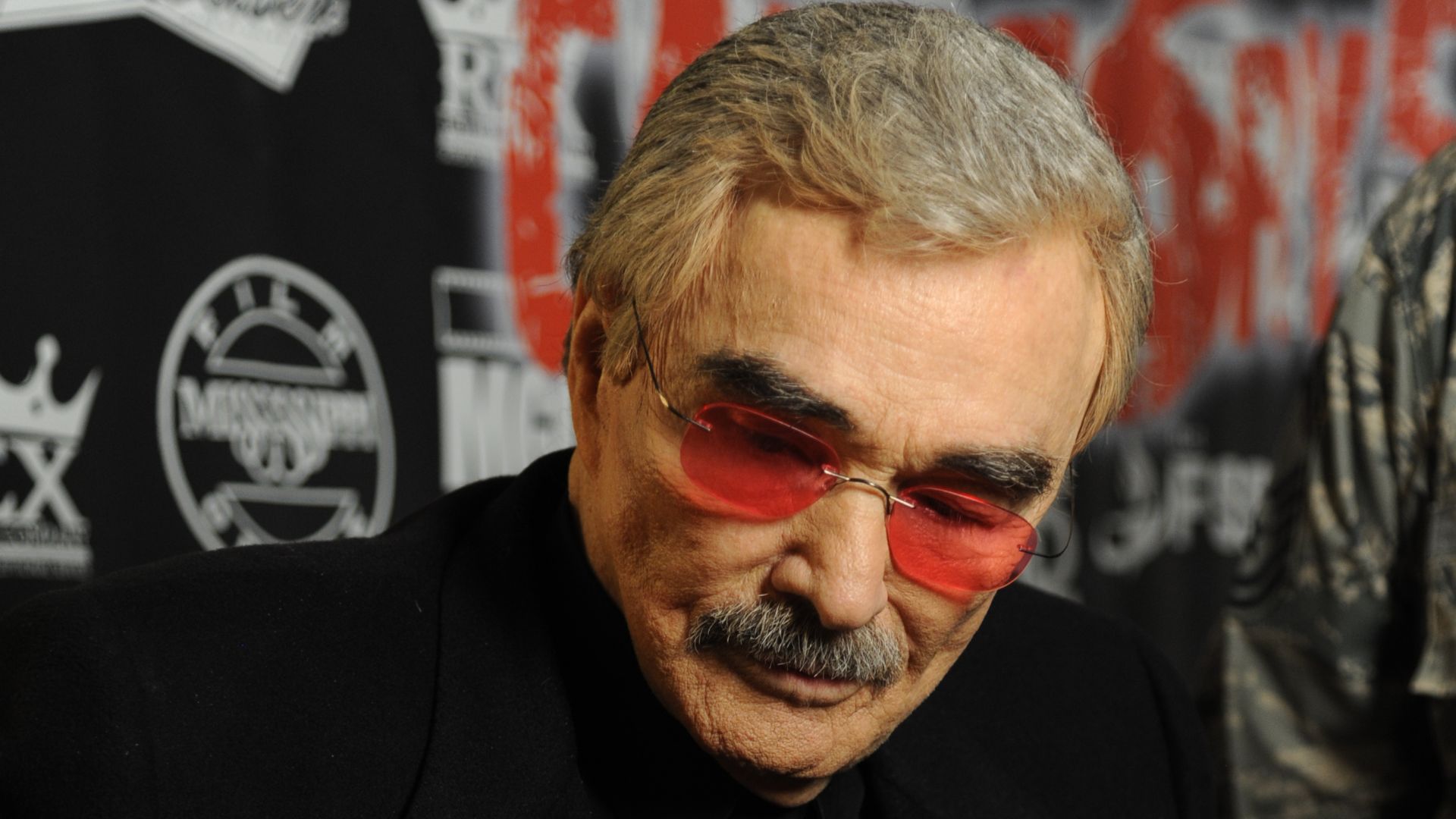 Kemberly Groue, Wikimedia Commons
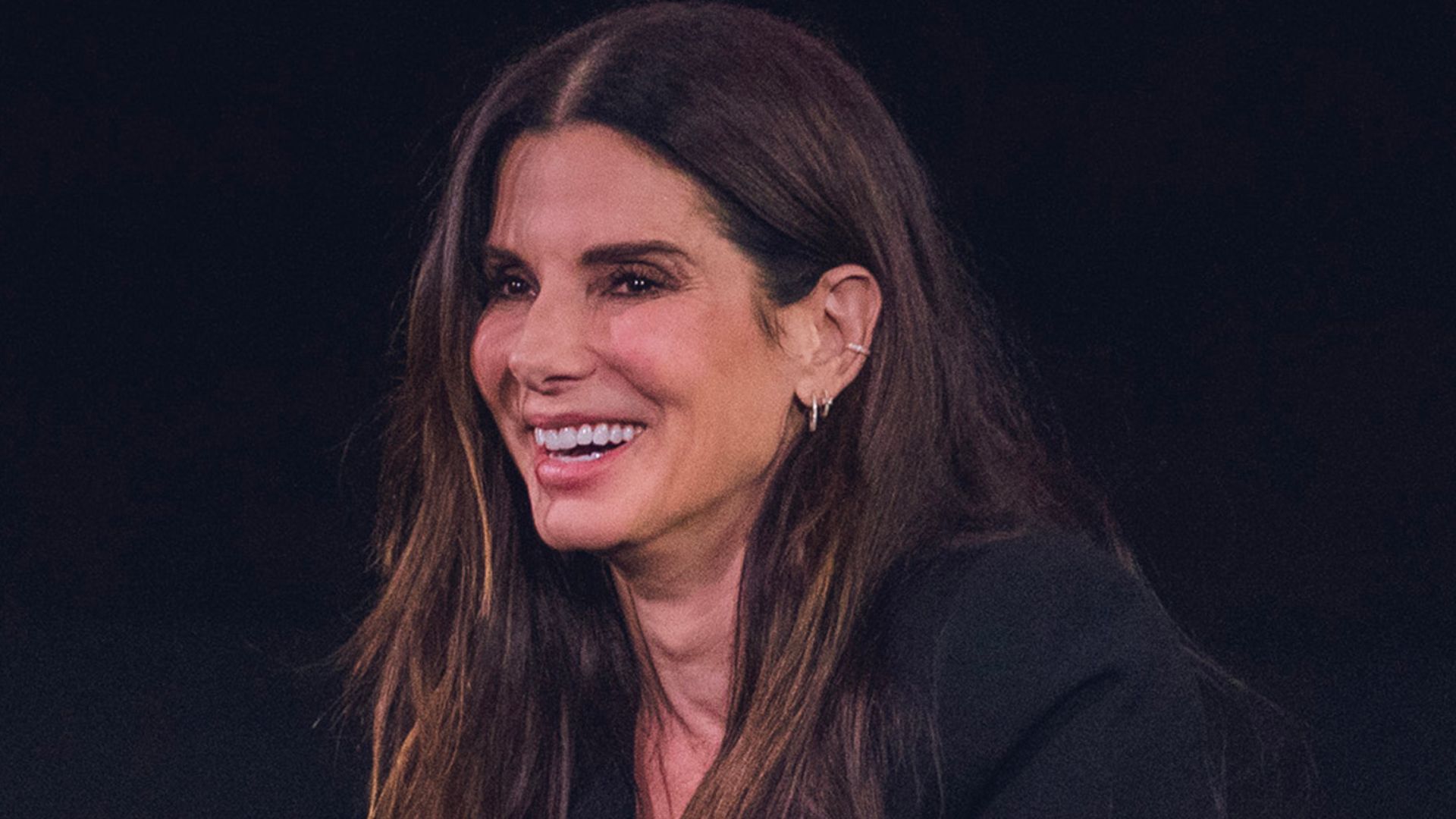
Sandra Bullock - Million Dollar Baby
Sandra Bullock has always chosen great roles, but she reportedly passed on Million Dollar Baby (2004), opening the door for Hilary Swank to take the lead role. Swank later won the Academy Award for Best Actress, while Clint Eastwood’s emotional boxing drama became one of the most acclaimed films of the decade.
They Wished They’d Thought Things Through More
So far we’ve been looking at actors who were fine with the decision they made to decline a potentially memorable role. But what about those who went on to regret their decision? Here are a few of them.
 Distributed by EMI America, Wikimedia Commons
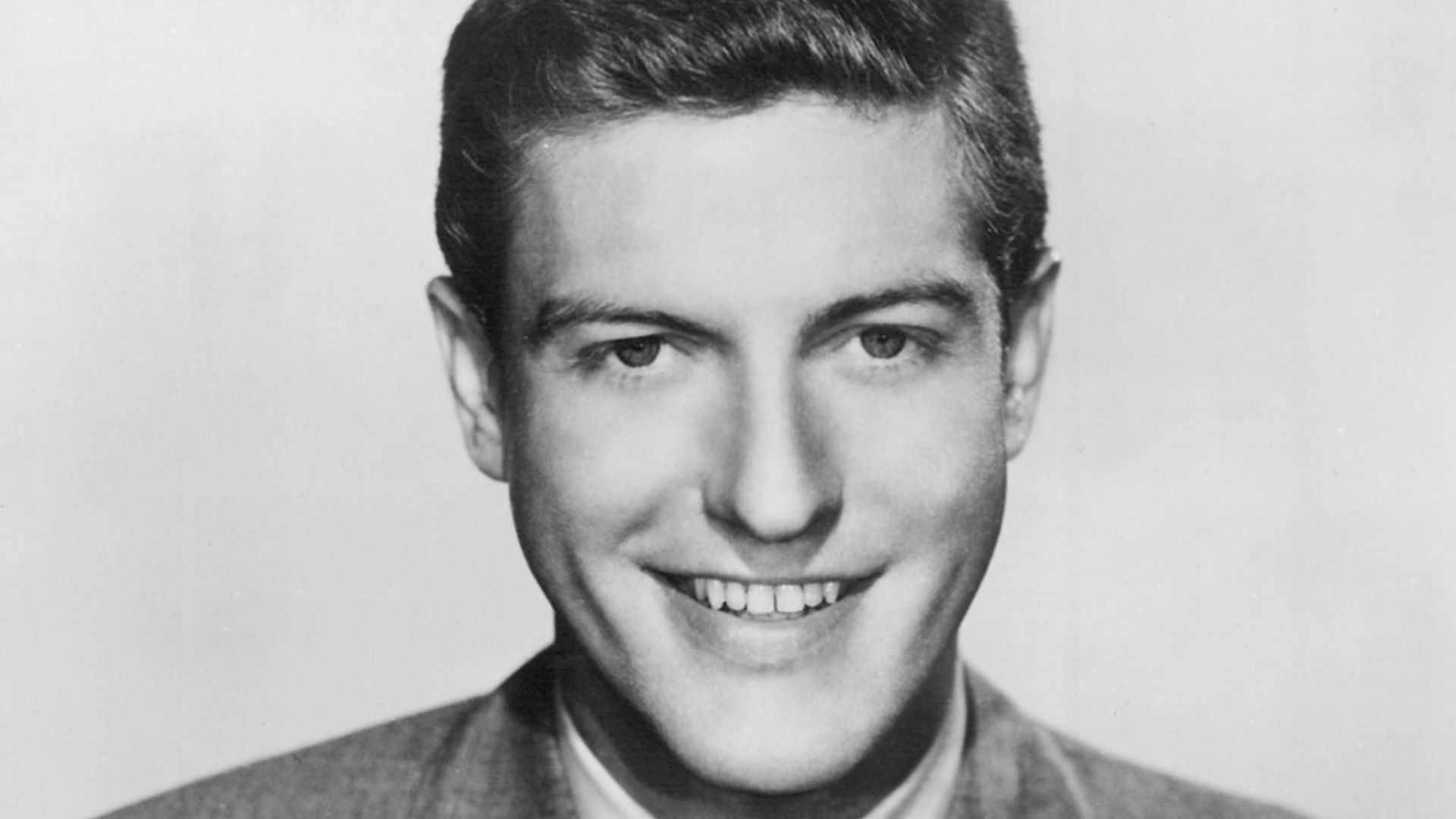
Dick Van Dyke - The Omen
Dick Van Dyke once revealed that he regretted turning down the lead role in The Omen (1976), the horror classic about a child believed to be the Antichrist. Gregory Peck ultimately accepted the role instead, bringing gravitas and emotional weight to one of the most unsettling supernatural thrillers of the 1970s.
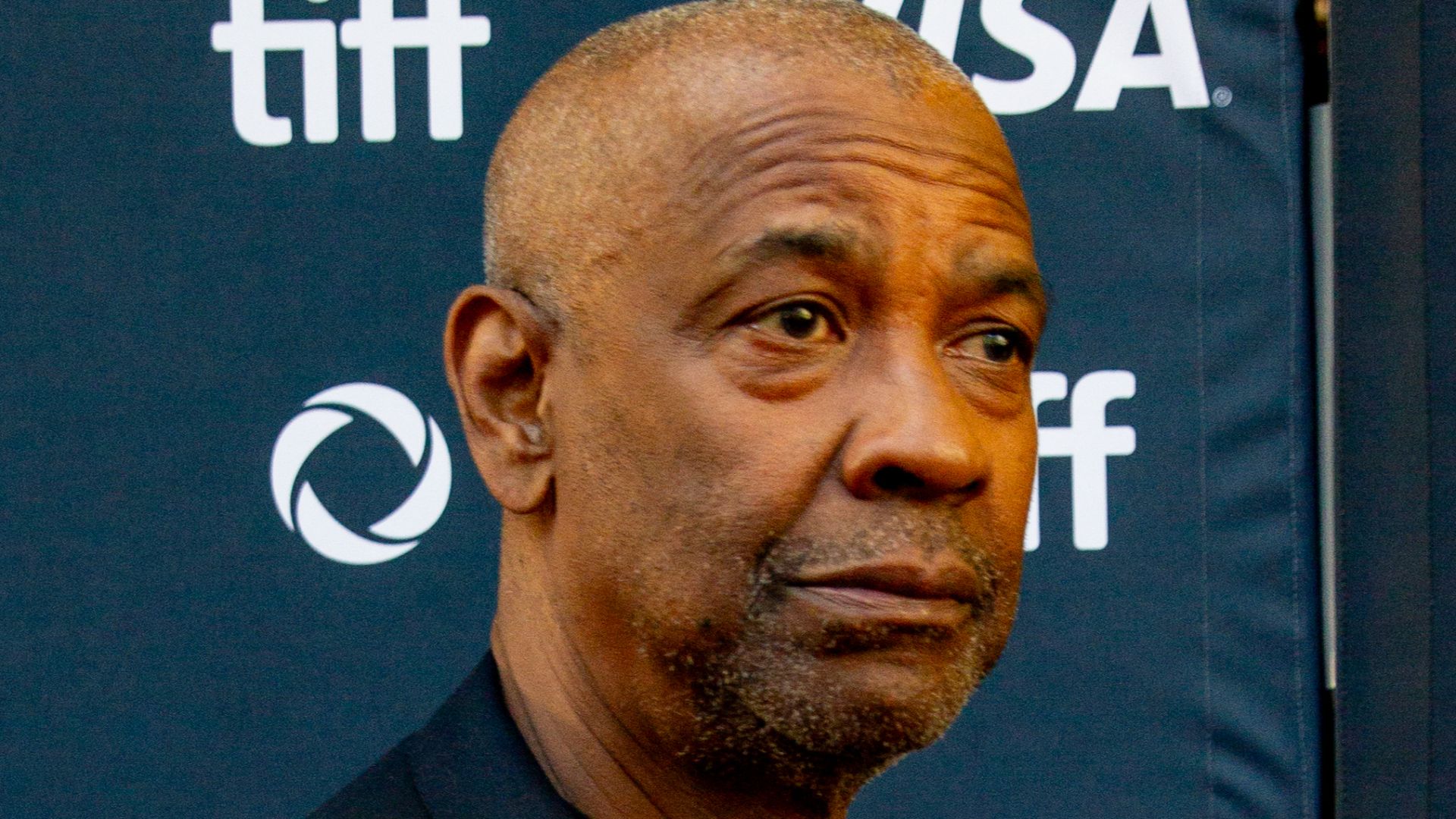
Denzel Washington - Michael Clayton
Denzel Washington later admitted he regretted turning down the lead role in Michael Clayton (2007), believing he may have misjudged the screenplay on first reading. George Clooney ultimately took on the part and earned widespread acclaim for his performance in the tense, contemplative legal thriller directed by Tony Gilroy.
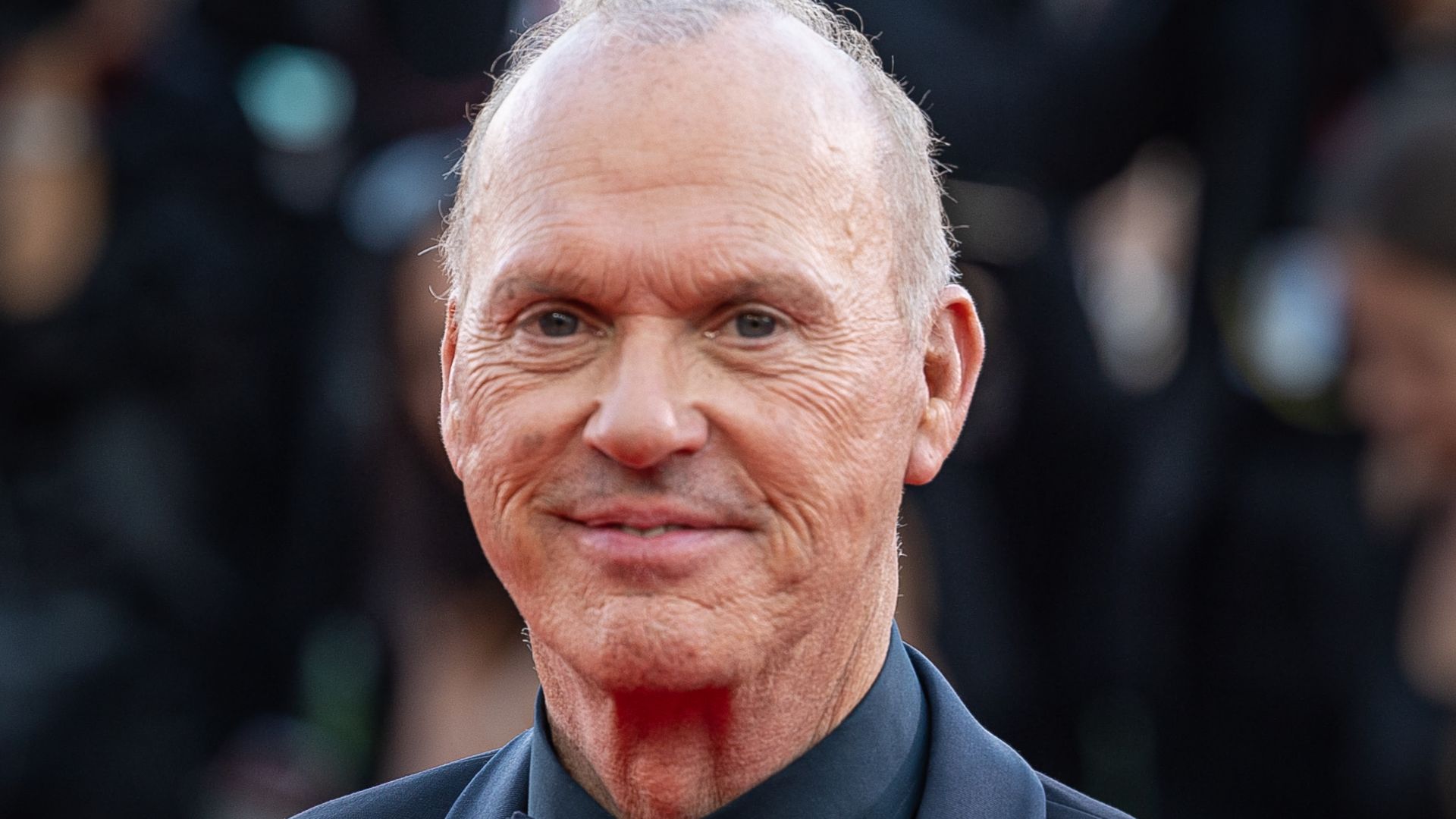
 Adam Chitayat, Wikimedia CommonsMichael Keaton - Groundhog Day
Michael Keaton passed on the starring role in Groundhog Day (1993) because he reportedly did not fully comprehend the unusual time-loop comedy concept. Bill Murray ultimately took the lead role and helped transform the film into one of the most beloved and endlessly rewatchable comedies ever made.
 Harald Krichel, Wikimedia Commons
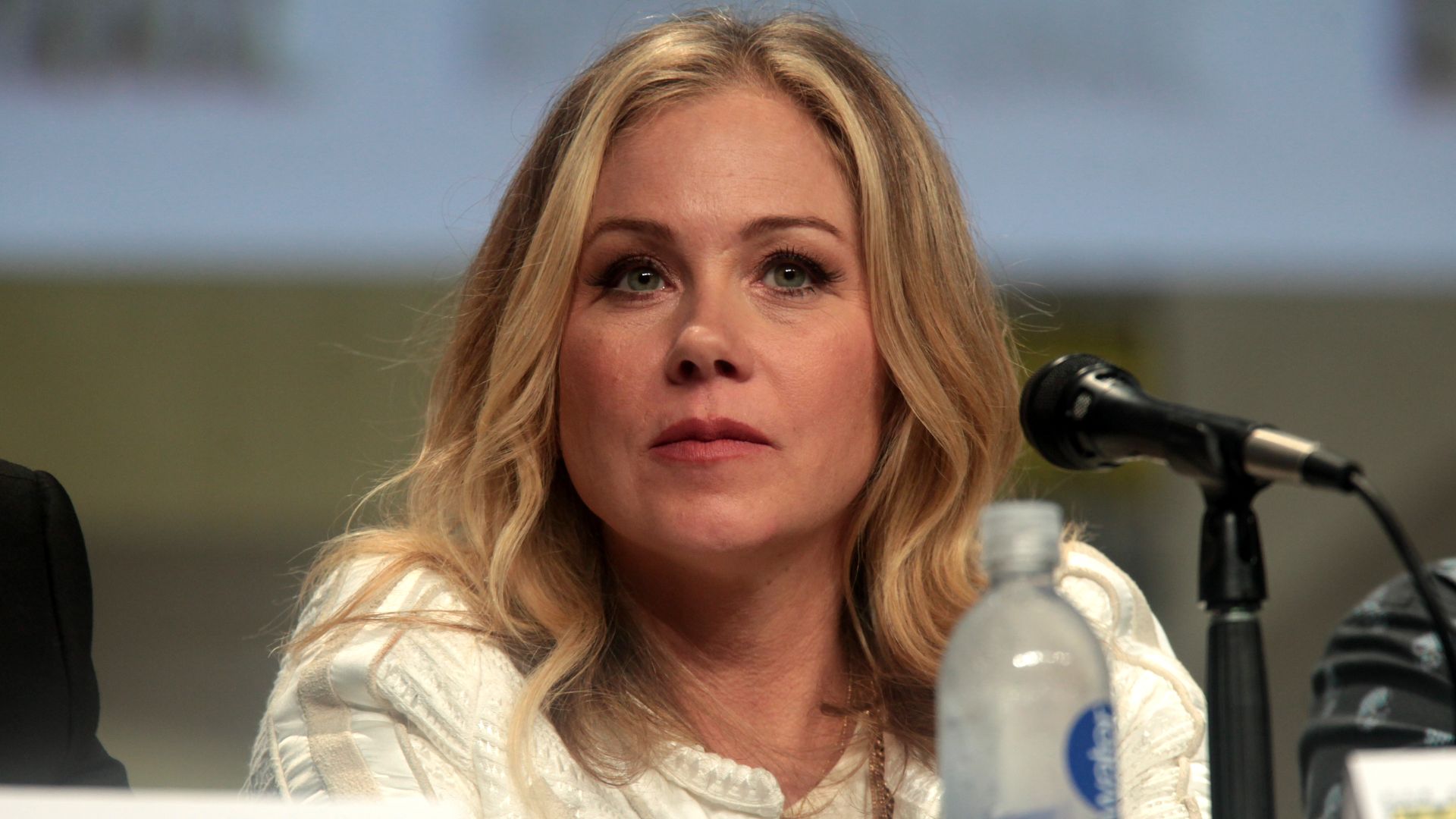
Christina Applegate - Legally Blonde
Christina Applegate turned down Elle Woods in Legally Blonde (2001) because she feared being typecast after playing a similar comedic blonde character on television. Reese Witherspoon accepted the role instead and helped transform the comedy into a hugely successful franchise. Applegate later admitted that she’d made a “dumb move.”
 Gage Skidmore, Wikimedia Commons
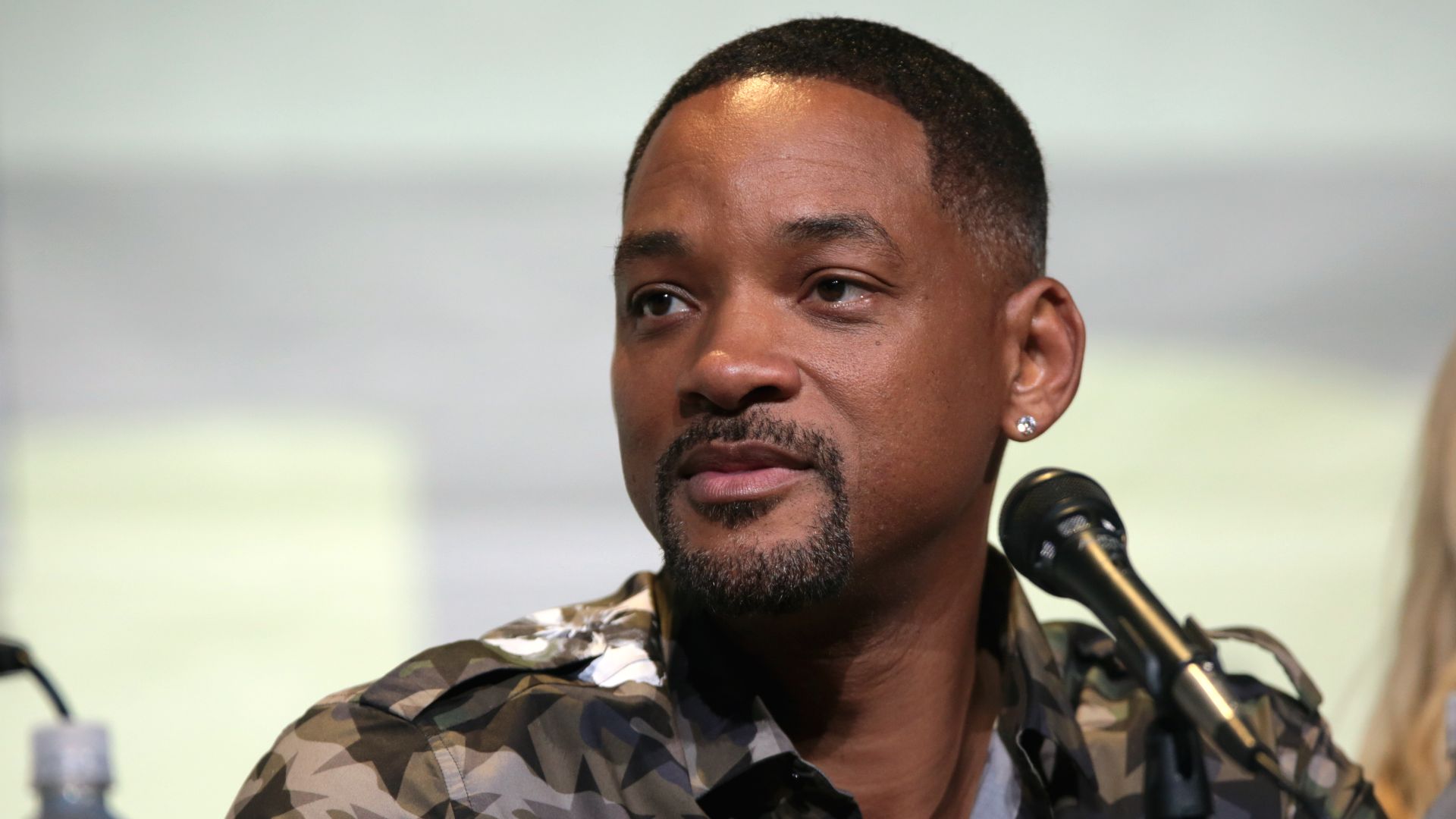
Will Smith - The Matrix
Will Smith declined the role of Neo in The Matrix (1999) because he did not connect with directors the Wachowskis' ambitious pitch for the film. Keanu Reeves eventually starred in the groundbreaking science fiction movie, which revolutionized action filmmaking and became a massive cultural phenomenon.
 Gage Skidmore from Peoria, AZ, United States of America, Wikimedia Commons
You May Also Like:
Great Actors Who’ve Never Even Been Nominated For An Oscar
15 Times Actors Took “Method” Too Far