He Could Play Anybody
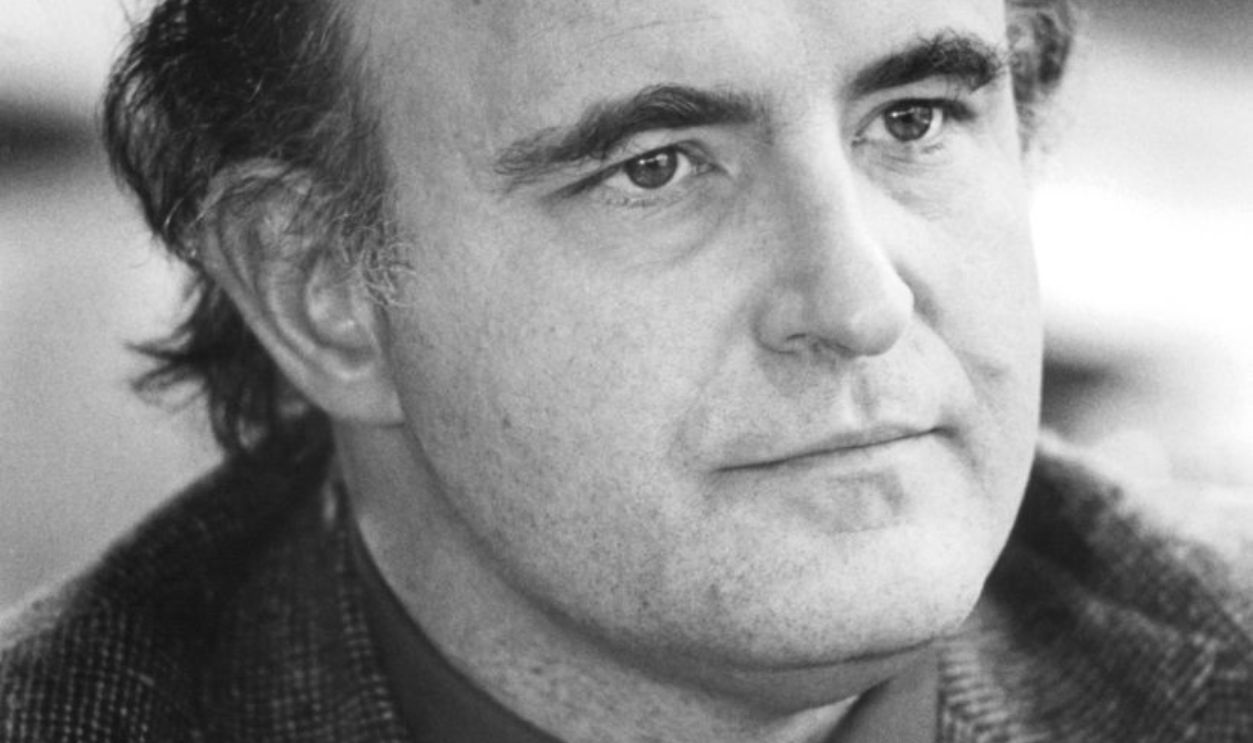
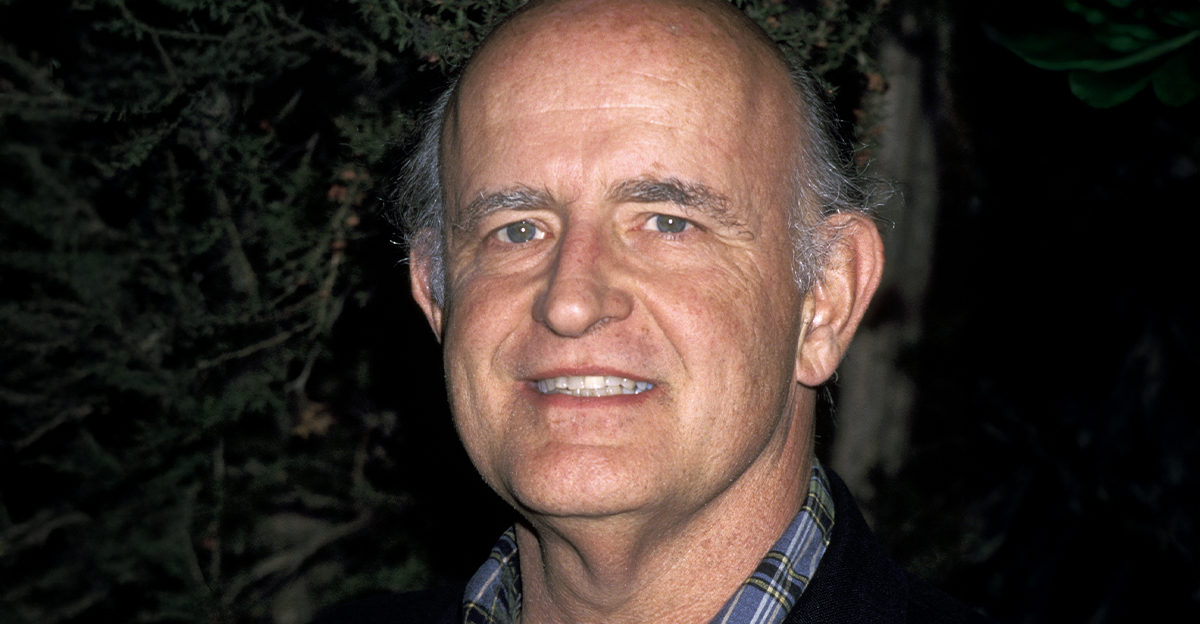
Peter Boyle spent the 1970s bouncing through different roles from political operatives to philosophical cabbies and Frankenstein's Monster. Then, after decades as one of Hollywood's most unpredictable character actors, he found his biggest audience playing Frank Barone, the spectacularly cranky father on Everybody Loves Raymond.
 Jim Smeal/Ron Galella Collection via Getty Images
Television Was In The Family
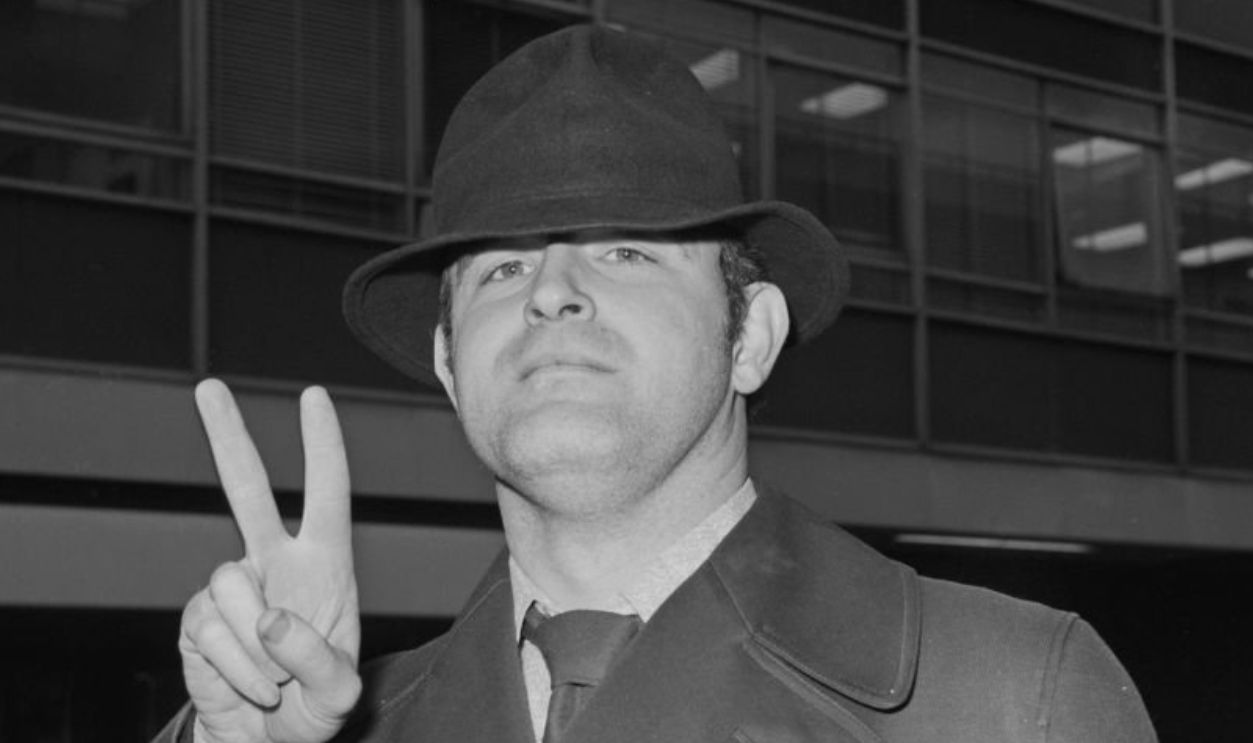
Born in Norristown, Pennsylvania, in 1935, Boyle grew up around Philadelphia television. His father, Francis “Pete” Boyle, became a familiar Philadelphia television personality, hosting children's programming as “Uncle Pete” and appearing as the Western host “Chuck Wagon Pete.” The younger Boyle attended La Salle and initially imagined a life considerably farther removed from Hollywood.
 Evening Standard, Getty Images
He Nearly Became A Monk
Before Second City or movie sets, Boyle joined the Christian Brothers and spent time pursuing a religious vocation. After leaving religious life and graduating from La Salle, Boyle moved to New York to pursue acting. There, he studied with renowned teacher Uta Hagen and supported himself with decidedly unglamorous jobs while chasing roles.
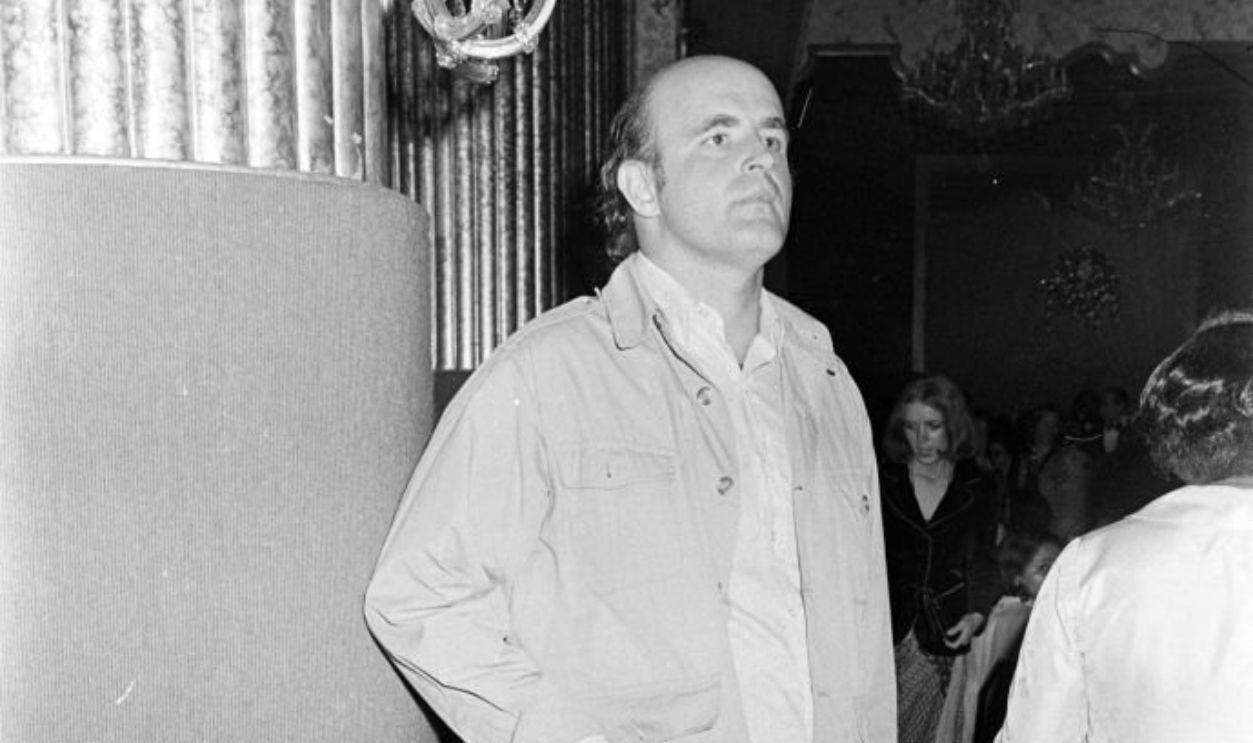
Comedy Came Before Movies
Boyle's early professional breakthrough included the road company of Neil Simon's play The Odd Couple, where he played policeman Murray and understudied Oscar. He later joined Chicago's Second City and participated in politically charged, anti-war comedy during the turbulent late 1960s, experiences that helped shape his unusual screen presence.
 Silver Screen Collection, Getty Images
Joe Changed Everything
John G. Avildsen's Joe (1970) gave Boyle his breakthrough as Joe Curran, a vicious, bigoted factory worker whose anger erupts into violence. Dennis Patrick and Susan Sarandon co-starred. Boyle's frightening performance made Hollywood notice him, although the politically liberal actor was uncomfortable with people who embraced Joe rather than condemned him.
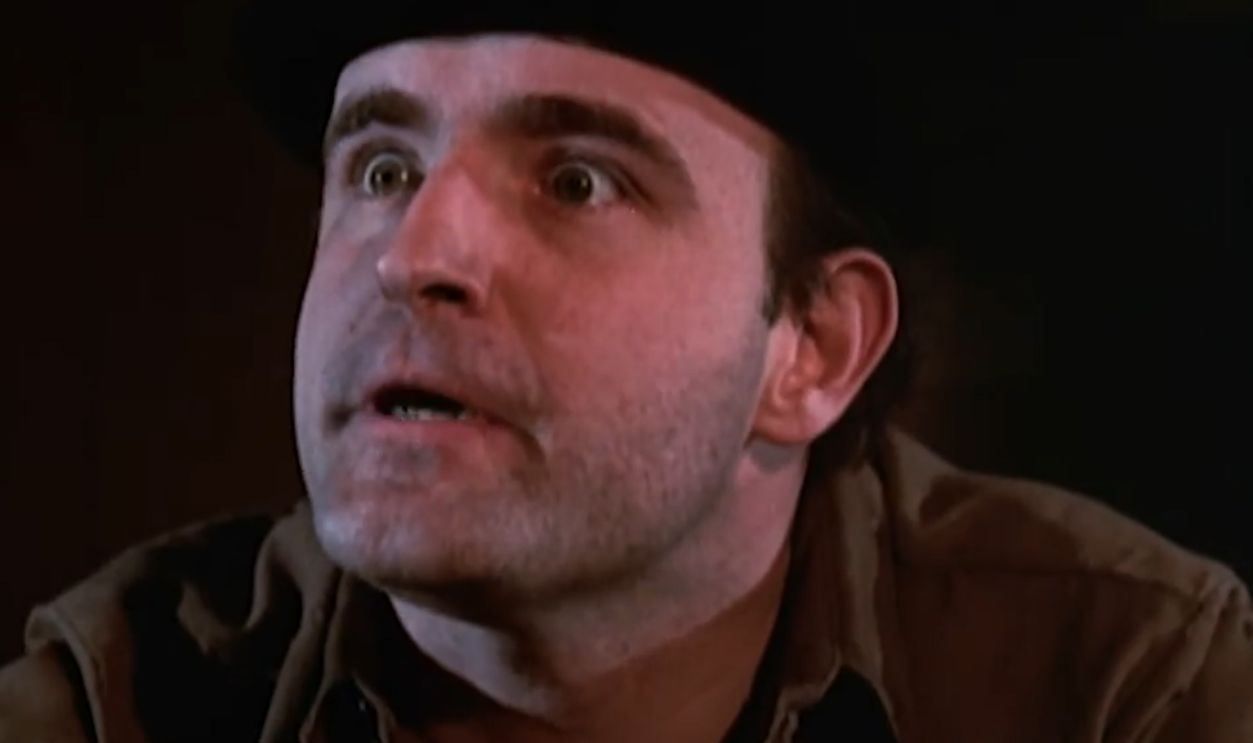 Screenshot from Joe, Cannon Releasing Corp. (1970)
He Refused Another Tough Guy
Boyle could easily have spent the decade playing variations on Joe, but he wasn't interested. Most famously, he turned down Popeye Doyle in William Friedkin's The French Connection (1971), the role that ultimately brought Gene Hackman an Academy Award. Boyle instead pursued a remarkably unpredictable collection of characters.
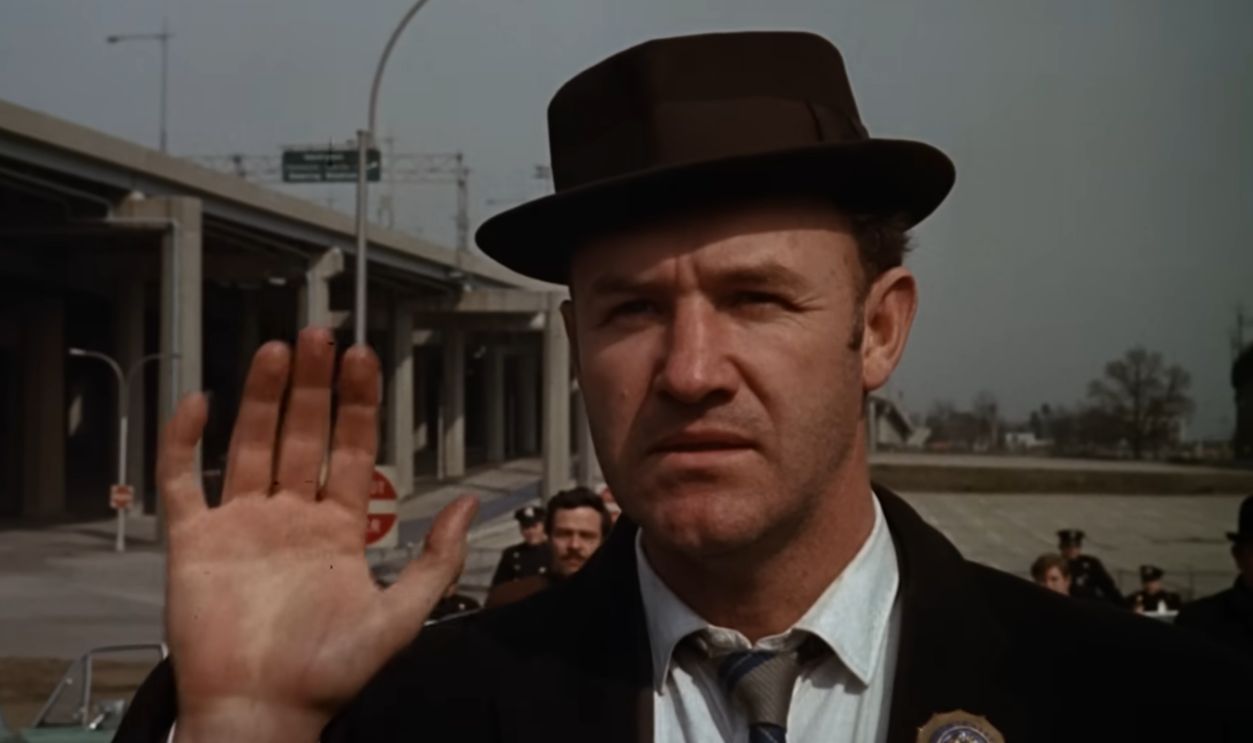 Screenshot from The French Connection, 20th Century Fox (1971)
Politics Became Comedy
Michael Ritchie's The Candidate (1972) cast Boyle as Marvin Lucas, the shrewd political strategist who recruits Robert Redford's idealistic Bill McKay for an apparently unwinnable Senate race. Boyle was terrific at playing men who understood how institutions really worked, giving the political satire another layer of cynical intelligence.
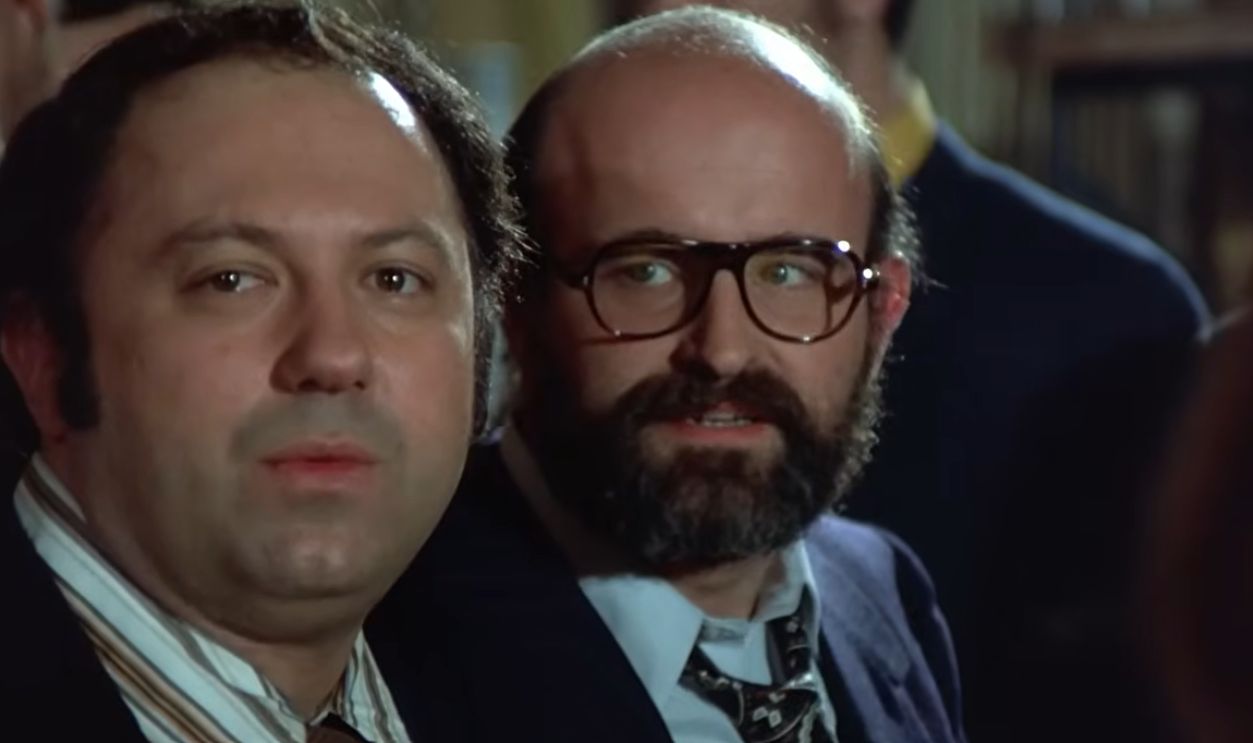 Screenshot from The Candidate, Warner Bros.(1972)
Slither Got Even Stranger
Howard Zieff's offbeat Slither (1973) paired Boyle with James Caan and Sally Kellerman in a wonderfully peculiar road comedy involving stolen money, mysterious vans and increasingly bizarre characters. Boyle played Barry Fenaka, a spectacularly tacky small-town entertainer, demonstrating how quickly he could pivot from menace to absurdity.
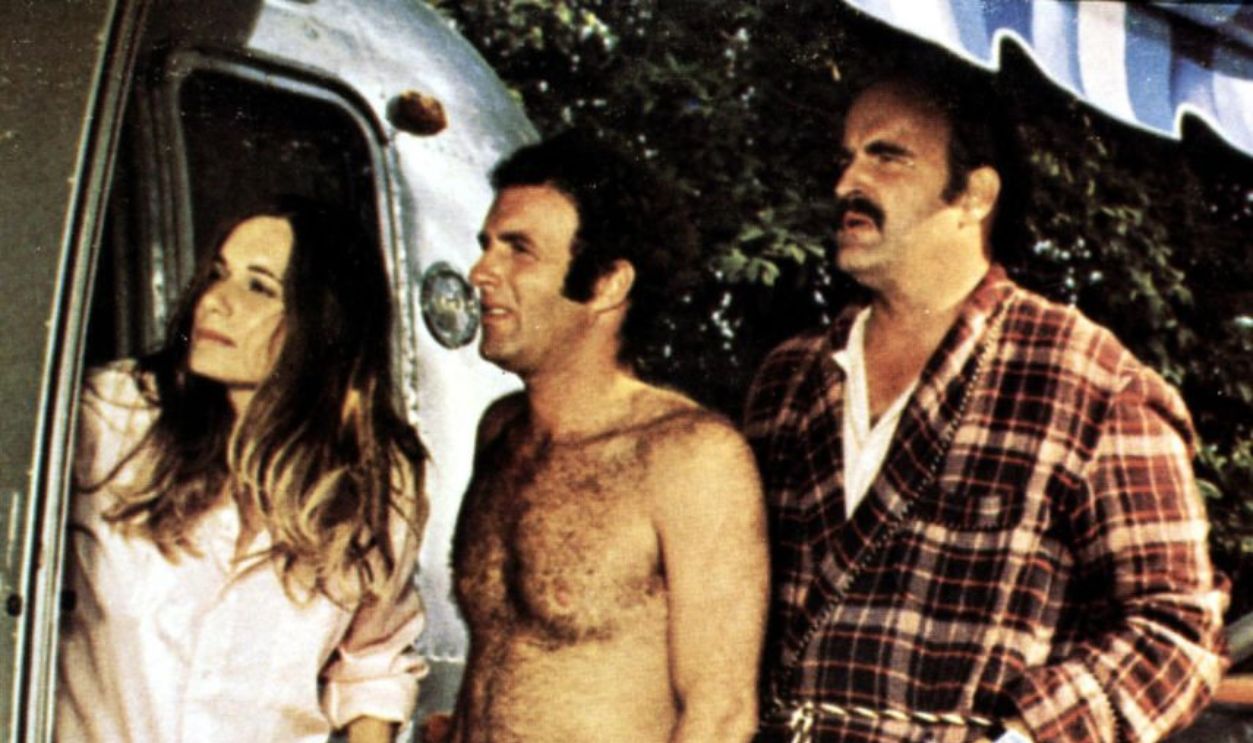
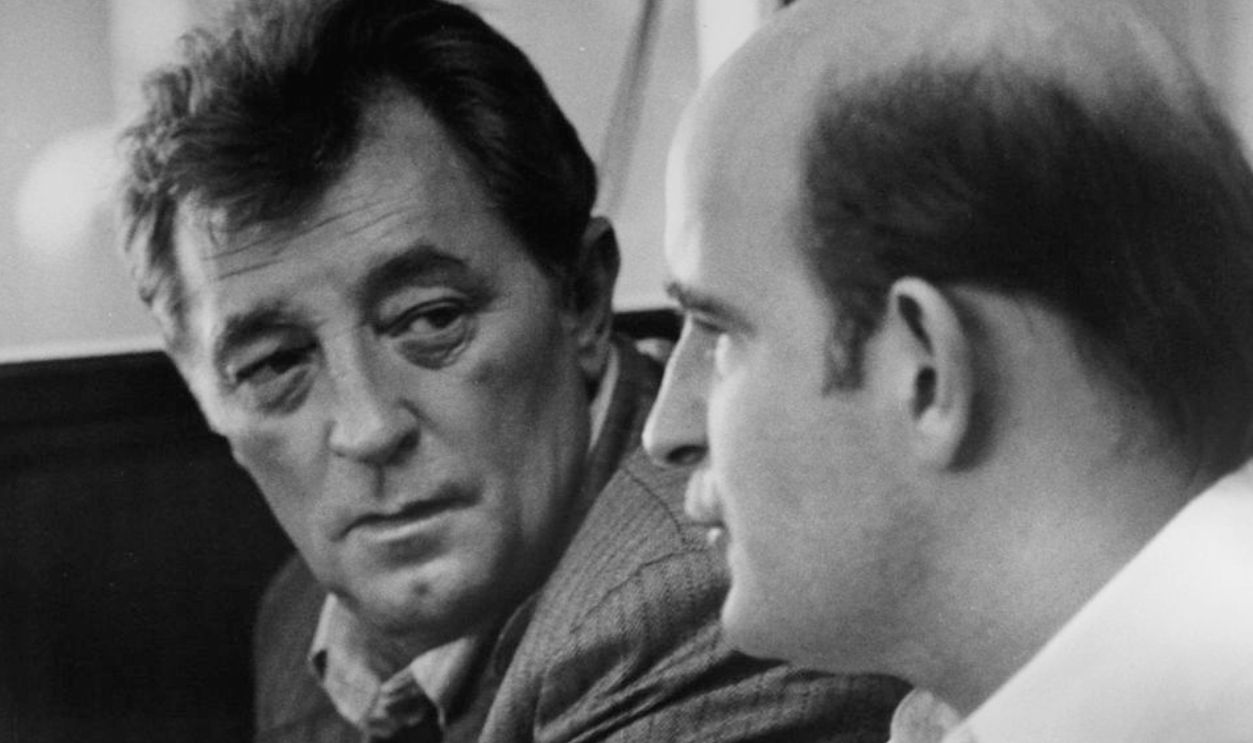
He Joined Eddie Coyle
Peter Yates's The Friends of Eddie Coyle (1973) offered Boyle another terrific thriller role, this time opposite Robert Mitchum. Boyle played Dillon, a seemingly easygoing bartender with deep connections to Boston's seedy underworld. The understated performance showed that he didn't need Joe-style explosions to seem dangerous.
 Michael Ochs Archives, Getty Images
The Monster Changed Everything
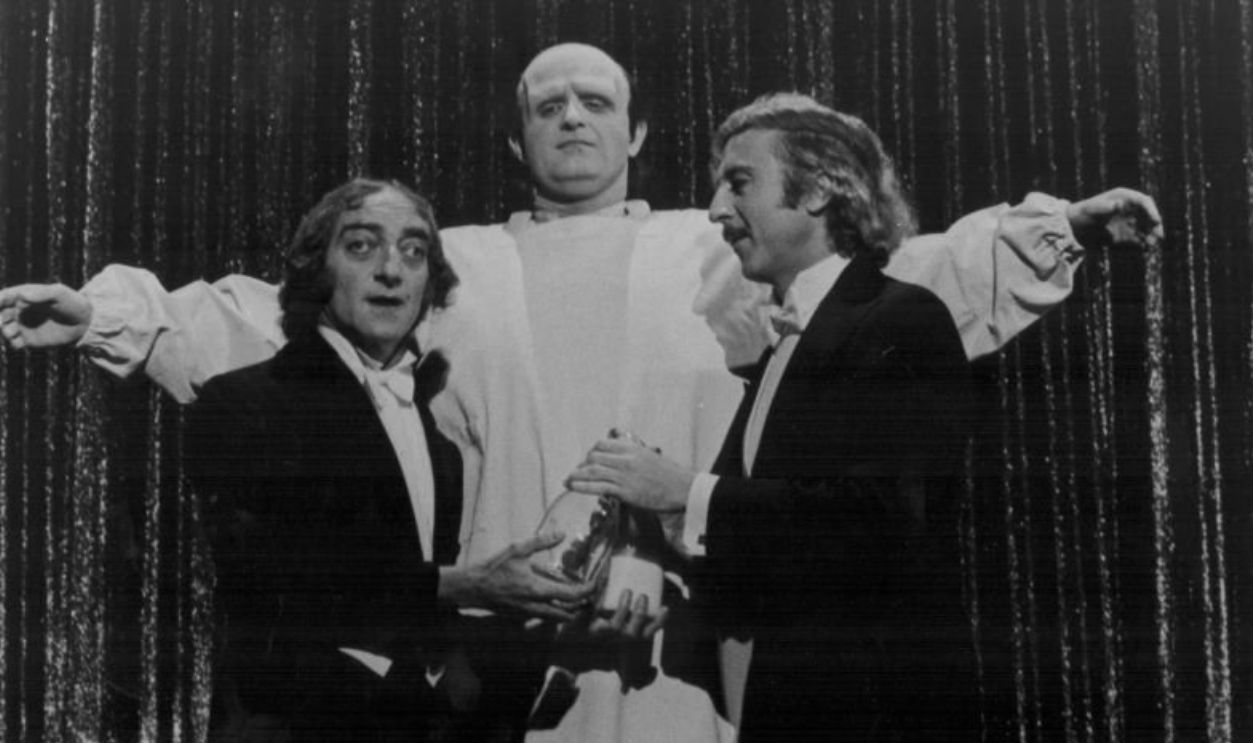
Mel Brooks gave Boyle perhaps his most beloved movie role in Young Frankenstein (1974). Opposite Gene Wilder, Marty Feldman, Madeline Kahn, Teri Garr and Cloris Leachman, Boyle transformed Frankenstein's Monster into something simultaneously frightening, innocent and hilarious, culminating in that unforgettable top-hat-and-tails stage routine.
 Stanley Bielecki Movie Collection, Getty Images
He Met Loraine
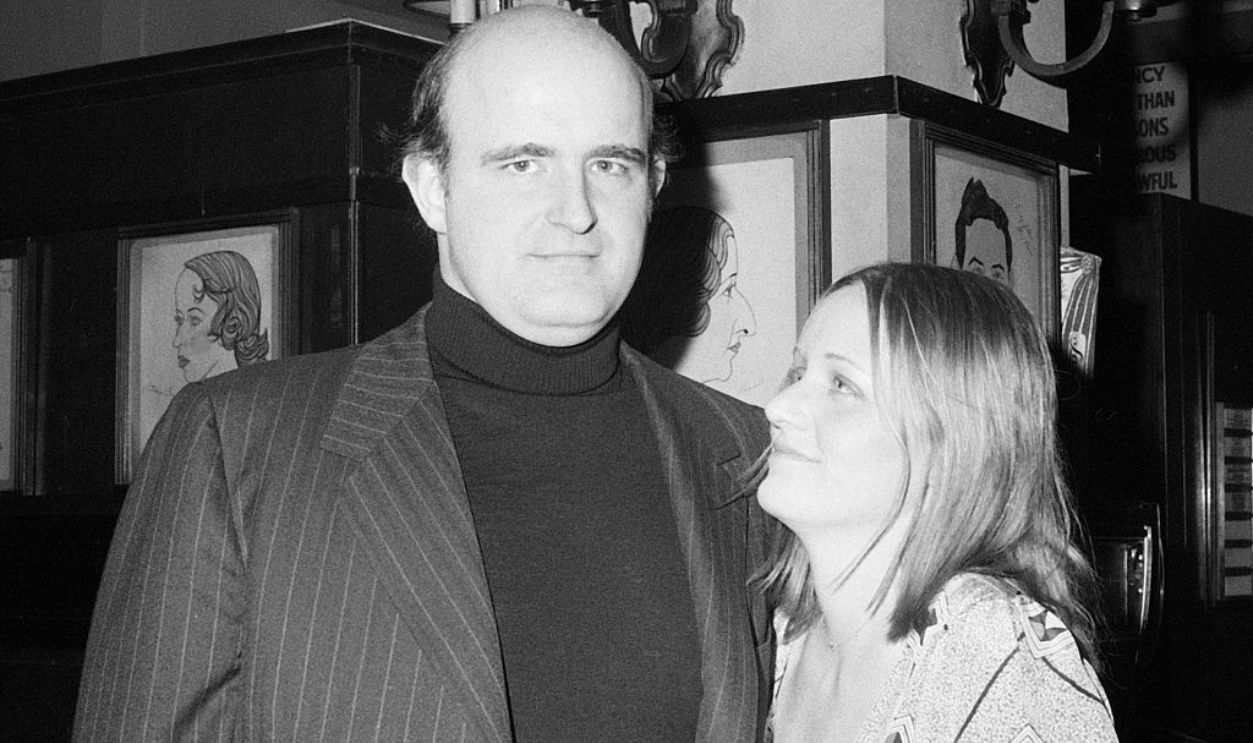
Young Frankenstein (1974) changed Boyle's private life, too. Rolling Stone journalist Loraine Alterman visited the production and met Boyle while covering the movie. The encounter became a romance, and Boyle later said that meeting his future wife on the film's set was the true highlight of his career.
 Silver Screen Collection, Getty Images
Taxi Driver Took Him Darker
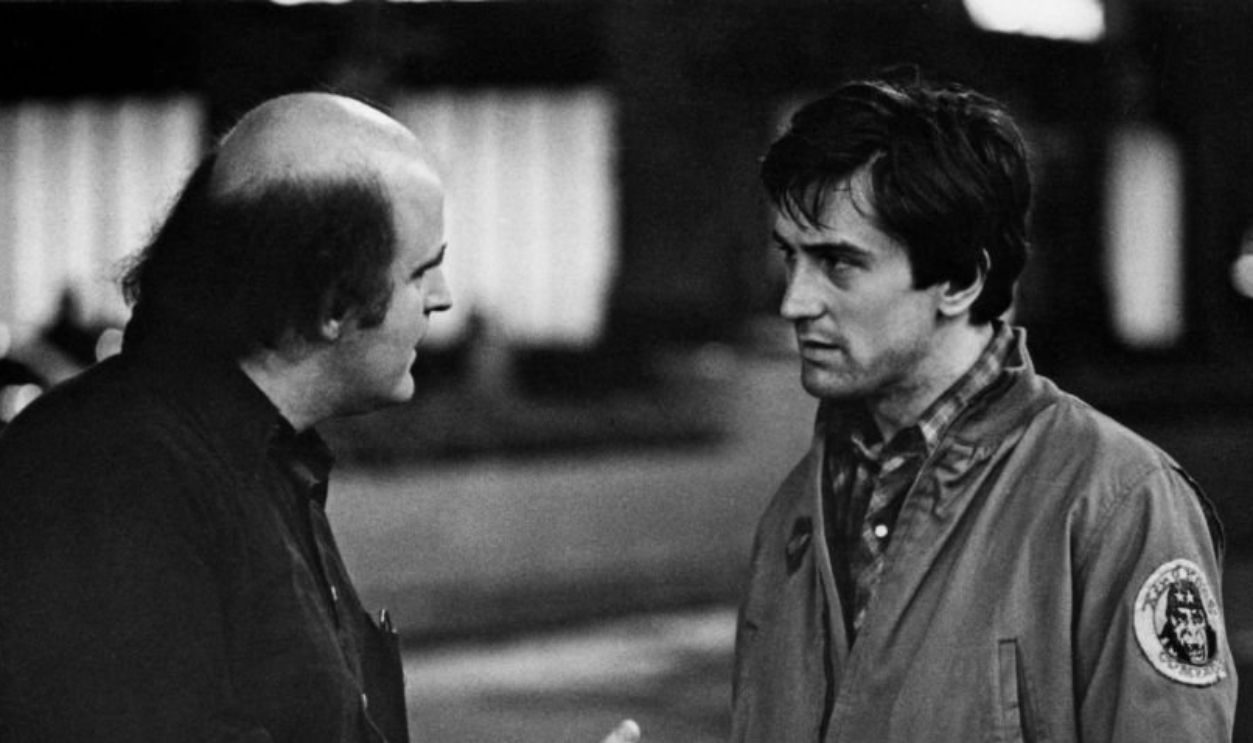
Martin Scorsese's Taxi Driver (1976) put Boyle alongside Robert De Niro as Wizard, the experienced cabbie Travis Bickle approaches for advice. Boyle's rambling, strangely philosophical response provides no real solution to Travis's growing alienation, making the scene one of the movie's quietly unsettling moments.
 Michael Ochs Archives, Getty Images
Lennon Became His Best Man
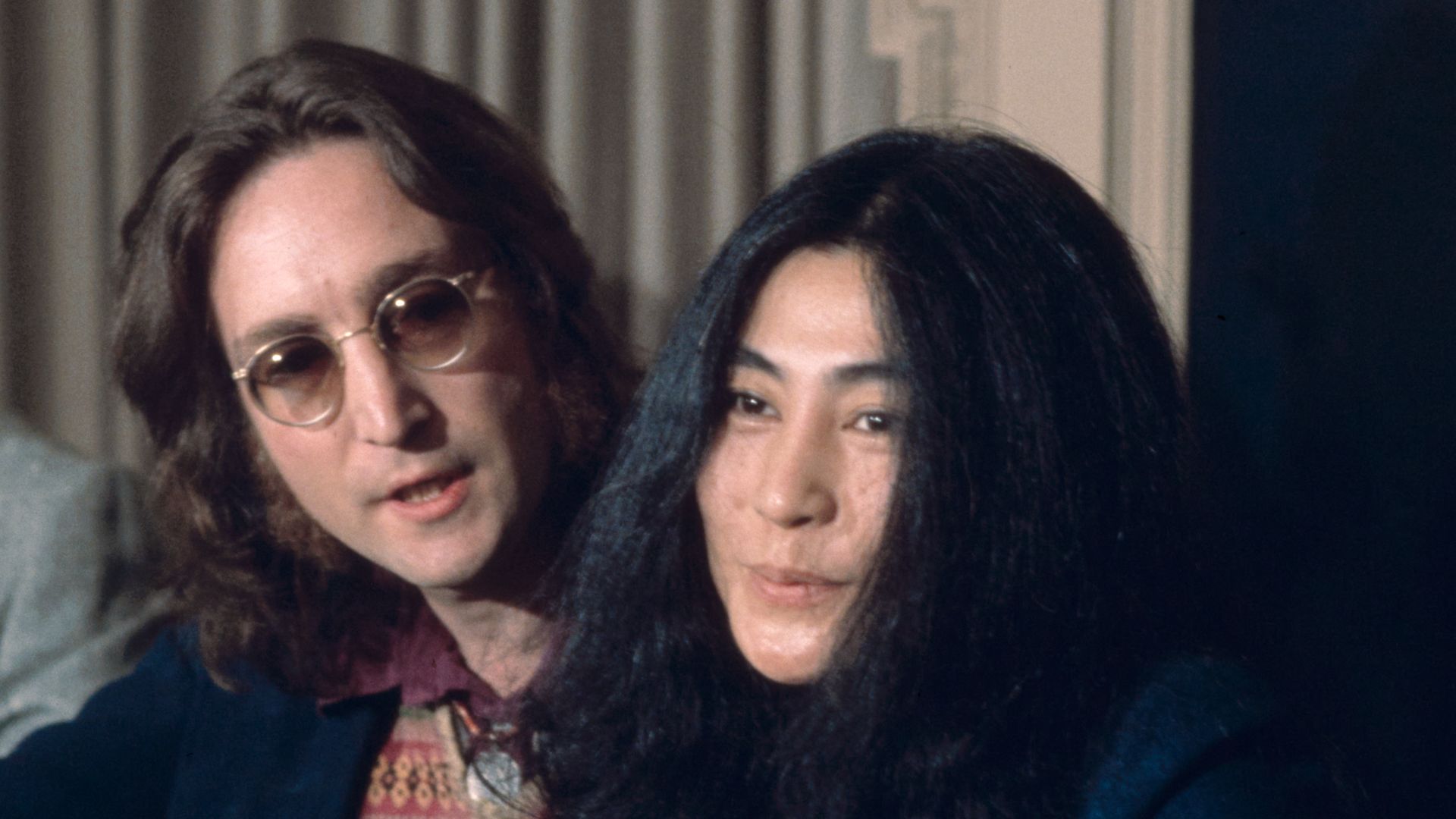
Alterman was friendly with Yoko Ono, which brought Boyle into the orbit of John Lennon. The two men became genuine friends, and when Boyle married Alterman in 1977, the former Beatle served as his best man. It's one of the more delightfully unexpected footnotes in either man's biography.
 Bernard Gotfryd, Wikimedia Commons
He Became Joseph McCarthy
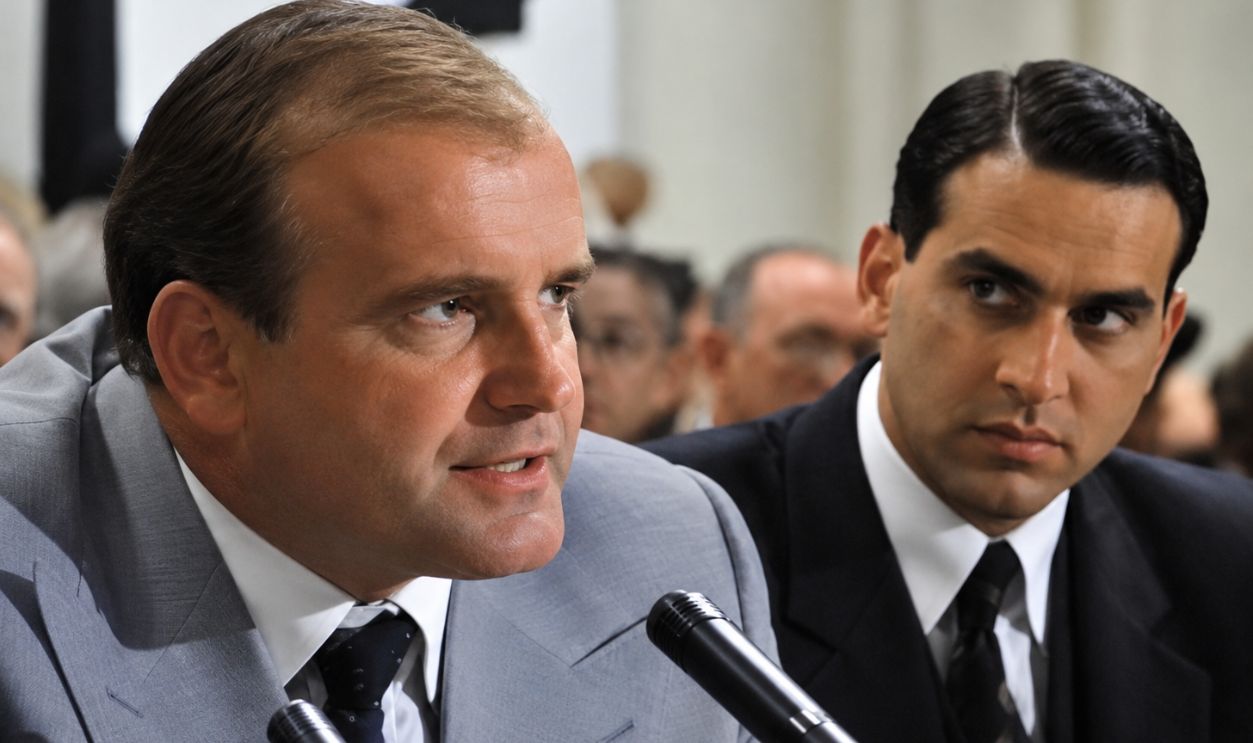
Boyle gave one of his most acclaimed dramatic performances in the television movie Tail Gunner Joe, portraying Senator Joseph McCarthy opposite John Forsythe, Burgess Meredith and Patricia Neal. The performance earned Boyle an Emmy nomination and demonstrated just how effectively he could disappear into a notorious historical figure.
 Screenshot from Tail Gunner Joe, NBC (1977)
F.I.S.T. Kept Him Tough
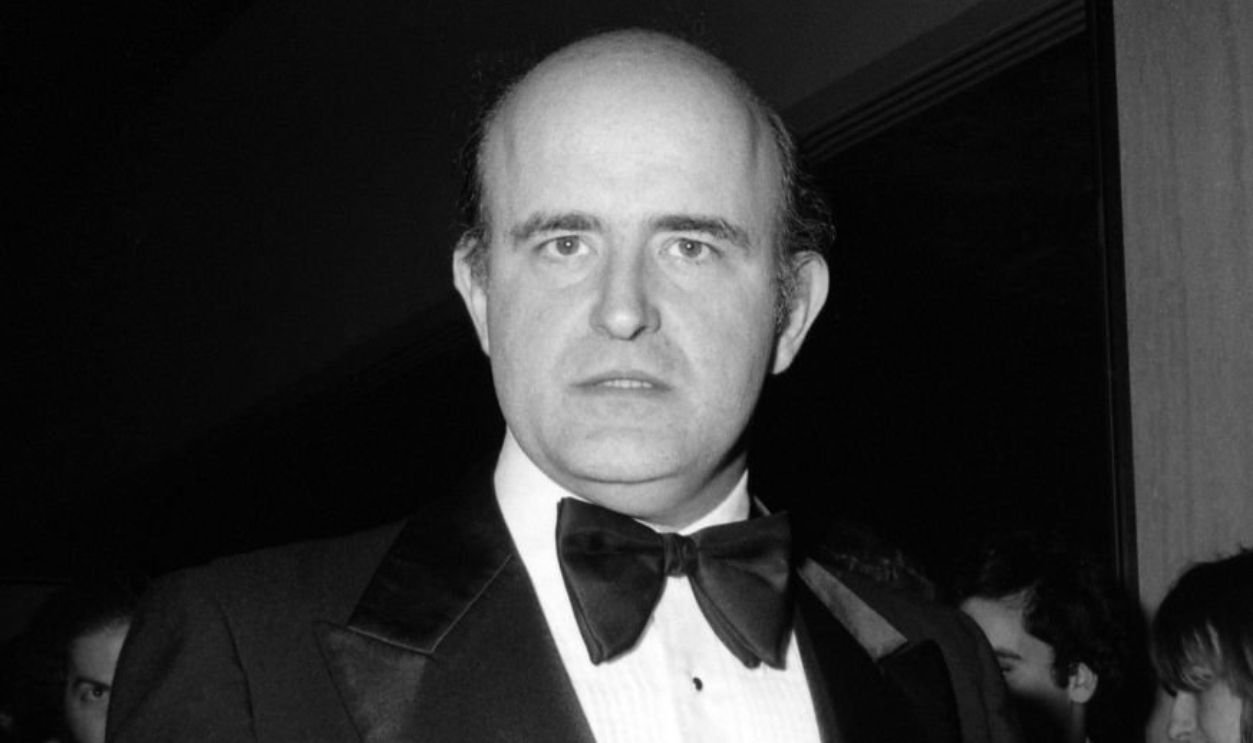
Norman Jewison's F.I.S.T. (1978) starred Sylvester Stallone as labor leader Johnny Kovak, with Boyle playing union figure Max Graham and Rod Steiger joining the supporting cast. It was another politically tinged role for Boyle, whose intimidating physical presence could make a supporting character immediately feel consequential.
 Joan Adlen Photography, Getty Images
The Eighties Got Weirder
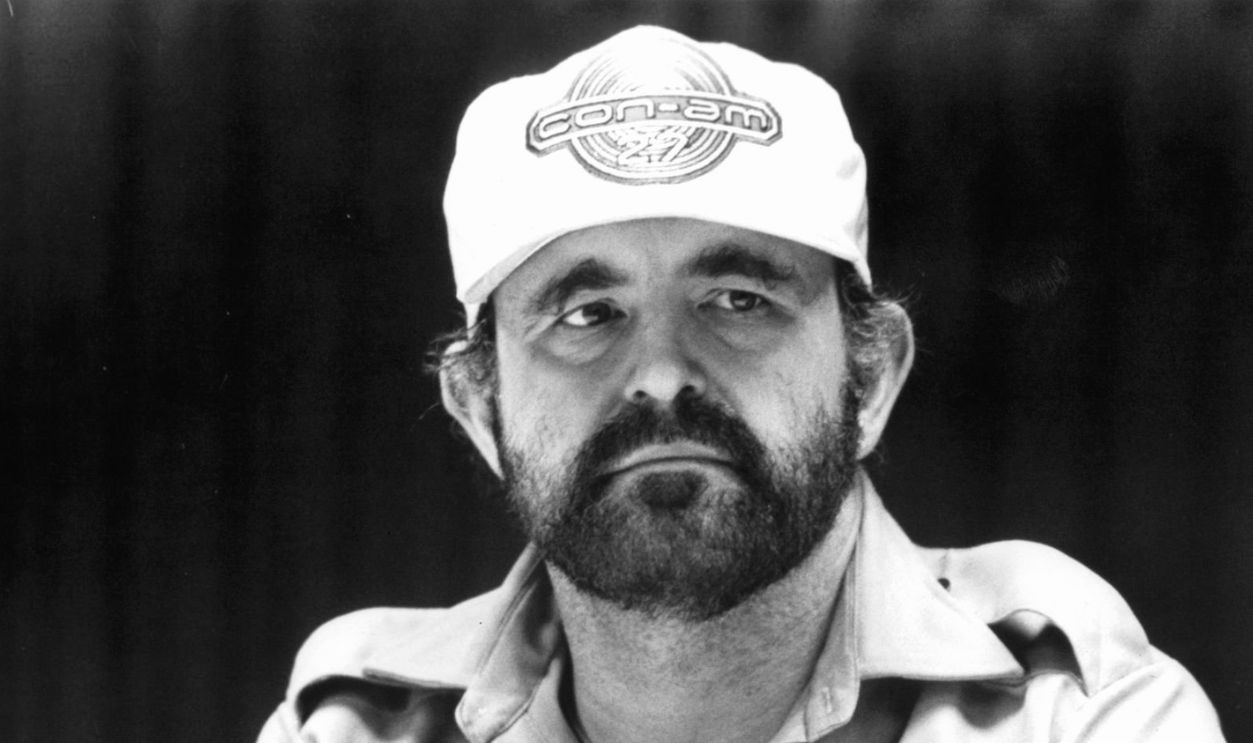
Boyle opened the new decade playing attorney Carl Lazlo opposite Bill Murray's Hunter S. Thompson-inspired journalist in Art Linson's Where the Buffalo Roam (1980). He followed it with Peter Hyams's science-fiction thriller Outland (1981), starring Sean Connery, playing corrupt mining administrator Mark Sheppard.
Comedy Kept Calling
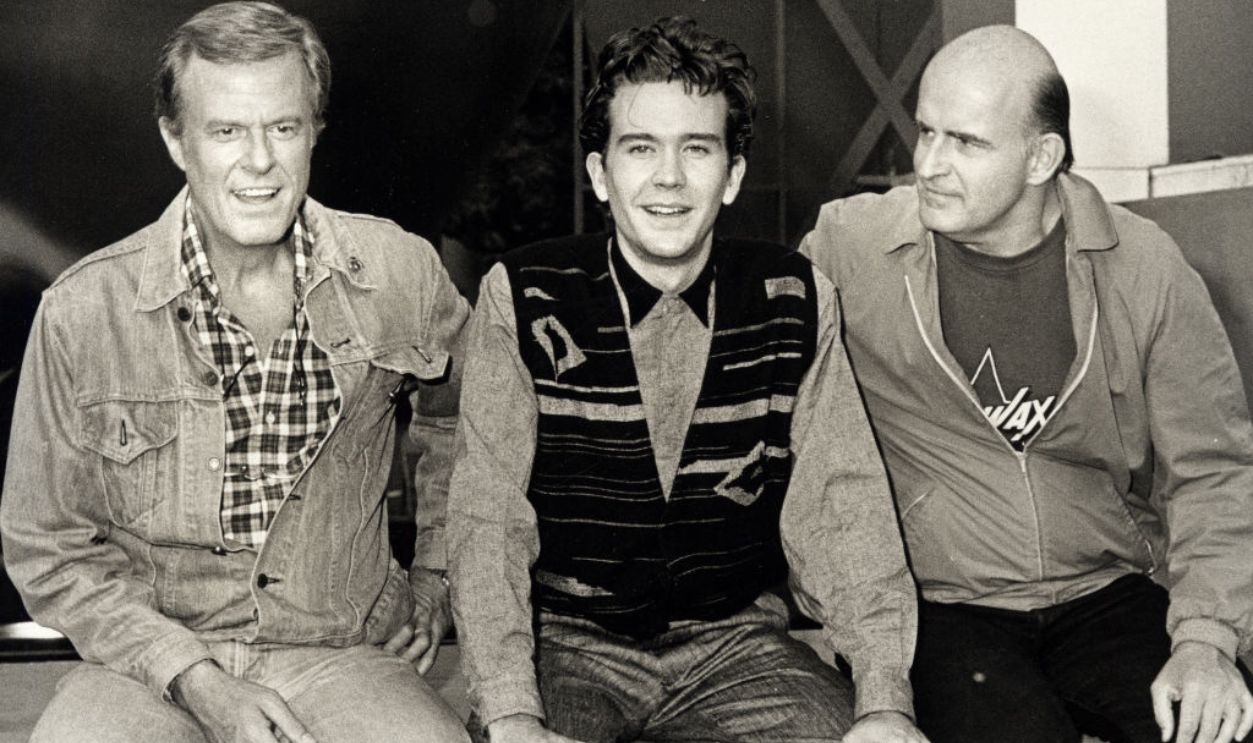
Boyle joined Michael Keaton, Joe Piscopo and Marilu Henner in Amy Heckerling's mafia spoof Johnny Dangerously (1984), playing mob boss Jocko Dundee. Turk 182! (1985), also starring Timothy Hutton and Robert Urich, followed, with Boyle switching gears again as Detective Ryan.
Joe Bash Deserved Longer
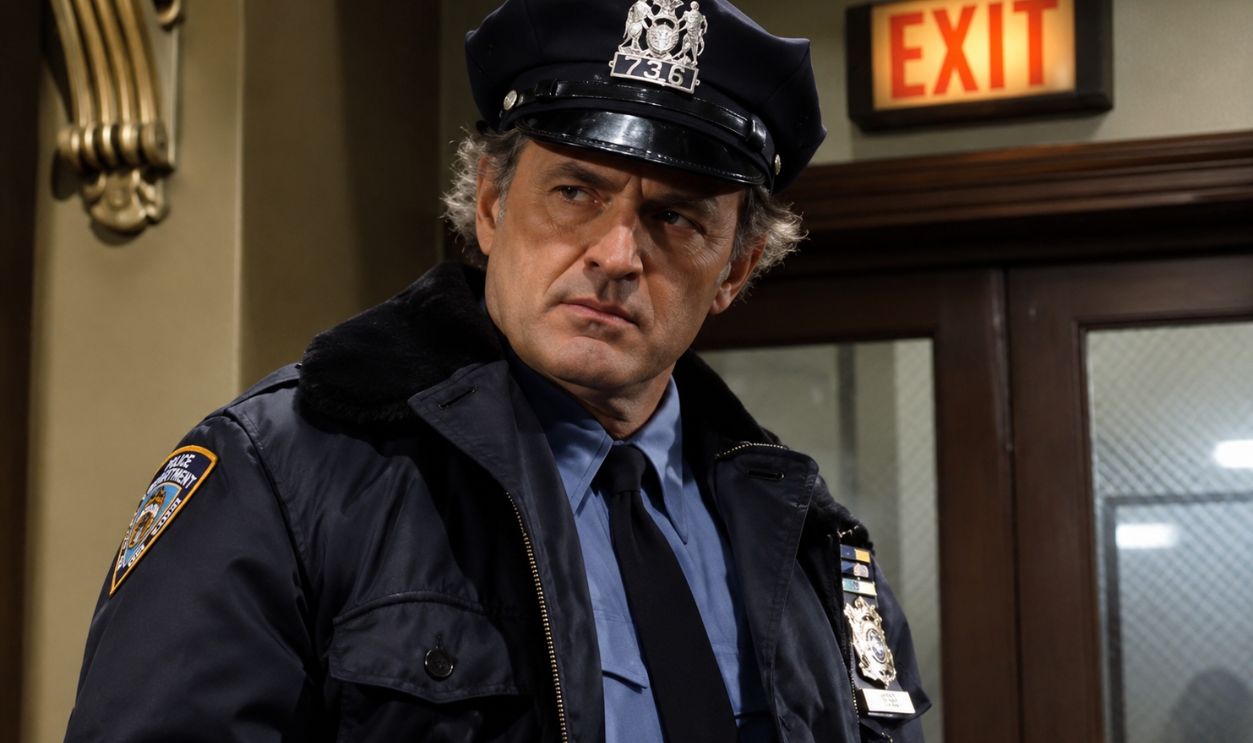
Television briefly gave Boyle another leading role with Joe Bash, a 1986 comedy-drama about a lonely New York beat cop. The series didn't last, but critics responded warmly to it. Boyle himself remembered the show years later when discussing the eclectic television career that eventually led him to Frank Barone.
 Screenshot from Joe Bash, ABC (1986)
History Kept Finding Him
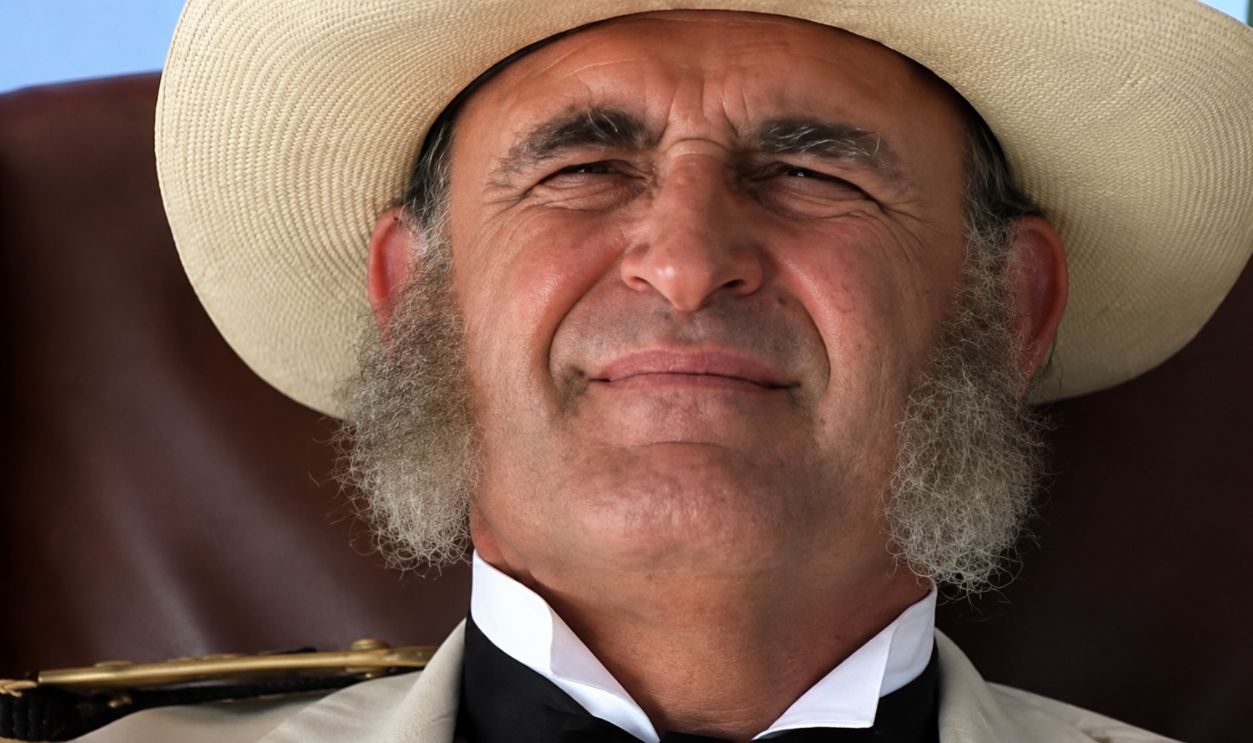
Boyle played activist David Dellinger in Conspiracy: The Trial of the Chicago 8, then Cornelius Vanderbilt in Alex Cox's surreal historical film Walker (1987). He also appeared in Echoes in the Darkness, continuing a fascinating habit of alternating broad comedy with historical and dramatic characters.
 Screenshot from Walker, Universal Pictures (1987)
Red Heat And The Dream Team
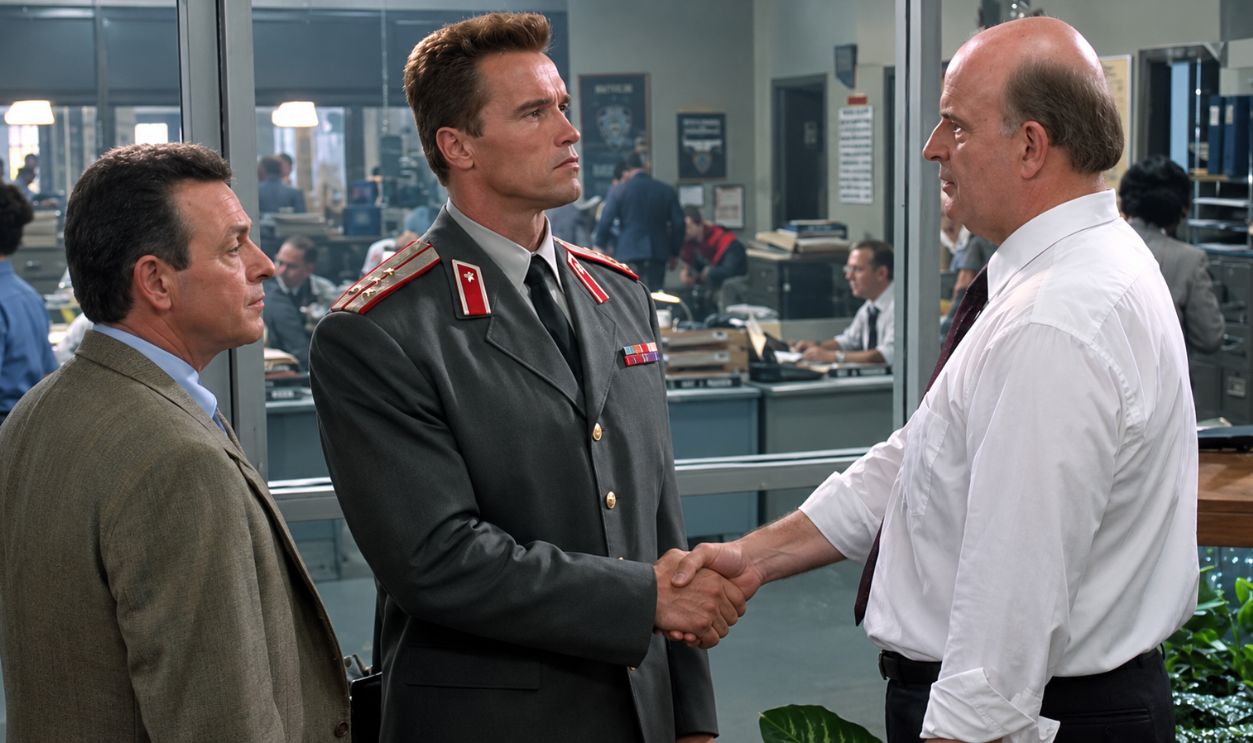
Walter Hill's Red Heat (1988) cast Boyle as police commander Lou Donnelly alongside Arnold Schwarzenegger and James Belushi. Howard Zieff's The Dream Team (1989) then gave him the wonderfully different Jack McDermott, joining Michael Keaton, Christopher Lloyd and Stephen Furst as psychiatric patients accidentally loose in New York.
 Screenshot from Red Heat, TriStar Pictures (1988)
A Stroke Changed Everything
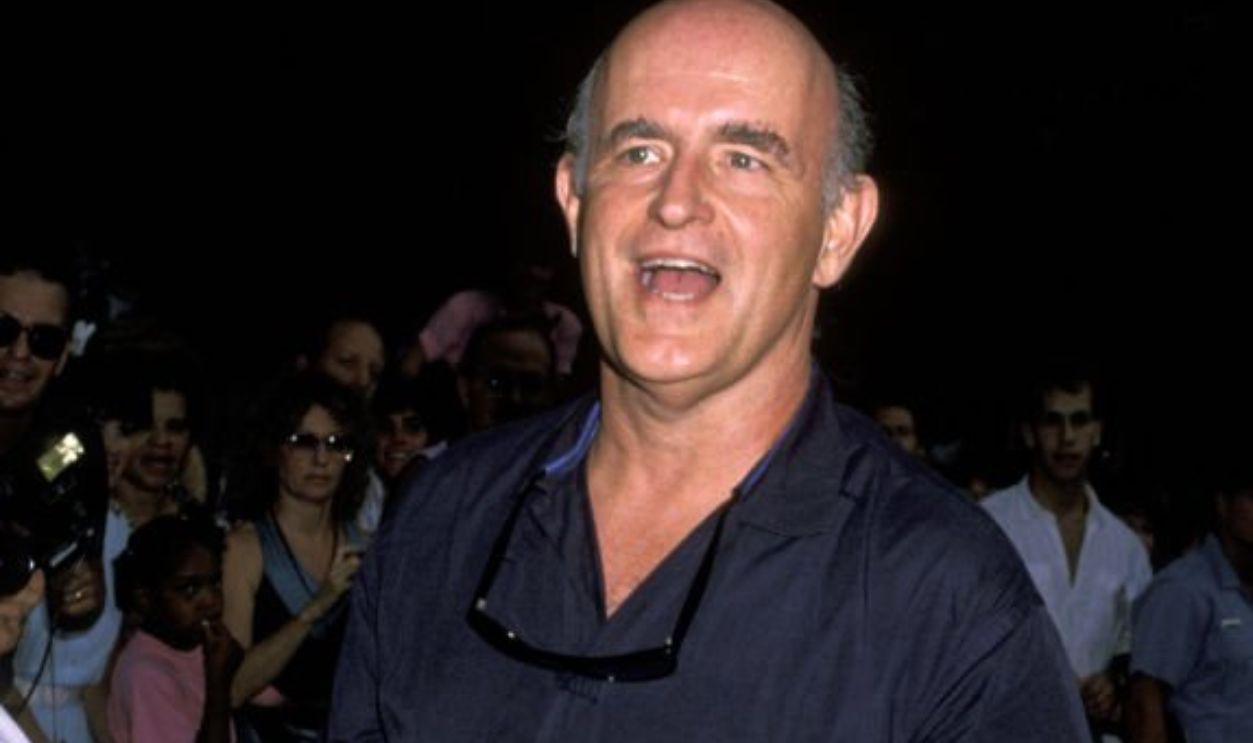
Boyle suffered a stroke in 1990 that left him unable to speak for roughly six months. He recovered and returned to work, an impressive comeback that included roles throughout the early 1990s. The health scare would not be his last, but neither did it end his acting career.
Movies Found Him Again
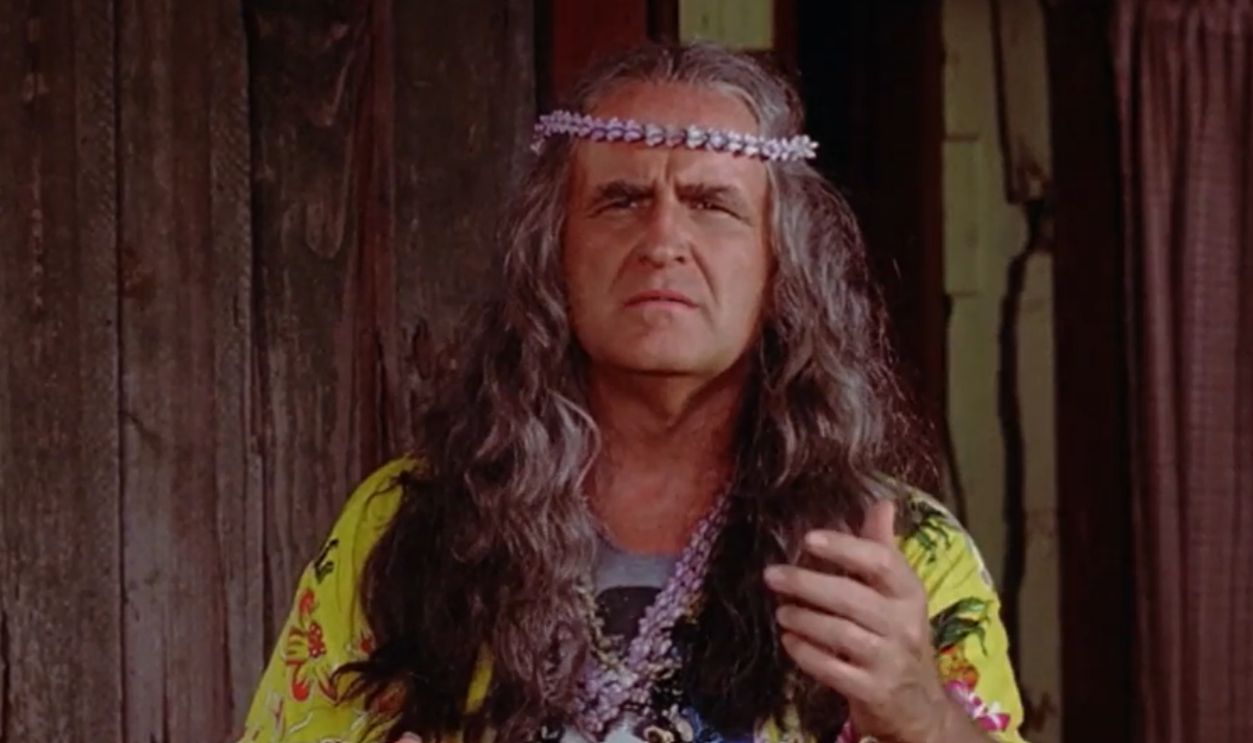
The 1990s brought another varied run. Boyle appeared in Andrew Bergman's Honeymoon in Vegas (1992), Russell Mulcahy's The Shadow (1994) and John Pasquin's The Santa Clause (1994), starring Tim Allen. His gift for making eccentric authority figures memorable remained completely intact.
 Screenshot from Honeymoon in Vegas, Columbia Pictures (1992)
Sandra Bullock Got A Father-In-Law
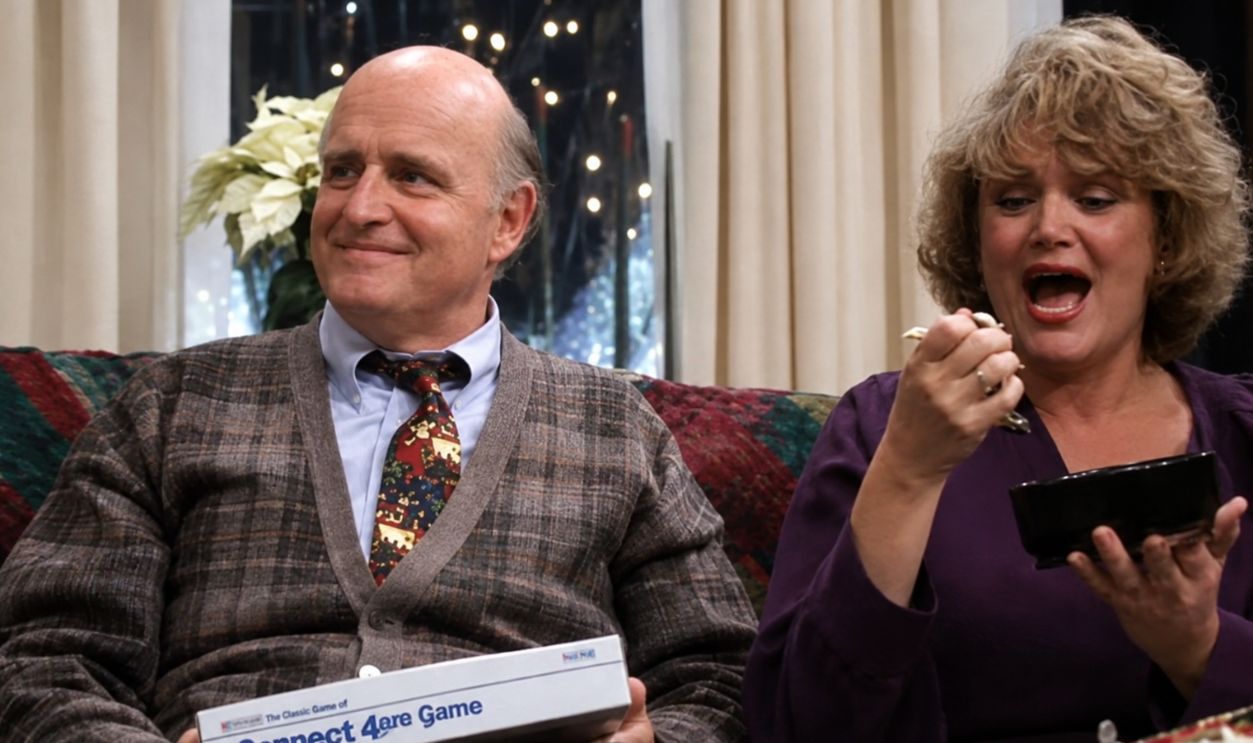
Jon Turteltaub's romantic comedy While You Were Sleeping (1995) cast Boyle as Ox Callaghan, father of Bill Pullman's Jack and Peter Gallagher's Peter. Sandra Bullock starred as Lucy. Boyle fit beautifully into the warm, eccentric Callaghan family, foreshadowing the sitcom patriarch that would soon redefine his career.
 Screenshot from While You Were Sleeping, Buena Vista International (1995)
Clyde Bruckman Won The Emmy
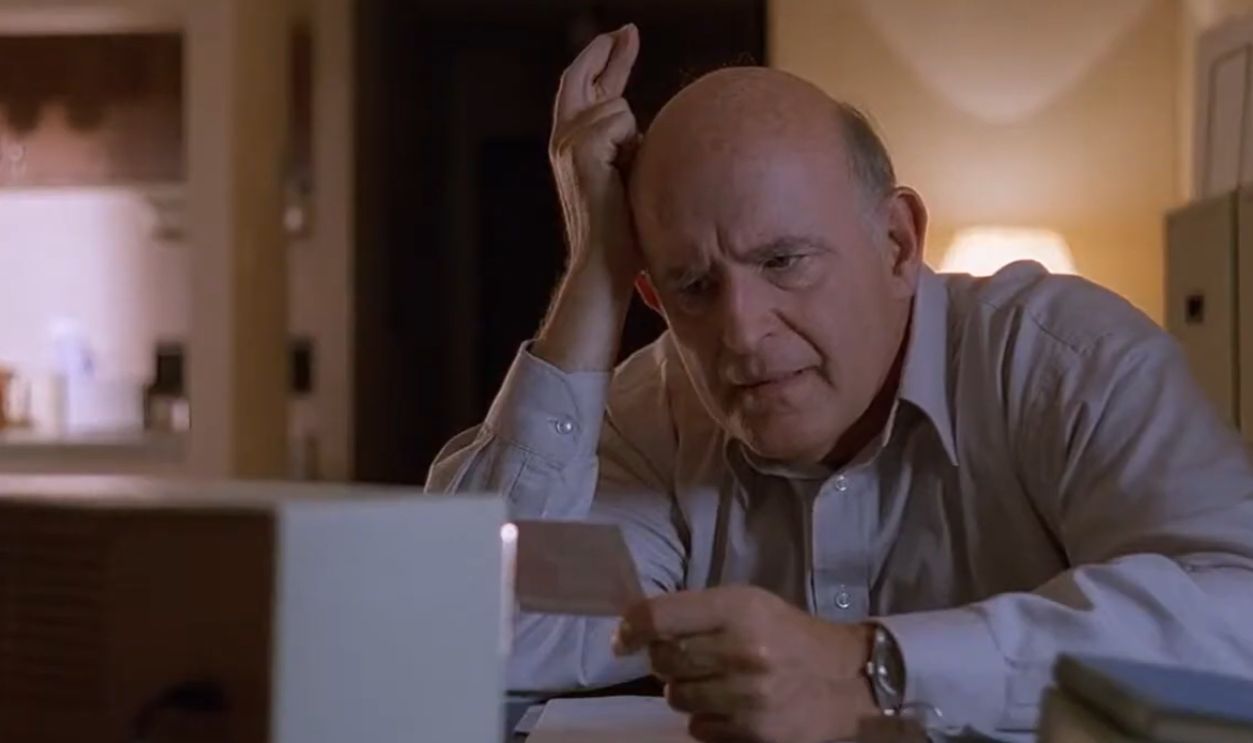
Boyle guest-starred opposite David Duchovny and Gillian Anderson on The X-Files as Clyde Bruckman, a melancholy insurance salesman cursed with knowledge of how people will die. The celebrated episode “Clyde Bruckman's Final Repose” earned Boyle the 1996 Emmy for Outstanding Guest Actor in a Drama Series.
 Screenshot from The X-Files, Fox Broadcasting Company (1993–2018)
Frank Barone Arrived
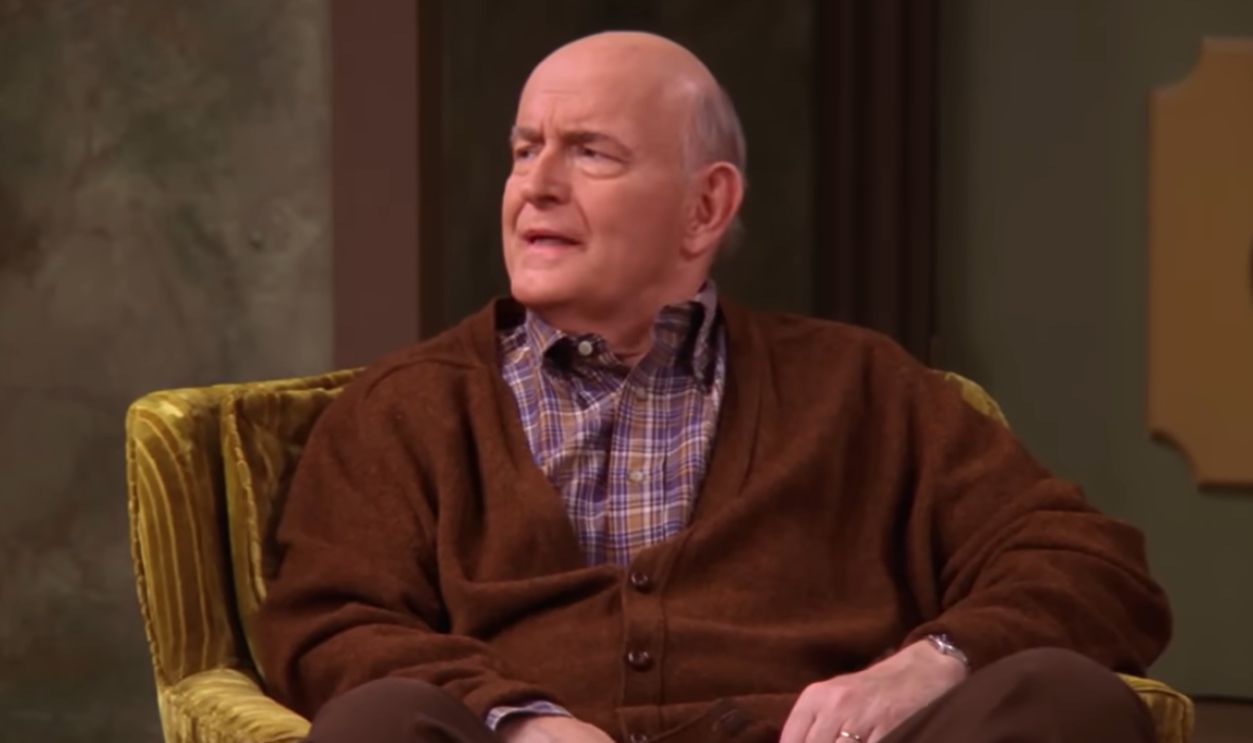
That same year, Boyle landed Everybody Loves Raymond. Creator Phil Rosenthal cast him as Frank Barone, father of Ray Romano's Ray and Brad Garrett's Robert and husband of Doris Roberts's Marie. Boyle turned Frank's appetite, laziness, insults and astonishing lack of tact into one of television's great sitcom dads.
 Screenshot from Everybody Loves Raymond, CBS (1996-2005)
The Audition Was Very Frank
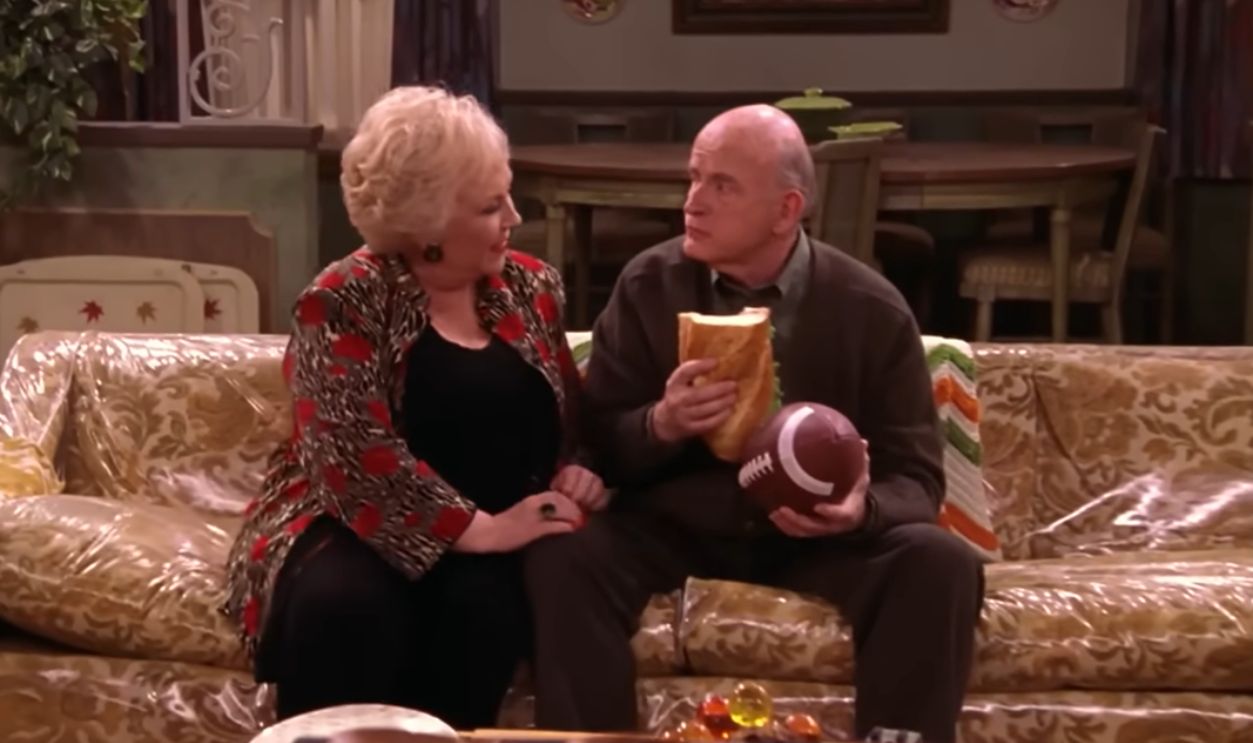
Boyle's casting story somehow suited Frank perfectly. Rosenthal later remembered Boyle arriving angry after a difficult trip to the audition, then immediately displaying the intimidating comic presence the character needed. Boyle brought decades of serious acting experience to material that could have become a one-note cranky-father stereotype.
 Screenshot from Everybody Loves Raymond, CBS (1996-2005)
Everybody Loved Frank
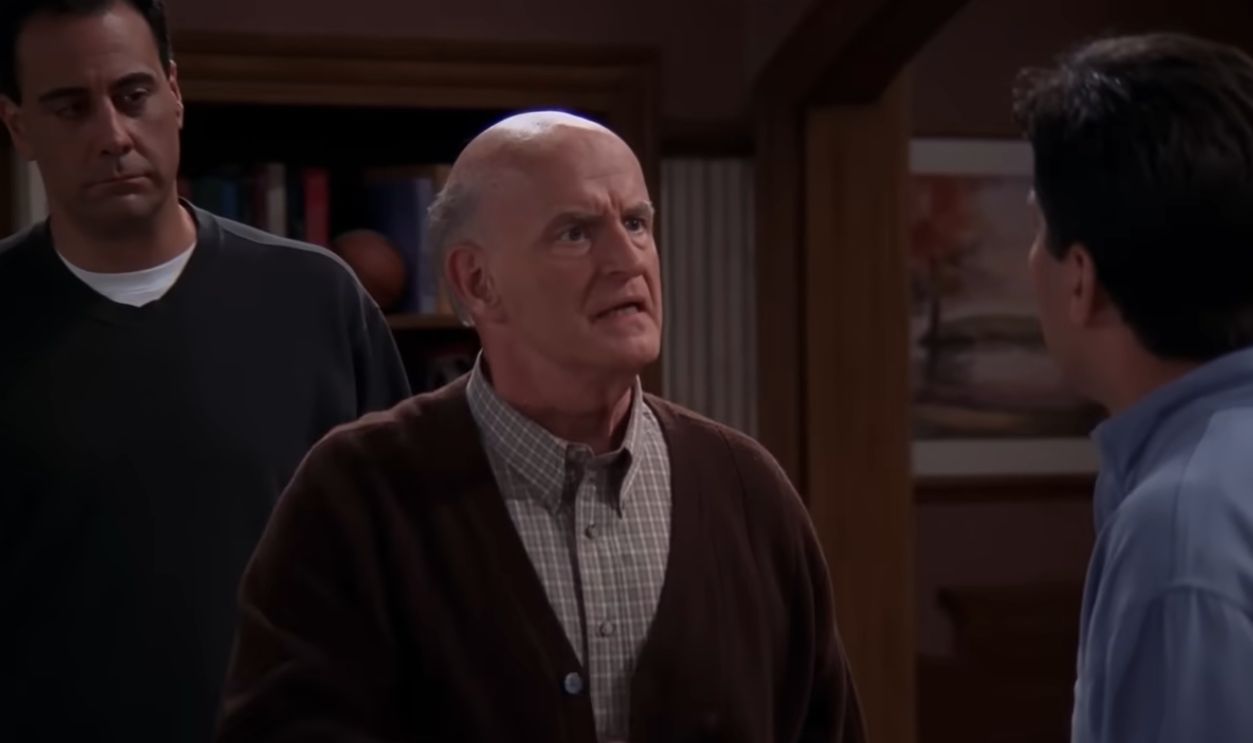
Over nine seasons, Boyle's chemistry with Roberts became one of Everybody Loves Raymond's greatest weapons. Frank and Marie bickered relentlessly yet remained unmistakably connected. Alongside Romano, Garrett and Patricia Heaton, Boyle helped turn everyday family irritation into comedy recognizable enough to travel far beyond its Long Island setting.
 Screenshot from Everybody Loves Raymond, CBS (1996-2005)
Seven Emmy Nominations
Boyle received seven Emmy nominations for Everybody Loves Raymond, although he never won for Frank. Ironically, the cast member most closely associated with one of television's biggest sitcoms had already won his Emmy for something completely different: The X-Files.
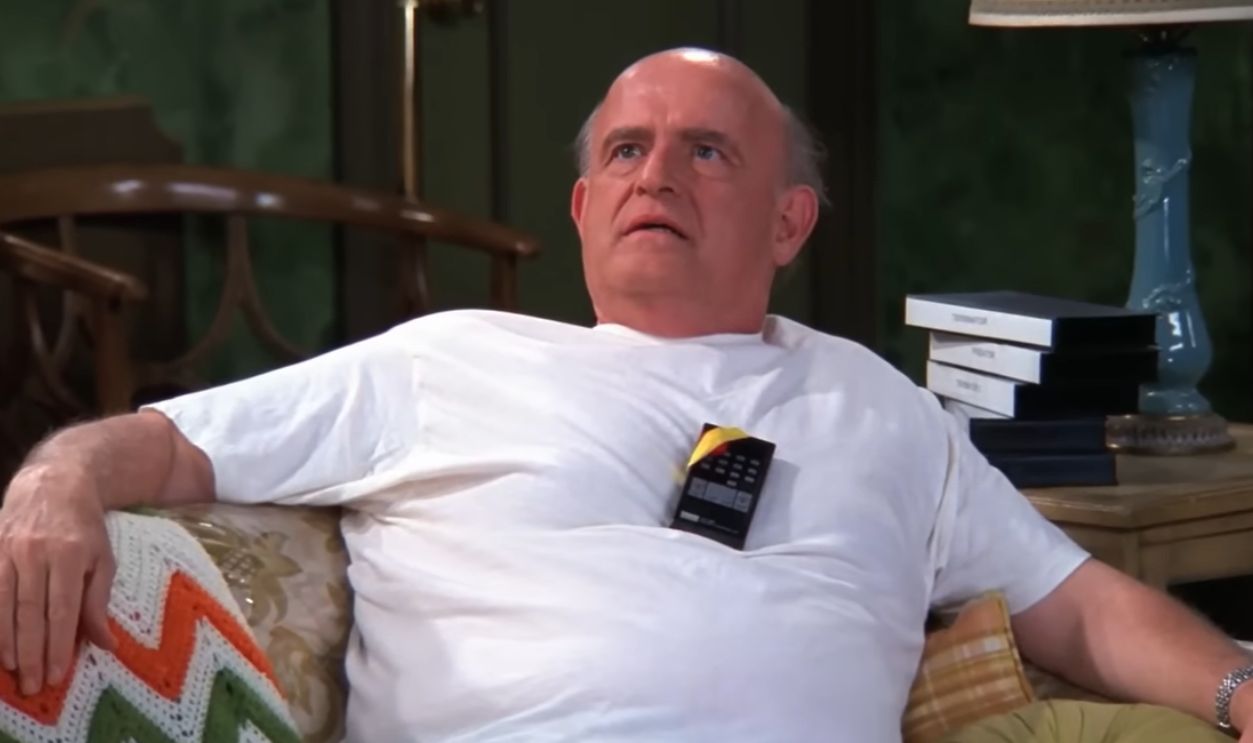 Screenshot from Everybody Loves Raymond, CBS (1996-2005)
His Heart Nearly Stopped Him
In 1999, Boyle suffered a heart attack on the Everybody Loves Raymond set. He recovered and returned, continuing to play Frank through the series finale in 2005. Remarkably, he commuted between New York and Los Angeles throughout the show's run, maintaining a demanding schedule despite serious health problems.
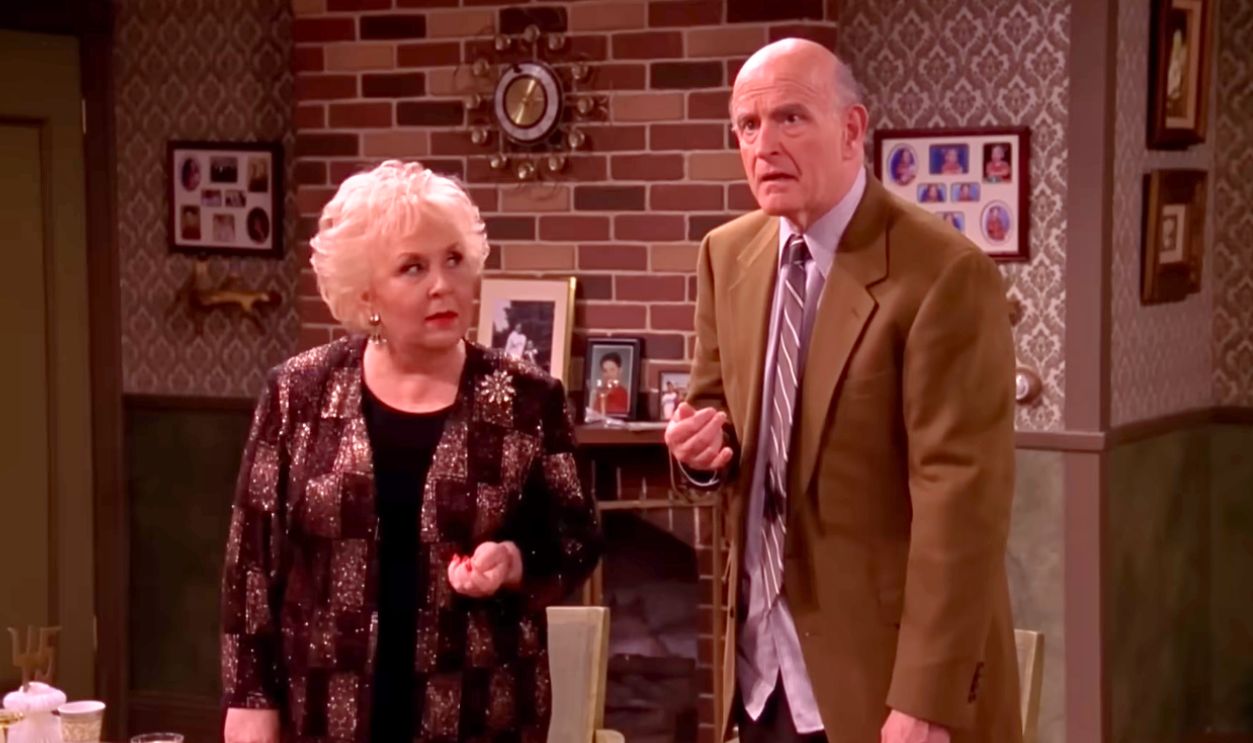 CBS Productions, Everybody Loves Raymond (1996–2005)
He Never Abandoned Movies
Frank Barone didn't stop Boyle from taking darker parts. Marc Forster's Monster's Ball (2001) cast him as Buck Grotowski, the father of Billy Bob Thornton's Hank and grandfather of Heath Ledger's Sonny. Boyle admitted hesitating over another bigoted character but ultimately considered it strong material.
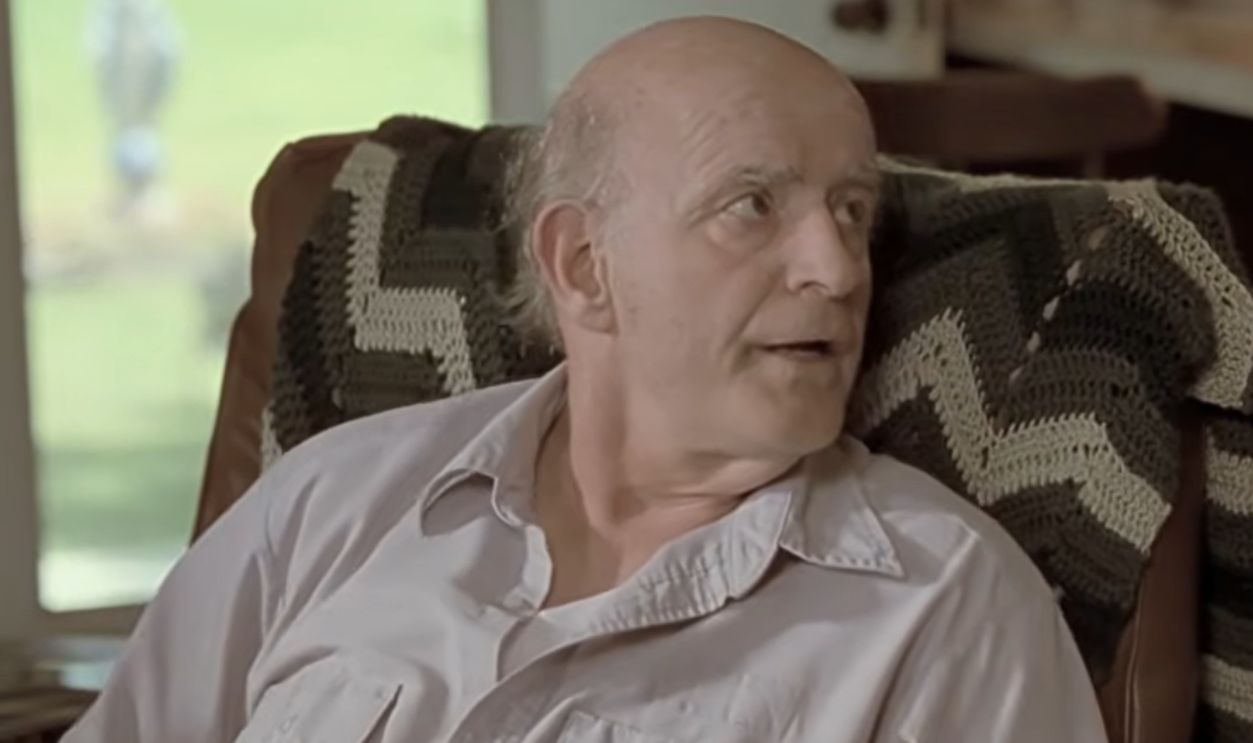 Screenshot from Monster's Ball, Lionsgate (2001)
Raymond Said Goodbye
Everybody Loves Raymond ended in 2005 after nine seasons. Boyle believed its staying power came from portraying family life truthfully: relatives could infuriate one another and still remain a family. His Frank was abrasive, selfish and frequently impossible, but Boyle always left just enough affection underneath the complaints.
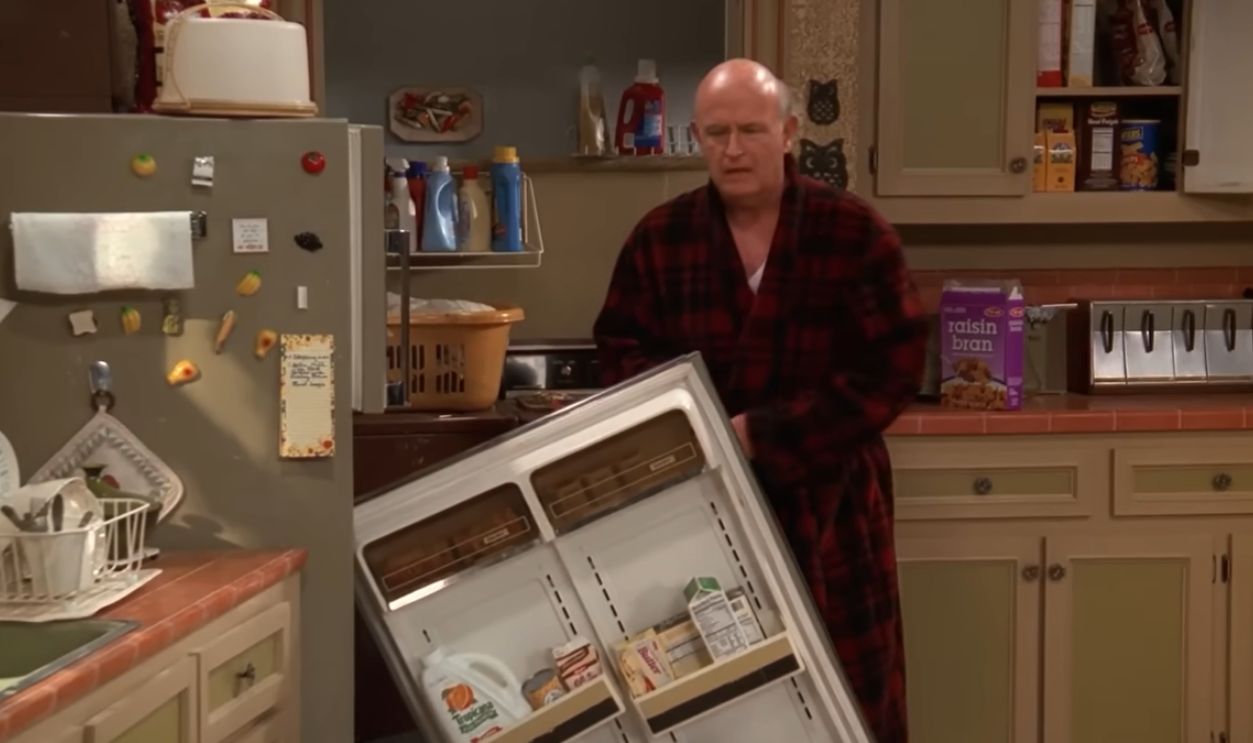 Screenshot from Everybody Loves Raymond, CBS (1996-2005)
His Last Battle
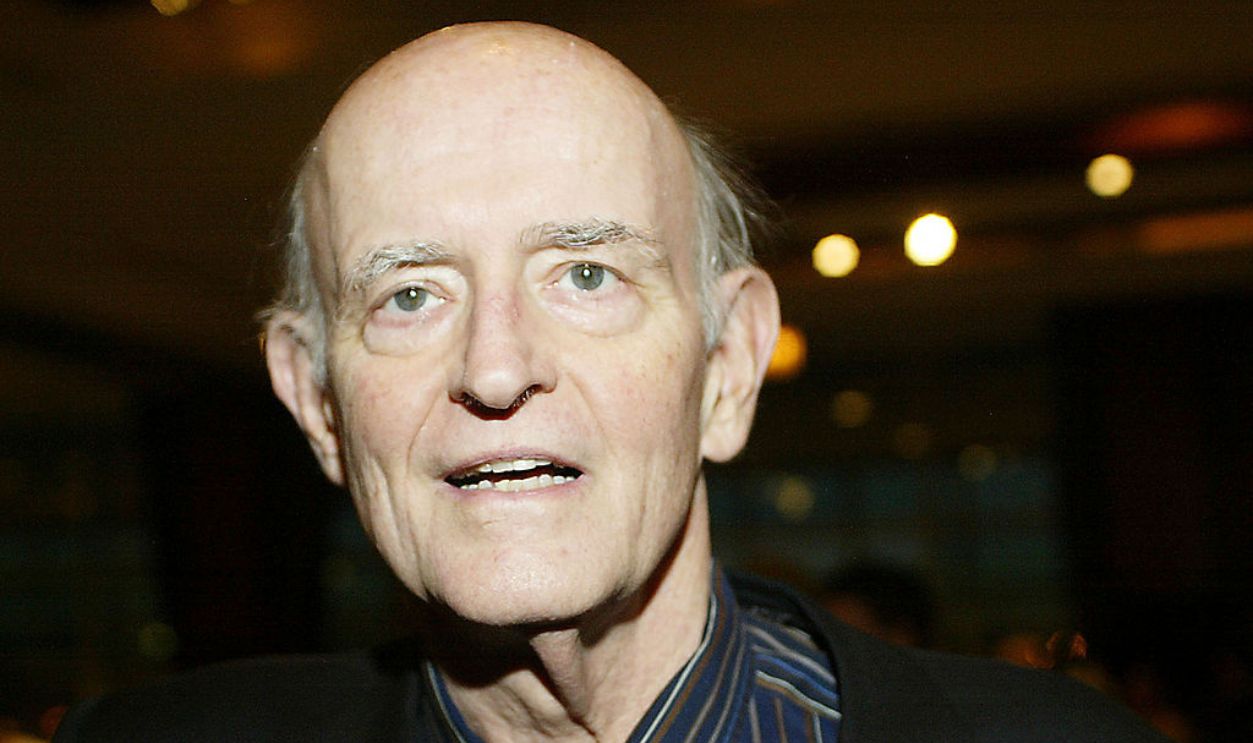
Boyle died December 12, 2006, at NewYork-Presbyterian Hospital. He was 71 and had battled multiple myeloma and heart disease. He left behind Loraine and their daughters Lucy and Amy, along with a body of work stretching from some of 1970s cinema's darkest characters to beloved television comedy.
His Friends Kept Fighting
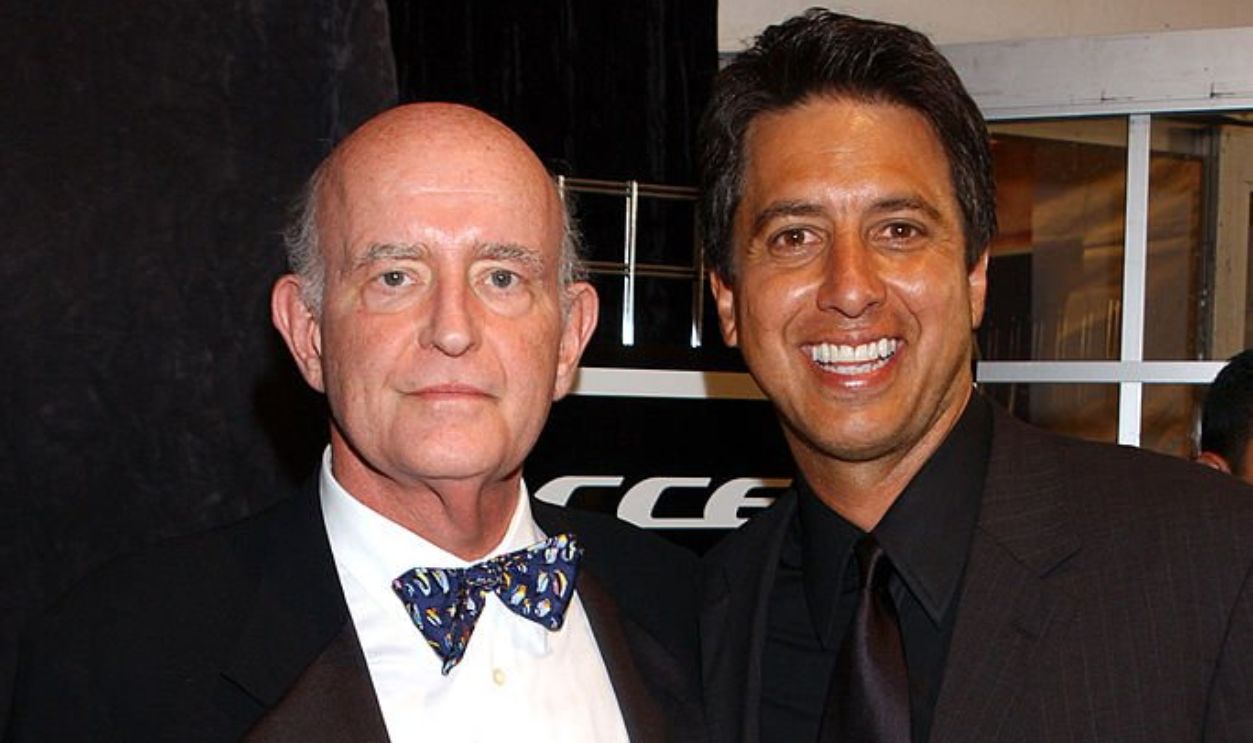
Boyle's legacy became something tangible. Loraine helped establish the Peter Boyle Research Fund with the International Myeloma Foundation in 2007. Ray Romano has repeatedly hosted fundraising events in his friend's honor, and the fund continues supporting myeloma research, turning affection for Boyle into an enduring effort to help others.
You May Also Like:
Great Movies From The 1970s That No One Remembers—Seriously, Do You Remember Even 5 Of These Films?
Character Actors No One Knows Today, But You Saw Everywhere In The 1970s—Do You Recognize Them All?