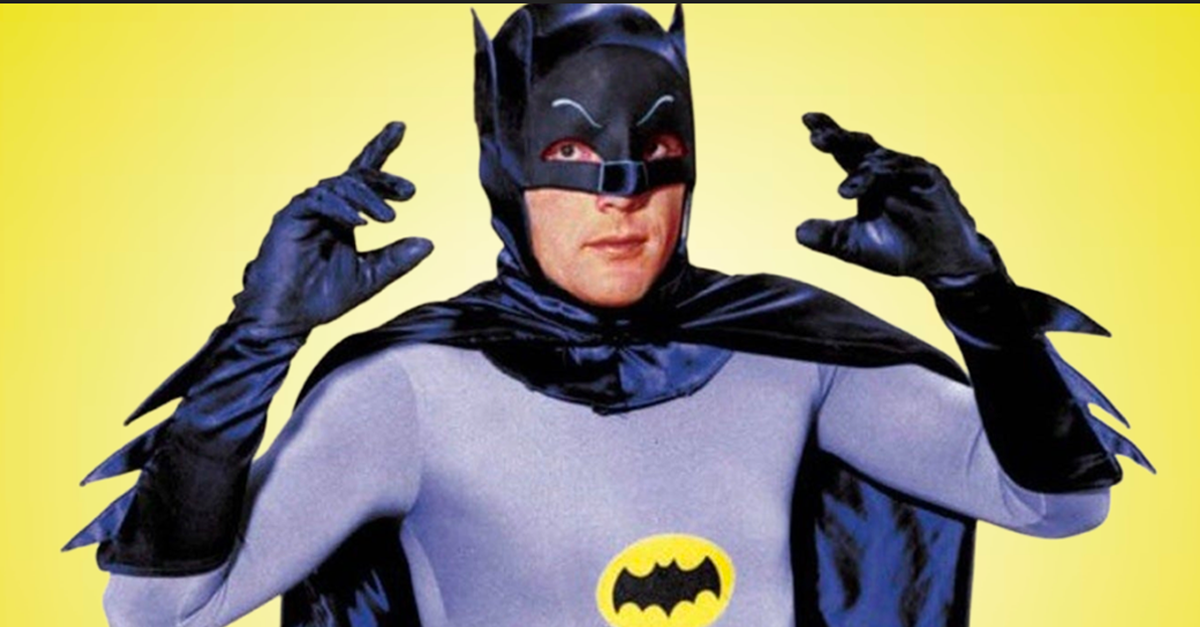
Batman Made Adam West Famous Overnight
Batman premiered on ABC in January 1966, Adam West suddenly became one of television’s most recognizable stars. The colorful series turned the Caped Crusader into a national craze, complete with celebrity villains, comic-book graphics, and a wildly popular Batmobile. West had spent years building a respectable acting career, but nothing prepared him for the scale of Bat-Mania.
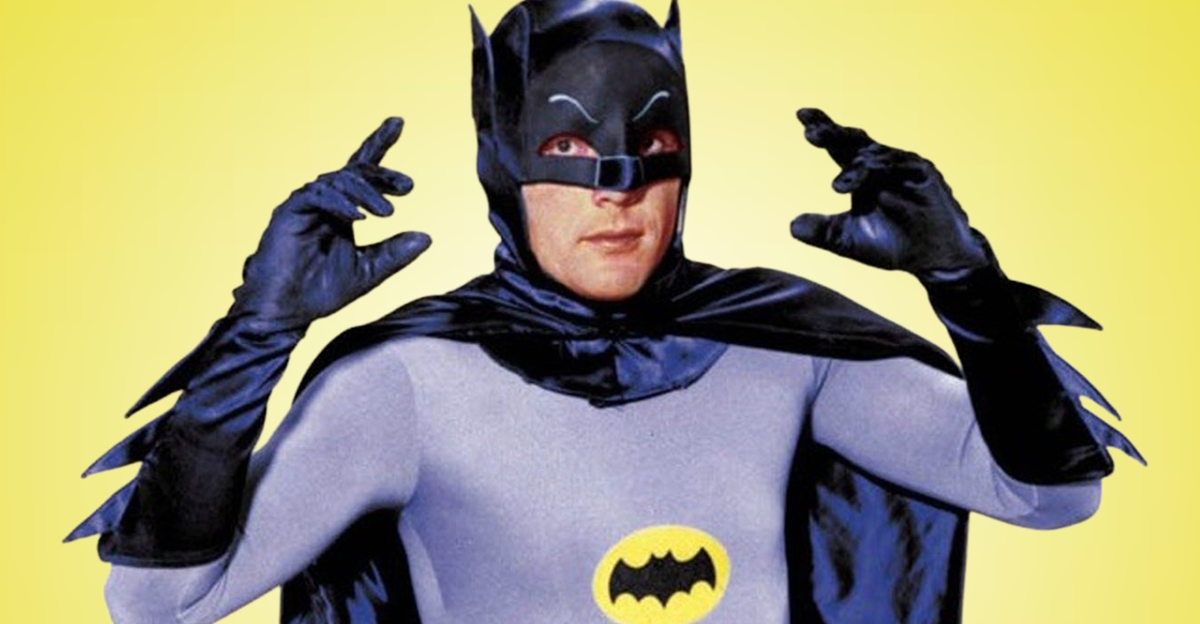 Screenshot from Batman, ABC (1966–1968)
He Had Already Paid His Hollywood Dues
West was born William West Anderson in Walla Walla, Washington, and began working in television while living in Hawaii. After moving to Hollywood, he appeared in Westerns including Maverick, Lawman, Sugarfoot, and Colt .45. He also landed film roles in Geronimo, Robinson Crusoe on Mars, and The Outlaws Is Coming before Gotham City changed everything.
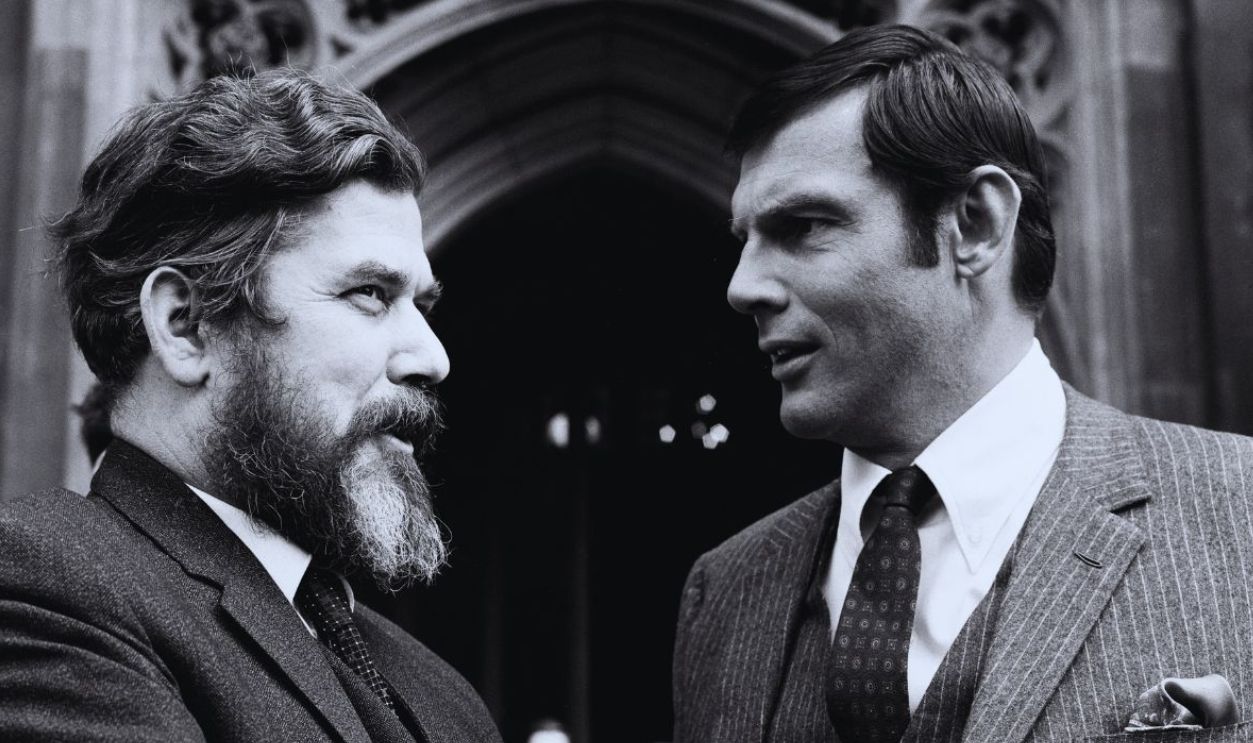
A Commercial Helped Him Win The Cape
Producer William Dozier reportedly noticed West after seeing him play a suave, James Bond-like character in a Nestlé Quik commercial. West was invited to test for the new television adaptation of Batman and won the role of Bruce Wayne and his masked alter ego. His controlled voice, imposing presence, and talent for understated comedy made him ideal for the show’s unusual approach.
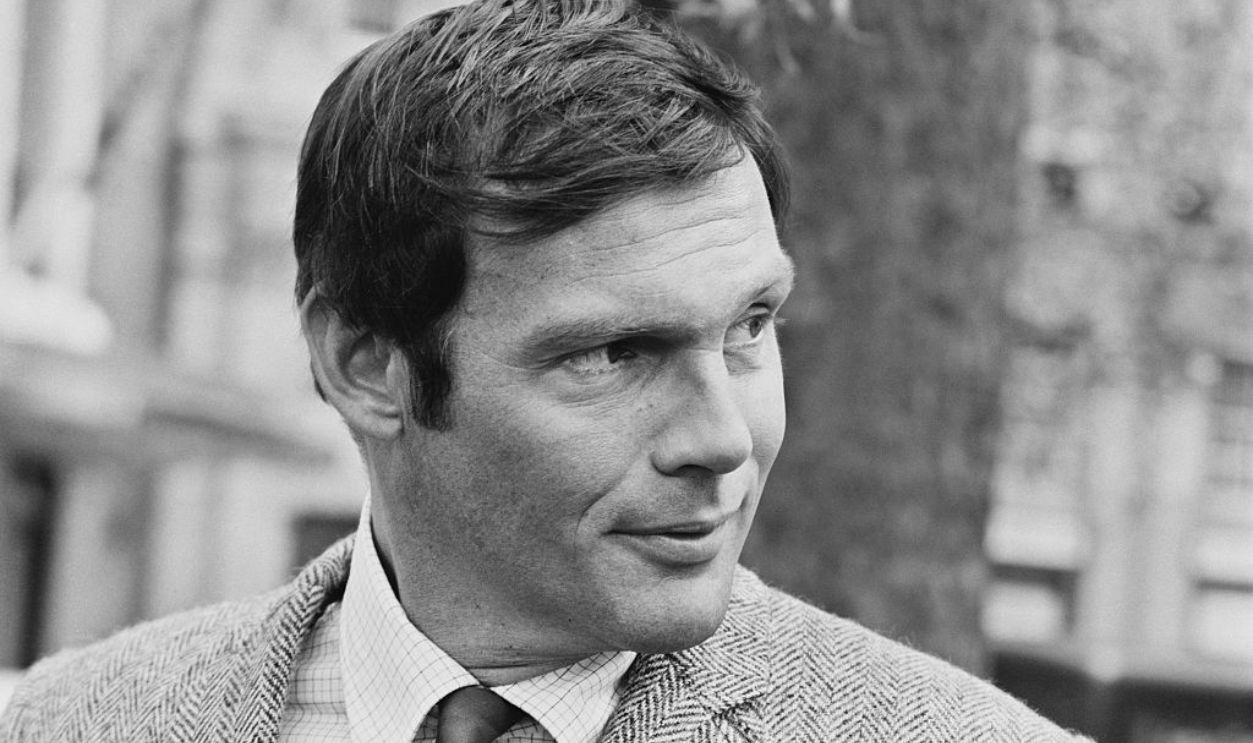
He Understood The Joke Immediately
The series asked its performers to treat ridiculous situations with complete seriousness. West realized that openly winking at the audience would destroy the comedy, so he played Batman as if every oversized bomb and theatrical villain posed a genuine threat. His calm sincerity became the foundation of the show’s humor.
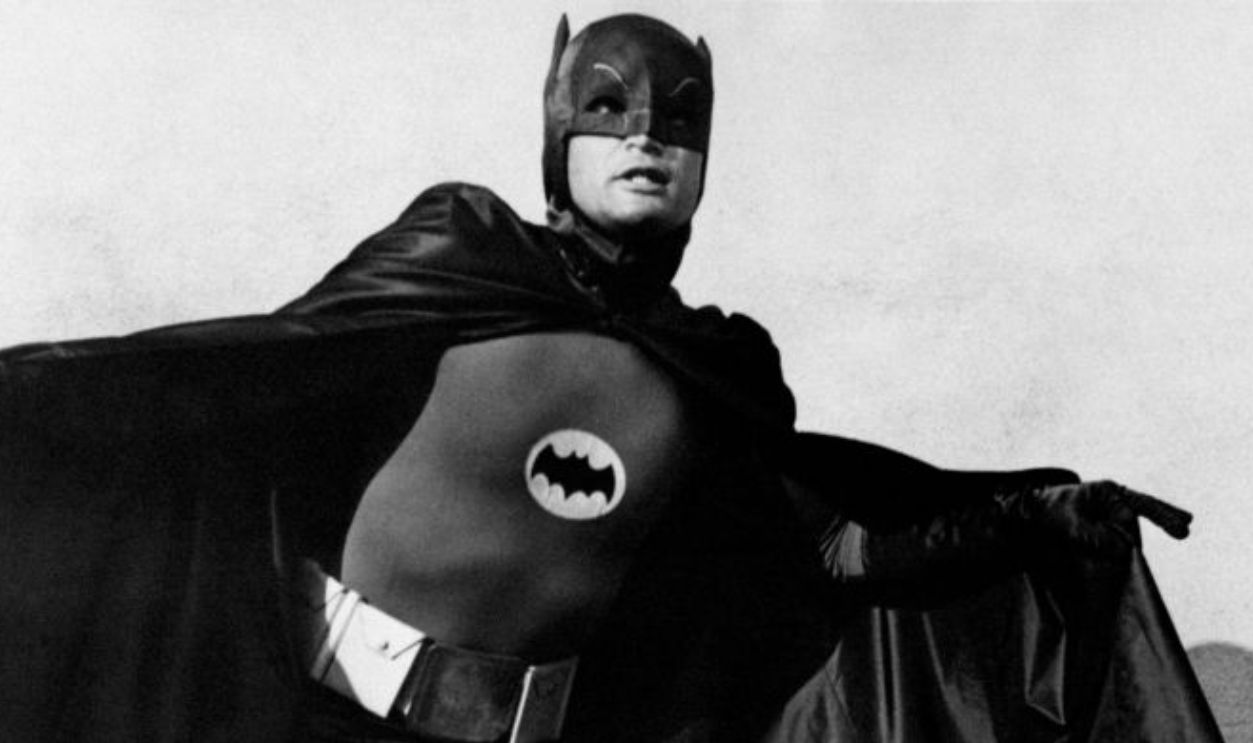 Mondadori Portfolio, Getty Images
West Refused To Play Batman As A Fool
Although the program was deliberately funny, West did not consider his Batman incompetent or ridiculous. He approached the character as an honorable man who believed deeply in justice, good manners, and civic responsibility. The humor came from placing that disciplined hero inside an increasingly absurd world.
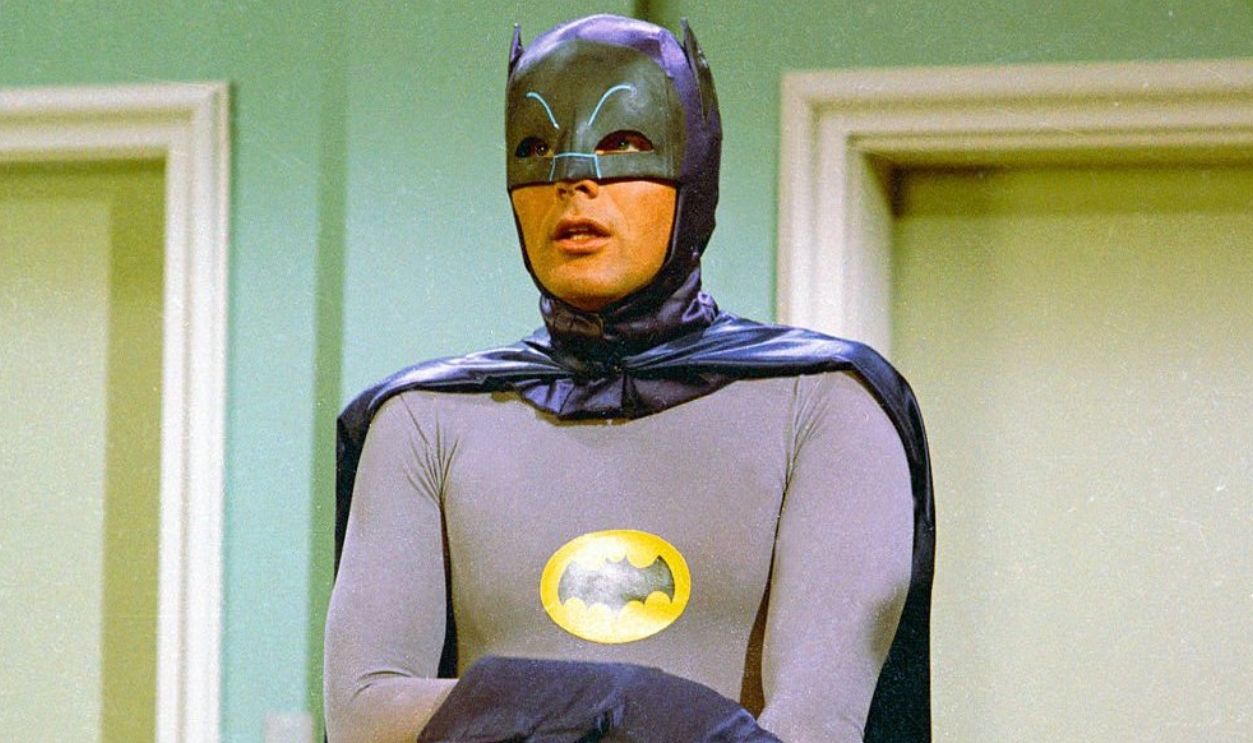 Silver Screen Collection, Getty Images
His Deadpan Delivery Became Unmistakable
West developed a distinctive rhythm filled with careful pauses, unexpected emphasis, and thoughtful reactions. Even Batman’s strangest deductions sounded convincing when delivered in his measured voice. That style eventually became so familiar that comedians could imitate it with only a few words.
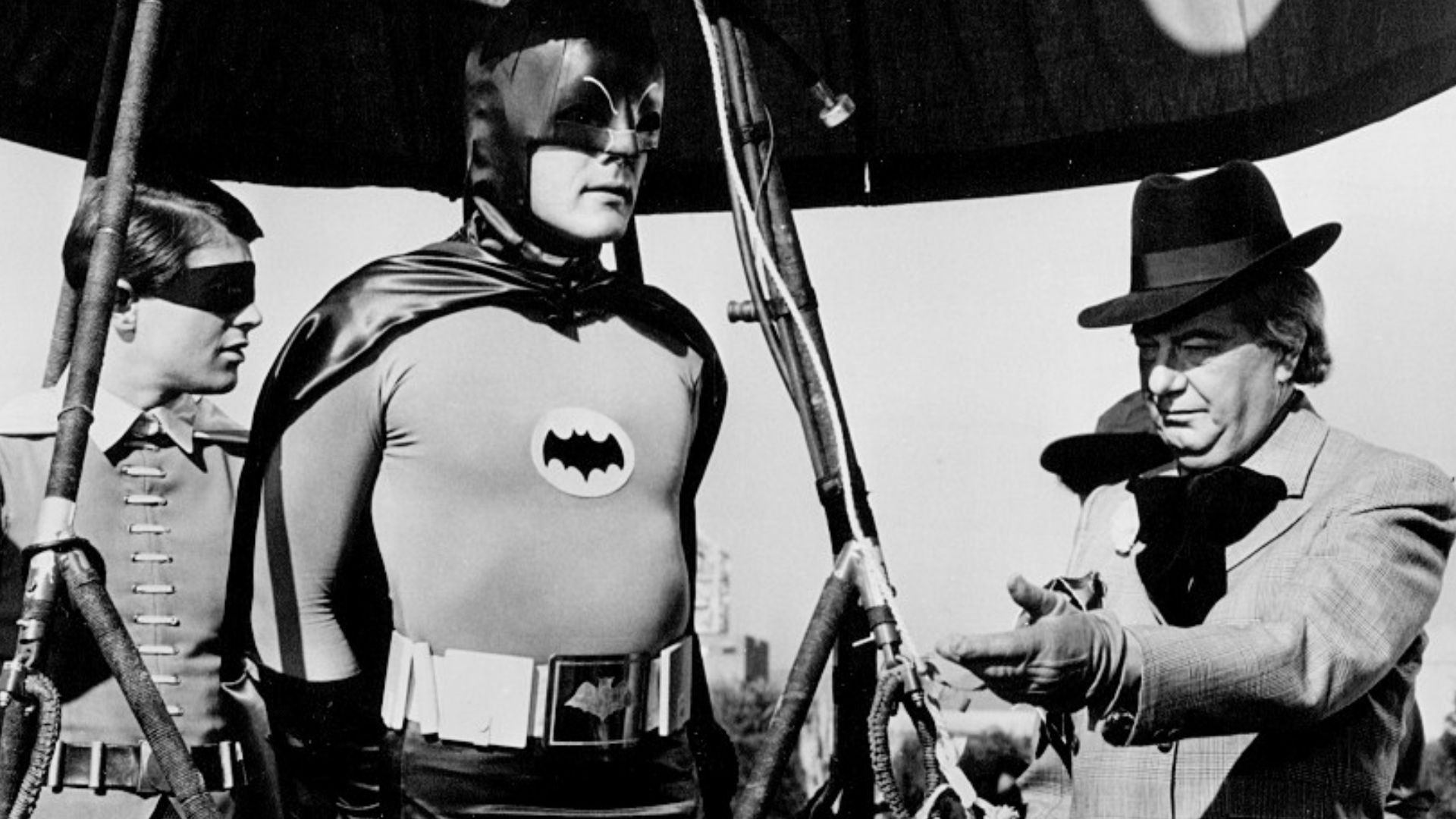 ABC Television, Wikimedia Commons
Bat-Mania Took Over Popular Culture
Batman initially aired twice a week, with the first episode frequently ending on a cliffhanger. Children enjoyed the action, while adults recognized the pop-art design and knowing humor. West and Burt Ward quickly became the public faces of one of the decade’s biggest television phenomena.
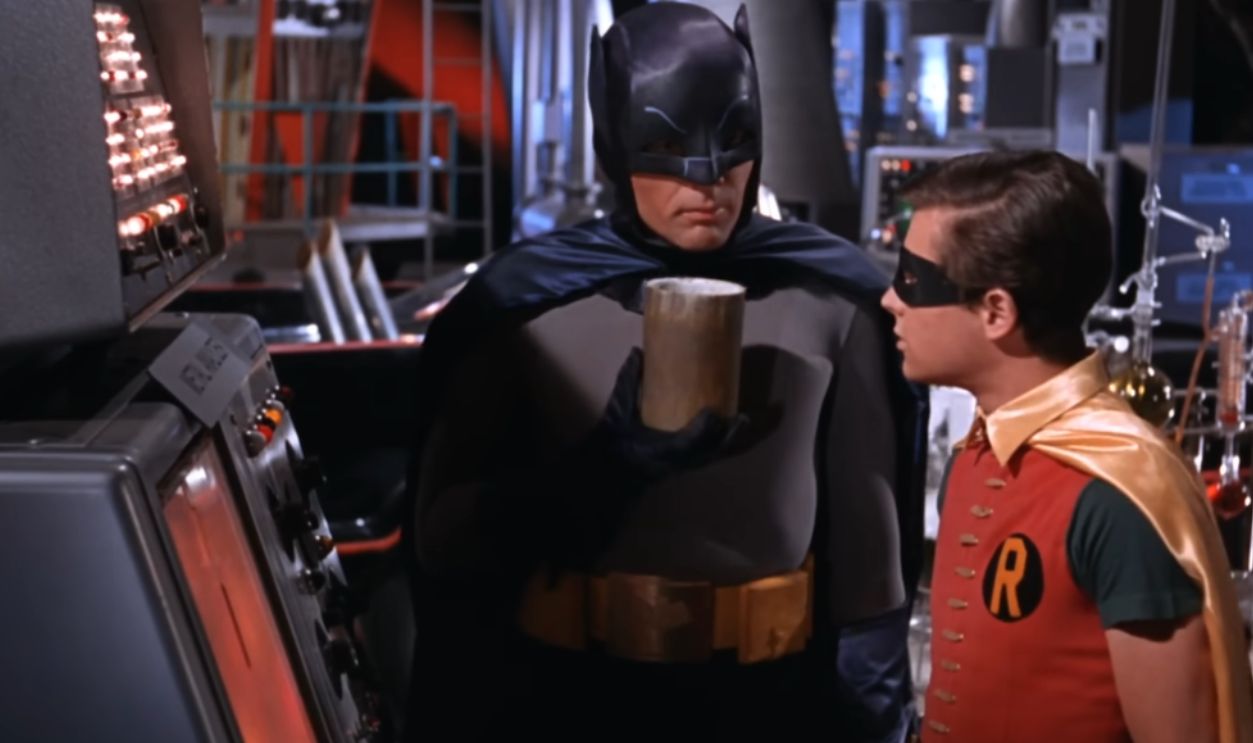 Screenshot from Batman, ABC (1966–1968)
The Movie Expanded His Bat-Reputation
A theatrical Batman film reached cinemas in 1966, featuring West, Ward, and several of the show’s best-known villains. The movie offered larger set pieces, new vehicles, and one famously difficult attempt to dispose of a bomb. It also carried West’s interpretation beyond television and strengthened the connection between the actor and the costume.
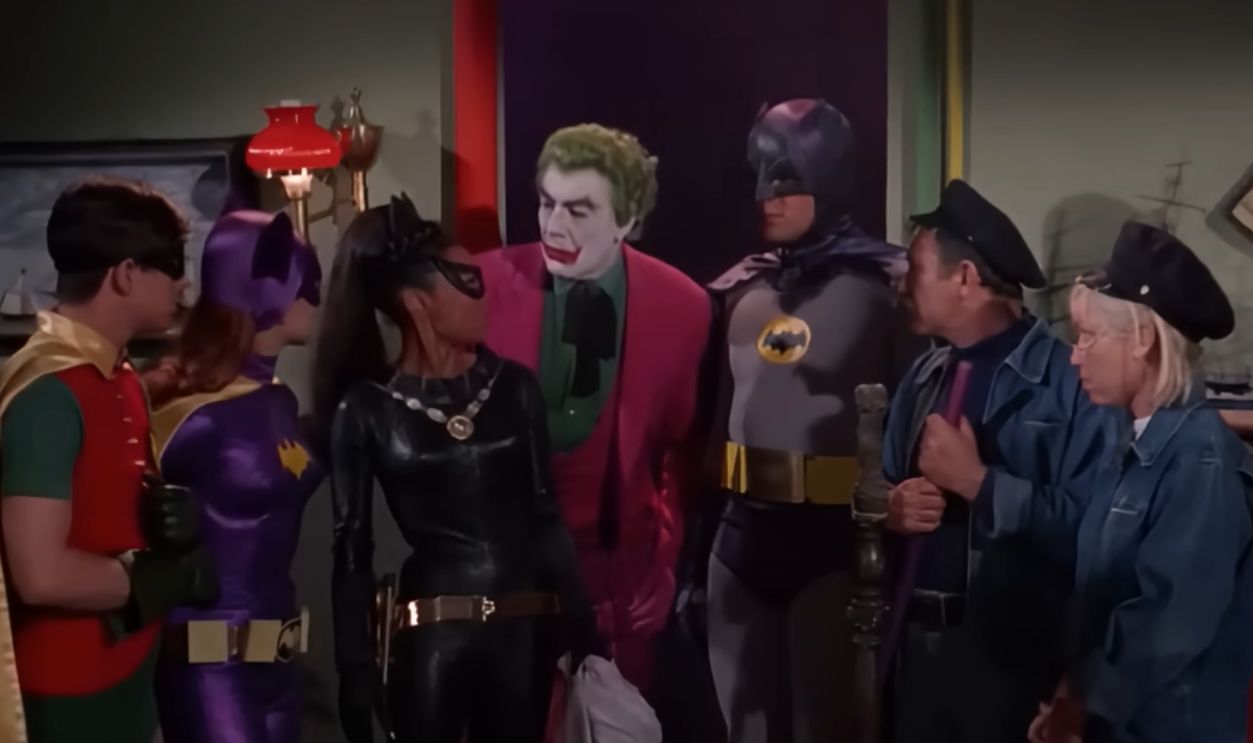 Screenshot from Batman, ABC (1966–1968)
Fame Came With An Unexpected Price
West enjoyed the attention and opportunities that accompanied the series, but the role soon overwhelmed the rest of his identity as an actor. To many viewers, Adam West simply was Batman, making it difficult to imagine him convincingly playing anyone else.
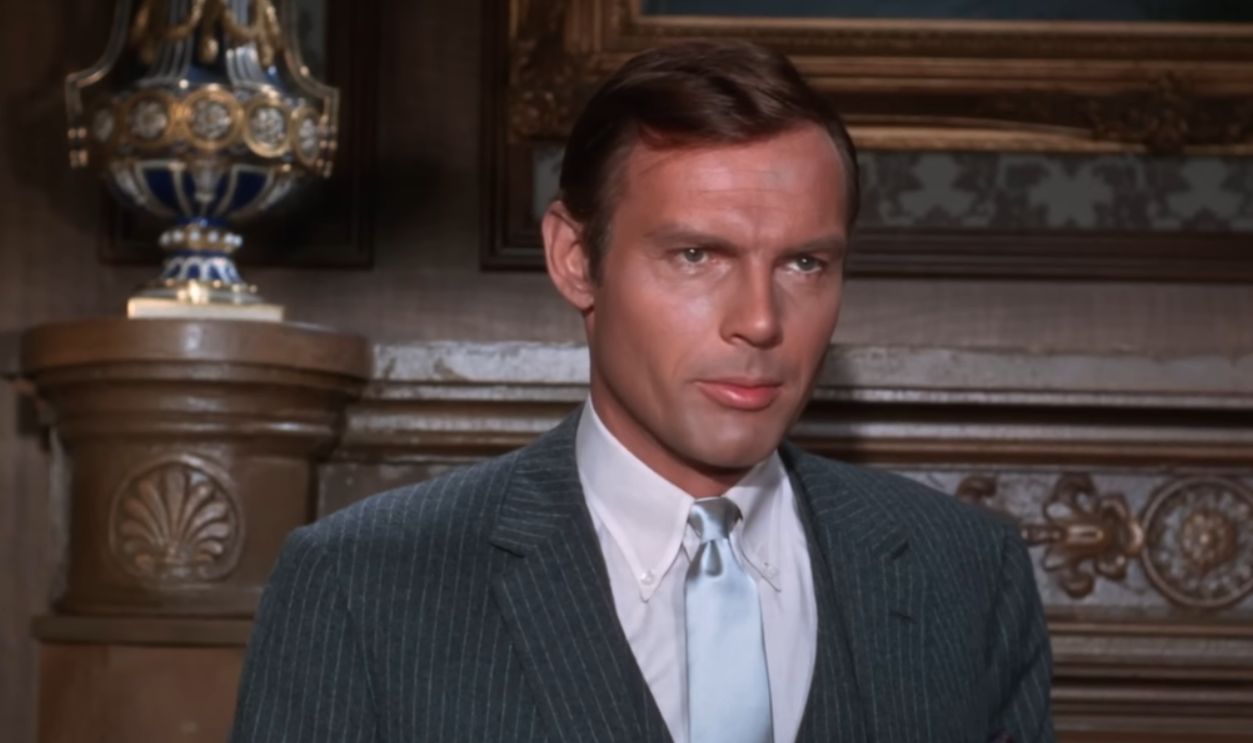 Screenshot from Batman, ABC (1966–1968)
The Series Ended After Three Seasons
The initial excitement surrounding Batman cooled, and ABC canceled the program in 1968 after 120 episodes. West had worn the cape for only a few years, but the role had become permanently attached to him. The end of the series therefore did not provide the fresh beginning he might have expected.
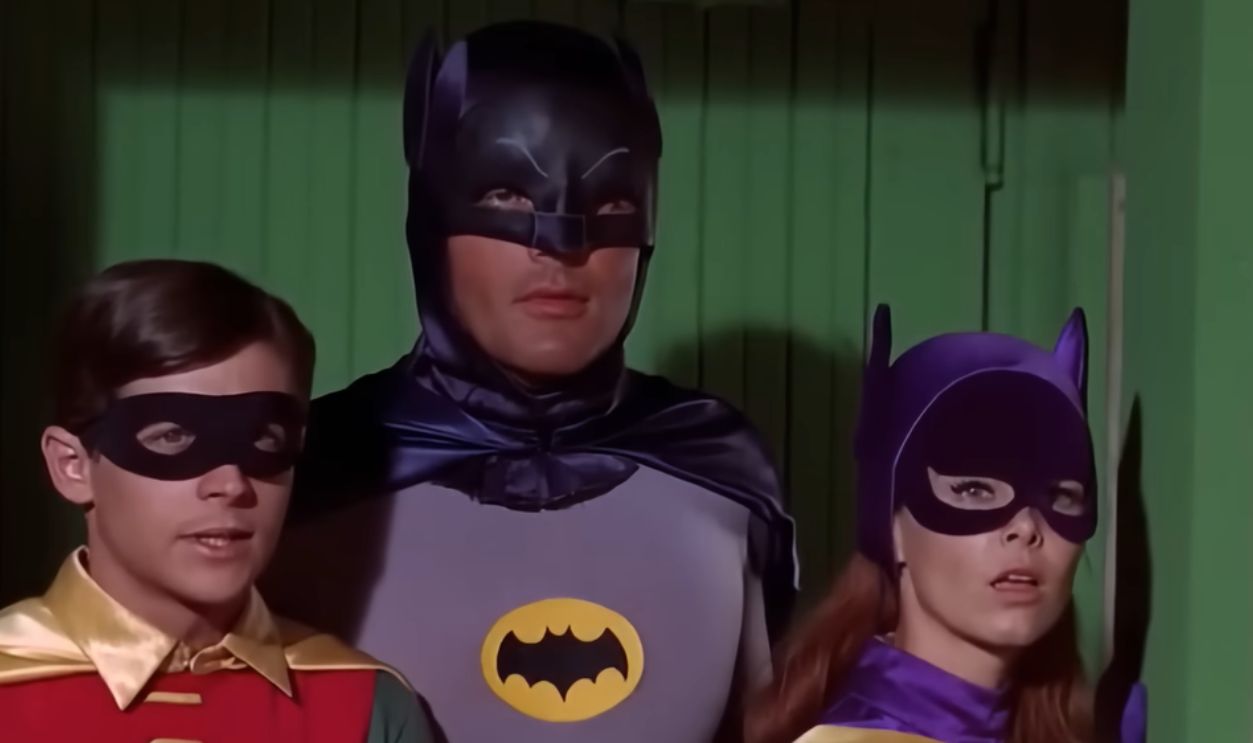 Screenshot from Batman, ABC (1966–1968)
Casting Directors Could Not See Past The Cowl
West later spoke openly about the doors that closed after Batman. He was considered for other parts, but producers frequently associated his face and voice with the Caped Crusader. A role that had given him worldwide recognition was now making conventional leading-man work difficult to obtain.
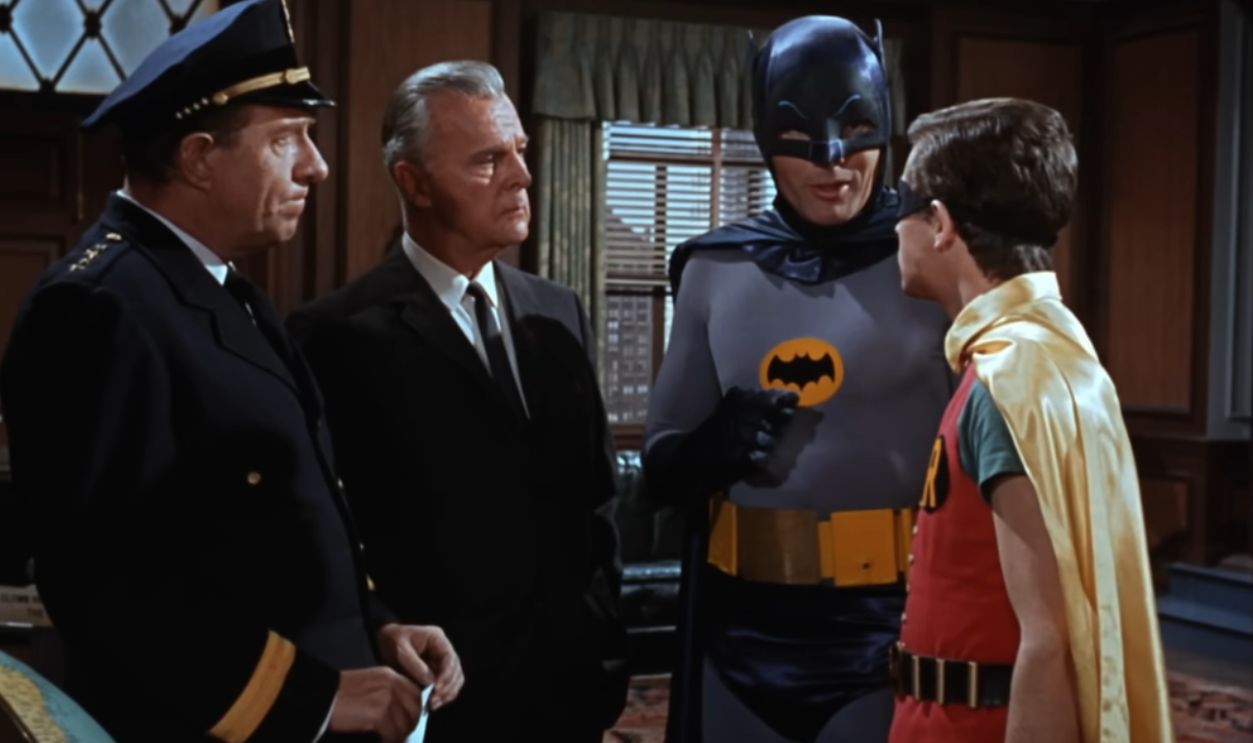 Screenshot from Batman, ABC (1966–1968)
Serious Roles Could Not Break The Spell
West attempted to move in a darker direction with the 1969 film The Girl Who Knew Too Much. He played a cynical nightclub owner caught in a dangerous criminal story, far removed from Bruce Wayne’s upright heroism. The project did little to change how the industry viewed him.
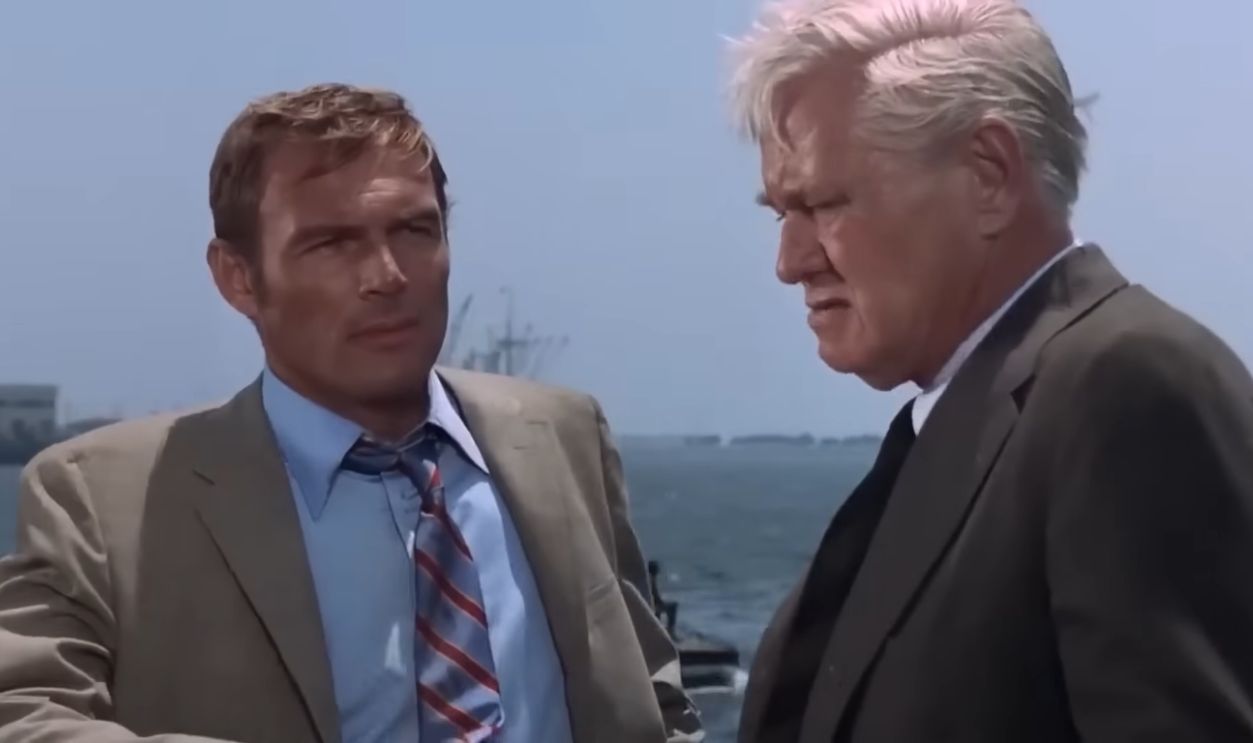 Screenshot from The Girl Who Knew Too Much, NBC (1969)
He Kept Working Wherever He Could
With major starring roles harder to find, West accepted guest appearances, lower-budget films, stage work, and personal engagements. He later recalled performing in regional theater and at venues such as Los Angeles’ Mark Taper Forum simply to continue practicing his craft. His career had slowed dramatically, but he refused to stop being an actor.
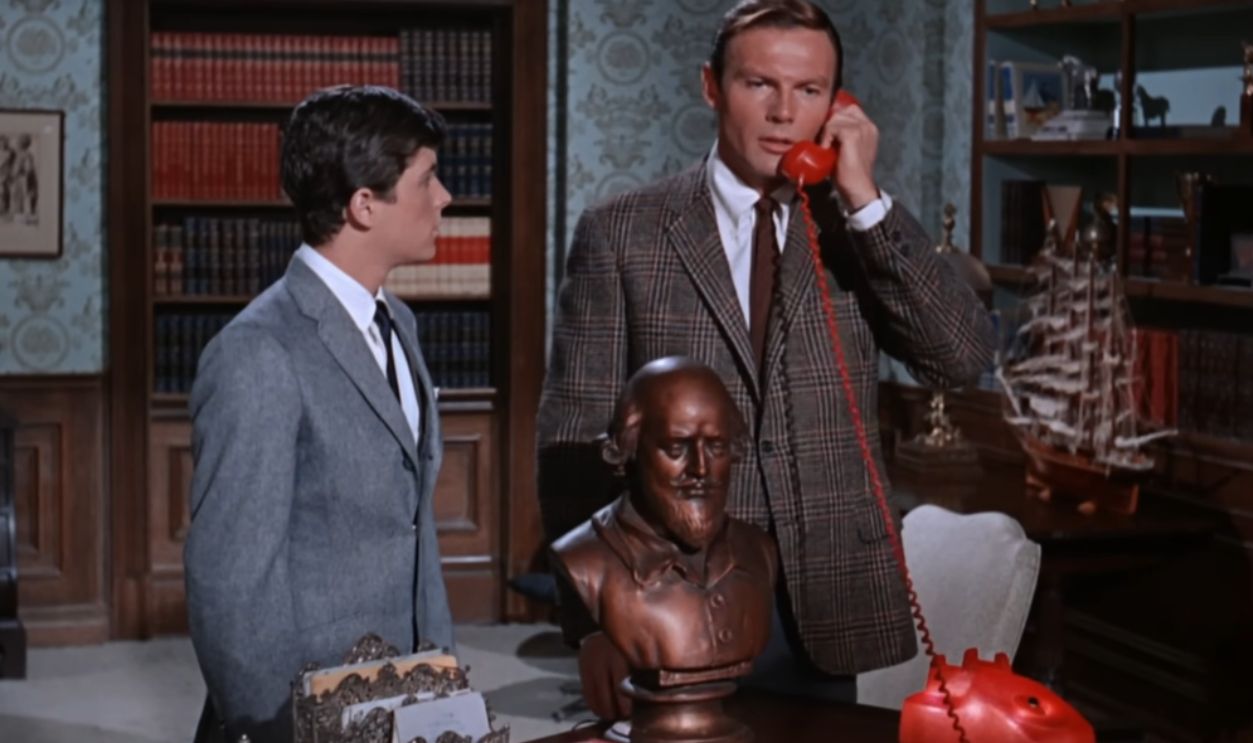 Screenshot from Batman, ABC (1966–1968)
Batman Appearances Paid The Bills
West also discovered that audiences remained eager to see television’s Batman in person. He attended conventions, made promotional appearances, and occasionally returned to the character in specialized projects. These jobs could feel like reminders of his typecasting, but they also demonstrated how much affection viewers still had for him.
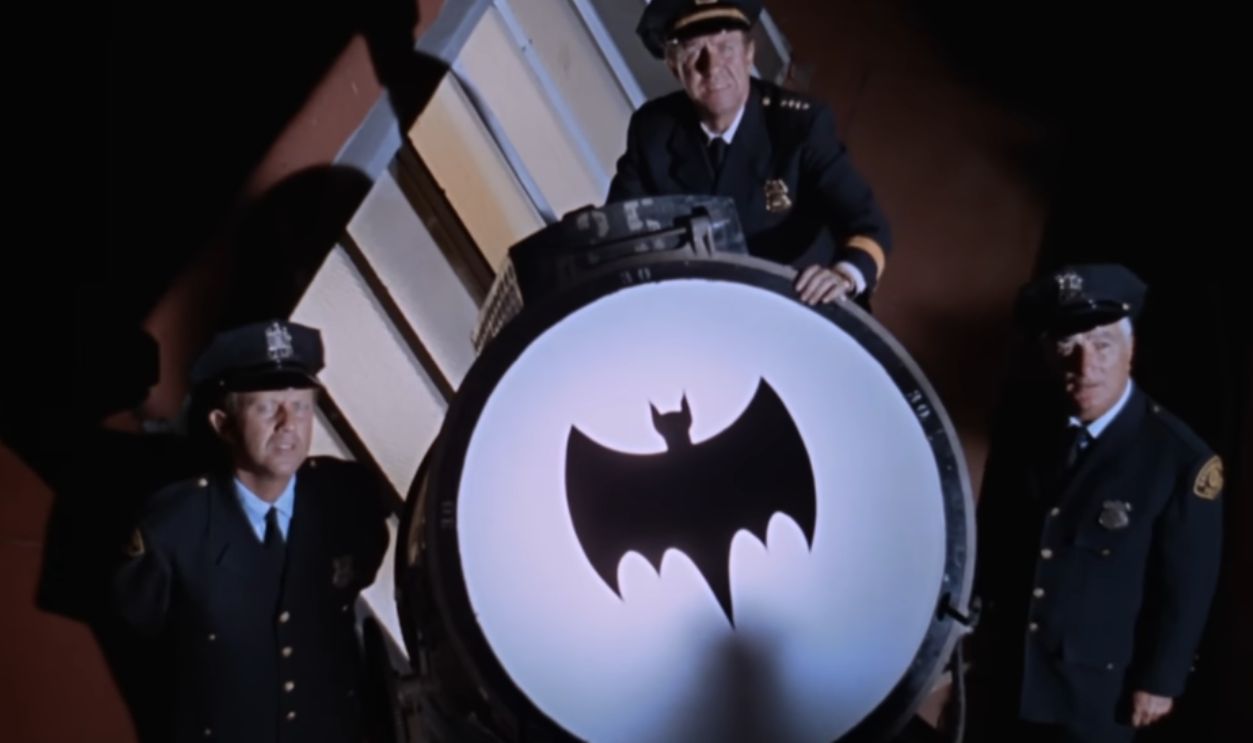 Screenshot from Batman, ABC (1966–1968)
He Returned To Batman In Animation
West and Ward voiced Batman and Robin in the animated series The New Adventures of Batman, which premiered in 1977. The project allowed West to revisit the hero without squeezing back into the original costume. Voice acting would eventually become one of the most important parts of his career.
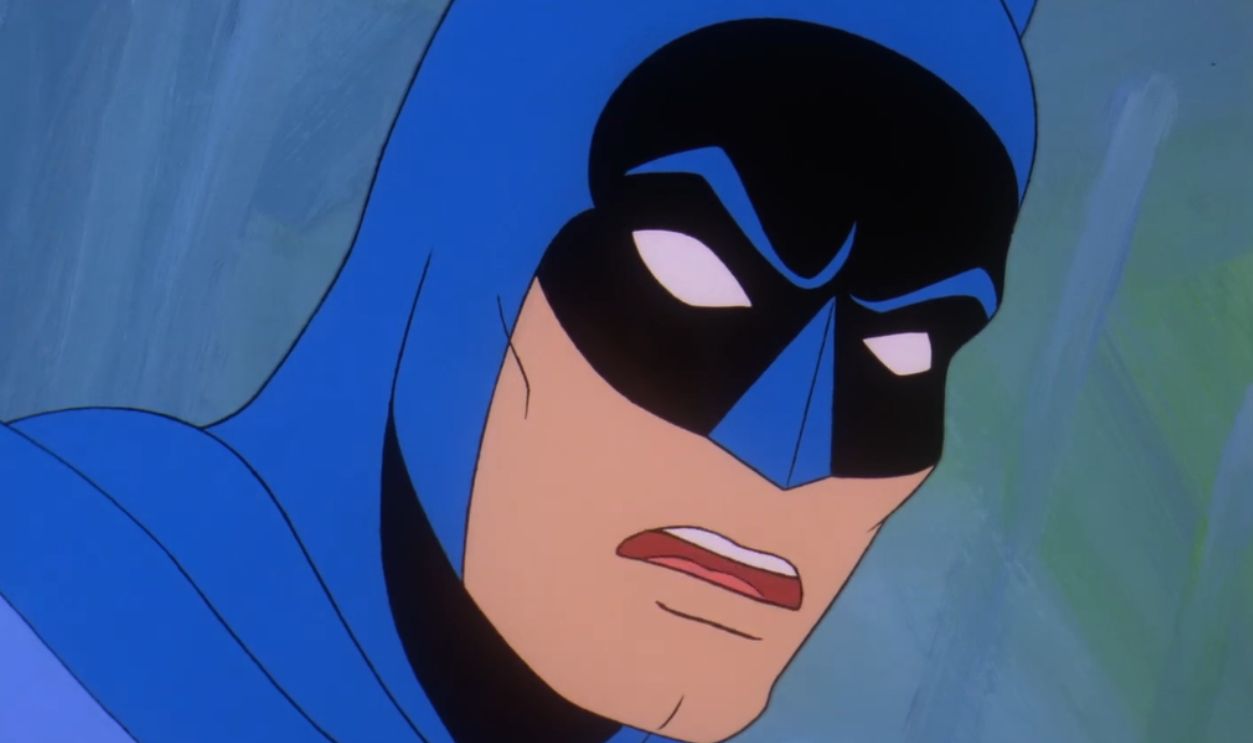 Screenshot from The New Adventures of Batman, CBS (1977)
The 1989 Movie Brought Mixed Emotions
Tim Burton’s darker Batman film introduced Michael Keaton as a very different version of Bruce Wayne. The movie’s enormous success confirmed that the character remained valuable, even though West was no longer Hollywood’s Batman. West later observed that modern superhero actors often had more freedom to move between heroic roles and other projects than performers of his generation had enjoyed.
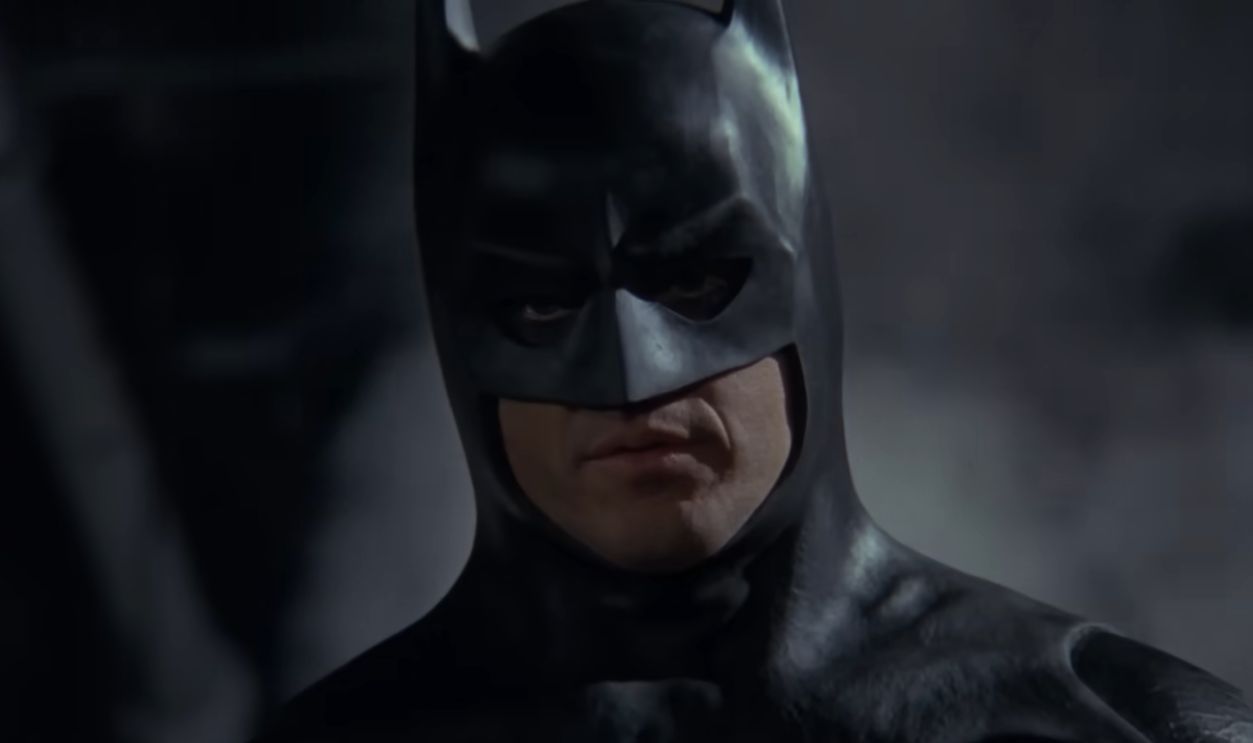 Screenshot from Batman, Warner Bros. Pictures (1989)
Fighting Batman Was No Longer Working
For years, West understandably wanted casting directors to recognize the range he had shown before and after the series. Yet every attempt to distance himself from Batman seemed to reinforce how closely the public connected him with the role. Eventually, he began to reconsider whether resisting that association was helping him.
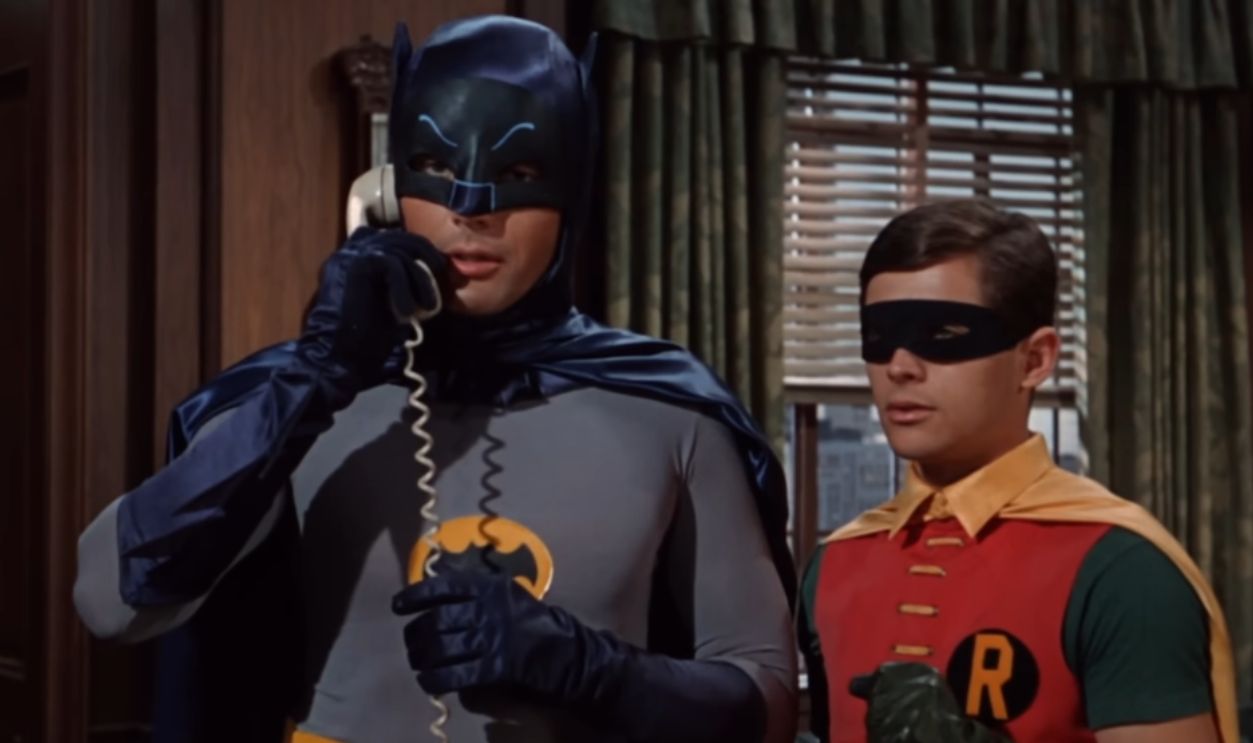 Screenshot from Batman, ABC (1966–1968)
West Chose To Embrace The Cape
West later explained that he had been miserable about losing roles because of Batman. He eventually reasoned that audiences loved the character, so he should appreciate that affection rather than resent it. Accepting Batman did not erase the difficult years, but it gave West a new way to control his public image.
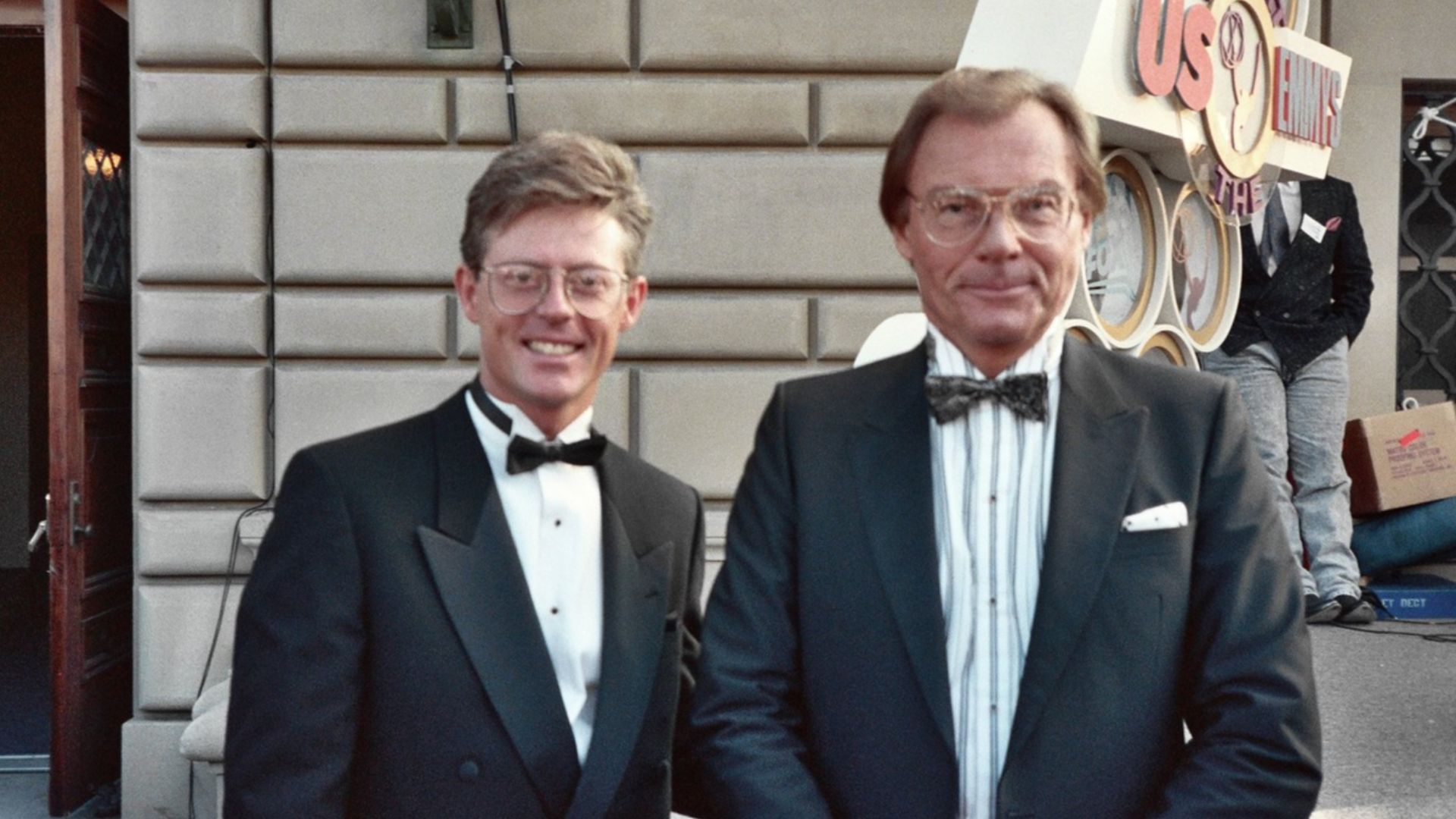
Self-Parody Became His Secret Weapon
Once West stopped pretending Batman was not following him, he could turn the connection into comedy. His formal voice and dignified manner made him perfect for playing pompous celebrities, deluded authority figures, and exaggerated versions of himself. The joke worked because West delivered even the strangest material with total conviction.
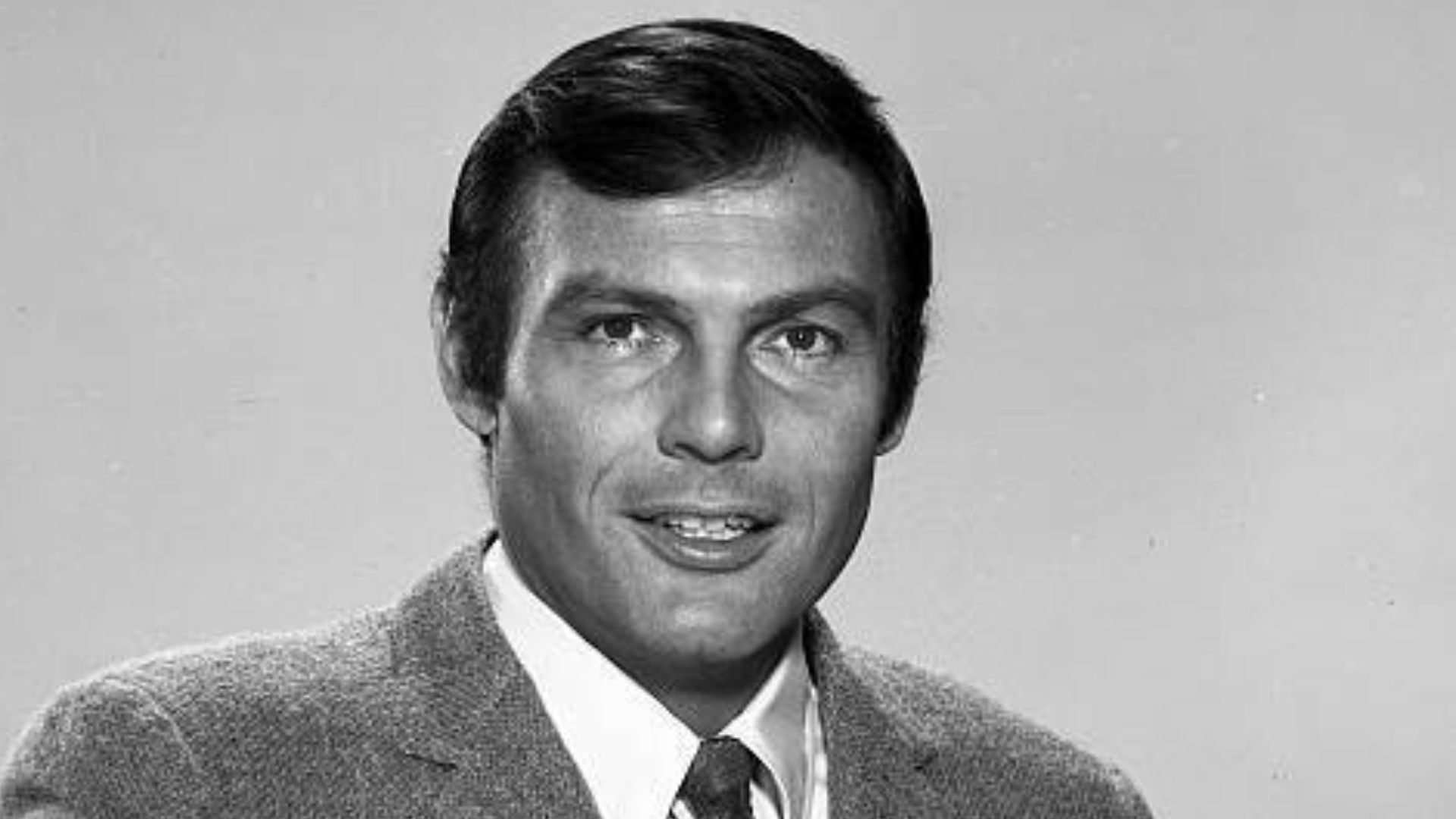 ABC Television, Wikimedia Commons
The Simpsons Recognized His Comic Value
West appeared as himself in a 1992 episode of The Simpsons, where he baffled Bart and Lisa with stories about his version of Batman. The scene affectionately contrasted West’s uncomplicated television hero with the increasingly serious modern franchise. It also showed that his Batman history could be used as comic material without humiliating him.
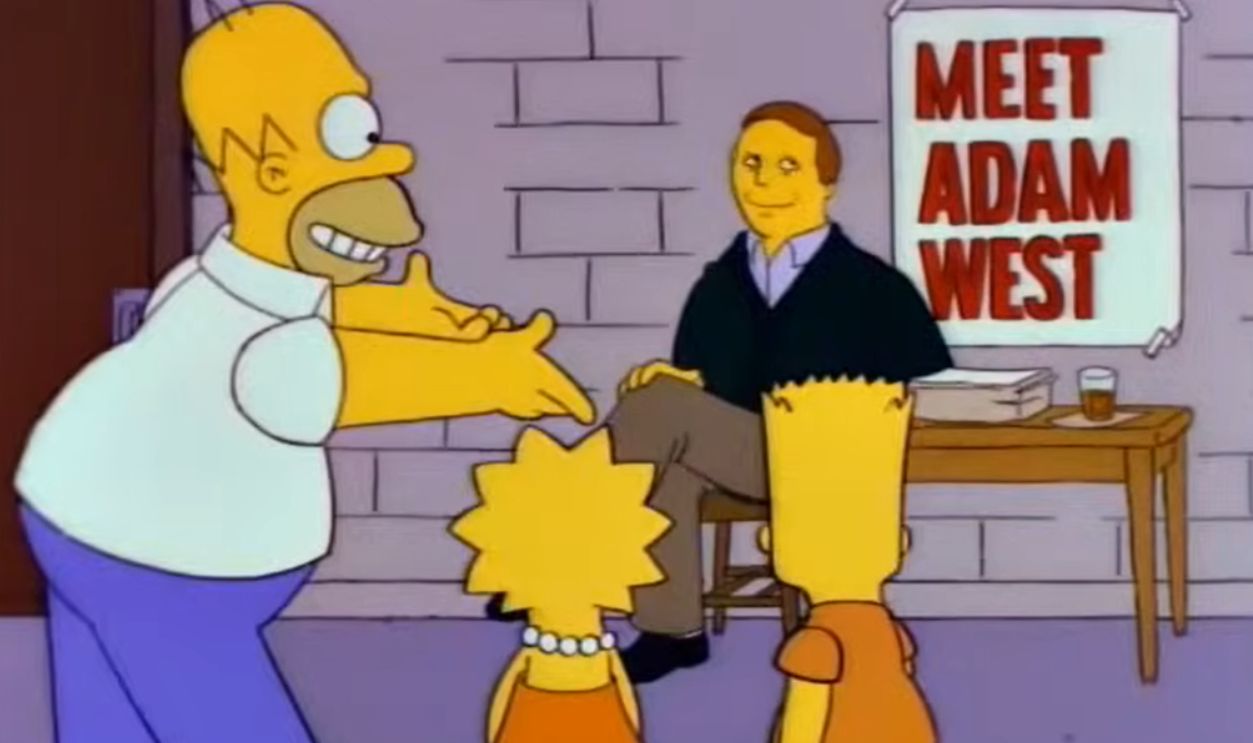 Screenshot from The Simpsons, Fox Broadcasting Company (1989–present)
Lookwell Was Ahead Of Its Time
In 1991, West starred in Lookwell, a pilot written by Conan O’Brien and Robert Smigel. He played a former television detective who believed his brief experience acting as a police officer qualified him to solve real crimes. NBC declined to order a series, but the pilot later developed a cult reputation and became an important preview of West’s second act.
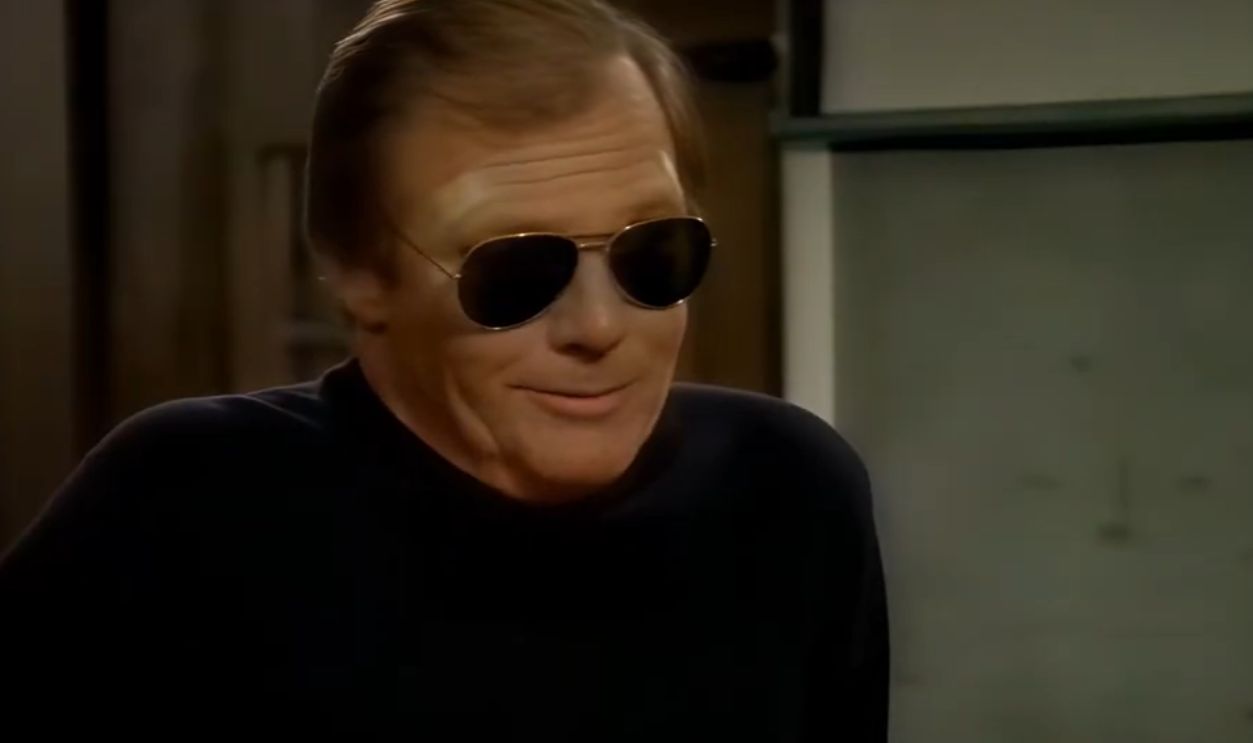 Screenshot from Lookwell, NBC (1991)
He Was In On The Lookwell Joke
Lookwell depended on West exaggerating the exact qualities that had made him famous. His character was self-important, hopelessly misguided, and completely certain that he was the smartest person in every room. West reportedly embraced the premise and later called it one of his favorite pilots.
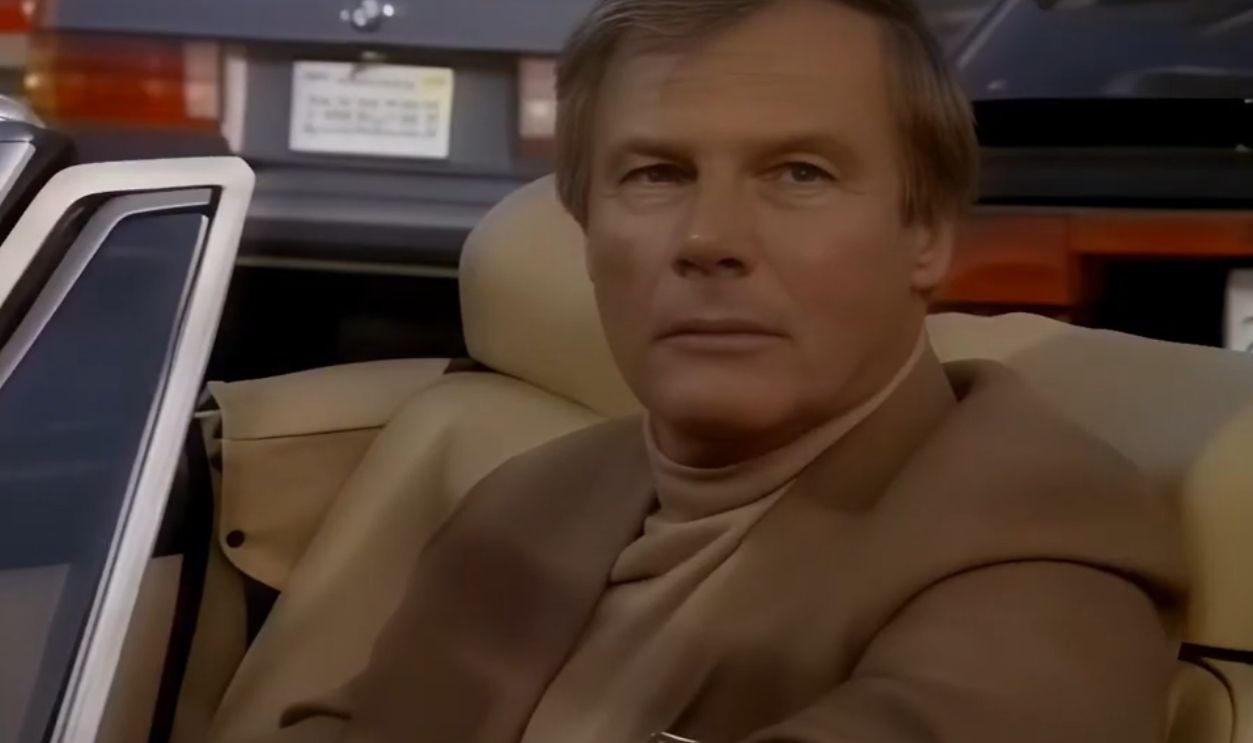 Screenshot from Lookwell, NBC (1991)
Younger Writers Had Grown Up Watching Him
By the 1990s, a generation raised on Batman reruns had entered the entertainment industry. These writers did not view West as an outdated television star who needed to escape his past. They saw a skilled comic performer whose voice and screen image carried decades of shared cultural meaning.
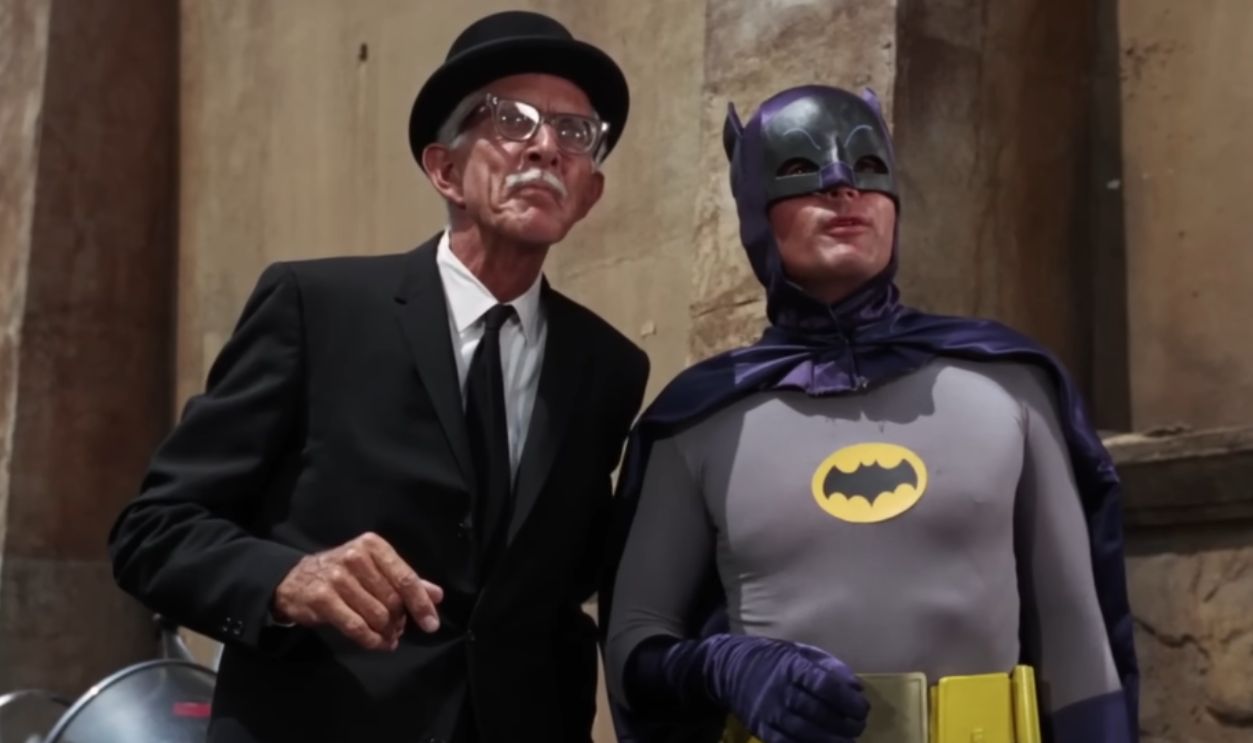 Screenshot from Batman, ABC (1966–1968)
Family Guy Gave Him A New Identity
West began voicing Mayor Adam West on Family Guy in 2000. The character shared his name but was not simply Batman in disguise. Quahog’s mayor was an eccentric public official whose unpredictable behavior could turn almost any ordinary scene into something surreal.
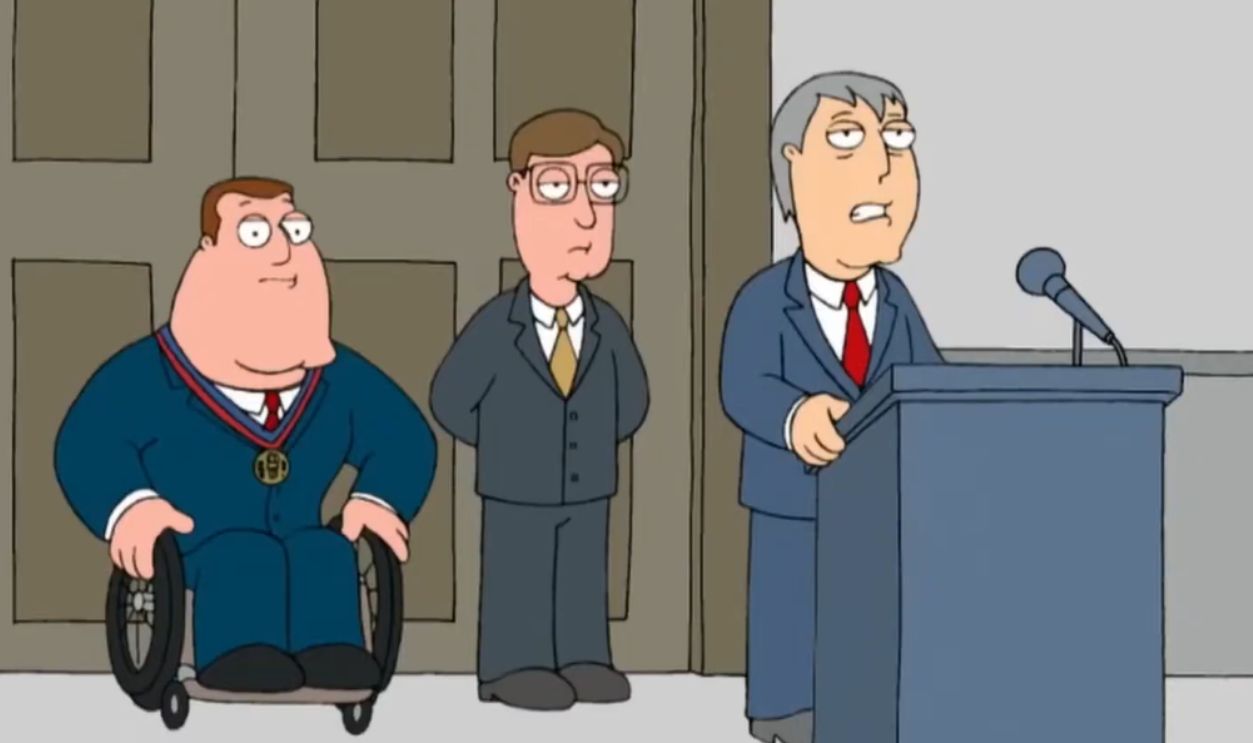 Screenshot from Family Guy, Fox Broadcasting Company (1999–present)
The Show Avoided The Obvious Batman Joke
Seth MacFarlane and the show’s writers largely avoided building Mayor West around constant Batman references. Instead, they created an independent comic personality who happened to be played by the former Caped Crusader. That choice allowed West’s unusual timing and delivery to become the attraction rather than merely his old costume.
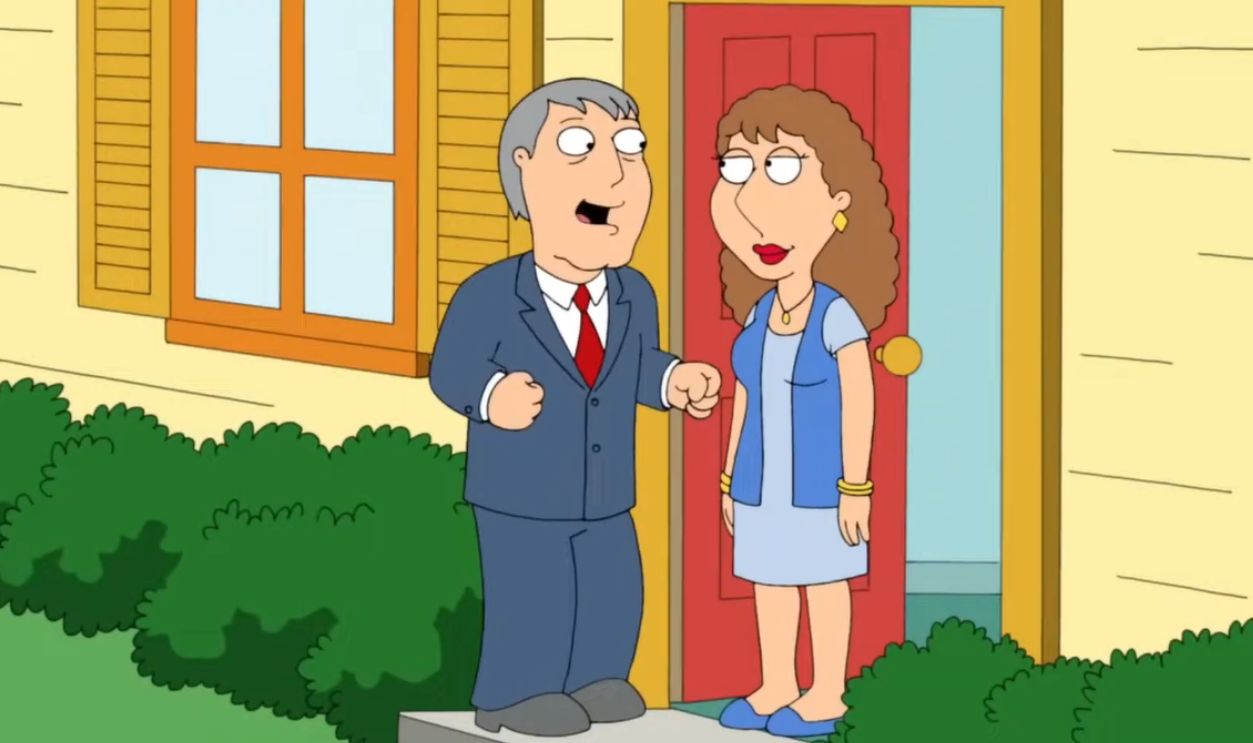 Screenshot from Family Guy, Fox Broadcasting Company (1999–present)
Mayor West Reached A New Generation
West voiced the character in more than 100 episodes, remaining part of the series for many years. Younger viewers began recognizing him as Quahog’s bizarre mayor even if they had never watched the 1960s Batman. The role accomplished what decades of conventional acting jobs had not by giving him another widely known television identity.
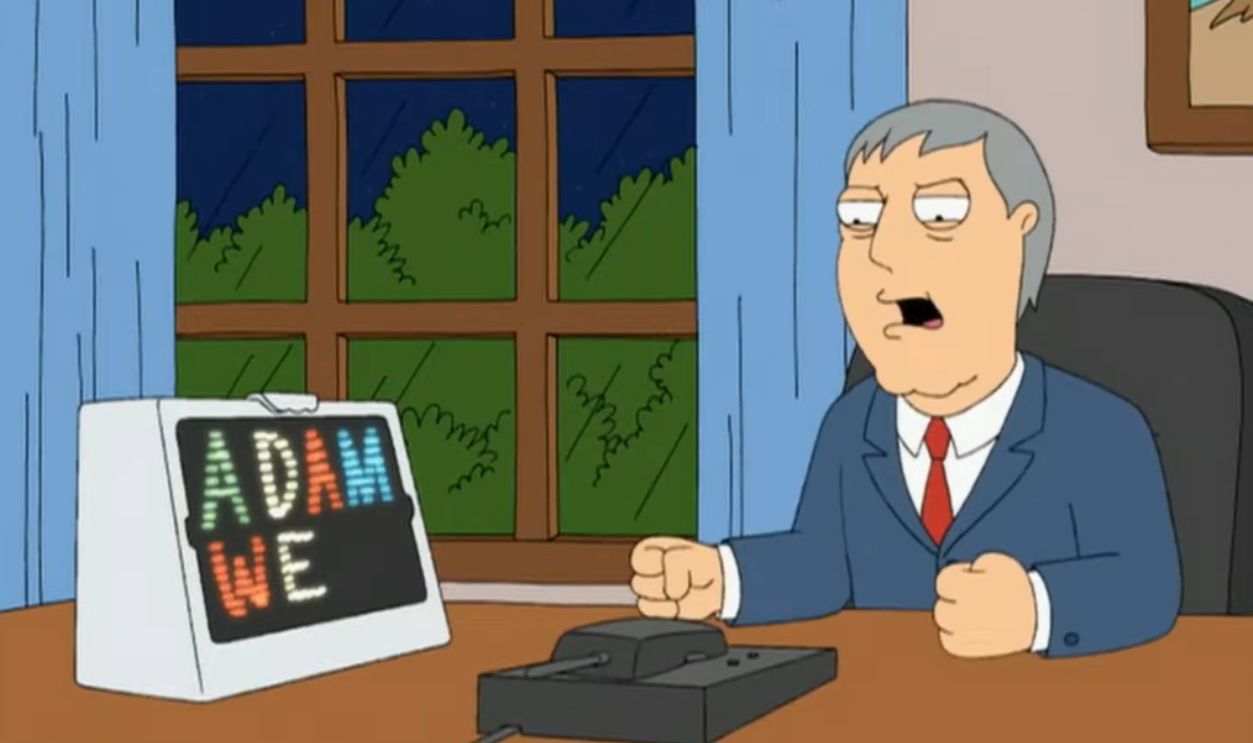 Screenshot from Family Guy, Fox Broadcasting Company (1999–present)
He Could Return To Gotham On His Terms
West continued celebrating his Batman legacy through reunions and affectionate revivals. He appeared alongside Burt Ward in the 2003 television movie Return to the Batcave: The Misadventures of Adam and Burt. He later voiced Batman again in the animated features Batman: Return of the Caped Crusaders and Batman vs. Two-Face.
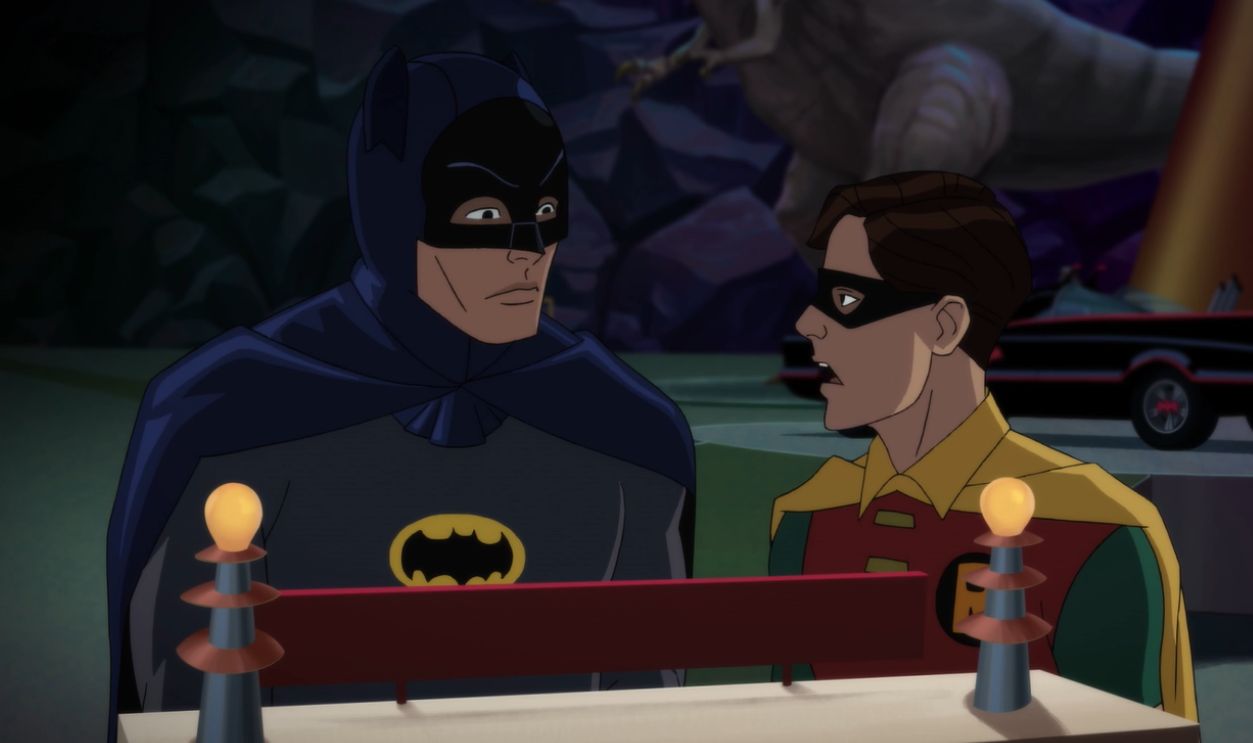 Screenshot from Batman: Return of the Caped Crusaders, Warner Bros. Home Entertainment (2016)
The Typecast Role Became His Legacy
West never completely escaped Batman, but he ultimately achieved something more interesting than escape. He transformed the role from a professional limitation into a comic language that writers could build around him. By embracing the joke without treating himself as one, Adam West ensured that the cape kept opening doors long after it had closed them.
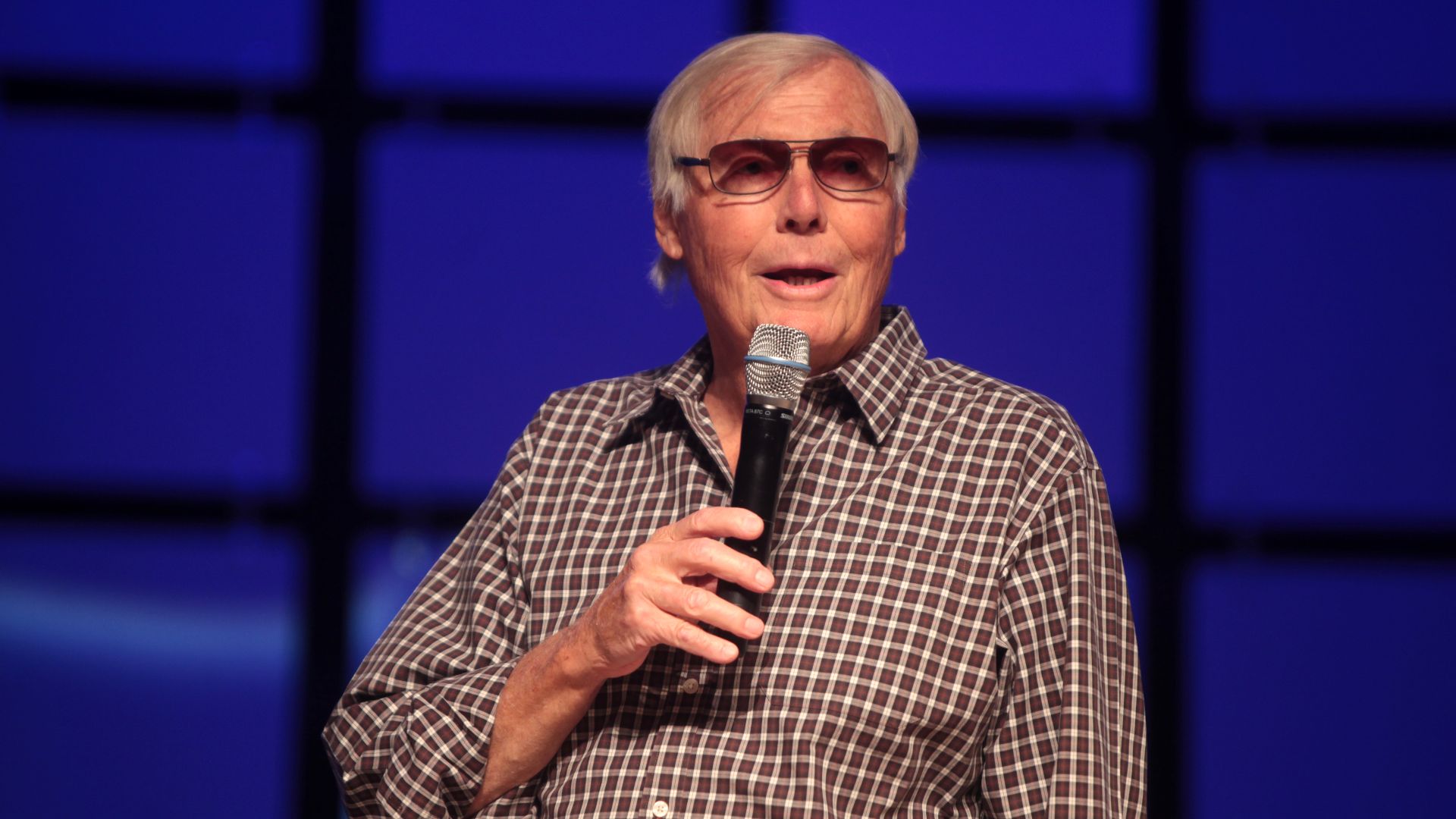 Gage Skidmore from Peoria, AZ, United States of America, Wikimedia Commons
You May Also Like:
Beloved 70s TV Shows That Deserved More Seasons Than They Got
How Peter Graves Built A Television Career That Lasted More Than 50 Years