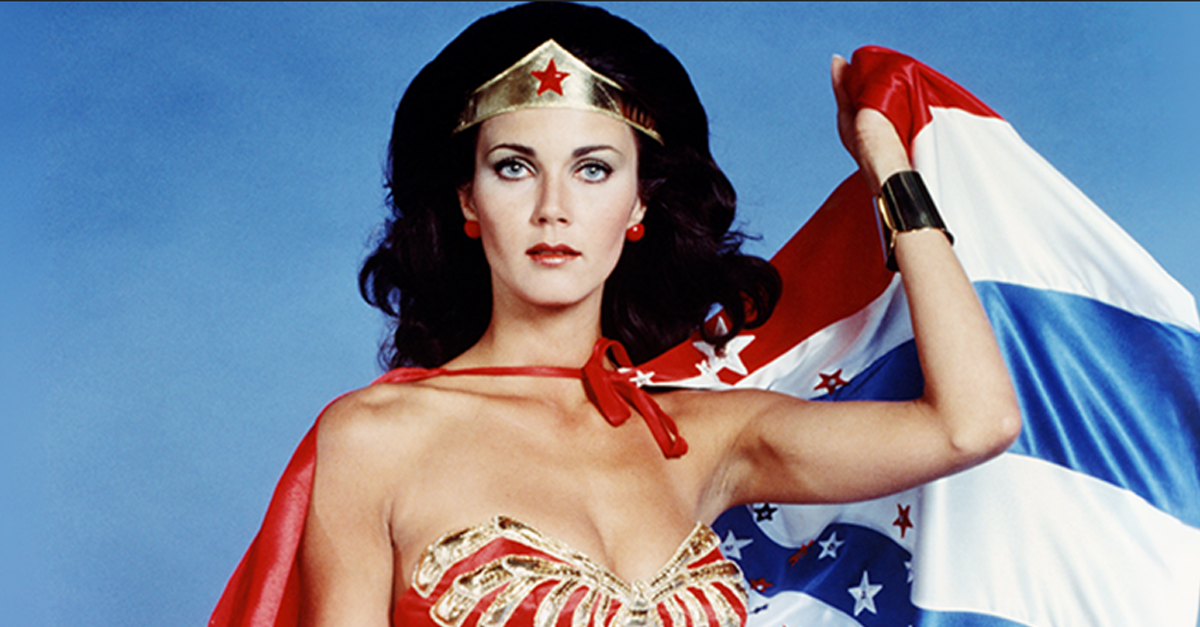
Television’s Decade Of Big Risks
The 1970s brought some of the most creative television ever produced. Networks experimented with science fiction, comedy, drama, and genre mashups that often felt years ahead of their time. While many became classics, several promising series disappeared long before viewers were ready to say goodbye. Looking back, these are some of the beloved 1970s shows that easily could have supported more seasons.
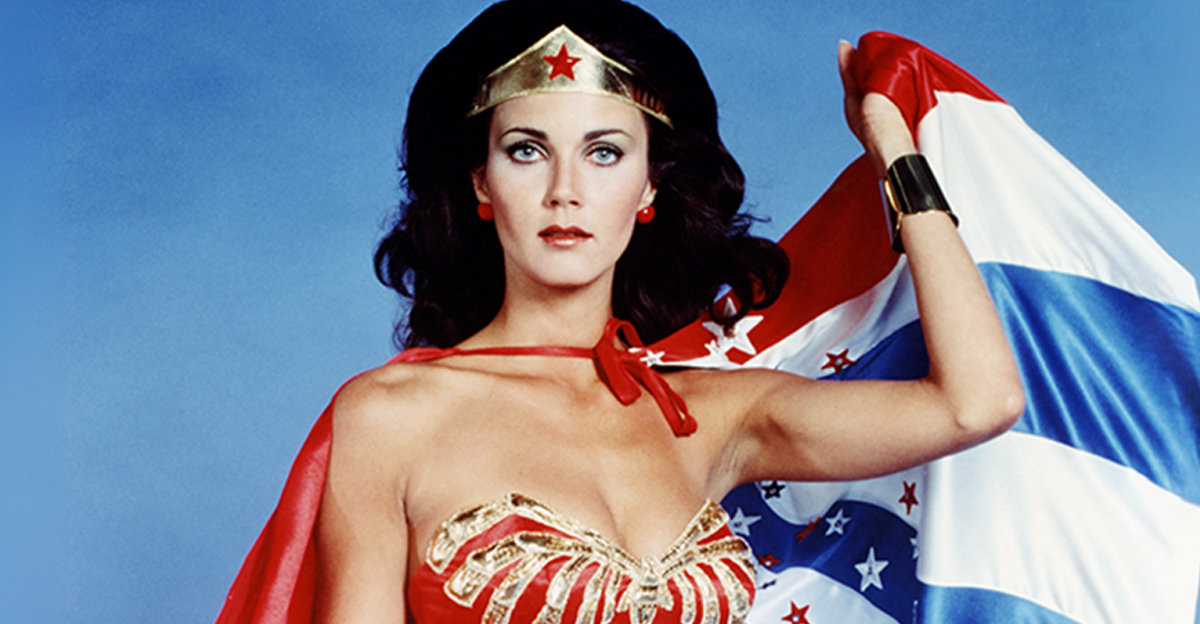 Silver Screen Collection, Getty Images
Kolchak: The Night Stalker
When Kolchak: The Night Stalker premiered in 1974, it offered something television audiences rarely saw. Reporter Carl Kolchak investigated supernatural mysteries that mixed horror, humor, and investigative journalism. The concept stood apart from anything else on network television. Its influence can still be seen in later genre hits.
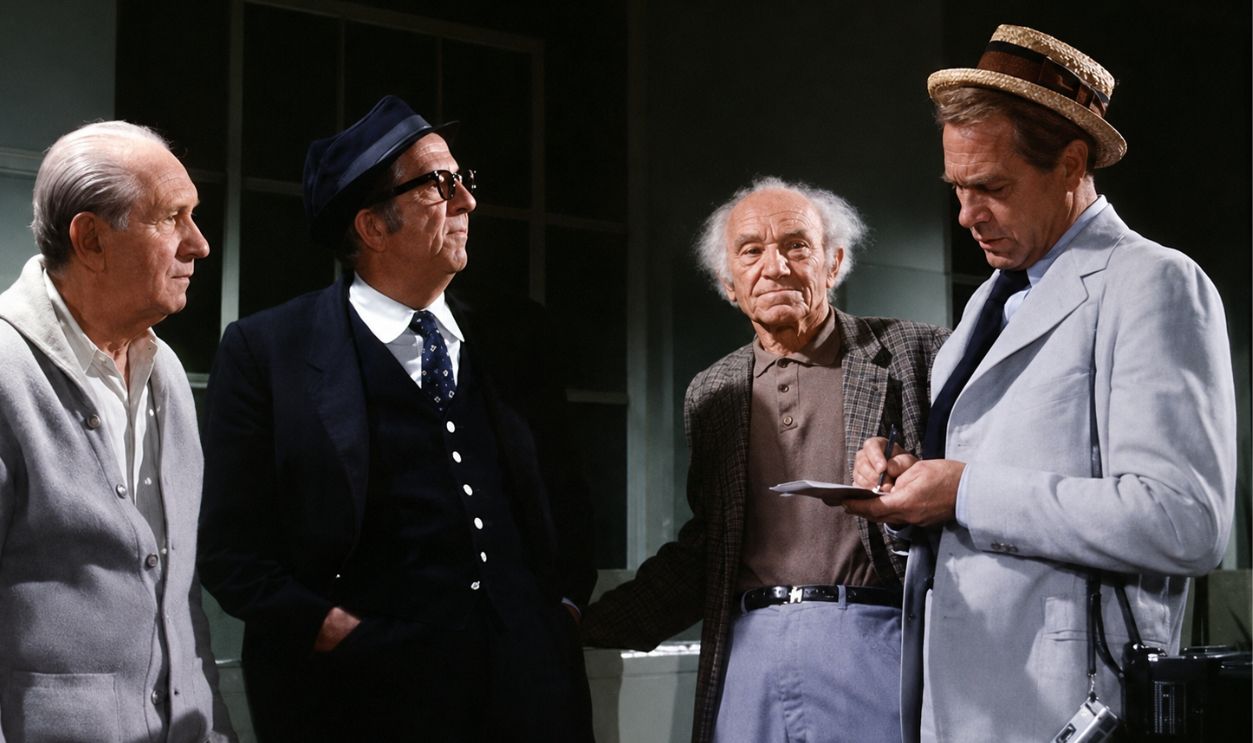 Screenshot from Kolchak: The Night Stalker, ABC (1974-1975), Enhanced
The Original Monster Hunter
Darren McGavin's performance gave the series its personality and staying power. Week after week, Kolchak chased vampires, monsters, and unexplained phenomena that authorities refused to acknowledge. The show's blend of skepticism and suspense made it distinctive. Fans quickly embraced its unusual formula.
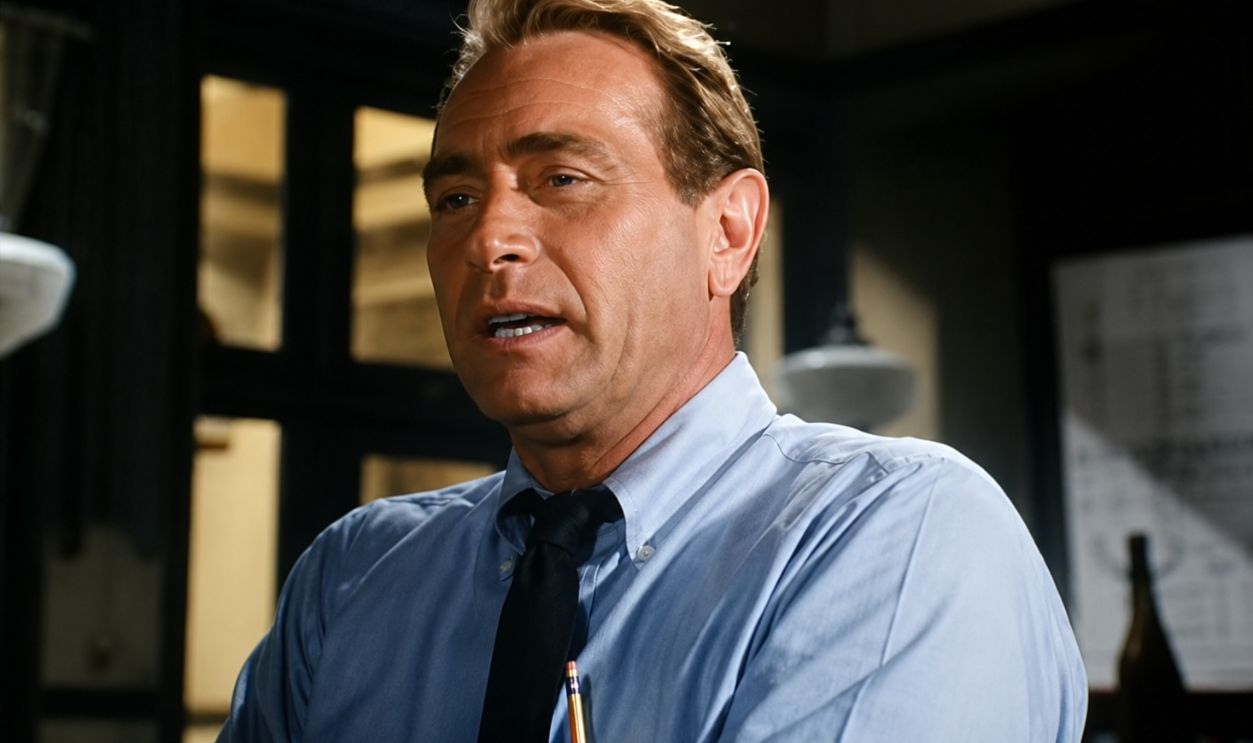 Screenshot from Kolchak: The Night Stalker, ABC (1974-1975), Enhanced
A Major Inspiration For Future Hits
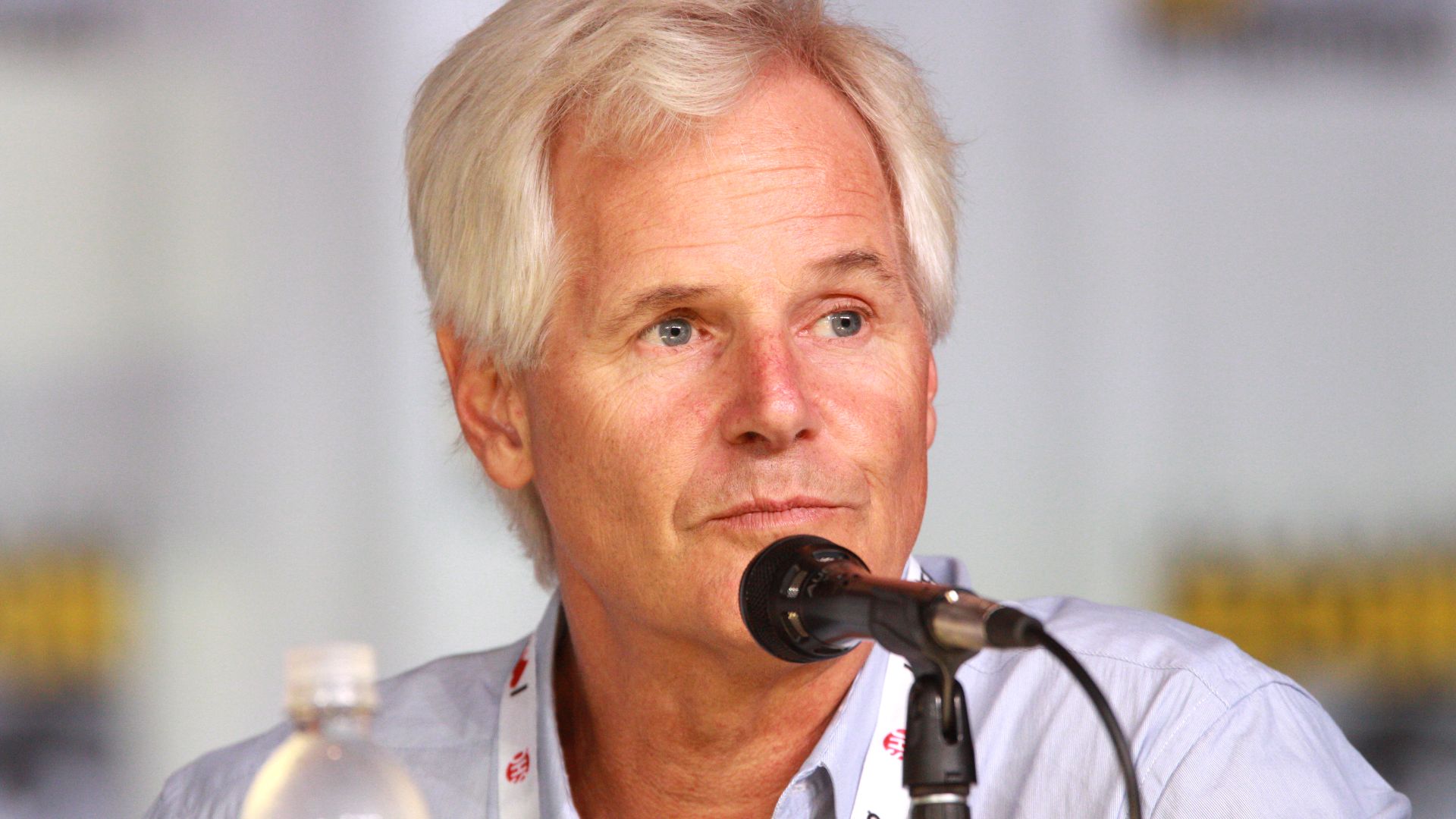
The X-Files creator Chris Carter has repeatedly cited Kolchak as a major influence on the series. The connection is easy to see because both shows follow investigators confronting mysteries beyond conventional explanations. Many television historians consider Kolchak a direct ancestor of modern paranormal dramas. That legacy makes its brief run even more surprising.
 Gage Skidmore from Peoria, AZ, United States of America, Wikimedia Commons
One Season Was Not Enough
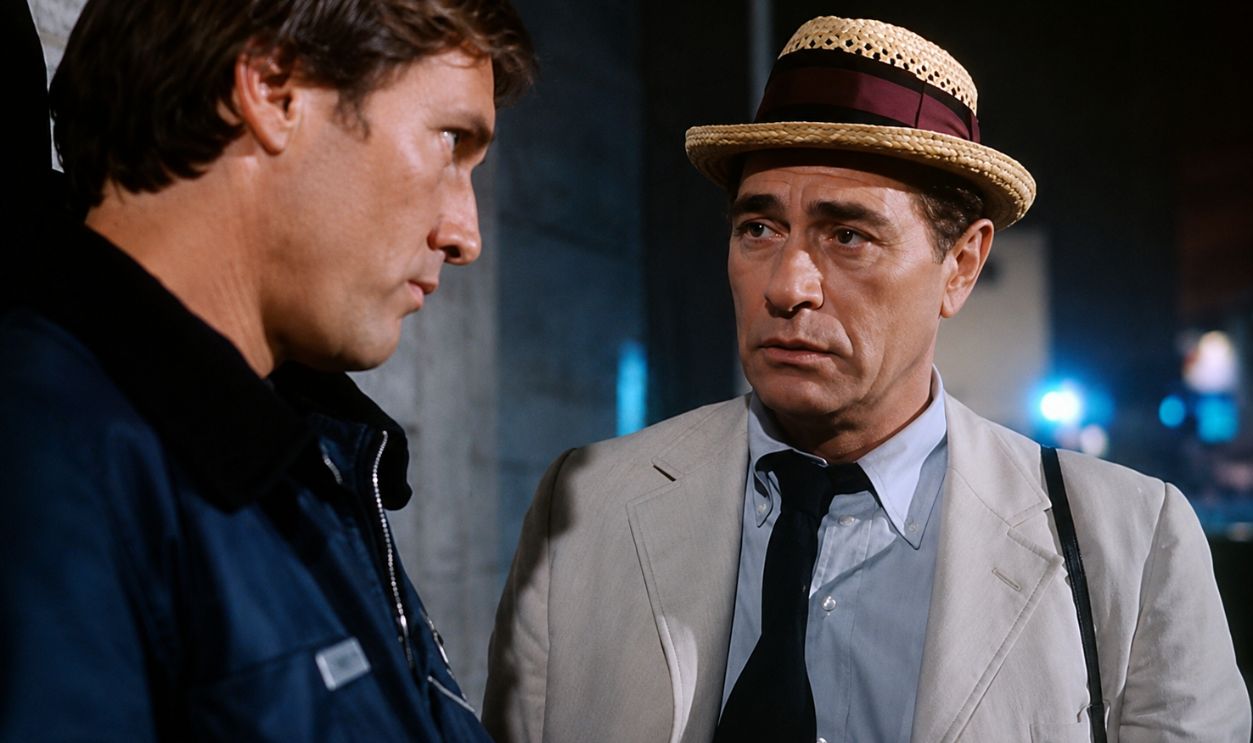
Despite strong critical recognition and a loyal audience, the series lasted only one season. The format still had plenty of unexplored possibilities when it ended. Additional seasons could have expanded the mythology and deepened Kolchak's world. Few canceled shows have left such a lasting impact with so few episodes.
 Screenshot from Kolchak: The Night Stalker, ABC (1974-1975), Enhanced
Battlestar Galactica
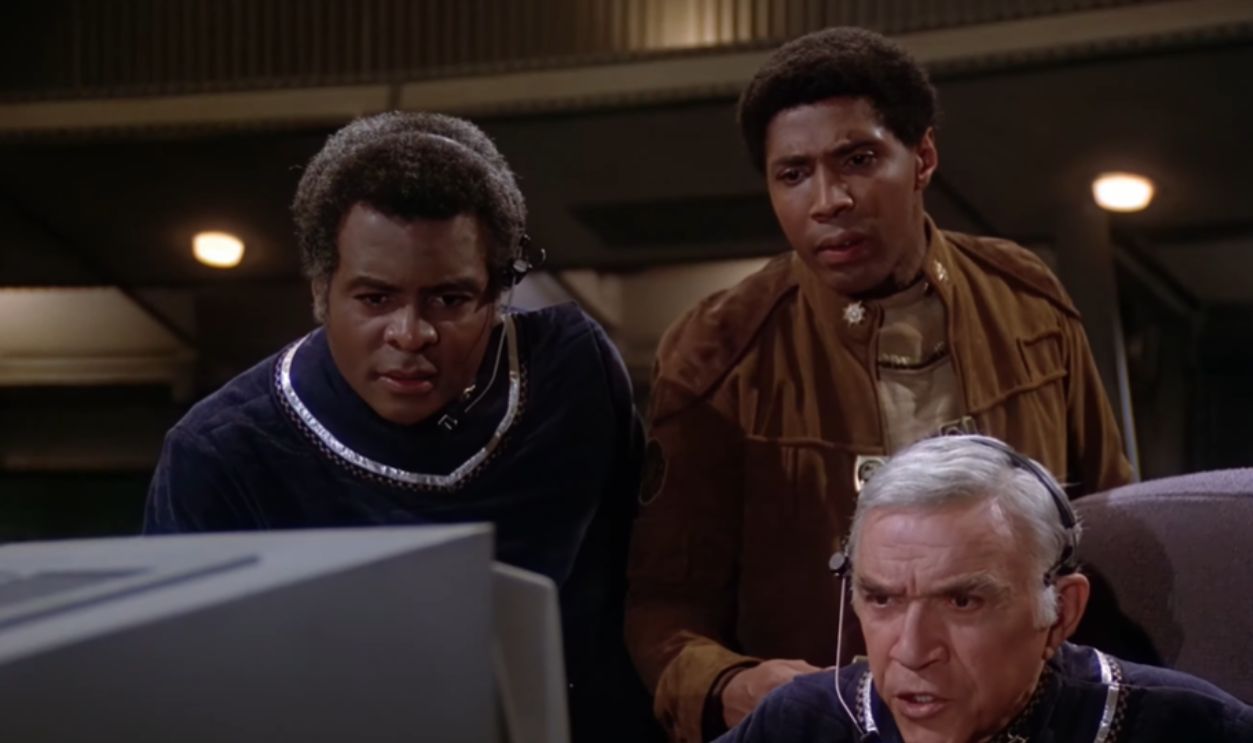
The original Battlestar Galactica arrived in 1978 with ambitious production values and cinematic scope. The series followed humanity's survivors as they searched the galaxy for Earth. Its visual effects and large-scale storytelling helped distinguish it from other television science fiction. Viewers immediately recognized its potential.
 Screenshot from Battlestar Galactica, NBCUniversal (1978-1979)
Science Fiction On A Grand Scale
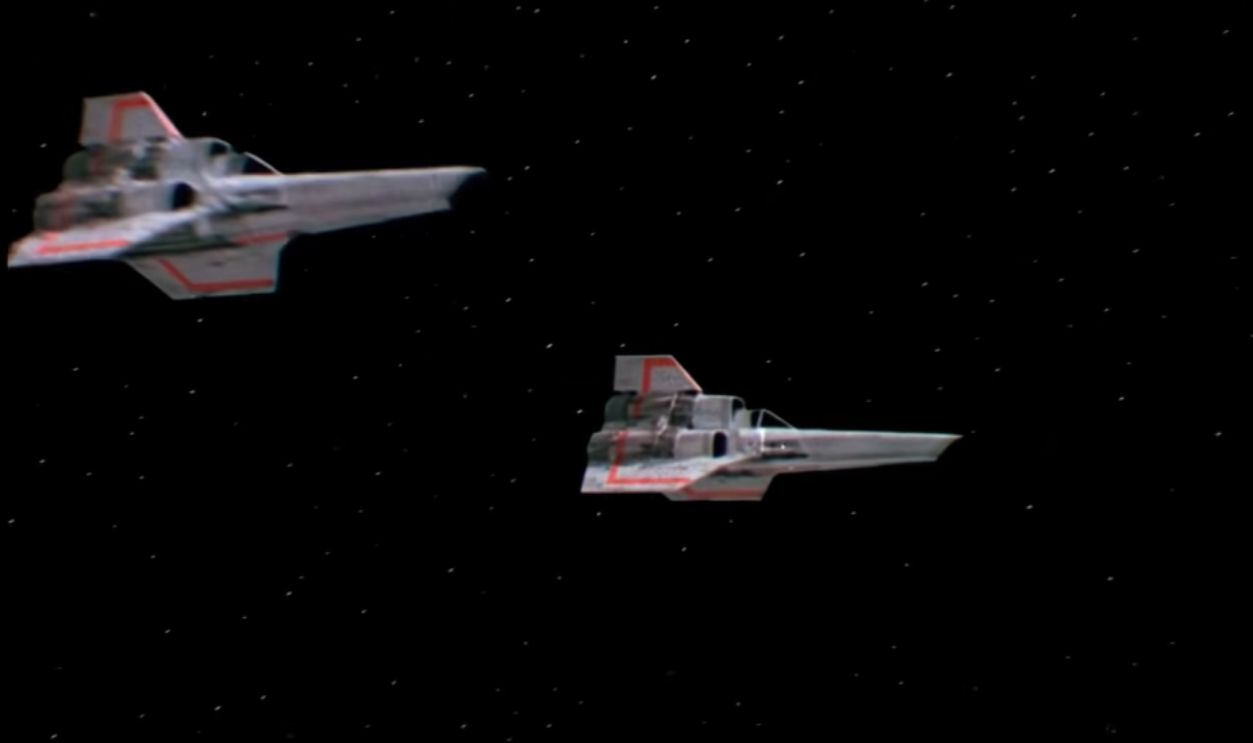
The show attempted to bring feature-film spectacle to weekly television. Elaborate spacecraft designs, interstellar battles, and serialized storytelling gave it an epic feel. Few network series were operating on that level at the time. The ambition alone made it memorable.
 Screenshot from Battlestar Galactica, Universal Television (1978-1979)
Ratings Could Not Save It
Battlestar Galactica attracted attention and developed a dedicated fan base. However, its high production costs became a major challenge. Network executives ultimately canceled the series after a single season. Fans were left wondering where the journey might have gone next.
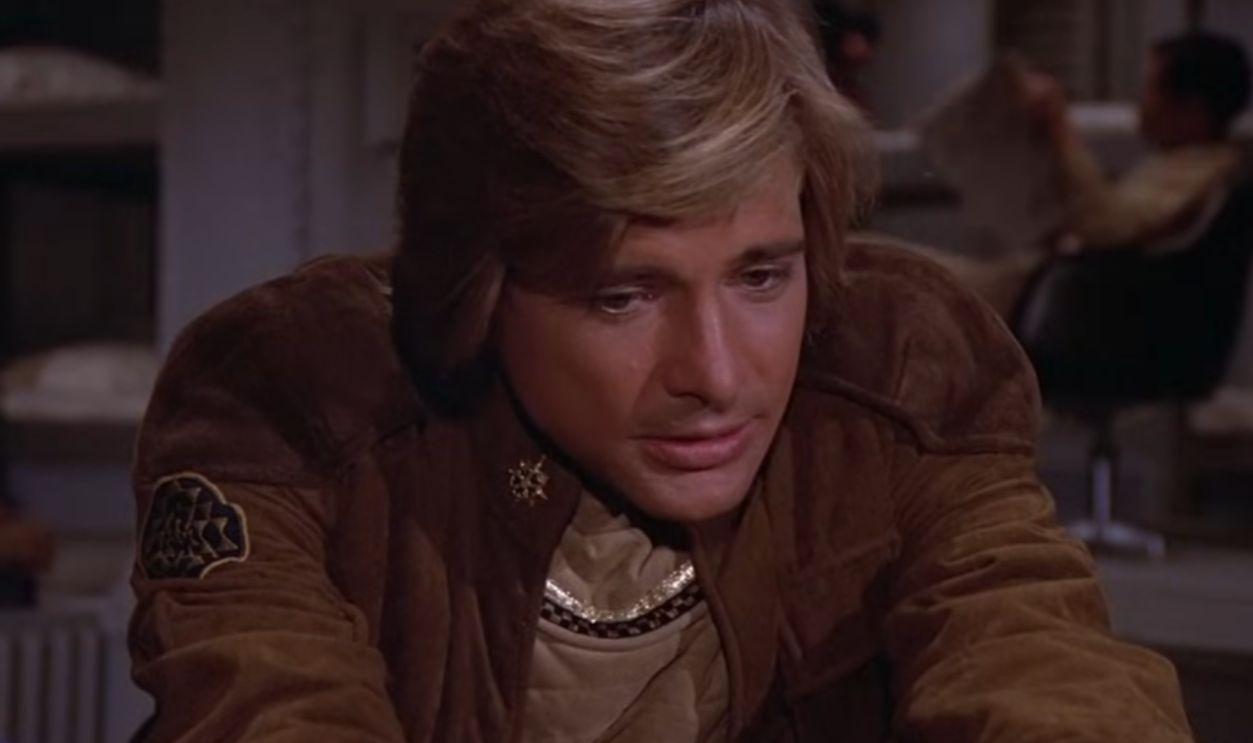 Screenshot from Battlestar Galactica, Universal Television (1978-1979)
Its Legacy Only Grew
Interest in the franchise never truly disappeared. Decades later, the property received a highly successful reimagining that introduced a new generation to the concept. The revival demonstrated just how strong the original premise really was. That success reinforced the belief that the 1978 version deserved a longer run.
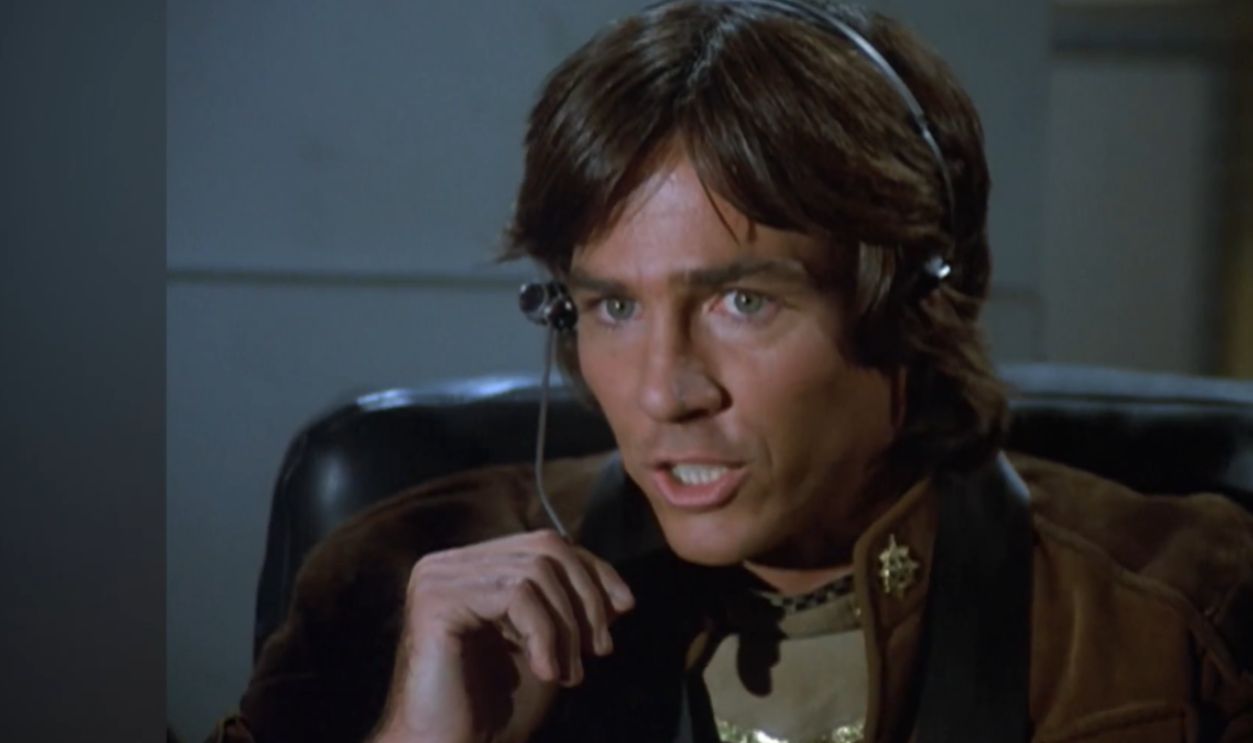 Screenshot from Battlestar Galactica, Universal Television (1978-1979)
WKRP In Cincinnati
WKRP In Cincinnati debuted in 1978 and quickly became one of television's smartest workplace comedies. Set inside a struggling radio station, the series balanced humor with believable characters. Its writers understood both broadcasting culture and human relationships. The result was something special.
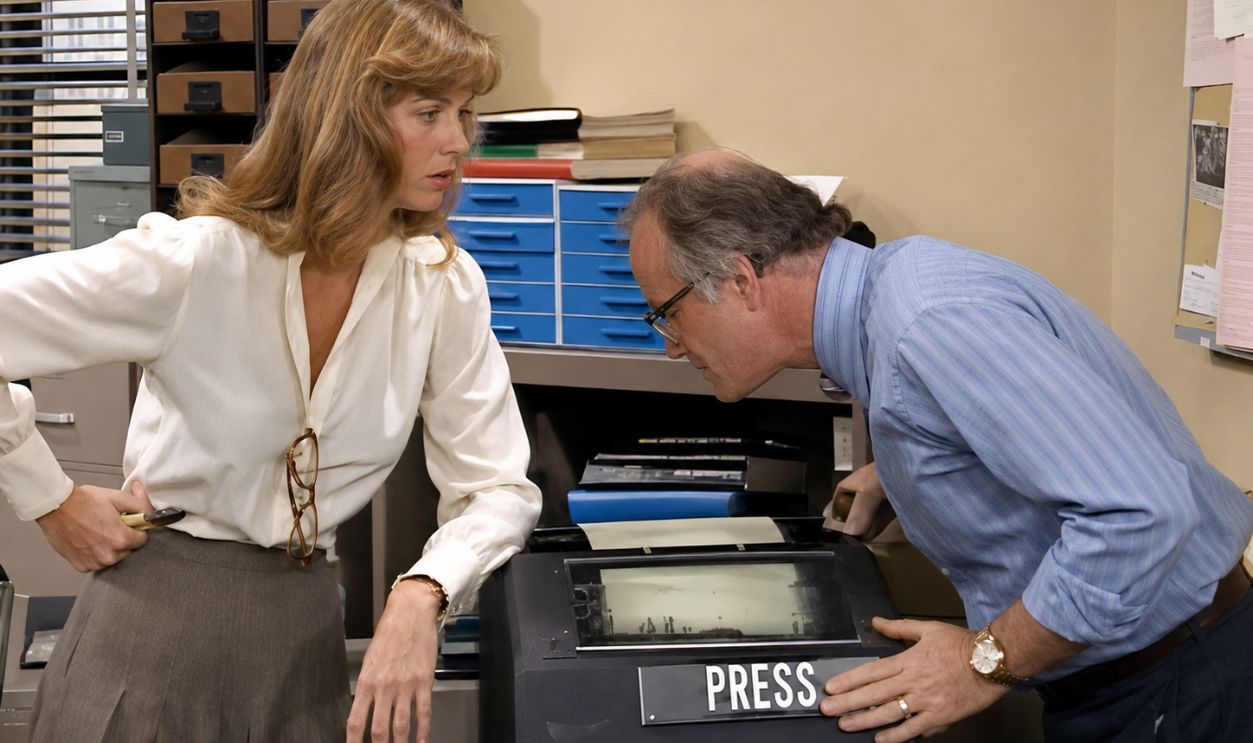 Screenshot from WKRP in Cincinnati, CBS (1978-1982)
Characters Viewers Still Remember
Johnny Fever, Venus Flytrap, Arthur Carlson, and the rest of the staff became fan favorites. Each character brought a unique perspective to the station's daily chaos. The ensemble chemistry helped elevate the material. Audiences connected with the entire cast rather than a single star.
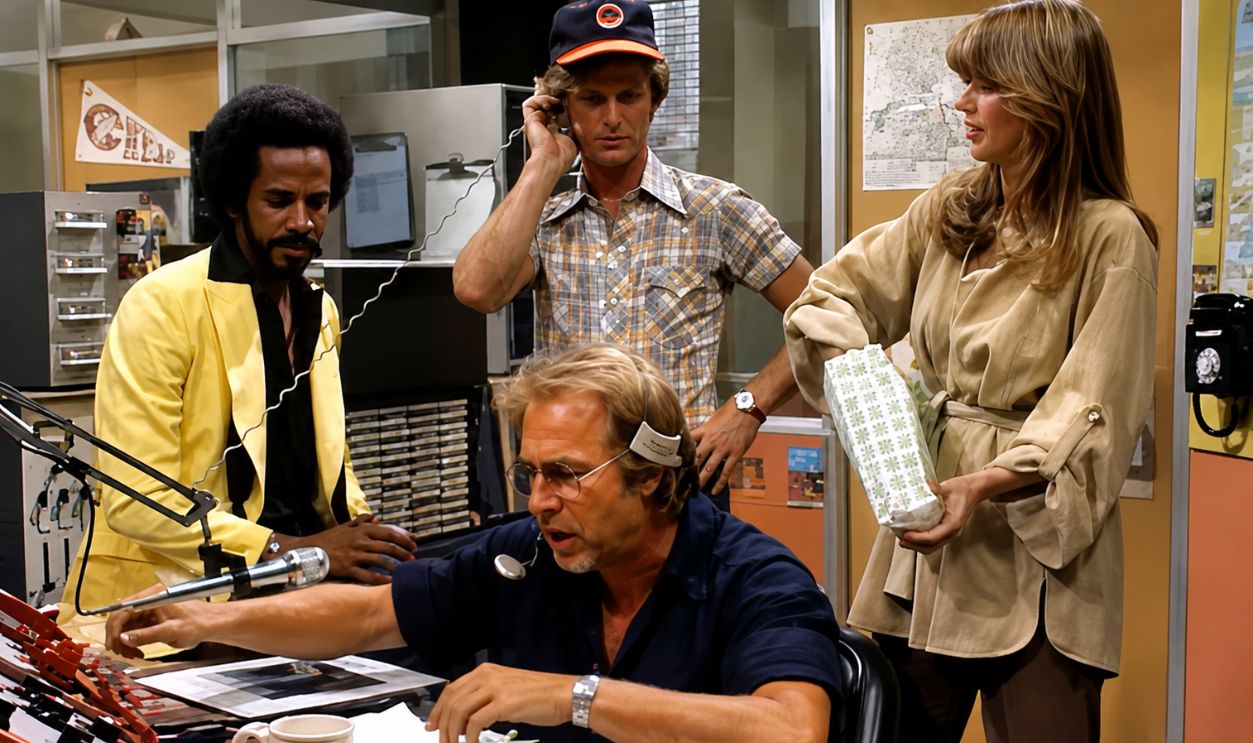 Screenshot from WKRP In Cincinnati, CBS (1978-1982)
Comedy With Staying Power
Many sitcoms from the era feel tied to their time. WKRP remains surprisingly fresh because its humor came from personality clashes and workplace realities. The show often satirized management decisions and media trends. Those themes still resonate today.
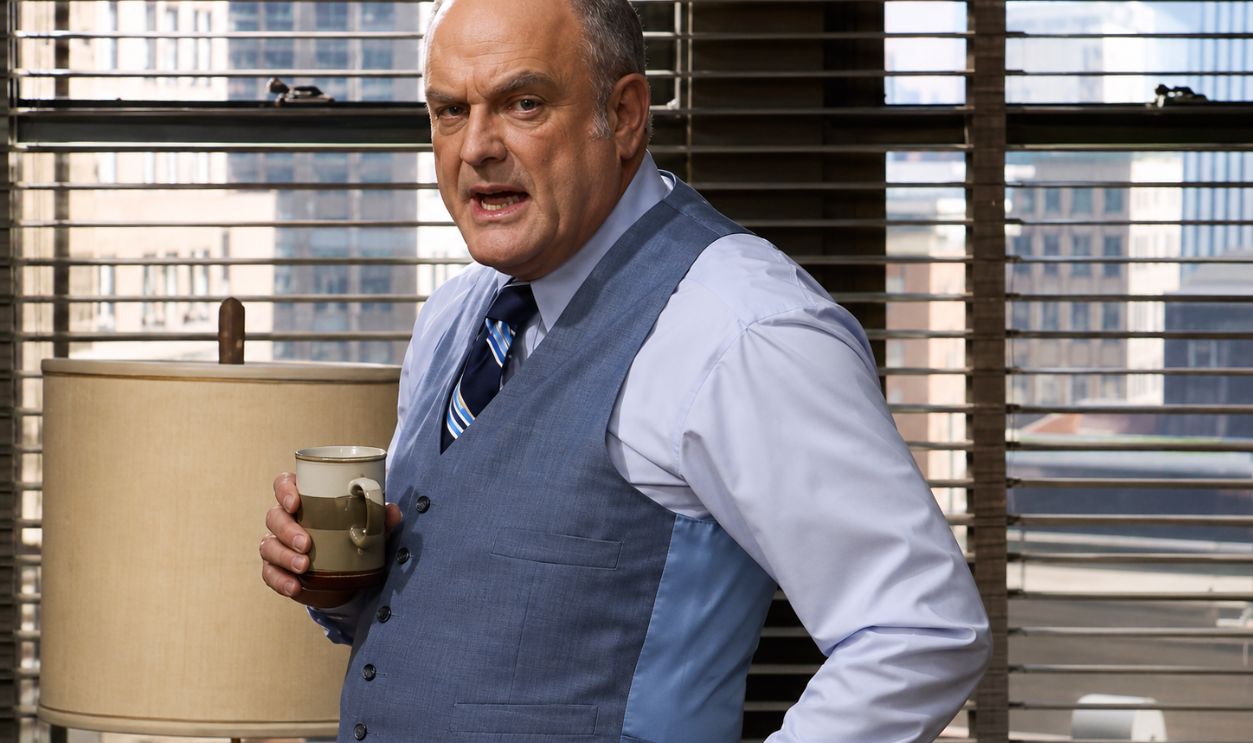 Screenshot from WKRP in Cincinnati, CBS (1978-1982)
More Air Time Felt Possible
The series lasted four seasons, but many fans believe it ended with stories left to tell. The radio industry continued changing rapidly during that period. Additional seasons could have explored those shifts while keeping the beloved ensemble intact. The show's reputation has only strengthened over time.
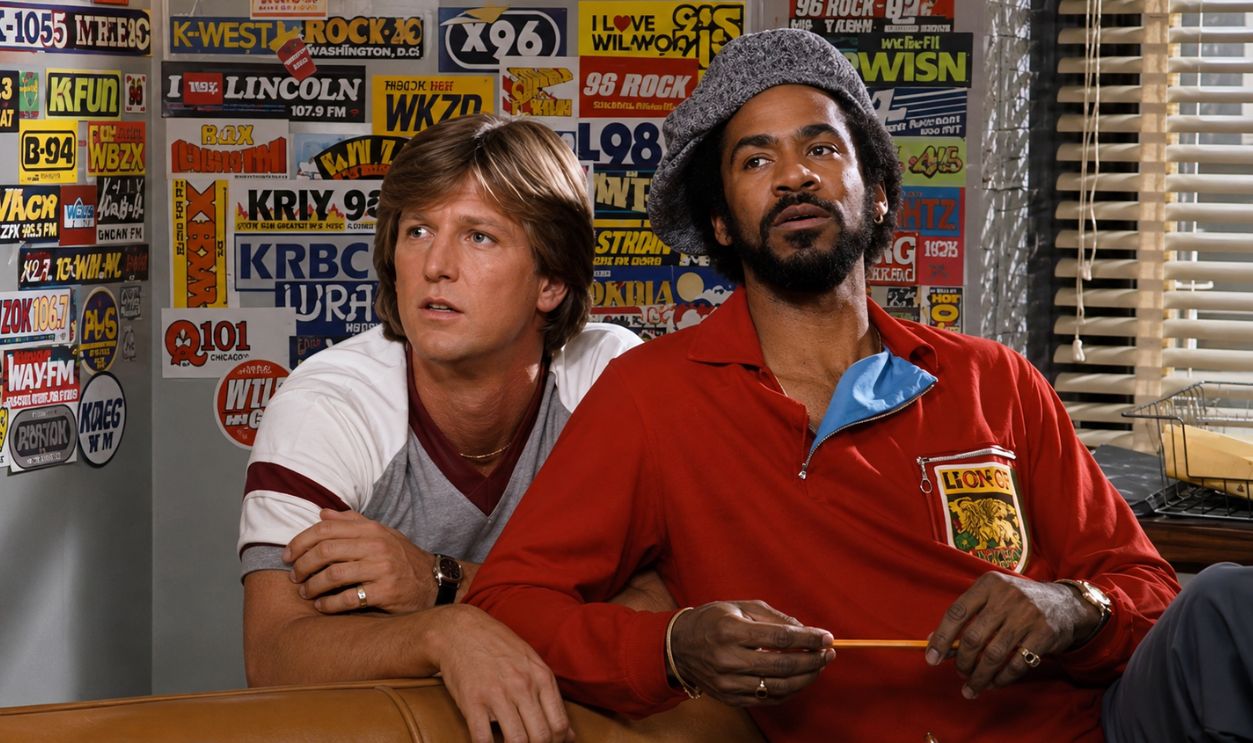 Screenshot from WKRP in Cincinnati, CBS (1978-1982)
Soap
Soap premiered in 1977 and immediately challenged television conventions. The series parodied daytime soap operas while telling surprisingly complex serialized stories. Its mix of satire, absurdity, and genuine emotion felt revolutionary. Few sitcoms had attempted anything similar.
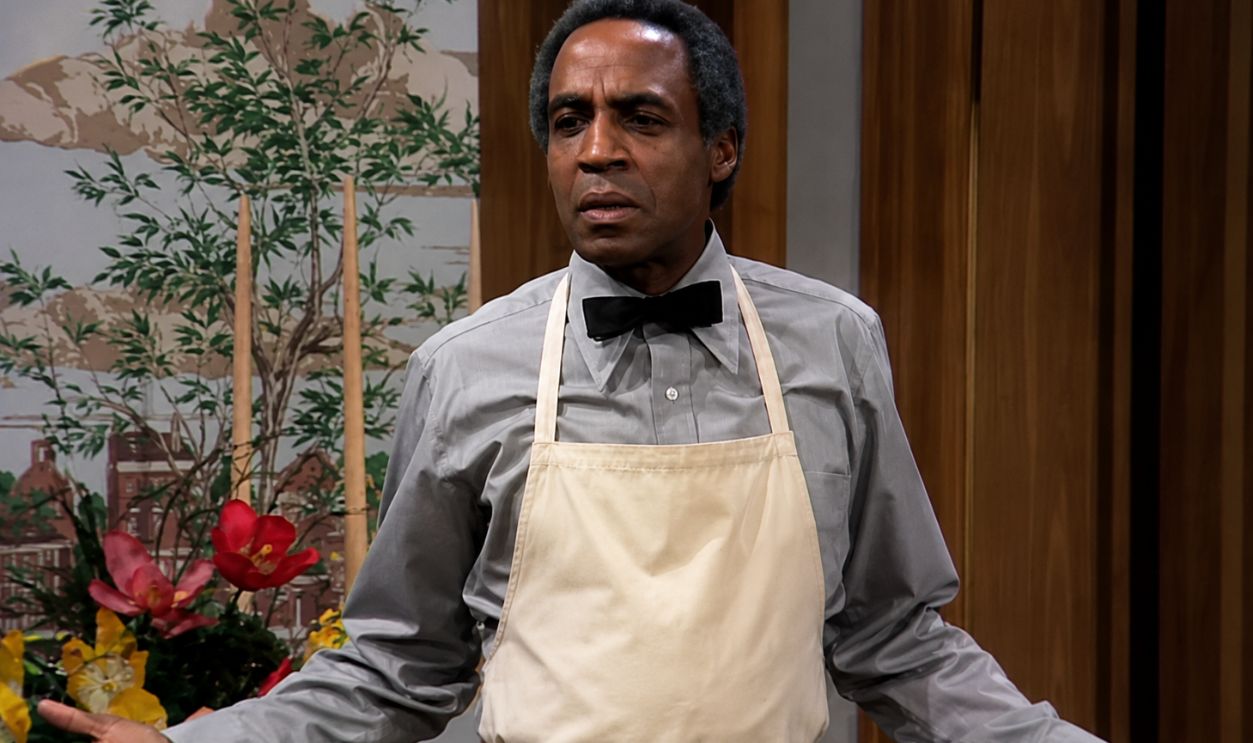 Screenshot from Soap, Sony Pictures Television (1977-1981), Enhanced
Ahead Of Its Time
The show tackled topics rarely seen on television during the 1970s. Writers combined broad comedy with storylines involving family conflict, social issues, and personal identity. The approach generated both praise and controversy. It also helped distinguish Soap from traditional sitcoms.
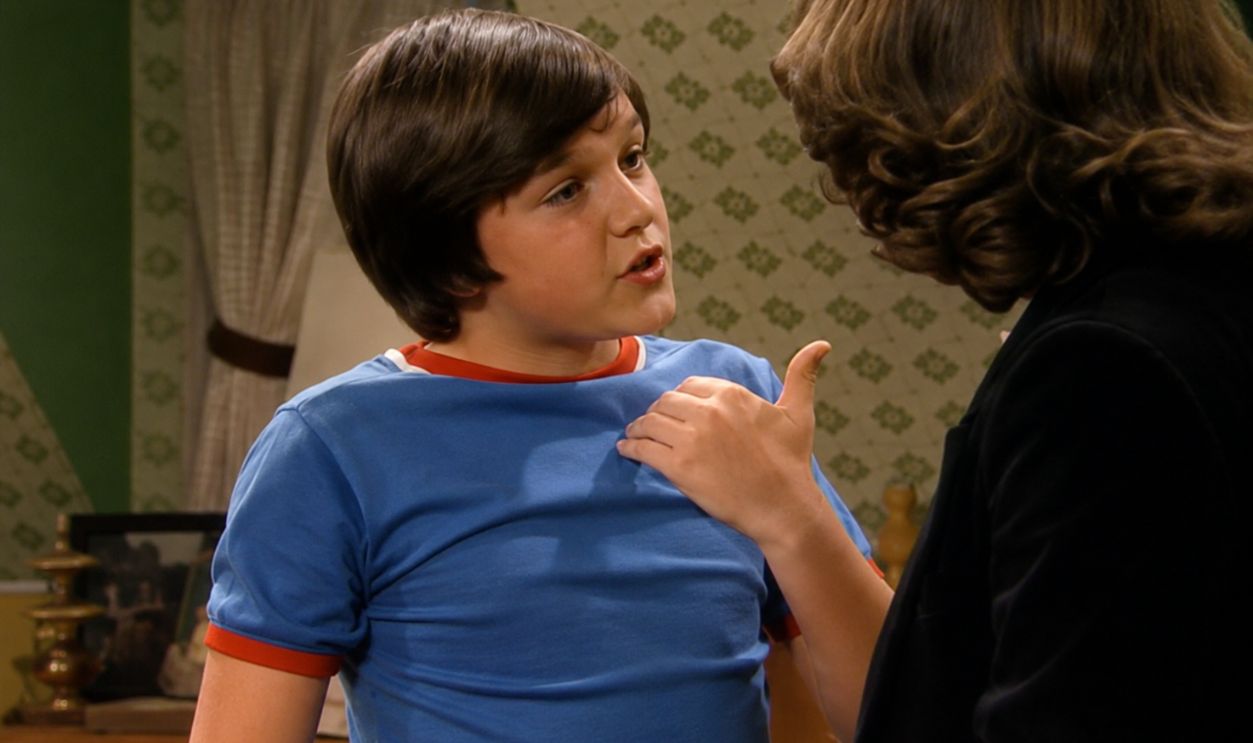 Screenshot from Soap, Sony Pictures Television (1977-1981), Enhanced
A Cast Full Of Talent
The ensemble included performers who would later become major stars. Billy Crystal's work on the show remains especially notable. Every character contributed to the increasingly outrageous narrative. The cast handled the material with remarkable confidence.
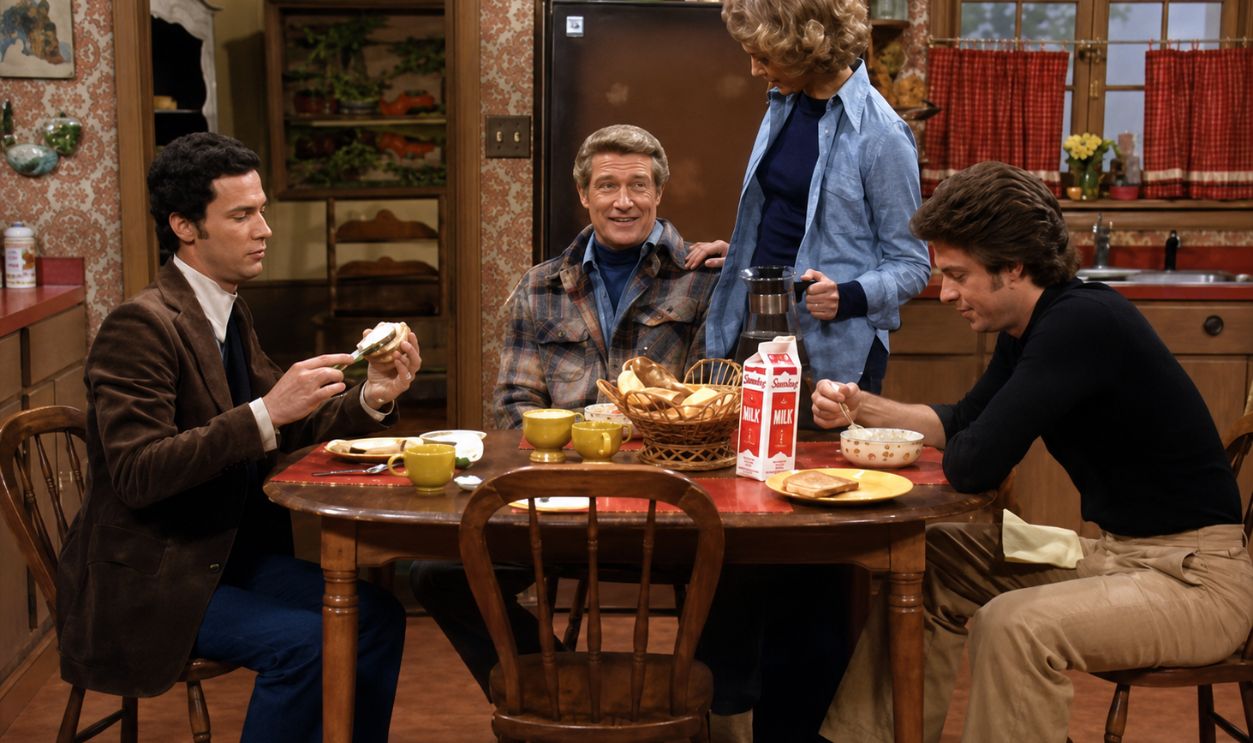 Screenshot from Soap, Sony Pictures Television (1977-1981), Enhanced
Its Story Ended Too Soon
Soap concluded after four seasons despite maintaining a devoted audience. Several storylines remained unresolved when the series ended. That abrupt conclusion still frustrates longtime viewers. More seasons could have delivered a fuller payoff.
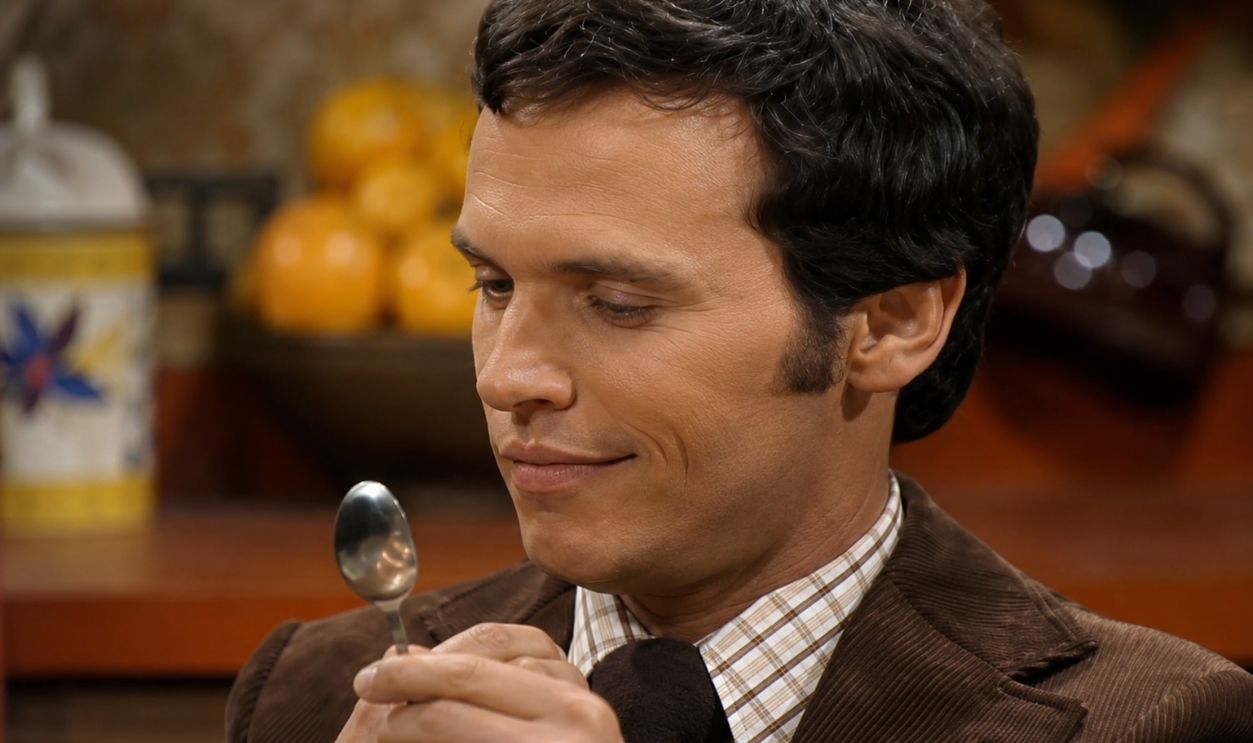 Screenshot from Soap, Sony Pictures Television (1977-1981), Enhanced
Wonder Woman
Lynda Carter became a television icon when Wonder Woman premiered in 1975. Her portrayal helped define the character for generations. The series blended superhero action with optimism and charm. Audiences embraced it immediately.
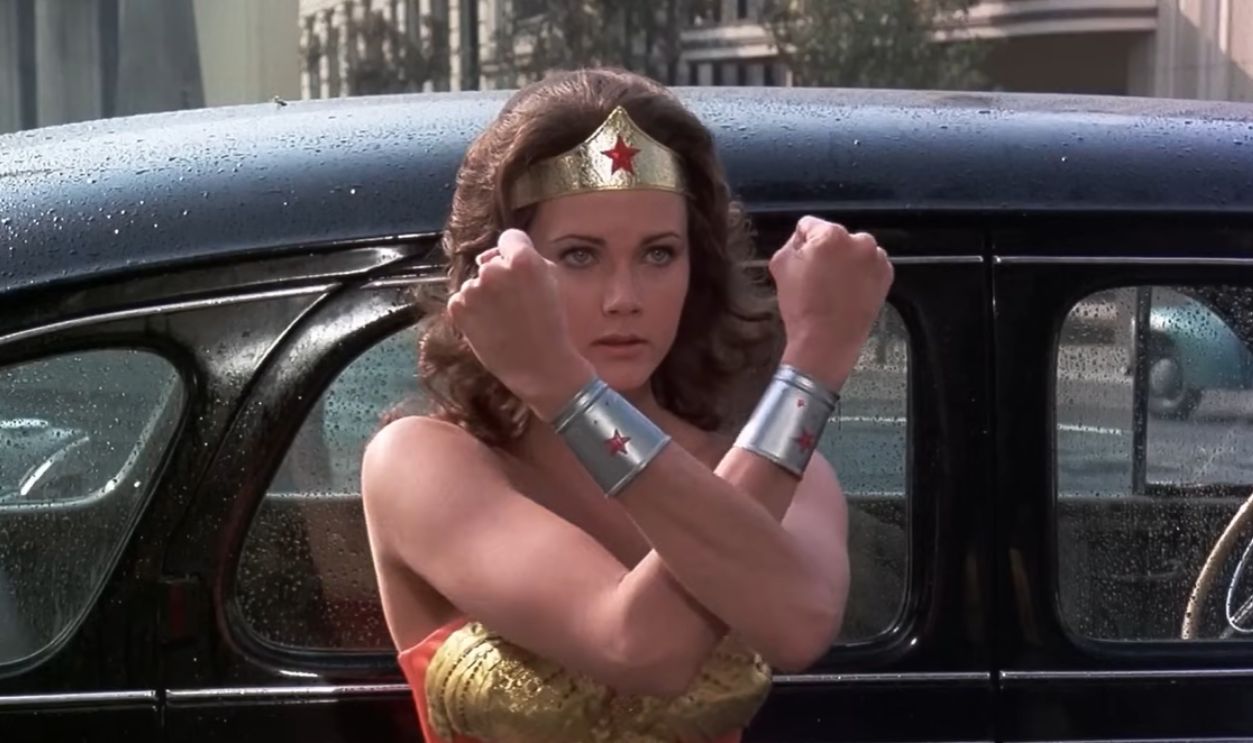 Screenshot from Wonder Woman, Warner Bros. Television (1975-1979)
A Hero For A New Era
The show introduced many viewers to one of DC Comics' most important heroes. Carter brought strength, warmth, and confidence to the role. Her performance helped the series stand out in a crowded television landscape. It remains the definitive version for many fans.
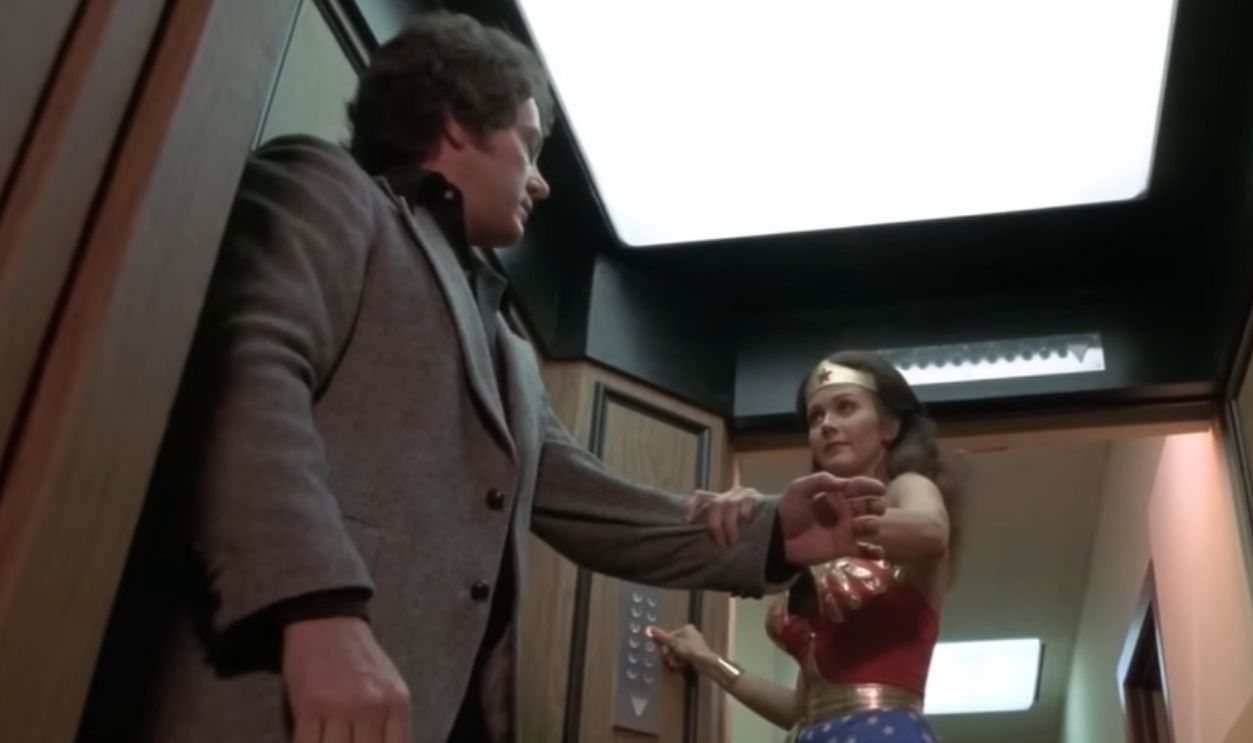 Screenshot from Wonder Woman, Warner Bros. Television (1975-1979)
Action And Heart
Wonder Woman balanced action sequences with uplifting storytelling. Diana Prince regularly solved problems through intelligence and compassion. That combination gave the show broad appeal. Younger viewers and adults found plenty to enjoy.
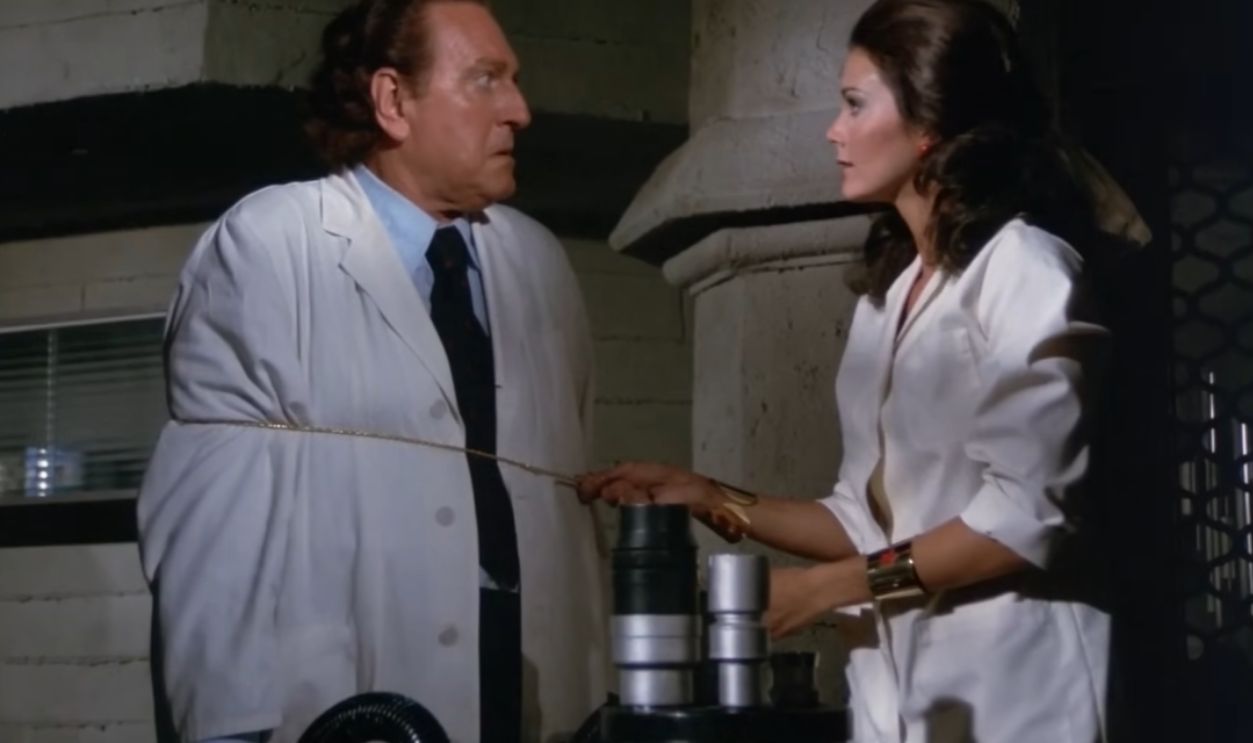 Screenshot from Wonder Woman, Warner Bros. Television (1975-1979)
Three Seasons Felt Brief
The series ended after three seasons. Given the character's popularity, many viewers expected a longer run. Additional seasons could have explored new settings and comic book stories. The demand for Wonder Woman never truly disappeared.
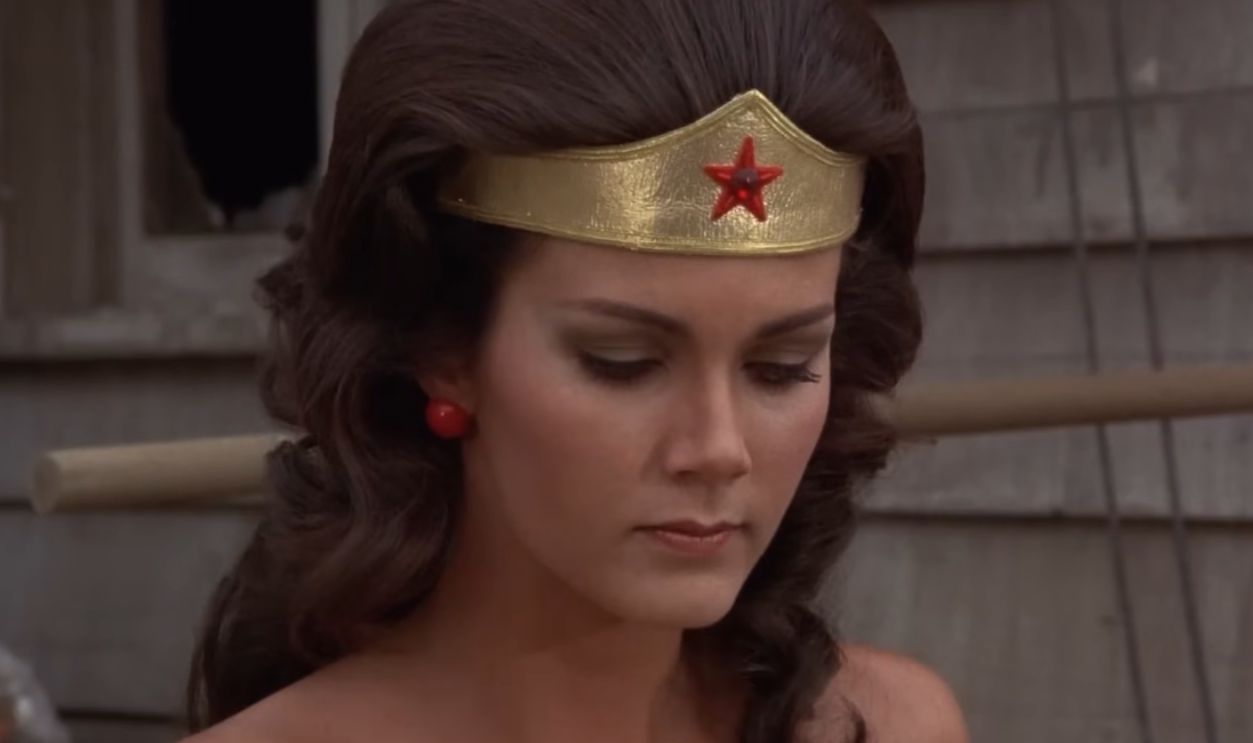 Screenshot from Wonder Woman, Warner Bros. Television (1975-1979)
The Partridge Family
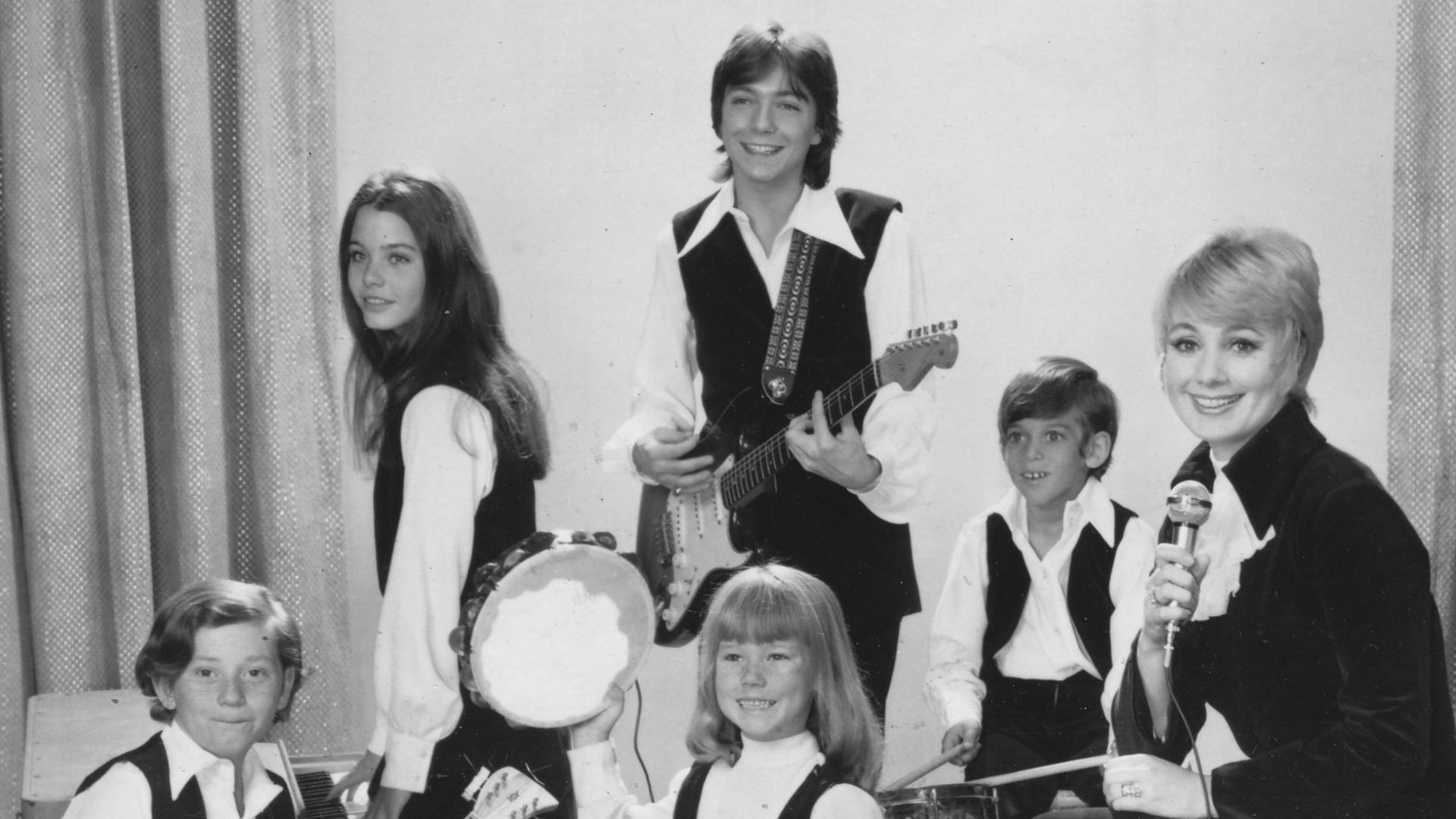
The Partridge Family became one of the defining family shows of the early 1970s. Music, comedy, and relatable family dynamics helped fuel its popularity. The series also turned David Cassidy into a major teen idol. Its cultural reach was enormous.
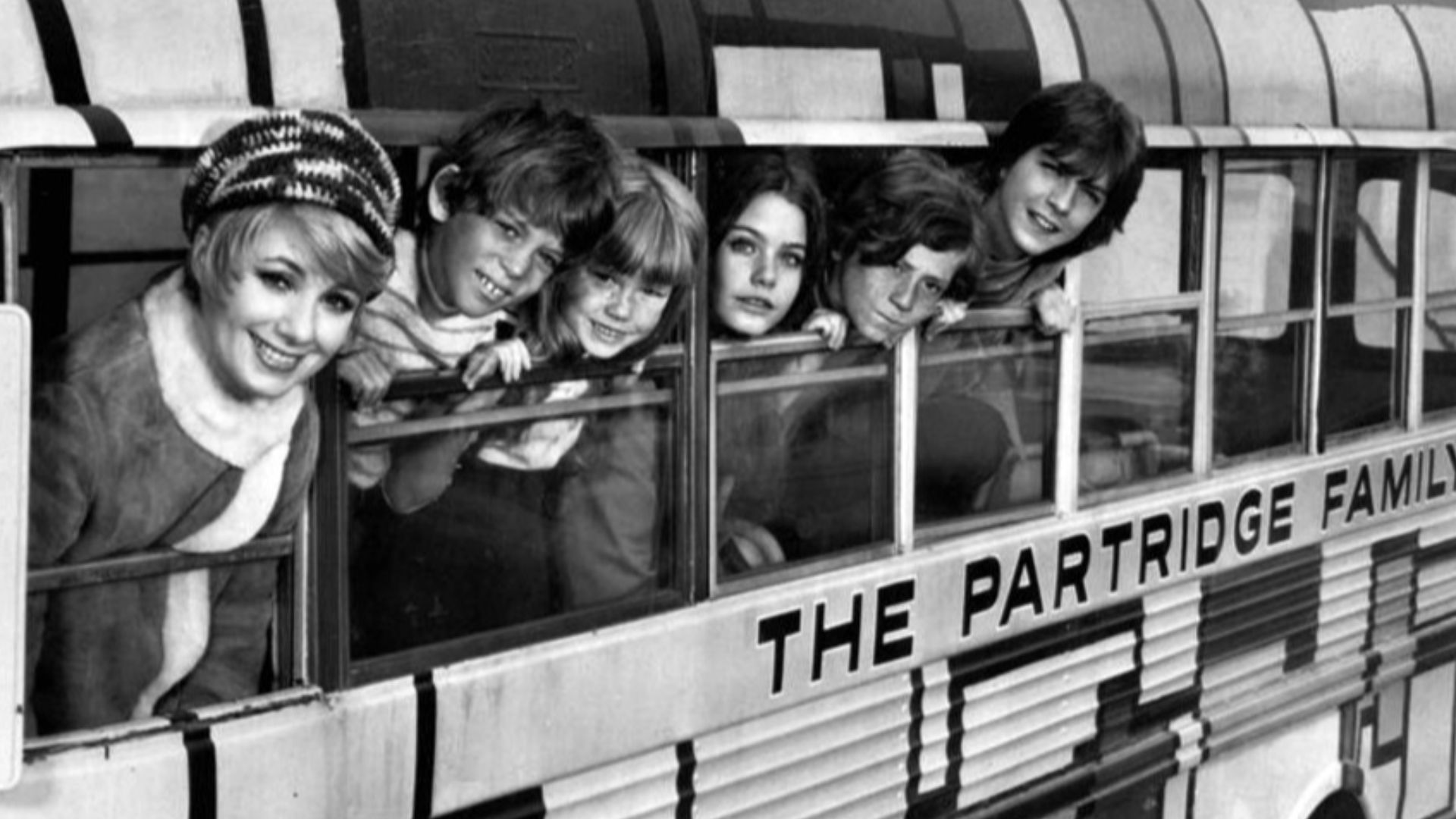 ABC Television, Wikimedia Commons
More Than A Sitcom
The show's musical performances helped separate it from competing family comedies. Viewers tuned in for both the humor and the songs. That dual appeal gave the series a unique identity. Few programs blended those elements so effectively.
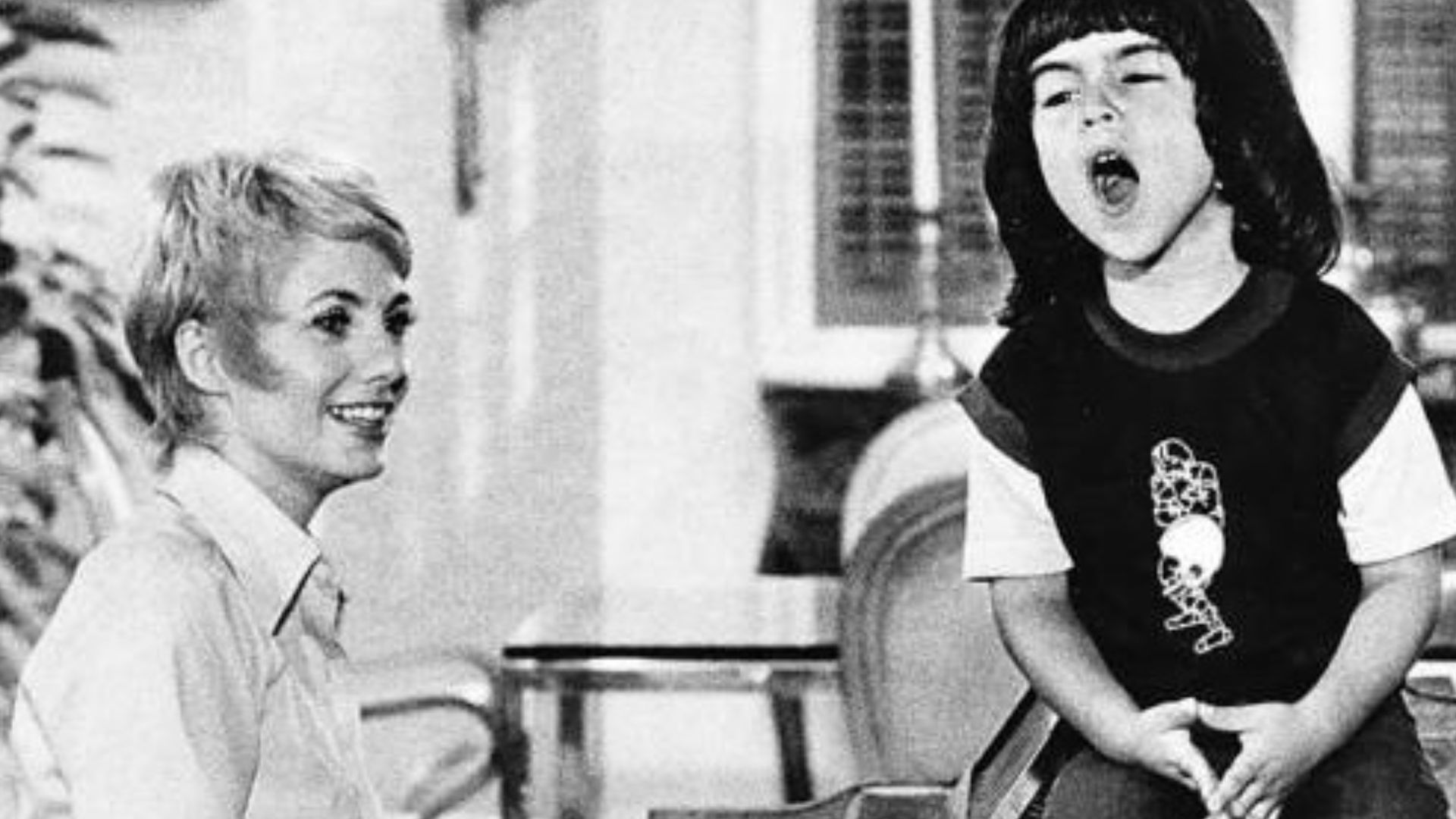 ABC Television, Wikimedia Commons
A Pop Culture Phenomenon
Merchandise, albums, and concert appearances expanded the show's influence. The cast became familiar faces across television and music media. The series captured a particular moment in popular culture. Its success extended far beyond weekly ratings.
 ABC Television Network., Wikimedia Commons
Fans Wanted An Encore
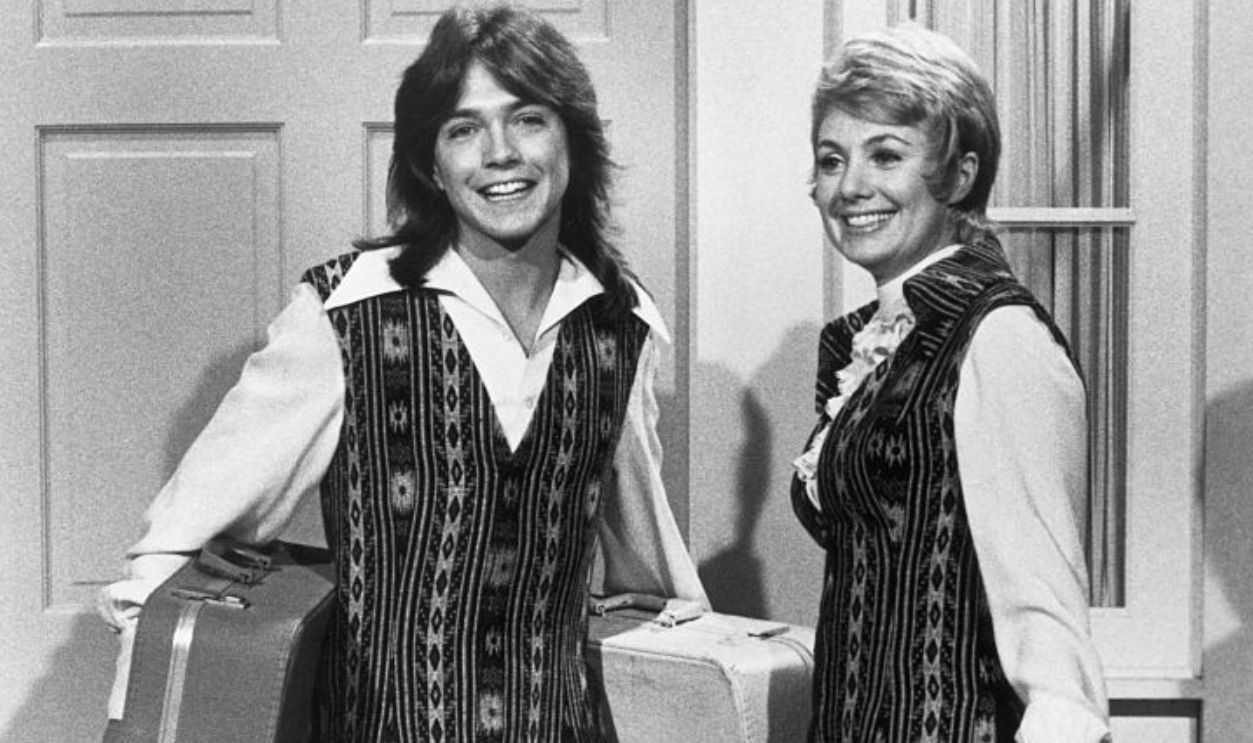
The Partridge Family ended after four seasons. Although it enjoyed strong popularity, many viewers felt the concept still had room to grow. New musical trends could have provided fresh story opportunities. The family band seemed capable of continuing the journey.
James At 15
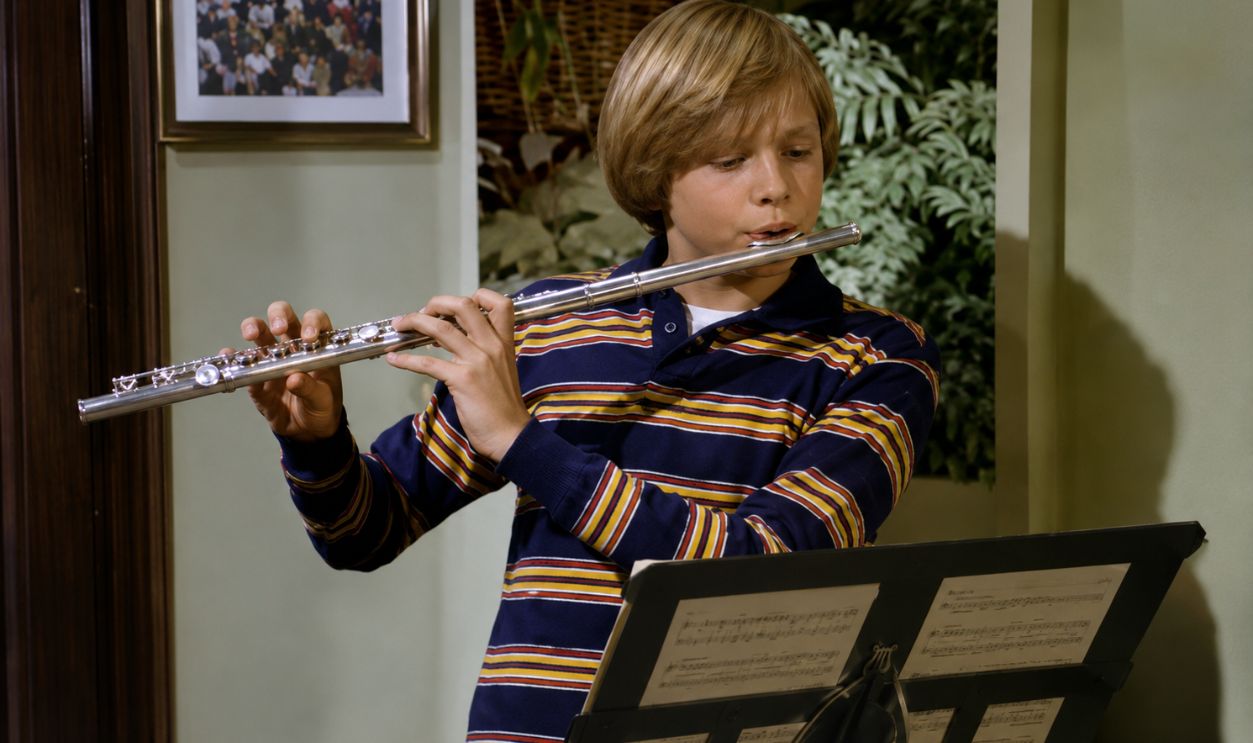
James At 15 debuted in 1977 and earned praise for its realistic portrayal of adolescence. The series followed teenager James Hunter as he navigated family life, friendships, and growing independence. Critics often highlighted its thoughtful storytelling. It felt unusually authentic for the era.
 Screenshot from James At 15, 20th Century Fox Television (1977-1978), Enhanced
A Different Kind Of Teen Drama
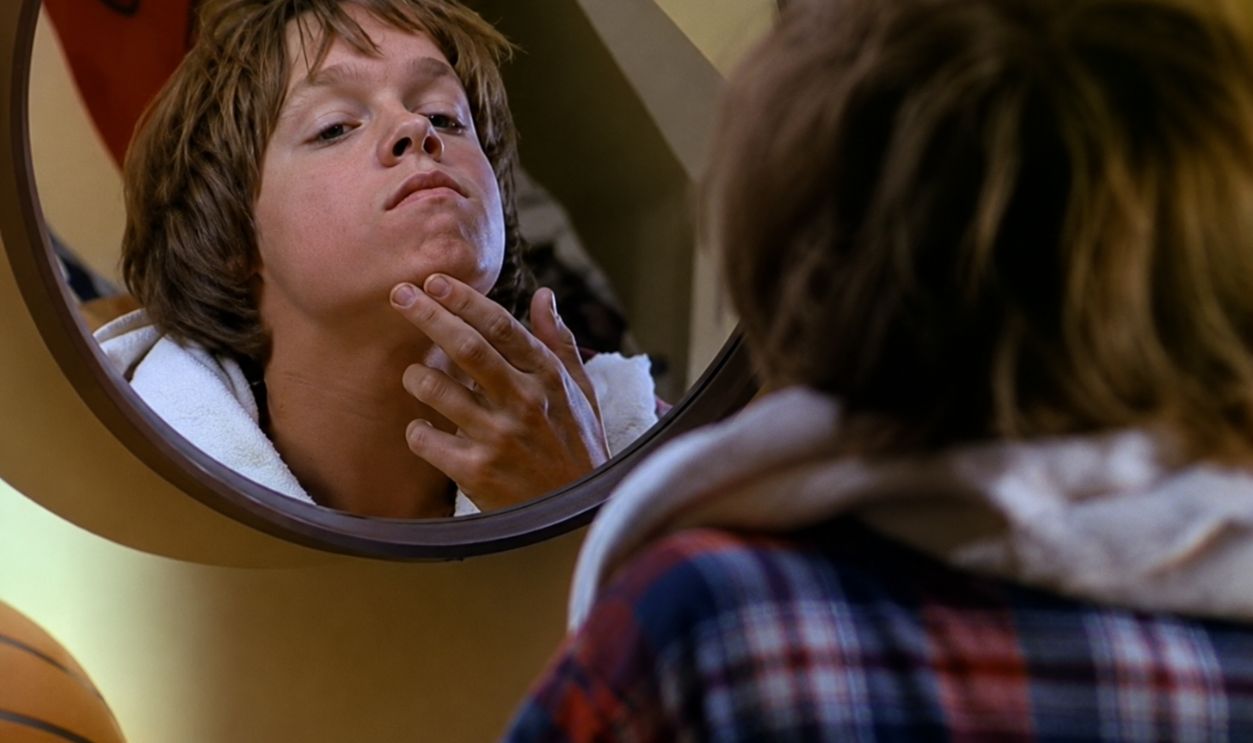
Many youth-oriented shows relied on simple lessons and familiar formulas. James At 15 pursued more nuanced stories. The writers treated teenage experiences seriously without becoming preachy. That approach earned respect from critics.
 Screenshot from James At 15, 20th Century Fox Television (1977-1978), Enhanced
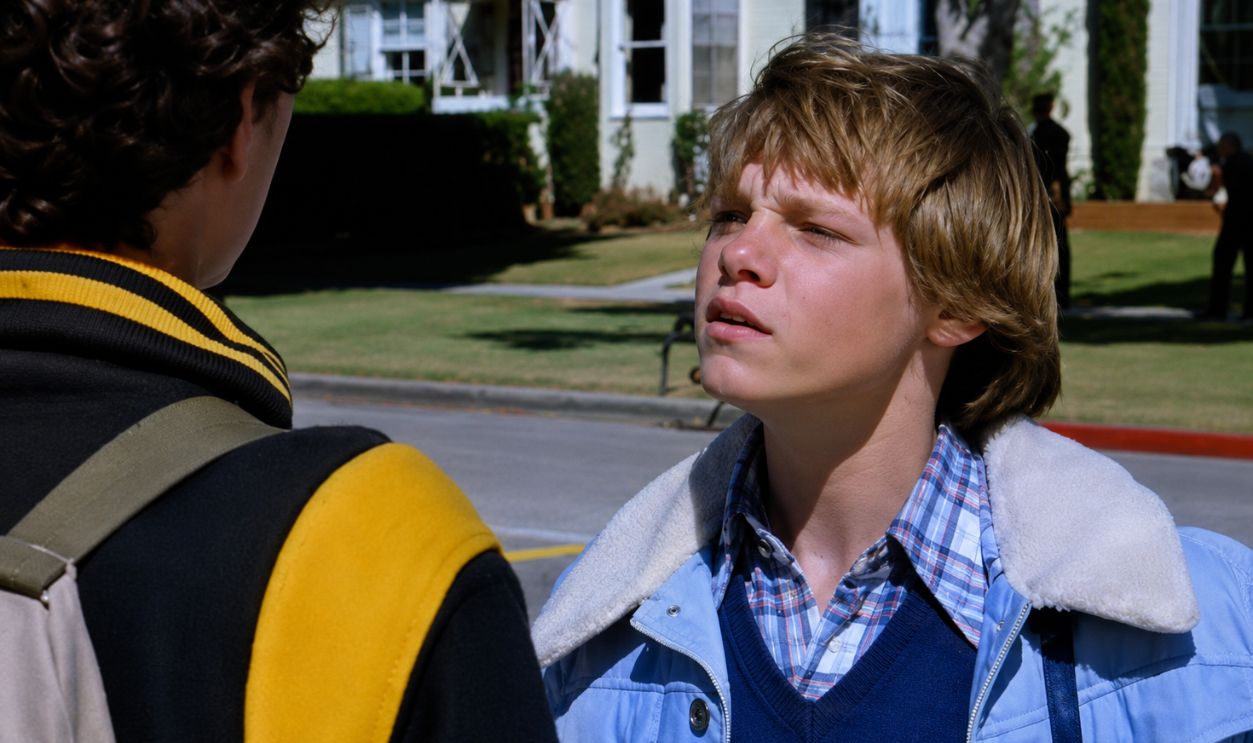
Critical Acclaim Arrived Quickly
Reviews frequently praised the show's realism and emotional intelligence. It also addressed subjects that many television programs avoided. Those creative choices helped distinguish it from competing series. The show developed a loyal following.
 Screenshot from James At 15, 20th Century Fox Television (1977-1978), Enhanced
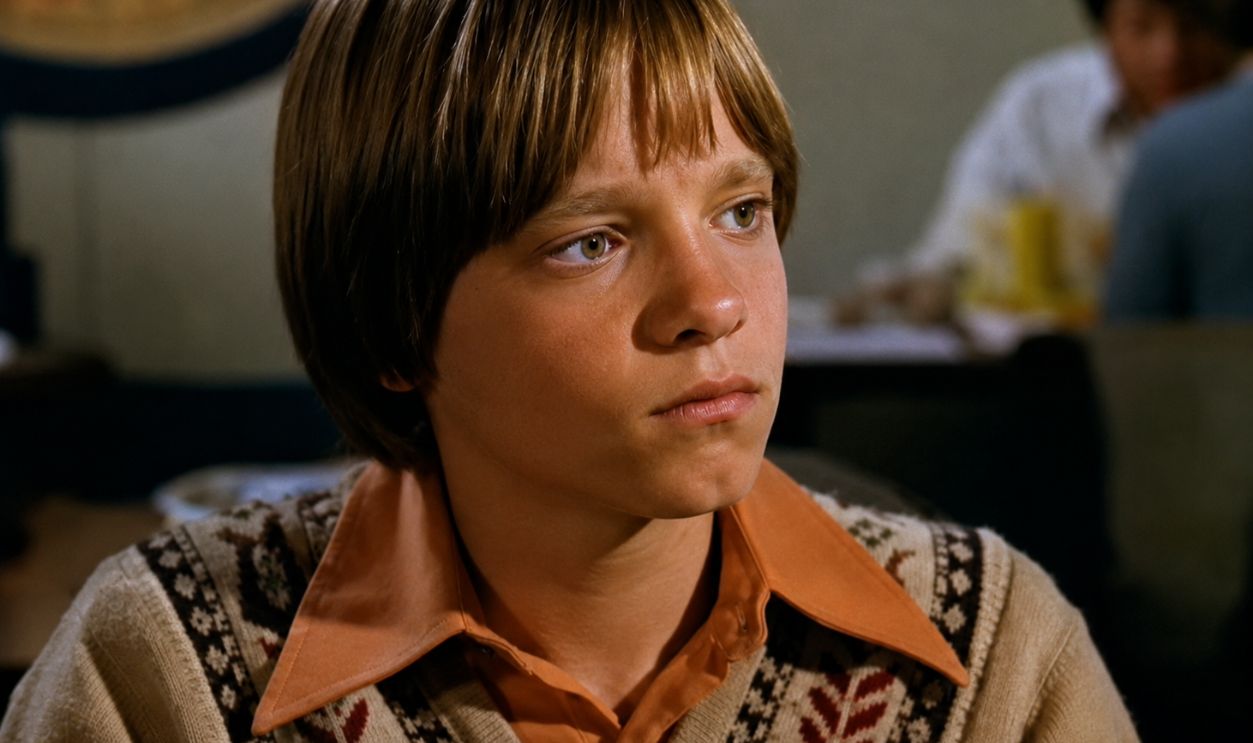
Its Run Was Surprisingly Short
Despite positive reviews, James At 15 lasted only one season. The cancellation ended a promising series before it fully matured. Additional seasons could have followed James into adulthood. The premise seemed built for long-term storytelling.
 Screenshot from James At 15, 20th Century Fox Television (1977-1978), Enhanced
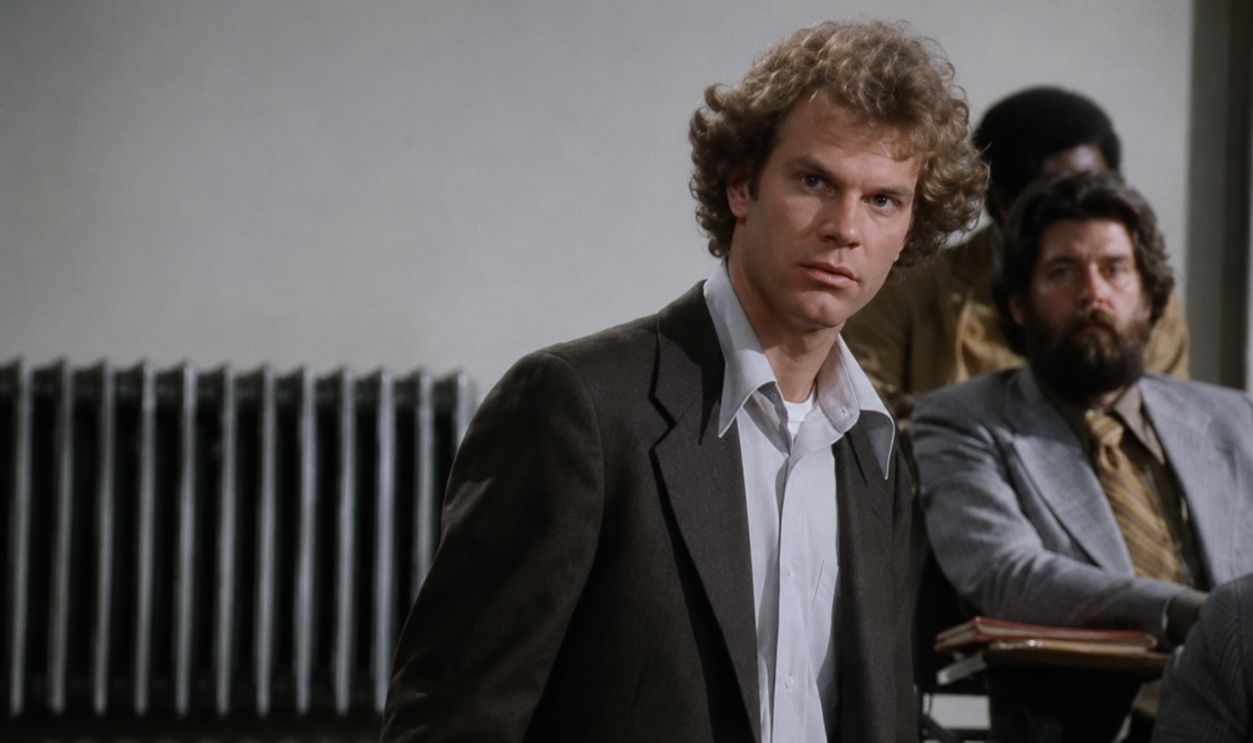
The Paper Chase
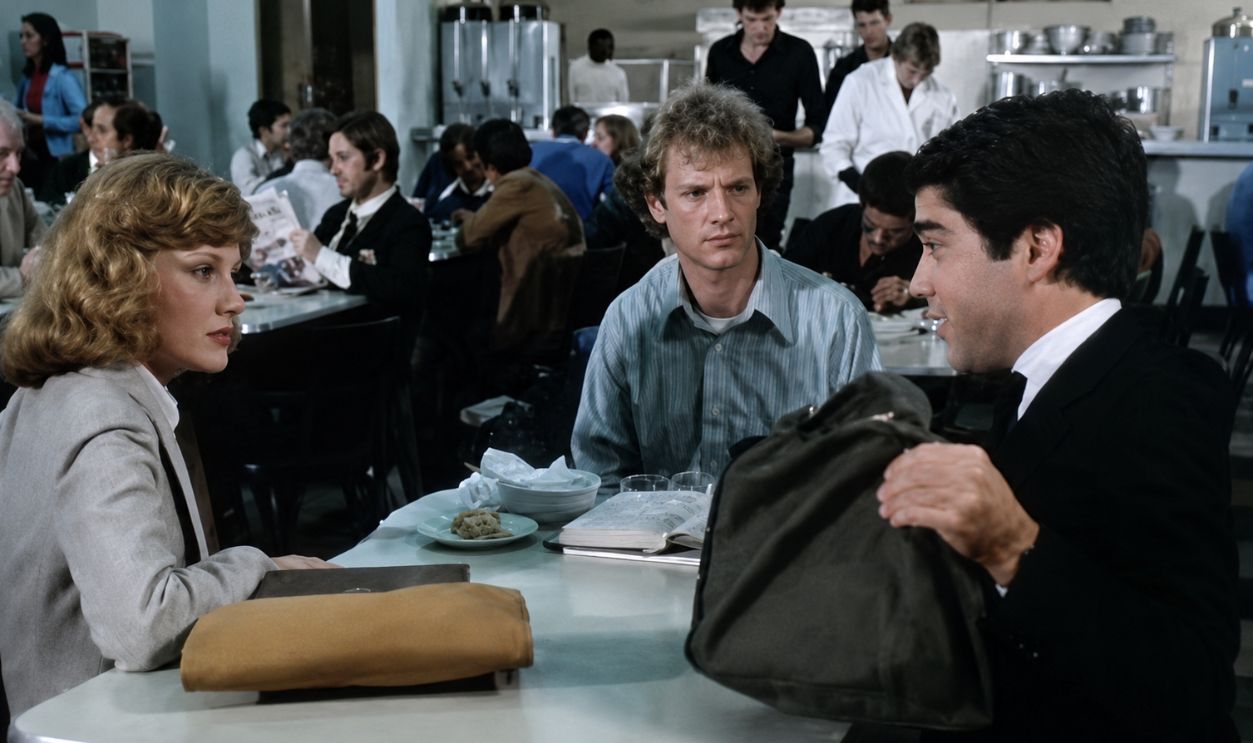
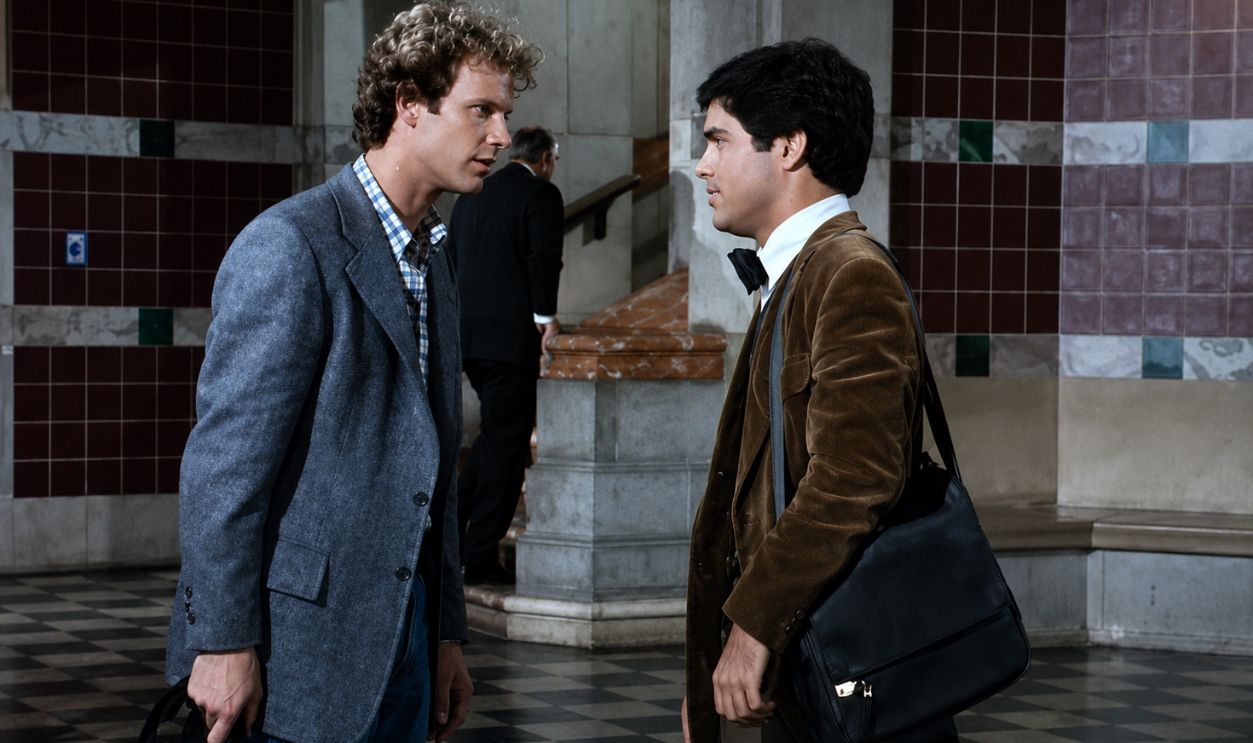
The Paper Chase premiered in 1978 and centered on students at Harvard Law School. Rather than relying on courtroom action, the show explored the intense pressures of legal education. Its focus felt fresh and sophisticated. Audiences responded to the challenge.
 Screenshot from The Paper Chase, 20th Century Fox Television (1978-1986), Enhanced
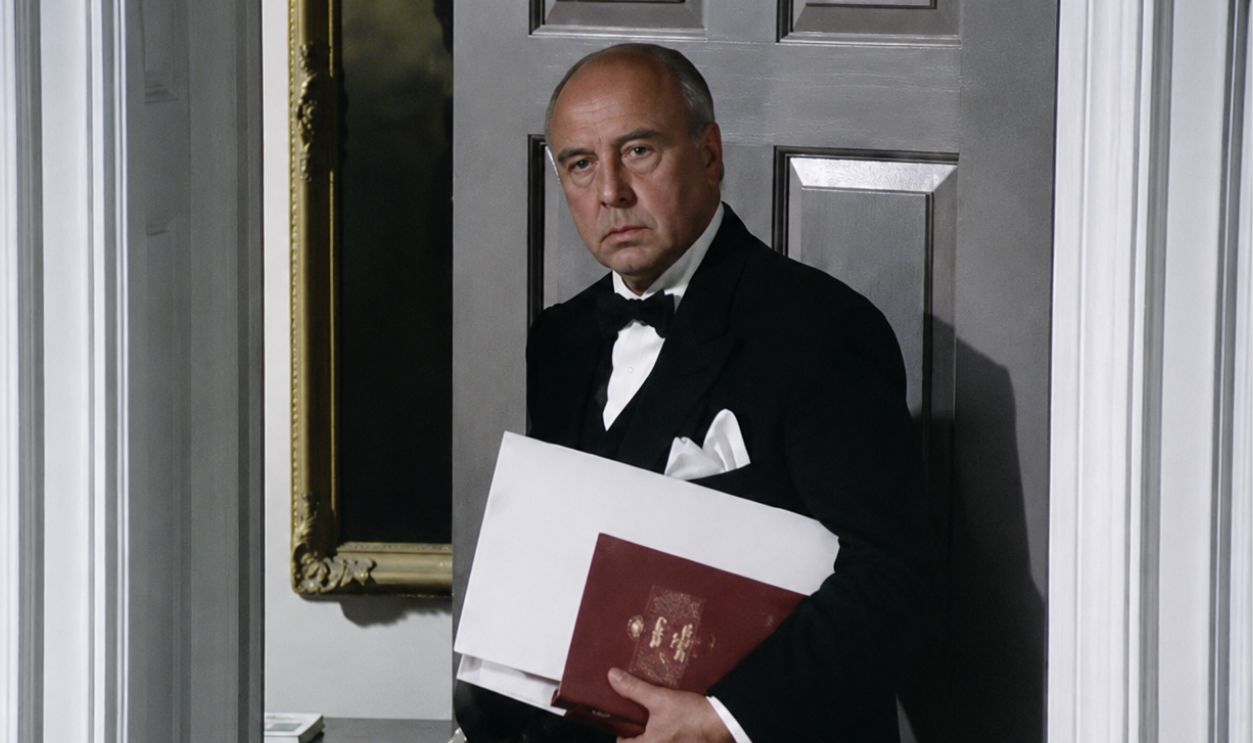
John Houseman Stole Every Scene
John Houseman's portrayal of Professor Charles Kingsfield became legendary. His demanding teaching style intimidated students while fascinating viewers. The performance earned Houseman an Emmy Award. It remains one of television's great authority figures.
 Screenshot from The Paper Chase, 20th Century Fox Television (1978-1986), Enhanced
Smart Television Found An Audience
The series respected its viewers' intelligence. Legal concepts, academic competition, and personal struggles received serious attention. That commitment to realism helped the show stand apart. Few dramas were willing to take similar risks.
 Screenshot from The Paper Chase, 20th Century Fox Television (1978-1986), Enhanced
Cancellation Came Too Quickly
CBS canceled the series after one season before it later found additional life elsewhere. Many viewers felt the original network never gave it enough time. The characters still had significant room for growth. A longer uninterrupted run might have elevated its profile even further.
 Screenshot from The Paper Chase, 20th Century Fox Television (1978-1986), Enhanced
Quark
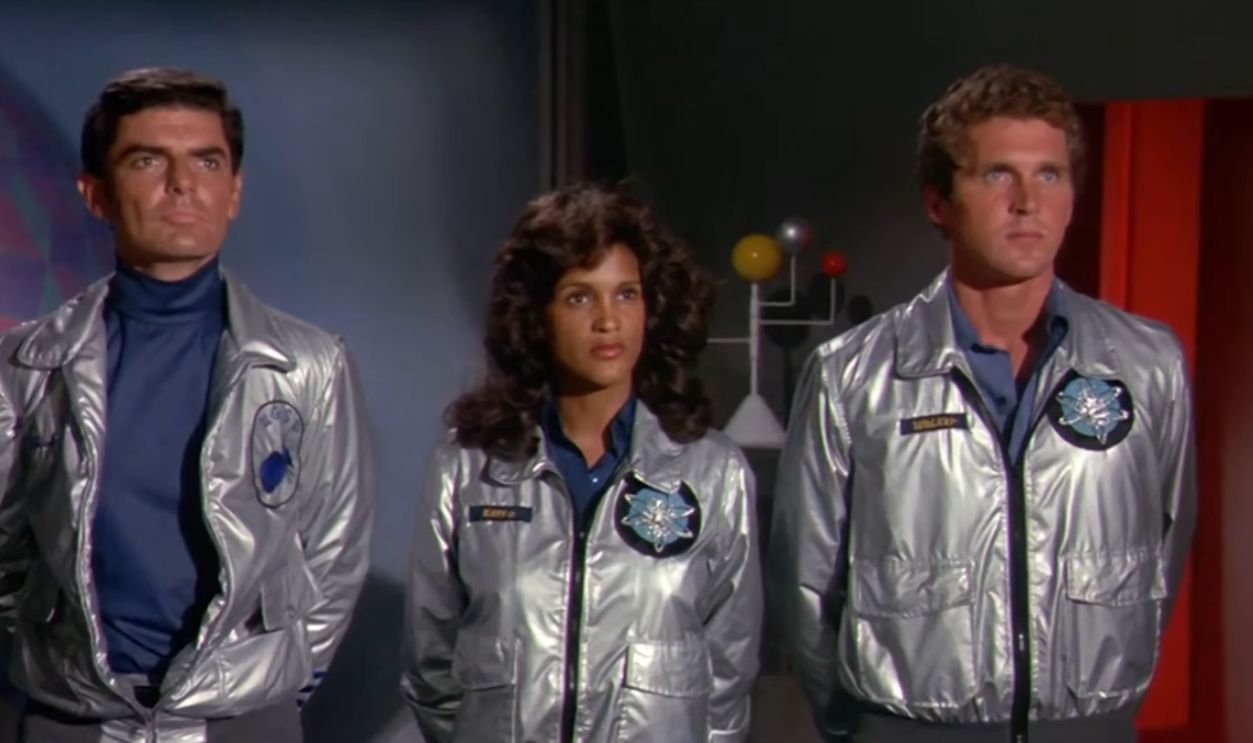
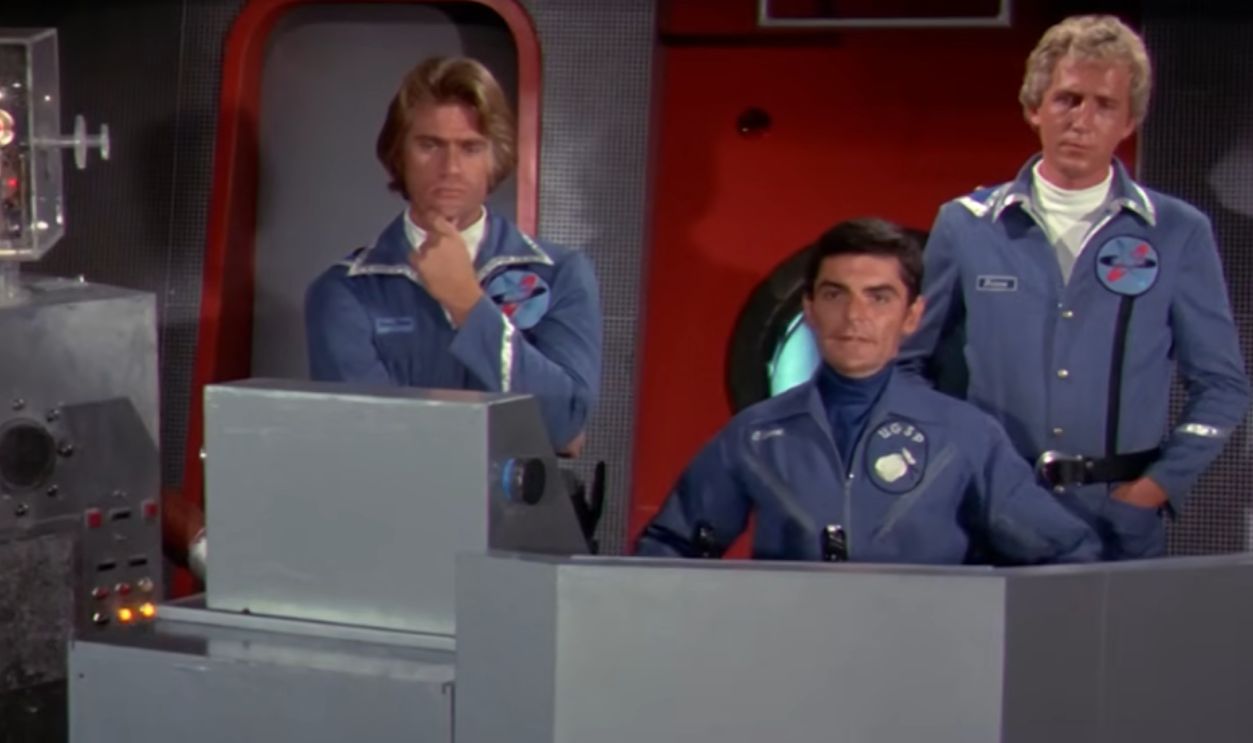
Quark premiered in 1977 and offered a comedic take on space exploration. The series starred Richard Benjamin as the captain of a cosmic sanitation vessel. Its humor leaned heavily into parody. The concept was unlike anything else on television.
 Screenshot from Quark, Columbia Pictures Television (1977-1978)
A Cult Favorite In The Making
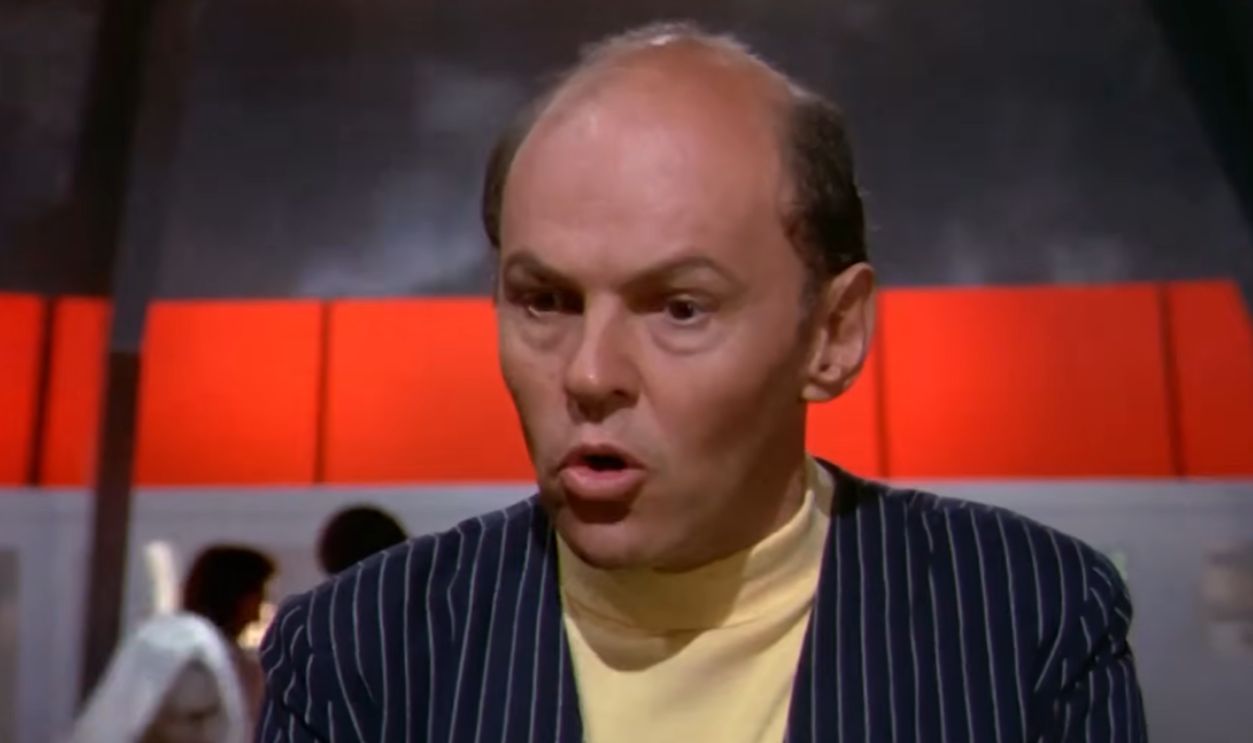
The show embraced absurdity and satire. Writers poked fun at science fiction conventions while creating their own strange universe. Fans appreciated its willingness to be different. That originality helped it stand out.
 Screenshot from Quark, Columbia Pictures Television (1977-1978)
Too Unusual For Its Time
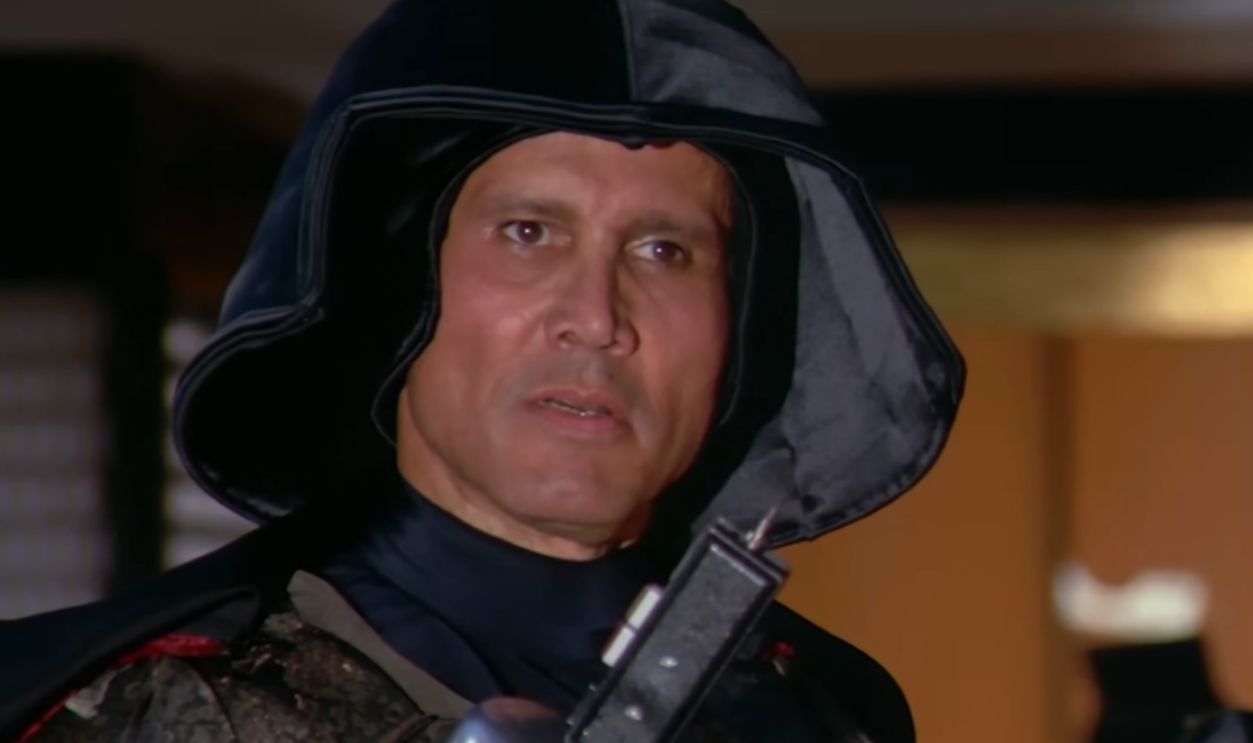
Television audiences were still adjusting to genre experimentation. Quark's offbeat style may have arrived before viewers were fully ready for it. Modern audiences often respond warmly to similar concepts. The series feels surprisingly contemporary in retrospect.
 Screenshot from Quark, Columbia Pictures Television (1977-1978)
One Season Left Fans Curious
NBC canceled Quark after a single season. The imaginative setting still had countless directions to explore. More episodes could have expanded its quirky universe. Instead, it became a cult favorite remembered for unrealized potential.
 Screenshot from Quark, Columbia Pictures Television (1977-1978)
The Fantastic Journey
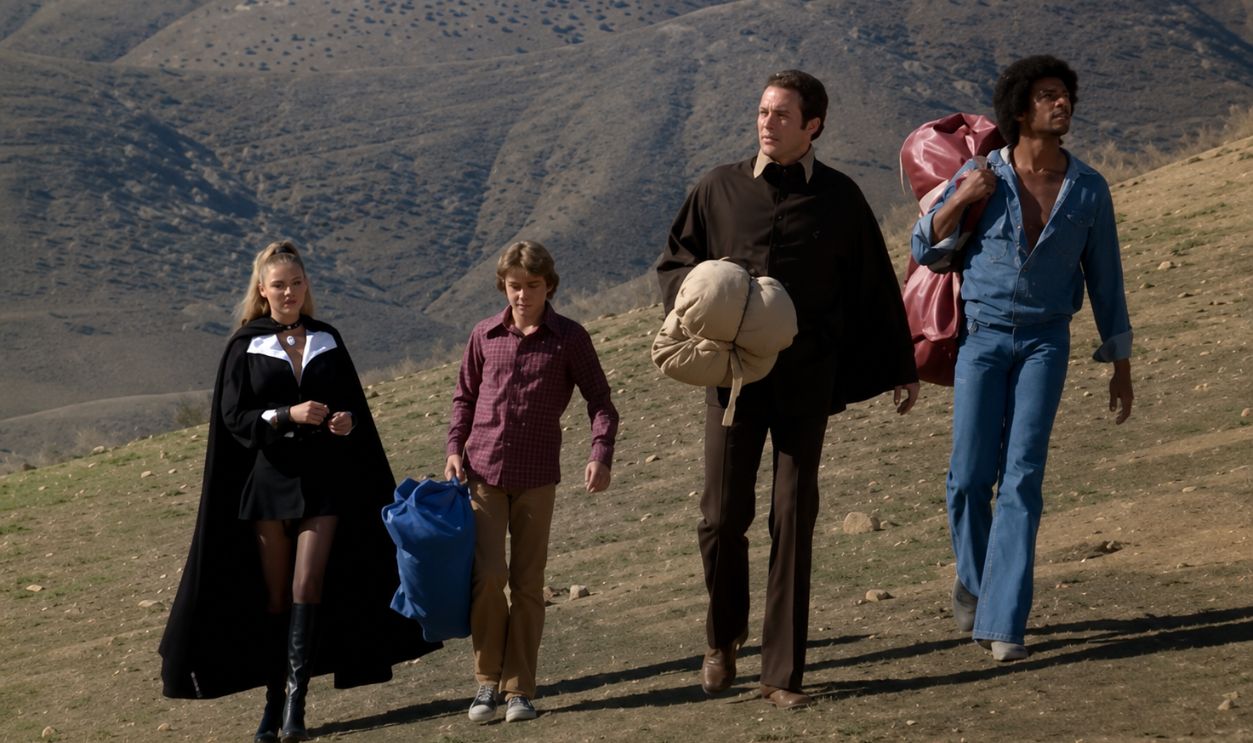
The Fantastic Journey premiered in 1977 with an intriguing premise. Travelers passing through the Bermuda Triangle found themselves trapped in a mysterious world. Different regions contained societies from different eras. The setup invited limitless storytelling opportunities.
 Screenshot from The Fantastic Journey, NBC (1977), Enhanced
A World Unlike Any Other
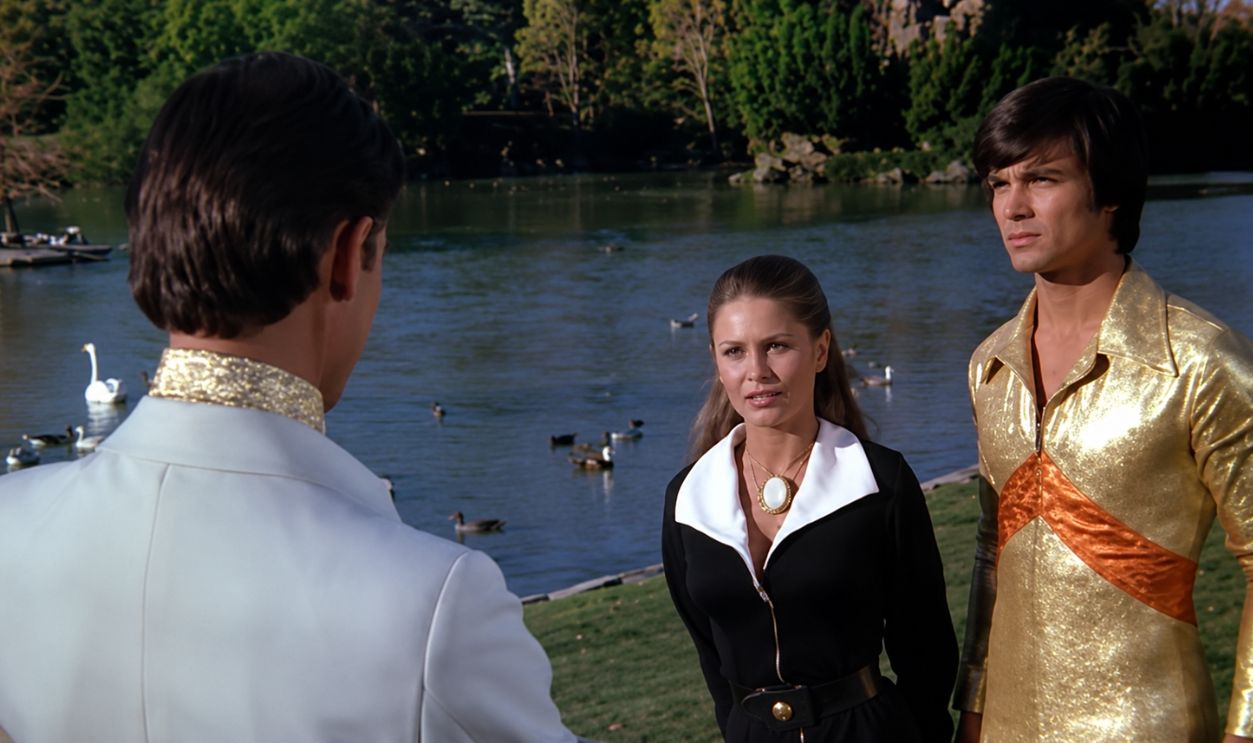
One episode could feature futuristic civilizations while another explored historical cultures. The constantly shifting environment kept viewers guessing. Few series enjoyed such flexibility. Creative possibilities seemed endless.
 Screenshot from The Fantastic Journey, NBC (1977), Enhanced
Mystery Powered The Narrative
The characters searched for answers while trying to survive unfamiliar surroundings. That ongoing mystery encouraged viewers to keep watching. Every discovery raised new questions. The serialized structure felt ahead of its time.
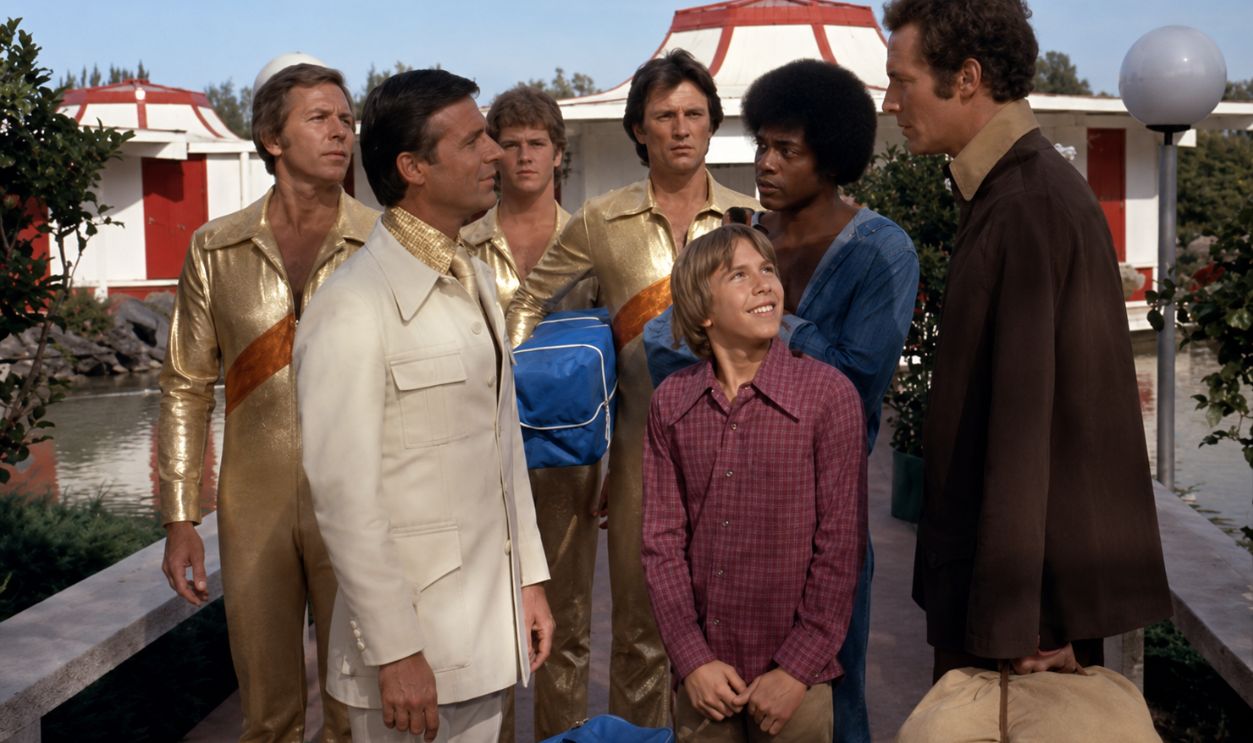 Screenshot from The Fantastic Journey, NBC (1977), Enhanced
The Adventure Ended Early
The series lasted only ten episodes. Many of its mysteries remained unresolved when it disappeared from the schedule. Fans never received the complete journey they expected. A second season could have paid off the larger story.
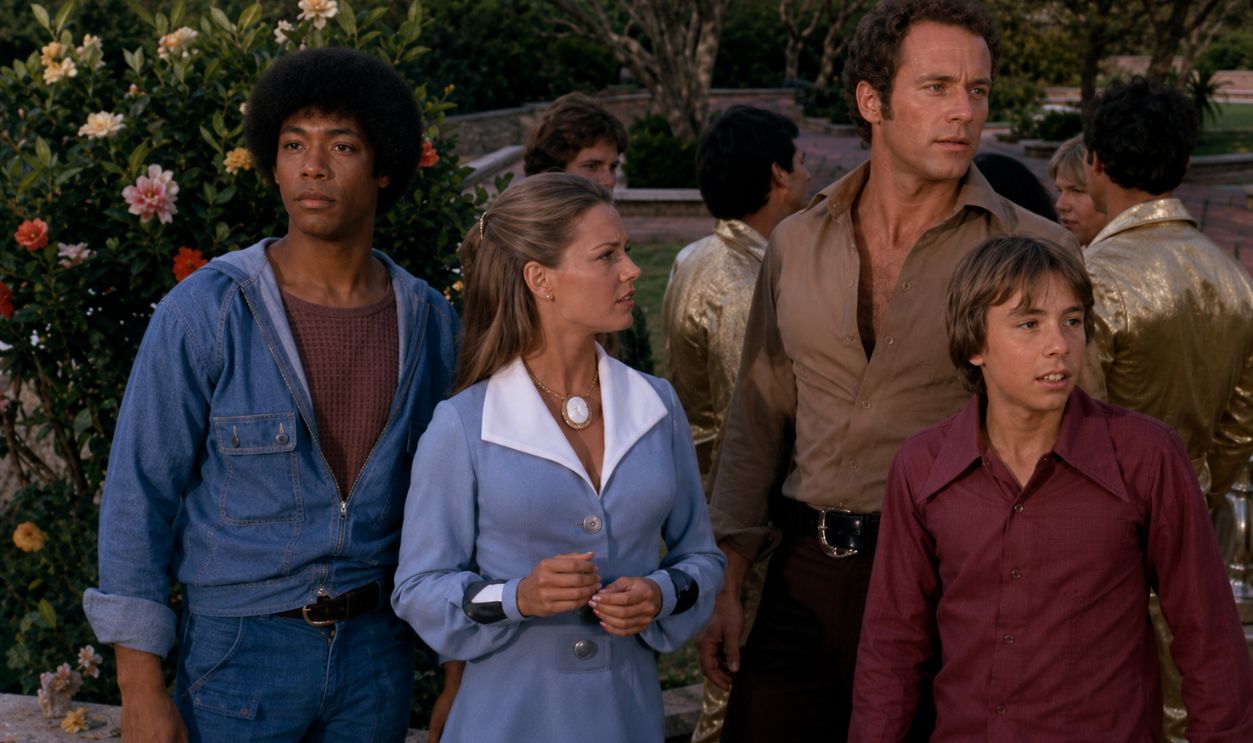 Screenshot from The Fantastic Journey, NBC (1977), Enhanced
Salvage 1
Salvage 1 arrived in 1979 with an unusual premise. Andy Griffith played a junk dealer who decides to build a spacecraft from salvaged materials. The idea sounded improbable, yet the show embraced it wholeheartedly. Its optimism made it appealing.
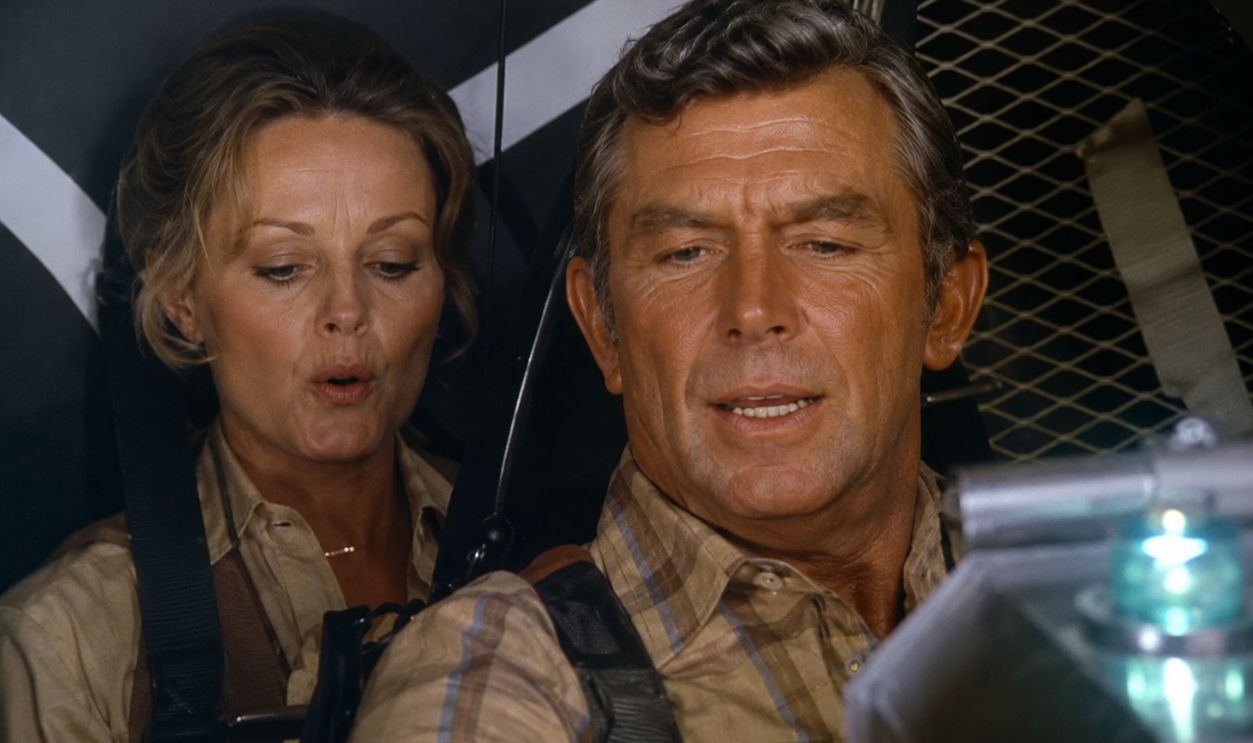 Screenshot from Salvage 1, Columbia Pictures Television (1979)
Inventiveness Drove The Series
The program celebrated creativity and problem solving. Rather than focusing on cynicism, it highlighted what determined people could accomplish. That positive spirit helped distinguish the show. Viewers appreciated its sense of possibility.
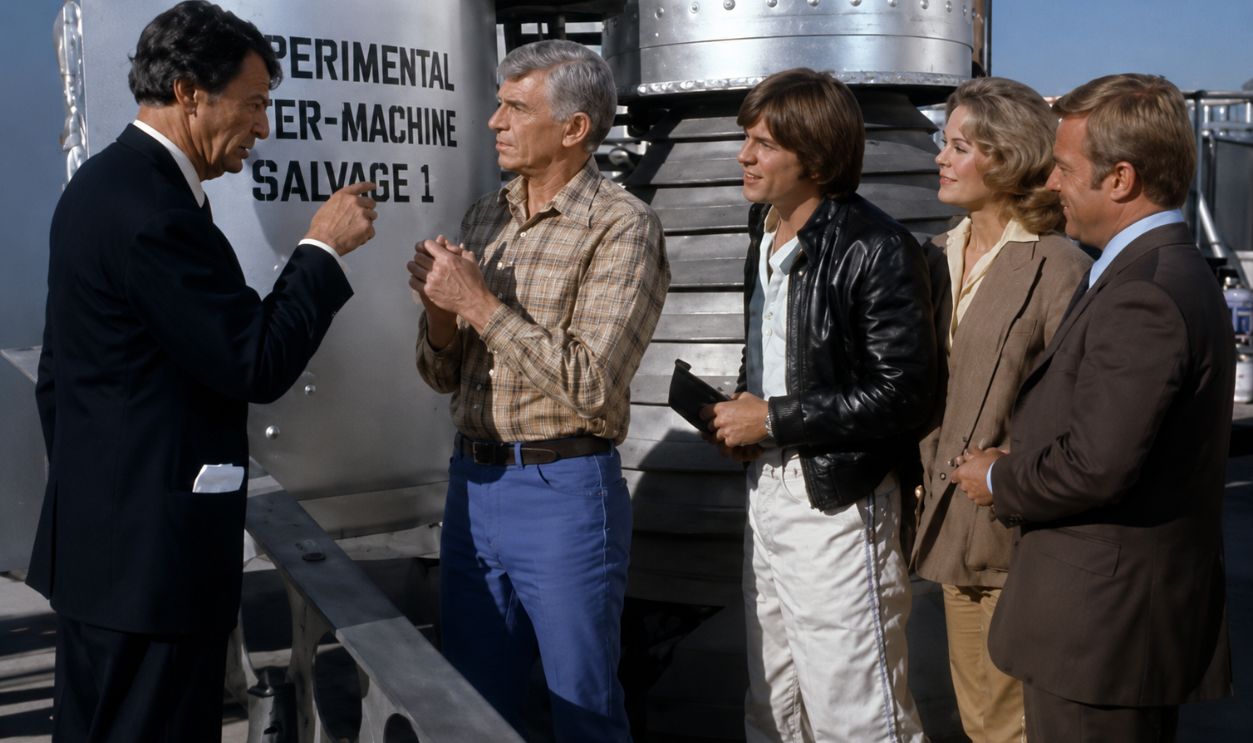 Screenshot from Salvage 1, Columbia Pictures Television (1979)
A Different Kind Of Hero
Griffith's character succeeded through ingenuity rather than superpowers or advanced technology. The approach made the adventures feel accessible. Audiences could imagine themselves tackling impossible challenges. That perspective gave the series charm.
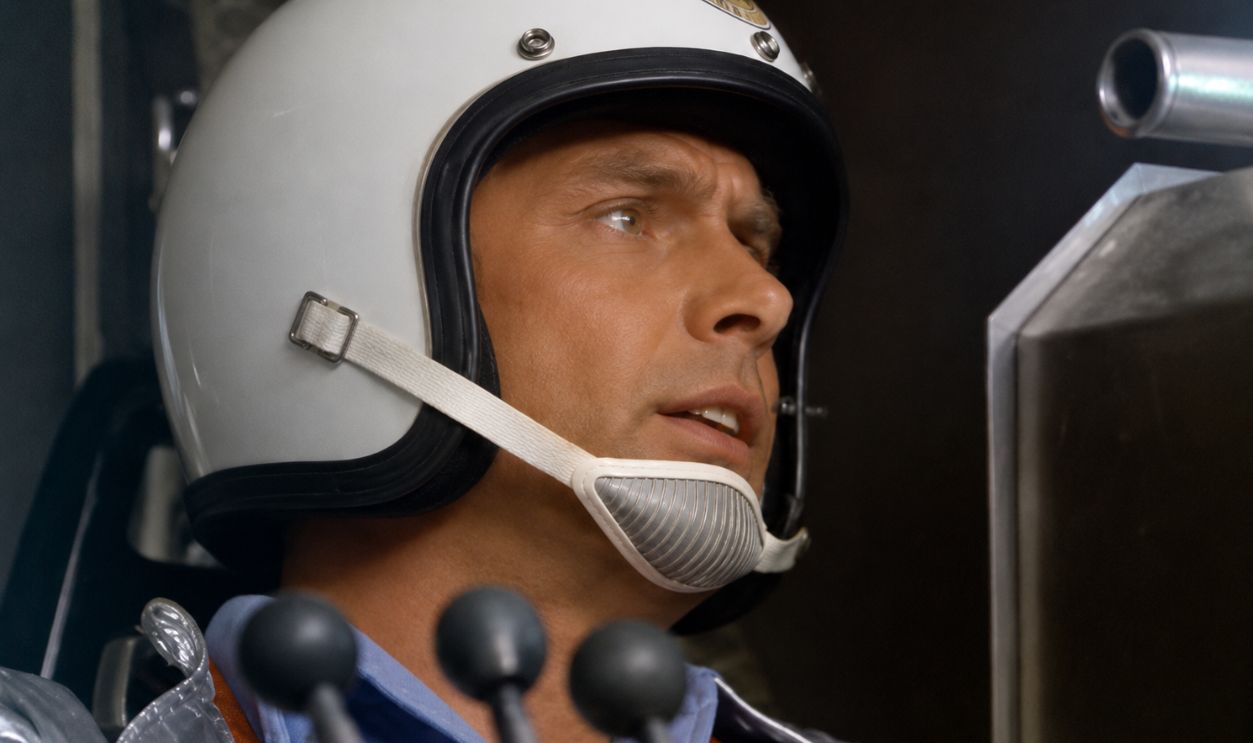 Screenshot from Salvage 1, Columbia Pictures Television (1979)
A Premise Worth Revisiting
After beginning with a successful television movie, the weekly series lasted only a short time. Many viewers believed the concept had much more potential. Additional seasons could have expanded its adventurous spirit. It remains one of the era's most intriguing what-if stories.
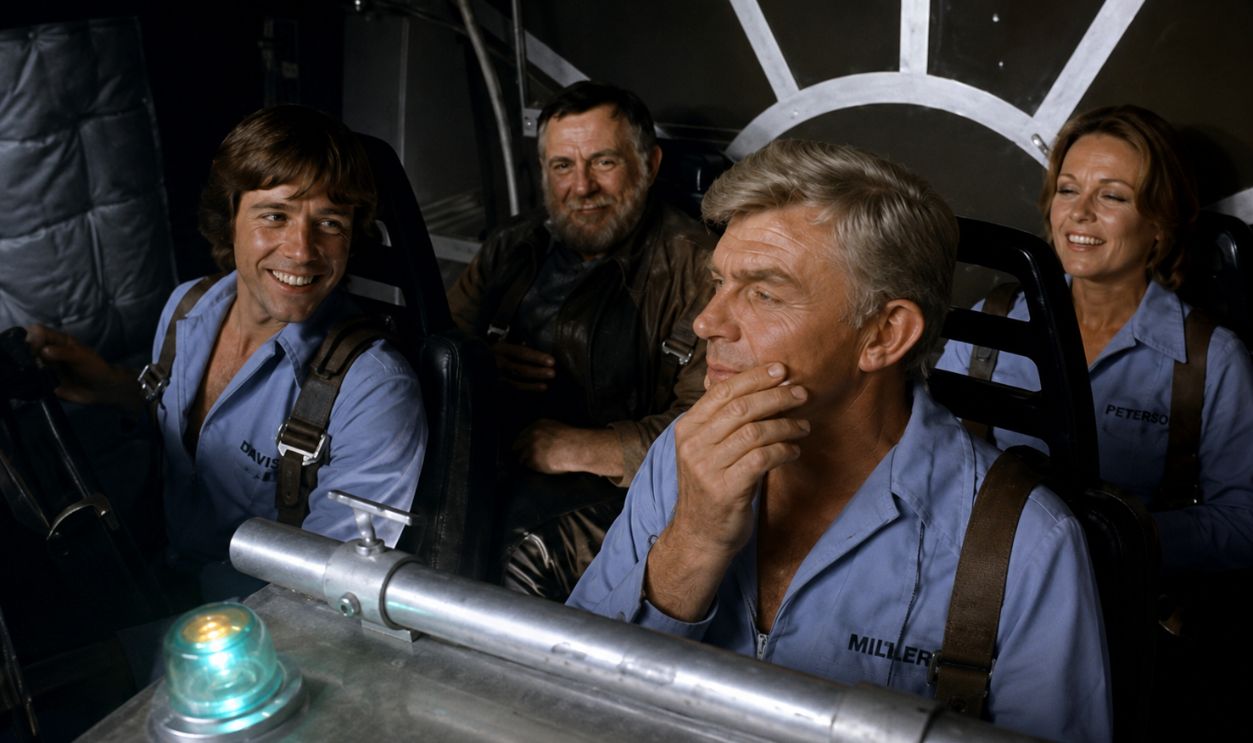 Screenshot from Salvage 1, Columbia Pictures Television (1979)
Remembering The Ones That Got Away
Not every great television series receives the long run it deserves. The 1970s produced numerous creative programs that ended before reaching their full potential. Many still enjoy loyal followings decades later. Their continued popularity proves that audiences never completely let them go.
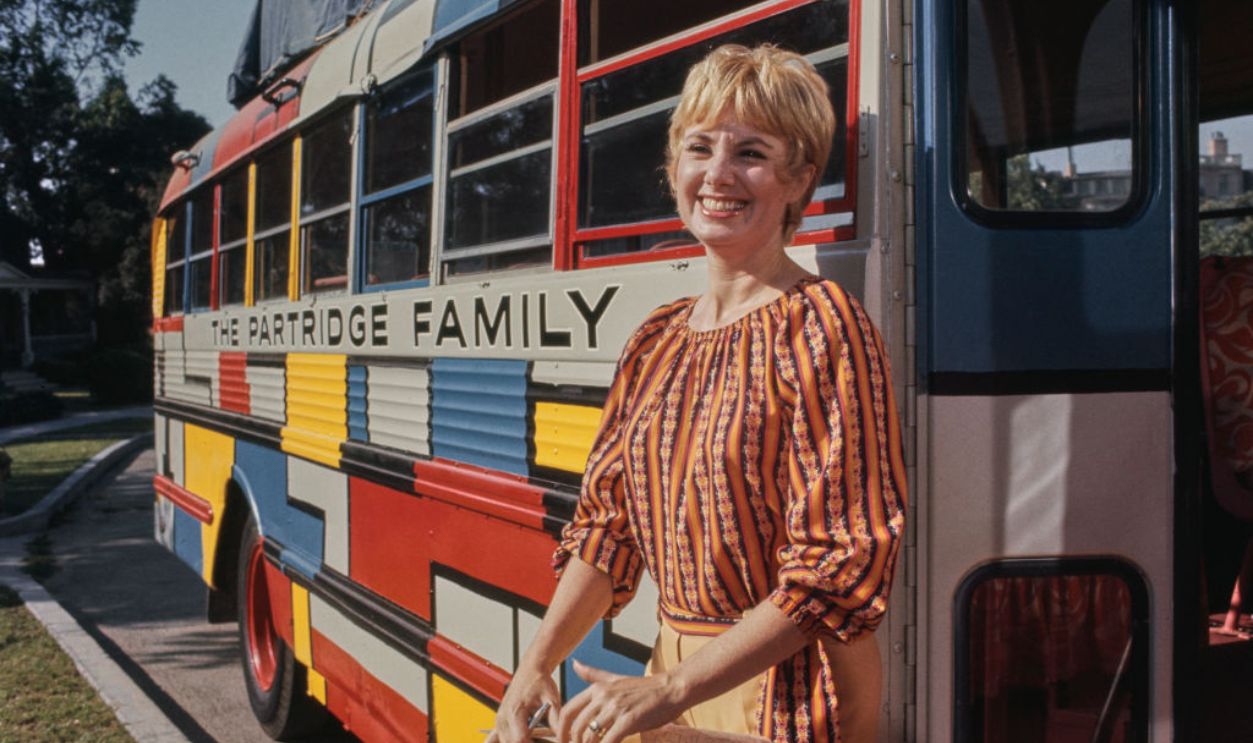 Michael Ochs Archives, Getty Images
You May Also Like:
The Hardest 1970s TV Trivia Quiz Ever—Can You Get 8 Out Of 20?
Forget The Critics: These Are The 30 Greatest TV Shows Of The 1970s—Do You Agree?
Why Charlie’s Angels Star Kate Jackson Turned Her Back On Hollywood