A Television Icon With A Complicated Hollywood Story
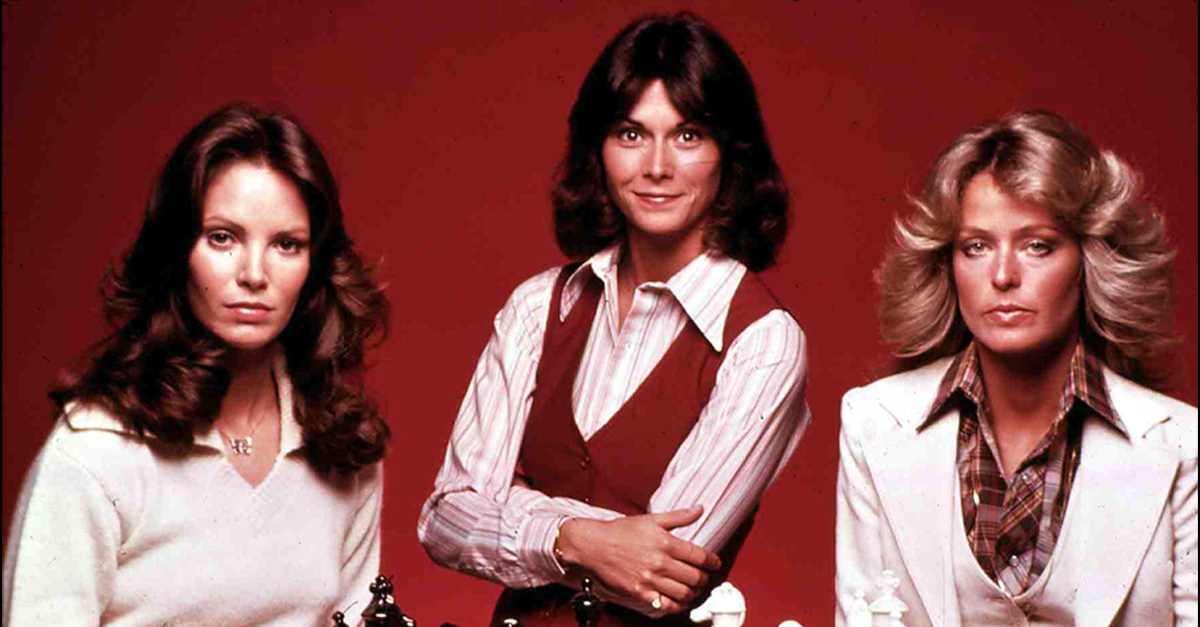
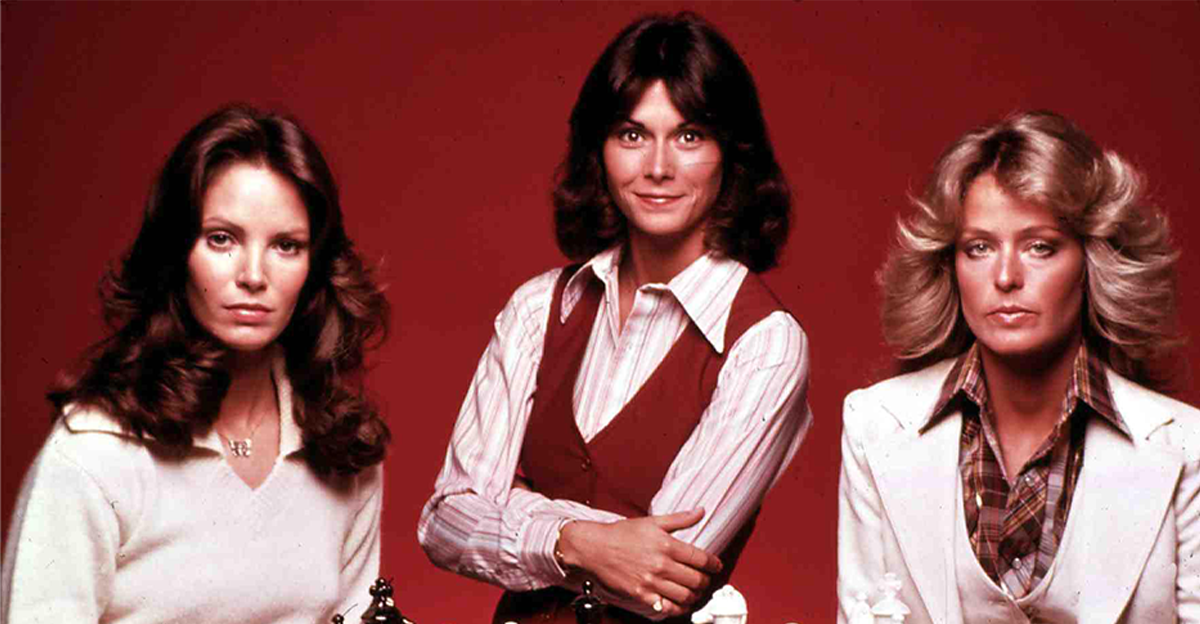
Kate Jackson became one of television’s biggest stars when Charlie’s Angels premiered in 1976. Alongside Farrah Fawcett and Jaclyn Smith, she helped turn the ABC crime drama into a cultural phenomenon. Many viewers expected Jackson to become an even bigger Hollywood force after leaving the series. Instead, her career slowed in ways that surprised fans and industry insiders alike.
Charlie’s Angels Made Kate Jackson A Household Name
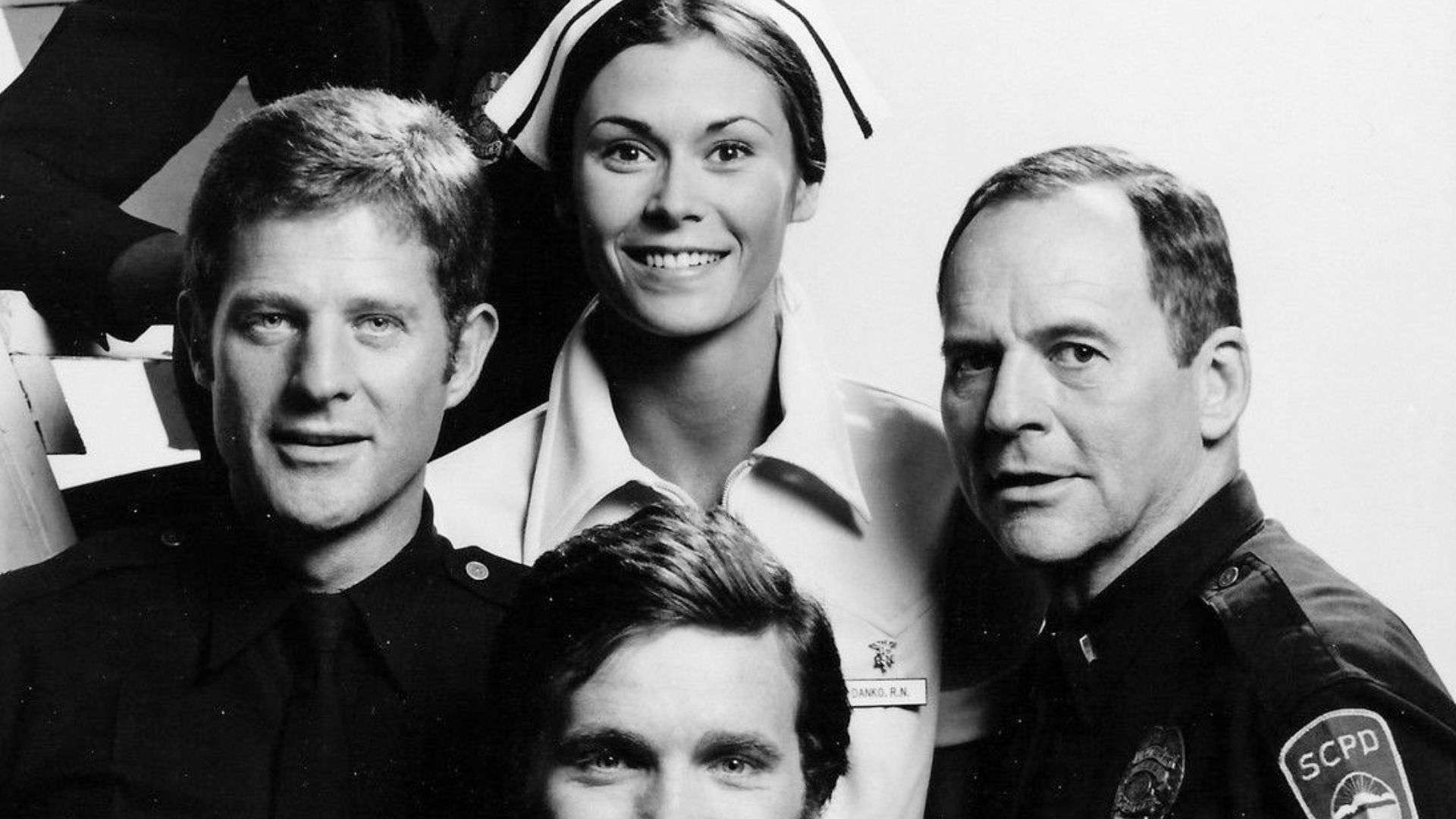
Before Charlie’s Angels, Jackson had already built a strong résumé through series like Dark Shadows and The Rookies. Her role as Sabrina Duncan gave the show credibility because she brought sharp comic timing and serious acting experience. Critics often viewed her as the strongest actress in the original trio. The success of the show instantly transformed her into a global celebrity.
 ABC Television, Wikimedia Commons
Fame Came Faster Than Anyone Expected
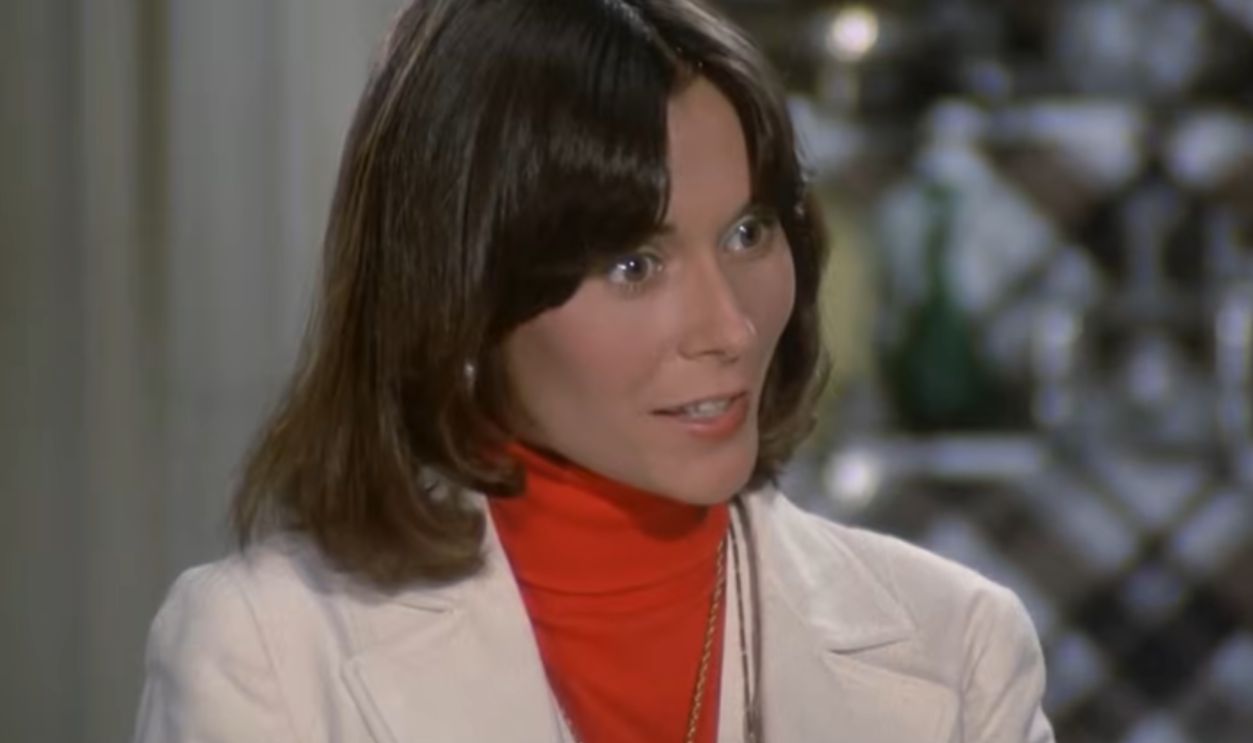
Charlie’s Angels exploded into one of the most talked-about television shows of the 1970s. The cast suddenly faced nonstop media attention, tabloid coverage, and enormous public scrutiny. Jackson later admitted that the loss of privacy deeply affected her. She said the experience made everyday life feel overwhelming.
 Screenshot from Charlie’s Angels, Sony Pictures Entertainment (1976-1981)
Kate Jackson Never Loved The Show’s Direction
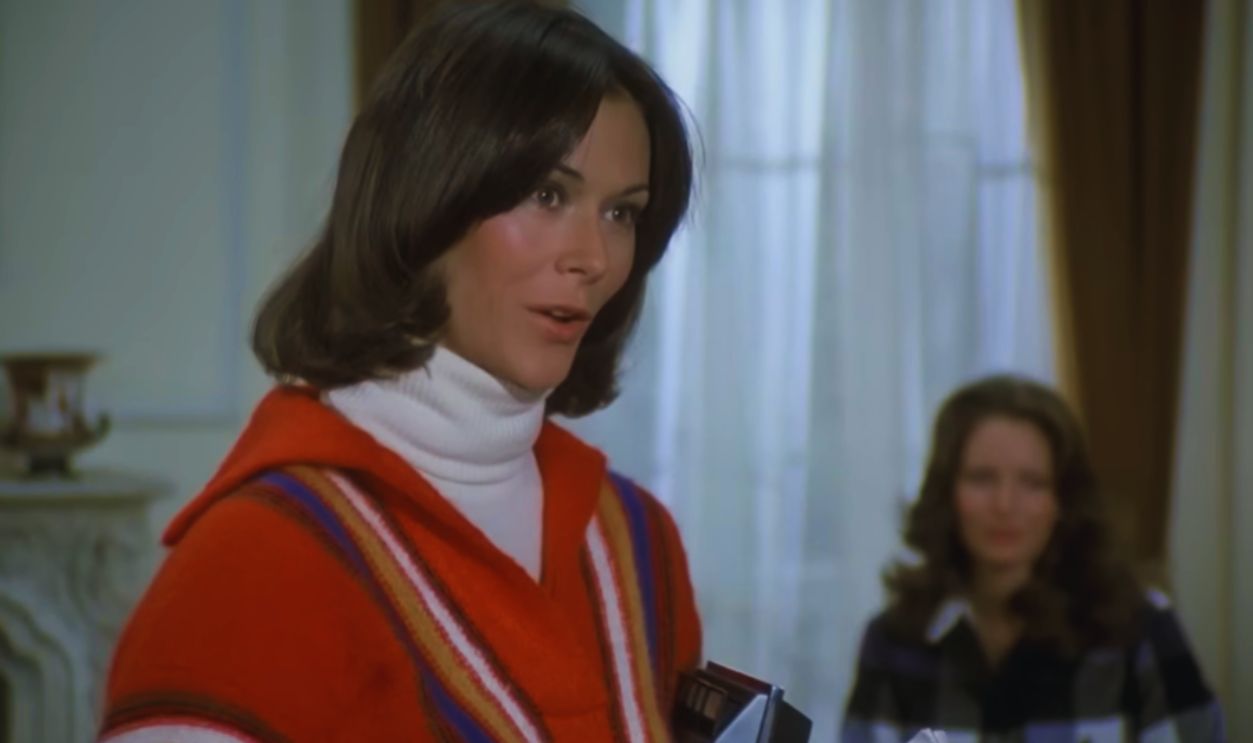
Although Charlie’s Angels became wildly successful, Jackson reportedly grew frustrated with its creative direction. She believed the series moved away from detective storytelling and leaned too heavily into glamour. According to interviews from the period, she disliked the increasingly lightweight scripts. Her dissatisfaction became harder to hide as the series continued.
 Screenshot from Charlie’s Angels, Sony Pictures Entertainment (1976-1981)
The Kramer Vs. Kramer Disappointment Changed Everything
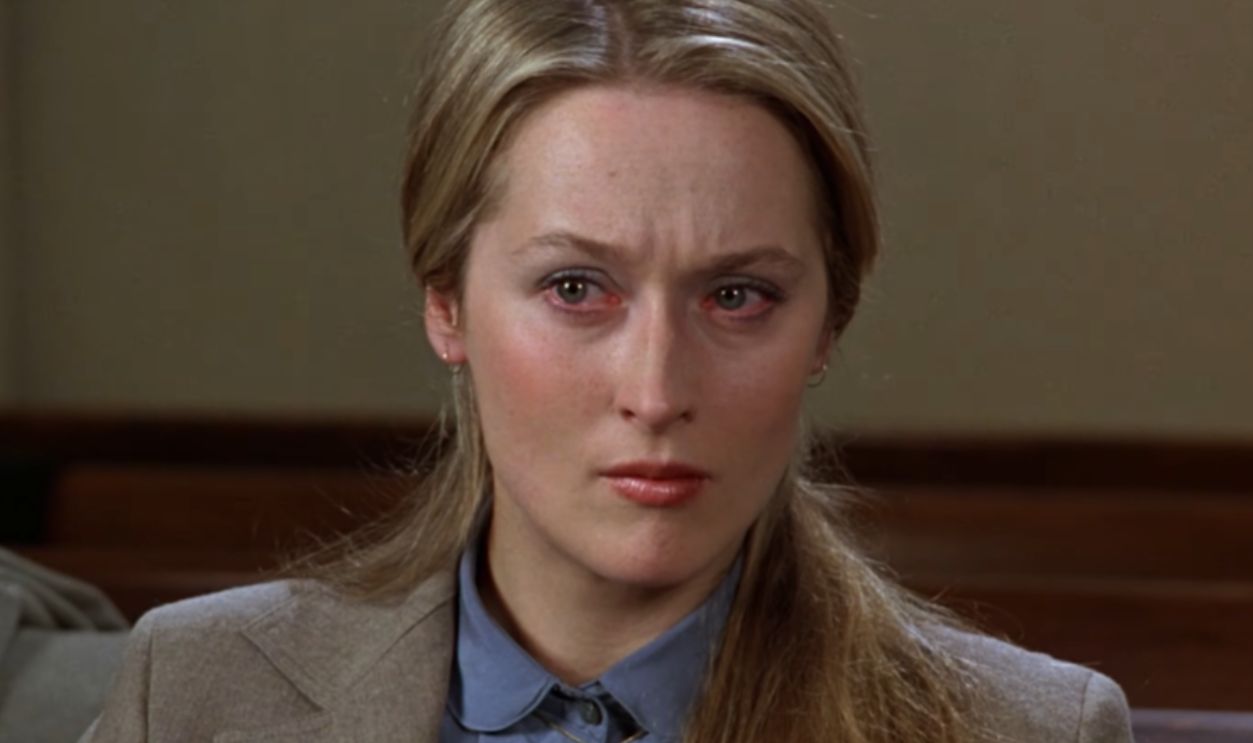
One of the biggest turning points in Jackson’s career involved the 1979 film Kramer vs. Kramer. Jackson was originally offered the role of Joanna Kramer opposite Dustin Hoffman. Producers on Charlie’s Angels reportedly refused to adjust the television schedule so she could film the movie. The role eventually went to Meryl Streep, who won an Academy Award for the performance.
 Screenshot from Kramer vs. Kramer, Sony Pictures Entertainment (1979)
Missing That Film Became A Career Defining Moment
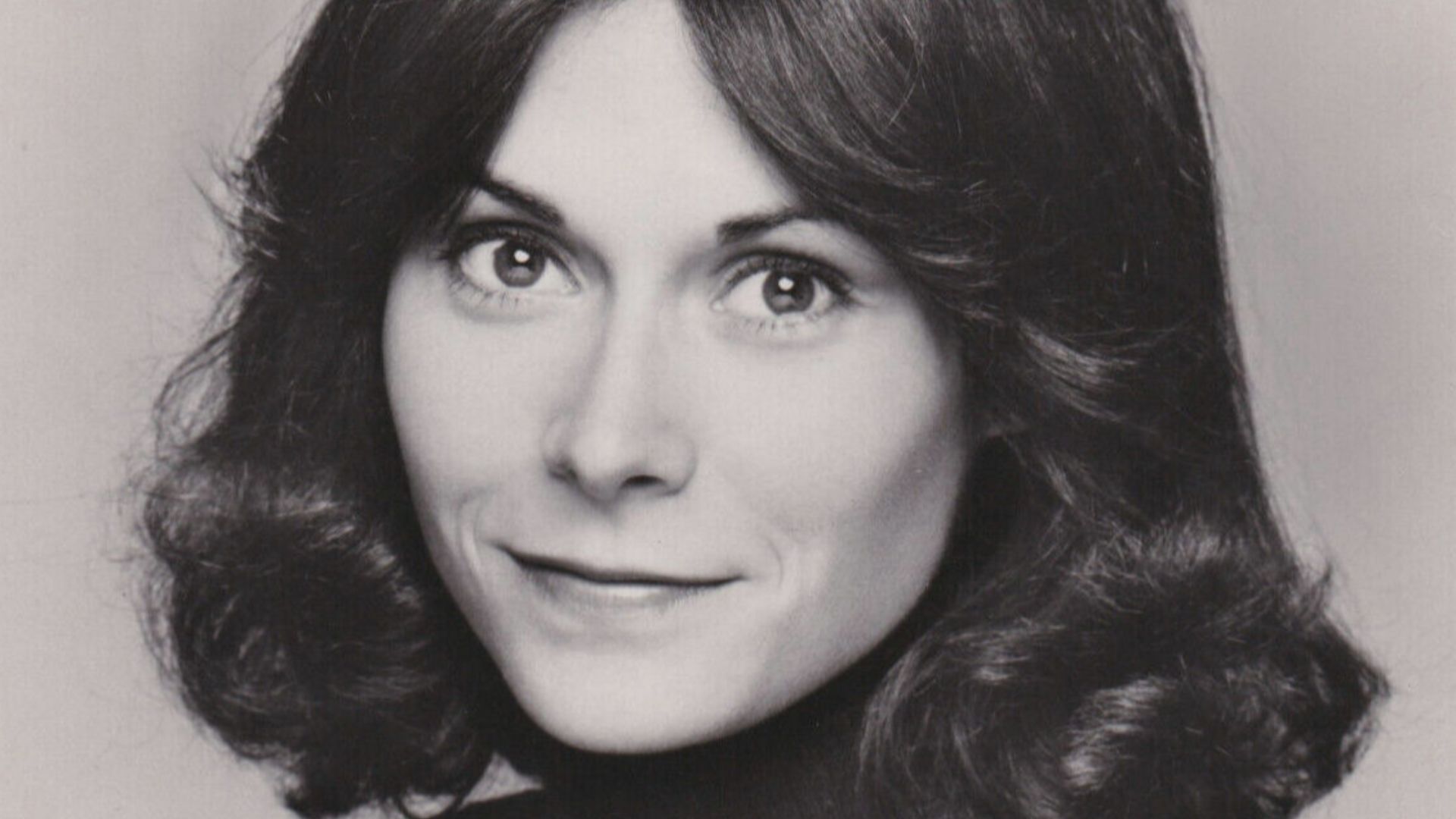
Hollywood observers have long viewed the lost Kramer vs. Kramer role as a major setback for Jackson. The film became one of the biggest prestige dramas of its era. If Jackson had appeared in it, she may have been taken more seriously as a movie actress. Instead, the opportunity passed her by at a crucial point in her career.
 ABC Television, Wikimedia Commons
Tension Behind The Scenes Hurt Her Position
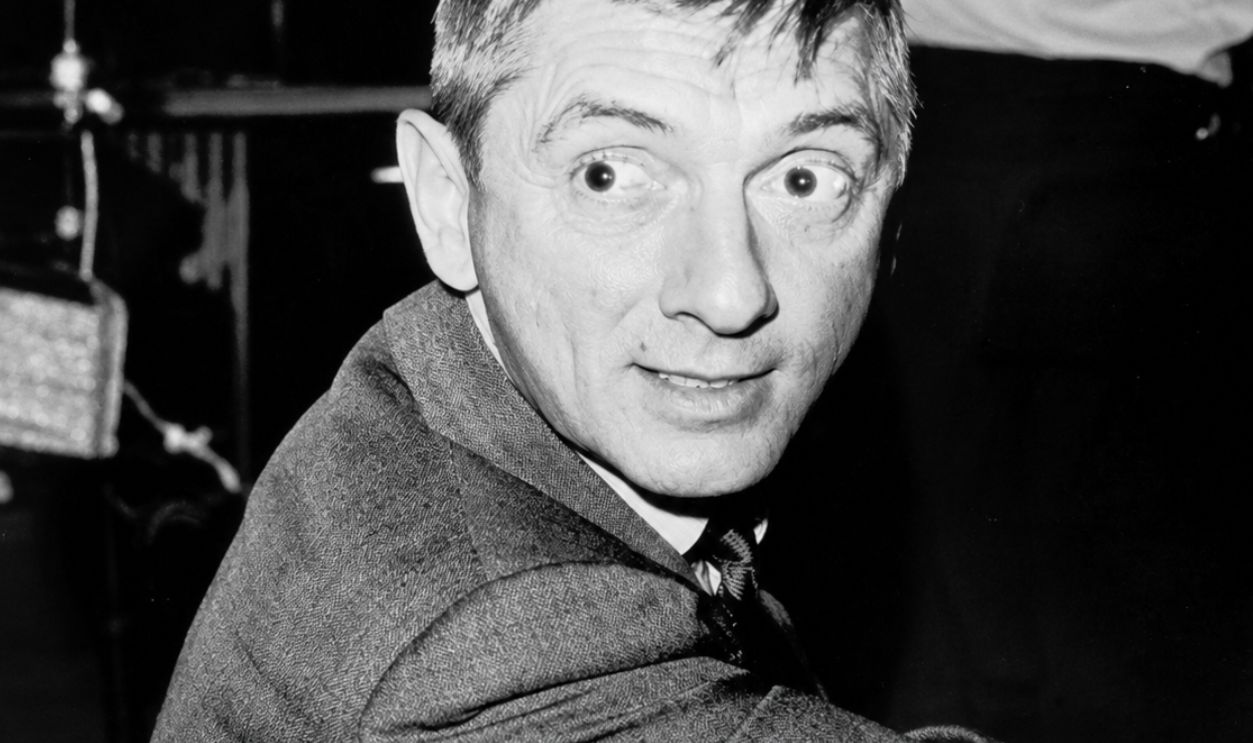
Reports from the late 1970s described growing friction between Jackson and the show’s producers. Jackson openly criticized the scripts and admitted she may have caused problems on set. Producer Aaron Spelling later stated she was dropped “for the good of the show.” Her departure in 1979 became one of television’s biggest casting shakeups.
 Trans World Airlines, Wikimedia Commons, enhanced
Leaving Charlie’s Angels Was A Huge Gamble
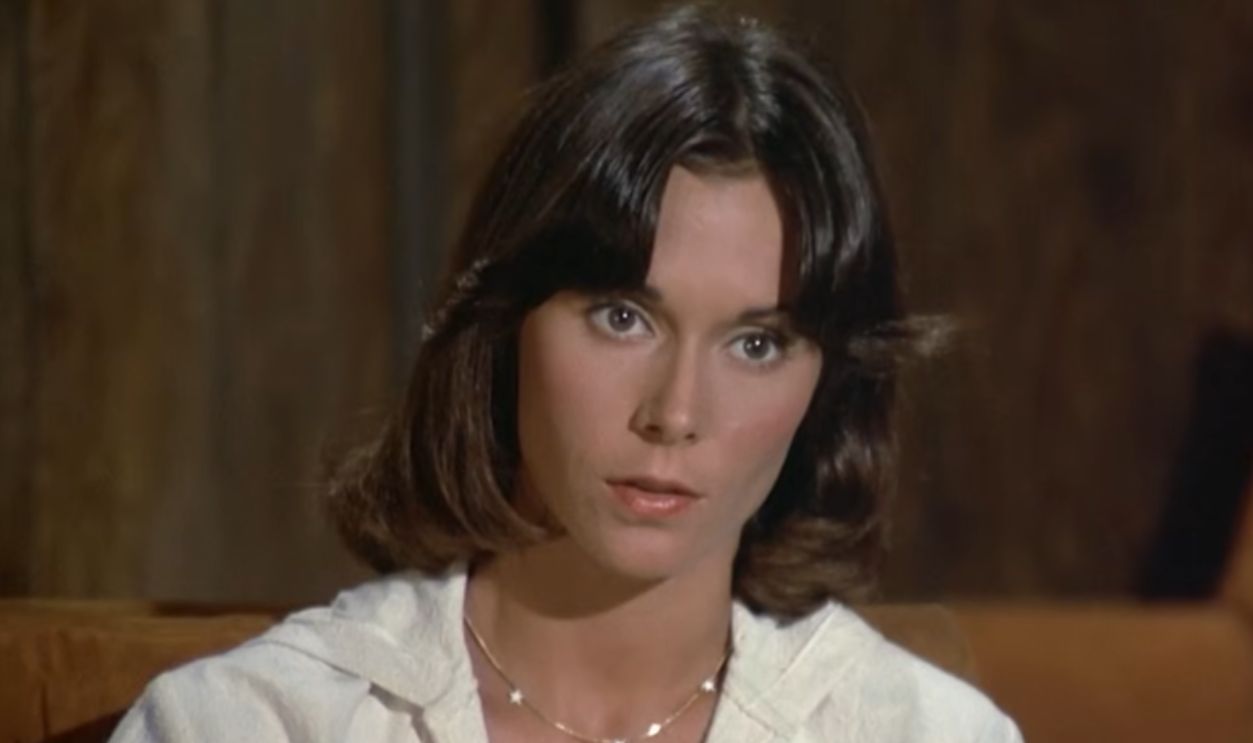
Jackson left Charlie’s Angels after the third season while the show was still a ratings success. Walking away from such a popular series was risky. Television stars in the 1970s often struggled to escape iconic roles. Jackson hoped leaving would open the door to more serious acting opportunities.
 Screenshot from Charlie’s Angels, Sony Pictures Entertainment (1976-1981)
Typecasting Followed Her Everywhere
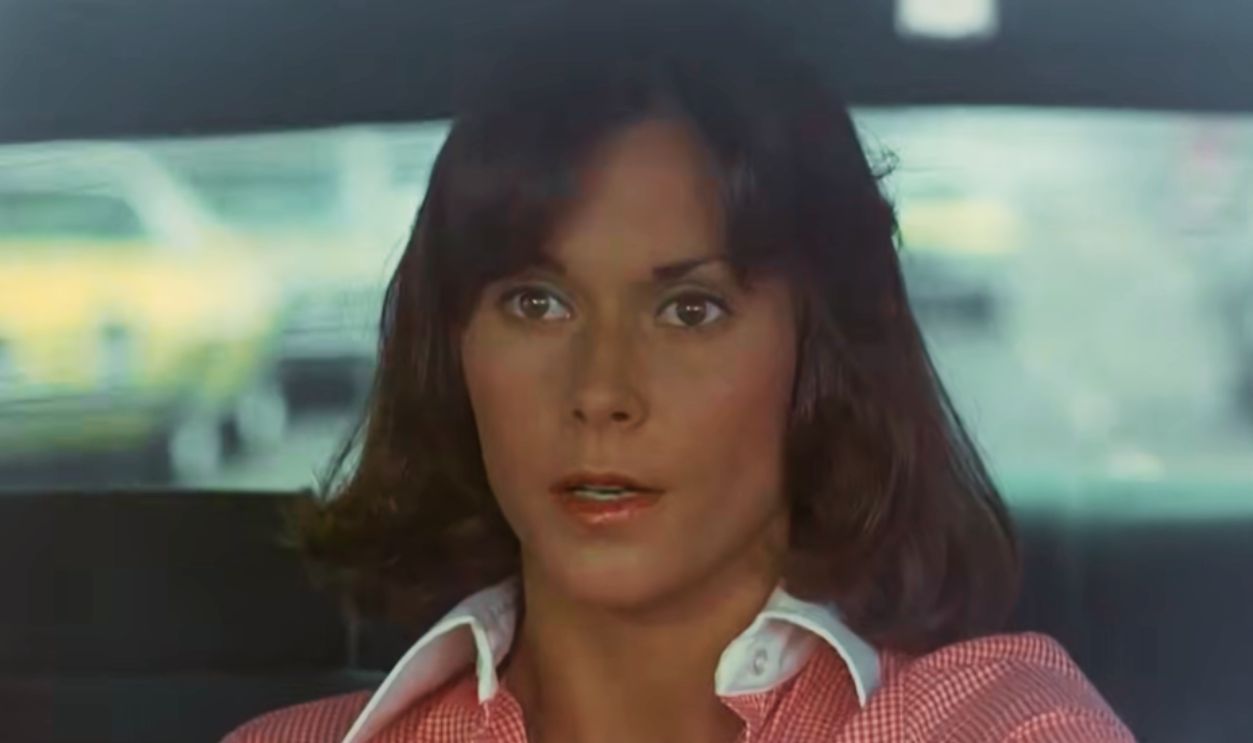
After Charlie’s Angels, many executives still saw Jackson primarily as Sabrina Duncan. The show’s glamorous image overshadowed her dramatic skills. Hollywood often typecast television actresses during that era, especially women associated with highly commercial hits. Jackson found it difficult to break free from the Angel image.
 Screenshot from Charlie’s Angels, Sony Pictures Entertainment (1976-1981)
Television Offered More Opportunities Than Film
Even though her movie career never fully took off, Jackson continued finding work on television. She starred in several TV movies and miniseries during the early 1980s. Networks still considered her a reliable and recognizable star. However, the projects rarely generated the same excitement as Charlie’s Angels.
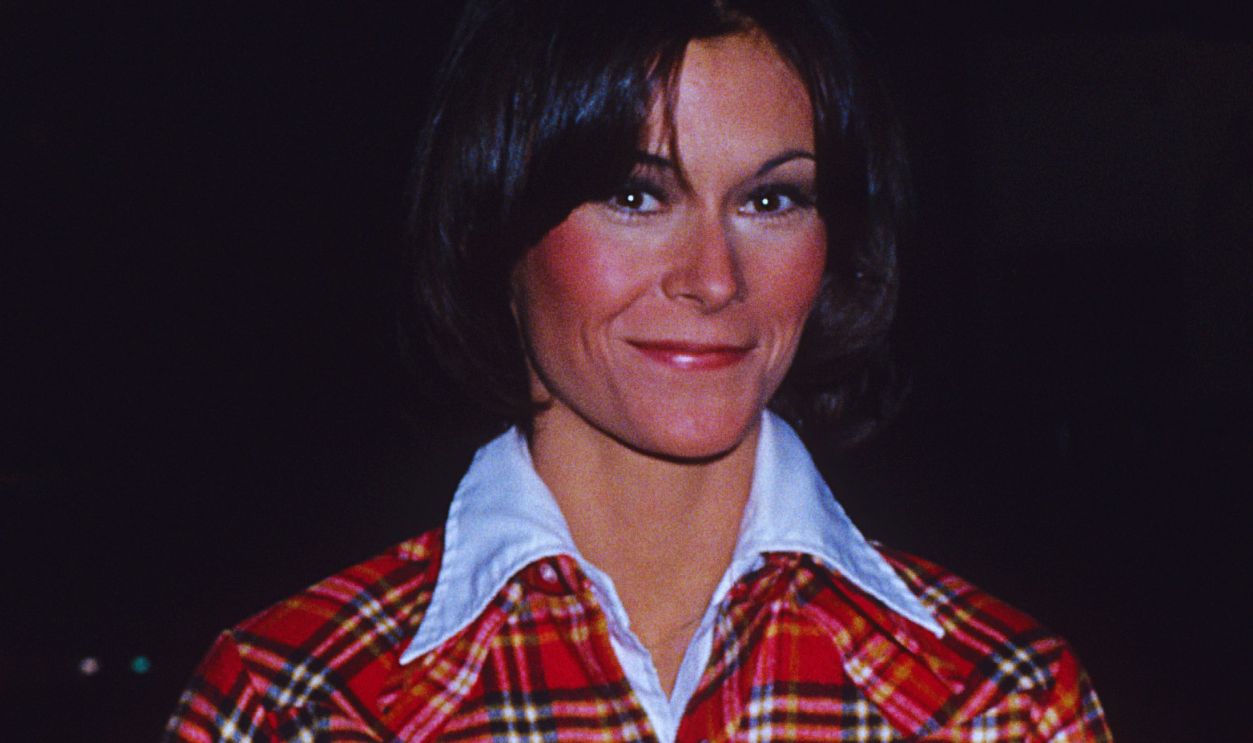
Scarecrow And Mrs. King Became Her Biggest Comeback
Jackson experienced a major rebound when Scarecrow and Mrs. King debuted in 1983. The CBS series paired her with Bruce Boxleitner in a lighthearted spy adventure. The show ran for four seasons and developed a loyal fan base. It proved Jackson could still headline a successful network series.
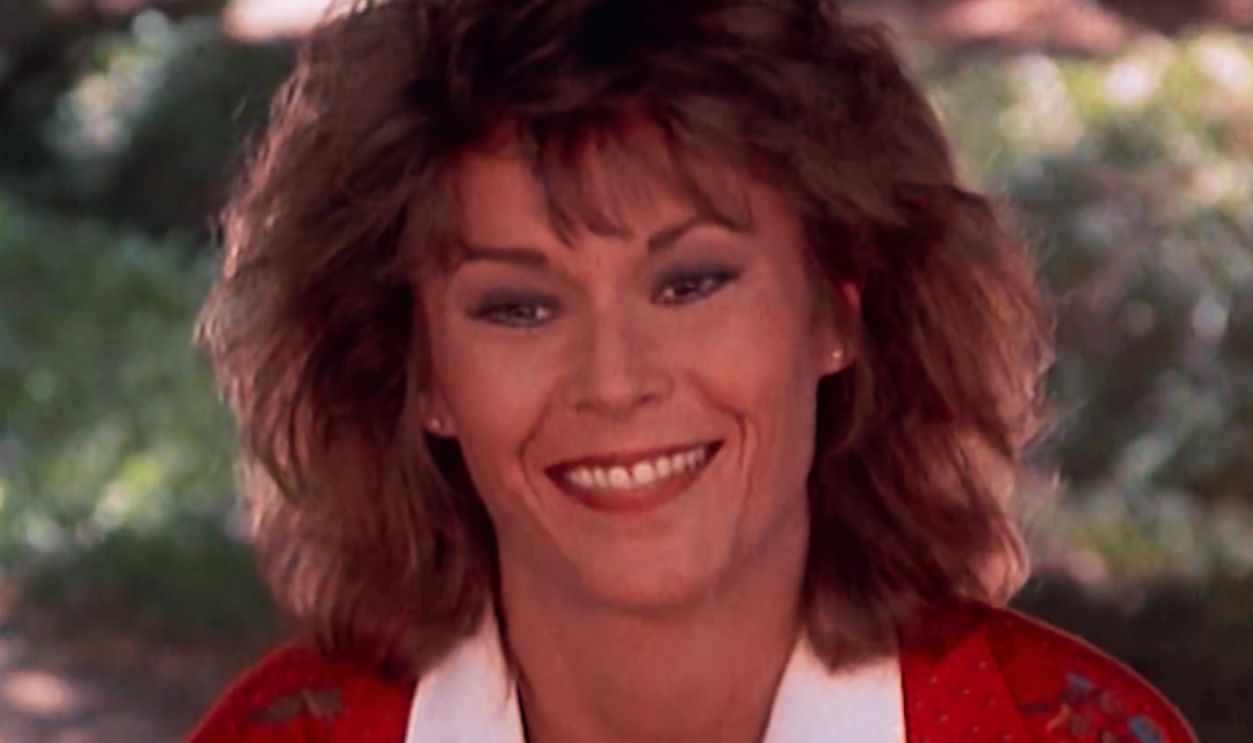 Screenshot from Scarecrow And Mrs. King, Warner Bros. Discovery (1983-1987)
She Preferred Character Driven Roles
Unlike some stars chasing blockbuster fame, Jackson often gravitated toward television projects with emotional depth and humor. She seemed more interested in collaborative storytelling than celebrity culture. That approach earned respect from many viewers but did not always translate into major Hollywood film offers. Her priorities differed from the industry’s expectations.
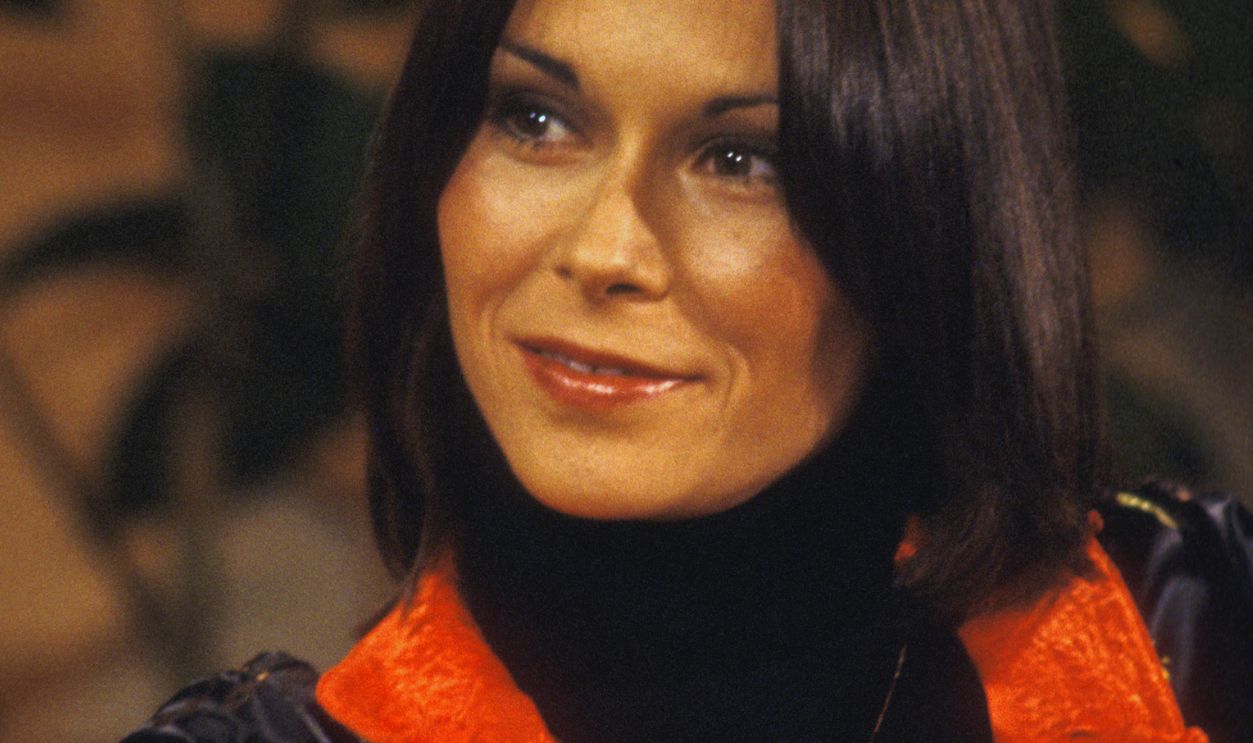
Health Problems Interrupted Her Momentum
Jackson’s career suffered another setback during the 1980s when she faced serious health challenges. She was diagnosed with breast cancer and underwent treatment. The illness forced her to step back from acting during important years in her career. Her health understandably became more important than Hollywood ambition.
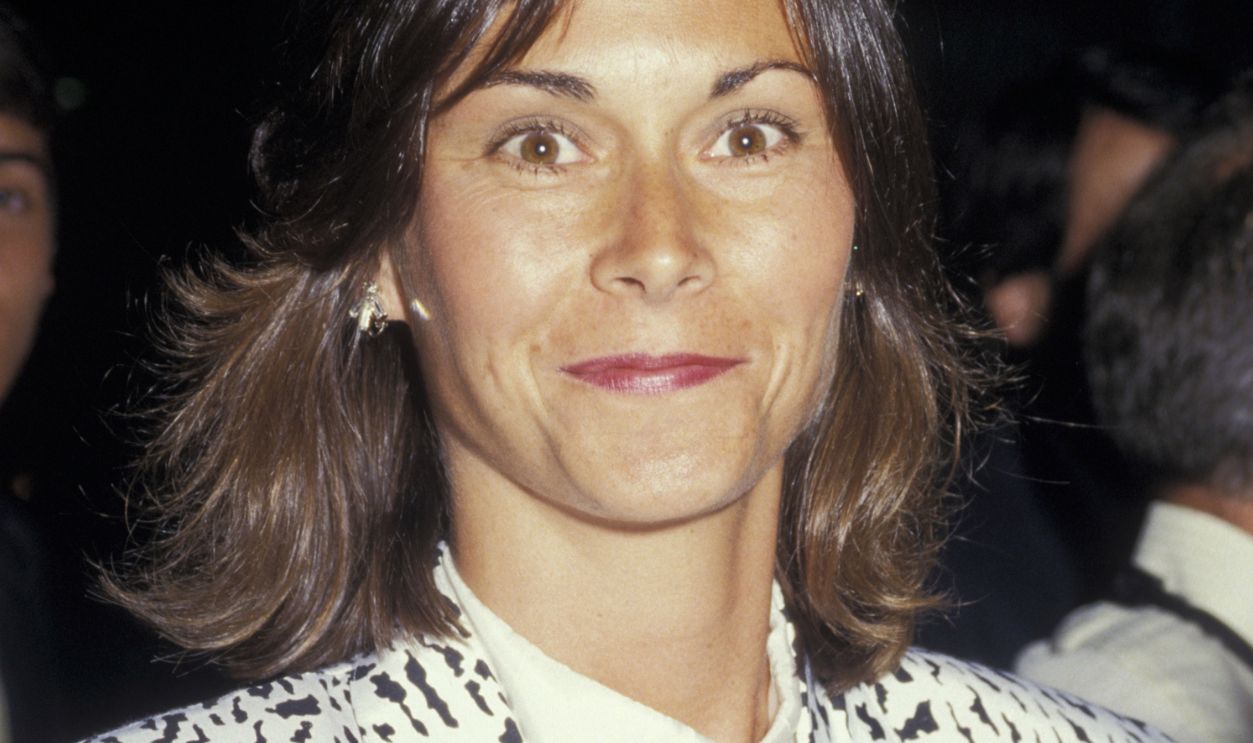 Ron Galella, Ltd., Getty Images
She Became An Early Public Voice About Breast Cancer
Jackson later spoke publicly about surviving breast cancer, helping raise awareness during a period when celebrities rarely discussed such topics openly. Her honesty earned admiration from fans and advocacy groups. The experience changed her perspective on fame and work. It also contributed to her decision to slow down professionally.
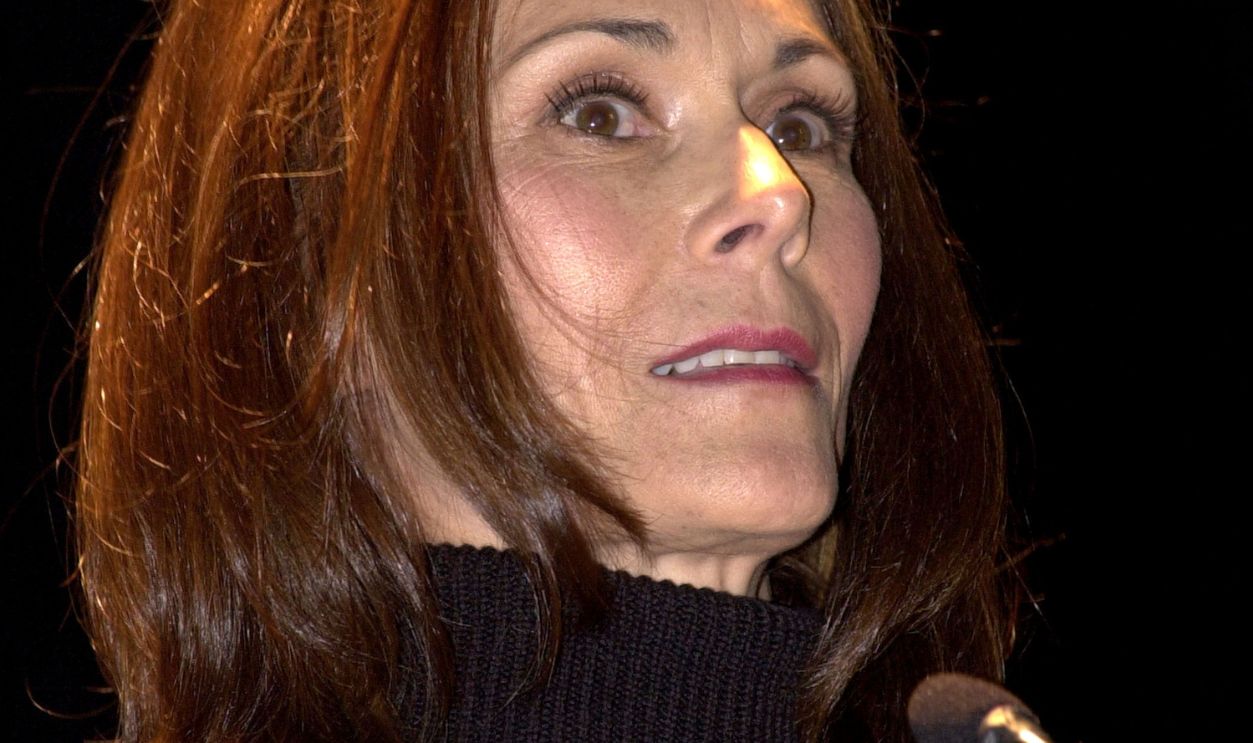
Hollywood Was Changing Around Her
By the late 1980s and early 1990s, television trends had shifted dramatically. Younger stars were dominating network programming, and many actresses from the 1970s found fewer leading roles available. Jackson faced an industry that often sidelined women once they reached middle age. This pattern affected many actresses of her generation.
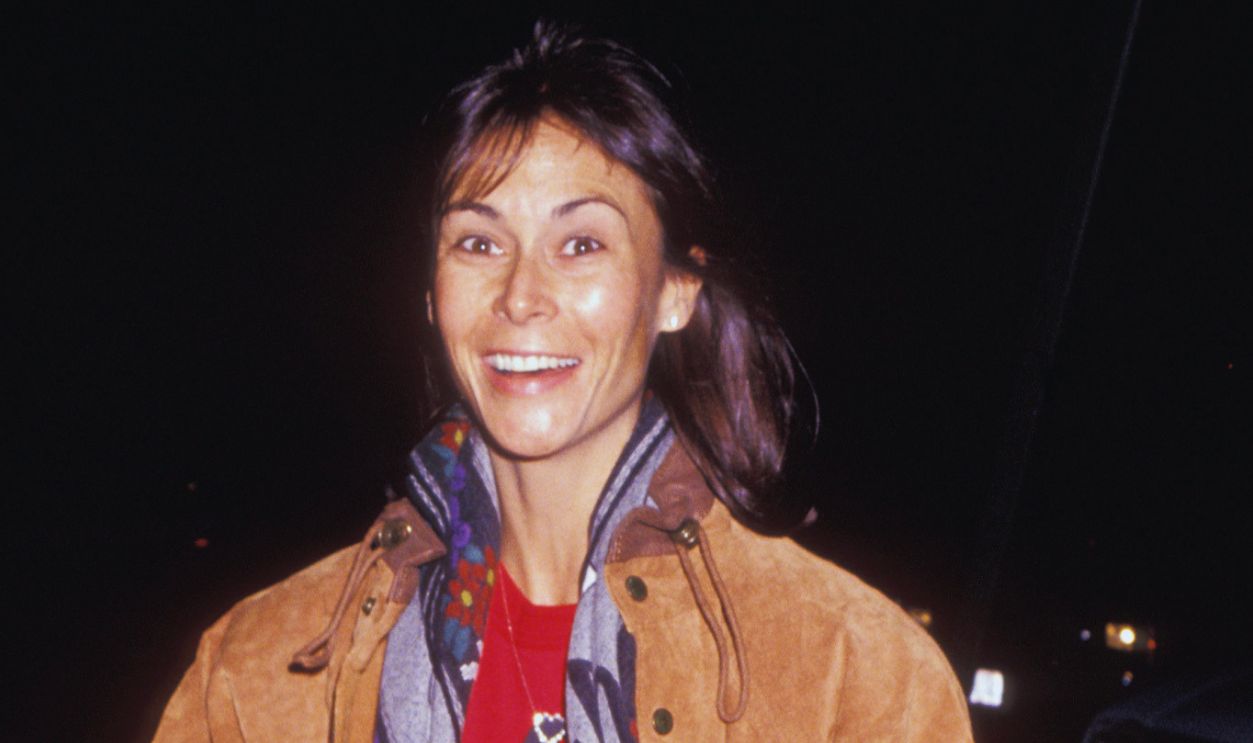 Ron Galella, Ltd., Getty Images
She Never Seemed Comfortable With Celebrity Culture
Jackson repeatedly described herself as a private person who disliked tabloid attention. In later interviews, she criticized the intense invasion of privacy that came with fame. She also expressed confusion about modern celebrity culture and social media. That attitude made her increasingly disconnected from Hollywood publicity expectations.
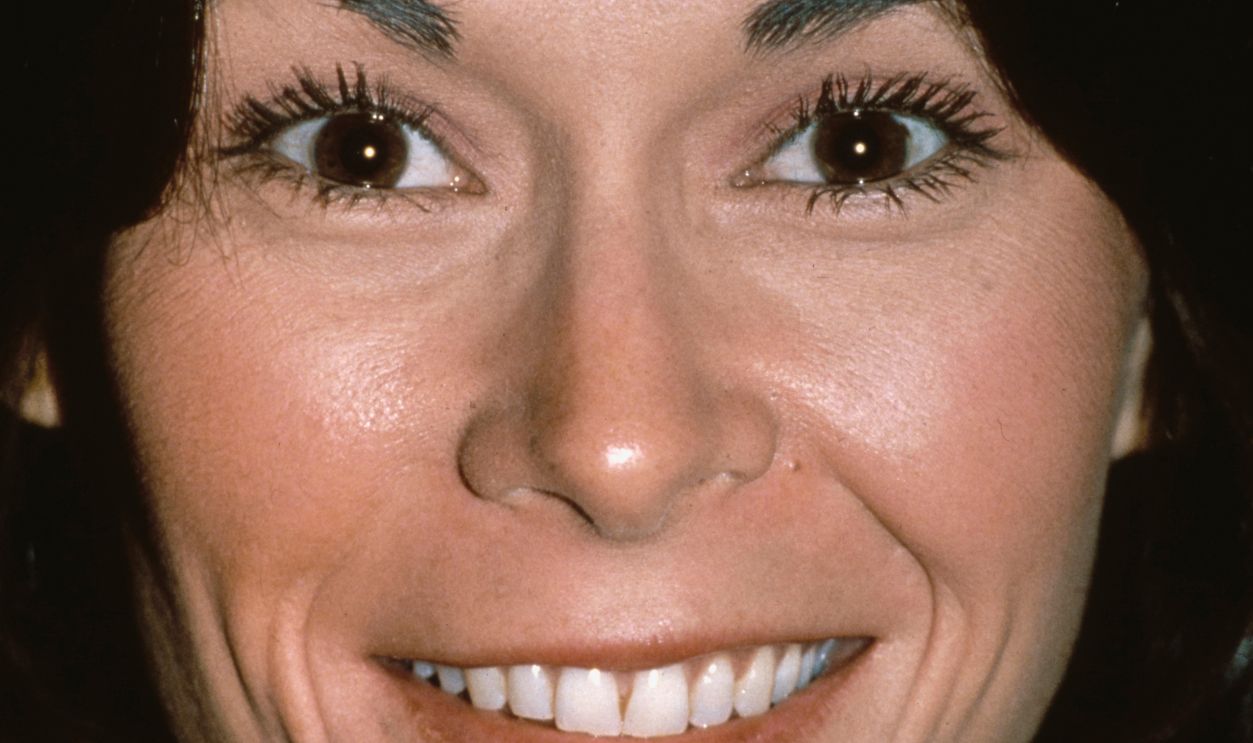 Fotos International, Getty Images
Her Priorities Changed Over Time
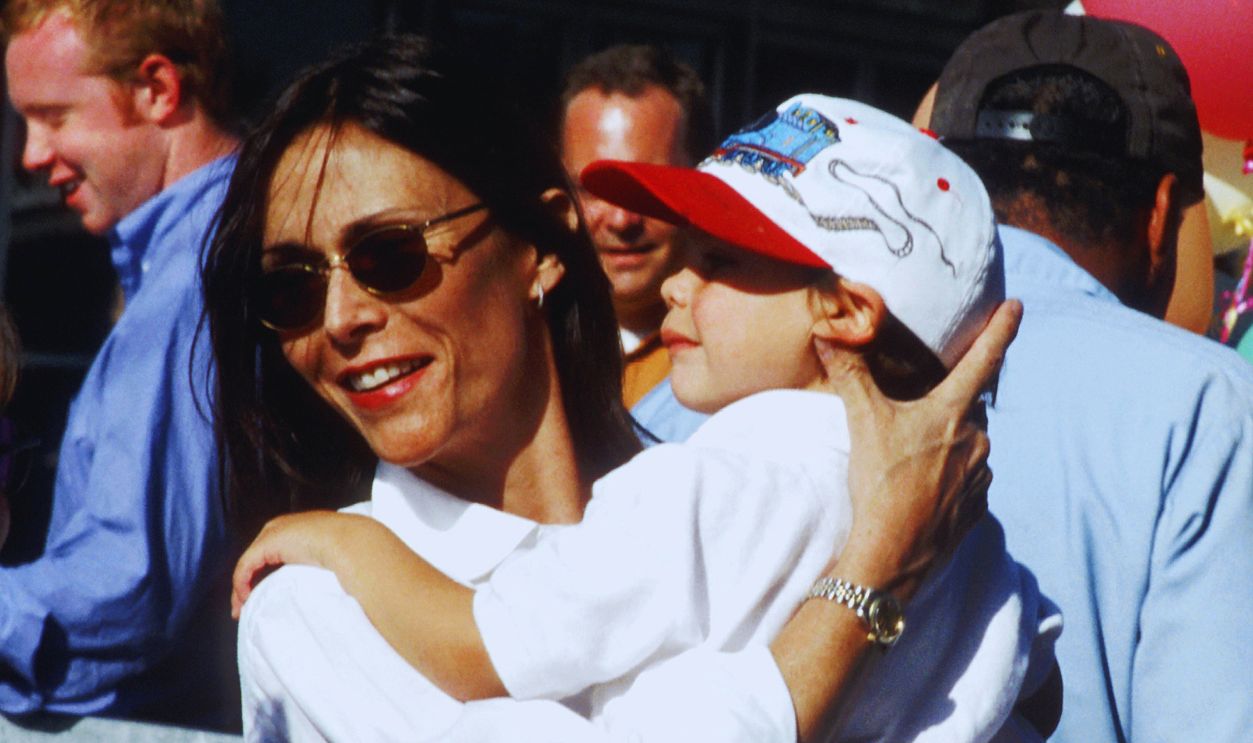
As Jackson grew older, personal fulfillment became more important than maintaining a nonstop acting career. She eventually adopted a son and focused heavily on family life. Friends and colleagues noted that she seemed happier away from Hollywood pressures. The entertainment business no longer appeared to be her main priority.
 Ron Galella, Ltd., Getty Images
She Quietly Stepped Away From Hollywood
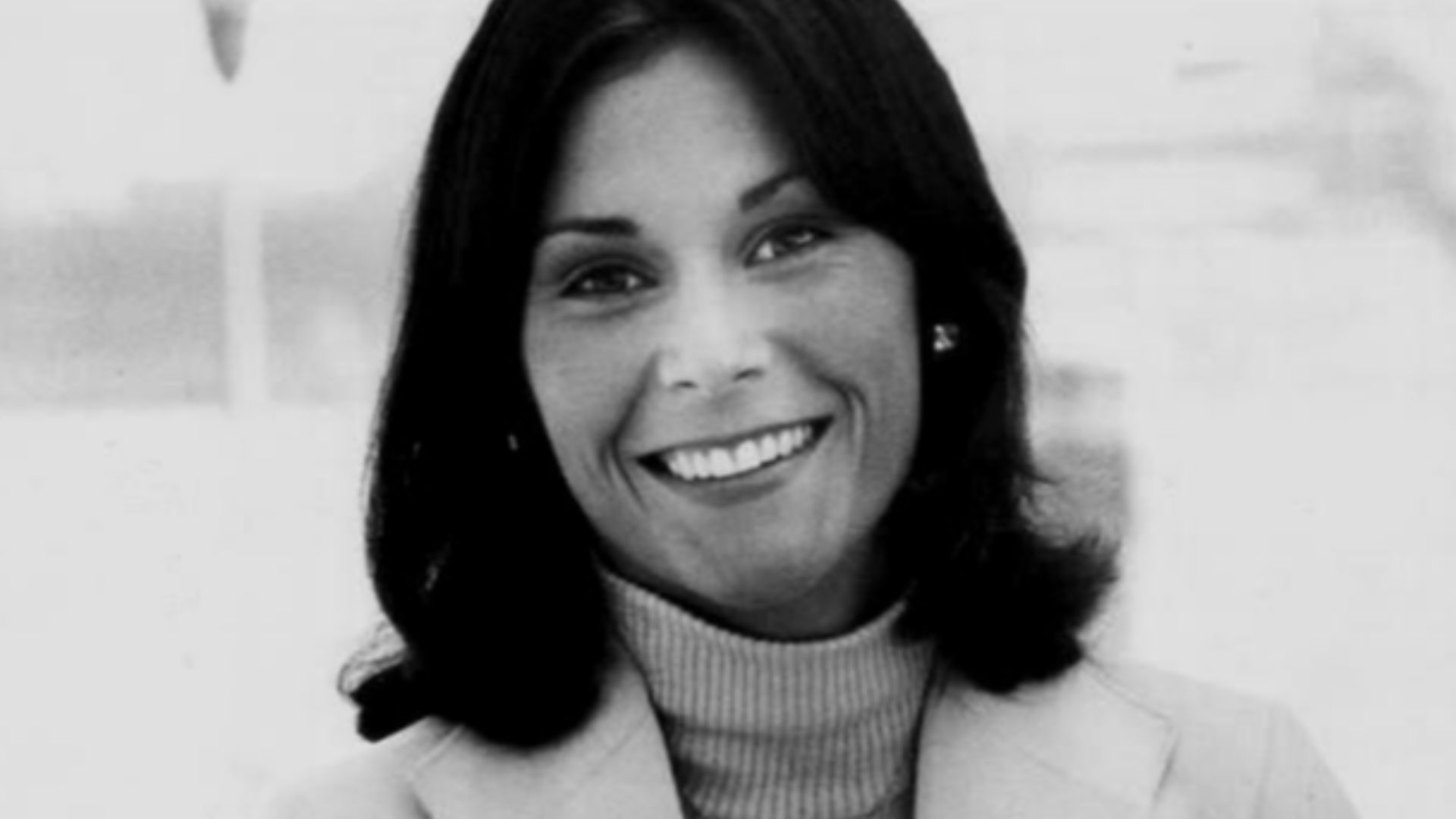
Unlike many former television stars, Jackson did not aggressively pursue comebacks or reality television exposure. She gradually withdrew from the industry during the 1990s and early 2000s. Fans noticed her public appearances became increasingly rare. Her retreat from Hollywood was largely intentional.
 ABC Television, Wikimedia Commons
Life In Virginia Offered A Different Kind Of Success
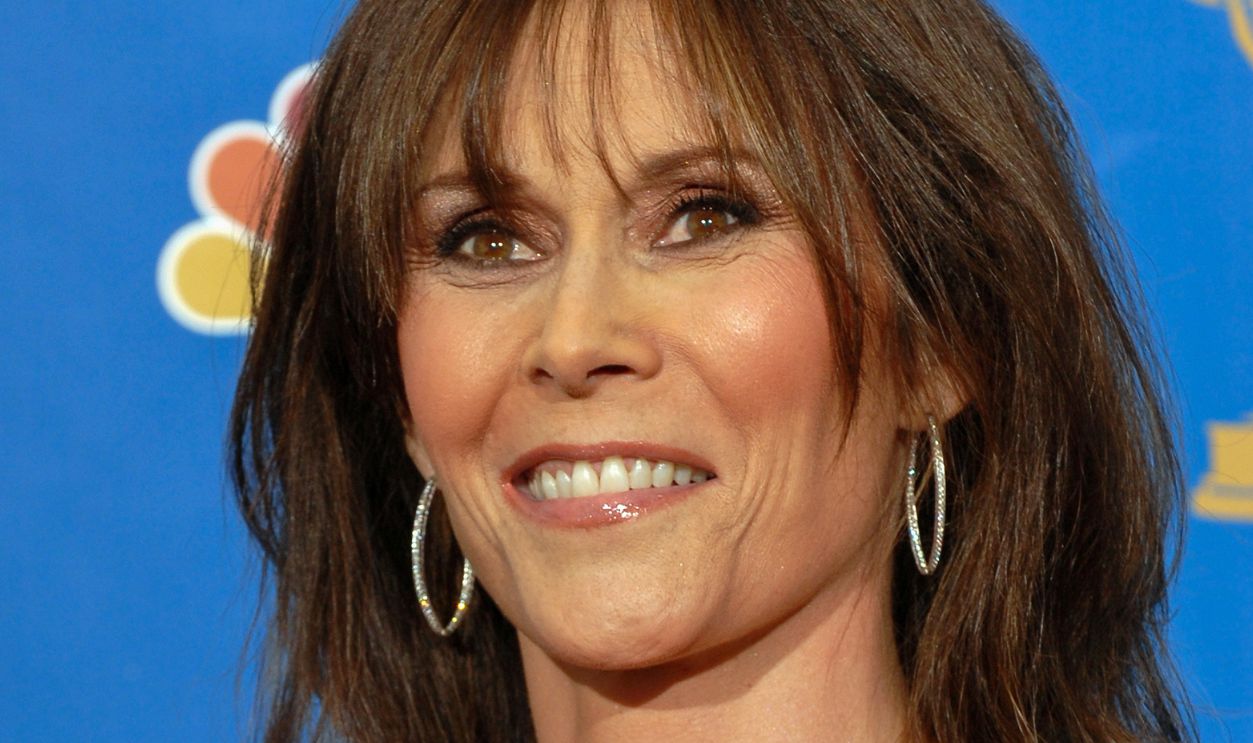
Jackson eventually settled on a farm in Virginia, far from Los Angeles. According to recent interviews, she enjoys a peaceful lifestyle surrounded by animals and nature. The quieter environment gave her privacy that Hollywood never could. She has described the change as deeply fulfilling.
Financial Troubles Added More Stress
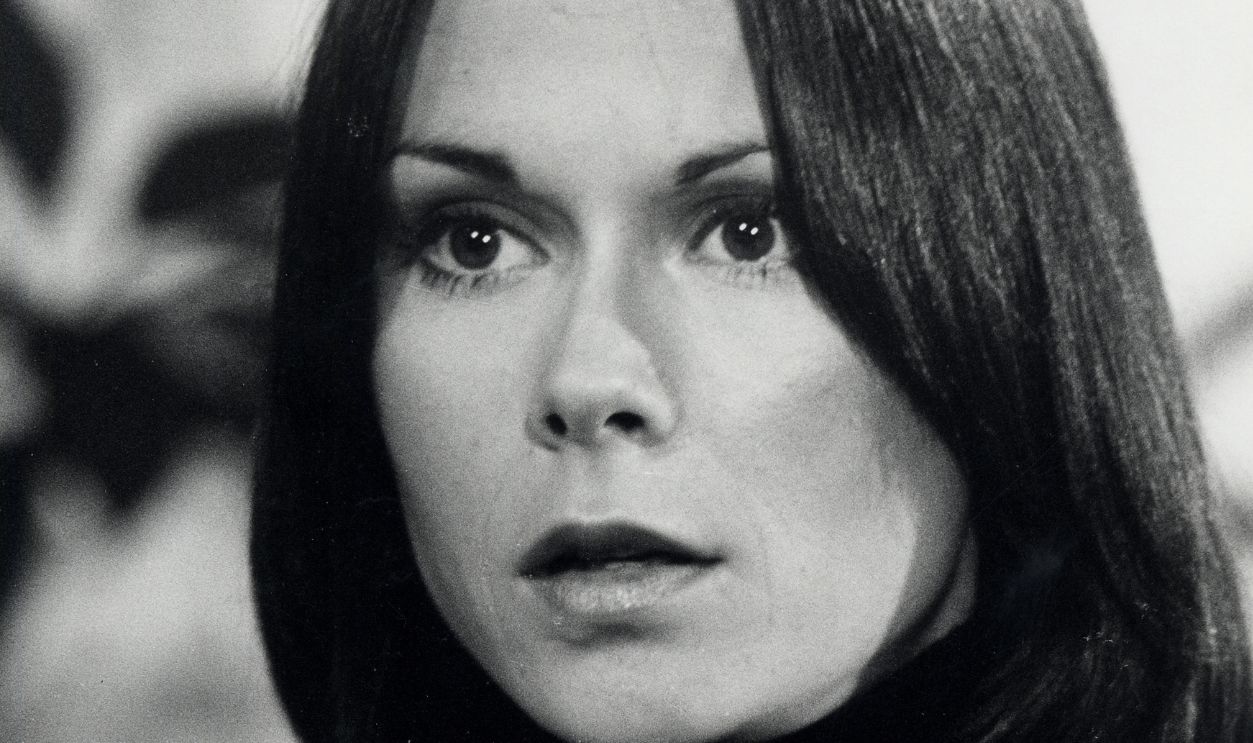
Jackson faced financial difficulties in 2010 when she sued a former financial adviser. She claimed his actions caused major losses and financial ruin. Although the matter was later settled, the lawsuit created another difficult chapter in her post-Hollywood life. It reminded fans that celebrity success does not guarantee long-term security.
Fans Never Forgot Her Contribution
Despite her reduced public profile, Jackson remained beloved among television audiences. Charlie’s Angels continued thriving in syndication for decades. New generations discovered the series through reruns and streaming. Many longtime fans still consider Sabrina Duncan the smartest and most grounded Angel.
Reunions Kept Her Legacy Alive
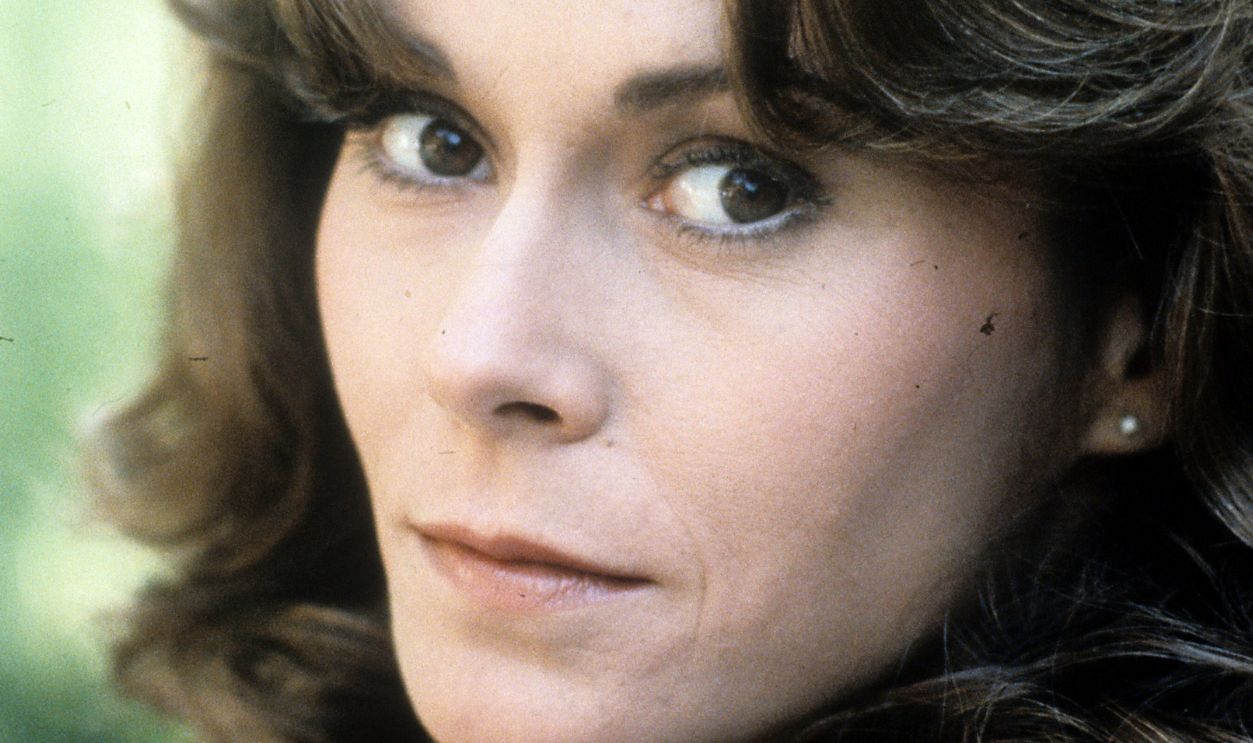
Jackson occasionally reunited with former co-stars Jaclyn Smith and Cheryl Ladd for anniversary celebrations and interviews. These appearances reminded viewers how influential the original series had been. Fans were especially excited when Jackson returned to the spotlight after years away. The reunions highlighted the enduring affection for the cast.
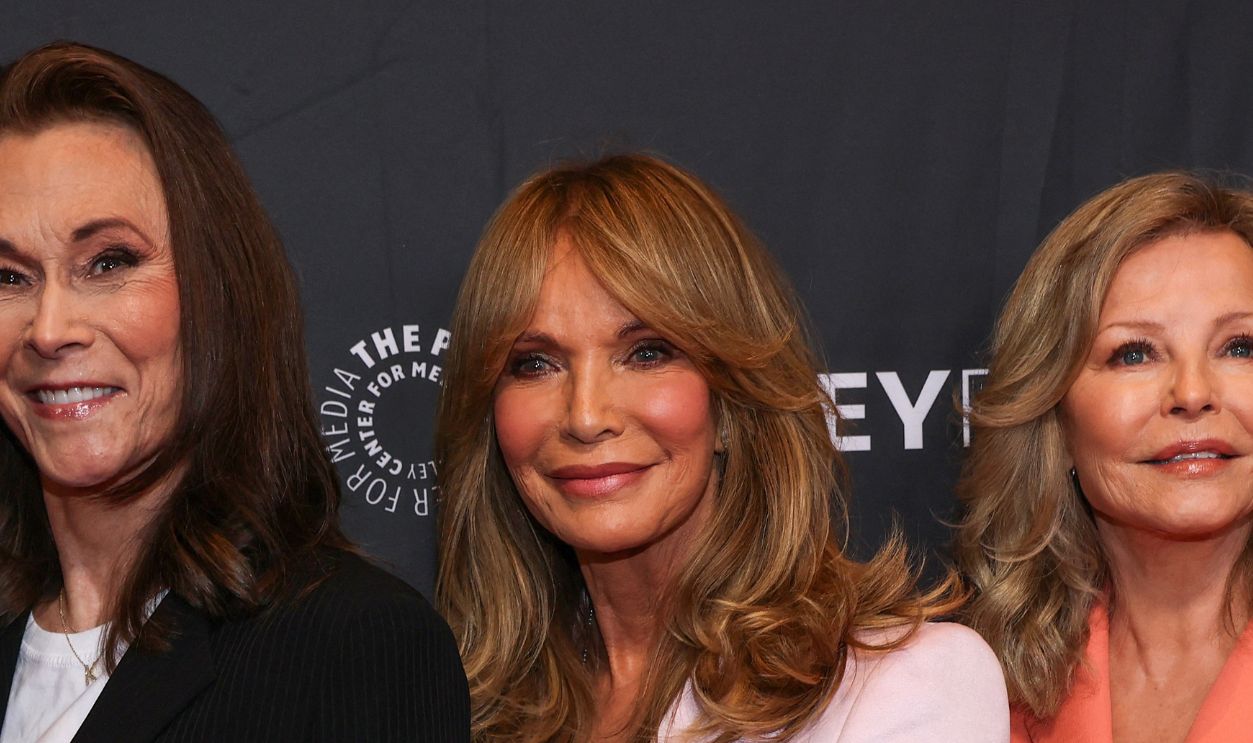
Critics Often Underrated Her Talent
While Farrah Fawcett became the breakout sex symbol of Charlie’s Angels, critics frequently praised Jackson’s acting abilities most strongly. She brought intelligence and dry humor to Sabrina Duncan. Some television historians believe her dramatic talents deserved more substantial film opportunities. Unfortunately, timing and industry politics complicated that path.
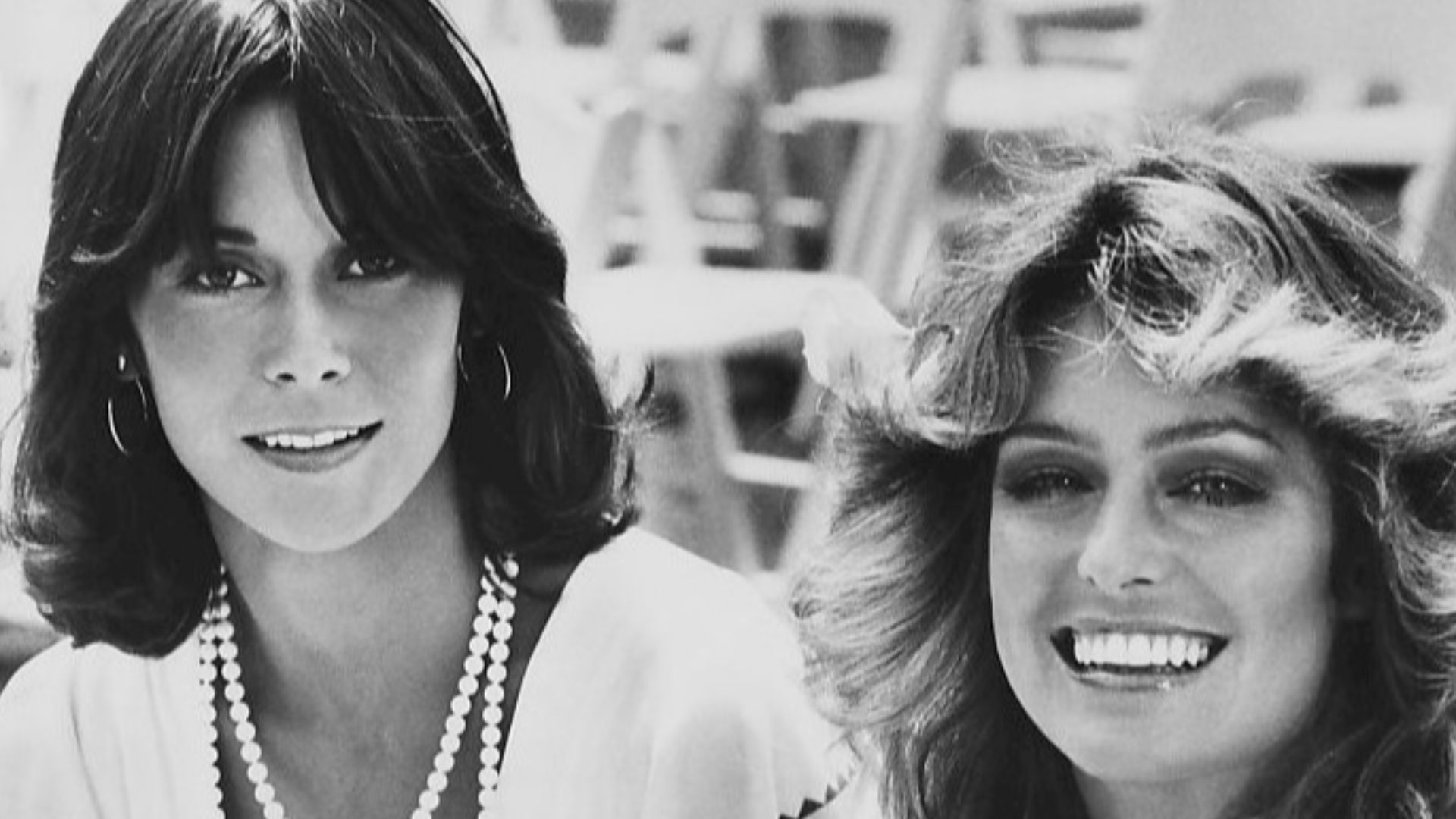 ABC Television, Wikimedia Commons
The Industry Was Tough On Women In The 1970s
Jackson’s story also reflects broader problems within Hollywood during the era. Women were often valued more for appearance than artistic range. Actresses who challenged producers or rejected glamour-focused roles sometimes faced consequences. Jackson’s frustrations with Charlie’s Angels mirrored larger frustrations many female stars experienced.
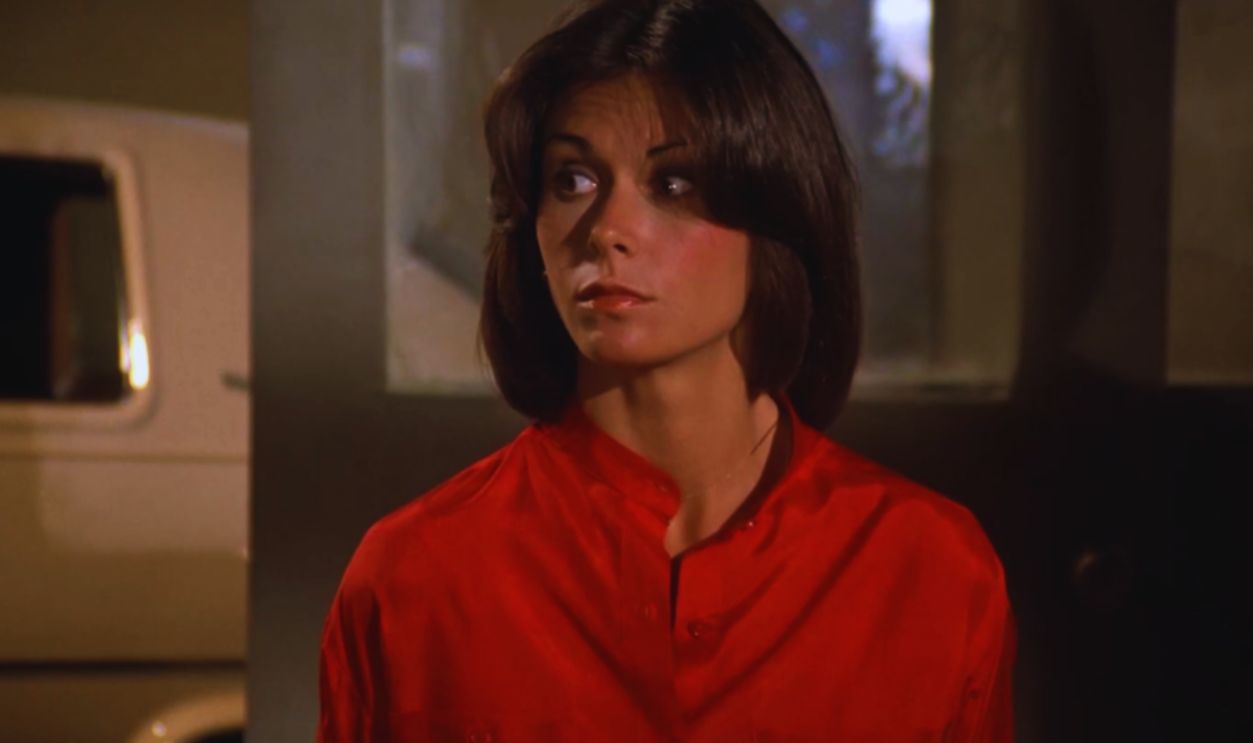 Screenshot from Charlie’s Angels, Sony Pictures Entertainment (1976-1981)
She Chose Peace Over Fame
Looking back, Jackson does not appear bitter about leaving Hollywood behind. Recent interviews suggest she values privacy, family, and calm far more than celebrity status. While fans may wish she had starred in more major projects, Jackson seems comfortable with her choices. Her version of success ultimately became personal rather than professional.
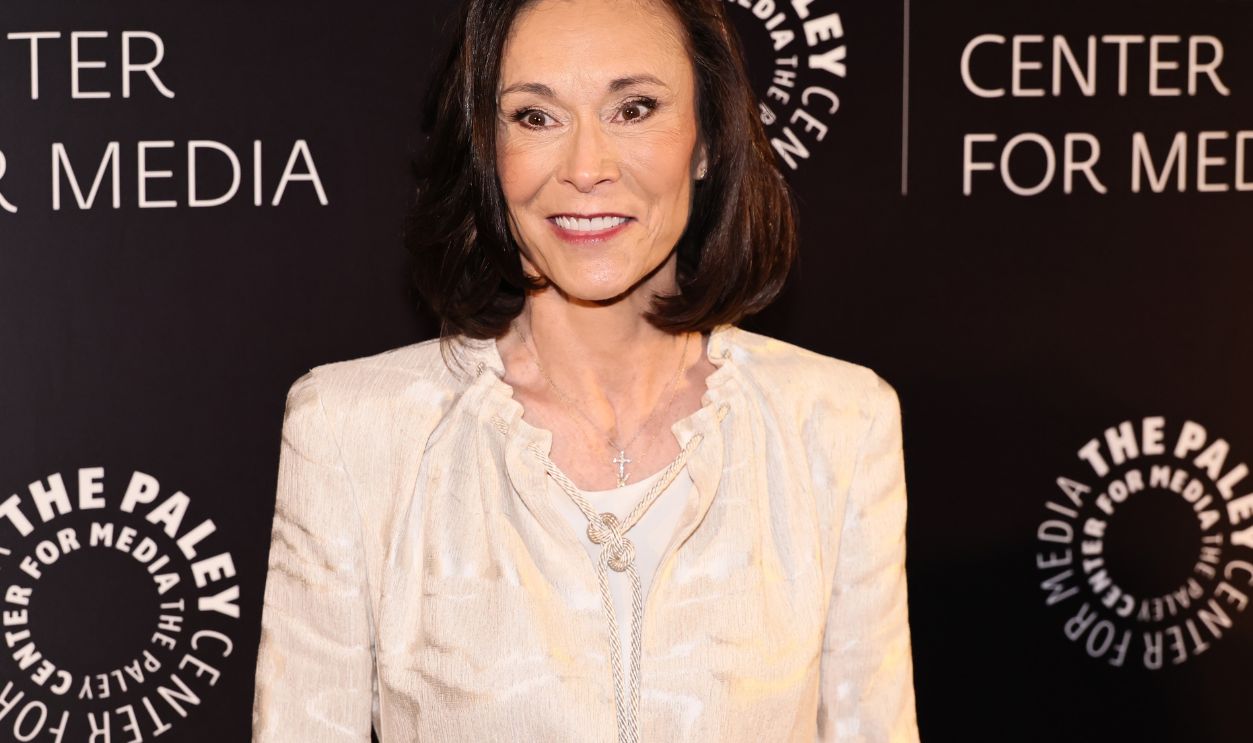
Charlie’s Angels Still Shapes Her Public Image
Even decades later, Charlie’s Angels remains the role most associated with Jackson. The series permanently linked her to one of television’s most recognizable franchises. Although she worked steadily afterward, the cultural impact of Sabrina Duncan overshadowed nearly everything else. Few actors fully escape a phenomenon that large.
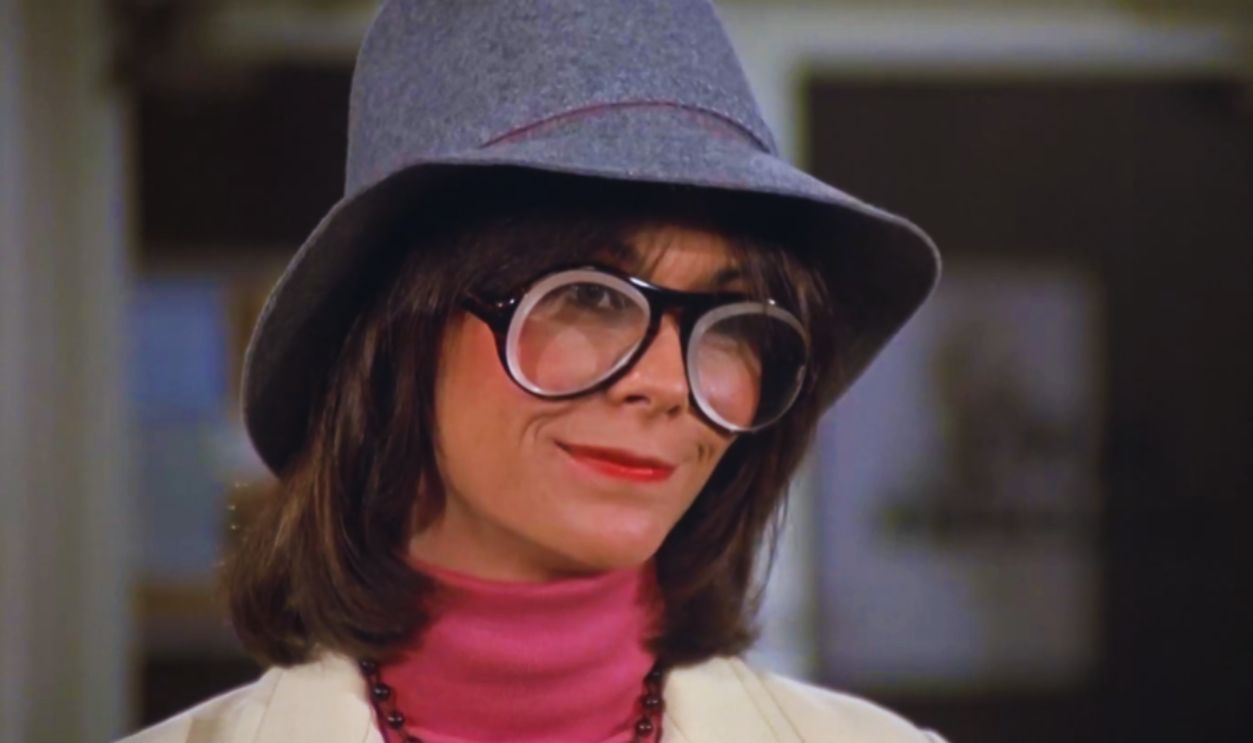 Screenshot from Charlie’s Angels, Sony Pictures Entertainment (1976-1981)
Her Career Was More Successful Than People Remember
It is easy to frame Jackson’s post-Angels years as disappointing, but that overlooks her accomplishments. She starred in multiple successful television series, survived major health struggles, and built a life outside Hollywood. Many actors never achieve even a fraction of that longevity. Her career simply took a different shape than audiences expected.
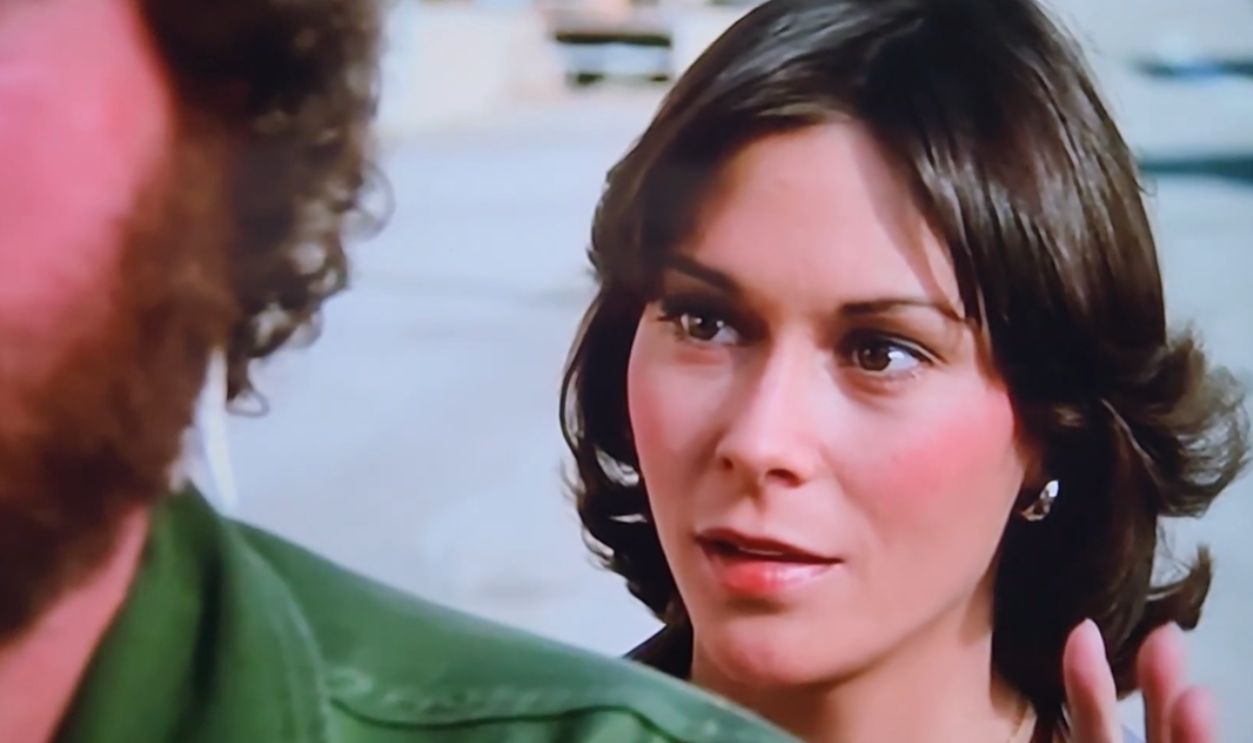 Screenshot from Charlie’s Angels, Sony Pictures Entertainment (1976-1981)
Kate Jackson’s Legacy Goes Beyond Fame
Today, Jackson is remembered not only as an Angel but also as a talented actress who navigated fame on her own terms. She experienced incredible success, painful setbacks, and major personal reinventions. Her story explains why bigger Hollywood stardom never fully materialized after Charlie’s Angels. It also shows that stepping away from the spotlight can sometimes be its own kind of victory.
You May Also Like:
Actresses Who Everyone Was In Love With In The 70s
Actors Who Completely Rewrote Their Character’s Dialogue