
When Scripts Don’t Stand A Chance
Movies may start on the page, but they rarely stay there. Sometimes, actors step in, tweak a line, scrap an entire subplot, or completely reshape who their character is supposed to be. And occasionally, those changes make everything better…or at least a lot more interesting. From quiet improvisations to full-blown rewrites, these actors didn’t just play their roles—they rewrote them.
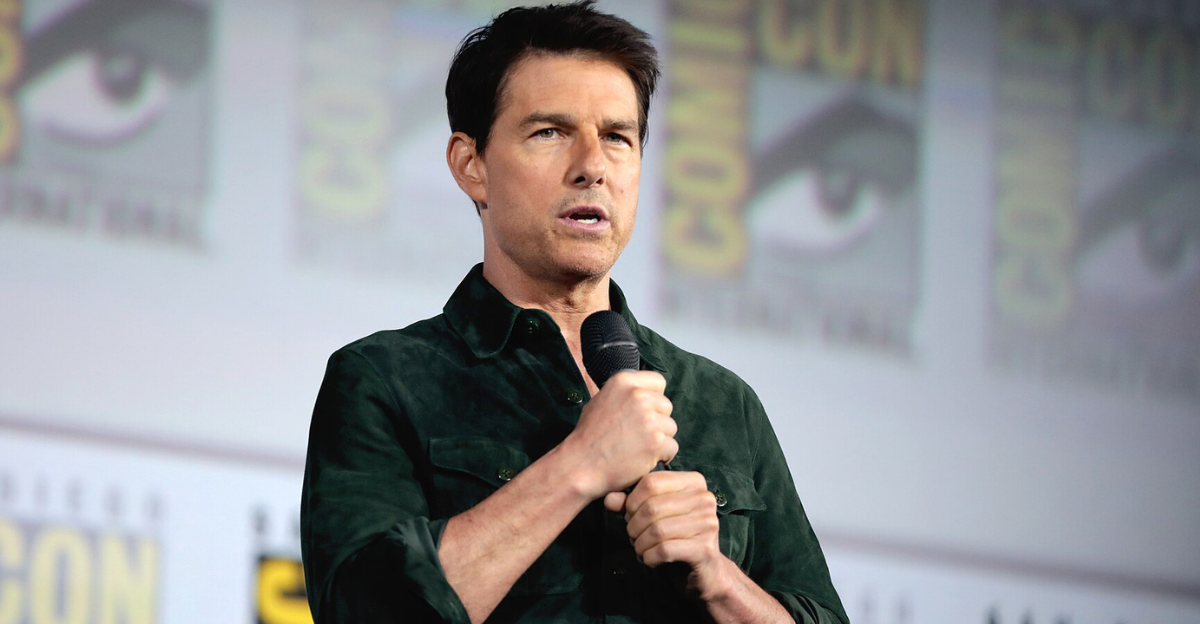 Gage Skidmore, Wikimedia Commons
Robin Williams Turned Aladdin Into A One-Man Comedy Show
Robin Williams didn’t just voice the Genie in Aladdin—he practically reinvented the character on the spot. Recording an estimated 16 hours of improvised dialogue, he gave the filmmakers more material than they could ever use. The final performance feels electric because so much of it was spontaneous. What made it into the movie is only a fraction of what he actually created.
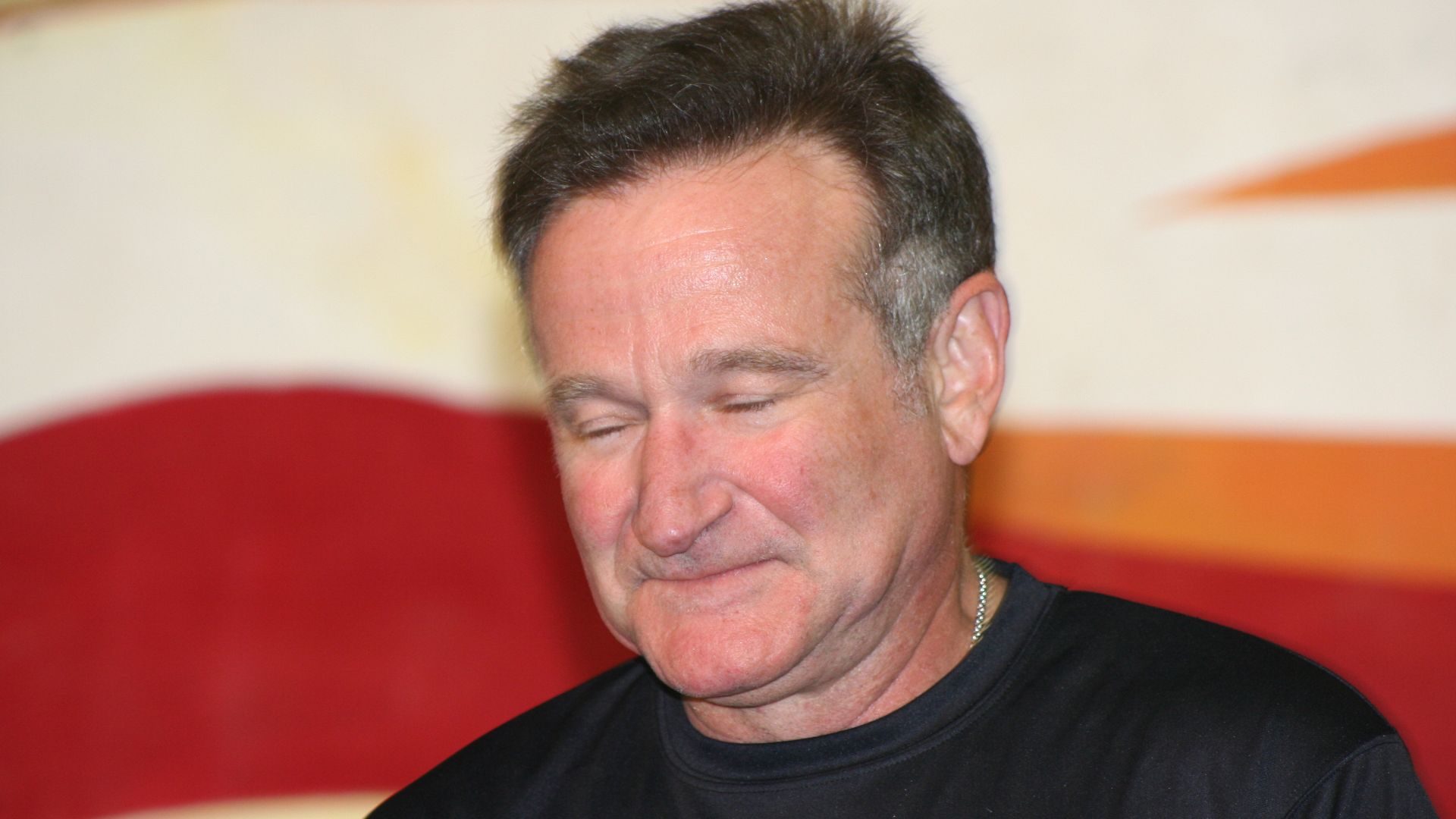 Maj. Enrique Vasquez, Wikimedia Commons
Tom Cruise Turned The Mummy Into A Different Movie Entirely
Tom Cruise is known for taking control, and The Mummy might be his boldest example. He reportedly brought in writers to reshape the script and expand his role, shifting the film’s tone away from horror. What was supposed to launch a dark cinematic universe ended up feeling more like a Cruise-led action vehicle. The result didn’t exactly land the way the studio hoped.
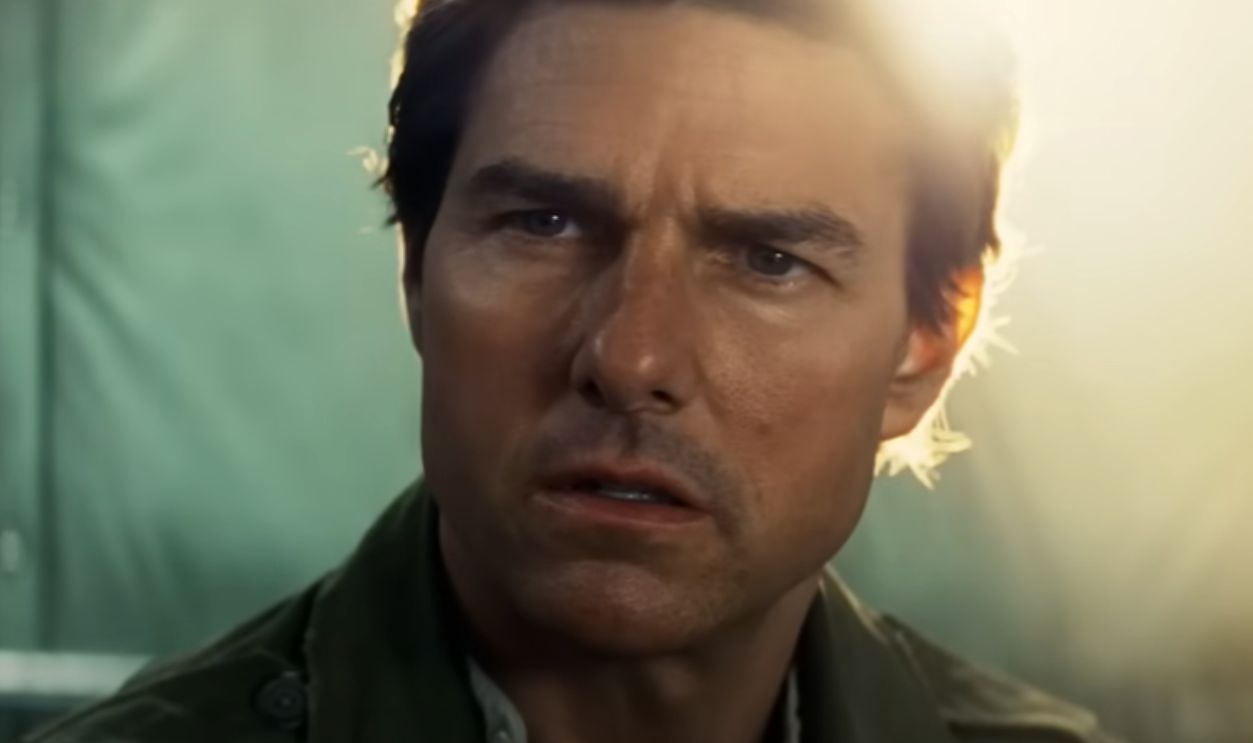 Universal Pictures, The Mummy (2017)
Michelle Rodriguez Refused To Let Letty Betray Dom
Michelle Rodriguez nearly walked away from The Fast and the Furious over a storyline she didn’t believe in. The original script had Letty cheating on Dom, and Rodriguez wasn’t having it. She pushed for a rewrite that stayed true to her character’s loyalty. That decision helped define Letty’s identity for the entire franchise.
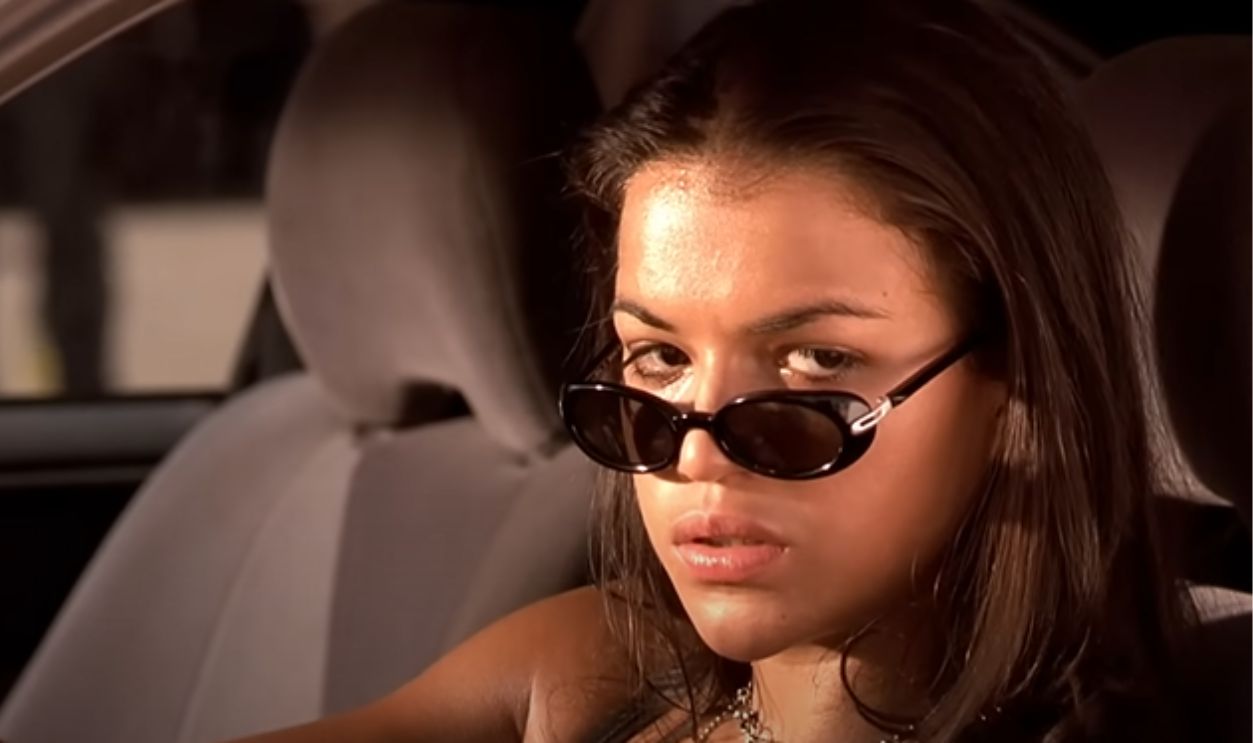 Universal Pictures, The Fast and the Furious (2001)
Dwayne Johnson Wouldn’t Accept A Sad Ending In Rampage
In Rampage, the original plan had George the gorilla dying at the end. Dwayne Johnson stepped in and pushed hard against that idea. He wanted audiences to leave the theater feeling good, not devastated. Eventually, the script changed—and George lived to see another day.
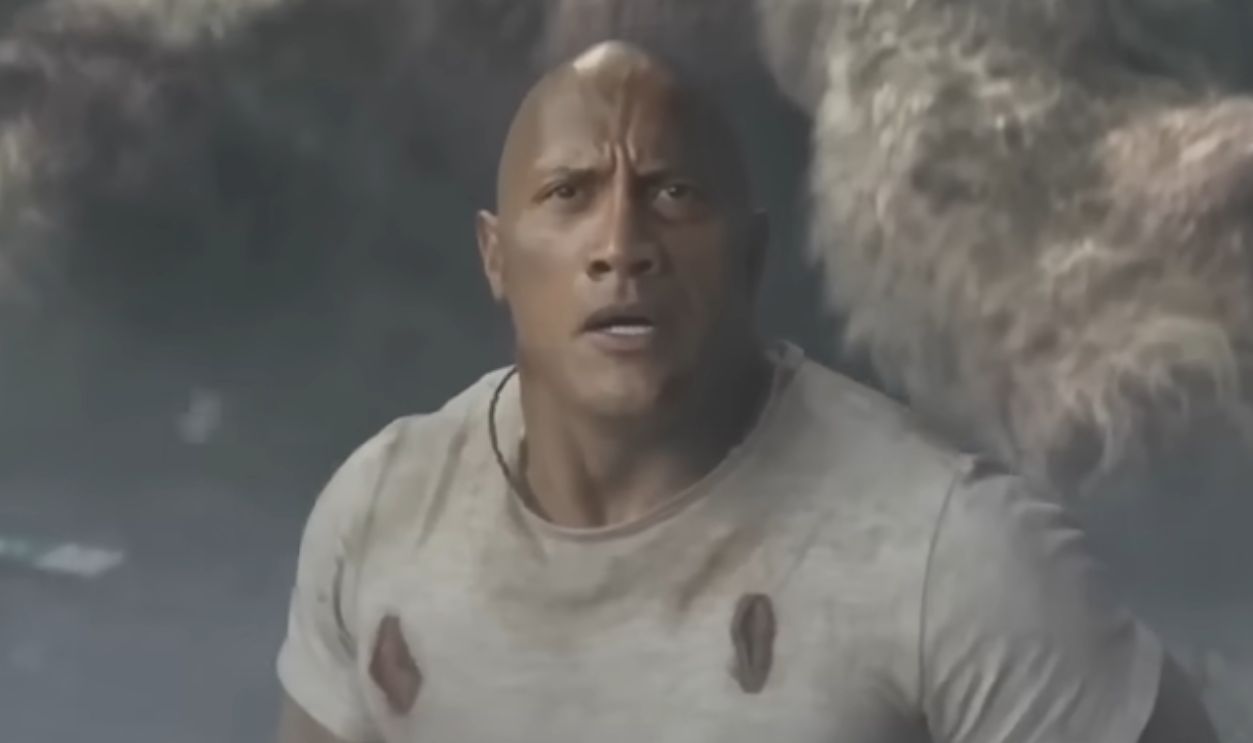 Screenshot from Rampage, Warner Bros. Pictures
Crispin Glover Deleted His Own Dialogue In Charlie’s Angels
Most actors fight for more lines, but Crispin Glover did the opposite in Charlie’s Angels. He believed his character, the eerie Thin Man, would be more effective without dialogue. So he pushed to have all his lines removed. The result is one of the strangest—and most memorable—villains in the film.
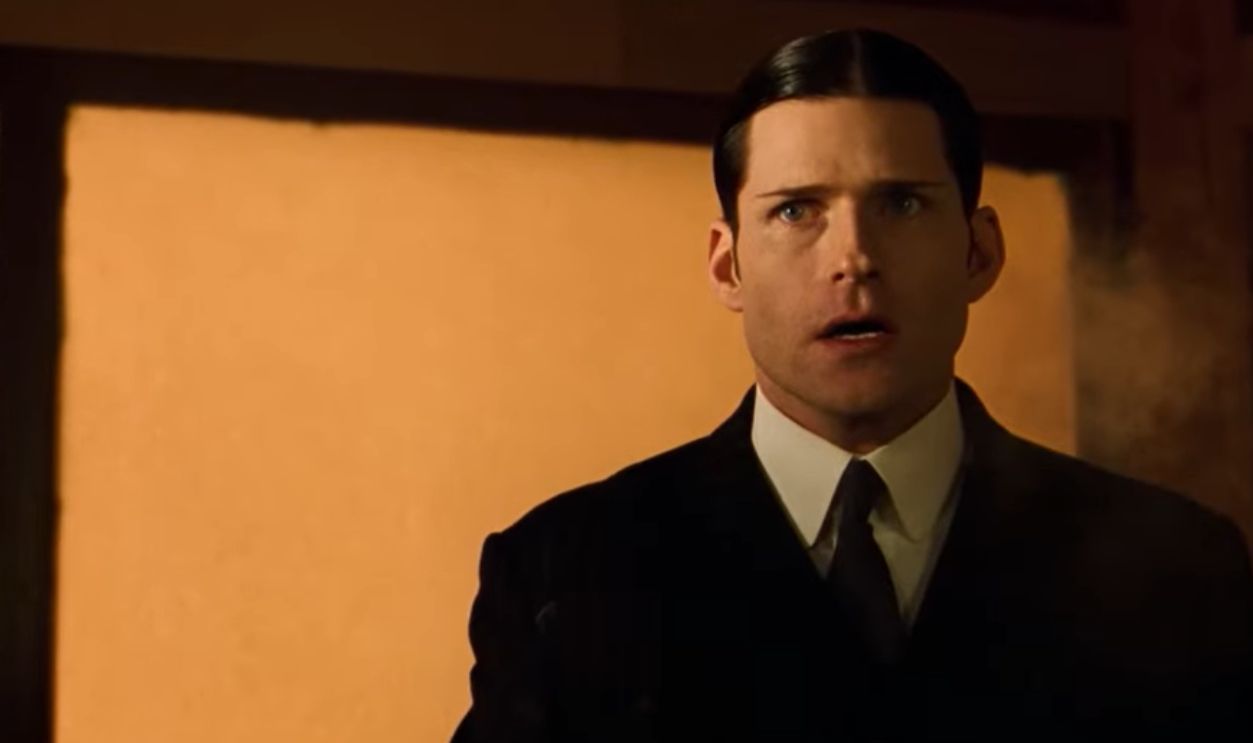 Screenshot from Charlie's Angels, Sony Pictures Releasing (2000)
Harrison Ford Spent Decades Trying To Kill Han Solo
Harrison Ford had a very specific idea for Han Solo’s arc: he should go. He argued for it as early as Return of the Jedi, believing it would give the character more weight. It took decades, but the writers finally gave him his wish in The Force Awakens. The moment hit hard precisely because it felt earned.
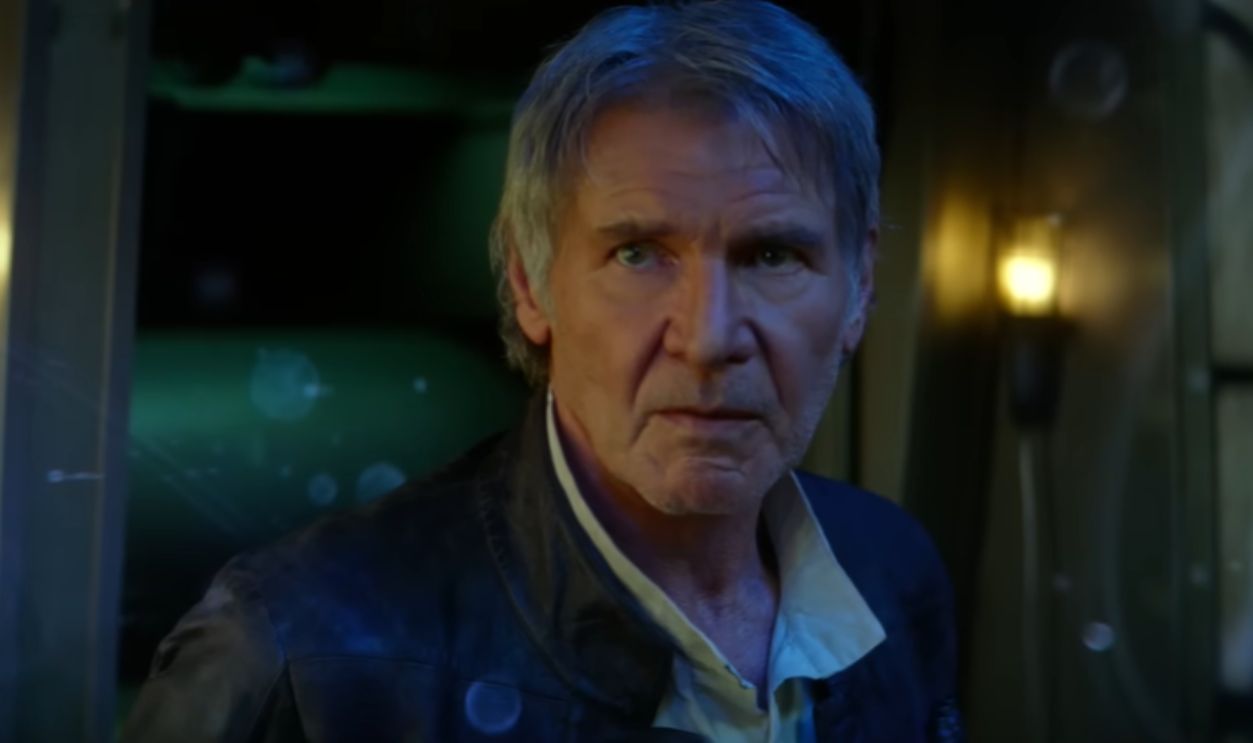 Screenshot from Star Wars: The Force Awakens, The Walt Disney Company (2015)
Nic Cage Made Con Air Weird In The Best Way
Nicolas Cage didn’t just show up for Con Air—he helped shape its most memorable quirks. From the Southern accent to the iconic “put the bunny back in the box” line, his contributions gave the film its unique personality. Without those touches, it might’ve been just another action movie. Instead, it became endlessly quotable.
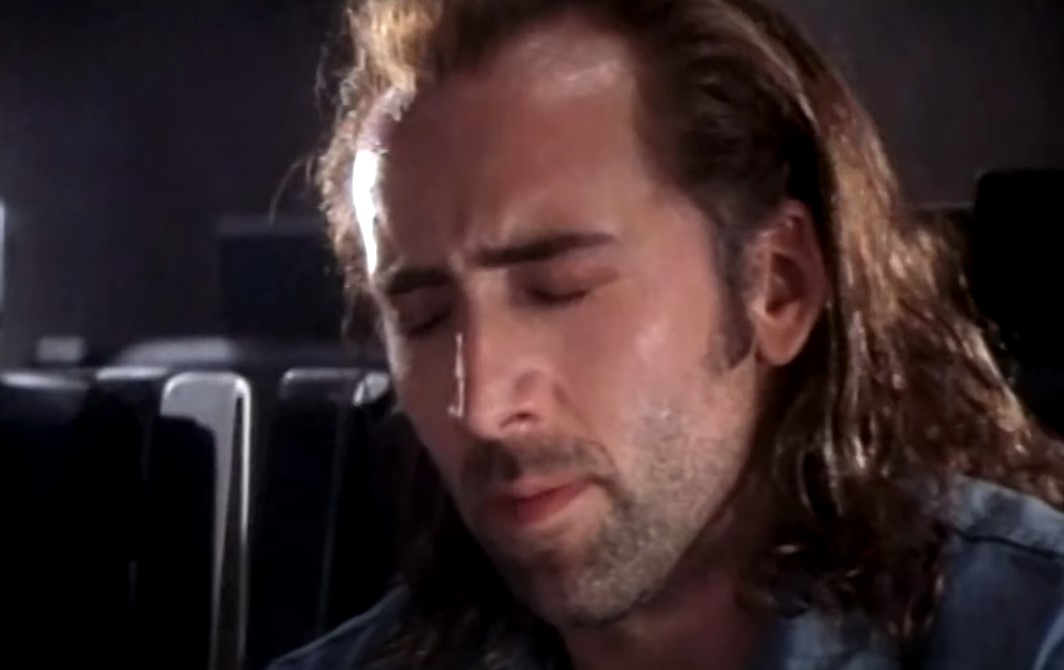 Touchstone Pictures, Con Air (1997)
Edward Norton Tried To Rewrite The Incredible Hulk
Before signing on to The Incredible Hulk, Edward Norton insisted on script changes. He wanted deeper dialogue and a stronger story for Bruce Banner. While he did contribute to rewrites, much of his work didn’t make the final cut. Still, his involvement shows how seriously he approached the role.
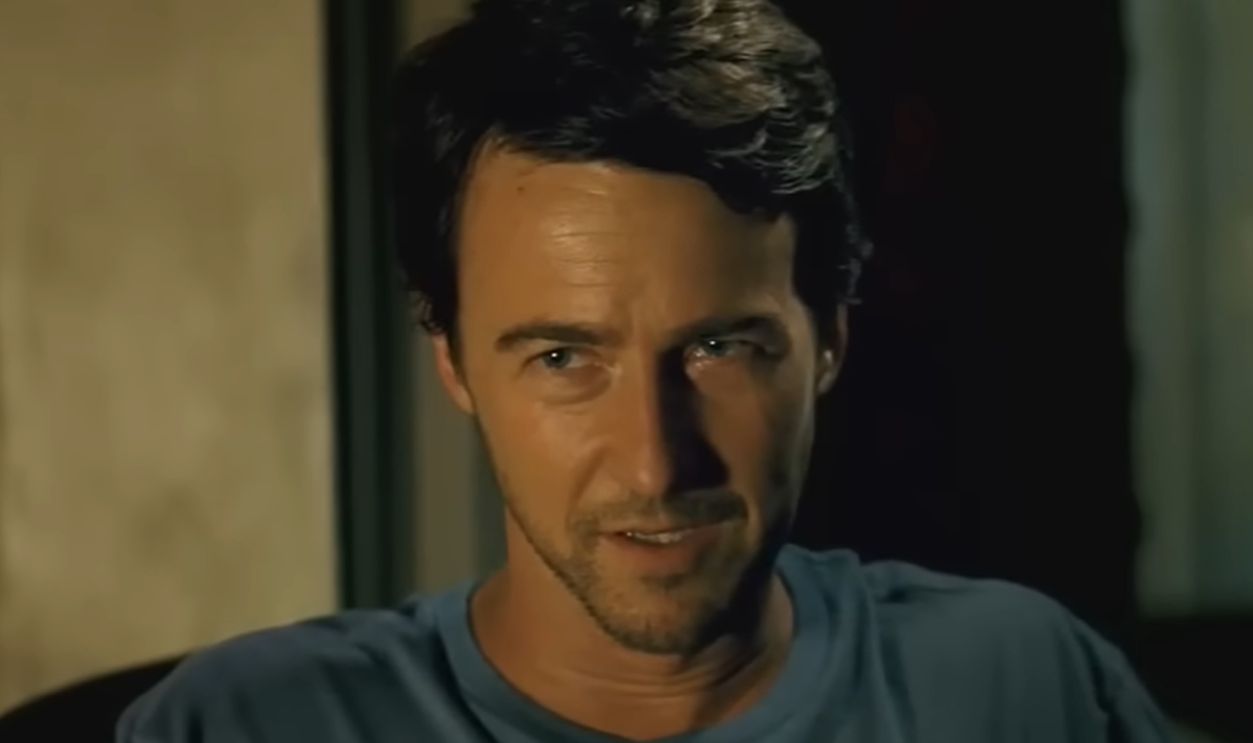 Screenshot from The Incredible Hulk, The Walt Disney Company (2008)
Mike Myers Changed Shrek’s Voice After It Was Finished
Mike Myers made a massive change to Shrek after most of his lines were already recorded. He decided the character needed a Scottish accent instead of the original voice. That meant re-recording nearly all of his dialogue. It was a risky move, but it ended up defining the character.
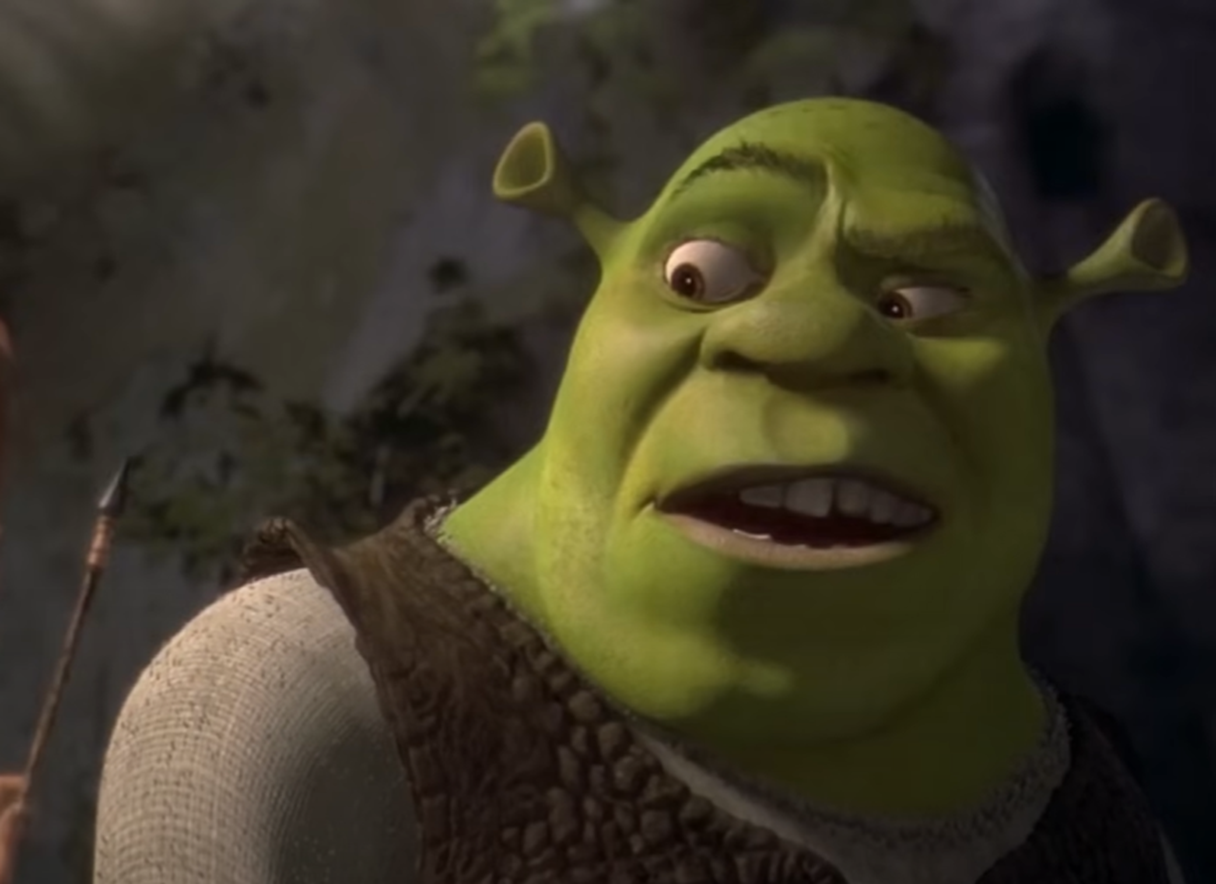
Denzel Washington Removed A Romance From The Pelican Brief
In The Pelican Brief, Denzel Washington chose to cut romantic scenes between his character and Julia Roberts’ character. He felt the storyline didn’t fit and might alienate parts of his audience. So the script was adjusted to remove it entirely. The film ended up focusing more on the thriller elements instead.
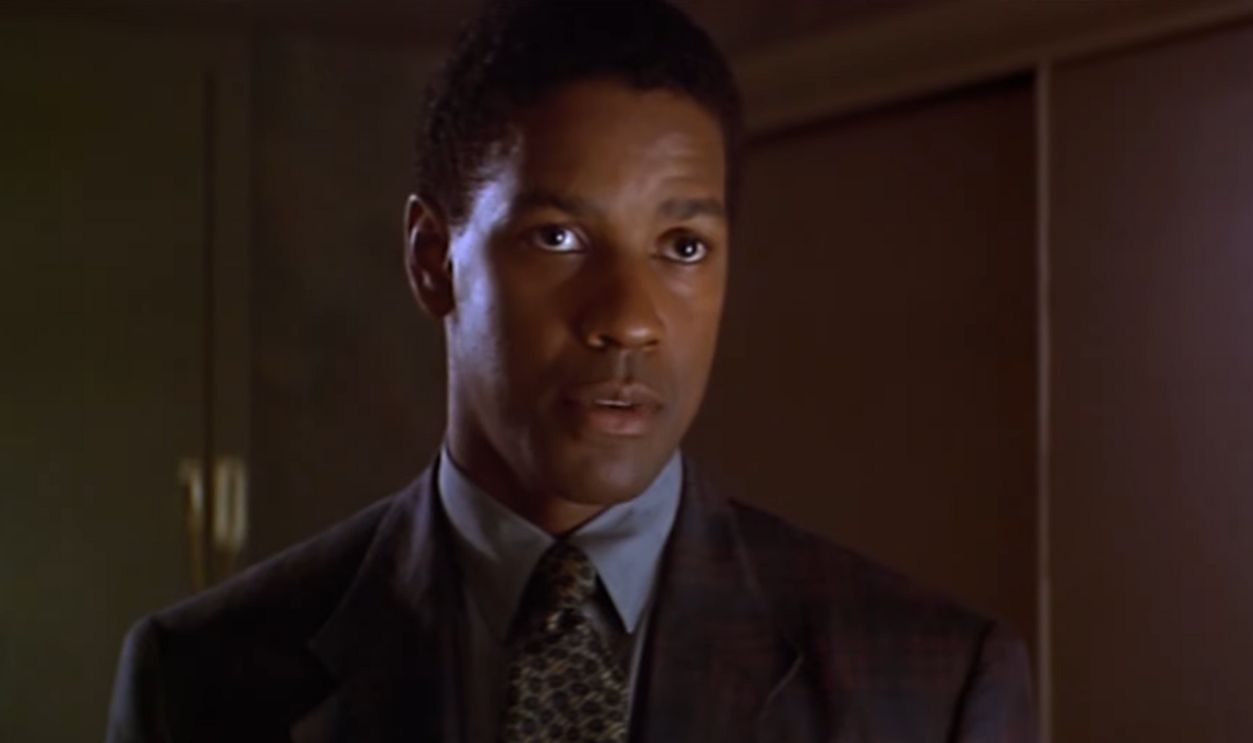 Warner Bros, The Pelican Brief(1993)
Liam Neeson Insisted On His Own Accent In A Million Ways To Die In The West
Liam Neeson agreed to appear in A Million Ways to Die in the West under one condition: he’d keep his Irish accent. The film leaned into the joke rather than trying to mask it. That small change added a layer of humor to his otherwise intimidating character. Sometimes, authenticity works better than fitting the mold.
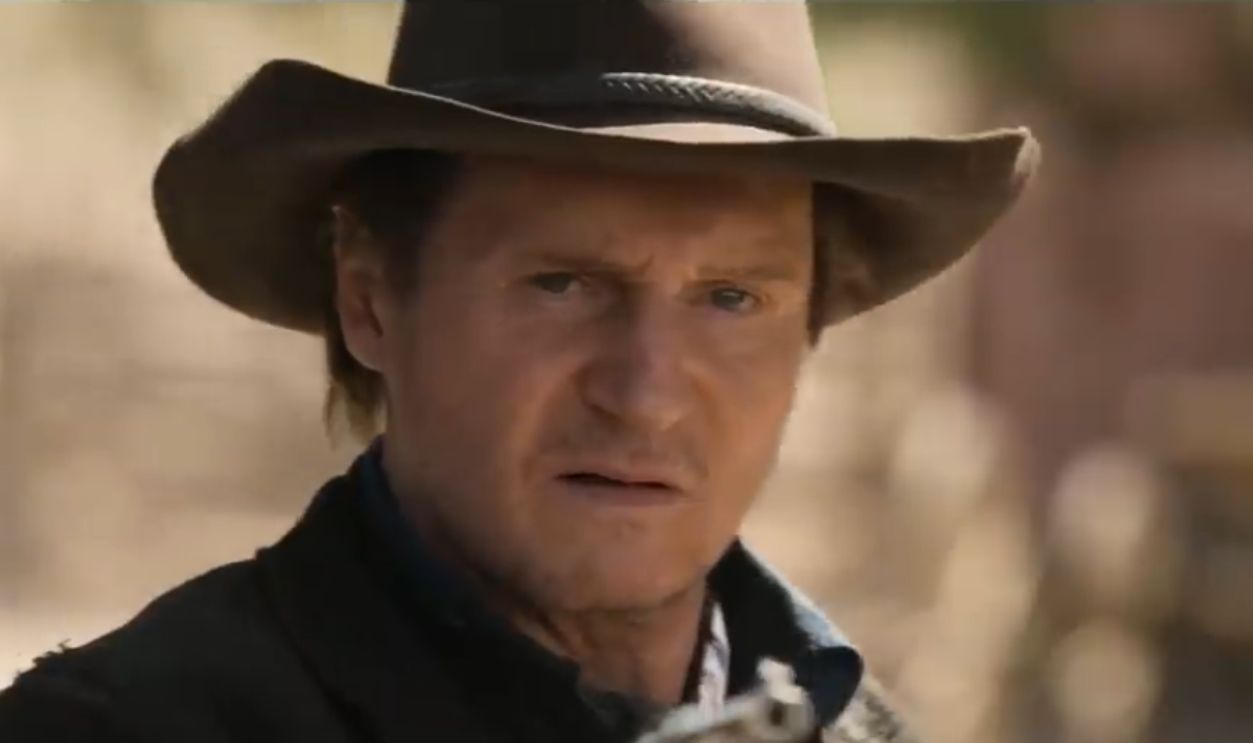 Screenshot from A Million Ways to Die in the West, Universal Pictures (2014)
Chris Evans Helped Shape Captain America’s Personality
Chris Evans didn’t just follow the script in the MCU—he refined it. He contributed to dialogue and character moments, especially in scenes that defined Steve Rogers’ personality. Writers even acknowledged that actors often understand their characters best. In Evans’ case, those tweaks helped make Captain America feel grounded.
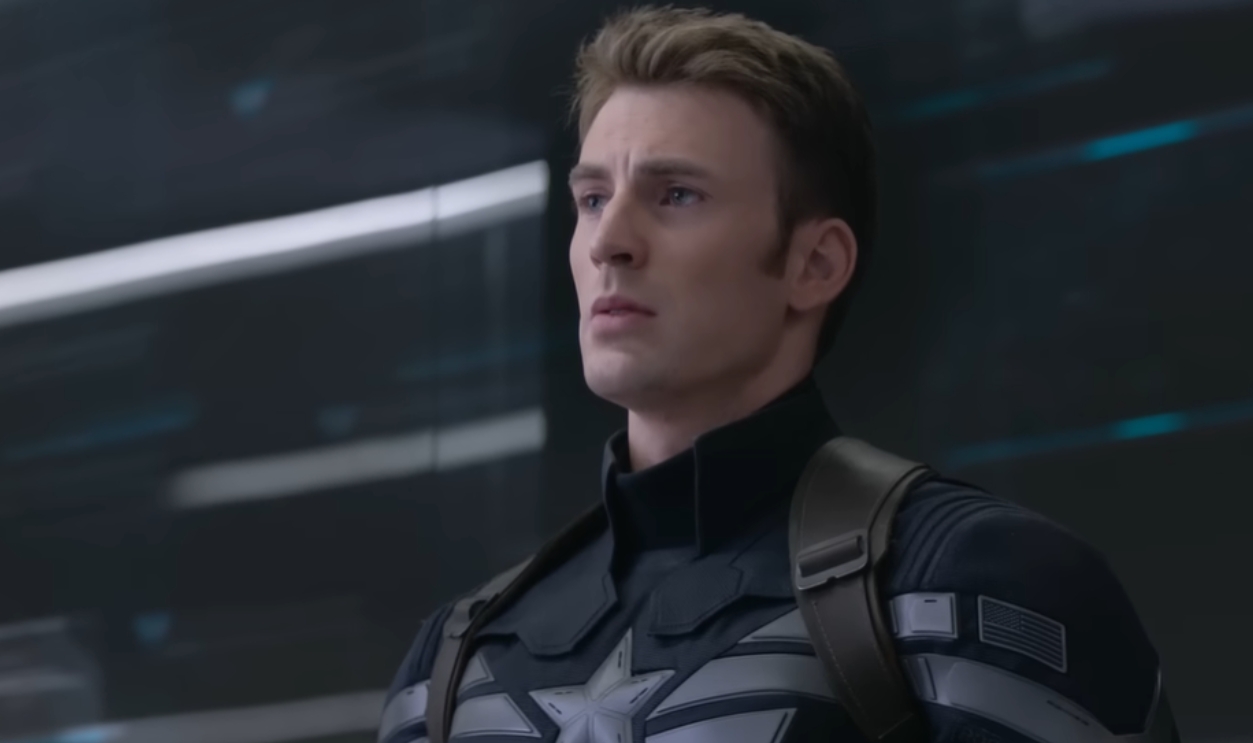 Marvel Studios, Captain America: The Winter Soldier (2014)
Scarlett Johansson Fine-Tuned Black Widow’s Voice
After years of playing Black Widow, Scarlett Johansson had a strong sense of how the character should sound. She adjusted lines and added her own touches to make the dialogue feel more natural. These weren’t massive rewrites, but they mattered. Over time, they helped shape one of the MCU’s most consistent characters.
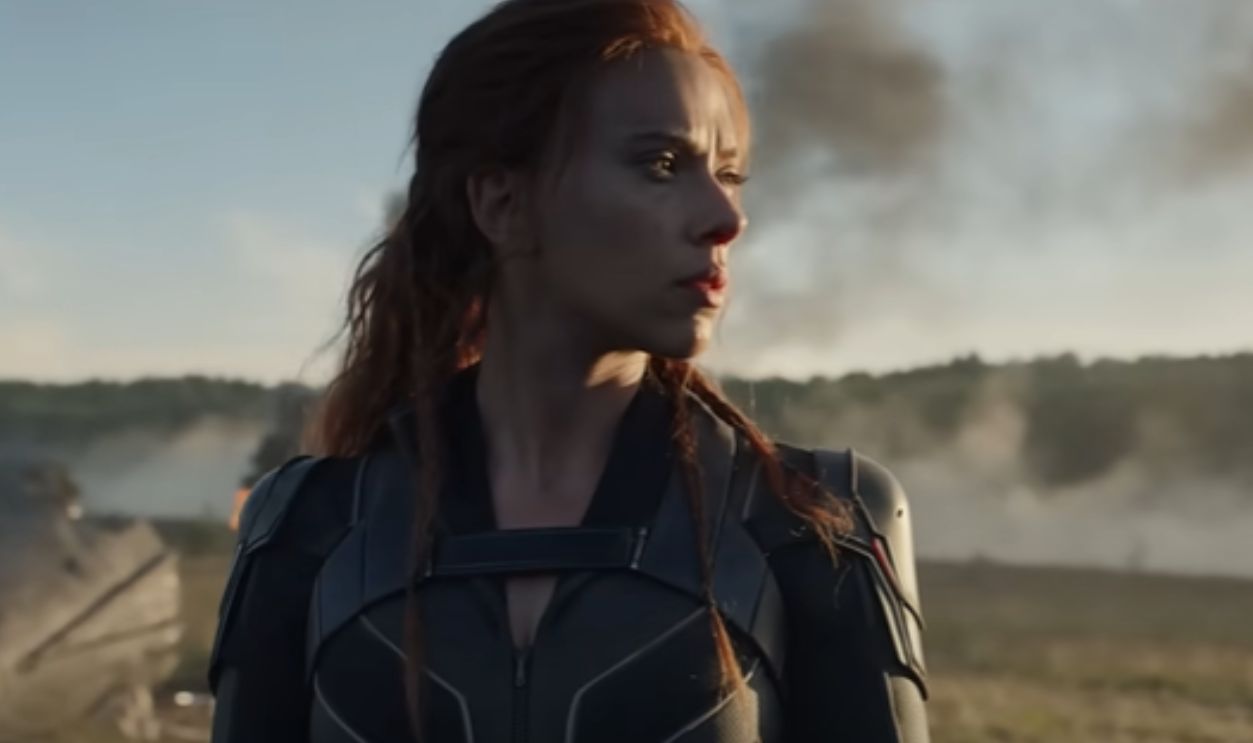 Marvel Studios, Black Widow (2021)
Michael Douglas Wanted A Richer Backstory In The Ghost And The Darkness
Michael Douglas wasn’t interested in a flat character. Before joining The Ghost and the Darkness, he asked for more depth and backstory. The writers eventually expanded his role to reflect those ideas. It gave his character a stronger presence in the film.
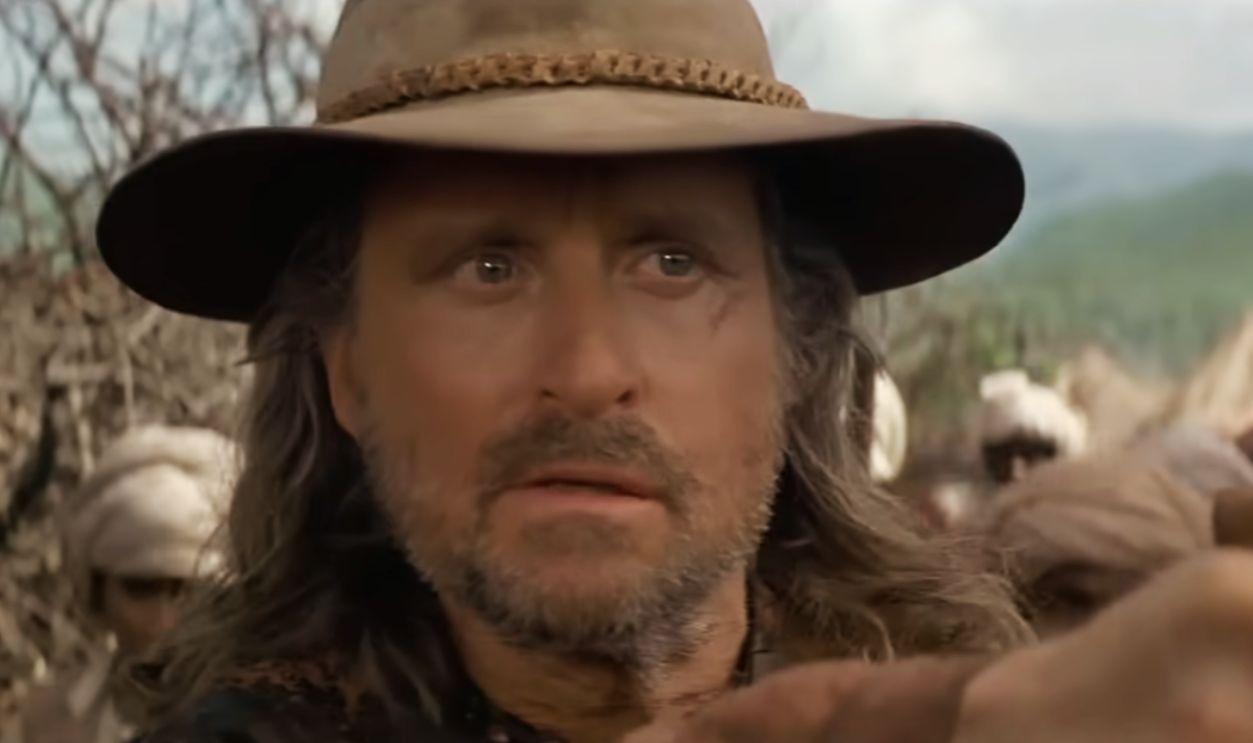 Screenshot from The Ghost and The Darkness, Paramount Pictures (1996)
Jack Nicholson Helped Build His Role In The Departed From Scratch
Jack Nicholson nearly passed on The Departed because his character lacked substance. Instead, he worked with the filmmakers to build Frank Costello into something more layered. The collaboration added unpredictability and intensity to the role. It’s hard to imagine the film without his influence.
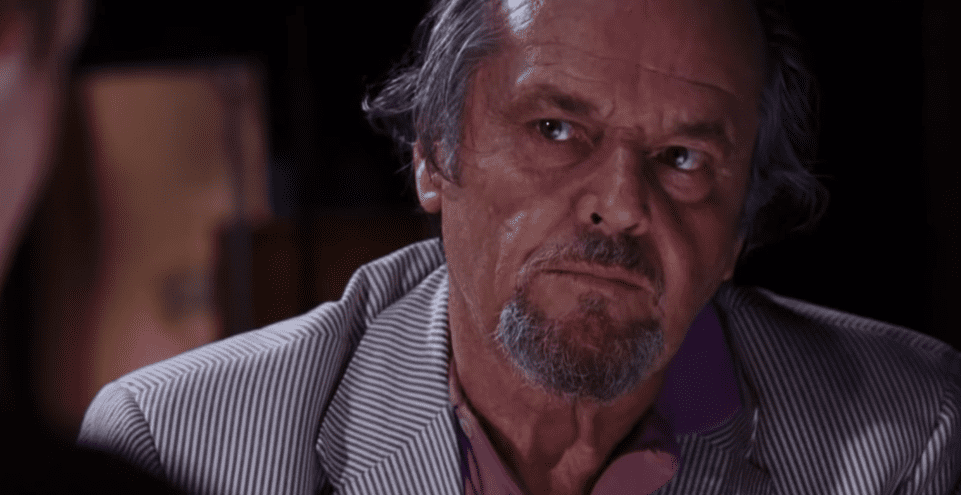 Warner Bros. Pictures, The Departed (2006)
Marlon Brando Improvised His Way Through Apocalypse Now
Marlon Brando arrived on Apocalypse Now without fully memorizing his lines. Rather than force it, director Francis Ford Coppola allowed him to improvise. Some of those improvised moments ended up shaping the final script. It created a performance that feels haunting and unpredictable.
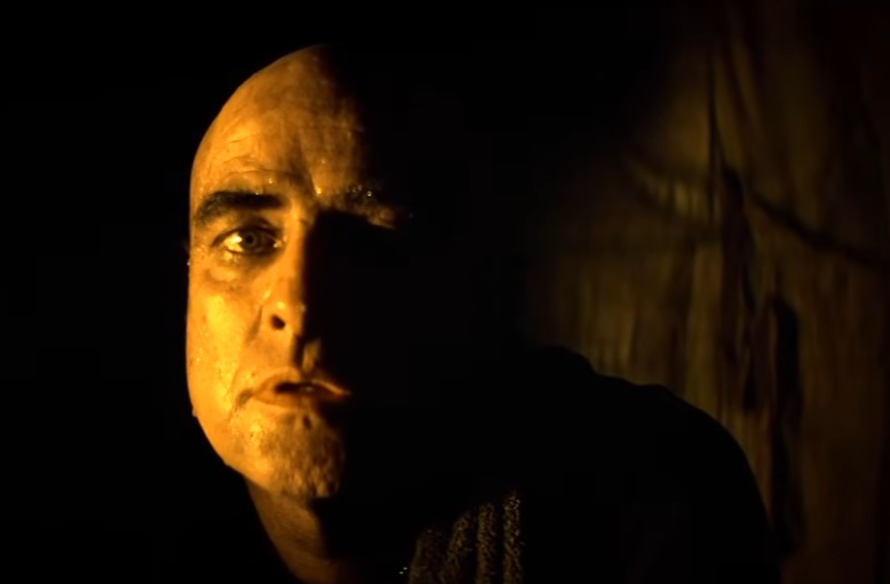 American Zoetrope, Apocalypse Now (1979)
Carrie Fisher Rewrote Princess Leia’s Dialogue On The Fly
Carrie Fisher found herself constantly adjusting her lines in Star Wars. Part of it was practical—Harrison Ford often tweaked his own dialogue, which affected their scenes. But Fisher also understood how Leia should speak. Her rewrites helped give the character her sharp, confident voice.
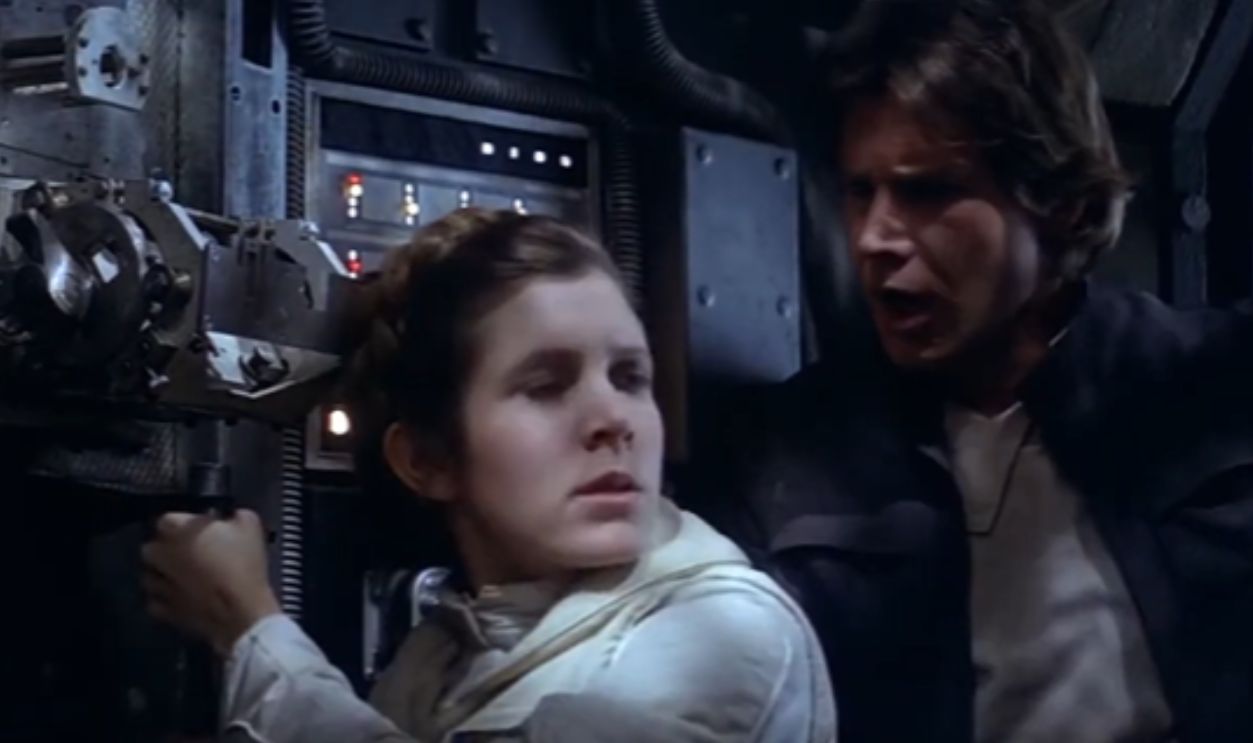 20th Century Fox, Star Wars: Episode V – The Empire Strikes Back (1980)
Justin Theroux Softened His Character In The Leftovers
Originally, Kevin Garvey in The Leftovers was written as a much angrier figure. Justin Theroux played him with more vulnerability, which changed how the writers approached the character. They rewrote future scripts to match his interpretation. The result was a more complex and relatable lead.
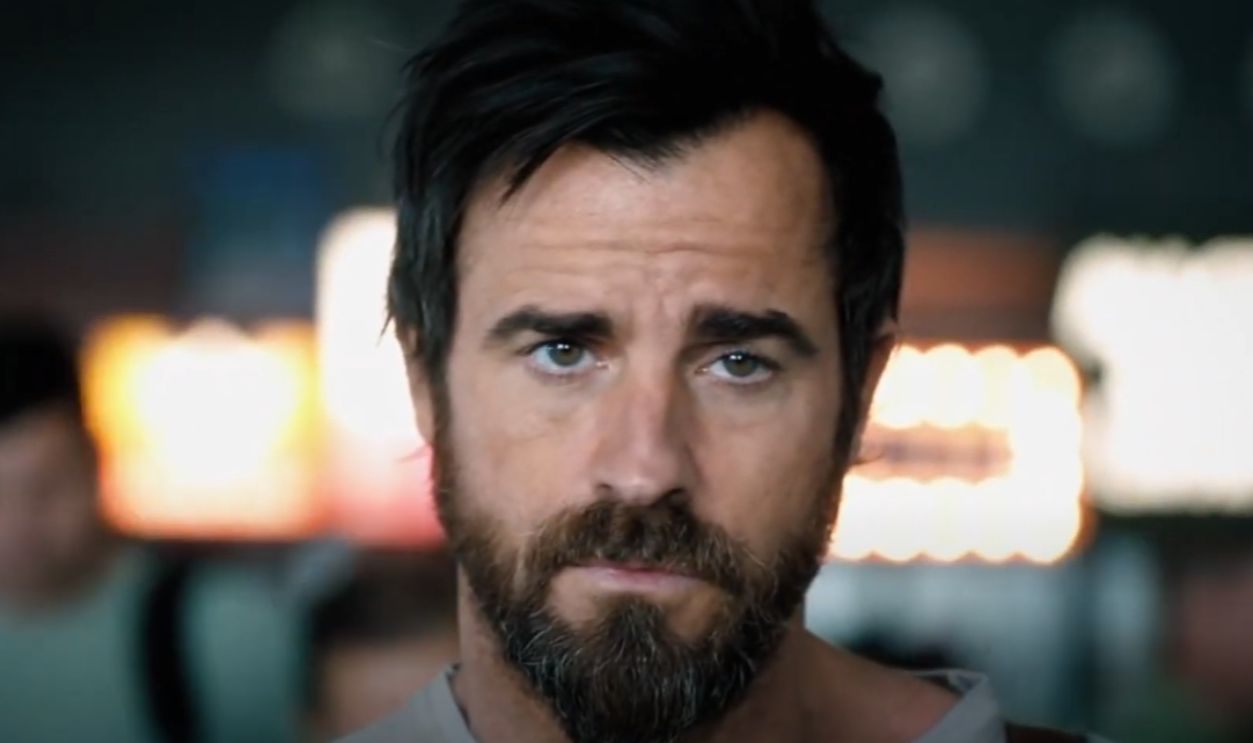 Screenshot from The Leftovers, HBO (2014–2017)
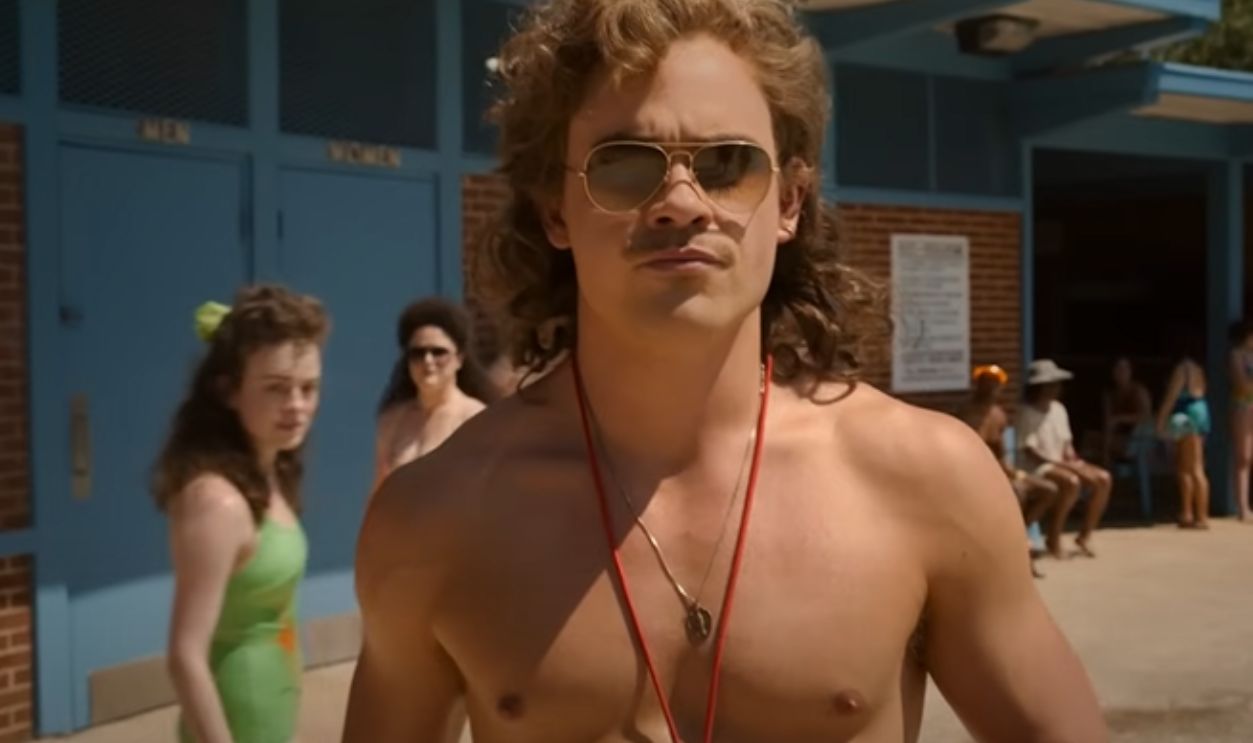
Dacre Montgomery Added Depth To A Villain In Stranger Things
Billy in Stranger Things could have been a one-note antagonist. Dacre Montgomery pushed for more nuance, wanting to show the character’s humanity. The writers incorporated those ideas, giving Billy a more layered arc. It made audiences see him differently by the end.
 Netflix, Stranger Things (2017–2019)
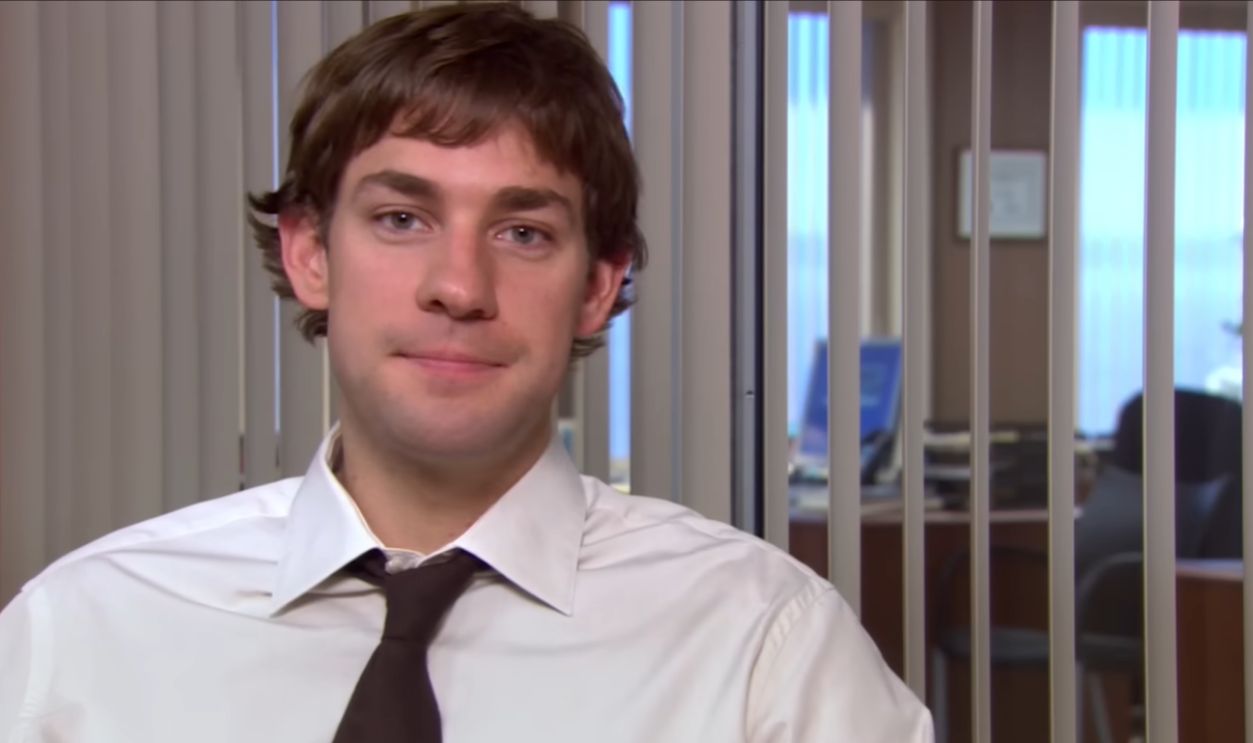
John Krasinski Protected Jim And Pam’s Story In The Office
At one point, The Office considered having Jim cheat on Pam. John Krasinski strongly opposed the idea, believing it would betray the characters. The writers backed off and adjusted the storyline. Fans probably owe him for keeping that relationship intact.
You May Also Like:
Untamed Facts About Olive Thomas, The First Tragic Star
Reluctant Facts About Jennifer Jones, The Unlikely Superstar
Source: 1
.jpg)