Shows The Critics Forgot (At Least Some of Them)
The critics have their lists. They always do. And to be fair, they're right about some of the shows they keep calling the best of the 1970s. But there are also a bunch of great series that either never make those lists or get buried way too low on them. Some of them deserve a lot better. In fact, we'd argue that a few of them belong in the Top 10.
So, check out the true Greatest TV Shows of the 1970s ranking right here...and tell us what you think.
30: "The Paper Chase" (1978–1979)
Most people remember school as stressful. The Paper Chase somehow made it look like a survival sport. Professor Kingsfield was so intimidating he probably convinced a few viewers to skip law school altogether. It wasn't a huge hit, but the fans who found it never forgot it.
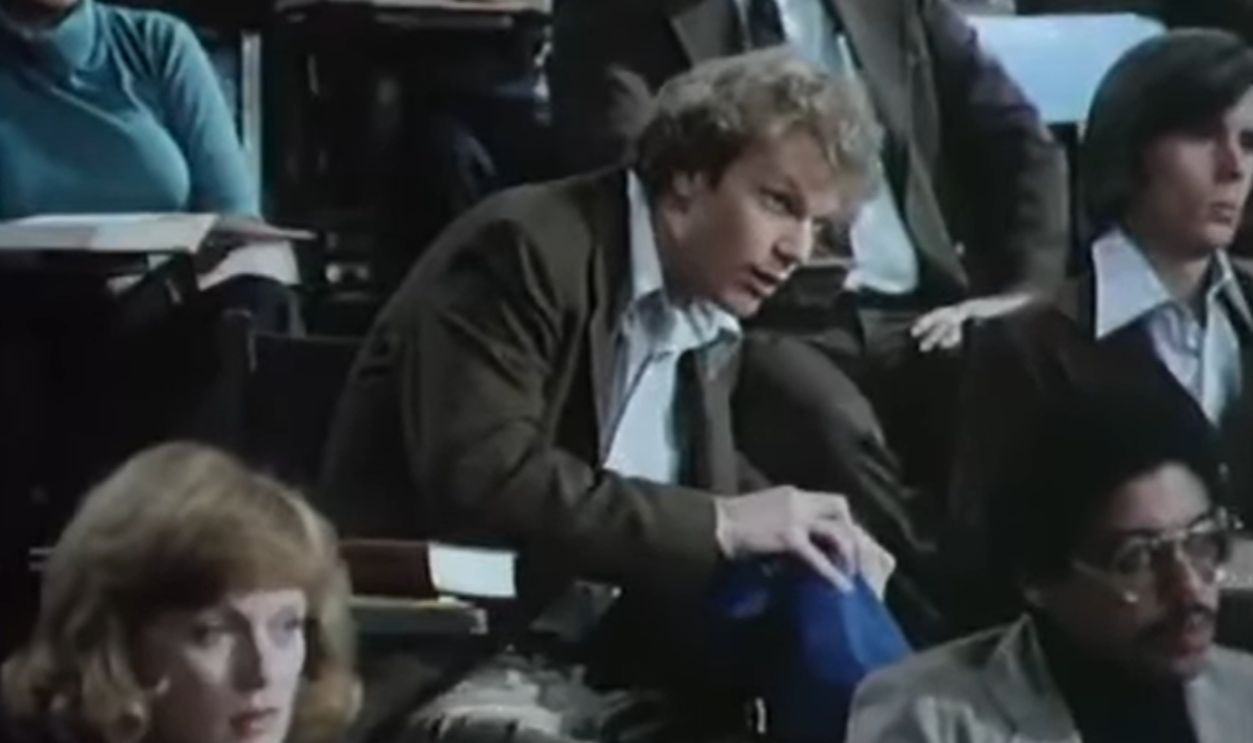 Screenshot from The Paper Chase, CBS (1978–1986)
29: "One Day at a Time" (1975–1984)
Today, a sitcom about a single mother raising two daughters doesn't sound groundbreaking. In the 70s, it absolutely was. The show managed to be funny, relatable, and honest without constantly reminding viewers how important it was being. More sitcoms could learn from that.
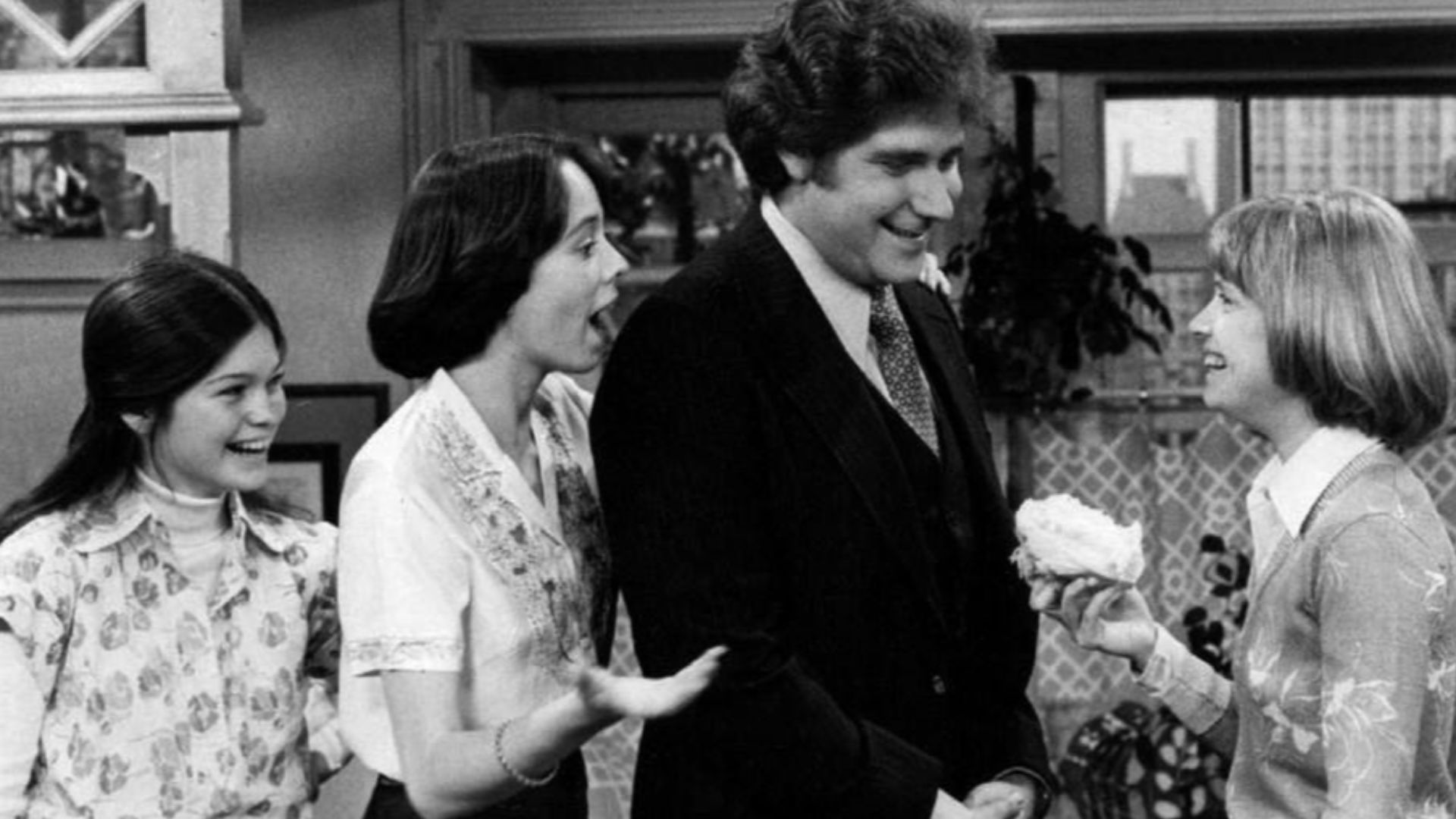 CBS Television, Wikimedia Commons
28: "Chico and the Man" (1974–1978)
Some sitcoms survive because of clever writing. Others survive because two actors have incredible chemistry. Freddie Prinze and Jack Albertson had exactly that. Watching them annoy each other every week turned out to be a surprisingly great recipe for television.
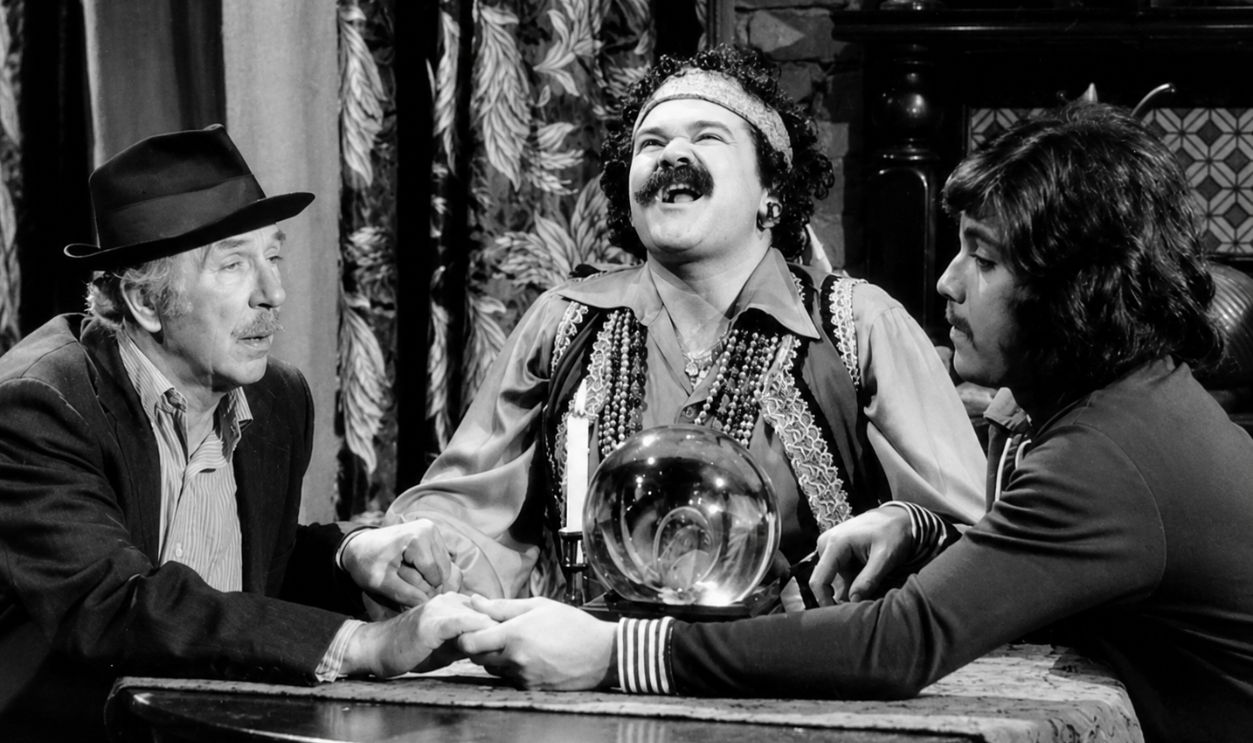 NBC Television, Wikimedia Commons
27: "The Streets of San Francisco" (1972–1977)
Before Michael Douglas was winning Oscars and becoming a movie star, he was chasing criminals through San Francisco with Karl Malden. The city looked fantastic, the cases were interesting, and the show helped launch one of Hollywood's biggest future careers.
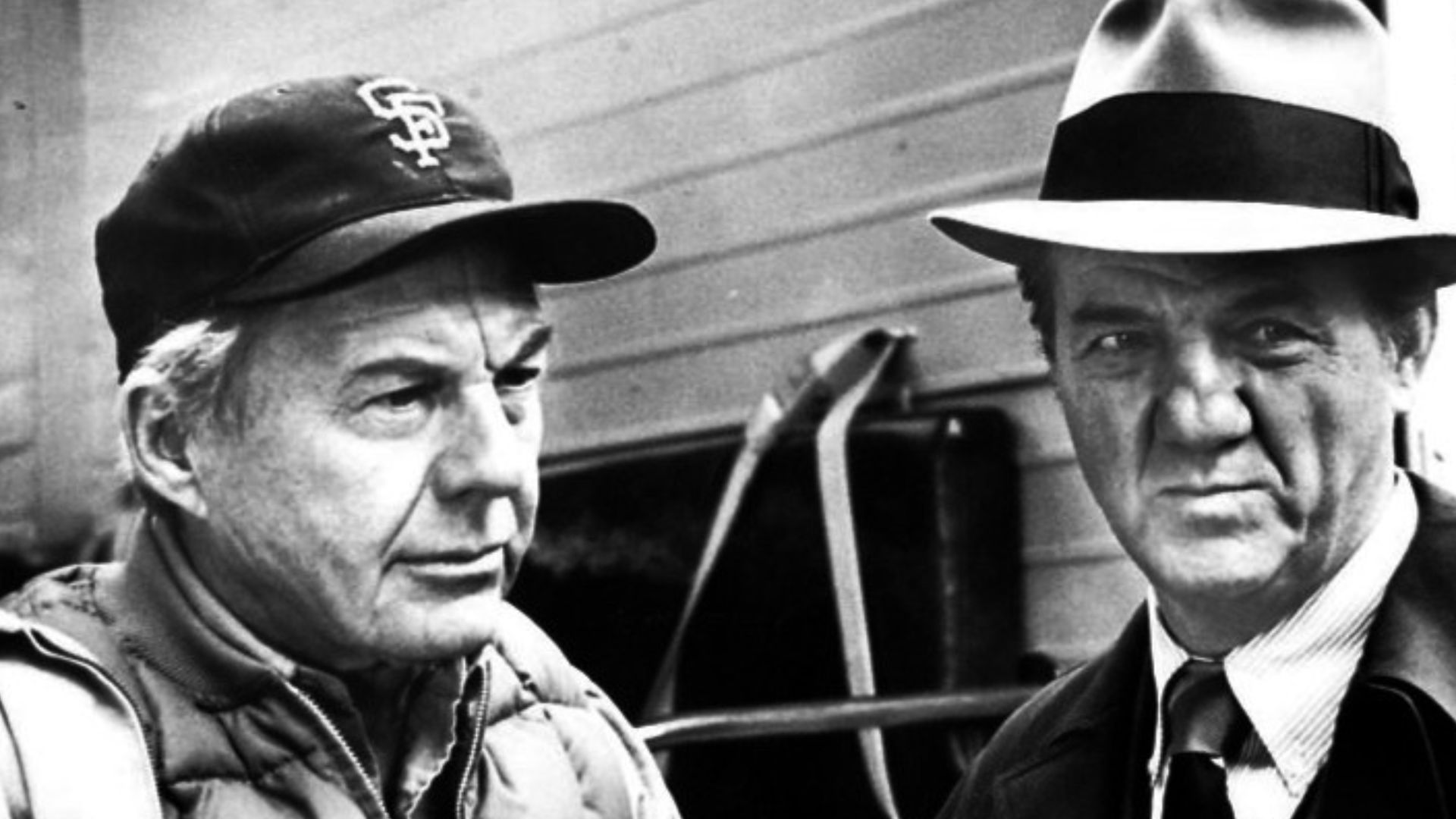 ABC Television, Wikimedia Commons
26: "The White Shadow" (1978–1981)
This is one of those shows that instantly makes people say, 'Oh wow, I forgot about that one.' A basketball coach mentoring an inner-city high school team may not sound revolutionary today, but television wasn't doing much like this back then.
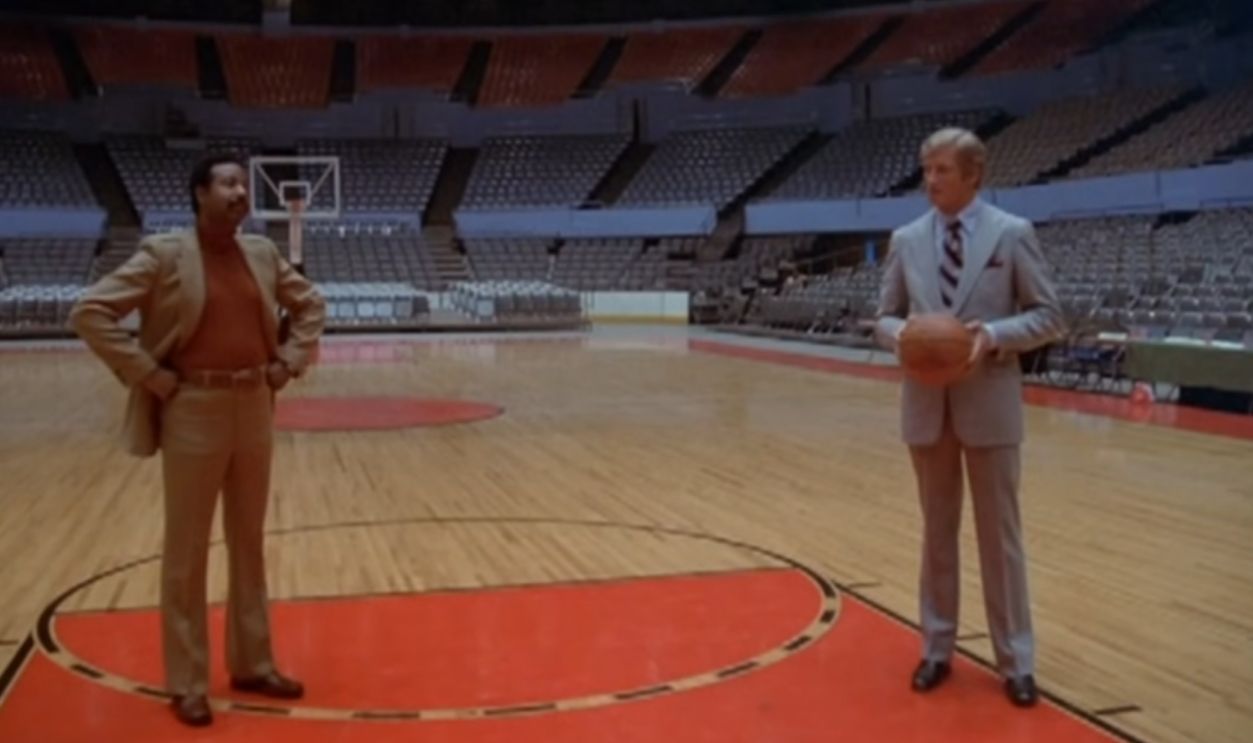 Screenshot from The White Shadow, CBS (1978–1981)
25: "Welcome Back, Kotter" (1975–1979)
For a few years, this show was everywhere. The Sweathogs became pop-culture stars, catchphrases were everywhere, and a young John Travolta became the breakout attraction. Some readers probably still remember every nickname from that classroom.
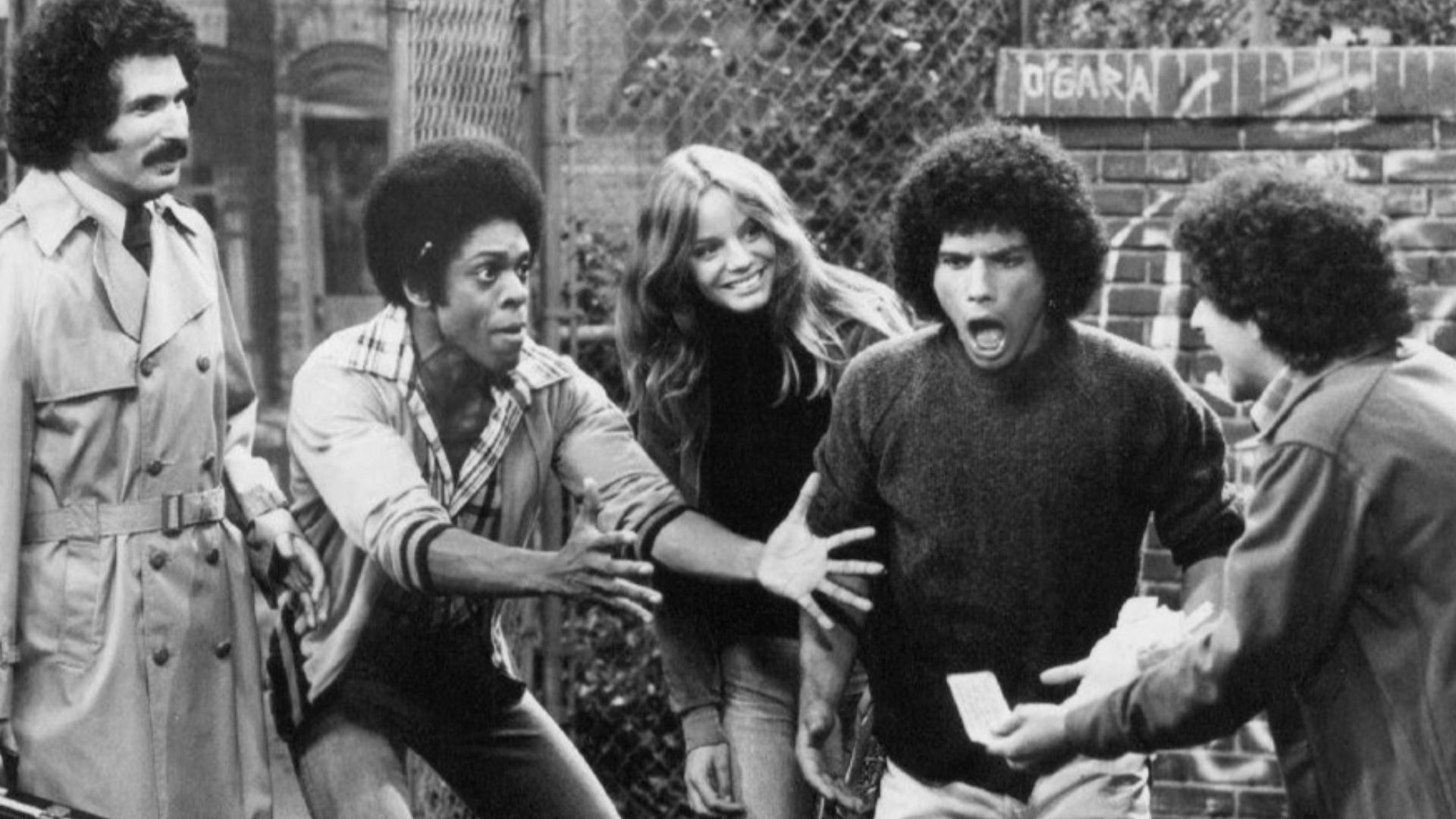 ABC Television, Wikimedia Commons
24: "The Partridge Family" (1970–1974)
A family band traveling around in a brightly colored bus sounds like something that should have lasted six episodes. Instead, it became one of television's biggest hits. It also turned David Cassidy into the kind of teen idol that made magazines fly off shelves.
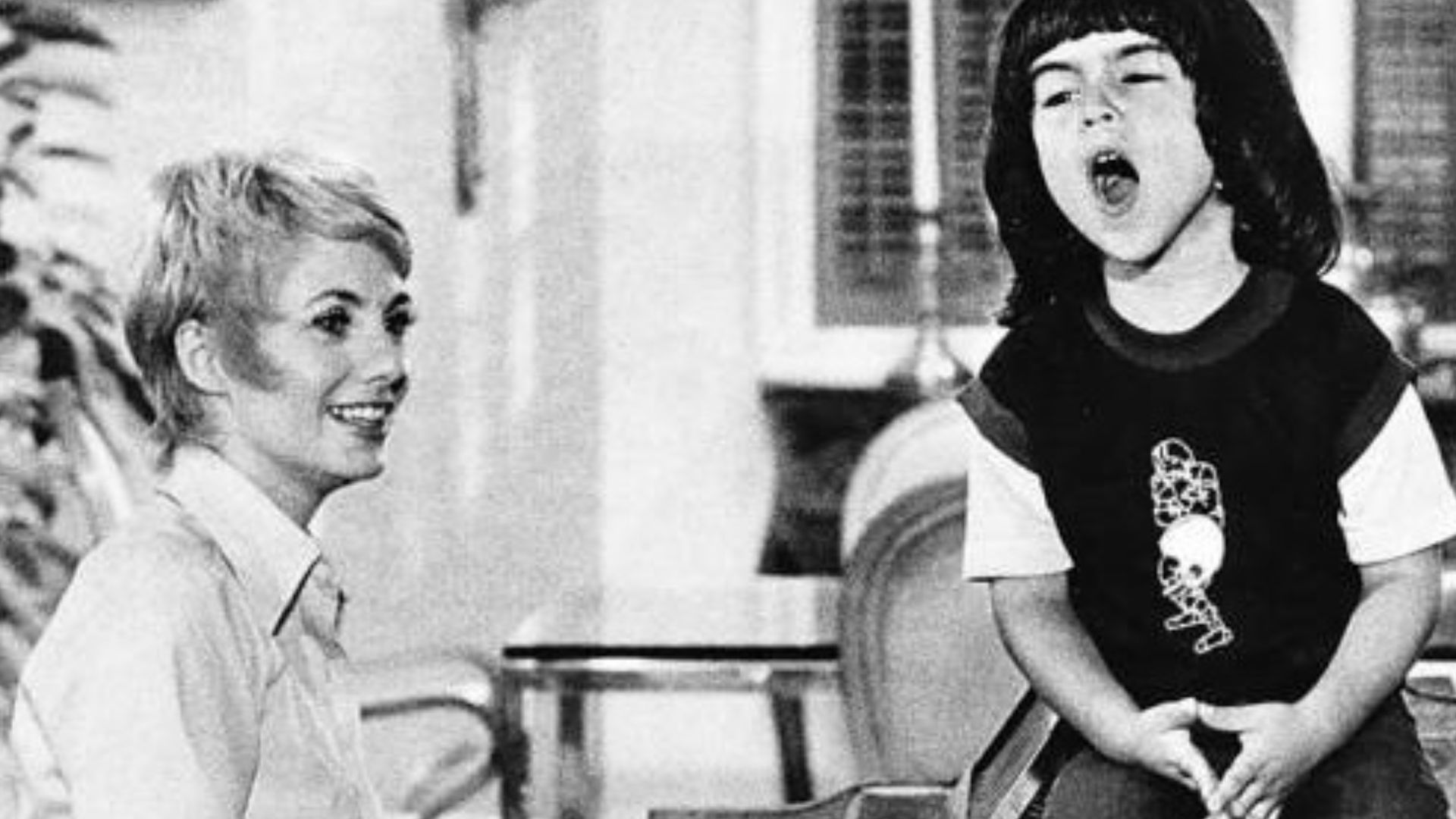 ABC Television, Wikimedia Commons
23: "Wonder Woman" (1975–1979)
If you grew up in the 70s, there's a decent chance you just pictured the spinning transformation without even trying. Lynda Carter didn't just play Wonder Woman. For millions of viewers, she was Wonder Woman. Honestly, she still is.
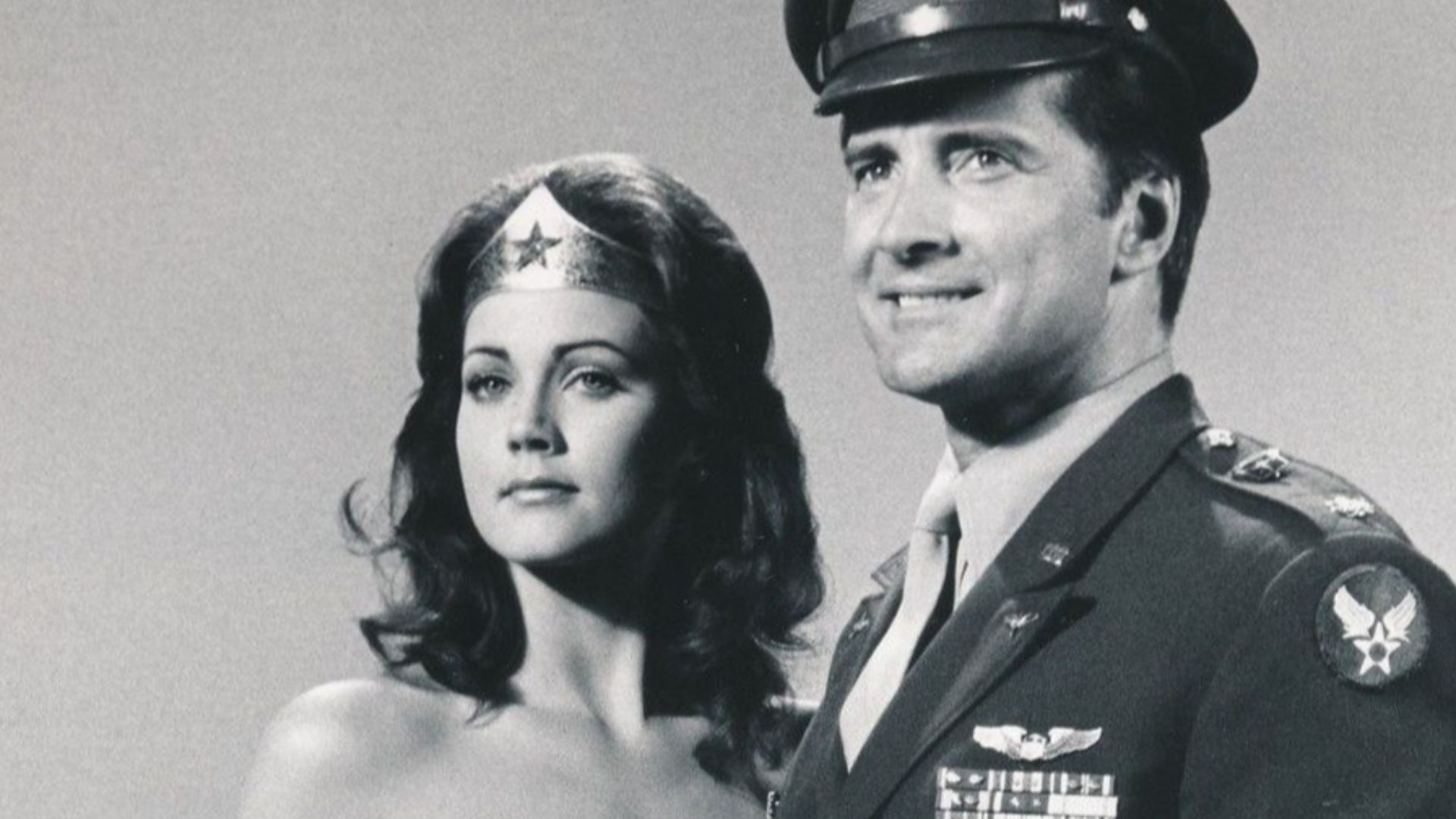 ABC Television, Wikimedia Commons
22: "The Incredible Hulk" (1977–1982)
Long before superhero movies took over the world, there was David Banner wandering America trying not to get angry. And then there was that lonely piano music at the end of every episode. Boomers know exactly what we're talking about.
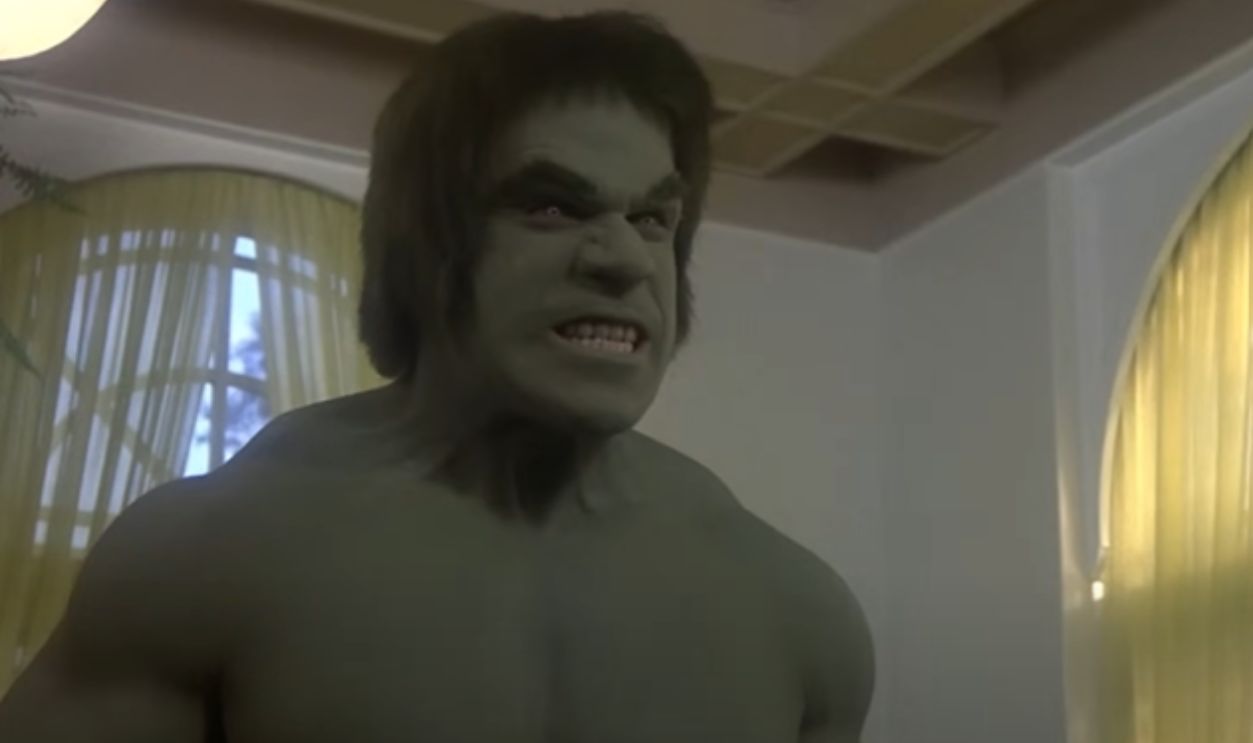 Screenshot from The Incredible Hulk, Universal Television (1977–1982)
21: "The Six Million Dollar Man" (1974–1978)
Kids in the 70s thought Steve Austin was the coolest person on television. The slow-motion running alone probably inspired a generation of backyard injuries. The effects may look dated today, but the fun certainly hasn't disappeared.
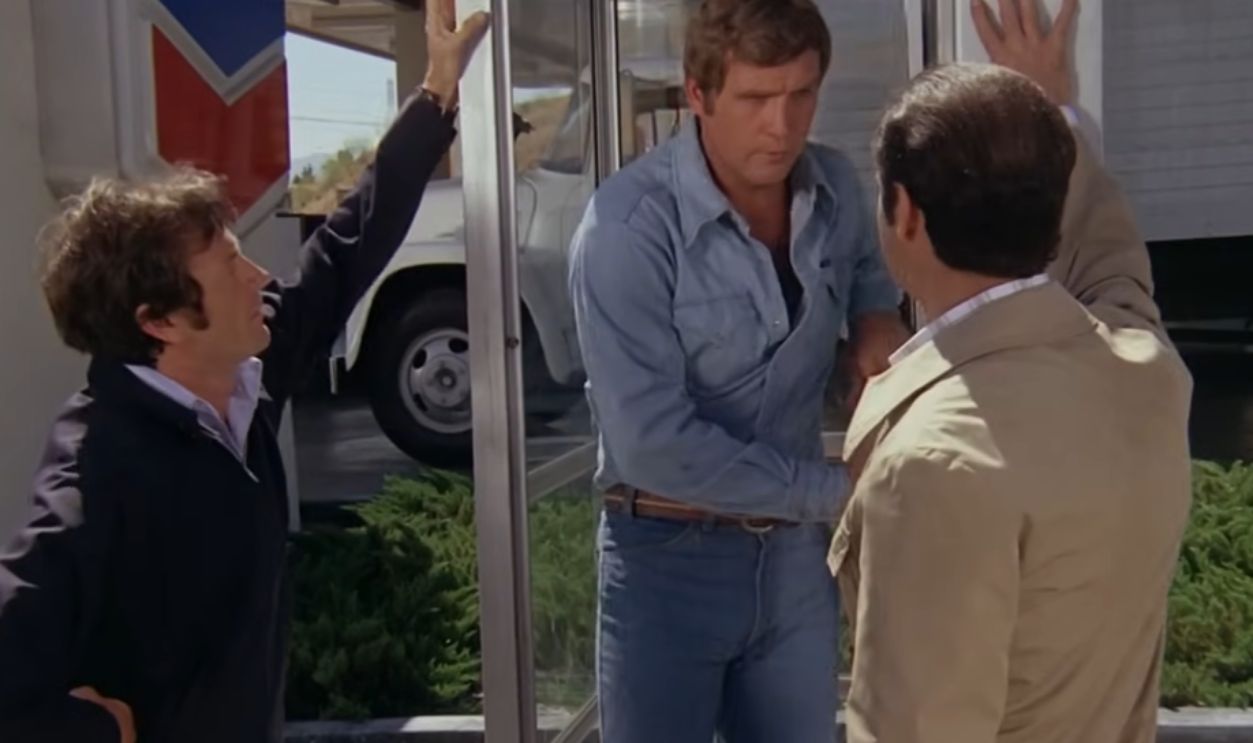 Screenshot from The Six Million Dollar Man, ABC (1974–1978)
20: "Quincy, M.E." (1976–1983)
Before every crime show suddenly became obsessed with DNA and forensic evidence, there was Quincy. Jack Klugman spent years solving cases using science and common sense. Turns out viewers liked watching detectives use their brains once in a while.
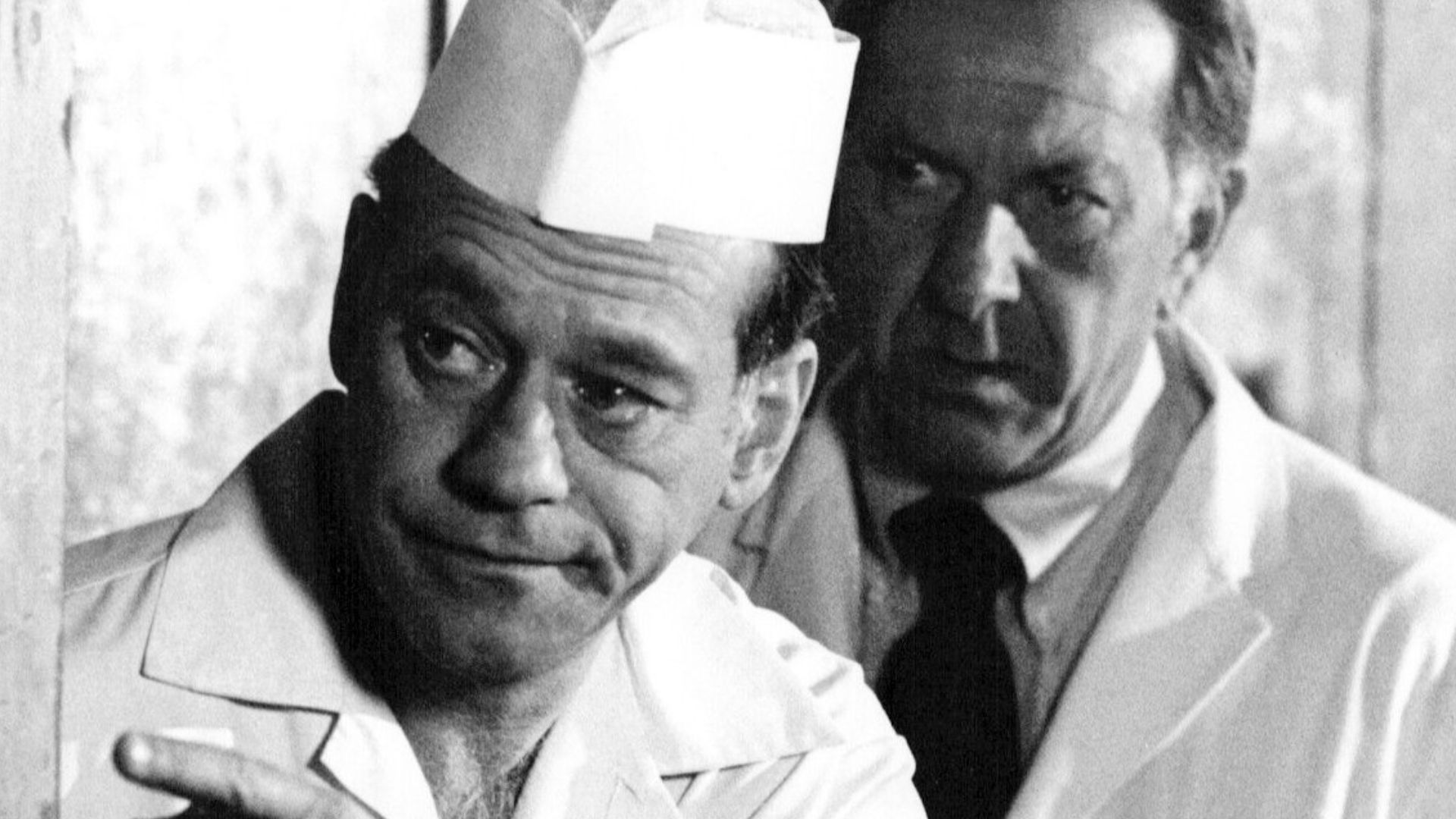 NBC Television, Wikimedia Commons
19: "Good Times" (1974–1979)
Norman Lear created a lot of great television. This might have been his most lovable. The Evans family faced real struggles, but the show never forgot to be funny. And let's be honest, 'Dyn-o-mite!' still belongs on the Mount Rushmore of TV catchphrases.
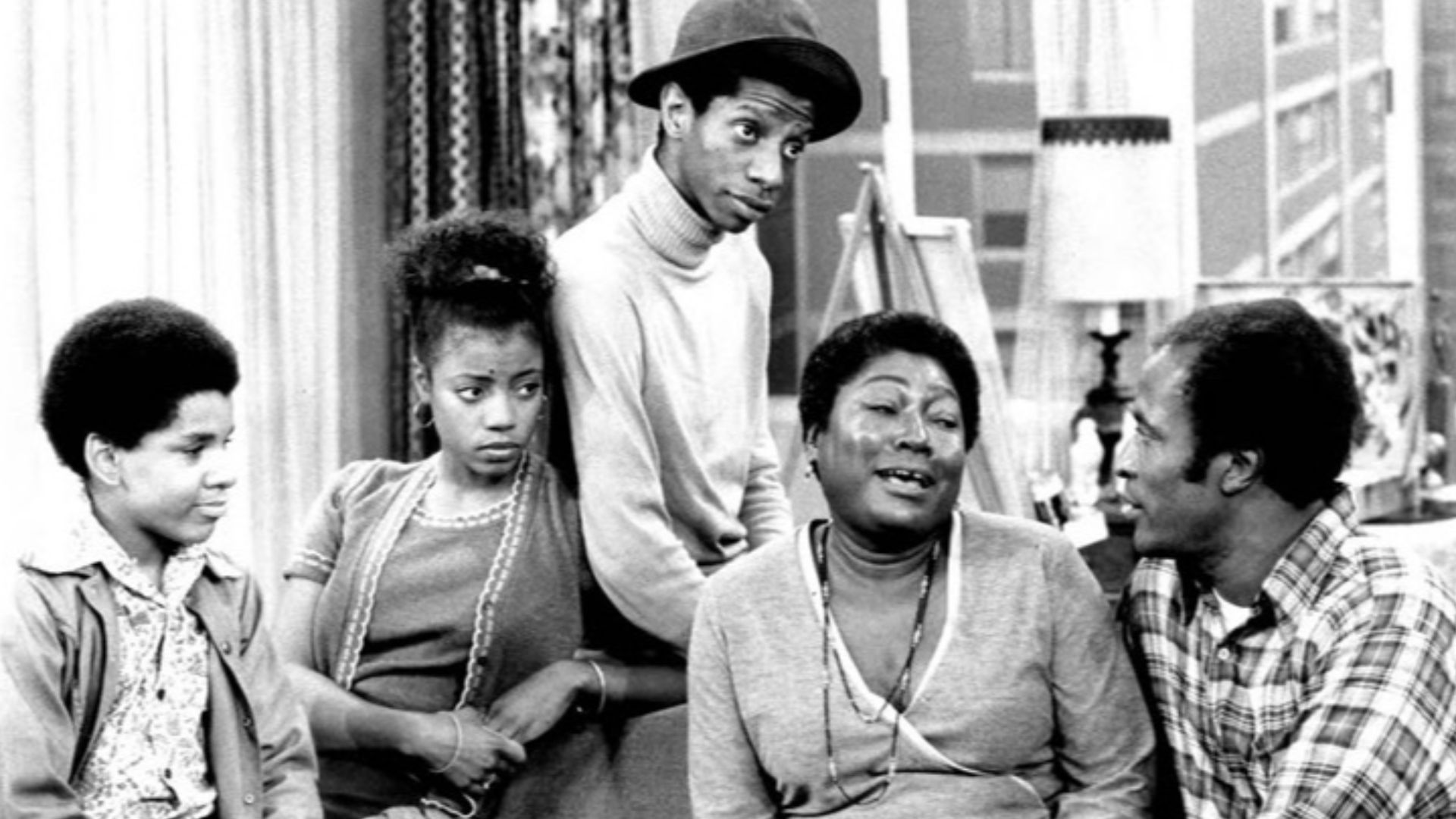 CBS Television, Wikimedia Commons
18: "The Odd Couple" (1970–1975)
One neat freak. One slob. That's basically the entire premise. Sometimes simple really is better. Tony Randall and Jack Klugman squeezed every possible laugh out of living together and made it look easy.
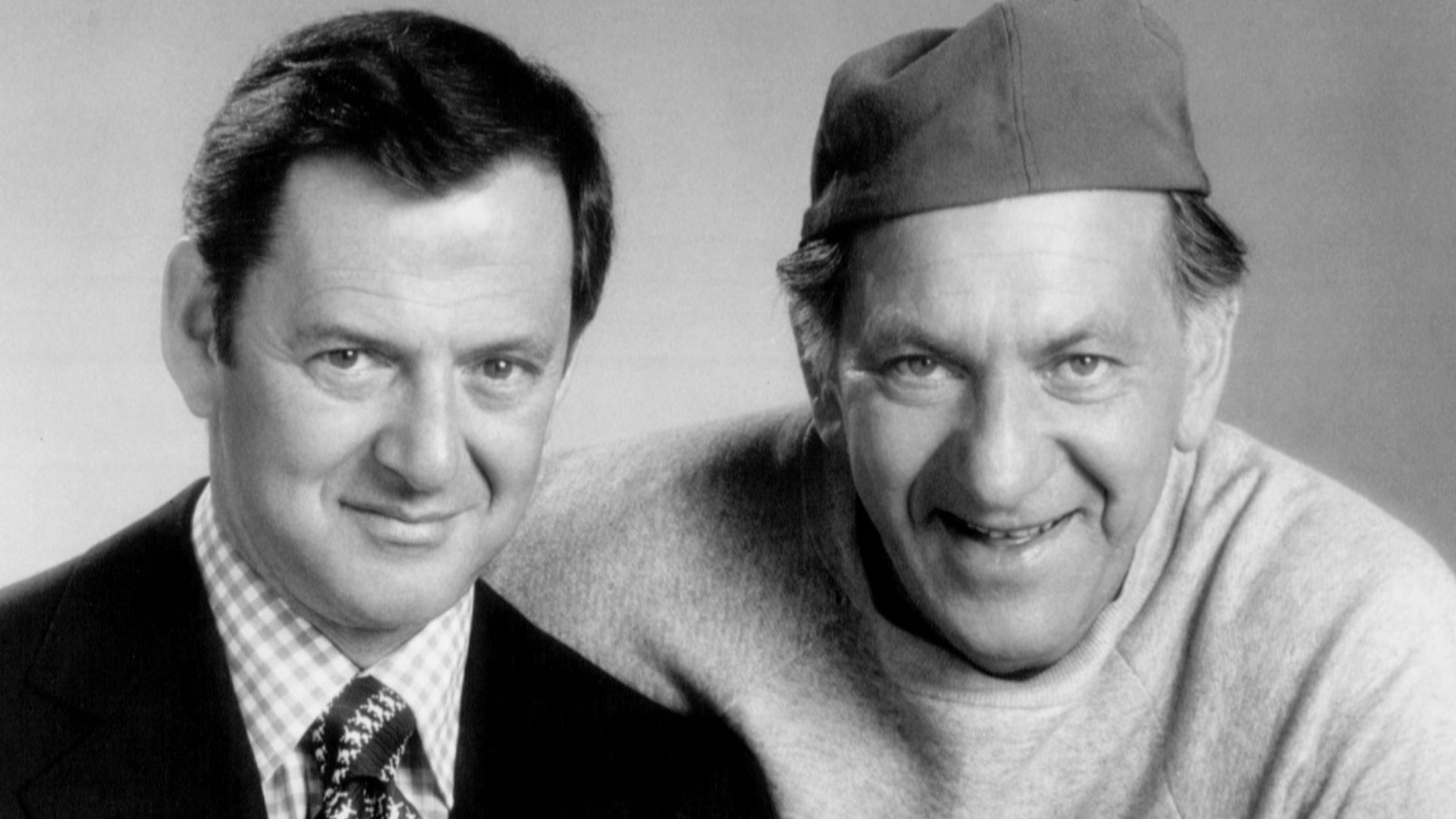 ABC Television, Wikimedia Commons
17: "SCTV" (1976–1984)
Looking back, SCTV almost feels unfair. John Candy, Eugene Levy, Catherine O'Hara, Martin Short, Rick Moranis, Harold Ramis. That's not a cast. That's a comedy Hall of Fame induction ceremony that somehow became a television show.
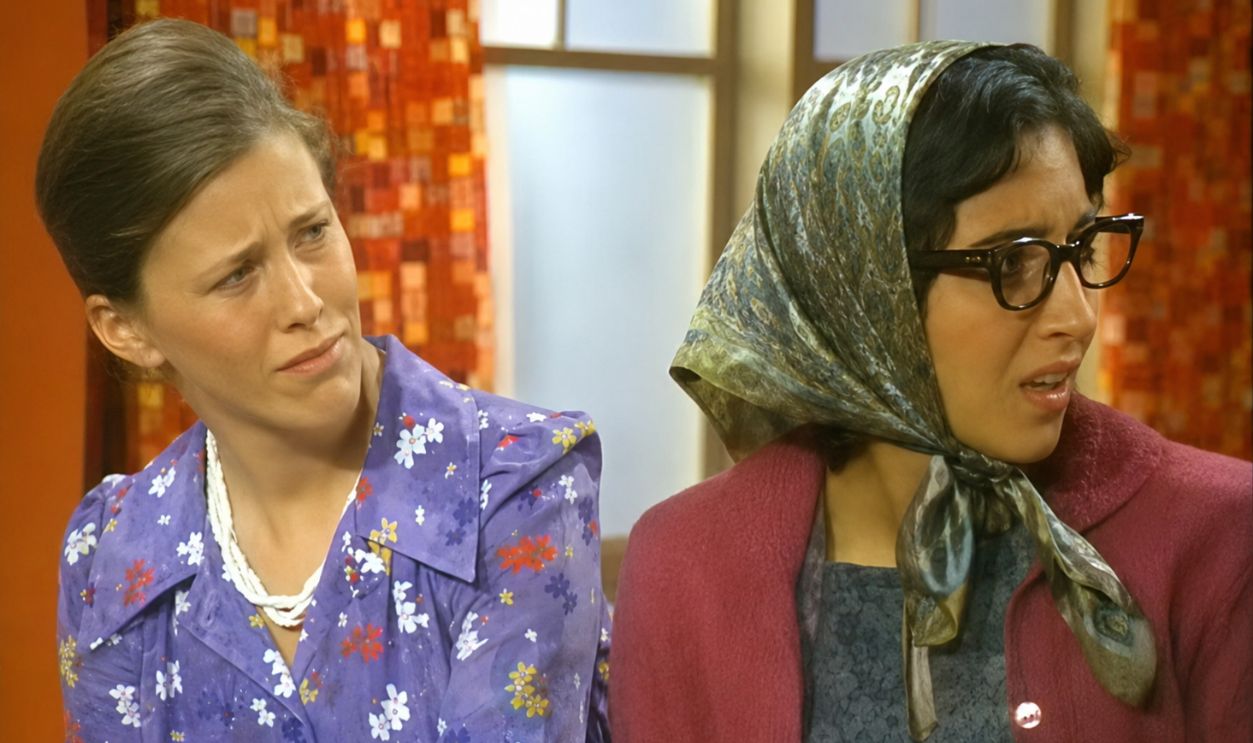 Screenshot from SCTV, Global Television Network (1976–1984)
16: "The Jeffersons" (1975–1985)
George Jefferson could walk into a room and immediately make things more entertaining. Loud, stubborn, opinionated, and hilarious, he became one of television's most memorable characters. Also, good luck getting that theme song out of your head now.
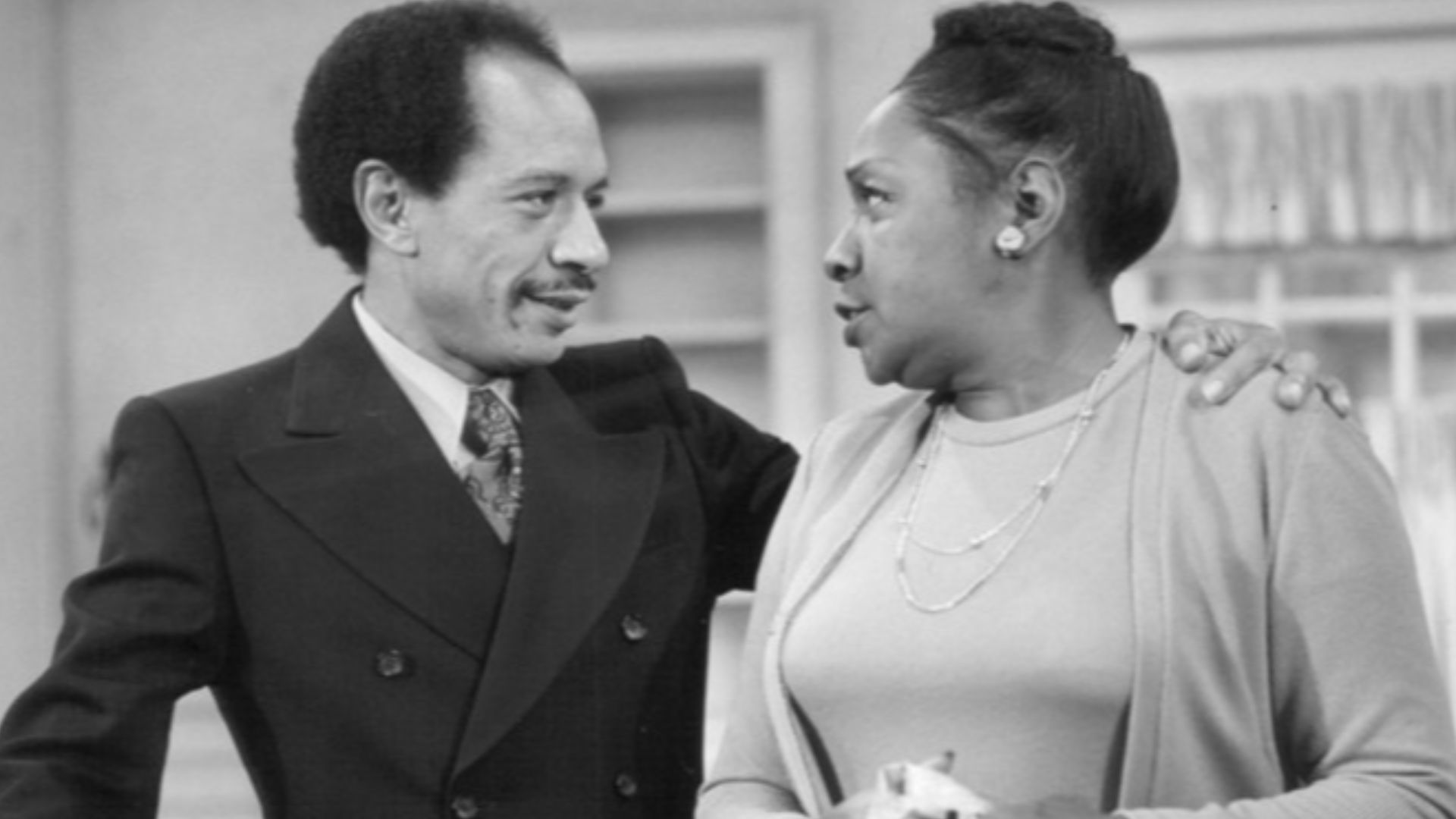 CBS Television Uploaded by We hope at en.wikipedia, Wikimedia Commons
15: "The Waltons" (1972–1981)
Critics don't usually rank The Waltons this highly. Millions of viewers probably would. The show became comfort television before anybody called it comfort television. If 'Good night, John-Boy' means nothing to you, somebody in your family probably remembers it.
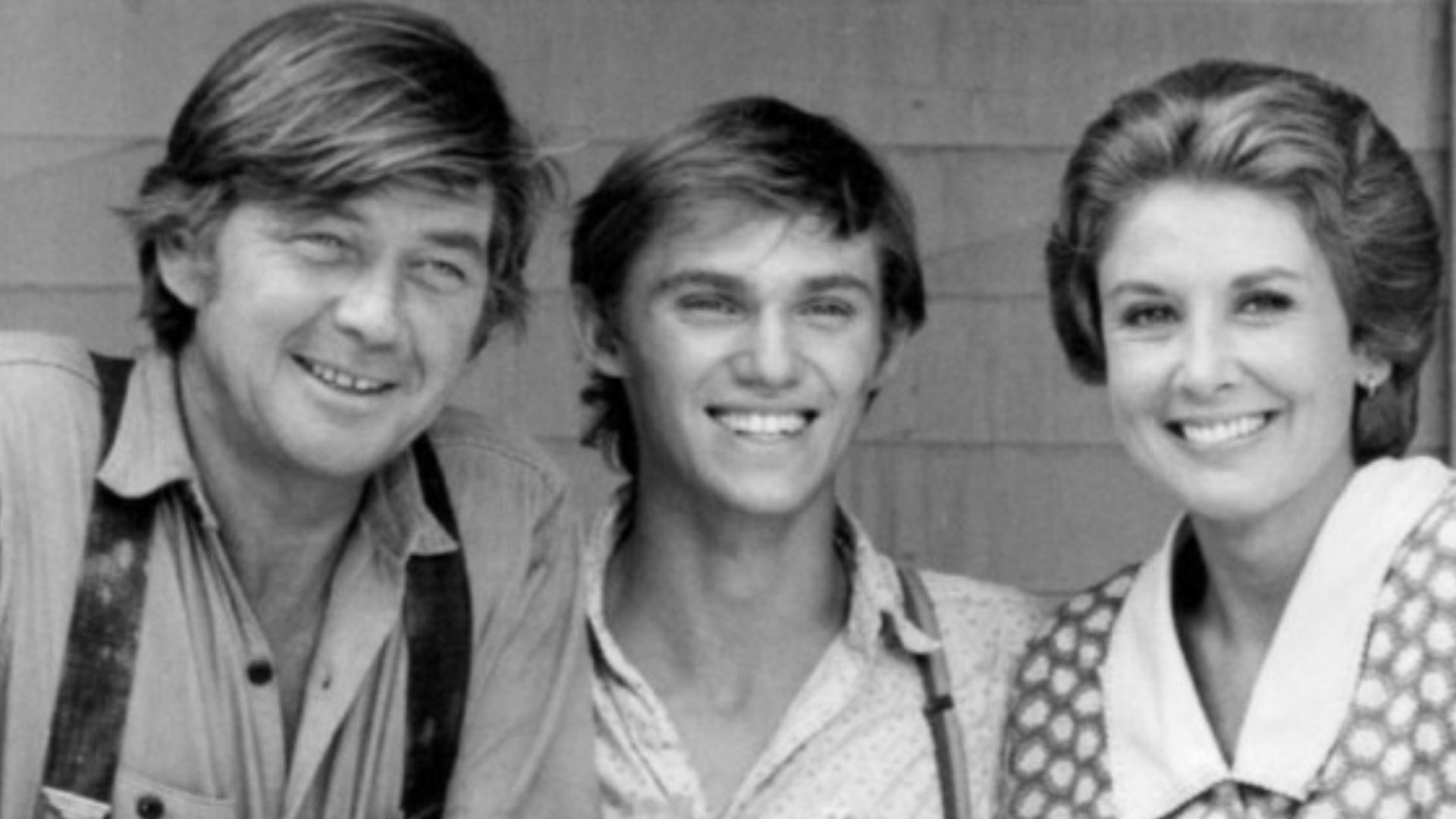 CBS Television, Wikimedia Commons
14: "Saturday Night Live" (1975–Present)
This is one of those times when the critics are absolutely right. The original years of Saturday Night Live completely changed television comedy. Belushi, Aykroyd, Radner, Chase, Murray. That's less of a cast and more of a comedy dream team.
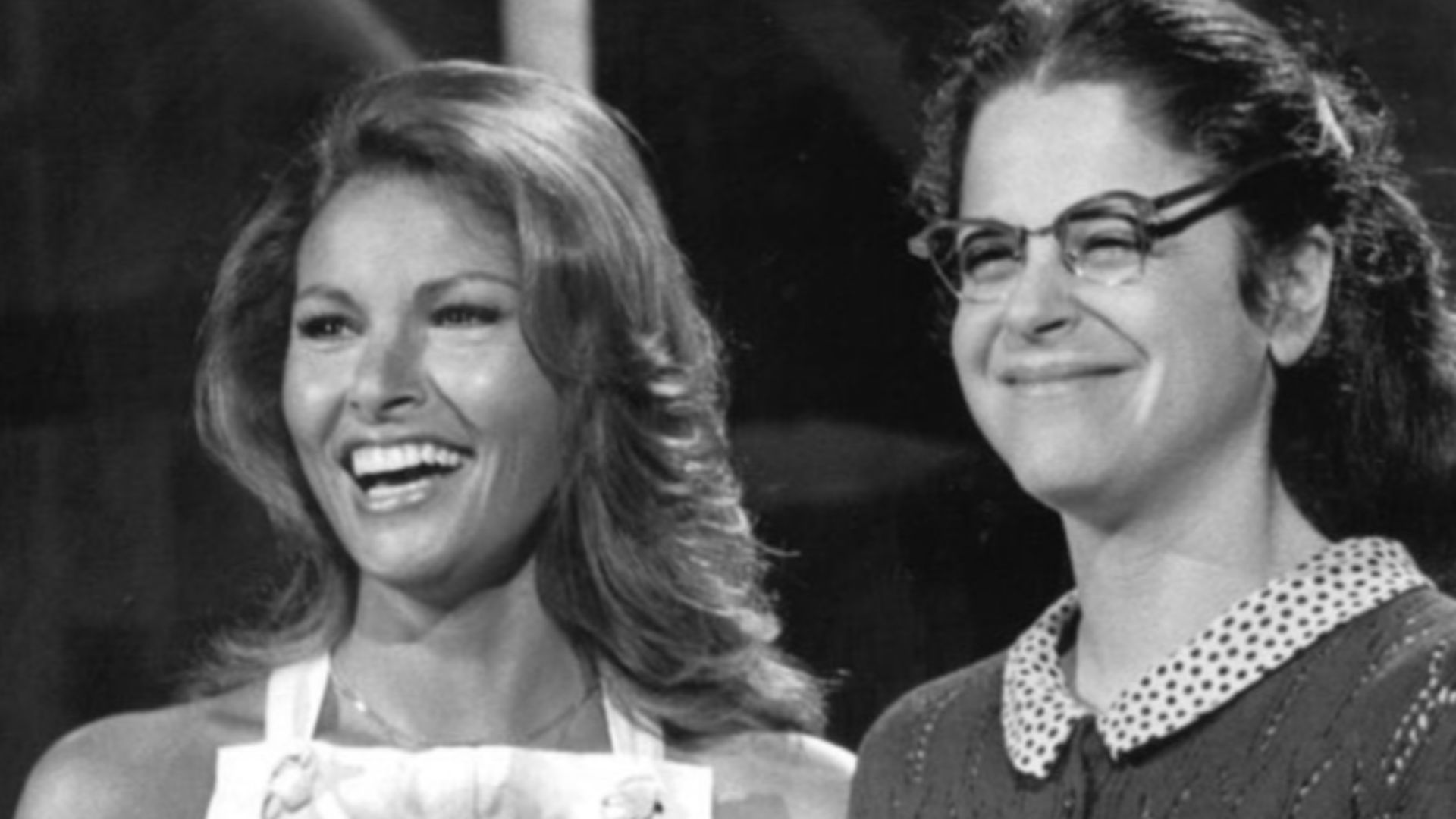 NBC Television Uploaded by We hope at en.wikipedia, Wikimedia Commons
13: "The Carol Burnett Show" (1967–1978)
Half the fun was the sketches. The other half was watching Harvey Korman desperately try not to laugh. Carol Burnett and company made comedy look effortless, which is usually a sign that it definitely wasn't.
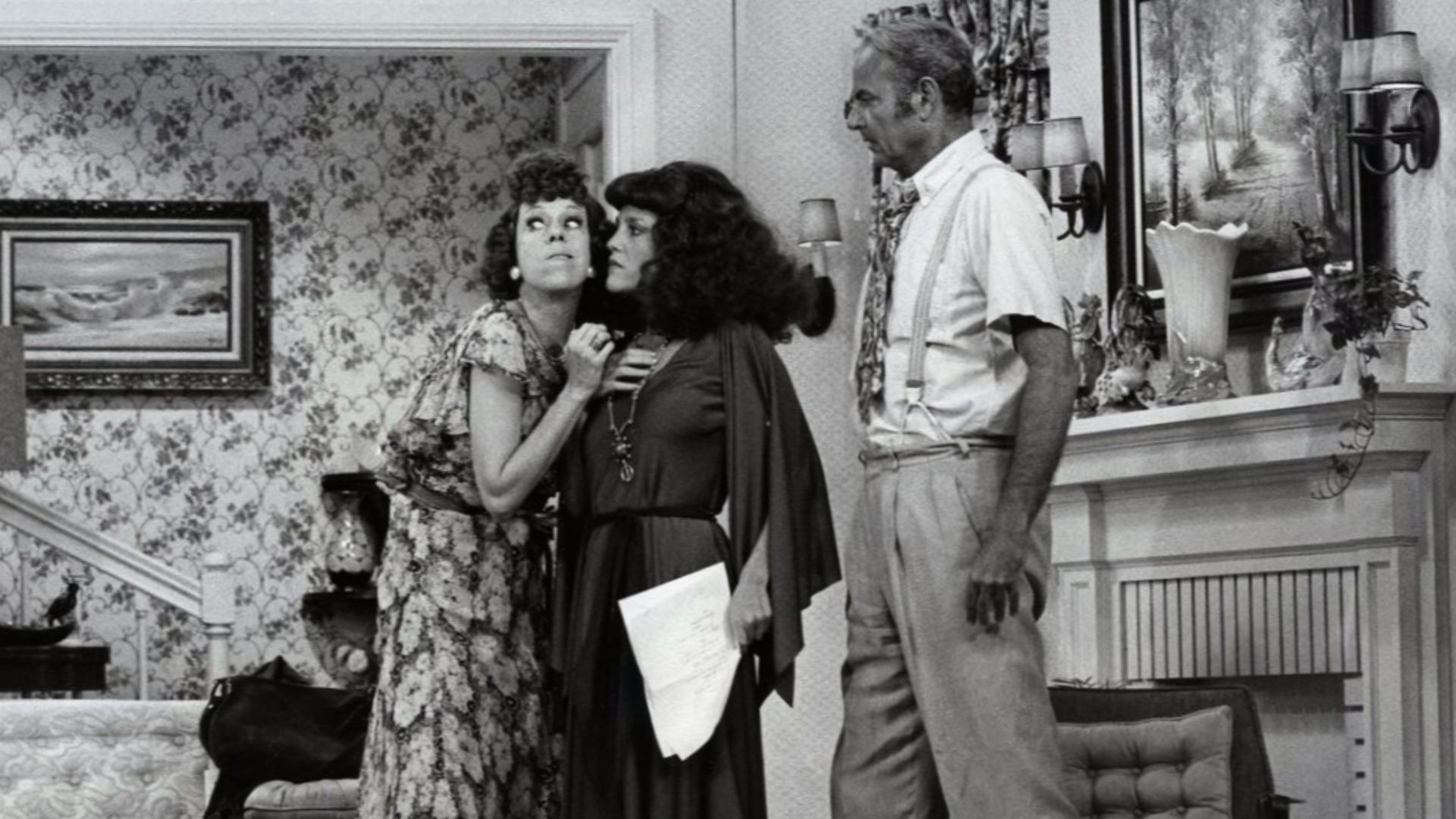 CBS Television, Wikimedia Commons
12: "Happy Days" (1974–1984)
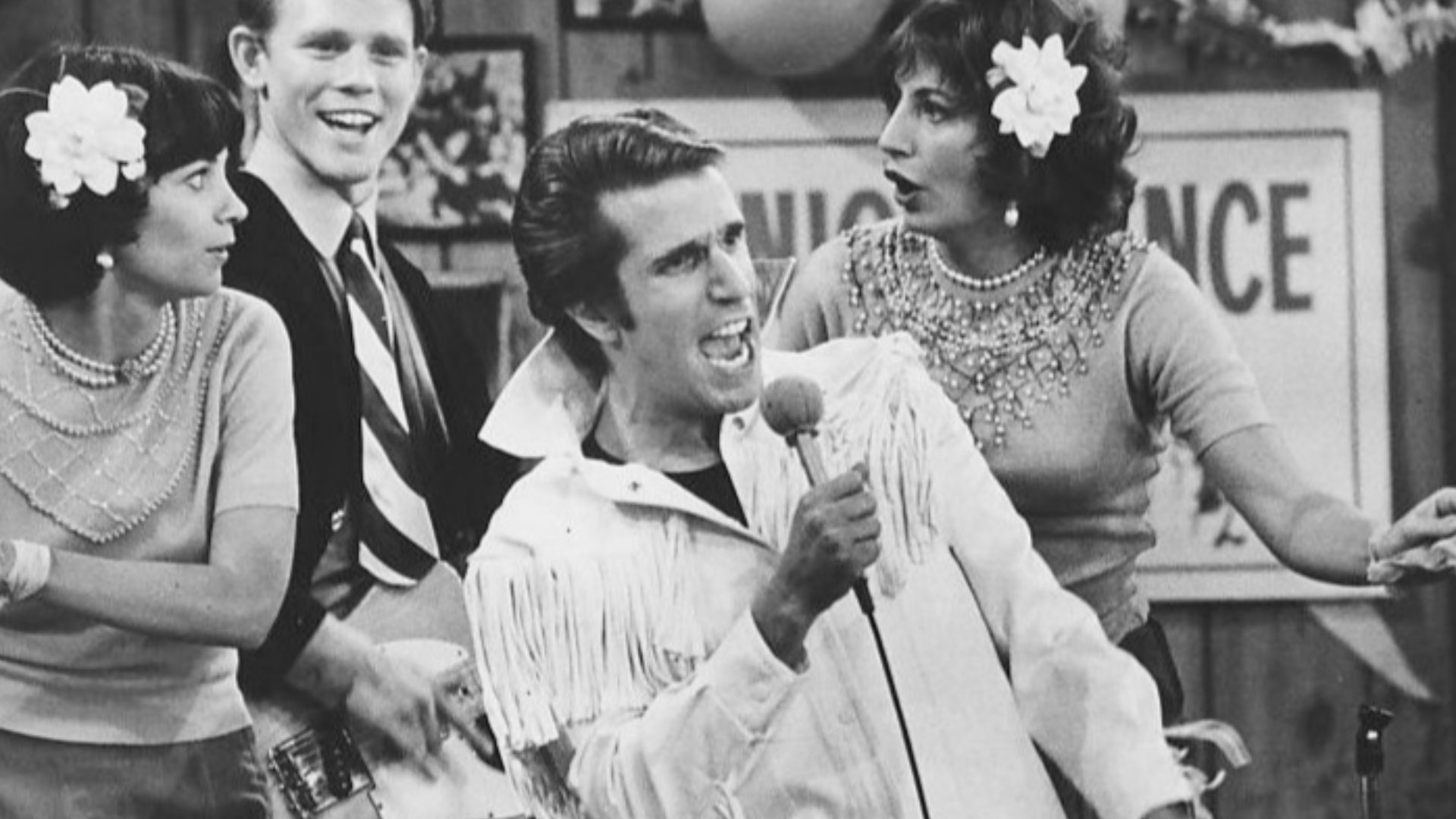
Some shows become successful. Happy Days became a phenomenon. The Fonz wasn't just a character. He was everywhere. For a while, it felt like every kid wanted a leather jacket and every adult suddenly knew how to say 'Ayyyy'—and thought they could turn lights on and off by punching the wall.
11: "Little House on the Prairie" (1974–1983)
Michael Landon knew exactly how to make viewers laugh, cry, and call their relatives afterwards. Sometimes all in the same episode. The show wasn't always subtle, but subtlety isn't why millions of families watched it every week.
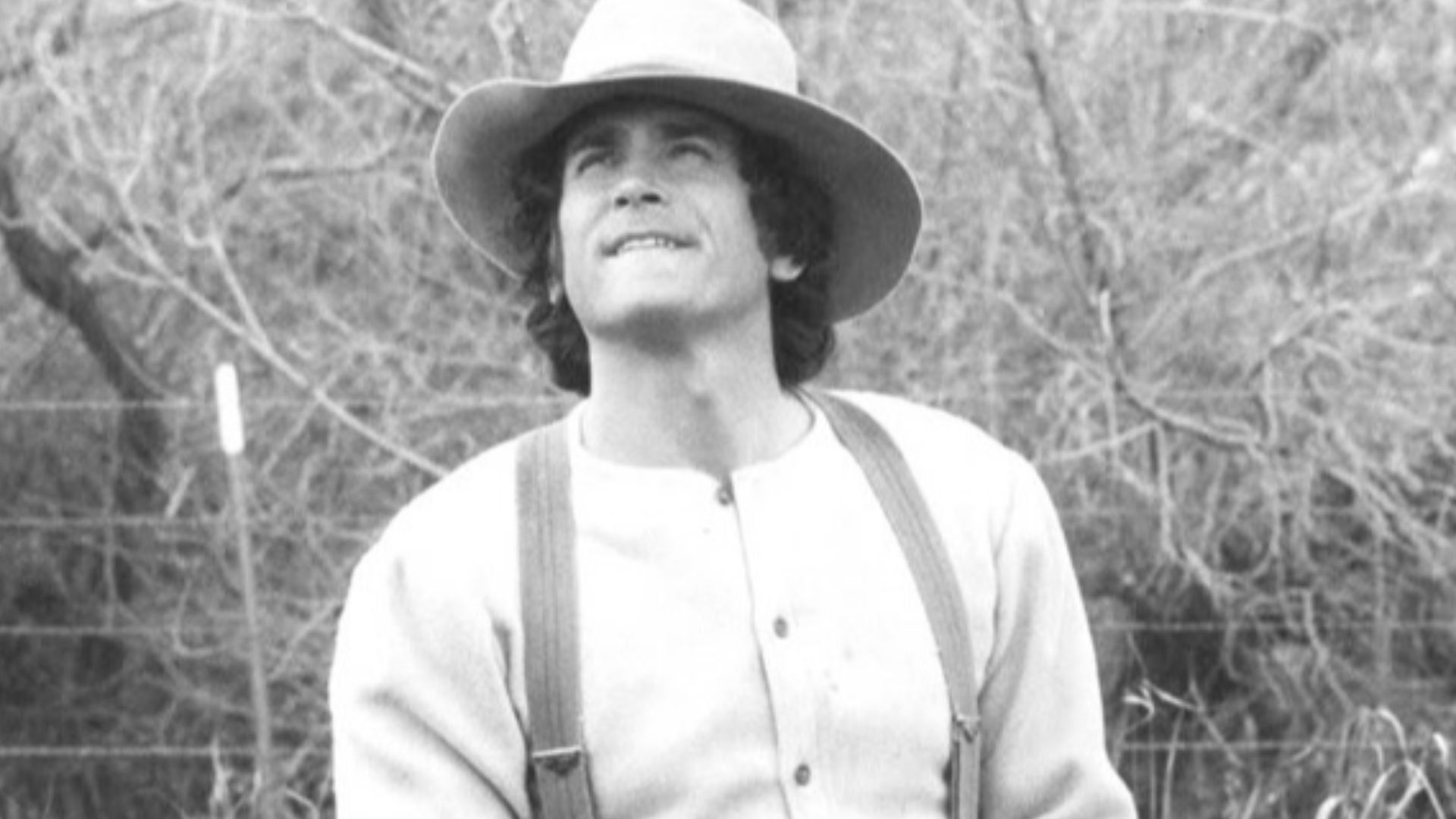 NBC Television, Wikimedia Commons
10: "The Night Stalker" (1974–1975)
This show only lasted one season, which feels almost impossible now. Reporter Carl Kolchak spent his time investigating vampires, monsters, and things that definitely shouldn't have existed. If The X-Files had a grandfather, it would probably look like this.
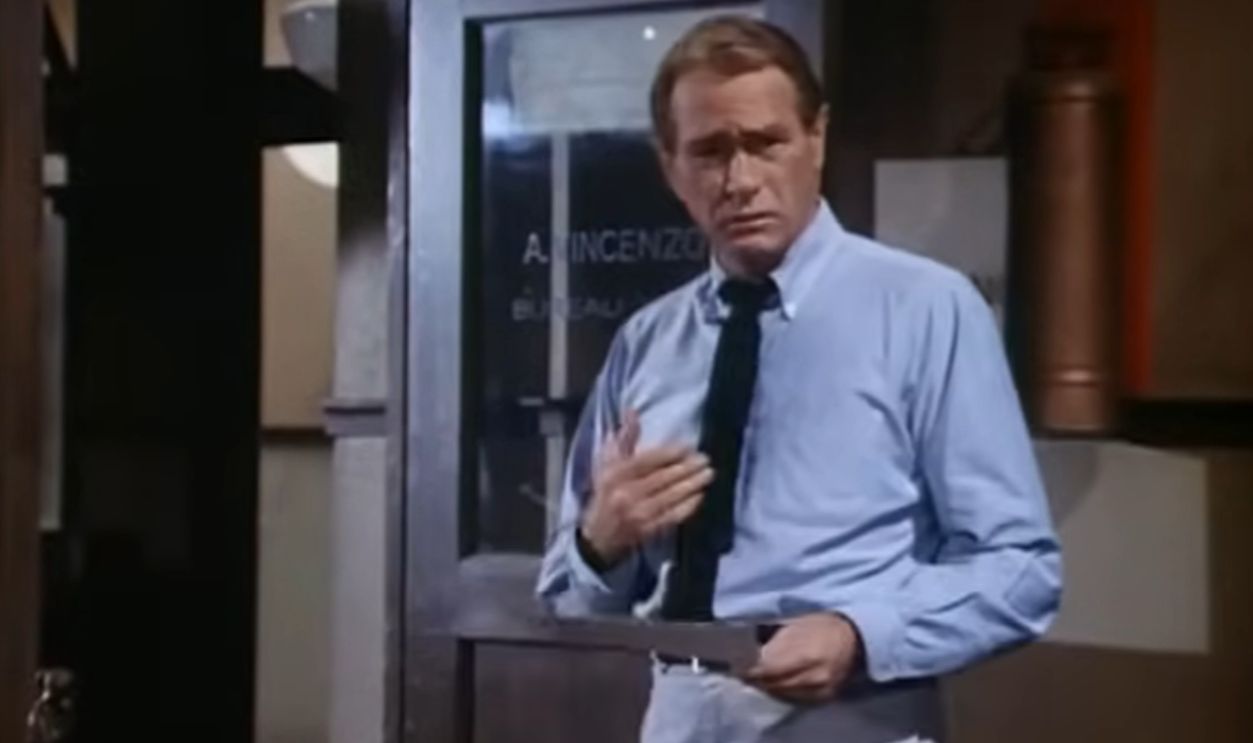 Screenshot from The Night Stalker, ABC (1974–1975)
9: "Taxi" (1978–1983)
A sitcom about cab drivers doesn't sound like a recipe for greatness. Then you see the cast. Danny DeVito, Judd Hirsch, Christopher Lloyd, Andy Kaufman, Tony Danza. That's not a sitcom cast. That's an all-star team.
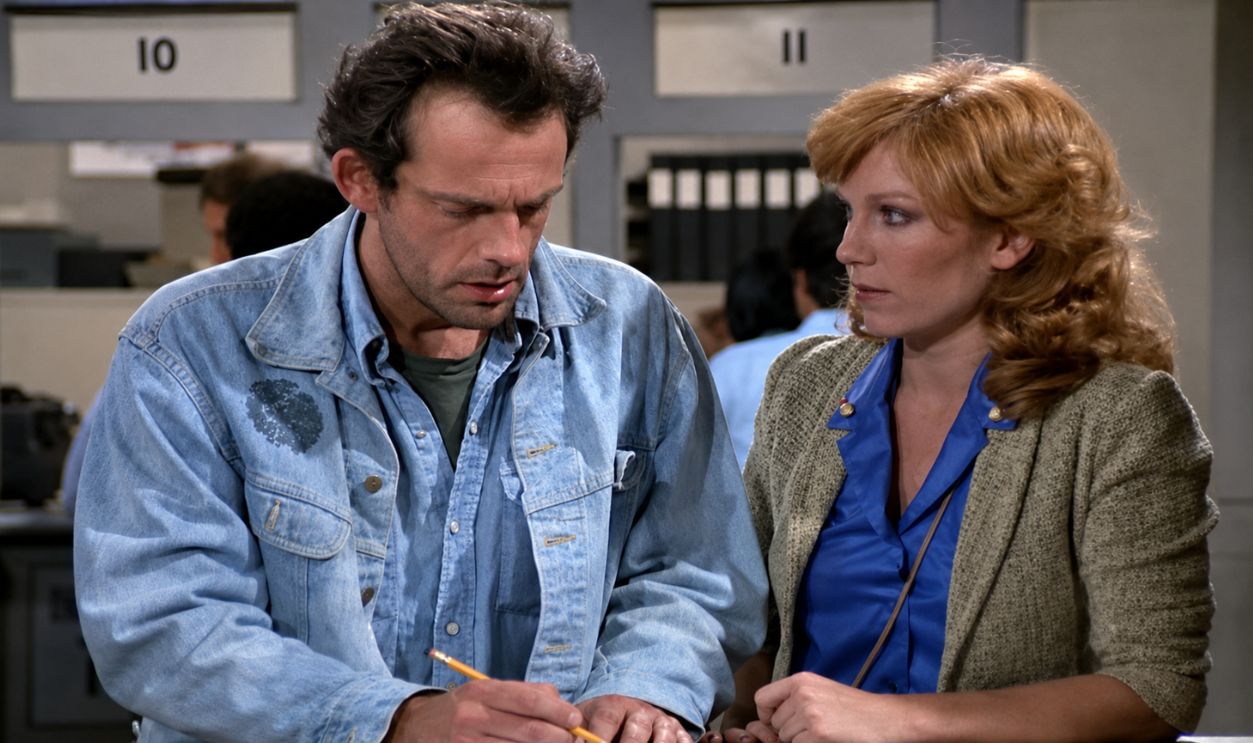 Screenshot from Taxi, Paramount Global Distribution Group (1978-1983)
8: "Barney Miller" (1975–1982)
Most police shows rely on shootouts and car chases. Barney Miller mostly relied on people sitting around talking. Somehow it became one of the smartest and funniest shows on television. Critics like it. Fans usually love it.
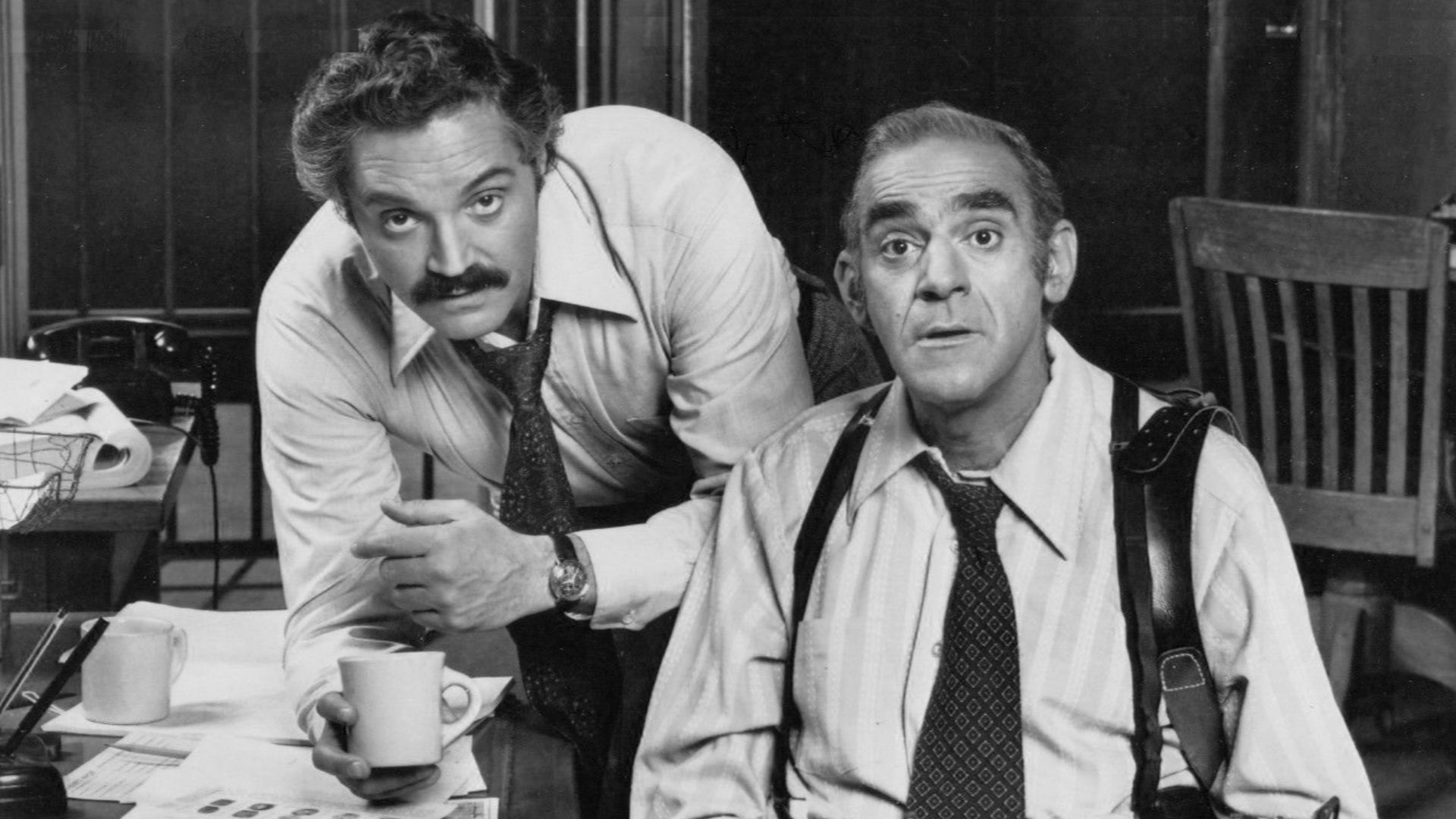 ABC Television, Wikimedia Commons
7: "The Rockford Files" (1974–1980)
Most TV detectives seem to solve crimes between perfect haircuts. Jim Rockford looked like he hadn't had a relaxing afternoon since the Nixon administration. He was constantly getting punched, threatened, chased, or lied to. That's part of what made him great.
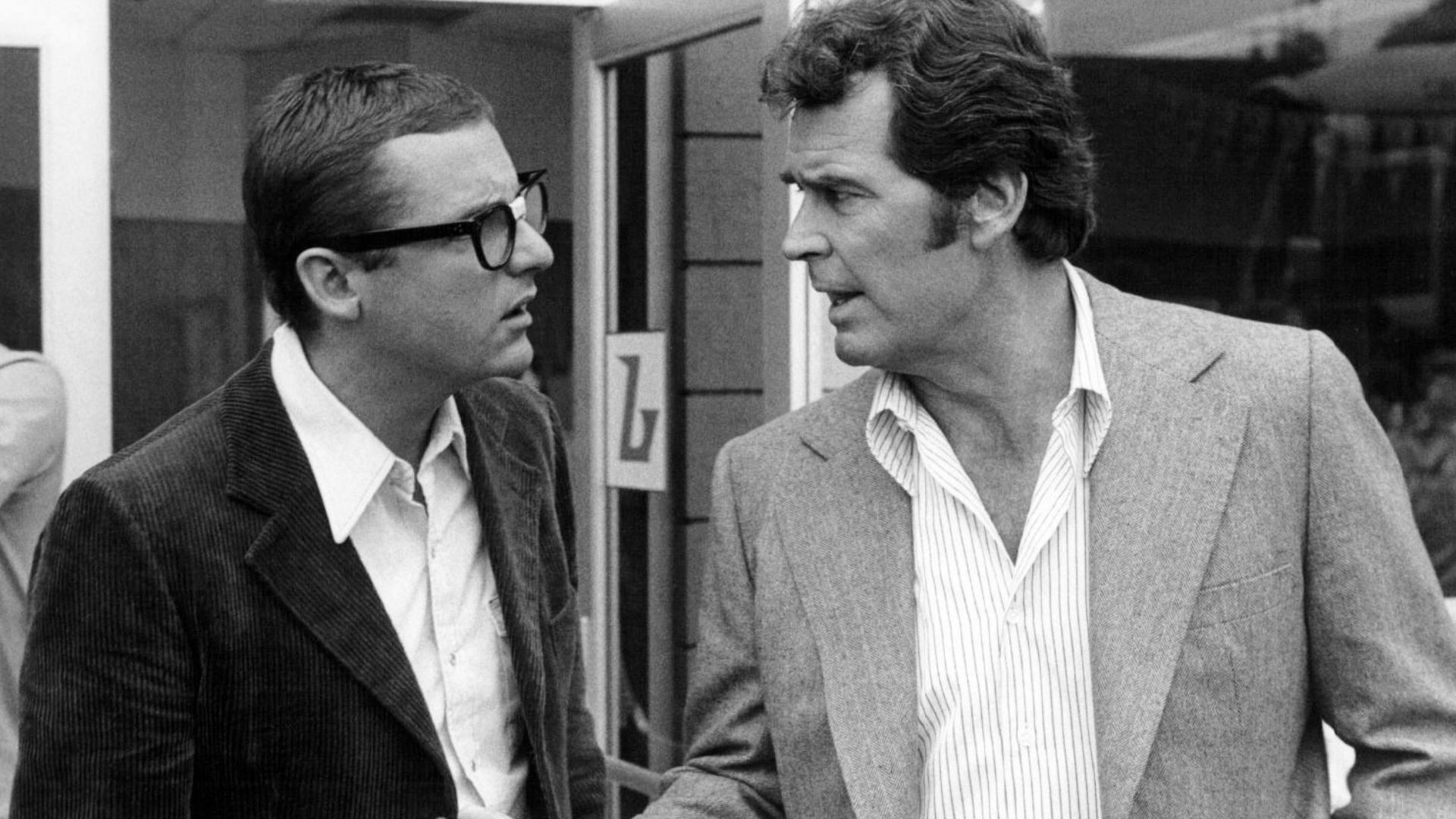 NBC Television, Wikimedia Commons
6: "Columbo" (1971–1978)
Most detective shows ask who committed the crime. Columbo showed you the culprit immediately and then let Peter Falk slowly take them apart. It shouldn't have worked. Instead, it produced one of television's most beloved detectives.
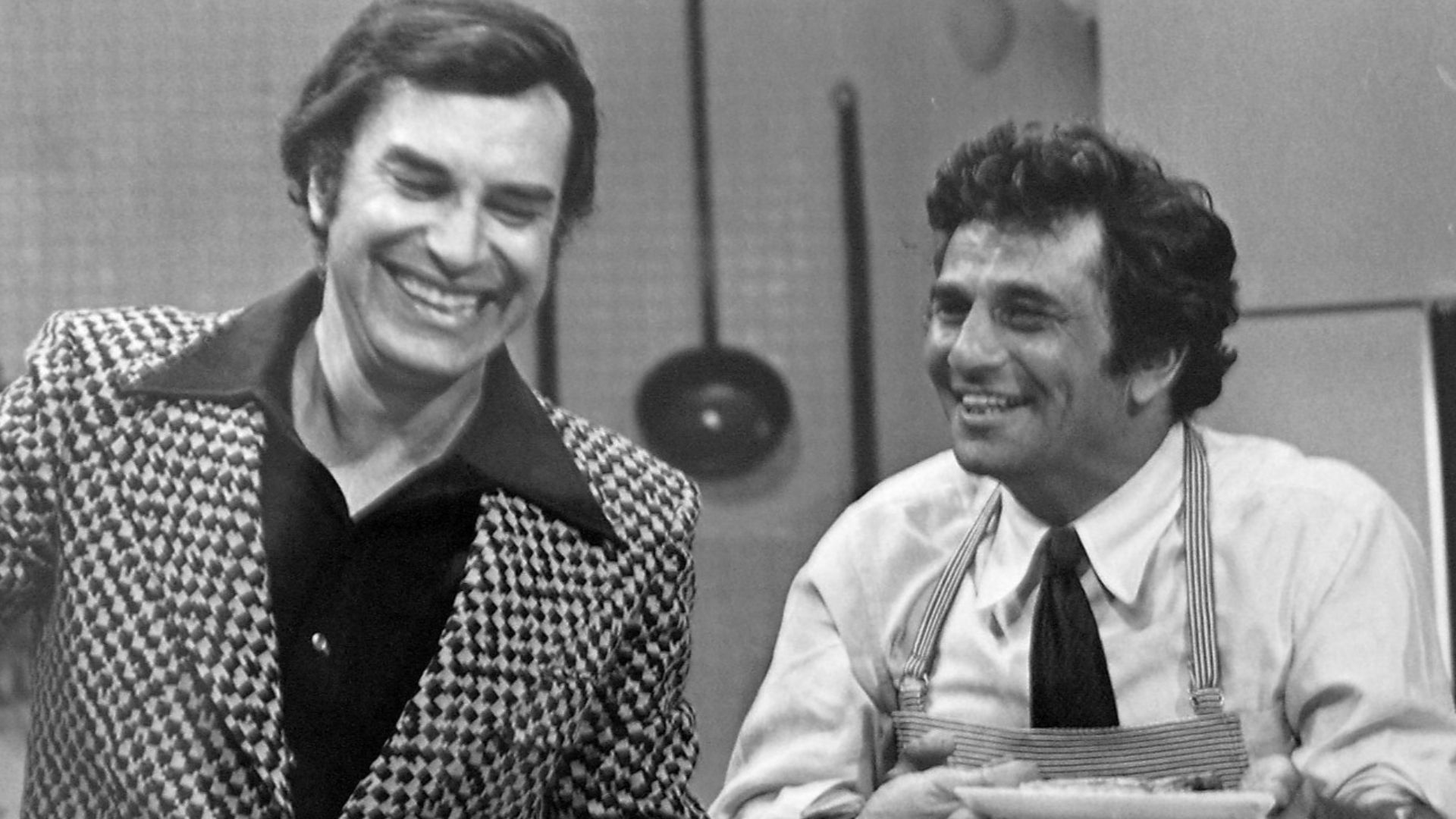 NBC Television, Wikimedia Commons
5: "The Mary Tyler Moore Show" (1970–1977)
The critics love this show, and for once they're completely right. Mary Richards felt modern, funny, independent, and real. The show changed television while somehow making it all look effortless. That's not something many sitcoms can claim.
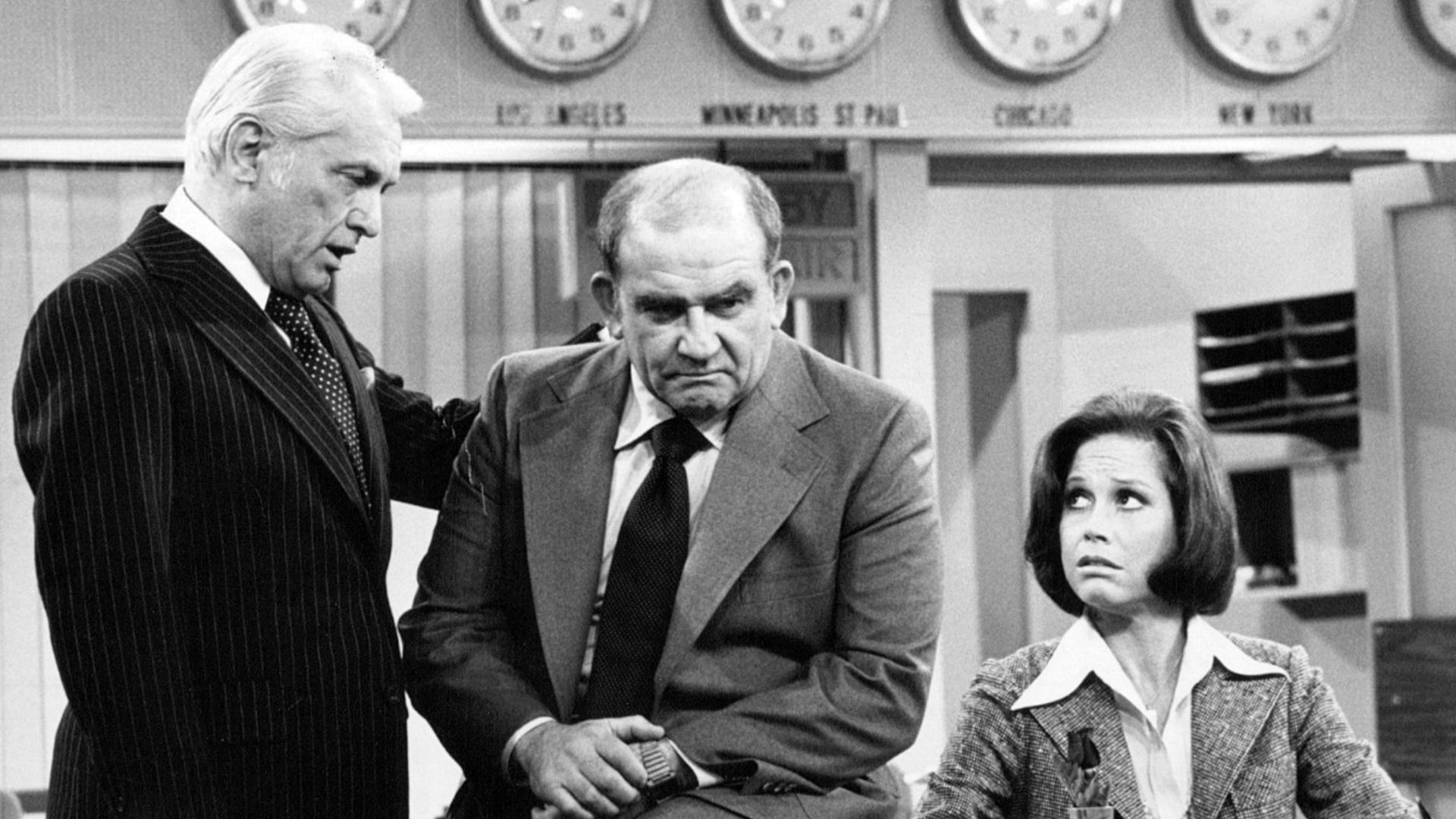 CBS Television, Wikimedia Commons
4: "All in the Family" (1971–1979)
Here's another one where the critics got it right. Archie Bunker remains one of television's most famous characters because he was funny, frustrating, complicated, and impossible to ignore. Few shows had a bigger impact on what television could talk about.
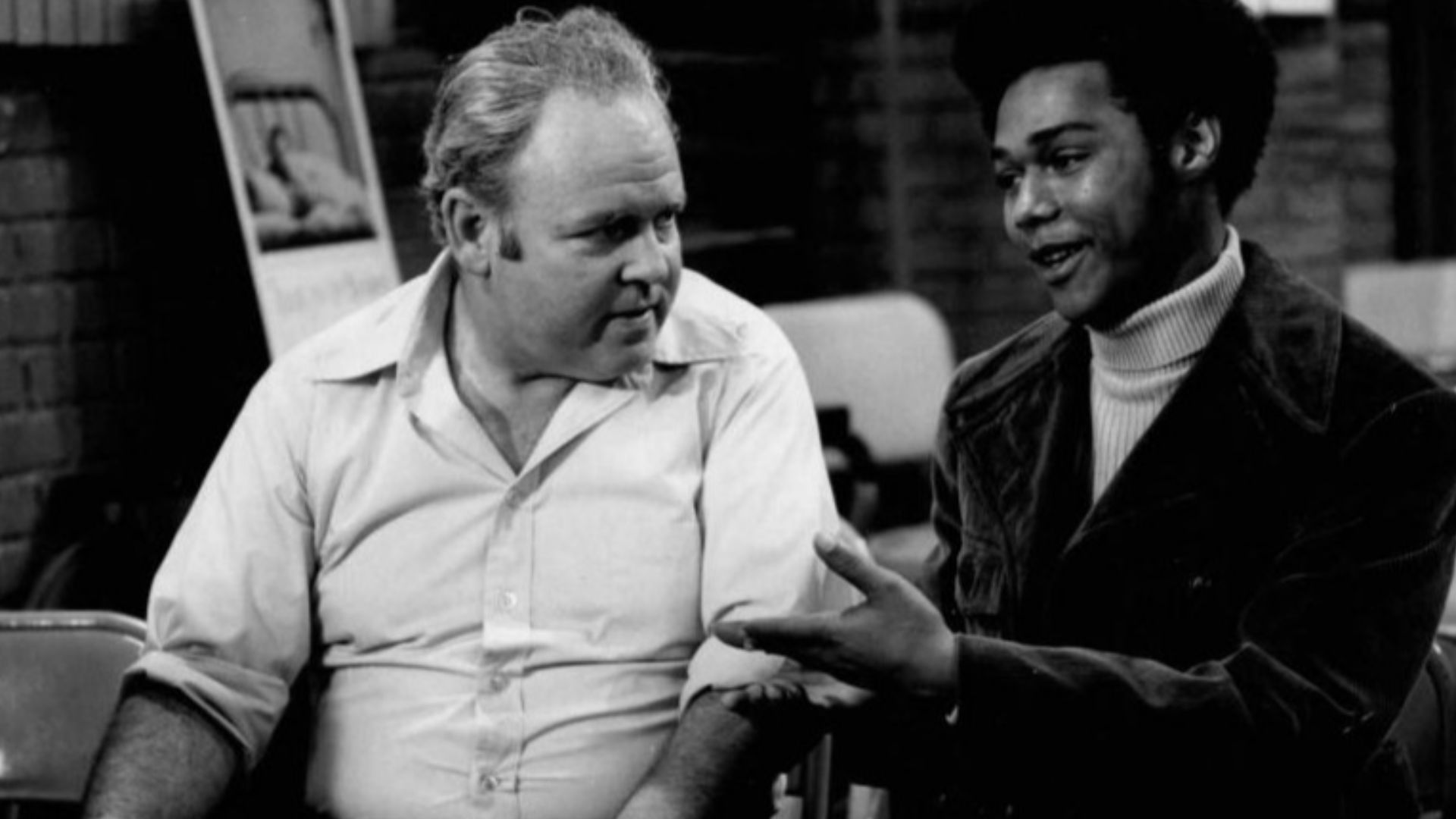 CBS Television, Wikimedia Commons
3: "The Bob Newhart Show" (1972–1978)
Bob Newhart somehow built an entire comedy career around sounding mildly annoyed by everything happening around him. The amazing part is that it worked every single time. The show's dry humor has aged better than a lot of bigger hits from the decade.
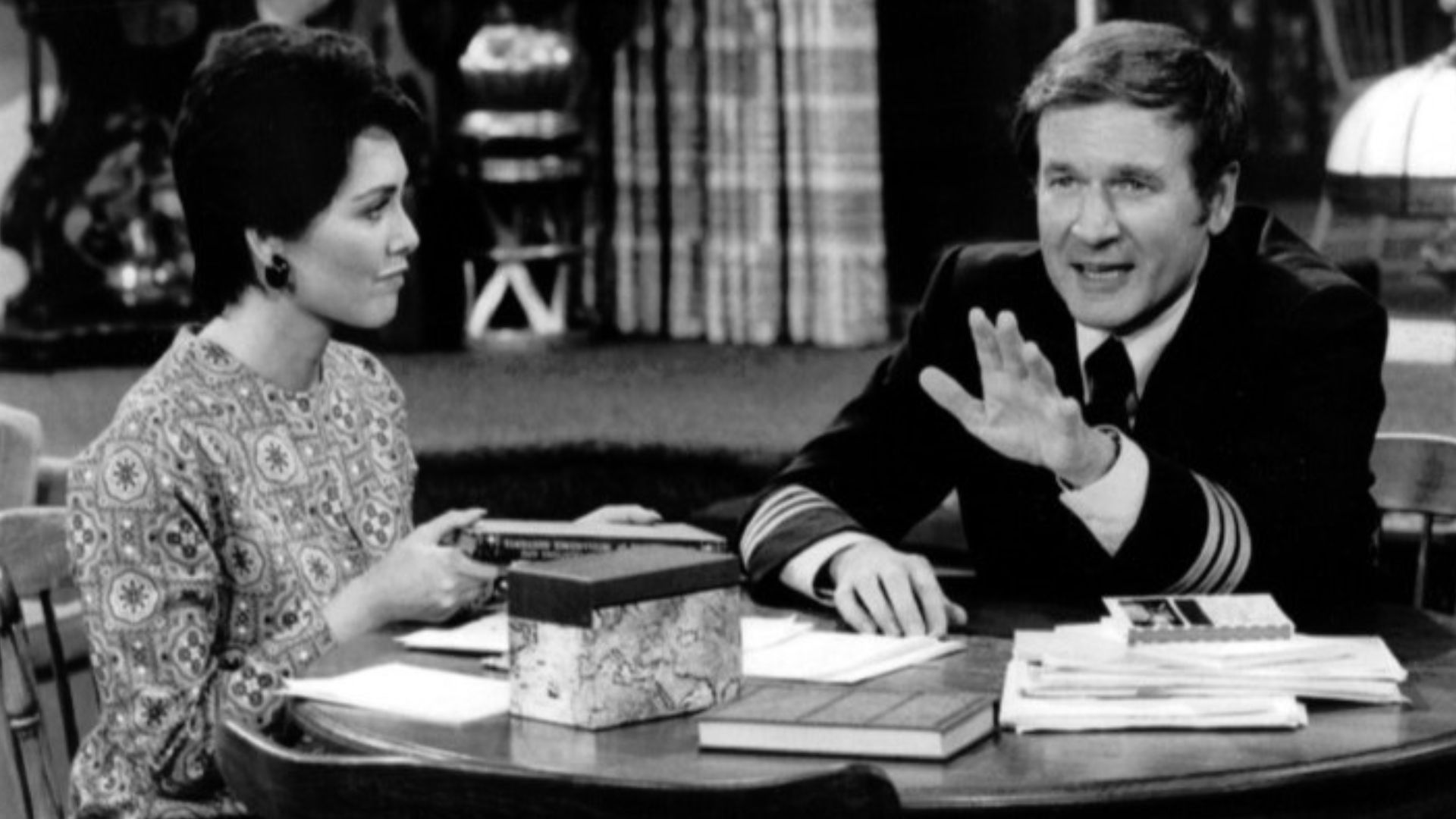 CBS Television, Wikimedia Commons
2: "M*A*S*H" (1972–1983)
This is where the critics start nodding so hard they risk pulling a neck muscle. And honestly, they're not wrong. M*A*S*H somehow managed to be hilarious, heartbreaking, thoughtful, and addictive all at the same time. Most shows struggle to be one of those things.
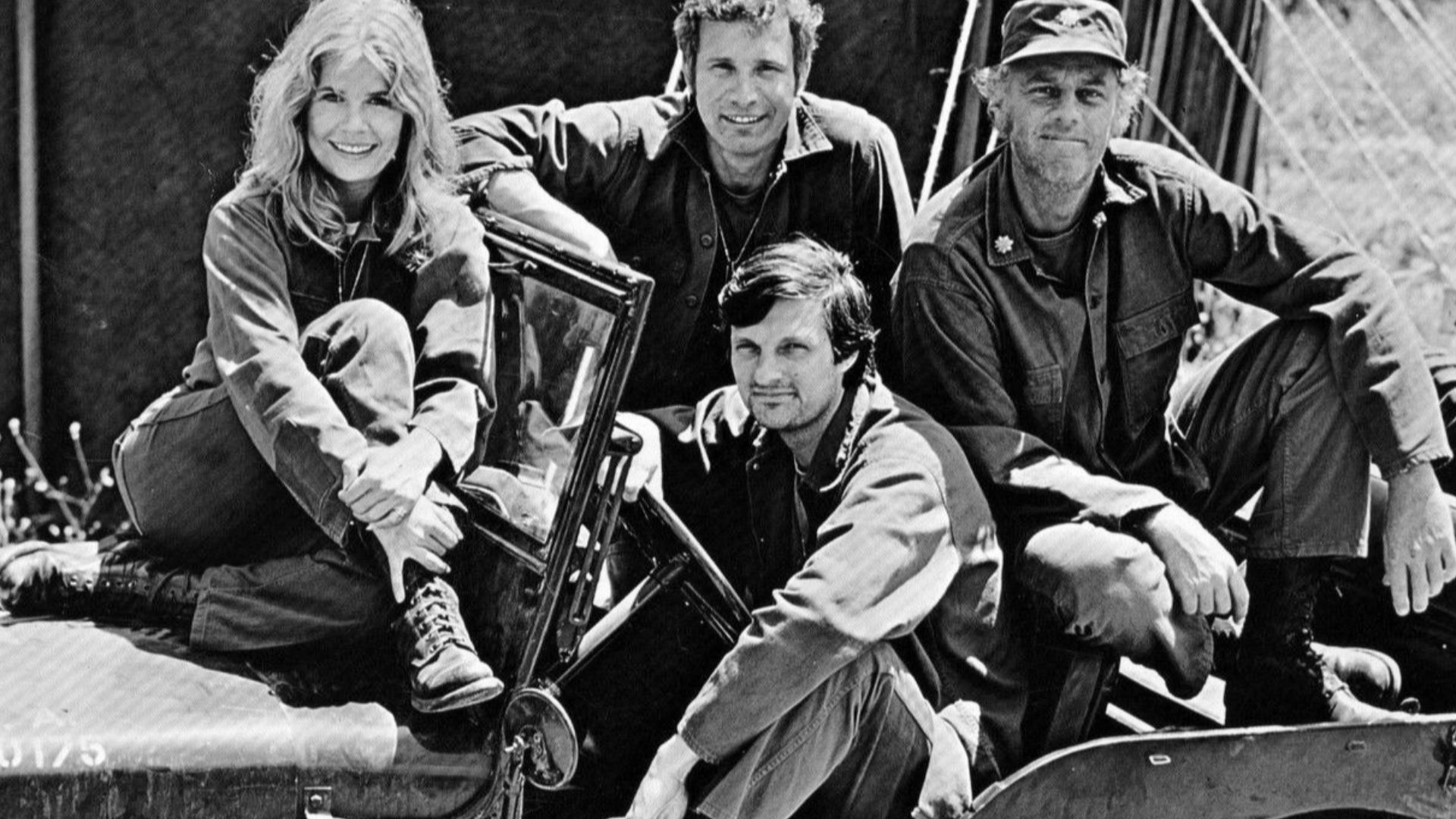 CBS Television, Wikimedia Commons
1: "Fawlty Towers" (1975–1979)
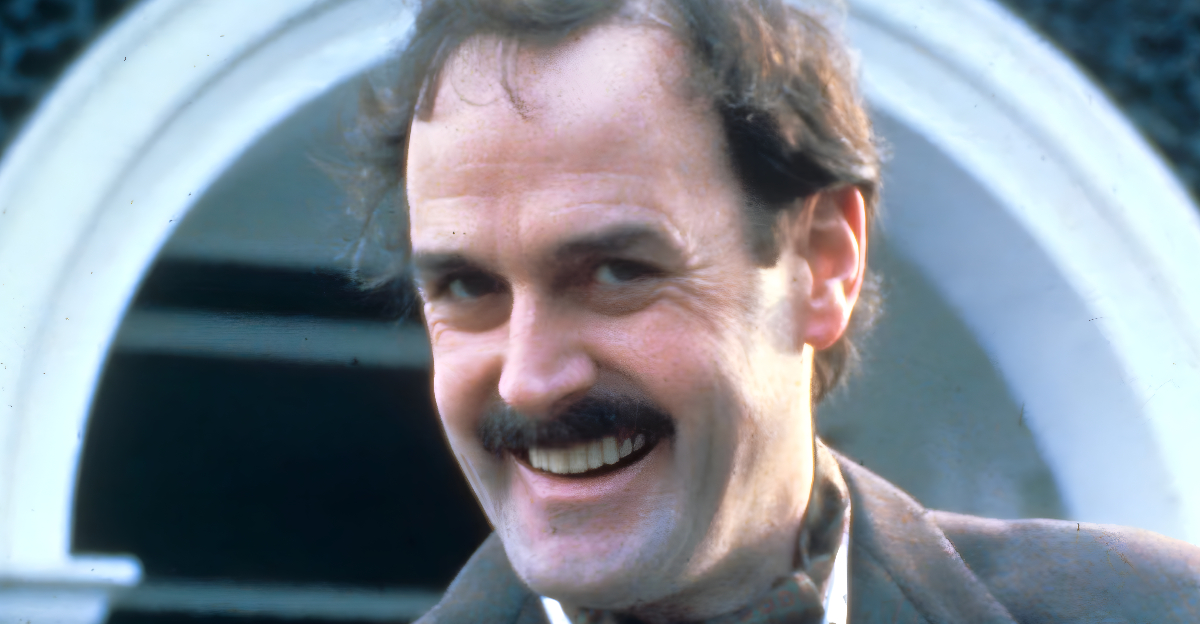
Only twelve episodes. That's it. No massive ten-season run. No hundreds of installments. Just twelve episodes and a permanent place in television history. John Cleese's perpetually stressed hotel owner produced more laughs in those twelve episodes than some sitcoms manage in twelve years. That's why it gets the crown.
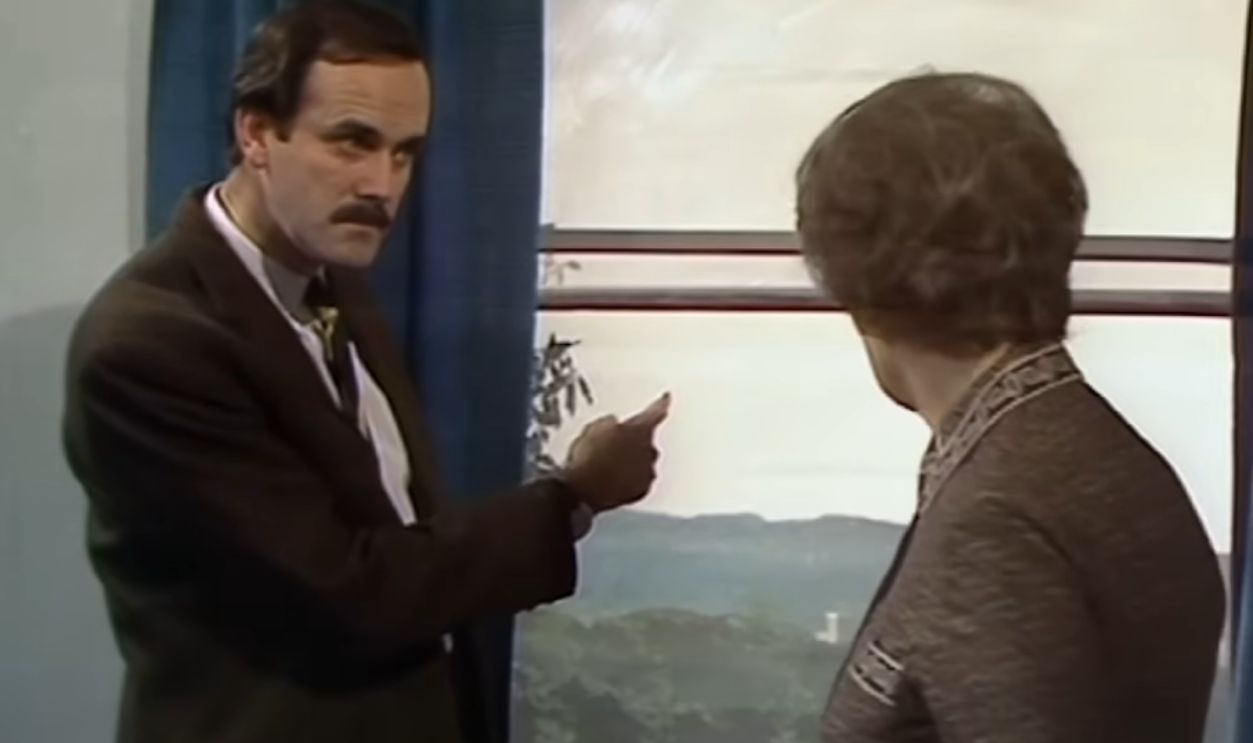 Screenshot from Fawlty Towers, BBC (1975–1979)
You Might Also Like:
How Bonanza star Michael Landon became one of television’s most influential producers
Successful Shows Which Were Actually Spinoffs
1960s Hollywood Tough Guys Every Dad Wanted To Be Like—And Dads Today Don’t Even Know Who They Are