The Detective America Never Forgot
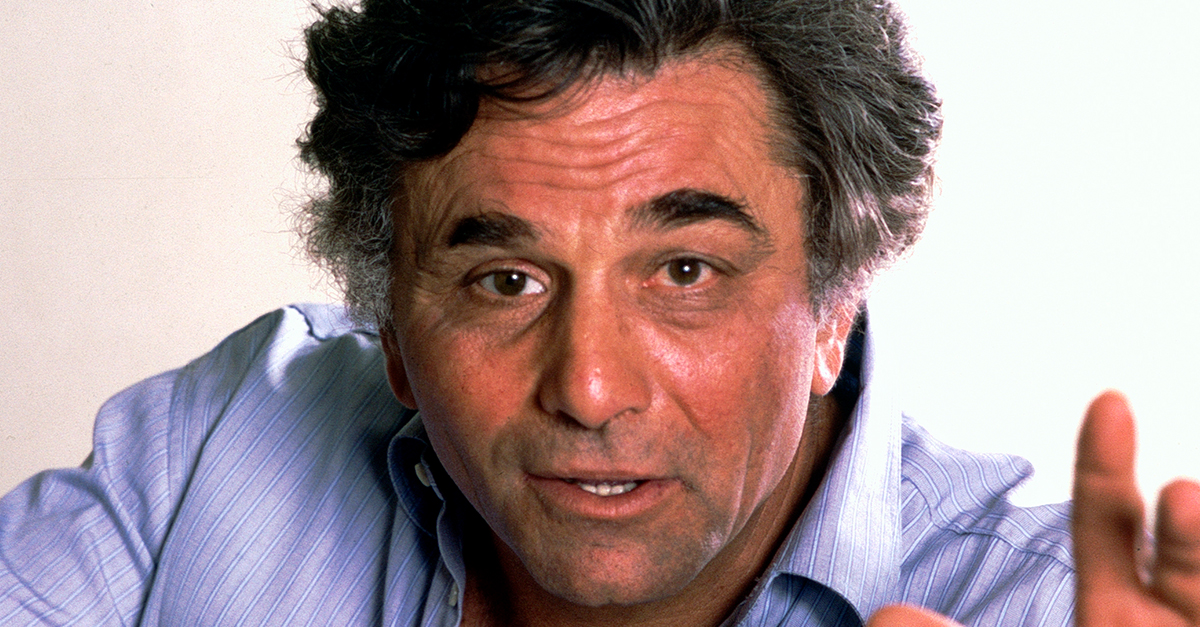
For more than three decades, Peter Falk was inseparable from Lieutenant Columbo. With his rumpled raincoat, wandering questions, and deceptively casual manner, he created one of television's most beloved characters. Yet after Columbo finally faded from television, Falk's life entered a difficult final chapter.
Peter Falk Was Already A Respected Actor Before Columbo
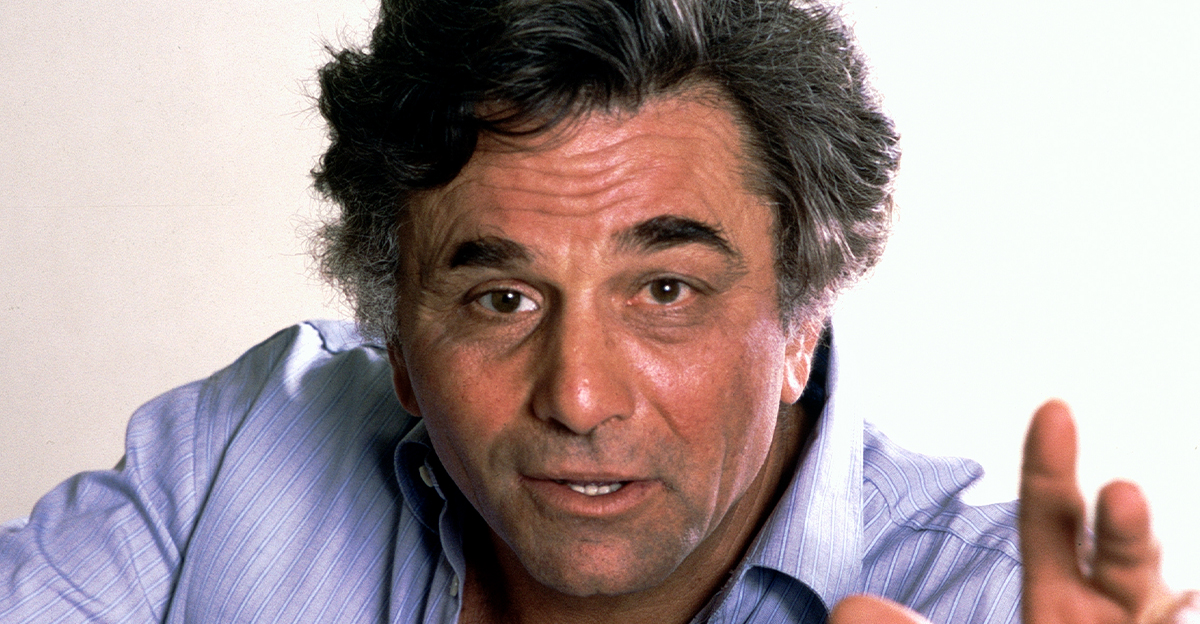
Long before he became television's most famous detective, Falk had built an impressive acting career. Despite losing his right eye to cancer as a child and wearing a glass eye for the rest of his life, he earned critical acclaim in film, television, and theater through sheer talent and determination.
Columbo Changed Everything
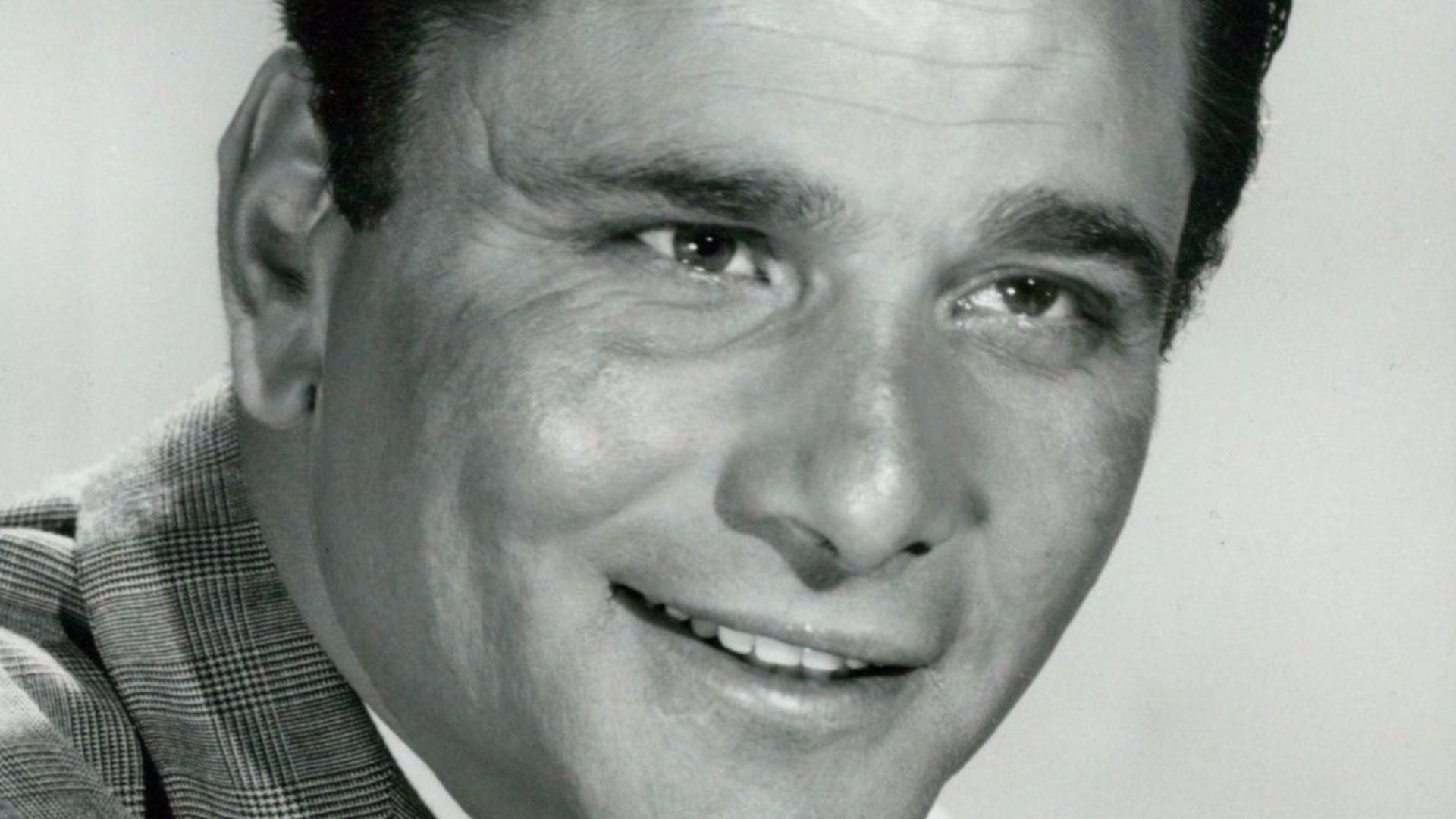
When Falk first appeared as Lieutenant Columbo in 1968, audiences immediately connected with the character. Unlike traditional television detectives, Columbo appeared disorganized and absent-minded. In reality, he was always the smartest person in the room, and viewers loved watching wealthy criminals underestimate him.
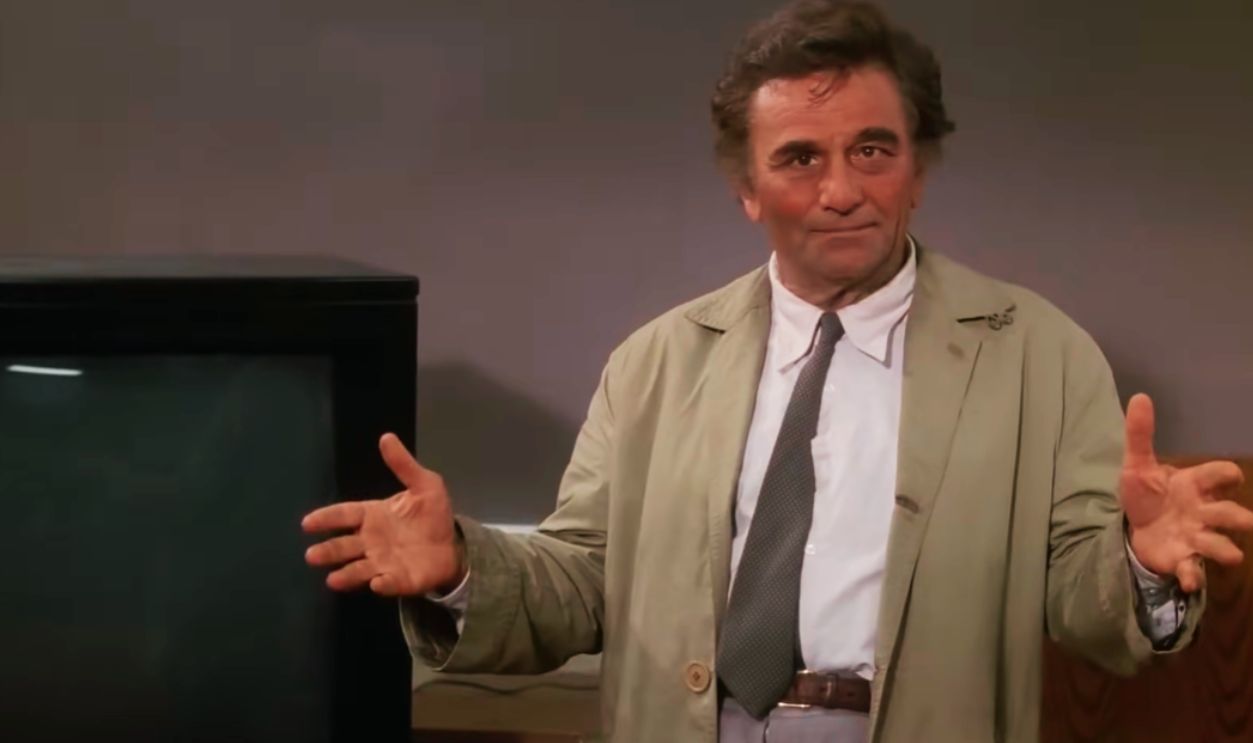 Screenshot from Columbo, NBCUniversal (1968 - 2003)
The Character Became A Cultural Phenomenon
Over the years, Columbo grew into one of television's most successful detective franchises. Falk won multiple Emmy Awards for the role and became recognized worldwide. For millions of viewers, Peter Falk and Columbo were practically the same person.
Few Actors Have Ever Been So Closely Linked To One Role
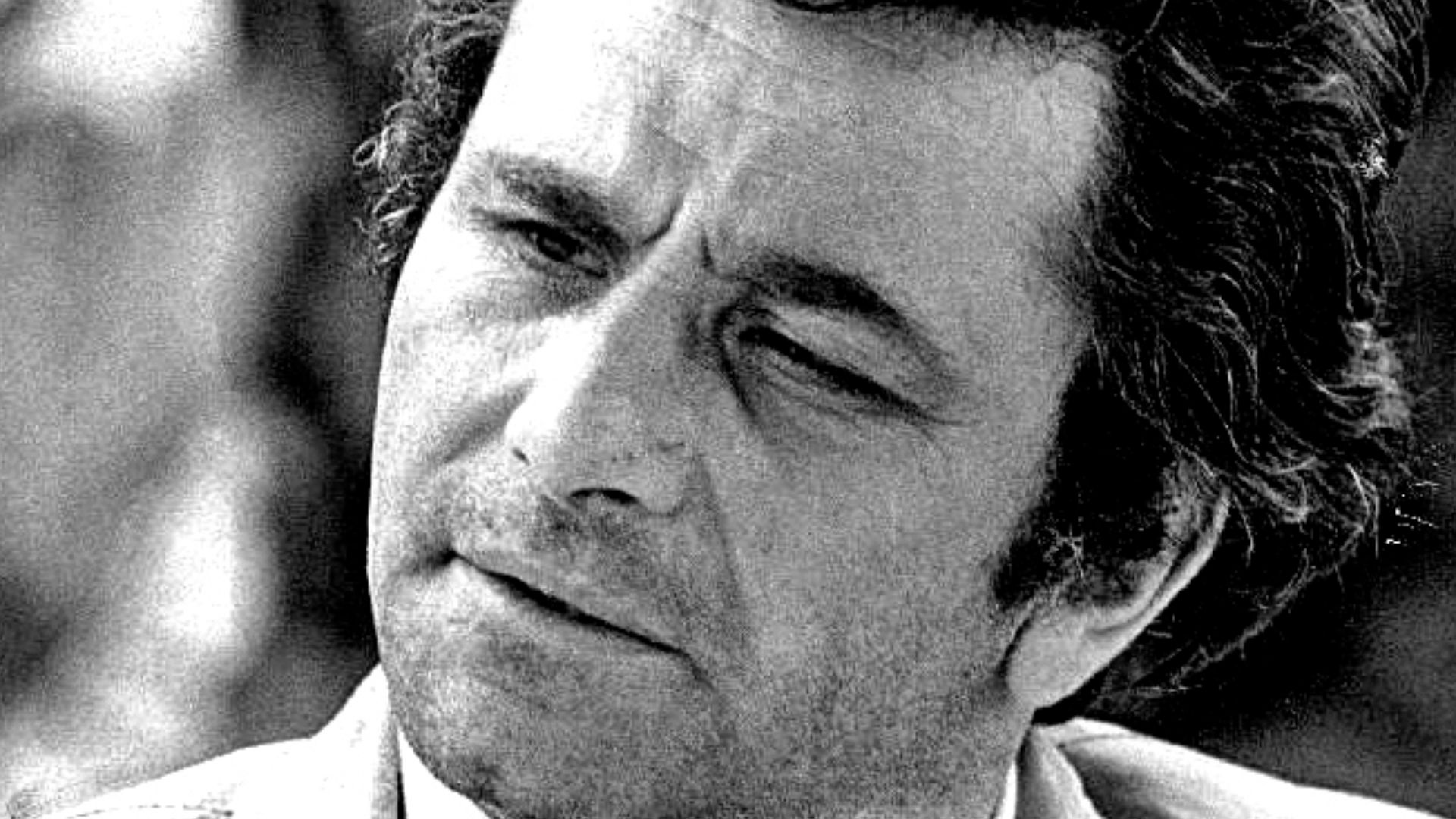
While many performers struggle to find a signature character, Falk faced the opposite challenge. Columbo became so popular that it overshadowed nearly everything else he accomplished. Even after decades of acclaimed work, audiences primarily wanted to see him as the famous detective.
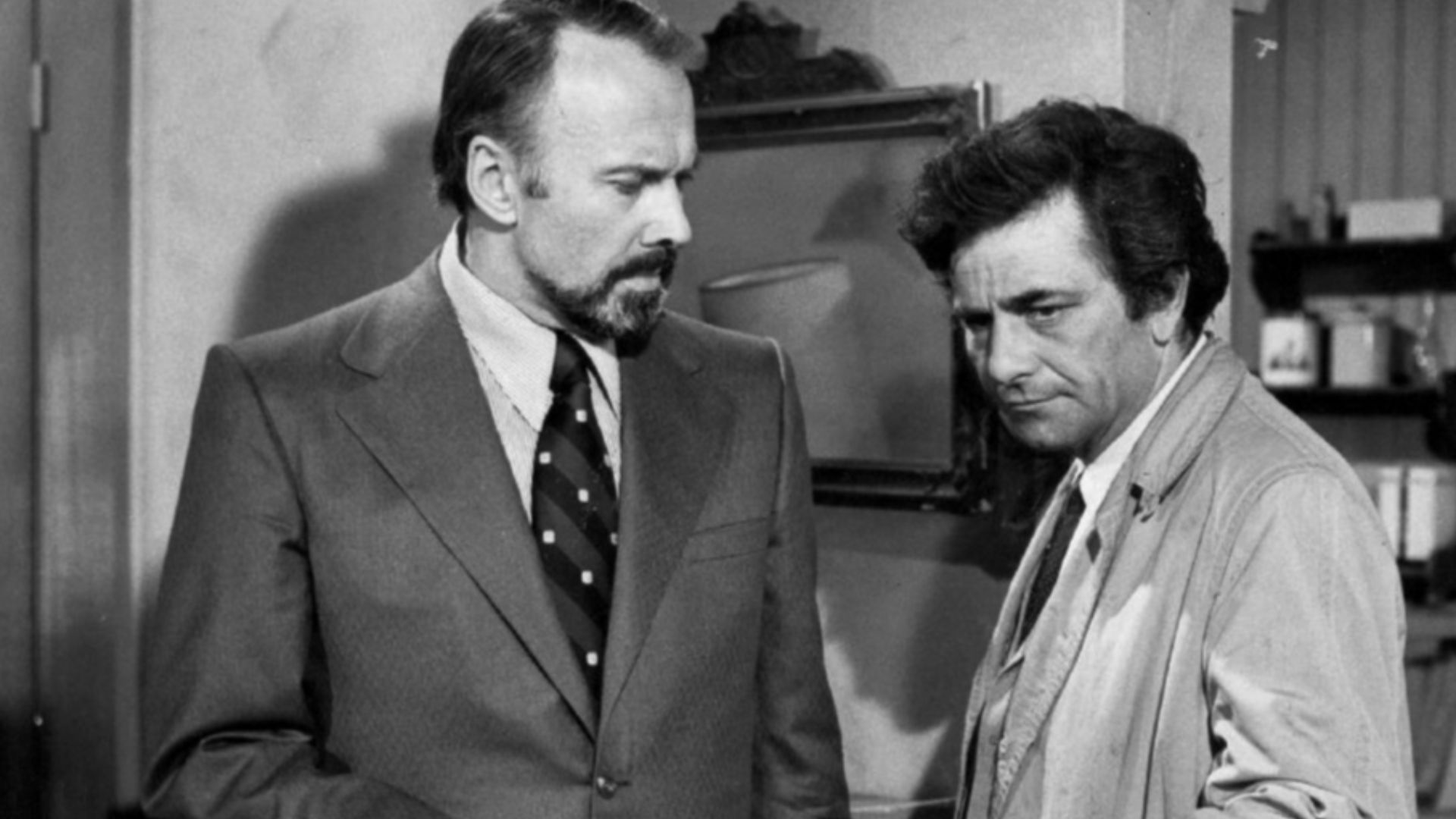 NBC Television, Wikimedia Commons
He Continued Acting Between Columbo Productions
Although Columbo dominated his public image, Falk remained active in films throughout his career. He appeared in projects such as The Princess Bride, Murder by Death, and several films directed by close friend John Cassavetes, demonstrating a range that extended far beyond detective stories.
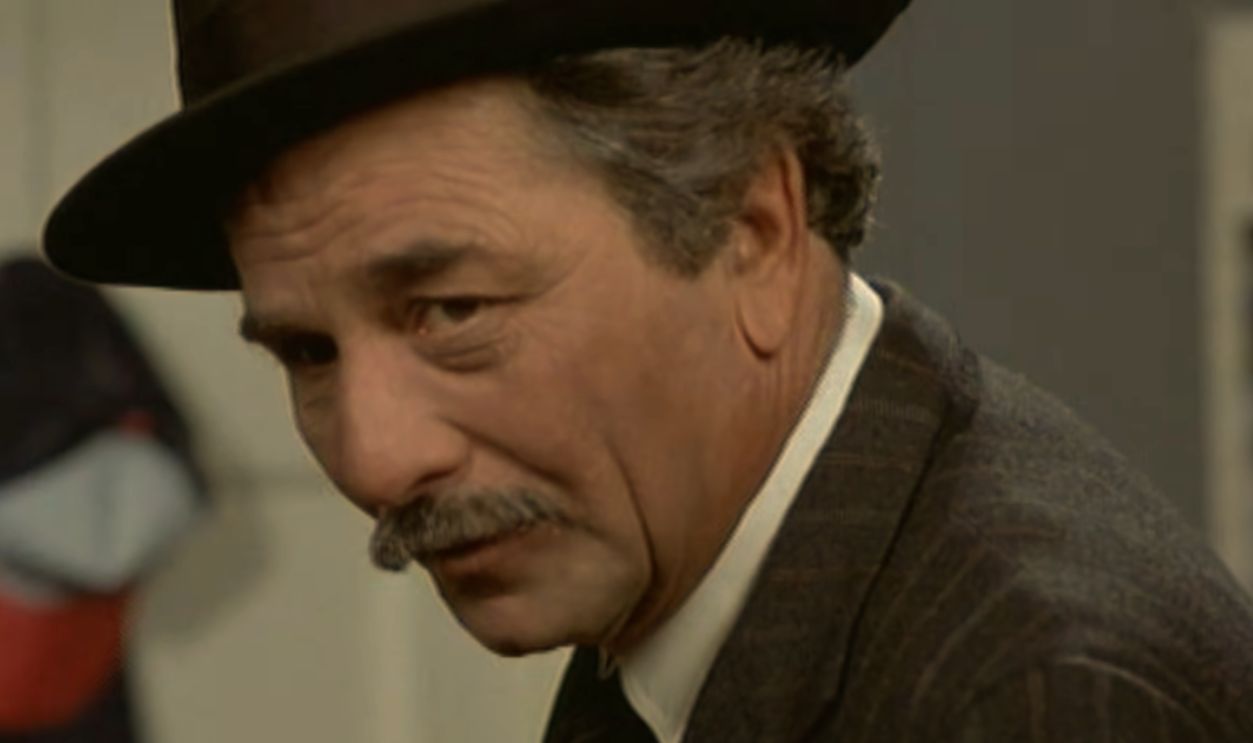 Screenshot from The Princess Bride, Amazon MGM Studios (1987)
The End Of Columbo Arrived Gradually
Unlike many television series, Columbo did not end with a dramatic cancellation. The show returned periodically through television movies during the 1980s, 1990s, and early 2000s. Eventually, however, new episodes became less frequent until they quietly stopped altogether.
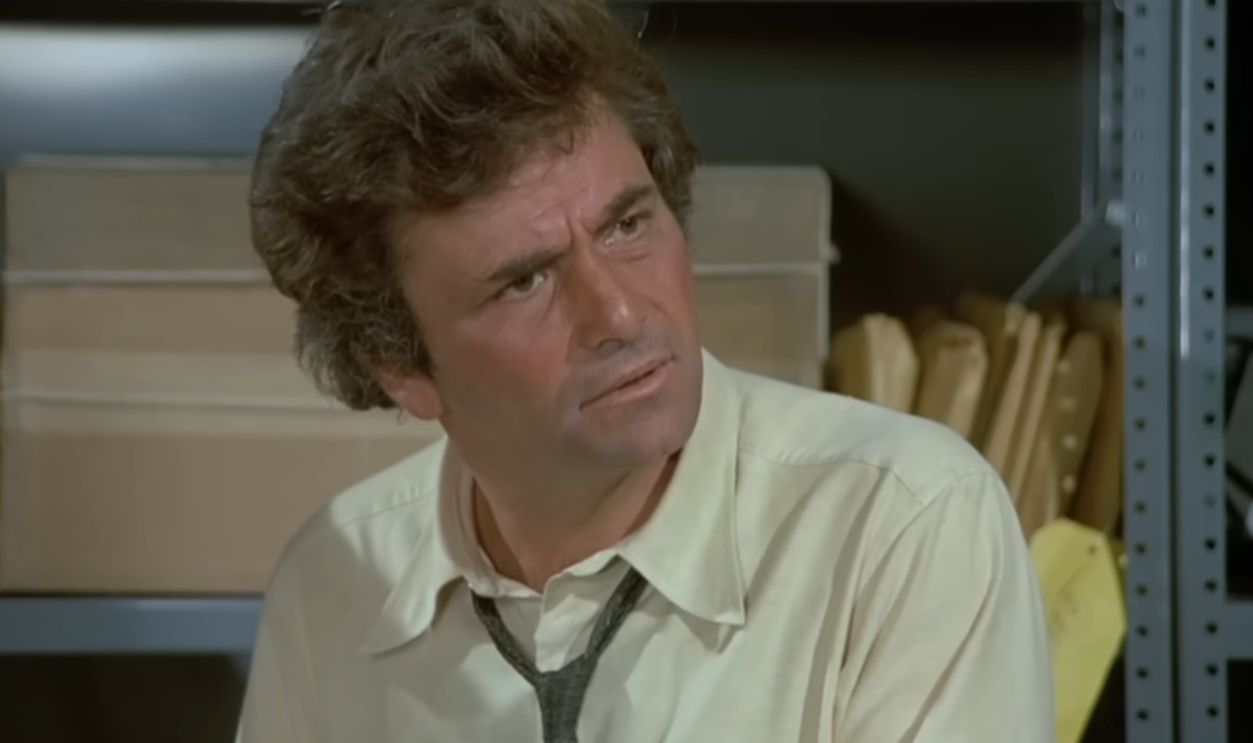 Screenshot from Columbo, NBCUniversal (1968 - 2003)
Hollywood Had Changed By The Time The Series Ended
By the early 2000s, television looked very different from the world that had made Columbo famous. Faster-paced crime dramas and heavily serialized storytelling dominated the ratings. Falk remained respected, but the industry itself had moved in a new direction.
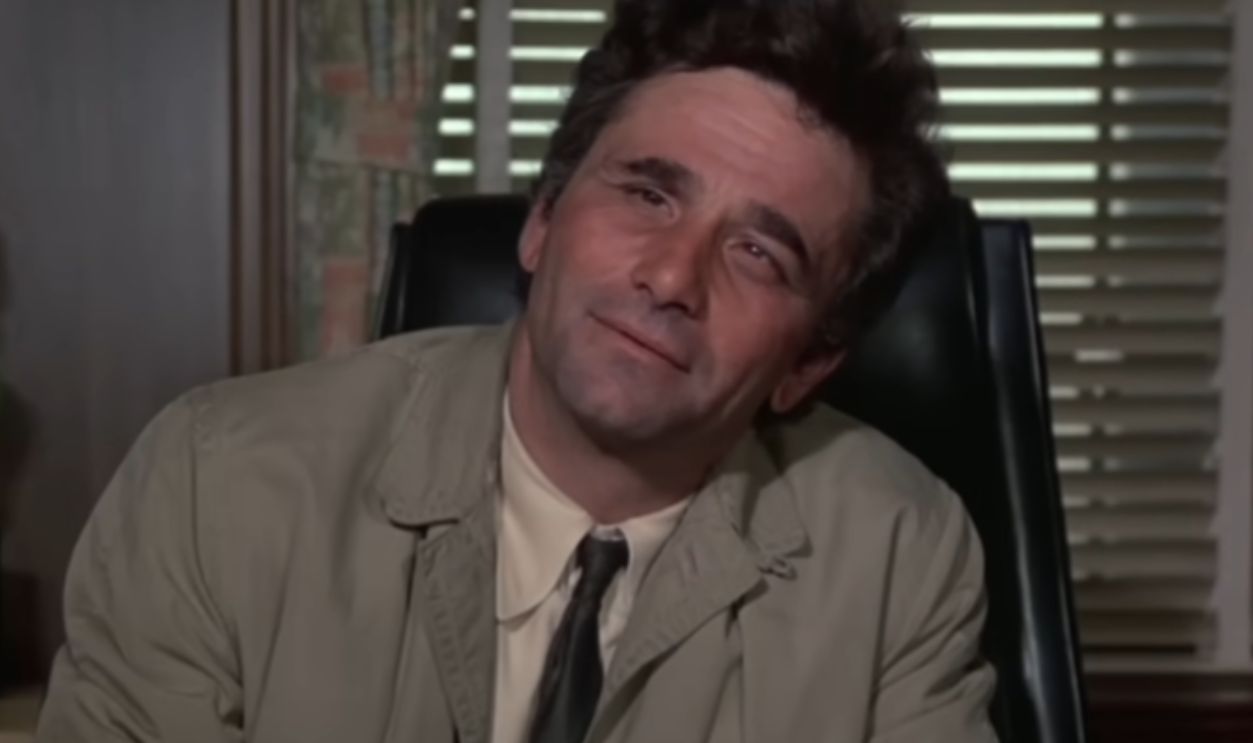 Screenshot from Columbo, NBCUniversal (1968 - 2003)
Retirement Was Never Really His Plan
Falk never formally announced that he was retiring from acting. Instead, opportunities slowly diminished as he grew older and his health became more challenging. Like many legendary performers, he seemed happiest when he was still working.
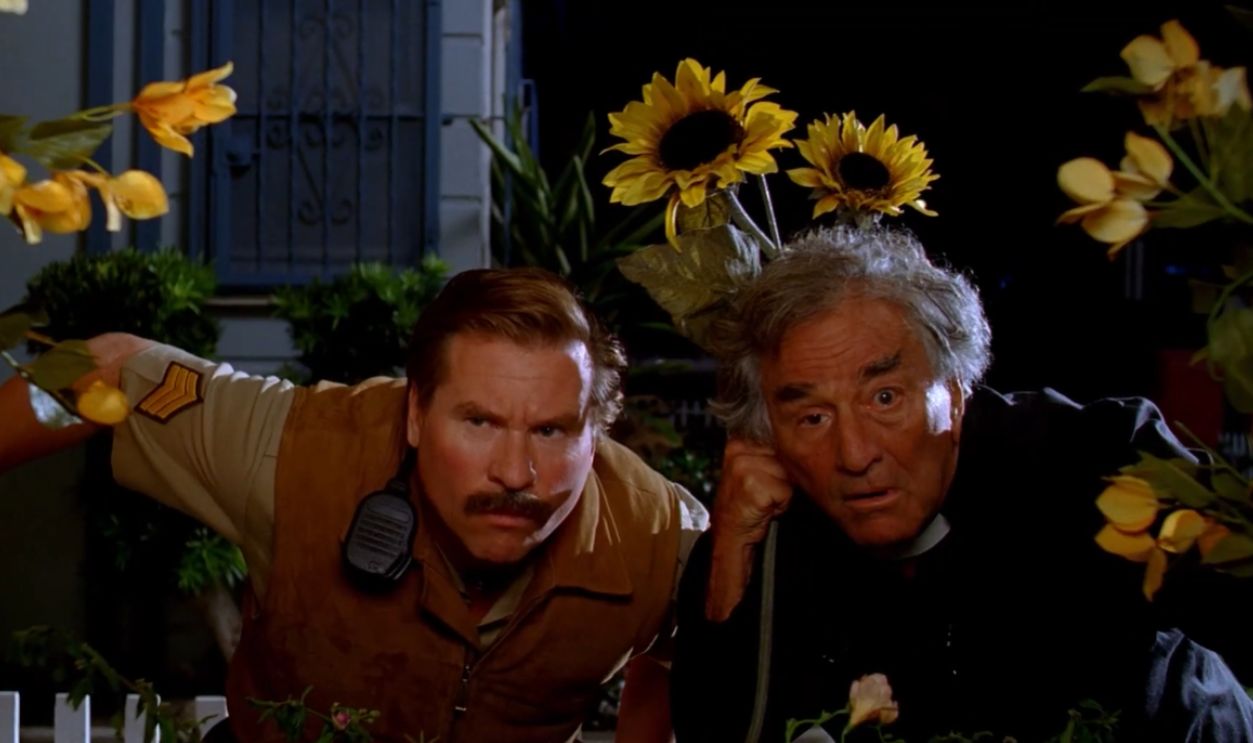 Screenshot from American Cowslip, Buffalo Speedway Film Company (2009)
His Health Began To Decline
As the 2000s progressed, friends and colleagues noticed changes in Falk's memory and behavior. What initially seemed like ordinary aging eventually developed into something far more serious and alarming for those closest to him.
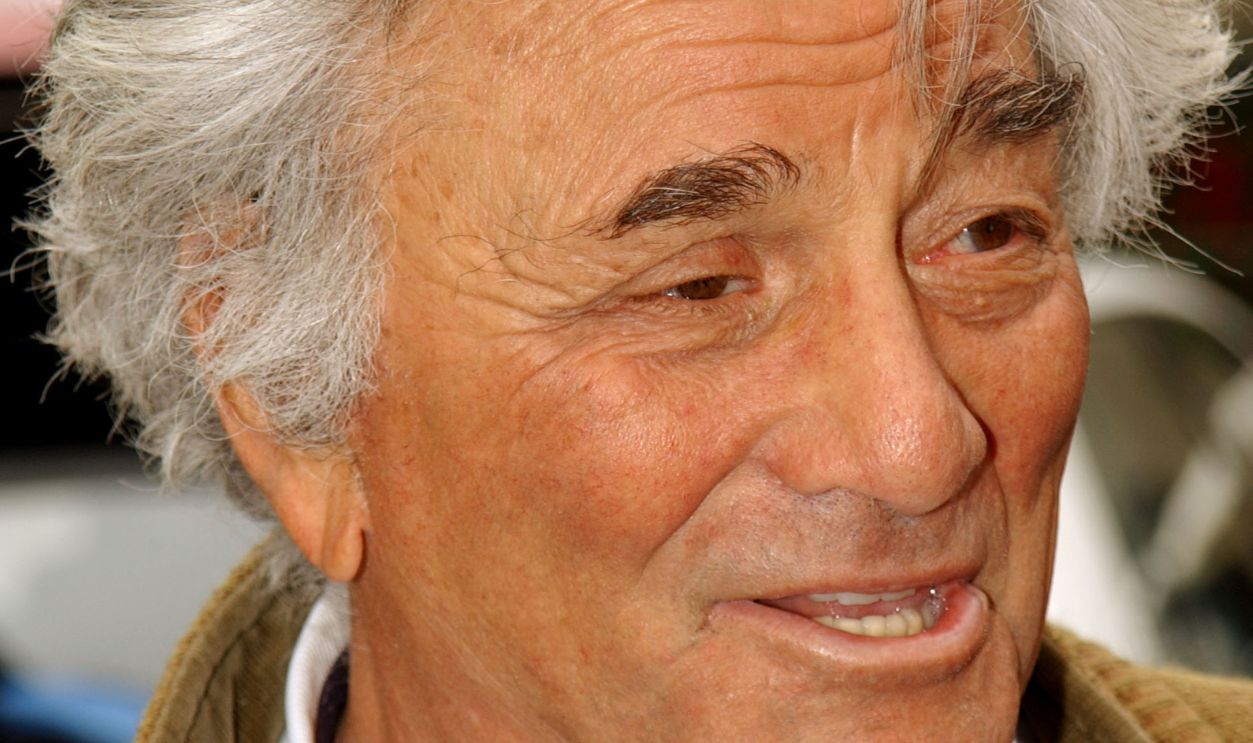
Alzheimer's Disease Changed Everything
Falk was eventually diagnosed with Alzheimer's disease in 2008. The condition gradually robbed him of many memories and abilities that had defined him throughout his life. For family members and longtime fans, watching the decline of such a vibrant personality was heartbreaking.
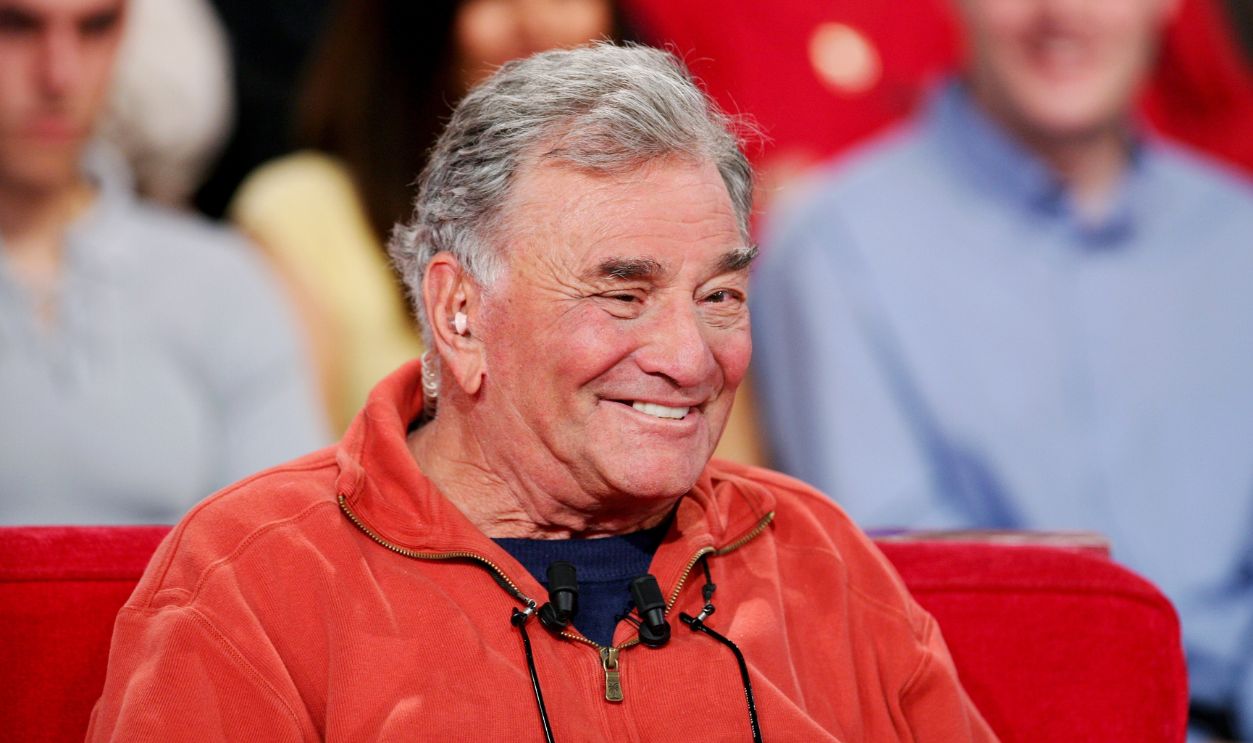
The Illness Created A Family Crisis
As Falk's condition worsened, disagreements emerged regarding his care. Allegedly, family members found themselves in painful disputes over medical decisions, visitation rights, and who should be responsible for managing his increasingly complex needs.
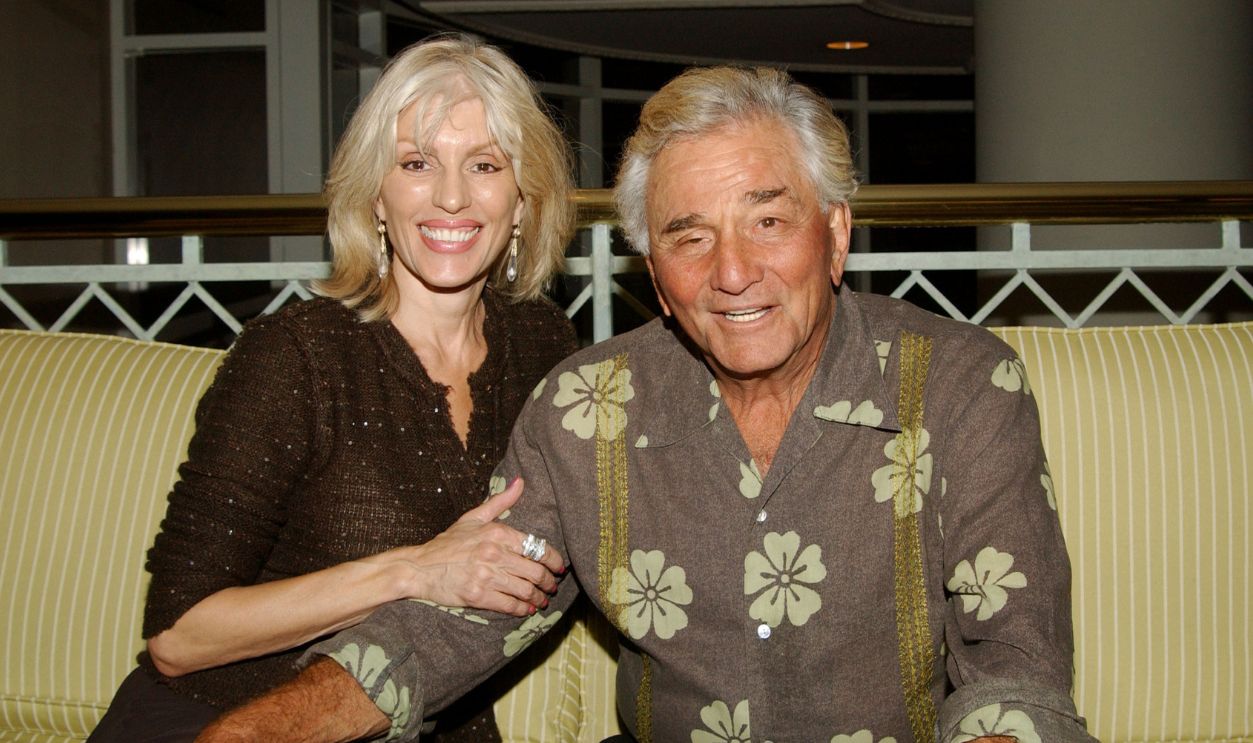
A Public Legal Battle Followed
The most painful conflict involved Falk's daughter Catherine. Court proceedings attracted media attention as family members disagreed about access to Falk during his illness. What should have been a private family matter became public and deeply emotional.
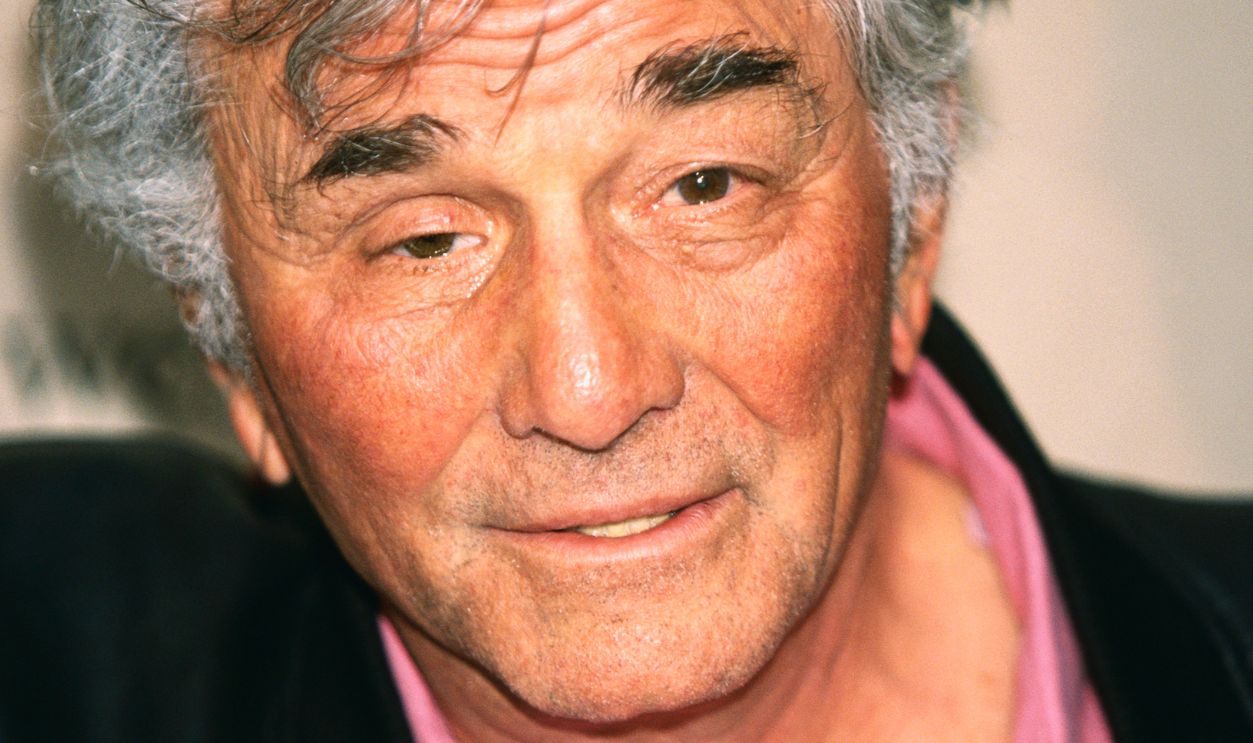 Kurt Krieger - Corbis, Getty Images
His Daughter Said She Was Cut Off From Him
Catherine Falk later claimed she was prevented from seeing her father during portions of his illness. The allegations became a major part of the public discussion surrounding his final years and highlighted the devastating impact dementia can have on families.
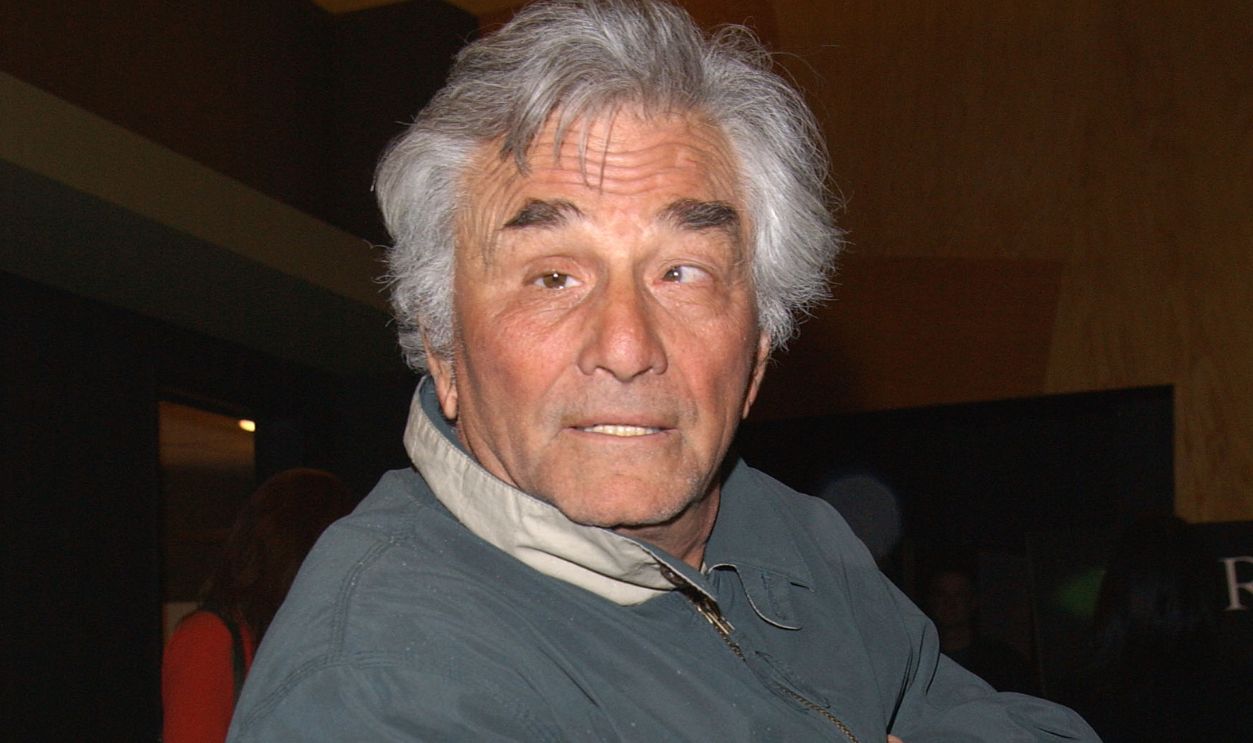
The Dispute Eventually Changed California Law
Following her father's passing, Catherine Falk advocated for legal reforms concerning visitation rights for relatives of incapacitated adults. Her efforts contributed to legislation often referred to as Peter Falk's Law.
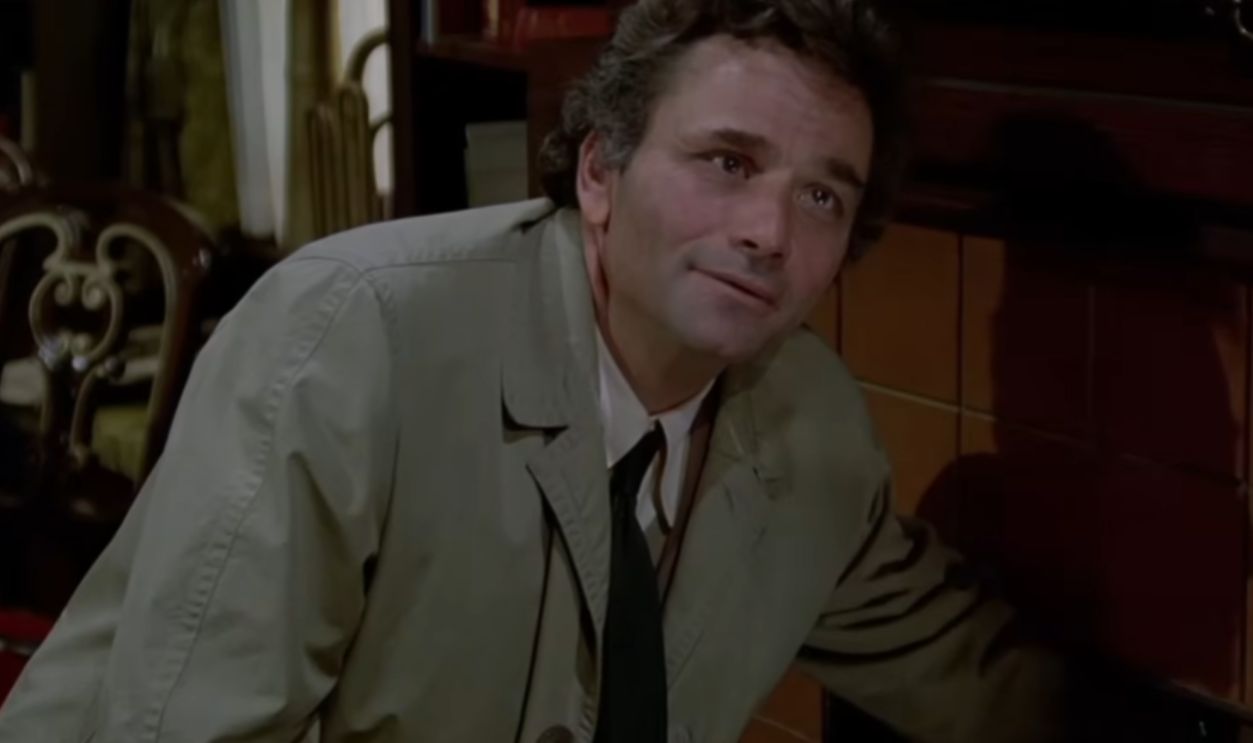 Screenshot from Columbo, NBCUniversal (1968 - 2003)
He Spent His Final Years Largely Out Of Public View
Unlike many celebrities, Falk's final years unfolded mostly away from cameras. Public appearances became rare as his condition worsened. Fans who had spent decades watching him solve crimes could only follow occasional updates about his health.
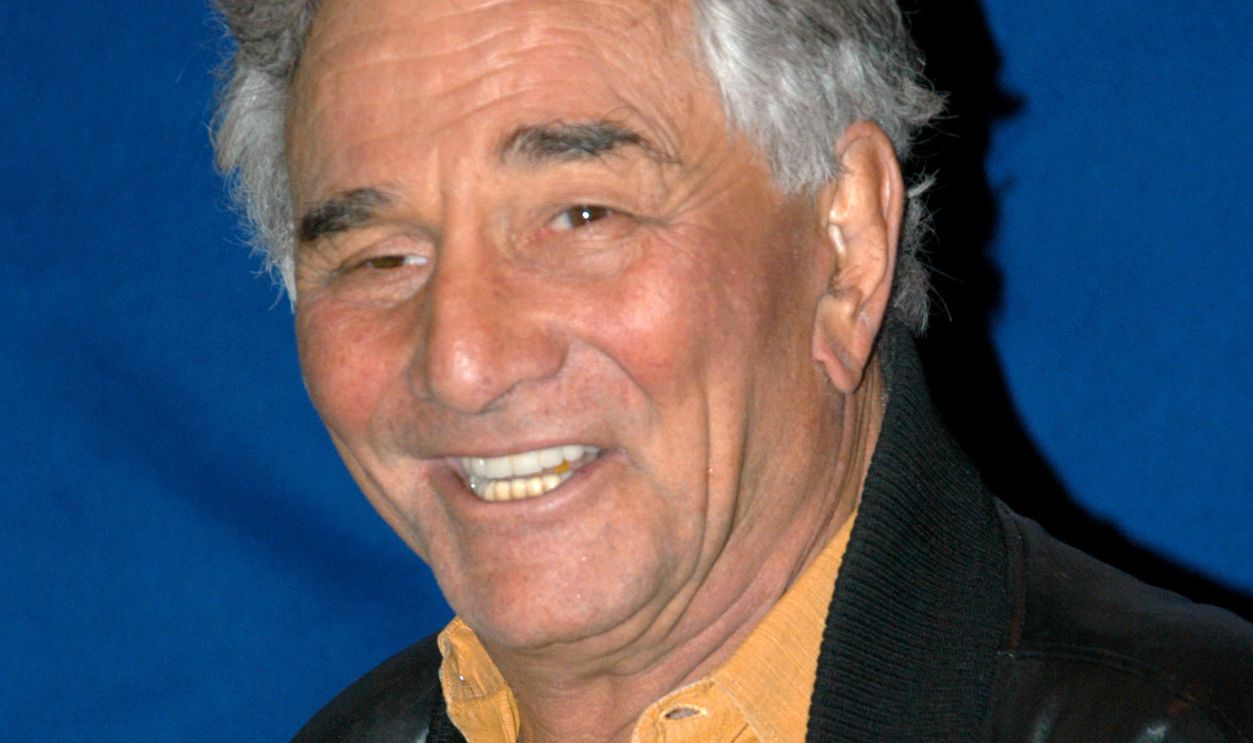
Peter Falk Died In 2011
Peter Falk passed on June 23, 2011, at age 83. Alzheimer's disease and complications from pneumonia were cited among the factors surrounding his death. Tributes poured in from around the world as fans remembered the actor who had entertained them for generations.
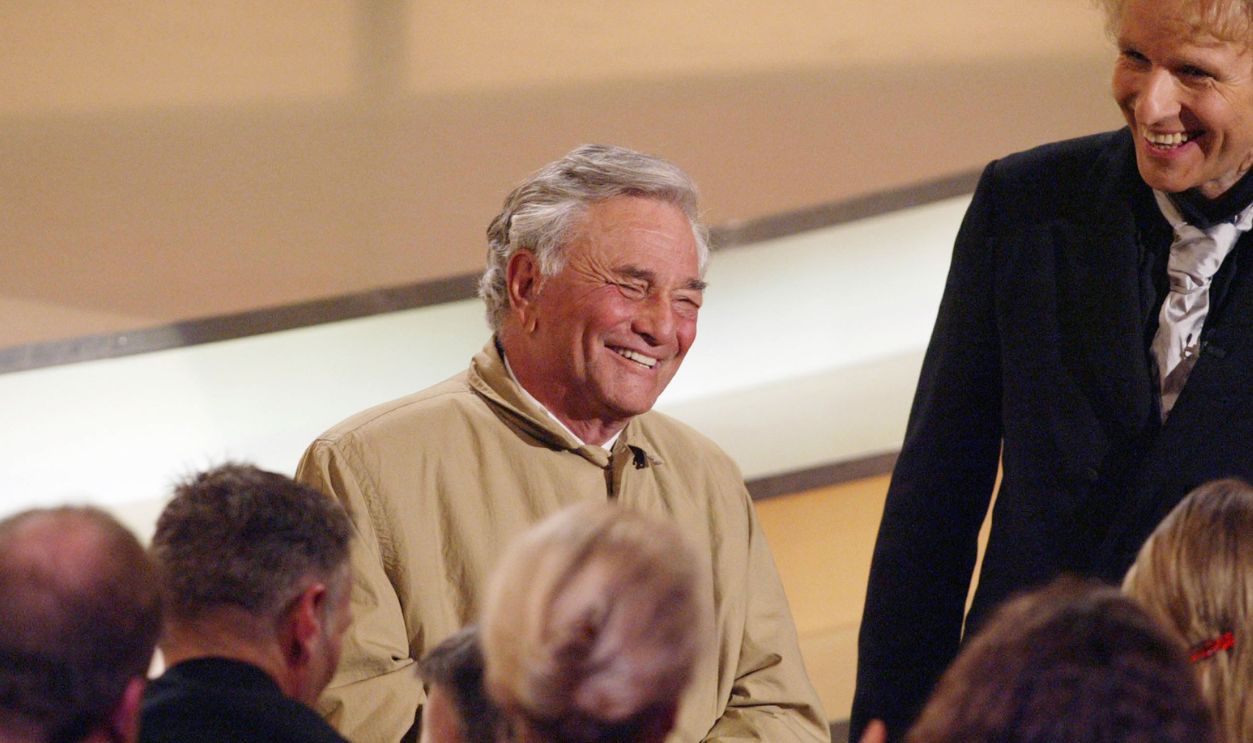
The World Remembered Columbo One More Time
Following his death, countless tributes focused on Lieutenant Columbo. The character had become one of television's most enduring creations, and Falk's performance remained the gold standard for television detectives decades after the role first appeared.
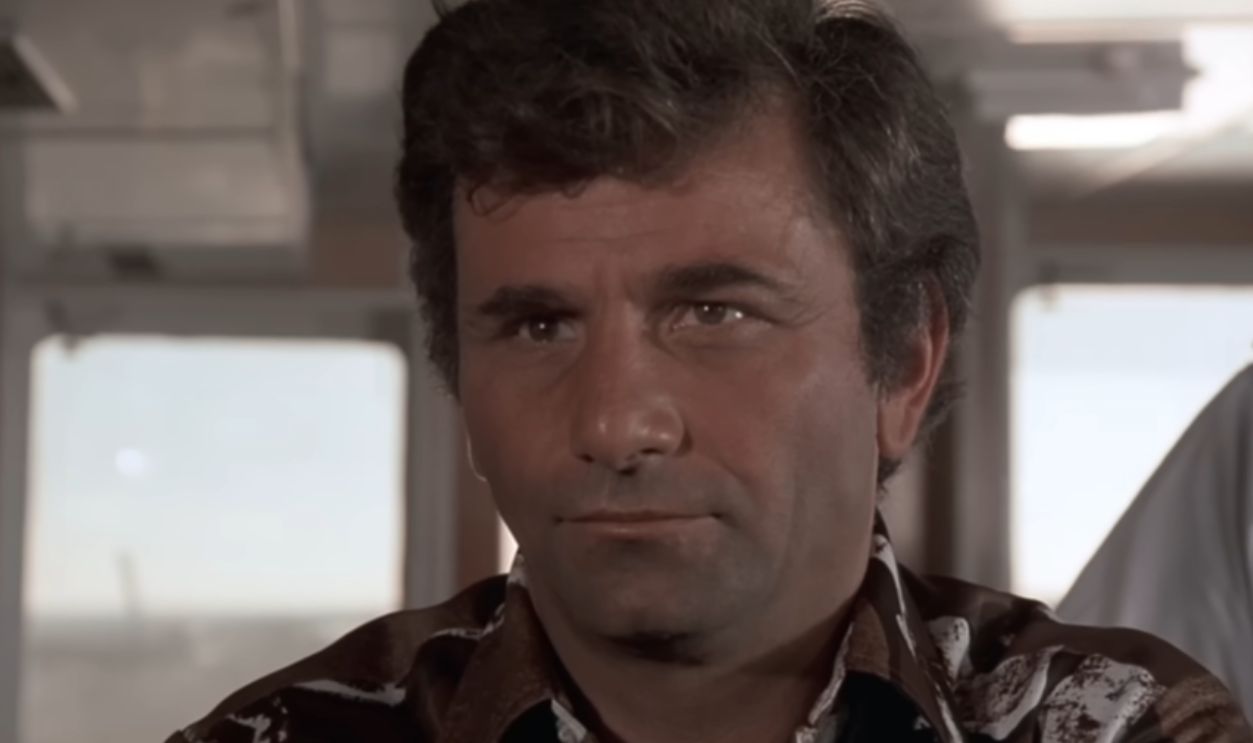 Screenshot from Columbo, NBCUniversal (1968 - 2003)
Why Peter Falk's Final Years Feel So Tragic
What happened to Peter Falk after Columbo ended was not a career collapse or a fall from fame. Instead, it was something far more painful and universal. A beloved actor who had spent a lifetime entertaining millions faced the cruel realities of Alzheimer's disease, family conflict, and declining health.
You May Also Like:
Rod Steiger: A Career Of Highs And Lows
Funny Steve Martin Quotes That Still Ring True