Rock Radio Had A Secret Border
The 1970s produced some of rock's biggest international stars, but Canada had an entire musical universe that Americans barely noticed. While bands like Rush conquered both countries, dozens of other groups filled Canadian arenas, earned platinum records, and dominated local radio without achieving comparable American success. Some even became cultural institutions north of the border. Here's a look at the bands whose Canadian fame might surprise music fans south of the border.
 Michael Ochs Archives/Getty Images
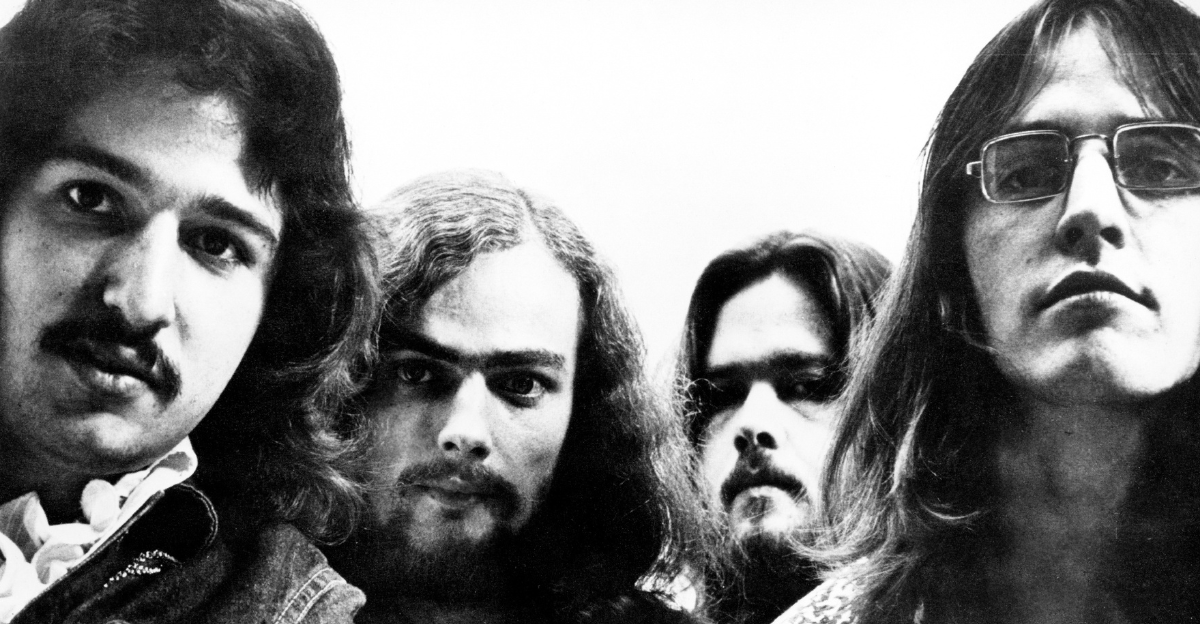
April Wine
Long before Americans discovered April Wine through “Roller,” the band was already enormous in Canada. Their 1975 album Stand Back sold more than 100,000 copies domestically, while The Whole World's Going Crazy went platinum upon release in 1976. American success came considerably later.
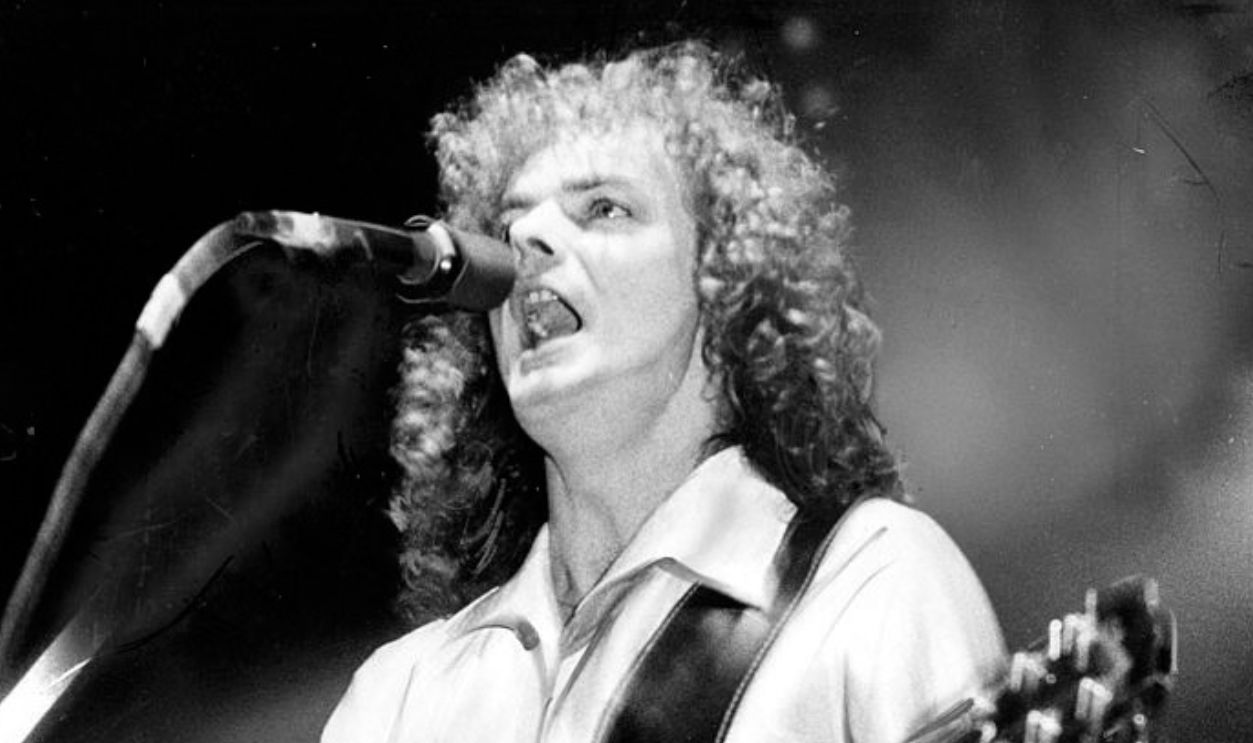
Trooper
Few bands captured Canadian party culture quite like Trooper. Songs like “Raise a Little Hell” and “We're Here for a Good Time” became national singalong staples. Their greatest-hits collection, Hot Shots, eventually achieved six-times-platinum certification in Canada, reflecting their extraordinary domestic popularity.
 CarsonCo (talk) (Uploads), Wikimedia Commons
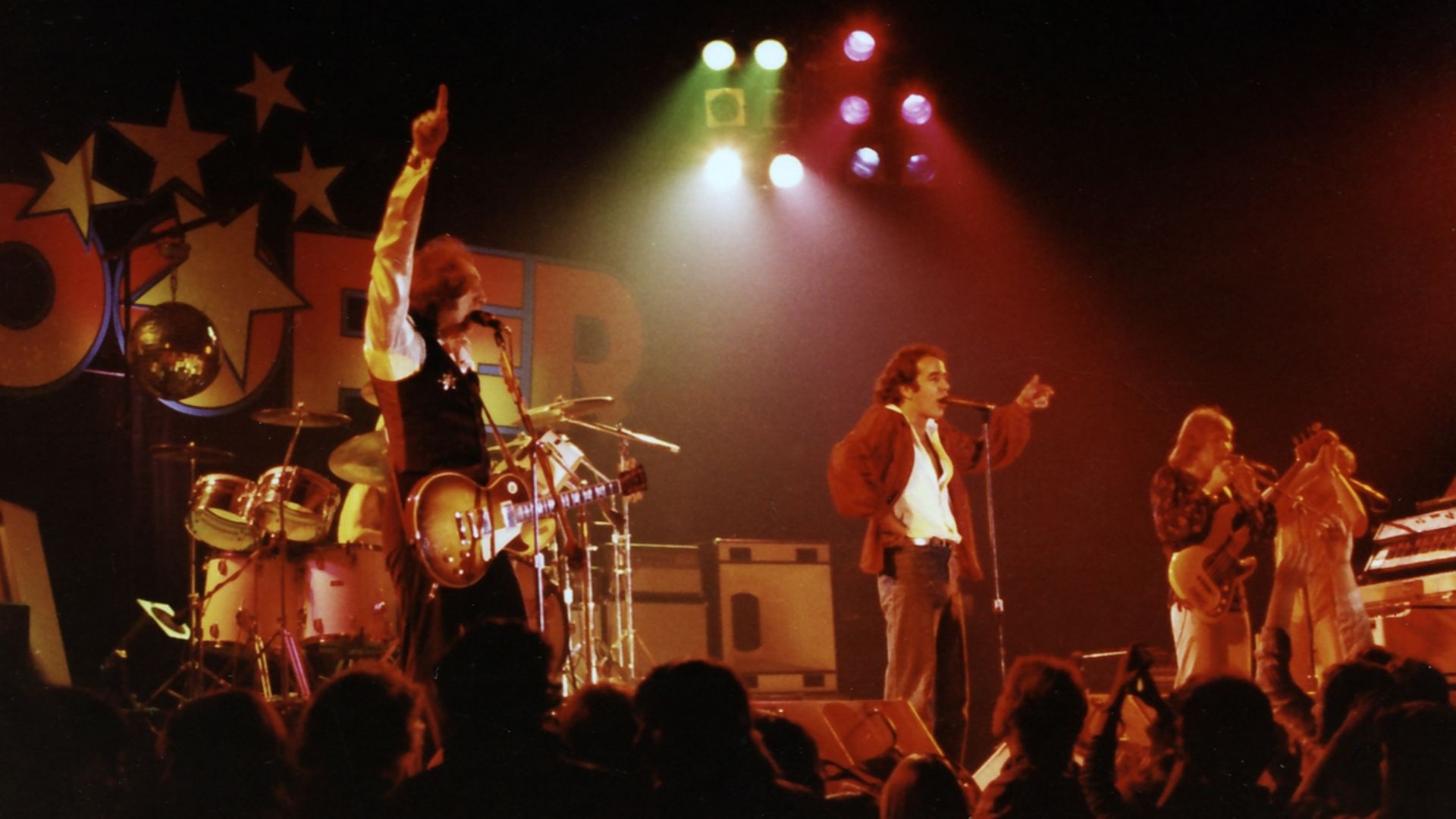
Max Webster
Led by Kim Mitchell, Max Webster combined progressive rock, theatrical performances, and eccentric songwriting. Their 1979 album A Million Vacations helped cement their Canadian following. Despite opening for major international acts, their record label acknowledges that the band never achieved comparable commercial success in America.
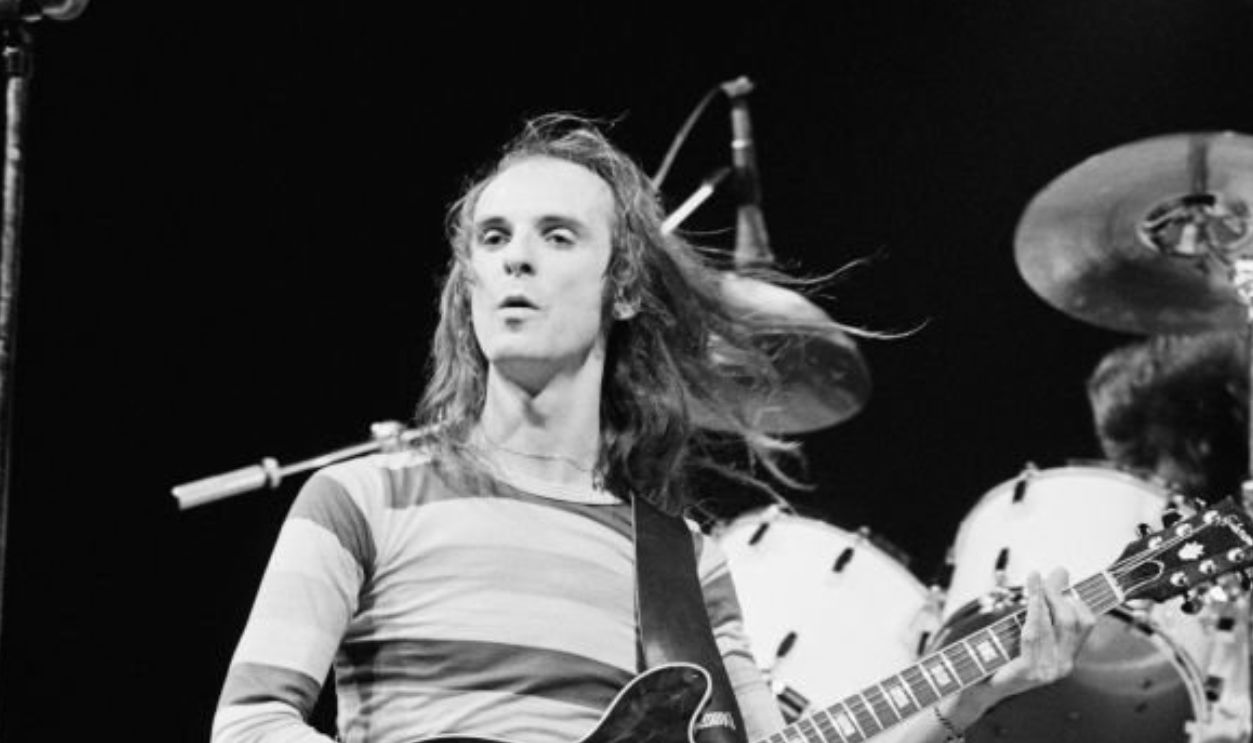
Prism
Vancouver's Prism was an arena-rock powerhouse during the late 1970s. Their 1979 album Armageddon achieved multi-platinum success, and the band reportedly attracted 18,000 people to an Ontario Place performance. American tours followed, but their enormous Canadian concert audiences remained especially impressive.
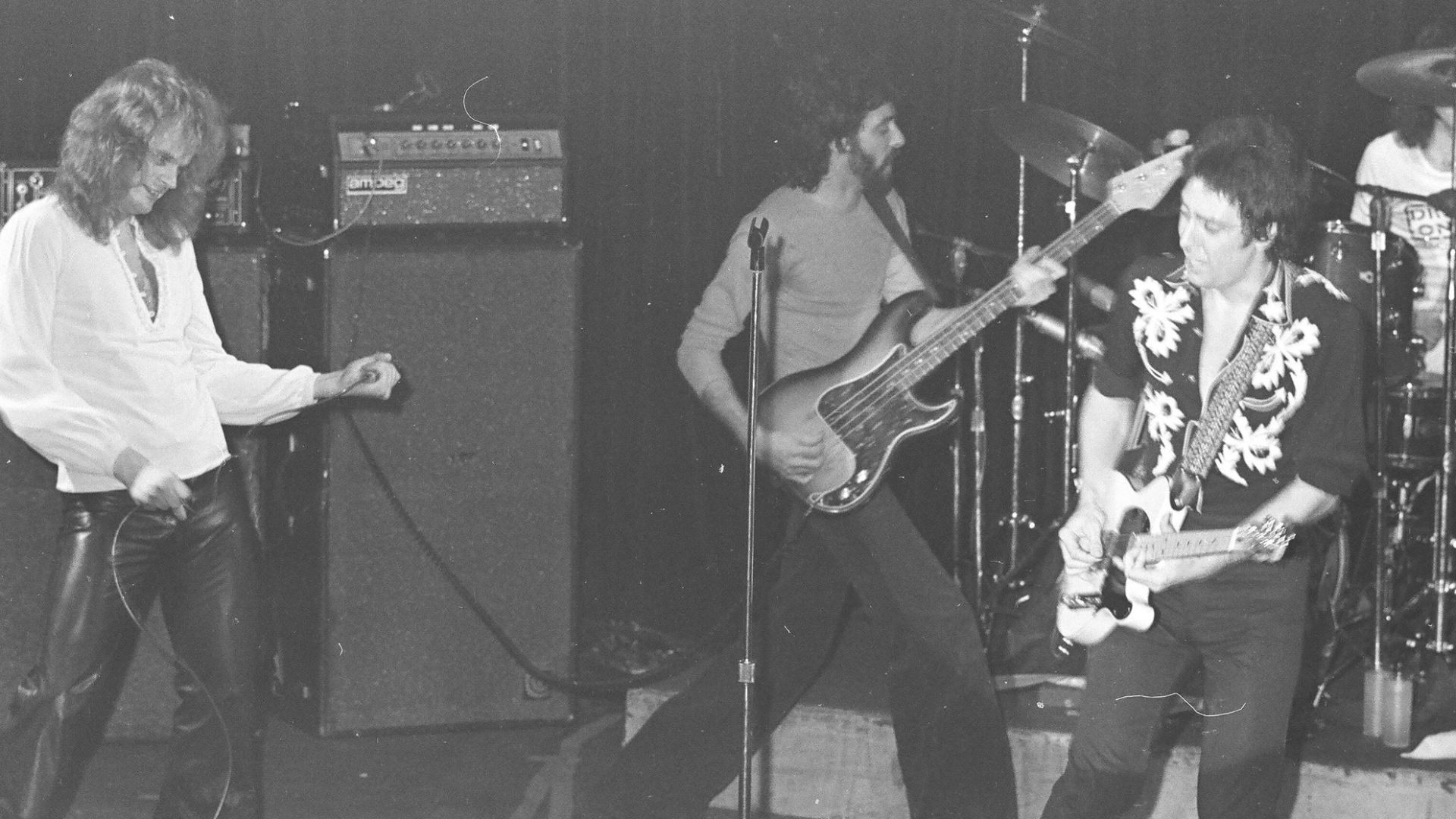 Joe Vitale 5, Wikimedia Commons
Streetheart
Fronted by Kenny Shields, Streetheart became one of Canada's most successful late-1970s rock acts. Their 1979 album Under Heaven Over Hell achieved platinum certification, helped by popular recordings of “Under My Thumb” and “Here Comes the Night.” Their domestic success never translated into equivalent American sales.
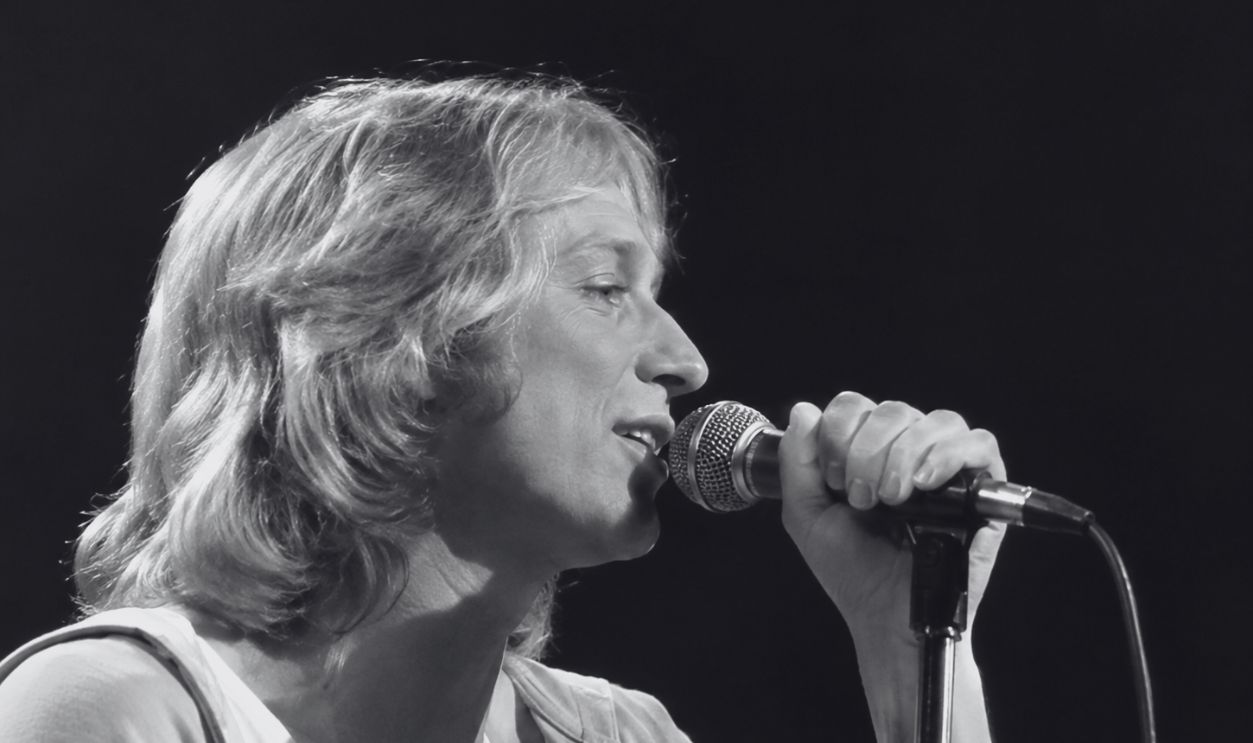 Screenshot from Under My Thumb by Streetheart, Atlantic Records (1979)
Chilliwack
Chilliwack began exploring psychedelic and progressive rock before discovering a more accessible sound. Their 1977 album Dreams, Dreams, Dreams eventually went platinum in Canada, powered by songs including “Fly at Night.” The group enjoyed American recognition later, but Canadians embraced them years earlier.
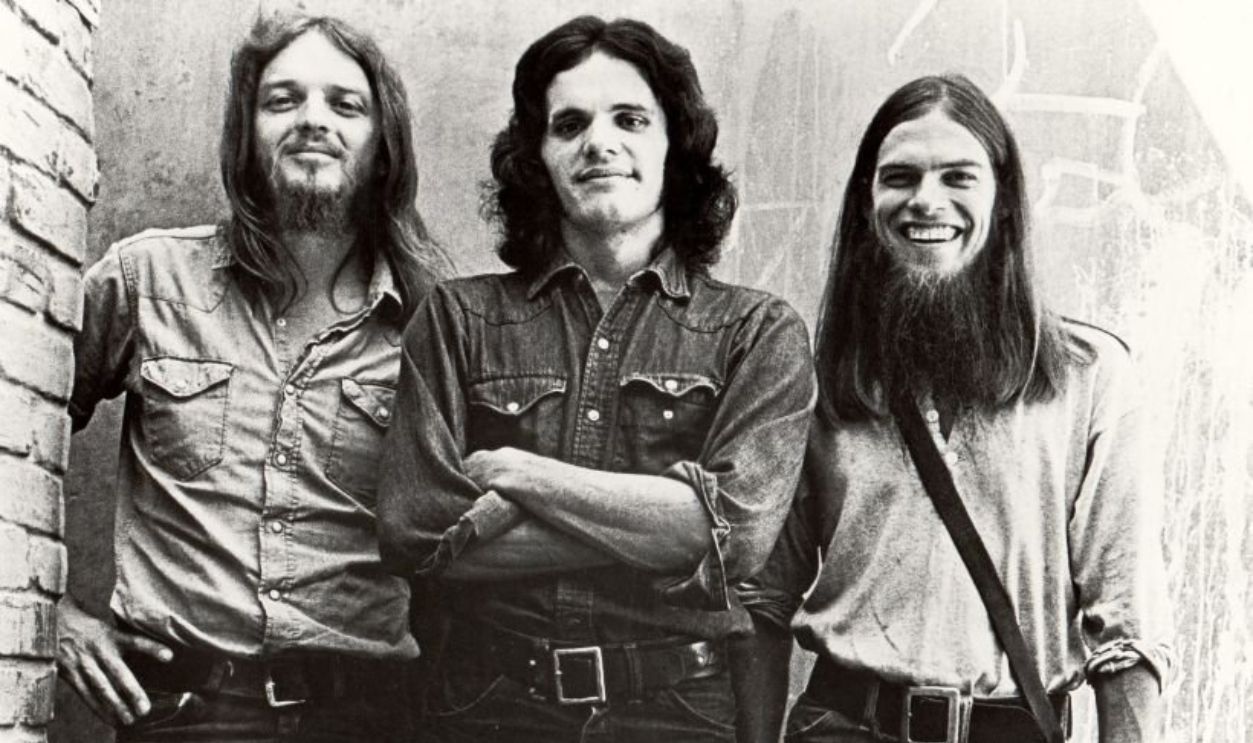 Michael Ochs Archives, Getty Images
Lighthouse
With horns, strings, and an unusually large lineup, Lighthouse sounded unlike most rock bands. Their signature song “One Fine Morning” reached number two in Canada but number 24 in America. The group also collected three consecutive Juno Awards between 1972 and 1974, demonstrating substantial domestic popularity.
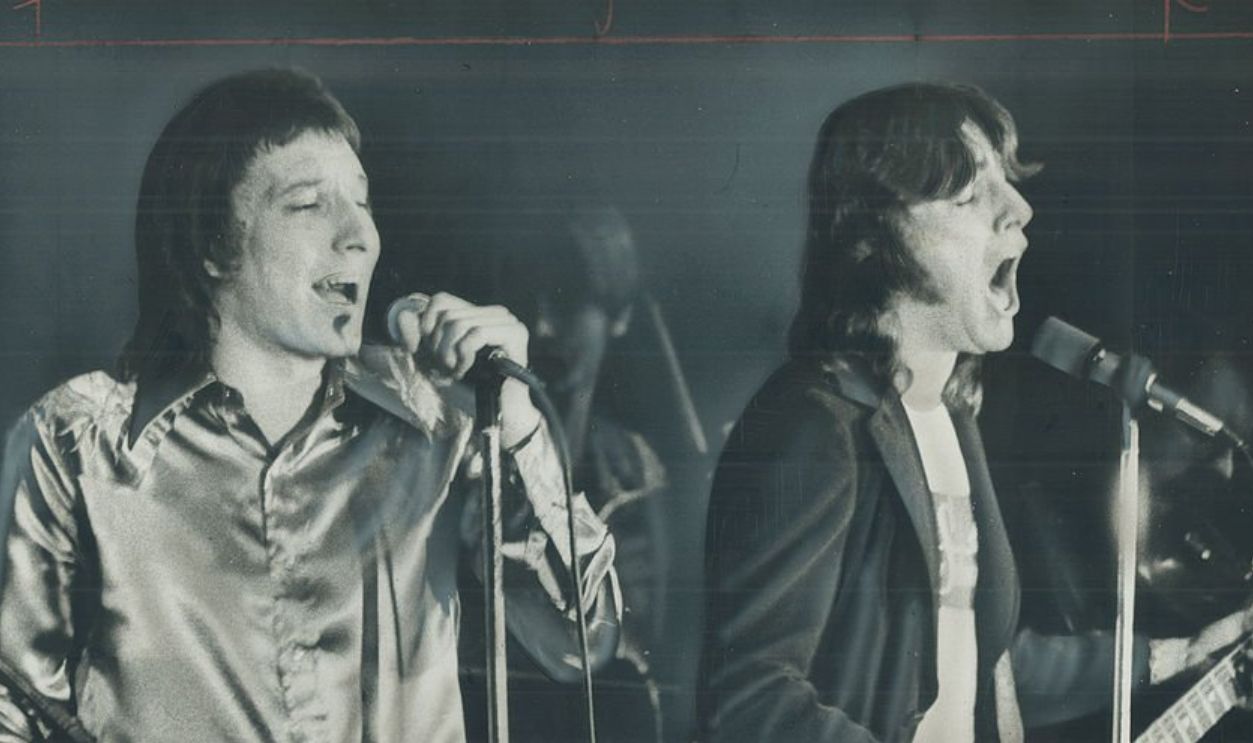
The Stampeders
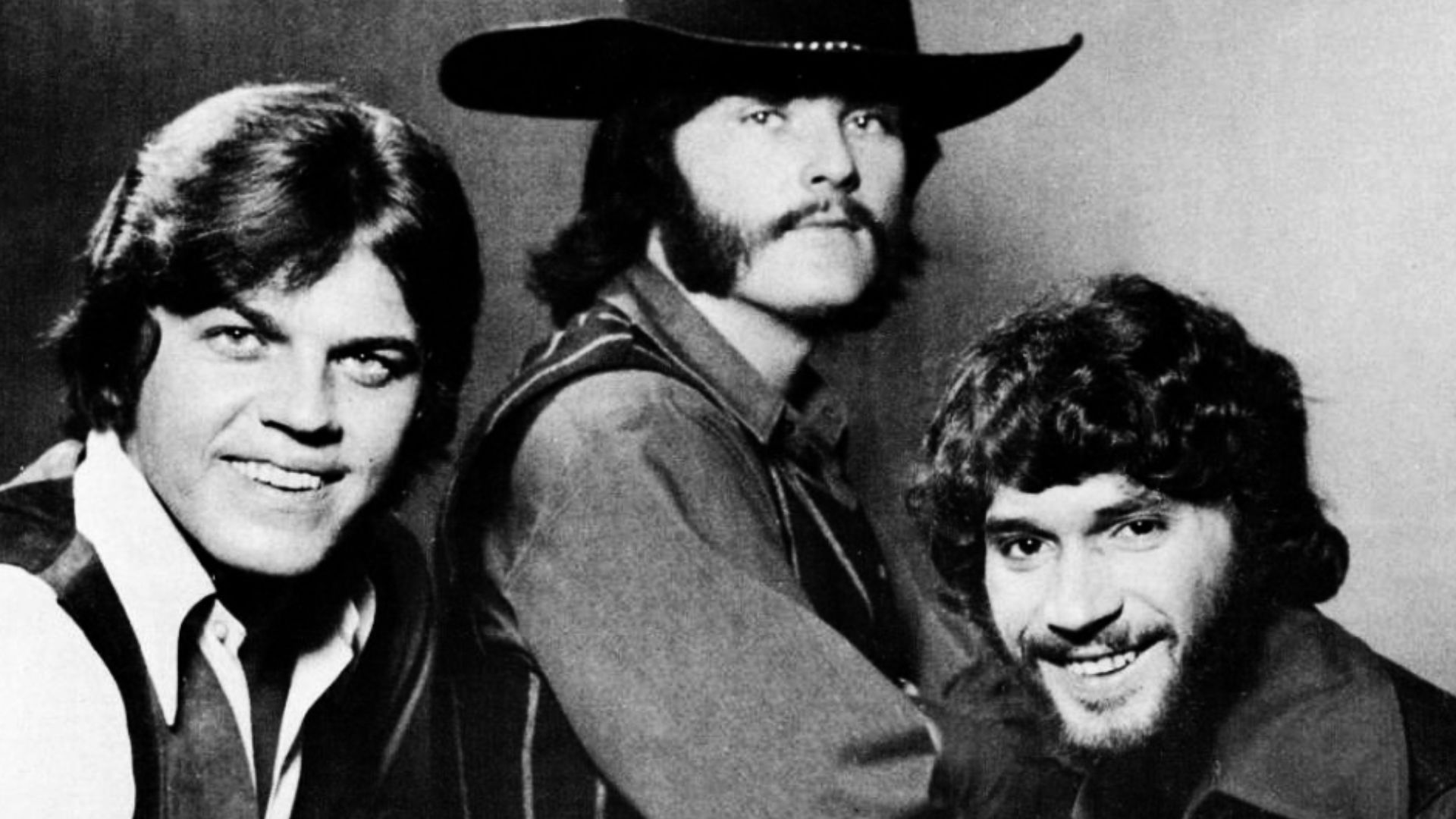
Americans certainly knew “Sweet City Woman,” but that single barely represented the Stampeders' Canadian success. Between 1971 and 1976, they achieved ten Canadian top-five singles, compared with four American top-30 hits. Their extensive touring made them one of Canada's defining rock attractions.
 Music World Creations / Quality Records / Polydor Records, Wikimedia Commons
Harlequin
Winnipeg's Harlequin built its reputation through relentless touring and melodic rock songs. Their 1979 debut, Victim of a Song, earned gold certification, especially benefiting from Western Canadian audiences. Their follow-up, Love Crimes, achieved platinum status, while American recognition remained comparatively limited.
Goddo
Toronto power trio Goddo became a fixture of Canada's hard-rock circuit during the late 1970s. Their 1978 album Who Cares featured “Sweet Thing,” while 1979's An Act of Goddo expanded their following. Despite extensive Canadian touring, an American record deal never materialized.
Crowbar
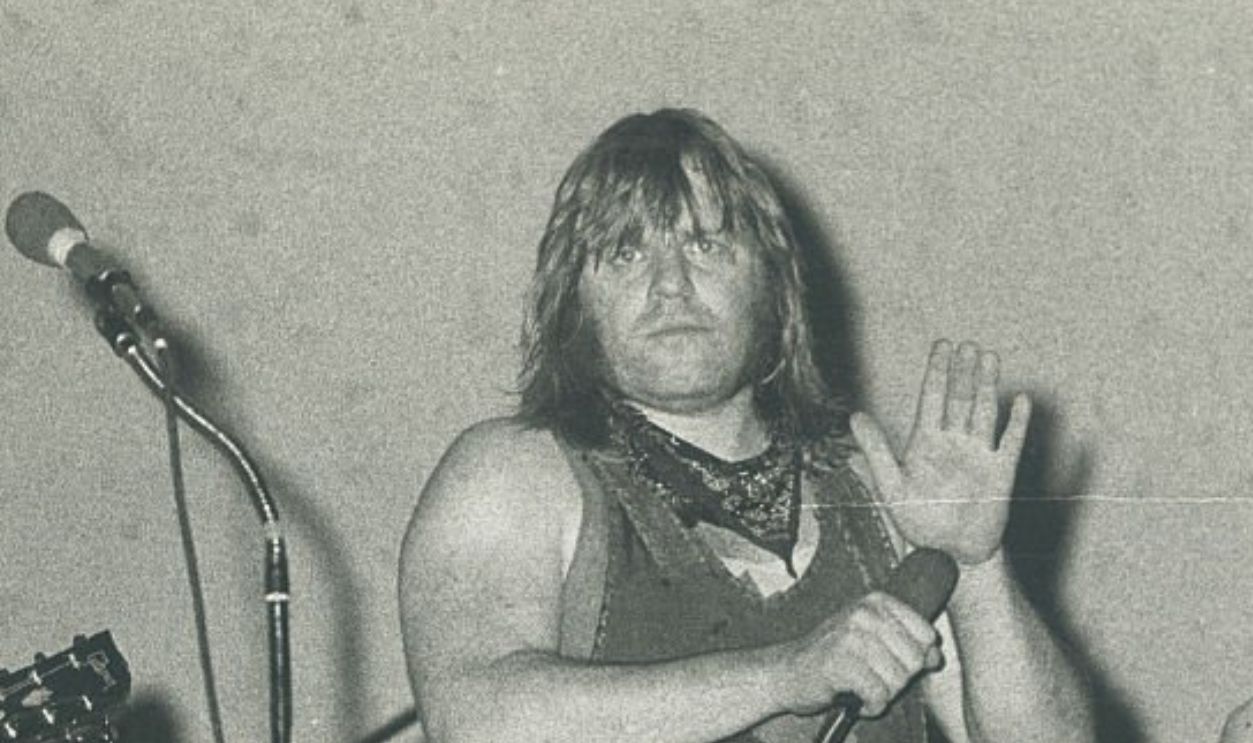
Crowbar's blues-infused rock turned them into a major Canadian concert attraction during the early 1970s. Their 1971 hit “Oh What a Feeling” became an enduring national favourite. Although they performed overseas, music histories describe their influence outside Canada as relatively limited.
A Foot In Coldwater
This Toronto progressive-rock band scored an enduring Canadian hit with “(Make Me Do) Anything You Want.” The song reached the Canadian top 25 in 1972 and again in 1974. Despite considerable domestic attention, record-label difficulties and lineup changes eventually undermined their momentum.
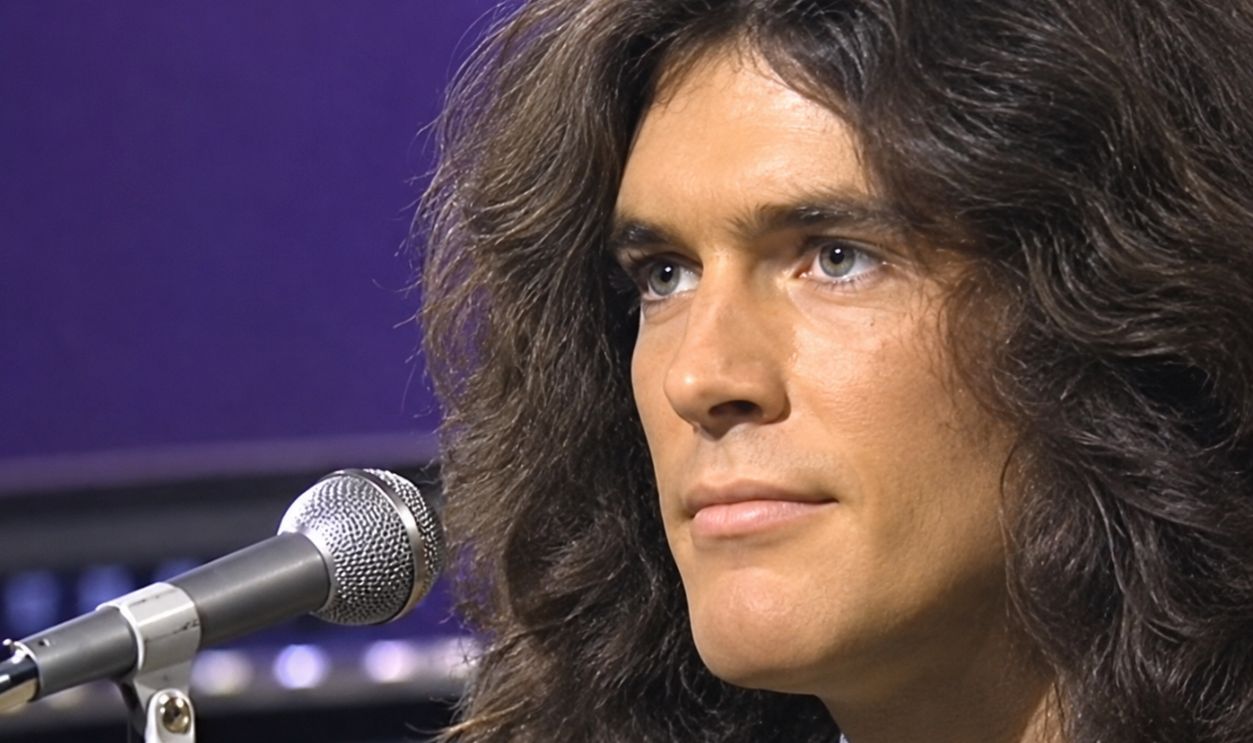 Screenshot from Rollin' 1972, Winters/Rosen Productions (1971-1973)
Thundermug
Formed in London, Ontario, Thundermug developed a devoted following through energetic live performances. Their 1972 single “Africa” reached Canada's national top 30, while their first two albums earned gold certifications. American releases followed, but their strongest commercial foundation remained at home.
Fludd
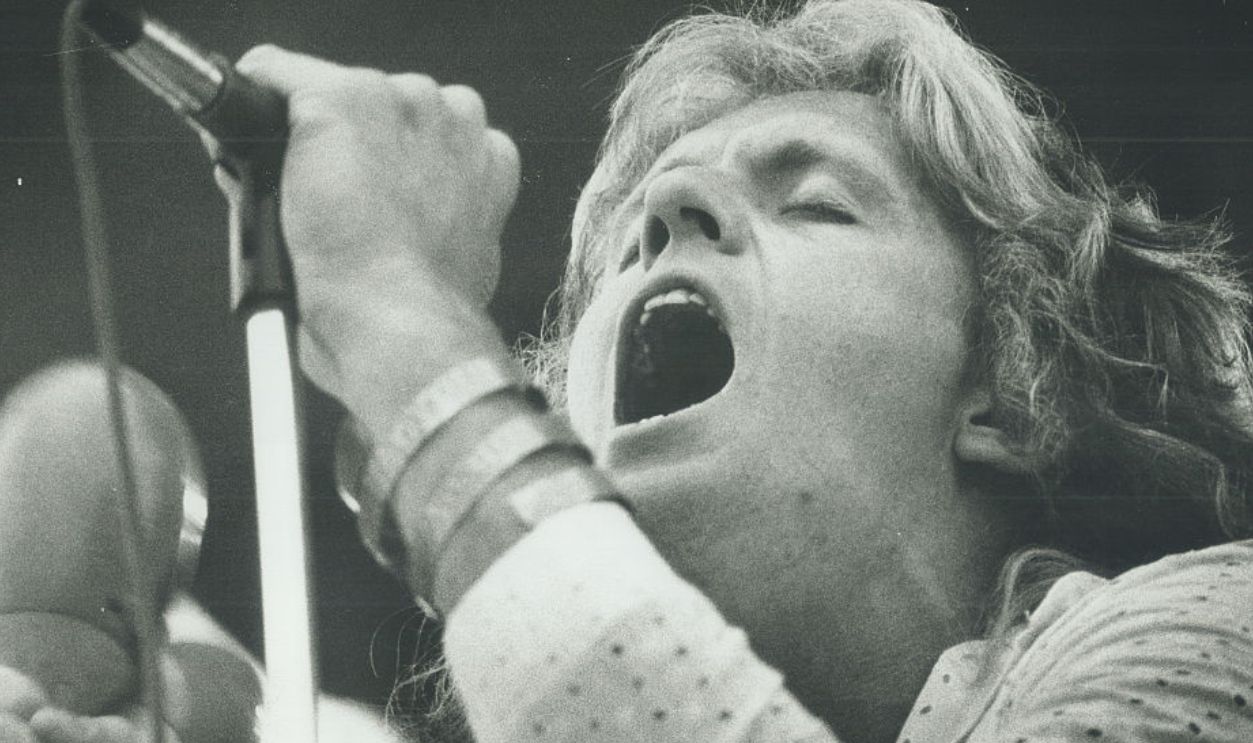
Toronto's Fludd enjoyed several Canadian radio hits throughout the early 1970s. “Turned 21” and “Cousin Mary” both reached the national top 20, while “What an Animal” arrived in 1975. Members subsequently helped launch other notable Canadian acts, including Saga and Goddo.
Moxy
Toronto hard-rockers Moxy developed into Canadian concert headliners during the mid-1970s. Their albums also attracted enthusiastic attention in Texas, particularly through San Antonio radio. Nevertheless, the group never achieved the nationwide American breakthrough that their growing Canadian reputation appeared to promise.

Doucette
Jerry Doucette's band struck Canadian gold with the 1977 album Mama Let Him Play, which eventually achieved platinum certification. Its title song became a Canadian rock-radio favourite and reached the American charts. A second successful album and a Juno Award followed in 1979.
Sweeney Todd
Vancouver glam-rock band Sweeney Todd scored a massive Canadian hit with “Roxy Roller,” which spent three weeks at number one in 1976. The group never duplicated that success in America. Interestingly, future superstar Bryan Adams briefly replaced original vocalist Nick Gilder.
 Distributed by A&M Records, Wikimedia Commons
Teaze
Windsor's Teaze emerged during the mid-1970s with an energetic hard-rock sound. Their 1977 album On the Loose produced the Canadian radio hit “Sweet Misery.” Although American recognition remained elusive, the band found another surprisingly enthusiastic audience in Japan, recording a live album there.
The Cooper Brothers
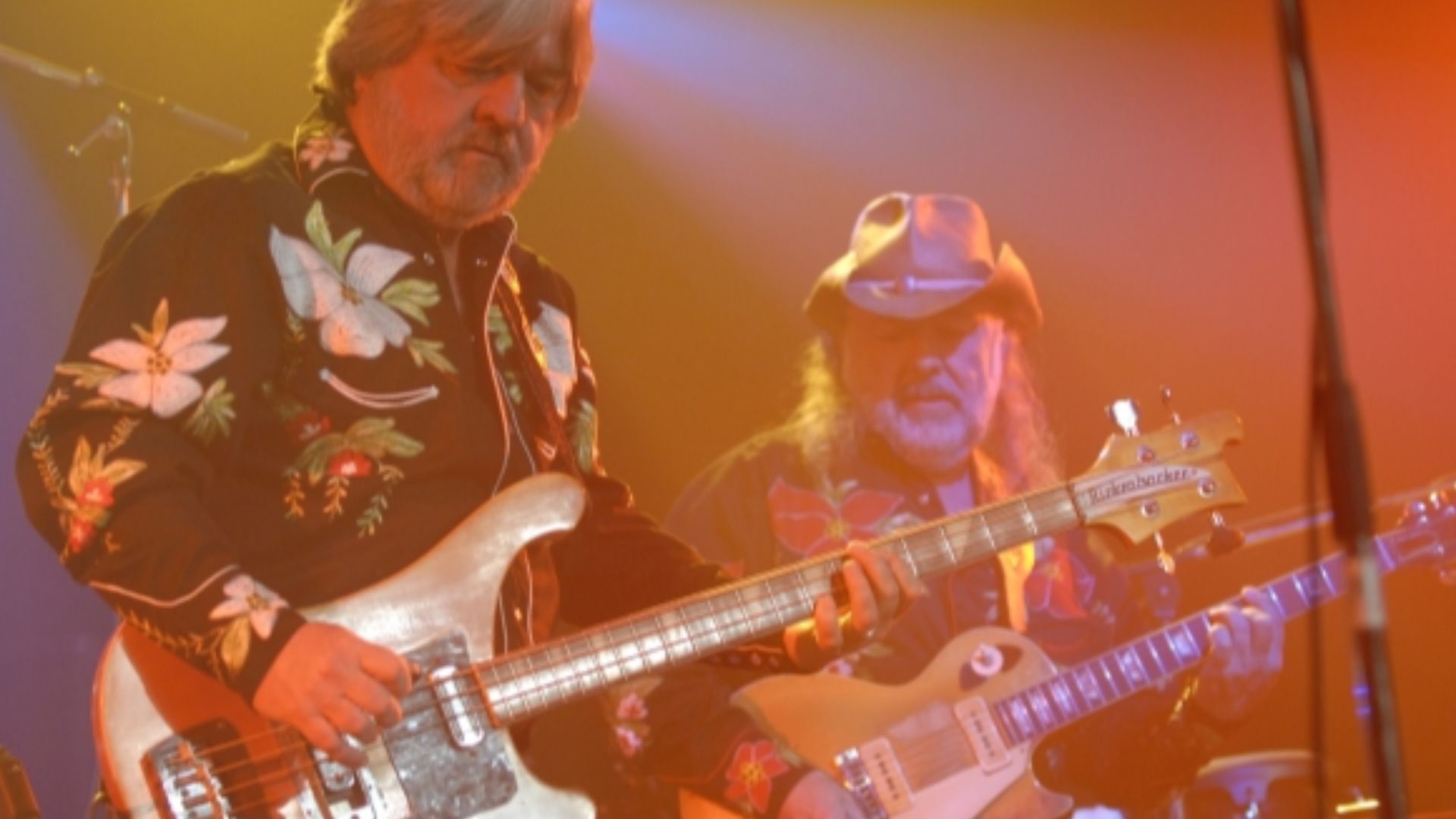
Ottawa's Cooper Brothers mixed southern rock with country influences and rich vocal harmonies. Their 1978 recordings included “Rock and Roll Cowboys” and “The Dream Never Dies.” They earned Canadian industry honours and secured American chart appearances without becoming household names across the United States.
 Shawakwak (talk), Wikimedia Commons
FM
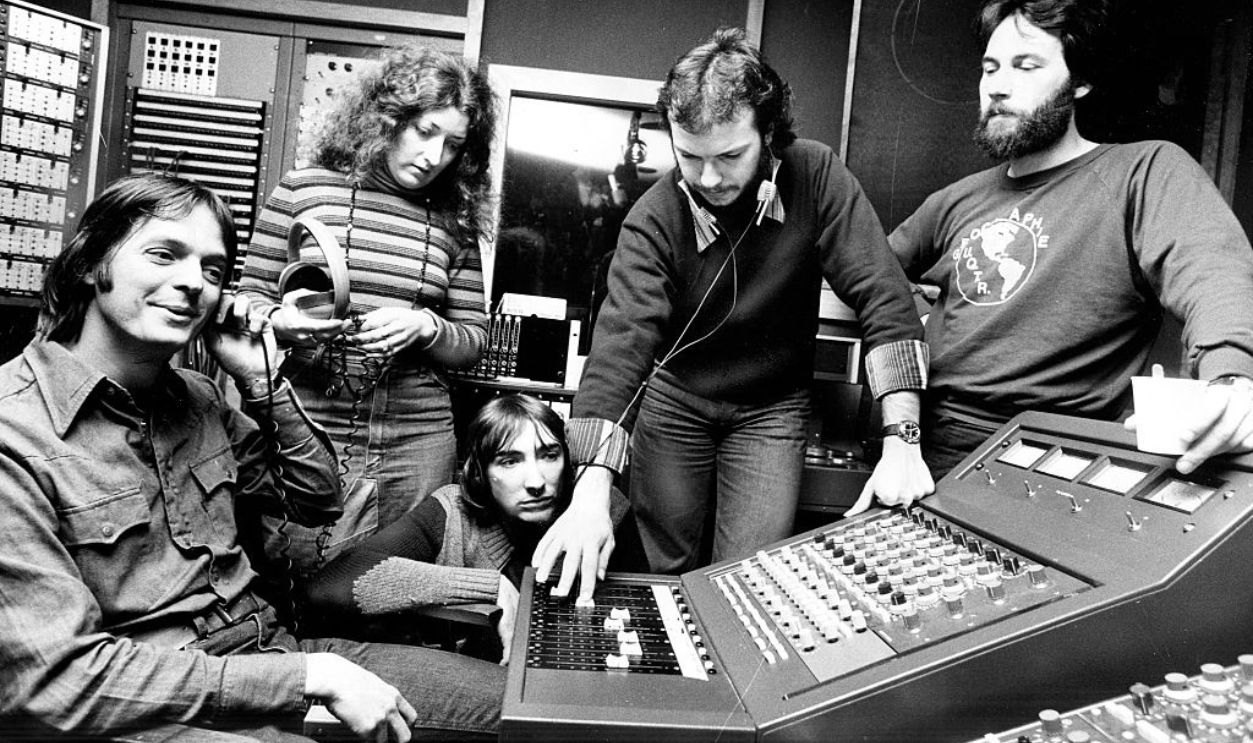
Toronto progressive-rock group FM built its reputation around synthesizers, electric violin, and science-fiction-inspired compositions. Their 1978 album Black Noise featured “Phasors on Stun” and earned gold certification. The band developed some American FM-radio support, but its strongest commercial success was Canadian.
Harmonium
Harmonium was enormous in Quebec, where its sophisticated French-language folk-rock attracted remarkable audiences. Their 1974 debut sold approximately 100,000 copies, while L'Heptade eventually achieved quadruple-platinum certification. Despite limited mainstream American recognition, the group became one of Quebec's defining musical institutions.

Beau Dommage
Montreal's Beau Dommage became a cultural phenomenon with their 1974 debut. Their second album, Où est passée la noce?, reportedly achieved platinum-level sales on its first day of release. The group's blend of folk, pop, and rock generated enormous popularity throughout French-speaking Canada.
Offenbach
Blues-rock group Offenbach became central to Quebec's rock identity during the 1970s. Their 1978 album Traversion sold approximately 40,000 copies and featured enduring songs including “Ayoye” and “Deux autres bières.” Singer Gerry Boulet helped establish a powerful musical legacy largely unfamiliar to American audiences.
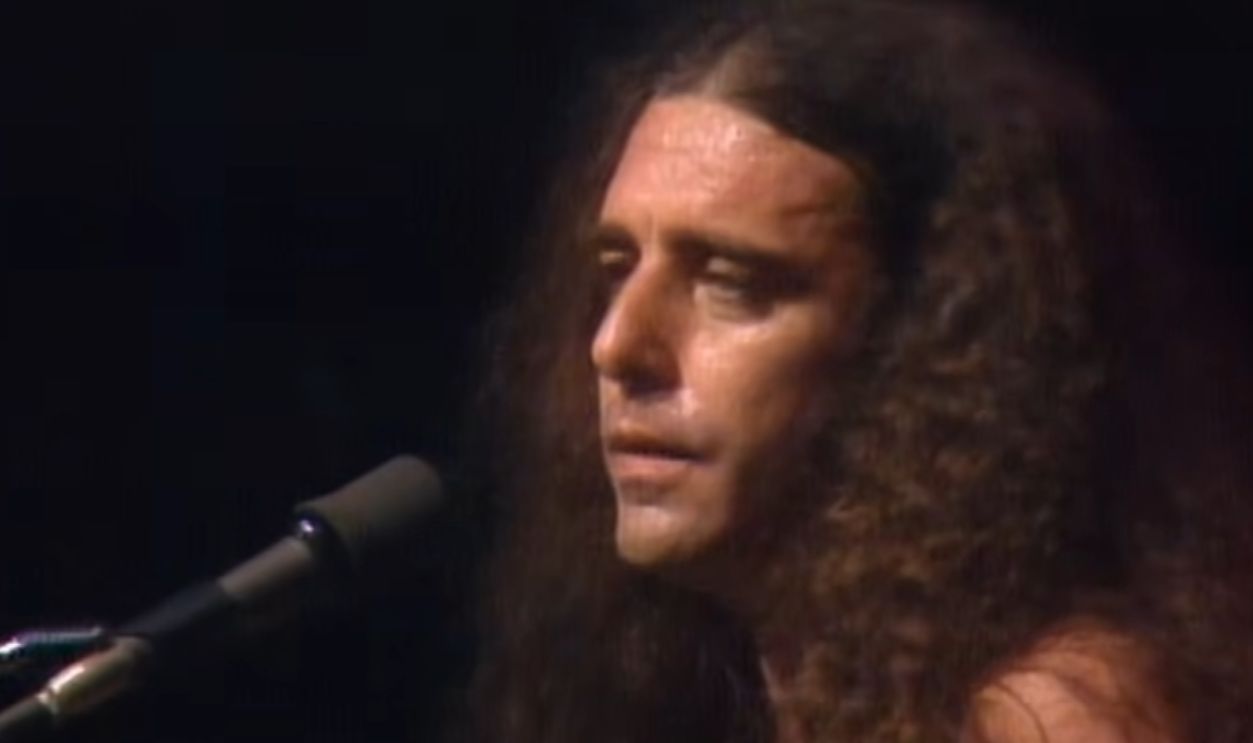 Screenshot from Offenbach Live in Sherbrooke, Spectra Scène Ltée (1981)
Maneige
Quebec's progressive-rock scene produced few groups as adventurous as Maneige. Their 1975 album Les Porches combined jazz, rock, and classical influences into ambitious instrumental compositions. Although they achieved some international distribution, their strongest reputation developed through performances for enthusiastic Quebec audiences.
 Screenshot from Maneige Live In Concert - The Summer Show 1978, Polydor Records (1978)
Corbeau
Formed in Quebec in 1977, Corbeau helped define the province's emerging hard-rock sound. Their 1979 debut featured songs including “Cash-moé,” which received Quebec radio attention. Their popularity grew into the early 1980s, eventually bringing them multiple Félix Awards and considerable regional recognition.
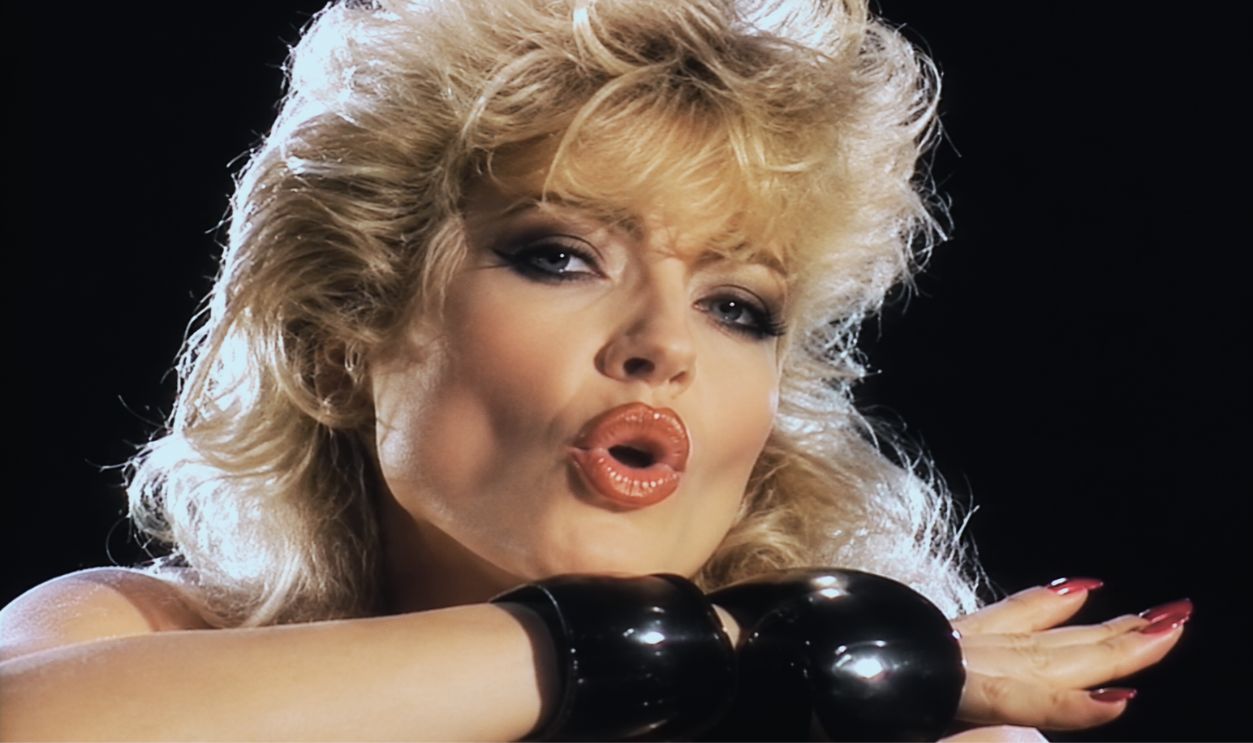 Screenshot from Illégal by Corbeau, Diskade (1982)
You May Also Like:
Pop Albums That Defined The 1970s, But Few People Would Recognize Today
Bands That Were Too Twangy For Rock Radio—And Too Loud For Nashville
Albums You’d Find in Nearly Every 1970s Record Collection
Sources: