When Every Living Room Had the Same Stack of Records
Before playlists took over, certain pop albums seemed to appear in every house, apartment, dorm room, and wood-paneled basement in America. They sold millions, supplied countless radio favorites, and survived more than a few questionable parties. Yet many rarely enter the conversation today. How many were in your record collection?
 Richard E. Aaron, Getty Images
#30: Shaun Cassidy, Shaun Cassidy (1977)
For a brief, dazzling moment, Shaun Cassidy’s face seemed to cover every available bedroom wall. His debut album included “Da Doo Ron Ron” and “That’s Rock ’n’ Roll,” both major hits that helped turn him into a teen idol. Plenty of copies were loved enthusiastically, though perhaps not handled carefully.
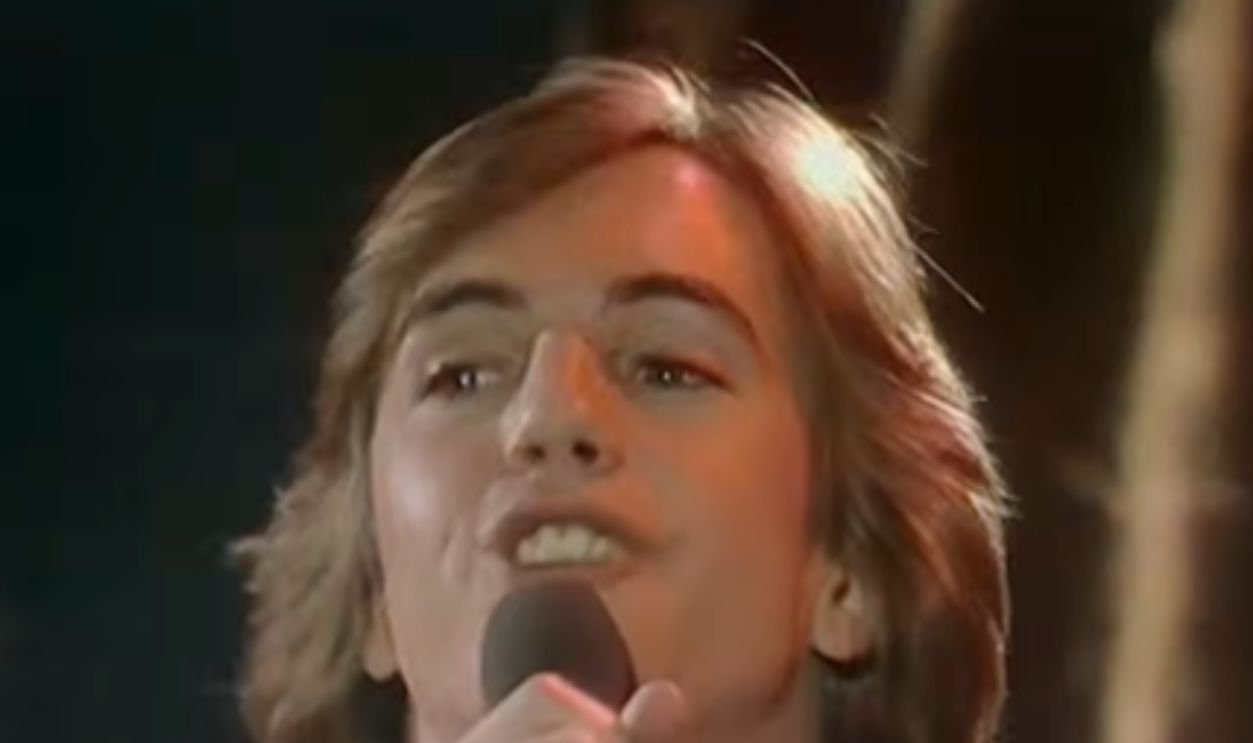 Screenshot from Da Doo Ron Ron, Warner Bros. Records (1977)
#29: Leif Garrett, Feel the Need (1978)
Leif Garrett’s second studio album arrived when his hair alone could seemingly sell concert tickets. Feel the Need featured his version of “I Was Made for Dancin’,” an irresistibly shiny mixture of pop, rock, and disco. It once belonged to countless teenagers, but rarely receives invitations to serious music discussions now.
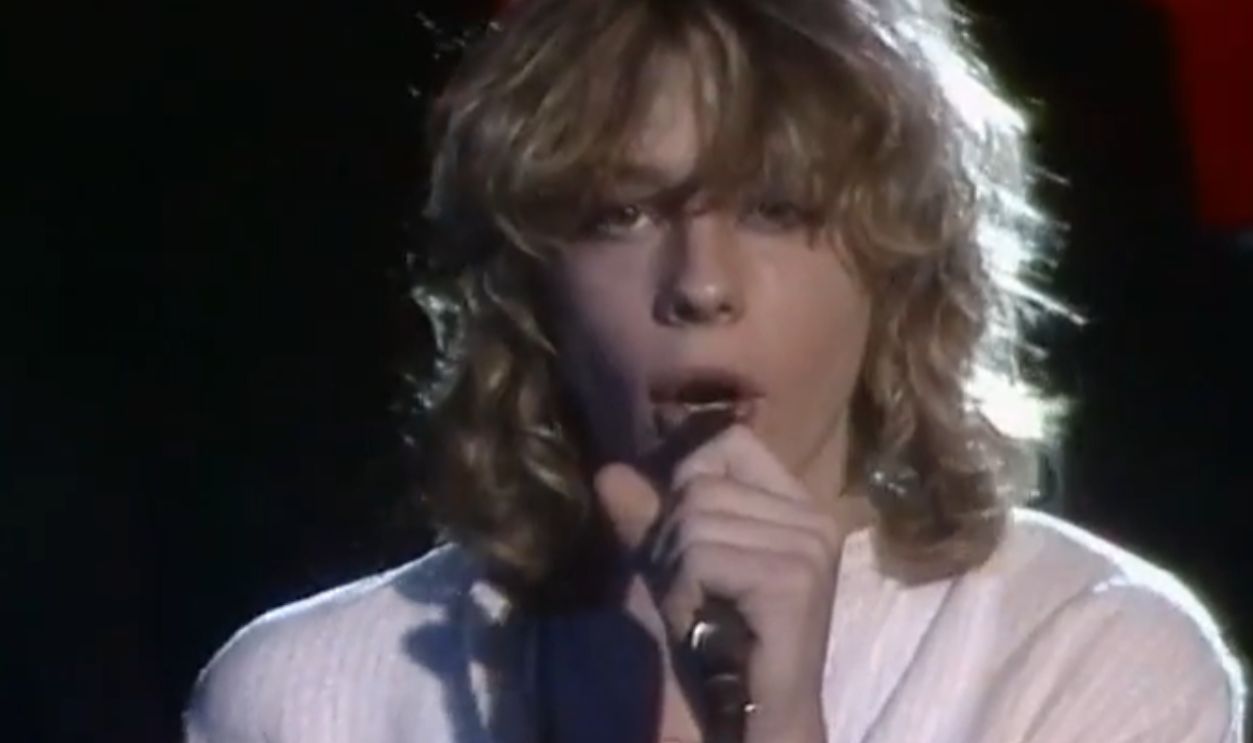 Screenshot from I Was Made for Dancin', Scotti Bros. Records (1978)
#28: Donny Osmond, Portrait of Donny (1972)
Donny Osmond was already a television regular when Portrait of Donny made him even harder to avoid. The album contained “Puppy Love,” his enormous remake of the Paul Anka song. Parents considered him safe, teenagers considered him dreamy, and record-store owners probably considered him excellent for business.
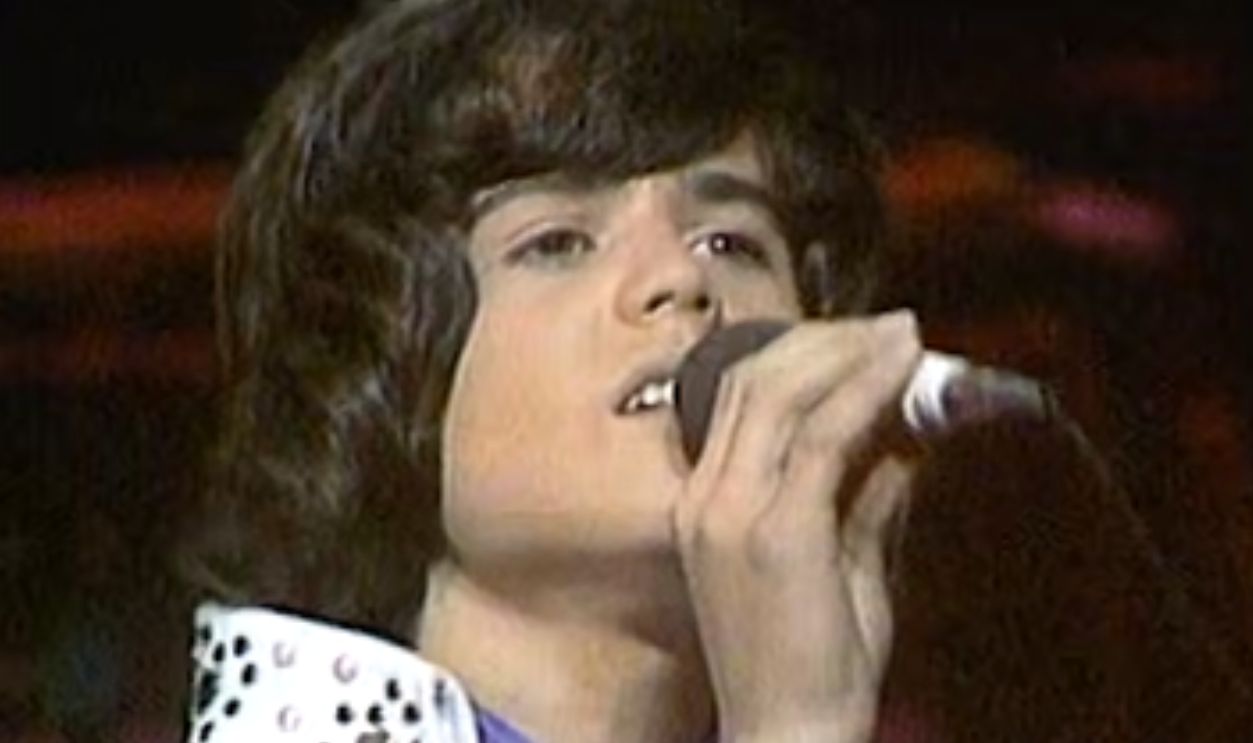 Screenshot from Puppy Love, MGM Records (1972)
#27: Bay City Rollers, Bay City Rollers (1975)
This American compilation introduced many listeners to the tartan-clad Scottish group behind “Saturday Night” and “Give a Little Love.” Rollermania briefly became a genuine pop-culture phenomenon, complete with screaming fans and alarming quantities of plaid. The frenzy vanished, but that opening “S-A-T-U-R-D-A-Y” chant remains dangerously easy to remember.
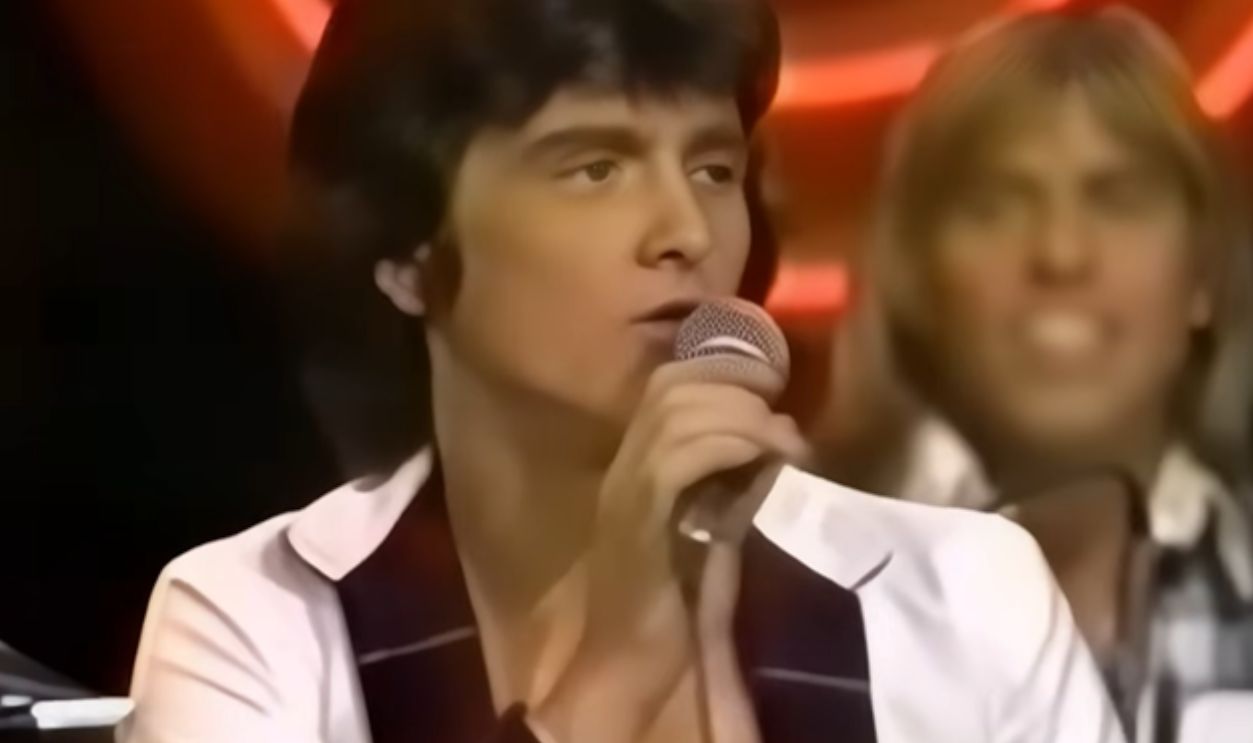 Screenshot from Saturday Night, Arista Records (1975)
#26: The Osmonds, Phase III (1972)
The Osmonds began shedding their squeaky-clean image on Phase III, although nobody was likely to confuse them with Led Zeppelin. The album produced “Yo-Yo” and the surprisingly forceful “Down by the Lazy River.” Families bought it for the wholesome harmonies, while younger listeners noticed the brothers were becoming considerably louder.
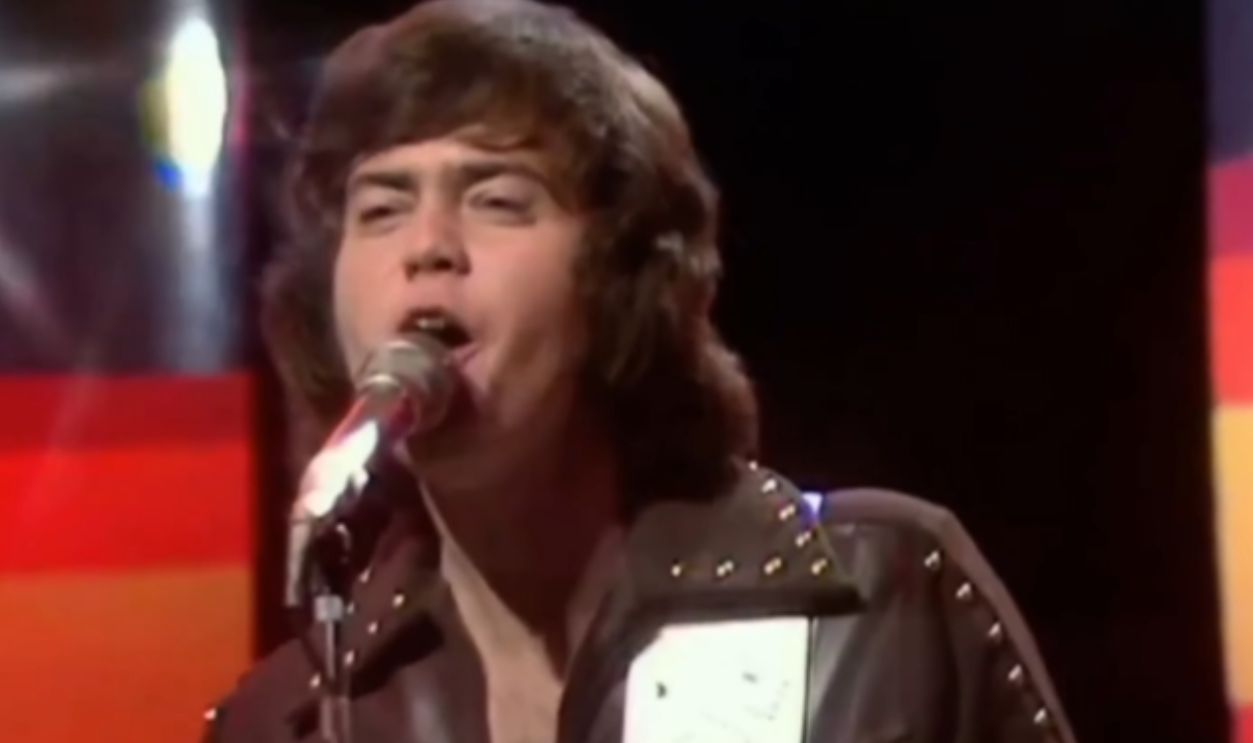 Screenshot from Crazy Horses, MGM Records (1972)
#25: Captain & Tennille, Love Will Keep Us Together (1975)
Captain & Tennille’s debut album was cheerful, polished, and practically designed to live beside a shag carpet. Its title track became one of 1975’s defining singles, while “The Way I Want to Touch You” delivered the romantic side. Even people who rolled their eyes usually knew the words.
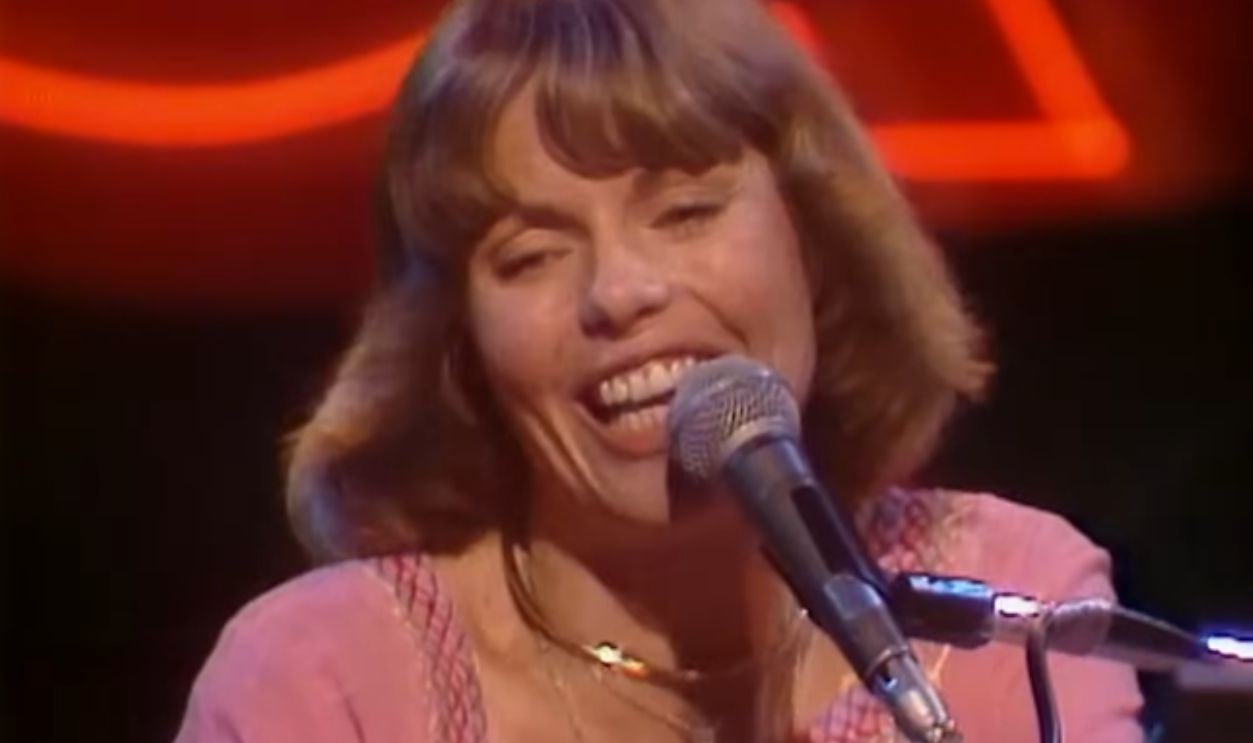 Screenshot from Love Will Keep Us Together, A&M Records (1975)
#24: Helen Reddy, I Am Woman (1972)
Helen Reddy’s third album became inseparable from its title song, an anthem that grew into a defining statement of the women’s movement. The record also contained “Peaceful” and “Where Is My Friend.” Once a familiar household album, it is now too often reduced to one famous chorus and a distant memory.
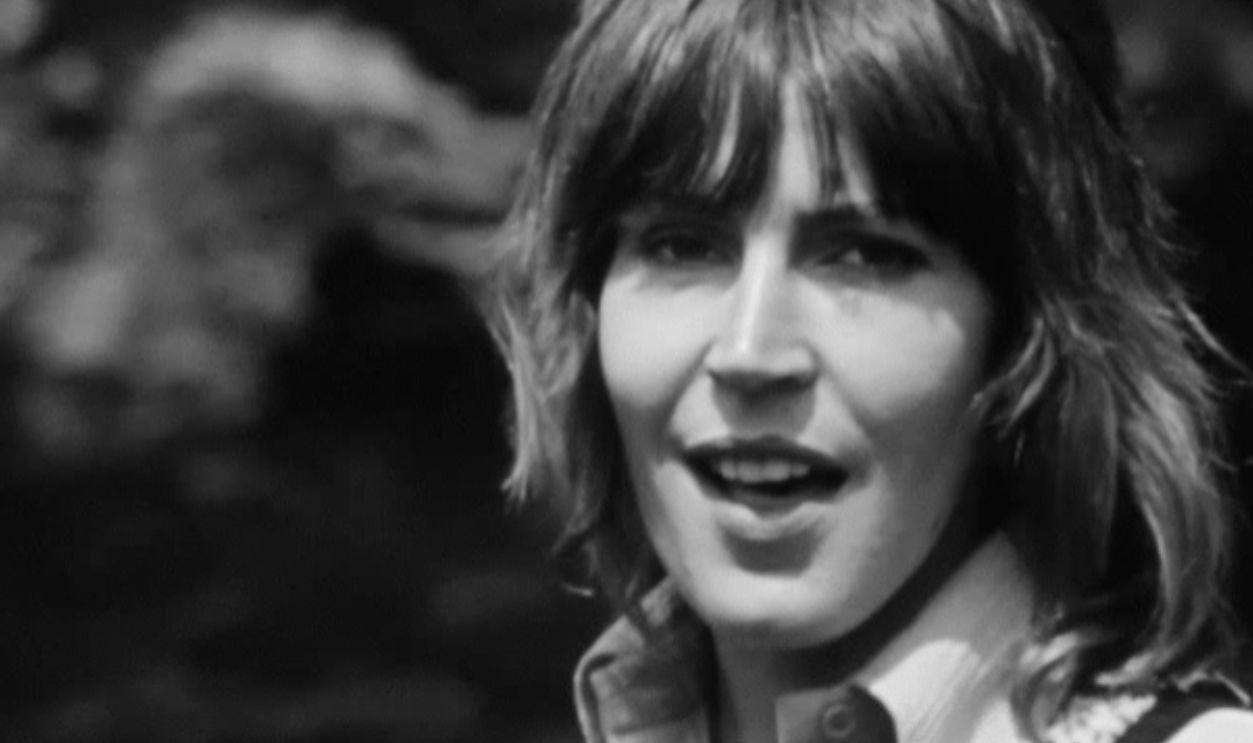 Screenshot from I Am Woman, Capitol Records (1972)
#23: Neil Sedaka, Sedaka’s Back (1974)
Neil Sedaka staged an impressive comeback with this compilation of recordings he had made in Britain. American listeners rediscovered him through “Laughter in the Rain,” which reached the top of the Billboard Hot 100. The album’s title was accurate, confident, and possibly the most polite way anyone ever announced a career revival.
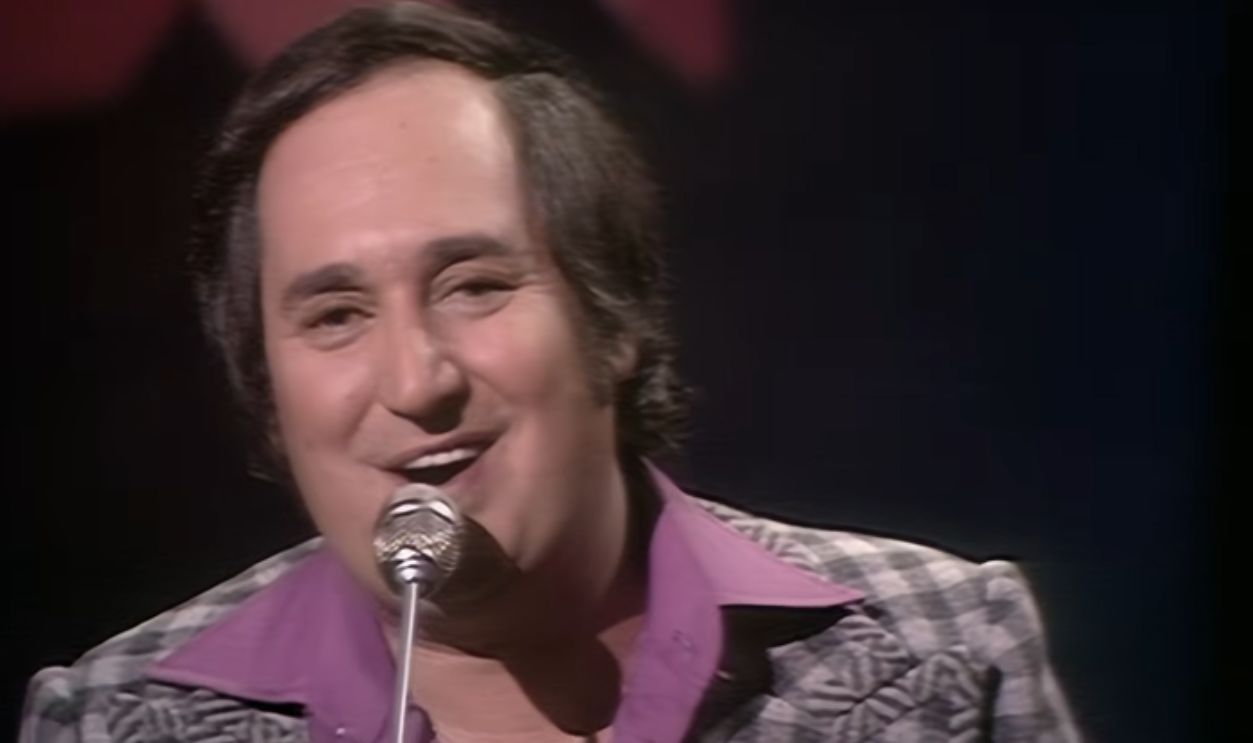 Screenshot from Laughter in the Rain, The Rocket Record Company (1974)
#22: Bread, Baby I’m-a Want You (1972)
Bread made soft rock for people who wanted emotional devastation delivered at a reasonable indoor volume. This album included the title track, “Everything I Own,” “Diary,” and “Mother Freedom.” It sold extremely well and became a breakup-album staple, though Bread’s gentle sincerity later fell out of fashion with cooler critics.
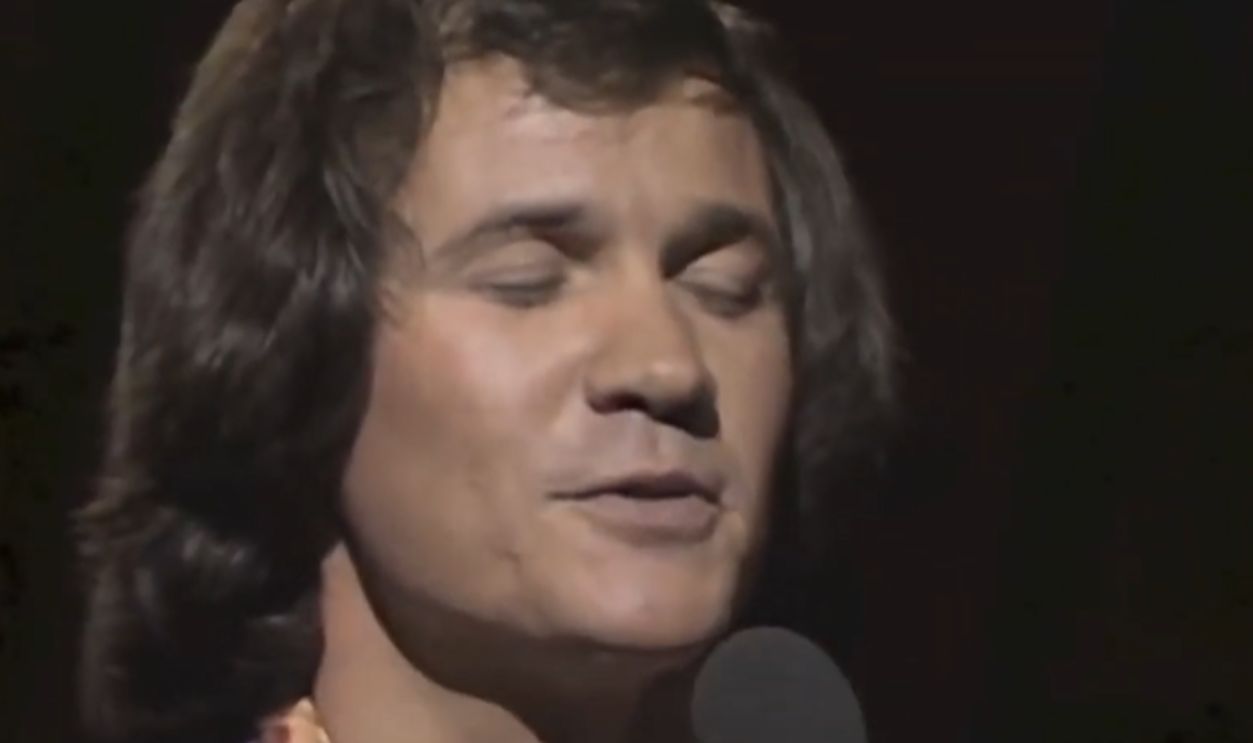 Screenshot from Baby I'm-a Want You, Elektra Records (1972)
#21: Andy Gibb, Flowing Rivers (1977)
Andy Gibb stepped out of his brothers’ enormous shadow with a debut containing “I Just Want to Be Your Everything” and “(Love Is) Thicker Than Water.” Both songs reached number one in America. The album was romantic, smooth, and tailor-made for late-1970s radio, yet it is seldom discussed beyond Gibb family retrospectives.
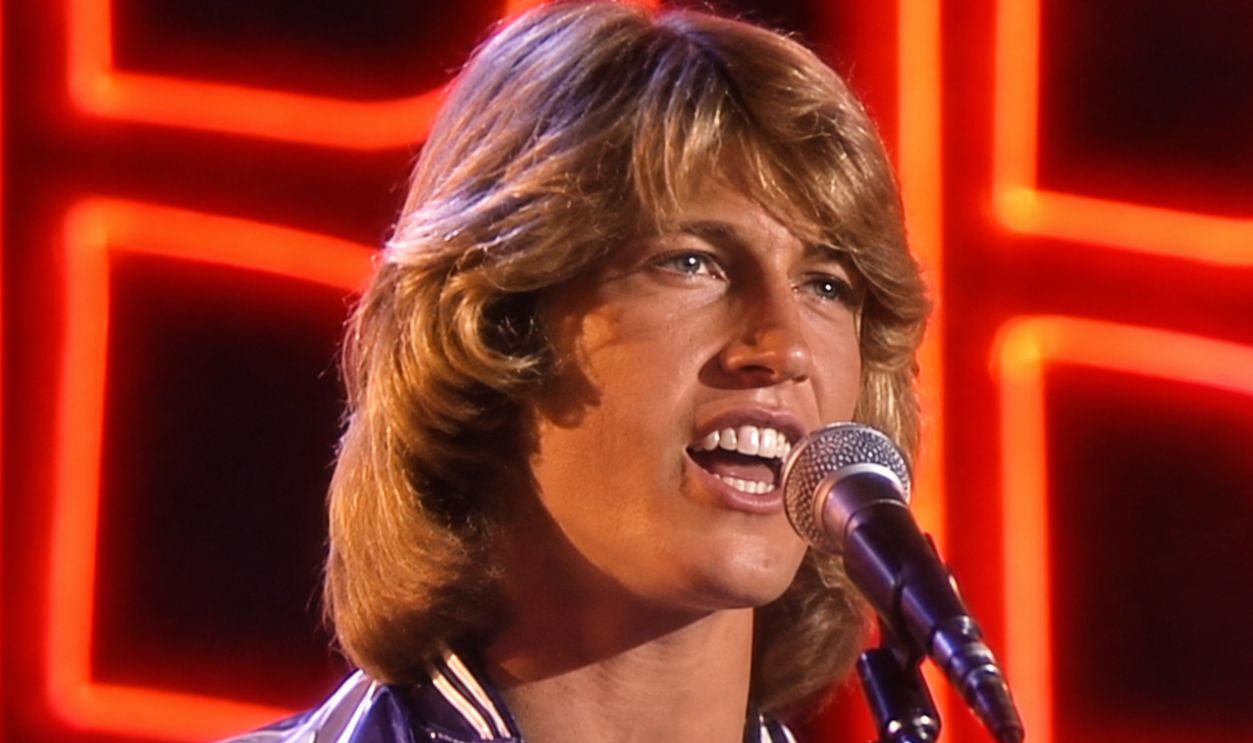 Screenshot from I Just Want to Be Your Everything, RSO Records (1977), Enhanced
#20: Olivia Newton-John, Have You Never Been Mellow (1975)
Before leather pants and carnival finales transformed her image, Olivia Newton-John ruled the softer side of pop. The title song and “Please Mr. Please” both became major hits. This was music for long drives, kitchen radios, and anyone who preferred their heartbreak served with flawless harmonies and absolutely no sharp edges.
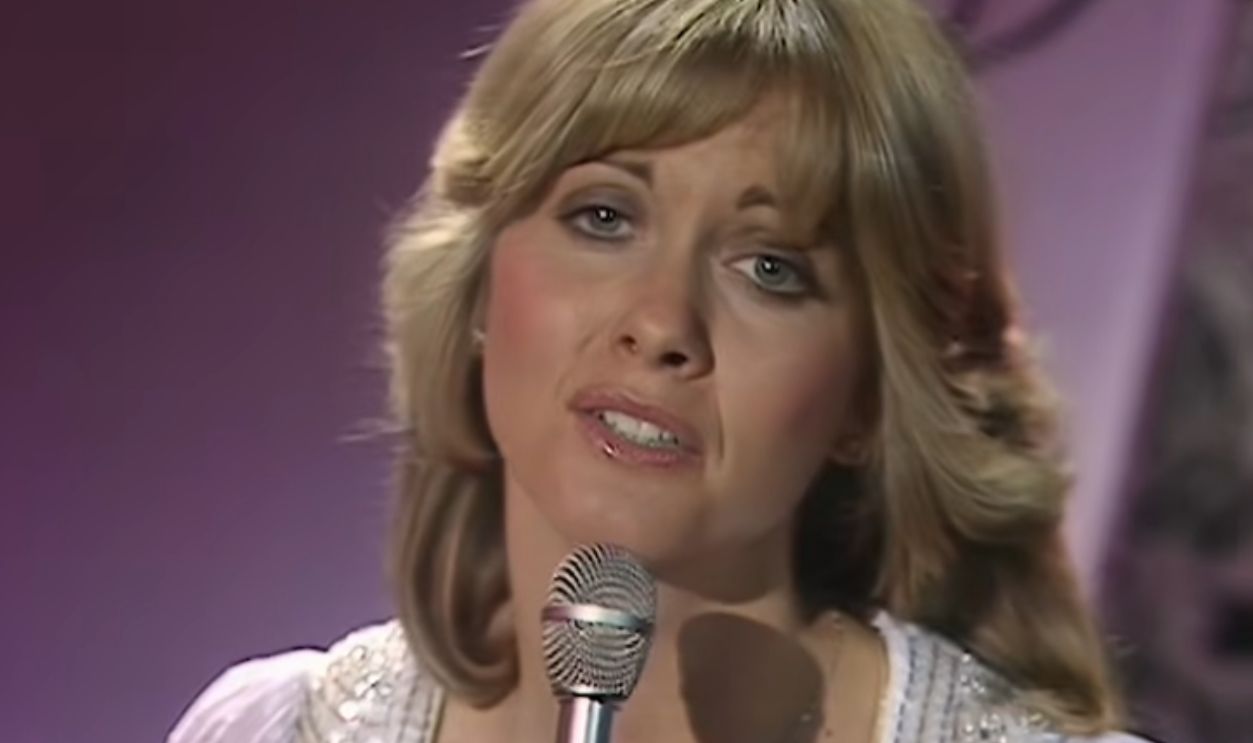 Screenshot from Have You Never Been Mellow, MCA Records (1975)
#19: Barry Manilow, Even Now (1978)
Barry Manilow was everywhere by the time Even Now appeared. The album delivered “Can’t Smile Without You,” “Copacabana,” and its emotional title track, proving he could move from heartbreak to nightclub drama without loosening his collar. Millions embraced it, even if some owners later hid their copies behind something heavier.
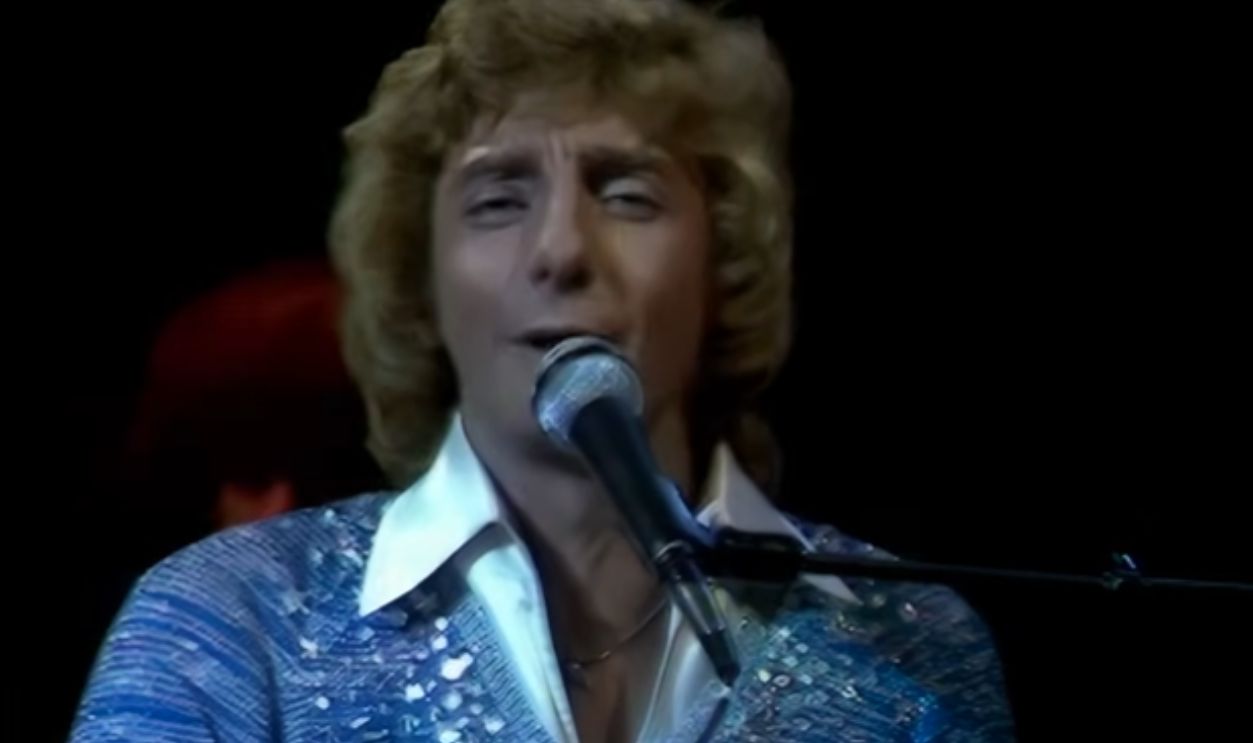 Screenshot from Can't Smile Without You, Arista Records (1978)
#18: Carly Simon, No Secrets (1972)
The mystery surrounding “You’re So Vain” has kept one song famous, but the album around it deserves more attention. Produced by Richard Perry, No Secrets also included “The Right Thing to Do.” Simon sounded sophisticated, candid, and completely in control, making the record essential listening in fashionably earth-toned living rooms.
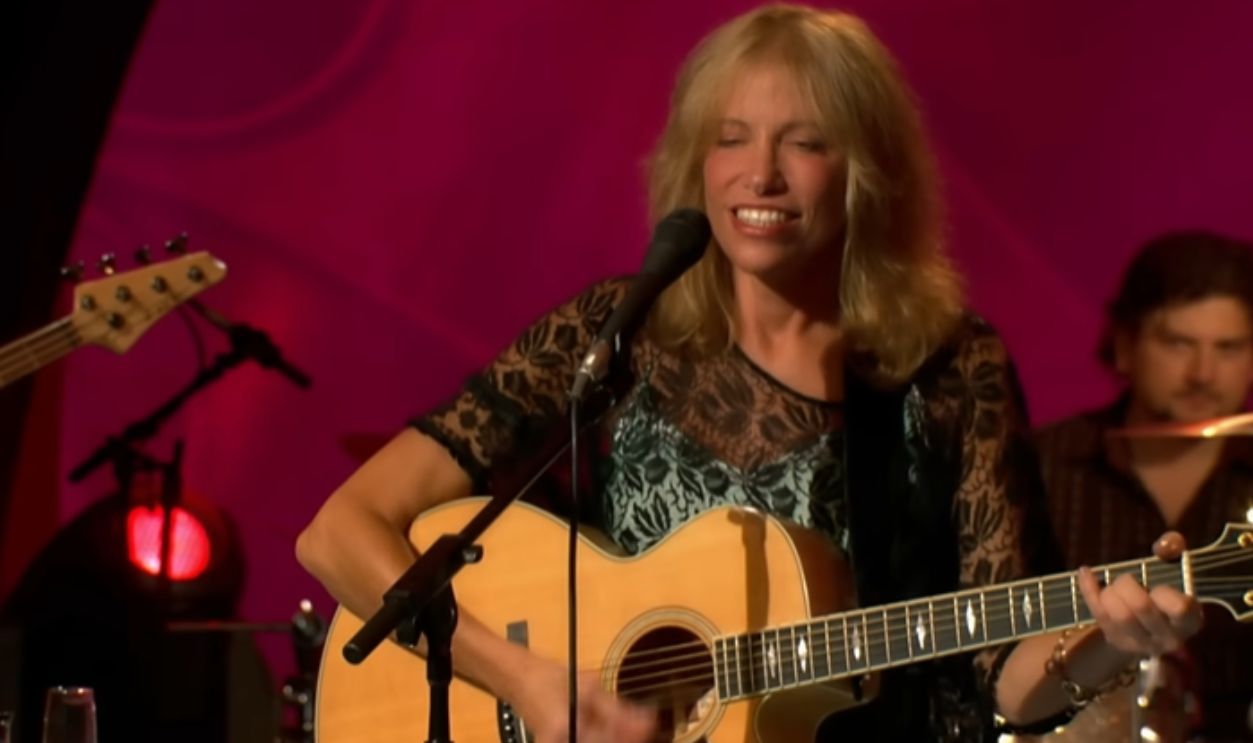 Screenshot from You're So Vain, Elektra Records (1972)
#17: Rod Stewart, Blondes Have More Fun (1978)
Rod Stewart leaned enthusiastically into disco with “Da Ya Think I’m Sexy?,” and the result was a massive commercial success. Some rock fans complained, while many of those same people apparently bought the album anyway. It captured the glittery excess of 1978, right down to its leopard-print cover and unapologetic swagger.
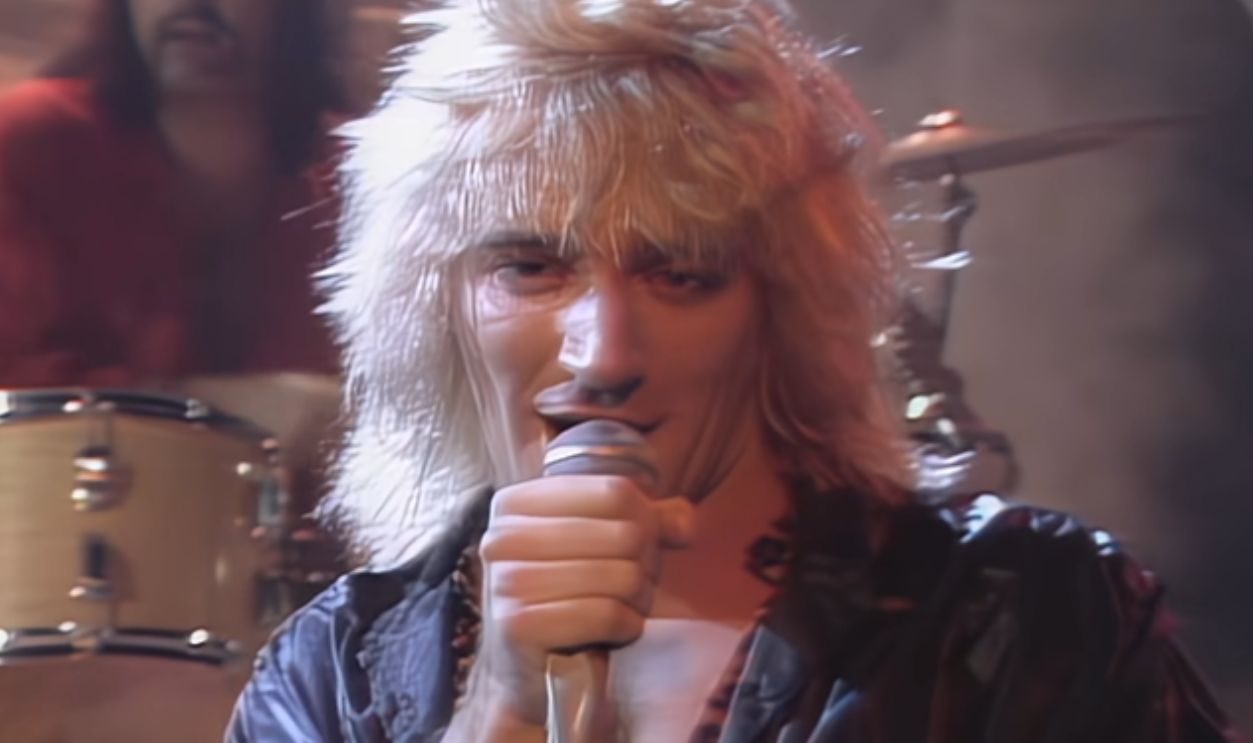 Screenshot from Da Ya Think I'm Sexy?, Warner Bros. Records (1978)
#16: ABBA, Arrival (1976)
With “Dancing Queen,” “Knowing Me, Knowing You,” and “Money, Money, Money,” Arrival was packed with songs that sounded effortless but were meticulously constructed. ABBA’s reputation has since soared, yet the complete album is sometimes overshadowed by greatest-hits collections. The helicopter cover also remains delightfully unexplained to casual observers.
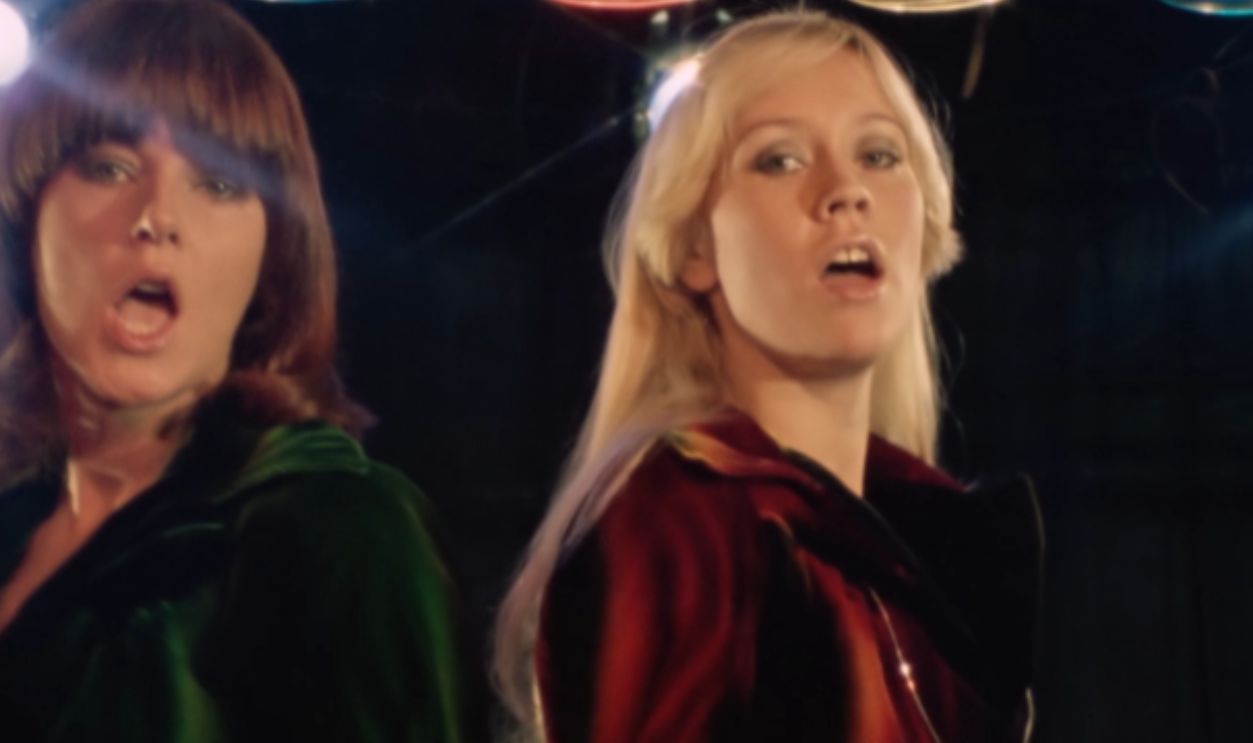 Screenshot from Dancing Queen, Polar Music (1976)
#15: The Carpenters, The Singles: 1969–1973 (1973)
This collection gathered “Close to You,” “We’ve Only Just Begun,” “Rainy Days and Mondays,” and other songs that had already become radio fixtures. It turned the Carpenters into permanent residents of 1970s record cabinets. Few albums could calm a room faster, unless someone had just spilled something on the carpet.
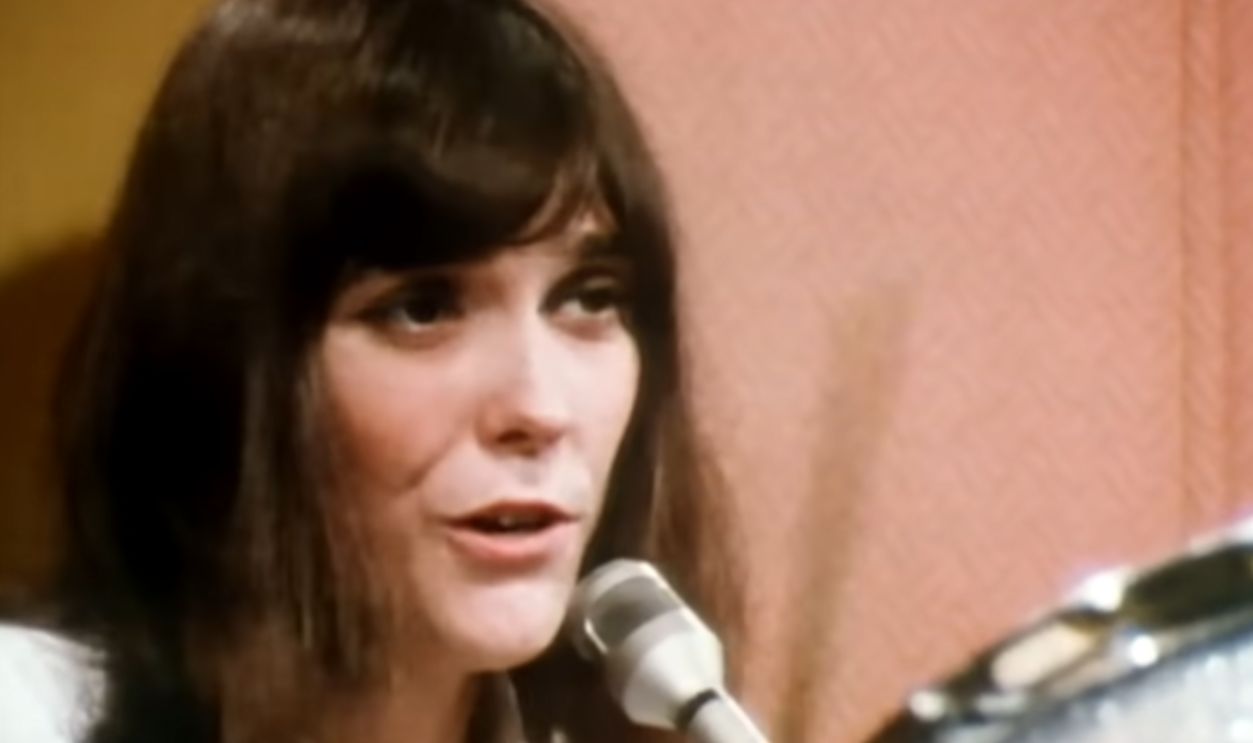 Screenshot from Close To You, A&M Records (1970)
#14: America, History: America’s Greatest Hits (1975)
This greatest-hits collection brought together “A Horse with No Name,” “Ventura Highway,” “Sister Golden Hair,” and more. George Martin remixed several early tracks, giving the collection unusual care for a hits package. It became a dependable road-trip record, especially for drivers pretending every highway led directly to California.
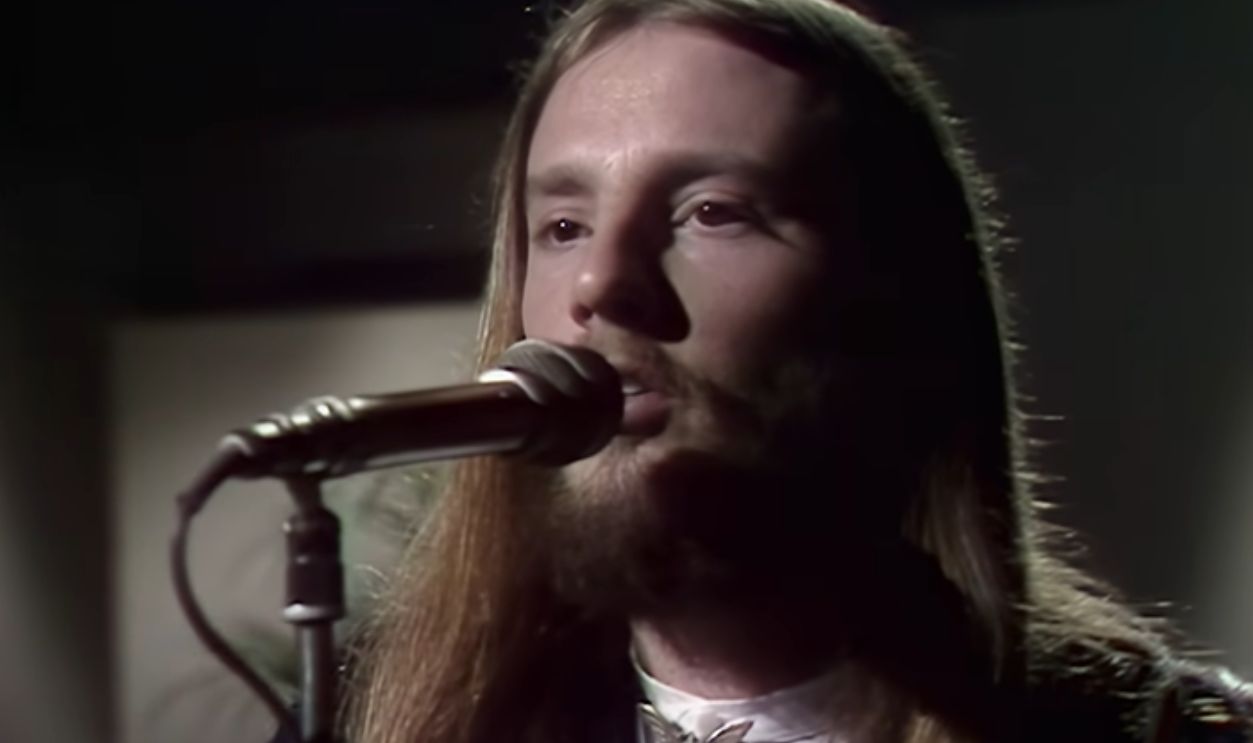 Screenshot from A Horse with No Name, Warner Records (1971)
#13: Earth, Wind & Fire, All ’n All (1977)
All ’n All mixed funk, soul, pop, jazz, and elaborate spiritual imagery into something that sounded unlike anyone else. “Serpentine Fire” and “Fantasy” helped make it a major success. Its dazzling gatefold artwork looked particularly impressive while listeners attempted dance moves their living rooms were not built to accommodate.
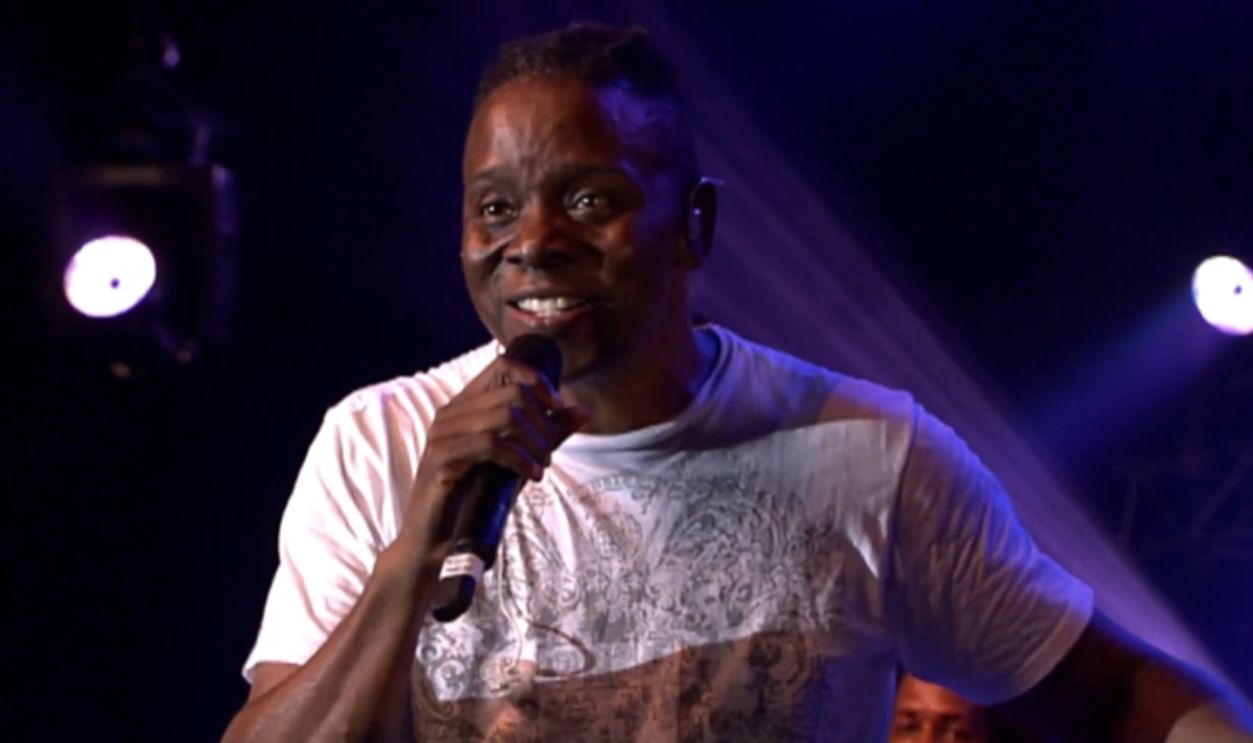 Screenshot from Fantasy, Columbia Records (1977)
#12: Chic, C’est Chic (1978)
Powered by “Le Freak” and “I Want Your Love,” Chic’s second album made disco sound elegant, muscular, and remarkably sophisticated. Nile Rodgers and Bernard Edwards created grooves that would influence generations of musicians. Although its biggest songs endured, the complete album deserves more attention than it receives outside dance-music circles.
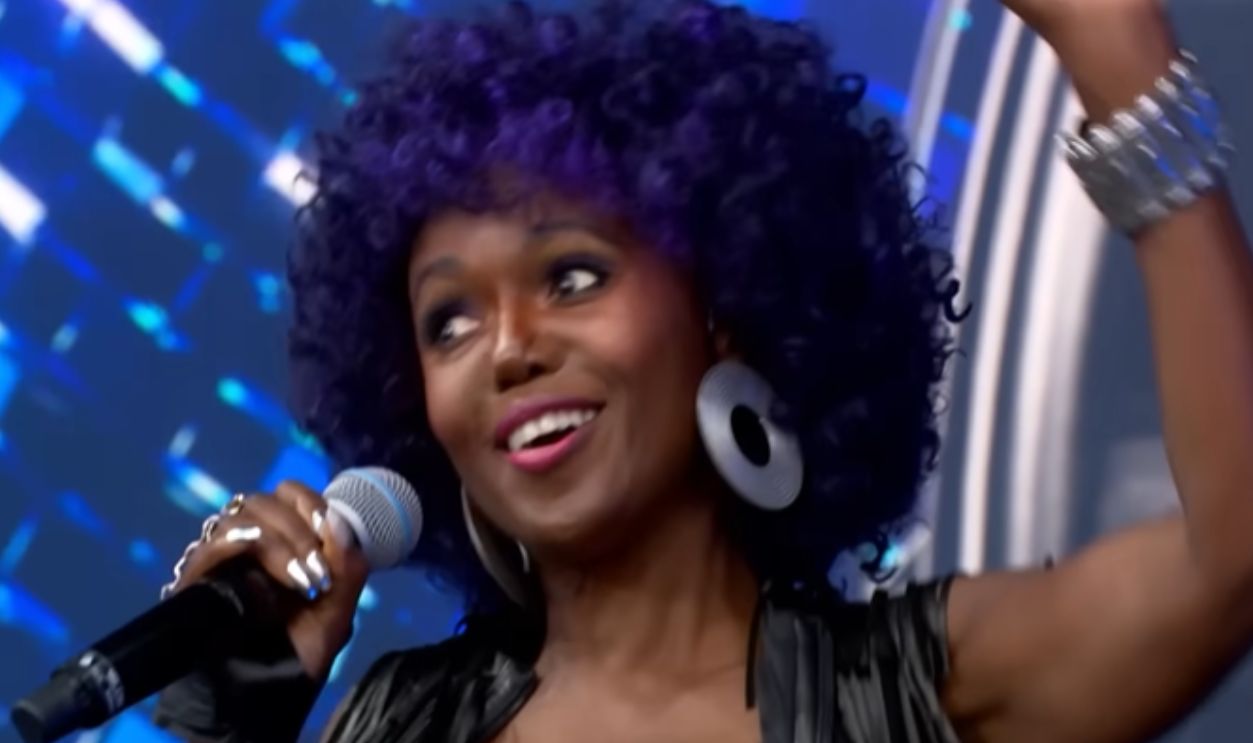 Screenshot from Le Freak, Atlantic Records (1978)
#11: Donna Summer, Bad Girls (1979)
Donna Summer’s double album moved effortlessly between disco, rock, electronic music, and soul. “Hot Stuff,” “Bad Girls,” and “Dim All the Lights” made it a commercial powerhouse. Few records captured the end of the decade so completely, yet casual listeners now tend to reach for compilations instead of revisiting the full experience.
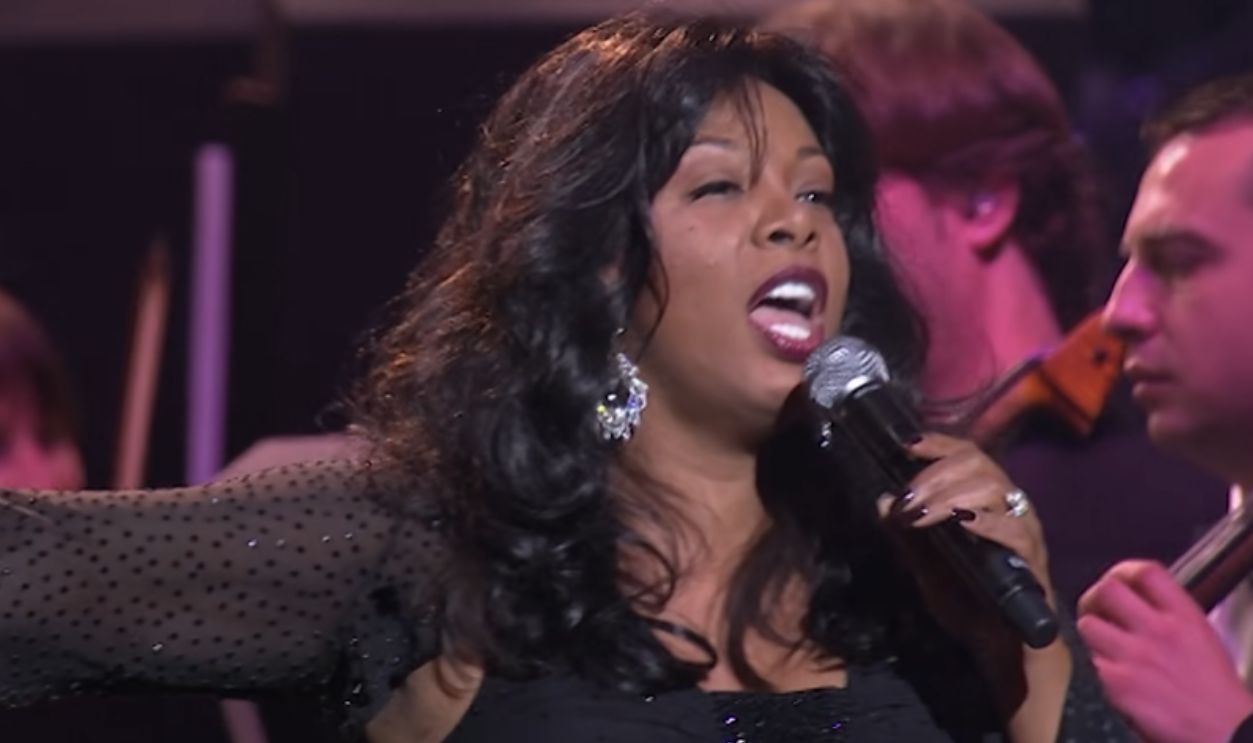 Screenshot from Bad Girls, Casablanca Records (1979)
#10: Bee Gees, Spirits Having Flown (1979)
Following the staggering success of the Saturday Night Fever soundtrack, the Bee Gees released an album containing “Tragedy,” “Too Much Heaven,” and “Love You Inside Out.” All three topped the American singles chart. It was once nearly unavoidable, but disco backlash soon made some owners behave as though they had never purchased it.
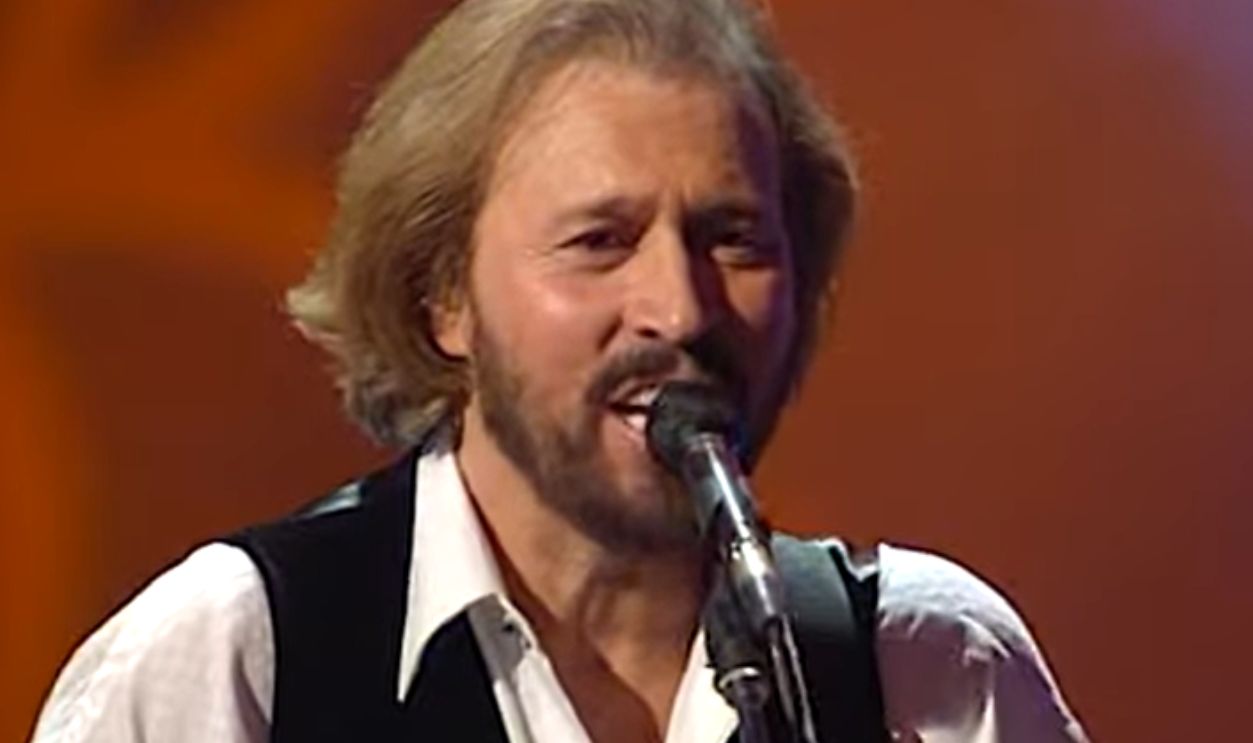 Screenshot from Tragedy, RSO Records (1979)
#9: Supertramp, Breakfast in America (1979)
With “The Logical Song,” “Goodbye Stranger,” and “Take the Long Way Home,” Supertramp created one of the decade’s most recognizable albums. Its cover, featuring a waitress posing as the Statue of Liberty, became equally famous. The songs remain familiar, although the album is not praised as loudly as many rock blockbusters.
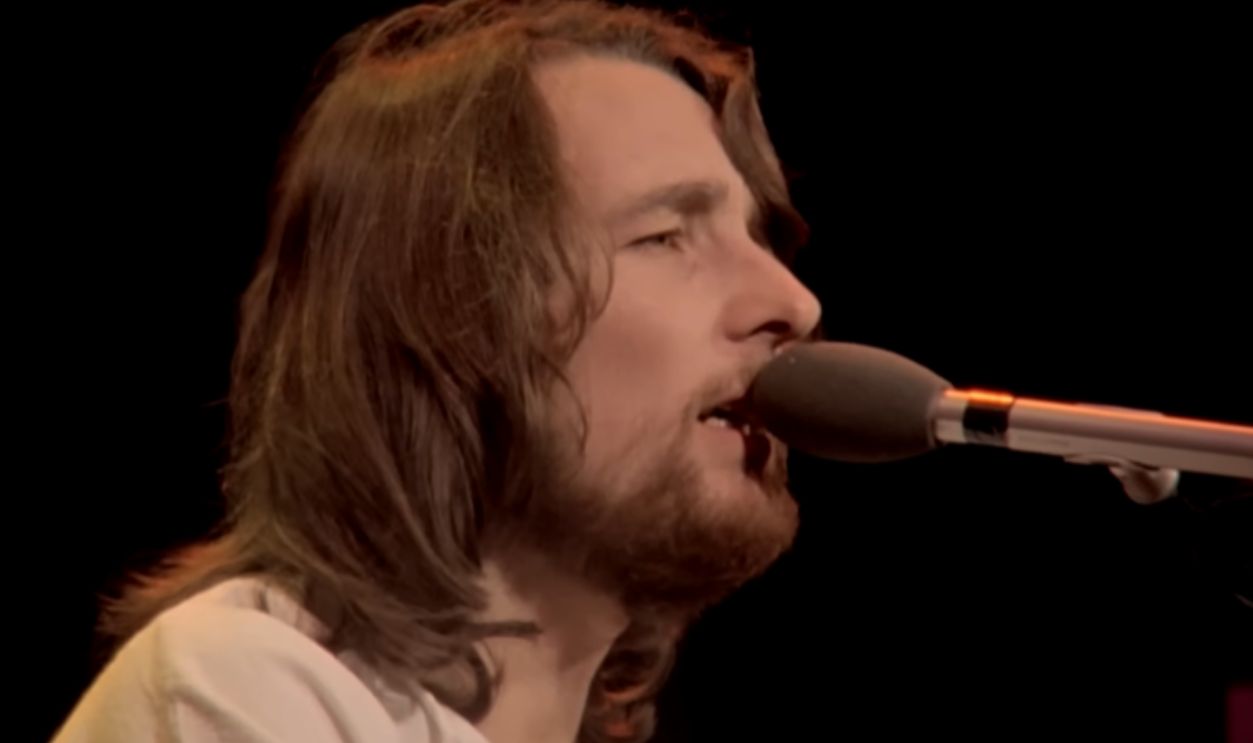 Screenshot from Breakfast in America, A&M Records (1979)
#8: Billy Joel, 52nd Street (1978)
Billy Joel followed The Stranger with a jazzier album featuring “My Life,” “Big Shot,” and “Honesty.” It became the first commercially released compact disc in Japan a few years later, giving it an unusual place in music technology history. Today, it often stands in the shadow of its enormously famous predecessor.
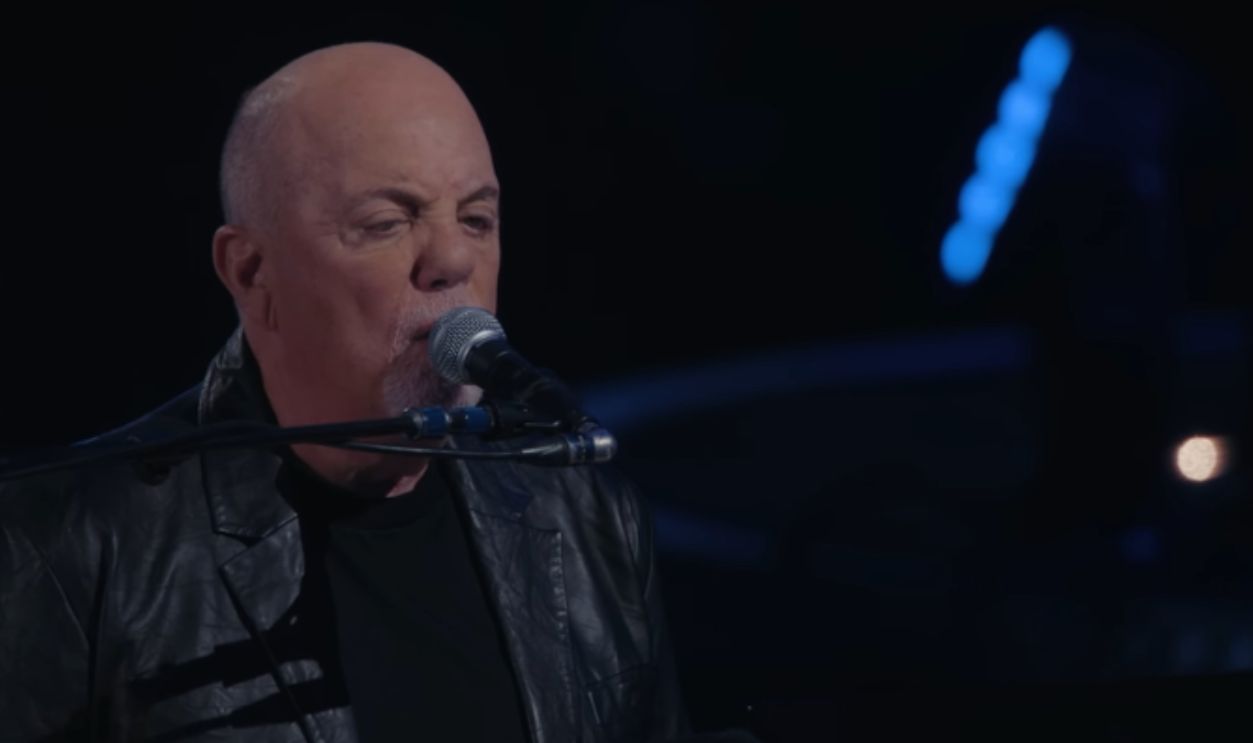 Screenshot from My Life, Columbia Records (1978)
#7: Linda Ronstadt, Simple Dreams (1977)
Linda Ronstadt could move between rock, country, and pop without sounding like she was trying to please anyone. Simple Dreams included her versions of “Blue Bayou,” “It’s So Easy,” and “Poor Poor Pitiful Me.” The album was a huge success, though Ronstadt’s complete catalog deserves far more modern conversation.
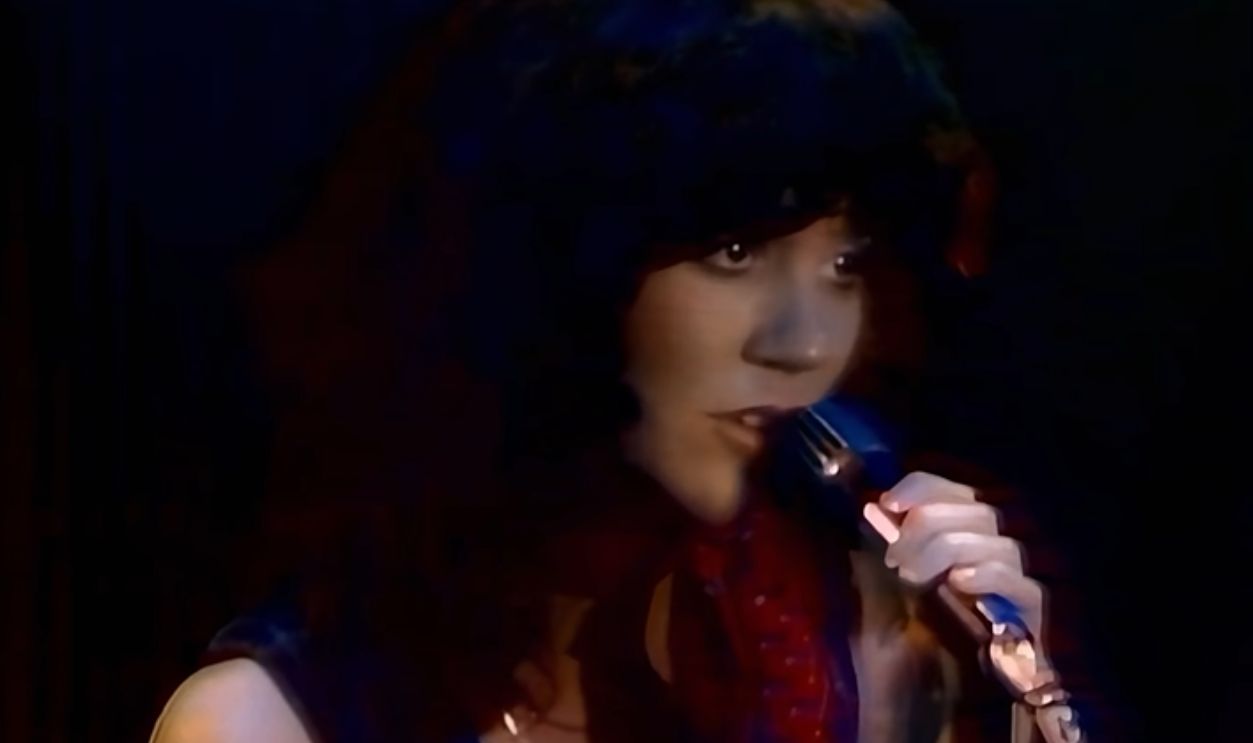 Screenshot from Blue Bayou, Asylum Records (1977)
#6: Boston, Boston (1976)
Boston’s debut seemed to materialize from another planet, carrying “More Than a Feeling,” “Peace of Mind,” and “Foreplay/Long Time.” Tom Scholz’s layered production gave the record its gigantic, polished sound. It became one of history’s most successful debut albums, then somehow blended into the background of classic-rock radio.
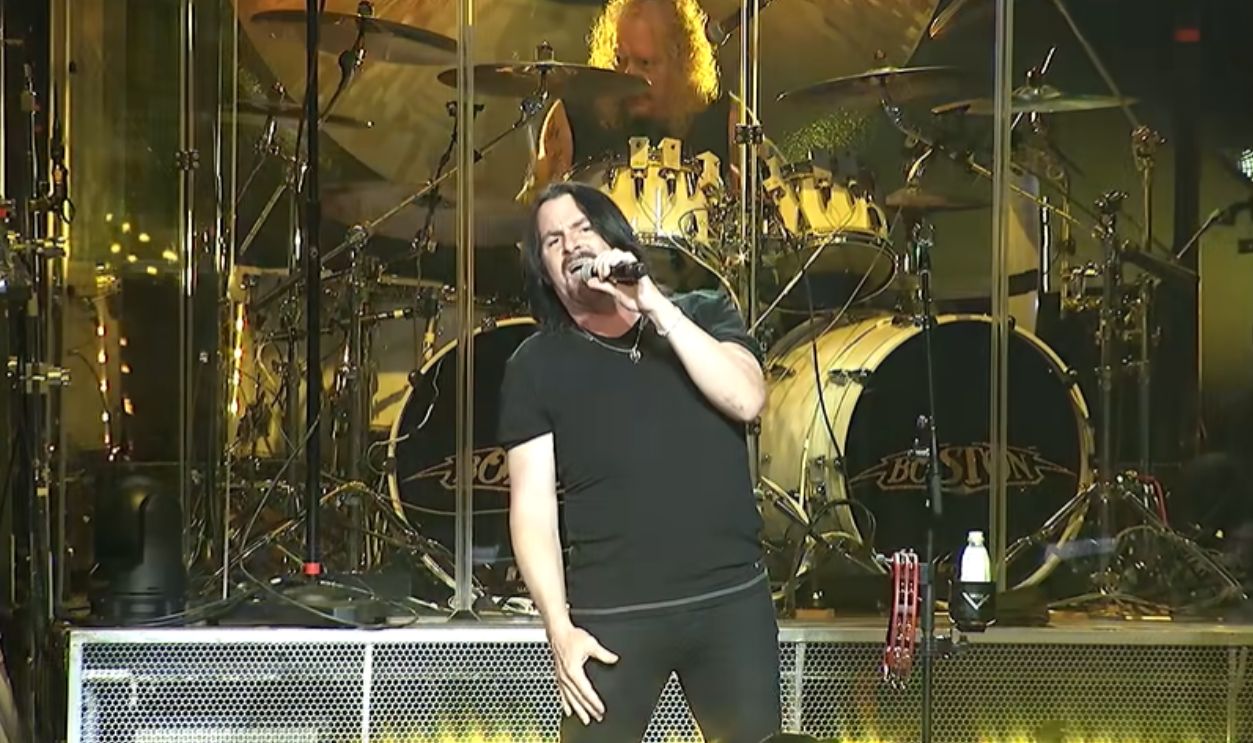 Screenshot from More Than a Feeling, Epic Records (1976)
#5: Peter Frampton, Frampton Comes Alive! (1976)
This double live album turned Peter Frampton into an arena-filling superstar almost overnight. “Show Me the Way,” “Baby, I Love Your Way,” and the talk-box showcase “Do You Feel Like We Do” were everywhere. The album became a household fixture, though many copies probably lasted longer than Frampton-inspired hairstyles.
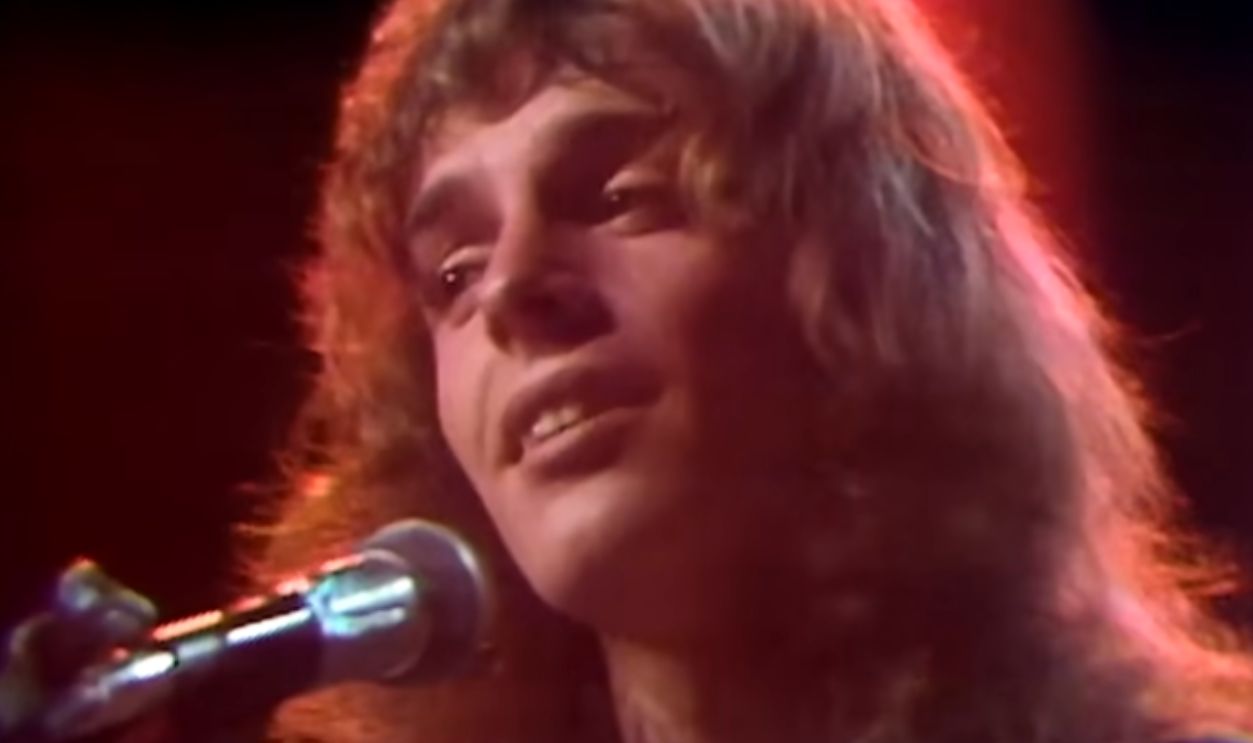 Screenshot from Show Me the Way, A&M Records (1975)
#4: Meat Loaf, Bat Out of Hell (1977)
Written by Jim Steinman and produced by Todd Rundgren, Bat Out of Hell treated every emotion as though it required motorcycles, thunder, and a full theatrical company. “Paradise by the Dashboard Light” and “Two Out of Three Ain’t Bad” became enduring favorites. Subtle it was not, but subtlety was never invited.
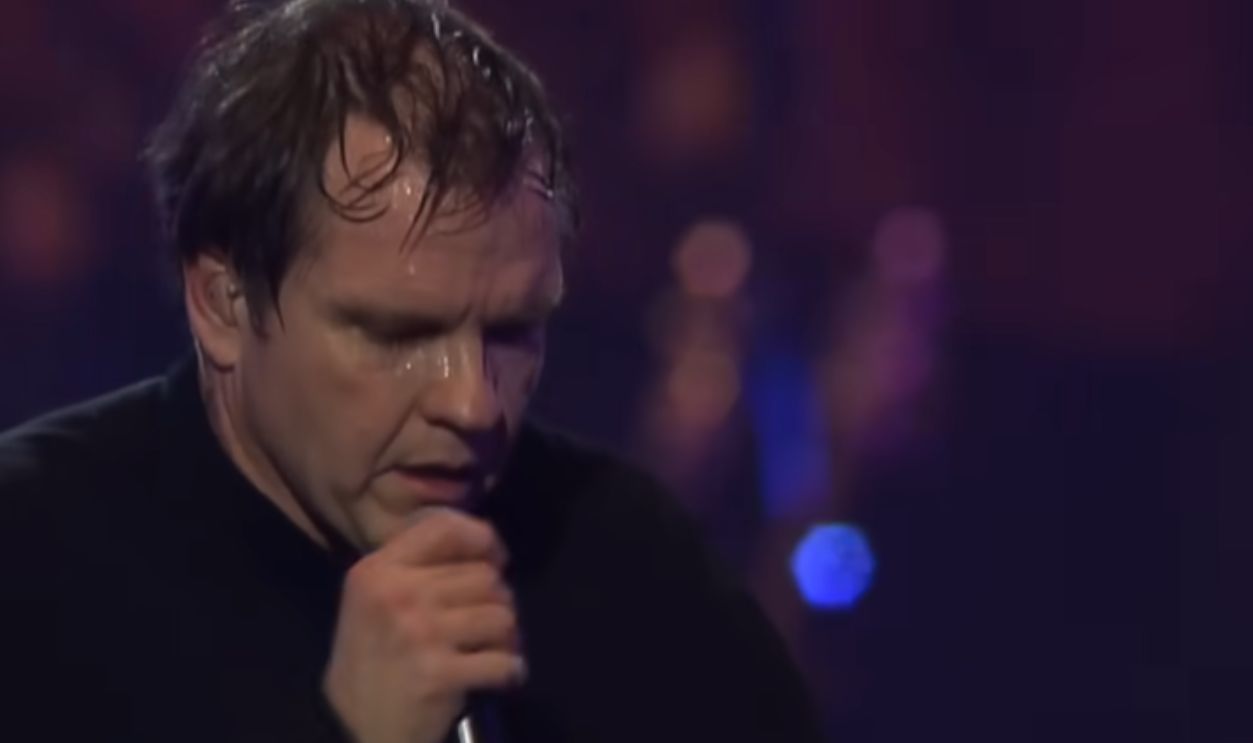 Screenshot from Paradise by the Dashboard Light, Epic Records (1977)
#3: Simon & Garfunkel, Bridge Over Troubled Water (1970)
Simon & Garfunkel ended their studio partnership with an album containing the towering title track, “The Boxer,” “Cecilia,” and “El Condor Pasa.” It became one of the decade’s earliest musical landmarks. Individual songs remain beloved, but fewer people now sit down and experience the graceful album from beginning to end.
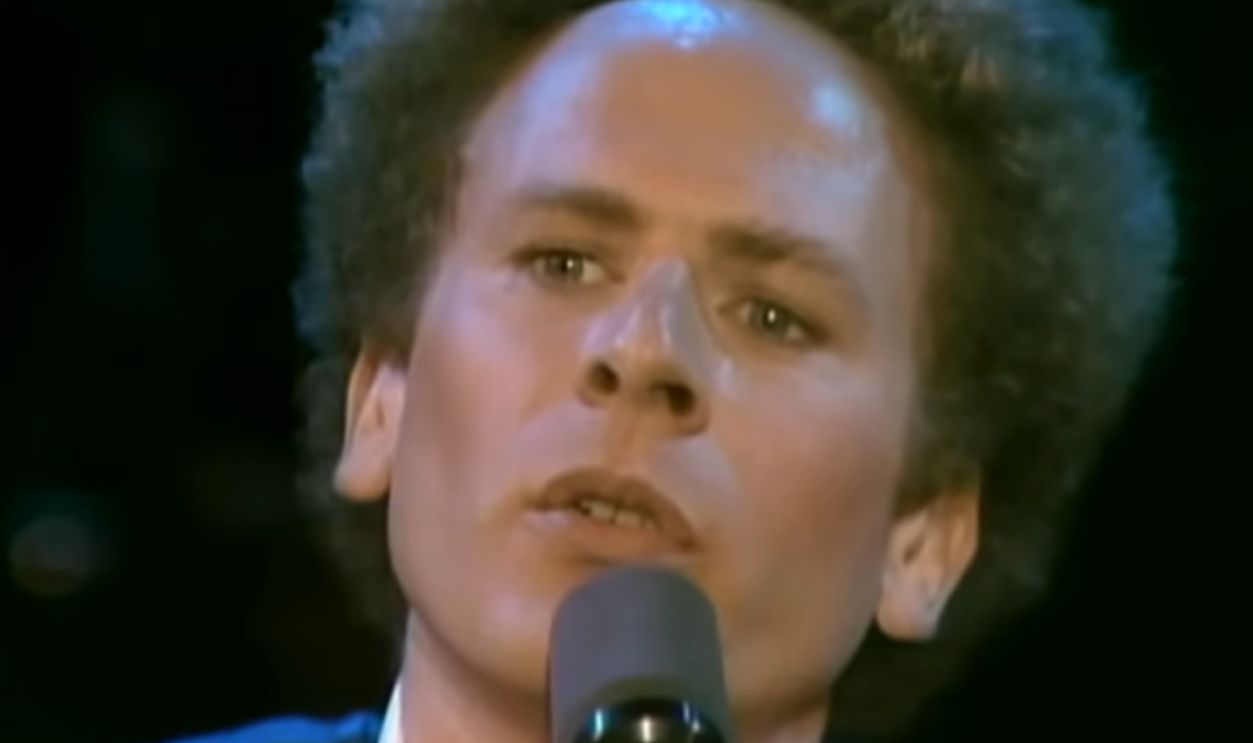 Screenshot from Bridge over Troubled Water, Columbia Records (1970)
#2: Elton John, Goodbye Yellow Brick Road (1973)
Elton John’s sprawling double album included “Bennie and the Jets,” “Saturday Night’s Alright for Fighting,” “Candle in the Wind,” and its unforgettable title song. It balanced glam-rock spectacle with surprisingly intimate moments. Plenty of 1970s collections contained a worn copy, often with sleeves that had seen better decades.
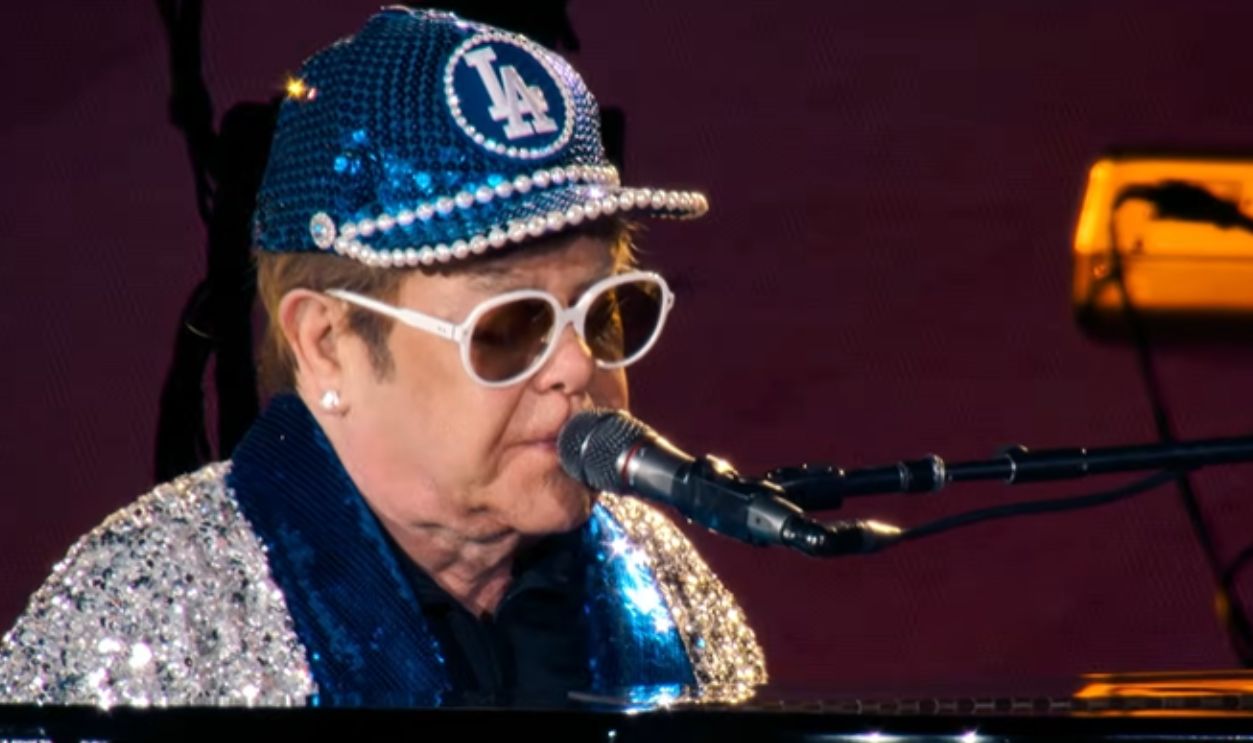 Screenshot from Goodbye Yellow Brick Road, DJM Records (1973)
#1: Carole King, Tapestry (1971)
Few albums captured adult life as warmly and honestly as Tapestry. “It’s Too Late,” “So Far Away,” “I Feel the Earth Move,” and “You’ve Got a Friend” made Carole King’s songwriting feel personal to millions of listeners. It spent years on the charts and belonged in seemingly every record collection. If one album deserves to be rediscovered as a complete work, this is it.
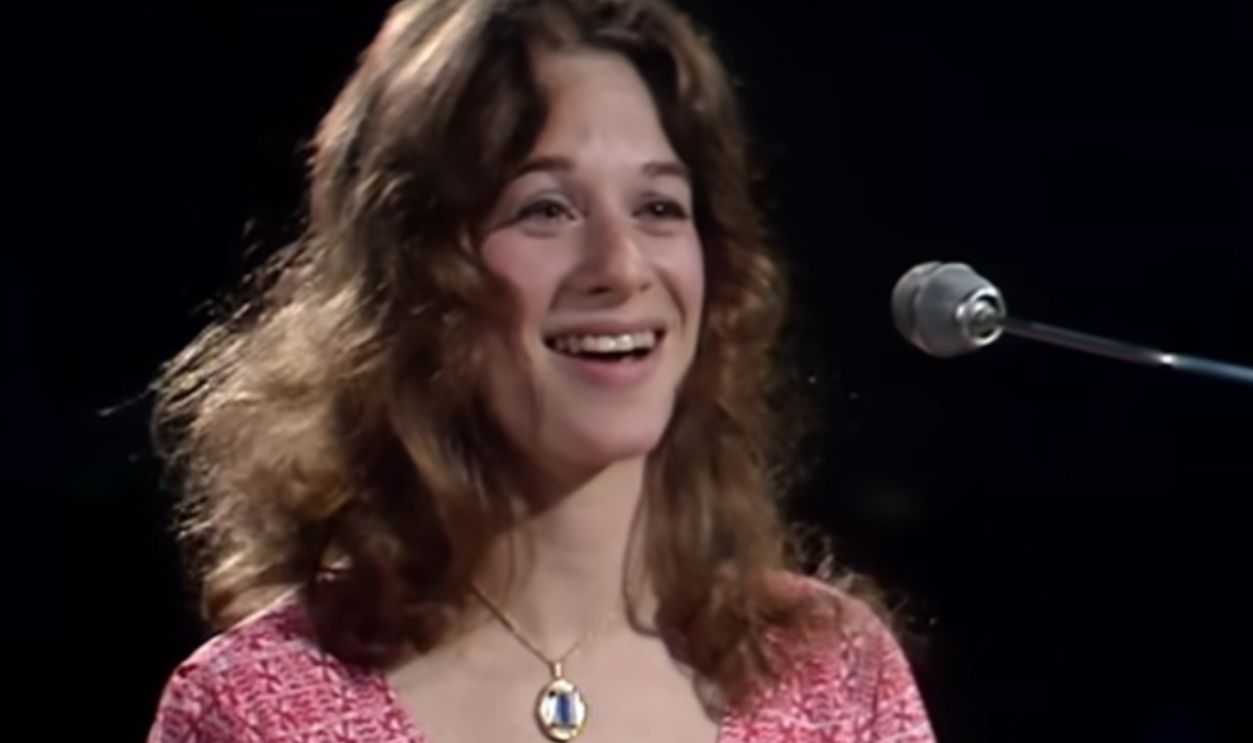 Screenshot from It's Too Late, Ode Records (1971)
You May Also Like:
Albums That Capture The Hangover Of The 1980s
David Bowie dropped an album two days before his death—filled with clues he was dying. He passed in 2016, but his visionary legacy lives on.