Some Friendships Stayed With Him
Johnny Cash had friends in country music, the White House, and places most stars never went. Some helped him through difficult years. Others needed help from him, and one friendship ended in a way he never got over. The stories behind the familiar photographs are much darker, and much more interesting, than you might expect.
It Started With A Prison Song
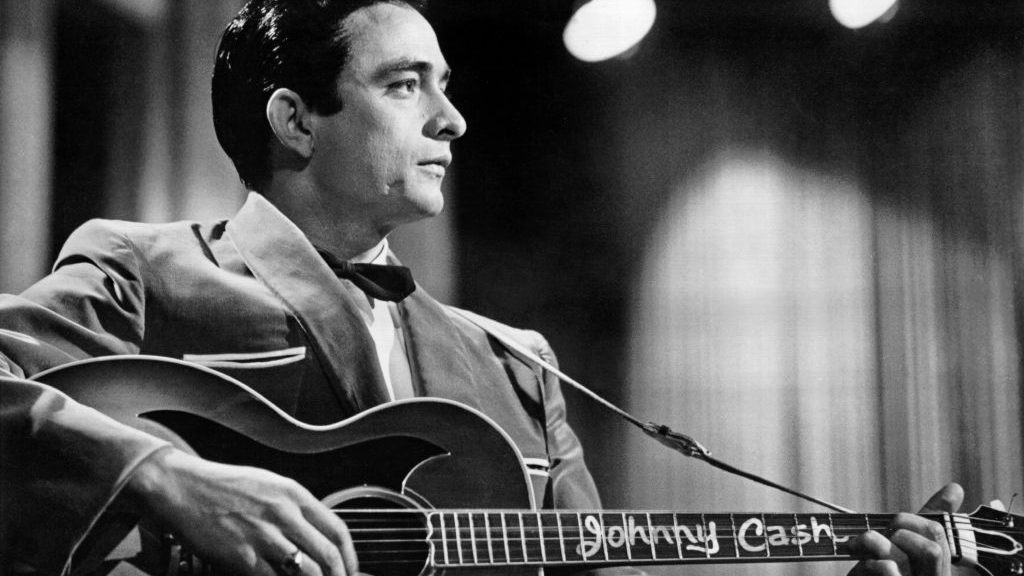
The night before his 1968 concert at Folsom Prison, Cash heard a recording of “Greystone Chapel.” It had been written by an inmate named Glen Sherley. Cash learned the song overnight. Sherley was sitting in the audience the next day when Cash surprised him by performing it.
 Michael Ochs Archives, Getty Images
Cash Saw More Than An Inmate
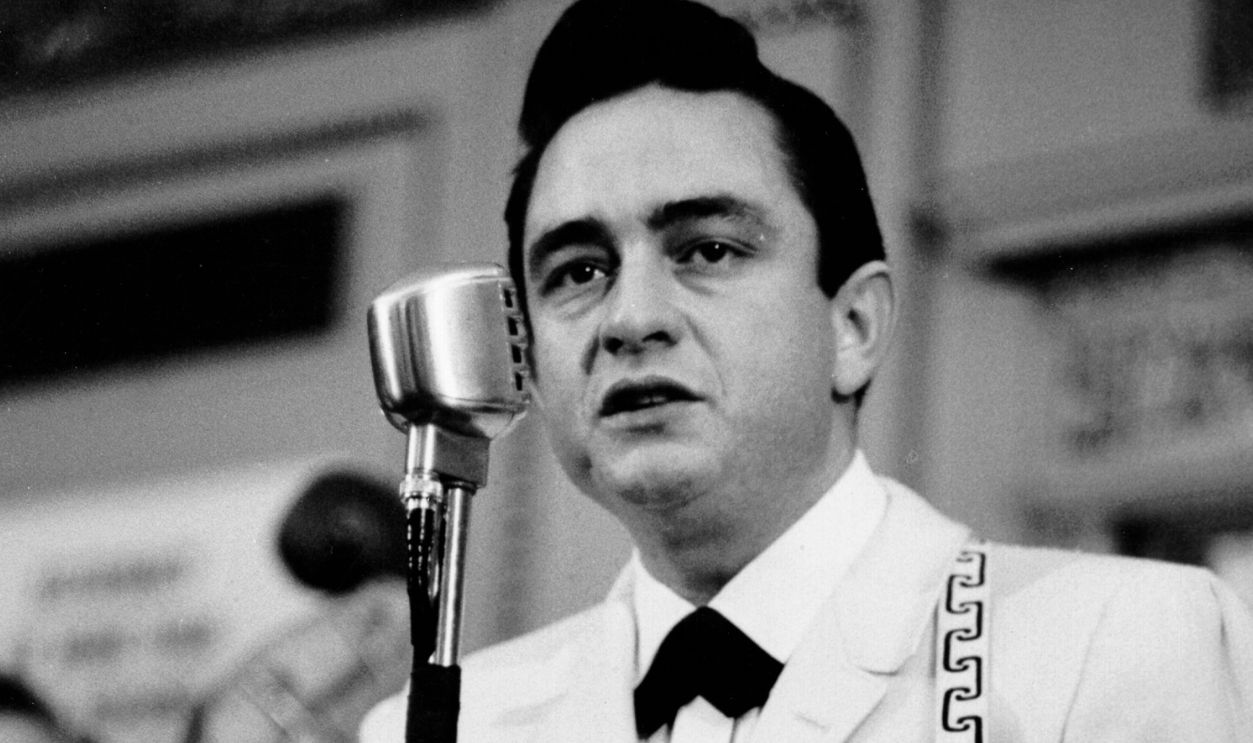
Cash and Sherley became friends after the concert. Cash advocated for Sherley’s parole, gave him work with his touring group after his 1971 release, and supported his recording career. They even testified together before a Senate subcommittee about prison reform. Cash wanted Sherley to have a real chance outside prison.
 Michael Ochs Archives, Getty Images
Then Things Began To Go Wrong
Sherley struggled to adjust. His family described problems at home, while Cash’s daughter said his behavior around the touring group became increasingly troubling. Cash eventually removed him from the band. After spending years trying to help his friend, he had reached a decision he could no longer put off.
Cash Never Forgot Him
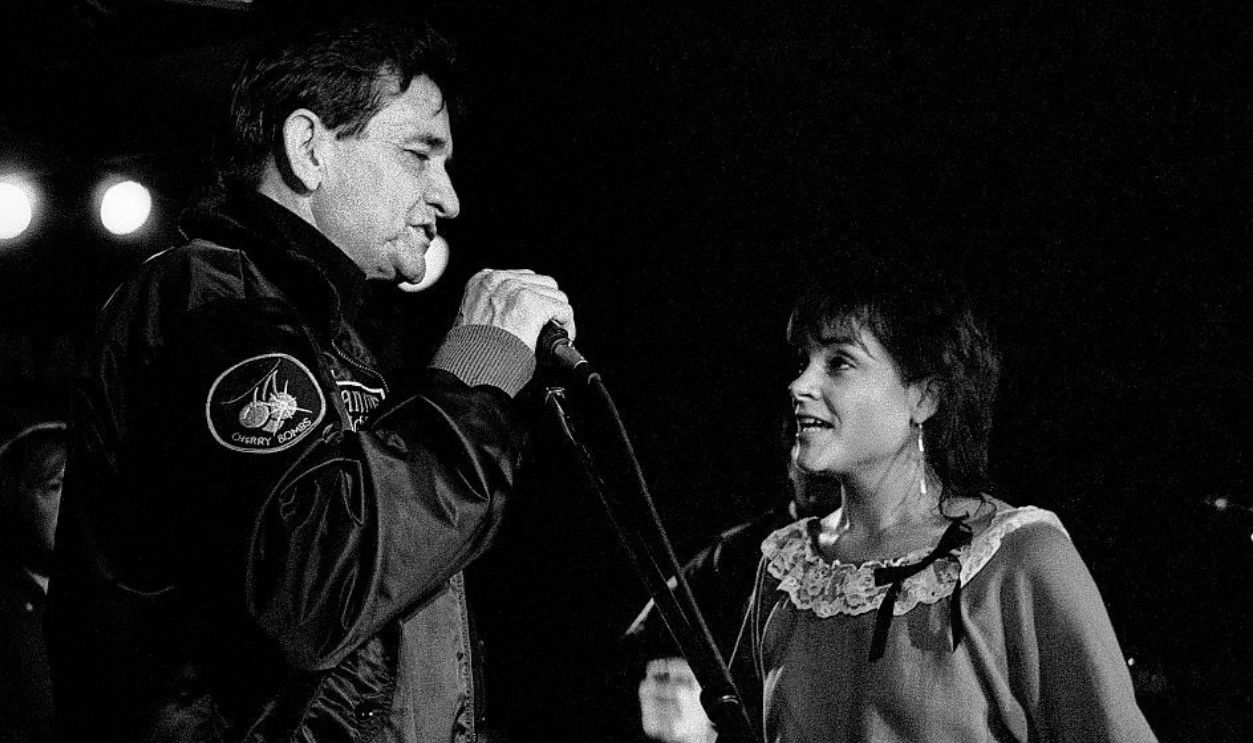
Sherley took his own life in 1978. Cash’s daughter said her father was devastated. After hearing the news, Cash drew a bird flying away from a prison cell in his journal. Their friendship had begun with a song about finding freedom, but its ending stayed with Cash.
 Bryan Ledgard, Wikimedia Commons
Another Future Friend Was Behind Bars
Merle Haggard’s first encounter with Cash also happened in prison, though Cash did not know it at the time. Haggard was an inmate at San Quentin when Cash performed there. Years before he became a country star himself, he watched another singer hold the attention of a room full of prisoners.
 Michael Ochs Archives, Getty Images
Haggard Eventually Told Him
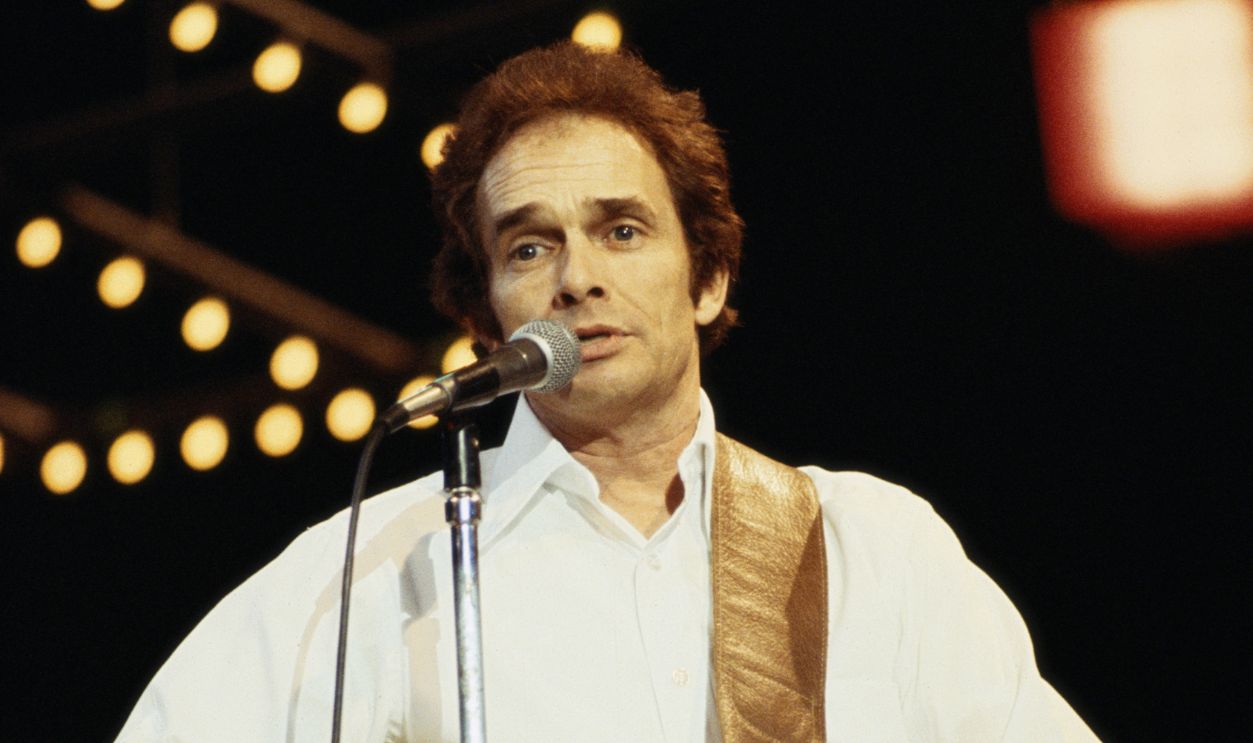
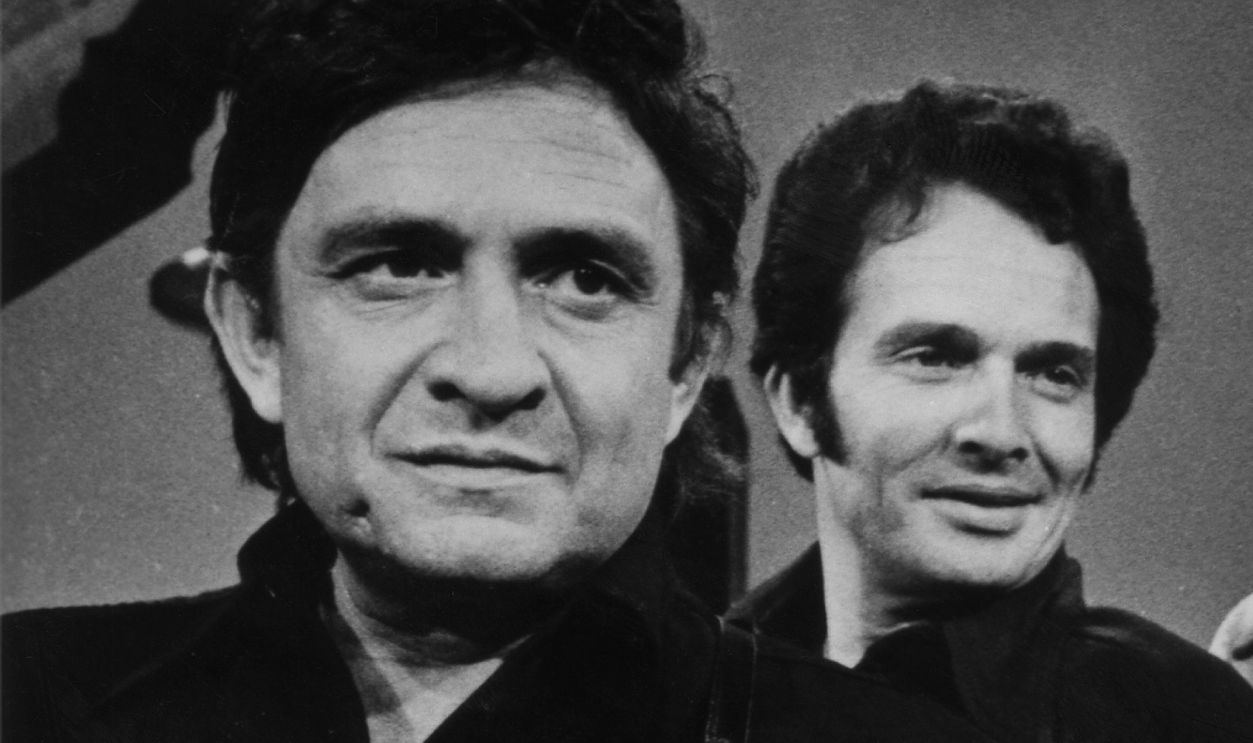
Years later, Haggard and Cash were appearing on the same television program when they met off camera. Haggard told Cash he had seen him perform at San Quentin. Cash thought Haggard meant he had been part of the show. Haggard had to explain that he was in the inmate audience.
Cash Encouraged Him To Tell The Truth
Haggard had kept his prison history from much of the public, even as it shaped his songs. Cash thought people would understand him better if they knew. When Haggard appeared on The Johnny Cash Show, Cash steered their conversation toward San Quentin, giving his friend an opening to tell the story himself.
 Michael Ochs Archives, Getty Images
Rick Rubin Met Cash At A Low Point
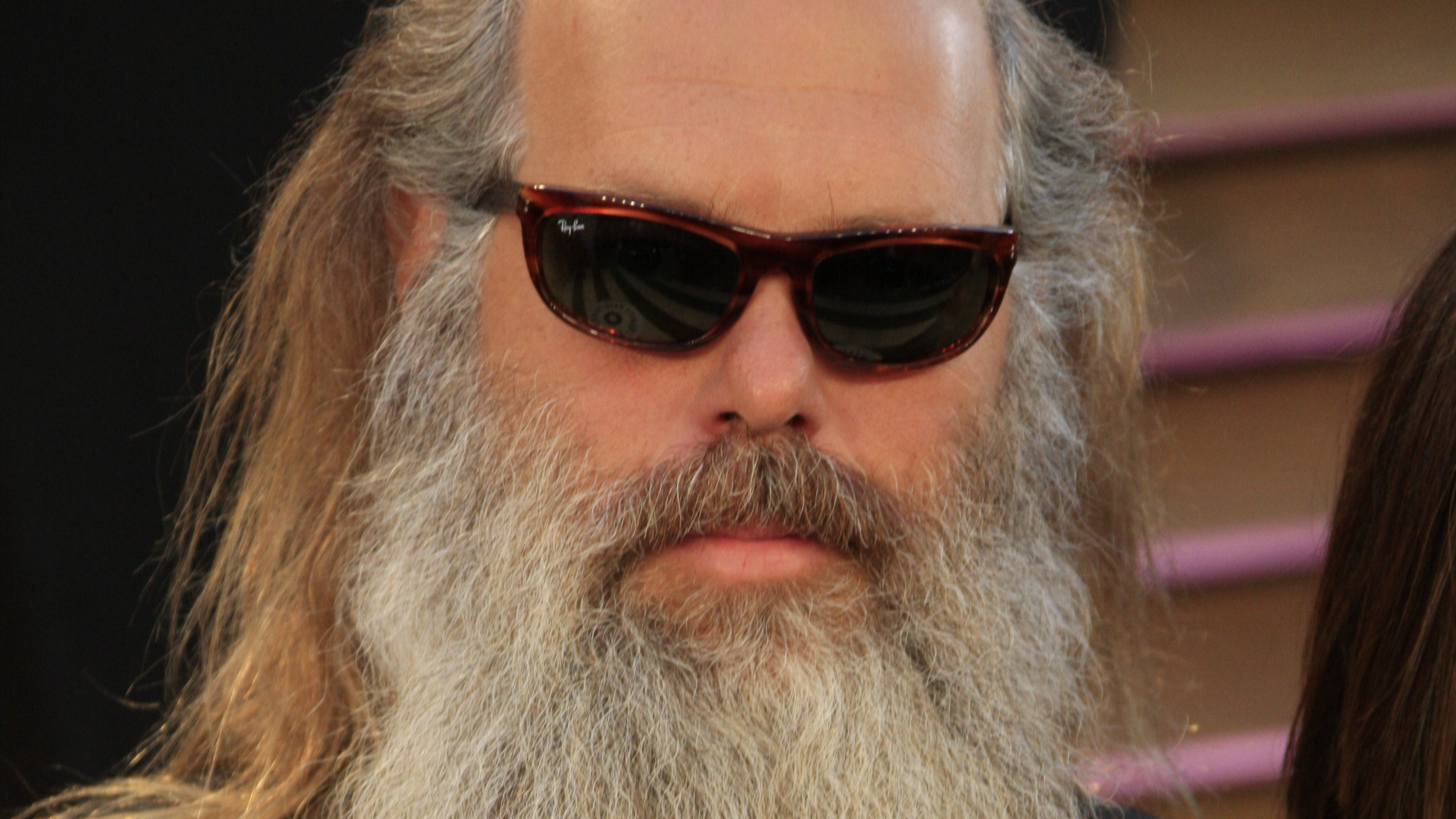
By the early 90s, Cash’s record career had slowed. Rick Rubin, a producer associated with hip-hop and rock, seemed an unlikely person to change that. Even Rosanne Cash wondered what he might do with her father’s music. Rubin’s idea was simple: sit down, pick up a guitar, and sing.
Their Work Became Personal
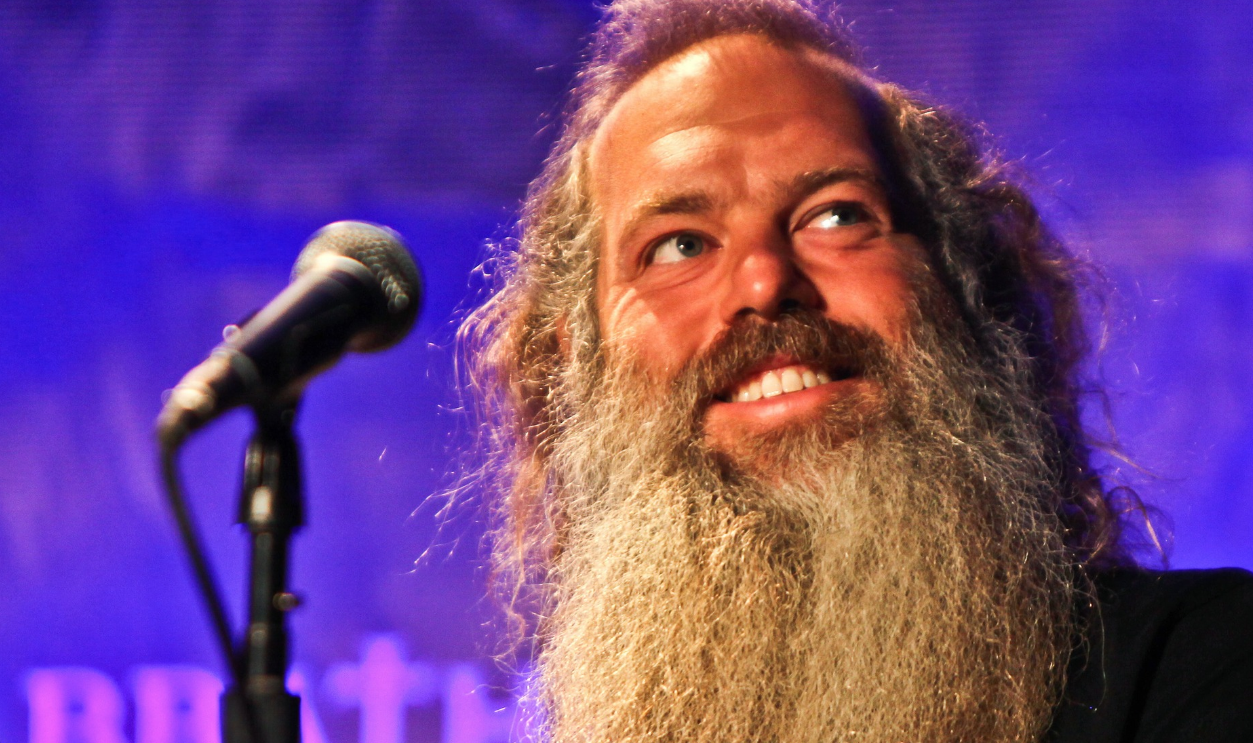
The sessions led to American Recordings and a remarkable final stretch of Cash’s career. Rubin sent him songs from outside country music, and Cash chose which ones he could make his own. As they worked together, their connection grew into a close friendship that Cash’s family noticed too.
They Were Close Near The End
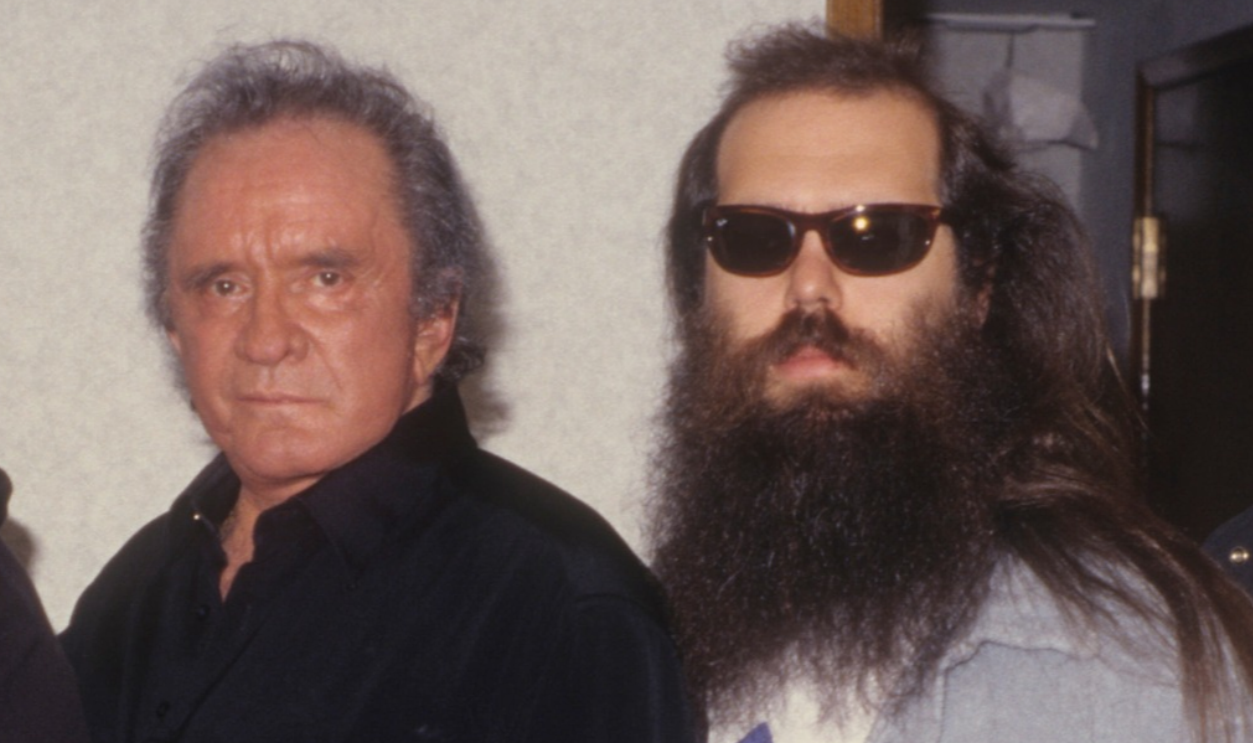
Cash and Rubin talked often about religion. During the final months of Cash’s life, they took Communion together every day, sometimes over the telephone when they were apart. Their friendship was about much more than the records they made, especially as Cash’s health declined.
Billy Graham Sought Cash Out
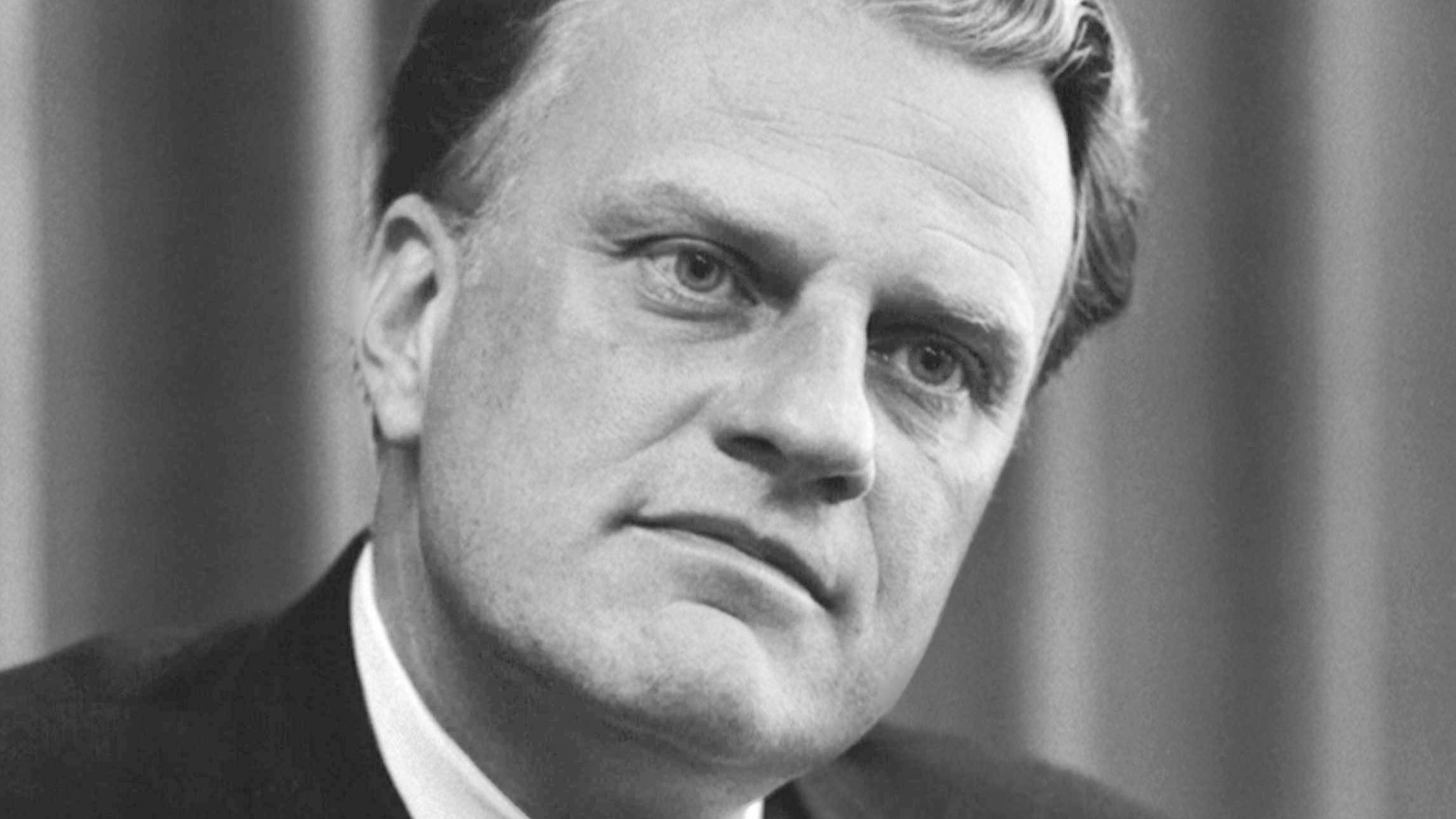
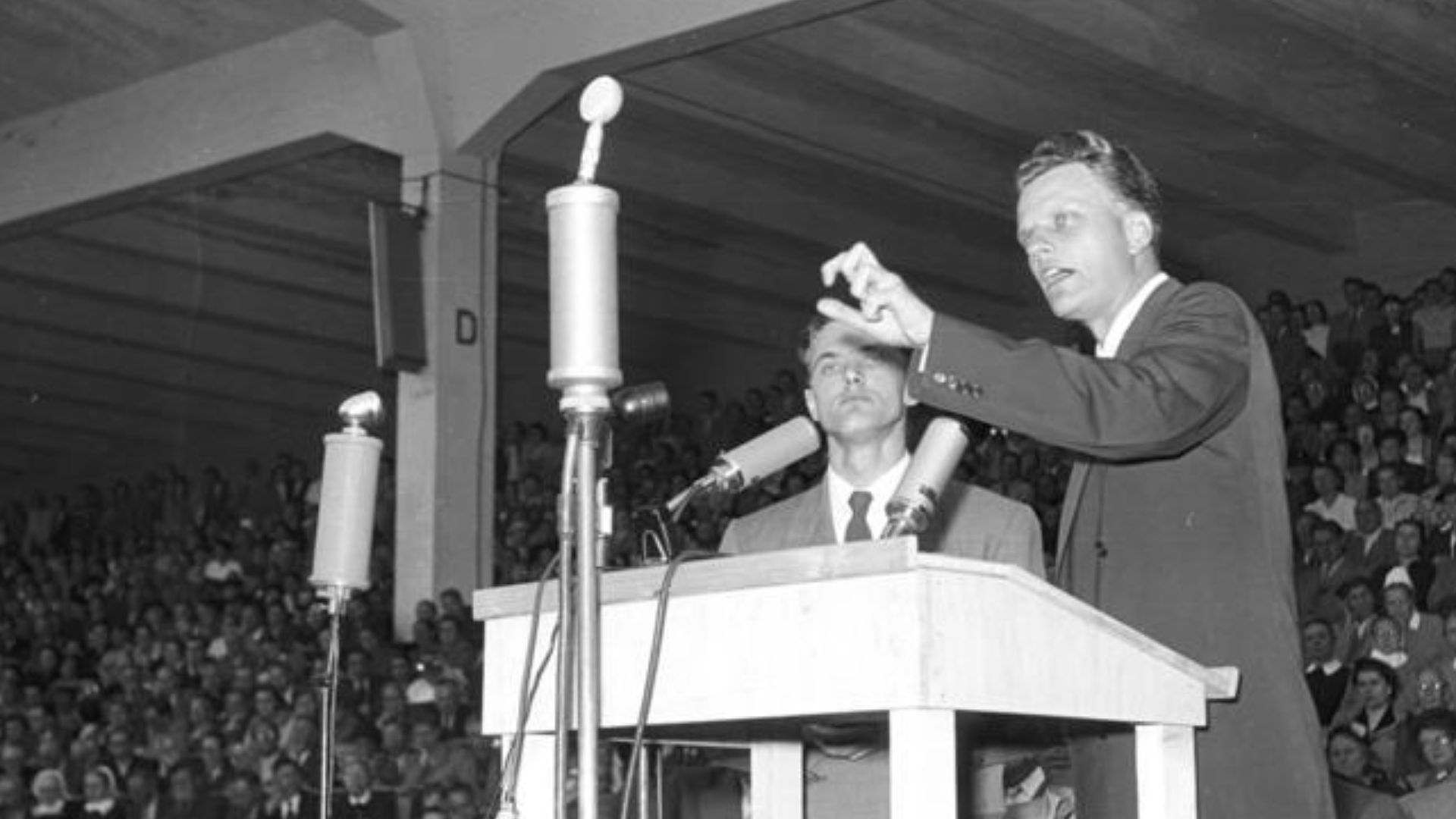
Evangelist Billy Graham wanted to reach young people who might never attend one of his crusades. In 1969, he asked for help arranging a meeting with Cash. It could have been a one-time invitation. Instead, Johnny and June grew close to Billy and Ruth Graham for decades.
 Warren K. Leffler, Wikimedia Commons
They Could Talk About The Hard Parts
Cash performed at Graham’s crusades around 30 times, but the families also shared holidays and vacations. They became confidants. Graham knew the gospel singer audiences saw onstage, as well as the man who had questions and struggles away from it. Cash had found a friend he could speak openly with.
 Lachmann, Hans, Wikimedia Commons
Waylon Jennings Knew Him At Home
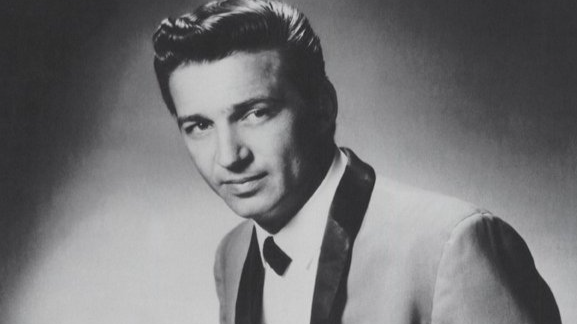
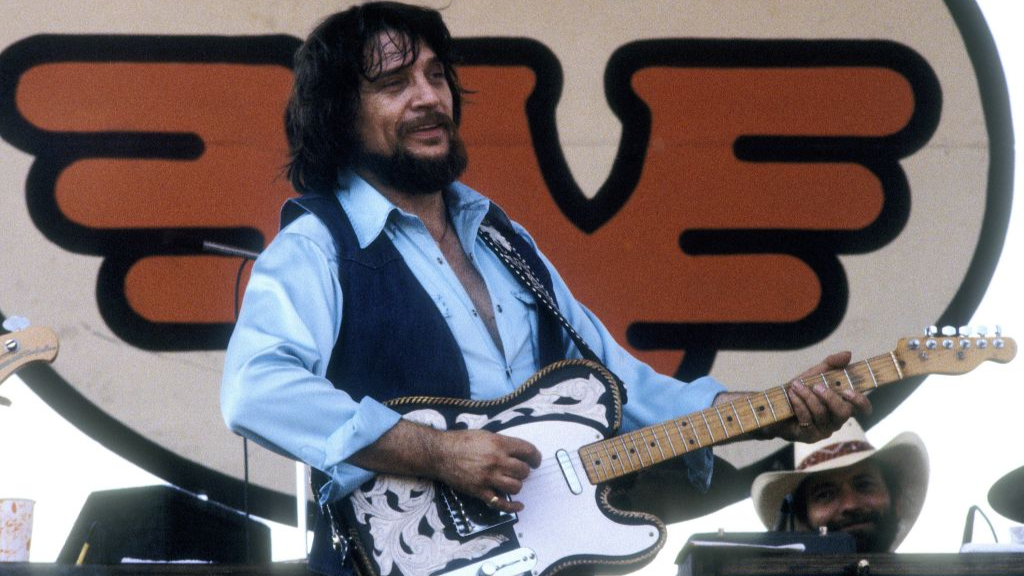
Before they stood together as Highwaymen, Cash and Waylon Jennings shared an apartment near Nashville. They knew each other as roommates, with all the everyday habits that come with it. That friendship lasted through changes in their careers and the personal difficulties both men faced.
 RCA Records, Wikimedia Commons
Their Friendship Became A Group
In 1985, Cash and Jennings joined Willie Nelson and Kris Kristofferson to form the Highwaymen. Jennings later wrote that friendship held the four very different singers together. They recorded three albums and toured, drawing on relationships that had begun long before anyone suggested putting them on one stage.
Kris Kristofferson Couldn’t Get Heard
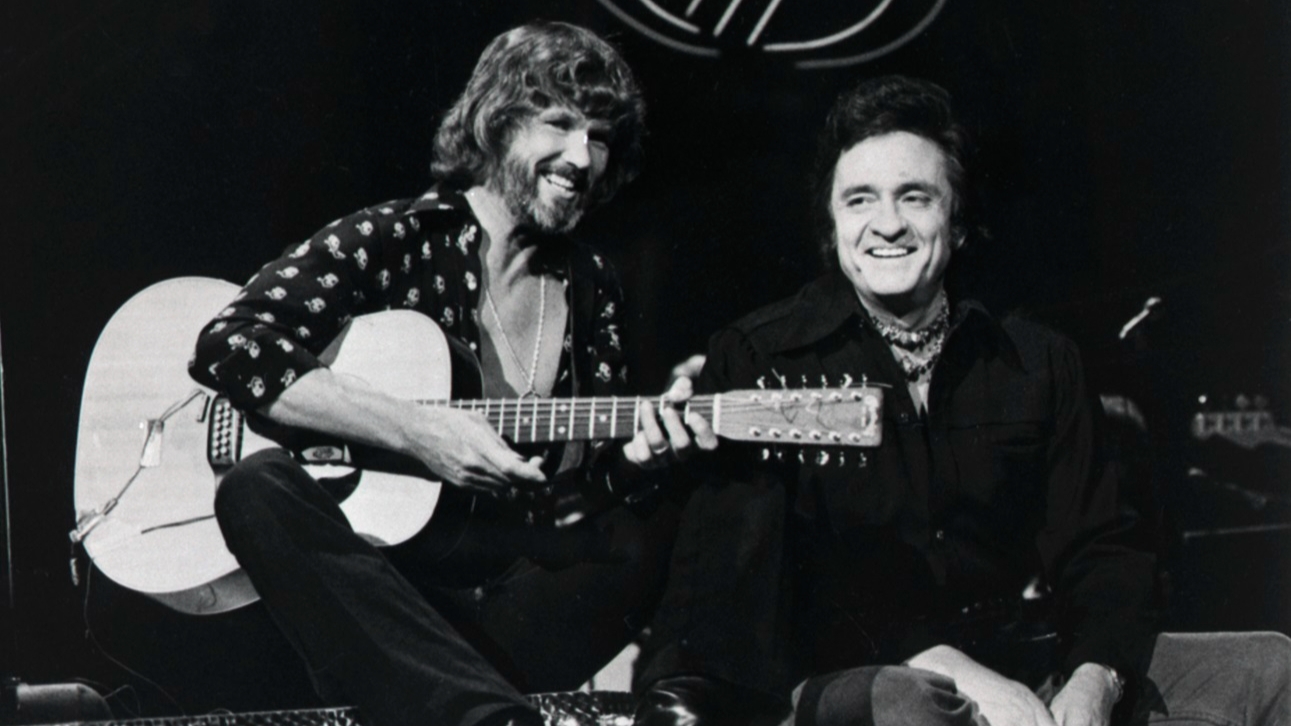
Kristofferson admired Cash and wanted him to listen to his songs. Like plenty of aspiring songwriters, he found that getting a tape to a star did not guarantee it would be played. Kristofferson also happened to be a helicopter pilot, which led to one of country music’s most frequently retold stories.
The Helicopter Part Was Real
Kristofferson did land a helicopter at Cash’s home. But Cash’s version became more colorful over the years. Kristofferson later said Cash was not home and the tape did not contain the hit usually linked to the visit. He also disputed Cash’s detail about arriving with a drink in his hand.
Cash Helped Him Anyway
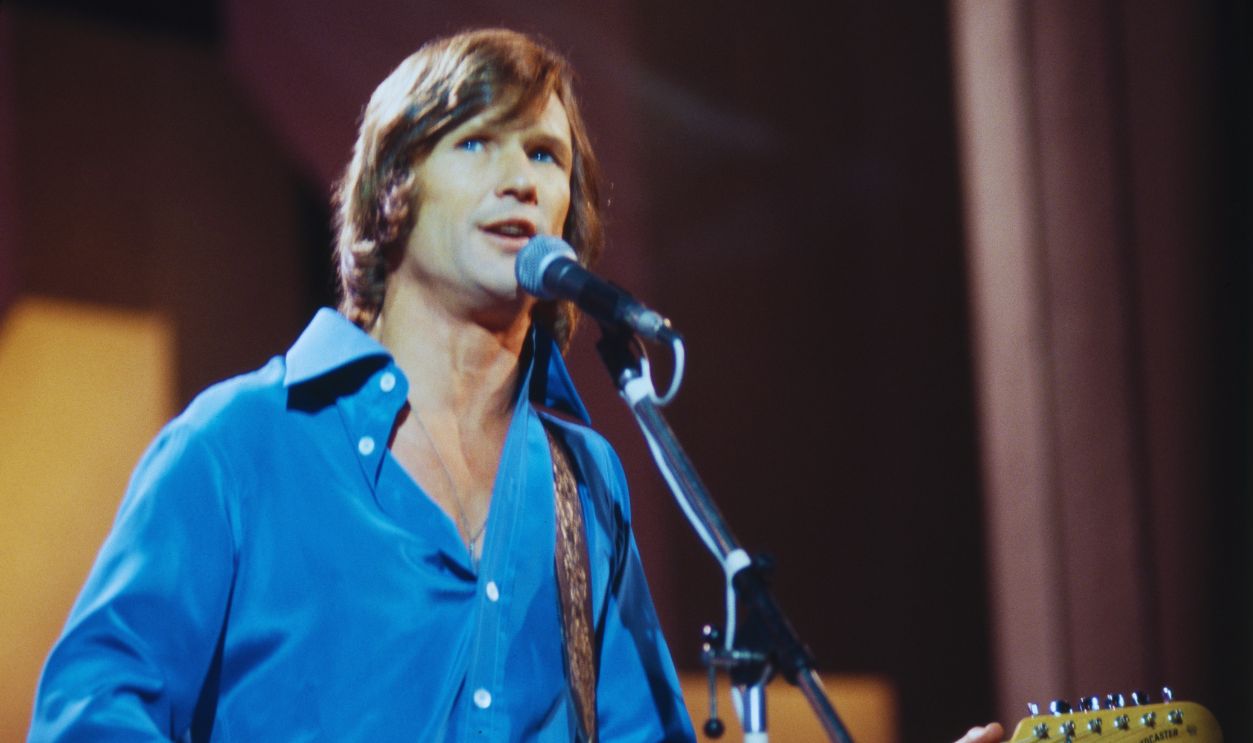
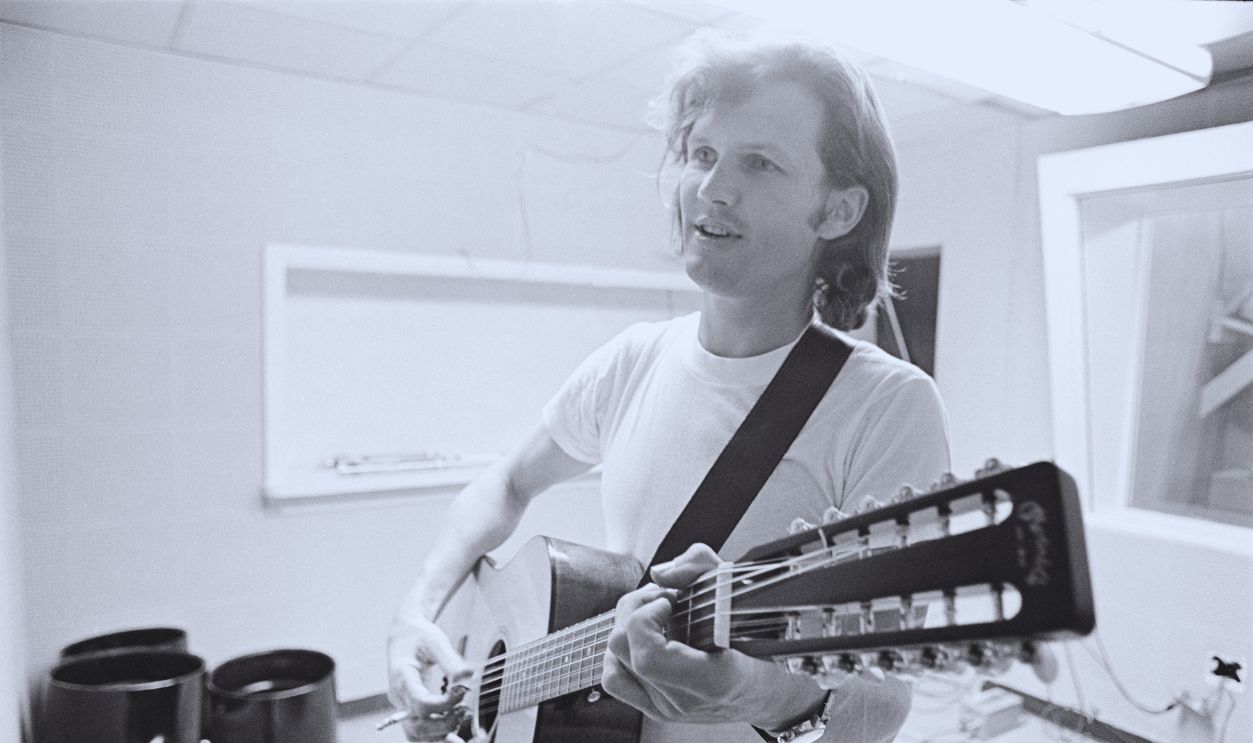
Cash encouraged Kristofferson, put him onstage, and later had a major hit with “Sunday Mornin’ Comin’ Down.” Kristofferson credited Cash with helping launch his career. The young songwriter who had struggled to be heard eventually became Cash’s friend and fellow member of the Highwaymen.
 Al Clayton Photography, LLC, Getty Images
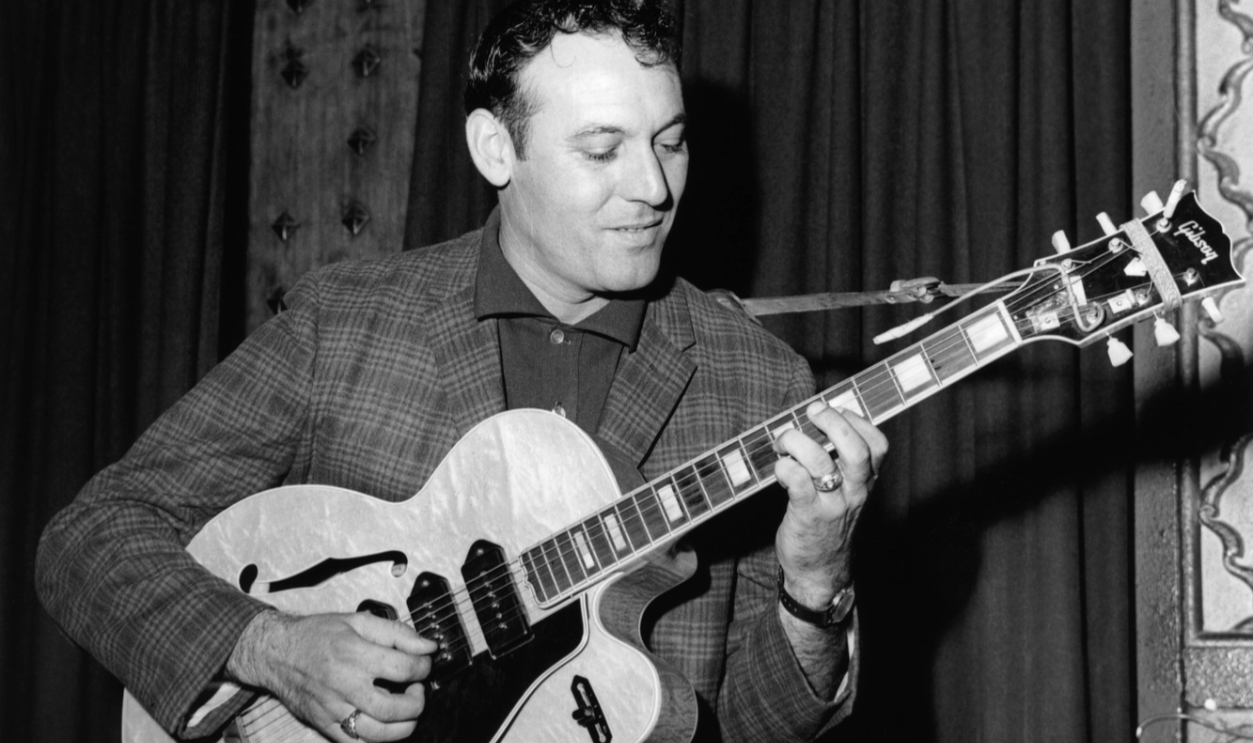
Carl Perkins Went Back To Memphis
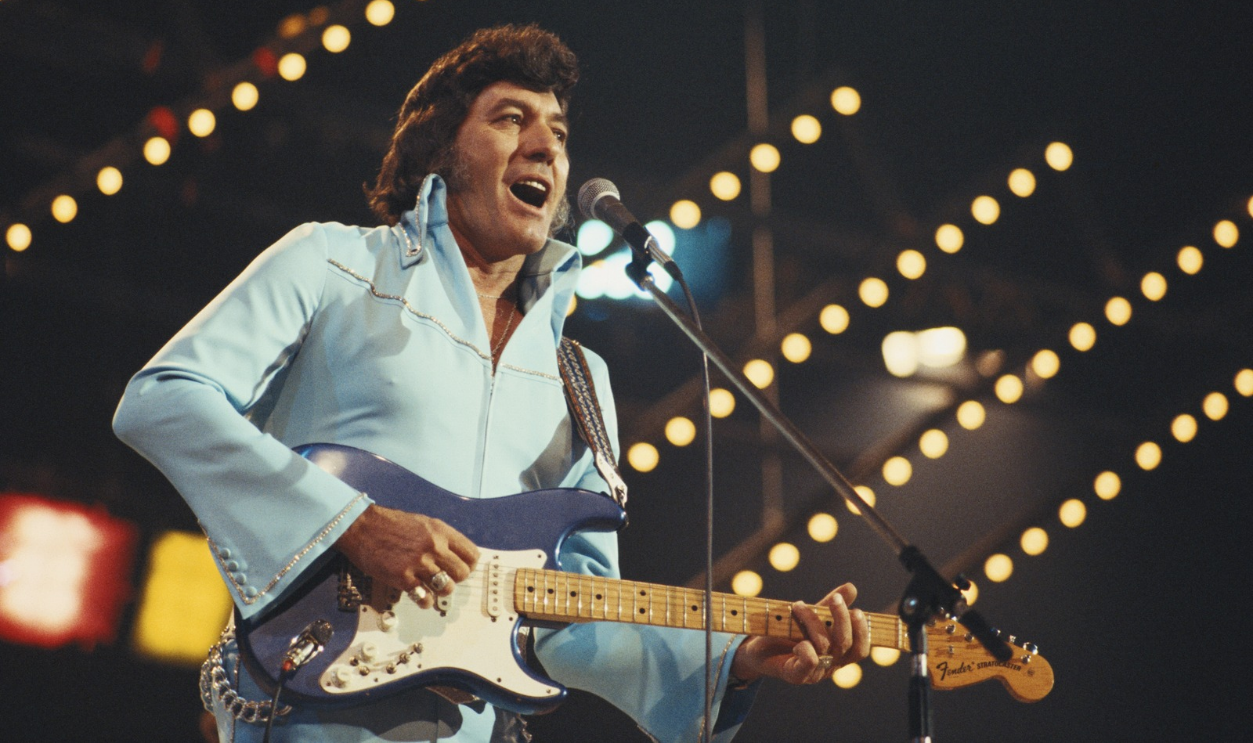
Cash and Carl Perkins knew each other from Sun Records, where both helped change popular music. But their friendship lasted well beyond those early Memphis days. Perkins joined Cash’s touring show for years, giving an old friend a steady place beside him as their careers changed.
He Wrote A Cash Hit Too
Perkins wrote “Daddy Sang Bass,” which Cash recorded in 1968. It is easy to picture the two men as young Sun Records artists standing near Elvis Presley and Jerry Lee Lewis. Their later work together tells us more about the friendship than that famous photograph ever could.
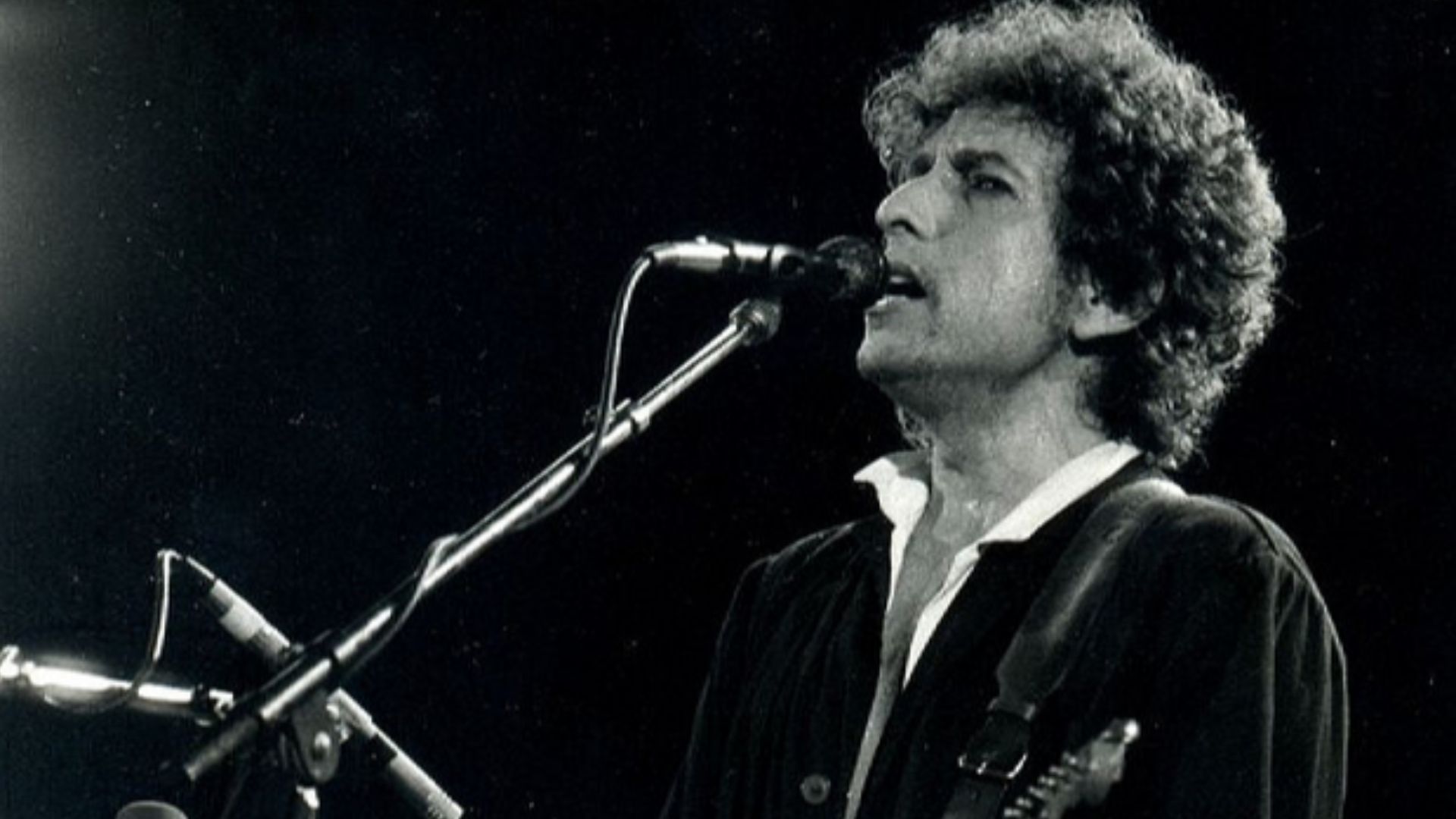
Bob Dylan Admired Cash First
Dylan had been listening to Cash’s Sun Records songs before the two became friends. Cash, in turn, played Dylan’s The Freewheelin’ Bob Dylan constantly. They started writing to each other, then spent time together at the Newport Folk Festival in 1964, where their friendship took hold.
 Xavier Badosa, Wikimedia Commons
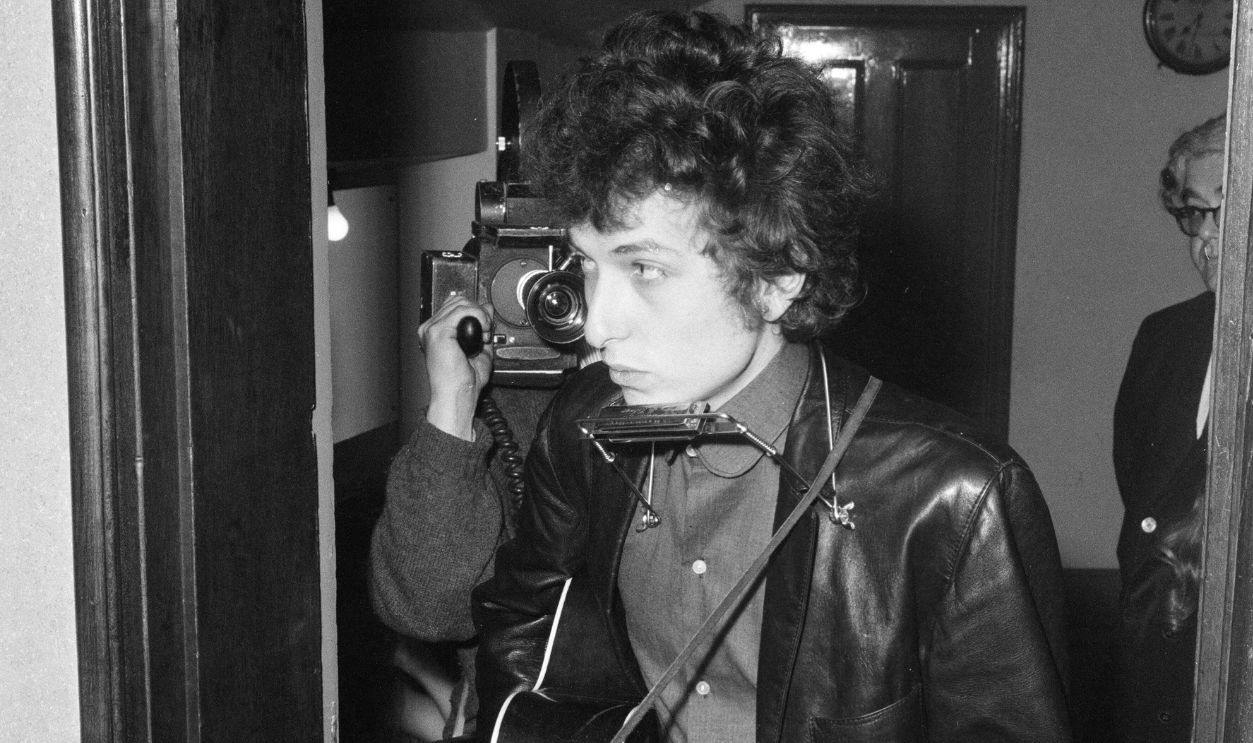
Cash Gave Dylan His Guitar
During a hotel-room jam at Newport, Cash gave Dylan a treasured Martin guitar. He also performed Dylan’s “Don’t Think Twice, It’s All Right” at the festival. It was a generous gesture from an established star to an artist whose music did not fit neatly into Nashville.
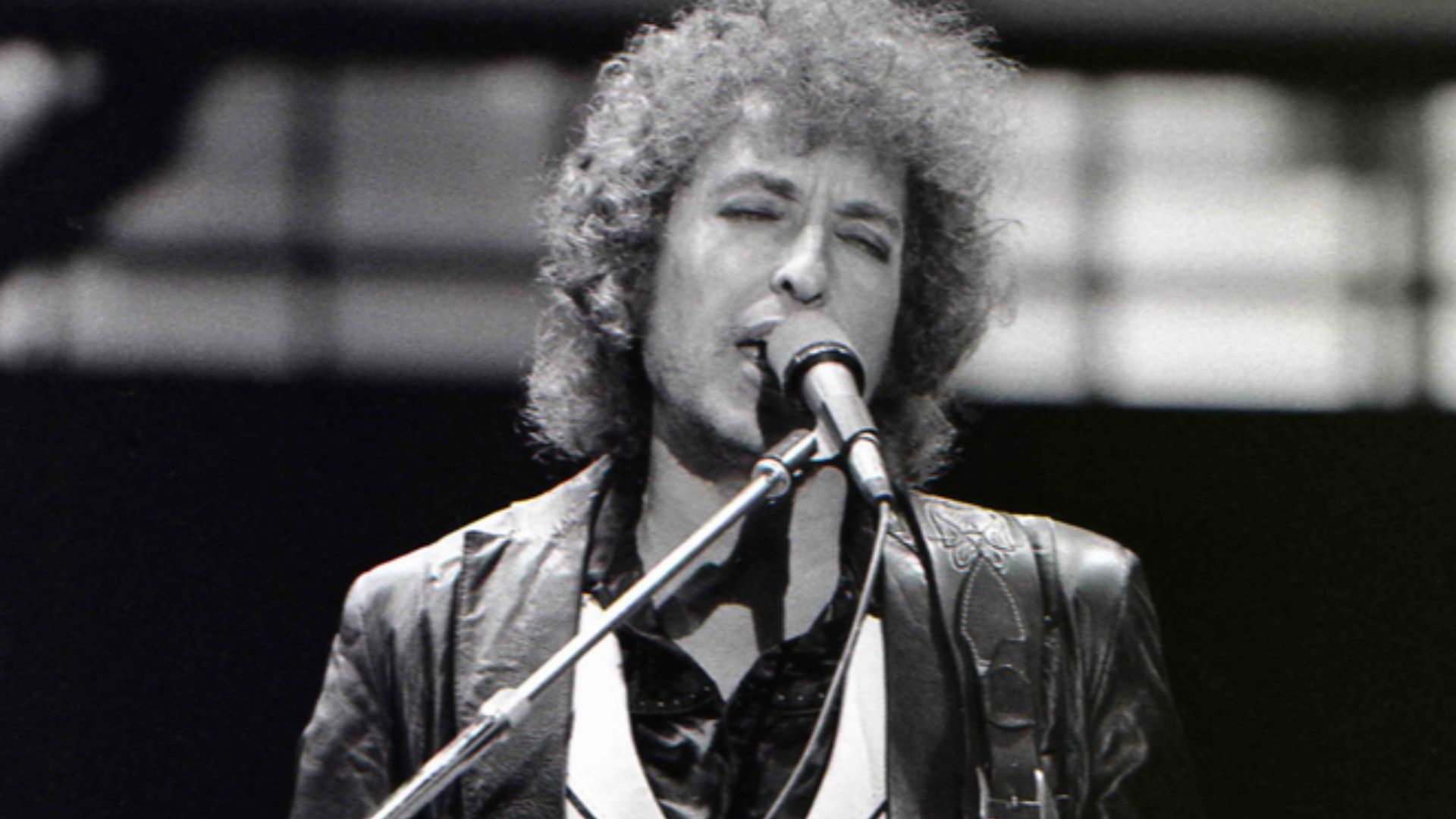
He Defended Dylan’s Changes
When Dylan moved away from the protest songs that first made him famous, Cash defended his friend’s right to change. They later recorded “Girl from the North Country” together, and Dylan wrote “Wanted Man” for Cash. Cash performed it for prisoners at San Quentin.
 Chris Hakkens, Wikimedia Commons
Muhammad Ali Shared His Poetry
Cash’s friendship with Muhammad Ali began with words. The two exchanged poetry over the telephone, drawn together by an interest neither man was primarily known for. Eventually Ali invited Cash and his band to New Orleans for his 1978 rematch with Leon Spinks.
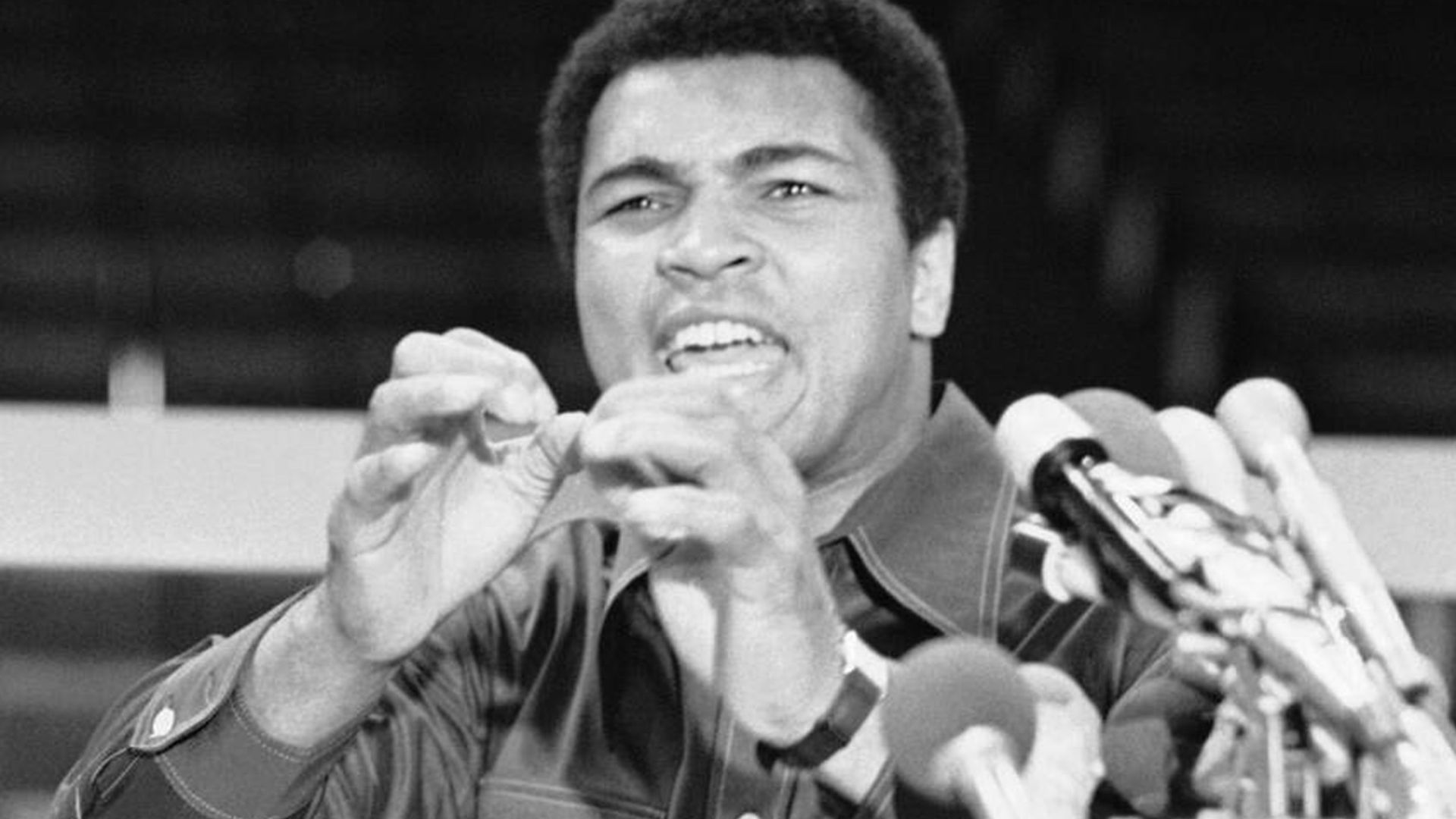 Associated Press, Wikimedia Commons
They Met On Fight Day
The invitation came on short notice, so Cash arranged a charter flight. Before the fight, he visited Ali’s hotel room, where the two spent about 45 minutes talking and exchanging poetry. Cash began to worry that he was taking up time Ali needed to prepare.
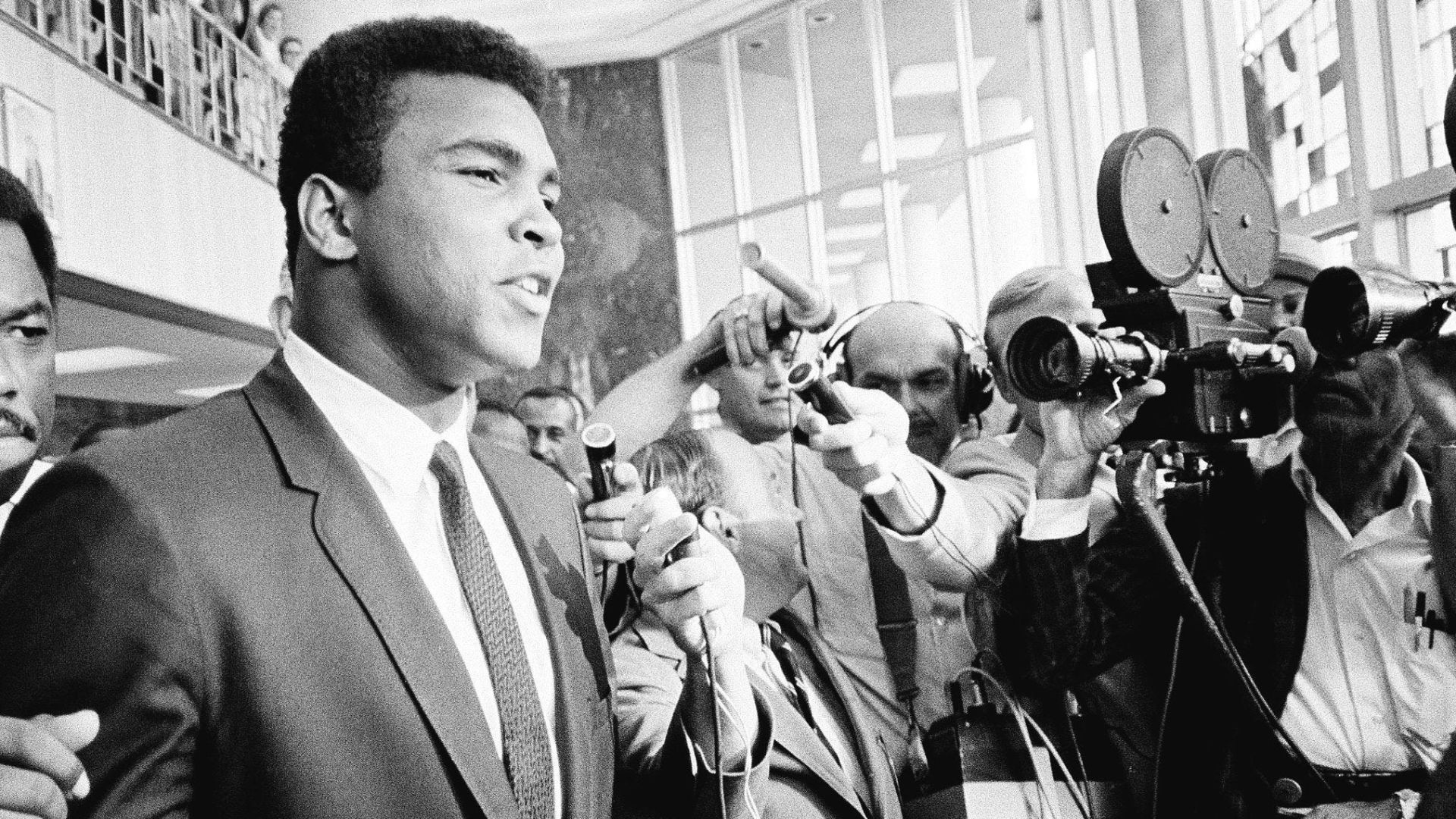 Ed Kolenovsky, Wikimedia Commons
Ali Wanted Him There
Ali told Cash their conversation was helping him relax. He went on to win the fight and invited Cash’s group backstage afterward. It is a surprisingly quiet story to come out of such a big night: two friends talking about poetry while the rest of the world waited for a boxing match.
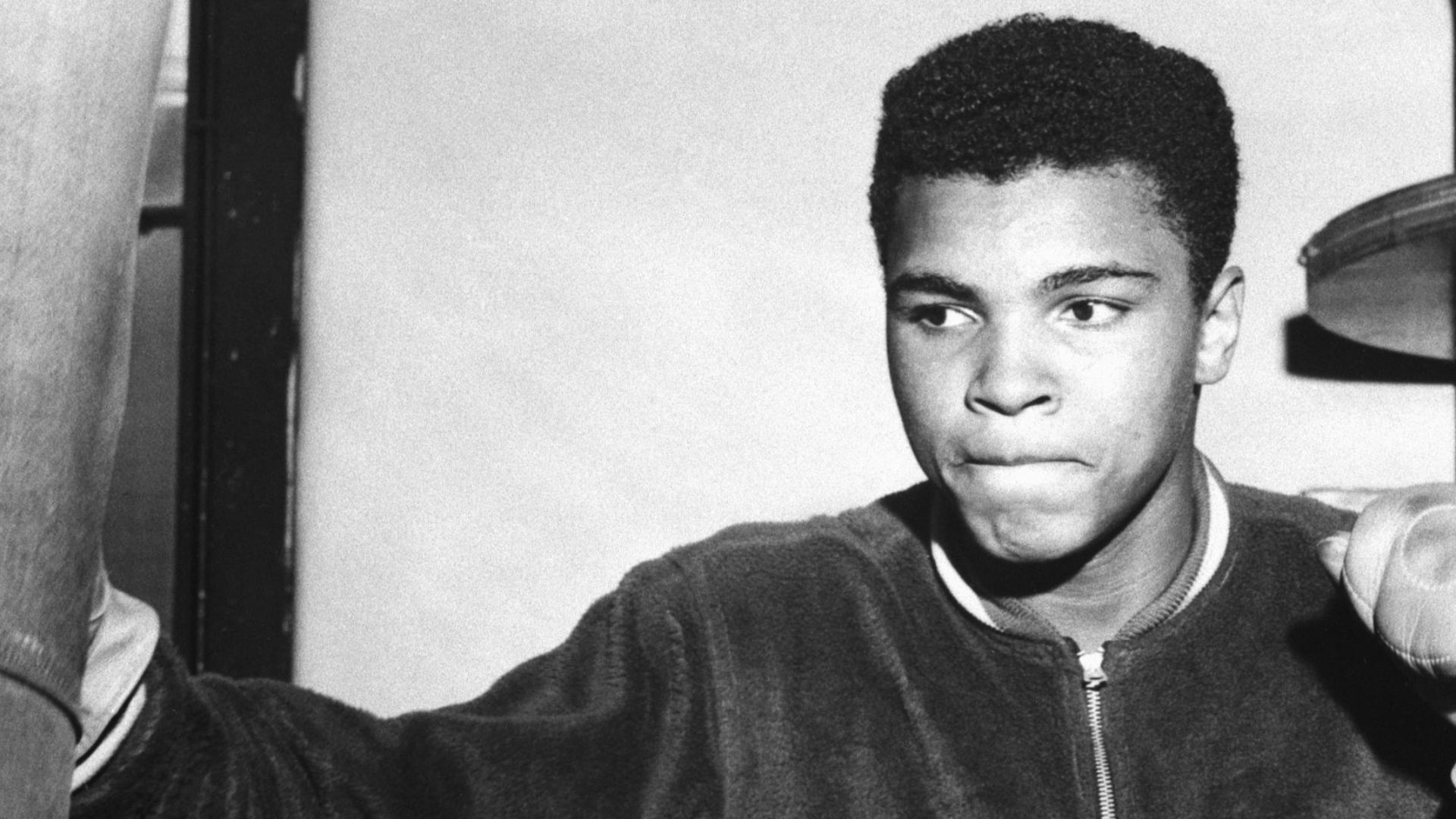 G.C. London Publishing, Wikimedia Commons
There Was More Than One Johnny Cash
These friendships brought out different sides of Cash. He could encourage a young songwriter, talk faith with an evangelist, exchange poems with a boxer, or give a prison inmate a chance. He could also face the painful limits of what friendship could do. That part of his story stayed with him.
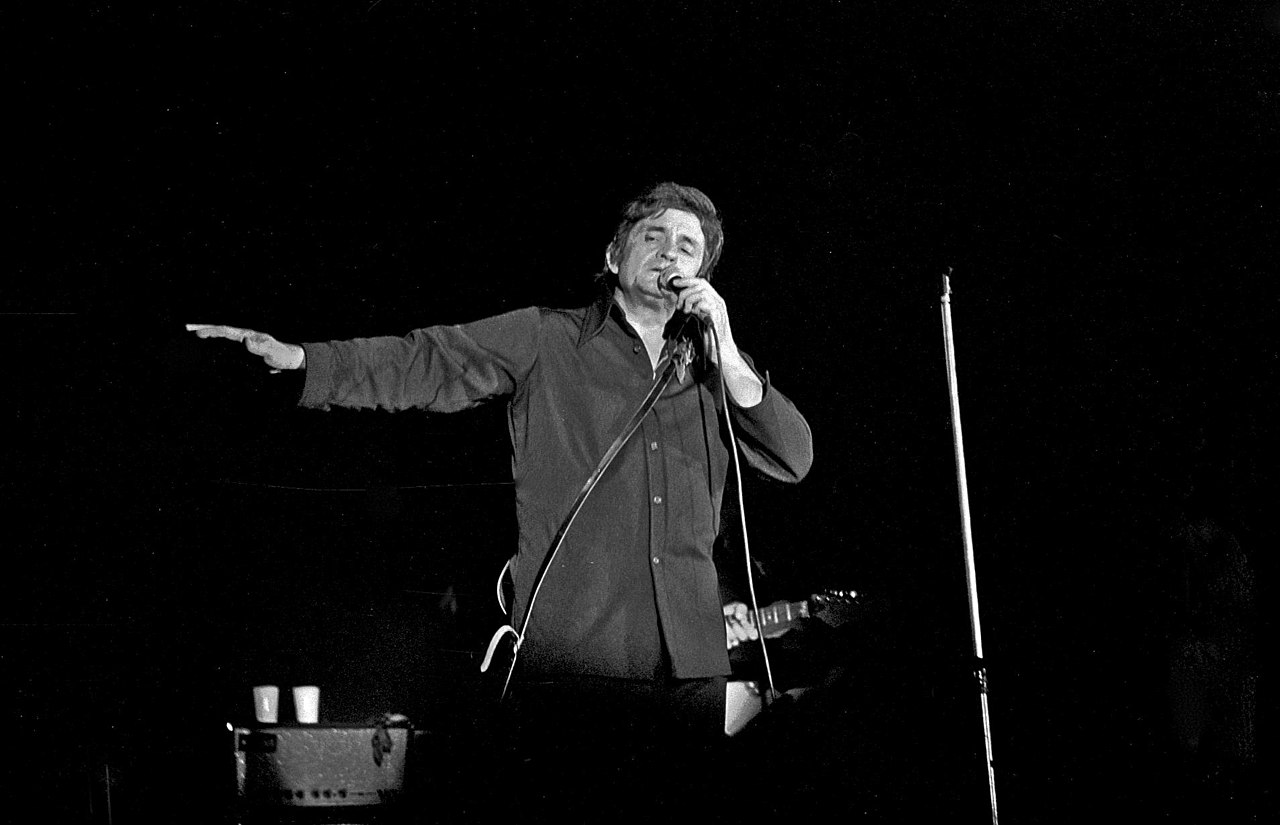 Heinrich Klaffs, CC BY-SA 2.0, Wikimedia Commons
You Might Also Like:
Timeless Songs About Travel And Adventure That Make The Open Road Feel Impossible To Resist
1970s Singers Who Had One Big Hit And Then Seemed To Disappear
1980s Love Songs Generation X Can Still Recognize After Hearing Just Three Notes