When Less Somehow Became More
Minimalism doesn't always mean quiet, slow, or delicate. Sometimes it's a single bassline, a stubbornly repeated riff, a nearly empty drum pattern, or a handful of sounds given enough room to become enormous. These songs come from wildly different genres, but they all understand the same trick: remove what isn't necessary, repeat what matters, and let a few carefully chosen elements do far more work than seems possible.
 Michael Ochs Archives/Getty Images
Lou Reed - “Walk On The Wild Side” / “Perfect Day”
Lou Reed could make remarkably little sound like an entire world. “Walk on the Wild Side” revolves around Herbie Flowers' unforgettable double-bass and electric-bass figure, brushed drums, acoustic guitar, and Reed's nearly conversational vocal. “Perfect Day” works differently but remains similarly restrained, beginning around piano and a small rhythm section before Mick Ronson's orchestration gently expands it. Neither song rushes to fill every empty space, which makes every addition feel more important.

Talking Heads - “This Must Be The Place (Naive Melody)” / “Moon Rocks”
Talking Heads were famous for complicated polyrhythms, but “This Must Be the Place” gets hypnotic through almost stubborn simplicity. Tina Weymouth and Jerry Harrison switched instruments, and repeating guitar and synth-bass figures essentially run through the entire song without conventional musical showing off. “Moon Rocks” pushes the same idea toward funk, riding repetitive rhythm parts and clipped electronic textures until a small collection of patterns starts feeling surprisingly dense.
 Michael Markos - [email protected], Wikimedia Commons
Sufjan Stevens - “Fourth Of July”
“Fourth of July” hardly seems to move, which is exactly why it hits so hard. Sufjan Stevens sings quietly over dark synthesizer tones that answer him and then retreat, leaving the words almost completely exposed. Instead of building toward a huge cathartic climax, the studio version becomes increasingly resigned. The repetition at the end works because Stevens doesn't decorate it. He simply lets one devastating thought sit there until it becomes impossible to ignore.
 Nina Corcoran, CC BY 2.0 Wikimedia Commons
Portishead - “The Rip”
“The Rip” begins almost like Portishead have forgotten to bring most of their equipment. Beth Gibbons sings over a tiny acoustic-guitar figure, with the arrangement deliberately leaving enormous spaces around her voice. Then an electronic arpeggio gradually enters and transforms the song without actually making it crowded. Portishead reportedly constructed that sequence note by note because their equipment couldn't perform it automatically, turning a simple pattern into something strangely otherworldly.

Kendrick Lamar - “Meet The Grahams”
The production on “Meet the Grahams” barely changes because it doesn't need to. The Alchemist gives Kendrick Lamar an eerie piano loop and little else, creating a claustrophobic background for a performance structured as a series of direct addresses. Instead of using enormous drums or constant beat switches to create tension, the track lets repetition become unsettling. The piano keeps circling while Lamar changes the emotional temperature almost entirely through his delivery.

Wu-Tang Clan - “C.R.E.A.M.” / “Da Mystery Of Chessboxin'”
RZA understood how much atmosphere could come from a tiny fragment of an old record. “C.R.E.A.M.” builds its entire emotional world around chopped piano from the Charmels' “As Long as I've Got You,” a spare beat, and voices that sound even harsher because the production isn't competing with them. “Da Mystery of Chessboxin'” is similarly economical, using a repetitive sample and blunt rhythm while letting Wu-Tang's rotating MCs provide most of the movement.

AC/DC - “Let There Be Rock”
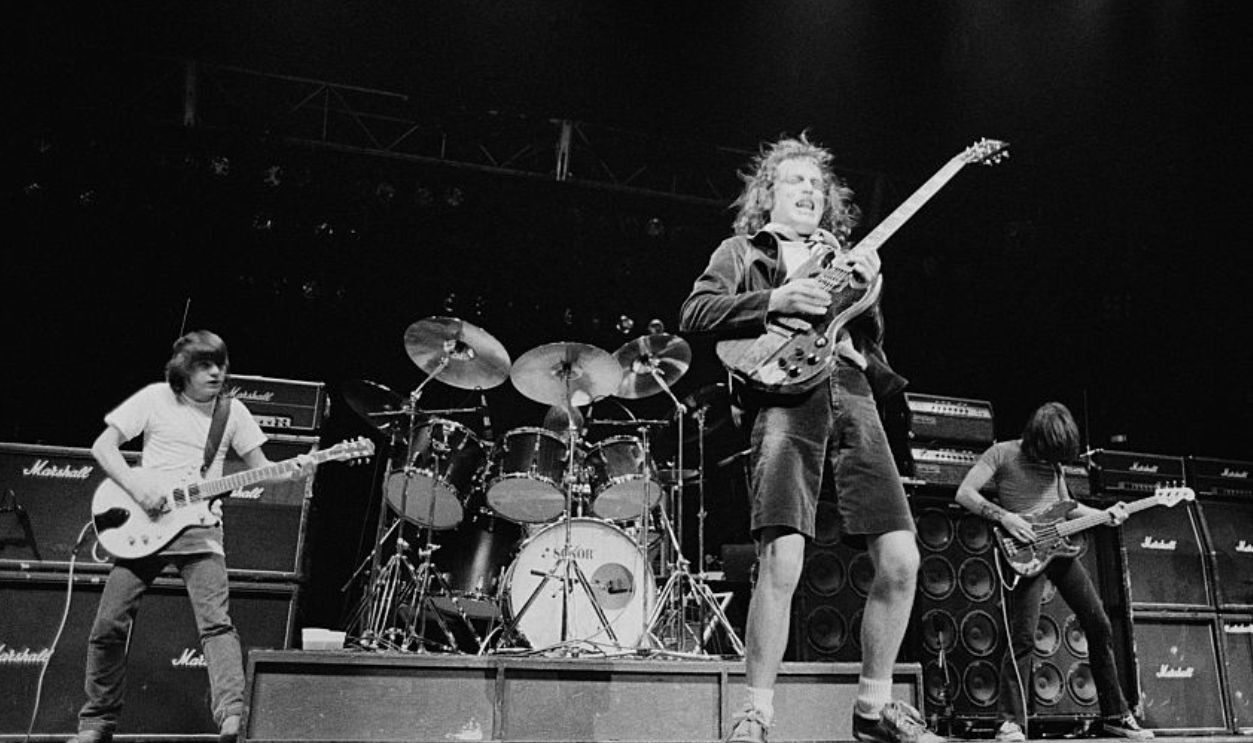
AC/DC prove that minimalism doesn't have to sound restrained. “Let There Be Rock” is loud, frantic, and physically exhausting, but its basic recipe is remarkably lean: guitar, bass, drums, vocals, and a riff hammered until it feels monumental. Angus and Malcolm Young rarely clutter the arrangement with unnecessary decoration. Everything serves the groove and momentum. The Guardian's minimalist-song project put it perfectly by treating AC/DC as masters of creating maximum force from very few ingredients.
Kraftwerk - “Computer Love” / “The Model”
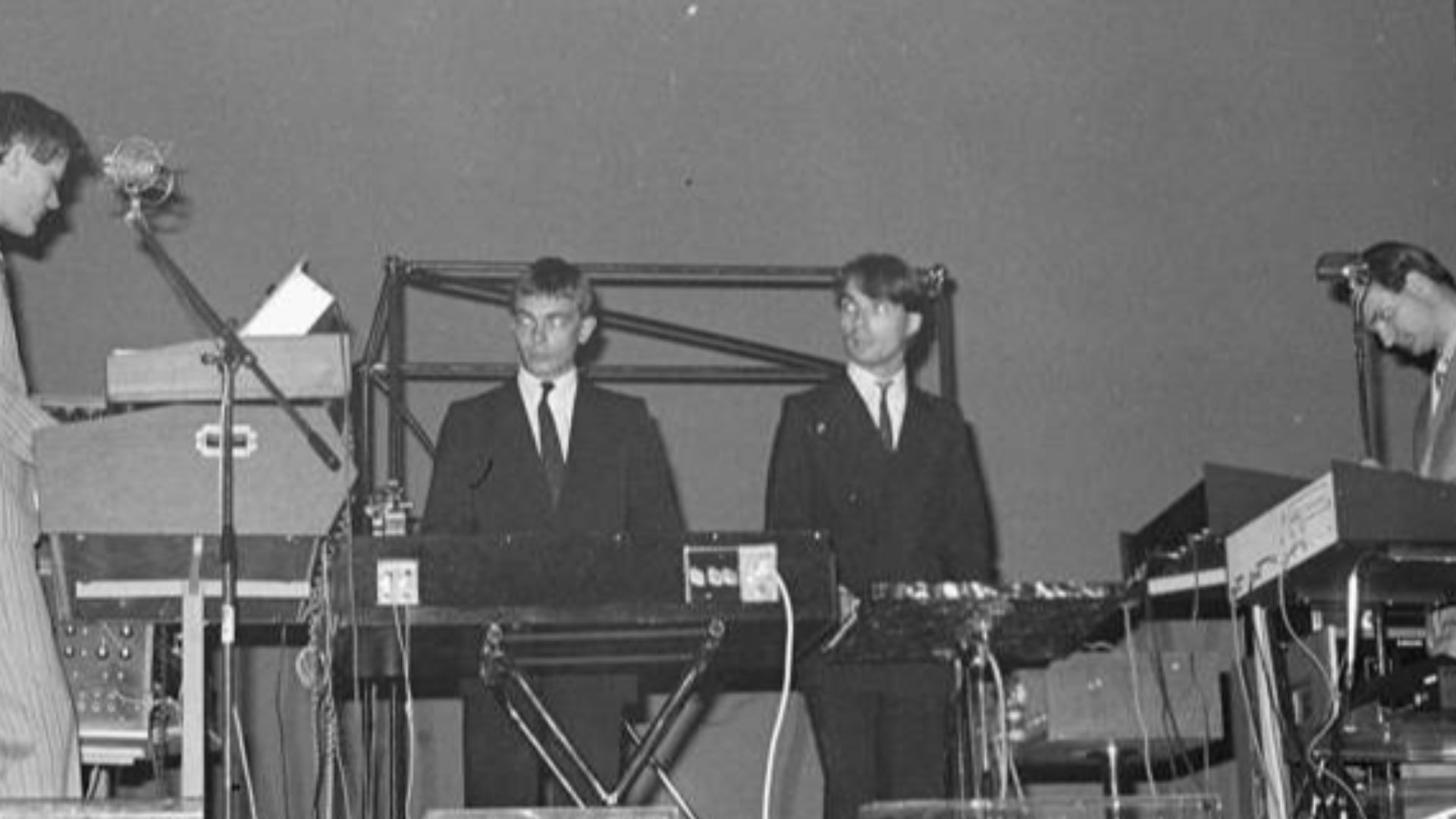
Kraftwerk made repetition feel futuristic instead of limiting. “Computer Love” stretches a beautifully simple electronic melody across a restrained machine rhythm, giving the song a strange loneliness that countless later synth-pop artists borrowed from. “The Model” is even more compact, built around spare percussion, a simple progression, and an instantly recognizable melody. Kraftwerk's secret wasn't piling on technology. It was knowing exactly how little of it they actually needed.
Fugazi - “Slo Crostic”
“Slo Crostic” takes the already jagged “Caustic Acrostic” and essentially dismantles it. Released on Fugazi's Instrument soundtrack, the slower reinterpretation strips away the frantic momentum and leaves the band's rhythmic architecture sitting in the open. Bass, drums, and guitar don't need to compete for attention because each part has room to register individually. It's a neat reminder that Fugazi's power was never simply about speed or volume. The arrangements underneath were doing just as much work.
 Tim Trentham from Austin, USA, Wikimedia Commons
Syd Barrett - “Baby Lemonade”
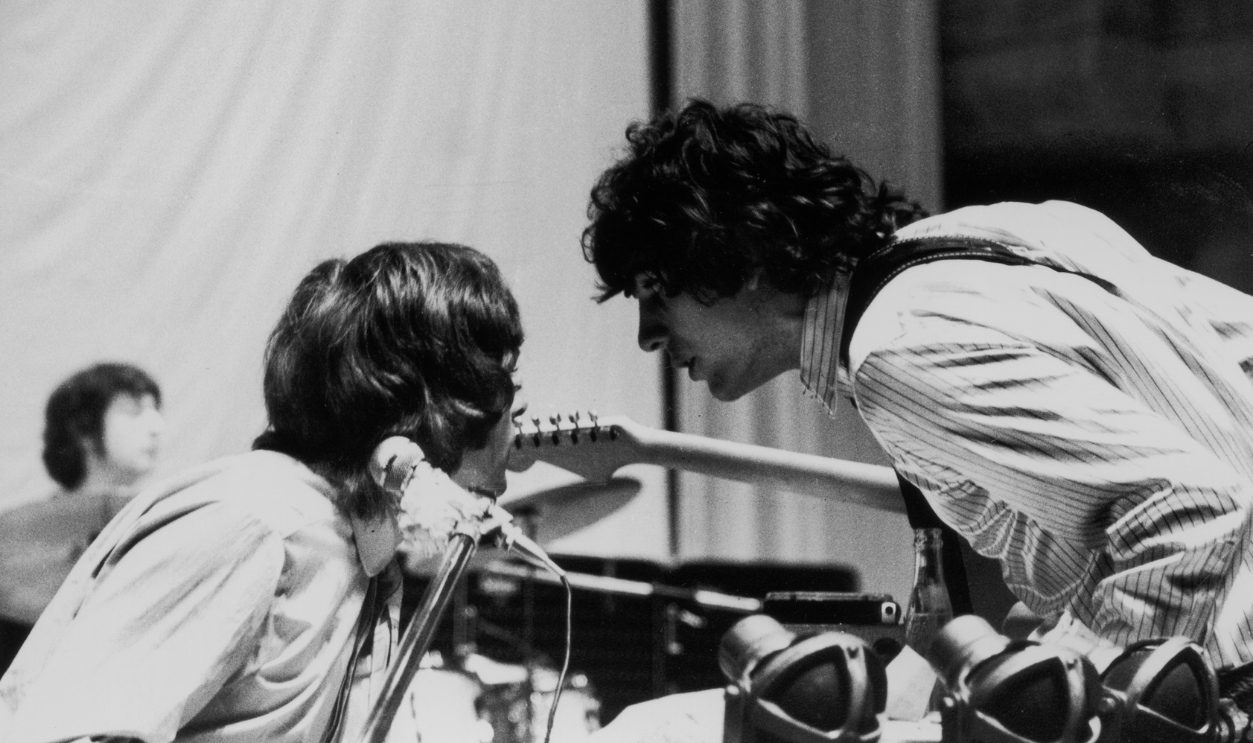
“Baby Lemonade” is fuller than some of the starkest songs here, but its power comes from a loose, repetitive foundation rather than a polished wall of production. The opening guitar was reportedly captured while Syd Barrett was simply warming up and then incorporated into the track. That accidental quality suits the whole performance. The guitar patterns repeat and wander while Barrett's voice makes the song feel simultaneously playful, detached, and slightly unstable.
Lorde - “Ribs”
“Ribs” starts almost weightlessly, with Lorde's voice floating inside hazy electronics, but the repetition gradually becomes overwhelming. Joel Little's production leaves plenty of room while vocal lines begin stacking and circling one another, creating the sensation that the song is accelerating emotionally without dramatically changing its basic ingredients. That restraint fits its subject perfectly: teenage excitement slowly turning into anxiety over the uncomfortable realization that growing up isn't optional.

Grimes - “Oblivion”
“Oblivion” sounds enormous despite being constructed from relatively simple electronic ingredients. A blunt synth-bass figure and programmed beat establish the track almost immediately, allowing Grimes' bright, high vocal melody to carry the rest. The contrast matters. The instrumental feels mechanical and repetitive while her voice sounds strangely vulnerable above it. Rather than constantly introducing new sections, the song keeps returning to a small group of sounds until they become instantly recognizable.

FKA Twigs - “Cellophane”
FKA twigs usually surrounds herself with unusual electronic detail, so the emptiness of “Cellophane” felt startling. A slowly moving piano, occasional strings, tiny percussive noises, and distant electronic textures leave her vocal almost completely unprotected. As her falsetto climbs, there isn't a giant beat waiting underneath to rescue her. The arrangement makes vulnerability feel physically enormous because there's practically nowhere for either the singer or the listener to hide.

Radiohead - “Daydreaming”
Radiohead can make extraordinarily complicated music, but “Daydreaming” proves they don't always have to. The song begins with a simple, melancholy piano figure beneath Thom Yorke's fragile vocal, then slowly admits orchestral textures, electronics, and reversed sounds. Very little happens in the conventional pop sense, yet the atmosphere keeps deepening. The repeated piano feels less like accompaniment than a place the song is trapped inside and can't quite escape.

Gang Of Four - “Damaged Goods”
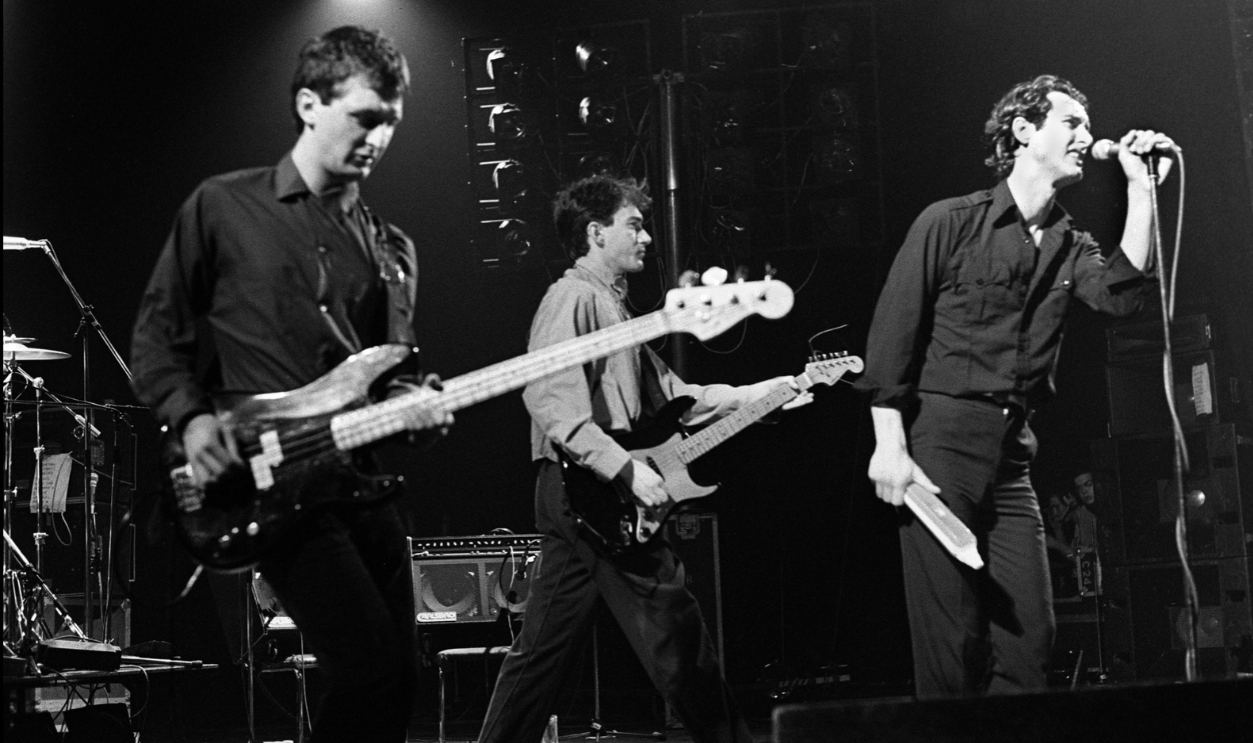
Gang of Four understood that leaving things out could make punk sound more aggressive. On “Damaged Goods,” Dave Allen's bass supplies much of the melodic movement while Andy Gill's guitar chops into the empty spaces with short, abrasive bursts. The instruments rarely blur together into a wall of sound. They're separated and exposed, almost arguing with one another. That skeletal mixture of funk rhythm and punk hostility became hugely influential on later post-punk and alternative rock.
Cult Hero - “I Dig You”
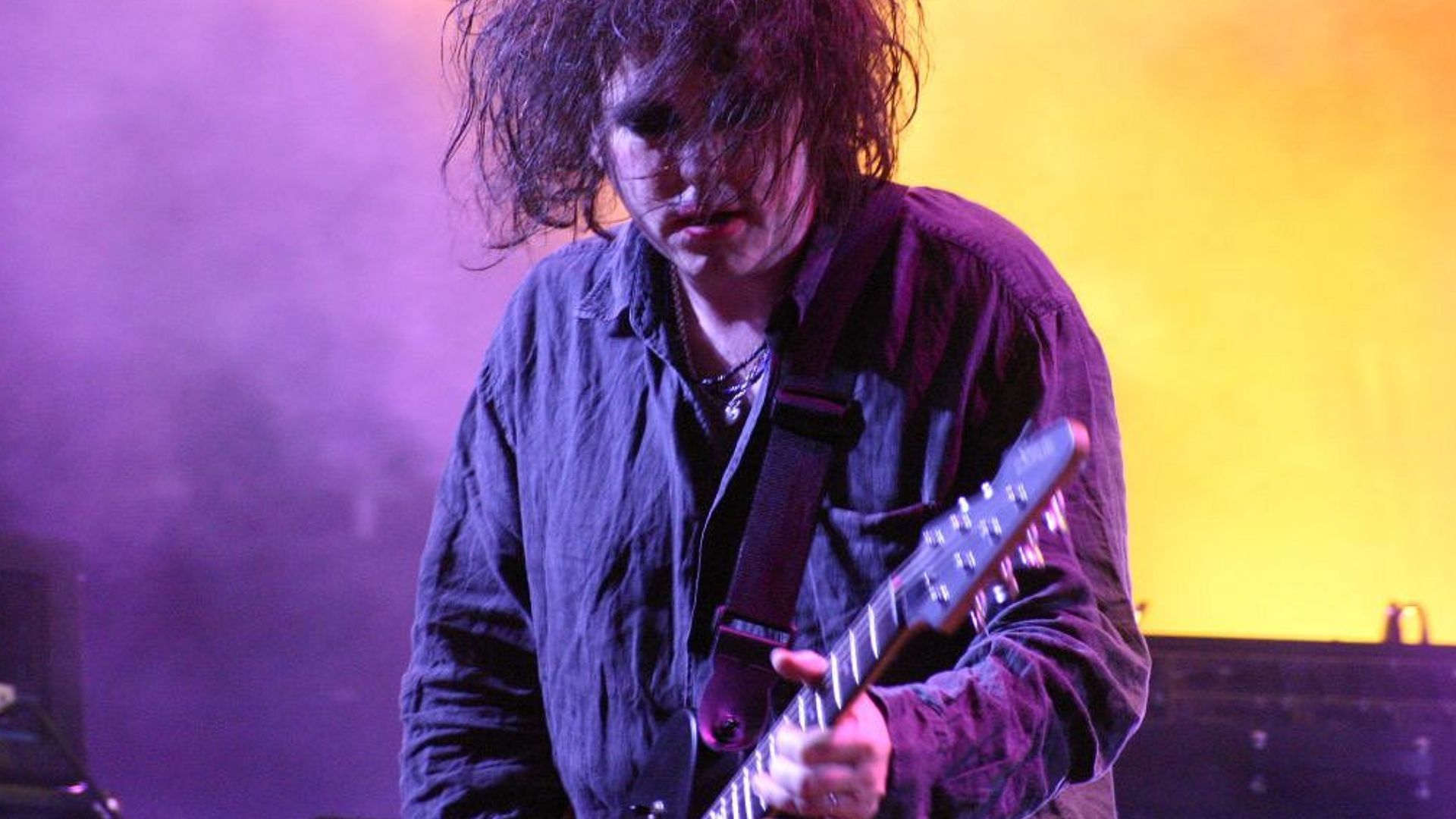
Cult Hero was essentially a Cure-related experiment built around Horley postman Frank Bell, with Robert Smith and Simon Gallup using the project partly to test how well they worked together. “I Dig You” has an almost deliberately primitive charm, depending on repetition, direct rhythm, and Bell's unpolished vocal personality rather than elaborate songwriting. There's very little disguising the basic idea, which is exactly why the track has the odd, homemade magnetism of a great obscure single.
 Alexander Blum, Wikimedia Commons
Sigur Rós - “Njósnavélin”
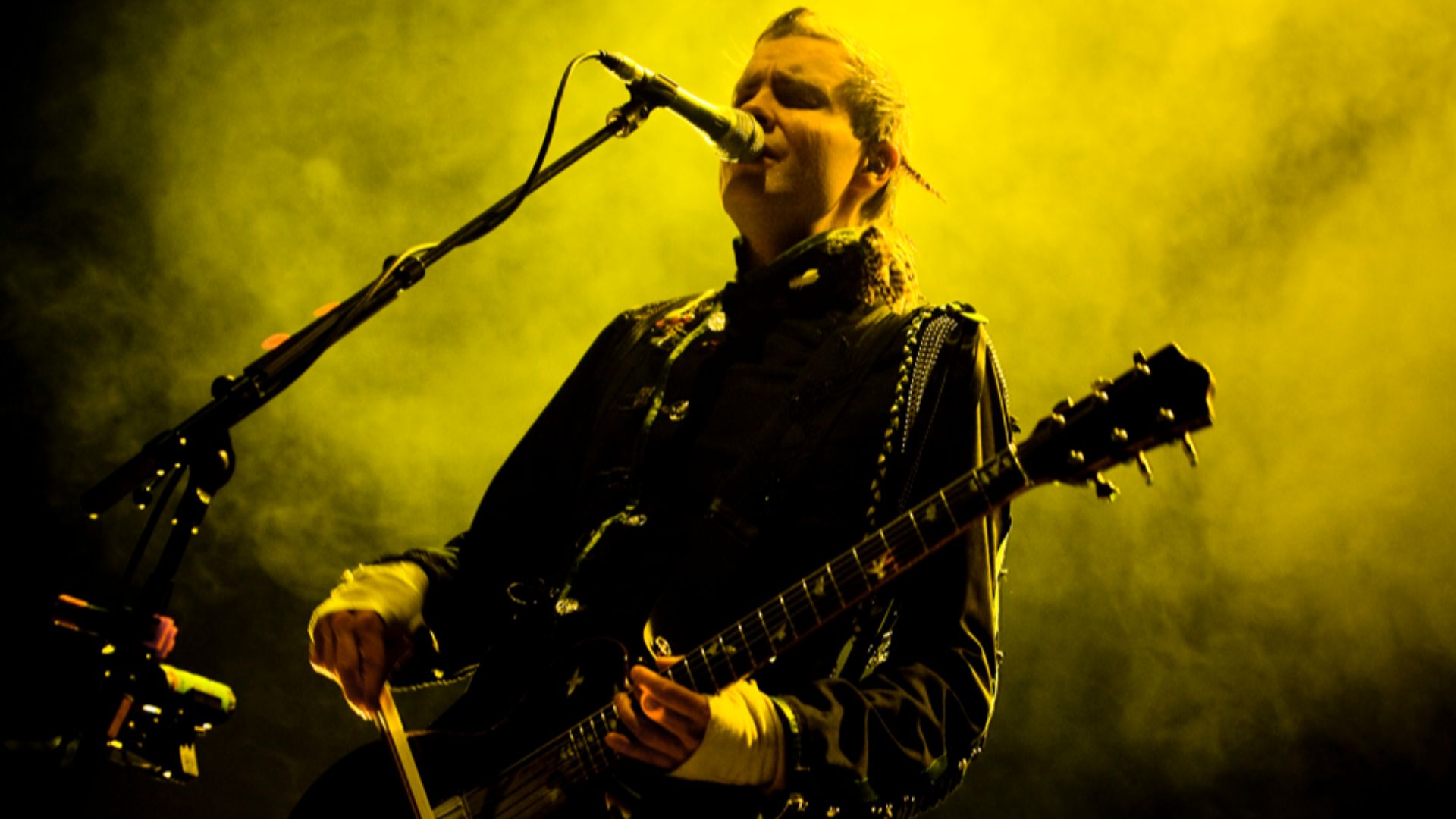
Officially “Untitled #4,” “Njósnavélin” comes from Sigur Rós' deliberately unnamed 2002 album ( ). The group reduced language itself, using Jónsi's invented Hopelandic syllables rather than conventional lyrics. The arrangement builds patiently around piano, guitar, bass, and slowly developing textures, leaving listeners free to attach their own meaning to the sounds. Nothing is hurried, and the repeated musical shapes gradually become much larger emotionally than their individual parts suggest.
 José Goulão from Lisbon, Portugal, Wikimedia Commons
The Roots - “Web”
“Web” reduces hip-hop to almost brutally basic materials. Questlove's metronomic drumming and a bassline centered around a single note provide the foundation while Black Thought delivers an uninterrupted torrent of bars. There's no catchy chorus arriving to give him a break and no elaborate arrangement competing for attention. The instrumental exists mainly to create forward motion, which makes Black Thought's breath control, rhythm, and verbal precision sound even more imposing.

James Brown - “Ain’t It Funky Now Pts. 1 And 2”
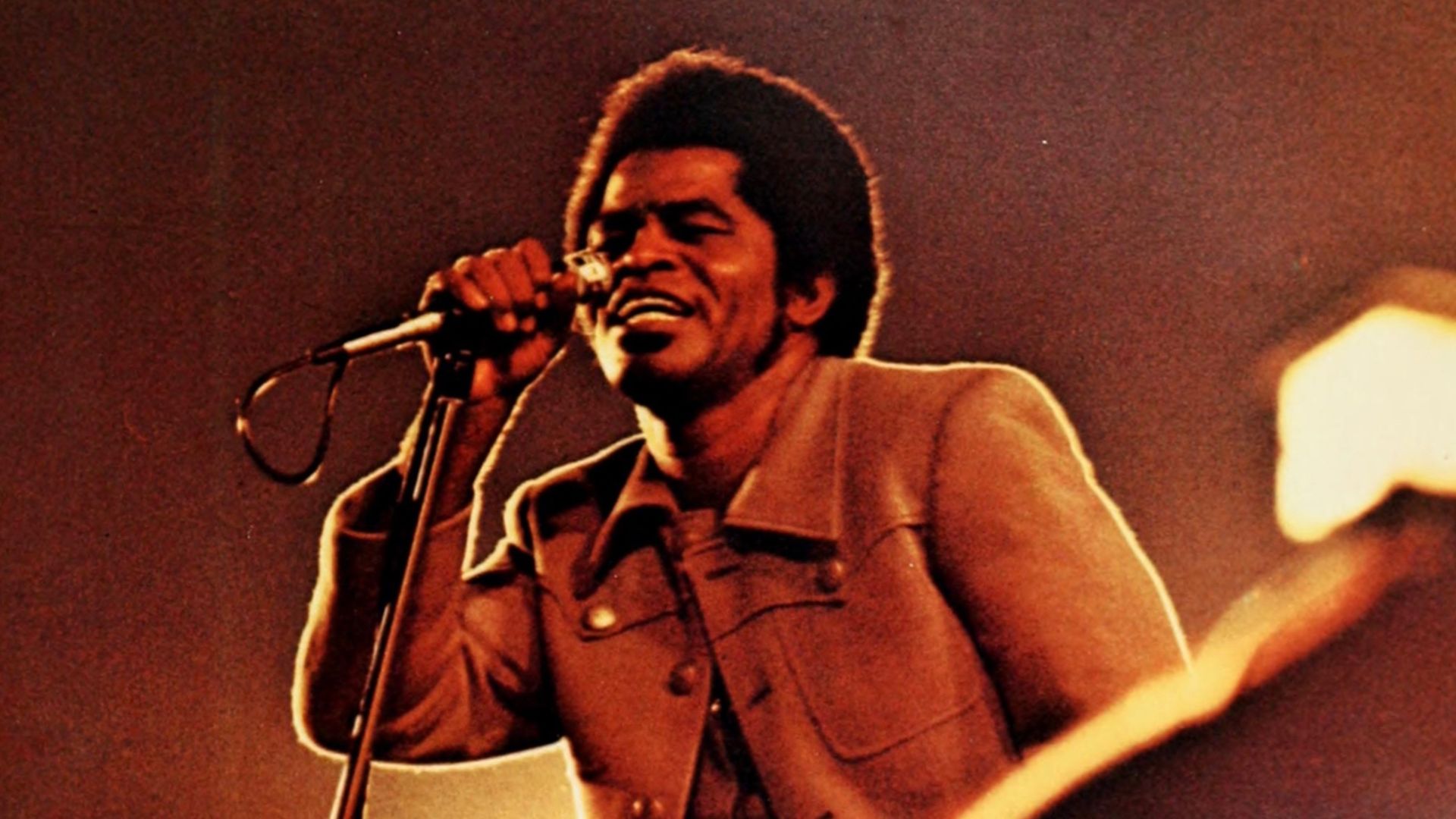
James Brown's band could explode whenever it wanted, which makes the restraint of “Ain't It Funky Now” even more impressive. Jimmy Nolen and the rhythm section lock into an economical groove and resist the temptation to resolve its tension with unnecessary flourishes. The repeated riff becomes more addictive precisely because it isn't constantly changing. Funk's great minimalist lesson was that a single perfectly placed rhythmic idea could matter more than an entire pile of chords.
 Uncredited photographer for the Jambalaya, Wikimedia Commons
Björk - “Cocoon”
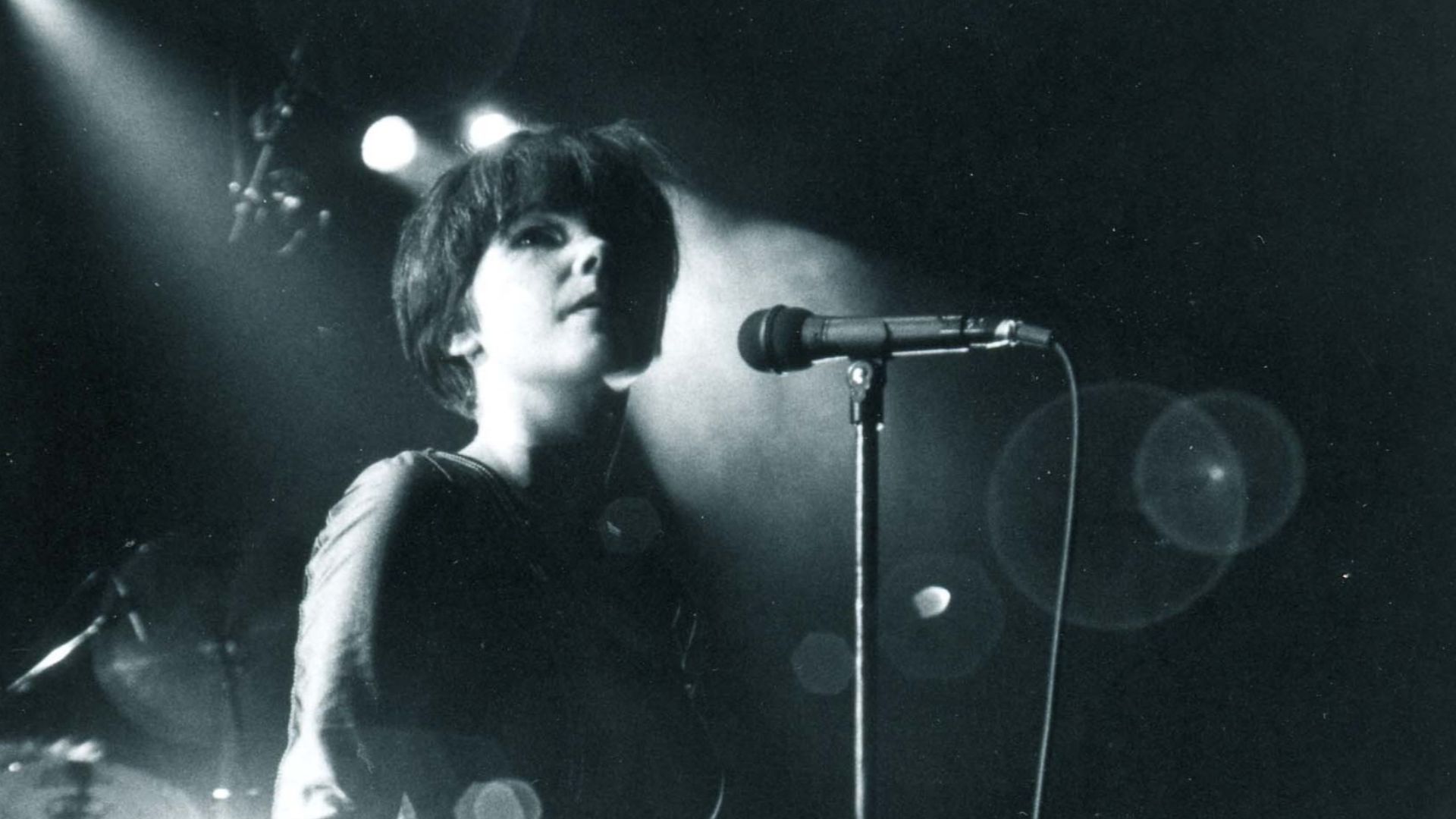
“Cocoon” sounds almost microscopic. Björk whispers rather than belts while tiny electronic pulses, delicate textures, and barely perceptible rhythmic details surround her. Vespertine was built around intimate sounds and microbeats, but this track takes the idea particularly far. The quiet production doesn't make the song emotionally small. It magnifies breaths, pauses, and slight vocal changes until they carry the weight that a massive chorus or orchestral climax normally would.
 Masao Nakagami, Wikimedia Commons
You May Also Like:
Songs That Became Soundtracks To Some Of Gaming's Most Unforgettable Moments
1980s Love Songs Generation X Can Still Recognize After Hearing Just Three Notes
Songs That Made Stadium Rock A Global Phenomenon—How Many Do You Remember?