Some Songs Were Simply Too Big For Small Rooms
Stadium rock was never just about enormous amplifiers and even bigger hair. The songs that truly conquered arenas had riffs, chants, hooks, or choruses that could turn thousands of strangers into one crowd within seconds. Some were written with that scale in mind, while others somehow escaped their original context and became stadium property forever.
Survivor – “Eye Of The Tiger”
Few songs announce competition as efficiently as “Eye of the Tiger". Written for 1982’s Rocky III, its pounding opening riff and tightly controlled rhythm made it inseparable from training montages, sporting events, and comeback narratives. Long after the movie left theaters, stadiums kept using the song whenever somebody needed to feel as though the next few minutes were about to decide everything.
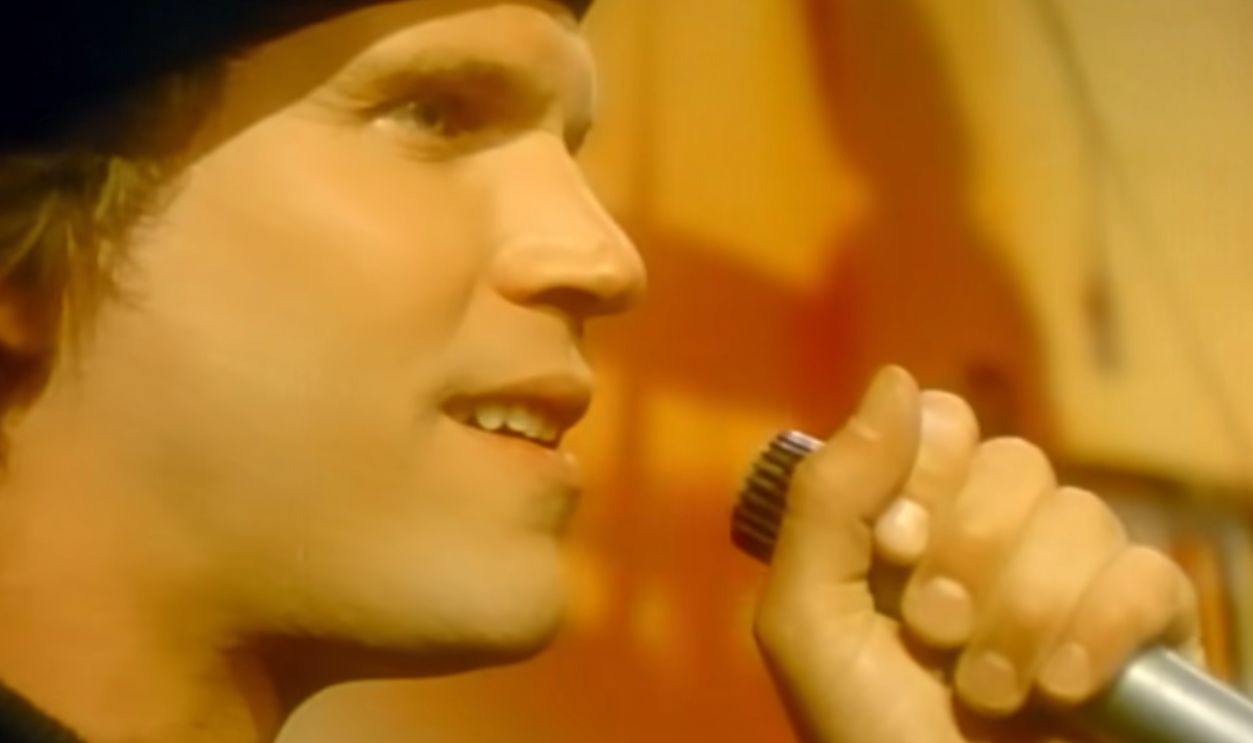 Screenshot from Eye Of The Tiger, Sony Music Entertainment (1982)
The Romantics – “What I Like About You”
“What I Like About You” wasn’t a gigantic chart hit when it first appeared, but stadium culture gave it an unusually long second life. The handclaps, harmonica, relentless beat, and instantly understandable chorus make it perfect for dance cams and crowd shots. It’s the kind of song that sounds considerably bigger when 30,000 people are bouncing along with it.
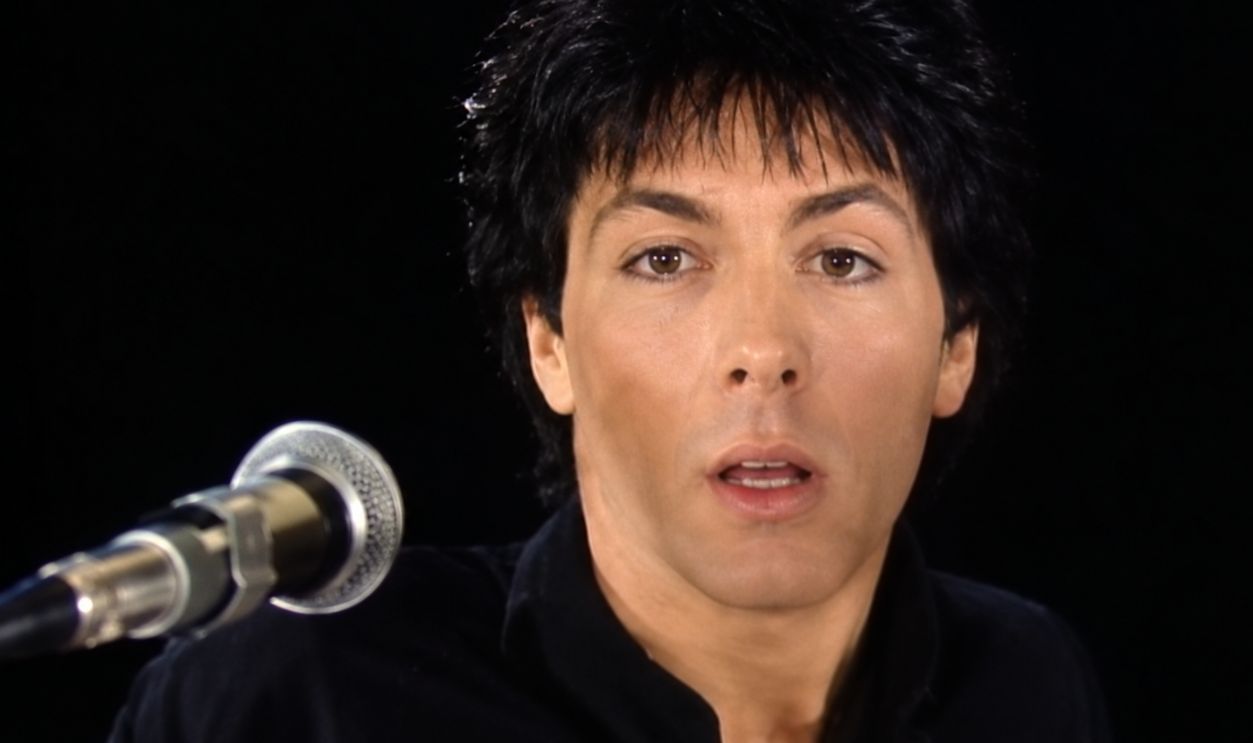 Screenshot from What I Like About You, Sony Music Entertainment (1979), enhanced
Queen – “Another One Bites The Dust”
John Deacon’s bass line does most of the work before Freddie Mercury even needs to take control. “Another One Bites the Dust” has a swagger that makes it ideal when the home side has just eliminated, struck out, or otherwise humiliated an opponent. Queen understood scale unusually well, and this song turns even a short burst over a stadium sound system into something theatrical.
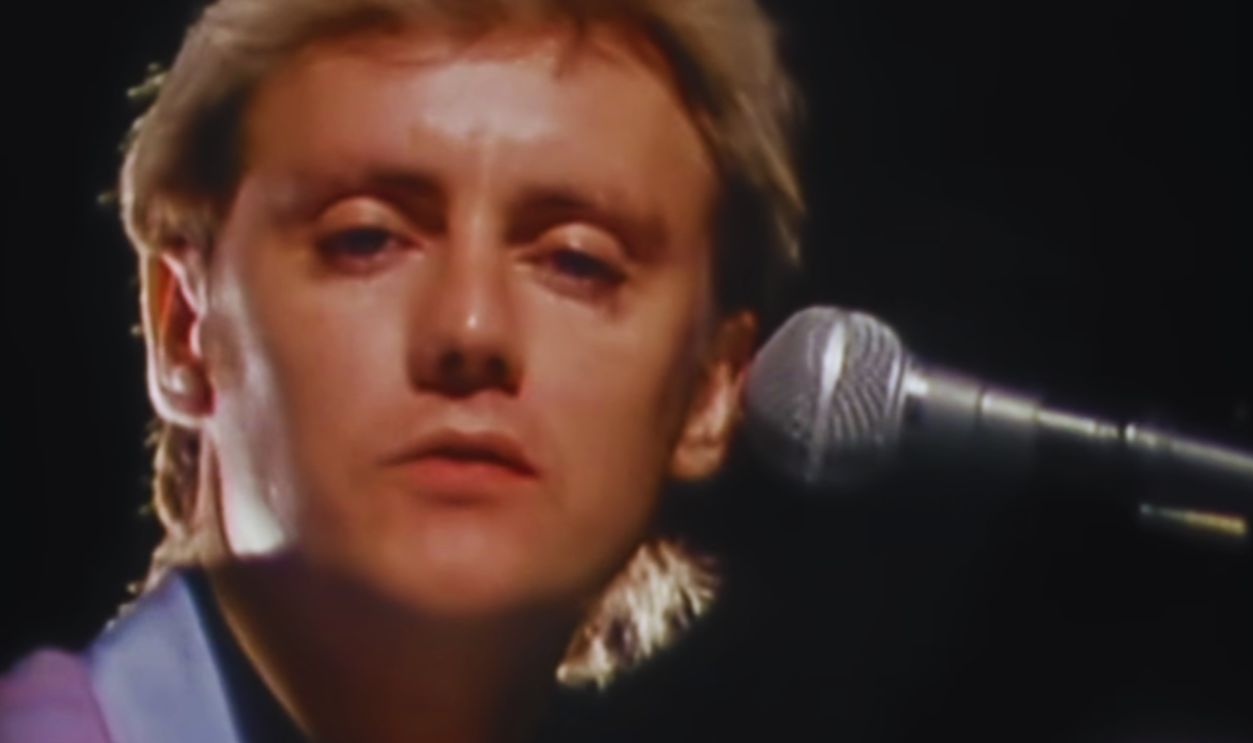 Screenshot from Another One Bites The Dust, Hollywood Records (1980)
AC/DC – “Thunderstruck”
That opening guitar figure feels almost designed to travel around the upper deck of a stadium. By the time the crowd starts responding to it, “Thunderstruck” has created anticipation before the full band has properly arrived. Sports teams have used it for entrances, kickoffs, and hype sequences because AC/DC managed to make tension itself sound enormous.
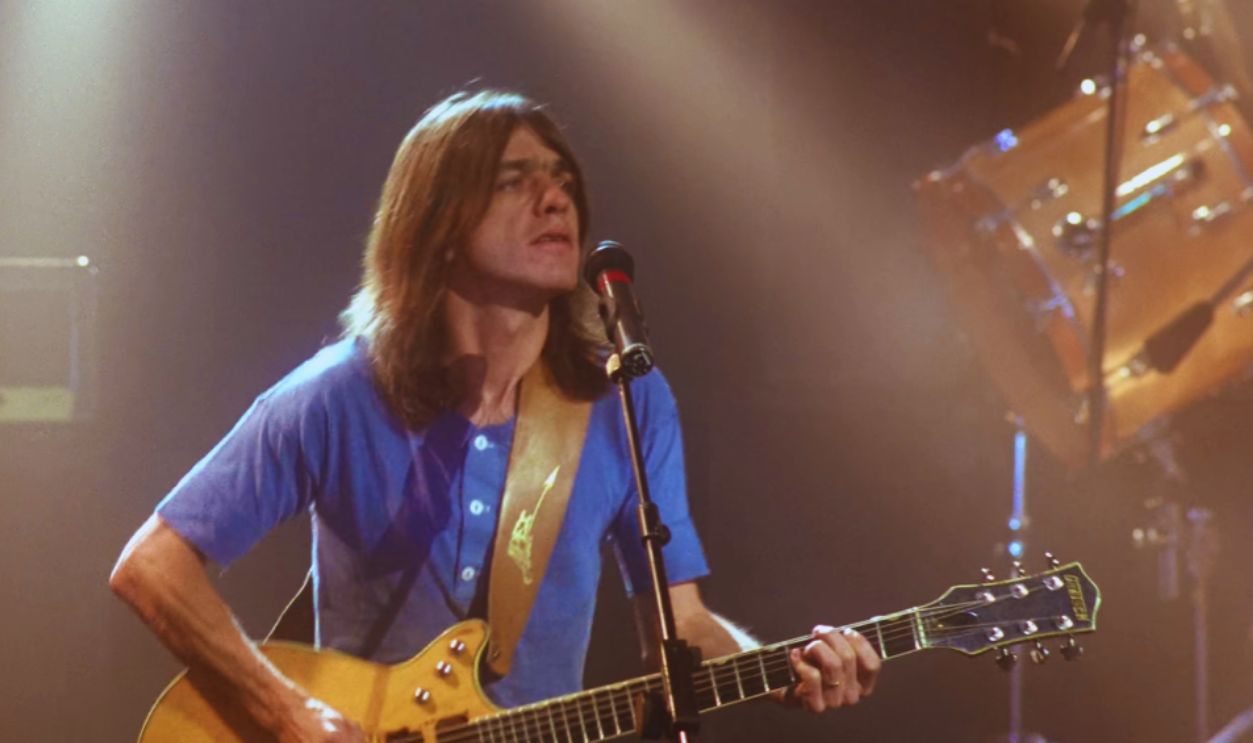 Screenshot from Thunderstruck, Sony Music Entertainment (1990)
Journey – “Don’t Stop Believin’”
“Don’t Stop Believin’” has become bigger than almost any single audience Journey could have imagined in 1981. The opening piano is recognizable immediately, but the song patiently withholds its biggest communal payoff until late, which makes the eventual singalong feel earned. Steve Perry has even joined San Francisco Giants crowds in singing it, neatly connecting its arena-rock origins with its later sporting life.
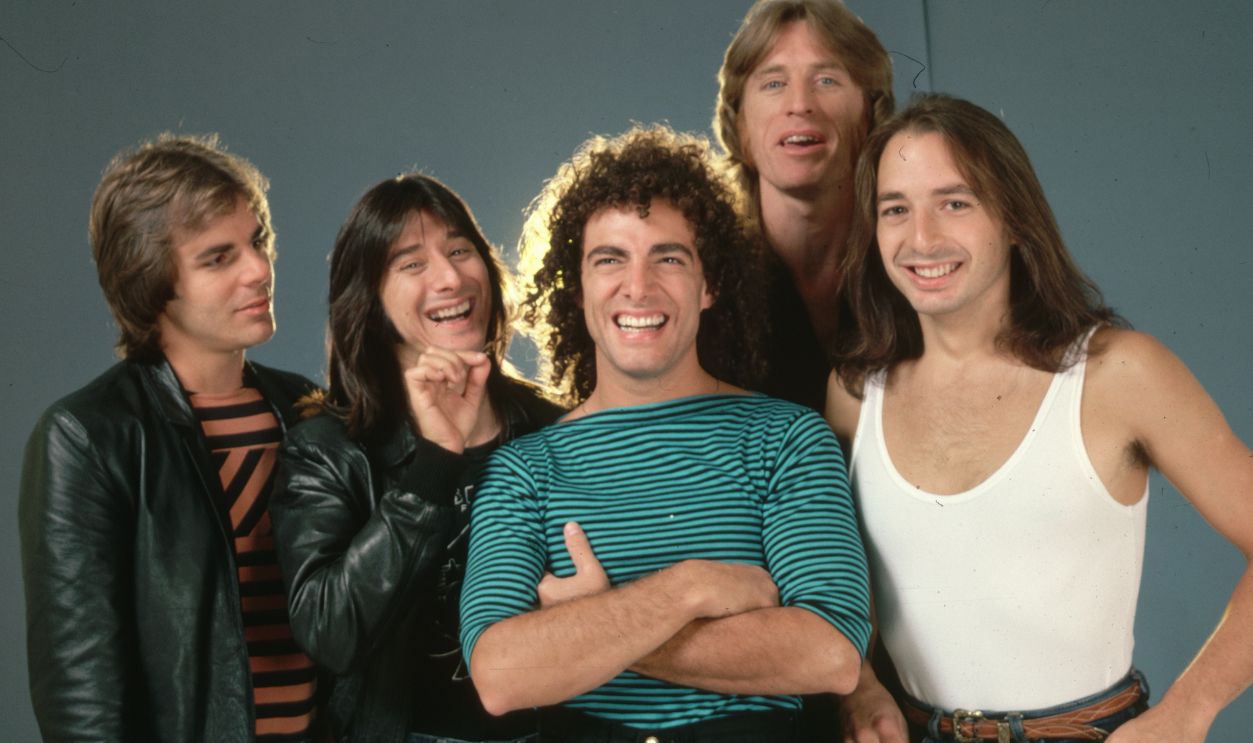
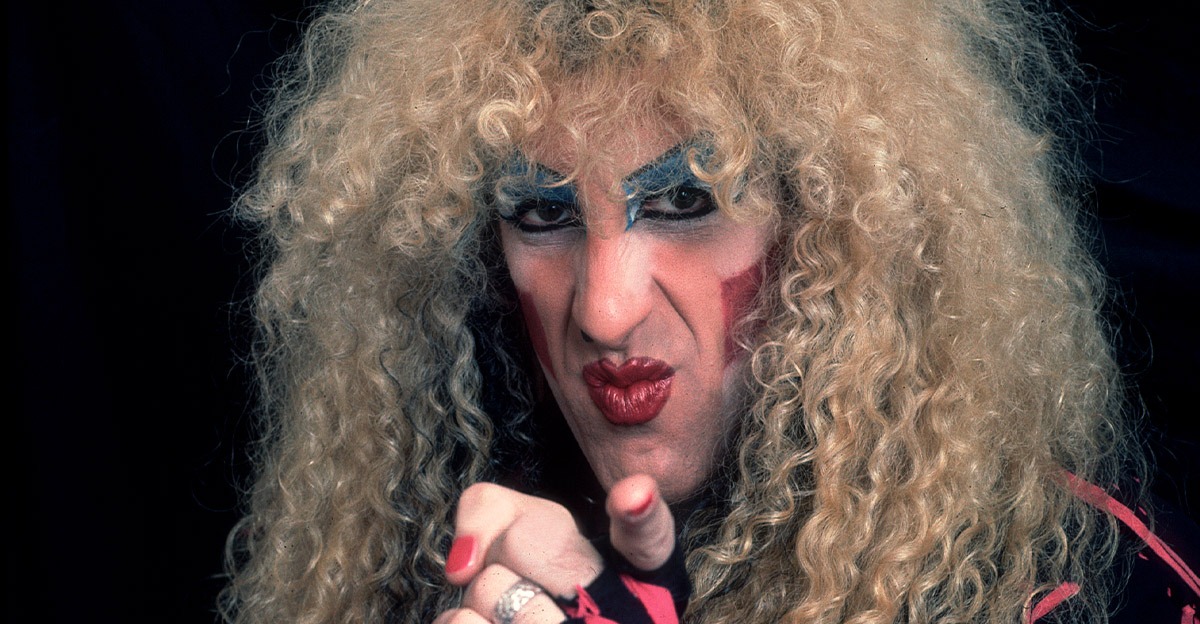
Twisted Sister – “We’re Not Gonna Take It”
A stadium anthem works even better when the title itself sounds like something a crowd would yell. Twisted Sister’s biggest hit turned rebellion into something communal, funny, and unusually easy to shout in unison. What began as an MTV-era hard-rock statement became useful anywhere thousands of people wanted to express defiance at exactly the same time.
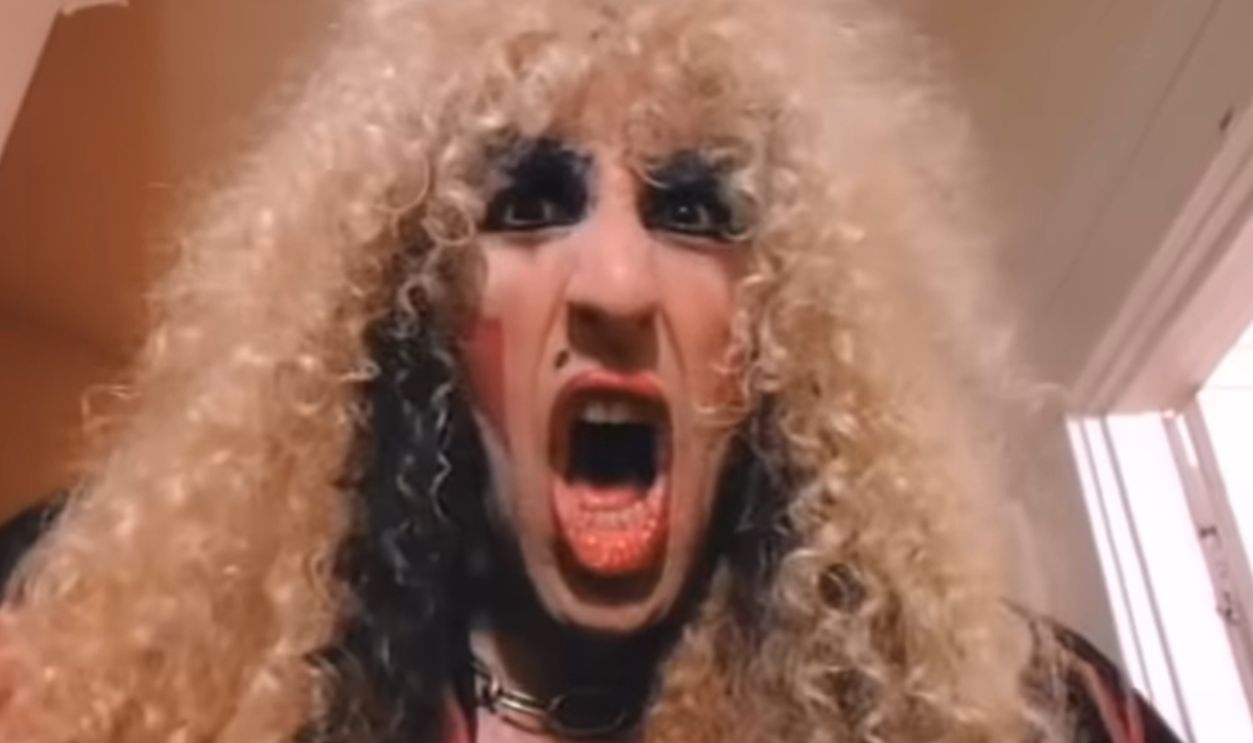 Screenshot from We’re Not Gonna Take It, Warner Music Group (1984)
Ramones – “Blitzkrieg Bop”
The Ramones weren’t an arena-rock band in the conventional sense, which makes the stadium afterlife of “Blitzkrieg Bop” even more satisfying. Its famous opening chant needs no explanation, making it perfectly suited to the few seconds before play resumes at a hockey, basketball, or football game. Punk stripped rock down to its essentials, and stadium DJs discovered that those essentials worked brilliantly at massive scale.
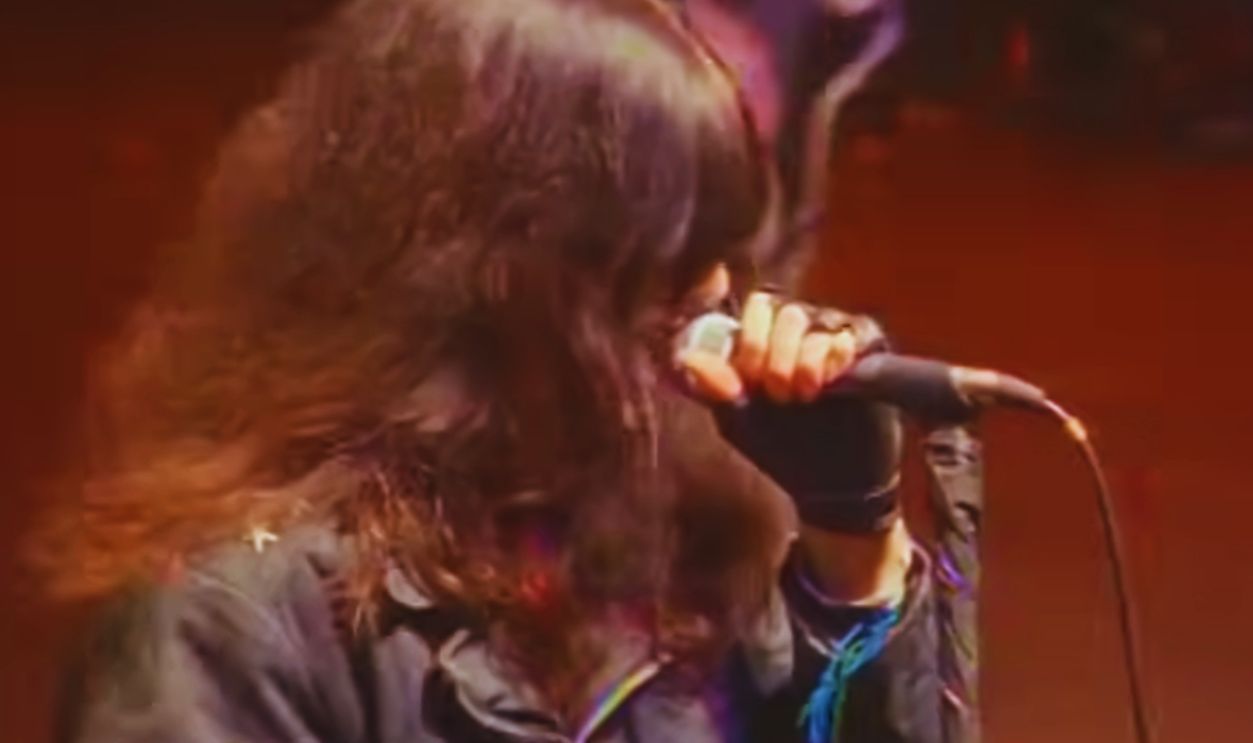 Screenshot from Blitzkrieg Bop, Warner Music Group (1976)
Steam – “Na Na Hey Hey Kiss Him Goodbye”
Stadium crowds eventually transformed this 1969 pop hit into something its creators couldn’t possibly control. The refrain became a musical taunt, especially when an opposing pitcher, player, or team was being sent away. It barely requires the original recording anymore because entire crowds know what to do the moment the melody starts.
The White Stripes – “Seven Nation Army”
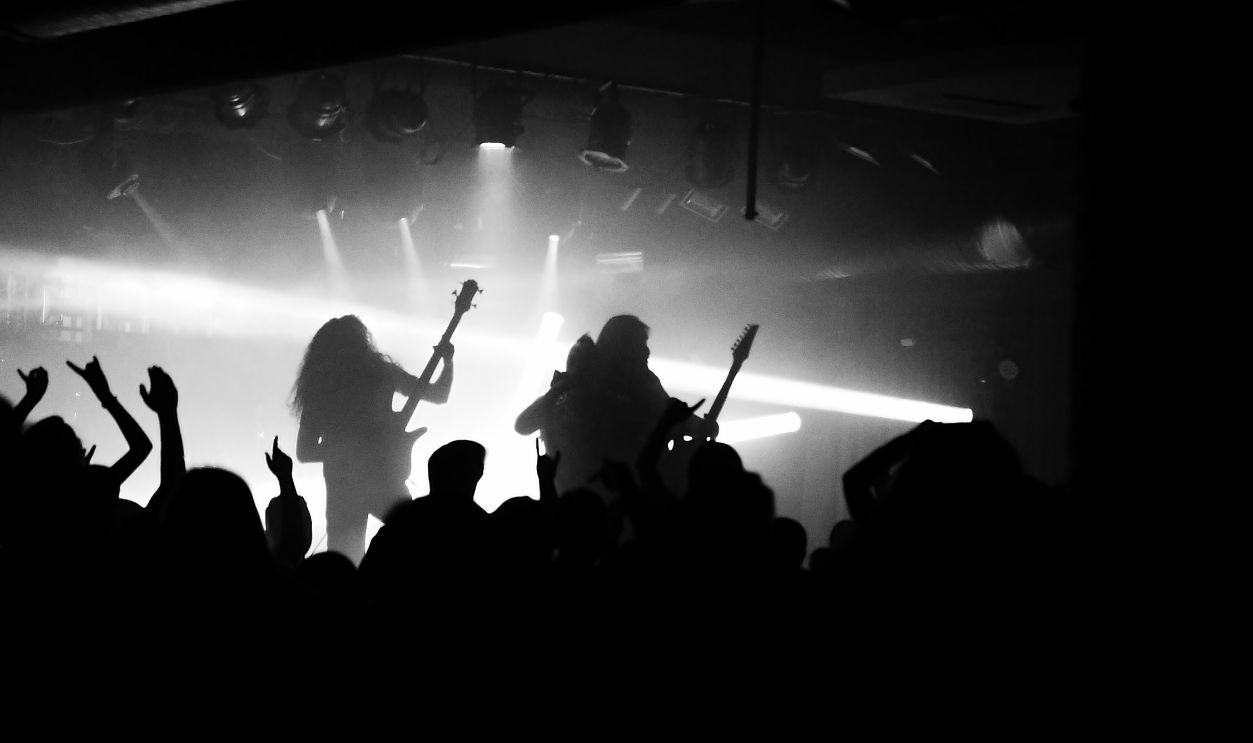
Few modern songs demonstrate the global power of stadium culture better than “Seven Nation Army". Jack White’s riff escaped alternative rock and became a chant heard at soccer matches, football games, festivals, and sporting events across continents. Crowds don’t even need the lyrics. They simply reproduce the riff themselves, turning a 2003 rock song into something closer to an international sporting language.
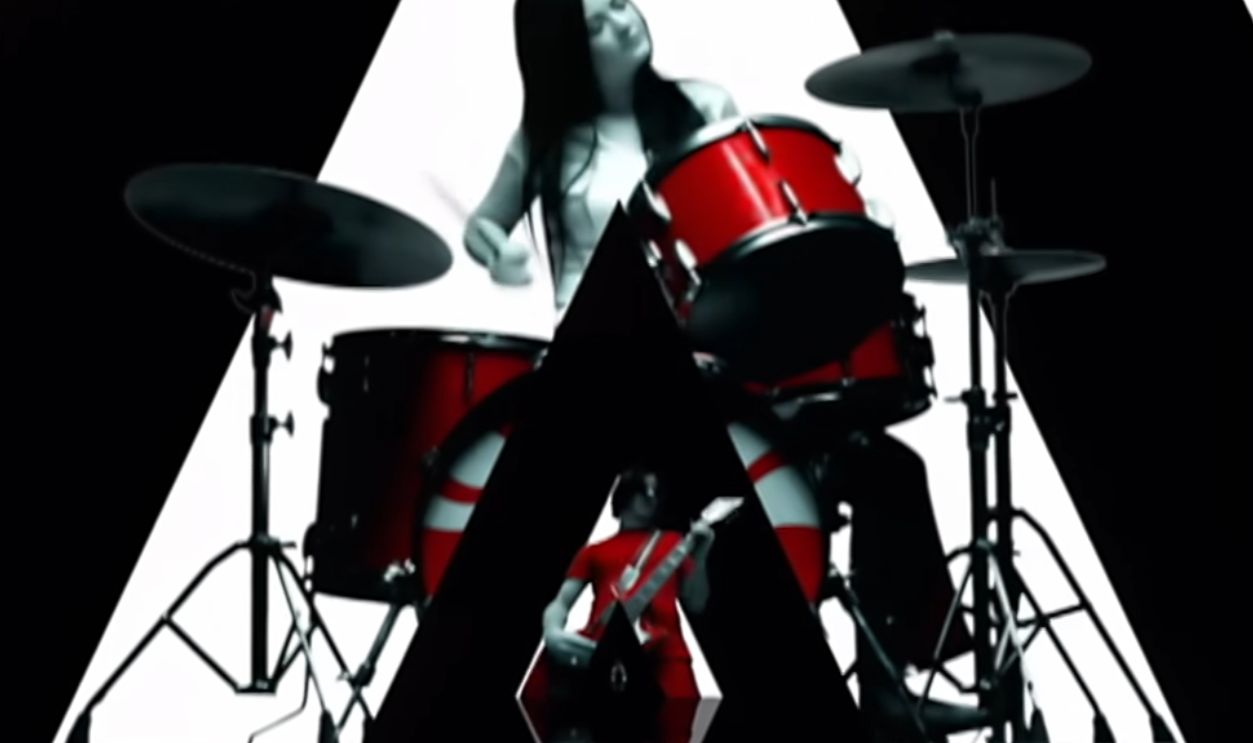 Screenshot from Seven Nation Army, Sony Music Entertainment (2003)
Elvis Costello – “Pump It Up”
Elvis Costello wasn’t chasing the bombast associated with classic arena rock, but “Pump It Up” practically demands physical movement. Its bouncing bass line, sharp rhythm guitar, and restless momentum make it ideal for breaks in the action when a stadium DJ has only seconds to lift the energy. Even its title sounds like an instruction to the crowd.
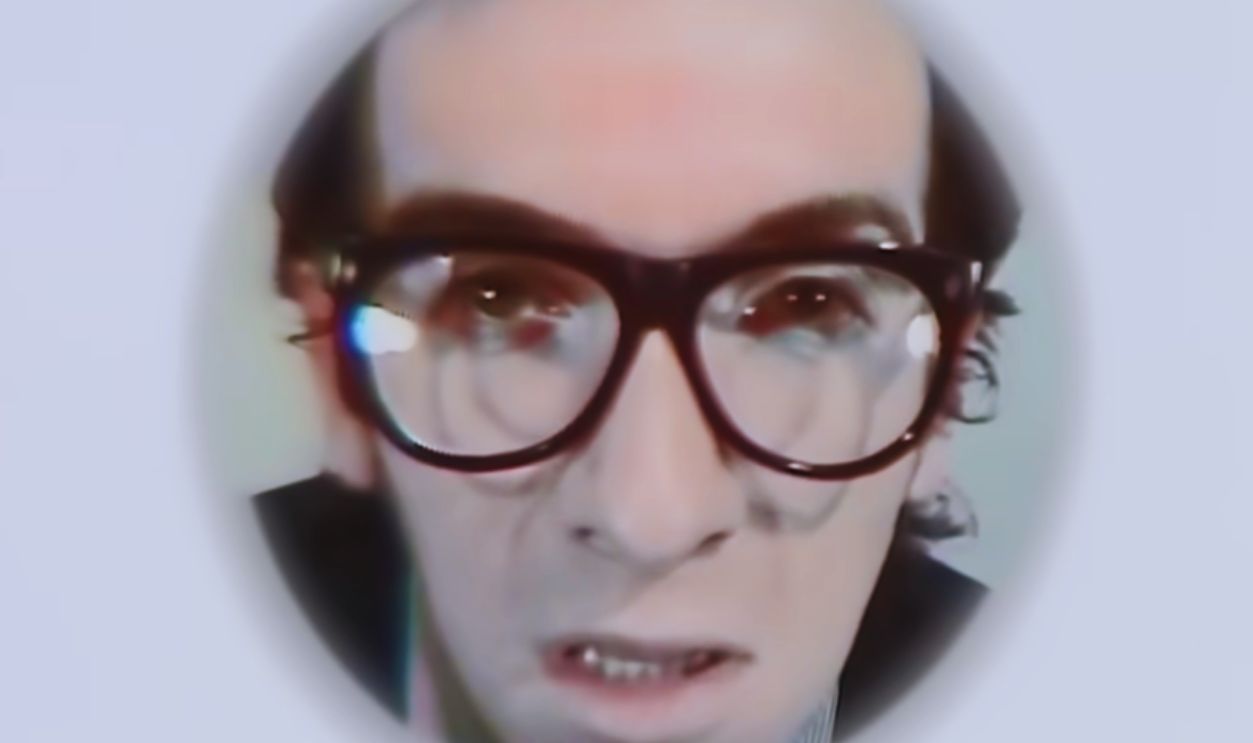 Screenshot from Pump It Up, Universal Music Group (1978)
2 Unlimited – “Get Ready For This”
By the 1990s, stadium music no longer needed guitars to serve the same purpose rock anthems once had. “Get Ready for This” became practically inseparable from basketball arenas and sports highlight culture, with its driving electronic beat creating instant anticipation. It helped prove that the stadium anthem was becoming a format of its own rather than a genre.
 Screenshot from Get Ready For This, Byte Records (1991)
Tommy James & The Shondells – “Mony Mony”
“Mony Mony” already had repetition and call-and-response built into its DNA, two qualities crowds tend to adopt quickly. Decades of parties, cover versions, and live performances turned it into a song audiences often participate in rather than merely listen to. In a stadium, that simplicity becomes an advantage because thousands of voices can jump aboard almost immediately.
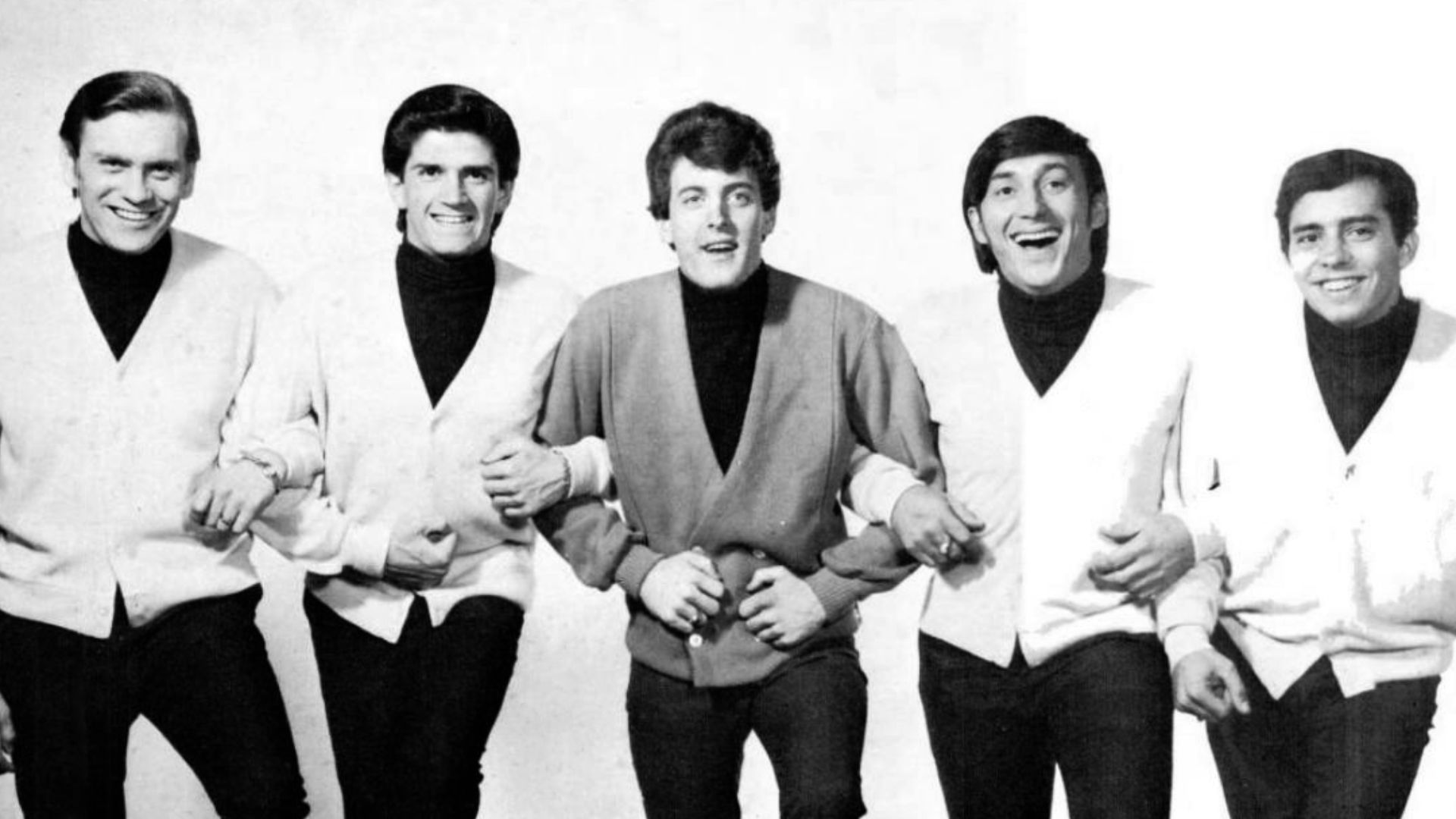 Roulette Records, Wikimedia Commons
Scorpions – “Rock You Like A Hurricane”
By the time Scorpions released “Rock You Like a Hurricane” in 1984, hard rock was learning how to make every guitar riff feel enormous. Rudolf Schenker wanted the band to think bigger, and this was exactly the kind of song that could carry that ambition. Its riff, title, and explosive chorus helped turn the German band into global stars while proving arena-sized hard rock wasn’t remotely limited to American or British bands.
 Screenshot from Rock You Like A Hurricane, BMG (1984)
KISS – “Rock And Roll All Nite”
KISS were specifically told they needed an anthem their fans could rally around, and Paul Stanley responded with the song that eventually became their mission statement. The original studio single performed modestly, but the version on Alive! helped transform “Rock and Roll All Nite” into something much bigger. With KISS’s lights, makeup, explosions, confetti, and spectacle surrounding it, the song became a blueprint for the arena-rock finale.
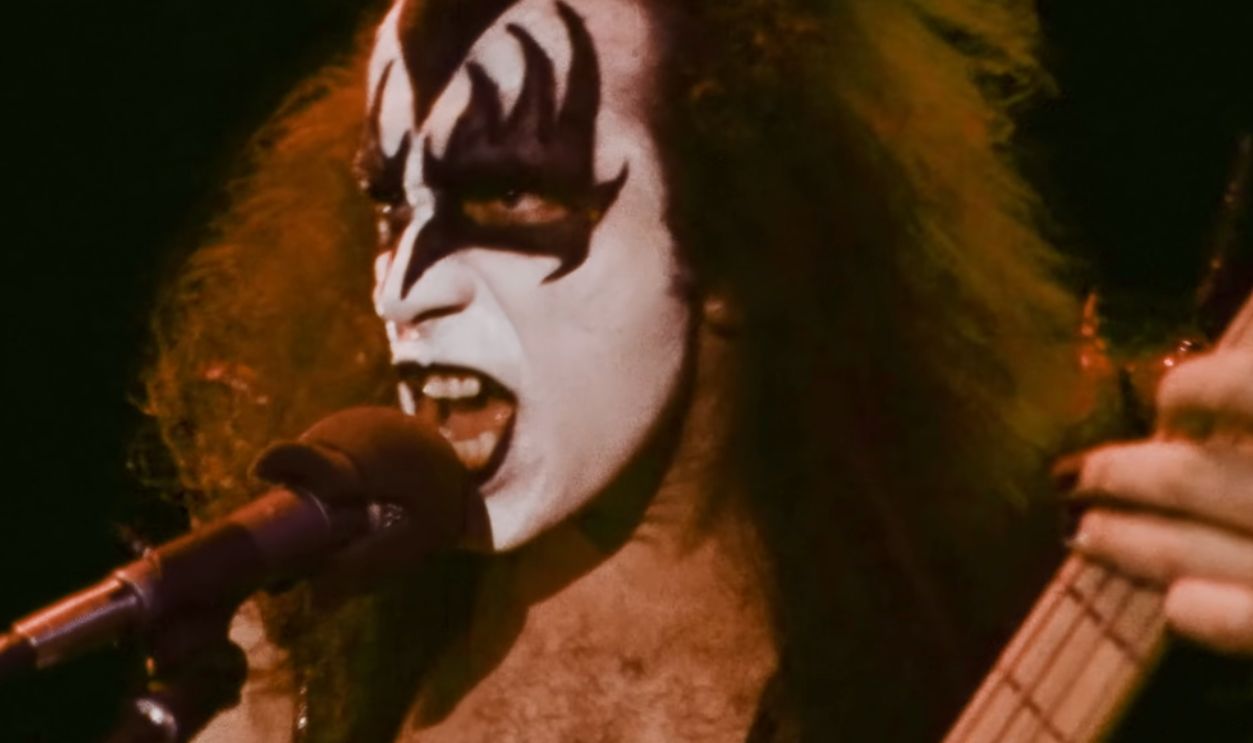 Screenshot from Rock And Roll All Nite, Universal Music Group (1975)
Europe – “The Final Countdown”
Joey Tempest originally imagined “The Final Countdown” as an opening number capable of grabbing an audience immediately, which explains why that enormous keyboard figure feels so theatrical. Some members of Europe initially thought the song sounded too different from their harder material. Instead, it exploded internationally and became one of the clearest examples of stadium rock crossing national and language barriers.
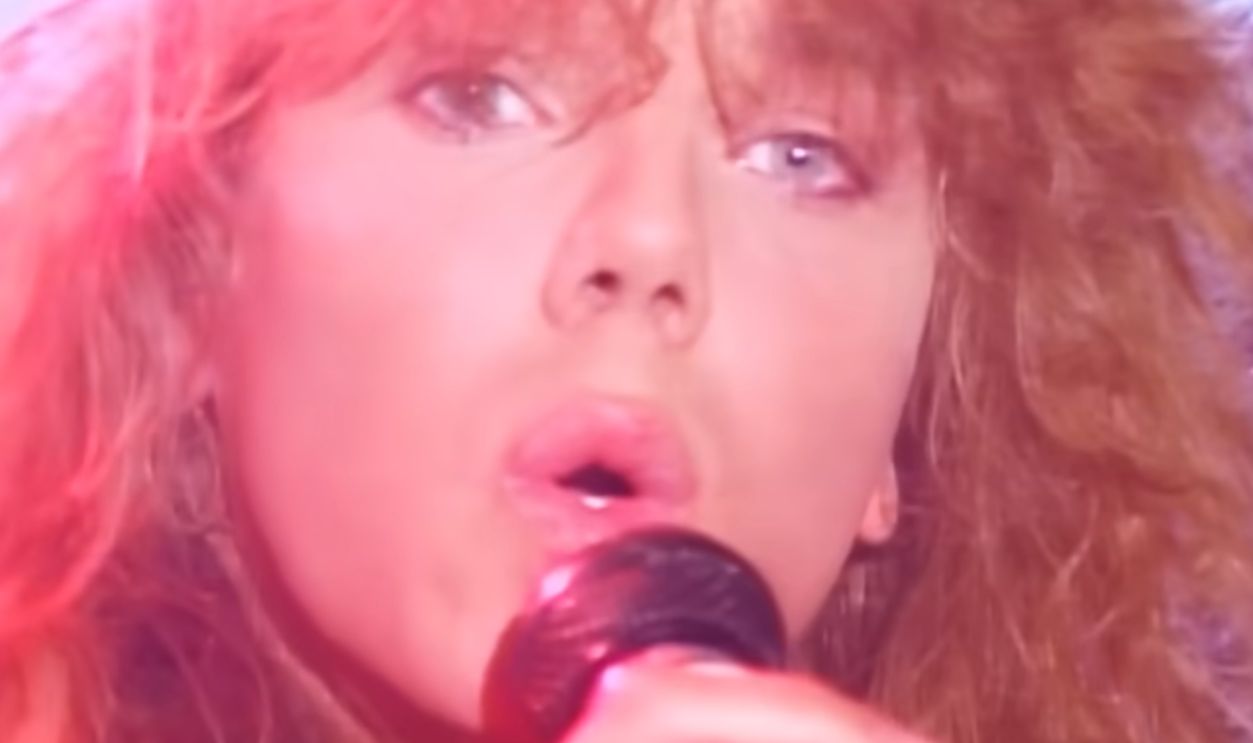 Screenshot from The Final Countdown, Sony Music Entertainment (1986)
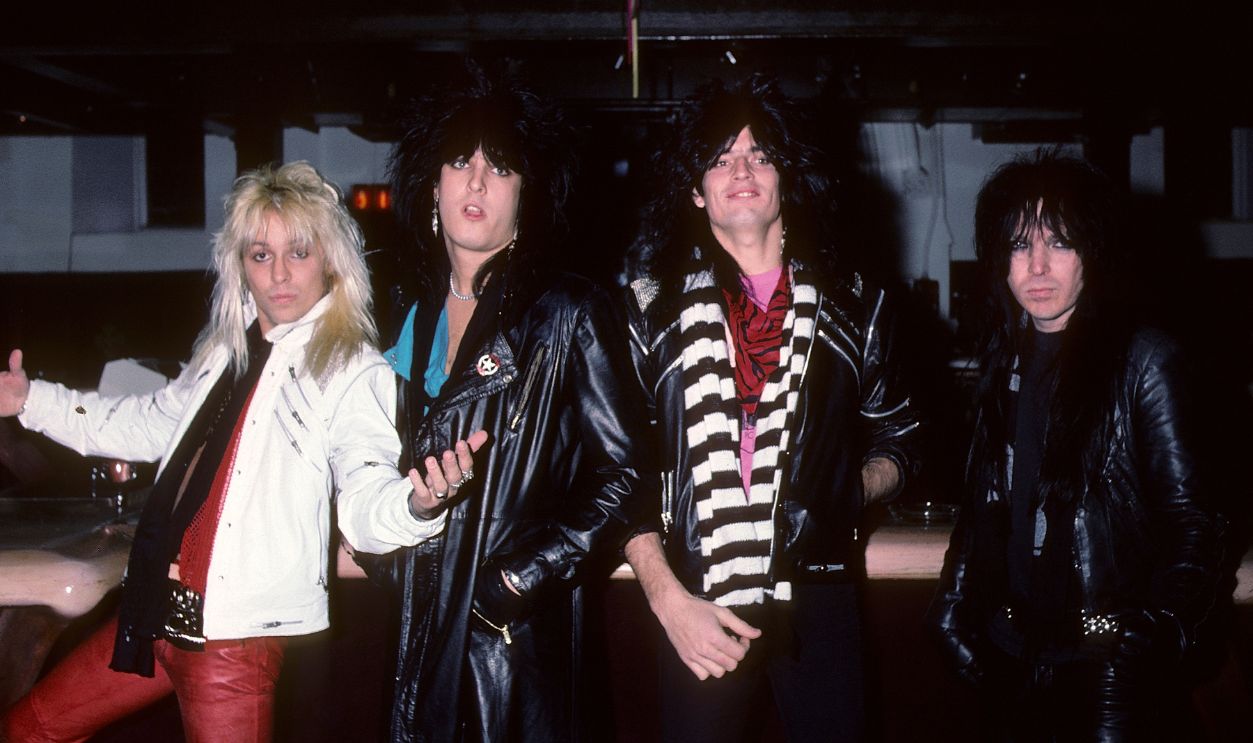
Mötley Crüe – “Shout At The Devil”
“Shout at the Devil” arrived with a riff and drum sound built for cavernous venues. The controversy surrounding Mötley Crüe’s satanic imagery only made the song feel more dangerous to younger fans, although the title was framed as resistance rather than devotion. Most importantly for an arena, the song gives the audience something simple and forceful to shout back at the stage.
Def Leppard – “Photograph”
“Photograph” helped turn Def Leppard from a promising British hard-rock band into an American arena phenomenon. Producer Mutt Lange’s huge, polished production made the guitars, drums, and stacked vocals sound built for the largest possible speakers, while MTV amplified the effect. Pyromania became a defining example of how 1980s rock could combine pop precision with stadium-sized weight.
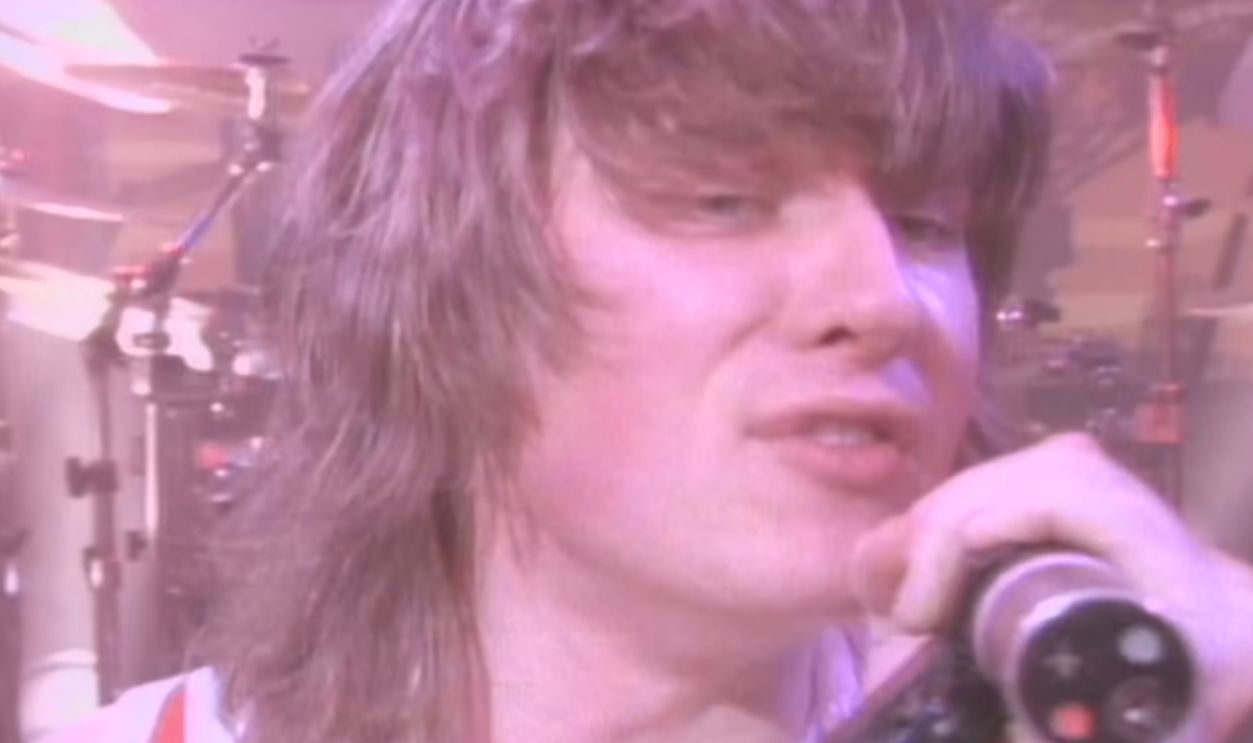 Screenshot from Photograph, Universal Music Group (1983)
Judas Priest – “You’ve Got Another Thing Comin’”
Judas Priest had already spent years building a reputation when “You’ve Got Another Thing Comin’” dramatically expanded their American audience. Its steady pulse and strutting guitar riff were more immediately accessible than some of the band’s faster, heavier material without sacrificing their metallic identity. As the song spread across U.S. radio, Priest found themselves moving into bigger venues and becoming genuine arena headliners.
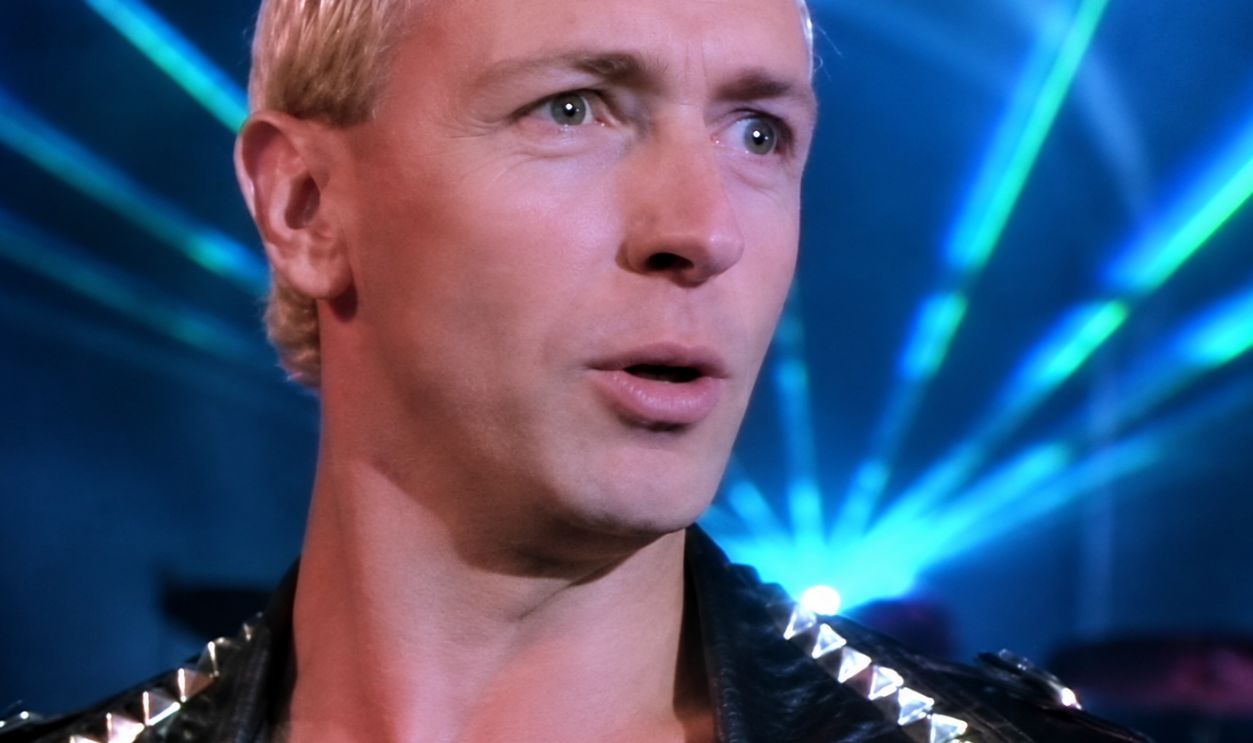 Screenshot from You’ve Got Another Thing Comin, Sony Music Entertainment (1982), enhanced
Skid Row – “Youth Gone Wild”
“Youth Gone Wild” wasn’t merely a song about outsiders. It was structured like a declaration those outsiders could make together. The heavy opening riff, gang vocals, and confrontational attitude gave Skid Row an anthem before the band had even fully established itself, and Sebastian Bach has recalled recognizing the song’s potential before he joined them. In concert, its us-against-everyone energy was made for a sea of raised fists.
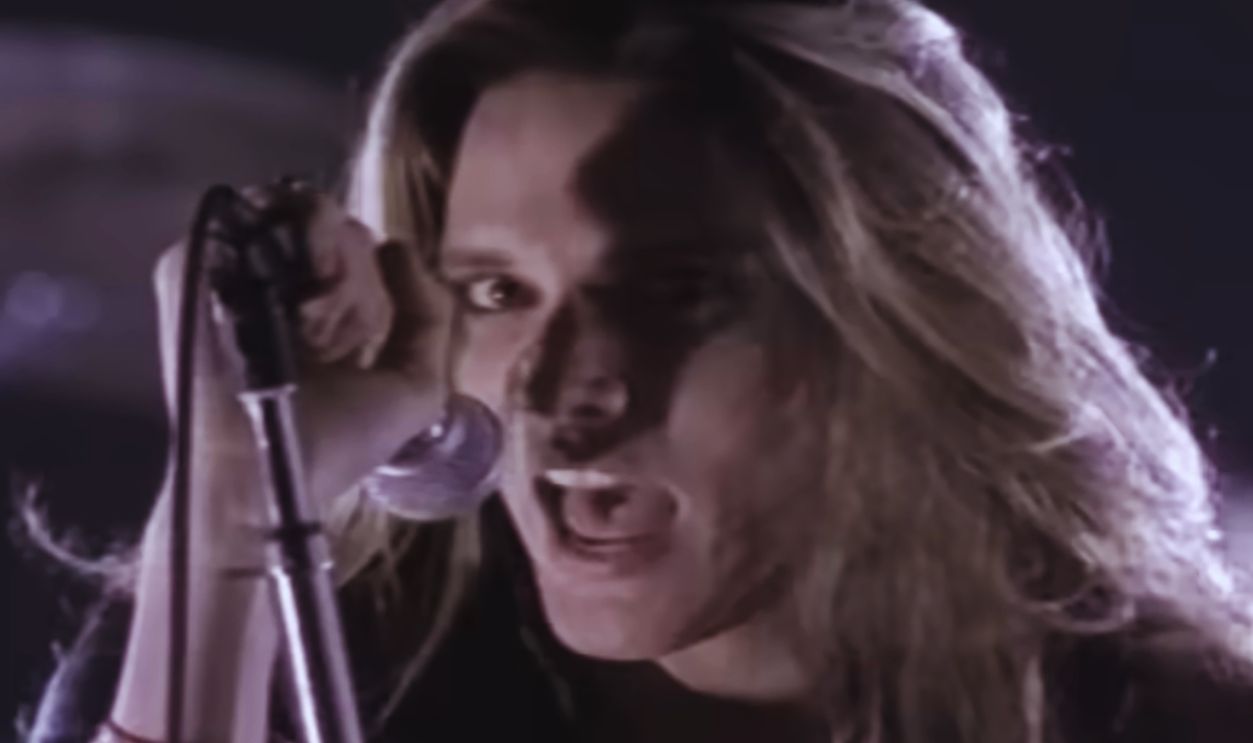 Screenshot from Youth Gone Wild, Warner Music Group (1989)
Black Sabbath – “Paranoid”
Black Sabbath helped create heavy metal before stadium rock had fully developed into a recognizable institution. “Paranoid,” written quickly near the end of the sessions for the album that took its name, gave the band one of rock’s most indestructible riffs. It’s short, direct, and heavy enough to hit a huge audience immediately, helping lay foundations later arena-metal bands would build upon.
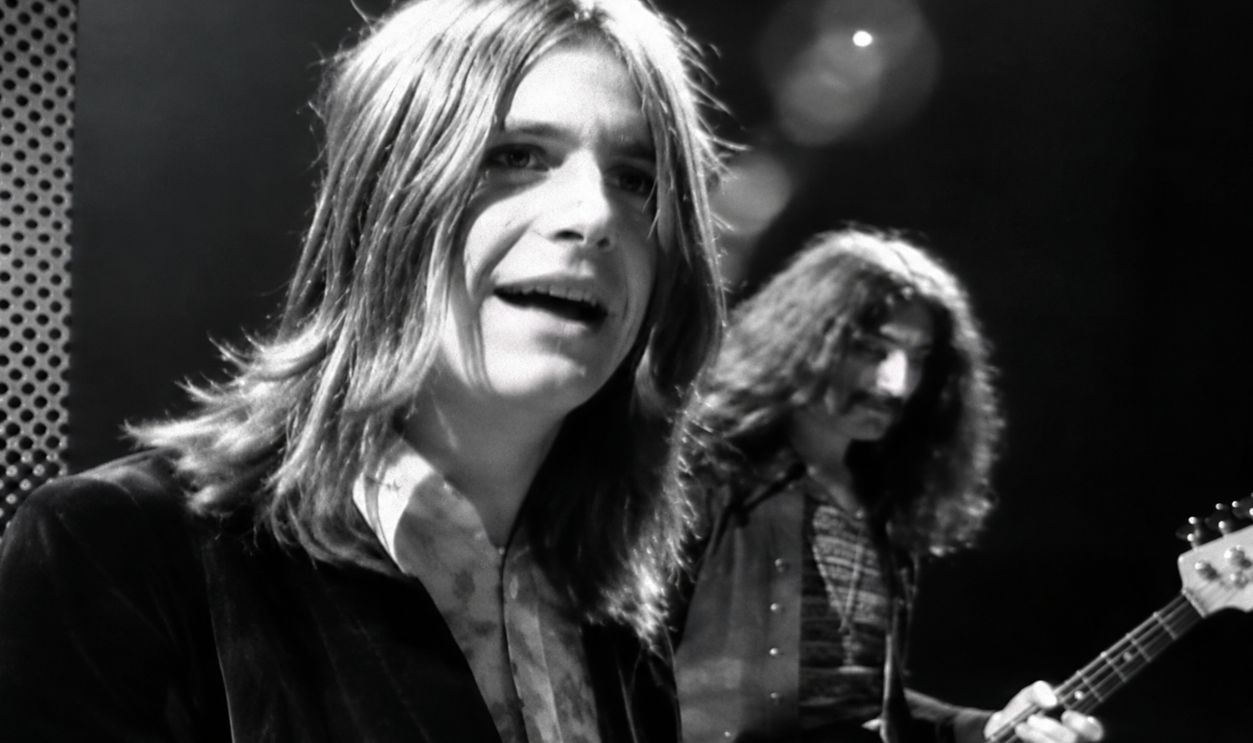 Screenshot from Paranoid, Warner Music Group (1970), enhanced
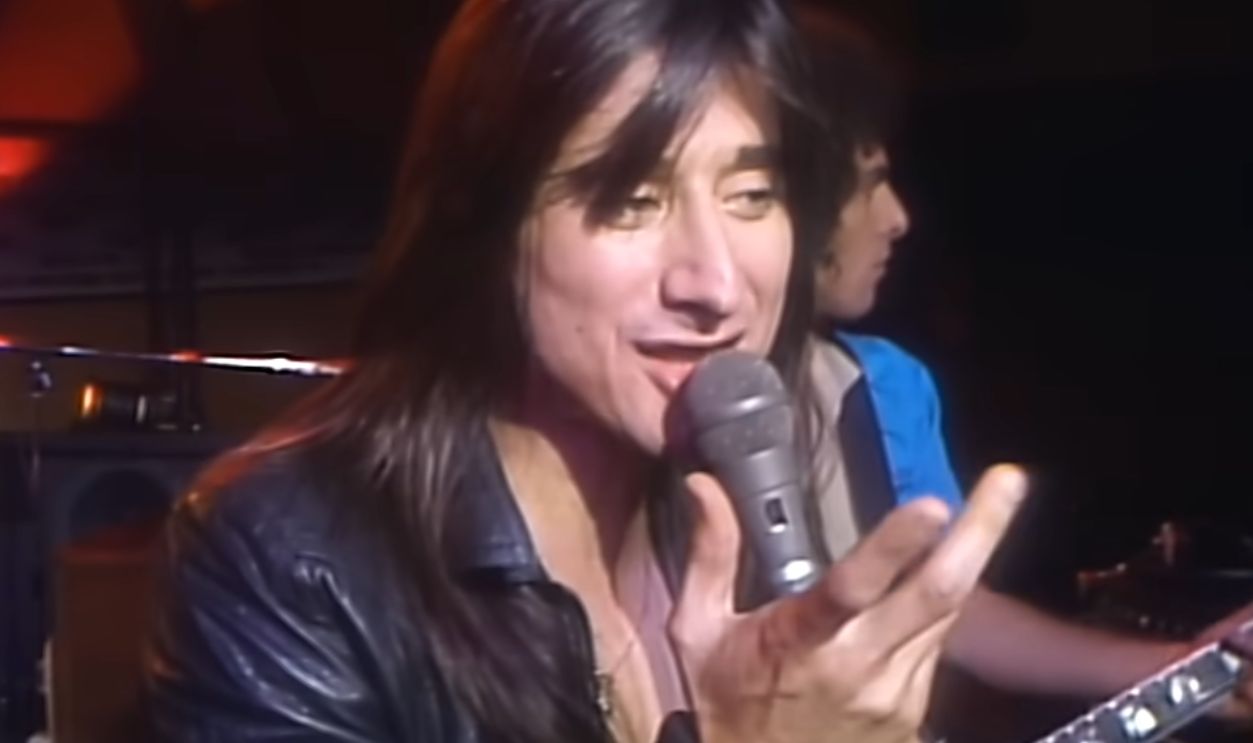
Journey – “Any Way You Want It”
Before “Don’t Stop Believin’” became Journey’s defining cultural anthem, “Any Way You Want It” had already shown how naturally the band could make melodic rock work in large venues. Steve Perry and Neal Schon built its vocal-and-guitar interplay partly from what they had observed while touring with Thin Lizzy. The result was fast, bright, and communal, exactly the sort of song that can keep an arena moving without needing a dramatic buildup.
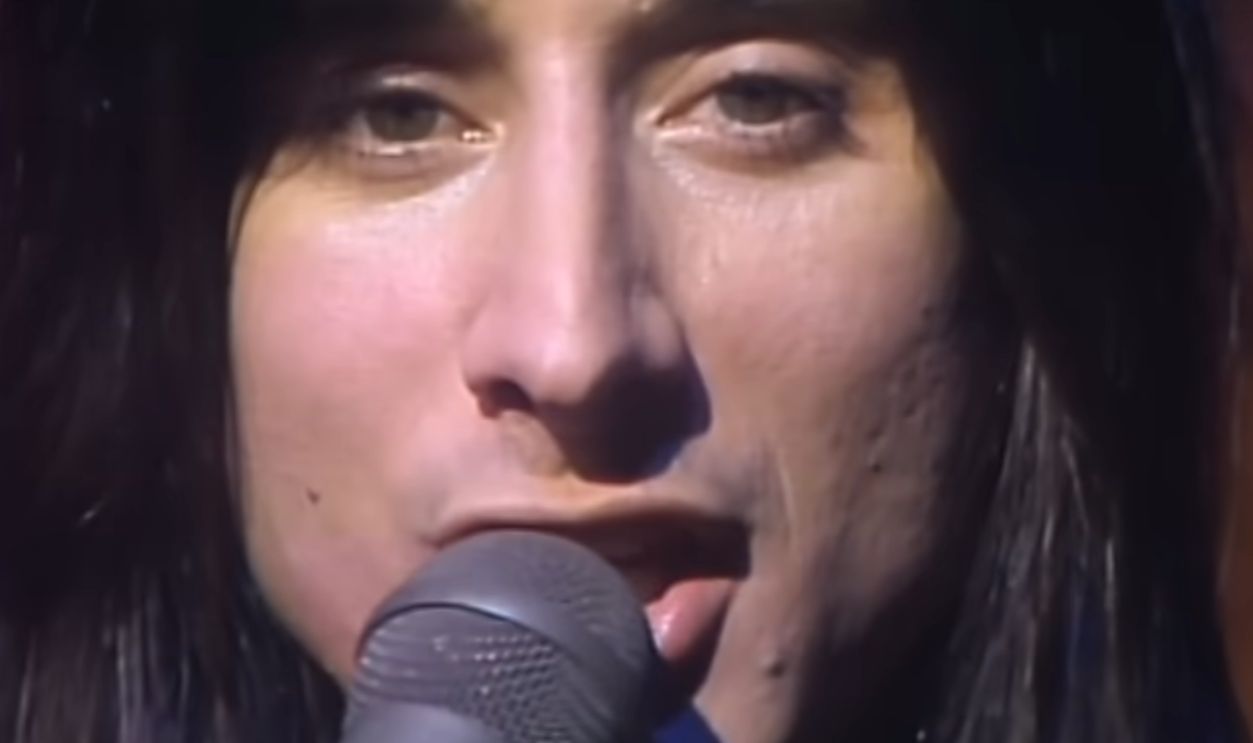 Screenshot from Any Way You Want It, Sony Music Entertainment (1980)
Guns N’ Roses – “Sweet Child O’ Mine”
“Sweet Child O’ Mine” begins with one of rock’s most instantly recognizable guitar figures, but it grows far beyond that opening. The song gave Guns N’ Roses a melodic side that could reach listeners well beyond the hard-rock audience drawn to Appetite for Destruction. In stadiums, that contrast became especially powerful: Slash’s delicate opening could make tens of thousands recognize the song before the full band turned it into something massive.
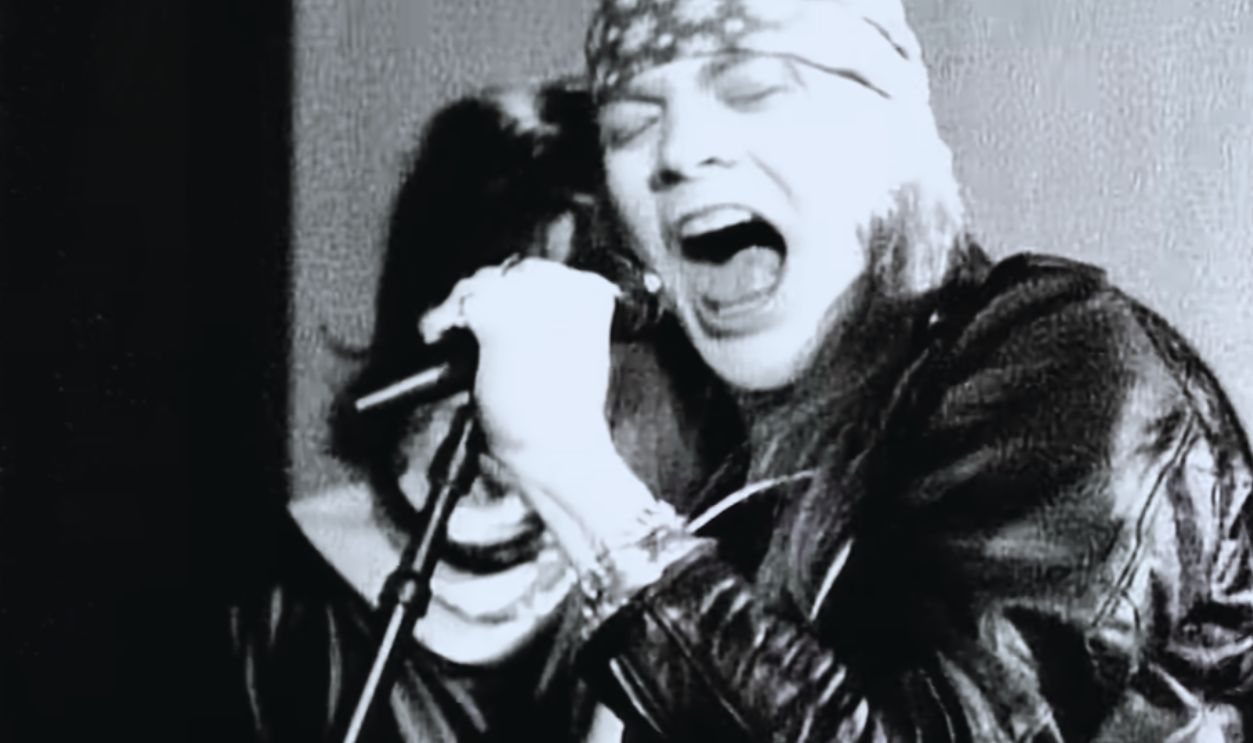 Screenshot from Sweet Child O’ Mine, Universal Music Group (1988)
Stadium Rock Became Bigger Than Rock
What ultimately made stadium rock a global phenomenon wasn’t one particular guitar tone, decade, or genre. It was the discovery that certain songs could make enormous groups of people behave like a single participant, whether they were chanting a riff, shouting a chorus, taunting an opponent, or waiting for the lights to come up. Once musicians and crowds figured that out, the stadium anthem stopped belonging only to rock bands and became part of popular culture itself.
 Screenshot from Any Way You Want It, Sony Music Entertainment (1980)
You May Also Like:
Today's Listeners Don't Realize These Classic Songs Actually Started As Jokes
Songs From 1977 That Boomers Still Know By Heart, But Their Kids Barely Recognize