When The Soundtrack Became Part Of The Game
A licensed song can do much more than fill silence between missions. Sometimes the right track becomes so closely connected to a game that players can barely hear it without picturing a skateboard trick, a long drive, or one unforgettable mission. These songs had lives before gaming, but their appearances in famous titles introduced them to new audiences and turned them into unofficial video game anthems.
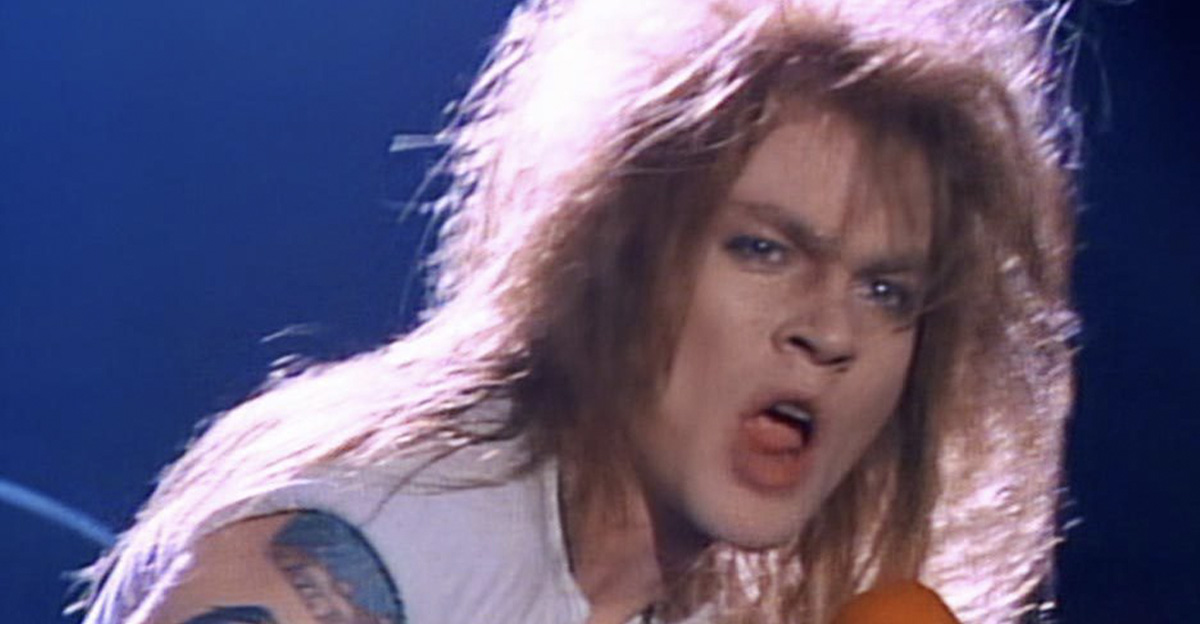
 Screenshot from Welcome To The Jungle, Geffen Records (1987)
“Superman” - Goldfinger / Tony Hawk’s Pro Skater
Goldfinger's “Superman” may be the ultimate example of a song becoming inseparable from a video game. The ska-punk track appeared in the original Tony Hawk's Pro Skater in 1999, where its frantic energy fit the game's two-minute skating runs perfectly. Tony Hawk himself has called it the unquestionable theme of the series, while Goldfinger frontman John Feldmann has said the game completely transformed the song's popularity.
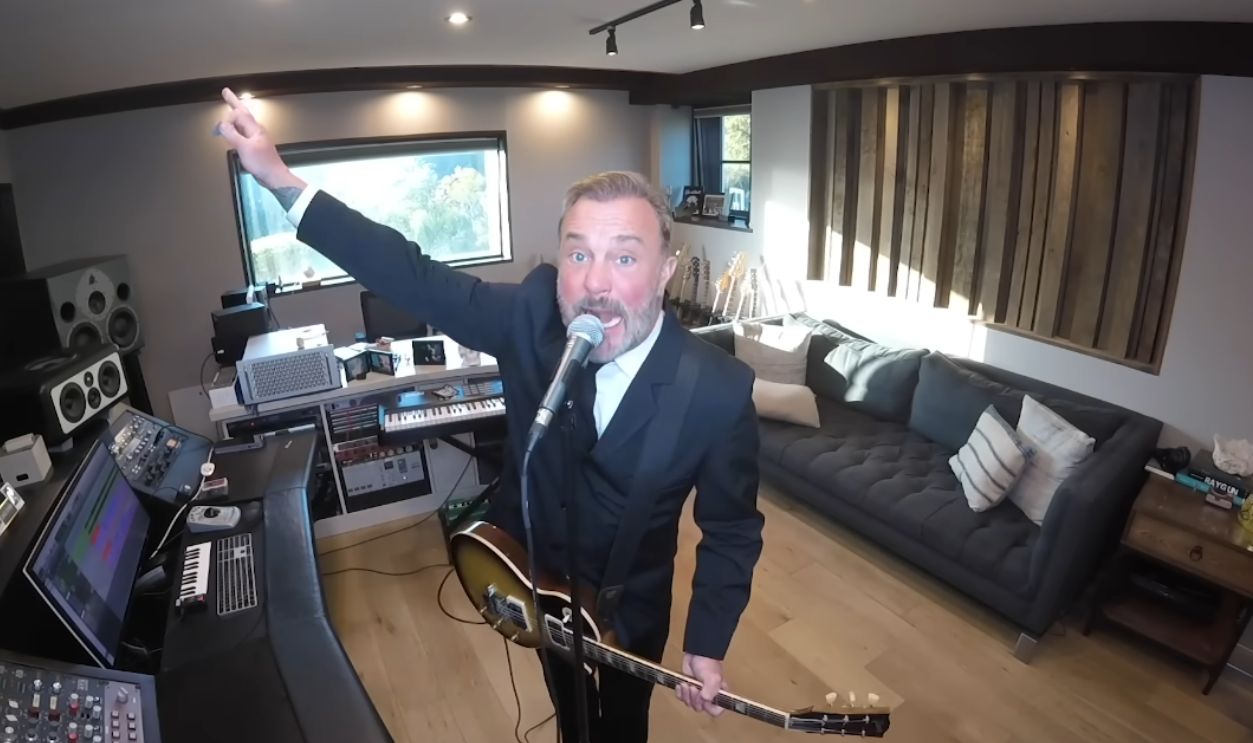 Screenshot from “Superman”, Mojo Records (1997)
“Out Of Touch” - Hall & Oates / Grand Theft Auto: Vice City
Hall & Oates already had one of the defining pop catalogs of the 80s, but “Out of Touch” gained another life through Flash FM. Its bright synthesizers and enormous chorus perfectly matched Vice City's exaggerated version of Miami culture. Driving through the city while the song played made the game feel less like a parody of the decade and more like an interactive 80s movie with one incredibly expensive soundtrack.
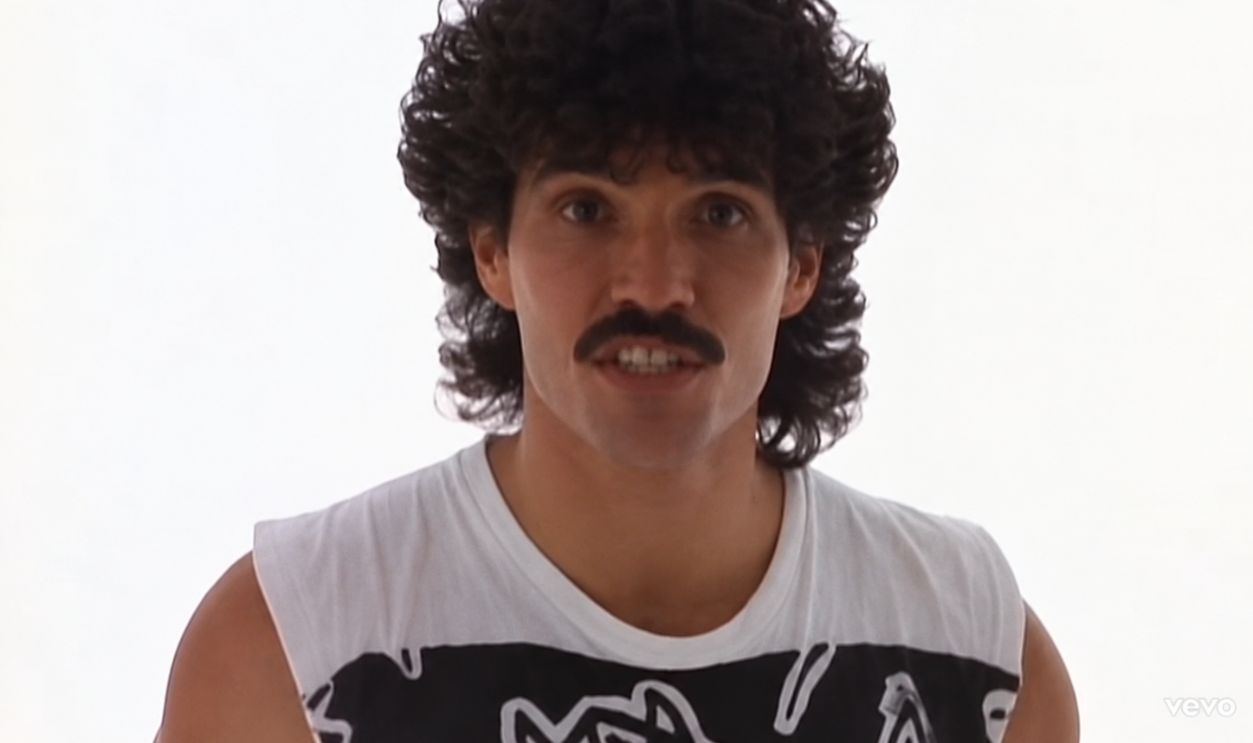 Screenshot from “Out of Touch”, RCA Records (1984), Modified
“Ain’t No Rest For The Wicked” - Cage The Elephant / Borderlands
The opening of Borderlands told players almost everything they needed to know about the game's personality before they fired a single round. As “Ain't No Rest for the Wicked” plays, the introductory cinematic establishes Pandora as dusty, violent, funny, and filled with people looking for money. Cage the Elephant's bluesy alternative-rock hit fit that world so naturally that hearing it can still immediately bring the game's opening bus ride to mind.
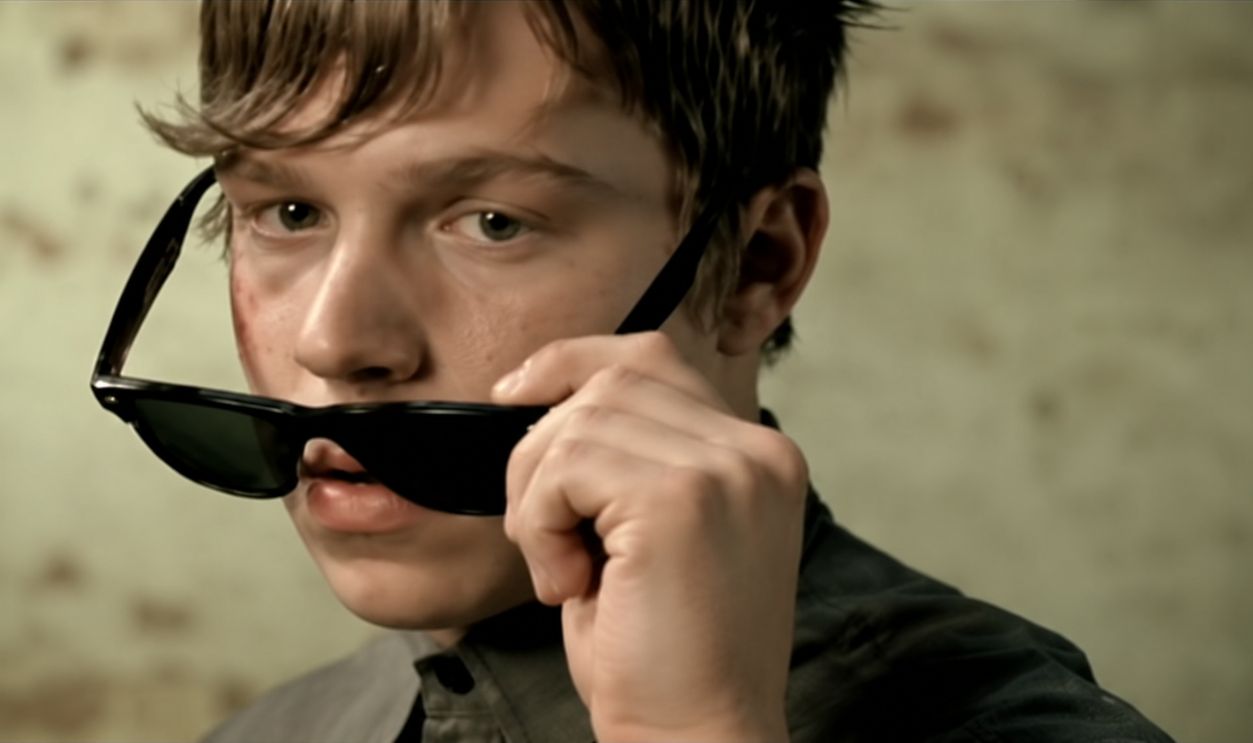 Credit: Screenshot from “Ain’t No Rest for the Wicked”, Relentless Records (2008), Modified
“Guerrilla Radio” - Rage Against The Machine / Tony Hawk’s Pro Skater 2
Tony Hawk's Pro Skater 2 needed music that could match its faster, more polished gameplay, and “Guerrilla Radio” delivered immediately. Rage Against the Machine's combination of Tom Morello's abrasive guitar work and Zack de la Rocha's furious vocals made it ideal for chaining together tricks. For plenty of players, the song became just as important to the sequel's identity as new mechanics like manuals.
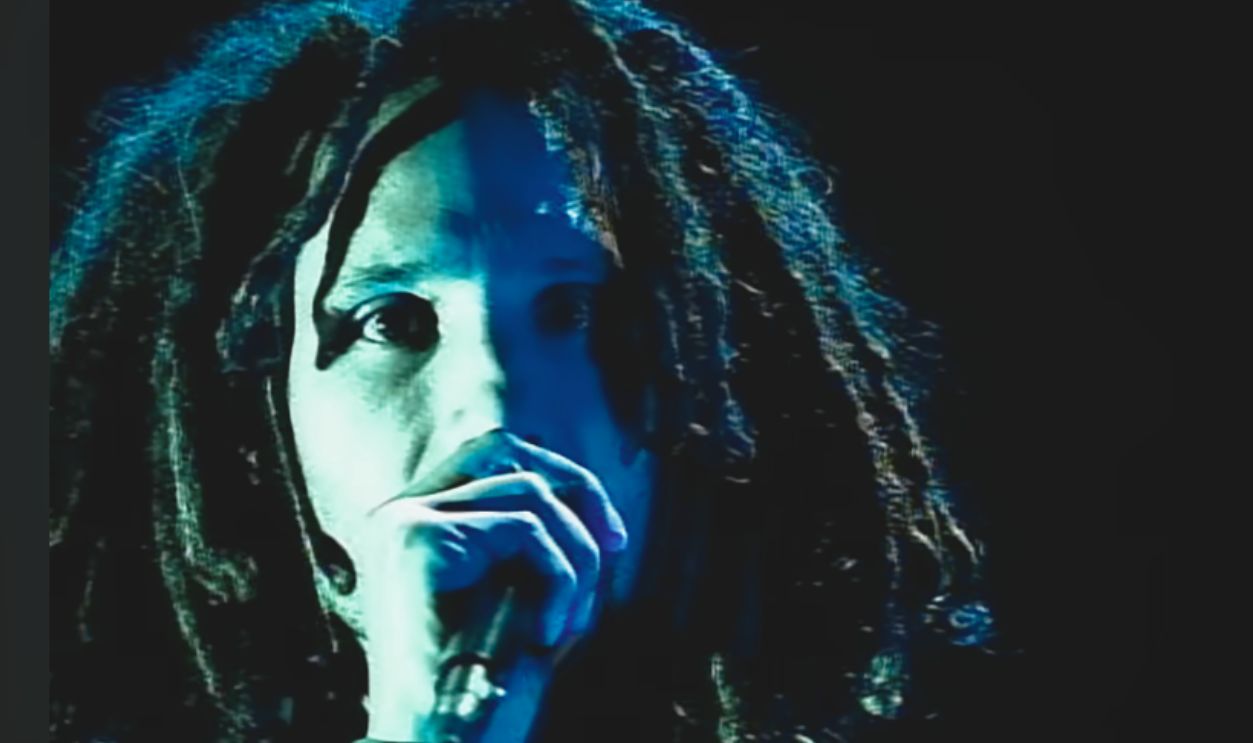 Screenshot from “Guerrilla Radio”, Epic Records (1999)
“Take Me Home, Country Roads” - John Denver / Fallout 76
John Denver's original didn't actually appear in Fallout 76. Bethesda commissioned a new version performed by Spank and produced by Copilot Music + Sound, but the association with Denver's song was impossible to miss. With the game set in West Virginia, “Country Roads” became the obvious musical calling card for its trailers and later Appalachia Radio. The cover became popular in its own right and helped define the game's identity before release.
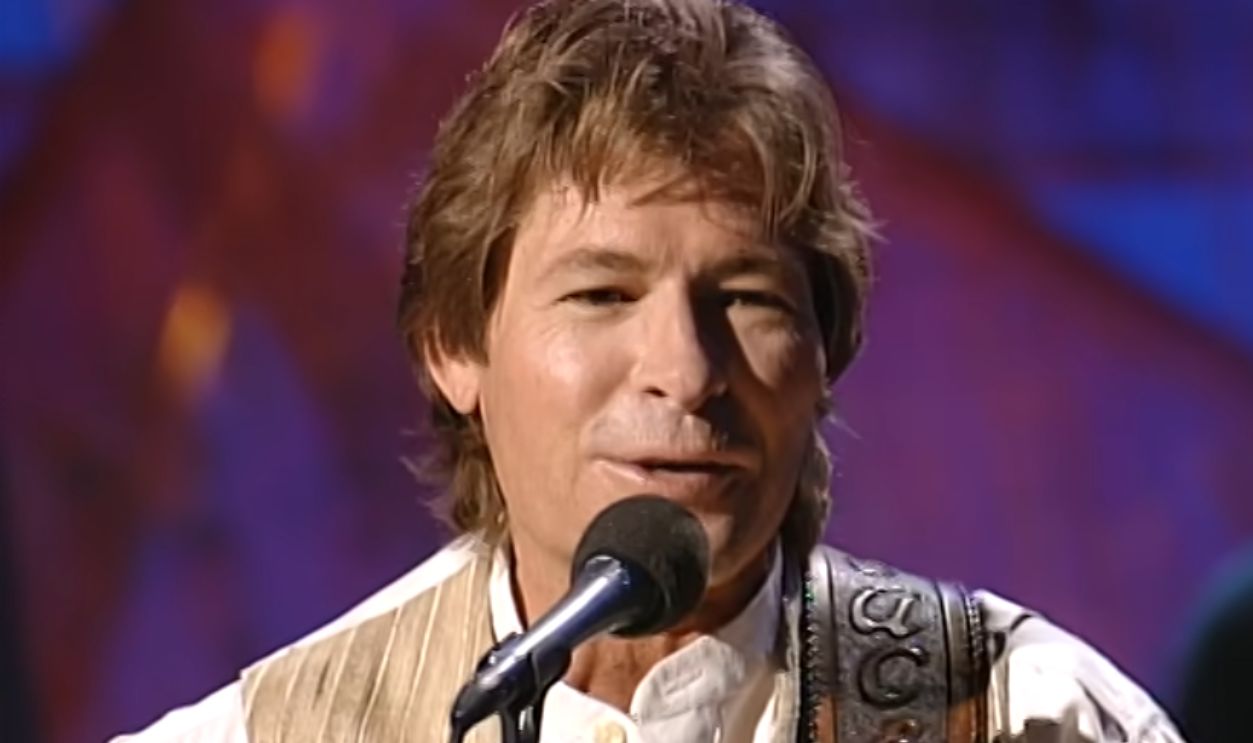 Screenshot from “Take Me Home, Country Roads”, RCA Records (1971)
“Welcome To The Jungle” - Guns N’ Roses / Grand Theft Auto: San Andreas
Rockstar couldn't have picked a more appropriate Guns N' Roses song for San Andreas. “Welcome to the Jungle” plays on K-DST, the game's classic-rock station, whose DJ happens to be voiced by Axl Rose himself. That inside joke made the inclusion even better. The song's explosive opening riff also fit Los Santos perfectly, giving players a suitably dangerous soundtrack for speeding through one of gaming's most chaotic cities.
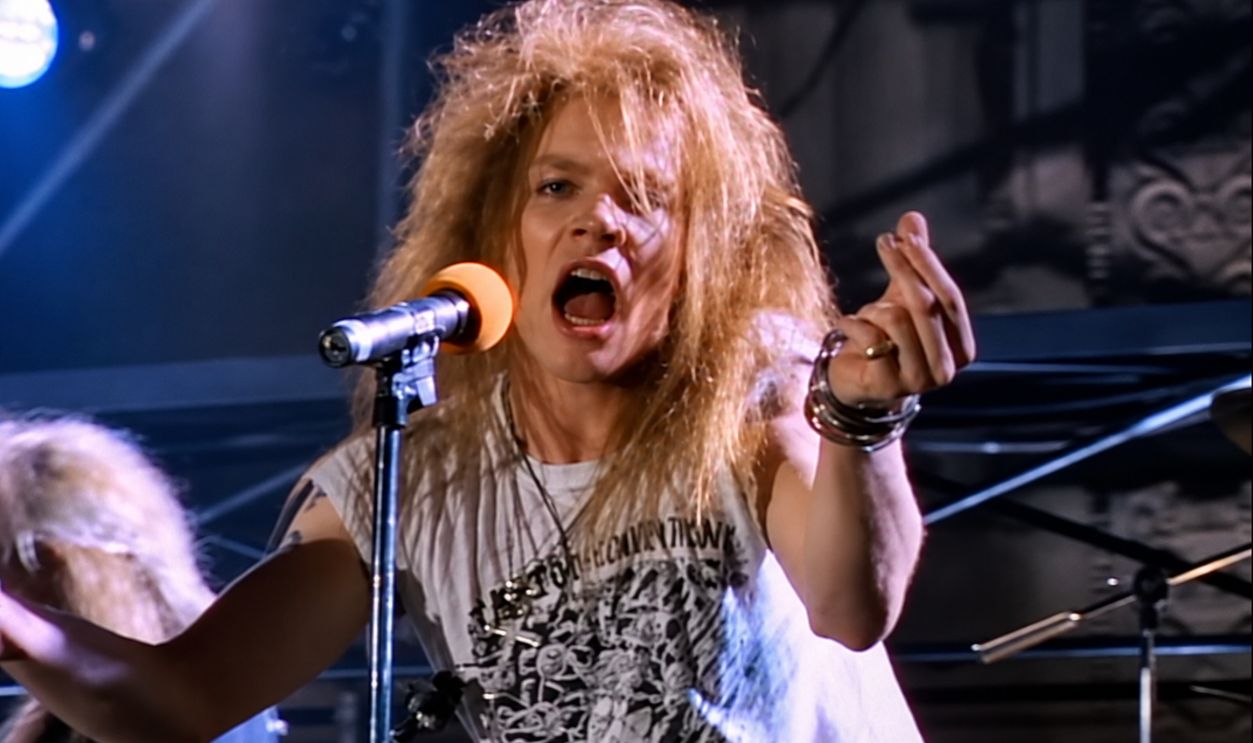 Screenshot from “Welcome to the Jungle”, Geffen Records (1987), Modified
“Take On Me” - a-ha / The Last Of Us Part II
Naughty Dog didn't simply place the original a-ha recording on a radio. Ellie performs a stripped-down acoustic version for Dina while exploring an abandoned music shop in Seattle. The scene turns one of the most exuberant pop songs of the 80s into something intimate and vulnerable. Because players had spent so much time surrounded by brutality, hearing Ellie quietly sing “Take on Me” became an unexpectedly emotional pause.
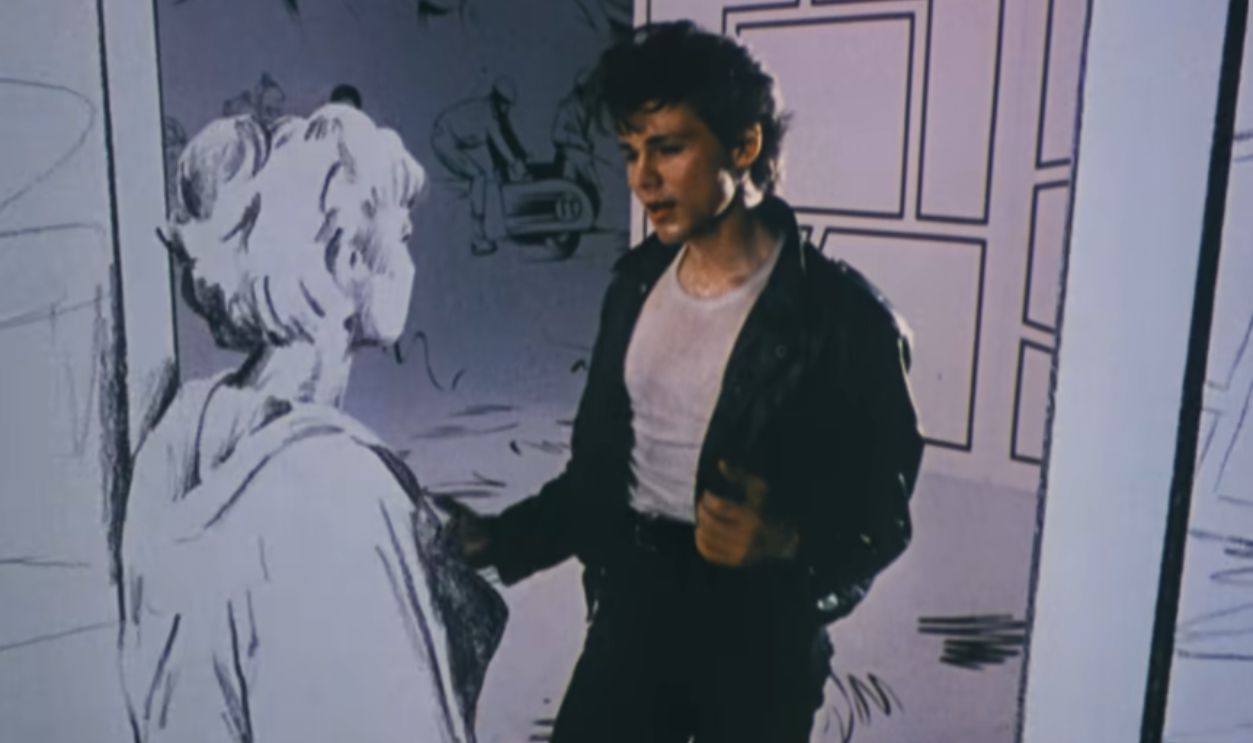 Screenshot from “Take On Me”, Warner Bros. Records (1984)
“Free Bird” - Lynyrd Skynyrd / Guitar Hero II
The running joke about audiences yelling for “Free Bird” became painfully real for Guitar Hero II players. Lynyrd Skynyrd's epic appears as the final encore of the game's career, forcing players through more than nine minutes of increasingly difficult guitar parts. The game used a cover rather than the original recording, but that didn't matter once the famous extended solo arrived and players started desperately trying to keep their note streak alive.
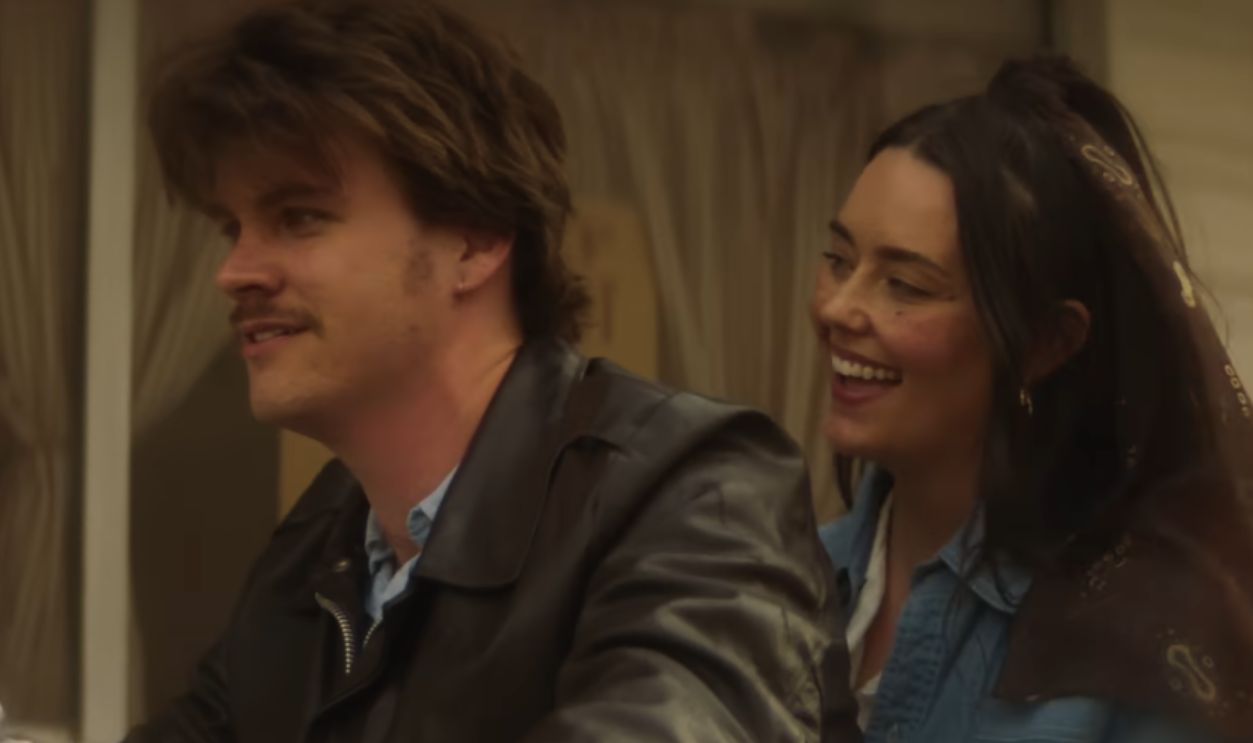 Screenshot from “Free Bird”, MCA Records (1973)
“Police Truck” - Dead Kennedys / Tony Hawk’s Pro Skater
“Police Truck” was already a cult punk favorite long before video games entered the picture, but Tony Hawk's Pro Skater exposed it to a generation that hadn't been around for the Dead Kennedys' original run. Its fast tempo, surf-influenced guitar, and sarcastic edge fit the game's rebellious personality beautifully. Many players discovered punk through the soundtrack, and “Police Truck” became one of its most memorable introductions.
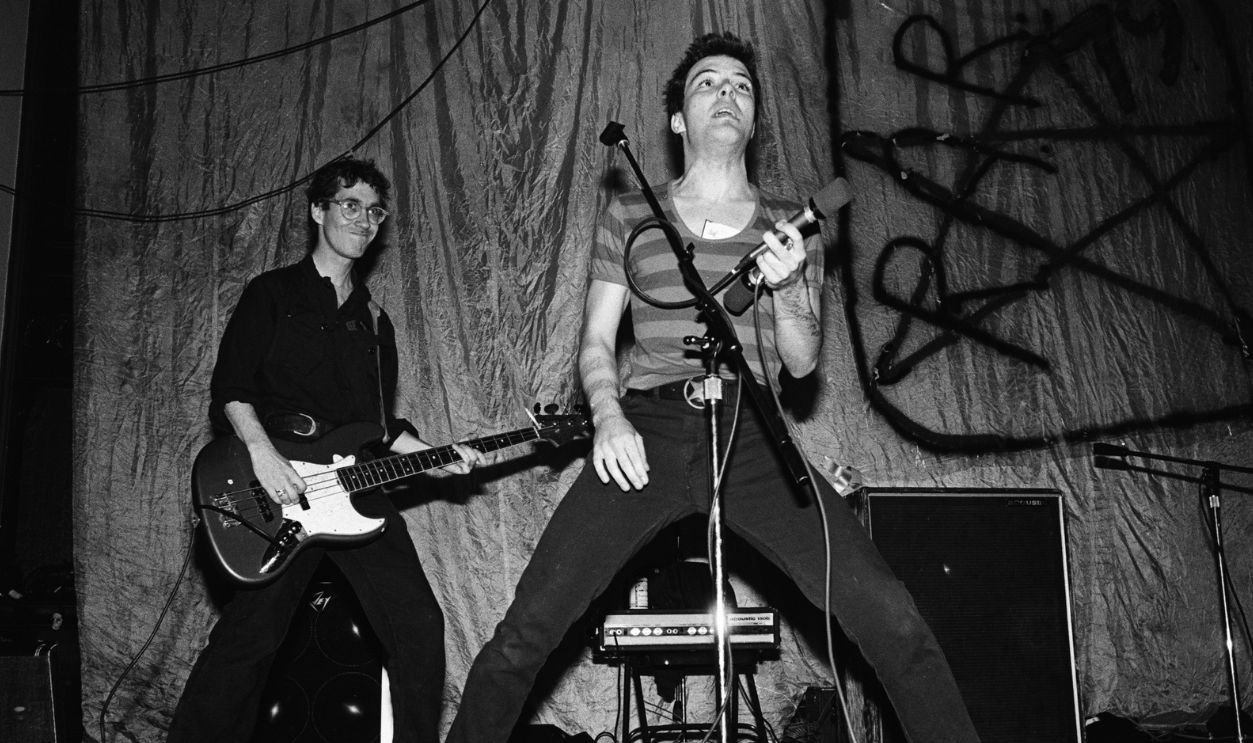 Richard McCaffrey, Getty Images
“Short Change Hero” - The Heavy / Borderlands 2
Borderlands 2 repeated one of its predecessor's smartest tricks by pairing its opening cinematic with a song that instantly established the mood. The Heavy's “Short Change Hero” sounds like the soundtrack to a morally questionable Western, making it a perfect match for Pandora's collection of mercenaries, bandits, and would-be heroes. It gave the sequel a swaggering introduction while helping the song reach listeners far beyond the band's existing audience.
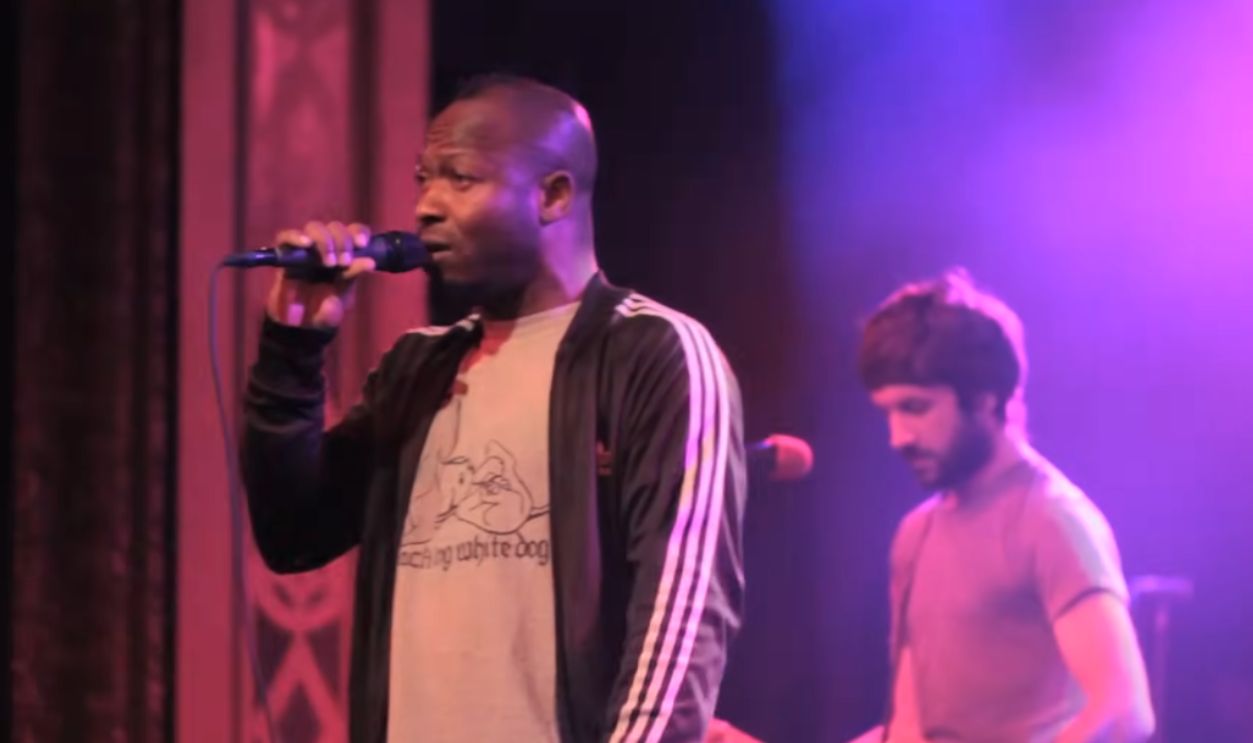 Screenshot from “Short Change Hero”, Counter Records (2009)
“Make It Bun Dem” - Skrillex & Damian Marley / Far Cry 3
There probably aren't many players who can hear “Make It Bun Dem” without immediately thinking about a flamethrower. Far Cry 3 uses the Skrillex and Damian Marley collaboration during “Kick the Hornet's Nest,” a mission that sends Jason Brody into marijuana fields with orders to burn everything. The booming reggae-dubstep track turns the destruction into one of the game's strangest and most exhilarating sequences, making the song practically impossible to separate from it.
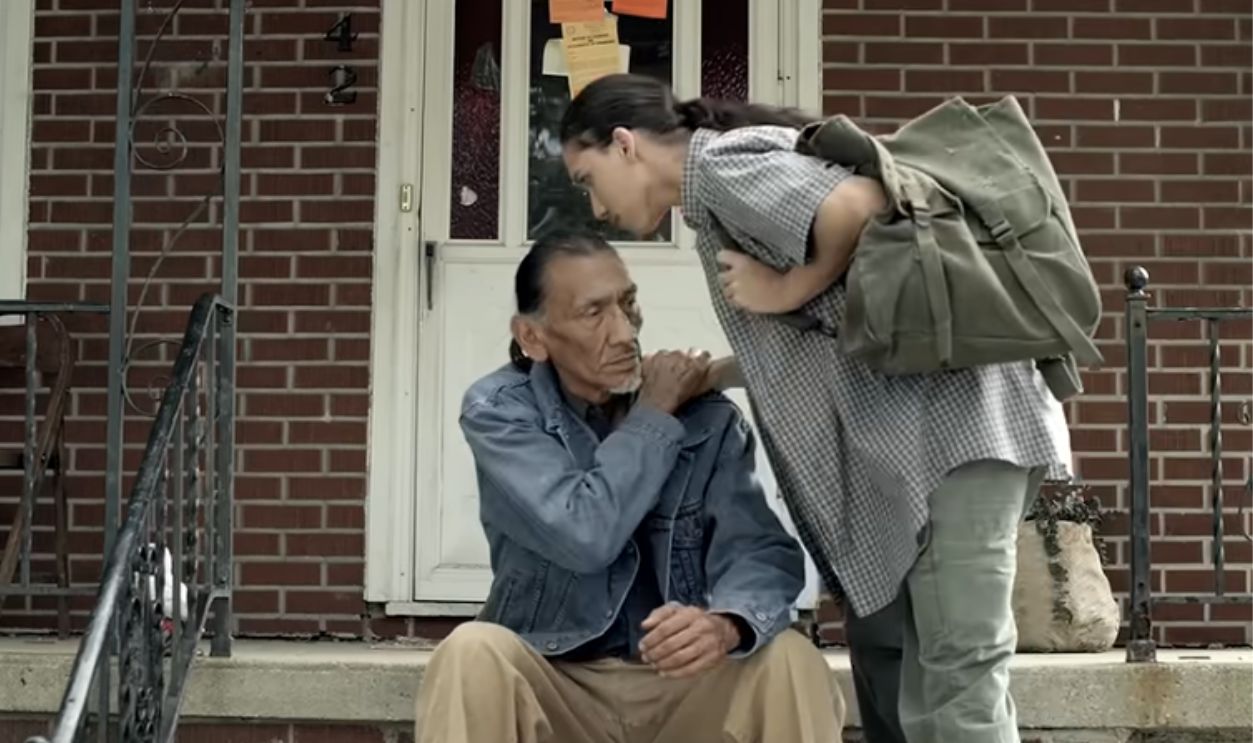 Screenshot from “Make It Bun Dem”, OWSLA (2012)
“Far Away” - José González / Red Dead Redemption
Rockstar used “Far Away” sparingly, which made its appearance far more powerful. When John Marston first crosses into Mexico in Red Dead Redemption, the usual score fades and José González's quiet acoustic song begins as the player rides across the landscape. Nothing forces you to hurry. The game simply lets the music, scenery, and journey take over, creating a moment many players still consider one of the most memorable uses of licensed music in gaming.
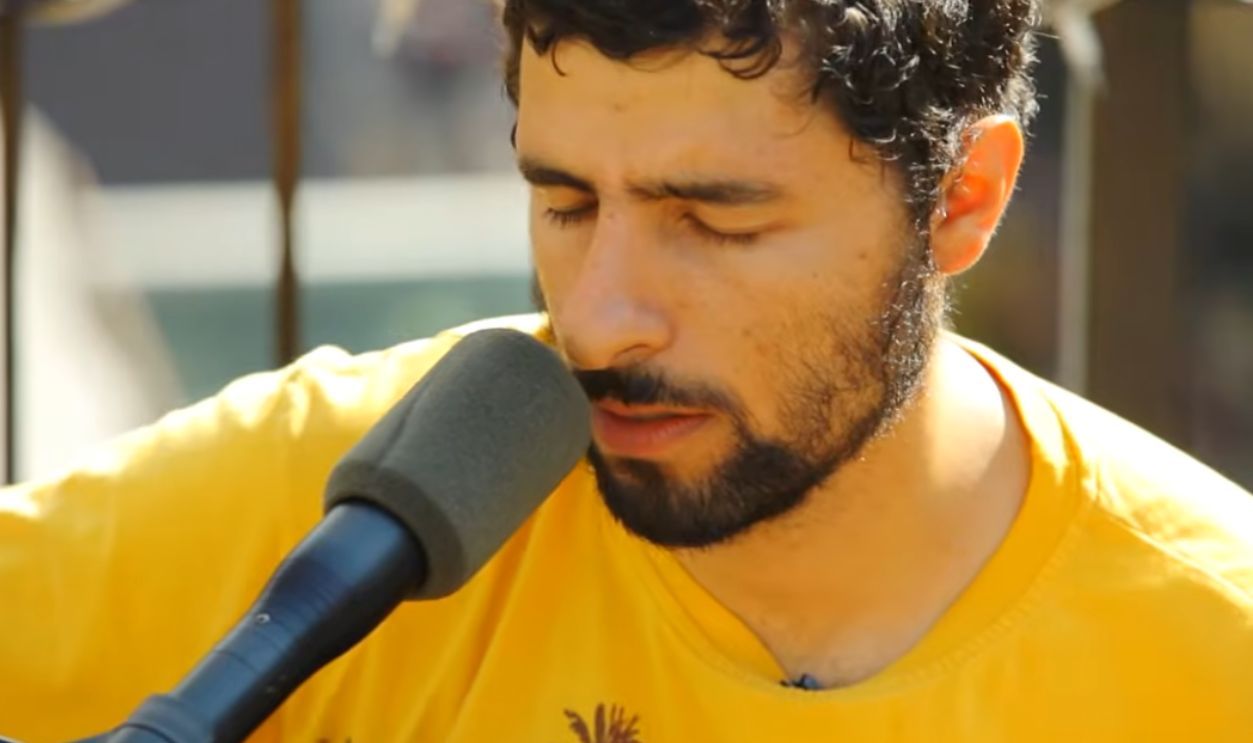 Screenshot from “Far Away”, Imperial Recordings (2012)
“I Don’t Want To Set The World On Fire” - The Ink Spots / Fallout
Few songs capture Fallout's strange mixture of nostalgia and nuclear devastation better than this 1941 Ink Spots recording. Fallout 3 opens with the romantic ballad playing from an old radio as the camera slowly reveals the ruins of Washington, D.C. It has since appeared elsewhere in the franchise, including Fallout 4 and Fallout 76, making its cheerful old-fashioned sound almost synonymous with wandering through a post-apocalyptic wasteland.
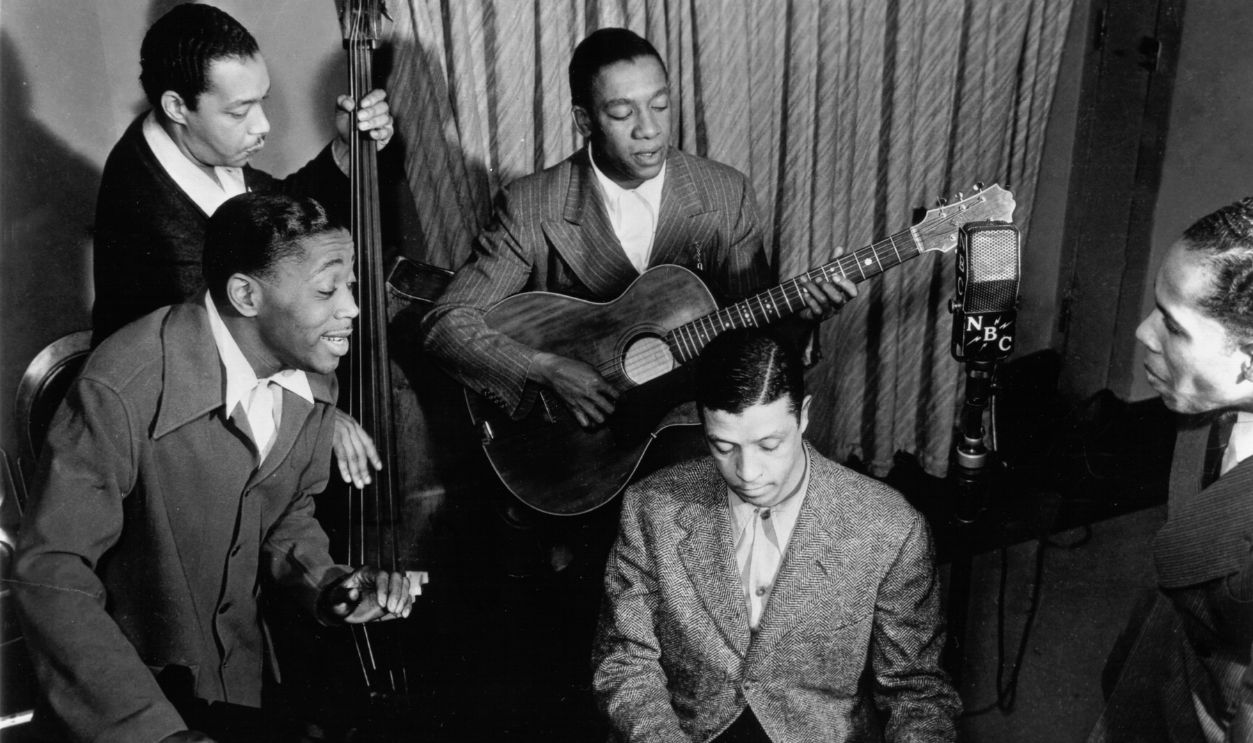 Michael Ochs Archives, Getty Images
“Big Iron” - Marty Robbins / Fallout: New Vegas
Marty Robbins recorded “Big Iron” decades before the Mojave Wasteland existed, but Fallout: New Vegas gave the Western ballad an entirely new audience. Players could hear it repeatedly on Radio New Vegas and Mojave Music Radio while wandering the desert. Its story of Arizona Ranger confrontation and frontier justice fits the game's neo-Western atmosphere so well that younger fans sometimes seem to know Robbins primarily through Fallout.
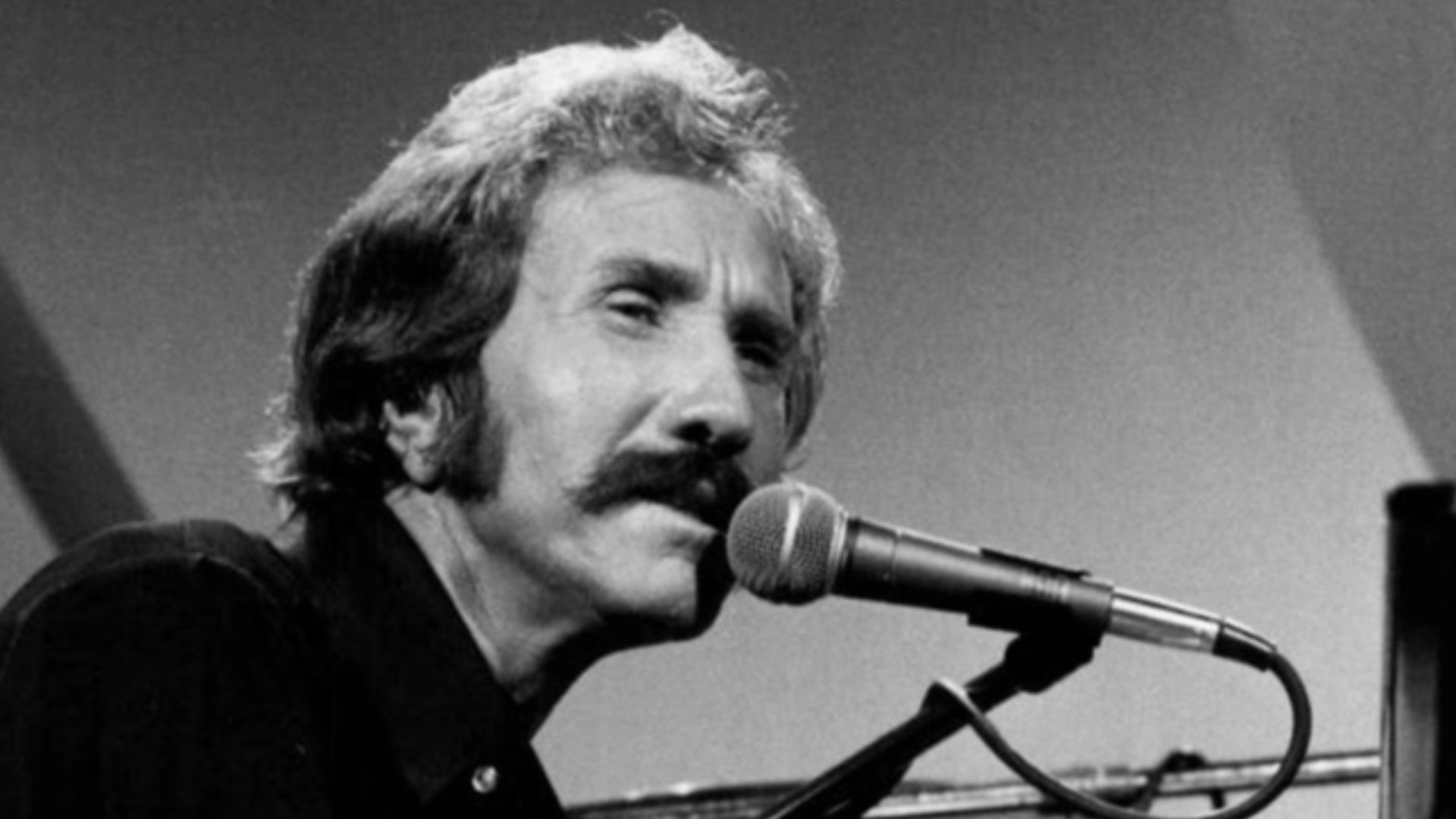 NBC Television, Wikimedia Commons
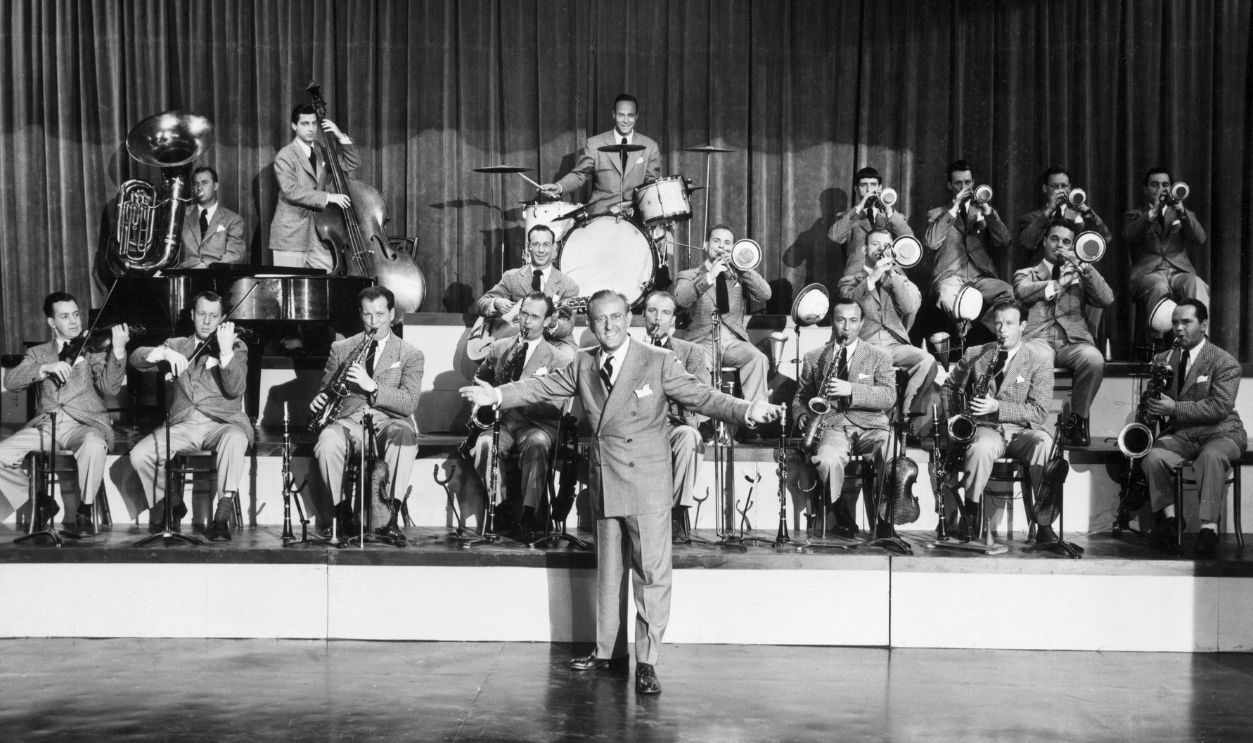
“Jingle Jangle Jingle” - Kay Kyser / Fallout: New Vegas
“Jingle Jangle Jingle” sounds ridiculously cheerful while you're trekking through irradiated Nevada, which is precisely why it works. Kay Kyser's 1940s recording becomes part of New Vegas' strange retro-futuristic atmosphere through the game's radio stations. After dozens of hours exploring the Mojave, that endlessly catchy refrain can become lodged permanently in a player's brain, joining “Big Iron” among the songs most closely associated with the game.
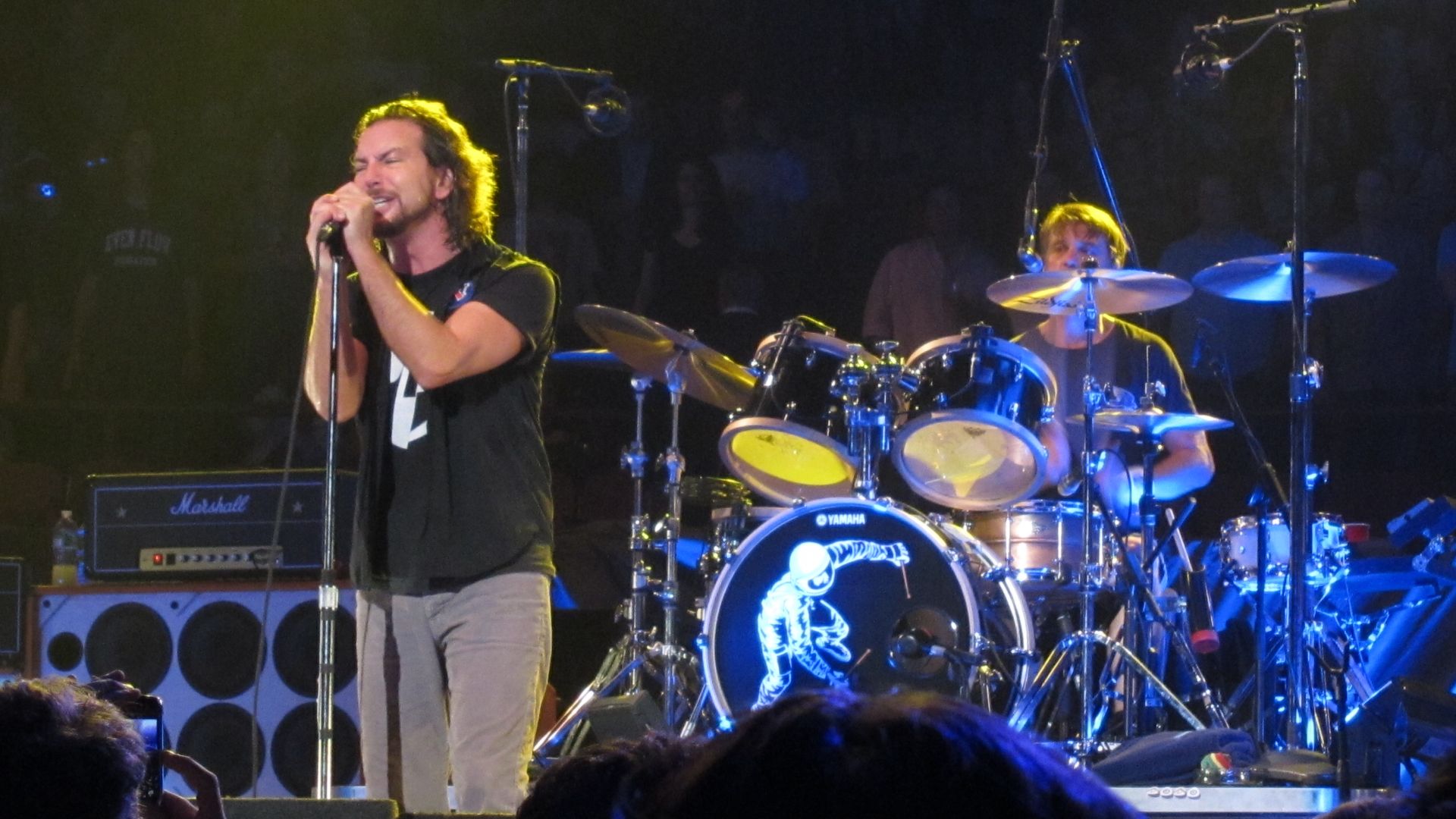
“Future Days” - Pearl Jam / The Last Of Us Part II
Pearl Jam's “Future Days” became much more than background music in The Last of Us Part II. Joel plays it for Ellie on guitar, and the song gradually becomes tied to their complicated relationship and Ellie's memories of him. Its lyrics about devotion take on additional meaning as the story unfolds. Naughty Dog considered the song important enough that its interactive guitar system was specifically designed to accommodate it.
“Self Control” - Laura Branigan / Grand Theft Auto: Vice City
Grand Theft Auto: Vice City understood that recreating the 80s required more than neon colors and sports cars. The radio had to feel right too. Laura Branigan's “Self Control” appears on Flash FM, where its dramatic synth-pop production sounds completely natural while cruising through Vice City's glowing streets at night. The game's soundtrack introduced plenty of younger players to songs their parents had heard constantly on real radio.
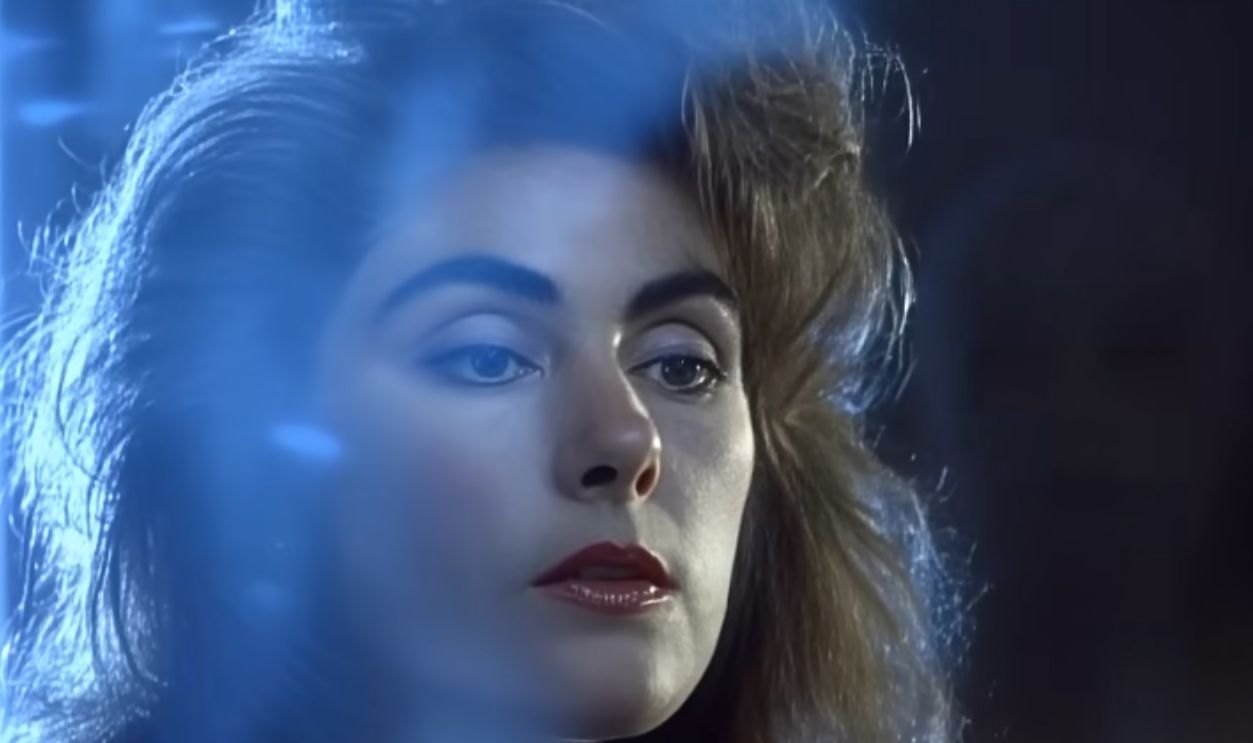 Screenshot from “Self Control”, Atlantic Records (1984)
“I Ran (So Far Away)” - A Flock Of Seagulls / Grand Theft Auto: Vice City
If one synth-pop song seems almost designed for Vice City, it's “I Ran". A Flock of Seagulls' combination of echoing guitar, futuristic synthesizers, and dramatic vocals already sounded intensely 80s before Rockstar placed it on Wave 103. Inside the game, however, it became part of a carefully built time capsule. For plenty of players born after the decade ended, Vice City was their first real introduction to the song.
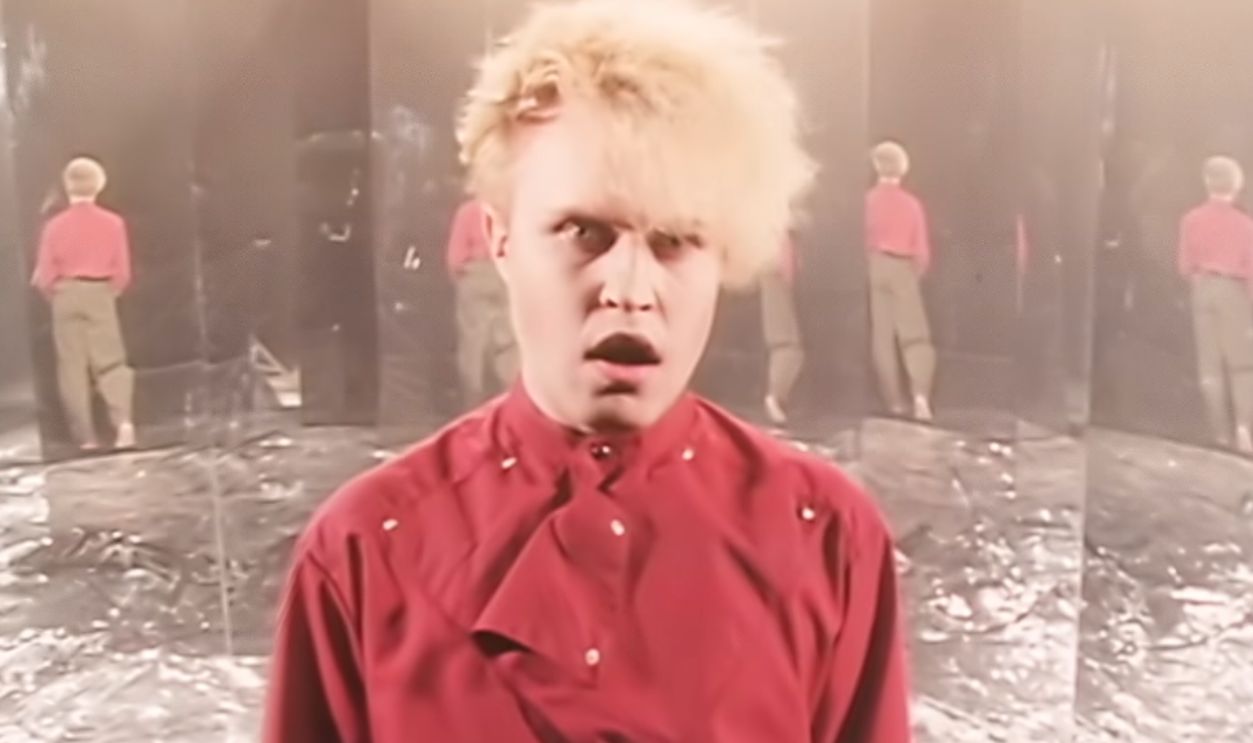 Screenshot from “I Ran (So Far Away)”, Jive Records (1982)
“Billie Jean” - Michael Jackson / Grand Theft Auto: Vice City
Few soundtrack choices announced Vice City's ambitions quite like Michael Jackson's “Billie Jean". The song appears on Flash FM, immediately lending the fictional city the credibility of one of the decade's biggest recordings. Players could swipe a car, turn on the radio, and unexpectedly hear one of the most famous pop songs ever made. That kind of licensed soundtrack helped make driving around feel like an event rather than simple transportation.
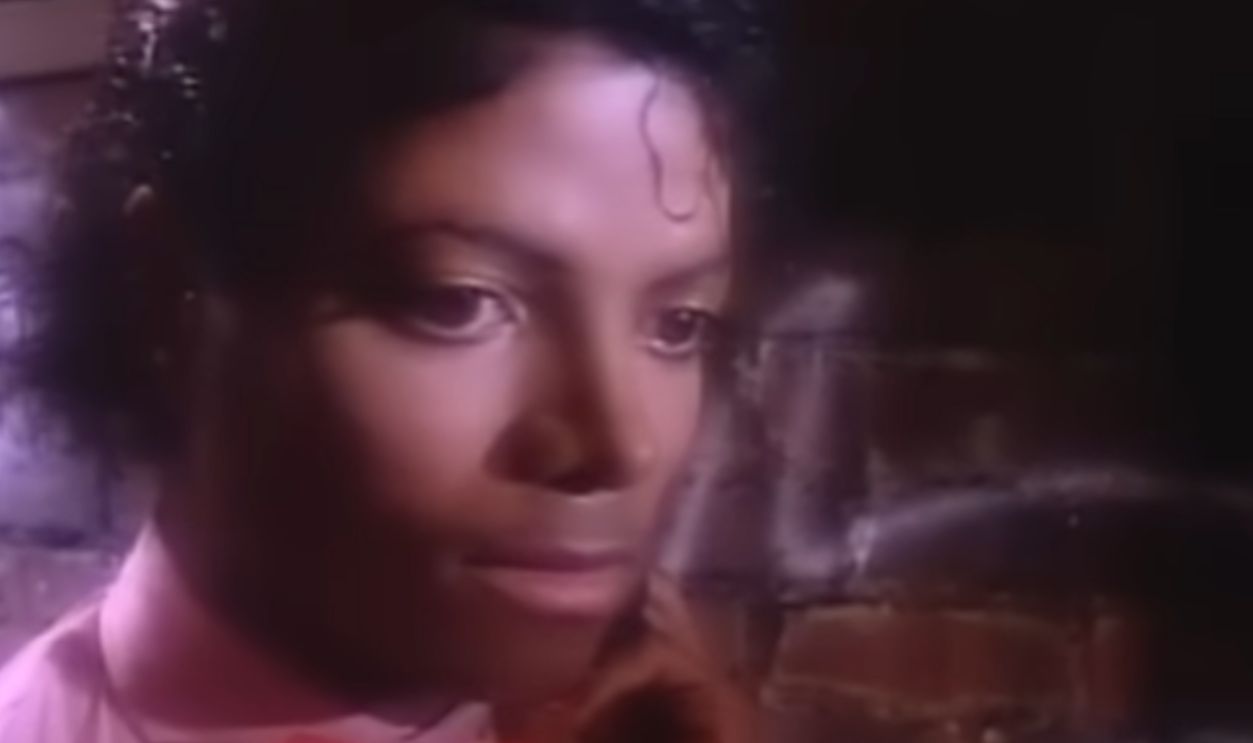 Screenshot from “Billie Jean”, Epic Records (1982)
“A Horse With No Name” - America / Grand Theft Auto: San Andreas
Rockstar changed decades for San Andreas, and its radio stations became just as carefully curated as those in Vice City. America's “A Horse with No Name” appears on classic-rock station K-DST, where its desert imagery feels especially appropriate while driving through the game's vast countryside. The song's relaxed pace also provides a funny contrast with whatever chaos CJ may have created moments before turning on the radio.
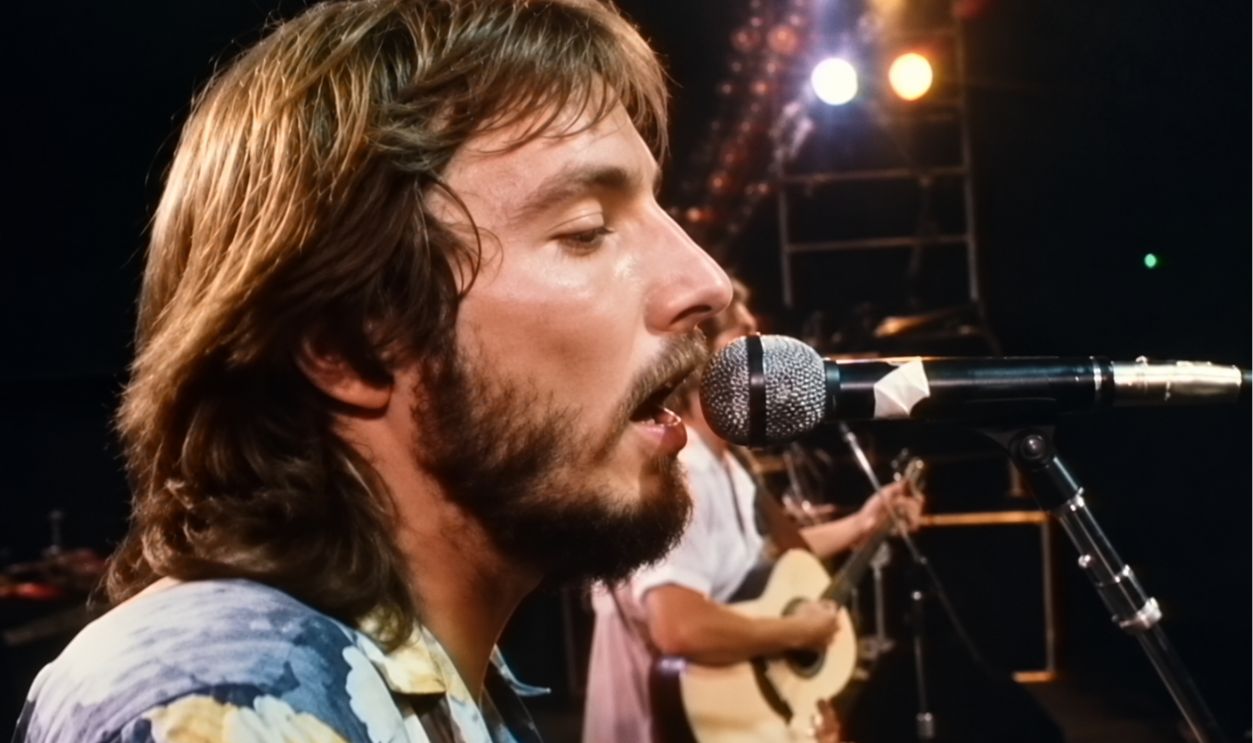 Screenshot from “A Horse with No Name”, Warner Bros. Records (1971–1972), Modified
“Sleepwalking” - The Chain Gang Of 1974 / Grand Theft Auto V
“Sleepwalking” wasn't simply hidden on one of Grand Theft Auto V's many radio stations. Rockstar used it prominently in the game's official trailer and television advertising, helping transform it into one of the songs most closely associated with GTA V. It also appears on Radio Mirror Park. Rockstar later described it as one of the game's signature tunes, and its dreamy synth-rock atmosphere became inseparable from memories of Los Santos.
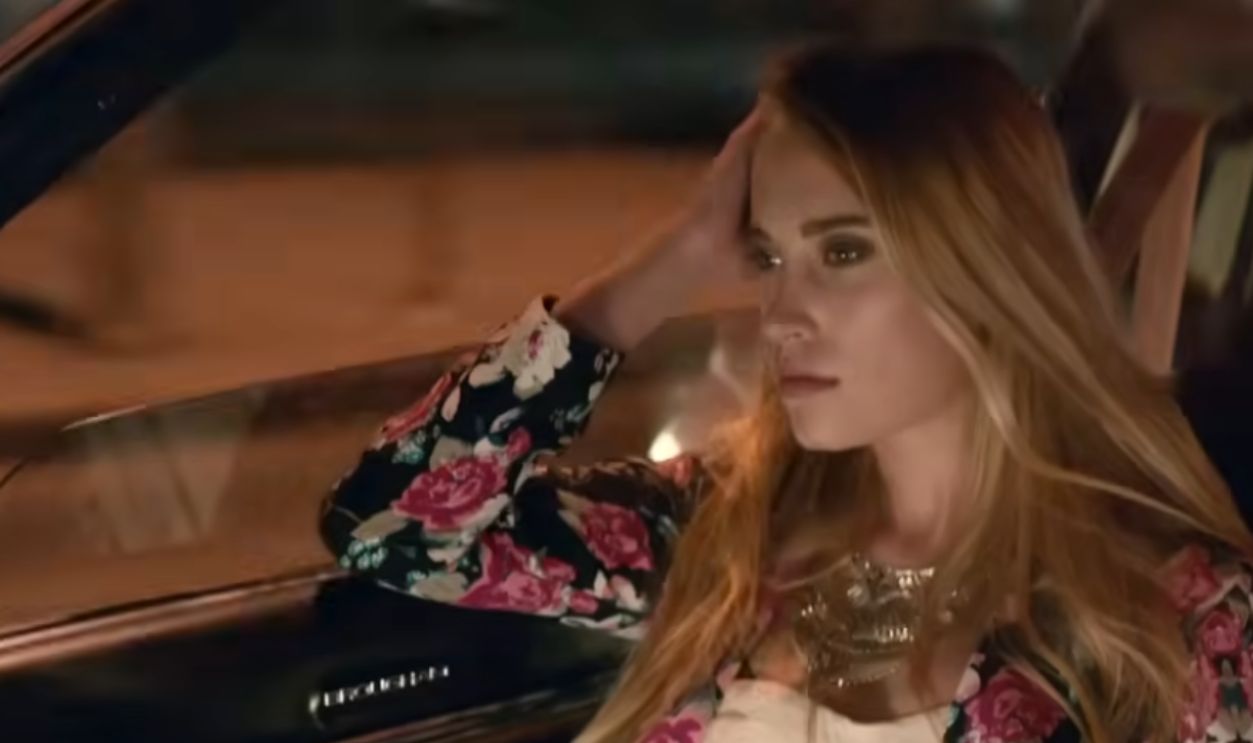 Screenshot from “Sleepwalking”, Warner Bros. Records (2014)
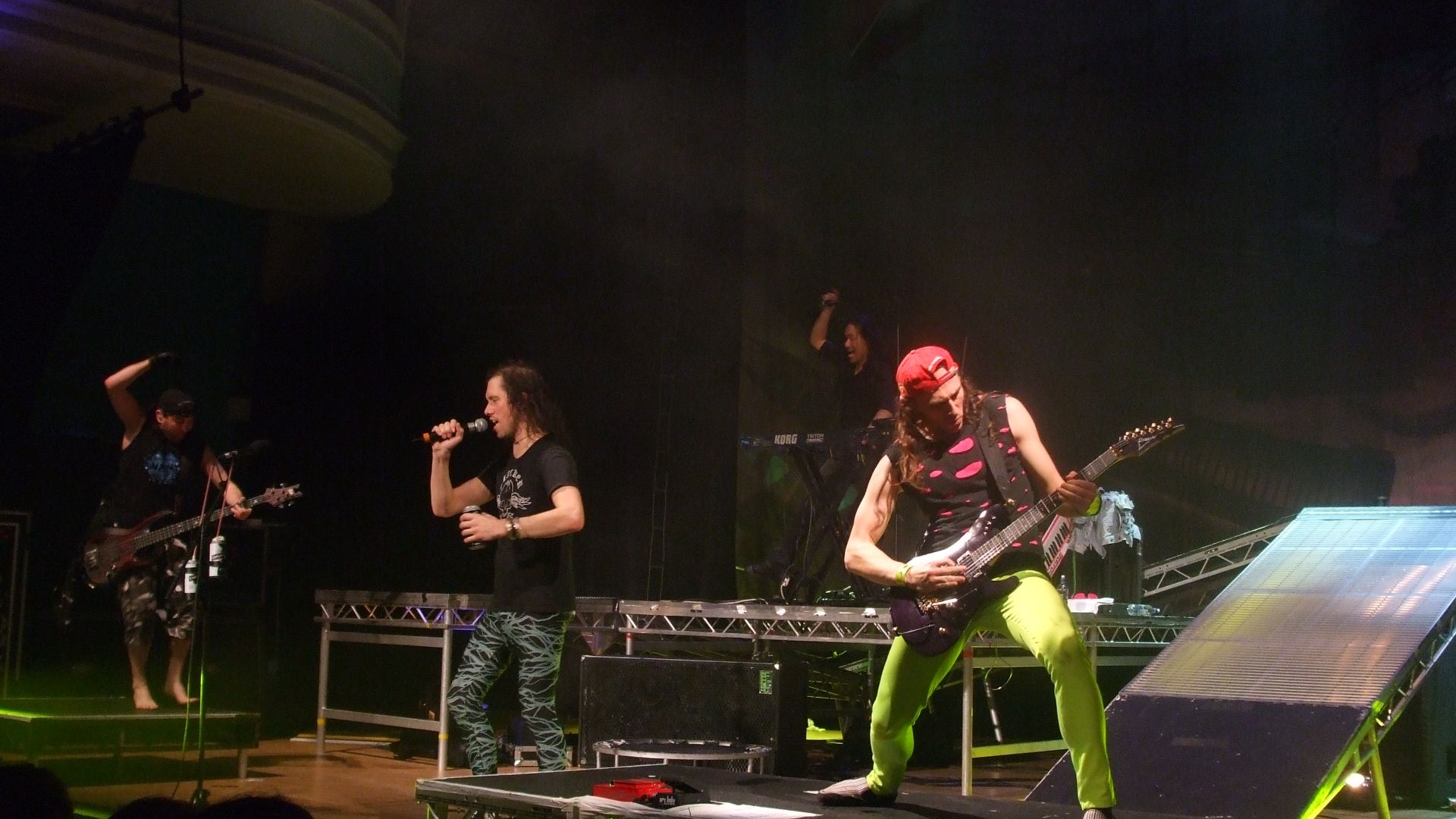
“Through The Fire And Flames” - DragonForce / Guitar Hero III
DragonForce's “Through the Fire and Flames” was already absurdly difficult to play on a real guitar, so naturally Guitar Hero III turned it into one of gaming's most notorious challenges. The track becomes available after finishing the career, catching many players off guard as the credits begin. Its lightning-fast note patterns made successfully completing it on Expert a genuine badge of honor during the height of the rhythm-game craze.
“Cult Of Personality” - Living Colour / Guitar Hero III
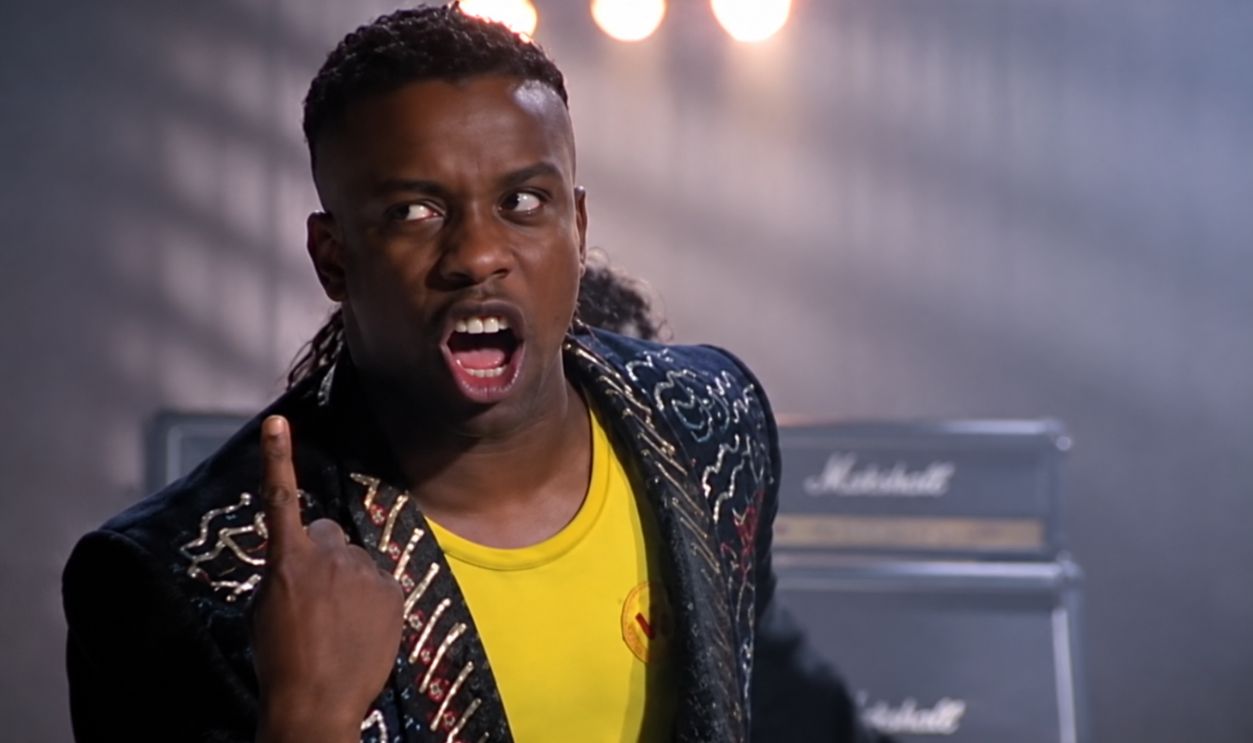
“Cult of Personality” already had one of rock's great guitar riffs, but Guitar Hero III made Vernon Reid's solo a new kind of nightmare. Living Colour recorded a new version of the song for the game, complete with a freshly recorded solo that gave players plenty to struggle with. Its appearance introduced the late-80s hit to a younger audience while making it one of the most memorable tracks on an exceptionally guitar-heavy setlist.
 Screenshot from “Cult of Personality”, Epic Records (1988), Modified
“Knights Of Cydonia” - Muse / Guitar Hero III
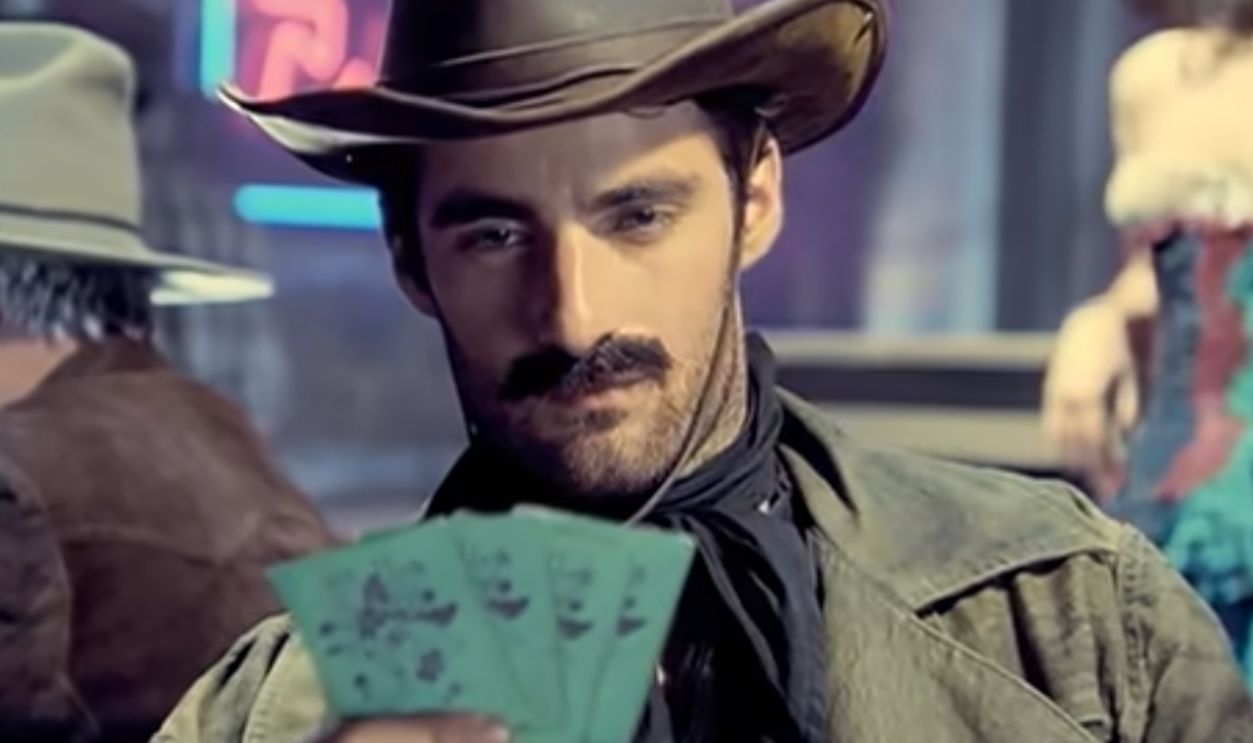
Muse's “Knights of Cydonia” feels almost custom-built for a rhythm game. It races through galloping rhythms, dramatic vocal passages, and a thunderous closing riff, giving players very little time to relax. In Guitar Hero III, the relentless repeated notes turned it into an endurance test, especially on higher difficulties. Plenty of players who hadn't followed Muse beforehand came away from the game knowing this six-minute rock epic extremely well.
 Screenshot from “Knights of Cydonia”, Warner Bros. Records (2006)
“Jordan” - Buckethead / Guitar Hero II
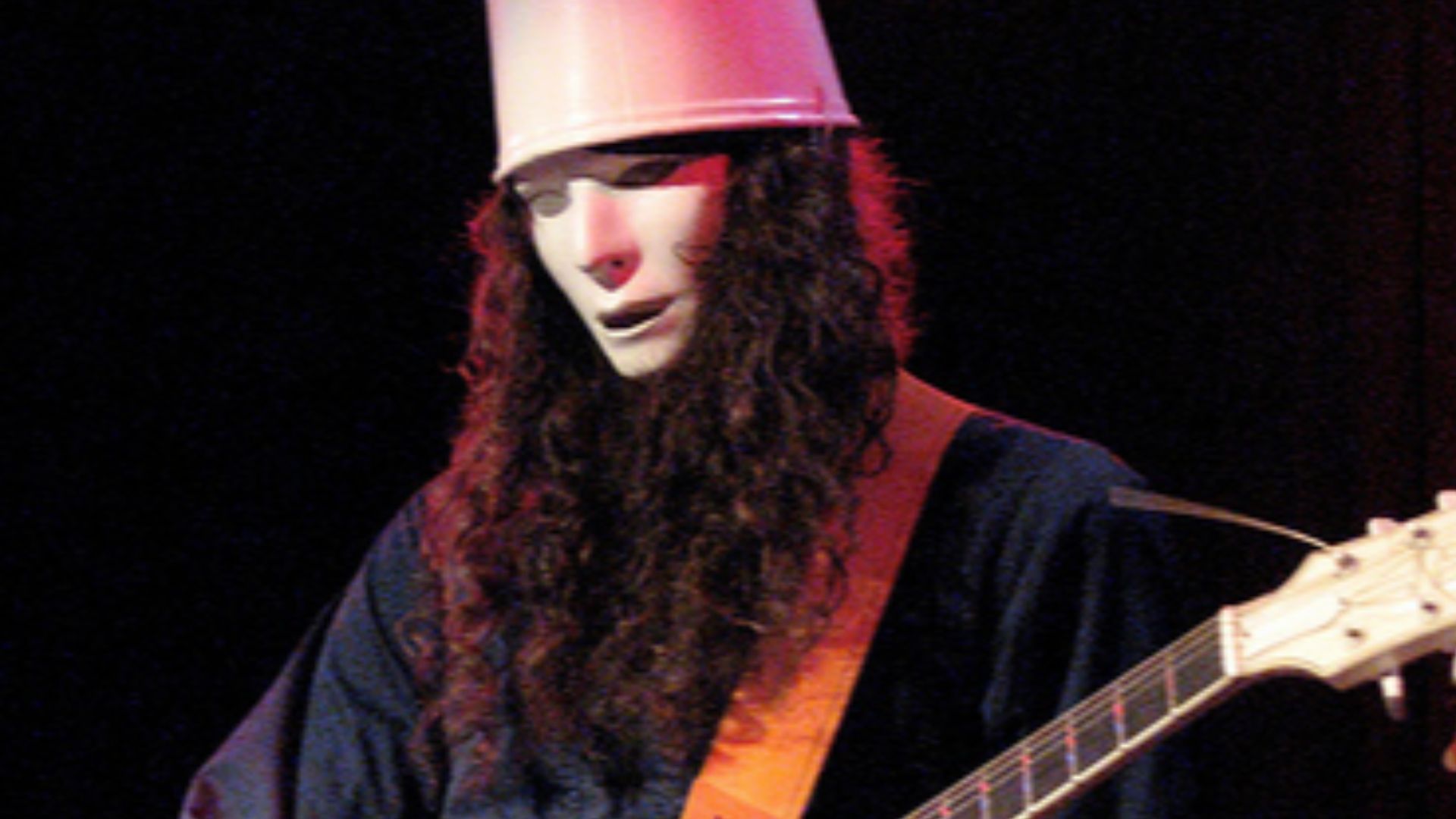
“Jordan” has perhaps the closest relationship with gaming of any song on this list. Buckethead had performed versions of the piece live, but the studio version in Guitar Hero II was created specifically for the game with help from Guitar Hero music director Marcus Henderson. The resulting solo became infamous for its difficulty. What began as an unlockable bonus song quickly developed into one of the franchise's ultimate tests of skill.
You May Also Like:
Video Game Shows That Actually Got It Right
Every Generation Cranks Up These Rock Anthems Like They’re Brand New
TV Theme Songs From The 1980s That Viewers Can Still Sing From Memory