
The Night Everything Changed
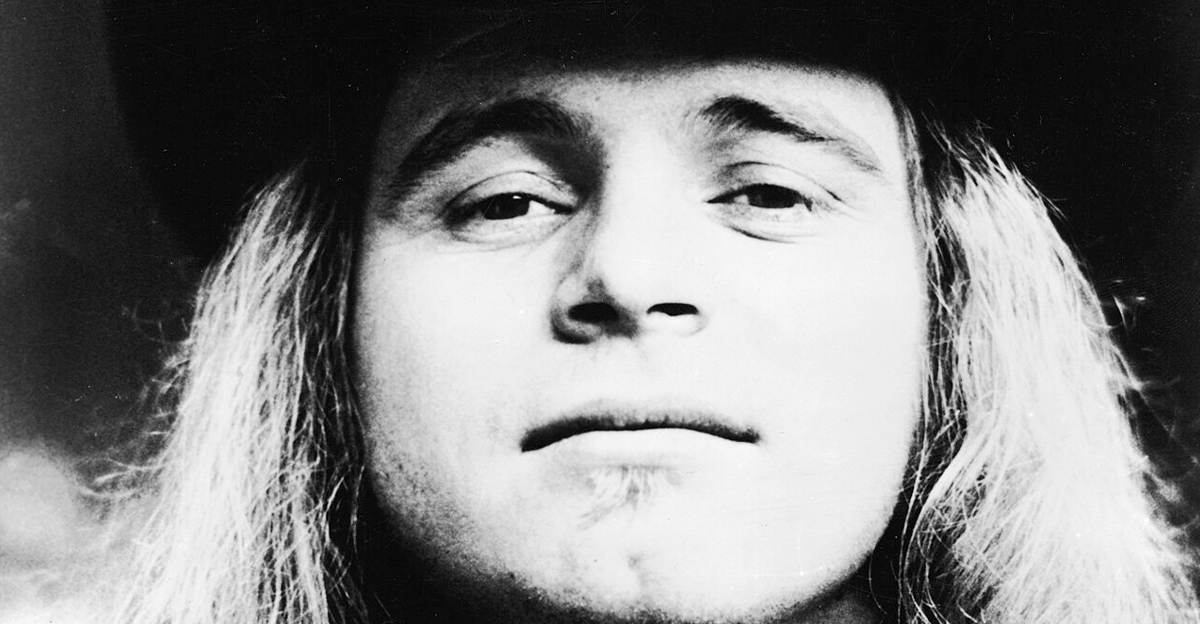
By October 1977, Lynyrd Skynyrd had fought its way from Jacksonville clubs to the top of American rock. Then, only three days after releasing what looked like its strongest album yet, the band's plane fell from the sky over Mississippi. Ronnie Van Zant was gone at just 29. Lynyrd Skynyrd seemed finished too, but the story didn't end in those woods.
 Distributed by MCA Records, Wikimedia Commons
Ronnie Had Been Building This Band Since He Was A Teenager
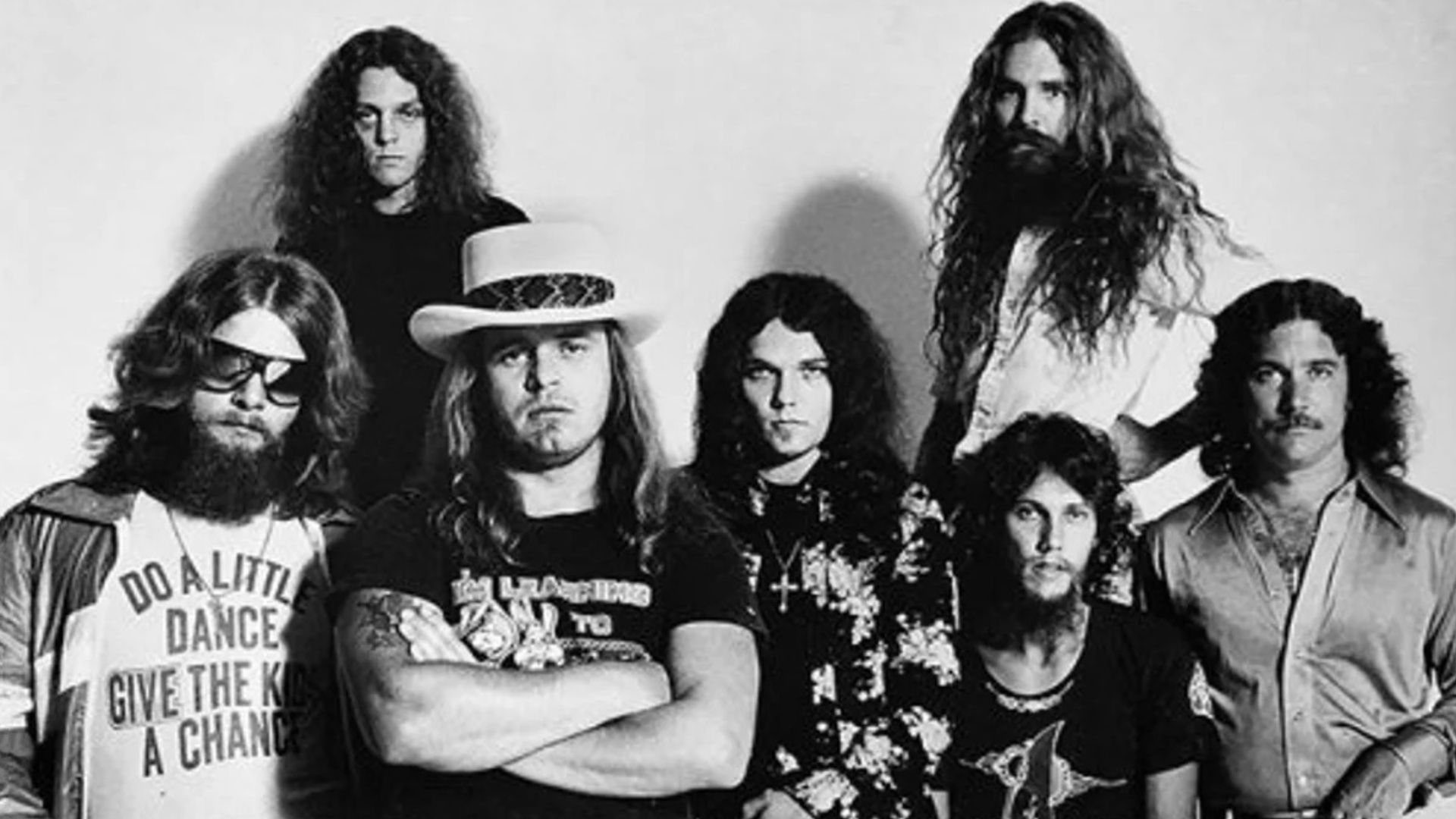
Van Zant's version of Lynyrd Skynyrd began in Jacksonville, Florida, in 1964, when he connected with Gary Rossington and Bob Burns after the teenagers crossed paths playing baseball. Allen Collins and Larry Junstrom soon joined them. The group cycled through names including My Backyard and the One Percent before settling on Lynyrd Skynyrd, a joking reference to a school gym teacher who objected to long hair.
Hell House Turned Them Into A Real Band
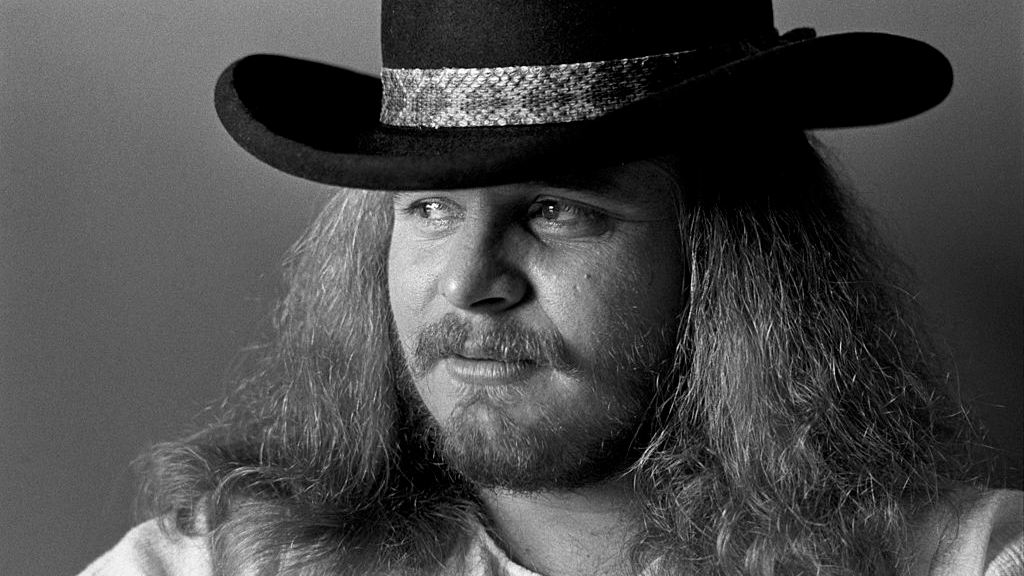
Success didn't come quickly. Van Zant pushed the musicians through exhausting rehearsals at a crude practice space outside Jacksonville that became known as Hell House. Sessions could stretch for hours in brutal Florida heat, with Van Zant acting as singer, songwriter, leader, and unofficial drill sergeant. By the time record companies finally paid attention, Skynyrd hadn't stumbled onto its sound. The band had hammered it into shape.
Pronounced Finally Opened The Door
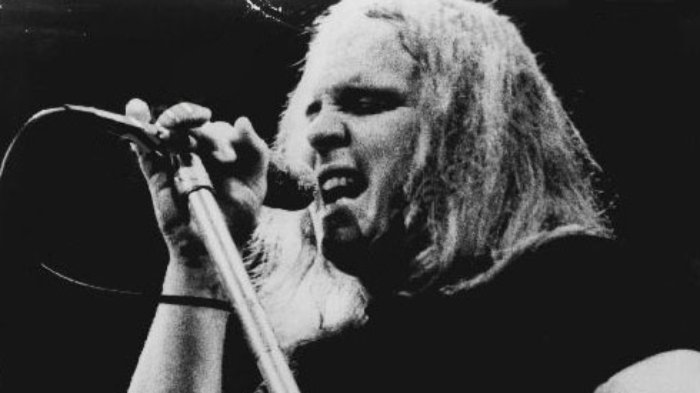
Lynyrd Skynyrd's 1973 debut, Pronounced 'Lĕh-'nérd 'Skin-'nérd, introduced a combination of blues, country, hard rock, and multiple guitars that didn't sound quite like anyone else. "Gimme Three Steps," "Simple Man," and especially "Free Bird" gave the band an identity almost immediately. Touring as an opening act for The Who then put that sound in front of enormous audiences far beyond the South.
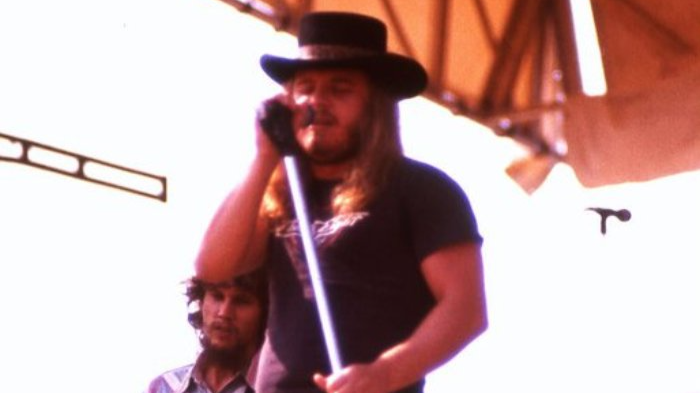 Jimmy Barnes Photography, CC BY-SA 4.0, Wikimedia Commons
"Sweet Home Alabama" Made Them Impossible To Ignore
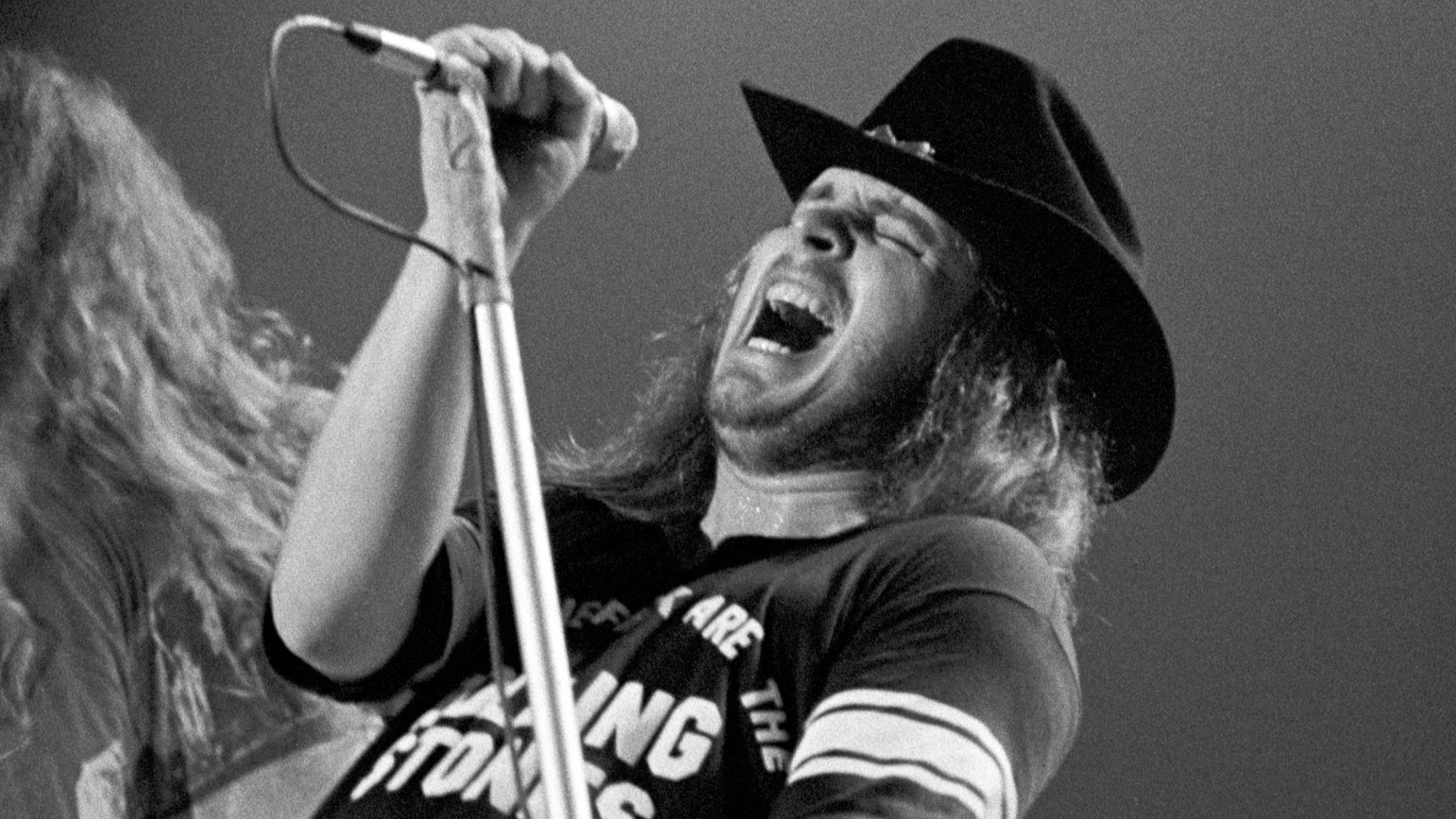
The following year's Second Helping pushed Skynyrd into another category. "Sweet Home Alabama" became a major hit, while songs including "The Ballad of Curtis Loew" showed how sharp Van Zant could be as a storyteller. He didn't write like someone polishing lyrics at a desk. His best songs sounded conversational, specific, and lived-in, which helped separate Skynyrd from bands that merely borrowed Southern imagery.
Success Was Starting To Take A Toll
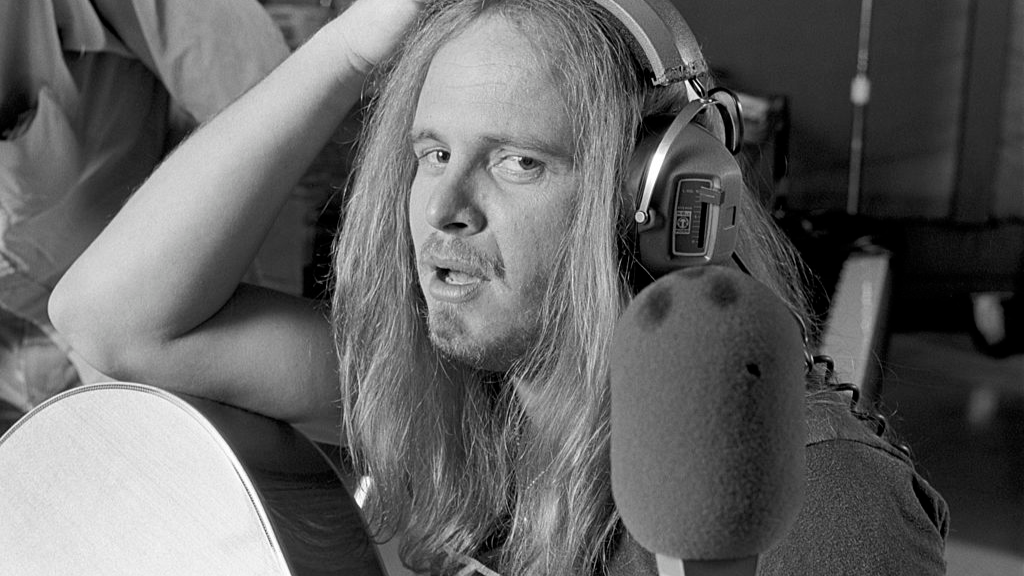
The rise wasn't remotely comfortable. Constant touring, drinking, fights, personnel changes, and the pressure to keep producing records began grinding the group down. Nuthin' Fancy was recorded quickly around a punishing schedule, and tensions increasingly spilled over into the band's personal relationships. Van Zant could be demanding and volatile himself, but he also understood that Skynyrd couldn't survive indefinitely by treating every night like a brawl.
Steve Gaines Gave The Band New Life
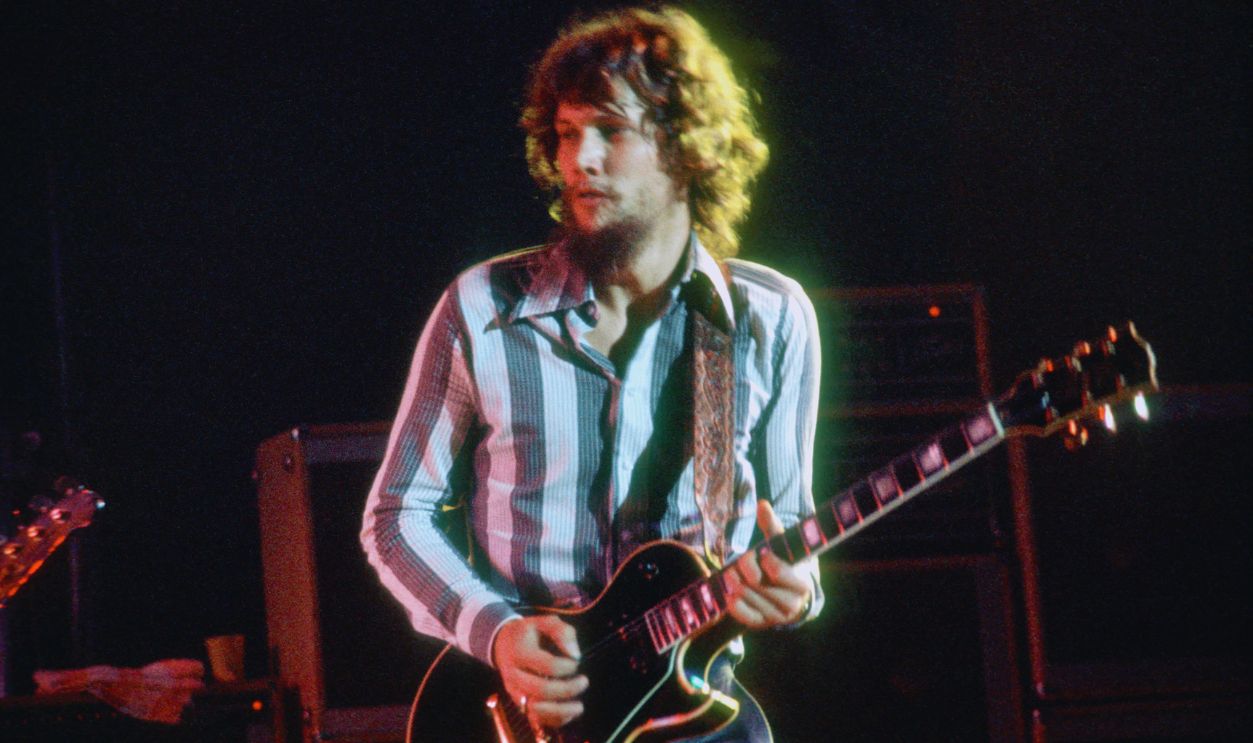
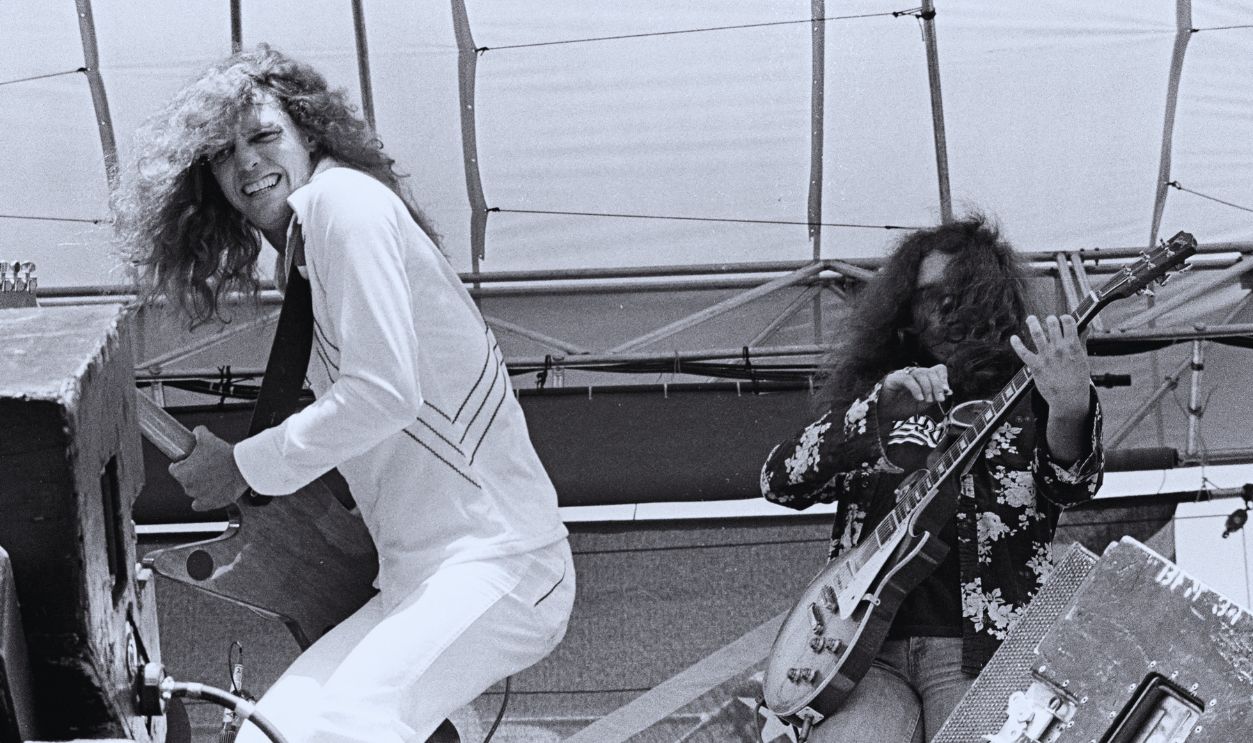
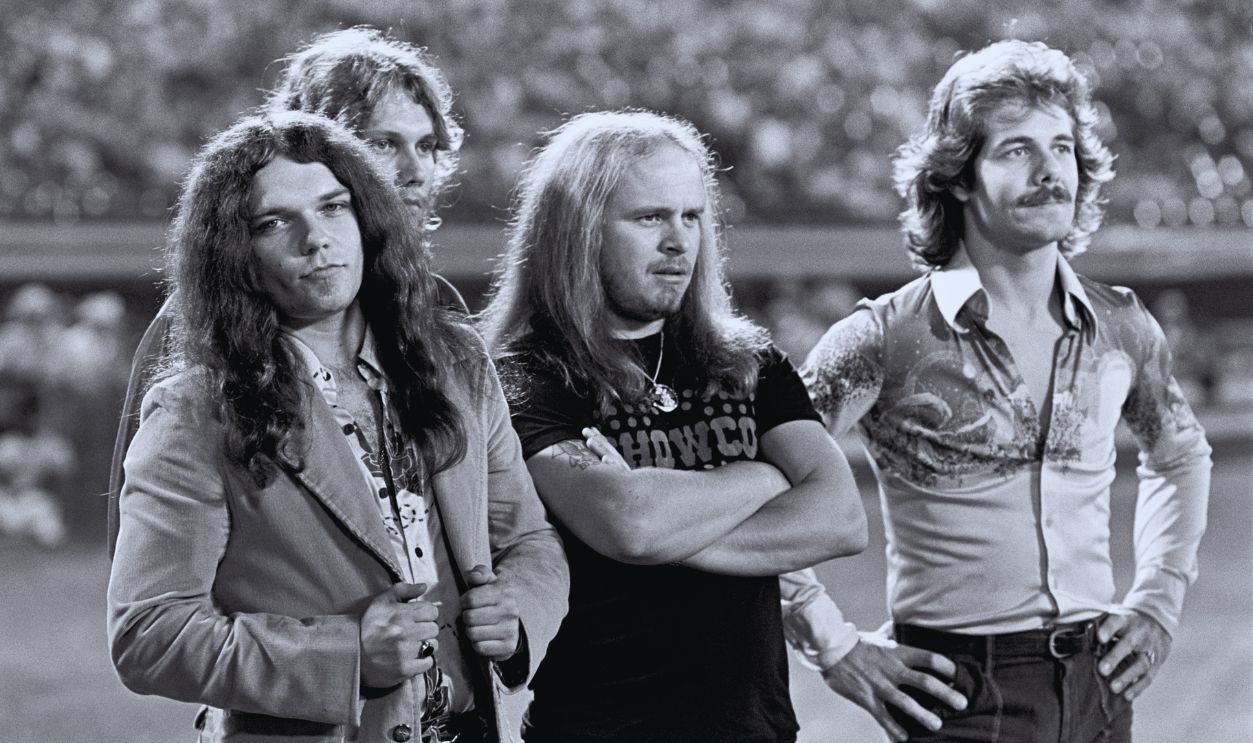
By 1976, guitarist Steve Gaines had joined the lineup, initially after his sister Cassie Gaines, one of Skynyrd's backing singers, encouraged the band to hear him play. Van Zant quickly recognized how much Gaines could contribute. He wasn't simply another guitarist for the famous three-guitar attack. Gaines could write and sing too, and his arrival injected fresh energy into a band that badly needed it.
 Michael Ochs Archives, Getty Images
Street Survivors Sounded Like A Band Reborn
That renewed confidence exploded across Street Survivors. Released on October 17, 1977, the record featured "What's Your Name," "You Got That Right," "I Know a Little," and "That Smell." Gaines contributed heavily, while Van Zant sounded increasingly reflective about the dangerous life surrounding the band. The album went gold within days and would become Skynyrd's highest-charting studio album of the 1970s.
"That Smell" Became Uncomfortably Prophetic
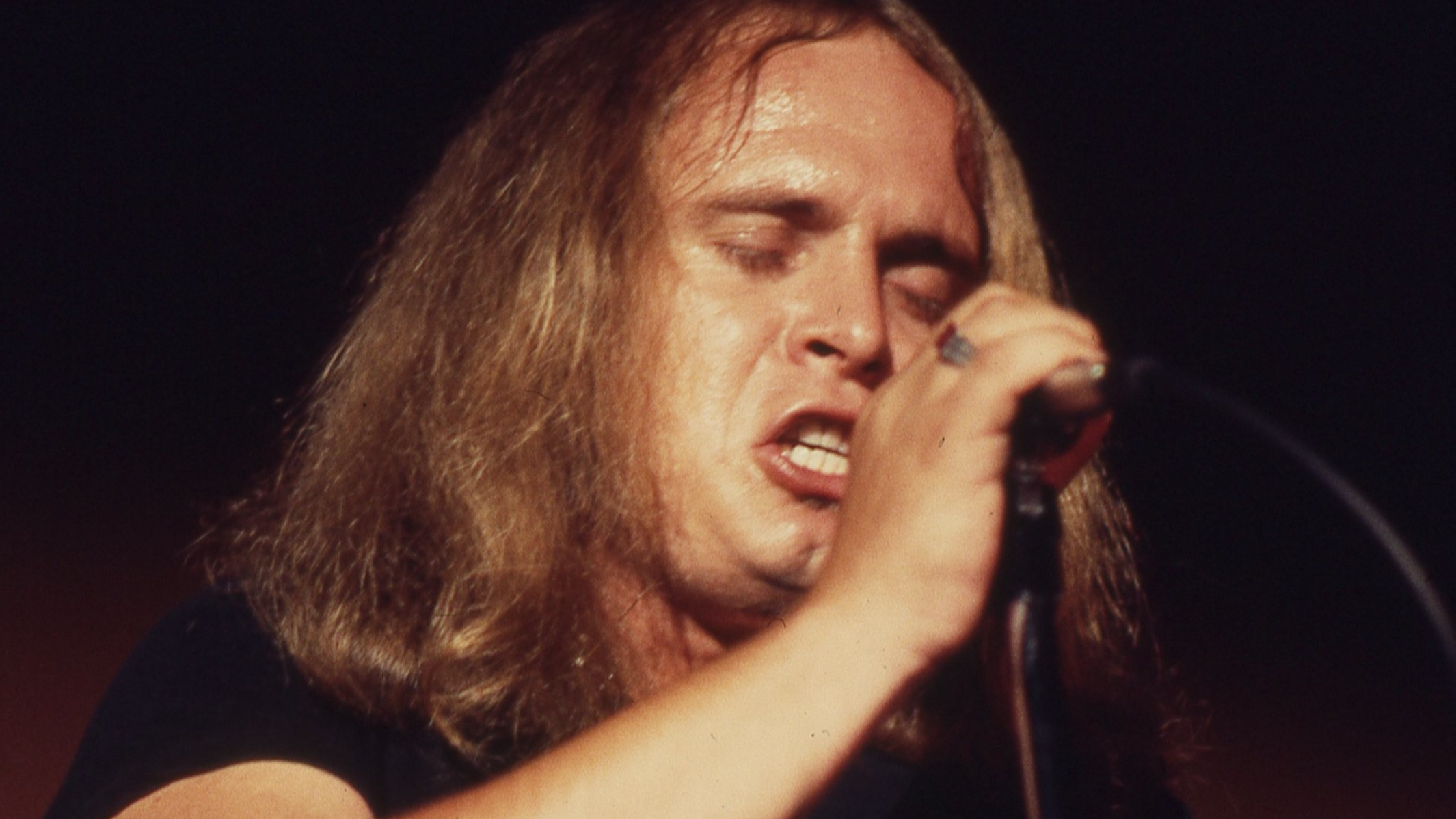
Van Zant wrote "That Smell" as a blunt warning about reckless behavior, partly inspired by guitarist Gary Rossington crashing his car while impaired. Its references to illicit substances, danger, and mortality were intended to scare people into changing course, not predict what came next. After October 20, though, listeners couldn't hear the song quite the same way. The danger Van Zant had been writing about suddenly wasn't theoretical anymore.
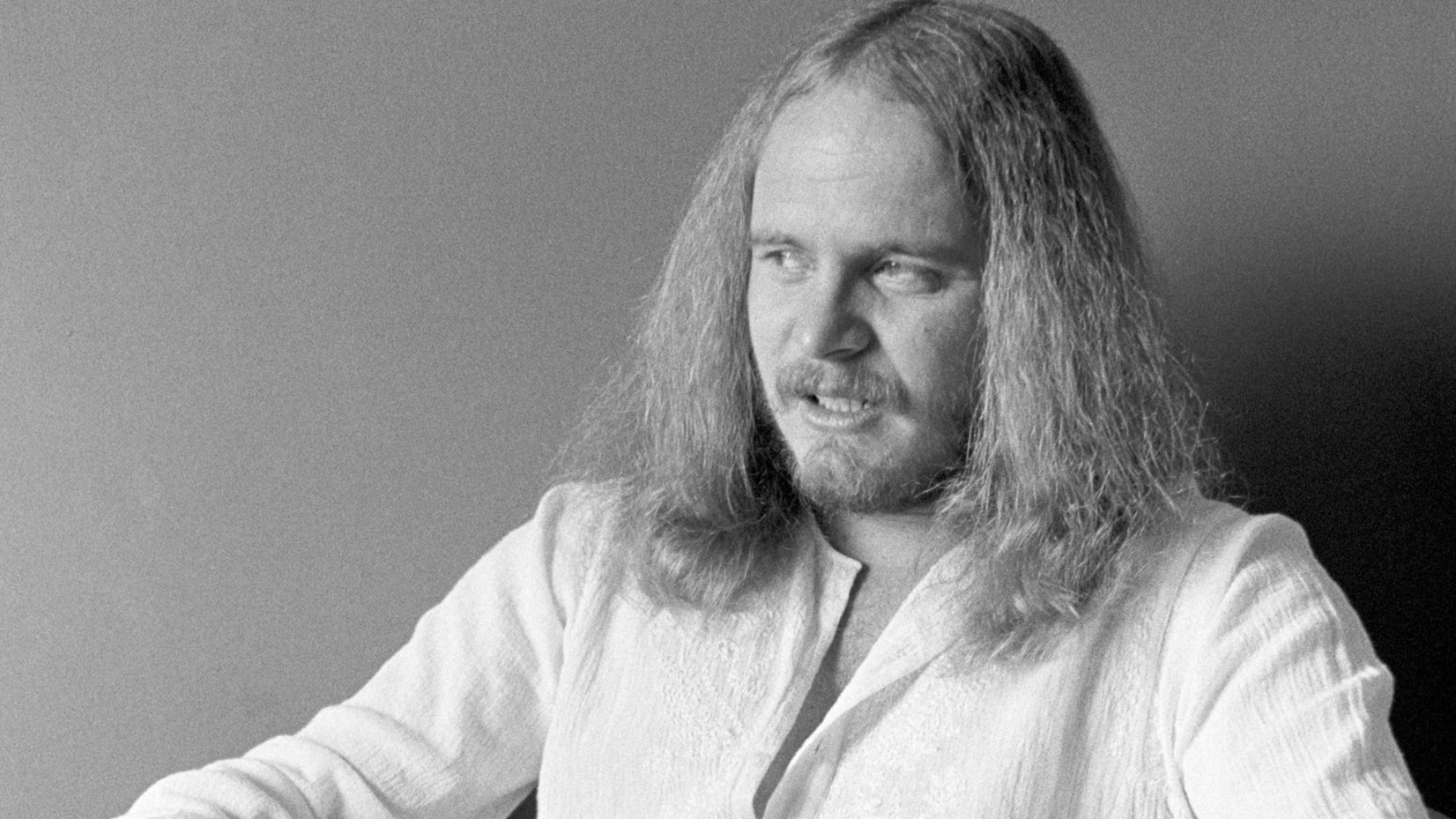
The Band Had Concerns About Its Plane
For the Street Survivors tour, Skynyrd was traveling aboard an aging Convair 240. Members and crew had experienced problems with the aircraft, including trouble involving one of its engines, and some were reportedly uncomfortable about continuing to use it. Plans were already being discussed to replace the plane. Unfortunately, the band still had another flight to make on October 20.
 MCA Records, Wikimedia Commons
They Were Heading To Baton Rouge
That afternoon, the group departed Greenville, South Carolina, after playing a concert the previous night. Their destination was Baton Rouge, Louisiana, where another show awaited them. There were 24 passengers and two pilots aboard. What should have been another routine leg of a relentless tour became an emergency when the aircraft began running dangerously low on fuel over Mississippi.
Both Engines Lost Power
According to the National Transportation Safety Board, the aircraft reported being low on fuel and sought guidance toward an airport in McComb, Mississippi. Before it could get there, fuel exhaustion caused both engines to lose power. The pilots attempted an emergency landing, but there wasn't an open runway beneath them. Instead, the powerless Convair descended toward heavily wooded countryside near Gillsburg.
 Richard E. Aaron, Getty Images
The Plane Tore Through The Trees
The aircraft struck trees and broke apart during the crash. Remarkably, there was no post-impact fire, but the violence of the collision was devastating. Survivors were scattered through the wreckage with severe injuries, and help had to reach them in an isolated rural area. The NTSB would later blame fuel exhaustion caused by inadequate fuel management and planning, with an engine problem contributing to higher fuel consumption.
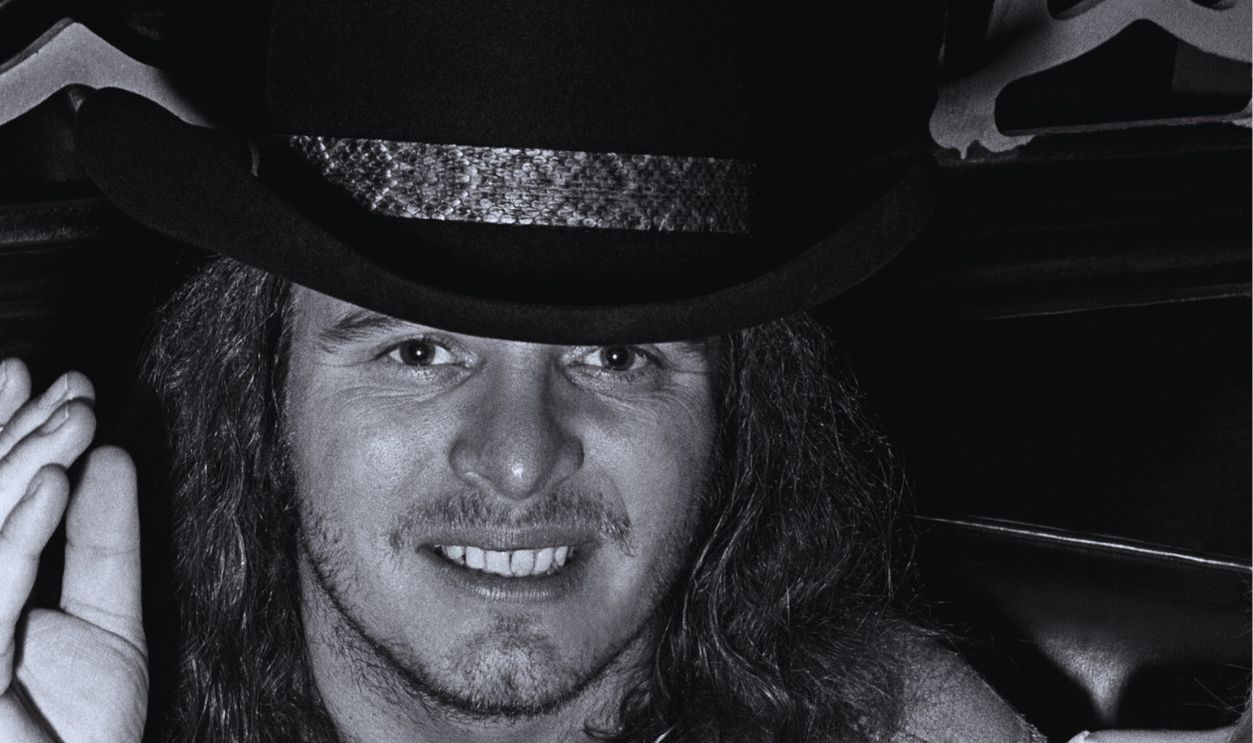
Ronnie Van Zant Was Gone
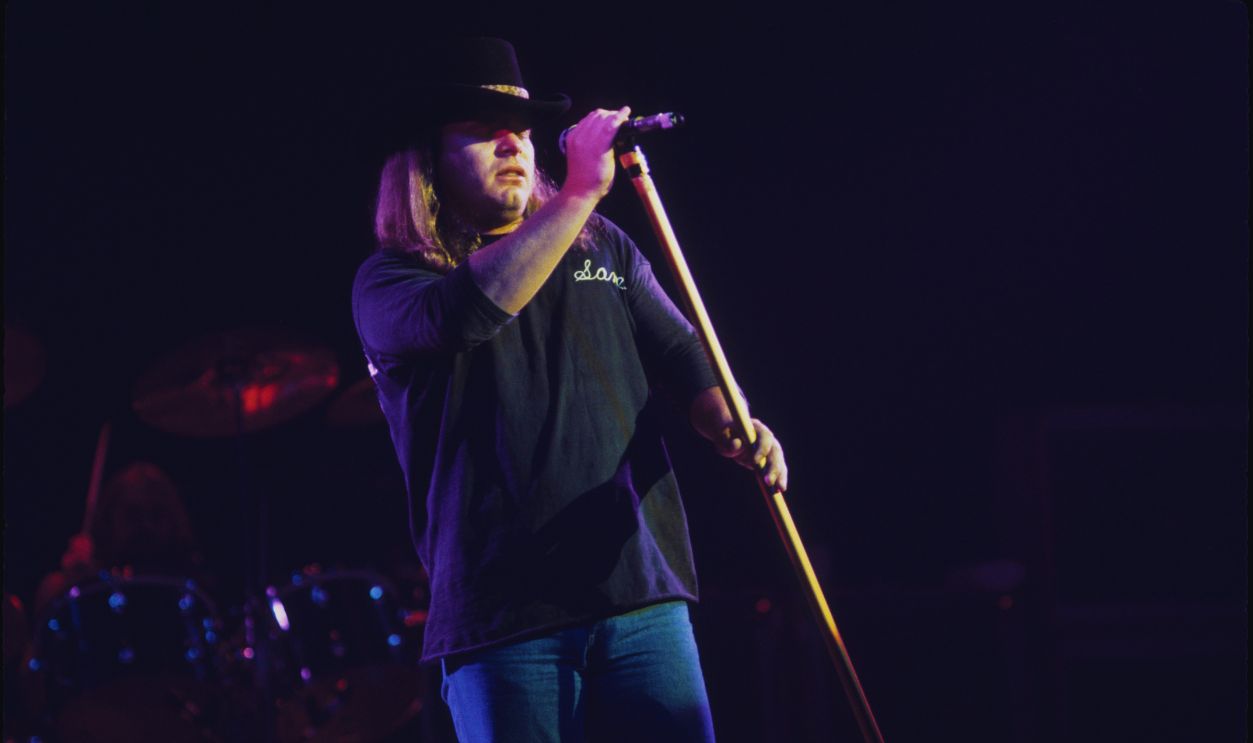
Six people lost their lives. Ronnie Van Zant, Steve Gaines, Cassie Gaines, assistant road manager Dean Kilpatrick, pilot Walter McCreary, and co-pilot William Gray were slain. Twenty others survived with injuries of varying severity. Van Zant was only 29 years old. Gaines was 28. In seconds, the band had lost its voice, one of its brightest new musical talents, and a member of its backing vocal group.
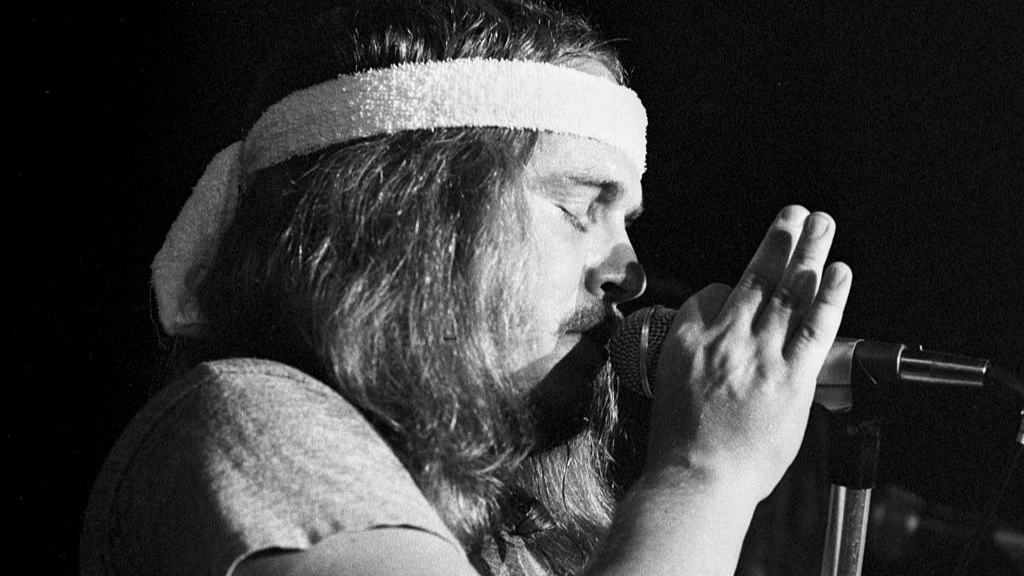 Gijsbert Hanekroot, Getty Images
The Survivors Were Badly Broken
Surviving didn't mean walking away. Several band members suffered serious fractures and other injuries, and Gary Rossington in particular faced a long physical recovery. The people who emerged from the crash weren't simply musicians deciding what album to make next. They were traumatized survivors learning to walk, play, and live normally again while grieving friends whose deaths they had experienced firsthand.
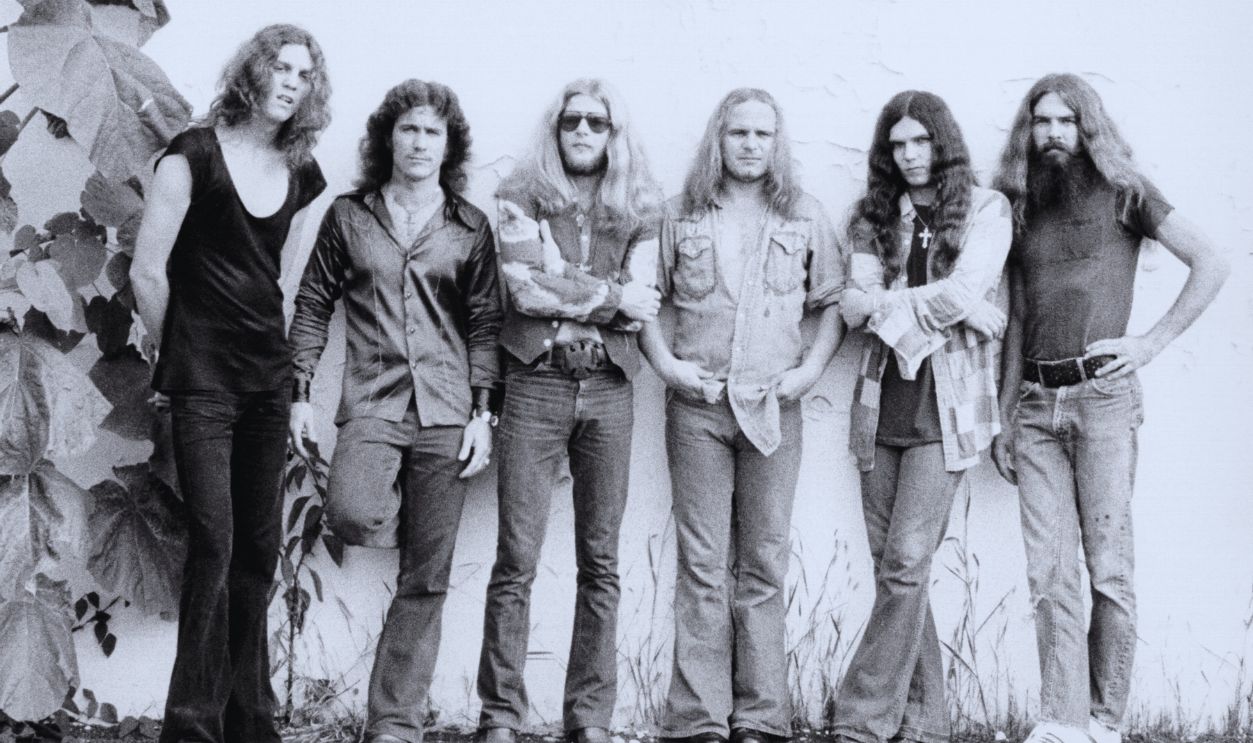 Michael Ochs Archives, Getty Images
The Original Cover Suddenly Looked Horrifying
Street Survivors had been released with a photograph of the band surrounded by flames. Before the crash, it was simply dramatic album artwork. Afterward, it looked unbearably macabre. MCA replaced it with an alternate image showing the group against a darker background, reportedly at the request of Teresa Gaines, Steve Gaines' widow. Later reissues restored the flames, but the original image remains inseparable from what happened three days after release.
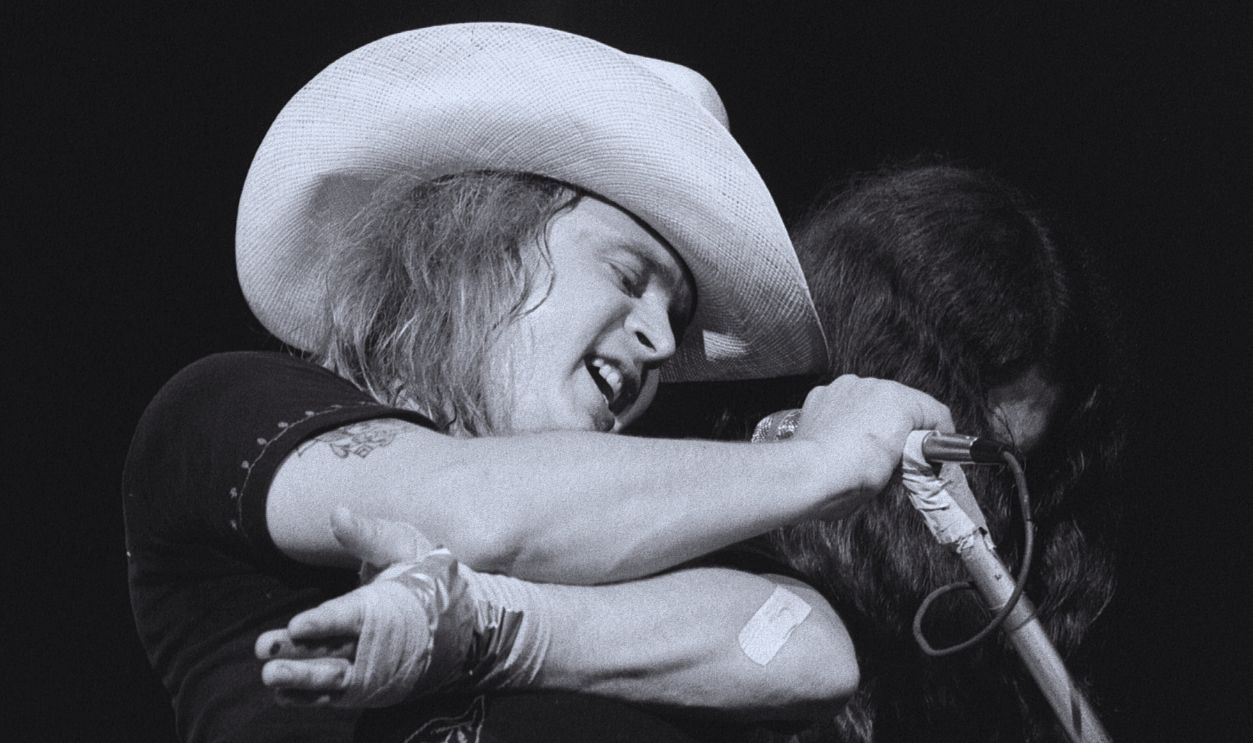
There Was No Question Of Simply Replacing Ronnie
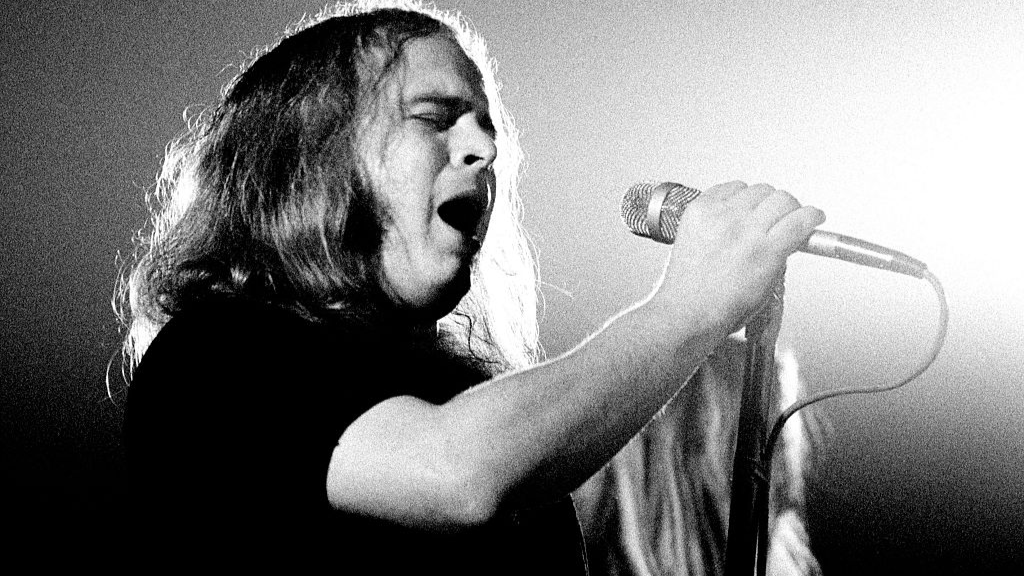
Skynyrd had survived lineup changes before, but Van Zant wasn't another replaceable part. He had been the band's main lyricist, frontman, disciplinarian, and center of gravity from the beginning. Continuing immediately with another singer would have felt impossible to the survivors. Lynyrd Skynyrd formally disbanded, and for the next decade the name largely belonged to the records and to the people who had perished.
 Gijsbert Hanekroot, Getty Images
The Music Became Even Bigger In Their Absence
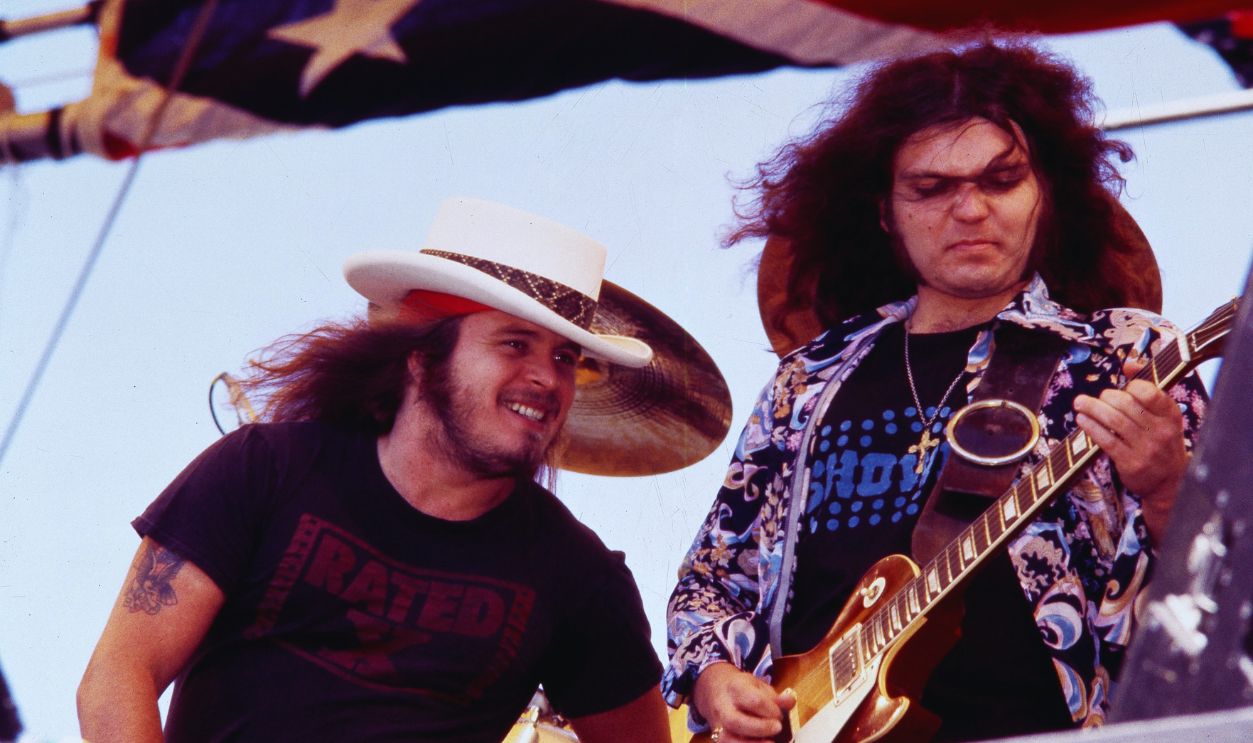
The strange thing was that Skynyrd stopped existing just as its catalog became increasingly permanent. Street Survivors climbed to No. 5 on the Billboard album chart, while "What's Your Name" became another major hit. Earlier songs never went away either. "Free Bird" gradually became one of rock radio's defining epics, while "Sweet Home Alabama" grew into something far bigger than its original chart run.
 Richard McCaffrey, Getty Images
The Survivors Tried Starting Again Without Using The Name
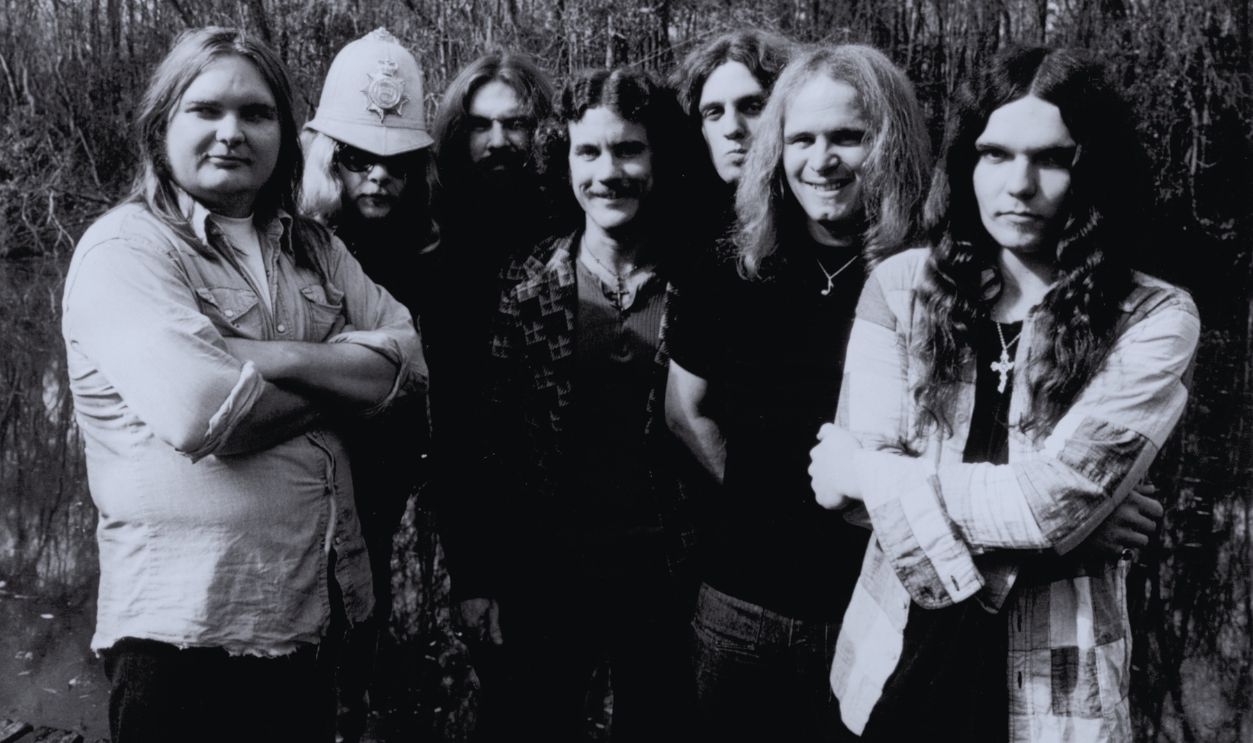
Eventually, some of the surviving musicians found their way back into studios and onto stages. Gary Rossington, Allen Collins, Billy Powell, and Leon Wilkeson became key members of the Rossington Collins Band, fronted by Dale Krantz. Their 1980 debut, Anytime, Anyplace, Anywhere, reached the Top 20 and went gold, proving that the musicians still had an audience even without calling themselves Lynyrd Skynyrd.
 Michael Ochs Archives, Getty Images
They Couldn't Completely Escape Ronnie's Shadow
The Rossington Collins Band deliberately tried not to become Skynyrd with a different singer, but Van Zant's absence inevitably hung over the project. Songs such as "Tashauna" carried the grief of the years after the crash, and audiences arrived knowing exactly where these musicians had come from. The group released another album, This Is the Way, before dissolving in the early 1980s.
Another Tragedy Changed Allen Collins' Future
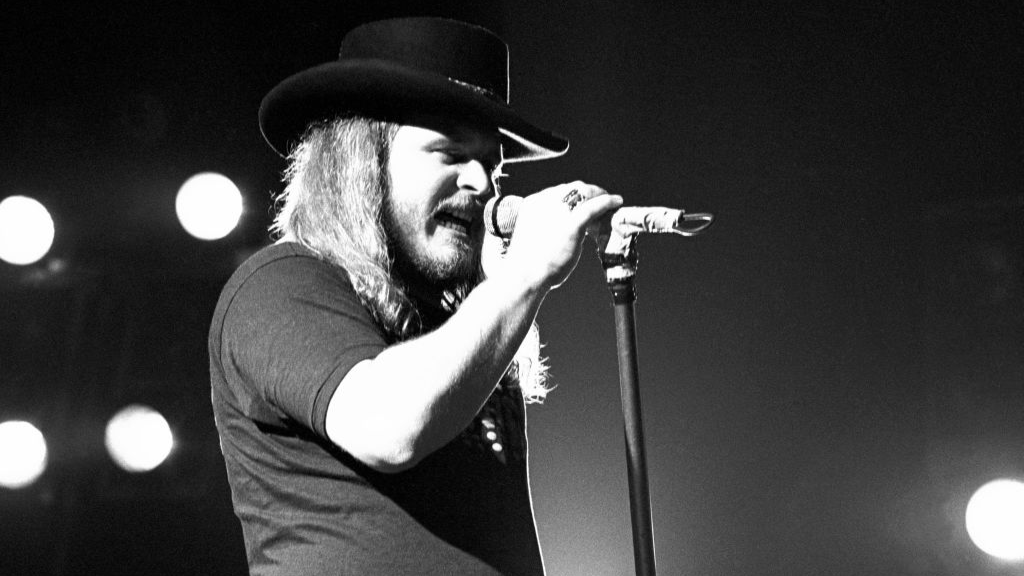
Any hope of eventually rebuilding the old guitar partnership suffered another terrible strike in 1986. Allen Collins was involved in a car crash that took his girlfriend's life and left him paralyzed from the chest down. He could no longer perform guitar onstage. Yet Collins remained involved when talk of a Lynyrd Skynyrd tribute began, serving as musical director rather than disappearing from the band's story completely.
 Michael Ochs Archives, Getty Images
Ten Years Later, A Tribute Finally Felt Possible
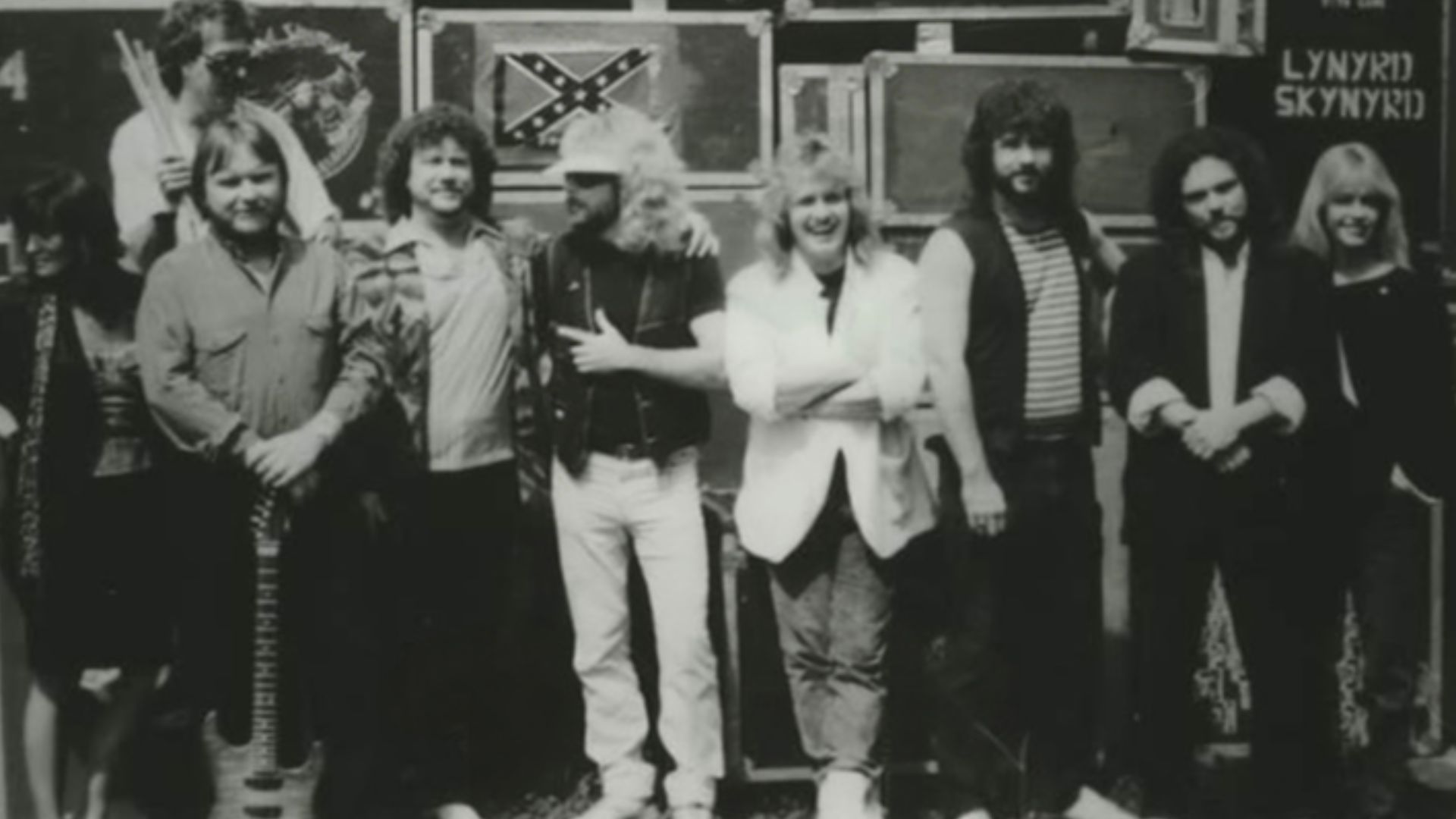
In 1987, surviving members began planning what was initially intended as a tribute marking ten years since the plane crash. Gary Rossington, Billy Powell, Leon Wilkeson, Artimus Pyle, and returning guitarist Ed King came together, with Randall Hall also joining. The idea wasn't initially to pretend 1977 had never happened. It was to honor Ronnie, Steve, Cassie, and the music they had left behind.
 MCA Records, Wikimedia Commons
Finding A Singer Was The Hardest Part
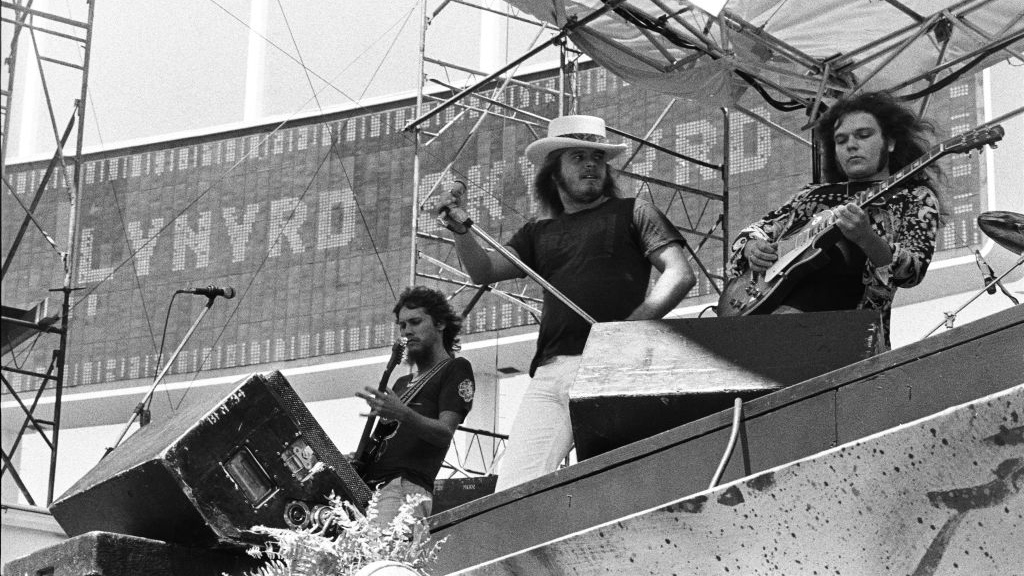
There was only one obvious candidate who could step toward Van Zant's microphone without pretending to be him. Ronnie's younger brother Johnny Van Zant had his own musical career and knew exactly how impossible the comparison would be. He was deeply reluctant to join the project and later recalled taking roughly two months to decide. Even sharing Ronnie's blood couldn't make replacing him feel comfortable.
 Richard McCaffrey, Getty Images
Johnny Chose Tribute Over Imitation
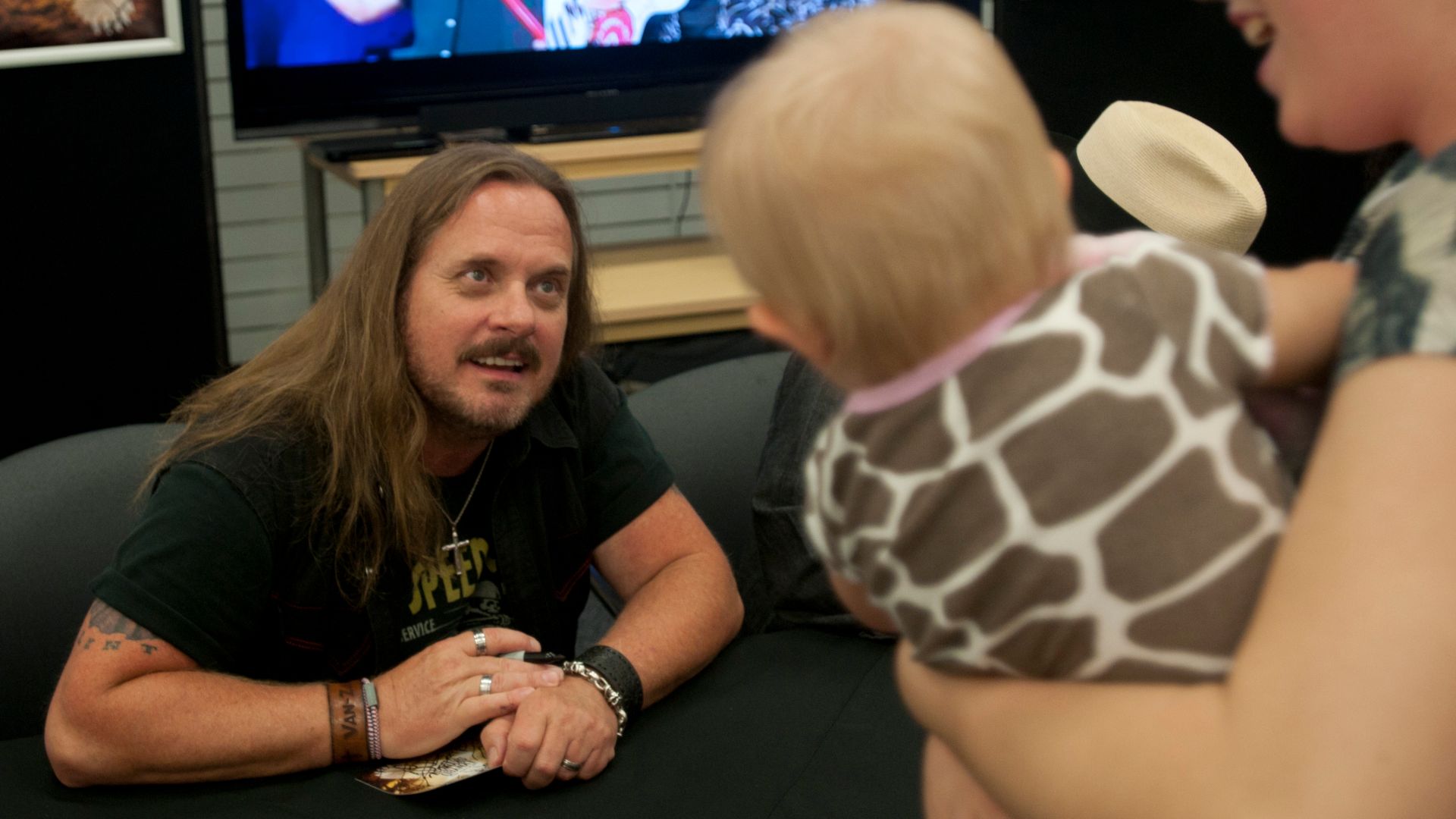
Johnny eventually agreed, reportedly with encouragement from his parents. His approach became crucial to the band's survival. He wasn't Ronnie, and there was no realistic way to make him Ronnie. Instead, his presence created a family connection that allowed songs such as "Free Bird" and "Sweet Home Alabama" to be performed without making the reunion feel like someone had simply been hired to impersonate the dead frontman.
 Sgt. 1st Class Joel Quebec, Wikimedia Commons
The Tribute Tour Refused To Stay A One-Off
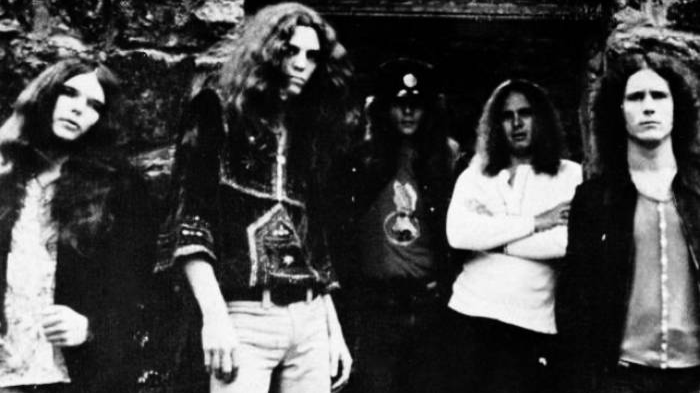
The resulting tour proved far more successful than anyone could dismiss as nostalgia. Audiences wanted to hear the songs played by the people who had helped create them, and the emotional weight of the concerts was enormous. The live album Southern by the Grace of God: Lynyrd Skynyrd Tribute Tour 1987 documented the return. What had begun as remembrance slowly started looking like a working band again.
 MCA Records, Wikimedia Commons
Lynyrd Skynyrd 1991 Made The Reunion Real
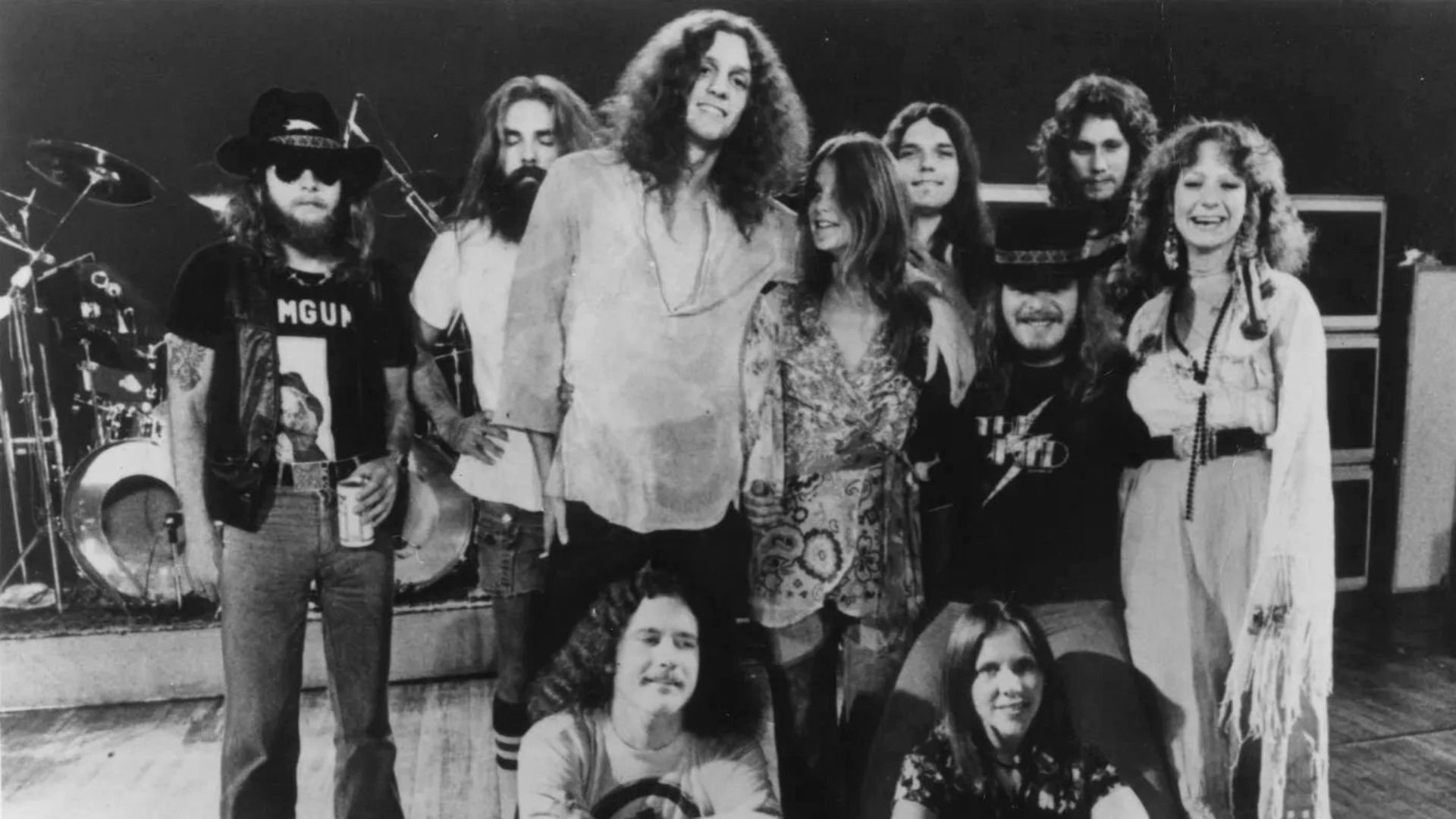
Touring the old catalog was one thing. Recording new Lynyrd Skynyrd music was much riskier. In 1991, the band released Lynyrd Skynyrd 1991, its first studio album of newly recorded material since the crash. Johnny was now more than the singer on a memorial tour. Skynyrd had officially entered a second era, one that couldn't recreate Ronnie's band but could build around the legacy he left.
 MCA Records, Wikimedia Commons
The New Version Built Its Own History
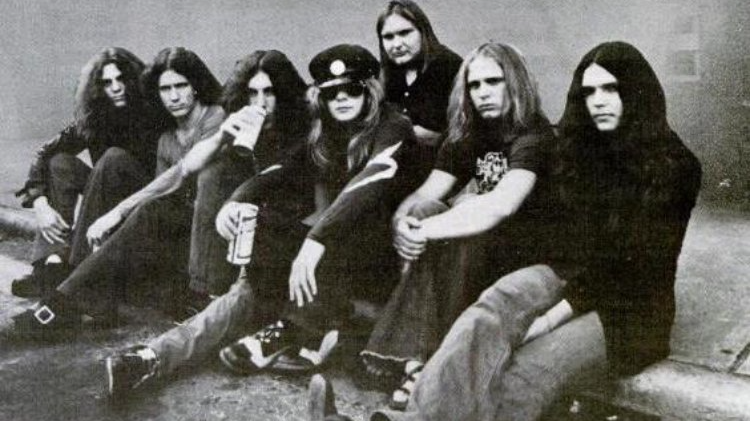
The reunited group continued releasing albums and touring throughout the 1990s, 2000s, and beyond. Rickey Medlocke, who had briefly played with an early incarnation of Skynyrd before becoming famous with Blackfoot, returned in 1996 and became another long-term fixture. The lineup changed repeatedly, but the central idea stayed consistent: new music could exist alongside the old catalog without pretending the tragedy hadn't happened.
 MCA Records, Wikimedia Commons
The Rock Hall Finally Honored The Original Band
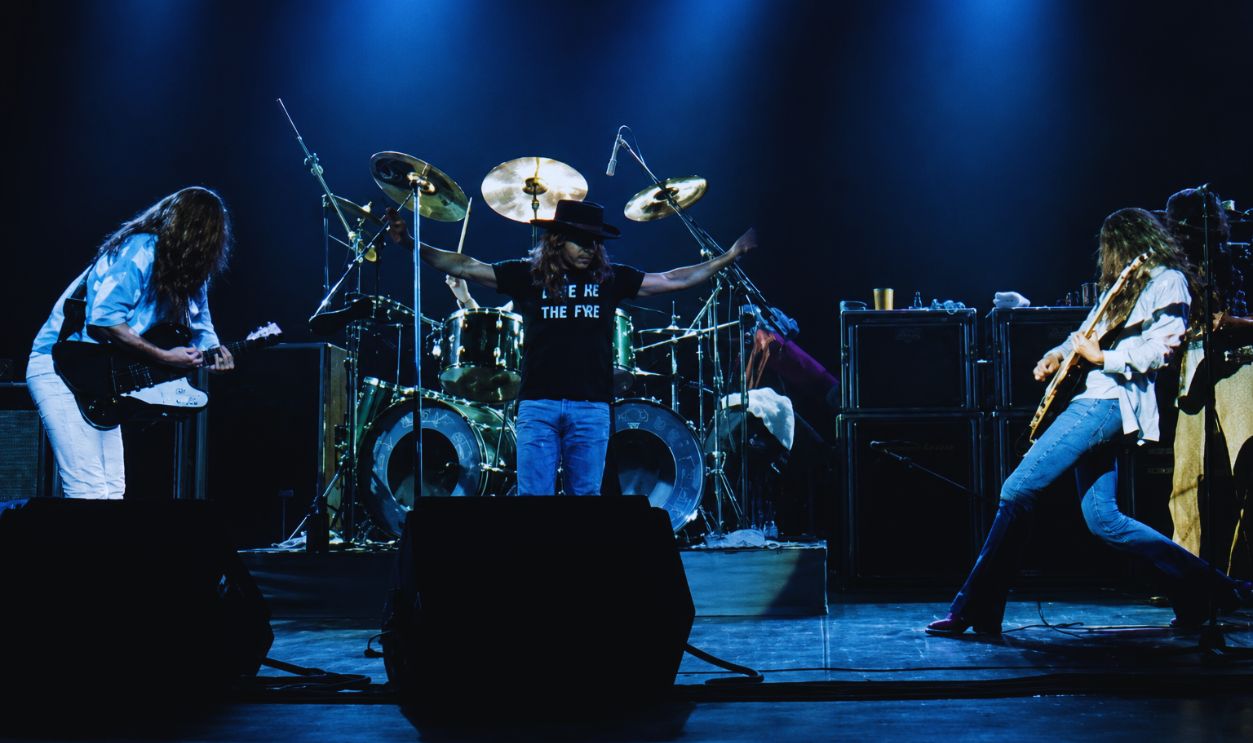
In 2006, Lynyrd Skynyrd entered the Rock & Roll Hall of Fame. The inducted lineup included Ronnie Van Zant, Gary Rossington, Allen Collins, Billy Powell, Leon Wilkeson, Bob Burns, Ed King, Steve Gaines, and Artimus Pyle. Nearly three decades after the crash seemed to freeze Skynyrd in 1977, the honor confirmed that the original band's five-album run had permanently changed American rock.
 MCA Records, Wikimedia Commons
Time Kept Taking Members Away
The decades after the reunion brought more losses. Allen Collins passed on in 1990, Leon Wilkeson in 2001, Billy Powell in 2009, Bob Burns in 2015, and Ed King in 2018. Gary Rossington, the last surviving founding member still closely identified with the touring band, met his end in 2023. With each loss, the question of whether Lynyrd Skynyrd could or should continue became harder to avoid.
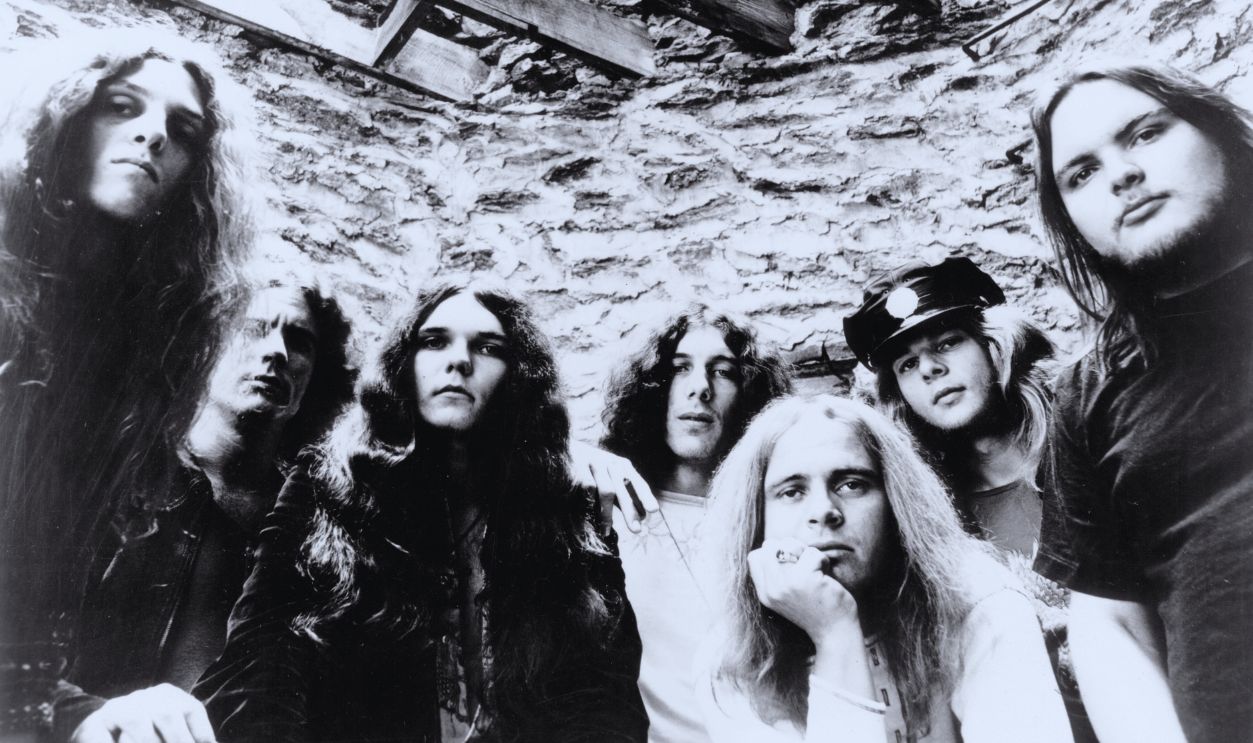
Rossington Had Spent Decades Keeping Ronnie's Dream Alive
For Rossington, continuing had always been closely tied to the friends lost in 1977. Rather than seeing later Skynyrd as a replacement for the original group, he described it as a way to keep the music and the people behind it alive. That sense of responsibility helped explain why he stayed through decades of lineup changes, health problems, criticism, and debates over what still counted as "Lynyrd Skynyrd."
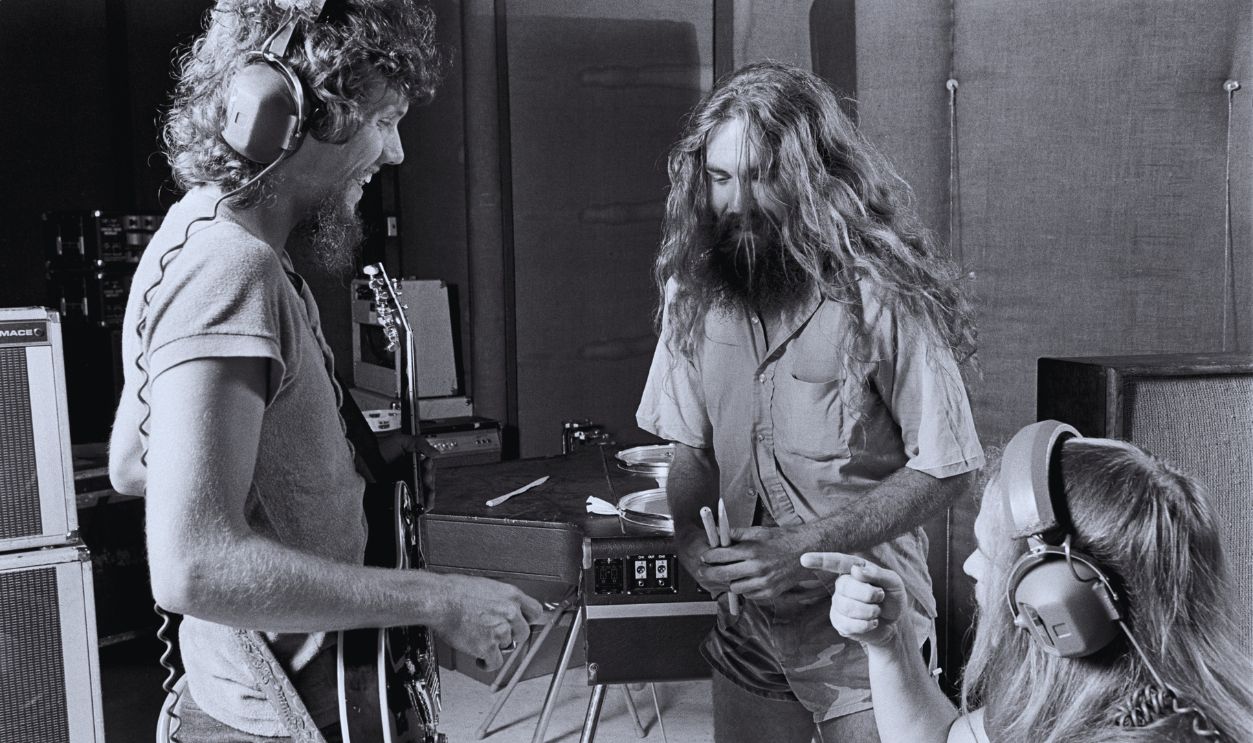
Even Gary's Death Didn't End The Band
After Rossington died, the surviving members, families, and estates connected to the band's founders discussed whether the name should finally be retired. They ultimately supported continuing. Johnny Van Zant and longtime guitarist Rickey Medlocke remained central to the touring group, with the performances increasingly presented as a celebration of the entire Skynyrd history rather than a claim that the original lineup somehow still existed.
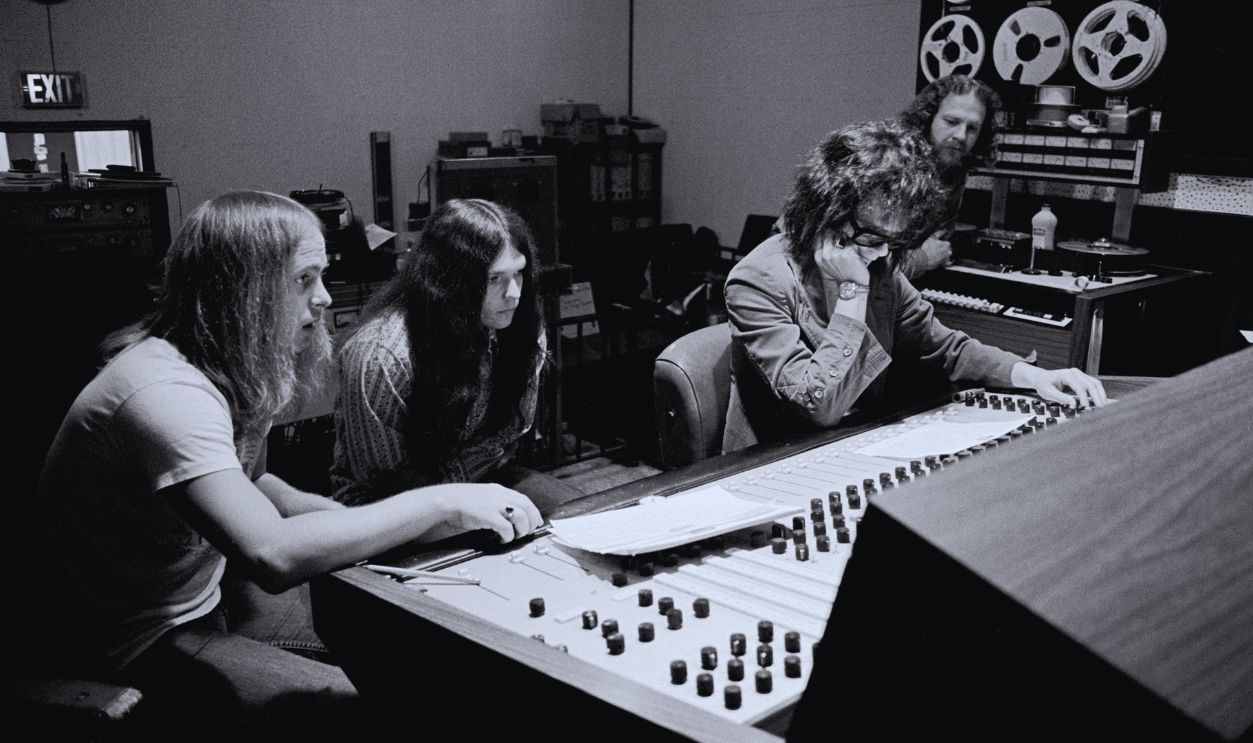
Ronnie's Songs Became Bigger Than The Band
Ronnie Van Zant never reached 30, yet songs he wrote in his twenties have survived countless changes in fashion, radio, and rock culture. "Free Bird," "Simple Man," "Tuesday's Gone," "Gimme Three Steps," and "Sweet Home Alabama" now belong to generations that weren't alive when he recorded them. The plane crash ended his career, but it couldn't stop the songs from traveling.
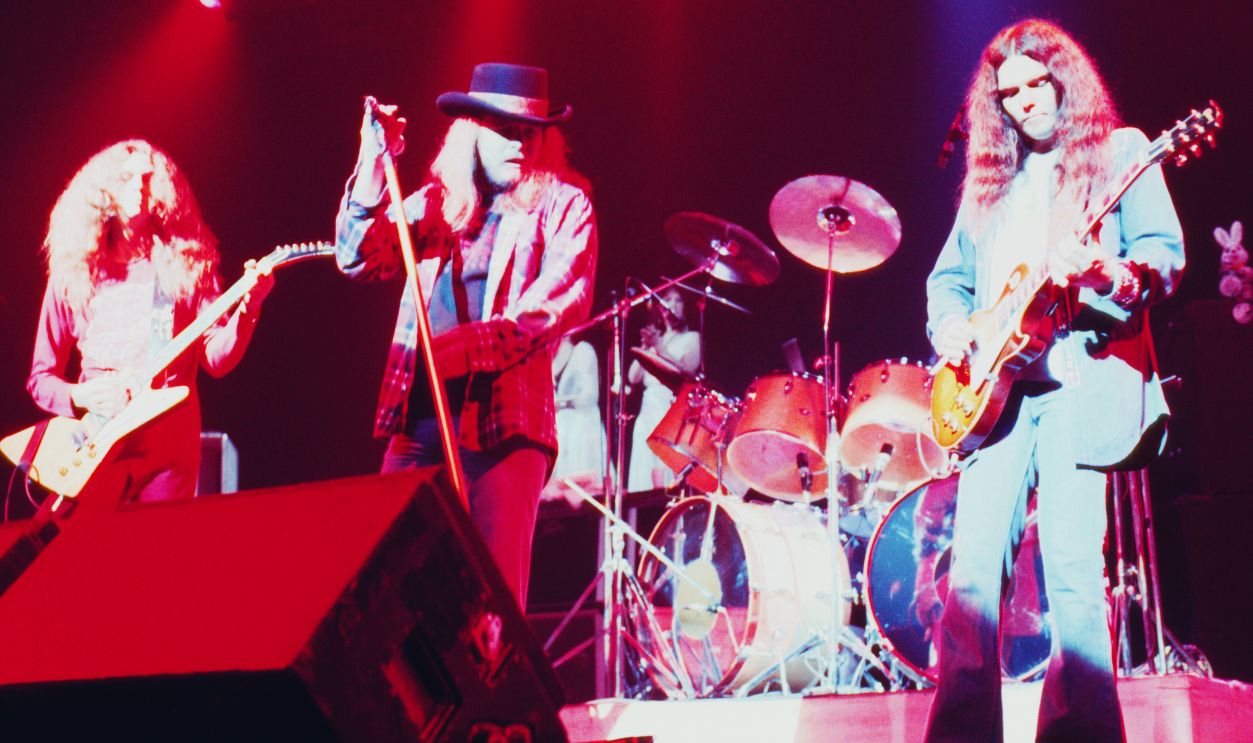
The Crash Ended One Lynyrd Skynyrd, Not The Story
Nothing the later band accomplished could restore what disappeared in Mississippi on October 20, 1977. Ronnie Van Zant was the heart of the original Lynyrd Skynyrd, and the lineup developing around Street Survivors may have been entering its strongest period when the plane went down. Yet the survivors eventually found a way to move without pretending they could replace what they'd lost.
What began as a 10-year tribute became another four decades of concerts, records, and new fans. The Southern rock dream Van Zant built died with him in one sense, but its echo became far larger than anyone aboard that plane could've imagined.
You May Also Like:


.jpg)

.png)
.jpg)
