The Songs That Refuse To Age
Some rock songs don’t just survive the decades, they keep circling back into the spotlight. They soundtrack road trips, championship wins, karaoke nights, movie climaxes, and random nostalgia spirals at 1 am. A new generation finds them, cranks the volume, and suddenly they feel brand new again. The reason isn’t just nostalgia. It’s massive hooks, unforgettable riffs, dramatic builds, and choruses that demand to be shouted with other people.
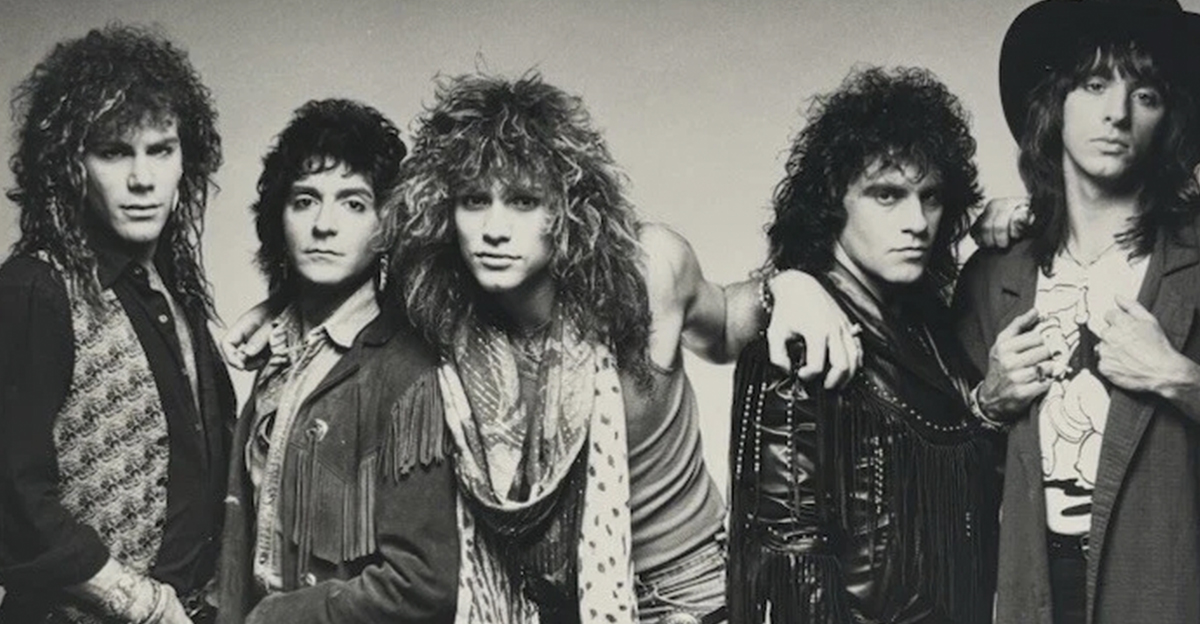
"Bohemian Rhapsody" – Queen
When Queen released "Bohemian Rhapsody" in 1975, it sounded like nothing else on the radio. No traditional chorus. Multiple movements. A full operatic section. Freddie Mercury obsessively layered his vocals to create that towering choir effect, while Brian May treated his guitar like an orchestra. It was considered a risky single at over six minutes long, yet it became one of the UK’s best-selling songs ever. The ambition, theatricality, and sheer confidence behind it still feel bold decades later.
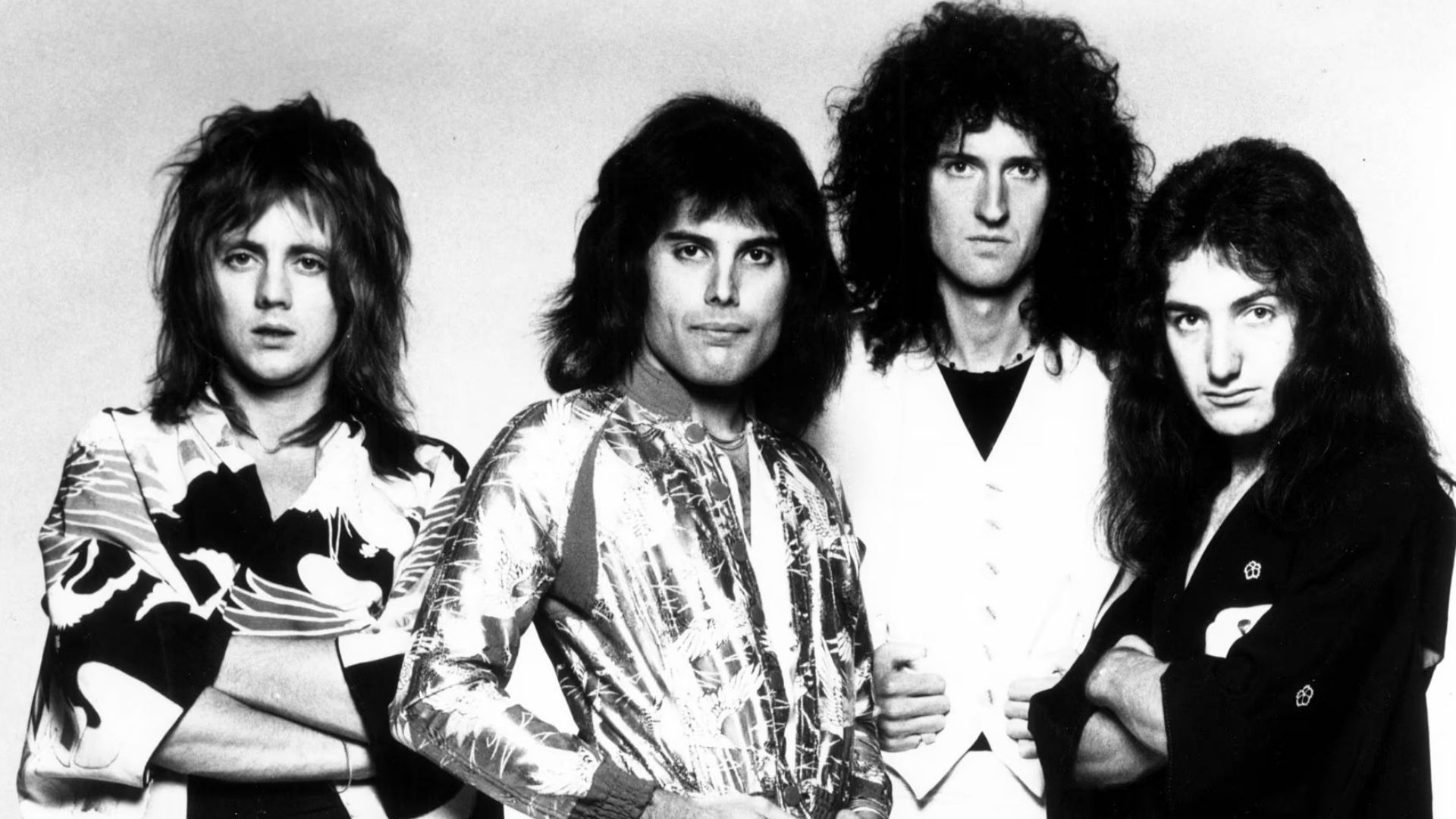 Koh Hasebe; Distributed by Elektra Records, Wikimedia Commons
"Don't Stop Believin'" – Journey
Released in 1981 on Escape, this song gradually transformed from a strong album cut into a cultural phenomenon. Jonathan Cain wrote the piano intro while thinking about struggling musicians chasing dreams in Los Angeles, and that underdog theme gives the song emotional weight. Steve Perry’s vocal build is patient and deliberate, holding back until that explosive chorus lands. It’s structured almost like a short film, and that steady climb is what makes the payoff so satisfying.
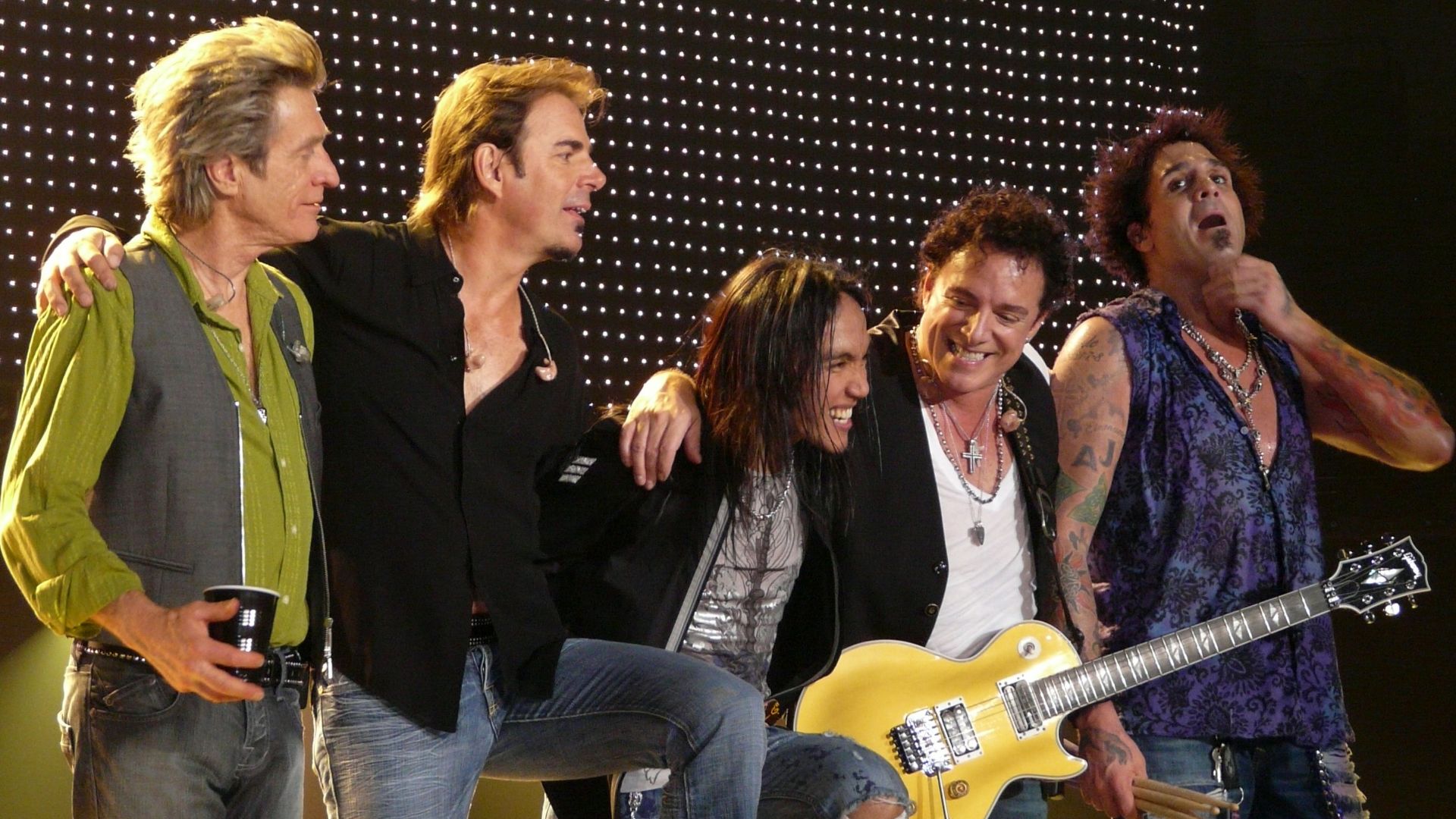 Matt Becker, Wikimedia Commons
"Sweet Child O' Mine" – Guns N' Roses
Slash first played that famous riff as a joke during rehearsal, calling it his “circus” melody. Somehow, it evolved into Guns N’ Roses’ only number-one single. Released in 1987, the song revealed a softer edge to the band’s image. Axl Rose wrote the lyrics about his then-girlfriend Erin Everly, giving it sincerity that contrasts with the band’s rough reputation. The extended solo at the end isn’t just flashy, it’s emotional, stretching the song into something epic.
"Hotel California" – Eagles
"Hotel California" feels polished on the surface, but there’s something darker underneath. Don Henley described it as a metaphor for excess and the illusion of the California dream. The closing guitar duet between Joe Walsh and Don Felder was carefully composed rather than improvised, giving it that seamless, almost cinematic feel. Its lyrics continue to spark interpretation, and that lingering ambiguity is part of what keeps listeners coming back.
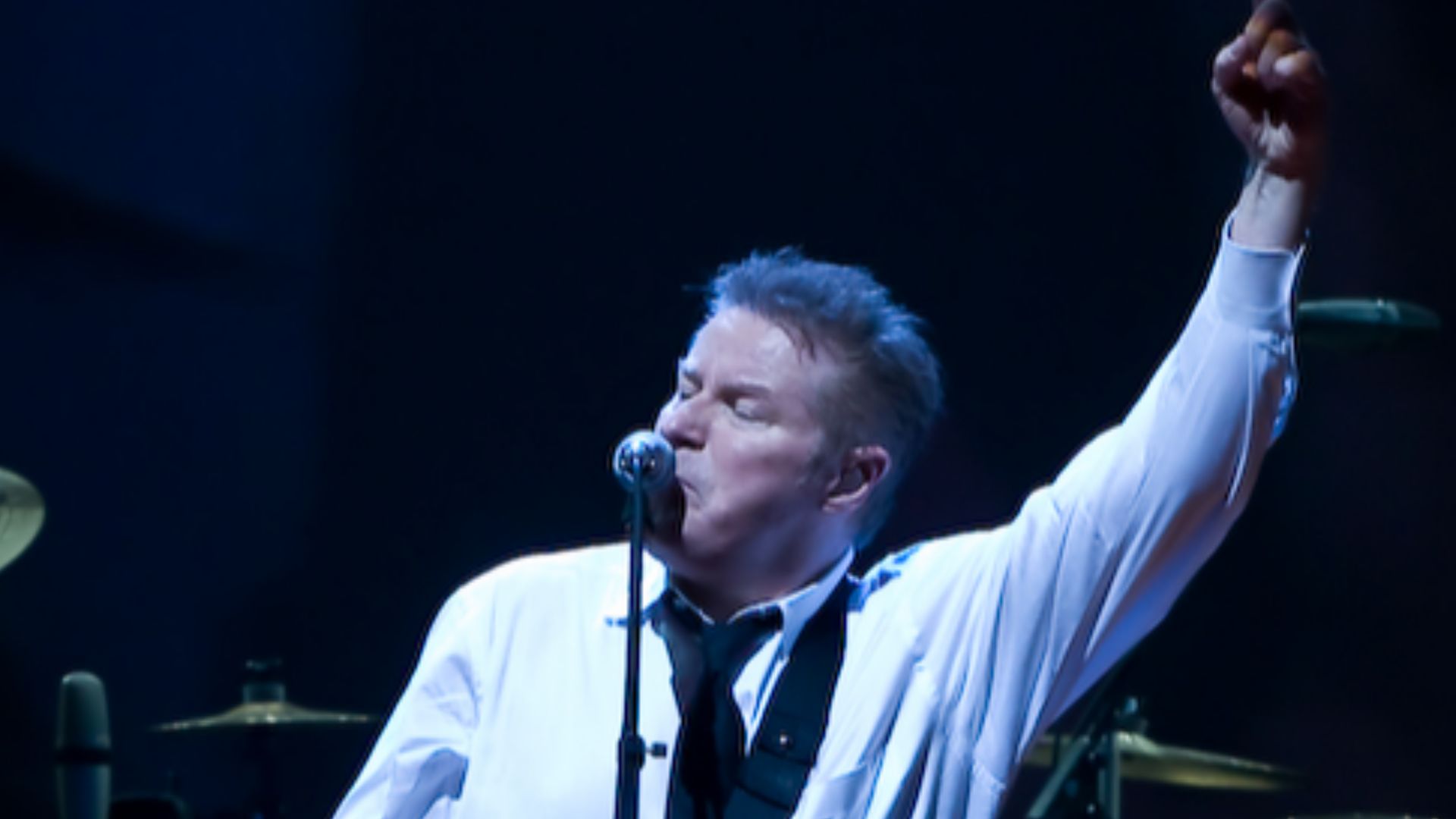 Steve Alexander, Wikimedia Commons
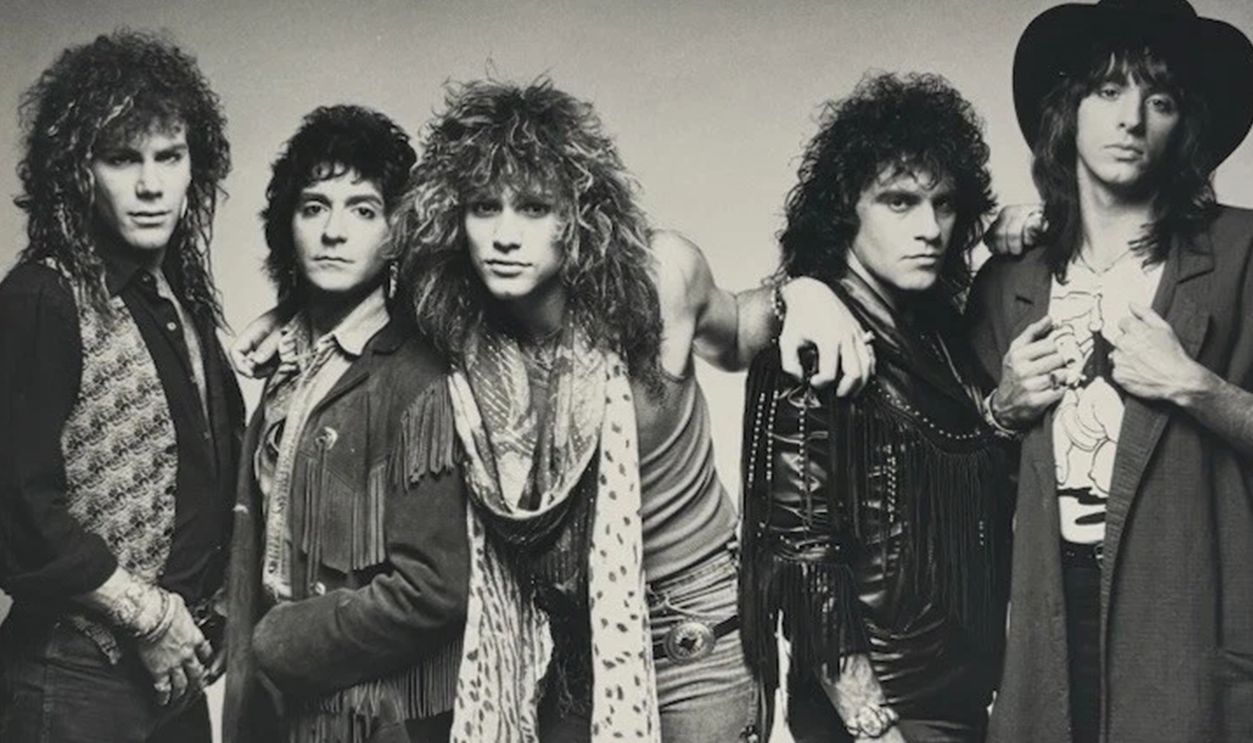
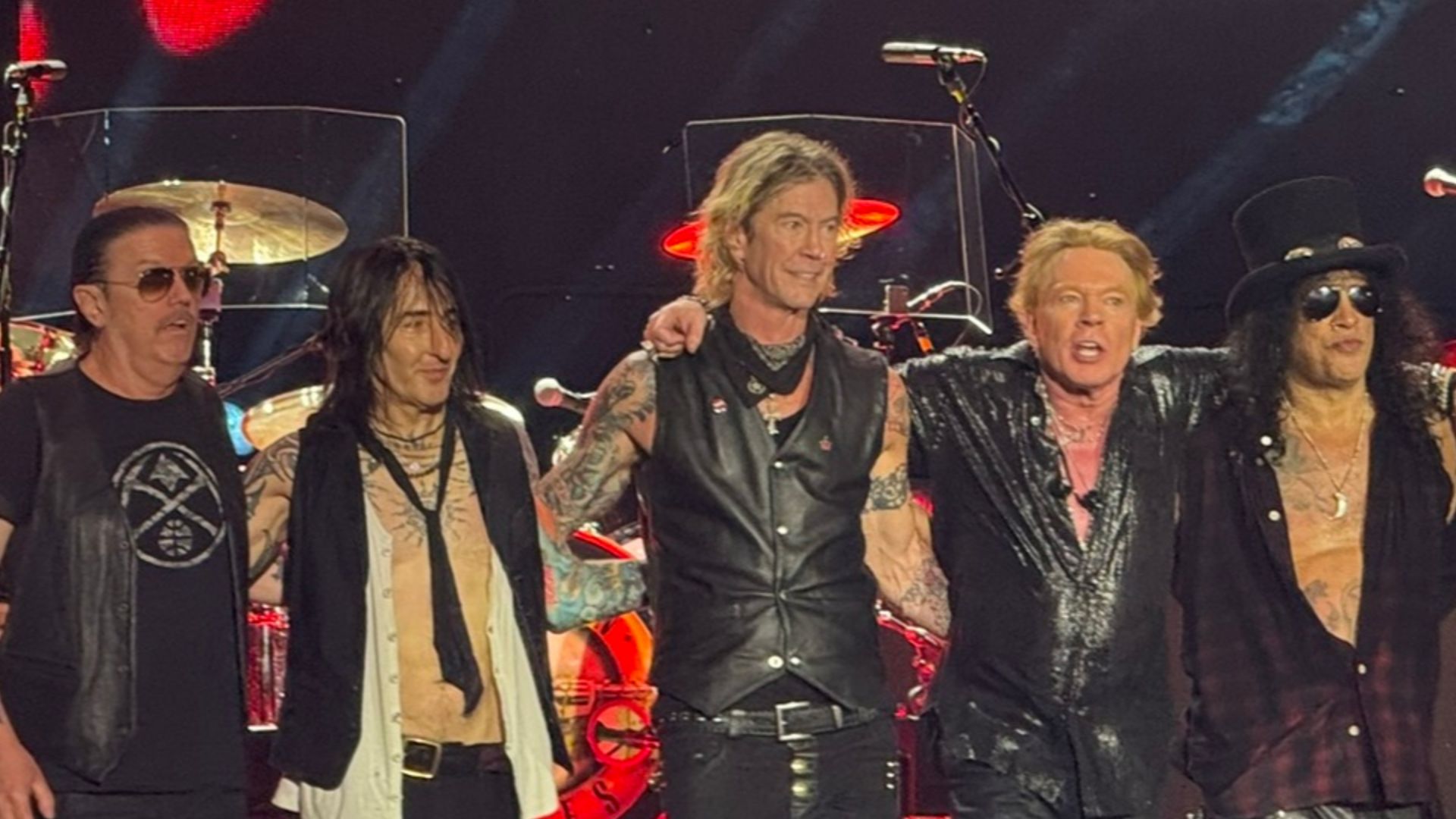
"Livin' On A Prayer" – Bon Jovi
Bon Jovi almost left this track off Slippery When Wet, thinking it needed more work. Richie Sambora suggested restructuring it and adding the talk box hook, which instantly gave it identity. The fictional characters Tommy and Gina ground the song in working-class reality, adding relatability beneath the arena-sized chorus. When that key change hits near the end, it feels engineered to lift an entire stadium at once.
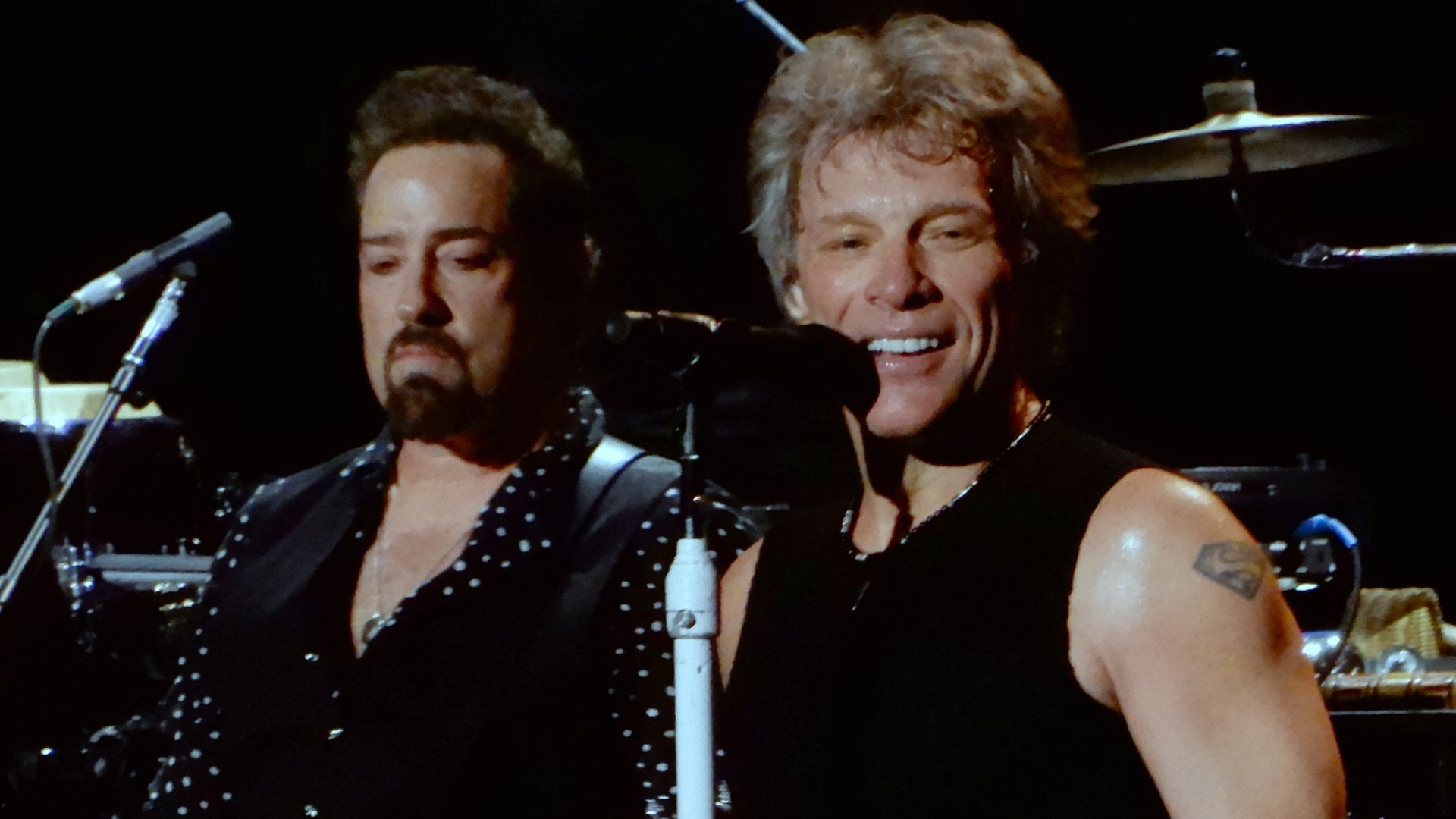
"Stairway To Heaven" – Led Zeppelin
Despite never being released as a U.S. single, "Stairway to Heaven" became one of rock radio’s most requested songs. Jimmy Page carefully built it from a delicate acoustic introduction into a full electric climax. Robert Plant’s mystical lyrics leave room for interpretation, while Page’s solo, recorded in a single take, has become one of rock’s most studied moments. The song unfolds gradually, rewarding patience with intensity.
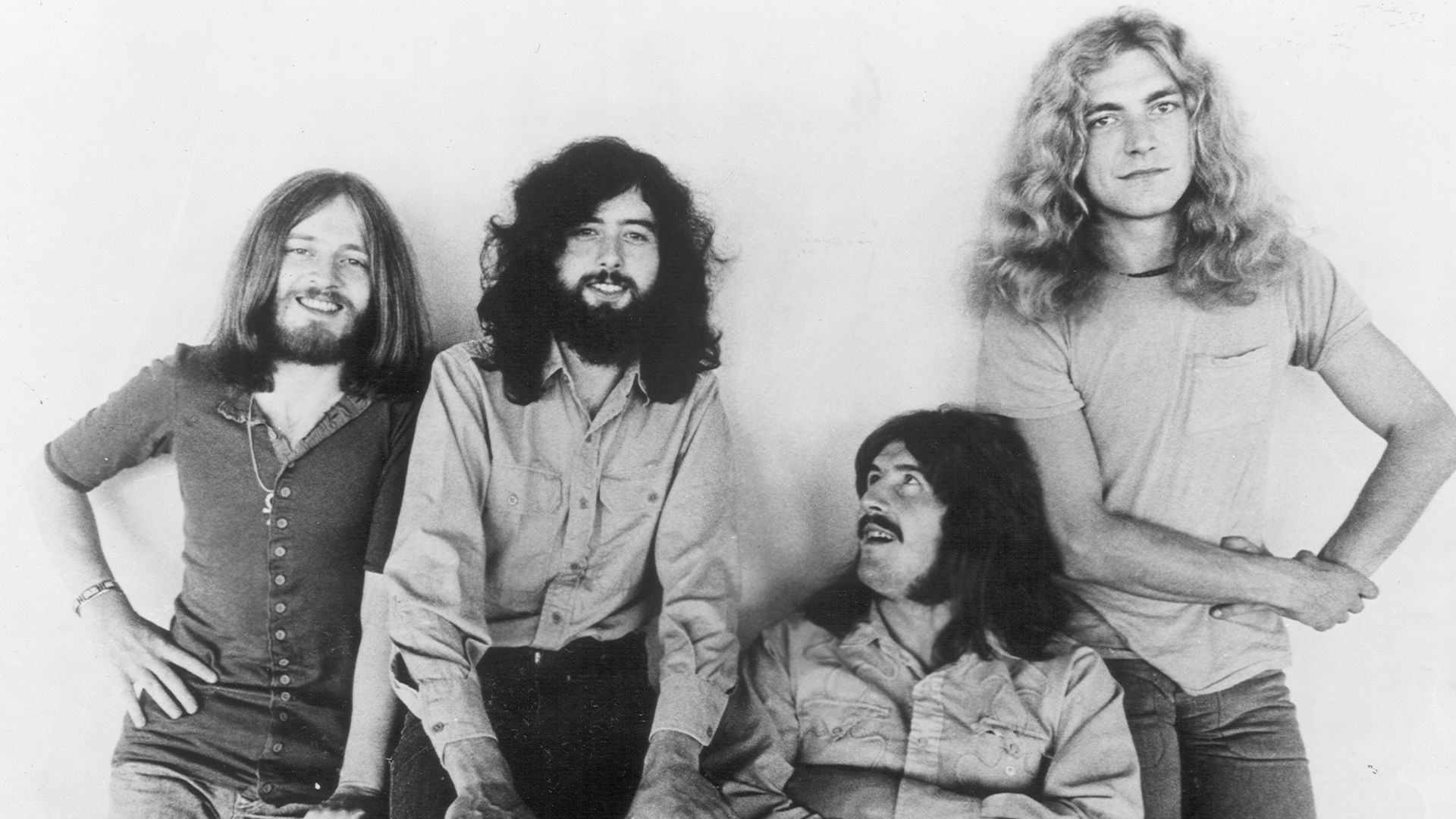 Atlantic Records, Wikimedia Commons
"Free Bird" – Lynyrd Skynyrd
Clocking in at over nine minutes, "Free Bird" splits into two distinct emotional halves. The opening section feels reflective and intimate before transitioning into a soaring guitar finale. Allen Collins and Gary Rossington trade solos in a dramatic crescendo that has become legendary. Originally dedicated to Duane Allman, the song later gained deeper emotional resonance following the band’s tragic plane crash.
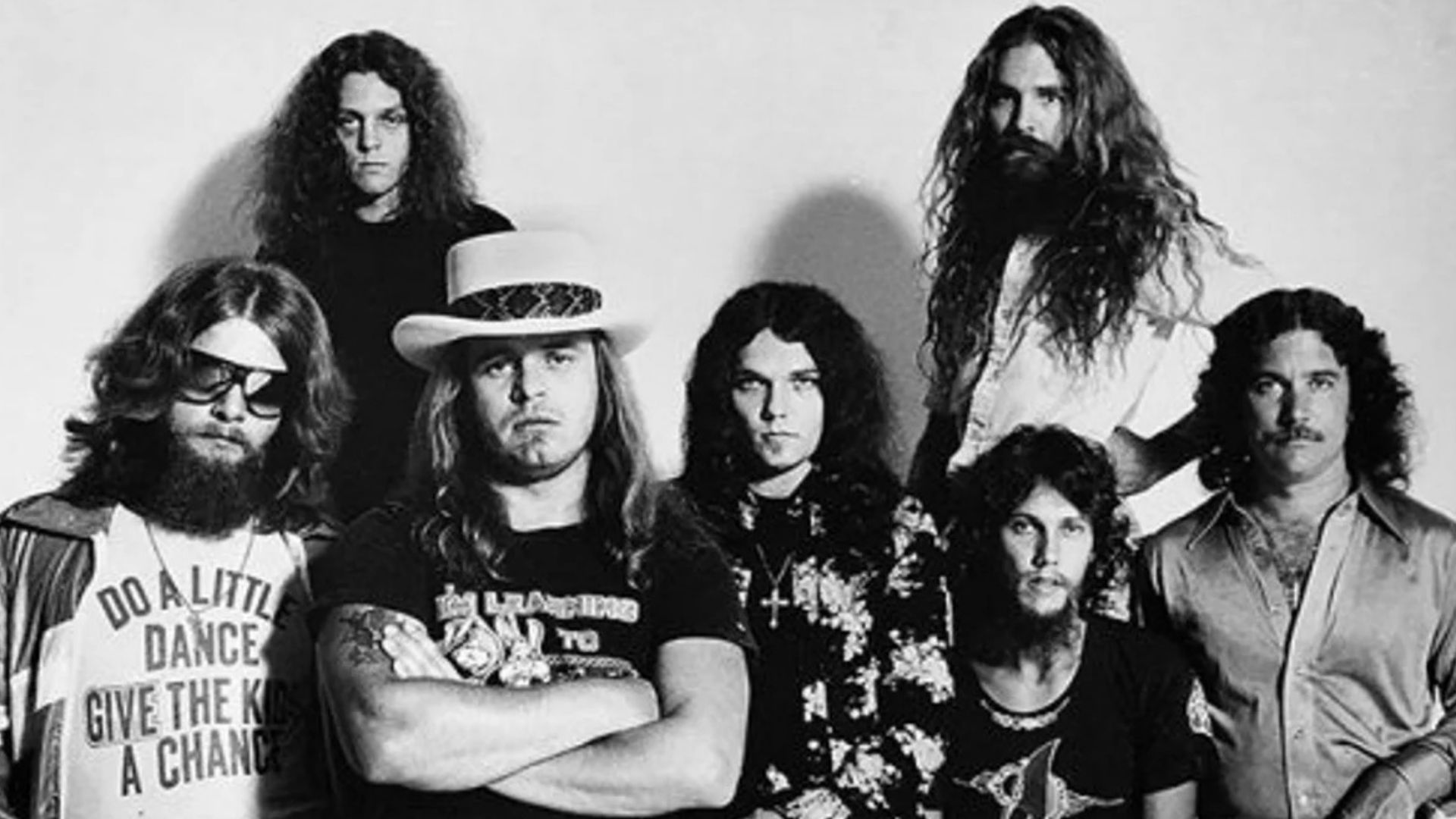 MCA Records, Wikimedia Commons
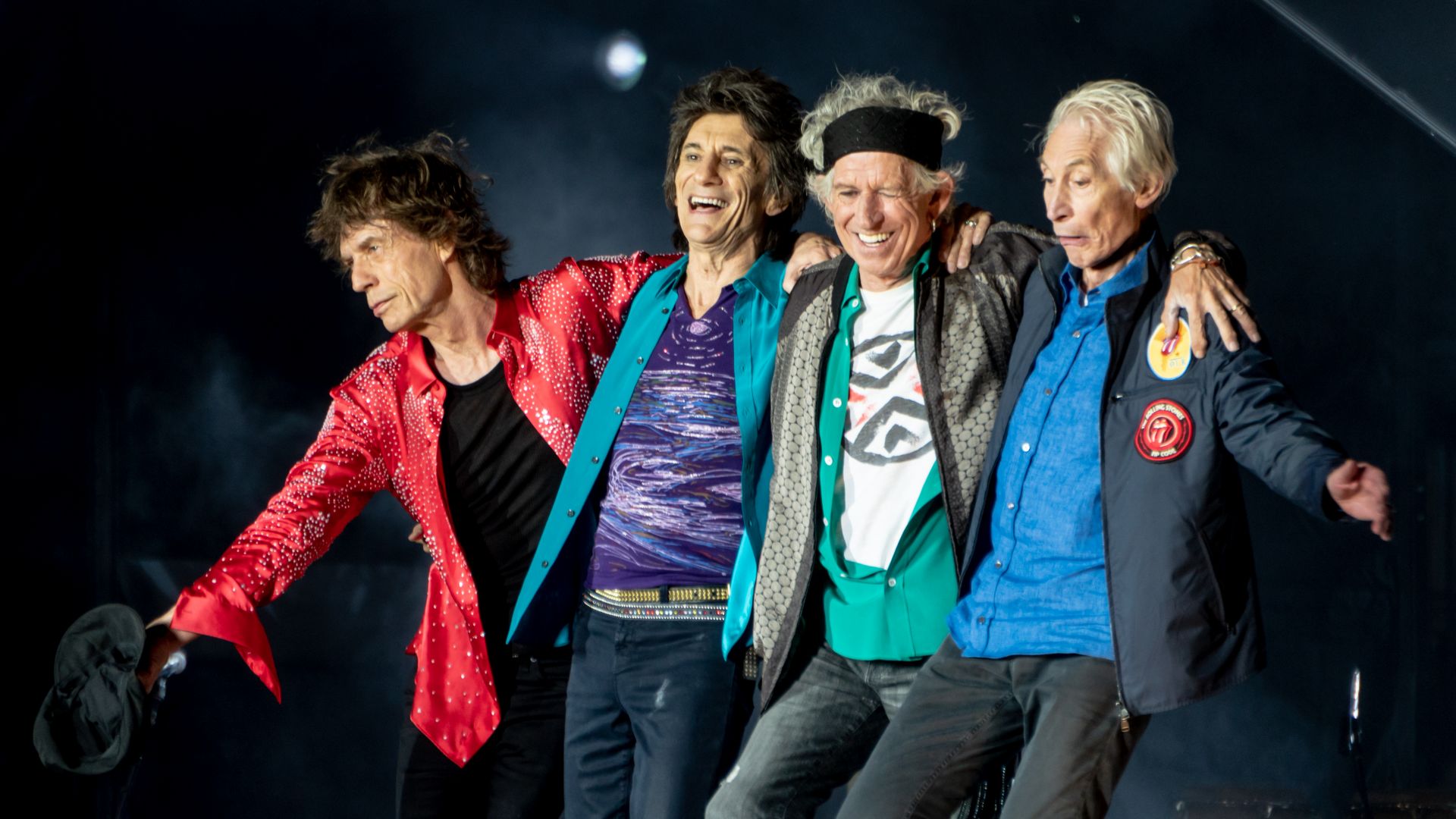
"(I Can't Get No) Satisfaction" – The Rolling Stones
Keith Richards reportedly woke up in the middle of the night with the riff in his head and quickly recorded it on a tape recorder before falling back asleep. The fuzz guitar sound, created with a Maestro pedal, was initially intended as a demo stand-in for horns. Instead, it became central to the song’s identity. Released in 1965, it captured youthful frustration in a way that still feels direct and unapologetic.
"Purple Haze" – Jimi Hendrix
"Purple Haze" introduced Hendrix’s groundbreaking guitar style to a wide audience. The opening tritone interval creates immediate tension, and the distortion and feedback felt radical at the time. Hendrix later explained that the lyrics were inspired by a dream, not drug references. The song’s sonic experimentation pushed rock forward, expanding what electric guitar could achieve.
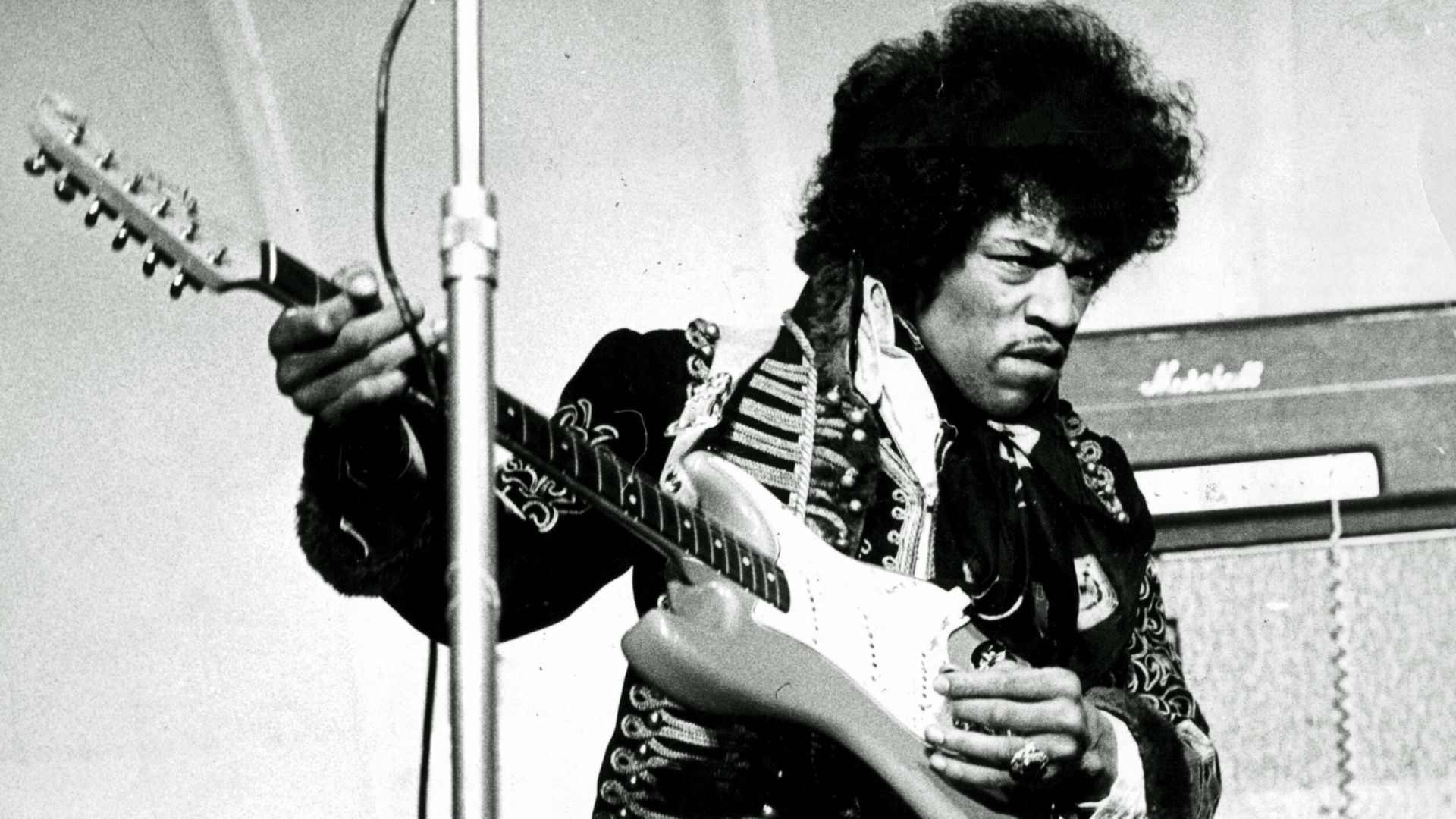 Original photographer unknown, Wikimedia Commons
"Smoke On The Water" – Deep Purple
The song recounts a real-life fire during a Frank Zappa concert in Montreux, Switzerland, where Deep Purple had traveled to record. Watching smoke drift across Lake Geneva inspired the opening lines. The now-famous four-note riff is simple yet powerful, becoming one of the first riffs aspiring guitarists learn. Its straightforward structure proves how effective simplicity can be.
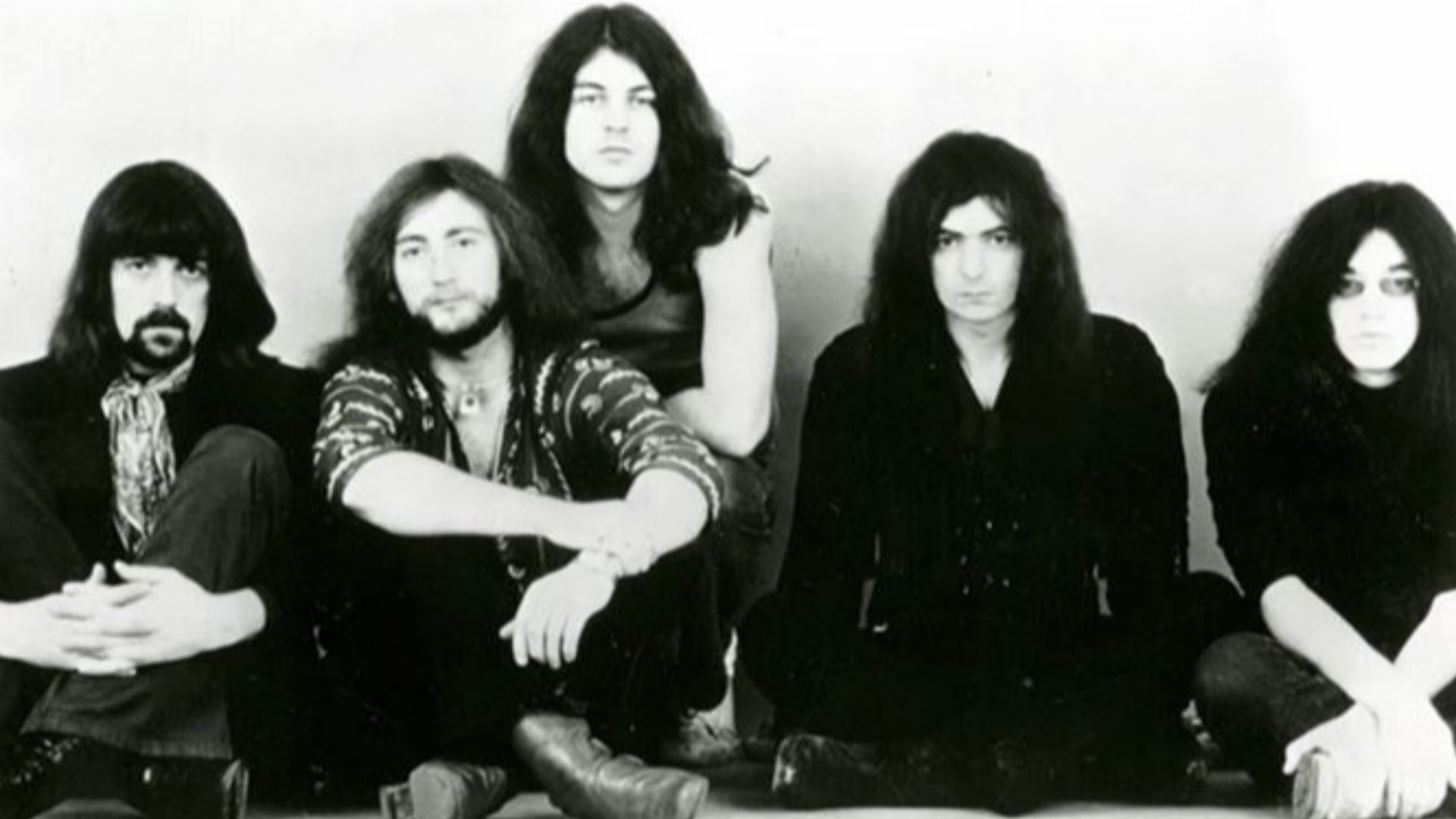 Warner Bros. Records, Wikimedia Commons
"More Than A Feeling" – Boston
Tom Scholz recorded much of Boston’s debut album in his basement studio, meticulously layering guitars to create its expansive sound. The polished production and soaring chorus helped define arena rock in the mid-1970s. The track’s dynamic structure later inspired bands like Nirvana, who acknowledged similarities in how tension and release were built.
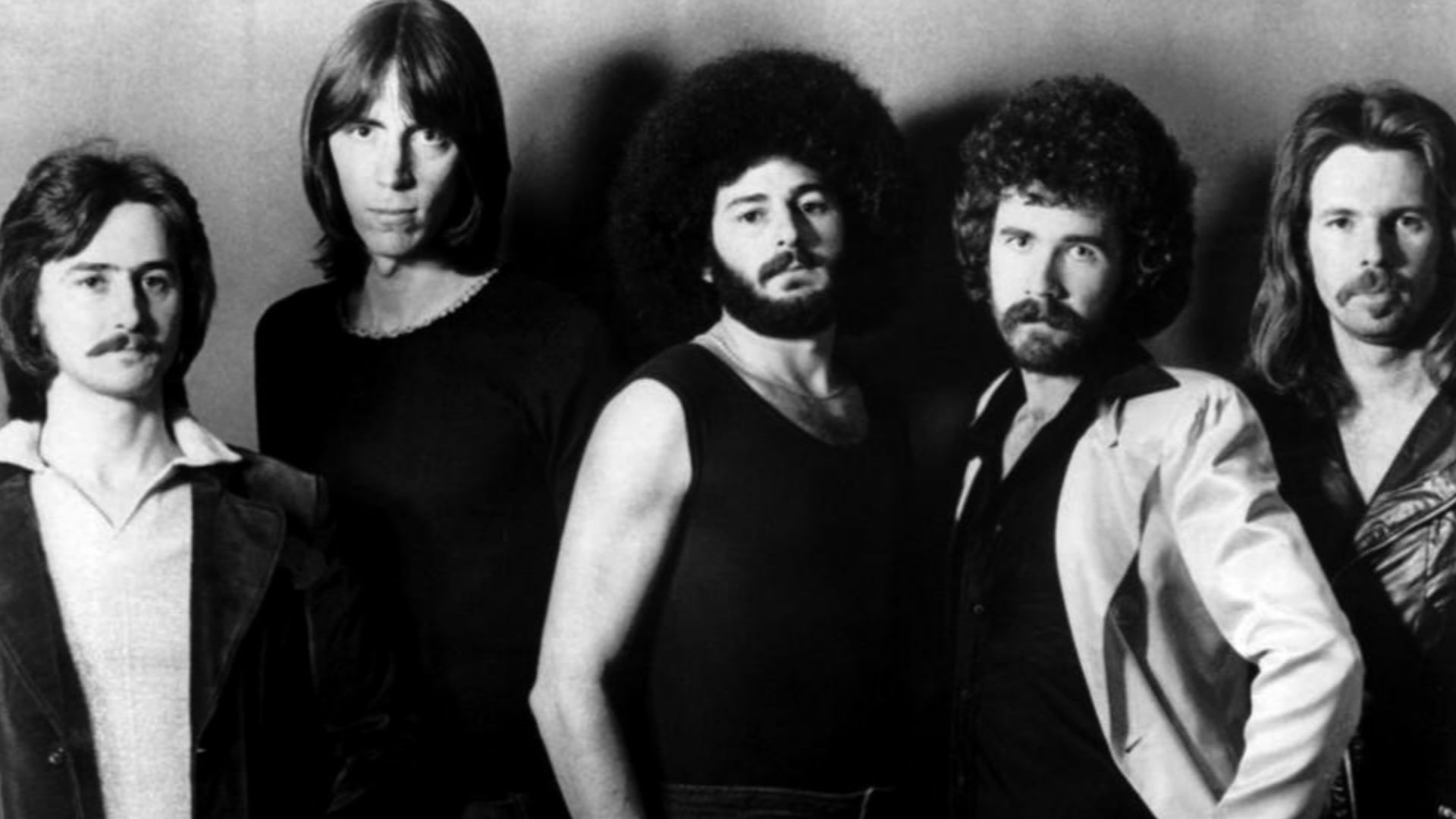 Premier Talent Associates (management company), Wikimedia Commons
"Born To Be Wild" – Steppenwolf
Released in 1968, this track became forever linked to counterculture freedom after appearing in Easy Rider. The phrase “heavy metal thunder” helped shape rock vocabulary moving forward. Its driving rhythm and gritty vocals give it urgency, and it still feels tailor-made for highways and open spaces.
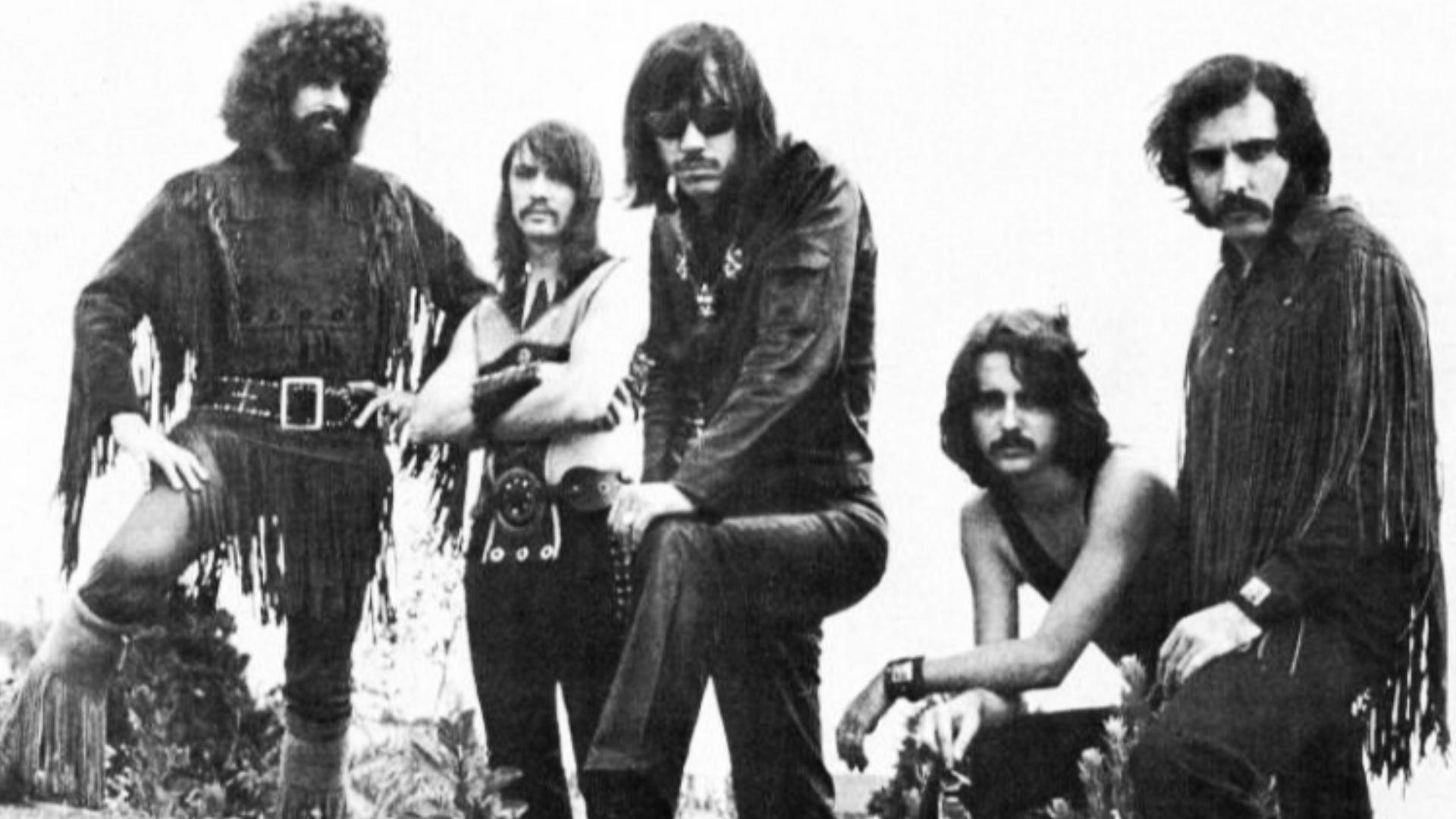 ABC / Dunhill Records, Wikimedia Commons
"Sweet Home Alabama" – Lynyrd Skynyrd
Written partly in response to Neil Young’s critiques of the American South, the song walks a line between pride and commentary. The layered triple-guitar attack gives it a full, celebratory sound. Ronnie Van Zant’s lyrics address cultural identity directly, adding nuance beneath the catchy exterior.
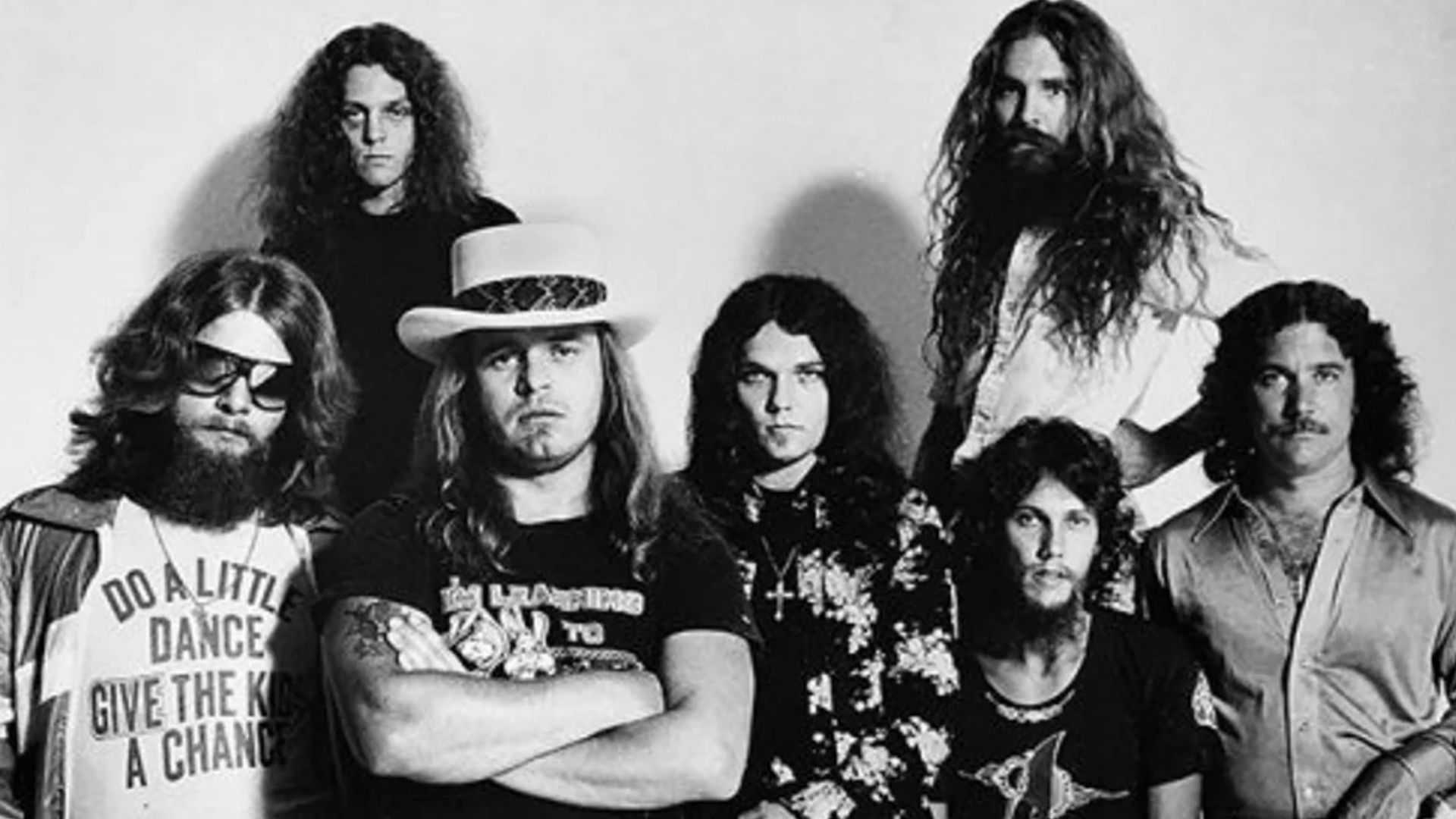 MCA Records, Wikimedia Commons
"Eye Of The Tiger" – Survivor
Commissioned for Rocky III, this song was designed with focus and momentum in mind. The tightly wound riff mirrors the intensity of a training montage, and the lyrics emphasize resilience and determination. It topped charts worldwide and remains synonymous with comeback narratives.
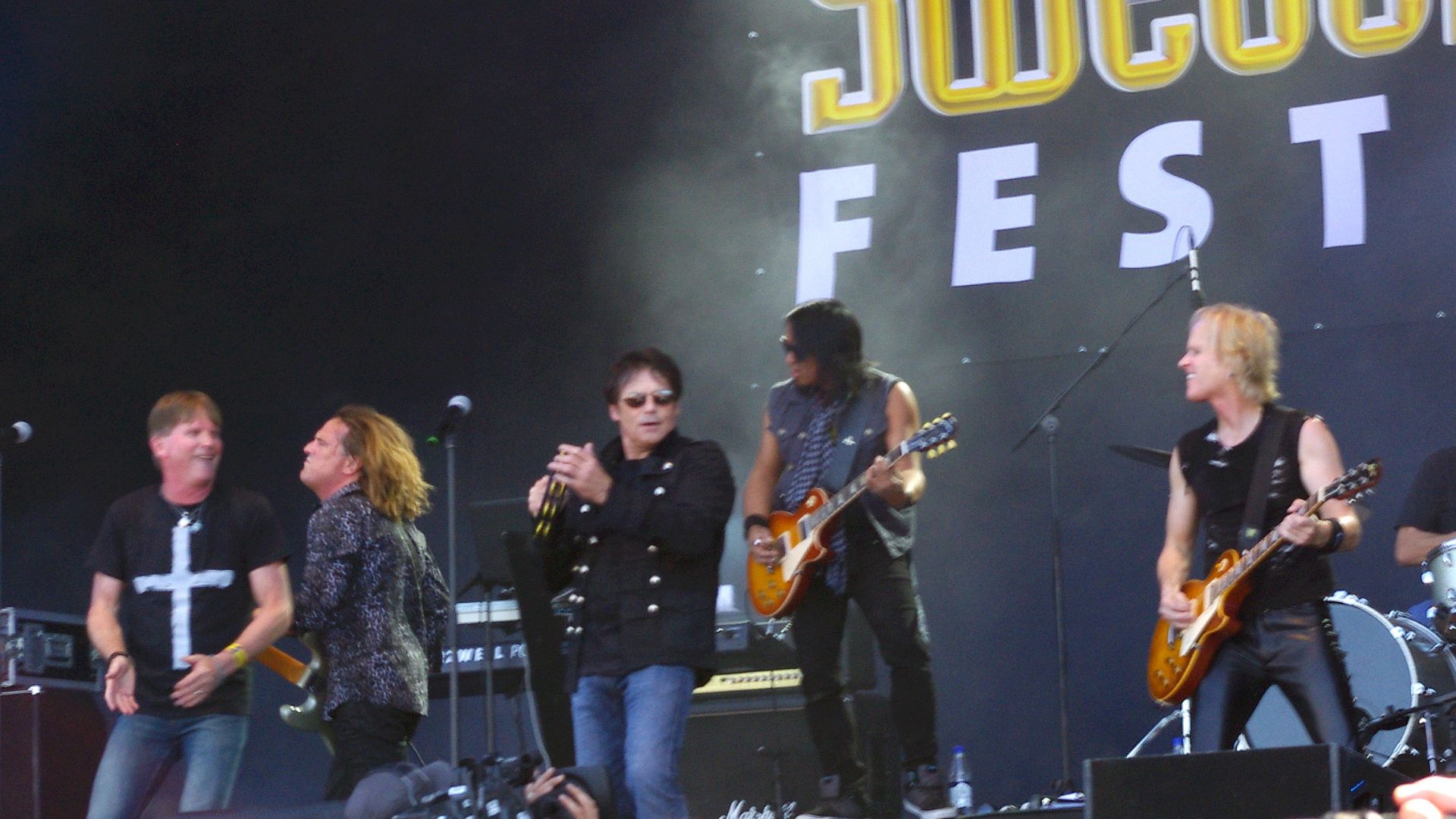 Staffan Vilcans, Wikimedia Commons
"I Love Rock & Roll" – Joan Jett & The Blackhearts
Joan Jett transformed this cover into a gritty anthem in 1981. The stomp-heavy rhythm and chant-ready chorus make it instantly accessible, while Jett’s vocal delivery gives it bite. The stripped-down production keeps the focus on attitude rather than polish.
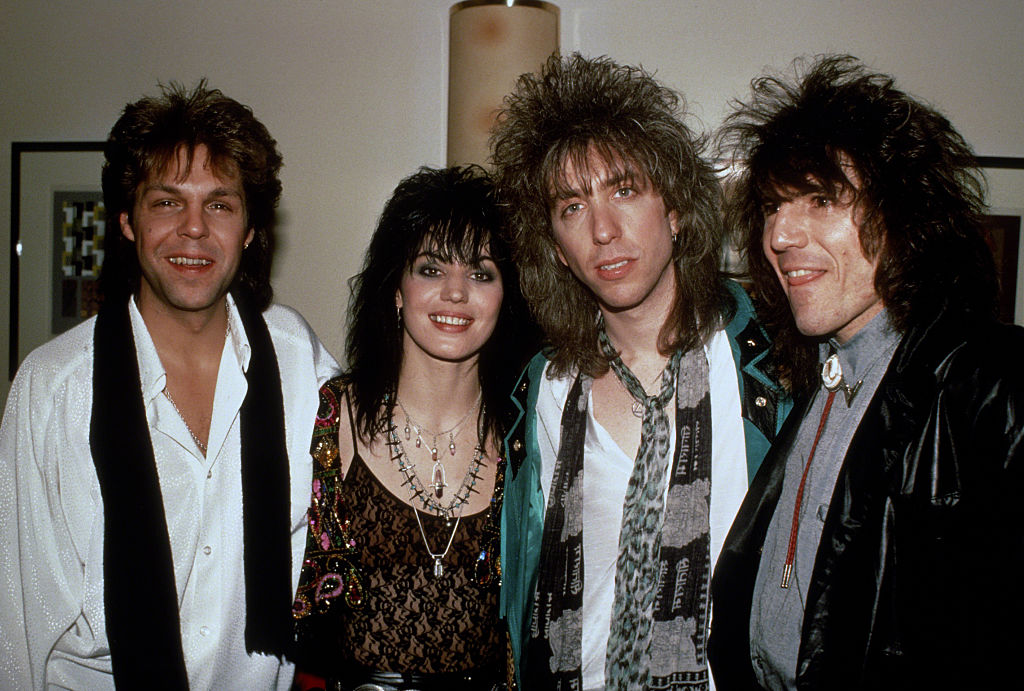
"Smells Like Teen Spirit" – Nirvana
Released in 1991, the song reshaped mainstream rock almost overnight. Inspired partly by the Pixies’ quiet-loud dynamics, it balances restraint and explosion. The title came from a deodorant graffiti joke, but the impact was anything but accidental. It marked a generational shift.
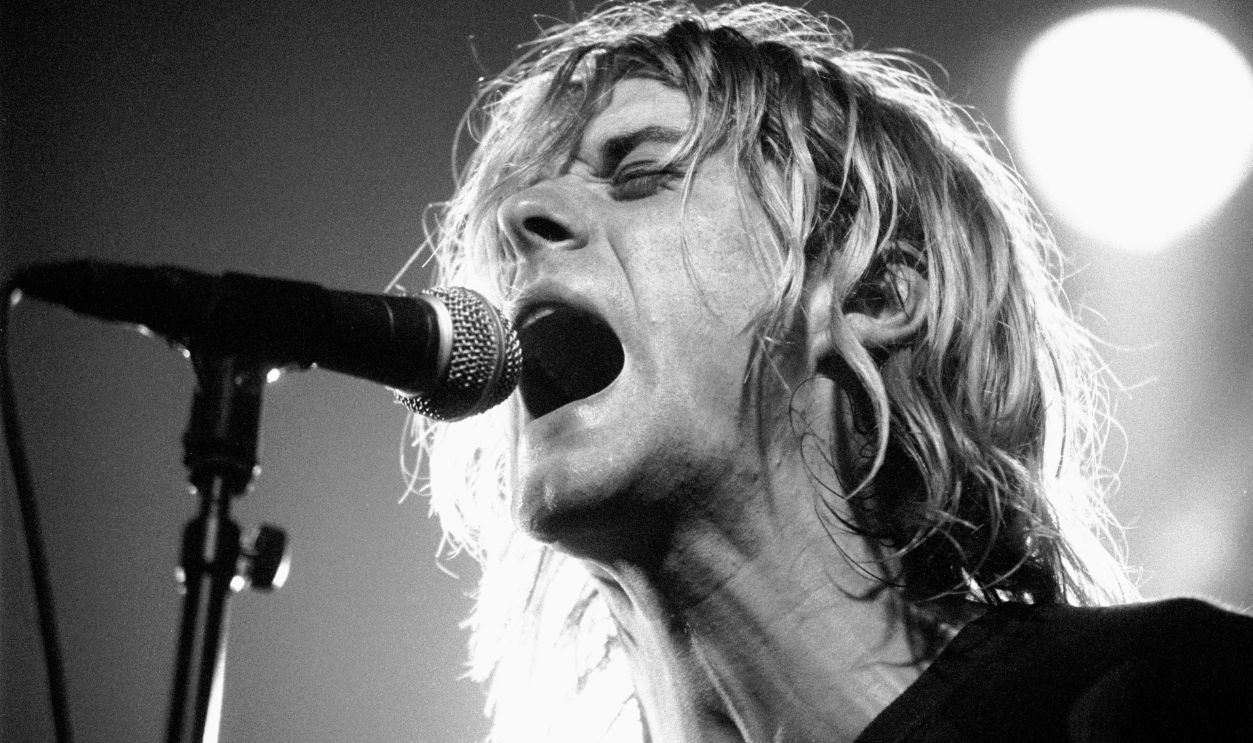 Frans Schellekens, Getty Images
"Seven Nation Army" – The White Stripes
Jack White wrote the riff for "Seven Nation Army" while on tour in Australia, initially imagining it as a possible James Bond theme. Instead, it became something even bigger. Played through an octave pedal, the guitar mimics a bass line and carries the entire track with minimalist force. Released on Elephant in 2003, it helped revive garage rock in the mainstream. Later adopted by European soccer fans, the riff spread globally as a chant, embedding itself into stadium culture worldwide.
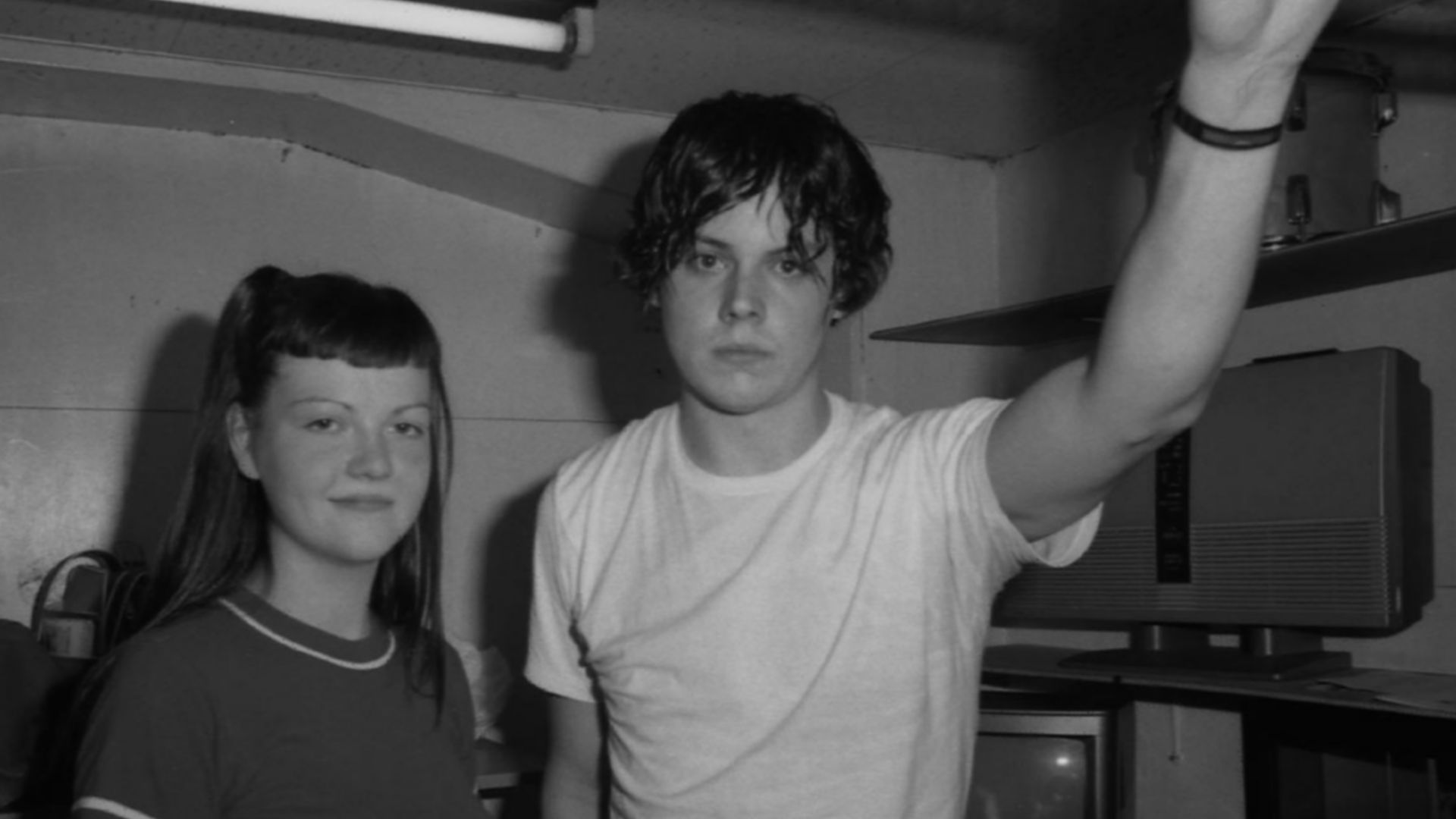 Masao Nakagami, Wikimedia Commons
"Jump" – Van Halen
"Jump" marked a stylistic shift for Van Halen in 1984. Eddie Van Halen had experimented with keyboards for years before pushing them front and center here. The bright synth riff gave the band a new radio-friendly sheen, while David Lee Roth’s swagger kept things playful. Eddie’s guitar solo still reminds listeners that virtuosity remains intact. The song became their only number-one single, proving reinvention could coexist with identity.
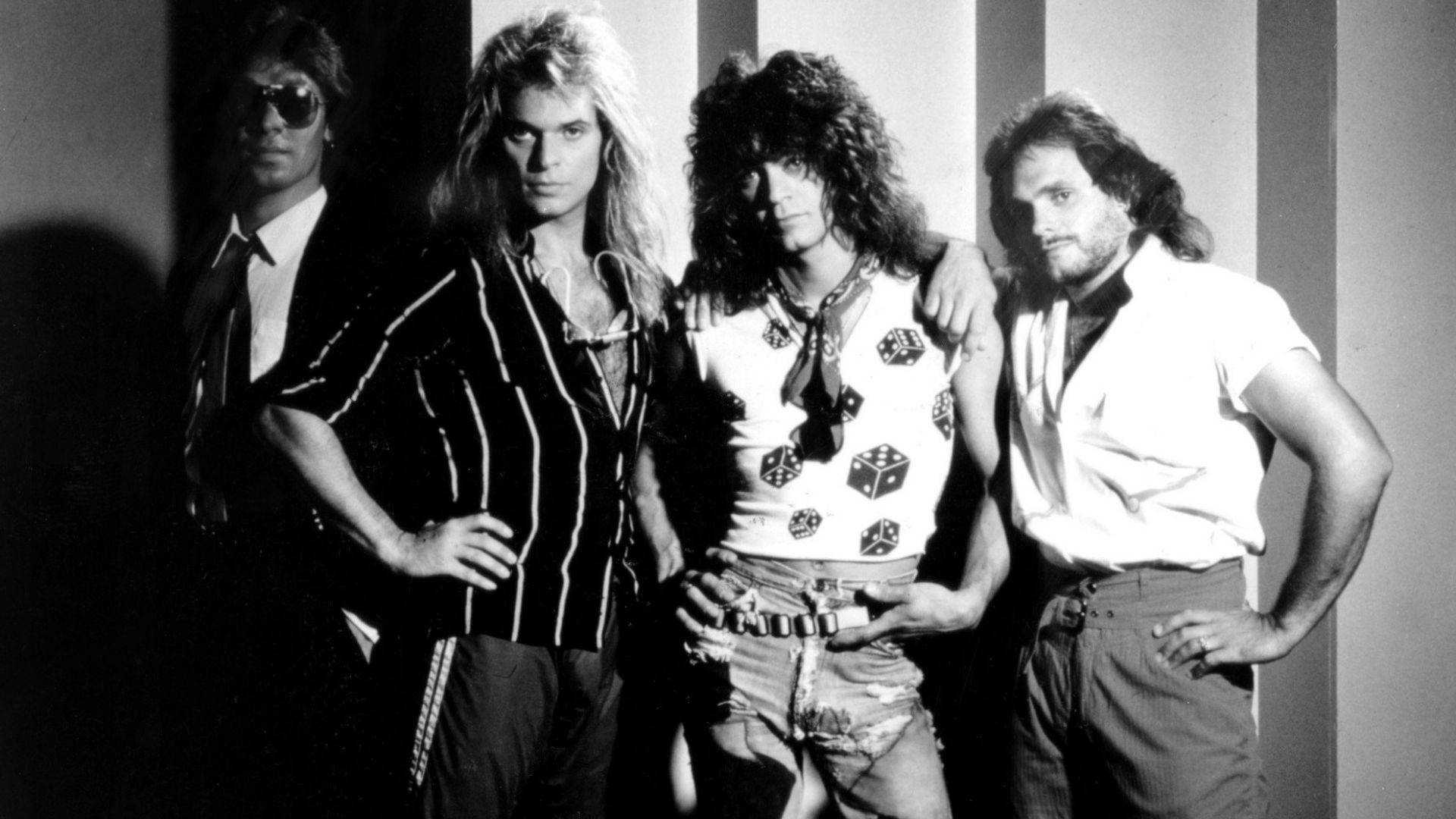 Warner Records, Wikimedia Commons
"Walk This Way" – Aerosmith
The original 1975 release showcased Joe Perry’s funky riff and Steven Tyler’s rapid-fire vocals. But the 1986 collaboration with Run-D.M.C. redefined the song’s legacy. That version didn’t just revive Aerosmith’s career, it helped legitimize rap-rock crossover on MTV. The back-and-forth between rap verses and rock instrumentation felt groundbreaking, opening doors for future genre-blending collaborations.
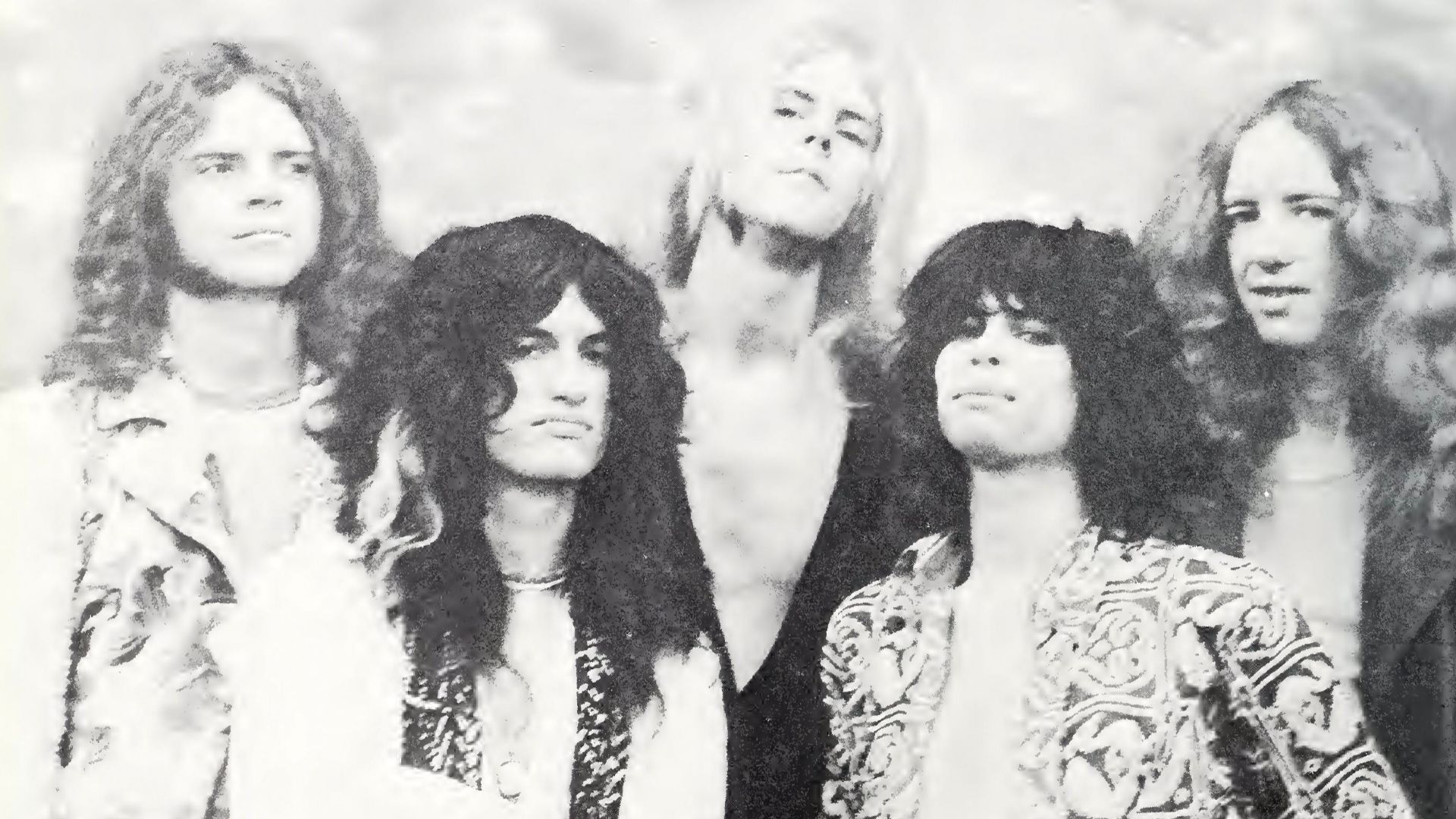 Columbia Records, Wikimedia Commons
"Should I Stay Or Should I Go" – The Clash
Released in 1982 on Combat Rock, the song leans into straightforward rock structure rather than punk chaos. The bilingual backing vocals add personality and reinforce the song’s theme of indecision. Its concise arrangement makes it instantly replayable. While The Clash were often politically charged, this track proves they could craft sharp, universal hooks as well.
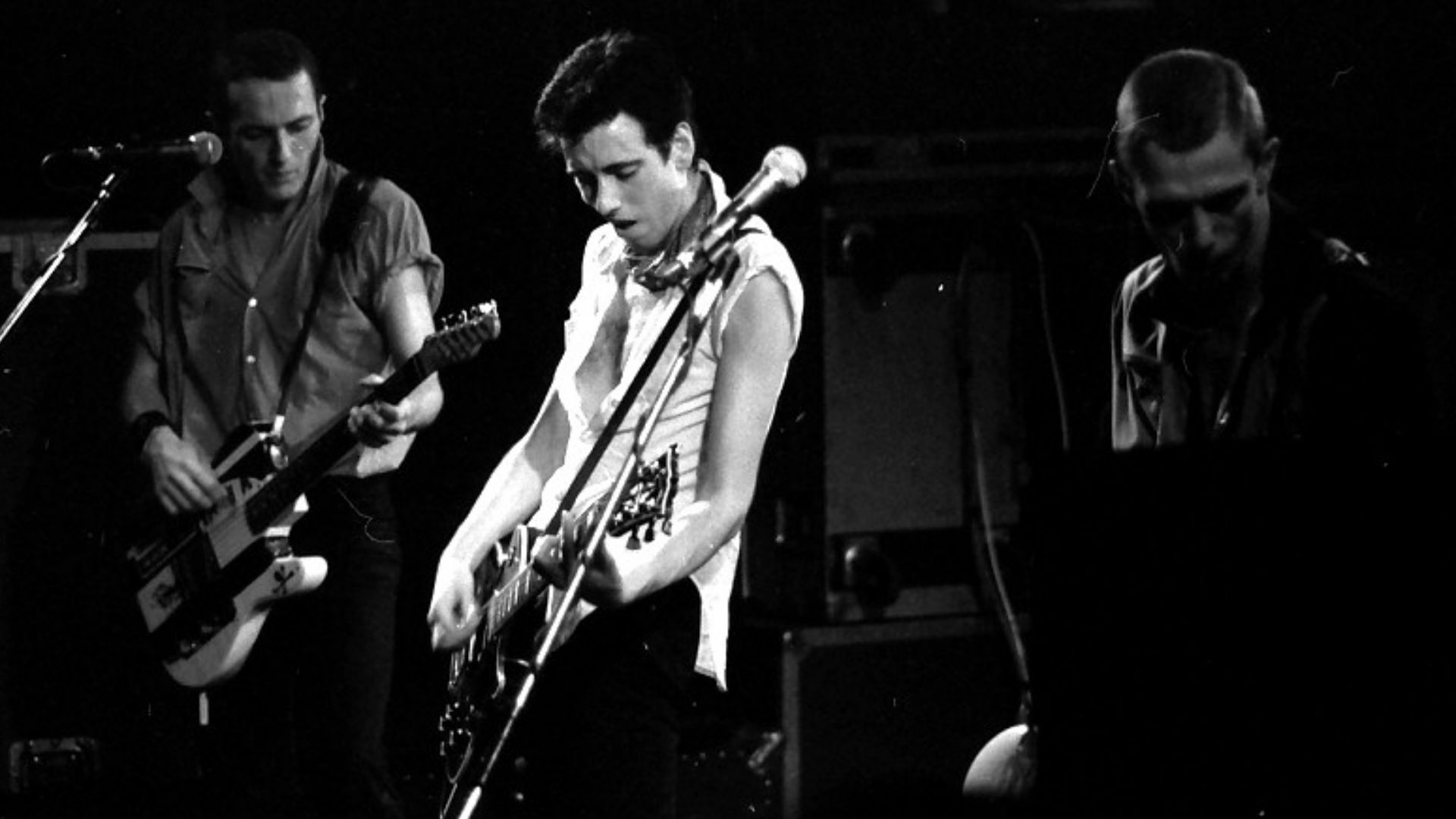 Helge Overas, Wikimedia Commons
"We Will Rock You" – Queen
Brian May wrote this anthem after noticing audiences singing louder than the band during concerts. Instead of competing, Queen built a song around crowd participation. The stomp-stomp-clap rhythm was layered in the studio to create massive impact. There’s barely any instrumentation beyond percussion and guitar, yet it feels enormous because it was designed for communal energy.
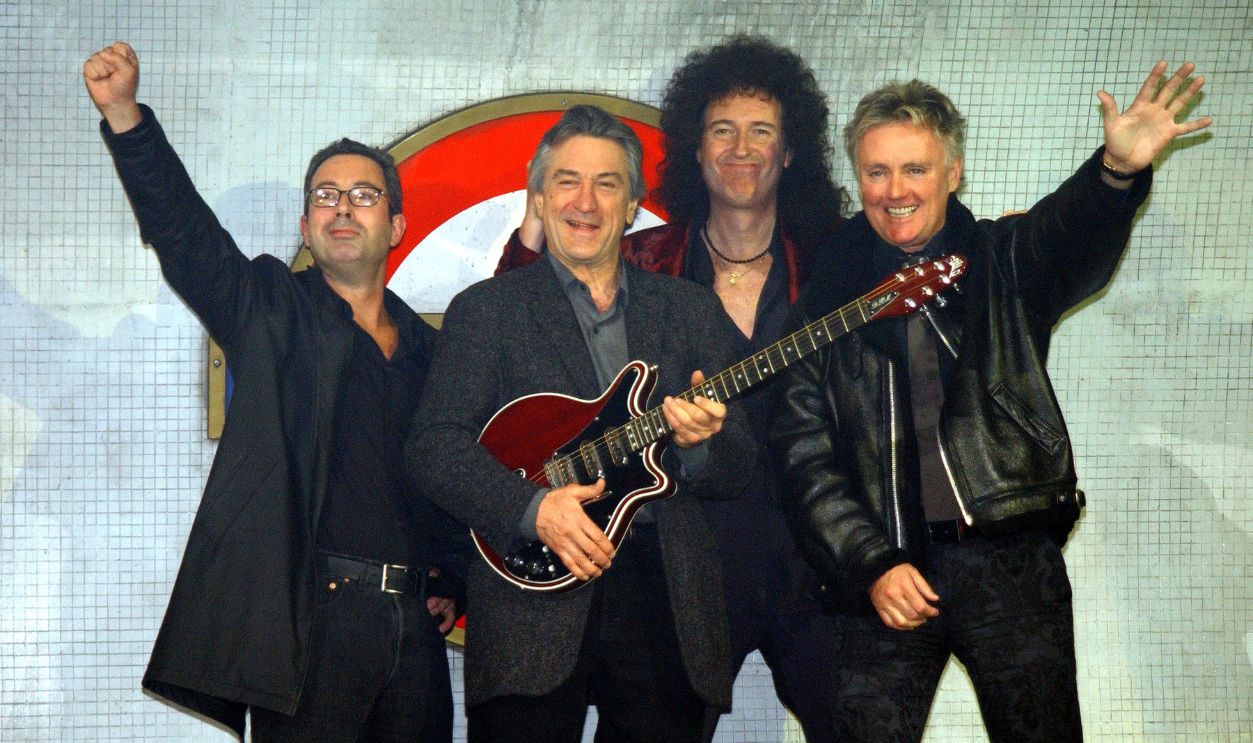
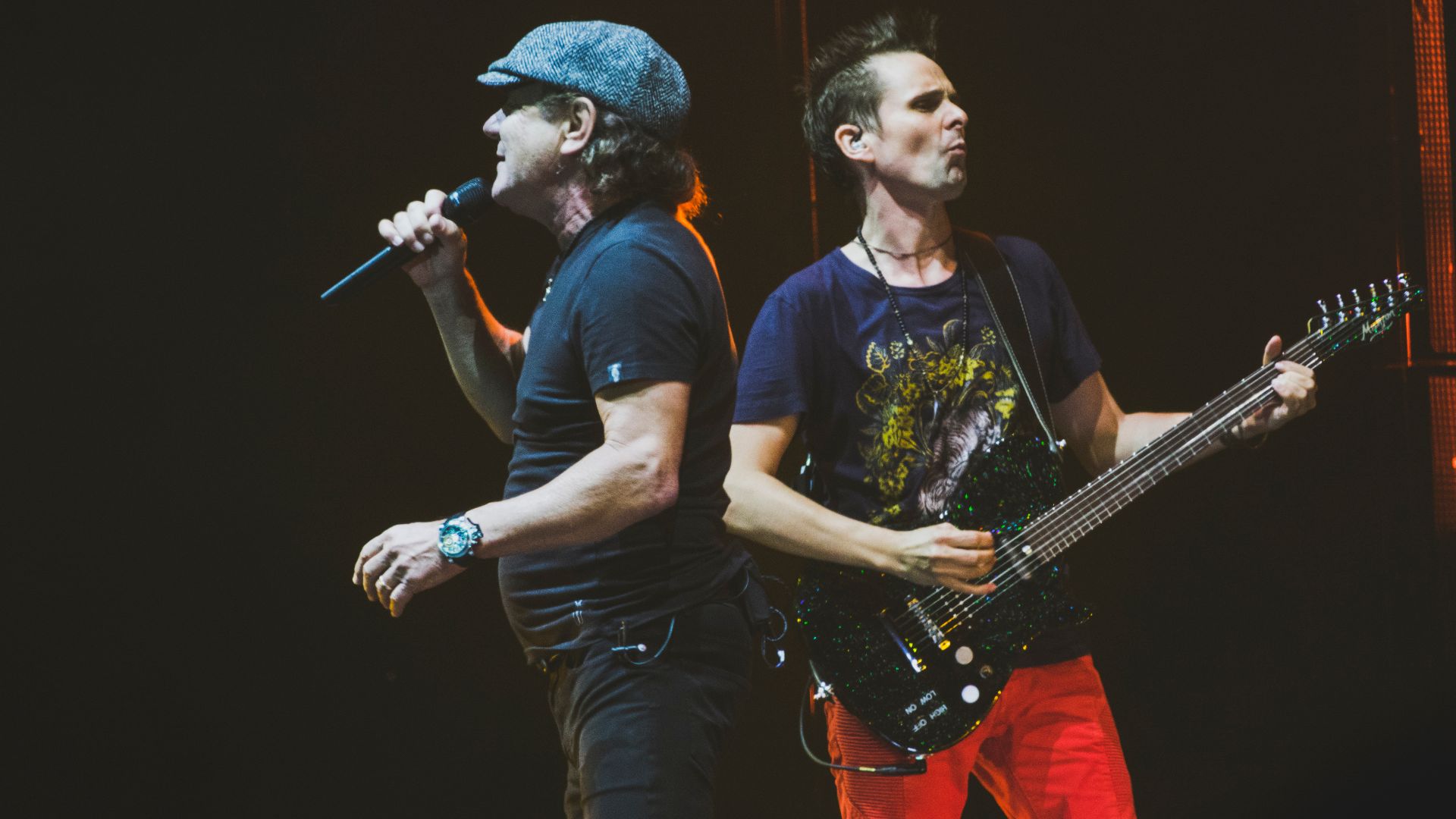
"Back In Black" – AC/DC
Released in 1980 after the death of Bon Scott, Back in Black served as both tribute and resurgence. Brian Johnson’s debut brought a sharper vocal edge, while Angus Young delivered one of rock’s most efficient riffs. The title track wastes no time, opening with direct, punchy confidence. The album went on to sell over 50 million copies worldwide.
"We're Not Gonna Take It" – Twisted Sister
In 1984, Twisted Sister delivered glam metal’s ultimate rallying cry. Dee Snider wrote the song with theatrical flair, and the chorus practically demands chanting. The MTV video amplified its rebellious tone, turning it into a cultural statement beyond just a radio hit.
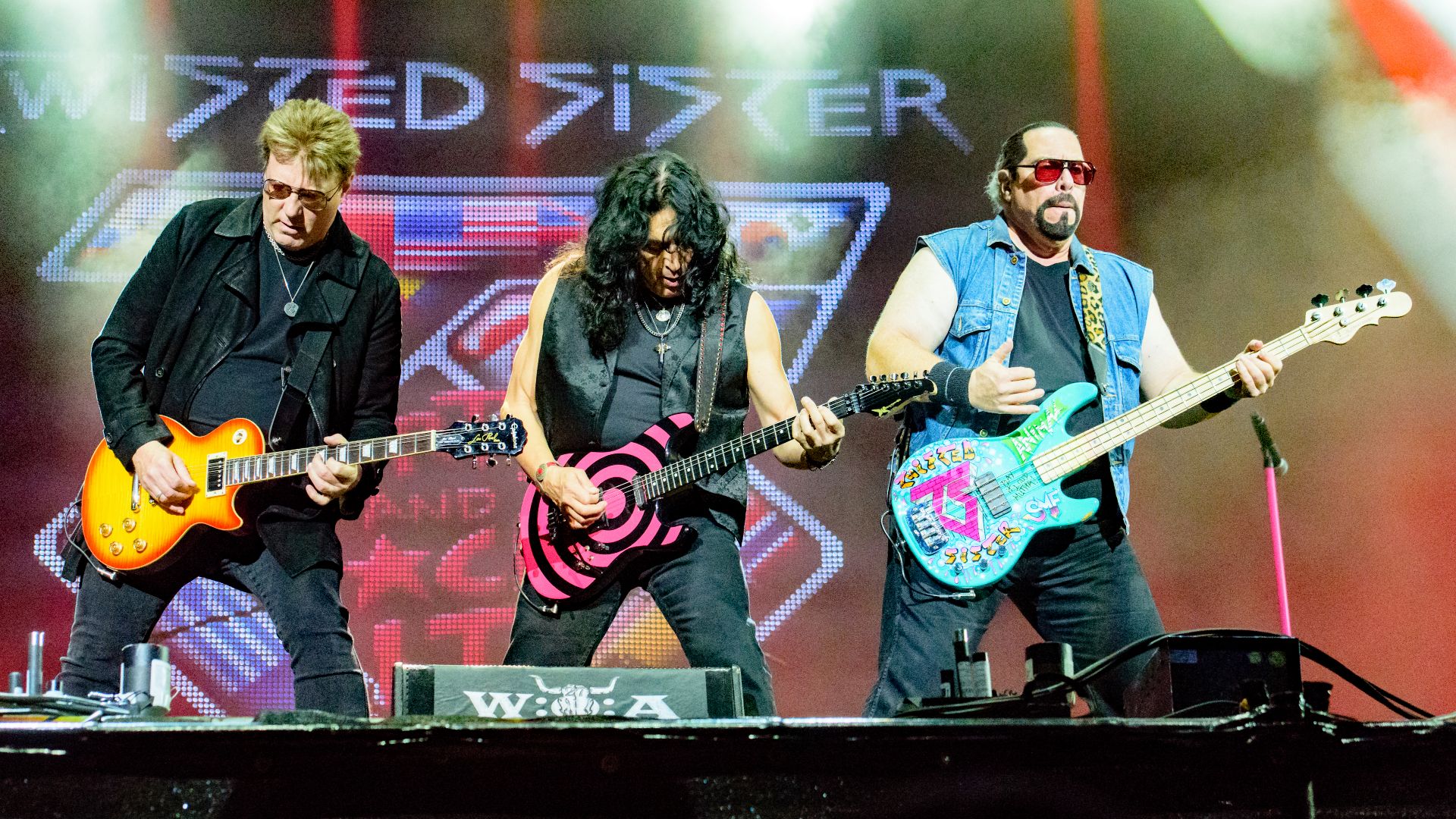 Frank Schwichtenberg, Wikimedia Commons
"We Are The Champions" – Queen
Freddie Mercury structured this song as a victory speech set to music. It begins intimate and gradually swells into triumphant declaration. Often paired with "We Will Rock You," it became inseparable from championship celebrations and public triumph.
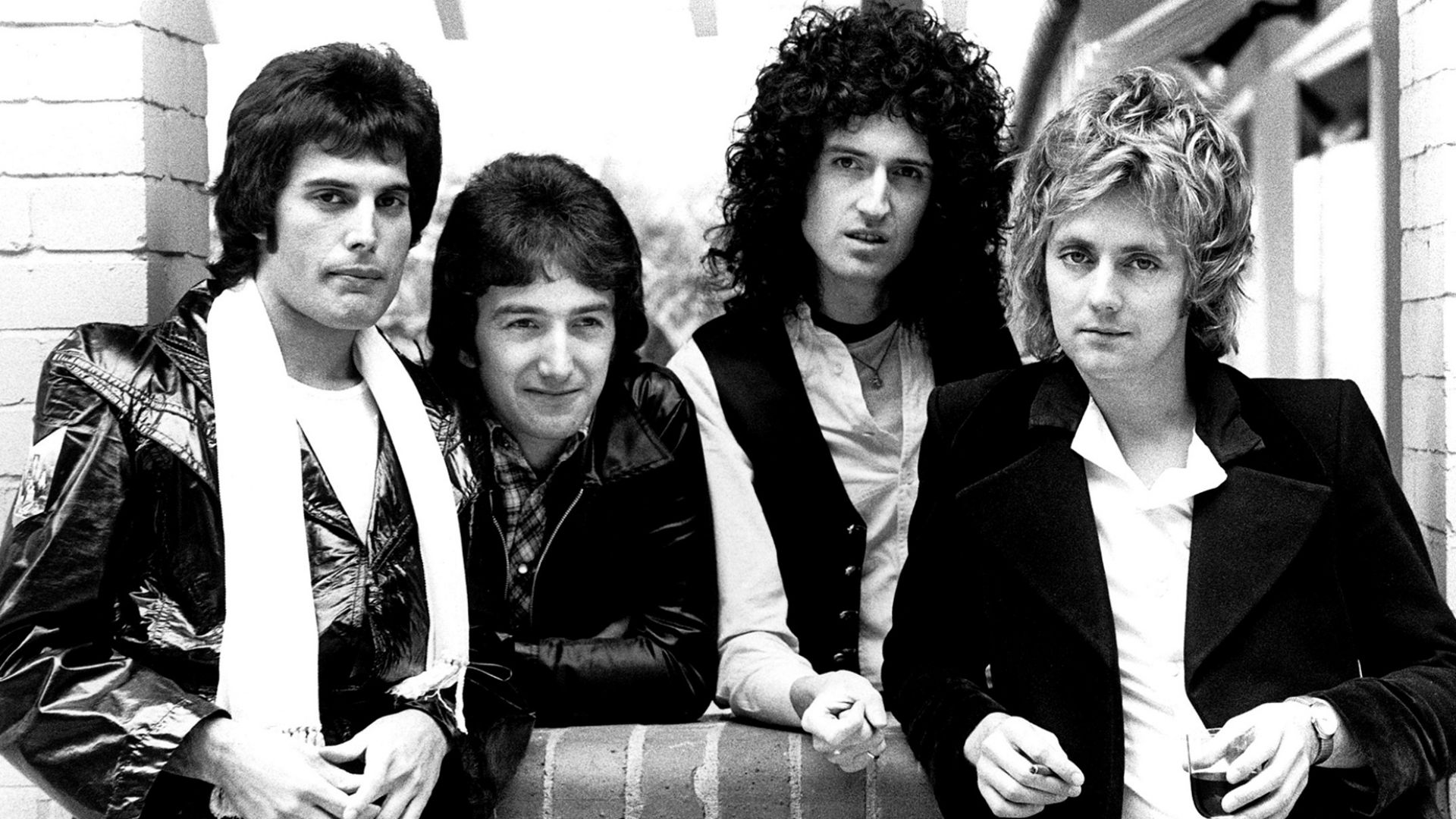 Christopher Hopper; distributed by Elektra Records, Wikimedia Commons
"Crazy Train" – Ozzy Osbourne
Released in 1980 on Blizzard of Ozz, "Crazy Train" launched Ozzy’s solo career after leaving Black Sabbath. Randy Rhoads’ neoclassical-influenced riff blends precision and aggression. Lyrically, it reflects Cold War tension and social anxiety, but its energy remains electrifying.
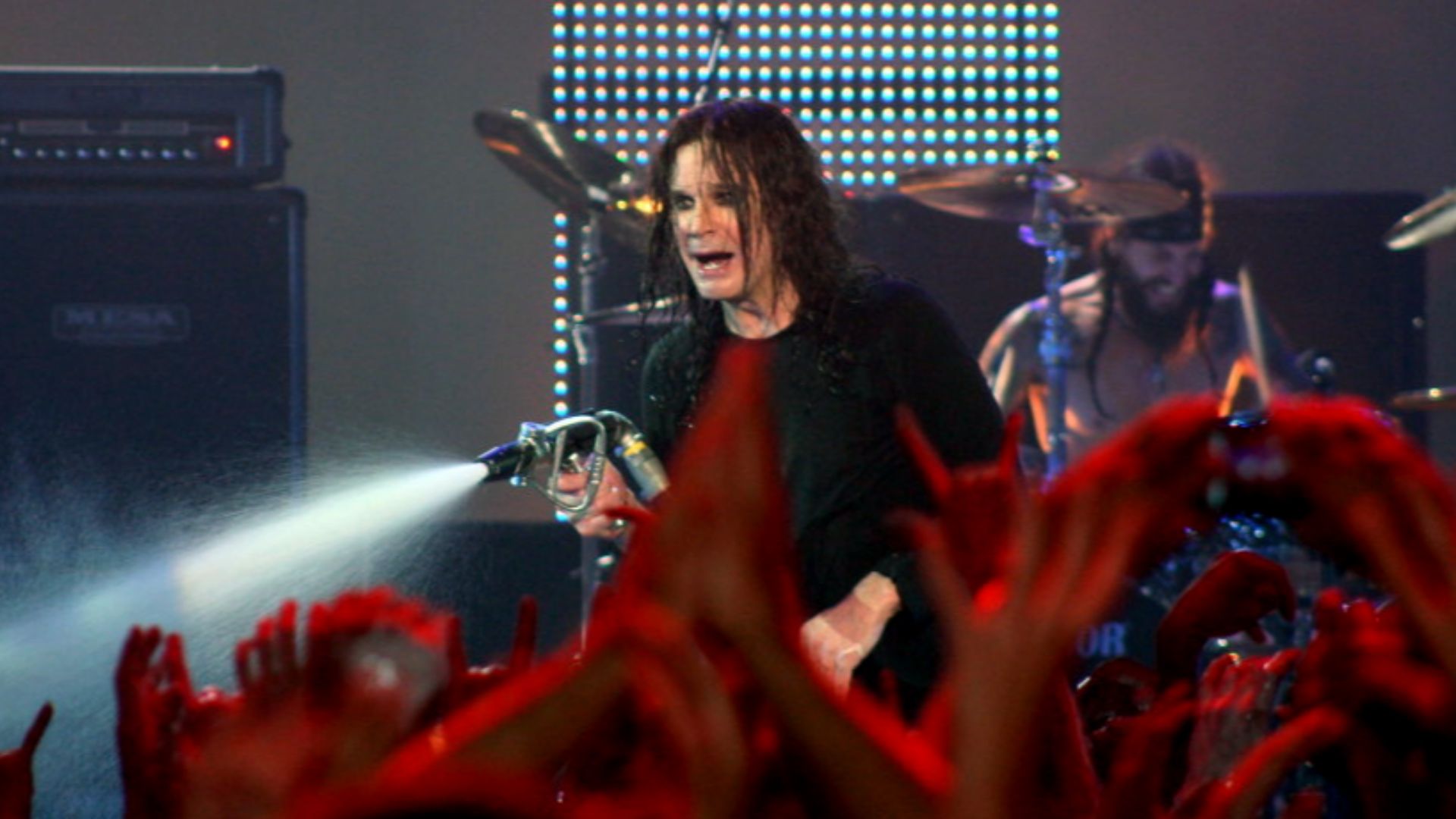 Aznplayer213, Wikimedia Commons
You May Also Like:
The Toughest Rock Stars Ever—On And Off Stage
Every Band That Turned Down Invitations To Play At The 1969 Woodstock Music Festival