The Adaptations That Actually Understood The Assignment
For a long time, video game TV adaptations had a bad track record. Then creators started treating games like worlds worth expanding, not just IP to cash in on. These shows prove that when the tone is right and the storytelling comes first, video games can actually make great television.
Cyberpunk: Edgerunners (2022)
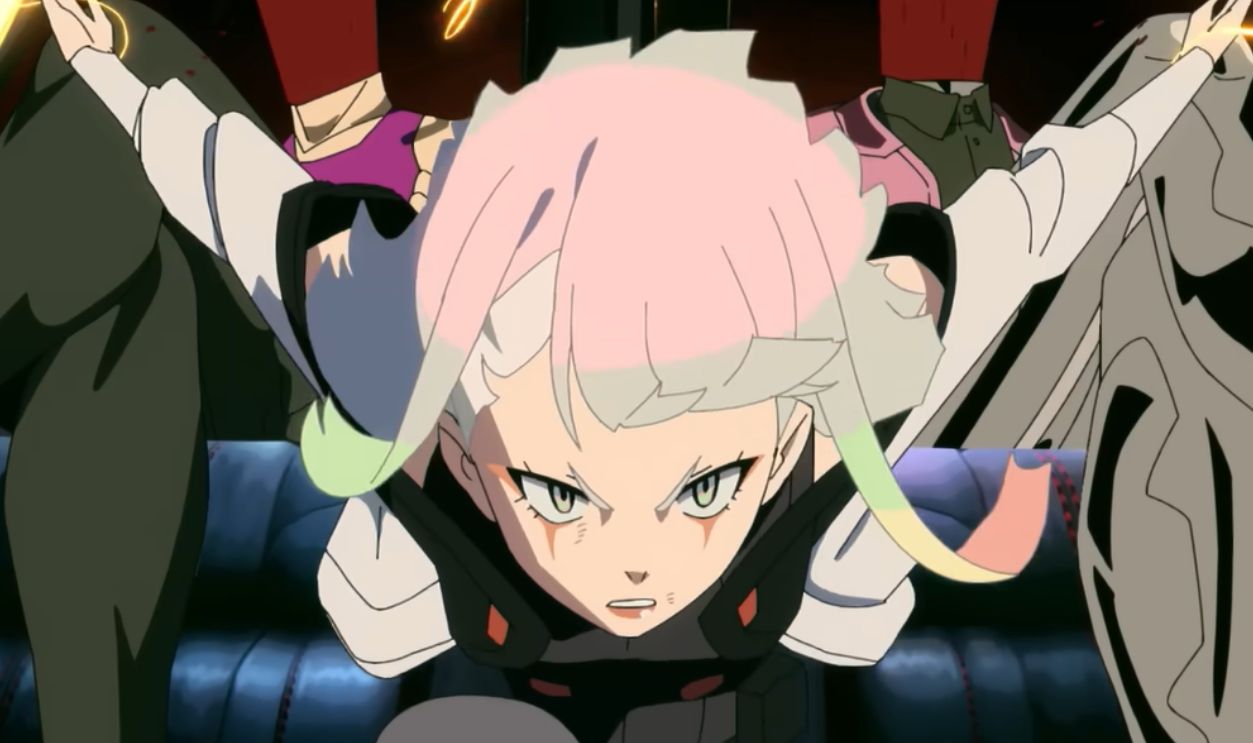
Instead of retelling the game’s story, Edgerunners dropped viewers into Night City and told something new. The anime leaned hard into style, violence, and emotional gut punches. Even people who bounced off the game found themselves completely wrecked by this show.
 Screenshot from Cyberpunk: Edgerunners, Netflix (2022)
Fallout (2024– )
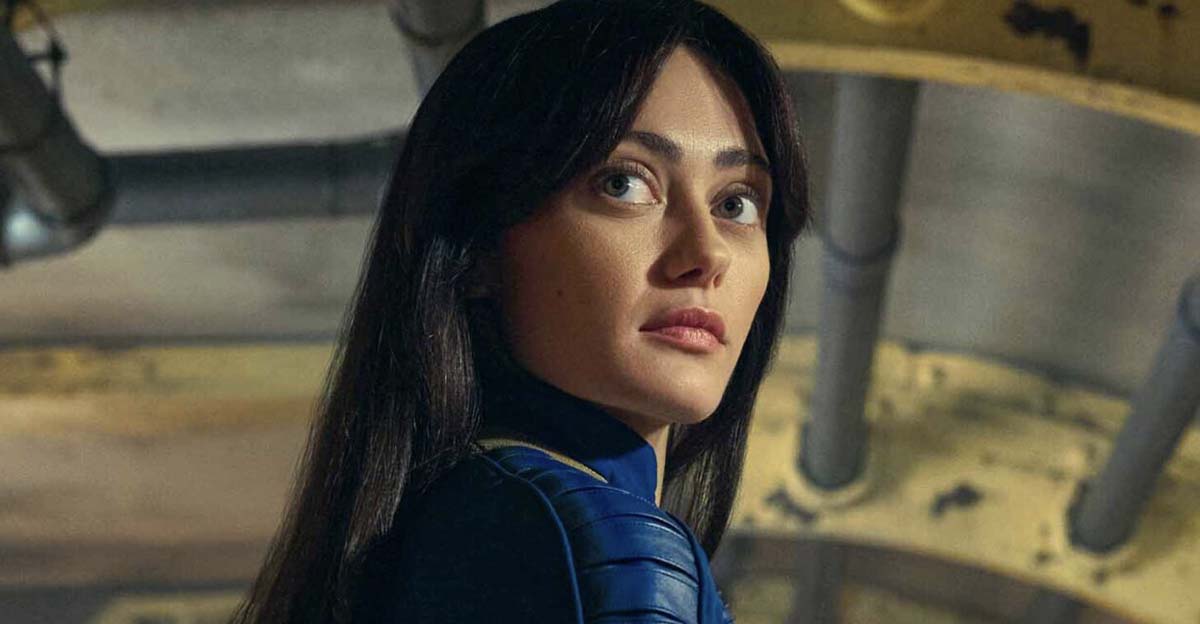
Fallout nailed the balance between dark humor and real stakes. The retro-futuristic world feels lived-in, absurd, and brutal all at once. By focusing on new characters rather than recreating game plots, the series made itself welcoming for newcomers and rewarding for longtime fans.
 Screenshot from Fallout, Amazon Prime Video (2024–)
Castlevania (2017–2021)
What started as a risky adaptation turned into one of the best animated fantasy shows around. Castlevania mixed brutal action with surprisingly thoughtful writing and complex villains. It set the bar for how mature and confident a video game adaptation could be.
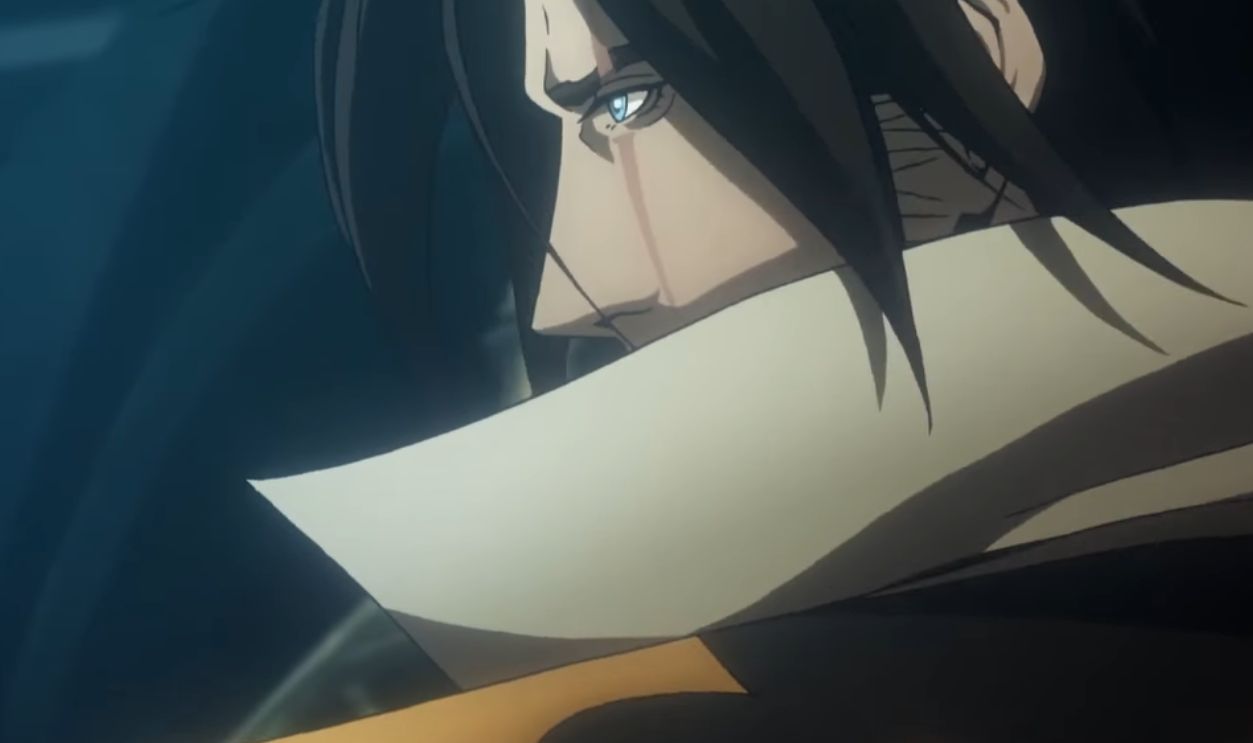 Screenshot from Castlevania, Netflix (2017–2021)
Gangs Of London (2020– )
Inspired by a lesser-known game, Gangs of London became something much bigger. The show is known for its brutal action and slick style. At this point, most viewers forget it even started as a game adaptation, which might be the highest compliment.
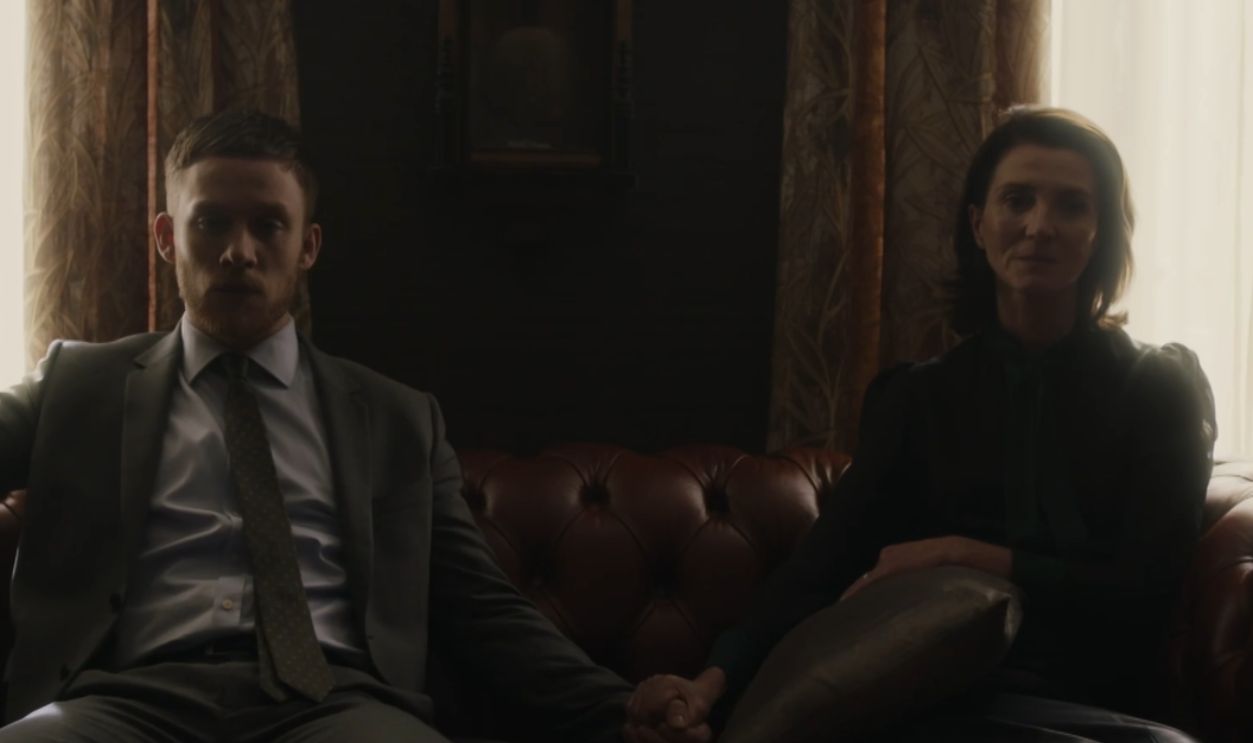 Screenshot from Gangs of London, Sky Atlantic (2020–)
Sonic X (2003–2005)
Sonic X captured classic Saturday morning cartoon energy while still respecting the games. It blended familiar characters with original stories that felt playful and sincere. For a lot of fans, this was their first real connection to Sonic beyond the controller.
 Screenshot from Sonic X, TV Tokyo (2003–2005)
Knuckles (2024)
This Sonic spinoff fully embraced comedy, and that was the right call. Idris Elba’s deadpan voice work carried the show, which leaned into absurd situations and fish-out-of-water humor. It proved that the Sonic universe works best when it does not take itself too seriously.
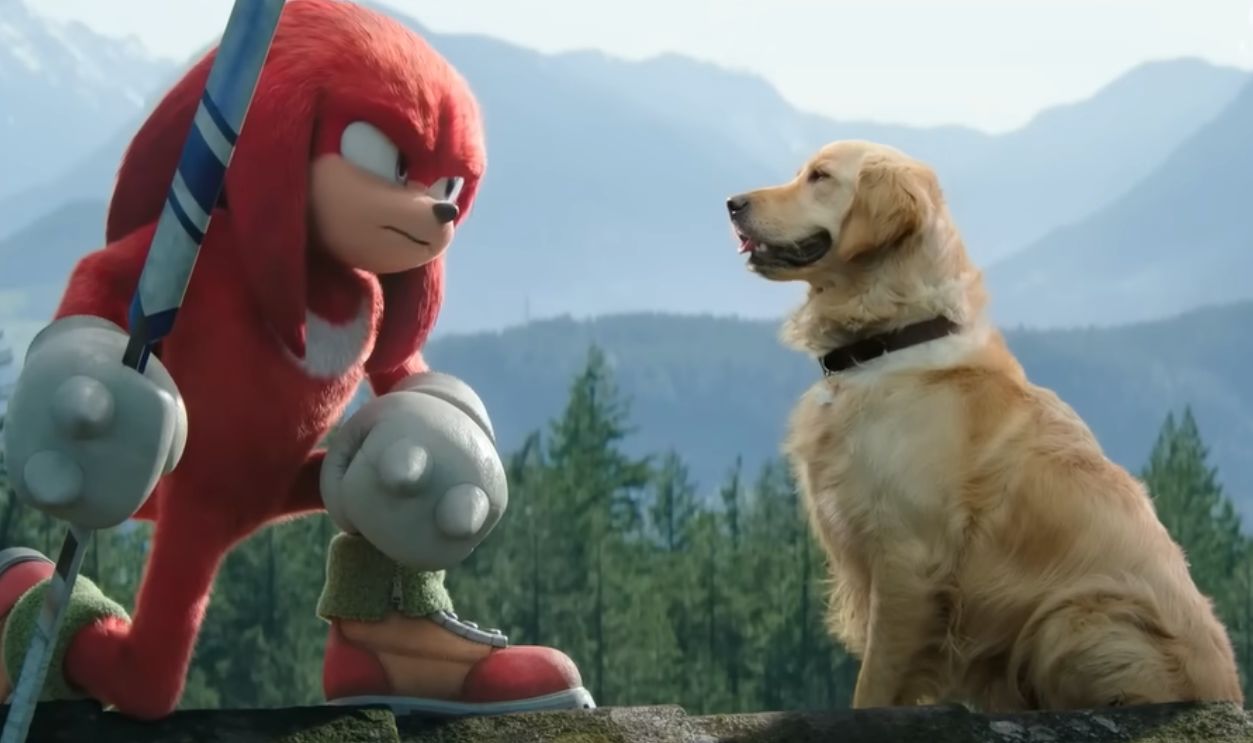 Screenshot from Knuckles, Paramount+ (2024)
Street Fighter II V (1995)
Rather than nonstop fighting, this anime focused on character journeys and travel. It gave familiar fighters more personality and space to breathe. While divisive, it remains a memorable attempt to turn a fighting game into an actual narrative series.
 Screenshot from Street Fighter II V, YTV (1995)
Detention (2020)
Based on the Taiwanese horror game, Detention leaned into atmosphere and psychological dread. The show focused heavily on historical trauma and emotional unease rather than jump scares. It proved that culturally specific games can translate powerfully to television.
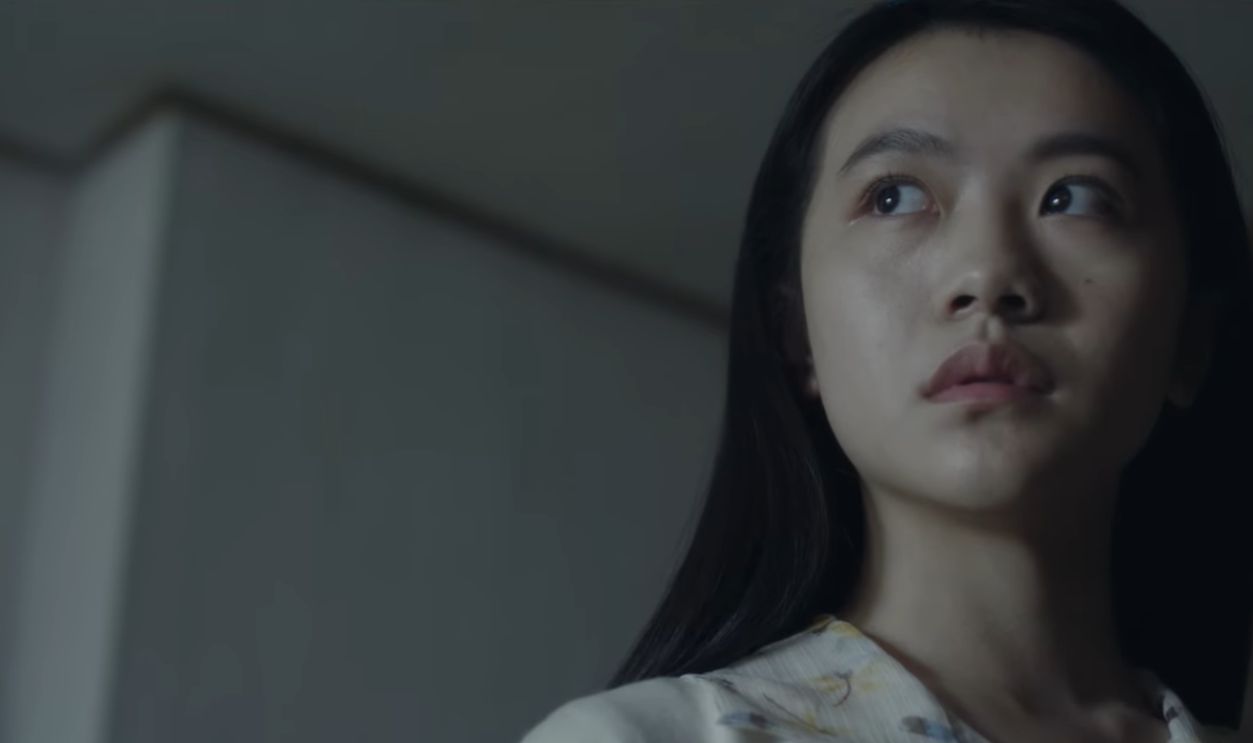 Screenshot from Detention, Netflix (2020)
Dragon’s Dogma (2020)
This anime went dark fast. Dragon’s Dogma focused on revenge, moral decay, and the cost of violence. While uneven, it committed fully to bleak fantasy storytelling and stood apart from more conventional adaptations.
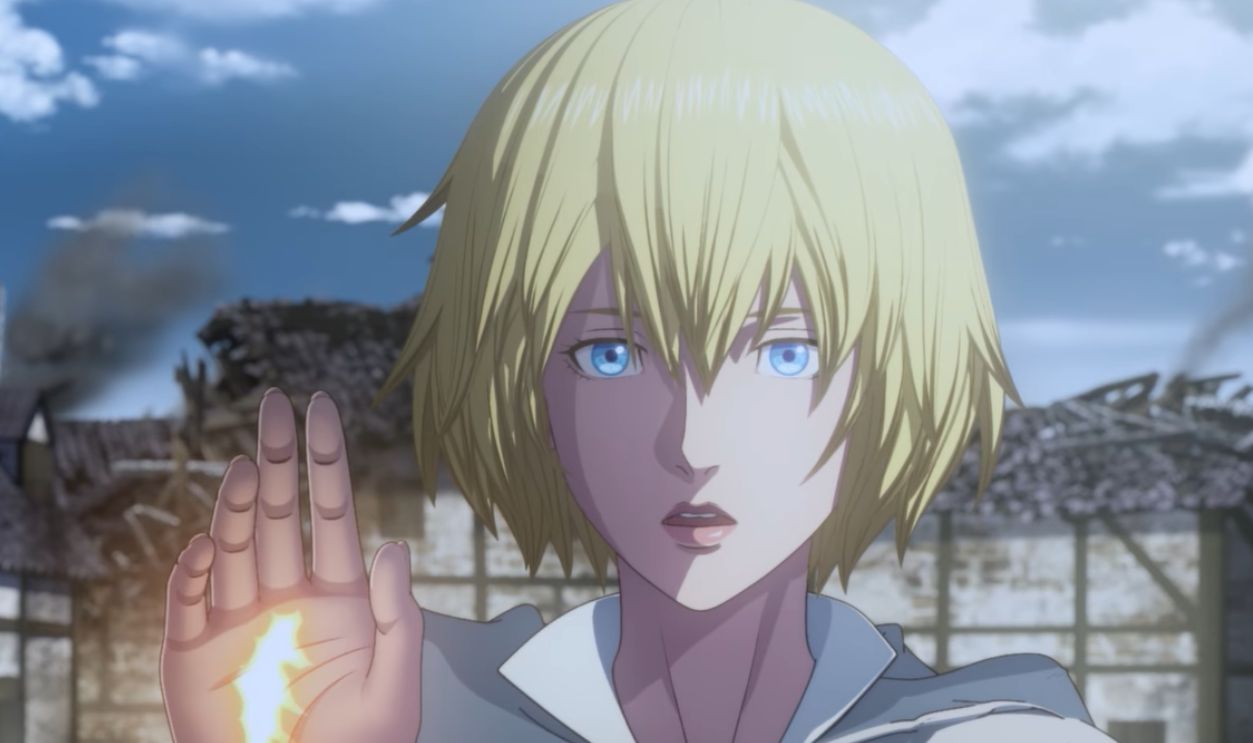 Screenshot from Dragon’s Dogma, Netflix (2020)
Devil May Cry (2025– )
This long-awaited adaptation leaned into stylish action and attitude. Early reactions praised its commitment to spectacle and character flair. Fans responded well to its willingness to embrace the franchise’s over-the-top energy rather than tone it down.
 Screenshot from Devil May Cry, Netflix (2025–)
Carmen Sandiego (2019–2021)
This reboot reimagined Carmen as an antihero instead of a villain. The globe-trotting adventures felt smart, stylish, and fun. It managed to modernize an educational game without losing its sense of adventure.
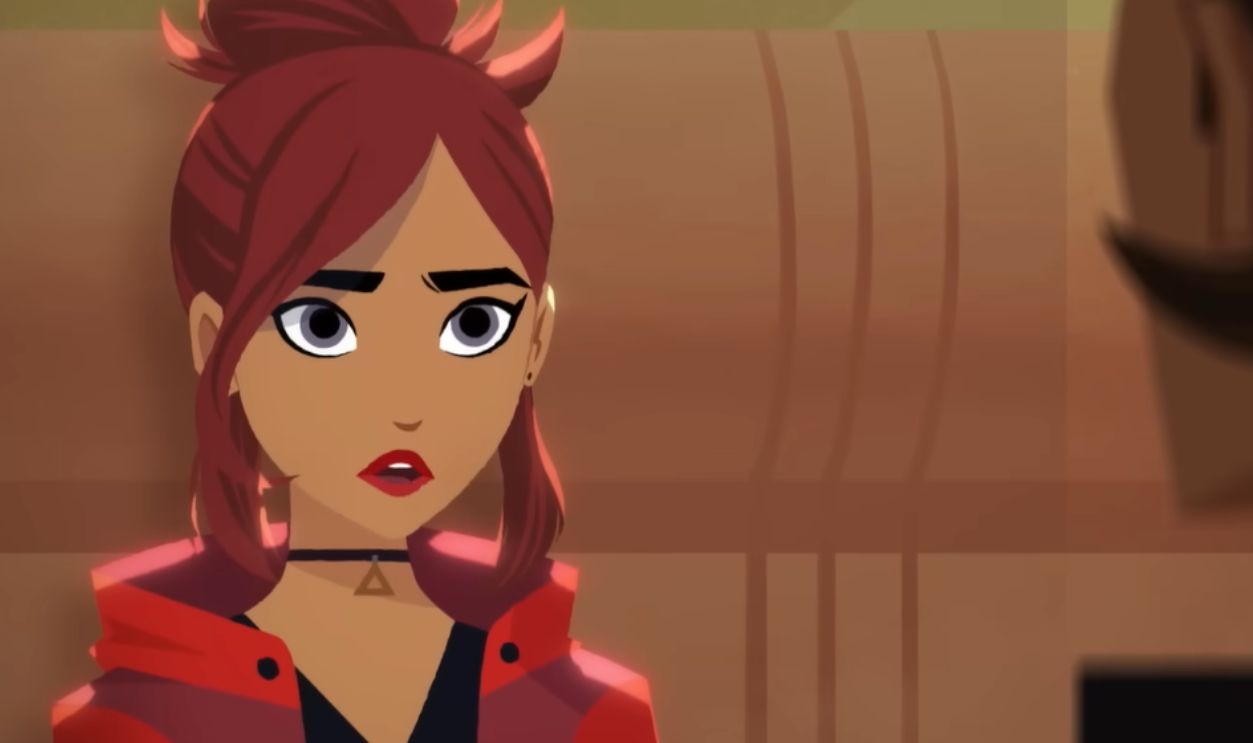 Screenshot from Carmen Sandiego, Netflix (2019–2021)
Twisted Metal (2023–2025)
Few people expected this one to work, but it did. Twisted Metal leaned into dark comedy and chaos while still building a surprisingly engaging world. Instead of focusing only on car combat, it delivered a weirdly heartfelt post-apocalyptic road story.
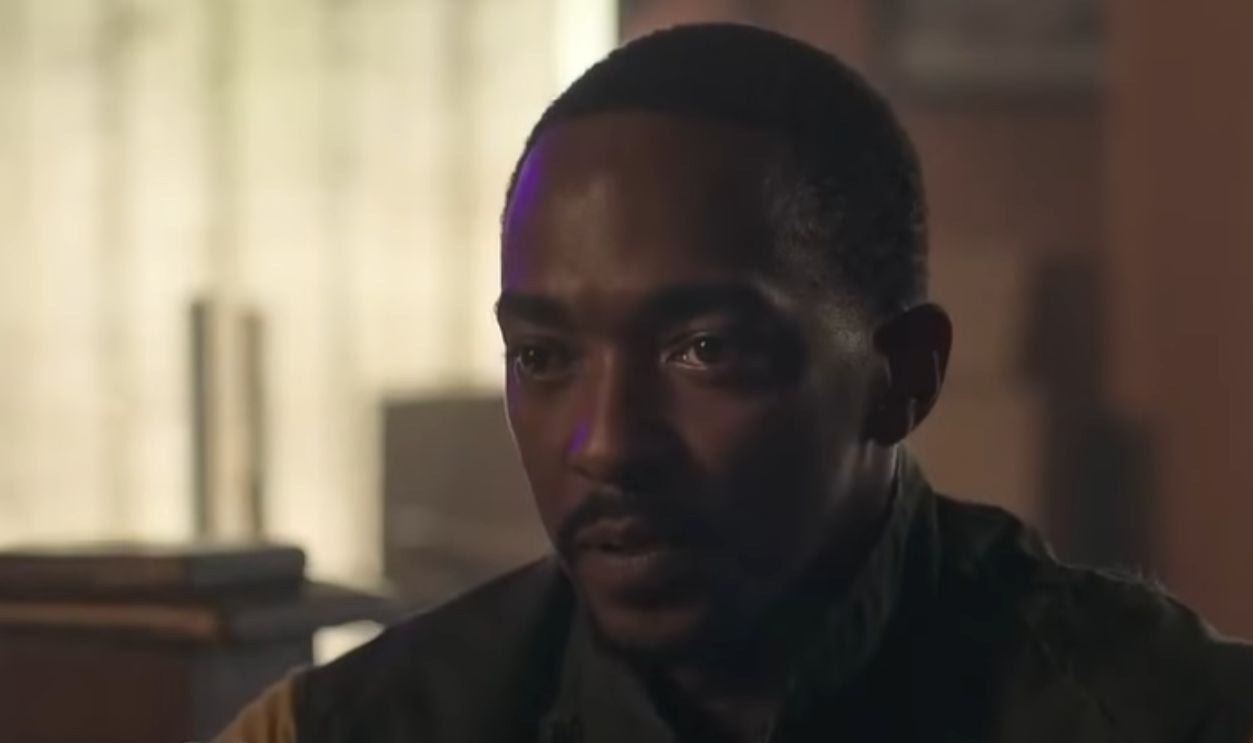 Screenshot from Twisted Metal, Peacock (2023–2025)
Arcane (2021–2024)
Even viewers unfamiliar with League of Legends fell hard for Arcane. The animation was stunning, and the emotional storytelling hit deep. It became the gold standard for what a video game adaptation can be when everything clicks.
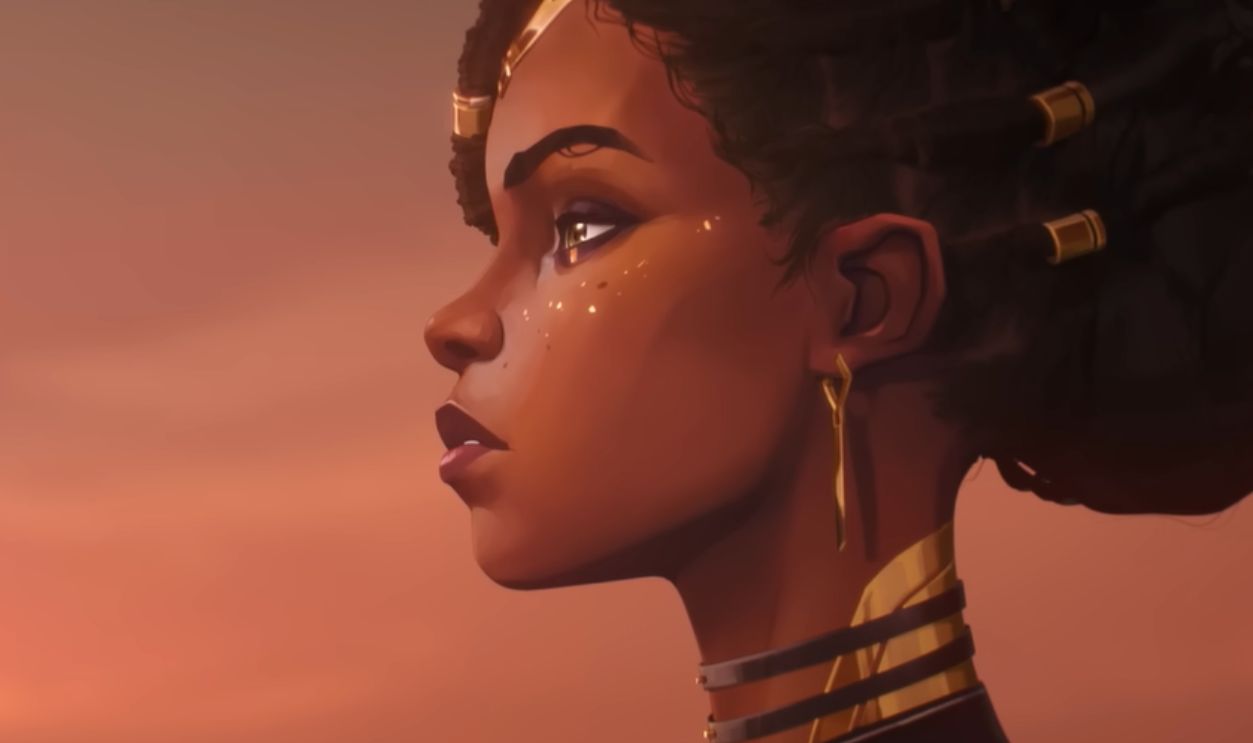 Screenshot from Arcane, Netflix (2021–2024)
The Last of Us (2023– )
This adaptation succeeded by knowing when to expand and when to stay faithful. The show deepened character backstories while keeping the emotional core intact. It proved that games with strong narratives can translate beautifully to prestige television.
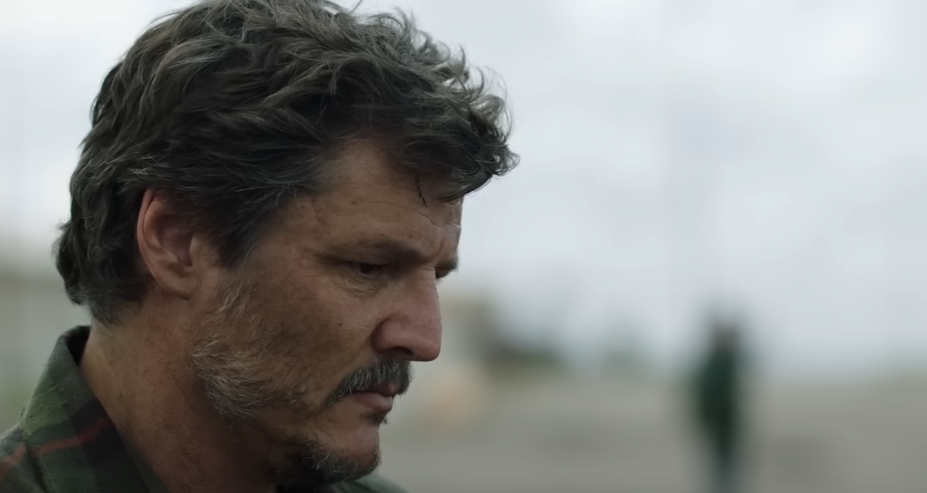 Screenshot from The Last of Us, HBO (2023–)
Pokémon The Series (1997–2023)
Pokémon became the blueprint for video game TV success. Its simple premise and evolving world kept kids and adults coming back for decades. Ash and Pikachu became pop culture icons, which few adaptations ever achieve.
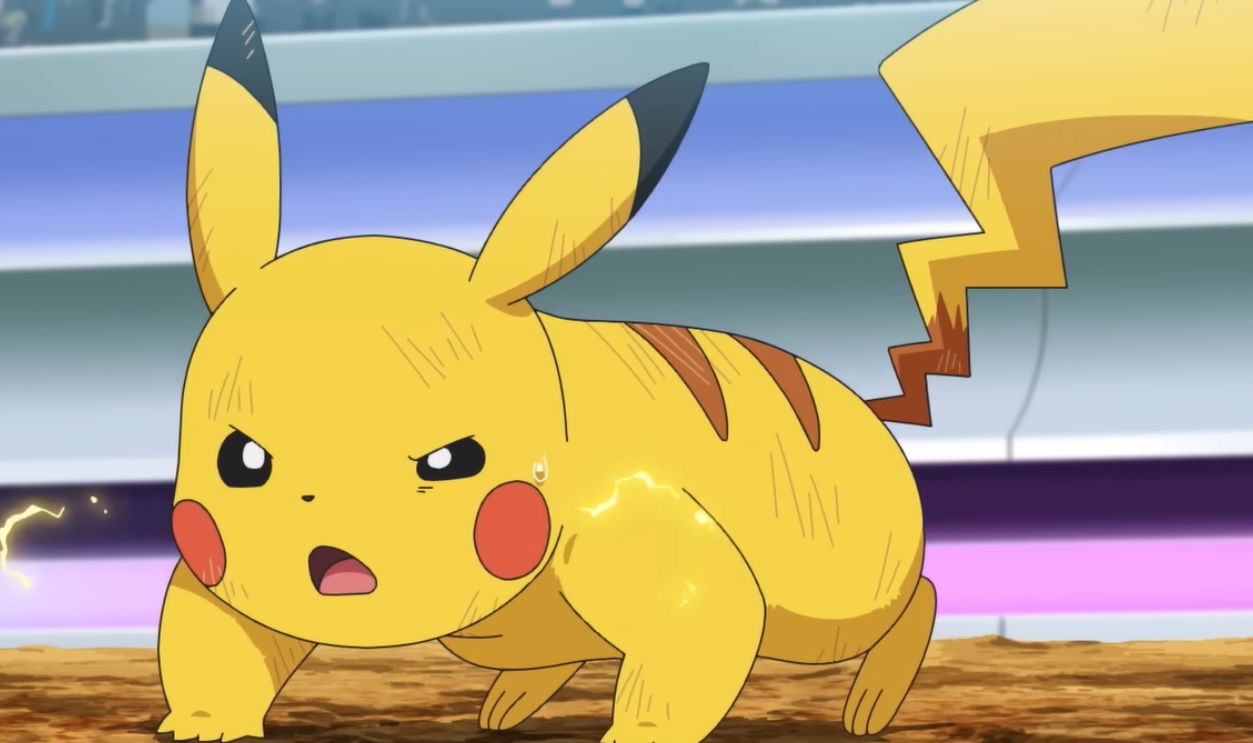 Screenshot from Pokémon The Series, TV Tokyo (1997–2023)
Pokémon Concierge (2023)
This series took a completely different approach to Pokémon. Slow, gentle, and focused on emotional healing, it felt more like comfort viewing than adventure. The stop-motion animation gave it a cozy, unique charm.
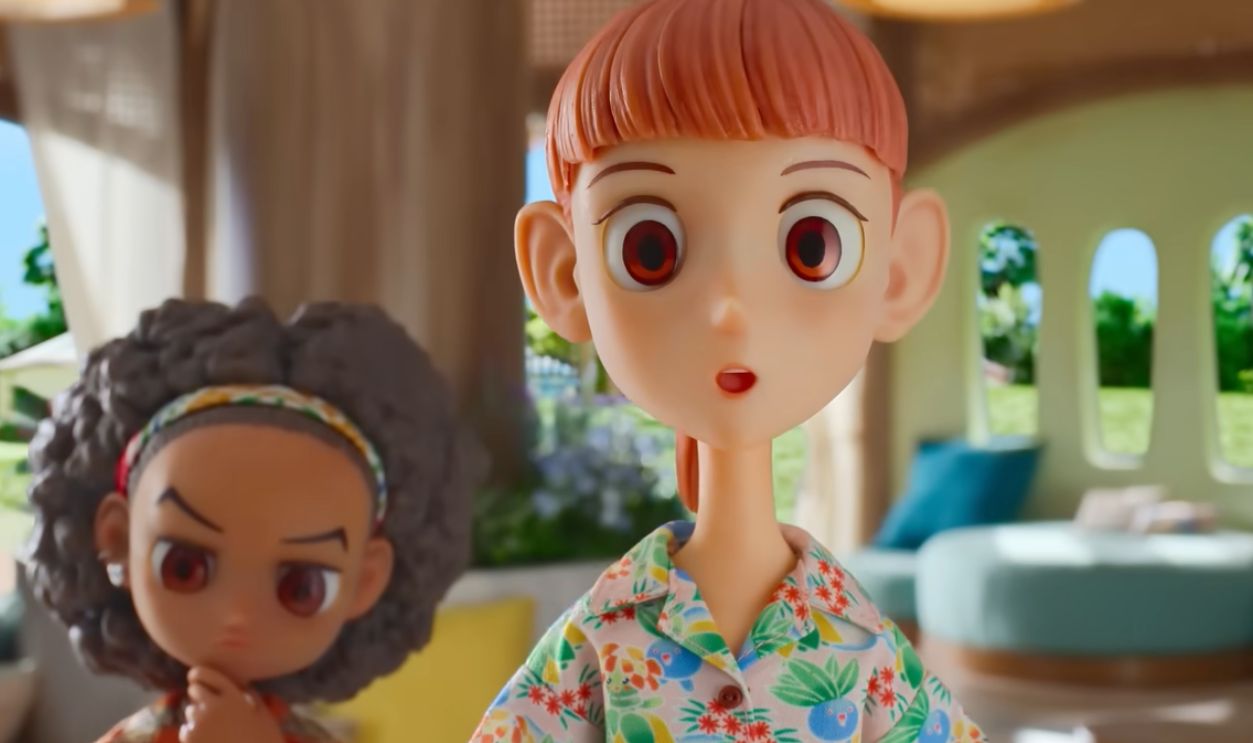 Screenshot from Pokémon Concierge, Netflix (2023)
Maniac Mansion (1990)
One of the earliest game-to-TV adaptations, Maniac Mansion leaned into surreal comedy. It was only loosely based on the game, but it embraced weirdness fully. While dated, it remains an interesting early experiment.
 Mike McCune, Wikimedia Commons
The Witcher (2019– )
Though also based on novels, the show drew heavily from the games’ popularity and visual identity. The Witcher delivered monster hunts, moral ambiguity, and epic fantasy spectacle. It helped prove game-influenced worlds could dominate mainstream TV.
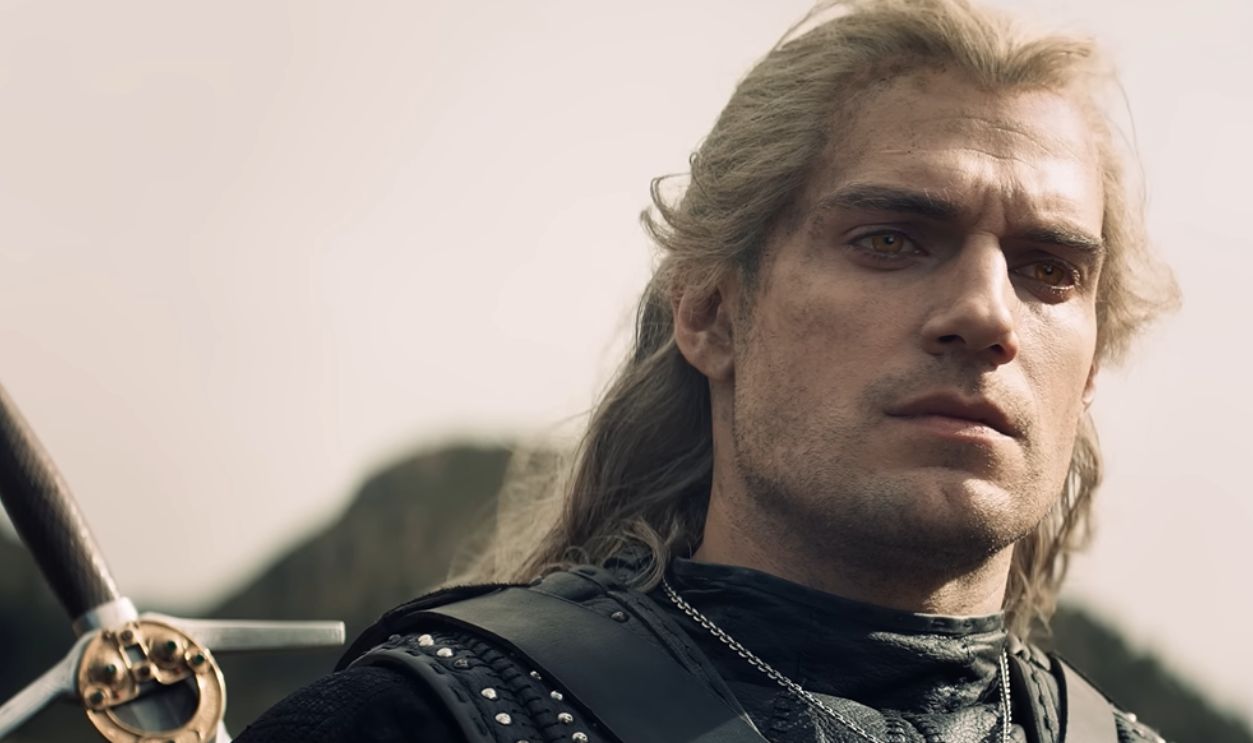 Screenshot from The Witcher, Netflix (2019–)
Splinter Cell: Deathwatch (2025– )
Splinter Cell: Deathwatch brought Sam Fisher to animated television with a darker, more grounded tone. Critics praised the action and voice work, particularly the older, wearier take on Fisher. Some felt it leaned more toward action than stealth, but overall reception was solid.
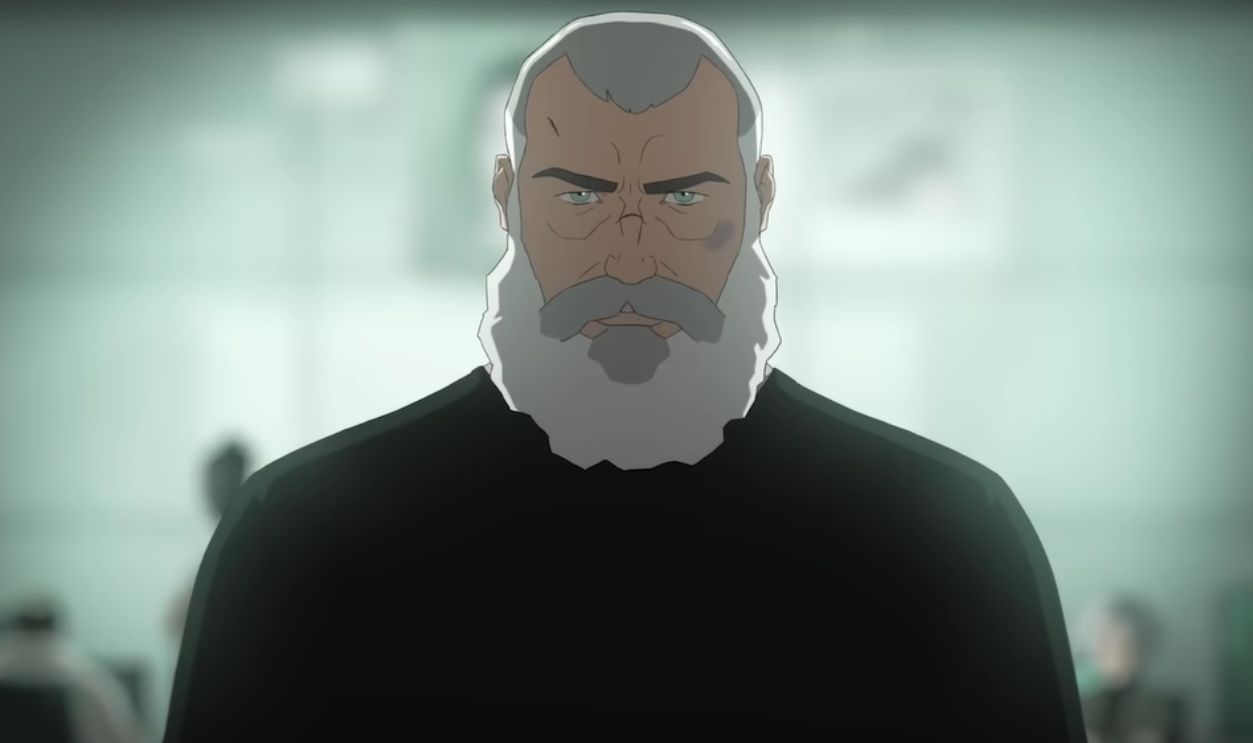 Screenshot from Splinter Cell: Deathwatch, Netflix (2025–)
Tomb Raider: The Legend Of Lara Croft (2024–2025)
This animated series focused more on Lara as a person than just an action hero. It explored the emotional fallout of her adventures while still delivering classic Tomb Raider thrills. The result felt like a bridge between old-school and modern interpretations.
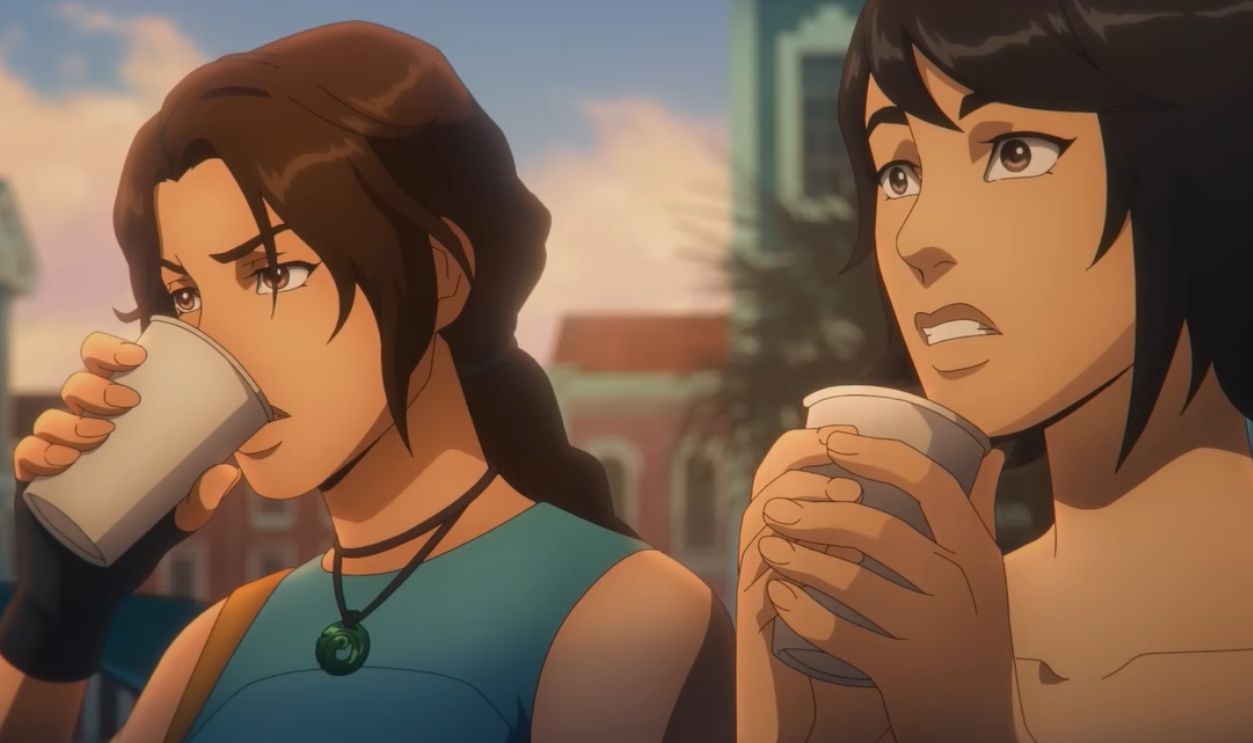 Screenshot from Tomb Raider: The Legend Of Lara Croft, Netflix (2024–2025)
You May Also Like:
Video Game Movies That Got It Surprisingly Right
Nobody Could Beat The 20 Most Difficult Games On The NES
The Year's Biggest Video Game Will Make Over A Billion Dollars Before It's Even Released