He Was Just Getting Started
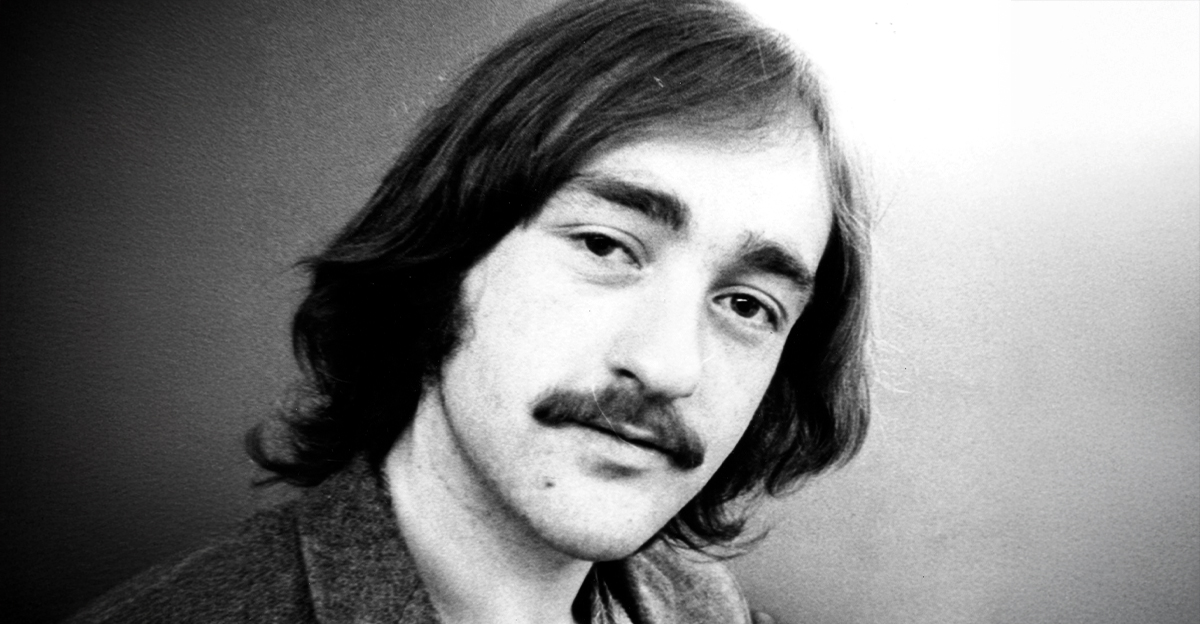
Dave Mason helped create one of the most adventurous British rock bands of the 1960s, but his time with Traffic was marked by creative differences and repeated departures. Fortunately, leaving the band didn't mean the end of his musical ambitions. The gifted guitarist and songwriter went on to work with a wide range of different artists including Jimi Hendrix, George Harrison, and Eric Clapton, while building a successful solo career that lasted for decades.
A Young Guitarist With Ambition
David Thomas Mason was born on May 10, 1946, in Worcester, England. He developed an early interest in music and began playing guitar as a teenager, eventually joining local groups including the Hellions and Deep Feeling. Among the musicians he encountered was drummer Jim Capaldi, who would become an important collaborator.
By the mid-1960s, Mason was developing a reputation as a talented guitarist and songwriter. His opportunity for a major breakthrough arrived in 1967, when Steve Winwood decided to leave the successful Spencer Davis Group and pursue a more experimental musical direction.
 Val Wilmer/Redferns/Getty Images
The Birth Of Traffic
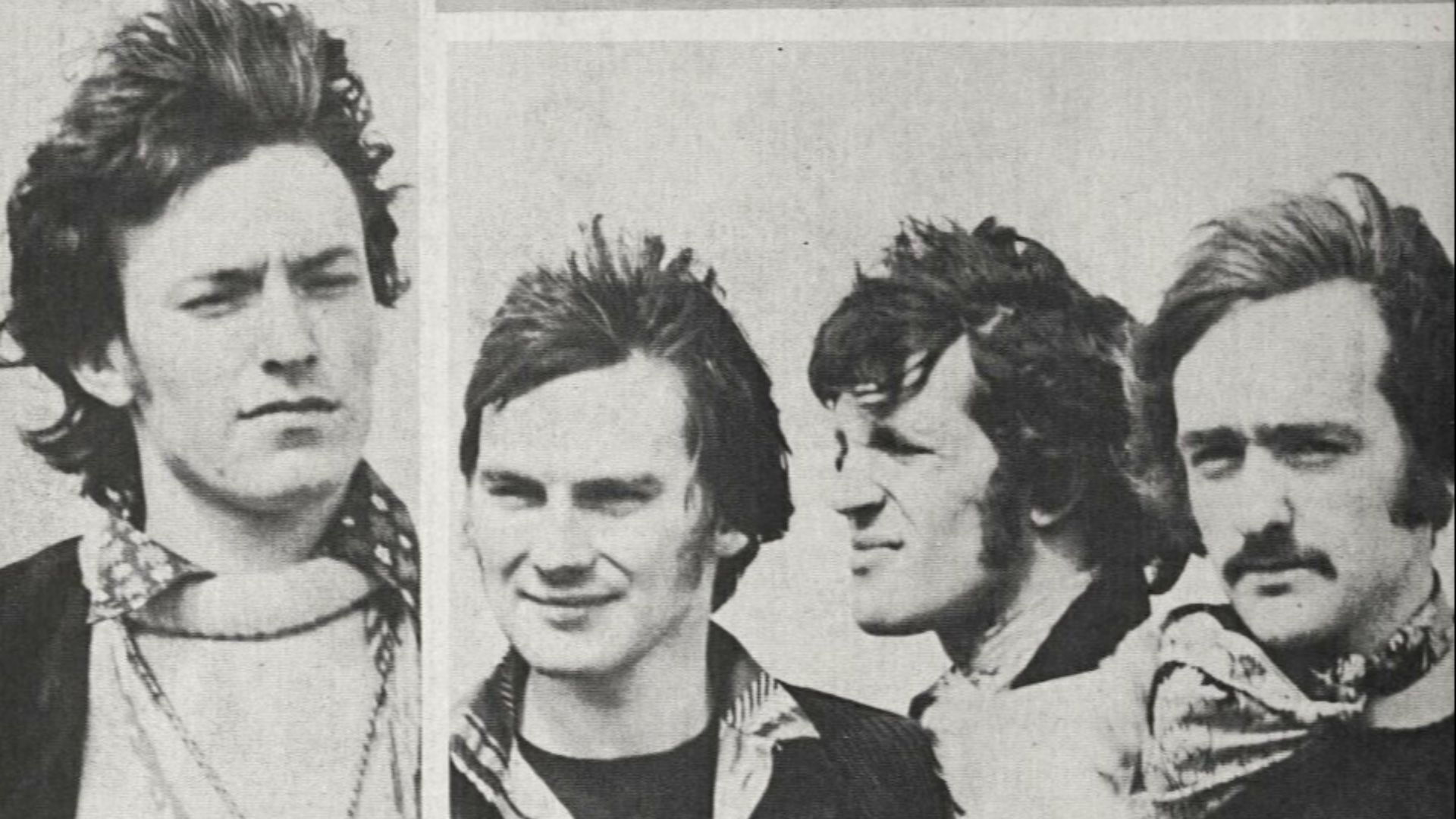
In 1967, Mason, Winwood, Capaldi, and saxophonist and flautist Chris Wood formed Traffic. The four musicians retreated to a cottage in Berkshire, where they experimented with an unusual combination of psychedelic rock, jazz, folk, and rhythm and blues.
Traffic quickly distinguished themselves from the straightforward pop groups dominating British radio. Winwood's soulful voice and instrumental abilities were central to the band's identity, but Mason brought an equally important melodic sensibility to the table.
Their debut single, "Paper Sun," became a British hit in 1967. Mason soon demonstrated his own songwriting abilities with "Hole in My Shoe," a whimsical psychedelic composition featuring his lead vocals. It reached number two on the UK singles chart, becoming one of Traffic's biggest early successes.
Success And Creative Differences
Traffic's debut album, Mr. Fantasy (1967), featured the enduring "Dear Mr. Fantasy," alongside Mason compositions including "House for Everyone," "Utterly Simple," and "Hope I Never Find Me There."
Unfortunately, the band's creative chemistry didn't always translate into personal harmony. Mason preferred presenting carefully constructed songs, while Winwood favored a more collaborative, improvisational approach.
These differences contributed to Mason's decision to leave Traffic in December 1967, although he returned the following year. His contributions to Traffic's self-titled second album, Traffic (1968), included "You Can All Join In," "Don't Be Sad," and what would become his most famous composition, "Feelin' Alright?"
Mason wrote "Feelin' Alright?" while spending time on the Greek island of Hydra. Despite its upbeat-sounding title, the song expresses disillusionment and emotional frustration. Its deceptively simple two-chord structure helped make it one of the most frequently covered compositions of the era.
The Song That Became A Standard
"Feelin' Alright?" appeared on Traffic (1968), but its greatest commercial success came through Joe Cocker, who recorded a dramatically reworked version.
Cocker's interpretation became a hit in the United States, reaching number 33 on the Billboard Hot 100 in 1972. The song subsequently became a concert favorite and was covered by numerous performers, including Three Dog Night and Grand Funk Railroad.
For Mason, its enduring popularity demonstrated that his songwriting could reach audiences far beyond Traffic's psychedelic beginnings.
Yet tensions within the group persisted. Mason departed again in late 1968, shortly before Traffic temporarily dissolved following Steve Winwood's decision to join Blind Faith. His second departure was less voluntary. Mason later claimed that Winwood effectively pushed him out of the group, reflecting tensions that would go on between the musicians for decades. Although Mason briefly reunited with Traffic for live performances in 1971, which were captured on the live album Welcome to the Canteen (1971), but his main creative focus had shifted elsewhere.
Recording With Rock Royalty
Mason's talents were already attracting the attention of some of rock's biggest names.
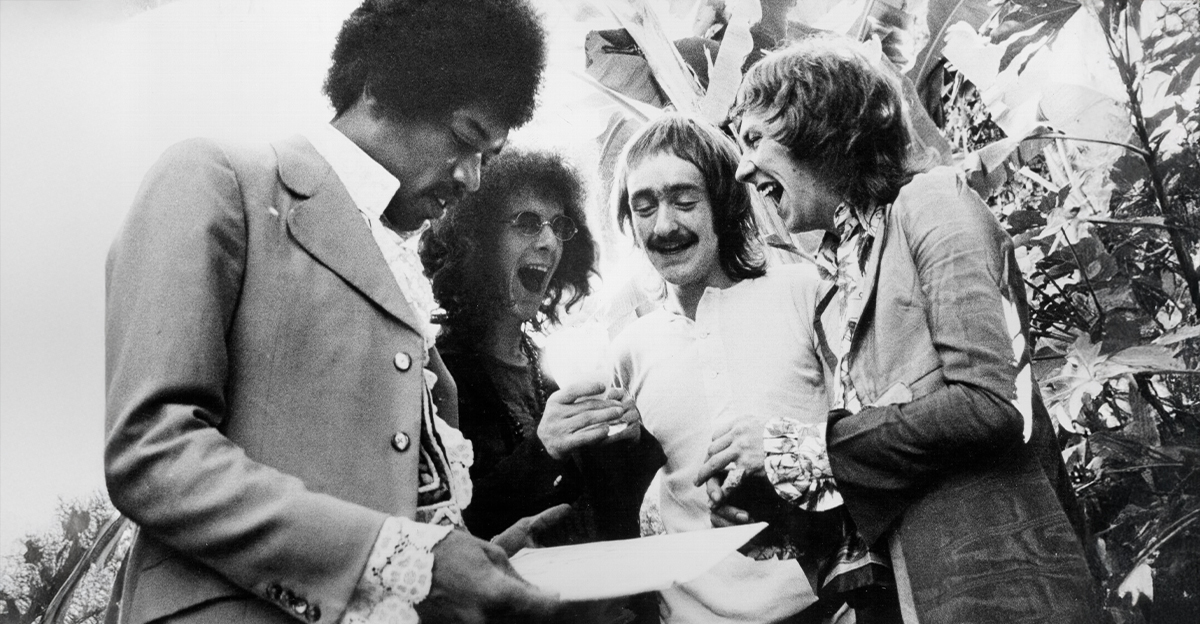
In 1968, he played acoustic guitar on Jimi Hendrix's celebrated recording of Bob Dylan's "All Along the Watchtower," from Electric Ladyland (1968). Mason also contributed backing vocals to "Crosstown Traffic."
He participated in sessions associated with the Rolling Stones' Beggars Banquet (1968) and subsequently worked with Delaney & Bonnie, whose touring ensemble included an extraordinary collection of musicians.
Mason also briefly performed with Eric Clapton's Derek and the Dominos and contributed guitar to George Harrison's landmark solo album All Things Must Pass (1970).
His later session work included recordings with Graham Nash and Paul McCartney and Wings. Mason's versatility made him a valuable collaborator, equally comfortable with acoustic accompaniment, blues-influenced electric guitar, and carefully arranged rock productions.
 Michael Ochs Archives/Getty Images
A Remarkable Solo Debut
Mason launched his solo recording career with Alone Together (1970), an album that demonstrated his abilities beyond Traffic.
Featuring contributions from musicians including Leon Russell and Jim Capaldi, it contained memorable compositions such as "Only You Know and I Know," "Shouldn't Have Took More Than You Gave," and "World in Changes."
The album became a commercial success and eventually earned gold certification in the United States. Its original multicolored, marbled vinyl pressing also became a distinctive collector's item.
In 1971, Mason collaborated with Cass Elliot of the Mamas & the Papas on Dave Mason & Cass Elliot (1971). Although their partnership was relatively brief, it illustrated his willingness to work outside conventional rock-band boundaries.
Disputes with his record company complicated the next stage of his career, particularly the release of Headkeeper (1972), which Mason opposed.
His Biggest Solo Hits
Mason's career gained renewed momentum after he signed with Columbia Records. His self-titled album Dave Mason (1974) achieved gold certification, while Split Coconut (1975) continued his commercial success.
His biggest album arrived with Let It Flow (1977), which eventually went platinum.
The record featured "We Just Disagree," written by Mason's longtime guitarist Jim Krueger. The song reached number 12 on the Billboard Hot 100, becoming Mason's highest-charting solo single and one of the defining recordings of his career.
Other notable songs included his version of "Will You Still Love Me Tomorrow," which reached the American Top 40, and "Only You Know and I Know," which remained a concert favorite.
Mason continued recording through the late 1970s and 1980s, releasing Mariposa de Oro (1978) and Old Crest on a New Wave (1980). The latter featured Michael Jackson providing backing vocals on "Save Me."
 Jim Summaria, Wikimedia Commons
Fleetwood Mac And Later Recognition
Mason's career took another unexpected turn in the 1990s when he joined Fleetwood Mac during a period of major personnel changes.
He toured with the band and contributed to Time (1995), an album that featured a Fleetwood Mac lineup substantially different from the group's commercially dominant late-1970s incarnation.
In 2004, Mason was inducted into the Rock & Roll Hall of Fame as a member of Traffic, recognizing the group's lasting influence on rock.
He continued touring and recording, eventually revisiting his celebrated debut with Alone Together...Again (2020). His memoir, Only You Know & I Know (2024), offered reflections on his career, collaborations, and sometimes difficult relationships with fellow musicians.
His Final Years And Legacy
Health problems eventually brought Mason's touring career to an end in 2025. He died at his home in Gardnerville, Nevada, on April 19, 2026, aged 79.
Although Mason never achieved quite the same household-name recognition as Hendrix, Clapton, or Harrison, rock connoisseurs will always appreciate his body of work.
He helped establish Traffic as one of Britain's most innovative bands, contributed to some of rock's most celebrated recordings, and enjoyed a successful solo career built around his distinctive guitar playing and songwriting.
Above all, "Feelin' Alright?" stands as testament to his enduring influence. More than half a century after its creation, the song proves why Dave Mason deserves to be remembered as much more than just a former member of Traffic.
You May Also Like:
60s Rock Stars Who Left The Stage Behind
Every Generation Cranks Up These Rock Anthems Like They’re Brand New
Hit Songs Everyone Associates With One Artist Even Though They Were Actually Covers