When Rock Stardom Didn't Pay
They sold millions of records, filled stadiums, and lived like royalty. But behind the scenes, some of the biggest rock stars of the 1970s were losing fortunes to dishonest managers, disastrous contracts, unpaid taxes, and terrible investments. A few recovered their money. Others never did. These are the extraordinary stories of musicians who discovered that making millions and keeping millions were two very different things.
 Shepard Sherbell/CORBIS/Corbis via Getty Images
Badfinger
Badfinger seemed destined for superstardom after scoring hits with "Come and Get It," "No Matter What," and "Day After Day." But their manager, Stan Polley, controlled the band's finances through increasingly restrictive agreements. A dispute over a missing $250,000 advance helped derail their Warner Bros. contract, leaving the musicians in desperate financial circumstances. Guitarist Pete Ham took his own life in 1975, and bassist Tom Evans did the same in 1983. Their story remains one of rock's most heartbreaking financial disasters.
 Shepard Sherbell, Getty Images
Grand Funk Railroad
By the early 1970s, Grand Funk Railroad was selling millions of albums and packing enormous venues. Yet the musicians discovered that manager Terry Knight's business arrangements gave him a far more favorable share of certain record profits than they received. They fired him in 1972, triggering a bitter legal battle that threatened the band's future. Knight reportedly received a multimillion-dollar settlement. Grand Funk survived the dispute, but its members learned how expensive escaping an unfavorable management relationship could be.
The Rolling Stones
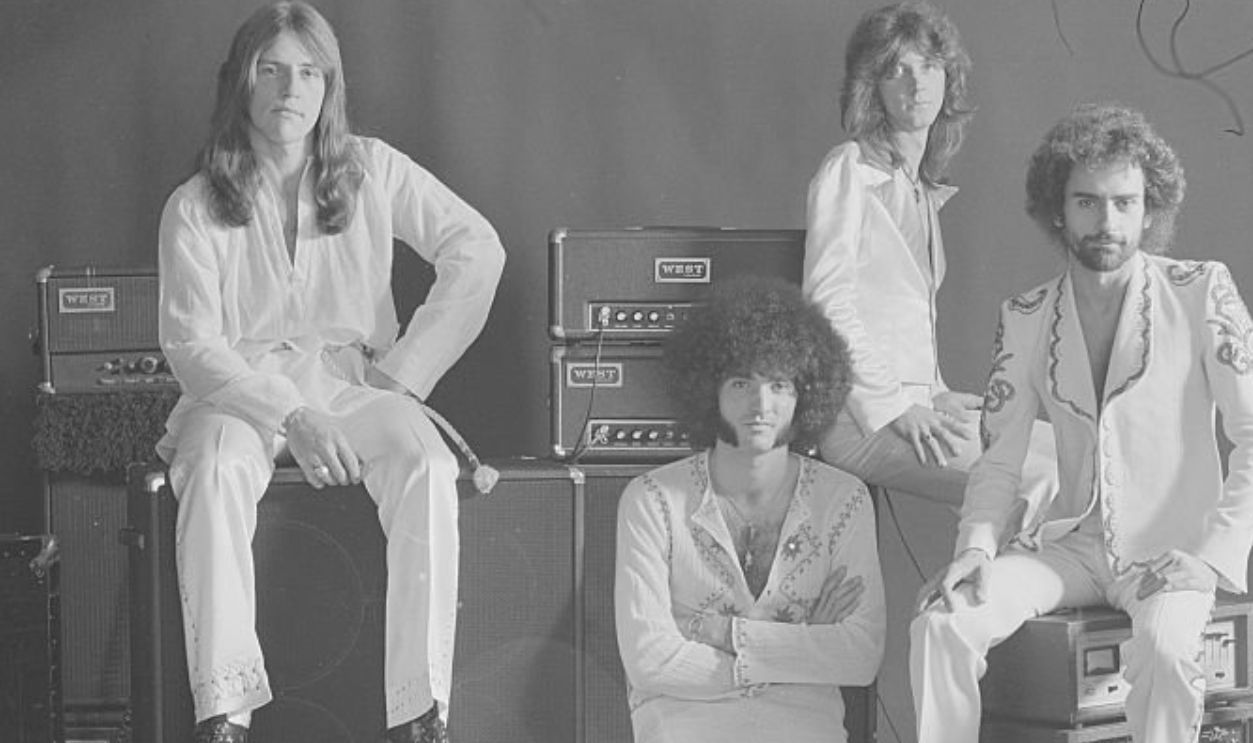
The Rolling Stones became one of the wealthiest bands in history, but their early financial arrangements were a mess. Manager Allen Klein's dealings left the group without control of much of its celebrated 1960s catalog, including recordings of "(I Can't Get No) Satisfaction" and "Paint It Black." Their attempts to recover those rights proved unsuccessful. Prince Rupert Loewenstein later helped rebuild their finances, but the band spent decades watching valuable recordings generate income under arrangements it could not fully control.
 Koh Hasebe/Shinko Music, Getty Images
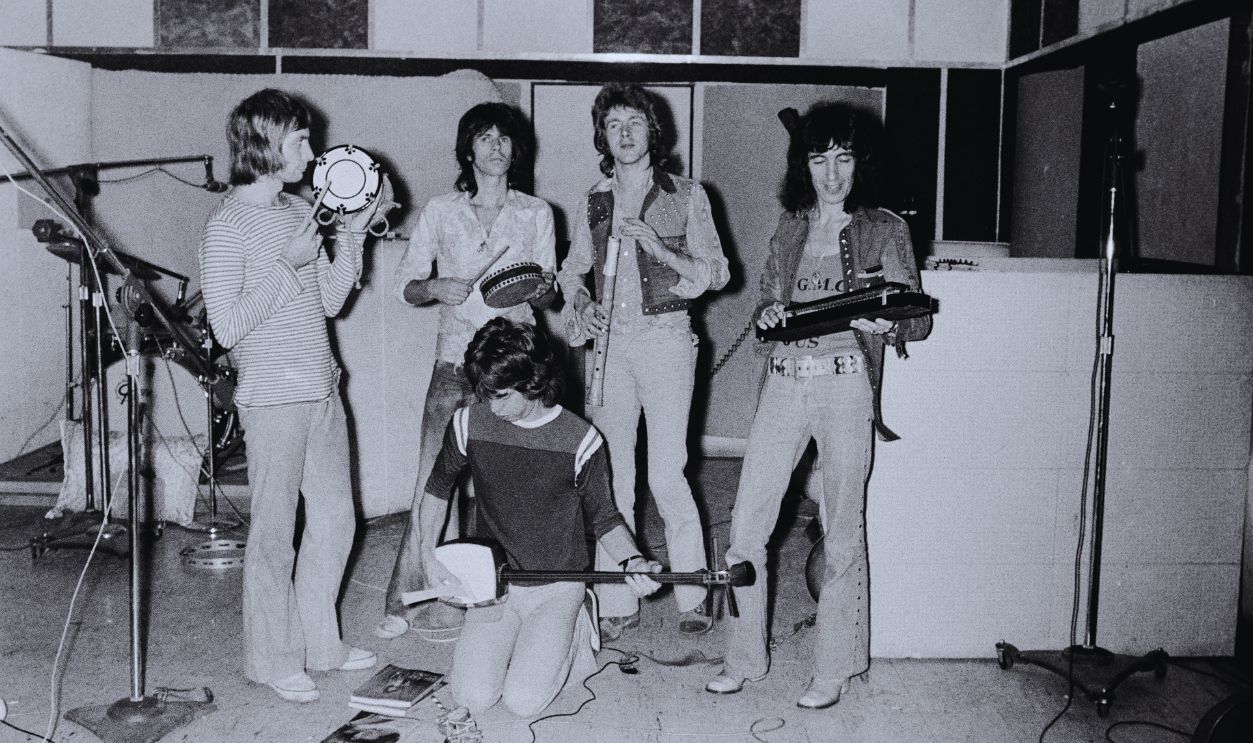
Billy Joel
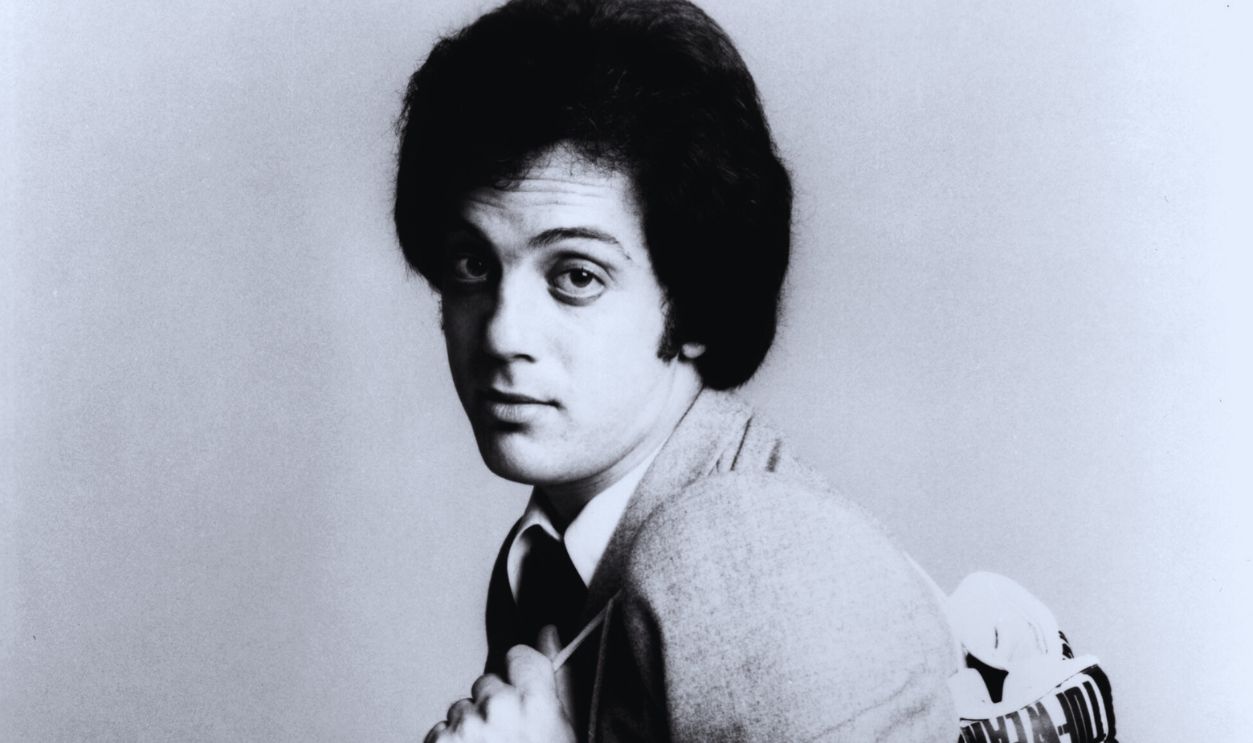
Billy Joel's early career nearly became a financial trap. In 1971, he signed a punishing agreement with producer Artie Ripp that surrendered valuable publishing and royalty interests. Even after becoming a superstar, Joel struggled to escape its consequences. Worse followed when he discovered serious financial problems involving former manager and brother-in-law Frank Weber. Joel later said an audit indicated losses of approximately $30 million. He eventually rebuilt his financial position, but his experiences made him far more cautious about trusting others with his money.
 Uncredited (possibly Jim Houghton); Distributed by Columbia Records, Wikimedia Commons
Creedence Clearwater Revival
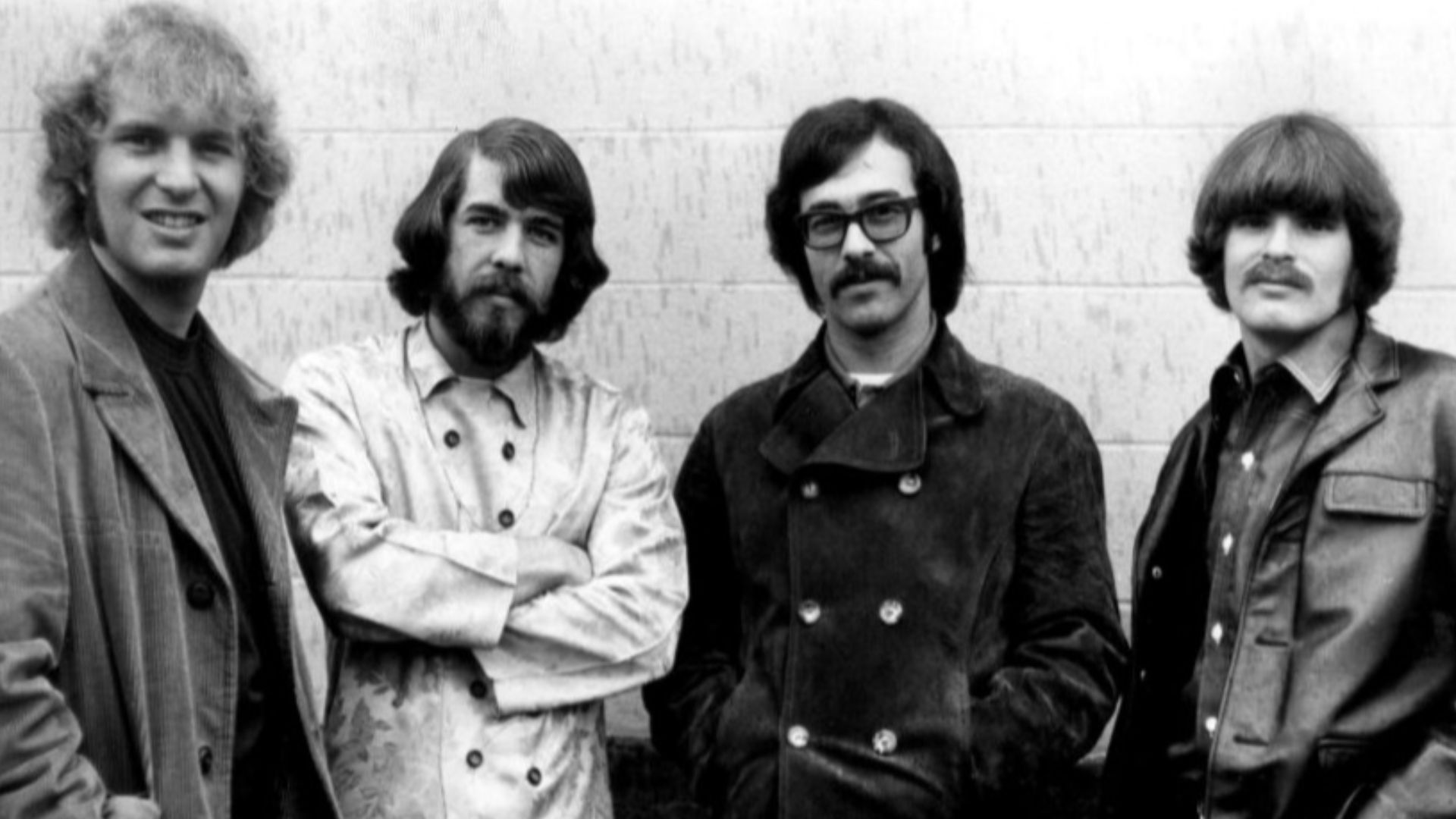
John Fogerty wrote and sang some of America's most enduring rock songs, but his relationship with Fantasy Records became a decades-long nightmare. To escape his contract, Fogerty surrendered valuable rights to his compositions. Meanwhile, money earned by Creedence Clearwater Revival was lost through an offshore banking arrangement. Fantasy later accused Fogerty of plagiarizing one of his own earlier songs, although the lawsuit failed. His eventual recovery of a majority interest in the Creedence publishing catalog in 2023 brought a measure of closure to an extraordinary dispute.
 Fantasy Records, Wikimedia Commons
Meat Loaf
Bat Out of Hell (1977) became one of the biggest-selling albums in rock history, but Meat Loaf's finances were anything but secure. Disputes involving management contracts, record companies, and royalties produced years of expensive litigation. By 1983, he had filed for bankruptcy protection, and he later claimed that he did not receive substantial royalties from the album until 1997. Despite selling millions of records, he lost his home and endured years of financial uncertainty before rebuilding his career.

David Crosby
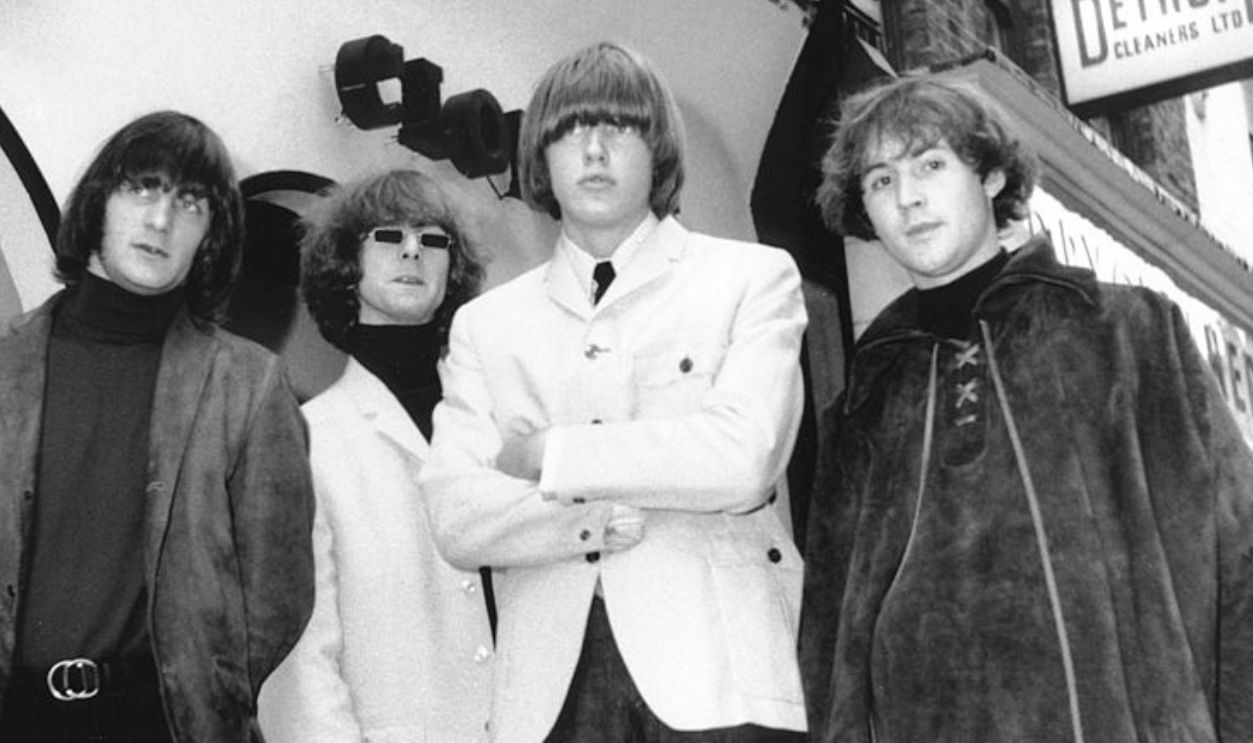
David Crosby helped create some of the defining music of the 1960s and 70s with the Byrds and Crosby, Stills & Nash. But his personal finances deteriorated as drug addiction and legal problems overwhelmed his career. By the mid-1980s, Crosby was facing serious financial difficulties alongside his widely publicized troubles with the law. He eventually returned to recording and performing, although his experiences became a lasting reminder that even substantial royalties cannot always overcome years of mounting expenses.

Mick Fleetwood
Fleetwood Mac's Rumours (1977) made drummer Mick Fleetwood part of one of rock's most commercially successful groups. Yet enormous record sales didn't protect him from terrible personal investments. Fleetwood accumulated substantial debts after spending heavily on real estate, eventually filing for bankruptcy in 1984. He later acknowledged that buying too much property had been a major mistake. Fleetwood continued performing with the band, but his financial collapse demonstrated that success onstage offered no guarantee of sound decisions away from it.

Humble Pie
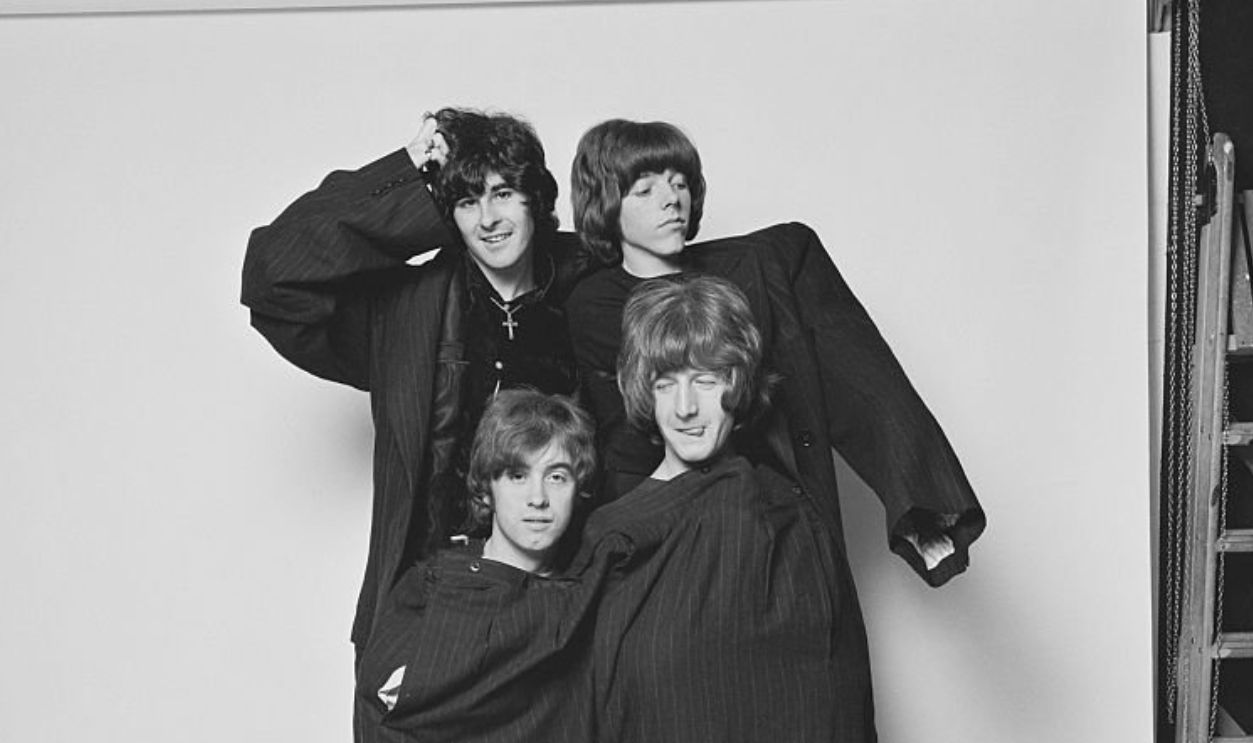
Humble Pie became a major concert attraction during the early 1970s, but Steve Marriott and his bandmates struggled to retain the money their success generated. Despite extensive American touring, their earnings were consumed by expenses and questionable investments, including property in the Bahamas. In a 1975 interview, Marriott acknowledged that the band had earned enormous sums but spent enormous sums as well. Although questions surrounded manager Dee Anthony's financial arrangements, Marriott did not publicly accuse him of stealing his money. Financial pressures contributed to the band's difficulties, and Marriott continued struggling with money for years afterward.

Tom Petty And The Heartbreakers
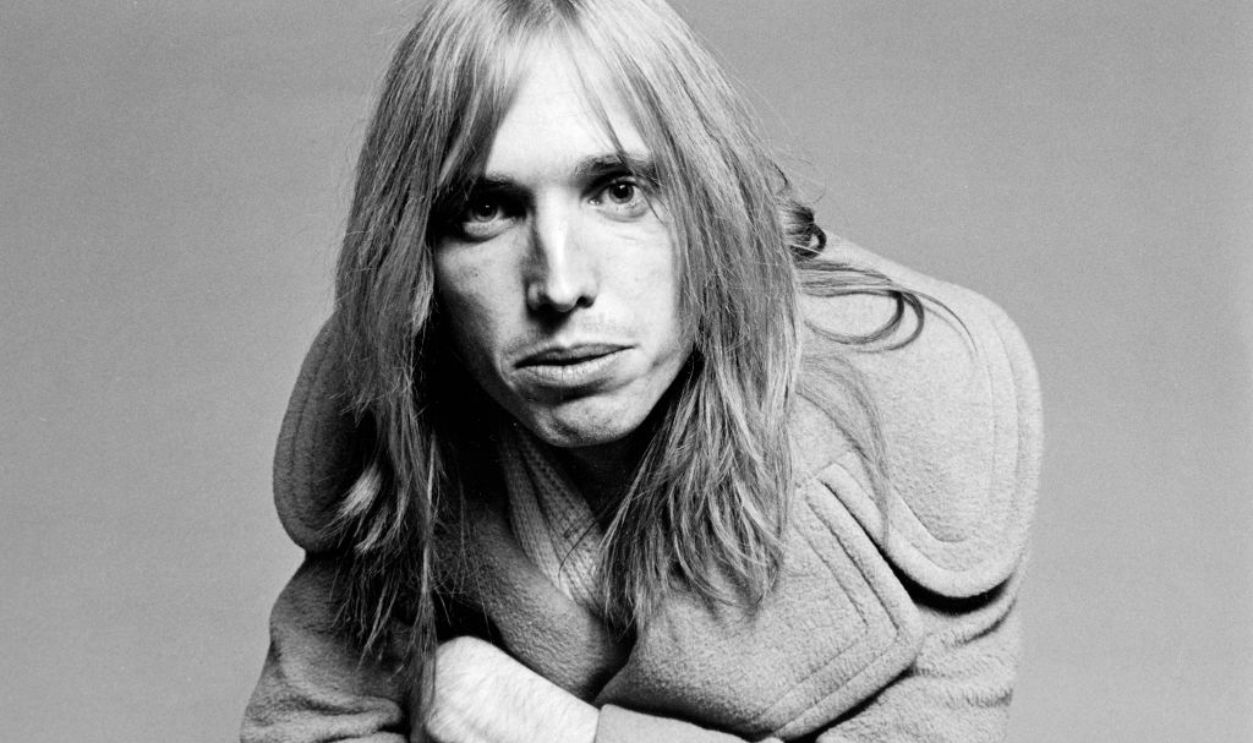
Tom Petty's first two albums established him as a rising star, but his recording contract left him with surprisingly little money. When his label changed ownership, Petty refused to accept being transferred without his consent. In 1979, he filed for bankruptcy protection as part of a strategy to escape the agreement. The gamble worked: he negotiated a new deal, and Damn the Torpedoes (1979) became a breakthrough success. His bankruptcy was a negotiating weapon, not simply the result of reckless spending.
 ABC/Shelter Records, Wikimedia Commons
The Bay City Rollers
The Bay City Rollers inspired extraordinary teenage hysteria during the mid-1970s, selling millions of records while fans copied their tartan outfits. But the Scottish group's finances became tangled in disputes involving management, record companies, and unpaid royalties. Former members later claimed they had received only a fraction of what their success should have earned them. In 2007, six members sued Arista Records over allegedly unpaid royalties. The company disputed aspects of their claims, and the band's financial disagreements continued long after their chart-topping days.
 Rob Bogaerts for Anefo, Wikimedia Commons
George Clinton
George Clinton's Parliament and Funkadelic created some of the most influential music of the 1970s, but complicated publishing agreements led to decades of disputes over ownership and royalties. Clinton repeatedly challenged arrangements involving Bridgeport Music and music executive Armen Boladian, arguing that valuable rights had been improperly transferred or retained. Courts considered numerous contracts and competing claims, with outcomes varying between proceedings. As hip-hop producers increasingly sampled Parliament-Funkadelic recordings, the ownership of those compositions became especially valuable. Clinton's battles demonstrated how complicated music publishing agreements could affect an artist long after the original recordings became classics.

Sly And The Family Stone
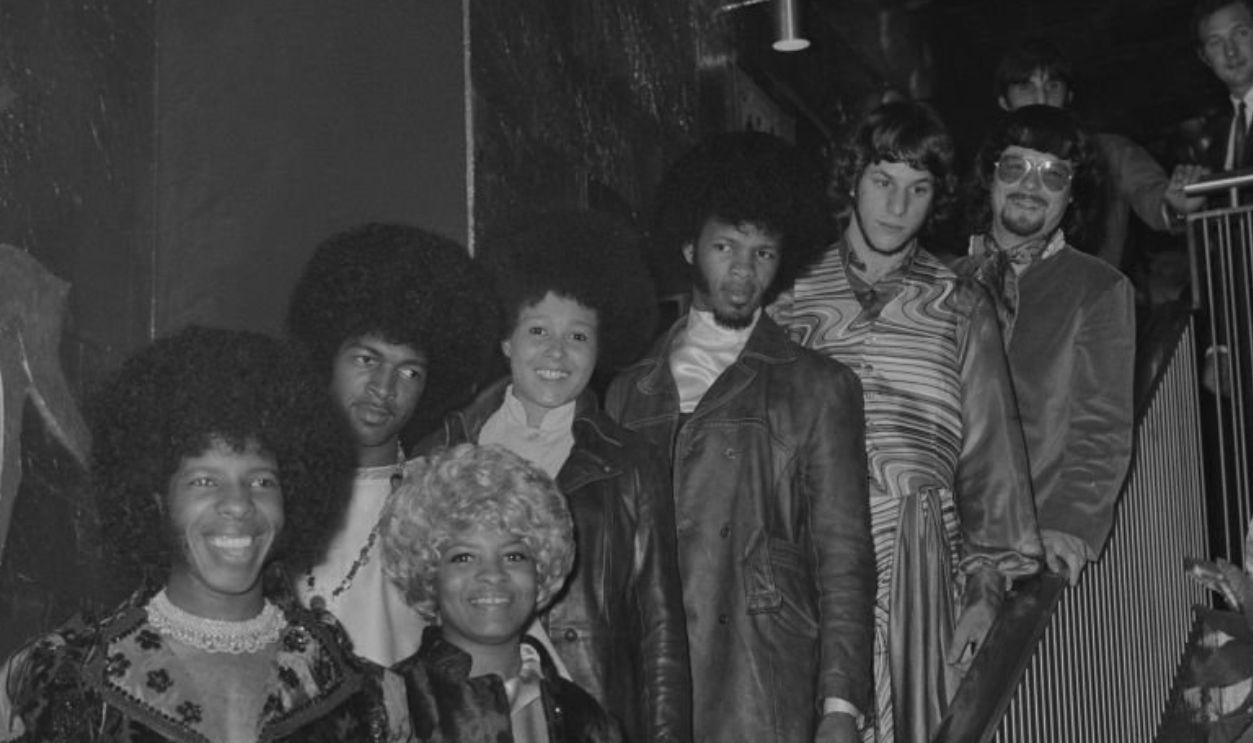
Sly Stone's groundbreaking combination of funk, rock, and soul produced classics including "Everyday People" and "Family Affair." But personal difficulties and complicated royalty agreements eventually left him struggling financially. He later sued former business associates, alleging that royalties had been diverted away from him. In 2015, a jury awarded him $5 million, although a subsequent ruling prevented him from collecting that judgment under the original verdict. It was a bitter outcome for a musician whose recordings had influenced generations of performers.
Marvin Gaye
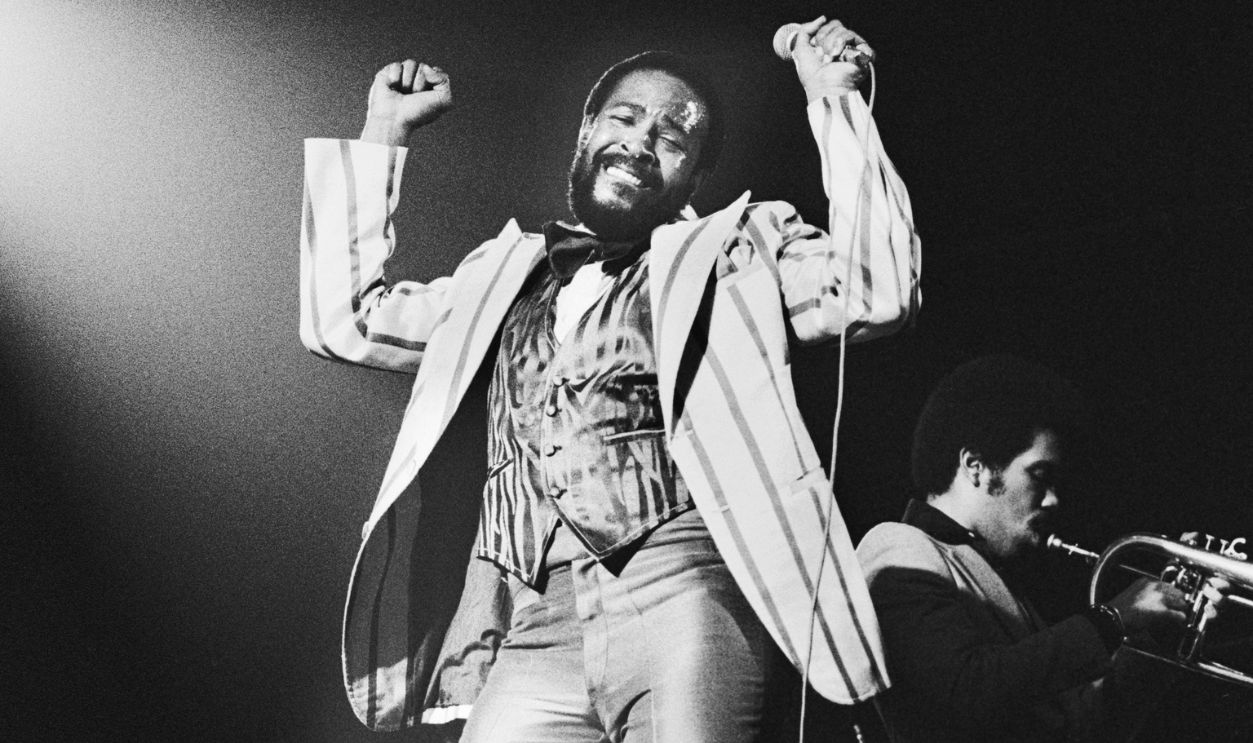
Marvin Gaye's What's Going On (1971) established him as one of popular music's most important artists. But his finances deteriorated amid expensive personal problems, mounting obligations, and drug use. He filed for bankruptcy in 1978, despite his extraordinary recording success. His divorce from Anna Gordy also produced an unusual arrangement in which royalties from his album Here, My Dear (1978) helped satisfy the settlement. Gaye continued making important music, but financial difficulties followed him through much of his later career.
 Gijsbert Hanekroot, Getty Images
Willie Nelson
Willie Nelson became a country-rock crossover superstar during the 1970s, particularly after Red Headed Stranger (1975) and Stardust (1978). But his enormous success eventually collided with a disastrous tax situation. Investments in tax shelters that failed to deliver their promised benefits contributed to a massive dispute with the IRS. In 1990, federal authorities seized much of his property, and his tax liabilities were widely reported in the tens of millions. Nelson famously released The IRS Tapes: Who'll Buy My Memories? (1992) as part of his effort to settle his debts.

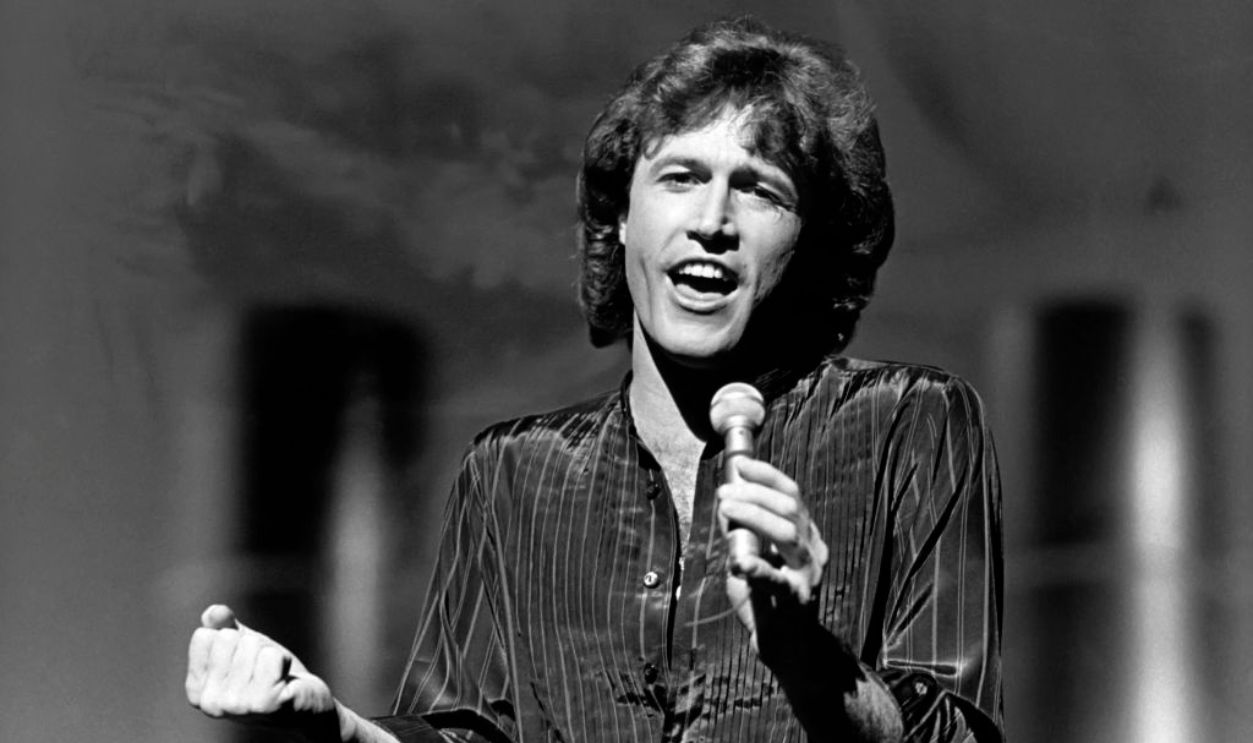
Andy Gibb
Andy Gibb seemed unstoppable when "I Just Want to Be Your Everything," "(Love Is) Thicker Than Water," and "Shadow Dancing" made him a late-1970s sensation. But his career declined as substance use and personal difficulties took their toll. The enormous income associated with his early success did not translate into lasting financial security. Gibb filed for bankruptcy during the 1980s, before his death in March 1988 at just 30. His story was a particularly sad example of how quickly pop stardom could disappear.
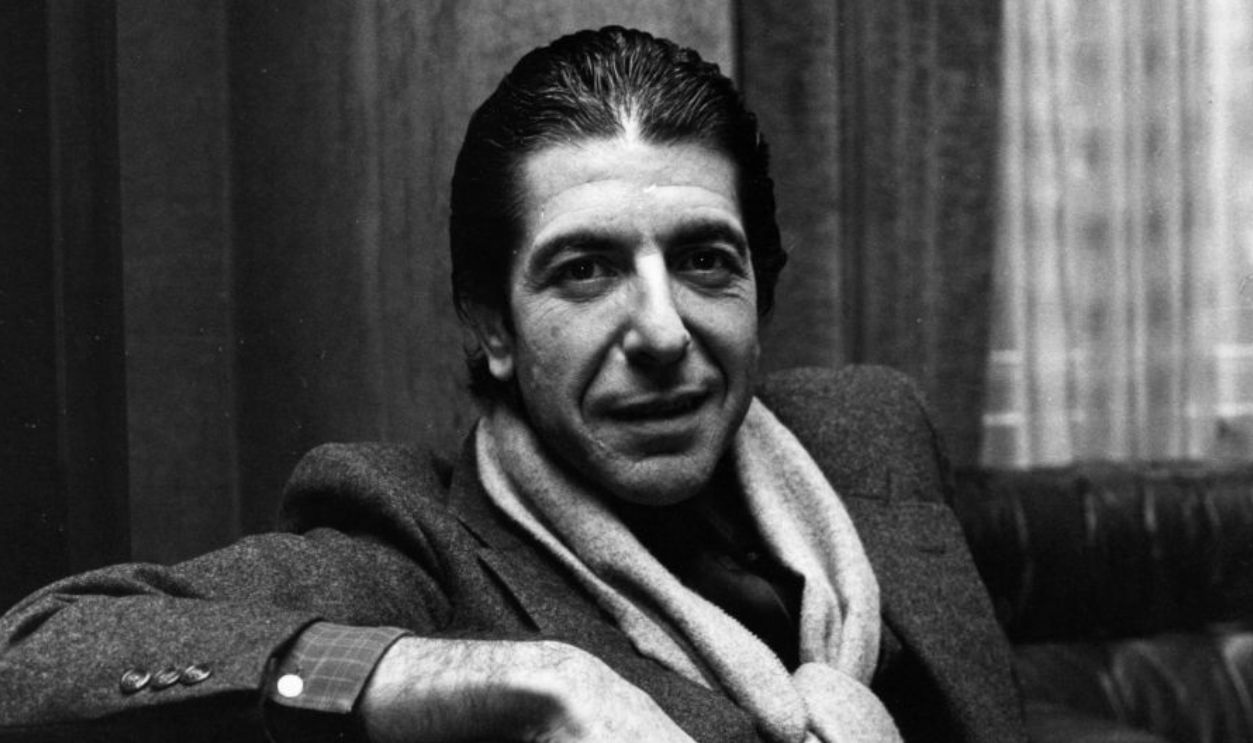
Leonard Cohen
Leonard Cohen's career began well before the 1970s, but albums such as Songs of Love and Hate (1971) and New Skin for the Old Ceremony (1974) established his reputation as a major songwriter. Decades later, he discovered that much of his retirement savings had disappeared. In 2005, Cohen sued former manager Kelley Lynch, alleging that millions had been improperly taken from his accounts. The financial crisis helped prompt his return to extensive touring, introducing his music to new audiences while allowing him to rebuild his finances.
 Evening Standard, Getty Images
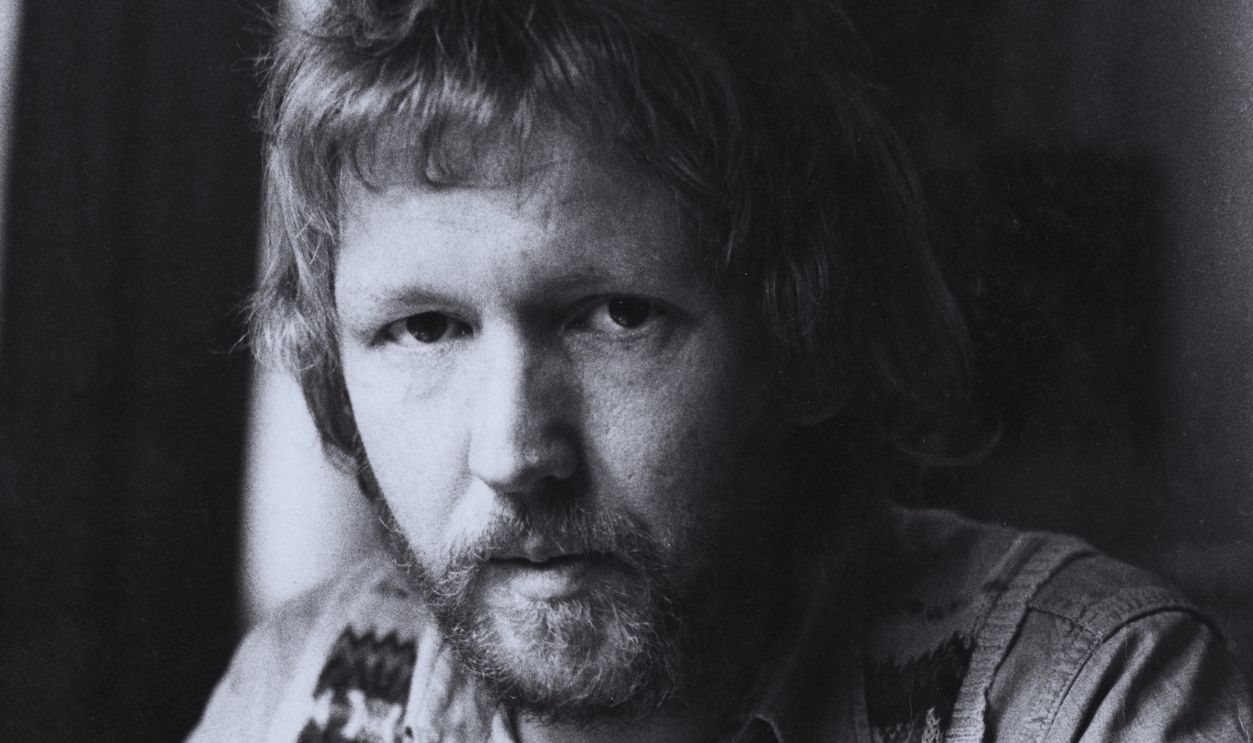
Harry Nilsson
Harry Nilsson enjoyed enormous success during the early 1970s with songs including "Without You" and "Everybody's Talkin'." Yet his financial affairs eventually became a catastrophe. His former business manager embezzled substantial sums, leaving the singer facing creditors, tax problems, and threatened foreclosure. By the time Nilsson died in January 1994, his finances were in disarray, and bankruptcy proceedings followed. It was a devastating reversal for an artist whose recordings had earned both commercial success and the admiration of fellow musicians, including the Beatles.
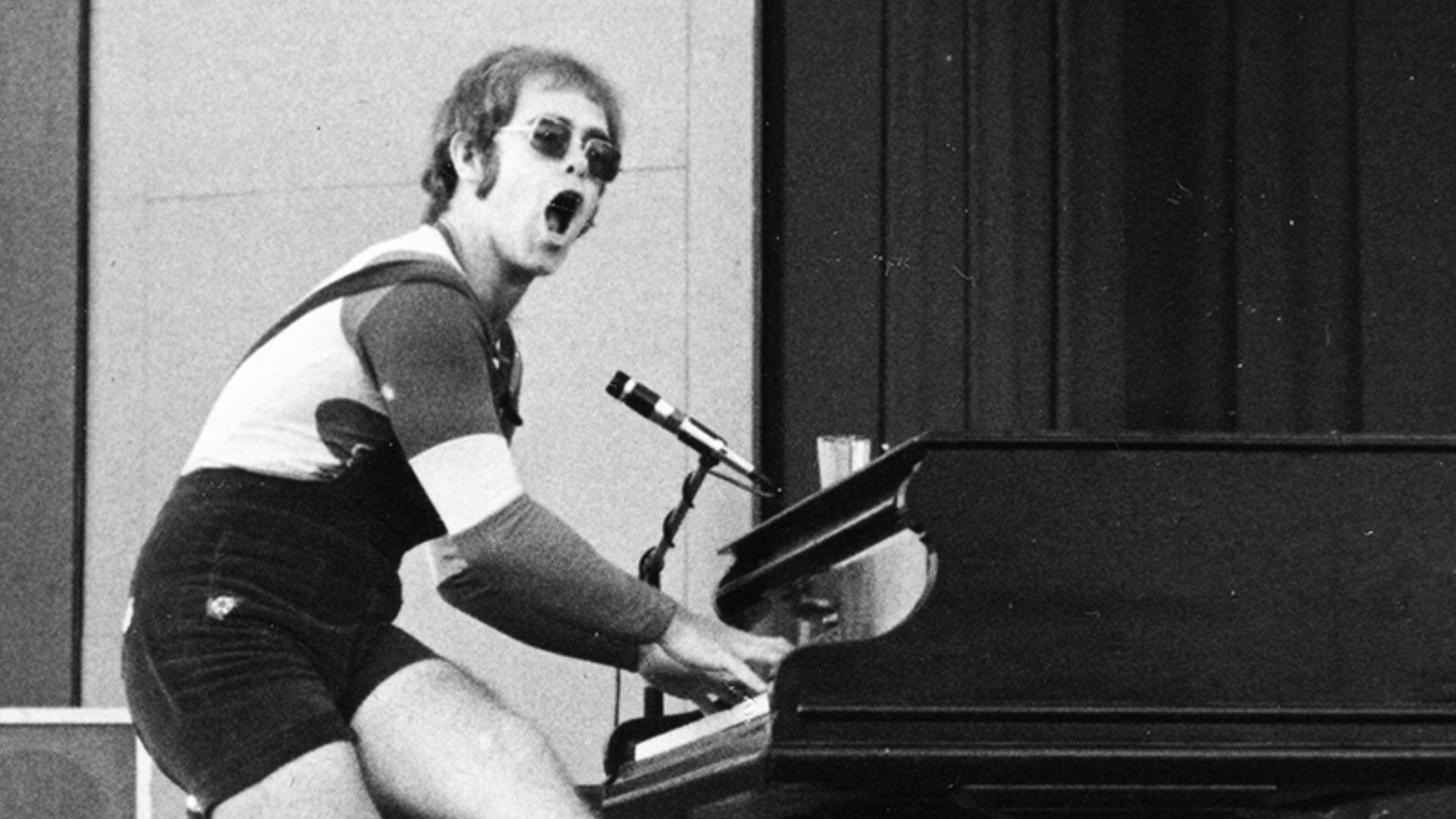
Elton John
Elton John was one of the 1970s' biggest superstars, but even his enormous earnings couldn't prevent costly business disputes. After parting with longtime manager John Reid, he challenged how millions in touring expenses had been charged. He reached a settlement with Reid but subsequently lost a major lawsuit against his accountants and another former business associate. The court rejected his negligence claims, leaving him facing legal costs estimated at £8 million. Unlike many artists here, Elton remained extremely wealthy, but the litigation was an expensive lesson.
 https://www.flickr.com/photos/yabosid/, Wikimedia Commons
Van Morrison
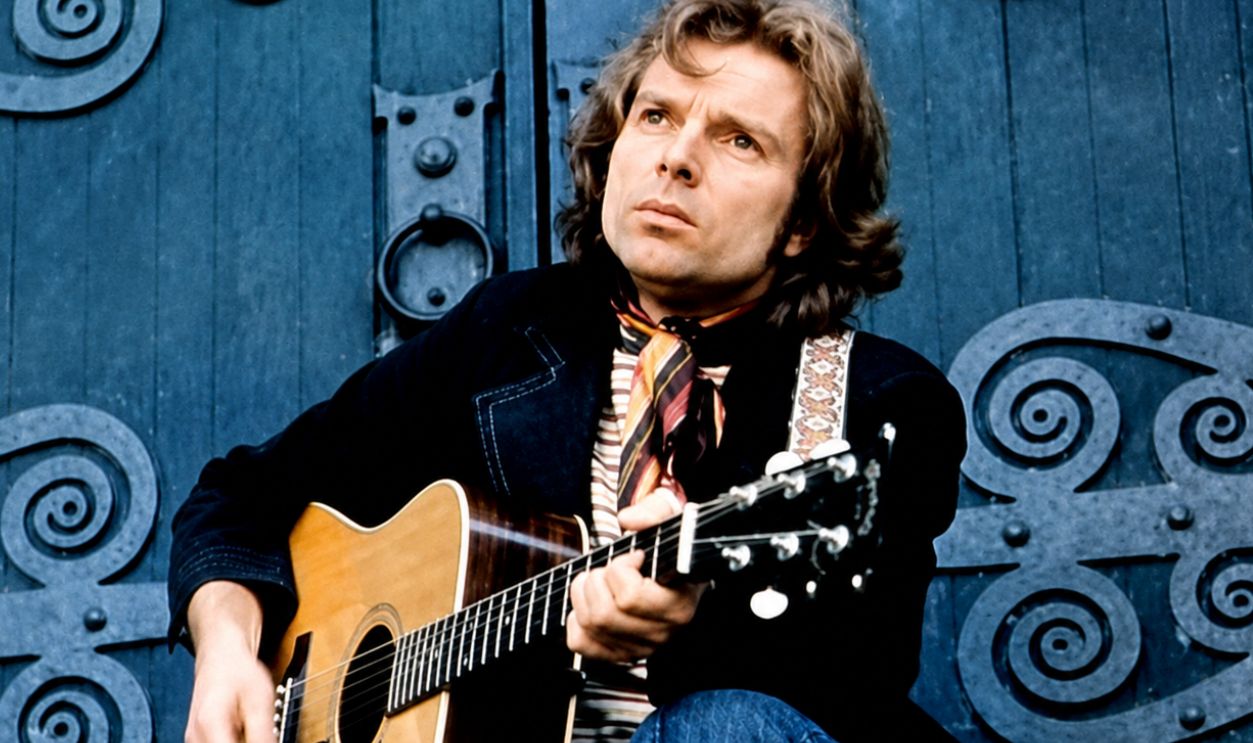
Van Morrison's financial difficulties began with a contract signed before his greatest 1970s albums appeared. After leaving Them, he signed with Bang Records in 1967 and recorded "Brown Eyed Girl." But the agreement created serious disputes over royalties and artistic control. Morrison complained that he hadn't received the payments he expected, and escaping the arrangement proved difficult. He eventually moved to Warner Bros., where he released Astral Weeks (1968) and Moondance (1970). His experience demonstrated how one early contract could complicate an entire career.
 Warner Bros. Records, Wikimedia Commons, enhanced
Eric Burdon
Eric Burdon became famous fronting the Animals before reinventing himself with the funk-rock group War around 1970. But his career was repeatedly complicated by management problems, contractual restrictions, and disputes over recordings. Burdon later described the Animals' early success as financially unrewarding compared with the work involved. Although he continued recording and performing during the 1970s, lingering agreements complicated his business affairs and professional relationships. His involvement in later Animals reunions also produced disagreements, illustrating how old contracts could continue affecting musicians long after their original bands had dissolved.

The Managers Who Took Control
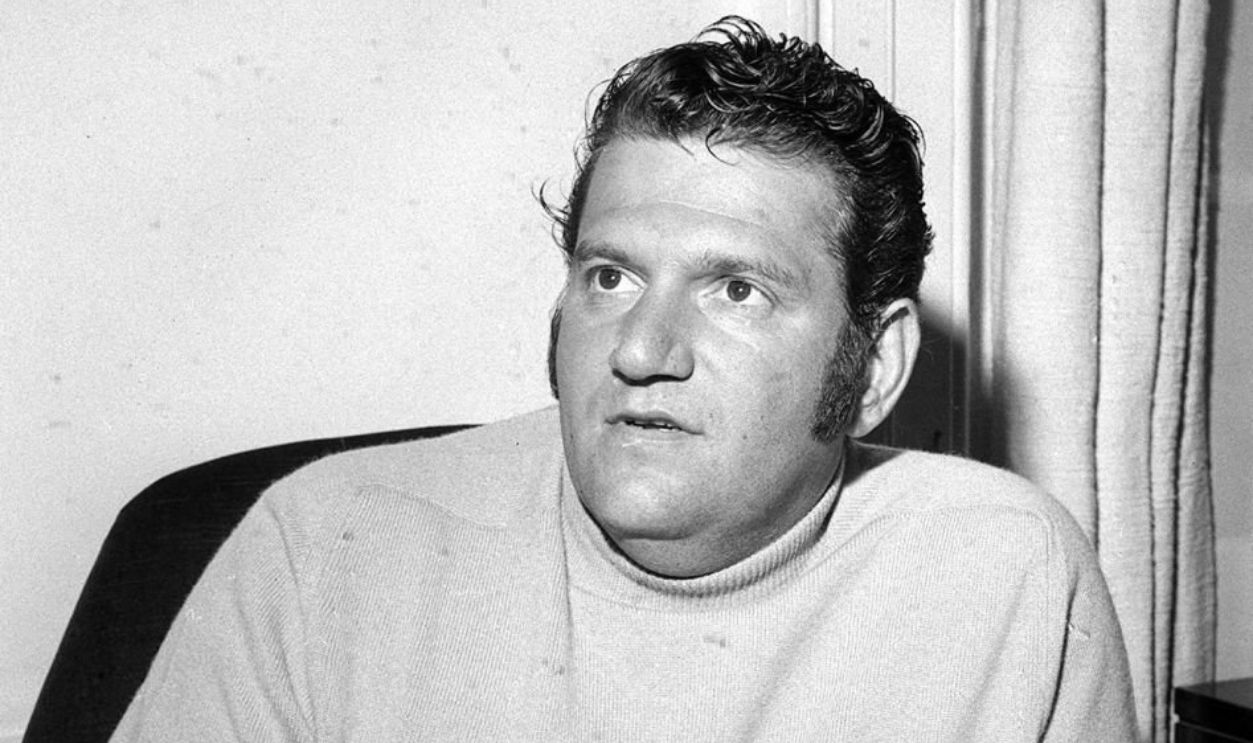
One recurring name in these stories is Stan Polley, whose handling of Badfinger's affairs became notorious. Terry Knight's relationship with Grand Funk Railroad ended in expensive litigation, while Allen Klein's dealings with the Rolling Stones left lasting disputes over ownership. Not every manager accused of mishandling money was found guilty of wrongdoing, but the underlying danger was obvious. Musicians often surrendered extraordinary financial authority to people whose interests did not necessarily match their own.
The Contracts They Couldn't Escape
Many musicians signed their first recording contracts when they were young, inexperienced, and desperate for an opportunity. Agreements could last for multiple albums while granting record companies far-reaching control over recordings, publishing, and future earnings. Billy Joel, John Fogerty, and Tom Petty all discovered how difficult escaping such arrangements could become. Even a successful artist might find that the company owning the contract had more power over the music than the person who actually created it.
 Richard E. Aaron, Getty Images
The Mystery Of Missing Royalties
Selling a million records never meant receiving payment for a million records. Traditional recording contracts allowed labels to deduct certain expenses and recover advances before artists received royalties. Packaging allowances, promotional copies, recording costs, and other deductions could substantially reduce payments. Meat Loaf's lengthy disputes over Bat Out of Hell demonstrated how difficult it could be to determine what an artist was actually owed. For musicians who never examined their royalty statements, the consequences could be enormous.

When The Taxman Arrived
Tax problems ruined fortunes almost as effectively as unfavorable recording contracts. Musicians whose earnings fluctuated dramatically could accumulate enormous liabilities, particularly when advisers recommended aggressive tax shelters or failed to plan for future obligations. Willie Nelson became the most famous example when the IRS seized his property. Others discovered that spending money during their most successful years left little available when tax bills arrived later. Fame offered no protection against debts owed to the government.

The Price Of Rock Excess
Not every financial disaster involved a dishonest manager or an unfair contract. Some musicians simply spent more than they could sustain. Mick Fleetwood's property investments became a cautionary tale, while David Crosby's personal problems contributed to his financial collapse. Enormous earnings could create the illusion that money would never run out. When record sales declined, touring stopped, or investments failed, expenses that once seemed manageable could quickly become overwhelming.
The Music Outlived The Money
Perhaps the greatest irony is that many of these artists created music that continued generating revenue long after their personal fortunes disappeared. Badfinger's songs, Creedence Clearwater Revival's recordings, and Sly Stone's influential catalog remained valuable even when their creators faced serious financial difficulties. Some musicians eventually recovered their rights or rebuilt their careers. Others never saw the rewards their work deserved. Their stories helped expose a fundamental truth about the music business: owning the music could be far more profitable than making it.
 Tony Evans/Timelapse Library Ltd., Getty Images
You May Also Like:
Tenacious Facts About Steve Marriott, The Reluctant Rockstar
Hearty Facts About Meat Loaf, The Over The Top Rock & Roll Star