The Crash That Followed Him For Three Decades
By the beginning of 1990, Billy Idol had gone from London's rebellious punk scene to becoming one of MTV's biggest stars, complete with platinum records, movie offers, and that permanently curled sneer. Then, on February 6, 1990, everything changed. A motorcycle crash in Los Angeles nearly cost Idol his right leg and forced him to confront a lifestyle that was getting increasingly dangerous.
From Punk Clubs To MTV Royalty
Long before the crash, Idol had built his reputation on rebellion. Born William Michael Albert Broad in England in 1955, he became part of London's emerging punk scene during the 1970s and eventually fronted Generation X. After the group dissolved, Idol moved to New York and launched a solo career with guitarist Steve Stevens. His combination of punk attitude, pop hooks, leather jackets, peroxide hair, and music videos proved perfect for the new MTV era. His 1982 album Billy Idol and 1983's Rebel Yell produced songs including "White Wedding," "Dancing with Myself," "Rebel Yell," and "Eyes Without a Face," turning him into an international star.
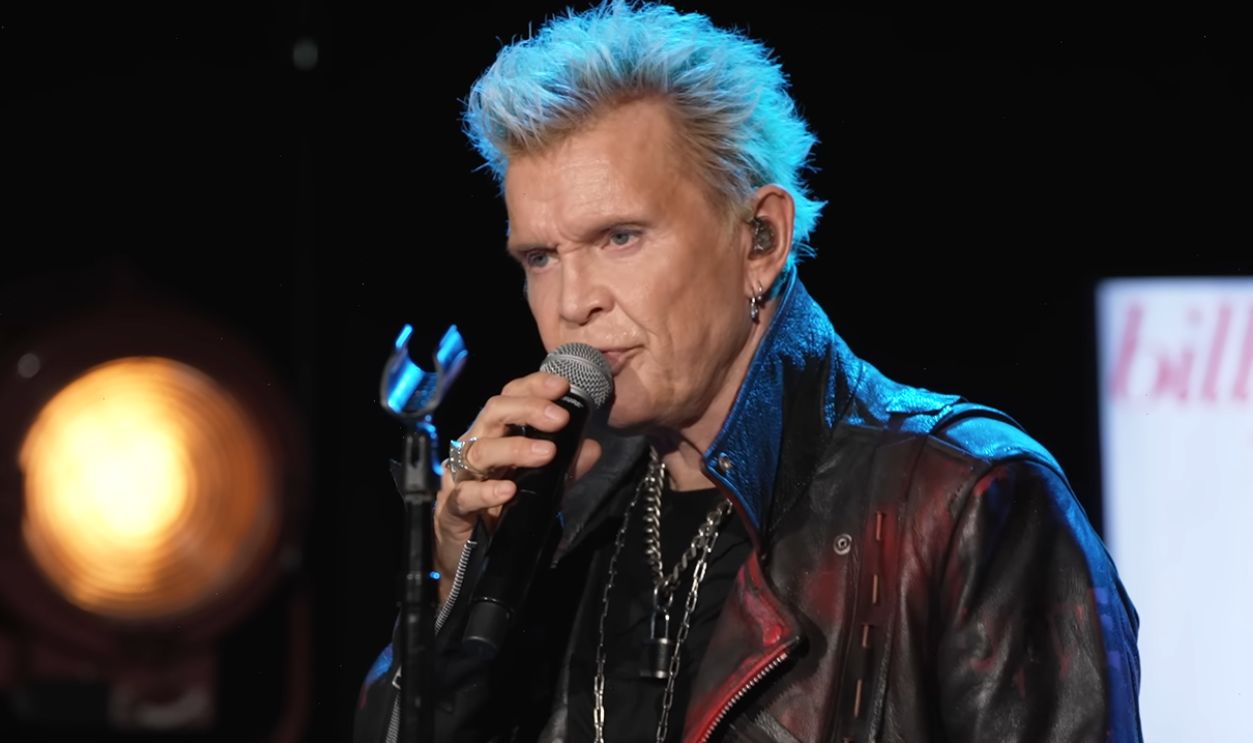 Screenshot from White Wedding, Chrysalis Records (1982)
Idol Was Living Like The Image
There was always a dangerous edge to Idol's public persona, but by the end of the 1980s, that image was getting increasingly close to his real life. Idol later acknowledged that he had serious problems with substances and drinking during this period. Success gave him plenty of opportunities to indulge both, and his tendency to push himself toward extremes was no longer confined to music videos or stage performances. Looking back decades later, Idol admitted that he had been "kind of destroying" himself and eventually realized that something had to change.
February 6, 1990 Started Like An Ordinary Morning
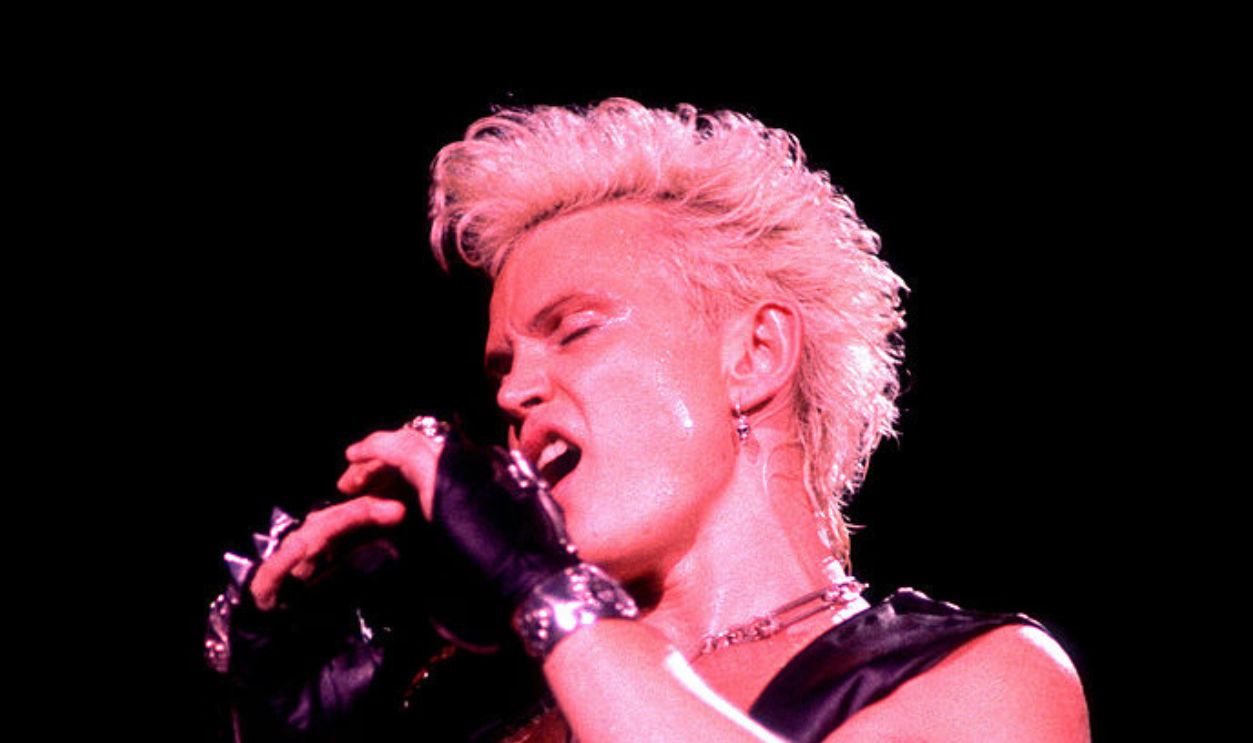
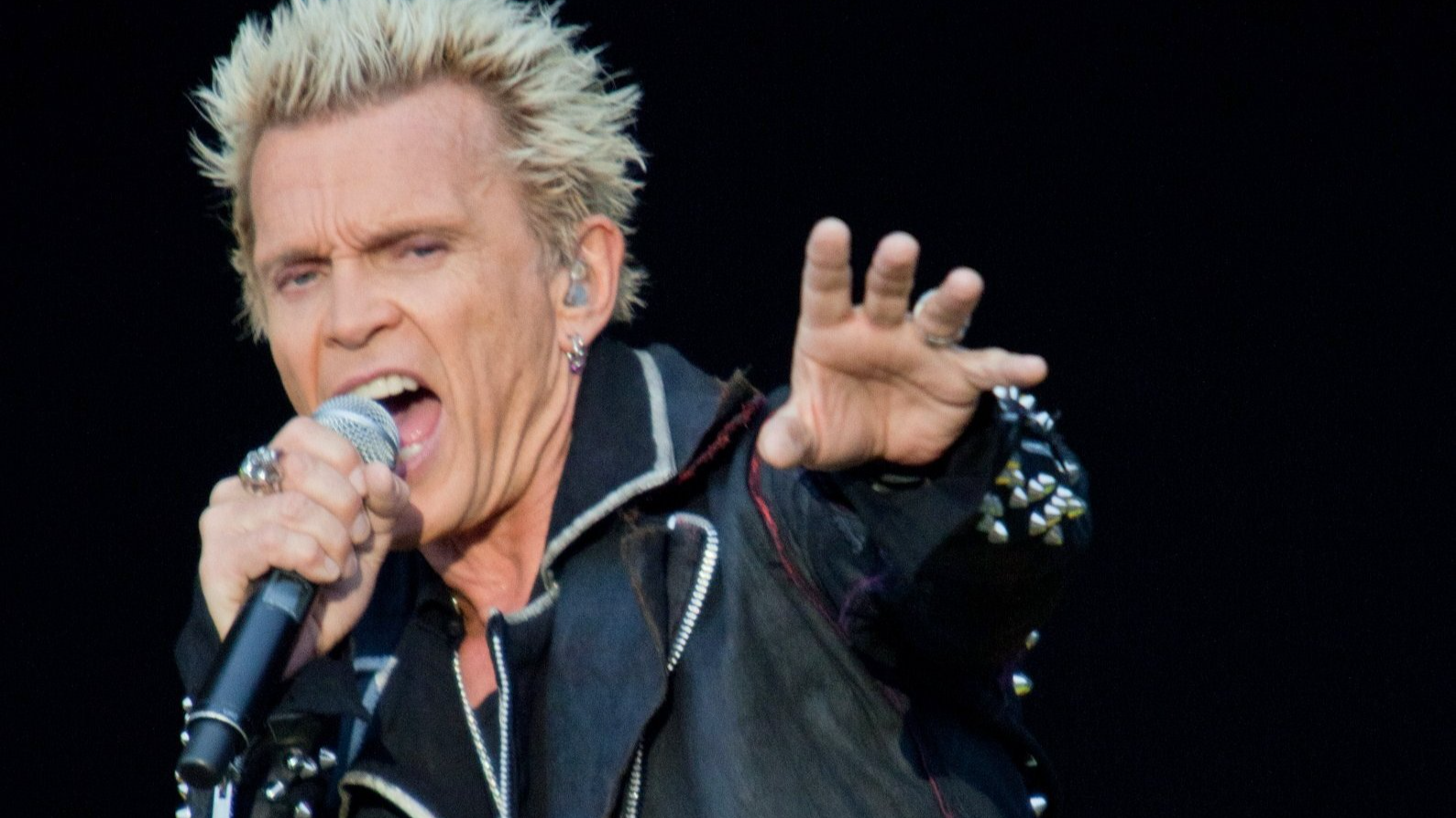
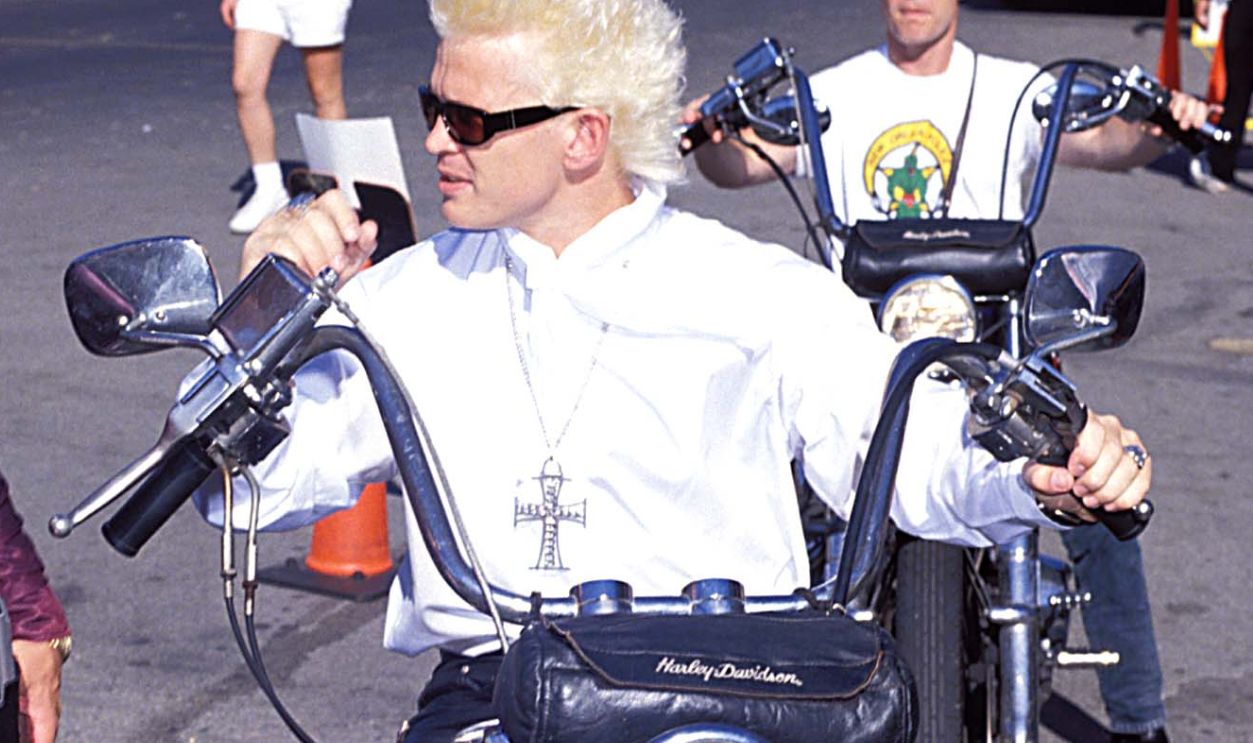
On the morning of February 6, 1990, Billy Idol was riding his Harley-Davidson through Hollywood after leaving a recording studio. At around 8:30am, he ran a stop sign and collided with a car. He was not wearing a helmet, and the impact was severe. Idol suffered a fractured forearm, but the damage to his right leg was much worse. The bone was broken between the knee and ankle, with severe damage to the surrounding muscle and tissue. He was rushed to Cedars-Sinai Medical Center, where doctors faced the possibility that they might not be able to save the leg.
 possan, CC BY 2.0, Wikimedia Commons
His Leg Was Nearly Amputated
The injuries were gruesome. Idol later recalled that the bone had gone through his jeans and badly damaged the muscle in his leg. Doctors spent roughly seven hours operating on him after the crash, beginning what became a long medical ordeal. Idol later joked about the situation in interviews, which was very much in character, but the reality was frightening. He acknowledged that medical advances played a major role in saving his leg and suggested that only a decade earlier, amputation might have been the likely outcome.
Seven Operations And A Month In The Hospital
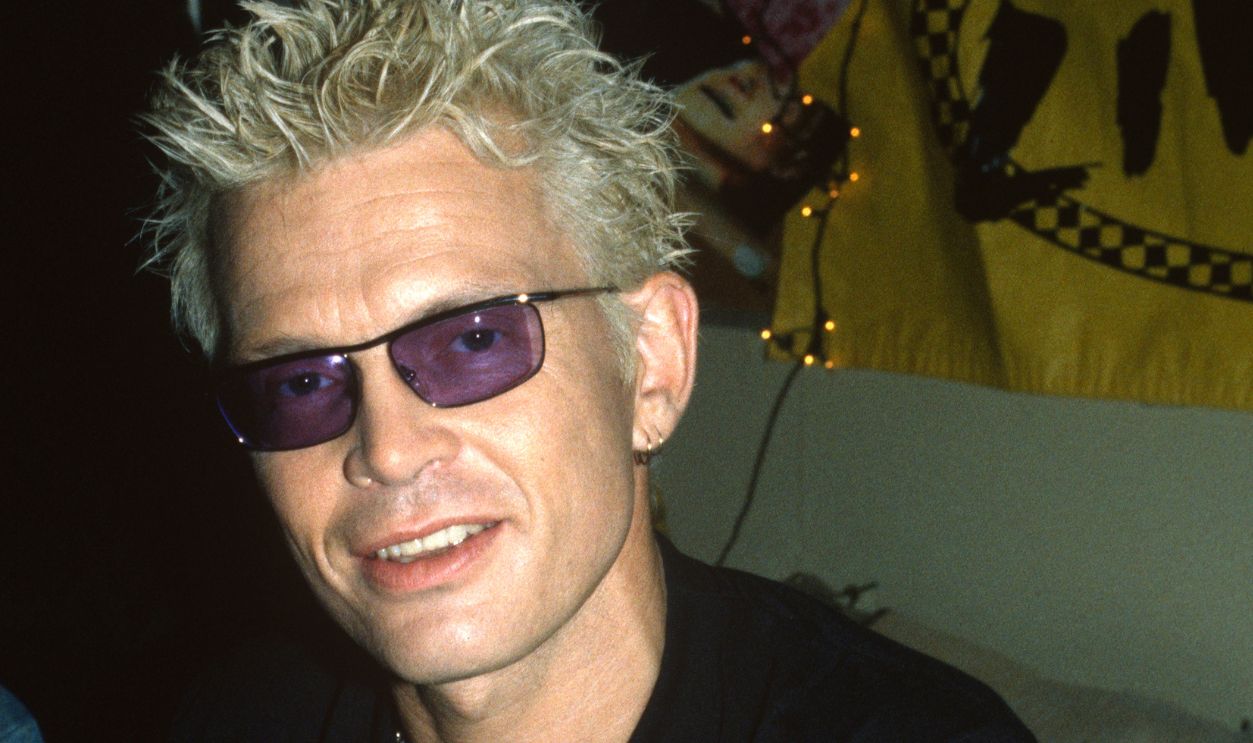
Saving the leg was only the beginning. Idol later said he underwent seven operations and spent about a month in the hospital. For someone accustomed to charging across stages and living at full speed, suddenly being confined to a hospital bed was an enormous change. The uncertainty was particularly difficult because he didn’t immediately know whether doctors would ultimately be able to preserve the damaged limb. Years later, he remembered it as a horrible and deeply painful period when he simply didn’t know what his future would look like.
The Substances Made The Situation Even Darker
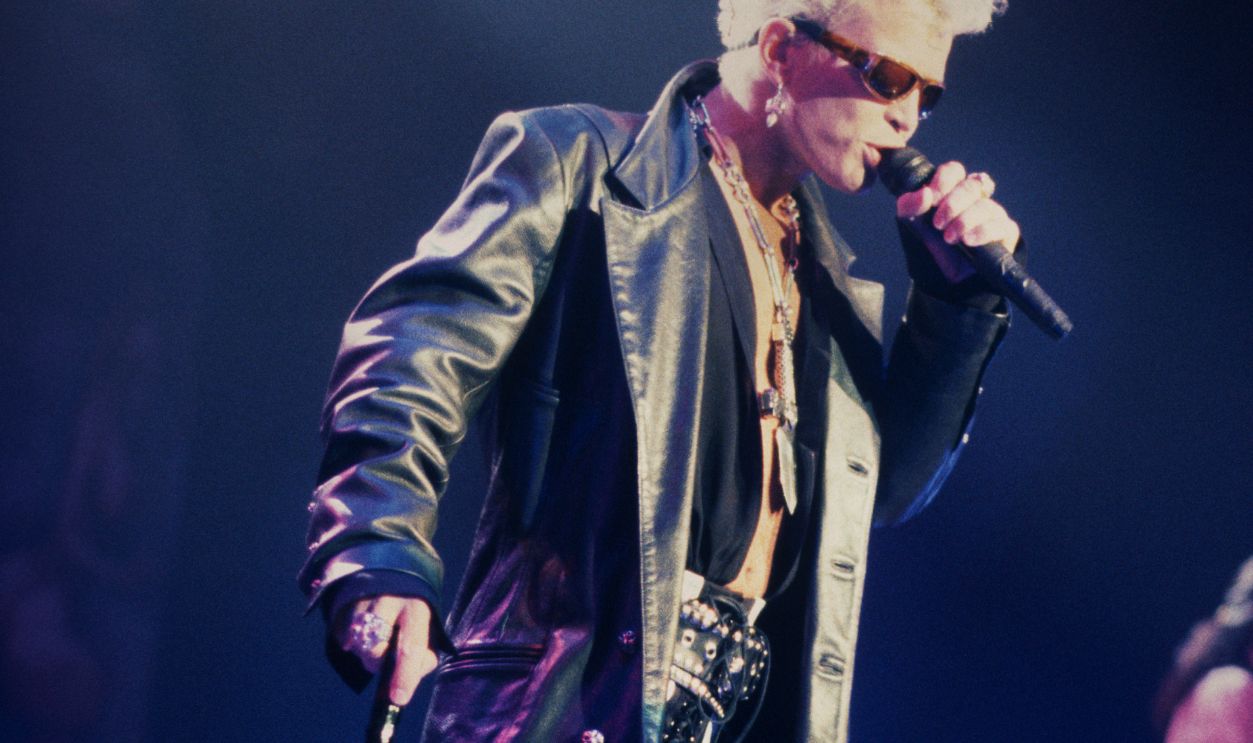
The crash didn’t happen in isolation from Idol's substance use. Idol later said that he had been drinking and had taken some kind of sedative around the time of the accident. He also spoke candidly about his use of illicit substances during that phase of his life. The irony was brutal. After years of recreational substance misuse, Idol found himself in a hospital receiving powerful medication simply to cope with the legitimate pain caused by his injuries. That forced him to confront just how far his habits had gone.
 ChrisJamesRyanPhotography, Shutterstock
The Accident Became A Wake-Up Call
Billy Idol didn’t become completely sober the moment he woke up in the hospital. His relationship with substances remained complicated for several more years. Still, he later described the motorcycle accident as a major warning sign. He had young children, a thriving career, and plenty to lose, yet his behavior had put all of it at risk. Idol recalled thinking about what kind of example he was setting and realizing that he was heading toward death, institutionalization, or complete self-destruction if he kept going.
 Carlos Aguilar, Wikimedia Commons
Recovery Was Slow And Frustrating
Idol's injuries required a lengthy rehabilitation. According to later accounts, he was unable to walk normally for much of the following year. Even once the immediate threat of amputation had passed, the accident left physical scars that stayed with him. Idol has said that he was ultimately fortunate and has relatively limited long-term problems considering the severity of the crash, but he has also acknowledged that hitting the pavement left both physical and psychological marks.

The Crash Also Hit His Movie Career
Music was not the only part of Idol's career affected. Hollywood had begun showing serious interest in him around the time of the accident. James Cameron considered Idol for the role of the liquid-metal T-1000 in Terminator 2: Judgment Day, the part eventually played by Robert Patrick. Idol had also been cast in Oliver Stone's The Doors. His injuries made significant physical acting impossible, drastically reducing his involvement in The Doors and effectively ending his chance of playing the T-1000. One motorcycle ride had unexpectedly closed off a potential second career.
 Screenshot from Terminator 2: Judgment Day, TriStar Pictures (1991)
Even The Timing Of Charmed Life Felt Strange
There was a strange irony surrounding Idol's 1990 album Charmed Life. The record arrived just months after an accident that easily could have killed him. Idol himself joked about the title while recovering, suggesting that keeping his leg might be evidence that he really was living a charmed life. The album included the hit "Cradle of Love," and Idol remained a major rock star, but performing around the record became far more complicated than anyone had anticipated when it was made.
Idol Was Not Ready To Process It Yet
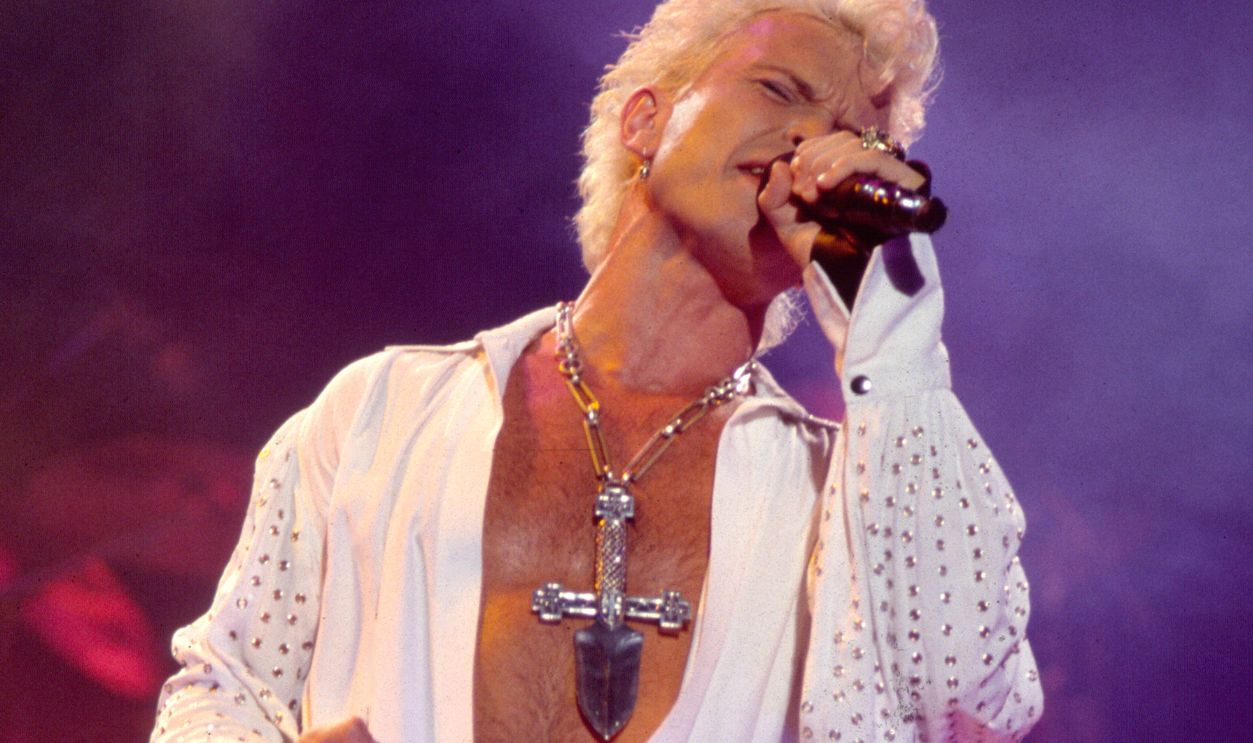
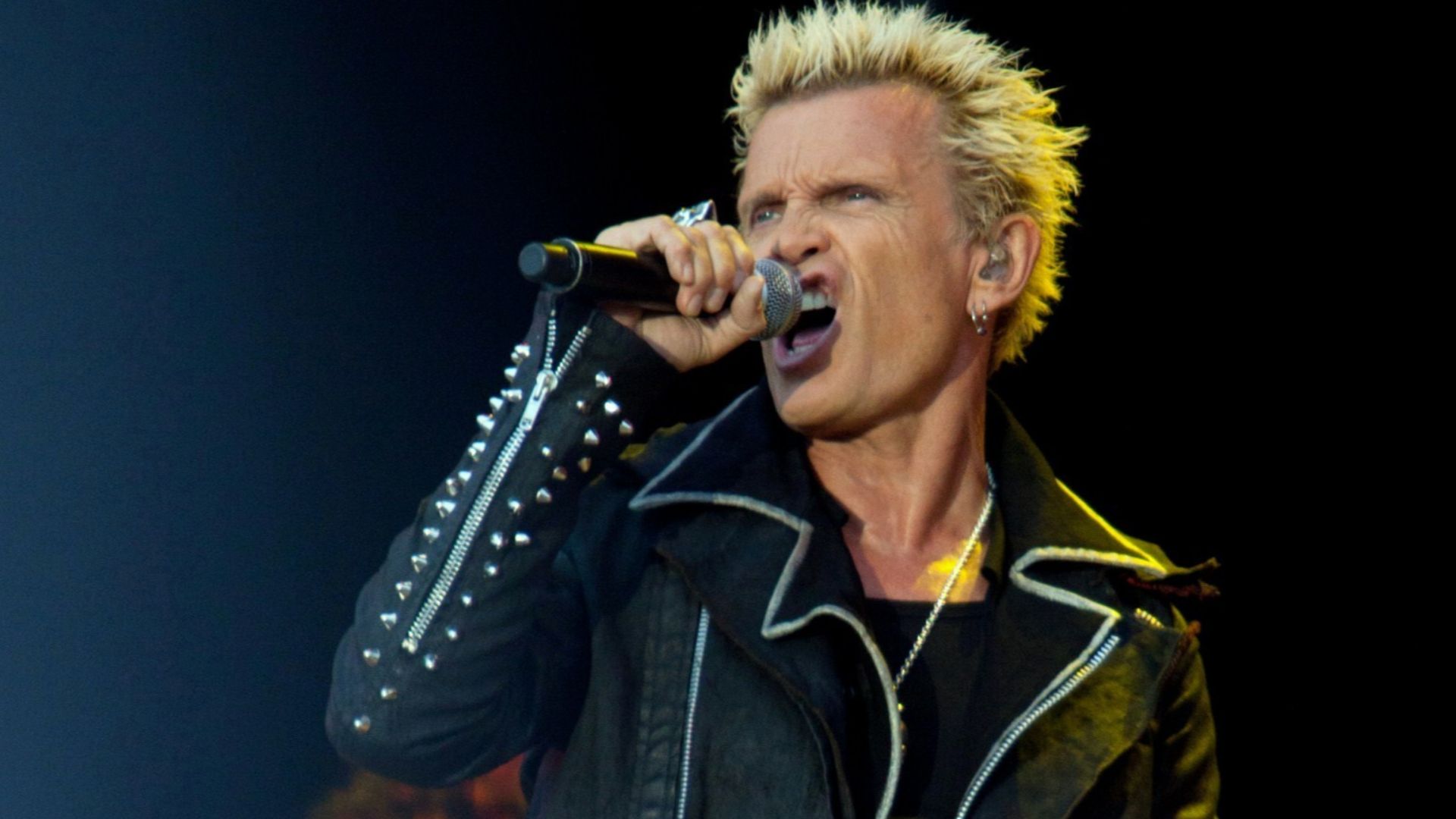
The accident clearly changed Idol, but he didn’t immediately turn the experience into music. In some ways, he did the opposite. He later admitted that he tried to forget about it. The memories involved intense pain, uncertainty, addiction, and the possibility of losing his leg, so pushing the event away was understandable. It would take decades before he felt enough distance from the crash to examine it directly in a song.
Change Came Gradually
Billy Idol later made an important distinction about his post-crash life. The accident was a wake-up call, but it was not an instant cure. He told Classic Rock that he began taking stock of his addiction after the crash but did not really start pulling back from substances until around 1993 or 1994. That makes the story more complicated than a neat rock-and-roll redemption tale. Idol recognized the warning, but changing the habits behind it took years.
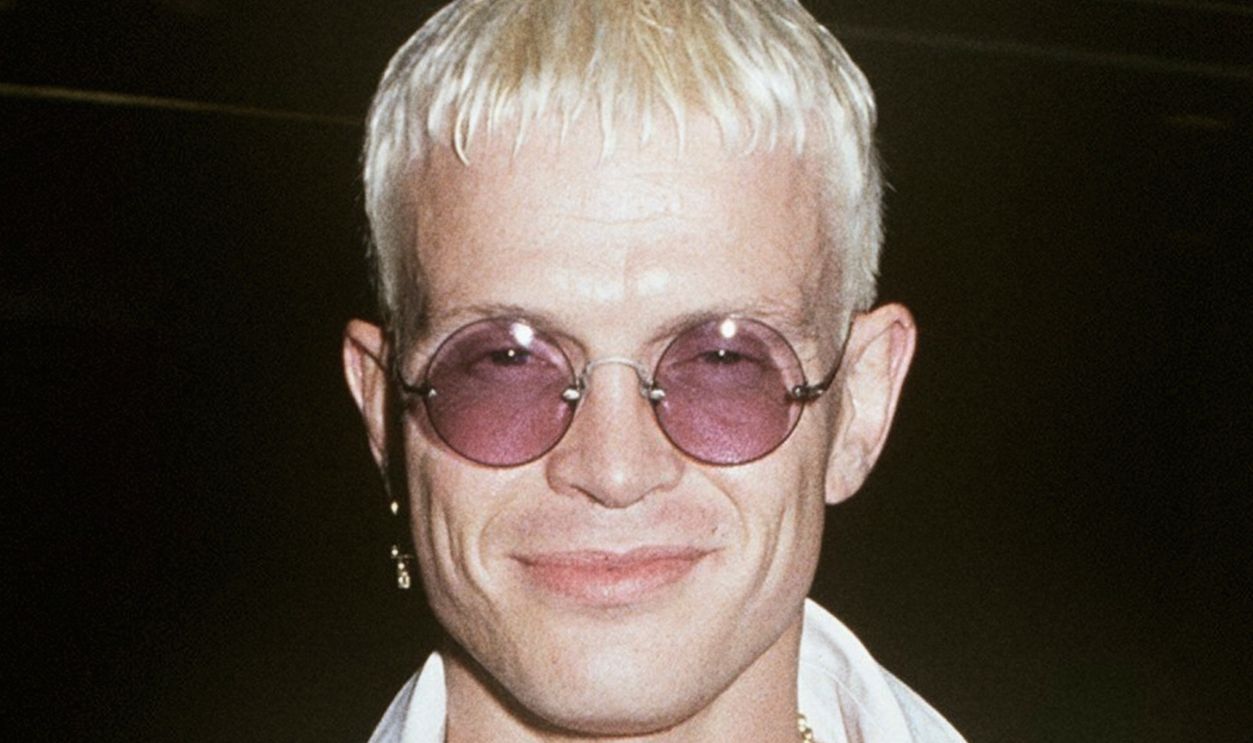
The 1990s Became A Different Chapter
After releasing Cyberpunk in 1993, Idol spent much of the later 1990s outside the intense spotlight that had defined his MTV years. He focused more attention on his personal life and gradually moved away from the extreme habits that had characterized the previous decade. His commercial profile declined, but simply surviving those years gave him something more valuable than another hit single. He had time to grow older and eventually reconsider the events he once tried to forget.
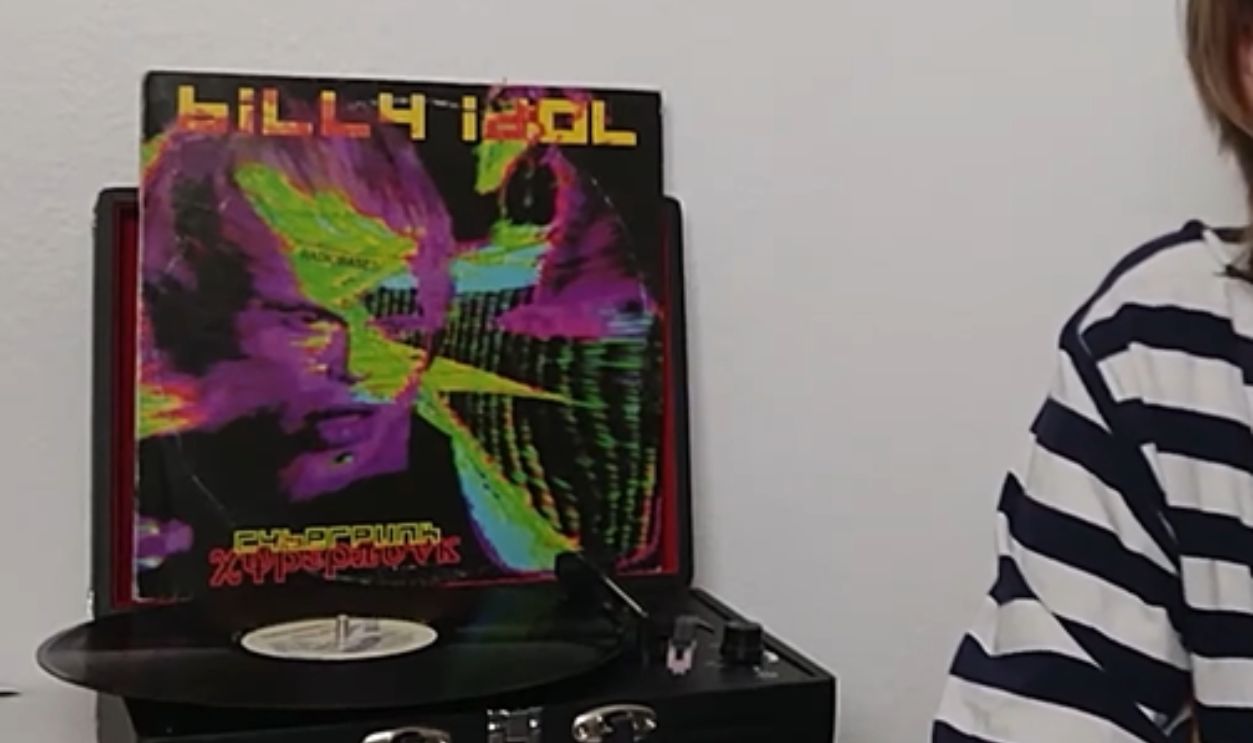 Screenshot from Cyberpunk, Chrysalis Records (1993)
He Eventually Found His Way Back
Idol never disappeared from music completely. He returned with Devil's Playground in 2005 and continued touring with Steve Stevens, the guitarist whose sound had been central to Idol's biggest records. In 2014, he released Kings & Queens of the Underground and published his memoir, Dancing with Myself. By then, Idol had reached a point where he could discuss his past with considerably more perspective. The sneer was still there, but the man behind it had changed.
 Screenshot from Dancing with Myself, Chrysalis Records (1980)
Then The Pandemic Forced Him To Look Back
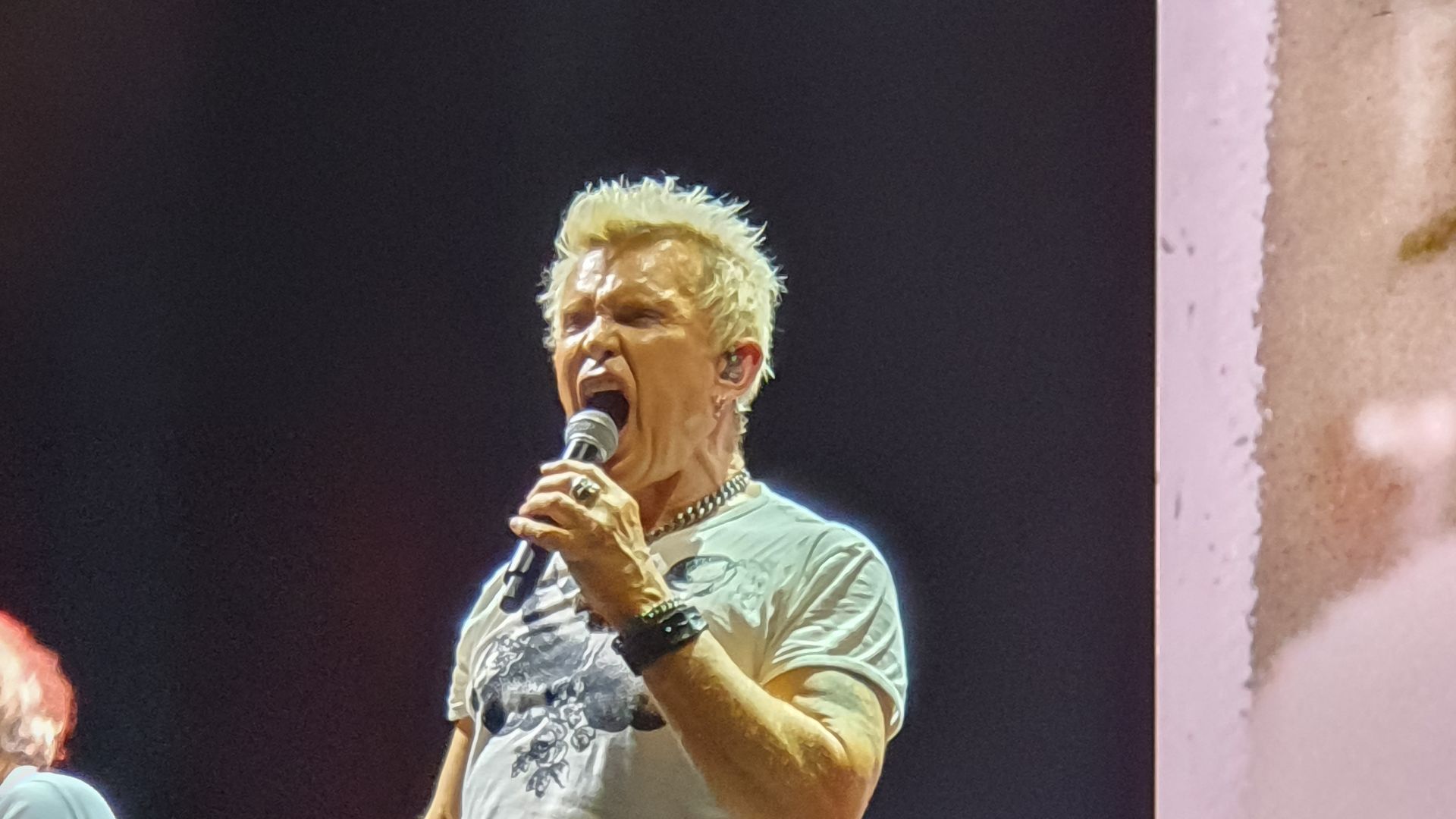
The next major step came during the COVID-19 pandemic. Like millions of other people, Idol suddenly had far more time to think. Rather than immediately writing about the pandemic itself, he began looking backward at his own life. One event kept demanding attention: the motorcycle crash he had largely avoided writing about for three decades. Idol realized enough time had passed for him to approach the memory differently.
 GenerationSex, Wikimedia Commons
Bitter Taste Finally Confronted The Roadside
The result was "Bitter Taste," a reflective song centered directly on the 1990 accident. Idol said writing about the crash felt logical after spending so much time reflecting during the pandemic. For the first time, he was not simply recounting the accident as a wild celebrity story. He was trying to understand what it had meant. Was it purely a disaster, or had surviving it forced him to become someone different? That question sits at the heart of the song.
 Screenshot from Bitter Taste, Dark Horse Records (2021)
A Little Bit Of Billy Stayed Behind
Idol described the accident as both a catharsis and a wake-up moment. In his view, part of the younger Billy Idol had been left behind on that Los Angeles roadside. He didn’t necessarily consider that a bad thing. The crash encouraged him to become a more attentive father and a more sensitive musician. That is what gives "Bitter Taste" its emotional weight. He isn’t celebrating nearly dying, but he is willing to admit that surviving forced him to see himself differently.

The Video Made The Connection Impossible To Miss
The music video for "Bitter Taste" leaned directly into the motorcycle imagery, making the connection to Idol's accident unmistakable. Rather than treating the crash as background trivia, Idol placed it at the center of the visual story. The roadside became a metaphor for the point where one version of his life ended and another began. More than three decades after the accident, he was finally using the imagery rather than trying to escape it.
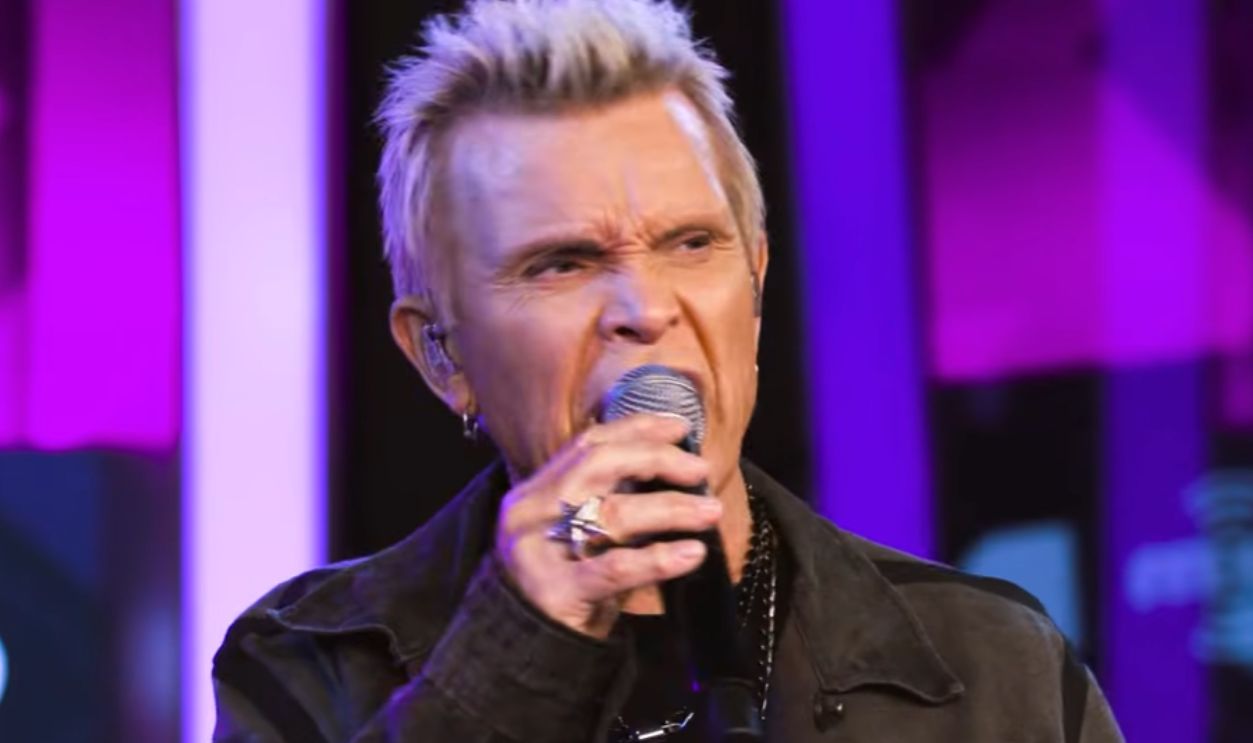 Screenshot from Bitter Taste, Dark Horse Records (2021)
The Roadside Was His First New Release In Seven Years
"Bitter Taste" served as the lead single from The Roadside, a four-song EP released on September 17, 2021, through Dark Horse Records. It marked Idol's first collection of new material since 2014's Kings & Queens of the Underground. The project was produced by Butch Walker and again featured Steve Stevens, keeping one foot planted in Idol's familiar musical partnership while allowing the songs to explore a more mature perspective.
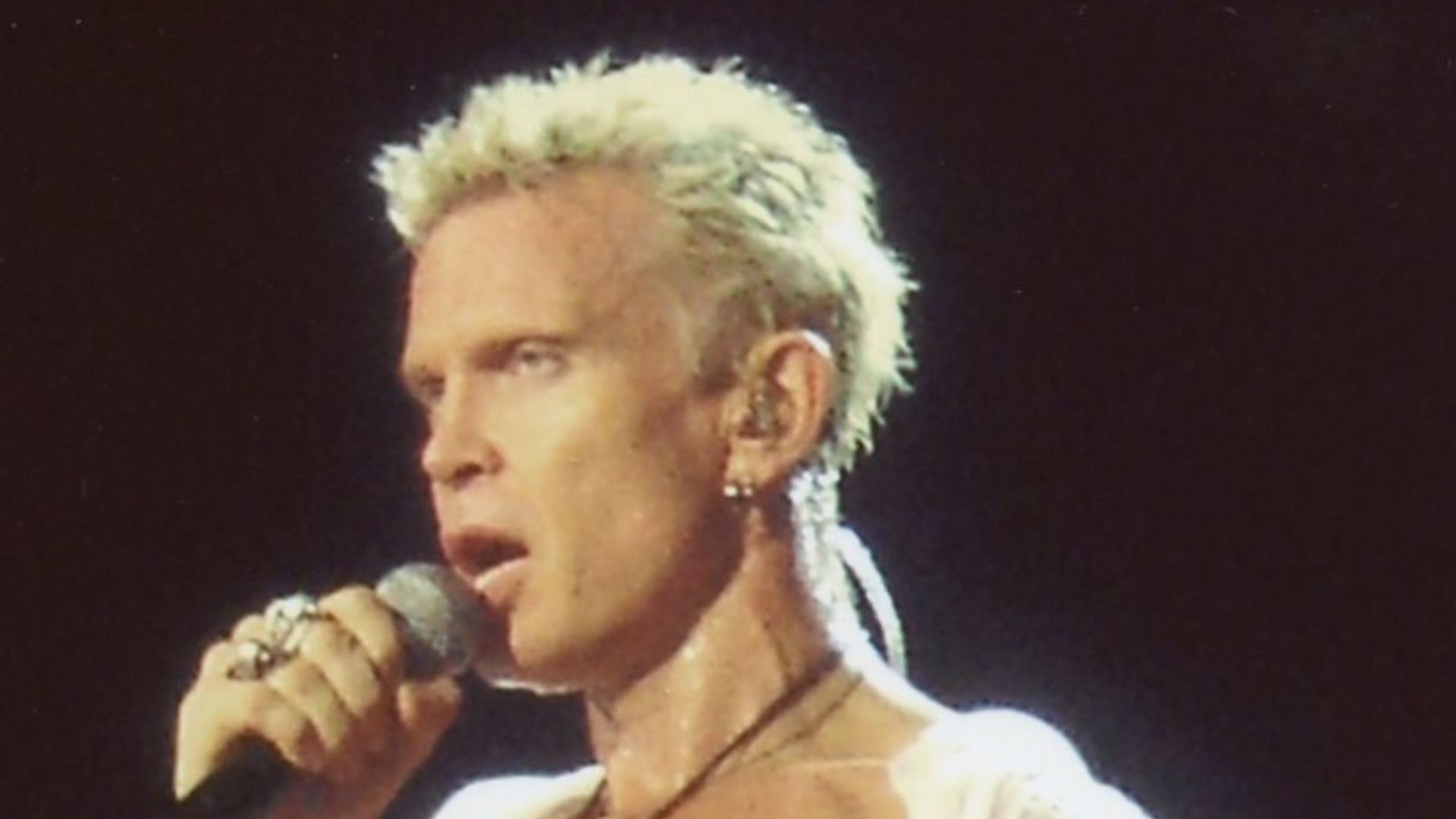 Mandy Coombes, Wikimedia Commons
The EP Was Not About Pretending He Had Become Someone Else
What makes The Roadside work is that Idol did not suddenly present himself as a completely reformed saint. The project still sounded like Billy Idol. He remained funny, defiant, leather-clad, and unmistakably connected to the punk attitude that had defined his career. What had changed was his willingness to acknowledge consequences. "Bitter Taste" allowed him to hold two ideas at once: the crash was horrific, and surviving it may have saved him from continuing down an even more dangerous path.

The Accident Never Completely Left Him
Idol has said he escaped with relatively minor lasting limitations considering how severe the injuries were, but he has also acknowledged the psychological scars. That distinction matters. Recovering physically didn’t erase the memory of seeing his leg torn apart or wondering whether surgeons could save it. The crash remained part of his personal history even during periods when he didn’t talk about it much. "Bitter Taste" gave those memories somewhere to go.
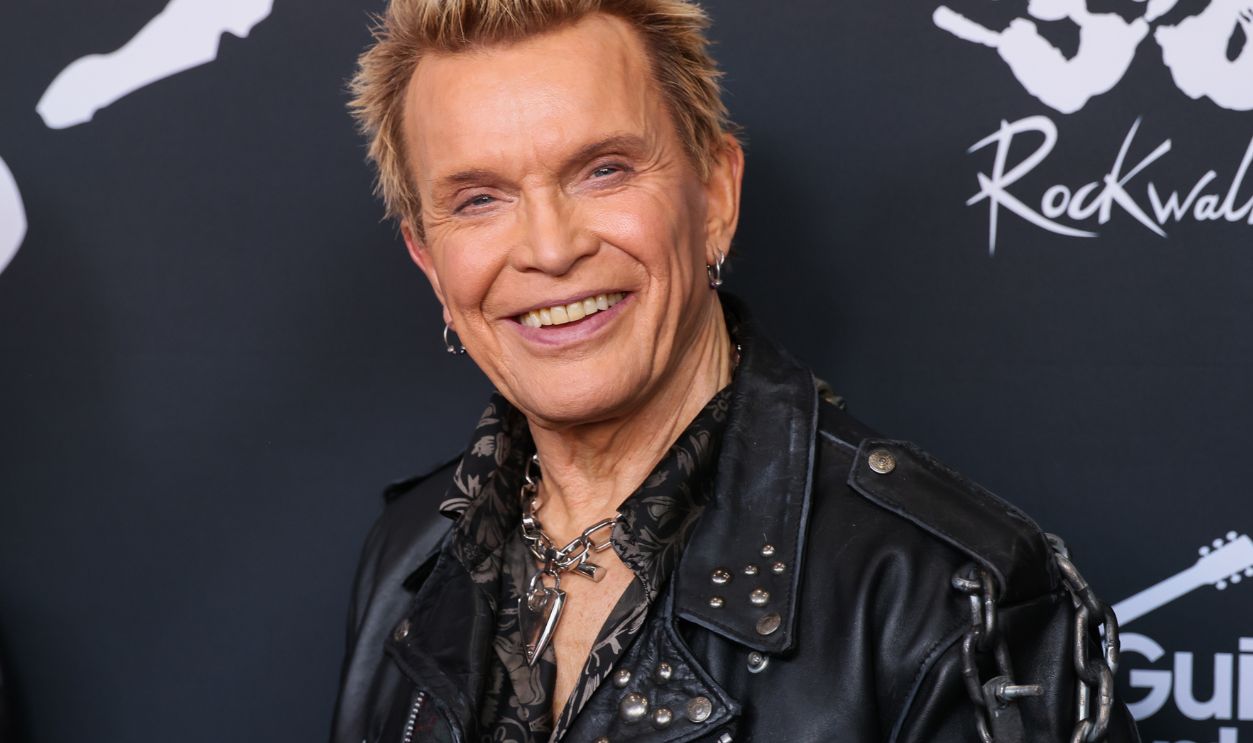
Writing The Song Helped Him Put It To Rest
For Idol, writing about the crash decades later was more than an exercise in nostalgia. He said the experience helped him finally put the event to bed. Time had allowed the memory to "marinate," as he described it, until he could transform it into music instead of simply carrying it around as trauma. That may be the most important part of "Bitter Taste". It did not erase what happened in 1990, but it allowed Idol to control the story rather than letting the accident control the memory.
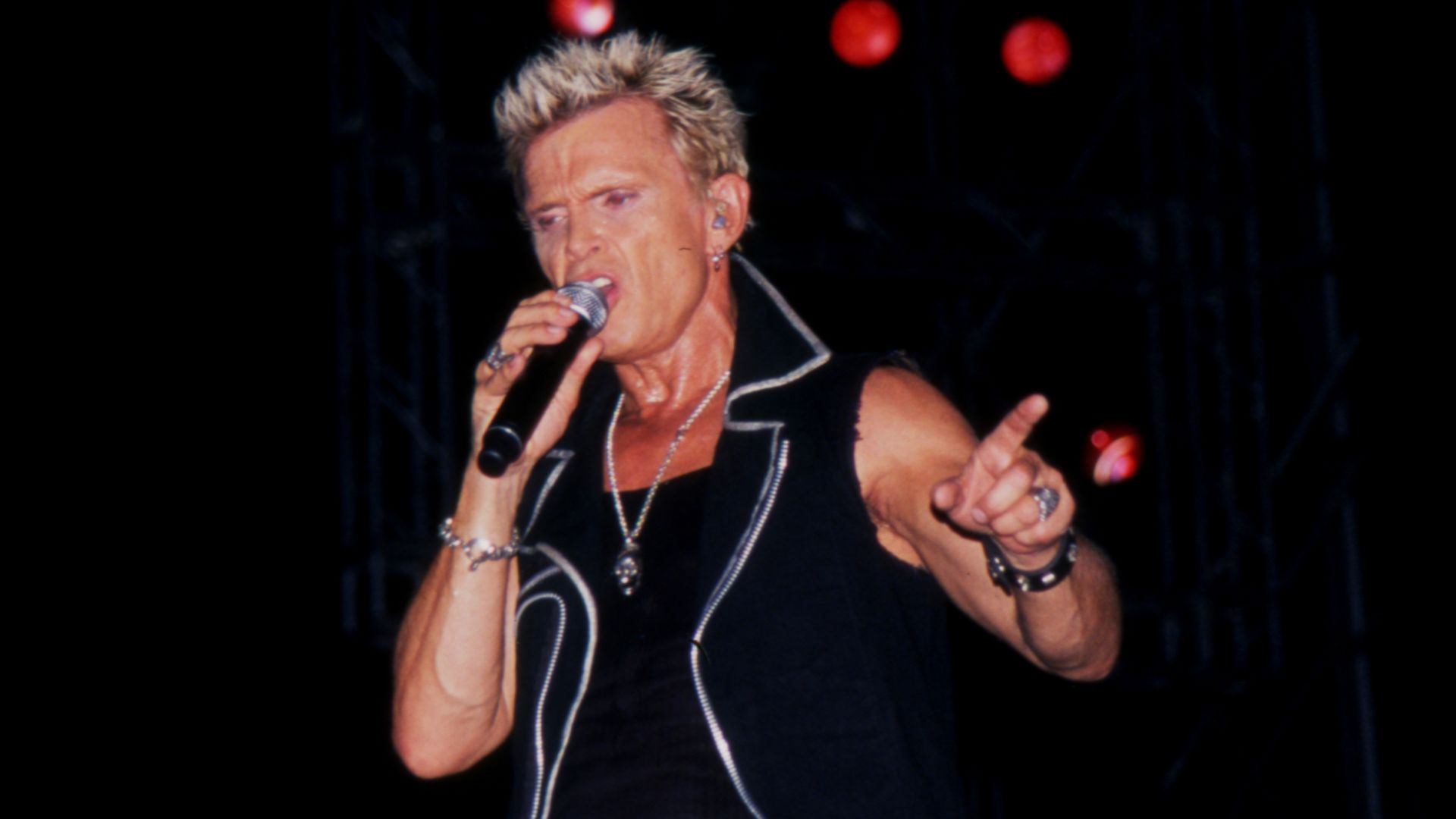 giorgioerriquez, Wikimedia Commons
His Defiance Had Changed With Age
The Billy Idol of the early MTV era built his image around refusing to behave. The older Idol's defiance is a little different. Simply surviving became its own form of rebellion. He made it through addiction, a near-fatal crash, career ups and downs, and decades in an industry that frequently discards artists once their commercial peak has passed. By the time The Roadside arrived, Idol was no longer proving that he could live dangerously. He was proving that he could live long enough to understand why he had.
 Simone van den Boom, Wikimedia Commons
Billy Idol Finally Made Peace With The Wreckage
The motorcycle crash of February 6, 1990 could easily have become the final chapter of Billy Idol's story. Instead, doctors saved his leg, Idol survived, and over time he began changing the habits that had put his life in danger. For decades, though, the crash remained something he had experienced rather than something he had fully processed. "Bitter Taste" changed that. More than 30 years after lying broken on a Los Angeles street, Idol turned the experience into music, transforming a moment that nearly ended his life into one of the most reflective and defiant statements of his later career.
You May Also Like: