The Song That Heals and Haunts
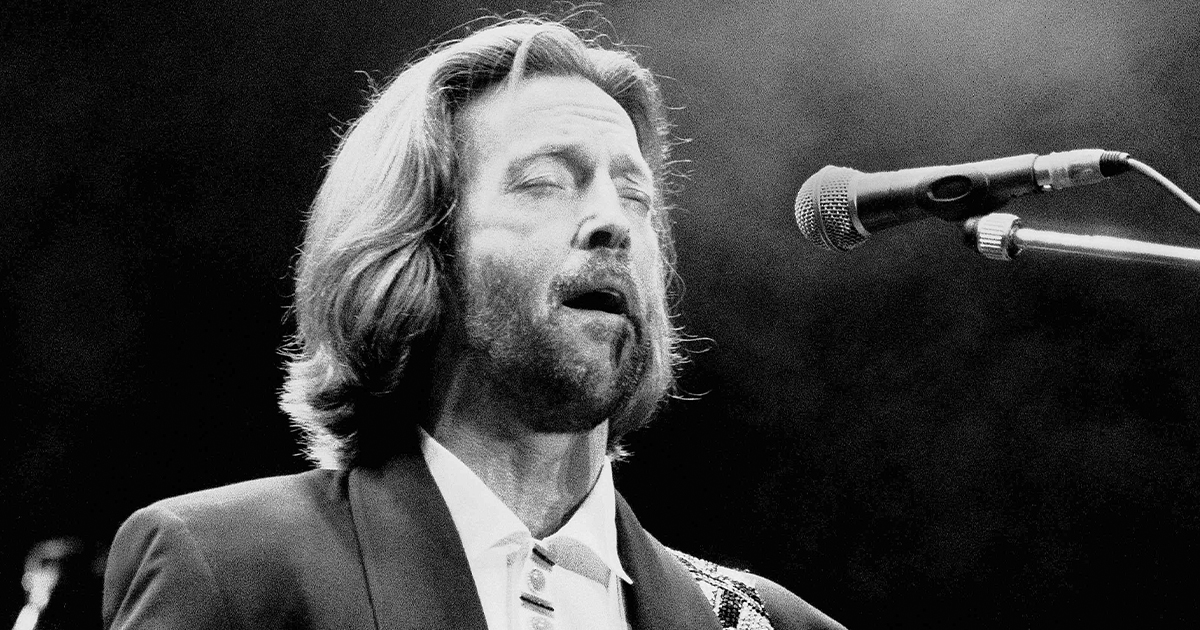
Eric Clapton was born on March 30, 1945, in Surrey, England, and raised believing his grandparents were his parents. His real mother was too young to care for him, and the truth hit him like a blow when he was nine. That early sense of abandonment shaped much of his emotional life—and later, his music.
Discovering the Guitar That Saved Him
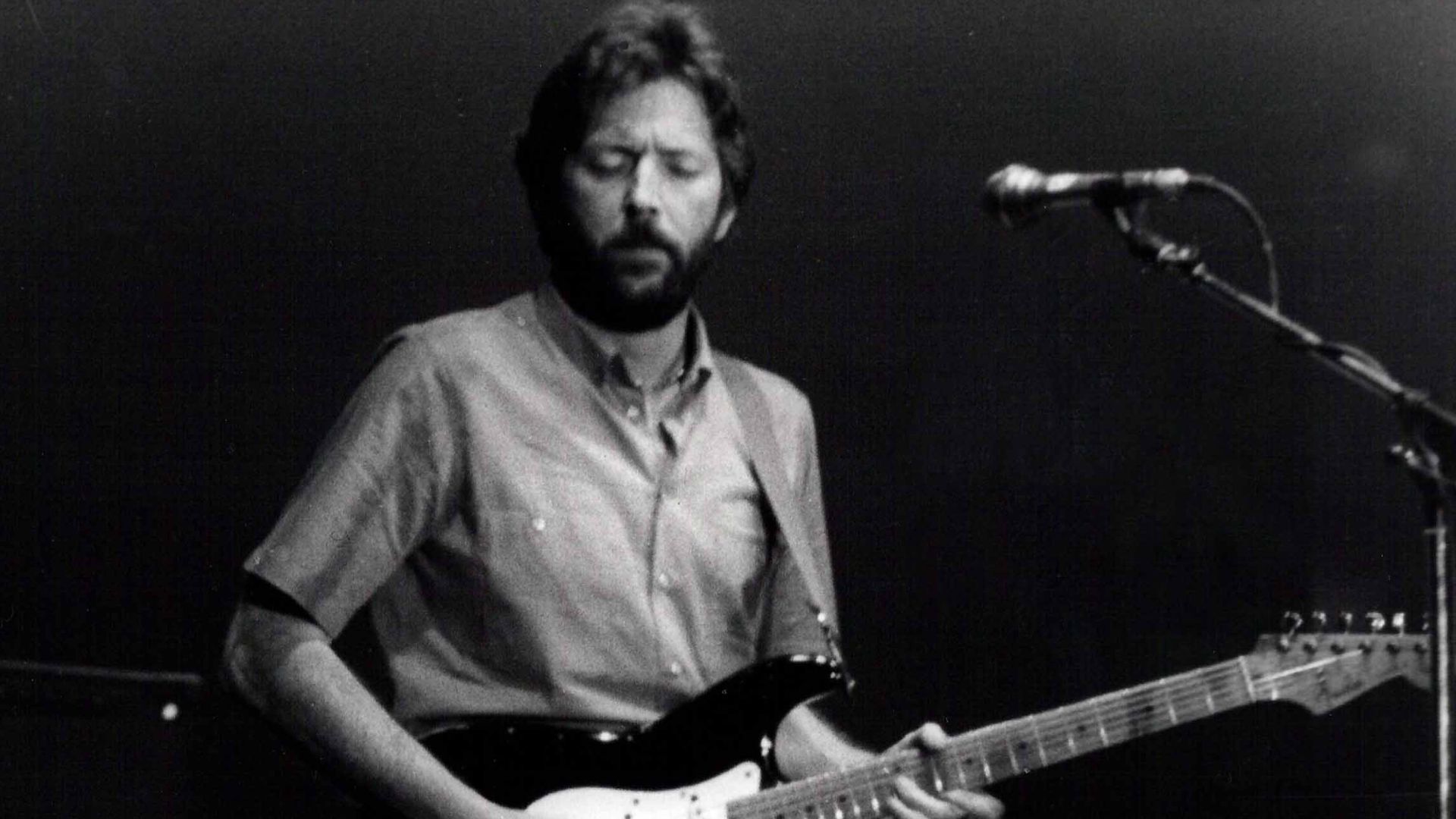
Clapton found solace in the guitar as a teenager. He practiced obsessively, teaching himself blues licks by slowing vinyl records with coins. By his early twenties, people were scrawling “Clapton is God” on London walls. For someone who had spent his childhood feeling lost, the praise felt unreal.
The Rise of a Blues Legend
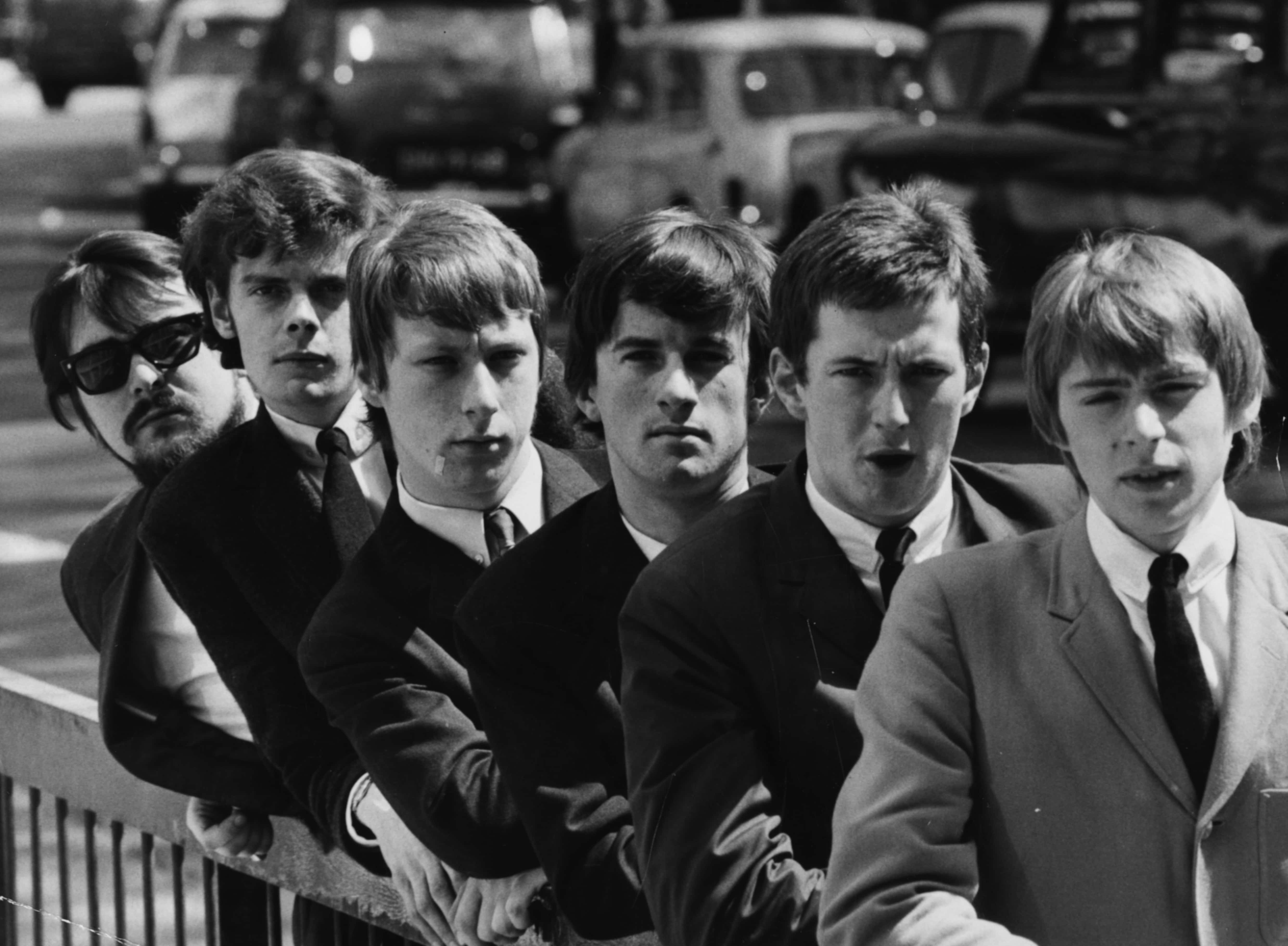
Through The Yardbirds, John Mayall & the Bluesbreakers, Cream, and Derek and the Dominos, Clapton quickly became one of the most influential guitarists alive. But his rise came with turbulence—loneliness, self-doubt, and struggles with substance use that nearly ended his career more than once.
 Evening Standard, Getty Images
A Life Marked by Complicated Love
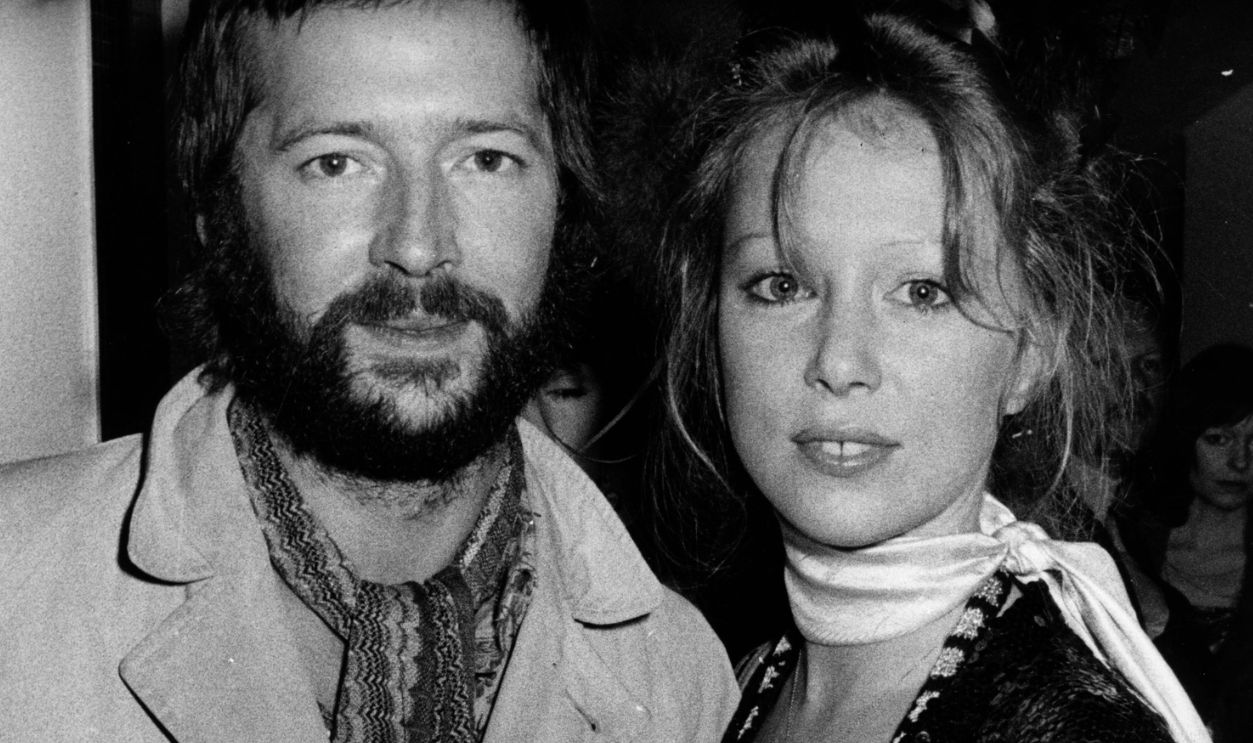
Clapton fell deeply in love with Pattie Boyd, the wife of his friend George Harrison. Their relationship, famously immortalized in “Layla,” erupted with passion and heartbreak. They married in 1979 but struggled, especially under the weight of Clapton’s drinking. They divorced in 1989, leaving Clapton spiraling.
 Evening Standard, Getty Images
Meeting Lory Del Santo
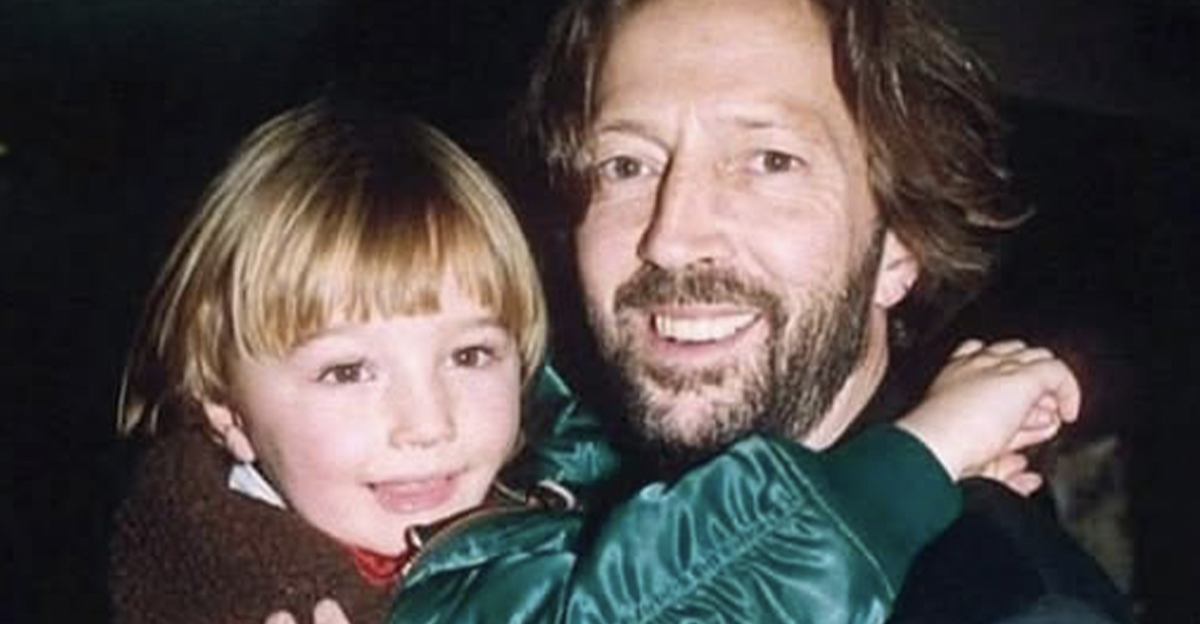
Amid his personal turmoil, Clapton began a relationship with Italian actress Lory Del Santo. In 1986, they welcomed a son, Conor. Clapton said seeing Conor for the first time “changed everything.” He wanted to be a father in a way he had never been loved himself.
A Father Learning Late
Clapton was 41 when Conor was born. He admitted he didn’t know how to be a parent, but he was trying. “I was finally present,” he later said. He took Conor to the circus, held him on his shoulders through New York, and told friends he felt “awake” for the first time in years.
The Day That Broke Him
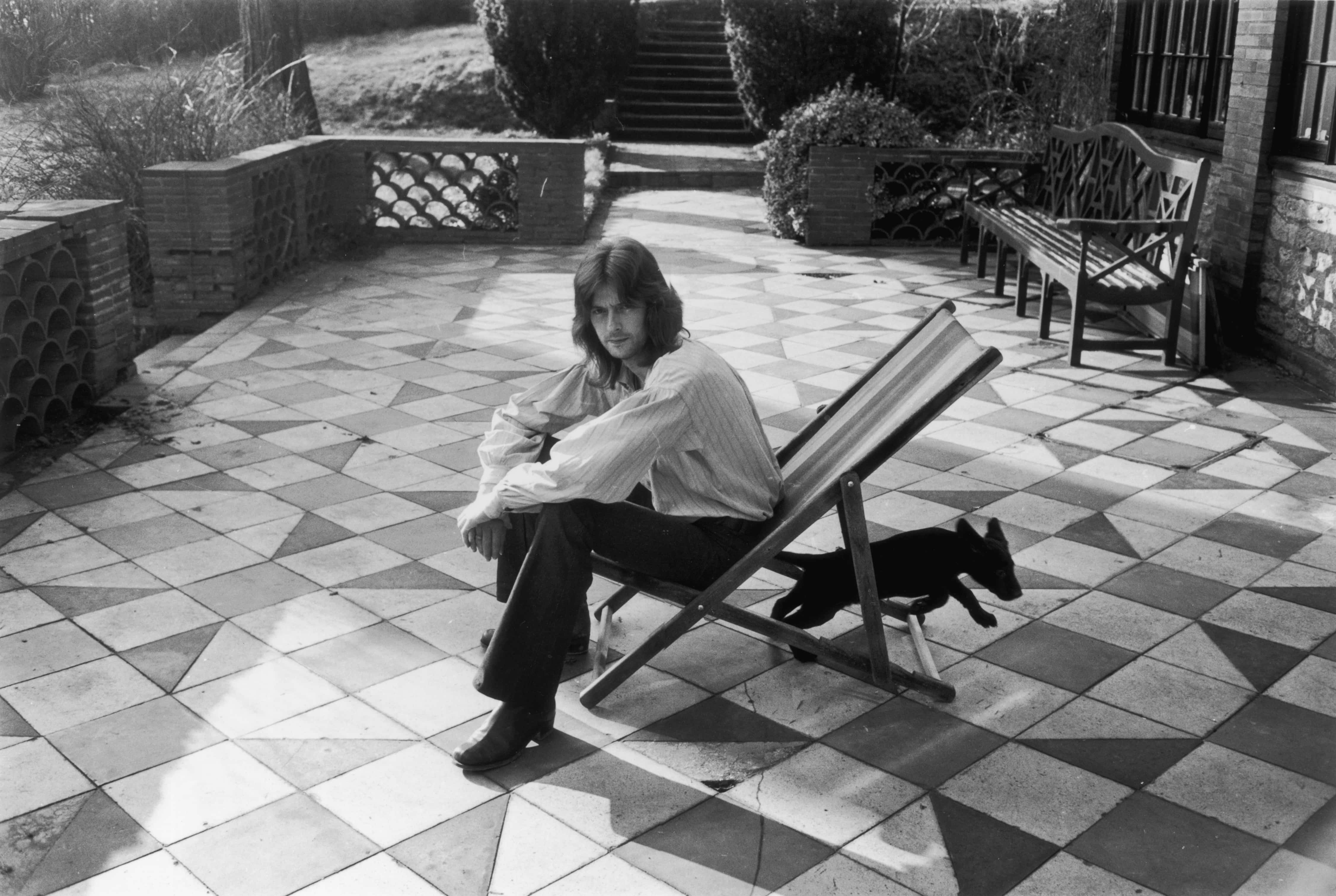
On March 20, 1991, tragedy struck. Conor, just four years old, accidentally fell from a 53rd-floor apartment window in New York. Clapton had been planning to take him to the zoo later that day. He arrived at the scene minutes too late. “It was the worst moment of my life,” he said. “Nothing could compare.”
A Grief That Swallowed Him
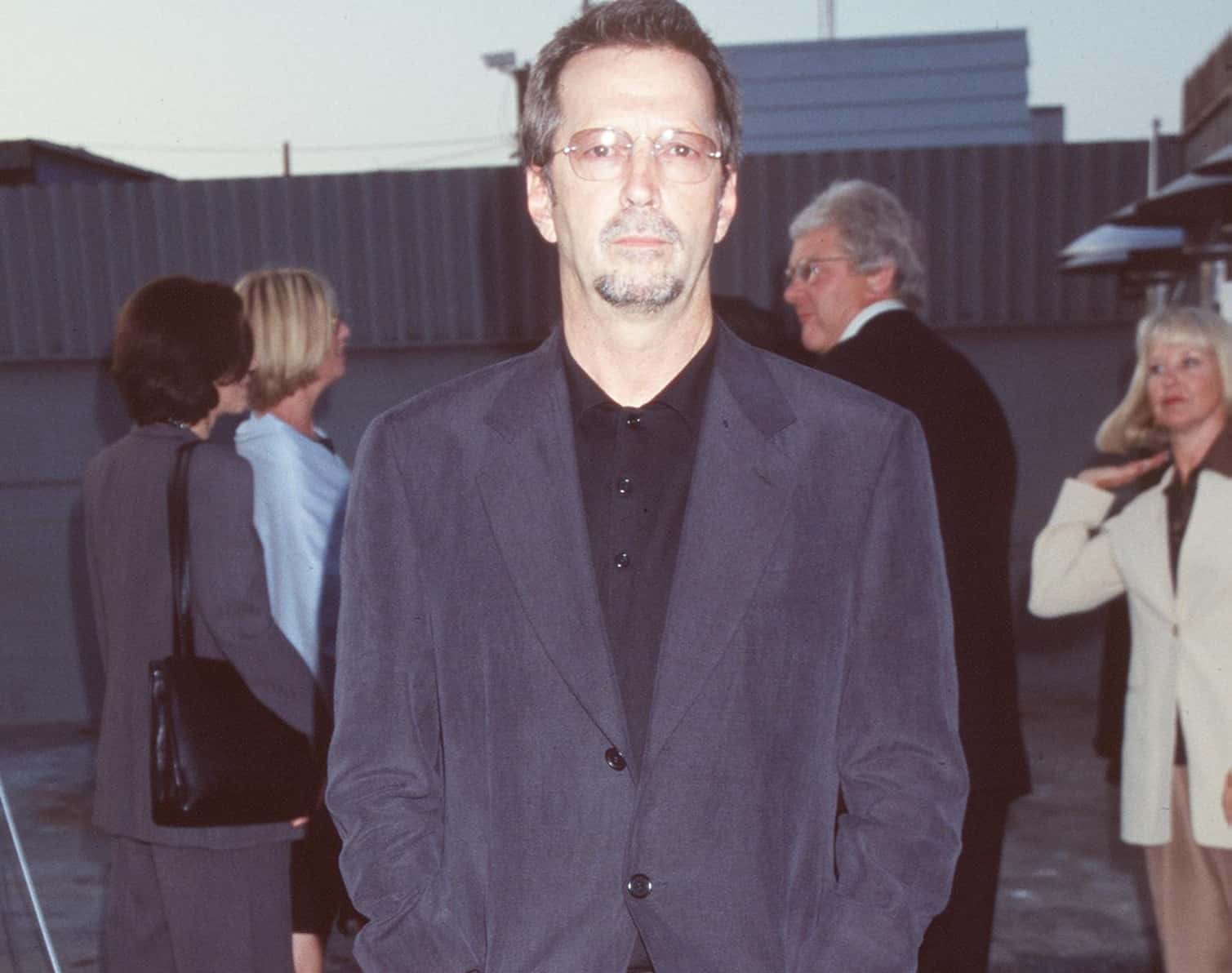
Clapton withdrew from the world. Friends worried he’d disappear into old addictions. But something shifted inside him—he wanted to survive, if only to honor Conor. “I had to stay alive,” he said. “Otherwise his death would mean nothing.”

Writing Through the Pain
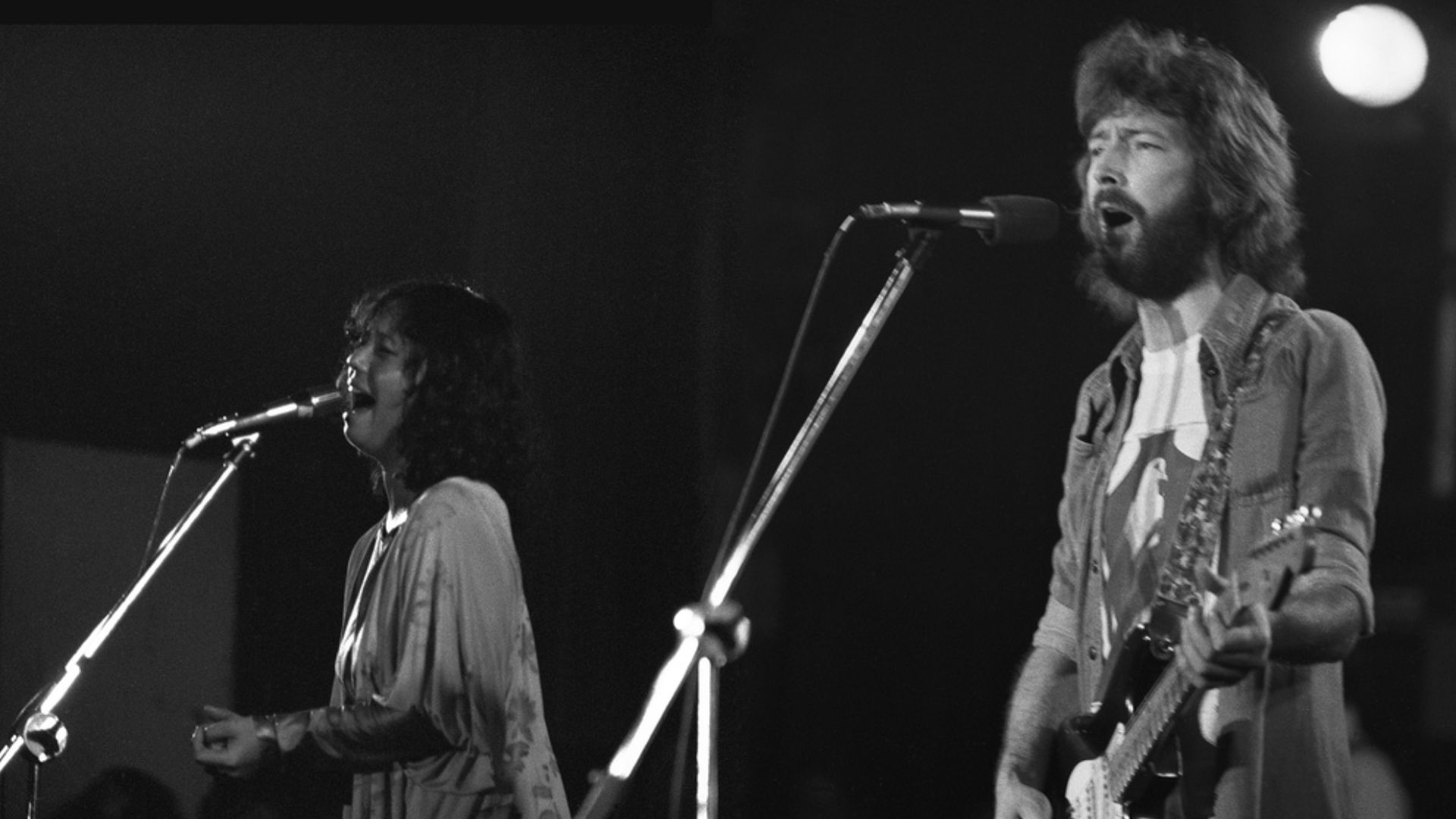
Clapton wrote “Tears in Heaven” with songwriter Will Jennings. Jennings later recalled Clapton telling him, “This is about my boy.” The lyrics came quickly, painfully, honestly. Clapton recorded vocals with tears in his eyes. He said it felt like touching a wound that never healed.
 Matt Gibbons, Wikimedia Commons
A Song That Moved the World
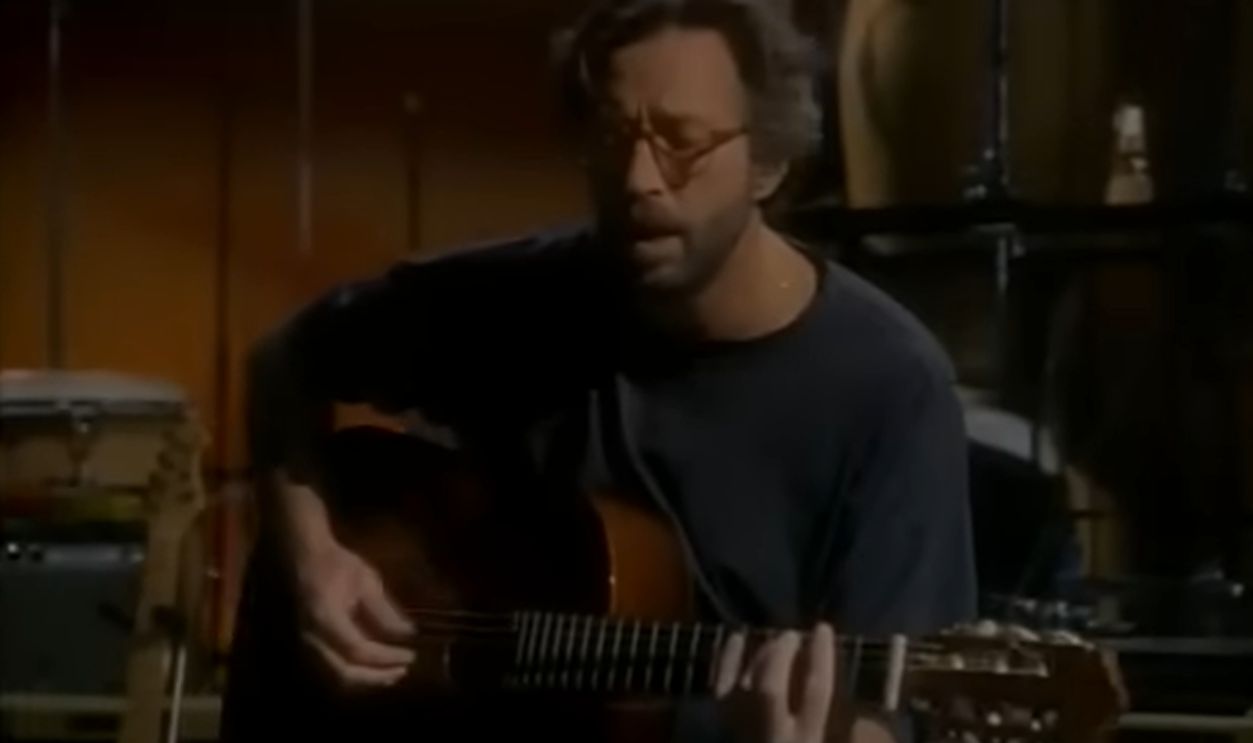
Released in 1992, “Tears in Heaven” became a global phenomenon. It won three Grammys and brought millions of listeners to tears. Strangers wrote to Clapton thanking him for helping them through their own losses. The song became a lifeline—not just for him, but for anyone grieving.
 Screenshot from Tears in Heaven, Warner Bros. (1992)
Therapy and Torment
But success didn’t make the song easier to bear. Clapton said performing it felt like “opening a box I tried to keep shut.” It grounded him in grief night after night. “It helped me heal,” he said, “but it also hurt every time I sang it.”
A New Life of Sobriety
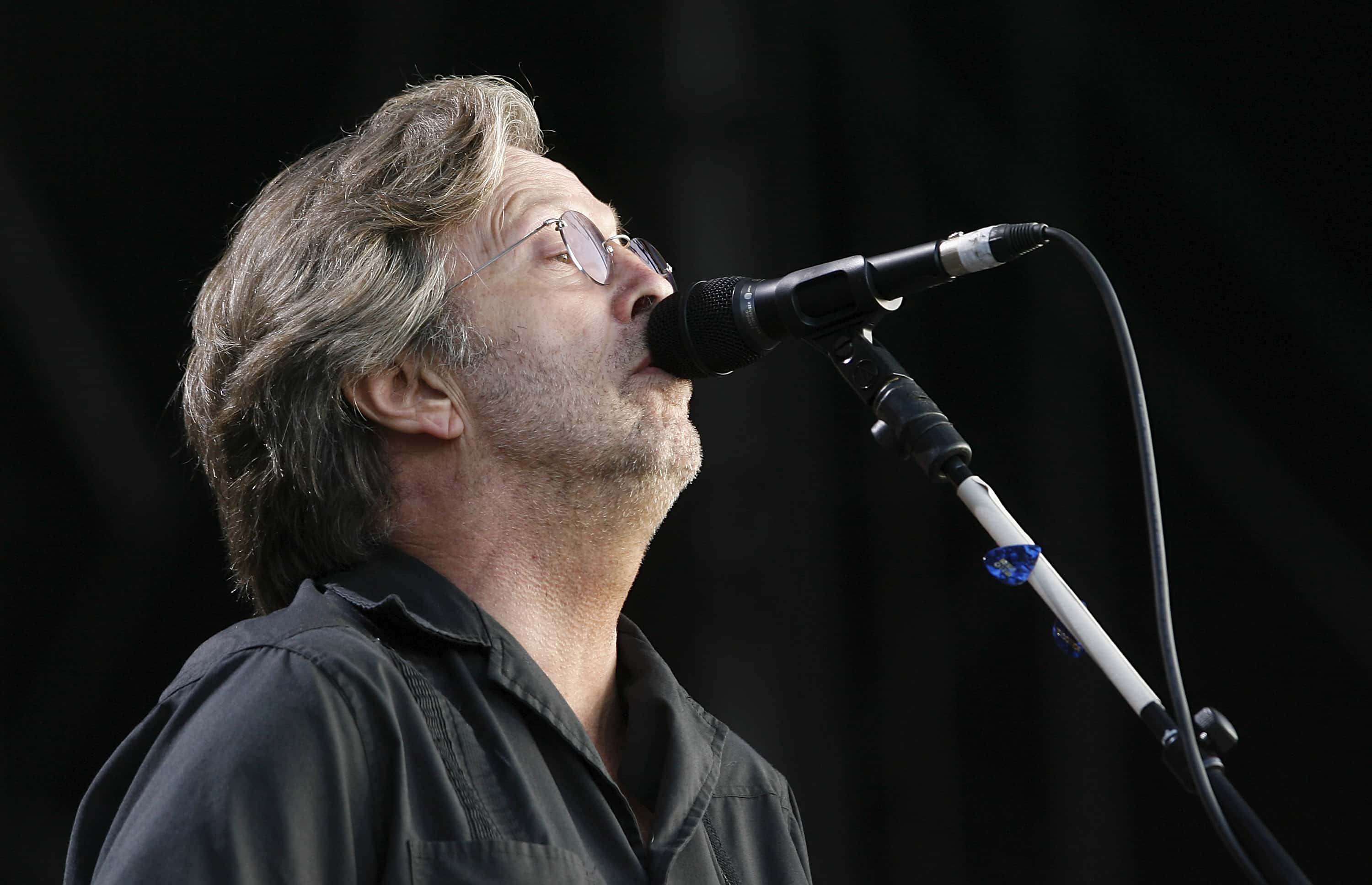
Conor’s death pushed Clapton to quit drinking completely. He entered long-term recovery, crediting the loss as the reason he finally changed. “If I hadn’t gotten sober,” he said, “I wouldn’t be alive now.” He built a life of structure, purpose, and charity—including founding an addiction recovery center in Antigua.
Conor’s Presence Never Left
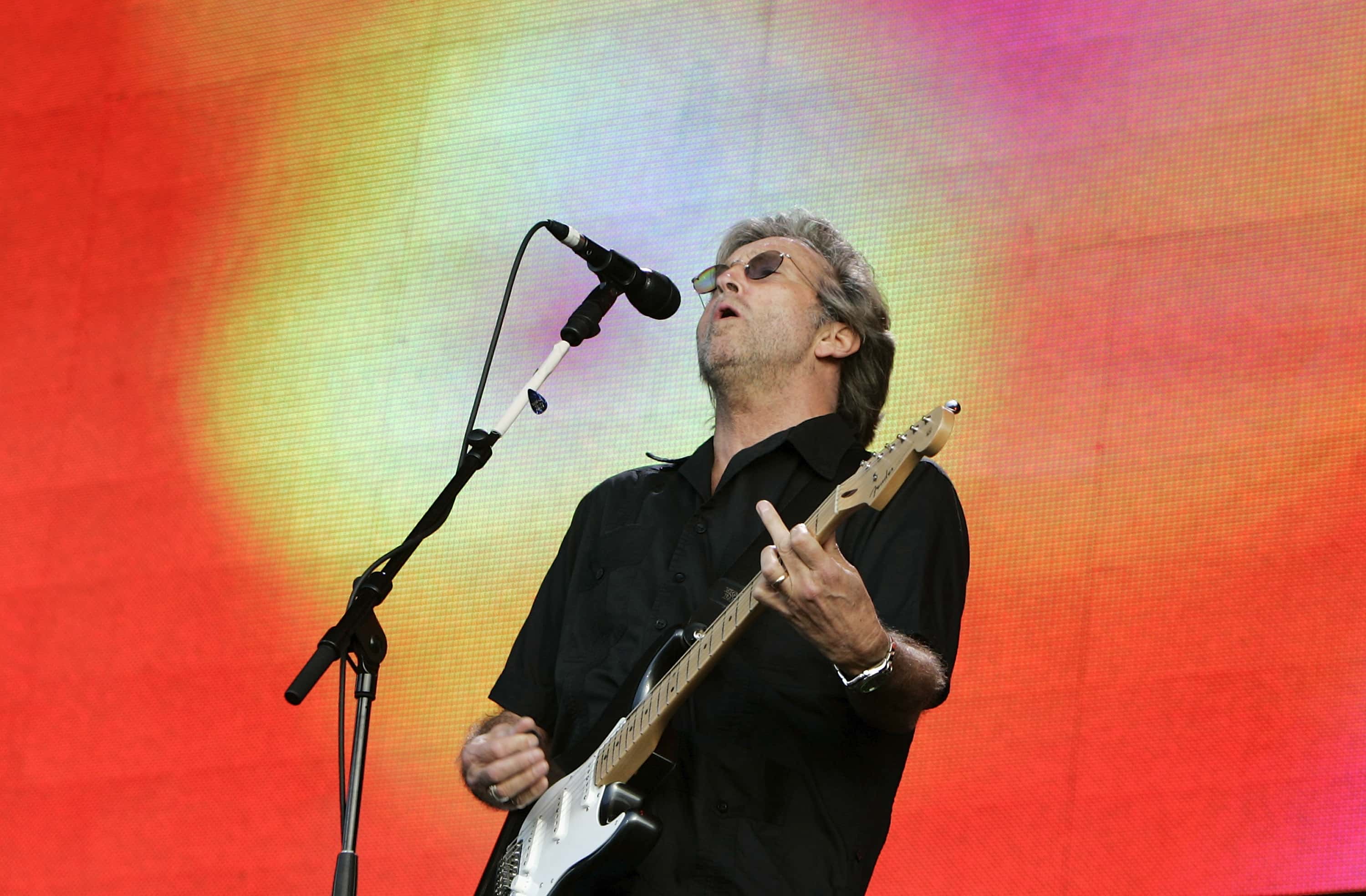
Clapton often said he still felt Conor around him. He kept drawings Conor made. He revisited places they walked. “He visits me,” Clapton once said quietly. “Not physically, but in spirit. I feel him near.”

Letting the Song Go
In 2004, Clapton stopped performing “Tears in Heaven.” He said it no longer matched where he was emotionally. “I didn’t feel the pain anymore,” he explained. “I needed to let the song rest.” It was his way of honoring the healing he had fought so hard for.
A Legacy That Lives in Two Worlds
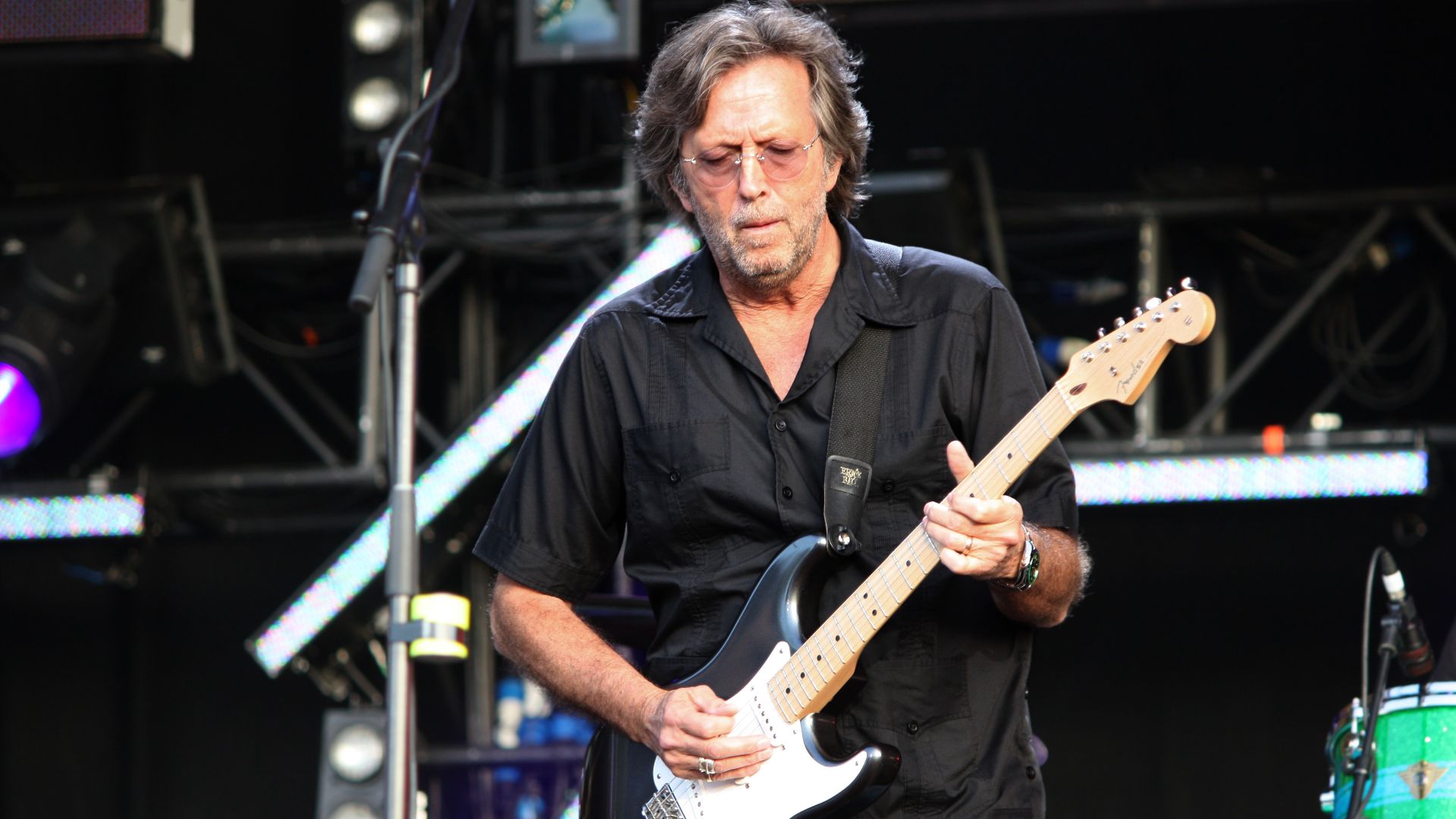
Clapton’s life is often defined by his guitar hero status, but those who know his story understand the deeper truth: his greatest act of bravery was surviving his grief. “Tears in Heaven” remains one of the most heartbreaking songs ever written—part prayer, part confession, part farewell.
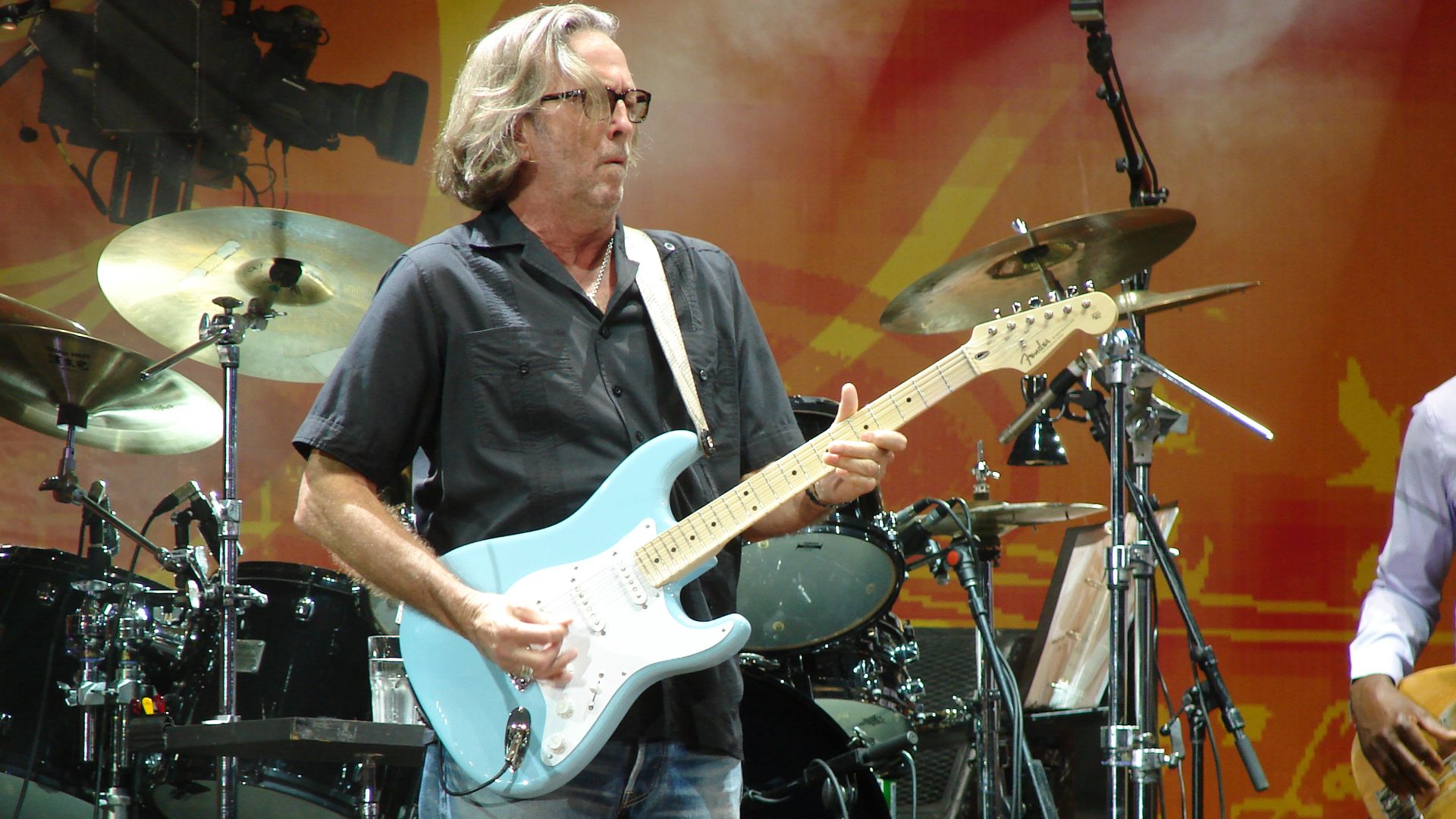 Alex G from Puteaux, France, Wikimedia Commons
The Song He Could Never Escape
Even today, people associate Clapton with “Tears in Heaven.” Some fans want to talk about Conor; others whisper condolences. Clapton once said, “It’s strange. The song helped me heal, but it also keeps the wound open.” Still, he accepts it as part of who he is.
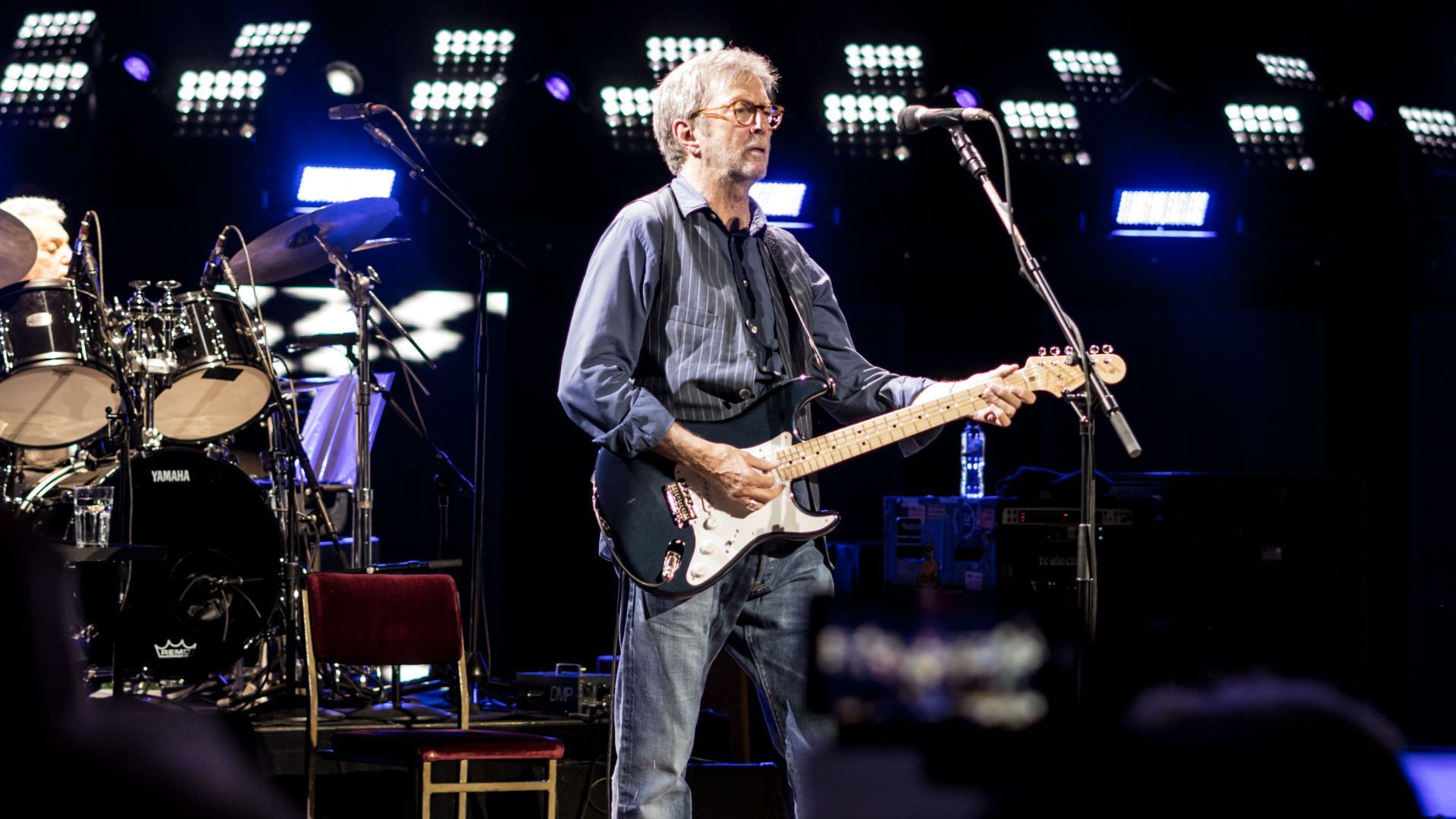
A Father’s Love, Frozen in Time
Conor lived only four short years, but through music, his presence stretches across generations. Clapton said, “He gave me purpose. He gave me clarity. And he’ll always be with me.” The tragedy shaped the artist—but even more, it shaped the man.
 John Bauld from Toronto, Canada, Wikimedia Commons
Healing in the Only Way He Knew
Clapton learned that grief doesn’t disappear; it evolves. Music became the bridge between what he lost and what he learned. “Tears in Heaven” remains a testament to unconditional love, immortalized in melody.
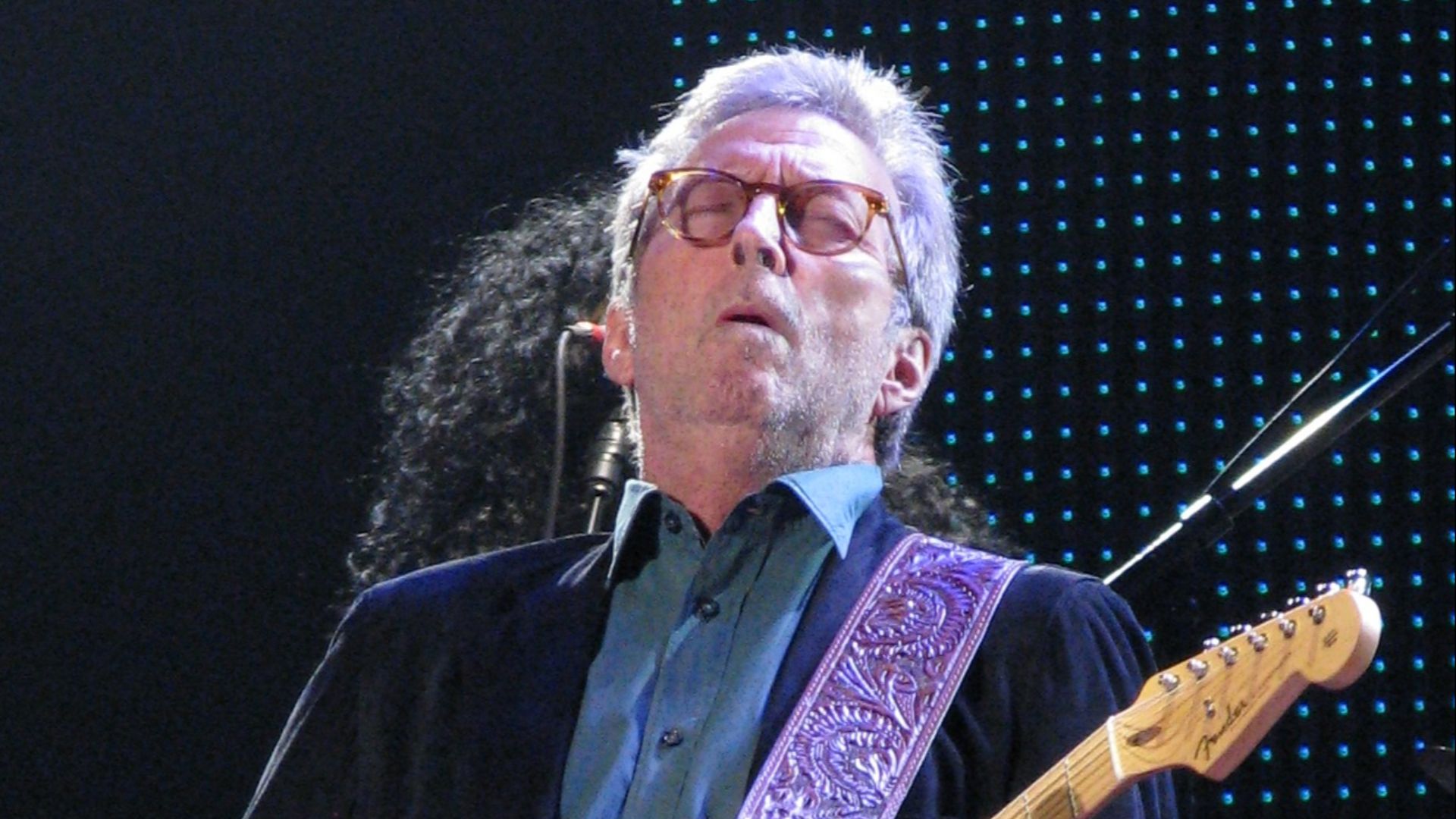 Steve Proctor, Wikimedia Commons
The Story That Still Breaks Hearts
In the end, the loss of Conor is the defining tragedy of Eric Clapton’s life—not because of how he died, but because of how deeply he was loved. “Tears in Heaven” continues to echo through the world as a reminder that love can survive even the greatest pain.

You May Also Like: