When Pain Became The Best Material
Heartbreak has always been good for songwriting, but some artists have turned personal devastation into career-defining records. Here’s what can happen when an artist takes a painful experience and refuses to waste it.
 Chris Haakens, Wikimedia Commons
Adele - 21
Few artists have converted a breakup into commercial success quite like Adele. Much of 21 grew out of the collapse of a relationship, giving her more than enough material for “Rolling in the Deep,” “Someone Like You,” and “Set Fire to the Rain". The emotional directness connected on an enormous scale, helping 21 become one of the biggest-selling albums of the modern era and transforming Adele into a global superstar.
 Screenshot from 21, Columbia (2011)
Tammy Wynette - D-I-V-O-R-C-E
Tammy Wynette didn't write the title track of D-I-V-O-R-C-E, but her performance made it one of country music's defining songs about a marriage collapsing. The narrator spells out painful words to keep a child from understanding what the adults are discussing, giving the song an emotional punch far beyond an ordinary breakup ballad. Wynette's recording reached Number 1 on the country chart and earned her a Grammy.

Alanis Morissette - Jagged Little Pill
“You Oughta Know” gave listeners the angry breakup song they didn't realize they needed. Alanis Morissette's frustration, vulnerability, and blunt writing helped Jagged Little Pill stand apart from the polished pop surrounding it in 1995. The album eventually sold more than 30 million copies worldwide and won Album of the Year at the Grammys, proving there was an enormous audience for emotionally messy honesty.

Marvin Gaye - Here, My Dear
Marvin Gaye's divorce from Anna Gordy became the foundation for one of soul music's strangest breakup albums. His divorce settlement played a direct role in the project's origins, and Gaye filled Here, My Dear with resentment, regret, accusations, and attempts at closure. It wasn't one of his biggest sellers when released, but its brutally personal perspective eventually earned the album a reputation as one of music's definitive divorce records.
Fleetwood Mac - Rumours
Fleetwood Mac didn't have just one breakup to process while making Rumours. Lindsey Buckingham and Stevie Nicks were splitting up, John and Christine McVie were divorcing, and Mick Fleetwood's marriage was falling apart too. They responded by writing songs about each other, including “Dreams” and “Go Your Own Way". Somehow, all that resentment and sadness produced one of the best-selling rock albums ever recorded.
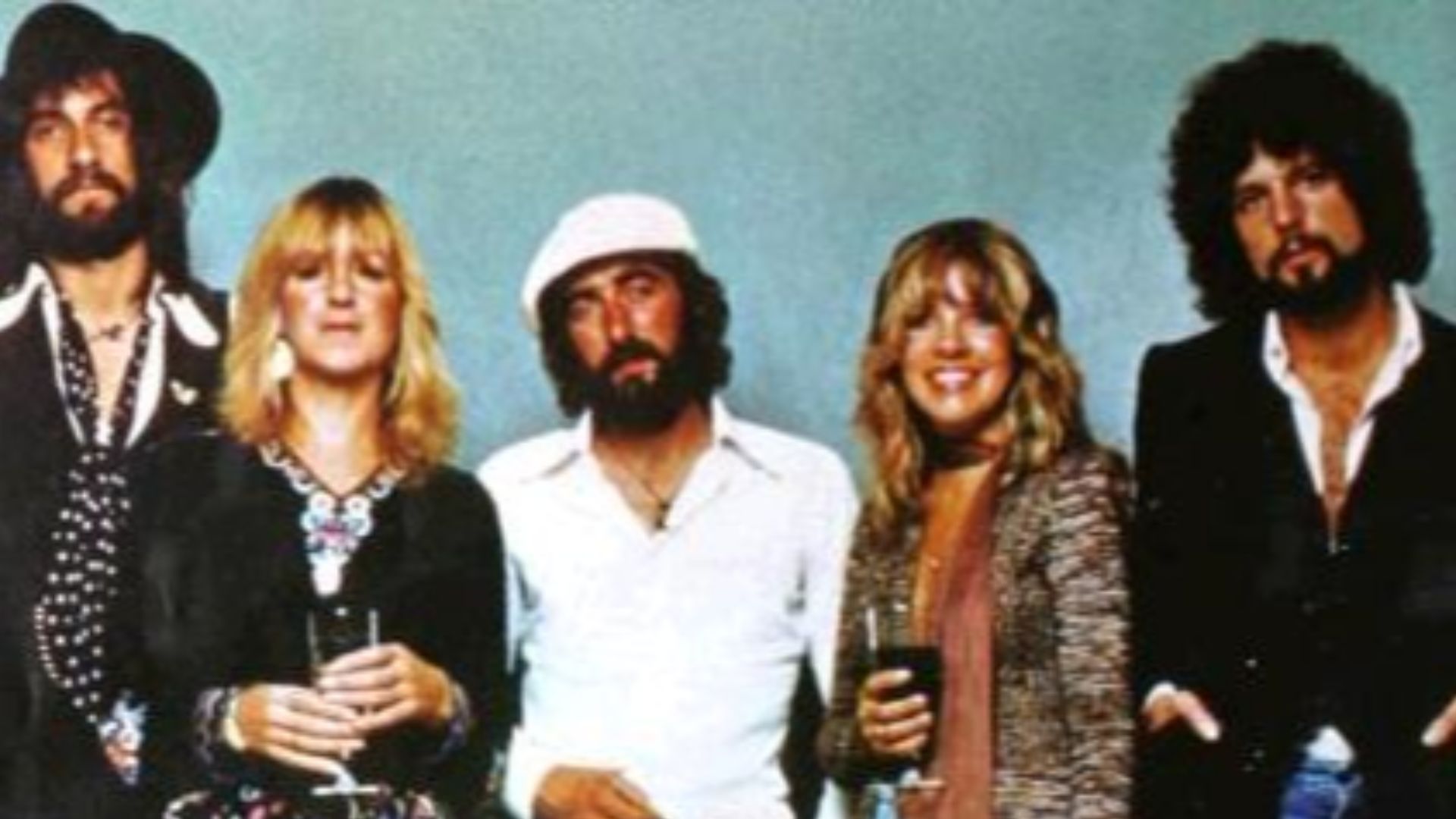 Warner Bros. Records, Wikimedia Commons
Eric Clapton - “Tears In Heaven”
Eric Clapton's heartbreak came from a tragedy far beyond romantic loss. He wrote “Tears in Heaven” after the loss of his four-year-old son, Conor, using music to process unimaginable grief. The song became one of the biggest hits of Clapton's career, while his Unplugged performance gave it an even larger audience. At the Grammys, “Tears in Heaven” helped Clapton dominate the night, winning both Song and Record of the Year.
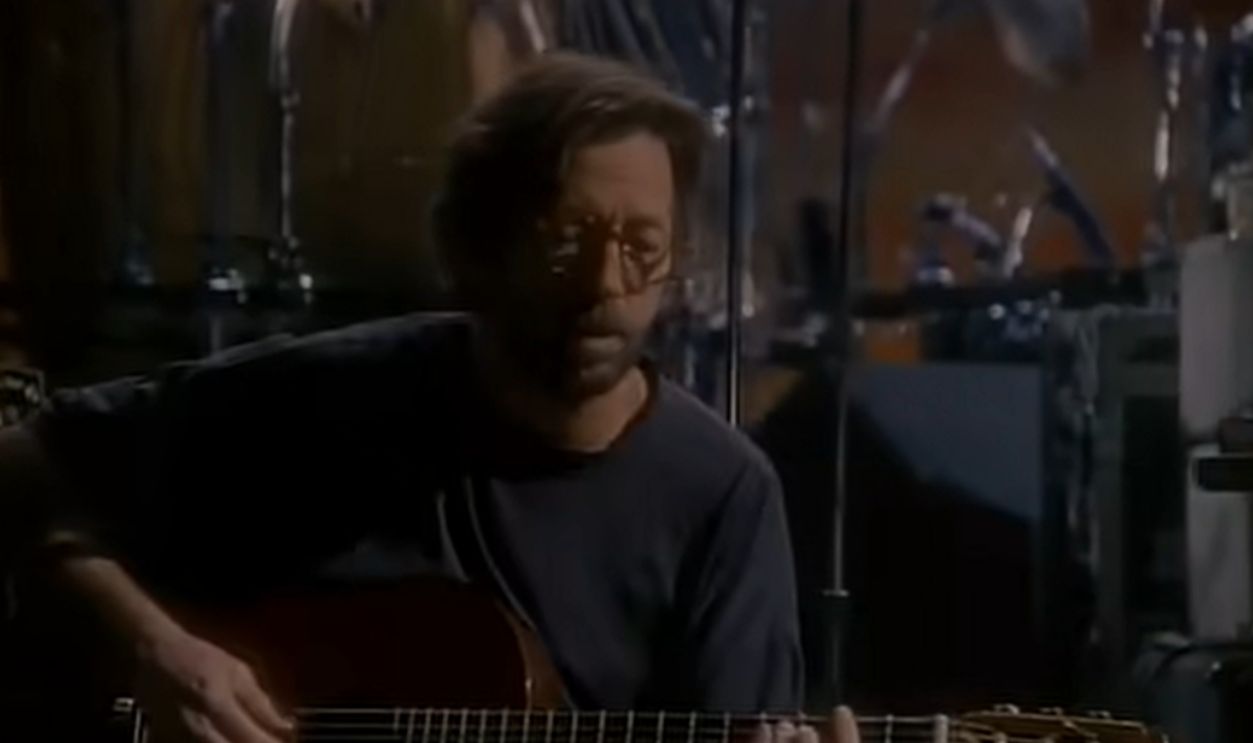 Screenshot from Tears In Heaven, Warner Bros.(1991)
Amy Winehouse - Back To Black
Amy Winehouse wrote much of Back to Black after her relationship with Blake Fielder-Civil fell apart. Instead of disguising the pain, she pushed directly into jealousy, longing, infidelity, and self-destruction on “Love Is a Losing Game,” “Tears Dry on Their Own,” and the title track. The result sold millions worldwide, won five Grammys, and made Winehouse one of the defining singers of her generation.
 Screenshot from Black to Black, Island (2006)
Bob Dylan - Blood On The Tracks
Bob Dylan resisted the idea that Blood on the Tracks was simply an autobiography of his collapsing marriage, but listeners have spent decades hearing it that way. Songs like “Tangled Up in Blue,” “You're a Big Girl Now,” and “If You See Her, Say Hello” are filled with separation, memory, anger, and regret. The album reached Number 1 and became one of the most celebrated records of Dylan's career.
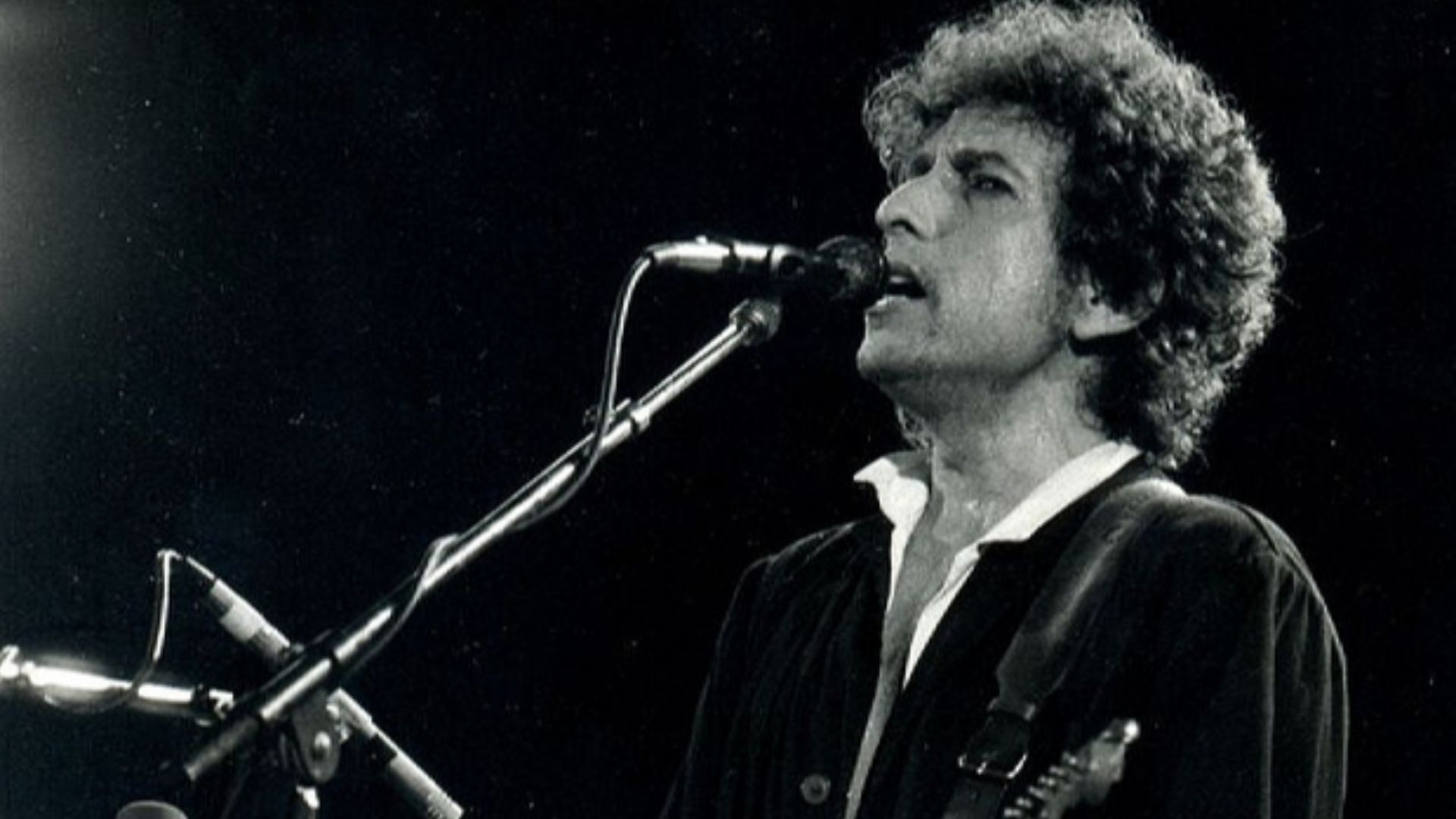 Xavier Badosa, Wikimedia Commons
Taylor Swift - Red
Taylor Swift had written about failed relationships before Red, but this album pushed romantic chaos to the center of the experience. “We Are Never Ever Getting Back Together,” “I Knew You Were Trouble,” and “All Too Well” approached heartbreak from completely different angles, from defiance to regret. The record became a massive commercial success and marked an important step in Swift's transition from country superstar toward full-fledged pop dominance.
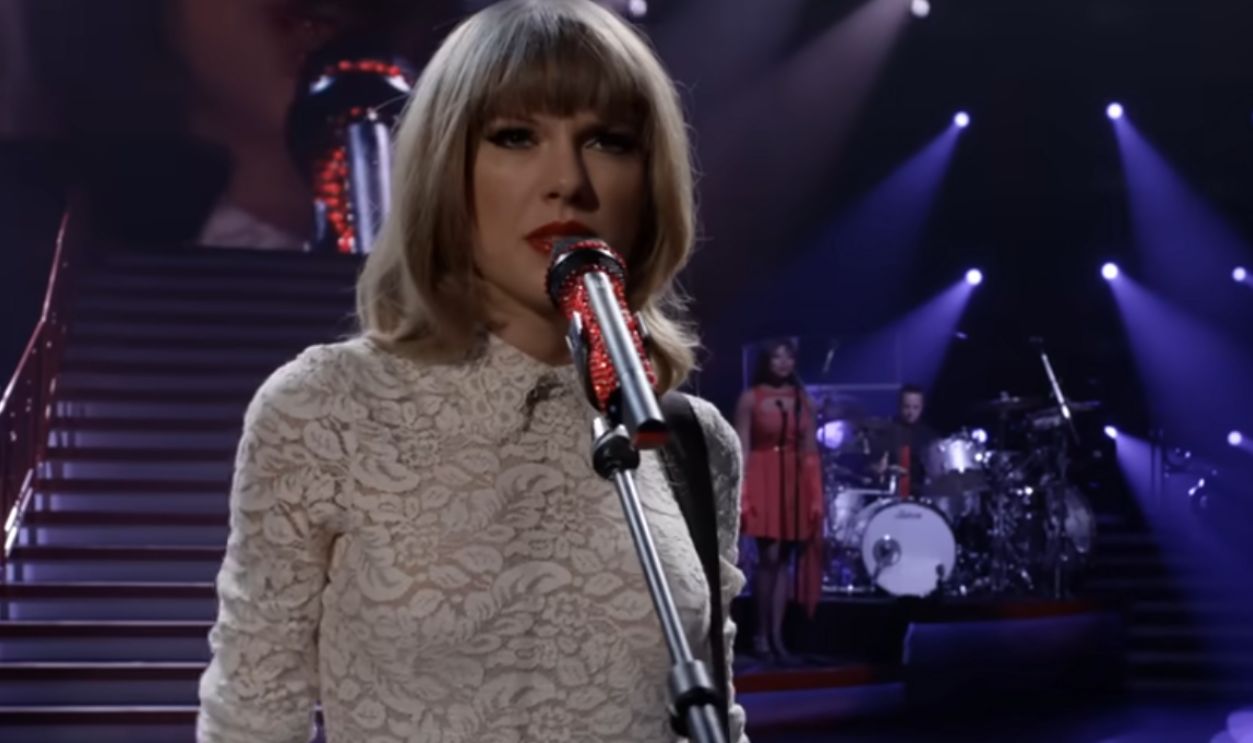 Screenshot from Red, Big Machine (2012)
Beyoncé - Lemonade
Beyoncé turned marital turmoil into something much larger than a straightforward breakup record on Lemonade. Betrayal, anger, grief, forgiveness, Black womanhood, family history, and reconciliation all run through songs like “Hold Up,” “Sorry,” and “Sandcastles". The accompanying visual album made the project feel even bigger, while enormous sales, streams, awards, and cultural discussion turned private pain into one of Beyoncé's most important artistic statements.

Olivia Rodrigo - SOUR
Olivia Rodrigo went from Disney actor to pop phenomenon almost overnight with a song about getting her heart broken. “drivers license” exploded in early 2021, and SOUR followed with “traitor,” “deja vu,” and the furious “good 4 u". Rodrigo captured the intensity of first heartbreak without trying to make it sound mature or dignified. The album topped charts, generated billions of streams, and won the Grammy for Best Pop Vocal Album.
 Screenshot from SOUR, Geffen (2021)
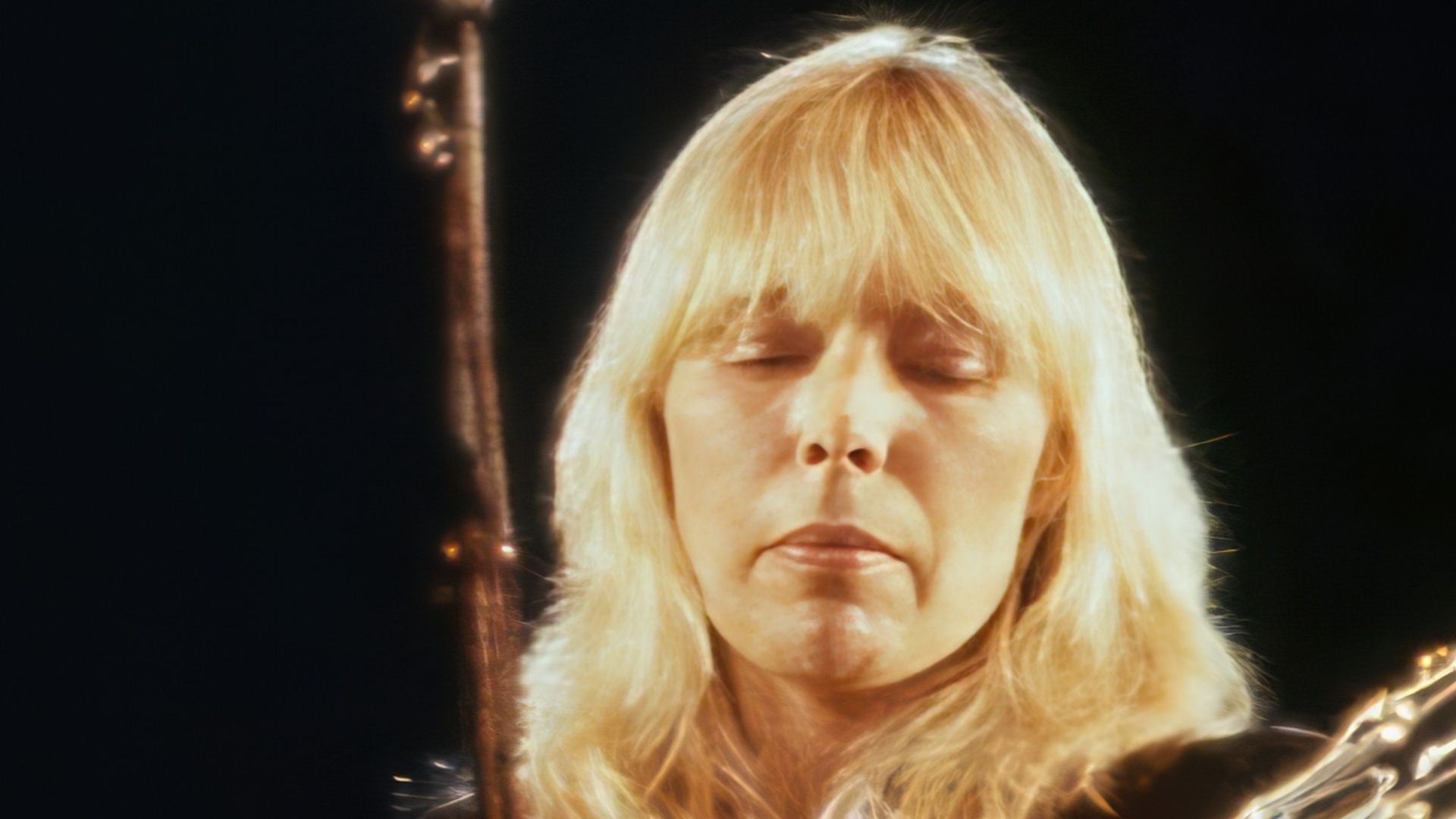
Joni Mitchell - Blue
Joni Mitchell stripped away almost every emotional defense on Blue. Love, loneliness, freedom, separation, and uncertainty run through “A Case of You,” “River,” and “All I Want,” with Mitchell drawing heavily from her own relationships and restless personal life. The album wasn't built around tabloid drama, but its vulnerability changed expectations for singer-songwriters and eventually made Blue one of the most revered albums ever recorded.
Bon Iver - For Emma, Forever Ago
Justin Vernon retreated to his father's cabin in Wisconsin after a period of personal and professional collapse that included the end of a relationship. He initially wasn't trying to create the record that would launch his career. Yet the isolation produced For Emma, Forever Ago, a sparse collection filled with distance, grief, and longing. Word of mouth turned the intimate project into an unlikely indie success and introduced Bon Iver to a far larger audience.
 danieljordahl from Östersund, Sweden, Wikimedia Commons
Beck - Sea Change
Beck had built much of his reputation on irony, genre-hopping, and clever wordplay before Sea Change. Then the end of a long relationship changed his direction completely. The 2002 album is slow, melancholy, and painfully straightforward, with songs like “Lost Cause” and “Guess I'm Doing Fine” replacing jokes with resignation. It didn't sound like the Beck many listeners expected, which helped make it one of his most emotionally respected records.
 OliverMarkCC, Wikimedia Commons
Lorde - Melodrama
Lorde built Melodrama around the emotional fallout of a breakup and the nights that follow when you're trying to convince yourself you're doing fine. House parties, loneliness, jealousy, intoxication, and regret collide throughout “Green Light,” “Supercut,” and “Liability". Instead of writing one obvious breakup song, she stretched the experience across an entire night, creating a critically adored album that deepened her reputation far beyond the success of “Royals".

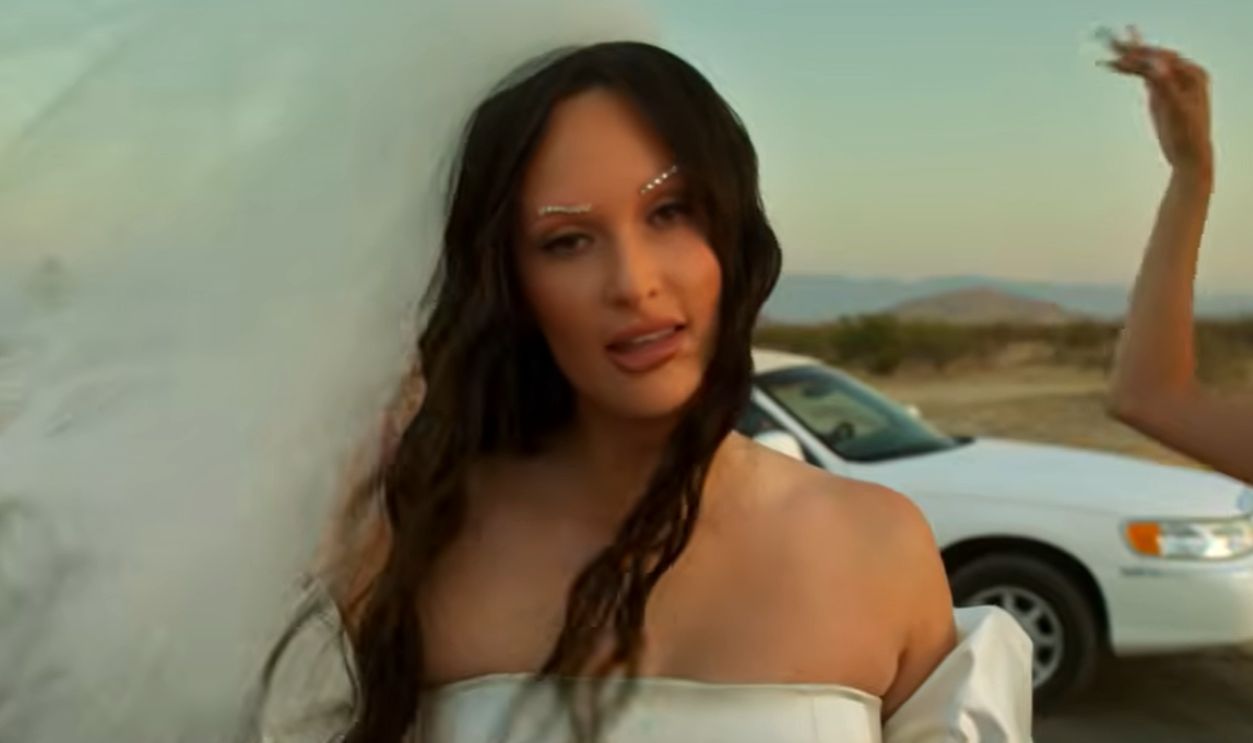
Kacey Musgraves - star-crossed
Kacey Musgraves had celebrated marriage on Golden Hour, so the end of that relationship naturally changed the story on her next album. star-crossed followed her divorce from Ruston Kelly and was structured almost like a three-act tragedy. “breadwinner,” “camera roll,” and “hookup scene” move through anger, nostalgia, loneliness, and acceptance. Musgraves didn't try to recreate her previous record's happy ending when her real life had gone somewhere else.
 Screenshot from star-crossed, Interscope (2021)
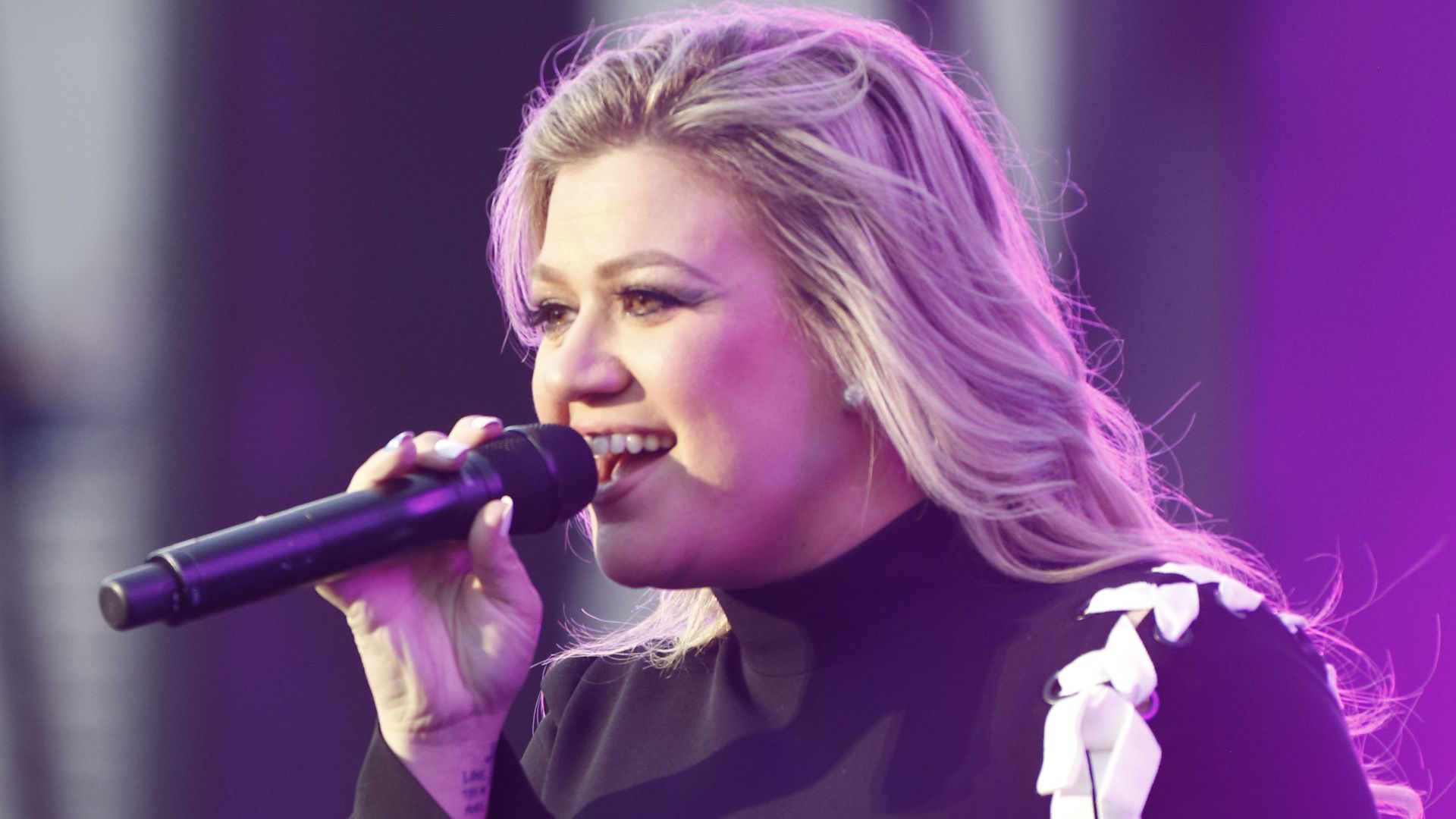
Kelly Clarkson - chemistry
Kelly Clarkson waited until she was ready before releasing an album centered on her divorce from Brandon Blackstock. chemistry doesn't portray the relationship as entirely terrible, which gives the record more dimension than a collection of revenge songs. “mine” carries plenty of anger, while “me” moves toward independence and recovery. Clarkson described the album as representing the whole relationship, including the attraction, damage, grief, and eventual rebuilding that followed.
 Marc Piscotty, Wikimedia Commons
Adele - 30
Adele had already made one of history's biggest breakup albums, then found herself writing through another painful ending a decade later. 30 emerged from her divorce and the questions that followed, particularly how to explain the breakup to her young son. Songs like “Easy on Me” and “My Little Love” are less interested in blaming an ex than understanding what happened. The result became another major global success.
 CHRISTOPHER MACSURAK, Wikimedia Commons
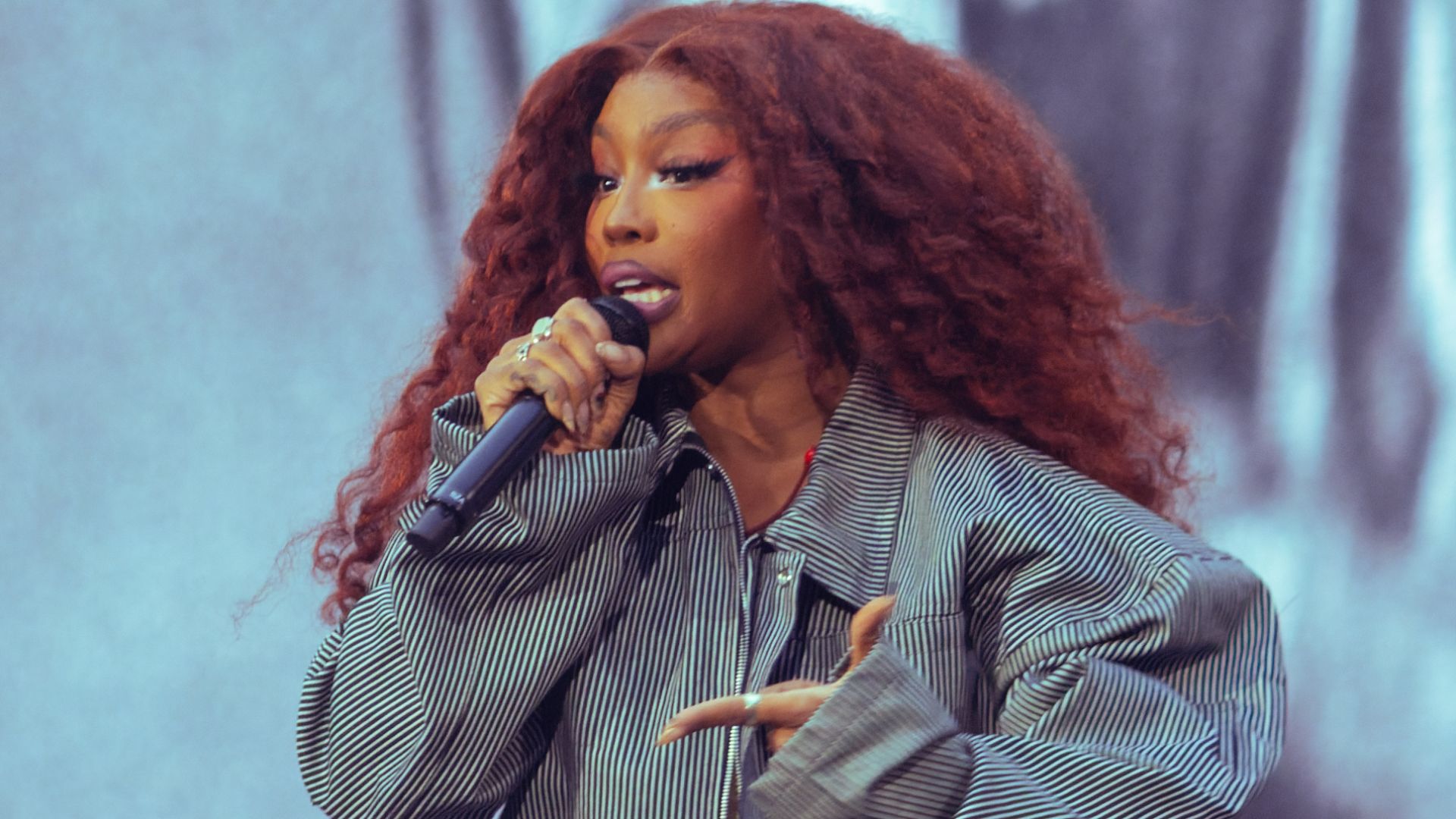
SZA - Ctrl
SZA turned romantic insecurity into something listeners could recognize immediately on Ctrl. The album explores jealousy, betrayal, casual relationships, self-doubt, and the uncomfortable realization that wanting someone doesn't mean the relationship is healthy. “Love Galore,” “The Weekend,” and “Supermodel” rarely offer simple answers. That messiness helped Ctrl grow into a slow-burning commercial phenomenon, remaining relevant long after its initial release and massively expanding SZA's audience.
Björk - Vulnicura
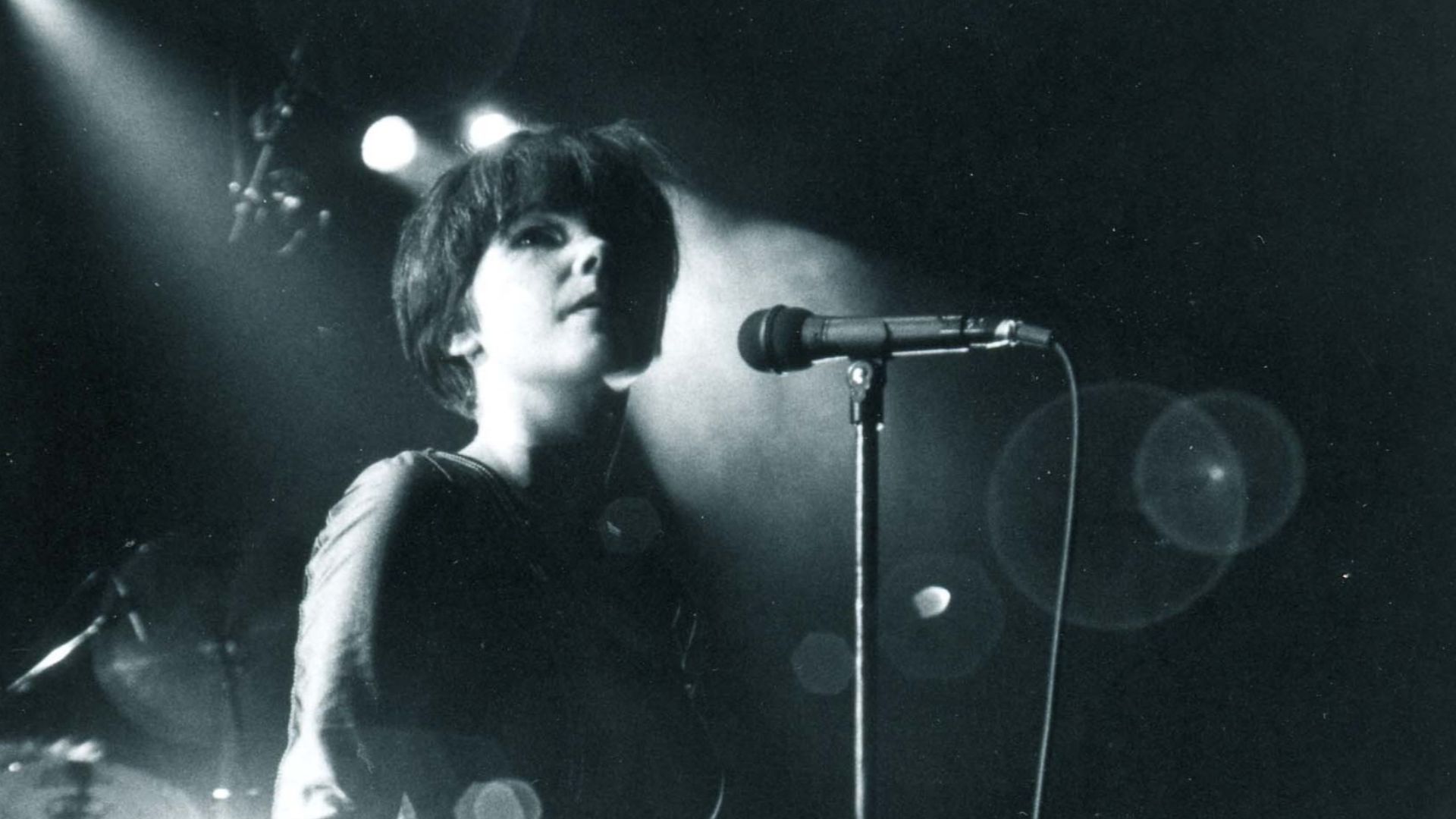
Björk didn't hide what Vulnicura was about. The end of her long relationship with artist Matthew Barney left her devastated, and she described the project as a heartbreak album. Several songs are positioned around points before and after the breakup, almost documenting emotional damage in real time. The orchestral arrangements and stark lyrics made it one of her most exposed records, turning a deeply private collapse into ambitious art.
 Masao Nakagami, Wikimedia Commons
Ariana Grande - thank u, next
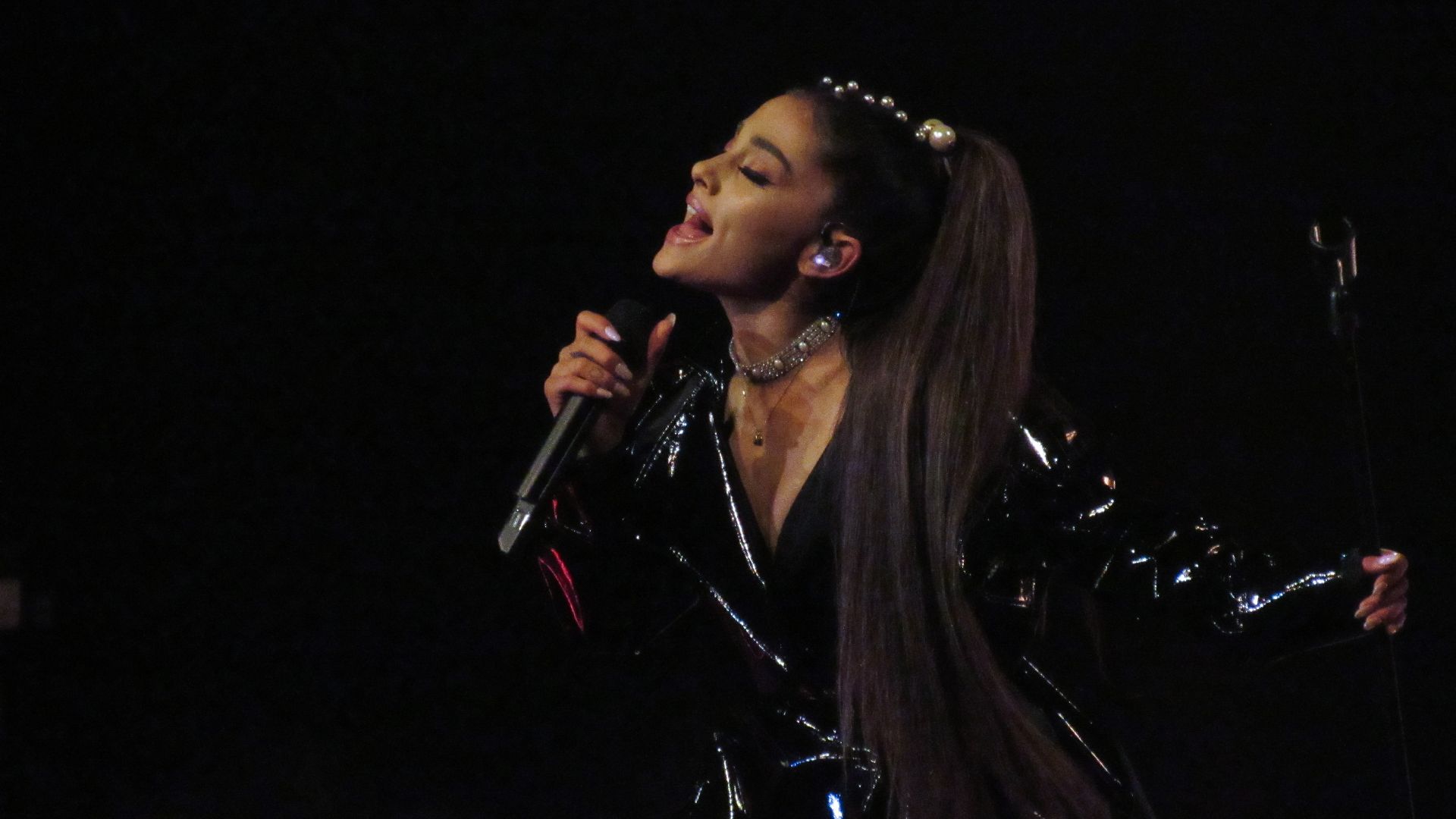
Ariana Grande entered the thank u, next era after an extraordinarily difficult period that included the loss of former boyfriend Mac Miller and the end of her engagement to Pete Davidson. Rather than make a conventional revenge album, she mixed grief, exhaustion, humor, independence, and romantic confusion. The title track became a cultural phenomenon, while the album debuted at Number 1 and produced some of the biggest hits of Grande's career.
Sam Smith - In The Lonely Hour
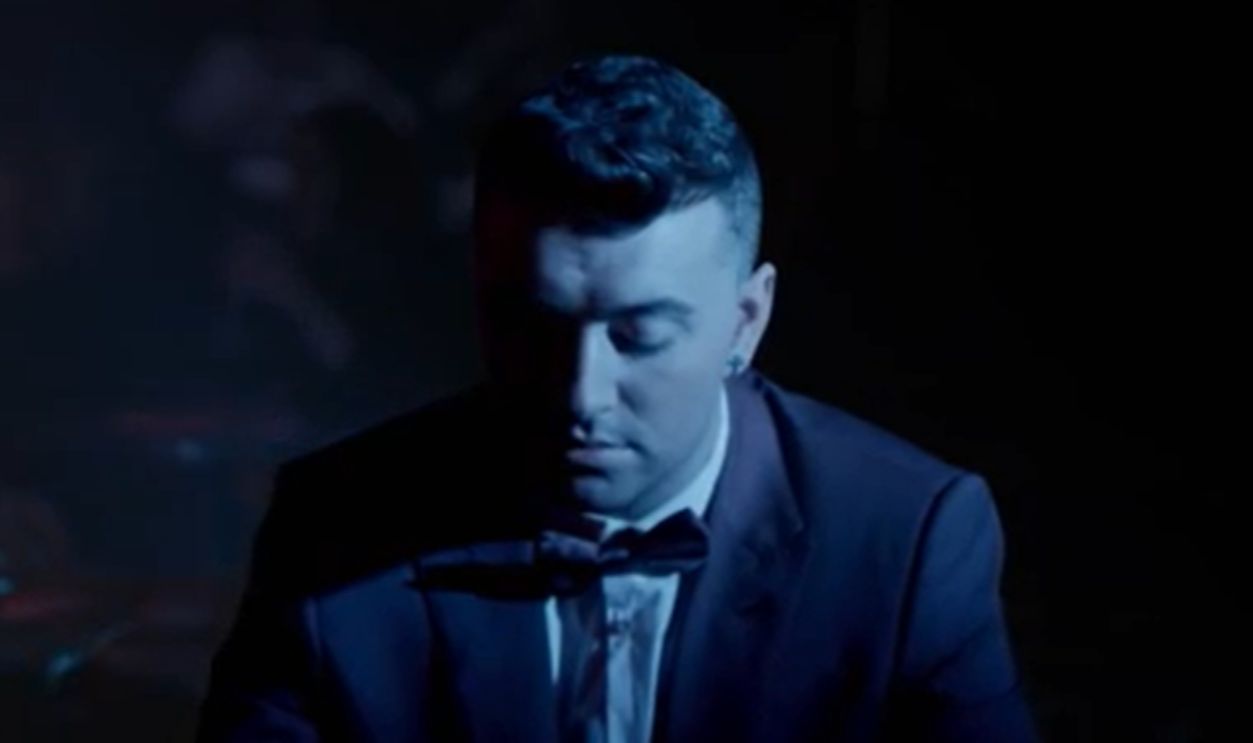
Sam Smith built an entire breakthrough album around loving someone who didn't love them back. That unrequited relationship fueled In the Lonely Hour, particularly songs such as “Stay With Me” and “I'm Not the Only One". Smith described the project as the diary of a lonely 21-year-old, and millions apparently recognized themselves in it. The album sold millions worldwide and helped Smith collect four Grammys in one night.
 Screenshot from In The Lonely Hour, Capitol (2014)
Robyn - Body Talk
Robyn found the perfect contradiction with “Dancing on My Own”: total heartbreak delivered over music that practically demands movement. The song follows someone watching the person they want with somebody else while refusing to leave the dance floor. It became the emotional centerpiece of the Body Talk era and gradually grew into one of modern pop's most beloved heartbreak anthems, influencing an entire generation of sad-but-euphoric dance music.

Blur - 13
Damon Albarn didn't have much interest in hiding what was happening on 13. His long relationship with Elastica singer Justine Frischmann had ended, and songs including “Tender” and “No Distance Left to Run” were unmistakably shaped by the breakup. Blur responded by abandoning much of Britpop's swagger for gospel, noise, electronics, and raw confession. The album reached Number 1 in Britain and remains one of the band's most emotionally exposed records.
 Lola's Big Adventure!, Wikimedia Commons
Kanye West - 808s & Heartbreak
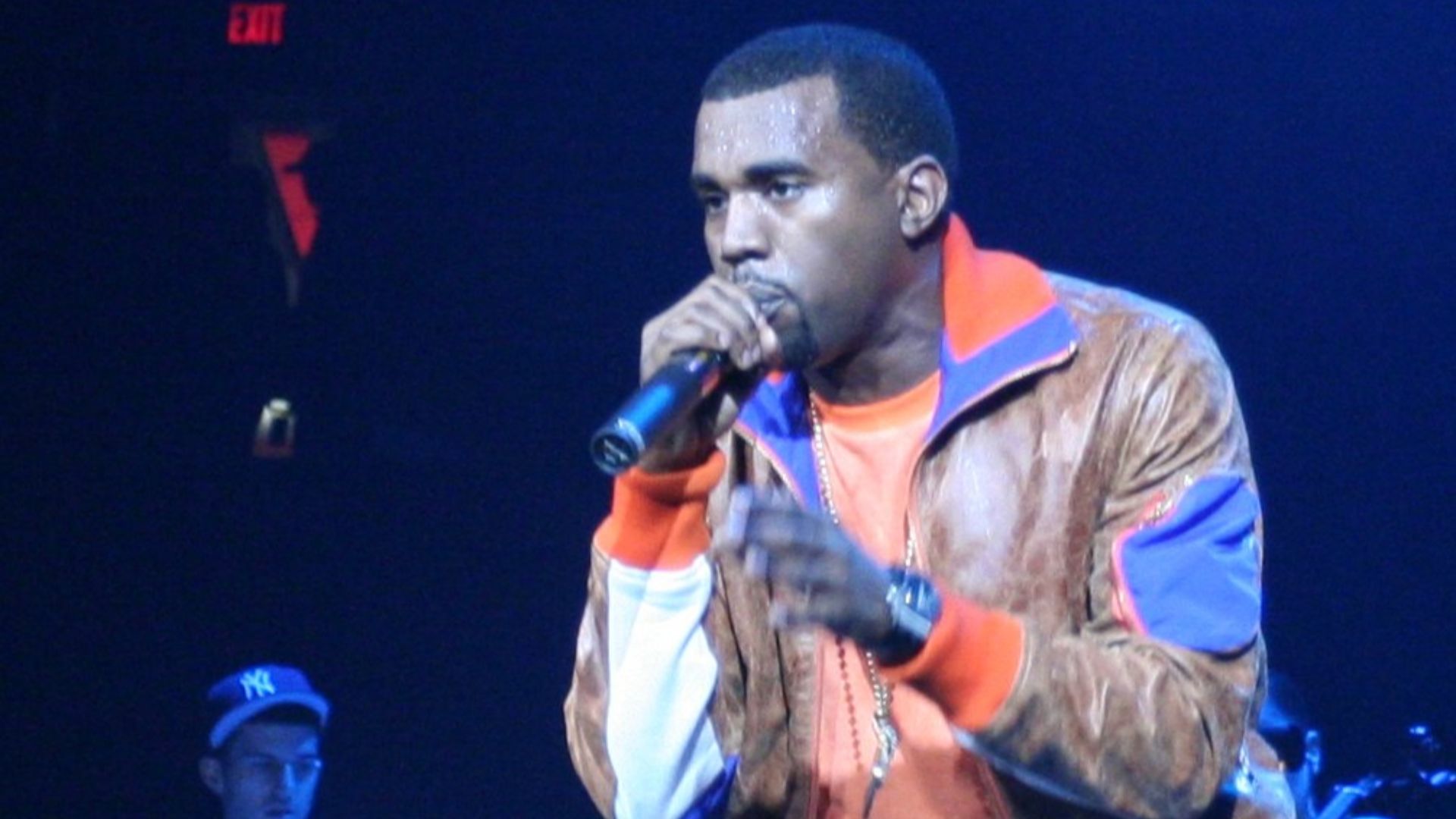
Kanye West made 808s & Heartbreak during a period marked by the loss of his mother and the end of his engagement. Rather than responding with the triumphant rap that had made him famous, he leaned into Auto-Tune, sparse electronic production, and unusually exposed lyrics. The album reached Number 1, but its larger impact came later as artists including Drake, Kid Cudi, and The Weeknd built on its emotionally vulnerable approach.
 Phil Romans, Wikimedia Commons
You May Also Like:
Albums That Were So Extraordinary, They Changed Music Forever
Critics Say These Rock Albums Don’t Have Any Weak Tracks—Do You Agree?