The Records That Redefined What Music Could Be
Some albums are massive hits. Others become critical darlings. Then there are the rare records that permanently change the direction of music itself. These are the albums that introduced new sounds, challenged old rules, launched entirely new genres, or inspired generations of artists to think differently. Decades later, their influence can still be heard almost everywhere.
 Atlantic Records, Wikimedia Commons
Miles Davis - Kind Of Blue (1959)
Jazz was already evolving rapidly when Miles Davis recorded Kind of Blue, but this album changed the conversation completely. By embracing modal jazz instead of complex chord changes, Davis gave musicians more freedom to explore melody and emotion. Featuring legends like John Coltrane, Cannonball Adderley, and Bill Evans, it became not only the best-selling jazz album ever but also one of the most influential recordings in any genre.

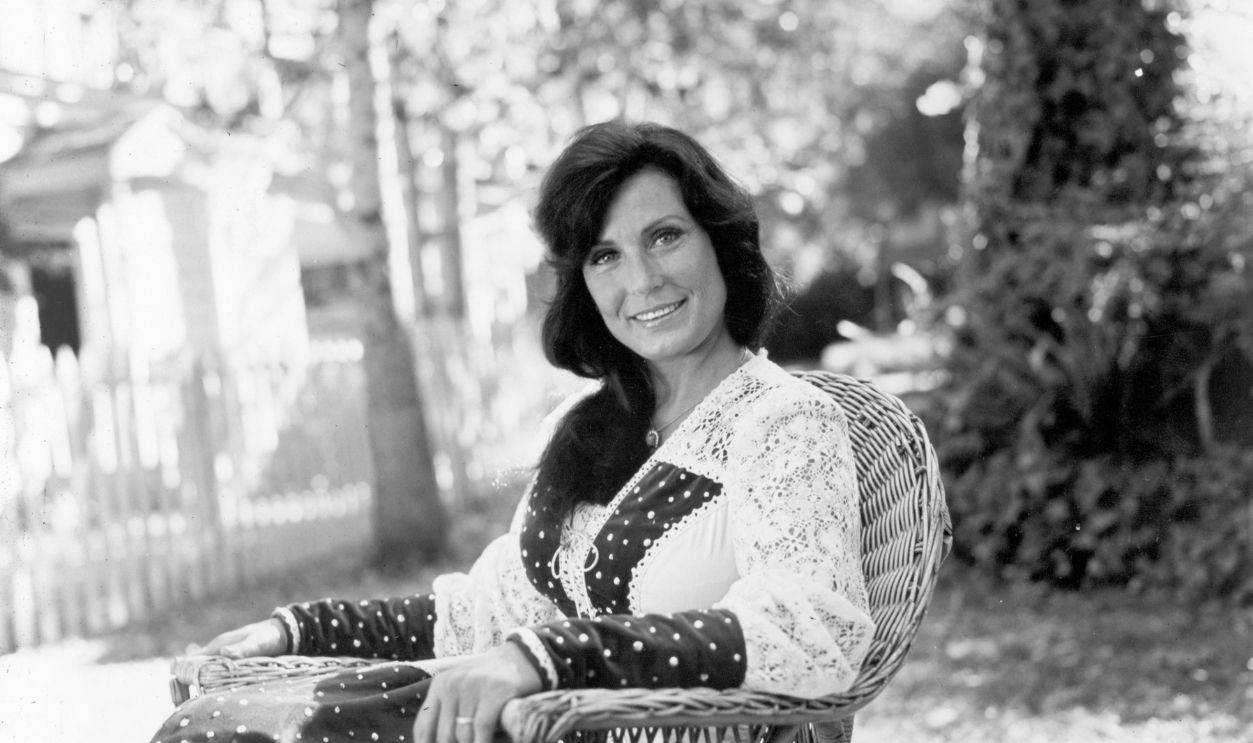
Loretta Lynn - Don't Come Home A Drinkin' (With Lovin' On Your Mind) (1967)
Loretta Lynn broke barriers with an album that refused to play by Nashville's traditional rules. Instead of singing only about heartbreak and romance, she tackled marriage, independence, and women's everyday frustrations with honesty and humor. Becoming the first country album by a female artist to reach No. 1 on the Billboard Country Albums chart, it opened doors for generations of women who wanted to write and sing about real life.
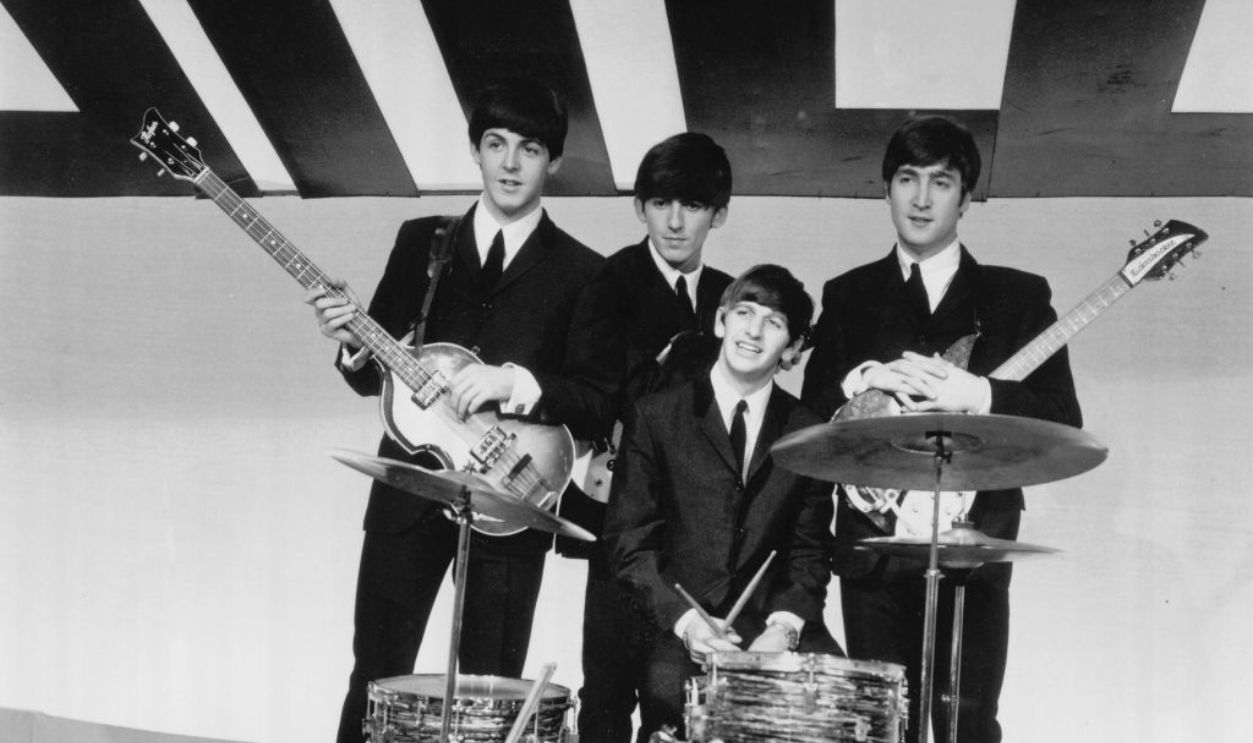
The Beatles - Sgt Pepper's Lonely Hearts Club Band (1967)
Few albums expanded people's idea of what a record could be like Sgt Pepper's. The Beatles treated the studio as an instrument, layering tape loops, orchestras, sound effects, and experimental recording techniques into a loose concept album. It encouraged musicians to think of albums as complete artistic statements rather than simply collections of singles, permanently changing popular music.
Marvin Gaye - What's Going On (1971)
Motown executives initially doubted Marvin Gaye's deeply personal, politically charged vision, but What's Going On proved them spectacularly wrong. The album addressed war, poverty, environmental destruction, and social injustice with remarkable warmth rather than anger. Its seamless flow and sophisticated production showed that soul music could tackle serious issues without sacrificing beauty or accessibility.
 Michael Ochs Archives, Getty Images
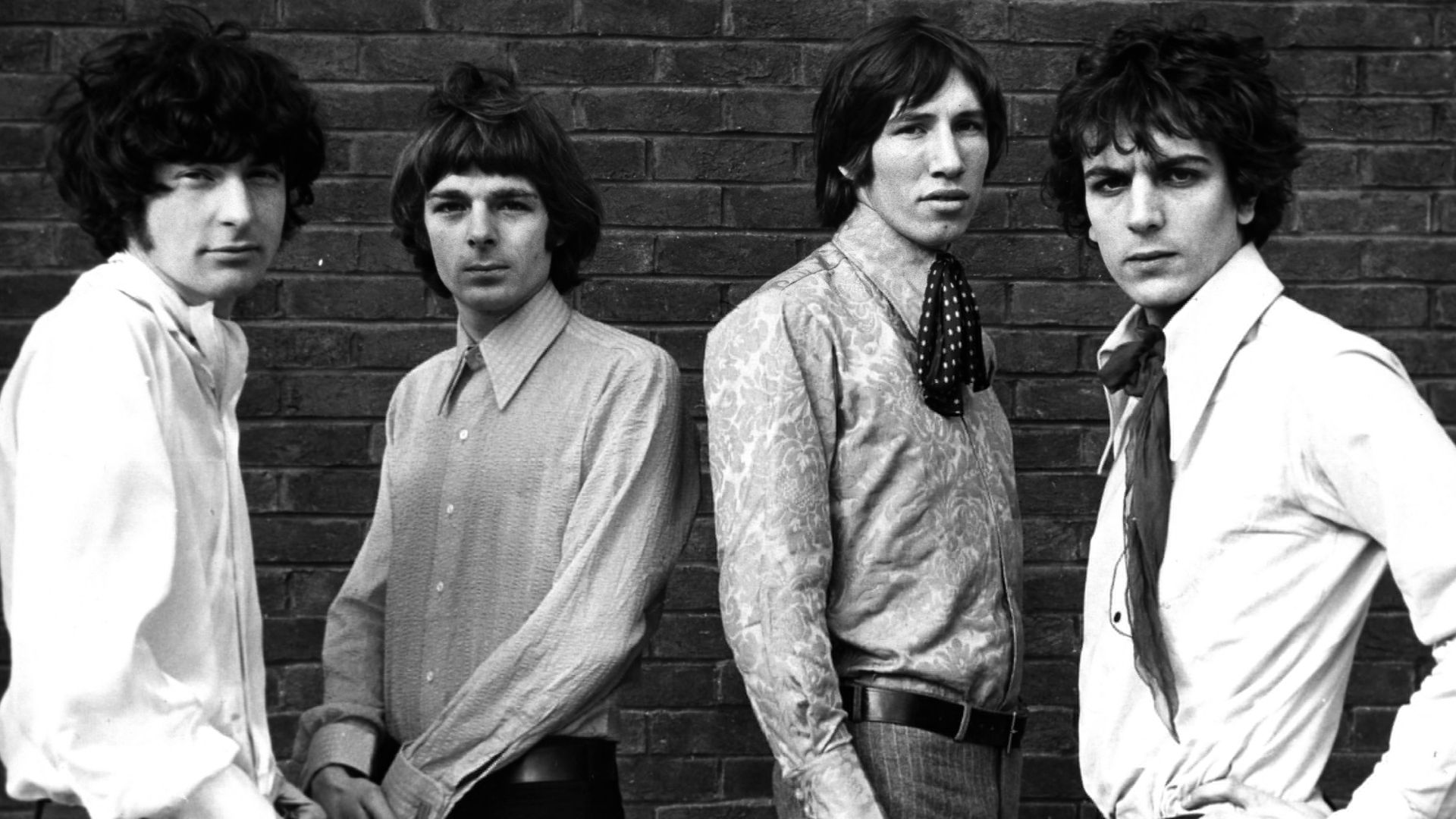
Pink Floyd - The Dark Side Of The Moon (1973)
Pink Floyd transformed philosophical questions into one of rock's most immersive listening experiences. Themes of time, greed, mortality, and mental health unfold through seamless transitions, studio innovation, and unforgettable songwriting. The album remained on the Billboard charts for an astonishing length of time and became the benchmark for concept albums, influencing progressive rock and modern production for decades.
Carole King - Tapestry (1971)
Before Tapestry, Carole King was already one of pop's greatest songwriters. With this album, she proved she was also one of its greatest performers. Songs like "It's Too Late," "I Feel the Earth Move," and "You've Got a Friend" blended intimate storytelling with effortless melodies. Its enormous success helped redefine the singer-songwriter movement of the 1970s.

Ramones - Ramones (1976)
The Ramones stripped rock back to its essentials. Short songs, loud guitars, catchy choruses, and almost no wasted motion made their debut feel like the complete opposite of bloated arena rock. Although sales were modest at first, the album inspired punk scenes around the world and became one of the most influential debuts in rock history.
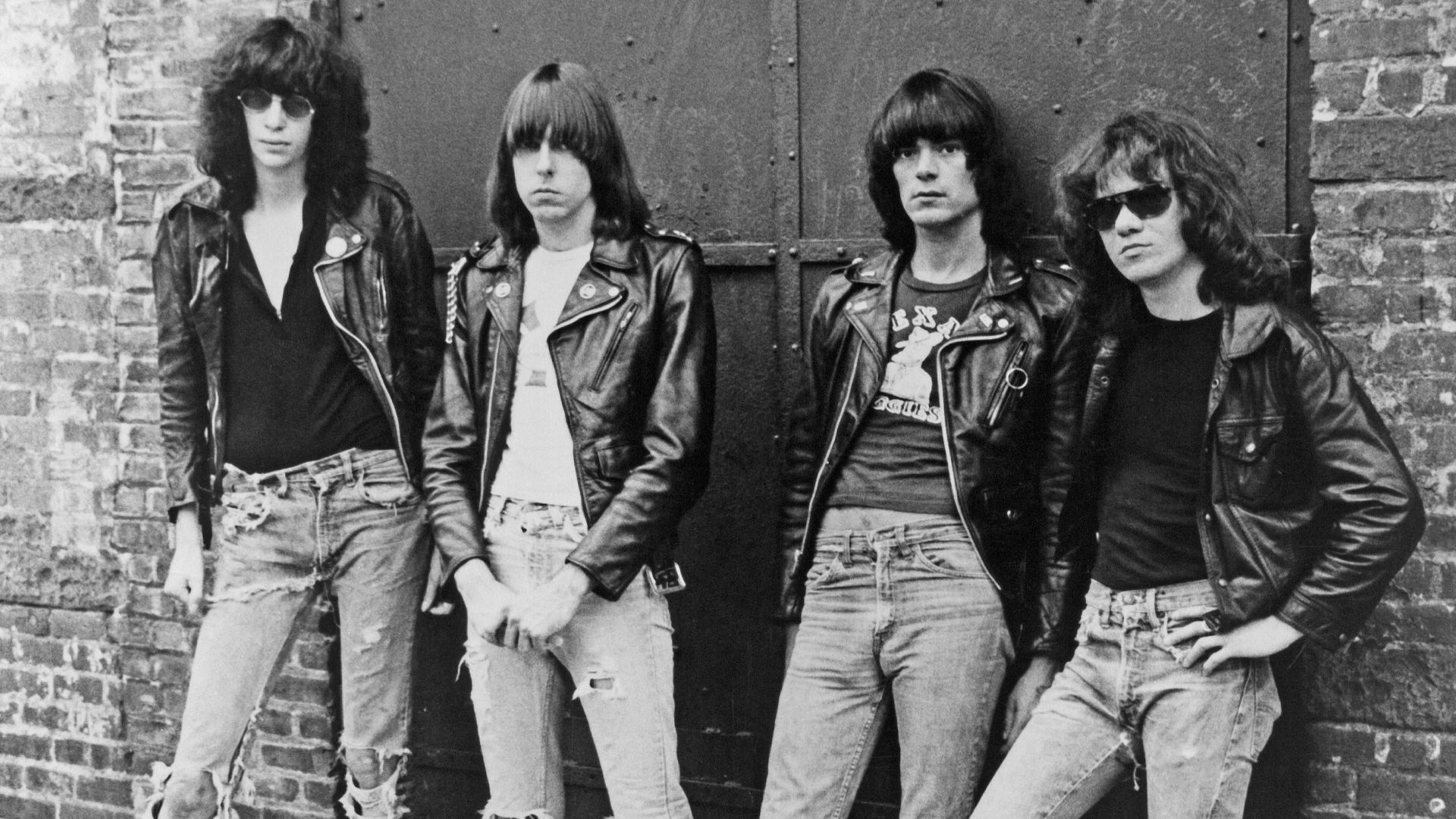 Danny Fields, Wikimedia Commons
Michael Jackson - Thriller (1982)
Thriller wasn't just a blockbuster album. It completely redefined global pop stardom. Michael Jackson blended pop, rock, R&B, funk, and dance music while pioneering the modern music video with unforgettable clips for "Thriller," "Beat It," and "Billie Jean." Its commercial success, groundbreaking production, and cultural impact continue to set the standard for pop music.
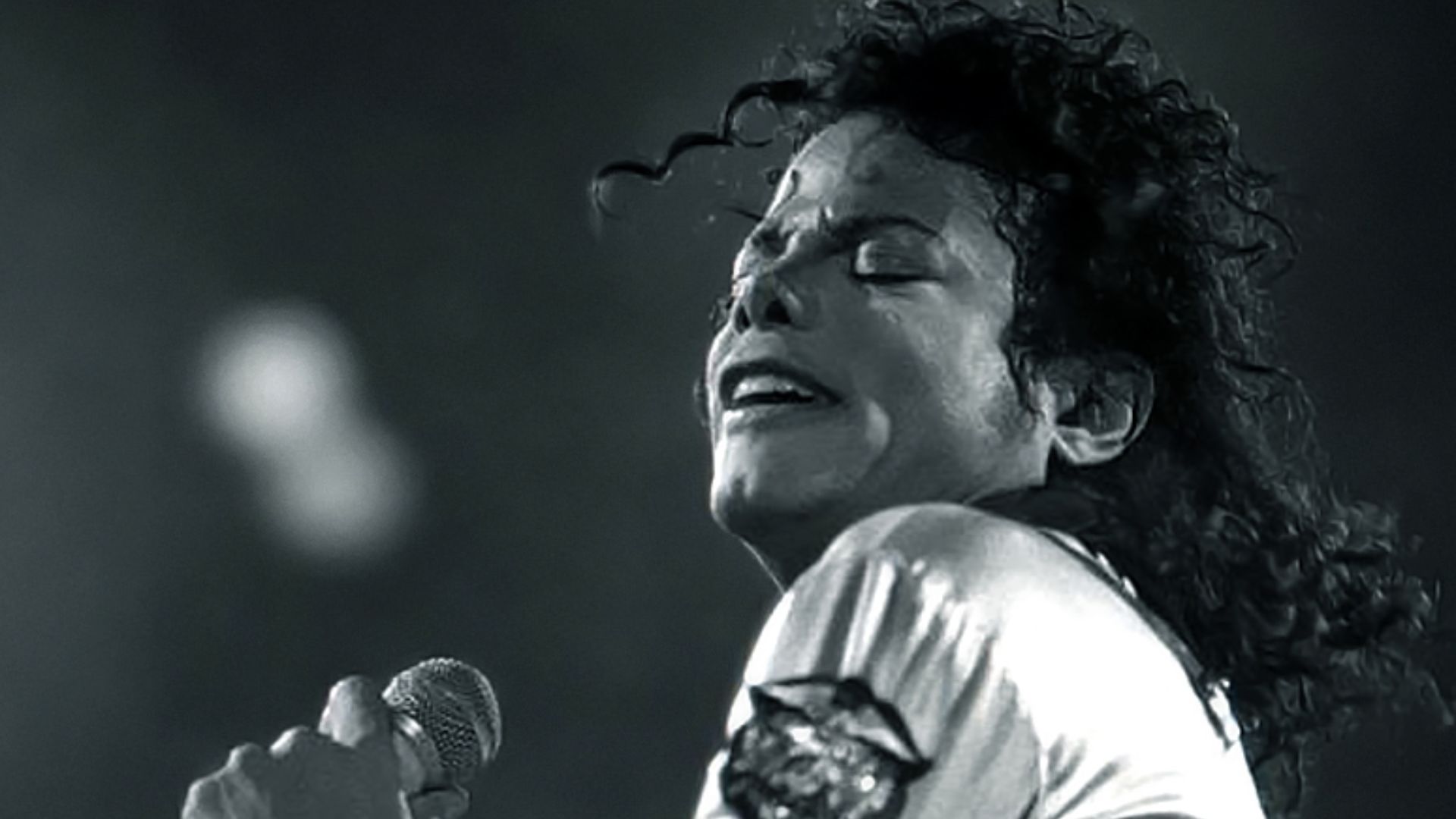 Zoran Veselinovic, Wikimedia Commons
Prince - Purple Rain (1984)
Prince blurred the lines between rock, pop, funk, R&B, soul, and psychedelia on Purple Rain. Backed by The Revolution, he created an album packed with huge singles while never sacrificing artistic ambition. The record elevated Prince from superstar to icon and demonstrated that genre boundaries existed mainly to be ignored.
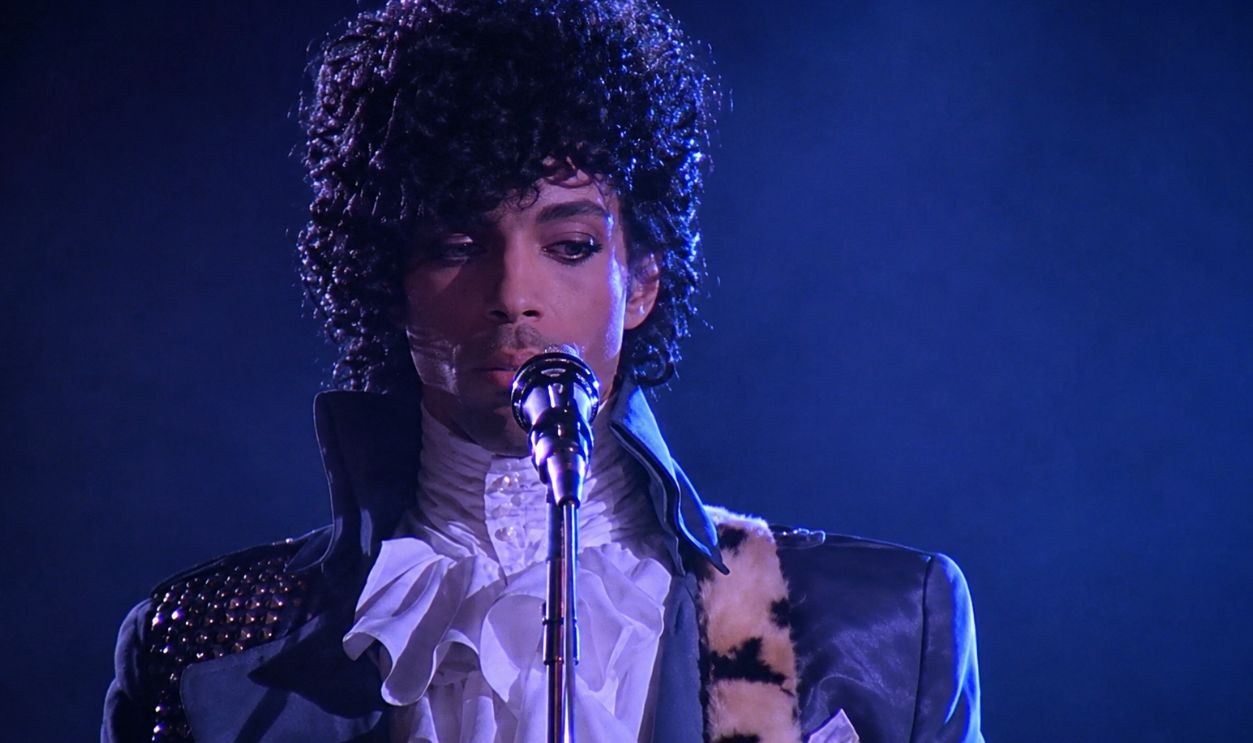 Screenshot from Purple Rain, Warner Bros. (1984), Modified
Public Enemy - It Takes A Nation Of Millions To Hold Us Back (1988)
Public Enemy transformed hip-hop into an urgent platform for political expression. The Bomb Squad's dense production, layered with samples, sirens, and chaotic rhythms, perfectly complemented Chuck D's commanding voice and socially conscious lyrics. The album expanded rap's possibilities and proved it could be every bit as powerful and confrontational as rock music.

Nirvana - Nevermind (1991)
Few albums have shifted popular culture as dramatically as Nevermind. Nirvana's blend of punk aggression and melodic songwriting pushed grunge into the mainstream almost overnight, knocking pop superstars from the top of the charts. Suddenly, alternative rock became the new mainstream, changing the sound and image of popular music throughout the 1990s.
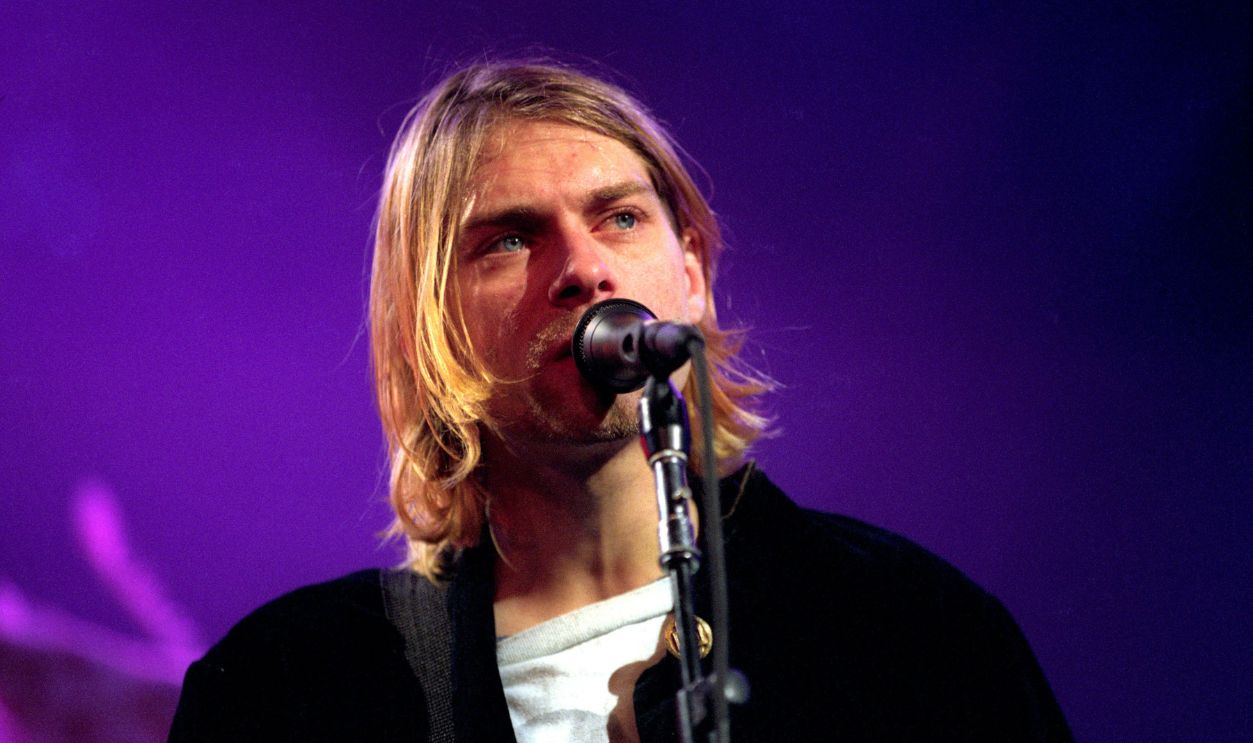
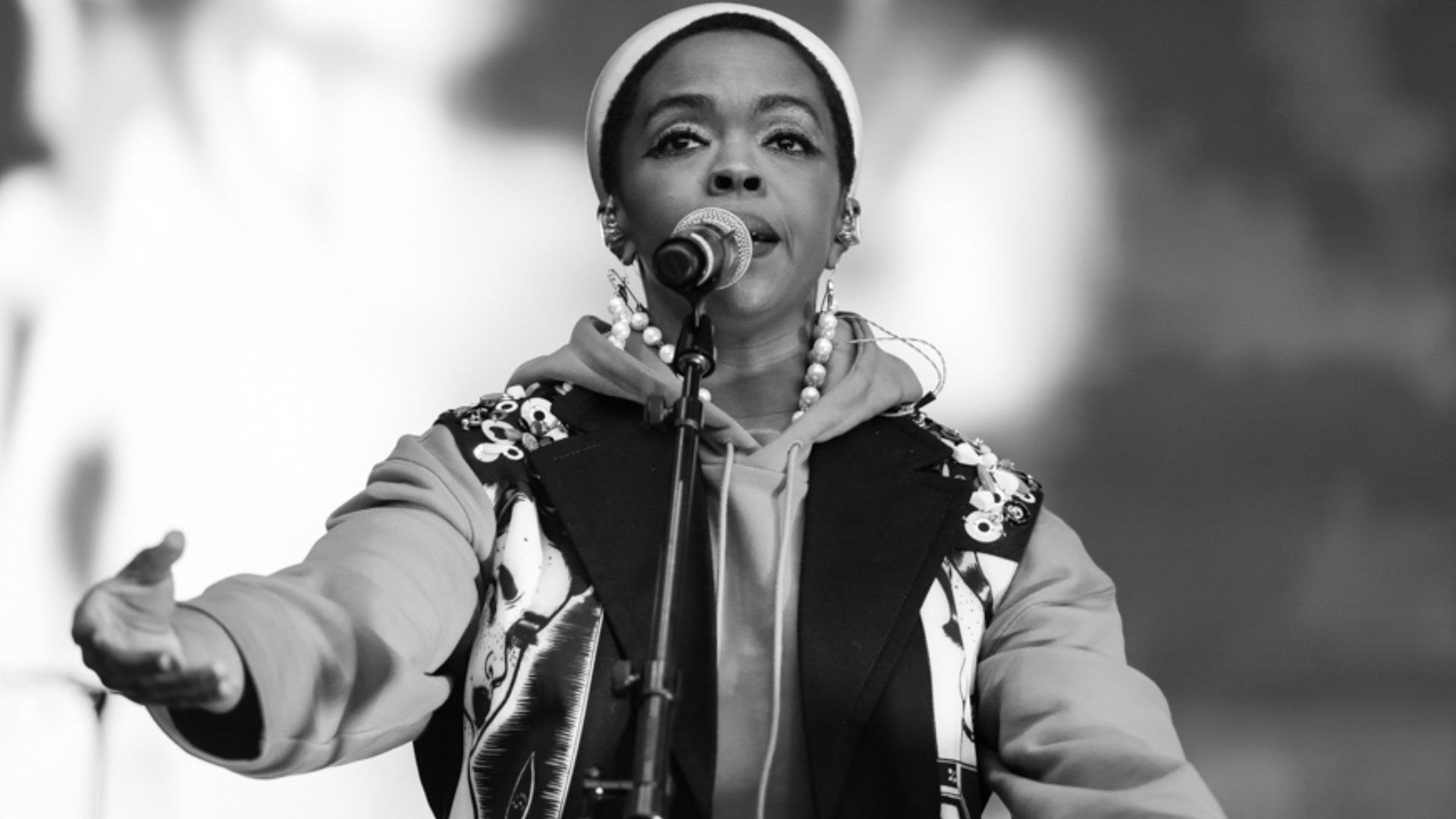
Lauryn Hill - The Miseducation Of Lauryn Hill (1998)
Lauryn Hill effortlessly blended hip-hop, soul, reggae, gospel, and R&B into one deeply personal masterpiece. The album explored motherhood, love, identity, and spirituality while delivering timeless songs like "Doo Wop (That Thing)." Its critical acclaim and commercial success proved that deeply personal storytelling could connect with an enormous audience.
Radiohead - Kid A (2000)
After the success of OK Computer, Radiohead could have easily repeated the formula. Instead, they took a sharp turn toward electronic music, ambient textures, jazz influences, and abstraction. Kid A initially confused many listeners but quickly became recognized as one of the boldest reinventions by a major rock band, inspiring countless artists to embrace creative risk.

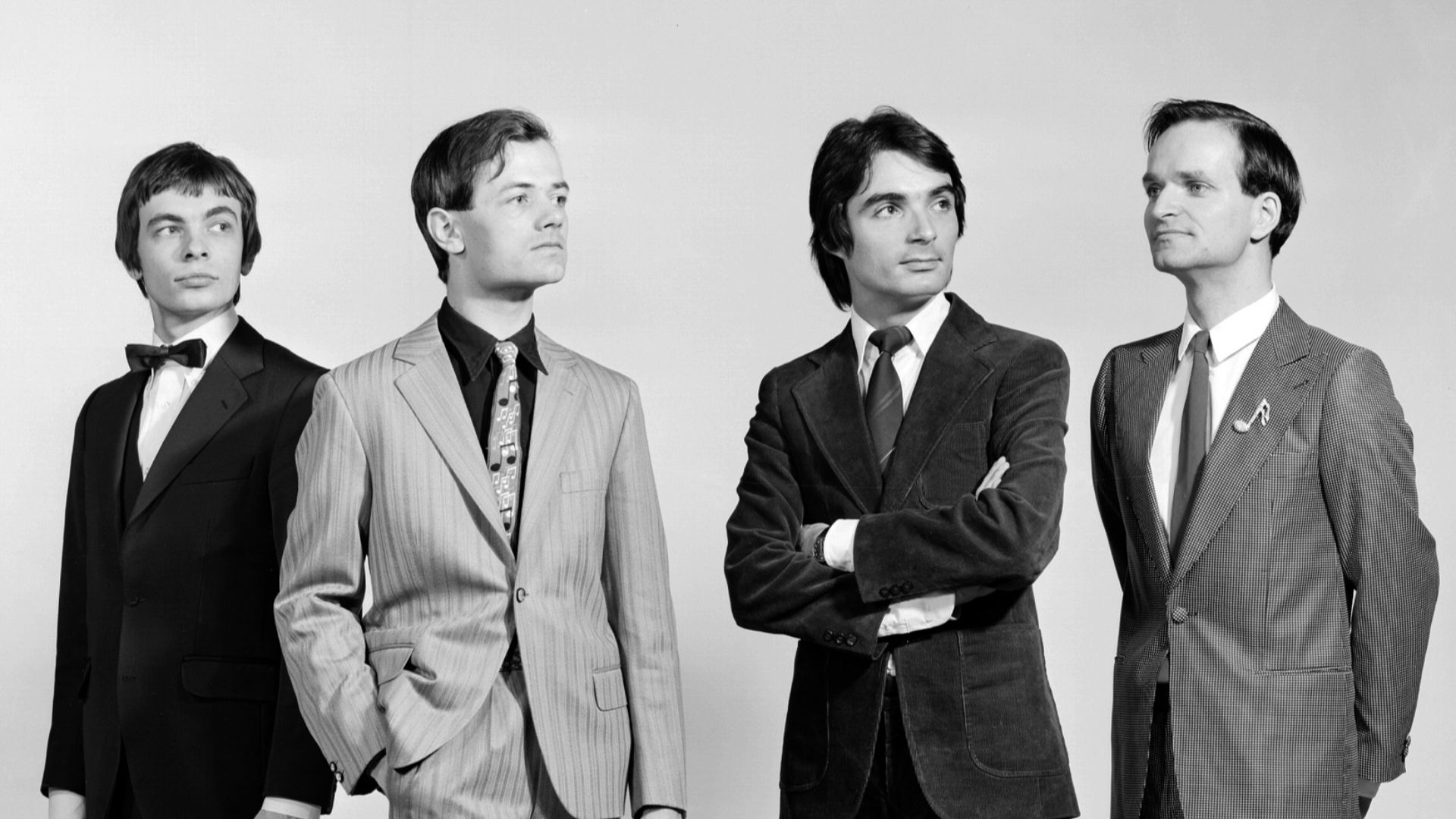
Kraftwerk - Trans-Europe Express (1977)
Kraftwerk imagined the future long before most listeners were ready for it. Trans-Europe Express replaced traditional rock instrumentation with sleek electronic rhythms and machine-like precision. The album became enormously influential on synth-pop, techno, house, electro, and hip-hop, with artists across multiple genres borrowing directly from its groundbreaking sound.
 Maurice Seymour Studio - New York, Wikimedia Commons
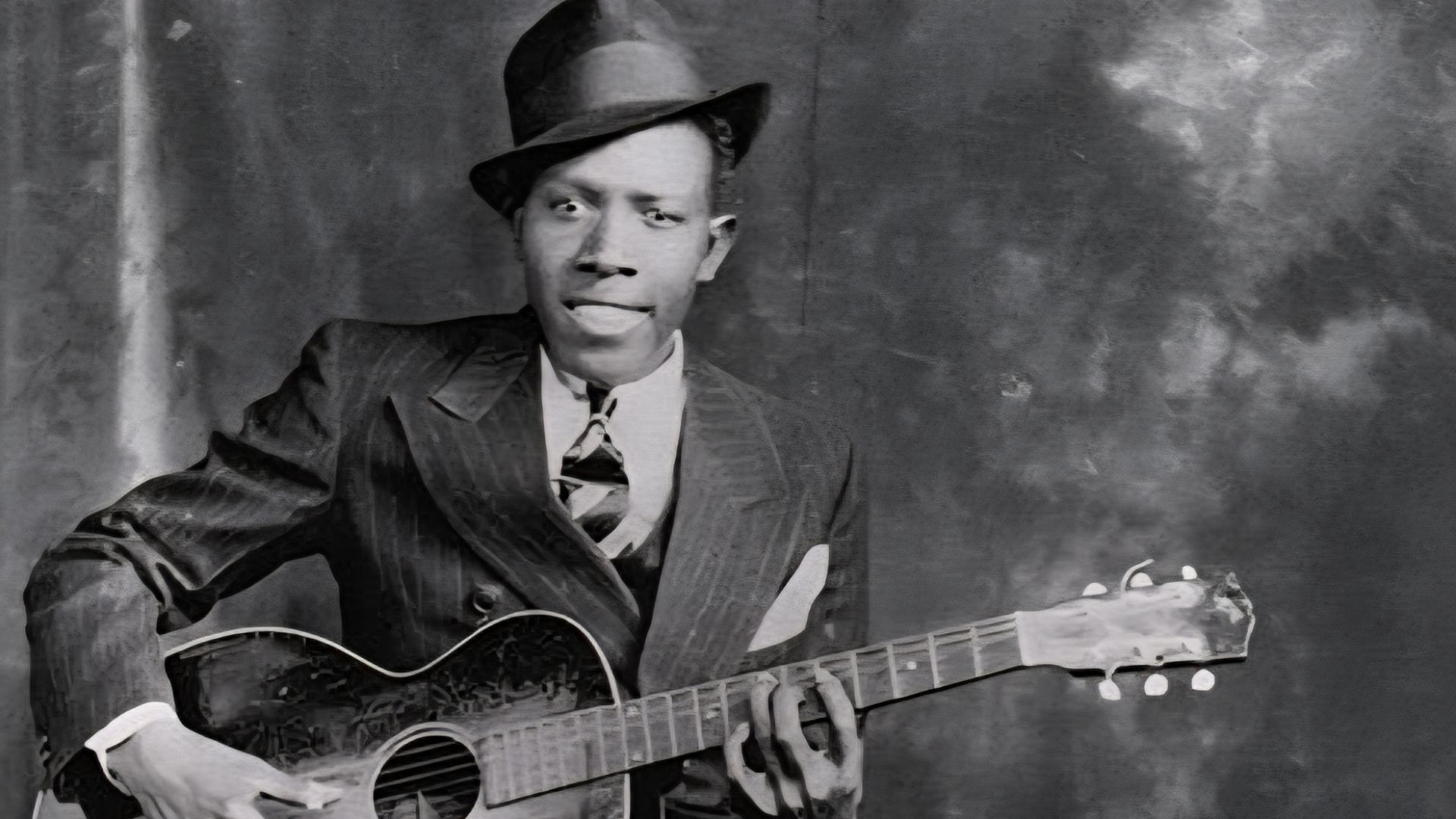
Robert Johnson - King Of The Delta Blues Singers (1961)
Although the recordings themselves dated back to the 1930s, this compilation introduced Robert Johnson's music to an entirely new generation. Eric Clapton, Keith Richards, Bob Dylan, and countless others discovered his haunting blues through this release. Its influence spread far beyond traditional blues, helping shape modern rock guitar and songwriting.
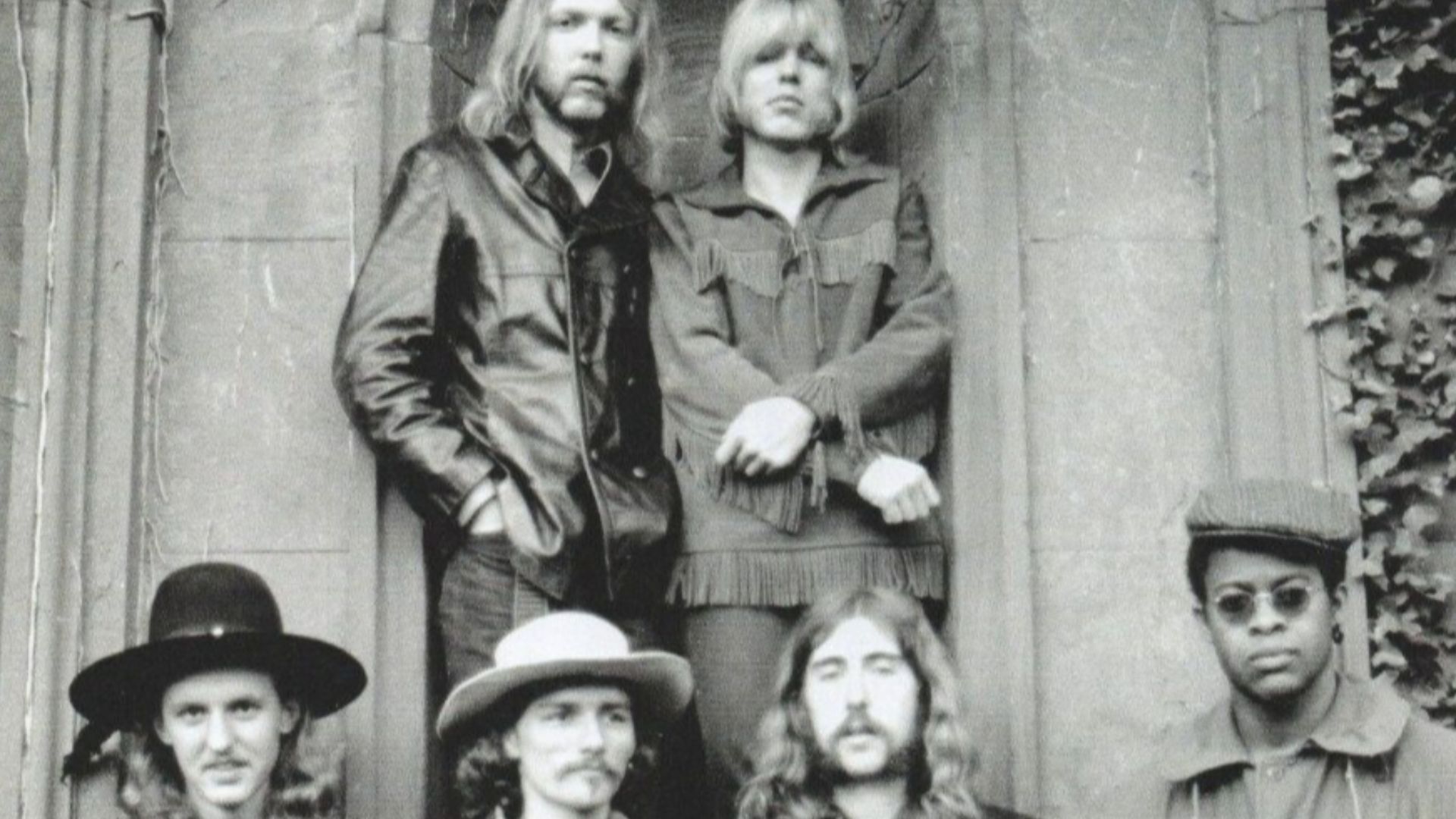
The Allman Brothers Band - Idlewild South (1970)
Idlewild South helped define Southern rock by blending blues, country, jazz, and improvisational jams into one powerful package. Duane Allman's slide guitar and the band's remarkable musicianship created a sound that was both loose and technically brilliant. The album laid the groundwork for countless Southern rock bands that followed.
 Unknown authorUnknown author, Wikimedia Commons
Patti Smith - Horses (1975)
Patti Smith opened Horses with one of rock's most unforgettable first lines and never looked back. Blending poetry, punk attitude, and fearless experimentation, she challenged ideas about what a rock frontwoman could be. The album became a cornerstone for punk, alternative rock, and generations of artists who valued authenticity over convention.
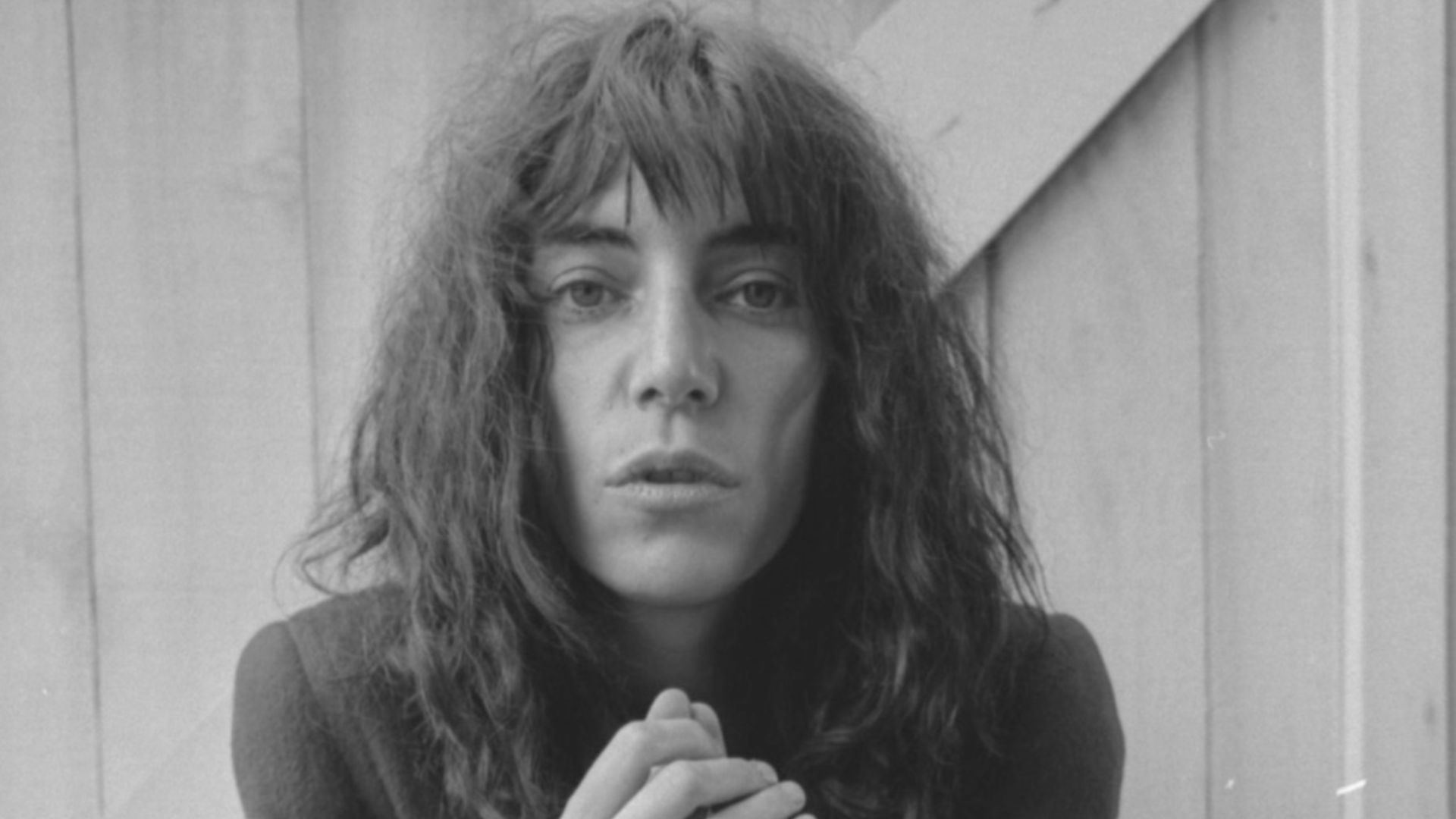 UCLA Library Special Collections, Wikimedia Commons
The Velvet Underground & Nico - The Velvet Underground & Nico (1967)
Commercially, the album barely made a ripple. Artistically, it changed everything. Lou Reed's songwriting, John Cale's avant-garde ideas, Nico's detached vocals, and Andy Warhol's involvement created a record unlike anything released in 1967. Punk, indie rock, alternative music, and experimental rock all owe part of their existence to this remarkable debut.
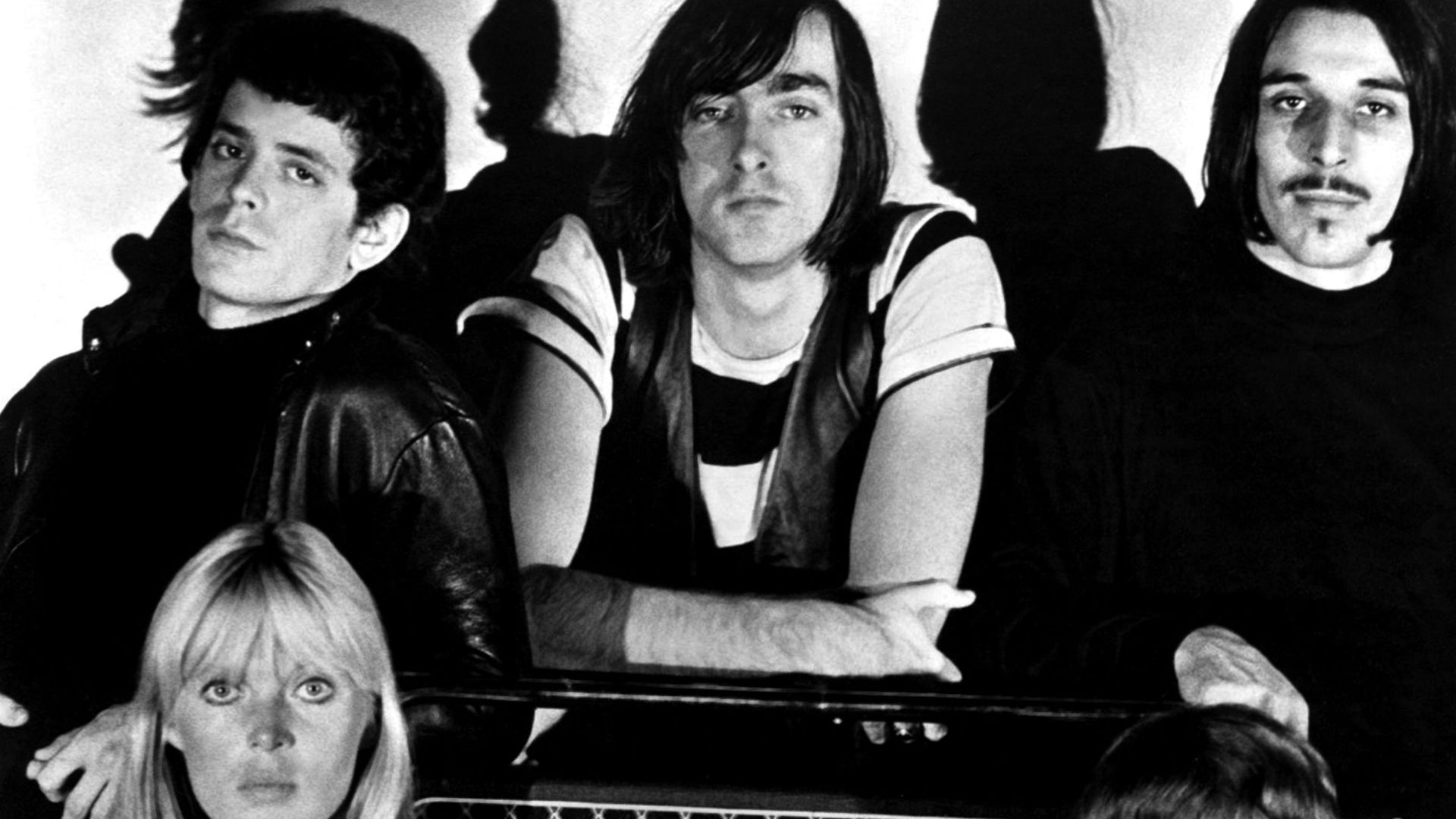
Bob Dylan - Bringing It All Back Home (1965)
Bob Dylan shocked parts of the folk world by plugging in an electric guitar, but the gamble permanently expanded rock music's lyrical possibilities. Bringing It All Back Home mixed poetic storytelling with amplified instrumentation, helping inspire the folk-rock movement while proving that popular songs could be intellectually ambitious without losing their emotional power.
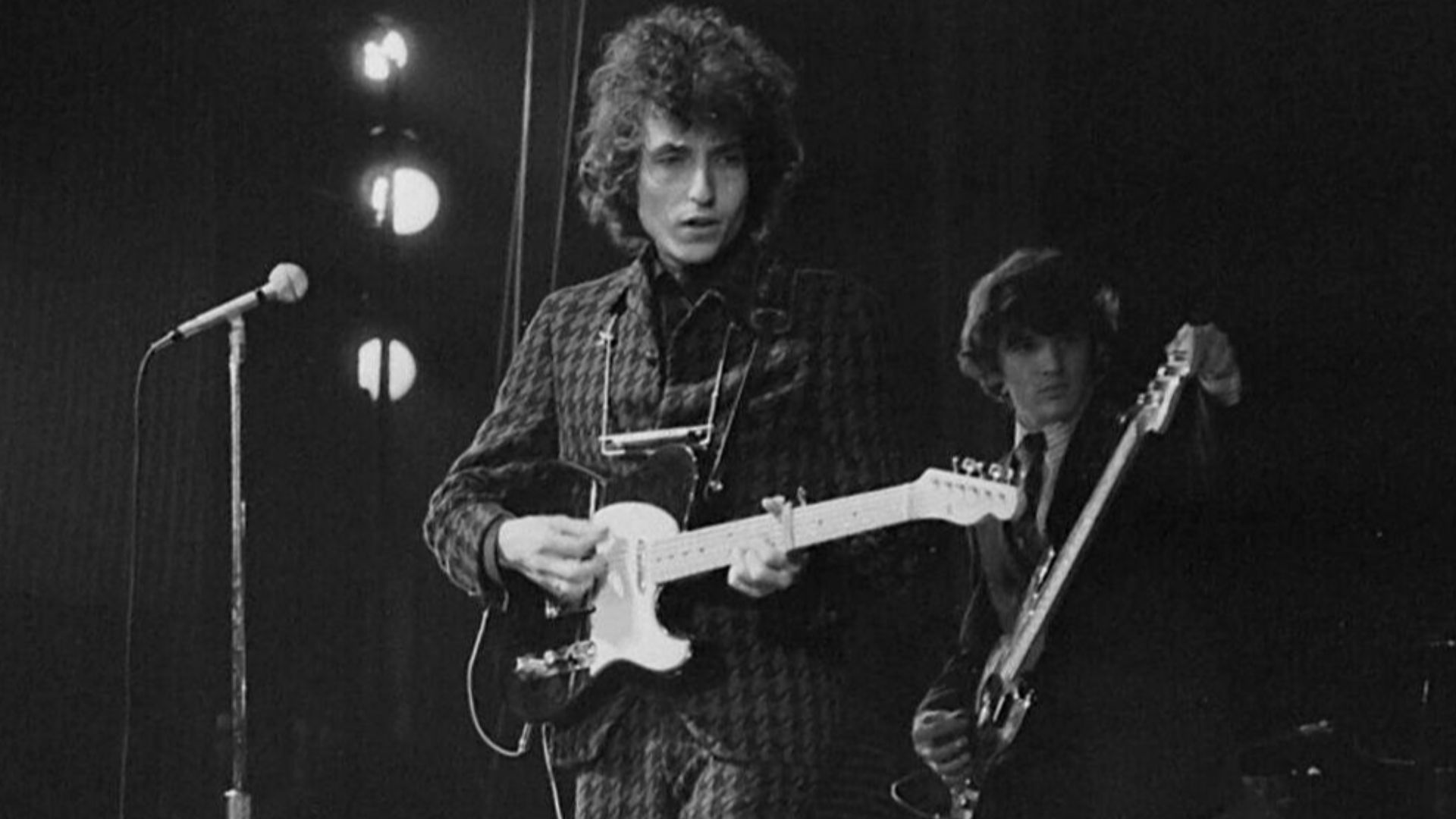 Pic, Roger (1920-2001). Photographe, Wikimedia Commons
Elvis Presley - Elvis Presley (1956)
Rock and roll had existed before Elvis, but his debut album helped introduce it to millions of listeners. Mixing country, rhythm and blues, gospel, and rockabilly, Presley delivered performances bursting with charisma and youthful energy. The album accelerated rock's rise into the mainstream and helped define what a rock star looked and sounded like.
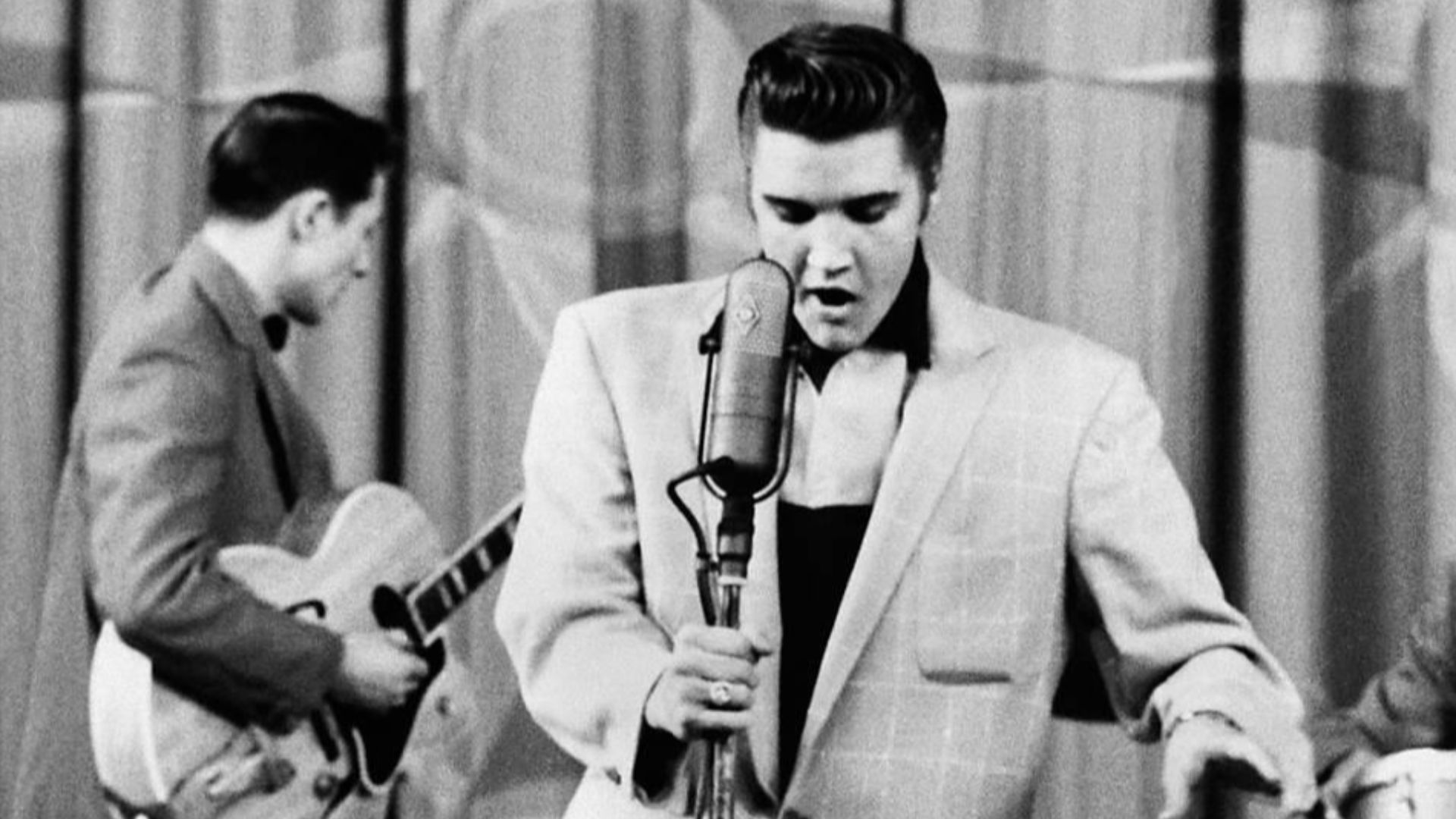 Unknown authorUnknown author, Wikimedia Commons
David Bowie - The Rise And Fall Of Ziggy Stardust And The Spiders From Mars (1972)
Bowie transformed himself into Ziggy Stardust, creating one of rock's greatest fictional characters. The album combined glam rock, theatrical storytelling, and unforgettable songwriting into a complete artistic vision. It influenced everyone from punk bands to alternative artists while encouraging musicians to treat identity itself as another creative tool.
![500px provided description: David Bowie [#show ,#rock ,#concert ,#music ,#live ,#guitar ,#performance ,#stage ,#gig ,#band ,#musician ,#singer ,#live music ,#bowie ,#David Bowie ,#Roger Woolman]](https://www.factinate.com/storage/app/media/theshot/2026/8/10/untitled-design-14.jpg) Roger Woolman, Wikimedia Commons
Roger Woolman, Wikimedia Commons
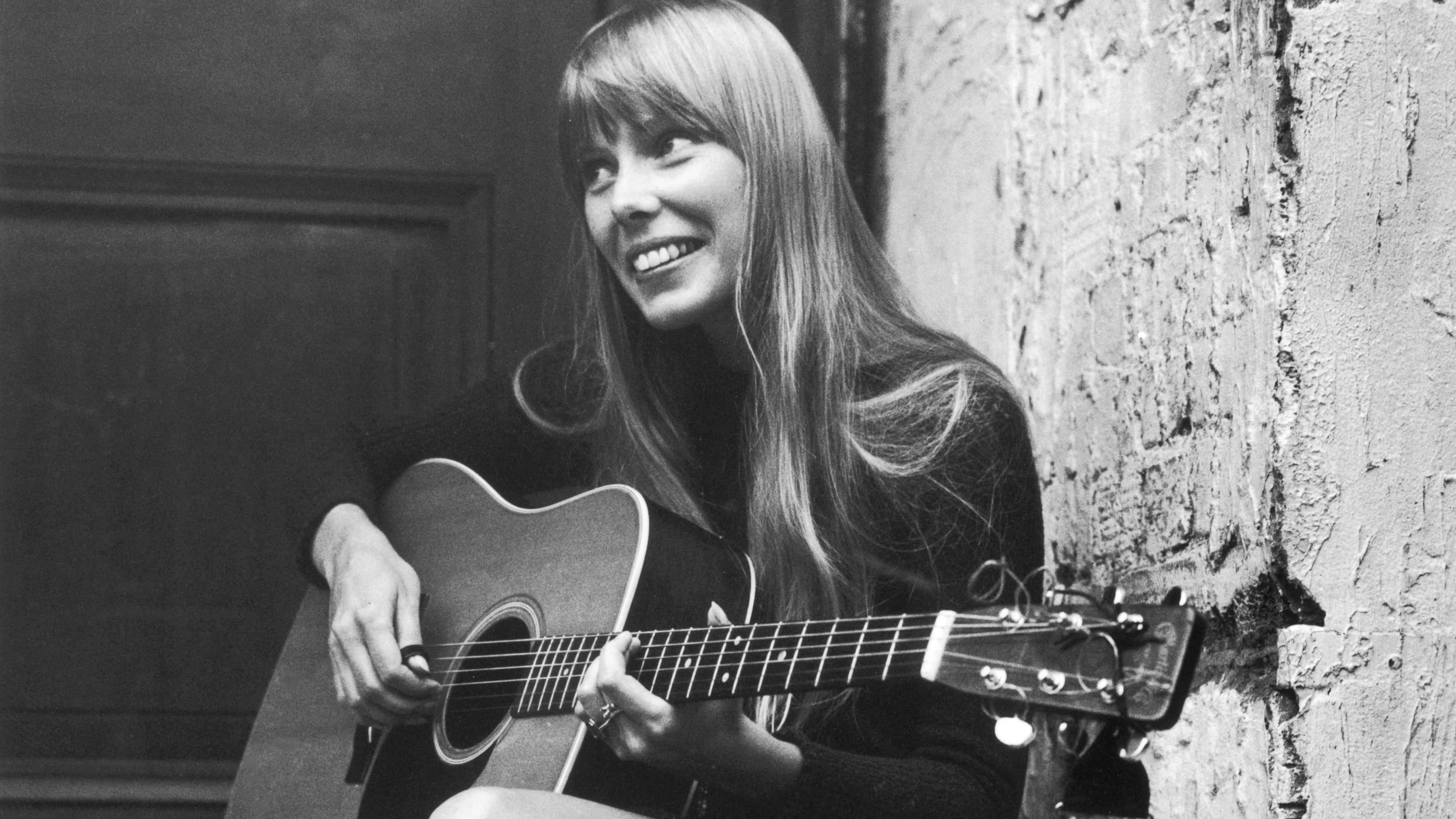
Joni Mitchell - Blue (1971)
Few albums have matched the emotional honesty of Blue. Joni Mitchell stripped away artifice to write openly about love, loss, travel, and self-discovery. Her intimate songwriting changed expectations for singer-songwriters, proving that vulnerability could be every bit as compelling as spectacle. Its influence continues to resonate through generations of confessional artists.
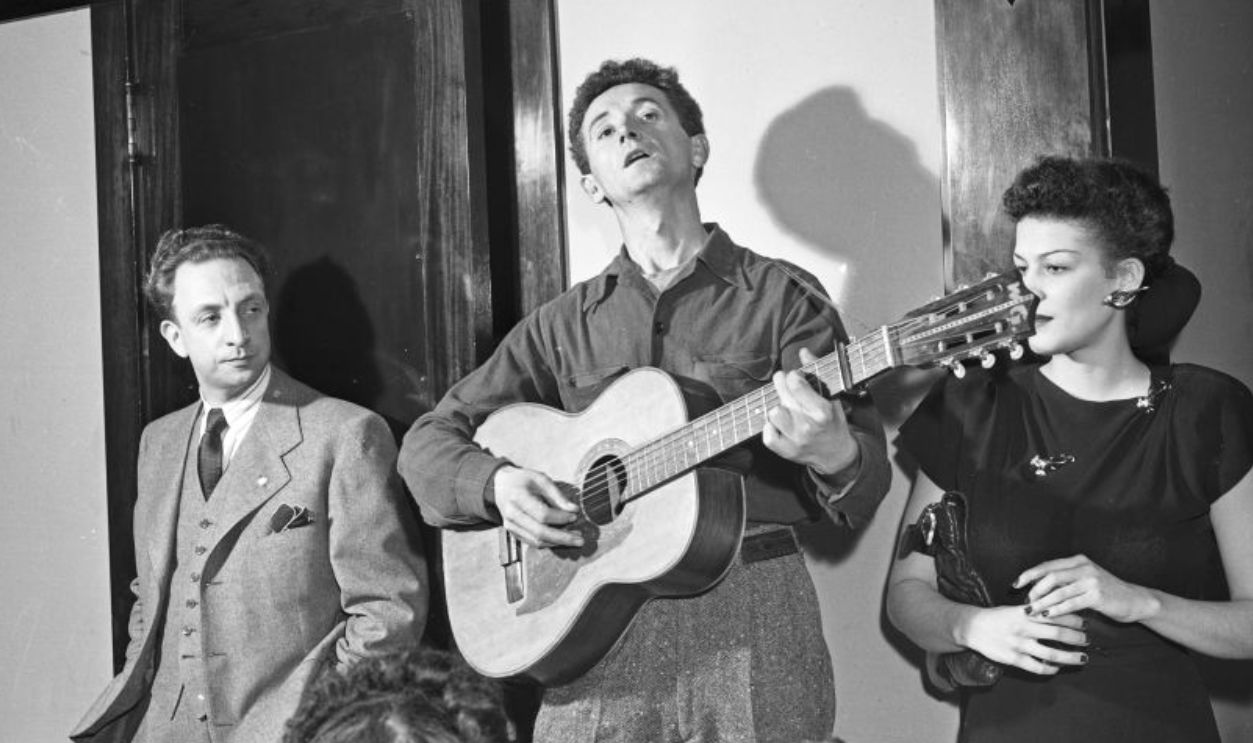
Woody Guthrie - Dust Bowl Ballads (1940)
Woody Guthrie documented one of America's darkest periods through songs that gave ordinary working people a voice. Dust Bowl Ballads blended history, politics, and folk storytelling in ways that inspired everyone from Bob Dylan to Bruce Springsteen. It helped establish folk music as a vehicle for social commentary and cultural preservation.
 Chicago History Museum, Getty Images
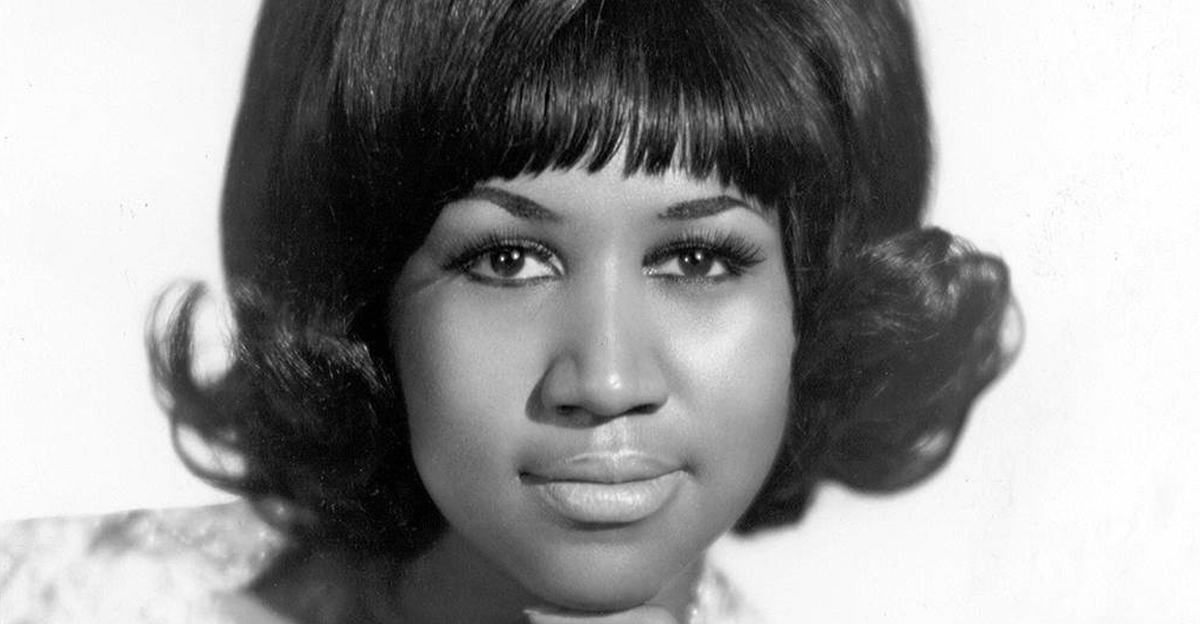
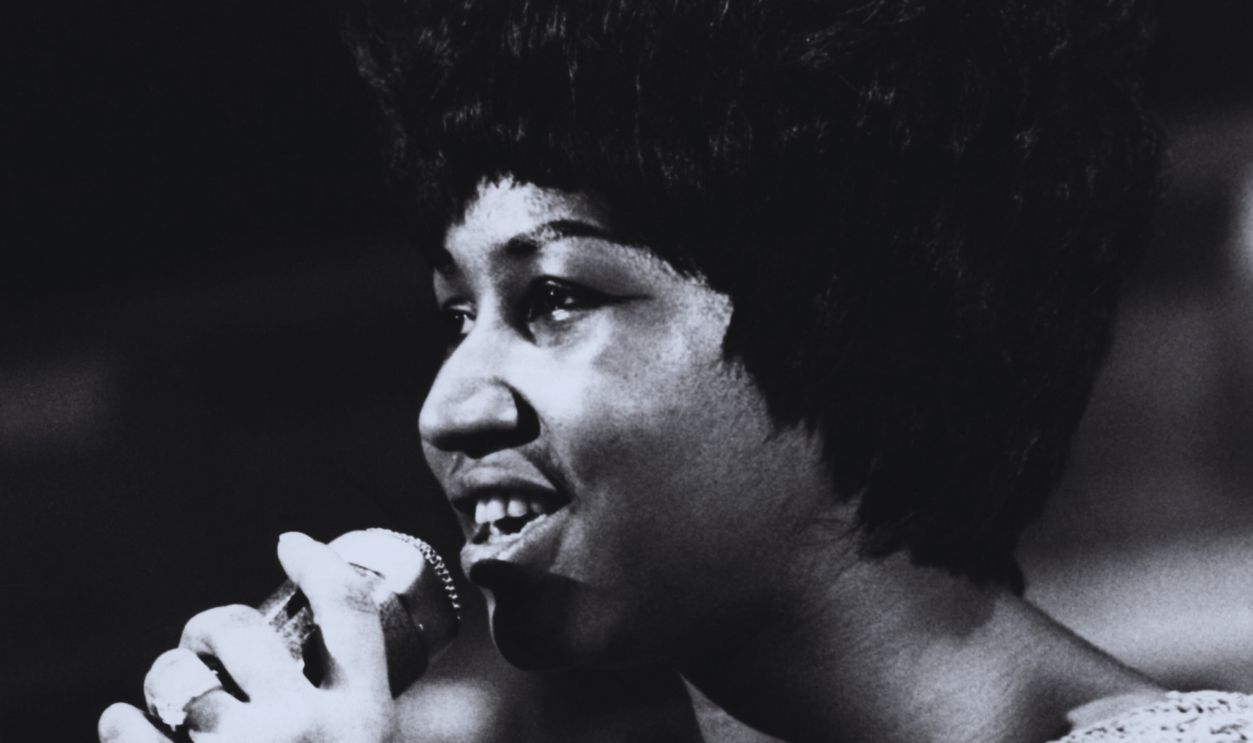
Aretha Franklin - I Never Loved A Man The Way I Love You (1967)
This album announced Aretha Franklin as the undisputed Queen of Soul. Anchored by "Respect," it combined gospel intensity, Southern soul, and extraordinary vocal performances. Beyond its commercial success, the record became a defining statement of empowerment and helped establish Franklin as one of the greatest singers popular music has ever known.
 Charlie Gillett Collection, Getty Images
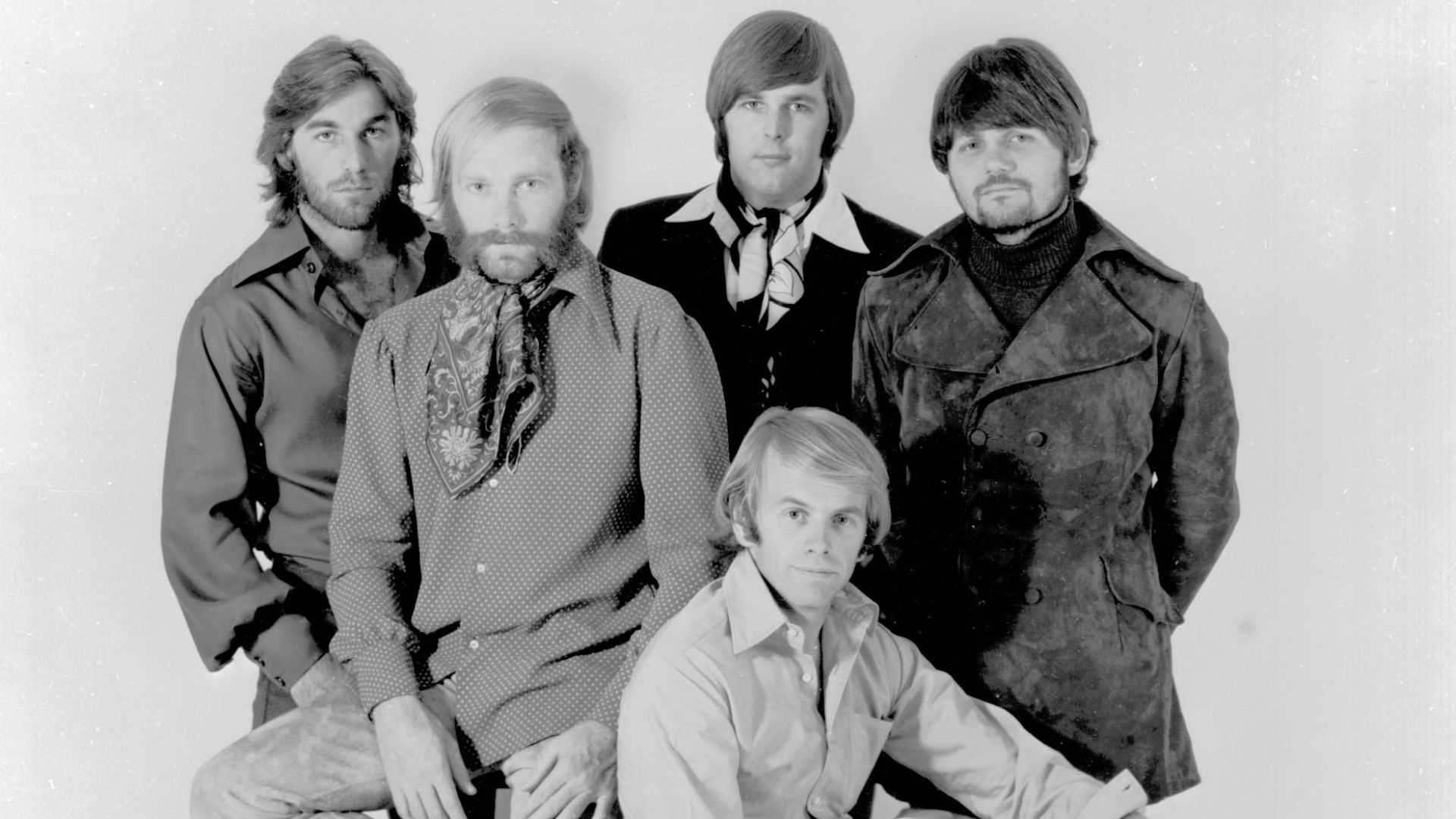
The Beach Boys - Pet Sounds (1966)
Brian Wilson's masterpiece reimagined what pop music could accomplish in the studio. Rich harmonies, unusual instruments, and emotionally sophisticated songwriting made Pet Sounds unlike anything audiences had heard. The Beatles famously cited it as a major influence on Sgt. Pepper's, demonstrating just how quickly its innovations spread.
 Capitol records, Wikimedia Commons
King Crimson - In The Court Of The Crimson King (1969)
Progressive rock found its defining voice almost immediately with King Crimson's debut. The album fused classical music, jazz, heavy guitar, and ambitious compositions into something startlingly original. From "21st Century Schizoid Man" to the majestic title track, it became the blueprint for countless progressive rock bands that followed.
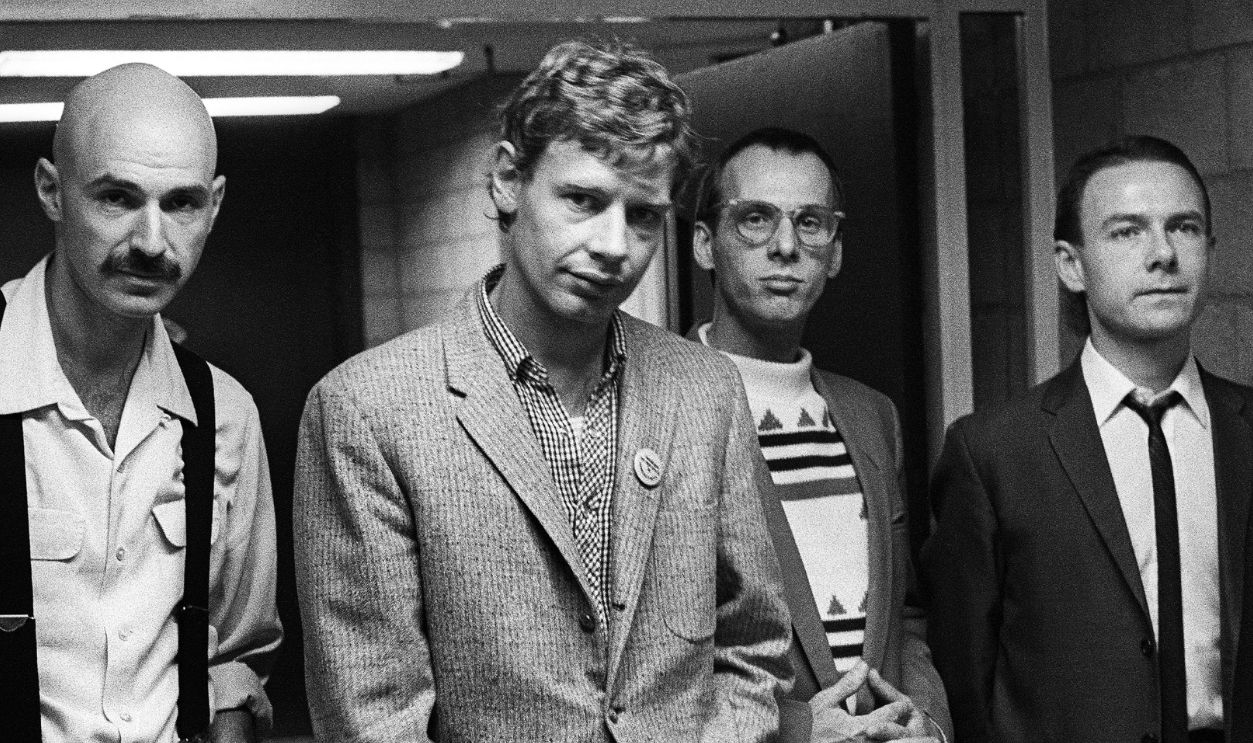
Beyoncé - Lemonade (2016)
Lemonade proved that blockbuster pop albums could still be daring artistic statements. Beyoncé blended R&B, rock, country, blues, gospel, hip-hop, and visual storytelling into a deeply personal exploration of betrayal, healing, race, and identity. Released alongside a groundbreaking visual film, it redefined how major artists approached the album format in the streaming era.
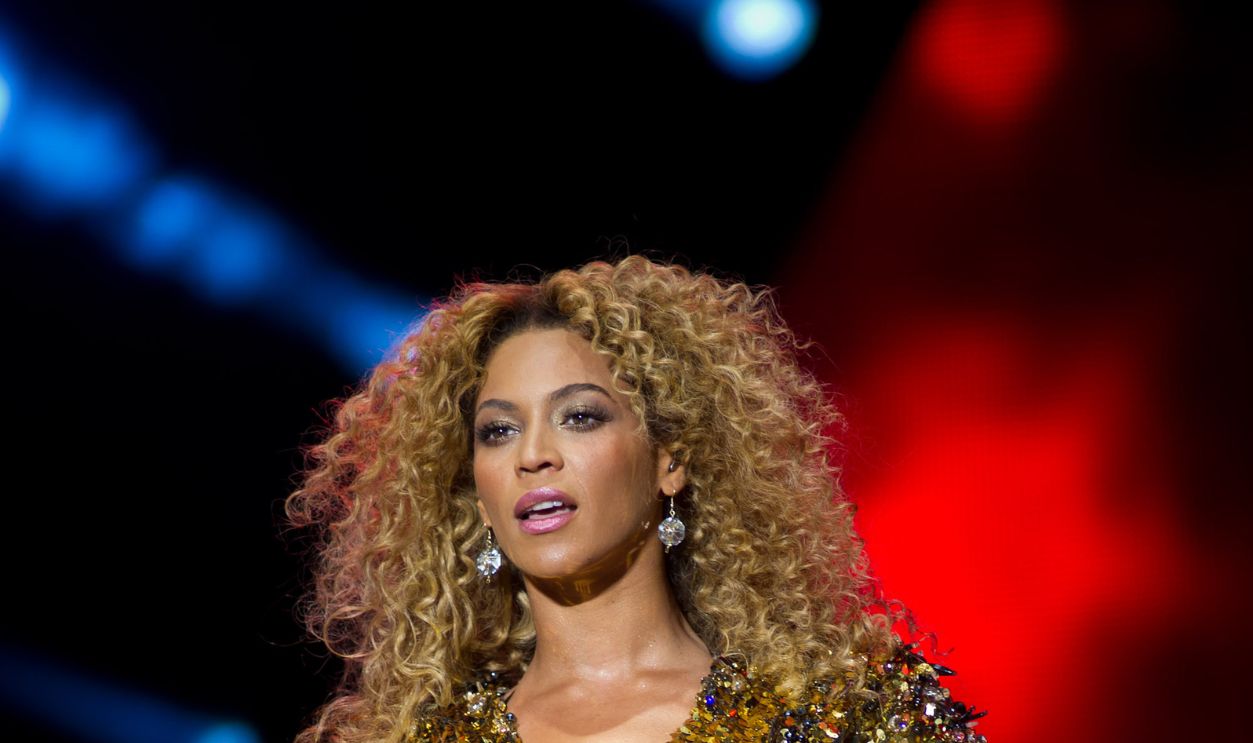
Isaac Hayes - Hot Buttered Soul (1969)
Isaac Hayes stretched soul music into bold new territory with long-form arrangements, orchestral production, and deeply expressive performances. Songs often ran well beyond the standard radio format, allowing Hayes to fully explore mood and emotion. The album's influence can be heard across soul, funk, R&B, and hip-hop production.
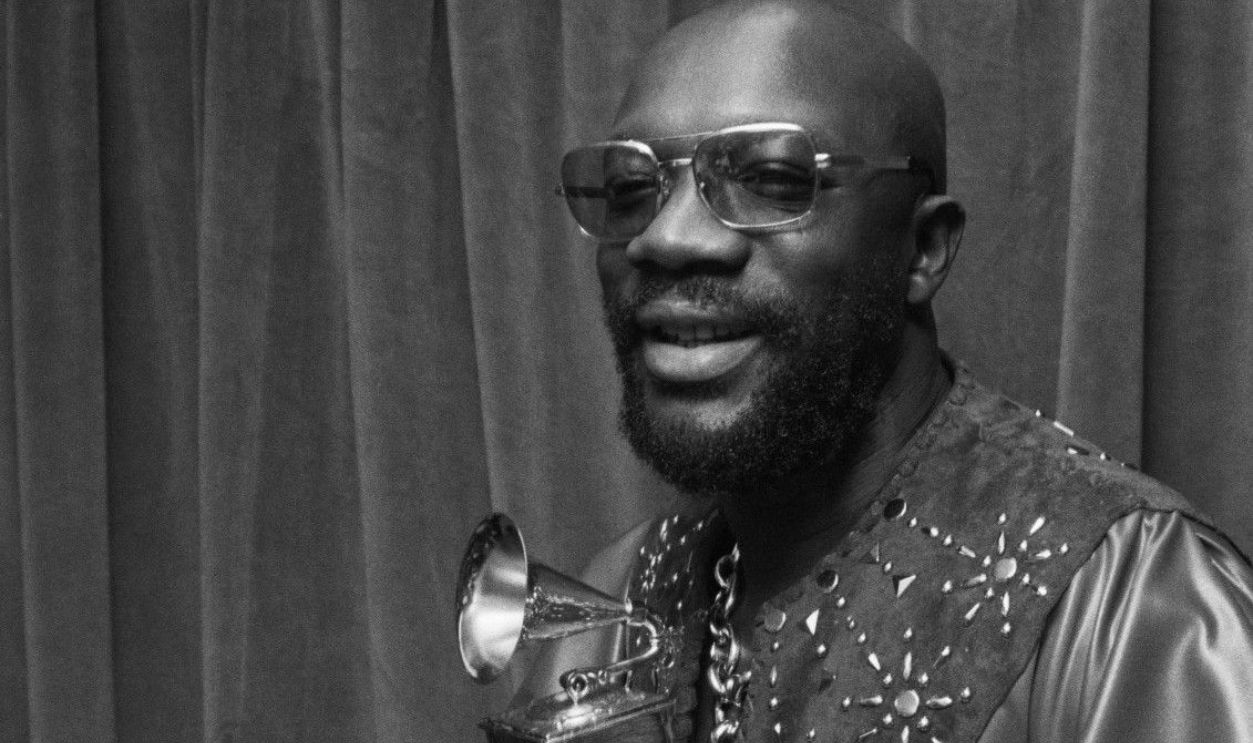 Unknown Author, Wikimedia Commons
The Byrds - Sweetheart Of The Rodeo (1968)
When The Byrds embraced traditional country music, many fans were confused. In hindsight, Sweetheart of the Rodeo became one of the foundational albums of country rock. Gram Parsons' influence helped steer the band toward a sound that would later inspire artists like the Eagles, Emmylou Harris, and generations of Americana musicians.
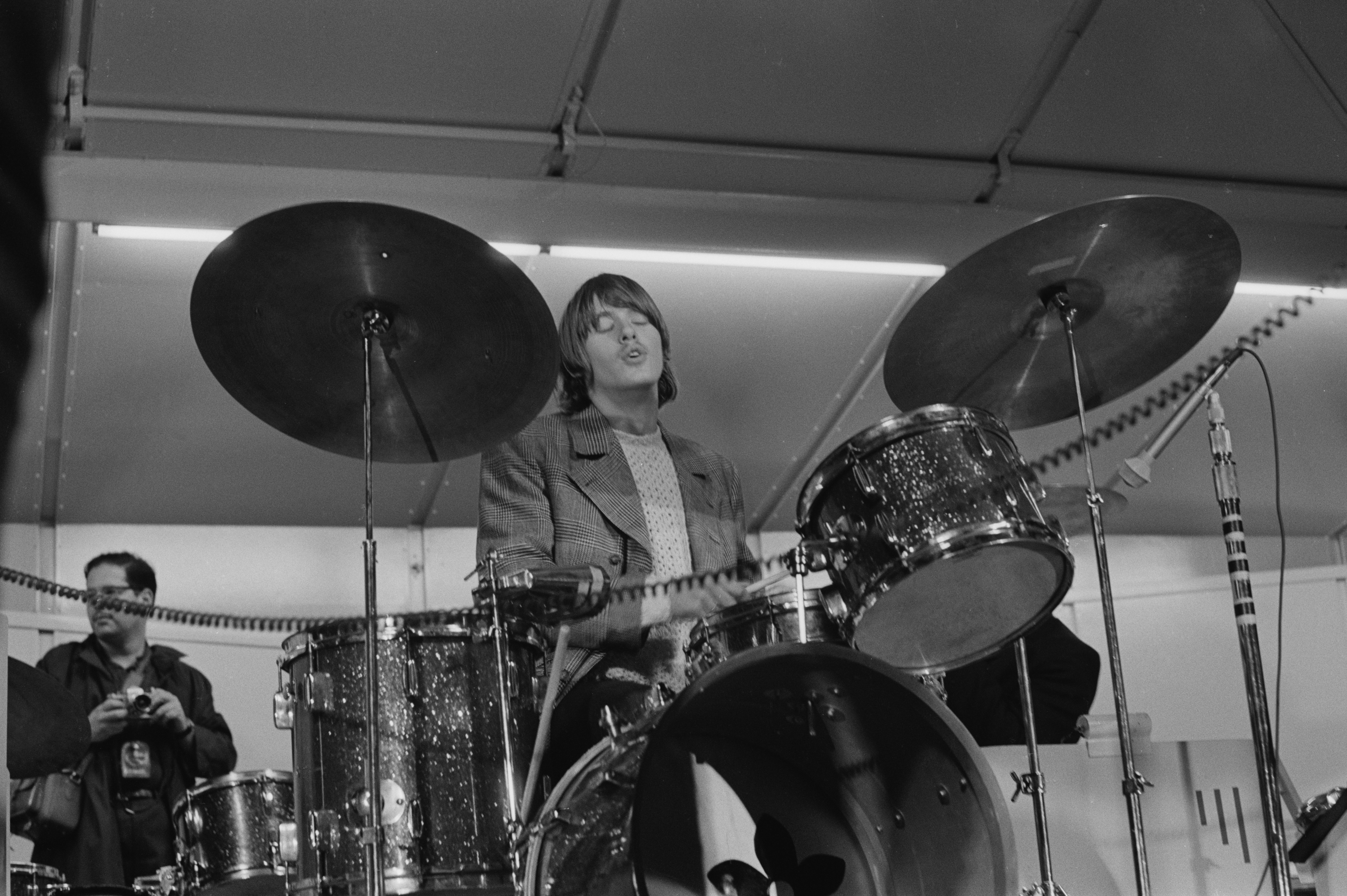 Michael Ochs Archives, Getty Images
Kanye West - 808s & Heartbreak (2008)
Following personal tragedy, Kanye West abandoned rap's traditional formulas in favor of Auto-Tune, minimalist production, and emotionally vulnerable songwriting. 808s & Heartbreak initially divided critics, but its influence soon became impossible to ignore. Artists like Drake, Kid Cudi, The Weeknd, Juice WRLD, and countless others built upon the emotional and sonic template it introduced

You May Also Like:
Debut Albums That Were So Good, They Changed Music Forever
Alt-Rock Albums That Rewrote All The Rules And Changed Music Forever
Albums That Would Have Been Legendary—If They’d Been Released