A Love Song Wrapped In Heartbreak
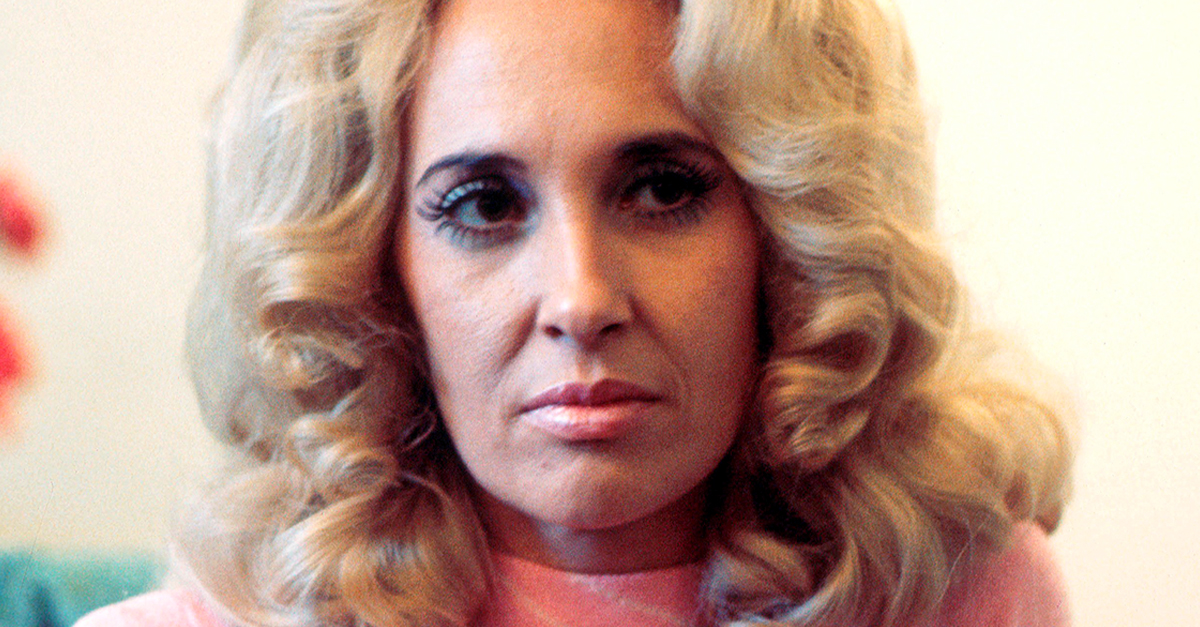
“Stand By Your Man” made Tammy Wynette an enduring symbol of romantic loyalty. Her own relationships, however, brought instability, addiction, public conflict, and repeated divorce. The woman who sang country music’s most famous appeal for commitment spent much of her life searching for a love that could actually last.
The Girl Behind The Famous Voice
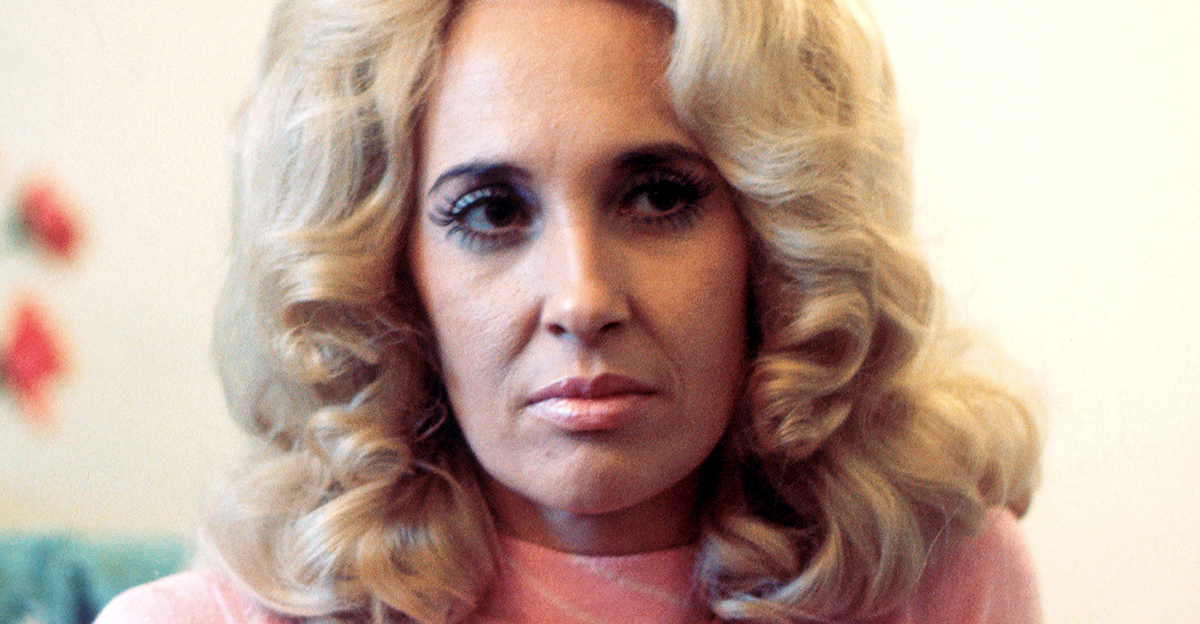
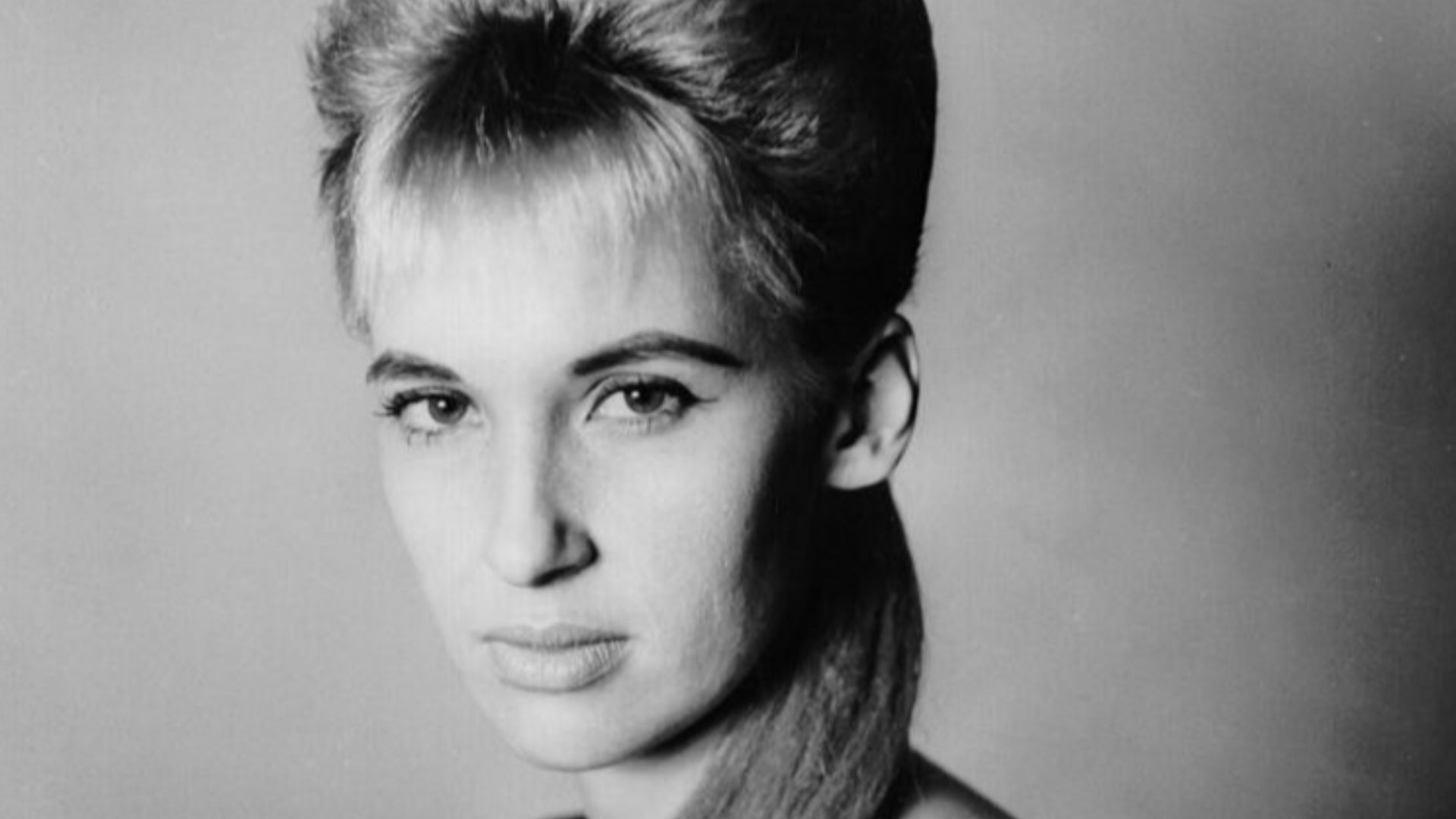
Wynette was born Virginia Wynette Pugh in Itawamba County, Mississippi, on May 5, 1942. Her father died from a brain tumor before she turned one, and her grandparents largely raised her while her mother worked away from home. Music became one of her strongest connections to the father she never had the chance to know.
 Getty Images, Wikimedia Commons
Raised On Work And Gospel Music
Growing up on her grandparents’ farm meant picking cotton and helping with demanding household chores. Wynette also played instruments left by her father and followed the gospel groups that performed throughout Mississippi and Alabama. Those experiences helped shape the emotional directness that later defined her singing.
Marriage Came Incredibly Early
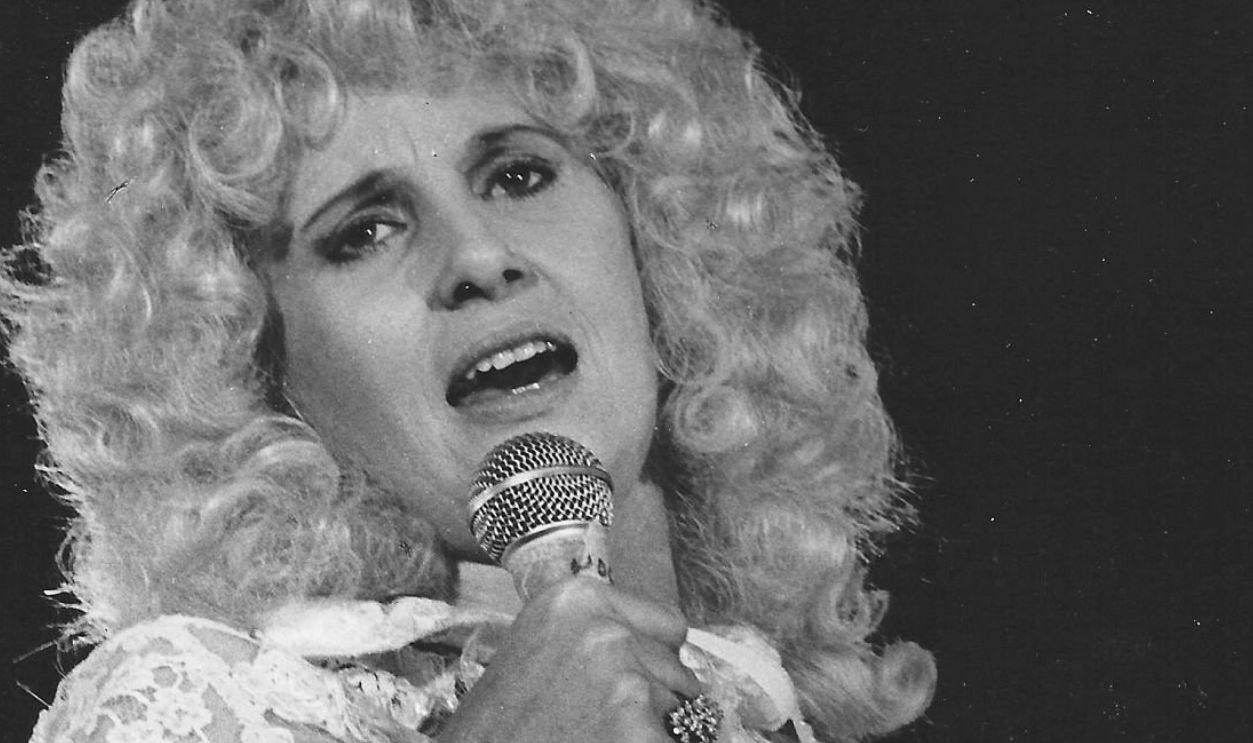
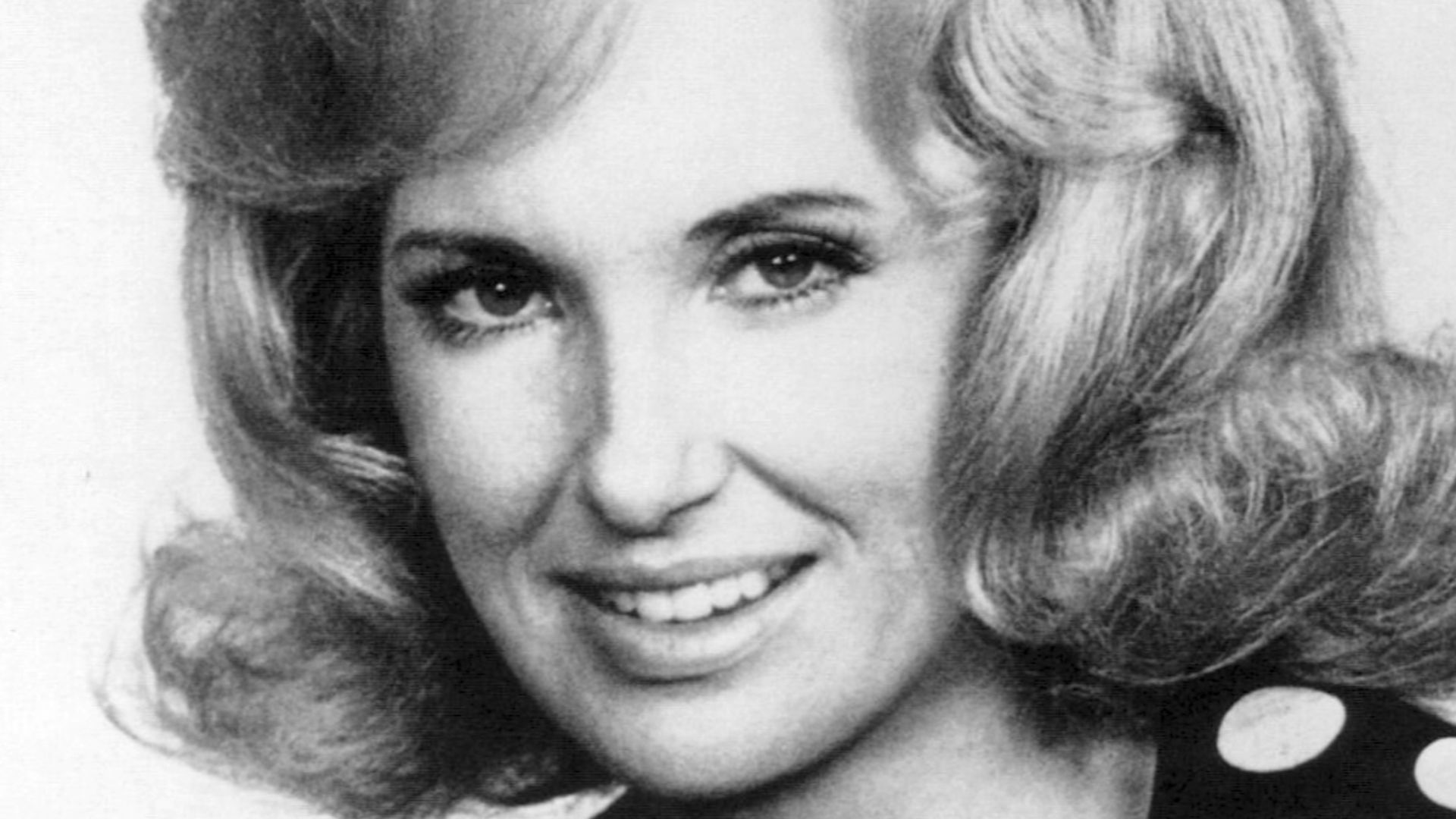
Wynette married Euple Byrd in 1959, one month before graduating from high school. She was only 17, and the couple struggled financially while moving repeatedly in search of steady employment. Their difficult circumstances provided an early lesson in how quickly romance could collide with reality.
 Hubert Long (manager)/Epic Records, Wikimedia Commons
Three Children And Little Security
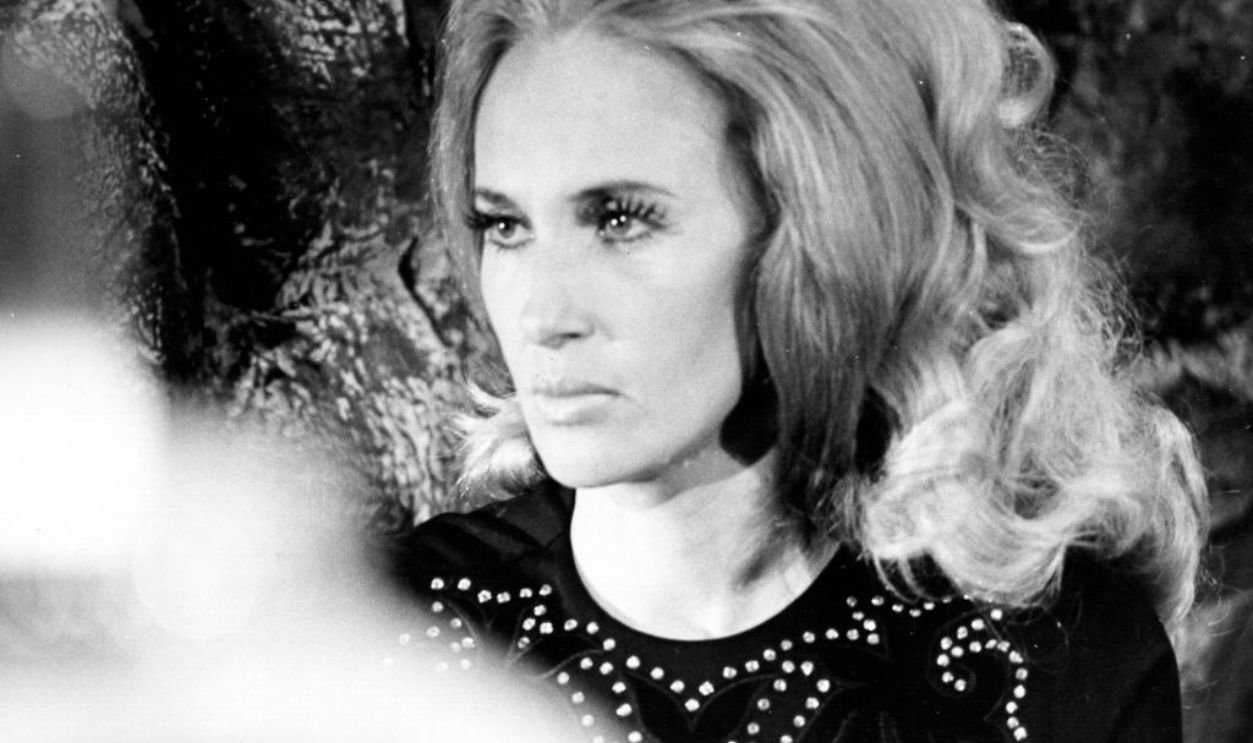
Wynette and Byrd had three daughters, although their youngest was born shortly before the marriage ended. By 1965, Wynette was divorced, working in a Birmingham beauty salon, singing on local television, and living in government housing. She reportedly earned about $45 a week while trying to support her children and build a career.
 Michael Ochs Archives, Getty Images
Nashville Became Her Escape Route
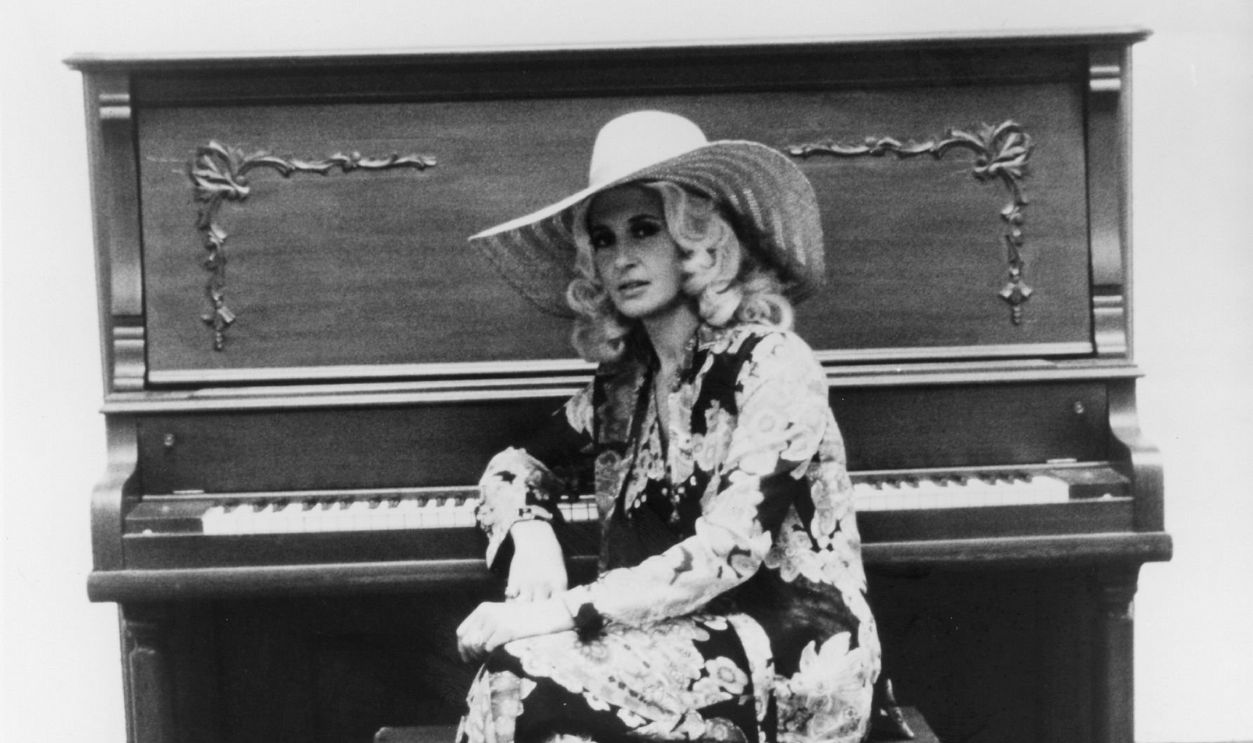
Repeated trips to Nashville convinced Wynette that country music offered her best chance at independence. She moved there in 1966 and approached Epic Records producer Billy Sherrill with her songs. Within weeks, Virginia Pugh had become Tammy Wynette and was recording professionally.
 Michael Ochs Archives, Getty Images
The Hits Arrived Quickly
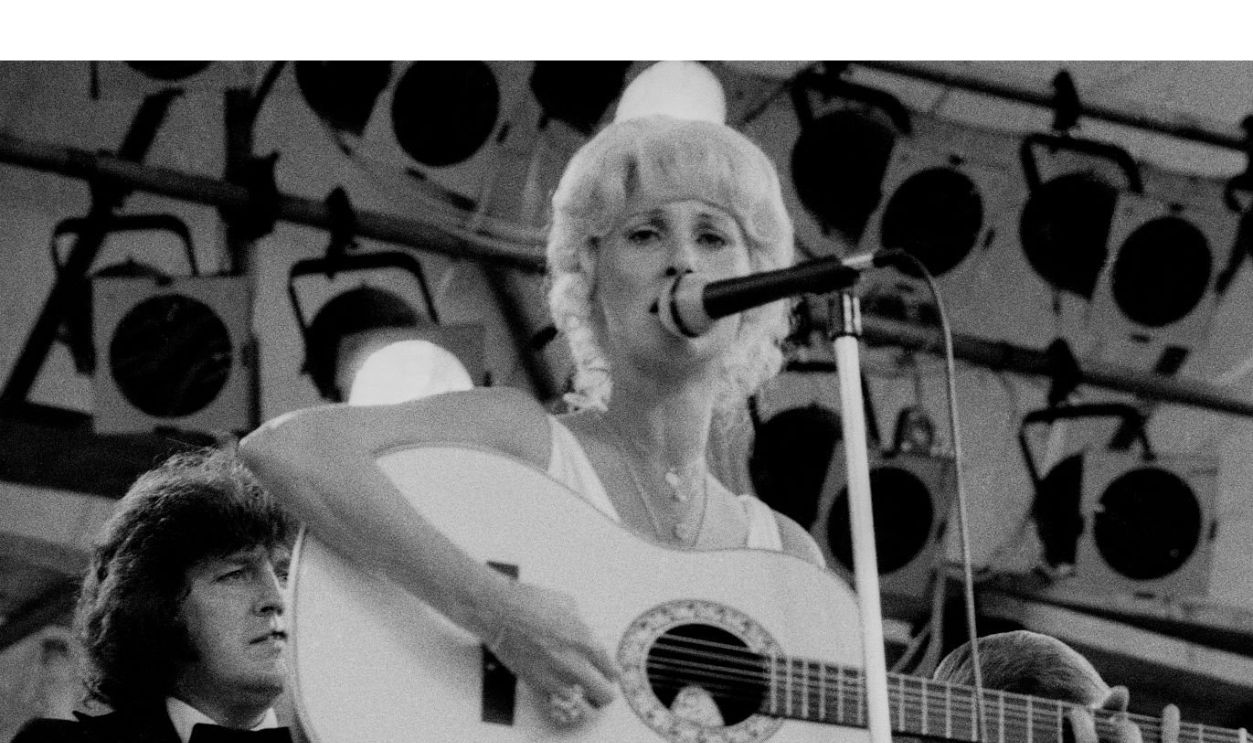
Her first release, “Apartment #9,” attracted airplay without becoming a major hit. “Your Good Girl’s Gonna Go Bad” reached the country Top 10 in 1967, and her duet “My Elusive Dreams” became her first number-one country single. Later that year, “I Don’t Wanna Play House” gave Wynette her first solo number one and earned her a Grammy.
Heartbreak Became Her Specialty
Wynette’s records presented domestic life from the perspective of women confronting disappointment, infidelity, and broken families. Her tremulous delivery made even carefully crafted studio songs sound painfully personal. The Country Music Hall of Fame would eventually describe her as the “Heroine of Heartbreak".

Don Chapel Entered The Picture
Wynette married songwriter Don Chapel in 1967 as her recording career was gathering momentum. According to the Country Music Hall of Fame, professional jealousy troubled their relationship. Their problems soon unfolded in front of another country star who would transform Wynette’s personal and professional life.
George Jones Stepped Into The Fight
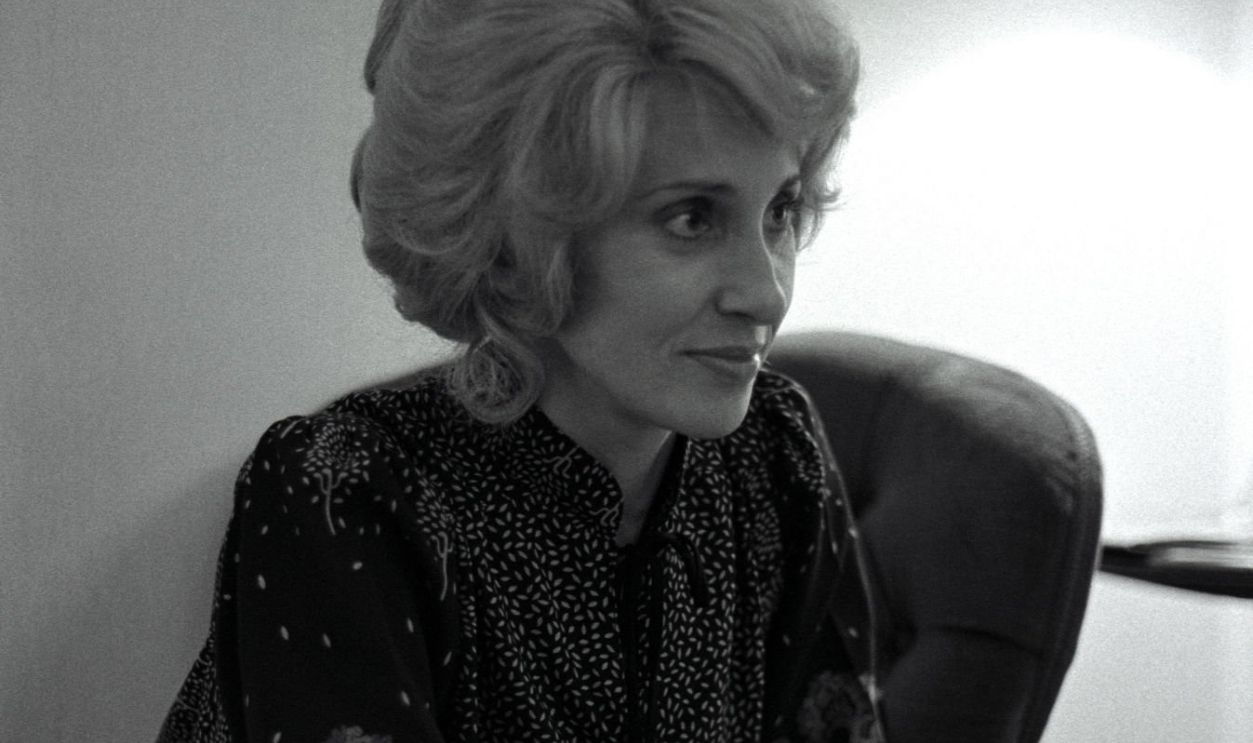
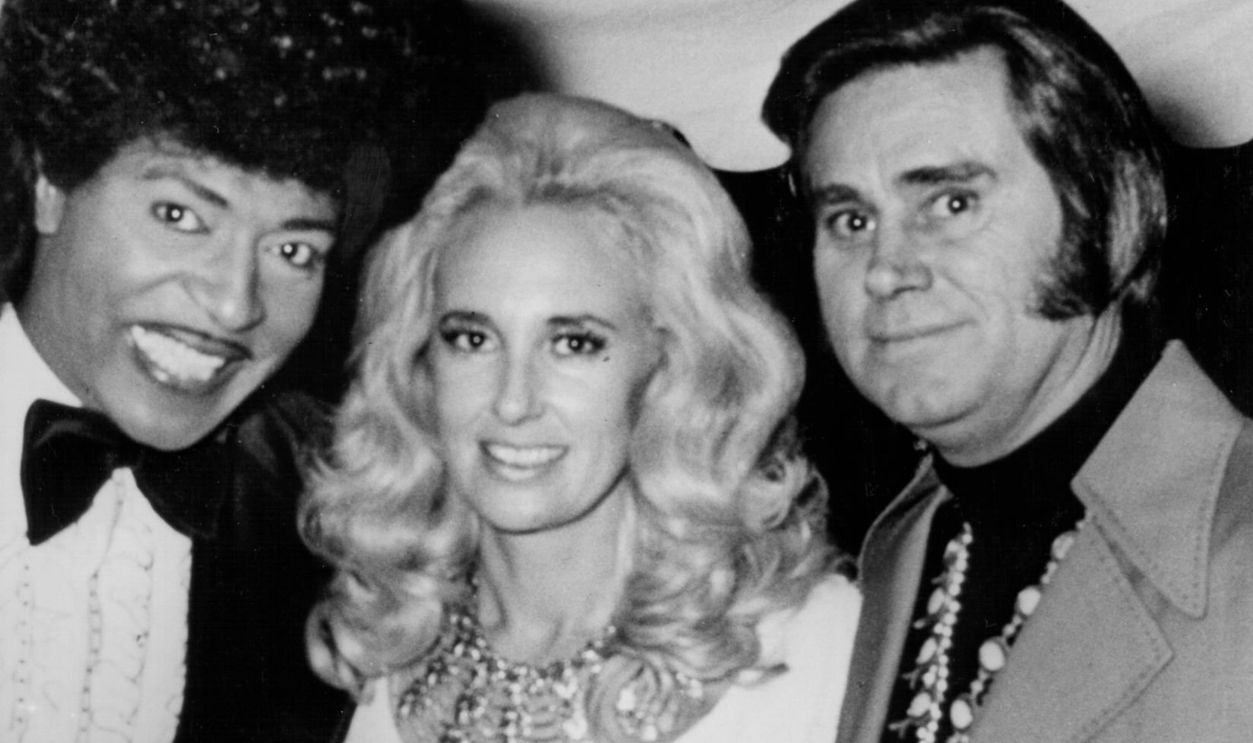
George Jones witnessed an argument between Wynette and Chapel in 1968. At Jones’s urging, Wynette gathered her daughters and left with him. The dramatic departure began one of the most celebrated and troubled romances in country music history.
 Michael Ochs Archives, Getty Images
Then Came “Stand By Your Man”
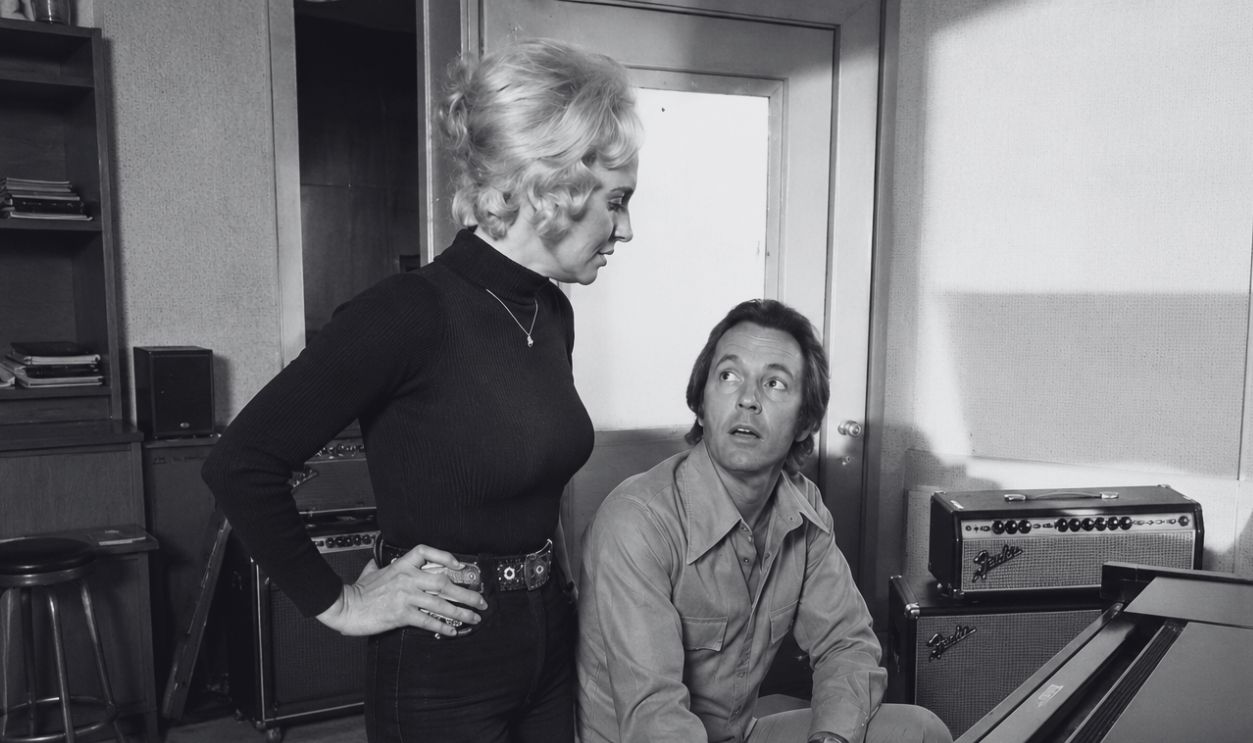
Wynette and Billy Sherrill wrote “Stand By Your Man” in an Epic Records studio in 1968. Accounts commonly state that the songwriting process took about 15 minutes. Wynette had already recorded major hits, but this song would become inseparable from her public identity.
 CBS Records, Wikimedia Commons, Modified
George Jones Was Not Impressed
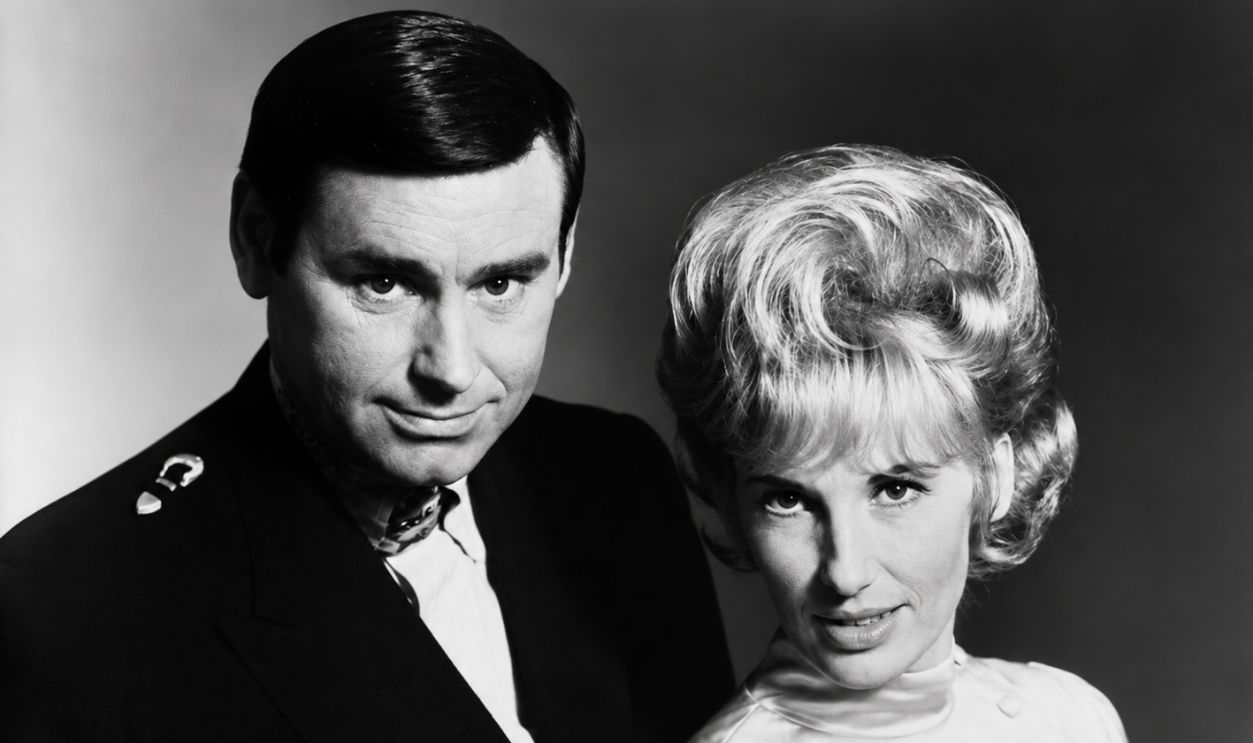
Wynette later recalled playing the song for Jones before telling him she had helped write it. According to her account, he said he simply did not care for it. His lukewarm reaction hardly predicted the enormous cultural life the record was about to acquire.
 Hubert Long Agency, Wikimedia Commons, Modified
The Song Became Country History
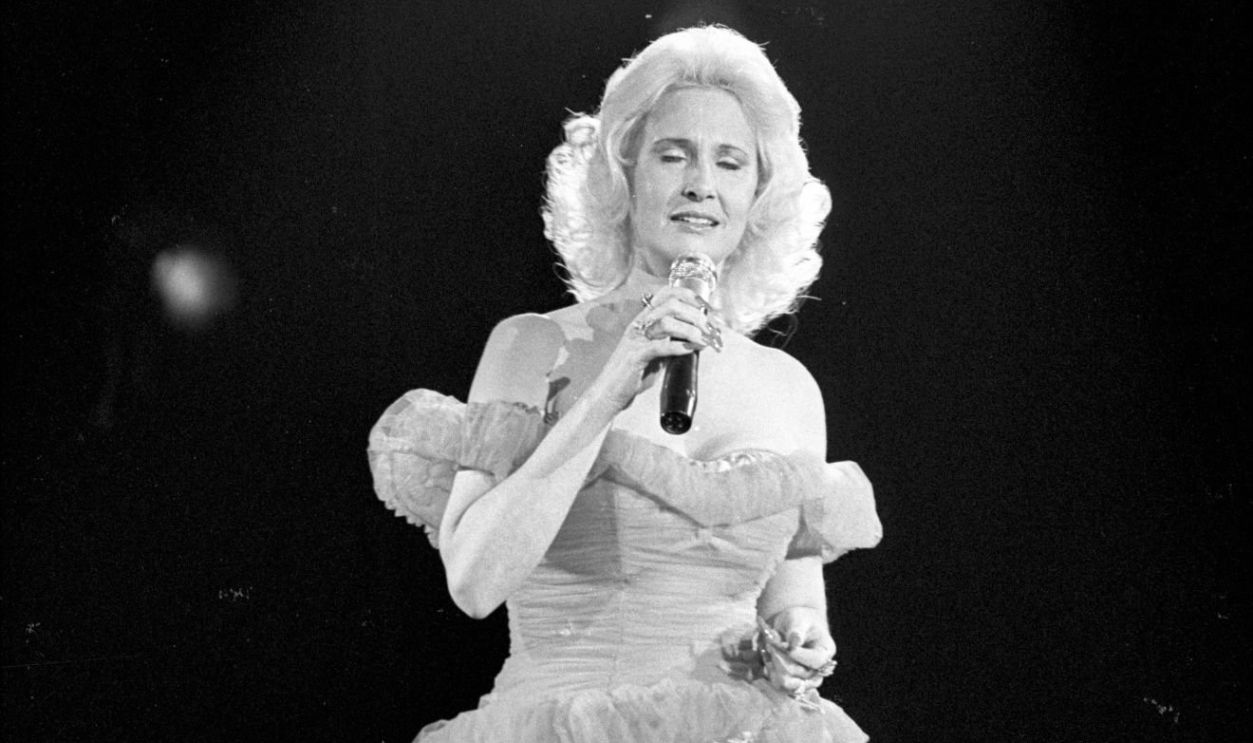
“Stand By Your Man” reached number one on the country chart and crossed over to the pop chart. Wynette won the 1970 Grammy for Best Female Country Vocal Performance for the recording. The song also helped establish her alongside Loretta Lynn and Dolly Parton as one of country music’s defining female stars.
 Michael Ochs Archives, Getty Images
Its Message Sparked A Backlash
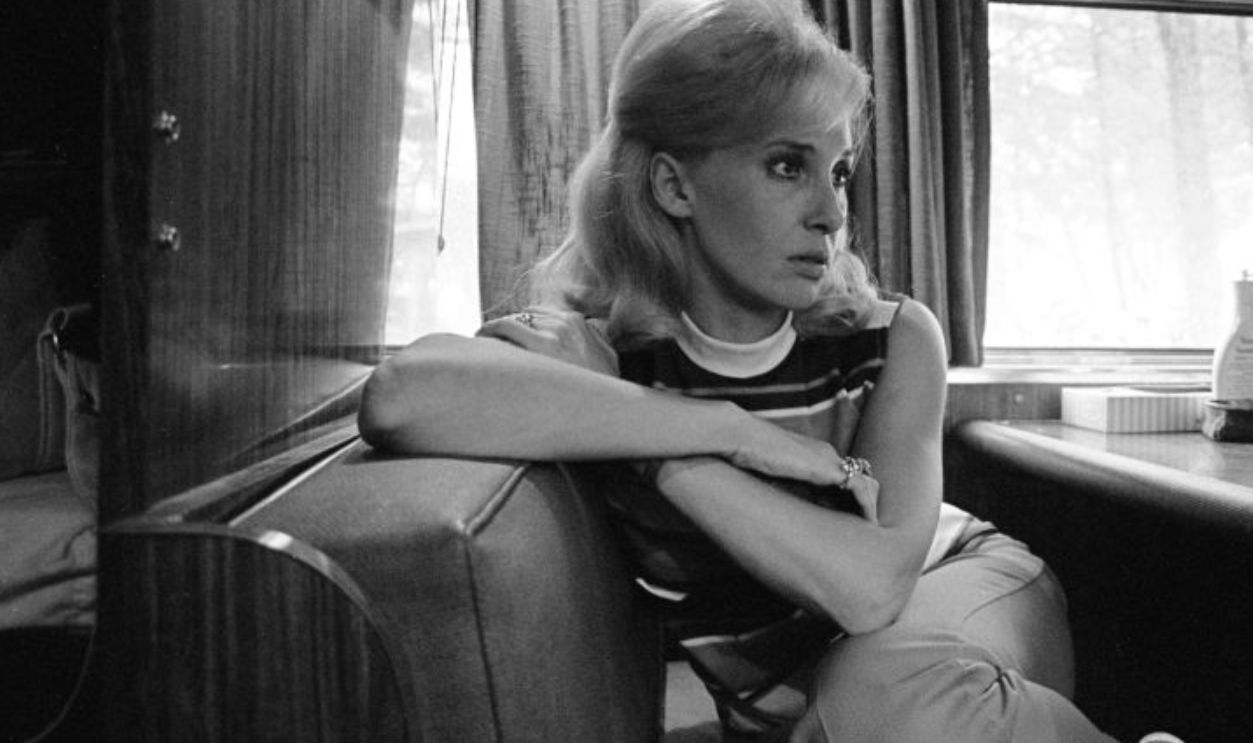
The record arrived as the modern women’s movement was gaining national visibility. Critics interpreted its appeal for patience and forgiveness as an instruction for women to tolerate male misconduct. Wynette consequently found herself at the center of a cultural argument she said she had never intended to start.
 Al Clayton Photography, LLC, Getty Images
Wynette Defended Her Meaning
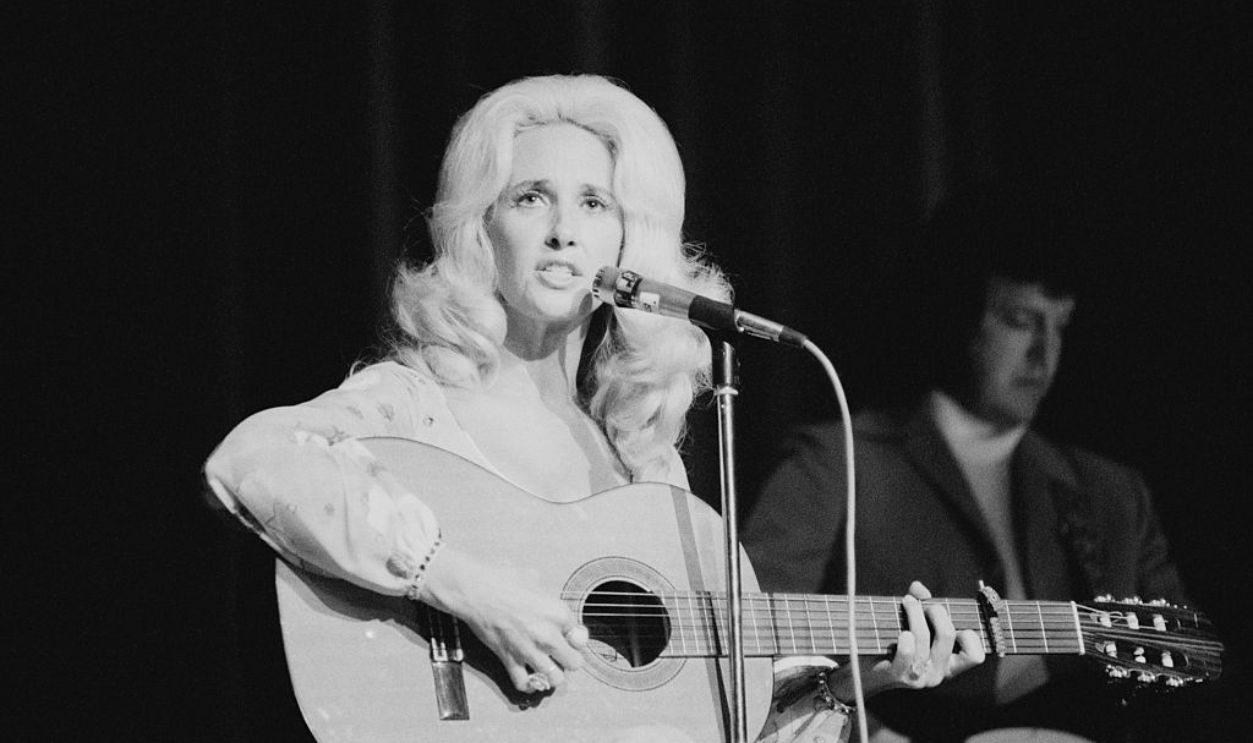
Wynette maintained that the song was about supporting someone you love rather than accepting every form of bad behavior. She rejected the idea that it told women to remain home while their husbands did whatever they pleased. Sherrill similarly characterized the song as an expression of love without reservations.
The Double Meaning Was Painfully Real
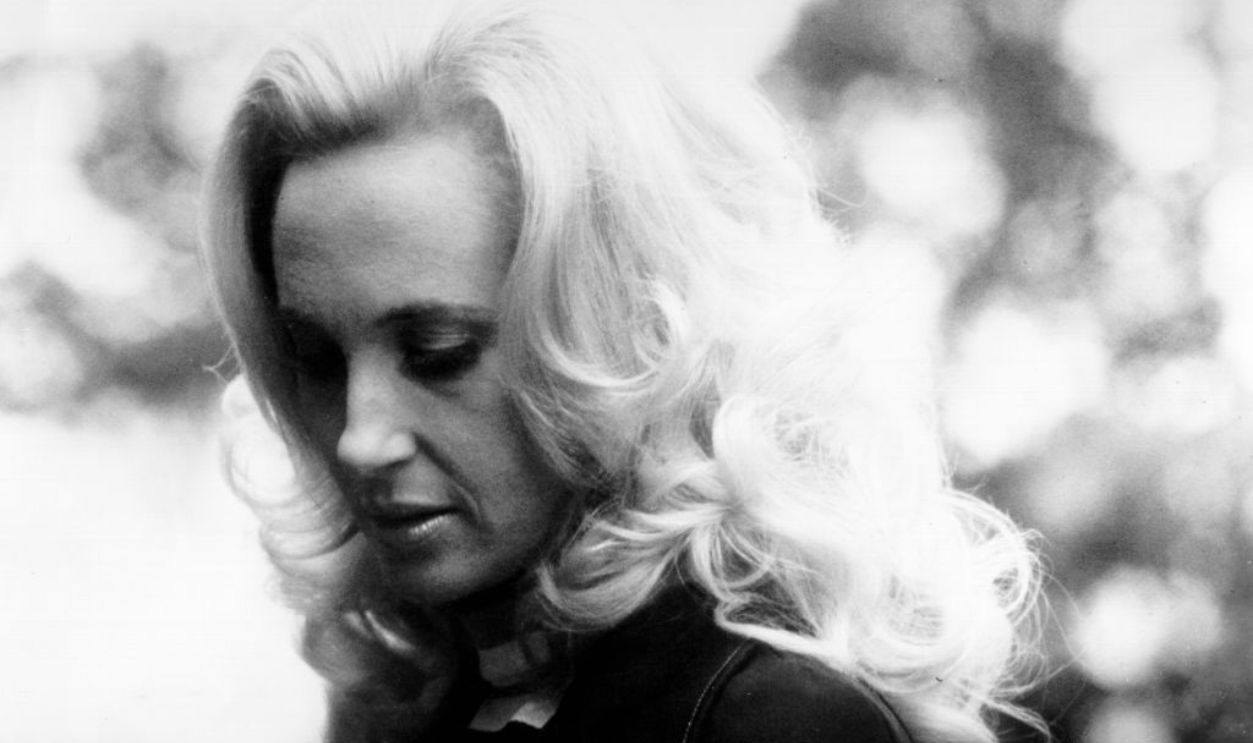
The song’s message celebrated devotion, but Wynette’s life exposed the limits of devotion alone. She repeatedly stood beside men through poverty, jealousy, addiction, and instability, yet four of her five marriages ended. Its compassionate call for forgiveness sounded increasingly tragic when placed beside the suffering in her relationships.
 Michael Ochs Archives, Getty Images
“D-I-V-O-R-C-E” Told The Other Side
Ironically, “Stand By Your Man” followed another of Wynette’s signature recordings, “D-I-V-O-R-C-E.” That song considered a marriage’s end through the pain experienced by a child. Together, the two hits captured opposing impulses that followed Wynette throughout her life: the desire to preserve love and the need to escape when it became unbearable.
Tammy And George Became Royalty
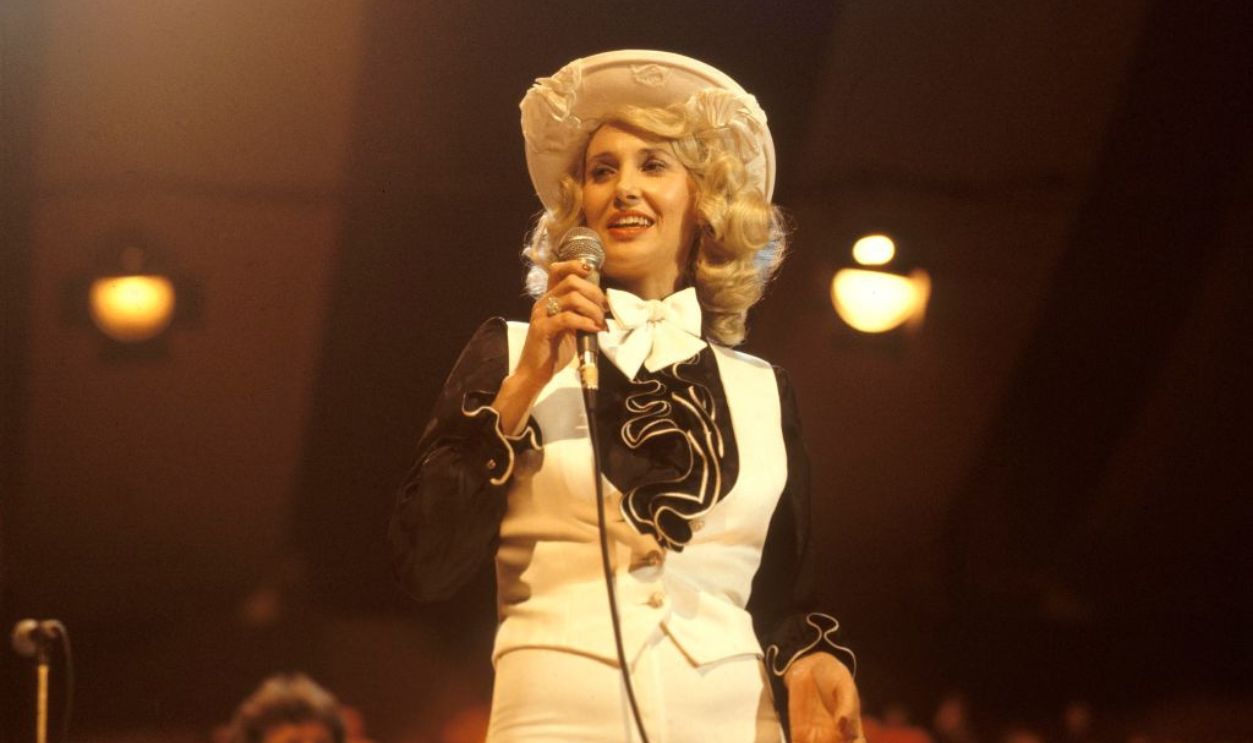
Wynette and Jones married on February 16, 1969, making them spouses for the third time in both of their lives. Their daughter Tamala Georgette Jones was born in 1970. Fans soon embraced the couple as country music’s unofficial president and first lady.
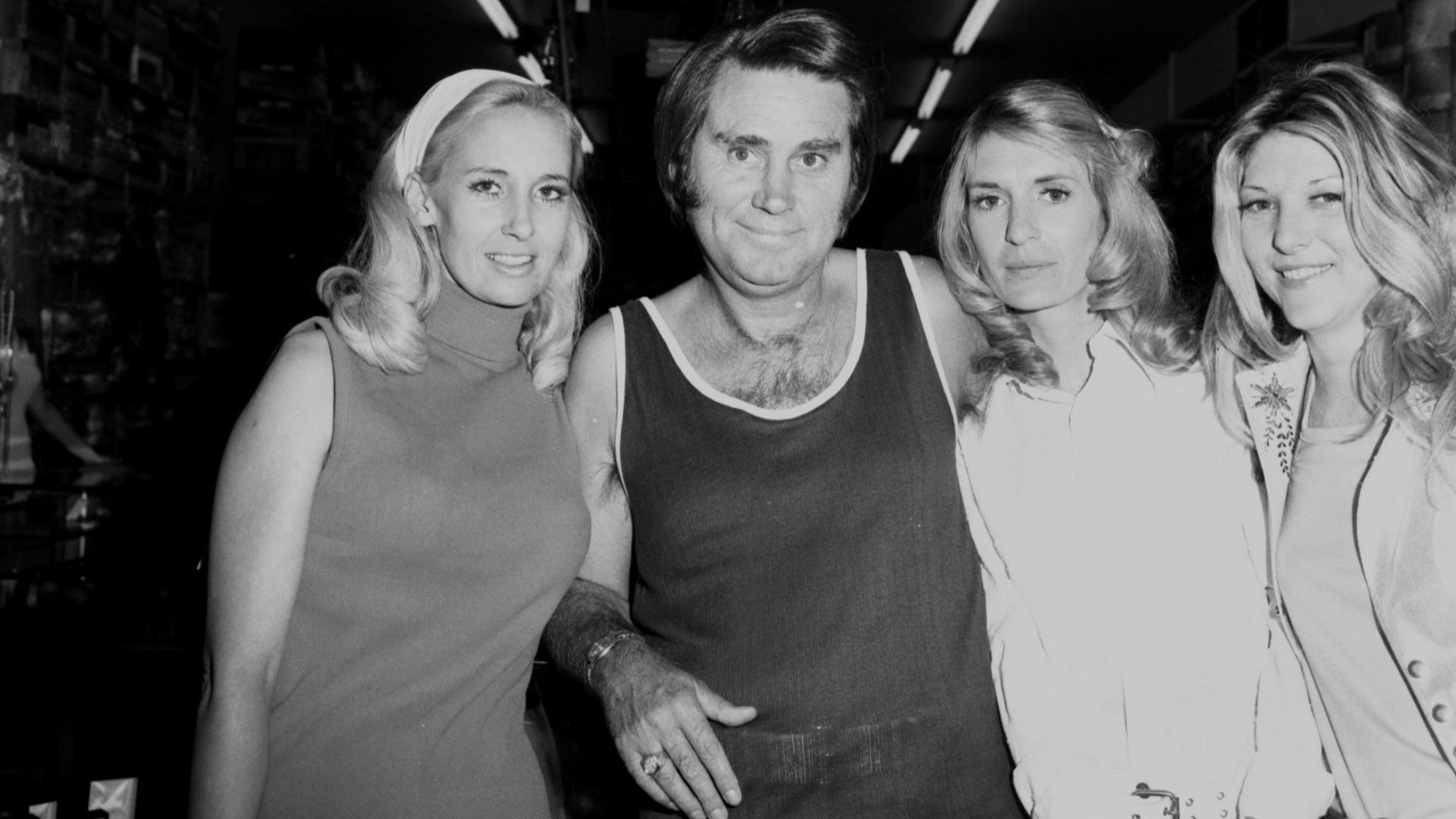 Jasper Daily and Michael Ochs, Wikimedia Commons
Their Duets Blurred Art And Life
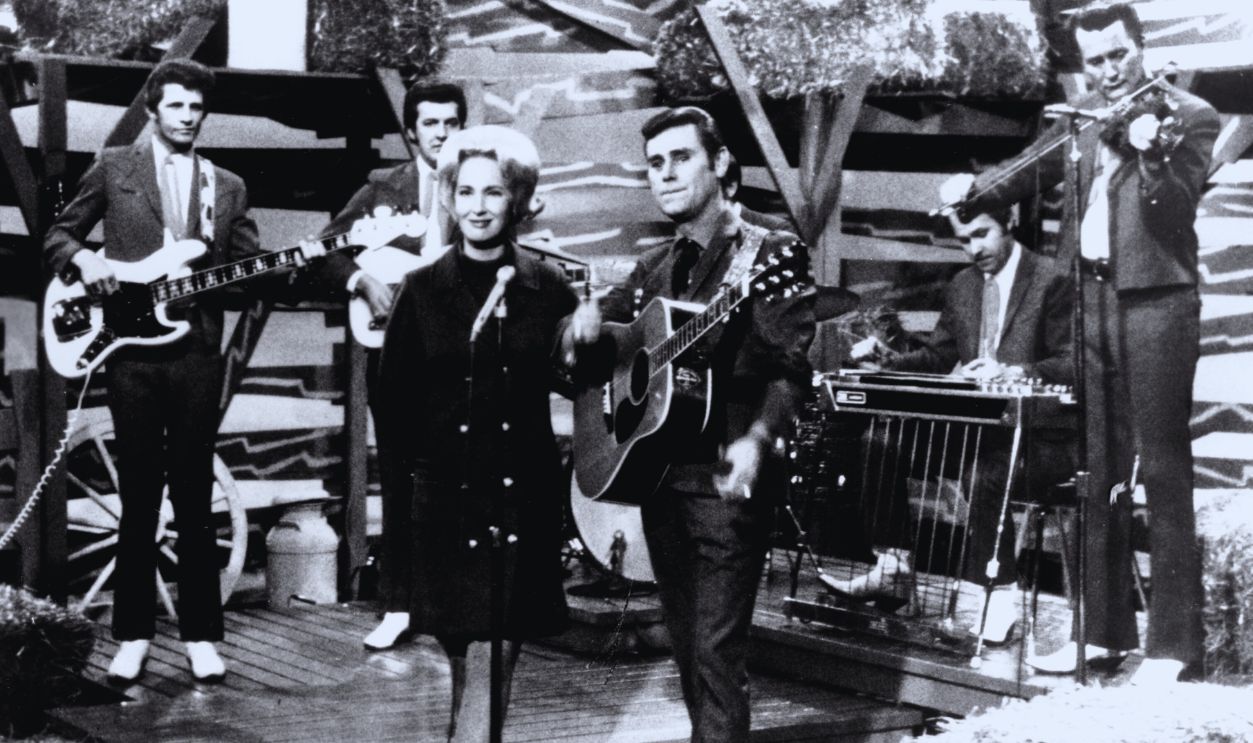
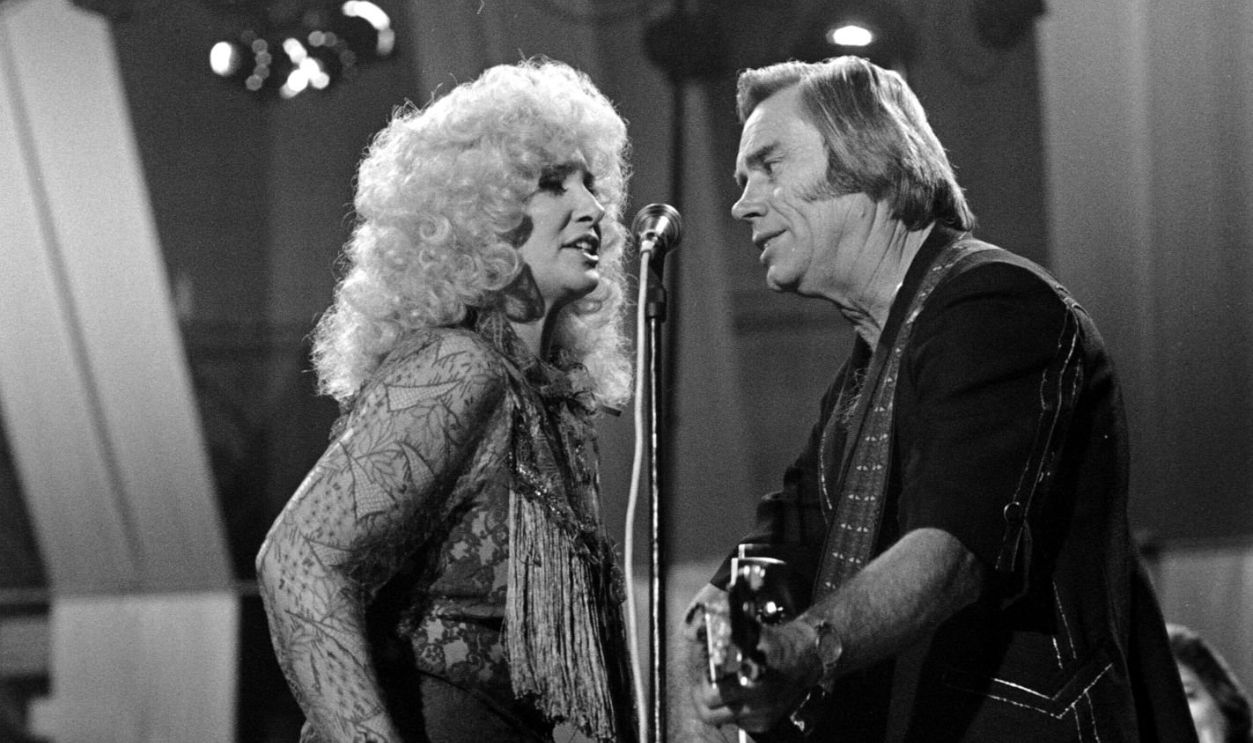
Wynette and Jones recorded hits including “We’re Gonna Hold On,” “The Ceremony,” “Golden Ring,” and “We’re Not the Jet Set.” Their voices created an extraordinary musical chemistry, even as their home life became increasingly turbulent. Songs about promises, arguments, and fading love inevitably sounded autobiographical.
 Michael Ochs Archives, Getty Images
Jones Was Fighting Addiction
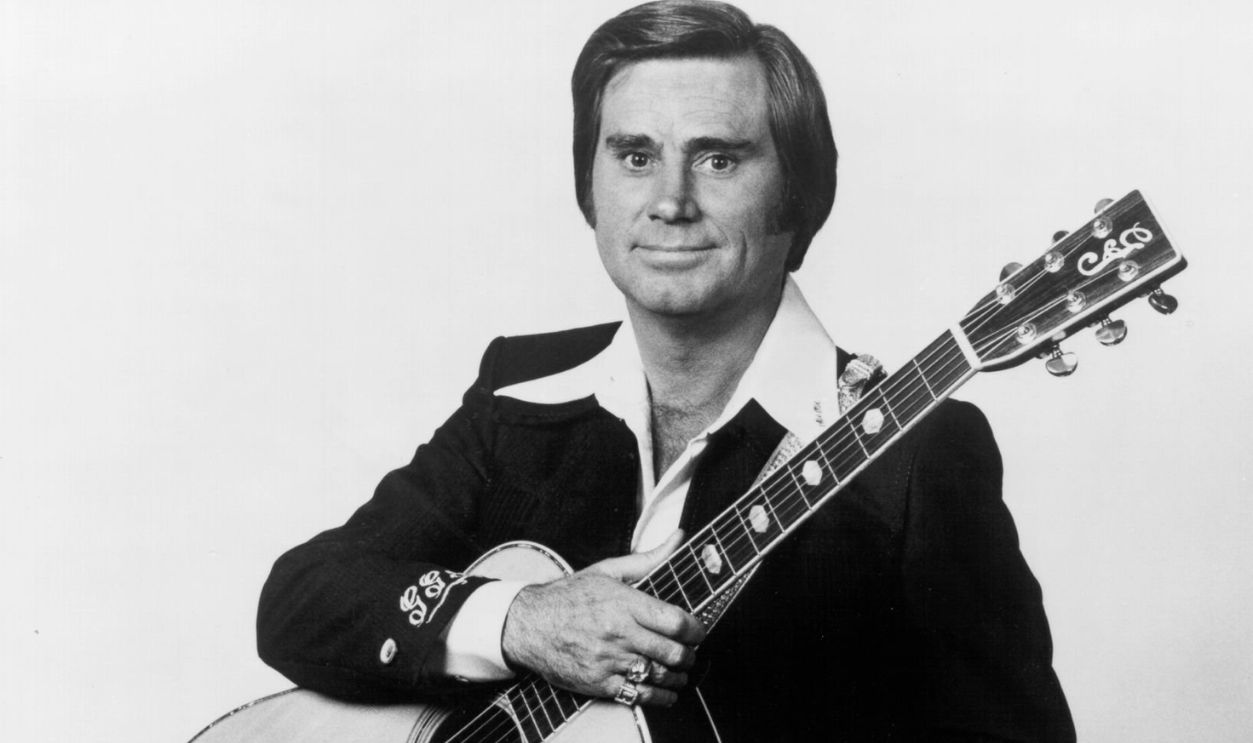
Jones’s problems with alcohol placed tremendous pressure on the marriage. Their daughter Georgette later said that her mother hoped the threat of divorce would persuade him to change. Wynette eventually discovered that loving someone could not make that person overcome addiction.
 Michael Ochs Archives, Getty Images
Love Could Not Make It Work
Wynette and Jones divorced in 1975 after six years of marriage. The separation did not entirely break their emotional or professional bond, and they continued recording together afterward. Their enduring connection made the divorce feel less like a clean ending than another chapter in an unresolved love story.
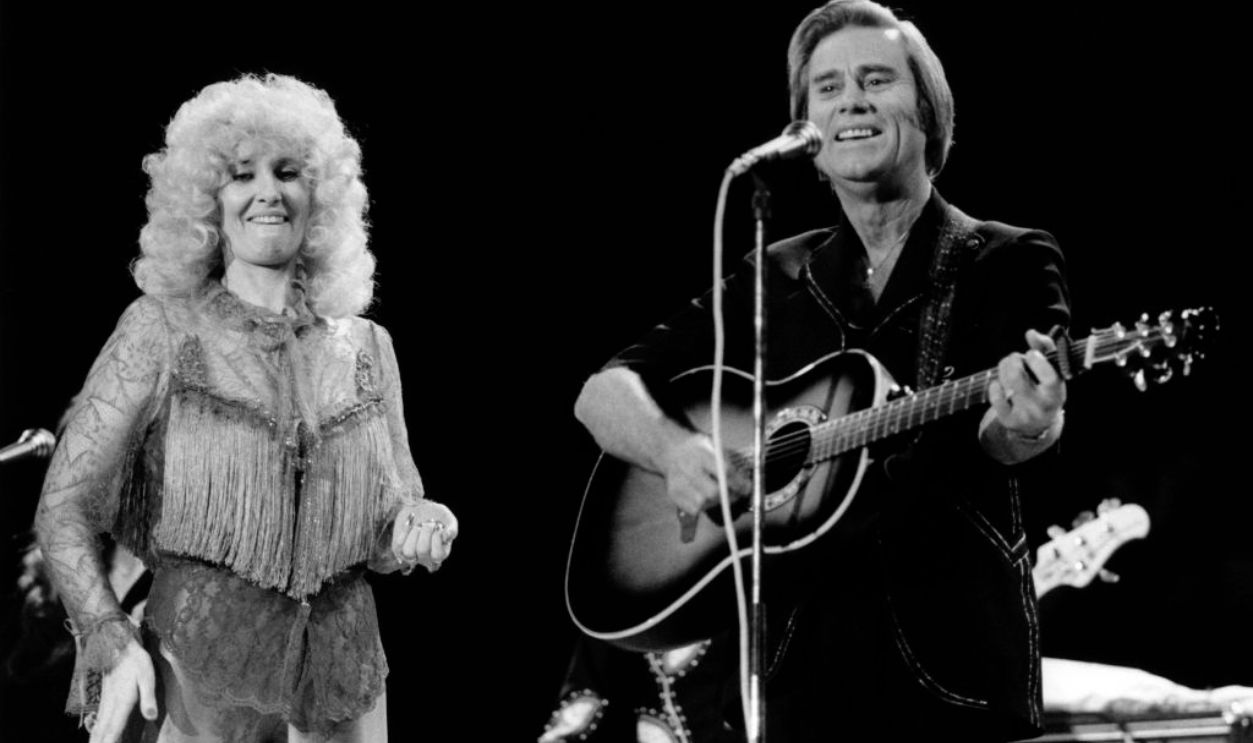
The Fourth Marriage Lasted Six Weeks
In 1976, Wynette married Nashville businessman Michael Tomlin only weeks after meeting him. The marriage lasted approximately six weeks, making it the shortest of her five unions. Its collapse reinforced the uncomfortable distance between the romantic certainty of her signature song and the chaos of her private life.
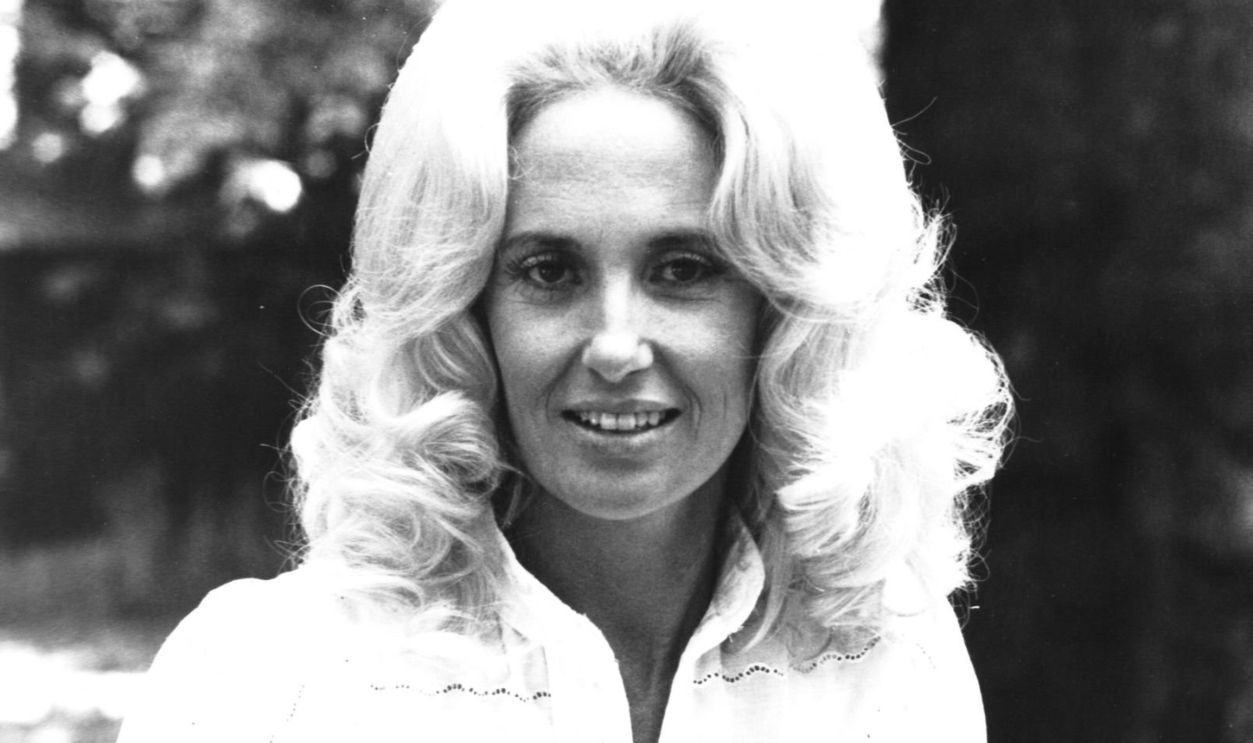
George Richey Became Husband Number Five
Wynette married songwriter and producer George Richey in 1978. Unlike her previous marriages, this one lasted until Wynette’s death nearly 20 years later. Longevity, however, did not prevent serious questions about what happened behind closed doors.
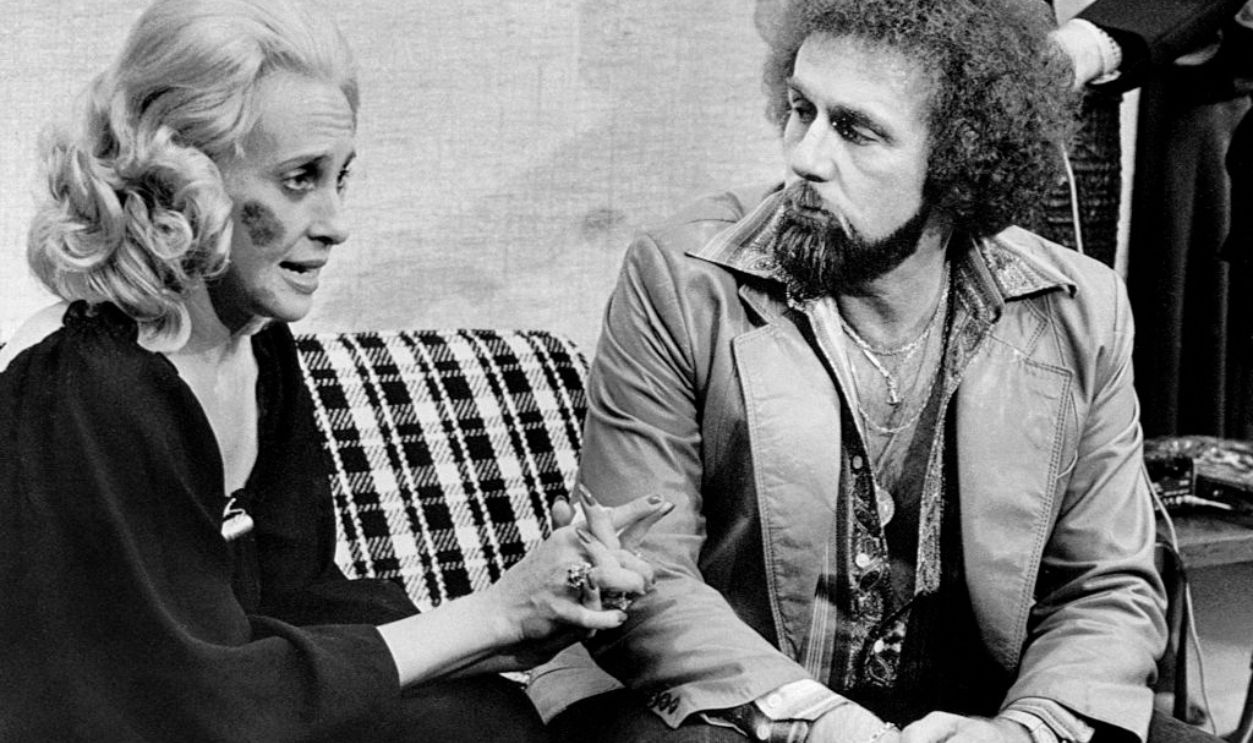
A Mysterious Kidnapping Story
Wynette reported being abducted, beaten, and abandoned beside a road in 1978. Police considered aspects of the incident puzzling, and no one was arrested. The story became even more disturbing years later when Wynette’s daughters challenged the version originally given to the public.
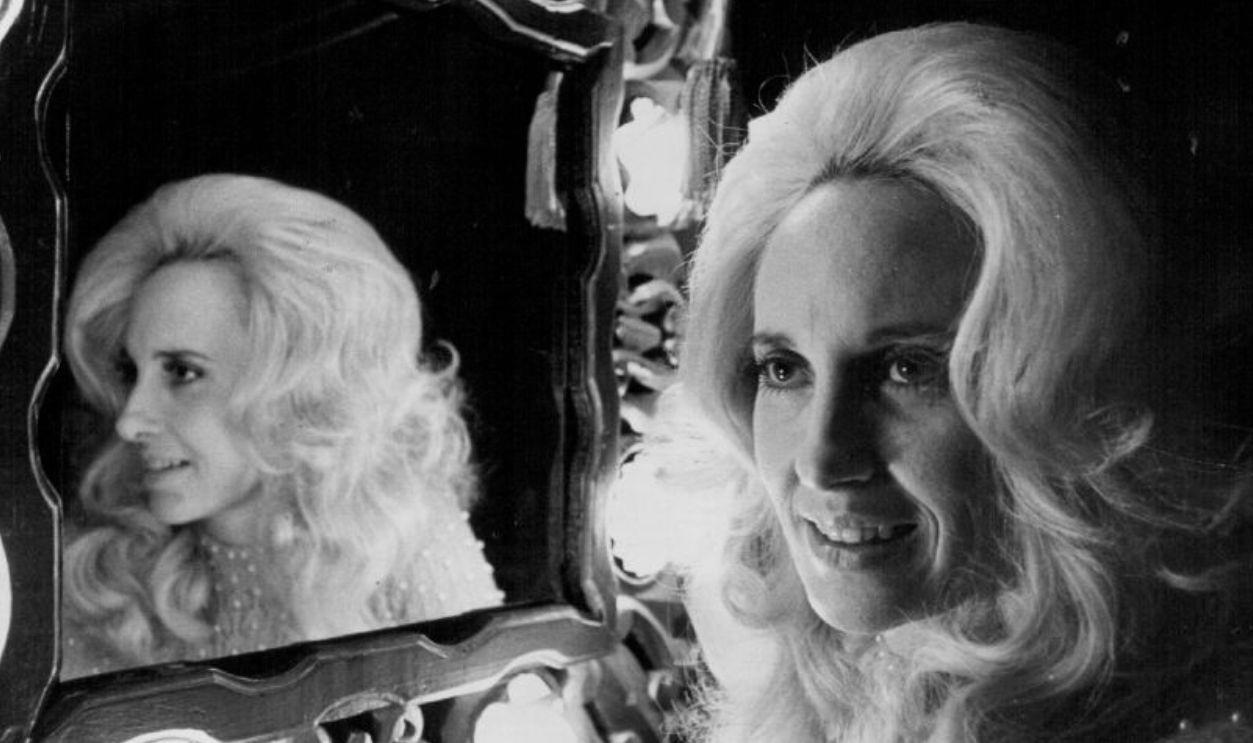 Star Tribune via Getty Images, Getty Images
Her Daughters Made Grim Allegations
Jackie Daly and Georgette Jones later alleged that the supposed kidnapping story was meant to conceal an incident involving physical harm by Richey. Georgette wrote that her mother had admitted the kidnapping story was invented after Richey beat and threatened her. Richey denied the allegations, and the conflicting accounts mean the full truth remains unresolved.
Illness Added Another Cruel Burden
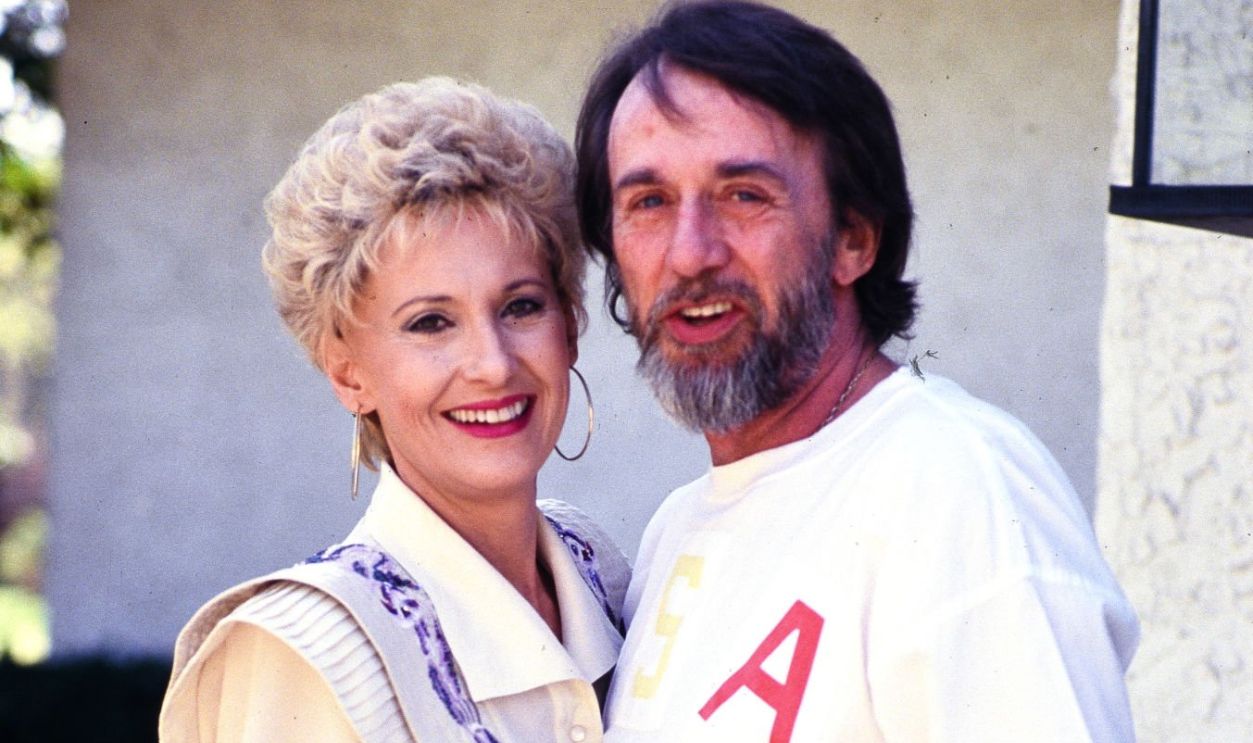
Wynette endured significant health problems and underwent numerous medical procedures during her later years. Her illnesses contributed to frequent hospitalizations and prolonged exposure to prescription pain medication. Behind her polished stage image was a woman living with considerable physical suffering.
She Never Truly Let George Go
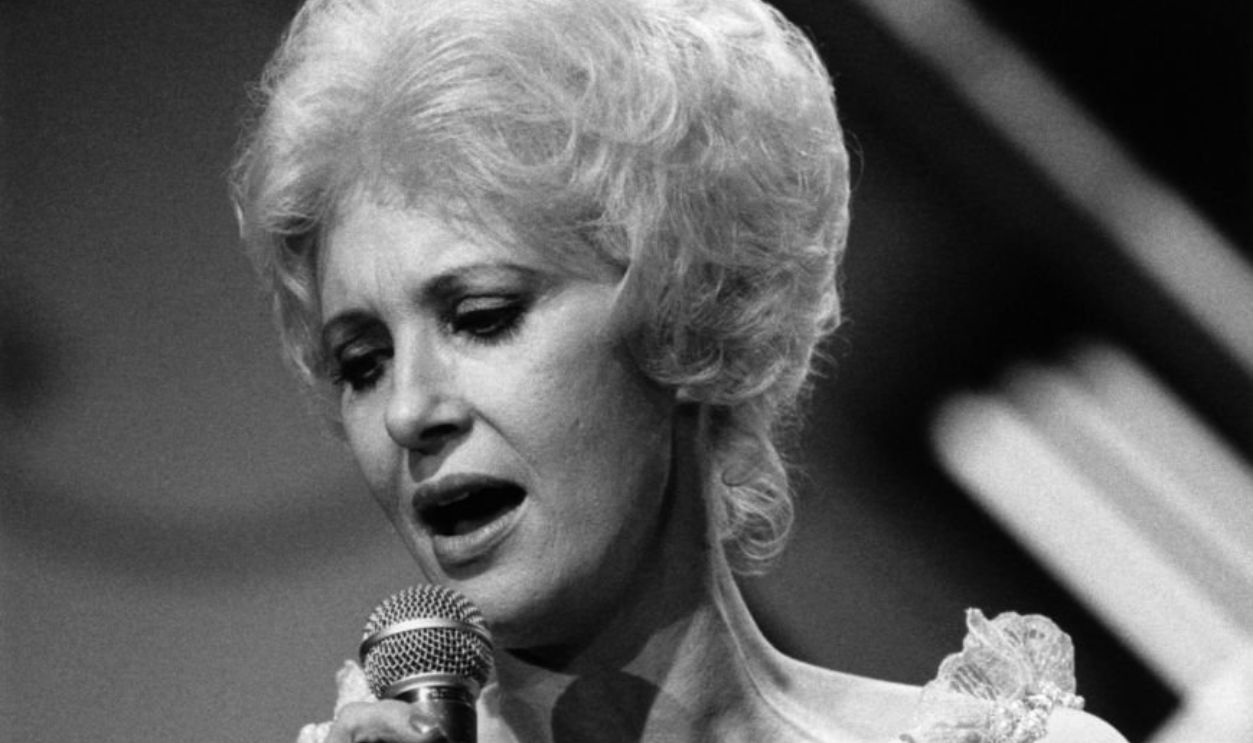
Wynette reunited with Jones professionally for the 1995 album One, two decades after their divorce. Georgette has said her mother admitted shortly before her death that she would always love Jones and regretted that they had met at a time when they could not make the relationship work. That confession reveals how deeply Wynette’s romantic hopes survived even the worst years.
The Song Followed Her Everywhere
In 1992, Hillary Clinton invoked Wynette during a 60 Minutes interview while rejecting the image of a passive wife defending her husband. Wynette responded angrily, arguing that the remark insulted her and the people who loved the song. Clinton subsequently apologized for hurting her feelings.
Her Final Years Ended Too Soon
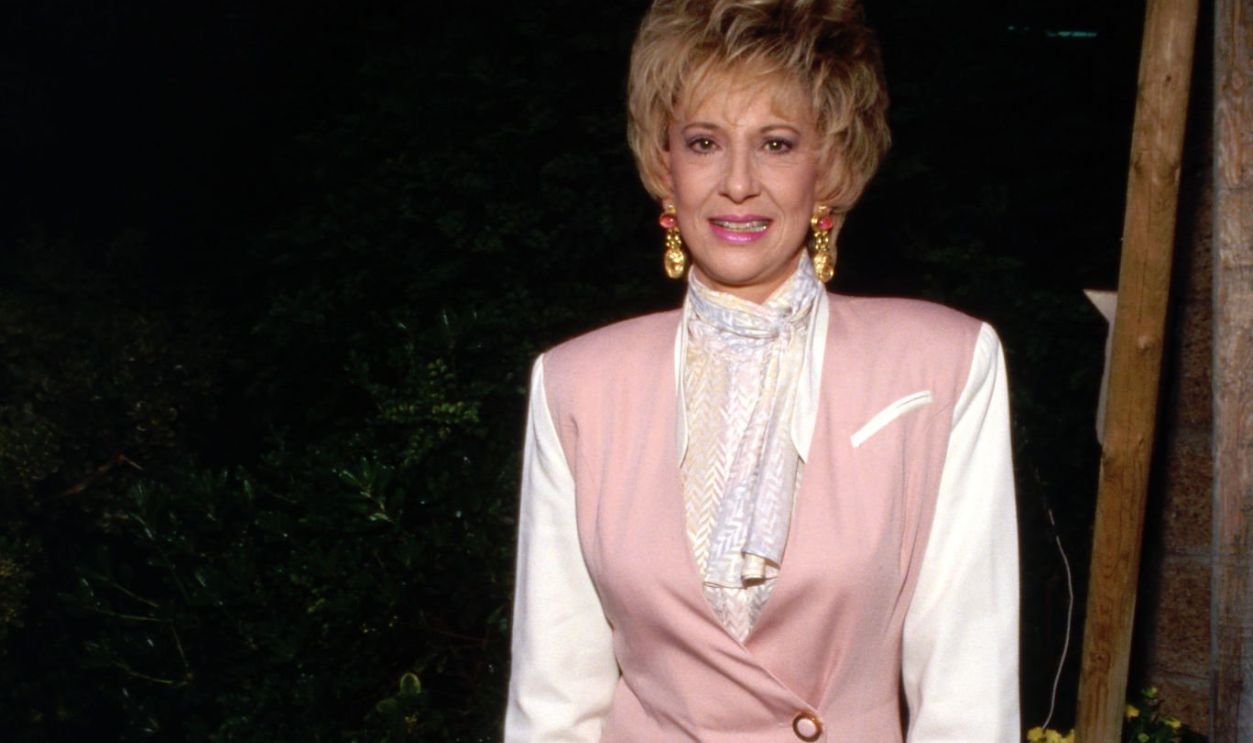
Wynette died at her Nashville home on April 6, 1998, at the age of 55. A blood clot was reported as the cause of death. Later that year, she was inducted into the Country Music Hall of Fame, confirming her place among the genre’s most important performers.
A Song Stronger Than Its Controversy
The Library of Congress added “Stand By Your Man” to the National Recording Registry in 2010. Its preservation recognized both its cultural significance and Wynette’s emotionally powerful performance. Decades of debate had not diminished the record’s ability to move listeners.
Tammy’s Real Message Was Complicated
Wynette’s five marriages do not make “Stand By Your Man” insincere. They show how fiercely she believed in forgiveness, loyalty, and the possibility that love might redeem a troubled relationship. The tragedy is that she often offered those things to men who could not provide the safety and stability she wanted in return.
You May Also Like: