When Breakups Made Rock History
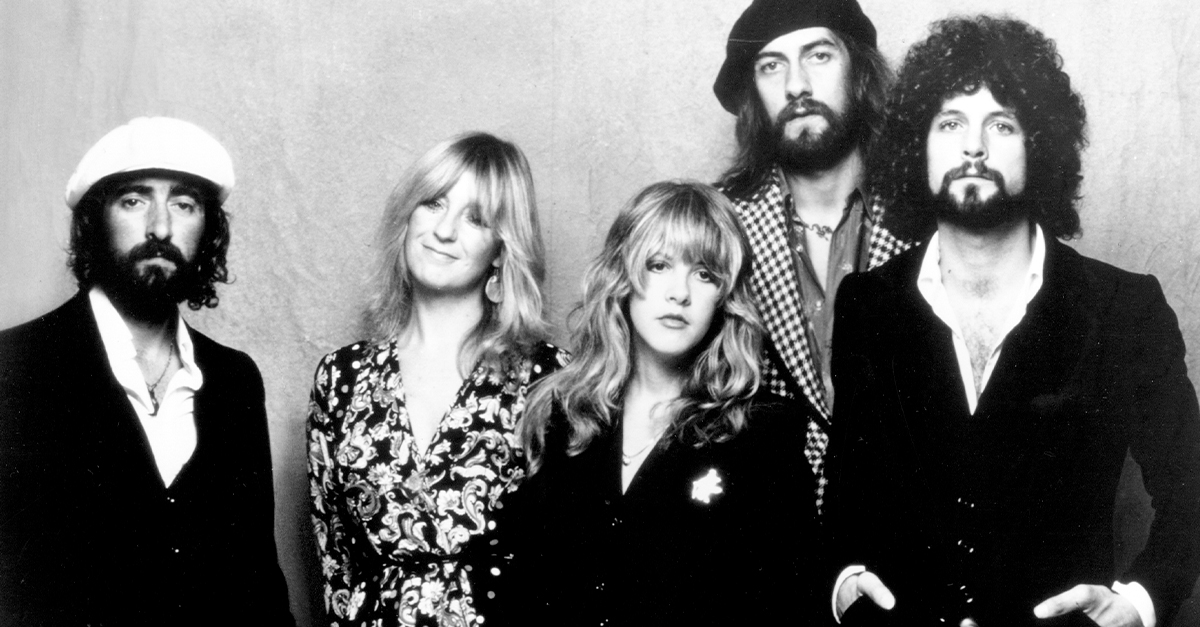
Fleetwood Mac was already a band built on reinvention, but nothing prepared them—or the world—for what happened when five unraveling relationships collided in a recording studio. In 1977, they released Rumours, an album born from heartbreak, betrayal, and emotional chaos.
It would go on to become one of the best-selling albums of all time, but behind its beloved harmonies lived a storm that almost tore the band apart.

The Five-Piece Pressure Cooker
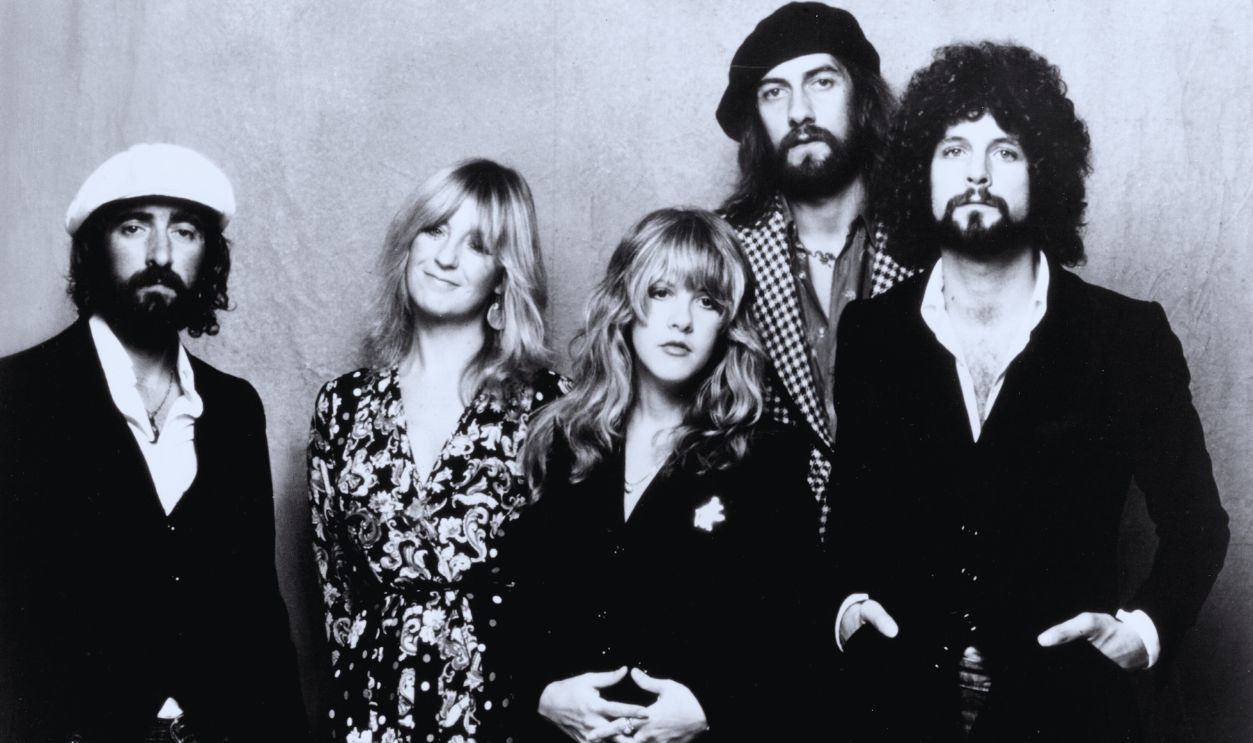
The recording lineup was iconic: Stevie Nicks, Lindsey Buckingham, Christine McVie, John McVie, and Mick Fleetwood. Five musicians, each gifted, passionate, and increasingly furious with one another. By the time they walked into the studio to record Rumours, every romantic relationship between them was either ending or already in ruins.
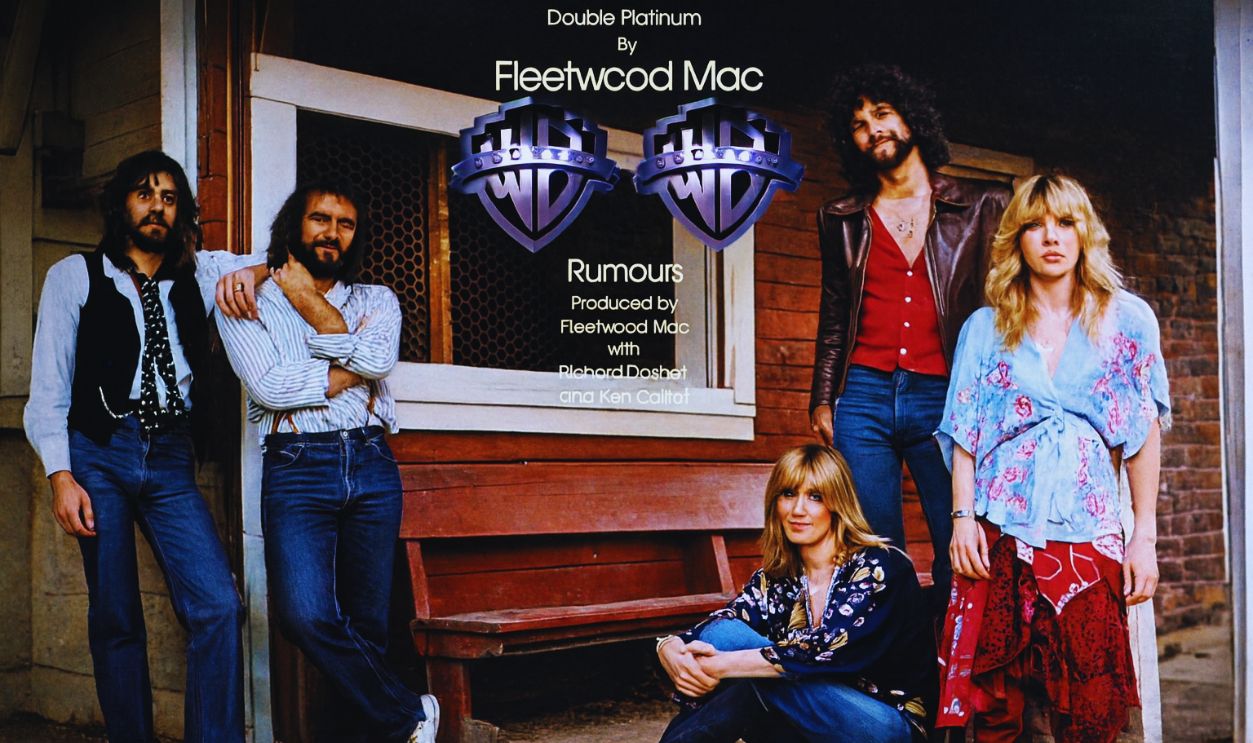 Warner Bros. Records, Wikimedia Commons
Stevie and Lindsey: Lovers Turned Rivals
At the emotional center of the band were Stevie Nicks and Lindsey Buckingham, whose relationship had once been a fairytale of two ambitious musicians rising through the ranks together. But by 1976, the romance was over. The breakup was raw, fresh, and impossible to escape. They lived together, worked together, wrote songs about each other, and then had to sing those songs face-to-face.
 Michael Ochs Archives, Getty Images
Christine and John: A Marriage Unravels
Christine and John McVie had been married for eight years, but the pressures of fame, personality clashes, and life on the road finally caught up to them. Their marriage dissolved right as the album sessions were beginning. Suddenly, Fleetwood Mac had not one but two catastrophic breakups happening in real time.

Mick Fleetwood’s Own Turmoil
Even the band’s stabilizing force, drummer Mick Fleetwood, wasn’t immune. He was grappling with his own relationship issues behind the scenes. The group’s emotional infrastructure didn’t just have cracks—it was collapsing at every joint.
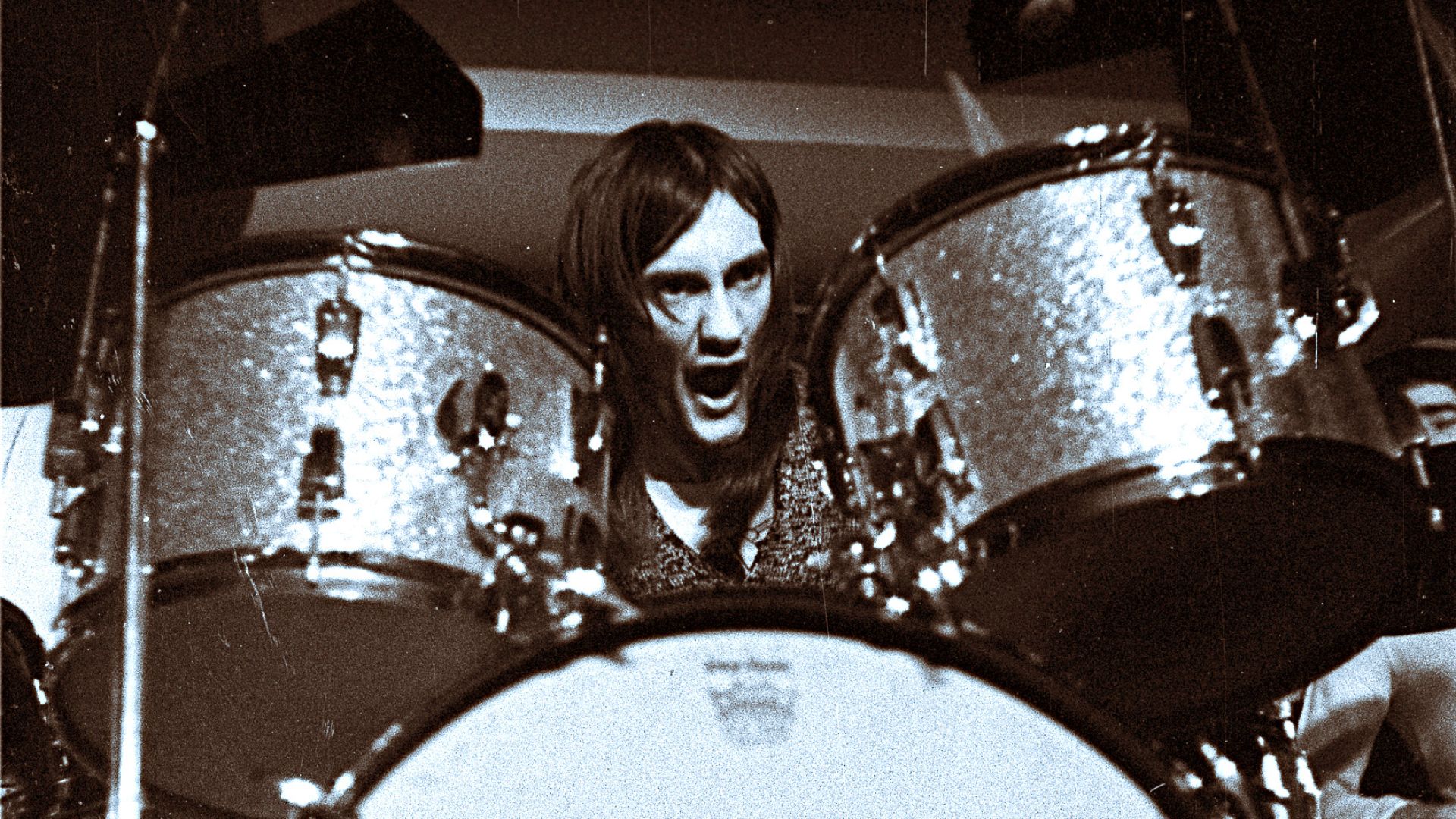 W.W.Thaler - H. Weber, Hildesheim, Wikimedia Commons
Enter the Studio: Tension Thick as Smoke
When the band began recording in 1976, the studio atmosphere was a volatile mix of heartbreak, simmering resentment, and forced professionalism.
Instead of halting the project, the band channeled their turmoil directly into the music. Their producers, Ken Caillat and Richard Dashut, watched in a mix of awe and anxiety as the group crafted songs that were essentially musical daggers aimed at each other.
 Michael Ochs Archives, Getty Images
“Go Your Own Way”: A Breakup Set to a Beat
Lindsey Buckingham poured his bitterness into “Go Your Own Way,” a fiery anthem declaring his independence from Nicks. Every lyric hit like a jolt. And then he had to stand in the same room with Stevie as she sang the harmonies.
There was one line in the song that really got under Stevie's skin.
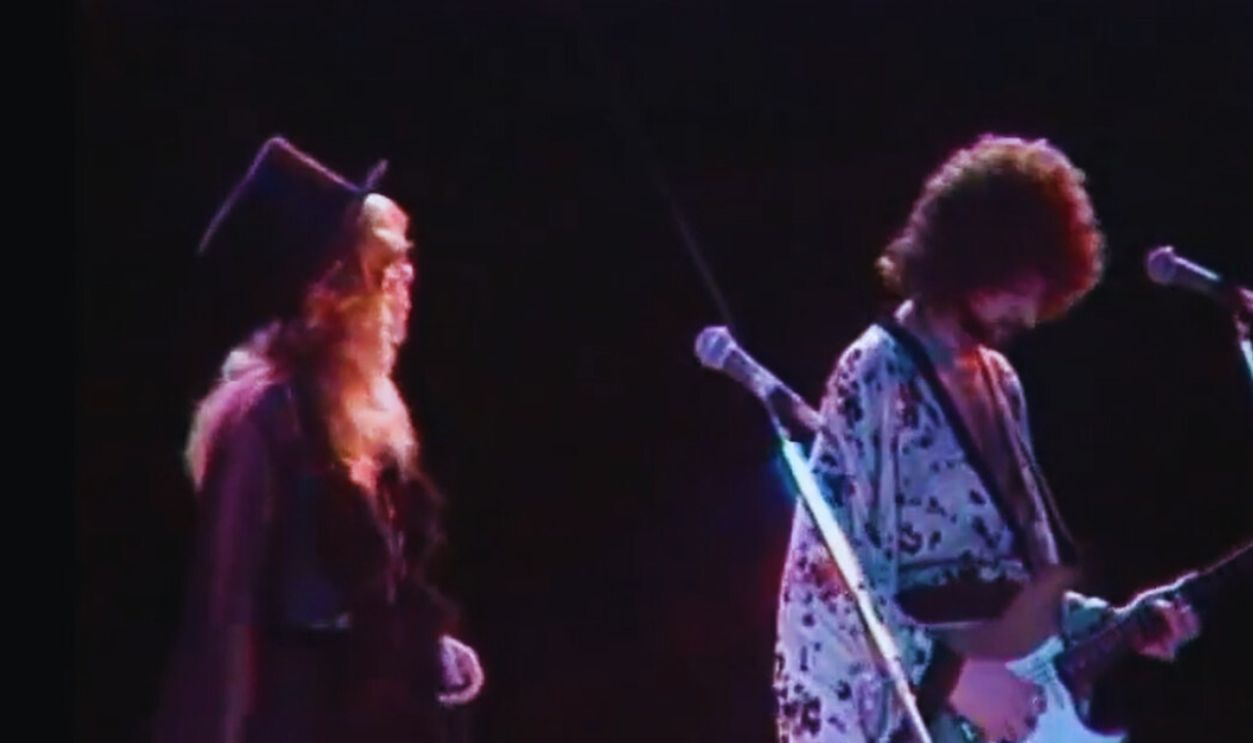 Screenshot from Fleetwood Mac – Go Your Own Way (1977 Rumours Tour), Warner Bros. Records (1977)
She Didn't Like The Lyrics
In the song "Go Your Own Way," the line "packing up, shacking up is all you wanna do" rubbed Stevie the wrong way, so much so that she wanted Buckingham to remove it from the song completely. She claimed that she'd never "shacked up" with anyone while they were still together.
Buckingham refused to placate her, but that didn't mean that Stevie didn't get her own musical punches in.
 David Wainwright, Wikimedia Commons
“Dreams”: Stevie’s Velvet Response
Stevie Nicks delivered her own perspective through “Dreams,” a haunting, reflective track written in response to the emotional fallout. Where Buckingham was blunt, Nicks was mystical. She expressed longing, regret, and a faint hope that everyone might still land on their feet.
However, there was another song she'd written about Buckingham that didn't make it on the finished album.

"Silver Springs" Didn't Make The Cut
Today, "Silver Springs" continues to be one of the songs to sum up all the drama of Stevie Nicks and Lindsey Buckingham's entanglement. She later shared, "I wrote 'Silver Springs' about Lindsey. And we were in Maryland somewhere driving under a freeway sign that said Silver Springs... Silver Springs sounded like a pretty fabulous place to me. And 'You could be my silver springs'—that's just a whole symbolic thing of what you could have been to me".
But there was an infuriating reason why the gorgeous track didn't make the final cut.
 Unknown authorUnknown author, Wikimedia Commons
She Wanted It To Be On The Album
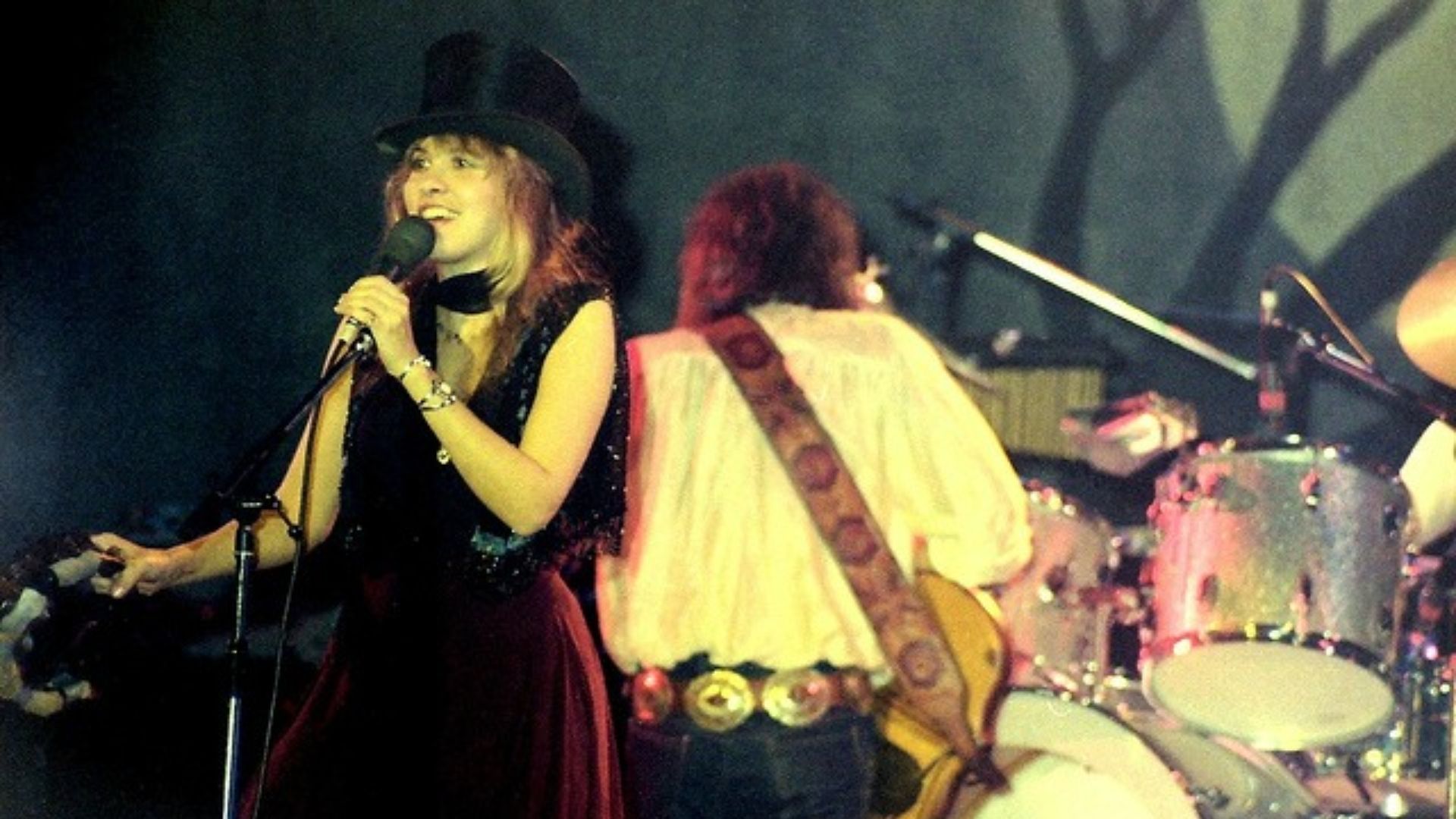
You see, "Silver Springs" was just too long and slow, and didn't fit on the album. This sparked some definite ire in Stevie Nicks, who argued for the song to be included. Sadly, she didn't get her wish. To her disappointment, the song got relegated to the B-Side of the "Go Your Own Way" single.
The Band That Wouldn’t Break
Despite the arguments, the tears, and the walkouts, the band kept showing up. Recording stretched from February to August 1976, with sessions sometimes lasting deep into the night.
 Michael Ochs Archives, Getty Images
A Studio Built on Secrets
The band’s tensions were so intense that the studio became a confessional. Songs were messages. Lyrics were accusations. Melodies were silent arguments. Producers later recalled the emotionally charged environment in vivid detail.
 Michael Ochs Archives, Getty Images
Success No One Expected
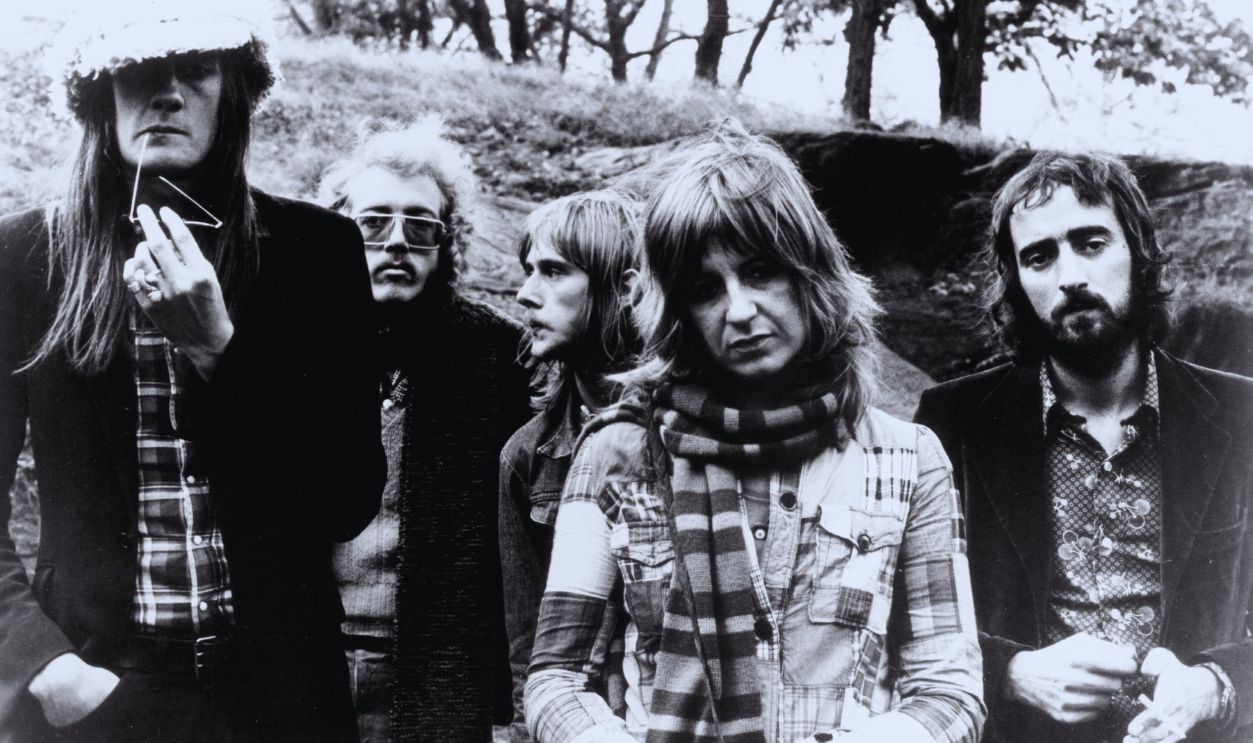
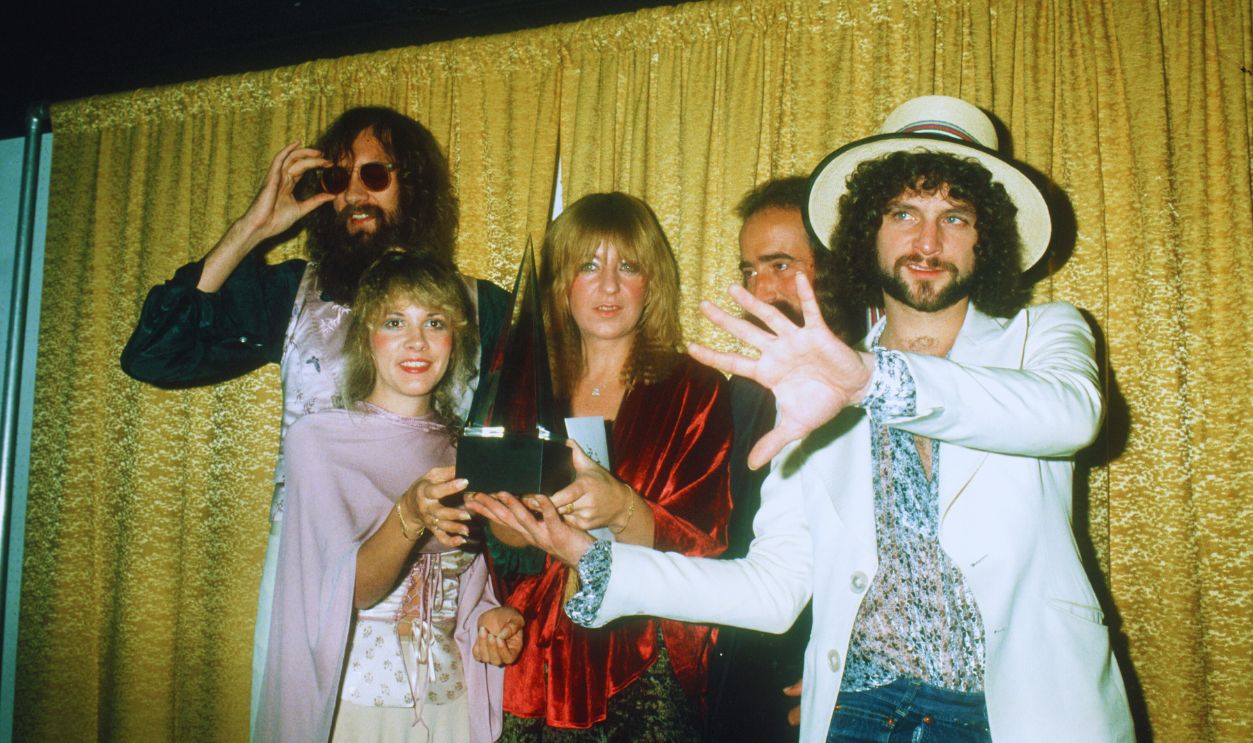
When Rumours was finally released on February 4, 1977, no one anticipated what would happen next. The public was enraptured by the album. The emotional rawness resonated with millions. Fleetwood Mac had turned their darkest moments into something universally relatable.
Rumours Becomes a Juggernaut
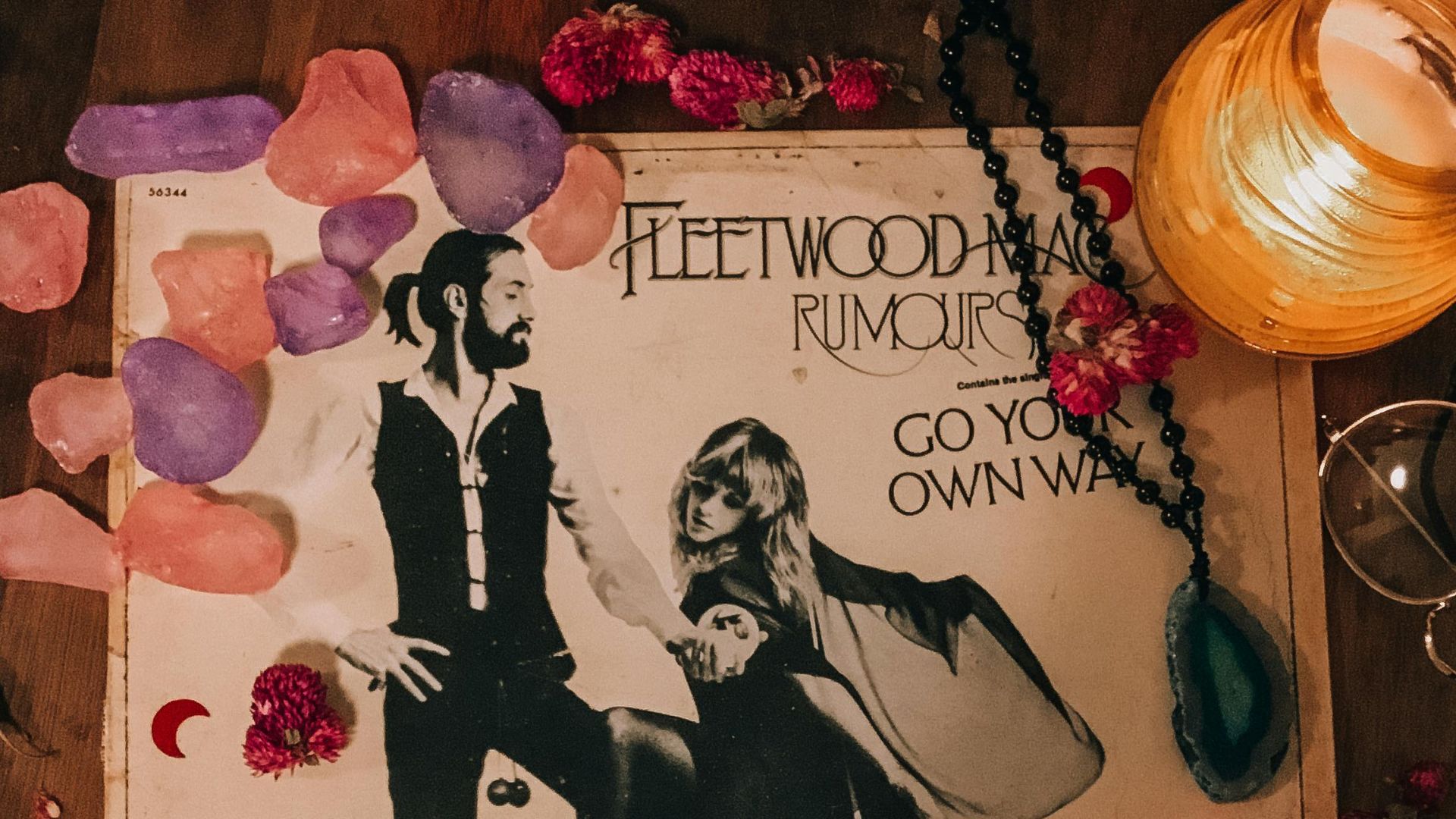
Rumours quickly became one of the best-selling albums in history, rocketing the band into an even more intense spotlight. It was a bittersweet victory: the world loved the music, but few understood the suffering that had created it.
 Michael Ochs Archives, Getty Images
Fame Adds Fuel to the Fire
The album’s success didn’t calm the storm. If anything, it heightened it. The band had to tour together, perform the breakup songs nightly, and pretend nothing was wrong. The spotlight intensified their wounds and added new pressure to an already fragile group.

Living Their Lyrics Onstage
Night after night, Stevie and Lindsey sang the story of their heartbreak directly at each other. Christine and John stood only feet apart while performing songs born from their fracturing marriage. It was as if they were reliving the album’s creation in an endless loop.
 Michael Ochs Archives, Getty Images
The Web of Rumours-Era Whispers
Whispers, rumors, and sometimes-disputed accounts swirled around the band as the years went on. Some stories were confirmed. Others were contradicted by the band members themselves. But the effect was undeniable: the interpersonal dynamics shaped every corner of the band’s world.

The Shadow of Substance Use
Behind the scenes, the pressures of fame and emotion were accompanied by accounts—varying by source—of significant substance use. While the extent of its influence on the album differs between interviews and memoirs, it became part of the legend surrounding the band’s creative process.
 Screenshot from Fleetwood Mac – Dreams, Warner Bros. Records (1977)
The Aftermath: Scars That Stayed
Though the Rumours era officially ended in the late 1970s, its aftershocks echoed for decades. Reunions brought old tensions back to the surface. Later conflicts, shifting lineups, and dramatic departures were all colored by the emotional history forged by that unforgettable album.
Despite their turbulent history, Stevie Nicks and Lindsey Buckingham are still reviving some of their old music for their fans.
The Return Of Buckingham Nicks
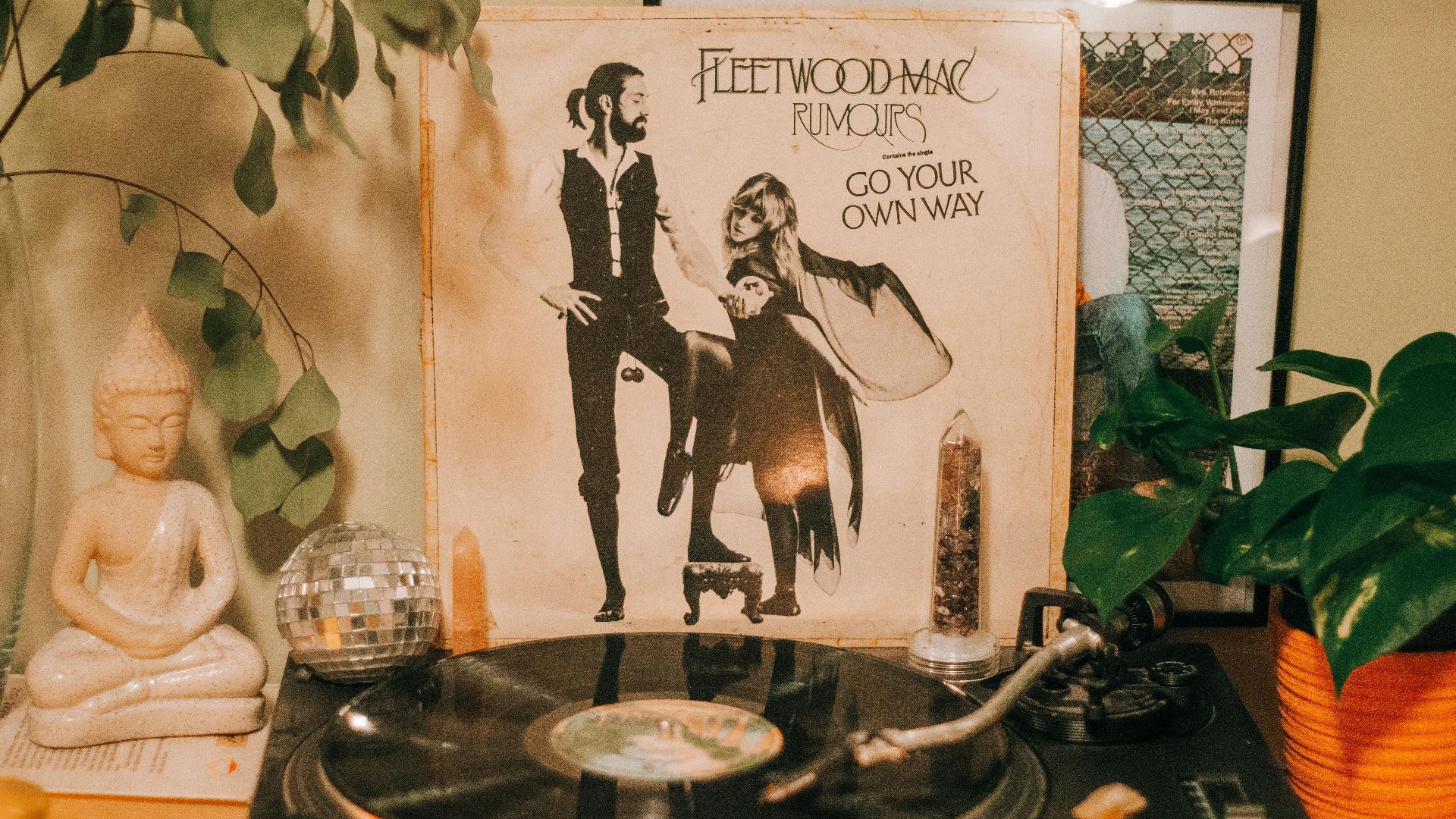
In 2025, the 1973 album Buckingham Nicks got a second life when it was remastered and re-released. This had been a long time coming as the album had been a major flop back in the day. Charting in many countries, the album had fans returning to the old tunes and rehashing the band's juicy drama.
Clearly, the fascination with the Nicks and Buckingham's relationship lives on. And the love of Rumours? Well, that might just be eternal.
 Bumperke at Dutch Wikipedia, Wikimedia Commons
You May Also Like:
The Greatest One-Album Wonders Of The 2000s
The Greatest Country Songs Ever Recorded
Live Performances That Became Unforgettable For All The Wrong Reasons