She Was More Than Laverne
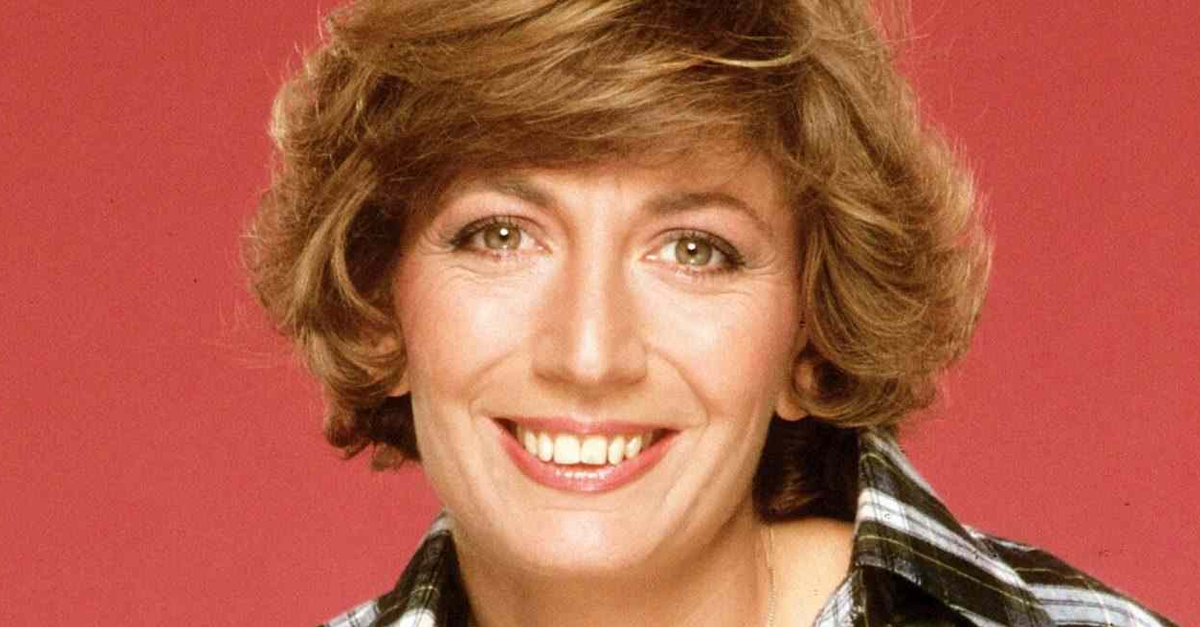
Penny Marshall became a household name playing the wisecracking Laverne DeFazio on Laverne & Shirley. But her career didn't end when the sitcom did. She went on to become one of Hollywood's most successful female directors, making seven feature films, including two massive box office hits and an Oscar-nominated drama.
And chances are, you've seen more of her movies than you realize.
She Became A Household Name
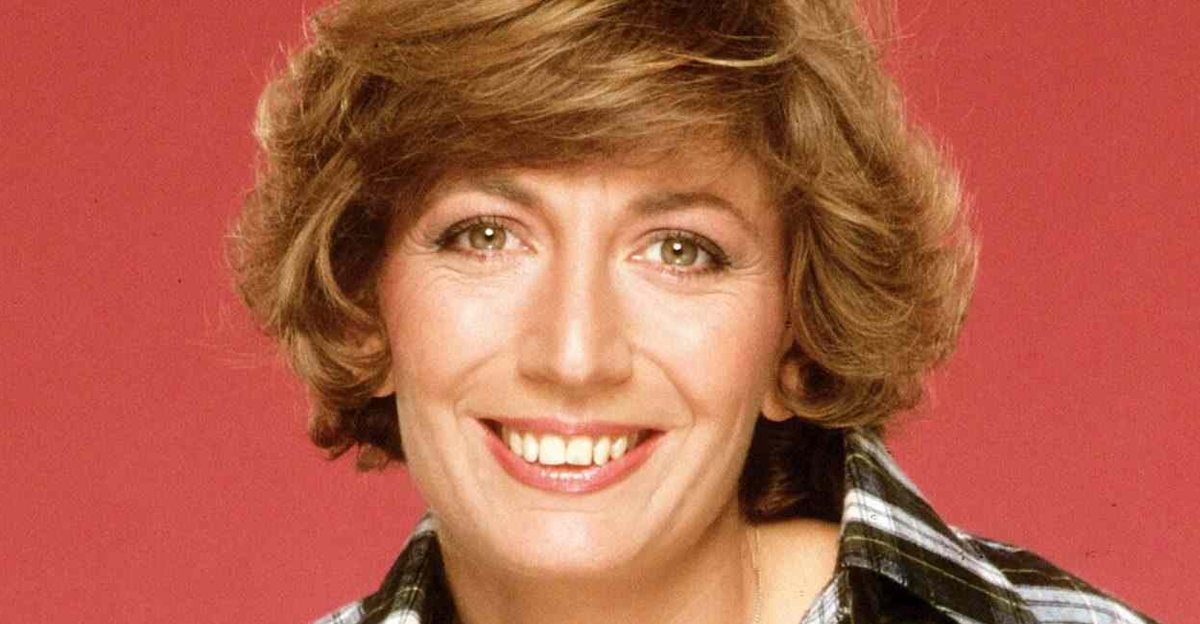
Marshall first played Laverne DeFazio on Happy Days, appearing alongside Cindy Williams as Shirley Feeney. Their chemistry was so popular that ABC gave them their own sitcom in 1976. Laverne & Shirley became a ratings sensation, running for eight seasons and making Marshall one of television's most recognizable actresses.
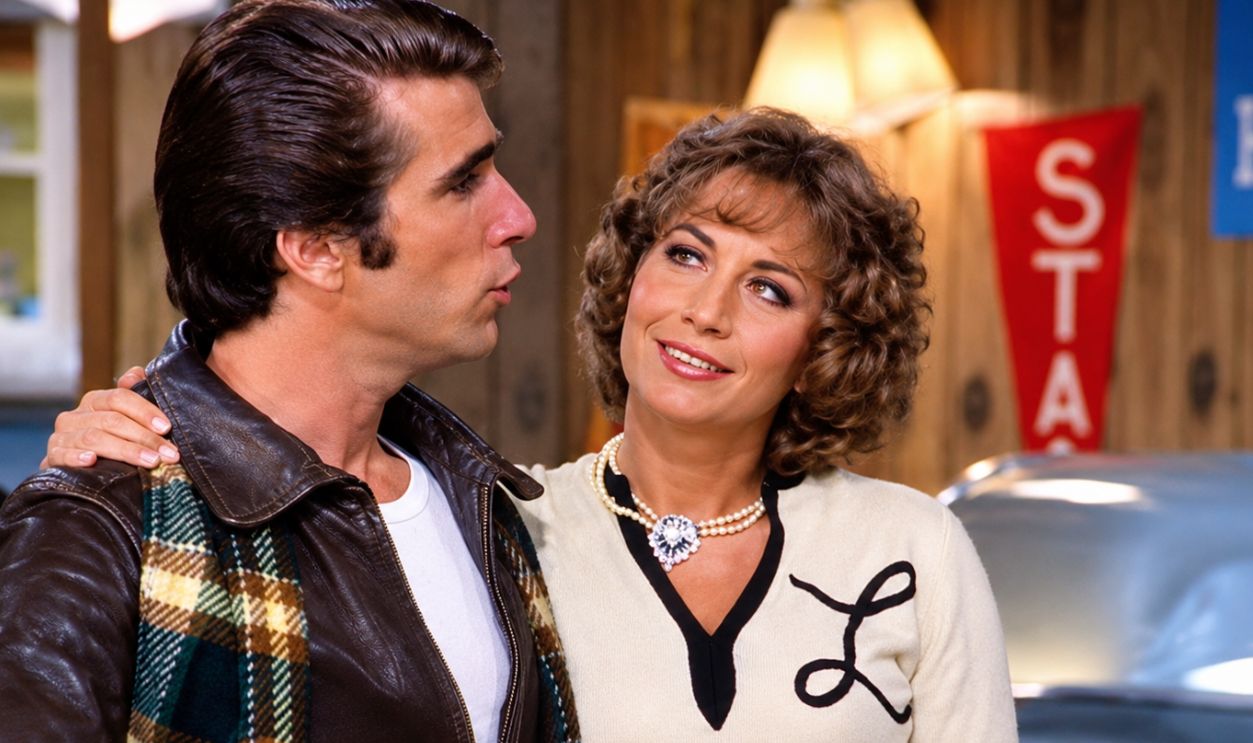 Screenshot from Happy Days, Paramount (1974-1984), Enhanced
Directing Ran In Her Family
Penny wasn't the only Marshall making a name in Hollywood. Her older brother, Garry Marshall, was a successful writer, producer, and director who helped create both Happy Days and Laverne & Shirley. The siblings shared a talent for comedy, but Penny would eventually follow her brother's footsteps behind the camera.
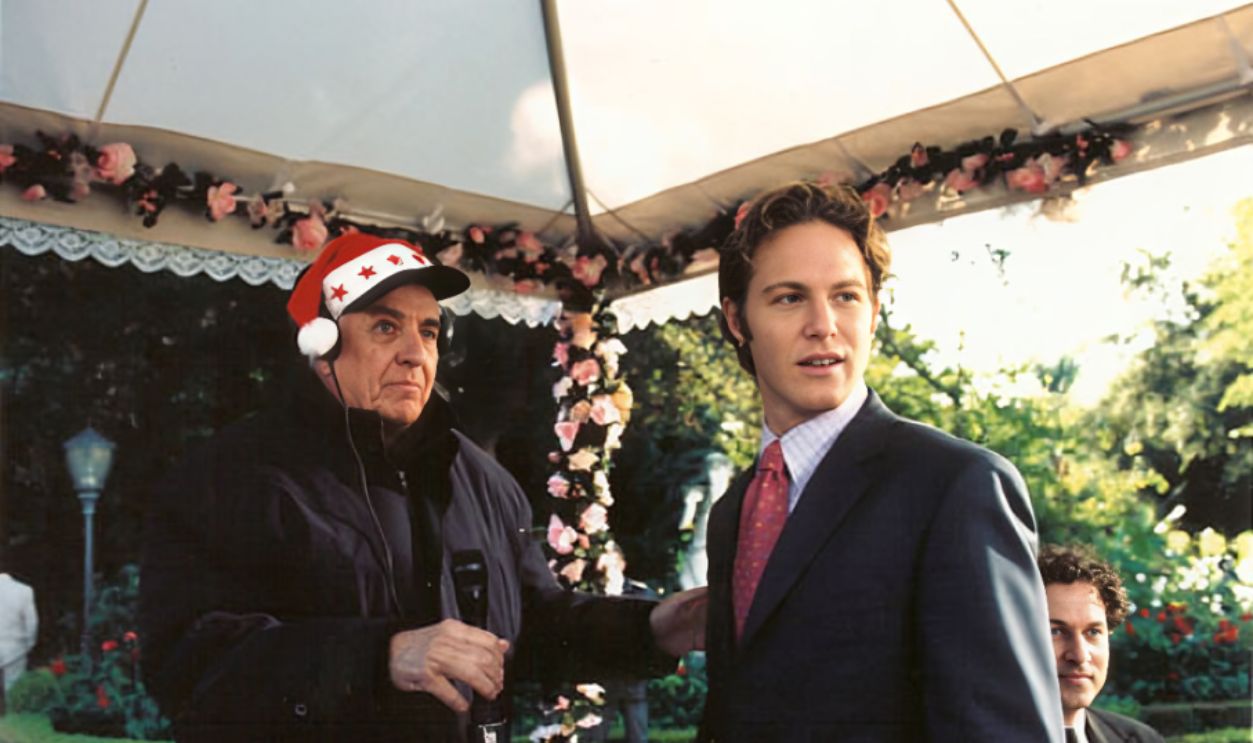 Toylab, Wikimedia Commons, Enhanced
She Started Directing On Television
Before directing movies, Marshall gained experience directing episodes of Laverne & Shirley. She also worked behind the camera on Working Stiffs, a short-lived sitcom starring Michael Keaton and James Belushi. These early assignments prepared her for a career change that arrived unexpectedly in 1986.
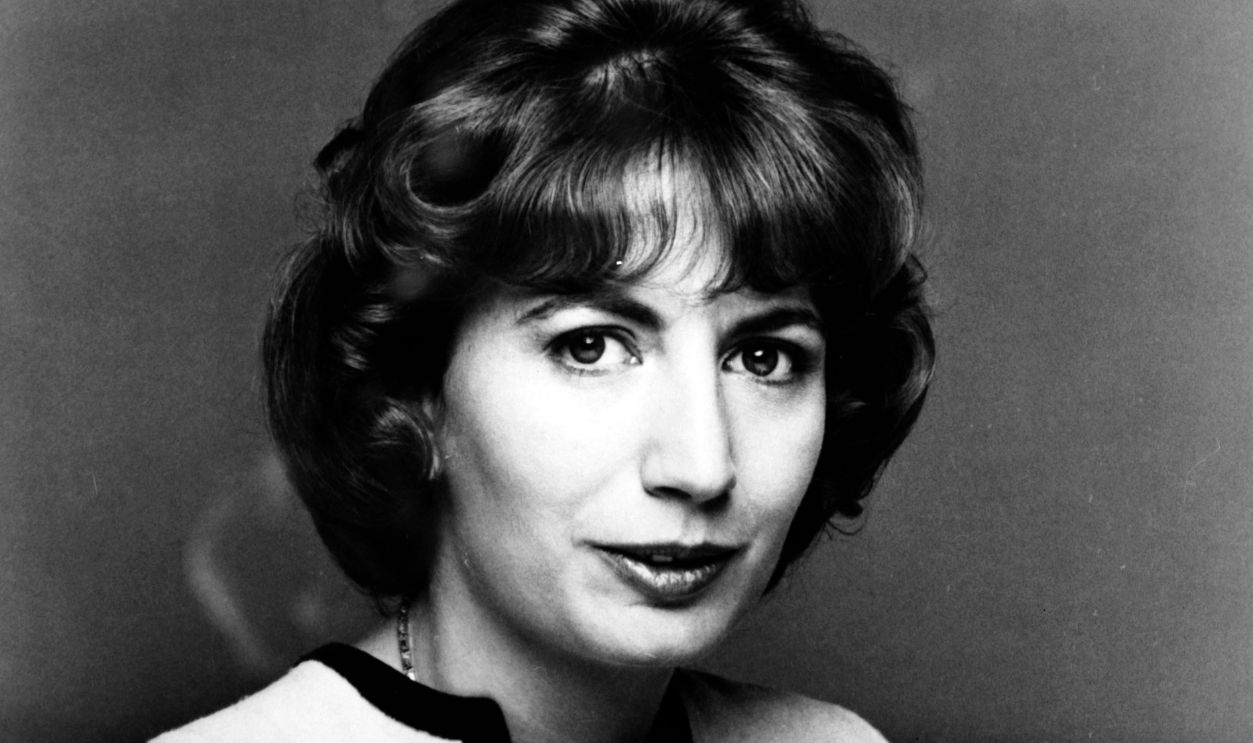
She Almost Directed Peggy Sue Got Married
Marshall's first feature film was supposed to be Peggy Sue Got Married, with Debra Winger in the lead role. Winger had supported Marshall's hiring, but disagreements over the screenplay led both women to leave the project. Francis Ford Coppola eventually directed the 1986 film, starring Kathleen Turner.
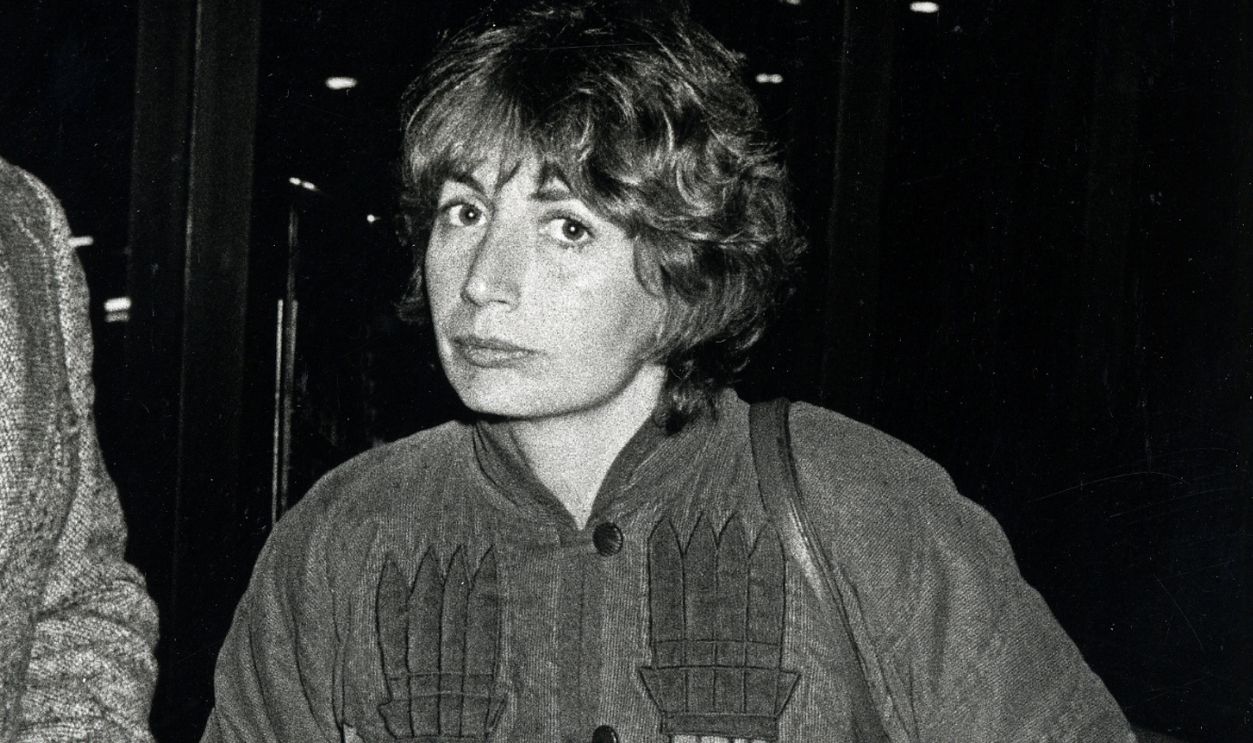
Jumpin' Jack Flash (1986)
Marshall finally made her feature directing debut with Jumpin' Jack Flash, an action comedy starring Whoopi Goldberg. Goldberg played Terry Doolittle, a bank employee who becomes involved in international espionage after receiving mysterious computer messages. The film combined spy-movie suspense with Goldberg's energetic comedy.
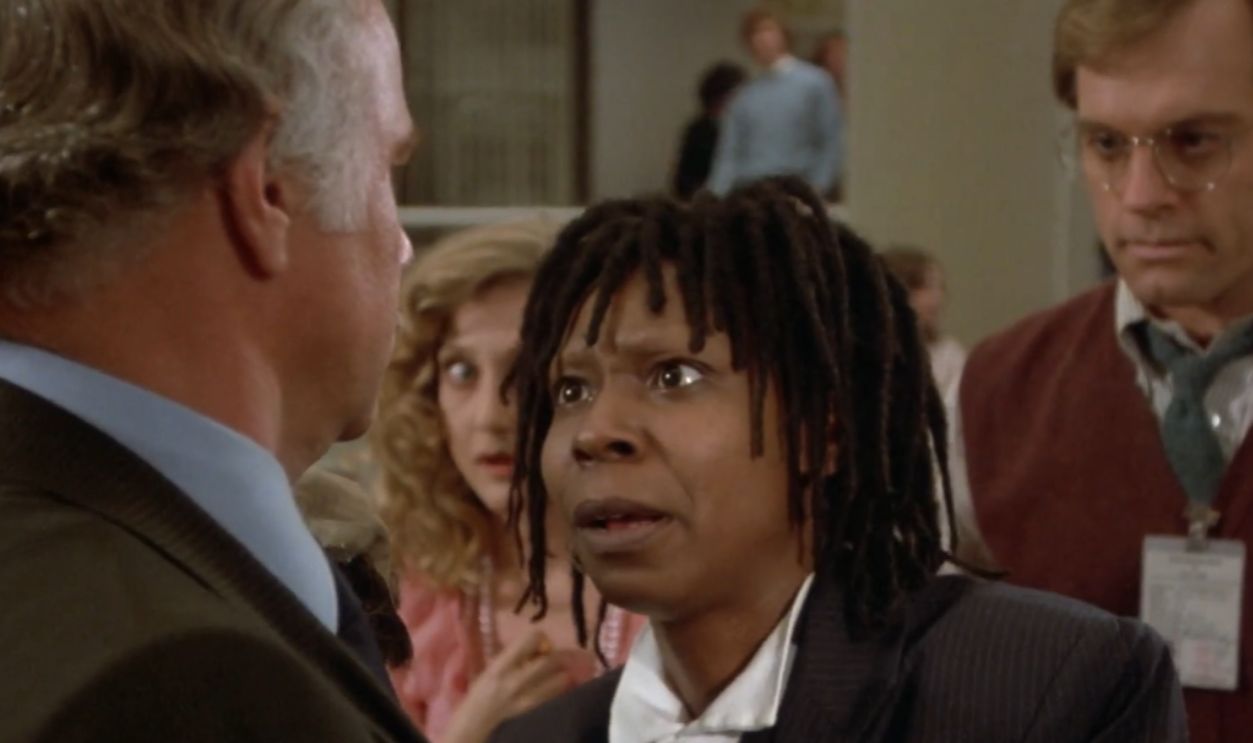 Screenshot from Jumpin’ Jack Flash, The Walt Disney Company (1986)
She Took Over A Troubled Production
Marshall wasn't the original director of Jumpin' Jack Flash. Howard Zieff left after just ten days of filming following creative disagreements, and the studio brought Marshall in to replace him. She took charge of the production in November 1985, inheriting a movie that was already underway.
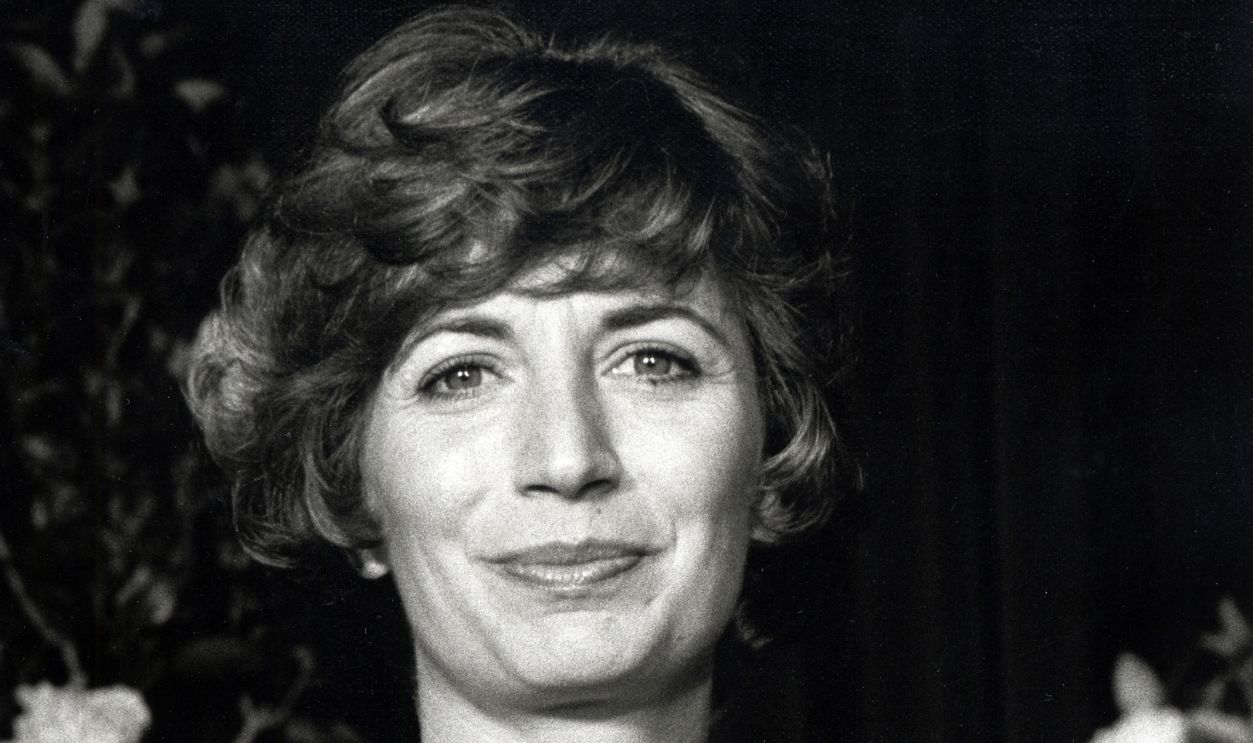
The Script Was Constantly Changing
The troubled production also went through an extraordinary number of writers, with reports identifying at least ten people who worked on the screenplay. Marshall brought in additional writers to revise the material after taking over. The finished movie received mixed reviews and earned approximately $24.5 million domestically, but it gave Marshall the experience she needed for her next project.
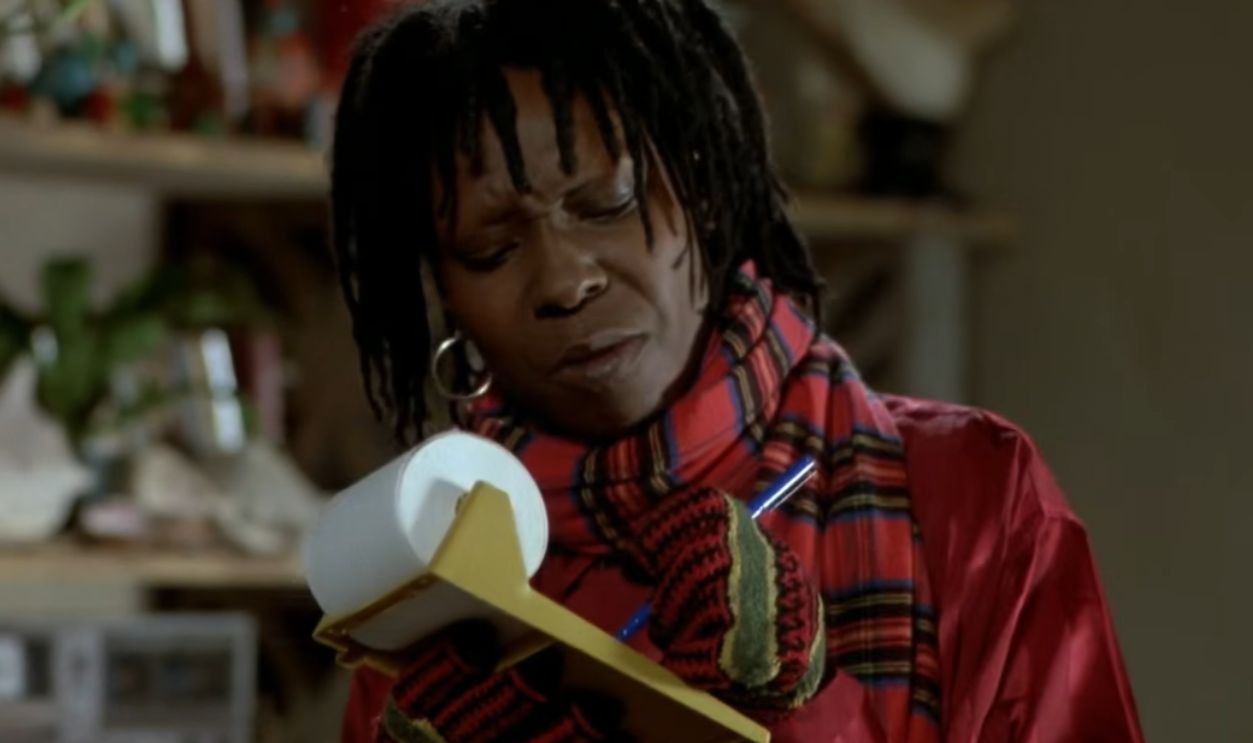 Screenshot from Jumpin’ Jack Flash, The Walt Disney Company (1986)
Big (1988)
After the modest success of Jumpin' Jack Flash, Marshall scored a major breakthrough with Big, starring Tom Hanks. Hanks played Josh Baskin, a 12-year-old boy who magically becomes an adult overnight. Marshall balanced the comedy of a child navigating the adult world with the sadness of a boy missing his childhood.
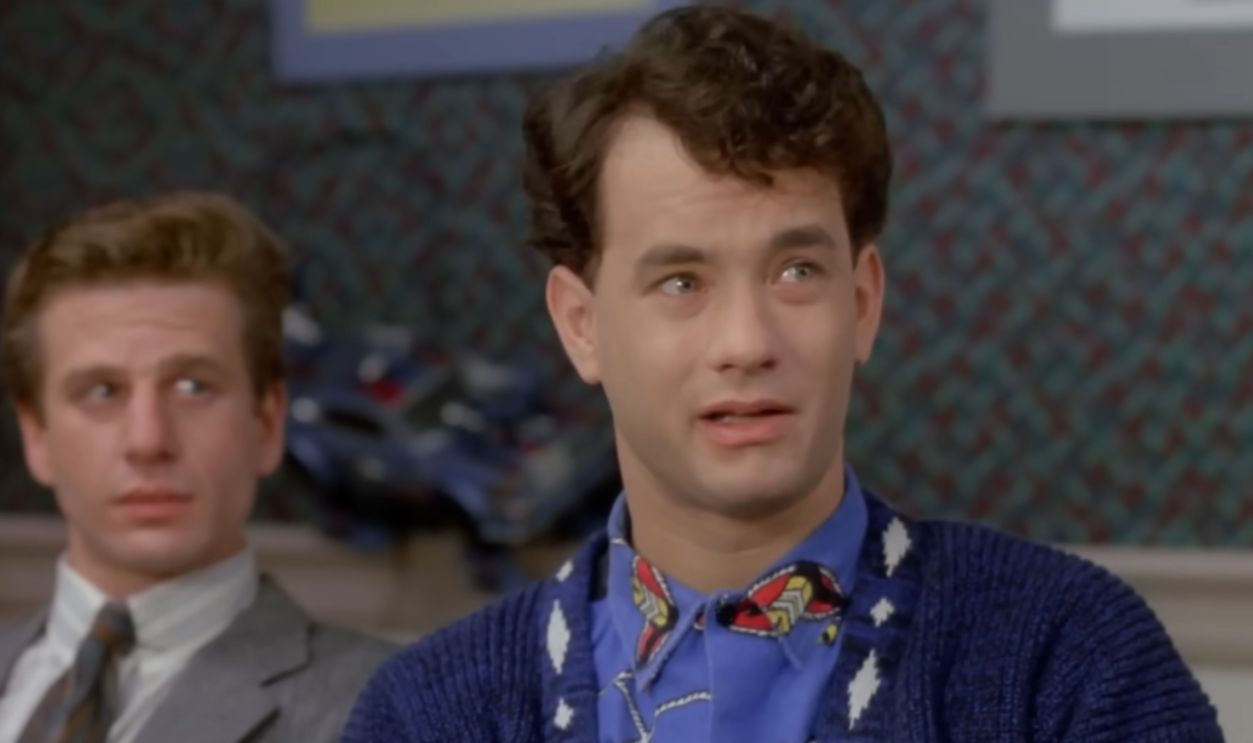 Screenshot from Big, The Walt Disney Company (1988)
Robert De Niro Almost Played Josh
Tom Hanks was Marshall's first choice for Big, but scheduling conflicts initially made him unavailable. Marshall then pursued Robert De Niro, believing his dramatic acting style would give the comedy an unexpected twist. De Niro was interested, but negotiations fell apart, and Hanks eventually took the role.
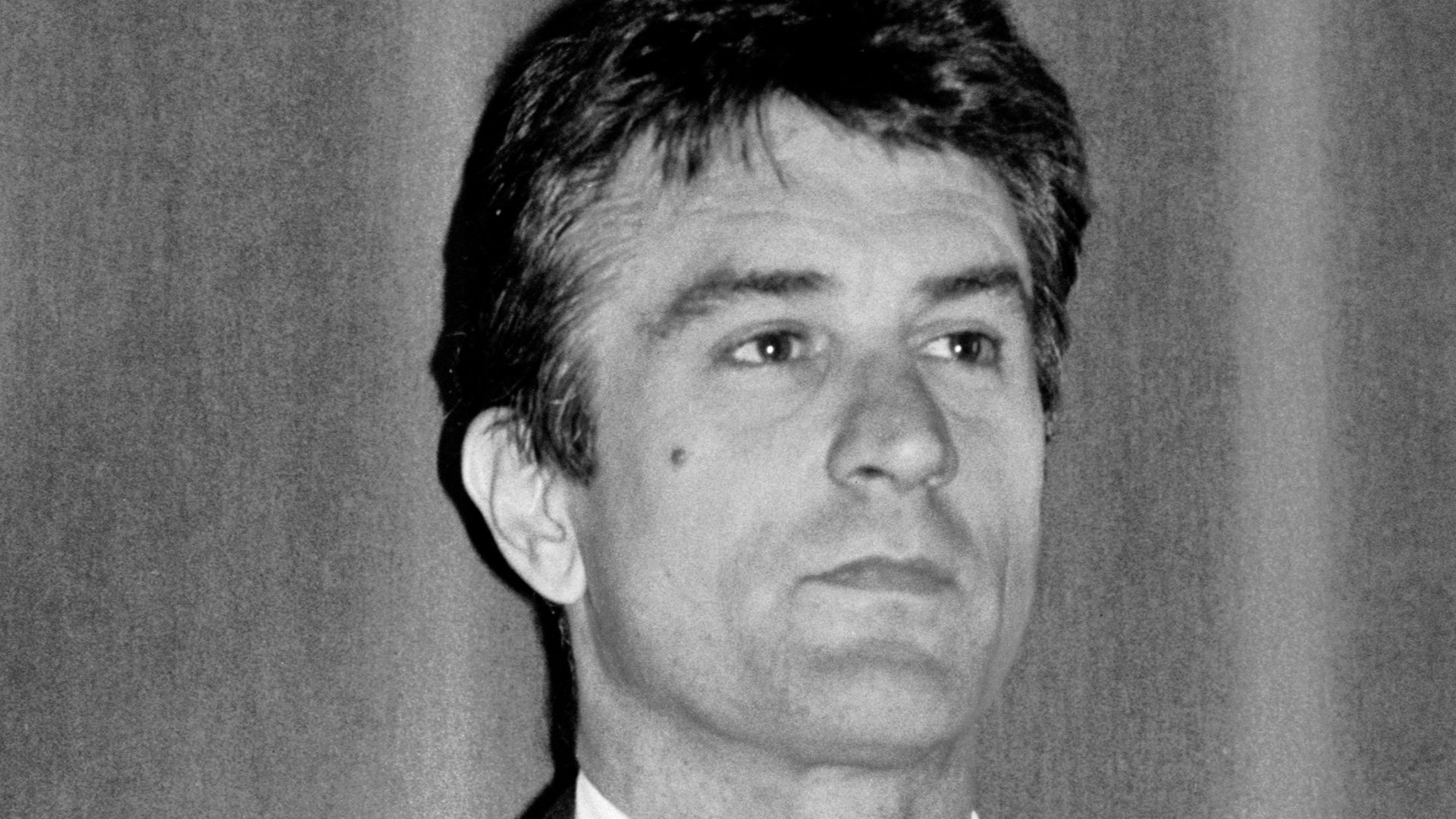 Roland Godefroy
Modifié par: Arad (Dust removed), Wikimedia Commons
She Made The Giant Piano Scene Unforgettable
One of Big's most beloved moments featured Hanks and Robert Loggia playing a giant floor piano at New York's FAO Schwarz toy store. The actors rehearsed their footwork to perform the elaborate routine themselves. The scene became one of the movie's most recognizable moments and remains a defining sequence of Hanks' early career.
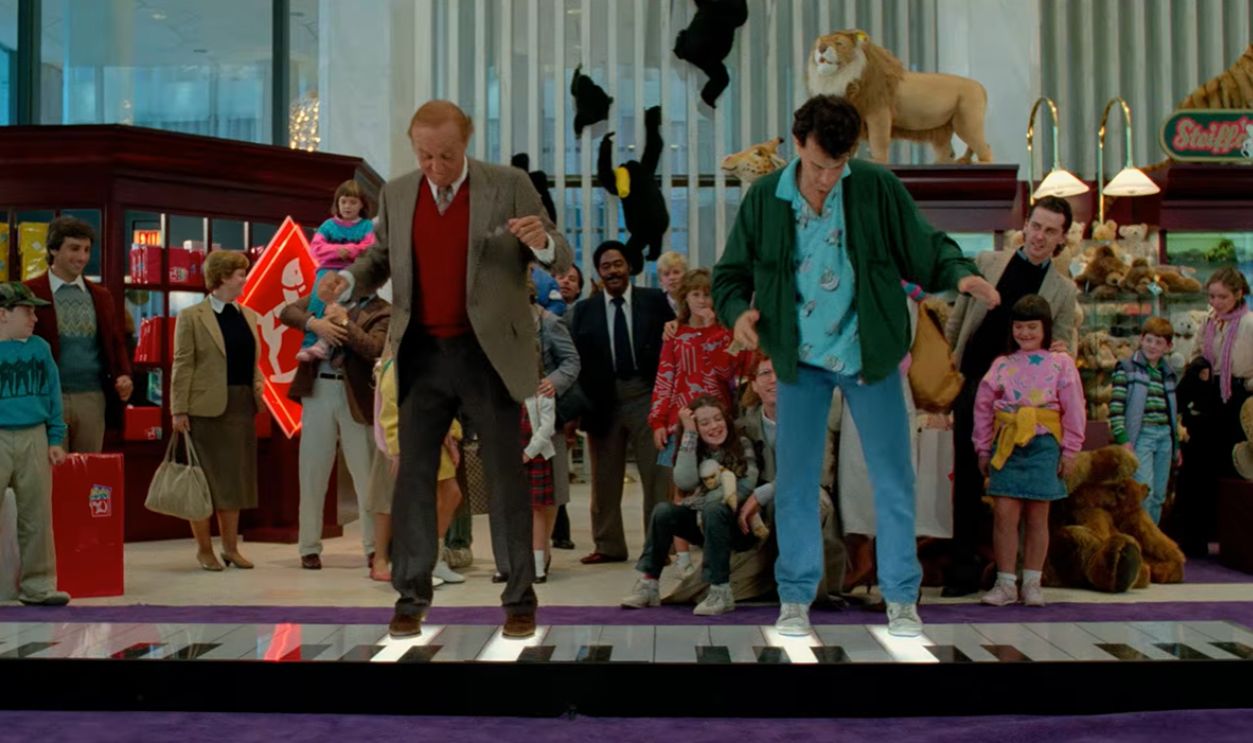 Screenshot from Big, The Walt Disney Company (1988)
Big Made Hollywood History
Big became the first movie directed by a woman to earn more than $100 million at the domestic box office. Hanks also received his first Academy Award nomination for Best Actor, while the film earned a nomination for Best Original Screenplay. Marshall had gone from television sitcom star to record-breaking Hollywood director in just two years.
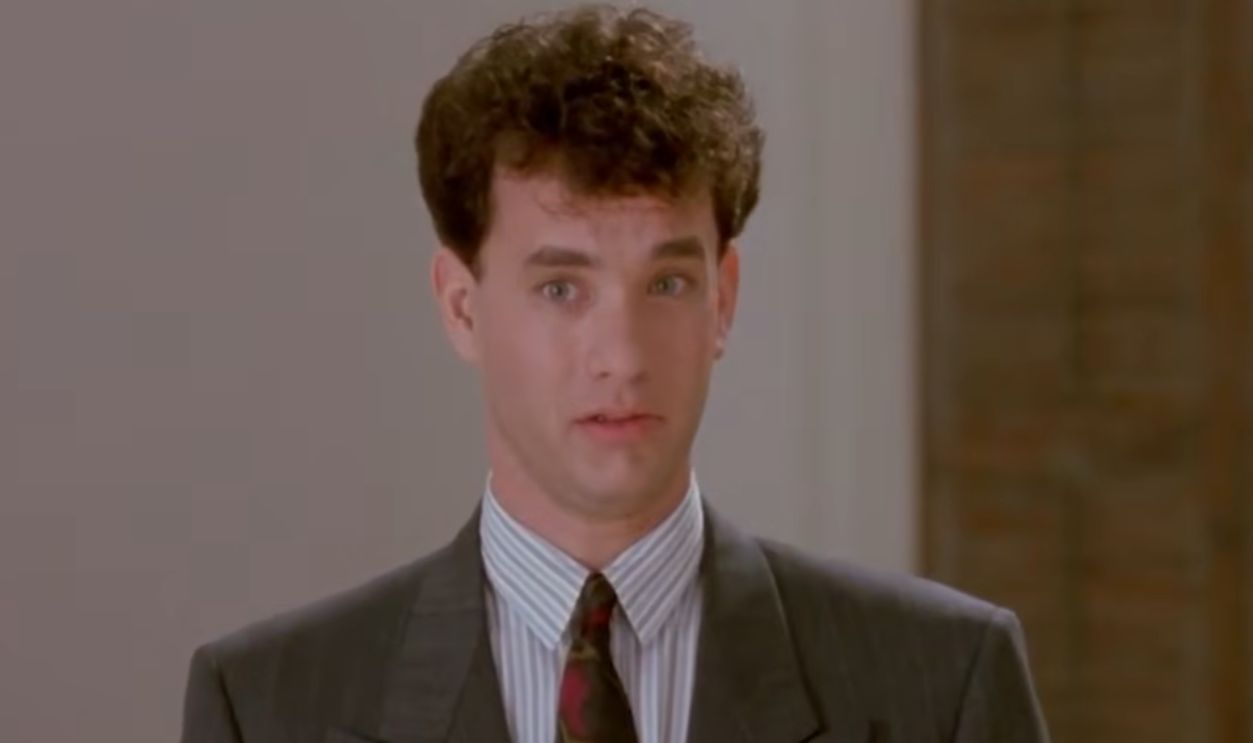 Screenshot from Big, The Walt Disney Company (1988)
Awakenings (1990)
After the enormous success of Big, Marshall made a surprising choice for her next project. Awakenings was a serious medical drama starring Robert De Niro and Robin Williams, based on neurologist Oliver Sacks' book about patients left largely unresponsive after an epidemic of encephalitis. The film was a major departure from the comedy that had made Marshall famous.
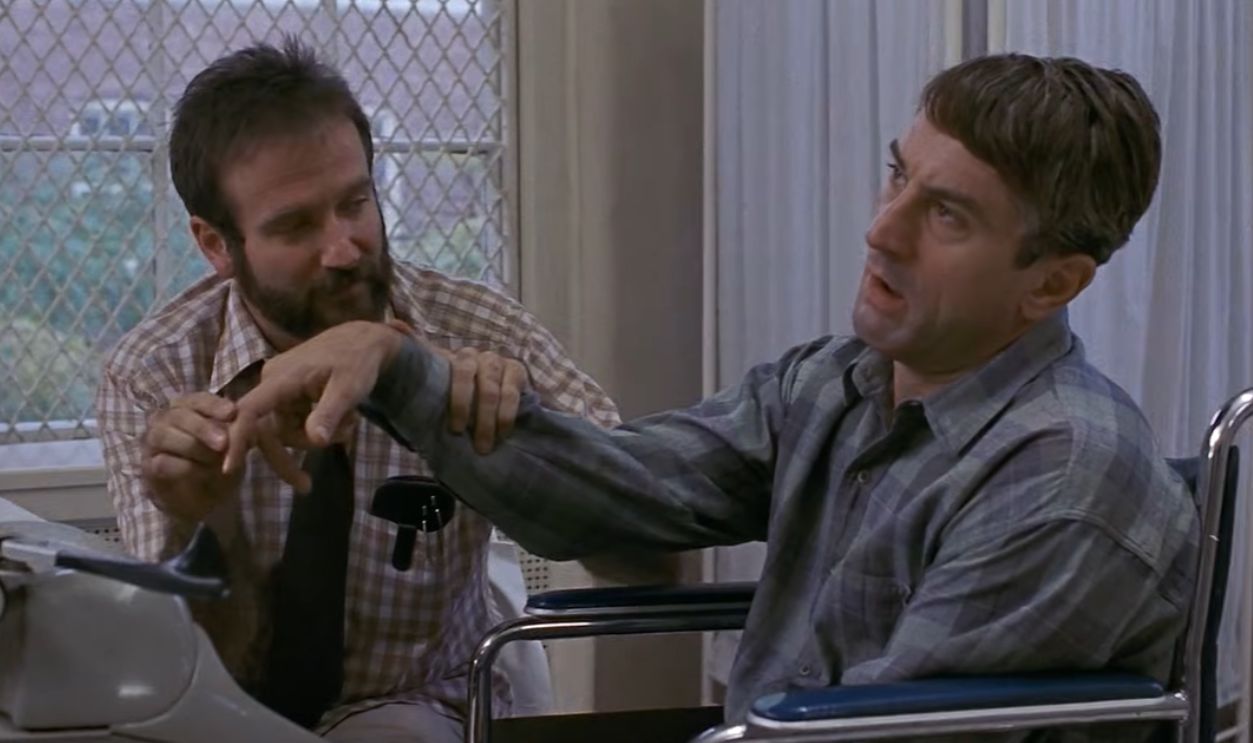 Screenshot from Awakenings, Sony Pictures Entertainment (1990)
She Couldn't Get The Story Out Of Her Head
Marshall became deeply attached to the Awakenings screenplay, which explored the lives of patients who had spent decades unable to interact normally with the world. She later recalled being moved to tears by the story and its message about the preciousness of everyday life. The film made her reconsider how easily people take ordinary experiences for granted.
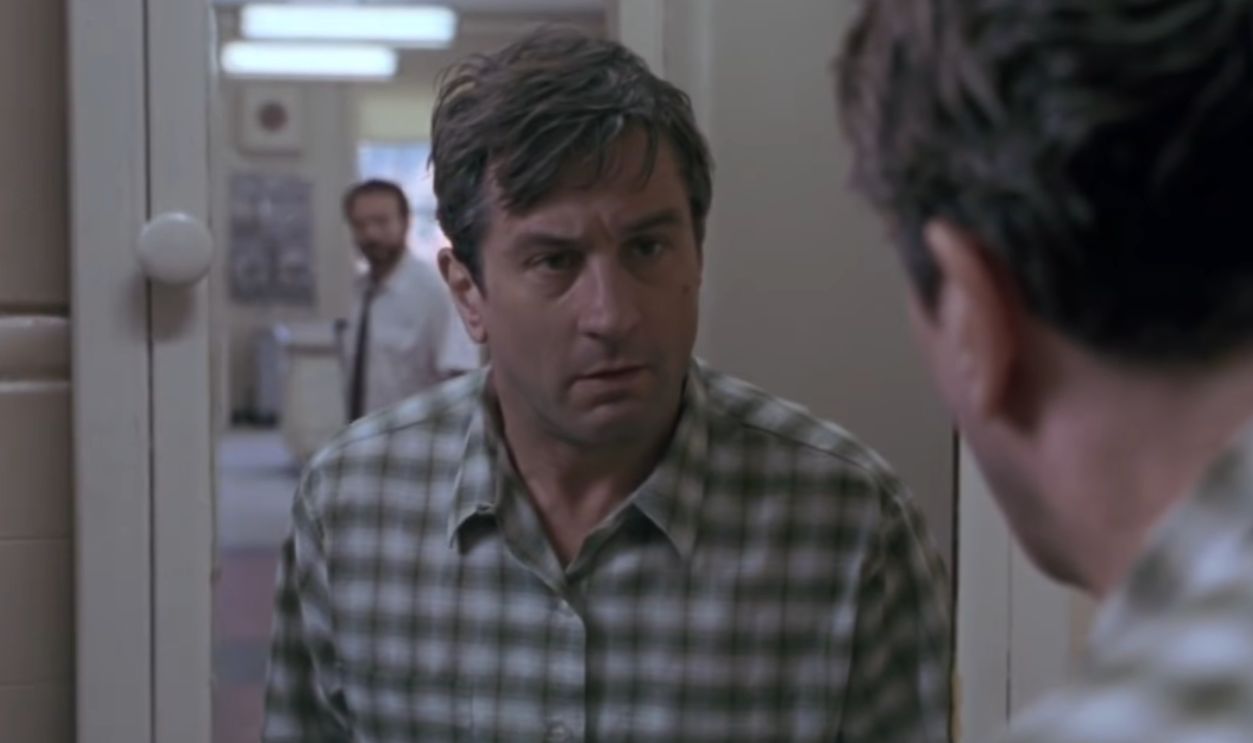 Screenshot from Awakenings, Sony Pictures Entertainment (1990)
She Brought Out A Different Side Of Robin Williams
Williams played Dr. Malcolm Sayer, a shy neurologist who discovers that medication can temporarily awaken some of his patients. De Niro played Leonard Lowe, one of the patients who experiences a remarkable improvement. Instead of relying on Williams' famous improvisational comedy, Marshall directed him in one of his most restrained dramatic performances.
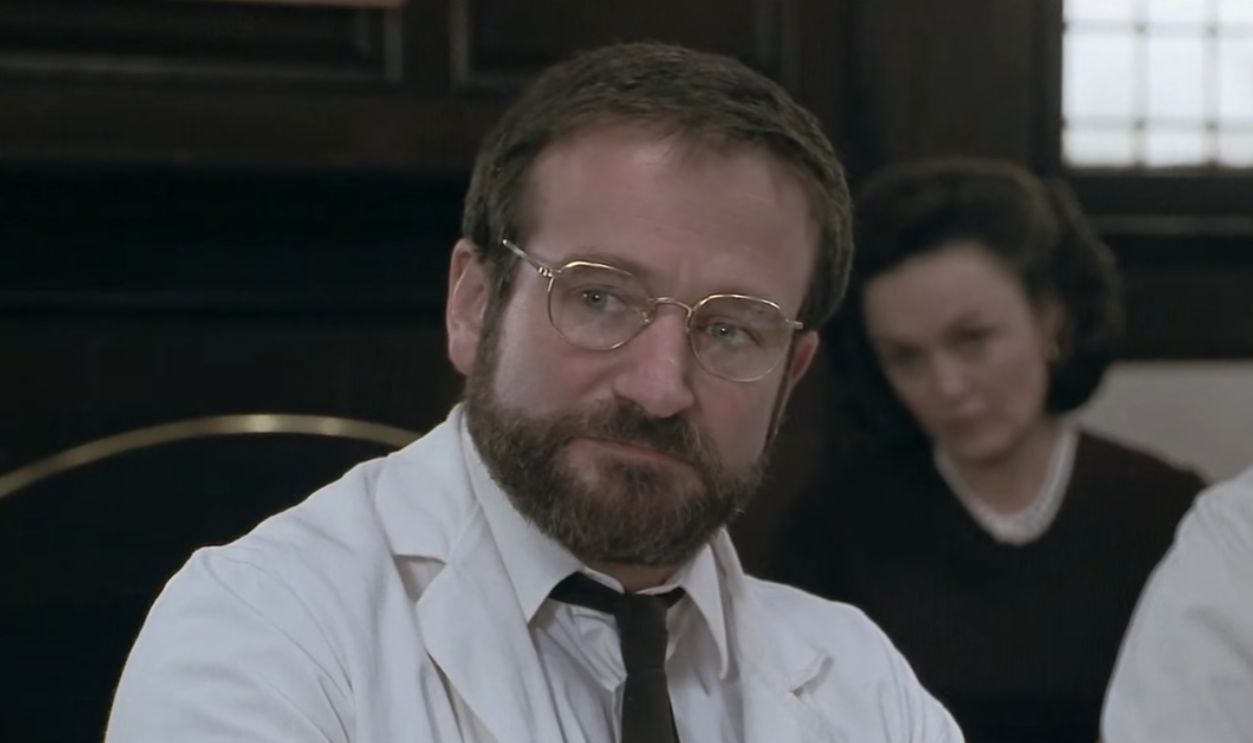 Screenshot from Awakenings, Sony Pictures Entertainment (1990)
The Film Earned Three Oscar Nominations
Awakenings received three Academy Award nominations, including Best Picture, Best Actor for De Niro, and Best Adapted Screenplay. The recognition demonstrated Marshall's ability to direct serious drama as successfully as comedy. It also reunited her with De Niro, the actor she had previously considered for Big.
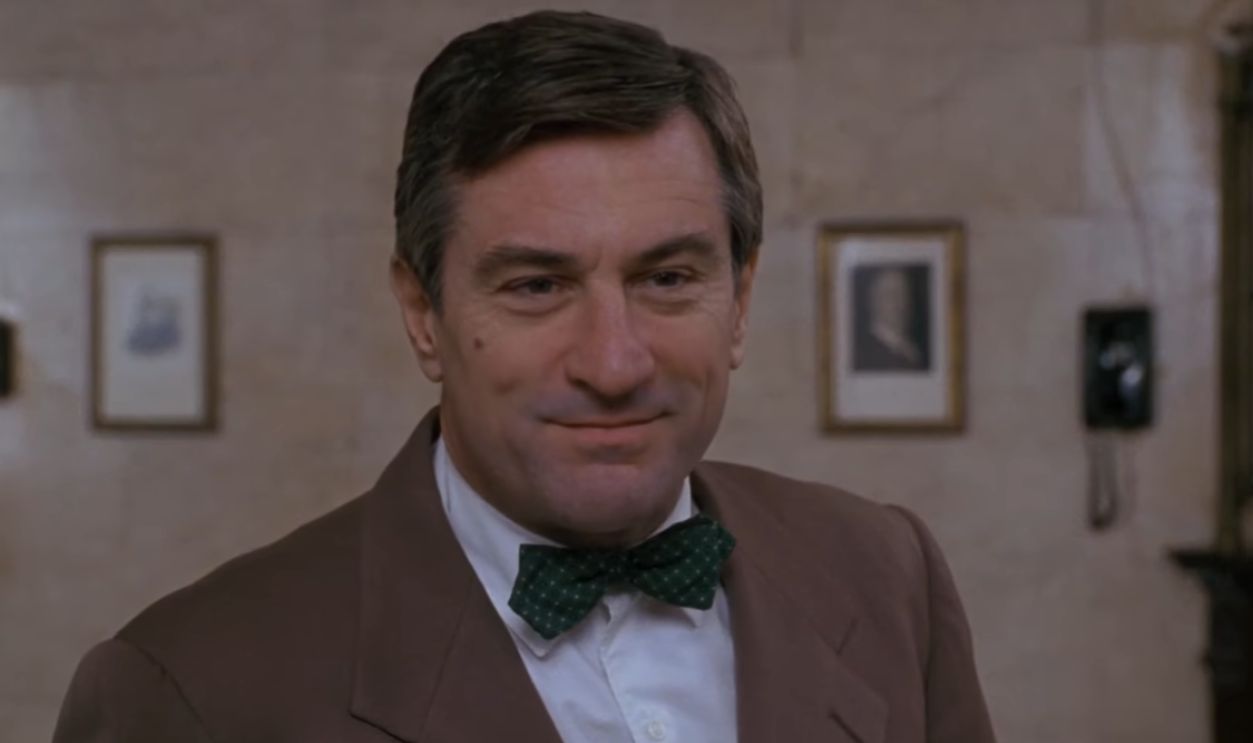 Screenshot from Awakenings, Sony Pictures Entertainment (1990)
A League Of Their Own (1992)
Marshall's next movie brought her back to comedy, this time exploring women's baseball during World War II. A League of Their Own starred Geena Davis, Lori Petty, Madonna, Rosie O'Donnell, and Tom Hanks. Inspired by the real All-American Girls Professional Baseball League, it introduced millions of viewers to a remarkable chapter in American sports history.
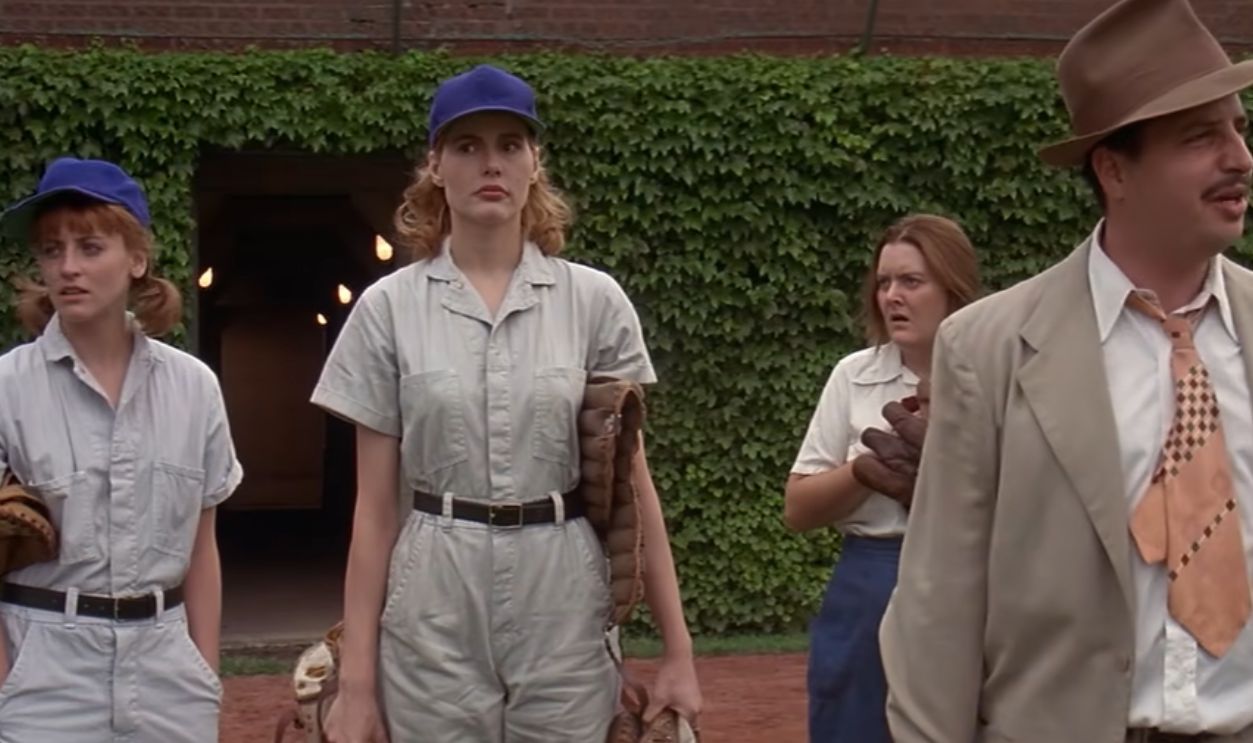 Screenshot from A League of their Own, Sony Pictures Entertainment (1992)
She Made The Actresses Prove Their Skills
Marshall wanted the baseball action to look convincing, so actresses had to demonstrate their abilities before being cast. Approximately 2,000 women participated in baseball tests at the University of Southern California, including Marshall's daughter, Tracy Reiner. The demanding selection process helped ensure that the performers looked believable as professional athletes.
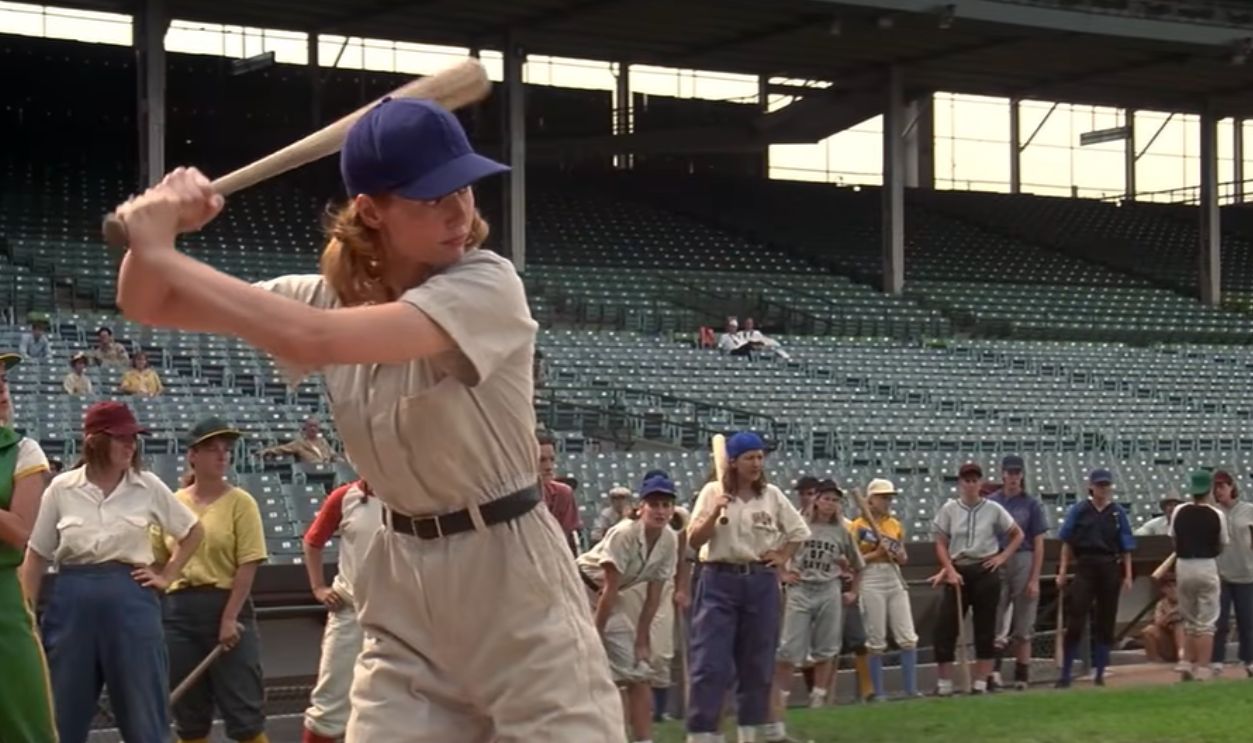 Screenshot from A League of their Own, Sony Pictures Entertainment (1992)
She Wanted The Baseball To Look Real
Marshall went beyond auditions to make the baseball scenes convincing. She had the teams play actual games while cameras captured additional footage, rather than relying entirely on carefully staged plays. Real members of the All-American Girls Professional Baseball League also appeared in the film's closing scenes.
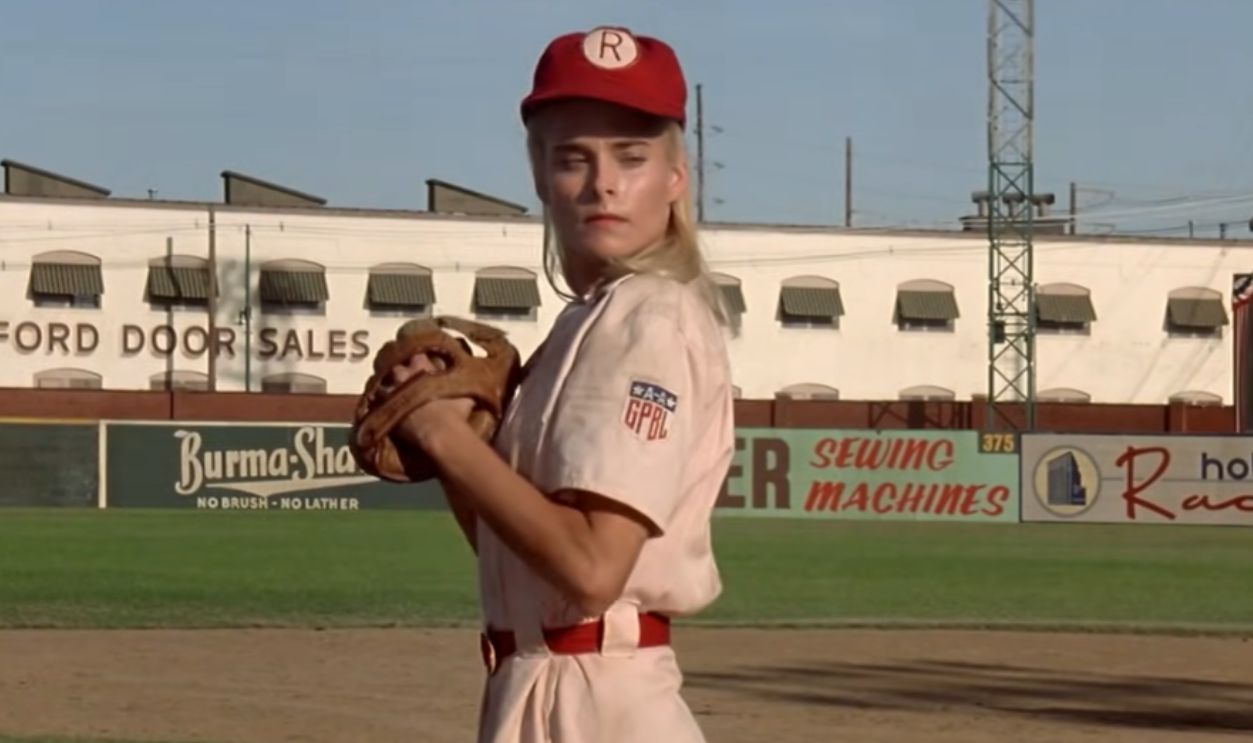 Screenshot from A League of their Own, Sony Pictures Entertainment (1992)
Madonna Joined The Team
One of Marshall's most memorable casting decisions was hiring Madonna to play Mae Mordabito, an outspoken baseball player. Rosie O'Donnell played her close friend Doris Murphy, providing some of the movie's funniest moments. O'Donnell had originally auditioned for another role, but Marshall liked her so much that she adapted the character of Doris to suit her.
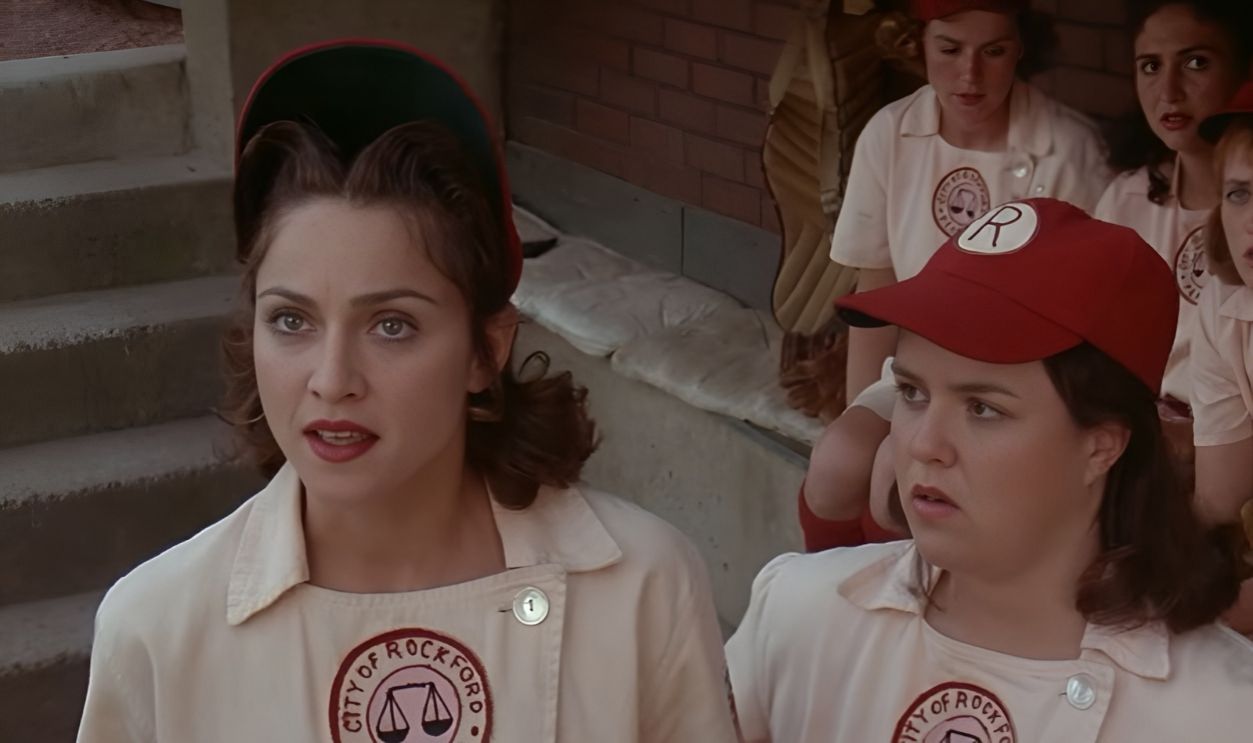 Screenshot from A League of Their Own, Columbia Pictures (1992)
She Broke Another Box Office Record
A League of Their Own earned more than $100 million domestically, making Marshall the first woman to direct two films that crossed that milestone. It also helped bring renewed attention to the real women who had played professional baseball during World War II. In 2012, the movie was selected for preservation in the Library of Congress's National Film Registry.
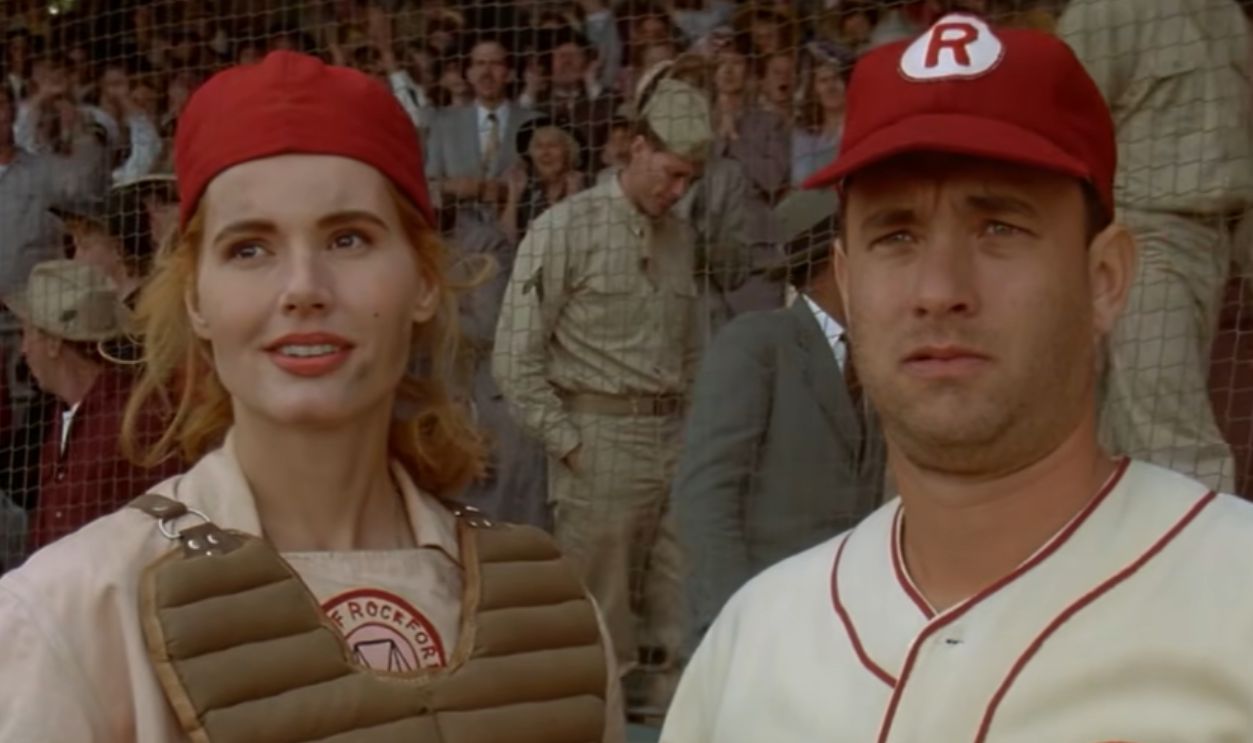 Screenshot from A League of their Own, Sony Pictures Entertainment (1992)
Renaissance Man (1994)
Marshall's next project was Renaissance Man, a comedy-drama starring Danny DeVito as Bill Rago, an unemployed advertising executive who accepts a teaching job at an Army base. He struggles to connect with a group of recruits until he introduces them to Shakespeare's Hamlet. The film explored how education could change the way people viewed themselves.
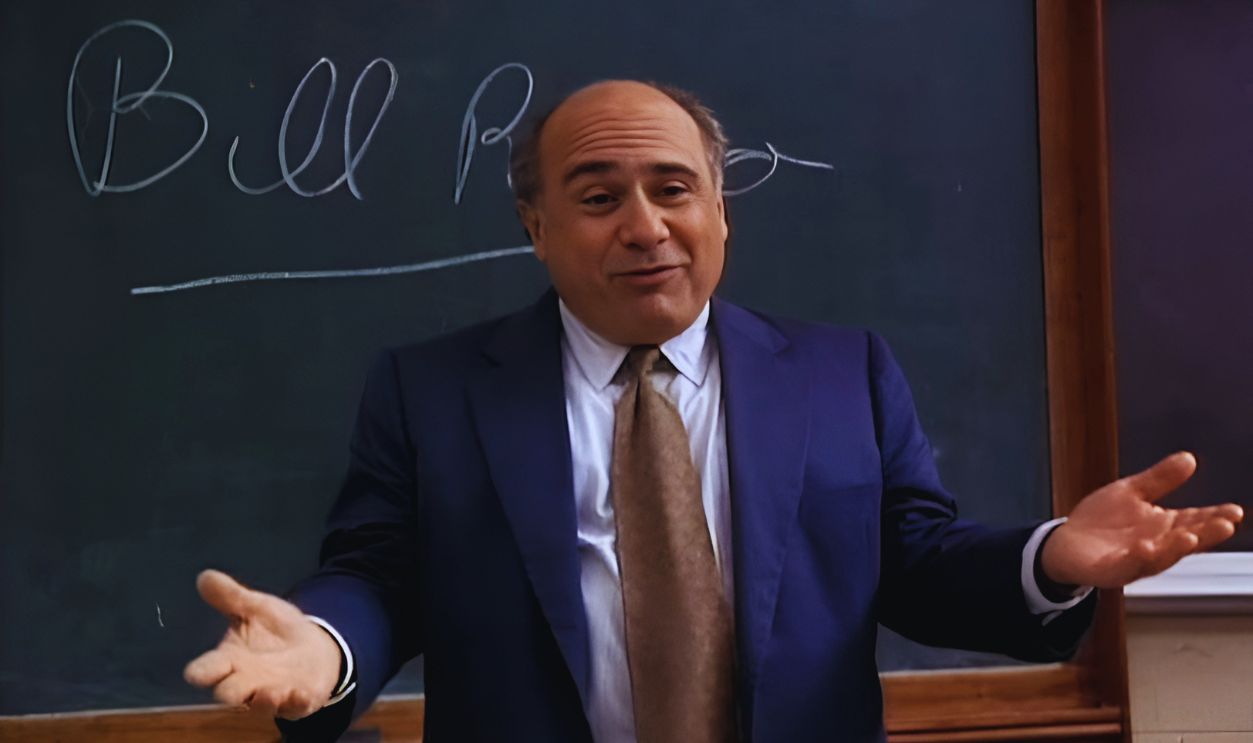 Screenshot from Renaissance Man, Touchstone Pictures / Buena Vista Pictures (1994)
Mark Wahlberg Made His Movie Debut
One surprising member of the Renaissance Man cast was Mark Wahlberg, who was still better known for his music career. He played Private Tommy Lee Haywood, one of the recruits learning Shakespeare from DeVito's character. The movie marked Wahlberg's feature-film debut, years before he became a major Hollywood leading man.
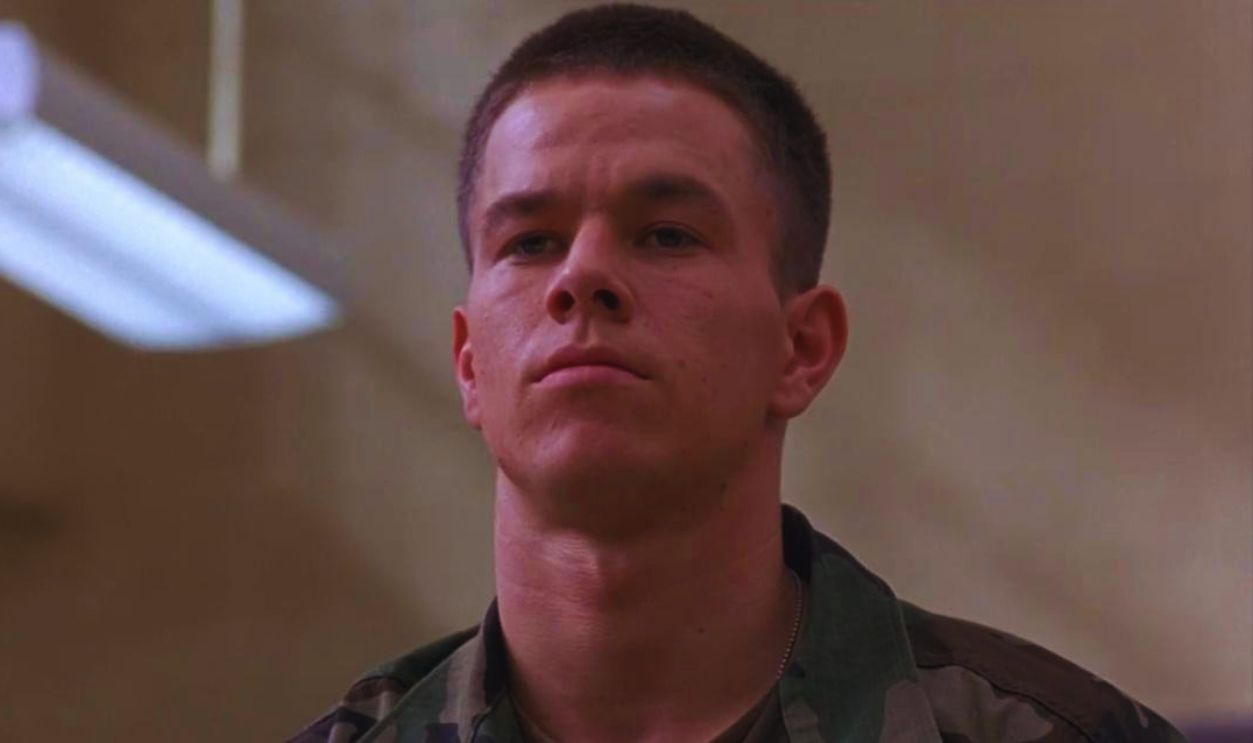 Screenshot from Renaissance Man, Touchstone Pictures / Buena Vista Pictures (1994)
She Filmed On A Real Army Base
Marshall filmed much of Renaissance Man at Fort Jackson in South Carolina, with cooperation from military officials. The location gave the training scenes a more authentic setting than a conventional Hollywood production lot. Despite its recognizable cast and unusual premise, the movie received mixed reviews and failed to match the commercial success of Marshall's earlier hits.
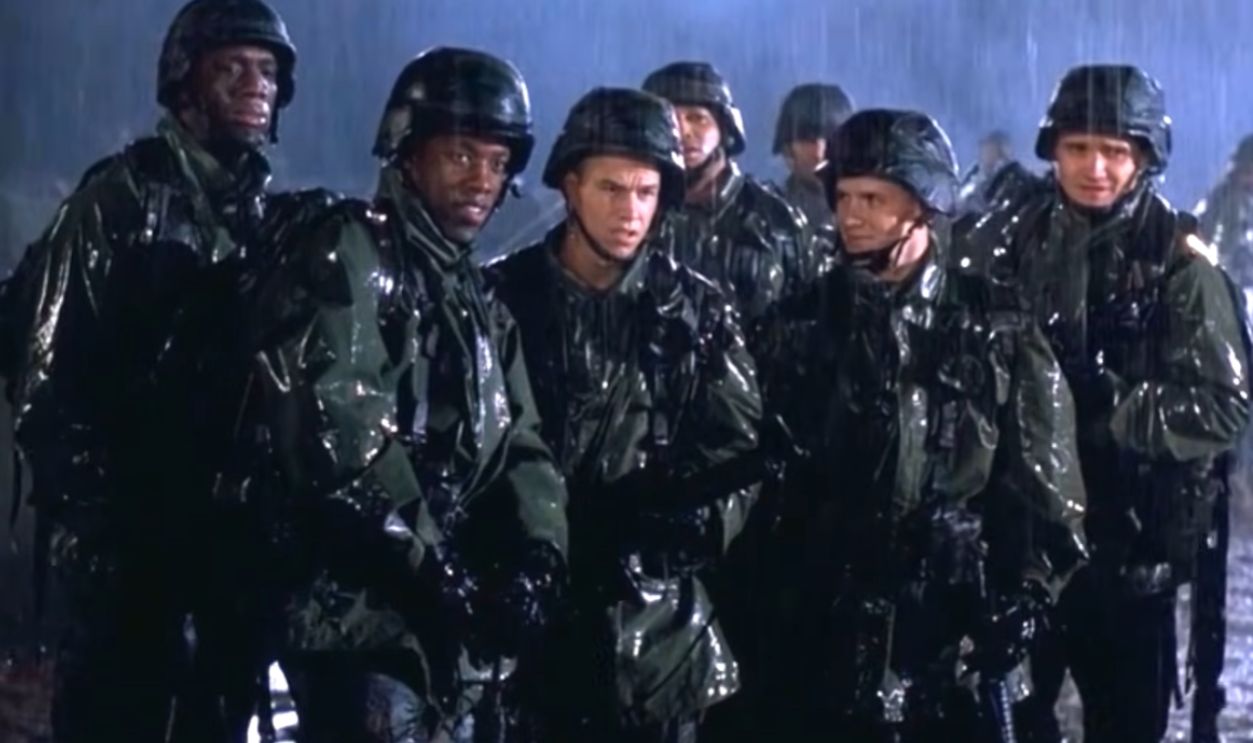 Screenshot from Renaissance Man, The Walt Disney Company (1994)
The Preacher's Wife (1996)
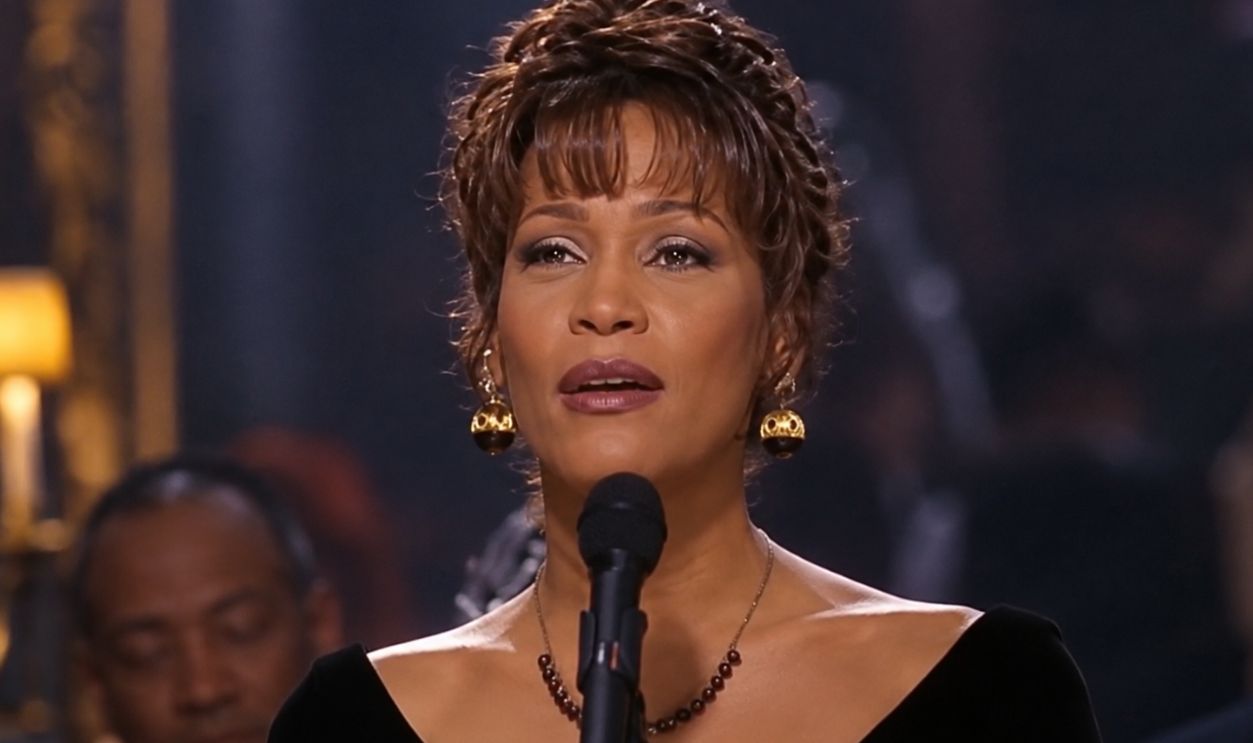
Marshall directed Whitney Houston and Denzel Washington in The Preacher's Wife, a romantic fantasy released during the 1996 holiday season. Washington played Dudley, an angel sent to help a struggling minister portrayed by Courtney B. Vance. Houston played the minister's wife, Julia, whose marriage becomes complicated by the angel's arrival.
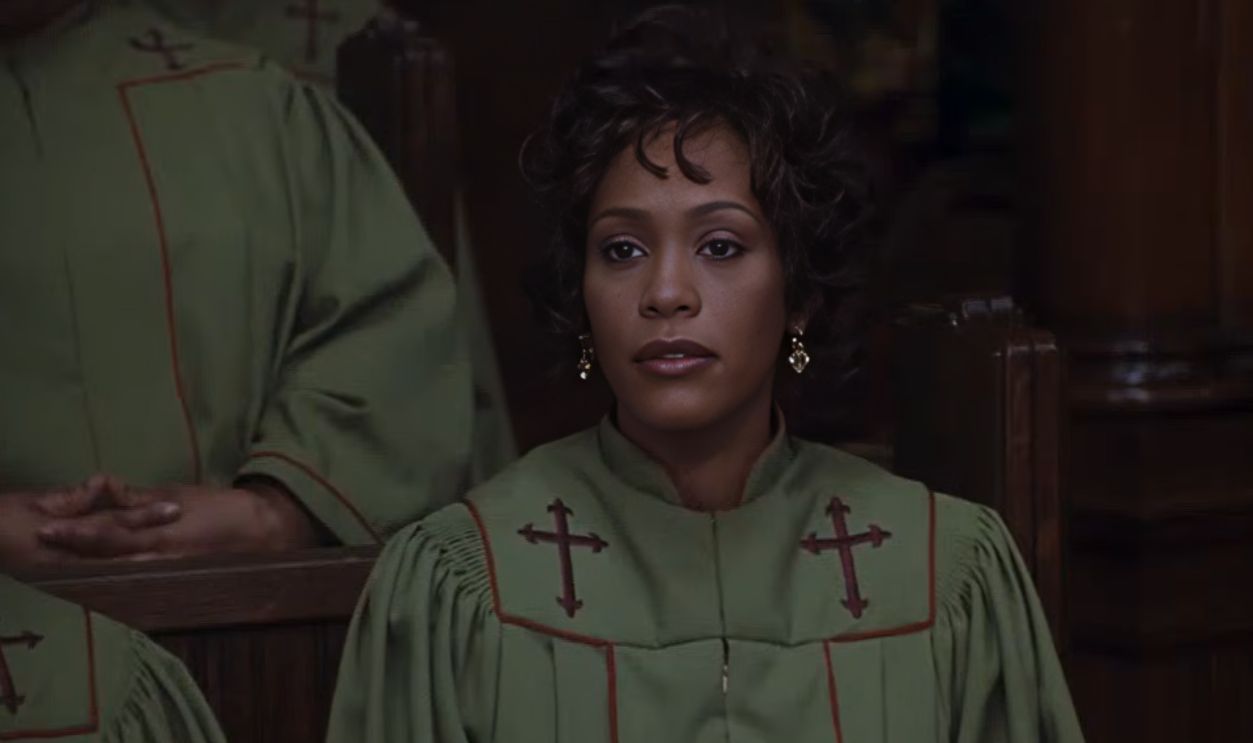 Screenshot from The Preacher’s Wife, The Walt Disney Company (1996), Enhanced
It Was A Remake Of A Hollywood Classic
The Preacher's Wife was a new interpretation of the 1947 film The Bishop's Wife, which starred Cary Grant, Loretta Young, and David Niven. Marshall's version moved the story into a contemporary Black church community and placed greater emphasis on gospel music. The production also featured performers including Loretta Devine and Jenifer Lewis.
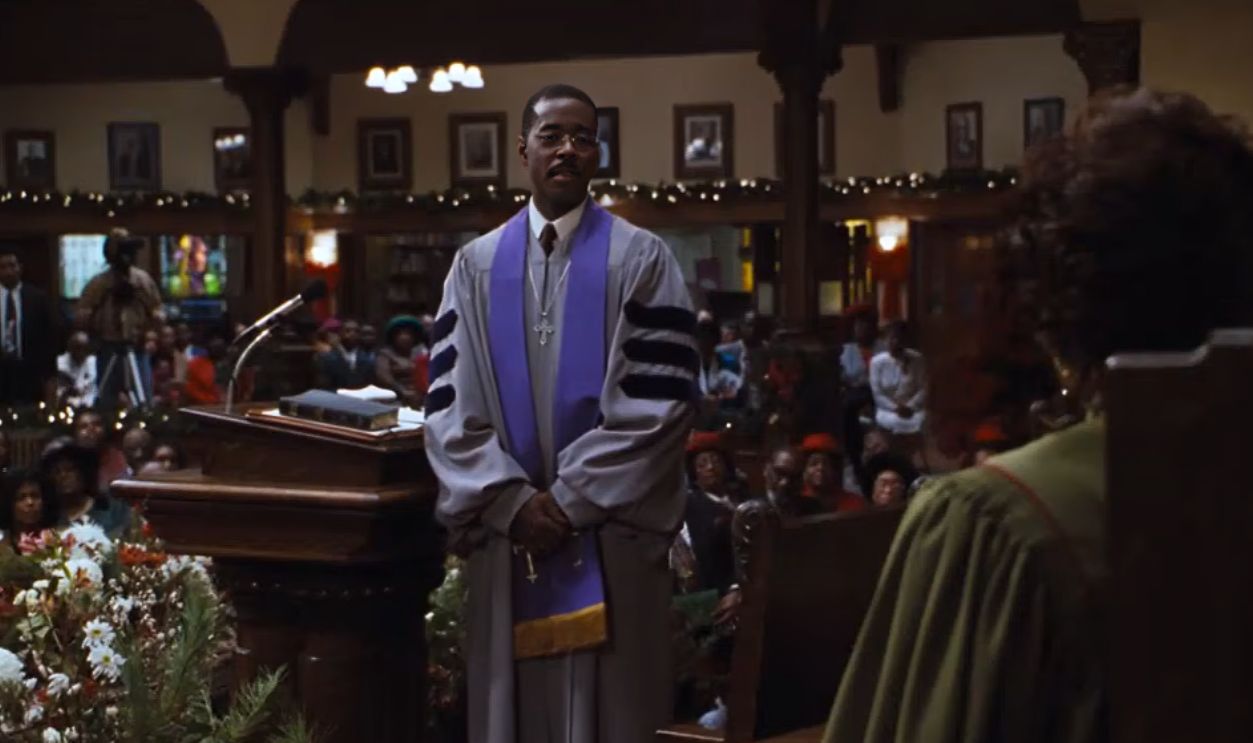 Screenshot from The Preacher’s Wife, The Walt Disney Company (1996), Enhanced
The Soundtrack Was A Bigger Hit Than The Movie
The Preacher's Wife earned nearly $50 million at the domestic box office, but its soundtrack achieved even greater success. Houston's album sold more than six million copies worldwide, becoming the best-selling gospel album of all time. Marshall also served as one of the soundtrack's executive producers, extending her involvement beyond directing the film.
 Screenshot from The Preacher’s Wife, The Walt Disney Company (1996), Enhanced
Riding In Cars With Boys (2001)
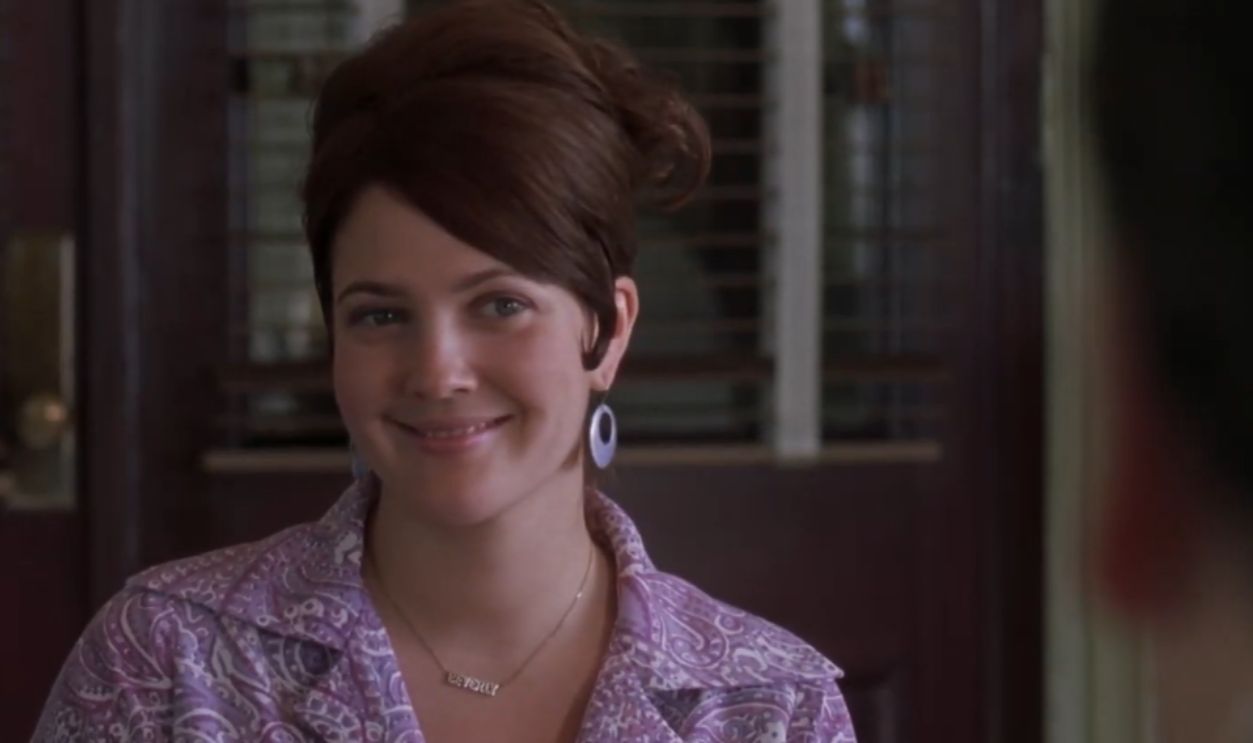
Marshall's final feature film as director was Riding in Cars with Boys, starring Drew Barrymore as Beverly Donofrio. Based on Donofrio's memoir, the movie follows a young woman whose dreams of becoming a writer are complicated by teenage pregnancy and a difficult marriage. Steve Zahn played her husband, Ray Hasek, while Brittany Murphy portrayed her close friend Fay.
 Screenshot from Riding in Cars with Boys, Sony Pictures Entertainment (2001)
She Challenged Drew Barrymore
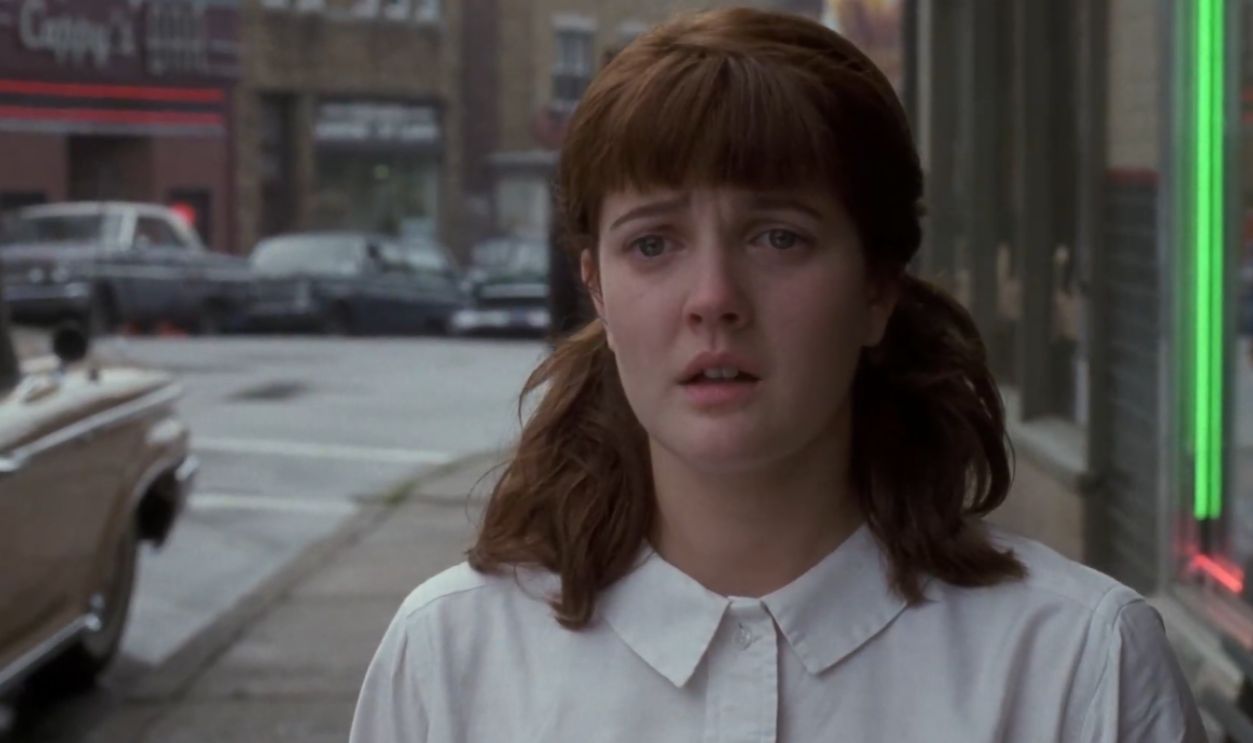
Marshall believed Barrymore's natural likability made her an interesting choice to play Beverly, but she had concerns about the casting. Beverly could be selfish and difficult, and Marshall needed an actress willing to portray those flaws convincingly. She had Barrymore audition repeatedly before becoming confident that she could handle the role.
 Screenshot from Riding in Cars with Boys, Sony Pictures Entertainment (2001)
It Wasn't Another Box Office Hit
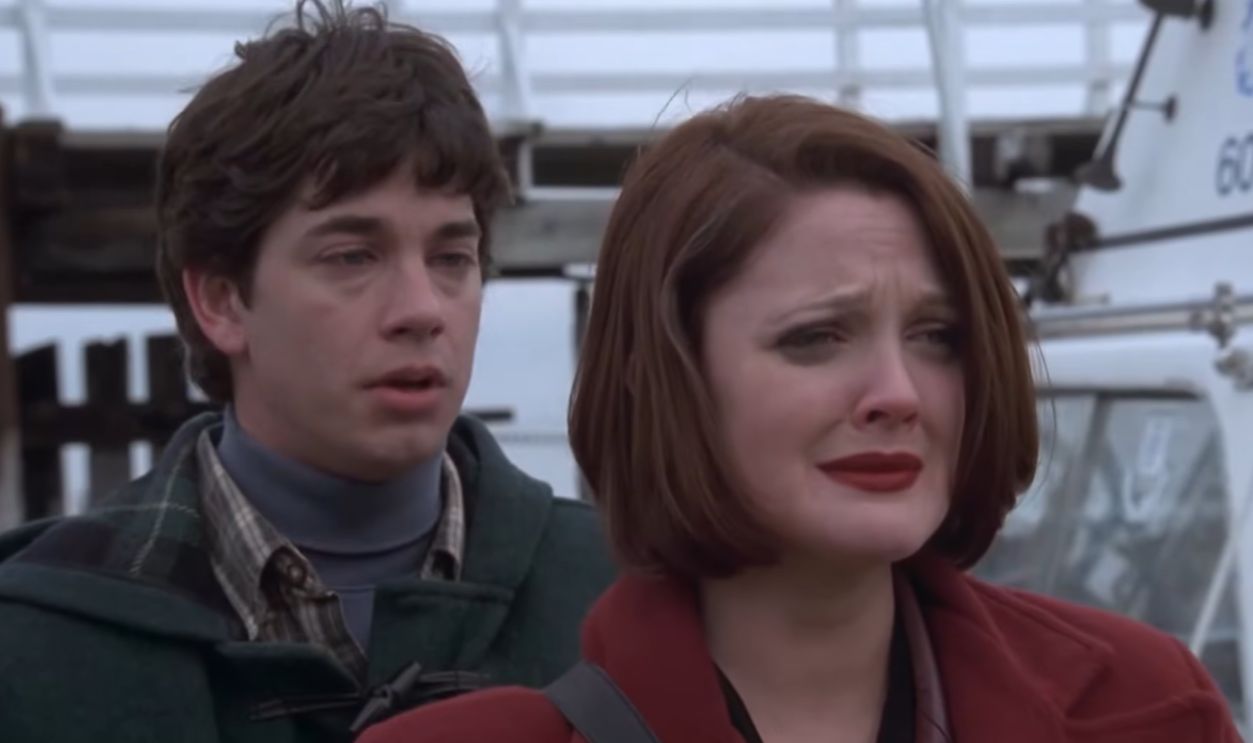
Despite its recognizable cast, Riding in Cars with Boys received mixed reviews and struggled commercially. The film earned approximately $30 million worldwide against a reported $48 million production budget. It became Marshall's seventh and final feature film as a director, ending a movie-directing career that had begun 15 years earlier.
 Screenshot from Riding in Cars with Boys, Sony Pictures Entertainment (2001)
She Left Behind A Remarkable Legacy
Marshall continued working in entertainment, including acting and television directing, before her death on December 17, 2018, at age 75. She was the first woman to direct a film that earned more than $100 million domestically and the first to achieve that milestone twice. Although millions still remember her as Laverne DeFazio, her work behind the camera helped change what women could accomplish in Hollywood.
You May Also Like:
How Typecasting Nearly Ruined Henry Winkler’s Career After “The Fonz”