The Dark Side Of America's Favorite TV Dad
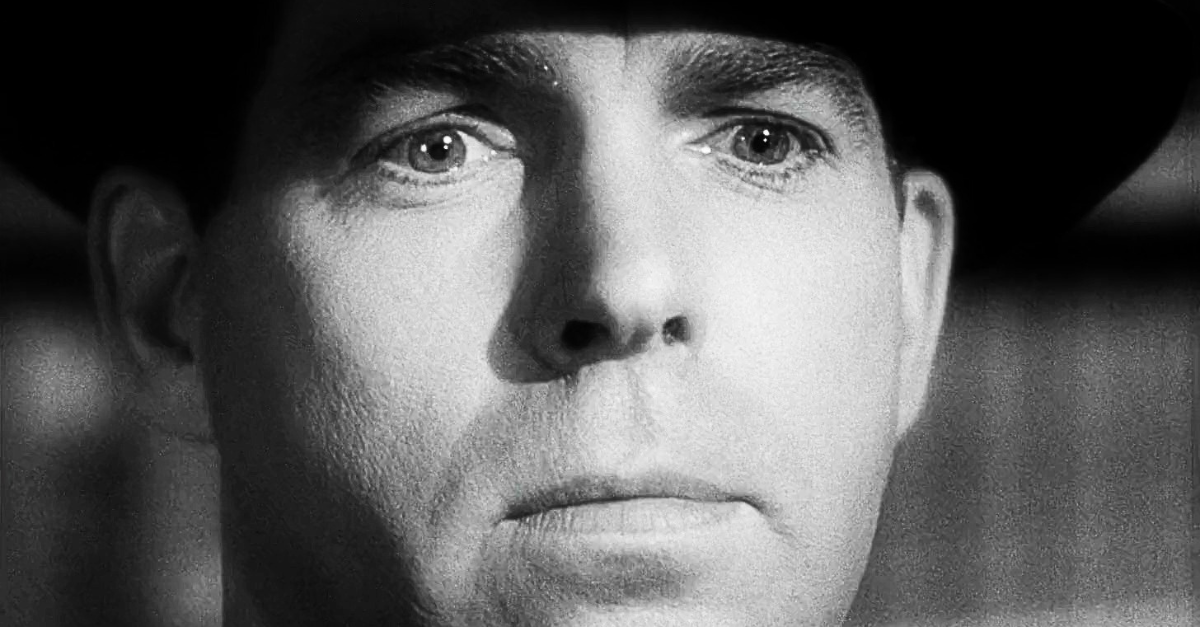
He was the father everyone trusted. But long before Fred MacMurray became the reassuring face of My Three Sons, Hollywood audiences had seen him play some remarkably ruthless characters, and his journey from charming leading man to unforgettable screen villain was anything but predictable.
He Wasn't Supposed To Become An Actor
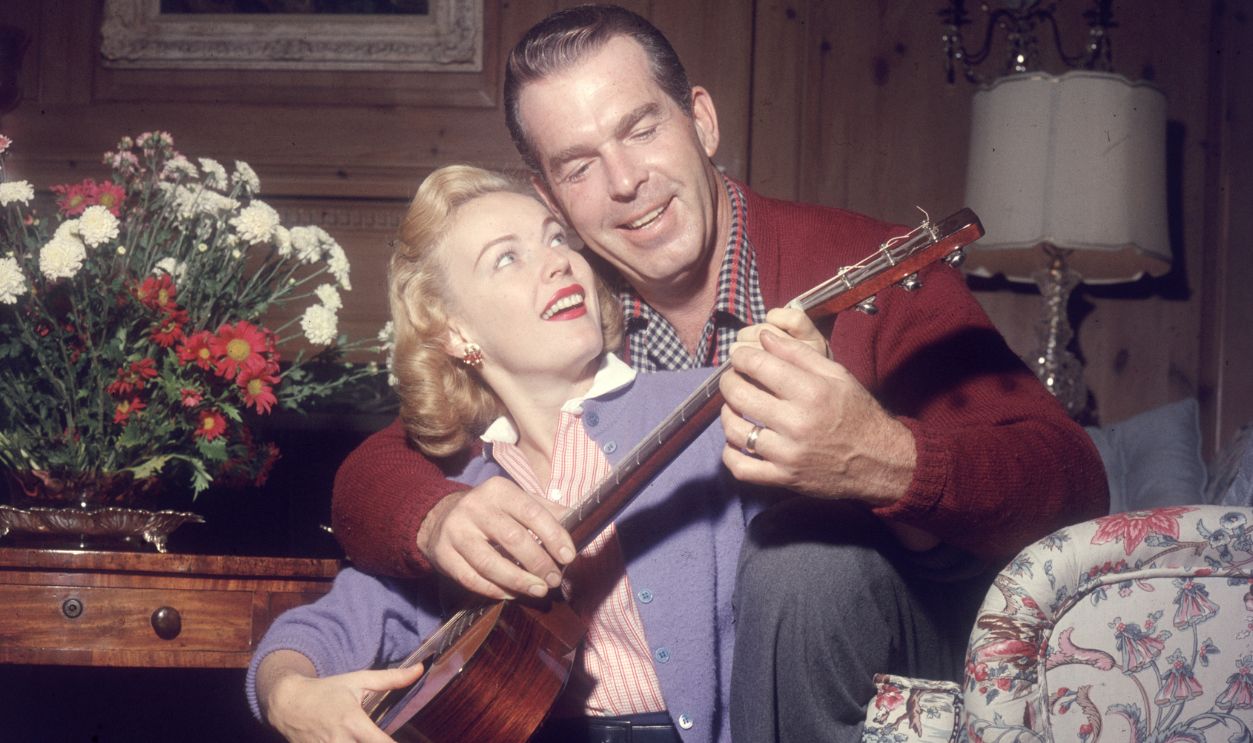
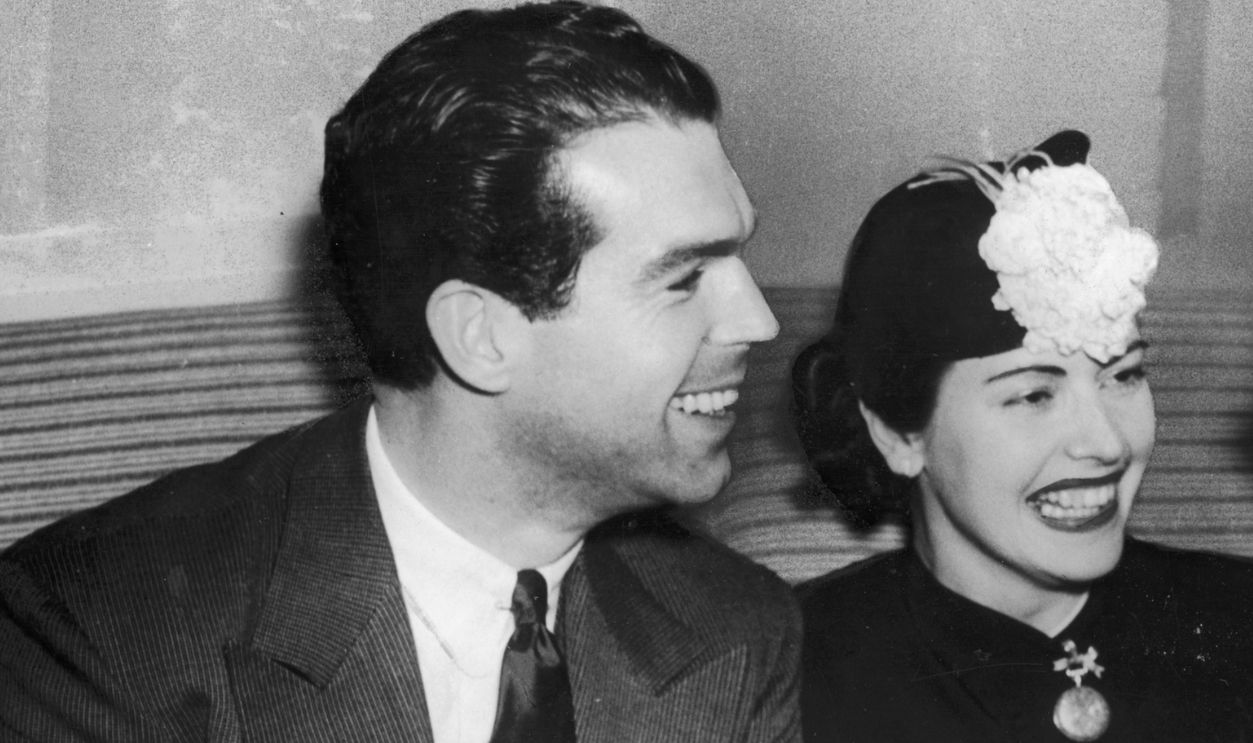
Fred MacMurray was born in Kankakee, Illinois, on August 30, 1908, and spent much of his childhood in Wisconsin. Before pursuing acting, he developed considerable musical talent, playing saxophone in dance bands and performing as a singer. His musical career eventually brought him to New York and Hollywood, where an unexpected opportunity would completely change his future.
A Studio Scout Changed Everything
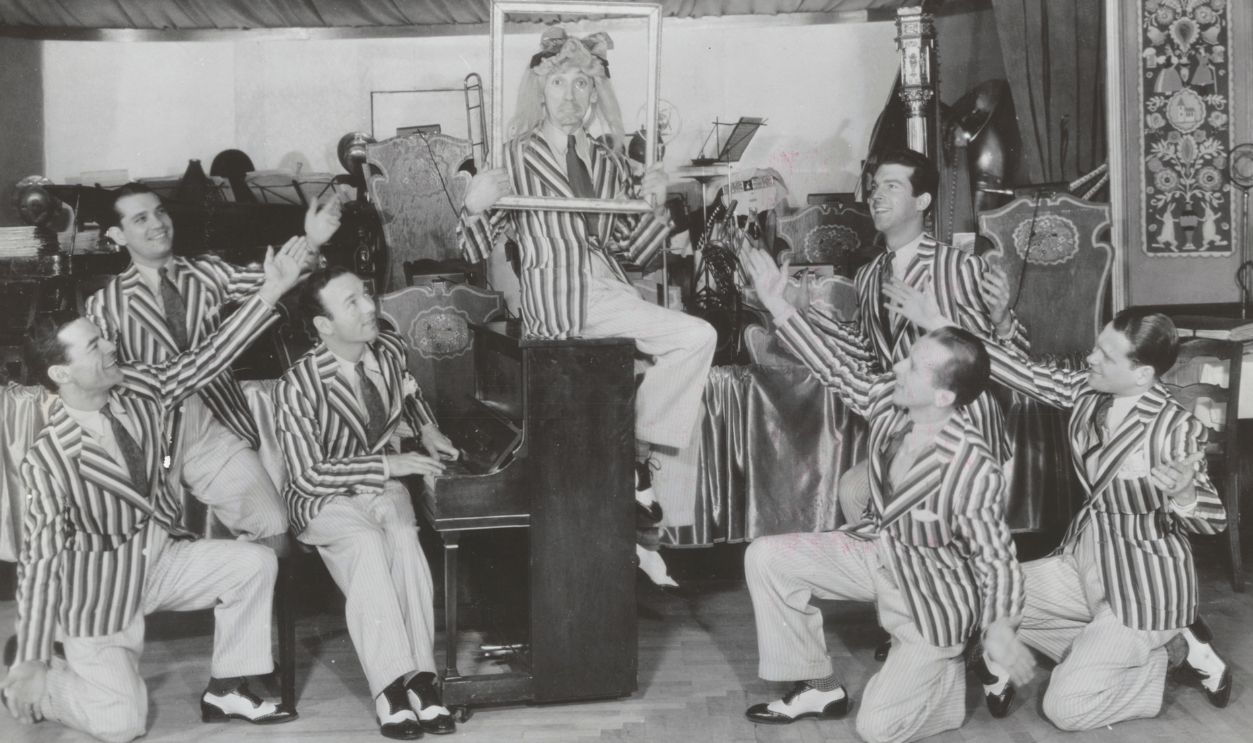
While performing with the California Collegians, MacMurray gained experience in Broadway productions, including Three's a Crowd. He later worked in Roberta, where he served as Bob Hope's understudy before attracting the attention of a Paramount talent scout. The studio offered him a contract, setting the stage for a Hollywood career that would eventually include more than 80 feature films.
 John Springer Collection, Getty Images
Hollywood Discovered A Perfect Leading Man
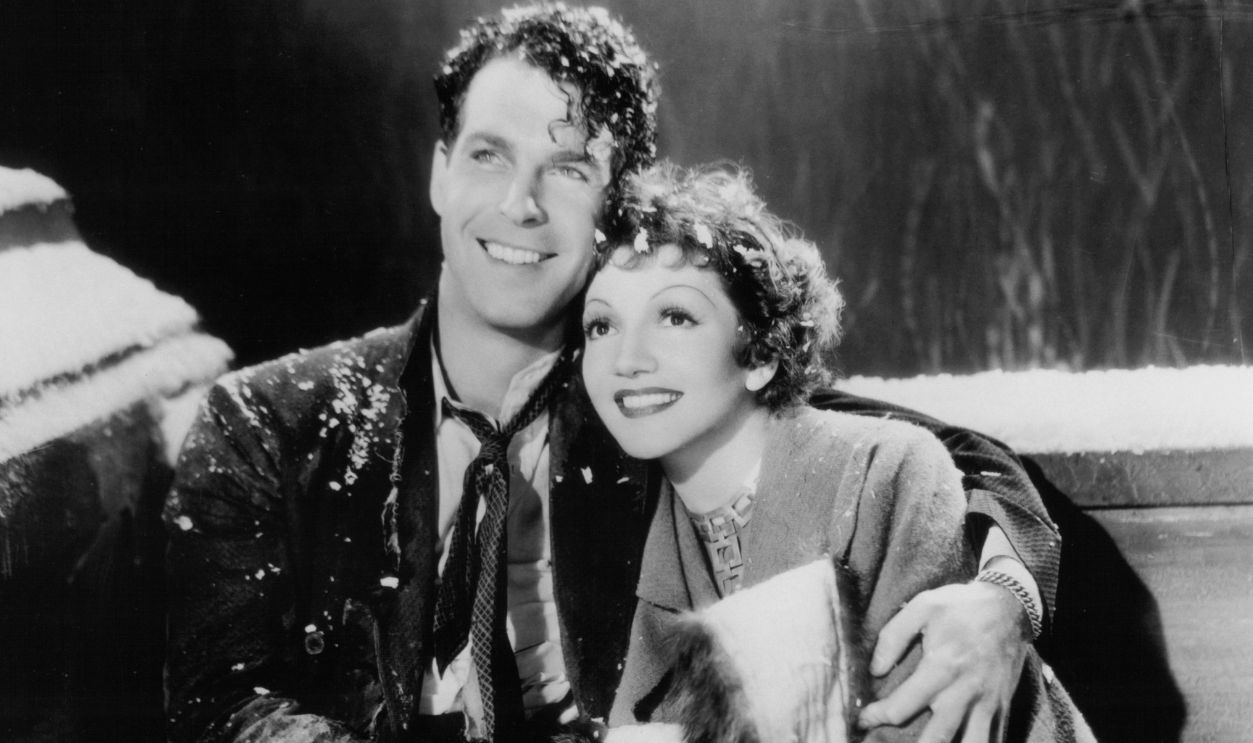
MacMurray's major breakthrough arrived with the 1935 romantic comedy The Gilded Lily, starring Claudette Colbert. His tall frame, friendly manner, and effortless charm made him an appealing leading man during an era filled with sophisticated screen comedies. Paramount quickly recognized his potential, and MacMurray became a familiar presence opposite some of Hollywood's most celebrated actresses.
Barbara Stanwyck Brought Out Something Different
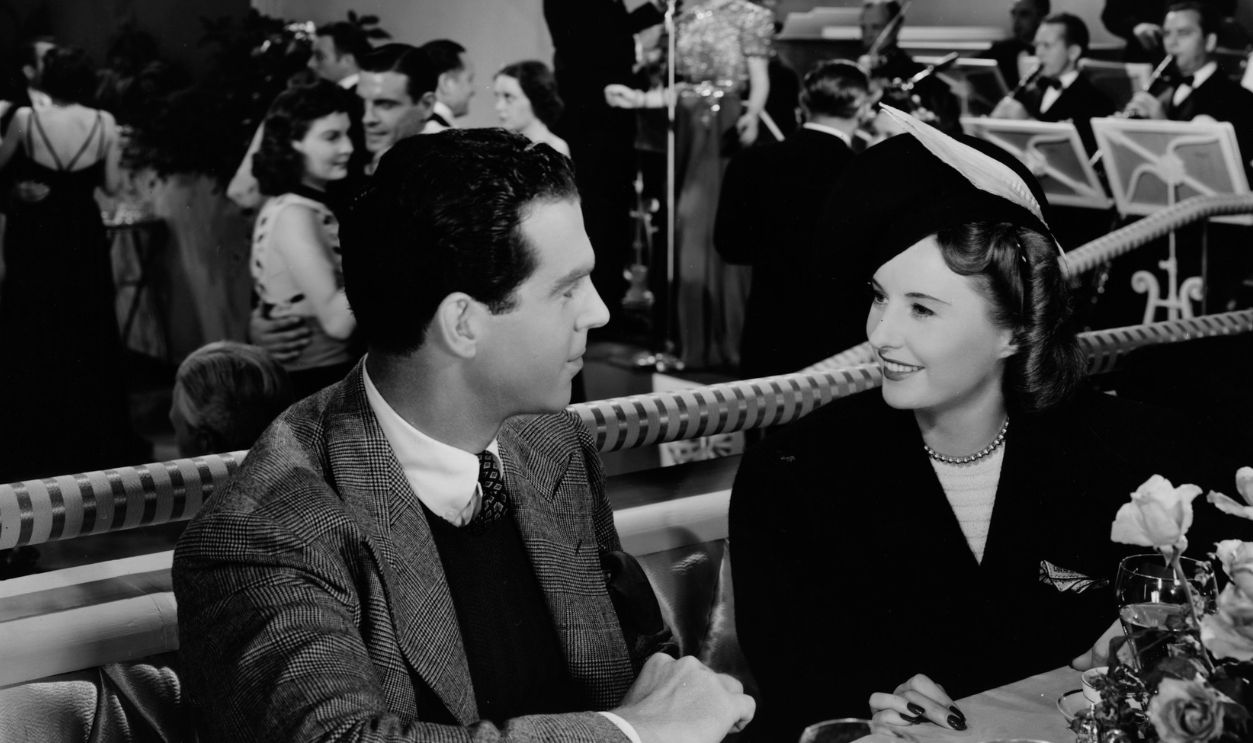
In 1940, MacMurray appeared opposite Barbara Stanwyck in Remember the Night, a holiday drama written by Preston Sturges and directed by Mitchell Leisen. He portrayed John Sargent, an assistant district attorney who shows unexpected kindness to a woman accused of shoplifting. The film offered audiences another example of MacMurray's sympathetic screen personality, but his partnership with Stanwyck would soon take a much darker direction.
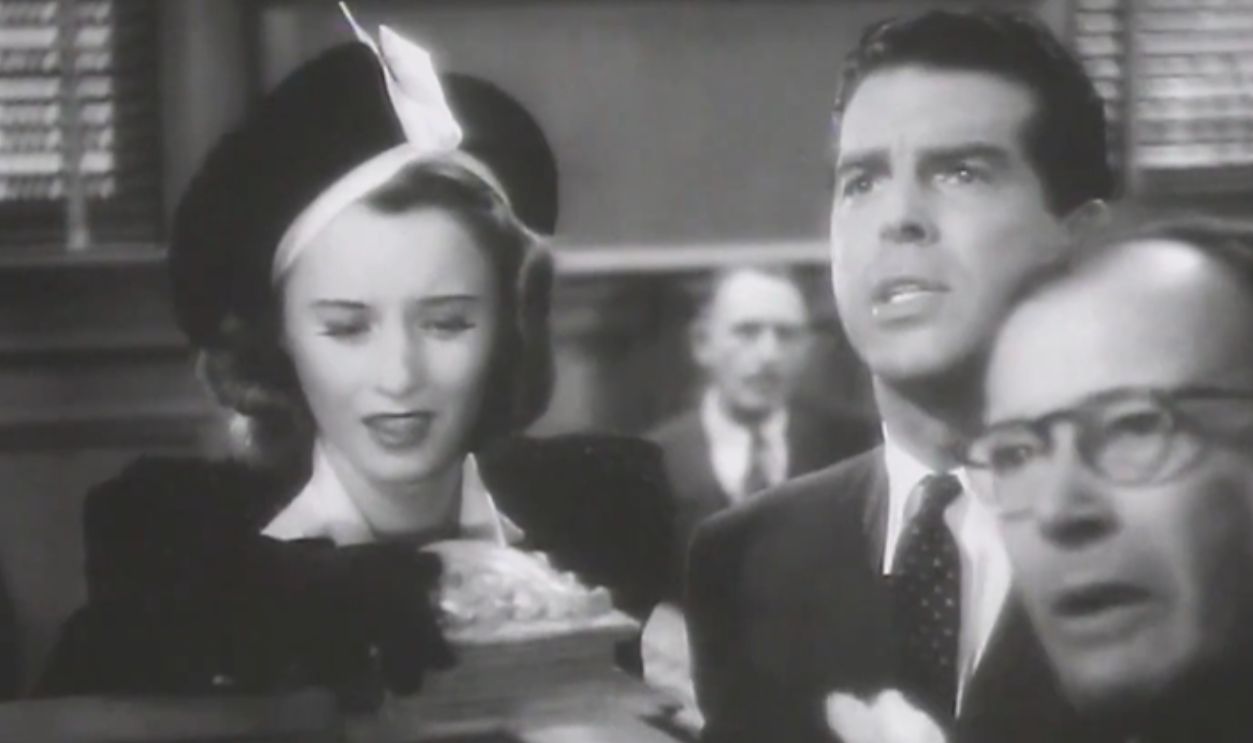 Screenshot from Remember the Night, Paramount Pictures (1940)
Their First Movie Together Was Surprisingly Tender
Remember the Night followed Sargent as he arranged for Stanwyck's character, Lee Leander, to spend Christmas away from jail. Their unexpected journey brought them into contact with his family, creating a story built around compassion, difficult choices, and personal redemption. The film received favorable reviews and demonstrated how naturally MacMurray and Stanwyck worked together.
They Would Eventually Make Four Movies
The success of Remember the Night established a screen partnership that continued through Double Indemnity in 1944, The Moonlighter in 1953, and There's Always Tomorrow in 1956. Each production placed the actors in a different dramatic situation, allowing them to explore an unusually wide range of characters. Their second collaboration would become particularly important because it challenged almost everything audiences believed about MacMurray's familiar Hollywood image.
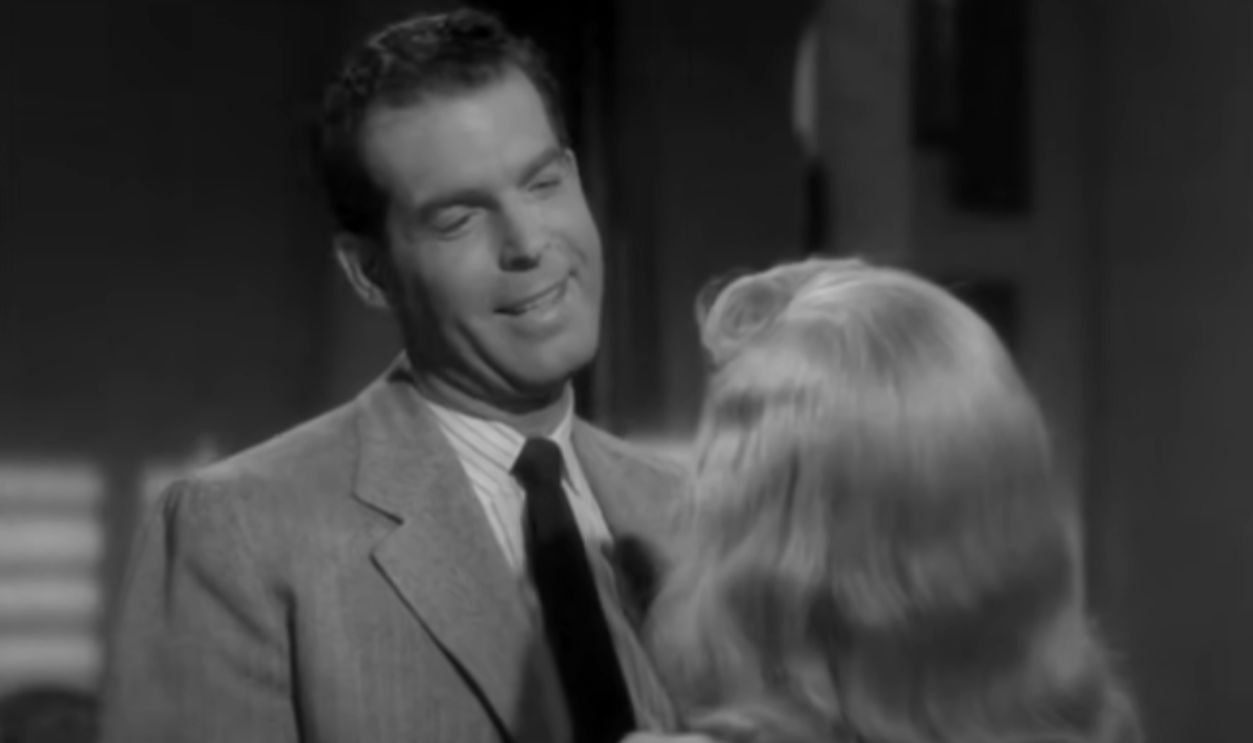 Screenshot from Double Indemnity, Paramount Pictures (1944)
Billy Wilder Wanted Him To Play A Killer
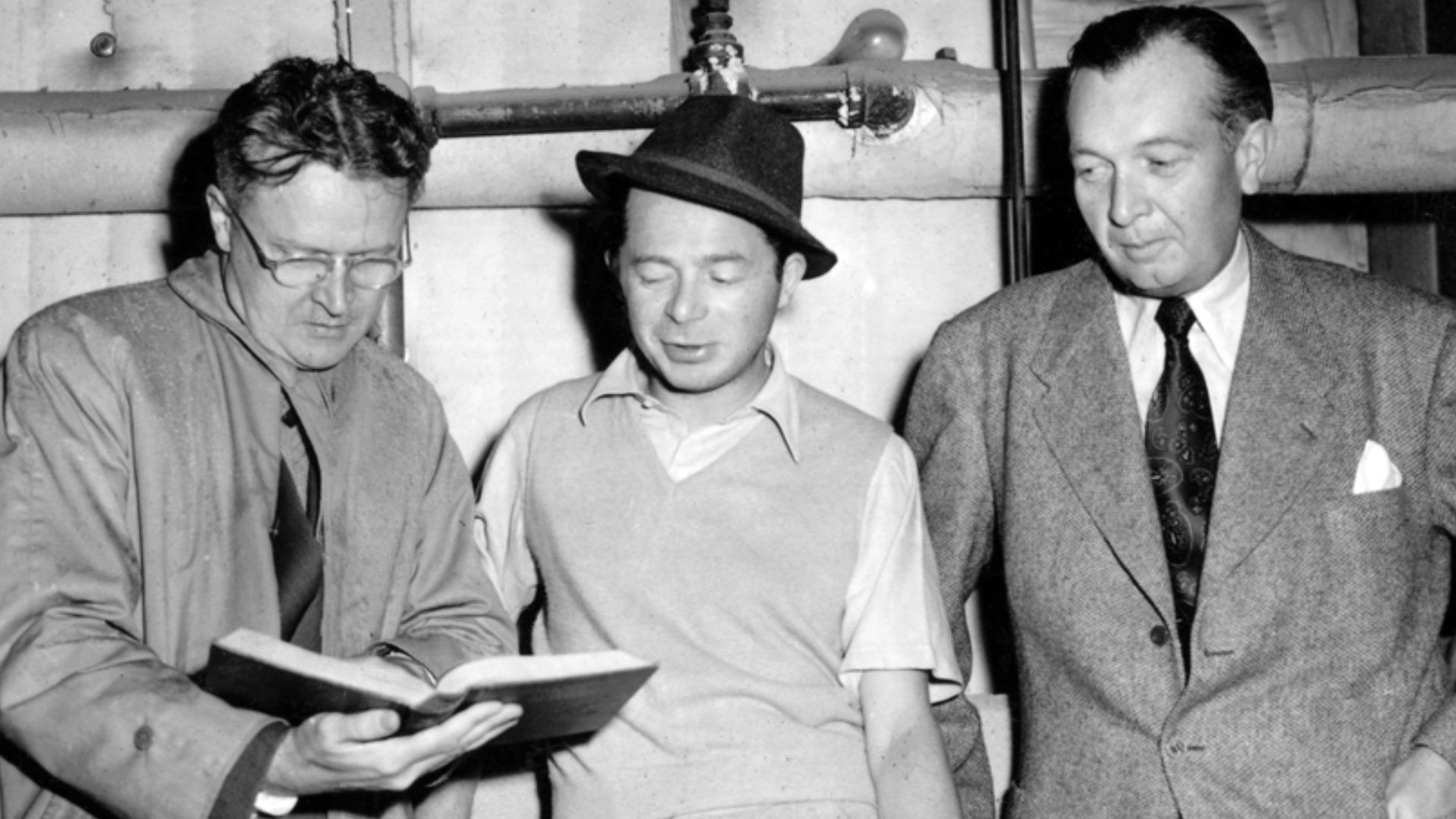
When director Billy Wilder began developing Double Indemnity, finding an actor willing to portray the central character proved unexpectedly difficult. The story required its leading man to participate in a carefully planned scheme to murder another person's husband for insurance money. Established performers including Alan Ladd and George Raft were reluctant to accept such an unsympathetic character, leaving Wilder searching for an unconventional solution.
 unknown (Paramount Pictures), Wikimedia Commons
MacMurray Wasn't Interested At First
Wilder eventually approached MacMurray, whose reputation rested largely on charming romantic leads and lighthearted comedies. The actor initially resisted, concerned that playing an insurance salesman involved in a murder plot would damage his carefully established public image. Wilder believed MacMurray's familiar decency would make the character more convincing, and he eventually persuaded the reluctant star to accept the challenge.
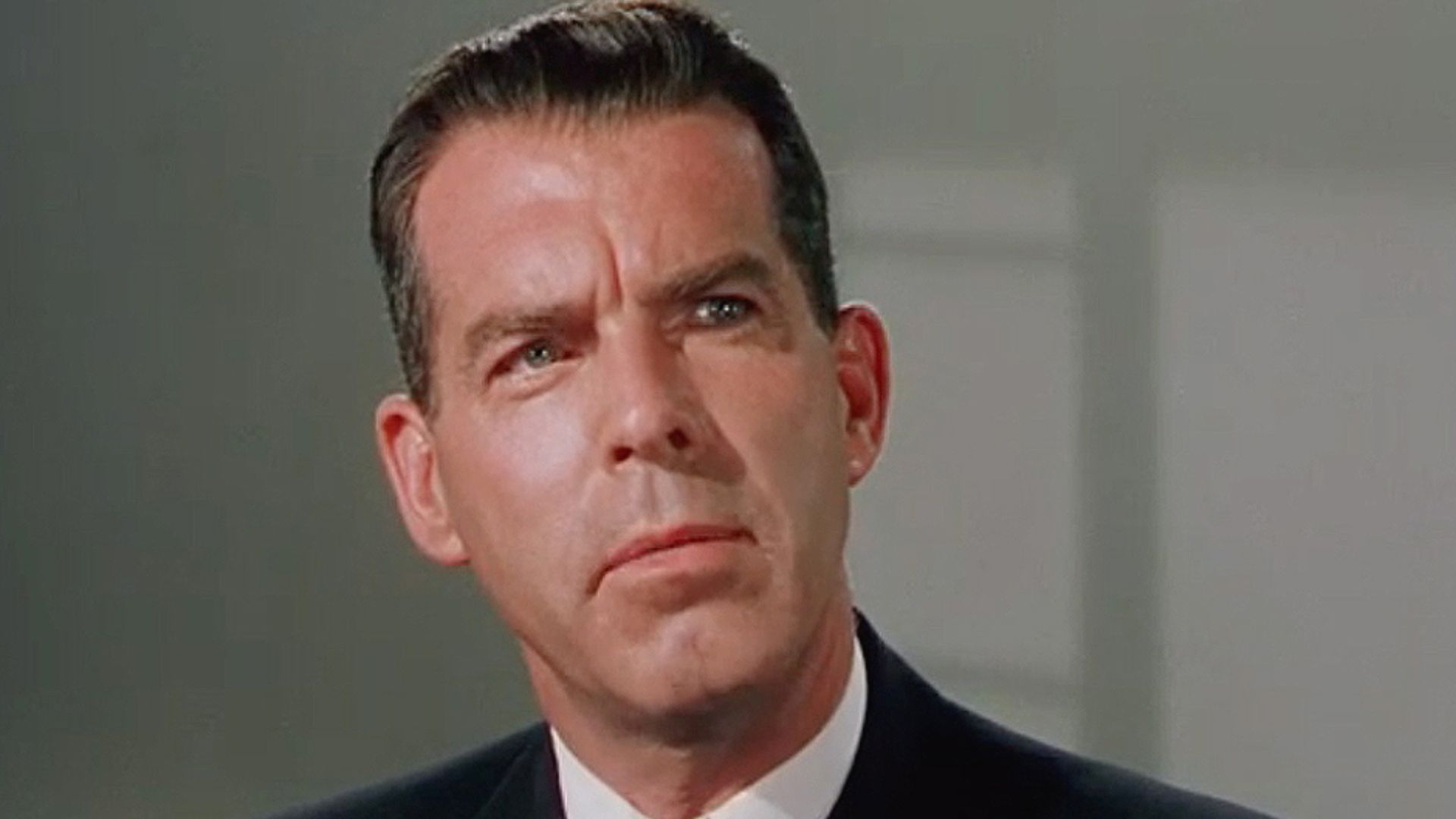 Columbia Pictures (film trailer), Wikimedia Commons
Walter Neff Was Nothing Like His Earlier Characters
Released in 1944, Double Indemnity introduced MacMurray as Walter Neff, an experienced insurance salesman who becomes involved with Phyllis Dietrichson, played by Stanwyck. Together, they develop a plan to collect money from an insurance policy after arranging her husband's demise. The character's outward confidence hides increasingly desperate decisions, making him a disturbing departure from the friendly men MacMurray usually portrayed.
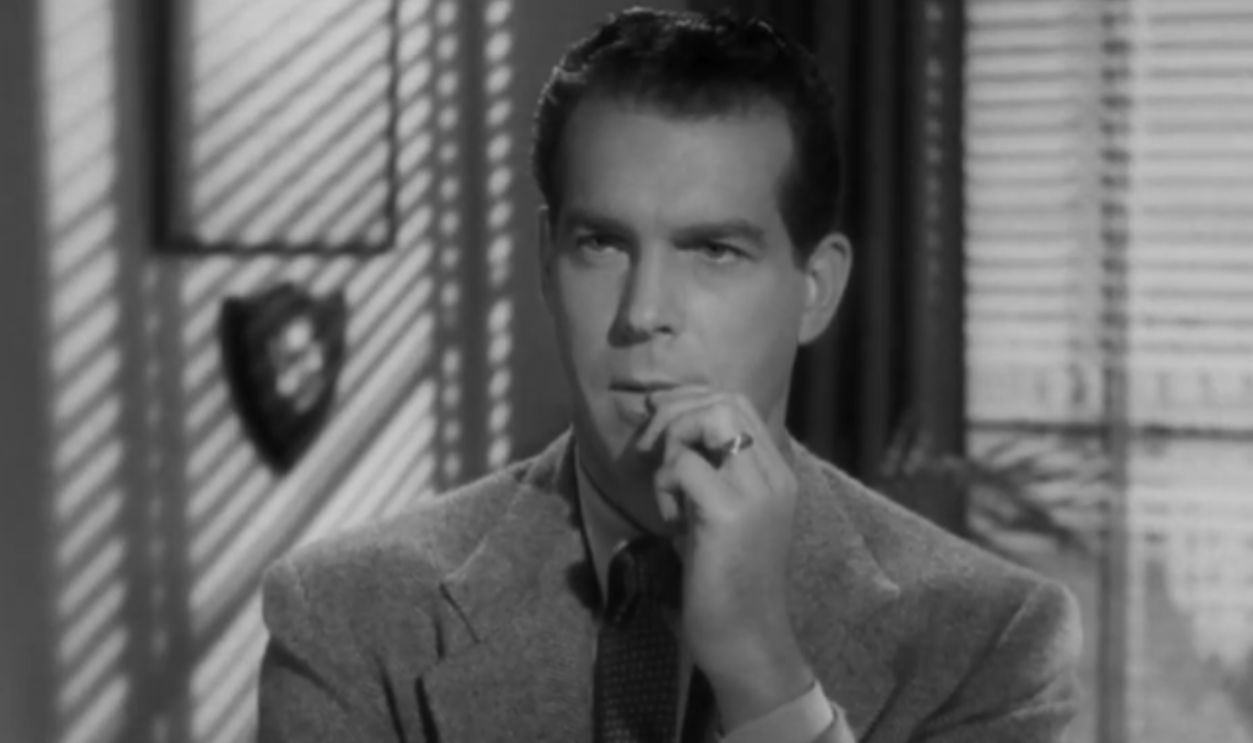 Screenshot from Double Indemnity, Paramount Pictures (1944)
His Best Friend Became His Greatest Threat
Edward G. Robinson played Barton Keyes, a skilled insurance investigator and one of Neff's closest professional friends. As Keyes begins uncovering inconsistencies surrounding the suspicious claim, Neff finds himself struggling to conceal his involvement while maintaining their friendship. MacMurray's restrained performance makes the tension especially effective because the character's ordinary appearance contrasts so sharply with his actions.
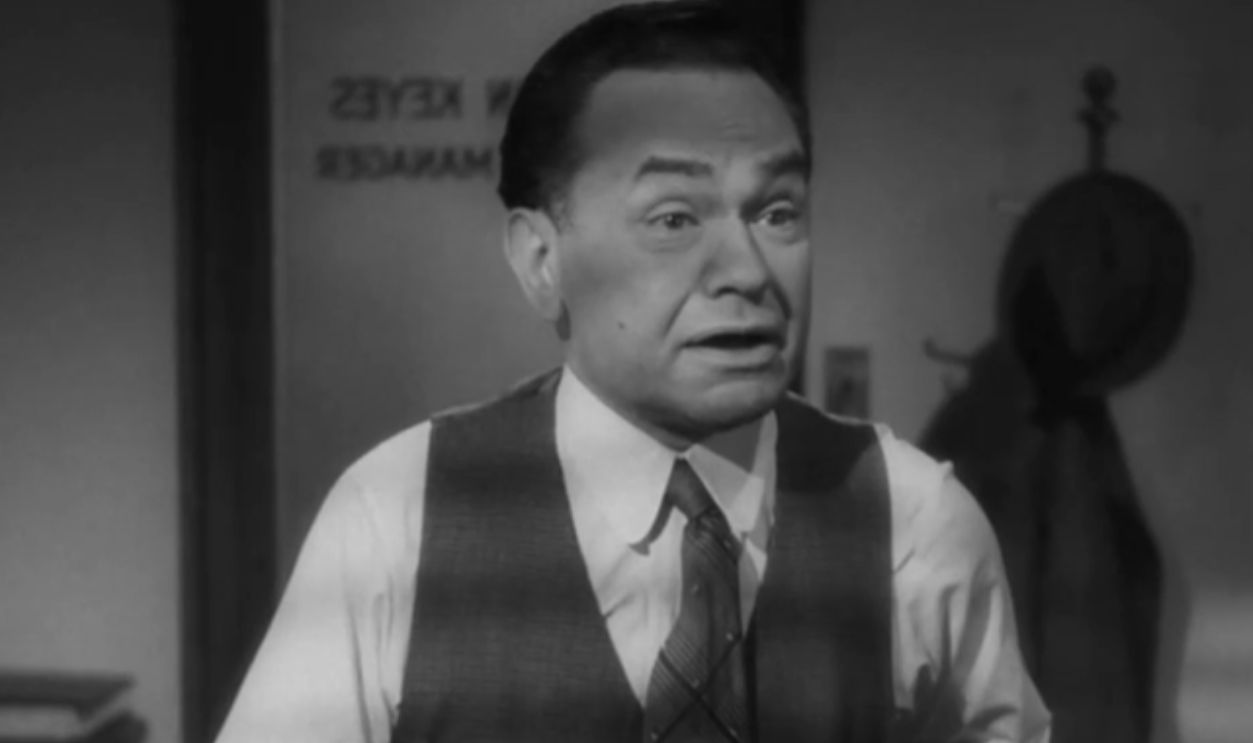 Screenshot from Double Indemnity, Paramount Pictures (1944)
Double Indemnity Transformed His Reputation
The film became a major critical success, earning seven Academy Award nominations, including Best Picture. Although MacMurray himself wasn't nominated, his performance received considerable praise and eventually became one of the defining achievements of his movie career. He later identified Walter Neff as his favorite role, recognizing that the film had demonstrated abilities Hollywood had rarely allowed him to reveal.
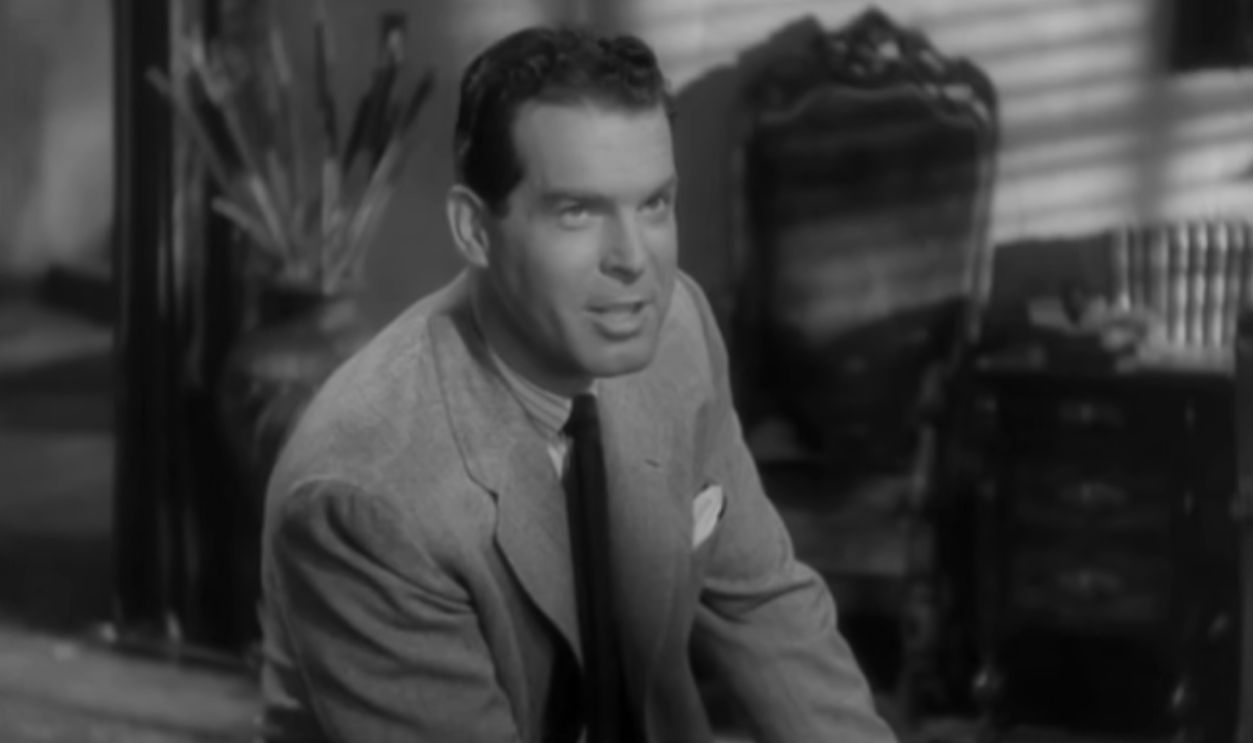 Screenshot from Double Indemnity, Paramount Pictures (1944)
The Caine Mutiny Revealed Another Unpleasant Side
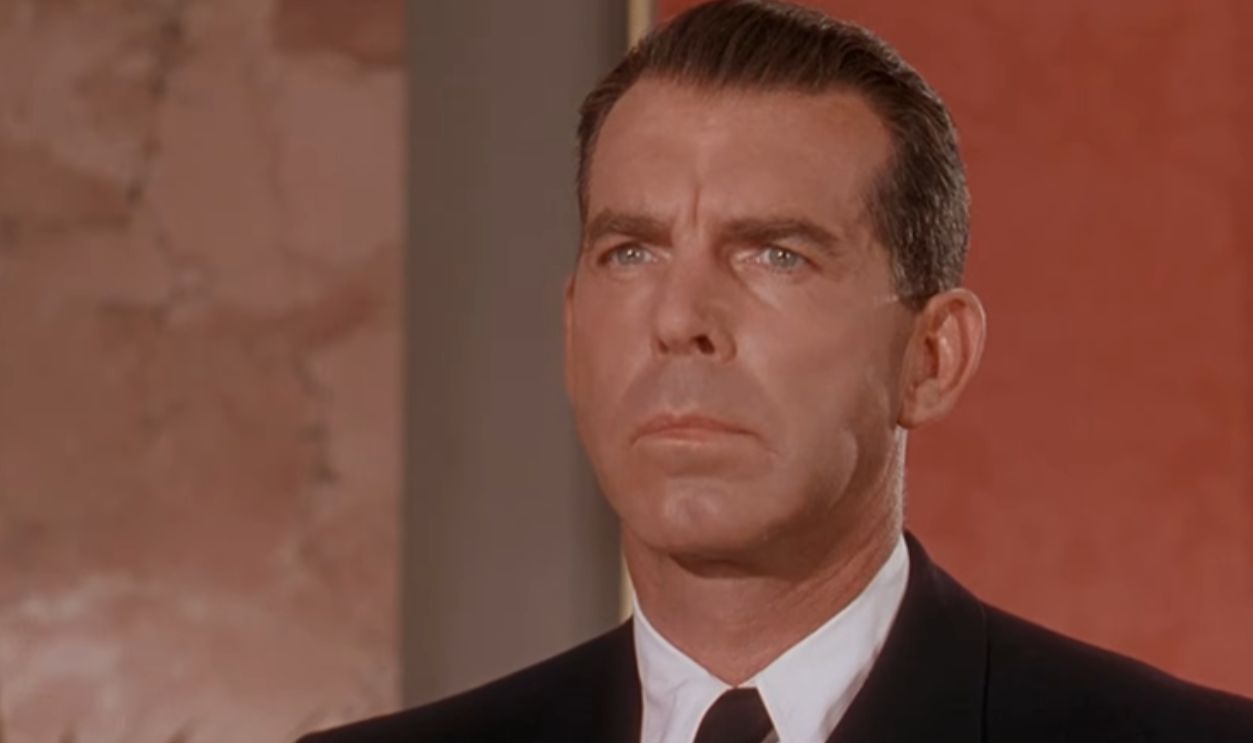
A decade later, MacMurray appeared in the 1954 military drama The Caine Mutiny, directed by Edward Dmytryk and starring Humphrey Bogart. This time, he portrayed Lieutenant Tom Keefer, an intelligent naval officer who questions the behavior of his commanding officer, Captain Queeg. What initially appears to be reasonable concern gradually exposes a character whose personal courage doesn't match his willingness to criticize others.
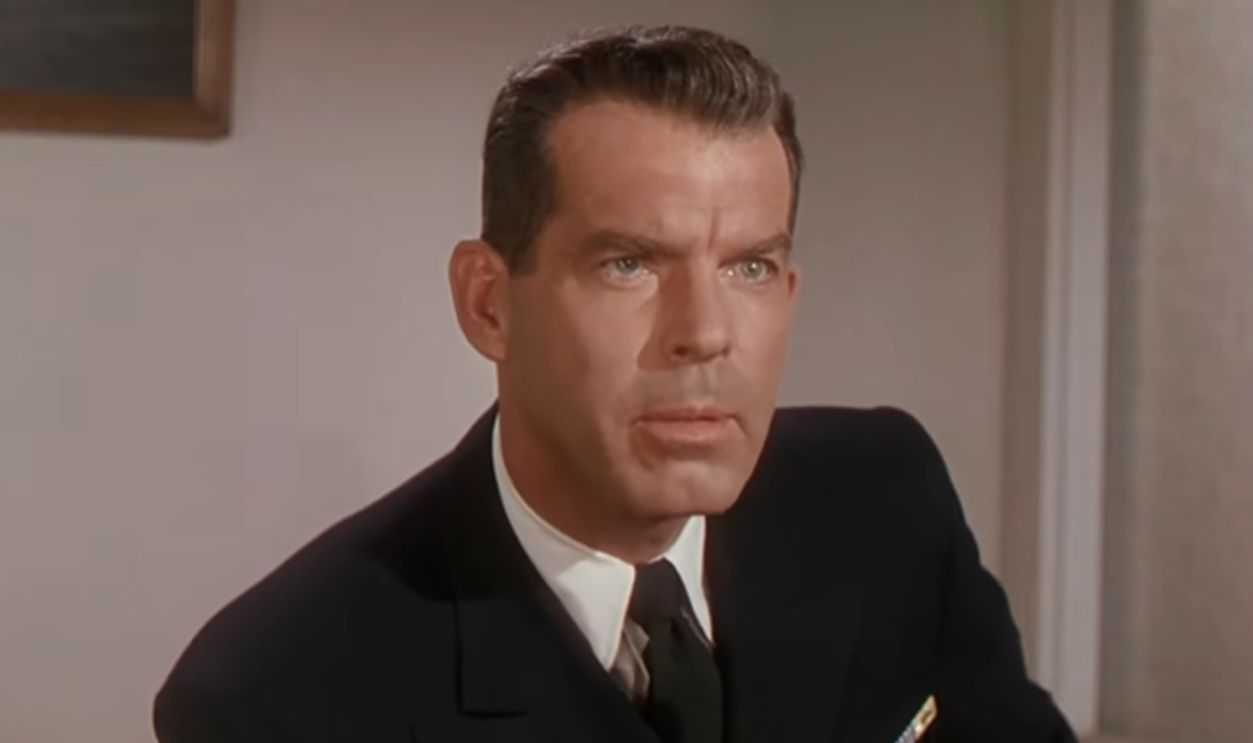 Screenshot from The Caine Mutiny, Columbia Pictures (1954)
Lieutenant Keefer Was A Master Manipulator
As tensions aboard the USS Caine increase, Keefer encourages fellow officers to question whether Queeg is capable of commanding the ship. However, when the resulting controversy leads to a court-martial, Keefer proves reluctant to accept responsibility for the doubts he helped create. His behavior gives MacMurray another opportunity to portray a man whose outward confidence conceals deeply questionable judgment.
 Screenshot from The Caine Mutiny, Columbia Pictures (1954)
The Role Arrived During A Difficult Time
MacMurray's first wife, Lillian Lamont, died in 1953, leaving the actor facing a painful personal loss. Producer Stanley Kramer offered him the role in The Caine Mutiny during this difficult period, providing an opportunity to return to work while coping with grief. The film became one of 1954's biggest commercial successes, while MacMurray's performance offered further evidence that he could excel in characters far removed from his usual screen image.
Pushover Made Him A Corrupt Police Officer
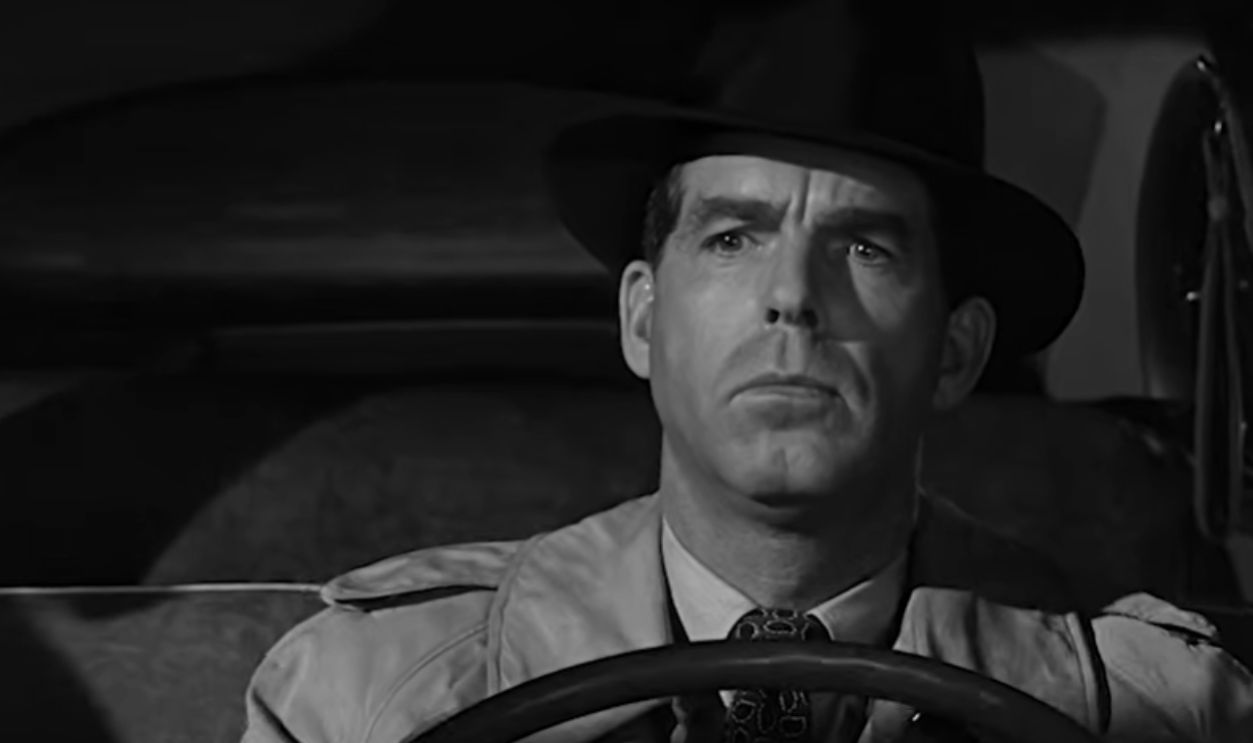
MacMurray continued exploring darker characters in Pushover, a 1954 crime drama directed by Richard Quine. He portrayed Paul Sheridan, a police detective assigned to monitor a woman connected to a bank robbery investigation. When Sheridan becomes involved with Lona McLane, played by Kim Novak, his professional responsibilities quickly become secondary to his growing interest in stolen money.
 Screenshot from Pushover, Columbia Pictures (1954)
His Character Was Willing To Betray Anyone
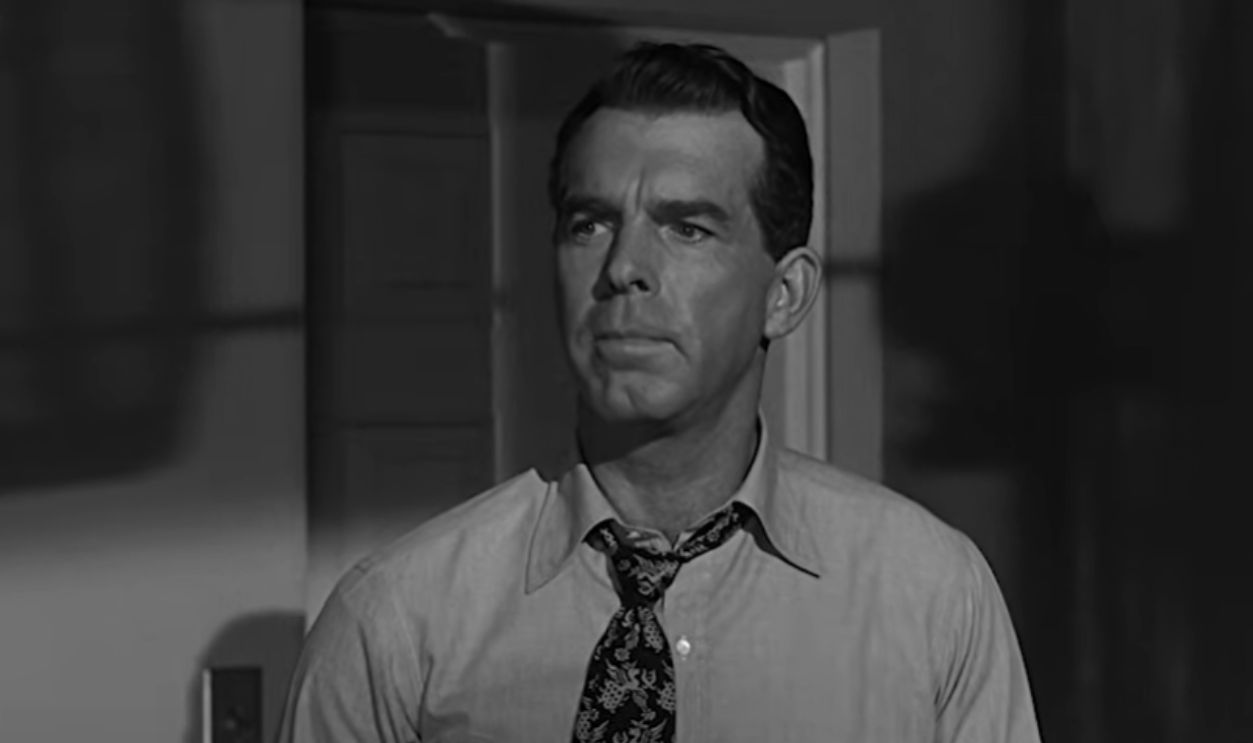
Sheridan's investigation gradually becomes a plan to eliminate the bank robber and take the missing money for himself. As his decisions grow increasingly reckless, the detective finds himself caught between suspicious colleagues and the woman he hopes to impress. MacMurray's performance offers another striking example of an outwardly respectable character whose willingness to compromise his principles leads toward disaster.
 Screenshot from Pushover, Columbia Pictures (1954)
Kim Novak Was Making Her Breakthrough
Pushover also marked an important early career opportunity for Kim Novak, who was making her first major appearance in a starring role. Her performance opposite MacMurray helped establish the distinctive screen personality that would eventually make her famous in films including Alfred Hitchcock's Vertigo. Although Pushover never achieved the lasting reputation of Double Indemnity, it remains an intriguing example of MacMurray's darker film work.
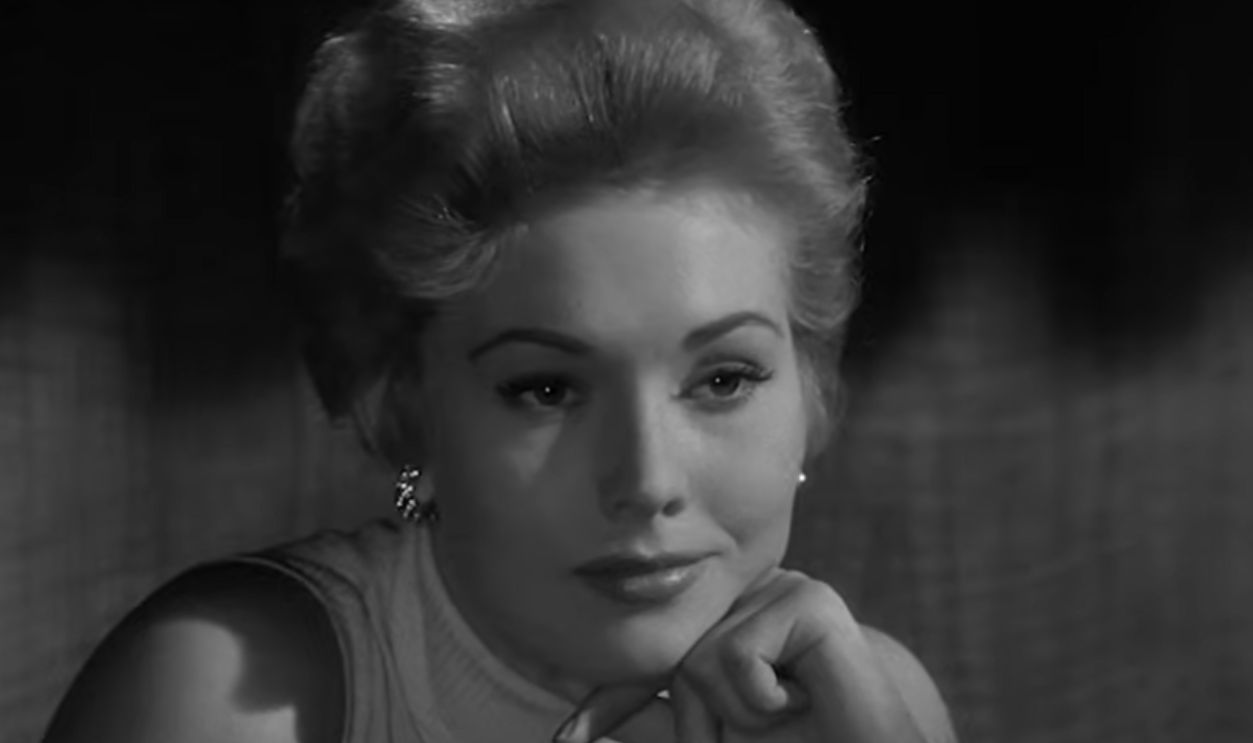 Screenshot from Pushover, Columbia Pictures (1954)
He Played A Troubled Family Man Before My Three Sons
In 1956, MacMurray reunited with Barbara Stanwyck for There's Always Tomorrow, directed by Douglas Sirk. He played Clifford Groves, a successful toy manufacturer whose comfortable suburban life has become increasingly unfulfilling. Although Clifford is devoted to his family, he struggles with the feeling that his wife and children have become too absorbed in their own activities to notice him.
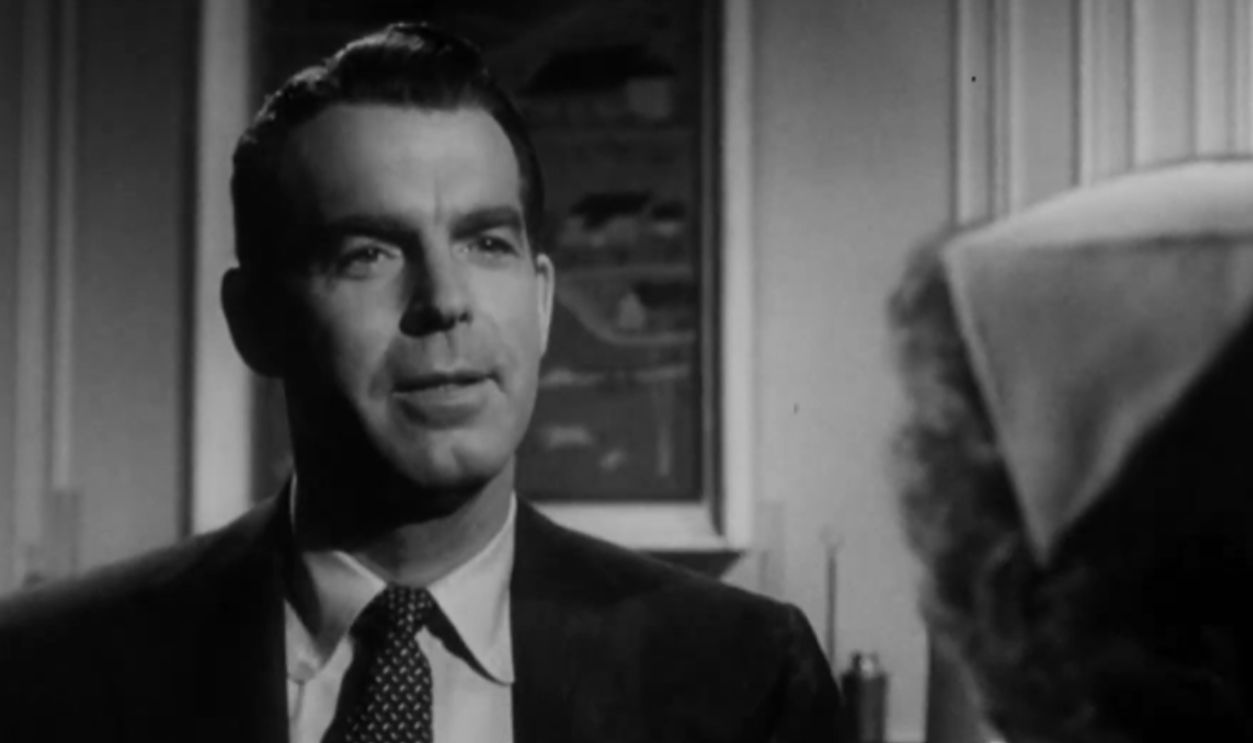 Screenshot from There's Always Tomorrow, Universal Pictures (1955)
An Old Flame Changed Everything
When former acquaintance Norma Vale, played by Stanwyck, unexpectedly reenters Clifford's life, he begins questioning the choices that brought him to his present circumstances. Their renewed friendship creates tension between Clifford's family responsibilities and his desire to feel appreciated. Unlike the calculated scheming of Double Indemnity, this film explores a more sympathetic but still deeply conflicted character.
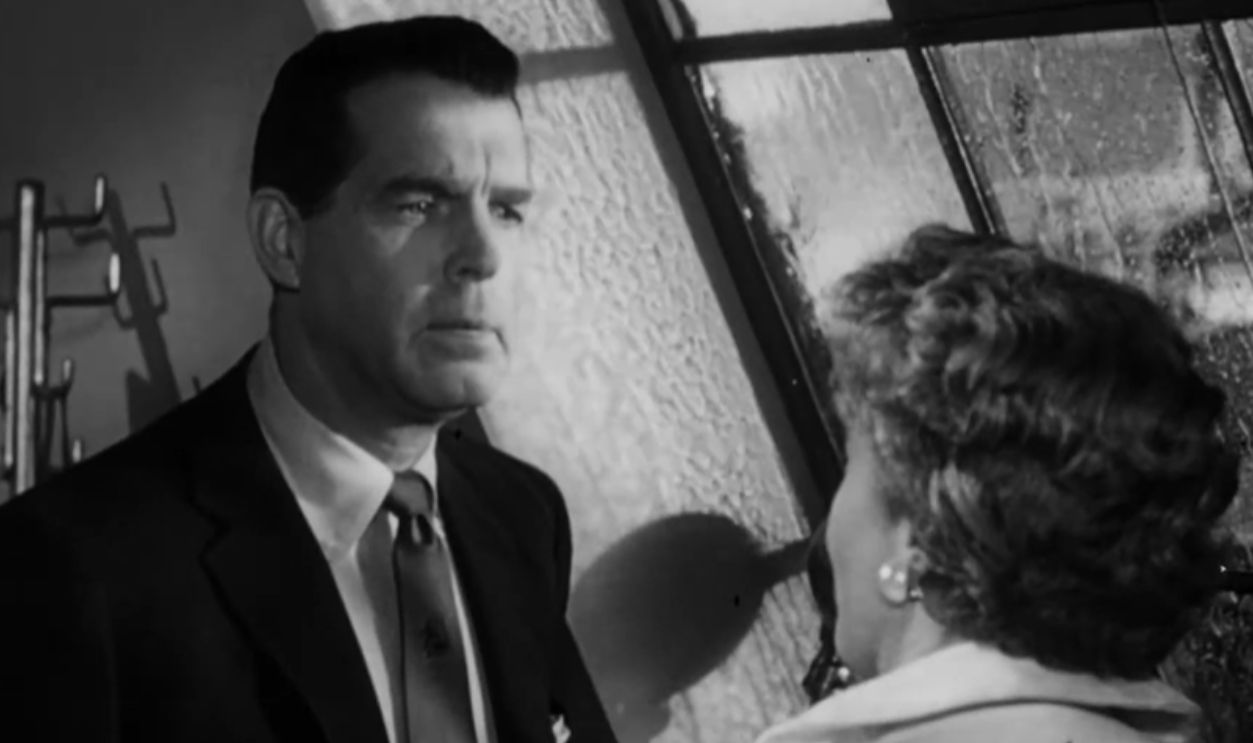 Screenshot from There's Always Tomorrow, Universal Pictures (1955)
The Movie Questioned The Perfect American Family
Sirk's film presented suburban family life as something considerably more complicated than its cheerful appearance suggested. Clifford's children often overlook their father's feelings, while his wife struggles to recognize his growing dissatisfaction. Just four years before My Three Sons premiered, MacMurray was portraying a father whose seemingly ideal household concealed serious personal unhappiness.
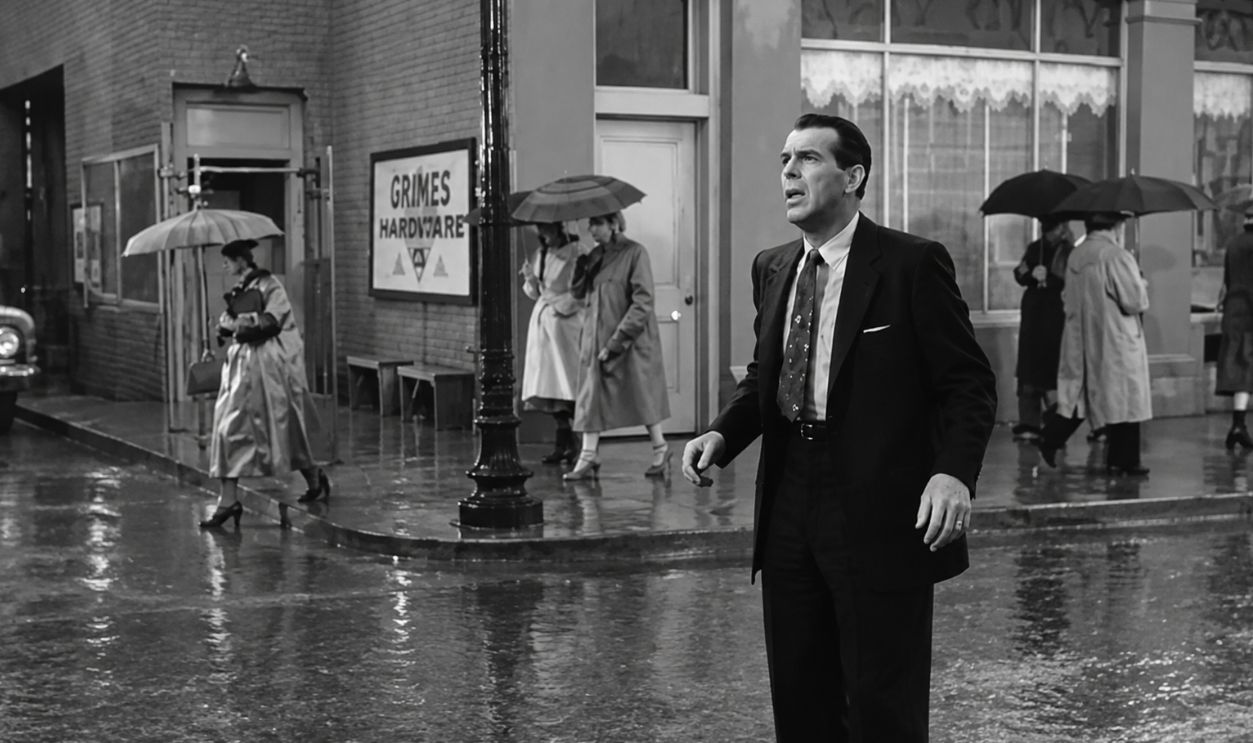 Screenshot from There's Always Tomorrow, Universal Pictures (1955), Enhanced
Walt Disney Saw A Completely Different MacMurray
By the late 1950s, MacMurray's career was preparing to take another unexpected turn. Walt Disney personally selected him to appear in The Shaggy Dog, the studio's first live-action comedy, released in 1959. Playing Wilson Daniels, the frequently bewildered father of two boys, MacMurray returned to the approachable personality that had helped establish his earlier popularity.
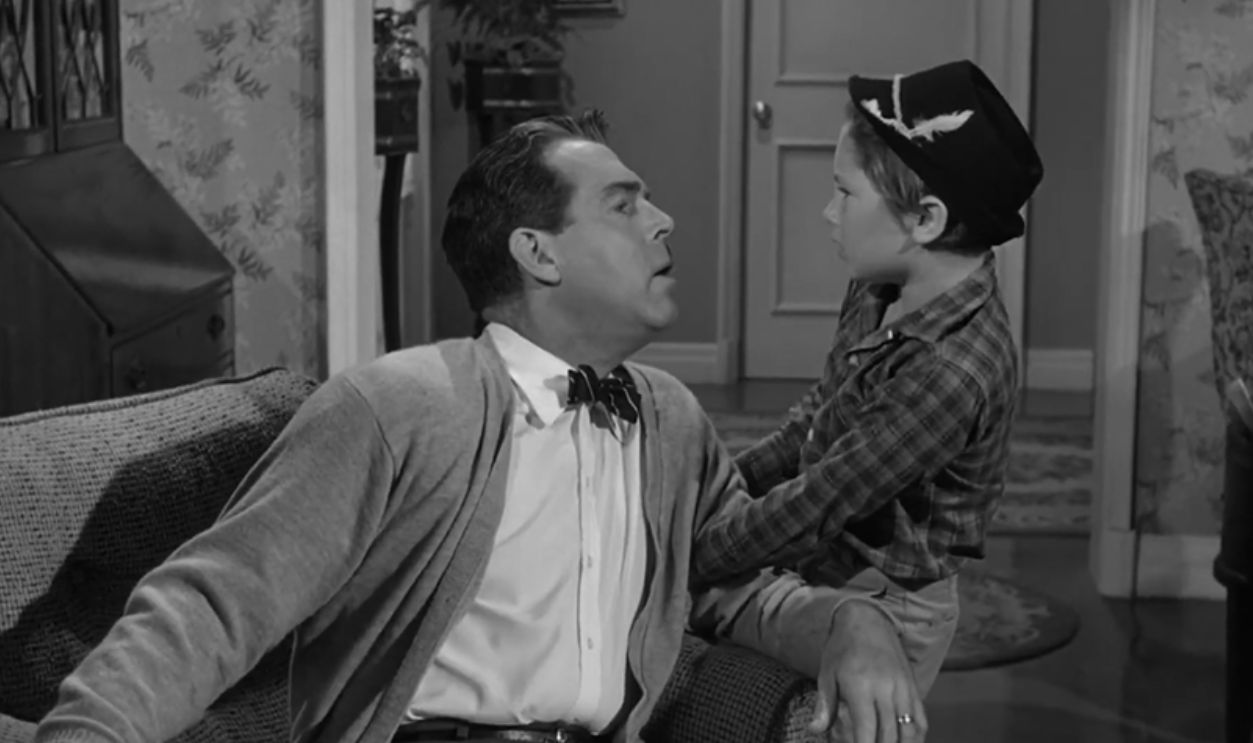 Screenshot from The Shaggy Dog, Buena Vista Distribution (1959)
The Shaggy Dog Was An Unexpected Smash
The movie followed teenager Wilby Daniels, played by Tommy Kirk, after a mysterious ring transforms him into a sheepdog. MacMurray's character struggles to understand the increasingly bizarre events surrounding his family, creating opportunities for the actor's familiar understated comedy. The Shaggy Dog became a major box-office success and began a long association between MacMurray and Disney, which eventually included seven feature films.
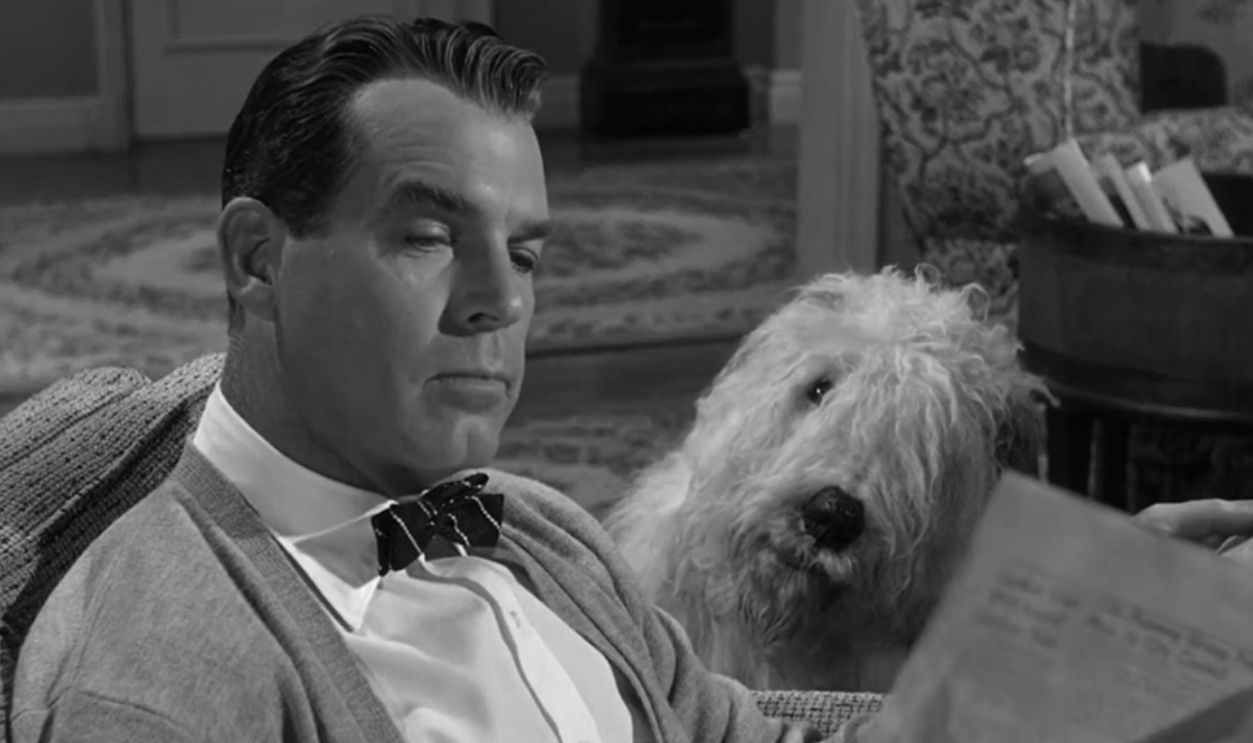 Screenshot from The Shaggy Dog, Buena Vista Distribution (1959)
Billy Wilder Gave Him One Last Major Villain
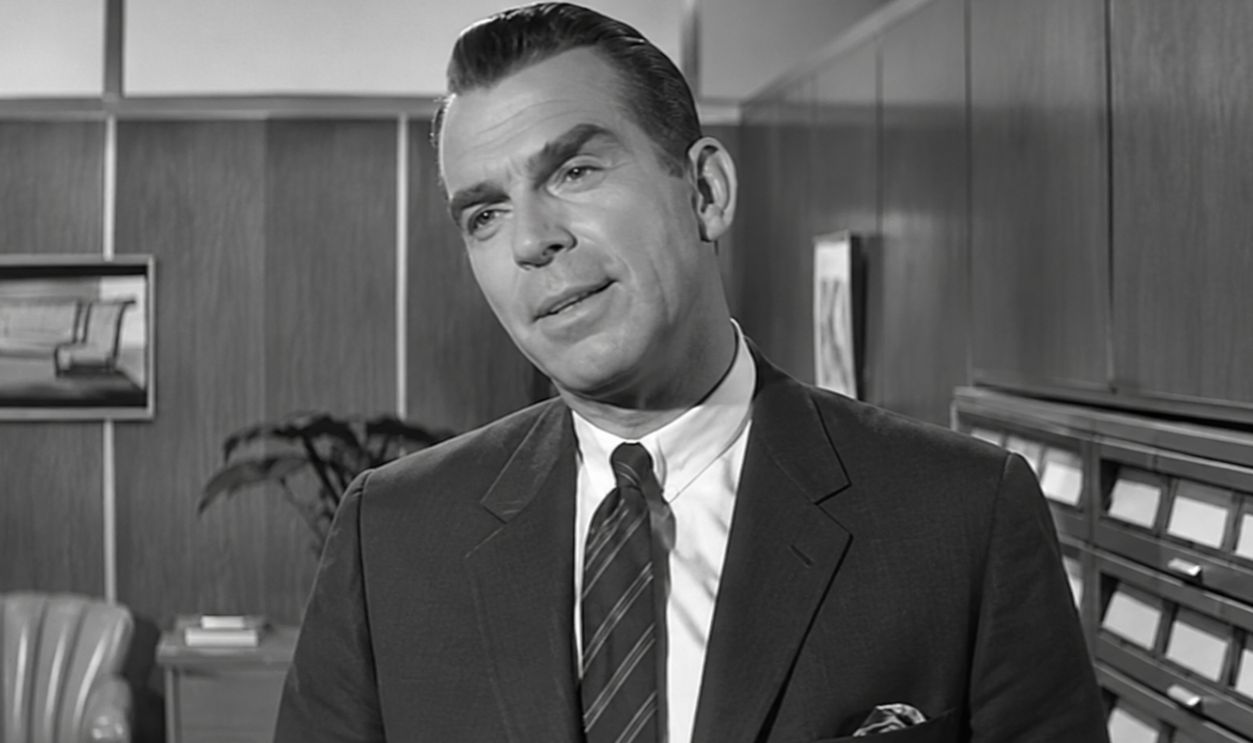
In 1960, MacMurray reunited with Billy Wilder for The Apartment, starring Jack Lemmon and Shirley MacLaine. He portrayed J.D. Sheldrake, a powerful corporate executive who manipulates office employee C.C. Baxter into allowing company managers to use his apartment for private meetings. Sheldrake takes advantage of Baxter's ambitions while treating the people around him with a disturbing lack of consideration.
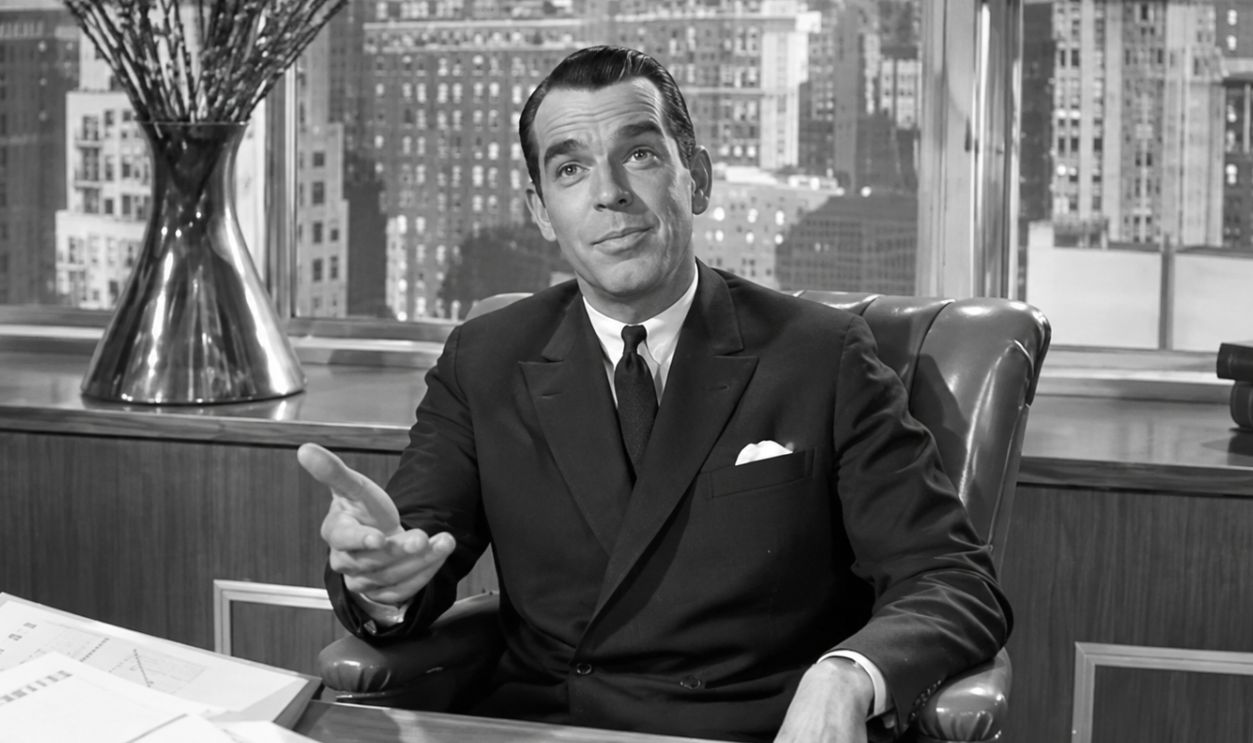 Screenshot from The Apartment, United Artists (1960), Enhanced
He Wasn't The Director's Original Choice
Actor Paul Douglas had initially been selected to portray Sheldrake, but he died shortly before production began in 1959. Wilder subsequently approached MacMurray, remembering how convincingly he had played an unsympathetic character in Double Indemnity. Once again, the actor was hesitant about portraying someone so unpleasant, but his earlier collaboration with Wilder helped persuade him to accept the role.
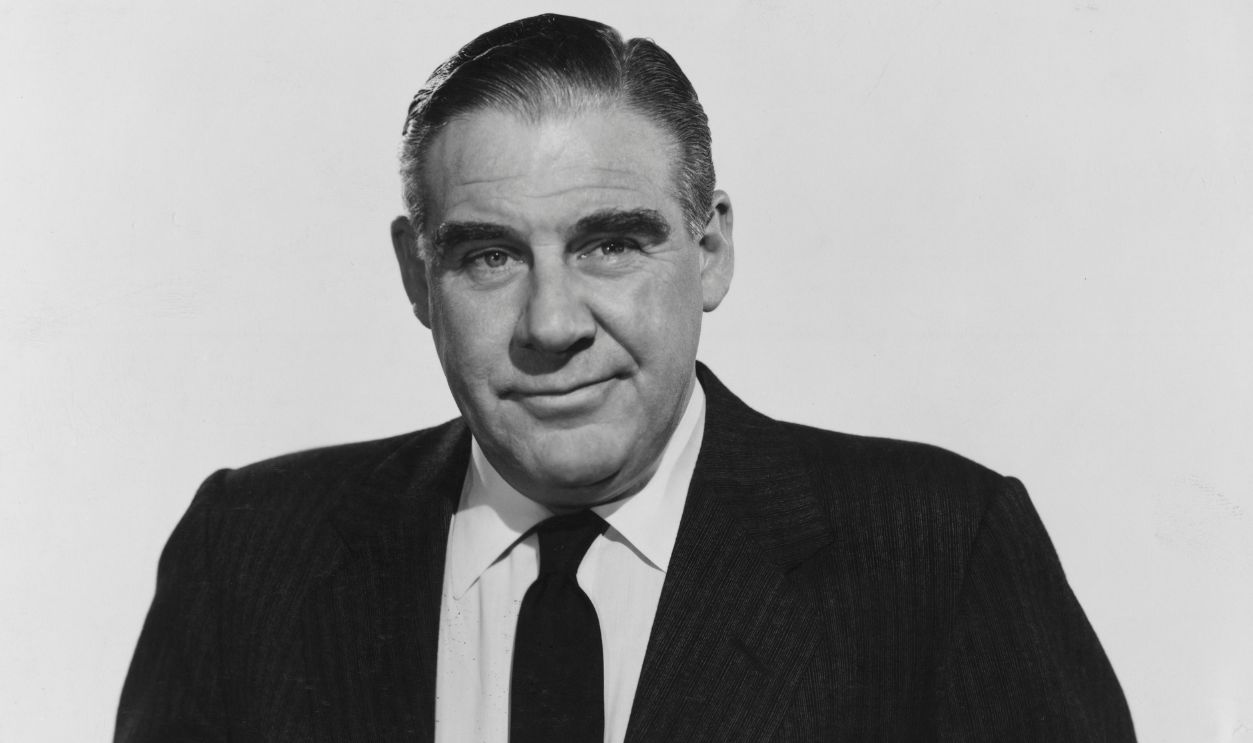 John Springer Collection, Getty Images
Audiences Were Furious With His Performance
MacMurray's portrayal of Sheldrake was so convincing that he reportedly received angry letters from viewers who disliked seeing him behave so badly on screen. The film nevertheless became an extraordinary critical success, winning five Academy Awards, including Best Picture, Best Director, and Best Original Screenplay. For MacMurray, the achievement represented another career highlight, although he was about to become famous for a very different kind of character.
 Screenshot from The Apartment, United Artists (1960), Enhanced
My Three Sons Changed Everything
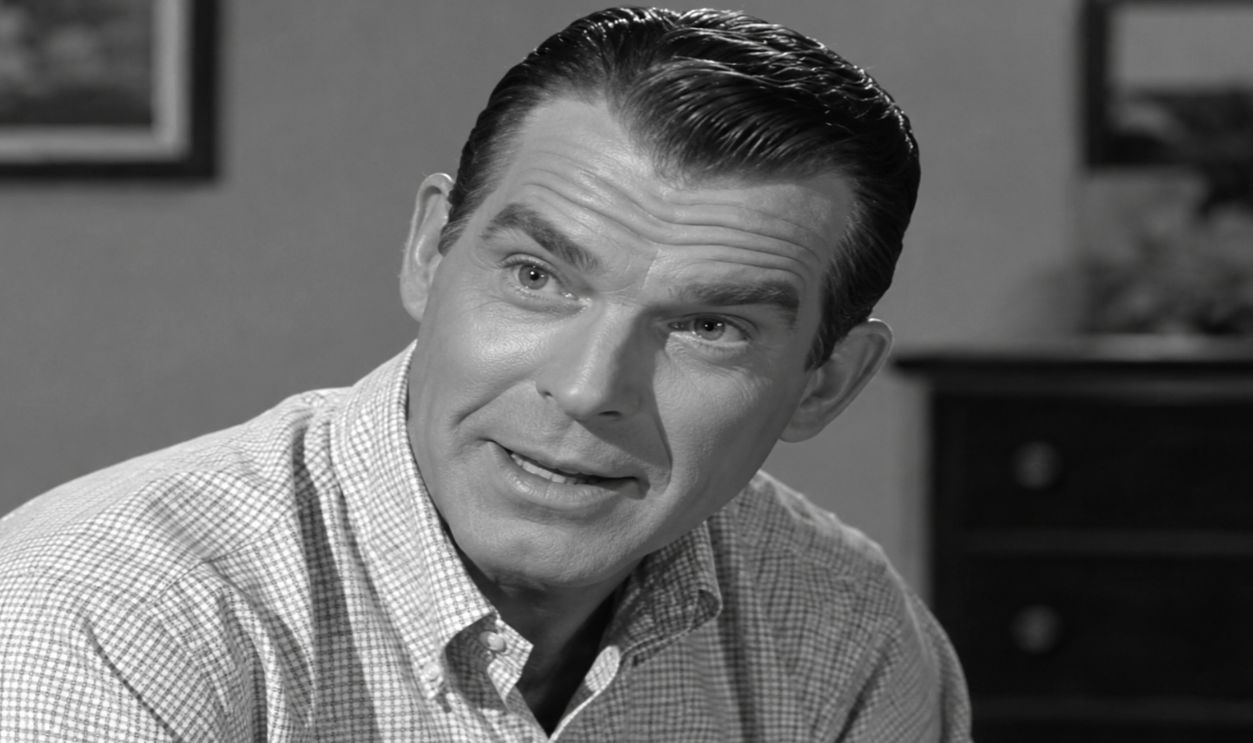
On September 29, 1960, ABC premiered My Three Sons, introducing MacMurray as Steve Douglas, a widowed father raising three boys. Rather than solving criminal mysteries or manipulating colleagues, his character navigated the everyday challenges of parenting with patience and good humor. The series gave audiences a reassuring family figure whose thoughtful advice and dependable personality stood in remarkable contrast to several of MacMurray's most memorable movie roles.
 Screenshot from My Three Sons, CBS (1960-1972), Enhanced
His Television Contract Was Remarkably Unusual
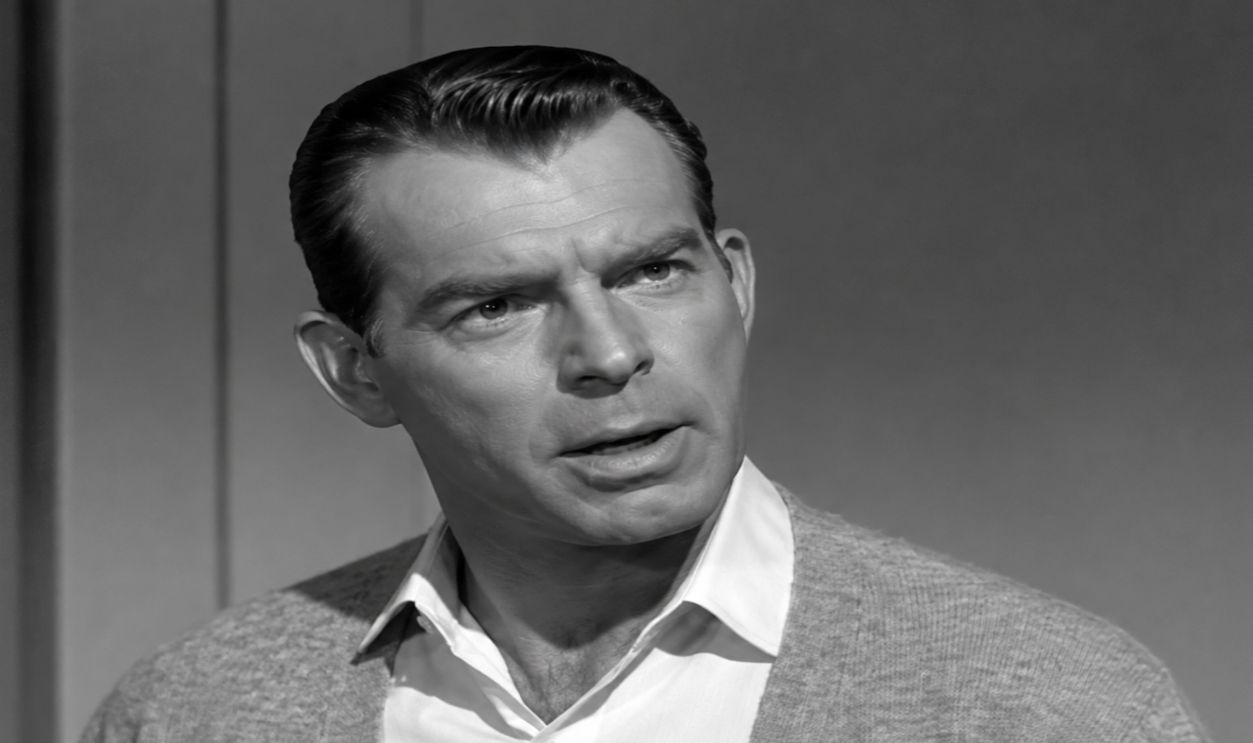
MacMurray agreed to star in My Three Sons only after producers accepted an unusual arrangement limiting his annual filming schedule to 65 nonconsecutive days. This meant the production frequently recorded his scenes long before other portions of the same episodes were filmed. The demanding arrangement became known as the MacMurray Method and created enormous logistical challenges for writers, directors, and fellow cast members.
 Screenshot from My Three Sons, CBS (1960-1972), Enhanced
The Cast Had To Work Around His Schedule
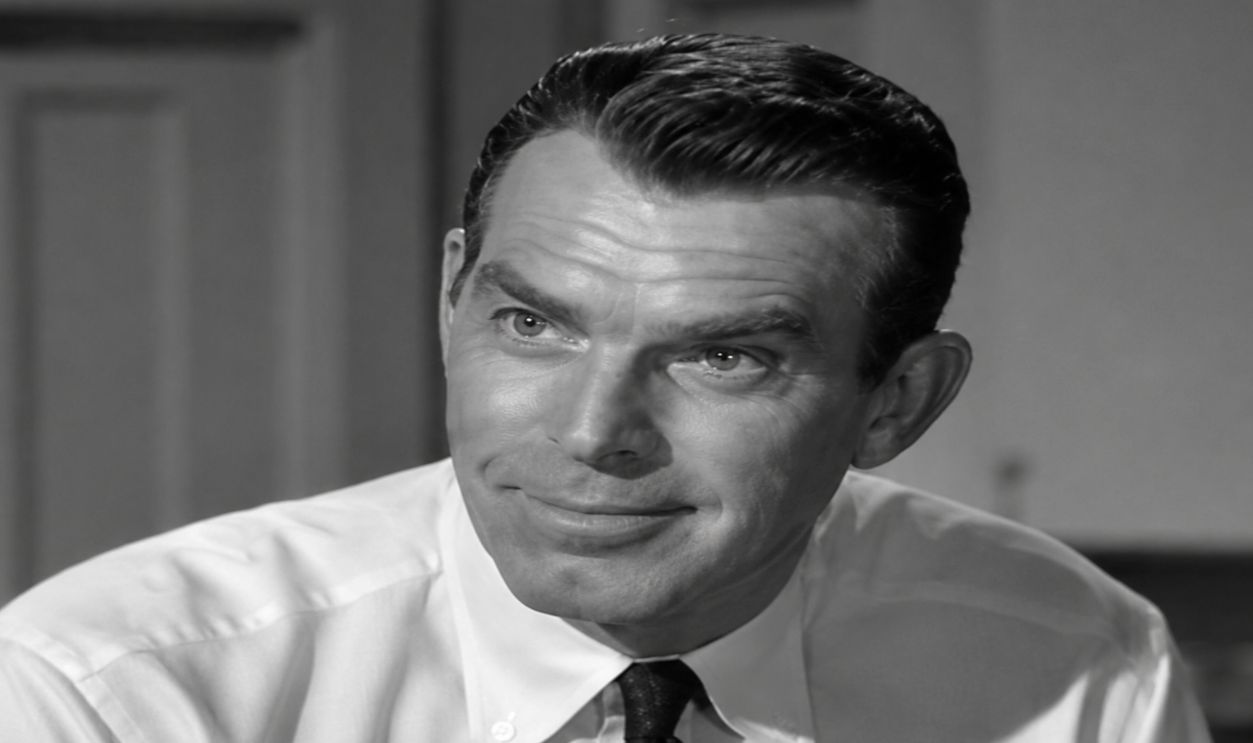
Because MacMurray completed his scenes in concentrated filming sessions, other performers sometimes returned months later to finish material involving their characters. Production teams also had to maintain consistent hairstyles and appearances to prevent obvious differences between scenes recorded at widely separated times. According to the Television Academy's historical account, the complicated schedule occasionally required writers to construct entire episodes around dialogue MacMurray had already filmed.
 Screenshot from My Three Sons, CBS (1960-1972), Enhanced
America's Favorite Dad Had The Last Laugh
My Three Sons continued for twelve seasons, moving from ABC to CBS in 1965 before concluding in 1972. MacMurray's portrayal of Steve Douglas became so familiar that generations of viewers associated him primarily with dependable fatherhood, reinforced by his family-friendly Disney comedies. Yet his performances in Double Indemnity, The Caine Mutiny, Pushover, and The Apartment reveal another side of his extraordinary career, reminding audiences that Hollywood's most reassuring television father could also portray some remarkably unsettling men.
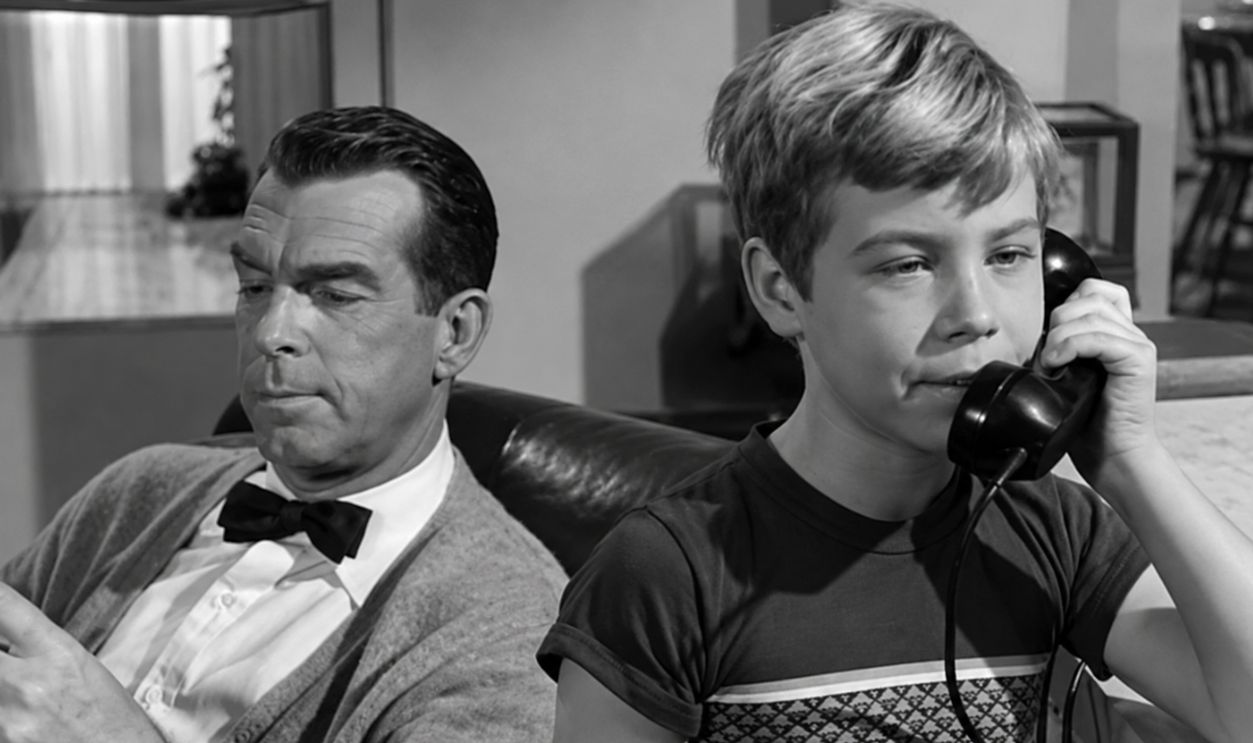 Screenshot from My Three Sons, CBS (1960-1972), Enhanced
You May Also Like:
TV Shows From The 1970s That No One Remembers—Seriously, Do You Remember Even 5 Of These Shows?
These 15 Films Were Behind-The-Scenes Disasters