The Billionaire Who Left Chaos
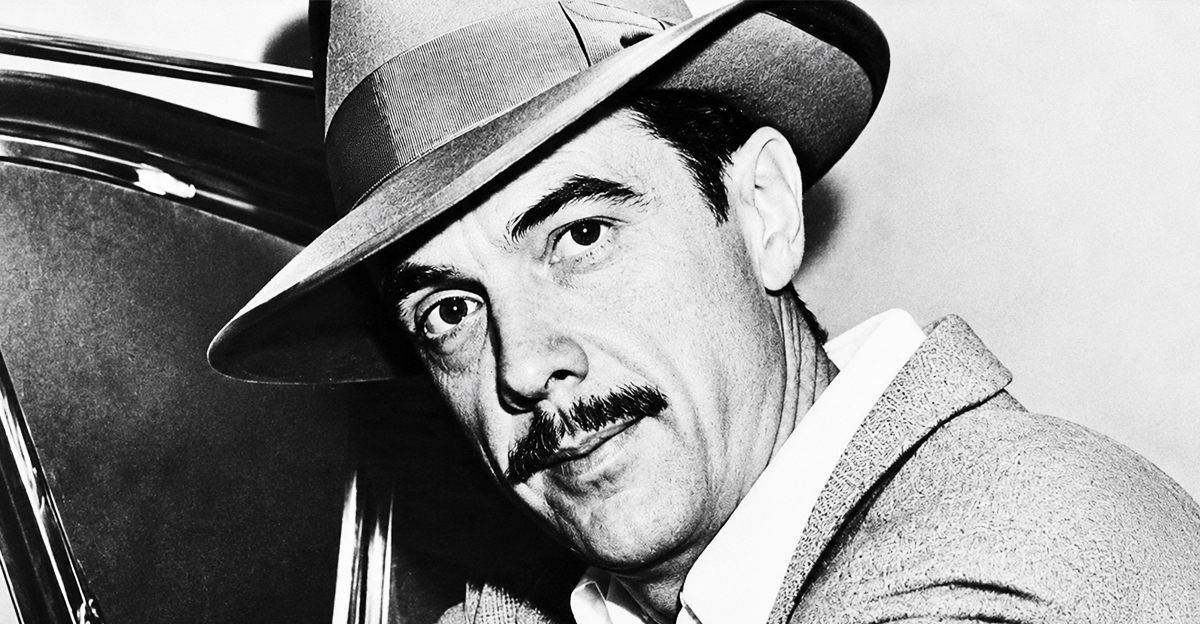
When Howard Hughes died in 1976, he left behind one of America's most extraordinary fortunes, but no will that the courts would recognize. Within weeks, mysterious documents began appearing, strangers claimed to be his children, and hundreds of supposed relatives demanded a share. The billionaire who had spent decades hiding from the world was suddenly at the center of a very public inheritance battle.
 Photo by ullstein bild via Getty Images
He Was Born Into Wealth
Howard Robard Hughes Jr. was born in Houston, Texas, in 1905. His father, Howard Hughes Sr., had made a fortune developing specialized drilling equipment for the oil industry. The family's Hughes Tool Company provided young Howard with financial security, but his interests soon extended far beyond the oilfields. He was fascinated by machinery, aviation, and motion pictures.
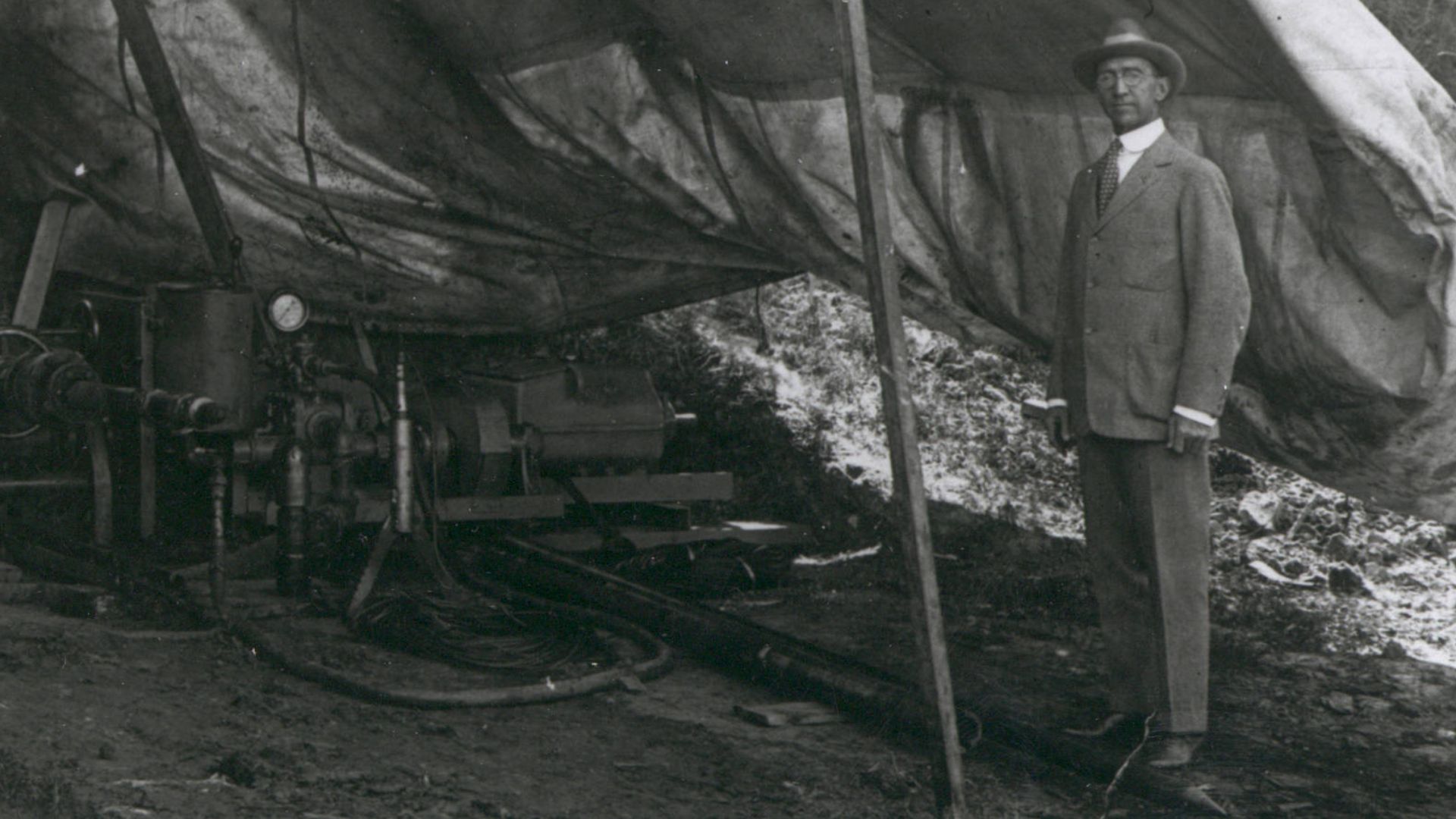 University of Nevada, Las Vegas (UNLV), Wikimedia Commons
He Inherited An Empire
Hughes lost his mother in 1922 and his father in 1924, leaving him an orphan before his 19th birthday. He inherited a controlling interest in the family business and eventually consolidated ownership. Instead of simply managing the profitable company, Hughes used its resources to pursue increasingly ambitious projects. His inheritance would become the foundation of a sprawling business empire.
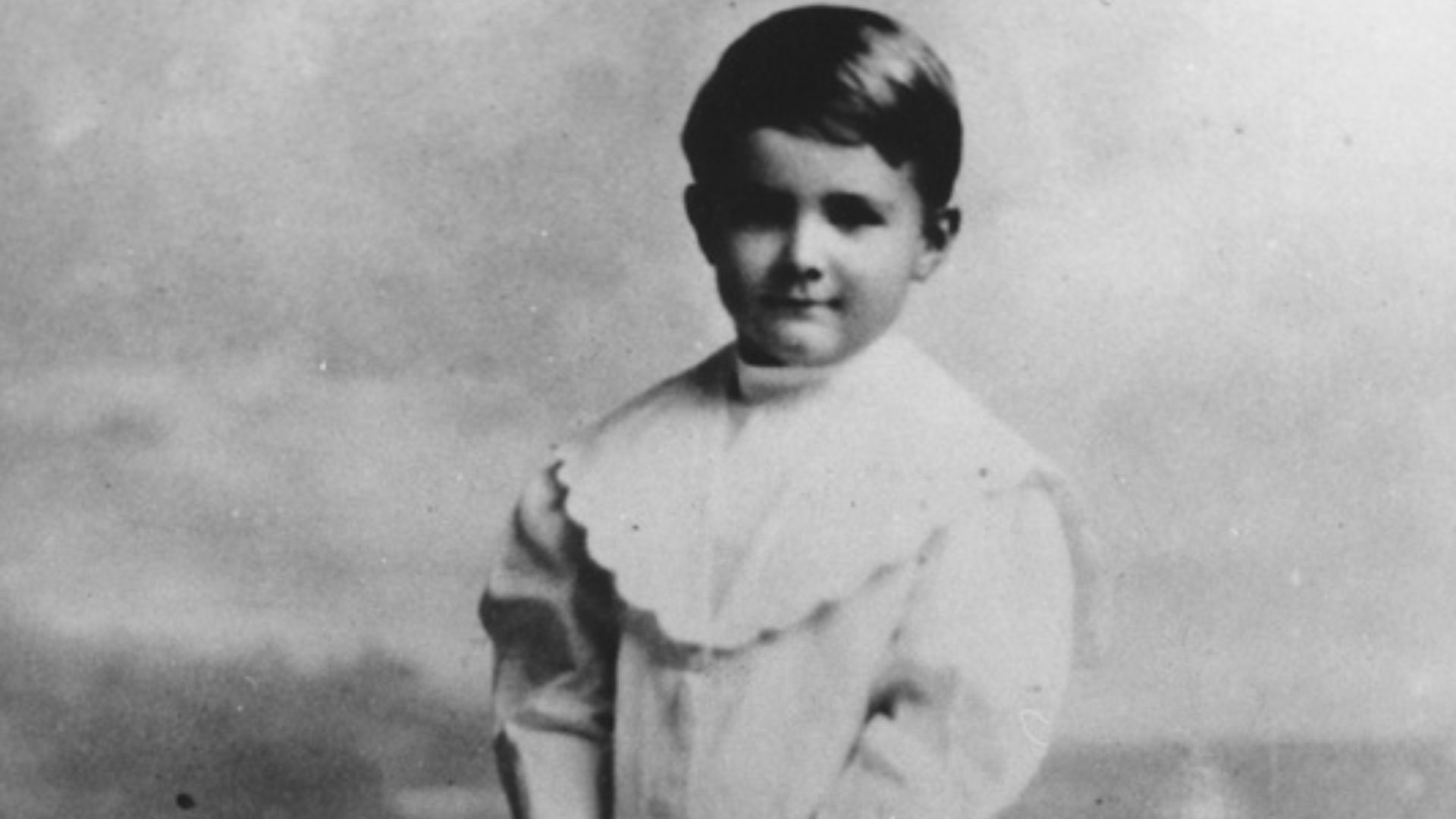 SDASM Archives, Wikimedia Commons
Hollywood Beckoned
During the late 1920s, Hughes moved into filmmaking, producing expensive pictures including Hell's Angels (1930), a spectacular aviation drama featuring Jean Harlow and directed in part by Hughes himself. He later produced Scarface (1932), directed by Howard Hawks and starring Paul Muni. His extravagant spending and fascination with actresses made him one of Hollywood's most talked-about personalities.
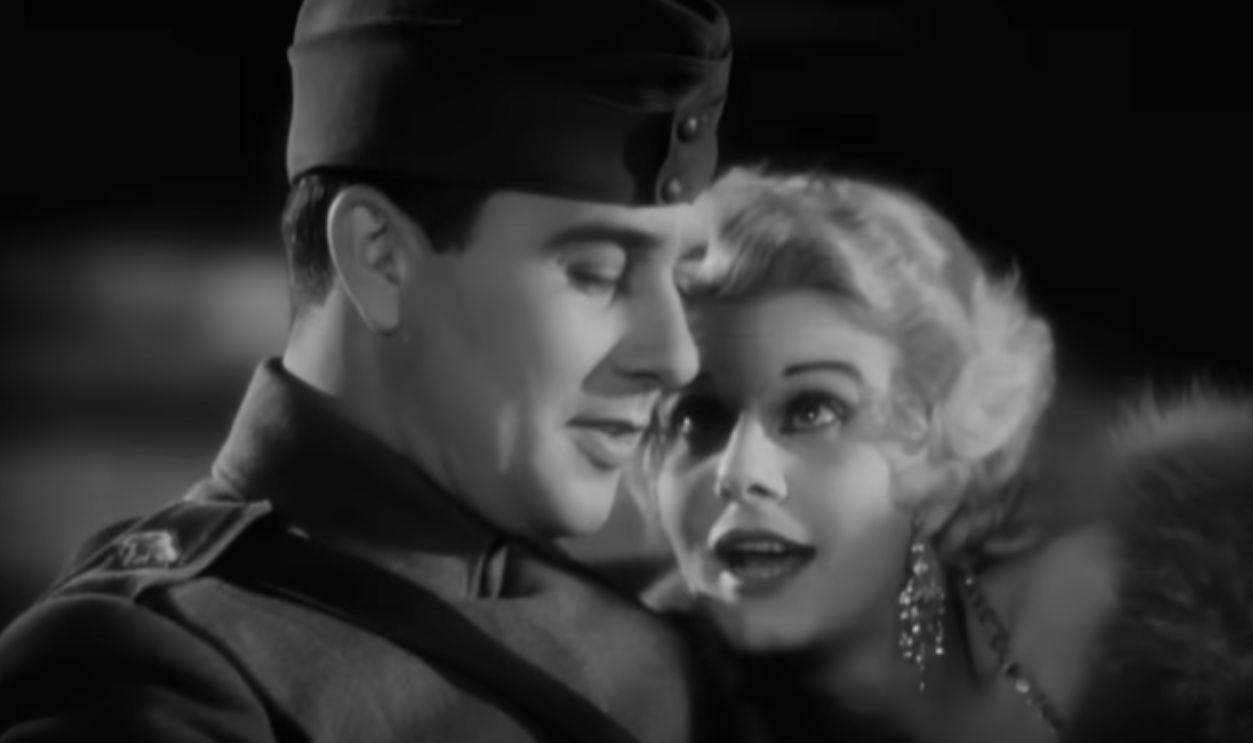 Screenshot from Hell's Angels, United Artists (1930)
He Became A Flying Legend
Hughes was more than a wealthy aviation enthusiast. In 1935, he set a landplane speed record, and in 1938, he completed a record-breaking flight around the world. His Hughes Aircraft Company became an important aerospace enterprise. He also developed the enormous H-4 Hercules flying boat, popularly nicknamed the Spruce Goose, which made its only flight in 1947.
His Private Life Made Headlines
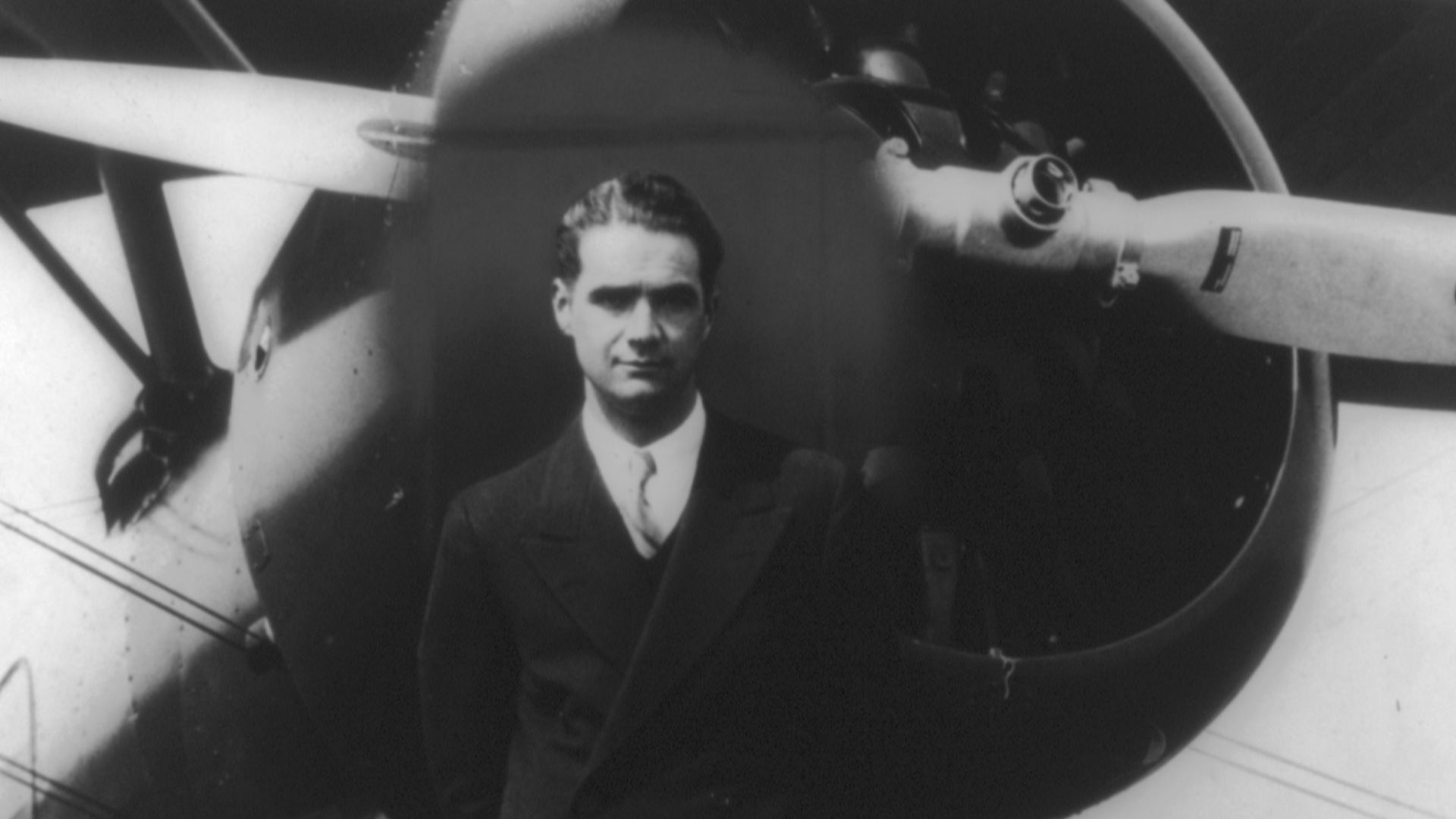
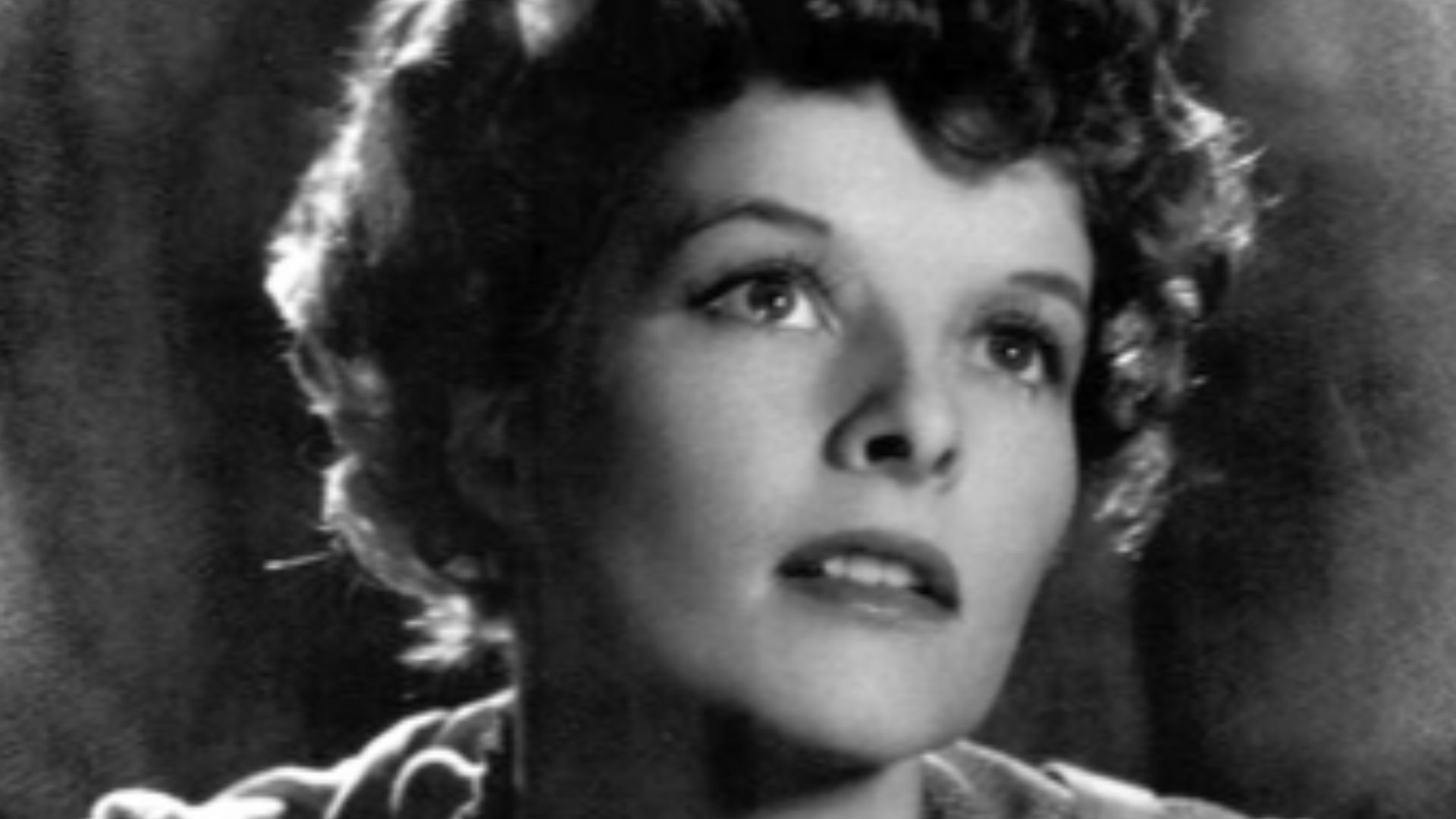
Hughes married Houston socialite Ella Rice in 1925, but their marriage ended in divorce in 1929. He subsequently became romantically linked with several Hollywood stars, including Katharine Hepburn and Ava Gardner. Despite his reputation as a womanizer, he had no legally established children. That seemingly minor detail would become enormously important when the question of inheritance eventually arose.
 w:RKO Radio Pictures, Wikimedia Commons
His Empire Kept Expanding
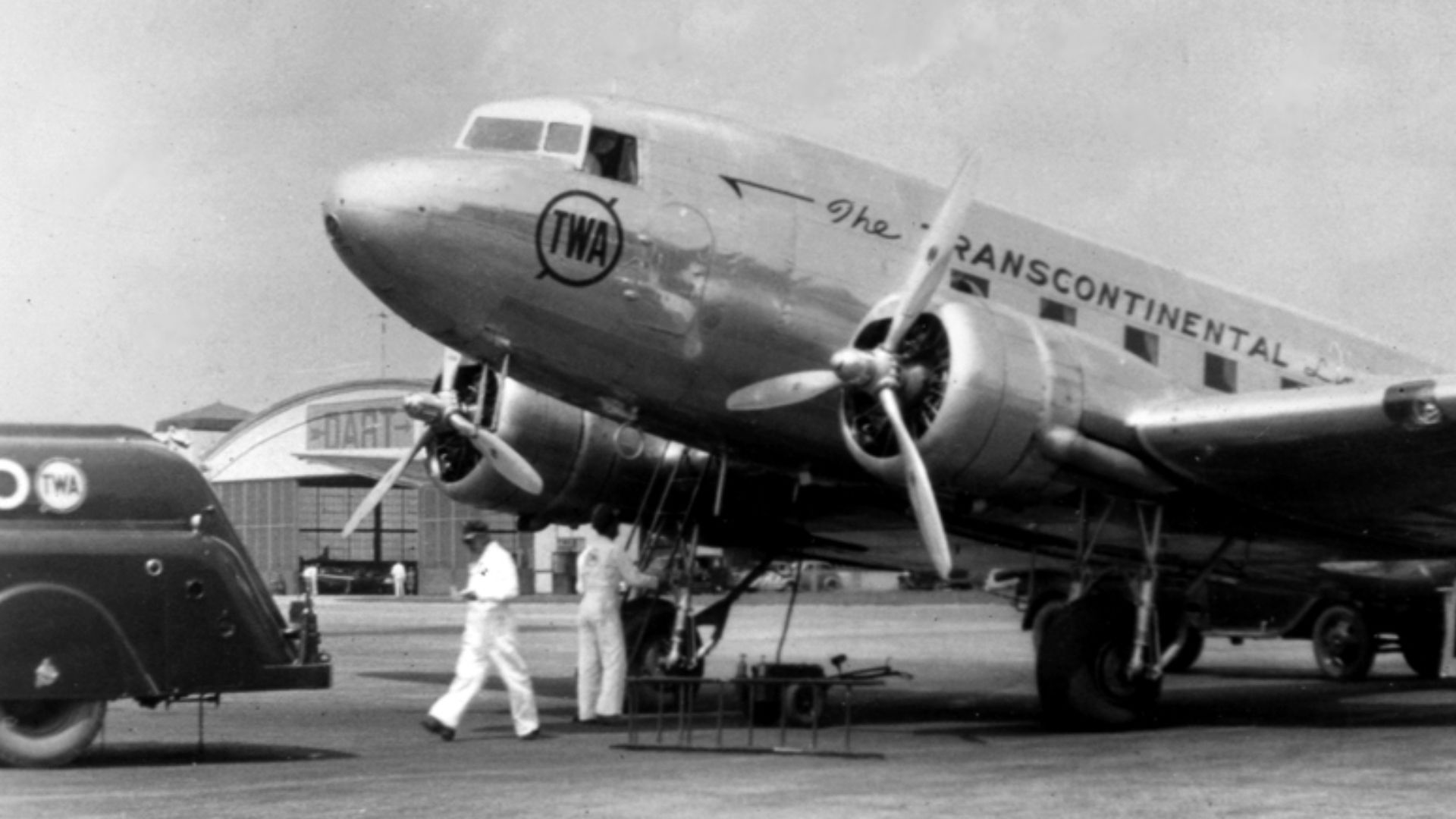
Hughes acquired control of Trans World Airlines and became one of America's most influential figures in commercial aviation. He also purchased RKO Pictures in 1948, although his management proved controversial. By the 1950s, his interests stretched across aerospace, entertainment, manufacturing, and transportation. His fortune was immense, but his increasingly secretive behavior made his financial affairs difficult for outsiders to understand.
 Relative of User:Postdlf, Wikimedia Commons
He Married Again
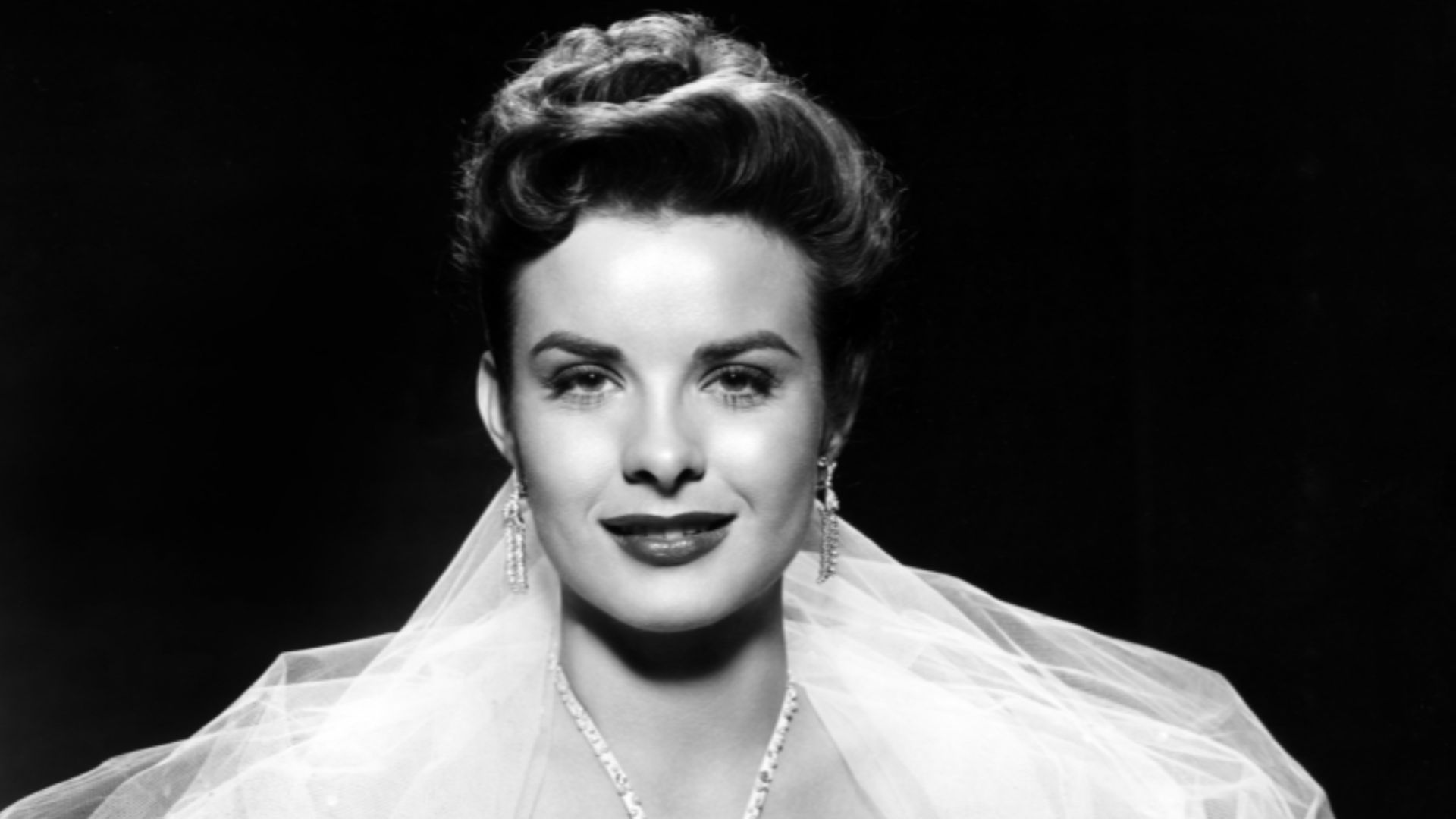
In 1957, Hughes married actress Jean Peters, who had appeared opposite Tyrone Power in Captain from Castile (1947). Their marriage was extraordinarily private, with Hughes already withdrawing from ordinary public life. They divorced in 1971. Peters received a financial settlement, but she was no longer his wife when he died, eliminating any automatic inheritance rights she might otherwise have possessed.
 Studio Publicity, Wikimedia Commons
The Billionaire Disappeared
During the 1960s, Hughes became increasingly reclusive, living in carefully guarded hotel suites and communicating through trusted aides. He moved into the Desert Inn in Las Vegas in 1966 and eventually purchased the hotel itself. His growing casino and property holdings transformed him into a major Nevada businessman, even as his personal appearance and daily activities became subjects of speculation.
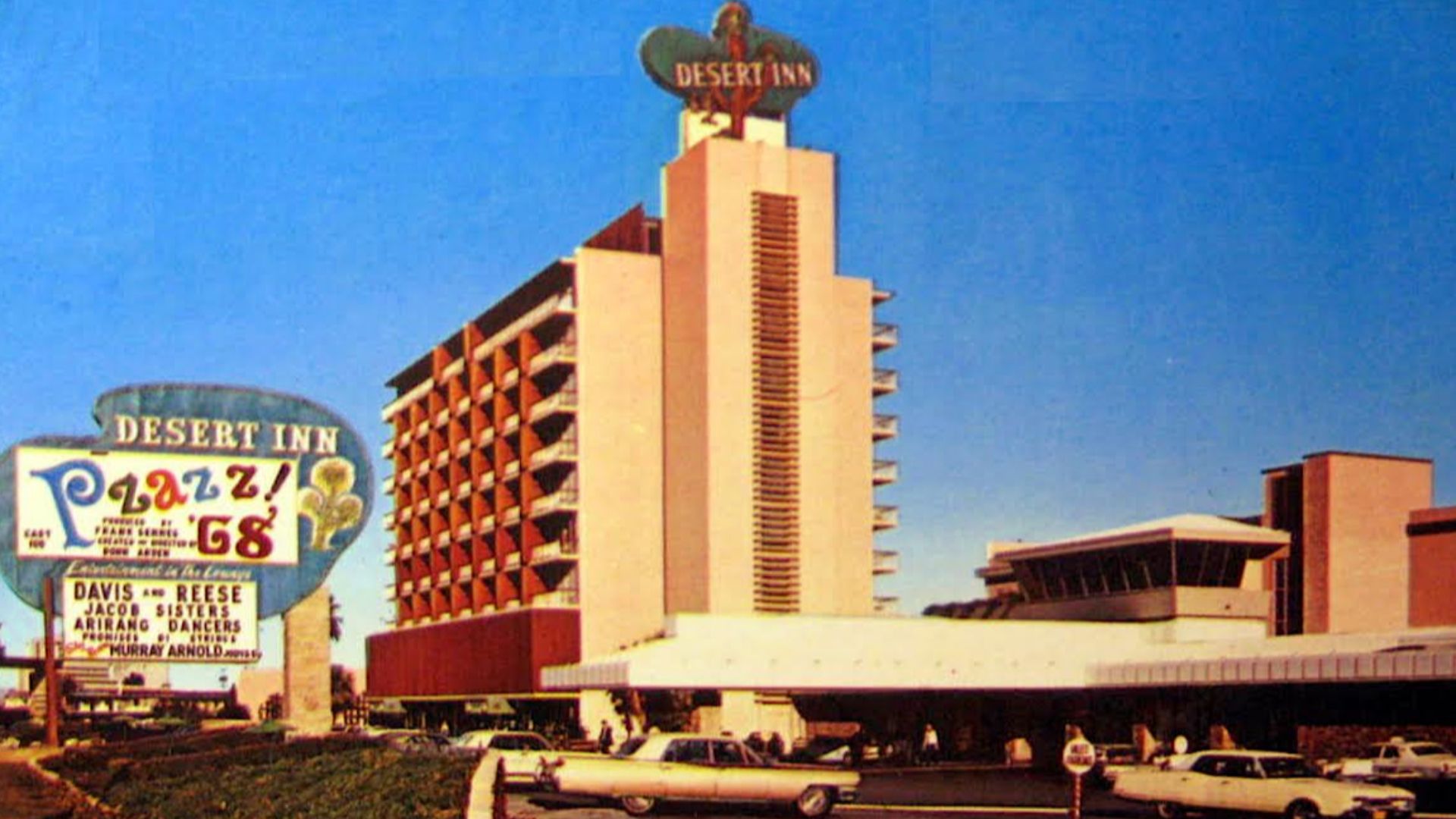 Piasticchrome, Boston, MA-photo by Las Vegas News Agency, Las Vegas., Wikimedia Commons
His Final Years Were Troubling
By the early 1970s, Hughes was suffering from serious health problems, chronic pain, and dependence on prescription medications. He moved between secluded residences in the Bahamas, Nicaragua, Canada, and Mexico. His deteriorating physical condition contrasted sharply with the enormous wealth he controlled. Only a small circle of attendants had regular access to him, complicating questions about his intentions and mental state.

He Died In Flight
On April 5, 1976, Hughes died aboard a private aircraft traveling from Acapulco, Mexico, to Houston, where he was being taken for medical treatment. He was 70 years old. His emaciated appearance shocked those who learned of his condition. Almost immediately, lawyers, business executives, relatives, and government officials confronted the question that should have been simple: who would inherit his fortune?
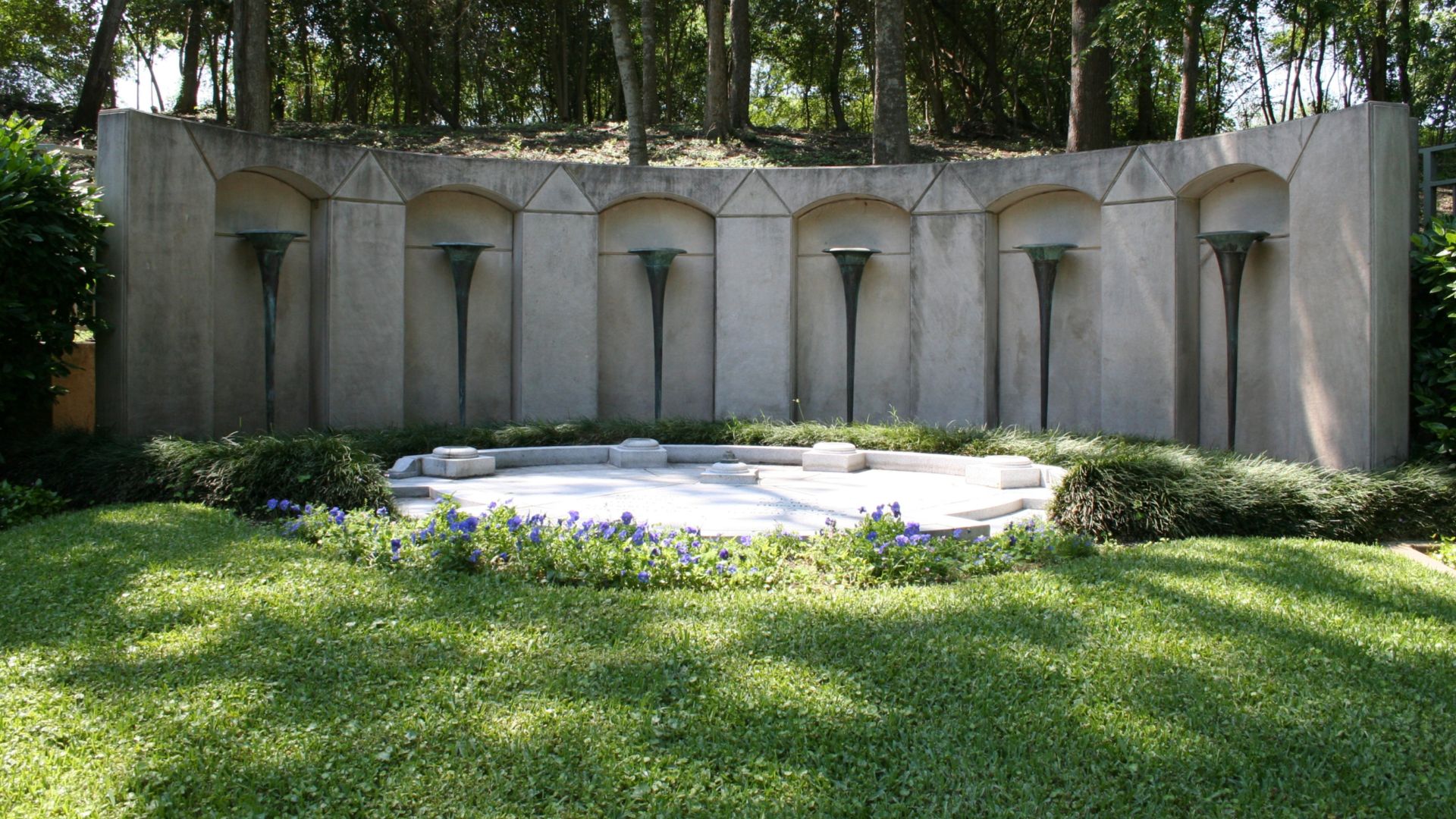 Blwarren713, Wikimedia Commons
Nobody Could Find A Will
Despite Hughes's extraordinary wealth, no legally valid will was available. His assets were spread among numerous corporations and jurisdictions, and estimates of his fortune ranged widely, sometimes exceeding $2 billion. Without an authenticated will, courts would have to determine his legal heirs. The uncertainty created an irresistible opportunity for anyone who believed, or claimed, that Hughes had promised them money.
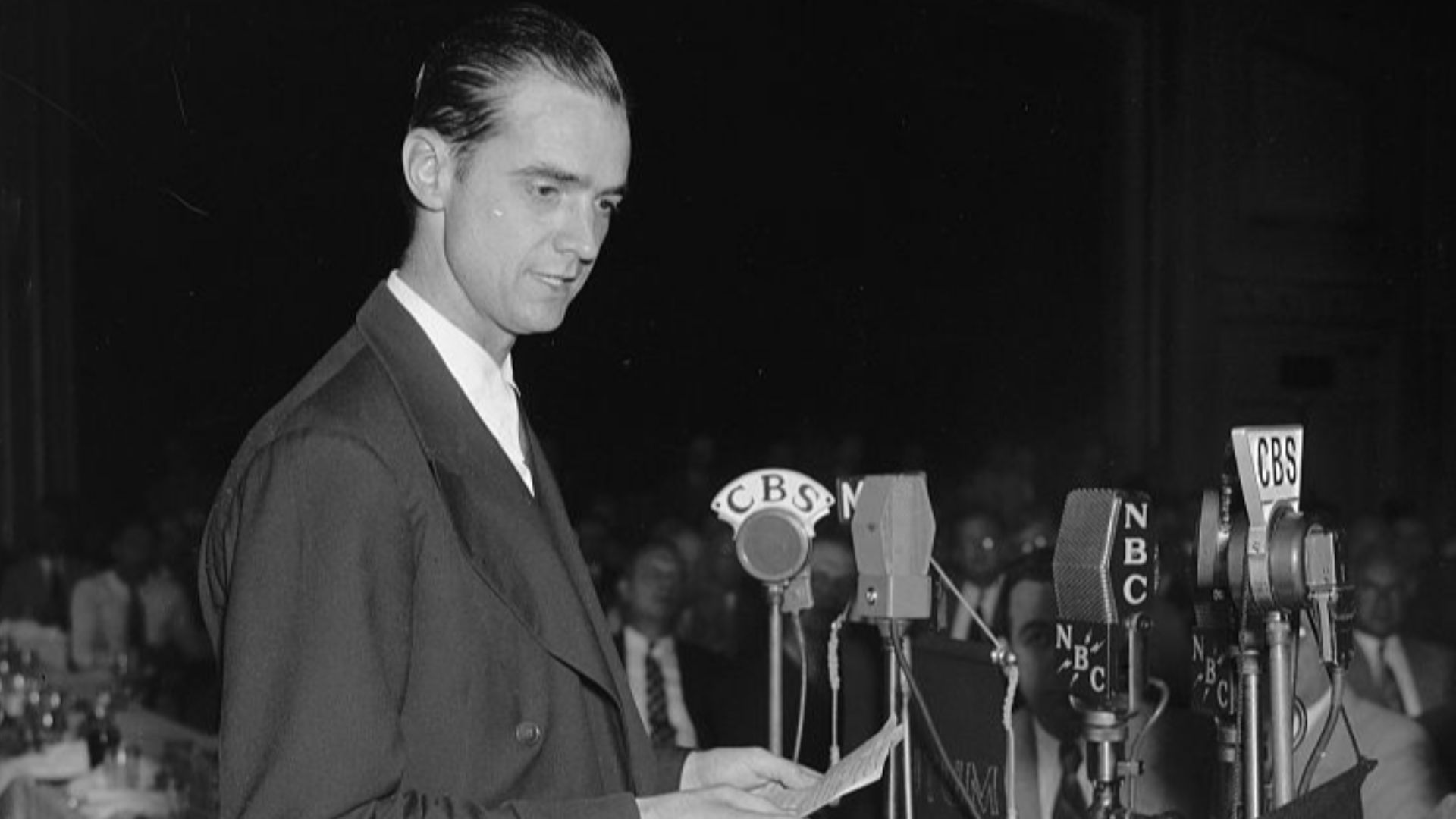 Harris & Ewing, photographer, Wikimedia Commons
The Claimants Started Appearing
More than 400 prospective heirs eventually emerged, alongside dozens of purported wills. Some claimants said they were distant relatives, while others alleged that Hughes had fathered their children or secretly married them. The claims ranged from plausible disputes of heredity to extraordinary personal stories. Determining who was telling the truth became one of the most complicated probate proceedings in American history.
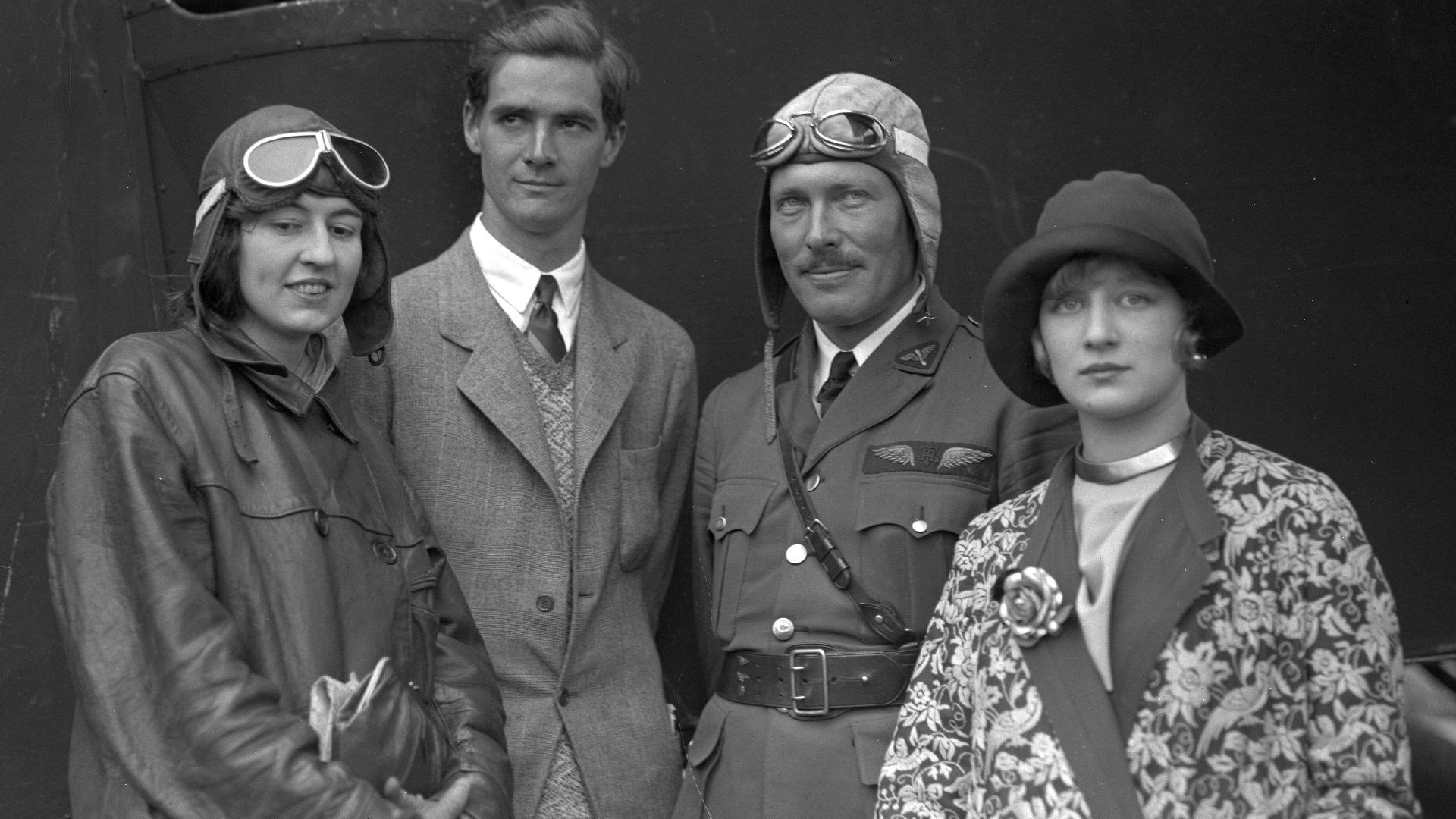 Los Angeles Times, Wikimedia Commons
A Mysterious Document Appeared
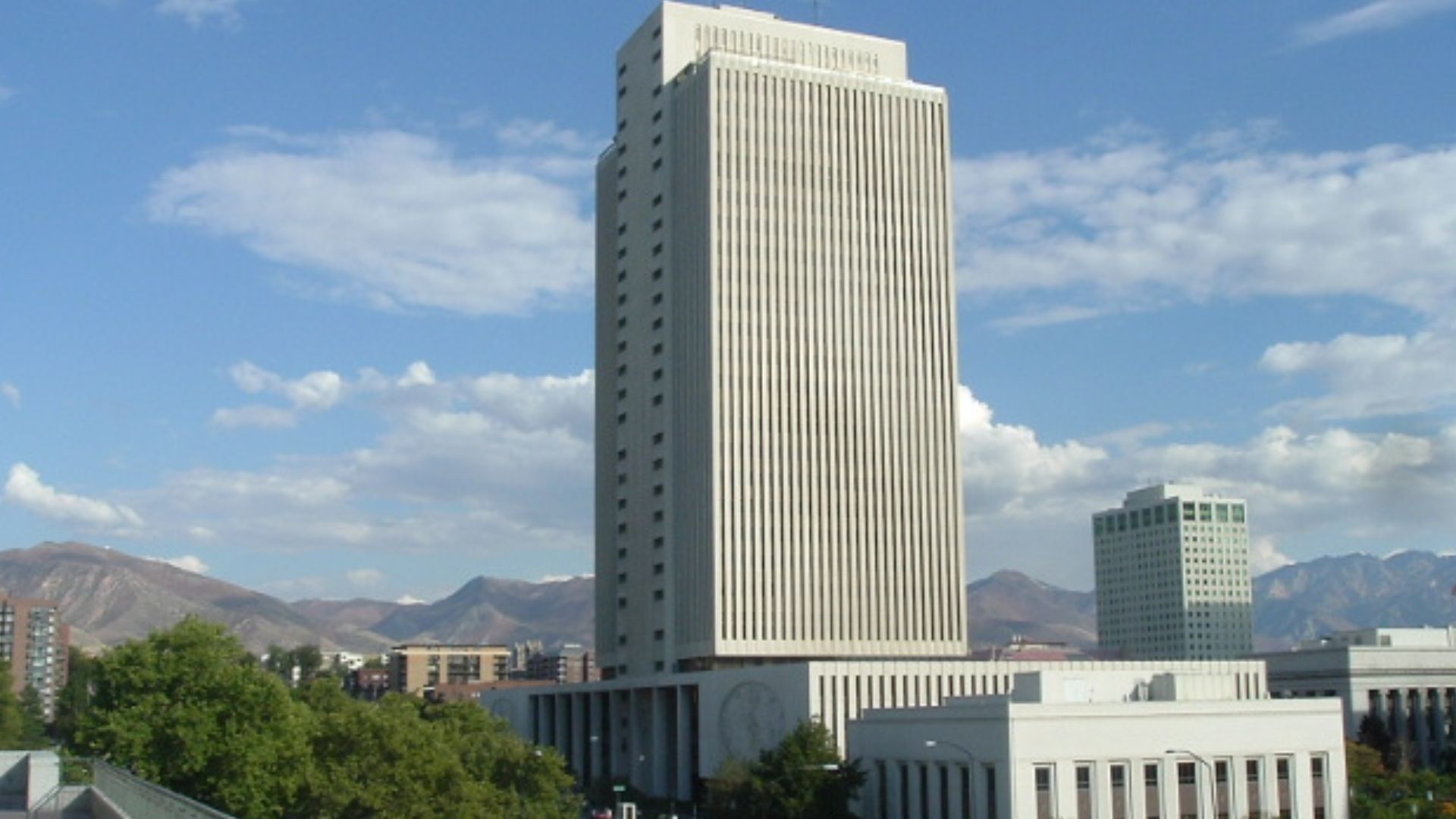
In late April 1976, just weeks after Hughes's death, a handwritten document surfaced at the Salt Lake City headquarters of the Church of Jesus Christ of Latter-day Saints. Dated March 19, 1968, it purported to divide the billionaire's fortune among charities, universities, relatives, employees, and several unexpected beneficiaries. Newspapers quickly dubbed it the Mormon Will.
A Gas Station Operator
One of the document's strangest beneficiaries was Melvin Dummar, a Utah gas station operator who stood to inherit one-sixteenth of Hughes's estate. Depending on the fortune's valuation, that could have meant tens of millions of dollars. Dummar was hardly a prominent figure in Hughes's business empire, making his sudden appearance in the supposed will particularly sensational.

He Claimed A Desert Encounter
Dummar claimed that in 1967 he had picked up a disheveled stranger along a lonely Nevada highway and driven him toward Las Vegas. According to Dummar, the passenger identified himself as Howard Hughes. The story suggested that the billionaire had remembered a stranger's kindness years later. Skeptics questioned whether Hughes could possibly have been wandering through the desert under those circumstances.
 David Herrera, Wikimedia Commons
The Will Promised Millions
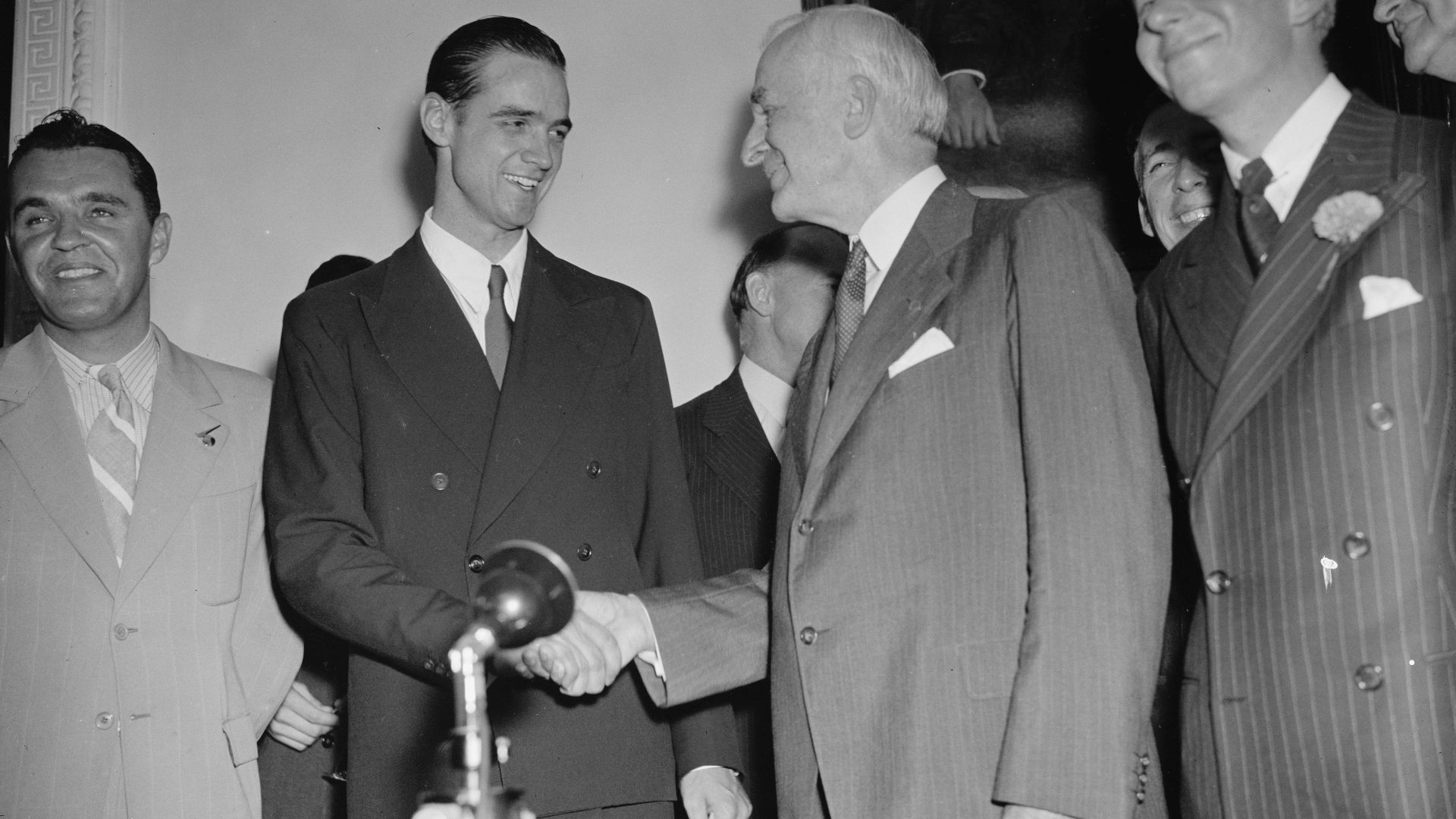
The Mormon Will allocated one-quarter of Hughes's assets to a supposed medical institute in Miami, with additional shares going to universities, the Church of Jesus Christ of Latter-day Saints, charitable causes, and former associates. It also named Hughes's former business manager Noah Dietrich as executor. Several beneficiaries supported the document's authenticity, but Hughes's relatives challenged it. Handwriting experts disagreed about whether the document was genuine.
 Harris & Ewing, photographer, Wikimedia Commons
The Courts Rejected It
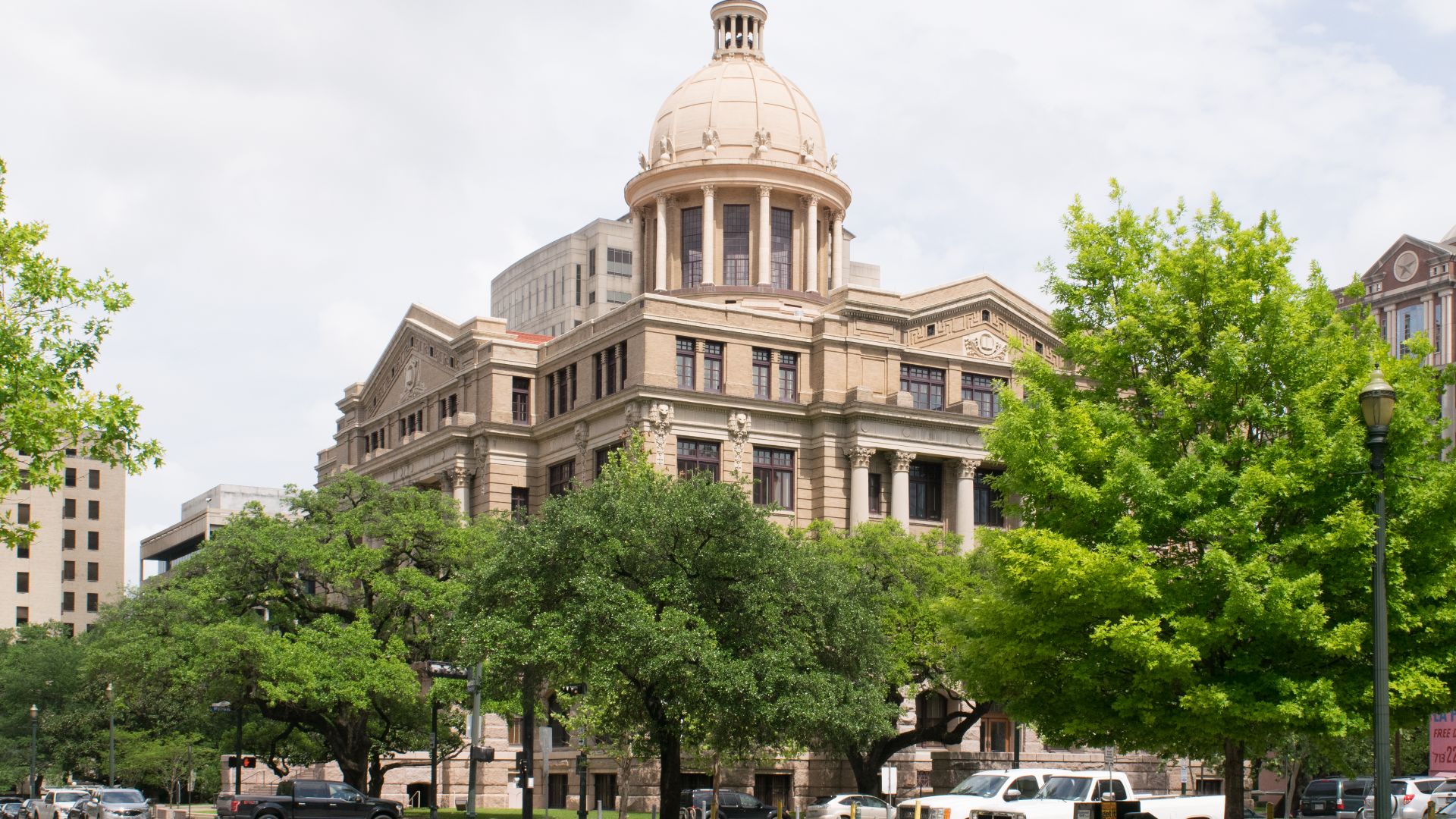
The Mormon Will became the subject of a lengthy Nevada trial. Lawyers presented handwriting evidence, testimony about Hughes's movements, and arguments concerning the document's unusual wording. On June 8, 1978, a Las Vegas jury rejected the supposed will. A Texas jury also found it invalid. Dummar's apparent opportunity to become fabulously wealthy had collapsed.
 Patrick Feller from Humble, Texas, USA, Wikimedia Commons
Another Will Was Missing
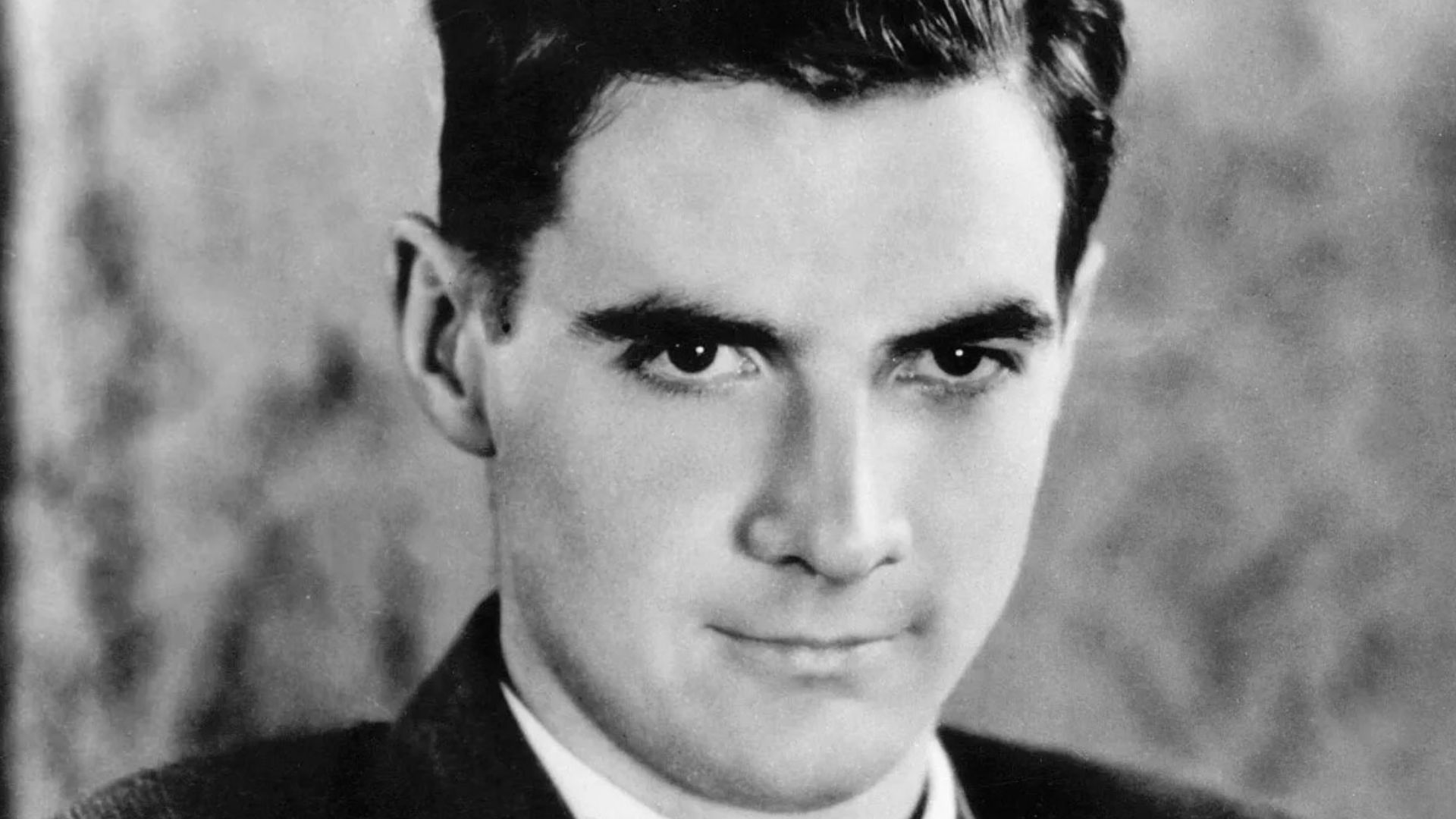
The Howard Hughes Medical Institute presented a different argument. It claimed Hughes had executed a will leaving his estate to the institute, but that the document had been lost or destroyed. The institute had been established by Hughes in 1953 and already had substantial business interests. Nevertheless, its claim to inherit the remaining estate under an unproduced will failed in probate proceedings.
 AnonymousUnknown author, Wikimedia Commons
The Supposed Widows Arrived
The inheritance battle also attracted women claiming to have been secretly married to Hughes. Their allegations mattered because a legally recognized surviving spouse could have had significant inheritance rights. However, Hughes's two documented marriages had both ended in divorce, and courts rejected the competing widow claims. The supposed marriages became another extraordinary chapter in an already bizarre legal struggle.
Hollywood Found Its Story
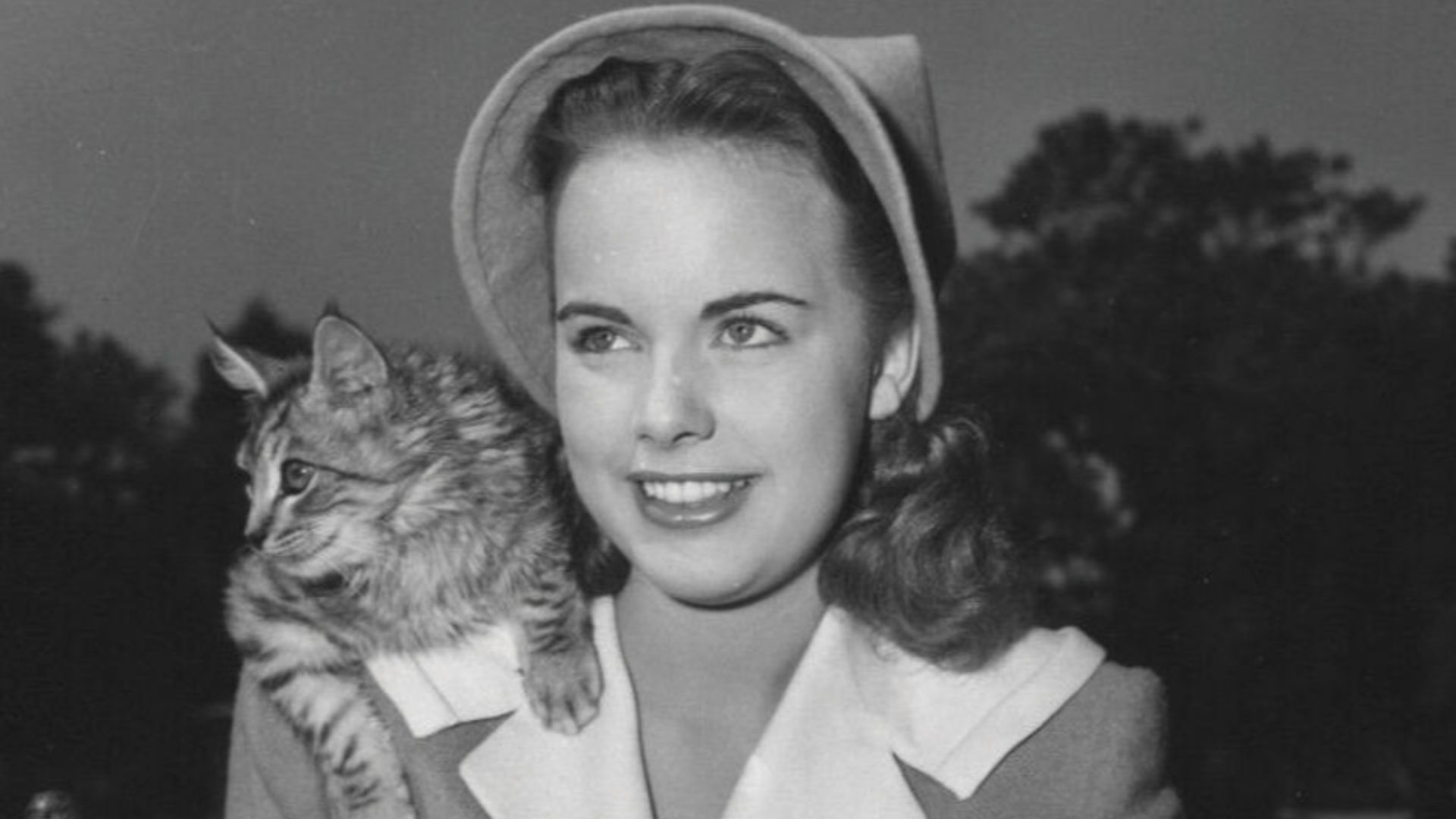
Melvin Dummar's unlikely encounter with Hughes inspired Melvin and Howard (1980), directed by Jonathan Demme. Paul Le Mat played Dummar, while Jason Robards portrayed Hughes and Mary Steenburgen played Dummar's wife, Lynda. The comedy-drama treated the disputed desert encounter with sympathy rather than attempting to settle its authenticity. Steenburgen won an Academy Award, and Bo Goldman won for his screenplay.
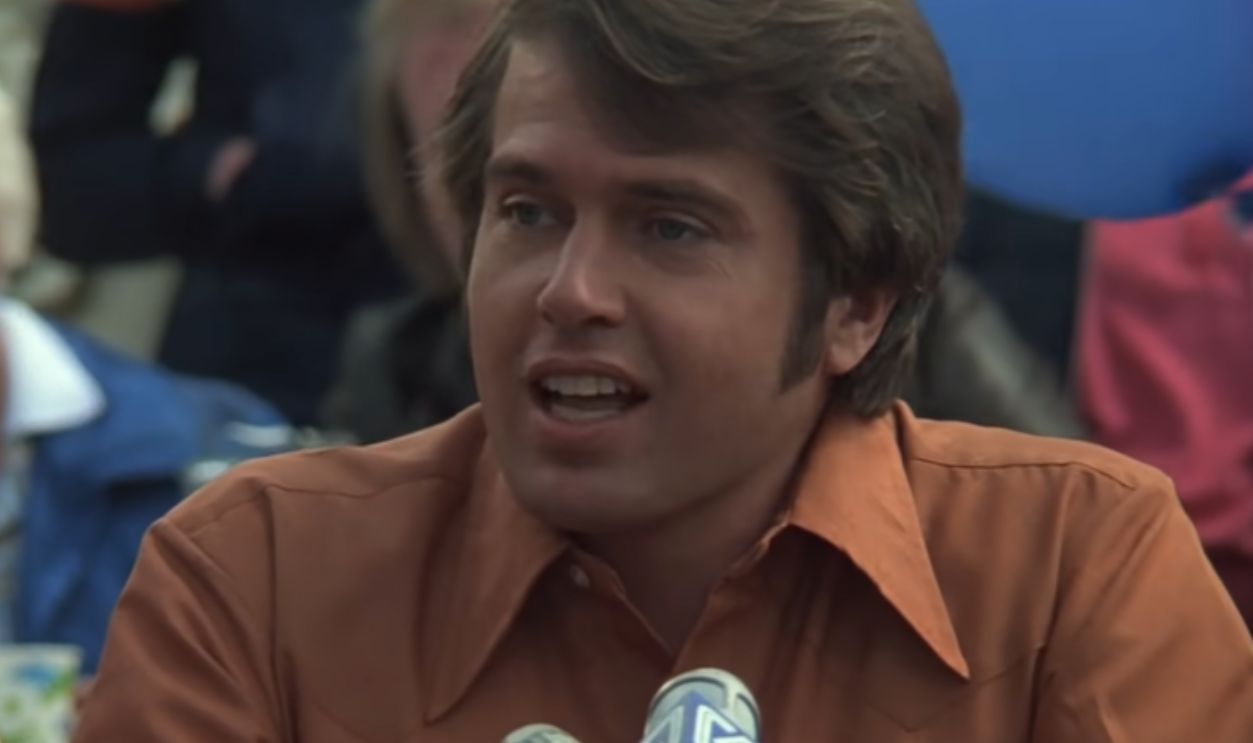 Screenshot from Melvin and Howard, Universal Pictures (1980)
Hundreds Claimed To Be Family
With no recognized will, the courts turned to Hughes's family tree. The billionaire had no legally established descendants, surviving parents, or siblings, so more distant relatives now became central to the proceedings. Hundreds of people claimed connections through his father's family. Some contested the legitimacy of other relatives, hoping that removing a rival branch would increase their own inheritance.
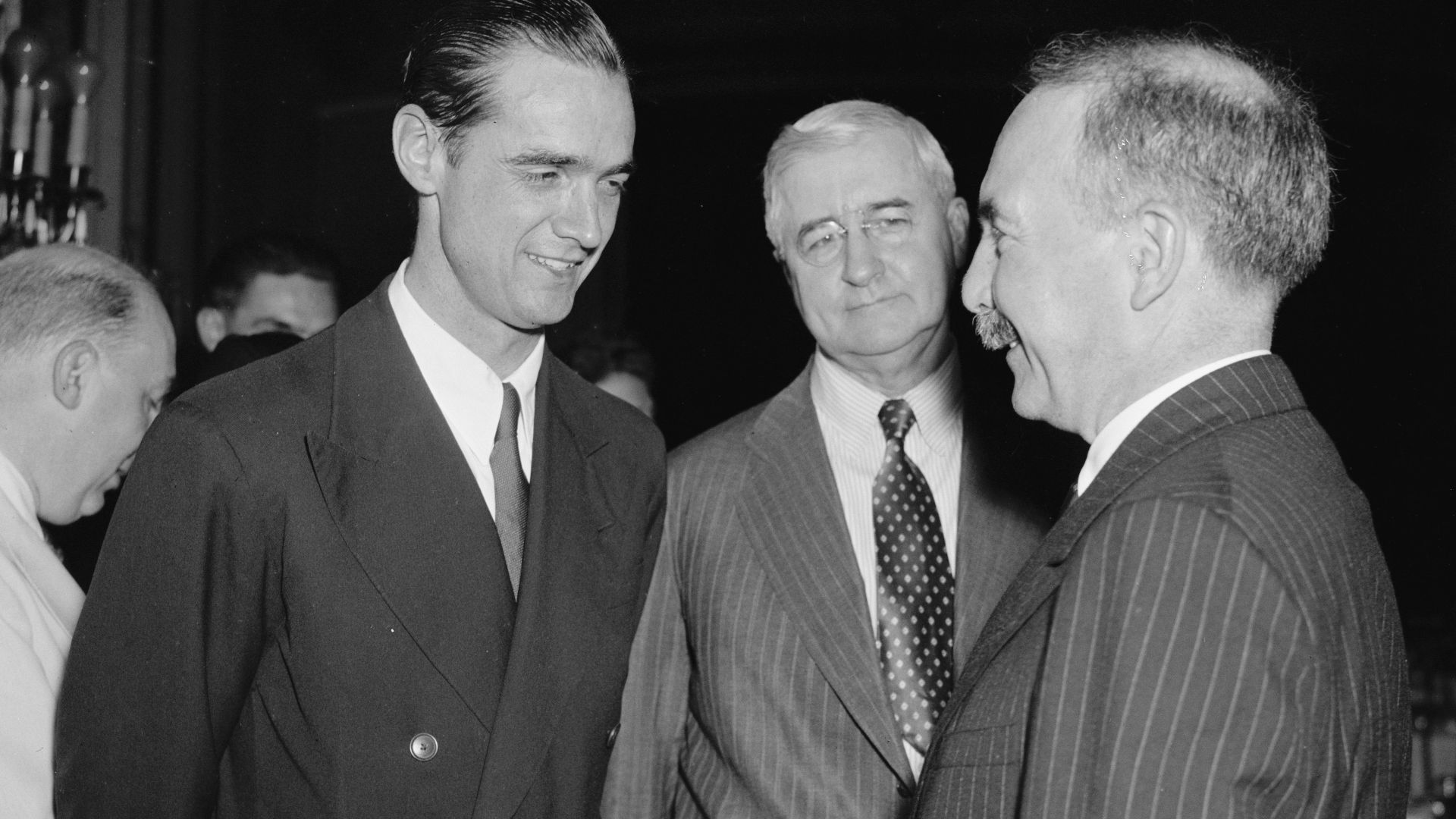 Harris & Ewing, photographer, Wikimedia Commons
A Jury Divided The Family
In August 1981, a Houston probate judge identified 16 heirs on Hughes's mother's side. The following month, a jury recognized three granddaughters of Hughes's uncle, writer Rupert Hughes, as legitimate paternal descendants. Two of Rupert's stepchildren also received inheritance shares under an agreement. The proceedings involved extensive genealogical testimony and competing family histories. By September, the principal inheritance shares had been determined, although appeals and disputes continued.
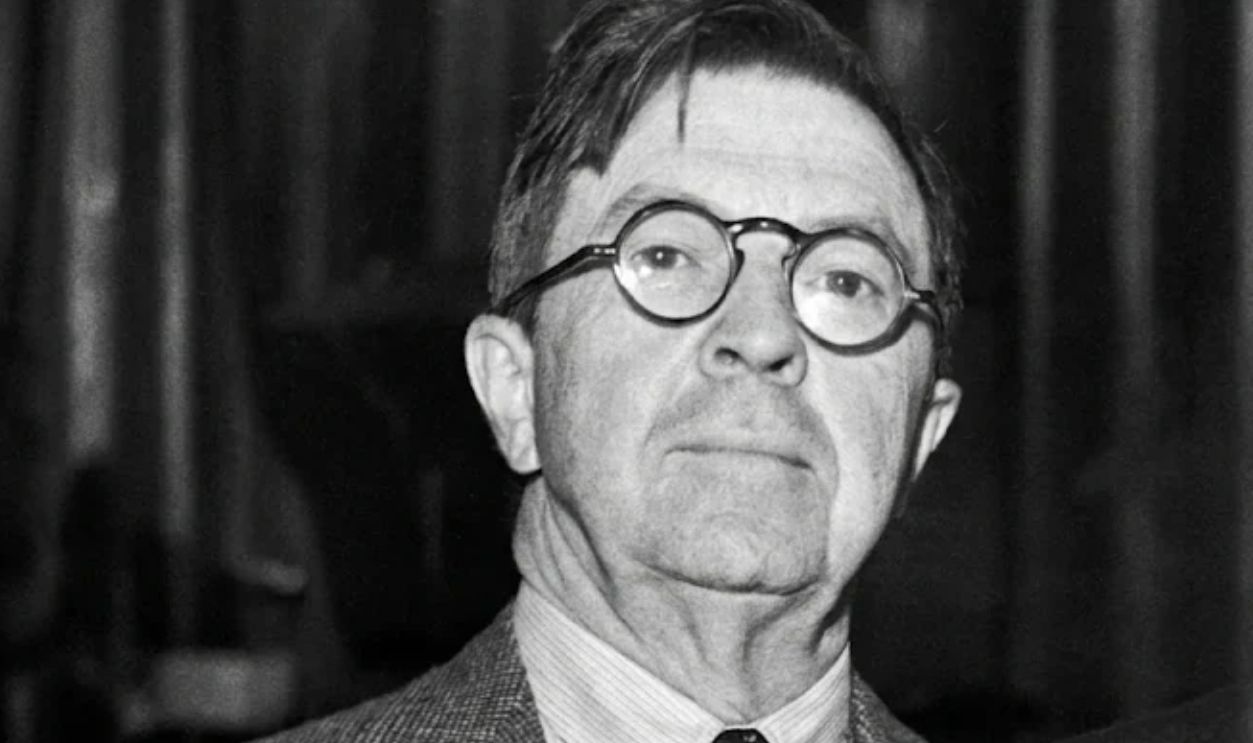 Los Angeles Times, Wikimedia Commons, Modified
The Disputes Continued
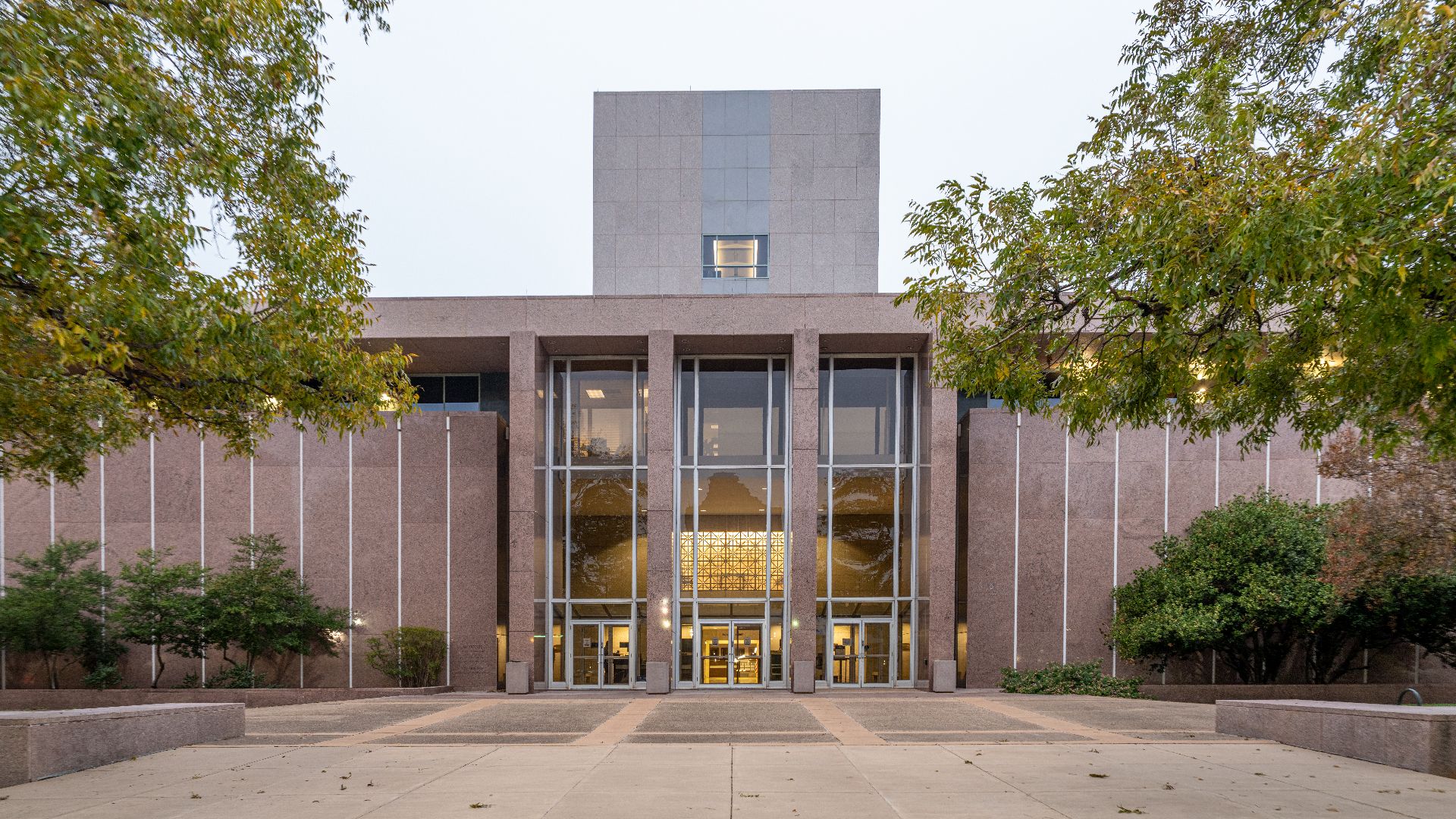
The initial inheritance rulings didn't end the fighting. In 1984, the Texas Supreme Court rejected challenges from distant relatives who disputed the legitimacy of Rupert Hughes's daughter, Elspeth Hughes Lapp. The case illustrated how far some claimants were prepared to go. Even after years of litigation, the possibility of inheriting part of Hughes's fortune was still an extraordinarily powerful incentive.
 ajay_suresh, Wikimedia Commons
His Fortune Was Complicated
The inheritance proceedings were further complicated by the difference between Hughes's personal estate and assets owned by his companies and the Howard Hughes Medical Institute. The institute retained ownership of Hughes Aircraft, which it sold to General Motors in 1985 for approximately $5 billion. That enormous transaction was separate from the money being divided among Hughes's personal heirs.
 Matt Staley, Wikimedia Commons
The Heirs Finally Collected
The estate was distributed through a series of proceedings rather than one dramatic payout. By 1987, the Nevada portion had reached its final distribution, with substantial sums going to recognized relatives and legal expenses. In 1990, Delaware's Chancery Court approved a final accounting valuing the estate's gross assets at approximately $1.1 billion, with distributions ultimately reaching dozens of heirs.

The Mystery Outlived Him
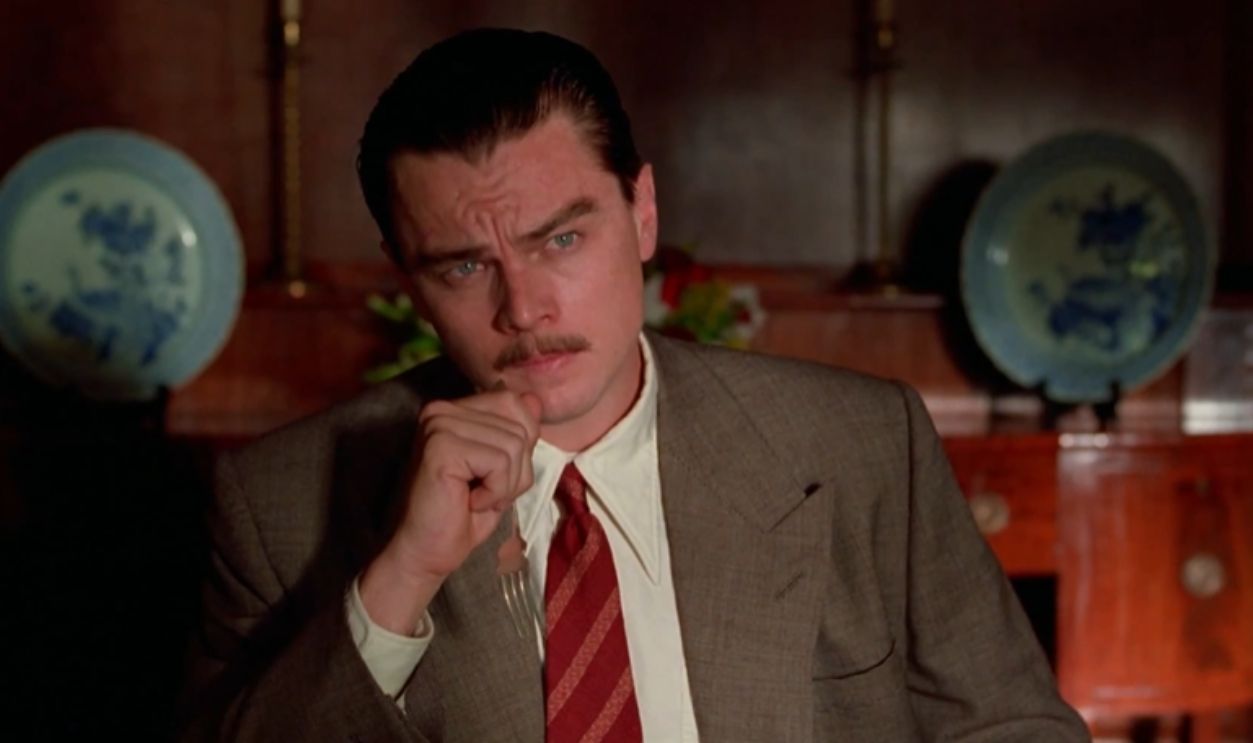
Hughes's extraordinary life continued inspiring Hollywood long after the inheritance battle ended. Tommy Lee Jones portrayed him in the television film The Amazing Howard Hughes (1977), while Leonardo DiCaprio starred in Martin Scorsese's The Aviator (2004), concentrating on his earlier achievements and personal struggles. Neither resolved the central irony of his final years: a man who had controlled billions with extraordinary secrecy left no recognized will, allowing distant relatives to inherit under the active probate laws, while hundreds of other hopeful claimants received nothing.
 Screenshot from The Aviator, Warner Bros. (2004)
You May Also Like:
Stunning Facts About Yvonne De Carlo, The Technicolor Queen
Feuding Facts About Bette Davis, The Empress Of Hollywood
Swinging Facts About Ginger Rogers, Old Hollywood's Dancing Queen
Sources: 1, 2, 3, 4, 5, 6, 7, 8, 9, 10, 11, 12, 13, 14, 15, 16