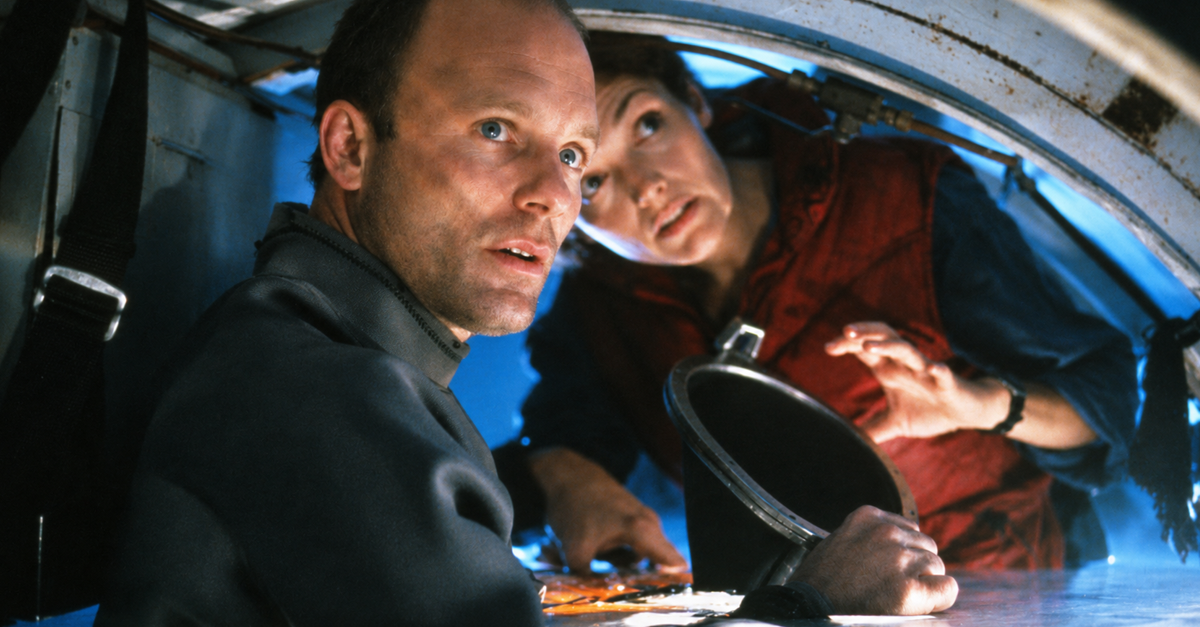
Hollywood's Underwater Nightmare
James Cameron wanted The Abyss to revolutionize science-fiction movies, but filming became a living nightmare. Actors nearly drowned, a leading lady stormed off the set, and one star broke down in tears. Cameron himself even had to punch a safety diver to escape a potentially deadly situation.
How did a Hollywood adventure turn into such a terrifying ordeal?
Cameron Wanted To Make Movie History
After the success of The Terminator and Aliens, Cameron was ready for his most ambitious project yet. His next film would combine an underwater rescue mission with a mysterious alien encounter. But rather than relying on conventional studio effects, Cameron insisted on filming much of the action underwater.
The Story Was Set Deep Beneath The Ocean
Released in 1989, The Abyss stars Ed Harris as underwater oil worker Bud Brigman and Mary Elizabeth Mastrantonio as his estranged wife, Lindsey. Michael Biehn plays Lieutenant Coffey, a Navy SEAL whose behavior becomes increasingly dangerous. Their characters become trapped in a dangerous mission involving a sunken submarine and a mysterious underwater intelligence.
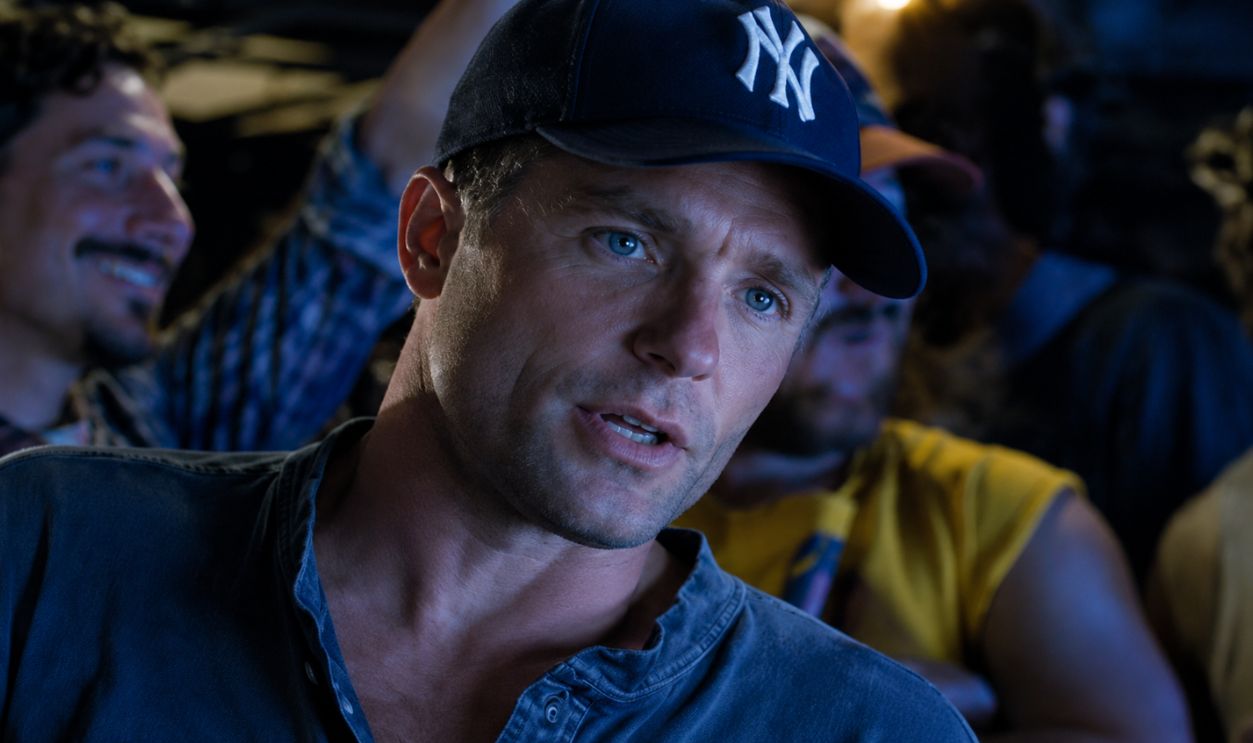 Screenshot from The Abyss, 20th Century Fox (1989), Enhanced
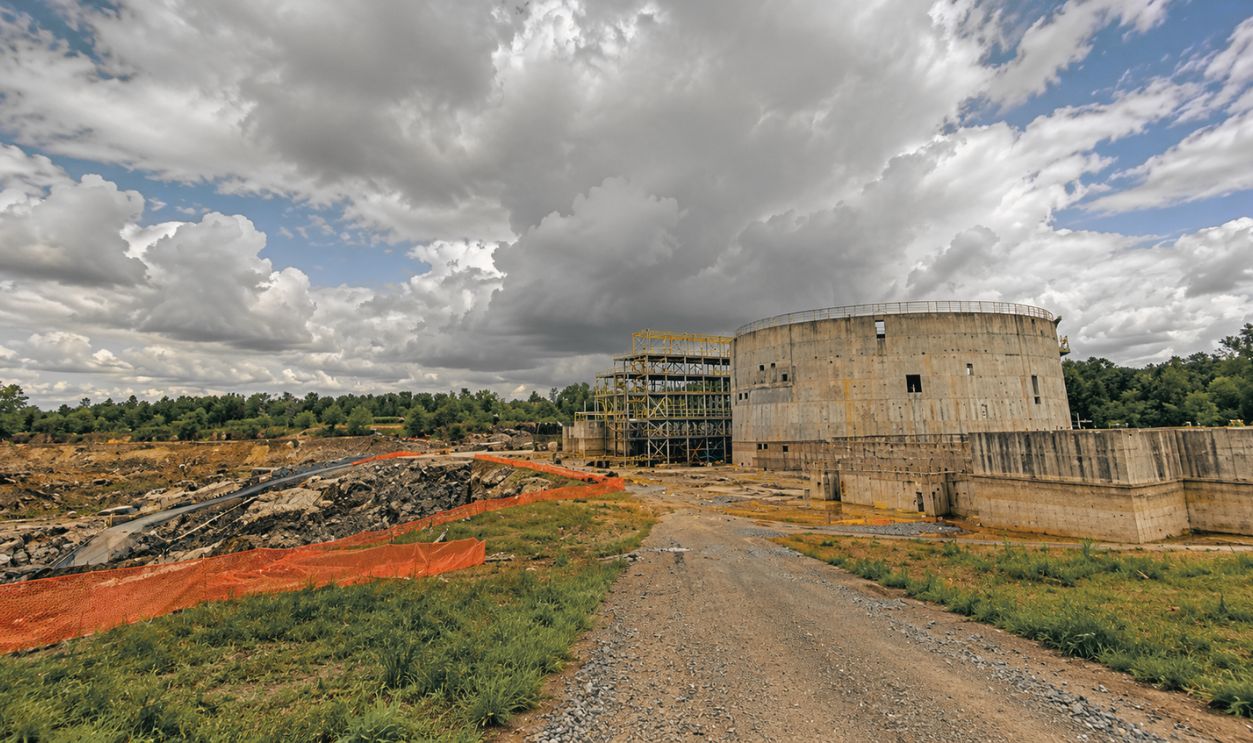
They Found An Abandoned Nuclear Plant
Finding somewhere to film the underwater sequences presented an enormous challenge. The production eventually settled on the unfinished Cherokee Nuclear Power Plant near Gaffney, South Carolina. Its massive concrete structures provided the space Cameron needed, although turning them into underwater movie sets would prove extraordinarily difficult.
 David Scaglione,Wikimedia Commons, Enhanced
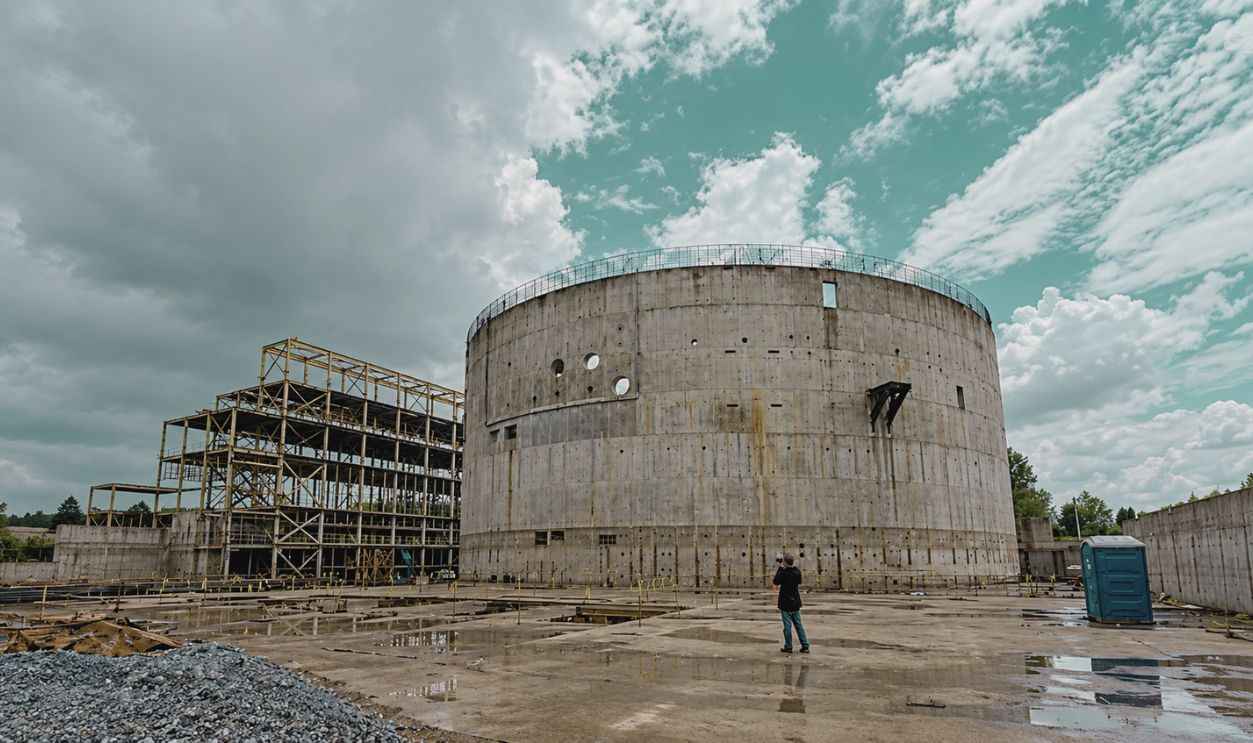
They Filled It With Millions Of Gallons
The production converted the facility into two gigantic filming tanks holding approximately 7.5 million and 2.5 million gallons of water. The larger tank housed an elaborate underwater oil-drilling platform designed specifically for the movie. Filming inside these enormous structures created technical problems that conventional soundstages never encountered.
 David Scaglione, Wikimedia Commons, Enhanced
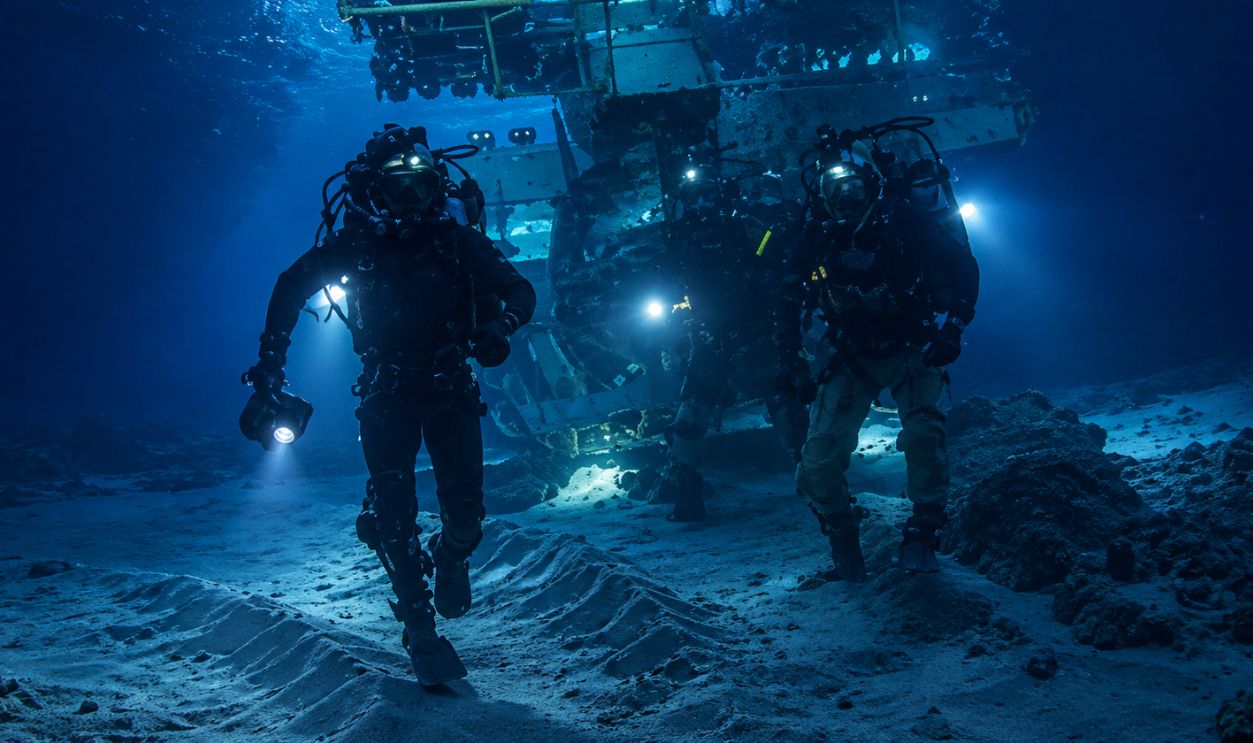
The Actors Had To Become Divers
Cameron wanted his leading actors performing many of their own underwater sequences. Harris, Mastrantonio, Biehn, and their co-stars underwent diving training before filming began. They had to learn to act, communicate, and move naturally while submerged, often wearing heavy specialized equipment.
 Screenshot from The Abyss, 20th Century Fox (1989), Enhanced
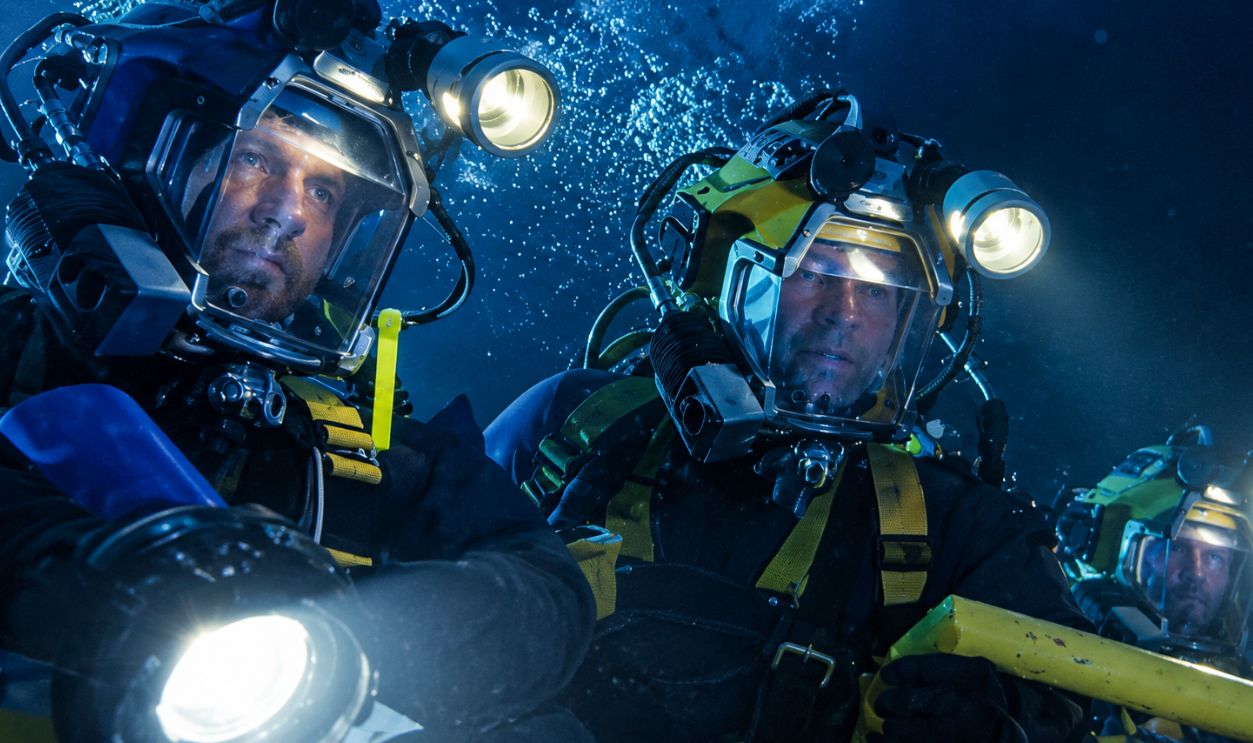
Even Their Helmets Were Specially Designed
Ordinary diving masks would have hidden the actors' faces, making their performances difficult to follow. Engineers therefore designed customized helmets with large transparent faceplates and built-in microphones. The technology allowed dialogue to be recorded underwater, but wearing the equipment for long periods could be uncomfortable and exhausting.
 Screenshot from The Abyss, 20th Century Fox (1989), Enhanced
The Working Conditions Were Brutal
Filming required actors to spend hours underwater while crews adjusted cameras, lighting, and equipment. According to later accounts, some performers worked approximately 70-hour weeks during the lengthy production. Scenes that seemed straightforward on paper could take hours to prepare, leaving the cast increasingly frustrated.
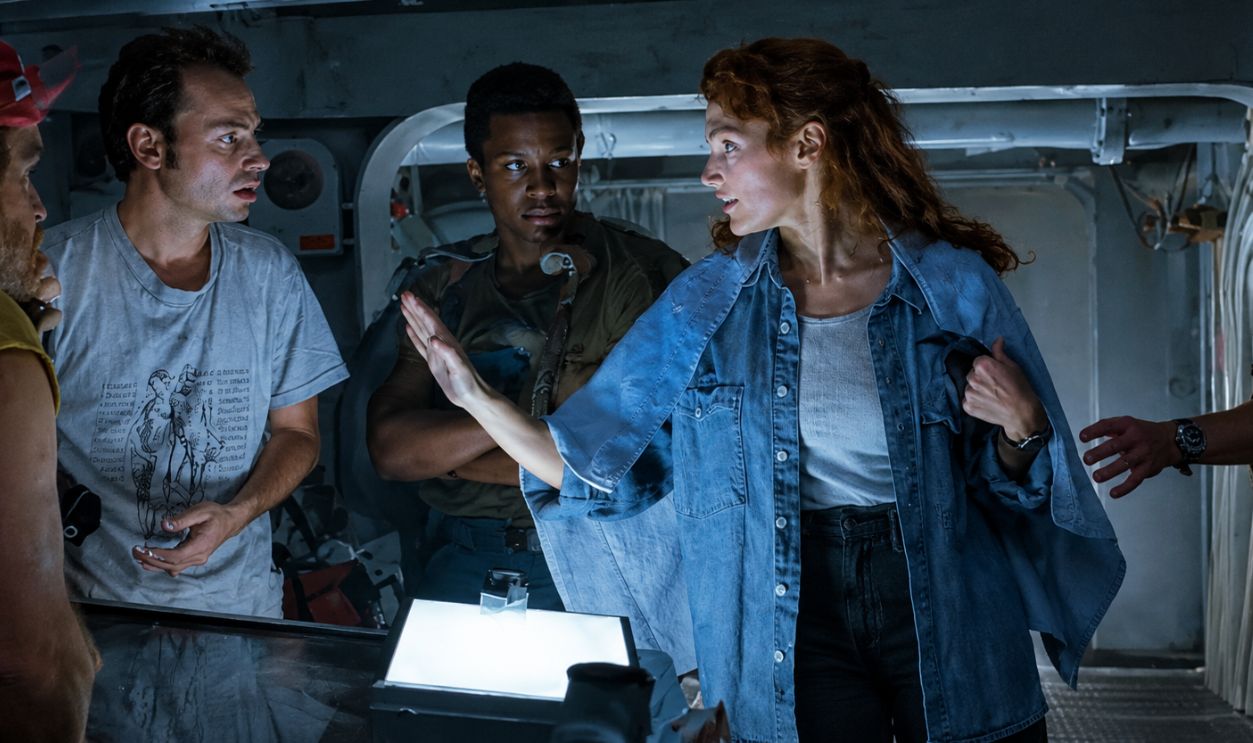 Screenshot from The Abyss, 20th Century Fox (1989), Enhanced
The Crew Gave The Movie A Cruel Nickname
The difficult conditions became so notorious that some cast and crew members reportedly started calling the production The Abuse. The nickname reflected growing resentment over the punishing schedule and physical discomfort. Cameron's relentless pursuit of technical perfection was taking an increasingly heavy toll.
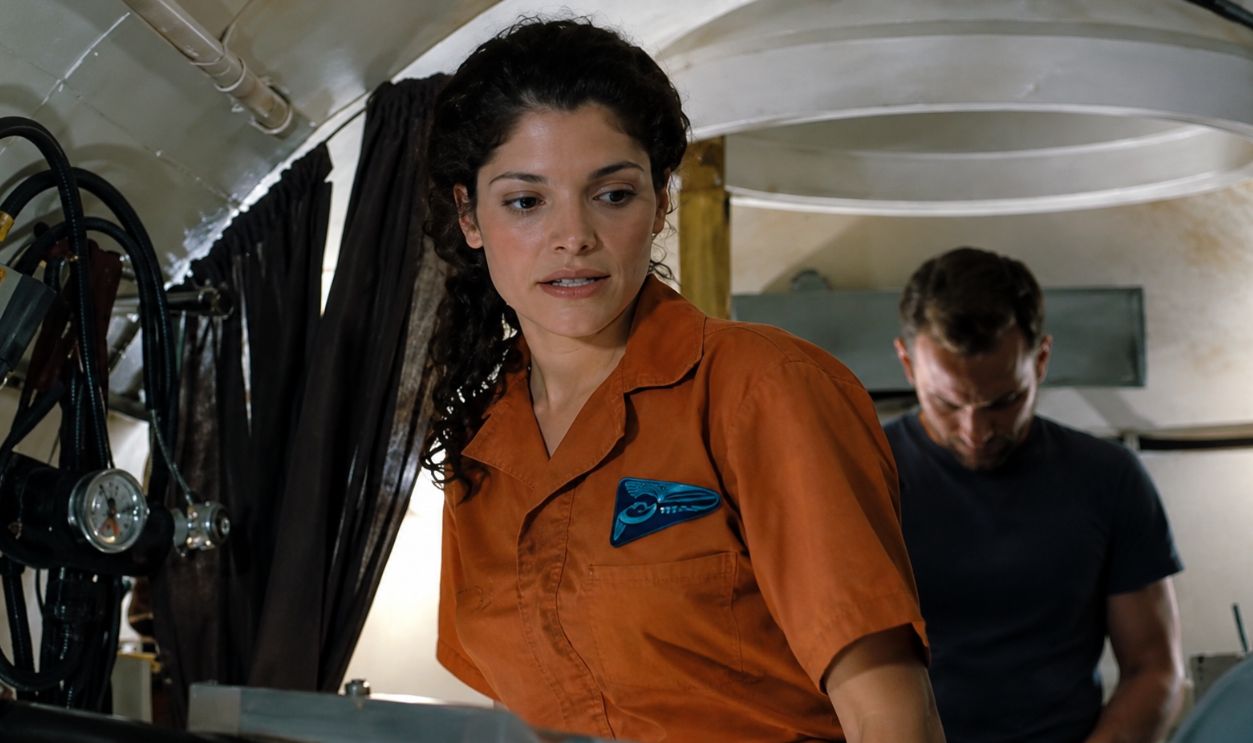 Screenshot from The Abyss, 20th Century Fox (1989), Enhanced
The Water Was Damaging Their Bodies
Maintaining the enormous tanks required extensive chemical treatment, including chlorine. Unfortunately, excessive exposure irritated divers' skin and reportedly caused some people's hair to turn white or break off. The cast was spending weeks in water that was becoming physically unpleasant to work in.
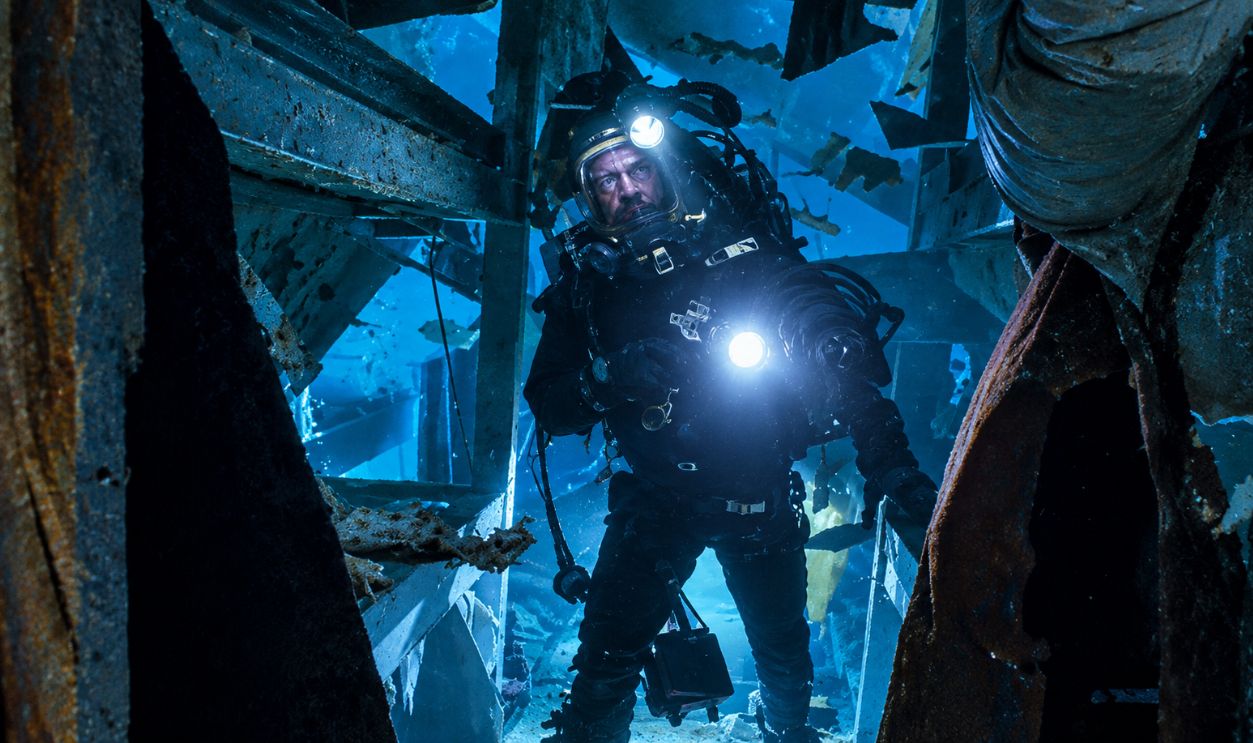 Screenshot from The Abyss, 20th Century Fox (1989), Enhanced
Then A Storm Made Everything Worse
To simulate the darkness of the deep ocean, the production covered the main outdoor tank with an enormous black tarp. A lightning storm eventually tore a massive hole in the covering, disrupting filming. Rather than spend valuable time repairing it, Cameron switched to nighttime shooting, further complicating everyone's schedule.
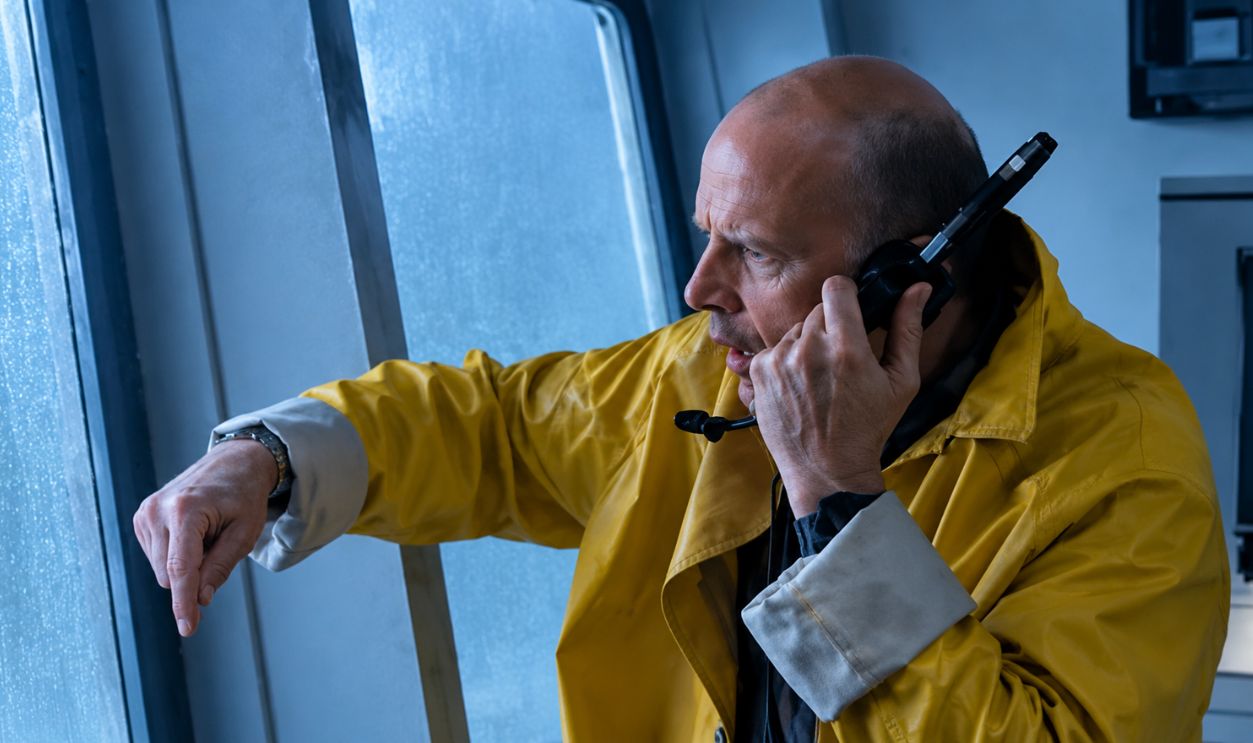 Screenshot from The Abyss, 20th Century Fox (1989), Enhanced
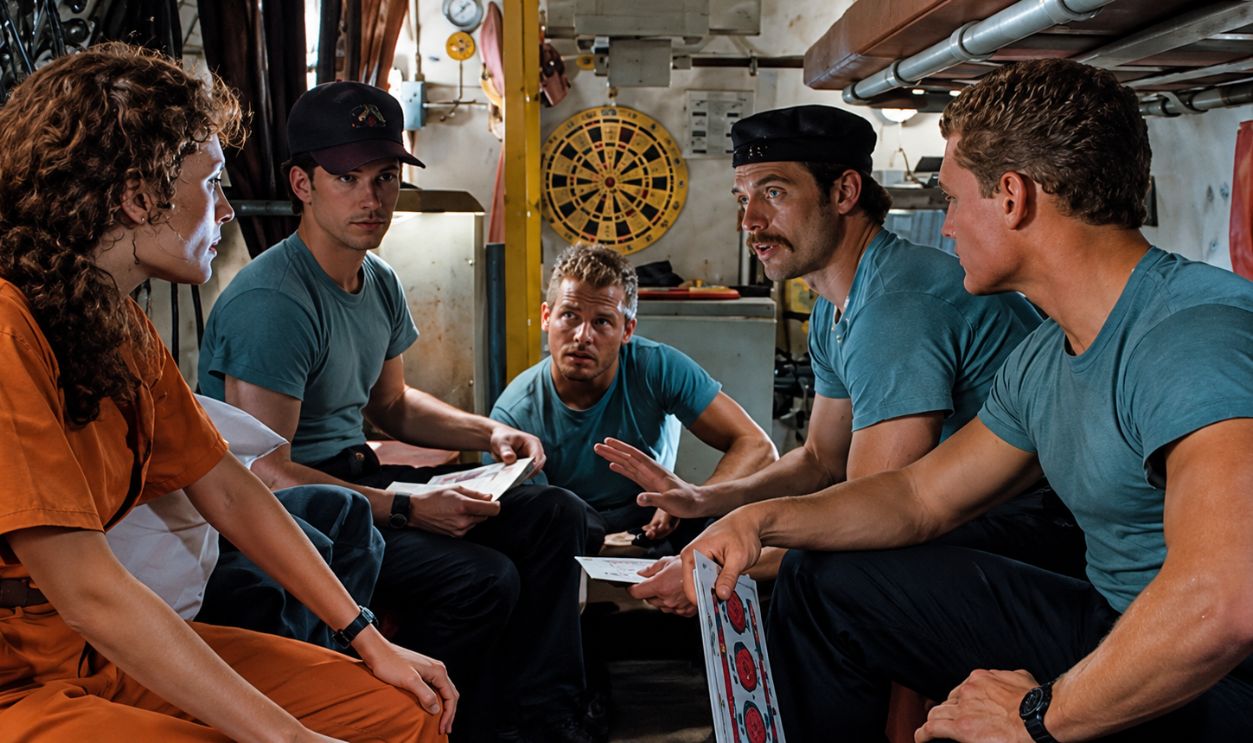
Every Actor Needed An Underwater Lifeguard
The actors depended on trained safety divers who remained nearby during dangerous sequences. These divers, sometimes called "angels," provided emergency air when performers needed it. Their presence was especially important during scenes requiring actors to swim without breathing equipment. Unfortunately, the system didn't always work as planned.
 Screenshot from The Abyss, 20th Century Fox (1989), Enhanced
Ed Harris Nearly Drowned During A Scene
One particularly frightening incident occurred while Harris and fellow actor Leo Burmester performed a helmetless underwater swim. Both men depended on safety divers reaching them when they needed air. According to contemporary reporting, the divers failed to arrive quickly enough, leaving the actors dangerously short of breath.
 Screenshot from The Abyss, 20th Century Fox (1989), Enhanced
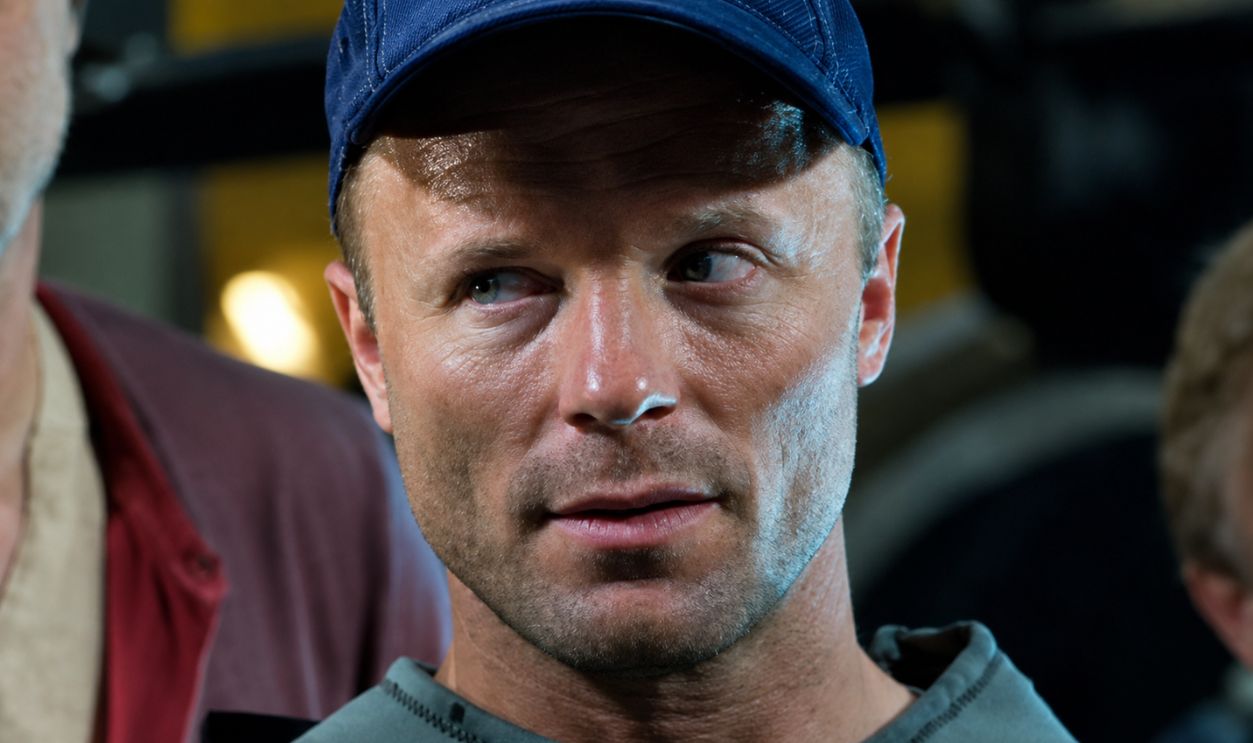
His Underwater Ordeal Got Even Worse
In later accounts of the production, Harris described another terrifying detail involving emergency breathing equipment. According to these recollections, he received a regulator incorrectly positioned and inhaled water instead of getting the air he needed. Although accounts differ in their details, the incident became one of the most disturbing stories associated with the shoot.
 Screenshot from The Abyss, 20th Century Fox (1989), Enhanced
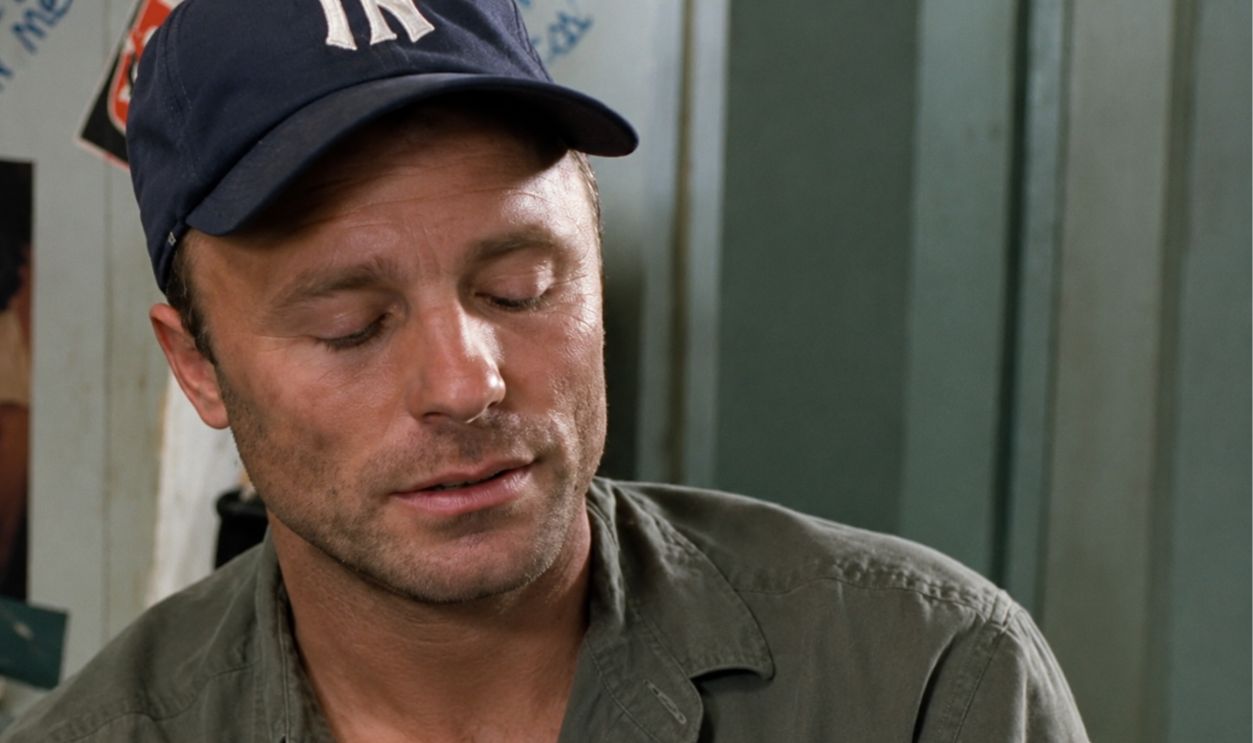
Harris Broke Down In Tears
The frightening underwater experiences eventually took an emotional toll on Harris. He later acknowledged breaking down in tears while driving home from work one day. Months of exhaustion, dangerous filming, and mounting frustration had left the actor deeply shaken. But Harris wasn't the only person who nearly drowned.
 Screenshot from The Abyss, 20th Century Fox (1989), Enhanced
Cameron Was Taking Enormous Risks Too
Cameron frequently worked underwater alongside his cast and crew, sometimes at greater depths than the actors. Because of the time he spent submerged, he occasionally needed decompression stops lasting up to two hours before surfacing. The director was pushing himself just as hard as the people he was directing. Then one underwater mishap nearly cost him his life.
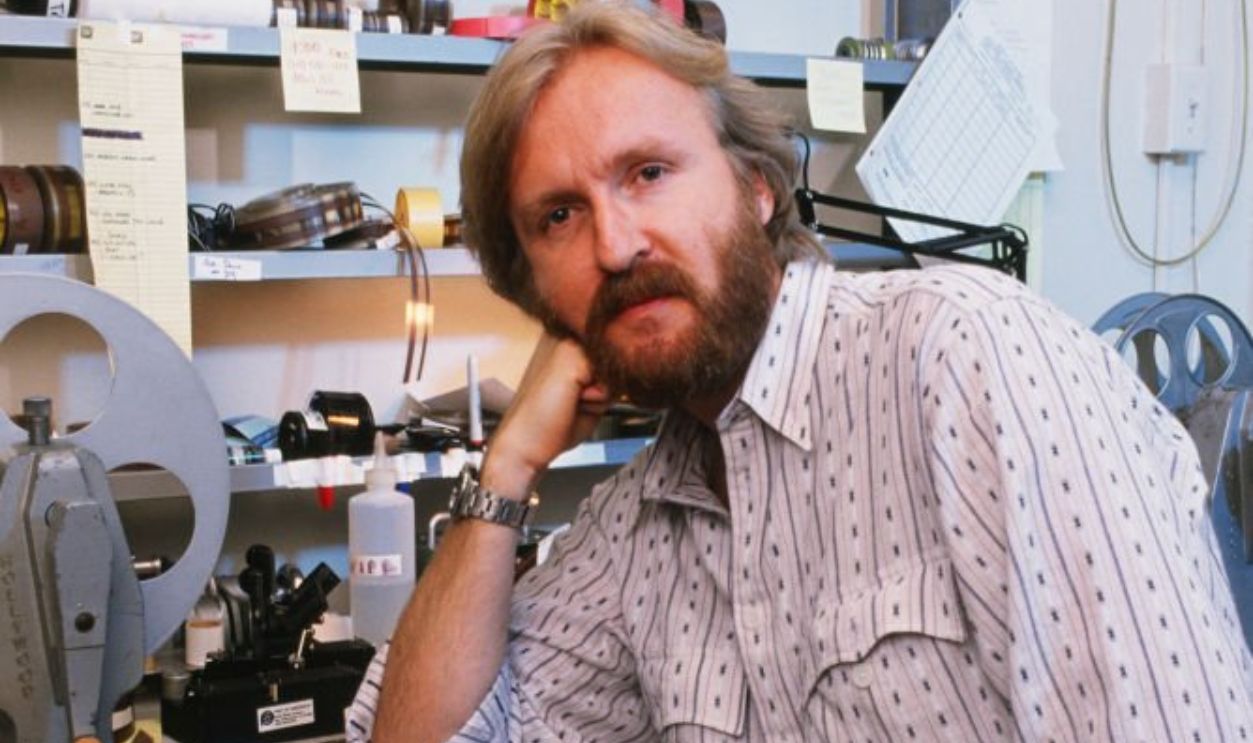
Suddenly, The Director Ran Out Of Air
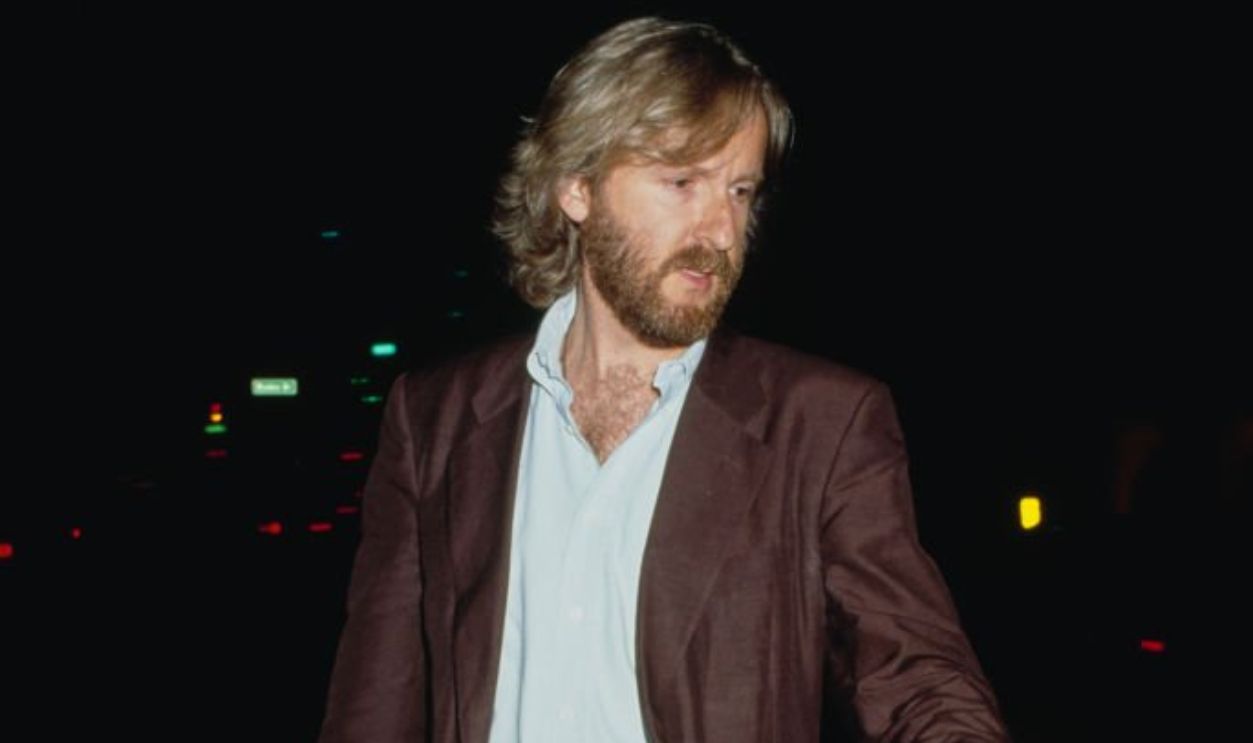
During an underwater session, Cameron discovered that his breathing supply had run out. He was approximately 30 to 35 feet beneath the surface, weighed down by diving equipment. As Cameron later recalled, he tried signaling for help but couldn't attract the attention he needed. With his remaining air gone, he attempted to reach the surface.
 Ron Galella, Ltd., Getty Images
His Emergency Regulator Failed
A safety diver intercepted Cameron and offered him a backup regulator. Unfortunately, the equipment malfunctioned, causing Cameron to inhale water rather than air. The diver apparently believed Cameron was panicking and tried to prevent him from ascending too quickly. Cameron later explained that he was unable to communicate the true emergency.

Cameron Punched His Way To Safety
Desperate to escape, Cameron struck the diver in the face and broke free. He then managed to reach the surface before losing consciousness. Recounting the incident during a 2023 screening, Cameron confirmed that he had punched the diver to save himself. It was an extraordinary close call on an already dangerous production.
 Ron Galella, Ltd., Getty Images
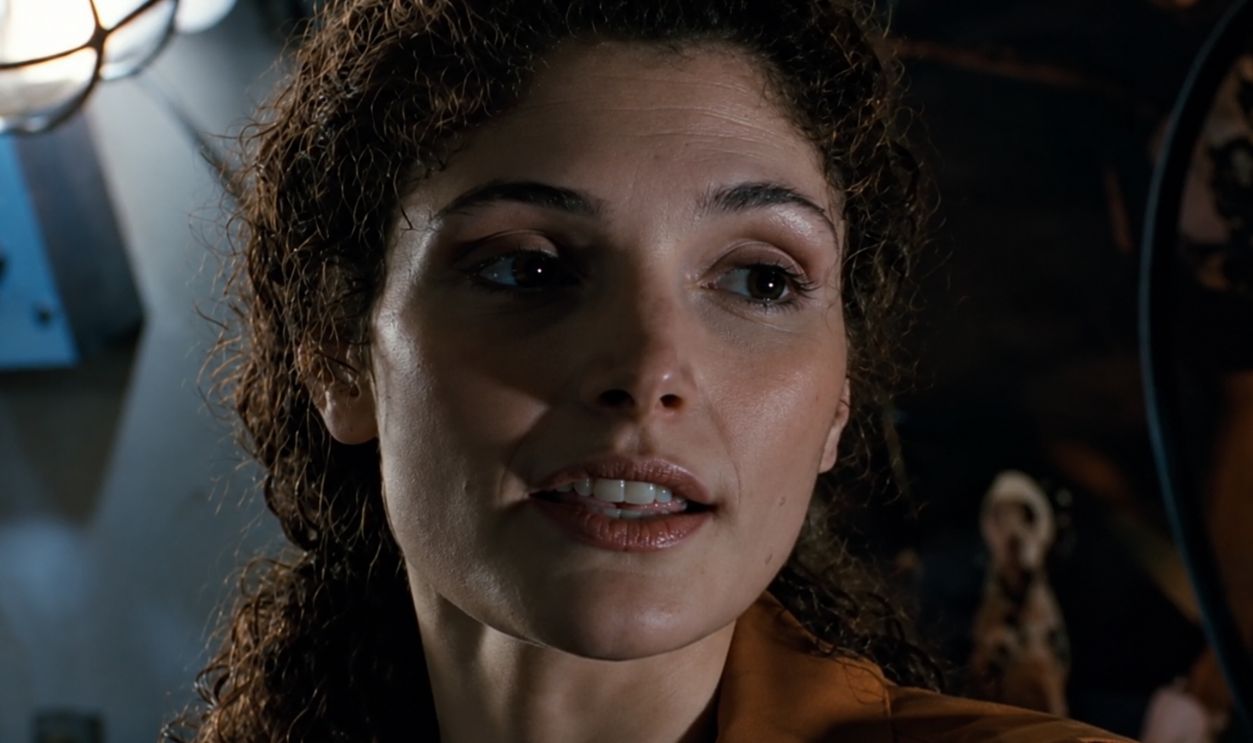
Mastrantonio Faced Her Own Nightmare
One of the film's most demanding sequences involved Lindsey apparently drowning before Bud desperately attempts to revive her. Mastrantonio had to lie soaking wet while Harris performed an intense resuscitation scene involving repeated slaps. The emotionally draining sequence required multiple takes, pushing both performers toward their limits.
 Screenshot from The Abyss, 20th Century Fox (1989), Enhanced
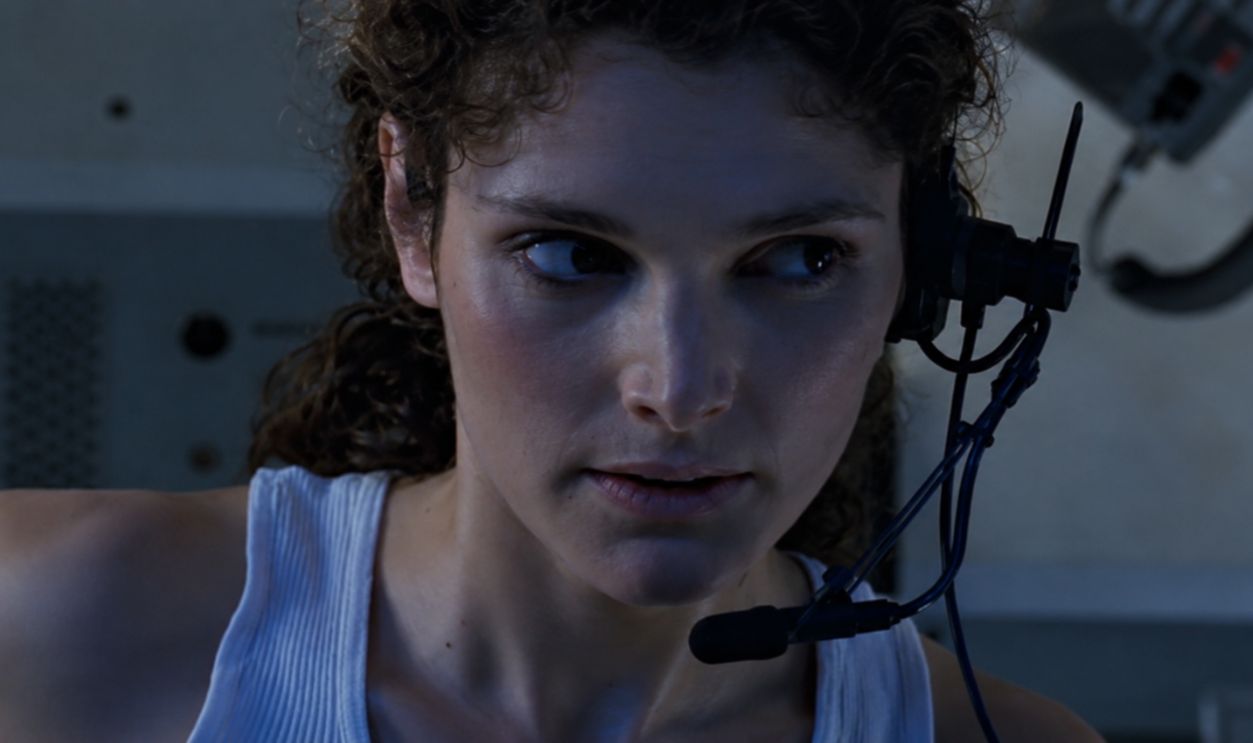
She Finally Walked Off The Set
Harris later recalled noticing that the camera had run out of film, yet nobody called for the intense resuscitation scene to stop. Mastrantonio reportedly became furious, declaring, "We are not animals" before walking off the set. The confrontation became one of the production's most infamous moments.
 Screenshot from The Abyss, 20th Century Fox (1989), Enhanced
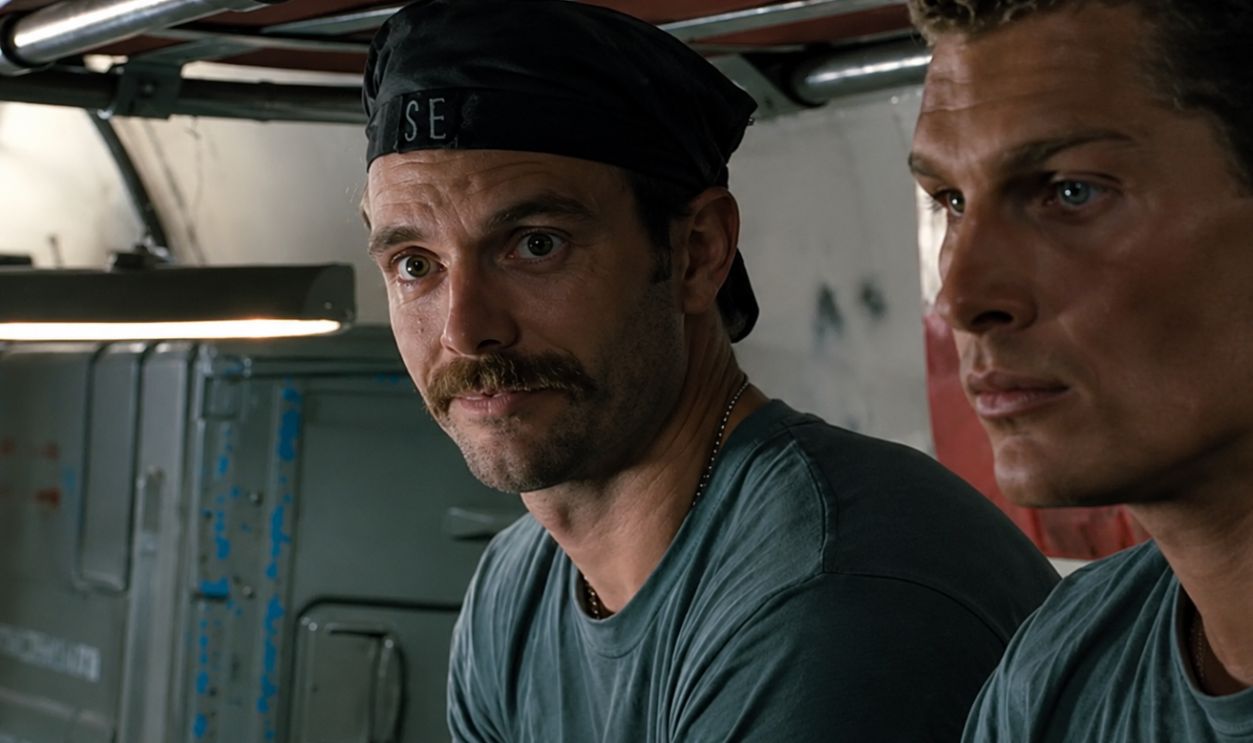
Michael Biehn Was Furious Too
Biehn later criticized the way actors were kept waiting for scenes that sometimes never happened. In a 1989 interview, he described performers arriving early, spending hours preparing, and ultimately accomplishing nothing. According to Biehn, frustration became so intense that people kicked cars and windows. Even actors who respected Cameron's talent were losing patience.
 Screenshot from The Abyss, 20th Century Fox (1989), Enhanced
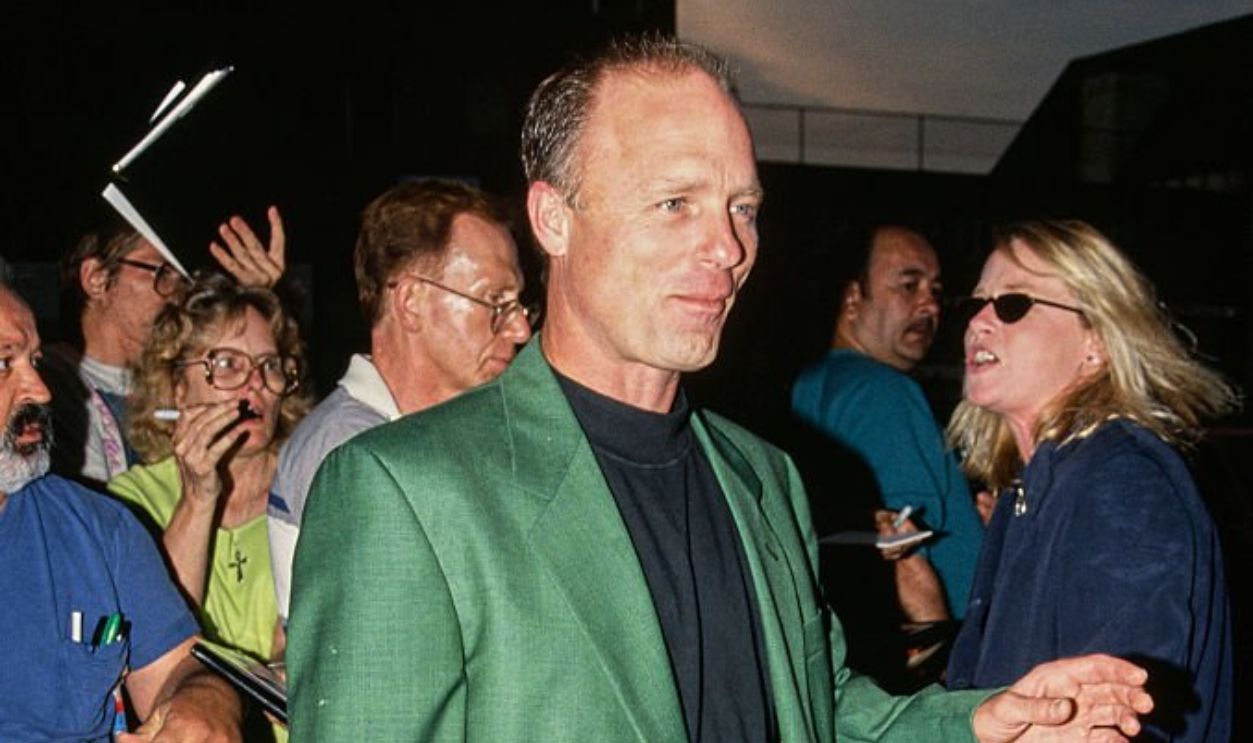
Harris Made A Devastating Comparison
Harris was equally outspoken about the experience. When asked by reporters how he had been treated, he compared the question to asking a soldier about his treatment in Vietnam. He acknowledged that actors sometimes felt taken for granted, although he praised the camaraderie that helped them endure filming. The production had clearly left a lasting impression.
The Movie Featured A Real Scientific Experiment
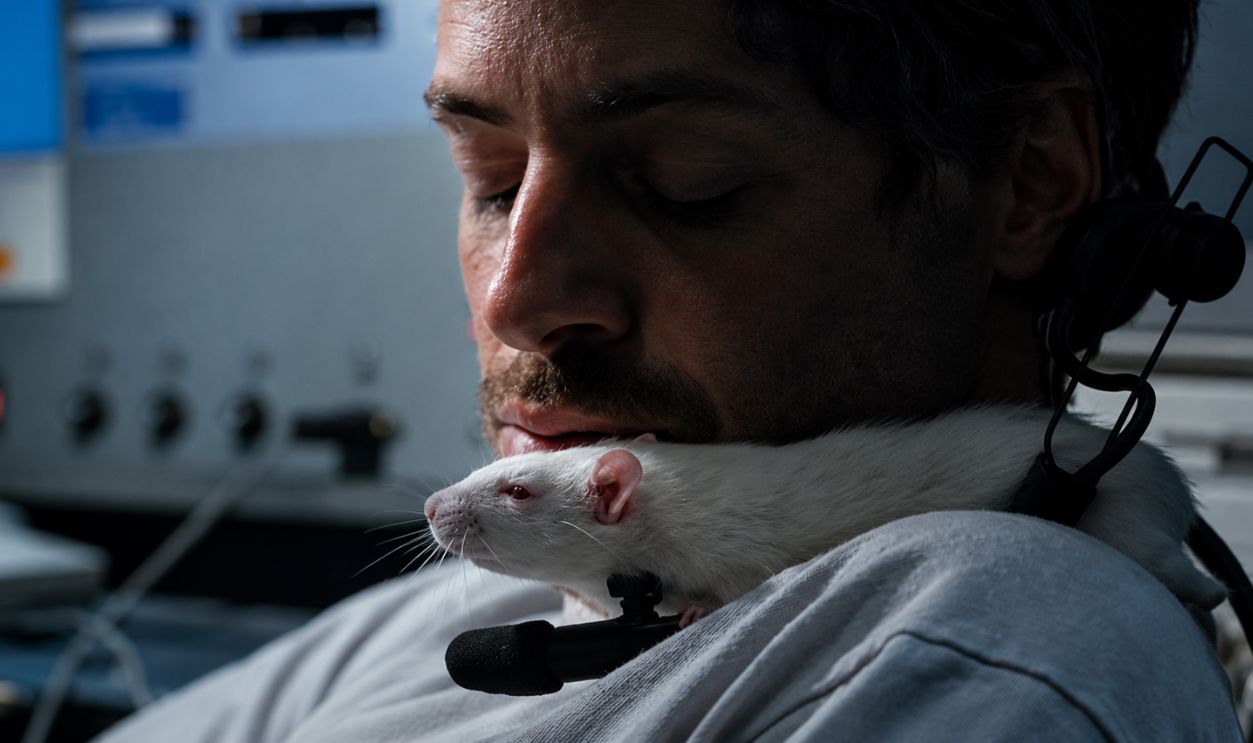
One of The Abyss' most remarkable sequences involved experimental liquid breathing, a technology explored in scientific research. To demonstrate the concept, the filmmakers submerged real rats in oxygenated fluorocarbon liquid. The animals could absorb oxygen from the liquid, and Cameron later confirmed that the rats survived filming. But the same technique wasn't used on Harris.
 Screenshot from The Abyss, 20th Century Fox (1989), Enhanced
Harris Had To Pretend He Was Breathing Liquid
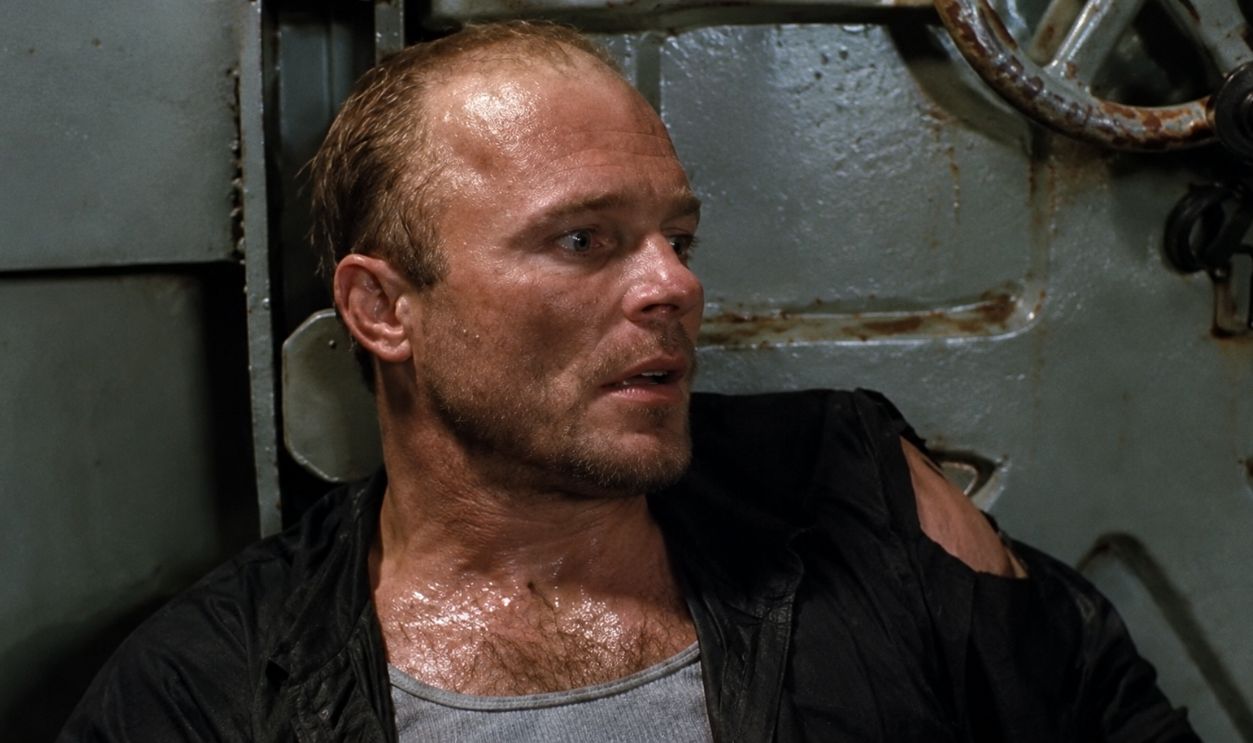
For Bud's liquid-breathing sequence, Harris wore a helmet filled with water and held his breath. The actor had to remain composed while the cameras created the illusion that he could breathe normally. The physically demanding scene required precise coordination and careful preparation. Fortunately, Harris wasn't actually being asked to breathe the experimental liquid.
 Screenshot from The Abyss, 20th Century Fox (1989), Enhanced
Cameron's Visual Effects Changed Hollywood
Despite the difficult shoot, the film delivered groundbreaking special effects. Visual effects company Industrial Light & Magic created a computer-generated water creature that could mimic a human face. The technology became an important precursor to the liquid-metal T-1000 in Cameron's Terminator 2: Judgment Day. The production was helping establish techniques that would transform Hollywood filmmaking.

The Production Faced A Legal Battle
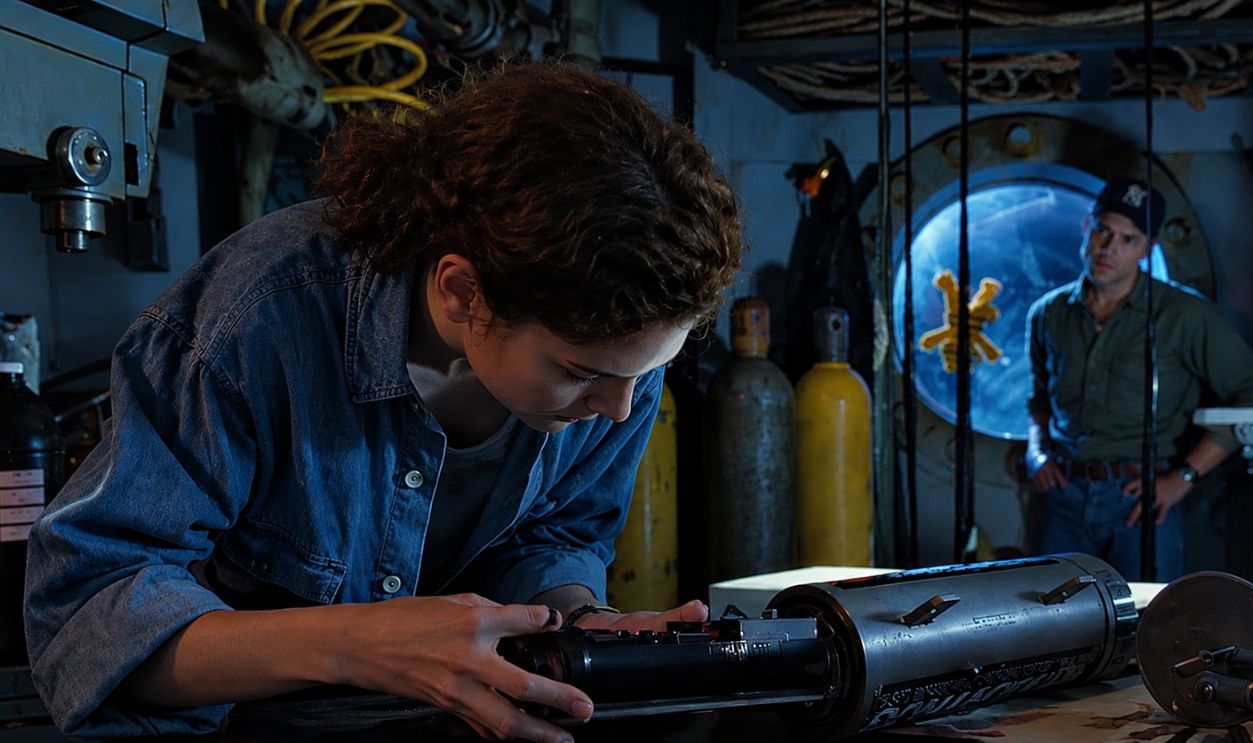
The problems weren't confined to the underwater sets. Earl Owensby, who owned the filming facility, attempted to evict the production over allegations involving damage and unauthorized materials. A federal judge intervened, allowing filming to continue. The resulting dispute was eventually settled outside court.
 Screenshot from The Abyss, 20th Century Fox (1989), Enhanced
Cameron's Marriage Was Ending Too
While Cameron directed a story about an estranged couple, his own marriage to producer Gale Anne Hurd was falling apart. The pair had separated during pre-production, although they continued collaborating professionally. Their divorce settlement was reached in February 1989. Despite the personal difficulties, Hurd remained closely involved in completing the film.
 Mondadori Portfolio, Getty Images
The Budget Spiraled Out Of Control
Technical setbacks and production delays sent costs climbing far beyond initial expectations. Contemporary reports placed the original budget around $33 million, with the final figure estimated at approximately $43 million, although other estimates were higher. Cameron later disputed some of those figures but acknowledged surrendering half his salary because of overruns. The studio's expensive gamble was becoming increasingly risky.

The Film Had A Mixed Reception
The Abyss reached American theaters on August 9, 1989, after several delays. Although it earned roughly $90 million worldwide, its enormous production costs made it a financial disappointment. Critics praised its groundbreaking visuals but were divided over the story. The film received four Academy Award nominations, winning Best Visual Effects.
 Screenshot from The Abyss, 20th Century Fox (1989), Enhanced
The Nightmare Left A Lasting Legacy
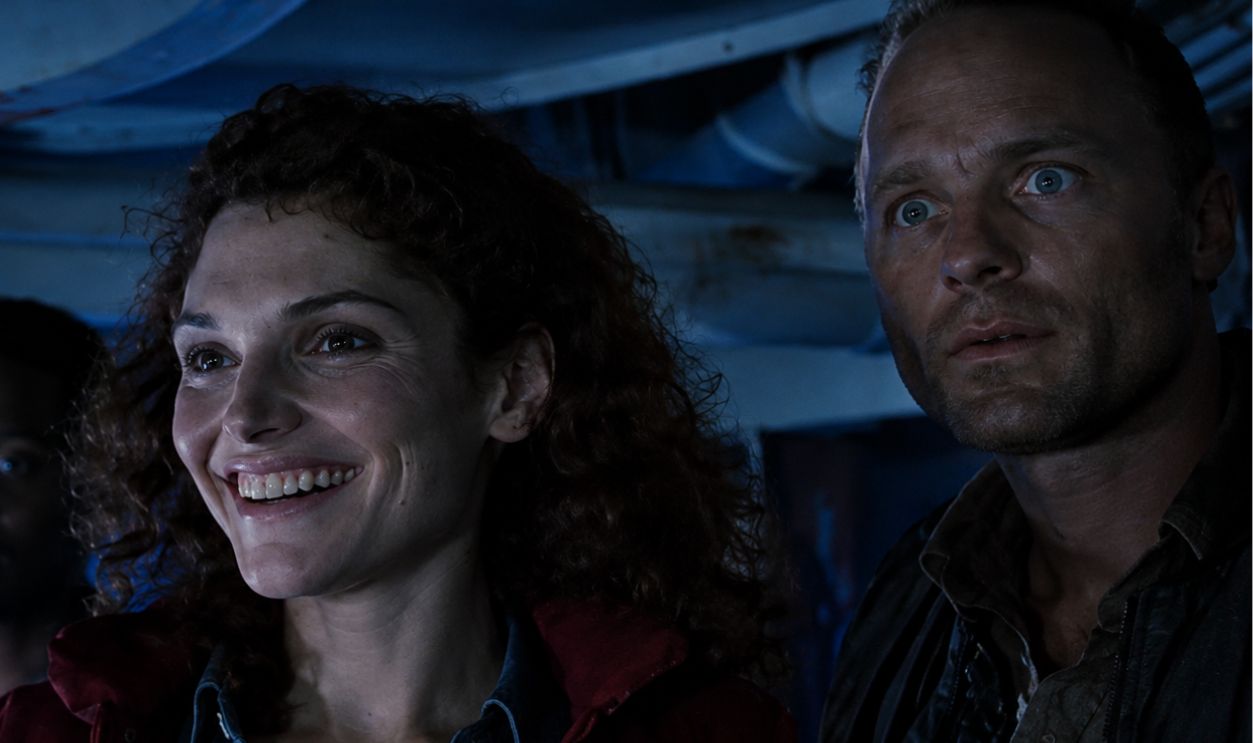
Over the years, The Abyss developed a devoted following and earned recognition as a science-fiction classic. Its groundbreaking effects helped pave the way for future Hollywood blockbusters, but the production's troubled history remains just as fascinating. For the actors who endured near-drownings, exhaustion, and terrifying accidents, making the movie was an ordeal they would never forget.
 Screenshot from The Abyss, 20th Century Fox (1989), Enhanced
You May Also Like:
Alien Turned Sigourney Weaver Into A Sci-Fi Icon—But Ripley Almost Didn’t Survive
The Toughest Action Stars Of The 1980s—Who Was The Ultimate Movie Hero?