Ripley Was Never Supposed To Become This Big
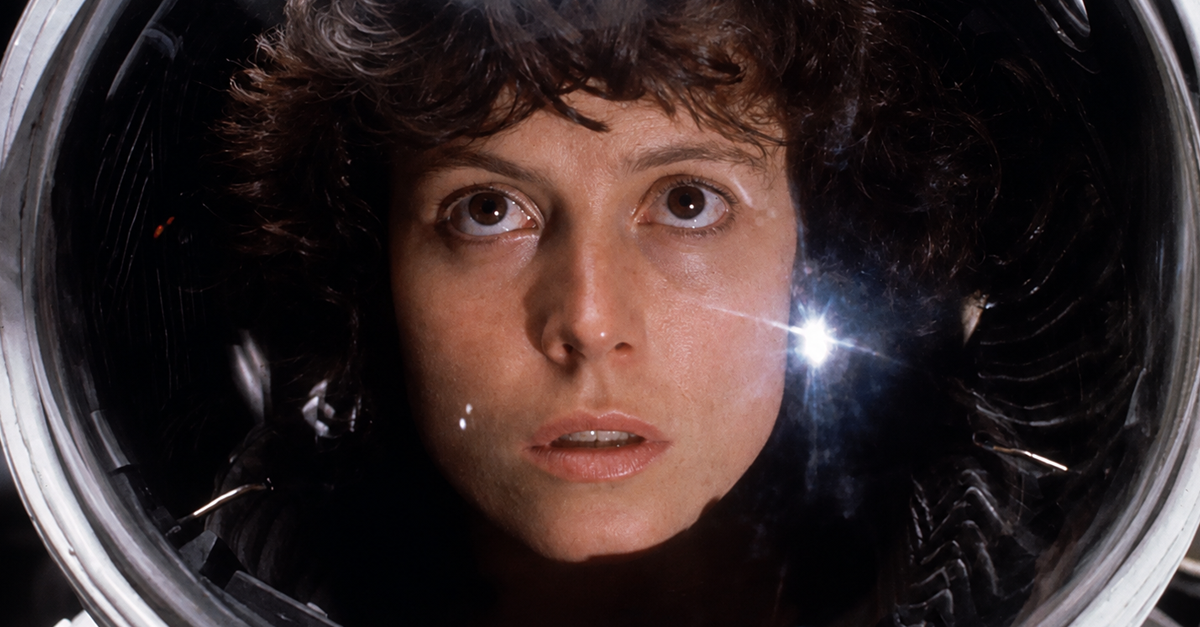
Alien turned Sigourney Weaver into a sci-fi icon and made Ellen Ripley one of the most famous heroes in movie history. But in 1979, Weaver was barely known, Ripley was never an obvious survivor, and Ridley Scott had a much darker ending in mind. If the studio had let him film it, one of science fiction’s greatest characters might have disappeared after a single movie.
Weaver Was Still Mostly A Stage Actress
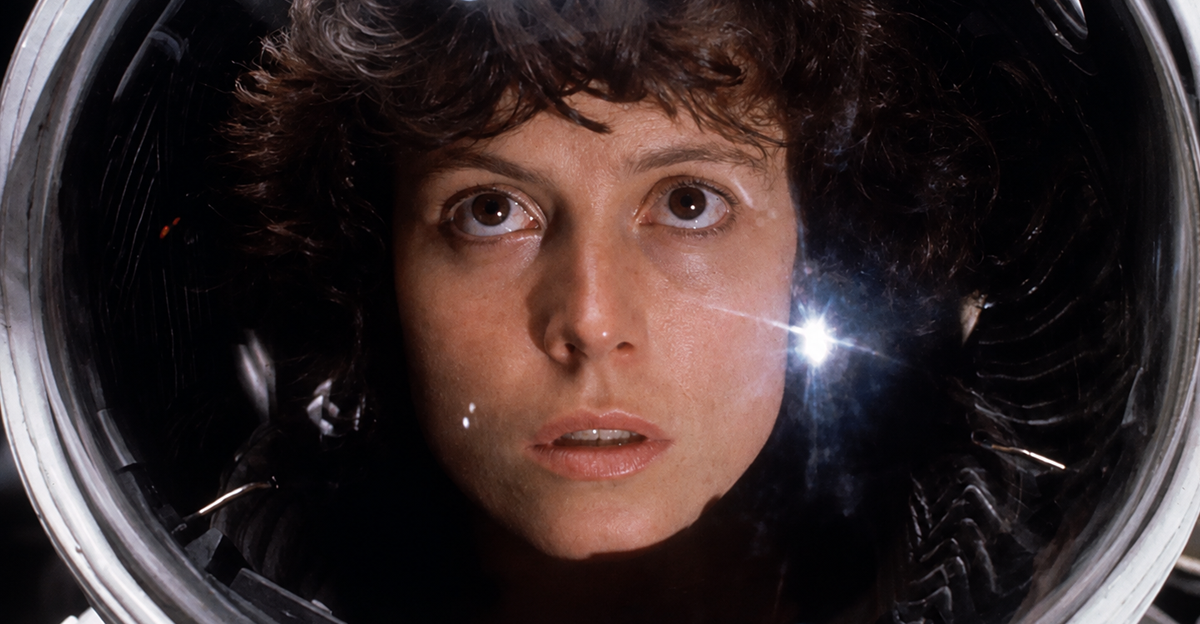
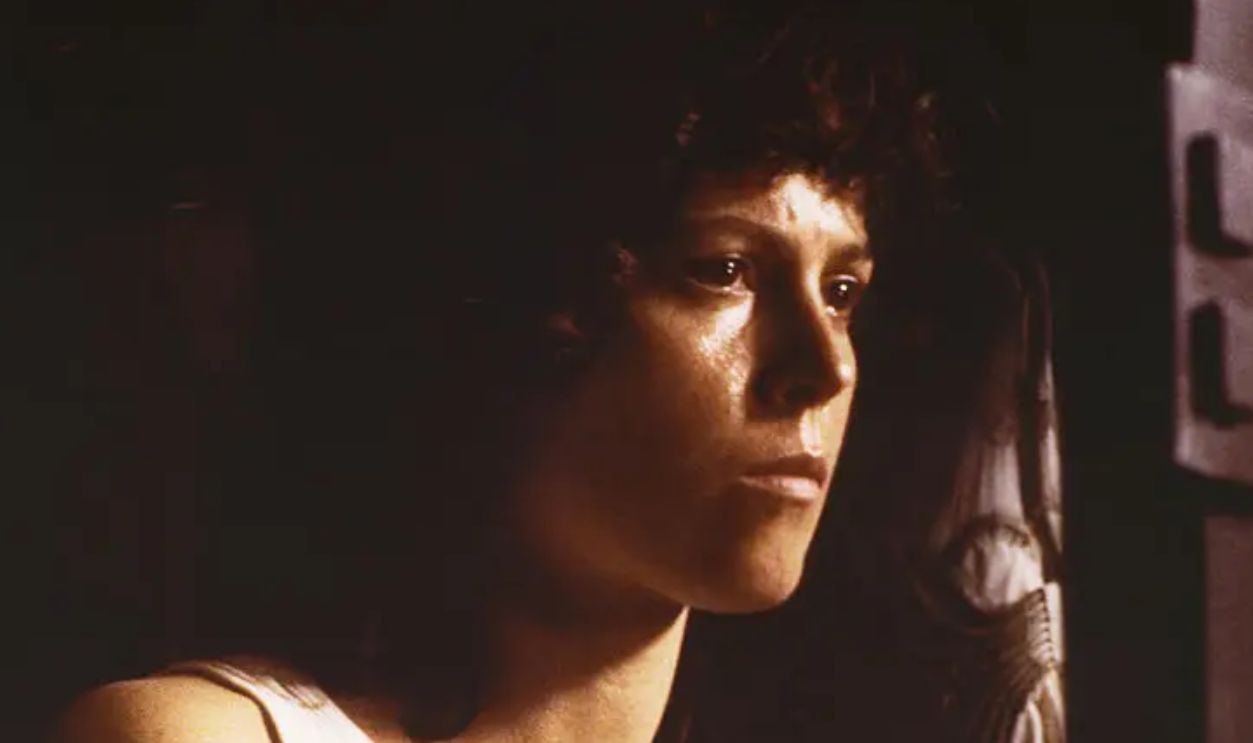
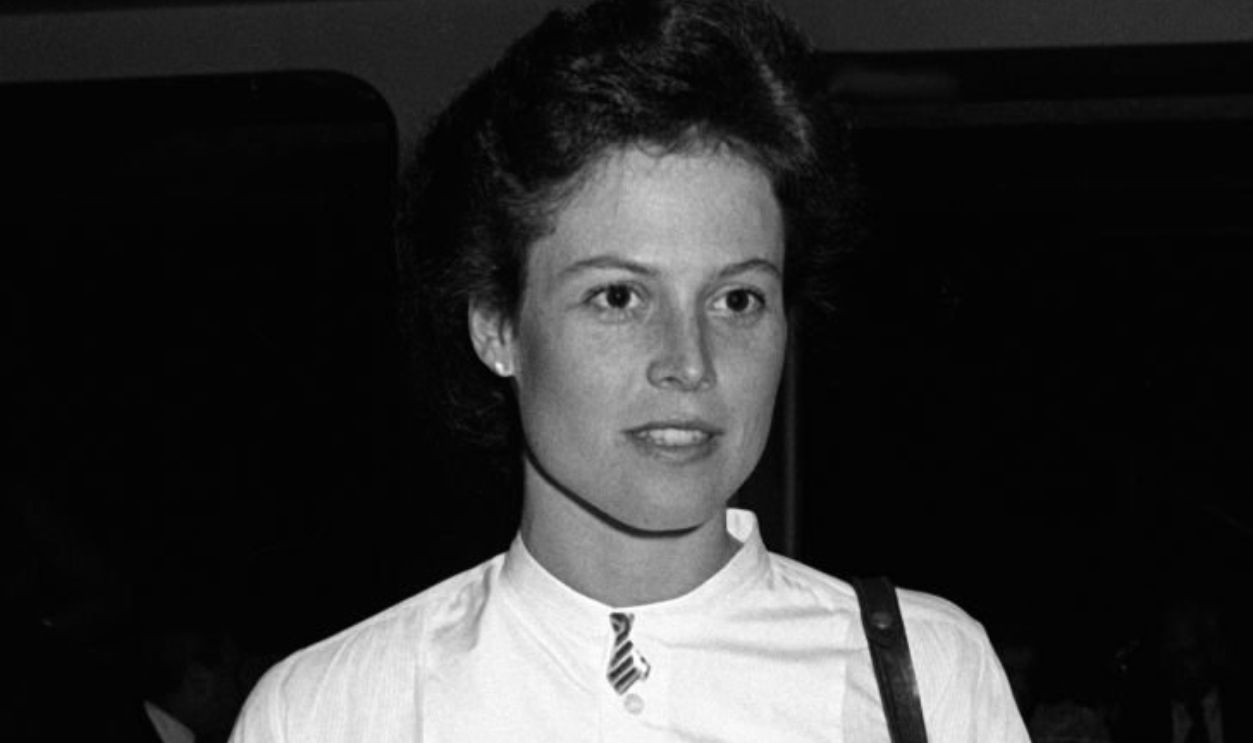
Before Alien, Weaver was known far more for theater than movies. She had graduated from Yale School of Drama and worked extensively off-Broadway, while her film résumé included only a tiny role in Annie Hall. Ripley became her first major movie role. It was a remarkable gamble on an actress most audiences had never seen.
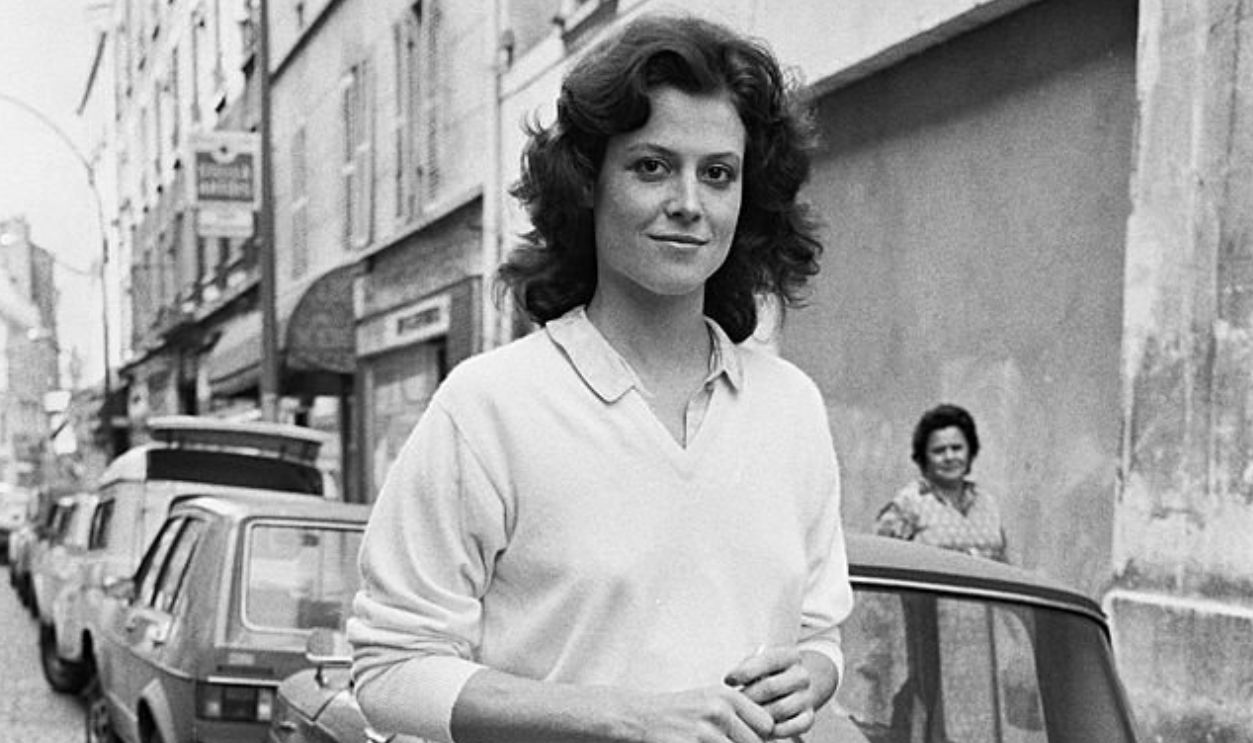 Bertrand Rindoff Petroff, Getty Images
Alien Started With A Much Smaller Idea
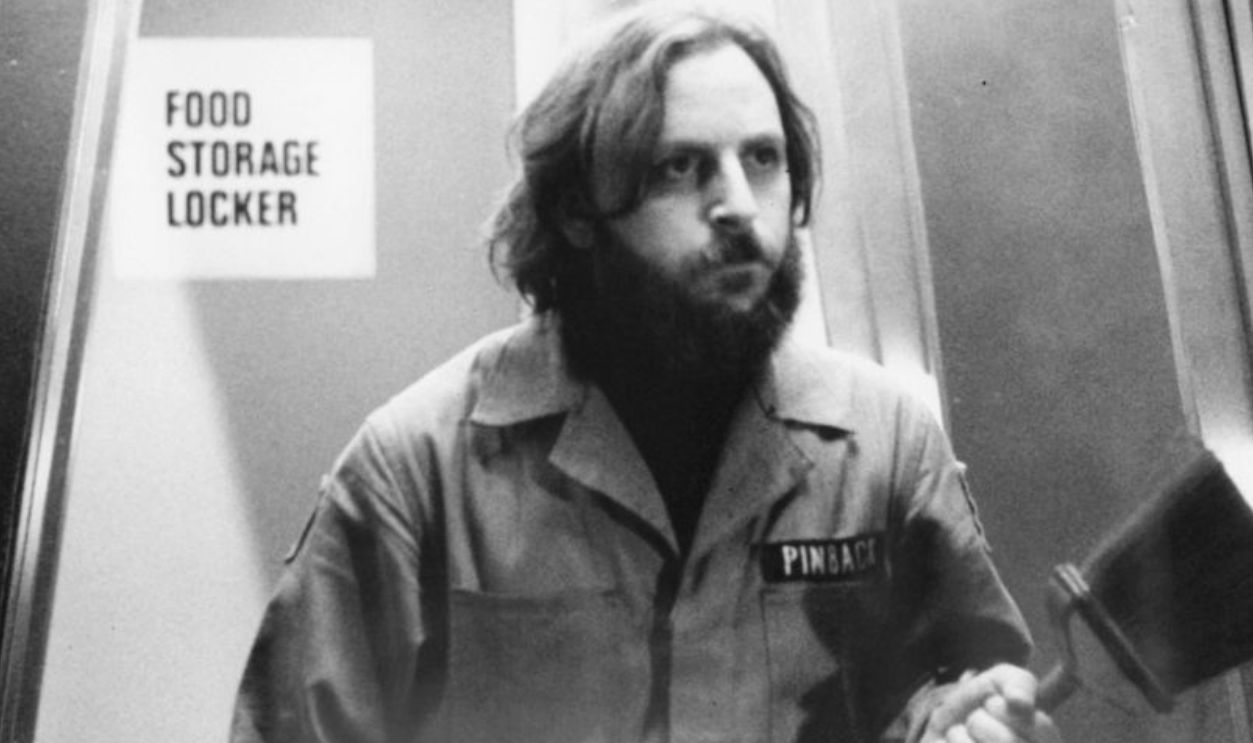
Writer Dan O’Bannon developed the story with Ronald Shusett after working on the low-budget science-fiction comedy Dark Star. An early version even carried the title Star Beast. The basic idea was simple: trap an ordinary space crew with something terrifying. That small concept eventually became one of Hollywood’s biggest science-fiction franchises.
Fox Initially Passed
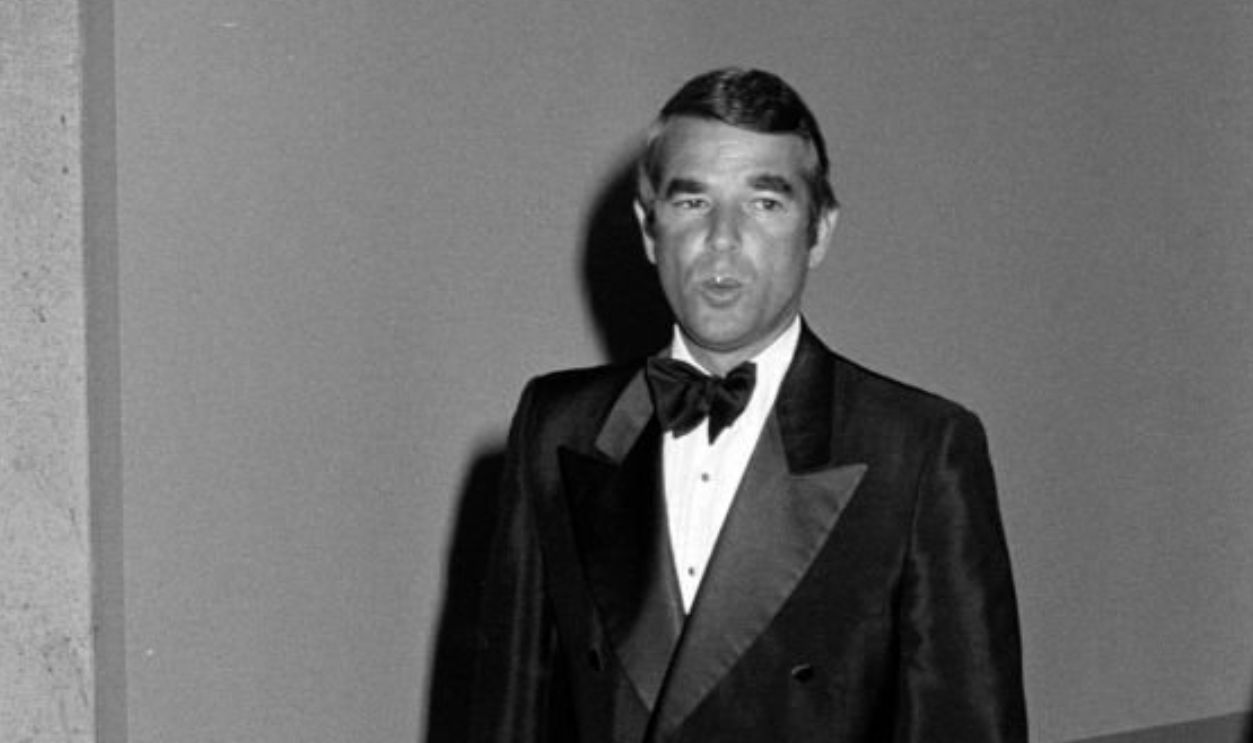
Twentieth Century-Fox rejected an early version of the screenplay, and other studios showed little interest. O’Bannon eventually connected with Brandywine Productions, where Walter Hill, Gordon Carroll, and David Giler helped develop it further. Fox president Alan Ladd Jr. finally approved the project in 1977. Suddenly, Alien had a real shot.
The Money Went Into The World
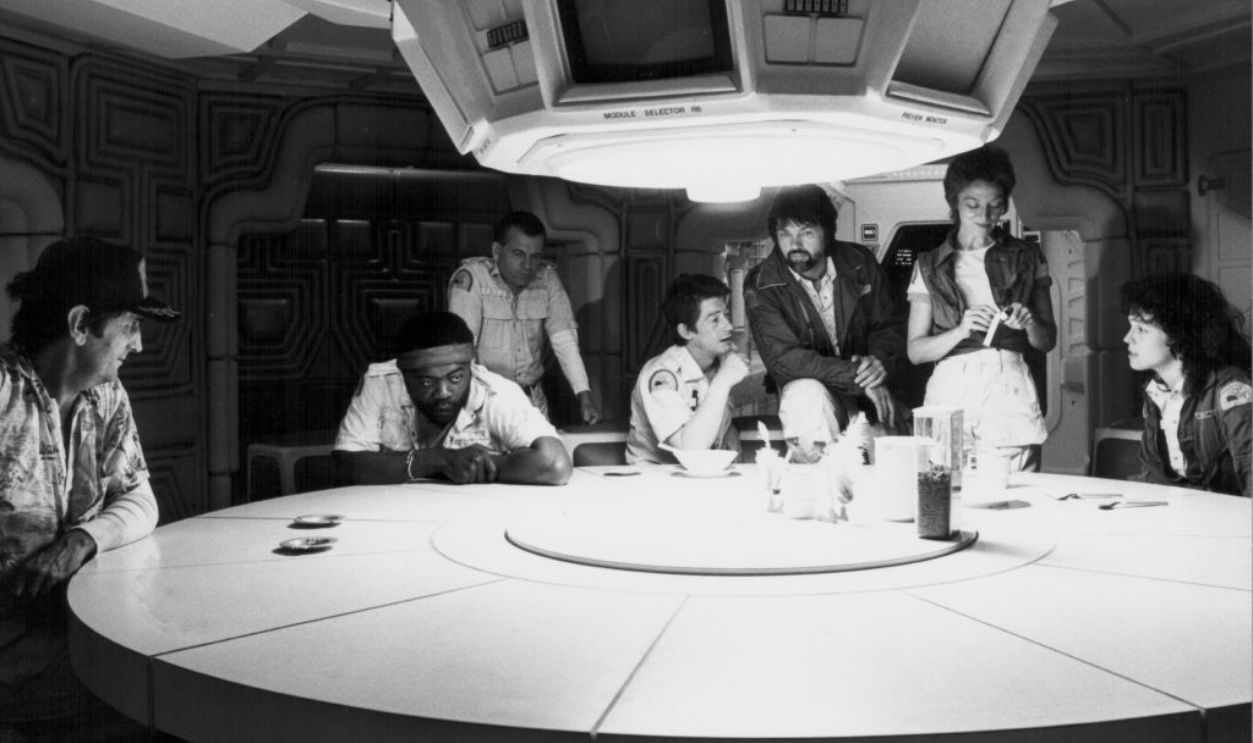
The filmmakers deliberately avoided building Alien around expensive movie stars. Instead, much of the budget went toward elaborate sets, effects, and production design. That decision made the Nostromo feel far larger and more convincing than its relatively small cast suggested. The movie looked expensive where it mattered most.
 Stanley Bielecki Movie Collection, Getty Images
Ripley Was Reimagined As A Woman
Dan O’Bannon and Ronald Shusett wrote the Nostromo crew so any role could be played by a man or woman, though Ripley was initially presented as male. Ridley Scott later recalled Alan Ladd Jr. asking, “Why can’t Ripley be a woman?” Scott liked the idea, and Sigourney Weaver got the role without changing Ripley’s competence or authority.
 Sunset Boulevard, Getty Images
The Surprise Was Part Of The Plan
The filmmakers liked that audiences would not immediately assume Ripley was the survivor. John Hurt’s Kane and other more established characters seemed just as likely to become the hero. Weaver was young, unknown, and initially just one member of the ensemble. That uncertainty made Ripley’s gradual rise much more effective.
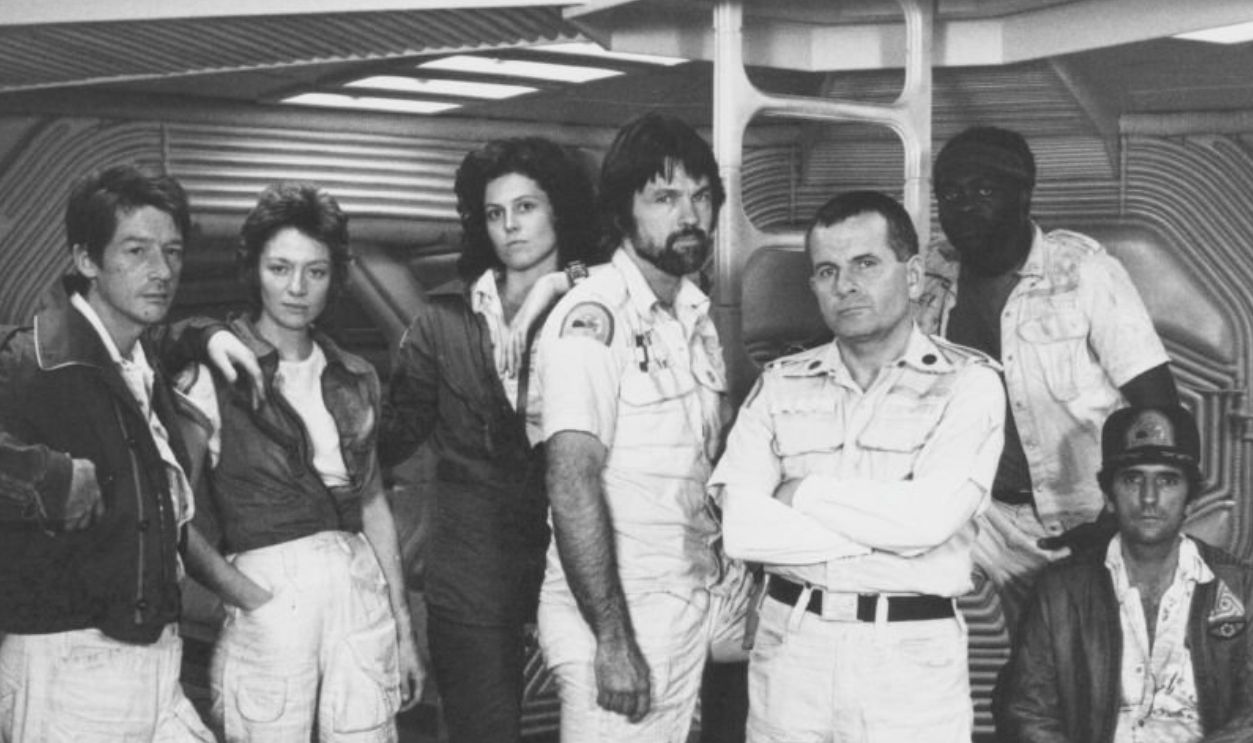 Stanley Bielecki Movie Collection, Getty Images
Weaver Had To Prove Herself
Weaver first auditioned for Ripley in Los Angeles before undergoing a substantial screen test in London. She later recalled performing roughly seven scenes. The filmmakers were considering whether a largely unknown stage actress could carry a major studio film. Her test convinced them she could.
Ridley Scott Was A Risk Too
Ridley Scott was not yet the blockbuster director audiences know today. His first major feature, The Duellists, had arrived only two years earlier, after a long career directing commercials. Walter Hill had previously been considered for Alien but became unavailable. Scott stepped in and quickly gave the project its distinctive visual identity.
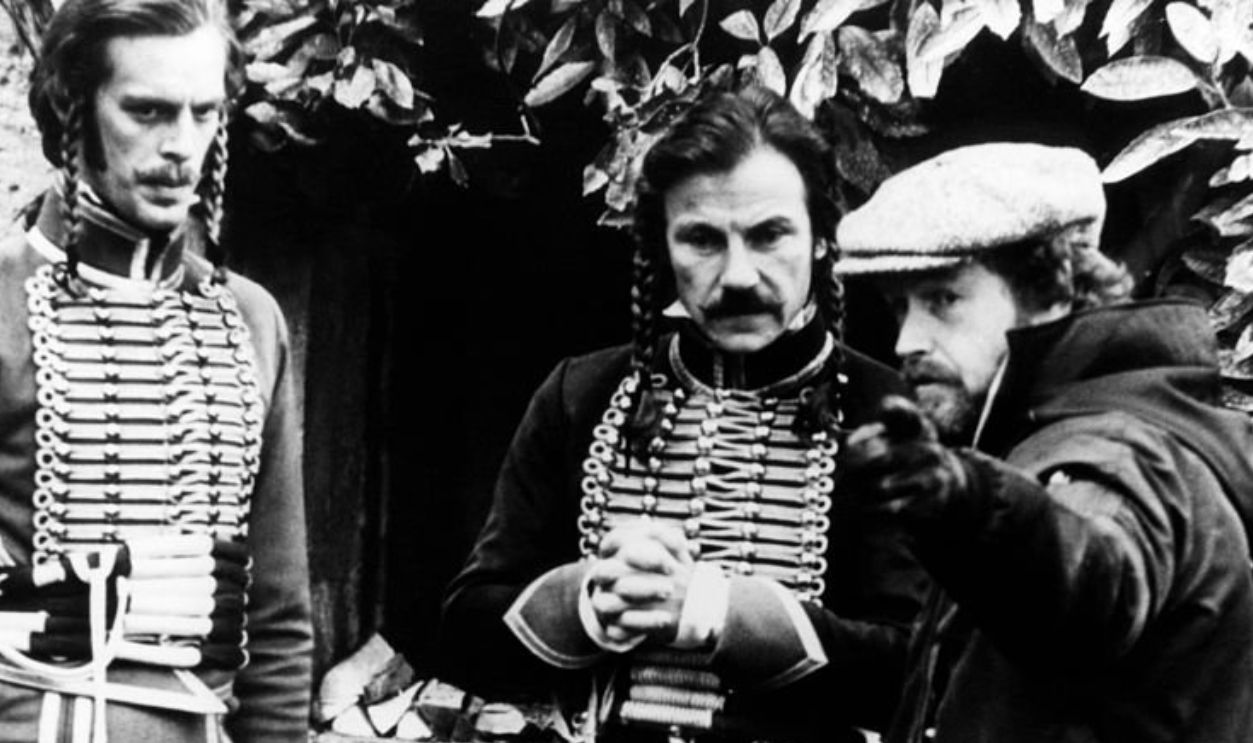 Sunset Boulevard, Getty Images
He Wanted Suspense, Not Space Adventure
Scott didn't want Alien to feel like another Star Wars. He treated it more like a tense thriller that happened to take place aboard a spaceship. The real hook was isolation. A small group of people was trapped somewhere they could not escape with something they could not control.
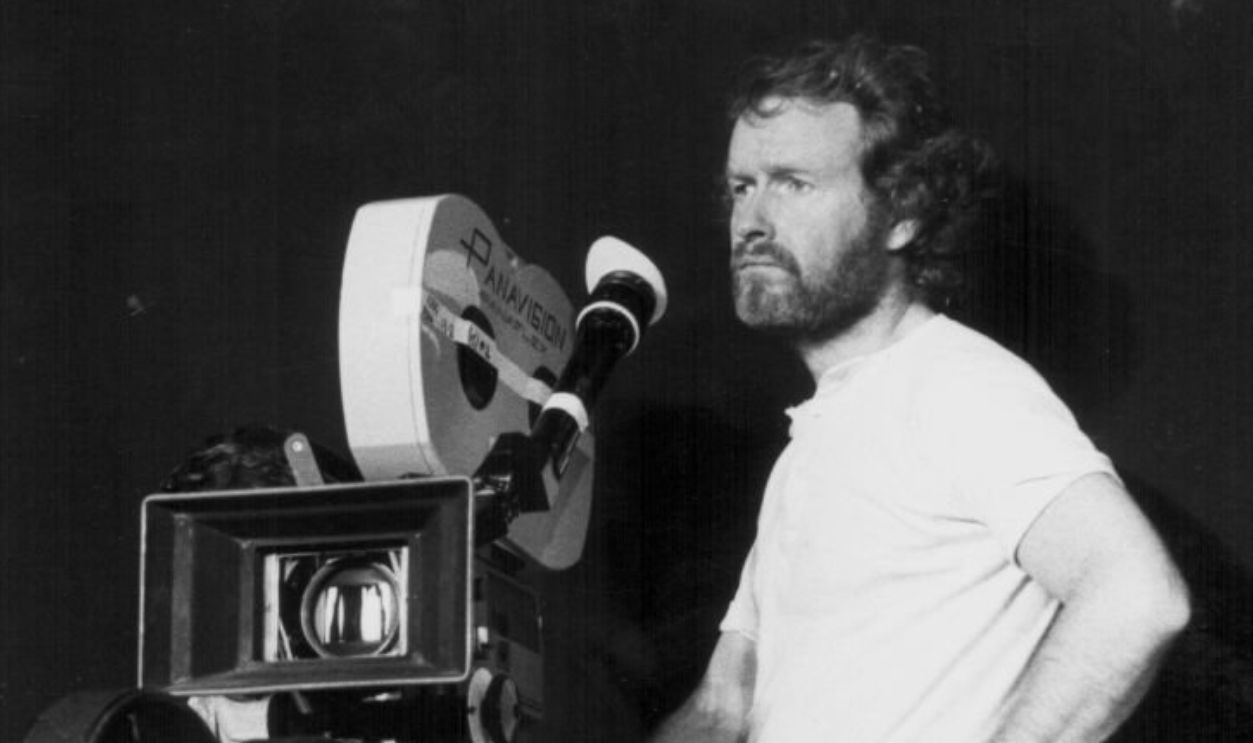 Stanley Bielecki Movie Collection, Getty Images
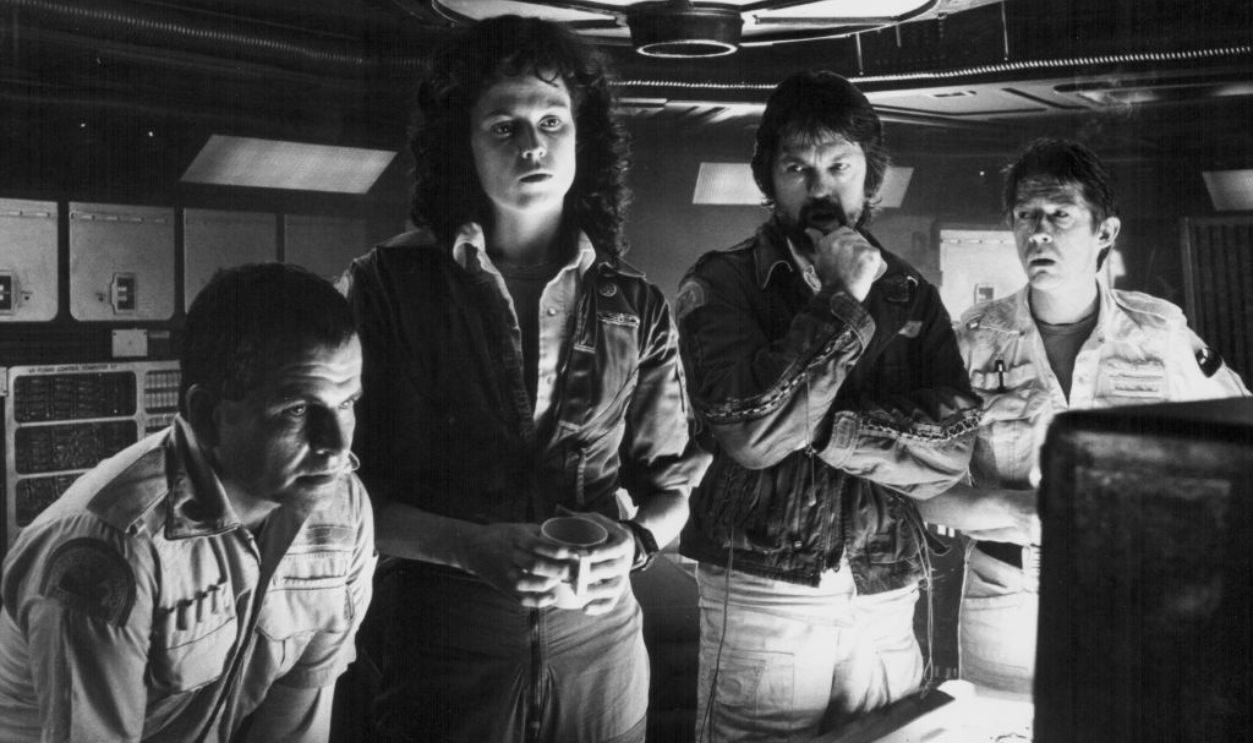
The Nostromo Looked Like A Workplace
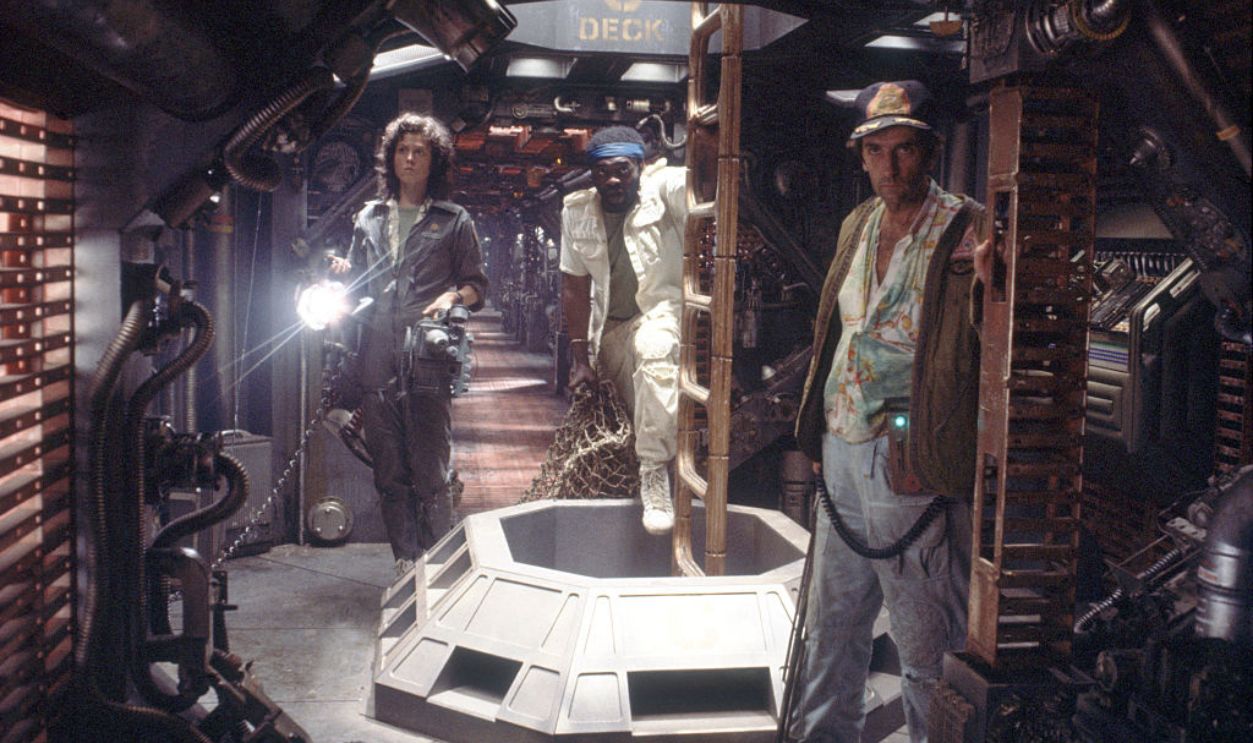
The ship was designed to feel dirty, practical, and heavily used. Its corridors and machinery looked closer to an industrial facility than a futuristic palace. Designers incorporated parts from aircraft, cars, and electronics throughout the sets. The crew felt like working people who happened to haul cargo through space.
 Stanley Bielecki Movie Collection, Getty Images
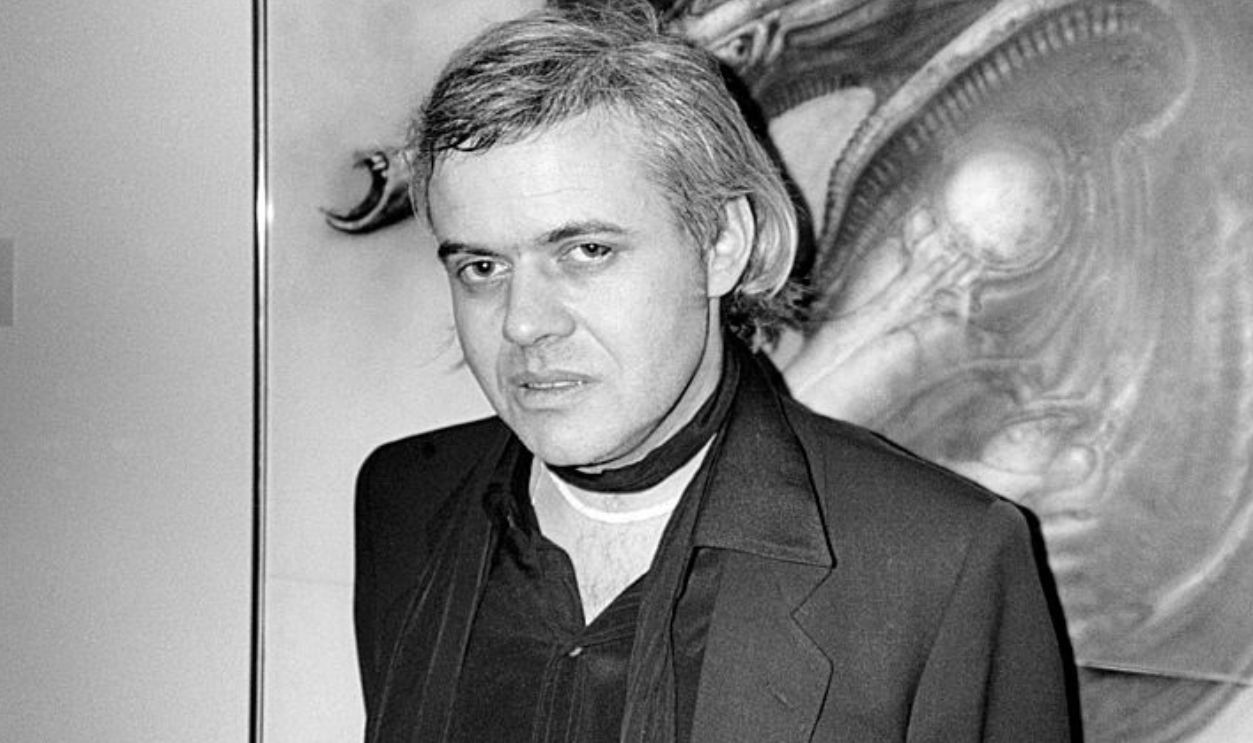
H.R. Giger Changed Everything
Scott knew the movie would fall apart if the creature looked silly. Swiss artist H.R. Giger provided the solution with his strange biomechanical artwork. His painting Necronom IV became a major inspiration for the adult alien. The result looked unlike almost any movie monster audiences had seen before.
 Allan Tannenbaum, Getty Images
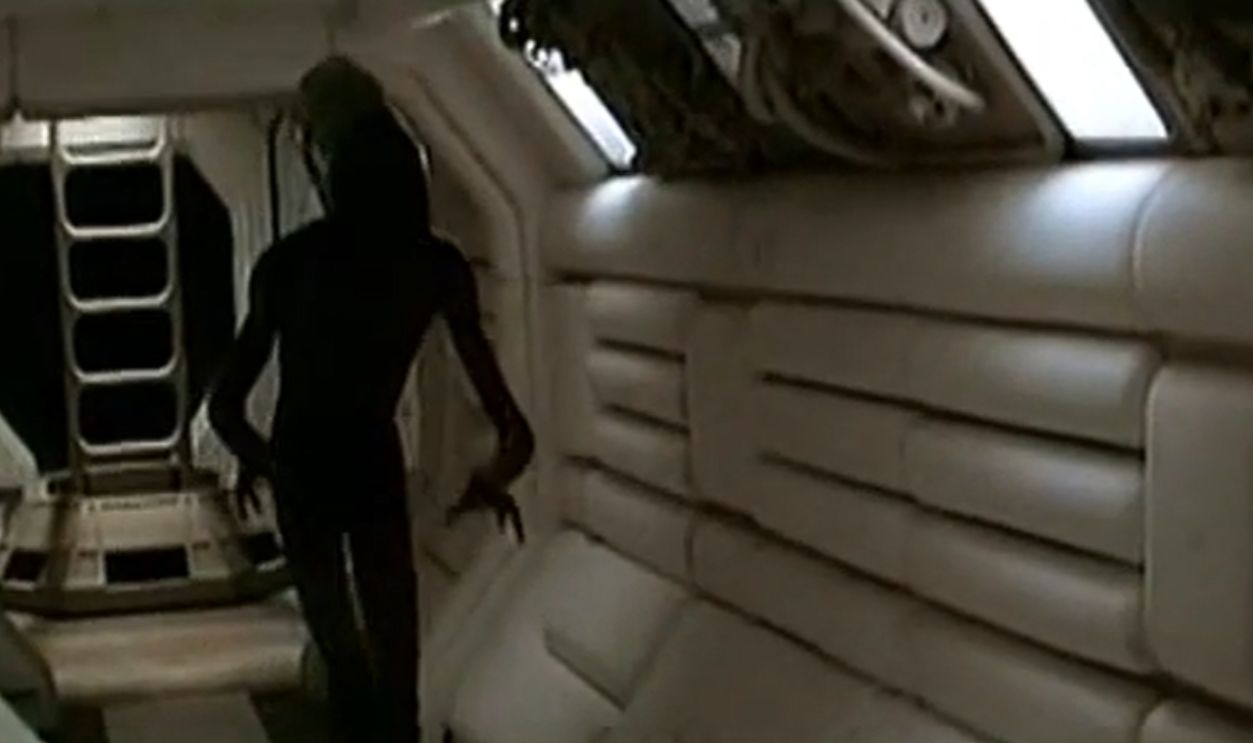
The Alien Needed An Unusual Performer
Bolaji Badejo was chosen to physically portray the adult creature. His tall frame, long limbs, and slim build gave the alien an unnatural silhouette. He also received movement training to make his performance feel less obviously human. Scott wanted audiences to forget there was a person inside the costume.
 Screenshot from Aliens, 20th Century Fox (1986)
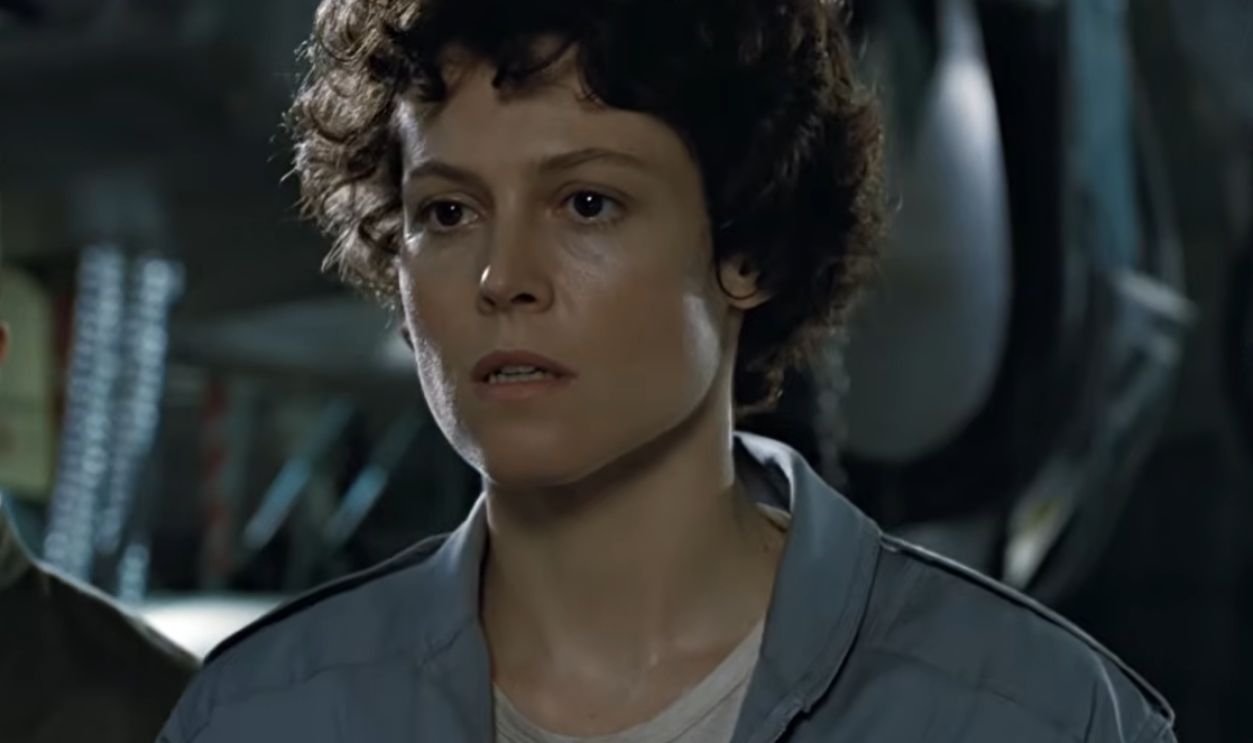
Ripley Is Right From The Beginning
Ripley establishes herself early when Kane returns carrying the facehugger. She insists that quarantine rules require the returning crew to remain sealed in the airlock. Ash ignores her and opens the hatch anyway. Ripley seems difficult in the moment, but she is actually the person following the safest procedure.
 Screenshot from Aliens, 20th Century Fox (1986)
Then Came The Chestburster
The dinner scene became one of the most famous moments in science-fiction history. Kane suddenly begins convulsing before the young creature bursts from his body. The sequence is quick, chaotic, and deeply unsettling. It instantly tells viewers that nobody aboard the Nostromo is safe.
 Screenshot from Aliens, 20th Century Fox (1986)
The Cast Knew, But Not Everything
The actors knew the basic event because it appeared in the screenplay. What they did not fully know was exactly how the elaborate effect would unfold once filming began. Scott deliberately kept some details vague. He wanted the performers’ reactions to contain genuine surprise.
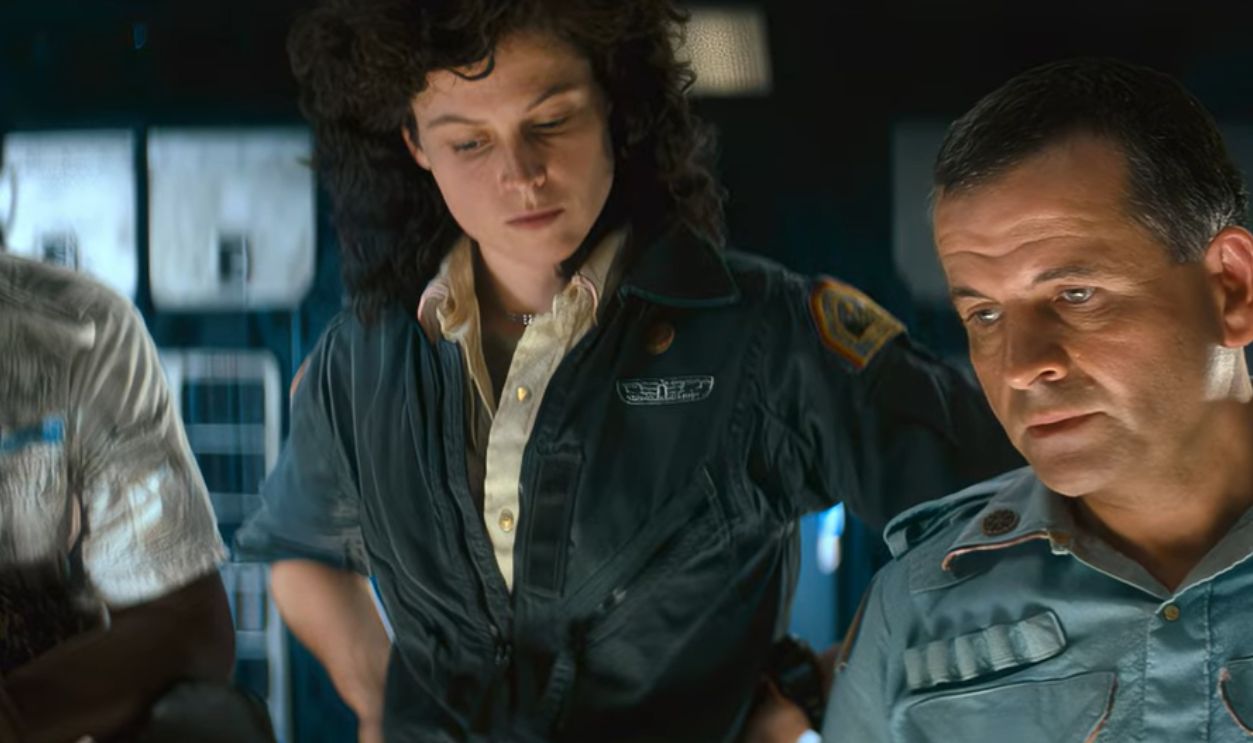 Screenshot from Aliens, 20th Century Fox (1986)
The Effects Were Intentionally Gross
The production used real organic material to make its creature effects more convincing. The chestburster setup included animal organs from a butcher, while clams and oysters were used for the Facehugger examination. The messy practical effects helped make both scenes feel disturbingly real.
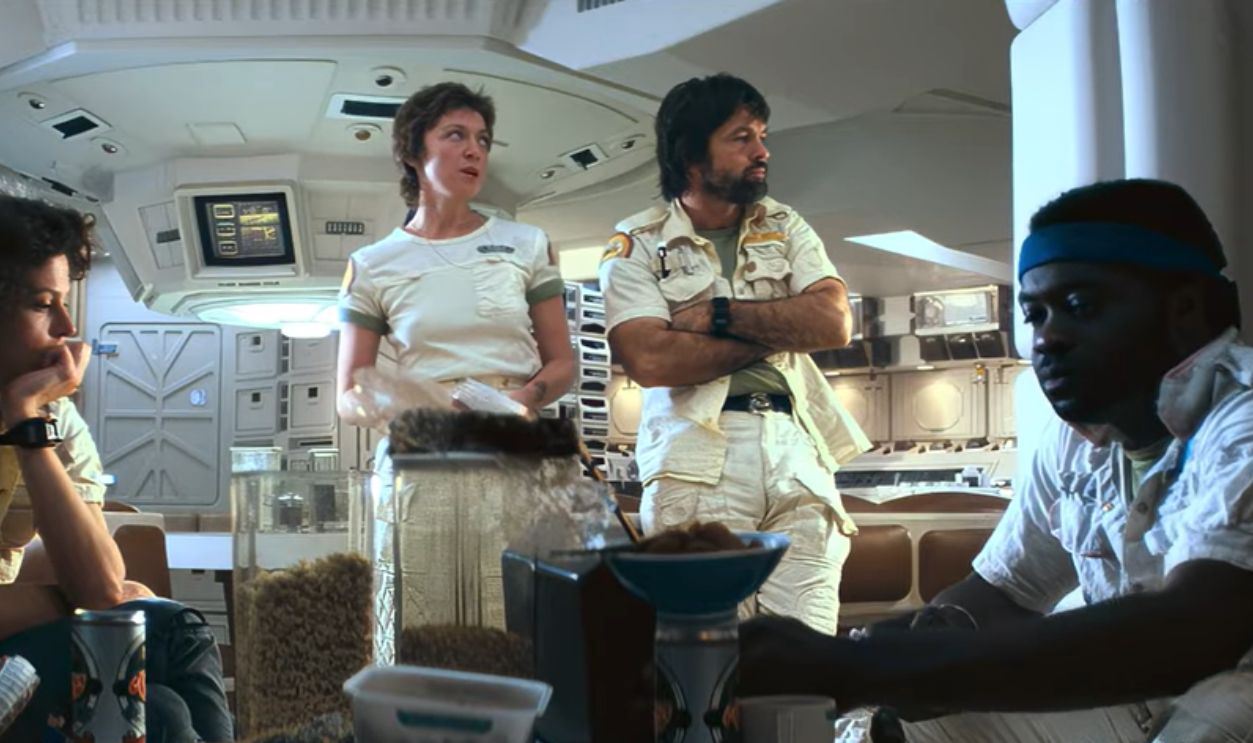 Screenshot from Aliens, 20th Century Fox (1986)
Scott Even Manufactured Tension
Scott sometimes tried to influence relationships between actors off camera. Yaphet Kotto later said the director encouraged him to irritate Weaver so that the friction between Parker and Ripley would feel stronger. Weaver apparently did not know about the plan. Kotto said he disliked doing it because he genuinely liked her.
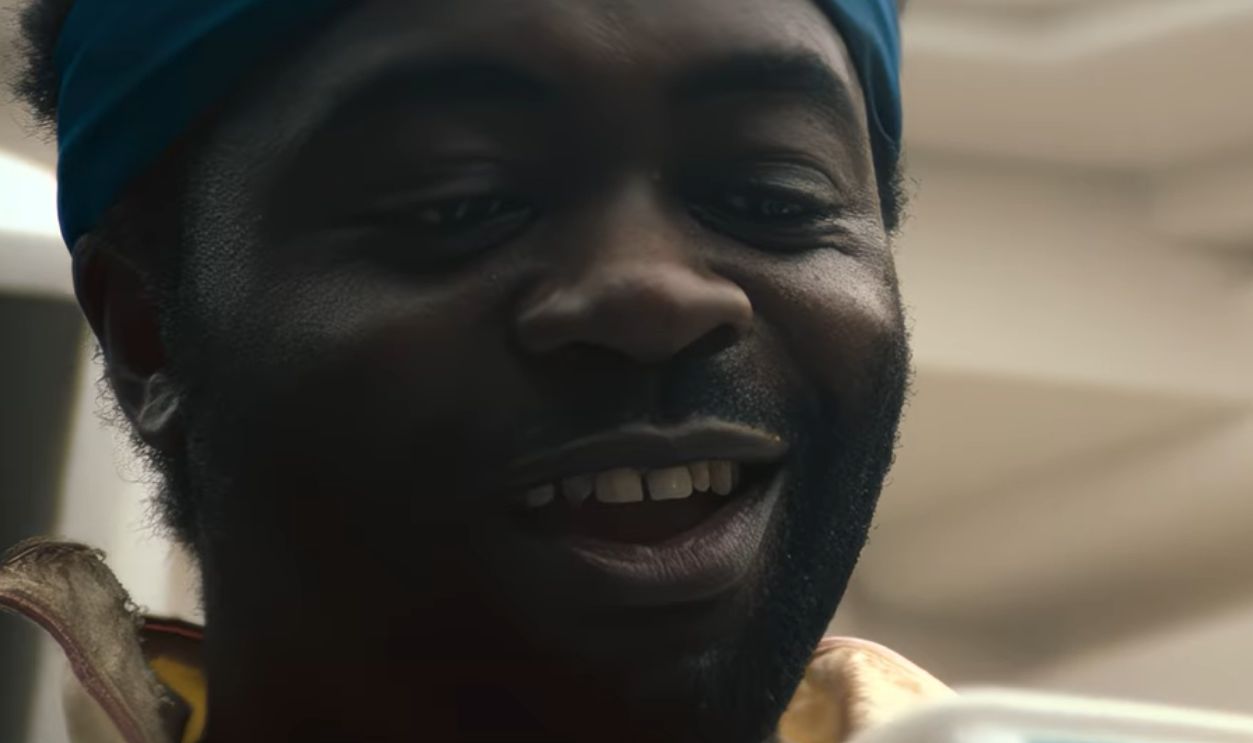 Screenshot from Aliens, 20th Century Fox (1986)
Ripley Slowly Takes Control
One of Alien’s cleverest moves is how gradually Ripley becomes the main character. Dallas begins as captain, while several other crew members seem equally important. As the situation collapses, Ripley increasingly becomes the person making decisions. By the final act, the ensemble movie has quietly become her story.
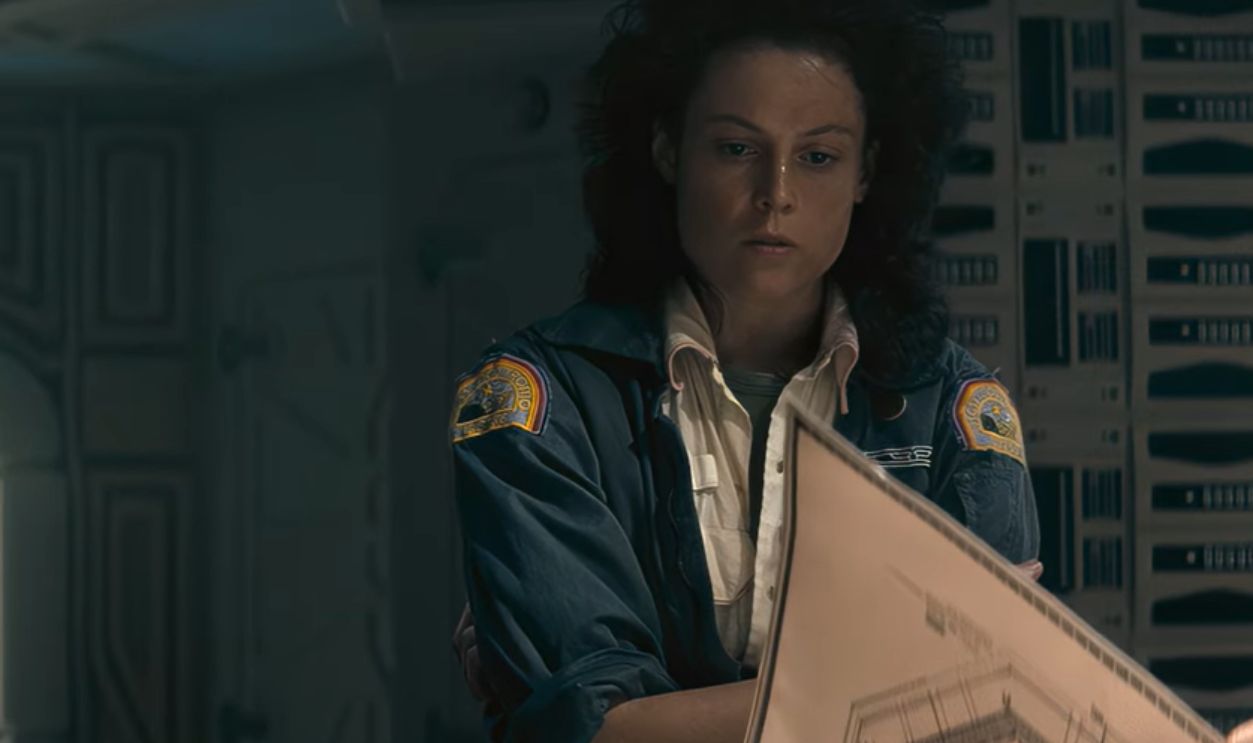 Screenshot from Aliens, 20th Century Fox (1986)
The Company Is Just As Dangerous
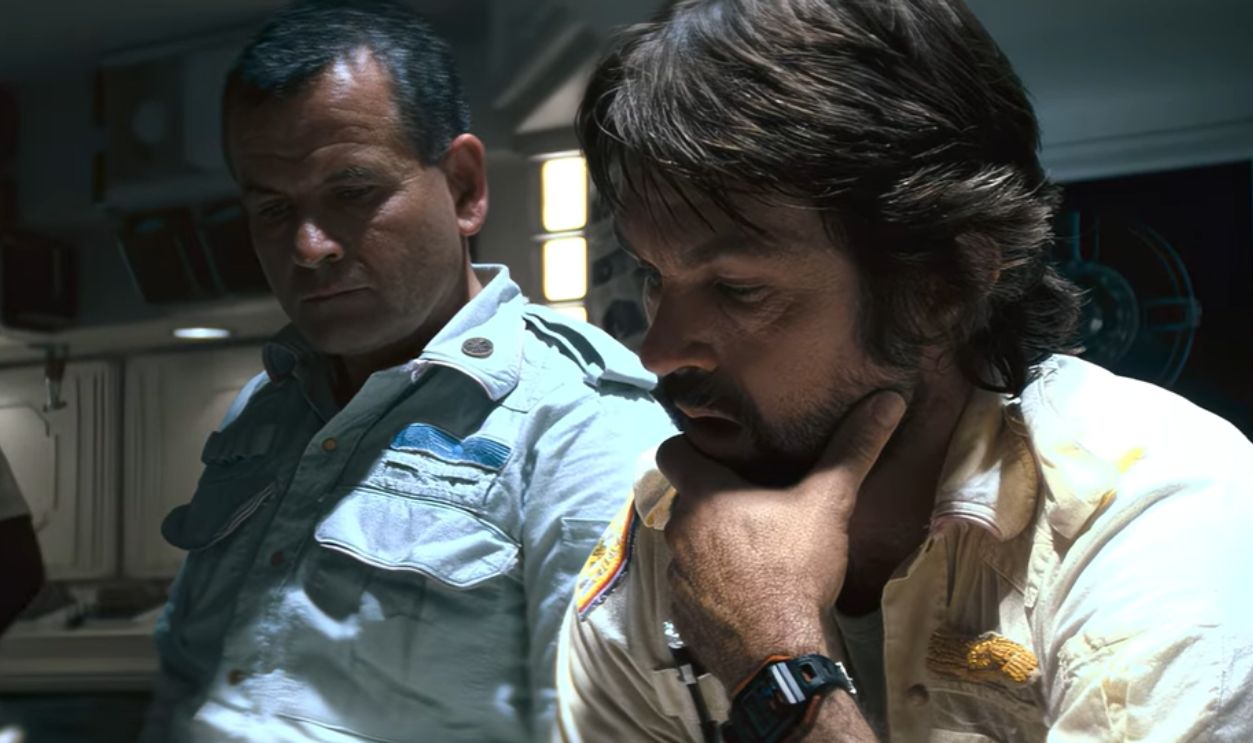
Ripley eventually discovers that the crew’s employer values the alien more than the people aboard the ship. She also learns that Ash is an android secretly helping carry out that objective. Suddenly, the crew is facing more than a monster. Ripley has also been betrayed by the organization that sent them into space.
 Screenshot from Aliens, 20th Century Fox (1986)
She Still Goes Back For Jones
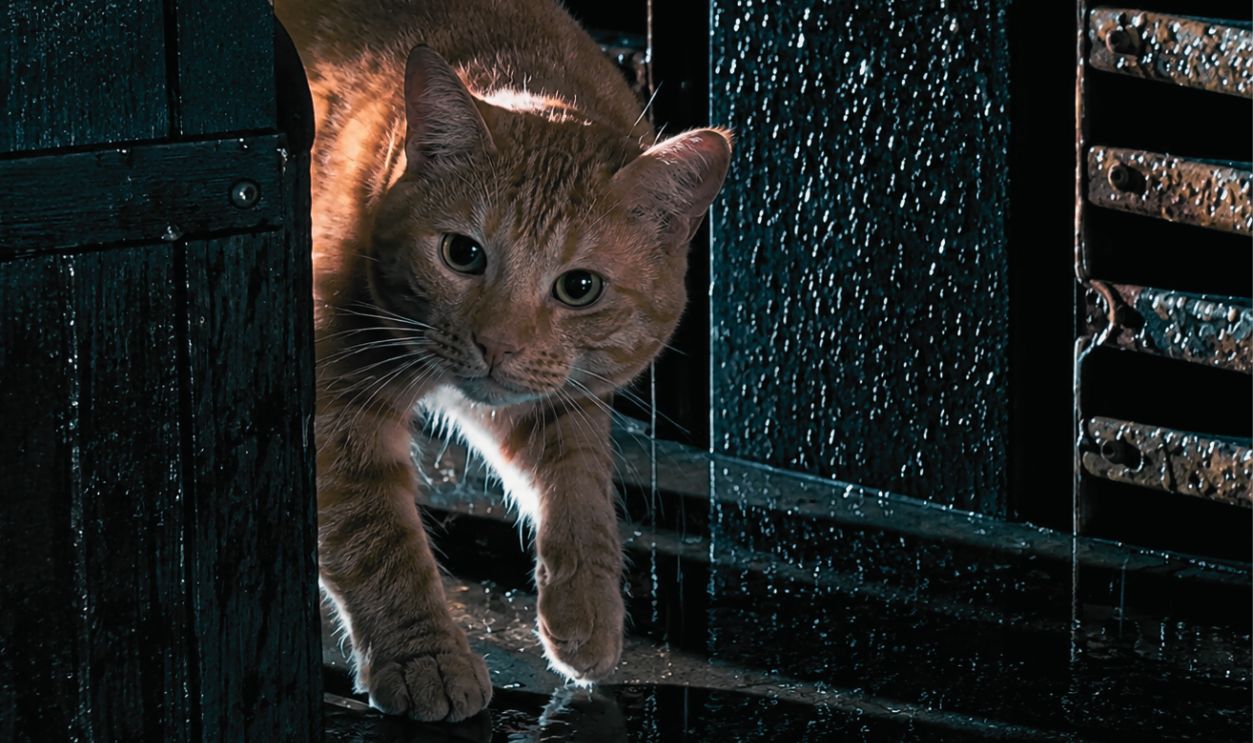
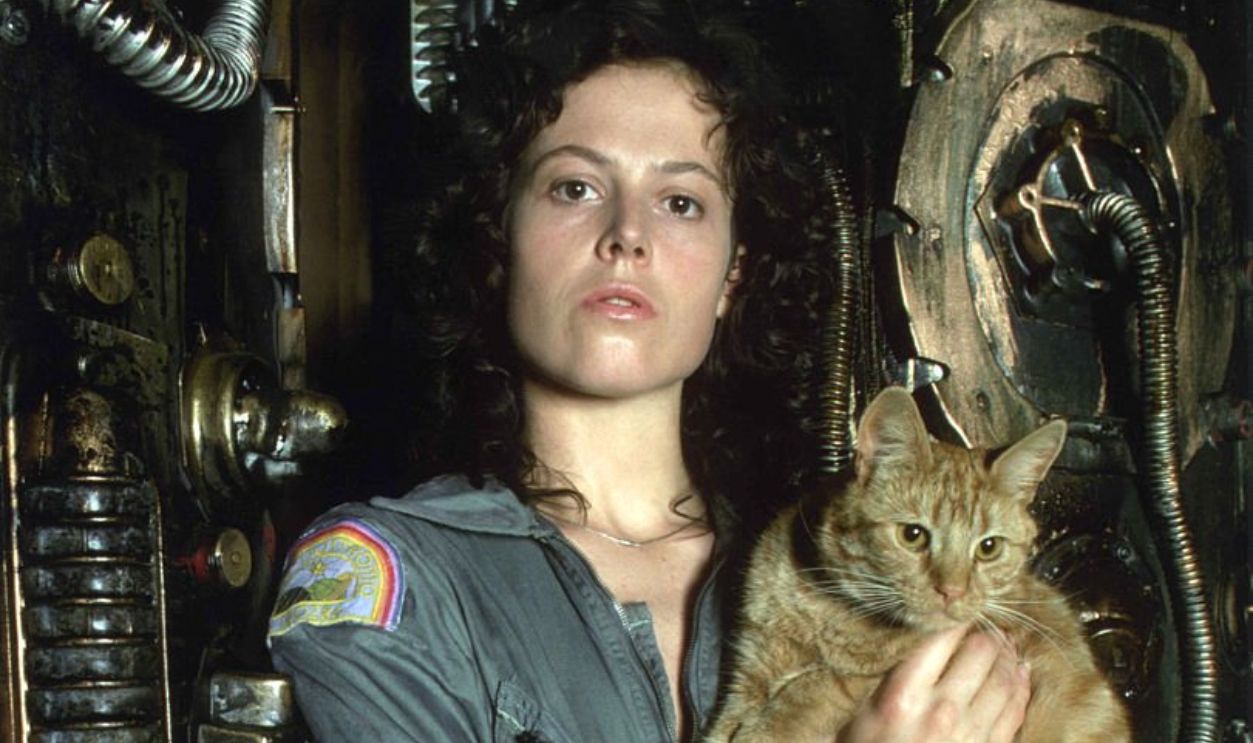
Even with the Nostromo about to be destroyed, Ripley takes time to rescue Jones, the ship’s orange cat. It is a small detail that makes her feel unusually human during a frantic climax. She finally reaches the escape shuttle with Jones in tow. The two become the only survivors of the Nostromo.
 Screenshot from Aliens, 20th Century Fox (1986)
Escaping The Ship Is Not Enough
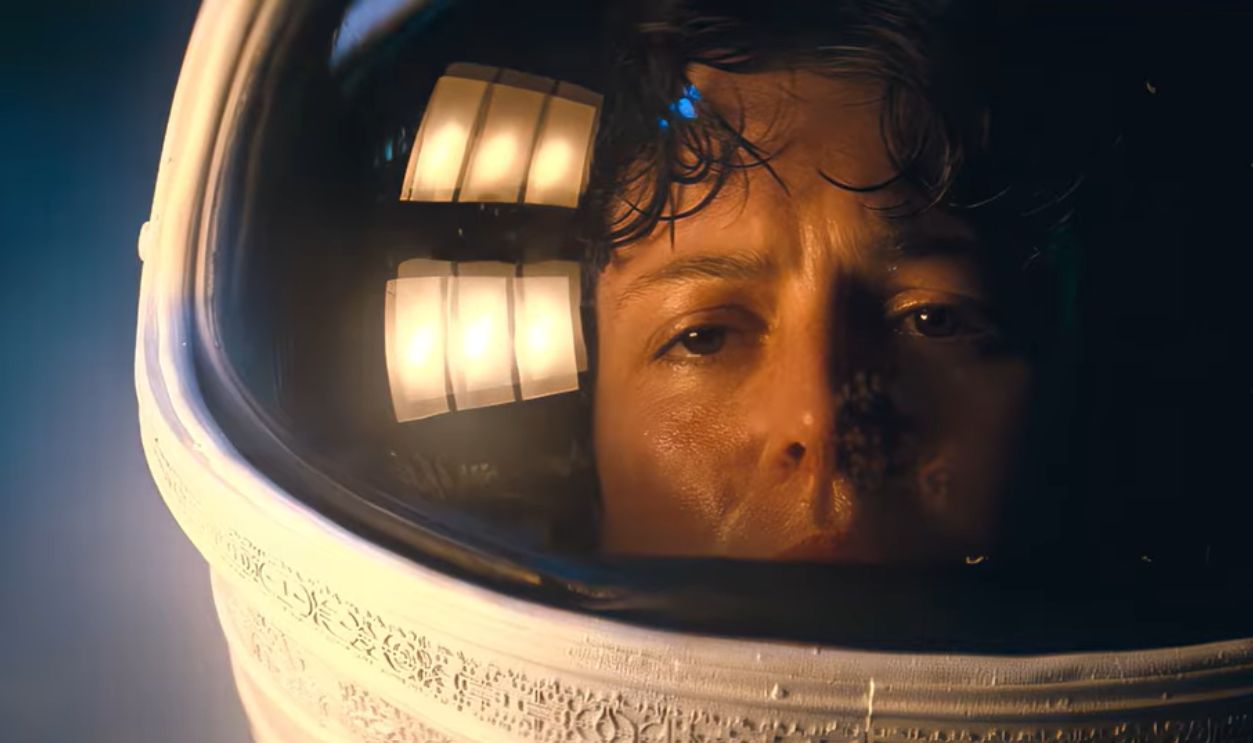
Ripley finally launches the shuttle and watches the Nostromo explode. For a moment, it appears the nightmare is over. Then she realizes the alien has hidden aboard the shuttle with her. Ripley suits up, confronts it again, and blasts the creature into space.
 Screenshot from Aliens, 20th Century Fox (1986)
Scott Wanted Ripley To Lose
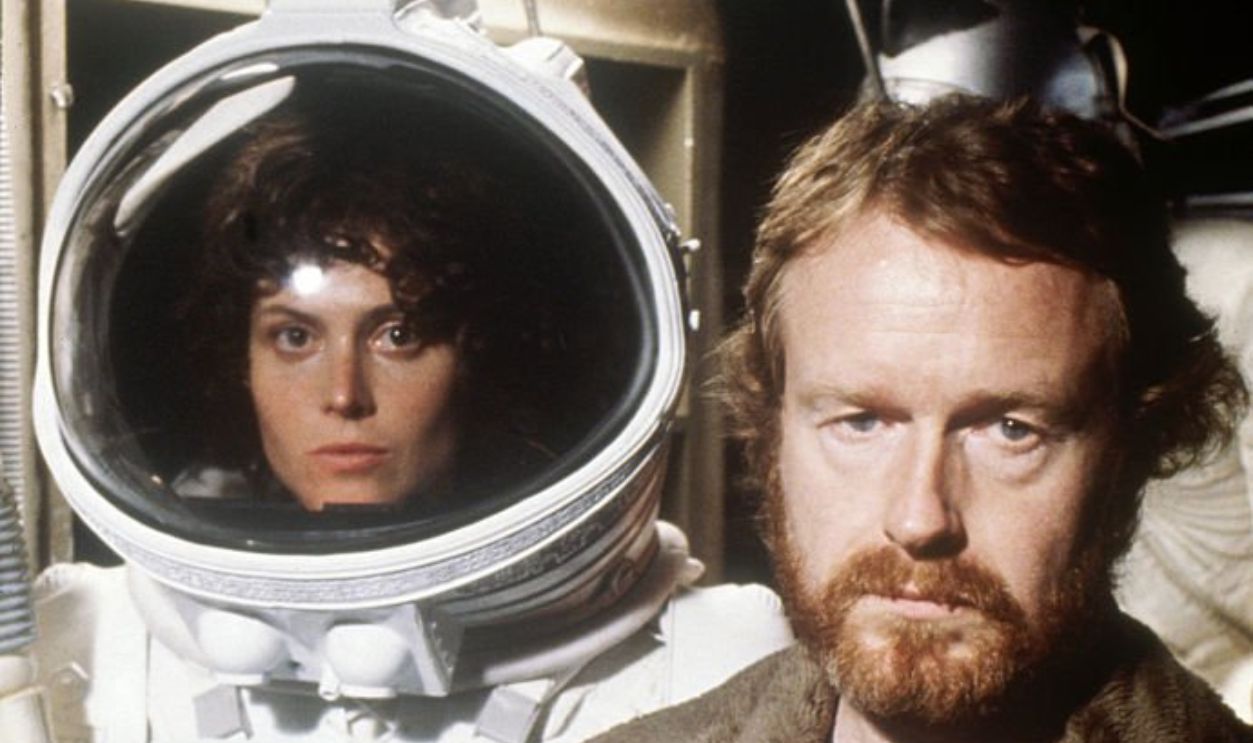
That famous ending could have been dramatically different. Scott later revealed that he wanted the alien to defeat Ripley inside the escape shuttle. In his proposed version, the creature would tear off her head. It would then sit at the controls and imitate Captain Dallas’s voice over the radio.
 Sunset Boulevard, Getty Images
Fox Shut That Idea Down Fast
The studio had no interest in Scott’s darker ending. Scott later recalled that a Fox executive arrived on set within 14 hours of hearing the idea and threatened to fire him if he went ahead with it. The idea disappeared. Ripley survived, and one of science fiction’s biggest characters suddenly had a future.
Alien Became A Major Hit
Alien opened in the United States on May 25, 1979. It earned roughly $3.5 million during its first four days and became one of the summer’s major successes. Contemporary reporting later placed its worldwide gross above $100 million. Fox had a hit much bigger than the modest production originally suggested.
 Sunset Boulevard, Getty Images
Its Reputation Only Grew
Reviews were not universally ecstatic when Alien first appeared. Some critics praised its suspense and visuals while criticizing its relatively simple plot. Its reputation grew dramatically in the decades that followed. The film won an Academy Award for visual effects and entered the National Film Registry in 2002.
 Screenshot from Aliens, 20th Century Fox (1986)
Aliens Made Ripley Even Bigger
James Cameron put Ripley firmly at the center of Aliens in 1986. Weaver’s performance earned her an Academy Award nomination for Best Actress, something still unusual for a science-fiction action role. The American Film Institute later ranked Ripley among cinema’s greatest heroes. She was no longer the unexpected survivor. She was the franchise.
 Sunset Boulevard, Getty Images
Alien Changed Weaver’s Entire Career
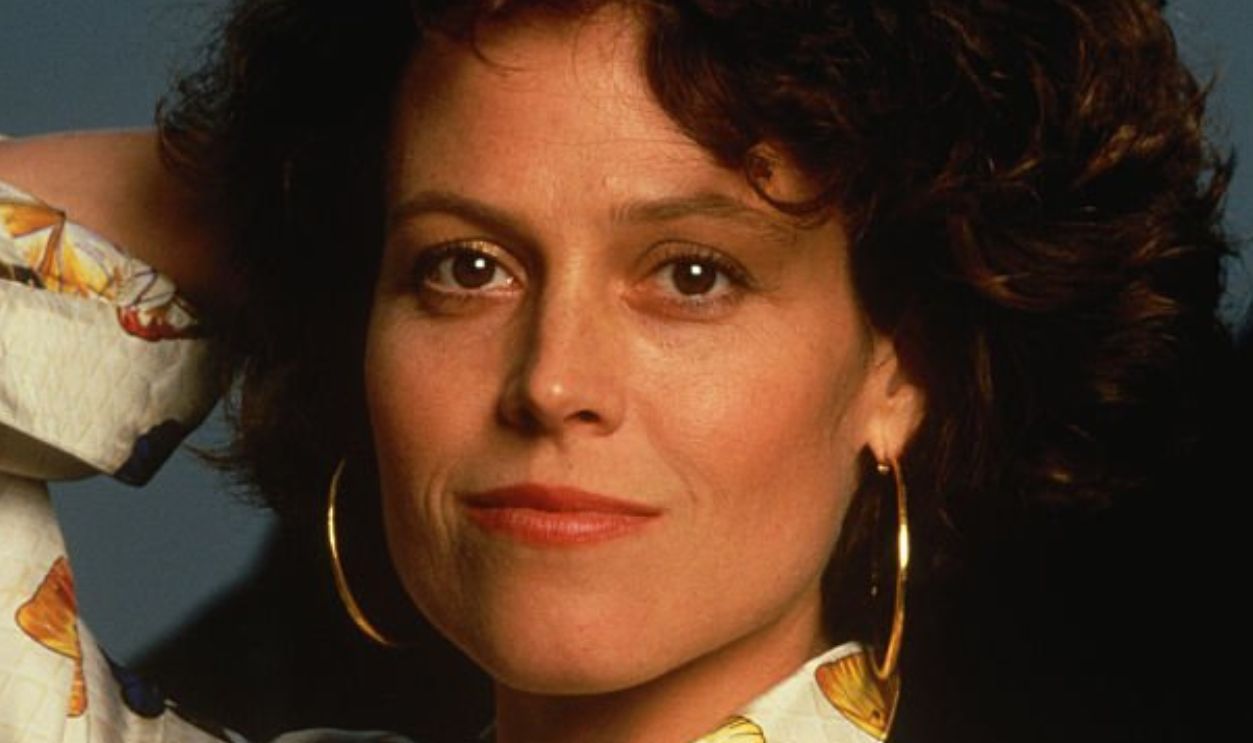
Weaver once thought Alien would simply be a small movie with an exciting young director. Instead, it launched a career that would include Ghostbusters, Gorillas in the Mist, Working Girl, Galaxy Quest, and Avatar. Ripley became one of cinema’s defining science-fiction characters. It all depended on one crucial decision: letting her survive.
You May Also Like:
Ursula Andress Became An Overnight Icon In A White Bikini—Then Quietly Turned Away From Fame